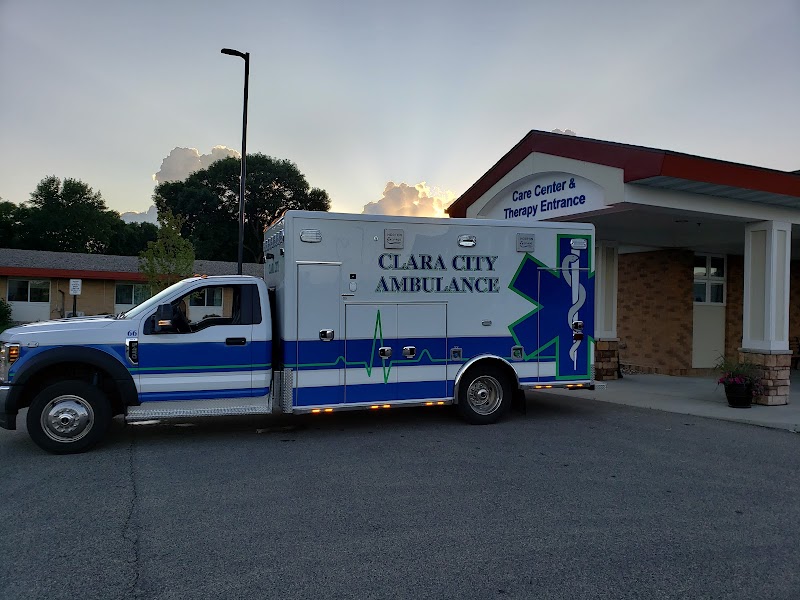
CLARA CITY CARE CENTER
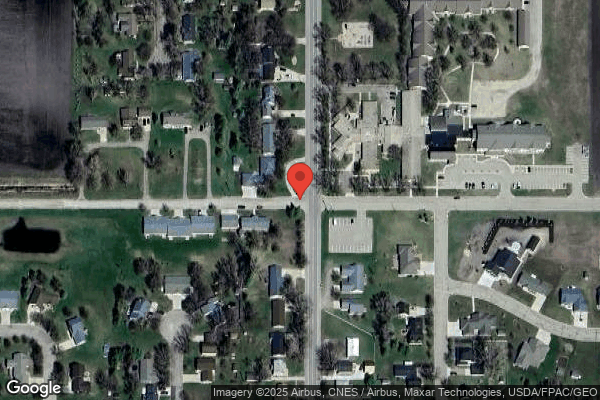
1012 NORTH DIVISION STREET, CLARA CITY, MN 56222 (320) 847-2221
Government - City 48 Beds Independent Data: November 2025 1 Immediate Jeopardy citation
Trust Grade
53/100
#162 of 337 in MN
Last Inspection: February 2025

Within standard 12-15 month inspection cycle. Federal law requires annual inspections.

Overview

Clara City Care Center has a Trust Grade of C, which means they are average and in the middle of the pack compared to other facilities. They rank #162 out of 337 in Minnesota, placing them in the top half, and are the best option among the two nursing homes in Chippewa County. The facility is improving, with the number of issues decreasing from five in 2024 to three in 2025. Staffing is a strong point with a perfect score of 5 out of 5 stars, but the turnover rate of 58% is concerning, as it is higher than the state average of 42%. While there have been no fines, which is a positive sign, a recent critical incident involved a resident suffering serious injuries due to improper use of a mechanical lift, highlighting potential safety risks. Additionally, there were concerns about the facility's failure to ensure safe water temperatures in resident rooms, which could pose a hazard. Overall, while there are strengths in staffing and no fines, the facility needs to address significant safety issues to improve care quality.

Trust Score
C
53/100
In Minnesota
#162/337
Top 48%
Safety Record
High Risk
Review needed
Inspections
Getting Better
5 → 3 violations
Staff Stability
⚠ Watch
58% turnover. Above average. Higher turnover means staff may not know residents' routines.
Penalties
✓ Good
No fines on record. Clean compliance history, better than most Minnesota facilities.
Skilled Nurses
✓ Good
Each resident gets 74 minutes of Registered Nurse (RN) attention daily — more than 97% of Minnesota nursing homes. RNs are the most trained staff who catch health problems before they become serious.
Violations
○ Average
10 deficiencies on record. Average for a facility this size. Mostly minor or procedural issues.
★★★☆☆
3.0
Overall Rating
★★★★★
5.0
Staff Levels
★★★★☆
4.0
Care Quality
★★☆☆☆
2.0
Inspection Score
Stable
2024: 5 issues
2025: 3 issues

The Good

  • 5-Star Staffing Rating · Excellent nurse staffing levels
  • 4-Star Quality Measures · Strong clinical quality outcomes
  • Full Sprinkler Coverage · Fire safety systems throughout facility
  • No fines on record

Facility shows strength in staffing levels, quality measures, fire safety.

The Bad

3-Star Overall Rating

Near Minnesota average (3.2)

Meets federal standards, typical of most facilities

Staff Turnover: 58%

12pts above Minnesota avg (46%)

Frequent staff changes - ask about care continuity

Staff turnover is elevated (58%)

10 points above Minnesota average of 48%

The Ugly 10 deficiencies on record

1 life-threatening
Jul 2025 1 deficiency 1 IJ
CRITICAL (J) 📢 Someone Reported This

A family member, employee, or ombudsman was alarmed enough to file a formal complaint

Immediate Jeopardy (IJ) - the most serious Medicare violation

Accident Prevention (Tag F0689)

Someone could have died · This affected 1 resident

**NOTE- TERMS IN BRACKETS HAVE BEEN EDITED TO PROTECT CONFIDENTIALITY** Based on interview, observation and document review, the facility failed to ensure safe use of a mechanical lift per manufacture...

Read full inspector narrative →
**NOTE- TERMS IN BRACKETS HAVE BEEN EDITED TO PROTECT CONFIDENTIALITY** Based on interview, observation and document review, the facility failed to ensure safe use of a mechanical lift per manufacturer's recommendations to transfer 1 of 11 residents (R1), who required a mechanical lift for transfers. This resulted in an immediate jeopardy (IJ) when R1 fell from a full body mechanical lift causing R1 to suffer fractures to her cervical spine (C1 and C6), nasal cavity, and left femur as well as lacerations to facial area requiring hospital admission. In addition, the facility failed to ensure a system for completed comprehensive assessments for sling size and/or care plan development for 9 of 11 residents (R1, R2, R3, R5, R6, R8, R9, R10, R11) reviewed who required mechanical lifts. The IJ began on [DATE], when staff failed to ensure the lift sling was properly secured and the environment was clear prior to the transfer causing R1 to fall from the mechanical lift. The administrator and director of nursing (DON) were notified of the IJ on [DATE] at 4:20 p.m. The IJ was removed on [DATE] at 2:11 p.m., when the facility had implemented immediate corrective action to prevent recurrence, but noncompliance remained at a lower scope and severity of a D with no actual harm with potential for more than minimal harm that was not immediate jeopardy.Findings include: A Facility Reported Incident (FRI) submitted to the State Agency (SA) on [DATE] at 9:25 a.m., alleged potential caregiver neglect when R1 fell from the mechanical lift during a transfer and sustained a large gash above right eyebrow and on her nose. R1 was transferred by ambulance to the emergency department (ED). R1's Emergency Department Note dated [DATE] at 7:49 a.m., identified R1 was seen in the ED for assessment after she fell out of a hoyer lift. R1 presented with laceration to right eyebrow, bridge of nose, and some bleeding to the gums of her mouth. R1 also complained of increased difficulty breathing through her nose as well as feeling her head was heavy. The note identified that due to R1's multiple fractures and unstable burst fracture of the first cervical vertebra, R1 was transferred to the St. Cloud Hospital for further assessment and care. Clinical impression included closed unstable burst fracture of the first cervical vertebra, closed odontoid ( is a specific type of cervical spine injury involving the second cervical vertebra (C2)) fracture with displacement, fracture of the sixth cervical vertebra, and open fracture of nasal bone. R1's quarterly Minimum Data Set (MDS) dated [DATE], identified R1 had intact cognition. Diagnoses included at the knee amputations of both legs, paraplegia and rheumatoid arthritis. Identified R1 required staff assist with toileting, dressing, bed mobility, and transferring. R1's care plan last revised on [DATE], indicated R1 had a bilateral above the knee amputation in 2019, and required total assist of two (staff) and Hoyer (brand name of a full body mechanical lift) for transfers. The care plan did not identify the sling size staff were to use for transfers. Identified R1 had sutures to her nose and right forehead above the eyebrow with suture removal scheduled for [DATE]. In addition, R1 had a C1 and C6 (neck) fractures which required a cervical (neck) collar to be worn at all times. In addition, R1 had a nasal fracture and a left femur fracture requiring a leg immobilizer to be worn when R1 was up in wheelchair and during transfers. The facility identified focus sheet (abbreviated care plan for nursing assistants (NA)) as of 714/25, indicated R1 required two staff assist with Hoyer Lift however, the sling size was not identified. R1's progress notes dated [DATE] at 10:33 a.m., identified R1 was transferred to the ED for a C1, C2, and nasal fracture after a fall from a lift while staff transferred her from bed to wheelchair. R1's progress note dated [DATE] at 4:01 p.m., identified R1 returned from the hospital with the following injuries: laceration with five stitches above her right eye brow; laceration with three stitches in the center of her nose; bruising around right eye and down to the right side of her lips; bruising to her left eye under and on the corner of her inner eye; a 2.5 centimeter (cm) x 4 cm bruise near her left lateral elbow; two bruises on her left forearm sized 2 cm x 5.5cm and 5cm x 3.5 cm; neck brace on; and leg immobilizer on. R1's last documented weight on [DATE], was 136 pounds and previous weight on [DATE], was 123.6 pounds. An undated facility document labeled Medcare Products indicated all sling sizing recommendations were provided for patient comfort and fit. For a resident weight of 100-210 lbs. (pounds) a medium sized sling would be indicated. During an observation and interview on [DATE] at 11:12 a.m., R1 was sitting in the common area and was noted to have scabs, bruises, sutures to her face with a neck collar on, and an immobilizer brace on her left upper leg. R1 stated she had just returned from the hospital and was having pain all over, all of the time. R1 further identified she fell out of the lift fell the top sling loop by the right side of her head came off. When she fell out of the lift, she hit her face and nose on the leg of the lift and her legs hit something when she fell however she was not sure what they hit. R1 stated, I don't think they had it [sling] hooked up right as she stated she used the lift for six years and it had not happened before. R1 indicated she had been in the hospital for a couple of days and had lots of pain all the time. R1 expressed fear of getting back into the lift sling. During an observation on [DATE] at 1:19 p.m., nursing assistant (NA)-G and registered nurse (RN)-A transferred R1 from wheelchair to bed. When asked about the size of the sling, NA-G stated R1 used small slings and observed R1 had a small multipurpose sling under her during transfer and a spare small sling stored in the closet. During an observation on [DATE] at 3:02 p.m., NA-F and NA-E prepared to transfer R1 from bed to wheelchair. R1 cried out and moaned in pain while they rolled her to apply a small sling under her. NA-E and NA-F put the loops onto the safety bar and began to lift R1 off the bed. This evaluator stopped the transfer when it was noted that once tension was applied to the sling straps, the sling loop on the upper left side was sitting on top of the safety bar and not down in the hook area where it was supposed to rest for a safe transfer. NA-E stated, oh-oh, didn't I put it [sling loop] all the way down? NA-F lowered the lift and reapplied the loop to the upper left safety bar in the hook, lifted R1, and attempted to transfer to wheelchair. When R1 was approximately twelve inches above the wheelchair, the lift stopped, and NA-E used a walkie talkie to page the nurse. After a few minutes, licensed practical nurse (LPN)-A responded and explained how to operate the emergency lowering mechanism to both NA's and R1 was safely lowered to the wheelchair. NA-F stated that the battery had died and needed the nurse to assist. During an interview on [DATE] at 3:21 p.m., the director of nursing (DON) indicated staff were expected to to use a medium sling for R1, not a small sling. The DON did not know why small slings were stored in R1's room. During an interview with licensed practical nurse (LPN)-A on [DATE] at 2:10 p.m., identified she responded on [DATE] at 6:50 a.m., when R1 fell from the lift but stated she thought the sling used was a medium and was unhooked and underneath R1 on the floor. LPN-A identified she was not sure what had happened to allow R1 to fall and was just more concerned with getting R1 the emergency care she needed at the time. LPN-A further indicated staff should have used a medium sling for R1 because of her weight but a small sling was R1's preference so staff had used small slings most of the time. During an interview on [DATE] at 2:25 p.m., NA-B identified he assisted NA-A with R1's transfer on [DATE], in the morning. NA-B stated they each hooked two loops of the sling up to the safety bar and raised R1 up out of bed. While they were moving the lift towards the chair, the leg of the lift got caught up in the base of R1's fan and R1 started leaning to the right and fell out of the right side of the sling. NA-B further identified one of the sling loops had come unhooked during the transfer and thought it was the one on the side R1 fell out of however stated it happened really fast and was not certain. NA-B denied double checking the placement of the loops once tension was applied to the sling straps. During an interview on [DATE] at 9:35 a.m., RN-B indicated R1 by weight should have had a medium sling used however insists on a small [sling]. R1 felt the medium sling was too big did pretty good in it [small sling] but didn't work when the fall happened. RN-B indicated staff should be checking the placement of the sling loops as soon as pressure had been applied to the sling straps. RN-B did not know where a resident assessment for proper sling size would be in the medical record and did not think it was documented anywhere. During an interview on [DATE] at 9:50 a.m., the maintenance director indicated the full body lift was inspected after R1 fell from it and was found to be in working order. During an interview on [DATE] at 11:25 a.m., Medcare customer service representative (CSR) indicated if the full body lift was in working order, the only way for a resident to fall out of a lift would be improper sling set up or not attaching it to the lift safety bar hooks correctly. R2 R2's MDS dated [DATE], identified R2 had intact cognition, and diagnosis of paraplegia. R2's care plan dated [DATE], indicated R2 transferred with two staff assist and a Hoyer (full body mechanical lift). The care plan did not identify the size sling to use. The facility identified focus sheet (abbreviated care plan for nursing assistants (NA)) as of 714/25, indicated R1 required two staff assist with Hoyer Lift but did not identify the sling size to use. R2's medical record identified R2's weight on [DATE], was 188.4 pounds. An undated facility document labeled Medcare Products indicated all sling sizing recommendations are provided for patient comfort and fit. For a resident weight of 100-210 lbs. (pounds) a medium sized sling was indicated. During an observation on [DATE] at 11:55, NA-C and NA-D transferred R2 out of the tub using a ceiling lift. NA-C indicated R2's sling was a size extra-large but after double checking the size on the sling, it had small written on the sling. NA-C stated, oh no, it looks much bigger than that, and further identified that she picked that sling out because, he [R2] likes the softer ones[slings], not the stiffer ones for his bath. NA-C further identified the resident sling size was not written anywhere and staff were directed to size the sling by the resident's weight and their body size. NA-D stated NA's or the nurses could decide what sling to use. During an interview on [DATE] at 12:00 p.m., RN-A indicated she did not know who determined what sling size a resident was supposed to use. RN-A stated she did not know how the proper sling or belt size was communicated to the NA's doing the transfers. R2's medical record lacked resident assessment for appropriate sizing of the sling. R3 R3's admission MDS dated [DATE], identified R3 had severe cognitive impairment, was dependent on staff for toileting, lower body dressing, transfers, and bed mobility. Diagnoses included dementia, encephalopathy, and osteoarthritis. R3's care plan revised [DATE], indicated R3 required assist of one staff with PAL (sit to stand lift) for transfers. The care plan did not identify what size sling belt to use. The facility identified focus sheet (abbreviated care plan for nursing assistants (NA)) as of 714/25, indicated R3 transferred with one staff assist and PAL lift (sit to stand lift) but did not identify what size belt should be used. The Medcare Operations Manual Belt Sizing Guide indicates recommended belt size was determined by waist size. R3's medical record did not contain R3's waist size. R3's medical record lacked resident assessment for appropriate sizing of mechanical lift belt. During observation and interview on [DATE] at 12:35 p.m., R3 was sitting in a recliner with an extra-large belt laying in the wheelchair. NA-D entered the room with the sit to stand lift which had a medium belt slung over the top of the lift. NA-D used the medium belt, placed the belt around R3 and hooked it to the lift. NA-D transferred R3 to the bathroom and then back to the chair. During the transfer back to the chair, R3 did remove her left hand from the lift and was holding on to the lift with her right hand only. No observation was noted of NA-D tightening the belt once R3 was lifted or applying the safety shin straps during the transfers. When asked about the two different belt sizes in R3's room, NA-D stated she did not know why there was an extra-large belt in R3's room but that it keeps showing up in here [R3's room] but had not used it. R3 indicated belt size was determined by the resident chest size and R3 was a smaller lady and if the extra-large belt were used on her, she would fall right through it. When asked about the safety shin strap, NA-D stated, I never use them [shin strap] and thought they were for a previous resident that would not keep his feet on the foot platform. R4 R4's quarterly MDS dated [DATE], identified R5 had moderate cognitive impairment and required staff assist for transfers. Diagnoses included lower limb amputation and osteoporosis. R4's care plan last revised [DATE], identified R4 required assist of one staff and stand by assist with transfers. The care plan did not identify the use of the mechanical lift or size of belt staff were to use with transfer. The facility identified focus sheet as of [DATE], indicated R4 transferred with one staff assist and PAL lift (sit to stand lift) but did not identify what size belt should be used. R4's medical record lacked resident assessment for appropriate sizing of mechanical lift belt. During an observation on [DATE] at 1:10 p.m., R4 was noted to have a sit to stand lift in her bathroom with a medium size belt draped over the top. R5 R5's quarterly MDS identified R5 had intact cognition and required staff assistance with transfers. Diagnoses included osteoarthritis and spondylosis (degenerative changes in the spine). R5's care plan last revised [DATE], identified R5 required one staff assist for transfers using a PAL lift (sit to stand lift) but did not identify what size belt should be used. The facility identified focus sheet as of [DATE], indicated R5 transferred with one staff assist and PAL lift (sit to stand lift) but did not identify what size belt staff should use. R5's medical record lacked resident assessment for appropriate sizing of mechanical lift belt. During an observation on [DATE] at 1:17 p.m., R5 was noted to have a size large belt laying on his chair in his room. R6 R6's significant change MDS dated [DATE], indicated R6 had severe cognitive impairment and required maximum staff assist with transfers. Diagnosis included dementia. R6's care plan revised initiated on [DATE], indicated R6 transferred with two assist and PAL lift but did not identify belt size to use for safe transfers. The facility identified focus sheet as of [DATE], indicated R6 transferred with two staff assist and PAL (sit to stand lift) lift for all transfers but did not identify what size belt staff should use. R6's medical record lacked resident assessment for appropriate sizing of mechanical lift belt. During observation on [DATE], R6 was noted to have a large sling belt in his room. R8 R8's quarterly MDS dated [DATE], identified R8 had moderately impaired cognition and was dependent on staff for all transfers. Diagnoses included cerebral infarction and dementia. R8's care plan reviewed on [DATE], indicated R8 transferred with assist of two and Hoyer (full body mechanical lift) but did not identify sling size to use. The facility identified focus sheet as of [DATE], indicated R8 transferred with two staff assist and Hoyer transfers but did not identify what size sling staff should use. R8's medical record lacked resident assessment for appropriate sizing of mechanical lift sling. R8's vital signs chart indicated R8's weight on [DATE], was 215 pounds which indicated a large sling was recommended. During observation and interview on [DATE] at 1:47 p.m., NA-D and NA-G transferred R8 to bed using a size large sling. Interview with NA-G indicated she determined sling size by the resident's weight and if she did not know the resident weight she would ask the nurse for the weight. NA-G further indicated R8 used a large because a medium is way too small. R9 R9's quarterly MDS dated [DATE], identified R9 had severe cognitive impairment and was dependent on staff for all transfers. Diagnoses included dementia and fracture of the left acetabulum (hip). R9's care plan on [DATE], identified R9 transferred with two staff assist and PAL lift or two staff assist and Hoyer lift but did not identify the size belt or sling to use for transfers. The facility identified focus sheet as of [DATE], indicated R9 transferred with assist of two and PAL lift or assist of two and a Hoyer lift but did not include the size of the sling or belt to use. R9's medical record lacked resident assessment for appropriate sizing of mechanical lift belt and sling. R10 R10's annual MDS dated [DATE] indicated R10 had severe cognitive impairment and required assist with all transfers. Diagnosis included Alzheimer's. R10's care plan on [DATE], identified R10 transferred with two staff assist for pivot transfer; one staff assist with ETAC (unknown meaning) from recliner, wheelchair, bed; or assist of one with PAL lift. The care plan did not identify what belt size to use. The facility identified focus sheet as of [DATE], indicated R10 transferred with assist of one and ETAC (unknown meaning); assist of two with pivot, or assist of one and PAL. R10's medical record lacked a waist size or resident assessment for appropriate sizing of mechanical lift belt. During observation and interview on [DATE] at 3:44 p.m., NA-G applied a large belt and assisted R10 to transfer. NA-G stated the size belt for the resident depended on the resident weight. R11 R11's significant change MDS dated [DATE], indicated R11 had intact cognition and required staff assist with transfers. Diagnosis included Multiple Sclerosis. R11's care plan on [DATE], identified R11 transferred with one staff assist and standing lift but did not identify what size belt to use. The facility identified focus sheet as of [DATE], indicated R11 required assist of one and PAL but did not identify what size belt to use. R11's medical record lacked resident assessment for appropriate sizing of mechanical lift belt. During an observation on [DATE] at 9:02 a.m., NA-H assisted R11 with a transfer to the commode using a medium belt. When asked about determining appropriate belt size for a resident, NA-H stated it depended on the size person they are and did not want them too loose so I just judge their size and how it fits and determine their size from there. NA-H further indicated there was not any direction on which belt size to use but most of the residents that used belts, had them hanging on their doors. R12 R12's quarterly MDS dated [DATE], indicated R12 had severe cognitive impairment and was dependent on staff for transfers. Diagnosis included Alzheimer's. R12's care plan on [DATE], identified R12 transferred with one staff assist and standing lift but did not identify what size belt to use. The facility identified focus sheet as of [DATE], indicated R12 assist of one and PAL but did not identify what size belt to use. R12's medical record lacked resident assessment for appropriate sizing of mechanical lift belt. During an interview on [DATE] at 9:13 a.m., NA-I indicated most of the residents that used lifts had slings or belts on the back of their doors that they could use but slings and belts for the mechanical lifts were based on the resident weight. NA-I denied any written communication to instruct what size sling or belt they were to use. During an interview on [DATE] at 9:20 a.m., LPN-A identified NAs should refer to the belt sizing guide in the CNA book binder at the nurse's desk when determining belt size. LPN-A further indicated all sling were determined by a resident's weight but did not know and could not find any sizing recommendation information on the sit to stand belts and stated, I guess they go by weight too. During an interview with on [DATE] at 12:20 p.m., RN C indicated she did not know who did resident assessments for sling sizing and was not aware of a specific assessment process the facility had in place. During a follow-up interview on [DATE] at 12:25 p.m., the DON identified the RN charge nurse should identify the residents sling or belt size based on the size guide sheet from the manufacturer and would be based on the resident body type and weight. The DON confirmed the facility did not have a formal assessment to determine sling or belt size and did not know where staff would document the resident sling and belt sizes. The DON indicated residents should have the appropriate size sling or belt on the back of their doors to ensure safety. The DON identified after R1's fall from the lift, she replaced the small slings in R1's room with the medium sling and did not know how the small slings ended up in use for R1 again after she had removed them. The DON confirmed the facility did not train or complete competencies for lift use on the temporary agency staff however planned to initiate that immediately. The DON verified the facility policy addressed the use of a lift that was not in service at their facility and did not have one specific to the Medcare brand lifts that were currently being used. The facility policy titled, Reliant 450 Lift and Slings (the facility is using Medcare full body lift and slings) dated [DATE], and last modified on [DATE], indicated before beginning procedure, scan the environment for obstacles to making a successful transfer and adjust environment to ensure safety of resident. Step 1 is to select the proper style and size sling (binding around each sling is color coded to size, the sizing chart is in each CNA book). Step 21 is prior to lifting an individual make sure the straps of the slings are securely placed on the hooks of the carry bar. The facility policy titled, Med Care Standing Lift dated [DATE] and last updated [DATE], identified the stand lift is intended for residents who are able to bear partial weight and require some lifting to perform activities of daily living. Appropriate use is to be determined by physical therapy department or nurse managers. Step 5 instructs to hook the leg strap around the resident's calves. Step 7 is prior to lifting an individual make sure the straps of the slings are securely placed on the hooks of the carry bar. Upon admission or change of condition, sit to stand lifts will be two assist, unless deemed to be safe with one assist by a licensed nurse or therapy. The policy does not include any language regarding how to accurately size the harnass (belt) for the resident. The Medcare Sling Sizing Guide directs staff to use the sling sizing chart as a general guide. Keep in mind the patients/residents that are the same weight may have different body types, shapes, and sizes and may require different sized slings. The Medcare Belt Sizing Guide directs staff to use the belt sizing chart as a general guide. Keep in mind the patients/residents that are the same weight may have different body types, shapes, and sizes and may require different sized belts. The sizing guide gives recommended size by waist size. Waist size of 24 inches to 48 inches recommends a small size; 30 inches to 54 inches recommends a medium size; 36 inches to 60 inches recommends a large size; and 42 inches to 66 inches recommends an extra-large size. The sizing guide does not identify that weight is used in sizing the belts. The IJ was removed on [DATE] at 2:11 p.m. when it was verified the facility implemented the following corrective actions:*The facility policy and procedure for safe mechanical lift transfers was updated to include the appropriate mechanical lift company's manufacturer's recommendations and specific time out procedures to do safety checks to ensure all loops were hooked on the appropriate hook before lifting the resident and completing an environmental scan of all the area for possible obstacles prior to beginning the lifting procedure. *The facility developed and implemented a system for an RN to comprehensively assess sling and belt sizes for individual residents utilizing the full body and sit to stand mechanical lifts by utilizing the manufacturer's guidelines and nursing judgement. * Sling and belt sizes for each resident were added to the resident's care plans and the NA care sheets (focus sheets). *The facility provided education with return demonstration to all nursing staff on manufacturer's recommendations to include a safety check, doing an environmental scan, and using proper sling sizes for the residents.
Feb 2025 2 deficiencies
CONCERN (D)

Potential for Harm - no one hurt, but risky conditions existed

Infection Control (Tag F0880)

Could have caused harm · This affected 1 resident

**NOTE- TERMS IN BRACKETS HAVE BEEN EDITED TO PROTECT CONFIDENTIALITY** R16 R16's significant change MDS dated [DATE], identified R16 had severe cognitive impairment with diagnoses which included, Alz...

Read full inspector narrative →
**NOTE- TERMS IN BRACKETS HAVE BEEN EDITED TO PROTECT CONFIDENTIALITY** R16 R16's significant change MDS dated [DATE], identified R16 had severe cognitive impairment with diagnoses which included, Alzheimer's disease, heart failure, and anxiety. Identified R16 required substantial/maximal assistance with shower/bathing and upper body dressing, and was dependent for lower body dressing and transfers. R16's care plan revised 2/18/25, identified R16 had ADL self care deficit and needed assistance to complete ADLs. R16 required EBP, related to: open draining wounds to right lower extremity and was at risk of developing a multi-drug resistant organism/infection. Interventions included apply personal protective equipment (PPE) prior to providing wound care. Remove before leaving R16's room. R16's care plan lacked EBP intervention to include use of PPE with all high contact resident care activities. R16's Referral Form signed 2/7/25, included order: -wound on right leg-cleanse wound with wound cleaner, apply collagen (wound gel to promote healing) to wound beds, apply non-adherent super absorbent dressing. Wrap with Kerlix (gauze dressing in a roll). During an observation on 2/24/25 at 5:33 p.m., NA-D assisted R16 back to her room in her wheelchair. R16's door had a CDC EBP sign on the door, which identified providers and staff must wear gloves and a gown for the following high-contact resident care activities, which included dressing. R16 stated she was hot, so NA-D assisted R16 to remove her long sleeve shirt, and applied a short sleeve shirt. NA-D asked R16 if she was comfortable and R16 agreed. NA-D placed R16's long sleeve shirt in her lap as R16 requested, In case I get cold. then NA-D assisted R16 back to the dining room. NA-D did not apply PPE while assisting R16 with dressing. During an observation on 2/25/25 at 2:03 p.m., R16 NA-C answered R16's call light, who requested to go to the bathroom. NA-C informed she would get assistance and be right back. At 2:06 p.m. NA-C and NA-B entered R16's room, applied gloves and assisted R16 to transfer to a commode brought from the bathroom. NA-C and NA-B waited in the room, allowed R16 time to use the commode, assisted R16 to stand, provided perineal cares and assisted her back into her recliner. NA-C and NA-B did not wear a gown, as directed for EBP with high contact cares including transferring and assisting with toileting. During an interview on 2/25/25 at 2:15 p.m., NA-B confirmed R16 had a dressing on her right leg. NA-B indicated the nurses wore PPE when they changed R16's dressing on her wound. NA-B stated the nursing assistants did not wear PPE when they assisted R16 with cares. NA-B indicated the only time they would wear a gown was if they were assisting the nurse with changing R16's dressing or if the dressing came off. Based on observation, interview, and document review, the facility failed to implement donning/doffing of personal protective equipment (PPE) practices for 2 of 2 residents (R32 and R16) observed for enhanced barrier precautions (EBP) (an infection control intervention designed to reduce transmission of multidrug-resistant organisms that employs targeted gown and glove use during high contact resident care activities). In addition, the facility failed to ensure hand hygiene while providing personal cares to prevent the spread of infections for 1 of 3 residents (R30) observed during cares. Findings include: Review of Centers for Disease Control and Prevention (CDC) guidance dated 4/1/24, Implementation of PPE use in Nursing Homes to Prevent Spread of Multidrug-resistant Organisms (MDROs) indicated Examples of high-contact resident care activities requiring gown and glove use for Enhanced Barrier Precautions include: Dressing, Bathing/showering, Transferring, Providing hygiene, Changing linens, Changing briefs or assisting with toileting, device care or use: central line, urinary catheter, feeding tube, tracheostomy/ventilator and wound care: any skin opening requiring a dressing. EBP R32 R32's significant change Minimum Data Set (MDS) dated [DATE], identified R32 had moderate cognitive impairment and diagnoses which included heart failure, dementia, and arthritis. Identified R32 required extensive assistance for activities of daily living (ADL's) which included toileting, transfer, and dressing. Indicated for ADL's which included toileting, transfer, and dressing. Indicated. Indicated R32 had a pressure ulcer. R32's care plan revised 1/20/25, indicated R32 R32 had an unstageable pressure ulcer to her sacral area. Care plan instructed staff to use Enhanced Barrier Precautions related to R32 being at risk for developing a Multi Drug Resistant Organism (MDRO) infection. R32's weekly wound assessment dated [DATE], identified R32 had an open pressure wound on her left buttocks that measured 1 inch in length and 1 inch in width with a moderate amount of serosanguinous ( clear and bloody) drainage. Assessment identified that a calcium alginate dressing was applied over the wound. During an observation on 2/24/25 at 10:55 a.m., there was a plastic bin with three drawers placed on the floor in R32's room near the bed. Additionally, there was a sign on R32's room door that said Enhanced Barrier Precautions; Everyone Must clean their hands, including before entering and when leaving the room. Wear gloves and gown for the following high contact resident activities: Dressing, Bathing/showering, Transferring, Providing hygiene, Changing linens, Changing briefs or assisting with toileting, device care or use: central line, urinary catheter, feeding tube, tracheostomy/ventilator and wound care: any skin opening requiring a dressing. In addition, the sign contained a picture of hand sanitizer, gown, and gloves. During an observation on 2/25/25 at 9:57 a.m., hospice aide (HA)-A entered R32's room wearing a surgical mask, sanitized hands, put soap and water into a basin, put gloves on and proceeded to place a washcloth into the wash basin and used the wash cloth to clean R32's face. HA-A then removed another washcloth from the wash basin and washed the front side of R32's perineal area with the washcloth. HA-A placed the washcloths into a plastic bag. HA-A removed her gloves, sanitized her hands and removed R32's gown and placed a clean gown on R32. HA-A combed R32's hair and adjusted the boots to R32's feet. HA-A covered R32 up with a sheet and sanitized her hands. HA-A was not wearing a gown at any time during this observation. During an interview on 2/25/25 at 10:20 a.m., HA-A stated she was aware R32 had a pressure ulcer on her buttock. HA-A stated she was not required to wear a gown while caring for R32 unless she was assisting the nurse with wound care. HA-A stated she was unaware she should have been wearing a gown while providing personal cares to R32. During an observation on 2/25/25 at 11:21 a.m., nursing assistant (NA)-B entered R32's room sanitized hands, applied gloves and assisted R32 to roll onto her side by placing her left hand on R32's back while using her right hand to remove R32's soiled brief. NA-B used a wipe to wipe R32's perineal area from front to back, removed the gloves, sanitized her hands and placed the a clean brief on R32. NA-B took a mouth swab out of the bedside table and swabbed R32's mouth out with the swab. NA-B was not wearing a gown at any time during this observation. During an interview on 2/25/25 at 11:26 a.m., NA-B stated she was not required to wear a gown while providing cares to R32 unless she was assisting the nurse with wound care. NA-B stated she was unaware she should have been wearing a gown while providing personal cares to R32. HAND HYGIENE R30's quarterly MDS dated [DATE], identified R30 as having intact cognition, and was diagnosed with depression, dementia, and heart failure. R30 needed maximal assistance with transfers and moderate assistance for ADL's which included toileting, and dressing. R30's care plan revised on 1/31/25, identified R30 needed assistance for dressing and assist of one with the PAL (mechanical standing lift to assist a person from sitting to standing) for toileting and transfers. During an observation on 2/26/25 at 7:20 a.m., NA-E applied gloves, retrieved a warm washcloth and hand towel and prompted R30 to wash her face. R30 was sitting on the side of the bed. NA-E put on a clean brief and applied pants up to R39's knees. NA washed R30's back, arms, underarms, and under her breasts. NA-E applied lotion to R30's back, arms, and chest. NA-E put a bra, shirt, and sweater on R30. NA-E warmed the washcloth in warm water and placed the washcloth on the hand towel on the side table. NA-E applied the mechanical lift sling around R30, hooked R30 to the mechanical standing lift and assisted R30 to stand. NA-E took off the brief R30 was wearing the previous night. NA-E took the warm washcloth and provided perineal hygiene care. NA-E took the hand towel and dried R30 perineal area. NA-E did not remove gloves and proceeded to pulled up R30's clean brief and pants. NA-E adjusted R30's shirt and moved the mechanical standing lift toward the wheelchair. NA-E positioned the wheelchair behind the resident, NA-E pressed the down button on the mechanical standing lift, lowering R30 until sitting in the wheelchair. NA-E removed the mechanical lift sling from R30 and placed the sling on the mechanical standing lift. NA-E unhooked the bed sensor alarm from the bed and hooked the sensor alarm to the wheelchair. NA-E pushed R30 up to the sink, opened the cupboard, and took out R30's toothpaste and toothbrush. R30 requested NA-E to put her phone charger in a basket away from the sink, which NA-E did. NA-E then took R30's hairbrush and brushed R30 hair and gave R30 her glasses, which R30 applied herself. NA-E then removed gloves and pushed R30 to the door and applied R30's foot pedals to the wheelchair. NA-E pushed R30 to the living room area. During an interview on 2/26/25 at 7:50 a.m., NA-E verified she did not remove her gloves after perineal care. NA-E verified she proceeded to touch other items in the room such as her toothbrush and hair brush. NA-E verified she should have removed her gloves after perineal care and before touching other items in the room. During an interview on 2/26/25 at 8:40 a.m., NM-A indicated her expectation was to have staff apply gloves before and remove aftercare. NM-A stated staff should wash hands and apply gloves when walking into a room, and remove gloves after cares, and wash hands. During an interview on 2/25/25 at 1:23 p.m., infection preventionist (IP) verified R32 and R16 had chronic wounds which required a dressing. IP stated her understanding was that staff only had to wear a gown while caring for a resident with chronic wounds if they were directly working with the wound. IP stated her expectation going forward was for staff to wear all of the proper PPE which included a gown while caring for any residents on EBP to prevent the spread of infection. During an interview on 2/26/25 at 8:43 a.m., the IP indicated after staff was done with the soiled part of the perineal cares, staff should remove gloves, wash their hands before applying a clean brief and apply clean gloves before applying creams. During an interview on 2/25/25 at 4:07 p.m., director of nursing (DON) verified R32 and R16 had open wounds with dressings and required EBP. DON stated her expectation was that staff would have followed EBP per CDC guidelines to prevent the spread of infection. Review of a facility policy titled Enhanced Barrier Precautions dated 11/3/23, identified the facility was to follow the direction of federal and state agencies regarding the Enhanced Barrier Precautions and preventing MDRO spread. Identified staff were to use gown and gloves during high -contact resident care activities which included: dressing, transferring, providing hygiene, changing linens, changing briefs or assisting with toileting, device care-central line urinary catheter, feeding tube, wound care: any skin opening requiring a dressing. Review of the policy titled Started Precautions dated 5/21/06 identified 2) Gloves - wear gloves when touching blood, body fluids, secretions, excretions, and contaminated items. Change gloves between tasks and procedures on the same resident after contact with material that may contain a high concentration of microorganisms. Remove gloves promptly after use, before touching noncontaminated items and environmental surfaces, and before going to another resident, and wash hands immediately. Review of the policy titled Hand Hygiene Policy and Procedure dated 11/18/15 revealed 2. Change gloves during patient care if moving from a contaminated body site to a clean body site. 3. Remove gloves promptly after use, before touching non-contaminated items and environmental surfaces, and before caring for another patient.
CONCERN (E)

Potential for Harm - no one hurt, but risky conditions existed

Accident Prevention (Tag F0689)

Could have caused harm · This affected multiple residents

**NOTE- TERMS IN BRACKETS HAVE BEEN EDITED TO PROTECT CONFIDENTIALITY** Based on observation, interview and document review, the facility failed to ensure an environment that was free of accident haza...

Read full inspector narrative →
**NOTE- TERMS IN BRACKETS HAVE BEEN EDITED TO PROTECT CONFIDENTIALITY** Based on observation, interview and document review, the facility failed to ensure an environment that was free of accident hazards, related to hot water temperatures in 6 of 6 resident rooms ( R9, R11, R16, R28, R31, R32,) tested for safe water temperatures. This deficient practice had the potential to affect all 6 residents who used water from the water faucets. Findings include: On 2/24/25 at 11:00 a.m., during resident screening the water temperatures in R9, R11, R16, R28, R31, and R32's rooms felt very warm to the touch after running water for one minute. During an observation and interview on 2/24/25 at 11:28 a.m., maintenance director (MD) verified the water in R9, R11, R16, R28, R31 and R32's room felt too hot and used the facility digital thermometer to measure the water temperatures in resident rooms. Water temperatures were as follows: -R9's room [ROOM NUMBER] was 129 degrees F. -R11 room [ROOM NUMBER] was 129 degrees F. -R16 room [ROOM NUMBER] was 129 degrees F. -R28 room [ROOM NUMBER] was 129 degrees F. -R31 room [ROOM NUMBER] was 130 degrees F. -R32 room [ROOM NUMBER] was 126 degrees F. During an interview on 2/24/25 at 11:52 a.m., R24 stated the water in his room was too hot and he had to turn the cold water on or he would have burned his hands. During an interview on 2/2/25 at 2:29 p.m., R31 stated the water in his room gets hot when it runs for a while. During an interview on 2/24/25 at 3:19 p.m., R11 stated the water in her room gets too hot. During an interview on 2/25/25 at 2:02 p.m., registered nurse (RN)-A verified all six residents were at risk for potential burns when the water was too hot. During an interview on 2/25/25 at 2:45 p.m., MD verified the above rooms were too hot according to State and Federal guidelines. MD stated he had completed random audits of water temps in the past month. MD stated they purchased a new hot water heater in the past few months which could have affected the water temperatures. MD stated his expectation was that the water temperatures in all resident rooms would remain between 105 and 115 degrees to prevent burns. During an interview on 2/25/25 at 2:19 p.m., administrator stated his expectations were that the water temperatures would remain within the State and Federal guidelines to prevent burns. Review of a facility policy titled Water Management Plan for Legionella updated 10/8/24, identified the facility was required to follow anti-scalding guidelines. Policy identified the water accessible to residents was between 105 and 115 degrees F.
May 2024 1 deficiency
CONCERN (D) 📢 Someone Reported This

A family member, employee, or ombudsman was alarmed enough to file a formal complaint

Potential for Harm - no one hurt, but risky conditions existed

Resident Rights (Tag F0550)

Could have caused harm · This affected 1 resident

**NOTE- TERMS IN BRACKETS HAVE BEEN EDITED TO PROTECT CONFIDENTIALITY** Based on observation, interview, and record review the facility failed to ensure 1 of 3 residents (R1) were treated with dignity...

Read full inspector narrative →
**NOTE- TERMS IN BRACKETS HAVE BEEN EDITED TO PROTECT CONFIDENTIALITY** Based on observation, interview, and record review the facility failed to ensure 1 of 3 residents (R1) were treated with dignity and respect. Findings include: Review of facility reported incident dated 5/14/24, indicated trained medication aide (TMA-C) was administering R1's morning medications one 5/11/24, when nursing assistant (NA-L) asked if R1 was ready for breakfast. TMA-C stated R1 was finishing her Miralax (a laxative) when NA-L lunged toward R1 from behind R1 and grabbed the cup out of R1's hand when R1 refused to give up the cup. R1 screamed very loudly Damn it stop and leave me alone and continued to hold the cup fiercely. NA-L was hanging on to the cup tightly and TMA-C was trying to get the cup away from both R1 and NA-L. NA-L stated R1 did not need the Miralax right before she attempted to take the cup away from R1. R1 was visibly shaking and upset. R1's quarterly Minimum Data Set (MDS) dated [DATE], indicated R1 had severe cognitive impairment, with diagnoses that included altered mental status, aphasia (inability to communicate), stroke, and constipation. R1 was dependent on staff for wheelchair mobility, required maximal assist of one staff for bed mobility, hygiene, transfers, and dressing. R1 did not have a toileting program and was frequently incontinent of bowel and bladder. R1 had verbal behaviors one to three days towards others. R1's care plan indicated the following: -Behavior Symptoms Care plan dated 10/24/23, with interventions of: -avoid over stimulation, -avoid power struggles, -maintain a calm environment and approach. -Communication care plan dated 11/08/22, with interventions of: -talk with R1 in a quiet environment so it is easier for R1 to hear (dated 11/8/22). Review of R1's physician orders included the following: -Miralax (laxative) 17 grams by mouth every other day for constipation (start date 10/10/23) During an interview on 5/15/24 at 2:00 p.m., TMA-C stated she was administering R1's medications crushed in applesauce and the Miralax mixed in 140 mls of water, when NA-L came and asked if R1 was ready to breakfast. TMA-C stated NA-L quickly moved towards R1 from behind and grabbed the glass of Miralax stating R1 did not need the laxative as she had a blow out the day before. There was struggle between R1 and NA-L. TMA-C intervened and was able to stop the struggle and removed the cup from both R1 and NA-L. TMA-C calmed R1 by reassuring her and removed the glass from R1's hands. R1 was visibly shaking and upset. TMA-C stated NA-L was not treating R1 respectfully. TMA-C sent a text message of the incident to the director of nursing (DON), who was on vacation, and the resource- registered nurse (RN-K). During an interview on 5/15/24 at 1:24 p.m., RN-I stated she was the charge nurse during the time frame of the incident between R1 and NA-L, however, was not aware of the incident until it was brought to her attention by the surveyor. RN-I did not think R1 was treated with respect and dignity by NA-L and should have been. During an interview on 5/15/24 at 1:44 p.m., RN-K stated she was made aware of the incident by text message from TMA-C. RN-K did not think NA-L treated R1 respectfully and should have been. During an interview on 5/15/24 at 2:22 p.m., social worker (SW)-A stated she was not made aware of the incident until 5/13/24, when TMA-C informed her around 2:00 p.m. SW-A did not think NA-L treated R1 with respect and dignity. During an interview on 5/15/24 at 2:48 p.m., DON stated she was on vacation and was made aware of incident on Monday, 5/13/24, by the administrator's phone call. DON stated NA-L did not treat R1 with respect and dignity. DON expected all staff to treat all residents with respect and dignity. Review of the facility's undated policy titled Resident Respect and Dignity, indicated that residents had the right to be treated with respect and dignity.
Mar 2024 4 deficiencies
CONCERN (D)

Potential for Harm - no one hurt, but risky conditions existed

Pharmacy Services (Tag F0755)

Could have caused harm · This affected 1 resident

Based on observation, interview, and document review, the facility failed to maintain and monitor their system for the the disposition and security of emergency medication kits (E-kit) that contained ...

Read full inspector narrative →
Based on observation, interview, and document review, the facility failed to maintain and monitor their system for the the disposition and security of emergency medication kits (E-kit) that contained controlled and/or narcotic substances for 1 of 3 E-kits to immediately detect and reconcile to prevent potential drug diversion. Findings include: Observation and interview on 3/5/24 at 10:02 a.m., with licensed practical nurse (LPN)-A of the facility's large emergency kit (E-kit) located in the medication room inside the medication cupboard was an attached inventory record that identified controlled medication of Morphine oral solution 10 mg/0.5 ml, lorazepam for injection 2 mg/ml injection, hydrocodone/APAP (Norco) 5/325 mg, and lorazepam 0.5 mg tablet. The large E-kit had a plastic lock with the number 1249464. A small red emergency kit also located in medication room cupboard with an attached inventory record identified controlled medications of Hydrocodone/APAP (Norco) 5/325 mg tables quantity 6, morphine oral solution syringe 10 mg/0.5 ml quantity 6 syringes, oxycodone oral tablet 5 mg quantity 6, oxycodone/APAP (Percocet) oral tablet 5/325 mg quantity 6, and lorazepam tablets 0.5 mg quantity 6. The small red emergency kit had 3 plastic locks with numbers 0341712, 0341713, and 0341714. Lastly a small emergency kit located in the medication room refrigerator with an attached inventory record identified lorazepam oral 2 mg/ml quantity 30 ml. The E-kit in the refrigerator had a plastic lock with number 0271337. LPN-A revealed that the facility staff check and sign that they checked the E-kits shift to shift. Review of the E-kit Verification Signoff Sheet identified staff were signing off however, they were not logging the plastic lock numbers. LPN-a confirmed there would be no way for her to know if someone had opened one of the E-kits and removed something and placed a new plastic lock. Observation and interview on 3/5/24 at 10:16 a.m., with director of nursing (DON) confirmed the contents of the E-kits and that staff had not been documenting the plastic locks shift to shift. She revealed staff should have been logging the locks of each E-kit to confirm nothing had changed. Review of the 9/10/19, Emergency Kit Checklist policy identified goal was to ensure E-kit contents were accounted for and the E-kit remained intact. Staff were to conduct an E-kit verification shift to shift in addition to the narcotic count. The policy had no mention of confirming the plastic lock numbers to ensure the kit had not been compromised.
CONCERN (D)

Potential for Harm - no one hurt, but risky conditions existed

Deficiency F0883 (Tag F0883)

Could have caused harm · This affected 1 resident

**NOTE- TERMS IN BRACKETS HAVE BEEN EDITED TO PROTECT CONFIDENTIALITY** Based on interview and document review, the facility failed to offer and/or administer the most recent Centers for Disease Contr...

Read full inspector narrative →
**NOTE- TERMS IN BRACKETS HAVE BEEN EDITED TO PROTECT CONFIDENTIALITY** Based on interview and document review, the facility failed to offer and/or administer the most recent Centers for Disease Control (CDC) pneumococcal vaccine for 2 of 5 residents (R23 and R24) reviewed for immunizations. Furthermore, the facility failed to have a method or system to ensure the facility offer or provided any initial or updated vaccine to residents per Centers for Disease Control (CDC) vaccination recommendations. Findings include: Review of the current CDC pneumococcal vaccine guidelines located at https://www.cdc.gov/vaccines/vpd/pneumo/hcp/pneumo-vaccine-timing.html, identified for: Adults [AGE] years of age or older, staff were to offer and/or provide based off previous vaccination status as shown below: a) If NO history of vaccination, offer and/or provide: aa) the PCV-20 OR bb) PCV-15 followed by PPSV-23 at least 1 year later. b) For PPSV-23 vaccine ONLY (at any age): aa) PCV-20 at least 1 year after prior PPSV-23 OR bb) PCV-15 at least 1 year after prior PPSV-23 c) For PCV-13 vaccine ONLY (at any age): aa) PCV-20 at least 1 year after prior PCV13 OR bb) PPSV-23 at least 1 year after prior PCV13 d) For PCV-13 vaccine (at any age) AND PPSV-23 BEFORE 65 years: aa) PCV-20 at least 5 years after last pneumococcal vaccine dose OR bb) PPSV-23 at least 5 years after last pneumococcal vaccine dose e) Received PCV-13 at any age AND PPSV-23 AFTER age [AGE] Years: aa) Use shared clinical decision-making to decide whether to administer PCV20. If so, the dose of PCV-20 should be administered at least 5 years after the last pneumococcal vaccine. R23's Continuity of Care Document printed 3/5/24, identified R23 was [AGE] years old and had diagnoses of hypertension, hypothyroidism, osteoarthritis, and nutritional anemia. R23's Immunization record printed 3/5/24, identified R23 had received the pneumococcal conjugated vaccine (PCV-13) on 4/23/15, the pneumococcal polysaccharide vaccine (PPSV-23) 10/11/16. R23's medical record did not include evidence R23 or R23's representative received education regarding pneumococcal vaccine booster, the physician had been consulted, or indication R23 was offered the PCV-20 at least 5 years after prior pneumococcal vaccine per CDC guidance. R24's Continuity of Care Document printed 3/5/24, identified R24 was [AGE] years old and had diagnoses of Parkinson's disease, neurocognitive disorder with Lewy bodies, dementia, hypertension, hypothyroidism, and hyperlipidemia. R24's Immunization record printed 3/5/24, identified R24 had received the PCV-13 on 12/30/16 and the PPSV-23 on 4/24/18. R24's medical record did not include evidence R24 or R24's representative received education regarding pneumococcal vaccine booster, the physician had been consulted, or indication R24 was offered the PCV-20 at least 5 years after prior pneumococcal vaccine per CDC guidance. Interview on 3/5/24 at 9:47 a.m., with registered nurse (RN)-A who reported she was responsible for offering and administering vaccinations upon admission and annually if the resident remained in house. RN-A confirmed she had not offered R23 nor R24 the PVC-20 vaccination. She reported she had been working on reviewing all the current residents and offering the vaccinations to the residents who were eligible but had not offered to R23 or R24 yet. She identified she had not been able to come up with a good way to track the resident vaccination to offer vaccination when residents were eligible and to be consistent however, she had been working on that. Interview on 3/5/24 at 2:46 p.m., with director of nursing identified she was unaware that the infection preventionist had not offered all residents who were eligible the PCV-20. She would expect that the infection preventionist would review and offer vaccination that the residents were eligible to receive. Review of the 1/23/24, Pneumococcal vaccine policy, identified all residents would be offered Pneumococcal conjugate vaccines (PVC13, PVC15, or PCV20) and/or the pneumococcal polysaccharide vaccine (PPSV23). Residents would be assessed upon admission for eligibility to receive using the current CDC guidelines. Residents and/or representative would receive educational information and offered unless medically contraindicated. Residents and/or representatives have the right to refuse vaccinations. Documentation in the resident's record would indicate if refused and/or given.
CONCERN (E)

Potential for Harm - no one hurt, but risky conditions existed

Accident Prevention (Tag F0689)

Could have caused harm · This affected multiple residents

**NOTE- TERMS IN BRACKETS HAVE BEEN EDITED TO PROTECT CONFIDENTIALITY** Based on observation, interview, and document review the facility failed to ensure alcoholic beverages were secure in 1 of 1 res...

Read full inspector narrative →
**NOTE- TERMS IN BRACKETS HAVE BEEN EDITED TO PROTECT CONFIDENTIALITY** Based on observation, interview, and document review the facility failed to ensure alcoholic beverages were secure in 1 of 1 resident refrigerator located in the east dining room. This had the potential to affect 4 out of 20 residents with diagnoses of dementia and with known confusion that ate in the east dining room (R21, R24, R27, R30) Findings include: Observation on 3/4/24 at 11:46 a.m., of the east dining room refrigerator identified 3 cans of Michelob Ultra left in a 12 pack, 5 bottles of [NAME] light in refrigerator door, and 1 bottle of Michelob golden. The refrigerator was unsecured, and all residents had access to the refrigerator. Interview on 3/4/24 at 3:18 p.m., with activity director identified the facility typically held activities in the west dining room related to some sound issues. She reported that the activity department did utilize the resident refrigerator in the east dining room. She stated that the facility did have a monthly activity called the Ritz where she invited all the residents and the residents of the attached assisted living. She reported that activity was held in the east dining room as it was larger than the west dining room. During that activity they had a happy hour where residents could have a glass of beer and appetizers. She confirmed that residents with dementia also attend. Interview on 3/4/24 at 3:28 p.m., with licensed practical nurse (LPN)-B identified if a resident wanted alcohol that the facility kept that locked in the medication room. She reported there were only 3 residents who had alcohol that was locked in the medication room. Interview on 3/4/24 at 3:31 p.m., with registered nurse (RN)-A identified the facility protocol if a resident wanted alcohol at the facility was to get an order from their provider and then lock it in the mediation room. Interview on 3/4/24 at 3:50 p.m., with dietary manager and regional dietary consultant confirmed no alcohol should be kept in the unsecured refrigerator in the east dining room. The alcohol was moved to a secured refrigerator located inside the kitchen. Interview on 3/4/24 at 3:56 p.m., with director of nursing identified she was unaware that alcohol had been kept in the unsecured refrigerator in the east dining room. She agreed alcohol needed to be secured in the facility related to safety risk. Review of the 5/8/14, Resident Illegal Substance and Alcohol Use/Abuse policy identified alcoholic beverages may not be stored in resident rooms. Alcoholic beverages must be locked in a secure area as determined by nursing staff.
CONCERN (F)

Potential for Harm - no one hurt, but risky conditions existed

Deficiency F0868 (Tag F0868)

Could have caused harm · This affected most or all residents

Based on document review and interview, the facility failed to ensure the required members and/or their designee attended the quarterly meetings for 3 of 4 quarterly Quality Assurance Performance Impr...

Read full inspector narrative →
Based on document review and interview, the facility failed to ensure the required members and/or their designee attended the quarterly meetings for 3 of 4 quarterly Quality Assurance Performance Improvement (QAPI) meetings. Findings include: Review of the quarter 1 QAPI meeting attendance form for 1/10/23, identified the facility administrator was not present at the meeting. There was no documentation related to his absence and if there had been someone designated in his absence. Review of the quarter 3 QAPI meeting attendance form for 7/11/23, identified the facility infection preventionist was not present at the meeting. There was no documentation related to her absence and if there had been someone designated in her absence. Review of the quarter 4 QAPI meeting attendance form for 10/24/23, identified the facility administrator was not present at the meeting. There was no documentation related to his absence and if there had been someone designated in his absence. Interview on 3/4/24 at 2:42 p.m., with the director of nursing confirmed that the administrator had not been present at the 1/10/23 and the 10/24/23 QAPI meetings. She further confirmed that the infection preventionist had not been present at the 7/11/23 meeting. Interview on 3/4/23 at 6:39 p.m., with administrator confirmed he was not present at the 1/10/23 and the 10/24/23 QAPI meetings and should have been or designated someone in his place. He reported going forward if a committee member was unable to attend for some reason the facility would ensure documentation of the absence and who was designated in their place. Review of the January 2019, Quality Assurance and Process Improvement Plan identified the administrator, director of nursing, infection preventionist, medical director, consulting pharmacist, select department managers, resident and/or family representatives (if appropriate), and additional general staff was the framework for the QAPI committee. The committee would meet monthly.
Jun 2023 1 deficiency
CONCERN (D) 📢 Someone Reported This

A family member, employee, or ombudsman was alarmed enough to file a formal complaint

Potential for Harm - no one hurt, but risky conditions existed

Report Alleged Abuse (Tag F0609)

Could have caused harm · This affected 1 resident

Based on interview and record review, the facility failed to immediately but not later than 2 hours allegations of neglect to the State Agency for 1 of 1 residents (R3) reviewed who wandered outside a...

Read full inspector narrative →
Based on interview and record review, the facility failed to immediately but not later than 2 hours allegations of neglect to the State Agency for 1 of 1 residents (R3) reviewed who wandered outside and sustained a fracture. Finding include: Facility reported incident (FRI) received by state agency (SA) dated 5/27/23 at 9:10 p.m., indicated that R1 was found outside the building laying on the ground at 12:20 p.m., with her right wrist swollen and painful. R1 was sent to the emergency room (ER) by ambulance. R1's quarterly Minimum Data Set (MDS) 3/3/023, included diagnoses of Parkinson's Disease, depression and mild cognitive impairment. R1's MDS further indicated R1 had severe cognitive impairment and did not have wandering behaviors. R1 required extensive assist of one staff for bed mobility, transfers, toilet use, personal hygiene and bathing. R1 was unsteady but able to stabilize without assist and required supervision with walking in her room and corridor. R1 used a walker. R1's progress note dated 5/27/23, at 12:39 p.m. indicated that R1 received her medication at 11:55 a.m. then went to the bathroom before dinner. Staff found R1's walker with the wanderguard device on it in her room but R1 was not there. At 12:20 p.m. Nursing assistant (NA)-L and another staff person heard resident yelling for help outside. R1 was lying on her back. R1 was assessed with injury to her right wrist. R1 was sent to the ER at 1:18 p.m. by ambulance. During an interview on 6/1/23 at 3:56 p.m., director of nursing (DON) was not able to articulate the time frame for reporting an incident to the SA. During an interview on 6/2/23 at 9:15 a.m. Administrator acknowledged the incident was reported late. Administrator indicated allegations need to be reported to the SA within two hours. Review of the facility's policy titled Abuse, neglect, mistreatment and misappropriation of resident property, indicated the facility will ensure that all alleged violations involving abuse, neglect, exploitation or mistreatment of resident property, are reported immediately, but not later than two hours after the allegation is made, if the events that cause the allegation involve abuse or result in serious bodily injury, or no later than 24 hours if the events that cause the allegation do no involve abuse and do not result in serious bodily injury, to the administrator of the facility and to officials including the state agency.
Nov 2022 1 deficiency
CONCERN (D)

Potential for Harm - no one hurt, but risky conditions existed

Food Safety (Tag F0812)

Could have caused harm · This affected 1 resident

Based on observation, interview, and document review the facility failed to provide hairnets for staff who needed to enter the kitchen at 3 of 3 entrances, failed to ensure 3 of 3 kitchen fans were ma...

Read full inspector narrative →
Based on observation, interview, and document review the facility failed to provide hairnets for staff who needed to enter the kitchen at 3 of 3 entrances, failed to ensure 3 of 3 kitchen fans were maintained and free of debris and/or dust, and failed to appropriately store 3 of 3 scoops outside of their bulk dry goods containers. This deficient practice had the potential to affect all 32 residents who received nourishment from the facility kitchen. Findings include: Observation and interview on 11/28/2022 at 9:44 a.m., with the dietary manager (DM), revealed there were no hairnets at the entrances for staff or visitors who would need to enter the kitchen. The DM needed to obtain them from drawer inside the kitchen area. The DM confirmed no hairnets were accessible at any of the 3 entrances into kitchen as there was no place to store them. The DM confirmed there should be a designated place for hairnets for staff or visitors prior to entering kitchen. Observation of the bulk sugar container, identified it contained 2 scoops immersed in the sugar. Observation of bulk flour container identified it contained 1 scoop immersed in the flour The DM confirmed there should be no utensils left in dry good containers. Observation and interview on 11/29/22 at 10:46 a.m., with dietary aide (DA)-A, of the fan located in the dirty dish room facing clean dishes with black lint-like debris approximately 2 cm throughout the fan which was blowing towards the clean dishes that were air-drying on counter. Maintenance was to clean and maintain the fans. Observation and interview on 11/29/22 at 10:52 a.m., with DM observed all 3 fans located in kitchen. All had dirt-like debris. 1 fan in the dirty dish room was blowing onto clean dishes. A second fan was observed to be blowing towards the oven and stovetop area, and the 3rd fan was blowing towards clean counter tops and the food preparation area. The DM confirmed all 3 fans were dirty with lint or dirt-like debris hanging from front of each fan and needed to be cleaned immediately as they had the potential to contaminate food and/or dishes. Fans were to be cleaned weekly and were reported to be on a cleaning schedule. Interview and document review on 11/29/22 at 11:00 a.m., with the DM identified she reviewed the November 21-27, 2022 cleaning schedule and check-off. She confirmed there were multiple areas of kitchen that had been assigned to be cleaned, however cleaning of the fans was not on the kitchen cleaning schedule. Interview on 11/29/22 at 11:51 a.m., with the registered dietician (RD) identified no utensils should ever to be left in bulk containers or any type of food during storage. The RD further confirmed if fans were to be used in the kitchen, they should be cleaned routinely to ensure no debris would build up on the fans. The RD further confirmed hairnets should be located outside each entrance the kitchen so staff or visitors had access to apply those hairnets prior to entering. Review of the 2021, Food Storage policy identified scoops for bulk foods should not be kept in the container. Scoops should be washed and sanitized and placed in a covered area next to the product. Review of 2021, Cleaning and Sanitation of Dining and Food Service Area policy identified staff should maintain cleanliness in the food service area by following a cleaning schedule. Staff were to be trained on proper cleaning and techniques to maintain the cleanliness in food service area to maintain sanitation.
Understanding Severity Codes (click to expand)
Life-Threatening (Immediate Jeopardy)
J - Isolated K - Pattern L - Widespread
Actual Harm
G - Isolated H - Pattern I - Widespread
Potential for Harm
D - Isolated E - Pattern F - Widespread
No Harm (Minor)
A - Isolated B - Pattern C - Widespread

Questions to Ask on Your Visit

  • "What changes have you made since the serious inspection findings?"
  • "Why is there high staff turnover? How do you retain staff?"
  • "Can I speak with families of current residents?"
  • "What's your RN coverage like on weekends and overnight?"

Our Honest Assessment

Strengths
  • • No fines on record. Clean compliance history, better than most Minnesota facilities.
Concerns
  • • Multiple safety concerns identified: 1 life-threatening violation(s). Review inspection reports carefully.
  • • 10 deficiencies on record, including 1 critical (life-threatening) violation. These warrant careful review before choosing this facility.
  • • Grade C (53/100). Below average facility with significant concerns.
  • • 58% turnover. Above average. Higher turnover means staff may not know residents' routines.
Bottom line: Mixed indicators with Trust Score of 53/100. Visit in person and ask pointed questions.

About This Facility

What is Clara City's CMS Rating?

CMS assigns CLARA CITY CARE CENTER an overall rating of 3 out of 5 stars, which is considered average nationally. Within Minnesota, this rating places the facility higher than 0% of the state's 100 nursing homes. This mid-range rating indicates the facility meets federal standards but may have areas for improvement.

How is Clara City Staffed?

CMS rates CLARA CITY CARE CENTER's staffing level at 5 out of 5 stars, which is much above average compared to other nursing homes. Staff turnover is 58%, which is 12 percentage points above the Minnesota average of 46%. High turnover can affect care consistency as new staff learn residents' individual needs.

What Have Inspectors Found at Clara City?

State health inspectors documented 10 deficiencies at CLARA CITY CARE CENTER during 2022 to 2025. These included: 1 Immediate Jeopardy (the most serious level, indicating potential for serious harm or death) and 9 with potential for harm. Immediate Jeopardy findings are rare and represent the most serious regulatory concerns. They require immediate corrective action.

Who Owns and Operates Clara City?

CLARA CITY CARE CENTER is owned by a government entity. Government-operated facilities are typically run by state, county, or municipal agencies. The facility operates independently rather than as part of a larger chain. With 48 certified beds and approximately 33 residents (about 69% occupancy), it is a smaller facility located in CLARA CITY, Minnesota.

How Does Clara City Compare to Other Minnesota Nursing Homes?

Compared to the 100 nursing homes in Minnesota, CLARA CITY CARE CENTER's overall rating (3 stars) is below the state average of 3.2, staff turnover (58%) is significantly higher than the state average of 46%, and health inspection rating (2 stars) is below the national benchmark.

What Should Families Ask When Visiting Clara City?

Based on this facility's data, families visiting should ask: "What changes have been made since the serious inspection findings, and how are you preventing similar issues?" "How do you ensure continuity of care given staff turnover, and what is your staff retention strategy?" "Can I visit during a mealtime to observe dining assistance and food quality?" "How do you handle medical emergencies, and what is your hospital transfer rate?" These questions are particularly relevant given the facility's Immediate Jeopardy citations and the facility's high staff turnover rate.

Is Clara City Safe?

Based on CMS inspection data, CLARA CITY CARE CENTER has documented safety concerns. Inspectors have issued 1 Immediate Jeopardy citation (the most serious violation level indicating risk of serious injury or death). The facility has a 3-star overall rating and ranks #100 of 100 nursing homes in Minnesota. Families considering this facility should ask detailed questions about what corrective actions have been taken since these incidents.

Do Nurses at Clara City Stick Around?

Staff turnover at CLARA CITY CARE CENTER is high. At 58%, the facility is 12 percentage points above the Minnesota average of 46%. High turnover means new staff may not know residents' individual needs, medications, or preferences. It can also be disorienting for residents, especially those with dementia who rely on familiar faces. Families should ask: What is causing the turnover? What retention programs are in place? How do you ensure care continuity during staff transitions?

Was Clara City Ever Fined?

CLARA CITY CARE CENTER has no federal fines on record. CMS issues fines when nursing homes fail to meet care standards or don't correct problems found during inspections. The absence of fines suggests the facility has either maintained compliance or corrected any issues before penalties were assessed. This is a positive indicator, though families should still review recent inspection reports for the full picture.

Is Clara City on Any Federal Watch List?

CLARA CITY CARE CENTER is not on any federal watch list. The most significant is the Special Focus Facility (SFF) program, which identifies the bottom 1% of nursing homes nationally based on persistent, serious quality problems. Not being on this list means the facility has avoided the pattern of deficiencies that triggers enhanced federal oversight. This is a positive indicator, though families should still review the facility's inspection history directly.