Cokato Manor

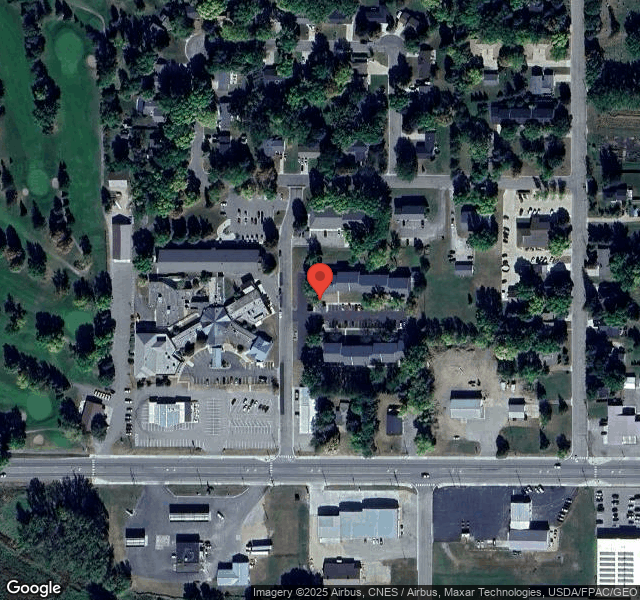
182 SUNSET AVENUE, COKATO, MN 55321 (320) 286-2158
Non profit - Other 56 Beds Independent Data: November 2025
Trust Grade
75/100
#103 of 337 in MN
Last Inspection: April 2025

Within standard 12-15 month inspection cycle. Federal law requires annual inspections.

Overview

Cokato Manor has a Trust Grade of B, indicating it is a good choice but not without some concerns. It ranks #103 out of 337 nursing homes in Minnesota, placing it in the top half of facilities, but is #5 out of 7 in Wright County, meaning only two local options are better. Unfortunately, the facility is showing a worsening trend, with issues increasing from 5 in 2024 to 11 in 2025, and it has a staffing rating of 4 out of 5 stars, although the 47% turnover rate is average for Minnesota. Notably, there have been no fines, which is a positive sign, but the RN coverage is concerning as it is less than 85% of Minnesota facilities, which could impact care quality. Specific incidents of concern include a lack of family involvement in care plan changes for residents and failures to consistently monitor behaviors for those on psychotropic medications, which could lead to inadequate treatment. Overall, while Cokato Manor has strengths in certain areas, families should weigh these alongside the identified weaknesses when considering their options.

Trust Score
B
75/100
In Minnesota
#103/337
Top 30%
Safety Record
Low Risk
No red flags
Inspections
Getting Worse
5 → 11 violations
Staff Stability
⚠ Watch
47% turnover. Above average. Higher turnover means staff may not know residents' routines.
Penalties
✓ Good
No fines on record. Clean compliance history, better than most Minnesota facilities.
Skilled Nurses
○ Average
Each resident gets 38 minutes of Registered Nurse (RN) attention daily — about average for Minnesota. RNs are the most trained staff who monitor for health changes.
Violations
⚠ Watch
19 deficiencies on record. Higher than average. Multiple issues found across inspections.
★★★★☆
4.0
Overall Rating
★★★★☆
4.0
Staff Levels
★★★★★
5.0
Care Quality
★★★☆☆
3.0
Inspection Score
Stable
2024: 5 issues
2025: 11 issues

The Good

  • 4-Star Staffing Rating · Above-average nurse staffing levels
  • 5-Star Quality Measures · Strong clinical quality outcomes
  • Full Sprinkler Coverage · Fire safety systems throughout facility
  • No fines on record

Facility shows strength in staffing levels, quality measures, fire safety.

The Bad

Staff Turnover: 47%

Near Minnesota avg (46%)

Higher turnover may affect care consistency

The Ugly 19 deficiencies on record

Apr 2025 11 deficiencies
CONCERN (D)

Potential for Harm - no one hurt, but risky conditions existed

Deficiency F0578 (Tag F0578)

Could have caused harm · This affected 1 resident

**NOTE- TERMS IN BRACKETS HAVE BEEN EDITED TO PROTECT CONFIDENTIALITY** Based on interview, and document review the facility failed to ensure advanced directives for emergency treatment were accuratel...

Read full inspector narrative →
**NOTE- TERMS IN BRACKETS HAVE BEEN EDITED TO PROTECT CONFIDENTIALITY** Based on interview, and document review the facility failed to ensure advanced directives for emergency treatment were accurately reflected in all areas of the medical record to ensure the residents wishes would be implemented correctly in an emergent situation for 1 of 1 (R45) residents reviewed for inconsistent advanced directives. Findings include: R45's quarterly Minimum Data Set (MDS) dated [DATE], indicated R45 was admitted on [DATE], was cognitively intact, and had the following diagnoses: Hyperlipidemia (high fat levels in the blood), and Schizophrenia. R45's untitled code status form dated [DATE], indicated R45's resuscitation wishes were Do Not Resuscitate. The Document was signed by R45, their family member, and the physician. R45's physician orders reviewed and saved on [DATE] at 6:01 p.m., indicated R45 was FULL CODE. On [DATE] at 6:02 p.m., trained medical assistant (TMA)-B stated they would refer to the resident's hard chart when the needed to know their code status. TMA-B went to charting room and visually pointed out R45's code status was DNR on their hard chart, which would have been correct. On [DATE] at 6:05 p.m., registered nurse (RN)-A stated when needed to confirm a resident's code status they would use the hard chart or the face sheet. RN-A confirmed R45 was a DNR. RN-A stated the provider would typically go over the code status with a resident and then it would be entered into the charting system. On [DATE] at 6:09 p.m., the director of nursing (DON) stated their expectation for checking code statuses was employees will check the resident's hard chart in the report room, where the code statuses are on the side of the book, in their medical administration record (MAR), or on the matrix banner. Typically, social services will go over code statuses with residents, and then a record keeper will enter the order once it is signed. DON stated RN's will typically review the code status order prior to it being entered into the electronic medical record (EMR) but stated it was not always happening. The DON reviewed R45's chart and EMR and stated R45 was a DNR, the DON then reviewed the physician orders and confirmed R45's was listed as a FULL CODE and not a DNR as per R45's wishes. The DON confirmed all areas in the chart should match to fulfill the resident wishes. The facility's Cardiopulmonary Resuscitation (CPR) policy last reviewed 1/2025, indicated they provided basic life support, including CPR-Cardiopulmonary Resuscitation, when a resident required such emergency care, subject to physician order and resident choice indicated in the resident's advance directives.
CONCERN (D)

Potential for Harm - no one hurt, but risky conditions existed

Notification of Changes (Tag F0580)

Could have caused harm · This affected 1 resident

**NOTE- TERMS IN BRACKETS HAVE BEEN EDITED TO PROTECT CONFIDENTIALITY** Based on interview and document review, the facility failed to notify the attending physician of a change in condition for 1 of ...

Read full inspector narrative →
**NOTE- TERMS IN BRACKETS HAVE BEEN EDITED TO PROTECT CONFIDENTIALITY** Based on interview and document review, the facility failed to notify the attending physician of a change in condition for 1 of 1 residents (R46) reviewed for new onset of tardive dyskinesia symptoms (repetitive, involuntary movements) often caused by antipsychotic medications. Findings include: R46's quarterly Minimum Data Set (MDS) dated [DATE], indicated R46 admitted to the facility on [DATE], had severe cognitive impairment, and diagnoses included Alzheimer's disease, delusional disorders, and anxiety disorder. R46's care plan revised 4/23/25, identified psychotropic drug use, and approaches included Abnormal Involuntary Movement Scale (AIMS) assessment per pharmacy recommendation, and physician notified of changes in condition. R46's Order History report, printed 4/24/25, indicated R46 was prescribed increasing doses of quetiapine (antipsychotic medication) for delusional disorder as follows: - admission order quetiapine 12.5mg at bedtime - increased quetiapine to 25mg at bedtime on 11/19/24 - increased quetiapine to 25mg twice a day (BID) on 12/12/24 - increased quetiapine to 50mg BID on 1/3/25 R46's initial AIMS assessment, dated 11/22/24, indicated a score of 0 with no observed involuntary movements. R46's follow-up AIMS assessment, dated 3/27/25, indicated a score of 4 with an increase in symptoms, and to continue current plan of care. However, the assessment did not indicate the physician had been notified of the increase in tardive dyskinesia symptoms. R46's clinical record lacked evidence the physician was notified of R46's change in condition. On 4/25/25 at 12:25 p.m., consulting pharmacist (PharmD) stated the purpose of an AIMS assessment was to monitor for tardive dyskinesia symptoms related to antipsychotics, and score changes should be communicated to the provider. PharmD stated it was important to notify the provider so the risks versus benefits could be reviewed, and the provider would need to have rationale documented for continuing the antipsychotic medication. On 4/25/25 at 1:53 p.m., director of nursing (DON) stated the purpose of an AIMS assessment was to monitor for adverse side effects from antipsychotic medications, and nurses were expected to notify the provider. DON stated it was important to notify the prescribing physician for the safety of the resident. DON verified R46's clinical record lacked evidence the nurse had not notified the physician that R46's AIMS score increased from 0 to 4. DON stated nurses were expected to document in the clinical record to support the physician had been notified. A policy was requested, but not provided by the facility.
CONCERN (D)

Potential for Harm - no one hurt, but risky conditions existed

PASARR Coordination (Tag F0644)

Could have caused harm · This affected 1 resident

**NOTE- TERMS IN BRACKETS HAVE BEEN EDITED TO PROTECT CONFIDENTIALITY** Based on interview, and document review, the facility failed to ensure a level ll preadmission screening and resident review (PA...

Read full inspector narrative →
**NOTE- TERMS IN BRACKETS HAVE BEEN EDITED TO PROTECT CONFIDENTIALITY** Based on interview, and document review, the facility failed to ensure a level ll preadmission screening and resident review (PASARR) was completed for 1 of 2 residents (R5) reviewed for PASARR's. Findings Include: R5's quarterly Minimum Data Set (MDS) dated [DATE] indicated R5 was admitted to the facility on [DATE], and had the following diagnoses: Schizophrenia, arthritis, and diabetes. R5's Level 1 PASARR dated 4/30/24, indicated the screening was completed on 4/30/24 and prior to admission, R5 required a level ll PASARR screening to be completed. No level ll PASARR was found or provided. On 4/23/25 at 8:39 a.m., the social services director (SS)-A stated R5 had come from another facility, and they had used the other facilities completed PASARR for R5's admission. However, they were unaware a Level ll PASARR was required until the survey team arrived onsite. SS-A confirmed they were typically responsible for completing the PASARR, and stated they had missed it and confirmed it was never completed. On 4/24/25 at 1:23 p.m., the administrator stated they expected the PASARR screenings to be completed by social services, themselves, or another delegated staff upon admission to the facility, and was important to complete to ensure each resident receives the cares and services they need. A policy related to PASARR was requested and none were provided.
CONCERN (D)

Potential for Harm - no one hurt, but risky conditions existed

Comprehensive Care Plan (Tag F0656)

Could have caused harm · This affected 1 resident

**NOTE- TERMS IN BRACKETS HAVE BEEN EDITED TO PROTECT CONFIDENTIALITY** Based on observation, interview and record review, the facility failed to ensure a comprehensive care plan was developed and mai...

Read full inspector narrative →
**NOTE- TERMS IN BRACKETS HAVE BEEN EDITED TO PROTECT CONFIDENTIALITY** Based on observation, interview and record review, the facility failed to ensure a comprehensive care plan was developed and maintained to ensure proper interventions were in place to prevent falls/lessen the likelihood of injury for 1 of 2 residents (R8) reviewed for falls. Findings include: R8's quarterly Minimum Data Set (MDS) assessment dated [DATE], indicated severe cognitive impairment without hallucinations or delusions present, and no behaviors. Section J: Health indications indicated R8 had two or more falls without injury and two or more falls with minor injury since admission. Section O: Special Treatments and Programs indicated R8 was not currently receiving physical or occupational therapies. R8's Face sheet printed 4/25/25, indicated R8 admitted to the facility on [DATE]. Furthermore, it also identified the following relevant diagnoses: osteoarthritis (degeneration of joints that causes pain and stiffness), weakness, and mixed incontinence. R8's care plan reviewed on 4/22/25, indicated R8 received assistance with mobility and was at risk for falls due to physical limitations, incontinence, and poor safety awareness. R8's progress notes indicated 23 documented falls between 10/8/24 and 4/16/25. During observation on 4/21/25 at 03:30 p.m., R8 was in room, seated in wheelchair with feet propped on bed, crossed at ankle. Door was open approximately 3-4 inches and had to be pushed open to fully view resident. Call light was on bed between pillow and wall, out of resident's reach. During observation on 4/21/25 at 5:52 p.m., R8's door was open approximately 3-4 inches. Left back wheelchair wheel was observed, however, could not visualize resident fully. During observation on 4/22/25 at 12:34 p.m. room door was opened and R8 was fully visible. Wheelchair brakes were unlocked, and resident was observed to be leaning forward sitting on edge of seat reaching for objects in room chair. Call light was on the bed pillow outside of resident's. Staff alerted. During interview on 4/24/25 at 3:37 p.m., certified nursing assistant (CNA)-C stated she was familiar with R8 and knew she was a high fall risk. CNA-C went on to say she knew R8 had fall interventions, however, was unaware of what they were or where to find them. During interview 4/24/25 at 3:42 p.m., CNA-D stated she frequently worked with R8 and was familiar with her needs. CNA-D stated she could recognize a high fall risk resident by whether or not they wore grippy socks. CNA-D went on to state she was aware R8 had multiple falls but was unable to identify any fall interventions or need for grippy socks. During interview on 4/24/25 at 4:57 p.m., Director of Nursing (DON) stated all high fall risk residents would have a care plan focus area for falls which would include staff interventions. DON stated all falls were reviewed and a root cause analyses was completed. Further DON stated falls were reviewed by the interdisciplinary team (IDT) with fall interventions updated as needed. DON stated she was aware R8 had more than 10 falls since admission but was unsure exactly how many. She went on to state for residents with a high risk for falls she would expect to see care plan fall interventions to include the bed in the lowest position, a ridged mattress, keep resident in line of vision of staff or common area, grippy socks and a toileting plan. DON confirmed R8's care plan had not been updated after each fall and had limited interventions listed. DON stated it was important to keep care plans updated to ensure resident safety and prevent major injuries. Facility policy titled Nursing Department Care Plan Documentation/Quarterly indicated all care plans would be updated quarterly and as needed and the updates will reflect close evaluation care plan problems, goals and approaches.
CONCERN (D)

Potential for Harm - no one hurt, but risky conditions existed

Deficiency F0741 (Tag F0741)

Could have caused harm · This affected 1 resident

**NOTE- TERMS IN BRACKETS HAVE BEEN EDITED TO PROTECT CONFIDENTIALITY** Based on interview, and document review, the facility failed to ensure non-pharmacological interventions were attempted prior to...

Read full inspector narrative →
**NOTE- TERMS IN BRACKETS HAVE BEEN EDITED TO PROTECT CONFIDENTIALITY** Based on interview, and document review, the facility failed to ensure non-pharmacological interventions were attempted prior to the administration of psychotropic medications (mood altering medications) for 1 of 1 residents (R7) reviewed for as needed (PRN) psychotropic medications. Findings include: R7's quarterly Minimum Data Set (MDS), dated [DATE], indicated R7 had severe cognitive impairment, and exhibited verbal behavioral symptoms directed toward others one to three times during the assessment period. R7's diagnoses included dementia, delusional disorders, and depression. R7's care plan, revised 3/21/25, identified the potential for psychosocial distress, and approaches included reassurance, encourage activity of choice, 1:1 visits, and redirection. R7's Order History report, printed 4/25/25, indicated an order dated 3/24/25 for lorazepam 0.25mL (0.5mg) every 4 hours PRN for anxiety/agitation, with a stop date of 4/6/25. R7's PRN Psychotropic Medication Monitoring log for PRN Med: Lorazepam indicated approaches to try prior to medication administration included redirection, 1:1, ensure calm environment, rule out pain/discomfort, rule out hunger/thirst, and rule out toileting need. The last notation made by staff on the log was dated 10/12/23. R7's Target Behavior Monitoring logs indicated R7's target behaviors were delusions and anxiety/agitation, and staff were to document the number of episodes, management intervention(s), and results every shift. R7's Medication Administration Record (MAR) dated 3/1 to 3/31/25, indicated lorazepam 0.25mL (0.5mg) was administered to R7 on 3/25/25 at 12:38 a.m. for behavior issue. However, R7's Target Behavior Monitoring log for March 2025 lacked documentation of target behavior episode(s) and management intervention(s) for 3/25/25 NOC (overnight) shift. Additionally, R7's clinical record lacked evidence non-pharmacological interventions had been attempted prior to administration of the PRN psychotropic. R7's Medication Administration Record (MAR) dated 4/1 to 4/24/25, indicated lorazepam 0.25mL (0.5mg) was administered to R7 on 4/2/25 at 1:21 a.m. for behavior issue. However, R7's Target Behavior Monitoring log for April 2025 lacked documentation of target behavior episode(s) and management intervention(s) for 4/2/25 NOC (overnight) shift. Additionally, R7's clinical record lacked evidence non-pharmacological interventions had been attempted prior to administration of the PRN psychotropic. R7's Medication Administration Record (MAR) dated 4/1 to 4/24/25, indicated lorazepam 0.25mL (0.5mg) was administered to R7 on 4/5/25 at 12:26 a.m. for other reason. However, R7's Target Behavior Monitoring log for April 2025 indicated R7 had 0 target behavior episodes 4/5/25 NOC (overnight) shift. Additionally, R7's clinical record lacked evidence non-pharmacological interventions had been attempted prior to administration of the PRN psychotropic. On 4/25/25 at 12:25 p.m., consulting pharmacist (PharmD) stated non-pharmacological interventions prior to administration of PRN psychotropics should be care planned and non-pharmacological interventions should be attempted prior to the administration of PRN psychotropics unless a severe situation of psychosis with potential for harm. On 4/25/25 at 1:53 p.m., director of nursing (DON) verified R7's clinical record lacked evidence of non-pharmacological interventions prior to the administration of PRN psychotropic on 3/25/25, 4/2/25, and 4/5/25. DON stated staff were expected to administer PRN psychotropic medications as ordered for the identified target behaviors. DON stated staff were expected to attempt and document non-pharmacological interventions prior to administration of PRN psychotropics. A policy was requested, but not provided by the facility
CONCERN (D)

Potential for Harm - no one hurt, but risky conditions existed

Drug Regimen Review (Tag F0756)

Could have caused harm · This affected 1 resident

**NOTE- TERMS IN BRACKETS HAVE BEEN EDITED TO PROTECT CONFIDENTIALITY** Based on interview and document review, the facility failed to ensure consulting pharmacist (PharmD) identified the facility's l...

Read full inspector narrative →
**NOTE- TERMS IN BRACKETS HAVE BEEN EDITED TO PROTECT CONFIDENTIALITY** Based on interview and document review, the facility failed to ensure consulting pharmacist (PharmD) identified the facility's lack of target behavior monitoring in the monthly medication regimen review (MRR) for 1 of 5 residents (R46) reviewed for unnecessary psychotropic medications. Findings include: R46's quarterly Minimum Data Set (MDS) dated [DATE], indicated R46 admitted to the facility on [DATE], had severe cognitive impairment, and diagnoses included Alzheimer's disease, delusional disorders, and anxiety disorder. R46's order summary, printed 4/25/25, indicated R46 had the following psychotropic medication orders: - paroxetine (antidepressant) 40 mg daily for panic disorder - quetiapine 50 mg BID for delusional disorders R46's November 2024 Target Behavior Monitoring log identified target behaviors anxiety, agitation, feeling down, depressed, and hopeless, and the log indicated target behaviors were monitored 8 of 45 shifts. Additionally, R46's clinical record lacked evidence of documented target behavior monitoring from 12/1/24 through 4/22/25. R46's progress note, dated 04/07/25 at 6:11 a.m., indicated medications were reviewed by PharmD, and no problems identified. However, the MRR failed to identify the facility's lack of target behavior monitoring for R46's psychotropic medication use. R46's progress note, dated 03/09/25 at 10:23 a.m., indicated medications were reviewed by PharmD, and a gradual dose reduction (GDR) was recommended as follows: 1. Please evaluate and document ongoing need for paroxetine for anxiety and quetiapine for delusions. Document target behaviors and symptoms being controlled. Consider attempting dose reduction if appropriate. However, the MRR failed to identify the facility's lack of target behavior monitoring for R46's psychotropic medication use. R46's progress note, dated 02/02/25 at 09:10 a.m., indicated medications were reviewed by PharmD, and no problems identified. However, the MRR failed to identify the facility's lack of target behavior monitoring for R46's psychotropic medication use. R46's progress note, dated 1/6/25 at 9:47 a.m., indicated medications were reviewed by PharmD, and the following recommendations were made: 1. Recommend monitoring orthostatic blood pressure monthly while on Seroquel. If unable to obtain orthostatic blood pressure, please document reason. Recommend entering order into matrix for monthly orthostatic blood pressures. 2. Patient is noted to have multiple falls recently. Paxil and Seroquel may contribute. Seroquel dose has been increased twice in the last month. Determine if medications are contributing to falls and if benefits outweigh risks of medications. 3. Recent lipid panel showed elevated triglycerides, LDL, and total cholesterol. Consider adding lipid lowering medication such as atorvastatin. However, the MRR failed to identify the facility's lack of target behavior monitoring for R46's psychotropic medication use. R46's progress note, dated 1/6/25 at 9:47 a.m., indicated medications were reviewed by PharmD, and to review report for recommendations. However, the MRR failed to identify the facility's lack of target behavior monitoring for R46's psychotropic medication use. On 4/25/25 at 12:25 p.m., consulting pharmacist (PharmD) stated every psychotropic medication needed identified target behaviors. Staff are expected to monitor the identified target behaviors, and the monitoring should be documented so the provider can identify if behaviors have increased. On 4/25/25 at 1:53 p.m., director of nursing (DON) verified R46's clinical record lacked evidence of target behavior monitoring from 12/1/24 through 4/22/25. DON stated nurses were expected to initiate target behavior monitoring when the provider ordered a psychotropic medication. DON stated target behavior monitoring was necessary, so providers know if a psychotropic medication has been effective/ineffective and if target behaviors have increased/decreased. DON stated the target behavior monitoring is important so providers can determine if a psychotropic medication is appropriate. The facility's Pharmacy Consultant Expectations Policy, revised 2/24, indicated to meet the needs of each resident accurately and safely, by collaborating with the licensed pharmacist, serving as consultant, to guide the facility with a system consistent with clinical best practice, quality resident care, and regulatory compliance for pharmacy services in the facility. Additionally, the consulting pharmacist would conduct monthly medication regimen review (MRR) for each resident to address irregularities.
CONCERN (D)

Potential for Harm - no one hurt, but risky conditions existed

Deficiency F0868 (Tag F0868)

Could have caused harm · This affected 1 resident

Based on document review, and interview the facility failed to ensure Quality Assurance Performance Improvement (QAPI) meetings were held on a quarterly basis. This practice had the potential to affec...

Read full inspector narrative →
Based on document review, and interview the facility failed to ensure Quality Assurance Performance Improvement (QAPI) meetings were held on a quarterly basis. This practice had the potential to affect all 53 residents residing in the facility. Findings include: Review of the QAPI meeting minutes agendas identified QAPI meetings were held on 4/16/24, 8/27/24, and 1/7/25 outside of the required time frame of every 3 months or quarterly. On 4/25/25 at 2:06 p.m., the director of nursing confirmed they were the lead for the QAPI meetings, and the facility had not been meeting quarterly and stated they should have completed one more meeting to have been in compliance. The facility's Quality Assurance and Performance Improvement Plan effective date 1/2025, indicated the QAPI committee was responsible for meeting, at a minimum, on a quarterly basis; more frequently, if necessary.
CONCERN (D)

Potential for Harm - no one hurt, but risky conditions existed

Infection Control (Tag F0880)

Could have caused harm · This affected 1 resident

Based on observation, and interview the facility failed to conduct appropriate hand hygiene during medication administration for 1 of 3 staff members observed during medication administration. This ha...

Read full inspector narrative →
Based on observation, and interview the facility failed to conduct appropriate hand hygiene during medication administration for 1 of 3 staff members observed during medication administration. This had the potential to affect at 53 residents in residence at the facility. Findings include: On 4/22/25 at 11:47 a.m., trained medication aide (TMA)-A was observed giving medications to a resident in the main sitting area of the facility. TMA-A then returned to the medication room, where writer was waiting to observe the medication administration. TMA-A agreed to be observed, TMA-A then began preparing medications for a second resident, however, did not perform hand hygiene prior to starting the second medication administration. TMA-A proceeded to administer medications to the second resident, and then returned to the medication cart. TMA-A then began a third resident's medications, and did not perform proper hand hygiene, in between residents. TMA-A then administered the medications to the third resident, came back to the cart, stated they were finished. TMA-A failed to complete hand hygiene after completing all medication administrations. On 4/22/25 at approximately 12:00 p.m., TMA-A requested assistance with another staff member, licensed practical nurse (LPN)-B, who was present in the room during the observation. TMA-A then stated they should have preformed hand hygiene before and after each resident and in between residents when passing medications. TMA-A confirmed they did not perform hand hygiene appropriately and stated hand hygiene was important to prevent spread of infection. On 4/22/25 at approximately 12:20 p.m., the director of nursing (DON) stated they expected staff members conducting medication administration to perform hand hygiene before and after all medication administrations, and in between residents. The DON stated the importance of completing appropriate hand hygiene to prevent the spread of infection within the facility. The facility's Hand Washing/Hygiene Policy last revised 2/24, indicated hand washing will be completed between resident care and whenever direct physical contact of resident occurs.
CONCERN (D)

Potential for Harm - no one hurt, but risky conditions existed

Antibiotic Stewardship (Tag F0881)

Could have caused harm · This affected 1 resident

**NOTE- TERMS IN BRACKETS HAVE BEEN EDITED TO PROTECT CONFIDENTIALITY** Based on interview and document review, the facility failed to ensure prescribed antibiotics met criteria for antibiotic use. Fu...

Read full inspector narrative →
**NOTE- TERMS IN BRACKETS HAVE BEEN EDITED TO PROTECT CONFIDENTIALITY** Based on interview and document review, the facility failed to ensure prescribed antibiotics met criteria for antibiotic use. Further, the facility failed to assess for continued need of the antibiotics to help reduce unnecessary antibiotic use and reduce potential drug resistance were completed for 1 of 1 residents (R31) reviewed for antibiotic use. This had the potential to affect any of the 53 residents who resided in the facility who might use antibiotics. Findings include: R31's quarterly Minimum Data Set (MDS) dated [DATE], indicated R31 was cognitively intact, had an indwelling urinary catheter, and diagnoses included Parkinson's disease, dementia, and obstructive uropathy (urine flow is obstructed). R31's order history report, dated 4/25/25, indicated an antibiotic was ordered by the provider for cefpodoxime 200mg twice a day (BID) for a diagnosis of urinary tract infection (UTI), with a start date of 3/29/25 and end date of 4/2/25. R31's progress note, dated 3/26/25 at 3:32 p.m., indicated the licensed practical nurse (LPN)-A notified the provider that R31 completed an order for Macrobid (antibiotic) for a positive UTI, with no improvement in dark, cloudy, odorous urine and increased sleeping. The provider ordered a urinalysis (UA). R31's UA results report, verified 3/28/25, indicated the urine specimen contained many bacteria, 500 (large) leukocytes, >180 (H) red blood cells, and negative nitrite. On 3/28/25, at the bottom of the UA report, the provider wrote an antibiotic order for cefpodoxime 200 mg by mouth (PO) every (q) 12 hours two times a day (BID). Additionally, the order directed the facility to update the culture and sensitivity ASAP as it may warrant a change in antibiotic. However, the report did not identify it had been reviewed by a nurse. R31's physician order, dated 3/28/25 at 4:46 p.m., indicated Start Vantin (cefpodoxime) 200 mg PO q12hrs for 5 days, and I highly recommend they fax and call with culture and sensitivity results. The order was acknowledged in writing by registered nurse (RN)-C. R31's urine culture (UC) results report, verified 3/29/25, indicated Growth (A) [abnormal] >100,000 CFU/mL mixed bacterial growth and Mixed bacterial growth indicates the specimen is likely contaminated at collection with urogenital and/or fecal flora. On 4/1/25, the provider wrote update with sensitivities, at the bottom of the UC report. However, the report did not identify it had been reviewed by a nurse. R31's clinical record lacked evidence the provider had been notified a sensitivities report had not been received. Additionally, R31's clinical record lacked evidence reviewed based on antibiotic stewardship guidelines and criteria. On 4/25/25 at 11:02 a.m., director of nursing (DON) stated she was the facility infection preventionist (IP) and it was her role to oversee the resident infections and antibiotic use. DON stated the facility used McGeer criteria to help identify infections, and Loeb criteria was used to determine when antibiotics were indicated. DON stated R31 had completed taking an antibiotic for a urinary tract infection (UTI) on 3/25/25, but staff reported that R31 was still symptomatic, the provider was notified, and a UA/UC was ordered. DON verified the UC report indicated the sample was likely contaminated and the test had not been repeated. DON confirmed a 72-hour time-out had not been completed. DON stated a 72-hour time-out should have been completed for R31 to identify the provider had not been alerted when UC susceptibilities were not provided. DON stated the antibiotic stewardship guidelines should have been followed to ensure criteria was met and the resident was prescribed the correct antibiotic. DON stated it was important to follow the antibiotic stewardship guidelines to avoid antibiotic resistance. The facility's Antimicrobial Stewardship Policy, revised 2/24, indicated the key objectives include reducing inappropriate antimicrobial use, improving patient care outcomes and mitigating adverse consequences. Additionally, the duration of antimicrobial therapy will be defined and/or regularly reviewed based on evidence-based guidelines (ie. 72-hour antibiotic time out).
CONCERN (E)

Potential for Harm - no one hurt, but risky conditions existed

Deficiency F0657 (Tag F0657)

Could have caused harm · This affected multiple residents

**NOTE- TERMS IN BRACKETS HAVE BEEN EDITED TO PROTECT CONFIDENTIALITY** Based on record review and interviews the facility failed to ensure care conferences were conducted to include input of the resi...

Read full inspector narrative →
**NOTE- TERMS IN BRACKETS HAVE BEEN EDITED TO PROTECT CONFIDENTIALITY** Based on record review and interviews the facility failed to ensure care conferences were conducted to include input of the resident or resident representatives for 5 of 11 (R10, R19, R20, R21, and R43) residents reviewed for care conferences. Findings include: R10's quarterly Minimum Data Set (MDS) dated [DATE] indicated R10 was severely cognitively impaired and had the following diagnoses: hypertension (HTN) (high blood pressure), arthritis, and Dementia. R10's Care Plan last revised 3/17/25 indicated, R10 had cognitive loss, impaired decision-making skills, and memory deficits. R 10's medical record lacked any documentation the resident, resident representative or family members had been contacted prior to having care conferences for R10 and the implementation of any changes to the care plan. R10's Care Plan Summary dated 3/26/25, indicated input from nursing, social services, and dietary. However, lacked any indication of involvement from resident, resident representative or family members. R19 annual MDS dated [DATE], indicated R19 was rarely or never understood, cognition was severely impaired and had the following diagnoses: Dementia, and a seizure disorder. R19's care plan last revised 3/6/25, indicated R19 has a diagnosis of dementia, tends to wander and have anxiety when they do not know where they are. R19's care plan also indicated they communicate through their teddy bear, which they feel is alive. R 19's medical record lacked any documentation the resident, resident representative or family members had been contacted prior to having care conferences for R19 and the implementation of any changes to the care plan. R19's Care Plan Summary dated 3/12/25, indicated input from nursing, social services, and dietary. However, lacked any indication of involvement from resident, resident representative or family members. R20 quarterly MDS dated [DATE], indicated R20 was severely cognitively impaired and had the following diagnoses: HTN, arthritis, Alzheimer's, hemiparesis or hemiplegia (inability to use one side of one's body), and anxiety. R20's Care plan last revised 3/14/25 indicated R20 has short- and long-term memory issues, impaired decision-making abilities, and required frequent orientation to daily task of living. Also, tended to wander and was unaware of where they were. R 20's medical record lacked any documentation the resident, resident representative or family members had been contacted prior to having care conferences for R20 and the implementation of any changes to the care plan. R20's Care Plan Summary dated 3/25/25, indicated input from nursing, social services, and dietary. However, lacked any indication of involvement from resident, resident representative or family members. R21's quarterly MDS dated [DATE], indicated R21 was severely cognitively impaired and had the following diagnoses: HTN, Alzheimer's, and dementia. R21's Care plan last revised 3/20/25 indicated R21 has a diagnoses of Alzheimer's and dementia, and short-term memory loss. R 21's medical record lacked any documentation the resident, resident representative or family members had been contacted prior to having care conferences for R21 and the implementation of any changes to the care plan. R21's Care Plan Summary dated 3/26/25, indicated input from nursing, social services, and dietary. However, lacked any indication of involvement from resident, resident representative or family members. R43's admission MDS dated [DATE], indicated R43 was severely cognitively impaired, and had the following diagnoses: Parkinson's, heart failure (failure of the heart to pump effectively), HTN, and a hip fracture. R43's care plan last revised 3/10/25, indicated severe cognitive impairment, and short-term memory deficits. R 43's medical record lacked any documentation the resident, resident representative or family members had been contacted prior to having care conferences for R43 and the implementation of any changes to the care plan. R43's Care Plan Summary dated 3/25/25, indicated input from nursing, social services, and dietary. However, lacked any indication of involvement from resident, resident representative or family members. On 4/21/25 at 4:11 p.m., during a phone interview, family member (FM)-G stated they had never been made aware or included in any care conferences or asked to provide any input regarding R21's treatment and services. Furthermore, FM-G stated they would have to like to be included in those discussions. On 4/24/25 during multiple interviews at 12:57 p.m. and 1:51:p.m., social services director (SS)-A stated she was responsible for care conferences. She sent out the care plan summary to the included facility staff to add their input. Once compiled, the staff reviewed it, and SS-A sent it to the family via postal mail for review. Family may or may not request a care conference after review. SS-A stated a cover letter was sent with the care conference summary. If the family did not respond or have questions, no meeting was conducted in the facility. SS-A confirmed she conducted one to one meetings with residents, but it was after the care plan was revised. Further, SS-A stated confused residents may be able to answer yes/no questions, they may not be the best advocate for themselves. On 4/24/25 at 3:44 p.m., the administrator stated their expectation was, care conferences were to be conducted to communicate the needs of the resident, and to update the family of any change in condition, new needs or any new concerns. The administrator stated in the past the facility had had issues with getting family to participate so they changed their process to sending out the summary after it was completed. The administrator stated they needed a process change to get families more involved in guiding care. The administrator stated the importance of care conferences being conducted with the input of the resident and/or their representative to be sure the residents' cares and needs were met. The facility Person-Centered Care Planning Policy and Procedure last reviewed 1/2025, indicated the care plans will be reviewed at a care planning meeting with the resident and/or representative and a summary shared with the resident/representative.
CONCERN (E)

Potential for Harm - no one hurt, but risky conditions existed

Medication Errors (Tag F0758)

Could have caused harm · This affected multiple residents

**NOTE- TERMS IN BRACKETS HAVE BEEN EDITED TO PROTECT CONFIDENTIALITY** Based on interview and document review, the facility failed to ensure target behaviors were consistently monitored for 5 of 5 re...

Read full inspector narrative →
**NOTE- TERMS IN BRACKETS HAVE BEEN EDITED TO PROTECT CONFIDENTIALITY** Based on interview and document review, the facility failed to ensure target behaviors were consistently monitored for 5 of 5 residents (R7, R28, R30, R46, R1) reviewed for unnecessary psychotropic medication use. Findings include: R7's quarterly Minimum Data Set (MDS), dated [DATE], indicated R7 admitted to the facility on [DATE], had severe cognitive impairment, and diagnoses included dementia, delusional disorders, and depression. R7's order summary, printed 4/25/25, indicated R7 had the following psychotropic medication orders: lorazepam concentrate (antianxiety) 0.25 mL (0.5 mg) twice a day (BID) for anxiety disorder quetiapine (antipsychotic) 25 mg daily for dementia with other behavioral disturbance Sertraline (antidepressant) 100 mg daily for dementia with other behavioral disturbance R7's target behavior monitoring lacked consistent monitoring for the identified target behaviors anxiety, agitation, and delusions. R7's Target Behavior Monitoring logs from 10/1/24 through 4/20/25, indicated the following: April 2025 - 44 of 60 shifts documented March 2025 - 48 of 93 shifts documented February 2025 - 44 of 84 shifts documented January 2025 - 39 of 93 shifts documented December 2024 - 44 of 93 shifts documented November 2024 - 48 of 93 shifts documented October 2024 - 52 of 93 shifts documented R28's annual MDS, dated [DATE], indicated R28 had severe cognitive impairment, and diagnoses including dementia, and depression. R28's order summary printed 4/25/25, indicated R28 had the following psychotropic medication orders: Olanzapine (antipsychotic) 2.5 mg orally (by mouth) at bedtime for auditory hallucinations. Sertraline (antidepressant) 100 mg daily for major depressive disorder. Zoloft (Sertraline- trade name of drug above) (antidepressant) 50 mg daily for total dose of 150 mg daily, for major depressive disorder. R28's target behavior monitoring lacked consistent monitoring for the identified target behaviors feeling down, depressed or hopeless, insomnia, and auditory hallucinations. R28's Target Behavior Monitoring Logs from 10/1/24 through 4/20/25 indicated the following: April 2025: 47 of 60 shifts documented. March 2025: 44 of 93 shifts documented. February 2025: 36 of 84 shifts documented. January 2025: 48 of 93 shifts documented. December 2024: 52 of 93 shifts documented. November 2024: 57 of 90 shifts documented. October 2024: 37 of 93 shifts documented. R30's quarterly Minimum Data Set (MDS), dated [DATE], indicated R30 admitted to the facility on [DATE], had severe cognitive impairment, and diagnoses included dementia and anxiety disorder. R30's order summary, printed 4/25/25, indicated R30 had the following psychotropic medication orders: lorazepam 0.5 mg three times a day (TID) for anxiety disorder olanzapine (antipsychotic) 5 mg BID for delusions due to Korsakoff syndrome (neuropsychiatric condition affecting memory) R30's target behavior monitoring lacked consistent monitoring for the identified target behaviors anxiety and distressing delusions. R30's Target Behavior Monitoring logs from 10/1/24 through 4/20/25, indicated the following: April 2025 - 39 of 60 shifts documented March 2025 - 39 of 93 shifts documented February 2025 - 45 of 84 shifts documented January 2025 - 39 of 93 shifts documented December 2024 - 45 of 93 shifts documented November 2024 - 48 of 93 shifts documented October 2024 - 53 of 93 shifts documented R46's quarterly Minimum Data Set (MDS) dated [DATE], indicated R46 admitted to the facility on [DATE], had severe cognitive impairment, and diagnoses included Alzheimer's disease, delusional disorders, and anxiety disorder. R46's order summary, printed 4/25/25, indicated R46 had the following psychotropic medication orders: paroxetine (antidepressant) 40 mg daily for panic disorder quetiapine 50 mg BID for delusional disorders R46's target behavior monitoring lacked consistent monitoring for the identified target behaviors anxiety, agitation, feeling down, depressed, and hopeless. R46's Target Behavior Monitoring logs from 11/15/24 through 4/20/25, indicated the following: April 2025 - no evidence of documented target behavior monitoring found in clinical record March 2025 - no evidence of documented target behavior monitoring found in clinical record February 2025 - no evidence of documented target behavior monitoring found in clinical record January 2025 - no evidence of documented target behavior monitoring found in clinical record December 2024 - no evidence of documented target behavior monitoring found in clinical record November 2024 - 8 of 45 shifts documented R1 quarterly minimum data set (MDS) dated [DATE] indicated R1 was admitted to the facility on [DATE], was cognitively impaired and had the following diagnoses: anxiety, bipolar disease and schizophrenia (a chronic mental disorder characterized by symptoms such as hallucinations, delusions and cognitive challenges). R1's order summary printed 4/25/25 indicated R1 took following medications: Depakote ER 1000 mg once daily for Schizophrenia, Ziprasidone 80 mg twice daily for Schizophrenia, Seroquel 100 mg twice daily for Schizophrenia, and Wellbutrin XL 300 mg once daily for bipolar disorder. The order summary also indicated an order to monitor affect/alertness, increased delusions that are distressing to resident and unable to manage with staff interventions; update primary care provider for worsening symptoms. Review of R1's Target Behavior monitoring for January 2025 through April 2025 lacked consistent monitoring for distressing delusions, hallucinations, and increased anxiety with many days left blank with no documentation of monitoring taking place. On 4/25/25 at 12:25 p.m., consulting pharmacist (PharmD) stated every psychotropic medication needed identified target behaviors. Staff were expected to monitor the identified target behaviors. The monitoring needed to be documented so the provider can identify if behaviors had increased. On 4/25/25 at 1:53 p.m., director of nursing (DON) stated staff were expected to document for target behaviors every shift. The DON stated she was aware there were holes in the monitoring, and verified the target behavior monitoring documentation was not maintained appropriately for R7, R28, R30, R46 and R1. DON stated target behavior monitoring was necessary, so providers know if a psychotropic medication had been effective/ineffective and if target behaviors had increased/decreased. DON stated the target behavior monitoring was important so providers can determine if a psychotropic medication was appropriate. The facility's Psychotropic Target Behavior Monitoring Policy, last reviewed 6/23, indicated target behavior monitoring would be initiated with the use of antipsychotic/neuroleptic medications to meet state/federal/pharmacy behavior monitoring guidelines/recommendations. Additionally, the MDS nurse would tally results at the end of each month.
Feb 2024 5 deficiencies
CONCERN (D)

Potential for Harm - no one hurt, but risky conditions existed

Resident Rights (Tag F0550)

Could have caused harm · This affected 1 resident

Based on observation, interview and document review the facility failed to ensure a resident was treated with dignity by allowing them to dress in a manner of her choosing for 1 of 1 residents (R29) r...

Read full inspector narrative →
Based on observation, interview and document review the facility failed to ensure a resident was treated with dignity by allowing them to dress in a manner of her choosing for 1 of 1 residents (R29) reviewed for dignity. Findings include: R29's face sheet printed 2/14/24, included diagnoses of dementia, borderline personality disorder, anxiety disorder, depression, overactive bladder, incontinence. Care plan dated 12/26/23, indicated cognitive loss/dementia. R29's assessment showed significant cognitive impairment. Goal indicated R29 will maintain/minimize decline in capacity and preserve dignity. Approach failed to include jumpsuit or specific clothing. During observation on 2/12/24 at 1:24 p.m., R29 was dressed in a one-piece jumpsuit that had an appearance of pajamas. Jumpsuit was one piece with blue fabric and floral print. Pants came to mid-calf. Zipper located on the back reaching down to mid to low back. During observation on 2/13/24 at 3:49 p.m., R29 was dressed in a one-piece jumpsuit with zipper down the back. Jumpsuit was a one piece pink fabric with floral print. Pants came to mid-calf and top was long sleeve. Zipper located on the back reaching down to mid to low back. During observation on 2/14/24 at 7:14 a.m., R29 was dressed in a one-piece jumpsuit with zipper down the back. Jumper looked like a grey sweatsuit with waiste defined to look like sweatpants and sweatshirt, but were sewn together at the waist. Zipper went from neckline to midback. Interview on 2/14/24 at 11:02 a.m., R29's daughter stated R29 was very fashionable and she would be embarrassed by the jumpsuit. R29's daughter stated R29 would wear high heals, skirts and be well put together. Facility had provided R29 with the jumpsuits and if the daughter provided clothing for R29 she was instructed it needed to be modest and have high neck-lines. Interview on 2/14/24 at 1:08 p.m., social services director (SSD) stated R29 had disrobed in public areas of the facility. R29 pulled down her pants and the jumpsuit prevented this from happening. SSD stated the facility provided the jumpsuits. This was an option they offered as adaptive clothing can be hard to find. SSD stated the daugher was updated and was in agreement to the jumpsuits in the begining. However, SSD stated the daughter had since told the facility her mother would not like these jumpsuits. They were not her style or how she would have prefered to dress. SSD stated the daughter was just having a hard time accepting where mom is at with her advancing dementia. Interview on 2/14/24 at 1:56 p.m., director of nursing (DON) stated R29 wore incontinent briefs. R29 disrobed in public areas because R29 did not know where the bathroom was. DON stated the jumpsuit was to prevent R29 from disrobing in public areas. Facility policy Notice of Resident Rights and Responsibilities dated 1/6/21 and Cokato Manor Emergency Use of Restraint Policy and Procedure dated 12/07 failed to address clothing restraints.
CONCERN (D)

Potential for Harm - no one hurt, but risky conditions existed

Deficiency F0604 (Tag F0604)

Could have caused harm · This affected 1 resident

Based on observation, interview and document review the facility failed ensure residents were free from physical restraints that preventing access to one's own body and to provide ongoing monitoring o...

Read full inspector narrative →
Based on observation, interview and document review the facility failed ensure residents were free from physical restraints that preventing access to one's own body and to provide ongoing monitoring of restraint use for 1 of 1 residents (R29) reviewed for restraints. Findings include: R29 face sheet printed 2/14/24, included diagnoses of dementia, borderline personality disorder, anxiety disorder, depression, overactive bladder, incontinence. R29 care plan dated 12/26/23, included cognitive loss/dementia. Goal indicated R29 will maintain/minimize decline in capacity and preserve dignity. Approach failed to include jumpsuit or specific clothing. R29's record lacked evidence of an assessment or on-going monitoring of a restraint. During observation on 2/13/24 at 3:49 p.m., R29 was dressed in one-piece jumpsuit. It had a zipper down the back which was not easily accessible. During observation on 2/14/24 at 7:14 a.m., R29 was dressed in one-piece jumpsuit. It had a zipper down the back which was not easily accessible. During an interview on 2/14/24 at 1:08 p.m., social services director (SSD) stated R29 disrobed in public areas and pulled down her pants. The jumpsuit prevented R29 from pulling down her pants. SSD stated the facility provided the jumpsuits. Interview on 2/14/24 at 1:56 p.m., director of nursing (DON) stated R29 wore incontinent briefs. R29 had disrobed in public areas because she was unaware the location of the bathroom. DON stated the jumpsuit was to prevent R29 from disrobing in public areas. DON stated the facility did not complete a restraint assessment. DON stated R29 could not unzip jumpsuit independently. DON stated it was a resident right to have freedom to access his or her body. Facility policy Notice of Resident Rights and Responsibilities dated 1/6/21 and Cokato Manor Emergency Use of Restraint Policy and Procedure dated 12/07 failed to address clothing restraints.
CONCERN (D)

Potential for Harm - no one hurt, but risky conditions existed

Transfer Notice (Tag F0623)

Could have caused harm · This affected 1 resident

**NOTE- TERMS IN BRACKETS HAVE BEEN EDITED TO PROTECT CONFIDENTIALITY** Based on document review, and interview the facility failed to ensure written notification of transfer and/or discharge was sent...

Read full inspector narrative →
**NOTE- TERMS IN BRACKETS HAVE BEEN EDITED TO PROTECT CONFIDENTIALITY** Based on document review, and interview the facility failed to ensure written notification of transfer and/or discharge was sent to the office of the Ombudsman for 1 of 1 resident (R52) upon discharge. Findings include: R52's admission minimum data set (MDS) dated [DATE], indicated diagnoses included Alzheimer's, septic shock, glaucoma (increased eye pressure), pain, type two diabetes, depression, post-traumatic stress disorder, hypertension (high blood pressure), and acid reflux. Progress notes indicated R52 resided at the facility from 9/29/23 through 11/22/23. R52's medical record lacked evidence a written notification of discharge was sent to the Ombudsman for long term care. On 2/14/24 at 3:00 p.m., licensed social worker (LSW) stated the voluntary discharge notification to the ombudsman was submitted regularly, but the documentation was not accessible, nor was she able to provided evidence it had occurred. An email dated 2/15/24 at 10:24 a.m., from the office clerk indicated the November 2023 census was not sent to the Ombudsman. It was an error on the part of facility staff. Facility policy provided failed to discuss the notification of the ombudsman.
MINOR (C)

Minor Issue - procedural, no safety impact

Deficiency F0565 (Tag F0565)

Minor procedural issue · This affected most or all residents

**NOTE- TERMS IN BRACKETS HAVE BEEN EDITED TO PROTECT CONFIDENTIALITY** Based on record review, and interview the facility failed to organize a resident council group over the previous six months and ...

Read full inspector narrative →
**NOTE- TERMS IN BRACKETS HAVE BEEN EDITED TO PROTECT CONFIDENTIALITY** Based on record review, and interview the facility failed to organize a resident council group over the previous six months and after requested by resident. This had the potential to affect all 47 residents in the facility. Findings include: R40's discharge minimum data set (MDS) dated [DATE], indicated cognitively intact. R8's annual MDS dated [DATE] indicated she was moderately cognitively impaired. Review of resident council notes revealed no meetings had been held since August 2023. On 2/13/24 at 11:55 a.m., R40 stated there had been no resident council meeting for the past six months. On 2/14/24 at 10:43 a.m., licensed social worker (LSW) confirmed there had been no resident council meeting for the past six months. LSW stated six months was too long and the expectation would have been monthly meetings. Further, LSW stated resident council meetings were important to give the residents a voice in their home, uphold their rights, support their lifestyles, and offer a place to air grievances. This had not happened. On 2/14/23 at 4:33 p.m., R8 stated there had been no council meetings for a long time. Additionally, R8 stated she had requested a meeting on two separate occasions, once in September and once after Christmas. Both requests were denied by the facility. On 2/14/24 at 5:03 p.m., facility administrator confirmed no meetings were held for six months. Her expectation was meetings were held at a minimum every other month or anytime one was requested by a resident. She stated resident council meetings were important to provide the best care for the residents, and a place for them to voice suggestions and issues they have. Facility policy Resident and Family groups dated 1/18, indicated the facility will provide the opportunity and space for residents to organize and participate in resident and/or family groups in the facility.
MINOR (C)

Minor Issue - procedural, no safety impact

Staffing Information (Tag F0732)

Minor procedural issue · This affected most or all residents

Based on interview and document review, the facility failed to ensure accurate staffing information was posted daily. This had the potential to affect all residents residing in the facility, staff and...

Read full inspector narrative →
Based on interview and document review, the facility failed to ensure accurate staffing information was posted daily. This had the potential to affect all residents residing in the facility, staff and visitors who may wish to view this information. Findings include: The facility daily staff posting, and actual working schedules were reviewed for the months of January 2024 and February 2024. The posting Report of Nursing Staff directly Responsible for Resident Care contained information on registered nurse (RN), licensed practical nurse (LPN), trained medication aide (TMA) and nursing assistant (NAR) coverage for three shifts. It also included census, total number of hours works and a breakdown of licensed hours and unlicensed hours. On 7 of the days reviewed, no RN coverage was indicated for the 24-hour period. Review of actual schedule indicated adequate RN coverage for these days. Dates with no RN coverage noted included 1/16/24, 1/20/24, 1/23/24, 1/30/24, 1/3/24, 2/4/24, and 2/6/24. During interview on 2/13/24 at 1:20 p.m., nursing services/scheduling (NS)-A stated she created the schedules and ensured adequate RN coverage for each 24-hour period. She stated she created the staff posting sheets when creating the schedules and it was the responsibility of the charge nurse to change out posting when she was not on site. NS stated she did not make changes to the staff posting when there was a change, including call ins, swaps or a shift being picked up. During interview on 2/13/24 at 1:27 p.m., director of nursing (DON) stated it was not their practice to change the staff posting when changes were made to the schedule. DON stated this would be important so all who were in the building would be able to know accurate staffing for the facility. Facility policy on staff posting was not provided.
Jun 2023 1 deficiency
CONCERN (D) 📢 Someone Reported This

A family member, employee, or ombudsman was alarmed enough to file a formal complaint

Potential for Harm - no one hurt, but risky conditions existed

Accident Prevention (Tag F0689)

Could have caused harm · This affected 1 resident

**NOTE- TERMS IN BRACKETS HAVE BEEN EDITED TO PROTECT CONFIDENTIALITY** Based on interviews and document review, the facility failed complete a comprehensive fall analysis to determine root cause and ...

Read full inspector narrative →
**NOTE- TERMS IN BRACKETS HAVE BEEN EDITED TO PROTECT CONFIDENTIALITY** Based on interviews and document review, the facility failed complete a comprehensive fall analysis to determine root cause and develop and implement interventions following falls for 1 of 3 residents (R2) reviewed for falls. Findings include: R2's significant change Minimal Data Set (MDS) dated [DATE], indicated R2 had diagnoses which included dementia and anxiety disorder with severely impaired cognition. Further, MDS indicated R2 required extensive assistance by two staff for activities of daily living (ADLs) such as bed mobility, toileting, ambulating, and transferring. R2's care plan revised 6/13/23, indicated R2 was at risk for falling related to physical limitations, cognitive deficits, history of transferring self to floor and preference to have mattress on floor. Further, R2's fall interventions included staff remove Broda chair from room when in bed, pressure relieving mattress with padded headboard on floor per preference, and call light accessible. R2's Event Reports indicated: -On 6/13/23, R2 had a witnessed fall by the nurses' station, no injury noted, and immediate intervention was assisted R2 into wheelchair. -On 6/6/23, R2 had an unwitnessed fall in resident's room and no injury noted. -On 6/4/23, R2 had a witnessed fall by the nurses' station and no injury noted. -On 5/14/23, R2 had witnessed fall by nurses' station and no injury noted. -On 5/1/23, R2 had witnessed fall in the hallway and no injury noted. -On 4/8/23, R2 had a witnessed fall in resident's room and no injury was noted. -On 3/7/23, R2 had an unwitnessed fall in resident's room and no injury was noted. Review off R2's Event Reports lacked evidence a comprehensive analysis was completed to determine the root cause for R2's falls and implementation an appropriate intervention in attempt to prevent future falls. During an observation on 6/16/23 at 3:33 p.m., R2 was laying in her bed, which was a mattress on the floor, and R2 appeared comfortable and sleeping. During an interview on 6/20/23 at 12:13 p.m., nursing assistant (NA)-A indicated R2 was at risk for falls and interventions included mattress on the floor, staff supervision within visual sight, and remove wheelchair from room when in bed. During an interview on 6/20/23 at 1:02 p.m., licensed practical nurse (LPN)-A indicated the facility's fall procedure included determining a root cause for the resident's fall as well as implementing an intervention that could prevent a future fall. Further, LPN-A indicated once an intervention was determined the licensed nurse would document the intervention in the resident's record and ensure the intervention was communicated through report to the oncoming shifts. During an interview on 6/20/23 at 3:09 p.m., LPN-B indicated the facility's fall procedure included determining a root cause for the resident's fall and implementing an intervention based on the root cause in attempt to prevent a future fall. Further, LPN-B indicated the intervention was then communicated through shift-to-shift report as well as documenting the intervention in the resident's care plan. LPN-B indicated R2 was at risk for falls and interventions included room change, keeping R2 busy with activities of interest, keep within visual sight of staff when active, ensure appropriate footwear is on, and place wheelchair in hallway when in bed. During an interview on 6/20/23 at 4:24 p.m., NA-B indicated R2 was at risk for falls and R2 often required a 1-1 staff member when R2 exhibits behaviors of self-transferring, R2 had a mattress on the floor with a floor mat placed next to the mattress, and while R2 was in bed her wheelchair was kept in the hallway. During an interview on 6/20/23 at 4:35 p.m., NA-C indicated R2 was at risk for falls and interventions included when R2 was attempting to self-transfer bringing R2 into a quiet less stimulated area and keep visual sight on her, mattress is on the floor with a mat next to the mattress, soft touch call light placed next to R2 within reach and removing R2's wheelchair from room while in bed. During an interview on 6/20/23 at 4:44 p.m., LPN-C indicated the facility's fall procedure included determining a root cause following a resident's fall as well as implementing an intervention to prevent future falls. During an interview on 6/21/23 at 8:42 a.m., director of nursing (DON) stated R2 was at risk for falls and interventions included mattress on the floor with a floor mat, ensuring all needs are being met (toileting, food, pain, etc.), offering activities of interest, soft touch call light, 1-1's with staff, decluttering room, and medication review. Further, DON indicated facility's fall procedure included the licensed nurse who was on shift at the time of the fall would determine a root cause of the resident's fall and implement an immediate intervention and the intervention would then be placed in the resident's care plan. However, DON confirmed although there are interventions in place for R2's falls, R2's care plan lacked evidence of interventions for falls. After going through each of R2's falls, DON confirmed R2's record lacked evidence a comprehensive analysis was completed following each of R2's falls and lack of evidence a new intervention was implemented following each fall to prevent future falls for R2. Review of facility policy titled Cokato Manor Fall Policy and Procedures revised 5/22, included the supervisor will complete fall report, evaluate if it is a vulnerable adult situation, implement post fall interventions, and review with interdisciplinary team.
Dec 2022 2 deficiencies
CONCERN (D)

Potential for Harm - no one hurt, but risky conditions existed

Deficiency F0919 (Tag F0919)

Could have caused harm · This affected 1 resident

**NOTE- TERMS IN BRACKETS HAVE BEEN EDITED TO PROTECT CONFIDENTIALITY** Based on observation, interview, and document review the facility failed to ensure residents' call lights were accessible for 2 ...

Read full inspector narrative →
**NOTE- TERMS IN BRACKETS HAVE BEEN EDITED TO PROTECT CONFIDENTIALITY** Based on observation, interview, and document review the facility failed to ensure residents' call lights were accessible for 2 of 2 residents (R32 and R21 ) who were assessed to be at high risk for falls and reviewed for call lights. Findings included: R32 R32's Physician Order Report signed 12/7/22, indicated R32's diagnoses included sacral fracture, osteoporosis, chronic pain, anxiety and chronic obstructive pulmonary disorder (lung disease). R32's entrance Minimum Data Set, dated [DATE], indicated R32 required physical assistance from two staff for bed mobility, transfers, dressing and toileting. R32 was able to communicate her needs and cognition was intact. R32's fall risk assessment dated [DATE], indicated R32 was at high risk for falls. During an observation on 12/27/22, at 4:30 p.m. the call light in R32's bathroom was noted to not reach below the hand rail on the wall next to the toilet. This was approximately two feet from the floor. During an interview on 12/27/22, at 4:34 p.m. R32 confirmed she required assistance from staff to transfer on and off the toilet. R32 stated she would need be able to reach the call light if she fell off the toilet or while in the bathroom and was on the floor. During an interview on 12/29/22, at 9:40 a.m. licensed practical nurse (LPN)-A stated she has provided assistance to R32 on and off the toilet. LPN-A indicated R32 was at risk for falls, but okay to be left in the bathroom alone because cognition was intact and knews to use the call light. LPN-A confirmed, if R32 fell in the bathroom or off the toilet she would not be able to reach the call light from the floor. R21 R21's care plan dated 6/28/22, indicated he transfered with walker and assist of one staff. R21's fall risk assessment dated [DATE], indicated a high fall risk. R21 had a fall in his room, while self-transferring, on 12/07/22. During an observation on 12/29/22, at 11:42 a.m. it was observed, the bathroom call device was not accessible from the bathroom floor for R21. During an interview on 12/29/22, at 11:43 a.m. R21 stated he transfered himself to and from the toilet. During an interview on 12/29/22, at 11:44 a.m. licensed practical nurse (LPN)-A stated R21 self-transfered to and from the toilet. She stated he used his call device as needed. During an interview on 12/29/22, at 9:46 a.m. Administrator confirmed, call lights were not reachable if a resident fell in the bathroom or fell off the toilet. Administrator stated it was important for residents to be able to reach the call light in an emergency, especially if they were on the floor. A policy for bathroom call lights was requested, Administrator stated there was no policy available.
MINOR (C)

Minor Issue - procedural, no safety impact

Abuse Prevention Policies (Tag F0607)

Minor procedural issue · This affected most or all residents

Based on interview and document review, the facility failed to develop written policies and procedures that establish coordination with the Quality Assurance and Performance Improvement (QAPI) program...

Read full inspector narrative →
Based on interview and document review, the facility failed to develop written policies and procedures that establish coordination with the Quality Assurance and Performance Improvement (QAPI) program. This had the potential to affect all 43 residents residing in the facility. Findings include: Facility policy Freedom from Abuse, undated, failed to include information directing how reports of abuse, neglect and financial exploitation would be reviewed with QAPI. On 12/29/22, at 2:31 p.m. the Administrator confirmed policy provided during the survey was the most up-to-date and did not include the required information.
Understanding Severity Codes (click to expand)
Life-Threatening (Immediate Jeopardy)
J - Isolated K - Pattern L - Widespread
Actual Harm
G - Isolated H - Pattern I - Widespread
Potential for Harm
D - Isolated E - Pattern F - Widespread
No Harm (Minor)
A - Isolated B - Pattern C - Widespread

Questions to Ask on Your Visit

  • "Can I speak with families of current residents?"
  • "What's your RN coverage like on weekends and overnight?"

Our Honest Assessment

Strengths
  • • No major safety red flags. No abuse findings, life-threatening violations, or SFF status.
  • • No fines on record. Clean compliance history, better than most Minnesota facilities.
Concerns
  • • 19 deficiencies on record. Higher than average. Multiple issues found across inspections.
Bottom line: Generally positive indicators. Standard due diligence and a personal visit recommended.

About This Facility

What is Cokato Manor's CMS Rating?

CMS assigns Cokato Manor an overall rating of 4 out of 5 stars, which is considered above average nationally. Within Minnesota, this rating places the facility higher than 99% of the state's 100 nursing homes. This rating reflects solid performance across the metrics CMS uses to evaluate nursing home quality.

How is Cokato Manor Staffed?

CMS rates Cokato Manor's staffing level at 4 out of 5 stars, which is above average compared to other nursing homes. Staff turnover is 47%, compared to the Minnesota average of 46%.

What Have Inspectors Found at Cokato Manor?

State health inspectors documented 19 deficiencies at Cokato Manor during 2022 to 2025. These included: 16 with potential for harm and 3 minor or isolated issues.

Who Owns and Operates Cokato Manor?

Cokato Manor is owned by a non-profit organization. Non-profit facilities reinvest revenue into operations rather than distributing to shareholders. The facility operates independently rather than as part of a larger chain. With 56 certified beds and approximately 53 residents (about 95% occupancy), it is a smaller facility located in COKATO, Minnesota.

How Does Cokato Manor Compare to Other Minnesota Nursing Homes?

Compared to the 100 nursing homes in Minnesota, Cokato Manor's overall rating (4 stars) is above the state average of 3.2, staff turnover (47%) is near the state average of 46%, and health inspection rating (3 stars) is at the national benchmark.

What Should Families Ask When Visiting Cokato Manor?

Based on this facility's data, families visiting should ask: "Can I visit during a mealtime to observe dining assistance and food quality?" "How do you handle medical emergencies, and what is your hospital transfer rate?" "Can I speak with family members of current residents about their experience?"

Is Cokato Manor Safe?

Based on CMS inspection data, Cokato Manor has a clean safety record: no substantiated abuse findings (meaning no confirmed cases of resident harm), no Immediate Jeopardy citations (the most serious violation level indicating risk of serious injury or death), and is not on the Special Focus Facility watch list (a federal program monitoring the lowest-performing 1% of nursing homes). The facility has a 4-star overall rating and ranks #1 of 100 nursing homes in Minnesota. While no facility is perfect, families should still ask about staff-to-resident ratios and recent inspection results during their visit.

Do Nurses at Cokato Manor Stick Around?

Cokato Manor has a staff turnover rate of 47%, which is about average for Minnesota nursing homes (state average: 46%). Moderate turnover is common in nursing homes, but families should still ask about staff tenure and how the facility maintains care continuity when employees leave.

Was Cokato Manor Ever Fined?

Cokato Manor has no federal fines on record. CMS issues fines when nursing homes fail to meet care standards or don't correct problems found during inspections. The absence of fines suggests the facility has either maintained compliance or corrected any issues before penalties were assessed. This is a positive indicator, though families should still review recent inspection reports for the full picture.

Is Cokato Manor on Any Federal Watch List?

Cokato Manor is not on any federal watch list. The most significant is the Special Focus Facility (SFF) program, which identifies the bottom 1% of nursing homes nationally based on persistent, serious quality problems. Not being on this list means the facility has avoided the pattern of deficiencies that triggers enhanced federal oversight. This is a positive indicator, though families should still review the facility's inspection history directly.