JOHNSON MEMORIAL HOSP & HOME
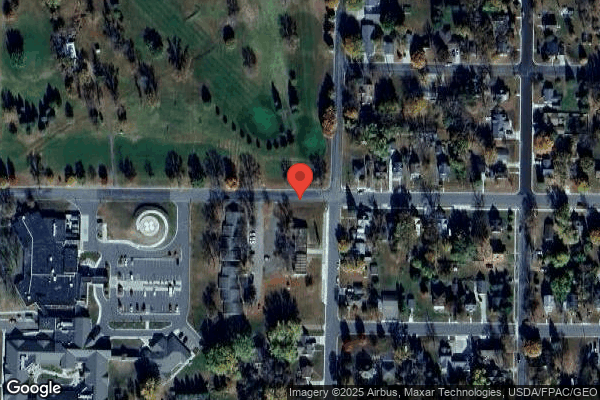

1290 LOCUST STREET, DAWSON, MN 56232 (320) 312-2101
Government - Hospital district 56 Beds Independent Data: November 2025
Trust Grade
60/100
#180 of 337 in MN
Last Inspection: February 2025

Within standard 12-15 month inspection cycle. Federal law requires annual inspections.

Overview

Johnson Memorial Hospital & Home in Dawson, Minnesota has a Trust Grade of C+, indicating it is slightly above average but still has room for improvement. It ranks #180 out of 337 facilities statewide, placing it in the bottom half, but it is the top choice among the two options available in Lac Qui Parle County. Unfortunately, the facility is experiencing a worsening trend, with reported issues increasing from 2 in 2024 to 9 in 2025. Staffing is a strong point, with a perfect score of 5 out of 5 stars and a turnover rate of 40%, which is slightly below the state average, suggesting that staff are experienced and familiar with the residents. On the downside, there have been serious incidents, such as a resident who did not receive timely pain relief after a fall, and concerns about insulin administration training for staff, which could pose risks for residents needing diabetes care. Overall, while there are strengths in staffing, potential care gaps raise important questions for families considering this facility.

Trust Score
C+
60/100
In Minnesota
#180/337
Bottom 47%
Safety Record
Moderate
Needs review
Inspections
Getting Worse
2 → 9 violations
Staff Stability
○ Average
40% turnover. Near Minnesota's 48% average. Typical for the industry.
Penalties
✓ Good
No fines on record. Clean compliance history, better than most Minnesota facilities.
Skilled Nurses
✓ Good
Each resident gets 51 minutes of Registered Nurse (RN) attention daily — more than average for Minnesota. RNs are trained to catch health problems early.
Violations
⚠ Watch
20 deficiencies on record. Higher than average. Multiple issues found across inspections.
★★★☆☆
3.0
Overall Rating
★★★★★
5.0
Staff Levels
★★★☆☆
3.0
Care Quality
★★☆☆☆
2.0
Inspection Score
Stable
2024: 2 issues
2025: 9 issues

The Good

  • 5-Star Staffing Rating · Excellent nurse staffing levels
  • Full Sprinkler Coverage · Fire safety systems throughout facility
  • No fines on record
  • Staff turnover below average (40%)

    8 points below Minnesota average of 48%

Facility shows strength in staffing levels, fire safety.

The Bad

3-Star Overall Rating

Near Minnesota average (3.2)

Meets federal standards, typical of most facilities

Staff Turnover: 40%

Near Minnesota avg (46%)

Typical for the industry

The Ugly 20 deficiencies on record

1 actual harm
Feb 2025 8 deficiencies
CONCERN (D) 📢 Someone Reported This

A family member, employee, or ombudsman was alarmed enough to file a formal complaint

Potential for Harm - no one hurt, but risky conditions existed

Deficiency F0657 (Tag F0657)

Could have caused harm · This affected 1 resident

Based on interview and record review, the facility failed to ensure 1 of 14 residents (R47) care plan was revised to identify that she had an actual elopement event. Findings include: Review of the r...

Read full inspector narrative →
Based on interview and record review, the facility failed to ensure 1 of 14 residents (R47) care plan was revised to identify that she had an actual elopement event. Findings include: Review of the report to the State Agency (SA) identified on 5/27/24 at 11:10 a.m., R47 was observed by another resident exiting the building without staff knowledge. Once notified, facility staff acted and found R47 approximately 10 feet from the door. R47 had been wearing a WanderGuard bracelet however, staff identified the door did not engage the lock and the alarm did not sound per normal when a resident wore a WanderGuard. R47's 11/22/24, annual Minimum Data Set (MDS) assessment identified her cognition was severely impaired. R47 had diagnoses of Alzheimer's dementia, delirium, and disorientation. R47 was noted to be independent with transfers and required extensive assistance with dressing and hygiene. R47 wore a wander/elopement alarm. R47's care plan identified she was at risk for elopement and had a history of attempts to leave the facility unattended and had impaired safety awareness. R47 wore a wander-guard and staff were to offer pleasant diversion, take R47 out to the courtyard when weather permitted, and check the WanderGuard function every shift. The care plan lacked update or revision following the 5/27/24 elopement to include potential new interventions such as increased supervision etc that was identified by staff. Interview on 2/20/25 at 10:04 a.m., with registered nurse (RN)-D reports they keep an eye on her when she is wandering. She had no knowledge of R47 having successfully eloping from the building on 5/27/24. Interview on 2/20/25 at 10:07 a.m., with nursing assistant (NA)-A identified if R47 is wandering a lot they keep the doors leading off the unit closed. Staff offer snacks or a warm blanket to try and get her to sit for a while and when the weather is nice, they offer to take her out on the courtyard. NA-A had no knowledge of R47's actual elopement event. Interview on 2/20/25 at 11:00 a.m., with director of nursing identified she agreed the facility had ensured they updated the care plan to notify staff of an actual elopement and new interventions to prevent reoccurrence. She agreed that should have been done and was not sure why staff failed to do it. Review of the April 2024, Comprehensive Person-Directed Care Plan and Baseline Care Plan Policy identified revisions to the care plan should be added as the resident's condition changes in order to address current problems.
CONCERN (D) 📢 Someone Reported This

A family member, employee, or ombudsman was alarmed enough to file a formal complaint

Potential for Harm - no one hurt, but risky conditions existed

Pharmacy Services (Tag F0755)

Could have caused harm · This affected 1 resident

**NOTE- TERMS IN BRACKETS HAVE BEEN EDITED TO PROTECT CONFIDENTIALITY** The facility failed to administer insulin according to physician orders and manufacturers instruction for 1 of 1 (R106) resident...

Read full inspector narrative →
**NOTE- TERMS IN BRACKETS HAVE BEEN EDITED TO PROTECT CONFIDENTIALITY** The facility failed to administer insulin according to physician orders and manufacturers instruction for 1 of 1 (R106) resident who was administered the wrong insulin. Findings include: Review of report to the State Agency on [DATE] at 9:00 p.m., identified R106 was scheduled to receive 36 units of Basaglar (a long-acting insulin). The staff nurse attempted to document R106's insulin administration on the medical record and identified they made an error and R106 had received 36 units of Fiasp (a short acting insulin) instead. The staff nurse reported the incident to R106's primary provider and was directed to monitor R106 blood sugars. R106 face sheet identified they were admitted [DATE] with a diagnoses of Alzheimer's, dementia with psychotic disturbance, depression and diabetes. R106's, February Medication Administration Record identified R106 was to receive 36 units of glargine twice a day for diabetes and Fiasp sliding scale insulin, give 70-199= 0 units, 200-999= 2 units, give subcutaneously (the fat layer between the skin and muscle) three times a day. R106's undated, current care plan identified staff nurses would administer diabetic medication as ordered, monitor/document side effects and effectiveness of the medication, monitor/document/report as needed, sign and symptoms related to hypoglycemia, such as sweating, tremors, confusion, slurred speech, and refer to podiatrist/foot care nurse to monitor/document foot care needs. Interview on [DATE] at 1:12 p.m., with RN-C identified it was not appropriate practice for staff nurses to administer insulin to residents without following medication rights and expiration dates of medication before administration. RN-C could not recall having demonstrated competency as part of hire or annually. Interview on [DATE] at 2:02 p.m., with R106 identified staff nurse informed him he was given the incorrect insulin and was to be monitored throughout the night. R106 stated he did not experience any side effects from the insulin. Review of [DATE] Medication Administration Protocol policy identified the facility nursing staff would follow medication rights before, during and after medication administration, as followed: 1) Patient verification 2) Right medication 3) Right dose 4) Right route 5) Right time 6) Right documentation 7) Right reason 8) Right response 9) Verify the medication had not expired Interview on [DATE] at 5:12 p.m., with the director of nursing (DON) identified there was no formal checklist that would include licensed nurse staff being deemed competent upon hire or annually on insulin administration. She had no copies of employee training accessible on file to identify insulin training or competencies had been completed and licensed nurses would be trained on the job alongside other colleagues on the unit by nurse managers. DON stated in services were held at the facility that was directed at insulin administration, however, audits were not completed. Review of [DATE] In-Service Education policy identified continuing education and training for employees would meet regulatory and licensing requirements. New employee was to complete initial training upon hire and annual training was to be completed for all employees based on department needs.
CONCERN (D)

Potential for Harm - no one hurt, but risky conditions existed

Medication Errors (Tag F0758)

Could have caused harm · This affected 1 resident

Based on interview and document review the facility failed to comprehensively assess and identify target behaviors or symptoms and non-pharmacological interventions for scheduled antidepressant and an...

Read full inspector narrative →
Based on interview and document review the facility failed to comprehensively assess and identify target behaviors or symptoms and non-pharmacological interventions for scheduled antidepressant and antipsychotic medication to ensure efficacy of the medication for 1 of 5 residents (R32) reviewed for unnecessary medication usage. Findings include: R32's 2/20/25, diagnosis list included generalized anxiety disorder, insomnia, major depressive disorder single episode, and unspecified psychosis not due to a substance or known physiological condition. R32's 1/8/25, quarterly Minimum Data Set (MDS) assessment identified R32's cognition was intact with no behaviors identified. R32 was independent with transfers and eating, R32 required assistance with some personnel cares. R32 had frequent pain that he rated a 3 on scale of 1-10. R32 took a daily antipsychotic, antidepressant, antianxiety, diuretic, hypoglycemic, and opioid. R32's 7/16/24, significant change MDS identified R32 felt down, depressed, or helpless more than half of the days, had trouble falling asleep or staying asleep more than half of the days, and felt tired or had little energy more than half of the days. R32 had trouble concentrating and spoke slowly or felt fidgety or restless nearly every day. R32's Order summary Report identified the following orders: 1. Clonidine HCI 0.1 milligram (MG) three times a day for anxiety. 2. Fluoxetine HCI (Prozac) 80 mg every morning for major depressive disorder single episode. 3. Quetiapine Fumarate (Seroquel) 50 mg at bedtime for unspecified psychosis not due to a substance or known physiological condition. 4. Trazodone HCI 100 mg at bedtime for insomnia. There was no mention of symptoms or target behaviors that the psychoactive medications were prescribed to treat. R32's Anti-Psychotropic Medication Minimum Effective Dose Monitoring assessment identified: 1. Clonidine HCI 0.1 mg three times a day, diagnosis generalized anxiety disorder. Target symptoms reduce anxiety. 2. Fluoxetine HCI (Prozac) 80 mg, diagnosis major depressive disorder single episode. Target symptom was depression 3. Quetiapine Fumarate (Seroquel) 50 mg, diagnosis unspecified psychosis not due to a substance or known physiological condition. Target symptoms to decrease episodes of psychosis. 4. Trazodone HCI 100 mg, diagnosis insomnia, unspecified major depressive disorder single episode. Target symptoms insomnia, depression. There was no identification of specific symptoms that the medication had been ordered to treat. R32's Informed Consent for Psychotropic/Psychoactive Drug Use identified: 1. Clonidine 0.1 mg, diagnosis anxiety, target behaviors, anxiety and depression. 2. Fluoxetine (Prozac) HCI 80 mg, diagnosis major depressive disorder, target behaviors decrease symptoms of depression. 3. Quetiapine Fumarate (Seroquel) 50 mg at bedtime, diagnosis psychosis, target behaviors decrease psychosis episodes, help with sleep 4. Trazodone 100 mg at bedtime, diagnosis insomnia, target behaviors help with sleep. There was no identification of specific target behaviors that the medication had been ordered to treat. R32's undated care plan identified that R32 had depression and would remain free of signs or symptoms of distress, depression, anxiety or sad mood through the review date. Staff were to administer medications as ordered, monitor for side effects and effectiveness. There was no mention of target symptoms that staff were to monitor for effectiveness or any non-pharmacological interventions for target symptoms. R32 used psychotropic medication for a diagnosis of psychosis and would remain free of psychotropic drug related complication through the review date. Staff were to administer psychotropic medications as ordered, monitor for side effects and effectiveness. There was no mention of target symptoms that staff were to monitor for effectiveness or any identified non-pharmacological interventions for target symptoms. Interview on 2/19/25 at 3:39 p.m., with R32 identified he had been in a state of depression for years and his doctor finally talked him into doing something. He reported at first the medication did not seem to help but then he started to see this mental health person and she started him on some other medications that have worked. He reported he took something for anxiety as he feels anxious inside and he takes another medication because he sees things like mice, rats, raccoons, and cats running around in his room. He stated he knows they are not there, and it was not real, but he still seems them. He reported he also sees people standing or sitting in the chair but mostly sitting he stated he has seen his mother many times and once at 4 am he seen the wound nurse sitting in the chair. He revealed he knew the people were not there, and they did not scare him, but he still seen them. He reported sometimes it is just dark shadows that are standing by me or sitting in the chair. He again stated he sees things running around his room a lot, but he knows there was not raccoons in his room. Interview on 2/19/25 at 3:49 p.m., with registered nurse (RN)-C agreed that R32 had no identified specific target symptoms his medications had been ordered to treat identified anywhere she could see. She agreed it would be hard to determine if the medications were effective or not if staff did not know what they were to be treating. She revealed that R32 did isolated to his room mostly, he did have anxiety related to his health conditions, and he did hallucinate at times where he has seen people that were not there. Interview on 2/19/25 at 4:18 p.m., with registered nurse (RN)-B an interim consultant confirmed that the psychopharmacological medication assessment had identified diagnosis but no specific target behaviors or symptoms that the medication was ordered to treat. RN-B revealed his expectation was that each psychoactive medication would have identified target symptoms or behaviors and that should be identified on the care plan. Interview on 2/19/25 at 5:11 p.m. with assistant director of nursing (ADON) registered nurse (RN)-A confirmed she was unable to locate any target behaviors or symptoms that R32's medications had been ordered to treat. Interview on 2/19/25 at 5:15 p.m. with director of nursing (DON) confirmed that there should be identified target behaviors or symptoms for each psychoactive medication ordered. She agreed without the identified target behavior or symptom it would be hard to determine if the medication was effective. Review of February 2025, Psychotropic Drug Monitoring policy identified the primary diagnosis or target behavior must be specified with each psychotropic medication order and would be identified on the medication order as well. The resident care plan would identify the goal of the medication, the medication side effect monitoring, target behaviors, the information that would be used to determine the effectiveness of the medication and reported to the physician. Each psychoactive medication ordered would identify a different target behavior that the medication was ordered to treat.
CONCERN (E)

Potential for Harm - no one hurt, but risky conditions existed

Deficiency F0761 (Tag F0761)

Could have caused harm · This affected multiple residents

**NOTE- TERMS IN BRACKETS HAVE BEEN EDITED TO PROTECT CONFIDENTIALITY** Based on observation, interview, and document review, the facility failed to follow manufacturer's instructions and label insuli...

Read full inspector narrative →
**NOTE- TERMS IN BRACKETS HAVE BEEN EDITED TO PROTECT CONFIDENTIALITY** Based on observation, interview, and document review, the facility failed to follow manufacturer's instructions and label insulin pens with an open and discard date for 6 of 6 residents (R7, R23, R28, R29, R51, and R106) sampled insulin pens. Findings include: Observation on [DATE] at 11:37 a.m., with registered nurse (RN)-G, on Prairie Lane hall, reviewed R23's insulin order on Point Click Care (PCC) an online electronic medical record identified R23 was to receive 5 units of Lantus (a long-acting) insulin that was to be given daily at 11:00 a.m. RN-G removed the insulin pen from R23's medication cupboard and read the label. RN-G had sanitized her hands, applied gloves, and administered the insulin. RN-G documented on R23's medication chart in PCC. The label on the insulin pen had an open date of [DATE]. There was no discard date labeled on the insulin pen. Observation on [DATE] at 11:41 a.m., with RN-G, on Prairie Lane Hall, reviewed R29's blood sugar reading from her portable glucometer phone and confirmed R29's blood sugar was 243. RN-G reviewed R29's insulin order identified R29 was to receive Humalog sliding scale insulin from 250-300= 4 units, etc. RN-G informed R29 her blood sugar was under 250 and did not require insulin. RN-G opened R29's medication cupboard and removed 2 insulin pens Neither pen had an open or discard date on the label. Both pens were actively in service. Observation on [DATE] at 11:45 a.m., with RN-G, on Prairie Lane Hall, reviewed R28's blood sugar reading from his portable glucometer phone and confirmed R28's blood sugar was 171. RN-G reviewed R28's insulin order identified R28 was to receive Humalog sliding scale insulin 151-200= 2 units and informed R28 he was to receive 2 units of insulin. R28 requested the insulin to be placed in his abdomen. RN-G administered the insulin per order. RN-G documented the administration in R28's medical record. R28's Humalog insulin pen had an open or discard date on the label. Further observation on [DATE] at 12:05 p.m., identified the following: 1) R7's lantus insulin pen had no open or discard date on the label. 2) R28's lantus insulin pen had an open date of [DATE] but no discard date and their Humalog insulin pen had no open or discard date on the label. 3) R29's Lantus insulin pen had no open or discard date on the label 4) R51's glargine insulin pen had no open or discard date on the label. 5) R106's Fiasp insulin pen had a open date of [DATE] but no discard date and a glargine insulin pen had no open or discard date on the label. Interview on [DATE] at 12:44 p.m., with RN-A identified staff nurses were to label the insulin pen with an open and discard date once it was removed from the fridge to ensure staff nurses identify when the insulin pen was to expire. Interview on [DATE] at 1:12 p.m., with RN-C identified insulin pens that were not dated appropriately would be discarded and replaced with a new pen from the fridge. She identified it was not appropriate practice for staff nurses to administer insulin to residents without following medication rights and expiration dates of medication before administration. Interview on [DATE] at 5:12 p.m., with the director of nursing (DON) identified she expected staff to follow manufacturer's guidelines identifying staff were to write open and discard dates on insulin pens. Review of [DATE] Medication Administration Protocol policy identified the facility nursing staff would follow medication rights before, during and after medication administration, as followed: 1) Patient verification 2) Right medication 3) Right dose 4) Right route 5) Right time 6) Right documentation 7) Right reason 8) Right response 9) Ensure medication was not expired Staff nurses were to ensure medication, such as, insulin would be labeled with an open and discard date, according to manufacturer's instructions. Lastly, staff nurses were to check expiration dates of medications during administration times.
CONCERN (F) 📢 Someone Reported This

A family member, employee, or ombudsman was alarmed enough to file a formal complaint

Potential for Harm - no one hurt, but risky conditions existed

Deficiency F0726 (Tag F0726)

Could have caused harm · This affected most or all residents

**NOTE- TERMS IN BRACKETS HAVE BEEN EDITED TO PROTECT CONFIDENTIALITY** Based on observation, interview, and document review, the facility failed to ensure all 9 licensed nurses (registered nurse (RN)...

Read full inspector narrative →
**NOTE- TERMS IN BRACKETS HAVE BEEN EDITED TO PROTECT CONFIDENTIALITY** Based on observation, interview, and document review, the facility failed to ensure all 9 licensed nurses (registered nurse (RN)-A, RN-C, RN-D, RN-G, RN-I, licensed nurse (LPN)-A, LPN-B, LPN-C, and LPN-D) and all 5 agency licensed nurses (RN-E, RN-J, RN-K, LPN-E, and LPN-F) who administer or had the potential to administer insulin were appropriately trained and deemed competent to facility policy and manufacturer's instructions for insulin administration. This had the potential to affect all residents who recieved insulin. Findings include: Review of the [DATE], report to the facility identified R106 was scheduled to receive 36 units of Basaglar (a long-acting insulin). The staff nurse attempted to document R106's insulin administration on the medical record and realized R106 had actually received 36 units of Fiasp (a short acting insulin), instead. The staff nurse reported the incident to R106's primary provider and was directed to monitor R106 blood sugars. R106's face sheet identified R106 was admitted [DATE] with a diagnosis of diabetes. R106's, February Medication Administration Record identified R106 was to receive 36 units of glargine twice a day for diabetes and Fiasp sliding scale insulin according to blood sugar levels listed as: 70-199 = 0 units, 200-999 = 2 units. Staff were to give subcutaneously (fat layer between the skin and muscle) 3 x per day. R106's undated, current care plan identified staff nurses would administer diabetic medication as ordered, monitor/document for side effects and effectiveness of the medication, monitor/document/report as needed signs and symptoms related to low blood sugar levels such as sweating, tremors, confusion, slurred speech. Review of [DATE] Medication Administration Protocol policy identified the facility nursing staff would follow medication rights before, during and after medication administration, as followed: 1) Patient verification 2) Right medication 3) Right dose 4) Right route 5) Right time 6) Right documentation 7) Right reason 8) Right response 9) medication not expired Staff nurses were to ensure medication, such as, insulin would be labeled with an open and discard date, according to manufacturer's instructions. Lastly, staff nurses were to check expiration dates of medications during administration times. Interview on [DATE] at 2:02 p.m., with R106 identified staff nurse informed him he was given the incorrect insulin and was to be monitored throughout the night. R106 stated he did not experience any side effects from the administration of the incorrect insulin. Interview on [DATE] at 5:12 p.m., with the director of nursing (DON) identified there was no formal checklist that would include licensed nurse staff being trained on insulin administration. She had no copies of employee training accessible on file to identify insulin training or competencies had been completed and licensed nurses would be trained on the job alongside other colleagues on the unit by nurse managers. DON stated in services were held at the facility that was directed at insulin administration, however, audits were not completed. Review of [DATE] In-Service Education policy identified continuing education and training for employees would meet regulatory and licensing requirements. New employee was to complete initial training upon hire and annual training was to be completed for all employees based on department needs.
CONCERN (F)

Potential for Harm - no one hurt, but risky conditions existed

Deficiency F0838 (Tag F0838)

Could have caused harm · This affected most or all residents

Based on interview and document review, the facility failed to implement 1 of 1 facility assessment and ensure the identified number of staff deemed required to provide care and services to residents ...

Read full inspector narrative →
Based on interview and document review, the facility failed to implement 1 of 1 facility assessment and ensure the identified number of staff deemed required to provide care and services to residents had been scheduled and maintained on the weekends. Findings include: Review of the 8/8/24, Facility Assessment identified resources needed to provide care and competent support to the residents residing in the facility daily included staffing plan of: 1. Days-weekdays registered nurse (RN) 24 hours, licensed practical nurse/trained medication aide (LPN/TMA) 24-hour, nursing assistant (NA) 45-54 hours, director of nursing/assistant director of nursing (DON/ADON) 16 hours. 2. Days-weekends RN 12 hours, LPN/TMA 12 hours, NA 54 hours 3. Evenings -weekday RN 0 hours, LPN/TMA 16 hours, NA 37-42 hours 4. Evenings-weekend RN 0 hours, LPN/TMA 16 hours, NA 54 hours 5. Nights-weekdays RN 12 hours, LPN/TMA 0 hours, NA 24 hours 6. Nights- weekends RN 12 hours, LPN/TMA 0 hours, NA 32 hours Review of the 6 sampled weekend dates identified on: 1) 7/6/24 day shift RN-12 hours, LPN/TMA 12 hours, NA 44 hours (should have been 54 hours) evening shift- LPN/TMA 12 hours, NA 42 hours (should have been 54 hours), night shift RN 12 hours, NA 24 hours (should have been 32 hours). 2) 7/7/24-day shift RN-12 hours, LPN/TMA 12 hours, NA 47 hours (should have been 54 hours) evening shift LPN/TMA 12 hours, NA 43 hours (should have been 54 hours) night shift RN 12 hours, NA 24 hours (should have been 32 hours). 3) 8/17/24 day shift RN-12 hours, LPN/TMA 17 hours, NA 53 hours, evening shift LPN/TMA 12 hours, NA 35 hours (should have been 54 hours) night shift RN 12 hours, NA 17 hours (should have been 32 hours). 4) 8/18/24 day shift RN-12 hours, LPN/TMA 17 hours, NA 45 hours (should have been 54 hours) evening shift LPN/TMA 12 hours, NA 41 hours (should have been 54 hours) night shift RN 12 hours, NA 25 hours (should have been 32 hours). 5) 9/28/24 day shift RN-12 hours, LPN/TMA 15 hours, NA 58 hours evening shift -LPN/TMA 12 hours, NA 59 hours, night shift RN 12 hours, NA 24 hours (should have been 32 hours). 6) 9/29/24 day shift RN-12 hours, LPN/TMA 12 hours, NA 47 hours (should have been 54 hours) evening shift -LPN/TMA 16 hours, NA 54 hours, night shift RN 12 hours, NA 24 hours (should have been 32 hours). Interview on 2/20/25 at 10:05 a.m., with DON identified the previous interim administrator had determined the staffing needs. Following review of the facility assessment for staffing needs the DON confirmed that the assessment needed to be reviewed and revised as the hours should be the same on weekdays and weekends. The DON agreed that the required staffing hours identified on the facility assessment had not been met on the weekend shifts sampled in quarter 4. There was no additional policy related to staffing provided by the end of the survey.
CONCERN (F)

Potential for Harm - no one hurt, but risky conditions existed

Staffing Data (Tag F0851)

Could have caused harm · This affected most or all residents

Based on document review and interview, the facility failed to submit complete and accurate direct care staffing information, based on payroll and other verifiable and auditable data, during 1 of 1 qu...

Read full inspector narrative →
Based on document review and interview, the facility failed to submit complete and accurate direct care staffing information, based on payroll and other verifiable and auditable data, during 1 of 1 quarter reviewed (Quarter 4) 2024 (July 1 - September 30) to the Centers for Medicare and Medicaid Services (CMS) according to specifications established by CMS. Findings include: Review of the Payroll Based Journal Report (PBJ) [NAME] Report 1705D identified excessively low weekend staffing had triggered. Review of the schedules and staff timecards identified on 7/6/24 registered nurse (RN)-E a contracted nurse had worked a 12-hour shift. RN-E had not clocked in on the facilities system to track hours worked for the PBJ report. On 8/17/24 RN-F, a hospital nurse who worked at the care facility in an on-call basis, had worked an 8-hour shift. Interview on 2/20/25 at 10:05 a.m., with director of nursing (DON) identified that staff punch in with a code, she was not sure how the on-call hospital staff punched in though. She thought the hospital staff punched in the same way they always do and was unsure if the time correctly was allocated to the nursing home hours. She confirmed that RN-E had worked on 7/6/24 and had failed to punch into the facility system so those hours would not have transferred to the PBJ report. She confirmed that the PBJ report was inaccurate related to RN-E not punching into the facility system. Interview on 2/20/25 at 10:15 a.m., with the payroll coordinator revealed he submitted the hours for PBJ however, he did not run any reports to verify there were no inaccuracies. He understood he only needed to review to ensure there was an RN working 8 hours each day. A policy was requested on PBJ reporting however, the DON reported the facility had no policy on PBJ reporting.
CONCERN (F)

Potential for Harm - no one hurt, but risky conditions existed

Deficiency F0882 (Tag F0882)

Could have caused harm · This affected most or all residents

Based on interview and document review, the facility failed to ensure appropriate oversight by the infection preventionist (IP) and follow up when multiple departments heads consistently failed to rep...

Read full inspector narrative →
Based on interview and document review, the facility failed to ensure appropriate oversight by the infection preventionist (IP) and follow up when multiple departments heads consistently failed to report required surveillance data used in tracking employee illness for 33 of 60 (unidentified in the tracking) facility staff and note return to work dates for 3 months reviewed (November 2024 through January 2025). This had the potential to affect all 55 residents at the facility. Findings include: Review of the November 2024, December 2024, and January 2025, staff surveillance identified: 1) November 2024: 8 staff called in sick. 2 with cold symptoms, 2 with nausea, 1 with fever, 1 with a rash, and 1 with a headache. 2 of the 8 staff that called in sick lacked a return to work date. 2) December 2024: 18 staff called in sick. 4 with diarrhea, 7 with cold symptoms, 1 with vomiting, 1 with nausea, 2 with abdominal pain, and 3 with other. 12 of 18 staff who called in sick lacked a return to work date. 3) January 2024: 28 staff called in sick. 4 with diarrhea, 11 with cold symptoms, 5 with vomiting, 1 with a headache, 5 with body aches, and 2 with other. 19 of 28 staff who called in sick lacked a return to work date. There were only departments noted in the report to which them employee worked. No names were noted which would identify potential specific areas or exposure to residents. Interview on 2/19/25 at 1:09 p.m., with the infection preventionist identified she agrees with the above findings. She has had difficulty getting other departments to submit information timely. She provides each department with a form in MS TEAMS (a communication application used for messaging and virtual meetings). Each department was expected to fill out the form and she would then transfer the information to the surveillance log. She identified that she has brought her concerns about the lack of reporting from department heads several times to IDT meetings. Interview on 2/19/25 at 5:17 p.m., with the administrator identified he was aware of the concern by the IP mentioned above, and had discussed those concerns had been discussed at the QAPI (Quality Assurance and Performance Improvement) meeting. He encouraged staff to start providing the information. He would expect the IP to provide retraining to the department heads if they were not providing the correct information and noted the IP should have reached out to the administrator if the concern continued. Review of the facility provided December 2024, Employee Illness Reporting policy identified staff were to report illness to their supervisor, the supervisor was to enter the information into Teams under Employee Illness. The information should include department, staff title, dates ill, nature of illness, return to work date, if seen by a provider, and if testing was completed. The IP was to document and trend the illnesses in an Infection Control Report and the information would be reported to QAPI quarterly. The facility policy lacked any indication the IP should identify who the individual staff that called in with illness to be able to provide accurate over sight and narrow down exposure to residents to be able to comprehensively.
Jan 2025 1 deficiency 1 Harm
SERIOUS (G) 📢 Someone Reported This

A family member, employee, or ombudsman was alarmed enough to file a formal complaint

Actual Harm - a resident was hurt due to facility failures

Quality of Care (Tag F0684)

A resident was harmed · This affected 1 resident

**NOTE- TERMS IN BRACKETS HAVE BEEN EDITED TO PROTECT CONFIDENTIALITY** Based on interview and document review the facility failed to assess and monitor injuries after a fall, provide pain relieving t...

Read full inspector narrative →
**NOTE- TERMS IN BRACKETS HAVE BEEN EDITED TO PROTECT CONFIDENTIALITY** Based on interview and document review the facility failed to assess and monitor injuries after a fall, provide pain relieving treatment and physician notification for 1 of 1 resident (R1) who had a fall with a hip fracture that required surgical repair. This resulted in harm when R1's pain was not comprehensively assessed for eight hours after R1 reported and displayed severe pain causing delay in pain relief and medical attention. The facility implemented immediate corrective action, so the deficient practice was issued at past non-compliance. Findings include: R1's face sheet dated 1/22/25, identified R1 had diagnoses that included, parkinsonism (neurodegenerative disorder that causes tremors, stiffness, and slow movement), dementia, and Picks Disease (a degenerative brain disease that affects individuals under [AGE] years old). R1's admission Minimum Data Set (MDS) dated [DATE], identified R1 was admitted to the facility on [DATE], and had moderate cognitive impairment with no noted behaviors. R1 was dependent on facility staff for eating, toileting, dressing, personal hygiene, bed mobility, transfers, and walking. R1 did not receive scheduled or as needed pain medication and did not have reports of pain during the assessment period. R1's care plan printed on 1/22/25, indicated R1 had a diagnosis of dementia and primary progressive aphasia (language disorder that affects a person's ability to communicate). R1 required two staff assist and mechanical lift for all transfers; two staff assist and walker, gait belt, and wheelchair behind for walking and staff may have to steer the walker. The fall care plan identified R1 is a high risk for falls due to balance problems, poor communication/comprehension, and unaware of safety needs. R1's progress notes titled Late Entry dated 1/15/25 at 5:50 p.m., indicated R1 was found on the floor lying on his back; three staff transferred resident to his wheelchair, brought him to the side of the bed to stand and assisted R1 to bed. The note indicated R1 denied pain but was noted to have a red area on right lower back. R1's record did not address any further monitoring and assessment for injuries as a result of the fall until 1/16/25 at 8:43 a.m. almost 14 hours after the fall occurred. R1's progress notes dated 1/16/25 at 8:43 a.m., indicated the oncoming day shift nursing assistant (NA) was notified by the night shift NA that R1's right leg was hurting. When the NA tried to put his sock on, he jumped and indicated he had pain. R1 was assessed and on-call provider notified and ordered x-rays. R1's progress notes on 1/16/25 at 4:39 p.m., identified R1 was admitted to the hospital due to finding of acute nondisplaced fracture of the proximal femur involving femoral neck and intertrochanteric regions (right hip fracture) and was scheduled for surgery on 1/17/25. R1's emergency department (ED) Provider Note dated 1/16/25, identified R1 was being seen for concerns of right hip pain after an unwitnessed fall out of bed the evening prior. The note further identified R1 was diagnosed with a closed right hip fracture with surgical repair scheduled for 1/17/25. R1's medication administration record (MAR) was reviewed between 1/15/25 through 1/16/25. The MAR identified no additional pain medication was given after his scheduled dose of Tylenol at 5:00 p.m. prior to the fall in which documentation identified R1 did not have any pain. The MAR identified R1 received his regular scheduled dose of Tylenol on 1/16/25, at approximately 8:00 a.m. in which documentation identified pain rating of 5 with no further pain assessment completed. During an interview on 1/21/25 at 2:25 p.m., licensed practical nurse (LPN)-A indicated she worked the evening and night shift on 1/15/25, it was a very busy night. LPN-A was notified by nursing assistant (NA)-A at approximately 7:10 p.m., that R1 had fallen, was agitated, and scooting around on the floor. LPN-A identified she assessed R1, and noted a little bit of redness on the right hip but thought it could have been a rash and did not note any symptoms of pain. NA-A assisted R1 to stand up and put him back to bed. LPN-A was notified on 1/16/25 at approximately 5:00 a.m. that R1 was having pain but did not check on him nor did she give R1 anything for pain. LPN-A stated, I didn't do anything, however she did report to the oncoming shift nurse that R1 had some pain but did not tell them that R1 had fallen the night before, stating, I completely forgot. During an interview on 1/22/25 at 9:35 a.m., NA-B indicated on 1/15/25 she started her shift at 10:30 p.m., typically the on-coming NA's would get report from the prior shift. NA-B explained she did not get report from NA-A, so NA-B had no awareness R1 had fallen earlier that evening. When NA-B did her first check shortly after 10:30 p.m., R1 seemed ok. At 12:30 a.m. while attempting to change R1's incontinent pad, R1 was having pain, he was screaming telling her he was in pain and had facial grimaces, however NA-B indicated an unawareness of where R1's pain was originating from. NA-B stopped what she was doing, then called for NA-A to assist with the repositioning to complete incontinent care. NA-A came to help, however, having a second person did not help alleviate R1's pain; R1 continued to yell out in pain and had facial grimaces. NA-A still had not disclosed to NA-B that R1 had a fall. Immediately after they had finished personal cares, NA-B notified LPN-A by text message that R1 was having pain and requested pain medication. NA-B stated, LPN-A told her No to the pain medication and was not aware if LPN-A had checked on R1 after that. NA-B indicated at approximately 4:30 a.m., R1 was restless and continued to have pain. NA-B again requested NA-A to assist with cares. NA-B stated R1 was making faces like he was in pain again, so she again reported to LPN-A that he was having pain and was told by LPN-A she would pass it on [to the dayshift] in the morning. NA-B indicated R1 was usually smiley and did not have signs that he was pain, so it was a definite change for him. During an interview on 1/22/25 at 12:10 p.m., LPN-B identified she worked the morning shift on 1/16/25 and received morning shift to shift report that R1 did not sleep well the night before. LPN-B further identified later that morning she was notified that R1 was having some pain and that he had pain during the over night shift. LPN-B stated this was the first I heard of his [R1] pain LPN-B assessed R1 and could tell he was in pain, notified the provider, told the NA's not to move him. LPN-B indicated the medical record lacked any of reports of R1's pain, R1's falls the evening prior, or the required paperwork, notifications, and follow up after a resident fall. During an interview on 1/22/25 at 12:20 p.m., the director of nursing (DON) identified that although NA-A and LPN-A were aware and responded to R1's fall on 1/15/25, they did not complete the assessment, notifications, and follow up after the fall. Further identified the facility was made aware of R1's fall by his family who witnessed the fall on the security camera in his room. DON indicated the facility immediately notified the physician when they became aware and completed a thorough investigation. Additionally, the facility provided coaching to staff involved and provided education to all staff on chain of command, documentation, vulnerable adults policy and reporting; shift report process; fall management, documentation, and follow-up. The following facility's corrective actions dated 1/16/25 were verified as implemented prior to the survey: -Assessed and notified provider of R1's change in condition. -The facility completed a thorough investigation that identified the facility falls and notifications policies were not followed. Further identified R1's severe pain was not assessed, monitored or treated. -Provided coaching and corrective action to LPN-A, NA-A, and NA-B -Provided education to all staff on chain of command, documentation, vulnerable adults policy and reporting; shift report process; fall management, documentation, and follow-up. Review of the facility policy Pain Management last revised 7/2023, indicated a pain assessment would be completed for all residents when there is a change of condition, or onset of new unrelieved or persistent pain or when staff assessment shows any indicators of pain, including: non-verbal sounds, vocal complaints, facial expressions, protective body movements or postures. Review of the facility's undated Fall Check List and Monitoring Sheet indicated the following steps: Obtain full set of vitals and document Perform full assessment of elder and document Initiate neuros for suspected head injury or any unwitnessed fall Notify DON of every fall immediately day or night. Notify family/veteran group/hospice (if applicable) and document in PCC on fall report. The DON or registered nurse (RN) on-call only need be notified if there is injury or have concerns Review of the facility policy Notification of Changes in Resident's Condition last revised 11/2019, indicated it is the policy of the facility to inform resident, physician, family/legal representative of an abrupt change in resident condition. The procedure is as follows: Licensed nursing staff will: Assess any changes noted through direct observations Obtain and a complete set of vital signs at the onset of the change and/or at four-hour intervals and /or more often as appropriate/ordered. Obtain any other data necessary for a complete assessment and/or per policy specific to the type of change and/or as ordered by the physician. Notify the resident of the change and assessment findings. Notify the physician of the change and after hours the physician on-call of the change base on the On-Call Physician Policy. If a mess is left continue follow-up every ½ to 4 hours depending on the significance of the change Notify the resident's legal representative and/or designated person of the changes and follow up done by facility and/or physician. Document all assessment data, observations, and notification of resident, family, and physician. Address the change on a temporary care plan for follow through by the next shifts. Follow up should continue as indicated in the policy specific to the change or as order by the physician. The resident, physician, and family should be updated about the resident's status. Update the care plan as needed.
Apr 2024 2 deficiencies
CONCERN (D)

Potential for Harm - no one hurt, but risky conditions existed

PASARR Coordination (Tag F0644)

Could have caused harm · This affected 1 resident

Based on interview and document review, the facility failed to notify the county (designated state mental health authority (SMHA)) when 1 of 1 resident (R2) had new on-set of mental illness since admi...

Read full inspector narrative →
Based on interview and document review, the facility failed to notify the county (designated state mental health authority (SMHA)) when 1 of 1 resident (R2) had new on-set of mental illness since admission. R2's 2/22/24, annual Minimum Data Set (MDS) assessment identified R2 had diagnosis of delusional disorders, paranoid schizophrenia, obsessive-compulsive disorder, depression, and anxiety. R2's 8/16/10, pre-admission screen (PAS) identified R2 did not have a major mental disorder diagnosable under the Diagnostic and Statistical Manual of Mental Disorders (DSM), current edition. R2's undated, current diagnosis list identified R2 received a new diagnosis of schizophrenia on 10/15/15, obsessive-compulsive disorder on 10/15/15, and a new delusional disorder on 2/29/24. R2's medical record lacked any indication that the county (SMHA) had been notified since the new-onset of R2's mental illnesses. Interview on 4/9/24 at 9:48 a.m., with the social service designee identified he reviews the PAS upon admission but there is no process in place to ensure he is notified if a resident receives a new diagnosis of mental illness. Interview on 4/10/24 at 10:11 a.m., with the administrator identified that she would expect the facility to notify the SMHA authority when a resident receives a new qualifying mental illness diagnosis. She identified the facility process was to discuss new diagnosis at their daily meeting so the social service designee should have been aware of R2's new onset diagnosis. Review of the facility Pre-admission Screening policy identified the social worker or director of nursing was responsible to contact Senior Linkage when a resident requires a referral for a new PASARR due to a new on-set diagnosis of mental illness.
CONCERN (D)

Potential for Harm - no one hurt, but risky conditions existed

Deficiency F0657 (Tag F0657)

Could have caused harm · This affected 1 resident

**NOTE- TERMS IN BRACKETS HAVE BEEN EDITED TO PROTECT CONFIDENTIALITY** Based on observation, interview, and document review the facility failed to revise the care plan for 1 of 1 resident (R20) with ...

Read full inspector narrative →
**NOTE- TERMS IN BRACKETS HAVE BEEN EDITED TO PROTECT CONFIDENTIALITY** Based on observation, interview, and document review the facility failed to revise the care plan for 1 of 1 resident (R20) with peripheral edema and diagnosis of cardiomyopathy (disease of the heart muscle which makes it difficult for the heart to pump blood to other parts of the body). Findings include: R20 was admitted [DATE], with diagnoses of diabetes, implantable cardiac defibrillator, and hypertensive heart disease (disease cause by high blood pressure affecting the heart). R20's 3/29/24 psychosocial note identified she had attended her care conference and nursing had discussed her leg edema with suggestions for management. R20 voiced agreement to try some interventions. R20's 3/21/24 dietary progress note identified her weight had increased 11.2% in the past 30 days. It was noted that some of the increased weight could be related to fluid retention, but it was suspected she was non compliant with her diet restrictions and her feet and ankles were edematous. R20's 3/12/24, nurse practioner (NP) identified she had been contacted on 3/11/24 by nursing staff with concerns regarding R20's lower extremity edema and a 10 pound (lb) weight gain. Treatment was ordered for Lasix 20 milligrams (mg) by mouth (PO) daily (QD) for 3 days. R20's 3/15/24 annual Minimium Data Set (MDS) assessment identified her cognition was intact, and she was independent with activities of daily living (ADL). R20's undated, current care plan identified she suffered from cardiomyopathy, diabetes, heart disease and had an automatic implanted cardioverter-defibrillator ((AICD) electronic device surgically placed in the chest to monitor and correct abnormal heart rhythms). Staff were to monitor vital signs weekly and as needed (PRN). The physician (MD) was to be notified of significant abnormalities and directed to monitor/document/report signs/symptoms of altered cardiac output or ACID malfunction which included dizziness, syncope (brief loss of consciousness), difficulty breathing, pulse below programmed rate and lower than baseline blood pressure. The careplan failed to include any mention or interventions for edema which was also a side effect of heart failure. Observations of R20 from 4/8/24 through 4/10/24 identified she was observed either seated in either her wheelchair or cushioned chair in her room, with her bare feet on the floor. R20's bilateral feet and ankles had 4 + edema and were reddish in color. The only time R20 was observed to have her legs elevated was when she was sleeping in bed and there was not any stockings or wraps noted on her feet or legs. Interview on 4/09/24 at 2:00 p.m. with nursing assistant (NA)-B reported R20 sat with her feet resting on the floor most of the time, and did not wear any support stockings. She reported both her feet and ankles were usually really swollen. Interview on 4/09/24 at 4:32 p.m., with NA-C identified R20 spent most of her time when awake sitting in either her wheel chair of cushioned chair with her feet resting on the floor. She reported she had a foot stool but she was not aware of her using it, and she did not wear any compression stockings or have her legs wrapped that she was aware of. Interview on 4/10/24 at 7:15 a.m. with licensed practical nurse (LPN)-A reviewed R20's medication administration record (MAR) and confirmed R20 was not receiving a diuretic currently. Interview on 4/10/24 at 7:13 a.m. with the director of nursing (DON) reported R20 had been encouraged to elevate her legs, has had medication review with changes and attempts to provide education about her edema, but she refused to wear compression stockings, and was insistent on sitting with her feet on the floor. She reported she had a foot stool by her chair but refused to use it because she was afraid of falling. The DON reported the MD and NP were aware of the foot and ankle edema which she identified as 4+ and had attempted interventions, but she continued to be non-complaint. The DON confirmed the care plan did not address the problem of peripheral edema, a side effect of cardiomyopathy and should be up dated to include edema with interventions for monitoring of edema and weight changes. Review of the April 2023, Comprehensive Person-Directed Care Plan and Baseline Care Plan policy identified the care plan was to be individualized and comprehensive to ensure continuity of care. The care plan was to be reviewed every month (30 days) on each shift by both a licensed nurse and NA. Any revisions were to be shared with the MDS nurse to allow for revision to the MDS. Revisions of both the care plan and MDS were to be completed with a condition change or revised to address current problems.
Jun 2023 8 deficiencies
CONCERN (D) 📢 Someone Reported This

A family member, employee, or ombudsman was alarmed enough to file a formal complaint

Potential for Harm - no one hurt, but risky conditions existed

Report Alleged Abuse (Tag F0609)

Could have caused harm · This affected 1 resident

Based on interview, and record review, the facility failed to report potential abuse within 2 hours for 1 of 3 residents (R27. who was identified with a bruise on his abdomen of unknown origin. Findi...

Read full inspector narrative →
Based on interview, and record review, the facility failed to report potential abuse within 2 hours for 1 of 3 residents (R27. who was identified with a bruise on his abdomen of unknown origin. Findings include: R27'S 4/13/23, quarterly Minimum Data Set (MDS) identified R27 had severe cognitive impairment and required extensive assistance with all cares. R27 had diagnosis of diabetes, high cholesterol, depression, anxiety, and cognitive decline. R27's undated care plan identified R27 is a vulnerable adult due to impaired cognition and memory loss and He needs assistance with activities of daily living (ADL's). R27's progress notes entered on 3/27/23, at 12:45 a.m., identified registered nurse (RN)-C documented she had been notified on 3/26/23 at around 8:30 p.m., that R27 had bruising on his abdomen that extended down the left side. RN-C documented R27's abdomen was distended and R27 reported pain. RN-C had called the on-call physician and R27 was sent to emergency department for further evaluation. R27 had a CT scan completed, with the results showing the injury to have an unknown etiology. R27 received IV fluids and an injection of an antibiotic prior to returning to the facility. RN-C updated the director of nursing (DON) at 10:30 p.m Review of the report to the State Agency (SA) identified it was submitted on 3/27/23 at 2:40 a.m., that a nurse aide reported R27 had a large bruise on his abdomen extending from his umbilicus down to his left side. Upon assessment of the bruise, there was abdominal distention as well as some pain. A smaller bruise localized at center of umbilicus had been reported at an earlier date, but bruising had significantly spread throughout the day. The report further identified staff had reported the concern to the on-call physician and R27 was transported to the emergency department for further evaluation with orders to have a CT scan performed. The facility completed the report to the SA more than 6 hours after the injury was reported to RN-C. Interview on 5/31/23 at 3:06 p.m., with DON identified she had been updated around 10:30 p.m., that a nursing assistant had reported a bruise to RN-C. DON stated I see we have a delay in reporting. DON identified that she would have expected RN-C to complete a State Agency report within 2 hours of notification of the bruise and further revealed that RN-C recognized her error when they spoke after the incident. RN-C was unavailable for interview during the survey. Review of the May 2023, Abuse policy identified the administrator, DON, or designee were to report potential abuse within 2 hours.
CONCERN (D)

Potential for Harm - no one hurt, but risky conditions existed

Deficiency F0657 (Tag F0657)

Could have caused harm · This affected 1 resident

Based on observation, interview, and document review identified the facility failed to revise the care plan for 1 of 1 resident (R17) with known diagnoses of anxiety and depression who was currently i...

Read full inspector narrative →
Based on observation, interview, and document review identified the facility failed to revise the care plan for 1 of 1 resident (R17) with known diagnoses of anxiety and depression who was currently in a traumatic life event with her family member who was in the process of actively dying. Findings include: R17 was admitted in July of 2019, with diagnoses of major depressive disorder, post-concussional syndrome, and heart disease, and anxiety disorder. R119's progress notes identified on 4/25/23, R199 was admitted to hospice. The hospice nurse, hospice aide and hospice social worker were to visit weekly. R17's 12/27/21, care conference note identified the physician had encouraged R17 to see a mental health counselor when he last saw her. R17's undated, current care plan identified R17 suffered from depression, insomnia, migraines, diabetes, sleep apnea, and post-concussion syndrome. R17's PHQ-9 (mood assessment) identified she had several days with poor appetite and half or more days with little energy and feeling down. R17 had a history of not taking her medications or doing self-cares when she was at home. R17 had expressed sadness over her health. Staff were to take a calm, unhurried approach when dealing with R17, and allow her time to vent her concerns and feelings. R17 appears anxious in new situations. Staff were to offer calm, slow explanation and reassurance. Staff were also to observe her mood and adjustment to the care center. There was no mention of R17's situation dealing with grief over R199's hospice diagnoses or to offer mental health services. There was no mention social services was to provide 1:1's for coping with the situation. Observation on 5/31/23 at 10:50 a.m., identified R17 was asleep in her room. Interview on 5/31/23 at 10:56 a.m., with licensed practical nurse (LPN)-A identified R199 went on hospice about a week ago. At that time R17 was noted to be more withdrawn, quiet in her room, was sleeping more. R199's hospice was discussed at the morning stand-up meetings (IDT meetings). The social worker (SW)-A attended the meetings daily. LPN-A was not aware if SW-A had visited R17 with the sudden change to R199's health. Staff were to monitor her moods for changes. She was unaware of any other interventions. Mental Health services had been offered before and R17 had declined at that time. To her knowledge, no staff have offered mental health counseling again after R199's new admission to hospice. Interview and R17's progress notes review on 5/31/23 at 11:56 a.m., with registered nurse (RN)-A identified SW-A attended daily stand-up meetings and was aware of R17's family situation. RN-A stated had the SW provided services for R17, there would be a progress note made. She agreed there was no progress note made to indicate SW-A had visited R17. RN-A agreed R17 was at risk for worsening depression and anxiety. RN-A agreed the facility should offer SS and MH in a potential emotional crisis time for this resident. Interview on 5/31/23 at 11:43 a.m., with SW-A identified he was aware of R199's hospice situation and that R17 was her family member. SW-A identified he had not been down to see her, no had he identified R17 needed medically related social services to prevent worsening of her depression and anxiety. R17's 1/16/23, quarterly Minimum Data Set (MDS) progress note identified R17 would be free from discomfort or adverse reactions related to antidepressant therapy through next review. R17 continued to stay in her room most of the time, will come out to meals, and special activities of her choice. R17's 4/5/23, annual MDS identified R17 had feelings of being down, depressed or hopeless 1 day during the look-back period, was noted to be tired or have little energy over half the days reported, and had poor appetite or was noted to be overeating at least half of the days reported during the look-back period. R17 was unavailable for interview as she was dealing with R199's end of life process. Review of the December 2022, Behavioral Health Services policy identified staff were to identify residents with mental and emotional care needs based off of physician orders, diagnoses, and mental health history, and care plan those interventions.
CONCERN (D)

Potential for Harm - no one hurt, but risky conditions existed

Deficiency F0745 (Tag F0745)

Could have caused harm · This affected 1 resident

Based on interview and document review, the facility failed to provide medically related social services and/or obtain mental health counseling and notify the provider for 1 of 1 resident (R17) whose ...

Read full inspector narrative →
Based on interview and document review, the facility failed to provide medically related social services and/or obtain mental health counseling and notify the provider for 1 of 1 resident (R17) whose family member (R199) was in the process of actively dying. This had the potential to exacerbate R17's already existing anxiety and depression. Findings include: R17 was admitted in July of 2019, with diagnoses of major depressive disorder, post-concussional syndrome, and heart disease, and anxiety disorder. R119's progress notes identified on 4/25/23, R199 was admitted to hospice. The hospice nurse, hospice aide and hospice social worker were to visit weekly. R17's 12/27/21, care conference note identified the physician had encouraged R17 to see a mental health counselor when he last saw her. R17's undated, current care plan identified R17 suffered from depression, insomnia, migraines, diabetes, sleep apnea, and post-concussion syndrome. R17's PHQ-9 (mood assessment) identified she had several days with poor appetite and half or more days with little energy and feeling down. R17 had a history of not taking her medications or doing self-cares when she was at home. R17 had expressed sadness over her health. Staff were to take a calm, unhurried approach when dealing with R17, and allow her time to vent her concerns and feelings. R17 appears anxious in new situations. Staff were to offer calm, slow explanation and reassurance. Staff were also to observe her mood and adjustment to the care center. There was no mention of R17's situation dealing with grief over R199's hospice diagnoses or to offer mental health services. There was no mention social services was to provide 1:1's for coping with the situation. Observation on 5/31/23 at 10:50 a.m., identified R17 was asleep in her room. Interview on 5/31/23 at 10:56 a.m., with licensed practical nurse (LPN)-A identified R199 went on hospice about a week ago. At that time R17 was noted to be more withdrawn, quiet in her room, was sleeping more. R199's hospice was discussed at the morning stand-up meetings (IDT meetings). The social worker (SW)-A attended the meetings daily. LPN-A was not aware if SW-A had visited R17 with the sudden change to R199's health. Staff were to monitor her moods for changes. She was unaware of any other interventions. Mental Health services had been offered before and R17 had declined at that time. To her knowledge, no staff have offered mental health counseling again after R199's new admission to hospice. Interview and R17's progress notes review on 5/31/23 at 11:56 a.m., with registered nurse (RN)-A identified SW-A attended daily stand-up meetings and was aware of R17's family situation. RN-A stated had the SW provided services for R17, there would be a progress note made. She agreed there was no progress note made to indicate SW-A had visited R17. RN-A agreed R17 was at risk for worsening depression and anxiety. RN-A agreed the facility should offer SS and MH in a potential emotional crisis time for this resident. Interview on 5/31/23 at 11:43 a.m., with SW-A identified he was aware of R199's hospice situation and that R17 was her family member. SW-A identified he had not been down to see her, no had he identified R17 needed medically related social services to prevent worsening of her depression and anxiety. R17's 1/16/23, quarterly Minimum Data Set (MDS) progress note identified R17 would be free from discomfort or adverse reactions related to antidepressant therapy through next review. R17 continued to stay in her room most of the time, will come out to meals, and special activities of her choice. R17's 4/5/23, annual MDS identified R17 had feelings of being down, depressed or hopeless 1 day during the look-back period, was noted to be tired or have little energy over half the days reported, and had poor appetite or was noted to be overeating at least half of the days reported during the look-back period. R17 was unavailable for interview as she was dealing with R199's end of life process. Review of the December 2022, Behavioral Health Services policy identified staff were to identify residents with mental and emotional care needs based off of physician orders, diagnoses, and mental health history, and care plan those interventions.
CONCERN (D)

Potential for Harm - no one hurt, but risky conditions existed

Food Safety (Tag F0812)

Could have caused harm · This affected 1 resident

Based on observation, interview, and document review, the facility failed to ensure 1 of 1 dietary personnel (dietary aide (DA)-A) followed appropriate infection control technique while preparing and ...

Read full inspector narrative →
Based on observation, interview, and document review, the facility failed to ensure 1 of 1 dietary personnel (dietary aide (DA)-A) followed appropriate infection control technique while preparing and serving food during 1 of 1 meal service observed. Findings include: Observation on 5/30/23 at 11:59 a.m., of DA-A preparing and serving food in the Prairie Lane kitchenette identified DA-A was observed picking up a hamburger bun for the noon meal with her bare hands. DA-A reached into the bag containing buns with her bare hand, placed the bun on the plate, opened the bun, and grabbed the tong and placed a burger onto the bun. DA-A then proceeded to touch each serving handle as she scooped the rest of the meal items onto the plate then handed the plate to another staff to deliver the meal to R19. DA-A was observed to open a drawer and obtain a serving spoon, then grab another plate without washing her hands and reach into the bag of buns with her same bare hand and place the bun on the plate and open the bun. DA-A continued to touch the serving utensils to add the other food items to the plate before handing the plate off to another staff for delivery to R43. DA-A obtained another plate without stopping to wash her hands and reached into the bag and grabbed another bun with her bare hand, place the bun on the plate, open the bun and add the hamburger, touch each serving handle as she scooped the rest of the food items onto the plate before handing the plate to another staff to deliver to R37. DA-A was then stopped and asked about touching the buns with her bare hands. DA-A reported she could not pull the buns out with a tong but could try. DA-A then revealed that sometimes she wore a glove, and then stated, .I guess I can do that. Interview on 5/30/23 at 2:42 p.m., with food service manager identified DA-A was aware that gloves or utensils should be used when handling food for consumption. She confirmed staff should never be touching resident food and it was her expectation that staff either used gloves or utensils during preparation of a meal plate. Interview on 6/1/23 at 9:11 a.m., with administrator identified her expectation would be that staff would use a utensil or gloved hands to handle food that was to be consumed according to the facility policy. Review of 4/2023, Sanitation & Infection Control - Bare Hand Contact with Food and Use of Plastic Gloves policy identified staff were to use gloves when handling food directly with their hands to prevent contamination of the food being served. Staff could also use barriers like tongs, deli paper or spatulas to prevent contamination and food borne illness. Staff were to use a barrier anytime hands would be touching food directly.
CONCERN (D)

Potential for Harm - no one hurt, but risky conditions existed

Deficiency F0849 (Tag F0849)

Could have caused harm · This affected 1 resident

Based on observation, interview, and document review, the facility failed to have an integrated hospice care plan and educate facility staff on what services hospice was to provide, and what services ...

Read full inspector narrative →
Based on observation, interview, and document review, the facility failed to have an integrated hospice care plan and educate facility staff on what services hospice was to provide, and what services the facility was to provide under the hospice contractual agreement for 1 of 2 residents (R16). Findings include: R16's 5/1/23, Significant Change, Minimum Data Set (MDS) identified R16's primary diagnoses were heart failure and cancer. R16 was totally dependent for most all cares, had no instances of walking or moving with staff assistance. R16's progress notes identified R16 was admitted to hospice on 4/25/23. Observations on 5/30/23 at 3:44 p.m., and again on 5/31/23 at 2:38 p.m., identified R16 was asleep in bed and made no effort to arouse when her name was called. Interview and document review on 5/31/23 at 2:40 p.m. with licensed practical nurse (LPN)-B identified R16 was having ascites (fluid collects in spaces within your abdomen) prior to her admission to hospice. R16's family had not wanted any extraordinary measures. R16 was being made comfortable with pain medication regularly. Prior to hospice admission, R16 was beginning the dying process and sleeping quite often and exhibited difficulty with staff attempting to arouse her. LPN-B stated she was aware hospice staff were coming to the facility. She thought the hospice aide bathed R16 2 times per week. She had a schedule for the nurse posted on the wall. The schedule taped to the wall in the nursing station listed Wednesdays as Dawson. There was no indication what hospice nurse was scheduled to come, not delineation if that was the aides schedule. LPN-B then asked another unidentified facility aide staff about the hospice aide schedule. LPN-B was advised R16 had a schedule taped to her bathroom door. Review of the calendar taped to the bathroom door identified the word staff was written in on Tuesdays. When asked how she knew who (hospice or the facility) provided specific delegated cares or what hospice staff was scheduled and at what times they would come to the facility, LPN-B was unaware. If hospice staff failed to come as scheduled, she was sure they would alert the facility. Review of the hospice care plan with LPN-B identified she was unsure where the document was located. After some time, LPN-B located the hospice care plan in R16's paper chart where it noted: 1) The hospice aide was to visit 1 x per week, and only provide bathing and personal cares for 5 additional visits for acute personal care as needed. 2) The hospice nurse was to visit 1 x per week for symptom management with an addition 5 visits as needed for acute symptom management. The advanced care plan portion identified the hospice aide would provide specific cares such as assisting R16 with dressing, bathing, changing her oxygen tubing, provide simple dressing changes, and notifying the hospice nurse if R16 had a change in status , increase in confusion, and skin concerns. The hospice aide was to notify the clinician if vital noted were: 1) Temperature over 100 degrees Fahrenheit, 2) Pulse over 100 beats per minute, 3) Respirations over 25, 4) Blood pressure below 90/60 millimeters of mercury (mm/hg) or above 140/90 mm/hg, 5) Increase in weight over 2 pounds (lbs) per day or over 5 lbs in a week, 6) Oxygen level (SpO2) below 80% with activity or less than 89% at rest. Hospice did note the facility staff would provide cares when the hospice staff was not present and facility staff were to be educated on what to do when hospice staff were not present. Hospice was to document their visits in the facility medical record. LPN-B stated hospice visits were not documented in the facility medical record. Continued interview with LPN-B identified LPN-B reviewed the facility care plan. The facility care plan section for hospice identified R16 had a terminal prognosis related to an abdominal mass, carotid (artery in neck), and had a history of facial cancer. Staff were to: 1) Maintain her comfort by adjusting her Activities of Daily Living (ADL) to compensate for her changing abilities. 2) Consult with the physician (MD) and social services to have hospice care for the resident when in the facility. 3) Observe R16 closely for signs of pain, administer medications as ordered and notify the MD if breakthrough pain occurred. 4) Update hospice for unrelieved pain, a change in status LPN-B was unaware of any specific cares she was to provide except medication administration. She could not recall specific education related to R16's needs while hospice staff were not present. There was no specific delegation as to what days the aide or nurse would provide and what days those staff were scheduled to come to the facility. There was also no identification education was provided to all staff responsible for R16's care while they were at the facility and what cares facility staff were to ensure occurred if not provided by the hospice staff. LPN-B agreed the facility failed to delineate what services they were to provide and what services hospice was to provide per the contractual agreement with hospice. LPN-B agreed she had no specific education provided by hospice per the contractual agreement. Hospice staff were unable to be interviewed during the survey. Review of the November 2022, Hospice Nursing Facility Services agreement identified the facility was to ensure hospice patients were kept comfortable, clean, and well groomed. The facility was to provide services that would be provided by the hospices primary provider in coordination with hospice. The facility was to fully inform the hospice patient what services were to be provided by the facility. The facility was to, in coordination with hospice in developing a plan of care unique to the resident's needs. The facility was to ensure the facility care plan reflected both the hospice care plan and description of facility services to be provided by the facility. Hospice was to provide orientation and ongoing training to facility staff to facilitate safe and effective care.
CONCERN (E)

Potential for Harm - no one hurt, but risky conditions existed

Deficiency F0883 (Tag F0883)

Could have caused harm · This affected multiple residents

**NOTE- TERMS IN BRACKETS HAVE BEEN EDITED TO PROTECT CONFIDENTIALITY** Based on interview and document review, the facility failed to ensure 5 of 5 residents (R7, R16, R17, R26, and R45) were appropr...

Read full inspector narrative →
**NOTE- TERMS IN BRACKETS HAVE BEEN EDITED TO PROTECT CONFIDENTIALITY** Based on interview and document review, the facility failed to ensure 5 of 5 residents (R7, R16, R17, R26, and R45) were appropriately vaccinated against pneumonia upon admission. Furthermore, the facility failed to have a method or system to ensure the facility offer or provided any initial or updated vaccine to residents per Centers for Disease Control (CDC) vaccination recommendations. This had the ability to affect all 48 residents. Findings include: Review of the current CDC pneumococcal vaccine guidelines located at https://www.cdc.gov/vaccines/vpd/pneumo/hcp/pneumo-vaccine-timing.html, identified for: 1) Adults 19–[AGE] years old with specified immunocompromising conditions, staff were to offer and/or provide: a) the PCV-20 at least 1 year after prior PCV-13, b) the PPSV-23 (dose 1) at least 8 weeks after prior PCV-13 and PPSV-23 (dose 2) at least 5 years after first dose of PPSV-23. Staff were to review the pneumococcal vaccine recommendations again when the resident turns [AGE] years old. 2) Adults [AGE] years of age or older, staff were to offer and/or provide based off previous vaccination status as shown below: a) If NO history of vaccination, offer and/or provide: aa) the PCV-20 OR bb) PCV-15 followed by PPSV-23 at least 1 year later. b) For PPSV-23 vaccine ONLY (at any age): aa) PCV-20 at least 1 year after prior PPSV-23 OR bb) PCV-15 at least 1 year after prior PPSV-23 c) For PCV-13 vaccine ONLY (at any age): aa) PCV-20 at least 1 year after prior PCV13 OR bb) PPSV-23 at least 1 year after prior PCV13 d) For PCV-13 vaccine (at any age) AND PPSV-23 BEFORE 65 years: aa) PCV-20 at least 5 years after last pneumococcal vaccine dose OR bb) PPSV-23 at least 5 years after last pneumococcal vaccine dose Review of 5 sampled residents for vaccinations identified: 1) R17 was under 65 with immunocompromising diagnoses and was admitted to the facility in July of 2019. R17 had received the PCV-13 on 11/14/17, prior to her admission. R17 should have been offered and/or provided the PCV-20 at least 1 year after prior PCV13, OR the PPSV-23 (dose 1) at least 8 weeks after prior PCV-13 AND PPSV-23 (dose 2) at least 5 years after first dose of PPSV-23. 2) R16 was over 65 and admitted to the facility in November of 2016. R16 had the PCV-13 on 3/11/16. R16 should have been offered and/or provided the PCV-20 at least 1 year after prior PPSV-23 OR the PCV-15 at least 1 year after prior PPSV-23. 3) R7 was over 65 and was admitted to the facility in September of 2022. R7 had previously received the PCV-13 on 2/20/17. R7 should have been offered and/or provided the PCV-20 at least 1 year after prior PCV-13 OR the PPSV-23 at least 1 year after prior PCV-13. 4) R45 was over 65 and was admitted to the facility in March of 2023. R45 had previously received the PCV-13 on 12/18/16 and the PCV-23 on 9/22/20 (after age [AGE]). R45 should have been offered and/or administered the PCV-20 at least 1 year after prior PCV-13 OR the PPSV-23 at least 1 year after prior PCV-13. 5) R26 was admitted to the facility in February of 2023. R26 had the PCV-13 on 1/27/17. R26 should have been offered and/or provided the PCV-20 at least 1 year after prior PCV-13 OR the PPSV-23 at least 1 year after prior PCV-13. Review of the October, 2022 LTC Resident Vaccination policy related to the pneumococcal vaccine identified: 1) Residents were to be offered a pneumococcal vaccine upon admission. 2) A nurse was to review the resident's admission orders, vaccine history, diagnosis and was to administer either the 13-valent pneumococcal conjugate (Prevnar-13) or the 23-valent pneumococcal polysaccharide vaccine (Pneumovax) as indicated. Staff were then instructed to Please see the CDC algorithm for scenarios and medical conditions at https://www.cdc.gov/vaccines/vpd/pneumo/downloads/pneumo-vaccine-timing.pdf. 3) Residents will be assessed for pneumococcal vaccination annually. 4) Report any unexpected or significant adverse event to the physician and document in the medical record. Interview and LTC Resident Vaccination policy review on 5/31/23 at 9:46 a.m., with the infection preventionist (IP) identified she expected staff to follow the policy as described above. The IP was unaware of updated vaccination schedules per CDC. The IP stated the facility didn't actually give vaccinations here. We require all residents go to the clinic for an annual visit. If the IP or assistant director of nursing (ADON) saw a resident was due for vaccines, they were to remind the clinic. The IP agreed the policy was outdated. The IP agreed since the facility kept no vaccinations onsite, admitting nursing staff staff would not have reviewed the outdated policy and if they had, would have thought the residents vaccines were current according to the policy. She was unaware the facility was required to offer and/or provide the vaccines and not rely on the clinic. Had those residents been offered the updated vaccination per the guidelines, the declinations would have been documented in the medical record. She agreed no declinations were noted. Interview on 5/31/23 at 11:36 a.m., with (RN)-A identified facility had no vaccinations kept at the facility to administer to residents. The facility was to offer vaccines upon admission to see what vaccination was due, then staff were to contact the clinic to notify them a resident needed an appointment to get a vaccine. She agreed the policy as is, was not updated and potentially misleading to staff. Per the policy, she would would have considered the above-mentioned resident's were up-to-date if they received one of the PCV-13 or PCV-23. She agreed they need to be offered upon admission and if a resident was admitted on the weekend, this could not occur as facility staff were unable to send a resident to the clinic as it would be closed. They also wait for a yearly health assessment performed at the clinic for those staff to identify if residents needed further vaccination. She agreed that would delay administration. Interview on 5/31/23 at 1:56 p.m. with the director of nursing (DON) and IP identified the DON agreed the policy was not up-to-date with the CDC guidelines for pneumo-vaccination. She agreed waiting a year for residents to have their annual exam was not following guidance and delaying vaccination. She agreed the facility system needed to be revamped as only some residents were admitted fully vaccinated. The IP identified the pneumo-vaccination changes went into effect last march, however, she didn't have time to update her policy. The IP and DON agreed they had no system to ensure residents were vaccinated appropriately upon admission. Interview on 6/01/23 at 9:27 a.m., with the administrator identified she agreed staff failed to vaccinate residents per the current CDC guidelines. She also agreed it was the facility's responsibility to provide the vaccines and not rely on the adjoining clinic to identify the residents were not either offered the vaccine upon admission or administered the vaccines per the schedule to be fully vaccinated against the pneumococcal virus.
CONCERN (F)

Potential for Harm - no one hurt, but risky conditions existed

QAPI Program (Tag F0867)

Could have caused harm · This affected most or all residents

Based on interview and document review, the facility failed to ensure data submitted to the QAPI committee was analyzed and documented to ensure areas identified had oversight for their perspective ou...

Read full inspector narrative →
Based on interview and document review, the facility failed to ensure data submitted to the QAPI committee was analyzed and documented to ensure areas identified had oversight for their perspective outcomes brought forth. This had the potential to affect all 48 residents. Review of the monthly QAPI meetings from May 2022, through April 2023 identified the facility departments were submitting data to be reviewed by the committee. 2 examples of failure to analyze and document that process identified: 1) In June 2022, an aim was identified where all staff would be compliant with personal protective equipment (PPE) use. Quarter (Q)-4 in 2022 identified 90% eyewear rate, Q1 in 2023, 89%, Q2 in 2023 had an 89% audit rate with a goal for 100% compliance. The QAPI committee identified eye protection continued to be an issue. There was no documentation to support the QAPI committee analyzed the data brought forward, how they were going to achieve their compliance, if further education was needed, or if specific staff required retraining etc. 2) Numerous other areas were identified in monthly QAPI meetings, such as labeling of medications identified for Q3 in 2022, which had a 21% efficacy rate. There was no documentation the QAPI committee had analyzed the data to determine why their goal was not being achieved, what barriers were causing the low efficacy rate, or what needed to be done to ensure compliance. There was no indication to support the QAPI committee was analyzing the data brought forth during each month from May 2022 through April 2023 to show how they were going to achieve their compliance, if further education was needed, or for example if only specific staff may have required additional retraining, etc. This remained consistent with all other areas brought forth in each monthly QAPI meeting throughout the past year. Interview on 6/01/23 at 9:27 a.m., with the administrator regarding the QAPI program identified the committee spoke about the elements brought forth to QAPI. She was unaware of any further documentation to support the committee had documented how they analyzed the data brought forth to the QAPI committee for monitoring to ensure they were able to reach their goals, what barriers may be present, or how they would ensure their monitoring over their affected areas were identified to be able to reach their goals for oversight. Interview on 6/01/23 at 10:31 a.m., with the QAPI coordinator (QC)-A identified she had no documentation to support the data brought forth to the QAPI committee was being analyzed to identify how they would achieve compliance. The committee did identify numerous areas where auditing was being completed. For example, with hand hygiene, education had been provided, but there was no documentation to support the QAPI committee had analyzed concerns to see if their education was effective, if continuing education was needed to be provided, or how the facility was going to achieve their perspective department goals. Review of the 2022 Quality Plan policy identified the governing board had the ultimate authority and accountability for the quality of care delivered. The administrator was to provide staff support to the QAPI program and review recommendations made. The administrator was to provide staff support to the QAPI program and review recommendations made through that process. The administrator was to delegate each department to actively participate in the program with objectives to problem identification, implementation of corrective action, and evaluation of the effectiveness of the program through ongoing monitoring and data collection.
CONCERN (F)

Potential for Harm - no one hurt, but risky conditions existed

Deficiency F0944 (Tag F0944)

Could have caused harm · This affected most or all residents

Based on interview and document review, the facility failed to provide mandatory training on the facility ' s QAPI Program that included the goals and various elements of the program or how the facili...

Read full inspector narrative →
Based on interview and document review, the facility failed to provide mandatory training on the facility ' s QAPI Program that included the goals and various elements of the program or how the facility intended to implement the program, staff's role in the facility ' s QAPI program, or how to communicate concerns, problems, or opportunities for improvement to the facility ' s QAPI program. Findings include: Interview on 5/31/23 at 2:57 p.m. with licensed practical nurse (LPN)-B and LPN-C identified neither could recall any annual training provided by the facility on the QAPI program or its components. There were aware of what a performance improvement project (PIP) was, but not identify what PIP the facility was conducting. They also could not specify what QAPI areas or programs the QAPI committee was working on, what activities the QAPI program was monitoring, how they could communicate any concerns they identified to assist the QAPI committee. The facility hosted quarterly skills fairs, however they could not recall any QAPI being discussed at the skills fairs either. Review of sampled staff training identified the following staff had no QAPI training noted as provided on the facility's plan for the following staff reviewed: 1) LPN-B 2) Trained medication aide-(TMA)-A Interview on 5/31/23 at 5:36 p.m., with the staff education coordinator identified she was unaware of the requirement to train staff on all components identified in the QAPI program. Interview on 6/01/23 at 9:27 a.m., with the administrator identified she was unaware the facility needed to provide mandatory training on the facilities QAPI program. Interview on 6/01/23 at 10:31 a.m., with the QAPI coordinator (QC)-A identified she had not provided any training to facility staff regarding the QAPI program. Review of the 2022 Quality Plan policy identified the governing board had the ultimate authority and accountability for the quality of care delivered. The administrator was to provide staff support to the QAPI program and review recommendations made. The administrator was to provide staff support to the QAPI program and review recommendations made through that process. The administrator was to delegate each department to actively participate in the program with objectives to problem identification, implementation of corrective action, and evaluation of the effectiveness of the program through ongoing monitoring and data collection. There was no mention the facility was required to train all staff on activities of the QAPI committee.
May 2023 1 deficiency
CONCERN (D) 📢 Someone Reported This

A family member, employee, or ombudsman was alarmed enough to file a formal complaint

Potential for Harm - no one hurt, but risky conditions existed

Resident Rights (Tag F0550)

Could have caused harm · This affected 1 resident

Based on observation, interview, and record review, the facility failed to ensure 1 of 2 resident (R1) was treated in a dignified manner while being provided assistance with bed mobility and locomotio...

Read full inspector narrative →
Based on observation, interview, and record review, the facility failed to ensure 1 of 2 resident (R1) was treated in a dignified manner while being provided assistance with bed mobility and locomotion. Finding include: R1 Review of facility reported incident received by the state agency (SA) dated 4/19/23, indicated that alleged perpetrator (AP) stated to R1 you should know better than to slide down in bed. R1 felt like AP was brass and nasty towards her and was not listening to her wants and needs. R1 asked for her call light while AP was leaving and AP stomped back into her room rolling her eyes and tossed the call light at R1 and lightly hit her head. R1 denied any injury. R1's admission Minimum Data Set (MDS) indicated an intact cognition and diagnoses of non-Alzheimer's Disease dementia, muscle weakness, obstructive uropathy (obstruction of urinary flow) and spinal stenosis. R1's MDS further indicated R1 required extensive assistance of two staff for bed mobility, transfers, and toileting. R1 has an indwelling catheter. R1's care plan identified a need for extensive assist of two staff to boost, sit-to-lie and lie-to-sit, revised on 4/17/23. During an interview on 5/2/23, at 12:55 p.m. family member (FM)-B present, R1 stated that AP answered her call light and got after R1 for sliding down in bed. AP adjusted R1 per self and then when R1 asked for call light as AP was walking out the door AP came back and grabbed the call light off of the recliner next to bed and threw it at R1 hitting her in the right temple area. R1 indicated this area with her hand. Denied any pain or bruising,just made her feel like she was a bother. R1 stated that she had also asked AP to have the nurse come to her room but the nurse never came. R1 stated that she felt safe in the facility. During an interview on 5/2/23, at 4:28 p.m. Nurse manager (NM)-B indicated she was made aware of the incident during morning stand up on 4/19/23, at 9:05 a.m. and went to talk with resident. Resident told NM-B about the incident and NM-B called the agency of AP and informed the agency that AP was no longer to work at facility. NM-B went back several times during the week to check in on R1. NM-B had not made an attempt to reach out to the AP. Call was placed to AP on 5/2/23 at 4:45 p.m., but there was no answer or return call received.
Understanding Severity Codes (click to expand)
Life-Threatening (Immediate Jeopardy)
J - Isolated K - Pattern L - Widespread
Actual Harm
G - Isolated H - Pattern I - Widespread
Potential for Harm
D - Isolated E - Pattern F - Widespread
No Harm (Minor)
A - Isolated B - Pattern C - Widespread

Questions to Ask on Your Visit

  • "Can I speak with families of current residents?"
  • "What's your RN coverage like on weekends and overnight?"

Our Honest Assessment

Strengths
  • • No fines on record. Clean compliance history, better than most Minnesota facilities.
  • • 40% turnover. Below Minnesota's 48% average. Good staff retention means consistent care.
Concerns
  • • 20 deficiencies on record, including 1 serious (caused harm) violation. Ask about corrective actions taken.
Bottom line: Mixed indicators with Trust Score of 60/100. Visit in person and ask pointed questions.

About This Facility

What is Johnson Memorial Hosp & Home's CMS Rating?

CMS assigns JOHNSON MEMORIAL HOSP & HOME an overall rating of 3 out of 5 stars, which is considered average nationally. Within Minnesota, this rating places the facility higher than 0% of the state's 100 nursing homes. This mid-range rating indicates the facility meets federal standards but may have areas for improvement.
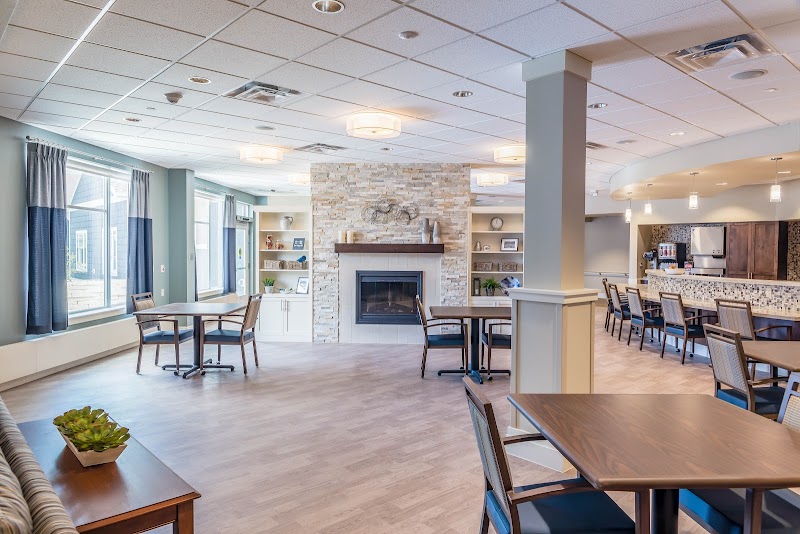
How is Johnson Memorial Hosp & Home Staffed?

CMS rates JOHNSON MEMORIAL HOSP & HOME's staffing level at 5 out of 5 stars, which is much above average compared to other nursing homes. Staff turnover is 40%, compared to the Minnesota average of 46%. This relatively stable workforce can support continuity of care.

What Have Inspectors Found at Johnson Memorial Hosp & Home?

State health inspectors documented 20 deficiencies at JOHNSON MEMORIAL HOSP & HOME during 2023 to 2025. These included: 1 that caused actual resident harm and 19 with potential for harm. Deficiencies causing actual harm indicate documented cases where residents experienced negative health consequences.

Who Owns and Operates Johnson Memorial Hosp & Home?

JOHNSON MEMORIAL HOSP & HOME is owned by a government entity. Government-operated facilities are typically run by state, county, or municipal agencies. The facility operates independently rather than as part of a larger chain. With 56 certified beds and approximately 53 residents (about 95% occupancy), it is a smaller facility located in DAWSON, Minnesota.

How Does Johnson Memorial Hosp & Home Compare to Other Minnesota Nursing Homes?

Compared to the 100 nursing homes in Minnesota, JOHNSON MEMORIAL HOSP & HOME's overall rating (3 stars) is below the state average of 3.2, staff turnover (40%) is near the state average of 46%, and health inspection rating (2 stars) is below the national benchmark.

What Should Families Ask When Visiting Johnson Memorial Hosp & Home?

Based on this facility's data, families visiting should ask: "Can I visit during a mealtime to observe dining assistance and food quality?" "How do you handle medical emergencies, and what is your hospital transfer rate?" "Can I speak with family members of current residents about their experience?"

Is Johnson Memorial Hosp & Home Safe?

Based on CMS inspection data, JOHNSON MEMORIAL HOSP & HOME has a clean safety record: no substantiated abuse findings (meaning no confirmed cases of resident harm), no Immediate Jeopardy citations (the most serious violation level indicating risk of serious injury or death), and is not on the Special Focus Facility watch list (a federal program monitoring the lowest-performing 1% of nursing homes). The facility has a 3-star overall rating and ranks #100 of 100 nursing homes in Minnesota. While no facility is perfect, families should still ask about staff-to-resident ratios and recent inspection results during their visit.

Do Nurses at Johnson Memorial Hosp & Home Stick Around?

JOHNSON MEMORIAL HOSP & HOME has a staff turnover rate of 40%, which is about average for Minnesota nursing homes (state average: 46%). Moderate turnover is common in nursing homes, but families should still ask about staff tenure and how the facility maintains care continuity when employees leave.

Was Johnson Memorial Hosp & Home Ever Fined?

JOHNSON MEMORIAL HOSP & HOME has no federal fines on record. CMS issues fines when nursing homes fail to meet care standards or don't correct problems found during inspections. The absence of fines suggests the facility has either maintained compliance or corrected any issues before penalties were assessed. This is a positive indicator, though families should still review recent inspection reports for the full picture.

Is Johnson Memorial Hosp & Home on Any Federal Watch List?

JOHNSON MEMORIAL HOSP & HOME is not on any federal watch list. The most significant is the Special Focus Facility (SFF) program, which identifies the bottom 1% of nursing homes nationally based on persistent, serious quality problems. Not being on this list means the facility has avoided the pattern of deficiencies that triggers enhanced federal oversight. This is a positive indicator, though families should still review the facility's inspection history directly.