ESSENTIA HEALTH HOMESTEAD
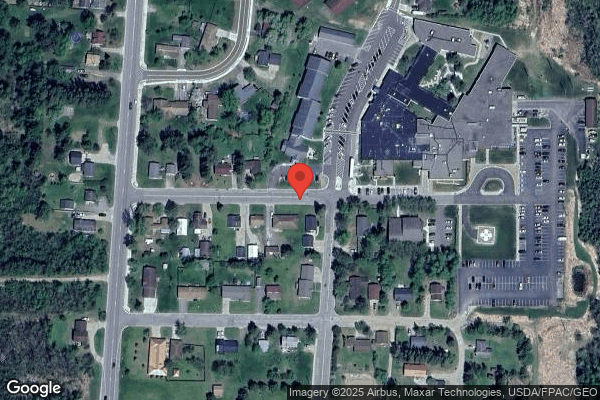
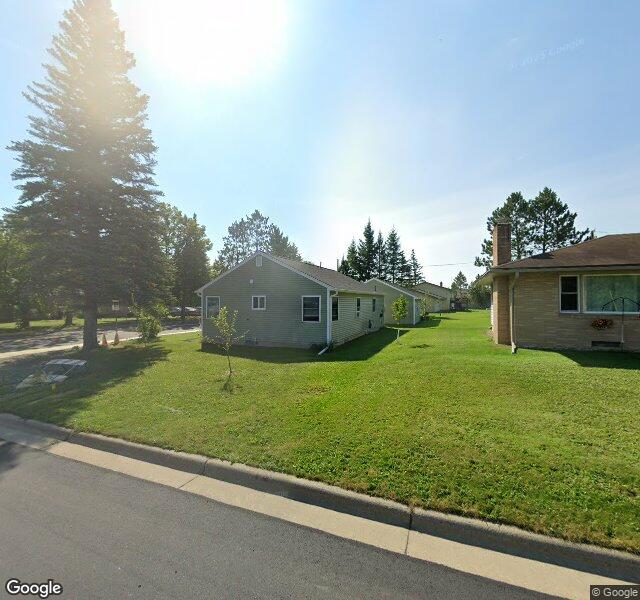
115 10TH AVENUE NORTHEAST, DEER RIVER, MN 56636 (218) 246-4336
Non profit - Corporation 32 Beds ESSENTIA HEALTH Data: November 2025
Trust Grade
70/100
#165 of 337 in MN
Last Inspection: March 2025

Within standard 12-15 month inspection cycle. Federal law requires annual inspections.

Overview

Essentia Health Homestead has a Trust Grade of B, indicating it is a good choice for care, but not exceptional. It ranks #165 out of 337 facilities in Minnesota, placing it in the top half, and #2 out of 4 in Itasca County, meaning only one local option is better. The facility is experiencing a worsening trend, with the number of issues increasing from 2 in 2024 to 7 in 2025. Staffing is a strength, with a 4-star rating and a remarkable 0% turnover, indicating stable and experienced staff, along with good RN coverage that exceeds 80% of state facilities. However, the facility has been noted for concerns such as failing to provide hand sanitizer in the dining room, which could risk infection, and issues with mail delivery affecting residents' access to packages. Overall, while there are notable strengths in staffing and trust grade, families should be aware of the rising number of concerns.

Trust Score
B
70/100
In Minnesota
#165/337
Top 48%
Safety Record
Low Risk
No red flags
Inspections
Getting Worse
2 → 7 violations
Staff Stability
○ Average
Turnover data not reported for this facility.
Penalties
✓ Good
No fines on record. Clean compliance history, better than most Minnesota facilities.
Skilled Nurses
✓ Good
Each resident gets 88 minutes of Registered Nurse (RN) attention daily — more than 97% of Minnesota nursing homes. RNs are the most trained staff who catch health problems before they become serious.
Violations
○ Average
9 deficiencies on record. Average for a facility this size. Mostly minor or procedural issues.
★★★☆☆
3.0
Overall Rating
★★★★☆
4.0
Staff Levels
★★★☆☆
3.0
Care Quality
★★★☆☆
3.0
Inspection Score
Stable
2024: 2 issues
2025: 7 issues

The Good

  • 4-Star Staffing Rating · Above-average nurse staffing levels
  • Full Sprinkler Coverage · Fire safety systems throughout facility
  • No fines on record

Facility shows strength in staffing levels, fire safety.

The Bad

3-Star Overall Rating

Near Minnesota average (3.2)

Meets federal standards, typical of most facilities

Chain: ESSENTIA HEALTH

Part of a multi-facility chain

Ask about local staffing decisions and management

The Ugly 9 deficiencies on record

Jul 2025 2 deficiencies
CONCERN (D) 📢 Someone Reported This

A family member, employee, or ombudsman was alarmed enough to file a formal complaint

Potential for Harm - no one hurt, but risky conditions existed

Report Alleged Abuse (Tag F0609)

Could have caused harm · This affected 1 resident

**NOTE- TERMS IN BRACKETS HAVE BEEN EDITED TO PROTECT CONFIDENTIALITY** Based on interview and document review the facility failed to report allegations of drug diversion to the state agency (SA) and ...

Read full inspector narrative →
**NOTE- TERMS IN BRACKETS HAVE BEEN EDITED TO PROTECT CONFIDENTIALITY** Based on interview and document review the facility failed to report allegations of drug diversion to the state agency (SA) and law enforcement within 24 hours for 4 of 4 residents (R1, R2, R3, R4) reviewed for drug diversion. This had the potential to affect all residents who were prescribed narcotics.Findings include:R1's quarterly Minimum Data Set, dated [DATE], identified R1 was cognitively intact and had diagnoses including quadriplegia and neurogenic bladder. R1 required assistance for activities of daily living (ADL's), had functional limitation in range of motion with bilateral upper and lower extremities and used a motorized wheelchair for locomotion. R1 had almost constant pain which occasionally affect sleep. R1's pain was rated #7 on a 0-10 scale (0=no pain, 10=worst pain) and received scheduled and as needed (PRN) opioid medications for pain.R1's physician orders report dated 6/30/25 through 7/30/25, identified orders for oxycodone 10 mg tablet give 1 tablet orally every 4 hours as needed for pain.R2's significant change MDS dated [DATE] identified R2 had functional limitation in bilateral upper and lower extremities, required staff assistance with all ADLs except eating and diagnoses included chronic osteomyelitis, paraplegia, chronic pain syndrome, and chronic pressure ulcers. R2 had almost constant pain that was rated #8/10. R2's pain frequently affected sleep and interfered with therapy and day-to-day activities, and almost constantly interfered with therapy activities. R2 received scheduled and PRN pain medication. R2's cognition section was not completed on assessment.R2's physicians orders report dated 6/30/25 through 7/30/25, identified orders for morphine immediate release 15 mg tablet give one tablet by mouth every 6 hours as needed for pain.R3's quarterly MDS dated [DATE], identified R3 was cognitively intact, and diagnoses included arthritis, osteoporosis, dementia, bipolar disorder and muscle weakness. R3 refused to ambulate, was independent with manual wheelchair locomotion and required assistance with all other ADL's. R3 had almost constant pain that was rated a #7/10. R3's pain occasionally affected day-to-day activities, rarely affected sleep, and received scheduled and PRN pain medication.R3's physician orders report dated 6/30/25 through 7/30/25, identified orders for oxycodone 5 mg tablet give 2.5 mg (half tablet) orally every 6 hours as needed for pain.R4's quarterly MDS dated [DATE], identified R4 was cognitively intact, and diagnoses included Guillain-Barre syndrome, trigeminal neuralgia, and quadriplegia. R4 had functional limitation in both lower extremities, was independent with ADL's and used a walker and motorized wheelchair for mobility. R4 had almost constant pain that was rated #7/10. R3's pain frequently affected sleep and interfered with therapy and day-to-day activities. R4 received scheduled and PRN pain medication. R4's physician orders report dated 6/30/25 through 7/30/25, identified R4 had orders for pregabalin 150 mg give 1 tablet by mouth three times daily and tramadol 50 mg give 1-2 tablets orally every six hours as needed for painThe facility reported incident submitted to the SA on 7/14/25 at 5:30 p.m., identified the facility found evidence of diversion of narcotic pain medication of one or more residents. A facility provided list identified R1, R2, R3, R4 were including in the list of residents whos medication were divertedOn 7/30/25 at 10:43 a.m., registered nurse (RN)-A stated the narcotic medications are counted by the outgoing and incoming nurse at the start of every shift. RN-A stated on 7/1/25, RN-A worked the morning shift starting at 6:00 a.m. and was counting narcotics with the outgoing nurse who was also alleged perpetrator (LPN-A). When we got to R3's medication, the number of pills left had not matched the narcotic record. LPN-A stated she forgot to write the administrations into the record and proceeded to write in the book. RN-A didn't think anything of it because everyone got busy at times and write the administrations into the record at the end of the shift. Later that morning R3 requested pain medication. RN-A reviewed the narcotic record and couldn't read LPN-A's handwriting. RN-A looked at the MAR and the administration was not signed off. RN-A immediately reported to the DON. RN-A stated there was another resident that complained the oxycodone medication had not tasted bitter like it should when LPN-A gave the medication. On 7/30/25 at 4:19 p.m., DON stated she and the administrator suspected LPN-A may have diverted narcotic pain medication because RN-A reported LPN-A had documented narcotic medication administrations while they were counting out at the end of LPN-A's shift. Later that morning RN-A checked the book to see when the last dose was given and couldn't read LPN-A's writing. The DON stated according to the facility abuse policy suspected drug diversion should be reported to the SA within 24 hours of notification. The DON was uncertain if suspected drug diversion should be reported to local law enforcement (LE). DON stated the incident was not reported to the SA within the required 24-hour timeframe because they didn't want to make an allegation unless they were sure it occurred; however it had not been reported to LE.On 7/30/25 at 5:32 p.m., the administrator stated she was notified of the medication discrepancy regarding LPN-A on 7/1/25 when the DON and administrator decided to investigate LPN-A's narcotic medication administration documentation. The administrator stated according to the facility policy drug diversion allegations should be reported to the SA within 24 hours of notification. The administrator stated a report should have been filed with LE when they were notified of a suspected drug diversion. The allegation was not reported within 24 hours because the administrator and DON wanted to ensure there was evidence supporting the allegations first. The administrator and DON wanted to investigate the incident prior to filing an allegation. The administrator stated the allegation should have been reported to the SA within 24 hours of suspicion and should also have been reported to LE.The facility Abuse, Neglect, Mistreatment and Misappropriation of Resident Property policy reviewed 11/24, identified abuse allegations would be reported per Federal and State Law. The facility would ensure all alleged violations involving abuse, neglect, exploitation or mistreatment, including misappropriation of residents property, were reported . no later than 24 hours if the events that cause the allegation did not involve abuse and did not result in serious bodily injury, to the administrator of the facility and to other officials (including to the State Survey Agency) in accordance with State law through established procedures. In addition, local law enforcement would be notified of any reasonable suspicion of a crime against a resident in the facility. The policy further identifies all reports of suspected crime and/or alleged sexual abuse must be immediately reported to local law enforcement to be investigated. Facility staff would fully cooperate with the local law enforcement designee. The policy failed to identify examples of reportable suspected crimes
MINOR (C) 📢 Someone Reported This

A family member, employee, or ombudsman was alarmed enough to file a formal complaint

Minor Issue - procedural, no safety impact

Abuse Prevention Policies (Tag F0607)

Minor procedural issue · This affected most or all residents

Based on interview and document review the facility failed to develop policies and procedures for when to report a suspected crime to law enforcement. This had the potential to affect all residents re...

Read full inspector narrative →
Based on interview and document review the facility failed to develop policies and procedures for when to report a suspected crime to law enforcement. This had the potential to affect all residents residing in the facility.Findings include:The facility Abuse, Neglect, Mistreatment and Misappropriation of Resident Property policy dated 11/24, identified local law enforcement would be notified of any reasonable suspicion of a crime against a resident in the facility. the policy included reporting a suspected crime and/or alleged sexual abuse must be immediately reported to local law enforcement to be investigated; however, lacked further examples of crimes that should be reported.During interview on 7/30/25 at 4:19 p.m., the director of nursing (DON) stated the facility abuse policy identified allegations of drug diversion should be reported to the state agency within 24 hours of suspicion and should be reported to MN Board of Nursing. The DON did not recall what the policy identified regarding what suspected crimes should be reported or when they should be reported to law enforcement (LE).During interview on 7/30/25 at 5:23 p.m., the administrator stated she was uncertain what crimes should be reported to LE . The facility abuse policy identified allegation of drug diversion should be reported to the state agency within 24 hours of suspicion. The administrator stated the abuse policy was vague and failed to identify examples of crimes that should be reported to LE and the timeframe for reporting those crimes. The administrator stated the policy needed to be reviewed and be more detailed.
Mar 2025 5 deficiencies
CONCERN (D)

Potential for Harm - no one hurt, but risky conditions existed

Medication Errors (Tag F0758)

Could have caused harm · This affected 1 resident

**NOTE- TERMS IN BRACKETS HAVE BEEN EDITED TO PROTECT CONFIDENTIALITY** Based on interview and document review the facility failed to identify a diagnosis for a medication for 1 of 5 residents (R4) re...

Read full inspector narrative →
**NOTE- TERMS IN BRACKETS HAVE BEEN EDITED TO PROTECT CONFIDENTIALITY** Based on interview and document review the facility failed to identify a diagnosis for a medication for 1 of 5 residents (R4) reviewed for unnecessary medications. Findings include: R4's annual Minimum Data Set (MDS) dated [DATE], identified R4 had diagnoses of dementia with behavioral disturbance, bi-polar disorder (a chronic mental health condition characterized by significant and persistent shifts in mood), and manic depression. The MDS identified R4 received an antidepressant. R4's order summary report dated 1/15/25, included an order for escitalopram (a medication used to treat depression) 10 milligram (mg) tablet, take 15 mg each morning. The medication order failed to include a diagnosis or indication for use. During an interview on 3/12/25 at 5:23 p.m., registered nurse (RN)-A stated each prescribed medication needed a diagnosis or reason for use. RN-A had entered R4's escitalopram order after a medication change and forgot to put the diagnosis in. During an interview on 3/12/25 at 5:25 p.m., the director of nursing (DON) stated it was expected all medications would include a diagnosis or indication for use. It was important to have the diagnosis or indication of use to ensure R4 had not received the medication unnecessarily. The facility's Medication Order Transcription policy dated 10/17/24, identified medication orders mush include medication, dose, frequency, route, and diagnosis or indication for use.
CONCERN (D)

Potential for Harm - no one hurt, but risky conditions existed

Deficiency F0761 (Tag F0761)

Could have caused harm · This affected 1 resident

Based on observation, interview and document review the facility failed to ensure medications were properly labeled to prevent medication errors for 1 of 7 residents (R11) observed during medication p...

Read full inspector narrative →
Based on observation, interview and document review the facility failed to ensure medications were properly labeled to prevent medication errors for 1 of 7 residents (R11) observed during medication pass. Findings include: R11's quarterly minimum data set (MDS) identified R11 had moderate cognition and a diagnosis of chronic obstructive pulmonary disease (COPD). R11's physician orders report dated 2/12/25 through 3/12/25, identified R11 was to receive anoro ellipta (umeclidinium-vilanterol) 62.5-25 mcg/actuation - administer 1 puff into the lungs one time a day with a start date of 7/24/24. On 3/12/25 at 7:18 a.m., licensed practical nurse (LPN)-A was observed during a medication pass. LPN-A removed a foil container from a medication cart. Inside the container was an inhaler with R11's name and a label identifying the medication as anoro ellipta 62.5-25 mcg/act LPN-A stated the inhaler belonged to R11 although it did not have a label identifying how the medication should be administered. LPN-A stated most-likely the facility received the inhaler in a box labeled with the residents identifying information and the instructions for use. LPN-A stated the box must have been thrown away. Prior to administering the medication, LPN-A would check the physicians orders for a current order and instructions. LPN-A further stated all medications should have a resident label and instructions from the pharmacy. On 3/12/25 at 1:24 p.m., the director of nursing (DON) stated all medications in the medication cart should have a label that includes the medication name, pharmacy it came from, date of order, expiration date, residents name and the orders/instructions for use. If the label did include all the appropriate information the nurse should remove the medication from the cart, not use the medication and contact the pharmacy right away. The Medication Management policy dated 8/8/24 identified prior to administering a medication staff were to compare the medication and dosage schedule on the medication administration record (MAR) to the medication label and review each for the right patient, right medication, right dose, right time and right route of administration.
CONCERN (F)

Potential for Harm - no one hurt, but risky conditions existed

Deficiency F0576 (Tag F0576)

Could have caused harm · This affected most or all residents

**NOTE- TERMS IN BRACKETS HAVE BEEN EDITED TO PROTECT CONFIDENTIALITY** Based on interview the facility failed to ensure residents' mail and packages were delivered on Saturdays for 2 of 2 residents (...

Read full inspector narrative →
**NOTE- TERMS IN BRACKETS HAVE BEEN EDITED TO PROTECT CONFIDENTIALITY** Based on interview the facility failed to ensure residents' mail and packages were delivered on Saturdays for 2 of 2 residents (R2, R8) who voiced concerns with mail delivery. This deficient practice had the potential to affect all 20 residents residing in the facility. Findings include: R8's quarterly Minimum Data Set (MDS) dated [DATE], identified R8 was cognitively intact. R2's quarterly MDS dated [DATE], identified R2 was cognitively intact. During an interview on 3/11/25 at 1:10 p.m., at the resident meeting, R8 stated she did not receive mail or packages on Saturdays. R8 stated when packages were set to arrive late Friday or early Saturday, R8 would not receive them until Monday. R2 stated he did not receive mail or packages on Saturdays. R2 stated he received notifications when packages arrive at the facility on Saturday; however, would not receive the packages until Monday. R2 stated mail and packages come in through the main hospital and is sorted there and then delivered to the nursing home. During an interview on 3/12/25 at 2:34 p.m., the activities director (AD) stated when COVID started the mail delivery shifted from being delivered to the nursing home to being delivered to the hospital. The normal process was explained: mail/packages come in through the hospital and are sorted and then placed in the mailroom to be picked up by nursing home staff. When the mailroom is checked by staff on Saturdays there are usually no mail/packages for the nursing home, but AD was not sure if there were staff in the hospital to sort the mail. Any mail/packages delivered on Saturday would have to wait until Monday to be delivered. AD stated she would have to look into mail/packages for the resident on Saturdays, because they deserve to get their mail/packages quickly. An interview was conducted on 3/12/25 at 5:38 p.m., with director of nursing (DON), registered nurse (RN)-A, licensed social worker (LSW), and health unit coordinator (HUC). The HUC stated mail and packages came in through the hospital, they were sorted there and then placed in mailroom for nursing home staff to come down to pick it up. The LSW stated the areas where the was mail and packages were sorted was not staffed on weekends so anything that came in over the weekend would have to wait until Monday to be delivered to the resident. They were not sure if the city was delivering mail on Saturdays. The DON, RN-A, HUC and LSW all stated residents have the right to have received mail on Saturday. The facility's Patient Rights and Responsibilities policy dated 9/5/23, identified residents have the right to promptly receive mail/packages.
CONCERN (F)

Potential for Harm - no one hurt, but risky conditions existed

Staffing Data (Tag F0851)

Could have caused harm · This affected most or all residents

Based on interview and document review, the facility failed to accurately submit hours for the payroll-based journal system (PB&J) staffing data to Centers for Medicare and Medicaid Services (CMS). Th...

Read full inspector narrative →
Based on interview and document review, the facility failed to accurately submit hours for the payroll-based journal system (PB&J) staffing data to Centers for Medicare and Medicaid Services (CMS). This had the potential to affect all 20 residents residing in the facility. Findings include: The facility's PB&J data for quarter four submitted to CMS for 7/1/24 through 9/30/24, identified the facility was triggered for excessively low weekend staffing, and failed to have licensed nursing coverage 24 hours/day for the following days: 31 out of 31 days during the month of July 2024, 31 out of 31 days during the month of August 2024, and 30 out of 30 days during the month of September 2024. In addition the report identified the facility triggered for no registered nurse (RN) coverage for eight consecutive hours for the following days: 31 out of 31 days during the month of July 2024, 8/1/24, 8/5/24, 8/9/24, 8/15/24, 8/19/24, 8/21/24, 8/23/24, 8/24/24, 8/25/24, 8/26/24, 8/27/24, 8/28/24, 8/29/24, 9/3/24, 9/4/24, 9/6/24, 9/7/24, 9/8/24, 9/20/24, 9/21/24, 9/22/24, 9/24/24, and 9/25/24, The facility payroll and working schedules were reviewed for 7/1/24 through 9/30/24, and identified the following: - There were licensed nursing staff 24 hours/day for all 92 days identified on the PB&J report. - There was RN coverage 8 consecutive hours for all 54 days identified on the PB&J report. During joint interview with director of nursing (DON) and RN-A on 8/27/25 at 6:02 p.m., the DON stated the PB&J data was entered by the administrator. Both the DON and RN-A stated there was always a nurse in the facility. If there was a nurse call-in and they were unable to find a replacement the previous shift would be mandated to stay. On 3/12/25 at 7:39 p.m., the administrator stated the nursing hours were entered by an off-site corporate staff member and the administrator double checked the information by running a report. The administrator stated she knew there was a corporate wide problem regarding how the information was pulled, although did not know how to correct the issue. The administrator stated accurate PB&J information is important because it showed how many, and they type of staff working, and they are working as a corporate agency on correcting the issues. A policy/procedure regarding PBJ data submission was requested but not provided.
MINOR (C)

Minor Issue - procedural, no safety impact

Staffing Information (Tag F0732)

Minor procedural issue · This affected most or all residents

Based on observation, interview and document review, the facility failed to ensure required nurse staffing information was consistently posted on a daily basis. This had potential to affect all 20 res...

Read full inspector narrative →
Based on observation, interview and document review, the facility failed to ensure required nurse staffing information was consistently posted on a daily basis. This had potential to affect all 20 residents, staff, and visitors who may wish to view the information. Findings include: On 3/10/25 at 6:09 p.m., upon entering the unit, the facility nurse staff posting was hanging on a cork board on the wall across from the dining room. The staff posting was dated 3/9/25. The document listed staff scheduled hours per shift for each nursing job class. However, the posting was dated 3/9/25, one day prior. On 3/11/25 at 8:40 a.m., the cork board across from the dining room where the nurse staff posting was hanging the day prior was observed. The same section of the cork board was empty and the nurse staff posting was not hanging on the cork board. On 3/11/25 at 11:55 a.m., the director of nursing (DON) stated the night nurse was responsible for completing the daily staff posting for the following day. The most recent form was completed for 3/9/25, which was removed and another form for 3/10/25 and 3/11/25 were not completed. The DON stated the staff posting was expected to be posted and updated daily. It was important so residents, staff and visitors knew how many staff were working each shift, the hours per shift and their role. The Staffing Nursing Hours policy revised 2/13/24, identified staffing hours would be posted in a prominent place daily, would be clear, readable and easily accessible to residents and visitors. The posting would include the following: facility name, current date, total number and actuall hours worked by RN (not including the DON, assistant DON, or unit managers), licensed practical nurses (LPN) or licensed vocational nurses (as defined under state law), and certified nurse aides (NA), and the resident census.
May 2024 2 deficiencies
CONCERN (D)

Potential for Harm - no one hurt, but risky conditions existed

Medication Errors (Tag F0758)

Could have caused harm · This affected 1 resident

**NOTE- TERMS IN BRACKETS HAVE BEEN EDITED TO PROTECT CONFIDENTIALITY** R20: R20's admission Minimum Data Set (MDS) dated [DATE], indicated R20 had severe cognitive impairment with a diagnosis of non-...

Read full inspector narrative →
**NOTE- TERMS IN BRACKETS HAVE BEEN EDITED TO PROTECT CONFIDENTIALITY** R20: R20's admission Minimum Data Set (MDS) dated [DATE], indicated R20 had severe cognitive impairment with a diagnosis of non-Alzheimer's dementia. The MDS indicated R20 received antipsychotics on a regular basis but did not indicate the use of a as needed (PRN) antipsychotic medication. R20's Physician Order Report dated 4/18/24, had the following order for the antipsychotic medication quetiapine, 12.5 mg three times a day PRN, quetiapine 12.5 mg one time a day between 4:00 p.m. and 6:30 p.m., and quetiapine 25 mg one time a day between 7:00 p.m. and 10:00 p.m. R20's Medication Pharmacy Regimen Review dated 4/30/24, stated if a new 14-day order for antipsychotic med is to be written, need examination by md to determine if still needed. R20's electronic medical record (EMR) lacked evidence that a provider had completed in person assessments of R20 every 14 days for the continued use of PRN antipsychotic medication. In addition, there was not a documented provider response to the pharmacist recommendations made on the 4/30/24. During an interview on 5/15/24 at 9:23 a.m., the director of nursing (DON) stated R20 was admitted to the facility with scheduled and PRN quetiapine. The DON pulled up R20's electronic medical record (EMR) and indicated R20 was last seen by a provider on 4/18/24, and had not been evaluated in person since admit for the continued use of PRN quetiapine. The DON indicated the pharmacy medication review recommendations drove when the provider was notified to complete a in person resident assessment and review of PRN antipsychotic medication orders. The facility did not have additional processes in place that ensured in person provider assessments and order discontinuation, or renewal occurred every 14 days for PRN antipsychotic medication. The facility policy Psychotropic Medication dated 11/27/17, indicated PRN antipsychotic medications would be limited to 14 days and would not be renewed unless the provider evaluated the resident for appropriateness of the medication. Based on interview and document review, the facility failed to ensure as-needed (PRN) antipsychotic medication use was limited to 14 days or notes from a provider face to face visit to demonstrate medical justification was provided to support ongoing use for 2 of 5 residents (R16, R20) reviewed for unnecessary medication use. Findings include: R16: R16's quarterly Minimum Data Set (MDS), dated [DATE], identified R16 had severe cognitive impairment, consumed antipsychotic medication daily and on an as needed (PRN) basis. R16's diagnoses included Alzheimer's and dementia. R16's most recent Physician Order Report, dated 5/16/24, identified R16's current physician-ordered medications. These included Haldol and Risperdal (both antipsychotic medication) on a PRN basis. The start date for Risperdal was 5/25/23 with no stop date documented. The start date for Haldol was 10/11/23 with no stop date documented. R16's medical record was reviewed and lacked evidence the provider had done every two weeks face to face visits to justify the continued use of PRN antipsychotic medication or had new orders for the PRN antipsychotics every 14 days. During an interview on 5/16/24 at 9:43 a.m., registered nurse (RN)-A stated all antipsychotic medications ordered PRN could only be ordered for 14 days and then needed a provider in person visit with documented medical need to continue the use. Also, the order had to be reordered every 14 days after the provider in person visit. RN-A was unaware who had the responsibility to ensure the visit and reorder were completed. During an interview on 5/16/24 at 10:56 a.m., hospice registered nurse (RN)-B stated the hospice provider does not round every two weeks and only renews antipsychotic medications yearly, unless there is a change to the dose. During an interview on 5/16/24 at 1:20 p.m., the pharmacy consultant (PC) stated all PRN antipsychotics needed to be renewed every 14 days after the provider performed an in person visit and documented medical need for the continued use. During an interview on 5/16/24 at 1:53 p.m., the director of nursing (DON) stated all PRN antipsychotic medication needed to be renewed every 14 days. It was up to the floor nurses who worked the cart to keep track of when that time was up and communicate the need with the provider. Facility Policy Psychotropic Medication last reviewed 11/27/17, indicated PRN antipsychotic medications would be limited to 14 days and would not be renewed unless the provider evaluated the resident for appropriateness of the medication.
CONCERN (E)

Potential for Harm - no one hurt, but risky conditions existed

Infection Control (Tag F0880)

Could have caused harm · This affected multiple residents

Based on observation, interview, and record review, the facility failed to ensure that residents dining in the main dining room were given an opportunity to sanitize their hands prior to meal consumpt...

Read full inspector narrative →
Based on observation, interview, and record review, the facility failed to ensure that residents dining in the main dining room were given an opportunity to sanitize their hands prior to meal consumption. This deficient practice had the potential to impact all resident who dined in the main dining room. Findings include: During a dinner meal observation on 5/13/24 that started at 5:36 p.m., there were residents seated at five tables in the main dining room waiting for their meals to be delivered. None of the tables had hand sanitizing products on them. During dining observation, there were no observations of staff offering hand sanitization to residents that entered the dining room or to those already seated in the dining room. During a breakfast meal observation on 5/15/24 that started at 7:00 a.m., several residents were seated at tables in the dining room. None of the tables had any hand sanitizing products on them tables. Staff were observed assisting residents with clothing protector application. Staff appropriately sanitized their own hands at the sink between residents and tasks; however, staff did not offer hand sanitization to seated residents or to any additional residents as they entered the dining area for breakfast. During a lunch meal observation on 5/15/24 that started at 11:52 a.m., some residents were already seated at tables in the dining room. There was one pack of hand sanitizing wipes at the largest table in the dining room. Three additional residents entered the dining area. Residents were helped with clothing protectors however there was no observation of staff offering residents the opportunity to sanitize their hand prior to eating. Staff sanitized their own hands at the sink appropriately between residents and tasks. During an interview on 5/15/24 at 12:51 p.m., nursing assistant (NA)-A stated they always offered residents hand hygiene when they were in the resident's room but indicated they had not been offering hand hygiene to residents in the dining room prior to meals. NA-A confirmed they had not offered hand hygiene at the breakfast or lunch meals on 5/15/24. This should be done for infection prevention reasons. During an interview on 5/15/24 at 1:13 p.m., NA-B stated the dining room tables normally had hand sanitizer wipes on them, but there wasn't any, and they were not sure what had happened to them. NA-B stated when they brought a resident to the dining room from their room, they usually asked the resident if they wanted to wash their hands at their sink in their room. NA-E confirmed they had not offered hand sanitization to any of the residents in the dining room prior to meals being served on 5/15/24, and indicated it was important to offer residents hand sanitization prior to meals to prevent germs and infection. During an interview on 5/15/24 12:42 p.m., family member (FM)-A stated they had never seen their family member or other residents offered hand sanitization in the dining room prior to meals. FM-C stated they visited over mealtime about three times a week. During an interview on 5/15/24 at 1:23 p.m., the infection preventionist (IP) stated it was their expectation that residents were offered the opportunity for hand sanitization prior to meals. Resident's hands could be contaminated just from touching surfaces and or from missed handwashing after bathroom use. The IP stated they needed to make sure resident's hands were sanitized prior to food consumption to help prevent the spread of infection and or illness. During an interview on 5/15/24 at 1:41 p.m., the director of nursing (DON) stated they expected staff to give all residents the opportunity for hand sanitization prior to meals either at the sink or with the hand sanitizing wipes that are normally on the dining tables. The DON stated sanitizing wipes should be on all the dining tables and indicated wipes had been requested earlier that day. Proper hand sanitization for residents was needed to prevent the spread of infection and illness. The facility Stand Work: Activates of Daily Living (ADL's) Standards of Care dated 4/12/24, line item 15. Instructed all residents were to be offered hand hygiene prior to meals.
Understanding Severity Codes (click to expand)
Life-Threatening (Immediate Jeopardy)
J - Isolated K - Pattern L - Widespread
Actual Harm
G - Isolated H - Pattern I - Widespread
Potential for Harm
D - Isolated E - Pattern F - Widespread
No Harm (Minor)
A - Isolated B - Pattern C - Widespread

Questions to Ask on Your Visit

  • "Can I speak with families of current residents?"
  • "What's your RN coverage like on weekends and overnight?"

Our Honest Assessment

Strengths
  • • No major safety red flags. No abuse findings, life-threatening violations, or SFF status.
  • • No fines on record. Clean compliance history, better than most Minnesota facilities.
Concerns
  • • No major red flags. Standard due diligence and a personal visit recommended.
Bottom line: Mixed indicators with Trust Score of 70/100. Visit in person and ask pointed questions.

About This Facility

What is Essentia Health Homestead's CMS Rating?

CMS assigns ESSENTIA HEALTH HOMESTEAD an overall rating of 3 out of 5 stars, which is considered average nationally. Within Minnesota, this rating places the facility higher than 0% of the state's 100 nursing homes. This mid-range rating indicates the facility meets federal standards but may have areas for improvement.

How is Essentia Health Homestead Staffed?

CMS rates ESSENTIA HEALTH HOMESTEAD's staffing level at 4 out of 5 stars, which is above average compared to other nursing homes.

What Have Inspectors Found at Essentia Health Homestead?

State health inspectors documented 9 deficiencies at ESSENTIA HEALTH HOMESTEAD during 2024 to 2025. These included: 7 with potential for harm and 2 minor or isolated issues.

Who Owns and Operates Essentia Health Homestead?

ESSENTIA HEALTH HOMESTEAD is owned by a non-profit organization. Non-profit facilities reinvest revenue into operations rather than distributing to shareholders. The facility is operated by ESSENTIA HEALTH, a chain that manages multiple nursing homes. With 32 certified beds and approximately 22 residents (about 69% occupancy), it is a smaller facility located in DEER RIVER, Minnesota.

How Does Essentia Health Homestead Compare to Other Minnesota Nursing Homes?

Compared to the 100 nursing homes in Minnesota, ESSENTIA HEALTH HOMESTEAD's overall rating (3 stars) is below the state average of 3.2 and health inspection rating (3 stars) is at the national benchmark.

What Should Families Ask When Visiting Essentia Health Homestead?

Based on this facility's data, families visiting should ask: "Can I visit during a mealtime to observe dining assistance and food quality?" "How do you handle medical emergencies, and what is your hospital transfer rate?" "Can I speak with family members of current residents about their experience?"

Is Essentia Health Homestead Safe?

Based on CMS inspection data, ESSENTIA HEALTH HOMESTEAD has a clean safety record: no substantiated abuse findings (meaning no confirmed cases of resident harm), no Immediate Jeopardy citations (the most serious violation level indicating risk of serious injury or death), and is not on the Special Focus Facility watch list (a federal program monitoring the lowest-performing 1% of nursing homes). The facility has a 3-star overall rating and ranks #100 of 100 nursing homes in Minnesota. While no facility is perfect, families should still ask about staff-to-resident ratios and recent inspection results during their visit.

Do Nurses at Essentia Health Homestead Stick Around?

ESSENTIA HEALTH HOMESTEAD has not reported staff turnover data to CMS. Staff turnover matters because consistent caregivers learn residents' individual needs, medications, and preferences. When staff frequently change, this institutional knowledge is lost. Families should ask the facility directly about their staff retention rates and average employee tenure.

Was Essentia Health Homestead Ever Fined?

ESSENTIA HEALTH HOMESTEAD has no federal fines on record. CMS issues fines when nursing homes fail to meet care standards or don't correct problems found during inspections. The absence of fines suggests the facility has either maintained compliance or corrected any issues before penalties were assessed. This is a positive indicator, though families should still review recent inspection reports for the full picture.

Is Essentia Health Homestead on Any Federal Watch List?

ESSENTIA HEALTH HOMESTEAD is not on any federal watch list. The most significant is the Special Focus Facility (SFF) program, which identifies the bottom 1% of nursing homes nationally based on persistent, serious quality problems. Not being on this list means the facility has avoided the pattern of deficiencies that triggers enhanced federal oversight. This is a positive indicator, though families should still review the facility's inspection history directly.