EMMANUEL NURSING HOME
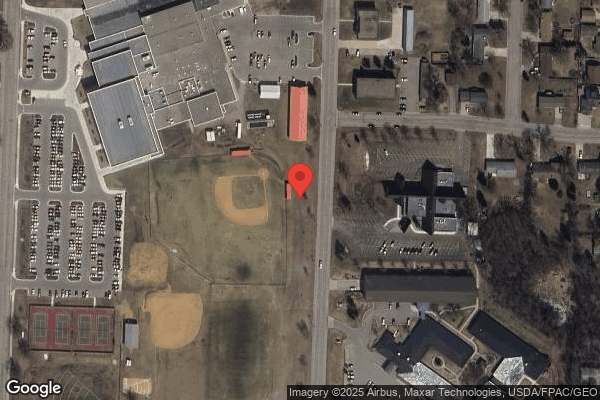
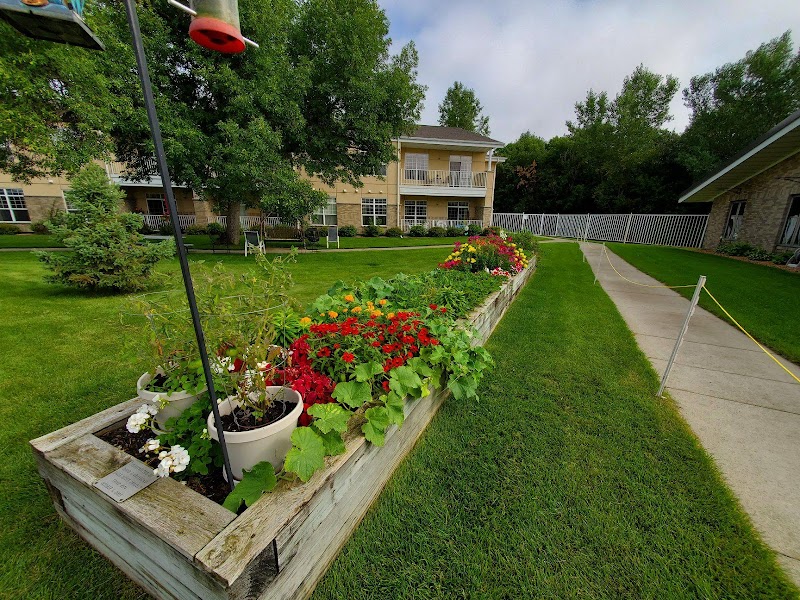
1415 MADISON AVENUE, DETROIT LAKES, MN 56501 (218) 847-4486
Non profit - Corporation 62 Beds ECUMEN Data: November 2025
Trust Grade
58/100
#107 of 337 in MN
Last Inspection: December 2024

Within standard 12-15 month inspection cycle. Federal law requires annual inspections.

Overview

Emmanuel Nursing Home in Detroit Lakes, Minnesota, has a Trust Grade of C, which means it is average among facilities, ranking in the middle of the pack. It holds the #107 position out of 337 nursing homes in Minnesota, placing it in the top half, and is #2 among 4 facilities in Becker County, indicating limited local options. The facility's trend is stable, as it reported 3 issues in both 2024 and 2025. Staffing is a strong point, with a rating of 5 out of 5 stars and a turnover rate of 42%, which is on par with the state average, suggesting that staff are familiar with the residents. However, the home has incurred $11,885 in fines, which is average but indicates some compliance issues. Specific incidents of concern include a resident who fell and fractured a bone when left unsupervised while using an electric recliner, and another resident who suffered second-degree burns from spilled hot coffee, both resulting in actual harm. While the nursing home has strengths in staffing and overall quality ratings, these incidents highlight areas that need improvement to ensure resident safety.

Trust Score
C
58/100
In Minnesota
#107/337
Top 31%
Safety Record
High Risk
Review needed
Inspections
Holding Steady
3 → 3 violations
Staff Stability
○ Average
42% turnover. Near Minnesota's 48% average. Typical for the industry.
Penalties
○ Average
$11,885 in fines. Higher than 68% of Minnesota facilities. Some compliance issues.
Skilled Nurses
✓ Good
Each resident gets 81 minutes of Registered Nurse (RN) attention daily — more than 97% of Minnesota nursing homes. RNs are the most trained staff who catch health problems before they become serious.
Violations
⚠ Watch
19 deficiencies on record. Higher than average. Multiple issues found across inspections.
★★★★☆
4.0
Overall Rating
★★★★★
5.0
Staff Levels
★★★★☆
4.0
Care Quality
★★★☆☆
3.0
Inspection Score
Stable
2024: 3 issues
2025: 3 issues

The Good

  • 5-Star Staffing Rating · Excellent nurse staffing levels
  • 4-Star Quality Measures · Strong clinical quality outcomes
  • Full Sprinkler Coverage · Fire safety systems throughout facility
  • No fines on record
  • Staff turnover below average (42%)

    6 points below Minnesota average of 48%

Facility shows strength in staffing levels, quality measures, fire safety.

The Bad

Staff Turnover: 42%

Near Minnesota avg (46%)

Typical for the industry

Federal Fines: $11,885

Below median ($33,413)

Minor penalties assessed

Chain: ECUMEN

Part of a multi-facility chain

Ask about local staffing decisions and management

The Ugly 19 deficiencies on record

3 actual harm
Feb 2025 2 deficiencies 1 Harm
SERIOUS (G) 📢 Someone Reported This

A family member, employee, or ombudsman was alarmed enough to file a formal complaint

Actual Harm - a resident was hurt due to facility failures

Quality of Care (Tag F0684)

A resident was harmed · This affected 1 resident

**NOTE- TERMS IN BRACKETS HAVE BEEN EDITED TO PROTECT CONFIDENTIALITY** Based on interview and record review the facility failed to ensure professional standards of care were followed while waiting fo...

Read full inspector narrative →
**NOTE- TERMS IN BRACKETS HAVE BEEN EDITED TO PROTECT CONFIDENTIALITY** Based on interview and record review the facility failed to ensure professional standards of care were followed while waiting for emergency medical services for 1 of 3 residents (R1) reviewed for quality of care. This resulted in harm when a trained medication aide (TMA) and a police officer were awaiting EMS arrival when R1's change in condition worsened and the nurse was not notified. Findings include: R1's care plan since admission dated [DATE] to print date [DATE], identified R1's advanced directive: full code and directed staff follow POLST guidelines. R1 had CHF and directed staff to check breath sounds and monitor/document for labored breathing, use of accessory muscles while breathing, and monitor oxygen settings. R1's quarterly Minimum Data Set, dated [DATE], identified intact cognition and no behaviors. Diagnoses included congestive heart failure (CHF), chronic obstructive pulmonary disease (COPD), coronary artery disease (CAD), diabetes mellitus (DM), arthritis, upper impairment of bilateral extremities, anxiety, depression, and respiratory failure. Medications included a diuretic (increased urine production used to reduce fluid buildup in the body), insulin, and dependent on continuous oxygen, atrial fibrillation (AFIB), COVID-19, pulmonary hypertension, and acute kidney failure. R1's physician orders identified: -Oxygen 4 liters (L) via nasal cannula (NC) continuous. May titrate 2 to 5 L/minute as needed to maintain Sa02 above 88% and 4 L/minute via BIPAP at night every shift. Order date [DATE]. -Cardiopulmonary resuscitation (CPR) (performed when a person is unresponsive, not breathing, and does not have a pulse), full code/full treatment. Order date [DATE]. -BIPAP per home settings. 10/5, 35%, back up rate 12. On at night/off in morning (a.m.) two times a day and as needed for naps. Order date [DATE]. -Cardiopulmonary resuscitation (CPR) (full code)/full treatment. Order date [DATE]. Review of R1's Provider Orders for Life-Sustaining Treatment (POLST) form signed on [DATE] at 8:34 a.m. identified R1 was a full code, CPR would be started, and the ambulance would be called for transport to the hospital. R1's emergency room (ER) visit on [DATE], identified R1 presented with two days of pain 4 out 10 in her bilateral shoulders, arms, knees, and legs, worsening cough with sputum production. R1 complained of SOB, occasional weakness, oxygen normally at 3 L increased to 4 L last night, and denied fever or chills. R1's vital signs were temperature (T) 99.2 Fahrenheit (F), heart rate (HR) 76, respirations (R) 20, blood pressure (BP) 122/45, oxygen saturation level (SaO2) 93% and oxygen on at 4 L. Physical assessment identified mild inspiratory rhonchi and slight expiratory wheezes in the bilateral upper lung field. No significant basilar crackles, no respiratory distress, and speaking full sentences without difficulty. Skin is warm and dry. Troponin blood levels elevated at 25 and positive for COVID. discharged back to facility in stable condition. Focused respiratory assessment related to active illness or exposure. Notify provider if changes in respiratory status are noted for every shift for respiratory status. Check for 8 days start date [DATE] and discontinue [DATE] at 6:10 a.m. R1's treatment assessment record (TAR) identified an order dated [DATE] at 3:57 p.m. focused respiratory assessment related to active illness or exposure every shift. Notify provider if changes in respiratory status are noted. R1's TAR documentation from [DATE] through [DATE] identified: -[DATE] at 2:30 p.m. non-productive cough, diminished lung sounds, O2 on at 4 L, no shortness of breath (SOB), no sputum, T 97.3 F, HR 68, R 18, and SaO2 97%. -[DATE] at 6:30 a.m. non-productive cough, lung sounds diminished, O2 on at 4 L shortness of breath (SOB), no sputum, temperature 96.4 F, HR 70, R 18, and SaO2 97%. -[DATE] at 2:30 p.m. no cough, lung sounds diminished, O2 on at 4 L, no SOB, no sputum, T 97.7 F, HR 89, R 18, and SaO2 94%. -[DATE] at 10:30 p.m. cough, lung sounds diminished, O2 at 4 L, no SOB, no sputum, temperature 96.5 F, HR 68, R 18, and SaO2 93%. -[DATE] at 6:30 a.m. non-productive cough, lung sounds diminished, O2 at 4 L, SOB, no sputum, T 97.2 F, HR 91, SaO2 91 %. -[DATE] at 2:30 p.m. non-productive cough, lung sounds diminished, O2 at 4 L, SOB, no sputum, T 97.6 F, HR 89, R 18, and SaO2 94%. - [DATE] at 10:30 p.m. non-productive cough, lung sounds diminished, O2 at 4 L, SOB, no sputum, temperature 98.2 F, pulse 80, respirations 18, and SaO2 92 %. -[DATE] at 6:30 a.m. no assessment documented on TAR. -[DATE] at 2:30 p.m. productive cough, crackles in the lungs O2 at 4 liters, SOB, yellow sputum, temperature 97.2 F, pulse 64, respirations 20, and SaO2 91 % documented on TAR. [DATE] at 8:07 a.m. R1's progress notes identified R1 was seen by nurse practitioner (NP) following emergency room (ER) visit and COVID positive. She was resting in bed at the time of visit with use of a continuous positive airway pressure (CPAP). R1 was alert and complained of overall pain stating, it hurts from the top of my head to the tips of my toes. Denies nausea/vomiting (N/V). Lung sounds were diminished, SaO2 92% on 4 liters of oxygen per nasal cannula (NC), respirations 18 and unlabored, temperature 97.6 Fahrenheit (F), and non-productive cough. R1 continued isolation due to COVID positive and able to call and make her needs known. R1's call light log dated [DATE] identified call light was activated at 12:39 a.m. and responded to in 1 minute 28 seconds. The 911 call initiated on [DATE] 0059:34 was listened to at the police department with the chief of police (COP) and identified: the facility nurse identified who she was, name of nursing home and a resident needed to go to ER, full code. Please send someone right away. room [ROOM NUMBER] long term care. Police officer (PO)-A report dated [DATE], identified on [DATE] at 12:59 a.m. officers were dispatched to the facility for a patient needing to go to ER and was full code. Officer arrived at facility at approximately 1:02 a.m. and at 1:03 a.m. dialed phone number seeking to be let into building. No answer tried another phone number and was advised staff was on their way to let him in. At 1:05 a.m. PO observed a staff member walking toward the front entrance calm and non-emergent. At approximately 1:07 a.m. was let into the facility building and led to R1's room. R1 laid flat on her bed with trained medical assistant (TMA)-A present. Initial observations of R1 identified labored breathing with an oxygen mask on. TMA-A was unable to find a radial pulse and able to locate one on R1's carotid. PO checked R1's right wrist for a pulse, observed the extremity to be cool to the touch and no pulse. PO completed a sternal rub to attempt to gain her attention and unsuccessful. R1's breathing became further in between breaths as compared to the initial observation and around that time EMS had arrived, determined CPR was appropriate for the circumstances and was initiated. Measures taken by EMS and assisting police were unsuccessful and at 1:42 a.m. R1 was determined to be dead. EMS report dated [DATE] at 2:01 a.m. identified dispatch was notified on [DATE] at 1:02 a.m., in route at 1:02 a.m., arrived at scene at 1:04 a.m., at patient at 1:12 a.m., and depart at 2:38 a.m. EMS waited outside approximately 6 to 8 minutes before being found by aide and taken to patient room. Approximately 10-minute delay of care to patient was noted due to not having someone to guide EMS to patient. Aide informed EMS the patient had COVID, had been complaining of increased pain all over, increasingly got worse by her perspective, and appeared to be declining. No mention of CPR being performed. Upon arrival to patient room, it was noted the patient laid supine flat on bed with a CPAP face mask running, fixed gaze, no pupillary reaction noted, extremities and trunk were cold to the touch, skin pale cyanosis around cheeks and lips. Police officer on scene stated staff member noted a carotid pulse. EMS felt carotid for pulse and noted no pulse and asystole on monitor. R1 was lifted off bed onto the floor and CPR was initiated at 1:12 a.m. EMS was informed by facility staff the patient was just fine prior to their arrival. CPR continued and medications administered, no carotid pulse was noted, and efforts were terminated at 1:43 a.m. A progress note dated [DATE] at 4:38 a.m. and written after R1's death identified nurse was notified R1 was diaphoretic and in pain. Blood sugars checked 139 and 167. Requested to sit up and wanted to go to the emergency room. Nurse went and called 911 and trained medical assistant (TMA)-A completed vital signs blood pressure 142/109, heart rate 52, respirations 18 then laid R1 back down. The police officers and emergency medical technician (EMT) arrived, entered R1's room and she had no pulse, they began CPR and administered medications for about half an hour. Family and on call doctor notified and ok was given to stop CPR. Time of death was 1:42 a.m. During an interview on [DATE] at 10:00 PO-A stated the 911 call came into dispatch at 12:59 a.m., EMS was dispatched at 1:00 33 seconds., and PO were dispatched at 1:00 54 seconds. PO-A was in the neighborhood, had taken 45 seconds to drive to facility, and arrived on scene at 1:01 43 seconds. EMS showed up at 1:05 26 seconds. CPR began at 1:13 55 seconds. She was pronounced dead at 1:42 a.m. p.m. When he arrived at the facility, had a hard time with access to the door and staff which delayed his response time, up to seven minutes, before he arrived at R1's room. He entered R1's room and she laid on her back in bed flat with a mask over her face with difficult/labored/anginal (gasping for air usually due to lack of oxygen to the brain and caused by either cardiac arrest or stroke and a sign a person is near death) breathing and unresponsive. TMA-A was in the room alone with R1 and informed him she had been in pain, was sweating with possible blood sugar (BS) concerns (BS was 139 and 167), unable to detect an oxygen level, R1 sat up on side of bed for 5 minutes, then collapsed onto bed, tried sternum rub, and unable to arouse her. TMA-A was calm, relaxed, and seemed to be unaware of how emergent the situation was and/or unaware of what measures to have taken. TMA-A updated him as to medications she had received. He noted right away R1's breathing had changed within seconds, became more difficult, fewer, and spaced out. TMA-A was able to get a carotid pulse but did not indicate what it was. He was unable to get a radial pulse, and her hand/arm skin was cold to the touch. EMS arrived and started CPR manually. Licensed practical nurse (LPN)-A sat at the nurse's station desk approximately 20 feet away from R1's room and from the time he arrived on scene and when EMS arrived, she did not take part in the assessment or any interventions. PO-A stated R1 was full code and it seemed like staff could have taken further measures prior to his arrival. A full code meant CPR was in progress and the facility had taken life saving measures, one he arrived on scene that was not the case, CPR had not been started. During an interview on [DATE] at 12:30 a.m. trained medication assistant (TMA)-A stated R1 was COVID-19 positive. On [DATE] at 12:46 a.m. a nursing assistant (NA)-A answered R1's call light, opened the door and told her R1 was hollering out, and NA-A yelled for assistance. TMA-A applied personal protective equipment (PPE) while R1 yelled out and she entered the room. R1 laid on her back in bed with head of bed (HOB) up at 15 degrees with on an oxygen mask over her face, and said she was having a hard time breathing. R1 was soaked in sweat and still talking. She asked NA-B to call LPN-A and tell her to come down to R1's room. R1's blood sugar was 160 and 139, blood pressure 140/109 and heart rate 54. She was unable find a SaO2 level, fingers and hands were cold. R1 informed her she could not breath and was gasping for air taking deeper breaths. She sat R1 up on the side of the bed with legs hanging down, seemed to have helped, and then LPN-A entered the room. She knew it was an emergency, seemed like LPN-A recognized the same when she arrived, asked R1 if she wanted to go to ER, and left room to call 911. LPN-A did not complete an assessment prior to leaving R1's room, was usually completed mid-shift. There was a crash cart on the floor but was not brought to R1's room. TMA-A assisted R1 back to laying position on her bed, police officer arrived, and she was unable to get an SaO2 reading on R1. R1's fingers were cold and iridescent. She did not contact the nurse, stated she was more concerned about staying with the R1. PO-A made a comment R1 was not responding, had shallow breathing, and then massaged her chest /sternal rub with no response. R1's breathing then stopped, and EMS entered R1's room. R1 was lifted onto the floor and EMS started CPR manually. R1's body and hair were saturated with sweat. During an interview on [DATE] at 1:30 p.m. nursing assistant (NA)-A stated she cared for R1 on [DATE] on the day shift. R1 laid in bed on oxygen, very groggy like when you first wake up from a deep sleep like she was not there with a low energy level and sleepier than she should have been. She attempted to check R1's incontinent brief, R1 refused, said no more, which was not normal for her. She informed the nurse who responded, R1 was sick. During an interview on [DATE] at 3:43 p.m. nursing assistant (NA)-B stated on [DATE] R1 had placed her call light on before 1:00 a.m. and she had answered it. She went into the room and R1 laid on her back with a mask on her face. R1 grabbed onto her arm, pulled her closer, did not want to let go, and tried to speak. R1 pulled the mask off to one side and said come, come, come, and held onto her arm. She could not understand what R1 needed, exited her room, and informed the TMA R1 needed help. TMA-A entered R1's room right away. During an interview [DATE] at 4:00 p.m. licensed practical nurse (LPN)-A stated she was the only nurse working on night shift on [DATE]. The TMA called and informed her R1 was in a lot of pain around 1:00 a.m., she immediately went down to R1's room and noted she was having a hard time breathing and knew she was not doing well. The TMA sat R1 up on side of bed and stayed with her. She asked R1 if she wanted to go to ER, and she said yes. LPN-A left the room and called 911 for a transport and started on the paperwork. The TMA was in the room with R1 and did not feel the need to be in there. She did not complete an assessment or check her vital signs. The TMA did not ask for my help once she left the room, and she stayed at the nurse's station preparing the paperwork to send R1 out to the hospital. R1 was a full code. She went back to R1's room after EMS arrived, R1 was unresponsive, assisted with lowering her to the floor and CPR was started by EMS. CPR was not started prior to EMS arriving and would have been if she had been aware R1 had no heartbeat. During an interview on [DATE] at 11:00 a.m. emergency medical technician (EMT) stated EMS was contacted by dispatch to respond to a resident at the nursing home that needed to be transferred to ER and was a full code. She arrived at the facility with the paramedic and PO-B opened the door, no staff was available and walked down the wrong hallway. We stood in the hallway, unfamiliar with the facility for at least 3 to 5 minutes, and no staff were seen anywhere. Finally, we saw a female staff walking towards us slowly, in a calm manner not rushed, and informed us 911 call was made due to R1's increased pain. The CPR equipment was not brought into the facility, unaware it was a code situation. She was informed by the female staff R1 was breathing when she had walked PO-A to her room earlier. We arrived at R1's room [ROOM NUMBER] to 13 minutes after they arrived at the facility and while at R1's bedside noted she was unresponsive, no pulse, diaphoretic, cyanotic around her mouth (usually 8 to 10 minutes for this to occur), and cold without blood flow. R1 was not on oxygen when they arrived. The TMA-A informed her R1 had a pulse when PO-A arrived. We were not made aware of the seriousness of this situation until arrival to the facility and unaware CPR would be needed. She ran outside to the ambulance with PO-A and PO-B and grabbed the equipment for CPR. Communication was very poor with nurse, lacked knowledge, and the TMA was left alone to manage R1's situation alone. LPN-A did not come into R1's room and assist when moved from bed to the floor. After CPR was started LPN-A came to R1's doorway, left right away, and called family, 10 minutes of CPR was completed. LPN-A came back to the doorway and informed us as to what family had said. EMT stated once the pulse was weak enough starting CPR would have been beneficial and the outcome could have been different if the staff would have noticed how critical R1 was. During an interview on [DATE] at 2:45 p.m. registered nurse (RN)-A stated when a resident was in respiratory distress the nurse would be expected to get a crash cart into the room, checked code status, stay with the resident, and carry a facility provided cell phone. When 911 was called a staff nurse would be expected to identify resident room number, location of the room and staff would be expected to wait at the facility doors especially if locked and let them in for easier access. TMA and NA were allowed to gather vitals and should have provided them immediately if abnormal to the nurse by either phone or locating her, due to the possibility to intervene. The nurse would be expected to be the one with the resident during respiratory distress she is trained on how the situation should have been addressed, take whatever measure were needed, and act upon the resident wishes. The nurse would be responsible to have completed an assessment, determined if breathing and/or vitals were abnormal, kept a timeline, and documented as soon as possible. RN-A stated she covered the first part of the evening shift on [DATE] from 2:00 p.m. to 6:00 p.m. and completed R1's respiratory assessment. R1's assessment was abnormal, she had crackles in the lungs, SOB, a productive cough. She passed this information onto the oncoming shift LPN-A, and a provider was not contacted. She should have notified the provider, made her aware R1's condition had changed, may have wanted to do something different. During an interview on [DATE] at 2:46 p.m. nurse practitioner (NP) stated she had seen R1 on [DATE] in the morning around 8 a.m. and no SOB noted, vitals stable, and no concerns. R1 had very poor respiratory status to start with, poor lung function, not uncommon to have wheezes or rhonchi that may have cleared with deep breathing, cough, or nebulizer treatments. She would have expected a call from the nurse with a drop in oxygen levels, noted respiratory distress, change in heart rate, respirations, or temperature, not necessarily for only a change in lungs. When respiratory problems are a known problem within a resident's history nursing were expected have tried interventions first. The TMA and NA's would be expected have notified the nurse with a change in condition and should be a standard process for them. We have been taught to use the chain of command and starts with the TMA and NA's, they spend more time with the residents, changes are recognized earlier, and that information should have been given to the nurse. The nurse would be expected to have completed an assessment and notified the provider using their nursing judgement to have kept them updated. During an interview on [DATE] at 3:22 p.m. floor manager, RN-B, stated the nurse would be expected to complete the initial assessment on a resident in respiratory distress, from that point would be acceptable to delegate to TMA or NA. She expected TMA or NA to have communicated with the nurse right away/as soon as possible if any change occurred or noted so that the nurse had all the data, whole picture of the situation, and could have intervened if needed. She stated the PO had a key to enter the facility building, unsure if EMS had one. Staff would be expected to have provided room and lane number to have directed PO and EMS to the right area. She was unsure whether it would have been a courtesy or policy for staff to have been at the door and waited for them, would be possible if staffing allowed but not completely necessary, they were only two units in the facility. During an interview on [DATE] at 3:38 p.m. director of nursing (DON) stated R1 had an extensive respiratory/breathing history, and her status would fluctuate and was expected. Staff nurses were expected to follow the policy and orders and indicated a provider should have been contacted. She would have probably called a provider with R1's changed on [DATE] on the evening shift so that the NP would have been made aware there were changes. She was not aware if a provider was contacted. She identified the timeline that occurred on [DATE]: NA-B answered call light, notified TMA-A, and entered room, R1 was cold clammy and unsure if NA-B informed LPN-A about unable to get an oxygen level reading. NA-A called LPN-A and came to R1's room, TMA-A had collected R1's blood sugar (BS) prior to her arrival. LPN-A talked to R1 and asked if she wanted to go to ER, R1 requested ER, LPN-A left room, and called 911. LPN-A gathered R1's paperwork together, should have taken up to 10 minutes to have completed this. She was unsure as to what LPN-A did after that and the resident should have been the number one priority. The nurse would have been expected to make a nursing judgment call on what R1 needed after completion of a respiratory visual and physical assessment that should have included lung sounds, recheck vital signs, and oxygen levels. LPN-A could have delegated the 911 call to another staff, did not have to be a nurse. She would have expected LPN-A to return to R1's room as soon as possible to check on R1 sooner, so that she would have known the situation, and assisted with what was needed. NA-A was not able to leave R1's room but could have called LPN-A if she had a cell phone, was unsure whether she had one with her, placed call light on, or yelled down the hallway from the doorway. She stated there was a lack of communication with staff. There was not a facility policy that identified what the process was when emergency services required access to the facility building when doors were locked so that they are able to respond quickly. There was a key in a locked box located outside the facility door and the PO should have had a key to open it. She did not have a specific procedure/policy staff should have used as a resource when calling 911. There will be changes made to help guide staff such as policies reviewed, what information should be provided to EMS to get the proper assistance, and review change in condition policies so that the nurse would have known the resident's situation and assist with what was needed. TMA job description dated [DATE], identified TMA was responsible for providing direct care and medication administration to residents consistent with the individual plan of care and under the direction of licensed staff. TMA administers medication to residents under the direction of licensed nurse, responds to resident call lights, and requests and notifies nurse of any resident care needs or changes in condition. LPN job description dated [DATE], identified LPN was responsible for providing nursing care to residents including medication and treatment administration, documentation, and other therapeutic interventions under the direction of the DON/clinical director. The position was responsible for providing direction to NA's, resident assistants, TMA's, and other clinical staff on unit/shift. The LPN was responsible to provide nursing care to residents within the scope of practice, assists RN with completion of assessments, documentation, and data collection, acting timely on findings, administers medications, completes treatments as ordered, observes and monitors resident's condition and reports changes as appropriate. Facility policy Transfer or Discharge, Facility-Initiated dated 10/2022, identified for an emergency transfer or discharge to a hospital or other acute care institution, implement the following procedures: a. Call 911 if resident met clinical/behavioral criteria per facility policy or assist in obtaining transportation. b. Notify the resident's attending physician. c. Orient/prepare the resident for transfer. d. Prepare for medial record transfer. Information conveyed to receiving provider should include: a. Basis for the transfer/discharge. b. Contact information of the practitioner responsible for the care of the resident. c. Resident representative information including contact information. d. Advance directive information. e. All special instructions or precautions for ongoing care, as appropriate such as: treatments and devices (O2, implants, IV's, tubes/catheters), transmission-based precautions. f. Special risks such as falls, elopement, bleeding, or pressure injury, and/or aspiration precautions. g. Comprehensive care plan goals and all other information necessary to meet the resident's needs, including but not limited to: resident status, including baseline and current mental, behavioral and functional status, recent vital signs, diagnoses and allergies, medications (when received last), most recent relevant labs, other diagnostic tests, and recent immunizations, copy of the resident's discharge summary, and any other documentation, as applicable, to ensure a safe and effective transition of care. Facility policy Resident Examination and assessment dated 2/2014, identified a physical exam of a resident should have included: 1. Vital signs - blood pressure, pulse (carotid), respirations and temperature 2. Cardiovascular - heart rhythm, peripheral pulses, capillary refill 3. Respiratory - lung sounds (upper and lower lobes) for wheezing, rales, rhonchi, or crackles), irregular or labored respirations, cough (productive or nonproductive) and consistency and color of sputum. 4. Neurological - alertness and orientation, speech clarity, drooping eye lids, facial paralysis, asymmetry, strength and equality of the hand grasp, and numbness or tingling of extremities. 5. Pain - description, location, duration, severity, factors that worsen/relieve pain, how pain affects them, current medication and treatments for pain. The assessment should be recorded in the resident's medical record. Physician would be notified of any abnormalities such as, but not limited to abnormal vital signs, labored breathing, breath sounds that are not clear, or cough, productive or nonproductive, change in cognition, behavioral or neurological status from baseline, and worsening pain. Facility policy requested emergent access to the locked facility and staff process for a 911 call and not received.
CONCERN (D) 📢 Someone Reported This

A family member, employee, or ombudsman was alarmed enough to file a formal complaint

Potential for Harm - no one hurt, but risky conditions existed

Administration (Tag F0835)

Could have caused harm · This affected 1 resident

**NOTE- TERMS IN BRACKETS HAVE BEEN EDITED TO PROTECT CONFIDENTIALITY** Based on observation, interview, and document review the facility's administrator failed to provide oversight, develop policies ...

Read full inspector narrative →
**NOTE- TERMS IN BRACKETS HAVE BEEN EDITED TO PROTECT CONFIDENTIALITY** Based on observation, interview, and document review the facility's administrator failed to provide oversight, develop policies and procedures to ensure emergency responders had access to enter the building when called for emergent resident needs for 1 of 1 resident (R1) reviewed. A police officer (PO) and emergency medical services (EMS) arrived at the facility following a 911 call, were not able timely access the resident by entry to the building and the resident room. Findings include: Review of R1's Provider Orders for Life-Sustaining Treatment (POLST) form signed on [DATE] at 8:34 a.m. identified R1 was a full code, CPR would be started, and the ambulance would be called for transport to the hospital. The 911 call from [DATE] was listened to on [DATE] at 11:19 a.m. at the police department with the chief of police (COP) and identified: the facility nurse identified who she was, name of nursing home and a resident needed to go to ER, full code. Please send someone right away. room [ROOM NUMBER] long term care. Police officer (PO)-A report dated [DATE], identified on [DATE] at 12:59 a.m. officers were dispatched to the facility for a patient needing to go to ER and was full code. Officer arrived at facility at approximately 1:02 a.m. and at 1:03 a.m. dialed phone number seeking be let into building. No answer tried another phone number and was advised staff was on their way to let him in. At 1:05 a.m. PO observed a staff member walking toward the front entrance calm and non-emergent. At approximately 1:07 a.m. was let into the facility building and led to R1's room. She laid flat on her bed with trained medical assistant (TMA)-A present. Initial observations of R1 identified labored breathing with an oxygen mask on. TMA-A was unable to find a radial pulse and able to locate one on R1's carotid. PO checked R1's right wrist for a pulse, observed the extremity to be cool to the touch and no pulse. PO completed a sternal rub to attempt to gain her attention and unsuccessful. R1's breathing became further in between breaths as compared to the initial observation and around that time EMS had arrived, determined CPR was appropriate for the circumstances and was initiated. Measures taken by EMS and assisting police were unsuccessful and at 1:42 a.m. R1 was determined to be dead. EMS report dated [DATE] at 2:01 a.m. identified dispatch was notified on [DATE] at 1:02 a.m., in route at 1:02 a.m., arrived at scene at 1:04 a.m., at patient at 1:12 a.m., and depart at 2:38 a.m. EMS waited outside approximately 6 to 8 minutes before being found by aide and taken to patient room. Approximately 10-minute delay of care to patient was noted due to not having someone to guide EMS to patient. Aide informed EMS the patient had COVID, had been complaining of increased pain all over, increasingly got worse by her perspective and appeared to be declining. No mention of CPR being performed. Upon arrival to patient room, it was noted the patient laid supine flat on bed with a CPAP face mask running, fixed gaze, no pupillary reaction noted, extremities and trunk were cold to the touch, skin pale with cyanosis around cheeks and lips. Police officer on scene stated staff member noted a radial pulse. EMS felt carotid for pulse and noted no pulse and asystole on monitor. R1 was lifted off bed onto the floor and CPR was initiated at 1:12 a.m. EMS was informed by facility staff the patient was just fine prior to their arrival. CPR continued and medications administered, no carotid pulse was noted, and efforts were terminated at 1:43 a.m. During an interview on [DATE] at 10:00 PO-A stated the 911 call came into dispatch at 12:59 a.m., EMS was attached at 1:00 33 seconds., and PO were attached at 1:00 54 seconds. PO-A was in the neighborhood, had taken 45 seconds to drive to facility, and arrived on scene at 1:01 43 seconds. EMS showed up at 1:05 26 seconds. CPR began at 1:13 55 seconds. She was pronounced dead at 1:42 a.m. p.m. When he arrived at the facility, had a hard time with access to the door and staff which delayed his response time, up to seven minutes, before he arrived at R1's room. He entered R1's room and she laid on her back in bed flat with a mask over her face with difficult/labored/anginal (gasping for air usually due to lack of oxygen to the brain and caused by either cardiac arrest or stroke and a sign a person is near death) breathing and unresponsive. During an interview on [DATE] at 11:00 a.m. emergency medical technician (EMT) stated EMS was contacted by dispatch to respond to a resident at the nursing home that needed to be transferred to ER and was a full code. She arrived at the facility with the paramedic and PO-B opened the door, no staff was available and walked down the wrong hallway. We stood in the hallway, unfamiliar with the facility for at least 3 to 5 minutes, and no staff were seen anywhere. Finally, we saw a female staff walking towards us slowly, in a calm manner not rushed, and informed us 911 call was made due to R1's increased pain. The CPR equipment was not brought into the facility, unaware it was a code situation. She was informed by the female staff R1 was breathing when she had walked PO-A to her room earlier. We arrived at R1's room [ROOM NUMBER] to 13 minutes after they arrived at the facility and while at R1's bedside noted she was unresponsive, no pulse, diaphoretic, cyanotic around her mouth (usually 8 to 10 minutes for this to occur), and cold without blood flow. R1 was not on oxygen when we arrived. The TMA-A informed her R1 had a pulse when PO-A arrived. We were not made aware of the seriousness of this situation until arrival to the facility and unaware CPR would be needed. She ran outside to the ambulance with PO-A and PO-B and grabbed the equipment for CPR. Communication was very poor with nurse, lacked knowledge, and the TMA was left alone to manage R1's situation alone. The LPN-A did not come into R1's room and assist when moved from bed to the floor. After CPR was started LPN-A came to R1's doorway, left right away, and called family 10 minutes of CPR was completed LPN-A came back to the doorway and informed us as to what family had said. EMT stated once the pulse was weak enough starting CPR would have been beneficial and the outcome could have been different if the staff would have noticed how critical R1 was. During an interview on [DATE] at 2:45 p.m. registered nurse (RN)-A stated when a resident was in respiratory distress the nurse would be expected to get a crash cart into the room, checked code status, stay with the resident, and carry a facility provided cell phone. When 911 was called a staff nurse would be expected to identify resident room number, location of the room and staff would be expected to wait at the facility doors especially if locked and let them in for easier access. Observation of the police officer's body camera (cam) on [DATE] at 10:30 a.m. at the police department along with chief of police (COP) identified on [DATE] body cam was engaged when police officer (PO)-B received a call and was dispatched at 1:01 a.m. and in route drove to nursing home. Observation of the [DATE] body cam from 1:01 a.m. to 1:48 a.m. identified: -At 1:04 a.m. arrived at nursing home. First police officer on scene (PO)-A stood in facility front entrance area was observed and heard on a cell phone calling facility to access to building. -At 1:04 46 seconds a nursing assistant (NA)-C calmly and slowly walked towards the front door of the facility and let PO-A into the building. PO-B remained at the front door and waited for EMS to arrive to let them in. PO-A followed NA-C down the hallway. -At 1:06 a.m. EMS arrived, and paramedic (P)-A and emergency medical technician (EMT) entered the front door pushed a stretcher and PO-B walked down the hallway to the transitional care unit (TCU). No staff could be seen in the hallways. -At 1:07 a.m. P-A, EMT, and PO-B stood in hallway looking around for staff and P-A stated no room number was given. No staff was seen in the hallway. -At 1:09 a.m. NA-C walked calmly down the hallway and led P-A, EMT, and PO-B to room R1's room while she conversed with them. -At 1:12 a.m. (6 minutes since entry to building) P-A and EMT entered R1's room. PO-B remained outside the room in the hallway. P-A was in R1's room and said loudly can you hear me to R1. -At 1:14 a.m. PO-A and PO-B were directed to go back to ambulance and get equipment for CPR. They ran together down facility hallways back to the front door and grabbed equipment out of ambulance and ran back through facility to R1's room. -At 1:15 a.m. 4 seconds both PO-A and PO-B entered R1's room and she was positioned on the floor while P-A and EMT administered CPR manually. TMA-A was seen standing at the R1's feet in the room. No other staff was seen in R1's room. -At 1:25 a.m. P-A stated R1 had been asystole (when the heart electrical system fails causing it to stop pumping also known as flat line) since we got here and no circulatory blood flow for a while now. -At 1:26 a.m. TMA stood in R1's doorway answering questions being asked by the POs. TMA stated R1's call light was on, was answered, she came in R1's room, got the nurse, vitals taken, sat R1 up on side of bed, and complained she needed more oxygen. R1 requested to go to hospital and nurse called 911. P-A stated R1 was cold when we arrived and most likely down at least 5 to 10 minutes before we got here. -At 1:30 a.m. Conversations could be heard among POs and P-A in R1's room. PO stated no CPR was started when we arrived, and EMS had a hard time finding the room took an extra 3 to 4 minutes longer to get here. -At 1:33 a.m. EMT stated we did not come here for a full code; staff told us when we arrived and while we walked down the hallways R1 had increased pain. -At 1:48 a.m. PO-A, PO-B and sergeant (S) conversing, dispatch placed full code, and that meant CPR had been started. Why did the NH tell them full code, seemed to be a communication issue here. S asked PO-B who was in the room when he arrived, and he stated TMA. -At 1:56 a.m. PO-B along with PO-A went to nurse's station. LPN-A stated R1 was alert and orientated, could tell something was wrong, came out and called 911. TMA stated R1 was having a hard time breathing, after she had placed her back to bed she went down. PO-B asked TMA what R1's breathing was like from the time he showed up and TMA stated she was so sweaty took blood sugar then she collapsed and became unresponsive and then you arrived. LPN-A stated she had told dispatch ambulance requested to go to ER and a full code, wanted everything done. PO-B stated seemed like there was a lack of communication. During an interview on [DATE] at 3:10 p.m. COP stated facility had a [NAME] box (a small box outside the facility with a key to the front door in it). The PO and firefighter had a key to this box and was a requirement for all establishments in this town to have. One key opens all the [NAME] boxes. Unsure if the PO's had the key on the night of [DATE] when the 911 call came into dispatch or if that would have made a difference, since it was only a couple of minutes before staff came and opened the door and PO-A entered the facility. Would have been helpful to have facility staff at door so that PO's and EMS could have accessed R1's room quicker. During an interview on [DATE] at 3:22 p.m. floor manager RN-B stated the PO had a key to enter the facility building, unsure if EMS had one. Staff would be expected to have provided room and lane number to have directed PO and EMS to the right area. She was unsure whether it would have been a courtesy or policy for staff to have been at the door and waited for them, would be possible if staffing allowed but not completely necessary, they were only two units in the facility. During an interview on [DATE] at 3:38 p.m. director of nursing (DON) stated there was a lack of communication with staff. There was not a facility policy that identified what the process was when emergency services required access to the facility building when doors were locked so that they are able to respond quickly. There was a key in a locked box located outside the facility door and the PO should have had a key to open it. She did not have a specific procedure/policy staff should have used as a resource when calling 911. There will be changes made to help guide staff such as policies reviewed, what information should be provided to EMS to get the proper assistance, and review change in condition policies so that the nurse would have known the resident's situation and assist with what was needed. Facility policy Transfer or Discharge, Facility-Initiated dated 10/2022, identified for an emergency transfer or discharge to a hospital or other acute care institution, implement the following procedures: a. Call 911 if resident met clinical/behavioral criteria per facility policy or assist in obtaining transportation. b. Notify the resident's attending physician. c. Orient/prepare the resident for transfer. d. Prepare for medial record transfer. Information conveyed to receiving provider should include: a. Basis for the transfer/discharge. b. Contact information of the practitioner responsible for the care of the resident. c. Resident representative information including contact information. d. Advance directive information. e. All special instructions or precautions for ongoing care, as appropriate such as: treatments and devices (O2, implants, IV's, tubes/catheters), transmission-based precautions. Facility policy requested emergent access to the locked facility and staff process for a 911 call and not received.
Jan 2025 1 deficiency
CONCERN (D) 📢 Someone Reported This

A family member, employee, or ombudsman was alarmed enough to file a formal complaint

Potential for Harm - no one hurt, but risky conditions existed

Resident Rights (Tag F0550)

Could have caused harm · This affected 1 resident

**NOTE- TERMS IN BRACKETS HAVE BEEN EDITED TO PROTECT CONFIDENTIALITY** Based on observation, interview and record review, the facility failed to ensure call lights were answered in a timely manner th...

Read full inspector narrative →
**NOTE- TERMS IN BRACKETS HAVE BEEN EDITED TO PROTECT CONFIDENTIALITY** Based on observation, interview and record review, the facility failed to ensure call lights were answered in a timely manner that promoted dignity for 3 of 4 (R2, R3, R4) reviewed. Findings include: R2's significant change Minimum Data Set (MDS) dated [DATE], identified severely impaired cognition and no behaviors. He required supervision/touch assist with all transfers and ambulation up to 10 feet, partial/moderate assistance with toileting, personal/toileting hygiene, and sit to stand, substantial/maximum assist with bathing, and used a walker and/or wheelchair for mobility. He was occasionally incontinent of bladder and always continent of bowel. Diagnoses included stroke, arthritis, dementia, anxiety, and depression. R2's care plan dated 1/29/25, identified he was at risk for falls related to mobility deficits and psychotropic drug use and directed staff to anticipate and meet the needs of the resident, call light place within reach, encourage to use call light for assistance as needed and prompt response to all requests for assistance. He had an activities of daily living (ADL) self-care deficit due to stroke and directed staff to offer toilet with cares, limited/extensive assistance for toileting, peri-cares and hygiene related to incontinence. He required extensive assistance of one and a four wheeled walker for transfers, attempted to self-transfer in room, and required hourly checked due to increased fall risk. The call light response time log was requested and reviewed for the date range of 1/1/25 through 1/23/25. Review of the call light response times for R2 revealed his call light was not responded to in a timely manner on the following dates: On 1/1/25, the call light was activated at 8:42 a.m. and was responded to 25 minutes 53 seconds after it was activated. On 1/1/25, the call light was activated at 1:24 p.m. and was responded to 20 minutes 16 seconds after it was activated. On 1/5/25, the call light was activated at 8:40 a.m. and was responded to 27 minutes 48 seconds after it was activated. On 1/6/25, the call light was activated at 12:34 p.m. and was responded to 58 minutes 25 seconds after it was activated. On 1/7/25, the call light was activated at 8:22 p.m. and was responded to 20 minutes 05 seconds after it was activated. On 1/12/25, the call light was activated at 6:44 a.m. and was responded to 25 minutes 29 seconds after it was activated. On 1/12/25, the call light was activated at 10:22 a.m. and was responded to 25 minutes 16 seconds after it was activated. On 1/12/25, the call light was activated at 11:21 a.m. and was responded to 30 minutes 40 seconds after it was activated. On 1/23/25, the call light was activated at 6:37 a.m. and was responded to 35 minutes 12 seconds after it was activated. During an interview/observation on 1/29/25 at 2:56 p.m. R2 sat in his recliner in his room fully dressed in gripper socks. He used the call light when assistance was needed for toileting. Staff were busy and took up to one hour at times to respond to the call light. He used the urinal or took himself to the bathroom when unable to get staff assistance to avoid an accident. Observation showed a urinal hung from the backside of his four wheeled walker and had approximately 100 milliliters (ml) of yellow urine in it. He was aware he required assistance but became more impatient since his stroke, refused assistance at times, and felt staff avoided him because of that. He stated he was [AGE] years old, wished he could get the assistance he needed, frustrated, felt like he did not matter, and worried about falling again. R3's significant change MDS dated [DATE], identified intact cognition without behaviors. She required set up/clean up with personal hygiene, supervision/touching with sit to stand and all transfers, partial/moderate assist with toileting hygiene and bathing, and used a walker and/or wheelchair for mobility. She was frequently incontinent of bladder and always continent of bowel. Diagnoses included renal failure, DM, Alzheimer's, dementia, and respiratory failure. Medications included diuretics and oxygen. R3' care plan dated 1/24/25, identified she was at risk for falls and had an ADL care deficit due to gait/balance problems, activity intolerance, history of falls and directed staff to encourage call light for assistance and routine safety checks. She had urinary stress incontinence and potential for impairment to skin integrity required up to extensive assistance of one staff member for toilet use and hygiene and directed staff to change her disposable briefs per schedule/as needed and clean peri-area with incontinence episode. The call light response time log was requested and reviewed for the date range of 1/17/25 through 1/30/25. Review of the call light response times for R3 revealed her call light was not responded to in a timely manner on the following dates: On 1/7/25, the call light was activated at 7:23 a.m. and was responded to 17 minutes 44 seconds after it was activated. On 1/8/25, the call light was activated at 5:40 p.m. and was responded to 30 minutes 56 seconds after it was activated. On 1/9/25, the call light was activated at 10:27 a.m. and was responded to 33 minutes 05 seconds after it was activated. On 1/19/25, the call light was activated at 12:38 p.m. and was responded to 54 minutes 29 seconds after it was activated. On 1/23/25, the call light was activated at 10:16 a.m. and was responded to 19 minutes after it was activated. On 1/23/25, the call light was activated at 5:49 p.m. and was responded to 2 hours 55 minutes 43 seconds after it was activated. On 1/28/25, the call light was activated at 8:14 p.m. and was responded to 16 minutes 59 seconds after it was activated. R3's diagnoses list included urinary stress incontinence and history of urinary tract infections. R3's urinary continence record from 1/6/25 through 1/28/25 identified: On 1/7/25 at 6:26 a.m. and 12:33 p.m. incontinent On 1/8/25 at 6:02 a.m., 2:29 p.m., and 10:03 p.m. incontinent On 1/9/25 no documentation on day shift. On 1/19/25 at 1:45 p.m. incontinent. On 1/23/25, at no documentation on day shift and at 11:51 p.m. incontinent. On 1/28/25 no documentation this day for all three shifts. During an interview/observation on 1/30/25 at 11:15 a.m. R3 sat in her wheelchair in her room with oxygen on per nasal cannula (NC). She stated there were times staff had taken up to over an hour to answer her call light for assistance to get cleaned up after a stool accident. She could do it herself but was more difficult due to increased weakness. She knew staff were busy, found it hard to have to rely on them for assistance, and felt embarrassed when she defecated in her pants. She suggested surveyor visit with her daughter while she visited her husband down the hallway for further details. R4's quarterly MDS dated [DATE], identified intact cognition and no behaviors. R2 required supervision/touching with personal hygiene and ambulation up to 10 feet, partial/moderate assist with all transfers, sit to stand, bathing, dependent with toiling hygiene, and used a walker and/or wheelchair for mobility. She was frequently incontinent of bladder and always continent of bowel. Diagnoses included congestive heart failure (CHF), diabetes mellitus (DM), arthritis, upper impairment of bilateral extremities, anxiety, depression, and respiratory failure. Medications included a diuretic (increased urine production used to reduce fluid buildup in the body) and dependent on continuous oxygen. R4's care plan dated 12/16/24, identified she had bladder urge incontinence and bowel incontinence related to history of diarrhea and impaired mobility and directed staff to clean peri-are with each incontinence episode and ensure an unobstructed path to the bathroom. She was at risk for falls and instructed staff to ensure call light was within reach, used for assistance as needed, and routine safety checks. She had an ADL self-care deficit related to impaired balance and wound care and instructed staff to have provided limited assistance of one for stand, pivot transfers or patient lift transfer (PAL) as needed if she felt lower extremities were weak. The call light response time log was requested and reviewed for the date range of 12/26/24 through 1/21/25. Review of the call light response times for R4 revealed her call light was not responded to in a timely manner on the following dates: On 12/26/24, the call light was activated at 5:28 p.m. and was responded to 1 hour 34 minutes 5 seconds after it was activated. On 12/27/24, the call light was activated at 12:52 p.m. and was responded to 1 hour 8 minutes 2 seconds after it was activated. On 1/6/25, the call light was activated at 4:46 p.m. and was responded to 19 minutes 25 seconds after it was activated. On 1/6/25, the call light was activated at 9:40 p.m. and was responded to 32 minutes 14 seconds after it was activated. On 1/7/25, the call light was activated at 8:57 a.m. and was responded to 59 minutes 8 seconds after it was activated. On 1/7/25, the call light was activated at 12:36 p.m. and was responded to 22 minutes 5 seconds after it was activated. On 1/7/25, the call light was activated at 8:26 p.m. and was responded to 41 minutes 8 seconds after it was activated. On 1/9/25, the call light was activated at 8:18 a.m. and was responded to 22 minutes 41 seconds after it was activated. On 1/11/25, the call light was activated at 10:06 a.m. and was responded to 25 minutes 23 seconds after it was activated. On 1/12/25, the call light was activated at 7:43 a.m. and was responded to 1 hour 3 minutes 55 seconds after it was activated. On 1/13/25, the call light was activated at 8:43 a.m. and was responded to 23 minutes 46 seconds after it was activated. On 1/18/25, the call light was activated at 9:41 p.m. and was responded to 53 minutes 6 seconds after it was activated. On 1/19/25, the call light was activated at 9:47 a.m. and was responded to 21 minutes 34 seconds after it was activated. On 1/21/25, the call light was activated at 10:46 a.m. and was responded to 33 minutes 23 seconds after it was activated. On 1/24/25, the call light was activated at 6:49 a.m. and was responded to 23 minutes 33 seconds after it was activated. On 1/24/25, the call light was activated at 10:40 a.m. and was responded to 29 minutes 30 seconds after it was activated. On 1/26/25, the call light was activated at 10:46 a.m. and was responded to 33 minutes 23 seconds after it was activated. On 1/27/25, the call light was activated at 11:06 a.m. and was responded to 18 minutes 47 seconds after it was activated. R4's diagnoses list included candidiasis (fungal infection) of the skin. R4's urinary continence record from 1/6/25 through 1/27/25 identified: -On 1/6/25 at 2:29 p.m. incontinent. -On 1/7/25 at 1:57 p.m. incontinent. -On 1/9/25 at 11:31 p.m. incontinent. -On 1/10/25 at 12:35 p.m. and 10:29 p.m. incontinent. -On 1/11/25 at 2:04 p.m. and 10:29 p.m. incontinent. -On 1/12/25 at 5:28 a.m. and 2:12 p.m. incontinent. -On 1/13/25 at 4:58 a.m. incontinent. -On 1/18/25 at 1:17 p.m. incontinent. -On 1/19/25 at 2:29 p.m. and 9:51 p.m. incontinent. -On 1/21/25 at 1:39 p.m., 9:42 p.m., and 11:23 p.m. incontinent. -On 1/24/25 at 2:29 p.m. and 9:14 p.m. incontinent. -On 1/27/25 at 2: 29 p.m. incontinent. R4's progress notes dated 1/10/2025 at 10:43 a.m. identified was seen by nurse practitioner (NP) for routine visit. She is continent of bowel, incontinent of urine, does have continent voids with toileting. Currently receiving Nystatin to buttocks/groin for fungal infection and is improving with current treatment. She requires up to extensive assist of one for ADL tasks, is independent with mobility once in power scooter. During an interview on 1/30/25 at 10:32 a.m. nursing assistant (NA)-A stated there were days they lacked staff and residents' needs were not being met such as toileting and repositioning. There were residents, R4 was one of them, that were continent but became incontinent due to lack of assistance of staff to the toilet them. Call lights we are expected to be answered within five minutes. She stated the staff were responsible to meet resident needs to help promote dignity and keep them safe. During an interview/observation on 1/30/25 at 11:15 a.m. R4 sat in a wheelchair fully dressed, gripper socks, oxygen on per NC, and a call light pendent around her neck. She stated she used the call light when she requested assistance of staff but had waited over one hour on the toilet, was uncomfortable, and on a hard surface to have sat on there that long. She had frequent stool and urine accidents, at least five times a week, when staff were unable to answer her call light timely, and she was unable to hold it. She could have stayed dry if staff would have provided her help, she did not like going to the bathroom in her pants and was embarrassed. She had skin problems especially on her bottom due to moisture, was itchy, scratched a lot, and was uncomfortable. She had contacted the ombudsman and received assistance; things had improved for a while but last two to three months had gotten bad again and took a long time for staff to respond to call lights. She had not filed a grievance but had talked to the floor manager and was unable to remember what she had told her. During an interview on 1/30/25 at 11:31 a.m. with a family member (FM) stated both of her parents live at this facility. She was frustrated with lack of staff assistance and response time to call lights. Both parents had expressed to her they felt like they cannot get the assistance when needed, the reason they do not use their call lights as often anymore, felt like they had to do more for themselves, and a was burden to the staff. She stated as a daughter she wanted to make sure their needs were being met, was exhausted and felt like she was expected to help her parents but also felt it was her fault and she did more than she should have due to inability to get call lights answered. She stated her mother had dementia and, in her mind, believed staff were too busy and she was expected to do things herself. FM stated it was hard to see how her mother sat in a wet and soiled incontinent brief. Her mother used her call light, waited up to 40 minutes on the toilet to get staff to respond, has had explosive diarrhea, when she had to go, she had to go. Her mother had taken herself to the bathroom in her wheelchair, locked the brakes, gets on and off the toilet herself, and usually changed her own brief, the NA's do not toilet her. Her Mother was on continuous oxygen and her levels dropped upon exertion, she was limited as to how much she could do, and her condition had declined; therefore, required more help now. Her father required assistance of one staff, but they avoided his room due to his stroke and how stubborn he was. He has taken himself to the bathroom alone at times but also used the urinal and had a hard time getting staff to empty it for him. She was worried without assistance he would have tried to empty it himself an end up falling again. During an interview on 1/30/25 at 12:51 p.m. licensed practical nurse (LPN)-A nursing supervisor stated staff were expected to answer call lights in order they come on within at least five minutes to prevent self-transferring. During an interview on 1/30/25 at 2:13 p.m. registered nurse (RN)-B Transitional Care Unit (TCU) manager stated staff were expected to answer resident call lights within 15 minutes and depended on what is going on and if there were other situations when another resident needed assistance. This would be considered good nursing and was nice for residents to know someone was here for whatever reason. During an interview on 1/30/25 at 2:31 p.m. RN-A clinical manager stated R4 required assistance of one for cares, toileting in the bathroom, and was able to have continent voids when placed on the toilet. R4 had a history of moisture associated chronic dermatitis and skin breakdown which urine could have made worse. She expected staff to answer call lights within in 15 minutes in order of when they go on and work towards the next one to verify resident safety, improve continence and quality of life, and over all well-being. She stated did not recall R4 had talked to her about long call light times or lack of assistance to bathroom. During an interview on 1/30/25 at 2:39 p.m. NA-B stated staff were expected to answer call lights within 15 minutes for safety and provide assistance to meet their needs. During an interview on 1/30/25 at 2:45 p.m. administrator stated staff were expected to respond to call lights within 15 minutes and if unable to assist them right away should have shared that with the resident and another team mate to get additional assistance if possible. Staff were expected to assist the residents and provided support to meet their needs. Facility policy Activities of Daily Living (ADLs) Supporting dated 2018, identified residents who are unable to carry out ADLs independently will receive care, treatment, and services as appropriate to receive the services necessary to maintain good nutrition, grooming, and personal and oral hygiene. Those services would include hygiene, mobility, elimination (toileting), dining, and communication and identified on the resident care plan. The resident's ability to perform ADLs will be measured using clinical tools including the MDS. Facility policy Dignity dated 2021, identified each resident shall be cared for in a manner that promotes and enhances their sense of well-being, level of satisfaction with life, and feelings of self-worth and self-esteem. Individual needs and preferences of the resident are identified through the assessment process. Demeaning practices and standards of care that compromise dignity are prohibited. Staff were expected to promote dignity and assist residents promptly to resident's request for toileting assistance. Staff were expected to treat cognitively impaired residents with dignity and sensitivity such as addressing the underlying motives or root causes for behaviors. Facility policy Answering the Call light dated 2022, identified staff were to ensure timely responses to the resident's requests and needs. Answer the call system as soon as possible and if the resident requested something that can be fulfilled, the task should be completed within 15 minutes if possible.
Dec 2024 3 deficiencies
CONCERN (D)

Potential for Harm - no one hurt, but risky conditions existed

Deficiency F0688 (Tag F0688)

Could have caused harm · This affected 1 resident

**NOTE- TERMS IN BRACKETS HAVE BEEN EDITED TO PROTECT CONFIDENTIALITY** Based on observation, interview and document review, the facility failed to provide range of motion (ROM) (refers to how far you...

Read full inspector narrative →
**NOTE- TERMS IN BRACKETS HAVE BEEN EDITED TO PROTECT CONFIDENTIALITY** Based on observation, interview and document review, the facility failed to provide range of motion (ROM) (refers to how far you can move or stretch a part of your body) services to prevent a potential decrease in range of motion for 1 of 1 resident (R21) reviewed who required range of motion for restorative nursing exercises. Findings include: R21's annual Minimum Data Set (MDS) dated [DATE], indicated R21 was cognitively intact. R21 had a diagnoses which included hemiplegia (a condition caused by brain damage that leads to paralysis on one side of the body,) cerebral infarction affecting the left non-dominant side (stroke), heart failure, and hypertension (high blood pressure). R21 required extensive assistance with bed mobility, transfers, and toileting. R21's Significant Change Care Area Assessment (CAA) dated 10/30/24, indicated R21 was able to voice concerns and preferences and make daily choices. R21 required extensive assistance with activities of daily living (ADLs) which included dressing, bed mobility, and transfers. R21's current care plan revised 8/2/24, revealed restorative nursing program in place as directed, initiated on 3/3/3017, and revised on 8/2/24. ROM provided with morning (AM) afternoon (HS) cares (activities of daily living), Date initiated 3/11/24. During the review of Occupational Therapy (OT) evaluation and plan of treatment dated 2/27/24-5/26/24, revealed R21's musculoskeletal system assessment identified the right upper extremity range of motion was within normal limits. Left upper extremity was impaired. Lower right extremity was within normal limits. Left lower extremity was impaired. During the review of nursing assistant care sheets titled team two, dated 12/18/2024, indicated R21 was to receive range of motion with AM/HS cares. During an interview on 12/16/24 at 1:22 p.m., R21 indicated staff stopped the range of motion restorative program about two years ago. R21 indicated it would have been nice to have stretching, especially on his knee. R21 stated his knee had an increase in stiffness. R21 indicated he talked to staff about wanting to have stretching done however range of motion was not being completed daily. During an interview on 12/17/24 at 2:24 p.m., nursing assistant (NA)-C indicated R21 did not have a ROM program in place. NA-C stated R21 never had a ROM program. NA-C indicated she had received training on ROM and restorative programs in the past. During an interview on 12/17/24 at 2:38 p.m., NA-F indicated R21 did not have a restorative program or ROM with cares. During an interview on 12/17/24 at 3:56 p.m., the occupational therapy assistant indicated therapy recommended range of motion to be completed by nursing staff when R21 was getting dressed. It was not added for additional care however should have been incorporated with activities of daily living (ADLs). During an interview on 12/17/24 at 2:46 p.m., registered nurse (RN)-B indicated R21 had a ROM program in the morning and evening when getting dressed. RN-B indicated she had worked with R21 since he was admitted and R21 had always had a ROM program. During an interview on 12/17/24 at 2:58 p.m., clinical manager indicated R21 was cognitively intact however does have some recall issues such as what he ate for supper last night. The clinical manager indicated ROM was to be completed with morning and evening cares. The clinical manager revealed she was in charge of making sure ROM was completed. The clinical manager revealed in the past ROM was a task on the computer that staff would chart when it was finished. The task was removed to save time when charting. The clinical manager indicated ROM for R21 was care planned under ADLs and was care planned on 3/11/24. The clinical manager verified that R21 had a restorative ROM program. Clinical manager indicated nursing assistants should have been completing the ROM program with morning and evening cares. The clinical manager stated ROM was important due to stroke, and a potential for increase of contractions if the tasks were not completed. The clinical manager would expect staff to perform his ROM and report if he refused. During an interview on 12/17/24 at 3:37 p.m., registered nurse (RN)-A, was unsure if R21 had a ROM program. During an interview on 12/18/24 at 7:10 a.m., NA-H indicated she was not aware if R21 had a restorative program. During an interview on 12/18/24 at 8:44 a.m., licsensed practical nurse (LPN)-C was unsure if R21 had a ROM program. During an interview on 12/18/24 at 8:50 a.m., NA-B indicated she was trained in ROM and restorative programs. NA-B indicated all residents were supposed to have ROM exercise completed. NA-B indicated she had worked as a restorative aid and completed ROM on all residents. NA-B reported she no longer worked as a restorative aid as that program was stopped and now all nursing assistants were expected to perform ROM. During an interview on 12/18/24 at 8:57 a.m., physical therapist looked at R21's care plan on the computer and verified that R21 had a ROM program. Upper extremities stretching for five seconds counts in the morning, and the afternoon shift to do ROM on the lower extremities. The Physical Therapist indicated ROM was important for R21, especially for his left arm. The physical therapist would expect staff to perform ROM at least in the morning. During an interview at 12/18/24 9:03 a.m., the Rehab and therapy director (RTD) indicated that if there was a change in R21's condition, therapy would do an evaluation. Nurses were expected to communicate with the therapy department if there was an issue, such as residents becoming more stiff or declining in function. Based on the evaluation, R21 would start therapy, or have nursing continue with the ROM program. If the ROM was not getting done, nursing staff were expected to communicate that with the therapy department. The RTD reported the therapy department did not have time to follow ROM programs. The RTD indicated therapy would have to completed an assessment while R21 was in bed to see if there had been a change with R21's ROM. RTD stated ROM was important to maintain a residents ability to sit or stand and have less muscle contractors. RTD indicated staff completing ROM on R21 would assist in maintaining R21's joint integrity. During an interview on 12/18/24 at 9:20 a.m., director of nursing (DON) indicated when a resident was discharged from therapy, ROM was added to the care plan for the nursing staff to complete. DON reported that R21 did have ROM in the care plan. DON expected staff to follow the care plan. DON stated ROM was important to prevent a decline and contractures. DON stated if a resident refused ROM it should have been documented and reported. During a follow-up interview and observation on 12/18/24 at 11:04 a.m., RTD entered R21's room to assess R21's ROM. R21 was lying down in bed and stated his knee had become more stiff, however denied pain. RTD performed ROM and completed an assessment. The RTD stated there was no decrease in ROM and no change in ROM. RTD recommended that staff would complete ROM daily. A policy titled Restorative Nursing Services dated 2001 revealed Residents would receive restorative nursing care as needed to help promote optimal safety and independence. Restorative nursing care consisted of nursing interventions that may or may not be accompanied by formalized rehabilitative services (e.g., physical, occupational, or speech therapies). Residents may be started on a restorative nursing program upon admission, during the course of stay or when discharged from rehabilitative cares. Restorative goals and objectives were individualized and resident-centered, and were outlined in the resident's plan of care. A policy titled Resident Mobility and Range of Motion dated 2001 revealed residents would not experience an avoidable reduction in range of motion (ROM). Residents with limited range of motion would receive treatment and services to increase and/or prevent a further decrease in ROM. Documentation of resident's progress toward the goals and objectives would include attempts to address any changes or decline in the resident's condition or needs. .
CONCERN (D)

Potential for Harm - no one hurt, but risky conditions existed

Accident Prevention (Tag F0689)

Could have caused harm · This affected 1 resident

**NOTE- TERMS IN BRACKETS HAVE BEEN EDITED TO PROTECT CONFIDENTIALITY** Based on observation, interview and document review, the facility failed to accurately assess and implement safe smoking interve...

Read full inspector narrative →
**NOTE- TERMS IN BRACKETS HAVE BEEN EDITED TO PROTECT CONFIDENTIALITY** Based on observation, interview and document review, the facility failed to accurately assess and implement safe smoking interventions for 1 of 1 resident (R6) reviewed for smoking. Findings include: R6's quarterly Minimum Data Set (MDS) dated [DATE], indicated R6 had diagnoses which included diabetes mellitus (DM), anemia (a condition where there are lower than normal number of red blood cells in the body), and hypertension (elevated blood pressure). Identified R6 had intact cognition and required extensive assistance from staff with activities of daily living (ADL's) which included transfers and toileting. R6's significant change in status Care Area assessment dated [DATE], identified interventions were in place to address safety needs. R6's care plan dated 4/11/24, identified the facility had determined R6 was safe to smoke independently. Care plan identified a goal that R6 refrained from smoking in inappropriate places. R6's smoking assessment dated [DATE], indicated R6 was safe to light the cigarette, extinguish and dispose of cigarette safely. Assessment indicated R had not required a smoking apron and was safe to smoke without supervision. Assessment lacked information regarding burns on R6's clothing R6's smoking assessment dated [DATE], indicated R6 was safe to light the cigarette, extinguish and dispose of cigarette safely. Indicated R6 was to bring the cigarette butt to disposal at front entrance of the facility. Assessment further indicated R had not required a smoking apron and was safe to smoke without supervision. Assessment lacked information regarding burns on R6's clothing. Review of R6's clothing log titled closet items with burn holes in them dated 10/25/24 identified one blue and gray shirt, black jacket with 16 holes, flannel shirt, black ling sleeve shirt, three tank tops, see through black and white shirt, and a 3/4 sleeve shirt. During an interview on 12/16/24 at 12:55 p.m., R6 stated she was a smoker and the facility stored her cigarettes and lighter for her. R6 stated she did not need a smoking apron and was able to go outside by herself off the facility grounds to smoke. During an observation on 12/16/24 at 1:05 p.m., R6 was seated in her electric scooter at the nurses station wearing a black winter jacket which contained several burn holes in the front of the jacket. R6 stated the holes were from smoking however the jacket was an old jacket from prior to her admission to the facility. R6 received a case with hand rolled cigarettes and a lighter from licensed practical nurse (LPN)-A. R6 proceeded outside and down the hill in her electric scooter. R6 proceeded approximately one block down the road before stopping on the street near an apartment building. R6 removed a rolled cigarette from the case and used the lighter to light the cigarette. As R6 began smoking the cigarette ashes began falling onto her pants. R6 had not made any effort to remove the cigarette ashes from her pants and continued smoking. R6 used her index finger on her left hand to flip the cherry off of the cigarette onto the ground and placed the paper from the cigarette into the case with the other cigarettes. R6 then removed another cigarette from the case and lit the cigarette with the lighter. As R6 began smoking the cigarette ashes fell onto her pants. R6 made no effort to remove the ashes from her pants and continued smoking. R6 used her index finger on her left hand to flip the cherry off of the cigarette onto the ground and held the paper from the cigarette in her left hand. R6 proceeded back up the hill in her electric scooter and placed both the paper in her hand and the one she had placed in the case into the cigarette receptacle which was located approximately 200 feet from the front entrance of the building. During an observation on 12/17/24 at 8:35 a.m., nurse manager (NM)-A was standing outside at the top of the hill next to a cigarette receptacle while R6 was smoking a cigarette. During an interview on 12/17/24 at 9:08 a.m., laundry supervisor (LS) stated she had noticed several burn holes in R6's black winter jacket about two weeks ago when she washed the jacket. LS indicated she had not seen burns in any of R6's other clothing that had come down to be washed. During an interview on 12/17/24 at 11:00 a.m., nursing assistant (NA)-A stated R6 was a smoker and the nurses stored R6's cigarettes for her. NA-A stated R6 was able to smoke without supervision or a smoking apron. NA-A stated she had noticed at least one burn hole in R6's black winter jacket about a month or so ago. During an interview on 12/17/24 at 9:44 a.m., NA-B stated R6 was a smoker and the nurses stored R6's cigarettes for her. NA-A stated R6 was able to smoke without supervision or a smoking apron. NA-A stated she had noticed several burn holes in R6's black winter jacket about a month ago. During an interview on 12/17/24 at 11:02 a.m., LPN-B stated R6 was a smoker and the nurses stored R6's cigarettes for her. LPN-B stated R6 was able to smoke without supervision or a smoking apron. LPN-B stated she had noticed several burn holes in R6's black winter jacket about a month ago. During an observation on 12/17/24 at 12:35 p.m., R6 was sitting in her electric scooter at the nurses station wearing a black jacket with contained several burn holes. R6 received a pack of cigarettes which contained hand rolled cigarettes and a lighter from LPN-A. R6 proceeded outside in her electric scooter to the top of the hill near the cigarette receptacle. As R6 lit her cigarette several ashes fell onto her jacket. R6 made no attempt to remove the ashes and continued smoking. R6 extinguished the cigarette out on the side of the cigarette receptacle and placed the paper from the cigarette into the receptacle and proceeded back into the building in her electric scooter. During an interview on 12/17/24 at 3:16 p.m., clinical manager (CM)-A stated she had become aware of the holes in R6's jacket and clothes when she did R6's smoking assessment on 10/25/24. CM-A stated R6 had told her the holes in her clothes and jacket happened prior to her admission to the facility. CM-A stated she had not considered having R6 use a smoking apron and now feels it may be a good idea because of the history of R6 burning her clothing while smoking. CM-A stated the facility had ordered R6 a smoking apron. CM-A indicated she had moved the cigarette receptacle and smoking area so that it was closer for R6 and so she would be able to safely extinguish her cigarettes. During an interview on 12/17/24 at 3:38 p.m., director of nursing (DO) stated she had been aware of the holes in R6's jacket and clothing since 10/25/24. DON stated the cigarette receptacle was moved closer for R6 so she was able to safely extinguish her cigarettes and a smoking apron was ordered for R6 to ensure her safety while smoking. DON stated her expectation was that R6 was safe while smoking. A facility policy titled Smoking Policy-Residents revised 8/22, identified smoking was only permitted in designated resident smoking areas. Identified metal containers, with self-closing cover devices, are available in smoking areas. Identified an assessment to determine the ability to smoke was done for any resident who desired to smoke.
CONCERN (D)

Potential for Harm - no one hurt, but risky conditions existed

Infection Control (Tag F0880)

Could have caused harm · This affected 1 resident

**NOTE- TERMS IN BRACKETS HAVE BEEN EDITED TO PROTECT CONFIDENTIALITY** Based on observation, interview and document review, the facility failed to implement appropriate donning/doffing of personal pr...

Read full inspector narrative →
**NOTE- TERMS IN BRACKETS HAVE BEEN EDITED TO PROTECT CONFIDENTIALITY** Based on observation, interview and document review, the facility failed to implement appropriate donning/doffing of personal protective equipment (PPE) practices to prevent the spread of infection for 1 of 4 residents ( R34) observed for enhanced barrier precautions (EBP) (an infection control intervention designed to reduce transmission of multidrug-resistant organisms that employs targeted gown and glove use during high contact resident care activities). In addition, the facility failed to implement hand hygiene for 3 of 3 residents (R3, R4, R5) observed during medication administration. Findings include: PPE Review of CDC guidance dated 4/1/24, Implementation of Personal Protective Equipment (PPE) Use in Nursing Homes to Prevent Spread of Multidrug-resistant Organisms (MDROs) indicated Examples of high-contact resident care activities requiring gown and glove use for Enhanced Barrier Precautions include: Dressing, Bathing/showering, Transferring, Providing hygiene, Changing linens, Changing briefs or assisting with toileting, device care or use: central line, urinary catheter, feeding tube, tracheostomy/ventilator and wound care: any skin opening requiring a dressing. R34's quarterly Minimum Data Set (MDS) dated [DATE], identified R34 had moderate cognitive impairment and diagnoses which included hypertension (elevated blood pressure), anxiety, and depression. Identified R34 required extensive assist with activities of daily living (ADL's) which included toileting, transfer, and dressing R34's care plan revised 12/9/24, indicated R34 had a catheter related to urinary retention. Care plan directed staff to monitor for any urinary tract infection (UTI) symptoms and report to medical doctor (MD). During an observation on 12/16/24 at 2:34 p.m., there was no PPE located near R34's room for staff to wear while providing care for R34 (who was on EBP). Further, there was no sign to identify R34 was on EBP. During an observation on 12/16/24 at 5:19 p.m., nursing assistant (NA)-C and NA-D entered R34's room, sanitized hands and applied gloves. NA-C and NA-D rolled R34 to her side and checked her brief which was dry and proceeded to place a hoyer sheet under R34 while standing within an inch of R34. NA-C and NA-D hooked R34 up to the hoyer using the lift sheet and placed R34 into her wheelchair. NA-C and NA-D were standing within an inch of R34 during the hoyer lift transfer. The only PPE NA-C and NA-D were wearing was gloves. During a joint interview on 12/16/24 at 5:39 p.m., NA-C and NA-D verified they had only worn gloves when transferring R34 into her wheelchair. NA-C and NA-D stated they understood that gloves were the only PPE required to care for R34. During an observation on 12/18/24 at 9:05 a.m., there was a plastic container with three drawers which contained gowns, gloves, masks, sitting on the floor next to R34's doorway. Additionally there was a sign on R34's room door that said Enhanced Barrier Precautions; Everyone Must clean their hands, including before entering and when leaving the room. Wear gloves and gown for the following high contact resident activities: Dressing, Bathing/showering, Transferring, Providing hygiene, Changing linens, Changing briefs or assisting with toileting, device care or use: central line, urinary catheter, feeding tube, tracheostomy/ventilator and wound care: any skin opening requiring a dressing. In addition, the sign contained a picture of hand sanitizer gown, and gloves. During an observation on 12/18/24 at 9:05 a.m., NA-B entered R34's room wearing no PPE and removed a wash basin for from R43's closet, went to the bathroom, filled the basin with water and placed three washcloths into the basin. NA-B went back to R34's closet, brought out a pair of pants and brought them to R34's bedside. NA-B walked up to R34 who was lying in bed and told her she was going to assist her with getting washed up and dressed. NA-B sanitized hands and applied gloves. NA-B proceeded to take a washcloth and wipe R34's armpits, rinsed and dried R34's armpits. NA-B applied new gloves and took a clean washcloth from the basin and cleaned R34's perineal area from front to back then used another washcloth to rinse R34's perineal area. NA-B removed gloves and placed a clean brief on R34. NA-B the proceeded to place R34's pants on her and roll R34 to her right side and pulled up the pants. At no time during the observation did NA-B wear a gown. During an interview on 12/18/24 at 9:35 a.m., NA-B verified the only PPE she had used while caring for R34 was gloves. NA-B stated she had forgotten what EBP was however stated she probably should have been wearing a gown while caring for R34. HAND HYGIENE During a continuous observation on 12/16/24 at 7:05 p.m., LPN-D applied gloves and used a lancet ( a device to poke a finger in order to get blood) to obtain blood to test R5's blood sugar. A small drop of blood landed on LPN-D's gloved finger on her right hand. LPN-D removed gloves and applied clean gloves and administered eye drops to each of R5's eyes. LPN-D removed gloves and placed R5's glucometer in the cupboard in R5's room. LPN-D walked to the med cart, removed medication for R4 and administered oral medications to R4. LPN-D proceeded to the med cart, touched the computer screen to sign out R4's medications, pulled out the narcotic book and signed out a narcotic for R3. LPN -D removed the narcotic from the med cart after touching several other cartridges in the narcotic drawer. LPN-D administered the narcotic to R3. At no time during the above observation did LPN-D perform hand hygiene. During an interview on 12/16/24 at 7:40 LPN-D verified she had not performed hand hygiene during the above observation. LPN-D stated she should have performed hand hygiene after removing the soiled gloves and before passing medications to each resident. During an interview on 12/18/24 at 9:39 a.m., infection preventionist (IP) confirmed R34 was on EBP. IP stated her expectations were PPE would have been readily available to care for any residents in EBP and staff would wear PPE when indicated. IP indicated her expectation was for staff to perform hand hygiene after removing gloves and before administering any medications to a resident. During an interview on 12/18/24 at 10:10 a.m., director of nursing (DON) stated her expectation was that PPE would have been readily available to care for any residents in EBP and staff would have worn a gown and gloves while caring for R34. DON indicated her expectation was for staff to perform hand hygiene after removing gloves and before administering any medications to a resident. A facility policy title Enhanced Barrier Precautions revised 8/22, identified EBP are used as an infection control and prevention intervention to reduce the spread of multi-drug resistant organisms (MDRO's) to residents. EBP employed targeted gown and glove use during high contact resident activities when contact precautions do not otherwise apply. Gowns and gloves are to be applied prior to performing the high contact activity. Examples of high contact activities included dressing, bathing, transferring, providing hygiene, changing linens, changing briefs or assisting with toileting, device care or use: central line, urinary catheter, feeding tube, tracheostomy/ventilator and wound care: any skin opening requiring a dressing. A facility policy titled Handwashing/ Hand Hygiene revised 8/19, identified the facility considered hand hygiene the primary means to prevent the spread of infections. Identified an alcohol -based hand rub containing at lest 62% of alcohol or an anti-microbial soap should have been used before and after direct contact with a resident. Further identified hand hygiene was the final step after removing and disposing of personal protective equipment. .
Oct 2023 8 deficiencies
CONCERN (D)

Potential for Harm - no one hurt, but risky conditions existed

Deficiency F0554 (Tag F0554)

Could have caused harm · This affected 1 resident

**NOTE- TERMS IN BRACKETS HAVE BEEN EDITED TO PROTECT CONFIDENTIALITY** Based on observation, interview, and document review, the facility failed to ensure residents were assessed for the ability to s...

Read full inspector narrative →
**NOTE- TERMS IN BRACKETS HAVE BEEN EDITED TO PROTECT CONFIDENTIALITY** Based on observation, interview, and document review, the facility failed to ensure residents were assessed for the ability to self administer medications (SAM) for 1 of 1 resident (R33) reviewed for medication administration. Findings include: R33's quarterly Minimum Data Set (MDS) dated [DATE], indicated R33 was cognitively intact. Identified R33 had diagnoses which included congestive heart failure (CHF), anxiety, depression and required extensive assistance from staff with activities of daily living (ADL's) which included transfers and toileting. R33's signed Physician Orders dated 9/15/23, revealed the following: - Tylenol 650 milligrams (mg) by mouth three times daily, used for pain management. - Coreg 25 mg tablet by mouth two times daily, used for high blood pressure. - Lasix 40 mg tablet by mouth one time daily, reduction of fluid in the body. - Multi-vitamin tablet by mouth one time daily, used for daily supplements. - Potassium Chloride extended release (ER) 20 milliequivalent (mEq) tablets by mouth two times daily, used for low potassium. - Sertraline Hydrochloride (Hcl) 75 mg tablet by mouth one time daily, used for anxiety. - Spironolactone 25 mg tablet by mouth one time daily, used for blood pressure. R33's care plan revised 7/28/23, indicated R33 had difficulty remembering what she did with her personal items and staff were to remind her where she placed things. Identified staff would administer medications as ordered by the physician, observe for side effects, and effectiveness. During an observations on 10/3/23 revealed the following: - At 9:23 a.m., licensed practical nurse (LPN)-C knocked on R33's door, LPN-C explained to R33 it was time to administer R33's medications. LPN-C retrieved medication cup from the medication cart, opened the medication safe in R33's room, placed seven morning medications into medication cup following R33's electronic medication administration record (eMAR). LPN-C placed the medication cup in R33's hand. R33 swallowed three medications from the cup with water and four medications remained in the medication cup. LPN-C asked R33 to continue to take her medications and R33 refused at that time. R33 requested she wait a few minutes before taking the remaining medications. LPN-C informed R33 she would return to ensure R33 had taken the remaining four medications in the cup. LPN-C exited R33's room and continued to pass morning medications to other residents. -At 10:03 a.m., LPN-C had not returned to R33's room. R33 was sitting in her wheelchair in her room, medication cup not observed in R33's hand or room. R33's electronic health record (EHR) lacked a SAM assessment had been completed and an order for R33 to self administer medications. During an interview on 10/3/23 at 1:05 p.m., LPN-C indicated R33 usually took all of her medications with no issues. LPN-C stated R33's medication cup was in the garbage when she returned to R33's room and LPN-C assumed R33 took the remaining four medications however was not able to confirm it. During an interview on 10/4/23 at 2:12 p.m., the director of nursing (DON) confirmed the above findings. The DON indicated staff should not leave medications in R33's room as R33 did not have a SAM assessment completed. She stated she would expect staff to administer medications as ordered and remove them from her room when R33 refused to take them. A policy on self administration of medications was requested however was not provided.
CONCERN (D)

Potential for Harm - no one hurt, but risky conditions existed

Comprehensive Care Plan (Tag F0656)

Could have caused harm · This affected 1 resident

**NOTE- TERMS IN BRACKETS HAVE BEEN EDITED TO PROTECT CONFIDENTIALITY** Based on interview and document review, the facility failed to develop a comprehensive person-centered care plan which included ...

Read full inspector narrative →
**NOTE- TERMS IN BRACKETS HAVE BEEN EDITED TO PROTECT CONFIDENTIALITY** Based on interview and document review, the facility failed to develop a comprehensive person-centered care plan which included interventions and a goal related to smoking safety for 1 of 1 residents (R47) reviewed for accidents. Findings include: R47's facility admission record dated 9/1/23, identified R47 was admitted on [DATE], with diagnosis which included acquired absence of right ankle and foot, diabetes mellitus (DM), and hypertension (elevated blood pressure). Indicated R47 was a smoker and a smoking assessment had been completed. R47's admission Minimum Data Set (MDS) dated [DATE], indicated R47 had intact cognition and required limited assistance from staff with activities of daily living (ADL's) which included transfers and toileting. R47's care plan initiated 9/7/23, lacked documentation of a focus, goals or interventions of R47's smoking plan. During an interview on 10/2/23 at 1:40 p.m., R47 stated he was a current smoker in the facility and had been since admission. During an interview on 10/3/23 at 2:29 p.m., nursing assistant (NA)-B stated R47 was a smoker and she had been informed R47 was expected to go to a nurse to obtain a cigarette when he wanted to smoke. NA-B indicated she was not aware of any further interventions staff were expected to implement when R47 went to smoke. NA-B stated R47's care plan lacked interventions regarding his smoking. During an interview on 10/3/23 at 2:33 p.m., NA-A indicated R47 was a smoker and he was to expected to go to a nurse when he wanted to smoke. NA-A stated she was not aware of any further interventions staff were expected to implement when R47 went to smoke. NA-A confirmed R47's care plan lacked interventions regarding smoking. During an interview on 10/3/23 at 2:40 p.m., registered nurse (RN)-A verified R47 was a smoker and stated R47 was expected to go to a nurse to obtain a cigarette and lighter when he wanted to smoke. RN-A stated R47 was to go downstairs and outside to smoke. RN-A stated she was not aware of any further interventions staff were to implement when R47 went to smoke. RN-A confirmed R47's care plan lacked interventions regarding smoking. During an interview on 10/3/23 at 2:53 p.m., nurse manager (NM)-B verified R47 was a smoker. NM-B confirmed R47's care plan lacked documentation R47 was a smoker and interventions related to smoking. During an interview on 10/4/23 at 1:03 p.m., director of nursing (DON) verified R47 was a smoker. DON confirmed R 47's care plan lacked documentation R47 was a smoker and interventions related to smoking. DON stated her expectations were R47's care plan would have included a focus, goal and interventions related to R47's smoking practices. Review of a facility policy titled Care Plans, Comprehensive Person-Centered revised 3/2022, indicated the interdisciplinary team (IDT), in conjunction with the resident and his/her family or legal representative, would develop and implement a comprehensive, person-centered care plan for each resident. Indicated care plan interventions were chosen only after data gathering, proper sequencing of events, careful consideration of the relationship between the resident ' s problem areas and their causes, and relevant clinical decision making.
CONCERN (D)

Potential for Harm - no one hurt, but risky conditions existed

Quality of Care (Tag F0684)

Could have caused harm · This affected 1 resident

**NOTE- TERMS IN BRACKETS HAVE BEEN EDITED TO PROTECT CONFIDENTIALITY** Based on observation, interview and document review, the facility failed to comprehensively assess and monitor for 1 of 1 reside...

Read full inspector narrative →
**NOTE- TERMS IN BRACKETS HAVE BEEN EDITED TO PROTECT CONFIDENTIALITY** Based on observation, interview and document review, the facility failed to comprehensively assess and monitor for 1 of 1 resident (R33) who was reviewed for non-pressure related skin issues related to a bruise obtained from the patient assisted lift (PAL) for transfers. Findings include: R33's quarterly Minimum Data Set (MDS) dated [DATE], indicated R33 was cognitively intact and had moderate difficulty hearing. Identified R33 had diagnoses which included congestive heart failure (CHF), anxiety, depression and required extensive assistance from staff with activities of daily living (ADL's) which included bed mobility, toileting and was totally dependent with transfers. Further, the MDS identified R33 used a wheelchair to move around the unit. R33's annual Care Area Assessment (CAA) dated 2/6/23, identified R33 had diagnoses which included lower extremity edema, atrial fibrillation (A-Fib), hypertension, chronic kidney disease (CKD), and degenerative joint disease (DJD) of shoulder. Indicated R33 had balance problems during transfers. R33's current care plan, revised 10/3/23, revealed R33 required extensive assistance of one staff and a PAL for transfers. The care plan identified R33 required the use of sheepskin under right arm for protection when transferring with the PAL. Indicated daily skin inspections would be completed and documented. Review of R33's Progress Notes dated 8/3/23 to 10/4/23, revealed the following: - On 9/7/23, at 10:26 p.m. R33 was unable to pivot onto the toilet, staff member had to lower R33 to the floor. - On 9/15/23, at 11:12 a.m. R33 had been experiencing weakness with transfers and staff had been utilizing PAL as needed (PRN). - On 9/20/23, at 8:30 p.m. R33 had been complaining of pain in her right armpit, observed a large, 2.5 x 3.5 bruise on R33's right outside of breast. 2.5 x 2.5 area on lateral right breast had small dark purple spots, remaining 1 of bruise extending medially was light blue. Suspected R33 obtained bruise from the PAL lift as R33 had been relying on her arms to hold her up rather than using mostly leg strength. In addition, R33 indicated the bruise was from the use of the PAL. - On 9/21/23, at 8:21 p.m. staff reported the bruise to the right breast had grown larger from yesterday. R33's international normalized ratio (INR), (a blood test used to tell how long it takes for someone's blood to clot when taking blood thinners) was elevated a few days ago which would cause her to bleed easily due to being thin. A marker was used to outline the bruise to monitor for changes. Staff were to use sheep skin during transfer with the PAL. - On 9/22/23, at 12:54 p.m., R33 was seen by the nurse practitioner (NP) to review weakness and bruising obtained from PAL. Significant dark purple bruising observed to right breast, chest, and side. R33 indicated increased discomfort to right upper extremity. Order obtained for pain management. Coumadin ( a blood thinner medication) discontinued due to evaluated INR levels. Review of R33's electronic health record (EHR) lacked documentation the facility had continued to monitor, reassess, and report any changes to the nurse regarding R33's bruising. During an observation and interview on 10/2/23, at 1:10 p.m. R33 lifted her shirt while sitting in her room in her wheelchair revealing a large bruise which covered her entire right breast that extended towards R33's back and around the right side under her armpit. The bruising to the right breast was yellow/green and the bruising to the side towards the back was deep purple. R33 indicated she felt some pulling and scratching during the PAL transfer. After the transfer was complete, R33 stated she felt some pain and discomfort. R33 said the bruise appeared a few days later. Review of R33's electronic health record (EHR) lacked documentation the facility had continued to monitor, document, and report any changes to the nurse regarding R33's bruising. During an observation on 10/4/23 at 7:16 a.m., nursing assistant (NA)-C assisted R33 from her bed to the bathroom via the PAL. NA-C placed the PAL support belt around R33 who was seated on the edge of the bed, placed sheepskin on support belt under R33's right arm and placed the hook straps onto the PAL. NA-C instructed R33 to hold onto the handles of the PAL and to stand up with the PAL. PAL strap rested underneath R33's armpits along both sides and secured moveable buckle strap was placed around waist. R33 was informed she was going to be lifted to a standing position and brought to the bathroom. R33 could not support herself on the PAL and did not use her legs to assist with standing. R33 was hanging by the support belt of the PAL to transfer to the toilet. After ADL's completed, PAL belt was placed around resident, sheepskin placed on support belt under right arm and hook straps placed onto PAL. NA-C instructed R33 to hold onto the handles and use her legs to stand up. Again, R33 did not use her legs to assist with standing and was not able to support herself while using the PAL. As a result, R33 was hanging by the PAL support belt during the transfer to her wheelchair. During an interview on 10/2/23 at 2:12 p.m.,resident representative (RR)-A indicated a couple weeks ago R33 had large bruise on her right side and right breast. RR-A revealed R33 was taking coumadin, a medication to thin the blood, and R33 had bruised easily. RR-A further revealed, the NP took resident off coumadin. During an interview on 10/3/23 at 3:32 p.m. , NA-D explained nursing care notes described the level of care required for residents including transfer methods and were used by the NA's. NA-D stated R33 required extensive assistance for ADL's which included bed mobility, toileting, and transfers. NA-D stated she was not aware R33 had a large bruise on her right breast. During an interview on 10/4/23 at 12:31 p.m. ,nurse manager (NM)-C confirmed the above findings and indicated she was aware of the bruise. NM-C indicated R33 saw her primary provider about the brusing. NM-C stated nursing staff were expected to monitor, document, and inform the nurse if the bruise worsened. During an interview on 10/4/23 at 1:45 p.m., the director of nursing (DON) confirmed the above findings and indicated R33's bruise was not monitored as it should have been by nursing staff. DON stated her expectations were for nursing staff to monitor and measure the bruise consistently until the bruise had healed. DON indicated she expected any changes in condition of the bruise would need be brought to the nursing managers' attention for further follow-up. Requested a policy on monitoring bruises however one was not provided. .
CONCERN (D)

Potential for Harm - no one hurt, but risky conditions existed

Deficiency F0685 (Tag F0685)

Could have caused harm · This affected 1 resident

**NOTE- TERMS IN BRACKETS HAVE BEEN EDITED TO PROTECT CONFIDENTIALITY** Based on interview and document review, the facility failed to ensure proper treatment was provided to maintain hearing for 1 of...

Read full inspector narrative →
**NOTE- TERMS IN BRACKETS HAVE BEEN EDITED TO PROTECT CONFIDENTIALITY** Based on interview and document review, the facility failed to ensure proper treatment was provided to maintain hearing for 1 of 1 residents (R33) reviewed for hearing. Findings include: R33's quarterly Minimum Data Set (MDS) dated [DATE], indicated R33 was cognitively intact and had moderate difficulty hearing. R33's Care Area Assessment (CAA) dated 2/6/23, indicated R33 had the potential for communication deficits related to her hearing impairment. Identified R33 had poor hearing in both ears and R33 could hear better in right ear. Indicated R33 had a history of cerumen build up. R33's care plan dated 7/27/23, indicated R33 would be referred to audiology for a hearing consult as ordered and directed by resident and/or her representative. R33's electronic health record (EHR) lacked evidence R33 was offered an audiology appointment. During an interview on 10/2/23 at 2:25 p.m., R33's resident representative (RR)-A stated R33 was hard of hearing and was not aware if resident had ever had a hearing exam. RR-A indicated she suggested to staff R33 should be fitted for hearing aids to assist with R33's hearing and had not heard back if an appointment had been scheduled. During an interview on 10/4/23 at 1:40 p.m., nurse manager (NM)-C confirmed the above findings and indicated R33 had not been offered a hearing exam since her care conference that was held on 4/23. NM-C indicated staff were expected to offer hearing exams during care conferences. During an interview on 10/4/23 at 1:45 PM, the director of nursing (DON) confirmed the above findings and stated her expectation was nursing managers would follow the policy regarding hearing exams. DON indicated she expected nursing managers to offer residents hearing exams during care conferences and to document the response in the EHR. A policy on hearing exams was requested however was not provided.
CONCERN (D) 📢 Someone Reported This

A family member, employee, or ombudsman was alarmed enough to file a formal complaint

Potential for Harm - no one hurt, but risky conditions existed

Accident Prevention (Tag F0689)

Could have caused harm · This affected 1 resident

**NOTE- TERMS IN BRACKETS HAVE BEEN EDITED TO PROTECT CONFIDENTIALITY** R33 R33's quarterly MDS dated [DATE], indicated R33 was cognitively intact and had diagnoses which included congestive heart fai...

Read full inspector narrative →
**NOTE- TERMS IN BRACKETS HAVE BEEN EDITED TO PROTECT CONFIDENTIALITY** R33 R33's quarterly MDS dated [DATE], indicated R33 was cognitively intact and had diagnoses which included congestive heart failure (CHF), anxiety and depression. Identified R33 required extensive assistance from staff with activities of daily living (ADL's) which included bed mobility, toileting and was totally dependent with transfers. R33's annual CAA dated 2/6/23, identified R33 had diagnoses which included lower extremity edema, atrial fibrillation (A-Fib), hypertension, chronic kidney disease (CKD), and degenerative joint disease (DJD) of shoulder. Indicated R33 had balance problems during transfers. R33's current care plan, revised 10/3/23, revealed R33 required extensive assistance of one staff and the use of a PAL for transfers. Identified R33 required the use of sheepskin under right arm for protection when transferring with the PAL. Indicated R33 was to receive evaluations from physical therapy (PT)/occupational therapy (OT) per physicians orders. Nursing staff were expected to follow PT/OT recommendations. Review of R33's physicians orders signed 9/15/23, identified R33 had orders to work with PT to evaluate and treat weakness with transfers. Review of R33's progress notes dated 8/3/23 to 10/4/23, revealed the following: - On 9/7/23, at 10:26 p.m. R33 was unable to pivot onto the toilet, staff member had to lower R33 to the ground. - On 9/15/23, at 11:12 a.m. R33 had been experiencing weakness with transfers and staff had been utilizing a PAL as needed (PRN). On 9/15/23, at 4:05 p.m. R33 was seen by nurse practitioner (NP) during routine visit. R33 had been displaying confusion and experiencing weakness. NP placed orders for labs. - On 9/20/23, at 8:30 p.m. R33 had been using the PAL for all transfers and had been relying on her arms to hold her up rather than using mostly leg strength. - On 9/21/23, at 8:21 a.m. R33 received orders for PT/OT to evaluate transfers and wheelchair placement. During an observation and interview on 10/2/23 at 1:10 p.m., R33 indicated she was having pain on her right side. R33 lifted her shirt and revealed a large bruise which covered the entire right breast and extended towards the back and around her right side. R33 stated she felt some pulling and scratching during a recent PAL transfer. During an observation on 10/4/23 at 7:16 a.m., nursing assistant (NA)-C assisted R33 from bed to the bathroom via the PAL. NA-C placed the PAL support belt around R33 who was seated on the edge of the bed, placed sheepskin on support belt under R33's right arm and placed the hook straps onto the PAL. NA-C instructed R33 to hold onto the handles of the PAL and to stand up with the PAL. PAL strap was rested underneath R33's armpits along both sides and secured moveable buckle strap was placed around waist. R33 was informed she was going to be lifted to a standing position and brought to the bathroom. R33 could not support herself on the PAL and did not use her legs to assist with standing. R33 was hanging by the support belt of the PAL to transfer to the toilet. After ADL's completed, PAL belt was placed around resident, sheepskin placed on support belt under right arm and hook straps placed onto PAL. R33 instructed to hold onto the handles and use her legs to stand up. Again, R33 did not use her legs to assist with standing and was not able to support herself while using the PAL. Again, R33 was hanging by the PAL support belt during the transfer PAL and staff continued to lift R33 to a standing position to transfer from the toilet to her wheelchair. R33 was lowered into her wheelchair. During an interview on 10/4/23 at 11:46 a.m., NA-E indicated R33 had become very weak lately and required a PAL lift for transfers. NA-E confirmed the PAL was not appropriate for transfers with R33. NA-E indicated R33 hung in the PAL support belt and did not attempt to stand and revealed R33 did not want to use an alternative mechanical lift for transfers. During an interview on 10/2/23 at 2:12 p.m., resident representative (RR)-A indicated R33 was currently being transferred with the PAL and had been for the past couple weeks. RR-A stated R33 had to be lowered to the floor during a bathroom transfer one day which resulted in her requiring the use of the PAL for transfers. During an interview on 10/3/23 at 3:32 p.m., NA-D explained nursing care notes were used by NA's and described the required care for residents which included transfer methods. NA-D stated the nursing care notes revealed R33 required a pivot transfer with the assist of one staff however NA-D identified R33 was actually being transferred with a PAL. NA-D indicated R33 required extensive assistance for ADL's which included bed mobility, toileting, and transfers. During an interview on 10/3/23 on 3:54 p.m., registered nurse (RN)-B indicated R33 required extensive assistance with ADL's and transfers. RN-B revealed NA's used nursing care notes to care for residents on the unit. RN-B stated R33 was to be transferred with the assist of one and pivot turns. During an interview on 10/3/23 at 4:00 p.m., nursing manager (NM)-C identified R33 required extensive assistance from staff with ADL's and transfers. NM-C indicated R33 had a recent decline related to weakness and R33 required to be transferred with the PAL. NM-C stated R33 had worked with therapy for guidance with transfers in the past however R33 no longer worked with therapy. NM-C confirmed staff reported R33 was very weak and hanging in the PAL support belt during transfers. NM-C staled R33 had orders for PT/OT recently however R33 refused to work with PT/OT due to pain on R33's right side where the bruising was noted. During an interview on 10/4/23 at 12:02 p.m., physical therapy assistant (PTA)-A contacted supervisor who indicated R33 refused the PT evaluation for rehab and PAL assistance training on three separate occasions. PTA-A confirmed R33 was hanging in the PAL support belt during transfers and verified the PAL was not appropriate for R33's transfers. During a follow-up interview on 10/4/23 at 12:31 p.m., NM-C confirmed the above findings and indicated R33 had refused PT due to R33 having pain on the right side. NM-C stated R33 had refused other methods for transferring and staff continued to use the PAL. NM-C indicated the PAL was not an appropriate method to transfer R33 as R33 was not able to support herself safely with her legs. NM-C stated as a result, R33 would end up hanging in the PAL support belt and NM-C confirmed using the PAL for R33's transfers was not a safe transfer method. During an interview on 10/4/23 at 1:03 p.m., director of nursing (DON) verified R47 was a smoker. DON confirmed R47 had been seen smoking in the parking lot however was not aware how he extinguished or disposed of the cigarette butts. DON stated R47 was independent with going out to smoke so no staff usually accompanied him while he smoked. DON stated her expectation was R47 would have gone downstairs and outside to the designated smoking area to smoke and extinguish his cigarette in the receptacle then place the cigarette butt in the receptacle. During an interview on 10/4/23 at 1:45 p.m., the director of nursing (DON) confirmed the above findings and indicated R33 was not being transferred safely. DON stated her expectations were for staff to transfer residents safely and when transfers became more difficult, staff would inform the floor nurse or nurse manager. DON indicated once the floor nurse or nurse manager was notified, the resident would be evaluated for a safer transfer method. Review of a facility policy titled Smoking Policy revised 8/22, indicated smoking was only permitted in designated resident smoking areas. Identified ashtrays were only emptied into designated receptacles. Review of the facility policy titled, Transferring Residents, revised 5/2023, revealed the following after discussions with nursing personnel, the nurse in charge would make the decision of which residents would to be lifted/transferred with the assistance of more than one person and/or use of a mechanical assistive device (i.e. PAL Lift). Any resident who could not transfer independently or pivot without assistance of one would have their transfer accomplished with two or more persons and/or a mechanical device. Any resident unable to bear weight would be transferred with a mechanical device. Based on observation, interview and document review, the facility failed to ensure safe smoking interventions for 1 of 1 resident (R47) reviewed for smoking. In addition, the facility failed to ensure safe transfers with a patient assist lift (PAL) for 1 of 4 residents (R33) reviewed for accidents. Findings include: R47 R47's admission Minimum Data Set (MDS) dated [DATE], indicated R47 had diagnosis which included amputation, hypertension (elevated blood pressure), and diabetes mellitus (DM). Identified R47 had intact cognition and required limited assistance from staff with activities of daily living (ADL's) which included transfers and toileting. R47's admission Care Area Assessment (CAA) identified R47 identified interventions were in place to address R47's safety needs. R47's care plan initiated 9/7/23, lacked a focus, goal, and interventions for R47's smoking practices R47's progress notes dated 9/2/23 at 6:17 p.m., indicated a smoking assessment had been completed. R47's smoking assessment dated [DATE], indicated R47 was safe to light the cigarette, wheel self out to smoke and back into the building again. The assessment lacked any assessment of R47's ability to safely extinguish or dispose the cigarette. During an interview on 10/2/23 at 1:40 p.m., R47 stated sometimes he went out into the parking lot to smoke and some times he would be redirected by staff to go downstairs and outside to smoke in the designated smoking area. During an observation on 10/2/23 at 3:15 p.m., R47 received a cigarette and lighter from registered nurse (RN)-A. R47 proceeded to wheel self outside into the parking lot about 100 ft from the building and lit the cigarette. R47 proceeded to sit in his wheelchair and smoke the cigarette. R47 flipped the cherry onto the ground, stomped on it with the sandal he was wearing on his left foot. R47 picked the cigarette butt off the ground, wheeled himself to the trash can which was located approximately 50 ft. from the building and disposed of the cigarette butt into the trash can. During an observation on 10/3/23 at 9:13 a.m., R47 received a cigarette from RN-A. R47 proceeded to wheel self outside into the parking lot about 100 ft. away from the building and lit his cigarette with a lighter he pulled from his pocket. R47 proceeded to sit in his wheelchair and smoke the cigarette. R47 flipped the cherry onto the ground and stomped on it with the sandal he was wearing on his left foot. R47 then picked the cigarette butt off the ground and placed it into his pocket and proceeded to wheel himself back to his room. During an interview on 10/3/23 at 1:31 p.m., R47 stated he always stomped on the cherry of the cigarette to extinguish the cigarette. R47 stated he then usually placed the cigarette butt in the trash can in the parking lot. R47 indicated he was not sure where the cigarette butt ended up yesterday that he had placed in his pocket. During an interview on 10/3/23 at 2:29 p.m., nursing assistant (NA)-A stated R47 was a smoker and was expected to go to a nurse when he wanted to smoke. NA-A indicated she was not sure of the process R47 used to extinguish or dispose of the cigarette after he smoked. During an interview on 10/3/23 at 2:40 p.m., RN-A verified R47 was a smoker and stated R47 was expected to go to a nurse to obtain a cigarette and lighter when he wanted to smoke. RN-A stated R47 was to go downstairs and outside to the designated smoking area however added he had been seen in the parking lot smoking. RN-A indicated she was not aware of the process R47 used to extinguish or dispose of the cigarette after he smoked. During an interview on 10/3/23 at 2:53 p.m., nurse manager (NM)-B verified R47 was a smoker and stated R47 was expected to go to a nurse to obtain a cigarette and lighter when he wanted to smoke. NM-B stated R47 was supposed to go downstairs and outside to the designated smoking area to smoke however stated he had been seen in the parking lot smoking. NM-B stated R47 was supposed to extinguish the cigarette on the ground and throw the butt in the receptacle. NM-B indicated she had not seen R47 extinguish or dispose of any cigarette butts and was not aware of the process he used to extinguish or dispose of the cigarette butt.
CONCERN (E)

Potential for Harm - no one hurt, but risky conditions existed

Deficiency F0725 (Tag F0725)

Could have caused harm · This affected multiple residents

**NOTE- TERMS IN BRACKETS HAVE BEEN EDITED TO PROTECT CONFIDENTIALITY** Based on observation, interview and document review, the facility failed to ensure sufficient staffing to provide routine assist...

Read full inspector narrative →
**NOTE- TERMS IN BRACKETS HAVE BEEN EDITED TO PROTECT CONFIDENTIALITY** Based on observation, interview and document review, the facility failed to ensure sufficient staffing to provide routine assistance with activities of daily living (ADL's) for 1 of 1 resident (R11) who was dependent on staff for ADL's. In addition, one resident ( R31) and 3 of 5 of the resident council members (R11, R17 and R1) voiced concerns with an inadequate number of staff to routinely meet their needs in a timely manner. Findings include: R11 R11's quarterly Minimum Data Set (MDS) dated [DATE], identified R11 had diagnoses which included Multiple Sclerosis (MS) and depression. Identified R11 was cognitively intact and was dependent upon staff with ADL's of dressing, transferring, and toileting. During an interview on 10/2/23, at 12:38 p.m. R11 indicated call lights were not answered timely and he had to wait an hour or more at times for his call light to be answered. During observations on 10/2/23, revealed the following: - At 12:46 p.m., R11 turned his call light on, stated he had a wet brief and stated he required assistance with changing his brief. - At 1:03 p.m., R11 wheeled out to the hallway and stated he continued to wait for assistance. Call light remained on and unanswered. A staff member walked past R11 and stated she would get assistance for him. - At 1:08 p.m., R11 continued to sit in the hallway and stated he had a bowel movement and continued to wait for assistance to be changed. Call light remained on and unanswered. - At 1:13 p.m., nursing assistant (NA)-F walked past R11 however did not address R11's current call light on. NA-F walked past R11 again and stated she was looking for someone to assist. She continued to say that she needed to find her partners however did not know where they were. NA-F went on to answer another resident's call light and carry a food tray out of the room down the hallway. R11's call light remained on and unanswered. - At 1:19 p.m., NA-F wheeled R11 into his room to assist him and turned the call light off. R11's call light was on for a total of 33 minutes prior to staff assisting him. During observations on 10/3/23, revealed the following: - At 9:20 a.m. R11 turned his call light on for assistance. R11 was sitting in his room in his wheelchair watching television, R11 had a blue ball between his legs per physical therapy (PT) orders . - At 9:45 a.m. R11 wheeled himself in his wheelchair into the hallway and was sitting in the hallway with the blue ball between legs. Call light remained on and unanswered. Licensed practical nurse (LPN)-C walked past R11 two times however did not approach or offer assistance to R11. - At 9:49 a.m. R11's call light was turned off and NA pushed resident into room to assist him. R11's call light was on for a total of 29 minutes prior to staff assisting him. R31 R31's entry tracking record MDS dated [DATE], identified R31 had been admitted to the facility on [DATE]. During an interview on 10/2/23, on 12:48 p.m. R31 indicated it took on average a half hour for his call light to be answered. R31 further indicated due to the long wait time R31 had soiled his brief. R31 revealed all shifts had long call light wait periods. During a resident council meeting held on 10/3/23 at 1:43 p.m., three residents expressed concerns for sufficient staffing. R1 stated sufficient staffing had been a problem for a long time as evidenced by long call light wait times. She indicated she informed new residents they could expect to wait 20-25 minutes for their call light to be answered. R1 stated on the weekends, she has waited over an hour at times for her call light to be answered at times. She indicated she has become soiled in her incontinent brief when she has waited for staff to answer her call light. In addition, June stated she preferred to get up early in the morning and could not get up early on the weekends due to staffing shortages. R11 and R17 voiced agreement with long call light wait times. During an interview on 10/2/23 on 12:48 p.m., R31 indicated it frequently took a half hour or longer to have his call light answered. R31 stated he had soiled his brief at times due to the long call light wait times. R31 indicated he had to wait a long time for his call light to be answered on all three shifts. During an interview on 10/4/23 at 11:55 a.m., NA-E indicated the long-term care (LTC) unit had often times worked short staffed and only had two NA's on the floor. NA-E confirmed NA's would get behind with their work tasks and it became harder to complete all the required work. NA-E stated the LTC unit should have been staffed with a minimum of three NA's and two nurses. NA-E indicated resident call lights would remain unanswered for a long period of time due to the fact they were usually running behind. During an interview on 10/4/23 at 12:51 p.m., nurse manager (NM)-C confirmed the above findings and indicated the LTC unit was expected to be scheduled with four to five staff including nurses. NM-C indicated nursing working on the floor were required to provide assistance to residents, answer call lights, and assist the NA's with getting residents up/down for the the day. NM-C stated her expectations were staff to have resident call lights answered within 10 to 15 minutes. During an interview on 10/4/23 at 2:21 p.m., the director of nursing (DON) confirmed the above findings and indicated residents had long call light wait times. DON stated her expectations were that all call lights were answered timely with a goal of 10 minutes. She indicated she would expect staff to ask for assistance from nurse managers when they were not able to answer call lights in a timely manner. Review of facility Daily Staffing Forms from 9/3/23 to 10/7/23, indicated each floor had the full complement of staff scheduled per facility staffing guidelines however did not identify staffing changes that occurred when staff were absent, etc. Review of facility policy titled Answering the Call Light, revised September 2022, stated the purpose of the call light was to ensure timely response to the resident's requests and needs. Answer the residents call system immediately. If assistance is needed when you enter the room, summon help by using the call signal. When answering a visual request for assistance, address the resident by name. Document and significant requests or complaints my by the resident and how the request or complaint was addressed. Review of facility policy titled, Staffing, Sufficient and Competent Nursing, revised August 2022, Licensed nurses and certified nursing assistants were available 24 hours a day, seven (7) days a week to provide competent resident care services including: assuring residents safety and responding to resident needs. Staffing number and the skill requirements of direct care staff were determined by the needs of the residents based on each resident's plan of care, the resident assessment and the facility assessment.
CONCERN (E)

Potential for Harm - no one hurt, but risky conditions existed

Infection Control (Tag F0880)

Could have caused harm · This affected multiple residents

Based on observation, interview, and document review, the facility failed to ensure personal laundry was transported in a manner that prevented risk of contamination for 1 of 2 hallways observed for l...

Read full inspector narrative →
Based on observation, interview, and document review, the facility failed to ensure personal laundry was transported in a manner that prevented risk of contamination for 1 of 2 hallways observed for linen transportation. Findings include: Review of Centers for Disease Control (CDC ) guidance, Appendix D - Linen and Laundry Management updated 5/4/23, identified linens must be sorted, packaged, transported, and stored in a manner that prevented risk of contamination by dust, debris, soiled linens or soiled items. During an observation on 10/3/23 at 9:50 a.m., laundry aide (LA)-A pushed an uncovered cart that contained personal laundry which consisted of pants and shirts on hangers. Proceeded down the hallway, removed laundry from the uncovered cart and placed in R47's closet. LA-A walked back into the hallway, removed laundry from the uncovered cart and placed in R10's closet. LA-A then pushed the uncovered cart into the elevator and back to the laundry room. During an observation on 10/3/23 at 2:36 p.m., nursing assistant (NA)-B pushed an uncovered cart which contained clean wash cloths, towels, and gowns down the hallway. NA-B removed two towels, wash cloths, and a gown from the uncovered cart and placed them on a counter in R202's room. NA-B proceeded back into the hallway and removed two towels, wash cloths and a gown off the uncovered cart and placed them on a counter in R203's room. During an interview on 10/3/23 at 2:51 p.m., NA-B confirmed the linen she delivered had not been covered. NA-B stated her usual practice was to place the linen on an uncovered cart and she was unaware that the linen cart should have been covered. During an interview on 10/4/23 at 7:39 a.m., LA-A confirmed the personal laundry she delivered had not been covered. LA-A stated her usual practice was to ensure the laundry cart was covered however at times left the cart uncovered. During an interview on 10/4/23 at 7:44 a.m., laundry manager (LM) stated she had seen laundry being delivered uncovered. LM she was aware laundry needed to be covered while being delivered and stated her expectation was laundry would have always been covered while being delivered. During an interview on 10/4/23 at 1:03 p.m., director of nursing (DON) stated she was aware laundry needed to be covered while being delivered. DON further stated her expectation was laundry would have been covered while being delivered. Review of a policy titled Laundry and Bedding. Soiled revised 9/22, indicated laundry should be handled, transported and processed according to best practices for infection prevention and control. Identified clean linen was protected from dust and soiling during transport and storage to ensure cleanliness.
CONCERN (E)

Potential for Harm - no one hurt, but risky conditions existed

Deficiency F0883 (Tag F0883)

Could have caused harm · This affected multiple residents

**NOTE- TERMS IN BRACKETS HAVE BEEN EDITED TO PROTECT CONFIDENTIALITY** Based on interview and document review, the facility failed to ensure 4 of 5 residents (R1, R11, R18 and R31) were offered or re...

Read full inspector narrative →
**NOTE- TERMS IN BRACKETS HAVE BEEN EDITED TO PROTECT CONFIDENTIALITY** Based on interview and document review, the facility failed to ensure 4 of 5 residents (R1, R11, R18 and R31) were offered or received pneumococcal vaccinations in accordance with the Center for Disease Control (CDC) recommendations. Findings include: Review of the Current CDC recommendations 3/15/2023, revealed the CDC identified adults 65 and older who had previously received both PCV13 and PPSV23 at age [AGE] and older, based on shared clinical decision-making, should receive one dose of PCV20 at least five years after the last pneumococcal vaccine dose. Indicated individuals who received PCV13 at any age and PPSV23 before the age of 65 should receive one dose of PCV20 at least five years after the last pneumococcal vaccine dose. Review of R1's facesheet, identified R1, age [AGE] was admitted to the facility on [DATE]. Review of R1's Minnesota Immunization Information Connection (MIIC) undated, identified R1 had received PPSV23 on 1/1/2007, 1/6/2010, 11/23/2015 and received PCV13 on 10/18/2017. R1's medical record lacked documentation R1 had been offered the PCV20 vaccine. Review of R11's facesheet, identified R11, age [AGE] was admitted to the facility on [DATE]. Review of R11's MIIC undated, identified R11 had received the PPSV23 on 10/14/2014, and the Pneumo- PCV13 on 11/18/2016. R11's medical record lacked documentation R11 had been offered or received the PCV20 vaccine. Review of R18's facesheet, identified R18, age [AGE] was admitted to the facility on [DATE]. Review of R18's MIIC undated, identified R18 had received the PPSV23 on 2/2/2010 and 12/9/2011, and received the PCV13 on 5/5/2016. R18's medical record lacked documentation R18 had been offered or received the PCV20 vaccine. Review of R31's facesheet, identified R31, age [AGE] was admitted to the facility on [DATE]. Review of R31's MIIC undated, identified R31 had received the PPSV23 on 3/9/2008, and 10/28/2013, and received the PCV13 on 3/9/2008, and 10/26/2015. R31's medical record lacked documentation R31 had been offered or received the PCV20 vaccine. During an interview on 10/4/23 at 11:36 a.m., infection preventionist (IP) confirmed R1, R11, R18, and R31 had not been been offered or received the pneumococcal vaccinations as recommended by the CDC. IP stated the expectation was the facility would offer or administer all vaccinations per CDC recommendations. During an interview on 10/4/23 at 11:45 a.m., director of nursing (DON) stated they had been planning to offer and administer the new pneumococcal vaccines to all residents who had not yet received them. DON confirmed R1, R11, R18, and R31 had not been offered or received the pneumococcal vaccines. DON further stated her expectation would have been that all residents would have been offered and received all pneumococcal vaccines per Centers For Disease Control (CDC) recommendations. Facility policy titled Influenza, PPV, and COVID -19 Vaccination revised 2/2023, indicated residents were assessed to determine if the administration of the pneumococcal vaccine was appropriate based on CDC guidelines. Identified when not administered, documentation as to why the vaccine was not provided would have been in the medical record.
Feb 2023 2 deficiencies 1 Harm
SERIOUS (G) 📢 Someone Reported This

A family member, employee, or ombudsman was alarmed enough to file a formal complaint

Actual Harm - a resident was hurt due to facility failures

Accident Prevention (Tag F0689)

A resident was harmed · This affected 1 resident

**NOTE- TERMS IN BRACKETS HAVE BEEN EDITED TO PROTECT CONFIDENTIALITY** Based on interview, observation, and document review, the facility failed to ensure residents were assessed to safely operate or...

Read full inspector narrative →
**NOTE- TERMS IN BRACKETS HAVE BEEN EDITED TO PROTECT CONFIDENTIALITY** Based on interview, observation, and document review, the facility failed to ensure residents were assessed to safely operate or provide necessary supervision to keep residents safe while utilizing an electric recliner for 2 of 6 residents (R3, R6) reviewed, who utilized an electric recliner. This resulted in actual harm when R3 lifted self in electric recliner using the remote causing a fall which resulted in a fracture. Findings include: R3's quarterly Minumum Data Set (MDS) dated [DATE], included a diagnosis of Parkinson's disease and had severely impaired cognition. R3 required extensive assistance by staff with transfers and ambulation. R3 had three falls since previous assessment 8/02/22, two of which resulted in injuries. R3's care plan dated 1/27/22, identified R3 was at risk for falls related to confusion, deconditioning, gait and balance deficits, and unaware of safety needs. On 6/12/22, R3's care plan was revised and directed staff not to leave R3 unsupervised in his room unless in bed. On 1/22/23, R3's care plan was revised and directed staff not to place R3 in the recliner in the commons area and to utilize a wheelchair. Incident report number 2026 dated 1/19/23, indicated at 4:30 p.m. R3 was observed sitting in recliner in lounge next to the nurses' station. R3 raised the recliner up into a high sitting position by utilizing the remote. R3 attempted to stand independently which resulted in an unwitnessed fall. R3's progress notes revealed the following: -On 1/19/23, at 4:30 p.m. R3 was observed in the recliner at the nurses' station when R3 raised the recliner up into high sitting position and attempted to stand which resulted in a fall. R3 was assessed and noted to have injuries which included: bruising to forehead and eye, hip and back pain, skin scrape to left elbow 2 centimeters (cm) by 2 cm, and skin scrape to left lower knee. -On 1/20/23, R3 was noted to be restless and attempted to climb out of recliner using the remote to raise the chair. R3 was noted to show signs of pain. -On 1/21/23, R3 was noted to be yelling out in pain during morning cares. R3's family was visiting and opted to send to emergency room due to change in condition. -On 1/22/23, R3 was admitted to the hospital -On 1/27/23, R3 re-admitted to the facility with hospice services. R3 would require the use of a mechanical Hoyer lift with assistance of two staff members for transfers due to being non-weight bearing to left lower extremity. Review of R3's hospital History and Physical dated 1/23/23, indicated R3 sustained a non-displaced bimalleolar left ankle fracture likely during his recurrent falls. Further review of document indicated R3 had frequent falls at the nursing home and approximately 3 to 4 days ago he fell and had been showing signs of discomfort and pain when moving left lower extremity. During observation on 1/31/23, at 3:20 p.m. R3 was resting in bed, which was in lowest position, in his room. R3 appeared comfortable. During an interview on 2/1/23, at 9:00 a.m. nursing assistant (NA)-A stated R3 required assistance from staff for activities of daily living (ADLs) such as transferring and ambulation. NA-A indicated R3's cognition was impaired and was at risk for falls. Further, NA-A stated R3 had a fall from the electric recliner and sustained an ankle fracture which was discovered in the hospital. NA-A stated R3 was unable to appropriately use the remote to control the electric recliner, so staff would often place the remote behind the recliner on the floor and out of R3's reach. In addition, NA-A stated on the memory care unit, there were three electric recliners next to the nursing station that any residents were able to utilize, and the recliners were always plugged in however, staff would hide the remotes to the recliners, so residents were unable to use the remotes independently. During an interview on 2/1/23, at 9:19 a.m. family member (FM)-A indicated R3 had impaired cognition and was transitioned to the facility's memory care unit. FM-A stated R3 had a fall from an electric recliner, which he was not safe to be in and R3 had used the recliner remote unsupervised to lift the chair, resulting in a fall and huge decline in R3's condition. FM-A brought R3 to the hospital a couple days later due to change in condition and that is when a fracture in R3's ankle was discovered. During an interview on 2/1/23, at 10:37 a.m. licensed practical nurse (LPN)-A stated R3 had impaired cognition and safety awareness which caused R3 to be at a high risk for falls. LPN-A stated R3 had a fall from an electric recliner by the nursing station which resulted in an ankle fracture and staff were directed not to place R3 in the electric recliners after the incident occurred. Further, LPN-A was unaware if a safety assessment was completed prior to allowing cognitively impaired residents to utilize the electric recliners. During an interview on 2/1/23, at 11:10 a.m. registered nurse (RN)-A indicated R3's cognition and safety awareness was impaired. RN-A indicated R3 had a history of self-transferring and staff would attempt to keep R3 in the commons area in an electric recliner by the nurses' station to keep him within staff's vision. Further, RN-A stated if R3 was sitting in an electric recliner staff would place the remote where R3 was not able to visually see it or reach it. RN-A indicated R3 would often search for the remote and if R3 was able to find it he would not appropriately use the remote and press the buttons causing the recliner to lift high and R3 would begin to slide out. In addition, RN-A was not aware of a safety assessment that would be completed prior to allowing cognitively impaired or otherwise identified unsafe residents to utilize the electric recliners. During an interview on 2/1/23, at 11:56 a.m. LPN-B indicated R3 had impaired cognition and was often restless, so staff would keep R3 in the commons area by the nurses' station to have him within vision due to being a high fall risk. LPN-B stated R3 had a recent fall from the electric recliner in the commons area next to the nurses' station when a nurse on duty left the area and R3 pressed the buttons on the remote which brought the recliner all the way up to a high position causing R3 to fall and sustained injuries. Further, LPN-B stated R3 was observed to mess with the remote to the electric recliners prior to the incident and added, R3 was not appropriate for the electric recliners due to safety concerns and impaired cognition. LPN-B stated after R3's fall from the recliner, R3 was hospitalized due to a change in condition and when he returned to the facility, then required the use of a Hoyer mechanical lift for transfers due to an ankle fracture. During an interview on 2/1/23, at 12:14 p.m. LPN-C stated R3 had impaired cognition, poor safety awareness and was at high risk for falls which meant he required close supervision by staff. LPN-C stated they were to ensure R3 was not left in his room alone unless in bed and directed to place R3 in the electric recliners at the nurses' station to have good visual watch of him. Further, LPN-C confirmed R3 could not appropriately and safely operate the remote for the electric recliners. LPN-C indicated there were three electric recliners, which were always plugged in, by the nurses' station that any residents in the memory care unit could utilize, however LPN-C stated if the residents were at high risk for falls the staff would hide the remotes to the electric chair due to some residents' being observed to press the buttons inappropriately. During an interview on 2/1/23, at 12:34 p.m. NA-B indicated R3 was noted to be very confused, restless, and at a high risk for falls. NA-B indicated staff would place R3 in an electric recliner in the commons area next to the nurses' station and staff would recline his chair back, put his feet up, and then place the remote out of R3's reach. Further, NA-B stated if R3 did find the remote to the electric chair he would press the buttons inappropriately which was what caused R3's fall prior to being sent to the hospital. During an interview on 2/1/23, at 12:50 p.m. NA-C indicated R3 had poor safety awareness and was at risk for falls due to poor balance. NA-C indicated R3 required staff supervision due to falls, so staff would place R3 in the electric recliners at the nurses' station. Further, NA-C indicated any residents could utilize the electric recliners at the nurses' station and they were always plugged in, however staff would not place a resident in the recliner if the resident was known to self-transfer or operate the remote inappropriately. NA-C confirmed R3 was known to self-transfer and operate the buttons on the recliner inappropriately and staff would still place R3 in the electric recliner as it was safer for him to be out in the commons area by the nurses' station for increased supervision rather than in his room. During an interview on 2/1/23, at 1:02 p.m. LPN-D indicated R3 had poor short-term memory and safety awareness and would often self-transfer which indicated he was at a high risk for falls. LPN-D indicated as a fall intervention, R3 was not allowed to be in his room alone unless R3 was in bed, so staff were directed to keep R3 in either his wheelchair or the electric recliners at the nurses' station. Further, LPN-D confirmed R3 could not appropriately operate the buttons on the electric chair, but staff would keep the chair plugged in, recline R3 back and elevate feet then leave the remote either on the floor behind the chair or place the remote in the pocket on the side of the recliner. LPN-D indicated on 1/19/23, at approximately 2:00 p.m. R3 was observed sitting in the electric recliner and appeared to be resting reclined and feet were elevated. LPN-D could not recall where the remote for the electric recliner was at that time but stated it was either in the pocket on the side of the chair or behind the recliner on the floor. LPN-D stated she was not R3's nurse that day but was the only staff in the area at that time. LPN-D stated she stepped away and when returning to the area heard what sounded like a resident falling and when LPN-D came around the corner R3 was observed to be laying on the floor next to the recliner, the recliner was raised up. LPN-D indicated at that time R3 was not able to clearly verbalize where he was having pain but did point to left pelvis area. During an interview on 2/1/23, at 1:35 p.m. RN-B indicated prior to R3 being admitted to the hospital he required assistance by staff for ADLs and was able to ambulate with staff to and from destinations utilizing a walker and gait belt. RN-B indicated R3 had impaired cognition and safety awareness and was also noted to be impulsive which put him at a high risk for falls. RN-B indicated R3 always required visual supervision by staff unless R3 was in bed sleeping, however RN-B confirmed visual supervision was not in R3's care plan but RN-B stated she would expect staff to have visual contact on R3. RN-B stated there are three electric recliners at the nurses' station, which are always plugged in, that staff would place R3 in and ensure the remote was out of R3's reach. RN-B confirmed a safety assessment was not completed to determine if a resident is safe to operate the remote appropriately prior to residents utilizing the electric recliners and RN-B was not aware of a procedure to ensure residents can safely use the electric recliners. Further, RN-B stated on 1/19/23, R3 was observed to be laying on the floor next to the electric recliner at the nurses' station, the recliner was noted to be lifted enough for R3 to slide out. R3 was noted to have pain to his left side but was unable to communicate exactly where the pain was located. On 1/21/23, R3 transferred to the hospital related to change in mental status, and facility staff were made aware of R3's ankle fracture on 1/24/23, when reviewing R3's hospital paperwork. RN-B stated R3 re-admitted to the facility on [DATE], and began hospice services and would now require the use of a full body Hoyer lift due to being non-weight bearing on left leg. During an interview on 2/1/23, at 2:20 p.m. LPN-E indicated R3 had impaired cognition and safety awareness. LPN-E indicated R3 required staff supervision and would often sit in the electric recliners at the nurses' station. LPN-E confirmed R3 would not operate the remote appropriately and staff would hide the remote for R3's safety. During an interview on 2/1/23, at 4:08 p.m. director of nursing (DON) indicated R3 had severely impaired cognition and safety awareness prior to being admitted to the hospital. DON indicated R3 required increased monitoring by staff and would often sit in the electric recliner for comfort and staff would place the remote in the side pocket of the chair. DON indicated on 1/19/23, R3 was in the electric recliner and used the remote to lift the chair, and was found on the floor next to the recliner. DON stated R3 was complaining of back and hip pain at that time, but when hospitalized a couple days later x-rays revealed an ankle fracture from the fall on 1/19/23. In addition, DON confirmed safety assessments were not part of the facility's procedure to determine safety of cognitively impaired residents utilizing the electric recliners. DON also confirmed the facility did not address the safety concern of the electric recliners following R3's fall on 1/19/22, which resulted in a fracture but would have been important to ensure residents who are cognitively impaired are safe to utilize the electric recliners which could have potentially prevented R3's fall. DON indicated staff have now been directed to unplug all three electric recliners at the nurses' station until further notice. R6's significant change MDS dated [DATE], included a diagnosis of dementia and R6 had severely impaired cognition. R6 had one fall with no injury since previous MDS assessment. On 2/1/23, at 5:09 p.m. R6 was observed sitting in an upright position with feet flat on the floor in an electric recliner at the nurses' station, the remote was on the floor behind R6's recliner and a green light was noted to be on indicating the recliner was receiving power. LPN-F grabbed the remote from the floor and operated the buttons, and R6's chair began to recline, and feet began to elevate which revealed the electric recliner was plugged in. During an interview on 2/1/23, at approximately 5:09 p.m. LPN-F stated R6 had severely impaired cognition and safety awareness and R6 was not able to appropriately use the remote for the electric recliner appropriately. The facility policy Safety and Supervision of Residents dated 7/17, indicated facility's individualized resident-centered approach to safety addresses safety and accident hazards for individual residents. The interdisciplinary team would analyze information obtained from assessments and observations to identify specific accident hazards or risks for individual residents. Further policy direct facility to implement target interventions to reduce individual risks related to hazards in the environment, including adequate supervision and assistive devices.
CONCERN (D) 📢 Someone Reported This

A family member, employee, or ombudsman was alarmed enough to file a formal complaint

Potential for Harm - no one hurt, but risky conditions existed

Deficiency F0603 (Tag F0603)

Could have caused harm · This affected 1 resident

**NOTE- TERMS IN BRACKETS HAVE BEEN EDITED TO PROTECT CONFIDENTIALITY** Based on observation, interview, and document review, the facility failed to provide supporting clinical justification to ensure...

Read full inspector narrative →
**NOTE- TERMS IN BRACKETS HAVE BEEN EDITED TO PROTECT CONFIDENTIALITY** Based on observation, interview, and document review, the facility failed to provide supporting clinical justification to ensure the least restrictive environment prior to placement of 1 of 1 residents (R1) in a secured unit. Findings include: R1's annual Minimal Data Set (MDS) dated [DATE], identified R1 had a diagnosis of traumatic brain injury and had moderately impaired cognition. R1 required staff assistance with activities of daily living (ADLs) such as transfers and locomotion on and off unit. R1 did not exhibit any behaviors. R1's Order Summary printed 2/2/23, lacked evidence R3 required a secured unit. R1's Elopement Risk assessment dated [DATE], identified R1 had no history of elopement attempts and was determined to be at low risk for wandering. R1's undated room change document identified effective 8/24/22, R1 would be moving from room [ROOM NUMBER] to room [ROOM NUMBER] due to staffing changes. The document lacked a signature but stated verbal consent was given by R1's health care agent via telephone. In addition, the document lacked any information related to transitioning to a secured memory care unit. During an interview on 2/1/23, at 8:48 family member (FM)-B was unsure why R1 would require the need to live in a locked memory care unit as he had no history of elopement attempts, wandering behaviors, or severe cognitive impairment and stated R1 does not belong in there. In addition, FM-B stated the facility did not offer any other placement within the facility, other than the memory care unit, when R3's previous unit closed. During an interview on 2/1/23, at 12:14 p.m. licensed practical nurse (LPN)-C indicated R1 did not exhibit wandering or exit seeking behaviors and did not have a history of elopement attempts. Further, LPN-C indicated one of the units in the facility closed and some residents who were not appropriate for a memory care unit ended up being moved to the secured unit, which LPN-C stated R1 was one of them. During an interview on 2/1/23, at 12:34 p.m. nursing assistant (NA)-B indicated R1 did not exhibit wandering or exit seeking behaviors and did not have a history of elopement attempts. Further, NA-B stated R1 was moved to the memory care unit when his previous unit closed. During an interview on 2/1/23, at 1:35 p.m. registered nurse (RN)- B indicated R1 transitioned to the memory care unit due R3's previous unit closing but R1 does not attempt to elope, or exit seek. Further, NA-B the facility process for admitting a resident living in the locked memory care unit did not include involvement from the resident's physician. RN-B indicated there were residents currently residing on the secured memory care unit who were cognitively intact due to a previous unit closing; however, each resident and their families were notified the resident would be moving to a secured unit. RN-B confirmed R1 did not know the code to go on and/or off the secured unit. During an interview on 2/1/23, at 2:38 p.m. RN-C indicated R1 had intact cognition with minimal confusion and did not exhibit any behaviors or elopement attempts. R1 transitioned to the facility's secured memory care unit when the facility closed another unit and the facility determined R1 to be appropriate for the secured unit due to impaired speaking and difficulty understanding R1 and the transition was not due to R1 requiring the need for a secured memory care unit. R1 did not know the code to go on and/or off the secured unit but would be able to leave the unit if a staff member was notified to unlock the door. The facility process for admitting a resident onto the secured memory care unit did not include the involvement of the resident's physician, but the decision was determined by the interdisciplinary team (IDT) and discussion with the resident's family. During an interview on 2/1/23, at 4:08 p.m. director of nursing (DON) identified the facility process for determining appropriateness to admit or transition a resident onto the memory care unit would be discussed with the IDT and dependable on availability of rooms within the whole facility. DON stated there were seven residents who transitioned to the memory care unit when the facility closed a long term care unit which included some residents who volunteered, some with memory impairment and others who would benefit from a memory care unit. Further, DON stated R1 was on a secured unit and would be able to get on and/or off the unit independently because the code to the unit was posted at the door, which would be accessible to all residents currently residing on the secured unit. During an observation on 2/1/23, at 4:37 p.m. with DON walked onto the secured memory care unit and DON confirmed there was not a code posted next to the door to exit the unit. On 2/1/23, at 5:00 p.m. R1 was observed laying in bed. R1 stated he was not aware he was on a secured unit. R1 stated depending on the weather he would like to be able to leave the unit and go outside stated he was aware he had to notify staff if he was leaving the facility but did not know a code was needed to go on and/or off the unit. On 2/1/23, at 2:32 p.m. policy related to criteria for admitting residents to memory care unit was requested, but facility stated there was no policy.
Aug 2022 3 deficiencies 1 Harm
SERIOUS (G)

Actual Harm - a resident was hurt due to facility failures

Accident Prevention (Tag F0689)

A resident was harmed · This affected 1 resident

**NOTE- TERMS IN BRACKETS HAVE BEEN EDITED TO PROTECT CONFIDENTIALITY** Based on observation, interview and document review, the facility failed to evaluate and develop potential interventions to prev...

Read full inspector narrative →
**NOTE- TERMS IN BRACKETS HAVE BEEN EDITED TO PROTECT CONFIDENTIALITY** Based on observation, interview and document review, the facility failed to evaluate and develop potential interventions to prevent further coffee burns for 1 of 1 resident (R27) who experienced two instances of coffee burns. This deficient practice resulted in actual harm to R27 who suffered a second degree burn (partial thickness burn, involving the epidermis (top layers of skin) and part of the dermis (underneath the epidermis) layer of skin, appears red, blistered, and may be swollen and painful) from spilt hot coffee. Findings include: R27's Significant Change of Status Assessment (SCSA) Minimum Data Set (MDS) dated [DATE], identified R27 had diagnoses which included Alzheimer's disease, diabetes, anemia and above the knee amputation of the left leg. The MDS indicated R27 had moderate cognitive impairment and required extensive assistance with activities of daily living (ADL's) of bed mobility, transfers and dressing. The MDS identified R27 was independent with eating after set up assistance from staff. The MDS indicated R27 had clear speech, was able to make himself understood and was able to understand others. Review of R27's SCSA Care Area Assessment (CAA's) dated 6/25/22, identified R27 had moderately impaired cognition, was able to voice his needs, concerns, preferences, and make daily choices. The CAA indicated R27 had poor safety awareness and judgement related to Alzheimer's Disease. The CAA identified R27 required assistance with ADL's related to medical conditions which included left above the knee amputation. The CAA indicated R27 was able to eat independently with set up assistance and staff were to anticipate his needs as needed. Review of R27's progress note dated 8/8/22, identified R27 spilled hot coffee on himself before lunch. The note indicated R27 had a red mark, a blistered area, a clear Tegaderm (transparent dressings can be used to cover and protect wounds,) had been applied and the burn would be observed daily until resolved. The note lacked identification of where R27 had sustained the burn on his body, what he was doing when the burn happened, other causative factors, characteristics of the burn to include measurements of the burn or interventions implemented to prevent further burns. R27's progress note dated 8/15/22, identified he was seated at the dining room table, fell asleep and spilt coffee on his stump and leg again. The note indicated the author removed R27's clothing which covered the burn, assisted him to his room and changed his clothing. The note identified the nurse manager (NM) assessed R27's previous burn area present on his stump, applied Bacitracin and a non-adherent pad to the burn. R27's care plan revised 7/11/22, identified R27 had memory loss, was mostly understood and mostly understood what was communicated to him. The care plan indicated R27 was independent in eating and drinking after set up assistance from staff, had limited physical mobility and had an amputation of left lower extremity. R27's care plan lacked any documentation of his second degree burn. Additionally, the care plan lacked identification of any interventions to prevent further coffee burns. Review of R27's Treatment Administration Record (TAR) for August 2022, identified an order dated 8/8/22, to observe left leg burn/blister from spilled coffee. The TAR instructed staff to cover the area with a Tegaderm patch; if the patch came off, reapply or reassess treatment options, document changes in progress notes, discontinue when resolved, twice daily. Review of R27's Order Summary Report dated 8/17/22, identified an order to observe left leg burn/blister from spilled coffee, cleanse area, apply Bacitracin (anti-bacterial cream) and non-adherent pad. Staff were to document any signs or symptoms of infection in progress note and update medical doctor / nurse practioner (MD/NP) as needed, every day and evening shift. On 8/15/22, at 3:10 p.m. R27 was observed seated in his wheelchair and was wheeled down the hallway by nursing assistant (NA)-A towards his room. R27 had a brown spot on his t-shirt approximately the size of a softball. NA-A indicated R27 had spilled some coffee on himself and NA-A would assist him to change his shirt. On 8/15/22, at 5:18 p.m. R27 was observed seated on the edge of his bed with his right foot on the floor. R27 was not wearing any pants, his left stump was exposed and a bright red open area (burn) was noted on the top of his stump which measured approximately 10 centimeters (cm) in length and six (6) cm in width with flayed layers of skin around the edges of the burn. At that time, R27 stated he had been burned by hot coffee when he spilled it on himself approximately a week ago and again that day. R27 stated the burn hurt a lot, especially when touched. On 8/17/22, at 8:03 a.m. R27 was observed seated in a wheelchair in the dining room at a table with another resident. R27 held a two handled covered cup with brown liquid in his left hand and took a long drink. At that time, R27 indicated the two handled, covered cup held his coffee. R27 indicated the two handled covered cup was used to help prevent further coffee spills. -at 8:30 a.m. R27 was observed to wheel himself away from the table, at that time, he reached down, fidgeted with the fabric of his pants on over his left stump, winced and was approached by registered nurse manager (NM)-A who proceeded to ask him several questions about his left stump burn. R27 then proceeded to propel himself towards his room. During an interview on 8/16/22, at 9:52 a.m. NA-B indicated the unit's coffee machine was located behind a locked door for resident safety. NA-B stated staff obtained resident's hot beverages for them and indicated R27 had recently spilled hot coffee on his left stump and had burned himself. NA-B stated she was unaware of any changes in how R27 was served his coffee and indicated he continued to use a regular coffee mug. During an interview on 8/16/22, at 2:25 p.m. NA-E stated R27 was alert, able to verbalize his needs and wishes. NA-E stated R27 was independent in eating and drinking after set up assistance was provided. NA-E indicated R27 was recently burned when he spilled a cup full of hot coffee on his left stump approximately a week before and again the day prior. NA-E indicated R27 had been a bit sleepy the day prior and had fallen asleep when he was holding the coffee. NA-E stated residents were unable to get their own coffee on the unit, as it was behind a locked door in the kitchenette area. NA-E stated there had been no changes with how R27 received or drank his coffee since he was burned. NA-E indicated R27 continued to use a regular coffee mug to drink his coffee. During an interview on 8/16/22, at 2:37 p.m. the dietary manager (DM) stated he felt a safe water temperature for hot coffee was between 160-165 degrees Fahrenheit (F). At that time, the DM was asked to check the temperature of the coffee dispenser for the memory care unit (where R27 resided.) The DM used a key which was affixed to the door frame to open the locked door to enter the kitchenette area. On the countertop was a Folgers coffee dispenser with three spouts that were labeled as follows; left spout for decaffeinated coffee, middle spout for hot water and right spout was for caffeinated coffee. The DM proceeded to check the temperature of each hot fluid with a gauged thermometer. The temperatures registered as follows; -decaffeinated coffee reached a temperature of 171 degrees F -hot water reached a temperature of 170 degrees F -caffeine coffee reached a temperature of 171 degrees F. During an interview on 8/16/22, at 2:42 p.m the DM indicated he was not aware of what temperature the water in the coffee machines was supposed to be set at. The DM stated he was not aware of any concerns with hot fluids, or any residents having been burned from hot water/coffee. During an interview on 8/17/22, at 8:40 a.m. a life enrichment aid (LE)-A indicated she often helped as a dietary aid when needed and had assisted preparing and passing resident meals in the dining room of the unit where R27 resided. LE-A indicated prior to that morning, R27 had received his coffee in a regular coffee cup for breakfast and other meals if he requested. LE-A stated she was notified by the dietary departments report board, R27 was to use a two handled cup with a cover for hot beverages, such as coffee that morning, 8/17/22. During an interview on 8/17/22, at 9:01 a.m. NA-A stated R27 needed assistance with most of his cares, used a wheelchair for mobility and was able to freely move about the unit. NA-A indicated R27 was able to voice his needs and was alert most of the time. NA-A stated R27 was able to eat and drink independently with set up assistance from staff. She indicated R27 had spilled coffee on himself twice in the last week, which resulted burns to his left stump. NA-A stated when R27 had spilled the coffee, both times he had been tired and dozed off. She indicated when R27 spilled the coffee the second time, it landed directly on the original burn which covered the top portion of his left stump. NA-A stated R27 had complained of pain at the time of the burn and when the burn was touched. NA-A stated R27 had continued to use a regular coffee mug for his hot coffee up until that morning when he started to use a covered, two handled cup for safety. During an interview on 8/17/22, at 9:43 a.m. the director of nursing (DON) stated she had been notified on 8/16/22, R27 had spilled hot coffee and had sustained a burn which blistered on his left stump. The DON stated she had been unaware R27 had sustained a burn from spilt coffee on 8/8/22, until yesterday afternoon. The DON confirmed R27's second degree burn had not been measured, or assessed following either incident, on 8/8/22, and 8/15/22. The DON confirmed neither incident had been assessed for causative factors, nor had any interventions been implemented to help prevent reoccurrence. The DON indicated R27's second degree burn had been monitored for signs and symptoms of infection since 8/8/22, and treatment had been implemented by the NM. The DON stated she would have expected R27's burn to have been assessed, and both incidents to undergo a thorough assessment to include identification of causative factors, nor had any interventions been implemented to help prevent reoccurrence. The DON stated she was unaware if R27's second degree burn had worsened following the second burn. During an interview on 8/17/22, at 10:03 a.m. NM-A stated she had been present during both incidents when R27 had spilled his coffee, on 8/8/22, and on 8/15/22. NM-A stated on 8/8/22, R27 had a scheduled blood transfusion due to low hemoglobin level, and had been drinking a cup of hot coffee in the dining room. NM-A indicated she believed R27 had dozed off, the coffee mug had slipped from his hand and spilled on his left stump. NM-A stated she had removed his pants and observed the burn to immediately blister. NM-A confirmed she had not completed an assessment of the burn, such as measurements, or identification of any characteristics of the burn. NM-A indicated she covered the burn with a Tegaderm dressing and sent R27 to his scheduled appointment. NM-A indicated the burn almost covered the entire top of his left stump. NM-A stated she felt the incident was isolated and confirmed there had been no new interventions implemented to prevent reoccurrence. NM-A indicated after lunch on 8/15/22, R27 had been in the dining room with a coffee mug of hot coffee, appeared to doze off and spilled the hot coffee over his left stump again. NM-A stated she had not noticed any worsening of his burn, and confirmed she had not completed an assessment of the burn, such as measurements, or any characteristics of the burn until that morning. NM-A indicated she had contacted the NP on 8/16/22, notified her of his burns and received an order for dressing changes. NM-A stated following the second incident, R27's plan of care had been updated for R27 to use two handled, covered cups for coffee. NM-A indicated she had completed an assessment of R27's burn earlier that morning and had applied a Tegaderm dressing. NM-A confirmed she had completed the following skin assessment after the second burn which revealed the following; -Skin and Wound Evaluation form dated 8/17/22, identified R27 had a second degree burn on his left stump, acquired in house on 8/8/22. The burn measured 10.2 cm in length by 6.4 cm in width, covered a surface area of 45.2 cm squared. The wound bed consisted of 70% granulation (red tissue with cobblestone or bumpy appearance, bleeds easily with injured) tissue, pink/red in color and had a ruptured fluid filled blister, moderate amount of serous (various body fluids resembling serum, that are typically pale yellow and transparent and of a benign nature,) drainage. On 8/17/22, at 11:35 a.m. a telephone call was placed to R27's Nurse Practitioner (NP), a message was left for a return call. During a telephone interview on 8/18/22, at 12:37 p.m. registered nurse (RN)-B indicated she had been present when R27 had spilled a cup of hot coffee on 8/15/22. RN-B stated R27 had been in the dining room at approximately 2:30 p.m. to 3:00 p.m., when she had heard him swear and found a regular coffee mug with spilled coffee on the floor. RN-B indicated the hot coffee had spilled directly over the burn R27 had sustained on 8/8/22. RN-B indicated she had not assessed R27's left stump and confirmed no immediate interventions had been implemented to prevent hot coffee from spilling on R27. During a telephone interview on 8/18/22, at 2:39 p.m. RN-A stated she had been present during both incidents when R27 had spilled hot coffee and sustained a burn to his left stump. RN-A stated during both incidents R27 had dozed off and the coffee mug had slipped from his hand. RN-A stated she had not completed a skin assessment or an analysis of the incidents which caused the burns. RN-A confirmed following R27's first burn, there had been no new interventions implemented as they felt the incident was isolated. RN-A stated following the second burn, R27 used a two handled cup with a secure cover for his coffee to help prevent further burns. During a telephone interview on 8/22/22, at 9:20 a.m. R27's NP stated she had been covering the facility since 8/15/22, and had been made aware R27 had sustained a burn on 8/18/22. NP-A confirmed she had no awareness prior to that day and there was no record of the clinic having been notified prior to that time. NP-A indicated R27's primary NP had been out for a couple of weeks and the facility had contacted her to ask about dressing changes for R27. NP-A stated she had not seen R27's burn and stated she would have wanted to see the burn after it happened, both times. NP-A confirmed based on the verbal description of the woud blistering, it would have been determined to be a second degree burn, no question. NP-A stated she would have expected when R27 was burned the first time, (8/8/22,) she should have been notified. NP-A indicated she would have expected R27's burn to be assessed by a nurse to include measurements, characteristics to include coloring, tissue type, pain, possible cause, and definitely should have looked to see if an intervention would have been appropriate. NP-A indicated she had not been aware R27 had actually been burned twice, and confirmed R27 had definitely sustained harm from the coffee spill. NP-A stated the second time the hot coffee hit the pre-existing burn, it likely could have deepened the wound and impaired healing. Review of a facility policy titled, Accidents and Incidents- Investigating and Reporting revised July 2017, revealed all accidents or incidents involving residents would have been investigated and reported to the administrator. The policy revealed the nurse supervisor/charge nurse would promptly initiate and document investigation of the accident or incident, which would include the following data; date, time of the incident, nature of the injury, circumstances surrounding the incident, where it took place, witnessed or the residents account of the incident, time the persons physician was notified, time residents family member was notified and condition of the injured person.
CONCERN (D)

Potential for Harm - no one hurt, but risky conditions existed

Notification of Changes (Tag F0580)

Could have caused harm · This affected 1 resident

**NOTE- TERMS IN BRACKETS HAVE BEEN EDITED TO PROTECT CONFIDENTIALITY** Based on observation, interview and document review the facility failed to ensure the physician and family member were notified ...

Read full inspector narrative →
**NOTE- TERMS IN BRACKETS HAVE BEEN EDITED TO PROTECT CONFIDENTIALITY** Based on observation, interview and document review the facility failed to ensure the physician and family member were notified of a change of condition for 1 of 1 resident (R27) who sustained a second degree burn from spilt hot coffee in a timely manner. Findings include: R27's Significant Change of Status Assessment (SCSA) Minimum Data Set (MDS) dated [DATE], identified R27 had diagnoses which included Alzheimer's disease, diabetes, anemia and above the knee amputation of the left leg. The MDS indicated R27 had moderate cognitive impairment and required extensive assistance with activities of daily living (ADL's) of bed mobility, transfers and dressing. The MDS identified R27 was independent with eating after set up assistance from staff. The MDS identified R27 had clear speech was able to make himself understood and was able to understand others. Review of R27's Treatment Administration Record (TAR) for August 2022, identified an order dated 8/8/22, to observe left leg burn/blister from spilled coffee. The TAR instructed staff to place a Tegaderm patch over the area; if it fell off, reapply or reassess treatment options, document changes in progress notes, discontinue when resolved, twice daily. Review of R27's progress note dated 8/8/22, identified R27 spilt hot coffee on himself before lunch. The note indicated R27 had a red mark, a blistered area, a clear Tegaderm (transparent dressings can be used to cover and protect wounds,) was applied and would be observed daily until resolved. The note lacked identification of where R27 had sustained the burn on his body, what he was doing when the burn happened, other causative factors, characteristic of the burn to include measurements of the burn, or interventions implemented to prevent further burns. R27's medical record lacked any documentation R27's practioner or family member were notified he had sustained a burn on 8/8/22. R27's progress note dated 8/15/22, revealed he was seated at the dining room table, fell asleep and spilt coffee on his stump and leg again. The note indicated the author removed R27's clothing from the burn, assisted him to his room and changed his clothing. The note revealed the nurse manager assessed R27's previous burn area on stump, applied Bacitracin and a non-adherent pad to the burn. A progress note dated 8/16/22, indicated the nurse manager (NM) had communicated to R27's provider he had sustained a burn from spilt coffee. The note identified staff were to continue with current monitoring and treatment. R27's medical record lacked any documentation R27's family member had been notified he had sustained a burn on 8/15/22. On 8/15/22, at 5:18 p.m. R27 was observed seated on the edge of his bed, his right foot was on the floor. R27 was not wearing any pants, his left stump was exposed and a bright red open area (burn) to the top of his stump was observed which measured approximately 10 centimeters (cm) in length and six (6) cm in width with flayed layers of skin around the edges of the burn. At that time, R27 stated he had been burned by hot coffee when he spilt it on himself approximately a week ago and again that day. R27 stated the burn hurt a lot, especially when touched. During an interview on 8/17/22, at 9:43 a.m. the director of nursing (DON) stated she had been notified yesterday, 8/16/22, R27 had spilt hot coffee and had sustained a burn which blistered on his left stump. The DON stated she had been unaware R27 had sustained a burn from spilt coffee on 8/8/22, until yesterday afternoon. The DON stated she felt R27's practioner should have been notified following the first burn and confirmed at that time, R27's medical record lacked any documentation of notification following his 8/8/22, burn. The DON indicated R27's medical record revealed an NP had been notified on 8/16/22, of R27's burn after the second burn incident occurred. The DON stated she would expect R27's NP and family to be notified in a timely manner of any changes in condition. During an interview on 8/17/22, at 10:03 a.m. NM-A stated she had been present during both incidents when R27 had spilt his coffee, on 8/8/22, and a week later on 8/15/22. NM-A indicated she had contacted the NP on 8/16/22, and notified her of both incidents of R27's burns and received an order for dressing changes. NM-A confirmed she had not spoken to R27's family member. On 8/17/22, at 11:35 a.m. a telephone call was placed to R27's Nurse Practitioner (NP), a message was left for a return call. During an interview on 8/17/22, at 11:50 a.m. R27's family member (FM)-A stated he was R27's primary emergency contact and indicated he should have been notified of any changes of condition. FM-A confirmed he had not been notified R27 had spilt hot coffee and sustained a second degree burn. FM-A stated would definitely have wanted to be notified of any injury to R27. During a telephone interview on 8/18/22, at 12:37 p.m. registered nurse (RN)-B indicated she had been present when R27 had spilt a cup of hot coffee on 8/15/22. RN-B confirmed she had not contacted R27's practioner or his family member. During a telephone interview on 8/18/22, at 2:39 p.m. RN-A stated she had been present during both incidents when R27 had spilt hot coffee and sustained a burn to his left stump. RN-A stated she had not contacted R27's practioner or his family member following either incident. During a telephone interview on 8/22/22, at 9:20 a.m. NP-A stated she had been covering the facility since 8/15/22, and had been made aware R27 had sustained a burn on 8/18/22. NP-A stated she had no awareness prior to that day and there was no record of the clinic having been notified prior to that. NP-A indicated she would have expected when R27 was burned the first time, (8/8/22,) to be notified, the wound to be looked at, an assessment should have been done to include measurements, characteristics which included coloring, tissue type, pain, possible cause, and definitely should have looked to see if an intervention would be appropriate. NP-A indicated she had not been aware R27 had actually been burned twice. Review of a facility policy titled, Change in Residents Condition or Status, revised May 2017, revealed the facility would promptly notify the resident, his or her physician, and representative of changes in the residents medical/mental condition and/or status.
CONCERN (F)

Potential for Harm - no one hurt, but risky conditions existed

Food Safety (Tag F0812)

Could have caused harm · This affected most or all residents

Based on observation, interview, and document review, the facility failed to ensure refrigerated and frozen food items were disposed of after expiration date and were properly labeled and dated when t...

Read full inspector narrative →
Based on observation, interview, and document review, the facility failed to ensure refrigerated and frozen food items were disposed of after expiration date and were properly labeled and dated when the original packaging was opened in the main kitchen. This deficient practice had the potential to affect all 58 residents who received food from the main kitchen. Findings include: During the initial tour of the main kitchen on 8/15/22, at 1:37 p.m. with the dietary manager (DM), the following areas of concern were noted: The beverage fridge was observed to have: - half of a baking pan full of cut up brownies which had tin foil pulled up away from the pan and placed on the side, which left the brownies exposed to the elements of the fridge. The brownies did not have a date identifying when they were opened or made. - a large zip lock bag contained a package of sliced ham which was opened and half used however did not have a date identifying when the package had been opened. The walk in cooler was observed to have: - a large white plastic container on the shelf with the lid half way off to the side of the container and was half full of hard cooked eggs sitting in a liquid substance. The large plastic container of hard cooked eggs had an expiration date of 8/5/22. The walk in freezer was observed to have: - a package of omelets present on the freezer shelf which had eight of them left in the package however did not have a date identifying when the package had been opened. During an interview on 8/18/22, at 2:27 p.m. the DM confirmed the above findings and indicated his expectations were for staff to take safety precautions and measures with food handling. The DM indicated he expected staff to label and date food items when opened and to throw the food items away after three days. The DM stated all expired food items should have been removed and thrown out immediately due to possible causing food borne illness and bacteria to grow. The DM indicated staff were expected to follow the facility's policies and procedures. Review of the facility policy titled, Food Storage revised on 3/2021, indicated all foods should have been covered, labeled and dated. The policy identified all foods would be checked to assure that foods (including left overs) would be consumed by their safe use by dates, or frozen (where applicable), or discarded.
Understanding Severity Codes (click to expand)
Life-Threatening (Immediate Jeopardy)
J - Isolated K - Pattern L - Widespread
Actual Harm
G - Isolated H - Pattern I - Widespread
Potential for Harm
D - Isolated E - Pattern F - Widespread
No Harm (Minor)
A - Isolated B - Pattern C - Widespread

Questions to Ask on Your Visit

  • "Can I speak with families of current residents?"
  • "What's your RN coverage like on weekends and overnight?"

Our Honest Assessment

Strengths
  • • 42% turnover. Below Minnesota's 48% average. Good staff retention means consistent care.
Concerns
  • • Multiple safety concerns identified: 3 harm violation(s). Review inspection reports carefully.
  • • 19 deficiencies on record, including 3 serious (caused harm) violations. Ask about corrective actions taken.
  • • $11,885 in fines. Above average for Minnesota. Some compliance problems on record.
  • • Grade C (58/100). Below average facility with significant concerns.
Bottom line: Mixed indicators with Trust Score of 58/100. Visit in person and ask pointed questions.

About This Facility

What is Emmanuel's CMS Rating?

CMS assigns EMMANUEL NURSING HOME an overall rating of 4 out of 5 stars, which is considered above average nationally. Within Minnesota, this rating places the facility higher than 99% of the state's 100 nursing homes. This rating reflects solid performance across the metrics CMS uses to evaluate nursing home quality.
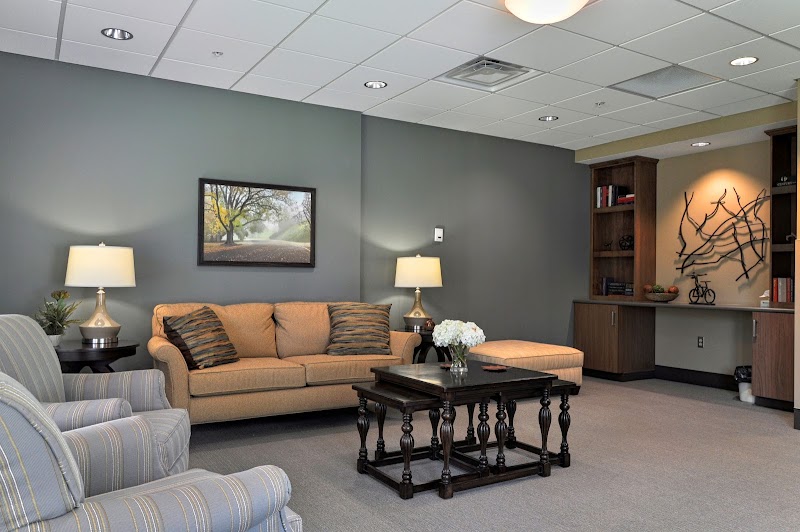
How is Emmanuel Staffed?

CMS rates EMMANUEL NURSING HOME's staffing level at 5 out of 5 stars, which is much above average compared to other nursing homes. Staff turnover is 42%, compared to the Minnesota average of 46%. This relatively stable workforce can support continuity of care.

What Have Inspectors Found at Emmanuel?

State health inspectors documented 19 deficiencies at EMMANUEL NURSING HOME during 2022 to 2025. These included: 3 that caused actual resident harm and 16 with potential for harm. Deficiencies causing actual harm indicate documented cases where residents experienced negative health consequences.
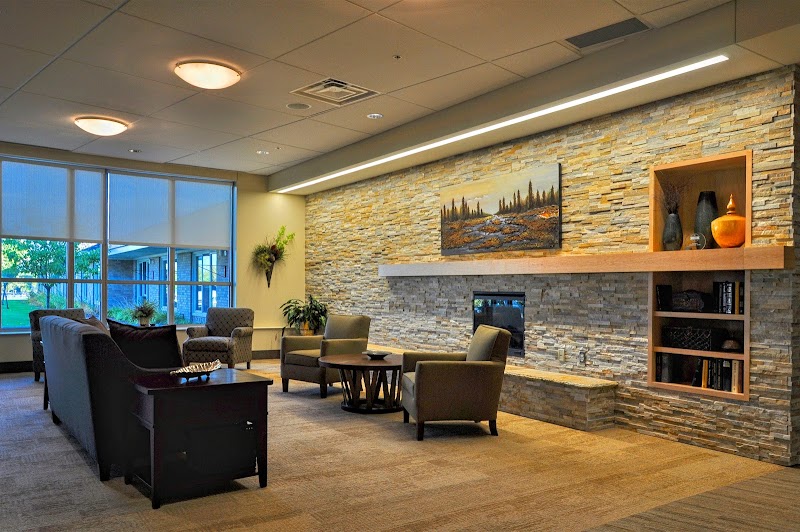
Who Owns and Operates Emmanuel?

EMMANUEL NURSING HOME is owned by a non-profit organization. Non-profit facilities reinvest revenue into operations rather than distributing to shareholders. The facility is operated by ECUMEN, a chain that manages multiple nursing homes. With 62 certified beds and approximately 53 residents (about 85% occupancy), it is a smaller facility located in DETROIT LAKES, Minnesota.
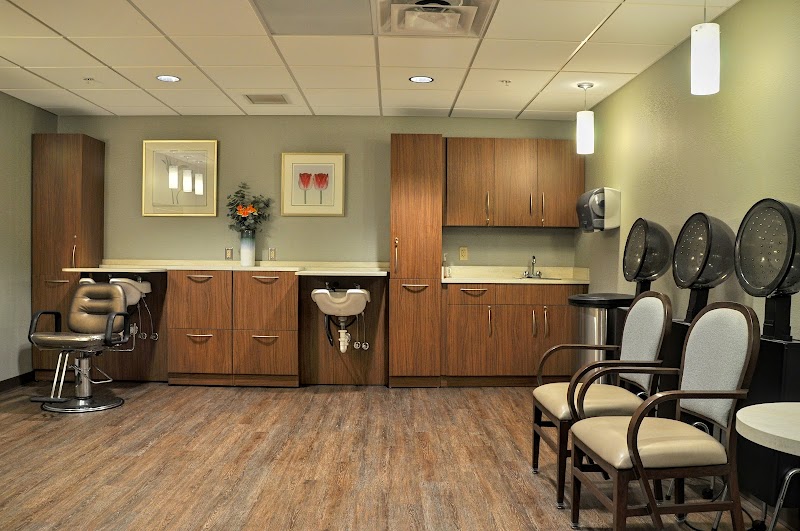
How Does Emmanuel Compare to Other Minnesota Nursing Homes?

Compared to the 100 nursing homes in Minnesota, EMMANUEL NURSING HOME's overall rating (4 stars) is above the state average of 3.2, staff turnover (42%) is near the state average of 46%, and health inspection rating (3 stars) is at the national benchmark.

What Should Families Ask When Visiting Emmanuel?

Based on this facility's data, families visiting should ask: "Can I visit during a mealtime to observe dining assistance and food quality?" "How do you handle medical emergencies, and what is your hospital transfer rate?" "Can I speak with family members of current residents about their experience?"

Is Emmanuel Safe?

Based on CMS inspection data, EMMANUEL NURSING HOME has a clean safety record: no substantiated abuse findings (meaning no confirmed cases of resident harm), no Immediate Jeopardy citations (the most serious violation level indicating risk of serious injury or death), and is not on the Special Focus Facility watch list (a federal program monitoring the lowest-performing 1% of nursing homes). The facility has a 4-star overall rating and ranks #1 of 100 nursing homes in Minnesota. While no facility is perfect, families should still ask about staff-to-resident ratios and recent inspection results during their visit.

Do Nurses at Emmanuel Stick Around?

EMMANUEL NURSING HOME has a staff turnover rate of 42%, which is about average for Minnesota nursing homes (state average: 46%). Moderate turnover is common in nursing homes, but families should still ask about staff tenure and how the facility maintains care continuity when employees leave.

Was Emmanuel Ever Fined?

EMMANUEL NURSING HOME has been fined $11,885 across 1 penalty action. This is below the Minnesota average of $33,198. While any fine indicates a compliance issue, fines under $50,000 are relatively common and typically reflect isolated problems that were subsequently corrected. Families should ask what specific issues led to these fines and confirm they've been resolved.

Is Emmanuel on Any Federal Watch List?

EMMANUEL NURSING HOME is not on any federal watch list. The most significant is the Special Focus Facility (SFF) program, which identifies the bottom 1% of nursing homes nationally based on persistent, serious quality problems. Not being on this list means the facility has avoided the pattern of deficiencies that triggers enhanced federal oversight. This is a positive indicator, though families should still review the facility's inspection history directly.