Fairview Care Center
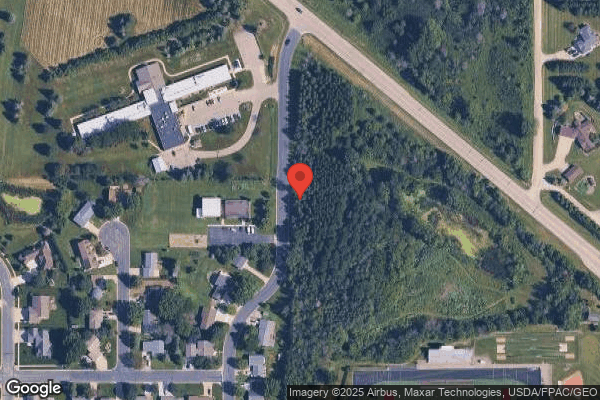

702 10TH AVENUE NORTHWEST, DODGE CENTER, MN 55927 (507) 374-2578
Government - County 46 Beds Independent Data: November 2025
Trust Grade
40/100
#232 of 337 in MN
Last Inspection: January 2025

Within standard 12-15 month inspection cycle. Federal law requires annual inspections.

Overview

Fairview Care Center has a Trust Grade of D, indicating below-average performance with some significant concerns. It ranks #232 out of 337 facilities in Minnesota, placing it in the bottom half of all state nursing homes, and is the second option available in Dodge County. The facility's trend appears stable, with five issues reported in both 2024 and 2025, which is concerning as it shows no improvement. Staffing is a relative strength, rated 4 out of 5 stars, but with a turnover rate of 49%, which is average for the state. Notably, there are no fines recorded, which is a positive aspect, but RN coverage is low, being less than 95% of other facilities, potentially impacting care quality. Specific incidents noted during inspections raised alarms for families: one resident developed a serious stage 3 pressure ulcer due to a lack of preventive measures, and another resident suffered a cervical fracture after multiple falls, highlighting inadequate fall risk assessments and interventions. Additionally, the facility was found to have issues with medication management, such as improperly labeled insulin pens, which could pose risks to residents. While there are strengths in staffing and the absence of fines, these serious incidents and the overall low trust grade warrant careful consideration.

Trust Score
D
40/100
In Minnesota
#232/337
Bottom 32%
Safety Record
Moderate
Needs review
Inspections
Holding Steady
5 → 5 violations
Staff Stability
⚠ Watch
49% turnover. Above average. Higher turnover means staff may not know residents' routines.
Penalties
✓ Good
No fines on record. Clean compliance history, better than most Minnesota facilities.
Skilled Nurses
○ Average
Each resident gets 33 minutes of Registered Nurse (RN) attention daily — about average for Minnesota. RNs are the most trained staff who monitor for health changes.
Violations
⚠ Watch
24 deficiencies on record. Higher than average. Multiple issues found across inspections.
★★☆☆☆
2.0
Overall Rating
★★★★☆
4.0
Staff Levels
★★★★☆
4.0
Care Quality
★★☆☆☆
2.0
Inspection Score
Stable
2024: 5 issues
2025: 5 issues

The Good

  • 4-Star Staffing Rating · Above-average nurse staffing levels
  • 4-Star Quality Measures · Strong clinical quality outcomes
  • Full Sprinkler Coverage · Fire safety systems throughout facility
  • No fines on record

Facility shows strength in staffing levels, quality measures, fire safety.

The Bad

2-Star Overall Rating

Below Minnesota average (3.2)

Below average - review inspection findings carefully

Staff Turnover: 49%

Near Minnesota avg (46%)

Higher turnover may affect care consistency

The Ugly 24 deficiencies on record

2 actual harm
Jul 2025 1 deficiency
CONCERN (D) 📢 Someone Reported This

A family member, employee, or ombudsman was alarmed enough to file a formal complaint

Potential for Harm - no one hurt, but risky conditions existed

Deficiency F0659 (Tag F0659)

Could have caused harm · This affected 1 resident

**NOTE- TERMS IN BRACKETS HAVE BEEN EDITED TO PROTECT CONFIDENTIALITY** Based on observation, interview, and document review, the facility failed to ensure unqualified staff did not perform ear cleani...

Read full inspector narrative →
**NOTE- TERMS IN BRACKETS HAVE BEEN EDITED TO PROTECT CONFIDENTIALITY** Based on observation, interview, and document review, the facility failed to ensure unqualified staff did not perform ear cleaning for 1 of 4 residents (R1) reviewed for cares provided by unqualified staff.Findings include: R1's admission Minimum Data Set (MDS) assessment dated [DATE], indicated he admitted to the facility on [DATE], and took an antiplatelet medication (medication to prevent platelets from forming blood clots). R1 had an adequate ability to hear, used a hearing aid or other hearing appliance, had moderately impaired cognition, and required moderate staff assistance with personal hygiene. R1's facesheet dated 7/30/25, indicated he had diagnoses which included weakness, unspecified abnormalities of gait and mobility, and weakness. R1's care plan for activities of daily living (ADL's) dated 5/2/25, identified he needed assistance with activities of daily living (ADL)'s. Interventions included: showers with assist of one staff, allow to complete as much as able, resident prefers a shower twice a week on the morning shift; and wears hearing aides with assistance of one staff for placement. R1's progress note dated 7/24/25 at 9:18 a.m., indicated registered nurse (RN)-A was called to the tub room for a skin assessment. Skin concerns included bruises on the right hand and lower arm. R1's paper bath audit sheet dated 7/24/25, indicated he received a shower with shave and nail trim. Hand-written note identified ears were loaded with wax - cleared [or ‘cleaned'] with nursing assistant (NA) signature line signed by NA-A. R1's progress note by RN-A sated 7/24/25 at 4:29 p.m., indicated a nurse asked RN-A to look at R1's ears and said there was dry blood coming from his right ear and used an otoscope (tool used to examine the ear canal and eardrum) and saw blood in the ear. RN-A and another nurse looked at his ear and suggested keeping his hearing aids out for now. R1's wife was present. When asked if someone was digging his ear, R1 said yeah the girl who did my shower was digging in there with her tools. The director of nursing (DON) was updated. R1's progress note by RN-A dated 7/24/25 at 4:53 p.m., indicated he denied pain when assessed but did say it was painful when the woman who did his shower was digging in his ear. RN-A saw bright red blood in R1's ear with an otoscope with no blood coming out of his ear at the time. R1's progress note by RN-A dated 7/24/25 at 6:09 p.m., indicated RN-A spoke with the on-call provider. The provider directed staff to not place anything in R1's ear, it may take a couple of days to crust over, and it would then wash out with the next shower. R1's physician order dated 7/24/25, directed staff to no place anything in his ear to stop the bleeding per the on-call provider, it may take a couple days to crust over and then it would wash out with the next shower, every shift for three days for right ear bleeding. R1's physician order dated 7/25/25, directed to monitor his right ear every shift for bleeding. R1's progress note by the DON dated 7/25/25 at 12:37 p.m., indicated the DON, social services, and occupational therapy met with the resident and his wife. When asked how he thought the bleeding in his ear started, R1 stated after this shower a gal was digging in his ear to remove wax. He reported the NA who completed his shower said let me look in your ears, and he typically had a lot of wax so he said give it a shot, the NA confirmed his right ear had a substantial amount of wax, and she offered to remove it with her tools. During wax removal, R1 reported it hurt a little bit a couple of times but stated he did not tell the CNA. He denied current pain and stated he just could not hear very well and the doctor said not to use his hearing aids. R1's progress note dated 7/25/25 at 2:31 p.m., indicated a nurse practitioner (NP) visited R1 for an acute visit regarding his right ear. He was to be sent to the emergency department (ED). R1's provider visit note dated 7/25/25, indicated he had been seen for concerns of ear bleeding. Facility nurse reported an NA was attempting to clean his ears during his shower on 7/24/25. R1 denied pain, did experience discomfort at the time the staff attempted to remove the wax with what was thought to be a lighted curette (instrument designed for scraping and debriding tissue/debris) and his hearing was worse than his usual baseline hearing loss. Physical exam identified dark red dried blood in cavum (recess/hollow) with large amount of pooled dark red thick blood in the ear canal, tympanic membrane (ear drum) unable to be visualized due to presence of blood. Assessment and plan included, there does appear to be active bleeding so the likelihood is that trauma was sustained with the attempt to use an instrument to remove the cerumen [ear wax]. Cannot exclude tympanic membrane perforation. R1 would be seen at the ED for evaluation due to concern for more than 24 hours of active bleeding from right ear. R1's progress note dated 7/25/25 at 7:30 p.m., indicated staff received a phone call from the hospital. R1 was seen by ear, nose, and throat (ENT, a medical specialty), blood clot was removed, no active bleeding noted, ear drum not perforated, and R1 to receive ear drops to prevent an infection. R1's hospital ENT consult note dated 7/25/25, indicated he presented with right ear bleeding associated with decreased hearing. He reported someone tried to clean his ears with ear wax removal tools during his shower on 7/24/25, with wax removed from both ears. Right ear bleeding noticed later that day. On exam, there was a very small amount of dried blood in the left ear canal with normal eardrum. The right ear had blood in the ear canal with blood clot obscuring the view of the ear drum, clot was removed, no evidence of active bleeding noted, no evidence of eardrum perforation. Assessment/plan identified R1 had a right ear canal injury following wax removal on 7/24/25 without ear drum perforation. Blood clots were removed. R1 to discharge with antibiotic ear drops to right ear twice daily for one week and no follow-up needed. R1's progress note dated 7/25/25 at 9:40 p.m., indicated he returned to the facility. R1's physician order dated 7/25/25, was for ciprofloxacin-dexamethasone otic suspension 0.3-0.1% (antibiotic and anti-inflammatory ear drops) with direction to instill four drops in right ear two times a day for right ear infection prophylaxis for 10 days. R1's provider visit note by NP-A dated 7/28/25, indicated he was seen for follow-up of right ear bleeding. He reported no pain and was not wearing hearing aids however, hearing was intact. On exam, there was a small amount of dried blood in the posterior (located towards the back of the body) mid-canal of right ear and ear drums were intact. No signs of infection. Continue with antibiotic ear drops and recommend continuing without hearing aids until the end of the week. Review of NA-A's employee file identified the following documents:- Notice of Termination of Employee dated 7/28/25, including a resident suffered harm due to your failure to adhere to facility policies and the scope of Certified Nursing Assistant (CNA) practices related to an investigation started on 7/24/25.- Job description titled Certified Nursing Assistant with NA-A signature date of 1/14/2019, including learn, understand and observe institutional rules, regulations, and polices and under limited supervision, performs a variety of paraprofessional nursing duties.- Certified Nursing Assistant Orientation Checklist undated, including topic of bathing with sign-off of orientation for personal cares of hair care, oral/denture care, perineal care, shaving, bedtime care, and nail care. The list did not include ear care. During an interview on 7/31/25 at 9:30 a.m., R1 stated an NA had cleaned his ears during his shower last Thursday (7/24/25), and she had tools for this however, he did not know her name. The NA had a whole kit that she had used before on other people she told him and asked him if he would mind if she tried to clean his ears and he said it would not hurt. The NA then cleaned both of his ears, a ton of wax came out, and it was painful at times however, he did not tell her it hurt or ask her to stop. It was painful when she tried to get tough spots and then go a little deep, the same feeling he had previously had at the doctor when they tried to go deep in his ear. He did not see any blood in the wax she removed or notice any ear bleeding during the day. Later in the day someone noticed it. He was not having any ear pain however, he could not hear very well as his right ear sounded muffled. R1 noted another person was present after his shower however, did not remember who it was. R1 stated no one had cleaned his ears before while at the facility and he did not know why the NA had done that. He thought she was just trying to help and was sorry that his hearing had gone down. In a follow-up observation at 2:12 p.m., R1 was observed with a small amount of dark dried blood present on the cavum outside the right ear canal opening and in the ear canal. During an interview on 7/31/25 at 10:44 a.m., LPN-B stated she had previously entered the the shower room and observed NA-A cleaning out a resident's ears with a light-up curette pen and had told her to stop and reported it to her supervisor. LPN-B identified that incident had happened a long time ago. She had not seen or heard of further instances of NA-A cleaning out residents' ears since then. LPN-B stated the facility did not carry supplies like what she had seen NA-A using to clean ears. LPN-B stated R1 reported no pain to her regarding his right ear however, NA-A could have ruptured something or caused hearing loss. LPN-B noted the standard was for nurses to perform ear cleaning and they flushed ears, they did not stick anything in them. Staff had been told multiple times by management to not dig in residents' ears and this direction was not followed. During an interview on 7/31/25 at 11:17 a.m., clinical manager LPN-C, stated for ear care NA's could wash the outside of the ear and a nurse could look in ears with an otoscope. There was nothing that should be placed in a residents' ears except ordered ear drops or an otoscope. NA's were not to place anything in residents' ears and this action was not within their scope of practice. LPN-C had spoken with R1 on 7/25/25, and he reported when a woman was cleaning his ear yesterday during his shower she had cleaned the wax out of his ear. LPN-C visualized pooling blood in the right ear. During an interview on 7/31/25 at 10:15 a.m., RN-A stated she had previously caught NA-A digging in someone's ear and reported this to the DON last August 2024. R1 had a shower on the morning of 7/24/25, with NA-A. Later that afternoon, staff informed RN-A R1's ear was bleeding. She examined the ear with an otoscope and it was clear there was active bleeding with bright red blood. R1 reported someone had dug in his ears and it had hurt. RN-A stated only nurses could complete inner ear cleaning and NA-A could have ruptured R1's ear drum or really damaged his hearing. During an interview on 7/31/25 at 8:42 a.m., certified occupational therapy assistant (COTA)-A, stated she had entered the shower room after R1's shower on 7/24/25, to see how he did with dressing. He was in the shower room with NA-A and COTA-A saw NA-A perform ear care. NA-A was using a tool with a handle and plastic end, had already started before COTA-A entered, and was using the end of the tool to scoop ear wax out of both of R1's ears. COTA-A stated NA-A used this tool inside the ear, in the inner ear canal, not the outer ear and saw her stick the tool a couple centimeters into R1's ears to get a pinky-tip sized amount of wax out on both sides. COTA-A did not see NA-A clean or disinfect the tool. COTA-A observed R1 with facial scrunching of the eyes and nose however, did not hear him verbalize pain and did not observe any blood in the ear wax or R1's ears. COTA-A stated NA-A had mentioned using the tool on other residents before. COTA-A was not sure at the time if it was okay for NA's to provide this care so did not say anything. COTA-A confirmed she witnessed NA-A stick the tool into R1's inner ears. During an interview on 7/31/25 at 12:36 p.m., NA-A stated she was recently terminated from employment at the facility as an NA. NA-A stated she had provided R1 a shower last week and a therapist (COTA-A) was also present. NA-A completed the shower and cares of R1's fingernails and toenails, shaved him, put lotion on him, and cleaned his ears. NA-A stated this was her normal routine. She was previously trained to clean ears as part of bathing. NA-A reported R1's ears were full of wax and she cleaned them with a little instrument she had that had a tip to stick in that lit up so you could see in the ear. She cleaned the outer ears and would remove wax however, stated she did not go close to the inner part of the ear which was the small hole in the ear. NA-A stated she never cleaned inside the inner ear and denied cleaning the inner part of R1's ears however, stated she did clean and remove wax from both ears with her instrument. There was no bleeding at the time and R1 expressed no pain. NA-A stated she had also cleaned R1's ears previously. NA-A knew the dangers of sticking something in someone's ears because you could puncture an ear drum. NA-A stated she was trained when she started 14 years ago on how to clean outer ears, this was part of the scope of practice for NA's however, she had since been told not to stick things in ears by the DON. NA-A spoke to the DON the previous week, confirmed she cleaned R1's ears with his shower, and reported R1's ear was bleeding later that afternoon. NA-A stated she was doing her job the way she was trained to do it and had always done it. During an interview on 7/31/25 at 3:06 p.m., the administrator stated staff should be working within their scope of practice and follow the standards of what they can do and what they are trained on. The administrator confirmed NA's were not trained by the facility to clean inner ears and NA's should never clean out someone's ears. Hearing aides and thermometer probes could be inserted in residents' ears however, NA's should never be digging in or cleaning anything out of residents' ears. The administrator expected staff to follow standards of practice and work within the scope of their role. NA-A's behavior was not in line with her expectations and she was terminated. During an interview on 7/31/25 at 1:31 p.m., the DON stated NA-A had been warned before about sticking things inside of residents' ears. Care provided by NA's included cleaning debris off the outer ear however, cleaning inside the ear was not within their scope of practice. Facility policy for ear irrigation directed if the ear canal needed to be cleaned an RN or LPN would do it with ear drops and irrigation. NA's should report concerns about ear wax to nurses for follow-up. NA's were not trained, certified, competent, or tested on cleaning the inner ear. No staff should stick anything in a residents' ears except for the tip of the ear flushing device and the facility did not stock or supply any tools for ear cleaning apart from this device and associated ear drops for irrigation. The DON confirmed NA-A had received education in August of last year that cleaning the inner ear was outside her scope of practice and this had been again reviewed at her performance review in April 2025, with no new reported concerns noted. The potential outcome of NA-A cleaning R1's inner ear was harm and R1's ear had been bleeding and required evaluation in the emergency department. During an interview on 7/31/25 at 9:42 a.m., NP-A stated she saw R1 on 7/28/25, to follow-up on his ears. He had significant erythema (Redness) and dried blood in the posterior right ear canal with an abrasion on the posterior portion of the canal. NP-A believed it would take at least a Q-tip, more than a finger, to go that distance deep into the ear canal. NP-A thought the bleeding was from trauma and something put in his ear. It sounded like a curette had been used and staff should not be using tools inside the ear. Inner ear cleaning would be within the scope of licensed nurses and not NA's, this would be the standard, and it was pretty clear cut. NP-A noted a staff member had performed something they should not do. Possible outcomes of sticking a tool in someone's inner ear included significant trauma to the ear drum, pain, bleeding, trouble hearing, dizziness, and infection risk. Facility policy titled Ear Irrigation dated July 2025, identified ear irrigation was done to relieve obstruction, congestion, pain, and to cleanse the auditory canal. Ear irrigation was only to be completed by a licensed practical nurse or registered nurse. Facility policy titled Bathing dated September 2024, included a list of equipment for bathing which did not include any items to be inserted in residents' ears. Steps in the Procedure identified how to bathe a resident and did not include ear cleansing as part of the bathing procedure. Nurses were to notify physicians of any skin areas that may need to be treated and other information was to be reported in accordance with facility policy and professional standards of practice. Facility policy regarding competency of licensed and unlicensed nursing staff and scope of practice for licensed and unlicensed nursing staff requested however, not received.
Feb 2025 1 deficiency 1 Harm
SERIOUS (G) 📢 Someone Reported This

A family member, employee, or ombudsman was alarmed enough to file a formal complaint

Actual Harm - a resident was hurt due to facility failures

Pressure Ulcer Prevention (Tag F0686)

A resident was harmed · This affected 1 resident

**NOTE- TERMS IN BRACKETS HAVE BEEN EDITED TO PROTECT CONFIDENTIALITY** Based on interview and record review the facility failed to comprehensively assess pressure ulcer (PU) development, implement ap...

Read full inspector narrative →
**NOTE- TERMS IN BRACKETS HAVE BEEN EDITED TO PROTECT CONFIDENTIALITY** Based on interview and record review the facility failed to comprehensively assess pressure ulcer (PU) development, implement appropriate interventions to prevent PU's and notify the provider of changes for 1 of 3 residents (R1) who entered the facility without pressure ulcers. This resulted in harm when R1 devleoped a stage 3 pressure ulcer. The facility implemented immediate corrective action, so the deficient practice was issued at past non-compliance. Findings include Definitions: Blister-a bubble of fluid under the skin. A pressure ulcer can develop into blisters and open sores, which can then become infected and grow deeper until they reach muscle, bone or joints. Stage 3 pressure ulcer is characterized by full thickness skin loss and may be deep. They affect the top two layers of skin and fatty tissue. Unstageable pressure ulcers develop from long-lasting pressure on the skin and means the full depth of the ulcer cannot be measured with slough or eschar obstructing the wound bed. R1's face sheet dated 2/20/25 identified R1 had diagnoses of fracture of right femur, there was no indication R1 had a current pressure ulcer. R1's admission Minimum Data Set (MDS) dated [DATE], identified R1 did not have cognitive impairment and was dependent on staff for all care areas. R1 did not have a pressure ulcer. R1's care plan dated 12/4/24, identified R1was at risk for skin breakdown. Interventions included follow facility protocol/regimen for treating breaks in skin integrity/pressure ulcers. Document all new abnormal skin findings. If skin is reddened, bruised, or has open areas, report to licensed staff. Skin mattress [pressure reducing mattress] on bed. Monitor skin with cares, showers, and as needed. R1's progress note dated 12/17/24, identified a fluid filled blister that measured 2.0 cm x 0.5 cm on left upper thigh/buttock region. Believed to be from R1's personal wheelchair being too tight, with difficulty applying mechanical lift sling around R1. R1 received a new wheelchair. There was no indication the physician was notified of the impaired skin integrity. R1's occupational therapy notes with dates ranging from 12/4/24-1/23/25, identified on 12/18/24 R1 had a care conference and R1 had been transitioned from her personal 18 inch width wheelchair to a 22 inch width wheelchair. R1's progress note dated 12/21/24, identified R1's blister popped and a new dressing was applied. R1's record on 12/21/24 did not identify what type of dressing was applied nor did it include a comprehensive assessment that identified the wound was a pressure ulcer. Additionally, R1's care plan did not address the wound. R1's progress note dated 12/24/24, identified left upper thigh/buttock fold older blister now open. Wound bed moist, without noted bleeding and edges flaking. Measured 1.0 cm x 1.5 cm. Scant green drainage noted to old dressing, no odor. Continued with blanchable redness to peri-wound that measured 3.0 cm x 1.0 cm. Foam border applied. Clinical nurse manager updated. R1's a nursing order on 12/28/24 to monitor blister to left upper thigh/buttock fold until healed, every day and evening shift for blister. On 12/30/24, a nursing order for left upper leg blister directed: clean with normal saline and pat dry. Place silicone bordered foam dressing daily and discontinue when healed. R1's progress note dated 12/29/24, identified registered nurse (RN)-D assessed old blister site to left upper thigh. Area was open, moist, a mepilex in place with moderate amount of green drainage noted to the old dressing. No odor to wound. Base of wound had some slough noted along with some purple discoloration. No depth to wound. Wound edges irregular. Periwound red and blanchable. Area measured 1.0 cm x 0.5 cm. New mepilex placed. R1's progress note dated 12/31/24, the left thigh blister popped and measured 1.5 cm x 1.5 cm x 0.1 cm depth. R1's progress note dated 1/5/25, identified R1's dressing to left upper thigh was removed and was covered in 50% serosanguinous (thin, often slightly yellow, with a light pink tinge) drainage. R1's progress note dated 1/9/25, indicated the IDT reviewed R1's wound and noted there were not any concerns. No other information was identified. R1's progress note dated 1/13/25, identified R1 was seen by certified nurse practitioner (CNP)-A for a recertification visit. The note did not indicate the CNP was made aware of the wound at the time of the visit. R1's progress note dated 1/14/25, identified there was not a blister anymore, the area is an open wound that measured 3.5 cm x 4.0 cm x 0.5 cm depth. The wound bed is beefy red, with a small area of white and gray/black. No odor. Peri wound intact redness from moisture. R1's progress note dated 1/16/25, identified no blister to the area anymore, the area is an open wound that measured 3.5 cm x 4.0 cm x 0.5 cm. The wound bed is beefy red, with a small area of white and gray/black. Peri wound intact redness from moisture. No odor at this time. R1's progress note dated 1/16/25, indicated the IDT reviewed R1's wound and noted there were not any concerns. No other information was identified. R1's progress note dated 1/22/25 at 7:10 a.m. identified a moderate amount of slough (dead cells, debris, and remnants of tissue that have not undergone proper breakdown and removal from the wound bed that can prevent or slow down healing) present to left upper thigh/buttock crease wound. R1's progress note dated 1/23/25, identified area is no longer a blister. It is an open wound that measured 3.5 cm x 4.0 cm x 0.5 cm. Area is red with slough present. Mild odor noted. No complaints of pain at site. R1's physician discharge note dated 1/23/25, identified R1 had a pressure ulcer of left buttock that was unstageable. Reported to CNP-A today. Nursing had been treating with mepilex, and per report thought initially to be related to mechanical lift as blister had developed. Unstageable pressure ulcer at least a stage 3 as central portion of slough and eschar (dead tissue that develops on severe wounds usually stage 3 or 4 pressure injuries) present. Wound characteristics: full thickness pressure ulcer, unstageable but at least stage 3. Measured at 8.0 cm x 5.0 cm x unable to determine depth. Moderate exudate (drainage). Eschar/slough at center measured 3.0 cm x 1.8 cm. Irregular wound edges. Peri wound is blanchable. Tenderness with palpation at center of wound. Slight odor but no other symptoms or signs of infection. R1 was discharging to assisted living and additional orders for nursing services in relation to wound care was requested. Discussed with clinical manager consideration of a different method of mechanical lift transfer, changing from straps to a sling or other option that would reduce pressure applied during transfers. Wound care orders included: alternating pressure air mattress or pressure reducing mattress if air mattress unavailable, up to 30 degree turn side to side, head of bed when in bed; reposition every two hours or per tissue tolerance, reposition assistance or reminders to be provided on a regular basis based on patient condition, wheelchair or chair cushion per occupational therapy recommendations, elevate heels while in bed. Daily clean with vashe (wound cleanser made of pure hypochlorous acid to fight bacteria and infection) and rough gauze in circular motion, apply thin layer of medihoney to wound base, cover with silicone bordered dressing, closely monitor wounds, looking for signs and symptoms of infection. Contact provider if the patient develops: new wound or change in a wound, drainage from the wound increases, sudden increase in pain or new pain in the wound, area around the wound gets red, swollen, or painful to touch, wound color changes from pink or red to a tan, brown or black color, patient has a fever, or if the wound order gets worse. R1's progress note dated 1/23/25, identified R1 was seen by CNP-A for discharge and acknowledged the aforementioned orders given by the CNP. However, identified direction to reposition every hour. At 2:36 p.m., licensed practical nurse (LPN)-D notified assisted living registered nurse (ALRN) of the pressure ulcer and ALRN came to facility to assess. They are able to complete the wound care and can accept R1 1/24/25. In review of R1's wound tracking/progress notes between 12/21/24 through 1/23/25, it was not evident the facility had appropriately staged the wound after the blister had ruptured and continued to deteriorate, not evident of assessment to determine appropriate care plan interventions to prevent the pressure ulcer from worsening and new ulcer development. Further not evident the physician was notified for appropriate treatment orders until 1/23/25. During a phone interview on 2/18/25 at 10:45 a.m., ALRN stated R1 had went to the nursing home for short term rehabilitation and was returning to assisted living facility when completed. ALRN went to facility on 12/30/24 to assess R1 for return. Facility reported to ALRN that R1 had been pinched by the mechanical lift shift on 12/29/24 and received a blister to the left upper thigh/buttock region. ALRN assessed the area and measured it at 1 centimeter (cm) x 1cm with a pinhole opening in the middle of it. ALRN received weekly updates from facility therapy department but was not informed of the wound worsening. ALRN went to the facility on 1/23/25 to assess the wound. Assessment included the wound measurement at 8cm x 5cm and was unstageable. ALRN stated they did an emergency readmission to their facility due to lack of care at the facility. During a phone interview on 2/19/25 at 9:39 a.m., family member (FM)-A stated the facility had not contacted him about the blister and the worsening of the wound on R1's left upper thigh/buttock area. During a phone interview on 2/19/25 at 3:52 p.m., licensed practical nurse (LPN)-B stated she did not notice the wound was bad and maybe she had been looking at the wrong spot. During a phone interview on 2/19/25 at 9:56 a.m., LPN-A stated R1's wound dressing was mainly completed on day shift. LPN-A recalled an agency staff member questioned the wound at one point during a shift and thought the wound was a stage 1-2 pressure ulcer. Any wound would have to be assessed, measured and the resident should have interventions that included repositioning off the area in question. other interventions could include an air mattress. Nurses usually reported changes in wounds to the nurse managers and then the nurse managers would notify the doctor. LPN-A stated the physician was not notified of the changes, The ball was dropped. During a phone interview on 2/19/25 at 10:48 a.m., LPN-C stated she first noticed the wound bed was beefy red with a small area of white and gray/black with no odor on 1/16/25. The next time she saw the wound there was green drainage on 1/23/25. The process for wound management was the floor staff put in a progress note about a wound and notify and/or update the clinical managers and ADON as needed. The clinical manager would notify the medical provider. The floor staff did not report to the physician. During an interview on 2/19/25 at 1:20 p.m., LPN-D stated she was aware of the blister on R1's left upper thigh. LPN-D stated she did not look at the wound and staff did not inform her that it had worsened. LPN-D was unsure how the communication breakdown occurred. During an interview on 2/19/25 at 8:10 a.m., RN-A stated wounds were measured weekly with the first showers. Residents with pressure ulcers would have more frequent repositioning. When a blister ruptured, the wound would be considered worse. The physician should be contacted when a blister opens. RN-A thought a different treatment should have been put in place for R1; having the wrong type of dressing could make the wound worse but would defer to the physician for appropriate treatments. RN-A explained he failed to notify R1's medical doctor or the nurse manager of the changes to R1's blistered area. RN-A should have notified the provider. RN-A explained the facility recently designated the ADON to lead the wound management program; ADON was the person completely weekly wound rounds. Prior wound changes would be reported to the nurse managers however did think the nurse managers were addressing the wounds because of time constraints. During an interview on 2/19/25 at 11:13 a.m., clinical nurse manager RN-B reviewed R1's record and explained on 12/17/24, the IDT reviewed the presence of the new blister which was determined to be a result of R1's personal wheelchair being tight, and friction/shearing occurred while placing the mechanical lift sling under her. The facility got R1 a better fitting wheelchair and IDT determined a mepilex placed over the blister for treatment. The provider was not notified by RN-B or LPN-D. Then on 12/21/24 the blister opened but RN-B and LPN-D were not notified until 12/24/25. The physician again should have been notified, however, was not. 12/29/25, RN-B completed the dressing change to R1 and noted green drainage, slough tissue, purple discoloration, and the wound had irregular borders. The wound had changed significantly since RN-B had seen it. The physician was not notified, and the orders were not changed. On 1/13/25, when the wound measured 3.5cm x 4.0cm x 0.5cm depth, certified nurse practitioner (CNP)-A was at the facility and had an appointment with R1. CNP-A did not review the wound and did not have knowledge of the wound at this time. R1's care plan had not been revised to reflect the wound; care plans should be updated when a new issue is discovered with new interventions to prevent the wound from worsening such as air mattress, repositioning schedule, and diet changes. RN-B indicated there had been a breakdown in communication, however, the facility has a different process in place and one person, ADON, designated for wound management. ADON completes the weekly wound rounds. New skin issues were now reported on a communication board or in the risk management tab, which was new to the facility and communicate any concerns to herself, ADON, or LPN-D. Between wound rounds nurses were expected to complete the dressing change as ordered, assess the wound, document findings, and immediately notify if any changes. During a phone interview on 2/19/25 at 9:56 a.m., R1's CNP-A stated she came to facility to complete R1's discharge paperwork on 1/23/25. CNP-A was told R1 had a blister on her left upper thigh/buttock region and looked at it. CNP-A stated she was quite surprised by what she saw. The area measured 8cm x 5cm with an undetermined depth that she would stage at least at a stage 3 or more and the wound required some debridement (removal or dead or infected tissue from a wound to promote healing). CNP-A expected to be notified when the wound occurred. CNP-A would have prescribed something more than just a mepilex (foam dressing) to cover the wound. The facility did not explain why she was not informed of the wound. Left untreated the wound could have certainly worsened and could lead to an infection. During an interview on 2/19/25 at 11:41 a.m., ADON stated she had taken over wound care very recently. ADON would expect the physicians to be notified of wounds and of wound changes. On 12/29/24, R1's blistered area would be considered a pressure ulcer, and the physician should have been notified. ADON was unsure why the first notification to the physician occurred on 1/23/25 and not prior. There has been a lot of revamping to the wound program at the facility since she took over the wounds. ADON has been completing 1:1 wound care with floor nurses, education on wound documentation, how to assess a wound, how to properly measure a wound, and auditing the floor staff with wound rounds weekly the last few weeks. Education with floor staff was also completed by an outside agency for wound care on 2/11/25. ADON had implemented a flow sheet that is sent weekly to the nurse managers, DON, MDS coordinator, nurse practitioner, wound supplier, hospice, and dietary manager that included. The flow sheet included resident identifier, who provides wound supplies, where the wound was located, what the wound measurements are, date identified, current treatments, current interventions in place, brief assessment in the comments of what is going on with the wound, along with color coding the measurements green if it is smaller and red if it is changing. The ADON stated, wounds have gotten a lot better and communication and documentation have come together. Floor staff were comprehending and understanding what was needed from them with all the recent and continuing education on wound care. During an interview on 2/19/25 at 1:31 p.m., DON stated R1's wound was initially a minor blister and the medical provider would not need to be notified. As the wound progressed the physician should have been notified. The area should have been care planned and proper interventions put into place. DON stated wound care had been an issue that was recognized as a problem and the facility had been working on correcting it. The following corrective actions were verfied as implemented prior to the survey: On 1/8/25, ADON implemented weekly wound rounds with nursing staff providing 1:1 education and started an auditing system for wound monitoring and documenation. The facility reviewed and revised the wound managment policy and protocals on 1/22/25. The afternoon of 1/22/25, education was provided to staff pertaining to wound monitoring, documentation, physician notification, communication, and comprehensive assessments. R1's record was reviewed by the CNP which resulted in appropriate treatments and interventions were developed and implemented on 1/23/25. R1 was discharged from the facility on 1/24/25. Sampled resident records were reviewed from 1/23/25 through 2/19/25 did not identify deficient practices pertaining to pressure ulcer management. The facility Skin Issues and Wounds policy dated 2/13/23, identified body audits are completed within 24 hours of admission and on shower days. Evaluation of risk factors and Braden scale is done on admission and once per week x 4 weeks and then quarterly or with any new pressure injuries. Tissue tolerance evaluation is done within the first 24 hours of admission and an individualized repositioning program is devised and re-evaluated annually and as needed. When a skin issue is noted licensed staff fill out an incident report or ulcer of unknown origin report, each clinical nurse manager is notified of the skin issue. Wound rounds are done by designated nurse or clinical nurse manager. The are is measured and using nursing judgement, staff initiate appropriate treatment. Medical doctor notified if needed. IDT to review skin issues as needed. Progress notes from IDT are written weekly. The facility Pressure Ulcers/Vascular Ulcers policy dated 1/25, identified pressure ulcers/vascular ulcers will be evaluated weekly by an RN delegated to wound rounds. Weekly documentation by RN will include: measurement of length, width, and depth of wound, odor, drainage including color and amount, skin temperature and color, appearance of wound bed, current treatment including supplements. When an ulcer/pressure area is noted, licensed staff fill out an incident report/risk management and the RN is notified of the skin issue. Staff initiate appropriate treatment and medical providers notified as needed. Medical providers will review all skin conditions on rounds. IDT review new skin conditions at morning meeting. When pressure ulcers have resolved, area will be monitored by RN for two additional weeks. If area remains clear, tissue tolerance will be evaluated to determine repositioning schedule. The facility Care Plan policy dated 12/15/23, identified facility will develop a comprehensive care plan for each resident that included measurable objectives and timetables to meet a residents medical, nursing, mental and psychosocial needs. The care plan will reflect intermediate steps for each outcome objective if identification of those steps will enhance the residents ability to meet objectives. The care is evaluated and revised as the residents status changes. The care plan is oriented toward preventing avoidable declines in functioning and functional levels, attempts to manage risk factors, build on resident strengths, and reflects standards of current professional practice.
Jan 2025 3 deficiencies
CONCERN (D)

Potential for Harm - no one hurt, but risky conditions existed

Deficiency F0554 (Tag F0554)

Could have caused harm · This affected 1 resident

**NOTE- TERMS IN BRACKETS HAVE BEEN EDITED TO PROTECT CONFIDENTIALITY** Based on observation, interview and document review, the facility failed to assess residents for their ability to self-administe...

Read full inspector narrative →
**NOTE- TERMS IN BRACKETS HAVE BEEN EDITED TO PROTECT CONFIDENTIALITY** Based on observation, interview and document review, the facility failed to assess residents for their ability to self-administer nebulizer treatments after nurse set up for 1 of 1 resident (R31) observed self-administrating a nebulizer treatment. Findings include: R31's quarterly Minimum Data Set (MDS) dated [DATE] indicated R31 was mildly cognitively impaired with a diagnosis of dementia, heart failure, chronic obstructive pulmonary disease (COPD) and asthma. R31's orders included Ipratropium-Albuterol Inhalation Solution 0.5-2.5 (3) MG (milligrams)/3ML (milliliters), three times a day related to COPD. R31's care plan included, resident needs assist with ADL's (activities of daily living), is at risk for falls and to keep environment free of clutter, and resident is alert and oriented, due to forgetfulness, staff to anticipate resident needs. While observing medication administration on 1/14/25 at 10:11 a.m. registered nurse (RN)-A had their medication cart in the main entrance area to the left of the 200-hall entrance. RN-A retrieved the vial of solution and continue to go to R31's room. RN-A rinsed out the machines cup in the bathroom, emptied the vital of medication in the nebulizer cup, placed the mask on R31 and left the room to go and check on another resident. During an observation of the morning medication administration on 1/15/25, trained medication aide (TMA)-A's medication cart was parked in the same location as the previous observation. TMA-A administered R31's oral medications, set up R31 nebulizer and left R31's room to go work on another resident's medication. During an interview on 1/16/25 at 10:35 a.m. LPN-A indicated R31 was not able to self-administer their medications. When a resident receives a nebulizer, the staff are to stay out in the hall while the nebulizer is running and until the resident has completed the treatment LPN-A added it would not be okay to go down the hall to start to set up another resident's medication. During an interview on 1/16/25 at 12:33 p.m., director of nursing (DON) indicated if a resident is assessed to be able to self-administer their medication, the electronic medical record will have it listed on the residents banner for staff to review during the passing of the medications. DON added if they are not assessed then it is not okay to leave the resident with their mediations. DON verified R31 was not assessed to have been left alone with the nebulizer running. Facility policy titled Self-Administration of Medication revised 5/3/17 included, obtain an order for self-administration of medication from medical provider, completed an assessment, establish a care plan, reassess.
CONCERN (D)

Potential for Harm - no one hurt, but risky conditions existed

Deficiency F0811 (Tag F0811)

Could have caused harm · This affected 1 resident

**NOTE- TERMS IN BRACKETS HAVE BEEN EDITED TO PROTECT CONFIDENTIALITY** Based on observation, interview, and document review, the facility failed to ensure residents with difficulty swallowing were as...

Read full inspector narrative →
**NOTE- TERMS IN BRACKETS HAVE BEEN EDITED TO PROTECT CONFIDENTIALITY** Based on observation, interview, and document review, the facility failed to ensure residents with difficulty swallowing were assisted with meals by qualified individuals. Findings include: During an observation and interview on 1/13/25 at 5:22 p.m., Activity aide (A)-A was feeding R3 spoon full of food and handing him bites of a sandwich. A-A said she just finished the Paid Feeding Assistant Training. A-A indicated R3 is supposed to be on a pureed diet, but family wants him to have a mechanical soft diet. A-A said R3 aspirates a lot, we give him small drinks and must be assisted by staff. If he feeds himself, he will cough most of the night. R3's Quarterly Minimum Data Set (MDS) assessment dated [DATE], indicated R3 had cognitive impairment, lower extremity impairment of one side of the body. R3's diagnoses included stroke, dysphagia (condition affecting ability to swallow), and left-sided hemiplegia (paralysis affecting one side of the body). R3's Medication/Treatment Administration/Order Summary Record reads, LNS (licensed nursing staff) to ensure that staff are feeding him. He eats too fast when he feeds himself. In addition, Resident must be supervised when eating snack in his room. Be sure he is sitting up straight and not reclined in his recliner. Three time a day for coughing and a diet of no concentrated sweets, mechanical soft/thickened liquids texture, honey consistency, no straws for diabetic and dysphagia. R3's care plan includes, uses dentures, per Speech Therapy, staff to feed R3, due to eats to fast, with a goal to safely ingest his prescribed diet with staff assistance. R3's interventions include a mechanically soft diet and honey thick liquids dated 11/20/2024. A share risk agreement completed for the mechanically soft diet with honey thick liquids discussed with daughter POA (power of attorney) on diet, dated 8/9/2024 and will be updated quarterly and as needed. R3's Shared Risk Agreement dated 8/9/24 signed by POA reads R3 has a risk of choking, aspirating, pneumonia and possible death and has been ordered a pureed diet with honey thick liquids. POA has chosen to allow R3 to have mechanical soft foods with honey thick liquids and acknowledge the risks. R3's Speech Therapy Plan of Care dated 8/11/24 indicates treatment diagnosis, dysphasia, Skilled SLP is required for dysphagia treatment to determine the safest and least restrictive diet consistency, decrease risk of aspiration, optimize PO (by mouth) intake, and maximize nutrition and hydration status to improve patient's quality of life. Follow up visit via telehealth dated 8/30/24, R3 has chronic cough, history of recurrent pneumonia, suspected related to aspiration of food and/or secretions. R3's family has requested mechanical soft textures for increased quality of life. Therapist opinion is that mechanical soft textures present a slight increase in aspiration and pneumonia risk, however that it is reasonable to upgrade to mechanical soft for the benefit of pt quality of life. R3's progress notes for Oral/Nutrition/Dental from consultant dietician dated 10/29/24, includes speech-initiated evaluation of R3 8/11/24 to assess swallow and shared decision making for quality of life. Care staff report he does cough with intake frequently. R3's ability to feed self is dependent on his alertness. Staff provide cues to slow rate of eating. R3's Recertification Visit dated 8/20/24 includes under diagnosis overview number 21, dysphagia: High risk aspiration pneumonia. Recently was recommended pureed diet per SLP (speech therapy). With share decision-making, family agreed to compromise of mechanical soft foods. Pureed and honey thick consistency diet. Works with aids/nursing during mealtimes to prevent him from eating too quickly and reduce the incidents of aspiration. During an email communication on 1/16/25 at 10:29 a.m., director of nursing (DON) indicated, All of our residents are currently able to be fed by the paid feeding assistants. Residents who have had a history of swallowing concerns have all remained safe with their altered texture and liquid consistency diets. If there were noted concerns that would prompt us to review if a paid feeding assistant would be an appropriate option, those concerns would be noted in both the Oral/Nutrition/Dental progress note entered by our RD. During an interview on 1/16/25 at 12:14 p.m., DON verified the facility allowed their unlicensed staff to feed residents despite the diagnosis and food texture recommendations by speech therapy. During an interview on 1/16/25 at 2:14 p.m. medical director (MD) verified an awareness of R3 and his dysphasia diagnosis. MD was not aware staff had not reassessed who could feed him. Facilities Minnesota Department of Health Paid Feeding Assistant Training Program curriculum indicates is a state approve training programs using federal requirements as minimum standards. Federal requirements according to the State Operations Manual under federal number 811 reads, A facility must ensure a feeding assistant provides dining assistance only for residents who have no complicated feeding problems. Complicated feeding problems include, but are not limited to, difficulty swallowing, recurrent lung aspirations, and tube or parenteral/IV feedings.
CONCERN (F)

Potential for Harm - no one hurt, but risky conditions existed

Deficiency F0761 (Tag F0761)

Could have caused harm · This affected most or all residents

Based on observation, interview and document review, the facility failed to ensure insulin pens were appropriately labeled according to manufacturer's guidelines with an opened date for 1 of 1 observe...

Read full inspector narrative →
Based on observation, interview and document review, the facility failed to ensure insulin pens were appropriately labeled according to manufacturer's guidelines with an opened date for 1 of 1 observed medication cart for 1 of 1 resident (R28) who required the use of an insulin pen. Furthermore, the facility failed to ensure tuberculin solution was dated when opened. In addition, failed to ensure expired product was not available for administration for 1 of 1 medication room reviewed for medication storage. This had the potential to affect anyone who would be prescribed this medication. Findings include: During an observation on 1/14/25 licensed practical nurse (LPN)-B removed an insulin pen from the 100 hall cart for R28 and continued to prepare. LPN-B indicated they need to have all insulin verified by a second nurse. While waiting for another nurse, surveyor observed the insulin nearly emptied and found to not have an opened date on the pen. LPN-B said it should be on the plastic cover but was unable to find said cover. LPN-B removed the insulin pen from writers' hand, removed the needle, and threw the pen in the sharp's container. LPN-B verified it was not dated and went to the medication room to retrieve a new pen and then continued with the process to prepare again. Registered nurse (RN)-B came to the 100-medication cart and verified insulin pen LPN-B had prepared for R28. When asked why two nurses are needed to verify insulin, RN-B indicated due to insulin medication error and having two nurse verification was the intervention to help prevent another error. During a medication storage review on 1/16/25 at approximately 1:15 p.m., with director of nursing (DON) to view randomly chosen medications. During the review it was found one bottle of tubersol (used to test for tuberculosis) in the refrigerator, filled from pharmacy on 12/18/24 nearly empty with no date opened. This was used for both residents and any new staff. In addition, it was found several bottles in their stock medication cabinet to have been expired which included senna plus expired 10/2024, stool softeners expired 11/2024 iron tablets expired 12/2024, nasal sprays expired 11/2024, and vitamin D expired 11/2024. During interview on 1/16/25 at 1:32 p.m., the DON indicated they are to be doing monthly checks and should not have expired medications available. Facility policy titled Medication Administration revised 4/19/2024 includes check expiration date on package/container. Facility policy titled Medication Storage in the Facility dated 4/24/2024, includes, medications are stored, following manufactures recommendations. Outdated are immediately removed from stock, disposed of according to procedures and reordered from pharmacy. Medication storage conditions are monitored on a (monthly) basis and corrective action taken if problems are identified.
Dec 2024 3 deficiencies
CONCERN (D) 📢 Someone Reported This

A family member, employee, or ombudsman was alarmed enough to file a formal complaint

Potential for Harm - no one hurt, but risky conditions existed

Deficiency F0657 (Tag F0657)

Could have caused harm · This affected 1 resident

Based on observation, interview, and document review the facility failed to revise the plan of care after changes to fall prevention measure for 1 of 4 residents (R3) reviewed for accidents. Findings...

Read full inspector narrative →
Based on observation, interview, and document review the facility failed to revise the plan of care after changes to fall prevention measure for 1 of 4 residents (R3) reviewed for accidents. Findings include: R3's Face sheet dated 12/31/24, identified diagnoses of Alzheimer's disease and repeated falls. R3's fall incident report dated 12/6/24, identified R3 had an unwitnessed fall at 7:00 a.m., R3 was found on the floor, leaning against the bed. Injuries of abrasion to right knee, bruise to right lower leg and left forearm. R3's progress notes dated 12/9/24, 12/10/24, 12/11/24, and 12/12/24, identified interdisciplinary team reviewed fall from 12/6/24 and determined to get R3 up if she is restless or trying to kick her legs out of bed. R3's care plan was not updated with this intervention until 12/30/24. R3's mobility focus care plan dated 12/30/24, identified R3 had a history of falls. R3's care plan identified an intervention: If resident is restless while in bed, and/or trying to kick her legs out of bed, she is to get up into her chair and brought out into hallway or dayroom, and R3 was to transfer with Hoyer (total mechanical lift) with two assists. R3's elimination focus care plan dated 10/31/24, also identified R3 was to toilet with an EZ stand (stand lift) with two assist. During an observation and interview on 12/31/24 at 10:13 a.m., R3 was lying in bed and nursing assistant (NA)-B was performing R3's cares. NA-B used a walkie talkie to ask for a second nursing assistant to bring the EZ Stand (stand-lift) to R3's room and assist with a transfer. NA-B placed stand lift near R3's bed and placed R3 in a seated position near the stand lift. Surveyor intervened and had NA-B review R3's care plan for transfers, NA-B removed a paper care sheet from her pocket and stated R3 had been changed to a Hoyer (total mechanical lift) transfer with two staff on 12/30/24. NA-B stated she has been off for 4 days and she was not aware R3's transfers had changed. NA-B stated she did not review R3's care sheet prior to starting her shift. During an interview on 12/31/24 at 2:07 p.m., Registered nurse (RN)-A stated care plans should be updated as soon as changes are made. RN-A stated that the change to R3's fall intervention after the interdisciplinary team met on 12/6/24 was not added to the NA care sheets or added to R3's care plan until 12/30/24. RN-A stated that R3's care plan did have two conflicting transfers for R3 and could be confusing for staff to tell how to transfer R3. RN-A stated the stand lift should have been removed when R3 was upgraded to a total mechanical lift. RN-A stated that the aides use a paper care sheet to tell them how cares are to be done for each resident and should be reviewing each of them prior to starting their shift to look for any changes. During an interview on 12/31/24 at 3:34p.m., director of nursing (DON) stated care plans should be updated promptly after discussion of changes and her expectation would be for staff to review NA care sheets prior to starting their shift. Review of facility's Care Plan Policy and Procedure dated 12/15/2023, identified the care plan will be evaluated and revised as the resident's status changes.
CONCERN (D) 📢 Someone Reported This

A family member, employee, or ombudsman was alarmed enough to file a formal complaint

Potential for Harm - no one hurt, but risky conditions existed

Quality of Care (Tag F0684)

Could have caused harm · This affected 1 resident

**NOTE- TERMS IN BRACKETS HAVE BEEN EDITED TO PROTECT CONFIDENTIALITY** Based on observation, interview, and document review the facility failed to assess and monitor non-pressure related skin injurie...

Read full inspector narrative →
**NOTE- TERMS IN BRACKETS HAVE BEEN EDITED TO PROTECT CONFIDENTIALITY** Based on observation, interview, and document review the facility failed to assess and monitor non-pressure related skin injuries (bruises) for changes until resolved for 1 of 3 residents (R1, R2 and R3), reviewed for injury of unknown origin. Findings include: R1's progress note dated 10/30/24 at 8:05 a.m., included R1 had whirlpool this morning. Continue to monitor skin. Various areas of bruising in stages of healing .Skin intact. R1's record did not include an assessment that identified skin integrity of and around the bruise location and size of the bruising and any associated pain. R1's admission, Minimum Data Set (MDS), dated [DATE], indicated R1's cognition was moderately impaired. R1's care plan dated 11/5/24, identified a focus of potential for pressure ulcer development related to impaired mobility, impaired cognition, occasional incontinence, variable intake, and left arm sling use. Interventions included to follow the facility policies for prevention and treatment of skin breakdown. R1's Incident Of Unknown Cause report dated 11/3/24 at 2:01 p.m., included, writer was called into R1's room by aide to observe R1 for some bruising. Aides reported they found bruising while toileting R1. R1 stated she does not know where they came from, was not hurt by anyone and she feels safe in her home. Measured bruising. Will continue to monitor. Left hip: 8.3 centimeters (cm) by 4 cm, back of thigh: 11.5 cm by 7 cm and left lower extremity posterior: 8.7 cm by 4.4 cm. R1's progress note dated 11/4/24 at 9:45 a.m., included team reviewed skin concern. Nurse was called into patient room by aide to observe R1 for some bruising. Aides reported they found bruising while toileting R1 Bruising noted to R1's left hip, back of thigh and lower leg. This bruising was noted upon admission. R1 fell on left side at home prior to hospitalization. Bruising is fading. No changes made at this time. R1's progress note dated 11/6/24 at 6:05 a.m., Whirlpool provided. Skin intact, slightly dry, older bruising fading as expected. No other description was included in the note. R1's progress note dated 11/18/24 at 7:53 a.m., included writer was called to tub room for skin assessment, purple bruise noted to left elbow measured 2cm x 2.5 cm. No further description was included. R1's record did not include any monitoring of the bruise to the left elbow nor an assessment to identify interventions to protect R1's skin from further injury. R1's Incident Of Unknown Cause report 11/21/24 at 3:42 p.m., included two stacked round bruises found on right lateral buttock- proximal 1cm, distal 2cm. Bruises are light green and purple in color, bruised areas do not appear suspicious. R1 has been reported to self-transfer frequently during NOC shift, bruising appears to be from normal life occurrence. R1 reported I don't know how I got them; I don't care. R1 denied pain, denied concern or fear of community. POA, DON and CM updated right lateral buttock had two bruises each measuring 1 cm and 2 cm. R1's progress note dated 11/22/24 at 12:03 pm., included no skin concerns at this time. R1's IDT progress note late entry dated 11/25/24 at 12:14 p.m., included the team reviewed skin concerns. Two stacked round bruises found on right lateral buttock- proximal 1cm, distal 2cm. Bruises are light green and purple in color, bruised areas do not appear suspicious. R1 has been reported to self-transfer frequently during night shift, bruising appears to be from normal life occurrence. R1 reported I don't know how I got them; I don't care. R1 denied pain, denied concern or fear of community. R1 had not had any recent falls, but team did discuss she self-transfers a lot. R1 was at the front of the hall to be observed more frequently as there is more foot traffic in that part of the hall. R1 likely bumped when attempting a self-transfer. R1 continued to deny pain to the area. Denied fear from other residents, family, staff. will continue to monitor until resolved. Right lateral buttock had two bruises each measuring 1 cm and 2 cm. R1's record was reviewed between 11/3/24 through 12/31/24 and did not include a comprehensive skin assessment and monitoring of the bruises identified on 11/3/24, 11/18/24 and 11/21/24. R2's quarterly, MDS, dated [DATE], indicated R2's cognition was severely impaired. R2's diagnoses included atrial fibrillation and anemia. R2's care plan dated 6/5/24, identified a focus of being at risk of bleeding and bruising secondary to anticoagulant therapy with interventions to observe for signs and symptoms of adverse side effects related to anticoagulant medication: excessive bruising, nose bleeds, uncontrolled bleeding, hemoptysis, black tarry stools, frank blood in stools, blood in urine. An additional focus included alteration in skin integrity related to impaired mobility, weakness, debility, pressure injury. Interventions included to Inspect skin with cares. Report reddened areas, rashes, bruising, or open areas to charge nurse. R2's progress note dated 11/20/24 at 10:25 p.m., included R2 had first shower of the week this evening and had no new skin issues and no redness over bony prominences . R2's Incident Of Unknown Cause report dated 11/21/24 at 1:33 p.m., included bruise found on dorsal right hand between thumb and index finger that measured 3 cm x 4 cm, has appearance of a broken blood vessel. R2 used hands to wheel self and frequently moves throughout different areas of facility. R2 frequently wheeled self around tables, chairs, other objects and was at risk for bumping and bruising of extremities. Bruise most likely from normal life occurrence. R2 denied pain, appeared to have no concern or fear of surrounding community. R2 had cognitive decline and unable to describe cause of bruising. DON, POA and CM updated. R2's progress note dated 12/4/24 at 9:33 p.m., included R2 had first shower of the week this evening .R2 had no new skin issues and no redness over bony prominences . R2's record was reviewed between 11/21/24 through 12/31/24 and did not include a comprehensive skin assessment and monitoring of the bruises identified on 11/21/24. R3's quarterly, MDS, dated [DATE], indicated R3's cognition was severely impaired. R3's diagnoses included Alzheimer's disease and dementia. R3's care plan dated 6/5/24, included a focus of being at risk of bleeding and bruising secondary to anticoagulant therapy with interventions to observe for signs and symptoms of adverse side effects related to anticoagulant medication: excessive bruising, nose bleeds, uncontrolled bleeding, hemoptysis, black tarry stools, frank blood in stools, blood in urine. An additional focus included alteration in skin integrity related to impaired mobility, weakness, debility, pressure injury. Interventions included to Inspect skin with cares. Report reddened areas, rashes, bruising, or open areas to charge nurse. R3's progress note dated 9/30/24 at 1:51 p.m., included staff found bruising around R3's wrists while doing cares. R3 felt safe and reported no one harmed her. Progress note lacked measurements. R3's Incident Of Unknown Cause report dated 9/30/24 at 1:44 p.m., included during R3's transfer, staff noticed bruising to R3's wrists. R3 was unable to verbalize what happened. Staff believe it was caused by grabbing herself around her wrists and squeezing when she was agitated with a situation. Staff witnessed this behavior two hours later during a later transfer. Report lacked measurements of bruises. R3's IDT note dated 10/2/24 at 3:16 p.m., included team reviewed skin concern from 9/30/24. R3 was found with bruising to bilateral wrists/forearms. R3 denied harm from other staff, residents, family and was not fearful of anyone. Writer measured areas this a.m. Right wrist/forearm bruise measures 10 cm x 5 cm and was faded purple. Left wrist/forearm bruise measures 12 cm x 7cm and was faded purple. Nurse that found bruising reported that R3 was seen grabbing at her own wrists/forearms this AM. R3 does flail arms out prior to transfers frequently. R3 has assist bed rails (ABR)'s to assist with bed mobility which she may have hit her arms on. R3 also may have hit her arms on the EZ stand when going to grab for the handles. Staff report they may at times have to physically guide her hands to hold onto the EZ stand as she needs one step at a time guiding/cuing with transfers. R3 self-propeled around the facility. Sometimes R3 gets caught on corners, tables, different objects and tries to push herself away, likely bumping her arms in the process. R3 was also on Eliquis (blood thinner), putting her at a higher risk of bruising. Due to all of these factors, team determined this to be a normal life occurrence. Will continue to monitor. R3's progress note dated 10/3/24 at 2:20 p.m., included writer was called to tub room for skin assessment. R3 had 12 cm x 4 cm scattered purple bruises to left posterior lower arm. R3's progress note dated 10/24/24 at 9:45 p.m., included skin assessment completed after shower, appears to have an old bruise on her right forearm, measured approximately 3 cm in diameter. No other areas of concern noted. R3's progress notes 12/12/24 at 12:09 p.m., included R3 had a 3 cm X 1 cm yellow bruise to right hip very light. R3 was very restless and swinging her arms, bumping, and grasping the side rails. Nurse instructed Wing 1 nurse to administer PRN (as needed) Ativan (anxiety medication). R3's record was reviewed between 9/30/24 through 12/31/24 and did not include a comprehensive skin assessment and monitoring of the bruises identified on 9/30/24, 10/3/24, 10/24/24 and 12/12/24. During an observation on 12/31/24 at 10:13 a.m., R3 was lying in bed getting ready to be transferred. During an interview on 12/31/24 at 2:23 p.m., director of nursing (DON) stated nurses should be documenting bruising of unknown origin in an incident report in risk management. DON further stated they are not currently assessing/monitoring for healing. [NAME] indicated weekly skin assessments are completed in the progress note portion under skin/wound note. DON further stated that no comprehensive skin assessment or monitoring of R1's, R2's and R3's bruises for healing were in their medical records and there should be. Facility policy, ACCIDENT AND INCIDENT INVESTIGATION, policy revised 4/30/24 identified, 1. To investigate the cause of an injury that is suspicious because the source of the injury is not observed or unexplainable, the extent or location of the injury is unusual, or because of the number of injuries either at a single point in time or over time. 2.To identify any injuries after a resident sustains an accident or incident. PROCEDURE: 1. Handle resident gently. 2. Examine the entire skin surface. 3. Interview the resident to determine cause of any conditions identified and document response. Interview to include questions: a. Did anyone harm you? b. Do you feel safe? 4. Interview any witnesses to determine cause of any condition identified. 5. Measure vital signs. 6. Assess pain. 7. Identify and document all skin discolorations, redness, swelling, edema, tenderness, breaks, or change in temperature. Measure the size, depth, color and location of any skin conditions identified. 8. Gently perform passive and active range of motion for all joints. 9. Assess any change in mental and cognitive status through observation and interview of the resident. 10. Observe and assess all neurological signs. 11. Notify the resident's attending physician of a change of condition or any concerns that have been identified. 12. Notify the resident's representative of a change of condition or any concerns that have been identified. 13. Implement daily wound care/monitoring until healed and preventative interventions as appropriate. Requested non pressure skin policy and was not received.
CONCERN (D) 📢 Someone Reported This

A family member, employee, or ombudsman was alarmed enough to file a formal complaint

Potential for Harm - no one hurt, but risky conditions existed

Pharmacy Services (Tag F0755)

Could have caused harm · This affected 1 resident

**NOTE- TERMS IN BRACKETS HAVE BEEN EDITED TO PROTECT CONFIDENTIALITY** Based on observation, interview and document review, the facility failed to ensure medications were administered according to ph...

Read full inspector narrative →
**NOTE- TERMS IN BRACKETS HAVE BEEN EDITED TO PROTECT CONFIDENTIALITY** Based on observation, interview and document review, the facility failed to ensure medications were administered according to physician order for 1 of 1 residents (R5) reviewed for medication errors. Findings include: Syndrome of inappropriate antidiuretic hormone (SIADH)-a condition that occurs when the body produces too much antidiuretic hormone (ADH), also known as vasopressin. ADH is a hormone that helps the kidneys regulate water loss through urine. When there's too much ADH, the body retains water and electrolytes like sodium in the blood fall. A normal blood sodium level is between 135 and 145 milliequivalents per liter (mEq/L). A sodium level below 135 mEq/L is called hyponatremia, or low blood sodium. Severe hyponatremia, defined as serum sodium below 120 mEq/L. R5's quarterly Minimum Data Set (MDS) dated [DATE], identified R5's cognition was intact and had diagnoses of chronic kidney disease stage 2 (mild damage), hypoosmolality (a fluid and electrolyte disorder that can occur when there is a loss of sodium or retention of water), and hyponatremia (low blood sodium). R5's Lab results dated 10/4/24, identified R5's sodium levels were 126. Start sodium chloride tablet give 1 gram each morning with AM meal for hyponatremia. R5's Lab results dated 11/21/24, identified R5's sodium level was 126, increase sodium chloride tablet give 1 gram twice a day with meals for hyponatremia. R5's Lab results dated 12/6/24, identified R5's sodium level was 123, continue sodium chloride tablets and fluid restriction. New orders to decrease Seroquel from 50 mg to 25 mg due to low risk of hyponatremia and urinalysis test. Encourage regular oral intake with small meals. Beverages with electrolytes preferred over regular water every shift for low sodium and If R1 developed an acute headache or change in mental status arrange for transport to ER every shift for low sodium. Repeat labs on 12/9/24. R5's Lab results dated 12/10/24, at 2:53 p.m., identified R5's sodium level was 125, awaiting urine results for additional assessment of hyponatremia. Continue on low dose Seroquel, current sodium tablets, and current fluid restrictions. Recheck sodium level on 12/12/24. R5's Lab results dated 12/10/24, at 3:53 p.m., identified urine studies were reviewed and now pursuing treatment for SIADH. Recheck sodium on 12/12/24 if sodium level does not improve may think about discontinuing Seroquel. R5's Lab results dated 12/12/24, identified R5's sodium level was 126, continue current management and recheck sodium in one week. R5's progress note dated 12/19/24, identified per MD, due to todays labs send R5 to ED for management. At 4:33 p.m., R5's POA was notified of provider request to send to ED due to lab results. At 4:40 p.m., R5's paperwork was sent with to ED. R5's After Visit Summary (AVS), dated 12/19/24 to 12/24/24, identified R5 was admitted for acute on chronic asymptomatic hyponatremia with admitting sodium level of 115. At the ED, R5 was hemodynamically stable with initial labs demonstrating hyponatremia with sodium of 117 and low serum osmolality at 241. R5 received 1 liter normal saline which improved her sodium to 119 and was admitted to Medicine. R5's sodium gently increased over several days with the addition of urea and increasing her home salt tablet regimen to three times a day. Prior to discharge, her serum sodium improved to 130 on 12/23/24. She was stable for discharge but would require close monitoring in the outpatient setting. Discharge orders included to increase sodium chloride 1 gram tablet from two tabs daily to three tabs daily and Urea (medication used to treat low levels of sodium in the blood) 15-gram packet by mouth every evening, last given 12/23/24 at 5:57 p.m. R5's hospital Discharge summary, dated [DATE], identified R5 was diagnosed with chronic hyponatremia secondary to SIADH and poor intake. Continue close monitoring of sodium, salt tablets increased to three times a day and Urea once daily. R5's order summary dated 12/24/24, identified R5 had an order for Urea Oral Packet to give 15 grams by mouth in the evening related to hypo-osmolality and hyponatremia and Sodium Chloride Oral Tablet to give 1 gram by mouth three times a day for hyponatremia take with meals. May administer whole in applesauce or crush per her preference. R5's medication administration record (MAR) dated December 2024, identified on 12/24/24 and 12/25/24, a 9 was documented and indicated other, see progress notes. R5's progress note dated 12/24/24 at 2:13 p.m., identified R5 returned from the hospital. At 4:17 p.m. identified Urea oral packet not received form the pharmacy. R5's progress note dated 12/25/24 at 4:33 p.m., identified Urea oral packet not received form the pharmacy. Review of R5's medical record does not identify if POA or physician was notified of omitted doses of Urea on 12/24/24 and 12/25/24. R5's nurse practioner (NP) visit dated 12/26/24, identified R5 was hospitalized from [DATE] to 12/24/24, for hyponatremia and COVID-19 illness. R5 was discharged with fluid restriction of 2 Liters, sodium tablets three times a day and urea. Just prior to my visit today, nursing reported that R5 did not receive Urea, it was going to be here today and R5 should receive a dose as soon as it is available. R5's progress note dated 12/26/24 at 10:34 p.m., identified R5's POA had concerns about a medication that we did not have on hand. POA had talked with facility nurse and told her that she wanted to make sure that medication had arrived at facility by having writer return a call when medication had arrived. Writer received medication on delivery run and writer dispensed medication to R5. R5 took medication powder mixed with four ounces of water and there were no complications noted. Writer called POA to inform her that medication had arrived and R5 took medication with no issues. R5's progress note dated 12/27/24, identified R5 and POA were notified of sodium level of 133. During an interview on 12/31/24 at 8:24 a.m., licensed practical nurse (LPN)-A identified she was the nurse manager for R5. LPN-A indicated R5 had missed two doses of Urea and stated no one had called to notify the provider. LPN-A stated she was not aware that anyone filled out a medication error form for this medication error. LPN-A stated when a nurse omits a medication it would be a medication error. LPN-A further stated a paper medication error form would be filled out, the provider would be notified, and the form would go to the DON for review. During an interview on 12/31/24 at 9:24 a.m., registered nurse (RN)-A identified she was a nurse manager. RN-A stated we do not do incident reports in risk management for medication errors, we use the paper medication error form. RN-A indicated she would expect the nurse who did the error to fill out the form and turn it in to the DON. RN-A stated we do not typically call family members with medication errors or notify the pharmacist. RN-A indicated they used to talk about medication errors at their morning stand up meetings but thought it had gotten lost in the process. During an interview on 12/31/24 at 10:24 a.m., consultant pharmacist (CP)-A stated R5's baseline sodium levels have been running between 125 to 128. Urea is not very common to be given, usually to get sodium levels up you would start with fluid restriction and sodium chloride tablets, then the Urea. CP-A stated with a medication error the provider should be notified for further direction. During an observation on 12/31/24 at 10:52 a.m., R5 was seated in her recliner in her room. R5 declined an interview and stated the doctor here does a good job taking care of her. During an interview on 12/31/24 at 10:57 a.m., RN-B stated an omitted dose of medication would be a medication error and the paper medication error form would need to be filled out and given to the DON. During an interview on 12/31/24 at 11:45 a.m., medical director (MD)-A stated R5 had a diagnoses of SIADH which causes her body to retain too much water which can lead to low sodium levels. R5's baseline sodium levels were between 125-128, she got COVID on 12/14/24 and her sodium tanked to 115 which was a critical lab and why she was sent to the hospital. MD-A stated R5 will need continued monitoring of her chronic hyponatremia. MD-A further stated if medication doses are omitted it would be a medication error and a provider should be notified for further direction. Facility policy, Significant Medication Error, revised 11/1/24, identified POLICY: It is the policy of Fairview Care Center to assure that residents are free from any significant medication errors . 1. Medication errors will be reviewed daily with all Facility Incidents . Facility policy does not identify types of medication errors such as omission of medications as medication errors, the 5 rights of medication administration, or what the process the facility should follow for a medication error is. This should include notification to the medical provider and family.
Sept 2024 2 deficiencies
CONCERN (D) 📢 Someone Reported This

A family member, employee, or ombudsman was alarmed enough to file a formal complaint

Potential for Harm - no one hurt, but risky conditions existed

Incontinence Care (Tag F0690)

Could have caused harm · This affected 1 resident

**NOTE- TERMS IN BRACKETS HAVE BEEN EDITED TO PROTECT CONFIDENTIALITY** Based on observation, interview, and record review the facility failed to place an indwelling urinary catheter correctly in 1 of...

Read full inspector narrative →
**NOTE- TERMS IN BRACKETS HAVE BEEN EDITED TO PROTECT CONFIDENTIALITY** Based on observation, interview, and record review the facility failed to place an indwelling urinary catheter correctly in 1 of 3 residents (R1) which resulted in discomfort, bleeding, and emergent services. Finding include: R1's face sheet dated 9/11/24, identified had diagnoses of infection and inflammatory reaction due to indwelling urethral catheter (occurs because urethral catheters inoculate organisms into the bladder and promote colonization by providing a surface for bacterial adhesion and causing mucosal irritation), chronic kidney disease (gradual loss of kidney function), benign prostatic hyperplasia (enlarged prostate), obstructive and reflux uropathy (when urine is unable to flow normally through the urinary tract from blockage), and history or urinary tract infections (UTI). R1's quarterly Minimum Data Set (MDS) dated [DATE], identified R1 had moderate cognitive impairment. R1 required maximum assistance with toileting hygiene and had an indwelling urinary catheter. R1's care plan dated 7/3/24, identified R1 had an alteration in elimination related to the presence of an indwelling catheter, and will have no complications related to indwelling catheter. Interventions included to change the 16 French foley catheter as ordered, use of a leg strap secured to R1's leg to keep the foley from tugging, drainage bag below bladder to avoid reflux, maintain a closed drainage system. Observe for signs and symptoms of UTI included blood in urine. R1's progress note dated 9/4/24 at 5:37 p.m., identified registered nurse (RN)-A had difficulties flushing R1's catheter. RN-A removed catheter and replaced with a 16 French, 10 milliliter (mL) balloon with clear urine upon return. At 7:10 p.m., RN-A called the on-call provider due to bright red blood in catheter and was awaiting response. R1's progress note dated 9/4/24 at 10:13 p.m., identified on-call provider ordered to flush catheter with 60 mL's of normal saline. If this did not resolve the issue, nurse was to send R1 to the hospital. Blood and blood clots continued to occur and R1 was transferred to the hospital at 10:30 p.m. R1's progress note dated 9/5/24 at 6:36 a.m., identified the hospital called and provided update that R1 had a computed tomography (CT) which revealed the foley catheter had been placed in the posterior urethra. Catheter was removed and a new one placed with yellow amber urine draining. R1's hospital summary dated 9/10/24, identified R1 workup revealed urine analysis concerning for infection and CT demonstrated malpositioned foley catheter. Urology replaced foley catheter and intermittent catheter irrigation resolved hematuria (blood in urine). R1 developed fever and tachycardia (rapid heart rate) concerning for sepsis (life threatening condition that occurs when the body responds to an infection). R1 continued to decline and was discharged to facility with the intention of hospice services to begin from decline of Parkinsons and dementia. During an interview on 9/11/24 at 1:02 p.m., RN-A stated 9/4/24 she began by attempting to flush R1's catheter and that did not work. RN-A stated she emptied the balloon, there was only 5.0 mL's of normal saline. There was no blood in R1's urine when RN-A removed the catheter. RN-A put iodine and KY Jelly (lubricant) on the 16 French catheter and inserted into the urethra. RN-A remembered inserting the catheter to the point of urine return and inflated the balloon with 10 mls of normal saline but did not advance the catheter beyond the point of urine return. RN-A stated it was uncomfortable for R1 during the catheter change but did not think much of it, it is always traumatic for him [R1] RN-A stated she thought she had the catheter in the correct position because there was return of urine and thought that was how placement was confirmed. During an observation on 9/11/24 at 3:11 p.m., R1 was laying in bed, catheter drainage bag was hanging on the side of bed. R1's bathroom had pink container on the floor with a leg drainage bag (smaller urine collection bag that is secured to the leg) with dark brown substance inside. R1 was not verbal at this time. During an interview on 9/11/24 at 3:23 p.m., clinical manager (CM)-A examined the urinary drainage bag that was dirty and stated she would not expect the leg bag to look like that and have old urine in it I think this one was from before he was hospitalized and did not get thrown away. CM-A stated the drainage bag should be disposed of properly and the urine removed and the bag cleaned if it were still in use. During an interview on 9/11/24 at 2:59 p.m., nurse practitioner (NP)-A stated it would be painful to have a catheter inserted and the balloon inflated in the urethra. NP-A stated it would be damaging to the urethra tissues if it happened repeatedly. During an interview on 9/11/24 at 5:36 p.m. administrator and director of nursing (DON), the DON stated it is the expectation that when a catheter bag is removed it is rinsed out and placed in a bin. DON stated foley catheter placement is checked by urine return and then advancing another inch or two but to tread carefully if resistance is felt and watch for discomfort in the resident. The DON stated the staff competencies are expected to match the Facility Wide Assessment. The facility policy Catheter (Indwelling), insertion and removal of (female and male) revised 10/18/23, identified 1.To provide continuous drainage of the urinary bladder. 2. To prevent contact of urine with open areas on the body. 3. To obtain accurate measurement of urinary output. 4. To obtain sterile specimen for diagnostic purposes. 5. To instill medication into the bladder 9. Advance catheter one to one and one-half inches beyond the point of free flow of urine. 12. DO NOT FORCE WATER INTO BALLOON. IF RESISTANCE IS ENCOUNTERED OR THE RESIDENT COMPLAINS OF PAIN, DEFLATE BALLOON, ADVANCE FARTHER INTO BLADDER ANDINFLATE.
CONCERN (E) 📢 Someone Reported This

A family member, employee, or ombudsman was alarmed enough to file a formal complaint

Potential for Harm - no one hurt, but risky conditions existed

Pharmacy Services (Tag F0755)

Could have caused harm · This affected multiple residents

Based on observation, interview, and record review the facility failed to appropriately and timely disposition 95 prescribed medications (over 2000 pills) that had been discontinued to prevent potenti...

Read full inspector narrative →
Based on observation, interview, and record review the facility failed to appropriately and timely disposition 95 prescribed medications (over 2000 pills) that had been discontinued to prevent potential diversion that were observed in 1 of 1 medication rooms. Findings include: During an observation and interview on 9/11/24 at 9:48 a.m., of narcotic count with licensed practical nurse (LPN)-A went to locked medication room. There were medications in bubble packs, liquid medications, medications in vials, and inhalant medications on both counters. These medications were in plastic bins, loose on the counters, and in ziplocked bags. During a count of the narcotics in the medication cart eight narcotics were discontinued mixed in with with the medications in use. LPN-A stated narcotics are kept in the medication cart until the Director of Nursing (DON) or assistant DON (ADON) remove them from the cart. Until that point, nursing staff continue to count and keep them with the active narcotics. LPN-A stated nurses would verbally tell the DON or ADON of medications that needed to be destroyed. During an interview on 9/11/24 at 10:57 a.m., registered nurse (RN)-A stated narcotic medications stay in the medication cart until they can be destroyed by two nurses. DON kept track of the medication disposition. I used to keep an eye on medications to return when they were a full card, but I am not always here when pharmacy is to send them back. During an interview on 9/11/24 at 12:47 p.m., DON stated the medication return policy was very complex on what could be returned for credit and what was to be destroyed. DON verified that she oversaw the process of medication destruction and returns. Nurses were responsible for the destruction or disposition of the medications that were not narcotics and the destruction that were narcotics needed to be completed with two nurses. An email dated 9/13/24, from the DON included a listing of the medications that had been observed in the medication room on 9/11/24, had been destroyed which was over 1650 pills and the medication returned to pharmacy which was just over 2000 pills for a combined total of over 3000 pills that were not disposition timely. The email also included the listing of narcotics that had been in the medication cart that were destroyed. The listing included the following: Tylenol (pain medication) 143 tabs Famotidine (ulcer medication) 14 tabs Docusate/senna (bowel medication) 199 tabs Torsemide (diuretic medication) 94 tabs Ibuprofen (pain) 29 tabs Ciprofloxacin (antibiotic) 12 tabs Ketoconazole (antifungal cream) 1 tube Calcipotriene cream (psoriasis medication) 1 tube Gabapentin (neuropathy medication) 66 tabs Primidone (seizure medication) 23 tabs Certavite (vitamins) 27 tabs Warfarin (anticoagulant medication) 25.5 tabs Tab-a-vite (vitamin) 62 tabs Vitron-c (vitamin C) 19 tabs Melatonin (sleep medication) 18 Sertraline (antidepressant) 23 tabs Atorvastatin (cholesterol lowering medication) 19 tabs B-12 (vitamin) 38 tabs Flaxseed (nutritional supplement) 19 tabs Enoxaparin (anticoagulant medication) 2 doses Amlodipine (blood pressure medication) 22 tabs Furosemide (diuretic medication) 1 tab Metoprolol (blood pressure) 71 tabs Bupropion (antidepressant) 60 tabs Aspirin (blood thinner) 28 tabs Duloxetine (antidepressant) 55 tabs Ropinirole (restless legs medication) 6 tabs Methocarbamol (muscle relaxer medication) 27 tabs Pantoprazole (stomach acid medication) 27 tabs Potassium chloride (mineral supplement) 27 tabs Levothyroxine (hypothyroid medication) 17 tabs Gabapentin (anticonvulsant medication) 85 tabs Atorvastatin (cholesterol lowering medication) 27 tabs Ferrous gluconate (iron) 27 tabs Onelax suppository (bowels medication) 24 suppositories Albuterol inhaler (bronchodilator) I inhaler Polyethylene glycol (laxative) 1 bottle Ipratropium/albuterol solution (bronchodilators) 55 vials Naloxone (opioid reversal agent) 2 tabs Epinephrine (anaphylactic reactions medication) 2 needles Albuterol solution (bronchodilator) 25 vials Ondansetron (anti-nausea medication) 43 tabs Haloperidol (antipsychotics) 15 (milliliter) mL Bumetanide (diuretic medication) 52 tabs Amlodipine (high blood pressure) 16 tabs Oyster shell calcium (mineral supplement medication) 21 tabs Potassium chloride (potassium supplement) 30 tabs Amoxicillin (antibiotic) 2 tabs Senna (bowels) 12 tabs Ketoconazide shampoo 1 bottle Heparin (blood thinner) 13 vials Fluticasone (steroid) 2 aerosols Asperflex topical patch (pain) 5 patches Magnesium oxide (mineral supplement) 49 tabs Lisinopril (high blood pressure) 30 tabs Medications returned to the pharmacy Mirtazapine (depression) 56 tabs Sertraline (depression) 56 tabs Certavite (vitamin supplement) 46 tabs metoprolol (heart) 71 tabs melatonin (sleep aid) 94 tabs vitamin B1 (vitamin supplement) 28 tabs rosuvastatin (cholesterol) 28 tabs calcium citrate (mineral supplement) 112 tabs Tylenol (pain) 620 tabs Tums (calcium) 30 chewables senna (bowels) 84 tabs carbidopa-levidopa (parkinsons) 252 tabs miralax (bowels) 2 full bottles omeprazole (stomach acid) 28 capsules vitamin gummies (vitamin supplement) unknown amount 1 bottle simvastatin (cholesterol) 28 tabs cal-gest (calcium supplement) 28 tabs torsemide (diuretic) 60 tabs loperamide (anti-diarrhea) 30 pills metolazone (diuretic) 14 tabs hyoscyamine (anticholinergic) 30 tabs Cefacroxil (antibiotic) 14 Tamsulosin (enlarged prostate) 29 tabs Docusate/senna (bowels) 30 tabs Primidone (seizures) 28 tabs Warfarin (anticoagulant) 25.5 tabs Lactulose (bowels) 1 bottle Tabavite (vitamin supplement) 28 tabs Oystershell (mineral supplement) 28 tabs Potassium chloride (mineral supplement) 28 tabs Cycloperazine (muscle spasms) 15 tabs Meclizine (antinausea) 25 tabs Ropinorole (restless legs) 27 tabs Amitriptyline (depression) 28 tabs Furosemide (diuretic) 56 tabs Torsemide (diuretic) 20 tabs Discontinued narcotic medication that had been discontinued and were destroyed included Oxycodone (pain) 69 tabs Pregabalin (pain) 22 tabs Morphine sulfate (pain) 52 milliliters (ml) Lorazepam (anxiety) 15 tabs During a phone interview on 9/11/24 at 2:04 p.m., pharmacy manager (PM)-A stated pharmacy would take returns within 30 days if the medication was the full quantity dispensed. The pharmacy did not accept controlled medication returns. Pharmacy and facility have a medsafe box in place at the facility for destroyed medications. The facility and the pharamcy had a key to the med safe. When the box was full the facility would notify the pharmacy, a pharmacy representative would come to the facility with their key. The box would be opened and sealed for destruction. The tamper proof seal was given to UPS and taken to an incinerator. The facility maintains the records of chain of command and signatures from facility, pharmacy, UPS to ensure medications are not tampered with. In a follow-up email from the DON dated 9/13/24, informed that the 59 medications noted above were disposed of in the medsafe and the 36 medications were returned to pharmacy. The Medication Administration policy dated 11/28/2010, identified if a medication is a controlled substance, the controlled medication disposal should be done by two licensed nurses and co-signed in the Narcotics Log Book. The non-narcotic inventory and destruction policy revised 5/15/24, identified it is the facilities policy to ensure residents medications are logged and destroyed properly. 1. When a resident discharges from Medicare A, medication will be logged on the Medicare A Credit Form with prescription number, medication name, and quantity destroyed or quantity sent home. 2. Any unused prescription drugs remaining in the facility after the death or discharge of a resident, or permanently discontinued, must be destroyed or returned to the Pharmacy. 3. If medications are unable to be returned to the pharmacy, or unable to be sent with the resident, notation of the destruction listing the date, prescription number, name of medication, quanitiy, signature of person, anda witness will be logged on the inventory and Destruction of non-controlled medication sheet. 4. Medications can be returned to the pharmacy if the fully dispensed amount is attainable by facility. 5. Once medications are logged on the non-narcotic inventory list, medications will be disposed of in the MedSafe, rendering them non-retrievable. 6. Once MedSafe liner is full, DON will contact pharmacy representative to assist with changing of liner 7. The full, tamper-resistant liner will be shipped per MedSafe guidelines for incineration.
Dec 2023 1 deficiency
CONCERN (D) 📢 Someone Reported This

A family member, employee, or ombudsman was alarmed enough to file a formal complaint

Potential for Harm - no one hurt, but risky conditions existed

Accident Prevention (Tag F0689)

Could have caused harm · This affected 1 resident

**NOTE- TERMS IN BRACKETS HAVE BEEN EDITED TO PROTECT CONFIDENTIALITY** Based on observation, interview and document review the facility failed to complete comprehensive safety assessments for electri...

Read full inspector narrative →
**NOTE- TERMS IN BRACKETS HAVE BEEN EDITED TO PROTECT CONFIDENTIALITY** Based on observation, interview and document review the facility failed to complete comprehensive safety assessments for electric lift recliners to prevent and/or reduce falls from electric recliners for 2 of 3 residents (R1, R2) who had falls from electric recliners. Findings Include: R1 admission record dated 12/10/12, identified R1 had diabetes mellitus with diabetic nephropathy, dementia without behavioral disturbances, general anxiety disorder, and asthma. R1's annual Minimum Data Set (MDS) dated [DATE], identified R1 had severe cognitive impairment with no behaviors. R1 was frequently incontinent of bowel and bladder and was dependent on staff for transfers, toilet use, personal hygiene, and bathing. R1's MDS identified no falls since admission or previous assessment. R1's flexion, abduction, and external rotation ([NAME]) fall risk dated 10/4/23, identified R1 was at significant risk for falls. R1's care plan dated 7/7/23, identified R1 had an alteration in mobility related to falls risk, impaired mobility and required two staff assist for transfers with Hoyer (full body) lift. Interventions added on 11/27/23, informed staff R1 was non-weight bearing on right leg and remote to recliner to be kept in pocket of recliner. Facility Incident tracker log dated 12/16/23 at 6:30 p.m., indicated R1 had a fall in room from recliner after raising the recliner chair up and fell to the floor resulting in a laceration to left eye. The report indicated R1's care plan was not followed and an investigation was needed. In house manual recliner ordered. The report did not identify how the care plan was not followed. R1's progress note dated 12/15/23, at 10:27 a.m., indicated interdisciplinary team (IDT) met yesterday afternoon and R1 is working with physical therapy (PT) she is 2 assist with Hoyer lift at this time. PT is working on tolerating some weight bearing to her right leg with goal to get her back to standing lift transfer. R1's progress note dated 12/16/23 at 9:04 p.m., indicated at 6:30 p.m. R1 was found on the floor in her room in front of her recliner. The fall resulted in a 1.5-centimeter (cm) laceration above R1's left eye. and a bruise on her left hand around pinky knuckle that measured 5.0 cm by 4.0 cm. Root cause analysis was R1 was unable to control her recliner chair. Immediate intervention was to unplug chair and place a sign above the chair to alert staff to unplug the chair if resident is using. R1's record reviewed after the fall on 12/16/23, did not include assessments for safety of the electric lift recliner and/or a restraint assessment for when R1 was sitting in the chair with the chair unplugged and/or chair remote not available. During an interview on 12/20/23, at 10:39 a.m. with registered nurse (RN)-A stated she had worked in the facility for over 10 years and was not sure if facility had a policy for lift recliners or not. RN-A stated some of the recliners in the facility were the resident's personal recliners and some were the facility's. If a resident was not safe to control the remote for the chair the staff would put it in the pocket of the chair so the resident wouldn't have access to it. RN-A thought the ability for residents to use a lift chair was determined by the IDT based on the resident's cognition level. During interview on 12/20/23, at 10:54 a.m. clinical manager (CM)-A stated any resident could request a recliner in the facility. CM-A was not aware of a current system, standard or protocol in place for recliner use. Residents may be assessed for recliner safety after the recliner was involved in a fall or if staff noticed concerns related to the residents cognition and their ability to use the recliner. CM-A indicated the IDT made the overall decision as to if residents were able to use lift chairs safely. During an interview on 12/20/23, at 11:15 a.m. PT stated they did not make the distinction if a resident could have a recliner or not. PT was more involved with wheelchair, walker, raised toilet seats, more of the adaptive equipment versus the comfort. PT felt the recliners were more comfort related. During an interview on 12/20/23, at 11:26 a.m. social services designee (SSD) stated she had worked at this facility for 20 years. SSD indicated she thought there was an assessment for recliners but was not familiar with it and had not used it. She was not aware of a system in place for deciding if a resident could have a lift recliner. SSD indicated historically recliners were given to residents who had recliners at home and/or the facility would complete a cognition assessment within two weeks of admission. R2's admission MDS dated [DATE], identified R2 was cognitively intact with no behaviors and had a history of falls, but no falls since admission into the facility. MDS also indicated R2 was dependent on staff for toileting, moderate assistance with transfers, and dependent on staff for mobility. R2's care plan dated 10/12/23, identified R2 had a sign on her walker to push call light and wait for assistance. The care plan directed staff to toilet R2 every 2 hours during the night and ambulate R2 with assist of 1 with front wheeled walker. R2's care plan did not address lift recliner. R2's progress note dated 11/4/23 at 5:15 a.m., indicated at 4:50 a.m. R2 was found laying on her stomach with her head by her room door and her feet by the bathroom door. Call light was not used. Resident had been sitting in the recliner prior to her fall per her request at 1:00 a.m. Resident indicated she was trying to go to the bathroom when she reached for the door handle and fell. R2's progress note dated 11/23/23 at 4:59 p.m., indicated R2 self-transferred into the bathroom and fell when getting herself off of the toilet. Facility incident tracking log indicated R2 had a fall on 11/23/23, at 4:30 p.m. when she self-transferred to the bathroom and didn't use her call light till after the fall. Resident scored a 14 out of 30 on her St. Louis University Mental Status (SLUMS) assessment, indicating dementia. Intervention was to put sign on her walker. R2's progress note dated 11/27/23, at 3:50 p.m., indicated IDT reviewed fall history related to fall from self-transfer in the bathroom. The note included R2's SLUMS score and a review of [NAME] score identified R2 was at significant risk for falls. R2's record did not include an assessment or a plan of care that identified R2's ability to use the lift chair without supervision or safety interventions while R1 was sitting in the chair before or after her fall on 11/23/23. Facility incident tracking log indicated on 12/15/23, at 4:45 a.m. R2 had an unwitnessed fall in room from her recliner. NA went to open bathroom door to turn light on and turned to see resident had raised recliner chair up and fell to the floor. Intervention was to let R2 know to wait for NA to be ready for her before raising the chair. R2's progress note dated 12/15/23, at 5:13 a.m., identified R2's fall from the recliner as per the tracking log. The note further indicated the NA had seen R2 falling to her right side. R2 scraped her knee on the carpet and her right knee was a little sore. R2's care plan was revised on 12/15/23, with the intervention of remind resident to wait to lift recliner until staff were next to her and ready to transfer dated. However, there was no corresponding comprehensive safety assessment included in the R2's record. During an observation on 12/20/23 at 2:18 p.m., R2 was assisted by PT to recliner. PT used the remote to bring the chair to upright position. PT provided R2 instructions to reach behind her before attempting to sit down and to sit back in the chair. PT then pushed button to lower recliner and raise R2's feet in reclined position before leaving R2's room. During an interview on 12/20/23, at 10:34 a.m. R2 stated she was currently using a facility recliner in her room but had not requested it. R2 had previously used a recliner at home. She had a fall from the recliner in the facility but was unable to recall when or what day it had happened. R2 remembered she had raised the recliner, wasn't strong enough, and fell to the ground. During an interview on 12/20/23, at 2:27 p.m., CM-B stated she was not aware of how it was determined if a resident could have an electric lift recliner but thought the team made the decision. She was not aware of a formal assessment, system, or process that was used to determine safety of residents who use lift recliners. During an interview on 12/20/23, at 4:58 p.m. director of nursing (DON) stated she did not know what the process was for assessing residents for the use of electric recliners. DON stated at a previous facility she had worked at they assessed all residents as they admitted to the facility but did not think there was any system or assessment in place for this facility. Residents in this facility would only be assessed for safety of a recliner if there was a concern such as repeat falls from a recliner or the resident had a lot of falls in general. DON felt a process for recliners should be in place and should be done at admission and quarterly for safety. During an interview on 12/20/23, at 5:24 p.m. administrator stated she was unsure of the current or previous system in place for recliners and was only aware of an assessment being done if a resident was bringing a recliner from home or if the recliner was changed. Administrator felt unplugging a chair or putting the recliner remote in a side pocket of the chair would not be a good intervention; a different chair that was safe for the resident would be a preferred intervention for safety. She would expect assessments for recliners would be done quarterly and be talked about with the IDT in the future. A lift chair or recliner device assessment policy was requested but not received.
Dec 2023 2 deficiencies
CONCERN (D) 📢 Someone Reported This

A family member, employee, or ombudsman was alarmed enough to file a formal complaint

Potential for Harm - no one hurt, but risky conditions existed

Abuse Prevention Policies (Tag F0607)

Could have caused harm · This affected 1 resident

Based on interview and document review, the facility failed to implement the facility's abuse policy/procedures to report and ensure resident protections from suspected or alleged abuse for 1 of 1 res...

Read full inspector narrative →
Based on interview and document review, the facility failed to implement the facility's abuse policy/procedures to report and ensure resident protections from suspected or alleged abuse for 1 of 1 resident (R2) reviewed for allegations of abuse. Findings include: The facility policy titled, Abuse Prohibition and Prevention, revised 11/7/22, directed protection-When abuse is suspected or alleged, resident safety is a priority. 1. If witness to a situation, staff shall intervene immediately to remove the person committing the action from the scene and protect the resident from the situation. 2. If an employee is suspected of abuse, the employee shall be placed on administrative leave until completion of the investigation. The policy further directed; all employees of the care center are mandated reporters. All violations involving abuse, neglect, exploitation, or mistreatment, including injuries of unknown source and misappropriation of resident property, are reported immediately with the following guidelines: within 2 hours for allegations that involve abuse or serious bodily injury, with in 24 hours for allegations that does not involve abuse or bodily injury to the administrator of the facility and to other officials in accordance with state law. Review of the Vulnerable Adult Maltreatment report submitted by the facility by the administrator on 12/09/23, at 11:55 p.m. revealed a certified nursing assistant (NA) reported another NA-B was rough with R2 during two separate episodes while providing cares including a transfer. NA-A reported a rough grab on R2's wrist to get her to stand up and cooperate with getting into the wheelchair at around 3:30 p.m. on 12/9/23 and again while putting R2 to bed around 7:45 p.m. NA-B was reported to take R2's legs and swing them into bed roughly. During an interview on 12/13/23, at 11:29 a.m. R2 was unable to answer questions and was non-sensical with conversation. During an interview on 12/12/23 at 2:35 p.m., NA-A stated she was a newer employee who had frequently worked with NA-B. NA-B requested her to assist in transferring R2 when she observed NA-B aggressively grab R2's wrist and forcefully stand and transfer her from the bed to the wheelchair around 3:30 p.m. and was aggressive again at around 7:30 p.m. when she assisted R2 back to bed by grabbing her legs roughly and threw them onto the bed. NA-A reported she was shocked and had never seen NA-B act so aggressively before. She reported to the nurse at the end of her shift around 11:30 p.m. or midnight, but realized she should have reported it right away. During an interview on 12/13/23 at 9:57 a.m., licensed practical nurse (LPN)-A stated at around 10:30 p.m. NA-A reported she had witnessed NA-B rough during cares being provided to R2. NA-A was using words like rough., grabbing, forcefully that caught her attention. NA-A expressed she was concerned because R2 was frail and wanted her assessed for injury. LPN-A stated she and LPN-B were both told by NA-A what had happened and attempted to call the on-call nurse but was unsuccessful so called the administrator. NA-A made a written statement and put it in an envelope for the administrator. NA-A told the administrator over the phone after 11:00 p.m. During an interview on 12/13/23, at 1:30 p.m. LPN-B stated he had not received report from NA-A until after 10:00 p.m. on 12/9/23. NA-A reported NA-B was shoving R2 and grabbing her clothes during transfers before dinner and again on a separate occasion when transferring her into bed for the evening. NA-A stated she didn't like how NA-B was doing her cares. LPN-B stated he had NA-A write up her statement but felt she should have reported it right away. If NA-A would have reported right away he could have removed NA-B immediately pending investigation. During an interview on 12/13/23, at 10:31 a.m. administrator stated she received a call from the facility on 12/9/23 around 11:00 p.m. or 11:20 p.m. and was told NA-A needed to talk to her. NA-A reported her concerns related to NA-B grabbing R2 by the wrist and providing rough cares during the shift, once before supper around 3:30 p.m. and again when putting R2 to bed around 7:30 p.m. Administrator stated she filed the report and, in the morning, called NA-B to inform her to not come to work for her shift pending investigation. Administrator stated her expectation for staff would be for them to protect the resident and intervene right away to stop and prevent the abuse and to inform her with in 2 hours of the allegations of abuse. This did not happen so more education needed to be done. Facility policy, Abuse Prohibition, and Prevention, revised 11/7/22, indicated all residents have a right to be free from abuse, neglect, misappropriation of property, and exploitation. Protection-When abuse is suspected or alleged; resident safety is a priority. If witness to a situation, staff shall intervene immediately to remove the person committing the action from the scene and protect the resident from the situation. If an employee is suspected of abuse, the employee shall be placed on Administrative Leave until completion of the investigation. Reporting- indicated all employees are mandated reporters in the skilled nursing facility and all alleged violations involving abuse, neglect, exploitation, or mistreatment, including injuries of unknown source and misappropriation of resident property, are reported, and a report made immediately, within 2 hours for allegations that involve abuse or serious bodily injury.
CONCERN (D) 📢 Someone Reported This

A family member, employee, or ombudsman was alarmed enough to file a formal complaint

Potential for Harm - no one hurt, but risky conditions existed

Report Alleged Abuse (Tag F0609)

Could have caused harm · This affected 1 resident

**NOTE- TERMS IN BRACKETS HAVE BEEN EDITED TO PROTECT CONFIDENTIALITY** Based on interview and document review, the facility failed to ensure witnessed allegations of physical abuse (rough handling) w...

Read full inspector narrative →
**NOTE- TERMS IN BRACKETS HAVE BEEN EDITED TO PROTECT CONFIDENTIALITY** Based on interview and document review, the facility failed to ensure witnessed allegations of physical abuse (rough handling) were reported immediately, within two hours, to the State Agency (SA) for 1 of 1 resident (R2) reviewed for allegations of staff to resident abuse. Findings include: Facility reported incident (FRI) submitted on 12/9/23 at 11:55 p.m., identified that on 12/09/23 at 7:45 p.m. nursing assistant (NA)-A stated that while assisting to transfer R2 from bed to wheelchair, they had witnessed NA-B roughly grab R1's wrist to stand her up and get her to cooperate with the transfer it was reported this incident happened around 3:30 p.m. that day and a second incident happened when NA-A again assisted NA-B with putting R1 to bed in which NA-B swung R2's legs roughly into bed. R2's quarterly Minimum Data Set (MDS) dated [DATE], indicated R2's cognition was severely impaired. R2's diagnoses included fractures or other multiple traumas, and depression. Further indicated R2 to have physical and verbal behaviors for 1 to 3 days. R2's care plan dated 8/21/23, indicated R2 had alteration in mobility, potential for injury related to fall risk, impaired mobility, right hip fracture, dementia, cognitive deficits, use of psychoactive medications, history of falls. Ambulation assist of 2 with front wheeled walker and gait belt to and from all destinations wheelchair to follow. Locomotion assist of 1 as needed in wheel chair. During an interview on 12/12/23 at 2:35 p.m., NA-A stated she had assisted NA-B in providing cares to R2 on 12/9/23, NA-A reported she witnessed rough, aggressive care being provided on two separate occasions during the shift. NA-A reported the first instance was around 3:30 p.m. when NA-B grabbed R2 by the wrist and was being physically aggressive and again around 7:30 p.m. or so when she was helping NA-B put R2 to bed. NA-B grabbed R2's feet and threw them on the bed. NA-A stated she had reported the alleged abuse to the nurses at the end of her shift on 12/9/23 around 11:30 or midnight. During an interview on 12/13/23 at 9:57 a.m., licensed practical nurse (LPN)-A stated NA-A came to her around 10:30 p.m. and asked how she could report abuse. LPN-A had NA-A write out a statement and attempted to call the on-call nurse and then called the administrator. During an interview on 12/13/23, at 10:31 a.m. administrator stated she had gotten the abuse report about 11:00 p.m. or 11:20 p.m. on 12/9/23 from NA-A. Administrator stated it is company policy and her expectation that all allegations of abuse be reported to her immediately. If abuse is happening staff are expected to intervene immediately, protect the resident and the abuser to be removed from the facility pending an investigation. Administrator indicated the facility policy was not followed and and staff education was needed. Facility policy, Abuse Prohibition and prevention, revised 11/7/22, indicated all residents have a right to be free from abuse, neglect, misappropriation of property, and exploitation. F. Protection-When abuse is suspected or alleged; resident safety is a priority. If witness to a situation, staff shall intervene immediately to remove the person committing the action from the scene and protect the resident from the situation. If an employee is suspected of abuse, the employee shall be placed on Administrative Leave until completion of the investigation. G. Reporting- indicated all employees are mandated reporters in the skilled nursing facility and all alleged violations involving abuse, neglect, exploitation, or mistreatment, including injuries of unknown source and misappropriation of resident property, are reported, and a report made immediately, within 2 hours for allegations that involve abuse or serious bodily injury.
Oct 2023 5 deficiencies
CONCERN (D)

Potential for Harm - no one hurt, but risky conditions existed

Deficiency F0726 (Tag F0726)

Could have caused harm · This affected 1 resident

Based on observation, interview, and document, review the facility failed to ensure an agency nurse, on first day at the facility, was oriented to the specifics of the facility to be able to provide s...

Read full inspector narrative →
Based on observation, interview, and document, review the facility failed to ensure an agency nurse, on first day at the facility, was oriented to the specifics of the facility to be able to provide safe resident care for residents in one of two wings (Wing One). As a result of this deficient practice the residents had the potential for harm for staff not understanding the facility processes for safe resident care. Findings include: On 10/18/23 at 7:11 a.m., during the medication administration observation, Registered Nurse (RN)-C prepared R5's medications to be administered and was unable to identify the resident to administer the medications. RN-C asked another staff member to identify R5 in the dining area. RN-C was assigned to care for residents located on Wing One. Observation on 10/18/23 at 1:30 p.m., 2:00 p.m., and 2:35 p.m., the medication cart for Wing One was positioned at the end of the wing where it connects to the day room, near the activity table where a puzzle was being put together. The cart was unlocked, and the nurse was not in sight. During an interview on 10/19/23 at 8:37 a.m., the Administrative Assistant explained the process for orientation of an agency nurse included a printed orientation sheet and left with the charge nurse to be completed by the new agency nurse and the staff orienting the new person. Log-in access to the electronic medical record was also provided. During an interview on 10/19/23 at 8:15 a.m., RN-B, who worked the night shift the night before, confirmed she had oriented RN-C, when RN C started working for the first time at the facility on 10/18/23, day shift. RN-B provided documentation of the orientation. Not all the areas on the orientation document were completed and the sections to be signed off by the orientee were blank, unsigned by RN-C. During an interview on 10/19/23 at 11:28 a.m., the Director of Nursing (DON) explained as long as the orientation sheet was completed the agency nurse would be ready to perform safe resident care. Review of the facility policy Pool/Agency Expectations with an effective date 10/18/23, revealed The trainer on duty when the agency/pool person starts, will go through the appropriate orientation checklist for their function in the building that day. This will be completed and initialed by relevant parties prior to starting a shift on the floor. If, for any reason, items listed cannot be completed, the Director of Nursing and Administrator must be notified, and the exceptions documented and signed by the agency/pool person and a representative of Fairview Care Center.
CONCERN (D)

Potential for Harm - no one hurt, but risky conditions existed

Deficiency F0883 (Tag F0883)

Could have caused harm · This affected 1 resident

**NOTE- TERMS IN BRACKETS HAVE BEEN EDITED TO PROTECT CONFIDENTIALITY** Based on interview, record review, and policy review the facility failed to ensure the influenza vaccine was given and/or docume...

Read full inspector narrative →
**NOTE- TERMS IN BRACKETS HAVE BEEN EDITED TO PROTECT CONFIDENTIALITY** Based on interview, record review, and policy review the facility failed to ensure the influenza vaccine was given and/or documented refusal for the 2022 influenza season for 2 of 5 residents (R2, R7). As a result of this deficient practice, the resident who did not received the requested influenza vaccine were at higher risk for contracting influenza and the resident without education was not making an informed decisions about choice to receive the influenza vaccine or not. Findings include: R2's admission Record indicated admission date of 04/04/17, readmission on [DATE] and medical diagnoses included Hemiplegia and hemiparesis following cerebral infarction. Further, a consent form for the 2022 season influenza vaccination documenting the choice YES, to receive the 2022 influenza vaccination. The form lacked documentation the 2022 influenza vaccination was given. During an interview on 10/17/23 at 4:58 p.m., the Infection Preventionist stated the influenza vaccination process at the facility was to have the local pharmacy administer the vaccinations. After the consent was signed, desire for the vaccination confirmed, education completed, the pharmacy administered the vaccination and documented on the consent form location, lot number of vaccination and initials of person administering the injection. The Infection Preventionist confirmed the consent form for R2 lacked documentation the 2022 influenza vaccine was administered, noting a comment on the top of the form that indicated, will wait. The Infection Preventionist confirmed the injection should have been administered and was not. R7's admission Record indicated admission date of 11/12/15, readmission on [DATE], and medical diagnoses of diabetes mellites and chronic kidney disease. However, lacked documentation of a consent to accept or refuse the 2022 influenza vaccination. During an interview on 10/17/23 at 4:58 p.m., Infection Preventionist remembered R7 refused the influenza vaccination and confirmed there was no documentation about the refusal or information about the risks or benefits of receiving or refusing the influenza were provided to R7. During an interview on 10/18/23 at 10:44 p.m., Director of Nursing (DON) confirmed R2 did not received the requested influenza vaccine for 2022 and R7, who may or may not have refused, had no documentation of being provided education about risks and benefits of the influenza vaccine for 2022. Review of the facility policy titled Influenza and Pneumococcal Disease Prevention revised 01/05/23, revealed, Influenza immunizations are offered to all resident and facility personnel from October 1 through March 31 annually. Documentation that the resident either received the influenza . immunization or did not due to medical contraindications or refusal.
CONCERN (E)

Potential for Harm - no one hurt, but risky conditions existed

Deficiency F0761 (Tag F0761)

Could have caused harm · This affected multiple residents

Based on observation, interview, and policy review the facility failed to ensure the medication cart was locked and secure for 1 of 2 medication carts (Wing One). As a result of this deficient practic...

Read full inspector narrative →
Based on observation, interview, and policy review the facility failed to ensure the medication cart was locked and secure for 1 of 2 medication carts (Wing One). As a result of this deficient practice the medications in the cart were unsecured and had the potential for loss or misuse. Findings include: During observation on 10/18/23 at 1:30 p.m., the medication cart for Wing One was positioned at the end of the wing where it connected to the day room, near the activity table where a puzzle was being put together. The cart was unlocked, and the nurse was not in sight. During observation on 10/18/23 at 2:00 p.m., the medication cart for Wing One was positioned at the end of the wing where it connected to the day room, near the activity table where a puzzle was being put together. The cart was unlocked, and the nurse was not in sight. During observation on 10/18/23 at 2:35 p.m., the medication cart for Wing One was positioned at the end of the wing where it connected to the day room, near the activity table where a puzzle was being put together. The cart was unlocked, and the nurse was not in sight. During an interview on 10/18/23 at 2:38 PM, Licensed Practical Nurse (LPN)A was preparing to take over the cart for the next shift and verified the cart for Wing One, located near the activity table, was unlocked when LPN A came upon the cart and a nurse was not in sight. During an interview on 10/18/23 at 2:38 PM, the Unit Manager confirmed the cart for Wing One was unlocked and should not have been left without being locked up. During an interview on 10/19/23 at 8:15 AM, Registered Nurse (RN) B, who worked the night shift the night before, confirmed orienting RN C, when RN C started working for the first time at the facility on 10/18/23, day shift. RN C was assigned to care for residents located on Wing One. Review of the facility's policy titled Medication Administration (Specific) reviewed 01/19/21, revealed Medication cart is to be kept locked at all times unless in use and within the nurse's sight.
CONCERN (F)

Potential for Harm - no one hurt, but risky conditions existed

Deficiency F0576 (Tag F0576)

Could have caused harm · This affected most or all residents

**NOTE- TERMS IN BRACKETS HAVE BEEN EDITED TO PROTECT CONFIDENTIALITY** Based on interview and document review, the facility failed to ensure residents received their mail on Saturdays for 2 of 3 resi...

Read full inspector narrative →
**NOTE- TERMS IN BRACKETS HAVE BEEN EDITED TO PROTECT CONFIDENTIALITY** Based on interview and document review, the facility failed to ensure residents received their mail on Saturdays for 2 of 3 residents (R11, and R25) who attended the resident council meeting. This deficient practice had the potential to affect any resident who received mail. Finding includes: On 10/18/23 at 10:36 a.m., during the Resident Council interview, two residents (R11 and R25) indicated they did not receive their mail on Saturdays. Residents R11 and R25 stated they had to wait until Monday for their Saturday mail, and they no longer received their mail on Saturdays. R11's Annual Minimal Data Set (MDS) dated [DATE], indicated intact cognition (able to fully understand). No history of delusions, hallucinations (believing or seeing an untrue reality), or diagnosis of dementia noted (difficulty with memory and brain function) R25's Annual Minimal Data Set (MDS) dated [DATE], indicated intact cognition. No history of delusions, hallucinations, or dementia noted. During an interview on 10/18/23 at 11:15 a.m., front desk worker (FDW-J) stated she mostly worked the front desk space and worked some Saturday's. FDW-J stated she believed mail was picked up on Saturdays but did not go to get it herself. During an interview on 10/18/23 at 11:19 a.m., business administration manager (BAM-K) stated Monday through Friday she picked up the mail at the post office around 10:30 a.m. BAM-K stated the mail would be reviewed with the administrative assistant as to wear it should be delivered, and there was currently no way for the residents to get mail on Saturdays. During an interview on 10/18/23 at 11:22 a.m., administrative assistant (AA-C) stated she sorted and reviewed the mail but did not get the mail on Saturday. AA-C thought the activities director may get the mail on Saturdays but was unsure how often. During interview on 10/18/23 at 11:26 a.m., activities director (AD-A) stated he worked maybe 10-20 Saturdays within a year, and that he usually got the mail on those Saturdays. AD-A stated the activity assistants got the mail when he was not working. During interview on 10/18/23 at 11:33 a.m., assistant activities director (ADA-B) stated she had never gone to get the mail on Saturdays and had never been trained or made aware of a need to get the mail. During interview on 10/19/23 at 1:51 p.m., administrator stated she expected the mail be delivered on Saturdays, which was why it had been written into the facility policy and were reviewing the current practice. Facility document, titled, Mail Delivery Policy, dated 10/18/23, indicated on Saturday mail will be picked up by a member of the activities staff and resident mail is sorted and delivered to the resident by activates employee.
CONCERN (F)

Potential for Harm - no one hurt, but risky conditions existed

Food Safety (Tag F0812)

Could have caused harm · This affected most or all residents

Based on observation, interview, and document review, the facility failed to ensure food was labeled, dated, and disposed according to the facility's policy for food storage. This failure had the pote...

Read full inspector narrative →
Based on observation, interview, and document review, the facility failed to ensure food was labeled, dated, and disposed according to the facility's policy for food storage. This failure had the potential to affect all 45 residents who consumed food prepared from the facility's kitchen. Findings include: During the initial kitchen inspection on 10/16/23 at 02:56 p.m., the following food items in the dietary refrigerator were not labeled, dated or discarded as required by the facility's policy: leftover puree cereal prepared on 10/08/23 and no date of when to discard. large, opened carton of chocolate milk with no dates when opened prepared bowls of lettuce/tomato salad with no dates for when prepared and discard date large container of leftover cheese sandwiches with no dates when prepared and no discard date. raw pork riblets stored in a zip lock bag with no date when removed from the original container and placed in a zip lock bag and no discard date. three large zip lock bag of boiled, peeled eggs with no dates when the eggs had been removed from the original bag and placed in a leftover bag and the discard date leftover chicken gravy in a large, covered container prepared on 10/08/23 with no discard date. leftover cooked chopped pork in covered container prepared 10/12/23 with no discard date. two large container of ranch dressing opened 01/14/23 and 07/11/23 with no discard date a bottle of mustard condiment opened 09/13/22 with no discard date. large bag of shredded cheese with no open date and an expiration date of 11/08/22. large bag of crispy fried onions opened 03/23/23 and no discard date. pitcher of tomato juice with no open and discard date large package of sliced cheese with no open and discard date. large tray of leftover brownies in plastic wrap with no prepared or discard date During an interview on 10/16/23 at 3:15p.m., Director of Food Services (DFS) confirmed the foods identified in the refrigerator lacked either a preparation date, open date and that all of the food identified lacked a discard date. Review of the facility's policy titled, Food Storage reviewed 05/04/23 revealed, a date marking should indicate the date or day by which a ready-to-eat, potentially hazardous food should be consumed . or discarded to be visible on all high-risk food, and leftover food .being clearly labeled and dated before being refrigerated. Leftover food is used within 3 days or discarded. All foods should be .labeled and dated. All foods will be checked to assure that foods (including leftovers) will be consumed for their safe useable dates .or discarded.
Aug 2023 2 deficiencies
CONCERN (D) 📢 Someone Reported This

A family member, employee, or ombudsman was alarmed enough to file a formal complaint

Potential for Harm - no one hurt, but risky conditions existed

Accident Prevention (Tag F0689)

Could have caused harm · This affected 1 resident

**NOTE- TERMS IN BRACKETS HAVE BEEN EDITED TO PROTECT CONFIDENTIALITY** Based on interview and document review, the facility failed to assess for an individualized toileting schedule and failed to imp...

Read full inspector narrative →
**NOTE- TERMS IN BRACKETS HAVE BEEN EDITED TO PROTECT CONFIDENTIALITY** Based on interview and document review, the facility failed to assess for an individualized toileting schedule and failed to implement individualized interventions used to reduce the risk of fall for 1 of 5 residents (R1) who was reviewed for accidents. Findings include: R1's admission Record identified R1 admitted on [DATE], had diagnoses of Parkinson's dementia, dysphagia, Chronic Obstructive Pulmonary Disease (COPD), contusion of the scalp, contusion of the abdominal wall, laceration of the liver, fracture of the first and third lumbar vertebra, fracture of multiple ribs. R1's quarterly Minimum Data Set (MDS) dated [DATE], identified R1 had adequate hearing and vision, clear speech, makes self-understood and understands others, had moderately impaired cognition and had no rejection of cares. MDS indicated R1 needed extensive assist of one staff, with bed mobility, transfers, walking, dressing, toilet use and personal hygiene. MDS also indicated R1 had poor balance had a history of three or more falls and was frequently incontinent of bladder but always continent of bowels. R1's progress notes were reviewed from 1/1/23 through 8/13/23 indicated R1 had 14 falls related to mobility. Falls were documented on: -1/5/23 in front of his toilet in the bathroom at 9:50 p.m. Team decided all interventions were in place and no changes needed. Report stated resident had been toileted 1.5 hours before fall. -1/7/23 fall found in room bare footed with pants around his ankles at 9:17 a.m. Root cause of self-transferring to the bathroom. Stated physical therapy to evaluate for therapy appropriateness and no further changes to care plan at this time. Report indicated resident had been toileted 2 hours before fall. Minor abrasions noted from this fall. -2/21/23 fall found in his room on the floor around 8:30 a.m., unable to say why he self-transferred. -2/23/23 fall found at 10:45 p.m. next to recliner in the room sitting on buttocks scooting along. Root cause of resident reported he was going to the bathroom. Team added alarms to bed and chair as well as he had a video monitor in room because he was in isolation for Covid. -2/27/23 at 4:10 a.m. found in his room holding on to a dining room chair kneeling on his knees. Dining room chair was removed from his room. Multiple knee abrasions noted. Stated he had been toileted 15 minutes before the fall. -3/18/23 at 5:00 a.m. fall resident found in the bathroom with walker straddling the toilet and buttocks against the wall. Root Cause of lost balance while toileting. Minor abrasions noted from fall. -4/29/23 fall at 4:30 a.m. R1 found in room with his walker in the bathroom tipped over. R1 told staff he went to the bathroom and fell so he crawled to recliner chair) Root Cause was resident needed to toilet and last fall was around 5:00 a.m. for toilet so added to toileting program to toilet at 4:00 a.m. rounds. -5/21/23 fall R1 ambulated himself to bathroom and fell. Intervention to have resident toilet at day/evening shift change and bring to front day room around 3:00 p.m. Skin tear and abrasions documented from fall. -6/21/23 6:15 a.m. fall at 6:15 a.m. a.m. resident in the room in front of his recliner. Care plan toileting added at the change of shift from day to overnight shift and brought to the front day room to watch TV. Intervention on this was to remind staff to toilet at shift changes before the overnight staff leaves. -7/2/23 Fall resident found in the bathroom at around 12:45 p.m. Intervention of resident being toileted after lunch and brought to day room after lunch. -7/21/23 Fall at 3:52 a.m. indicated a NA heard a crash sound from R1's room and round R1 sitting on the floor in front of his recliner chair with his walker tipped over. Resident had socks on with call light within reach. R1 was assessed to have a red mark on the right side of his back and an abrasion on his chest. Intervention added to try to toilet R1 during night rounds. -7/28/23 fall reported at 7:00 a.m. resident found sitting in his room by recliner. Report of care plan not followed NA reminded to bring R1 to bathroom after waking and then to the day room, also to make sure gripper socks are on properly. Care plan indicated resident was to be toileted and brought to the living room at change of shift at around 6:00 a.m. DON and report indicated this had not been done. - 8/2/23 fall at 7:26 a.m. indicated R1 had fallen in his room at 12:48 a.m. R1 was observed to have head laceration and stated he was experiencing pain. R1 was sent to the hospital by ambulance. -8/13 fall reported nurse entered room at 7:00 a.m. and found the resident kneeling by his bed in the praying position. DON stated she had put in a nursing order on R1's treatment record to help remind staff to bring R1 to the dining room after being toileted and dressed in the morning on change of shift. DON indicated change of shift to be around 6:00 a.m. DON and Fall report indicated this had not been done. R1's Mobility Care plan last care plan review completed 8/7/23 indicated R1 would be safe and secure with assistance of staff and avoid significant injury through next review. Care planned interventions identified and created: -9/8/22 instruct and remind resident to use call light when needing assistance. Monitor for steadiness when ambulating. -9/14/22 R1 attempts to self-transfer frequently, resident has sign in room to push call light and wait for help. -9/22/22 do not allow R1 to ambulate without assistance. -3/10/23 ambulation with the assistance of one staff with four wheeled walker and gait belt and was to have TLSO (a brace that limits movement in your spine from the thoracic area (mid back) to your sacrum (low back) on when out of bed. Anticipate R1's needs. Ensure nonskid socks and properly fitted shoes. Keep frequently used items within R1's reach. -3/16/23 do not leave R1 unattended in the bathroom. -3/21/23 R1 will be offered to toilet upon rising, before and after meals, at hour of sleep (HS) at 4:00 a.m. and then as he needs -5/22/23 resident would be toileted day/evening shift change and brought up to the day room to watch television as he allows. -06/21/23 at change of shift NOC/Day shift with toilet and bring R1 up to the living room to wait for breakfast as he will allow. -7/26/23 encourage R1 to toilet on rounds during night shift. R1's nursing assistant care guide dated 8/11/23, included assist of one to toilet with gait belt and front wheeled walker, to not leave unattended in the bathroom, to offer toileting upon rising, before and after meals, at HS and as needed, added to toilet and 4:00 a.m. and every 2 hours. Sleep indicated R1 to be in bed at 11:30 p.m. and wake at 6:30 a.m. Night shift to get up and take to front day room. Special Cares instructions included high falls risk, resident to be toileted at day/evening shift change and brought to day room as R1 allows. At a.m. shift change bring up to living room as he allows, encourage R1 to toilet on rounds on night shift. During an interview on 8/10/23, at 2:22 p.m. director of nursing (DON) stated, most of R1's falls are related to him transferring to toilet himself. DON stated it appears that the staff did not follow the care plan on 6/21/23 fall at 6:15 a.m. when resident was supposed to be brought to the day room by the overnight staff and should not have been in his room, on 7/21/23 fall in his bathroom at when an intervention was to remind staff to bring R1 back to the dayroom after lunch, on 7/28/23 staff was to bring R1 to toilet and bring to the day room before the overnight staff left for the day. During an interview on 8/14/23, at 1:40 p.m. DON stated R1 had fallen again over the weekend and the care plan was not followed. DON stated the intervention to get R1 up in the morning and moved to the day room had been added the to the treatment administration record (TAR) to help the staff to remember but the order had not been followed. DON stated she and her team recognized that was a problem and have put new items in place to alert staff to new fall interventions and discuss residents daily that are high falls risks. Review of Facility policy titled, Resident Fall, dated 2/13/23, indicated the policy of the facility is to ensure the safety of all residents after sustaining a fall.
CONCERN (D) 📢 Someone Reported This

A family member, employee, or ombudsman was alarmed enough to file a formal complaint

Potential for Harm - no one hurt, but risky conditions existed

Incontinence Care (Tag F0690)

Could have caused harm · This affected 1 resident

**NOTE- TERMS IN BRACKETS HAVE BEEN EDITED TO PROTECT CONFIDENTIALITY** Based on interview, and document review the facility failed to complete comprehensive bowel/bladder assessments, failed to devel...

Read full inspector narrative →
**NOTE- TERMS IN BRACKETS HAVE BEEN EDITED TO PROTECT CONFIDENTIALITY** Based on interview, and document review the facility failed to complete comprehensive bowel/bladder assessments, failed to develop individualized toileting schedule/program, failed to follow the care plan for toileting to improve, maintain, or reduce the risk for worsening bowel/bladder function for 1 of 1 resident (R1) reviewed for incontinence. Findings include: R1's admission Record identified R1 admitted on [DATE], had diagnoses of Parkinson's dementia, dysphagia, Chronic Obstructive Pulmonary Disease (COPD), contusion of the scalp, contusion of the abdominal wall, laceration of the liver, fracture of the first and third lumbar vertebra, fracture of multiple ribs. R1's quarterly Minimum Data Set (MDS) dated [DATE], identified R1 had adequate hearing and vision, clear speech, makes self-understood and understands others, had moderately impaired cognition and had no rejection of cares. MDS indicated R1 needed extensive assist of one staff, with bed mobility, transfers, walking, dressing, toilet use and personal hygiene. MDS also indicated R1 had poor balance had a history of three or more falls and was frequently incontinent of bladder but always continent of bowels. R1's Mobility Care plan dated 9/8/22, revised on 8/7/23, indicated R1 will be offered to toilet upon rising, before and after meals, at hour of sleep (HS) at 4:00 a.m. and then as he needs. R1 was to be transferred assist of one with front wheeled walker and gait belt and was to have TLSO (a brace that limits movement in your spine from the thoracic area (mid back) to your sacrum (low back) on when out of bed. To not allow R1 to ambulate without assistance. At change of shift NOC/Day shift with toilet and bring R1 up to the living room to wait for breakfast as he will allow. R1 was also to be toileted at day/evening shift change and brought up to the dayroom to watch TV as he allows and to be toileted on rounds during the night shift. Care plan also indicated to not allow resident to ambulate without assistant and to not leave R1 unattended in the bathroom. R1's Alteration in elimination related to immobility care plan dated 9/9/22, revised on 8/7/23, indicated R1 was to be toileted with assist of one with front wheeled walker and gait belt. R1 was to be toileted upon rising, before and after meals, at HS and then as needed. Elimination care plan lacked toileting scheduled at change of shift, overnight rounds and 4 a.m. toileting. R1's progress notes were reviewed from 1/1/23 through 8/14/23 and found that R1 had a fall on 1/5/23 in front of his toilet in the bathroom, on 1/7/23 fall found in room bare footed with pants around his ankles. Root cause of self-transferring to the bathroom), 2/21/23 fall found in his room (unable to say why he self-transferred), 2/22/23 fall found next to recliner in the room sitting on buttocks scooting along. (Root cause of resident reported he was going to the bathroom) 3/18/23 fall resident found in the bathroom with walker straddling the toilet and buttocks against the wall. (Root Cause of lost balance while toileting) 4/29/23 fall at 4:30 a.m. R1 found in room with his walker in the bathroom tipped over. (R1 told staff he went to the bathroom and fell so he crawled to recliner chair.) Root Cause was resident needed to toilet and last fall was around 5 am for toilet so added to toileting program to toilet at 4:00 a.m. rounds. 5/21/23 fall R1 ambulated himself to bathroom and fell. (Intervention to have resident toilet at day/evening shift change and bring to front day room. 6/21/23 6:15 a.m. fall resident in the room in front of his recliner. (care plan toileting added at the change of shift from day to overnight shift and brought to the front day room to watch TV.) 7/2/23 Fall resident found in the bathroom at around 11:45 a.m. (Intervention of resident being toileted after lunch and brought to day room) 7/21/23 fall NA stated R1 last toileted at 1:00 a.m. (Intervention added to toilet R1 on overnight rounds.) 7/28/23 fall reported at 7:00 a.m. resident found sitting in his room by recliner. (report of care plan not followed NA reminded to bring R1 to bathroom after waking and then to the day room, also to make sure gripper socks are on properly.) R1's nursing assistant care guide dated 8/11/23, included assist of one to toilet with gait belt and front wheeled walker, to not leave unattended in the bathroom, to offer toileting upon rising, before and after meals, at HS and as needed. Pull ups only and added to toilet and 4:00 a.m. and every 2 hours, Sleep must bed at 11:30 p.m. and wake at 6:30 a.m. Night shift to get up and take to front day room. Special Cares instructions included high falls risk, resident to be toileted at day/evening shift change and brought to day room as R1 allows. At a.m. shift change bring up to living room as he allows, encourage R1 to toilet on rounds on night shift. R1's bowel and bladder elimination urinary continence diary dated 8/14/23 on his 30 days look back to 7/14/23, documentation indicated R1's 7/21/23 fall was at 1:00 a.m. and R1 was last toileted at 9:09 p.m. R1's 7/28/23 fall indicated he fell at 7:00 a.m. in his room. (R1's care plan indicates R1 is supposed to be toileted at 4:00 a.m. and brought to the day area). R1's diary indicated R1 was last toileted before the fall on 7/27/23 at 7:07 p.m. R1's next fall was on 8/2/23 at 12:45 a.m. documentation shows R1 was last toileted on 8/1/23 at 10:10 p.m. and resident had not gone and was dry at that time. R1 had a fall on 8/7/23 11:07 p.m. in his room. (Care plan indicates him to not go to bed till 11:30 p.m.) Resident was last toileted and only toileted at 1:33 p.m. per documentation. R1 had a fall on 8/13/23 at 7:00 a.m. in his room at 6:30 a.m. (care plan indicates R1 to be toileted every 2 hours on the overnight shift and to be gotten up at 4 a.m. for toileting and brought to the day room) R1's diary indicated R1 was last toileted at 1:25 a.m. During an interview on 8/10/23, at 10:31 a.m. with nursing assistant (NA)-A stated residents do not really have toileting plans, most residents are just toileted every 2 hours or a couple of times a shift. We know when R1 needs to go he gets restless. During an interview on 8/10/23, at 2:06 p.m. with the director of nursing (DON) stated we have standardized toileting plans not individualized. DON stated the admission fall assessment is used to determine the interventions that have been put in place. During an interview on 8/14/23, at 10:48 a.m. with registered nurse (RN)-A stated the facility does not use any multiday bowel and bladder assessments and the schedule for resident toileting is standard upon waking, before and after meals and at bedtime. RN-A stated she was not aware of individualized toileting plans. During an interview on 8/14/23, at 10:53 a.m. licensed practical nurse (LPN)-A stated most of R1's falls are related to him saying he needs to use the bathroom. During an interview on 8/14/23, at 11:01 a.m. DON stated we do not have individualized toileting plans, we do not have an assessment that look at patterns or frequencies. Policy on incontinence care was requested and not received.
Jul 2023 2 deficiencies
CONCERN (D) 📢 Someone Reported This

A family member, employee, or ombudsman was alarmed enough to file a formal complaint

Potential for Harm - no one hurt, but risky conditions existed

Abuse Prevention Policies (Tag F0607)

Could have caused harm · This affected 1 resident

**NOTE- TERMS IN BRACKETS HAVE BEEN EDITED TO PROTECT CONFIDENTIALITY** Based on interview and record review, the facility failed to promptly initiate an investigation after reported allegation of abu...

Read full inspector narrative →
**NOTE- TERMS IN BRACKETS HAVE BEEN EDITED TO PROTECT CONFIDENTIALITY** Based on interview and record review, the facility failed to promptly initiate an investigation after reported allegation of abuse and failed to ensure resident protections after abuse was reported in accordance with facility policy for 1 of 1 residents (R1) who alleged abuse. Findings include: Facility reported incident (FRI) submitted on 7/5/23, at 11:54 p.m. identified that on 6/28/23, at 7:00 p.m. that nursing assistant (NA)-A was yelling at R1 to face the wall when in the bathroom. NA-A then grabbed R1's legs when she was sitting at the edge of her bed and R1 felt that NA-A threw her into the bed. R1 had stated she did not want to go to bed at 7:30 p.m. and felt that NA-A did not give her a choice. The facility investigation dated 7/13/23, indicated evidence collected did not support the allegation did not occur and deemed inconclusive. Based on reports from both R1 and NA-A, the information could not be verified what actually took place; both R1 and NA-A had varying perceptions on what happened. NA-A was trying to get R1 to comply with directives in getting ready for bed and R1 had difficulty understanding. There was no intention to harm or cause mental distress. The investigation further indicated a sample of 16 residents were interviewed; residents interviewed did not have similar concerns. In review of the facility's investigation, it was not evident the staff working the evening of the allegation and who worked the next morning were interviewed aside from NA-A. Further not evident the facility had implemented resident protection measures during the investigation. R1's admission Minimum Data Set (MDS) dated [DATE] identified R1's cognition to be intact with diagnoses that included anxiety disorder and congestive heart failure. R1 required extensive assist of one staff with toileting and extensive assist of two staff with bed mobility R1's care plan, dated 6/29/23, indicated R1 was considered to be a vulnerable adult related to age and medical condition. Interventions included: all employees are mandated reporters and will be trained on reporting abuse and maltreatment, and staff will act and intervene in situations that place resident at risk for harm. Further indicated R1 was an extensive assist of one staff with toileting and bed mobility. During an interview on 7/17/23, at 12:55 p.m. R1 was seated in her recliner in her room. R1 stated, the incident occurred right after I first got here. [NA-A] was putting me to bed, she grabbed my legs and putting them in bed too fast. R1 explained the way NA-A spoke to her was very abusive to me. and It scared me because she was in control of me, everything she was telling me was in a very demanding way. The way NA-A handled her that night was very aggressive, R1 did not think that was right. R1 reported NA-A worked at night, and figured she should allow her to because she may not have gotten helped. The facility must have talked to her because was decent after that. During an interview on 7/17/23, at 2:24 p.m. NA-B indicated she worked day shift on 6/29/23. NA-B explained R1 was upset and reported to her a night shift NA was really rude and mean to her. NA-B stated she reported R1's concerns to nurse manager (NM)-A when she arrived at work at 8:00 a.m. NA-B indicated she was not interviewed by anyone at the facility pertaining to R1's allegation. During an interview on 7/17/23, at 2:05 p.m. NM-A indicated she was the manager for R1's wing. NM-A indicated on 6/29/23, sometime in the morning NA-B told her R1 had some concerns with a staff member. NM-A talked to R1 around 2:00 p.m. R1 told NM-A that the aide that put her to bed was not very nice and felt the aide had yelled at her to face the bathroom wall. R1 reported she felt she was not being listened to and that the aide was very demanding and crabby. R1 then told NM-A that when the aide was getting her into bed, she felt she threw her in so hard that she felt she would have fallen out on the other side. R1 also stated that she did not want to go to bed then but the aide did not give her a choice. R1 described the NA to her. NM-A filled out a grievance form and provided copies to the SW-A, administrator and the ADON. NM-A stated she was not aware if NA-A worked after the incident. During an interview on 7/17/23, at 1:32 p.m. social worker (SW)-A indicated the allegation was about NA-A rushing through cares with R1. On 6/29/23, R1 had requested to talk to nurse manager (NM)-A. NM-A spoke with R1 that day who then filled out a grievance form. The form was given to SW-A, administrator, and the assistant director of nursing a copy. SW-A indicated on 6/29/23 she had instructed nursing to look into the incident. SW-A also received an email on 6/29/23, however did not read it until 7/5/23, and realized it was an allegation of abuse that needed to be reported and investigated. During an interview on 7/17/23, at 3:05 p.m. the administrator indicated the allegation of abuse happened on the evening of 6/28/23, and that the ADON received the grievance on 6/29/23, and was the one responsible for heading the investigation, but she quit without notice on 6/30/23. Administrator indicated he was not aware it had not been reported and/or investigated until 7/5/23. He then immediately reported to the State Agency and police who came out and talked with R1. NA-A worked on 7/3/23 and 7/4/23. Administrator indicated there was no protection plan put in place right away. Administrator explained he had talked with NA-A who said she couldn't get through to R1 when providing cares, she had to keep repeating the instructions to R1. NA-A reported R1 told her no, no, no, when she was putting her to bed, so she got R1 back up to her recliner. Administrator indicated they interviewed 16 other residents and they had no similar concerns. The only staff interviewed were the two nurse managers. Staff who worked the evening of the allegation and worked the next morning were not interviewed. Facility Policy, Abuse Prohibition and Prevention, revised November 7, 2022, identified all residents have the right to be free from abuse, neglect, misappropriation of resident property and exploitation. It is the policy of Fairview Care Center to ensure that each resident is free from abuse, neglect, misappropriation of resident property and exploitation. Abuse is defined as the willful infliction of injury, unreasonable confinement, intimidation, or punishment with resulting physical harm, pain, or mental anguish .Emotional abuse is verbal or nonverbal infliction of anguish, pain or distress that result in mental or emotional suffering. Examples: .4. Failure to offer a choice when an individual is able to make a choice. E. Investigation- the facility shall promptly and thoroughly investigate all reports of abuse, neglect misappropriation of resident property and exploitation. The investigation must evaluate the potential for negative psychosocial outcomes .F. Protection-when abuse is suspected or alleged; resident safety is a priority .2. If an employee is suspected of abuse, the employee shall be placed on administrative leave until completion of the investigation.
CONCERN (D) 📢 Someone Reported This

A family member, employee, or ombudsman was alarmed enough to file a formal complaint

Potential for Harm - no one hurt, but risky conditions existed

Report Alleged Abuse (Tag F0609)

Could have caused harm · This affected 1 resident

**NOTE- TERMS IN BRACKETS HAVE BEEN EDITED TO PROTECT CONFIDENTIALITY** Based on interview and record review, the facility failed to ensure an incident of potential abuse was immediately reported to t...

Read full inspector narrative →
**NOTE- TERMS IN BRACKETS HAVE BEEN EDITED TO PROTECT CONFIDENTIALITY** Based on interview and record review, the facility failed to ensure an incident of potential abuse was immediately reported to the State Agency (SA) no later than 2 hours after the knowledge of the allegation of abuse, for 1 of 1 residents (R1) reviewed for allegations of abuse. Findings include: Facility reported incident (FRI) submitted on 7/5/23, at 11:54 p.m. identified that on 6/28/23, at 7:00 p.m. that nursing assistant (NA)-A was yelling at R1 to face the wall when in the bathroom. NA-A then grabbed R1's legs when she was sitting at the edge of her bed and R1 felt that NA-A threw her into the bed. R1 had stated she did not want to go to bed at 7:30 p.m. and felt that NA-A did not give her a choice. R1's admission Minimum Data Set (MDS) dated [DATE] identified R1's cognition to be intact with diagnoses that included anxiety disorder and congestive heart failure. R1 required extensive assist of one staff with toileting and extensive assist of two staff with bed mobility. R1's care plan dated 6/29/23, indicated R1 was considered to be a vulnerable adult related to age and medical condition. Interventions included: all employees are mandated reporters and will be trained on reporting abuse and maltreatment, and staff will act and intervene in situations that place resident at risk for harm. Further indicated R1 was an extensive assist of one staff with toileting and bed mobility. During an interview on 7/17/23, at 12:55 p.m. R1 was seated in her recliner in her room. R1 stated, the incident occurred right after I first got here. [NA-A] was putting me to bed, she grabbed my legs and putting them in bed too fast. R1 explained the way NA-A spoke to her was very abusive to me. and It scared me because she was in control of me, everything she was telling me was in a very demanding way. The way NA-A handled her that night was very aggressive, R1 did not think that was right. R1 reported NA-A worked at night, and figured she should allow her to because she may not have gotten helped. The facility must have talked to her because was now decent to her now. During an interview on 7/17/23, at 1:07 p.m. R2 was seated in her recliner in her room. R2 indicated that she has been R1's roommate. R2 indicated she remembered the evening when NA-A had a raised voiced and was verbally abusive to R1. R2 stated, the curtain was shut, but I could hear NA-A being very bossy, not one nice word. R2 reported to staff but could not recall who. During an interview on 7/17/23, at 1:24 p.m. family member (FM)-A, indicated she was aware of the incident that happened. R1 had reported to her the girl that put her to bed was kind of rough, yelled at her, and was demanding. R1 told FM-A she felt the act was abusive and disrespectful. During an interview on 7/17/23, at 2:24 p.m. NA-B indicated she worked day shift on 6/29/23. NA-B explained R1 was upset and reported to her a night shift NA was really rude and mean to her. NA-B stated she reported R1's concerns to nurse manager (NM)-A when she arrived at work at 8:00 a.m. During an interview on 7/17/23, at 2:05 p.m. NM-A indicated she was the manager for R1's wing. NM-A indicated on 6/29/23, sometime in the morning NA-B told her R1 had some concerns with a staff member. NM-A talked to R1 around 2:00 p.m. R1 told NM-A that the aide that put her to bed was not very nice and felt the aide had yelled at her to face the bathroom wall. R1 reported she felt she was not being listened to and that the aide was very demanding and crabby. R1 then told NM-A that when the aide was getting her into bed, she felt she threw her in so hard that she felt she would have fallen out on the other side. R1 also stated that she did not want to go to bed then but the aide did not give her a choice. R1 described the NA to her. NM-A stated R1 reported an allegation of abuse that needed to be reported within 2 hours. NM-A filled out a grievance form and provided copies to the SW-A, administrator and the ADON. NM-A stated she was not aware if NA-A worked after the incident. During an interview on 7/17/23, at 1:32 p.m. social worker (SW)-A indicated R1's allegation was about NA-A rushing through cares with R1. SW-A indicated she thought on 6/29/23, R1 had requested to talk with nurse manager (NM)-A. NM-A discussed the incident with R1 and filled out a grievance form that SW-A, administrator, and assistant director of nursing (ADON) were given a copy of. Historically it was the administrator that would report allegations of abuse to the state agency. Reporting to the SA was completed by either SW-A, administrator, or director of nursing (DON). SW-A indicated she realized the incident was an allegation of abuse that needed to be reported the SA after she had read an email on 7/5/23, that had been dated 6/29/23. SW-A stated the allegation should have been reported immediately to the SA, but no later than 2 hours. During an interview on 7/17/23, at 5:25 p.m. DON indicated she did not work for the facility during this time. DON indicated this particular incident was an allegation of abuse and should have been reported to the state agency immediately but no later than 2 hours. Typically, we would then immediately remove the alleged perpetrator from the schedule and do our investigation. DON indicated in this case it was not done and should have been. During an interview on 7/17/23, at 3:05 p.m. the administrator indicated the allegation of abuse happened on the evening of 6/28/23. The ADON received the grievance on 6/29/23, and was the one responsible for heading the investigation, but she quit without notice on 6/30/23. Administrator had not realized the allegation had not reported to the SA until he came to work on 7/5/23, so he immediately reported to SA and started the investigation. This allegation should have been immediately reported to the state agency but not later than 2 hours. Facility Policy, Abuse Prohibition and Prevention, revised November 7, 2022, identified all residents have the right to be free from abuse, neglect, misappropriation of resident property and exploitation. It is the policy of Fairview Care Center to ensure that each resident is free from abuse, neglect, misappropriation of resident property and exploitation. Abuse is defined as the willful infliction of injury, unreasonable confinement, intimidation, or punishment with resulting physical harm, pain, or mental anguish .Emotional abuse is verbal or nonverbal infliction of anguish, pain or distress that result in mental or emotional suffering. Examples: .4. Failure to offer a choice when an individual is able to make a choice. G. Reporting. All employees of Fairview Care Center are mandated reporters. All alleged violations involving abuse, neglect, exploitation or mistreatment, including injuries of unknown source and misappropriation of resident property, are reported immediately with the following guidelines: -within 2 hours for allegation that involves abuse or serious bodily injury .to the administrator of the facility and to other officials in accordance with state law through established procedures .Failure to report a suspected or alleged abuse incident is a violation of regulations and policies governing abuse and compromise the facility's ability to provide a safe and secure environment for residents.
Feb 2023 1 deficiency 1 Harm
SERIOUS (G) 📢 Someone Reported This

A family member, employee, or ombudsman was alarmed enough to file a formal complaint

Actual Harm - a resident was hurt due to facility failures

Accident Prevention (Tag F0689)

A resident was harmed · This affected 1 resident

**NOTE- TERMS IN BRACKETS HAVE BEEN EDITED TO PROTECT CONFIDENTIALITY** Based on observation, interview and document review, the facility failed to complete a thorough analysis of resident falls to de...

Read full inspector narrative →
**NOTE- TERMS IN BRACKETS HAVE BEEN EDITED TO PROTECT CONFIDENTIALITY** Based on observation, interview and document review, the facility failed to complete a thorough analysis of resident falls to determine root cause, failed to implement appropriate patient-centered interventions, and evaluate the effectiveness of those interventions to minimize and/or prevent future falls with injury for 2 of 2 residents (R1 and R2) reviewed for falls. The facility's failure resulted in harm to R1 when after 3 prior falls R1 fell a fourth time and sustained a cervical (neck) fracture. Findings include: R1's 12/20/22, admission Minimum Date Set (MDS) assessment identified R1 had severe cognitive impairment, and exhibited behaviors which included physical behavior 1-3 days, verbal behaviors 1-3 days, other behaviors 1-3 days, rejection of care 1-3 days, and wandering 1-3 days. R1 had diagnosis of multiple myeloma, congestive heart failure, hypertension, cerebral vascular accident, urinary tract infection and arthritis. R1's record review of Fall Incident reports from admission on [DATE] through 1/22/23 included 4 falls with the fourth resulting in a significant injury requiring hospitalization. 1.) R1's fall incident report dated 1/2/23, at 3:00 p.m., indicated R1 had fallen out of his wheelchair while in the living room and was found sitting on his buttocks in front of his wheelchair (w/c). Nursing assessment identified no injuries and the Root Cause Analysis completed by the nurse on duty was listed as impulsive. Immediate interventions were listed as assessed for injuries, returned to wheelchair. R1's medical record lacked additional review to determine a cause for the fall and the 1/3/23, at 11:24 a.m., interdisciplinary team (IDT) meeting note listed the Root Cause Analysis: confused and attempted to self-transfer. No new interventions were implemented or the care plan updated following the fall. 2.) R1's fall incident report dated 1/4/23, at 3:45 a.m., indicated R1 had been found sitting on the floor of his room in front of his recliner. The report identified R1's call light was on with time documented as 4:45 a.m. When an unidentified nursing assistant (NA) found R1, he had been incontinent, and the footrest of the recliner chair was extended. The incident report listed the conclusion as R1 had slid off the footrest of the recliner causing the chair to tip forward. There was no injury noted and the immediate intervention was R1 was not to use the electric recliner unless the family was in attendance. The root cause completed by the nurse completing the report of the fall listed R1 had attempted to self-transfer from the recliner with the chair reclined. (R1 had been sleeping in his recliner according to interviews). The 1/4/23, at 10:50 a.m., IDT note listed the cause of the fall as R1 was attempting to self-toilet and the intervention was to assist R1 to bed after checking and to use the captain's chair instead of the recliner in his room. There was no further investigation or discussion documented as to the cause of R1's fall and no interventions were added to R1's plan of care. 3.) R1's fall incident report dated 1/20/23, at 1:45 p.m., identified R1 had been found sitting on the floor of his room with his back against the wall by an unidentified therapy staff who passed by R1's room. The report identified R1 had been more confused and had chronic Clostridium difficile (C-diff) (inflammation of the colon caused by bacteria and often caused by use of antibiotics. It can be transmitted from person to person by spores and can cause severe damage to the colon and even be fatal). The medical record contained no documentation on either the incident report or medical record as to what R1 had been doing prior to fall. R1's medical record lacked documentation of a IDT meeting review of the fall and the root cause listed by the nurse completing the report was confusion with a urinary tract infection (UTI). There were no further investigation documented or interventions added to R1's plan of care. 4.) R1's fall incident report dated 1/22/23, at 8:40 p.m., identified R1 was observed lying on the floor at the foot of his bed with an abrasion to his forehead, a second abrasion above the first one, a bruise to his right knee, a laceration on the top of his left thumb, and a laceration on the bridge of his nose. R1 refused to allow vital signs (VS) and became combative when staff went to assist him. The root cause documented on the incident report by the nurse was self-transfer, and attempt to ambulate without a walker. Notification was listed as completed but no time was documented as when family members were notified of R1's fall and that R1 needed to be sent to Emergency department for evaluation. The incident report identified R1 had been resistive and did not want staff to touch him as they were attempting to stop the bleeding. The report identified R1 was lifted from the floor with a Hoyer sling after checking his extremities (no additional assessment, or precautions for a potential head/neck injury were identified). R1 was seated in a wheelchair when family members and the ambulance arrived, and he was transferred to the ambulance and to the emergency department. R1 was assessed at the emergency department and had diagnosis of left- sided frontal sinus and inferior wall of the right maxillary sinus fracture, small left anterior parafalcine subdural hematoma, (brain bleed), and acute fracture of the ring of his first cervical vertebrae. R1 was admitted to the acute care hospital from the emergency department. R1's medical record lacked documentation of an IDT meeting review of the incident, potential cause of the fall, review of interventions in place to keep R1 safe, and a review of actions taken by facility staff following discovery of R1 with a head injury. R1's current undated care plan identified R1 had been admitted from an acute care hospital following a change in mental status and Clostridium Difficile. R1's goal was for a short term stay with therapy for strengthening and conditioning and return to his previous living situation. R1 had also been diagnosed with Vancomycin-resistant Enterococci (VRE) and placed on contract isolation with cares. R1 was identified as at risk for falls with the intervention to remind to use his call light when he needed assistance and had been moved to a room closer to the nursing station following his 1/22/23 fall with fracture. The care plan failed to include safety measures that had been put into place which included the need for increased supervision, not to be in his room unattended, and use of his wingback chair if he wanted to transfer from his wheelchair. The care plan failed to identify R1's desire to return to an independent status with ambulation and lack of understanding of the need for assistance. R1 returned to the facility on 1/31/23 with signed physician orders for a cervical collar to be worn at all times and a shower collar to be used when showering. Must have 2 staff persons present when going into his room every shift. R1's nursing assistant (NA) care sheet identified 2 staff were to be present when going into his room, he required the assist of 2 staff with a four wheeled walker and gait belt for all transfers and ambulation, he was to be repositioned every (Q) 3 hours. R1 had a cervical collar that was to be worn at all times, unless showering and then a shower collar was to be used. The NA care sheet identified R1 was to use the wing back chair in his room when he wanted to be out of his wheelchair and not the electric recliner. R1's 1/23/23 at 12:25 a.m., emergency room (ED) report identified he had orders for aspirin and Plavix (a medication that decreases blood clots), had a history of stroke, recent urinary tract infection treated with Macrobid, C-diff treated with oral Vancomycin and he had been transferred to the ED after a fall with altered mental status. The record identified it was not known if R1 had lost consciousness, but he had hit his head. R1 had discoloration beneath his left eye, and multiple abrasions of his face. Evaluation in the ED identified R1 had a left- sided frontal sinus and inferior wall of the right maxillary sinus fracture, small left anterior parafalcine subdural hematoma, (brain bleed), and acute fracture of the ring of his first cervical vertebrae. R1 was admitted to acute care following the ED evaluation. Interview on 2/7/23 at 9:00 a.m., with NA- A reported R1 had been hospitalized following a fall on 1/22/23 at 8:40 p.m. and returned to the facility on 1/31/23. She reported R1 required 2 staff persons to assist with personal cares and activities of daily living (ADL's). NA-A reported R1 required supervision due to attempts to self-transfer and was not supposed to be in his room without staff or family in attendance. NA-A reported R1 was positioned in the living room area to allow for close supervision by staff and was encouraged to attend activities to keep him busy. NA-A reported R1 had behaviors of hitting out, yelling and became agitated when staff attempted to redirect him when he attempted to self-transfer. She reported R1 did not understand he needed to have assistance for transfers and prior to his last fall R1 had been able to walk with therapy and the assistance of one staff person in his room. Interview on 2/7/23 at 11:36 a.m. with family members (FM)-A and B, reported R1 had fallen 4 times since his admission to the facility. FM-A reported the first fall on 1/2/23 had occurred due to R1 being left unattended in the living room area, and he had needed to go to the bathroom. The second fall took place on 1/4/23 and was due to R1 being left in his recliner with the footrest elevated, and he had attempted to climb out of the chair without the footrest lowered and had fallen. The third fall occurred on 1/20/23 when R1 was discovered seated on the floor of his room by therapy and he had been attempting to get something from his nightstand and could not reach it. The fourth fall was 1/22/23 and they were told R1 had fallen out of bed and had injuries to his face, arm, and hand. FM-A reported she was told R1 was being transferred to the ED for evaluation, and upon her arrival he was seated in his wheelchair in the living room area. Both FM-A and B reported they were concerned R1 had been transferred from the floor with a sling lift after his fall and no immobilization of his head and neck had been implemented. In addition, when the ambulance arrived, they also failed to provide head and neck immobilization for R1, and he had been transferred from his wheelchair to the ambulance stretcher. FM-A and B reported when R1 had arrived at the ED the doctor had also expressed concern that R1 had been transferred with no head and neck immobilization when he had an obvious head injury. Interview on 2/7/23 at 4:25 p.m., with the medical director (MD) reported his expectation for a resident that experienced a fall with a suspected head injury the provider would be notified, and the resident would not be moved until the ambulance arrived and immobilized the resident to prevent the risk of further injury prior to transfer to the ED. He also reported his expectation for the facility to investigate the potential root cause analysis of a fall and develop appropriate patient specific interventions which were included in the care plan. The MD reported he was not aware the facility was not following through with appropriate investigation into the potential cause of a fall and adding resident specific interventions to address the areas identified. R2's 11/11/22, admission MDS identified moderate cognitive impairment, extensive physical assistance of 1 staff for transfers, locomotion on/off the unit, dressing and toileting. R2 required limited physical assistance of one staff for bed mobility, ambulation in his room, and personal hygiene. R2 was occasionally incontinent of bladder and frequently incontinent of bowel. R2 had a history of falls prior to admission and diagnosis of type 1 diabetes, hemiplegia, and hemiparesis (paralysis of left side) following a cerebral infarction (stroke), hypertension, epilepsy, major depressive disorder, and history of a Myocardial infarction (heart attack). R2's record review of fall incident reports dated 1/1/23 through 2/6/23 identified R2 had experienced 6 falls during that period with minor injuries. 1.) R2's fall incident report dated 1/1/23 at 7:45 p.m., identified R2 had attempted to self-transfer and was found on his back on the floor. The root cause listed on the incident report by the nurse was impulsive and self-transferred. R2's medical record lacked documentation of IDT review and analysis of the fall and the only intervention was signage posted in his room to use his call light as a reminder. 2.) R2's fall incident report dated 1/4/23 at 4:30 a.m., identified R2 had reported he had fallen, but it was not able to be determined if the fall occurred in his bedroom or the bathroom. The report noted R2 had been incontinent of stool and had scraped his knee which R2 reported had occurred when he had climbed into his recliner. The medical record lacked documentation of a root cause analysis or an IDT meeting review of his fall. There were no interventions added to the care plan. 3.) R2's fall incident report dated 1/9/23 at 8:30 a.m., identified R2 had fallen in the bathroom, the fall was unwitnessed and he was found sitting on the bathroom floor. The report identified R2 reported he had walked into the bathroom with his walker and fell. R2 had no injuries identified and the root cause analysis reported by the nurse completing the report was listed as self-transfer and weakness. No new interventions were added and the medical record lacked documentation of IDT review and analysis of R2's fall. 4.) R2's fall incident report dated 1/13/23 at 9:00 a.m., identified R2 was found leaning over Bed A and the call light was on, (R2 used Bed B). The report identified R2 had reported he was reaching for the call light and fell out of his wheelchair. The immediate intervention was listed as Dycem (non-slip surface) placed in his wheelchair. The IDT meeting note in the medical record dated 1/16/23 listed the intervention of Dycem in wheelchair, to offer to move to a room closer to the nursing station, but R2 declined, and no root was cause identified. 5.) R2's fall incident report dated 2/6/23 at 9:50 a.m., identified R2 had been found lying on the floor by his bed, and reported he had self-transferred from his recliner, attempted to walk behind his wheelchair to the bathroom, had fallen and then crawled to his room to turn on the call light. R2 reported he had turned on his call light prior to his fall but no light was on according to the report. The medical record lacked documentation of a root cause analysis or an IDT meeting review of his fall. 6.) R2's fall incident report dated 2/6/23 at 5:30 p.m., identified R2 was found lying on floor on his belly. The root cause listed by the nurse completing the report noted the resident wants to go home and thinks he can self-transfer. The medical record identified the fall was discussed on 2/7/23 at the IDT meeting with the note that R2 had forgotten he had 2 falls on 2/6/23, and no injury was noted. The intervention was for the nurse practitioner to be updated on the two recent falls and the plan to perform a medication reconciliation on her visit on 2/8/23. There was no interventions added to provide for R2's safety in the care plan. Observation on 2/7/23 at 12:30 p.m., following his return from an appointment outside the facility. R2 was in a room located at the end of the hall next to a lounge area and farthest from the nursing station. R2 was seated in his wheelchair, in a darkened room watching TV. His lower body was positioned toward the front of his chair and upper body leaned back against the back of his chair. An over bed table was positioned in front of R2 with personal items within reach. R2 was noted to have his call light within reach and a sign posted in his room which was a reminder to use his call light. Interview on 2/7/23 at 1:58 p.m., with the director of nursing (DON) who reviewed the fall incident reports for both R1 and R2, identified the charge nurse on duty at the time of the fall was expected to complete the incident report and include the root cause analysis, and any immediate interventions were put into place. The DON reported the incident reports for R1 and R2 had missing details regarding the falls and actions had been implemented. During the interview the DON was uncertain of events or actions that had taken place and referred to the electronic documentation, but reported she was not able to explain or provide information other than what had been documented on the incident report. The DON reported R1 should not have been transferred following his fall on 1/22/23, until the ambulance arrived and provided immobilization of his head and neck due to the potential of head and neck injury. She reported would need to provide additional education and review of the facility policy and procedure. The DON reported when staff went to check on R2 he became frustrated and didn't want staff to assist him because he believed he could do his own cares, including self -transfer and ambulation and did not need assistance. She reported R2 believed he was able to return home and resume his previous lifestyle which was not possible. The DON reported there needed to be ongoing discussion with the doctor and family members to determine a plan to provide for R2's safety and the development of reasonable goals for short and long term needs. Following review of the incidents for R2 the DON identified the incident reports did not contain complete information, appropriate root cause analysis of the potential cause of R2's falls, or individualized interventions implemented to keep R2 safe. The DON reported review and analysis of falls needed to be discussed at IDT meetings with the developed interventions included in the care plan. Interview on 2/8/23 at 6:30 p.m., with the DON reported in other facilities where she had worked previously, the process followed was for the initial incident report completed by the nurse on duty at the time of the fall, a follow up meeting/discussion was held with the IDT or management team on the following business day, and a Fall Committee was in place to review and determine any additional education or measures indicated. The DON reported this process was not currently in place in the facility and needed to be developed to better determine the root cause of a fall and any appropriate interventions which could be added to the individualized care plan. Review of the 2/1/23, Resident Fall policy and procedure identified a nurse was to assess a resident before they were gotten up off the floor and if there was evidence of a significant injury and/or significant facial or head injury the provider was to be notified for guidance on steps to implement, and if the resident was to be moved from the floor or wait for the ambulance to arrive. Documentation of the fall was to include time the fall occurred, location of the fall, what the resident was doing prior to the fall, any environmental information that might have affected the fall, completion of pertinent information on the Fall Scene Investigation form with root cause of fall and immediate intervention. Document any injury and if the resident was receiving a blood thinning medication.
Feb 2022 1 deficiency
CONCERN (D)

Potential for Harm - no one hurt, but risky conditions existed

Deficiency F0661 (Tag F0661)

Could have caused harm · This affected 1 resident

**NOTE- TERMS IN BRACKETS HAVE BEEN EDITED TO PROTECT CONFIDENTIALITY** Based on record review and interview, the facility failed to complete a summary of the resident stay (recapitulation) for 1 of 1...

Read full inspector narrative →
**NOTE- TERMS IN BRACKETS HAVE BEEN EDITED TO PROTECT CONFIDENTIALITY** Based on record review and interview, the facility failed to complete a summary of the resident stay (recapitulation) for 1 of 1 resident (R41) reviewed for closed record review. Findings include: R41's closed medical record face sheet indicated the R41 was admitted [DATE] following a stay at St. Mary's hospital for unspecified spina bifida with hydrocephalus (water on the brain), an unspecified fracture of upper end of right humerous, subsequent encounter for fracture with routine healing, contusion of right elbow and essential hypertension. R41 discharged from the facility on 11/17/21, to home with outpatient therapy provided by Fairview Care Center. Review of the medical record revealed there was no evidence of the recapitulation of resident's stay document. On 02/17/22, at 11:13 a.m. licensed practical nurse (LPN)-A stated they have a discharge summary and plan of care that they fill out prior to a resident leaving, that the resident signs on the day of discharge for the recapitulation of the residents stay. LPN-A stated normally they make a copy to give to the resident and place the form in the basket to be uploaded into the resident's electronic medical record. LPN-A verified R41's discharge summary/plan of care form used for the recapitulation of the resident's stay was not uploaded into R41's electronic medical record. LPN-A stated the facility was unsure what happened to the form and was unable to locate the form at this time. On 02/17/22, at 11:29 a.m. the director of nursing (DON) stated her expectation was the discharge summary and plan of care was completed, signed by the resident and uploaded and attached to that resident's electronic medical record. The Discharge/Transfer of the Resident policy dated 11/22/2010, directed staff to, 6. Complete a discharge summary and post discharge plan of care form. a. Include a list of medications with instructions in simple terms. Do not use medical terms or abbreviations. b. Include instructions for post discharge care and explain to the resident and/or representative. c. Have resident and/or representative or person responsible for care sign discharge summary and post discharge care form. This included release of medications. d. Give copy of the form to the resident and/or representative or person(s) responsible for care. e. Place signed original of form in the medical record.
Understanding Severity Codes (click to expand)
Life-Threatening (Immediate Jeopardy)
J - Isolated K - Pattern L - Widespread
Actual Harm
G - Isolated H - Pattern I - Widespread
Potential for Harm
D - Isolated E - Pattern F - Widespread
No Harm (Minor)
A - Isolated B - Pattern C - Widespread

Questions to Ask on Your Visit

  • "Can I speak with families of current residents?"
  • "What's your RN coverage like on weekends and overnight?"

Our Honest Assessment

Strengths
  • • No fines on record. Clean compliance history, better than most Minnesota facilities.
Concerns
  • • 24 deficiencies on record, including 2 serious (caused harm) violations. Ask about corrective actions taken.
  • • Grade D (40/100). Below average facility with significant concerns.
Bottom line: Trust Score of 40/100 indicates significant concerns. Thoroughly evaluate alternatives.

About This Facility

What is Fairview Care Center's CMS Rating?

CMS assigns Fairview Care Center an overall rating of 2 out of 5 stars, which is considered below average nationally. Within Minnesota, this rating places the facility higher than 0% of the state's 100 nursing homes. A rating at this level reflects concerns identified through health inspections, staffing assessments, or quality measures that families should carefully consider.

How is Fairview Care Center Staffed?

CMS rates Fairview Care Center's staffing level at 4 out of 5 stars, which is above average compared to other nursing homes. Staff turnover is 49%, compared to the Minnesota average of 46%.

What Have Inspectors Found at Fairview Care Center?

State health inspectors documented 24 deficiencies at Fairview Care Center during 2022 to 2025. These included: 2 that caused actual resident harm and 22 with potential for harm. Deficiencies causing actual harm indicate documented cases where residents experienced negative health consequences.

Who Owns and Operates Fairview Care Center?

Fairview Care Center is owned by a government entity. Government-operated facilities are typically run by state, county, or municipal agencies. The facility operates independently rather than as part of a larger chain. With 46 certified beds and approximately 42 residents (about 91% occupancy), it is a smaller facility located in DODGE CENTER, Minnesota.

How Does Fairview Care Center Compare to Other Minnesota Nursing Homes?

Compared to the 100 nursing homes in Minnesota, Fairview Care Center's overall rating (2 stars) is below the state average of 3.2, staff turnover (49%) is near the state average of 46%, and health inspection rating (2 stars) is below the national benchmark.

What Should Families Ask When Visiting Fairview Care Center?

Based on this facility's data, families visiting should ask: "Can I visit during a mealtime to observe dining assistance and food quality?" "How do you handle medical emergencies, and what is your hospital transfer rate?" "Can I speak with family members of current residents about their experience?"

Is Fairview Care Center Safe?

Based on CMS inspection data, Fairview Care Center has a clean safety record: no substantiated abuse findings (meaning no confirmed cases of resident harm), no Immediate Jeopardy citations (the most serious violation level indicating risk of serious injury or death), and is not on the Special Focus Facility watch list (a federal program monitoring the lowest-performing 1% of nursing homes). The facility has a 2-star overall rating and ranks #100 of 100 nursing homes in Minnesota. While no facility is perfect, families should still ask about staff-to-resident ratios and recent inspection results during their visit.

Do Nurses at Fairview Care Center Stick Around?

Fairview Care Center has a staff turnover rate of 49%, which is about average for Minnesota nursing homes (state average: 46%). Moderate turnover is common in nursing homes, but families should still ask about staff tenure and how the facility maintains care continuity when employees leave.

Was Fairview Care Center Ever Fined?

Fairview Care Center has no federal fines on record. CMS issues fines when nursing homes fail to meet care standards or don't correct problems found during inspections. The absence of fines suggests the facility has either maintained compliance or corrected any issues before penalties were assessed. This is a positive indicator, though families should still review recent inspection reports for the full picture.

Is Fairview Care Center on Any Federal Watch List?

Fairview Care Center is not on any federal watch list. The most significant is the Special Focus Facility (SFF) program, which identifies the bottom 1% of nursing homes nationally based on persistent, serious quality problems. Not being on this list means the facility has avoided the pattern of deficiencies that triggers enhanced federal oversight. This is a positive indicator, though families should still review the facility's inspection history directly.