Edgebrook Care Center
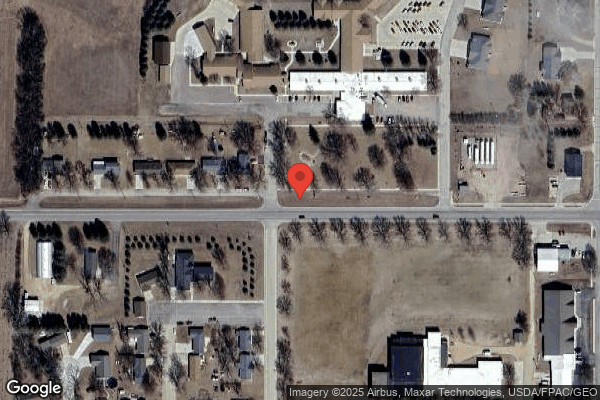

505 TROSKY ROAD WEST, EDGERTON, MN 56128 (507) 442-7121
Non profit - Other 56 Beds Independent Data: November 2025 1 Immediate Jeopardy citation
Trust Grade
43/100
#230 of 337 in MN
Last Inspection: October 2024

Within standard 12-15 month inspection cycle. Federal law requires annual inspections.

Overview

Edgebrook Care Center has received a Trust Grade of F, indicating significant concerns about the quality of care provided. It ranks #230 out of 337 facilities in Minnesota, placing it in the bottom half, and #2 out of 2 in Pipestone County, meaning only one local option is better. The facility is trending toward improvement, with a reduction in issues from 8 in 2024 to just 1 in 2025, but it still has serious deficiencies, including a critical incident where a resident was given food that did not meet their dietary needs, leading to choking. Staffing is a relative strength with a rating of 3 out of 5 stars and a turnover rate of 34%, which is below the state average, but the RN coverage is concerning, being lower than that of 82% of facilities in Minnesota. Fortunately, the facility has not incurred any fines, which is a positive sign, but families should be aware of the specific incidents and deficiencies that have been flagged, highlighting areas that may need attention.

Trust Score
D
43/100
In Minnesota
#230/337
Bottom 32%
Safety Record
High Risk
Review needed
Inspections
Getting Better
8 → 1 violations
Staff Stability
○ Average
34% turnover. Near Minnesota's 48% average. Typical for the industry.
Penalties
✓ Good
No fines on record. Clean compliance history, better than most Minnesota facilities.
Skilled Nurses
○ Average
Each resident gets 32 minutes of Registered Nurse (RN) attention daily — about average for Minnesota. RNs are the most trained staff who monitor for health changes.
Violations
⚠ Watch
19 deficiencies on record. Higher than average. Multiple issues found across inspections.
★★☆☆☆
2.0
Overall Rating
★★★☆☆
3.0
Staff Levels
★★★☆☆
3.0
Care Quality
★★☆☆☆
2.0
Inspection Score
Stable
2024: 8 issues
2025: 1 issues

The Good

  • Full Sprinkler Coverage · Fire safety systems throughout facility
  • No fines on record
  • Staff turnover below average (34%)

    14 points below Minnesota average of 48%

Facility shows strength in fire safety.

The Bad

2-Star Overall Rating

Below Minnesota average (3.2)

Below average - review inspection findings carefully

Staff Turnover: 34%

12pts below Minnesota avg (46%)

Typical for the industry

The Ugly 19 deficiencies on record

1 life-threatening
Aug 2025 1 deficiency 1 IJ
CRITICAL (J) 📢 Someone Reported This

A family member, employee, or ombudsman was alarmed enough to file a formal complaint

Immediate Jeopardy (IJ) - the most serious Medicare violation

Menu Adequacy (Tag F0803)

Someone could have died · This affected 1 resident

**NOTE- TERMS IN BRACKETS HAVE BEEN EDITED TO PROTECT CONFIDENTIALITY** Based on interview and document review, the facility failed to follow physician orders to provide R1 with a minced and moist die...

Read full inspector narrative →
**NOTE- TERMS IN BRACKETS HAVE BEEN EDITED TO PROTECT CONFIDENTIALITY** Based on interview and document review, the facility failed to follow physician orders to provide R1 with a minced and moist diet. This resulted in an immediate jeopardy (IJ) for R1 when she was given her dinner which was not minced and moist. As a result, R1 choked and required the Heimlich maneuver and oxygen.The IJ began on 8/15/25 at 5:50 p.m., when R1 was given cheese cubes. The administrator and director of nursing (DON) were informed of the IJ on 8/22/25 at 10:07 a.m. The facility had implemented corrective action on 8/19/25, prior to the start of the survey, and was therefore past noncompliance.Findings include: R1's Face Sheet undated, identified R1 had active diagnoses including dysphagia (difficulty swallowing) and Parkinson's disease with dyskinesia (abnormal body movements). R1's care plan revised 7/17/25, identified R1 had a minced and moist texture diet with moderate (honey) consistency fluids. R1's significant change Minimum Data Set (MDS) dated [DATE], identified R1 was cognitively intact, had loss of liquid/ solids from mouth when eating or drinking, would holding food in mouth/cheeks or had residual food in mouth after meals, had coughing or choking during meals or when swallowing, had mechanically altered diet, and needed extensive assistance with eating. R1's physician orders dated 8/13/25, identified R1 had a regular diet with minced and moist texture. R1's progress note (PN) dated 8/15/25 at 7:21 p.m., identified R1 had a choking episode at supper. Back thrusts and Heimlich maneuver were preformed, oxygen was placed on resident, and per hospice request morphine was administered to try and see if the medication would relax R1 so the food would pass through her throat. R1's meal card for 8/15/25, identified R1 was to receive a regular diet with minced and moist texture. Menu identified grilled cheese sandwich, tomato soup, crackers, cantaloupe, and cheese cubes. A Facility Reported Incident (FRI) report was submitted to the State Agency (SA) on 8/19/25 at 3:25 p.m. The report identified, on 8/15/25 at 5:50 p.m., R1 experienced a choking incident requiring the Heimlich Maneuver and oxygen. During an interview on 8/21/25 at 10:43 a.m., R1 stated she choked on her food on 8/15/25, during dinner time. She received chunks of cheese on her plate, she put the cheese in her soup and choked on the cheese once she started eating her soup. Staff wrapped their arms around her and lifted her up to try and get the food out. No food ever came out but staff doing the Heimlich Maneuver helped R1 breathe better. During an interview on 8/21/25 at 10:58 a.m., dietary assistant (DA)-A stated on 8/15/25, during dinner he plated R1's food. DA-A stated he forgot to review R1's meal card and mistakenly placed cheese cubes on R1's plate. DA-A stated R1 was to receive a minced and moist diet and cheese cubes were not a part of R1's diet. During an interview on 8/21/25 at 11:46 a.m., DA-B stated on 8/15/25, during dinner she brought R1 her meal. DA-B did not check R1s meal card because the person plating the food was expected to do that. R1 received cheese cubes, tomato soup, and a pureed chicken sandwich on her plate. During an interview on 8/21/25 at 12:58 p.m., licensed practical nurse (LPN)-A stated on 8/15/25, at dinner, R1 was brought to the nurses station. R1 was choking and her lips were blue. LPN-A preformed the Heimlich maneuver and back thrusts and nothing came out of R1's mouth. LPN-A did a mouth sweep with her finger and there was nothing in R1's mouth. Trained Medication assistant (TMA)-A and the activity director (AD)- A started taking turns doing the Heimlich maneuver on R1 until she was breathing better. R1's oxygen saturation was in the 70s, (normal mid to upper 90's) LPN-A placed oxygen on R1 and her oxygen saturation when up to the 90s and R1's lips were no longer blue. LPN-A called hospice and R1's family. During an interview on 8/21/25 at 1:10 p.m., speech therapist (ST)-A stated the last time he worked with R1 was 5/27/25, at that time ST-A recommended a minced and moist diet and moderate to extremely thick fluids. Cheese cubes were not a safe food for R1 to have due to it not being minced and moist. During an interview on 8/21/25 at 1:15 p.m., activity director (AD)-A stated on 8/15/25, during dinner, AD-A heard R1 gasping and called out that R1 was choking. R1 was brought the nurses station and LPN-A started the Heimlich maneuver on R1. R1s lips were blue but once oxygen was placed on R1, she started breathing better and her lips returned to a normal color. AD-A looked at R1's tray and saw cheese cubes, regular crackers, soup, and a pureed sandwich on her plate. AD-A stated R1 should not have had crackers or cheese cubes due to her diet. During an interview on 8/21/25 at 1:58 p.m., hospice registered nurse (HRN)-A stated on 8/15/25 at 5:30 p.m., the facility called and stated R1 was choking. HRN-A told LPN-A to give R1 morphine and oxygen and HRN-A was on her way. HRN-A arrived at 5:45 p.m., R1 was coughing and gasping however, R1 was not blue. HRN-A preformed the Heimlich maneuver on R1 but nothing came out. At 6:15 p.m. R1 was able to talk with HRN-A and was breathing normally again. During an interview on 8/21/25 at 2:21 p.m., dietary manager (DM)-A stated staff who plated and passed residents food were expected to look at the name and diet on each meal card to ensure the meal was correct and given to the right resident. DM-A stated the incident on 8/15/25, with R1 occurred due to human error and staff not paying attention. During an interview on 8/22/24 at 8:46 a.m., R1's medical doctor (MD)-A stated cheese cubes were not safe for R1 to eat because they were too big and not soft enough. MD-A stated she expected staff to assist R1 with meals and follow R1's diet. MD-A stated R1 receiving cheese cubes caused harm to R1 and could have caused her death. During an interview on 8/22/25 at 9:57 a.m., the director of nursing (DON) stated it was expected that staff read the meal card for each resident to ensure the resident received the right diet and textured meal. During an interview on 8/22/25 at 10:00 a.m., the administrator stated the staff were expected to ensure each resident received the right diets when preparing and passing meals. The facility policy Proper Reading of Diet Cards and Meal Delivery undated, indicated staff would accurately read diet cards, verifying patient identification, and ensuring the correct dietary items were provided to each patient. The past noncompliance immediate jeopardy began on 8/15/25. The immediate jeopardy was removed, and the deficient practice was corrected by 8/19/25, after the facility implemented a systemic plan that included the following actions: The facility re-educated all staff who prepare and pass meals on the policy and procedure of meal service. The facility completed audits twice a week by observing staff preparing and passing meals to the correct residents with the right diet and the results were to then be brought to QAPI committee. Verification of corrective action was confirmed by observation, interview, and document review on 8/21/25 and 8/22/25.
Oct 2024 4 deficiencies
CONCERN (D)

Potential for Harm - no one hurt, but risky conditions existed

Deficiency F0625 (Tag F0625)

Could have caused harm · This affected 1 resident

Based on interview and document review, the facility failed to notify the resident and/or their representative, in writing, of the care facility's bed hold policy, including any potential costs includ...

Read full inspector narrative →
Based on interview and document review, the facility failed to notify the resident and/or their representative, in writing, of the care facility's bed hold policy, including any potential costs included with the bed hold, at the time of transfer to the hospital for 1 of 5 residents (R10) reviewed for hospitalizations. Findings include: R10's 9/17/24, quarterly Minimum Data Set (MDS) identified R10 had unclear speech, was usually understood, had severe cognitive impairment, displayed continuous disorganized thinking, altered level of consciousness, and had verbal behaviors daily. R10 used a wheelchair for mobility and required total assistance with cares. R10 was identified to have Alzheimer's disease. She had no indications of pain; she had no falls and did not take any psychoactive medication. R10's 6/28/24, progress note identified R10 was positive for COVID-19 and was on droplet precautions. On 6/29/24, at around 7:00 p.m., R10 was assessed and found to have unstable vital signs with shortness of breath and was transported to the emergency room for evaluation. The family was notified of the transfer to the hospital. On 7/2/24, R10 returned to the facility with diagnosis of pneumonia and COVID. R10 had received 3 days of IV antibiotics while at hospital and was to start oral antibiotics twice a day for next 7 days. The progress notes indicated the family had been notified of the hospital transfer however, there was no indication that the nurse had discussed the bed hold policy or that the family had been provided the bed hold policy, including potential cost included with the bed hold. Interview on 10/14/24 at 2:12 p.m., with registered nurse (RN)-A identified typically when a resident was sent to the hospital the charge nurse would ask the family if they would like a bed hold. If the family wanted a bed hold the nurse would document a verbal confirmation on the bed hold form and the family will come in and sign the bed hold at their convenience. Interview on 1014/24 at 3:45 p.m., with director of nursing identified facility staff had not discussed or provided the bed hold notice to the family of R10 when she discharged to the hospital on 6/29/24. Review of the 12/7/23, Bed-Hold-Rehab/Skilled policy identified in emergency transfer the notice of bed hold policy would be sent with the resident to the hospital. The family would be provided the bed hold policy within 24 hours of the transfer. This was to ensure the resident or family was made aware of the bed hold policy including potential cost prior to or upon transfer to the hospital in order to determine if a bed hold was wanted.
CONCERN (D)

Potential for Harm - no one hurt, but risky conditions existed

Infection Control (Tag F0880)

Could have caused harm · This affected 1 resident

Based on observation, interview and document review the facility failed to ensure the infection control program used enhanced barrier precautions (EBP) per Centers for Disease Control (CDC) recommenda...

Read full inspector narrative →
Based on observation, interview and document review the facility failed to ensure the infection control program used enhanced barrier precautions (EBP) per Centers for Disease Control (CDC) recommendations for 2 of 2 residents (R47 and R19) who had indwelling device present or multi-drug-resistant organism (MDRO). Findings include: R46's diagnosis list printed 10/14/24 included gastrostomy (a feeding tube inserted into the stomach through the abdomen) status. R46's plan of care, dated 9/13/24, included the resident requires tube feeding related to dysphagia (difficulty swallowing). Interventions included no water pitcher at bedside due to nothing per mouth status and elevate head of bed 30-45 degrees during and 30 minutes after the tube feeding is stopped. R46's plan of care did not include EBP precautions. On observation and interview on 10/13/24 at 5:03 p.m., registered nurse (RN)-A gathered supplies for tube feeding, put on a gown she brought with her to R46's room. RN-A stated that when providing cares such as tube feedings or medication administration with the gastrostomy tube (GT) they need to wear a gown and gloves. RN-A entered R46's room and R46 stated he needed to go the bathroom before his tube feeding. RN-A called for assistance stating she didn't want to contaminate her gown since she was going to give the tube feeding. On the back of the entry door was a sign that stated Enhanced Barrier Precautions which included gowns and gloves were required for all high contact resident care activities that included changing briefs, assisting with toileting. A yellow bag with gowns present in the pockets was hanging on R46's bathroom door. At 5:03 p.m., nursing assistant (NA)-A entered room and without gowning or gloving assisted R46 to the bathroom. NA-A put on gloves and assisted R46 with wiping and perineal care, then removed gloves, washed hands and assisted R46 to his bed. NA-A stated they do not need to gown when providing direct patient care. RN-A stated gowns are not required for direct patient care unless related to the GT. On observation and interview on 10/14/24 at 12:14 p.m., R46 was in his bathroom brushing his teeth. Licensed practical nurse (LPN)-B was present and assisted R46 out of bathroom to his wheelchair when R46 stated he just wet himself. LPN-B assisted R46 to the toilet, put on gloves and changed soiled pad and using disposable wipes provided perineal care. LPN-B assisted R46 to pull his pants up then assisted R46 to his wheelchair. LPN-A did wear gloves with direct care but did not wear a gown. LPN-B indicated staff only have to gown when doing tube feedings and his medications which are also through the GT, otherwise for general care, gowns are not needed. R19's care plan included the resident requires EBP related to MDRO colonization (CRE - Carbapenem resistant enterobacerales). Interventions included wear gown and gloves when performing high contact care activities including dressing, bathing, providing hygiene such as changing incontinence product, checking and changing and assisting with toileting task. On observation and interview 10/14/24 at 8:25 a.m., R19 returned to her room from breakfast. On the back of room door was a yellow bag with EBP sign present. On the bathroom door, a sign indicated Contact Precautions. R19 stated she gets herself to the bathroom. R19 indicated staff only wear a gown when she goes to the bathroom due to her MDRO being in her urine. Otherwise when assisting her with personal cares, they don't wear a gown. On observation and interview 10/14/24 at 12:38 p.m., LPN-B stated staff only have to wear gown and gloves when toileting R19 but not for personal cares. When questioned about the contact precautions sign on the bathroom door, LPN-B stated she wasn't sure why that was there. During interview on 10/14/24 at 2:32 p.m., the director of nursing (DON) also identified as infection preventionist, indicated staff only need to gown for R46 if using the GT because that is why he is on EBP. The DON indicated for R19, staff only need to gown and glove if possible contact with urine because R19's MDRO is in her urine. The DON stated I don't know why we would gown and glove for anything else. The DON stated she was not aware of R19 being on contact precautions or why that sign is in her room and will have it removed. After the DON reviewed the facility policy, the DON stated for EBP, staff should be wearing gowns and gloves for all high contact resident care activities and not just with cares related to the reason for being on EBP. A Standard and Transmission-Based Precautions Policy and procedure dated 4/2/24 included: Enhanced Barrier Precautions: - Enhanced barrier precautions expand the use of personal protective equipment beyond situations in which exposure to blood and body fluids is anticipated and refer to the use of gown and gloves during high-contact resident care activities that provide opportunities for transfer of MDRO's to staff hands and clothing. - EBP are needed for residents with chronic wounds, and residents with indwelling medical devices. - EBP are also needed for residents with CDC-targeted epidemiology important MDRO infection and colonization when contact precautions do not apply. - High contact resident care activities include: Transfers, dressing, assisting during bathing, providing hygiene, changing briefs or assisting with toileting, working with the resident in the therapy gym, changing linens, device care or use and wound care. - Post clear signage indicating the type of precautions and required PPE: gown and gloves for EBP. - Signage should also clearing indicate the high-contact resident care activities that require the use of gown and gloves. - Gowns and gloves should be readily available immediately outside of the resident room unless contraindicated for a resident-specific need.
CONCERN (E)

Potential for Harm - no one hurt, but risky conditions existed

Deficiency F0725 (Tag F0725)

Could have caused harm · This affected multiple residents

Based on interview and document review, the facility failed to ensure the required amount of staff determined by their resident census and care levels, resident assessments and individual plans of car...

Read full inspector narrative →
Based on interview and document review, the facility failed to ensure the required amount of staff determined by their resident census and care levels, resident assessments and individual plans of care, and considering the number, acuity and diagnoses of the facility's resident population in accordance with the facility assessment. Findings include: Review of the Payroll Based Journal Report (PBJ) [NAME] Report 1705D identified the following dates triggered for review: 4/1/24 through 6/30, 24 days Triggered = Submitted Weekend Staffing Data Excessively Low. Review of the facility's staffing requirements for weekends during the identified PBJ period of 4/1/24 through 6/30/24 identified staffing numbers required were: Days: 1 nurse: 6:30 a.m. -7:00 p.m. 1 nurse: 6:30 a.m. -3:00 p.m. 1 trained medication aide (TMA)/or Restorative aide (RA) 6:30 a.m. - 2:30 p.m. 1 RA: 6:00 a.m. - 2:30 p.m. 4 nursing assistants (NA): 6:30 a.m. - 2:30 p.m. and 1 NA/bath aide. 6:30 a.m. - 1:00 p.m. Evenings: 2 NAs: 2:30 p.m. - 11:00 p.m. 2 NA's: 2:30 p.m. -9:30 p.m. 1 NA: 5:00 p.m. - 8:00 p.m. 2 TMA's: 4:30 p.m. - 8:30 p.m. 1 nurse: 7:00 p.m. - 7:00 a.m. Nights: 1 overnight nurse: 7:00 p.m. - 7:00 a.m. 2 NA's: 10:45 p.m. - 6:15 a.m. Review of working schedules and time cards for Fiscal year Quarter 3, 2024 (April 1 through June 30, 2024) identified less than the amount of identified staff worked for 4 of 8 weekend evening shifts with the above identified number of needed staff on duty to provide care and services to the residents. On: 1) 4/7/24 (Sunday), review of time cards identified 2 of the scheduled 4 NAs and 1 of 2 scheduled TMA's worked on the evening shift. 2) 4/14/24 (Sunday), review of time cards identified 3 of 4 scheduled NAs and one of 2 scheduled TMA's were on duty for the evening shift. 3) 4/20/24 (Saturday), review of time cards identified 3 of 4 scheduled NAs and 1 of 2 TMA's were working during the evening shift. 4) 4/27/24 (Saturday), review of time cards identified 3 of 4 scheduled NAs and 1 of 2 scheduled TMA's worked on the evening shift. Interview on 10/15/24 at 5:07 p.m. with the administrator and director of nursing (DON) reported she included contract staff in the PBJ report, and was not certain why it had triggered. The administrator reported she reviewed and approved the time punches but the national campus did the actual submission of the PBJ report. They reported when a staff person called in the process was to call unscheduled staff by using the On Shift (a computerized program utilized to notify staff of an open shift). If that process was not effective in finding a replacement, the next step was to contact the nurse on call and either they or the DON covered the shift. The administrator and DON identified they attempted to fill an open shift if there was a call in on all shifts. They reported other options to fill shifts included use of contract staff, or to mandate staff to work extended hours. Review of the 7/2/24, Facility Assessment identified the facility was to assess daily needs and utilize a program called On Shift to send messages to staff when needed to fill shifts. The facility noted the utilized contracted staff to cover open shifts and were to mandate staff stay to ensure safe staffing levels. They measured and monitored staffing needs for their resident population to ensure shifts were filled. There was no indication in the above documents the facility utilized approaches to fill the shifts when their numbers could not be attained.
CONCERN (E)

Potential for Harm - no one hurt, but risky conditions existed

Deficiency F0761 (Tag F0761)

Could have caused harm · This affected multiple residents

Based on observation, interview, and document review, the facility failed to ensure a system for periodic reconciliation of controlled substances for the emergency kit stored in a refrigerator. Findi...

Read full inspector narrative →
Based on observation, interview, and document review, the facility failed to ensure a system for periodic reconciliation of controlled substances for the emergency kit stored in a refrigerator. Findings include: On interview and observation 10/13/24 at 3:27 p.m., a tour of the medication room with registered nurse (RN)-A included an unlocked refrigerator with a plastic container that had a breakaway tag on with number 6229540. Inside of the plastic kit was 1 vial of morphine liquid 100 mg/5 ml, Tramadol 50 mg tablets, and 2 vials of lorazepam 2 mg/ml. RN-A indicated they switched pharmacies a few months ago and she stated they have not been counting the narcotics, nor verifying the security of the lock, for medications kept in the refrigerator but probably should be. On interview 10/13/24 at 7:00 p.m., trained medication aide (TMA)-A indicated she does participate in narcotics counts at the end of the shift, but has never counted the narcotics in the medication room refrigerator, or verified the lock was intact. There was no mention of doing either in the medication reconciliation book. On interview 10/13/24 at 7:01 p.m., licensed practical nurse (LPN)-A stated they have not been reconciling or verifying the lock remained intact for narcotic medications in the refrigerator and was unsure if they were reconciling them prior to the pharmacy change. On interview 10/13/24 at 7:02 p.m., the director of nursing confirmed the narcotics in the refrigerator in the medication room are not being reconciled or locks verified to remain intact, and haven't been since the new pharmacy took over in September 2024. The Medications: Acquisition, Receiving, Dispensing and Storage policy, dated 3/29/24, included, controlled drugs (Schedule II) and other drugs subject to possible abuse will be stored in separate, locked, permanently fixed compartments, except when a single unit package drug distribution is used. If the medication requires a refrigerator, these need to be locked in a separate container. These drugs will be reconciled at least daily through an appropriate system of records of receipt and disposition established by the licensed pharmacist.
Jan 2024 4 deficiencies
CONCERN (D)

Potential for Harm - no one hurt, but risky conditions existed

MDS Data Transmission (Tag F0640)

Could have caused harm · This affected 1 resident

Based on interview and document review the facility failed to ensure timely submission of a Death in facility Minimum Data Set (MDS) for 1 of 1 resident (R9) who was reviewed for an MDS record over 12...

Read full inspector narrative →
Based on interview and document review the facility failed to ensure timely submission of a Death in facility Minimum Data Set (MDS) for 1 of 1 resident (R9) who was reviewed for an MDS record over 120 days old. Findings include: R9's medical record identified last scheduled Minimum Data Set (MDS) assessment that had been completed and submitted was on 9/17/23. R9's death in facility MDS was signed by the responsible party on 10/2/23, and locked on 10/11/23. The death in facility MDS had not been successfully submitted and/or transmitted; as R9's electronic health record identified it had been completed rather than accepted under the status section, indicating it had not been submitted. Observation and Interview on 1/23/24 at 9:02 a.m., with registered nurse (RN)-A who revealed she was responsible for R9's MDS completion and submission. Her process was to submit completed MDS's each week. The electronic medical record program, Point Click Care (PCC) would create a batch of MDS's that were eligible for submission. Following submission of a batch of MDS's there would be a validation report for review that would confirm the submission date of each resident's MDS that had been submitted. After review of the validation reports with RN-A for batches that were submitted it was identified that the death in facility MDS had not generated in any of the MDS batches to be submitted. RN-A was unsure why R9's death in facility MDS did not generate as eligible for submission. Interview on 1/23/23 at 9:29 a.m., with regional consultant (RC) for the facility's MDS completion and submission process. She logged in remotely and confirmed that R9's death in facility MDS had not been submitted. The MDS had been locked during the final steps in PCC after completion. The system asked yes or no prompting staff if they wanted to submit. It must have been accidentally check as no causing the MDS to be locked verses eligible for submission. Interview on 1/23/24 at 10:24 a.m., with administrator who identified her expectation was that all MDS assessments would be completed and submitted timely. A facility policy was requested but not provided.
CONCERN (D)

Potential for Harm - no one hurt, but risky conditions existed

PASARR Coordination (Tag F0644)

Could have caused harm · This affected 1 resident

Based on interview and document review, the facility failed to notify the designated State Mental Health Authority (SMHA) when 1 of 2 residents (R14) had changes in mental health and/or had new-onset ...

Read full inspector narrative →
Based on interview and document review, the facility failed to notify the designated State Mental Health Authority (SMHA) when 1 of 2 residents (R14) had changes in mental health and/or had new-onset mental illness diagnoses. Findings include: R14's 1/23/24, face sheet identified she was admitted to the facility in June of 2022, with diagnosis of depression. R14's diagnosis list identified that upon admission, she had no diagnosis of mental illness or related condition. On 1/23/23, R14 had a new diagnosis added of psychotic disorder with delusions due to known physiological condition, and new onset anxiety disorder due to a known physiological condition. R14's medical record lacked any indication that the SMHA had been notified of the new diagnoses. R14's 5/16/23, annual Minimum Data Set (MDS) assessment identified R14 experienced delusions and verbal behaviors directed towards others and herself that put R14 at significant risk for injury. R14's 6/27/22, pre-admission screening (PAS) results identified she was being admitted with a primary diagnosis of cognitive impairment with no serious mental illness and no hallucinations or delusions within the past 6 months. R14's PAS identified she did not meet the criteria for mental illness at that time and did not require a level II (PASRR) Preadmission Screening and Resident Review to be completed. R14's 1/24/24, current medication administration record identified she was being administered quetiapine (antipsychotic) 75 mg, 2 x daily for delusions. Interview on 1/23/23 at 2:33 p.m., with the social service designee identified she thought that if a resident had a primary diagnosis of dementia, she did not have to notify the SMHA of a new onset mental illness. Interview on 1/24/23 at 1:30 p.m., administrator identified she had recently received training on PASRR and would have expected her social service designee to notify the SMHA of a new diagnosis of mental illness in this instance. A policy was requested, nothing was provided by end of the survey.
CONCERN (D)

Potential for Harm - no one hurt, but risky conditions existed

Deficiency F0761 (Tag F0761)

Could have caused harm · This affected 1 resident

Based on observation and interview the facility failed to follow their policy and ensure discontinued medications were immediately removed from 1 of 1 resident's (R8) medication and not co-mingled wit...

Read full inspector narrative →
Based on observation and interview the facility failed to follow their policy and ensure discontinued medications were immediately removed from 1 of 1 resident's (R8) medication and not co-mingled with thier current medication supply located in the [NAME] medication cart, and secure them in a locked compartment in the medication room for final destruction. Findings include: R8's 11/29/23, Significant Minimum Data Set (MDS) assessment identified R8's cognition was intact, she required maximal assistance with daily cares, was identified as having pain and took pain medication. She had frequent pain that was severe and took an anti-anxiety, anti-depression, and opioid (narcotic used for pain) medication. R8 had identified diagnosis of anxiety and depression. Observation and interview on 1/24/24 at 10:37 a.m., with registered nurse (RN)-B of the [NAME] medication cart. The locked narcotic box located within the west medication cart contained 2 punch cards for R8 that had a yellow sticker on the punch card that identified it had been discontinued. The first punch card label identified lorazepam 0.5 milligrams (mg) take 1 tablet by mouth twice a day, with 14 doses remaining. The narcotic count book had d/c (discontinued) written on the page with no date. The second punch card label identified lorazepam 0.5 mg take 1 tablet at bedtime and 1 tablet 6 hours after scheduled dose as needed for anxiety, with 30 doses remaining. The narcotic count book had d/c written on the page with no date. RN-B was not certain when either order had been discontinued. The locked narcotic box also contained a punch card for R8 with a label that identified lorazepam 0.25 mg give 1/2 tablet at bedtime, with 23 doses. The narcotic count book identified on 1/17/24, the facility had received the lorazepam 0.25 mg doses. RN-B indicated that the facility used 2 licensed nurses to destroy controlled medications however, sometimes there were not 2 facility licensed nurses on duty, and they preferred to use the facility nurses' verses contracted nurses to destroy controlled medications. RN-B reported the process to destroy controlled medication would be to scan the bar code linked to the Omnicare system electronically. She acknowledged the lorazepam should have been destroyed by 2 licensed nurses after receiving the physician order to discontinue the medication. R8's physician orders identified an order was placed on: 1) 11/15/23, for lorazepam 0.5 mg by mouth twice a day for anxiety. 2) 11/29/23, to discontinue lorazepam 0.5 mg by mouth twice a day for anxiety. 3) 11/29/23, for 0.5 mg 1 tablet of lorazepam to be administered as needed twice a day for anxiety. 4) 12/20/23, to discontinue the Lorazepam 0.5 mg twice a day as needed for anxiety. 5) 12/20/23, for lorazepam 0.5 mg to be administered at bedtime for anxiety. 6) 1/3/24, to discontinue lorazepam 0.5 mg at bedtime for anxiety. 7) 1/3/24, for lorazepam 0.5 mg 1 tablet to be administered at bedtime and 1 tablet 6 hours after scheduled dose, as needed for anxiety. 8) 1/17/24, to discontinue the lorazepam 0.5 mg 1 tablet at bedtime and 1 tablet 6 hours after scheduled dose as needed for anxiety. 9) 1/17/24, for lorazepam 0.25 mg to be administered at bedtime for anxiety. Interview on 1/24/24 at 11:09 a.m., with RN-A identified controlled medication required 2 licensed nurses to destroy when medications are discontinued or when a resident discharges. Interview on 1/24/24 at 11:27 a.m., with RN-C identified controlled medications required 2 licensed nurses to destroy and that destruction should occur as soon as possible. Review of the 6/13/23 Medications: Controlled-R/S LTC policy identified controlled medications that were discontinued should be placed in a lock box in the medication room as soon as they are discontinued and continued to be counted by 2 nurses until disposal was completed. There was no indication staff had followed the policy in the above observations and interviews and removed the medication from the medication cart as not to be co-mingled with in-use medication.
CONCERN (F)

Potential for Harm - no one hurt, but risky conditions existed

Staffing Data (Tag F0851)

Could have caused harm · This affected most or all residents

Based on interview and document review, the facility failed to submit accurate and/or complete data for staffing information at least quarterly or more often, including information for agency and cont...

Read full inspector narrative →
Based on interview and document review, the facility failed to submit accurate and/or complete data for staffing information at least quarterly or more often, including information for agency and contract staff, based on payroll and other verifiable and auditable data during 1 of 1 quarter reviewed (Quarter 4) to the Centers for Medicare and Medicaid Services (CMS), according to specifications established by CMS. Findings include: Review of the Payroll Based Journal Report (PBJ) [NAME] Report 1705D identified the following dates triggered for review: 7/16/23, 7/23/23, 7/29/23, 7/30/23, 8/13/23, 8/26/23, 8/27/23, 9/09/23, 9/10/23, 9/16/23, 9/17/23, and 9/30/23 for failure to have licensed nurse coverage 24 hours per day. Review of staffing schedules identified the facility had 7 staff identified to have worked, registered nurses (RN)-D, RN-E, RN-F, RN-G, RN-H, RN-I and licensed practical nurse (LPN)-A. Review of staff's time cards on the above-mentioned dates identified licensed nursing staff had worked and the data submitted in the PBJ to CMS was inaccurate. Interview on 1/24/24 at 1:01 p.m., with the administrator (ADM) acknowledge the data submitted for the PBJ report for the infraction dates had been inaccurate due to excluding contracted agency nurse hours. She revealed her corporate office completed the PBJ submission from the data she took from the employee time punches, but received no documentation to support data had been submitted accurately, as it was triggered on the [NAME] 1705D report for Quarter 4, FY 2023.Furthermore, there was no indication a [NAME] report 1702D or 1703D had been run by the facility, per CMS instructions to compare data submitted matched employee hours submitted. There was no policy related to PBJ entries provided by the end of the survey.
Jul 2023 1 deficiency
CONCERN (D) 📢 Someone Reported This

A family member, employee, or ombudsman was alarmed enough to file a formal complaint

Potential for Harm - no one hurt, but risky conditions existed

Incontinence Care (Tag F0690)

Could have caused harm · This affected 1 resident

**NOTE- TERMS IN BRACKETS HAVE BEEN EDITED TO PROTECT CONFIDENTIALITY** Based on observation, interview, and document review the facility failed complete a comprehensive assessment and develop and ind...

Read full inspector narrative →
**NOTE- TERMS IN BRACKETS HAVE BEEN EDITED TO PROTECT CONFIDENTIALITY** Based on observation, interview, and document review the facility failed complete a comprehensive assessment and develop and individualized toileting program to maintain or improve bowel/bladder continence for 1 of 1 resident (R2) reviewed for incontinence. Finding include: R2's significant change Material Data Set MDS dated [DATE], indicated R2 had severe cognitive impairment. R2's diagnoses included cerebral vascular accident (CVA or stroke), anxiety disorder, and overactive bladder (OAB). R2 required extensive assistance of one staff person with toileting, personal hygiene, and ambulation. MDS further indicated that R2 did have a toileting program and was occassionally incontinent of bladder and always continent of bowel. R2's activities of daily living (ADL) care plan indicated the following interventions:. -toilet use limited assist of one staff to use toilet (dated 3/29/23). -staff to monitor for signs and symptoms of complications urgency, incontinence and signs and symptoms of urinary tract infection (UTI) (dated 3/20/23), -review bowel and bladder continence status and establish and/or review toileting plan based on resident's needs, receives Botox injections to bladder, (dated 5/4/23), R2's record did not include a comprehensive bowel and bladder assessment that identified history of incontinence, type of incontinence, voiding/bowel patterns, and modifiable risk factors in order to establish and individualized toileting schedule or program that prevents or reduces the risk of worsening incontinence and infections. R2's record identified R2 had fallen six times between 5/13/23 and 7/11/23, attempting to self-transfer to the bathroom. -5/13/23 at 1:20 p.m., R2 wheeled self into the bathroom, stood up to wash her hands and fell, no injury. Last toileted at 11:50 a.m. -5/25/23 at 7:45 a.m., R2 went to her room after breakfast, tried to take self to the bathroom, no injury. Last toileted at 6:00 a.m. New intervention was updated toileting schedule to include to offer toileting after meals as well. R2's care plan that was intiated on 3/29/23 that directed staff to toilet R2 at 6:00 a.m., 9:00 a.m., 11:00 a.m., 3:00 p.m., 5:00 p.m., 7:00 p.m., 10:00 p.m., and as needed and after meals was discontinued on 5/31/23; the record did not include an evaluation for effectiveness. On 5/31/23 the care plan was revised to encourage R2 to rest in bed or recliner after meals, offer toileting after meals prior to laying down. -6/2/23 at 7:45 p.m., R2 found on floor, attempting to self-transfer. Last toileted at 5:00 p.m. -6/10/23 at 5:20 a.m., R2 attempted to self-transfer and fell, no injuries. Last toileted at 4:00 a.m. New intervention was to start a 72-hour bowel and bladder assessment. In review of R2's record it was not evident a 72-hour bowel and bladder assessment was completed. -7/1/23 at 3:40 a.m., R2 attempted to self-ambulate to the bathroom, no injuries, Last checked on at 3:00 a.m. -7/02/23 at 7:20 a.m., self-transferred to toilet, no injuries. Last toileted at 6:11 a.m. During an observation on 7/11/23 at 3:30 p.m., nursing assistant (NA)-C assisted R2 to use the toilet. NA-C assisted R2 to standup using a gait belt and removed R2's wet incontinent brief. At 3:44 p.m. R2 turned on her bathroom call light, NA-C assisted R2 with personal cares and placed a new brief on R2. During an interview on 7/11/23 at 2:48 p.m., NA-A indicated that R2 was anxious and impatient person. R2 was able to use call light and make needs known. NA-A explained staff took R2 to the bathroom as she requested, but R2 would not void everytime they took her. During an interview 7/12/23 at 10:55 a.m., NA-N indicated R2 was not a toileting schedule. R2 used the call light to alert staff for when she needed to use the bathroom. During an interview on 7/12/23 at 3:55 p.m. director of nursing (DON) reviewed R2's record, and reported she was not able to find a comprehensive bowel and bladder assessment. DON stated she was able to see a 72-hour bowel and bladder monitoring was to be initiated on 6/14/23, but not able to find results or the evaluation of the information. DON stated that bowel and bladder assessments are completed at admission, new onset of incontinence or with a change in condition. Review of Facility policy titled, Bowel and Bladder: Evaluation Assessment, toileting Programs, dated 4/26/23, indicated that the program was based on the resident's comprehensive assessment. These assessments were to be completed on admission, documented on weekly and once a successful toileting program has been established, documentation is required to be done at least quarterly.
Oct 2022 9 deficiencies
CONCERN (D)

Potential for Harm - no one hurt, but risky conditions existed

Deficiency F0554 (Tag F0554)

Could have caused harm · This affected 1 resident

**NOTE- TERMS IN BRACKETS HAVE BEEN EDITED TO PROTECT CONFIDENTIALITY** Based on observation, interview, and document review, the facility failed to ensure 2 of 2 residents (R32 and R39) observed to h...

Read full inspector narrative →
**NOTE- TERMS IN BRACKETS HAVE BEEN EDITED TO PROTECT CONFIDENTIALITY** Based on observation, interview, and document review, the facility failed to ensure 2 of 2 residents (R32 and R39) observed to have medications left at their dining tables were assessed and approved to be able to safely self-administer medications. Findings include: R32's quarterly Minimum Data Set (MDS) dated [DATE], indicated R32 had mild cognitive deficits and required extensive assistance of one staff for dressing, personal hygiene, and toileting and was independent for eating. R32 had diagnoses that included dementia, renal failure, gastro-esophageal reflux (GERD), and hypothyroidism (low functioning thyroid). R32's care plan dated 6/23/22, indicated R32 had impaired cognitive function related to short term memory loss. Interventions included monitoring and documenting any changes in cognition, decision making ability, memory, recall and general awareness. R32 also had altered cardiovascular status and high blood pressure. R32 also had an activities of daily living (ADL) deficit related to dementia and episodes of confusion. R32's care plan lacked indication R32 had been assessed and approved to self-administer medications. R32's physician orders dated 10/20/22, indicated R32's morning medications included: -Amlodipine 10 milligrams (mg) for high blood pressure -Tylenol extra strength 1000 mg for pain -Pantoprazole 20 mg for GERD -Lisinopril 20 mg for high blood pressure -Oxybutynin 2.5 mg for bladder hyperactivity -Levothyroxine 50 micrograms (mcg) for hypothyroidism -Furosemide 20 mg (a diuretic for water retention) R32's physician orders lacked an order for self-administration for any medications. R32's medical record lacked a Self-Administration of Medication assessment. During an observation on 10/18/22, at 8:52 a.m. a medication cup with multiple medications was observed on the dining table in front of R32. It was not known how long the medications had been there and no nursing staff was in the dining room. After an unidentified tablemate got a cup of water from the dining kitchenette for R32, R32 began taking her medications with no nursing staff present in the dining room to ensure they were taken safely and completely. During an interview on 10/19/22, at 8:01 a.m. R32 stated the nurse would always leave her morning medications at her table for R32 to take when she wanted. During an interview on 10/20/22, at 3:05 p.m. registered nurse (RN)-B stated some residents liked to take their medications themselves and the staff would walk around and make sure they were taking them. RN-B stated the residents should probably have a self-administration of medication form filled out if she was going to leave the medications on the resident's table to take later and verified R32 did not have one completed. RN-B stated they have had residents pocket their medications in the past. RN-B further stated she liked to watch the residents take their medications but some just take a while. During an interview on 10/20/22, at 2:17 p.m. the director of nursing (DON) stated unless a resident had an evaluation and physician order to self-administer medications, staff should observe residents take their medications and not leave them on a table unattended. The facility Medication: Administration Including Scheduling and Medication Aides policy dated 8/24/22, indicated a resident had the right to self-administer medication if the interdisciplinary team (IDT) determined it was safe for the resident and it was documented in the resident's care plan, and a physician's order was required. The policy also indicated not to leave medications at a table unless there was a specific physician order to do so and the resident had been evaluated for self-administration. If the resident had not been evaluated for safe self-administration of medication and there was not a physician order to do so, the staff must stay with the resident until the medication is taken and they have observed the resident swallow. The facility Resident Self-Administration of Medication policy dated 10/15/21, indicated staff must complete a Self-Administration of Medications UDA to determine if the resident could safely administer medications. The IDT would determine if the resident required education or accommodation in-order to self-administer medications, where the medication would be stored, where the medication would be administered, and who would document the administration. The IDT would document their determination of self-administration on the UDA and a physician's order must be obtained. The resident's care plan must indicate the resident is safe to self-administer medication and their ability to do so would be re-evaluated quarterly or with any significant change assessment.
CONCERN (D)

Potential for Harm - no one hurt, but risky conditions existed

Deficiency F0582 (Tag F0582)

Could have caused harm · This affected 1 resident

Based on interview and document review, the facility failed to provide the required Skilled Nursing Facility Advanced Beneficiary Notice (SNFABN) in a timely manner to 2 of 3 residents (R15 and R101),...

Read full inspector narrative →
Based on interview and document review, the facility failed to provide the required Skilled Nursing Facility Advanced Beneficiary Notice (SNFABN) in a timely manner to 2 of 3 residents (R15 and R101), whose Medicare A coverage had ended. Findings include: Review of R15's medical record identified he received skilled Medicare covered services form 8/12/22 through 10/5/22. The form identified services had been discontinued by the facility prior to benefit days being exhausted and a Notice of Medicare non-coverage (NOMNC) had been issued. The record did not contain a date of when the notice had been issued and failed to identify the notice had been provided within the two calendar days prior to discharge from Medicare covered services. Review of R101's medical record identified she received skilled Medicare covered services from 5/20/22 through 6/30/22. The form identified services had been discontinued by the facility prior to benefit days being exhausted and a NOMNC had been issued. The record did not contain a date of when the notice had been issued and failed to identify the notice had been provided within the two calendar days prior to discharge from Medicare covered services. Interview on 10/19/22 at 11:01 a.m., with registered nurse (RN)-C identified she was responsible for providing the Medicare denial letters to residents and/or responsible parties and the requirement was to issue them at least two days prior to the last covered day of service. RN -C reported R15's last covered day of service was 10/5/22, and the documents were dated and signed 10/4/22, which did not provide the required 2-day notice. She identified the notice should have been dated and signed on 10/3/22, or documentation in the record of verbal notification provided to the resident and/or responsible party prior to the date of 10/4/22. RN-C reported R101's last covered day of service was 6/30/22, and the Medicare denial letter was also signed and dated on 6/30/22. She reported the denial letter should have been provided by 6/28/22, and if not able to be dated and signed on/or before that date, there should have been documentation of verbal issuance in the medical record and there was nothing to indicate it had taken place. Interview on 10/20/22 at 9:49 a.m., with the administrator and director of nursing (DON) reported they were aware of the requirement to give 2-day notice for discontinuation of Medicare services, and there was no documentation for 2 of the 3 records reviewed that appropriate notification had been provided prior to the discontinuation of Medicare Skilled services. Review of the 10/1/19 Notice of Medicare Non-Coverage identified any beneficiary who received Medicare Part A or B services must be notified that their coverage was ending. Medicare providers are responsible for delivery of the notice and requirement for the notice to be signed and dated to confirm receipt of the notice and the option to dispute the decision that services would no longer be covered under Medicare. The notice was to be delivered to the beneficiary at least two calendar days before Medicare covered services ended or the second to last day of service if the service was not provided daily.
CONCERN (D)

Potential for Harm - no one hurt, but risky conditions existed

Safe Environment (Tag F0584)

Could have caused harm · This affected 1 resident

Based on observation and interview, the facility failed to ensure the resident environment including 15 of 17 resident's bathroom vents (R13, R45, R48, R42, R14, R34, R19, R32, R41, R17, R40, R24 and ...

Read full inspector narrative →
Based on observation and interview, the facility failed to ensure the resident environment including 15 of 17 resident's bathroom vents (R13, R45, R48, R42, R14, R34, R19, R32, R41, R17, R40, R24 and R26, R8 and R35, R38, and R7) were maintained in a clean manner. Findings include: During an environmental tour on 10/17/22 the following observations were made of thick, gray covering of dust, dirt, and debris was discovered at: (1) 7:09 p.m., in the bathroom vent in R24 and R26's room. (2) 7:10 p.m., in the bathroom vent in R8 and R35's room and also had loose debris hanging from the vent slits. (3) 7:12 p.m., the bathroom vent in R38's room. (4) 7:13 p.m., the bathroom vent in R7's room. In addition, a vent located next to the toilet on the wall had multiple areas of paint chipped off with rust-like deterioration of the metal present. During facility tour on 10/18/22, at 2:01 p.m. the following residents' room vents were found to be covered in heavy thick, gray covering of dust, dirt and debris: R13, R45, R48, R42, R14, R34, R19, R32, R41, R17, and R40. During a tour with the administrator and maintenance (M-A) on 10/20/22, at 10:20 a.m., the administrator and maintenance director confirmed the above-mentioned vents were in need of cleaning. They would make sure all residents in the facility would have their vents cleaned. The M-A also verified there was paint chipped off and rust was present on the vent in R7's room. A policy and procedure on cleaning of vents was requested but none was received.
CONCERN (D)

Potential for Harm - no one hurt, but risky conditions existed

Comprehensive Care Plan (Tag F0656)

Could have caused harm · This affected 1 resident

**NOTE- TERMS IN BRACKETS HAVE BEEN EDITED TO PROTECT CONFIDENTIALITY** Based on interview and document review, the facility failed to develop and implement a comprehensive care plan for 1 of 1 reside...

Read full inspector narrative →
**NOTE- TERMS IN BRACKETS HAVE BEEN EDITED TO PROTECT CONFIDENTIALITY** Based on interview and document review, the facility failed to develop and implement a comprehensive care plan for 1 of 1 residents (R15) on a Continuous Positive Airway Pressure (CPAP) machine (used during sleep hours to assist with breathing to prevent apnea, (periods of not breathing)). Findings include: R15's admission Minimum Data Set (MDS) dated [DATE], indicated R15 had intact cognition with diagnoses that included chronic obstructive pulmonary disease (COPD, a chronic inflammatory lung disease), pneumonia, COVID-19, occlusion and stenosis (hardening) of the carotid artery, insomnia, obesity, atrial fibrillation (irregular heartbeat causing an increased risk to form blood clots) and chronic rhinitis (inflammation of the nasal passages). R15 required extensive assistance of one staff for dressing, toileting, and personal hygiene. R15's care area assessment (CAA) dated 7/26/22, lacked any indication that R15 had respiratory concerns and required respiratory equipment including oxygen or a CPAP used during sleep hours to assist with breathing machine at night. R15's care plan dated 8/12/22, indicated R15 had limited physical mobility related to pneumonia as evidenced by weakness and shortness of breath with exertion. R15 was also at risk for sleep disturbance related to insomnia. Interventions included adjusting the room temperature and ventilation to promote sleep, use of amber lighting and pen lights, and decreasing sounds that disrupt sleep. R15's care plan lacked any indication or interventions for the use of R15's CPAP machine. The care plan also lacked instructions for the proper operation of R15's CPAP machine including the use of distilled water. During an interview on 10/20/22 at 12:39 p.m., registered nurse (RN)-C stated she did not know what care areas would trigger on a CAA and she had not reviewed R15's care plan recently. RN-C also stated R15's use of a CPAP with appropriate interventions should have been listed on his care plan to ensure staff were aware of it's proper use. During an interview on 10/20/22 at 2:06 p.m., the director of nursing (DON) stated she was unaware R15's care plan lacked an intervention the proper use of R15's CPAP and should have. The DON also stated the management team, including herself and RN- [NAME], would review and update resident care plans. A facility policy for care plans was not received.
CONCERN (D)

Potential for Harm - no one hurt, but risky conditions existed

Quality of Care (Tag F0684)

Could have caused harm · This affected 1 resident

**NOTE- TERMS IN BRACKETS HAVE BEEN EDITED TO PROTECT CONFIDENTIALITY** Based on observation, interview, and document review, the facility failed to provide necessary medical supplies to 1 of 1 reside...

Read full inspector narrative →
**NOTE- TERMS IN BRACKETS HAVE BEEN EDITED TO PROTECT CONFIDENTIALITY** Based on observation, interview, and document review, the facility failed to provide necessary medical supplies to 1 of 1 resident (R15) who had a Continuous Positive Airway Pressure machine (CPAP- used during sleep hours to assist with breathing) that required distilled water. In addition, the facility failed to ensure eye drops were administered according to professional standards of practice and manufacturer's guidelines for 1 of 1 (R14) residents observed for eye drop administration. Findings include: R15's admission Minimum Data Set (MDS) dated [DATE], indicated R15 had intact cognition with diagnoses that included chronic obstructive pulmonary disease (COPD, a chronic inflammatory lung disease), pneumonia, COVID-19, occlusion and stenosis (hardening) of the carotid artery, insomnia, obesity, atrial fibrillation (irregular heartbeat causing an increased risk of blood clots) and chronic rhinitis (inflammation of the nasal passages). R15 required extensive assistance of one staff for dressing, toileting, and personal hygiene. R15's care area assessment (CAA) dated 7/26/22, lacked any indication that R15 had respiratory concerns or required respiratory equipment including oxygen or a CPAP machine at night. R15's care plan dated 8/12/22, indicated R15 had limited physical mobility related to pneumonia as evidenced by weakness and shortness of breath with exertion. R15 was also at risk for sleep disturbance related to insomnia. Interventions included adjusting the room temperature and ventilation to promote sleep, use of amber lighting and pen lights, and decreasing sounds that disrupt sleep. R15's care plan lacked any indication or interventions for the use of R15's CPAP machine. The care plan also lacked instructions for the proper operation of R15's CPAP machine including the use of distilled water in the machine. R15's physician orders dated 9/7/22, indicated R15 was on oxygen 4 liters per minute at bedtime and as needed for COPD. The orders lacked indication that R15 was on CPAP. R15's Treatment Record (TAR) dated August, September 2022 indicated R15 used CPAP every night from 8/15/22, to 9/30/22. R15's TAR dated October 2022 indicated staff documented R15 use of his CPAP as follows: -10/1/22, to 10/4/22, applied -10/5/22, see progress notes (below) -10/6/22, applied -10/7/22, to 10/9/22, see progress notes (below) -10/10/22, to 10/19/22, applied R15's progress notes indicated the following: -10/5/22, No distilled water available, will contact [family] in AM. -10/7/22, No distilled water, [family] contacted. -10/8/22, No distilled water received from (family). -10/9/22, Nasal cannula O2 on instead of CPAP per no distilled H20. -10/10/22 to 10/17/22, staff failed to document any progress notes regarding R15's CPAP use. -10/18/22, CPAP on at bedtime. During an observation and interview on 10/17/22, at 1:25 p.m. an unlabeled, clear jug with an orange lid was observed on a bookshelf in R15's room. R15 stated the facility did not have distilled water, therefore; family member (FM)-A had been bringing it in for the staff to use in R15's CPAP machine since his admission to the facility a few months ago. During an interview on 10/19/22, at 9:44 a.m. FM-A stated R15's personal CPAP machine was brought to the facility from R15's home in August 2022. FM-A stated R15 was initially expected to be a short-term resident and therefore the family thought it was their responsibility to provide the water. FM-A stated R15's girlfriend also used a CPAP machine and would get water from the store, then pour half of the water into the recycled jug for R15 to use in his machine at the facility. FM-A further stated he did not recall the facility notifying him that R15 had ever run out of water. During an interview on 10/18/22, at 3:06 p.m. registered nurse (RN)-B verified, although R15's CPAP required distilled water the water being used was in a recycled jug, that was unlabeled, and RN-B assumed it to be distilled. RN-B stated FM-A had been taking care of R15's CPAP machine water since R15 was admitted to the facility and because R15 had intact cognition, R15 knew what was going on and therefore, RN-B was not concerned about the unlabeled jug of water being used. Review of the Sysco Invoice dated 10/7/22, indicated 6 1-gallon jugs of Ice Mountain distilled water were ordered by the facility. There was no indication the facility had provided the distilled water upon admission. During an interview on 10/19/22, at 1:04 p.m. RN-D stated she was an agency nurse and did not know who ordered the supplies for the facility. RN-D stated when R15 was admitted to the facility in June 2022, she asked staff where to find the distilled water for R15's CPAP but was told the family needed to supply it, therefore: RN-D had been using the water supplied by the family in the unlabeled jug since R15 admitted to the facility. RN-D assumed the water to be distilled. During an interview on 10/18/22, at 3:12 p.m. the food and nutrition director (DD) stated she ordered distilled water for residents when nursing staff reported it was needed, and that residents, or their family should not have to provide it. The DD stated although she knew R15 had a CPAP machine she did not order distilled water for him until an unknown nurse reported R15 was out of water. The DM then ordered 6 1-gallon jugs of distilled water on 10/7/22, which were delivered the following day, however; the DM did not know where the distilled water was being stored or if nursing staff was aware it was available. The DD further stated she was unaware the family had been supplying it. The DD was not concerned about the unlabeled jug of water being used for R15's CPAP, stating the family was very involved and knew what they were doing. During an interview on 10/19/22, at 10:33 a.m. the DD stated she spoke to R15's girlfriend the previous day and was told the water for R15's CPAP was dispensed from a machine at the grocery store and could not verify it was distilled. The DM stated there would be a concern for increased bacteria leading to infection if distilled water was not being used in R15's CPAP machine. R14's quarterly Minimum Data Set, dated [DATE], indicated R14 had no cognitive deficits, required extensive assistance of one staff for personal hygiene and was independent for eating. R14 had diagnoses that included weakness, arthritis, and carpal tunnel (narrowing of the structures of the wrist causing pain and decreased movement). R14's physician orders dated 6/15/20, indicated R14 received Carboxymethylcellulose-Glycerin (Optive) ophthalmic solution for dry eyes two times a day. During an observation on 10/19/22, at 7:52 a.m. R14 was in the dining room eating breakfast when registered nurse (RN)-B applied one eye drop in each of R14's eyes. R14 was unable to tilt her head back and RN-B placed the eye dropper into the inside, bottom corner of each eye, allowing the eye dropper to touch the tissue of the eyes. During an interview on 10/20/22, at 3:05 p.m. RN-B stated she preferred to administer eye drops to residents in their room while they were lying in bed if possible, however; the residents were often already in the dining room so RN-B would often administer medications including eye drops during meals. RN-B stated R14's eye drops should have been administered by placing one drop in the bottom eye lid mucosa without touching the eye tissue to ensure it covers the eye surface evenly and to avoid contamination of the eye dropper. During an interview on 10/20/22, at 10:46 a.m. RN-C stated eye droppers should not touch a resident's eye or the surrounding tissue during administration to avoid contaminating the eye dropper or infecting the eye. During an interview on 10/20/22, at 2:06 p.m. the director of nursing (DON) stated staff should follow the manufacturer's recommendations for R15's CPAP machine and use distilled water. The DON was unaware R15's family had been supplying the water and was concerned for potential bacterial growth if distilled water was not being used. The DON further stated the facility should have been supplying R15's distilled water. The DON also stated eye droppers should not touch the eye or surrounding tissue to avoid contamination of the eye dropper and possible infection. The facility Non-invasive Respiratory Support policy dated 5/3/22, indicated to provide the most effective treatment for reducing CO2 in hypercapnic (chronically high levels of carbon dioxide) COPD residents. The policy defined CPAP as continuous positive airway pressure that is titrated to blow air at a constant pressure to keep air passages open. CPAP is the most common treatment for sleep apnea (brief periods during sleep when a resident will stop breathing). The policy lacked instructions on the use of humidified oxygen or distilled water when using the CPAP machine. The facility Oxygen Administration, Safety, Mask Types policy dated 6/29/22, indicated equipment required for administering various levels of oxygen concentration and/or humidity in a safe manner, included: humidifier with distilled water. The policy further instructed to fill the humidifier bottle, if ordered, with distilled water and keep filled adequately at all times. The facility Medication: Administration Including Scheduling and Medication Aides policy dated 8/24/22, indicated medication was to be administered correctly and effectively.
CONCERN (D)

Potential for Harm - no one hurt, but risky conditions existed

Deficiency F0726 (Tag F0726)

Could have caused harm · This affected 1 resident

**NOTE- TERMS IN BRACKETS HAVE BEEN EDITED TO PROTECT CONFIDENTIALITY** Based on interview, observation and document review, the facility failed to esure staff were competent and trained to monitor 1 ...

Read full inspector narrative →
**NOTE- TERMS IN BRACKETS HAVE BEEN EDITED TO PROTECT CONFIDENTIALITY** Based on interview, observation and document review, the facility failed to esure staff were competent and trained to monitor 1 of 1 resident (R38) for potential complications post-dialysis and have a method of communication with the dialysis facility to ensure consistent continuity of care. Finding include: R38's face sheet 10/29/22, included a diagnosis of chronic kidney disease and diabetes. R38's quarterly Minimum Data Set (MDS) dated [DATE], included R38 was cognitively intact, independent with activities of daily living and on dialysis. R38's plan of care dated 5/2/22, included R38 needed hemodialysis related to end stage kidney disease with a goal to have no signs and symptoms of complications related to dialysis. Staff were to monitor and document for peripheral edema, hypovolemia (increased pulse, increased respirations, decreased systolic blood pressure, sweating, and anxiousness) or hypervolemia (increased blood pressure, lung crackles, headache, and/or shortness of breath). R38 attended dialysis Mondays, Wednesday and Fridays with Thursdays at the dialysis health care provider discretion. If bleeding was noted to R38's fistula site, staff were to apply immediate pressure and call for nurse. During observation and interview on 10/17/22, at 5:32 p.m., R38 returned to the facility from dialysis and wheeled himself straight to the dining room. An unidentified staff brought him his medications in a cup. No vital signs were completed and the fistula was not visualized or assessed after returning from dialysis During observation and interview on 10/17/22, at 6:18 p.m., R38 indicated he has been receiving dialysis for 3 years ever since he moved into this facility. R38 showed his port, which was located in the left upper arm and had two 2x2' gauze pads held on by tape on his fistula which were dry and intact. R38 indicated the staff do not monitor or assess the dialysis site. He usually just removes the dressing himself. R38 indicated he generally takes it off the following day or dialysis staff will take it off other following day when he goes for his next treatment. During an observation and interview 10/18/22, at 3:25 p.m., R38 indicated he removed his bandage this morning around 7:00 a.m., when the nursing assistant (NA) took him to get his bath. R38 indicated nursing staff do not look at his dialysis port or complete any assessment when he returns. During interview on 10/19/22, 7:20 a.m., registered nurse (RN)-A indicated they fax 2 forms which includes a pre-dialysis assessment to the dialysis unit on the morning R38 goes for his dialysis treatment. RN-A indicated when R38 returns he will check in with the nursing staff. RN-A indicated R38 was to notify staff if he is having any bleeding at the site or if there was any trouble after dialysis. RN-A added R38 likes to manage the fistula site himself. There was no indication the facility had a process to ensure an assessment was performed, or communication was maintained between facility staff and dialysis staff vs. rely on R38 to assess himself. During interview on 10/19/22, at 9:14 a.m., RN-A indicated they receive post-dialysis reports via fax from the dialysis center but was unsure when they actually arrived or were noted. RN-A added if there are any new orders, she felt they would come from R38's medical doctor and not the dialysis facility. During interview on 10/19/22, at 10:13 a.m., dietary personnel (DP)-A indicated dialysis used to send a renal report card for R38 that included most recent lab work, weights before and after dialysis and if they ran extra fluid offload. DP-A reported the registered dietician (RD) had contacted the dialysis facility requesting information but had not received a return call, after multiple attempts. DP-A indicated there was not adequate communication being received from the dialysis company. During interview 10/19/22, at 12:33 p.m., patient care technician (PCT)-A from dialysis company indicated she worked with R38 frequently when he received dialysis. R38 frequently arrives with extra fluid onboard and they will do an extra run for dialysis to just pull extra fluid off after his 4 hour dialysis run. PCT-A indicated they used to send his post-dialysis sheet with R38 to give to the facility, but they frequently found it remained in his bag when he returned for his next dialysis visit. PCT-A indicated they now fax the information to the facility since they weren't removing it from his bag. The post-dialysis report included pertinent lab information, pre and post weights, vitals signs and if an extra run was completed due to excess fluid. PCT-A indicated R38 does come periodically with the previous dressing still on his fistula site. Dialysis nursing expected it be removed the evening post-dialysis by the facility after assessing and monitoring his site until it can safely be removed. Dialysis patient's with venous catheters had different expectations. During interview on 10/19/22, at 9:56 a.m., health information management (HIM)-A indicated the last time they received the post-dialysis report from facility staff was on 8/31/22. They scan any information sent to them into the resident's electronic medical record. During interview on 10/19/22, at at 10:41 a.m., the director of nursing (DON) was unsure if staff received a post -dialysis report and was unsure if an assessment was completed by the nursing staff when R38 would return from dialysis treatment. The DON indicated she will check further into this. Further interview on 10/19/22, at 12:15 p.m., with the DON indicated the dialysis company has not been sharing information post-dialysis. The DON confirmed they have no way to know how R38 did through his dialysis treatment or post-treatment and do not know how much fluid was removed or what his current medical information was. The DON indicated staff are completing a pre-dialysis assessment but confirmed the nursing was not completing a post-dialysis assessment or monitoring upon return from dialysis. She further clarified there wasn't a good method of communication between the facility and dialysis. A policy and procedure dated 9/17/21 titled Dialysis Services included: -Locations caring for residents receiving dialysis services must have an agreement in place with the provider of the service. -The clinical monitoring titled Dialysis UDA is available in electronic medical record for use in monitoring the resident receiving dialysis. Review of the self renewing dialysis contract dated 1/21/10 between the facility and Total Renal Care/Pipestone Dialysis included: -Each party agreed to timely furnish the other party, in writing, any and all dialysis-related information pertinent to a resident's skilled nursing facility plan of care, including but not limited to, the areas listed below. Each party also agrees to make itself reasonably available to the other party's staff who may have questions regarding the care of resident's receiving dialysis treatment: -In addition to developing its own plan of care with respect to each resident/client receiving dialysis treatment, provider agrees to cooperate with LTC staff in modifying and maintaining as current, each such resident's skilled nursing facility plan of care. Those areas the LTC plan of care in which Provider shall furnish direction to LTC facility shall include but is not limited to: Procedures for handing medical and non-medical emergencies, including complications, equipment failure and a provider contact in case of emergencies; follow-up care, observation and monitoring; medications; nutritional needs and fluid restrictions and resident education.
CONCERN (E)

Potential for Harm - no one hurt, but risky conditions existed

Accident Prevention (Tag F0689)

Could have caused harm · This affected multiple residents

Based on observation, interview and record review the facility failed to ensure safe, and appropriate water temperatures were maintained below 120 degrees Fahrenheit to prevent potential burns to resi...

Read full inspector narrative →
Based on observation, interview and record review the facility failed to ensure safe, and appropriate water temperatures were maintained below 120 degrees Fahrenheit to prevent potential burns to residents residing in 15 of 36 rooms observed in the facility. Findings include: During a tour of the facility on 10/17/2,2 at 7:10 p.m., the water temperatures were obtained in degree of Fahrenheit (F). The following rooms were as follows: (1) R24's room water temperature was 124.0 F (2) R8 and R35's room water temperature was 123.8 F (3) R20 and R36's room water temperature was 124.2 F During tour of the facility on 10/18/22, at 2:00 p.m., the water temperatures were obtained in degree of Fahrenheit (F) in the following rooms: (1) R13's room water temperature was 129.2 F (2) R45's room water temperature was 127.9 F (3) R48's room water temperature was 130.6 F (4) R42's room water temperature was 125.0 F (5) R14's room water temperature was 127.5 F (6) R41's room water temperature was 123.6 F Review of the 3/20/12, Consumer Product Safety Commission at https://www.cpsc.gov/s3fs-public/5098-Tap-Water-Scalds.pdf identified water temperatures should be maintained at less than 120 degrees to prevent burns. During interview and observation on 10/19/22, at 10:05 a.m. with administrator and maintenance (M)-A and M-B, rooms belonging to R24, R8 and R35, R2, R20 and R7 identified water temperatures at that time ranged from 98 to 104 degrees F. The administrator indicated the facility recently purchased a new water heater and was currently having difficulty maintaining safe and/or comfortable parameters of temperature. The administrator indicated maintenance had been monitoring temperatures and working with the company to resolve the issue. M-A indicated he had turned down the water heater on 10/18/22 due to temperatures being too high. There was no indication the administrator had a plan in place or had educated staff on what to do when water reached high temperatures 120 degrees or higher to prevent potential burns for all 48 residents. During observation and recheck of water temperatures on 10/20/22, at 8:20 a.m. the following room water temperatures were as follows: (1) R48's room water temperature was 132.0 F (2) R28's room water temperature was 130.0 F (4) R41's room water temperature was 127.2 F (5) R1's room water temperature was 130.0 F (6) R8 and R35's room water temperature was 132.2 F (7) R2's room water temperature was 128.0 F During record review on 10/20/22, at 8:42 a.m., a copy of the facility monitoring included on: 1) 9/21/22 at 10:00 a.m., rooms belonging to R6 and R16, and R45 had water temperature to be 120 F. 2) 10/5/22 at 11:00 p.m. rooms belonging to R28 and R14 had water temperatures noted to be 120 F. 3) 10/12/22 at 2:00 p.m. rooms belonging to R27 and R22, and R43 had water temperatures note to be 120 F. Each time staff noted the high temperature and adjusted the water heater. There was no indication nursing staff were alerted to the potential for increased risk of resident burns. During interview on 10/20/22, at 8:32 a.m., nursing assistant (NA)-A indicated water was either too hot or too coldover the past few weeks. NA-A indicated to her knowledge there have been no injuries related to the water temperatures and was not educated on what to do if water temperatures were too high and had the potential to burn residents. During interview on 10/20/22, at 8:34 a.m., NA-B indicated the water temperatures have fluctuated over the past month being either too hot or too cold. To her knowledge, no resident had injuries related to hot water temperatures. Staff just know to check it before residents would potentially wash their hands or before putting residents into the bathtub. During interview and document review on 10/20/22, at 9:51 a.m., administrator and M-A indicated they were performing routine monitoring of temperatures daily, but it is on a separate sheet than the normal weekly monitoring. M-A indicated he did check the water temperature at 7:00 a.m. that morning which was too high, so the water heater was turned down. M-A indicated he did not notify nursing staff of the hot water issue. The administrator had an invoice dated 9/1/22 for the new water heater, but the administrator stated it was not installed until after that date and was unaware when it was reportedly to have been installed. Review of water temperature monitoring provided by maintenance included dates 9/1/22 through 10/19/22 completed daily with water temperatures ranging from 110 to 115 degrees F. Three temperatures on 9/21/22, 10/5/22 and 10/12/22 were noted to be at 120 degrees F. On 9/21/22 and 10/5/22, the water temperatures was note to be adjusted. The temperature monitoring sheet did not include time or location the water temperature was checked. During subsequent interview on 10/20/22, at 11:30 a.m., the administrator confirmed more frequent water temperature monitoring and also communication with staff was imperative to ensure the safety of all residents. A policy and procedure titled Water Temperatures dated 2/2/2022 identified residents typically had thinner skin so the risk of burns even with brief exposure to unsafe high water temperatures was substantial. Additionally residents may have medical conditions that limited their ability to communicate or even recognize that the water they are exposed to had the potential to burn them. The exposure time required to produce a third degree burn was 120 degrees F for five minutes. At 127 degrees, it took 1 minute to cause burns. Monitoring water temperaures was to be done on a weekly basis or more frequently if conditions were identified to ensure a comfortable and safe environment for residents. Monitoring was to include rooms closest to and furthest away from the water source at least weekly per wing or water loop. The recommended temperature range for hot water at the point of use, was between 100 and 115 degrees F. Documenting water temperatures should include the following information: - Name or initials of the person taking the temperature - Specific location of the monitoring (for example: room number) - Date and time of the monitoring - Temperature of the water.
CONCERN (E)

Potential for Harm - no one hurt, but risky conditions existed

Deficiency F0698 (Tag F0698)

Could have caused harm · This affected multiple residents

**NOTE- TERMS IN BRACKETS HAVE BEEN EDITED TO PROTECT CONFIDENTIALITY** Based on interview, observation and document review, the facility failed to monitor 1 of 1 resident (R38) for potential complica...

Read full inspector narrative →
**NOTE- TERMS IN BRACKETS HAVE BEEN EDITED TO PROTECT CONFIDENTIALITY** Based on interview, observation and document review, the facility failed to monitor 1 of 1 resident (R38) for potential complications post-dialysis and have a method of communication with the dialysis facility to ensure consistent continuity of care. Finding include: R38's face sheet 10/29/22, included a diagnosis of chronic kidney disease and diabetes. R38's quarterly Minimum Data Set (MDS) dated [DATE], included R38 was cognitively intact, independent with activities of daily living and on dialysis. R38's plan of care dated 5/2/22, included R38 needed hemodialysis related to end stage kidney disease with a goal to have no signs and symptoms of complications related to dialysis. Staff were to monitor and document for peripheral edema, hypovolemia (increased pulse, increased respirations, decreased systolic blood pressure, sweating, and anxiousness) or hypervolemia (increased blood pressure, lung crackles, headache, and/or shortness of breath). R38 attended dialysis Mondays, Wednesday and Fridays with Thursdays at the dialysis health care provider discretion. If bleeding was noted to R38's fistula site, staff were to apply immediate pressure and call for nurse. During observation and interview on 10/17/22, at 5:32 p.m., R38 returned to the facility from dialysis and wheeled himself straight to the dining room. An unidentified staff brought him his medications in a cup. No vital signs were completed and the fistula was not visualized or assessed after returning from dialysis During observation and interview on 10/17/22, at 6:18 p.m., R38 indicated he has been receiving dialysis for 3 years ever since he moved into this facility. R38 showed his port, which was located in the left upper arm and had two 2x2' gauze pads held on by tape on his fistula which were dry and intact. R38 indicated the staff do not monitor or assess the dialysis site. He usually just removes the dressing himself. R38 indicated he generally takes it off the following day or dialysis staff will take it off other following day when he goes for his next treatment. During an observation and interview 10/18/22, at 3:25 p.m., R38 indicated he removed his bandage this morning around 7:00 a.m., when the nursing assistant (NA) took him to get his bath. R38 indicated nursing staff do not look at his dialysis port or complete any assessment when he returns. During interview on 10/19/22, 7:20 a.m., registered nurse (RN)-A indicated they fax 2 forms which includes a pre-dialysis assessment to the dialysis unit on the morning R38 goes for his dialysis treatment. RN-A indicated when R38 returns he will check in with the nursing staff. RN-A indicated R38 was to notify staff if he is having any bleeding at the site or if there was any trouble after dialysis. RN-A added R38 likes to manage the fistula site himself. There was no indication the facility had a process to ensure an assessment was performed, or communication was maintained between facility staff and dialysis staff vs. rely on R38 to assess himself. During interview on 10/19/22, at 9:14 a.m., RN-A indicated they receive post-dialysis reports via fax from the dialysis center but was unsure when they actually arrived or were noted. RN-A added if there are any new orders, she felt they would come from R38's medical doctor and not the dialysis facility. During interview on 10/19/22, at 10:13 a.m., dietary personnel (DP)-A indicated dialysis used to send a renal report card for R38 that included most recent lab work, weights before and after dialysis and if they ran extra fluid offload. DP-A reported the registered dietician (RD) had contacted the dialysis facility requesting information but had not received a return call, after multiple attempts. DP-A indicated there was not adequate communication being received from the dialysis company. During interview 10/19/22, at 12:33 p.m., patient care technician (PCT)-A from dialysis company indicated she worked with R38 frequently when he received dialysis. R38 frequently arrives with extra fluid onboard and they will do an extra run for dialysis to just pull extra fluid off after his 4 hour dialysis run. PCT-A indicated they used to send his post-dialysis sheet with R38 to give to the facility, but they frequently found it remained in his bag when he returned for his next dialysis visit. PCT-A indicated they now fax the information to the facility since they weren't removing it from his bag. The post-dialysis report included pertinent lab information, pre and post weights, vitals signs and if an extra run was completed due to excess fluid. PCT-A indicated R38 does come periodically with the previous dressing still on his fistula site. Dialysis nursing expected it be removed the evening post-dialysis by the facility after assessing and monitoring his site until it can safely be removed. Dialysis patient's with venous catheters had different expectations. During interview on 10/19/22, at 9:56 a.m., health information management (HIM)-A indicated the last time they received the post-dialysis report from facility staff was on 8/31/22. They scan any information sent to them into the resident's electronic medical record. During interview on 10/19/22, at at 10:41 a.m., the director of nursing (DON) was unsure if staff received a post -dialysis report and was unsure if an assessment was completed by the nursing staff when R38 would return from dialysis treatment. The DON indicated she will check further into this. Further interview on 10/19/22, at 12:15 p.m., with the DON indicated the dialysis company has not been sharing information post-dialysis. The DON confirmed they have no way to know how R38 did through his dialysis treatment or post-treatment and do not know how much fluid was removed or what his current medical information was. The DON indicated staff are completing a pre-dialysis assessment but confirmed the nursing was not completing a post-dialysis assessment or monitoring upon return from dialysis. She further clarified there wasn't a good method of communication between the facility and dialysis. A policy and procedure dated 9/17/21 titled Dialysis Services included: -Locations caring for residents receiving dialysis services must have an agreement in place with the provider of the service. -The clinical monitoring titled Dialysis UDA is available in electronic medical record for use in monitoring the resident receiving dialysis. Review of the self renewing dialysis contract dated 1/21/10 between the facility and Total Renal Care/Pipestone Dialysis included: -Each party agreed to timely furnish the other party, in writing, any and all dialysis-related information pertinent to a resident's skilled nursing facility plan of care, including but not limited to, the areas listed below. Each party also agrees to make itself reasonably available to the other party's staff who may have questions regarding the care of resident's receiving dialysis treatment: -In addition to developing its own plan of care with respect to each resident/client receiving dialysis treatment, provider agrees to cooperate with LTC staff in modifying and maintaining as current, each such resident's skilled nursing facility plan of care. Those areas the LTC plan of care in which Provider shall furnish direction to LTC facility shall include but is not limited to: Procedures for handing medical and non-medical emergencies, including complications, equipment failure and a provider contact in case of emergencies; follow-up care, observation and monitoring; medications; nutritional needs and fluid restrictions and resident education.
CONCERN (F)

Potential for Harm - no one hurt, but risky conditions existed

Food Safety (Tag F0812)

Could have caused harm · This affected most or all residents

**NOTE- TERMS IN BRACKETS HAVE BEEN EDITED TO PROTECT CONFIDENTIALITY** DRINKS R39's admission Minimum Data Set (MDS) dated [DATE], indicated R39 had mild cognitive deficits and required extensive ass...

Read full inspector narrative →
**NOTE- TERMS IN BRACKETS HAVE BEEN EDITED TO PROTECT CONFIDENTIALITY** DRINKS R39's admission Minimum Data Set (MDS) dated [DATE], indicated R39 had mild cognitive deficits and required extensive assistance of one staff with all activities of daily living (ADLs) and supervision of one staff for eating. During an observation and interview on 10/19/22, at 7:29 a.m. The cook (CK) was observed placing uncovered juice, coffee, water and tea orders and bananas with the ends cut off, on all the tables in the dining room. Of the 45 residents who ate breakfast in the dining room, only three residents were seated at tables. The CK stated the drinks and bananas were always placed on the tables early and although they were not covered, there was no concern for contamination from other residents, staff or visitors walking by. The CK further stated there was no policy requiring the drinks to be covered during dining service. During an observation on 10/19/22, at 7:33 a.m. R39 was observed self-propelling her wheelchair around her assigned table, picking up another banana on the table and comparing the cut end to her banana. R39 decided she preferred her banana and left the second banana at the preset place for another resident who had not arrived yet for breakfast. No staff were present during the incident. During an interview on 10/20/22, at 10:46 a.m. registered nurse (RN)-C stated she had previously seen residents pick up uncovered, cut bananas on the dining tables to compare their ripeness and staff would gladly switch out the bananas if they were asked to. Although there was concern for contamination, RN-C also stated she had not discussed changing the process with anyone because the kitchen was in charge of meal service and delivery. During an interview on 10/19/22, at 11:05 a.m. the dietary director (DD) stated although drinks were served prior to residents entering the dining room, they were only required to be covered during room tray delivery. The DD further stated there was no concern for contamination of the drinks from other residents or staff walking by or reaching over the drinks. The DD stated, however; a resident picking up uncovered, cut bananas that were intended for other residents would be a concern for contamination and the cut end of the bananas should have been covered. The facility policy on food service was requested but not received. Based on observation and interview, the facility failed to maintain 1 or 1 ice machine to prevent potential contamination and to ensure food and drinks were served in a safe and sanitary manner during meal service in the dining room. This had the potential to effect 45 of 48 residents who ate breakfast in the dining room. ICE MACHINE During initial tour of the kitchen and interview on 10/17/22, at 12:55 p.m., an ice machine located in the kitchen storage room had white, lumpy deposits present along the lid of the ice container and along the right side of the machine. A yellow light was lite on the top of the machine. The dietary manager (DM) indicated it is lime scale build up and is aware the machine needs to be cleaned routinely. DM indicated maintenance has been notified of it needing to be cleaned. Requested maintenance documents on the ice machine and DM indicated there will not be any as they have experienced turn over in the maintenance department and it hasn't been cleaned in over a year. During interview on 10/19/22, at 12:58 p.m., service department of ice machine manufacturer (Scotsman) was contacted and spoke with SD-A who indicated maintenance is required at a minimum every 6 months but stated it also depends on water quality. If facility has hard water the machine should be cleaned every 3-4 months. SD-A indicated a yellow indicator light will turn on when cleaning is required. SD-A indicated if white scaling substance is on the outside of the machine, it is also on the inside of machine which can contaminate the ice being made. Review of manufacture's recommendations dated January 2015, included: All models have an indicator light that switches on to inform the user that the cleaning interval has been reached. It does not stop the machine from making ice. The clean button drains the reservoir and refills it. The cleaning process is designed to use straight nickel safe ice machine scale remover, added between draining and refilling. The cleaning time is designated by person running the clean cycle and is dependent on cleaning need. A second push of the clean button starts the flush out process. This process should last at least 20 minutes to fully flush out the scale remover and loose scale. After the scale remover has been drained out, the water distributor must be inspected for loose scale and cleaned if any. Removal of the sump cover, pump bracket and curtain is next to be sure those parts have been cleaned. Cycle power to the controller as a final step before restarting ice making. During observation and interview 10/20/22, at 9:48 a.m., the administrator and maintenance (M)-A observed the ice machine. The yellow light remained on the machine and this was confirmed by the administrator. M-A confirmed there was a white, lumpy deposit present on the ice machine and indicated he wasn't aware routine maintenance needed to be completed on this machine. M-A indicated he is unaware of the last maintenance completed on the ice machine.
Understanding Severity Codes (click to expand)
Life-Threatening (Immediate Jeopardy)
J - Isolated K - Pattern L - Widespread
Actual Harm
G - Isolated H - Pattern I - Widespread
Potential for Harm
D - Isolated E - Pattern F - Widespread
No Harm (Minor)
A - Isolated B - Pattern C - Widespread

Questions to Ask on Your Visit

  • "What changes have you made since the serious inspection findings?"
  • "Can I speak with families of current residents?"
  • "What's your RN coverage like on weekends and overnight?"

Our Honest Assessment

Strengths
  • • No fines on record. Clean compliance history, better than most Minnesota facilities.
  • • 34% turnover. Below Minnesota's 48% average. Good staff retention means consistent care.
Concerns
  • • Multiple safety concerns identified: 1 life-threatening violation(s). Review inspection reports carefully.
  • • 19 deficiencies on record, including 1 critical (life-threatening) violation. These warrant careful review before choosing this facility.
  • • Grade D (43/100). Below average facility with significant concerns.
Bottom line: Trust Score of 43/100 indicates significant concerns. Thoroughly evaluate alternatives.

About This Facility

What is Edgebrook Care Center's CMS Rating?

CMS assigns Edgebrook Care Center an overall rating of 2 out of 5 stars, which is considered below average nationally. Within Minnesota, this rating places the facility higher than 0% of the state's 100 nursing homes. A rating at this level reflects concerns identified through health inspections, staffing assessments, or quality measures that families should carefully consider.
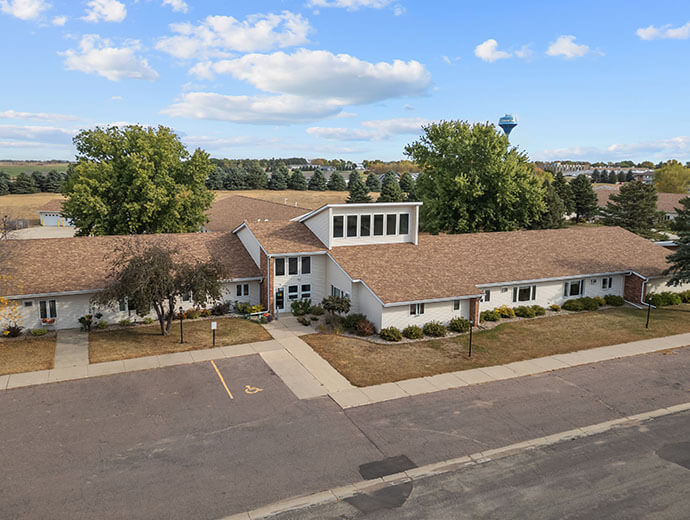
How is Edgebrook Care Center Staffed?

CMS rates Edgebrook Care Center's staffing level at 3 out of 5 stars, which is average compared to other nursing homes. Staff turnover is 34%, compared to the Minnesota average of 46%. This relatively stable workforce can support continuity of care.

What Have Inspectors Found at Edgebrook Care Center?

State health inspectors documented 19 deficiencies at Edgebrook Care Center during 2022 to 2025. These included: 1 Immediate Jeopardy (the most serious level, indicating potential for serious harm or death) and 18 with potential for harm. Immediate Jeopardy findings are rare and represent the most serious regulatory concerns. They require immediate corrective action.

Who Owns and Operates Edgebrook Care Center?

Edgebrook Care Center is owned by a non-profit organization. Non-profit facilities reinvest revenue into operations rather than distributing to shareholders. The facility operates independently rather than as part of a larger chain. With 56 certified beds and approximately 48 residents (about 86% occupancy), it is a smaller facility located in EDGERTON, Minnesota.

How Does Edgebrook Care Center Compare to Other Minnesota Nursing Homes?

Compared to the 100 nursing homes in Minnesota, Edgebrook Care Center's overall rating (2 stars) is below the state average of 3.2, staff turnover (34%) is significantly lower than the state average of 46%, and health inspection rating (2 stars) is below the national benchmark.

What Should Families Ask When Visiting Edgebrook Care Center?

Based on this facility's data, families visiting should ask: "What changes have been made since the serious inspection findings, and how are you preventing similar issues?" "Can I visit during a mealtime to observe dining assistance and food quality?" "How do you handle medical emergencies, and what is your hospital transfer rate?" "Can I speak with family members of current residents about their experience?" These questions are particularly relevant given the facility's Immediate Jeopardy citations.

Is Edgebrook Care Center Safe?

Based on CMS inspection data, Edgebrook Care Center has documented safety concerns. Inspectors have issued 1 Immediate Jeopardy citation (the most serious violation level indicating risk of serious injury or death). The facility has a 2-star overall rating and ranks #100 of 100 nursing homes in Minnesota. Families considering this facility should ask detailed questions about what corrective actions have been taken since these incidents.

Do Nurses at Edgebrook Care Center Stick Around?

Edgebrook Care Center has a staff turnover rate of 34%, which is about average for Minnesota nursing homes (state average: 46%). Moderate turnover is common in nursing homes, but families should still ask about staff tenure and how the facility maintains care continuity when employees leave.

Was Edgebrook Care Center Ever Fined?

Edgebrook Care Center has no federal fines on record. CMS issues fines when nursing homes fail to meet care standards or don't correct problems found during inspections. The absence of fines suggests the facility has either maintained compliance or corrected any issues before penalties were assessed. This is a positive indicator, though families should still review recent inspection reports for the full picture.

Is Edgebrook Care Center on Any Federal Watch List?

Edgebrook Care Center is not on any federal watch list. The most significant is the Special Focus Facility (SFF) program, which identifies the bottom 1% of nursing homes nationally based on persistent, serious quality problems. Not being on this list means the facility has avoided the pattern of deficiencies that triggers enhanced federal oversight. This is a positive indicator, though families should still review the facility's inspection history directly.