EVANSVILLE CARE CENTER
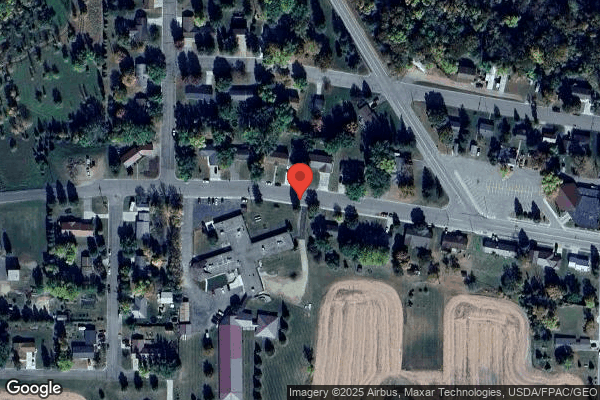
649 STATE STREET NORTHWEST, EVANSVILLE, MN 56326 (218) 948-2219
For profit - Individual 27 Beds Independent Data: November 2025
Trust Grade
95/100
#21 of 337 in MN
Last Inspection: November 2024

Within standard 12-15 month inspection cycle. Federal law requires annual inspections.

Overview

Evansville Care Center has received an impressive Trust Grade of A+, indicating it is an elite facility with top-tier care quality. Ranked #21 out of 337 nursing homes in Minnesota and #1 out of 4 in Douglas County, it is clearly one of the best options available in the area. The facility has a stable trend with 10 total issues reported, all categorized as concerns, but none were life-threatening or caused harm. Staffing is a strong point, boasting a 5-star rating with only 18% turnover, significantly lower than the state average, and more RN coverage than 92% of Minnesota facilities. However, there have been concerns regarding COVID-19 testing protocols for staff and issues with timely discharge notices, which could potentially affect resident care.

Trust Score
A+
95/100
In Minnesota
#21/337
Top 6%
Safety Record
Low Risk
No red flags
Inspections
Holding Steady
3 → 3 violations
Staff Stability
✓ Good
18% annual turnover. Excellent stability, 30 points below Minnesota's 48% average. Staff who stay learn residents' needs.
Penalties
✓ Good
No fines on record. Clean compliance history, better than most Minnesota facilities.
Skilled Nurses
✓ Good
Each resident gets 92 minutes of Registered Nurse (RN) attention daily — more than 97% of Minnesota nursing homes. RNs are the most trained staff who catch health problems before they become serious.
Violations
○ Average
10 deficiencies on record. Average for a facility this size. Mostly minor or procedural issues.
★★★★★
5.0
Overall Rating
★★★★★
5.0
Staff Levels
★★★★☆
4.0
Care Quality
★★★★☆
4.0
Inspection Score
Stable
2023: 3 issues
2024: 3 issues

The Good

  • 5-Star Staffing Rating · Excellent nurse staffing levels
  • 4-Star Quality Measures · Strong clinical quality outcomes
  • Low Staff Turnover (18%) · Staff stability means consistent care
  • Full Sprinkler Coverage · Fire safety systems throughout facility
  • No fines on record
  • Staff turnover is low (18%)

    30 points below Minnesota average of 48%

Facility shows strength in staffing levels, quality measures, staff retention, fire safety.

The Bad

No Significant Concerns Identified

This facility shows no red flags. Among Minnesota's 100 nursing homes, only 1% achieve this.

The Ugly 10 deficiencies on record

Nov 2024 3 deficiencies
CONCERN (D)

Potential for Harm - no one hurt, but risky conditions existed

Deficiency F0582 (Tag F0582)

Could have caused harm · This affected 1 resident

**NOTE- TERMS IN BRACKETS HAVE BEEN EDITED TO PROTECT CONFIDENTIALITY** Based on interview and document review, the facility failed to ensure the required Notice of Medicare Non-coverage (NOMNC) form-...

Read full inspector narrative →
**NOTE- TERMS IN BRACKETS HAVE BEEN EDITED TO PROTECT CONFIDENTIALITY** Based on interview and document review, the facility failed to ensure the required Notice of Medicare Non-coverage (NOMNC) form-10123 was provided 48 hours prior to discharge for 2 of 3 residents (R22 and R78), and Skilled Nursing Facility Advanced Beneficiary Notice (SNFABN) form-10055 was provided timely to 1 of 3 residents (R17) reviewed for liability notices and resident rights. Findings include: Review of R22's Physical Therapy (PT) discharge summary and Occupational Therapy (OT) Discharge summary dated [DATE], indicated R22 no longer required PT and OT services. R22's NOMNC indicated R22's last covered day for Medicare Part A was 5/29/24, and the form-10123 was signed 5/28/24. Review of R78's Therapy Discharge Notification dated 9/4/24, indicated R78's last covered day was 9/4/24. R78's NOMNC indicated R78's last covered day for Medicare Part A was 9/3/24, and the form-10123 was signed 9/3/24. Review of R17's Therapy Discharge Notification dated 11/11/24, indicated R17's last covered day was 11/13/24. R17's SNFABN indicated R17 may be responsible to pay for services beginning 11/14/24, however R17 dated the form-10055 11/24/24. During an interview on 11/18/24 on 3:19 p.m., Minimum Data Set (MDS) coordinator confirmed the above findings and indicated she was responsible for completing both forms. MDS coordinator stated once a resident received a discharge notification from PT/OT, she would complete the forms. MDS coordinator indicated she was aware the forms needed to be provided at least 48 hours prior to the residents being discharged . MDS coordinator stated R17 put the wrong date on the form and it was supposed to be signed 11/11/24. MDS coordinator confirmed the signed date was incorrect, I actually just caught that too, I didn't realize it was signed incorrectly. MDS coordinator was not able to locate any documentation in R22 or R78's electronic health record that identified the forms were provided 48 hours prior to discharge. During an interview on 11/19/24 at 11:52 a.m., administrator confirmed the above findings and confirmed the MDS coordinator was responsible for providing the forms to the residents who were being discharged from therapy. The administrator stated his expectation were the forms would be provided at least 48 hours in advance so residents had enough time to complete an appeal if they decided to. The administrator indicated progress notes should been placed in the residents file in addition to confirm proper notice had been provided. Review of facility policy titled Medicare Denial Notice Policy undated, identified the facility would meet the requirements of the centers for Medicare and Medicaid services (CMS) for residents to be notified.
CONCERN (D)

Potential for Harm - no one hurt, but risky conditions existed

Assessment Accuracy (Tag F0641)

Could have caused harm · This affected 1 resident

**NOTE- TERMS IN BRACKETS HAVE BEEN EDITED TO PROTECT CONFIDENTIALITY** Based on observation, interview and document review, the facility failed to ensure accurate coding to reflect resident status on...

Read full inspector narrative →
**NOTE- TERMS IN BRACKETS HAVE BEEN EDITED TO PROTECT CONFIDENTIALITY** Based on observation, interview and document review, the facility failed to ensure accurate coding to reflect resident status on the Minimum Data Set (MDS) for 1 of 1 residents (R17) reviewed for assessments. Findings include: The Centers for Medicare and Medicaid (CMS) Long-Term Care Facility Resident Assessment Instrument (RAI) 3.0 User's Manual Version 1.18.11 10/23, identified Section J: Health Conditions was to be completed with the intent to document health conditions, such as falls, that impact a resident's functional status and quality of life. The manual indicated Previous falls, especially recurrent falls and falls with injury, are the most important predictor of future falls and injurious falls. Further, the manual provided several assessment steps including: Review all available sources for any fall since the last assessment . Include medical records generated in any health care setting since last assessment and It is important to ensure the accuracy of the level of injury resulting from a fall. R17's significant change Minimum Data Set (MDS) dated [DATE], identified R17 was moderately cognitively impaired and had diagnoses which included a recent hip fracture, diabetes, and anxiety. Indicated R17 required extensive assistance with activities of daily living (ADLs). R17's MDS Section J: Health Conditions dated 10/14/24, indicated the following: -Did the resident have a fall any time in the last month prior to admission/entry or reentry, checked no. -Did the resident have a fall anytime in the last 2-6 months prior to admission/entry or reentry, checked no. -Did the resident have any fracture related to a fall in the 6 months prior to admission/entry or reentry, checked no. -Has the resident had any falls since admission/entry or reentry or the prior assessment (OBRA or Scheduled PPS), whichever is more recent, checked no. -Number of falls since admission or Prior assessment - No Injury, checked none. -Number of falls since admission or Prior assessment - Injury (except major), checked none. -Number of falls since admission or Prior assessment - Major injury, checked none. R17's significant change Care Area Assessment (CAA) for falls dated 10/14/24, was not triggered for falls and was left blank. R17's care plan dated 8/28/24, indicated R17 had decreased physical mobility with potential for falls related to unsteadiness and pain. R17 had interventions to provide the assistance of one and front wheeled walker for transfers. R17 was to wear proper and non slip footwear. Review of facility incident reports revealed the following: -8/15/24, R17 rang her pendant and was found laying on her left side in front of her recliner. R17 stated she was trying to take herself to the bathroom. R17 further stated she raised her recliner a small amount, tried to grab her walker to stand and slid from the recliner to the floor. -8/30/24, R17 rang her pendent and stated she was on the floor. R17 was sitting barefoot with her back against the wall and her legs extended in front of her. R17's walker was to the left side of her. R17 stated she fell backwards while taking herself to the bathroom. -10/3/24, R17 rang her pendant and was found laying on the floor beside her bed. R17's four wheeled walker was tipped over beside her. R17 stated she was getting her pajamas off when she fell and landed on her left hip. R17 further stated she was unable to more her left leg. R17 was transported to the emergency room for evaluation. Review of R17's provider progress notes revealed the following: -10/3/24, R17 had been seen in the emergency room post fall on 10/3/24. R17's xray report indicated R17 had a left hip fracture and was admitted to the hospital. -10/4/24, R17 continued to be hospitalized and was scheduled for surgery on 10/5/24, to repair R17's left hip fracture. During an interview on 11/19/24 at 6:21 p.m., R17 stated she recently received a left hip fracture when she slipped and fell. R17 indicated she was standing at the head of the bed when she slipped and fell. During an interview on 11/19/24 at 6:28 p.m., family member (FM) stated R17 had fallen at the facility and sustained a left hip fracture. FM indicated R17 was planning to return home when she fell and now R17 would remain at the facility long term. During an interview on 11/20/24 at 3:32 p.m., RN-A reviewed R17's fall assessment dated [DATE], and confirmed in was completed incorrectly by RN-A. RN-A stated the assessments should been completed accurately. During an interview on 11/20/24 at 4:15 p.m., director of nursing (DON) confirmed the above findings and indicated she was not aware the assessment had been completed inaccurately. DON stated her expectation was assessments were completed correctly as required. Requested facility policy on completing assessments however, DON confirmed the facility did not have a policy on completing assessments.
CONCERN (D)

Potential for Harm - no one hurt, but risky conditions existed

Comprehensive Care Plan (Tag F0656)

Could have caused harm · This affected 1 resident

**NOTE- TERMS IN BRACKETS HAVE BEEN EDITED TO PROTECT CONFIDENTIALITY** Based on observation, interview, and document review, the facility failed to ensure a comprehensive, person-centered care plan w...

Read full inspector narrative →
**NOTE- TERMS IN BRACKETS HAVE BEEN EDITED TO PROTECT CONFIDENTIALITY** Based on observation, interview, and document review, the facility failed to ensure a comprehensive, person-centered care plan was developed for 2 of 2 residents (R21, R17) reviewed for care planning. Findings include: R21 R21's admission Minimum Data Set (MDS) dated [DATE], identified R21 had intact cognition with diagnoses which consisted of atrial fibrillation, osteoarthritis, coronary artery disease. Identified R21 required limited assistance with bed mobility, transfers, and toilet use. R21's admission Care Area Assessment (CAA) dated 10/28/24, identified R21 required limited assistance with transfers, toilet use and dressing. R21's electronic health record (EHR) lacked a comprehensive care plan. R21's admission record, undated, identified R21 admitted to the facility on [DATE]. During an interview on 11/20/24 at 9:34 a.m., nursing assistant (NA)-A stated R21 required assistance with dressing and setup help with personal hygiene. NA-A stated she would ask a nurse if the care sheet did not provide direction on resident cares. During an interview on 11/20/24 at 2:14 p.m., licensed practical nurse (LPN)-A stated a registered nurse (RN) could update a care plan. LPN-A stated a resident's care plan would be circulated with the staff near care conference time to review and provide changes. R17 R17's significant change MDS dated [DATE], identified R17 was moderately cognitively impaired and had diagnoses which included a recent hip fracture, diabetes, and anxiety. Indicated R17 required extensive assistance with activities of daily living (ADLs). R17's significant change CAA dated 10/14/24, indicated R17 had a hip fracture, cognitive impairment, and anxiety. Identified R17 had pain, a recent surgical procedure, and poor nutrition. R17's care plan dated 10/29/24, lacked updated recommendations from occupational therapy and dietary. Review of R17's progress notes from 9/17/24 to 11/20/24, revealed the following: -10/7/2024, occupational therapy (OT) recommended R17 to have no bending at the hips past 90 degrees, no crossing legs, no twisting, and no lifting. -10/18/24, dietary manager indicated R17 would be offered high calorie snacks R17 preferred. R17 was to receive ice cream at every meal and toppings could be added if R17 requested them. Additionally, R17 was to receive a 120 cubic centimeters (cc) mighty shake. -9/17/2024, dietary manager indicated staff were to promote fluids with calories at all meals and increase supplement of choice to 120cc's two times a day. During an observation on 1/19/24 at 6:21 p.m., R17 was laying back in her recliner with her legs crossed. During an observation on 11/20/24 at 12:04 p.m., R17 was sitting in her recliner in her room eating lunch. R17 did not have ice cream as ordered on her lunch tray. During an interview on 11/20/24 at 12:27 p.m., registered dietician (RD) confirmed the above findings and indicated R17 was to have a high calorie shake, high calorie foods and high calorie snacks. RD indicated R17's high calorie shake was increased to two times a day (BID). RD stated R17 was to have ice cream with every meal and she was not made aware R17 was not receiving ice cream every meal. During an interview on 11/20/24 at 1:44 p.m., dietary manager (DM) indicated R17 was to have high calorie shakes and ice cream with every meal. During an interview on 11/20/24 at 3:06 p.m., Minimum Data Set Coordinator (MDSC) confirmed the above findings and indicated R17's care plan did not include the recommendations from OT or RD. MDSC stated it was important care plans contained the most up to date recommendations to facilitate person-center care. MDSC indicated it was important that care plans reflected the needs of the residents. During a follow-up interview on 11/20/24 at 3:14 p.m., MDSC verified after review of the EHR that R21 did not have a care plan. MDSC stated R21 was not on her list for a care plan review and that she did not have an audit system to ensure resident care plans were completed as required. During an interview on 11/20/24 at 4:15 p.m., director of nursing (DON) confirmed the above findings and stated her expectations were care plans were completed as required and contained the most up to date recommendations for residents. A facility policy on care plans was requested and one was not provided.
Dec 2023 3 deficiencies
CONCERN (D)

Potential for Harm - no one hurt, but risky conditions existed

ADL Care (Tag F0677)

Could have caused harm · This affected 1 resident

**NOTE- TERMS IN BRACKETS HAVE BEEN EDITED TO PROTECT CONFIDENTIALITY** Based on observation, interview and document review, the facility failed to provide assistance with personal hygiene for 1 of 2 ...

Read full inspector narrative →
**NOTE- TERMS IN BRACKETS HAVE BEEN EDITED TO PROTECT CONFIDENTIALITY** Based on observation, interview and document review, the facility failed to provide assistance with personal hygiene for 1 of 2 residents( R11) reviewed for activities of daily living (ADL)'s. Findings include: R11's quarterly Minimum Data Set (MDS) dated [DATE], identified R11 had moderate cognitive impairment and had diagnosis which included hypertension (elevated blood pressure), Diabetes Mellitus (DM), and hemiplegia (paralysis of one side of the body). Identified R11 required extensive assistance with ADL's which included bed mobility, transfers, and personal hygiene. R11's current care plan revised 7/24/23, indicated R11 was dependent with ADL's which included dressing, bathing, and grooming. Indicated staff were to assist R11 with grooming daily. R11's resident care sheet revised 12/17/23, indicated R11 required staff assistance with hygiene. R11's comprehensive Care Area Assessment (CAA) dated 6/8/23, identified R11 required staff assistance with ADL's. During an observation on 12/17/23 at 10:57 a.m., R11 was seated in a recliner in his room and had several gray 1/2 inch long facial hairs present on his cheeks, chin and above his lips. During an interview on 12/17/23 at 11:03 a.m., R11 stated he required assistance from staff to shave. R11 stated he preferred to be shaved every day or when facial hair was present. R11 indicated he had not been shaved since last week. During an observation on 12/17/23 at 6:09 p.m., R11 was seated in a recliner in his room and continued to have several gray 1/2 inch long facial hairs present on his cheeks, chin, and above his lips. During an observation on 12/18/23 at 8:28 a.m., R11 was seated in the dining room and continued to have several gray 1/2 inch long facial hairs present on his cheeks, chin, and above his lips. During an interview on 12/18/23 at 9:07 a.m., nursing assistant (NA)-A stated R11 required staff assistance to shave facial hair. NA-A stated she had had not offered to assist R11 with shaving and was unsure the last time R11 had been shaved. During an interview on 12/18/23 at 9:11 a.m., licensed practical nurse (LPN)-A stated R11 required staff assistance to shave his facial hair. RN-A verified R11 had several long facial hairs and was unsure when the last time R11 had been shaved. LPN-A stated her expectation was R11 would have been shaved daily or when facial hair was present. During an interview on 12/18/23 at 1:10 p.m., director of nursing (DON) indicated R11 required staff assistance with shaving. DON stated her expectation was R11 would have been shaved daily or when facial hair was present. A policy for activities of daily living (ADL's) was requested however, one was not provided.
CONCERN (D)

Potential for Harm - no one hurt, but risky conditions existed

Infection Control (Tag F0880)

Could have caused harm · This affected 1 resident

Based on observation, interview, and document review, the facility failed to ensure personal laundry was transported in a manner that prevented risk of contamination for 2 of 3 hallways observed for l...

Read full inspector narrative →
Based on observation, interview, and document review, the facility failed to ensure personal laundry was transported in a manner that prevented risk of contamination for 2 of 3 hallways observed for linen transportation. Findings include: Review of Centers for Disease Control (CDC ) guidance, Appendix D - Linen and Laundry Management updated 5/4/23, identified linens must be sorted, packaged, transported, and stored in a manner that prevented risk of contamination by dust, debris, soiled linens or soiled items. During an observation on 12/18/23 at 11:07 a.m., in the north hallway, social services housekeeping manager (SS)-A exited the laundry room with the laundry cart uncovered and pushed the laundry cart down the west hallway. SS-A proceeded to R21's room, removed laundry from the uncovered cart, placed the laundry in R21's closet, exited R21's room with empty hangers and hung the hangers in the cart. SS-A removed laundry from the uncovered cart, placed the laundry in R1's closet, exited R1's room with empty hangers and hung the hangers in the cart. SS-A removed laundry from the uncovered cart, placed the laundry in R8's closet, exited R8's room with empty hangers and hung the hangers in the cart. SS-A pushed the uncovered cart down the hallway, removed laundry from the uncovered cart, placed the laundry in R4's closet, exited R4's room with empty hangers and hung the hangers in the cart. SS-A proceeded to R10's room, removed laundry from the uncovered cart, placed the laundry in R10's closet, exited R10's room with empty hangers and hung the hangers in the cart. SS-A removed laundry from the uncovered cart, placed the laundry in R12's closet, exited R12's room with empty hangers and hung the hangers in the cart. SS-A removed laundry from the uncovered cart, placed the laundry in R18's closet, exited R18's room with empty hangers and hung the hangers in the cart. SS-A removed laundry from the uncovered cart, placed the laundry in R14's closet, exited R14's room with empty hangers and hung the hangers in the cart. SS-A removed laundry from the uncovered cart, placed the laundry in R15's closet, exited R15's room with empty hangers and hung the hangers in the cart. SS-A removed laundry from the uncovered cart, placed the laundry in R15's closet, exited R15's room with empty hangers and hung the hangers in the cart. SS-A removed more laundry from the cart and placed in R15's closet. SS-A pushed the cart past the exercise group in the lounge area and returned it to the laundry room. SS-A did not sanitize her hands and the laundry cart remained uncovered during the entire observation. During an interview on 12/18/23 at 3:13 p.m., SS-A verified she removed clothes from the uncovered cart, placed them in the residents' closets, took back any hangers to the uncovered cart and did not sanitize her hands. SS-A verified the expectation of staff would be to sanitize hands on the way out of rooms or in the hallway and to keep the laundry cart covered. SS-A stated the purpose of keeping the cart covered and for completing hand hygiene was to prevent the spread of infection between residents. During an interview on 12/18/23 at 3:19 p.m., the director of nursing (DON) verified the expectation of staff delivering laundry was to keep the laundry cart covered during delivery and to complete hand hygiene in between. DON stated these practices were important to prevent contamination from the environment and cross contamination of surfaces. Review of a facility policy titled Laundry Washing/Deliver Policy dated 10/26/23, indicated laundry should be packaged, transported and stored in a manner that ensured cleanliness and protected the laundry from dust and soil. Clothing would be taken out of cart and covered again while unattended in the hallways. Laundry staff would sanitize hands on the way out of the resident room.
CONCERN (D)

Potential for Harm - no one hurt, but risky conditions existed

Deficiency F0883 (Tag F0883)

Could have caused harm · This affected 1 resident

**NOTE- TERMS IN BRACKETS HAVE BEEN EDITED TO PROTECT CONFIDENTIALITY** Based on interview and document review, the facility failed to ensure 2 of 5 residents (R3 and R13) were offered or received pne...

Read full inspector narrative →
**NOTE- TERMS IN BRACKETS HAVE BEEN EDITED TO PROTECT CONFIDENTIALITY** Based on interview and document review, the facility failed to ensure 2 of 5 residents (R3 and R13) were offered or received pneumococcal vaccinations in accordance with the Center for Disease Control (CDC) recommendations. Findings include: Review of the current CDC recommendations dated 3/15/2023, revealed older adults who received Pneumococcal conjugate vaccine (PCV13) at any age and Pneumococcal polysaccharide vaccine (PPSV23) before age [AGE] years, the CDC recommended they receive one dose of PCV20 or PPSV23. Review of R3's facesheet identified R3, age [AGE] was admitted to the facility on [DATE]. Review of R3's Minnesota Immunization Information Connection (MIIC) undated, identified R3 had received the PPSV23 on 11/01/1998, and 11/2/2006, and the PCV13 on 11/7/2016. R3's medical record lacked documentation R3 had been offered or received the PCV20 vaccine or an additional dose of PPSV23. Review of R13's facesheet identified R13, age [AGE] was admitted to the facility on [DATE]. Review of R13's MIIC undated, identified R13 had received the PPSV23 on 10/24/2002, and on 10/2/2009, and the PCV13 on 7/27/2016. R13's medical record lacked documentation R13 had been offered or received the PCV20 vaccine or an additional dose of PPSV23. During an interview on 12/19/23 at 8:34 a.m., infection preventionist (IP) confirmed R3 and R13 had not been offered or received the pneumococcal vaccines as recommended by the CDC. IP indicated she was aware of the new CDC guidelines from 3/23, however misunderstood the guidelines for those residents who had previously received both the PCV13 and PPSV23 vaccine. IP stated her expectation was the facility would offer and administer all vaccinations per CDC recommendations. During an interview on 12/19/23 at 8:45 a.m., director of nursing (DON) stated she was aware of the CDC guidelines from 3/23, and would review the guidelines again to assure she understood them. Review of a facility policy titled SNF Vaccination of residents-Influenza, pneumococcal, revised 10/26/23, indicated pneumococcal vaccinations would be offered and administered to all eligible residents as appropriate.
May 2022 4 deficiencies
CONCERN (D)

Potential for Harm - no one hurt, but risky conditions existed

Resident Rights (Tag F0550)

Could have caused harm · This affected 1 resident

**NOTE- TERMS IN BRACKETS HAVE BEEN EDITED TO PROTECT CONFIDENTIALITY** Based on observation, interview and document review the facility failed to ensure dignity was maintained for 1 of 1 resident (R1...

Read full inspector narrative →
**NOTE- TERMS IN BRACKETS HAVE BEEN EDITED TO PROTECT CONFIDENTIALITY** Based on observation, interview and document review the facility failed to ensure dignity was maintained for 1 of 1 resident (R13) who utilized an incontinent pad. Findings include: R13's quarterly Minimum Data Set (MDS), dated [DATE], identified R13 was cognitively intact and had diagnoses which included hemiplegia, seizure disorder, anxiety. The MDS indicated R13 required staff supervision with bed mobility, eating, limited assistance with transfers and extensive assistance of one staff for dressing, toileting, personal hygiene and bathing. The MDS identified R13 was occasionally incontinent of urine and continent of bowel and was not on a toileting program. R13's care plan revised on 5/3/22, indicated R13 required staff assistance with toileting tasks due to occasional incontinence of bladder and wore a brief. The care plan identified R13 was independent with mobility once up in her motorized scooter. During observations on 5/2/22, at 3:22 p.m. R13 was observed outside seated in her scooter smoking. A white incontinent pad was draped over R13's entire seat and hung down the sides of her scooter. The white incontinent pad was visible to other residents and visitors. - at 3:35 p.m. R13 re-entered the building independently and went to the commons area to sit where other residents were present. R13's white incontinent pad remained the same and was visible to other residents. - at 4:18 p.m. R13 was observed outside smoking seated in her electric scooter and the white incontinent pad remained the same. - at 4:20 p.m. R13 re-entered the facility and went to the commons area to sit where other residents were present. R13's white incontinent pad remained the same. - at 4:46 p.m. R13 was observed outside smoking and continued to have a white incontinent pad on the seat of her scooter visible to other residents and visitors. - at 4:51 p.m. R13 remained the same. During observations on 5/3/22, at 10:45 a.m. R13 was observed outside seated in her scooter smoking. A white incontinent pad was draped over R13's entire seat and hung down the sides of her scooter. The white incontinent pad was visible to other residents and visitors. - at 12:30 p.m. R13 was observed seated on her electric scooter out in the commons area with other residents present. R13's white incontinent pad remained the same. - at 1:43 p.m. R13 was observed seated on her electric scooter out in the dining room area with other residents while she looked at her cell phone. R13's white incontinent pad remained the same. - at 3:24 p.m. R13 was observed outside smoking and her white incontinent pad remained the same. During observations on 5/4/22, at 7:17 a.m. R13 exited her room in her electric scooter. R13's seat of her scooter had a white incontinent pad draped over the entire seat of her electric scooter and was visibly hanging down the sides of her scooter exposed for other residents and visitors to see. R13 wheeled down the hallway and went out side to smoke. - at 7:40 a.m. R13 was seated in the commons area on her electric scooter with other residents present. R13's white incontinent pad remained the same. - at 8:05 a.m. R13 was seated in the commons area on her electric scooter eating her breakfast independently with other residents present. R13's white incontinent pad remained the same. On 5/2/22, at 6:29 p.m. R13 indicated she was incontinent of urine at times and utilized incontinent products to mange it. R13 stated she disliked having the incontinent pad placed on the seat of her electric scooter since it hung down and looked awful. R13 stated she believed it did not look good at all to have the incontinent pad visible to others especially if people knew what the pads were used for. R13 expressed she especially felt that way when she was at a restaurant. On 5/4/22, at 11:32 a.m. nursing assistant (NA)-D stated R13 was incontinent of bladder at times, wore a brief and required staff assistance with toileting and incontinent brief changes. NA-D indicated R13 had an incontinent pad on the seat of her scooter to protect the cushion from becoming soiled in case she had an incontinent episode. NA-D stated the facility had different colored incontinent pads which could have been used instead of the white ones or disposable pads and indicated they all provided the same level of absorbency. On 5/4/22, at 10:06 a.m. registered nurse (RN)-B stated R13 was incontinent of urine and required staff assistance with personal hygiene and incontinent cares. RN-B indicated R13 used an incontinent pad on the seat of her scooter to prevent the seat of her scooter from becoming soiled. RN-B stated she was not certain if R13 had concerns about the white incontinent pad placed on the seat of her scooter being visible to other residents and visitors however indicated she had not asked R13 about it. RN-B confirmed the white incontinent pad was visible to other residents and visitors and verified it could have been a dignity issue for R13. On 5/4/22, at 11:59 a.m. the director of nursing (DON) stated R13 was incontinent of urine at times and wore a brief. The DON indicated R13 required staff assistance with toileting and pericares and was not aware R13 utilized an incontinent pad on the seat of her scooter. The DON stated the facility had different types of incontinent pads which had patterns on them and was not certain why staff chose to use the white pads. The DON confirmed use of an incontinent pad which was visible to other residents and visitors could be a dignity issue. The DON stated she would expect staff to use the right type of incontinent pad on the seat of R13's scooter to prevent it from being visible to other residents and visitors. Review of the facility policy titled, Resident Rights, Dignity and Privacy undated, indicated staff would promote care for residents in a manner and in an environment that maintained or enhanced each resident's dignity and respect in full recognition of his or her individuality.
CONCERN (D)

Potential for Harm - no one hurt, but risky conditions existed

Report Alleged Abuse (Tag F0609)

Could have caused harm · This affected 1 resident

**NOTE- TERMS IN BRACKETS HAVE BEEN EDITED TO PROTECT CONFIDENTIALITY** Based on interview and document review, the facility failed to immediately report to the administrator and no later than 2 hours...

Read full inspector narrative →
**NOTE- TERMS IN BRACKETS HAVE BEEN EDITED TO PROTECT CONFIDENTIALITY** Based on interview and document review, the facility failed to immediately report to the administrator and no later than 2 hours, to the State Agency (SA) an allegation of staff to resident verbal abuse for 1 of 1 residents (R17) who was reviewed for allegations of abuse. Findings include: R17's admission Minimum Data Set (MDS) dated [DATE], indicated R17 was cognitively intact and had diagnoses which included renal insufficiency, diabetes and cerebrovascular accident. The MDS identified R17 required staff supervision for bed mobility, limited assistance of one staff for transfers, ambulation, dressing, toileting, personal hygiene, bathing and was independent with eating. Review of R17's Record of Grievance/Complaint form dated 4/2/22, revealed the following: -R17 wrote a complaint about nursing assistant (NA)-C stating she had her call light on because she required assistance with wiping. NA-C entered R17's room and asked R17 what she wanted, R17 said she told NA-C and NA-C replied what are you going to do when you go home, drag your butt across the floor? R17 indicated NA-C was often snarly with her. - The grievance form indicated the director of nursing (DON) investigated the complaint and R17 was interviewed and confirmed the complaint. The DON interviewed NA-C and NA-C admitted she asked R17 why she needed assistance and had encouraged R17 to participate in her cares. NA-C could not recall saying anything derogatory or sarcastic to R17. - The form identified NA-C would apologize to R17 for offending her and would proceed in assisting R17 when ever she called without question. Review of R17's medical record lacked any documentation of the SA being notified of the allegation of verbal abuse. On 5/2/22, at 4:05 p.m. R17 stated there had been an incident with NA-C who had not been very nice to her about three weeks ago. R17 indicated NA-C came into her room to assist R17 in the bathroom when NA-C stated what are you going to do when you get home,drag you butt across the floor? R17 confirmed NA-C's statement made her feel about an inch high and it hurt her feelings. R17 indicated the DON spoke with her, stated NA-C was having an off day and advised R17 not to take the statement personally. R17 stated the DON said she would speak with NA-C about the incident to obtain her view of the incident. In a follow up interview on 5/4/22, at 7:07 a.m. R17 indicated the incident made her feel like she was putting NA-C out when R17 asked her for assistance. R17 stated the incident had made her very upset and it made her heart hurt. R17 indicated NA-C was not nice and just did her job. R17 stated she felt she had been mentally abused by NA-C when she made that comment to her. R17 indicated she had informed registered nurse (RN)-B about the incident and was provided a grievance form to complete. On 5/4/21, at 10:15 a.m. RN-B indicated R17 wanted to file a grievance about a month ago regarding a statement NA-C made related to how R17 was going to manage independently when she went home. RN-B stated she was not able to remember the details however it had something to do with R17 requiring assistance in the bathroom. RN-B indicated R17 completed the grievance form and the form was turned in after RN-B had left for the day. On 5/4/22, at 10:37 a.m. NA-C stated she had entered R17's bathroom to assist R17 with toileting tasks. NA-C indicated a plan had been in place for R17 to return home soon and NA-C had asked R17 how she was going to manage those tasks when she returned home. NA-C stated the DON had asked her what had happened and she told her the same thing. NA-C indicated she had expressed a desire to go speak with R17 about the incident to the DON and the DON granted her permission to do so. NA-C stated she apologized to R17 the next day by herself and R17 informed her it was not what she said but how she had said it. NA-C confirmed she continued to work with R17 and other residents after the incident occurred and was not provided any education regarding the incident. On 5/4/22, at 1:59 p.m. the DON confirmed the above findings and indicated R17 had reported to her after she had placed her call light on, NA-C answered the call and asked R17 what she wanted. The DON indicated NA-C asked R17 what her plans were when she returned home as she would not have assistance at home. The DON stated R17 expressed she had an uneasy feeling related to the incident. The DON indicated she had spoke to NA-C the next day and NA-C stated she would apologize to R17. When reviewing the grievance form with the DON, the DON verified R17 was angry about the incident. The DON stated NA-C had worked at the facility for a significant amount of time so she had not considered the incident to be an allegation of verbal abuse. The DON indicated R17 completed a grievance form which described the incident. The DON confirmed the facility had not reported the incident to the SA. On 5/4/22, at 2:31 p.m. the administrator confirmed the above findings and indicated he could not recall if he had been notified of the allegation involving NA-C. The administrator stated the facility's abuse process consisted of the resident completing a grievance form and staff were expected to report the incident immediately. The administrator indicated if the allegation involved a staff member they would be taken off the schedule until the investigation was completed. The administrator indicated they review their grievances in the morning at the managers meeting everyday. Review of the facility policy titled, Abuse Prevention Plan revised on 1/28/21, indicated the facility would report all alleged violations involving mistreatment, neglect, or abuse, including injuries of unknown source, and misappropriation of resident property immediately to the administrator of the facility and to other officials in accordance with State laws. The policy indicated the allegations would be reported immediately, but not later than two hours after the allegation had been made, if the events that caused the allegation involved or resulted in serious bodily injury, or not later than 24 hours after the events that caused the allegation do not involve abuse and do not result in serious bodily injury, to the Administrator and to other officials in accordance with state law.
CONCERN (D)

Potential for Harm - no one hurt, but risky conditions existed

Investigate Abuse (Tag F0610)

Could have caused harm · This affected 1 resident

**NOTE- TERMS IN BRACKETS HAVE BEEN EDITED TO PROTECT CONFIDENTIALITY** Based on interview and document review, the facility failed to thoroughly investigate an allegation of staff to resident abuse f...

Read full inspector narrative →
**NOTE- TERMS IN BRACKETS HAVE BEEN EDITED TO PROTECT CONFIDENTIALITY** Based on interview and document review, the facility failed to thoroughly investigate an allegation of staff to resident abuse for 1 of 1 residents (R17) reviewed for allegations of abuse. In addition, the facility failed to protect the resident and report to the State Agency (SA) the results of the investigation within 5 working days for 1 of 1 allegations of abuse reviewed. Findings include: R17's admission Minimum Data Set (MDS) dated [DATE], indicated R17 was cognitively intact and had diagnoses which included renal insufficiency, diabetes and cerebrovascular accident. The MDS identified R17 required staff supervision for bed mobility, limited assistance of one staff for transfers, ambulation, dressing, toileting, personal hygiene, bathing and was independent with eating. Review of R17's Record of Grievance/Complaint form dated 4/2/22, revealed the following: -R17 wrote a complaint about nursing assistant (NA)-C stating she had her call light on because she required assistance with wiping. NA-C entered R17's room and asked R17 what she wanted, R17 said she told NA-C and NA-C replied what are you going to do when you go home, drag your butt across the floor? R17 indicated NA-C was often snarly with her. - The grievance form indicated the director of nursing (DON) investigated the complaint and R17 was interviewed and confirmed the complaint. The DON interviewed NA-C and NA-C admitted she asked R17 why she needed assistance and had encouraged R17 to participate in her cares. NA-C could not recall saying anything derogatory or sarcastic to R17. - The form identified NA-C would apologize to R17 for offending her and would proceed in assisting R17 when ever she called without question. Review of R17's medical record lacked any documentation of the SA being notified of the allegation of verbal abuse. On 5/4/22, at 1:59 p.m. the DON confirmed the above findings and indicated she had not considered the incident to be an allegation of abuse. The DON stated she had interviewed R17 and NA-C and confirmed she not spoke to other staff or residents to determine if there had been other allegations. The DON indicated the facility's usual practice was to ensure the resident was safe, remove the staff member from the floor, report the allegation to the SA and begin the investigation. The DON stated part of the investigation would be to interview other residents and staff and to submit the results of the investigation to the SA within 5 days. The DON confirmed NA-C had never been removed from the schedule during the investigation nor was there an investigation sent to the SA. On 5/4/22, at 2:31 p.m. the administrator confirmed the above findings and indicated he could not recall if he had been notified of the allegation involving NA-C. The administrator stated the facility's abuse process was to complete a grievance, report it immediately to the SA, investigate the allegation and submit the results of the investigation to the SA. The administrator indicated if the allegation involved a staff member they were to be removed from the schedule until the investigation was completed. Review of the facility policy titled, Abuse Prevention Plan revised on 1/28/21, Review of the facility policy titled, Abuse Prevention Plan revised on 1/28/21, indicated the facility would report all alleged violations involving mistreatment, neglect, or abuse, including injuries of unknown source, and misappropriation of resident property immediately to the administrator of the facility and to other officials in accordance with State laws. The policy indicated the allegations would be reported immediately, but not later than two hours after the allegation had been made, if the events that caused the allegation involved or resulted in serious bodily injury, or not later than 24 hours after the events that caused the allegation do not involve abuse and do not result in serious bodily injury, to the Administrator and to other officials in accordance with state law. The results of all investigations must be reported to the administrator or his designated representative and to other officials in accordance with State law (including the State survey and certification agency) within 5 working days of the incident, and if the alleged violation was verified appropriate action would be taken.
CONCERN (F)

Potential for Harm - no one hurt, but risky conditions existed

Deficiency F0886 (Tag F0886)

Could have caused harm · This affected most or all residents

**NOTE- TERMS IN BRACKETS HAVE BEEN EDITED TO PROTECT CONFIDENTIALITY** Based on interview and document review, the facility failed to ensure routine COVID-19 testing occurred for unvaccinated staff a...

Read full inspector narrative →
**NOTE- TERMS IN BRACKETS HAVE BEEN EDITED TO PROTECT CONFIDENTIALITY** Based on interview and document review, the facility failed to ensure routine COVID-19 testing occurred for unvaccinated staff according to the community positivity rates identified in CMS (Centers for Medicare and Medicaid Services) guidelines. In addition, the facility failed to identify if any individuals providing services under arrangement or volunteers who were not up to date with COVID vaccinations were also routinely tested per CMS guidelines. This deficient practice had the potential to affect all 24 residents residing in the facility. Findings Include: CMS's Quality, Safety and Oversite Group (QSO) memo 20-38 for nursing homes dated 3/10/22, identified the long term care (LTC) facility must test residents and facility staff, including individuals providing services under arrangement and volunteers, for COVID-19. The memo indicated the facility must have procedures for addressing staff, including individuals providing services under arrangement and volunteers, who refuse testing or were unable to be tested. The QSO memo identified Facility staff included employees, consultants, contractors, volunteers, and caregivers who provided care and services to residents on behalf of the facility, and students in the facility's nurse aide training programs or from affiliated academic institutions. For the purpose of testing individuals providing services under arrangement and volunteers, facilities should prioritize those individuals who were regularly in the facility (e.g., weekly) and had contact with residents. The memo instructed facilities to use their community transmission level as the trigger for staff testing frequency. The facility was expected to test all staff, who were not up-to-date, at the frequency prescribed in the Routine Testing table based on the level of community transmission. The Center for Disease Control and Prevention (CDC) identified the [NAME] county community transmission rate was substantial from 4/19/22, to 4/25/22. Review of the employee COVID-19 vaccination log, untitled, undated, identified the facility had a total of 41 staff. Nine of the 41 staff were not up to date and eight staff had religious exemptions. Review of the facility Staff Testing log from 2/3/22, to 5/2/22, identified the following: -nursing assistant (NA)-A was marked as no show for testing scheduled 2/7/22. -NA-B was marked as no show for testing scheduled 2/24/22. -licensed practical nurse (LPN)-A was marked as no show for testing scheduled 4/21/22. -NA-C was marked as no show for testing scheduled 4/18/22. The testing log lacked identification if facility staff were tested prior to working when they were marked no show for the scheduled dates for routing testing. In addition, the facility lacked documentation which identified any individuals providing services under arrangement in the facility who were not up to date for COVID vaccinations were routinely tested based on the community transmission level. Review of the facility Daily Assignment Sheets from 2/3/22, to 5/2/22, identified the following: -NA-A worked 2/10/22, three days after marked no show for testing scheduled 2/7/22. -NA-B worked 2/25/22, one day after marked no show for testing scheduled 2/24/22. -LPN-A worked 4/21/22, after marked no show for testing scheduled 4/21/22. -NA-C worked 4/20/22, two days after marked no show for testing scheduled 4/18/22. NA-A's COVID-19 vaccination records identified Pfizer vaccination was administered 6/4/21, and 6/25/21. NA-A's form titled Employee Declination Of COVID Booster Vaccination identified NA-A declined the COVID-19 booster vaccination on 11/3/21. NA-B's COVID-19 vaccination records identified Pfizer vaccination was administered 1/13/22. No second vaccination or booster vaccination records were received. On 5/5/22, Administrator confirmed by email NA-B had not received her second vaccination or the booster. LPN-A's Religious Accommodation Request Form dated 11/21/22, identified NA-B's request for exemption was signed 11/18/21, no approval signature or date identified. NA-C's COVID-19 vaccination records identified Moderna vaccination was administered 1/7/21, and 2/4/21. NA-C's form titled Employee Declination Of COVID Booster Vaccination identified NA-C declined the COVID-19 booster vaccination on 2/15/22. During an interview on 5/4/22, at 11:36 a.m. social service designee (SSD)-A stated she completed the staff testing logs. SSD-A confirmed she recorded staff testing performed on the scheduled testing days and verified when staff were tested by placing an X on the log. SSD-A indicated she did not keep track if staff worked after they missed the scheduled testing date. SSD-D stated she was not aware if staff were tested prior to working their next shift if they missed a testing date. During a follow-up interview on 5/4/22, at 12:57 p.m. SSD-A confirmed the facility only tracked testing for facility employees and therapists. SSD-A verified the facility did not track vaccination status or testing of any other contracted staff who were in the facility providing services. On 5/4/22, at 1:52 p.m. director of nursing (DON) confirmed SSD-A was responsible for ensuring all staff were tested for COVID-19 as required. DON indicated the facility's routine COVID-19 testing was completed based on the level of community transmission and the facility had been performing routine testing twice a week for the past two weeks. DON stated she would expect staff who had not completed routine testing on the scheduled date to be tested prior to their next scheduled shift. DON indicated the infection preventionist (IP)-A collected vaccination records of contracted staff and worked with SSD-A on the process. DON stated she would expect IP-A and SSD-A would assure staff who required testing had it completed according to the guidelines. DON confirmed the facility had no testing records of the contracted staff other than the pool staff. DON indicated proper testing of staff was important to prevent transmission of COVID-19 in the facility. On 5/4/22, at 2:27 p.m. IP-A confirmed she did not have records of contracted staff's COVID-19 vaccination status and indicated DON and Administrator were responsible for that. IP-A stated she was not responsible to assure COVID-19 testing was completed. The facility policy titled COVID-19 Testing Policy, undated, identified testing would be performed to reduce the risk for serious illness and death related to the COVID-19 pandemic. The policy identified the facility's routine testing intervals were based on the county COVID-19 level of community transmission. The policy further identified any staff that refused testing would not be allowed to work. The policy lacked identification of procedures to determine testing needs and results of individuals providing services under arrangement and volunteers. Additionally, the policy lacked identification of procedures for staff testing of individuals who did not complete testing on the facility scheduled testing dates as required.
Understanding Severity Codes (click to expand)
Life-Threatening (Immediate Jeopardy)
J - Isolated K - Pattern L - Widespread
Actual Harm
G - Isolated H - Pattern I - Widespread
Potential for Harm
D - Isolated E - Pattern F - Widespread
No Harm (Minor)
A - Isolated B - Pattern C - Widespread

Questions to Ask on Your Visit

  • "Can I speak with families of current residents?"
  • "What's your RN coverage like on weekends and overnight?"

Our Honest Assessment

Strengths
  • • Grade A+ (95/100). Above average facility, better than most options in Minnesota.
  • • No major safety red flags. No abuse findings, life-threatening violations, or SFF status.
  • • No fines on record. Clean compliance history, better than most Minnesota facilities.
  • • 18% annual turnover. Excellent stability, 30 points below Minnesota's 48% average. Staff who stay learn residents' needs.
Concerns
  • • No significant concerns identified. This facility shows no red flags across CMS ratings, staff turnover, or federal penalties.
Bottom line: Generally positive indicators. Standard due diligence and a personal visit recommended.

About This Facility

What is Evansville's CMS Rating?

CMS assigns EVANSVILLE CARE CENTER an overall rating of 5 out of 5 stars, which is considered much above average nationally. Within Minnesota, this rating places the facility higher than 99% of the state's 100 nursing homes. This rating reflects solid performance across the metrics CMS uses to evaluate nursing home quality.

How is Evansville Staffed?

CMS rates EVANSVILLE CARE CENTER's staffing level at 5 out of 5 stars, which is much above average compared to other nursing homes. Staff turnover is 18%, compared to the Minnesota average of 46%. This relatively stable workforce can support continuity of care.

What Have Inspectors Found at Evansville?

State health inspectors documented 10 deficiencies at EVANSVILLE CARE CENTER during 2022 to 2024. These included: 10 with potential for harm.

Who Owns and Operates Evansville?

EVANSVILLE CARE CENTER is owned by a for-profit company. For-profit facilities operate as businesses with obligations to shareholders or private owners. The facility operates independently rather than as part of a larger chain. With 27 certified beds and approximately 21 residents (about 78% occupancy), it is a smaller facility located in EVANSVILLE, Minnesota.

How Does Evansville Compare to Other Minnesota Nursing Homes?

Compared to the 100 nursing homes in Minnesota, EVANSVILLE CARE CENTER's overall rating (5 stars) is above the state average of 3.2, staff turnover (18%) is significantly lower than the state average of 46%, and health inspection rating (4 stars) is above the national benchmark.

What Should Families Ask When Visiting Evansville?

Based on this facility's data, families visiting should ask: "Can I visit during a mealtime to observe dining assistance and food quality?" "How do you handle medical emergencies, and what is your hospital transfer rate?" "Can I speak with family members of current residents about their experience?"

Is Evansville Safe?

Based on CMS inspection data, EVANSVILLE CARE CENTER has a clean safety record: no substantiated abuse findings (meaning no confirmed cases of resident harm), no Immediate Jeopardy citations (the most serious violation level indicating risk of serious injury or death), and is not on the Special Focus Facility watch list (a federal program monitoring the lowest-performing 1% of nursing homes). The facility has a 5-star overall rating and ranks #1 of 100 nursing homes in Minnesota. While no facility is perfect, families should still ask about staff-to-resident ratios and recent inspection results during their visit.

Do Nurses at Evansville Stick Around?

Staff at EVANSVILLE CARE CENTER tend to stick around. With a turnover rate of 18%, the facility is 28 percentage points below the Minnesota average of 46%. Low turnover is a positive sign. It means caregivers have time to learn each resident's needs, medications, and personal preferences. Consistent staff also notice subtle changes in a resident's condition more quickly. Registered Nurse turnover is also low at 17%, meaning experienced RNs are available to handle complex medical needs.

Was Evansville Ever Fined?

EVANSVILLE CARE CENTER has no federal fines on record. CMS issues fines when nursing homes fail to meet care standards or don't correct problems found during inspections. The absence of fines suggests the facility has either maintained compliance or corrected any issues before penalties were assessed. This is a positive indicator, though families should still review recent inspection reports for the full picture.

Is Evansville on Any Federal Watch List?

EVANSVILLE CARE CENTER is not on any federal watch list. The most significant is the Special Focus Facility (SFF) program, which identifies the bottom 1% of nursing homes nationally based on persistent, serious quality problems. Not being on this list means the facility has avoided the pattern of deficiencies that triggers enhanced federal oversight. This is a positive indicator, though families should still review the facility's inspection history directly.