Lakeview Methodist Health Care Center

610 SUMMIT DRIVE, FAIRMONT, MN 56031 (507) 235-6606
Non profit - Corporation 72 Beds Independent Data: November 2025
Trust Grade
68/100
#128 of 337 in MN
Last Inspection: October 2024

Within standard 12-15 month inspection cycle. Federal law requires annual inspections.

Overview

Lakeview Methodist Health Care Center has a Trust Grade of C+, indicating it's slightly above average but not exceptional. It ranks #128 out of 337 nursing homes in Minnesota, placing it in the top half, and #2 out of 3 in Martin County, meaning only one local facility is rated higher. The facility is improving, with issues decreasing from 10 in 2023 to 9 in 2024. Staffing is a strong point, with a perfect 5-star rating and a turnover rate of 27%, well below the state average, suggesting that staff are experienced and familiar with residents. However, there are concerns about RN coverage, which is lower than 84% of other facilities in Minnesota. Despite having no fines on record, the facility has had some troubling incidents, such as a resident developing a serious pressure ulcer due to inadequate care, and failures in kitchen sanitation that could affect all residents. Additionally, during a COVID-19 outbreak, staff did not consistently follow guidelines for personal protective equipment, which raises concerns about infection control. Overall, while there are strengths in staffing and cleanliness, families should be aware of the care deficiencies and ensure they are addressed.

Trust Score
C+
68/100
In Minnesota
#128/337
Top 37%
Safety Record
Moderate
Needs review
Inspections
Getting Better
10 → 9 violations
Staff Stability
✓ Good
27% annual turnover. Excellent stability, 21 points below Minnesota's 48% average. Staff who stay learn residents' needs.
Penalties
✓ Good
No fines on record. Clean compliance history, better than most Minnesota facilities.
Skilled Nurses
✓ Good
Each resident gets 48 minutes of Registered Nurse (RN) attention daily — more than average for Minnesota. RNs are trained to catch health problems early.
Violations
⚠ Watch
24 deficiencies on record. Higher than average. Multiple issues found across inspections.
★★★★☆
4.0
Overall Rating
★★★★★
5.0
Staff Levels
★★★★☆
4.0
Care Quality
★★★☆☆
3.0
Inspection Score
Stable
2023: 10 issues
2024: 9 issues

The Good

  • 5-Star Staffing Rating · Excellent nurse staffing levels
  • 4-Star Quality Measures · Strong clinical quality outcomes
  • Low Staff Turnover (27%) · Staff stability means consistent care
  • Full Sprinkler Coverage · Fire safety systems throughout facility
  • No fines on record
  • Staff turnover is low (27%)

    21 points below Minnesota average of 48%

Facility shows strength in staffing levels, quality measures, staff retention, fire safety.

The Bad

No Significant Concerns Identified

This facility shows no red flags. Among Minnesota's 100 nursing homes, only 1% achieve this.

The Ugly 24 deficiencies on record

1 actual harm
Oct 2024 8 deficiencies
CONCERN (D)

Potential for Harm - no one hurt, but risky conditions existed

Deficiency F0554 (Tag F0554)

Could have caused harm · This affected 1 resident

**NOTE- TERMS IN BRACKETS HAVE BEEN EDITED TO PROTECT CONFIDENTIALITY** Based on observation, interview and document review, the facility failed to ensure 1 of 1 resident (R264) reviewed who was obser...

Read full inspector narrative →
**NOTE- TERMS IN BRACKETS HAVE BEEN EDITED TO PROTECT CONFIDENTIALITY** Based on observation, interview and document review, the facility failed to ensure 1 of 1 resident (R264) reviewed who was observed to have medications at the bedside, had been appropriately assessed and deemed appropriate to self-administer medications. Findings include: R264's admission Record printed 10/24/24, identified diagnoses including bloodstream infection, muscle spasm of the back, and lack of blood flow to the muscle. R264's entry tracking record Minimum Data Set (MDS) assessment dated [DATE], identified admission date of 10/14/24, and admission from short-term general hospital stay. R264's care plan printed 10/24/24, identified R264 required extensive staff assistance for grooming, transfers, bed mobility, and dressing. Care plan further indicated R264 was at risk for ineffective coping related to health status with interventions of re-orientation, allow time to process, move slowly with cares and give simple explanations. R264's Order Summary Report printed 10/24/24, identified an order for miconazole nitrate external ointment (fungal cream) apply to fungal dermatitis topically two times a day for fungal dermatitis until healed and diclofenac sodium external gel (pain gel) apply to affected area topically four times a day. R264's record review did not include an assessment for self-administration of medication. During observation on 10/21/24 at 9:28 a.m., R264 was sleeping in her bed. Two prescription creams were observed within reach on bedside table. The creams were labeled as miconazole nitrate external ointment and diclofenac sodium external gel. During observation on 10/22/24 at 1:45 p.m., miconazole cream and diclofenac gel remained on the bedside table in R264's room. During interview on 10/22/24 at 4:41 p.m., licensed practical nurse (LPN)-B verified no assessment for self-medication administration had been completed for R264. LPN-B further stated the cream and gel should not have been in R264's room prior to there being an assessment completed for self-administration. LPN-B removed the cream and gel from R264's room. During interview on 10/22/24 at 5:12 p.m., director of nursing (DON) stated she would expect an assessment completed for self-administration of medication prior to medications being left in R264's room. DON further stated an assessment should have been completed to ensure R264 was safe to have medications at bedside. The facility Self-Administration of Medication policy revised 12/28/22, indicated: The interdisciplinary team must ask the resident during assessment whether he/she wishes to self-administer drugs. The resident has the right to defer the responsibility to the facility. If a resident chooses to self-administer drugs, the interdisciplinary team must assess the resident's cognitive, physical, visual abilities to carry out this responsibility. A physician's order will be obtained and recorded in the chart. Order to include which specific medications can be kept at bedside. Place on resident care plan, review and revise as needed.
CONCERN (D)

Potential for Harm - no one hurt, but risky conditions existed

Assessment Accuracy (Tag F0641)

Could have caused harm · This affected 1 resident

**NOTE- TERMS IN BRACKETS HAVE BEEN EDITED TO PROTECT CONFIDENTIALITY** R62's discharge MDS assessment dated [DATE], indicated R62 was admitted on [DATE], had intact cognition, no behaviors, was indep...

Read full inspector narrative →
**NOTE- TERMS IN BRACKETS HAVE BEEN EDITED TO PROTECT CONFIDENTIALITY** R62's discharge MDS assessment dated [DATE], indicated R62 was admitted on [DATE], had intact cognition, no behaviors, was independent with bed mobility, hygiene, transfers, and walking, diagnoses included: femur fracture and unspecified injury of the elbow or forearm. R62's discharge MDS further indicated a planned discharge with return not anticipated, and discharge to a short-term general hospital on 8/10/24. R62's facility document titled Discharge summary dated [DATE], indicated discharge date of 8/10/24, and discharge location as son and daughter-in-law's home with transportation provided by family, all belongings and medications sent with R62 and family. During interview on 10/23/24 at 8:40 a.m., RN-A, also know as MDS coordinator, stated the discharge MDS was coded incorrectly in error and needed to be corrected. MDS coordinator further stated R62 discharged to son's home. During interview on 10/23/24 at 11:05 a.m., DON stated she expected the MDS to be coded accurately to reflect accurate resident information. DON further stated the facility follows guidance of the Resident Assessment Instrument (RAI) manual and should have coded the MDS accordingly. Facility policy on MDS completion and accuracy was requested but not received. Based on observation, interview and document review, the facility failed to ensure resident status was accurately identified in the Minimum Data Set (MDS) assessment for 1 of 2 residents (R42) reviewed for elopement devices and 1 of 1 resident (R62) reviewed for hospitalization. Findings include: R42's Face Sheet, printed 10/24/24, included diagnoses of dementia and senile degeneration of the brain. R42's quarterly Minimum Data Set (MDS) dated [DATE], section P, P0200 under alarms, did not include a wander/elopement alarm. During observation and interview on 10/23/24 at 10:58 a.m., R42 was in her wheelchair propelling herself with her feet, and approached room [ROOM NUMBER] (empty room) and opened the closed door. R42 had a wanderguard (bracelet worn to prevent elopement) bracelet on her left lower leg. R42 closed the resident room door without entering and wheeled self towards the unit exit doors, with side of door open to hallway and other door closed. R42 made it to through the door when a staff member entering had R42 turn around and go back on the unit. During interview on 10/23/24 at 11:21 a.m., registered nurse (RN)-A, also identified as MDS coordinator stated R42 does have a wander guard alarm and after reviewing R42's 8/24/24 MDS confirmed the MDS was not accurate and will correct it. During interview on 10/23/24 at 11:34 a.m., the director of nursing (DON) indicated if someone has a wanderguard she would expect the MDS to reflect that.
CONCERN (D)

Potential for Harm - no one hurt, but risky conditions existed

Deficiency F0657 (Tag F0657)

Could have caused harm · This affected 1 resident

**NOTE- TERMS IN BRACKETS HAVE BEEN EDITED TO PROTECT CONFIDENTIALITY** Based on observation, interview and document review, the facility failed to ensure a care plan was revised to address pressure u...

Read full inspector narrative →
**NOTE- TERMS IN BRACKETS HAVE BEEN EDITED TO PROTECT CONFIDENTIALITY** Based on observation, interview and document review, the facility failed to ensure a care plan was revised to address pressure ulcer risk and preventative measures for 1 of 2 residents (R31) reviewed for pressure ulcers (PU). Findings include: R31's face sheet printed 10/23/24, included diagnosis of Parkinson's disease (progressive movement disorder), lymphedema (swelling of the leg or arm), and body mass index 36.0 - 36.9 (normal is 25-30). R31's quarterly Minimum Data Set (MDS) dated [DATE], identified one stage III pressure ulcer (Full thickness tissue loss. Subcutaneous fat may be visible but bone, tendon or muscle is not exposed. Slough may be present but does not obscure the depth of tissue loss. May include undermining or tunneling.) not present on admission. Cushion on chair, air mattress on bed. R31's physician orders dated 6/28/24 included apply rolled towel to left lower leg for left lateral malleolus (bony prominence on each side of the human ankle) pressure reduction every shift for left lateral malleolus pressure area stage III. Complete skin observation assessment every shift every Tuesday, dated 5/28/24. R31's most current care plan last revised 6/28/24, included pressure ulcer injury stage III to left lateral malleolus. Treatment in place. Interventions included; Assess, monitor and record wound healing weekly. Measure length, width and depth where possible. Assess and document wound perimeter, wound bed and healing progress. Report improvements and declines to practitioner. Daily skin inspection. Report abnormalities to the nurse. Inform the resident/family/caregivers of any new area of skin breakdown. Keep skin clean and dry. Use lotion on dry scaly skin. The care plan lacked individualized interventions including air mattress, repositioning, chair cushion and foot/heel protector. During interview and observation on 10/21/24 at 9:56 a.m., R31 was lying in bed, feet were resting directly on the bed and heel/foot protector was in the Broda (positioning for comfort) chair parked in the room. R31 had an air mattress present on his bed. R31's feet were both turned outwards and laying on the mattress with no rolled towel or foot/heel protectors present. R31 stated he has a sore he thinks on or close to his heel that gets a dressing put on every day. R31 indicated he did not have this PU prior to his admission and thinks it was awhile ago when it started. During observation and interview on 10/22/24 at 11:34 a.m., R31 was lying in his bed with feet both rotated outwards. Heel/foot protector was sitting on his Broda chair. R31 stated he hasn't had his heel/foot protector on for at least a few days. During observation on 10/22/24 at 6:05 p.m., R31 remains lying in his bed, both feet rotated outwards and heel/foot protector sitting in his Broda chair in his room. During an observation and interview on 10/23/24 at 8:36 a.m., R31 was lying in bed with feet both rotated outwards, no leg wraps on and heel/foot protector in his Broda chair. R31 stated they haven't put his heel/foot protector on for a few days now. R31 stated you would think they would know by now it needs to be on there. During observation and interview on 10/23/24 at 8:53 a.m., registered nurse (RN)-B, also identified as wound care nurse entered R31's room and exposed R31's lower legs. R31 did not have heel/foot protector on or towel roll present for positioning. RN-B stated he should have a heel/foot protector on his left lower leg and foot. RN-B examined left lateral malleolus area and stated there should also be a dressing present on the PU area, which was not present. RN-B stated the malleolus pressure ulcer was discovered in June but has improved and is now healed and the dressing is more to protect the area along with the heel/foot protector. RN-B stated they had tried repositioning to try to keep the left lateral malleolus off the bed, but it was too painful for R31. R31 confirmed this and stated he just couldn't take the pain of his leg being rotated on the positioning devices. RN-B placed the heel/foot protector on R31's foot after examination and then informed the nurse it needed to have dressing placed on. A Wound Evaluation dated 6/28/24 at 10:29 a.m., indicated new stage III pressure ulcer with 60% granulation and 50% slough. Treatment included foam dressing with additional care to include heel suspension/protection device, moisture control. Wound evaluations were completed weekly with measurements and assessments with wound showing gradual improvement. A wound evaluation dated 10/22/24 at 3:15 p.m., included pressure stage 3 ulcer on left lateral malleolus, 3 months old was resolved. Wound has been closed for last three assessments. Will discontinue weekly wound assessments but continue with heel protector positioning with pillow indefinitely due to outward turn of leg. Continue with foam dressing as long as remains red. Skin assessments were not completed daily per plan of care. The following skin assessments were completed: 4/29/24: Open areas to right and left legs. Mepilex (absorbent foam dressing) treatment. 5/13/24: Open area to right lower leg. Left lower leg area is scabbed over. 7/2/24: Left ankle outer with pressure and right lateral leg with healing blister. Notes included left malleolus area is pressure. Dressing changed and being followed by wound care for measurements. Boot and rolled towel initiated. 8/2/24: Left lower malleolus pressure wound, see wound care notes. 8/20/24: Wound to bilateral lower extremity and received treatment and assessed by wound nurse today. 9/3/24: Right buttock red raised areas, right shin old scab. 10/1/24: Shower today. Barrier cream applied to buttocks. No new alteration to skin integrity. Healing wounds assessed by wound care today of right leg and left malleolus. Review of interventions and tasks for October, heel protector to left foot at all times was listed as an intervention but lacked any documentation. On interview 10/23/24 at 9:41 a.m., licensed practical nurse (LPN)-A indicated the nursing assistants (NA) are responsible for putting the heel protectors on R31. LPN-A indicated he does wear the heel/foot protector boot, but refuses to get out of bed or have his feet repositioned. LPN-A indicated they do weekly skin assessments on all residents generally on bath day. On interview 10/23/24 at 9:49 a.m., NA-A indicated she only works on the unit once a week and ensures R31 has his heel/foot boot on at all times. NA-A is unsure if they document the boot but she thought so. On interview 10/23/24 at 9:56 a.m., NA-B indicated R31 has his heel/foot protector is on most of the time but does sometimes refuse. NA-B added R31 refuses to reposition or get into his Broda chair. NA-B indicated she doesn't believe there is a place to document the boot when on or off or if he refuses. On interview 10/23/24 at 10:01 a.m., the director of nursing (DON) indicated weekly skin assessments are completed on all residents. The DON confirmed there is no documentation on the heel/foot boot for September or October. The DON after investigation stated the heel/foot boot protector was just added to the task list today, which is why there was no documentation present. The DON confirmed skin assessments were not completed daily and the heel/foot protector should be on at all times and should have been part of the care plan and the tasks for documentation. The DON confirmed the care plan should reflect the preventative measures being taken to prevent skin breakdown and was generic and not specific to R31's interventions. The facility Body/Skin Audit policy dated 4/2018, included: -Care plan for skin will be reviewed and revised. The facility Skin Safety Protocol, Pressure Ulcer Prevention policy reviewed 4/30/14, included pressure ulcer prevention is to be provided for all residents at risk of pressure ulcer development and for those individuals who have a pressure ulcer. There may be some medical or personal conditions that may impeded interventions from this protocol being implemented. Individualize the interventions as appropriate for these patients.
CONCERN (D)

Potential for Harm - no one hurt, but risky conditions existed

Pressure Ulcer Prevention (Tag F0686)

Could have caused harm · This affected 1 resident

**NOTE- TERMS IN BRACKETS HAVE BEEN EDITED TO PROTECT CONFIDENTIALITY** R48's face sheet printed 10/24/24, indicated diagnoses of type two diabetes mellitus with foot ulcer, chronic kidney disease, he...

Read full inspector narrative →
**NOTE- TERMS IN BRACKETS HAVE BEEN EDITED TO PROTECT CONFIDENTIALITY** R48's face sheet printed 10/24/24, indicated diagnoses of type two diabetes mellitus with foot ulcer, chronic kidney disease, heart failure, and fracture of the tibia (lower leg bone). R48's quarterly MDS assessment dated [DATE], indicated R48 had intact cognition, no rejection of care, used a walker and wheelchair, required partial assistance with dressing, footwear, and hygiene, and was independent with transfers. MDS further indicated R48 was at risk for pressure ulcer development, currently had a stage III pressure ulcer not present on admission, and had pressure reducing devices for chair and bed, nutrition interventions for skin, and required pressure ulcer care, application of medications and dressings to feet. R48's physician's order dated 10/7/24, indicated an order for weekly wound assessment by wound care coordinator. Wound orders included treatment for left foot wound of cleansing wound by moistening gauze and laying over wound for five minutes, pat dry, cover wound with foam adhesive dressing, evening shift, every three days and as needed. R48's care plan printed 10/24/24, indicated R48 had an alteration in or potential for break in skin integrity with interventions listed as assess, monitor, and record wound healing weekly. Measure length, width, and depth where possible. Assess and document wound perimeter, wound bed, and healing progress. Report improvements and declines to practitioner. Further interventions included daily skin inspections, keep skin clean and dry. During observation and interview on 10/21/24 at 2:43 p.m., R48 was seated in wheelchair with no sock on left foot. A foam adhesive bandage was observed adhered to the top of R48's left foot. R48 stated she was unsure what the bandage was for and thought her wound was healed. During interview on 10/22/24 at 4:39 p.m., LPN-B stated the pressure ulcer started from R48's shoe being too tight. LPN-B further stated the wound was healed and the bandage on R48's left foot was for protection to the area. During interview on 10/22/24 at 5:37 p.m., RN-B also identified as the wound care nurse stated she thought R48's left foot pressure ulcer was healed in September and was unsure why a treatment was still ordered. RN-B stated R48's left foot pressure ulcer developed 3/5/24, was stage III at the time of discovery, and that weekly skin audits should have been completed consistently prior to discovery of R48's wound. RN-B further stated wound measurements and assessments should be completed weekly to prevent worsening of wounds. Review of R48's weekly skin audits for one month prior to discovery of the stage III pressure ulcer on 3/5/24, indicated skin audits on 2/8/24 and 2/21/24. Review of facility wound assessments indicated wound measurements and assessments were not completed weekly once the wound developed. Documented completed wound measurements occurred on the following dates: 6/4/24, 6/6/24, 6/13/24, 6/20/24, 7/17/24, 8/6/24, 8/20/24. There was no documentation to indicate the wound was resolved. During interview on 10/23/24 at 10:15 a.m., DON stated she expected weekly skin audits on bath day and weekly measurements and skin assessments of wounds to prevent pressure ulcers and promote healing of developed pressure ulcers. The facility Body/Skin Audit policy dated 4/2018 included: -All residents will have a body/skin audit performed by a licensed nurse for a head to toe skin inspection. -Body audits will be completed weekly, on admission, readmission and as needed. -Body audits will be documented by a nurse in the treatment record and by nursing assist in point of care. -Care plan for skin will be reviewed and revised. Based on observation, interview, and document review, the facility failed to comprehensively assess skin and/or consistently implement interventions to prevent the development of new pressure ulcers for 2 of 2 residents (R31, R48) who were reviewed for pressure ulcers. Findings include: R31's Face Sheet printed 10/23/24, included diagnoses of Parkinson's disease (progressive movement disorder), lymphedema (swelling of the leg or arm), and body mass index 36.0 - 36.9 (normal is 25-30). R31's quarterly minimum data set (MDS) dated [DATE], identified R31 was cognition was intact, needed substantial to moderate assistance for all activities of daily living except was able to eat independently. Further, the MDS indicated R31 was at risk for pressure ulcer (PU) development, currently had a stage III pressure ulcer ( (Full thickness tissue loss. Subcutaneous fat may be visible but bone, tendon or muscle is not exposed. Slough may be present but does not obscure the depth of tissue loss. May include undermining or tunneling.) not present on admission and had pressure reducing devices for bed and chair. R31's physician orders dated 6/28/24, included apply rolled towel to left lower leg for left lateral malleolus (bony prominence on each side of the human ankle) pressure reduction every shift for left lateral malleolus pressure area stage III. Complete skin observation assessment every shift every Tuesday, dated 5/28/24. R31's plan of care dated 6/28/24, included R31 has alternation in or potential for break in skin integrity. Interventions included; a pressure ulcer injury stage III present to left lateral malleolus. Treatment in place. Additional interventions included assess, monitor and record wound healing weekly. Measure length, width and depth where possible. Assess and document wound perimeter, wound bed and healing progress. Report improvements and declines to practitioner. Daily skin inspection. Report abnormalities to the nurse. Enhanced barrier precautions due to open wound. Inform the resident/family/caregivers of any new area of skin breakdown. Keep skin clean and dry and use lotion on dry scaly skin. During interview and observation on 10/21/24 at 9:56 a.m., R31 was laying in bed, feet were resting directly on the bed and heel/foot protector was in the Broda (positioning for comfort) chair parked in the room. R31 had an air mattress present on his bed. R31's feet were both turned outwards and laying on the mattress with no rolled towel or foot/heel protectors present. R31 stated he has a sore he thinks, on or close to his heel that gets a dressing put on every day. R31 indicated he did not have this PU prior to his admission and thinks it was awhile ago when it started. During observation and interview on 10/22/24 at 11:34 a.m., R31 was lying in bed with both feet rotated outwards. Heel/foot protector was sitting on his Broda chair. R31 stated he hasn't had his heel/foot protector on for at least a few days. During observation on 10/22/24 at 6:05 p.m., R31 remains lying in his bed, both feet rotated outwards and heel/foot protector sitting in his Broda chair in his room. During observation and interview on 10/23/24 at 8:36 a.m., R31 was lying in bed with feet both rotated outwards, no leg wraps on and heel/foot protector in his Broda chair. R31 stated they haven't put his heel/foot protector on for a few days now. R31 stated you would think they would know by now it needs to be on there. During observation and interview on 10/23/24 at 8:53 a.m., registered nurse (RN)-B, also identified as wound care nurse entered R31's room and exposed R31's lower legs. R31 did not have heel/foot protector on and no wraps present. RN-B stated he should have a heel/foot protector on his left lower leg and foot. RN-B examined left lateral malleolus area and stated there should also be a dressing present on the PU area, which was not present. RN-B stated the malleolus pressure ulcer was discovered in June but has improved and is now healed and the dressing is more to protect the area along with the heel/foot protector. RN-B stated they had tried repositioning to try to keep the left lateral malleolus off the bed, but it was too painful for R31. R31 confirmed this and stated he just couldn't take the pain of his leg being rotated on the positioning devices. Upon examination of R31's left lateral malleolus, RN-B stated the area on and around the left malleolus is red, but no open areas present. RN-B placed the heel/foot protector on R31's foot after examination and then informed the nurse it needed to have dressing placed on. RN-B confirmed skin assessments should be completed weekly by a nurse. Review of R31's task list for October, included heel protector to left foot at all times but lacked any documentation of completion. R31's Wound Evaluation dated 6/28/24 at 10:29 a.m., indicated new stage III pressure ulcer with 60% granulation and 50% slough. Treatment included foam dressing with additional care to include heel suspension/protection device, moisture control. Wound evaluations were completed weekly with measurements and assessments with wound showing gradual improvement. Dates included 6/28/24, 7/5/24, 7/10/24, 7/17/24, 7/23/24, 7/30/24, 8/6/24, 8/13/24, 8/20/24, 8/27/24, 9/3/24, 9/10/24, 9/17/24, 9/24/24, 10/1/24, 10/8/24, 10/15/24. A wound evaluation dated 10/22/24 at 3:15 p.m., included pressure stage III ulcer on left lateral malleolus, 3 months old was resolved. Wound has been closed for last three assessments. Will discontinue weekly wound assessments but continue with heel protector positioning with pillow indefinitely due to outward turn of leg. Continue with foam dressing as long as remains red. Skin assessments were not completed weekly per facility order and protocol. Below were skin assessments completed: 4/29/24: Open areas to right and left legs. Mepilex (absorbent foam dressing) treatment. 5/13/24: Open area to right lower leg. Left lower leg area is scabbed over. 7/2/24: Left ankle outer with pressure and right lateral leg with healing blister. Notes included left malleolus area is pressure. Dressing changed and being followed by wound care for measurements. Boot and rolled towel initiated. 8/2/24: Left lower malleolus pressure wound, see wound care notes. 8/20/24: Wound to bilateral lower extremity and received treatment and assessed by wound nurse today. 9/3/24: Right buttock red raised areas, right shin old scab. 10/1/24: Shower today. Barrier cream applied to buttocks. No new alteration to skin integrity. Healing wounds assessed by wound care today of right leg and left malleolus. On interview 10/23/24 at 9:41 a.m., licensed practical nurse (LPN)-A indicated the nursing assistants (NA) are responsible for putting the heel protectors on R31. LPN-A indicated R31 does wear the heel/foot protector boot, but refuses to get out of bed or have his feet repositioned. LPN-A indicated they do weekly skin assessments on all residents generally on bath day. On interview 10/23/24 at 9:49 a.m., NA-A indicated she only works on the unit once a week and ensures R31 has his heel/foot boot on at all times. On interview 10/23/24 at 9:56 a.m., NA-B indicated R31 has his heel/foot protectors on most of the time but does sometimes refuse them. NA-B added R31 refuses to reposition or get into his Broda chair. NA-B indicate she doesn't believe there is a place to document the boot when on or off. On interview 10/23/24 at 10:01 a.m., the director of nursing (DON) indicated weekly skin assessments are completed on all residents. After review of documentation, the DON indicated R31's were not done weekly and went from mid May until July without being completed/documented. The DON confirmed there was no documentation on the heel/foot boot for September or October. The DON after investigation stated the heel/foot boot protector was just added to the task list today, which is why there was no documentation present. The DON confirmed skin assessments were not completed monthly and the heel/foot protector should be on at all times and should have been part of the care plan and the tasks for documentation.
CONCERN (D)

Potential for Harm - no one hurt, but risky conditions existed

Accident Prevention (Tag F0689)

Could have caused harm · This affected 1 resident

**NOTE- TERMS IN BRACKETS HAVE BEEN EDITED TO PROTECT CONFIDENTIALITY** Based on observation, interview, and document review, the facility failed to ensure 1 of 1 resident (R314) who was observed usin...

Read full inspector narrative →
**NOTE- TERMS IN BRACKETS HAVE BEEN EDITED TO PROTECT CONFIDENTIALITY** Based on observation, interview, and document review, the facility failed to ensure 1 of 1 resident (R314) who was observed using an electric heating pad, was free of potential injury. Findings include: R314's facesheet printed on 10/22/2024, included diagnoses of rheumatoid arthritis, disc degeneration, and age-related osteoporosis. R314's quarterly Minimum Data Set (MDS) assessment dated [DATE], indicated R314 was cognitively intact and was independent in most activities of daily living (ADL's). R314's MD orders included Aqua-K pad 20 minutes TID (three times a day) as needed for pain relief every 8 hours. R314's care plan dated 1/19/24, indicated to offer warm blanket, massage, cold Pak, repositioning, rest/relaxation. warm bath/ whirlpool, and/ or diversional activities for pain. R314 treatment administration record (TAR) indicted the Aqua-K pad had not been used in September or October 2024. During an observation on 10/22/24 at 10:30 a.m., a heating pad was observed laying over the arm of a recliner in R314's room. During an interview on 10/22/24 at 2:12 p.m., R314 stated she used the heating pad for lower back pain at night when sleeping in her recliner. R314 stated that she thought she had brought it from home or maybe the facility provided it to her. During an observation on 10/22/24 at 5:41 p.m., observed the heating pad plugged into a wall outlet behind the recliner. The approximately 12 x 24-inch heating pad was Walgreen's brand and covered in a tan cloth. Imprinted on the control of the heating pad was, On/off for 2 hours and included ranges of warm, low, medium, and high. An Aqua-K pad as indicated in R314's orders, was not observed in room. During an interview on 10/23/24 at 9:05 a.m., licensed practical nurse (LPN)-C stated she was not aware R314 had a heating pad in her room. During an interview on 10/23/24 at 9:15 a.m., registered nurse (RN)-C stated she was not aware R314 had a heating pad in her room. RN-C looked in the EMR (electronic medical record), stated R314 had an order for an Aqua K pad, and that electric heating pads brought from home were not allowed for use by residents in the facility due to risk of injury. During an interview on 10/23/24 at 12:51 p.m., maintenance director (MD)-A stated heating pads brought from home were not allowed in the facility due to the potential risk of fire and/or electrical shock and was not aware R314 had a heating pad in her room. During an interview on 10/23/24 at 1:15 p.m., the director of nursing (DON) stated she was not aware R314 had a heating pad in her room. The DON stated she would have expected staff to notice the heating pad and inform her. The DON stated heating pads brought from home pose a risk of burning a resident since the temperature could not be regulated. The DON stated she would have the heating pad removed from R314's room right away. A policy on the use of heating pads was requested but not received.
CONCERN (D)

Potential for Harm - no one hurt, but risky conditions existed

Deficiency F0883 (Tag F0883)

Could have caused harm · This affected 1 resident

**NOTE- TERMS IN BRACKETS HAVE BEEN EDITED TO PROTECT CONFIDENTIALITY** Based on interview and document review, the facility failed to ensure 2 of 5 resident (R36, R58) were administered the pneumococ...

Read full inspector narrative →
**NOTE- TERMS IN BRACKETS HAVE BEEN EDITED TO PROTECT CONFIDENTIALITY** Based on interview and document review, the facility failed to ensure 2 of 5 resident (R36, R58) were administered the pneumococcal vaccine in accordance with the Center for Disease Control (CDC) recommendations. Findings include: R36's quarterly Minimum Data Set (MDS) dated [DATE], indicated severe cognitive impairment, diagnoses included: stroke, hypertension (high blood pressure), and Parkinson's Disease (brain disorder that affects movement and other systems of the body), and was not up to date on her pneumococcal vaccinations R36's Immunization Report dated 10/23/24, indicated on 5/13/24, R36 consented to the Pneumovax (pneumococcal) vaccine. R36's record review failed to indicate the pneumococcal vaccine was administered. R58's quarterly Minimum Data Set (MDS) dated [DATE], indicated severe cognitive impairment, had diagnoses of anemia, coronary artery disease, hypertension, hip fracture, dementia, and obstructive sleep, and was not up to date on her pneumococcal vaccination. R36's Immunization Report dated 10/23/24, indicated on 9/16/24, R58 consented to the Pneumovax. R58's record review failed to indicate the pneumococcal vaccine was administered. On 10/23/24 at 9:22 a.m., registered nurse (RN)-B known as the infection preventionist stated the facility followed the CDC recommendations for pneumococcal vaccinations. RN-B stated she was responsible to ensure residents were administered vaccinations and confirmed R36 and R58 did not have documentation they received the pneumococcal vaccination. On 10/23/24 at 12:11 p.m., RN-A stated when residents were admitted she reviewed the resident's immunizations, and if residents were due for vaccinations consent was obtained, and then the resident name was placed a on handwritten list and given to RN-B. RN-A confirmed herself and RN-B were responsible to ensure residents received up to date vaccinations. RN-A confirmed R36 and R58 consented to the pneumococcal vaccine and the vaccine was not administered as expected. On 10/23/24 at 12:37 p.m., the director of nursing (DON) stated the facility followed CDC guidance for vaccinations, and stated when a resident consented to the vaccination the facility was responsible to ensure the resident received the vaccination. The facility Pneumococcal 20-Valent Conjugate Vaccine (Prevnar 20) Policy Statement dated 5/10/24, indicated Upon admission, residents will be assessed for eligibility to receive the pneumococcal vaccine series and when indicated, will be offered the vaccine series within thirty days of admission to the community unless medically contraindicated or the resident has already been vaccinated.
CONCERN (E)

Potential for Harm - no one hurt, but risky conditions existed

Food Safety (Tag F0812)

Could have caused harm · This affected multiple residents

Based on observation and interview, the facility failed to ensure beverageware was completely dry before storing, in order to prevent bacterial growth. This had the potential to affect all 29 resident...

Read full inspector narrative →
Based on observation and interview, the facility failed to ensure beverageware was completely dry before storing, in order to prevent bacterial growth. This had the potential to affect all 29 residents who resided on second floor. Findings include: During an observation and interview on 10/22/24 at 1:51 p.m., observed multiple beverageware stacked on trays, sitting on an open cart located between kitchenettes on second floor. Observed stacked clear plastic cups, light blue plastic cups, and thermal coffee cups. Condensation was visible in the stacked light blue cups. Dietary aide (DA)-A was asked to pick up and separate a stack of blue cups and looking in the cups, verified moisture was present. In addition, DA-A picked up several thermal coffee cups and verified there was moisture inside the cups as well. DA-A explained when she removed beverageware from the dishwasher, she placed them on the counter on top of a piece of rubber shelf-liner to air dry. DA-A acknowledged moisture remaining in cups could lead to bacterial growth. During an interview on 10/22/24 at 2:05 p.m., dietary manager (DM)-C was present in the kitchenette area on second floor and was informed of the wet cups. DM-C stated when removed from the dishwasher, staff were to set beverageware on the rubber shelf-liner to allow time to completely air dry before storing. Further, DM-C stated staff were not to stack beverageware, but instead place cups on a single layer on a tray. DM-C acknowledged moisture in cups had the potential for bacterial growth. During an interview on 10/24/24, at 10:20 a.m., the administrator was informed of findings and acknowledged with four kitchenettes, it required monitoring by dietary leadership staff to ensure policies were adhered to. The facility Dishwashing Machine Use policy dated March 2010, indicated food service staff required to operate the dishwashing machine would be trained in all steps of dishwashing machine use by the supervisor or designee proficient in all aspects of proper use and sanitation. After running the items through an entire cycle, allow to air-dry.
MINOR (C)

Minor Issue - procedural, no safety impact

Deficiency F0576 (Tag F0576)

Minor procedural issue · This affected most or all residents

Based on interview and document review, the facility failed to ensure resident mail was delivered on Saturdays for 7 of 7 residents (R3, R12, R19, R24, R32, R41, R49) who voiced concerns with mail del...

Read full inspector narrative →
Based on interview and document review, the facility failed to ensure resident mail was delivered on Saturdays for 7 of 7 residents (R3, R12, R19, R24, R32, R41, R49) who voiced concerns with mail delivery during resident council. This deficient practice had the potential to affect all 61 residents residing in the facility. Findings include: Resident Council was held on 10/23/24 at 11:00 a.m., R3, R12, R19, R24, R32, R41, R49 attended. R3, R12, R19, R24, R32, R41, R49 stated they did not receive mail on Saturdays and received the mail on Monday through Friday. R12 stated the mail was delivered to the post office and not to the facility. On 10/23/24 at 11:18 a.m., activity director (AD)-A confirmed resident mail was not delivered on Saturdays, and further stated activity staff delivered the mail to residents Monday through Friday. AD-A stated on Saturdays activity staff were not at the facility after 1:00 p.m., and the post office delivered the mail to the facility after 1:00 p.m., so therefore mail was not delivered to the residents. On 10/23/24 at 11:21 a.m., staffing coordinator (SC)-A stated the post office would deliver the mail to the facility on Saturdays, however the facility does not have a locked location for the post office to deliver the mail. SC-A stated mail delivery had been suspended on Saturdays and the mail was held at the post office on Saturday because the facility did not want packages and personal mail left unsecured in the entry of the facility. On 10/24/24 11:23 a.m., administrator stated she was not aware the facility did not have mail delivery on Saturdays. The administrator stated residents were expected to receive mail on Saturday if the post office delivered the mail. The facility Mail and Electronic Communication policy dated 5/17, indicated: Mail and packages will be delivered to the resident within 24 hours of delivery on premises or to the facility's post office box (including Saturday deliveries).
Sept 2024 1 deficiency
CONCERN (D) 📢 Someone Reported This

A family member, employee, or ombudsman was alarmed enough to file a formal complaint

Potential for Harm - no one hurt, but risky conditions existed

Deficiency F0658 (Tag F0658)

Could have caused harm · This affected 1 resident

**NOTE- TERMS IN BRACKETS HAVE BEEN EDITED TO PROTECT CONFIDENTIALITY** Based on observation, interview and record review, the facility failed to follow phsycician's orders per the standard of practic...

Read full inspector narrative →
**NOTE- TERMS IN BRACKETS HAVE BEEN EDITED TO PROTECT CONFIDENTIALITY** Based on observation, interview and record review, the facility failed to follow phsycician's orders per the standard of practice related to urostomy bag changes for 1 of 1 resident (R1) who had bilateral urostomies. Findings include: R1's after visit summary (AVS) from hospital dated 8/26/24, indicated R1 was admitted on [DATE], with history of bladder cancer with cystectomy (removal of bladder) and bilateral urostomies (tube from kidney to skin for drainage or urine). The AVS directed staff to change the drainage pouches twice weekly with the following: [NAME] wafer #14904, [NAME] 7805 moldable barrier stretched and placed around the opening of the adhesive side of the wafer, [NAME] 18402 urinary pouch. R1's admission Minimum Dasta Set (MDS) dated [DATE], indicated R1 did not have cognitive impairment. R1's diagnoses included cancer, renal insufficiency, failure or end stage renal disease, diabetes, and malnutrition. R1 had a urostomy and required partial to substantial assist with activities of daily living and was dependent with toileting hygiene, transfers, and bed mobility. R1 did not walk. R1's physican orders for urostomy care dated 8/26/24, included [NAME] wafer #14904, [NAME] 7805 moldable barrier stretched and placed around the opening of the adhesive side of the wafer, [NAME] 18402 urinary pouch. Change twice weekly every day shift Monday and Friday. R1's treatment administration record (TAR), for month of August 2024, identified R1's physician orders for urostomy care. The TAR indicated R1's ostomy care was not completed on 8/30/24; the record did not identify the reason why the treatment was not completed. R1's TAR, for month of September 2024, identified R1's physician orders for urostomy care. The TAR indicated R1's ostomy care was not completed on 9/2//24; the record did not identify the reason why the treatment was not completed. R1's progress notes dated 8/31/24 at 5:07 a.m., identified the right urostomy was changed due to leaking. R1's progress note dated 9/1/24 at 4:05 a.m., right side urostomy changed due to urine not flowing into bed bag and causing it to leak. Please make sure the arrow on the urostomy bag is facing away from the body, otherwise it's in a locked position preventing the urine to flow into the bedside catheter bag. During an observation on 9/12/24 at 1:09 p.m., R1's ostomy bags were observed to be on his abdomen and attached to drainage bags on the side of R1's bed. There was no date or initials noted on the pouches. During an interview on 9/12/24 at 3:40 p.m., assistant director of nursing (ADON) stated she remembered she came over to the red unit to assist with changing R1's left urostomy pouch on 9/2/24. ADON sated she thought she signed it off but could not remember. R1 was the only one in the facility with a urostomy. ADON stated her expectation would be for all dressings and ostomy supplies to be dated and initialed as ostomies are dressing changes. The dressing changes needed to be dated and initialed to verify they were changed. During an interview on 9/12/24 at 3:17 p.m., director of nursing (DON) stated it was her expectations if there was an order for specific days pouch changes then it should be completed on day scheduled. Nurses should be signing off the treatment on the TAR when it was completed. Review of the facility's policy titled Urostomy bag change dated 8/26/24 was reviewed.
Dec 2023 10 deficiencies
CONCERN (D)

Potential for Harm - no one hurt, but risky conditions existed

Resident Rights (Tag F0550)

Could have caused harm · This affected 1 resident

Based on observation, interview and document review the facility failed to provide a dignified dining experience for 1 of 1 residents (R17) who required assistance with dining. Findings include: R17'...

Read full inspector narrative →
Based on observation, interview and document review the facility failed to provide a dignified dining experience for 1 of 1 residents (R17) who required assistance with dining. Findings include: R17's admission Record printed 12/6/23, indicated R17's diagnoses included traumatic brain injury, Parkinson (nervous system disorder progressive movement disorder that causes tremor in one hand, stillness or slowing of movement), and dementia. R17's quarterly Minimum Data Set (MDS) assessment, dated 10/4/23, identified R17 rarely to never is understood, occasionally understands, does not speak, and is totally dependent with all care including assistance with feeding from assistance of 1 person. R17's care plan printed 12/6/23, identified an activities of daily living (ADL) self care performance deficit and requires assistance by 1 staff to eat. During an observation on 12/4/23 at 12:39 p.m., R17 was sitting in his Broda chair (positioning wheelchair) at a table in the dining room with his meal in front of him. At 1:09 p.m., nursing assistant (NA)-C sat down to assist R17 with the meal without reheating. At 1:10 p.m., NA-C went to deliver a tray to another residents room and returned to assist R17 at 1:12 p.m. At 1:15 p.m., NA-C went to deliver another room tray. At 1:19 p.m. returned and assisted R17 until he was done with this meal. During observation on 12/6/23 at 7:17 a.m., R17 was brought to the dining room and placed at a bedside table in the dining room. At 7:31 a.m., R17 had peanut butter toast on his table. At 7:35 a.m., R17 received his medications from licensed practical nurse (LPN)-A. Toast continued to sit untouched on the plate. At 7:58 a.m., toast remained on his plate on his table. R17 has made no attempt to feed self. At 8:18 a.m., R17 continued with toast on his plate on table with no attempt to feed self. At 8:29 a.m., dietary manager asked NA-A if there was someone to assist R17 with his breakfast. NA-A then stood beside R17 and picked up toast that was served at 7:31 a.m. with ungloved hands and gave R17 a bite and set toast back on plate. At 8:31 a.m., NA-A picked up toast and gave R17 another bite with ungloved hands. At 8:33 a.m., NA-C went to a closet by the nurses station and returned with gloves on her hands and continued to assist R17 with this toast. At 8:41 a.m., R17 finished eating his toast. NA-C requested oatmeal. NA-C assisted R17 with eating his oatmeal and R17 had multiple coughing spells. NA-C informed LPN-A who responded that NA-C should stop feeding R17. During interview on 12/6/23 at 9:09 a.m., NA-A confirmed she did not reheat or ask for new toast for R17. NA-A confirmed R17 had to wait for assistance this morning as the NA's were busy getting everyone up before assisting him. During interview on 12/6/23 at 4:08 p.m., the director of nursing (DON) confirmed staff should not pick up food with their hands unless wearing gloves. The DON stated food should not be placed in front of R17 until staff are available to assist R17 with the meal and staff should remain with the resident until R17 is finished with his meal. The facility Feeding the Resident (dependent eating) procedure undated included: -observe universal precautions or other infection control standards as approved by appropriate facility committee. -take tray to resident and set directly in front of resident -never make the resident feel that the meal must be hurried and but that the procedure is pleasant. Give him/her your complete attention. Sit so you are at the same level as the resident when possible.
CONCERN (D)

Potential for Harm - no one hurt, but risky conditions existed

Notification of Changes (Tag F0580)

Could have caused harm · This affected 1 resident

**NOTE- TERMS IN BRACKETS HAVE BEEN EDITED TO PROTECT CONFIDENTIALITY** Based on interview and document review, the facility failed to notify a provider of a significant physical change for 1 of 1 res...

Read full inspector narrative →
**NOTE- TERMS IN BRACKETS HAVE BEEN EDITED TO PROTECT CONFIDENTIALITY** Based on interview and document review, the facility failed to notify a provider of a significant physical change for 1 of 1 resident (R10) reviewed for notification of change. Findings include: R10's face sheet printed on 12/6/23, included a diagnosis of congestive heart failure, and new diagnoses of hemiplegia (paralysis of one side of the body) and hemiparesis (partial paralysis on one side of the body) following a stroke, affecting right dominate side with aphasia (loss of ability to understand or express speech) dated 12/1/23. R10's annual Minimum Data Set (MDS) assessment dated [DATE], indicated R10 was cognitively intact, had clear speech, was understood, and could understand. R10 had been independent with most all activities of daily living (ADL's). R10's care plan dated 12/4/23, indicated R10 had a stroke affecting her right dominate side and expressive aphasia, and would show improvement to maximum potential with mobility and cognition. R10's physician orders dated 11/4/21, included a standing order for urine specimen for UA (urinalysis) with reflex to culture if protocol criteria were met for signs and symptoms of UTI (urinary tract infection). During an interview on 12/4/23 at 1:53 p.m., family member (FM)-F stated R10 had recently had a stroke on 11/27/23, and had difficulty speaking in the days prior to that stroke and had not been acting her usual self. FM-F thought R10 had another UTI causing the behavior changes and took R10 to the emergency room (ER) herself to have R10 checked on 11/24/23. During an interview on 12/5/23 at 1:26 p.m., licensed practical nurse (LPN)-D stated she had been working when R10 had experienced the first stroke symptoms on 11/23/23. LPN-D stated on 11/23/23, R10 became very confused, couldn't speak, and shook her head yes or no in answer to questions. LPN-D admitted she had not notified a provider despite observing R10's inability to speak. LPN-D looked in the electronic medical record (EMR) to see if she had documented R10's inability to speak and stated she had not, and should probably enter a late note. LPN-D stated she didn't document R10's changes because she was going out the door at shift change and had just stayed long enough to help do the neuro (neurological) assessment. LPN-D stated R10's neuro assessment had been okay, and she informed on-coming nurse, (LPN)-I of the results. LPN-D stated she assumed LPN-I would document the changes in R10's condition and notify the provider if symptoms continued. Progress note dated 11/23/23 at 5:47 p.m., written by LPN-I indicated: family member (FM)-F stated R10 was out of it, doesn't readily answer questions unless yes or no and was sleepy. FM-F had been adamant R10 had a urinary tract infection (UTI) though R10 denied pain or burning on urination. Vital signs were stable. Progress note dated 11/23/23, at 6:47 p.m., written by LPN-I indicated: nurse practitioner (NP)-F was called and stated FM-F had texted her regarding R10 and concern she has a UTI. Confirmed R10 did not fit criteria for a UA/UC (urinalysis and urine culture) but [a UA] could be done at the family's insistence. Progress note dated 11/23/23, at 9:00 p.m., written by LPN-I indicated FM-F stated she didn't know why she had to wait for a [urine] culture report -- she knew R10 had a UTI and said she just might take R10 to the ER herself. Twenty minutes later, R10 was observed being taken down the hallway by FM-F to the ER. LPN-I up-dated the on-call RN (registered nurse). Progress note dated 11/23/23, at 10:45 p.m., written by (LPN)-G indicated R10 had returned from the ER with an order for an antibiotic [for diagnoses of UTI]. During an interview on 12/5/23 at 3:35 p.m., registered nurse (RN)-A who was also the nurse manager stated no one had informed her about R10's inability to speak on 11/23/23, adding staff should have called the on-call nurse, registered nurse (RN)-F. During an interview on 12/5/23 at 3:47 p.m., RN-F stated she had received a call regarding R10 on 11/23/23, and the family wanting a urinalysis believing R10 had been experiencing symptoms due to a UTI. RN-F stated she instructed staff to call the on-call provider. RN-F stated staff did not report anything about R10 not being able to speak; but did say something about confusion. During an interview on 12/5/23 at 3:51 p.m., nurse practitioner (NP)-D stated on 11/23/23 at 5:46 p.m., FM-F had texted her, noting R10 had been disoriented today, urine [NAME] strong, using fingers to eat. NP-D stated she had not been the on-call provider, but FM-F had her phone number and texted her. NP-D stated she was unaware R10 had been unable to speak; FM-F did not indicate that in her text message - she was focused on a possible UTI. NP-D stated R10 could have been having a TIA on 11/23/23, with the inability to speak and behavior changes. NP-D stated she had reviewed the ER visit note from 11/23/23, and the ER provider had not noticed stroke symptoms. NP-D stated if R10 had been sent to the ER earlier on 11/23/23, it might not have changed the outcome, however it was always good practice to notify a provider anytime a resident experienced a change in condition. ER visit note dated 11/24/23 at 9:24 p.m., indicated the reason for R10's visit was urinary problems. Per FM-F's report, incontinent x3 today, confusion yesterday, today fatigue and weakness and R10 not acting like herself. The ER visit note indicated R10 presented to the ER with confusion yesterday and intermittent abdominal pain. R10 had clear speech, poor recall and moving all extremities. A urinalysis was notable for infection which could explain R10's urinary symptoms, abdominal discomfort, and confusion. The ER provider note indicated they would hold off on radiological studies at that time. Final diagnosis, UTI. According to progress notes and ER visit note, the facility had failed to inform the ER provider of R10's inability to speak on 11/23/23. During an interview on 12/6/23 at 8:33 a.m., the DON was informed of interviews with staff and the failure of a nurse to notify the on-call provider on 11/23/23, when R10 was not able to speak, nor did a nurse document R10's inability to speak. The DON was aware from the ER visit note that the ER provider had not thought R10 was having a stroke as he didn't order imagining tests. The DON acknowledged that communication from the facility to the ER on [DATE], in the form of an SBAR (situation, background, assessment, recommendation) focused on UTI symptoms, and nothing about R10's inability to speak earlier that day. The DON stated he would have expected nurses to inform a provider when there was a change in a residents condition and to document the findings. The DON stated, yes - there had been an opportunity to notify the provider. The facility Physician Notification policy dated 9/13/23, indicated in the event of a significant change in a resident's physical, mental or psychosocial status in either life-threatening conditions or clinical complications, the facility RN or LPN would inform the resident, consult with the resident's physician or on-call physician. When a resident complained of an acute onset of new, severe pain, difficulty breathing, visual disturbances, increased weakness, difficulty swallowing, dizzy, has behavioral changes or any abnormal feeling, more information must be obtained. After all information was gathered, the physician needed to be contacted. Conditions in which to notify a physician immediately included sudden change in mental status including confusion.
CONCERN (D)

Potential for Harm - no one hurt, but risky conditions existed

ADL Care (Tag F0677)

Could have caused harm · This affected 1 resident

**NOTE- TERMS IN BRACKETS HAVE BEEN EDITED TO PROTECT CONFIDENTIALITY** R30's facesheet printed on 12/5/23, included a diagnosis of Covid-19. R30's quarterly MDS assessment dated [DATE], indicated R3...

Read full inspector narrative →
**NOTE- TERMS IN BRACKETS HAVE BEEN EDITED TO PROTECT CONFIDENTIALITY** R30's facesheet printed on 12/5/23, included a diagnosis of Covid-19. R30's quarterly MDS assessment dated [DATE], indicated R30 had moderately impaired cognition. R30 had clear speech, was understood, and could understand, had no rejection of cares, and required substantial/maximal assistance by staff for bathing. R30's care plan printed on 12/5/23, indicated R30 preferred showers twice weekly in the evening, and required assistance with activities of daily living (ADL's). During an interview and observation on 12/4/23 at 3:03 p.m., R30, who was in transmission-based precautions after testing positive for Covid-19, stated she had not had a bath for two weeks. A shower was observed in the bathroom in her room. During an interview on 12/5/23 at 10:43 a.m., NA-F displayed a paper form on a clipboard located in the nurses station which indicated the day of the week each resident was scheduled to bathe. The form indicated R30 was to bathe on Wednesday and Sunday evenings. NA-F also pointed out a white board in the nurses station which indicated which residents were to bathe that day. According to the bath form, R30 was to bathe Wednesday 12/6/23, yet her name was on the whiteboard on Tuesday 12/5/23. NA-F stated if a resident refused a bath, their name would stay on white board until they had a bath. NA-F stated she assumed that was why R30's name was on the white board. During an interview on 12/5/23 at 10:55 a.m., RN-F stated bathing was documented by NA's in POC (point of care), under the TASK tab for bathing. Together, looked at this documentation. From 11/12/23, to 12/3/23, it indicated only one entry for bathing on 11/14/23. On 11/12/23, 11/22/23, 11/26/23, 11/29/23, and 12/3/23, there was a check mark under ADL activity itself did not occur . RN-F stated POC did not give NA's an option to document a refusal. RN-F stated that if a resident refused bathing, the NA should tell a nurse and staff should re-approach later. If the resident declined those attempts, the nurse should document it in a progress note. RN-F was informed there had been no documentation of R30 refusing bathing in progress notes. During an interview on 12/5/23 at 11:07 a.m., (NA)-F stated if a resident refused a bath, a NA would re-approach later. If still refused, would tell a nurse. NA-F stated there had been no tub baths during the Covid-19 outbreak since the tub was located in an adjacent unit, however, NA-F stated there were showers in resident bathrooms, including R30's. During an interview on 12/5/23 at 2:14 p.m., (RN)-A who was also a nurse manager, stated after reviewing documentation in the EMR, it indicated R30 did not have a bath or shower since 11/14/23, and there had been no documentation of refusals. RN-A stated she would expect staff to document refusals and to let the nurse know. RN-A did not know if a nurse had been notified and stated usually if a nurse was informed of this, she would communicate that to her. RN-A stated she had not received any notification of bathing refusals by R30. During an interview on 12/6/23 at 8:36 a.m., the DON was informed of findings. The DON stated he thought it was a documentation issue, and that maybe R30 had been receiving bed baths, however admitted there had been no documentation of any bathing and no refusals. The DON stated he expected residents to be bathed according to their preferences, and if they refused, staff should notify the nurse in charge. The facility Bath Services policy with revised date of 4/4/22, indicated to give bath or shower per resident preference on care plan or per resident request. Chart bath in POC bath task. Do not check off or erase name from bath section of the white board until bathing complete. If resident refuses, document rejection of care behavior and update staff nurse of refusal. Based on observation, interview and document review, the facility failed to provide routine removal of facial hair for 1 of 1 resident (R17) and bathing for 1 of 1 (R30) resident reviewed for activities of daily living (ADLs) who were dependent on staff for cares. Findings include: R17's admission Record printed 12/6/23, indicated R17's diagnoses included traumatic brain injury, Parkinson (nervous system disorder progressive movement disorder that causes tremor in one hand, stillness or slowing of movement), and dementia. R17's quarterly Minimum Data Set (MDS) assessment dated [DATE], indicated R17 does not speak, is rarely understood and occasionally understands. R17 was totally dependent with all activities of daily living cares (ADL's) and had no behaviors including care refusal. R17's care plan printed on 12/6/23, indicated R17 had an ADL self-care performance deficit R/T [related to] dementia, Parkinson's, limited mobility and traumatic brain injury. R17 requires total assist with all ADL's and does not use call light so staff are to anticipate his needs. Shaving was not included separately on the plan of care. During observation on 12/4/23 at 1:21 p.m., R17 was observed sitting in his room in Broda chair (positioning wheelchair) with facial hair stubble present on his lower jaw. R17 was asked if he prefers to be shaved daily and did not respond. During observation on 12/5/23 at 9:32 a.m., R17 was in his Broda (positioning) chair in his room with whiskers 1/8 inch present on lower portion of his face. R17 was asked if he would like to be shaved and did not receive a reply of yes or no back. During observation on 12/6/23 at 8:18 a.m., R17 was in the dining room in his Broda chair. R17 remained unshaven with white whiskers present on his lower face approximately 1/3 inches in length. During interview on 12/6/23 at 9:09 a.m., nursing assistant (NA)-B confirmed there was multiple days of hair growth on R17 and she would ensure he got shaved today. During interview on 12/6/23 at 9:09 a.m., NA-A indicated R17 should be shaved daily and she will ensure it gets done today. During interview on 12/6/23 at 11:36 a.m., registered nurse (RN)-A, also identified as care coordinator, indicated if someone can not communicate their needs, they should be shaved daily. During interview on 12/6/23 at 4:37 p.m., the director of nursing (DON) indicated not all males need to be shaved daily but did confirm R17 can not express his desires. The facility Resident with Electric Razor policy dated 4/30/14, indicated residents should be provided a clean shaven appearance and residents should be shaved daily or as resident prefers.
CONCERN (D)

Potential for Harm - no one hurt, but risky conditions existed

Deficiency F0685 (Tag F0685)

Could have caused harm · This affected 1 resident

**NOTE- TERMS IN BRACKETS HAVE BEEN EDITED TO PROTECT CONFIDENTIALITY** Based on interview and document review, the facility failed to make an appointment for 1 of 1 resident (R44) reviewed for vision...

Read full inspector narrative →
**NOTE- TERMS IN BRACKETS HAVE BEEN EDITED TO PROTECT CONFIDENTIALITY** Based on interview and document review, the facility failed to make an appointment for 1 of 1 resident (R44) reviewed for vision. Findings include: R44's quarterly Minimum Data Set (MDS) assessment dated [DATE], indicated R44 had moderately impaired cognition, was dependent on staff for toileting, personal hygiene, required partial/moderate assistance with upper body dressing, adequate vision, and no corrective lenses, diagnoses included: dry eye syndrome and cerebrovascular disease (conditions that affect blood flow and the blood vessels in the brain). Care plan printed 12/6/23, indicated R44 has impaired visual function r/t (related to) hx (history) of CVA (cerebrovascular accident) and intervention included arrange consultation with eye care practitioner as required. Progress note dated 9/6/23 at 1:10 p.m., registered nurse (RN)-E indicated R44 was complaining about double vision and states that We've known about it for two years, writer explained that this was the first I had heard of it, but we could try to get her into her eye doctor to check her vision if she would like. Resident just stated that something better be done. Progress note dated 9/7/23 at 3:36 a.m., licensed practical nurse (LPN)-F indicated R44 stated she continues with double vision, request to release information from . (previous eye clinic) to eye clinic at (local eye clinic), once . (local eye clinic) receives her information an appointment can be scheduled. On 12/4/23 at 1:38 p.m., R44 stated six months ago she told staff she had double and blurry vision and requested an eye doctor appointment. R44 stated she was told an appointment would be made but had not received any follow-up from staff on requests for an eye appointment. R44 stated she has glasses, but she did not wear the glasses because they did not help with her blurry vision. R44 stated she could not remember the staff member's name she had discussed her vision concerns with. On 12/5/23 at 10:26 a.m., registered nurse (RN)-C, stated she was the care coordinator for R44 and was not aware R44 had vision concerns and stated R44 had not brought the vision concerns to her during assessments or care conferences. On 12/6/23 at 10:43 a.m., RN-C was shown the progress note from 9/7/23, that identified R44's vision concerns and request for an eye doctor appointment. RN-C stated she had not been made aware of R44's request to see an eye doctor, and expected staff to make her aware so she could make the appointment, or would expect staff to make the appointment and address R44 vision concerns. On 12/6/23 at 11:30 a.m., during an interview the director of nursing (DON) stated when a resident requested an appointment he expected the facility would make the requested appointment for the resident and relay that information to the resident or give a status update if the appointment could not be made. The DON stated if a a resident had vision concerns would expect staff to follow up with the provider and expected R44 to have had an appointment for the eye doctor per her request. A policy or protocol for assisting residents with making appointments was requested however, the DON revealed the facility had none.
CONCERN (D)

Potential for Harm - no one hurt, but risky conditions existed

Pressure Ulcer Prevention (Tag F0686)

Could have caused harm · This affected 1 resident

**NOTE- TERMS IN BRACKETS HAVE BEEN EDITED TO PROTECT CONFIDENTIALITY** Based on observation, interview, and document review the facility failed to ensure weekly comprehensive skin assessments were co...

Read full inspector narrative →
**NOTE- TERMS IN BRACKETS HAVE BEEN EDITED TO PROTECT CONFIDENTIALITY** Based on observation, interview, and document review the facility failed to ensure weekly comprehensive skin assessments were completed for 1 of 3 residents (R27) reviewed for pressure ulcers Findings include: R27's quarterly Minimum Data Set (MDS) assessment dated [DATE], indicated R27 had severe cognitive impairment, dependent on staff with toileting, showers, dressing, personal hygiene, at risk for pressure ulcers, had one unhealed Stage II pressure ulcer (Partial thickness loss of dermis presenting as a shallow open ulcer with a red-pink wound bed, without slough. May also present as an intact or open/ ruptured blister.), and one unstageable - deep tissue injury; skin and ulcer/injury treatments included pressure reducing device for chair and bed, nutrition or hydration intervention to manage skin problems, pressure ulcer/injury care applications of ointments/medications; diagnoses include stroke, stage II pressure ulcer of the left heel, pressure induced deep tissue damage of right heel and weight loss. R27's care plan printed 12/6/23, indicated potential/actual impairment to skin integrity r/t (related/to) fragile skin, hemiplegia, incontinence, limited mobility, 12/15/22, new pressure area to right heel, treatment in place and rounded on by WCC (wound care coordinator) and interventions included: 10/3/22, noted 5 c.m. (centimeter) x 5 c.m. dark purple spongy area to posterior left heel during cares, WCC updated, will assess and monitor per protocol, heel boots and floating initiated immediately upon discovery, 12/15/22, pressure area to right heel, float heels and blue boots when in bed, encourage good nutrition and hydration in order to promote healthier skin, follow facility protocols for treatment of injury, needs assist of 1-2 to turn and reposition every 2 hours and prn (as needed), needs total assist to apply protective garments (heel lift boots), needs pressure reducing cushion to protect the skin while up in chair, needs pressure reducing mattress to protect the skin while in bed, use a draw sheet or lifting device to move resident, weekly treatment documentation to include measurement of each area of skin breakdown's width, length, depth, type of tissue and exudate and any other notable changes or observations, identify/document potential causative factors and eliminate/resolve where possible, keep skin clean and dry, use lotion on dry skin ,do not apply on open areas, if present. R27's Medication Administration Record (MAR) dated 12/1/23-12/31/23, 11/1/23-11/30/23, 10/1/23-10/31/23, and 9/1/23-9/30-23 indicated complete skin observation tool assessment weekly every evening shift every Fri (Friday) with a start date of 11/18/22. Progress note dated 12/4/23 at 10:33 p.m., by licensed practical nurse (LPN)-C indicated R27's heel bleeding when transferred to bed cleansed and Mepilex (absorbent foam dressing) applied R27 very aggressive with cares . Progress note dated 11/27/23 at 2:44 p.m., LPN-D indicated R27's heel looks good. Progress note dated 11/12/23 at 8:34 p.m., LPN-E indicated R27 treatment to left heel completed, discolored area that approximately an inch in length noted, old blood on old dressing, cleaned area with soap and water, dried, and applied a new dressing, skin on heel is dry and peeling. R27's wound evaluation dated 11/20/23, indicated left heel stage II pressure, improving, length 4.57 c.m. and width 4.21 c.m. and picture of the left heel on the document showed the heel was closed, reddened, and boggy. R27's medical record lacked evidence of weekly comprehensive skin assessments as ordered and outlined in the care plan since 11/20/23, that included measurement of each area of skin breakdown's width, length, depth, type of tissue and exudate and any other notable changes or observations . On 12/5/23 at 10:16 a.m., nursing assistant (NA)-E stated R27 had wound on her left heel, and staff floated R27's heels when in bed and when she was in her wheelchair she wore cushioned boots to protect her heels. NA-E stated R27's heels were a problem area and would open up and then would close, and then open again. NA-E stated the NA's looked at R27's heels multiple times a day and were responsible to inform the nurse when the area was opened or changes. On 12/5/23 at 10:17 a.m., LPN-D stated R27 heels would heal and then break down again , and stated R27's heels were looked at least daily by staff, and currently the heels had Mepilex (absorbent foam dressing) put on for protection, and then lantiseptic (skin protectant) to the heels. LPN-D stated R27 heels were opened, after they had recently closed, which was nothing new for them to open up again. LPN-D stated she notified RN-B today (12/5/23) to look at R27's heels to see if there was a different treatment we could do, and stated RN-B had not looked at R27's heels yet today. LPN-D stated weekly RN-B was responsible for assessing R27's heels, that included pictures and wound orders if she changed the treatment. LPN-D stated she had not notified the provider of R27's heels that were now opened, and stated would expect RN-B to notify the provider as the wound nurse. On 12/5/23 at 10:27 a.m., RN-C, who was resident care coordinator stated R27 has had constant problems with her heels and at one point the heels were clearing up, but then they break down again and the process starts all over. RN-C stated RN-B assessed R27's heels weekly, heels were floated, and treatments daily. RN-C stated R27 has terrible intake and refuses her supplement which does not help the wounds. On 12/6/23 at 12:21 p.m., R27 was seated in a wheelchair at dining table with cushion boots on feet. On 12/6/23 at 12:25 p.m., during an interview RN-B and the director of nursing (DON) stated R27's heels breaks down due to comorbidities, decline in health and diet, and further stated staff closely watch R27's skin multiple times a day. RN-B stated R27's heels were assessed by her weekly when opened and then nursing staff were expected to monitor the heels if they skin was not opened. On 12/6/23 at 12:51 p.m., RN-B stated she created a document for residents that were due for weekly skin checks by herself, and stated had had not been able to complete R27's skin checks the last two weeks, as she was off work two weeks ago, and then had to help the facility due to RN-C being out last week. RN-B confirmed R27's last skin comprehensive skin with measurements was 11/20/23. On 12/6/23 at 1:13 p.m., R27's heels were observed with RN-B. RN-B removed a Mepilex off R27's left heel that was saturated with reddish brown drainage, the heal was opened, reddened, with bleeding. RN-B described the wound as a stage II pressure ulcer, and took a picture of the area and stated the picture would provide the measurement. R27's right heel had no dressing, and no opened areas the heel was observed with dark purple reddened area. R27 stated the heels only hurt when the bandage was taken off. RN-B stated on 12/4/23, LPN-D requested her to do wound care on R27 and she told LPN-D she did not have time. RN-B stated she was not aware the heel was opened until then. On 12/6/23 at 1:20 p.m., RN-C stated she was made aware on 12/4/23, R27's heel was opened again, and verified she would expect the area measured, and weekly skin checks done by RN-B. RN-C stated a skin check was signed off by LPN-D on 12/1/23, in the computer however RN-C could not find the documentation of the skin check in the computer. On 12/6/23 at 1:24 p.m., NA-E stated she completed R27's morning cares today and bandage was observed on R27's left heel. NA-E stated on 12/4/23, she assisted LPN-D, and the left heel was open and no drainage on the dressing, and on 12/5/23, when she assisted LPN-D with the dressing change there was drainage present. On 12/6/23 1:59 p.m., LPN-C stated she assessed R27's heels on 12/1/23, and the heels were reddened, and no opened areas and then she wrote her notes on her personnel resident care sheet and forgot to put the documentation in the computer or a resident document sheet to be scanned into the computer. LPN-C stated on 12/4/23, she observed R27's heels and the left heel was open, bleeding and painful , and applied barrier cream and covered the open area with a Mepilex. LPN-C stated she had not measured the area, however did write a note in the computer. LPN-C stated R27 has problems with her heels where they open and close, and staff watch the areas closely and provide treatments as ordered. LPN-C stated she would expect when the heels reopened the areas measured and description of the area documented. On 12/6/23 at 3:34 p.m., during a phone interview nurse practitioner(NP)-D stated R27 has had heel wounds on and off, and stated the facility was expected to complete weekly comprehensive skin assessments that included measurements and description. On 12/6/23 at 3:35 p.m., the DON stated he would expect RN-B to assess R27's wounds weekly and staff were expected to assess daily, and would expect staff documentation anytime the wound was assessed. The DON stated if R27's heels were worsening would expect any nurse to measure and document on R27's heels and notify RN-B. The DON stated RN-B was expected to assess resident wounds when notified by a nurse that day or at the latest the next day, and would expect nursing to notify the provider when the wound has changed. On 12/6/23 at 3:46 p.m., RN-B stated had documented R27's heel as a stage II pressure ulcer, however now she is not sure if it was pressure and would contact the provider for clarification of the wound, and confirmed documentation of weekly measurements and a comprehensive description was expected when a wound was classified as a pressure ulcer. RN-B stated it was important to check R27' skin regularly since she was at risk for skin breakdown and already had a skin issue. RN-B's documentation of R27's wound on 12/623, indicated Stage II pressure ulcer 2.3 c.m. x 1.58 c.m. The facility Wound care nursing documentation policy dated 4/4/23, indicated Purpose: It is important to document wound healing. Identifying and assessing skin and/or wound condition in a timely manner is key to effective treatment. Responsibility: RN, LPN Procedure.: Residents should have their skin monitored daily with cares/dressing change, weekly body audits with bathing and upon admission or readmission to the facility. Once an area has been observed under resident, the area needs to be evaluated by a licensed nurse. When able, the point click care digital wound management system should be used. 1. Location of the wound 2. Observe the color of the wound 3. Evaluate odor of wound 4. Evaluate level of moisture of wound 5. Evaluate wound exudates 6. Evaluate tissue viability 7. Evaluate peri wound condition 8. Evaluate extent of pain 9. Measure length and width of wound 10. Stage the wound 11. Describe the interventions 12. Notified primary care physician of findings and treatment requires per finds of wound. 13. Notify MD of any wounds that are not healing or showing signs of worsening in stages or signs of infection. 14. Ensure the resident is education on the need to utilize pressure reducing devices 15. Residents who have existing wound will be evaluated by the case manager for proper pressure relieving devices, turn and reposition schedule, nutritional interventions and proper education admissions, significant changes quarterly and with hospital readmissions.
CONCERN (D)

Potential for Harm - no one hurt, but risky conditions existed

Accident Prevention (Tag F0689)

Could have caused harm · This affected 1 resident

**NOTE- TERMS IN BRACKETS HAVE BEEN EDITED TO PROTECT CONFIDENTIALITY** Based on observation, interview and document review, the facility failed to accurately assess and monitor ongoing safe smoking p...

Read full inspector narrative →
**NOTE- TERMS IN BRACKETS HAVE BEEN EDITED TO PROTECT CONFIDENTIALITY** Based on observation, interview and document review, the facility failed to accurately assess and monitor ongoing safe smoking practices for 1 of 1 resident (R23) reviewed for smoking. Findings include: R23's admission Record printed 12/6/23, included diagnoses of anxiety disorder, heart failure, end stage renal (kidney) failure dependent on renal dialysis, malignant neoplasm of transverse colon (cancer that begins in the last part of large intestine) and acquired absence of right leg above the knee. R23's quarterly Minimum Data Set (MDS) assessment dated [DATE], indicated R23 had moderate impairment of cognition. The MDS also indicated R23 required extensive assistance of one for activities of daily living (ADL's), and had lower extremity impairment on one side. R23's MDS question regarding tobacco use was not answered yes or no. Oxygen use was blank. R23's smoking assessment dated [DATE], indicated R23 utilizes tobacco with no concerns identified with smoking safety evaluation except resident is to follow the facilities' policy on location and time of smoking. R23's smoking assessment dated [DATE], indicated the resident utilizes tobacco. Evaluation identified balance problems while sitting or standing, and drops ashes on self. Concerns identified unable to extinguish a cigarette safely and unable to use ashtray to extinguish a cigarette. Clinical suggestions was blank. R23's tobacco use care plan revised 9/13/23, included: R23 will adhere to the tobacco/smoking policies of the facility. Conduct smoking safety evaluation on admission and as needed. Education given on 9/13/23. Educate resident/responsible party on the facility's tobacco/smoking policies. Risk benefit for smoking completed 9/13/23. Smoking cessation reviewed and signed quarterly, completed 9/13/23. R23's activities of daily living (ADL's) plan of care printed 12/6/23, indicated the resident requires 1-2 assist with toileting, and extensive assist of 1-2 with EZ stand for transfers. R23's cardiovascular status indicated alteration related to hypertensive heart, chronic kidney with heart failure, chronic obstructive pulmonary disease . Interventions included oxygen as ordered. If oxygen applied, take off while resident is smoking outside. Can not have lighters in room if there is an oxygen tank. A provider order dated 7/20/23 indicated do not use oxygen unless oxygen saturation drops below 90% . A progress note dated 6/23/23 at 1:44 p.m., by social services (SS)-A indicated R23 has not been complaint with her smoking in designated areas versus her bathroom. A call with a family member (FM)-C who buys her the cigarettes, was informed they need to be given to the nurse to keep on the cart as ashes were found this morning on her toilet seat. A staff member also reported a cigarette butt floating in her toilet. FM-C will make sure she does not have any cigarettes and since they buy them will give them to nurse when they deliver them. A progress note dated 8/25/23 at 4:00 p.m., by SS-A indicated staff shared that upon resident return from dialysis today, when cleaning R23's room, they could smell smoke in her bathroom and ashes were found in front of the toilet. A progress note dated 9/6/23 8:36 a.m., by director of nursing included spoke with R23 regarding staff finding ashes on her bathroom floor. R23 denied stating that can't be. Question if she puts her cigarette butts in her sweatshirt and she states yes. Asked why she does that and not throw them away and she indicated when she smokes here on campus she puts them in the disposal outside, but when she smokes at the hospital they don't have a container. She stated I refuse to liter. R23 stated she often flushes the butts when she gets back. Encouraged resident to dispose of all butts outside in the disposal. R23 stated she will talk to the driver to have her dropped off closer to the disposal when she gets back. A progress note dated 9/13/23 at 3:36 p.m., by registered nurse (RN)-A indicated it was brought to her attention that the resident was inside bathroom with door closed. When NA tried to open the door, R23 stated to not come in. After resident was out of bathroom NA went into room and resident's room smelled like cigarette smoke. At care conference today, R23 signed risk benefit where it stated there should be no smoking inside building or in room. Smoking should be outside of facility by door 21. RN-A educated staff the next time resident is in bathroom staff need to open door for her safety. Progress notes present for 10/6, 10/8, 10/10, 10/11 by environmental services indicating bathroom smelled of cigarette smoke in R23's room. A progress note 12/4/23 at 2:37 p.m., by RN-A indicated R23 was willing to visit with the ombudsman. R23 denies she is smoking in the facility and goes independently or has staff assist her to the designated smoking area outside. A progress note dated 12/5/23 at 11:57 a.m., by RN-A indicated she consulted about the note left by overnight staff with social worker, MDS coordinator and DON regarding having oxygen started in her room, if her oxygen saturation above 90% her oxygen needs to be removed per orders. Discussed that if resident has lighter and cigarettes in room, they need to be removed while oxygen is being used due to history of noncompliance with potential smoking Oxygen concentrator will be kept outside of room by the scale per ombudsman recommendation and safety protocol due to noncompliance with potential smoking in room. During observation and interview on 12/4/23 at 2:54 p.m., R23 indicated she does smoke cigarettes but she only smokes when she goes outside. R23 stated I keep my own cigarettes and lighter in my room. No cigarettes or lighter was seen in her room. The room did not smell like cigarette smoke. R23 indicated she returned from dialysis around 1:00 p.m. today. No oxygen was present in her room. A progress note dated 12/5/23 at 2:40 p.m., by RN-A indicated R23's room smelled heavily of smoke and was demanding her oxygen. R23 inquired why oxygen concentrator couldn't be kept in her room. RN-B reminded R23 resident couldn't keep it in room as it is suspected R23 may be smoking in her room. R23 stated no to smoking in her room stating I don't even have any cigarettes. When asked if she could explain where the smoke is coming from, R23 stated I don't know. R23 was educated on trying to keep her and all the building safe from something dangerous happening. During interview on 12/5/23 at 4:44 p.m., the administrator indicated they have placed extra smoke detectors that are supposed to alarm if cigarette smoke is detected in R23's room when staff began reporting smelling cigarette smoke in R23's room. The administrator indicated she has spoken with R23 four or five times about her potential smoking in the building and she has denied smoking cigarettes in her room. The administrator indicated she is concerned that when the facility takes her cigarettes and lighter to store at the nurses station, the family is bringing her more. The administrator indicated she feels comfortable that R23 will not smoke with oxygen in her room. During observation on 12/5/23 at 12:57 p.m., R23 was in dining room having lunch. Oxygen concentrator was outside of her room in alcove. During observation on 12/5/23 at 2:31 p.m., R23 was in her room with door closed. Did not answer knock on the door. Oxygen concentrator remained outside of her room. During interview on 12/5/23 at 2:34 p.m., licensed practical nurse (LPN)-B indicated R23 goes out to smoke and takes an SOS button and then calls when she is ready for staff to bring her back. LPN-B indicated until June 2023, R23 was able to wheel herself to the front lobby and outside to smoke herself but now requires assistance from staff. LPN-B stated she has not actually seen R23 smoking in her bathroom, but staff have smelled it and found ashes in her room along with cigarette butts in the toilet. LPN-B was unsure if R23 is able to safely smoke as she has never observed her smoking. LPN-B stated she has tried to take R23's cigarettes and lighter from R23's room but R23 refuses to give them to her. LPN-B added the family has been informed if providing cigarettes and lighter they are to be brought to the nurses station but doesn't believe that has been happening. During observation and interview on 12/6/23 at 8:04 a.m., licensed practical nurse (LPN)-A indicated R23 refused to go to dialysis this morning, stating she doesn't feel good enough to go. R23 declined to speak to surveyor and asked the door be closed. R23 had oxygen on and concentrator in the room. During interview 12/6/23 at 8:58 a.m., nursing assistant (NA)-B indicated she has smelled cigarette smoke in R23's room multiple times with the last time about a month ago. NA-B indicated she is apparently allowed to have her cigarettes and lighter in her room. NA-B denied every seeing cigarettes or a lighter in R23's room. During interview on 12/6/23 at 9:09 a.m., NA-A indicated approximately a month ago, she smelled cigarette smoke in R23's room. NA-A indicated R23 is not supposed to have cigarettes or a lighter in her room but R23 is not compliant with many rules. NA-A indicated R23 has not requested staff take her out to smoke in over a month. During interview 12/6/23 at 11:25 a.m., the DON indicated staff have reported smelling cigarette smoke in R23's room and presume she is smoking in her room. The DON indicated he has spoken to R23 multiple times and she denies smoking in her room and states she doesn't have any cigarettes or lighters in her room. The DON indicated he has never smelled cigarette smoke in R23's room. Reviewed 6/23 and 9/23 smoking assessments with the DON and he stated I don't believe that is an accurate smoking assessment referring to 9/23 assessment and will request another smoking assessment to be completed. The DON added that could be difficult as she is no longer smoking at the facility per his conversation with R23. If the smoking assessment is accurate he would expect smoking interventions to be put into place for R23's safety. During interview on 12/6/23 at 12:11 p.m., family member (FM)-C indicated she has not provided any cigarettes or lighter for the past few months. FM-C indicated another family member brought her cigarettes two weeks ago but not a lighter. FM-C indicated she could possibly have a lighter but family hasn't provided one. During interview on 12/6/23 at 11:36 a.m., RN-A indicated based on the assessment that she completed on 9/11/23, she would expect interventions for safety with smoking would have been implemented. RN-A stated from her observation the assessment is accurate. RN-A indicated she has spoken with the administrator and DON multiple times regarding R23 and smoking in her room but could not find documentation the DON was notified in the change of smoking assessment. RN-A indicated she has had multiple reports from staff regarding the smell of smoke, ashes on or by the toilet and cigarette butts in the toilet. RN-D stated she has asked R23 multiple times if she has cigarettes or a lighter in her room and she has denied having them every time. During interview on 12/6/23 at 1:05 p.m., NA-D indicated he has smelled cigarette smoke in R23's room multiple times and always reports it to the nurse. NA-D indicated he has never seen cigarettes or a lighter in R23's room but has been told she refuses to give them to staff. During interview on 12/6/23 at 4:08 p.m., the DON indicated he had spoken to RN-B regarding the smoking assessment from 9/11/23 and after review indicated it is not accurate. The DON indicated at a minimum he would expect the smoking care plan would include the lighter and cigarettes to be kept at the nurses station. During interview on 12/6/23 at 4:37 p.m., RN-B indicated after review of the smoking assessment for R17, she may have read the questions wrong. RN-B indicated R17 was able to use ash tray and extinguish the cigarette safely. The facility Smoking policy dated 1/2022, included: -Smoking is not allowed inside the facility under any circumstances. -Oxygen use is prohibited in smoking areas. - Staff shall consult with the attending physician and the DON to determine if safety restrictions need to be placed on a resident' smoking privileges based on the Safe Smoking Evaluation. -A residents ability to smoke safely will be re-evaluated quarterly, upon a significant change and as determined by the staff. -Any smoking-related privileges, restrictions, and concerns shall be noted on the care plan, and all personnel caring for the resident shall be alerted to these issues. -Residents who have independent smoking privileges are permitted to keep cigarettes, pipes, tobacco, and other smoking articles in their possession, unless's otherwise care planned. -Residents without independent smoking privileges may not have or keep any smoking articles, including cigarettes, tobacco, etc., except when they are under direct supervision. -The facility maintains the right to confiscate smoking articles found in violation of our smoking policies.
CONCERN (D)

Potential for Harm - no one hurt, but risky conditions existed

Deficiency F0692 (Tag F0692)

Could have caused harm · This affected 1 resident

**NOTE- TERMS IN BRACKETS HAVE BEEN EDITED TO PROTECT CONFIDENTIALITY** Based on interview and document review, the facility failed to comprehensively reassess and develop interventions to reduce/prev...

Read full inspector narrative →
**NOTE- TERMS IN BRACKETS HAVE BEEN EDITED TO PROTECT CONFIDENTIALITY** Based on interview and document review, the facility failed to comprehensively reassess and develop interventions to reduce/prevent continued weight loss for 1 of 1 resident (R7) reviewed for weight loss. Findings include: R7's face sheet printed on 12/6/23, included diagnoses of fracture of the acetabulum dome (a break in the hip socket) on left hip, Parkinson's disease and dementia. R7's significant change Minimum Data Set (MDS) assessment dated [DATE], indicated R7 had severely impaired cognition, clear speech, could understand and be understood. R7 required extensive assistance from one staff for all activities of daily living (ADL's) except eating in which he required supervision. R7's care plan printed on 12/6/23, indicated R7 had a nutritional problem related to chronic diagnoses, his dentures were loose due to weight loss, and intake was variable. Interventions included use of a lip plate, 120 ml (milliliters) of supplement of choice once daily, to monitor intake and record every meal. R7's physician orders dated 6/8/23, included consistent carbohydrate diet, regular texture, thin consistency. Standing orders from 6/8/23, included: 1) Changes in food consistency may be initiated without a physician's order at the discretion of nursing and/or dietary. Physician order will be requested within 10 days if the texture change remains appropriate and 2) Supplement of choice 120 ml everyday in the morning for supplement. During record review, it was noted R7 was admitted to the facility on [DATE]. On that day, R7 weighed 205.5 pounds and on 12/3/23, weighed 177 pounds, which was an almost 14% weight loss, or 28.5 pounds. A progress note dated 8/31/2023 at 10:50 a.m., written by registered dietician (RD)-G indicated according to the Quarterly Review for Nutrition dated 8/23/23, R7 was able to make his own food choices known and denied having any chewing or swallowing concerns. According to eating records in Point Click Care (PCC), R7 was able to feed himself. The RN case manager reported family member (FM)-E had stated she thought R7's loose dentures were affecting how much he ate. R7's weight had previously stayed stable within several pounds either side of 200 pounds during his last admission January to March 2022. R7's weight on this admission was 205.5 pounds and was now down to 183.5 pounds. R7 continued with orders for 120 ml supplement of choice once daily in the morning. RD-G spoke to RN case manager and recommended that he be evaluated to see if there is a more appropriate food texture for him, due to the recently noted delayed swallowing and his poor fitting dentures which were likely affecting his food intake. Also recommended increasing his supplement to BID (twice a day). (During record review, an order to increase supplement to BID had not been obtained). Progress note dated 8/31/2023 at 11:30 a.m., written by RD-G indicated: Dietary manager (DM)-A reported to me after I completed my progress note that R7 had past been resistant to altered texture food, also that plans were to mix a protein powder into ice cream, which was his favorite snack. Dietary will talk with nursing about getting an order for the protein powder. (Upon record review, an order for protein powder had not been obtained). During a telephone interview on 12/6/23 at 11:29 a.m., RD-G stated she worked 20-25 hours per month for the facility, so unless staff told her a resident had a new issue, she did not get involved. RD-G stated at her recommendation the facility started a weekly IDT (interdisciplinary team) meeting for residents with weight loss. RD-G suggested speaking to DM-A who brought weight loss concerns to the IDT meeting. RD-G she wouldn't have been involved unless IDT referred R7 to her. During an interview on 12/6/23 at 12:00 p.m., DM-A stated was aware of R7's weight loss and stated he had been discussed at the weight loss IDT meeting. DM-A stated they had tried different things to reduce or prevent continued weight loss such as adding cheese to R7's scrambled eggs, putting peanut butter on his toast, and extra butter in his pasta and potatoes. DM-A stated R7 didn't like to drink nutritional supplements and they had considered adding protein powder to his ice cream but had not yet, despite being an option identified in August. When asked to see discussion notes from the weight loss IDT meeting, DM-A stated she didn't have any notes. Other than cheese, peanut butter and extra butter, DM-A could not identify what had been tried, what had worked and what had not worked. At 12/6/23 at 12:10 p.m., DM-A added RD-G to the conversation via telephone. RD-G guided DM-A to look in the computer for DM-A's notes regarding R7, explaining there was a sheet for each unit which included resident allergies, food likes and dislikes. The only notes listed on this sheet for R7 had been to add cheese to scrambled eggs. RD-G informed DM-A that something needed to be documented in a progress note, such as what's working, what's not working, and what you plan to continue .something that says this is our game plan. RD-G informed DM-A she should have a short list of residents who she monitored for weight loss. RD-A stated DM-A, nurse practitioner (NP)-F and her had been trying to get together to address weight loss strategies for R7 but had not met yet. During a telephone interview on 12/6/23 at 12:40 p.m., FM-E stated she took R7 to the dentist and they fixed his dentures, but now he had lost too much weight for them to fit properly. FM-E stated she was told it would cost $2000 to fix the dentures, but they didn't have that to spend. FM-E stated the facility had run out of Poligrip (denture adhesive) a while ago and due to a Covid outbreak, FM-E had not been at the facility to know if staff were putting adhesive on R7's dentures. During an interview on 12/6/23 at 2:08 p.m., the director of nursing (DON) was informed of findings. The DON accessed R7's electronic medical record (EMR) and stated there had not been an automatic trigger warning for weight loss. The DON acknowledged it might not trigger for a gradual weight loss. The DON located IDT meeting notes from 12/5/23, which showed R7 had one pound weight loss over two weeks. The notes did not identify R7's total weight loss of 28.5 pounds since admission five months ago, nor did it include a plan of action. The DON stated R7 had Parkinson's disease and since Covid outbreak, FM-E had not been coming over for meals which might effect R7's intake. When asked if the provider had been made aware of the weight loss, the DON stated the provider had been given a visit prep note about the weight loss, but there had not been a corresponding visit note indicating her awareness or new orders related to weight loss. The DON acknowledged he would expect a significant weight loss to be comprehensively evaluated and addressed for interventions to reduce and prevent continued weight. During a telephone interview on 12/6/23 at 3:34 p.m., NP-D stated she had been aware R7 had lost weight, but not anything specific; she had not noticed trends. NP-D stated R7 had Parkinson's disease and dementia and did not always want to eat. NP-D stated RD-G and her had conversations about resident weight loss in general, including R7, but wouldn't have documented that. NP-D stated there were plans to meet with DM-A and RD-G to discuss resident weight loss. NP-D stated weight loss was expected for R7's disease and would expect the facility to make attempts to try different interventions, to monitor his weight and to document progress. The Facility Weight Monitoring - Nursing Services policy with revised date of 8/28/23, indicated the facility monitored resident weights from the time of admission and to provide interdisciplinary support and or intervention to avert adverse trends. The dietary department would complete a thorough assessment of the residents nutritional status. The dietary manager would evaluate weight changes weekly and report to IDT. Based on the outcome of the thorough assessment, information would be provided to the provider for decisions regarding the need for daily, or weekly weights and other interventions as appropriate.
CONCERN (D)

Potential for Harm - no one hurt, but risky conditions existed

Respiratory Care (Tag F0695)

Could have caused harm · This affected 1 resident

**NOTE- TERMS IN BRACKETS HAVE BEEN EDITED TO PROTECT CONFIDENTIALITY** Based on observation, interview and document review, the facility failed to ensure oxygen tubing was changed and dated timely, a...

Read full inspector narrative →
**NOTE- TERMS IN BRACKETS HAVE BEEN EDITED TO PROTECT CONFIDENTIALITY** Based on observation, interview and document review, the facility failed to ensure oxygen tubing was changed and dated timely, and failed to create a comprehensive plan of care for oxygen therapy for 1 of 2 residents (R50) reviewed for respiratory care. Finding include: R50's admission Minimum Data Set (MDS) dated [DATE], indicated R50 was cognitively intact, required set up assistance with bed mobility, transfer, eating; required one person physical assist with dressing, toilet use, and personal hygiene, utilized a walker and wheelchair, diagnoses included respiratory failure and indicated R50 used oxygen therapy. R50's care plan dated 8/15/23, indicated R50 had altered cardiovascular/respiratory status and intervention included monitor/document/report as needed any changes in lung sounds on auscultation (example crackles), edema and changes in weight, respiratory monitoring per facility protocol and did not address oxygen use. R50's record review failed to indicate R50's oxygen tubing or oxygen humidification bottle (bubbler) had been replaced. During observation on 12/4/23 at 2:32 p.m., R50 was seated in her wheelchair with a nasal cannula in her nose connected to a liquid oxygen tank with a humidification bottle (bubbler). The liter flow rate was set to one and half liters per minute (LPM) and the humidification bottle and tubing was undated. R50 stated she was not sure if the oxygen tubing was changed on a regular basis, and stated last week she notified staff she was not getting air through her oxygen tubing and staff found the oxygen tubing was cracked, R50 stated staff replaced the oxygen tubing and R50 further stated she was not sure if staff had replaced the tubing previously. During observation on 12/5/23 at 9:47 a.m., R50 was observed wearing oxygen via nasal cannula, seated in her wheelchair in her room. The oxygen tubing and humidification bottle remained unlabeled and undated. During an interview on 12/5/23 at 9:52 a.m., registered nurse (RN)-D stated the oxygen tubing was expected changed weekly, and would expect the the bubbler bottle on the oxygen labeled, observed R50's oxygen tubing and humidification bottle with RN-D and she confirmed neither were labeled. RN-D stated the task was expected in the computer system for nursing to sign off on weekly. On 12/6/23 at 7:59 a.m., RN-C, who was known as the care coordinator for second floor, stated oxygen tubing was expected labeled with the date it was changed, and oxygen tubing was expected changed weekly and the bubbler was expected labeled and changed every two weeks. RN-C stated the task was expected on the treatment administration record (TAR), and was responsibility of the nursing staff. RN-C stated the nurse who enters the oxygen orders was responsible for putting in the orders in the computer on the TAR and stated there is an admission check list that instructs the admission nurse to enter tubing change weekly and bubbler change every two weeks. RN-C stated R50 was expected to have oxygen addressed on her care plan. On 12/06/23 at 11:28 a.m., the director of nursing (DON) stated the oxygen tubing was expected labeled and changed weekly, and stated would expect the care plan to address oxygen for R50. The DON stated the facility policy did not address the changing of the tubing weekly however it was a facility expectation.
CONCERN (F)

Potential for Harm - no one hurt, but risky conditions existed

Food Safety (Tag F0812)

Could have caused harm · This affected most or all residents

Based on observation and interview, the facility failed to identify and date facility-made frozen soups stored in 4 of 4 kitchenettes, and failed to ensure dishes in the kitchen were stored dry. This ...

Read full inspector narrative →
Based on observation and interview, the facility failed to identify and date facility-made frozen soups stored in 4 of 4 kitchenettes, and failed to ensure dishes in the kitchen were stored dry. This had the potential to affect all 61 residents who resided in the facility. Finding include: During an observation on 12/6/23 at 9:58 a.m., observed full-sized refrigerators in each kitchenette on each of four resident units. Observed in each freezer were multiple half-pint, plastic containers of an unknown food. The containers had not been labeled with contents, nor dated. During an observation and interview on 12/6/23 at 10:40 a.m., in the kitchen, dietary manager (DM)-A picked up clean metal steam table pans that had been stacked one on top of another on a wire rack. DM-A picked up two pans that were wet inside and one pan that had dried food on it. DM-A gave all three pans to the dishmachine worker to redo and asked another dietary worker to check all pans to ensure they were clean and dry. During the same interview, DM-A was informed of frozen containers of food on the units not being identified or dated. DM-A had not been aware of that and stated they were soups and should have been identified and dated. During an interview on 12/6/23 at 12:20 p.m., DM-A stated the frozen plastic containers contained homemade soup for the always available menu. DM-A stated the soup was good for three months and staff had begun labeling and dating the containers. The facility Infection Control policy, undated, indicated foods would be clearly labeled and dated in the freezer. All dishes, silverware, etc., would be stored cleaned, dry, and upside down on storage shelf.
CONCERN (F)

Potential for Harm - no one hurt, but risky conditions existed

Infection Control (Tag F0880)

Could have caused harm · This affected most or all residents

**NOTE- TERMS IN BRACKETS HAVE BEEN EDITED TO PROTECT CONFIDENTIALITY** Based on observation, interview and document review, the facility failed to follow Centers for Medicare and Medicaid Services (C...

Read full inspector narrative →
**NOTE- TERMS IN BRACKETS HAVE BEEN EDITED TO PROTECT CONFIDENTIALITY** Based on observation, interview and document review, the facility failed to follow Centers for Medicare and Medicaid Services (CMS) and Centers for Disease Control (CDC) guidelines to prevent the spread of Covid-19 when during a Covid-19 outbreak, failed to ensure appropriate use of personal protective equipment (PPE) when staff were observed not an wearing N-95 mask in the room of 1 of 1 resident (R51) in transmission based precautions (TBP) for Covid-19; failed to doff (remove) PPE per guidelines with staff were observed removing all PPE including N-95 masks prior to exiting the room of residents in TBP for Covid-19 for 4 of 4 residents (R51, R53, R29, R30); failed to ensure precautions posted on resident room doors (R51, R34, R29, R53, R211, R43, R22, R30, R159 and R160) were consistent and followed CDC recommendations; failed to ensure all staff were fit-tested for use of N-95 masks or respirator use for 3 of 3 employees (HSK-A, LPN-C, NA-C); failed to ensure masking occurred in public areas of the facility; and failed to ensure Covid-19 testing on residents was completed in private for 3 of 3 residents (R17, R42, R35). In addition, staff failed to wear gloves when handling food for 1 of 1 resident (R17). This had the potential to affect all 61 residents who resided in the facility. Finding include: Upon arrival to the facility on [DATE] at 11:30 a.m., a sign on the entrance door indicated masks were required and the facility currently has 14 cases of Covid-19. During the entrance conference, the director of nursing (DON)confirmed the facility was in Covid-19 outbreak status with 10 current residents and 4 staff members. During an observation and interview on 12/4/23 at 12:44 p.m., housekeeper (HSK)-A exited R51's room who was on TBP for Covid-19 with gown, gloves, face shield and regular face mask on. HSK-A discarded her gown in her trash bin on her cleaning cart. HSK-A then removed her face shield setting it face down on the top of her cleaning cart and then discarded it in trash basin on her cleaning cart. Removed her gloves and performed hand hygiene. Did not clean the top of the cleaning cart. Did not change her medical grade face mask. HSK-A indicated today is her first day on this pod and she wasn't aware she needed to wear an N-95 mask to enter R51's room. HSK-A indicated she normally takes her PPE off in the room but since she was finished cleaning the room decided to take it off outside the room instead of re-entering the room. HSK-A indicated she did do training on the computer for proper use of PPE when she started. HSK-A stated she has not been fit tested for respirator or N-95 mask. During observation and interview on 12/4/23 at 12:44 p.m., nursing assistant (NA)-C donned PPE including an N-95 mask and a took a paper sack with and entered R53's room who was in TBP for Covid-19. At 12:48 p.m., NA-C exited the room with no PPE on, completed hand hygiene and placed a new medical grade mask on. NA-C indicated they put their face shield and N-95 mask in a paper sack to save for use later and left them in R53's room. During an observation on 12/04/23 at 12:45 p.m., observed (NA)-A enter R30's room who was in TBP for Covid-19, wearing full PPE to deliver a meal tray. A few minutes later, NA-A exited R30's room with no PPE on, including her N95 mask. During observation and interview on 12/4/23 at 1:40 p.m., licensed practical nurse (LPN)-C donned PPE including N-95 mask and entered R29's room. LPN-C exited the room at 1:42 p.m. with no PPE on. LPN-C completed hand hygiene and placed a new medical grade face mask on. LPN-A indicated they do not reuse N-95 masks or face shield as they have adequate PPE supply and they discard all PPE inside the residents rooms prior to exiting. During observation and interview on 12/4/23 at 4:56 p.m., LPN-C donned PPE and entered R53's room. A paper sack was present on the counter inside R53's room with N-95 mask and face shield present. At exit, LPN-C discarded gloves, gown, face shield and N-95 mask into waste basket then exited the room and completed hand hygiene. LPN-C indicated she was told to discard all PPE inside the room before exiting and pointed out the sign on R53's door that stated Please remove your PPE before leaving the room. LPN-C indicated she has not had any fit testing since starting at the facility over two years ago. Despite CDC recommendation to remove N95 masks after exiting a room, R53, and R30's door had a facility-made sign, yellow in color and laminated that read: remove your PPE before leaving the room. During observation the following rooms had the following signs posted on their door: room [ROOM NUMBER], R34: No sign on door (tested positive for Covid-19 12/1/23) room [ROOM NUMBER], R29: Droplet precautions and donning and doffing for confirmed or suspected Covid-19. (tested positive for Covid-19 11/27/23) room [ROOM NUMBER], R53: Droplet precautions and please remove your PPE equipment before leaving the room. (tested positive for Covid-19 11/17/23) room [ROOM NUMBER], R51: Droplet precautions (tested positive for Covid-19 11/24/23) room [ROOM NUMBER], R159: Droplet precautions and please see nurse before entering (tested positive for Covid-19 11/27/23) room [ROOM NUMBER], R160: Droplet precautions (tested positive for Covid-19 11/30/23) room [ROOM NUMBER], R30: Droplet precautions and please remove your PPE equipment before leaving the room (tested positive for Covid-19 11/27/23) room [ROOM NUMBER], R22: Droplet precautions and sequence for donning PPE equipment (tested positive for Covid-19 11/24/23) room [ROOM NUMBER], R43: Droplet precautions and please remove your PPE equipment before leaving the room (tested positive for Covid-19 11/27/23) room [ROOM NUMBER], R211: Droplet precautions and please remove your PPE equipment before leaving the room and sequence for donning PPE equipment (tested positive for Covid-19 12/3/23. The resident rooms had Droplet Precautions signs on all above doors except room [ROOM NUMBER] which had no sign present. The Droplet Precautions signs indicated all PPE will be discarded prior to exiting the room, including N-95 mask or respirator. In addition, rooms 109, 125, 129 and 211 had yellow laminated facility made signs indicating to remove all PPE prior to exiting the room. During observation and interview on 12/5/23 at 9:43 a.m., NA-C donned PPE, placed his medical grade face mask in a paper sack and left it on the isolation cart and entered R53's room. NA-C exited the room with gloves on, face shield and N-95 mask on. Discarded gloves, face shield and N95 mask and placed in a paper sack outside of the room, completed hand hygiene and placed on new medical grade face mask. NA-C indicated he will dispose of the paper sack in a garbage can at the nurses station. NA-C indicated he had training for infection prevention and PPE use on the computer. He also followed another employee and learned how to don and doff (take off) PPE from other staff members. NA-C indicated he has not had fit testing to wear N-95 mask or respirator. During observation on 12/5/23 at 10:07 a.m., an unidentified visitor entered the facility lobby without a mask and spoke to the receptionist (R-H) who had her facemask below her chin. Visitor was not requested to wear a face mask. Visitor was directed to and entered social services office and continued with no face mask on. During observation on 12/5/23 at 10:12 a.m., two unidentified employees entered the lobby and at reception desk without a facemask. One employee put on a face mask and spoke with R-H. R-H continued with mask below her nose and mouth. The second employee went into an office behind reception desk without face mask on. Two unidentified adult visitors entered the lobby with strollers with 3 children. The adult visitors were not wearing a facemask and no request was made for them to wear a face mask. The visitors left at 10:18 a.m. During observation on 12/5/23 at 10:15 a.m., maintenance staff (M)-A was in facility lobby with no face mask on. M-A indicated staff were not required to wear a mask in the lobby area; only in patient care areas. During interview on 12/5/23 at 10:16 a.m., registered nurse (RN)-B, also identified as infection preventionist, indicated at a meeting with other infection prevention team members, it was determined wearing a facemask was not required in the public lobby area even during a Covid-19 outbreak but was required once you entered the pods (resident care areas). RN-B added in hind sight, residents do wait in the lobby waiting for transportation at times but are always wearing a face mask or PPE if positive for Covid-19. RN-B reviewed signs on resident doors listed above and stated the signs are confusing. RN-B stated a droplet precautions sign should be on each door along with donning and doffing PPE instructions. RN-B, after reviewing current CDC guidelines for PPE use for Covid-19, confirmed doffing should include removing PPE in the resident room but should remove N-95 mask or respirator once exiting the room. RN-B also confirmed everyone entering public areas should be wearing a medical grade face mask. During an observation and interview on 12/05/23 at 11:41 a.m., NA-A and (NA)-F stated they were instructed to remove all PPE prior to exiting a residents room who was in TBP for Covid-19, including their N95 mask. In addition, both NA's stated they had not been fit-tested for N95's at this facility. During interview on 12/6/23 at 10:22 a.m., RN-B confirmed housekeeping is required to wear N-95 face masks in Covid-19 positive rooms and following donning and doffing procedures for PPE. RN-B confirmed the facility has never done fit testing for staff to wear N-95 masks or respirators. RN-B added they have not had cooperation from the medical director for medical clearance required prior to testing. RN-B indicated time is a factor also as it takes 1/2 hour per person and there are 100 employees. Covid testing in public: During observation on 12/6/23 at 8:37 a.m., RN-B was going into resident rooms testing for Covid-19. RN-B then went to the dining area on the 1st floor, red pod and swabbed R17's, R42's and R35's nostril for testing for Covid-19 while residents were in the dining area eating. During interview on 12/6/23 at 10:22 a.m., RN-B indicated residents have never complained about being tested for Covid-19 in the dining area and she has been doing it that way for a long time. The facility PPE policy last reviewed August 2023 included: - PPE consists of items such as a face mask or shield, gloves, gown and/or goggles which are to be worn whenever there is a risk of contamination by the resident's blood or body fluids. It is a component of Standard Isolation precautions as well as part of additional isolation protection if a resident needs Contact, Droplet or Airborne Isolation for infectious issues. -See separate Centers for Disease Control poster for proper donning and removal of all PPE. Copies of this poster are provided on all isolation carts. See separate listing for tasks that require PPE to be worn. -Doffing poster included: except for respirators, remove PPE at doorway or in anteroom. Remove respirator after leaving patient room and closing the door. Food handling: During observation on 12/6/23 at 8:31 a.m., R17 was sitting in a wheelchair in dining room when NA-A approached to assist and picked up toast with ungloved hands and gave R17 a bite and set toast back on plate. NA-A again picked up toast and gave R17 another bite at 8:32 a.m., with ungloved hands. At 8:33 a.m. NA-C left and went to a closet by the nurses station and returned with gloves on her hands and continued to assist R17 with his toast. During interview on 12/6/23 at 10:45 a.m., registered nurse (RN)-B indicated she had observed NA-A touching R17's food at breakfast this morning. RN-B stated she should not be touching anyone's food with her bare hands. During interview on 12/6/23 at 4:08 p.m., the director of nursing (DON) confirmed staff should not pick up food with their hands unless wearing gloves. The facility Feeding the Resident (dependent eating) procedure undated included: - observe universal precautions or other infection control standards as approved by appropriate facility committee.
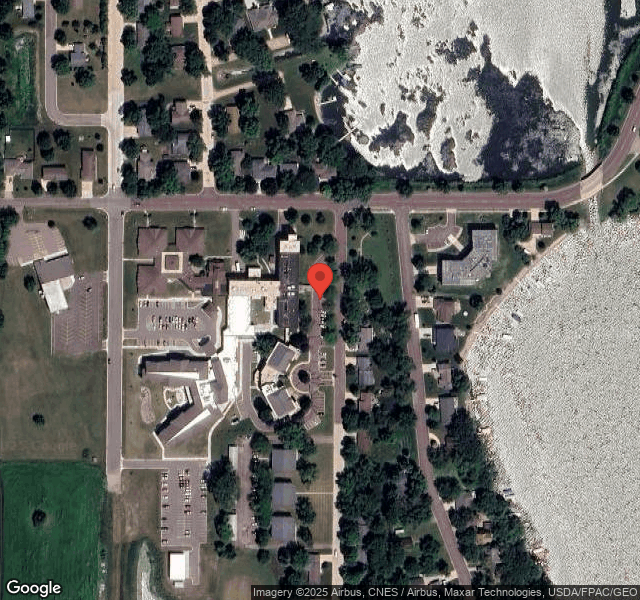
Jul 2022 5 deficiencies 1 Harm
SERIOUS (G)

Actual Harm - a resident was hurt due to facility failures

Pressure Ulcer Prevention (Tag F0686)

A resident was harmed · This affected 1 resident

**NOTE- TERMS IN BRACKETS HAVE BEEN EDITED TO PROTECT CONFIDENTIALITY** Based on observation, interview, and document review, the facility failed to comprehensively assess and implement pressure ulcer...

Read full inspector narrative →
**NOTE- TERMS IN BRACKETS HAVE BEEN EDITED TO PROTECT CONFIDENTIALITY** Based on observation, interview, and document review, the facility failed to comprehensively assess and implement pressure ulcer interventions for 1 of 1 resident (R9) reviewed for risk of pressure ulcer development. R9 was harmed when he developed one, stage 3 pressure ulcer after admission to the facility. Findings include: Pressure Ulcer stages defined by the Minimum Data Set (MDS) per Center Medicare/Medicaid Services: Stage III pressure ulcers (Full thickness tissue loss. Subcutaneous fat may be visible but bone, tendon or muscle is not exposed. Slough may be present but does not obscure the depth of tissue loss. May include undermining or tunneling.). R9's facesheet printed on 7/13/22, indicated R9 was admitted on 8/2021; admission diagnoses included post-polio syndrome (disabling signs and symptoms that appear decades after initial polio illness, including muscle and joint weakness and loss of muscle) and dementia. R9's quarterly Minimum Data Set (MDS) assessment dated [DATE], indicated severe cognitive impairment, clear speech, was understood when he spoke and was able to understand others. R9 required extensive assistance of two staff and a mechanical lift for moving in bed and toileting; was totally dependent upon two staff and a mechanical lift for transfers. R9 did not walk. The MDS assessment indicated R9 was at risk for pressure ulcer, but had no pressure ulcer over a bony prominence. In addition, the MDS assessment indicated a pressure reducing device in chair and bed was not used and there was not a turning/repositioning program in place for R9. R9's care plan dated 8/5/21 - 9/27/22, indicated R9 was at risk for an alteration in or potential for break in skin integrity. A goal indicated R9 would have no break in skin integrity through review date of 7/5/22. Interventions included daily skin inspections by a nursing assistant (NA) and to report abnormalities to the nurse, and to keep skin clean and dry. In addition, R9's care plan indicated he had an activity of daily living (ADL) self-care deficit related to post-polio syndrome and required extensive assistance of one to two staff to turn and reposition in bed as necessary. The care plan did not include measures to prevent a break in skin integrity, including, but not limited to, how often R9 should be turned and repositioned when in bed R9's care plan did not address off loading the heel and feet or device to protect ankles. Physician order dated 9/2/21, indicated: complete skin observation tool assessment weekly, every evening shift every Mon[day]. During a telephone interview on 7/12/22, at 8:12 a.m., family member (FM)-J stated R9 recently developed a pressure injury on left outer ankle, adding that R9 slept on his back with his left leg turned outward lying on the bed. Progress note dated 6/25/22, at 9:55 p.m., indicated licensed practical nurse (LPN)-B observed a stage 2 pressure area on R9's outer left malleolus (a bony projection on either side of the ankle). Noted while R9 in bed, laying on his back with left ankle rotated outward with outer ankle pressed into mattress. Weekly skin and wound evaluations for all of June and July were requested. No evaluations were received for 6/6 and 6/13. Others indicated: 6/20/22: No skin concerns noted. 6/25/22: Left outer ankle, pressure type injury, measuring in centimeters (cm): length 14.6, width 4, depth 0.1, stage II. In addition, the assessment indicated R9 was observed in bed, laying on his back with his left ankle rotated outward. 7/4/22: Left outer ankle, pressure type injury, measuring in cm: length 1.1, width 0.9, depth 0.1, stage II. 7/6/22: Left lateral malleolus 1.3 cm area; 1.3 cm length, 1.3 cm width. 7/11/22: R9 refused skin audit. 7/12/22: Left outer ankle, pressure type injury, measuring in cm: length 1, width 0.7, depth 0.1, stage III. Nurse practitioner (NP)-H visit note dated 6/28/22, indicated R9 had a reddened warm area on left ankle, painful with open area. Treatment being done. Open wound to left lateral malleolus. Scant drainage. No s/s [signs or symptoms] of infection. Keep heels elevated in bed. Referral to physical therapist (PT)-I to evaluate and treat wound. PT-I note dated 7/12/22, indicated R9 was seen for a stage 3 pressure injury to left mall [malleolus]. Current measurement 1 x 0.7 x 0.1 cm. Dressing change every two days with xeroform gauze and mepilex boarder dressing. Off-loading boot (blue) to be worn whenever in bed to off-load ankle. Recheck 10-14 days, sooner if wound size increases. During an interview on 7/12/22, at 2:23 p.m., license practical nurse (LPN)-C was aware of the pressure injury to R9's left ankle, stating it rotated outward when he laid in bed. LPN-C looked in the electronic medical record (EMR) to find first observation of pressure injury and stated it was on 6/25/22, at 9:55 p.m., when LPN-B observed a stage two pressure area on R9's outer left ankle. LPN-C was unaware of preventive measures that had been taken to prevent a pressure injury to R9, adding skin checks were done weekly on bath day. During an interview on 7/13/22, at 8:35 a.m., nursing assistant (NA)-E provided an untitled document she called a bath sheet. The document had five columns, including day of week, room number, resident name, skin audit day and bath day. NA-E stated R9 skin audits were done by NA's on the evening shift on Thursdays when R9 had a shower. NA-E stated NA's inform the nurse of any findings and the nurse documents findings in the EMR. NA-E had not given R9 a shower, as he preferred male staff. During an observation on 7/13/22, at 11:23 a.m., R9 was laying in bed supine (on back), covered with a towel following a shower. Left lateral ankle was covered with a dressing and left ankle was externally rotated with bony prominence directly resting on mattress. During an interview on 7/13/22, at 11:29 a.m., (LPN)-A stated R9's pressure injury was first noticed by a evening shift nurse on 6/25/22. LPN-A stated it was not noticed sooner because R9 refused skin audits. LPN-A stated if R9 refused, they would ask him again, but he had the right to refuse skin audits. LPN-A stated NA's looked at R9's skin daily as allowed and reported abnormalities to the nurse. LPN-A confirmed the only intervention on R9's care plan to prevent a pressure injury were daily skin checks by a NA. LPN-A acknowledged that would not prevent a pressure injury but might catch it before the skin broke. During a telephone interview on 7/13/22, at 12:29 p.m., PT-I confirmed she saw R9 on 7/12/22, and that he had a stage 3 pressure injury. PT-I stated that due to R9's history of polio, he lacked internal rotation of his left leg and was a high risk for a pressure injury because of that. PT-I could not say if the pressure injury was preventable, as she was unaware if the facility had been using preventive measures prior to discovering the wound. PT-I stated she gave R9 a off-loading boot for his left foot on 7/12/22. During an observation on 7/13/22, at 1:30 p.m. with LPN-A, observed R9's pressure injury to left lateral ankle. Visually, wound appeared to measure approximately .25 x .25 inches, pale yellow in center, no scab, no drainage. Skin surrounding wound was slightly red. LPN-A stated it was healing and looked better. Wound was flushed and dressed by LPN-A. A pressure reducing mattress on bed and pressure reducing cushion in wheelchair were observed; neither were noted on R9's care plan. During an observation on 7/14/22, at 7:50 a.m., R9 was laying in bed, supine. Off-loading boot noted on left foot. During an interview on 7/14/22, at 8:17 a.m., (NA)-D stated R9 depends on us for everything. NA-D stated R9 might be able to turn onto his side in bed by himself, but would need a pillow behind his back to keep him on his side. We are supposed to reposition him every two hours, but he usually refuses. In the EMR, in the section where NA's documented cares, NA-D displayed tasks for the surveyor to review, it identified repositioning every two hours and for skin observations. Skin observations were marked as red areas five times prior 6/25 (6/16, 6/18, 6/19, 6/22, 6/23), when the pressure injury was discovered. NA-D stated a NA could only checkmark red area, but not indicate where the red area was located, but if she observed a red area, she would tell a nurse. NA-D stated she had never observed redness on R9's outer left ankle when bathing or dressing him. During an interview on 7/14/22, at 8:56 a.m., registered nurse (RN)-E looked in the EMR to determine R9's pressure injury was first observed on 6/25/22. RN-E indicated she did not hear much from staff about things like this (pressure injury). RN-E did not know what preventative measures had been in place to prevent a pressure injury to R9's ankle, stating, Honestly, I'm not sure. RN-E looked at R9's care plan in the EMR and stated there were no interventions to prevent pressure injury over bony prominence's .only daily skin inspection and to keep R9's skin clean and dry. RN-E acknowledged she was aware of R9's post-polio syndrome diagnosis and stated the care plan only addressed that diagnosis as it related to activities of daily living deficits. RN-E stated the facility used a program that automatically populated care plan interventions, and as staff got to know a resident better, they added more interventions. RN-E acknowledged that had not been done with R9's care plan regarding pressure injury prevention. RN-E stated skin audits were done by nurses and that ankles were a part of the audit, adding that nurses were supposed to go through each body part noted on schematic body drawings on the audit form. RN-E stated she did not know how R9's skin condition on his ankle was overlooked before becoming a stage 3 pressure injury. While looking at the NA task list in the EMR, RN-E stated NA's were to shift and reposition R9 in bed or chair every two hours to reduce pressure, and stated this had not been added to R9's care plan and therefore nurses might not have been aware of it. On the same task list, NA's were to observe R9's skin for scratches, red areas, discoloration, skin tears, and open areas. In the days prior to 6/25, there were checkmarks made by NA's on six days for red areas, but no corresponding documentation indicating whether or not a nurse had been informed of this, or where the red areas were located. RN-E acknowledged the pressure injury on R9's ankle was probably preventable, adding they could have floated his heels; he could have had heel boots. During an interview on 7/14/22, at 10:21 a.m., the DON confirmed he was aware of R9's pressure injury to his left ankle. Discussed the lack of measures initiated to prevent pressure injury over bony prominence's, as well as NA's checking red areas in their documentation for skin observation, but no correlating progress notes to indicate a nurse was informed and the location of the red area. The DON acknowledged both were accurate. When asked if the pressure injury could have been prevented, the DON replied, Ultimately, hindsight is 20/20 probably could have been prevented .we've prevented a pressure injury for a long time, considering how often R9 refuses cares. Other than a pressure relieving mattress, there was no evidence that pressure reducing measures were in place to protect R9's skin over bony prominence's prior to discovery of a pressure injury on 6/25/22. While there were multiple notation in progress notes regarding refusals of care or of activities, none were observed regarding refusals to reposition in bed. Facility policy titled Skin Alteration Management, undated, indicated the facility would identify and review residents whose clinical conditions increase the risk for skin breakdown. To ensure necessary treatment and services, consistent with professional standards of practice, to promote healing, prevent infection and new injuries from developing. On admission, and quarterly, each resident would have a Braden assessment. Appropriate interventions would be implemented based on assessment and would be placed on resident care plan. Resident's skin would be observed daily with cares and as needed.
CONCERN (D)

Potential for Harm - no one hurt, but risky conditions existed

Report Alleged Abuse (Tag F0609)

Could have caused harm · This affected 1 resident

**NOTE- TERMS IN BRACKETS HAVE BEEN EDITED TO PROTECT CONFIDENTIALITY** Based on interview and document review, the facility failed to report an allegation of abuse to the State Agency (SA) within 2 h...

Read full inspector narrative →
**NOTE- TERMS IN BRACKETS HAVE BEEN EDITED TO PROTECT CONFIDENTIALITY** Based on interview and document review, the facility failed to report an allegation of abuse to the State Agency (SA) within 2 hours of the report for 1 of 3 residents (R22) who reported an allegation of potential abuse. Findings include: R22's significant change Minimum Data Set (MDS) assessment dated [DATE], indicated R22 had moderately impaired cognition, clear speech, was understood when he spoke and was able to understand others. R22 had adequate vision and minimal difficulty hearing. R22 required extensive assistance of one staff for most activities of daily living (ADLs). R22's care plan dated 5/6/22, indicated R22 was vulnerable to abuse and neglect due to nursing home placement and the need for assistance from staff. The care plan further indicated R22 would not suffer from abuse or neglect, and his safety needs would be met. Interventions included encouraging R22 to verbalize feelings and concerns, and staff would observe for mood, behavior, psychological needs and intervene as appropriate. During an interview on 7/11/22, at 6:10 p.m., R22 stated, I'm not going to mention names .but there is one who is rougher than a cob (R22 clarified he was referring to a corn cob), who tried to throw him around; happened in the morning or evening when getting up or going to bed. R22 stated it occurred when she (unknown staff person) was by herself; she would tell R22 to get up, and he would tell her he couldn't get up by himself. R22 stated he had not told anyone this as he hated to be a snitch. In addition, R22 stated he would not mention names; was not afraid of retaliation and though he did not like being treated this way, was not going to say anything to anyone. On 7/11/22, at 6:45 p.m., R22's allegation of rough handling was reported to the director of nursing (DON). Facility policy titled Vulnerable Adult Plan, dated 11/1/17, indicated on page 10, there would be adequate supervision to identify inappropriate behaviors including rough handling. The process for internal investigation and reporting on pages 10 and 11, guided the process: the DON (director of nursing) or director of social services would be informed; a team would conduct an investigation to ensure the resident and other residents were safe from harm, and the resident, other residents and staff would be interviewed. External reporting on page 12, indicated alleged violations involving abuse or mistreatment would be reported immediately, but no later than two hours if the alleged violation involved abuse. A grievance form dated 7/11/22, (the time was left blank) completed by social worker (SW)-A indicated: --Summary: R22 voiced concern to surveyor regarding staff handled roughly. --Steps taken to investigate: 1) interviewed resident, 2) follow-up interview on 7/12, 3) staff interviews, 4) contact and inform son. --Findings: R22 said it was what they say to him (you can do it when I know I can't); it was not something physical. --Corrective action: message on communication board, nursing staff education on communication and approach with residents; re-education at monthly nursing meeting. A progress note dated 7/12/2022, at 6:39 p.m., and written by social worker (SW)-A indicated: Follow up visit with resident after learning he had talked to a surveyor and there was some concern with his responses. Inquired with res[sident] about having people visit with him yesterday about his care here. Asked him if he had any concerns that I could help him with of which he said I don't want to get anyone in trouble. Reassurance given that my goal is to make sure he is safe and taken care of and that the staff work here in his home and need to treat him with respect and dignity. I told him that I also hoped he could tell me his concern so that I can make sure it does not happen to others that live here. He said that he new [knew] I was a good person as I helped move his belonging to his new room and decorate it for him. As we talked he said that the staff was a female that was taller than me but that I am short like his 2nd wife was. He said that he was not sure of her hair color but she was proportioned to her height. Inquired if he recalls tattoo's on her arms as many staff have them and she did not. I asked if she works during the day and he said no. When I asked him if she hurt him he said no, she was bossy though. Rephrased my question to ask if he felt he had been abused and he said no, she was just bossy and didn't ask me but bossed me. Reassured him that he is safe here, that we do not want him to worry about his safety and that if this person continues to be bossy that he please let me know. Thanked him for sharing his concern and that his information will help us protect others as well. No other concerns noted. Consulted with LPN [licensed practical nurse] on duty who is not sure which staff this could be but will try to come up with who it may be so that we can talk with them about how we speak to the residents and how we ask, explain and not boss them. During an interview on 7/13/22, at 1:33 p.m. with the DON, SW-A and (SW)-B, SW-A stated they reported allegations of abuse to the SA when they had enough information to validate that abuse occurred. SW-A admitted the facility did not report R22's allegation of potential abuse to the SA because the term R22 used -- rough -- meant different things to different people and did not necessarily imply abuse. The DON stated the reason the facility did not report potential abuse was because when R22 was interviewed by SW-A he denied being abused. Rather than report the allegation of abuse to the SA, SW-A completed a grievance form. At the conclusion of this interview, SW-A stated they would report the incident to the SA right away. The allegation of abuse by R22 was reported to the SA on 7/13/22, at 2:29 p.m. During an interview on 7/14/22, at 10:21 a.m., the DON reiterated that since R22 did not use the word abuse or identify his interaction with staff as abusive, the facility did not believe they needed to report the allegation of rough handling to the SA. Facility policy titled Vulnerable Adult Plan, dated 11/1/17, indicated there would be adequate supervision to identify inappropriate behaviors including rough handling. The process for internal investigation and reporting guided the process: the DON (director of nursing) or director of social services would be informed; a team would conduct an investigation to ensure the resident and other residents were safe from harm, and the resident, other residents and staff would be interviewed. External reporting indicated alleged violations involving abuse or mistreatment would be reported immediately, but no later than two hours if the alleged violation involved abuse.
CONCERN (D)

Potential for Harm - no one hurt, but risky conditions existed

ADL Care (Tag F0677)

Could have caused harm · This affected 1 resident

**NOTE- TERMS IN BRACKETS HAVE BEEN EDITED TO PROTECT CONFIDENTIALITY** Based on observation, interview and document review, the facility failed to provide nail care to 1 of 2 resident (R22) reviewed ...

Read full inspector narrative →
**NOTE- TERMS IN BRACKETS HAVE BEEN EDITED TO PROTECT CONFIDENTIALITY** Based on observation, interview and document review, the facility failed to provide nail care to 1 of 2 resident (R22) reviewed for activities of daily living (ADL) and who was dependent upon staff for care. Findings include: R22's significant change Minimum Data Set (MDS) assessment dated [DATE], indicated R22 had moderately impaired cognition, clear speech, was understood when he spoke and was able to understand others. R22 had adequate vision and minimal difficulty hearing. R22 required extensive assistance of one staff for personal hygiene. R22's care plan dated 5/6/22, indicated an ADL self-care performance deficient requiring extensive assistance of one staff for grooming and personal hygiene. During an interview and observation on 7/11/22, at 6:24 p.m., observed fingernails on both hands approximately one quarter inch or more past the top of each finger on both hands. R22 stated he wanted his nails trimmed but didn't have a nail clipper. R22 denied staff had offered to trim his nails on his weekly bath day. During an observation on 7/13/22, at 8:15 a.m., R22 was sitting in his wheelchair eating breakfast and stated he just had a shower. Fingernails were unchanged from observation on 7/11/22. During an interview on 7/13/22, at 8:35 a.m., nursing assistant (NA)-E stated NA's trimmed resident fingernails if they were not diabetic, and this would typically be done on bath day or whenever a resident wanted it done. NA-E stated R22 had a shower by (NA)-D. During an interview on 7/13/22, a 9:03 a.m., (NA)-G stated resident fingernails were trimmed on bath day by a NA and R22 should have had his nails trimmed since he had a shower. NA-G looked at R22's fingernails and stated they were long and thick. NA-G stated if a NA was not comfortable trimming a residents nails, he/she could ask for help. During an interview on 07/13/22, at 9:11 a.m., registered nurse (RN)-C looked at R22's nails and asked R22 if he liked that length or if he wanted them trimmed. R22 motioned with his hands as if he were using a fingernail clipper. RN-C stated .you'd like them trimmed we'll do that. RN-C stated she would have expected R22's nails be trimmed with his shower this week or last week, and acknowledged the length of his nails was more than just one or two weeks growth. At 10:01 a.m., RN-C reported that she trimmed R22's fingernails. During an interview on 7/14/22, at 8:12 a.m., (NA)-D stated she did not trim R22's nails with his shower on 7/13, because she did not know if R22 was diabetic, adding she later learned it was toenails of diabetic residents she could not trim. NA-D stated she had cleaned under R22's nails and noticed they were long and had planned to trim them later that shift. NA-D acknowledged the growth of R22's nails did not occur in just the past week, stating no, they were too long for that to be the case. During an interview on 7/14/22, at 10:21 a.m., the director of nursing (DON) stated he expected staff to assist residents with nail care. The DON stated NA-D had planned to trim R22's fingernails later that shift on 7/13/22. The DON was informed R22's fingernails were very long and were not the result of missing one nail trimming. Facility policy titled Activities of Daily Living, undated, indicated in part that the purpose was to provide assistance to residents as necessary and to improve quality of life. The policy did not specify nail care for residents, such as who was responsible for nail care or when it would be completed.
CONCERN (D)

Potential for Harm - no one hurt, but risky conditions existed

Deficiency F0688 (Tag F0688)

Could have caused harm · This affected 1 resident

Based on observation, interview and document review, the facility failed to provide range of motion (ROM) services for 1 of 1 resident (R24) identified with limited range of motion of the right upper ...

Read full inspector narrative →
Based on observation, interview and document review, the facility failed to provide range of motion (ROM) services for 1 of 1 resident (R24) identified with limited range of motion of the right upper extremity (RUE). Findings include: R24's annual Minimum Data Set (MDS) assessment, dated 4/20/22; indicated R24 had moderately impaired cognition and functional limitations in activities of daily living (ADL); required extensive assistance with bed mobility, transferring, dressing, personal hygiene, and toileting. Furthermore, the MDS indicated R24 did not ambulate and used a wheelchair for mobility, had no impairment of extremities, and did not receive any therapy services for ROM. The MDS included diagnosis of history of falling, weakness, osteoarthritis (wearing down of protective tissue at the end of bones), restless leg syndrome (RLS) (a condition causing irresistible urge to move legs), anemia (lack of red blood cells), and Type 2 diabetes with polyneuropathy (a nerve disorder caused by diabetes). R24's occupational therapy (OT) weekly rehab meeting note, dated 6/1/21, indicated services provided for wheelchair seating and position mobility; had difficulty with traction after 3-inch wheelchair cushion was placed for self-propelling. R24's order summary, printed on 7/14/22, indicated standing orders for restorative nursing measures such as, passive range of motion (PROM), ambulation, transfers, and activities of daily living (ADL) may be implemented following an assessment by a licensed nurse. R24's care plan, printed on 7/14/22, indicated to monitor/document/report as needed (PRN) any changes, any potential for improvement, reasons for self-care deficit, expected course, declines in function; physical therapy(PT)/OT evaluation and treatment as per MD orders, and to anticipate and meet the resident's needs. On 7/11/22 at 4:21 p.m., R24 was observed sitting in recliner chair in room. R24's bilateral hand was visualized to appear weak, slow to open. When R24 opened bilateral hand to extend fingers; right hand appeared tight, stiff, did not open completely as left hand. Right fifth finger appeared to curve inwards toward palm of hand. R24 indicated right hand didn't open as well as left hand did but didn't know why. R24 stated he was not receiving any therapy exercises for strengthening. During an interview, on 7/12/22 at 12:26 p.m., nursing aide (NA)-A indicated she was not aware of any restorative nursing services for R24. NA-A stated awareness of increased weakness to R24's bilateral upper extremities (BUE's) over past 2 months. NA-A indicated when using E-Z stand for transfers, R24 was needing assistance from staff to assist with hand placement to grasp E-Z stand grab bars. When interviewed, on 7/12/22 at 1:06 p.m., NA-B indicated awareness of right hand being difficult to open since facility admission, had not worsened since then, overall mobility has declined approximately over last 6 months. NA-B stated she was not aware if R24 had been receiving any OT or PT, aware R24 was supposed to have ROM exercises completed, as done on all residents. NA-B indicated unawareness of specific exercise regimen to be completed for R24. During an interview, on 7/12/22 at 01:42 p.m., registered nurse (RN)-A indicated R24's hands were becoming more fixed, mobility declined and was no longer ambulatory. RN-A stated awareness R24 had PRN (as needed) restorative nursing order for implementation of ROM. RN-A verified no restorative nursing order for ROM had been implemented for R24 at that time, needed to complete a resident assessment first by one of the resident care coordinators (RCCs). When interviewed, on 7/12/22 at 2:49 p.m., RN-E indicated unawareness of any ROM or mobility concerns to R24's BUE's, except a trigger finger to right 5th finger to right hand. RN-E stated all residents had assessments completed, including mobility; assessments completed at time of admission, quarterly, and at discharge. RN-E indicated she had just recently completed R24's quarterly assessment this month, (July 2022), had no concerns with ROM or mobility at time of assessment. During an interview, on 7/12/22 at 3:15 p.m., occupational therapy aide (OTA) indicated R24 was evaluated on 6/1/21 for wheelchair seating/positioning, no other evaluations since that time. OTA stated per 6/1/21 OT notes, no evaluation or recommendations were provided regarding ROM/mobility needs for R24's BUE's. A mobility assessment was completed for R24's BUE's per RN-E on 7/13/22 at 9:32 a.m. RN-E indicated no concerns for R24's left hand. RN-E stated R24's right hand had a firm grasp; when opening hand and extending fingers, R24 could only extend fingers half-way, right 5th finger remained curved inward. RN-E indicated during assessment, she could feel rigidity and tightness to R24's right hand with extension of fingers. RN-E confirmed R24 had contraction to right hand, did not know why she hadn't noticed that previously. RN-E indicated she would request an order from physician to have R24 evaluated per OT to assess strength and possible contracture of right hand. On 7/13/22 at 11:50 a.m., PT-E was requested per surveyor to assess R24's ROM and mobility to right hand, as OT not available at time. PT-E indicated inability to evaluate R24's ROM and mobility status to right hand without having a physician's order. When interviewed, on 7/13/22 at 1:16 p.m., the director of nursing (DON) indicated resident's ROM and mobility were assessed at time of admission, quarterly, and at time of discharge per RCCs. The DON further stated staff could ask PT/OT to evaluate a resident's ROM or mobility status if needing to be determined right away, like a transfer status. The DON indicated if staff noticed a change in a resident's ROM or mobility condition, expectation was for staff to notify licensed nursing right away, licensed nurse would document findings in progress note through electronic medical record (EMR) system, send a request to resident's physician asking for PT/OT orders to evaluate, and implement standing orders for restorative ROM program to prevent further decline in ROM/mobility. Facility policy and procedure titled, Range of Motion (Active, Active Assistance, and Passive), undated, included; purpose to move the resident's joints through as full a range of motion as possible, to improve or maintain joint mobility and muscle strength, to prevent contractures, to increase strength and activity tolerance, to prevent complications of mobility. General; assess the resident for disability, pain, and weakness. Special considerations; inform nurse of any changes in resident's ability, when the resident's activity level or joint function is at risk of or decreases range of motion should be started as soon as possible joints begin to stiffen within 24 hours of disuse. Possible related minimum data set triggers; ADL function/rehabilitation potential, psychosocial well-being, falls, psychotropic drug use.
CONCERN (F)

Potential for Harm - no one hurt, but risky conditions existed

Infection Control (Tag F0880)

Could have caused harm · This affected most or all residents

Based on observation, interview, and document review the facility failed to maintain a system to analyze monthly surveillance data for trends and patterns to reduce the spread of illness, infections, ...

Read full inspector narrative →
Based on observation, interview, and document review the facility failed to maintain a system to analyze monthly surveillance data for trends and patterns to reduce the spread of illness, infections, control transmission of infections and communicable diseases present in the facility, review annually the infection prevention and control program (IPCP), and the facility failed implement measures to prevent the spread of infection when the facility failed to ensure personal protective equipment (PPE) was discarded prior to leaving resident rooms. This had the potential to affect all 57 residents who resided in the facility. Findings include: Surveillance: Review of the facility's infection tracking sheets dated April 2022, to July 2022, indicated: resident, floor/wing, room number, infection type, body system of infection, community onset, facility onset, symptoms, onset date, device type, infection risk factors, collection date, type of test, specimen source, results (organism colony counts for urine), antibiotic resistant organism, number of different antibiotics currently prescribed, drug (dose, route frequency), total days of therapy, antibiotic times outs performed, total days of therapy, transmission based precautions required, date symptoms resolved. The facility tracking sheets dated April 2022, to July 2022, indicated missing data fields on the tracking sheets, and further lacked an analysis of the infections/illness, patterns or trends, interventions implemented, and transmission based precautions required. The facility did not provide analysis of the infections to include trending, patterns and what interventions were implemented, if patterns or trends were identified. The facility further failed to identify surveillance of R2's Clostridium difficile (infection of the large intestine) and transmission based precautions. R2's lab information dated 4/20/22, indicated a positive C. difficile toxin. On 7/13/21, at 1:04 p.m. an interview with registered nurse (RN)-B indicated she was the infection nurse at the facility. RN-B verified she tracked and documented infections on the computer tracking form, but no ongoing formal surveillance, monitoring of trends and/or breaks in infection practices had occurred more then quarterly. RN-B indicated infection data was reviewed on a quarterly basis to report the infection rate to the quality committee. When asked to review the infection data, RN-B used the tracking form on the computer and identified the infection control logs for the past few months. RN-B confirmed the some of the data was missing from the tracking logs. RN-B verified anything she had done regarding infection prevention was on done on an informal basis. RN-B indicated daily she discussed residents on antibiotics with facility staff; however, residents were not tracked or compared for trending's or patterns. RN-B verified a monthly analysis of the illness' and infections was important to rule out any trending or patterns, and interventions could be initiated to help prevent illness or infections including staff education and system process review. RN-B indicated R2 was not on the surveillance tracking sheet. RN-B verified R2 was expected to be on the surveillance tracking sheet starting April 2022, and was expected to be on the current tracking log dated July 2022, due to R2 continued transmission based precautions, C-diff diagnoses, and symptoms of diarrhea. On 7/14/22, at 10:32 a.m. the director of nursing (DON) indicated the facility was expected to track, trend and analyze potential and actual infections of residents; and further indicated the current facility practice was to analyze the data collected from the tracking log and summarize the information quarterly. The information was then brought to the quality assurance meeting and discussed on a quarterly basis. The DON confirmed R2 was expected to be on the tracking log due to transmission based precautions and diagnosis of C-Diff. Policy titled Transmission Based Precautions dated 4/13/22, indicated: Surveillance and Outbreak Management 1. In order to detect outbreaks early and monitor the effectiveness of these policies: a. confidential line listing of residents known to carry antibiotic resistant microorganisms (ARM) should be maintained. b. Surveillance of cultures obtained for clinical reasons should be reviewed regularly to determine if nososcomial transmission has occurred. 2. An outbreak is defined as: a. three or more cases of clinically significant facility acquired infections caused by the same Organism occurring in the same general area within up. Of seven days or b. twice that normal number of these infections per month observer period of three consecutive months Policy Titled Antibiotic Stewardship Program dated 5/17/18, indicated: -Stewardship actions are conducted to enable or to measure these key elements of care knowing when to be concerned about their infection and or resident what clinical and historical information to gather for the provider, when does submit diagnostic specimens to the laboratory, how to quantify and assess appropriateness of antibiotics prescribed, and how do I identify adverse outcomes that might be associated with antibiotics. actions put into place Find the antibiotic stewardship team will be monitored monthly (see measuring actions section of this document), discuss with leadership and appropriate consulting experts and reviewed for necessary updates annually. Actions: -Prescription record keeping dose duration route and indication of every antibiotic must be documentation in the electronic medical record for every resident regardless of prior prescriptions or documentation elsewhere. location of this information should be made on the day that the prescription is written or on the day the resident returns the facility on an antibiotic prescribed elsewhere. records will be reviewed monthly to assess compliance with this requirement as well as prescription appropriateness for the individual resident site and type of infection. Tracking a. Measurement/tracking objectives: we will monitor antibiotic use stewardship actions and outcomes related to antibiotic use in order to guide change and track antibiotics to recheck program impact b. what will be measured tracked i. antibiotic use: antibiotic starts ii. stewardship actions: record keeping protocol compliance iii. Outcomes: C difficile and MRSA detection c. Measurements: i. Antibiotic use: days of therapy ii. stewardship actions: record keeping protocol compliance and compliance with urine specimen submission guidelines iii. outcomes: C difficile MRSA infections urinary tract infections and antibiotic cost Infection prevention and control program (IPCP): Review of the facility infection prevention and control program (IPCP) dated 3/23/21, indicated manual and policies reviewed. On 7/13/21, at 1:04 p.m. an interview RN-B confirmed the IPCP was last reviewed on 3/21/21, and verified IPCP were expected to be reviewed annually. Personal Protective Equipment (PPE): During observation on 7/11/22, at 12:33 p.m. observed an unidentified staff exit R208's room, removed PPE that included gown, gloves, N-95 mask, and face shield, and removed and discarded contaminated gown into a container that would not close due to overfilled with other yellow gowns. During observation on 7/11/22, at 12:40 p.m., 12 feet outside of R2's room a cart with drawers with clean PPE supplies was observed, and on each side of the clean PPE supplies a container for dirty linens and dirty PPE supplies was observed. R2's room was observed and failed to have signage posted regarding transmission based precautions, and R2's room did not have garbage for staff to remove contaminated PPE prior to exiting the room. During interview on 7/11/22, at 1:57 p.m., RN-B indicated staff received training on donning and doffing PPE. RN-B stated staff were taught to take all PPE off inside the room and stated staff were expected to take off PPE prior to exiting the resident's room. RN-B stated the garbage's to dispose of PPE were expected in the residents room not outside the resident's room. On 7/11/22, at 2:20 p.m. R258's family member was observed in R258's room, and wore a PPE gown and FM-A was observed to exit the room, walked down unit hallway with isolation gown, stopped at unit coffee machine, lifted lever to coffee machine, poured coffee into Styrofoam cup. FM-A returned to R258's room, opened door, and closed door behind her once in room. Outside of R258's room, observed 2 garbage cans outside of resident room, one labeled soiled, had red bag lining garbage can and other not labeled, had regular plastic lining garbage can. Noted yellow isolation gowns, gloves, N95 masks in regular garbage can. Next to garbage cans was a clean PPE cart with supplies. On 7/12/22, at 11:11 a.m. nursing assistant (NA)-C, indicated R2 was on precautions for C-diff, and indicated staff were expected to wear gown and gloves, when they assisted with R2 with toileting. NA-C further indicated residents who are newly admitted to the facility were isolated their room for 14 days, and staff were expected to wear PPE including gowns, gloves, face, shield, N95 when going to the room, and the PPE was discarded when exiting the room not in the room. On 7/12/22, at 1:07 p.m. registered nurse (RN)-A came out of R258's room, had yellow isolation gown on over scrubs, gloves, N95 mask, face shield and discarded PPE in regular garbage can outside of R258's room. On 7/13/22, at 9:14 a.m. RN-A indicated R258 was on isolation precautions due to not up to date with COVID booster immunization. RN-A indicated would not expect R258;s family member walk around hallway/dining area with isolation gown/mask after she came out of R258's isolation room. RN-A further indicated with PPE garbage cans outside of room, there is potential if R258 was infectious, would pose risk for transmission of infections to others and RN-A indicated garbage cans should be inside R258's room for potential exposure/cross-contamination. On 7/13/22, at 9:49 a.m. RN-C indicated FM-A was not expected walking throughout facility with isolation gown/mask after coming out of R258's isolation room. RN-C stated staff were expected provide education with FM-A to remain in the room until ready to leave facility. During a follow up interview on 7/13/22, at 1:04 p.m. RN-B indicated R2 did not want signage on her door related to transmission based precautions, and did not want the garbage in her room for PPE discarded, when asked how other resident's would be protected RN-B indicated she was not sure what the policy stated and staff were educated on 7/12/22, remove PPE just inside doorway, dispose of in bag, and tie securely, proceed to receptacle in hallway and sanitize hands after disposing . RN-B confirmed prior to 7/12/22, staff were removing PPE outside of R2's doorway. During interview on 7/14/22, at 10:32 a.m. the director of nursing confirmed staff should not be coming out of the room to discard the gowns. Progress note dated 7/11/22, at 4:24 p.m. RN-B indicated R2's receptacles for laundry and garbage are too far out into the hall for IC (infection control) best practice. R2 does not want them in her room or closer to the door, she refuses signage on her door. New procedure to ensure good IC will be: take a garbage bag from drawer in bathroom, proceed to door way, remove PPE just inside doorway, dispose of in bag, and tie securely. Proceed to receptacle in hallway and sanitize hands after disposing. Please do the same with laundry,. Policy titled Transmission-Based Precautions dated 4/13/22, indicated: Gowns 1. DON gown upon entry into the room or cubicle. Remove gown and observe hand hygiene before leaving the resident care environment. 2. After gown removal, ensure that clothing and skin do not contact potentially contaminated environmental services that could result in possible transfer microorganism to other residents environmental services. 3. for all residents gowns should be worn as necessary for standard precautions. 4. In addition, a clean, non sterile gown with long sleeves will be worn if direct care will be provided or when substantial contact with secretions/excretions is anticipated when such contact is anticipated the gown should be put on before entering the room or approaching the resident 5. Gowns should also be worn when body contact with environmental services and items in the room that may be contaminated is anticipated. Particularly if the resident is incontinent of urine or stool or has diarrhea 6. The gown will be removed and appropriately discarded before leaving the residents environment. 7. After gown removal, staff should ensure that clothing does not potentially contaminate environmental services to avoid transfer microorganisms to other residents or environments. Policy and procedure title personal protective equipment- gowns, aprons and lab coats dated 10/14/21, indicated: -When gowns are used, they must be used only once and discarded into appropriate receptacles located in the room in which the procedure is performed. Staff Training document titled Infection Control: Essential Principles dated 2020, indicated: -Perform hand hygiene and put on gloves before you enter the persons room. for some tasks you may need to wear a gown. before you leave the room remove your gloves and your gown and perform hand hygiene these precautions apply to family and other visitors as well.
Understanding Severity Codes (click to expand)
Life-Threatening (Immediate Jeopardy)
J - Isolated K - Pattern L - Widespread
Actual Harm
G - Isolated H - Pattern I - Widespread
Potential for Harm
D - Isolated E - Pattern F - Widespread
No Harm (Minor)
A - Isolated B - Pattern C - Widespread

Questions to Ask on Your Visit

  • "Can I speak with families of current residents?"
  • "What's your RN coverage like on weekends and overnight?"

Our Honest Assessment

Strengths
  • • No fines on record. Clean compliance history, better than most Minnesota facilities.
  • • 27% annual turnover. Excellent stability, 21 points below Minnesota's 48% average. Staff who stay learn residents' needs.
Concerns
  • • 24 deficiencies on record, including 1 serious (caused harm) violation. Ask about corrective actions taken.
Bottom line: Mixed indicators with Trust Score of 68/100. Visit in person and ask pointed questions.

About This Facility

What is Lakeview Methodist Health Care Center's CMS Rating?

CMS assigns Lakeview Methodist Health Care Center an overall rating of 4 out of 5 stars, which is considered above average nationally. Within Minnesota, this rating places the facility higher than 99% of the state's 100 nursing homes. This rating reflects solid performance across the metrics CMS uses to evaluate nursing home quality.

How is Lakeview Methodist Health Care Center Staffed?

CMS rates Lakeview Methodist Health Care Center's staffing level at 5 out of 5 stars, which is much above average compared to other nursing homes. Staff turnover is 27%, compared to the Minnesota average of 46%. This relatively stable workforce can support continuity of care.

What Have Inspectors Found at Lakeview Methodist Health Care Center?

State health inspectors documented 24 deficiencies at Lakeview Methodist Health Care Center during 2022 to 2024. These included: 1 that caused actual resident harm, 22 with potential for harm, and 1 minor or isolated issues. Deficiencies causing actual harm indicate documented cases where residents experienced negative health consequences.

Who Owns and Operates Lakeview Methodist Health Care Center?

Lakeview Methodist Health Care Center is owned by a non-profit organization. Non-profit facilities reinvest revenue into operations rather than distributing to shareholders. The facility operates independently rather than as part of a larger chain. With 72 certified beds and approximately 64 residents (about 89% occupancy), it is a smaller facility located in FAIRMONT, Minnesota.

How Does Lakeview Methodist Health Care Center Compare to Other Minnesota Nursing Homes?

Compared to the 100 nursing homes in Minnesota, Lakeview Methodist Health Care Center's overall rating (4 stars) is above the state average of 3.2, staff turnover (27%) is significantly lower than the state average of 46%, and health inspection rating (3 stars) is at the national benchmark.

What Should Families Ask When Visiting Lakeview Methodist Health Care Center?

Based on this facility's data, families visiting should ask: "Can I visit during a mealtime to observe dining assistance and food quality?" "How do you handle medical emergencies, and what is your hospital transfer rate?" "Can I speak with family members of current residents about their experience?"

Is Lakeview Methodist Health Care Center Safe?

Based on CMS inspection data, Lakeview Methodist Health Care Center has a clean safety record: no substantiated abuse findings (meaning no confirmed cases of resident harm), no Immediate Jeopardy citations (the most serious violation level indicating risk of serious injury or death), and is not on the Special Focus Facility watch list (a federal program monitoring the lowest-performing 1% of nursing homes). The facility has a 4-star overall rating and ranks #1 of 100 nursing homes in Minnesota. While no facility is perfect, families should still ask about staff-to-resident ratios and recent inspection results during their visit.

Do Nurses at Lakeview Methodist Health Care Center Stick Around?

Staff at Lakeview Methodist Health Care Center tend to stick around. With a turnover rate of 27%, the facility is 19 percentage points below the Minnesota average of 46%. Low turnover is a positive sign. It means caregivers have time to learn each resident's needs, medications, and personal preferences. Consistent staff also notice subtle changes in a resident's condition more quickly.

Was Lakeview Methodist Health Care Center Ever Fined?

Lakeview Methodist Health Care Center has no federal fines on record. CMS issues fines when nursing homes fail to meet care standards or don't correct problems found during inspections. The absence of fines suggests the facility has either maintained compliance or corrected any issues before penalties were assessed. This is a positive indicator, though families should still review recent inspection reports for the full picture.

Is Lakeview Methodist Health Care Center on Any Federal Watch List?

Lakeview Methodist Health Care Center is not on any federal watch list. The most significant is the Special Focus Facility (SFF) program, which identifies the bottom 1% of nursing homes nationally based on persistent, serious quality problems. Not being on this list means the facility has avoided the pattern of deficiencies that triggers enhanced federal oversight. This is a positive indicator, though families should still review the facility's inspection history directly.