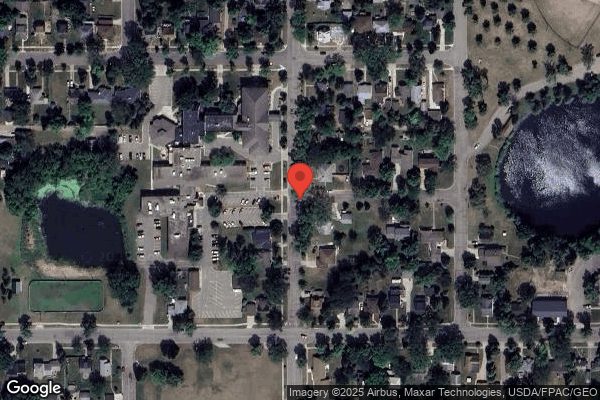
LB BROEN HOME

824 SOUTH SHERIDAN STREET, FERGUS FALLS, MN 56537 (218) 998-7300
Non profit - Corporation 74 Beds Independent Data: November 2025
Trust Grade
85/100
#48 of 337 in MN
Last Inspection: August 2024

Within standard 12-15 month inspection cycle. Federal law requires annual inspections.

Overview

LB Broen Home in Fergus Falls, Minnesota has a Trust Grade of B+, which means it is above average and recommended for potential residents. It ranks #48 out of 337 facilities in Minnesota, placing it in the top half, and is #2 of 7 in Otter Tail County, indicating only one better local option. The facility is improving in terms of issues reported, decreasing from 9 in 2023 to just 1 in 2024. Staffing is a strength here, with a 5/5 star rating, although turnover is average at 43%. Notably, there have been no fines, which is a positive sign, but RN coverage is concerning as it falls below that of 82% of Minnesota facilities. However, there are some weaknesses to consider. Specific incidents in the inspection findings include a failure to maintain clean ceiling fans in the kitchen, which posed a contamination risk to food and dishes, and lapses in COVID-19 testing protocols for staff, which could affect resident safety. Additionally, there were issues with proper PPE usage and hand hygiene during resident care, highlighting areas that need attention. Overall, while LB Broen Home has significant strengths, families should be aware of these concerns when making their decision.

Trust Score
B+
85/100
In Minnesota
#48/337
Top 14%
Safety Record
Low Risk
No red flags
Inspections
Getting Better
9 → 1 violations
Staff Stability
○ Average
43% turnover. Near Minnesota's 48% average. Typical for the industry.
Penalties
✓ Good
No fines on record. Clean compliance history, better than most Minnesota facilities.
Skilled Nurses
✓ Good
Each resident gets 43 minutes of Registered Nurse (RN) attention daily — more than average for Minnesota. RNs are trained to catch health problems early.
Violations
⚠ Watch
16 deficiencies on record. Higher than average. Multiple issues found across inspections.
★★★★★
5.0
Overall Rating
★★★★★
5.0
Staff Levels
★★★☆☆
3.0
Care Quality
★★★★☆
4.0
Inspection Score
Stable
2023: 9 issues
2024: 1 issues

The Good

  • 5-Star Staffing Rating · Excellent nurse staffing levels
  • Full Sprinkler Coverage · Fire safety systems throughout facility
  • No fines on record
  • Staff turnover below average (43%)

    5 points below Minnesota average of 48%

Facility shows strength in staffing levels, fire safety.

The Bad

Staff Turnover: 43%

Near Minnesota avg (46%)

Typical for the industry

The Ugly 16 deficiencies on record

Aug 2024 1 deficiency
CONCERN (E)

Potential for Harm - no one hurt, but risky conditions existed

Infection Control (Tag F0880)

Could have caused harm · This affected multiple residents

**NOTE- TERMS IN BRACKETS HAVE BEEN EDITED TO PROTECT CONFIDENTIALITY** Based on observation, interview and document review, the facility failed to implement appropriate donning/doffing of personal pr...

Read full inspector narrative →
**NOTE- TERMS IN BRACKETS HAVE BEEN EDITED TO PROTECT CONFIDENTIALITY** Based on observation, interview and document review, the facility failed to implement appropriate donning/doffing of personal protective equipment (PPE) practices to prevent the spread of infection for 3 of 5 residents (R2, R16, R34) observed for enhanced barrier precautions (EBP) (an infection control intervention designed to reduce transmission of multidrug-resistant organisms that employs targeted gown and glove use during high contact resident care activities). In addition, the facility failed to ensure equipment was sanitized between 2 of 2 residents (R24, R34) observed during transfers by nursing staff. Further, the facility failed to implement hand hygiene for 5 of 5 residents (R1, R29, R32, R37, R43) observed during medication administration. Findings include: Review of Centers for Disease Control (CDC) guidance dated 4/1/24, Implementation of Personal Protective Equipment (PPE) Use in Nursing Homes to Prevent Spread of Multidrug-resistant Organisms (MDROs) indicated examples of high-contact resident care activities requiring gown and glove use for EBP included: Dressing, Bathing/showering, Transferring, Providing hygiene, Changing linens, Changing briefs or assisting with toileting, device care or use: central line, urinary catheter, feeding tube, tracheostomy/ventilator and wound care: any skin opening requiring a dressing. R16 R16's quarterly Minimum Data Set (MDS) dated [DATE], identified R16 had severe cognitive impairment and had diagnoses which included: hypertension (high blood pressure), dementia, anxiety. Indicated R16 required extensive assistance of staff for transfers and toileting. R16's care plan created 3/21/19, identified R16 required assistance with activities of daily living (ADL's) related to dementia, unsteadiness and anxiety. Indicated staff were to assist with transfers and had interventions of EBP. R16's care plan lacked documentation of a stage three ulcer to the left buttock. R16's resident condition report to physician dated 8/11/24, identified R16 had an area to the left buttock measuring nine centimeters (cm) by seven cm with an open area measuring 0.2 cm with drainage. R16's wound assessment dated [DATE], identified R16 had a stage three ulcer to the left buttock measuring 1.5 cm in length by 1 cm in width by 0.5 cm in depth. A stage two ulcer to left buttock measuring 1 cm in length by 0.8 cm in depth. A hard boil/lesion to the left buttock measuring 5 cm in length by 4 cm in width. R16's hospital report dated 8/21/24, identified R16's wound culture grew both Methicillin-resistant Staphylococcus Aureas (MRSA- a type of staph bacteria that's resistant to many antibiotics) and Escherichia coli (E. coli- a bacteria that could cause infections in the gut, urinary tract and other parts of the body). The hospital report further identified the growth of four different organisms and to treat with Bactrim antibiotic along with wound treatments. The report instructed staff to change the dressing every four days or as needed if saturated. R16's nursing progress note dated 8/22/24, identified EBP initiated due to positive wound culture of buttock for MRSA. During an observation on 8/27/24 at 10:57 a.m., nursing assistant (NA)-B applied a gown and gloves outside of R16's room and entered R16's room. Registered nurse (RN)-A was sitting on R16's bed next to R16 applying a gait belt to R16's waist. NA-B and RN-A held onto the gait belt on each side of R16 and assisted R16 to stand and transfer to the wheelchair. RN-A sanitized her hands and left the room. RN-A was not wearing a gown or gloves during the entire observation. During an interview on 8/27/24 at 2:06 p.m., NA-B verified R16 had a wound and was on EBP. NA-B confirmed EBP were in place to prevent the spread of infection. During an interview on 8/27/24 at 11:16 a.m., RN-A verified R16 was on EBP because of a wound on R16's buttock. RN-A stated staff were to wear a gown and gloves when doing cares for residents on EBP. HAND HYGIENE/MEDICATION PASS During an observation on 8/26/24 at 6:40 p.m., LPN-A entered the dining room, lifted R29's shirt and administered R29's insulin with her bare hands. LPN-A returned to the medication cart and discarded the insulin pen needle into the sharps container and placed the insulin pen back into the medication cart. LPN-A gathered medications and eye drops for R1, while touching the medication cart, computer mouse, and drawers. LPN-A walked to the sitting area where R1 was seated and administered eye drops to R1 wearing one glove on her left hand, touched both of R1's eyes with gloved left hand, removed glove from left hand and disposed of it into the garbage on the medication cart. LPN-A then put R1's eye drop bottle back in the medication cart and proceeded to gather medications for R32, touching the medication cart drawers, computer mouse, and cups on the medication cart LPN-A handed medications to R32 and noted R32 did not have anything in her glass. LPN-A proceeded to open the refrigerator on the unit and poured a glass of juice and handed it to R32. LPN-A returned to the medication cart to gather medications for R43. LPN-A administered medications to R43, picked up R43's glass and provided a drink of juice between each medication administered. LPN-A returned to the medication cart and gathered R37's medications. LPN-A stated medications needed to be crushed and proceeded to crush seven medications and placed them in a medication cup. Two medications were unable to be crushed; LPN-A opened the two capsules with bare hands and sprinkled them into the medication cup containing the other crushed medications. LPN-A mixed applesauce into the crushed medications. LPN-A handed R37 their glass while administering the crushed medications to R37. LPN-A did not sanitize her hands during the entire medication pass. During an interview on 8/26/24 at 7:27 p.m., LPN-A verified that she had not performed hand hygiene during the medication pass. LPN-A stated it was not her normal process to perform hand hygiene during her medication pass. LPN-A indicated she should have performed hand hygiene after every resident contact and medication pass. During an interview on 8/27/24 at 1:44 p.m., infection preventionist (IP)-A stated her expectation was that staff would have performed hand hygiene before and after medication pass, between resident contact, and entering in and out of resident rooms. During a follow-up interview on 8/27/24 at 1:51 p.m., IP-A indicated the facility had an expectation for all staff to sanitize all lifts with a Sani-wipe (germicidal cleansing wipe) after each use. IP-A stated it was important to sanitize the lifts after each use to prevent cross contamination. During a follow-up interview on 8/27/24 at 1:52 p.m., IP confirmed EBP were utilized for high resident contact cares; toileting, transferring, dressing and bathing or anytime a staff would come in direct contact with a resident. IP verified the expectation of staff were to be wearing a gown and gloves with cares. IP further stated EBP were in place because staff did not know what germs could have been present on clothing and staff wanted to protect our residents. During an interview on 8/27/24 at 3:06 p.m. director of nursing (DON) confirmed the expectation lifts were to be wiped down with Sani-wipes after the lifts were removed from a resident's room to prevent the spread of infection from one resident to another. During a follow-up interview on 8/27/24 at 4:32 p.m., director of nursing DON confirmed EBP were put in place to prevent the spread of potential infections's to other residents and staff. DON verified the expectation of staff was to wear a gown and gloves with any close personal contact with residents on EBP. DON confirmed it was important to stop the transmission of infections from staff and residents and from room to room. During a follow-up interview on 8/27/24 at 4:48 p.m., DON stated her expectation was staff would have performed hand hygiene prior to administering medications, after administering medication, and after any resident contact to prevent the spread of infection. Review of a facility policy dated April 2024, identified the facility would implement enhanced barrier precautions for prevention of transmission of multidrug-resistant organisms. The policy further identified EBP employed targeted gown and glove use during high contact resident care activities which included: dressing, bathing, transferring, providing hygiene, changing linens, changing briefs or assisting with toileting, device care or use: central lines, urinary catheters, feeding tubes, tracheostomy/ventilator tubes, wound care: any skin opening requiring a dressing. The policy also identified the facility would make gowns and gloves available near or outside of the resident's room; PPE for enhanced barrier precautions were necessary when performing high-contact care activities and EBP would have been used for the duration of the affected resident's stay in the facility or until the wound heals or indwelling medical device was removed. The facility policy titled Standard Precautions: Equipment, Nursing Unit Cleaning Of-Signature sheet, Use Of Form #BMH 689-91 Utensils (Nursing) And Personal Nursing Items, Washing And Sanitizing Of dated 12/2019, identified all shared equipment would be disinfected between residents. The policy also identified Tuesday night staff tasks included mechanical lifts and stands would have all hard surfaces disinfected using gloves and a Professional Disposables International Inc (PDI) Sani-cloth germicidal wipe after gross loose debris had been removed. A policy titled Hand Hygiene Policy dated 10/2020, indicated when to perform hand hygiene, before having direct contact with patients, after contact with a patient's intact skin, after contact with mucous membranes, after contact with inanimate objects (including medical equipment in the immediate vicinity of the patient, and after removing gloves. R2 EBP R2's quarterly MDS dated [DATE], identified R2 had mildly impaired cognition and diagnoses which included hypertension (high blood pressure), seizure disorder and anxiety. R2's care plan updated 8/22/24 identified R2 was on EBP due to infection control. R2's lab culture results from 8/18/24 revealed that R2 had MRSA, in a wound located on the right breast. During an observation on 8/27/24 at 1:57 p.m., NA-A entered R2's room to answer the bathroom call light. R2 had a sign above her name beside the door indicating R2 was on EBP. A plastic bin was next to the door which had gloves and gowns. NA-A applied gloves, however did not apply a gown. NA-A assisted R2 in standing up and performing perineal cares. NA-A changed gloves and assisted R2 with pulling up her underwear and pants. NA-A removed gloves and washed hands. During an interview on 8/27/24 at 2:03 p.m., NA-A stated she was unaware of R2 being on EBP. NA-A verified there was a EBP sign by R2's door. NA-A stated the process was to wear gowns and gloves when working with a resident on EBP. During an interview on 8/27/24 at 2:12 p.m., RN-A stated R2 was on EBP as R2 had a wound on her breast. RN-A stated she expected staff would wear a gown and gloves when assisting with toileting care. R34 R34's admission MDS dated [DATE], identified R34 had moderate cognitive impairment and diagnoses which included: Parkinson's disease, arthritis, and anxiety. R34's Indicated R34 required partial/moderate assistance with dressing, personal hygiene and sit to stand transfers. R34's care plan printed 8/27/24, identified R34 had ADL self-performance deficit, and required assistance with dressing, grooming, bathing and transferring. R34's care plan identified R34 had a foley catheter for urination. R34's care plan lacked documentation related to EBP. During an observation on 8/27/24, at 8:12 a.m., R34 was lying in bed, while NA-C and NA-B were in R34's room, NA-B wore a gown and gloves, while NA-C had only gloves on. R34's doorway had a sign identifying R34 was on EBP and a covered cart was located outside R34's room which contained gowns and gloves. NA-C gave R34 drinks of water from glass and straw while NA-C stood on the left side of R34's bed. NA-B removed gown and gloves and left R34's room. At 8:16 a.m., NA-B returned to room wearing a gown and gloves, with mechanical lift, and began to attach the sling under R34 to the lift with NA-C, then NA-B and NA-C transferred R34 to his wheelchair. NA-B removed the mechanical lift from the room to the hallway without sanitizing the lift, and returned to the room. NA-B and NA-C continued to assist R34 with dressing and grooming, then NA-C made R34's bed. NA-C remained in R34's room not wearing a gown from 8:12 a.m. until 8:34 a.m., when NA-B transported R34 out of room. During an interview on 8/27/24 at 9:52 a.m., NA-C indicated R34 was on EBP and staff were to wear a gown and gloves when in R34's room performing cares. NA-C stated NA-C had forgotten to wear a gown and when starting to assist NA-B with R34's cares, had then remembered during the cares, however did not want to leave the room. NA-C confirmed NA-C had helped R34 with dressing, grooming, transferring, and made R34's bed while not wearing a gown. During an interview on 8/27/24 at 10:06 a.m., NA-B indicated NA-C did not wear a gown while assisting R34, who was on EBP. NA-B stated following EBP for R34 was important to protect the staff, the resident and the next resident they took care of. NA-B stated they had not sanitized the lift when removed from R34's room, because they had forgotten. NA-B indicated usual process was to sanitize the lift after each resident use to prevent the potential for infection transmission. During an interview on 8/27/24 at 10:38 a.m., licensed practical nurse (LPN)-B, stated all nursing staff were to wear a gown and gloves when working with R34's catheter, or completing transfers or cares. LPN-B confirmed the mechanical lift was not usually sanitized between resident use, however should have been to prevent the potential spread of infection. R24 R24's significant change in status MDS dated [DATE], identified R24 had severe cognitive impairment and diagnoses which included Alzheimer's disease, dementia and arthritis. Indicated R24 was dependent on staff for dressing, personal hygiene and transfers. R24's care plan printed 8/27/24, identified an ADL self-care performance deficit and R24 was dependent on staff for dressing, bathing and transferring with a mechanical lift. During an observation on 8/27/24 at 8:54 a.m., NA-D removed the mechanical lift from room [ROOM NUMBER], then moved the lift to R24's room. NA-D began to attach the sling under R24 to the mechanical lift, and at 8:56 a.m. NA-A entered the room and began to assist NA-D to transfer R24 to bed. NA-D pushed the mechanical lift out to the hallway, then both sanitized hands and NA-D took the garbage to the soiled utility room. During an interview on 8/27/24 at 9:06 a.m., NA-D stated NA-D had taken the lift from room [ROOM NUMBER] and brought to R24's room. NA-D stated the usual process was not to sanitize the lift between residents unless they were on transmission based precautions, and confirmed staff had not sanitized the mechanical lift that day. NA-D stated the night shift usually sanitized the lifts. During an interview on 8/27/24 at 10:26 a.m., NA-A stated NA-A had not sanitized the mechanical lift that day. NA-A indicated housekeeping usually sanitized the lifts. During an interview on 8/27/24 at 10:31 a.m., housekeeper (HSK)-A stated housekeeping staff cleaned lifts when noticed they were soiled. HSK-A indicated housekeeping did not have a routine to sanitize the lifts. During an interview on 8/27/24 at 11:09 a.m., registered nurse unit coordinator (RN)-C stated lifts should have been sanitized between resident use and it was important for infection control purposes.
Sept 2023 5 deficiencies
CONCERN (D)

Potential for Harm - no one hurt, but risky conditions existed

Transfer Requirements (Tag F0622)

Could have caused harm · This affected 1 resident

**NOTE- TERMS IN BRACKETS HAVE BEEN EDITED TO PROTECT CONFIDENTIALITY** Based on interview and document review, the facility failed to ensure minimum required information was provided to a receiving h...

Read full inspector narrative →
**NOTE- TERMS IN BRACKETS HAVE BEEN EDITED TO PROTECT CONFIDENTIALITY** Based on interview and document review, the facility failed to ensure minimum required information was provided to a receiving healthcare facility for 1 of 1 residents (R48) who was transferred to the hospital and was subsequently admitted to the hospital. Findings include: R48's discharge Minimum Data Set (MDS) dated [DATE], indicated R48 was cognitively intact and had diagnoses which included cancer, anemia, diabetes mellitus. The MDS identified R48 required staff assistance with activities of daily living. Review of R48's progress notes from 8/17/23 to 8/24/23, revealed the following: - on 7/24/23 at 4:53 p.m. R48 had a temperature of 102.3, productive cough, lungs clear with low volume hum on expiration and COVID-19 test negative. R48's primary provider called and order a complete blood count and basic metabolic panel be drawn on 7/25/23, and would be seen on rounds. R48's daughter was updated. - at 7:21 p.m. R48 had a large liquid emesis, his stomach was upset, running a fever and coughing. - at 8:15 p.m. R48 had another large projectile emesis, temperature 102.9, oxygen levels 88 percent on room air with slightly labored breathing and fine crackles in his lungs. Family notified. - at 8:50 p.m. R48 sent to the emergency room for further evaluation. - at 10:42 p.m. R48 was admitted to hospital with pneumonia. R48's medical record lacked any documentation the required transfer information was sent to the receiving hospital. During an interview on 9/20/23 at 9:28 a.m., licensed social worker (LSW) stated R48 had been hospitalized and was not able to locate documentation in R48's medical record regarding his transfer to the hospital. The LSW indicated her expectation was for staff to complete the interagency referral form, the code status and the resident's medical condition and it should have been sent with the resident to the hospital. The LSW indicated staff should have made a copy of the transfer forms and placed them in the medical record. During an interview on 9/20/23 at 11:15, the director of nursing (DON) confirmed the above findings and indicated she would expect staff to follow the facility's policy and procedures for transfers and discharges. The DON indicated she would expect staff to make sure the necessary paper work including interagency form, face sheet, emergency contact information, medication sheets, treatment sheets and code status were sent to the receiving facility. Review of the facility policy titled, Transfer and Discharge revised on 7/98, indicated the interagency referral form would be completed and sent to the receiving hospital for all transfers. The policy indicated staff would make a copy of the completed form and attachments and place in the front of the resident's medical record.
CONCERN (D)

Potential for Harm - no one hurt, but risky conditions existed

Transfer Notice (Tag F0623)

Could have caused harm · This affected 1 resident

**NOTE- TERMS IN BRACKETS HAVE BEEN EDITED TO PROTECT CONFIDENTIALITY** Based on interview and document review, the facility failed to notify the Long Term Care (LTC) ombudsman of a facility initiated...

Read full inspector narrative →
**NOTE- TERMS IN BRACKETS HAVE BEEN EDITED TO PROTECT CONFIDENTIALITY** Based on interview and document review, the facility failed to notify the Long Term Care (LTC) ombudsman of a facility initiated transfer for 1 of 1 residents (R48) who was transferred to an acute care facility on an emergency basis. In addition, the facility failed to provide written notifications for transfers to the resident and/or resident representative for 1 of 1 residents (R48) reviewed for hospitalization. Findings include: R48's discharge Minimum Data Set (MDS) dated [DATE], indicated R48 was cognitively intact and had diagnoses which included cancer, anemia, and diabetes mellitus. The MDS identified R48 required staff assistance with activities of daily living. Review of R48's progress notes from 8/17/23 to 8/24/23 revealed the following: - on 7/24/23 at 4:53 p.m. R48 had a temperature of 102.3, productive cough, lungs clear with low volume hum on expiration and COVID-19 test negative. R48's primary provider called and ordered a complete blood count and basic metabolic panel be drawn on 7/25/23, and would be seen on rounds. R48's daughter was updated. - at 7:21 p.m. R48 had a large liquid emesis, his stomach was upset, running a fever and coughing. - at 8:15 p.m. R48 had another large projectile emesis, temperature 102.9, oxygen levels 88 percent on room air with slightly labored breathing and fine crackles in his lungs. Family notified. - at 8:50 p.m. R48 sent to the emergency room for further evaluation. - at 10:42 p.m. R48 was admitted to hospital with pneumonia. R48's medical record lacked documentation the notification of the emergency transfer was sent to the LTC ombudsman and lacked documentation a written transfer notification was provided to the resident and/or resident's representative. During an interview on 9/20/23 at 9:28 a.m., licensed social worker (LSW) confirmed R48 had been hospitalized and was not able to locate in the medical record that a written notification had been provided to the family or the ombudsman. The LSW stated she would expect staff to provide the required written notices to the resident/family and the ombudsman. During an interview on 9/20/23 at 11:15 a.m., the director of nursing (DON) confirmed the above findings and indicated she would expect staff to follow the facility's policy and procedures for transfers and discharges. The DON stated she would expect staff would ensure the required notifications were completed for the resident, resident representative and the ombudsman. Review of the facility policy titled, Transfer and Discharge Notification revised on 3/94, indicated the resident and the resident representative would be provided proper ad timely notice of discharge as required by regulations and laws. The policy identified the facility would notify the LTC Ombudsman with 30 days of discharge from the facility.
CONCERN (D)

Potential for Harm - no one hurt, but risky conditions existed

Accident Prevention (Tag F0689)

Could have caused harm · This affected 1 resident

**NOTE- TERMS IN BRACKETS HAVE BEEN EDITED TO PROTECT CONFIDENTIALITY** Based on observation, interview, and document review, the facility failed to implement interventions to prevent further falls fo...

Read full inspector narrative →
**NOTE- TERMS IN BRACKETS HAVE BEEN EDITED TO PROTECT CONFIDENTIALITY** Based on observation, interview, and document review, the facility failed to implement interventions to prevent further falls for 1 of 3 resident (R 41) reviewed for falls. Findings include: R41's quarterly Minimum Data Set (MDS) dated [DATE], identified R41 had severely impaired cognition and had diagnosis which included non traumatic brain dysfunction and cancer Indicated R41 required extensive assistance with activities of daily living (ADL's) which included, bed mobility, transfers, toileting, and locomotion. Identified R41 required physical assistance to maintain balance during transitions and toileting. Revealed R41 has two falls with no injury since the last required assessment. R41's significant change Care Area Assessment (CAA), dated 10/3/22, identified R41 had impaired cognition and had diagnosis which included dementia, cancer and diabetics mellitus (DM). Indicated R41 required extensive assistance with activities of daily living (ADL's). Identified R41 was a high fall risk related to dementia and not communicating her needs for assistance with transfers. Review of R41's current care plan revised 10/18/22, revealed R41 was incontinent of bowel and bladder. Care plan revealed R41 was at high risk for falls related to de-conditioning , cognitive deficits and history of falls prior to admission. R41's care plan listed various fall interventions which included bed in low position, bed and wheelchair alarms, ensure resident wore gripper socks or shoes when out of bed, remind resident to use call light and to move wheelchair and walker out into hallway when resident was in bed. Review of R41's most recent fall risk assessment dated [DATE], identified R41 was at high risk for falls related to impaired mobility, impaired cognition and urinary incontinence. Review of R41's undated nursing assistant (NA) worksheet revealed R41 required a bed alarm and directed staff to place wheelchair and walker in the hallway when not using. Review of R41's adverse event reports from 3/16/23 to 7/8/23, revealed the following: - 3/16/23, R41 had an unwitnessed fall at 4:40 p.m R41 was found sitting on the floor hanging onto the grab bar on the bed. R41 attempted to transfer from the bed to the wheelchair. R41 had not received any injuries and an intervention was added to ensure R41 was wearing non slip socks or shoes. -7/8/23, R41 had an unwitnessed fall at 2:45 p.m. R41 was found on the floor with her head on her right arm toward the foot of the bed and her feet toward the head of the bed. R41 had not received any injuries and an intervention was added to implement a raised edge mattress. During an observation on 9/18/23 at 11:34 a.m., R41 was lying in bed and R41's wheelchair was noted to be five feet from the bed against the wall within sight of R41. During an observation on 9/19/23 at 3:38 p.m., nursing assistant (NA)-A exited R41's room and placed a pal lift in the hallway. R41 was lying in bed and R41's wheelchair was noted to be five feet from the bed against the wall within sight of R41. During an observation on 9/19/23 at 4:17 p.m., R41 continued to be lying in bed with the wheelchair noted to be five feet from the bed against the wall within sight of R41. During an interview on 9/19/23 at 4:19 p.m., NA-A stated she had placed the wheelchair five feet from the bed against the wall when she laid R41 down in bed. NA-A stated R41's care plan identified staff were to move R41's wheelchair into the hallway when not in use. NA-A stated she was not aware R41's wheelchair was to be placed in the hallway when not in use. During an interview on 9/19/23 at 4:24 p.m., licensed practical nurse (LPN)-A verified R41's wheelchair was placed five feet from R41's bed against the wall and was visible to R41. LPN-A stated staff were expected to place R41's wheelchair in the hallway and out of R41's sight when not in use as a fall intervention. LPN-A stated R41 was a high fall risk and had fallen out of bed when she was able to see her wheelchair in the room. LPN-A indicated he expected staff would place R41's wheelchair in the hallway when not in use. LPN-A proceeded to place R41's wheelchair in the hallway at that time. During an interview on 9/19/23 at 4:29 p.m., registered nurse (RN)-B verified R41's wheelchair had been in her room near the bed before LPN-A moved it into the hallway. RN-B stated R41 was at high risk for falls and had fallen in the facility however, she was not aware R41's wheelchair was to be placed in the hallway when not in use. During an observation on 9/20/23 at 7:15 a.m., R41 was lying in bed and the wheelchair was noted to be five feet from the bed against the wall within R41's sight. During an observation on 9/20/23 at 7:49 a.m., R41 was lying in bed and the wheelchair continued to be five feet from the bed against the wall within R41's sight. During an interview on 9/20/23 at 7:51 a.m., RN-B verified R41's wheelchair was five feet from the bed against the wall and within sight of R41. RN-B moved R41's wheelchair into the hallway and stated her expectation was R41's care plan would have been followed. During an interview on 9/20/23 at 9:05 a.m., director of nursing (DON) verified R41 was a high risk for falls and has had falls in the facility. DON stated she was not aware R41's wheelchair was to be placed in the hallway when not in use however verified R41's care plan stated to ensure R41's wheelchair was in the hallway when not in use. DON indicated she expected staff to follow R41's care plan and ensure falls interventions were in place. Review of a facility policy titled Fall Prevention Program revised 6/2013, revealed the facility assessed residents upon admission and at least quarterly for falls and promptly began a falls prevention plan. Policy indicated a post - fall analysis was done after each fall and appropriate care planned interventions were to be follow. .
CONCERN (E)

Potential for Harm - no one hurt, but risky conditions existed

Grievances (Tag F0585)

Could have caused harm · This affected multiple residents

Based on observation, interview and document review, the facility failed to ensure grievance forms and procedures were posted in prominent locations throughout the facility for residents and resident ...

Read full inspector narrative →
Based on observation, interview and document review, the facility failed to ensure grievance forms and procedures were posted in prominent locations throughout the facility for residents and resident representatives to file grievances, and anonymously if desired for 4 of 4 residents (R40, R28,R8 and R19) reviewed for grievances. Findings include: On 9/19/23 at 2:00 p.m., a resident council meeting was held with four residents which included R40, R28, R8, and R19. During the resident council meeting, all four residents indicated they were not aware how to file a grievance. During an observation on 9/19/23 at 2:22 p.m., a walk through was conducted of the first floor, second floor and third floor of the facility. The walk through revealed there were no grievance forms or procedures posted for residents or resident representatives to refer to. During an interview on 9/19/23 at 2:22 p.m., registered nurse (RN)-A stated grievance forms were located at the front desk on first floor in a binder. RN-A indicated any staff member could complete the forms if a resident made a grievance. During an interview on 9/19/23 at 3:10 p.m., licensed social worker (LSW)-A identified a binder located on the front desk titled Room/Apartment Directory And Quality Improvement Request Form And Corporate Compliance Report Form And Envelopes. LSW-A opened the binder and indicated the grievance policy and forms were inside the binder in plastic sleeves near the back of the binder. The binder lacked identification it contained the grievance procedure and forms. LSW-A confirmed the binder at the front desk was the only place the grievance procedure and forms were stored. LSW-A indicated information was provided in the admission packet to each resident upon admission. During an interview on 9/19/23 at 3:32 p.m., DON-A stated she was the grievance officer. DON confirmed the facility had not posted the grievance procedure or forms in prominent locations within the facility. DON stated she felt it was important to inform residents at resident council how to file a grievance and to have forms available to complete anonymously when desired. The facility policy titled Complaint/Grievance Policy And Procedure dated 6/23, identified the purpose was to ensure all residents were informed of their ability to file a complaint and how to file a complaint. The policy identified each resident and/or resident representative received written notice of the facility's process for receiving and resolving complaints, which was located in the facility resident hand book. The policy lacked identification of further notification to residents individually or through postings in prominent locations throughout the facility of the right to file grievances orally (meaning spoken) or in writing.
MINOR (C)

Minor Issue - procedural, no safety impact

Staffing Information (Tag F0732)

Minor procedural issue · This affected most or all residents

Based on observation, interview and document review, the facility failed to ensure the required nurse staffing information was posted daily. This deficient practice had the potential to affect all 42 ...

Read full inspector narrative →
Based on observation, interview and document review, the facility failed to ensure the required nurse staffing information was posted daily. This deficient practice had the potential to affect all 42 residents who resided in the facility and/or any visitors who may have wished to view the information. Findings include: During an observation on 9/18/23 at 9:32 a.m., a sign was posted in the main lobby of the nursing home to the right of the entrance which revealed the following: The sign identified the nurse staffing information was located on the second floor north in the day room near the nurses' station. Hanging on the wall approximately three feet form the ground was a square wooden box. On the outside of the wooden box a sign indicated the posting of nursing staff levels were inside the box. Inside the box was a clipboard with a posting indicating Posted Nurse Staffing Information. The posting was dated 9/18/23, and identified a census of 42. - at 10:37 a.m., the staff posting remained the same. - at 3:09 p.m., the staff posting remained the same. - at 7:37 p.m., the staff posting remained the same. The posting lacked the actual and total number of hours worked per shift by registered nurses (RN), licensed practical nurses (LPN) and nursing assistant (NA). During an observation on 9/20/23 at 8:31 a.m., the staff posting located on the second floor north by the nurses station in the wooden box revealed the posting was dated 9/19/23, and identified the census of 42. - at 12:09 p.m., the staff posting remained the same. - at 1:41 p.m., the staff posting remained the same. The posting lacked the actual and total number of hours worked per shift by RN's, LPN's and NA's. During an interview on 9/19/23 at 1:43 p.m., the director of nursing (DON) confirmed the above findings and indicated the staff scheduler (SS) was responsible for the daily staff postings. The DON indicated her expectation for staff would be for the staff posting to be completed daily and to reflect the current staffing patterns and census. The DON stated she would expect the staff posting to be visible for everyone to see and to be completed. During an interview on 9/19/23 at 1:53 p.m., the SS confirmed the above findings and indicated she was responsible to ensure the staff posting was updated on a daily basis. The SS stated she was not aware the staff posting needed to be posted for the public to see. The SS indicated she would expect the staff posting to be completed and updated to reflect the current staffing and census. Review of the facility policy titled, Posted Nurse Staffing Information dated 4/2022, indicated the total number and the actual hours worked by licensed and unlicensed nursing staff (RN, LPN, NA/R) directly responsible for resident care would be posted daily per shift to allow the public access to posted nurse staffing data.
Sept 2023 2 deficiencies
CONCERN (D) 📢 Someone Reported This

A family member, employee, or ombudsman was alarmed enough to file a formal complaint

Potential for Harm - no one hurt, but risky conditions existed

Report Alleged Abuse (Tag F0609)

Could have caused harm · This affected 1 resident

**NOTE- TERMS IN BRACKETS HAVE BEEN EDITED TO PROTECT CONFIDENTIALITY** Based on interview and document review, the facility failed to immediately report, no later than 2 hours, an allegation of abuse...

Read full inspector narrative →
**NOTE- TERMS IN BRACKETS HAVE BEEN EDITED TO PROTECT CONFIDENTIALITY** Based on interview and document review, the facility failed to immediately report, no later than 2 hours, an allegation of abuse to the State Agency (SA) for 1 of 3 residents (R2) reviewed for abuse. Findings include: R2's quarterly Minimum Data Set (MDS) dated [DATE], identified R2 had moderate cognitive impairments and had diagnosis which included hypertension (elevated blood pressure), depression and bipolar. Indicated R2 required extensive assistance with activities of daily living (ADL's) which included bed mobility, transfers and toileting. R2's care plan dated 5/10/21, revealed R2 was vulnerable related to placement in a nursing home. Care plan stated any employee who observed an interaction that placed any resident at risk for abuse would record it in the resident's progress notes under a behavior note and staff would also notify a charge nurse to follow up. The facility State Agency (SA) report dated 8/22/23, identified a lady or man came into her room and slapped her on the arm, lip, or eye. The report indicated the incident occurred at 11:50 p.m. on 8/21/23. During an interview on 9/5/23 at 10:13 a.m., nursing assistant (NA)-A stated shortly before midnight on 8/22/23, NA-A entered R2's room to change her incontinent product. NA-A stated while she was in the room, R2 said you hit me. NA-A indicated she immediately left R2's room and informed the trained medication aide (TMA) what R2 had stated. During an interview on 9/5/23 at 12:49 p.m., TMA indicated on 8/22/23 around midnight NA-A answered R2's call light and exited R2's room about five minutes later. When NA-A exited R2's room NA-A stated R2 said NA-A had hit her. TMA-A stated a few minutes later R2 placed her call light on again and TMA-A answered the call light and R2 reported to TMA-A that NA-A had slapped her on the face a few minutes ago. TMA-A stated she immediately exited the room and informed the charge nurse about the allegation of abuse. During an interview on 9/5/23 at 12:58 p.m., registered nurse (RN)-A stated around midnight on 8/22/23, TMA-A informed her R2 stated NA-A had hit her. RN-A stated she did not believe the allegation of abuse needed to be reported to the SA since R2 had a history of making accusations against staff who were a different race from her. During an interview on 9/5/23 at 1:33 p.m., RN-B stated on 8/22/23 at 10:45 a.m., R2 informed her NA-A had slapped her on the eye, lip, and her arm. RN-B indicated she immediately reported the allegation of abuse to the administrator. During an interview on 9/5/23 at 2:03 p.m., director of nursing (DON) stated she worked the night shift on 8/22/23. DON indicated she had not been informed of the allegation of abuse that night and stated she became aware of the allegation later that day. DON was unsure why the allegation of abuse had not been reported to her or to the SA within two hours. DON stated her expectation was all allegations of abuse would have been reported immediately but no more than two hours to the SA. During an interview of 9/6/23 at 10:40 a.m., administrator stated RN-B had notified her of the allegation of abuse on 8/22/23 at 10:50 a.m. Administrator stated she reported the allegation of abuse to the SA as soon as she became aware of it. Administrator verified the allegation of abuse had not been reported within two hours to the SA and stated her expectation was any allegation of abuse would have been reported immediately but no more than two hours to the SA. A facility policy titled Vulnerable Adult Act (VA): Reporting, Internal and External-1065-95 Notification to Internal Concerning External Reporting of Suspected Maltreatment dated 10/2019, revealed all alleged violations involving abuse, neglect, exploitation or mistreatment including injuries of unknown source and misappropriation of resident property, were to be reported immediately, but no more than two hours after the allegation was made to the State Survey Agency. /
CONCERN (D) 📢 Someone Reported This

A family member, employee, or ombudsman was alarmed enough to file a formal complaint

Potential for Harm - no one hurt, but risky conditions existed

Investigate Abuse (Tag F0610)

Could have caused harm · This affected 1 resident

**NOTE- TERMS IN BRACKETS HAVE BEEN EDITED TO PROTECT CONFIDENTIALITY** Based on interview and document review, the facility failed to ensure a thorough investigation of an allegation of potential abu...

Read full inspector narrative →
**NOTE- TERMS IN BRACKETS HAVE BEEN EDITED TO PROTECT CONFIDENTIALITY** Based on interview and document review, the facility failed to ensure a thorough investigation of an allegation of potential abuse was completed for 1 of 3 residents (R1) reviewed for abuse. In addition, the facility failed to protect residents after an allegation of abuse occurred by allowing the alleged perpetrator (AP) to continue to have access to other vulnerable adults for 1 of 3 residents (R2) reviewed for abuse. Findings include: R1 R1's annual Minimum Data set (MDS) dated [DATE], indicated R1 had moderately impaired cognition and had diagnoses which included heart failure, renal insufficiency and non Alzheimers dementia. Indicated R1 required staff supervision with activities of daily living which included bed mobility and transfers and required extensive staff assistance with toileting. R1's care plan revised 8/18/23, revealed R1 was vulnerable related to placement in a nursing home with a goal that R1 would not experience any abuse. The facility report to the State Agency (SA) dated 8/27/23 at 6:49 p.m., indicated R1 reported he had increased back pain when placed in a certain position by nursing assistant (NA)-B. The facility five day SA report dated 8/31/23 at 5:21 p.m., lacked evidence the facility interviewed other residents regarding potential abuse from NA-B. During an interview on 9/5/23 at 2:03 p.m., director of nursing DON indicated she had assisted in completing the facility's internal investigation for the abuse allegation for R1. DON stated she had not interviewed any other residents to determine if there had been other potential abuse concerns with NA-B. DON indicated she did not feel it was necessary since she had just spoke with several residents the prior week regarding a separate allegation for another resident. DON stated interviewing other residents who resided in the facility would have been important to ensure there were no further concerns of potential abuse from NA-B. During an interview on 9/5/23 at 2:07 p.m., administrator indicated she had assisted in completing the facility's internal investigation for the abuse allegation for R1. Administrator verified no other residents had been interviewed regarding R1's allegation of abuse. Administrator stated it would have been important to interview other residents to ensure there were no further concerns of potential abuse from NA-B. R2 R2's quarterly Minimum Data Set (MDS) dated [DATE], identified R2 had moderate cognitive impairment and had diagnosis which included hypertension (elevated blood pressure), depression and bipolar. MDS indicated R2 required extensive assistance with activities of daily living (ADL's) which included bed mobility, transfers and toileting. R2's care plan dated 5/10/21, revealed R2 was vulnerable related to placement in a nursing home. Care plan stated any employee who observed an interaction that placed any resident at risk for abuse would record it in the resident's progress notes under a behavior note and staff would also notify a charge nurse to follow up. The facility State Agency (SA) report dated 8/22/23, identified a lady or man entered her room and slapped her on the arm, lip, or eye. The report identified the incident occurred at 11:50 p.m. on 8/21/23. The facility five day SA report dated 8/24/23 at 1:00 p.m., identified through investigation the incident was unsubstantiated and nursing assistant (NA)-A had been removed from the schedule until the investigation was completed. During an interview on 9/5/23 at 10:13 a.m., nursing assistant (NA)-A stated shortly before midnight on 8/22/23, NA-A entered R2's room to change her incontinent product. NA-A stated while she was in the room, R2 said you hit me. NA-A indicated she immediately left R2's room and informed the trained medication aide (TMA) what R2 had stated. NA-A stated she was asked not to work with R2 anymore that night however,she was allowed to continue working with other residents until 7:00 a.m. the next morning when her shift ended. During an interview on 9/5/23 at 12:58 p.m., registered nurse (RN)-A stated around midnight on 8/22/23, TMA-A informed her R2 reported NA-A had hit her. RN-A stated she had asked NA-A to stay out of R2's room the rest of the night. RN-A verified NA-A was allowed to independently continue working with other residents for about seven more hours after the allegation of abuse had been made. During an interview on 9/5/23 at 2:03 p.m., director of nursing DON verified on 8/22/23, NA-A had been allowed to continue to work and had access to other residents for approximately seven hours after the allegation of abuse had been reported. DON stated her expectation would have been NA-A would have been removed from the schedule immediately following the allegation of abuse. During an interview on 9/5/23 at 2:07 p.m. administrator verified NA-A had been allowed to continue to work and had access to other residents for approximately seven hours after the allegation of abuse had been reported. Administrator stated her expectation was NA-A would have been removed from the schedule immediately following the allegation of abuse while the investigation was being completed. A facility policy titled Vulnerable Adult Act (VA): Reporting, Internal and External-1065-95 Notification to Internal Concerning External Reporting of Suspected Maltreatment dated 10/2019, revealed the facility would thoroughly investigate all alleged violations and prevent further potential abuse while the investigation was in progress.
Jun 2023 2 deficiencies
CONCERN (D) 📢 Someone Reported This

A family member, employee, or ombudsman was alarmed enough to file a formal complaint

Potential for Harm - no one hurt, but risky conditions existed

Investigate Abuse (Tag F0610)

Could have caused harm · This affected 1 resident

**NOTE- TERMS IN BRACKETS HAVE BEEN EDITED TO PROTECT CONFIDENTIALITY** Based on interview and document review, the facility failed thoroughly investigate and take corrective action to prevent recurre...

Read full inspector narrative →
**NOTE- TERMS IN BRACKETS HAVE BEEN EDITED TO PROTECT CONFIDENTIALITY** Based on interview and document review, the facility failed thoroughly investigate and take corrective action to prevent recurrence of a significant medication for 2 of 2 residents (R1, R2) reviewed for medication administration. Findings include: R1's Diagnoses Report dated 5/31/23, identified diagnoses pyogenic arthritis (painful infection in a joint). R1's Order Summary Report dated 6/6/23, identified: -5/31/23, Vancomycin intravenous (IV) solution 750 milligrams (mg)/150 milliliters (ml) use 1 vial IV every 18 hours for left should septic arthritis until 6/23/23, at 11:59 p.m. Flush using SASH method Saline, antibiotic, saline, heparin. -6/5/23, Vancomycin IV solution 1250 mg IV one time a day for septic arthritis until 6/23/23 at 11:59 p.m. Review of Incident Report submitted to the Minnesota Department of Health (MDH) on 6/5/23 at 4:31 p.m., identified an incident occurred on 6/1/23 at 3:30 a.m. The report indicated from 6/1/23 to 6/4/23, an order for Vancomycin 750 mg every 18 hours on electronic medical record (EMAR), label on Vancomycin read 1.25 mg every 24 hours. R1 had been receiving 1.25 mg every 18 hours. Review of Incident Investigation form dated 6/9/23 at 10:59 a.m., included the following information: IV orders were received on 5/30/23, resident was admitted on [DATE]. Medication arrived from outside pharmacy on 5/31/23. Order on EMAR was for Vancomycin 750 mg every 18 hours. Order on medication label was 1.25 gm every 24 hours. 6/1/23 through 6/4/23, resident received 1.25 mg every 18 ours. On 6/5/23, upon discovery of the order discrepancy pharmacy was contacted. On 5/31/23 orders had been received by pharmacy from hospital to change the order to 1.25 mg every 24 hours. This was not communicated to nursing home. As part of correction, on 6/5/23 facility received fax orders reflecting change from pharmacy and order was corrected on EMAR. Review of an Incident Investigation form dated 6/9/23, action taken to prevent reoccurrence to other residents will now have IV medication double checked by two licensed staff prior to administration. Similar incidents that have occurred in the past six months: had an incident about one month ago where a resident was receiving IV Vancomycin and IV Cefepime twice a day (bid) and the resident received two doses of Vancomycin in one day instead of the Cefepime. Facility lacked evidence corrective action identified indicated in investigation form dated 6/9/23 was implemented. Additionally, no nursing staff were re-educated to identify discrepancies during medication administration to prevent re-occurrence. R2's Order Summary Report dated 6/6/23, identified: methicillin resistant staphylococcus aureus infection (MRSA) (staph infection difficult to treat due to resistance against some antibiotics) and infection of implanted electronic neurostimulator of the spinal cord. . R2's Order Summary Reported dated 5/11/23, identified: -4/18/23, Cefepime IV solution 2 grams (gm) two times a day for sepsis (every 12 hours). -4/24/23, Cefepime IV solution 2 gm two times a day for sepsis until 4/26/23 at 10:59 a.m., Flush using SASH method with each use. -Vancomycin IV use 1000 mg one time a day IV for sepsis (every 24 hours). -Vancomycin IV solution use 1000 mg IV one time a day for sepsis until 4/25/23 at 11:59 p.m. (every 24 hours). Review of an Incident Report submitted to the Minnesota Department of Health (MDH) on 4/24/23 at 11:26 a.m., identified an incident occurred on 4/23/23 at 12:00 a.m. The report indicated resident received two doses of IV Vancomycin in one day. Order was for Vancomycin daily and Cefepime twice a day. Review of Incident Investigation form dated 4/28/23 at 11:09 a.m., indicated action taken to prevent reoccurrence to other residents was to have all registered nurses who administered the IV medication to complete an audit for administration of oral medications, since there were no residents in facility at this time receiving IV medication, with particular attention being paid to checking the medication label against the medicine list on the EMAR. During an interview on 6/13/23 at 2:30 p.m., registered nurse (RN)-A stated the facility medication administration policy was reviewed and a change was to be made to include two staff required to double check the rights of medication administration prior to the IV medication to be given. RN-A verified medication administration education, audits, and competencies had not been completed. During an interview on 6/13/23 at 3:30 p.m., RN-B stated unaware of any changes made or education provided staff in the past three months to avoid further IV medication errors. During an interview on 6/13/23 at 4:20 p.m., RN-C stated Educare was required to be completed throughout the year on the computer, but IV medications are not included. RN-C also stated had not heard anything about or completed IV medication administration education, audits, or a competency to be completed with another staff. During an interview on 6/14/23 at 10:54 a.m., assistant director of nursing (ADON) stated she had planned on making a change and update to the medication policy to read two staff needed to verify the IV medication prior to administration. ADON verified this had not been implemented yet. ADON indicated she had a medication administration checklist available, planned on completing audits with the nurses involved in both incidents but never got that completed. ADON also stated a refresher on rights of medication administration with those licensed nursing staff involved would have been important to assure things were completed, so no resident was harmed. ADON indicated a one-to-one competency regarding medication administration was planned to be completed among licensed staff to observe each other but had also not been implemented yet. During an interview on 6/14/23 at 3:30 p.m., director of nursing (DON) verified medication administration education had not been given to staff yet after R1 or R2's incident. Review of a facility policy titled Medication Administration and Disposal dated 1/2023, identified to ensure safe, accurate medication administration to residents authorized personnel are expected to follow appropriate standards and protocols including the seven rights of medication administration: right patient, medication, dose, time, route, documentation, and refusal. Requested IV medication administration policy and was not received.
CONCERN (D) 📢 Someone Reported This

A family member, employee, or ombudsman was alarmed enough to file a formal complaint

Potential for Harm - no one hurt, but risky conditions existed

Pharmacy Services (Tag F0755)

Could have caused harm · This affected 1 resident

**NOTE- TERMS IN BRACKETS HAVE BEEN EDITED TO PROTECT CONFIDENTIALITY** Based on observation, interview and document review, the facility failed to implement a system to ensure destruction of medicati...

Read full inspector narrative →
**NOTE- TERMS IN BRACKETS HAVE BEEN EDITED TO PROTECT CONFIDENTIALITY** Based on observation, interview and document review, the facility failed to implement a system to ensure destruction of medications were promptly and properly witnessed to prevent potential loss or diversion for 1 of 2 residents (R5) reviewed for medication diversion. Findings include: R5's Order Summary report dated 6/13/23, identified Loratadine tablet 10 milligrams (mg) give 1 tablet by mouth one time a day for allergies. On 6/13/23 at 9:30 a.m. trained medication aide (TMA)-A administered 12 oral pill medications to R5 on the second floor south dining room. TMA-A placed a small medication cup on the table in front of R5. R5 picked one pill up at a time with her fingers, placed each pill into her mouth, and drank water. R5 attempted to place the last pill into her mouth, dropped the pill onto her chest, and then pill fell onto the floor. TMA-A picked up the pill off the floor with her hands and informed R5 she would get a new pill. TMA-A exited the dining room, walked to the medication cart, and placed the pill in a medication cup. TMA-A identified the white oblong pill as Loratadine tablet 10 mg for allergies, dispensed a new pill, and administered it to R5. TMA-A stated she would need to consult with staff nurse regarding the disposal of the medication, re-entered the dining room, and talked to licensed practical nurse (LPN)-A. TMA-A entered the locked medication room with the pill and completed the Medication Destruction Record (MDR): R5's MDR identified: Prescription number - 1498238 Drug name - Loratadine Strength - 10 mg Quantity - one Date - 6/13/23 Nurse: [Signed by TMA-A] RN (registered nurse) /Pharm (Pharmacy) witness: [signed by LPN-A] Method of Destruction: HWC TMA-A picked up pill cup with Loratadine pill in it and MDR, exited the medication room, locked the door, re-entered the dining room, and approached LPN-A. TMA-A requested LPN-A sign MDR document as a witness. LPN-A glanced into medication cup, in the column labeled RN/[NAME] Witness and signed document. TMA-A exited dining room re-entered the medication room and placed the Loratadine pill from the pill cup into the large zip lock bag located on the counter. The large zip lock bag already contained approximately over 30 unidentified lose pills, and five small bottles of eye drop medications. TMA-A stated the medications in the zip lock bag had been on the counter for a while now and would eventually be placed into the big destruction box for disposal. TMA-A also stated she was unaware of where the medication destruction box was located, used the zip lock bag because other staff were doing the same, and the medication room was always locked. During an interview on 6/13/23 at 1:35 p.m., LPN-B stated medications to be destroyed are entered onto the MDR for each resident in a logbook located in the medication room. LPN-B indicated a new system had been installed, a big blue disposal/destruction machine, where destroyed medications should be placed, located on two south in locked medication room. LPN-B also stated TMA- A dropped a pill this morning and she had co-signed the medication destruction record as a witness. LPN-B verified she did not visually witness TMA-A's disposal of the allergy medication pill and should have gone with her to see where she placed the pill but was too busy. During a follow up interview on 6/14/23 at 1:08 p.m., LPN-B stated a plastic bag of medication should not have been left in the medication room on the counter and those medications should have been destroyed right away. LPN-B verified the bag of lose medication pills to be destroyed had been on the counter in the medication room since last week or longer. LPN-B verified there were over 20 medication pills different sizes and numerous other pills the same color and size, along with bottles of eye drops, but unsure as to what they were. LPN-B indicated she had signed the MDR as a witness with other staff also and never went with them to visually witness the destruction of the medication. LPN-B indicated the importance to visually witness the destruction of each medication was to safe guard from drug diversion. LPN-B also stated staff were not clear on the disposal of medications process and need clarification. During an interview on 6/14/23 at 10:54 a.m., assistant director of nursing (ADON) stated staff are expected to fill out the MDR along with a witness. ADON also stated two staff are to witness the destruction of the medications and go together to the two south medication room and visually witness the medications being destroyed. ADON verified two witnessed was required to ensure there would be no drug diversion. ADON indicated staff should have not been allowed to have placed a plastic bag in the mediation room on the counter with lose mediation pills in it. ADON stated staff who signed off the destruction sheets should have destroyed the medications however they were not destroyed. ADON stated TMAs are allowed to co-sign to witness the destruction of medications but not allowed to have completed the disposal of medications, adding the licensed nursing staff have more authority and education as to what the medications are and should complete the destruction of the medications versus the TMA. During an interview on 6/14/23 at 12:04 p.m., TMA-B stated staff were expected to bring the medications to be destroyed down to two north medication room destruction bin rather than place them into a plastic bag. TMA-B indicated once staff had signed the MDR, placed medications in the plastic bag located on the counter in the two north medication room, they acknowledged they destroyed the medications and really had not. TMA-B stated once staff dump pills in the plastic bag without a bottle was unknown as to what there were. TMA-B verified an understanding a TMA had been able to destroy medications with a witness to help avoid removal of medications. TMA-B indicated she had entered the two north medication room, located on the counter was a large plastic bag with many pills, and unsure as to how many or what they were. TMA-B stated the plastic bag of pills had been there for more than two days. TMA-B carried the plastic bag with medications down to the two north medication room, disposed of the bag in the medication destruction bin without a witness and documentation. During an interview on 6/14/23 at 12:45 p.m., LPN-A verified she did not have another staff with her when she disposed of the medications in the medication safe located on two north. LPN-A stated another staff probably should have gone with to witness the destruction of the medications so that there is visual verification they were destroyed. LPN-A indicated she had placed 12 senokot (treats constipation) loose pills in a large zip lock bag in the past and left it on the counter in the medication room to add more pills to it to save on bags. LPN-A verified she had placed 42 lose multi vitamin pills in a large zip lock bag on 4/6/23 and was destroyed (7 days later) by TMA-B on 6/13/23. During an interview on 6/14/23 at 3:30 p.m., director of nursing (DON) stated they expected staff to complete the MDR in the logbook located in the medication rooms prior to the destruction of medications. DON also stated two staff were required to physically be present to witness the destruction of the medications, to ensure it had been completed correctly, the proper medication had been destroyed, and help avoid diversion of medications. DON indicated witnesses could include TMA, LPN, RN, or pharmacy consultant, however a licensed staff was required to destroy the medications. During a telephone interview on 6/15/23 at 12:15 p.m., pharmacy consultant (PC) stated the facility had a Med Safe provided by the pharmacy located in locked room in a central area. PC also stated a nurse and a witness are required to fill out the destruction form. PC indicated it was not standard practice or appropriate for staff to place lose pills unidentified in a plastic zip lock bag and leave it on the counter to be destroyed later. PC stated any staff witness signed on the MDR record was expected to visualize the disposal of medications to verify the disposal of it and required two staff to be physically present. Review of facility policy titled Medication Administration and Disposal dated 1/2023, indicated medications will be disposed of according to regulations and will be placed in the MedSafe when applicable to ensure safe, accurate medication disposal.
Mar 2022 6 deficiencies
CONCERN (D)

Potential for Harm - no one hurt, but risky conditions existed

Quality of Care (Tag F0684)

Could have caused harm · This affected 1 resident

**NOTE- TERMS IN BRACKETS HAVE BEEN EDITED TO PROTECT CONFIDENTIALITY** Based on interview and document review, the facility failed to ensure care was appropriately coordinated with Hospice to provide...

Read full inspector narrative →
**NOTE- TERMS IN BRACKETS HAVE BEEN EDITED TO PROTECT CONFIDENTIALITY** Based on interview and document review, the facility failed to ensure care was appropriately coordinated with Hospice to provide continuity in care for 1 of 1 resident (R38) reviewed currently receiving Hospice services. Findings include: R38's significant change Minimum Data Set (MDS) dated [DATE], indicated R38 had moderately impaired cognition and diagnoses which included benign prostatic hyperplasia (BPH) (enlargement of the prostate)and renal failure. The MDS identified R38 was on Hospice. R38's MDS indicated R38 required extensive assistance of one for personal hygiene and toilet use, limited assistance with dressing, and supervision with transfers. The MDS identified R38 had an indwelling catheter. R38's care plan revised 2/22/22, identified R38 was admitted to Hospice services on 1/7/22, due to worsening condition of the scalp wound and R38 was not a surgical candidate. Review of a Hospice document titled Hospice Certification and Plan of Care dated 1/7/22, revealed R38 had a diagnoses of squamous cell carcinoma of skin, scalp, and neck. The Hospice orders of discipline and treatment identified the following: -Hospice nurse to collaborate/coordinate patient status and plan of care with facility staff. -Hospice registered nurse to evaluate patient and develop a nursing plan of care. -A nursing plan of care would be established. -Facility staff was knowledgeable and involved in Hospice plan of care for patient. During an interview on 3/2/22, at 8:15 a.m. licensed practical nurse (LPN-A) stated R38's indwelling catheter had been changed by a hospice nurse however was unsure as to when and where that information would have been documented. LPN-A was unable to locate the Hospice documentation. During an interview on 3/2/22, at 10:15 a.m. LPN-B stated there had been a Hospice number in the phone directory however was not able to locate it. LPN-B indicated staff did not have access to the Hospice documentation. LPN-B indicated she relied on the charge nurse when Hospice needed to be contacted when R38's condition changed. LPN-B verified the care plan directed staff to contact Hospice. During an interview on 3/2/22, at 12:35 p.m. registered nurse (RN-A) stated the Hospice nurse came to visit R38 once a week and discussed any changes to be made with her. RN-A verified the Hospice documentation had been completed on a whole different computer system and the staff had been unable to access the notes or care plan. RN-A stated staff had to contact the Hospice nurse and request the information needed each time. During a follow up interveiw on 3/3/22, at 10:20 a.m. RN-A stated R38's care plan had very few changes made since he had been admitted to Hospice. RN-A identified R38's care plan should have been updated by now and a Hospice section added to ensure coordination care between Hospice and facility nursing staff occurred. RN-A stated the facility and Hospice care plans should have been combined to ensure a coordinated comprehensive plan of care approach was used. RN-A indicated a Hospice care plan should have been requested. During a telephone interveiw on 3/3/22, at 10:38 a.m. Hospice nurse manager (HNM) stated the care plan should have been faxed directly to the facility once it had been initiated by the Hospice nurse. HNM confirmed the Hospice documentation had not been placed in the facility computer system yet and the Hospice nurse updated the nurse floor manager each week. During an interview on 3/3/22, at 1:00 p.m. the director of nursing (DON) verifed Hospice had not shared a plan of care or progress notes regarding R38's care and visits. DON stated a Hospice document titled Hospice Certification and Plan of Care dated 1/7/22, indicated a plan of care would be established. DON confirmed a lack of coordination of care existed for R38 between the facility and Hospice. DON stated it would have been important to follow the plan of care R38 agreed on once Hospice care had started to ensure staff provided continuity in care. Review of a facility policy and procedures titled Advanced Care Planning dated 4/18/13, identified the purpose was to ensure the resident's plan of care had been reviewed and updated periodically to support and honor resident's choices and rights and provided basis for selecting and implementing care and services at the end of life.
CONCERN (D)

Potential for Harm - no one hurt, but risky conditions existed

Dental Services (Tag F0791)

Could have caused harm · This affected 1 resident

**NOTE- TERMS IN BRACKETS HAVE BEEN EDITED TO PROTECT CONFIDENTIALITY** Based on observation, interview and document review the facility failed to ensure dental services were provided and/or offered f...

Read full inspector narrative →
**NOTE- TERMS IN BRACKETS HAVE BEEN EDITED TO PROTECT CONFIDENTIALITY** Based on observation, interview and document review the facility failed to ensure dental services were provided and/or offered for 1 of 2 residents (R22) reviewed for dental care. Findings include: R22's quarterly Minimum Data Set (MDS) dated [DATE], indicated R22 had diagnoses which included: Diabetes Mellitus, malnutrition, viral hepatitis and was cognitively intact. The MDS identified R22 required extensive assistance of one staff for personal hygiene and was independent with eating after set-up help from staff. Further, the MDS indicated R22 had no obvious or likely cavities or broken natural teeth and no mouth or facial pain, discomfort or difficulty with chewing. R22's care plan revised on 1/10/22, indicated R22 had a self care deficit related to weakness and decreased mobility. The care plan indicated R22 had his own teeth and staff were to set up supplies, monitor for completion and to assist as needed with personal hygiene. Further, the care plan indicated R22 was independent with eating. R22's admission Nursing assessment dated [DATE], under oral assessment indicated R22 did not have a dentist and had not had an exam for many years. The assessment indicated R22 had natural teeth that were unhealthy, four or more decayed or broken teeth/roots or very worn down teeth, or less than four teeth with no denture. During an observation on 3/3/22, at 9:05 a.m. R22 laid in bed and was observed to have several natural teeth, both on the top and bottom of his mouth, which were gray/black hewn color, with some of R22's natural teeth broken/jagged off to gum line, missing or cracked, decayed and in very poor condition. On 3/3/22, at 8:43 a.m. the MDS coordinator (MDSC) verified R22 had asked her to make an appointment to see the dentist to obtain dentures or get his teeth fixed. The MDSC confirmed R22 had not seen the dentist and an appointment had not been made for R22. The MDSC verified R22 had natural teeth that were in poor condition and needed to be fixed. On 3/3/22, at 8:54 a.m. the unit clerk (UC) verified R22 had not seen a dentist recently and had no appointment scheduled to see the dentist. The UC indicated no one had informed her R22 wanted to see the dentist. On 3/3/22, at 9:01 a.m. R22 indicated a few months ago he had talked to the MDSC about making an appointment to get his teeth fixed. R22 stated MDSC said she would make the arrangements and R22 indicated he never heard anything more about it. R22 indicated he had several natural teeth which were broken off and chipped. R22 stated he had broken at least five front teeth off since he had been admitted to the facility. R22 indicated he had to be careful with what he ate and had to take his time to eat. R22 stated no one had looked at his teeth recently and stated it was embarrassing for him to even talk about it. R22 indicated he would like to obtain dentures. On 3/3/22, at 9:10 a.m. and at 11:48 a.m. called R22's dental office, left message and no return phone call was received from the dental office. On 3/3/22, at 11:57 a.m. the director of nursing (DON) indicated on admission staff were expected to complete an oral assessment and to set up an appointment for residents to see a dentist if the resident wished to. The DON confirmed the above findings and indicated she would expect staff to document the resident's request to see a dentist, assess the resident for issues, complete an oral assessment and have the UC make the dental appointment for the resident. The DON indicated she was not aware R22's teeth were in poor condition and of his request to see a dentist. The DON indicated staff were expected to follow the facility policy for dental care. Review of the facility policy titled, Dental Services undated, indicated staff were expected to promote oral hygiene, make dental services available as requested and to make available to all residents, emergency dental services as needed.
CONCERN (F)

Potential for Harm - no one hurt, but risky conditions existed

Food Safety (Tag F0812)

Could have caused harm · This affected most or all residents

Based on observation, interview and document review, the facility failed to maintain clean and sanitary ceiling fans to prevent contamination of foods and dishware in the main kitchen of the facility....

Read full inspector narrative →
Based on observation, interview and document review, the facility failed to maintain clean and sanitary ceiling fans to prevent contamination of foods and dishware in the main kitchen of the facility. This deficient practice had the potential to affect all 52 residents who currently resided in the facility. Findings include: During the initial kitchen tour on 2/28/22, at 11:48 a.m. with the dietary manager (DM) the ceiling fan located to the left of the main entrance door of the kitchen had a moderate to heavy amount of dark gray to black fuzzy substance present on it. The ceiling fan blew air down from the ceiling towards the main kitchen cooking area, prepping area, entries of the refrigerator and freezer and over the clean dishes that were drying and stored. The ceiling fan located on the corner of the dirty/clean dish area had a moderate to heavy amount of dark gray to black fuzzy substance present on it. The ceiling fan blew air down from the ceiling towards the dirty dish area and over clean dishes coming out of the dishwasher. -at 3:12 p.m. the ceiling fans in the main kitchen area continued to blow air towards the main kitchen cooking area, prepping area, entries of the refrigerator/freezer, over the clean dishes that were drying/stored and towards the dirty dish area and over clean dishes coming out of the dishwasher. -at 5:18 p.m. the ceiling fans remained the same. During observations on 3/1/22, at 1:03 p.m. the ceiling fans remained the same and were blowing air towards the main kitchen cooking area, prepping area, entries of the refrigerator/freezer, over the clean dishes that were drying/stored and towards the dirty dish area and over clean dishes coming out of the dishwasher. During the kitchen tour on 3/1/22, at 2:09 p.m. with the DM the ceiling fan located to the left of the main entrance door of the kitchen had a moderate to heavy amount of dark gray to black fuzzy substance on it. The ceiling fan blew air down from the ceiling towards the main kitchen cooking area, prepping area, entries of the refrigerator and freezer and over the clean dishes that were drying and stored. The ceiling fan located on the corner of the dirty/clean dish area had a moderate to heavy amount of dark gray to black fuzzy substance on it. The ceiling fan blew air down from the ceiling towards the dirty dish area and over clean dishes coming out of the dishwasher. The DM confirmed the fans were dirty and had a build up of debris on them. The DM indicated she did not know the last time the fans had been cleaned and indicated maintenance staff cleaned the fans. The DM stated she had filled out a maintenance ticket for the fans to be cleaned on 1/1/22, and verified maintenance staff had not completed the request yet. On 3/1/22, at 2:25 p.m. the DM indicated she would expect staff to make sure the ceiling fans were cleaned routinely. On 3/1/22, at 3:00 p.m. the maintenance manager (MM) confirmed the above findings and indicated the ceiling fans in the kitchen had only been cleaned every 6 months. The MM indicated the fans were due to be cleaned again in May of 2022 according to his schedule. In a follow up interview on 3/2/22, at 11:18 a.m. the MM indicated he would expect staff to clean the fans when they were dusty and dirty and stated staff were supposed to be cleaning the fans monthly after he checked his logs and indicated some how the regular maintenance order had been deleted out of the system. The MM verified the last time the ceiling fans in the kitchen had been cleaned was 9/21. Review of the facility policy titled, General Sanitation of Kitchen dated 2019, indicated food and nutrition service staff would maintain the sanitation of the kitchen through compliance with written and comprehensive cleaning schedules. Review of the facility policy titled, Cleaning Instructions Commercial Fans undated, indicated commercial fans in the food service department would be cleaned regularly per maintenance schedule.
CONCERN (F)

Potential for Harm - no one hurt, but risky conditions existed

Deficiency F0886 (Tag F0886)

Could have caused harm · This affected most or all residents

Based on observation, interview and document review, the facility failed to test staff for COVID-19 according to Centers for Medicare and Medicaid (CMS) guidance for routine testing requirements. This...

Read full inspector narrative →
Based on observation, interview and document review, the facility failed to test staff for COVID-19 according to Centers for Medicare and Medicaid (CMS) guidance for routine testing requirements. This deficient practice had the potential to affect all 52 vaccinated and unvaccinated residents residing in the facility. Findings include: The CMS QSO-20-38-NH memo revised 9/10/21 directed, a new COVID-19 infection in any staff triggers an outbreak investigation. In an outbreak investigation, rapid identification and isolation of new cases is critical in stopping further viral transmission. Upon identification of a single new case of COVID-19 infection in any staff, testing should begin immediately. Facilities have the option to perform outbreak testing through two approaches, contact tracing or broad-based (e.g., facility-wide) testing. If the facility can identify close contacts of the individual with COVID-19, they could choose to conduct focused testing based on known close contacts. If a facility does not have the expertise, resources, or ability to identify all close contacts, they should instead investigate the outbreak at a facility-wide or group-level (e.g., unit, floor, or other specific area(s) of the facility). Broader approaches might also be required if the facility is directed to do so by the jurisdiction's public health authority, or in situations where all potential contacts are unable to be identified, are too numerous to manage, or when contact tracing fails to halt transmission. Outbreak testing intervals should be conducted as follows: all healthcare personnel (HCP) who have had a higher-risk exposure, regardless of vaccination status, should be tested as described in the testing section. If testing of close contacts reveals additional HCP or residents with SARS-CoV-2 infection, contact tracing should be continued to identify residents with close contact or HCP with higher-risk exposures to the newly identified individual(s) with SARS-CoV-2 infection. A facility-wide or group-level (e.g., unit, floor, or other specific area(s) of the facility) approach should be considered if all potential contacts cannot be identified or managed with contact tracing or if contact tracing fails to halt transmission. If the outbreak investigation is broadened to either a facility-wide or unit-based approach, follow recommendations below for alternative approaches to individual contact tracing. An alternative, broad-based approach can be used if a facility does not have the expertise, resources, or ability to identify all close contacts, they should instead investigate the outbreak at a facility-level or group-level (e.g., unit, floor, or other specific area(s) of the facility): broader approaches might also be required if the facility is directed to do so by the jurisdiction's public health authority, or in situations where all potential contacts are unable to be identified, are too numerous to manage, or when contact tracing fails to halt transmission. Perform testing for all HCP on the affected unit(s), regardless of vaccination status, immediately (but generally not earlier than 24 hours after the exposure, if known) and, if negative, again 5-7 days later. If additional cases are identified, testing should continue affected unit(s) or facility-wide every 3-7 days in addition to room restriction and full PPE use for care of residents who are not up to date with all recommended COVID-19 vaccine doses, until there are no new cases for 14 days. Additionally, if antigen testing is used, more frequent testing (every 3 days), should be considered. During entrance conference on 8/9/21, at 3:28 p.m. the administrator and director of nursing (DON) stated the facility census included 52 residents and there were no active or suspected resident COVID-19 cases in the facility. However, due to staff positive COVID-19 cases, the facility was in outbreak status since 12/31/21, and had been conducting COVID-19 testing bi-weekly on Mondays and Thursdays. The facility log titled COVID testing Broen staff/essential caregivers dated January and February 2022, included staff name, phone number, antigen test result Monday, antigen test result Thursday, other antigen, PCR, and a highlighted retest date (if applicable). Additionally, the forms identified the facility was conducting high risk exposure staff testing until the week of 1/30/22, when the facility began a broad-based testing of all facility staff. However, the form identified ten vaccinated staff and seven unvaccinated staff who had not conducted bi-weekly testing according to guidance. Additionally, the form did not identify if or when staff were in the facility or had worked. On 3/2/22, at 1:19 p.m. the facility infection prevention nurse (IP)-A, IP-B, and director of nursing (DON) provided the COVID-19 testing documents. The DON explained the spreadsheets were printed weekly and, depending on the testing requirements for the week, were sent out to the departments for staff to complete testing. Staff members would collect the test sample individually and another staff member would verify the result. All staff were marked off as they were tested, and the results were then sent into the National Health Safety Network (NHSN). When an employee did not test, an email was sent to the department head and the charge nurse was given a form that identified everyone who still needed to be tested. However, the DON stated when the logs were collected for the survey process, 'holes' were identified. The DON indicated there were facility staff who did not comply with testing guidance. The DON stated she was quite upset. There was a failure on our part to ensure everyone tested. The DON provided a list of ten vaccinated staff and seven unvaccinated staff who were identified to not conduct testing per guidance. During an interview on 3/3/2, at 10:42 a.m. the administrator stated the facility had identified staff had not completed COVID-19 testing according to guidance, which included himself. The administrator stated this error was a result of miscommunication. The facility policy Long Term Care and Assisted Living Response Plan for Supporting COVID-19 Testing dated 2/2022, indicated if an asymptomatic staff member refused to be tested the testing team would provide education about the importance of testing and if the staff member continued to refuse testing no further action would be taken. If the staff member missed the testing, the administrator would contact the staff member and reschedule a time within 24 hours to be tested.
MINOR (C)

Minor Issue - procedural, no safety impact

Deficiency F0577 (Tag F0577)

Minor procedural issue · This affected most or all residents

Based on observation, interview, and document review, the facility failed to ensure three years of survey results were posted in a location easily accessible by residents and visitors. This had the po...

Read full inspector narrative →
Based on observation, interview, and document review, the facility failed to ensure three years of survey results were posted in a location easily accessible by residents and visitors. This had the potential to affect all 52 residents residing in the facility and visitors. Findings include: During an observation on 3/1/22, at 11:30 am, an eight inch (in) by 11 in. plaque was affixed to the wall in the main lobby of the facility, by the front door. The plaque revealed the facility's survey results were located at the desk at the main entrance and the past three years survey results would be made available upon request. A large wooden desk with two drawers and a lower shelf were observed in the main lobby. The desk was completely covered and taped with thick clear plastic. The top of the desk held various items for a staff/visitor screening station and the survey results were not visible. During an observation on 3/2/22, at 2:08 p.m. no changes were noted at the desk. During an interview on 3/2/22, at 2:09 p.m. with the facility's human resources (HR) director confirmed the survey results were in the lower shelf of the desk located at the main entrance. The HR director stated the desk which held the survey results was covered with plastic and was currently used as a screening station for visitors. The HR director confirmed the results were not easily accessible to residents or visitors. During an interview on 3/2/22, at 2:15 with the director of nursing (DON) confirmed the survey results were located in the lower shelf of the desk in the main entrance. The DON stated the desk which held the survey results was currently being used as a screening station for visitors and was covered with plastic. The DON confirmed the survey results were not easily accessible. A facility policy on posting of survey results was requested however one was not provided.
MINOR (C)

Minor Issue - procedural, no safety impact

Staffing Information (Tag F0732)

Minor procedural issue · This affected most or all residents

Based on observation, interview and document review, the facility failed to ensure the required daily staffing, and census information was posted daily in a location that was accessible to all residen...

Read full inspector narrative →
Based on observation, interview and document review, the facility failed to ensure the required daily staffing, and census information was posted daily in a location that was accessible to all residents and visitors in the facility. This had the potential to affect all 52 residents residing in the facility. Findings include: On 2/28/22, at 11:30 a.m. upon entrance to the facility, in the main lobby, was an eight inch (in) by 11 in plaque on a wall by the front door. The plague identified the facility's nurse staff posting hours were located on the second floor. On 2/28/22, at 5:24 p.m. during an observation of the facility's second floor, a wooden box/holder was affixed to the wall in the common area. The box contained a clip board with a laminated sheet of paper that revealed the facility's nurse staffing information was to be posted on the clipboard, however, no nurse staffing information was on the clipboard. On 3/1/22, at 2:10 p.m. during an observation of the facility's second floor staff posting, revealed the facility's nurse staff information was not posted. On 3/2/22, at 2:35 p.m during an observation of the facility's second floor staff posting , revealed the facility nurse staff information was not posted. On 3/2/ 22, at 2:37 p.m. during an interview, the director of nursing( DON) identified the facility's nurse staffing information was located on the second floor in a wooden holder on the wall. Upon observation, the DON confirmed the nurse staffing information had not been posted. The DON stated she would expect the facility's nurse staffing information to be posted on a daily basis. On 3/2/22, at 2:39 p.m. during an interview, the facility's staffing scheduler confirmed the nurse staffing information had not been posted throughout the week and was not sure of when the facility's nurse staffing information was last posted. Review of the facility's policy titled, Nurse Staffing Information, dated September 2011, identified it was the facility's policy to allow public access to posted nurse staffing data which would include the total number and actual hours worked by licensed and unlicensed nursing staff directly responsible for resident care and would be posted daily per shift.
Understanding Severity Codes (click to expand)
Life-Threatening (Immediate Jeopardy)
J - Isolated K - Pattern L - Widespread
Actual Harm
G - Isolated H - Pattern I - Widespread
Potential for Harm
D - Isolated E - Pattern F - Widespread
No Harm (Minor)
A - Isolated B - Pattern C - Widespread

Questions to Ask on Your Visit

  • "Can I speak with families of current residents?"
  • "What's your RN coverage like on weekends and overnight?"

Our Honest Assessment

Strengths
  • • Grade B+ (85/100). Above average facility, better than most options in Minnesota.
  • • No major safety red flags. No abuse findings, life-threatening violations, or SFF status.
  • • No fines on record. Clean compliance history, better than most Minnesota facilities.
  • • 43% turnover. Below Minnesota's 48% average. Good staff retention means consistent care.
Concerns
  • • 16 deficiencies on record. Higher than average. Multiple issues found across inspections.
Bottom line: Generally positive indicators. Standard due diligence and a personal visit recommended.

About This Facility

What is Lb Broen Home's CMS Rating?

CMS assigns LB BROEN HOME an overall rating of 5 out of 5 stars, which is considered much above average nationally. Within Minnesota, this rating places the facility higher than 99% of the state's 100 nursing homes. This rating reflects solid performance across the metrics CMS uses to evaluate nursing home quality.

How is Lb Broen Home Staffed?

CMS rates LB BROEN HOME's staffing level at 5 out of 5 stars, which is much above average compared to other nursing homes. Staff turnover is 43%, compared to the Minnesota average of 46%. This relatively stable workforce can support continuity of care.

What Have Inspectors Found at Lb Broen Home?

State health inspectors documented 16 deficiencies at LB BROEN HOME during 2022 to 2024. These included: 13 with potential for harm and 3 minor or isolated issues.

Who Owns and Operates Lb Broen Home?

LB BROEN HOME is owned by a non-profit organization. Non-profit facilities reinvest revenue into operations rather than distributing to shareholders. The facility operates independently rather than as part of a larger chain. With 74 certified beds and approximately 53 residents (about 72% occupancy), it is a smaller facility located in FERGUS FALLS, Minnesota.

How Does Lb Broen Home Compare to Other Minnesota Nursing Homes?

Compared to the 100 nursing homes in Minnesota, LB BROEN HOME's overall rating (5 stars) is above the state average of 3.2, staff turnover (43%) is near the state average of 46%, and health inspection rating (4 stars) is above the national benchmark.

What Should Families Ask When Visiting Lb Broen Home?

Based on this facility's data, families visiting should ask: "Can I visit during a mealtime to observe dining assistance and food quality?" "How do you handle medical emergencies, and what is your hospital transfer rate?" "Can I speak with family members of current residents about their experience?"

Is Lb Broen Home Safe?

Based on CMS inspection data, LB BROEN HOME has a clean safety record: no substantiated abuse findings (meaning no confirmed cases of resident harm), no Immediate Jeopardy citations (the most serious violation level indicating risk of serious injury or death), and is not on the Special Focus Facility watch list (a federal program monitoring the lowest-performing 1% of nursing homes). The facility has a 5-star overall rating and ranks #1 of 100 nursing homes in Minnesota. While no facility is perfect, families should still ask about staff-to-resident ratios and recent inspection results during their visit.

Do Nurses at Lb Broen Home Stick Around?

LB BROEN HOME has a staff turnover rate of 43%, which is about average for Minnesota nursing homes (state average: 46%). Moderate turnover is common in nursing homes, but families should still ask about staff tenure and how the facility maintains care continuity when employees leave.

Was Lb Broen Home Ever Fined?

LB BROEN HOME has no federal fines on record. CMS issues fines when nursing homes fail to meet care standards or don't correct problems found during inspections. The absence of fines suggests the facility has either maintained compliance or corrected any issues before penalties were assessed. This is a positive indicator, though families should still review recent inspection reports for the full picture.

Is Lb Broen Home on Any Federal Watch List?

LB BROEN HOME is not on any federal watch list. The most significant is the Special Focus Facility (SFF) program, which identifies the bottom 1% of nursing homes nationally based on persistent, serious quality problems. Not being on this list means the facility has avoided the pattern of deficiencies that triggers enhanced federal oversight. This is a positive indicator, though families should still review the facility's inspection history directly.