The Estates at Fridley LLC
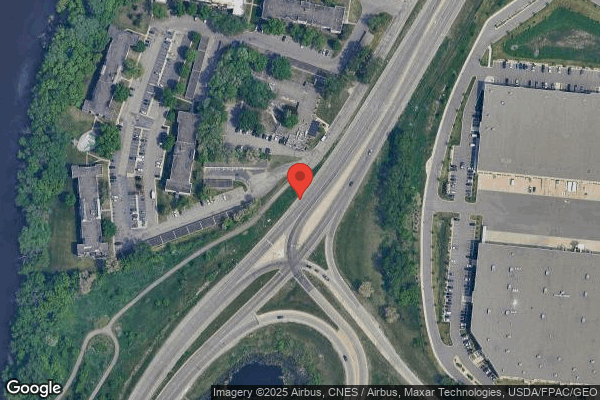
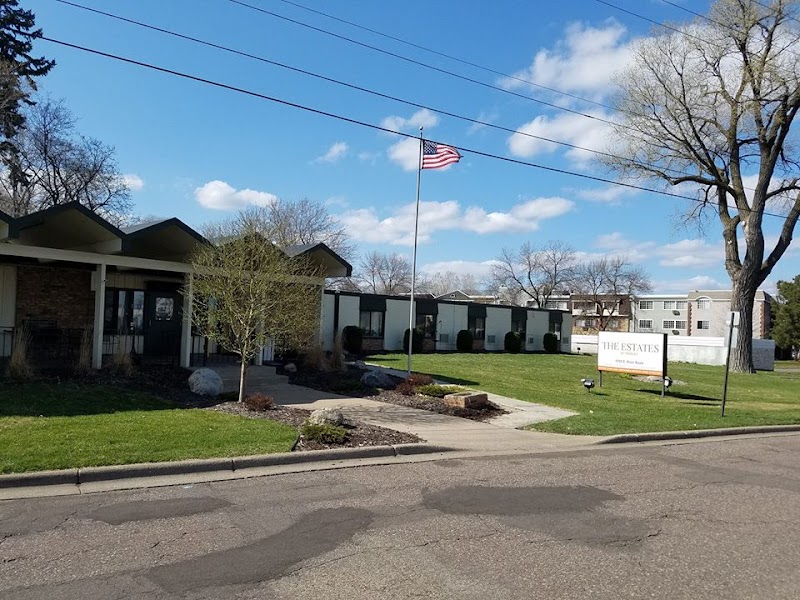
5700 EAST RIVER ROAD, FRIDLEY, MN 55432 (763) 571-3150
For profit - Individual 50 Beds MONARCH HEALTHCARE MANAGEMENT Data: November 2025
Trust Grade
70/100
#152 of 337 in MN
Last Inspection: May 2024

Within standard 12-15 month inspection cycle. Federal law requires annual inspections.

Overview

The Estates at Fridley LLC has a Trust Grade of B, indicating it is a good option among nursing homes, but not without its shortcomings. It ranks #152 out of 337 facilities in Minnesota, placing it in the top half, and #2 out of 6 in Anoka County, meaning only one local facility is rated higher. The trend is improving, with issues decreasing from 6 in 2024 to 3 in 2025. Staffing is a notable strength, earning a perfect score of 5 out of 5 stars and a turnover rate of only 31%, much lower than the state average. However, the facility has faced concerns, including not scheduling a registered nurse for the required hours on multiple weekends, which could impact resident care, and it has been cited for infection control issues and medication management from previous surveys. Despite these weaknesses, the lack of fines and strong staffing are positive aspects to consider.
Trust Score
B
70/100
In Minnesota
#152/337
Top 45%
Safety Record
Low Risk
No red flags
Inspections
Getting Better
6 → 3 violations
Staff Stability
○ Average
31% turnover. Near Minnesota's 48% average. Typical for the industry.
Penalties
✓ Good
No fines on record. Clean compliance history, better than most Minnesota facilities.
Skilled Nurses
✓ Good
Each resident gets 53 minutes of Registered Nurse (RN) attention daily — more than average for Minnesota. RNs are trained to catch health problems early.
Violations
⚠ Watch
30 deficiencies on record. Higher than average. Multiple issues found across inspections.
★★★★☆
4.0
Overall Rating
★★★★★
5.0
Staff Levels
★★☆☆☆
2.0
Care Quality
★★★☆☆
3.0
Inspection Score
Stable
2024: 6 issues
2025: 3 issues

The Good

  • 5-Star Staffing Rating · Excellent nurse staffing levels
  • Full Sprinkler Coverage · Fire safety systems throughout facility
  • No fines on record
  • Staff turnover below average (31%)

    17 points below Minnesota average of 48%

Facility shows strength in staffing levels, fire safety.

The Bad

Staff Turnover: 31%

14pts below Minnesota avg (46%)

Typical for the industry

Chain: MONARCH HEALTHCARE MANAGEMENT

Part of a multi-facility chain

Ask about local staffing decisions and management

The Ugly 30 deficiencies on record

Jun 2025 1 deficiency
CONCERN (D) 📢 Someone Reported This

A family member, employee, or ombudsman was alarmed enough to file a formal complaint

Potential for Harm - no one hurt, but risky conditions existed

Infection Control (Tag F0880)

Could have caused harm · This affected 1 resident

**NOTE- TERMS IN BRACKETS HAVE BEEN EDITED TO PROTECT CONFIDENTIALITY** Based on observation, interview, and document review, the facility failed to ensure proper hand hygiene was performed when provi...

Read full inspector narrative →
**NOTE- TERMS IN BRACKETS HAVE BEEN EDITED TO PROTECT CONFIDENTIALITY** Based on observation, interview, and document review, the facility failed to ensure proper hand hygiene was performed when providing wound care for 1 of 3 residents (R2) reviewed for pressure ulcer care. Findings include: R2's quarterly Minimum Data Set (MDS) dated [DATE], indicated R2 had moderate cognitive impairment and moisture associated skin wounds. R2's care plan dated 4/6/25 indicated enhanced barrier precautions (EBP, measures intended to prevent the spread of multi-drug-resistant organisms) related to a catheter and wounds. The care plan further directed staff should don/doff personal protective equipment (PPE) per EBP when providing high contact care. The care plan was revised on 5/29/25, and indicated R2 had a pressure ulcer on the left lateral foot, and staff would monitor for signs and symptoms of infection. R2's wound care orders dated 5/27/25, indicated apply Santyl (prescription ointment to treat wounds) to the left lateral foot wound topically every evening shift every Tuesday, Thursday, and Saturday. On 6/3/25 at 4:14 p.m., during an observation, licensed practical nurse (LPN)-A performed wound care for R2. LPN-A sanitized her hands and donned gloves prior to entering the room. LPN-A moved R2's right foot away from the left foot, doffed gloves and donned clean gloves without sanitizing hands. LPN-A opened a pack of gauze, doffed gloves and donned clean gloves without sanitizing hands. LPN-A removed the dressing from the wound on the left foot, doffed gloves, and donned clean gloves without sanitizing hands. LPN-A then cleaned R2's foot wound, doffed gloves, and donned clean gloves without sanitizing hands. The director of nursing (DON) entered the room at 4:30 p.m. to assess R2's left foot wound. LPN-A stated she was going to clean the wound again because R2 put his foot in a protective boot before she dressed the wound. LPN-A donned gloves, cleaned the wound, doffed gloves, and donned clean gloves without performing hand hygiene. LPN-A applied Santyl to the wound, doffed gloves, and then donned clean gloves without performing hand hygiene. The DON asked LPN-A if she sanitized her hands before donning clean gloves, and LPN-A acknowledged she had not and stated, You have to do that? The DON instructed LPN-A to perform hand hygiene after doffing gloves and before donning clean gloves. LPN-A continued towards R2 to provide care with the same gloves, and the DON stopped LPN-A and stated, You can stop and do it now [doff gloves and sanitize hands before continuing wound care]. LPN-A doffed gloves, sanitized hands, donned gloves, applied the dressing, and started to don clean gloves without sanitizing hands. The DON instructed LPN-A to sanitize her hands. On 6/3/25 at 4:42 p.m., LPN-A stated, Oh wow. We need to sanitize between each glove change. I will have to put my bottle [of hand sanitizer] next to me when I do wound care. She acknowledged she had not performed hand hygiene between gloves changes, and stated she did not know she was required to. She should perform hand hygiene between gloves changes to prevent infection in the wound. On 6/3/25 at 4:49 p.m., the DON acknowledged LPN-A had not performed hand hygiene between gloves changes, but the expectation was to sanitize hands between gloves changes, and change gloves between clean and dirty cares. The Wound Care Treatment Procedure dated 2/2024, directed complete hand hygiene after removing gloves, and prior to donning another pair of gloves.
Apr 2025 2 deficiencies
CONCERN (D) 📢 Someone Reported This

A family member, employee, or ombudsman was alarmed enough to file a formal complaint

Potential for Harm - no one hurt, but risky conditions existed

Report Alleged Abuse (Tag F0609)

Could have caused harm · This affected 1 resident

**NOTE- TERMS IN BRACKETS HAVE BEEN EDITED TO PROTECT CONFIDENTIALITY** Based on interview and document review, the facility failed to ensure an allegation of potential abuse for 1 of 1 resident (R1) ...

Read full inspector narrative →
**NOTE- TERMS IN BRACKETS HAVE BEEN EDITED TO PROTECT CONFIDENTIALITY** Based on interview and document review, the facility failed to ensure an allegation of potential abuse for 1 of 1 resident (R1) who complained of rough care by staff, was reported immediately but no later than 2 hours to the State Agency (SA). Findings include: On 4/21/25, a review of a facility Grievance Form dated 4/6/25, indicated [NAME] police contacted the facility and spoke to the Social Services Director (SSD) and informed the SSD a Minnesota Abuse Reporting Center (MAARC) report was filed indicating a nursing assistant (NA) was rough when getting R1 into his wheelchair on 4/6/25 around 4:30 p.m., and R1's leg and abdomen were subsequently hurting. On 4/21/25, the SSD was not available for interview. On 4/21/25 at 11:51 a.m., during an interview registered nurse (RN)-A stated when she learned of any type of abuse, she was expected to report it to the director of nursing (DON) right away, and the facility had 24 hours to report it to the SA. On 4/21/25 at 12:35 p.m., during an interview NA-A stated if he saw abuse, he was expected to report it to a nurse, the assistant DON, or the DON immediately, and the facility would report to the SA within two hours. On 4/21/25 at 2:35 p.m., during an interview NA-B stated she had abuse training three weeks prior and learned she was required to report abuse to a nurse immediately when she saw or heard about it, and the facility was required to report abuse to the SA within 24 hours. On 4/21/25 at 1:40 p.m., during an interview, the DON stated the facility was aware of the SA report by another entity. The DON stated she consulted with the SSD about the incident, and inquired if the facility should file a MAARC report. The DON stated she was advised by the SSD the incident was now after the fact, someone else filed the report, so the facility was not required to file an additional report. The DON confirmed the allegation had not been reported to the SA. The DON stated she thought the facility was required to file MAARC reports within 24 hours of learning of an abuse allegation. The DON reviewed the facility Abuse Prohibition/ Vulnerable Adult policy and acknowledged the facility did not file a report, and should have filed a separate report. On 4/21/25 at 2:15 p.m., during an interview, the social services designee (SS)-A stated he was familiar with R1's incident, and knew maltreatment allegations were expected be reported to the SA, But it would depend upon the severity of the injury to the resident. SS-A stated he thought maltreatment should have been reported within 24 or 72 hours. SS-A stated the facility should have reported the incident to the SA and was unsure why the facility did not. Review of the Abuse Prohibition/Vulnerable Adult policy, updated 2/2025, indicated suspected abuse would be reported to the OHFC [Office of Health Facility Complaints] reporting process not later than 2 hours after forming the suspicion of abuse.
CONCERN (E) 📢 Someone Reported This

A family member, employee, or ombudsman was alarmed enough to file a formal complaint

Potential for Harm - no one hurt, but risky conditions existed

Deficiency F0730 (Tag F0730)

Could have caused harm · This affected multiple residents

Based on interview and document review, the facility failed to ensure annual performance reviews were completed for 1 of 1 nursing assistants (NA-A) whose personnel files were reviewed. This deficient...

Read full inspector narrative →
Based on interview and document review, the facility failed to ensure annual performance reviews were completed for 1 of 1 nursing assistants (NA-A) whose personnel files were reviewed. This deficient practice had potential to affect all residents who currently resided in the nursing home and who could receive care from this staff. Findings include: NA-A was hired on 10/27/23. NA-A's personnel record lacked evidence an annual performance review was ever completed. On 4/21/25 at 12:14 p.m., during an interview NA-A stated he was hired in October 2023, and had not had a performance evaluation. On 4/21/25 at 4:22 p.m., during an interview the director of nursing stated performance reviews were expected to be completed every 12 months, and acknowledged NA-A's performance review was due in October 2024, and had not been completed. A policy on performance reviews was requested; the facility did not have a policy about performance reviews.
May 2024 6 deficiencies
CONCERN (D)

Potential for Harm - no one hurt, but risky conditions existed

Deficiency F0687 (Tag F0687)

Could have caused harm · This affected 1 resident

**NOTE- TERMS IN BRACKETS HAVE BEEN EDITED TO PROTECT CONFIDENTIALITY** Based on observation, interview, and document review, the facility failed to provide ordered podiatry care for 1 of 1 resident (...

Read full inspector narrative →
**NOTE- TERMS IN BRACKETS HAVE BEEN EDITED TO PROTECT CONFIDENTIALITY** Based on observation, interview, and document review, the facility failed to provide ordered podiatry care for 1 of 1 resident (R23) reviewed for foot care. Findings include: R23's quarterly Minimum Data Set (MDS) dated [DATE], identified intact cognition, and extensive assist required with personal hygiene and bathing. Diagnoses included of heart failure (affects blood circulation), respiratory failure, hypertension, morbid obesity, and candidiasis (fungal infection) of nail. Anticoagulant medication was taken daily. R23's care plan dated 3/29/24, identified self-care deficit related to history of repeated falls, bilateral osteoarthritis, chronic pain, weakness, morbid obesity, difficulty walking, muscle weakness, other fatigue, other abnormalities of gait. Assist of one staff was required with personal grooming and hygiene. R23's nurse practitioner order dated 7/21/23, identified consult podiatry for diagnosis of overgrown toenails. R23's medical record dated 7/21/23 through 5/2/24, lacked documentation a podiatry visit was completed. During an interview and observation on 4/29/24 at 8:38 a.m., R23 stated she needed podiatry because she couldn't reach her feet, staff had not completed nail care during her bed baths and her toenails were long, torn, yellow, and dirty looking. R23's left foot toenails measured about 1/4 inch above the pink, yellow, thickened and beginning to curve off to the side. R23's right foot toenails were slightly shorter but were also yellowed and thickened. During an interview on 4/30/24 at 1:13 p.m., nursing assistant (NA)-A stated nail care was done on bath days except for residents with diabetes or other concerns, then the nurse or podiatry did it. NA-A stated she was not sure when R23's nail care was last done. NA-A stated R23's nails were longer and thicker, and the health unit coordinator (HUC) would set up podiatry. During an interview on 4/30/24 at 1:15 p.m., the HUC stated the podiatrist came to the facility about once a month and she did not think F23 had been seen historically. The HUC reviewed R23's medical record and did not find evidence the podiatry order was initiated. During an interview on 4/30/24 at 5:16 p.m., licensed practical nurse (LPN)-A stated R23's asked about her toenails today and upon nurse evaluation of the nails, podiatry was needed due to thick nails. LPN-A stated the nails on R23's right foot were too thick to cut now with regular nail clippers and the HUC should make an appointment for podiatry. During an interview on 4/30/24 at 5:30 p.m., the director of nursing (DON) stated ancillary services including podiatry were addressed at care conferences, then the HUC was updated, and the residents were added to the visit list. The DON stated residents with diabetes, blood thinner medications, or if nails were too thick with fungus would require special tools from podiatry in order to avoid potential injury. During a follow up interview on 5/2/24 at 12:30 p.m., the DON stated at the time the nurse practitioner ordered R23's podiatry, the HUC thought transitional care unit (TCU) residents could not be seen by podiatry, but now they know that is not true, so R23 was now placed on the podiatry visit list. The undated facility policy titled Foot care identified trained staff may provide routine foot care (i.e., toenail clipping within professional standards for residents without complicating disease processes. Residents with foot disorders or medical conditions associated with foot complications would be referred to qualified professionals. Residents would be assisted to make transportation appointments to and from specialists such as a podiatrist as needed.
CONCERN (D)

Potential for Harm - no one hurt, but risky conditions existed

Pharmacy Services (Tag F0755)

Could have caused harm · This affected 1 resident

**NOTE- TERMS IN BRACKETS HAVE BEEN EDITED TO PROTECT CONFIDENTIALITY** Based on interview and document review, the facility failed to ensure prescribed medications were available for 1 of 1 resident ...

Read full inspector narrative →
**NOTE- TERMS IN BRACKETS HAVE BEEN EDITED TO PROTECT CONFIDENTIALITY** Based on interview and document review, the facility failed to ensure prescribed medications were available for 1 of 1 resident (R23) who was awaiting a new medication. Findings include: R23's quarterly Minimum Data Set (MDS) dated [DATE], identified intact cognition, and extensive assist required with personal hygiene and bathing. Diagnoses included heart failure (affects blood circulation), respiratory failure, hypertension, and morbid obesity. There were no ulcers, wounds, skin problems or skin treatments identified in the MDS. R23's activities of daily living (ADL) care area assessment (CAA) dated 6/8/23, identified the CAA triggered since resident needed extensive assist with most ADLs related to her respiratory condition and morbid obesity. R23's care plan dated 8/11/23, identified an alteration in skin integrity due to multiple areas of self-inflicted skin tears. The goal was to have skin breakdown resolved by next review. Skin was to be monitored daily during cares, weekly skin inspection by the nurse, and to provide treatment to open areas as ordered. R23's provider order dated 4/25/24, identified start the medication N-acetyl-cysteine (an amino acid supplement) 1,000 milligrams (mg) three times by mouth daily for the diagnosis of skin picking. R23's medication administration record (MAR) dated 4/26/24 through 5/2/24, identified the medication had not been given since it was ordered (15 potential doses missed). R23's electronic MAR (eMAR) notes dated 4/25/24 through 5/2/24, lacked follow up documentation to obtain the medication. During an interview and observation on 4/29/24 at 8:38 a.m., R23 stated she had not received her medication that was ordered for skin picking. R23 stated I pick at myself; I can't help it. R23 had around 10 pencil eraser sized dried brownish red spots which resembled dried blood on her right and left bedgown arm sleeves. During an interview on 4/30/24 at 1:13 p.m., nursing assistant (NA)-A stated R23 had a behavior where she picked which caused bleeding. NA-A stated R23 had her own lotion to put in it. During an interview on 4/30/24 at 5:16 p.m. licensed practical nurse (LPN)-A stated R23 picked at her skin and saw psychology. LPN-A stated R23 took N-acetyl-cysteine in the past. LPN-A stated most medications came from the pharmacy; however, N-acetyl-cysteine was considered a house stock medication, so the business office manager (BOM) oversaw ordering medications. During an interview on 5/1/24 at 11:33 a.m. the pharmacy technician (PHT) from R23's pharmacy stated the N-acetyl-cysteine order was sent from the facility to the pharmacy, however, the pharmacy required a house stock medication form to be filled out by the facility. The PHT stated the facility had not followed up with the form, so no medication was sent out. During an interview on 5/1/24 at 11:37 a.m. the BOM stated she thought she had ordered some house stock medications in April but was not sure. The BOM stated she would review her records to see which medications were ordered. During an interview on 5/1/24 at 2:09 p.m., registered nurse (RN)-A stated R23 had not received the medication in almost a week, and the missing medication should have been addressed sooner. RN-A stated he had not called the pharmacy but had marked the order for someone to follow up and notify the provider. A list titled House Stock Medications dated 5/1/24 at 3:26 p.m., from the administrator, lacked notation N-acetyl-cysteine had been ordered. During an interview on 5/2/24 at 11:45 a.m., the director of nursing (DON) stated she had noticed the scabs on R23's arms from picking, and this was a long-term behavior. Additionally, if the pharmacy was not able to provide a house stock medication, then the facility staff would go out and buy the medication. The DON stated the medications should be obtained that way the same day, and before two days at the most. The Facility assessment dated [DATE], identified services the facility offered included administration of medications that residents needed, and vendors were in place to provide supplies and services.
CONCERN (D)

Potential for Harm - no one hurt, but risky conditions existed

Drug Regimen Review (Tag F0756)

Could have caused harm · This affected 1 resident

Based on observation, interview, and document review, the facility failed to ensure the pharmacist recommendations were implemented timely for 1 of 5 residents (R9) reviewed for unnecessary medication...

Read full inspector narrative →
Based on observation, interview, and document review, the facility failed to ensure the pharmacist recommendations were implemented timely for 1 of 5 residents (R9) reviewed for unnecessary medications. Findings Include: R9's annual Minimum Data Set (MDS) indicated R9's diagnosis included coronary artery disease, hypertension, hyperlipidemia and was on antiplatelet medication. R9's care plan initiated 2/16/23, lacked documentation for coronary artery disease and hyperlipidemia goals or interventions. R9's physician orders dated 2/16/23, indicated rosuvastatin calcium oral tablet, give 10 mg by mouth at bedtime for hyperlipidemia. R9's pharmacy medication regimen review (MRR) were as follows: -3/6/24, pharmacy MRR indicated, note: reissued recommendation from 2/6/24, this resident continues on rosuvastatin 10 milligram every bedtime and Fenofibrate 54 mg every day treating hyperlipidemia, does not have type II diabetes. I was unable to locate a lipid panel. If not recently drawn, please clarify if a lipid panel should be drawn to evaluate the ongoing use of Fenofibrate. A provider signature was noted with agree checked for a lipid panel on 4/3/24. -4/3/24, pharmacy MRR indicated note: reissued recommendation from 2/6/24, and 3/6/24. This resident continues on rosuvastatin 10 mg every bedtime and Fenofibrate 54 mg every day treating hyperlipidemia, does have type II diabetes. I was unable to locate a lipid panel. During interview on 5/2/24 at 2:23 p.m., the director of nursing (DON) stated was unable to find documentation since they had just started at the facility and was unable to locate followup documentation for pharmacy MRR for 2/2024. DON further explained the process was pharmacy MRR's were completed at the beginning of the month and a copy was given to provider and another copy to the facility from the pharmacist. The facility would also fax the MRR's to the provider and the DON would track for provider's response to the MRR's. DON also verified R9's pharmacy MRR order for a lipid panel was missed for 2/2024, and 3/2024, but had ordered for 4/2024's pharmacy MRR but was unable to locate in R9's record but would call the laboratory to provide the results. The pharmacist requested a lipid panel for 2/2024, 3/2024, and 4/2024 and recommendations were addressed until 4/9/24. DON emailed surveyor R9's lipid panel collected on 4/9/24, and the results were noted faxed to the provider on 4/9/24. Results included: tryglyceride was 217 (High) (Normal range < 149). The facility policy on pharmacy MRR's was requested but not received.
CONCERN (D)

Potential for Harm - no one hurt, but risky conditions existed

Medication Errors (Tag F0758)

Could have caused harm · This affected 1 resident

**NOTE- TERMS IN BRACKETS HAVE BEEN EDITED TO PROTECT CONFIDENTIALITY** Based on interview and document review, the facility failed to ensure an antipsychotic medication was not started without adequa...

Read full inspector narrative →
**NOTE- TERMS IN BRACKETS HAVE BEEN EDITED TO PROTECT CONFIDENTIALITY** Based on interview and document review, the facility failed to ensure an antipsychotic medication was not started without adequate medical justification; and that a discussion of risks, benefits and potential side effects was understood by the resident, representative, or family for 1 of 1 resident (R30) reviewed who had a newly prescribed antipsychotic. In addition, the facility failed to include individualized approaches for care, including behavior tracking and non-pharmacological interventions for 2 of 4 residents (R30 and R89), and failed to ensure as needed (PRN) antipsychotic medication was not used longer than 14 days without the resident being directly evaluated by the prescriber for 1 of 2 residents (R89) reviewed for unnecessary medications. Findings include: R30's quarterly Minimum Data Set (MDS) dated [DATE], identified severe cognitive impairment. No psychosis, rejection of care, or behaviors occurred in the lookback period. Diagnoses included head injury, communication deficit, muscle weakness. A diagnosis of insomnia was not included. High risk medications received included a hypnotic medication. R30 was dependent on staff assistance with bed mobility, transfers, and toileting. R30's Care Area Assessment (CAA) dated 12/23/23, identified triggers for cognitive loss. R30 was able to direct cares but was at risk for further decline in cognition secondary to multiple comorbidities. R30's Care Plan dated 5/2/24, lacked a focus area, goals or interventions related to insomnia or antipsychotic medications. R30's medical record dated 2/1/24 through 5/1/24, lacked tracking of insomnia behaviors, or non-pharmacological interventions to manage insomnia behaviors. R30's provider order dated 4/19/24, identified to discontinue melatonin (the hypnotic medication classified in the MDS), and start Seroquel (antipsychotic medication) 25 milligrams (mg) by mouth every evening for diagnosis of insomnia. The corresponding provider visit note dated 4/22/24, lacked adequate medical justification or discussion of risk, benefits, or side effects of antipsychotic medications with the resident or representative. R30's Medication Administration Record (MAR) dated 4/1/24 through 5/1/24, identified Melatonin 5 mg by mouth at bedtime for insomnia was discontinued on 4/18/24; and Seroquel 25 mg by mouth at bedtime for insomnia was started. R30 received Seroquel every evening from 4/18/24 through 5/1/24. During an observation on 4/29/24 at 10:50 a.m., R30 was in bed with his eyes closed. No behaviors were observed. During an observation on 4/30/24 at 12:45 p.m., R30 was in bed and awake. R30 stated he was doing well when asked, and stated he slept fine. During an observation on 4/30/24 at 6:00 p.m., R30 was up in his wheelchair, alert, no behaviors. During an observation on 5/1/24 at 9:14 a.m., R30 was up in his wheelchair in hallway, alert, no behaviors. During an interview on 5/1/24 at 10:00 a.m., R30 stated he was not aware what medications he took or what the side effects were. During an interview on 5/1/24 at 10:22 a.m., R30's family member (FM)-A stated R30 had an irregular sleep pattern due to his diagnoses and he was not sure what the facility implemented for interventions. FM-A stated he was not involved in a discussion about starting an antipsychotic. FM-A stated R30's provider discussed R30's mentation with FM-A and began the process for FM-A to help direct R30's healthcare decisions. FM-A stated he was not aware what the risk, benefits or side effects related to antipsychotics used for insomnia were. During an interview on 5/1/24 at 11:44 a.m., nursing assistant (NA)-B stated she worked with R30 routinely. NA-B was not aware of any insomnia behaviors or non-pharmacological interventions for insomnia. During an interview on 5/1/24 at 2:25 p.m., registered nurse (RN)-A stated he worked from an outside agency; but had worked in this facility before. RN-A stated he would look for non-pharmacological interventions and behavior tracking in the care plan and resident orders. RN-A reviewed R30's medical record and stated it lacked that monitoring of non-pharmacological interventions or behavior tracking related to antipsychotic medications. During an interview on 5/1/24 at 2:40 p.m., licensed practical nurse (LPN)-C stated he worked with R30 routinely. LPN-C stated R30 was confused, was easygoing and rarely hallucinated. LPN-C stated the managers would coordinate antipsychotic medications and he was unaware of regulations related to antipsychotic administration. Resident #89 R89's admission MDS dated [DATE], identified moderately impaired cognition. No psychosis, delusions, behaviors, or rejection of care occurred during the lookback period. Diagnoses include paranoid personality disorder and non-Alzheimer's dementia and depression. High risk medications received included antipsychotic, antidepressant, and a hypnotic. R89 was dependent on staff assistance with bed mobility, transfers, and toileting. R89's CAA for behavior was not triggered. Psychotropic medications triggered due to receiving antidepressant, hypnotic and antipsychotic medication, had a history of falls and at risk for adverse reactions to these medications. The pharmacist reviewed medications monthly and made necessary recommendations to the physician and nursing staff. R89 had fall since admission and proceed to care plan with goal to have no drug related side effects. R89's care plan dated 5/2/24, lacked behavior tracking and non-pharmacological interventions related to antipsychotic medications. R89's physician order dated 4/17/24, identified give quetiapine (Seroquel) 25 mg by mouth PRN agitation related to paranoid personality disorder. R89's MAR dated 4/1/24 through 5/1/24, identified the Seroquel 25 mg was given PRN on 4/23/24 at 11:33 p.m., 4/29/24 at 5:13 p.m., and 4/30/23 at 11:30 p.m. R89's medical record lacked documentation of behaviors occurring before medication administration and lacked documentation of non-pharmacological interventions attempted prior to administration of a PRN antipsychotic. During an observation on 4/29/24 at 11:01 a.m. R89 was awake in bed and stated he was cold. NA-C entered the room, covered R89 with a blanket and repositioned him in bed. R89 had no behaviors or agitation. During an interview on 4/29/24 at 12:01 p.m., R89's FM-B stated he had some confusion and falls, which was his new basline after a stroke. During an observation and interview on 4/30/24 at 1:55 p.m., R89 was in his wheelchair at the nurse's station with the DON. R89's conversation was non-sensical. The DON stated R89 fell out of his wheelchair, so staff were watching him closely. During an observation on 5/1/24 at 2:30 p.m., R89 was up in his wheelchair engaged in an activity. R89 was calm, interacting and no behaviors. During on observation on 5/2/24 at 9:43 p.m., R89 was in bed with his eyes closed. No behaviors were observed. During an interview on 5/1/24 at 11:44 a.m., NA-B stated she had worked with R89 since his admission. NA-B stated R89 was confused, and sometimes he tried to get out of bed. NA-B stated she wasn't sure what other behaviors R89 had, but if they occurred, would be documented in the medical record. NA-B stated the nursing assistant charting prompts would let her know what specific behaviors and interventions were in place. During an interview on 5/1/24 at 2:25 p.m., RN-A stated the MAR would identify behaviors and non-pharmacological interventions to be attempted prior to administration of PRN psychotropic medications. RN-A was not aware of any regulations related to how long a PRN antipsychotic could be in place. During an interview on 5/1/24 at 2:40 p.m., LPN-C stated when PRN medications were given a prompt occurred on the MAR to document a note and then the effectiveness. LPN-C was not aware of any regulations related to how long a PRN antipsychotic could be in place. LPN-C reviewed R89's medical record and agreed behavior tracking and non-pharmacological interventions were not in place and should have been. LPN-C stated R89 was confused and sometimes restless but was not sure what other behaviors occurred. During an interview on 5/2/24 at 10:46 a.m., the director of social services (DSS) stated psychotropic medications were reviewed monthly with the pharmacist and interdisciplinary team (IDT). The DSS stated behavior tracking was required to determine if a resident was declining or improving and nursing would establish target behaviors for tracking purposes. During an interview together with the director of nursing (DON) and regional nurse consultant (RNC) on 5/2/24 at 11:10 a.m., the DON stated the pharmacy would review psychotropic medications monthly and let nursing know their recommendations. The DON stated psychotropic medications required an appropriate justification for starting, which included non-pharmacological interventions attempted and documented along with behavior tracking. The DON also stated a consent should be obtained from the resident or representative which included a discussion of risk, benefits, and potential side effects. The DON stated PRN antipsychotics were limited to 14 days, then the provider needed to review. The DON stated the nurse practitioner was in the facility at least two days per week, so there were opportunities to review antipsychotic medications. The DON and RNC agreed it was important to monitor antipsychotic medications closely to ensure they were used appropriately not for staff convenience, and because there was a higher risk of side effects in the elderly. During an interview on 5/2/24 at 1:30 p.m., the consultant pharmacist (CP) stated Seroquel required a correct diagnosis and the risks of antipsychotics included metabolic side effects, orthostasis, tardive dyskinesia (a drug induced involuntary movement disorder), sedation and an increased risk of falls. The CP stated behavior tracking and non-pharmacological interventions were important to track to see what was effective and what was not. The CP stated she had reviewed R30 and R89's medical records this day, and agreed the medical records were lacking appropriate justification for use, non-pharmacological interventions, behavior tracking and evaluation by the provider after 14 days of using a PRN antipsychotic. The CP stated Seroquel was not approved to treat insomnia. The facility's undated policy titled Psychotropic Medication Use, identified residents would only receive psychotropic medications when necessary to treat specific conditions for which they are indicated and effective. The IDT would gather and document information to clarify a resident's behavior, mood, function, medical condition, specific symptoms and risks to the resident and others. Pertinent non-pharmacological interventions must have been attempted, unless contraindicated, and documented. Informed consent, including effects and potential side effects would be obtained from resident and/or responsible party for each psychotropic medication. Lastly, the policy identified PRN orders for psychotropic medications would not be renewed beyond 14 days unless the healthcare practitioner evaluated the resident for appropriateness of that medication.
CONCERN (D)

Potential for Harm - no one hurt, but risky conditions existed

Deficiency F0883 (Tag F0883)

Could have caused harm · This affected 1 resident

**NOTE- TERMS IN BRACKETS HAVE BEEN EDITED TO PROTECT CONFIDENTIALITY** Based on interview and document review, the facility failed to ensure 1 of 5 residents (R9) was offered or received the pneumoco...

Read full inspector narrative →
**NOTE- TERMS IN BRACKETS HAVE BEEN EDITED TO PROTECT CONFIDENTIALITY** Based on interview and document review, the facility failed to ensure 1 of 5 residents (R9) was offered or received the pneumococcal vaccine in accordance with the Center for Disease Control (CDC) recommendations. Findings include: The CDC Pneumococcal Vaccine Timing for Adults dated 3/15/23, indicated adults aged 65 years and older who have had no prior pneumococcal vaccinations could either have option A which indicated PCV20, or option B, give PCV15 and follow with PPSV23 after at least one year of giving PCV15. If only the PPSV23 vaccination was administered prior at any age, option A indicated PCV20 could be administered after 1 year or option B indicated PCV15 could be administered after 1 year. If only the PCV13 vaccination was administered at any age, option A indicated PCV20 could be administered after 1 year, or PPSV23. If PCV13 was administered at any age, and PPSV23 was administered prior to [AGE] years of age, option A indicated PCV20 could be administered after five years, or option B indicated PPSV23 could be administered after 5 years. Additionally, for those who already completed PCV13 at any age, and PPSV23 at age [AGE] or greater, together, with the patient, vaccine providers may choose to administer PCV20 to adults greater than [AGE] years old who have already received PCV13 (but not PCV15 or PCV20) at any age and PPSV23 at or after the age of [AGE] years old. R9's admission Minimum Data Set (MDS) diagnosis included non-Alzheimer's dementia, asthma, chronic obstructive pulmonary disease (a chronic inflammatory lung disease that causes obstructed airflow from the lungs), chronic lung disease and pneumococcal vaccinations were up to date. R9's signed vaccine consent form was dated 2/2023. R9's Profile form indicated R9 was [AGE] years old. R9's immunization form in the electronic health record (EHR) indicated R9 received Prevnar 23 on 1/29/2010, and received Prevnar 13 on 5/3/15. The documentation also indicated to refer to CDC guidelines. R9's record was reviewed and lacked evidence a shared clinical decision making-discussion occurred. During interview on 5/2/24 at 2:36 p.m., assistant director of nursing (ADON) stated they had reviewed immunizations with ongoing audits and thought R9 was up- to- date. ADON clarified they had assumed based on R9's current pneumococcal vaccinations documentation, she did not need additional pneumococcal vaccinations and therefore did not offer R9 additional pneumococcal vaccinations. ADON then checked the vaccine tracker and noted R9 was not up-to-date and clarified facility and provider had not had a clinical decision making discussion with R9, but would begin the process to ensure additional pneumococcal was offerred to R9. A facility policy on titled Pneumococcal Vaccine updated 2/2024, indicated prior to or upon admission to the facility (within 5 days), all residents will be assessed for current immunization status and eligibility to receive the pneumococcal vaccine. Within 30 days of admission, resident will be offered the vaccine, when indicated, unless the resident has already been vaccinated or the vaccine is medically contraindicated.
CONCERN (F)

Potential for Harm - no one hurt, but risky conditions existed

Deficiency F0727 (Tag F0727)

Could have caused harm · This affected most or all residents

Based on interview and document review, the facility failed to ensure a registered nurse (RN) was scheduled for a minimum of 8 consecutive hours a day. This had the potential to affect all 35 resident...

Read full inspector narrative →
Based on interview and document review, the facility failed to ensure a registered nurse (RN) was scheduled for a minimum of 8 consecutive hours a day. This had the potential to affect all 35 residents who resided at the facility. Findings include: Review of the facility daily staffing hours and staff schedules from 2/1/24-4/30/24, indicated there was no RN scheduled on the following dates: 2/10/24, 2/17/24, 2/18/24, 2/25/24, 3/2/24, 3/3/24, 3/9/24, 3/10/24, 3/16/24, 3/17/24, 3/23/24, 3/24/24, 3/30/24, 3/32/24, 4/6/24, 4/7/24, 4/13/24, 4/14/24, 4/20/24, 4/21/24, 4/27/24, and 4/28/24. During interview on 5/01/24 at 2:38 p.m., the staffing coordinator verified there was not an RN working 8 consecutive hours on the dates above and stated they do not have any RN's on staff except the assistant director of nursing (ADON), the director of nursing (DON), and the occasional agency/pool nurse. The staffing coordinator further stated the ADON and DON are not included on the schedule during the week so they can be pulled in if needed. They are not scheduled to work on the weekends but take turns being on call if there are questions or a licensed practical nurse (LPN) calls in. During interview on 5/2/24 at 8:38 a.m., LPN-D stated there are never registered nurses (RN) working on the floor, the only RN's we have work days and they are management. There have been times when we've needed someone higher up to explain things to us, so we call the on-call or the provider. They also have a manager on duty on the weekends but not all of the managers are RN's. During interview on 5/2/24 at 8:52 a.m., LPN-A stated there are not RN's working on the floor but the ADON and the DON are RN's. LPN-A further stated if there was a problem during the shift she would notify the on call physician.The facility doesn't notify them when there isn't an RN on shift, they just know from looking at the schedule. During interview on 5/1/24 at 3:30 p.m., the ADON verified she was an RN and stated she generally doesn't work weekends but they have a manager on duty (MOD) that was required to work 4 hours/day on the weekends. The ADON further stated not all the MOD's were RN's and the managers rotate through all the monarch managers. During interview on 5/1/24 at 3:40 p.m., the DON verified she was an RN and was not scheduled to work weekends, however she works an occasional weekend as an MOD which requires all monarch managers to work 4 hours a day on rotating weekends. The DON stated not all MOD's were RN's and she was also on-call every other weekend if the LPN's have questions or if there are call in's. During an interview on 5/2/24 10:20 a.m., the administrator verified there was no RN's working 8 consecutive hours a day on the dates listed above and if staff needed an RN on the weekends, they should call the ADON or the DON. They also have a MOD every weekend and the MOD was required to work 4 hours a day (each day) but not all of them were RN's. The administrator further stated they have been trying to hire RN's but for a long time they weren't getting any applicants and hospitals pay their employee's more. They recently switched to a new hiring platform and have been getting more applicants and they recently hired 2 RN's who are still training but will be ready to start soon. They also have some LPN's that are in school to be RN's. The facility does not have a policy on staffing.
Jul 2023 3 deficiencies
CONCERN (D) 📢 Someone Reported This

A family member, employee, or ombudsman was alarmed enough to file a formal complaint

Potential for Harm - no one hurt, but risky conditions existed

Resident Rights (Tag F0550)

Could have caused harm · This affected 1 resident

**NOTE- TERMS IN BRACKETS HAVE BEEN EDITED TO PROTECT CONFIDENTIALITY** Based on interviews and records review, the facility failed to listen, investigate, and consider resident's inquiries and input ...

Read full inspector narrative →
**NOTE- TERMS IN BRACKETS HAVE BEEN EDITED TO PROTECT CONFIDENTIALITY** Based on interviews and records review, the facility failed to listen, investigate, and consider resident's inquiries and input regarding medication for pain management for 1 of 3 residents (R2) reviewed for Resident Rights. Findings include: R2's admission Minimum Data Set (MDS) dated [DATE], showed admission to the facility on 5/9/23, with intact cognition. The MDS indicated R2 was on a pain management regimen including scheduled and PRN (as needed) pain medications. R3's R2's care plan initiated on 5/11/23, identified potential for alteration in comfort related to diabetic foot ulcer on left foot. The care plan noted a goal for pain relief as evidenced by verbalization, and the interventions included administration of pain medications as ordered. The Interagency Transfer Form indicated discharge orders dated 5/9/23, following R2's hospital admission for left foot ulcer with bone necrosis (death of a portion of tissue differentially affected by local injury [as loss of blood supply, corrosion, burning, or the local lesion of a disease]). The form also indicated discharge order for pain management including hydromorphone (Dilaudid [pain management medication]) 4 milligrams (mg) tablet, give 1 tablet by mouth every 4 hours as needed for pain, and Dilaudid 4 mg tablet, give 4-6 mg or 1-1.5 tablets by mouth every 4 hours for 3 days. R2's medication administration record (MAR) for the month of 5/23, indicated the pain medication (Dilaudid) was not administered according to the hospital discharge orders. The MAR showed R2's pain medication record that indicated the following: a) (changed to dashes) -On 5/10/23, Dilaudid 4 mg was given 2 times, at 12:11 p.m., and at 9:06 p.m. (9 hours apart). - On 5/11/23, Dilaudid 6 mg was given 3 times, at 7:24 a.m., at 12:47 p.m., and at 10:17 p.m. (4 hours, and 9 hours apart). - On 5/12/23, Dilaudid 6 mg (3 times) and Dilaudid 4 mg (1 time) were given as follows: at 11:06 a.m. (Dilaudid 6 mg), at 3:25 p.m. (Dilaudid 6 mg), at 6:50 p.m. (Dilaudid 4 mg), and at 9:02 p.m. (Dilaudid 6 mg). - On 5/13/23, Dilaudid 4 mg (2 times) and Dilaudid 6 mg (1 time) were given as follows: at 7:48 a.m. (Dilaudid 4 mg), at 9:24 a.m. (Dilaudid 4 mg), and at 1:06 p.m. (Dilaudid 6 mg). The progress notes dated 5/12/23, indicated R2 brought up concern regarding his pain medication that it should be on routine schedule. The progress notes also indicated the nurse educated R2 that his pain medication was PRN and that R2 had to call for staff to give his medication if he was in pain. There was lack of evidence to show if the nurse verified R2's discharge orders from the hospital. The progress notes further showed that R2 requested that his nurse medicated him to relieve his pain. During interview on 7/13/23 at 9:38 a.m., Dialysis Staff (DS) verified R2 is a dialysis patient at their clinic. DS stated that R2 broke down a couple of times when talking about how he was being treated at the TCU [transitional care unit] or nursing home. DS stated observations that R2's mental health status declined while at the TCU. DS also stated R2 reported the TCU staff did not listen to him when he told the staff that they were not giving his pain medication according to discharge instruction from the hospital. DS further stated that R2 voiced not wanting to go back to the TCU. During interview on 7/14/23 at 4:15 p.m., licensed practical nurse (LPN)-B described R2 as a young guy who is very well aware and knows his pain medications. During interview on 7/14/23 at 12:39 p.m., the director of nursing (DON) verified that the hospital discharge orders on 5/9/23, indicated administration of R2's pain medication (Dilaudid 4-6 mg) continuously every 4 hours for 3 days and not PRN. The DON acknowledged that staff did not follow the discharge order. The DON also acknowledged the importance of following orders related to residents' transition of care. The policy titled, Resident Rights, revised in 12/16, directs employees to treat all residents with kindness, respect, and dignity.
CONCERN (D) 📢 Someone Reported This

A family member, employee, or ombudsman was alarmed enough to file a formal complaint

Potential for Harm - no one hurt, but risky conditions existed

Quality of Care (Tag F0684)

Could have caused harm · This affected 1 resident

**NOTE- TERMS IN BRACKETS HAVE BEEN EDITED TO PROTECT CONFIDENTIALITY** Based on interviews and records review, the facility failed to ensure completion of wound treatment in accordance with physician...

Read full inspector narrative →
**NOTE- TERMS IN BRACKETS HAVE BEEN EDITED TO PROTECT CONFIDENTIALITY** Based on interviews and records review, the facility failed to ensure completion of wound treatment in accordance with physician's order for 1 of 1 resident (R1) reviewed for wound care. Findings include: R2's admission Minimum Data Set (MDS) dated [DATE], showed admission to the facility on 5/9/23, with intact cognition. The MDS indicated R2 had a surgical wound, and an infection on his left foot. The MDS noted the planned interventions included surgical wound care and application of dressings to feet. R2's care plan initiated on 5/11/23, identified an alteration in skin integrity R/T (related to) left diabetic foot ulcer. The care plan directed staff to monitor skin integrity daily during cares, and nurses to complete weekly skin inspection. The care plan also directed staff to complete weekly skin measurements and assessments. The care plan indicated that R2 was being followed by Wound Care. R2's Order Summary Report for 5/9/23 noted, Negative Pressure Wound Therapy Plan: Cleanse left foot wound with Vashe [wound cleanser] prior to replacing VAC [vacuum assisted closure]. Window paned all periwound skin with VAC drape prior to applying sponge and place barrier ring into periwound creases to improve seal. Suction setting: -100 every day shift every Mon, Wed, Fri for Wound Therapy The treatment plan schedule was changed on 5/17/23, to the evening shift on the same days. R2's treatment administration record (TAR) showed completion of 3 wound treatments from 5/9/23 through 5/24/23 or for 15 days, as follows: - On 5/9/23 (Tuesday) - admission date - On 5/10/23 (Wednesday) - not completed - On 5/11/23 (Thursday) - On 5/12/23 (Friday) - completed - On 5/13/23 (Saturday) - On 5/14/23 (Sunday) - On 5/15/23 (Monday) - completed - On 5/16/23 (Tuesday) - On 5/17/23 (Wednesday) - not completed - On 5/18/23 (Thursday) - On 5/19/23 (Friday) - not completed - On 5/20/23 (Saturday) - On 5/21/23 (Sunday) - On 5/22/23 (Monday) - completed - On 5/23/23 (Tuesday) - On 5/24/23 (Wednesday) - d/c to hospital related to low hemoglobin During interview on 7/13/23 at 9:38 a.m., Dialysis Staff (DS) stated that R2 broke down a couple of times talking about how he was being treated at the TCU [transitional care unit]. DS stated that R2 complained the TCU staff were not following the doctor's orders during his discharge from the hospital. DS also stated R2 was concerned getting a wound infection because the TCU did not complete wound treatment on his left foot ulcer for 4 days. During interview on 7/14/23 at 4:15 p.m., licensed practical nurse (LPN)-C stated they had treated R2's foot ulcer wound once. LPN-C stated she had not documented any assessments, including wound measurement because the wound doctor does it weekly. LPN-C stated she was not sure if the wound doctor had seen R2's wound. During interview on 7/14/23 at 4:29 p.m., the director of nursing (DON) stated he was going to inquire and search assessments documented regarding R2's diabetic foot ulcer, which was usually done by the wound doctor. At 4:39 p.m., the DON said, I am sorry but she [wound doctor] did not follow him [R2] and the DON further stated that he could not find any evidence that R2's wound was assessed. The DON also verified that the wound treatments were not consistently completed according to doctor's order, wherein the records show that treatment was not done for six (spell out number is less than 10) days from 5/16/23 to 5/21/23. The DON acknowledged the importance of completing wound treatment orders. The policy titled, Skin Assessment and Wound Management, dated 2/10/23, directs staff to complete a weekly skin inspection. The policy provides that when an alteration in skin integrity is noted, the staff are directed to notify doctor and secure treatment order, complete education with resident including risks and benefits, initiate weekly wound evaluation, and update care plan as needed.
CONCERN (D) 📢 Someone Reported This

A family member, employee, or ombudsman was alarmed enough to file a formal complaint

Potential for Harm - no one hurt, but risky conditions existed

Pharmacy Services (Tag F0755)

Could have caused harm · This affected 1 resident

**NOTE- TERMS IN BRACKETS HAVE BEEN EDITED TO PROTECT CONFIDENTIALITY** Based on interviews and records review, the facility failed accurately transcribe pain medications and administer medications as...

Read full inspector narrative →
**NOTE- TERMS IN BRACKETS HAVE BEEN EDITED TO PROTECT CONFIDENTIALITY** Based on interviews and records review, the facility failed accurately transcribe pain medications and administer medications as ordered after hospitalization for left foot ulcer with bone necrosis for 1 of 3 residents (R2) reviewed for medication orders. Findings include: R2's admission Minimum Data Set (MDS) dated [DATE], showed admission to the facility on 5/9/23, with intact cognition. The MDS indicated R2 was on a pain management regimen including scheduled and PRN (as needed) pain medications. R2's care plan initiated on 5/11/23, identified potential for alteration in comfort related to diabetic foot ulcer on left foot. The care plan noted a goal for pain relief as evidenced by verbalization, and the interventions included administration of pain medications as ordered. The Interagency Transfer Form indicated discharge orders dated 5/9/23, following R2's hospital admission for left foot ulcer with bone necrosis (need definition). The form also indicated discharge order for pain management including hydromorphone (Dilaudid) (pain management medication) 4 milligrams (mg) tablet, give 1 tablet by mouth every 4 hours as needed for pain, and Dilaudid 4 mg tablet, give 4-6 mg or 1-1.5 tablets by mouth every 4 hours for 3 days. R2's medication administration record (MAR) for the month of 5/23, indicated the pain medication (Dilaudid) was not administered according to the hospital discharge orders. The MAR showed R2's pain medication record that indicated the following: -On 5/10/23, Dilaudid 4 mg was given 2 times, at 12:11 p.m., and at 9:06 p.m. (9 hours apart). There was no pain medication administered again for more than 10 hours until 7/11/23 at 7:24 a.m. -On 5/11/23, Dilaudid 6 mg was given 3 times, at 7:24 a.m., at 12:47 p.m., and at 10:17 p.m. (4 hours, and 9 hours apart). There was no pain medication administered again for 13 hours until 5/12/23 at 11:06 a.m. -On 5/12/23, Dilaudid 6 mg (3 times) and Dilaudid 4 mg (1 time) were given at 11:06 a.m. (Dilaudid 6 mg), at 3:25 p.m. (Dilaudid 6 mg), at 6:50 p.m. (Dilaudid 4 mg), and at 9:02 p.m. (Dilaudid 6 mg). There was no pain medication administered again for more than 10 hours until 5/13/23 at 7:48 a.m. -On 5/13/23, Dilaudid 4 mg (2 times) and Dilaudid 6 mg (1 time) were given as follows: at 7:48 a.m. (Dilaudid 4 mg), at 9:24 a.m. (Dilaudid 4 mg), and at 1:06 p.m. (Dilaudid 6 mg). There was no pain medication administered again for 16 hours until 5/14/23 at 10:38 a.m. -On 5/14/23, Dilaudid 4 mg was given at 10:38 a.m. and at 5:51 p.m. (7 hours apart). There was no pain medication administered again for 7 hours until 5/15/23 at 12:06 a.m. -On 5/15/23, Dilaudid 4 mg was administered at 12:06 am. The progress notes dated 5/12/23, indicated R2 brought up concern that his pain medication should be on routine schedule. The progress notes also indicated the nurse educated R2 that the pain medication was ordered as PRN and that R2 had to call for the staff to give his medication if he was in pain. The progress notes further indicated that R2 requested that his nurse medicated him to relieve his pain. R2's order's summary report dated 5/23, also indicated R2's request for pain management, as the order noted, PLEASE OFFER PAIN MEDS [medications] EVERY 4 HOURS TO PATIENT every shift for pain management with a start date of 5/14/23. The progress notes dated 5/15/23, indicated R2 went for dialysis treatment with his pain medication to be given at the dialysis clinic for pain on his left foot and at the intravenous site. During interview on 7/13/23 at 9:38 a.m., Dialysis Staff (DS) verified R2 was a patient at the dialysis clinic. DS stated they knew R2 well and had observed a decline in his mental health status while at the nursing home. DS stated that R2 broke down a couple of times talking about how he was being treated at the TCU [transitional care unit]. DS stated that was not R2's typical demeanor. DS also stated that R2 complained the TCU staff would not give his pain medication, which the doctor ordered and explained to him when he was discharged from the hospital, even after R2 brought this up with the TCU staff. DS said, [R2's] biggest concern was about the pain medications not being given according to orders. DS further stated R2 reported being in so much pain especially during wound care. R2's treatment administration record (TAR) for 5/23, showed completion of 3 wound care treatments on 5/12/23, 5/15/23, and 5/22/23. The MAR showed that on 5/15/23, there was no pain medication given around the time when the wound care was completed. During interview on 7/14/23 at 4:15 p.m., licensed practical nurse (LPN)-B described R2 as a young guy who is very well aware and knows his pain medications. LPN-B stated R2 was in a lot of pain and was very specific to have pain medications before his wound treatment. During interview on 7/14/23 at 12:39 p.m., the director of nursing (DON) verified that the hospital discharge orders on 5/9/23, indicated administration of R2's pain medication (Dilaudid 4-6 mg) continuously every 4 hours for three days and not PRN. The DON stated that staff did not follow the discharge order. The DON acknowledged the importance of following orders related to residents' transition of care. In addition, the DON also stated expectations for staff to clarify vague orders such as Dilaudid 4-6 mg and to carefully review and ensure that transcribed orders are correct. The policy titled, Medication Administration-General Guidelines, dated 4/18, indicates that the medications are administered as prescribed in accordance with good nursing principles and practices. The policy provides the following administration guidelines to include: medications are administered in accordance with written orders of the prescriber; if a dose seems excessive considering the resident's age and condition, or a medication order seems unrelated to the resident's current diagnoses or condition, the staff calls the provider for clarification, and the interactions noted in the medical record as appropriate, and medications are to be administered without interruptions. The policy titled, Pain Management Protocol, dated 3/23/23, notes for its purpose to ensure that residents with pain have an effective pain management plan with individualized interventions that are consistent with the resident's goals for comfort. The policy defines pain management as the process of alleviating the resident's pain to a level that is acceptable to the resident and based on clinical condition and established goals. The policy provides that goals for pain treatment and management includes input from resident.
May 2023 11 deficiencies
CONCERN (D)

Potential for Harm - no one hurt, but risky conditions existed

Resident Rights (Tag F0550)

Could have caused harm · This affected 1 resident

**NOTE- TERMS IN BRACKETS HAVE BEEN EDITED TO PROTECT CONFIDENTIALITY** Based on observation, interview, and document review, the facility failed to remove facial hair and maintain dignity for 1 of 3 ...

Read full inspector narrative →
**NOTE- TERMS IN BRACKETS HAVE BEEN EDITED TO PROTECT CONFIDENTIALITY** Based on observation, interview, and document review, the facility failed to remove facial hair and maintain dignity for 1 of 3 residents (R4) reviewed for dignity. Findings include: R4's annual Minimum Data Set (MDS) dated [DATE], indicated R4 had severe cognitive impairment, and required one-person physical assistance for personal hygiene to include shaving. R4's diagnoses included schizoaffective disorder, obsessive compulsive disorder, intellectual disability, unspecified psychosis, and anxiety disorder. R4's care conference note dated 4/5/23, indicated, interdisciplinary team (IDT) met with family member (FM)-A for a quarterly conference. The note indicated, The family has requested facila [sic] shaving to occur during her showers - need care notes updated. R4's care plan dated 3/21/23, indicated R4 was at risk for impaired ability to complete activities of daily living (ADLs) due to cognitive impairments and mental health and required supervision with set up for grooming and personal hygiene. R4's nursing aide care sheet lacked evidence of instruction for staff to remove R4's facial hair. During observation on 5/9/23 at 8:19 a.m., R4 had numerous long hair on chin and upper lip from 1/4 to 3/4 inches in length. During observation on 5/10/23 at 8:11 a.m., R4 continued to have numerous long chin and upper lip hairs. During interview on 5/10/23 at 9:33 a.m., FM-A stated being happy with most of the care R4 received at the facility, except for them not removing her facial hair even after being asked several times. FM-A stated, It bothers me especially when I take her out to appointments .I wonder if she will be shaved for her appointment today. FM-A further stated she provided a shaver some time ago and on the most recent care conference specifically requested R4 be shaved regularly. During interview on 5/10/23 at 9:57 a.m., nursing assistant (NA)-D stated if the NAs saw facial hair on a female resident, they were supposed to remove it on their shower day. During interview on 5/10/23 at 10:06 a.m., licensed practical nurse (LPN)-B stated the NAs were supposed to take care of the resident's facial hair unless they were on a blood thinner; then the nurses would do it. LPN-B stated R4 was not on a blood thinner and therefore, the NAs should have shaved her. LPN-B stated not being aware of any requests from R4's family regarding having facial hair removed particularly before an appointment. LPN-B stated R4 had a scheduled appointment today (5/10/23). During observation on 5/10/23 at 10:20 a.m., R4 continued to be unshaven. During interview on 5/10/23 at 10:38 a.m., NA-E stated R4 was supposed to be shaved on shower days and confirmed R4's shower day was Sunday day shift. NA-E further stated not being aware of any family requests for R4 to be shaved prior to appointments. During observation on 5/10/23 at 10:43 a.m., NA-E approached R4 with shaving supplies and offered to shave her. R4 accepted. NA-E confirmed R4 had numerous long chin and mustache hairs. During observation and interview on 5/10/23 at 10:46 a.m., FM-A entered to pick up R4 for her appointment. FM-A stated staff were in the process of shaving R4, and she was very thankful. During interview on 5/10/23 at 11:12 a.m., social services (SS)-A stated she did not attend R4's most recent care conference. SS-A stated if requests or changes were agreed upon during the conference there would be an IDT approach as to who would follow up. If the change was nursing related such as personal hygiene or shaving, the nurse manager, director of nursing (DON), or the assistant DON (ADON) would ensure the appropriate follow up took place. In the case of shaving, the care plan, nurse aide care sheet and possibly a nursing order should be updated to reflect the change. During interview on 5/10/23 at 11:47 a.m., DON stated expectation was for nurse aide care sheets and care plan to be updated timely to reflect changes discussed during care conferences. DON further stated NAs should be shaving women's facial hair if the resident was not diabetic or on a blood thinner. Facility policy Activities of Daily Living (ADL)/Maintain Abilities dated 3/31/23, indicated the facility provided person centered care for ADLs to maintain good grooming and respects each resident's preferences, choices, values, and beliefs.
CONCERN (D)

Potential for Harm - no one hurt, but risky conditions existed

Deficiency F0554 (Tag F0554)

Could have caused harm · This affected 1 resident

**NOTE- TERMS IN BRACKETS HAVE BEEN EDITED TO PROTECT CONFIDENTIALITY** Based on observation, interview, and document review, the facility failed to assess and determine safety for self-administration...

Read full inspector narrative →
**NOTE- TERMS IN BRACKETS HAVE BEEN EDITED TO PROTECT CONFIDENTIALITY** Based on observation, interview, and document review, the facility failed to assess and determine safety for self-administration of medications (SAM) for 2 of 2 residents (R34 and R243) whom were observed to have medications in their rooms. Findings include: R34's admission Minimum Data Set (MDS) dated [DATE], identified R34 was cognitively intact and required assistance of 1-2 staff with activities of daily living (ADL's) including bed mobility, dressing and personal hygiene. R34's diagnoses included altered mental status, psychotic disorder with delusions, bipolar disorder and muscle weakness. R34's Order Summary Report dated 5/11/23, included Triamcinolone Acetonide External Cream 0.5% (a medication used to treat symptoms including itching, dryness, and inflammation caused by various skin conditions) topically for urticaria (hives). The physician orders lacked SAM orders. R34's care plan dated 4/18/23, failed to identify skin conditions and interventions that included SAM. During observation on 5/09/23 at 8:59 a.m., a tube of Triamcinolone 0.1% Cream was on R34's bedside table. R34 stated the staff left the cream in her room all the time and she applied the cream independently without staff assistance. During observation on 5/10/23 at 1:36 p.m., an opened and uncapped tube of Triamcinolone Cream 0.1% on R34's bedside table. During observation on 5/10/23 at 1:39 p.m., licensed practical nurse (LPN)-A removed an unlabeled tube of Triamcinolone Cream 0.1%, an unlabeled tube of Bactine 1.0% hydrocortisone cream and a labeled tube of Triamcinolone Cream 0.5% from R34's room. LPN-A stated the Triamcinolone Cream 0.1% and the Bactine were unlabeled and were not supplied by the facility pharmacy, although the Triamcinolone Cream 0.5% had a facility pharmacy label that identified it belonged to R34. LPN-A stated R34 did not have an order and had not been assessed for SAM and staff should not have left the medication in R34's room unattended. R243's admission record identified R243 was admitted on [DATE], and had diagnoses including osteomyelitis, diabetes mellitus type 2, protein C resistance and right below the knee amputation. R243's Order Summary Report dated 5/11/23, included Nystatin Powder (a topical medication used to treat fungal or yeast infections of the skin) apply topically twice daily for yeast/redness. R243's care plan dated 5/5/23, identified R243 was incontinent of urine and required assistance with toileting and personal hygiene. The plan failed to identify specific skin conditions and failed to identify interventions that included SAM. During observation on 5/09/23 at 10:55 a.m., an unlabeled bottle of Nystatin topical powder, usp 100,000 units per gram for topical use only, not for ophthalmic use, on R243's bedside table. R243 stated the staff leave the bottle in her room and apply the powder when needed. During observation on 5/10/23 at 1:11 p.m., R243 was seated in her wheelchair in her room. The same bottle of Nystatin Powder was on residents bedside table. During observation and interview on 5/10/23 at 1:30 p.m., the bottle of Nystatin powder was on R243's bedside table. LPN-A stated R243 had an order for medication, however, the order did not identify self administration and did not direct staff to leave the medication in the residents room. Further, LPN-A stated staff had not completed a SAM assessment that would identify if R243 was physically and mentally capable of applying the topical powder independently. During interview on 5/10/23 at 1:39 p.m., LPN-A stated medication nurses apply topical medications including creams and powders. The medications would be kept in the locked treatment cart and should not be kept in resident rooms. During joint interview with the Director of Nursing (DON) and the Assistant Director of Nursing (ADON) on 5/10/2023 at 2:56 p.m., the ADON stated the nursing SAM assessment included determination if the resident was able to administer the medication independently, and their understanding of the medication. Staff would then obtain an order from the physician, enter the order into the electronic medical record, and update care plan. The ADON further stated residents medications should be locked in the medication or treatment cart and should not be left at the bedside for residents unless they have a SAM order for a specific medication at which point the staff would bring the medication to the resident and return at a later time to be sure the resident took the medication appropriately. Both the ADON and the DON stated R34 and R243's medication should not have been left in their rooms and should have been locked in the medication or treatment cart. The facility Self Administration of Medication policy revised February 2021, identified residents have the right to self-administer medication if determined clinically appropriate and safe for the resident to do so. The SAM is periodically reassessed based on changes in the resident's medical and/or decision-making status. The facility would also obtain an order from the provider indicating which medications the resident could self administer. Any medications found at the bedside that are not authorized for self-administration are turned over to the nurse in charge for return to the family or responsible party.
CONCERN (D)

Potential for Harm - no one hurt, but risky conditions existed

Deficiency F0561 (Tag F0561)

Could have caused harm · This affected 1 resident

**NOTE- TERMS IN BRACKETS HAVE BEEN EDITED TO PROTECT CONFIDENTIALITY** Based on observation, interview, and document review, the facility failed to timely follow up on a resident requested medication...

Read full inspector narrative →
**NOTE- TERMS IN BRACKETS HAVE BEEN EDITED TO PROTECT CONFIDENTIALITY** Based on observation, interview, and document review, the facility failed to timely follow up on a resident requested medication change for 1 of 2 residents (R17) reviewed for choices. Findings include: R17's quarterly Minimum Data Set (MDS) dated [DATE], identified she had intact cognition and had not rejected cares. R17 had a diagnosis of end stage renal disease. R17 required supervision for dressing and limited assist for hygiene. R17's medication orders included: -start date of 12/7/2022, cetirizine hcl (hydrocloride) (an antihistamine) oral tablet five mg (milligrams) by mouth every 24 hours as needed related to allergic rhinitis. R17's Communication Form dated 4/14/23, identified a request of R17 for Zyrtec (brand name for cetirizine) to be scheduled, as the medication was PRN (as needed) at this time. The provider's written response on 4/17/23, was pls [please] re-ask the question. During an observation and interview on 5/09/23 at 9:09 a.m., R17 had dry, red eyes and rubbed her nose. R17 stated I have such bad allergies, it's year round. R17 stated she wanted stronger allergy medication, she mentioned it to her provider already but no follow up was done. R17's medical record reviewed 5/9/22, lacked any follow up on R17's request to have her allergy medication scheduled (25 days after the original request). During an interview on 5/10/23 at 1:32 p.m., licensed practical nurse (LPN)-B stated she worked with R17 frequently. LPN-B stated R17 had allergies and was prescribed oral pills and eye drops to help manage the symptoms. LPN-B stated R17's providers were at the facility at least two times per week. LPN-B reviewed R17's request in the medical record and agreed it should have been followed up on and had not been. During a follow up interview on 5/10/23 at 2:43 p.m., R17 stated her allergies were still bothering her and no one had followed up yet. During an interview on 5/11/23 at 9:30 a.m., the assistant director of nursing (ADON) stated resident requests to the provider could easily be followed up on within a week or less. The ADON reviewed R17's request in the medical record and stated it should have been followed up on more timely for R17's comfort. A policy for physician's orders was requested and not provided.
CONCERN (D)

Potential for Harm - no one hurt, but risky conditions existed

Deficiency F0657 (Tag F0657)

Could have caused harm · This affected 1 resident

**NOTE- TERMS IN BRACKETS HAVE BEEN EDITED TO PROTECT CONFIDENTIALITY** Based on observation, interview and document review, the facility failed to revise care plan interventions with recommended beha...

Read full inspector narrative →
**NOTE- TERMS IN BRACKETS HAVE BEEN EDITED TO PROTECT CONFIDENTIALITY** Based on observation, interview and document review, the facility failed to revise care plan interventions with recommended behavioral approaches for 1 of 1 residents (R29) reviewed for mood and behavior. Findings include: R29's quarterly Minimum Data Set (MDS) dated [DATE], identified he had intact cognition and had rejected cares one to three days in the look back period. R29 was independent with ambulation and toileting. R29 had a diagnosis of encephalopathy (brain disease, damage, or malfunction that can cause an altered mental state.) R29's Associated Clinic of Psychology (ACP) visit note dated 4/5/23, identified it was important for staff to replace R29's linens when they removed items. Further, it was important to replace the items as soon as possible to help decrease R29's concerns of items were stolen. R29's mood and behavior care plan dated 4/10/23, lacked the recommended intervention to replace any removed linens. During an observation on 5/9/23 at 11:07 a.m., R29 was yelling loudly in the hallway for staff to give him back his towels and linens. During an interview on 5/9/23 at 11:24 a.m., R29 stated he had towels and linens in his laundry basket in preparation to take a shower. R29 stated he then left his room, staff made his bed and took his linens out of the basket. R29 held his empty basket which now only contained soap and lotion. R29 stated staff had not replaced the towels and linen and he would have wanted them to. R29 stated staff stole clothing and linen from him. During an interview on 5/9/23 at 11:58 a.m., licensed practical nurse (LPN)-A- stated staff had to remove soiled linens from R29's room earlier today. LPN-A stated R29 would hang up urine soaked linens to dry in his room and they had to remove the items to try and reduce malodor. During an interview on 5/10/23 at 12:36 p.m., housekeeper (H)-A stated housekeeping would remove soiled linens when found. H-A stated R29 would hang up clothing, briefs, linens and towels which were urine soaked to dry, which resulted in malodor. Housekeeping cleaned the room daily and fully deep cleaned every three days. H-A stated she was not aware any removed items should be replaced. During an interview on 5/10/23 at 12:49 p.m., nursing assistant (NA)-A and NA-C stated the urine odor was strong in R29's room and every day he required a bed change. NA-A and NA-C stated they were not aware they were supposed to replace other linens or towels that were removed. During a follow up interview on 5/10/23 at 12:57 p.m., LPN-B reviewed R29's care plan and confirmed the intervention to replace removed linens was not listed. During an interview on 5/10/23 at 1:25 p.m., the director of social services (DSS) stated ACP visited residents often in the building. The recommendations were then faxed to the facility or emailed and then social services would discuss as an IDT and revise the care plan. The DSS was not aware of the recommendation to replace linens that were removed, and stated it would be acceptable for R29 to keep a small amount of clean linens in his room. During an interview on 5/11/23 at 8:23 a.m., ACP social worker (SW)-B stated she was at the facility often to visit residents and had seen R29 the past six months. SW-B stated after her visits she would send recommendation notes to the facility within 24 hours and would expect the facility to follow up with them within a couple of days to help manage the resident's mental health needs. SW-B stated it was still a valid recommendation to replace any items that were removed. SW-B stated since R29 had hoarding tendencies, replacing some items might make removing the soiled or damaged items less distressing. A policy for care plan revision was requested while on survey and not provided.
CONCERN (D)

Potential for Harm - no one hurt, but risky conditions existed

Drug Regimen Review (Tag F0756)

Could have caused harm · This affected 1 resident

**NOTE- TERMS IN BRACKETS HAVE BEEN EDITED TO PROTECT CONFIDENTIALITY** Based on interview and document review, the facility failed to ensure pharmacy recommendations were addressed for 1 of 1 residen...

Read full inspector narrative →
**NOTE- TERMS IN BRACKETS HAVE BEEN EDITED TO PROTECT CONFIDENTIALITY** Based on interview and document review, the facility failed to ensure pharmacy recommendations were addressed for 1 of 1 resident (R4) reviewed for antipsychotic medication side effects. Findings include: R4's annual Minimum Data Set (MDS) dated [DATE], indicated R4 had severe cognitive impairment, and had received antipsychotics 7 of the 7 days during the lookback period. R4's diagnoses included schizoaffective disorder, obsessive compulsive disorder, intellectual disability, unspecified psychosis, and anxiety disorder. R4's provider orders indicated Risperdal tablet 1mg (milligram). Give 1 mg by mouth every morning and at bedtime for schizoaffective disorder. R4's care plan dated 3/21/23, indicated R4 had potential for psychotropic drug ADR's (adverse drug reactions) related to daily use of psychotropic medication. R4's consultant pharmacist medication regimen review (MRR) recommendation dated 11/3/22, indicated, This resident takes Risperidone, a medication that can cause metabolic abnormalities including hyperlipidemia or elevated blood glucose. I was unable to locate a recent fasting lipid panel or A1c. The provider response section of the MRR lacked evidence of provider response. R4's consultant pharmacist recommendation dated 12/6/22, indicated, Note Text: MRR See report for recommendation-This resident takes the antipsychotic Risperdal the last AIMS assessment in PCC is from May 22--A reminder that an AIMS assessment is due, please complete now and at least q 6 months for monitoring. R4's consultant pharmacist recommendation dated 1/3/23, indicated, NOTE: Reissued recommendation from 11/2/22, and 12/6/22. This resident takes Risperidone, a medication that can cause metabolic abnormalities including hyperlipidemia or elevated blood glucose. I was unable to locate a recent fasting lipid panel or A1c. The provider response section of the MRR lacked evidence of provider response. R4's consultant pharmacist recommendation dated 2/2/23, indicated MRR. See report for recommendation--Reissued recommendation from 11/2/22, 12/6/22. and 1/3/23 -- this resident takes Risperidone, a medication that can cause metabolic abnormalities including hyperlipidemia or elevated blood glucose. I was unable to locate a recent fasting lipid panel or A1c. Provider order dated 2/14/23, indicated, lipid panel and A1c related to risperidone Rx [prescription]. recommendation from Polaris and approved by MD signed. During interview on 5/11/23 at 8:08 a.m., consultant pharmacist (CP) stated she originally made the lab recommendation for R4 in November and reissued the same recommendation in December, January, and February. CP stated she spoke to the director of nursing (DON) and medical director (MD) to expedite the lab order. CP further stated expectation was for the recommendations to be addressed within a month and four months was too long for a response regarding R4's lab draw. During interview on 5/11/23 at 8:57 a.m., DON stated expectation was for MRRs to be addressed in a timely manner and sooner than four months. Facility policy Consultant Pharmacist Reports dated August 2019, indicated the CP worked with the facility to establish a system whereby the CP recommendations regarding residents' medication therapies were communicated to those with authority to implement the recommendations and were responded to in an appropriate and timely fashion.
CONCERN (D)

Potential for Harm - no one hurt, but risky conditions existed

Deficiency F0776 (Tag F0776)

Could have caused harm · This affected 1 resident

**NOTE- TERMS IN BRACKETS HAVE BEEN EDITED TO PROTECT CONFIDENTIALITY** Based on observation, interview, and document review, the facility failed to timely arrange for an ordered urology examination 1...

Read full inspector narrative →
**NOTE- TERMS IN BRACKETS HAVE BEEN EDITED TO PROTECT CONFIDENTIALITY** Based on observation, interview, and document review, the facility failed to timely arrange for an ordered urology examination 1 of 1 resident (R29) reviewed who required diagnostics services. Findings include: R29's quarterly Minimum Data Set (MDS) dated [DATE], identified intact cognition. R29 was independent with ambulation and toileting. R29's had a diagnosis of encephalopathy (brain disease, damage, or malfunction that can cause an altered mental state.) R29's orders dated 12/2/22, identified please schedule urology appointment to evaluate and treat for urinary incontinence- may need urodynamic studies. R29's physician visit notes identified the following: -12/16/22, R29 reported frequent urination and urinary incontinence. R29's room smelled of urine, but R29 did not smell of urine. R29 was asked about the urologist and R29 reported not seeing one yet. The note added a diagnosis of functional urinary incontinence and would discuss with staff a urology follow up. -1/23/23, R29 continued to report frequent urination and urinary incontinence. R29's room smelled of urine and R29 refused hygiene care from staff. Flomax (medication for enlarged prostate) was prescribed. R29's medical record reviewed 5/8/23, five months and six days after the original order, lacked mention of any past or upcoming urology appointments. During an observation on 5/8/23, at 7:30 p.m. R29's room had a strong urine smell. During an interview on 5/8/23 at 7:45 p.m., nursing assistant (NA)-B stated R29 had ongoing urinary continence issues and the urine smell was not new. NA-B stated R29 was independent with cares but the nursing staff helped with cleaning. During an interview on 5/9/23 at 11:24 a.m., R29 stated he had urinary continence issues and had talked to his doctor three times about it but he never got a response back. During an interview on 5/9/23 at 11:58 a.m., licensed practical nurse (LPN)-A stated R29 had ongoing urinary continence issues. LPN-A reviewed R29's medical record and agreed there was an order to schedule urology, however, no appointment was scheduled. During an interview on 5/10/23 at 10:07 a.m., the healthcare intern (HCI) viewed the order for R29's urology referral. The HCI stated he would schedule appointments and rides for residents after nursing gave him the referrals. The HCI stated he would need to check to see if this appointment was scheduled. During a follow up interview on 5/10/23 at 11:17 a.m., the HCI stated R29 had a urology appointment scheduled for the upcoming week. The HCI stated the appointment was set up last week. During an interview on 5/11/23 at 9:30 a.m., the assistant director of nursing (ADON) stated R29's urology appointment was not followed up timely and should have been. A policy for resident appointments was requested and not provided.
CONCERN (D)

Potential for Harm - no one hurt, but risky conditions existed

Infection Control (Tag F0880)

Could have caused harm · This affected 1 resident

**NOTE- TERMS IN BRACKETS HAVE BEEN EDITED TO PROTECT CONFIDENTIALITY** Based on observation, interview, and document review, the facility failed to ensure staff wore appropriate personal protective e...

Read full inspector narrative →
**NOTE- TERMS IN BRACKETS HAVE BEEN EDITED TO PROTECT CONFIDENTIALITY** Based on observation, interview, and document review, the facility failed to ensure staff wore appropriate personal protective equipment (PPE) appropriately for 1 of 2 residents (R31) who was on transmission based precautions (TBP). Findings include: R31's significant change Minimum Data Set (MDS) dated [DATE], identified R31 was cognitively intact and was frequently incontinent of bowel and bladder. The assessment identified R31 required extensive assist from one or more staff for toileting, bed mobility, transfers, and personal hygiene. R31's diagnoses included diabetes mellitus, heart disease, peripheral vascular disease, and methicillin resistant staphylococcus aureus (MRSA) infection. The assessment lacked diagnosis of urinary tract infection with vancomycin-resistant enterocolitis (VRE - an infection in the urine that is resistant to vancomycin antibiotics, is usually spread from person to person through contact with infected people or people who carry the bacteria without it causing infection within themselves). R31's care plan dated 3/28/23, identified R31 had a current urinary tract infection with VRE. Staff interventions included isolation precautions per facility protocol, and update the physician with any changes. The plan identified R31 was incontinent of bowel and bladder and wore incontinent briefs. During observation on 5/10/23 at 7:44 a.m., R31's room had a personal protective equipment (PPE) bin outside the room. There was a sign posted on the door which indicted contact precautions were in place which included the need to wear gloves and gown with resident contact. The sign on the door directed staff/visitors to wash hands upon entrance/exit, wear gloves, gown, and keep the door closed. During observation and interview on 5/10/23 at 9:05 a.m., nursing assistant (NA)-A was in R31's room standing next to and leaning over the residents bed. The bottom to mid-waist of NA-A's scrub top was in full contact and touched R31's bed for approximately two minutes. NA-A wore a face mask and gloves but did not wear a gown. NA-A stated R31's bedsheets and brief were wet. During observation on 5/10/23 at 9:11 a.m., NA-A left R31's room and walked to the medication cart where licensed practical nurse (LPN)-A was standing. LPN-A asked NA-A if she had put on a gown prior to entering R31's room and NA-A reported she had not because she didn't know she was supposed to. LPN-A informed NA-A R31 was on contact precautions and staff were supposed to wear a gown and gloves when working with the resident. - At 9:14 a.m., NA-A verified earlier when she was changing R31's brief she had been leaning over the residents wet bed and wet brief, her scrub top had been touching the residents bed and she had not been wearing a gown. NA-A stated she should have worn a gown upon entering the room and while caring for R31. Infection Prevention and Control Program policy, revised 3/13/23, defined the infection control program as comprehensive in that it addresses detection, prevention and control of infections among residents and personnel. The Monitoring Employee Health section, #3 included those employees with potential direct exposure to blood or body fluids were trained in and required to use appropriate precautions and personal protective equipment provided by the facility. A policy for contact precautions and personal protective equipment use was requested but not provided.
CONCERN (D)

Potential for Harm - no one hurt, but risky conditions existed

Deficiency F0883 (Tag F0883)

Could have caused harm · This affected 1 resident

**NOTE- TERMS IN BRACKETS HAVE BEEN EDITED TO PROTECT CONFIDENTIALITY** Based on interview and document review, the facility failed to ensure 2 of 5 residents (R2 and R35) were offered or received the...

Read full inspector narrative →
**NOTE- TERMS IN BRACKETS HAVE BEEN EDITED TO PROTECT CONFIDENTIALITY** Based on interview and document review, the facility failed to ensure 2 of 5 residents (R2 and R35) were offered or received the pneumococcal vaccine in accordance with the Center for Disease Control (CDC) recommendations. Findings include: The CDC's Pneumococcal Vaccine Timing for Adults dated 3/15/23, identified adults 65 years or older who had not previously received any pneumococcal vaccine, one dose of PCV15 or PCV20 (pneumococcal conjugate vaccines) should be administered. If PCV15 was used, this should be followed by a dose of PPSV23 (pneumococcal polysaccharide vaccine) at least 1 year later. R2's face sheet undated, identified he was [AGE] years old and admitted on [DATE]. R2 had no allergies to vaccines or contraindications to vaccines listed. R2's immunization record undated, lacked documentation of the pneumococcal vaccine. R2's Resident Vaccine Administration Consent form undated, identified he declined the influenza and COVID-19 vaccines but lacked documentation of the pneumococcal vaccine. R35's face sheet undated, identified she was [AGE] years old and admitted on [DATE]. R35 had no allergies to vaccines or contraindications to vaccines listed. R35's immunization record undated, lacked documentation of the pneumococcal vaccine. R35's Resident Vaccine Administration Consent form dated 2/14/23, identified she declined the influenza vaccine but lacked documentation of the pneumococcal vaccine. During an interview on 5/11/23 at 9:30 a.m., the assistant director of nursing (ADON) stated vaccines should be provided as required and documented if declined. The facility's Pneumococcal Policy dated 4/6/22, identified prior to or upon admission to the facility (within 5 days), all residents would be assessed for current immunization status and eligibility to receive the pneumococcal vaccine. Within 30 days of admission, resident would be offered the vaccine, when indicated, unless the resident had already been vaccinated or the vaccine was medically contraindicated.
CONCERN (D)

Potential for Harm - no one hurt, but risky conditions existed

Deficiency F0887 (Tag F0887)

Could have caused harm · This affected 1 resident

**NOTE- TERMS IN BRACKETS HAVE BEEN EDITED TO PROTECT CONFIDENTIALITY** Based on interview and document review, the facility failed to provide the COVID-19 vaccination timely to 1 of 1 resident (R37) ...

Read full inspector narrative →
**NOTE- TERMS IN BRACKETS HAVE BEEN EDITED TO PROTECT CONFIDENTIALITY** Based on interview and document review, the facility failed to provide the COVID-19 vaccination timely to 1 of 1 resident (R37) whom requested to be vaccinated. Findings include: R37's significant change Minimum Data Set (MDS) dated [DATE], identified intact cognition. R37 required limited assistance with dressing and hygiene. R37's diagnoses included stroke with paralysis on one side of the body and pulmonary disease. R37's face sheet undated, identified she was [AGE] years old and was admitted on [DATE]. R37 had no allergies to vaccines or contraindications to vaccines listed. R37's immunization sheet undated, identified she had one dose of a COVID-19 vaccine on 8/11/21. R37's Resident Vaccine Administration Consent Form dated 2/7/23, identified the COVID-19 vaccine would be completed by the facility. During an interview on 5/9/23 at 4:00 pm., R37 stated staff offered the COVID-19 vaccine when she was admitted but it had not been administered yet and she still wanted the vaccine. During an interview on 5/11/23 at 9:30 a.m., with the administrator and the assistant director of nursing (ADON), the ADON stated vaccines should be provided as required. The administrator stated the facility process was: the admission nurse would fill out the vaccine form and send the request to the pharmacy. Vaccines could usually be administered within a day or two of the request, and this particular request must have gotten overlooked. Facility policy COVID-19 Infection Prevention and Control dated 3/13/23, identified prior to or upon admission to the facility (within 5 days), all residents would be assessed for current immunization status and eligibility to receive the COVID vaccine. Within 30 days of admission, resident would be offered the vaccine, when indicated, unless the resident had already been vaccinated or the vaccine was medically contraindicated.
CONCERN (F)

Potential for Harm - no one hurt, but risky conditions existed

Deficiency F0727 (Tag F0727)

Could have caused harm · This affected most or all residents

Based on interview and document review, the facility failed to ensure a registered nurse (RN) was scheduled for a minimum of eight consecutive hours a day. This had the potential to affect all 44 resi...

Read full inspector narrative →
Based on interview and document review, the facility failed to ensure a registered nurse (RN) was scheduled for a minimum of eight consecutive hours a day. This had the potential to affect all 44 residents who resided at the facility. Findings include: Review of the facility daily staffing hours and staff schedules from 4/1/23 through 4/30/23, revealed there was no RN scheduled on-site during the following weekends: - 4/1/23 through 4/2/23 - 4/8/23 through 4/9/23 - 4/15/23 through 4/16/23 - 4/22/23 through 4/23/23 - and 4/29/23 through 4/30/23. On 5/10/23 at 1:01 p.m., the administrator reviewed the daily staff posting and stated a 0 under the 'staff hours column' means there was no RN scheduled. A 1 in the 'number of staff column' indicates the DON would have covered. During interview on 5/11/23 at 9:13 a.m., the administrator stated there is always an RN in the facility Monday through Friday. The administrator stated at least one weekend a month, if not more, there is not an RN working in the building and the assistant director of nursing (ADON) or the director of nursing (DON) would be on-call. The administrator stated during 4/14/23 through 4/16/23, there was not an RN scheduled in the facility and this would have been the case during first quarter of 2023 when RN coverage triggered on the PB&J report. During interview on 5/11/23 at 10:04 a.m., trained medication aide (TMA) stated during the week there was an RN working in the facility. During evenings, nights and weekends there was either one TMA and one licensed practical nurse (LPN) or two LPN's working. The ADON/DON was on-call. The daily staffing policy was requested and not provided.
CONCERN (F)

Potential for Harm - no one hurt, but risky conditions existed

QAPI Program (Tag F0867)

Could have caused harm · This affected most or all residents

Based on interview and document review, the facility failed to ensure the Quality Assurance Assessment and Performance Improvement Plan (QAPI) committee effectively sustained ongoing compliance relate...

Read full inspector narrative →
Based on interview and document review, the facility failed to ensure the Quality Assurance Assessment and Performance Improvement Plan (QAPI) committee effectively sustained ongoing compliance related to repeat citations from past surveys in regards infection control and self-administration of medications (SAM) which were also identified during this survey. This had the potential to effect all 44 residents residing in the facility. Findings include: Review of the facility CASPER Report dated 5/1/23, identified the facility was cited F880 for infection control on the surveys which exited 7/11/19 and 9/16/21. The facility was also cited F554 for SAM on the survey which exited 9/16/21. See F880: Based on observation, interview, and document review the facility failed to ensure staff wore appropriate personal protective equipment (PPE) appropriately for 1 of 2 residents (R31) who was on transmission based precautions (TBP). See F554: Based on observation, interview, and document review, the facility failed to assess the resident and determine safety for SAM for 2 of 2 residents (R34 and R243) observed who had medications in their room. The facility's QAPI meeting minutes dated 4/23, lacked ongoing data related to the above repeat citations. Additional QAPI meeting minutes were requested and not provided on survey. During an interview on 5/11/23, at 10:53 a.m. the administrator stated the facility discussed infection control at QAPI as it pertained to active infections and not related to previous repeat citations, however there were no action plans in place. QAPI policy undated, identified an objective to establish and implement plans to correct deficiencies, and to monitor the effects of these action plans on resident outcome.
Dec 2022 1 deficiency
CONCERN (D) 📢 Someone Reported This

A family member, employee, or ombudsman was alarmed enough to file a formal complaint

Potential for Harm - no one hurt, but risky conditions existed

Pressure Ulcer Prevention (Tag F0686)

Could have caused harm · This affected 1 resident

**NOTE- TERMS IN BRACKETS HAVE BEEN EDITED TO PROTECT CONFIDENTIALITY** Based on interview and document review, the facility failed to monitor and assess residents risk for pressure ulcers to prevent ...

Read full inspector narrative →
**NOTE- TERMS IN BRACKETS HAVE BEEN EDITED TO PROTECT CONFIDENTIALITY** Based on interview and document review, the facility failed to monitor and assess residents risk for pressure ulcers to prevent the development of pressure ulcers for 3 of 3 residents (R1, R2, R3) reviewed for pressure ulcers. Findings include: R1's annual Minimum Data Set (MDS) assessment dated [DATE], indicated R1 had mild cognitive impairment and required total assistance for bed and transfer mobility. Furthermore, R1's MDS indicated R1 had diagnoses of Parkinson's disease, diabetes, and chronic pressure ulcer. R1's provider order dated 8/15/22, directed staff to complete weekly skin assessment and document on the weekly skin inspection forms. Furthermore, the order read if the resident refused, to indicate on the weekly skin inspection form. R1's care plan dated 8/17/22, indicated R1 was at risk for skin breakdown related to limited movement and history of pressure injuries. R1's care plan directed nurses to complete a weekly skin inspection on bath days. A review of R1's medical record lacked indication R1 had or refused a weekly skin assessment from 9/26/22- 10/4/22. R2's admission MDS dated [DATE], indicated R2 has severe cognitive impairment and required extensive assist with one person for bed mobility and total assist with two person for transfers. R2's MDS further indicated R2 had diagnoses of weakness and cerebral vascular accident (stroke). R2's provider order dated 11/21/22, directed staff to complete weekly skin assessment and document on the weekly skin inspection forms. R2's care plan dated 11/22/22, indicated R2 was at risk for alteration in skin integrity related to a history of ankle wound. Furthermore, R2's care plan directed nurses to complete a weekly skin inspection. A review of R2's medical record lacked indication R2 had or refused a weekly skin assessment from 11/28/22- 12/14/22. R3's annual MDS dated [DATE], indicated R3 was cognitively intact and required total assistance with 2 persons for bed mobility and transfers. Furthermore, R3's MDS indicated R3 had diagnoses of chronic obstructive pulmonary disease and weakness. R3's provider order dated 4/12/21, directed staff to complete weekly skin assessment and document on the weekly skin inspection forms. Furthermore, the order stated if the resident refused, to indicate on the weekly skin inspection form. R3's care plan dated 8/16/22, indicated R3 was at risk for breakdown related to morbid obesity, history of shear injury and refusal of skin checks. Furthermore, R3's care plan directed nurses to complete a weekly skin inspection. A review of R3's medical record lacked indication R3 had or refused a weekly skin assessment from 11/14/22- 12/14/22. When interviewed on 12/13/22, at 12:20 p.m. nursing assistant (NA)-A stated when residents have a bath or shower, the nurse was notified right before the resident was dressed to complete a skin assessment. If a resident refused the bath nurses had to be notified so a skin check was still completed. When interviewed on 12/13/22, at 12:40 p.m. registered nurse (RN)-A stated weekly skin assessments were required for residents when showers or baths were completed. Nursing assistants notified nurses when the bath was completed, and the resident was ready for the skin assessment. RN-A stated if residents refused a bath, the nurse had to still complete a skin assessment during that time. If the resident refused a skin assessment the nurse should re-approach a few times. RN-A further stated the weekly skin assessment had to be documented even if the resident refused. RN-A verified R1, R2, and R3 were at risk for pressure injuries and R1, R2, and R3's medical records lacked weekly skin assessments. RN-A further stated R1 and R3 were able to make their needs known and were known to refuse cares at times, but the refusal should have been documented. R2 was on hospice care and the hospice aid helps with bathing. RN-A stated even with hospice support, the weekly skin assessment was still required. When interviewed on 12/13/22, at 2:56 p.m. the Director of Nursing (DON) stated a skin assessment was completed upon admission and then weekly assessments were completed on the resident's bath day. DON expected the weekly skin assessments to be completed even if the resident refused a bath. Furthermore, staff were expected to document any resident refusal of skin assessments. DON verified R1, R2, and R3's missing weekly skin assessments. DON stated completing weekly skin assessments for residents was important to identify new skin concerns. Early identification was important so interventions or treatment could be started. A facility policy titled Skin Assessment and Wound Management dated 7/2018, directed residents will have a weekly skin assessment by a licensed staff.
Sept 2021 6 deficiencies
CONCERN (D)

Potential for Harm - no one hurt, but risky conditions existed

Deficiency F0554 (Tag F0554)

Could have caused harm · This affected 1 resident

Based on observation, interview, and document review, the facility failed to determine if the practice of self-administration of medications (SAM) was safe for 1 of 1 resident (R31) observed to self-a...

Read full inspector narrative →
Based on observation, interview, and document review, the facility failed to determine if the practice of self-administration of medications (SAM) was safe for 1 of 1 resident (R31) observed to self-administer a nebulizer. Findings include: R31's diagnoses included Alzheimer's disease, dementia, Parkinson's disease and chronic obstructive pulmonary disease (COPD) obtained from the admission record dated 9/16/21. R31's physician orders dated 9/12/12, directed to administer ipratropium-albuterol solution 3 milligrams (mg) per 3 milliliters (ml) (Duoneb, a respiratory medication) via nebulizer 3 ml inhale orally two times a day for bronchi muscle spasm. The physician's orders did not identify R31 could self-administer medications, including the nebulizer treatment. R31's care plan dated 7/29/21, identified resident had an alteration in oxygen/gas exchange, respiratory status related to acute cough and diagnoses of COPD. The care plan directed staff to adhere to medication regime as ordered per the physician. On 9/13/21, at 3:03 p.m. to 3:14 p.m. during a random observation, R31 was observed seated on the wheelchair in her room with door wide open to the hallway. During the observation an audible noise of a nebulizer machine was heard when standing at the hallway outside of R31's shared room. R31 was observed holding a handheld nebulizer chamber (a inhalation treatment device). Also, during the observation R31 was observed and heard coughing and two staff went past R31's room which included registered nurse (RN)-A who was assigned to R31 that shift. At 3:14 p.m., RN-A stated she thought she had turned it off. RN-A then asked R31 if she had shortness of breath and R31 stated it was better then. RN-A also stated R31 was not supposed to be left with nebulizer on alone. On 9/14/21, at 8:01 a.m. during a random observation the trained medication aide (TMA)-A was observed administer oral medications to R31 then TMA-A was observed set up the nebulizer handed it to R31, turned it on, left the room as she shut the door and returned to the medication cart which was located approximately 54 feet from the room. On 9/14/21, at 8:06 a.m. licensed practical nurse (LPN)-A nurse manager verified R31 nebulizer was running. LPN-A reviewed the medical record and verified R31 did not have an order and SAM assessment completed before being allowed to do the SAM alone after setting up. LPN-A stated all residents who self-administered any medications were supposed to have an assessment to see if they were capable and then the nurse was to get an order for it which would be specific to the medication. During interview on 9/14/21, at 8:12 a.m. the director of nursing (DON) stated for a resident to be able to self-administer the medication, the nurse would complete an assessment, teach the resident about the medication(s) and make sure they demonstrated doing the SAM and then they would get an order for the SAM. The DON stated she was going to follow up with this surveyor. During interview on 9/14/21, at 8:18 a.m. TMA-A stated she was going by the guidelines from Covid recommendations that when a nebulizer was started in the room, they were to leave the room, shut the door behind and would return when it was completed. TMA-A stated she did not know if R31 had an order to SAM and had not been told R31 was not to be left alone before. TMA-A further stated after the concern was brought up by surveyor she had asked the nurse to follow up. The facility Self-Administration of Medications policy revised December 2016, indicated As part of their overall evaluation, the staff and practitioner will assess each resident's mental and physical abilities to determine whether self-administering medications is clinically appropriate for the resident .
CONCERN (D)

Potential for Harm - no one hurt, but risky conditions existed

ADL Care (Tag F0677)

Could have caused harm · This affected 1 resident

**NOTE- TERMS IN BRACKETS HAVE BEEN EDITED TO PROTECT CONFIDENTIALITY** Based on observation, interview and document review, the facility failed to ensure facial hair removal was offered and/or provid...

Read full inspector narrative →
**NOTE- TERMS IN BRACKETS HAVE BEEN EDITED TO PROTECT CONFIDENTIALITY** Based on observation, interview and document review, the facility failed to ensure facial hair removal was offered and/or provided for 1 of 1 resident (R28) who was dependent upon staff assistance for activities of daily living (ADLs). Findings include: R28's diagnoses included osteoarthritis of knee, type 2 diabetes mellitus and generalized anxiety disorder obtained from the quarterly Minimum Data Set (MDS) dated [DATE]. In addition, the MDS indicated R28 had intact cognition, had no behaviors, which included refusal of care, and required extensive assistance with activities of daily living including personal hygiene and getting dressed. R28's care plan for dated 3/3/21, identified resident had a self-care deficit related to bilateral osteoarthritis of the knees and directed the staff to assist R28 with personal hygiene and provide assistance of 1 with getting dressed and bathing. During interview on 9/13/21, at 12:40 p.m. R28 stated they are supposed to help me with the shaving, my mother and sister had this problem and I have one of those razors to do it but I cannot do it myself. During the interview R28 was observed to have multiple white/gray facial hairs on the lower chin approximately half inch long. During observations on 9/14/21, from 8:36 a.m. to 8:50 a.m. R28 was observed lying in bed and had completed eating breakfast. At 8:38 a.m. registered nurse (RN)-B went to room and took the breakfast tray out then R28 put the call light on, and licensed practical nurse (LPN)-A went into the room. At this time R28 stated she wanted to be changed. At 8:40 a.m. both RN-B and LPN-A were observed to check and change R28 then repositioned her and both never offered to remove the facial hairs which were visible as staff were observed standing over R28 during the cares as she lay in bed. During care observations on 9/14/21, at 10:35 a.m. to 10:41 a.m. nursing assistants (NA)-A and NA-B were observed to provide and assist R28 with pericares and changed the incontinent pad however during the observation both never acknowledged or offered to remove the facial hairs for R28. On 9/15/21, at 1:06 p.m. to 1:22 p.m. NA-B and NA-C who was assigned to R28 for the shift were observed standing over R28 prior to assisting her to be seated on the edge of the bed to transfer her to the wheelchair using a E-Z Stand (mechanical lift). During the observation, both NA's worked together to apply the lift sheet around R28's torso then secured her legs to the machine before lifting her up and onto the wheelchair. The NA's were over R28 the entire observation however never offered to remove the visible white/gray facial hairs on R28's chin. -At 1:16 p.m. NA-C wheeled R28 out of the room never offered to remove the facial hairs and down the hallway into the dining room where an activity was going on. -At 1:22 p.m. NA-C verified R28 had multiple facial hairs and then stated it did not cross her mind to ask or offer the resident to remove the facial hairs. NA-C further stated the staff was supposed to offer and assist resident with removing the facial hairs and if they refused, they were to report to the nurse. NA-C further stated R28 did not refuse cares. During interview on 9/15/21, at 1:31 p.m. trained medical assistant (TMA)-A stated the nursing assistants were responsible to make sure all the residents they were assigned were well groomed and if a resident refused cares, staff were to re-approach and then let the nurse know if the resident refused cares. During interview on 9/15/21, at 3:00 p.m. the director of nursing (DON) stated if a resident needs assistance with grooming, the staff should provide it on regular basis unless someone declines, and the nurse should be made aware. On 9/16/21, at 8:53 a.m. LPN-A stated she had observed the facial hairs on R28 and she was getting supplies to remove them. LPN-A stated the staff was supposed to remove it for resident. The facility Activities of Daily Living (ADLs) Supporting policy revised March 2018, indicated Residents who are unable to carry out activities of daily living independently will receive the services necessary to maintain good nutrition, grooming and personal and oral hygiene .
CONCERN (D)

Potential for Harm - no one hurt, but risky conditions existed

Respiratory Care (Tag F0695)

Could have caused harm · This affected 1 resident

**NOTE- TERMS IN BRACKETS HAVE BEEN EDITED TO PROTECT CONFIDENTIALITY** Based on observation, interview and document review, the facility failed to ensure 1 of 1 resident's (R18) Continuous Positive A...

Read full inspector narrative →
**NOTE- TERMS IN BRACKETS HAVE BEEN EDITED TO PROTECT CONFIDENTIALITY** Based on observation, interview and document review, the facility failed to ensure 1 of 1 resident's (R18) Continuous Positive Airway Pressure (CPAP) mask was properly cleaned related to respiratory care. Findings include: R18's diagnoses included respiratory failure, anxiety, obstructive sleep apnea, chronic obstructive pulmonary disease (COPD) and obesity, obtained from the admission record printed on 9/15/21. R18's quarterly Minimum Data Set (MDS) dated [DATE], indicated intact cognition. R18's care plan initiated 9/17/18, indicated use of the CPAP nightly and R18 had frequent bronchitis and COPD exacerbations, however the care lacked directions on who, when and how the CPAP mask/machine was to be cleaned. On 9/13/21, at 1:16 p.m. R18 indicated she did not recall when the CPAP mask was cleaned last. At this time, the CPAP masked was observed to have a yellowish/white crust build up on the mask that was approximately the size of a dime. On 9/14/21, at 8:06 a.m. R18 was observed sitting in the recliner chair, dressed for the day, while the CPAP mask continued to have a yellowish/white crust build up on the mask. Review of the September 2021, treatment administration record (TAR) revealed R18's CPAP mask and tubing was to be cleaned weekly on Sundays with warm soapy water and to be rinsed with clear water and air dry, dated 9/20/20. On 9/14/21, at 8:11 a.m. nursing assistant (NA)-C stated she had assisted R18 that morning with cares and that R18 was wearing her CPAP. NA-C further indicated wiping R18's CPAP mask and oxygen tubing down that morning. On 9/14/21, at 8:17 a.m. licensed practical nurse (LPN)-B indicated R18 wore her CPAP every night. LPN-B further indicated the CPAP was to be cleaned by the overnight staff. LPN-B verified the yellowish/white crust that was approximately the size of a dime and stated it appeared to be food. On 9/14/21, at 8:20 a.m. director of nursing (DON) indicated a CPAP mask/tubing should be wiped down every day, and soaked every week. The facility policy CPAP/BiPAP Support dated March 2015, directed masks, nasal pillows and tubing should be cleaned daily by placing in warm, soapy water and soaking/agitating for 5 minutes. The policy further directed to [NAME] with warm water and allow to air dry between uses.
CONCERN (F)

Potential for Harm - no one hurt, but risky conditions existed

Food Safety (Tag F0812)

Could have caused harm · This affected most or all residents

Based on observation, interview and document review, the facility failed to label opened containers of food in the kitchen refrigerators. This had the potential to affect all 42 of 42 residents in the...

Read full inspector narrative →
Based on observation, interview and document review, the facility failed to label opened containers of food in the kitchen refrigerators. This had the potential to affect all 42 of 42 residents in the facility who ate food from the kitchen. Findings include: During the tour of the kitchen on 9/13/21, at 11:50 a.m. the following foods were observed in the refrigerator and were not labeled to indicated were opened or use by dates on them which was confirmed by the dietary manager. -A large container of canned peaches, less than half full -A large container of pickles, approximately half full -A large container with several slices of lunch meat -A five pound plastic tub of taco pasta salad less than half full -A five pound plastic tub of non-fat yogurt less than half full -A five pound plastic tub of Italiano pasta salad, less than half full -11 individual cups of vanilla pudding prepared by kitchen staff. During an interview with the dietary manager on 9/13/21, at 11:57 a.m. she stated all food items should be labeled with an open date. During an interview with the cook on 9/14/21, at 10:00 a.m. stated all food items should be dated when they open them to be placed in the refrigerator. Facility policy titled Food Receiving and Storage revised date of October 2017, indicated All foods stored in the refrigerator or freezer will be covered, labeled and dated (use by date). This policy further states Other opened containers must be dated and sealed or covered during storage.
CONCERN (F)

Potential for Harm - no one hurt, but risky conditions existed

Infection Control (Tag F0880)

Could have caused harm · This affected most or all residents

**NOTE- TERMS IN BRACKETS HAVE BEEN EDITED TO PROTECT CONFIDENTIALITY** Based on observation, interview and document review, the facility failed to follow the Centers for Disease Control (CDC) guideli...

Read full inspector narrative →
**NOTE- TERMS IN BRACKETS HAVE BEEN EDITED TO PROTECT CONFIDENTIALITY** Based on observation, interview and document review, the facility failed to follow the Centers for Disease Control (CDC) guidelines to prevent and/or minimize the transmission COVID-19 related to when staff wore a cloth type mask, rather than surgical face mask; failed to ensure appropriate utilization of personal protective equipment (PPE) during routine testing for not vaccinated staff and failed to ensure masks were offered and social distancing was adhered to for not vaccinated residents in the hallways/units. This had the potential to affect all 42 residents residing at the facility reviewed for infection control. Findings include: Cloth mask use: On 9/13/21, at 3:12 p.m. to 3:40 p.m. registered nurse (RN)-A was observed standing outside in the hallway by the medication cart outside room [ROOM NUMBER]. RN-A was observed to be wearing a Gucci brown cloth mask. During the observation RN-A was observed go into R31, R28 and R291's rooms passing medications and turning the nebulizer machine off. When asked about the mask, RN-A stated she had a doctors order to wear a cloth mask because the medical grade mask made her face to break out. RN-A stated the facility was aware she was using a cloth mask and had been using this cloth mask for a while now. On 9/15/21, at 7:50 a.m. RN-A was observed standing by the medication cart across from the nursing station and the director of nursing (DON) was standing right next to her at this time. At 8:00 a.m. to 8:50 a.m. RN-A was observed setting up medications and administering them to multiple residents including insulin with still wearing a cloth mask. During interview on 9/15/21, at 2:21 p.m. the infection control preventionist (ICP) stated she was not aware RN-A was using a cloth mask when working as the nurse at the facility. The ICP stated stated cloth masks at this time were not approved to be used. The ICP then left the area and went to the nursing station and verified RN-A was wearing a cloth mask. -At 2:23 p.m. the ICP stated RN-A had not come to talk to her about using the cloth mask and she had been in the role since January 2021. During the interview, RN-C (nurse manager) also stated he was not aware RN-A was wearing a cloth mask and not the surgical mask as recommended by CDC. The ICP stated she had offered RN-A both N95 and regular surgical masks but RN-A had refused. The ICP further stated she was wondering how RN-A would have gone into isolation rooms. During interview on 9/15/21, at 2:51 p.m. the DON stated she had seen RN-A wearing a cloth mask and RN-A had told her she had spoken to the surveyors that she had a doctors note. The DON then stated I saw her today and I told her she needs to get a note. I did not know up to that she had been wearing a cloth mask. I asked her about the N95 and if she had reacted and she said yes. Am sure there is another things out there she can use that are hypoallergenic. I will be following up with [human resource] HR maybe she told someone. On 9/16/21, at 11:00 a.m. no additional information was provided concerning RN-A cloth mask use. Testing: During a random observation on 9/15/21, at 2:04 p.m. RN-C was observed doing a nasal swab to test for Covid-19 in the nursing office. During the observation, NA-C was seated on the chair as RN-C stood over on the other side of the desk as he completed the procedure. RN-C was observed only wearing goggles, and a blue surgical mask without a gown. After completing the swab RN-C inserted the swab into the packet and set it on the desk on top of a sheet of paper. There was no barrier across the desk and after the desk was not cleaned. RN-C then cleansed his hands as NA-C left the office. During interview on 9/15/21, at 2:19 p.m. the ICP stated the staff doing Covid-19 testing for both staff and residents was supposed to have on a gown, gloves, face shields and N95 mask. The ICP then stated although RN-C was doing a rapid test on NA-C he was still supposed to wear the appropriate PPE both for staff and residents. The ICP stated NA-C was unvaccinated and with that the staff involved were supposed to have weekly Covid-19 testing completed. During interview on 9/16/21, at 8:35 a.m. RN-C stated, I did not know I was supposed to use an N95 and gown when testing. I signed off on the education and now I know what am supposed to do. Social distancing and mask use for un-vaccinated residents: On 9/15/21, at 8:20 a.m. R13 was observed walking down the hallway. R13 came all the way to the nursing station not wearing a mask which was approximately 50 feet. During the observation although there was no other residents in the hallway there was several staff however none intervened and offered R13 a mask or redirected her. -At 8:23 a.m. as R13 stood by the nursing station talking and visibly started to get teary, the DON approached R13 and then re-directed her back to her room at this time. During interview on 9/15/21, at 2:32 p.m. the ICP verified R13 was not vaccinated at this time and then stated the staff were supposed to re-direct R13 when out of the room without the mask or offer a mask as R13 was confused. On 9/15/21, at 8:55 a.m. after breakfast R2 was observed seated on the wheelchair outside room [ROOM NUMBER] without a mask and R2's wheelchair was parked into R37's back of her wheelchair. R37 wheelchair was slightly tilted and so was R37 as R2 sat right behind R37's back with no social distance at all between the two residents. During the observation, the ICP and RN-A walked past the area and RN-A remained standing next to R37's wheelchair as she set up medication but never moved R2 and offered a mask. -At 8:57 a.m. as the ICP walked past surveyor intervened and then the ICP moved R2 from behind R37 and then offered a mask to R2. The ICP verified R2 was not vaccinated and there was no proper social distancing between the residents. -At 8:57 a.m. RN-A stated she did not know R2 was unvaccinated and she thought R2 was vaccinated and so was R37 and thus social distancing was not required. -At 9:10 a.m. trained medication aide (TMA)-A stated she was aware R2 was not vaccinated and three other residents and when residents were not vaccinated, the staff was supposed to make sure the residents had a mask when out of the rooms and the residents were supposed to be re-directed. TMA-A further stated the staff was to make sure to keep them 6 feet when they are out here. During interview on 9/15/21, at 2:28 p.m. the ICP stated they should be masked and be kept 6 feet from each other apart. They kept him on top of her. The staff know all that. The ICP stated she was not certain the staff remembered all the residents who were not vaccinated however for R2 they should know because the responsible representative were very vocal about vaccination at the facility. During interview on 9/15/21, at 2:54 p.m. the DON stated the residents who were not vaccinated should wear the mask and staff was supposed to follow the social distancing recommendations. The DON stated when asked if she was aware of R13 not being vaccinated At the time I was walking with her she was having behaviors and I was more concerned about her state than the mask.
MINOR (B)

Minor Issue - procedural, no safety impact

Deficiency F0570 (Tag F0570)

Minor procedural issue · This affected multiple residents

Based on interview, and document review, the facility failed to ensure the surety bond contained sufficient funds to insure and protect the residents' trust fund, which had the potential to affect 24 ...

Read full inspector narrative →
Based on interview, and document review, the facility failed to ensure the surety bond contained sufficient funds to insure and protect the residents' trust fund, which had the potential to affect 24 of 42 residents who kept personal funds with the facility. Findings include: The facility Residents Trust Fund Report, dated 9/16/21, noted the current balance of the fund at $49,509.78 dollars. The facility's surety bond (legally binding contract protecting the trust fund), active from 10/20/20, to 10/31/21, contained a sum of $35,000 dollars. A sum which was inadequate to cover the current amount of the resident trust fund. On 9/16/21, at 7:45 a.m. the business office manager (BOM) and administrator interim provided a surety bond through Hartford Insurance Group for 35,000 dollars. The administrator stated the company had an umbrella surety bond but was not available at the time because the company was in transition to another insurance company which will go in effect October 1st 2021. The administrator further stated because the county was not renewing medical assistance for residents it caused the balance in the trust account to go up and then some of the residents had stimulus money in the account which added to the increasing balance. On 9/16/21, at 8:56 a.m. the interim administrator stated she had checked with the staff at the facility and all had indicated they had not sent the surety bond to Minnesota Department of Health (MDH) but she was going to reach out to corporate to see if they had. During interview on 9/16/21, at 9:14 a.m. the BOM reviewed the monthly running balances for the last 11 months and acknowledged the balance in the trust account had increased and should have been noted and the bond to be adjusted accordingly.
Understanding Severity Codes (click to expand)
Life-Threatening (Immediate Jeopardy)
J - Isolated K - Pattern L - Widespread
Actual Harm
G - Isolated H - Pattern I - Widespread
Potential for Harm
D - Isolated E - Pattern F - Widespread
No Harm (Minor)
A - Isolated B - Pattern C - Widespread

Questions to Ask on Your Visit

  • "Can I speak with families of current residents?"
  • "What's your RN coverage like on weekends and overnight?"

Our Honest Assessment

Strengths
  • • No fines on record. Clean compliance history, better than most Minnesota facilities.
  • • 31% turnover. Below Minnesota's 48% average. Good staff retention means consistent care.
Concerns
  • • 30 deficiencies on record. Higher than average. Multiple issues found across inspections.
Bottom line: Mixed indicators with Trust Score of 70/100. Visit in person and ask pointed questions.

About This Facility

What is The Estates At Fridley Llc's CMS Rating?

CMS assigns The Estates at Fridley LLC an overall rating of 4 out of 5 stars, which is considered above average nationally. Within Minnesota, this rating places the facility higher than 99% of the state's 100 nursing homes. This rating reflects solid performance across the metrics CMS uses to evaluate nursing home quality.

How is The Estates At Fridley Llc Staffed?

CMS rates The Estates at Fridley LLC's staffing level at 5 out of 5 stars, which is much above average compared to other nursing homes. Staff turnover is 31%, compared to the Minnesota average of 46%. This relatively stable workforce can support continuity of care.

What Have Inspectors Found at The Estates At Fridley Llc?

State health inspectors documented 30 deficiencies at The Estates at Fridley LLC during 2021 to 2025. These included: 29 with potential for harm and 1 minor or isolated issues.

Who Owns and Operates The Estates At Fridley Llc?

The Estates at Fridley LLC is owned by a for-profit company. For-profit facilities operate as businesses with obligations to shareholders or private owners. The facility is operated by MONARCH HEALTHCARE MANAGEMENT, a chain that manages multiple nursing homes. With 50 certified beds and approximately 37 residents (about 74% occupancy), it is a smaller facility located in FRIDLEY, Minnesota.

How Does The Estates At Fridley Llc Compare to Other Minnesota Nursing Homes?

Compared to the 100 nursing homes in Minnesota, The Estates at Fridley LLC's overall rating (4 stars) is above the state average of 3.2, staff turnover (31%) is significantly lower than the state average of 46%, and health inspection rating (3 stars) is at the national benchmark.

What Should Families Ask When Visiting The Estates At Fridley Llc?

Based on this facility's data, families visiting should ask: "Can I visit during a mealtime to observe dining assistance and food quality?" "How do you handle medical emergencies, and what is your hospital transfer rate?" "Can I speak with family members of current residents about their experience?"

Is The Estates At Fridley Llc Safe?

Based on CMS inspection data, The Estates at Fridley LLC has a clean safety record: no substantiated abuse findings (meaning no confirmed cases of resident harm), no Immediate Jeopardy citations (the most serious violation level indicating risk of serious injury or death), and is not on the Special Focus Facility watch list (a federal program monitoring the lowest-performing 1% of nursing homes). The facility has a 4-star overall rating and ranks #1 of 100 nursing homes in Minnesota. While no facility is perfect, families should still ask about staff-to-resident ratios and recent inspection results during their visit.

Do Nurses at The Estates At Fridley Llc Stick Around?

The Estates at Fridley LLC has a staff turnover rate of 31%, which is about average for Minnesota nursing homes (state average: 46%). Moderate turnover is common in nursing homes, but families should still ask about staff tenure and how the facility maintains care continuity when employees leave.

Was The Estates At Fridley Llc Ever Fined?

The Estates at Fridley LLC has no federal fines on record. CMS issues fines when nursing homes fail to meet care standards or don't correct problems found during inspections. The absence of fines suggests the facility has either maintained compliance or corrected any issues before penalties were assessed. This is a positive indicator, though families should still review recent inspection reports for the full picture.

Is The Estates At Fridley Llc on Any Federal Watch List?

The Estates at Fridley LLC is not on any federal watch list. The most significant is the Special Focus Facility (SFF) program, which identifies the bottom 1% of nursing homes nationally based on persistent, serious quality problems. Not being on this list means the facility has avoided the pattern of deficiencies that triggers enhanced federal oversight. This is a positive indicator, though families should still review the facility's inspection history directly.