MAPLE LAWN SENIOR CARE
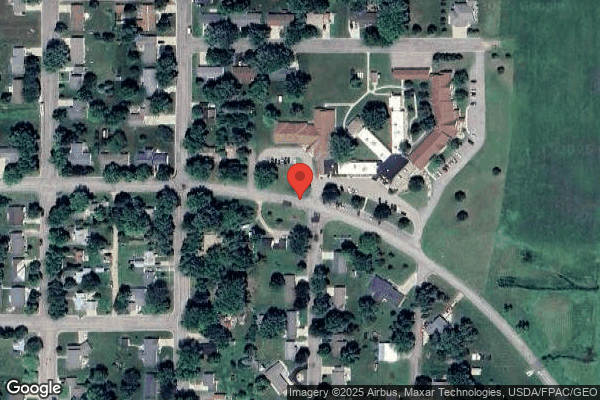
400 SEVENTH STREET NE, FULDA, MN 56131 (507) 425-2571
Non profit - Other 46 Beds Independent Data: November 2025
Trust Grade
80/100
#130 of 337 in MN
Last Inspection: December 2024

Within standard 12-15 month inspection cycle. Federal law requires annual inspections.

Overview

Maple Lawn Senior Care in Fulda, Minnesota has a Trust Grade of B+, which indicates it is above average and recommended for families considering care options. It ranks #130 out of 337 facilities in the state, placing it in the top half, and it is the only nursing home in Murray County, meaning there are no local competitors. However, the facility is experiencing a concerning trend with a significant increase in issues, rising from 1 in 2023 to 9 in 2024. Staffing is a strong point with a 5-star rating and a turnover rate of 44%, which is average for Minnesota, while there have been no fines reported, indicating good compliance with regulations. On the downside, inspections revealed several concerns, including expired food items and inadequate management of medication supplies, which could impact resident safety and care. Overall, while there are strengths in staffing and compliance, families should be aware of the recent increase in issues that could affect care quality.

Trust Score
B+
80/100
In Minnesota
#130/337
Top 38%
Safety Record
Low Risk
No red flags
Inspections
Getting Worse
1 → 9 violations
Staff Stability
○ Average
44% turnover. Near Minnesota's 48% average. Typical for the industry.
Penalties
✓ Good
No fines on record. Clean compliance history, better than most Minnesota facilities.
Skilled Nurses
✓ Good
Each resident gets 67 minutes of Registered Nurse (RN) attention daily — more than 97% of Minnesota nursing homes. RNs are the most trained staff who catch health problems before they become serious.
Violations
○ Average
10 deficiencies on record. Average for a facility this size. Mostly minor or procedural issues.
★★★★☆
4.0
Overall Rating
★★★★★
5.0
Staff Levels
★★★☆☆
3.0
Care Quality
★★★☆☆
3.0
Inspection Score
Stable
2023: 1 issues
2024: 9 issues

The Good

  • 5-Star Staffing Rating · Excellent nurse staffing levels
  • Full Sprinkler Coverage · Fire safety systems throughout facility
  • No fines on record
  • Staff turnover below average (44%)

    4 points below Minnesota average of 48%

Facility shows strength in staffing levels, fire safety.

The Bad

Staff Turnover: 44%

Near Minnesota avg (46%)

Typical for the industry

The Ugly 10 deficiencies on record

Dec 2024 3 deficiencies
CONCERN (D)

Potential for Harm - no one hurt, but risky conditions existed

Medication Errors (Tag F0758)

Could have caused harm · This affected 1 resident

Based on interview and document review the facility failed to obtain informed consent for psychotropic medication use for 2 of 5 residents (R32, R91) and further failed to establish a baseline assessm...

Read full inspector narrative →
Based on interview and document review the facility failed to obtain informed consent for psychotropic medication use for 2 of 5 residents (R32, R91) and further failed to establish a baseline assessment for monitoring abnormal involuntary movements for 1 of 1 resident (R91) who had been prescribed a new antipsychotic medication. Findings include: R32's 9/6/24, quarterly Minimum Data Set (MDS) assessment identified R32 had severe cognitive impairment, inattention, disorganized thinking, and altered level of consciousness. R32 was dependent for all cares and was frequently incontinent of bowel and bladder. R32 took a daily antidepressant, anticoagulant, and diuretic. R32's 9/17/24, diagnosis list identified Alzheimer's disease, generalized anxiety, and major depressive disorder. R32's December 2024, medication administration record identified orders for: 1) Depakote Sprinkles 125 milligrams(mg) take 2 capsules every morning for generalized anxiety disorder, unspecified dementia severe with agitation start date 11/12/24 2) Depakote Sprinkles 125 mg take 3 capsules every evening for generalized anxiety disorder, unspecified dementia severe with agitation start date 11/12/24. 3) Zoloft 75 mg every evening for major depressive disorder start date 9/25/24. R32's medical record had no indication of consent by the resident, family, or guardian for the use of psychotropic medications via a signed form, progress note, or care conference note. R91's 11/27/24, admission MDS assessment identified R91 had moderate cognitive impairment, required partial assistance with cares. R91 was frequently incontinent of bowel and bladder and had occasional moderate pain. R91 was on hospice and took a daily antianxiety, antidepressant, opioid, and hypoglycemic. R91's 9/17/24, diagnosis list identified generalized anxiety disorder and depression. R91's 12/11/24, physician progress note identified R91 was seen for his increased anxiety, agitation, and medication management. R91 had a history of anxiety and cognitive decline while he was in assisted living. The physician identified R91's Zoloft had been increased to 50 mg daily (had been 25 mg) but he proceeded to continue to have significant anxiety and agitation. R91 was started on Zyprexa 2.5 mg (antipsychotic) twice daily scheduled on 12/6/24 for his first dose. R91's December 2024, medication administration record identified orders for: 1) Zoloft 50 mg every day for depression start date 12/4/24. 2) Zyprexa 2.5 mg twice a day for unstable mood start date 12/6/24. 3) Buspirone HCI 10 mg three times a day for generalized anxiety disorder start date 11/21/24 4) Ativan (lorazepam) 0.5 mg as needed every two hours for anxiety or agitation start date 11/29/24. R91's medical record had no indication that the facility had establish a baseline assessment for monitoring abnormal involuntary movements upon the start of Zyprexa (antipsychotic) medication. The chart further had no indication of a consent by the resident, family, or guardian for the use of psychotropic medications via a signed form, progress note, or care conference note. Interview on 12/17/24 at 8:54 a.m., with director of nursing (DON) identified that the previous MDS nurse reviewed psychotropic medications at care conference and obtained consents but never scanned them in and now she was unable to find any of them. She reported the MDS nurse had left between 6 months and a year ago she could not remember exactly. She reported she was in the process of calling all the families and getting verbal consent and then planned to have families sign the consent at the next care conference. She stated she knew it was after the fact, but she was doing due diligence right now. She further reported that the assessment for involuntary movements was built into the quarterly and annual MDS assessment. She confirmed that a baseline involuntary movement assessment was to be completed when a resident was started on an antipsychotic medication and then assessed quarterly after that. She reported she had completed that for R91 yesterday. Interview on 12/18/24 at 10:14 a.m., with the consulting pharmacist supervisor identified that he would expect some type of baseline assessment for involuntary movements to be completed upon starting an antipsychotic medication. He further confirmed that the facility typically obtained consent from families for the use of psychotropic medications as there were several families that had declined medication that were ordered by the provider. He confirmed he would expect the facility staff to review the pros and cons of the psychotropic medication and obtain consent for use. Interview on 12/18/24 at 10:30 a.m., with the DON revealed she had completely forgot about the consents for psychotropic medication use and getting the assessment completed following R91's new order for an antipsychotic medication. She reported she covered the problem and had called all the families and obtained verbal consents yesterday and completed the involuntary movement assessment as soon as it was brought to her attention. She also had hung a note at the nurse's station with a list of antipsychotic medication that would need to have an assessment done and to notify her if anyone had been prescribed one of those medications. Review of the June 2022, Antipsychotic medication use policy identified the facility would complete an AIMS (involuntary movement assessment) initially at the start of an antipsychotic medication. Then complete the AIMS assessment quarterly, annually, or with a significant change assessment. There was no indication the policy had been reviewed and update annually per regulation.
CONCERN (E)

Potential for Harm - no one hurt, but risky conditions existed

Pharmacy Services (Tag F0755)

Could have caused harm · This affected multiple residents

Based on observation, interview and document review the facility failed to ensure 1 of 2 narcotic emergency kit (E-kit) containing controlled and/or narcotic substances did not have expired medication...

Read full inspector narrative →
Based on observation, interview and document review the facility failed to ensure 1 of 2 narcotic emergency kit (E-kit) containing controlled and/or narcotic substances did not have expired medications, and ensure the E-kit contents label was updated monthly and current. Findings include: Observation on 12/16/24 at 5:40 p.m., with contract registered nurse RN-(A) of the medication room, identified a large narcotic E-kit, with a red numbered tag of 882350. RN-A stated the red tag indicated the E-kit had not been opened. If the container had a green tag, nursing staff were to use the E-kit list that was taped to the inside of the medication cabinet as a guide to fax the pharmacy of the medications that had been removed from the container and would need to be replaced. Review of July 2023 E-kit medication log identified lorazepam (treats anxiety disorders) 0.5 milligrams (mg) had an expiration date of 1/27/24, warfarin (prevent blood clots) 1 mg tablets had no expiration date listed, prednisone (reduces inflammation) 10 mg tablet with an expiration date of 1/7/24, doxycycline (antibiotic) 100 mg tablets had an expiration date of 3/02/24, levofloxacin (antibiotic) 250 mg tablets had an expiration date of 1/27/24, and sulfamethoxazole/trimethoprim ss tablets had an expiration date of 4/9/24. Observation on 12/16/24 at 5:43 p.m., of the E-kit container identified the following: 1.) 6 lorazepam 0.5 mg tablets expired 12/15/24. 2.) 8 warfarin 1 mg tablets had expired 12/15/24. 3.) 8 sulfamethoxazole/tmp ss 400-80 mg tablets expired 12/15/24. 4.) 8 doxycycline 100 mg tablets expired 12/15/24. 5.) 8 levofloxacin 250 mg tablets expired 12/15/24. 6.) 8 prednisone 10 mg tablets had expired 12/15/24. During interview on 12/17/24 at 3:50 p.m., with the director of nursing (DON) was aware the local pharmacy would replace E-kit medications monthly and upon request. The consulting pharmacist would destroy expired medications, monthly but she was unsure if the clinical pharmacist had a process to review E-kit medications. DON stated the pharmacy had provided an updated E-kit medication log last year for nurses and was to be used as a resource to review the medications that were stored in the E-kit, however, had not received an updated medication log this year. Interview on 12/18/24 at 10:20 a.m., with consulting pharmacist supervisor stated the E-kit was the pharmacy's responsibility. The consulting pharmacist was expected to review the E-kit log and medications, monthly. In addition, the consulting pharmacist would replace E-kit containers, when expired medication had been discovered. Lastly, he would expect the facility to have an updated E-kit medication log that would reflect an accurate list of medications along with their expiration dates. Review of June 2022 Pharmacy Services Overview policy identified consultant pharmacist would maintain appropriate pharmacy services that support residents needs and would be consistent with current standards of practice to meet State and Federal requirements. Review of January 2023 Emergency medications policy identified pharmacy services would review nursing home emergency kits at a minimum of every 90 days. Pharmacy E-kits would include the name of the medication, quantity of medications, expiration of medications, date E-kit was last updated, tag number of lock used and initials of the pharmacist and/or technician who updated the E-kit.
CONCERN (F)

Potential for Harm - no one hurt, but risky conditions existed

Food Safety (Tag F0812)

Could have caused harm · This affected most or all residents

Based on observation, interview, and document review the facility failed to discard food that had expired, ensure all foods were labeled and dated, and maintain a clean fan that blew in the direction ...

Read full inspector narrative →
Based on observation, interview, and document review the facility failed to discard food that had expired, ensure all foods were labeled and dated, and maintain a clean fan that blew in the direction of clean dishes. This had the potential to affect all 37 residents residing in the facility. Findings include: Observation and interview on 12/16/24 at 10:44 a.m., with the dietary manager (DM) during initial tour of the kitchen. An observation of the refrigerator next to the food prep area contained 2 half gallons of milk with best use by date of 12/13/24. The DM stated the milk should have been tossed out on 12/13/24. The walk-in cooler contained 4 dishes of dessert that was not labeled or dated and a pre-made salad in a bowl that was dated 12/14/24 and was brown in color. The DM stated the dessert appeared to be carrot cake, but she was unsure of when that was last served. She confirmed that the dessert and the pre-made salad needed to be discarded. Observation and interview on 12/16/24 at 11:35 a.m., with the DM of the dishwasher room where there was a fan hanging on the wall across from the dishwasher where dirty dishes went in one side and clean dishes came out other side and sat to dry. The fan was observed to have lint debris that was hanging off the fan and moving as the fan was running. The DM agreed that the fan needed to be shut off and cleaned as there was a potential for the debris to blow onto the clean dishes. She identified that the dietary department was not responsible for cleaning the fan and that maintenance took care of that. Interview on 12/17/24 at 1:20 p.m., with dietician identified for food items labeled with a best use by date she would allow that to be used another 48 hours but of course that also need to be at the discretion of the kitchen staff. For the milk dated best use by 12/13/24 she confirmed that should have been discarded by 12/15/24 if not before. She would expect all foods to be labeled and dated and any food items pre-made like the salad in the bowl should be discarded if it looked bad or after 48 hours. The maintenance department was responsible for cleaning the fan in the dishwasher room however, she would expect the kitchen staff to also keep an eye on that. She reported that she would add that to the weekly cleaning list to check the fan. Interview on 12/17/24 at 2:28 p.m., with maintenance supervisor identified maintenance did not document when they cleaned the fan in the dishwasher room. He revealed the fan was only cleaned as needed and he was surprised at how dirty it gets. He revealed to clean the fan correctly it needed to be taken down and cleaned not just dusted off. He was unsure when the last time the fan had been cleaned. Interview on 12/18/24 at 10:30 a.m., with director of nursing identified her expectation was that the kitchen staff monitored for expired food to prevent food borne illness just as she expected the nursing staff to monitor food in the resident room. She further reported she would expect that the kitchen was maintained in a clean sanitary manor including the fan in the dishwasher room. Review of November and December dietary shift cleaning check list had no mention of checking or cleaning the fan. Review of the 1/1/22, Dietary Cleaning and Sanitization policy identified all kitchen areas would be kept clean and free from debris. The dietary manager may create a specific cleaning list to ensure the kitchen was maintained in a clean and sanitary manner. There was no indication the policy had been reviewed and updated annually per the regulation. A policy was requested for monitoring for expired food and the facilities protocol for monitoring and ensuring items are labeled and dated however, no policy or protocol was provided.
Feb 2024 6 deficiencies
CONCERN (D) 📢 Someone Reported This

A family member, employee, or ombudsman was alarmed enough to file a formal complaint

Potential for Harm - no one hurt, but risky conditions existed

Report Alleged Abuse (Tag F0609)

Could have caused harm · This affected 1 resident

Based on interview and record review, the facility failed to report immediately but not later than 2 hours, allegations of potential abuse to the State Agency for 1 of 1 residents (R4). Findings inclu...

Read full inspector narrative →
Based on interview and record review, the facility failed to report immediately but not later than 2 hours, allegations of potential abuse to the State Agency for 1 of 1 residents (R4). Findings include: Review of 1/21/24 at 10:40 p.m , report to the State Agency (SA) report identified earlier on 1/21/24 at approximately 12:01 a.m., nursing assistant (NA-E) informed licensed practical nurse (LPN-C) she refused to scratch R4's genital area as R6 requested. LPN-C found R4 crying in his room and R4 stated he asked NA-E to wash his genital area and NA-E refused. R4's 1/23/24 Significant Change Minimum Data Set (MDS) identified R4 had diagnosis of Aphasia, dementia, hemiplegia/hemiparesis, anxiety and depression. R4 was cognitively intact and required maximum assist for toileting and transfers. R4 took antidepressants daily. Interview on 2/14/24 at 8:35 a.m., with director of nursing (DON) stated she was made aware of the incident the next day and NA-E did not work at the facility after the incident. Interview on 2/14/24 at 4:44 p.m., with NA-E stated she worked on 1/21/24 on the night shift when R4 asked her to clean him. After cleaning him, she stated R4 asked her to scratch his genitals and she refused. R4 said to NA-E if she refused he would get the nurse. NA-E stated she left the room and informed LPN-C of the situation. NA-E stated she worked later that day on the evening shift on 1/21/24 and was approached by the DON who stated that R4 was afraid of me and I would not work the rest of my shift. Interview on 2/14/24 at 5:11 p.m., with LPN-C stated R4 had his call light on and found R4 in his room crying. LPN-C stated she cleaned and applied cream to R4's genital area. LPN-C stated R4 said he was upset at NA-E. LPN-C stated to R4 she would handle the situation. LPN-C stated she did not inform the DON of the incident until later that same day and assumed the DON would be notified by other staff who worked that night. Interview on 2/14/24 at 5:28 p.m., with R4 identified he felt NA-E mistreated him. R4 refused to answer any other questions and made no mention of the incident noted above. Interview on 2/14/24 at 6:13 p.m., with administrator (ADM) stated her expectations would be for staff to contact her of allegations of potential abuse of residents in the facility. Review of September 2023, Abuse Prohibition and Prevention policy indicated the facility will ensure that all alleged violations involving abuse, neglect, exploitation or mistreatment of resident property, are reported immediately, but not later than two hours after the allegation is made, if the events that cause the allegation involve abuse or result in serious bodily injury, or no later than 24 hours if the events that cause the allegation do no involve abuse and do not result in serious bodily injury, to the director of nursing, administrator of the facility and to officials including the state agency.
CONCERN (D)

Potential for Harm - no one hurt, but risky conditions existed

Deficiency F0744 (Tag F0744)

Could have caused harm · This affected 1 resident

R17's 12/8/23, Significant Change Minimum Data Set Assessment (MDS) identified R17's cognition was severely impaired, she had diagnosis of dementia, non-traumatic brain injury, anxiety, and bi-polar d...

Read full inspector narrative →
R17's 12/8/23, Significant Change Minimum Data Set Assessment (MDS) identified R17's cognition was severely impaired, she had diagnosis of dementia, non-traumatic brain injury, anxiety, and bi-polar disorder. R17 had behaviors of rejection of care 1-3 days during the assessment period. R17's 12/8/23 Care Area Assessment (CAA) identified triggering conditions of Alzheimer's disease or other dementia and displayed characteristics of confusion, disorientation, and forgetfulness. R17's CAA identified that cognitive loss/dementia would be addressed on her care plan with an overall objective to slow or minimize decline, avoid complications, and minimize risks. Interview on 2/13/24 at 4:00 p.m., with nursing assistant (NA)-F identified when R17 is having a bad day they sit with her and visit, if she is upset or not talking or refusing care it helps to lotion her legs or visit with her about her family. She collects teacups and enjoys when we talk with her about that or talk with her about her grandson who is a doctor. NA-F identified that R17 sometimes had hallucinations of a small girl in her room, when that happens NA-F consoles her by telling her she is safe and that she is not alone. R17's current care plan printed on 2/13/24, lacked any indication of the interventions mentioned above, nor did it identify any other meaningful interventions for R17's diagnosis of dementia. Review of 10/26/23, Dementia- Clinical Protocol policy identified that the interdisciplinary team would evaluate residents with cognitive impairments and help identify symptoms. For residents with dementia the facility would develop an individualized care plan to maximize function and quality of life. The care plan would be reviewed for the effectiveness of interventions and revised as needed with the progression of dementia. Based on interview and document review the facility failed to comprehensively assess and develop individualized intervention for dementia and behaviors of dementia for 2 of 2 residents (R17 and R33). Findings include: R33's 12/21/23, quarterly Minimum Data Set (MDS) assessment identified R33 had severe cognitive deficits. He had difficulty focusing his attention, had disorganized thinking, and altered level of consciousness that fluctuated. R33 had physical and verbal behaviors towards others and had refused cares 1 to 3 days during the assessment period. R33's 2/14/24, diagnosis list identified Alzheimer's disease, vascular dementia severe with agitation, major depressive disorder, restlessness and agitation, emotional lability, history of stroke, and palliative care. R33's 9/21/23, cognitive loss/dementia Care Area Assessment (CAA) identified R33 had an actual problem related to dementia and not being able to understand, answer questions or process information. R33's ability to make himself understood had declined and he displayed disorientation, confusion, and forgetfulness. R33 had behavioral symptoms that had triggered however, no details were identified on the worksheet of the behaviors or contributing factors. The CAA worksheet identified that cognitive loss/dementia would be addressed on the care plan to slow or minimize decline, minimize risks, and avoid complications. Staff would need to anticipate R33's needs and adhere to his wishes when appropriate. R33's behavior symptoms CAA identified R33 had an actual problem as he acted out following a family visit. He had reached out and grabbed and tried to stand and walk away. R33 yelled at staff, and this was identified to occasionally occur. R33 displayed physical behaviors towards others such as kicking, hitting, scratching, grabbing, and pushing. He had verbal behaviors towards others such as cursing, threatening, and yelling. The assessment identified R33 had a long history of mental health problems and behavioral disturbances, he had sensory impairments such as vision and hearing that could exacerbate his behavior. R33 had a diagnosis of Alzheimer's disease. Behavioral symptoms would be addressed on the care plan to slow or minimize decline, minimize risk, and avoid complications. Staff would need to keep R33 safe from injury and re-approach later when he was agitated. Interview on 2/13/24 at 11:56 a.m., with nursing assistant (NA)-A identified R33 would fight a lot during cares. Normally staff did not get him up before 10:00 a.m., with his dementia as that worked best for him. She reported if staff got him up before he woke up on his own, he would have a lot more behaviors. R33 would strike out at staff, and he liked to bite. Staff really must be careful when putting his dentures in as he tries to bite you. She reported we always use 2 staff when completing his cares in the morning. She stated R33 typically had more behavior in the morning. Interview on 2/13/24 at 2:12 p.m., with NA-B identified that staff needed to approach R33 slowly and make sure they explained exactly what they were going to do before they started as that seemed to help prevent some of his behaviors. R33 really did not like anything cold touching him and she reported that she typically warmed the wipes by placing in warm running water before using them on him. Interview on 2/14/24 at 7:42 a.m., with NA-C identified if Nascar was on that was a must that staff set him up to watch, as he really liked watching Nascar he was a big fan. She reported it worked best to let him sleep and wake up on his own otherwise he had more behaviors. She stated if she went by his room and his eyes were open that meant he was ready to get up. If he was sleeping and staff knocked on his door and said his name and woke him up, he would have more behaviors. R33 was combative if staff did not go slow and really explain what they were trying to help him with, but once he was up for the day, he was pretty good. R33's care plan printed on 2/14/24, identified he had a fall related to poor comprehension and a diagnosis of dementia with behavioral disturbance. He was unaware of his safety needs. He would climb out of bed, stand, or go to the floor to fix things. He had a silent alarm and staff were to keep the bed in the lowest position with a fall mat next to bed when he was in bed. He was identified to have a care deficit related to Alzheimer's disease and was dependent on staff for bed mobility and transfers. R33 had behaviors consistent with Alzheimer's disease of resisting care non-combative, staff were to determine behavior cycle and event that triggered behavioral problems however, there was no triggers identified. Staff were to stop if R33 became resistant and document attempts and R33's response. Staff were to orientate to immediate surroundings and point out simple landmarks in the facility. R33 had a wander guard on his wrist. The care plan lacked identification of R33's behaviors of being combative. The care plan lacked identification that being woken up was a trigger for behaviors, or that using cold wet wipes was a trigger with no identified interventions to prevent those behaviors. The care plan had no mention that R33 really enjoyed watching Nascar and that he was a fan although staff were aware those interventions helped to calm his behaviors. Interview on 2/14/24 at 1:30 p.m., with registered nurse (RN)-A who reported she was the MDS nurse she was responsible to review the care plan and ensure the care plan reflected the resident and their needs. She identified that social service designee (SSD) was responsible for the dementia and behavior portion of the care plan, and she had been struggling a little with care planning. She further reported that she had been working with SSD on some training of writing care plans, and how the MDS triggered certain areas and those should be addressed on the care plan. RN-A stated if there was a triggered CAA for dementia and/or behaviors related to dementia she would expect to see that addressed on the care plan. The care plan was a working document and should be update any time the resident had a change. She reported that getting direct care staff input was part of her assessment process and she put out a form for each shift for the staff to document on what works, doesn't work and a place for comments for her to review and follow up on if needed. She was unsure if SSD interviewed direct care staff for insight but felt that was best practice as the front-line staff know the residents best. After review of R33's care plan she agreed that the care plan lacked individualization and addressed R33's dementia and behaviors related to his dementia. Interview on 2/14/24 at 2:02 p.m., with director of nursing (DON) identified that overall, the nursing department ended up covering everything but, she would expect each department to follow up and do more related to resident care plans and visit with the staff to help individualize them. The SSD had had been given tools to assist her with care planning and SSD has even watch YouTube videos on how to care plan. Her expectation was that if dementia was triggered on the MDS that it would be addressed on the care plan.
CONCERN (D)

Potential for Harm - no one hurt, but risky conditions existed

Pharmacy Services (Tag F0755)

Could have caused harm · This affected 1 resident

Based on observation, interview, and document review, the facility failed to ensure a system for monitoring the plastic lock on the emergency kit (E-kit) that contained controlled substances for 1 of ...

Read full inspector narrative →
Based on observation, interview, and document review, the facility failed to ensure a system for monitoring the plastic lock on the emergency kit (E-kit) that contained controlled substances for 1 of 1 E-kits to detect potential diversion at each change of shift. Findings include: Review of the facility's ER KIT item list of what was located in the E-kit identified it contained the controlled medications of lorazepam 0.5 milligrams (mg) 6 tablets and morphine 20 mg/milliliter (ml) oral solution quantity, 15 milliliters. Observation and interview on 2/14/24 at 10:04 a.m., with licensed practical nurse (LPN)-A of the facility medication room. Locked in a cupboard was the facility E-kit with a red plastic lock with the number 882383. LPN-A revealed if the facility removed an item from the E-kit they had to fill out a form and fax it to the pharmacy. The staff would then place a green plastic lock on the E-kit those were located inside the E-kit. The pharmacy would then send a new E-kit and the facility would send the E-kit that had an item removed from it back to the pharmacy. LPN-A confirmed that the E-kit contained controlled medication. LPN-A revealed that the facility did not monitor the E-kit plastic lock number at all. LPN-A confirmed that during the shift narcotic count that the E-kit was not checked to ensure the plastic lock number was correct and had not been compromised. Interview on 2/14/24 at 10:26 a.m., with the director of nursing (DON) identified she was unaware that the facility should have been monitoring the E-kit plastic lock but agreed it made sense since the E-kit contained controlled medications. She stated, I just didn't think of that. She agreed by not monitoring the plastic lock on the E-kit there was potential for diversion. She agreed that if someone had removed the controlled medication from the E-kit it was likely that no one would notice until the E-kit had been returned to the pharmacy to be restocked for removal of another medication. She reported she would be implementing a tracking system immediately. Review of 9/19/23, Controlled Substances policy identified the facility would ensure a safe and secure storage system and mechanisms to minimize diversion or loss. Controlled substances that are stored in the locked medication room for emergency or on hand supply would be stored in a locked cupboard. The pharmacy would supply the container that the medication would be stored in with a numbered locking toggle system. At the end of each shift all controlled substances would be counted with the on coming nurse and nurse going off duty. There was no mention of monitoring the lock on the E-kit that contained controlled medications. Review of October 2023, Emergency Pharmacy Service and Emergency Kits identified the pharmacist would inventory the emergency kit every 30 days for expiration dates and ensure completeness. For controlled substances if a medication was removed from the emergency kit the nurse would reorder, obtain a handwritten prescription for physician and document the replacement of the controlled substance by the date and number of doses received. Accountability for controlled substances identified a inventory system would be used, with a separate sheet for each individual medication in the kit. Each dose used and replacement dose would be entered on the inventory sheet, with the amount remaining identified. The charge nurse going off duty and the charge nurse coming on duty would verify the inventory of controlled substance at each change of shift.
CONCERN (D)

Potential for Harm - no one hurt, but risky conditions existed

Deficiency F0883 (Tag F0883)

Could have caused harm · This affected 1 resident

**NOTE- TERMS IN BRACKETS HAVE BEEN EDITED TO PROTECT CONFIDENTIALITY** Based on interview and document review, the facility failed to ensure 3 of 5 residents (R1, R5, and R28) were offered and/or adm...

Read full inspector narrative →
**NOTE- TERMS IN BRACKETS HAVE BEEN EDITED TO PROTECT CONFIDENTIALITY** Based on interview and document review, the facility failed to ensure 3 of 5 residents (R1, R5, and R28) were offered and/or administered vaccination for pneumonia upon admission or when eligible. This had the potential to affect all 41 residents. Findings include: Review of the current Centers for Disease Control (CDC) pneumococcal vaccine guidelines located at https://www.cdc.gov/vaccines/vpd/pneumo/hcp/pneumo-vaccine-timing.html, identified for: 1) 2) Adults [AGE] years of age or older, e) Received PCV-13 at Any Age AND PPSV-23 AFTER age [AGE] Years aa) Use shared clinical decision-making to decide whether to administer PCV20. If so, the dose of PCV-20 should be administered at least 5 years after the last pneumococcal vaccine. Review of 5 sampled residents for vaccinations identified: 1) R1 was [AGE] years old and was admitted to the facility in April of 2022. R2 was administered the PPSV-23 on 9/15/13, and the PCV-13 on 7/17/15. R1 should have been offered and/or provided the PCV-20 at least 5 years after the last pneumococcal vaccine per CDC guidelines. 2) R5 was [AGE] years old and was admitted to the facility in July of 2018. R5 was administered the PPSV-23 on 6/20/13, and the PCV-13 on 10/2/15. R5 should have been offered and/or provided the PCV-20 at least 5 years after the last pneumococcal vaccine per CDC guidelines. 3) R28 was [AGE] years old and was admitted to the facility in December of 2021. R28 was administered the PCV-13 on 10/26/15, and the PPSV-23 on 11/20/18. R28 should have been offered and/or provided the PCV-20 at least 5 years after the last pneumococcal vaccine per CDC guidelines. Review of the September 2022, facility Pneumococcal Vaccine Policy identified pneumococcal vaccines or re-vaccinations would be made in accordance with current CDC recommendations.
CONCERN (E)

Potential for Harm - no one hurt, but risky conditions existed

Antibiotic Stewardship (Tag F0881)

Could have caused harm · This affected multiple residents

Based on interview and document review, the facility failed to develop and implement a comprehensive antibiotic stewardship program, with established monitoring, to help reduce unnecessary antibiotic ...

Read full inspector narrative →
Based on interview and document review, the facility failed to develop and implement a comprehensive antibiotic stewardship program, with established monitoring, to help reduce unnecessary antibiotic use, reduce potential drug resistance, and help prevent the spread of infectious diseases for 5 of 12 residents (R1, R5, R17, R28, and R33) reviewed. Findings include: Review of the facility infection surveillance tracking log identified residents who had been identified as having an infection and being administered an antibiotic. The surveillance logs lacked any documentation that an antibiotic time out had been completed or the date that the infection had been resolved. 1.) R1 was identified as having a urinary tract infection (UTI), she was prescribed an antibiotic cefdinir oral capsule that started on 5/31/23. The surveillance log lacked indication that a 72 hour time out had been completed or when the infection had resolved. 2.) R5 was identified to have had a UTI, she was prescribed an antibiotic Cipro 500 mg on 8/15/23. The surveillance log lacked indication that a 72-hour time out had been completed or when the infection had resolved. 3.) R17 was identified to have had a UTI, she was prescribed an antibiotic Macrobid 100 mg twice daily for 5 days on 8/30/23. She was also identified to have a UTI and started another antibiotic cefdinir 300 mg daily for 7 days, the surveillance log lacked any indication the facility had completed a time out or if either infection had resolved. 4.) R28 was identified as having an upper respiratory infection (URI) and starting an antibiotic on 6/24/23. The surveillance log lacked indication that a 72-hour time out had been completed or when the infection had resolved. 5.) R33 was identified as having an unknown infection, he started an antibiotic amoxicillin 875-125 mg on 5/16/23. The surveillance log lacked indication of what the infection was, did not identify if a time out had been completed, and did not indicate when or if the infection had resolved. Interview on 2/14/24 at 1:34 p.m., with the director of nursing (DON) identified that the surveillance tracking log provided was a program used in the facilities electronic medical record system Point Click Care (PCC) that automatically pulled data when a new order for an antibiotic was entered. The DON stated, I can't say that I have evaluated or analyzed the data. She identified that the facility has an individual infection resident report that includes all the information such as resolve date and monitoring of symptoms, she reports she has not been completing these reports and states we just don't have enough hours. She reports she is not reviewing the information to see if there is a correlation to indicate a cause of infections or spread of infections but states I do look at shift report daily. The DON identified that she has not completed an antibiotic time out since she took the infection preventionist position several months ago. Review of the 1/31/2023, facility Antibiotic Stewardship Policy identified all clinical infections treated with antibiotics would undergo a review by the infection preventionist, or designee. The policy identified that the facility would complete an antibiotic time out 72 hours after the first dose is administered and report to the physician. The infection preventionist will review antibiotic utilization and identify specific situation that are not consistent with the appropriate use of antibiotics and notify the physician.
CONCERN (F)

Potential for Harm - no one hurt, but risky conditions existed

QAPI Program (Tag F0867)

Could have caused harm · This affected most or all residents

Based on interview and document review, the facility failed to ensure data submitted to the QAPI committee was analyzed and documented to ensure areas identified had oversight for their perspective ou...

Read full inspector narrative →
Based on interview and document review, the facility failed to ensure data submitted to the QAPI committee was analyzed and documented to ensure areas identified had oversight for their perspective outcomes brought forth. This had the potential to affect all 41 residents. Findings include: Review of quarterly QAPI meetings from January 2023 through December 2023, identified the facility departments were submitting data to be reviewed by the committee. 2 Examples of failure to analyze and document that process identified in: 1. Quarter 2 April, may, and June of 2023, identified data brought forth that included pressure ulcers, falls, catheter use, and infections. The QAPI minutes failed to identify an analysis of that data to determine the need for improvement, a root cause, a measurable goal, or an action plan for improvement. 2. Quarter 3 July, August, and September 2023, identified data brought forth that included prevalence of falls, pressure ulcers, skin, infections, medication errors. The QAPI minutes lacked any indication that an analysis of the data had been completed to identify problem areas, a root cause, a measurable goal, or action plan for improvement. Interview on 2/14/24 at 10:38 a.m., with the administrator identified she would expect the QAPI minutes to include a thorough analysis of the data, problem areas to be identified, a root cause analysis, a measurable goal, and an action plan for improvement. She agreed that the facility QAPI was missing those components and identified that they were currently working to restructure their QAPI committee program. Review of the facilities 2024, Quality Assurance & Performance Improvement Plan identified the QAPI committee would identify problems and opportunities for improvement, systematically analyze underlying causes of systemic problems and adverse events and develop corrective action or performance improvement activities.
Jan 2023 1 deficiency
CONCERN (D)

Potential for Harm - no one hurt, but risky conditions existed

Deficiency F0885 (Tag F0885)

Could have caused harm · This affected 1 resident

Based on interview and document review the facility failed to appropriately inform residents, their representatives, and families of those residing in facility by 5 p.m. the next calendar day followin...

Read full inspector narrative →
Based on interview and document review the facility failed to appropriately inform residents, their representatives, and families of those residing in facility by 5 p.m. the next calendar day following the occurrence of a single confirmed infection or when 3 or more residents or staff had new-onset of respiratory symptoms occurring within 72 hours of each other prior to and during facility's COVID-19 outbreak. That had the potential to affect the 39 residents, their families, and resident representatives. Findings include: Interview on 1/23/23 at 10:30 a.m., assistant director of nursing (ADON), identified the facility had one resident who had tested positive for COVID-19 and was on transmission based precautions (TBP). Observation on 1/23/23 at 10:35 a.m., of R5's room entrance identified he had personal protective equipment (PPE) stored outside of his room in a cart. R5 had a sign on his door identifying staff were to put on full PPE prior to entering his room. Review of the facility staff testing logs identified on 1/21/23, licensed practical nurse (LPN)-A tested positive for COVID-19. Interview on 1/23/23 at 3:45 p.m., with family member (FM)-A revealed they had been notified earlier that day of the positive COVID-19 case that occurred on 1/21/23. Interview on 1/23/23 at 4:00 p.m., with FM-B revealed he had never been notified of a positive COVID-19 case at the facility since the beginning of COVID-19 in 2020. Interview on 1/23/23 at 4:30 p.m., with FM-C revealed he had received a facility generated notification only 2 hours ago regarding the newly identified 1/21/23, COVID-19 positive case. Review of the undated, facility Automated Broadcasting Summary identified the notification to families and representatives of a COVID-19 had been newly created on 1/23/23 at 1:17 p.m. Interview on 1/25/23 at 3:22 p.m., with administrator identified she confirmed notifications to families and representatives had not been completed by 5:00 p.m., the next calendar day following a single occurrence of a confirmed positive COVID-19 case. The administrator revealed she was responsible to ensure notifications were sent out to families and representatives by 5:00 p.m. the next calendar day. Review of the 5/23/22, Coronavirus Disease (COVID-19)-Documenting and Reporting COVID-19 Testing policy identified the facility was responsible to report identified COVID-19 cases in the facility to residents, families, and representatives according to requirements. The policy lacked identification of a time frame for reporting positive COVID-19 cases.
Understanding Severity Codes (click to expand)
Life-Threatening (Immediate Jeopardy)
J - Isolated K - Pattern L - Widespread
Actual Harm
G - Isolated H - Pattern I - Widespread
Potential for Harm
D - Isolated E - Pattern F - Widespread
No Harm (Minor)
A - Isolated B - Pattern C - Widespread

Questions to Ask on Your Visit

  • "Can I speak with families of current residents?"
  • "What's your RN coverage like on weekends and overnight?"

Our Honest Assessment

Strengths
  • • Grade B+ (80/100). Above average facility, better than most options in Minnesota.
  • • No major safety red flags. No abuse findings, life-threatening violations, or SFF status.
  • • No fines on record. Clean compliance history, better than most Minnesota facilities.
  • • 44% turnover. Below Minnesota's 48% average. Good staff retention means consistent care.
Concerns
  • • No significant concerns identified. This facility shows no red flags across CMS ratings, staff turnover, or federal penalties.
Bottom line: Generally positive indicators. Standard due diligence and a personal visit recommended.

About This Facility

What is Maple Lawn Senior Care's CMS Rating?

CMS assigns MAPLE LAWN SENIOR CARE an overall rating of 4 out of 5 stars, which is considered above average nationally. Within Minnesota, this rating places the facility higher than 99% of the state's 100 nursing homes. This rating reflects solid performance across the metrics CMS uses to evaluate nursing home quality.

How is Maple Lawn Senior Care Staffed?

CMS rates MAPLE LAWN SENIOR CARE's staffing level at 5 out of 5 stars, which is much above average compared to other nursing homes. Staff turnover is 44%, compared to the Minnesota average of 46%. This relatively stable workforce can support continuity of care.

What Have Inspectors Found at Maple Lawn Senior Care?

State health inspectors documented 10 deficiencies at MAPLE LAWN SENIOR CARE during 2023 to 2024. These included: 10 with potential for harm.

Who Owns and Operates Maple Lawn Senior Care?

MAPLE LAWN SENIOR CARE is owned by a non-profit organization. Non-profit facilities reinvest revenue into operations rather than distributing to shareholders. The facility operates independently rather than as part of a larger chain. With 46 certified beds and approximately 35 residents (about 76% occupancy), it is a smaller facility located in FULDA, Minnesota.

How Does Maple Lawn Senior Care Compare to Other Minnesota Nursing Homes?

Compared to the 100 nursing homes in Minnesota, MAPLE LAWN SENIOR CARE's overall rating (4 stars) is above the state average of 3.2, staff turnover (44%) is near the state average of 46%, and health inspection rating (3 stars) is at the national benchmark.

What Should Families Ask When Visiting Maple Lawn Senior Care?

Based on this facility's data, families visiting should ask: "Can I visit during a mealtime to observe dining assistance and food quality?" "How do you handle medical emergencies, and what is your hospital transfer rate?" "Can I speak with family members of current residents about their experience?"

Is Maple Lawn Senior Care Safe?

Based on CMS inspection data, MAPLE LAWN SENIOR CARE has a clean safety record: no substantiated abuse findings (meaning no confirmed cases of resident harm), no Immediate Jeopardy citations (the most serious violation level indicating risk of serious injury or death), and is not on the Special Focus Facility watch list (a federal program monitoring the lowest-performing 1% of nursing homes). The facility has a 4-star overall rating and ranks #1 of 100 nursing homes in Minnesota. While no facility is perfect, families should still ask about staff-to-resident ratios and recent inspection results during their visit.

Do Nurses at Maple Lawn Senior Care Stick Around?

MAPLE LAWN SENIOR CARE has a staff turnover rate of 44%, which is about average for Minnesota nursing homes (state average: 46%). Moderate turnover is common in nursing homes, but families should still ask about staff tenure and how the facility maintains care continuity when employees leave.

Was Maple Lawn Senior Care Ever Fined?

MAPLE LAWN SENIOR CARE has no federal fines on record. CMS issues fines when nursing homes fail to meet care standards or don't correct problems found during inspections. The absence of fines suggests the facility has either maintained compliance or corrected any issues before penalties were assessed. This is a positive indicator, though families should still review recent inspection reports for the full picture.

Is Maple Lawn Senior Care on Any Federal Watch List?

MAPLE LAWN SENIOR CARE is not on any federal watch list. The most significant is the Special Focus Facility (SFF) program, which identifies the bottom 1% of nursing homes nationally based on persistent, serious quality problems. Not being on this list means the facility has avoided the pattern of deficiencies that triggers enhanced federal oversight. This is a positive indicator, though families should still review the facility's inspection history directly.