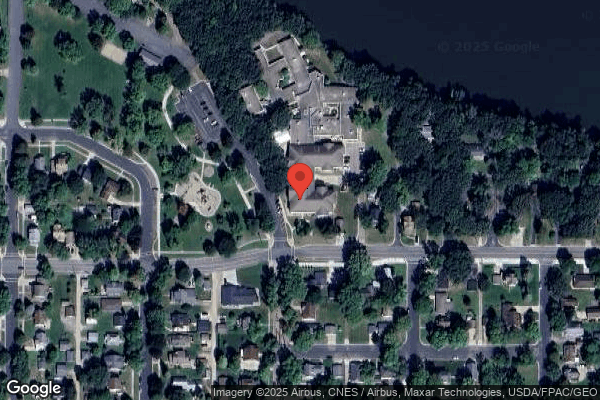
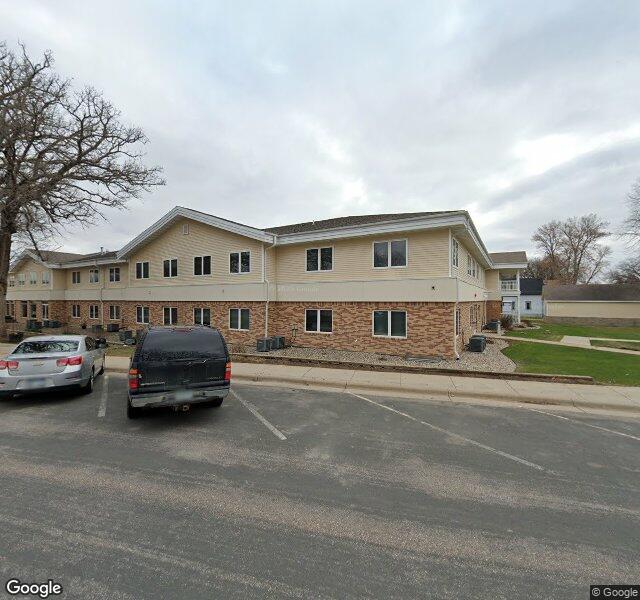
Bayside Manor LLC

640 THIRD STREET, GAYLORD, MN 55334 (507) 237-2911
For profit - Corporation 44 Beds MONARCH HEALTHCARE MANAGEMENT Data: November 2025 1 Immediate Jeopardy citation
Trust Grade
21/100
#281 of 337 in MN
Last Inspection: October 2024

Within standard 12-15 month inspection cycle. Federal law requires annual inspections.

Overview

Bayside Manor LLC in Gaylord, Minnesota has received a Trust Grade of F, indicating significant concerns about the quality of care provided. It ranks #281 out of 337 facilities in Minnesota, placing it in the bottom half of nursing homes in the state, while being the only option available in Sibley County. The facility is showing an improving trend, decreasing from 22 issues in 2024 to just 1 in 2025. Staffing appears to be a strength, with a 0% turnover rate, meaning staff members are stable and likely familiar with the residents. However, the facility has faced $16,982 in fines, which is concerning and suggests compliance problems, and it has less RN coverage than 75% of other Minnesota facilities, potentially impacting the quality of medical oversight. Specific incidents highlighted by inspections include a failure to document a resident's advance directive accurately, which could have led to a denial of CPR against their wishes. Additionally, there were serious shortcomings in transfer techniques, resulting in two residents suffering significant injuries, including fractures. Lastly, there were concerns regarding infection control practices during food service, which could affect all residents. While there are some strengths, the overall picture raises serious concerns for families considering this facility for their loved ones.

Trust Score
F
21/100
In Minnesota
#281/337
Bottom 17%
Safety Record
High Risk
Review needed
Inspections
Getting Better
22 → 1 violations
Staff Stability
○ Average
Turnover data not reported for this facility.
Penalties
○ Average
$16,982 in fines. Higher than 65% of Minnesota facilities. Some compliance issues.
Skilled Nurses
⚠ Watch
Each resident gets only 28 minutes of Registered Nurse (RN) attention daily — below average for Minnesota. Fewer RN minutes means fewer trained eyes watching for problems.
Violations
⚠ Watch
41 deficiencies on record. Higher than average. Multiple issues found across inspections.
★☆☆☆☆
1.0
Overall Rating
★☆☆☆☆
1.0
Staff Levels
★★★★☆
4.0
Care Quality
★☆☆☆☆
1.0
Inspection Score
Stable
2024: 22 issues
2025: 1 issues

The Good

  • 4-Star Quality Measures · Strong clinical quality outcomes
  • Full Sprinkler Coverage · Fire safety systems throughout facility
  • No fines on record

Facility shows strength in quality measures, fire safety.

The Bad

1-Star Overall Rating

Below Minnesota average (3.2)

Significant quality concerns identified by CMS

Federal Fines: $16,982

Below median ($33,413)

Minor penalties assessed

Chain: MONARCH HEALTHCARE MANAGEMENT

Part of a multi-facility chain

Ask about local staffing decisions and management

The Ugly 41 deficiencies on record

1 life-threatening 1 actual harm
May 2025 1 deficiency
CONCERN (D) 📢 Someone Reported This

A family member, employee, or ombudsman was alarmed enough to file a formal complaint

Potential for Harm - no one hurt, but risky conditions existed

Deficiency F0628 (Tag F0628)

Could have caused harm · This affected 1 resident

**NOTE- TERMS IN BRACKETS HAVE BEEN EDITED TO PROTECT CONFIDENTIALITY** Based on observation, interview and document review the facility failed to convey a resident's most current Provider Order for L...

Read full inspector narrative →
**NOTE- TERMS IN BRACKETS HAVE BEEN EDITED TO PROTECT CONFIDENTIALITY** Based on observation, interview and document review the facility failed to convey a resident's most current Provider Order for Life Sustaining Treatment (POLST) form to the receiving provider when 1 of 1 resident (R1) was transferred to the emergency department (ED), reviewed for discharge. Findings include: R1's POLST dated [DATE], identified Section A: if R1 has no pulse and is not breathing do not attempt resuscitation. Section B: Comfort-Focused Treatment (Allow Natural Death). Relieve pain and suffering through the use of any medication by any route, positioning, wound care and other measures. Use oxygen, suction and manual treatment of airway obstruction as needed for comfort. Patient prefers no transfer to the hospital for life-sustaining treatments. Transfer if comfort needs cannot be met in current location. Section C: R1's documentation of discussion and was signed by R1. Section D: signed by certified nurse practitioner and dated [DATE]. Section E: additional preferences- no artificial nutrition by tube, no antibiotics, use other methods to relieve symptoms when possible. R1's care plan dated [DATE], identified a focus of current code status; see POLST. Interventions included an advanced Directive in place and will be honored during the review period, arrange MD consultation as necessary, assess resident for ability to cope with information provided, review resident's Advance Directive PRN per resident and/or family request and staff to follow POLST guidelines. R1's POLST dated [DATE], identified Section A: if R1 has no pulse and is not breathing do not attempt resuscitation. Section B: Comfort-Focused Treatment (Allow Natural Death). Relieve pain and suffering through the use of any medication by any route, positioning, wound care and other measures. Use oxygen, suction and manual treatment of airway obstruction as needed for comfort. Patient prefers no transfer to the hospital for life-sustaining treatments. Transfer if comfort needs cannot be met in current location. Section C: R1's documentation of discussion and was signed by R1. Section D: signed by certified nurse practioner and dated [DATE]. Section E: additional preferences- no artificial nutrition by tube, no antibiotics, use IV/IM antibiotics. R1's order summary dated [DATE] identified R1 was Do Not Resuscitate (DNR). R1's admission Minimum Data Set (MDS) dated [DATE], identified that R1 had moderately impaired cognition and diagnoses included paranoid schizophrenia, unspecified intellectual disabilities and diabetes mellites. R1 nursing progress note dated [DATE] at 6:43 p.m., R1 was sent to hospital per care coordinators and provider - R1 had been refusing all cares and being aggressive towards staff. R1's ED to hospital admission documents dated [DATE], R1's hospital course identified had chronic cognitive impairment, paranoid schizophrenia, type 2 diabetes insulin-dependent, lower extremity lymphedema, presented from facility via EMS due to increased confusion, agitation and refusal of cares. Review of R1's POLST shows comfort measures only, DNR DNI and no antibiotics. Was able to discuss case with R1's family he does not have a court appointed guardian as he has remained his own guardian. Review of the POLST was that it was signed by R1. It stated that he does not wish to have any antibiotics including oral and wants comfort measures only. After discussion with family, she reported that we should follow the POLST recommendations as that would be his wishes. R1 was admitted for possible right lower lobe pneumonia and left lower extremity cellulitis. Given R1's wishes noted on previous POLST signed on [DATE], that R1 would not wish to have any antibiotics including oral antibiotics and comfort measures only. This was confirmed with R1's family member. Based on this R1 will plan to discharge back to his facility possibly on hospice. R1's Discharge summary dated [DATE], identified R1 was discharged with the plan to initiate hospice based on the initial POLST form from 2023. However, with the new information and further conversation with R1 at his skilled nursing facility hospice has not been initiated. Given that R1 was hemodynamically stable, afebrile, not requiring supplemental oxygen it was reasonable that R1 was discharged on oral antibiotics with close outpatient follow-up with primary care provider. Therefore, R1 will be discharged on a course of Augmentin for presumptive right lower lobe pneumonia. R1 should return to the emergency room if he has worsening symptoms or concern for clinical decline. Otherwise recommend follow-up with primary care provider in 1 to 2 days. R1's progress note dated [DATE] at 1:59 p.m., At 3:15 p.m., R1 was sent back to the facility from the hospital with a diagnosis of pneumonia. During an interview on [DATE] at 3:25 p.m., R1 was seated in his wheelchair in the hallway. R1 stated he was in hospital a couple weeks ago because he was out of his diet mountain dew, and he got dehydrated. R1 stated he thought he had an infection somewhere but really couldn't remember. During an interview on [DATE] at 10:56 a.m., licensed practical nurse care coordinator (LPNCC)-A stated she worked on [DATE], and R1 was not himself that day had been refusing cares for several hours and was combative with staff. LPNCC-A stated they did get an order form a provider to send R1 to the ED. LPNCC-A further stated she printed out his face sheet and his medication administration record, for the nurse that would be sending R1 out. LPNCC-A stated she did not print R1's POLST. LPNCC-A stated she had left the building before R1 was sent to the ED, so she was unsure if R1's most recent POLST was printed and sent with. During a phone interview on [DATE] at 1:17 p.m., licensed practical nurse (LPN)-A stated he worked on [DATE], and was the nurse responsible for R1. LPN-A stated he did not print out any additional forms to send with R1 to the ED. LPN-A verified he did not print out R1's most recent POLST to send with to the ED. During an interview on [DATE] at 1:33 p.m., nurse manager (NM)-A stated when a resident is sent to the hospital emergently the following forms should be sent with; the face sheet, order summary, medication administration record and a current POLST form. NM-A stated all the forms should be handed to ambulance person. During an interview on [DATE] at 1:37 p.m., regional nurse consultant (RNC)-A stated the process for sending a resident to the ED, was to have a provider order and send the following forms with the resident: face sheet, order summary, medication administration record and a current POLST form. RNC-A stated it looked like R1's POLST did not get sent with him to the hospital, so the hospital had R1's old POLST that identified R1 was not to receive antibiotics. RNC-A stated they are in the process of educating all nursing staff on what forms are to be sent with residents during an emergent transfer to ensure the receiving provider can honor resident wishes. Advanced directive policy requested and not received. Emergency transfer document requested and not received. Facility policy, POLST Documentation Procedure, dated 4/2025, identified a purpose to identify a code status consistent with resident wishes and to facilitate providing emergency care and services in accordance with the resident's plan of care. The Resident and/or Resident Representative's decision will be entered into the individualized plan of care/electronic medical record, and will be communicated throughout the facility, so that staff know immediately what action to take or not take when an emergency arises. 1. Resident's and/or Resident Representative's wishes will be discussed and verified by referring to the discharge orders. 2. If the resident's or resident representative's wishes no longer align with the discharge orders, a physician's order must be obtained immediately to support these modified wishes. 3. The physician order should be placed into Point Click Care per the following process.' o When indicating the Code Status of choice, please utilize the standardized abbreviation of DNR or CPR which is located in the Monarch admission Order Sets. o Advance Directive status should be listed as Current and Verified before completing and saving the new order entry. o Order type should be Advanced Directive. 4. Code Status will be reflected in multiple areas within the electronic medical record. This includes Care Profile section located under residents' picture in Point Click Care and Point of Care, and on the MAR/TAR. 5. In the event of an interruption of the electronic health record, refer to the MAR backup software to verify code status. 6. POLST should be uploaded in PCC documents/Misc. tabs. pending signature from Physician/NP and entered POLST (Unsigned). 7. Upload the signed POLST and the unsigned POLST will be deleted out of PCC. The paper POLST will be shredded after uploading. Current POLST that is uploaded, should have verbiage CURRENT POLST. If there are any other POLSTS uploaded into the Documents/Misc., these POLSTS should remain listed and named VOID POLST. 8. A routine audit of the POLST documentation should be completed to ensure consistent and accurate documentation of the POLST form, physician orders, the care plan and entry in PCC.
Oct 2024 9 deficiencies
CONCERN (D)

Potential for Harm - no one hurt, but risky conditions existed

Resident Rights (Tag F0550)

Could have caused harm · This affected 1 resident

**NOTE- TERMS IN BRACKETS HAVE BEEN EDITED TO PROTECT CONFIDENTIALITY** Based on observation, interview, and document review, the facility failed to ensure resident rights and choices were protected f...

Read full inspector narrative →
**NOTE- TERMS IN BRACKETS HAVE BEEN EDITED TO PROTECT CONFIDENTIALITY** Based on observation, interview, and document review, the facility failed to ensure resident rights and choices were protected for 1 of 1 resident (R16) when his recliner was removed from his room against his wishes. Findings include: R16's admission Minimum Data Set (MDS) dated [DATE], indicated an admission date of 7/3/24, intact cognition, no rejection of care, and diagnoses of heart failure, kidney failure, and edema. R16's care plan dated 7/9/24, focus area titled cognition indicated R16 was at risk for alteration in cognition related to adjustment to placement with interventions listed as allow resident time to communicate his needs/wants, provide and maintain consistent environment. R16's Physician's orders dated 7/2/24, indicated elevating legs to the level of the heart or above for 45-60 minutes, pump ankles while sitting in chair, elevate foot of bed, prop feet up on a pillow when sitting in recliner every shift. R16's Behavior note dated 7/4/24 at 3:37 a.m., indicated R16 was annoyed with staff due to not having his (personal ) recliner at the facility yet from his prior facility. Notes further indicated R16 stated he slept in his chair, couldn't sleep in a bed, and needed his chair by that night. R16's New admission Note dated 7/5/24 at 3:38 a.m., indicated R16 had a hard time falling asleep that night because he was upset about not having his recliner from his prior facility. R16's New admission Note dated 7/6/24 at 4:58 a.m., indicated R16's recliner had arrived from his prior facility, he was very happy to have his recliner since being without it since admission on [DATE], and was resting quietly in his recliner with his eyes closed. R16's Health Status progress note dated 9/15/24 at 3:37 a.m., indicated R16 rested well throughout the night and slept in his recliner with legs elevated for comfort. During interview on 10/14/24 at 8:31 a.m., R16 stated his recliner was taken from his room several days ago to be cleaned and he was unsure when it would be returned. R16 further stated he slept in his recliner every night and had been sleeping in his wheelchair since his recliner was removed. R16 stated he wanted to put his feet up but could not due to his recliner being gone. R16 further stated he did not sleep in his bed due to it being too small and uncomfortable. During interview on 10/14/24 at 2:03 p.m., R16 stated he did not give permission for his chair to be taken, he had asked for a sheet to be put over it instead, he was sick of sleeping in his wheelchair, and he wanted his chair back by evening. During observations from 10/13/24 through 10/15/24, R16 was observed in his wheelchair with his legs down on footrests. His personal recliner was absent from his room. An alternate recliner from the facility common area was provided after 5 p.m. on 10/14/24. R16's personal recliner was returned on 10/15/24. During interview on 10/14/24 at 2:06 p.m., director of nursing (DON) stated R16's recliner was wet with urine and had a foul smell and she had to take it on 10/10/24 or 10/11/24. DON confirmed she did not ask permission to take the chair. DON further confirmed she was unsure who was going to clean the chair and if or when it would be returned. During interview on 10/15/24 at 10:20 a.m., social services director (SSD) stated she had not been involved in the conversation to remove R16's recliner and was informed after it was removed. SSD further stated R16's recliner was very important to him when he admitted to the facility, and she would have expected R16's chair to be cleaned and immediately returned or a replacement chair offered and accepted prior to removing the chair. SSD further stated due to resident rights, they should have had his permission to remove the recliner. During interview on 10/15/24 at 1:10 p.m., administrator stated they had a discussion about the recliner and decided to remove it due to odor and infection control. Administrator stated she was unsure if anyone confirmed permission from R16. A policy on resident rights and personal property was requested but not received.
CONCERN (D)

Potential for Harm - no one hurt, but risky conditions existed

Assessment Accuracy (Tag F0641)

Could have caused harm · This affected 1 resident

**NOTE- TERMS IN BRACKETS HAVE BEEN EDITED TO PROTECT CONFIDENTIALITY** Based on observation, interview and document review, the facility failed to ensure resident status was accurately identified in ...

Read full inspector narrative →
**NOTE- TERMS IN BRACKETS HAVE BEEN EDITED TO PROTECT CONFIDENTIALITY** Based on observation, interview and document review, the facility failed to ensure resident status was accurately identified in the Minimum Data Set (MDS) assessment for 1 of 1 resident (R5) reviewed for hospice. Findings include: R5's Face Sheet dated 10/15/24, indicated R5 primary payer was hospice, care providers included hospice, and diagnoses hemiplegia and hemiparesis following cerebral infarction affecting left dominant side (conditions that cause weakness or paralysis on one side of the body after a stroke), dementia, and altered mental status. R5's significant change in status MDS dated [DATE], section O, K1 under special treatments and programs, did not include hospice care services . Section J 1400 Prognosis: conditions or chronic diseases that may result in a life expectancy of less than 6 months indicated no. R5's hospice plan of care printed 10/15/24, indicated R5's hospice start of service date was 9/11/24. R5's care plan dated 10/13/24, indicated hospice Cares r/t (related to) end stage kidney disease, enrolled for services with hospice. On 10/15/24 at 11:49 a.m., registered nurse (RN)-A, also identified as MDS specialist, indicated R5 was admitted to the facility on hospice. Upon review of admission MDS, RN-A confirmed section 0 was not coded as R5 receiving hospice services. On 10/15/24 at 12:37 p.m., the director of nursing (DON) stated the MDS should have been completed accurately and hospice services should have been indicated on the admission MDS. On 10/15/24 at 2:54 p.m., the administrator stated the facility followed the RAI (resident assessment instrument) Manual and doesn't utilize a specific MDS policy.
CONCERN (D)

Potential for Harm - no one hurt, but risky conditions existed

Quality of Care (Tag F0684)

Could have caused harm · This affected 1 resident

**NOTE- TERMS IN BRACKETS HAVE BEEN EDITED TO PROTECT CONFIDENTIALITY** Based on observation, interview and document review, the facility failed to follow physician orders for leg elevation for 1 of 1...

Read full inspector narrative →
**NOTE- TERMS IN BRACKETS HAVE BEEN EDITED TO PROTECT CONFIDENTIALITY** Based on observation, interview and document review, the facility failed to follow physician orders for leg elevation for 1 of 1 resident (R16) reviewed for edema. Findings include: R16's admission Minimum Data Set (MDS) dated [DATE], indicated intact cognition, no rejection of care, and diagnoses of heart failure, kidney failure, and edema. R16's care plan dated 7/9/24, focus area titled cognition indicated R16 was at risk for alteration in cognition related to adjustment to placement with interventions listed as allow resident time to communicate his needs/wants, provide and maintain consistent environment. Care plan focus area titled skin integrity indicated R16 had alteration in skin integrity related to congestive heart failure (CHF), diabetes mellitus type two (DM2), chronic gout as evidenced by (AEB) wounds. Interventions included encouraging resident to sleep in his bed, monitoring skin integrity, and pressure reducing devices to bed and recliner. R16's Physician's orders dated 7/2/24, indicated elevating legs to the level of the heart or above for 45-60 minutes every shift, pump ankles while sitting in chair, elevate foot of bed, prop feet up on a pillow when sitting in recliner. During interview on 10/14/24 at 8:31 a.m., R16 stated his recliner was taken from his room several days ago to be cleaned and he was unsure when it would be returned. R16 further stated he slept in his recliner every night and had been sleeping in his wheelchair and had not elevated his feet since his recliner was removed. R16 stated he wanted to put his feet up but could not due to his recliner being gone. During interview on 10/14/24 at 1:22 p.m., R16's family member (FM)-J indicated she had not observed his legs elevated since removal of his recliner. FM-J further stated R16 had been sleeping in his wheelchair with his legs down since removal of his recliner and the only option he had been given was to sleep in his bed for elevation, which he didn't like due to the bed being too short and hard. FM-J stated the facility was aware R16 did not like the bed. During interview on 10/14/24 at 10:45 a.m., nursing assistant (NA)-A stated R16 usually sat in his recliner with his legs elevated. NA-A further stated she did not know how he would elevate his legs in his wheelchair or if his legs had been elevated since his recliner had been removed from his room. NA-A also stated R16 usually slept in his recliner. During interview on 10/14/24 at 1:49 p.m., registered nurse (RN)-B stated R16 had been without his recliner since the middle of last week. RN-B further stated he had been sleeping in his recliner and elevating his legs in his recliner prior to it being removed. RN-B was unsure if R16's order for elevating his legs had been completed since his recliner was removed and it would be concerning if R16 was not elevating his legs due to his edema. During interview on 10/14/24 at 2:32 p.m., licensed practical nurse (LPN)-A also known as care coordinator stated they had offered to put R16 in bed to take swelling down in lower legs and feet but he refused. LPN-A further stated he often refused to elevate his legs. LPN-A stated she was unsure if R16's legs had been elevated since his recliner was removed and she would check the nurse charting. During interview on 10/24/24 at 2:06 p.m., director of nursing (DON) stated she was unsure if R16's legs were being elevated since his chair was removed. DON stated she talked to R16 and he told her he had not been sleeping in his bed and had been in his wheelchair since his recliner was removed from his room. DON further stated R16 frequently refused to elevate his legs and she would have expected staff to inform her if R16 was unable to elevate his legs and was sleeping in his wheelchair with his legs down. R16's treatment administration record (TAR) dated 10/1/24 through 10/14/24, indicated no refusals of leg elevation during the time period. A facility policy on edema was requested but not received.
CONCERN (D)

Potential for Harm - no one hurt, but risky conditions existed

Accident Prevention (Tag F0689)

Could have caused harm · This affected 1 resident

**NOTE- TERMS IN BRACKETS HAVE BEEN EDITED TO PROTECT CONFIDENTIALITY** Based on observation, interview, and document review, the facility failed to conduct a comprehensive reassessment after a fall i...

Read full inspector narrative →
**NOTE- TERMS IN BRACKETS HAVE BEEN EDITED TO PROTECT CONFIDENTIALITY** Based on observation, interview, and document review, the facility failed to conduct a comprehensive reassessment after a fall incident and ensure new interventions were implemented to prevent further falls for 1 of 1 resident (R11) reviewed for falls. Findings include: R11's admission record printed 10/15/24, indicated diagnoses of chronic obstructive pulmonary disease (a lung disorder), muscle weakness, and history of falling. R11's admission Minimum Data Set (MDS) dated [DATE], indicated severe cognitive impairment, no rejection of care, use of a wheelchair for mobility, substantial assistance with transfers, and fall history prior to admission. R11's facility [NAME] printed 10/14/24, indicated independent with toileting, assist of one staff with bathing, shaving, dressing, and bed mobility, assistance of one staff, walker, and gait belt for walking, and safety intervention of gripper socks at bedtime. R11's care plan dated 10/11/24, listed focus area of fall risk related to COPD, epilepsy, muscle weakness, and history of falls. Interventions included gripper socks or shoes to feet when not in bed and follow PT and OT instructions for mobility function. R11's progress note dated 9/28/24, listed a Brief Interview for Mental Status (BIMS) score of 6, indicating severe cognitive impairment. R11's progress note dated 9/29/24, indicated R11 attempted to self-transfer to the bathroom from his bed and had a fall. Staff educated R11 on call light use and waiting for assistance. R11 had a skin tear to right knee from the fall. A facility incident review and analysis dated 9/29/24, was started but not comprehensively completed. The incident review and analysis lacked review of the fall to determine cause and intervention to prevent future falls. In addition, no new intervention was identified on the care plan. A facility incident note dated 10/11/24, indicated R11 had an additional fall on 10/11/24 at 4:25 a.m., when found on the floor next to his bed after attempting to walk to the bathroom independently. An incident review and analysis was completed after this fall and intervention including gripper socks when out of bed. During observation on 10/13/24 at 1:16 p.m. and 2:33 p.m., R11 was observed walking in the hall without walker or staff assistance. During interview on 10/14/24 at 9:40 a.m., nursing assistant (NA)-B indicated she was not aware of what interventions were in place for R11 other than having him wear gripper socks. During interview on 10/15/24 at 10:00 a.m., licensed practical nurse (LPN)-A stated no comprehensive fall assessment had been completed after R11's fall on 9/29/24. LPN-A further stated an interdisciplinary team (IDT) risk assessment meeting was held on 9/30/24 and R11's fall was reviewed with suggested intervention of leaving R11's walker next to his bedside. LPN-A confirmed the intervention was discussed at the meeting but a fall assessment had not been completed and the intervention had not been implemented or added to the care plan. LPN-A stated without the intervention on the care plan staff would not be able to see it on their [NAME] tool and would not know the intervention had been put in place. During interview on 10/15/24 at 12:28 p.m., director of nursing (DON) stated she would expect a post fall assessment done within 48 hours of a fall and an intervention be put in place immediately, reviewed at the next facility risk management meeting, and then placed on the care plan. DON confirmed R11's fall dated 9/29/24, was discussed at the facility risk management meeting and an intervention of leaving R11's walker at bedside was discussed but had not been implemented. DON further stated timely implementation of interventions was important for reducing fall risk for residents. Facility policy Fall Prevention and Management updated 2/2024, indicated the following; Assessing and Evaluating Falls and Causal Factors When a fall occurs: Nursing staff will complete an incident review and analysis. Facility staff will identify interventions related to the resident's specific risks and causes to try to prevent the resident from falling and minimize complications from falling. Staff may implement relevant interventions to try to minimize serious consequences of falling and monitor and document each resident's response to interventions.
CONCERN (D)

Potential for Harm - no one hurt, but risky conditions existed

Incontinence Care (Tag F0690)

Could have caused harm · This affected 1 resident

**NOTE- TERMS IN BRACKETS HAVE BEEN EDITED TO PROTECT CONFIDENTIALITY** Based on observation, interview and document review, the facility failed to follow provider's order of catheter flush for 1 of 1...

Read full inspector narrative →
**NOTE- TERMS IN BRACKETS HAVE BEEN EDITED TO PROTECT CONFIDENTIALITY** Based on observation, interview and document review, the facility failed to follow provider's order of catheter flush for 1 of 1 resident (R12) reviewed with indwelling catheter to minimize the risk for urinary tract infections (UTI). Additionally the facility failed address urinalysis (test of the urine to detect infection) results for 2 of 2 residents (R5 and R12) reviewed for UTI. Findings include: R5's significant change Minimum Data Set (MDS) dated [DATE], indicated R5 was dependent on staff for toileting hygiene, toilet transfer, and utilized a wheelchair, frequently incontinent of urine, taking an antibiotic, diagnoses included: chronic kidney disease, hemiplegia and hemiparesis following cerebral infarction affecting left dominant side (conditions that cause weakness or paralysis on one side of the body after a stroke), dementia, and altered mental status R5's care plan dated 10/13/24, indicated alteration in elimination r/t (related to) dx (diagnosis) of urinary incontinence, will be free from signs/symptoms of UTI, obtain/review labs per MD (medical doctor) order R5's progress note dated 9/10/24 at 3:09 p.m., the director or nursing (DON) indicated R5 returned from hospital and does have a UTI, antibiotics initiated. R5's progress note dated 9/10/24 at 5:24 p.m., registered nurse (RN)-B indicated R5 returned from the hospital with an order for cefdinir (antibiotic used to treat infections) 300 mg bid (twice a day) for 7 days due to a UTI. Family aware. Order faxed to pharmacy. R5's document transfer report dated 9/10/24, emergency provider notes dated 9/10/24, indicated R5 urinalysis consistent with UTI, will plan to discharge back to facility with prescription for cefdinir pending urine culture. R5's urine culture results with a fax dated 9/24/24, to the facility indicated R5's urine culture results. The document did not list the the current antibiotic, cefdinir, R5 was prescribed. R5's record review failed to indicated R5's urine culture results were addressed by the facility. On 10/15/24 at 11:11 a.m., licensed practical nurse (LPN)-A, known as the nurse manager, stated the urine culture result was scanned into electronic medical record (EMR) without the nurse reviewing the result. LPN-A stated the results are dated and signed by the nurse when reviewed. LPN-A stated health information was expected to make sure documents were signed and dated by a nurse prior to scanned into the EMR to ensure results were addressed. LPN-A confirmed R5's UC result dated 9/10/24, and faxed to the facility 9/23/24, was not reviewed by a nurse as expected and was important to ensure R5 was on the correct antibiotic for her UTI. On 10/15/24 at 12:26 p.m., during a telephone call consulting pharmacist stated the facility was expected to timely review and address urine culture results and follow up with the provider regarding UC results. CP-A stated failure to address or follow up with the provider regarding urine culture results can lead to ineffective treatment, specifically, if the prescribed medication is not susceptible with the culture results, it may exacerbate the infection or prolong treatment. On 10/15/24 at 12:37 p.m., the DON, stated the nurse manager were expected to be aware of residents who had a UC pending and confirmed there was a breakdown in the process. The DON further stated HIM was not expected to scan documents in the EMR until signed and dated by nursing. On 10/15/24 at 1:33 p.m., health information management (HIM)-D stated she scanned documents in the EMR, and confirmed the documents were expected signed and dated prior to scanned into the EMR. HIM-D stated documents not signed or dated by nursing were expected brought back to nursing to ensure the document or order was reviewed and entered. HIM-D stated UA's and UC's results were also expected signed and dated prior to scanned into the EMR. HIM-D confirmed documents were scanned into the EMR without nurse signature or date and the facility had provided education ensuring nursing had reviewed prior to her scanning into the EMR. R12's quarterly MDS dated [DATE], indicated R12 was cognitively intact, had an indwelling urinary catheter, dependent on staff for toileting hygiene and toilet transfers, utilized a wheelchair, diagnoses included traumatic spinal cord dysfunction, neurogenic bladder (a condition that affects bladder control due to nerve damage or brain disorders), and quadriplegia (paralysis that affects all of a person's limbs). R12's physician orders start date 6/26/24, indicated flush and irrigate catheter every other day with 60 cc (cubic centimeter) normal saline for oliguria (low urine output) and progress note needed at 8:00 p.m. R12's treatment administration record (TAR) dated 9/1/24-9/30/24, indicated the provider order flush and irrigate catheter every other day with 60 cc normal saline for oliguria and progress note needed scheduled at 8:00 p.m., was completed 10 out of the 15 times, and was not completed five times. R12's progress note dated 9/27/24 at 6:13 a.m., licensed practical nurse (LPN)-B indicated R12 was bypassing her catheter catheter, nurse flushed her catheter at that time, there was 250 cc out at the time she flushed it. R12's progress note dated 9/28/24 at 5:37 a.m., LPN-B indicated R12's brief was wet, nurse flushed her catheter and emptied her bag to ensure that it was following [flowing] properly, catheter has sediment that was clogging it. R12's progress note dated 10/3/24 at 3:53 a.m., LPN-B indicated R12 requested for her catheter flushed because she could feel it bypassing, nurse flushed it and had CNA's apply a brief. R12's progress note dated 10/7/24 at 4:30 a.m., LPN-B indicated R12 was having trouble with her catheter, R12 indicated her catheter had been clogged for a while and they had to change her brief a total of six times, nurse attempted to flush her catheter without any success, there was so much sediment that the water was not going through. Nurse then proceeded to change her catheter, it is currently patent, she had 700 cc's out. Nurse sent an email to the provider requesting an order for UA/UC, her urine is dark, odorous, and full of sediment. The lat time time it was changed was eight days ago, she is to have it changed every 14 days , but it has not been lasting that long. R12's progress note dated 10/9/24 at 5:33 a.m., LPN-B indicated nurse applied a new catheter bag and collected a UA, urine dark with slight odor, a lot of sediment, urine sample in the refrigerator, waiting for it to be sent to lab. R12's progress note dated 10/11/24 at 1:45 p.m., LPN-A indicated writer collected UA and sent over with order to pharmacy, awaiting results. R12's progress note dated 10/12/24 at 12:54 a.m., LPN-B indicated received the UA results from lab department, the following results were abnormal; urine appearance was turbid (murky or unclear, instead of its normal clear or slightly cloudy appearance), urine ph is higher than 9 (normal urine pH ranges from 4.6 to 8.0), urine leukocyte esterase 3 (sign of infection), urine protein 3 (can be a sign of kidney problems), urine blood 2 (sign of infection), results faxed to provider waiting for response. On 10/13/24 at 6:16 p.m., R12 was seated in her motorized wheelchair in her room with family member (FM)-E. R12 stated she had problems with her urine and clogging of the catheter tubing within the last month. R12 stated staff were supposed to flush the catheter every other day so sediment does not build up in the catheter tubing. R12 stated the staff do not routinely flush the catheter tubing every other day. R12 stated she had in the last month problems with the catheter not flowing properly due to the sediment built up and was urine was leaking around the catheter and she had to wear a brief due to the urine leaking from the catheter. R12 stated she had a recent urine collection to see if she had an infection and stated she must not because she had not heard from the staff. R12 stated the urine test was due to the smell, dark color, and lots of sediment in the urine. FM-E stated R12 had never had a UTI prior to her admission the facility. On 10/15/24 at 9:59 a.m., physician assistant (PA)-H stated he was R12's medical provider and comes to the facility once a week. PA-H stated the facility was expected to fax UA results on the weekend to the on call provider and was not aware of any pending UA results for R12. PA-H stated the staff were expected to follow the order and flush R12's catheter every other day. PA-H stated not flushing the catheter every other day could cause sediment to build up and could cause a UTI. PA-H stated staff were expected to follow up with the provider within 24 hours if a provider had not addressed a residents UA results. On 10/15/24 at 10:56 a.m., LPN-A, known as the nurse manager stated R12 was known to have sediment build up in her catheter. LPN-A stated she was not aware staff were not flushing R12's catheter as ordered every other day, and would expect staff follow provider orders LPN-A was observed to check the EMR for R12 and confirmed there were five dates in September when R12's catheter was not flushed as ordered. LPN-A stated R12 had problems with her catheter not flowing and her catheter leaking and R12 had to wear a brief. LPN-A stated R12's catheter not flushed could cause sediment to build up. LPN-A further stated a UA was cooled on 10/11/24, and the results were faxed to the provider on 10/13/24, and confirmed the UA result had not been addressed by the provider, LPN-A further stated the facility was responsible to follow up within 24 hours if a result was not addressed by the provider. On 10/15/24 at 12:53 p.m., the DON stated staff were expected to follow provider orders and flush R12's catheter every other day. The DON stated nurse managers were expected to run a daily report that indicates residents missed orders. The DON was observed to run report on the EMR and confirmed R12 had missed catheter flushes in September. The DON stated the catheter flushes were important so sediment does not build up and could cause a UTI. The DON stated she has educated facility staff all orders were expected completed prior to staff leaving their shift. Further, the DON stated R12's UA result from 10/13/24 was expected to be addressed by the provider and if not addressed would expect the nurse manager to reach out the provider within 24 hours. Policy on UA/UC results was requested and not received. Facility policy Infection Prevention and Control Program dated 3/13/23, indicated : The infection prevention and control committee is responsible for reviewing and providing feedback on the overall program. s surveillance data and reporting information is used to inform the committee of potential issues and trends. Some examples of committee reviews may include: a. whether physician management of infections is optimal; b. whether antibiotic usage patterns need to be changed because of the development of resistant strains; c. whether information about culture results or antibiotic resistance is transmitted accurately and in a timely fashion; and d. whether there is appropriate follow-up of acute infections Culture reports, sensitivity data, and antibiotic usage reviews are included in surveillance activities. 2. Medical criteria and standardized definitions of infections are used to help recognize and manage infections.
CONCERN (D)

Potential for Harm - no one hurt, but risky conditions existed

Drug Regimen Review (Tag F0756)

Could have caused harm · This affected 1 resident

**NOTE- TERMS IN BRACKETS HAVE BEEN EDITED TO PROTECT CONFIDENTIALITY** Based on interview and document review the facility failed to ensure the provider's response to the monthly medication review wa...

Read full inspector narrative →
**NOTE- TERMS IN BRACKETS HAVE BEEN EDITED TO PROTECT CONFIDENTIALITY** Based on interview and document review the facility failed to ensure the provider's response to the monthly medication review was followed for 1 of 5 (R18) residents reviewed for unnecessary medications. Findings include: R15's quarterly Minimum Data Set (MDS) dated [DATE], indicated R15 had moderate cognitive impairment, diagnosis included diabetes mellitus, and received insulin injections. R15's consultant pharmacist (CP)-A recommendation to physician dated 9/10/24, indicated consider redrawing A1C ( measures your average blood sugar levels over the past three month) and adjusting insulin doses as needed. The provider responded to the recommendation on 9/17/24, and ordered A1C. R15's provider and nursing orders were reviewed and lacked documentation the facility had completed the physician ordered A1C. On 10/15/24 at 7:28 a.m., licensed practical nurse (LPN)-A confirmed R15's physician ordered A1C was not addressed by nursing staff as expected. LPN-A stated the order for the A1C was not sent to nursing before the order was scanned into the electronic medical record (EMR) by health information management (HIM)-A. LPN-A stated HIM-A was expected to make sure documents including orders were signed and dated by a nurse prior to scanned into the EMR to ensure orders were addressed. On 10/15/24 at 12:51 p.m., the director of nursing (DON) stated the pharmacist emailed the nurse managers with the provider recommendations, and stated the nurse managers were responsible to follow up with the pharmacy recommendations and provider response. The DON stated she would expect HIM to bring the order back to nursing if the order was not signed and dated by nursing. The DON stated she would expect the order for 9/17/24, addressed and completed. A facility policy was requested and not received.
CONCERN (D)

Potential for Harm - no one hurt, but risky conditions existed

Infection Control (Tag F0880)

Could have caused harm · This affected 1 resident

**NOTE- TERMS IN BRACKETS HAVE BEEN EDITED TO PROTECT CONFIDENTIALITY** Based on observation, interview and document review the facility failed to ensure personal protective equipment (PPE) was utiliz...

Read full inspector narrative →
**NOTE- TERMS IN BRACKETS HAVE BEEN EDITED TO PROTECT CONFIDENTIALITY** Based on observation, interview and document review the facility failed to ensure personal protective equipment (PPE) was utilized for 1 of 2 residents (R136) reviewed for enhanced barrier precautions (EBP). Additionally, the facility failed to ensure proper glove use and hand hygiene was performed during wound care for 1 of 3 residents (R136) reviewed for pressure ulcers. Finding include: R136's admission Minimum Data Set (MDS) dated [DATE], indicated no cognitive impairment, one stage two pressure ulcer present on admission, two unstageable pressure ulcers present on admission, and diagnosis included stage two pressure ulcer of sacral region. R136's care plan printed 10/15/24, indicated R136 was on enhanced barrier precautions due to wound to coccyx requiring treatment and interventions included: staff to follow enhanced barrier precautions, use appropriate communication to follow EBP, explain reason for use of enhanced barrier precautions, staff to don/doff PPE per enhanced barrier precautions when providing high contact cares; admitted with ulcer on coccyx from prior facility and redness to right heel and interventions included: treatment to open areas per order, weekly measurements and assessment of wound. On 10/14/24 at 8:48 a.m., a sign was observed on R136's door and indicated Enhanced Barrier Precautions, . providers and staff must wear gloves and gown for the following .transferring, providing hygiene, wound care. A cart outside of R136's room was observed with PPE and included gowns and gloves. Trained medication aide (TMA)-A and nursing assistant (NA)-B entered R136's room and failed to don PPE, and were observed to use a mechanical lift to transfer R136 from the wheelchair to the bathroom. TMA-A and NA-B used bare hands to move R136's feet from the wheelchair onto the mechanical lift and NA-B was observed to pull down R136's brief with ungloved hands. On 10/14/24 at 1:17 p.m. TMA-A confirmed no PPE was worn during the transfer of R136 earlier in the day. TMA-A stated gown and gloves were expected to be worn during transfers for residents placed on EBP. On 10/15/24 at 7:37 a.m., NA-C entered R136's room and put on gloves and assisted R136 with removing his shirt and washed R136's upper body with gloved hands and no gown. NA-C further was observed to remove R136's pants and removed the fastening tabs from R136's brief and washed R136's peri area with gloved hands and no gown. R136's coccyx had a dressing cover the pressure area. On 10/15/24 at 8:15 a.m., licensed practical nurse (LPN)-C entered R136's room with gloves, gown, and wound care supplies. NA-C (with gloved hands and no gown) and LPN-C turned R136 to his right side in bed. LPN-A with gloved hands, removed the old dressing from R136's buttock, sprayed the wound with wound cleanser, used same gloved hands and opened a gauze package and used the gauze to dab the wound. NA-C (gloved not gowned), assisted LPN-C and again rolled R136 side to side and R136's brief was removed. LPN-C sprayed the wound again, measured the wound, and applied cream with same gloved hands, opened a clean dressing and placed the dressing on the wound, then applied skin prep around the wound . LPN-C further opened another dressing with same gloved hands and placed the dressing on the buttocks area, and then grabbed a clean brief and with assistance of NA-C a new brief was placed on R136. LPN-C removed gloves and placed in the trash and removed gown and exited R136's room. On 10/15/24 at 8:24 a.m., LPN-A confirmed gloves were not changed during R136's wound care and stated he was expected to change gloves and complete hand hygiene after removing the old dressing and place new clean gloves on prior to applying the new dressing. LPN-A stated gown and gloves were expected during wound care, however was not sure if staff had to wear PPE if they were not completing wound care and were assisting with the transfer. LPN-A proceeded to read the sign on R136's door and stated after reading the sign staff were expected to wear gown and gloves with transfers, hygiene, and dressing the resident with EBP. On 10/15/24 at 8:26 a.m., NA-B confirmed gloves or gown was not worn when she toileted or transferred R136. NA-B stated the facility had not provided education that PPE including gown and gloves was required when cares or transfers were completed for residents with a wound or catheter. On 10/15/24 at 10:54 a.m., LPN-A, known as the nurse manager, confirmed R136 was on EBP due to a wound on his coccyx, and stated staff were expected to wear gown and gloves during high contact care including transfers, brief changes, and dressing. LPN-A further stated staff were expected to change gloves after old dressing was removed, wash hands and place new gloves. On 10/15/24 at 11:21 a.m., NA-C confirmed R136 was in EBP and stated a gown was not worn during morning cares for R136, and stated a gown and gloves were expected to be worn for residents on EBP. On 10/15/24 at 12:45 p.m., during an interview the director of nursing (DON) confirmed R136 was on EBP and stated staff were not expected to wear gown and gloves when a resident on EBP during transfers. DON was observed to read the EBP signs that were posted on EBP residents doors. After the DON reviewed the EBP precautions, the DON stated for EBP, staff should wear gowns and gloves for all high contact resident care activities and not just with cares related to the reason for being on EBP. The DON further stated staff were not trained to wear gown and gloves during transfers for residents on EBP . The DON further stated, during a dressing change staff were expected to remove gloves, complete hand hygiene, and get new gloves prior to the clean dressing applied . On 10/15/24 at 3:35 p.m., registered nurse (RN)-C stated she was the infection preventionist at the facility and stated staff were expected to wear gown and gloves when providing cares and transfers for resident with EBP. RN-C stated staff were expected to change gloves and wash hands during wound care when the old dressing was removed. Facility policy Enhanced Barrier Precautions dated 4/1/24, indicated All staff receive training on enhanced barrier precautions upon hire and at least annually and are expected to comply with all designated precautions. All staff receive training in high-risk activities and common organisms that require enhanced barrier precautions. Implement enhanced barrier precautions for residents with any of the following: Wounds (e.g., chronic wounds such as pressure ulcers, diabetic foot ulcers, unhealed surgical wounds, and chronic venous stasis ulcers) High-contact resident care activities include: a. Dressing b. Bathing c. Transferring d. Providing hygiene e. Changing linens f. Changing briefs or assisting with toileting g. Device care or use: central lines, urinary catheters, feeding tubes, tracheotomy/ventilator tubes. h. Wound care: any skin opening requiring a dressing. Enhanced barrier precautions should be followed outside the resident ' s room when performing transfers and assisting during a high contact activity such as bathing in a shared/common shower room and when working with residents in the therapy gym, specifically when anticipating close physical contact while assisting with transfers and mobility, or any high-contact activity. Facility Policy titled Wound Care Treatment procedure dated 2/24, indicated Steps to complete addressing change: Prior to starting, wash your hands and prepare the dressing supplies in an established clean field. Apply clean gloves Remove the previous dressing Dispose of previous dressing and designated container Remove your gloves and complete hand hygiene Evaluate the wound Clean the wound Remove gloves dispose of them in the designated container and complete hand hygiene Apply clean gloves and complete dressing change while following the provider's order When the treatment is completed remove your gloves dispose of any additional items and complete hand hygiene
CONCERN (E)

Potential for Harm - no one hurt, but risky conditions existed

Antibiotic Stewardship (Tag F0881)

Could have caused harm · This affected multiple residents

Based on interview and document review, the facility failed to implement a process for antibiotic review to determine the efficacy and resident outcomes (appropriate medication, dose, and duration) fo...

Read full inspector narrative →
Based on interview and document review, the facility failed to implement a process for antibiotic review to determine the efficacy and resident outcomes (appropriate medication, dose, and duration) for 4 of 4 residents R12, R27, R1, and R31 reviewed. Further, this had the potential to affect all 34 residents living in the facility. Findings include: R12's Face Sheet dated 5/4/23, included diagnoses of quadriplegia, neurogenic bowel, and neuromuscular dysfunction of the bladder. R12's care plan dated 8/6/24, indicated R12 will be free from signs/symptoms of urinary tract infection (UTI). Interventions included morning bowel program, assistance with peri-care in the morning, bedtime, and as needed, provided incontinence products, monitored for signs/symptoms of UTI, monitored suprapubic catheter output, change the suprapubic catheter per physician orders, and suprapubic catheter care per facility policy. The facility's Monthly Resident Infection Statistics documentation for the month of August 2024, indicated R12 was treated for a catheter associated urinary tract infection (CAUTI). R12 was prescribed ciprofloxacin 250 mg two times per day for five days. No outcome/s was documented on the facility's Monthly Resident Infection Statistics log to determine the efficacy of R12's treatment plan. R27's Face Sheet dated 2/12/24, included diagnoses of a nondisplaced intertrochanteric fracture of the right femur, type 2 diabetes, dementia, and weakness. R27's care plan dated 9/9/24, indicated R27 was at risk for altered elimination related to mobility and recurrent UTI's. Interventions included assistance with peri-care in the morning, bedtime, and as needed, incontinence products were to be provided as needed, monitor for signs/symptoms of UTI and report suspected signs/symptoms of UTI. The facility Monthly Resident Infection Statistics documentation for the month of July 2024, indicated R27 was treated on two separate dates (7/5/24 and 7/17/24) for UTI. On 7/5/24, R27 was prescribed Macrobid capsule 100 mg two times per day for five days. On 7/7/24, the antibiotic was changed to Keflex due to aggressive behavior related to antibiotics. No outcome/s was documented on the facility Monthly Resident Infection Statistics log to determine the efficacy of R27's treatment plan. R1's Face Sheet dated 5/8/2, included diagnoses of type 2 diabetes, chronic kidney disease stage 3, and urinary tract infection. R1's care plan dated 10/8/24, indicated R1 had functional bowel and bladder incontinence related to persistent mood, hemiplegia, cerebrovascular accident (CVA), obesity, and frequently incontinent of urine and stool. Interventions included assistance to the bathroom before and after meals, at bedtime, as needed, and to wear incontinence pads. The facility Monthly Resident Infection Statistics for June and August 2024, indicated R1 was treated for a UTI once in June and once in August. On 6/15/24, R1 was prescribed cefadroxil 500 mg two times per day for five days. On 8/28/24, R1 was prescribed amoxicillin-pot clavulanate (Augmentin) tablets 875/125 mg two times per day for seven days. On 8/3/24, R1 was treated for pneumonia and acute cystitis and prescribed azithromycin 250 mg tablets daily for four days and cefuroxime tablets 500 mg two times per day for seven days. On 9/5/24, R1 was treated for sepsis of an unclear source and prescribed Augmentin 875/125 mg two times per day. No outcome/s was documented to determine the efficacy of R1's treatment plan for above noted infections. R31's Face Sheet dated 4/9/24, included a diagnosis of cough. R31's care plan dated 9/5/24, had no focus areas and/or interventions for R31's cough. Interventions indicated on the facility monthly resident infection statistics included a chest x-ray on 6/18/24. R31 was prescribed azithromycin 500 mg once, then 250 mg daily for five days. No outcome/s was documented to determine the efficacy of R31's treatment plan for upper respiratory infection (URI). On 10/15/24 at 2:03 p.m., during interview with the infection preventionist and director of nursing (DON), the facility's Monthly Resident Infection Statistics log documentation for 6/2024 to 9/2024, was reviewed for infection prevention and control. The documentation for 6/2024 to 9/2024, lacked documented outcomes for R12, R27, R1, and R31 including susceptibility, signs/symptoms of infection, any prolonged treatment, side effects, and/or change in antibiotic. After review of the documentation, the infection preventionist and DON acknowledged no resident outcomes were documented and stated that the resident outcomes needs to be documented when residents are prescribed antibiotics for appropriate antibiotic stewardship. Further, the infection preventionist stated it's expected that nursing monitored signs/symptoms of infection, monitored vital signs, followed the care plan, and notified the provider and family with the resident's condition. On 10/15/24 at 12:26 p.m., during a telephone call, the consulting pharmacist (CP)-A stated the facility was expected to complete timely and address urine culture results and follow up with the provider regarding UC results. CP-A stated failure to address or follow up with the provider regarding urine culture results can lead to ineffective treatment, specifically, if the prescribed medication is not susceptible with the culture results, it may exacerbate the infection or prolong treatment. The facility Antibiotic Stewardship policy revised on 3/13/23, indicated: 1. The medical director, consultant pharmacist, DON, and infection preventionist will be responsible for promoting and overseeing antibiotic stewardship activities in the facility. 2. Tracking- the infection preventionist, along with the consultant pharmacist, will monitor antibiotic use by utilizing a facility approved infection/antibiotic surveillance tracking form and thru monthly medication reviews. The information gathered will include resident name, unit and room number, date symptoms appeared, name of antibiotic, start date of antibiotic, pathogen identified, site of infection, date of culture, stop date, total days of therapy, outcome, and adverse events if applicable. 3. Reporting- the infection preventionist and the pharmacy consultant will provide regular feedback on antibiotic use and outcomes to the facility staff and the QAPI committee.
CONCERN (F)

Potential for Harm - no one hurt, but risky conditions existed

Food Safety (Tag F0812)

Could have caused harm · This affected most or all residents

Based on observation, interview, and document review, the facility failed to ensure dietary staff followed appropriate infection control practices when handling cups and performing hand-hygiene during...

Read full inspector narrative →
Based on observation, interview, and document review, the facility failed to ensure dietary staff followed appropriate infection control practices when handling cups and performing hand-hygiene during food service in the dining room and passing meal trays to resident rooms. In addition, the facility failed to ensure dishwasher chemical sanitization solution was monitored to ensure dishes were properly sanitized. This had the potential to affect all 34 residents who resided in the facility. Findings include: Meal tray delivery On 10/13/24 at 11:52 a.m. dietary aide (DA)-C was observed and pushed a cart with meal trays through the hallway and entered R20's room. R20 was observed lying in bed and DA-C placed R20's tray on R20's stomach area. DA-C used bare hands and touched R20's bed remote to adjust R20's bed, moved R20's bedside table, and touched R20's blankets on her bed. DA-C was observed to exit R20's room and failed to disinfect hands. DA-C proceeded to push the meal cart through the hallway and entered R50's room with a meal tray and used bare hands and gave R50's family member a glass of apple juice from the meal tray, and then DA-C exited the room with no hand washing observed entering or exiting R50's room. DA-C proceeded to push the meal cart through the hallway and entered R51's room with a meal tray. R51 was seated in a recliner with a tray table in front of the recliner, DA-C placed the meal tray on a tray table placed in front of R51. DA-C with ungloved hands, opened the seal off a butter container, and took of clear plastic wrap off a piece of pie, then picked a piece of debris off the floor and placed in R50's garbage, and used a Kleenex to pick a bug off the floor and placed in R50's garbage and exited the room with no hand hygiene observed, and pushed the two meal carts through the hallway back into the kitchen. On 10/15/24 3:35 p.m. dietary director (DD)-F stated dietary staff were expected to complete hand hygiene prior to entering and exiting a resident room during meal delivery. Dining room food service During observations on 10/13/24, at 12:07 p.m., culinary services aide (CSA)-B was passing beverages to residents seated in the dining room. CSA-B was observed holding plastic drinking cups by the rim when serving juice and water to R5. At 12:17 p.m., CSA-B served chocolate milk, juice, and water to R16, holding cups by the rim when setting them on the table. During observation on 10/14/24, at 11:58 a.m., CSA-A passed beverages to residents R8 and R19, holding cups by the rim. At 12:11 p.m., CSA-A was observe picking her nose or teeth (not able to clearly determine which) and did not clean hands before serving beverages to R4. During an observation and interview on 10/14/24, at 12:24 p.m., observed CSA-A put her finger in her right ear. CSA-A was informed of the observations and the need to clean her hands after touching any part of her body before passing beverages or food to residents. CSA-A stated she touched her face a lot -- it was a habit. CSA-A was also informed of observations of her holding cups by the rim as she placed them on tables. CSA-A stated she understood a resident would place his/her mouth on the rim and stated she should hold the cup closer to the bottom. During an interview on 10/15/24, at 9:55 a.m., CSA-B was taken aside and with a cup, asked to demonstrate the proper way to hold it when serving residents. CSA-B held it by the lower half of the cup. Surveyor informed CSA-B of observations on 10/13/24, when she held cups by the rim. CSA-B stated she had training on the proper way to hold a cup when serving residents and was not aware she held it by the rim. CSA-B stated she understood the rim was where a resident would place his/her mouth. Dishwasher Chemical Sanitation During an observation and interview on 10/15/24, at 10:05 a.m., observed CSA-B test the chemical sanitizing solution at the dishwasher using a chlorine test strip. The dishwasher had been in use immediately prior to this. The test strip measured 25 parts per million (PPM). CSA-B was asked to run another load and test it again. Again, it measured 25 ppm. According to facility policy, the chemical solution should test at 50-100 ppm. The culinary services director (CSD)-F was requested to test the solution, which also tested at 25 ppm. CSD-F stated he would contact the dishwasher vendor. CSD-F stated he did not do periodic spot checks to ensure staff were performing testing properly and according to policy. CSD-F stated staff received training for testing the sanitizing solution upon hire, but he didn't document the content of the training, or when the training occurred. The water temperature on the dishwasher read 120 degrees Fahrenheit (F) which was correct according to regulation, but both CSA-B and CSD-F thought the temperature needed to be 150 degrees F. A paper log titled Dishwashing Record Low Temperature/Chemical posted on the wall by the dishwasher indicated for the month of October, three times a day, all ppm were read as 50 ppm and all but three water temperatures read as 150 degrees F. The log for September indicated the same. The log for August indicated ppm ranging from 10 to 50 ppm and temperatures ranging from 83 to 150 degrees F. During a telephone interview on 10/15/24, at 3:28 p.m., vendor representative (VR)-G for the dishwasher stated the facility utilized a low temperature unit. VR-G stated the water temperature should be set at 120 degrees F, and the chemical sanitizing solution should test between 50-100 ppm. While talking to VR-G, CSD-F came to the conference room and stated the test strips were darker now, but still not up to 50 ppm. Over speaker phone, VR-G advised CSD-F to switch to paper products until the dishwasher unit could be serviced, which CSD-F stated had been arranged for on 10/16/24. Facility Dishwashing Machine Use policy dated 2001, indicated food service staff required to operate the dishwashing machine would be trained in all steps of dishwashing machine use by the supervisor or a designee proficient in all aspects of proper use and sanitation. A supervisor would check the dishwashing machine for proper concentrations of sanitizer solution (measured as parts-per-million [PPM] or mL/L) after filling the dishwashing machine and once a week thereafter. Concentrations would be recorded on a facility approved log. Corrective action would be taken immediately if sanitizer concentrations were too low. The operator would check temperatures using the machine gauge with each dishwashing machine cycle and would record the results on a facility approved log. The operator would monitor the gauge frequently during dishwashing machine cycle. Inadequate temperatures would be reported to the supervisor and corrected immediately. If hot water temperatures or chemical sanitation concentrations did not meet requirements, the dishwashing machine would cease immediately until temperatures or PPM were adjusted. Type of Solution: chlorine, and minimum concentration 50-100 ppm.
Feb 2024 11 deficiencies 1 IJ
CRITICAL (J)

Immediate Jeopardy (IJ) - the most serious Medicare violation

Deficiency F0578 (Tag F0578)

Someone could have died · This affected 1 resident

**NOTE- TERMS IN BRACKETS HAVE BEEN EDITED TO PROTECT CONFIDENTIALITY** Based on interview and document review, the facility failed to ensure an advance directives was accurately documented on the res...

Read full inspector narrative →
**NOTE- TERMS IN BRACKETS HAVE BEEN EDITED TO PROTECT CONFIDENTIALITY** Based on interview and document review, the facility failed to ensure an advance directives was accurately documented on the resident's electronic health record (EHR) banner and physician orders which affected 1 of 30 residents (R14) reviewed for advance directives. This resulted in an immediate jeopardy (IJ) for R14 who would have been denied cardiopulmonary resuscitation (CPR) contrary to their wishes, in the absence of a pulse or respirations. The IJ began on [DATE] when R14's Provider Orders for Life-Sustaining Treatment (POLST) identified R14 wished to have CPR administered, however, the physician orders in the EHR and EHR banner indicated R14 was do-not-resuscitate (DNR). The administrator was notified of the IJ on [DATE], at 8:03 p.m. The IJ was removed on [DATE] at 1:07 p.m., but non-compliance remained at the lower scope and severity level of D, isolated with no actual harm but potential to cause more than minimal harm. Findings include: R14's quarterly Minimum Data Set (MDS) assessment dated [DATE], indicated moderately impaired cognition, required assistance from staff with activities of daily living (ADL), and diagnoses of stroke, diabetes, non-Alzheimer's dementia, and anxiety disorder. On [DATE] at 2:30 p.m., R14's face sheet/banner in point click care (PCC) (computer program) indicated R14's code status was DNR. R14's most current Physician's Orders For Life Sustaining Treatment (POLST) located in the scanned EHR, signed by R14's family member (FM)-A on [DATE], and certified nurse practitioner (CNP)-A on [DATE], identified R14's wishes were full code status. R14's Order Summary report dated [DATE], indicated DNR status. The order summary failed to reflect the POLST of full code status signed by FM-A and CNP-A. During an interview on [DATE] at 2:35 p.m., registered nurse (RN)-A stated if a resident was found unresponsive and not breathing he would call the ambulance, then call the doctor, and would check the code status of the resident using the computer. Observed RN-A check the EHR stated R14 was DNR based on the code status reflected on the banner in PCC. RN-A confirmed he would not do CPR on R14. During an interview on [DATE] at 2:40 p.m., licensed practical nurse (LPN)-A stated the first placed she looked for code status (if a resident was found unresponsive) was the [NAME]. LPN-A indicated the resident's [NAME] was located inside the cupboard door of a resident's bathroom. Observed LPN-A open R14's bathroom cupboard door, inspected the [NAME], and confirmed the code status was missing from R14's [NAME]. LPN-A stated she would then check the EHR and identified R14 had POLST completed recently and was a full code, and stated the banner on the EHR indicated DNR. LPN-A further stated she would do CPR because of the code discrepancy. During an interview on [DATE] at 2:45 p.m., RN-B stated R14's code status was DNR, and further stated she knew R14's code status because she worked with R14 last week. RN-B confirmed she would not implement CPR for R14. During an interview on [DATE] at 2:47 p.m., RN-C, also known as the regional nurse consultant, stated the first-place nurses should look to identify a resident's code status was on the EHR banner in PCC. RN-C further stated the health information coordinator (HIC), or the nurse was responsible for changing the order in the EHR based on POLST. RN-C verified R14's EHR banner of DNR would not have been correct because R14's POLST. signed by FM-A [DATE] and CNP-A on [DATE], indicated she's a full code. On [DATE] at 2:59 p.m., FM-A stated R14's wishes were to be full code. During an interview on [DATE] at 3:00 p.m., the HIC confirmed she was aware R14's code status had changed when she scanned the physician order dated [DATE], into the EHR and confirmed she should have updated the order at that time in the EHR from DNR to CPR for accuracy. During an interview on [DATE] at 3:35 p.m., the interim director of nursing (DON) stated if a resident's POLST was updated he expected the POLST scanned in the EHR, and the banner on the EHR changed when the order was scanned into the EHR. The DON stated typically the orders are processed within 24 hours, and the nurse was responsible ensure the orders were updated in the EHR accurately. The DON confirmed if staff don't follow this process/procedure resident wishes would not be followed. The facility Cardiopulmonary Resuscitation policy dated 11/19, indicated: The philosophy of Monarch Healthcare Management is to provide quality long and short-term caring and safe environment. Individual medical emergency response plans are developed for each resident based upon their individualized assessment, needs, preferences and advanced directives. A POLST form will be completed upon admission by the nurse manager or designee and reviewed upon readmission, quarterly, and as needed (when there is a substantial change in the resident's health status; when the resident's treatment preferences change). A POLST form is a medical order, which means it us must be signed by a medical provider to be valid. When an emergency occurs, the nurse and/or clinical team will guide care provided, according to the resident and/or resident's representative identified preferences indicated on the physician's order within the plan of care. CPR will not be initiated if the resident has a valid DO NOT RESUSCITATE order in place OR he resident shows signs of irreversible death. The IJ was removed on [DATE], at 1:07 p.m., when the facility developed and implemented a systemic removal plan which was verified by interview and document review. On [DATE] at 3:30 p.m., the facility completed an audit of all resident's code status to ensure residents have matching code status order, POLST, and was reflected in the EHR, and the facility also completed a root cause analysis. The facility initiated training on [DATE] at 4:00 p.m., for all licensed nurses and HIC and were trained immediately or prior to their next scheduled shift regarding the updated POLST procedure and where to find a residents' code status. On [DATE] at 10:00 p.m., and on [DATE] at 6:00 a.m., oncoming licensed staff were educated regarding the updated POLST procedure and where to find a residents' code status. and continued for staff prior to their next shift. On [DATE] the facility reviewed the policy regarding code status and updated the policy, which outlined where the staff would locate the code status.
CONCERN (D)

Potential for Harm - no one hurt, but risky conditions existed

Resident Rights (Tag F0550)

Could have caused harm · This affected 1 resident

**NOTE- TERMS IN BRACKETS HAVE BEEN EDITED TO PROTECT CONFIDENTIALITY** Based on observation, interview, and document review the facility failed to ensure residents were provided care in a dignified a...

Read full inspector narrative →
**NOTE- TERMS IN BRACKETS HAVE BEEN EDITED TO PROTECT CONFIDENTIALITY** Based on observation, interview, and document review the facility failed to ensure residents were provided care in a dignified and respectful manner for 1 of 2 residents (R17) who were observed during care interactions. Findings include R17's quarterly Minimum data Set (MDS) assessment dated [DATE], indicated R17 was rarely/never understood, no behaviors or rejection of care, utilized a walker, required substantial/maximal assistance with toileting, shower, dressing, personal hygiene, always incontinent of urine and bowel, and diagnoses included non-traumatic brain dysfunction, heart failure, non-Alzheimer's dementia, difficulty in walking, muscle weakness, and history of falling. R17's care plan dated 12/20/23, indicated functional bowel and bladder incontinence r/t (related to) dementia, always incontinent of bladder, frequently incontinent of bowel, assist with peri cares, toileting: extensive A1 (assist of one) upon rising, before and after meals, and at bedtime, check/change on NOC (night) rounds, the resident has limited physical mobility r/t Alzheimer's, dementia, heart failure, weakness, alteration in communication r/t Alzheimer's, e/b (evidenced by) mostly nonverbal, needs staff anticipation, needs will be anticipated and met by staff, use effective communication techniques: gain attention, do not startle, allow time to respond, verify understanding. On 2/5/24 at 11:51 a.m., R17 used a walker and trained medication aide (TMA)-A walked next to R17 and walked into R17's room and then proceeded into R17's shared bathroom. The door to R17's room and bathroom door remained open. R17's roommate, R14, was seated in the room in her wheelchair and registered nurse (RN)-A walked into R17's room through the opened door and walked past the opened bathroom door while R17 was in the bathroom, and proceeded to administer insulin to R14. Overheard TMA-A while in the bathroom with R17, and stated, go pee honey and then heard the toilet flush. During an interview, TMA-A confirmed the door to the room or bathroom door was not shut while R17 used the toilet, and confirmed the door should have been shut to provide dignity to R17. During an interview on 2/7/24 at 11:22 a.m., the administrator stated she would expect the door to the room and bathroom shut when a resident was going to the bathroom and would expect residents communicated with in a dignified manner. The administrator stated the facility did not have a specific dignity policy but would follow the residents rights. The facility Resident Rights Policy dated 1/24, indicated: 4. The Combined Federal and State [NAME] of Rights will be posted in the facility in a location accessible to all residents. 5. Current copies of the Combined Federal and State [NAME] of Rights, in multiple languages, can be found at the following website: Patient, Resident and Home Care [NAME] of Rights - MN Dept. of Health (state.mn.us) Combined Federal and State [NAME] of Rights For Residents In Medicare/Medicaid Certified Skilled Nursing Facilities Or Nursing Facilities dated 2/1/17, indicated: The resident has a right to a dignified existence, self- determination, and communication with and access to persons and services inside and outside the facility: 1. A facility must treat each resident with respect and dignity and care for each resident in a manner and in an environment that promotes maintenance or enhancement of his or her quality of life, recognizing each resident's individuality. The facility must protect and promote the rights of the resident. 2. The facility must provide equal access to quality care regardless of diagnosis, severity of condition, or payment source. A facility must establish and maintain identical policies and practices regarding transfer, discharge, and the provision of services under the State plan for all residents regardless of payment source.
CONCERN (D) 📢 Someone Reported This

A family member, employee, or ombudsman was alarmed enough to file a formal complaint

Potential for Harm - no one hurt, but risky conditions existed

ADL Care (Tag F0677)

Could have caused harm · This affected 1 resident

**NOTE- TERMS IN BRACKETS HAVE BEEN EDITED TO PROTECT CONFIDENTIALITY** Based on observation, interview and document review, the facility failed to provide timely toileting, incontinence care and repo...

Read full inspector narrative →
**NOTE- TERMS IN BRACKETS HAVE BEEN EDITED TO PROTECT CONFIDENTIALITY** Based on observation, interview and document review, the facility failed to provide timely toileting, incontinence care and repositioning for 2 of 3 residents (R17 and R18) who were dependent upon staff for assistance with activities of daily living (ADL). Findings include: R17's quarterly Minimum data Set (MDS) assessment dated [DATE], indicated R17 was rarely/never understood, no behaviors or rejection of care, utilized a walker, required substantial/maximal assistance with toileting, shower, dressing, personal hygiene, always incontinent of urine and bowel, and diagnoses included non-traumatic brain dysfunction, heart failure, non-Alzheimer's dementia, difficulty in walking, muscle weakness, and history of falling. R17's care plan dated [DATE], indicated functional bowel and bladder incontinence r/t (related to) dementia, always incontinent of bladder, frequently incontinent of bowel, assist with peri cares, toileting: extensive A1 (assist of one) upon rising, before and after meals, and at bedtime, check/change on NOC (night) rounds, the resident has limited physical mobility r/t Alzheimer's, dementia, heart failure, weakness, alteration in communication r/t Alzheimer's, e/b (evidenced by) mostly nonverbal, needs staff anticipation, needs will be anticipated and met by staff, use effective communication techniques: gain attention, do not startle, allow time to respond, verify understanding R17's document staff referred to as the [NAME] dated [DATE], indicated toileting: extensive A1 (assist of one) upon rising, before and after meals, and at bedtime. Check/change on NOC (night) rounds. R17's document titled ADL dated [DATE]-[DATE], indicated R17's toilet use with one person extensive assistance : [DATE] at 2:23 a.m., 9:07 a.m., 4:01 p.m. [DATE] at 3:57 a.m. and 10:42 a.m., and 9:59 p.m., [DATE] at 12:44 a.m. and 10:48 a.m. [DATE] at 1:17 a.m., 9:59 a.m., and 9:59 p.m. [DATE] at 1:59 p.m. [DATE] at 12:29 a.m., 1:59 p.m., and 9:59 p.m. [DATE] at 2:55 a.m., 10:33 a.m., and 7:48 p.m. On [DATE] at 5:14 p.m., family member (FM)-F stated she routinely visits R17 at the facility and comes after 3:00 p.m., and stated she had to ask staff to bring R17 to the bathroom, and had not observed staff assist R1 to the toilet unless asked. FM-F stated when she visits the facility usually after 3:00 p.m., R17 was seated at the dining table or slumped in recliner in the day room. FM-F stated R17 was not able to ask for staff assistance and has found R17's brief wet with urine when seated in the recliner in the day room. During an observation on [DATE] from 12:58 p.m. - 4:48 p.m., R17 was observed seated in a chair in the common room, located near the nursing station (where two resident hallways meet, and adjacent to the dining room), and staff were observed to frequently walk by R17 as she sat in the chair. At 3:55 p.m., R17 continued to sit in the chair and was slumped down and leaned toward the left of the chair. At 4:46 p.m., R17 had slid further down in the chair and was in hunched body position. At 4:48 p.m., (3 hours later) R17 was assisted by RN-C and human resources director and repositioned in the chair to sit upright and continued to remain in the chair. On [DATE] at 5:13 p.m., R17 used a walker and nursing assistant (NA)-A and NA-C assisted R17 to the dining room table. NA-B and NA-C stated R17 was not toileted or offered toileting prior to evening the meal due to being busy with other resident cares and not enough staff. NA-A stated at 12:30 p.m., herself and NA-D assisted R17 with toileting and then assisted R17 to the common room to the chair she sat in during the day. NA-A stated R17 was expected to be toileted every two hours per the [NAME], NA-A confirmed R17 had not been toileted since 12:30 p.m., and was not offered to be toileted prior to be brought to the dining room On [DATE] at 7:01 a.m., NA-D stated yesterday ([DATE]), she assisted R17 to the toilet with the help of NA-A after lunch and then assisted R17 to the common area to sit in a chair. NA-D confirmed she did not toilet R17 the reminder of the day, and confirmed R17 was expected to be toileted every two-three hours. NA-D stated through charting or verbal report staff would know when a resident was toileted and further stated the toileting schedule was on R17's [NAME]. On [DATE] at 8:51 a.m., NA-B stated after breakfast R17 was assisted to by staff and sat in the recliner in the common area and then assisted by staff to toilet prior to lunch. On [DATE] at 11:22 a.m., during an interview the administrator stated R17 required staff assistance with toileting prior to her evening meal and expected staff assistance. The administrator stated R17 should not have sat in the common area on [DATE] from 12:30 p.m.-5:00 p.m., without staff toileting R17. The administrator stated staff were expected to follow the care plan. On [DATE] at 12:20 p.m., during an interview registered nurse (RN)-C, also known as the regional nurse consultant, stated a resident's toileting and incontinence cares were expected per the care plan. RN-C stated staff were expected to toilet R17 prior to meals and R17 was not expected to sit in the common room for the day without staff toileting R17. RN-C confirmed she repositioned R17 on [DATE], but did not toilet R17. R18's facesheet printed on [DATE], included diagnoses of dementia and morbid obesity. R18's quarterly MDS assessment dated [DATE], indicated R18 had severe cognitive impairment, clear speech, could understand and be understood. R18 required partial/moderate assistance with ADL's including toileting, repositioning walking and utilized a wheelchair. R18 was occasionally incontinent of urine and always continent of bowel. R18 did not have pressure ulcers. R18's physician orders included: --[DATE], weekly skin assessment in forms section and ensure shower/bath is completed every evening shift every Friday. --[DATE], Calzinc Cream (protects skin from chafing and irritation) to right and left buttock 2x/day as needed for MASD (moisture associated skin damage). --[DATE], wound care provider evaluation and treatment of sacral decubitus ulcer. --[DATE], monitor placement of Mepilex on bilateral buttock every shift for pressure ulcer. R18's care plan dated [DATE], indicated R18 had alteration in skin integrity related to alteration in mobility, bowel, and bladder incontinence, re-current MASD to buttocks. Interventions included offloading (shift weight) and toileting at least every two hours; laid down on his side between meals. Staff to stand/offload resident frequently and lay on side when in bed to promote wound healing on bottom. R18's CAA (care area assessment) dated [DATE], indicated R18 had potential for alteration in skin integrity related to alteration in mobility, bowel and bladder incontinence and history of MASD. Provider wound care note dated [DATE], indicated R18 had been seen for wound care and evaluation of pressure ulcers with MASD to the right and left buttock. #1 Pressure Ulcer/MASD Buttocks Right 0.9 x 0.7 x 0. No exudate. 100% epithelial. #2 Pressure Ulcer/MASD Buttock left 1.5 x 1.5 No exudate. No odor. 100% epithelial. Both Stage 1 Pressure ulcer of right buttock, stage 1. Irritant contact dermatitis due friction or contact with other specified body fluids. Pressure ulcer of left buttock, stage 1. Irritant contact dermatitis due to fecal, urinary, or dual incontinence. Treatment recommendations: Cleanse, pat dry. Skin prep periwound. Apply Collagen powder to wound bed. Cover with foam dressing. Change TID/PRN (three times a day and as needed). Offer/provide prompt peri care and offload. The provider note further indicated, per patient's plan of care: Offload and reposition frequently. During observations on [DATE], R18 had not been repositioned, offloaded or toileted for longer than three hours despite the care plan indicating he should be toileted and offloaded every two hours. 8:44 a.m., up in wheelchair at breakfast. 9:33 a.m., in wheelchair in front of TV in common room. 10:35 a.m., in wheelchair in chapel for church service. 10:51 a.m., returned to common area via wheelchair. 12:11 p.m., being toileted in his room per staff. During an interview on [DATE], at 12:26 p.m., NA-B stated she toileted R18 before lunch this day and didn't know if he needed to offload periodically as she was not taking care of R18 this day. During an interview on [DATE], at 1:22 p.m., (NA)-D stated she was responsible for R18's care and that R18 should be repositioned every two hours. NA-D stated she had not toileted, off-loaded or repositioned R18 since he left his room for breakfast. NA-D stated she felt like she didn't remember or didn't have time to reposition residents some days, but admitted it was important for R18's skin on his bottom so that it didn't breakdown. With R18's permission, NA-D took R18 to the tub room toilet to observe skin. R18 had a large piece of Mepilex (foam dressing) on both buttock; no pressure injury observed, but some minor irritation such as pin point blood/redness noted. NA-D stated she was assigned to 11 residents by herself this day; six of whom needed mechanical lift transfers. NA-D stated it was a lot to do and remember. During an interview on [DATE] at 4:00 p.m., RN-C, who was also the regional nurse consultant, was informed of observations of R18 not being repositioned or toileted for greater than three hours, and staff responsible for R18's care admitted the same. RN-C stated she would agree, based on observations and interview with staff that R18 should have been toileted and repositioned every two hours. RN-C stated she would expect staff to adhere to R18's care plan. The facility Activities of Daily Living (ADLs)/Maintain Abilities Policy dated [DATE], indicated: INTENT: It is the policy of the facility to specify the responsibility to create and sustain an environment that humanizes and individualizes each resident's quality of life by ensuring all staff, across all shifts and departments, understand the principles of quality of life, and honor and support these principles for each resident; and that the care and services provided are person-centered, and honor and support each resident's preferences, choices, values and beliefs. PROCEDURE: 1. Based on the comprehensive assessment of a resident and consistent with the resident's needs and choices, the facility will provide the necessary care and services to ensure that a resident's abilities in activities of daily living do not diminish unless circumstances of the individual's clinical condition demonstrate that such diminution was unavoidable. 2. The facility will ensure a resident is given the appropriate treatment and services to maintain or improve his or her ability to carry out the activities of daily living. 3. The facility will provide care and services for the following activities of daily living: a. Hygiene -bathing, dressing, grooming, and oral care, b. Mobility-transfer and ambulation, including walking, c. Elimination-toileting, d. Dining-eating, including meals and snacks, e. Communication, including: i. Speech, ii. Language, and iii. Other functional communication systems. 4. A resident who is unable to carry out activities of daily living will receive the necessary services to maintain good nutrition, grooming, and personal and oral hygiene; and basic life support, including CPR, when the resident requiring such emergency care prior to the arrival of emergency medical personnel and subject to related physician orders and the resident's advance directives
CONCERN (D)

Potential for Harm - no one hurt, but risky conditions existed

Deficiency F0688 (Tag F0688)

Could have caused harm · This affected 1 resident

**NOTE- TERMS IN BRACKETS HAVE BEEN EDITED TO PROTECT CONFIDENTIALITY** Based on interview, observation and document review, the facility failed to ensure staff provided a walking program to meet the ...

Read full inspector narrative →
**NOTE- TERMS IN BRACKETS HAVE BEEN EDITED TO PROTECT CONFIDENTIALITY** Based on interview, observation and document review, the facility failed to ensure staff provided a walking program to meet the assessed needs for 1 of 2 residents (R14) reviewed for restorative services. Findings include: R14's face sheet printed on [DATE], indicated diagnoses of cerebrovascular disease (conditions that impact the blood vessels in the brain) with dysarthria (speech disorder cause by paralysis or weakness of the muscles of the mouth) and hemiplegia and hemiparesis (paralysis), type 2 diabetes mellitus with neuropathy (nerve damage) and weakness. R14's quarterly Minimum Data Set (MDS) assessment dated [DATE], indicated moderate cognitive deficit, no behaviors, no rejection of care, utilized a walker and wheelchair, required substantial/maximal assistance with toileting, shower/bath, lower body dressing, dependent on staff for putting on/taking off footwear, set up with personal hygiene, partial/moderate assistance with upper body dressing, walking 10 feet, and walking 50 feet did not occur, diagnoses included stroke, non-Alzheimer's dementia, hemiplegia, and no restorative nursing program. R14's care plan dated [DATE], indicated limited physical mobility r/t (related/to) hemiplegia and hemiparesis right side, chronic pain syndrome, low back pain, hx (history) falls, and weakness A1 (assist one) with getting legs in/out of bed and positioning; transfers: A1 with use of gait belt and walker, allow time to initiate on own and remind to stand tall. Encourage daily walking program with staff. R14's document staff referred to as the [NAME] dated [DATE], indicated ambulation: contact guard min (minimum) A1 with use of gait belt, FWW (front wheeled walker) 2x/day (two times per day), remind to stand tall, stay close to walker, equal steps/assist with holding right hand on walker with second staff follow with wheelchair to tolerance (30-40') (feet). R14's progress note dated [DATE] at 2:12 p.m., registered nurse (RN)-D indicated obtained orders from NP (nurse practitioner) for PT (physical therapy) to eval and treat d/t (due to) increased weakness and declined in ambulation and transfers, transferring with A2 (assist two) at present . walked resident with walker, with hand over her right hand to hang onto walker as well as guiding walker with w/c (wheelchair) to follow, R14 walked in hallway from her room to the next room, 20 feet with significant difficulty as she leaned to the right and using her good leg like it was her bad leg, dragging her right leg that is her affected side, also requested ROM program for UB (upper body) d/t right side hemiplegia, have ROM (range of motion) for LB (lower body) at present. Therapy Transfer Recommendations form dated [DATE], indicated R14 ambulation min assist, assist of two, wheelchair follow, gait belt, front wheeled walker 1x/day, reminded to stand tall and stay close to the walker, equal steps and assist with holding R (right) hand on walker with second staff member to assist with wheelchair follow, ambulate to tolerance in hallway (approximately 30-40') does better in morning, remind to go slow and hold gait belt with left hand assist with right hand walker, walking program. Physical Therapy Discharge summary dated [DATE], indicated R14 discharge recommendations assist of one with FWW for transfers, walking program with caregivers; prognosis to maintain CLOF (current level of function) : good with consistent staff follow through. Review of point of care walking documentation dated [DATE] through [DATE], included: Walk in hallway: not applicable (NA): 75 times total dependence two person assist: 3 times one person extensive assistance: 1 time extensive assist two person: 1 time resident refused 2 times Walk in room: NA:73 times total dependence one person physical assist: 2 times extensive assistance one personal physical assist: 2 times total dependence two person physical assist: 3 times resident refuse: 3 times. On [DATE] at 11:49 a.m., R14 was seated in her wheelchair in her room and stated staff walked her once a week, and stated she required assistance with walking and would walk if staff offered. R14 stated she wanted to walk more and felt she was in the wheelchair too much. R14 added her back hurt because she sat in her wheelchair most of the day. On [DATE] at 12:05 p.m., R14's family member (FM)-D stated R14 was on a walking program, and stated R14 does not get assistance from staff to walk daily, and further stated she talked with PT last week about R14's good leg was not working as well as previously and has not received any information back from PT or nursing . On [DATE] at 1:46 p.m., R14 was in her wheelchair in her room. R14 stated no staff had walked her today, and stated the last time she walked was maybe last week, and stated she walks about once a week. On [DATE] at 8:45 a.m., licensed practical nurse (LPN)-B stated R14 was on a walking program and staff were expected to assist R14 with walking daily and stated there were not always enough staff at the facility to ensure residents were walked as expected. On [DATE] at 8:51 a.m., nursing assistant (NA)-B stated R14 walks sometimes,and other times not able to because R14 was too weak and confirmed staff were to chart in the computer when a resident was walked, and observed NA-B check the computer and stated R14's walking was taken off the computer as a task now, NA-B confirmed when she worked [DATE], R14 was expected to walk with staff. On [DATE] at 9:45 a.m., RN-D confirmed prior to [DATE], R14 was on a walking program and was expected to walk daily with staff. RN-D stated on [DATE], she updated the care plan and put the walking program on hold and R14 would be revaluated by physical therapy (PT) due to staff stating the resident has had increased weakness. RN-D stated the walking program was on R14's [NAME] and staff were expected to complete the walking program and chart in the EMR. RN-D stated she was currently acting as the nurse manager for the facility and was responsible to ensure residents were walked per PT's recommendations. On [DATE] at 1:10 p.m., RN-C, also known as the regional nurse consulted, confirmed R14 was expected to walk per PT discharge orders and stated staff were expected to discuss with nursing any concerns with a resident not being able to be walked and the [NAME] and tasks were expected to be completed for residents. The facility Activities of Daily Living (ADLs)/Maintain Abilities Policy dated [DATE], indicated INTENT: It is the policy of the facility to specify the responsibility to create and sustain an environment that humanizes and individualizes each resident's quality of life by ensuring all staff, across all shifts and departments, understand the principles of quality of life, and honor and support these principles for each resident; and that the care and services provided are person-centered, and honor and support each resident's preferences, choices, values and beliefs. PROCEDURE: 1. Based on the comprehensive assessment of a resident and consistent with the resident's needs and choices, the facility will provide the necessary care and services to ensure that a resident's abilities in activities of daily living do not diminish unless circumstances of the individual's clinical condition demonstrate that such diminution was unavoidable. 2. The facility will ensure a resident is given the appropriate treatment and services to maintain or improve his or her ability to carry out the activities of daily living. 3. The facility will provide care and services for the following activities of daily living: a. Hygiene -bathing, dressing, grooming, and oral care, b. Mobility-transfer and ambulation, including walking, c. Elimination-toileting, d. Dining-eating, including meals and snacks, e. Communication, including: i. Speech, ii. Language, and iii. Other functional communication systems. 4. A resident who is unable to carry out activities of daily living will receive the necessary services to maintain good nutrition, grooming, and personal and oral hygiene; and basic life support, including CPR, when the resident requiring such emergency care prior to the arrival of emergency medical personnel and subject to related physician orders and the resident's advance directives
CONCERN (D) 📢 Someone Reported This

A family member, employee, or ombudsman was alarmed enough to file a formal complaint

Potential for Harm - no one hurt, but risky conditions existed

Accident Prevention (Tag F0689)

Could have caused harm · This affected 1 resident

**NOTE- TERMS IN BRACKETS HAVE BEEN EDITED TO PROTECT CONFIDENTIALITY** Based on observation, interview and document review, the facility failed to ensure care planned interventions to prevent falls w...

Read full inspector narrative →
**NOTE- TERMS IN BRACKETS HAVE BEEN EDITED TO PROTECT CONFIDENTIALITY** Based on observation, interview and document review, the facility failed to ensure care planned interventions to prevent falls were implemented for 1 of 3 residents (R13) reviewed for falls. Findings include: R13's quarterly Minimum Data Set (MDS) dated [DATE], identified R2 had moderate cognitive impairment, utilized a walker and wheelchair, required substantial/maximal assistance with toileting, shower/bathe, lower body dressing, sit to stand, required partial/moderate assistance with personal hygiene, walking, diagnoses included progressive neurological conditions, fracture, non-Alzheimer's dementia, Parkinson's disease, unsteadiness on feet, muscle weakness, indicated R13 had two falls with no injury and one fall with major injury since admission or prior assessment. R13's care plan dated 1/1/24, indicated at risk for falls related to alteration in mobility, Parkinson's, decreased safety awareness, bowel and bladder incontinence, and pain and interventions included assist to the bathroom at 2:00 p.m./2:30 p.m., call light anchored/affixed to rt (right) grab bar when in bed, to recliner when up for the day for easier access, check on resident around 7:00 a.m., and if awake get up for the day to decrease risk of attempting self transfer. Check on resident when in bed for proper body alignment to make sure resident is in the center of the bed, clothing bar at eye level to remind resident not to stand up, concave mattress on bed to reduce rolling out of bed, encourage resident to come out to the commons area and participate in activities in the afternoon, encourage resident to use reacher to pick items up off the floor, garbage can to be situated near resident when in bed and recliner. Know that it is possible that resident may self transfer and/or move the garbage can on her own as she is noted to be impulsive at times, grip socks on when in bed, grip socks or shoes on when up, if door is closed, knock on PRN (as needed) and check on her, night shift to do 1st priority check as soon as they get here and offer toileting and assist into bed if she is not already in bed. Non-skid strips added to the bedside floor. Non-skid strips applied to floor in front of closet. Offer to assist resident to the bathroom at 1900 (7 p.m.), Place pillow at exit side of bed to remind resident where edge of bed is. PT/OT (physical therapy/occupational therapy) to eval and treat r/t recurrent falls, replace signs in room to remind resident to use call light and wait for assistance. reminder signs in room to remind resident to turn on call light and wait for help, replace old Dycem (non-slip material) in recliner with new Dycem. W/C (wheelchair) to be next to bed or recliner, floor mat next to bed. R13's [NAME] dated 2/7/24 indicated, check on resident around 7:00 a.m., and if awake getup for the day to decrease risk of attempting self transfer, check on resident when in bed for proper body alignment to make sure resident is in the center of the bed, concave mattress on bed to reduce rolling out of bed encourage resident to come out to the commons area and participate in activities in the afternoon. Encourage resident to use reacher to pick items up off the floor, floor mat next to bed. Garbage can to be situated near resident when in bed and recliner. Know that it is possible that resident may self transfer and/or move the garbage can on her own as she is noted to be impulsive at times. Grip socks on when in bed. Grip socks or shoes on when up IF door is closed, knock on PRN and check on her. Night shift to do 1st priority check as soon as they get here and offer toileting and assist into bed if she is not already in bed. Non-skid strips added to the bedside floor. Non-skid strips applied to floor in front of closet. place concave mattress on bed. Place pillow at exit side of bed to remind resident where edge of bed is, reminder signs in room to remind resident to turn on call light and wait for help. Replace old Dycem in recliner with new Dycem. W/C to be next to bed or recliner R13's incident review and analysis dated 1/25/24, indicated on 1/25/24 at 9:55 a.m., R13 was found on the floor and was rummaging through the items on her table, and did not have socks or shoes on, alert to person, place, cognitive status declining, possible interventions included place items within resident reach, and grip socks or shoes on at all times, staff education and interventions care planned. R13's incident review and analysis dated 12/8/23, indicated on 12/8/23 at 3:28 p.m., R13 was found on floor and front of her recliner. Stated she was attempting to self transfer from her recliner to the w/c to go to the bathroom and lost her balance. Resident did not use call light to call for staff assist, current interventions indicated see care plan, and intervention added assist resident to the bathroom at 2:00-2:30 p.m. On 2/6/24 at 1:11 p.m., R13 was seated in a recliner in her room stated she falls frequently and fell about one month ago. R13 stated sometimes she has too wait too long for staff to come help her and gets to the point she can not wait to use the bathroom, and then transfers herself. R13 room was observed; and there were no visible signs posted in her room to remind resident to use call light and wait for assistance as directed per R13's care plan and [NAME]. On 2/6/24 at 3:00 p.m., R13 was seated in her recliner, with shoes on her feet, and no signs to turn on call light and wait for help were visible in R13's room. On 2/6/24 at 3:22 p.m. during an observation of R13's room with registered nurse (RN)-D. RN-D confirmed there were no signs posted to remind R13 to turn on call light and wait for help and confirmed no Dycem was in recliner or wheelchair for R13. RN-D was observed to look throughout R13's room for a Dycem and was unable to locate. RN-D confirmed a Dycem was expected in R13's wheelchair and recliner. RN-D stated replaced the Dycem in the past and stated R13 is known to transfer without waiting for staff assistance or using her call light. RN-D stated not following the R13's fall interventions of signs posted and Dycem was a potential fall risk and stated the point of the fall interventions was to prevent the falls. On 2/6/24 3:28 p.m., RN-C, also known as the regional nurse consultant, stated she would expect interventions followed and implemented per R13's care plan. RN-C stated she was informed by administrator R13 was known to remove the signs posted in her room asking for help. RN-C confirmed fall interventions should be modified if R13 was known to remove the signs that were put in place to prevent falls. On 2/7/24 at 7:19 a.m., nursing assistant (NA)-E stated she was not aware R13 had a Dycem or had an intervention for signs posted in her room that indicated R13 should use call light and wait for assistance. NA-E stated R13 was known to pull things off her wall. On 2/7/24 at 8:47 a.m., licensed practical nurse (LPN)-B stated R13 was a fall risk and stated R13 was known to self-transfer and stated interventions included wearing grippy socks and shoes, fall mat, and fall signs should be posted in her room. LPN-B stated a Dycem in R13's wheelchair or recliner was not an intervention. On 2/7/24 at 8:49 a.m., R13 was observed in her recliner and no signs to wait for assistance or use call light were observed posted in R13's room. The facility Fall Prevention and Management policy dated 9/23, indicated The purpose of this protocol is to identify residents at risk for falls, implement fall prevention interventions, provide guidelines for assessing a resident after a fall and to assist staff in identifying causes of the fall. Managing Falls and Fall Risk Facility staff will identify interventions related to the resident's specific risks and causes to try to prevent the resident from falling and try to minimize complications from falling. If falling recurs despite initial interventions, staff will implement additional or different interventions, or indicate why the current approach remains relevant. If underlying causes cannot be readily identified or corrected, staff will try various interventions, based on the nature of or type of fall, until falling is reduced or stopped or until the reason for the continuation of the falling is identified as unavoidable. Staff may also identify and implement relevant interventions to try to minimize serious consequences of falling. Staff will monitor and document each resident's response to interventions intended to reduce falling or the risks of falling. Implement interventions, including adequate supervision and assist devices, consistent with a resident's needs, goals, care plan and current professional standards of practice in order to eliminate the risk, if possible, and, if not, reduce the risk of an accident; and/or Monitor the effectiveness of the interventions and modify the care plan as necessary, in accordance with current professional standards of practice.
CONCERN (D)

Potential for Harm - no one hurt, but risky conditions existed

Pharmacy Services (Tag F0755)

Could have caused harm · This affected 1 resident

Based on observation, interview, and document review, the facility failed to ensure a system for periodic reconciliation of controlled substances for 2 of 2 (R20, R22) residents stored in a refrigerat...

Read full inspector narrative →
Based on observation, interview, and document review, the facility failed to ensure a system for periodic reconciliation of controlled substances for 2 of 2 (R20, R22) residents stored in a refrigerator. Findings include: On 2/7/24 at 7:41 a.m., a tour of the medication room included a locked refrigerator with a locked fixed metal container present. Licensed practical nurse (LPN)-A indicated she was not sure what the locked metal box was and had never received a code to open it or been told what was in it. On 2/7/24 at 7:45 a.m., registered nurse (RN)-C, also known as regional nurse consultant, entered the medication room and stated she was not aware of the metal locked box in the refrigerator. RN-C guessed what the pass code was and opened the box stating if I got it right on the first attempt, the box isn't very secure. The locked box contained lorazepam, (schedule 4 medication used to treat anxiety) suspension 2 mg/milliliter (ml) 1 box, dispensed 2/3/23, with 22 ml's present per RN-C. RN-C added, this should be discarded after one year once opened. There were 3 other lorazepam suspension 2 mg/ml boxes present for R20, 2 of the boxes were open. One was received 11/9/23 with 28 mls in the container and one received 2/2/24 which appeared full. The unopened box included, date received as 1/9/24. On 2/7/24 at 7:50 a.m., LPN-A indicated she wasn't aware of controlled substances in the locked box and has not reconciled them at change of shift. On 2/7/24 at 8:05 a.m., LPN-C indicated she was not aware of locked container in the refrigerator, did not know what the pass code was and did not complete reconciliation this morning or any other shifts she has worked at the facility. On 2/7/24 at 8:15 a.m., RN-C indicated the medication was being logged into the narcotic book and put in the refrigerator by night staff upon arrival. RN-C indicated medication was not getting reconciled if staff were unaware of the combination code or that it was present in the locked box in the refrigerator. The Controlled Substance Storage policy dated 5/2022, included: Schedule II-V medications and other medications subject to abuse or diversion are stored in a permanently affixed double-locked compartment separate from all other medications or per state regulation. At each shift change, or when keys are transferred, a physical inventory of all controlled substances, including refrigerated items is conducted by two licensed nurses and is documented.
CONCERN (E)

Potential for Harm - no one hurt, but risky conditions existed

Deficiency F0761 (Tag F0761)

Could have caused harm · This affected multiple residents

Based on observation, interview and document review, the facility failed to ensure controlled medications were stored in a manner to prevent and minimize the risk of diversion for 1 of 1 medication st...

Read full inspector narrative →
Based on observation, interview and document review, the facility failed to ensure controlled medications were stored in a manner to prevent and minimize the risk of diversion for 1 of 1 medication storage rooms in the facility. Findings include: During observation and interview 2/7/24, at 7:41 a.m., in the medication room, licensed practical nurse (LPN)-A opened the locked refrigerator. A metal box was affixed to the shelf with dial lock present. On top of the affixed box was a plastic container identified by LPN-A as the Emergency kit (E-kit). LPN-A removed the plastic container from the refrigerator and indicated it has emergency insulin, lorazepam (schedule 4 medication used to treat anxiety) and other medications present in the E-kit. The E-kit was secured with a green breakaway lock. A label attached to the top of the plastic box stated Refrigerated Emergency Drug Kit. Included in the E-kit, was multiple variations of insulin, and lorazepam injection 1 milliliter (ml) vial. The plastic container had individual compartments for each medication. During observation and interview on 2/7/24 at 7:45 a.m., registered nurse (RN)-C, also known as regional nurse consultant, indicated the plastic container was the E-kit medications and confirmed it included lorazepam injectable in the kit. RN-C was not aware of the affixed metal box under the E-kit in the refrigerator but confirmed the plastic container was not in the locked and affixed metal container. The facility Controlled Substances Storage policy dated 5/2022, included Schedule II-V medications and other medications subject to abuse or diversion are stored in a permanently affixed, double locked compartment separate from all other medications or per state regulation. Controlled-substances that require refrigeration are stored within a locked box within the refrigerator. This box must be attached to the inside of the refrigerator.
CONCERN (F) 📢 Someone Reported This

A family member, employee, or ombudsman was alarmed enough to file a formal complaint

Potential for Harm - no one hurt, but risky conditions existed

Deficiency F0725 (Tag F0725)

Could have caused harm · This affected most or all residents

**NOTE- TERMS IN BRACKETS HAVE BEEN EDITED TO PROTECT CONFIDENTIALITY** Based on observation, interview, and document review, the facility failed to provide sufficient staffing to ensure residents rec...

Read full inspector narrative →
**NOTE- TERMS IN BRACKETS HAVE BEEN EDITED TO PROTECT CONFIDENTIALITY** Based on observation, interview, and document review, the facility failed to provide sufficient staffing to ensure residents received care and assistance as needed and requested. These deficient practices had the potential to affect all 30 residents who resided in the facility. Findings include: Refer to F677: Based on observation, interview and document review, the facility failed to provide timely toileting, incontinence care and repositioning for 2 of 3 residents (R17 and R18) who were dependent upon staff for assistance with activities of daily living (ADL). Refer to F688: Based on interview, observation and document review, the facility failed to ensure staff provided walking program to meet the assessed needs for 1 of 2 residents (R14) reviewed for restorative services. Refer to F689: Based on observation, interview and document review, the facility failed to ensure assessed and care planned interventions to prevent falls were implemented for 1 of 3 residents (R13) reviewed for falls. MDS: R6's significant change Minimum Data Set (MDS) assessment dated [DATE], indicated severe cognitive impairment, no rejection of care, at risk for development of pressure ulcers, no unhealed pressure ulcers, no turning and repositioning program. R6 was dependent upon staff for most activities of daily living (ADL's) including repositioning. R8's quarterly MDS assessment dated [DATE], identified R8 had moderate cognitive impairment, no behaviors or rejection of care, required partial/moderate assistance with toileting, shower/bathe, lower body dressing, personal hygiene, and was dependent on staff for toilet transfer, and used a wheelchair for mobility. R9's quarterly MDS assessment dated [DATE], indicated R9 was cognitively intact, no behaviors or rejection of care, dependent on staff for shower/bathe, lower body dressing, required partial/moderate assistance with personal hygiene, and used a wheelchair for mobility. R11's quarterly MDS assessment dated [DATE], indicated R11 was cognitively intact, no behaviors or rejection of care, required substantial/maximal assistance with personal hygiene, upper body dressing, shower/bathe, dependent on staff for lower body dressing and transfers, and used a wheelchair for mobility. R12's significant change in status MDS assessment dated [DATE], indicated R12 required supervision with toileting, hygiene, shower/bathe, personal hygiene, independent wit sit to stand, toilet transfer, chair/bed transfer, and used a wheelchair for mobility. R14's quarterly MDS assessment dated [DATE], indicated R14 had a moderate cognitive deficit, no behaviors, no rejection of care, utilized a walker and wheelchair, required substantial/maximal assistance with toileting, shower/bath, lower body dressing, dependent on staff for putting on/taking off footwear, set up with personal hygiene, partial/moderate assistance with upper body dressing. R15's quarterly MDS assessment dated [DATE], indicated R15 was cognitively intact, had clear speech, could understand and be understood. R15 required substantial/maximal staff assistance or was dependent upon staff for activities of daily living (ADL's). R16's significant change MDS dated [DATE], indicated R16 had severe cognitive impairment, clear speech, could understand and be understood. R16 required partial/moderate staff assistance or substantial assist with ADL's. R17's quarterly MDS assessment dated [DATE], indicated R17 was rarely/never understood, no behaviors or rejection of care, utilized a walker, required substantial/maximal assistance with toileting, shower, dressing, personal hygiene, always incontinent of urine and bowel, and diagnoses included non-traumatic brain dysfunction, heart failure, non-Alzheimer's dementia, difficulty in walking, muscle weakness, and history of falling. R18's quarterly MDS assessment dated [DATE], indicated R18 had severe cognitive impairment, clear speech, could understand and be understood. R18 required partial/moderate assistance with ADL's including toileting and repositioning. R18 was occasionally incontinent of urine and always continent of bowel. R18 used a wheelchair for mobility. R20's quarterly MDS assessment dated [DATE], indicated R20 was cognitively intact and was dependent on staff for toileting, shower/bath, lower body dressing and personal hygiene, toilet transfer, chair to bed transfer, and used a wheelchair for mobility. R23's quarterly MDS assessment dated [DATE], indicated R20 required substantial/maximal assistance with shower/bathe, dressing, and personal hygiene, and used a wheelchair for mobility. Resident and Family Interviews: On 2/5/24 at 11:08 a.m., R23 stated it was not uncommon for him to wait for up to one hour for staff assistance to provide cares. On 2/5/24 at 11:48 a.m., R9 stated the shortest amount of time her call light was answered was 20 minutes and had to wait up to an hour. On 2/5/24 at 12:15 p.m., family member (FM)-E stated the facility did not have enough staff on the evening shift, and stated the staff on the evening shift were consistently agency staff who were unfamiliar with R14's cares and routines, and caused R14 delayed assitance for bedtime. On 2/5/24 at 12:30 p.m., R8 stated the facility did not have enough staff on the evening shift and consistently takes staff 30 minutes to answer her call light. R8 stated at times she waits up to an hour and half for staff to respond to her call light when she is requesting help to go to bed. On 2/5/24 at 1:34 p.m., R20's FM-I stated staff answered the call light between five minutes and 45 minutes. FM-I stated the number of agency staff impact R20's care, due to not knowing his plan of care and not trained for his routines. On 2/5/24 at 2:18 p.m., R12 stated he waited 15-30 minutes for staff to answer the call light, and further stated he took himself to the bathroom. On 2/5/24 at 2:26 p.m., R15 stated staff answered call lights anywhere from five minutes to one hour. R15 further discussed an incident in August 2023, when she was put on a bedpan and left for more than an hour. R15 stated an unidentified nursing assistant (NA) stated she would tell the oncoming NA she was on the bedpan, but no one found her until another staff came into her room. R15 stated her call light was on the whole time. On 2/5/24 at 3:38 p.m., FM-G stated the facility was understaffed and that required R16 to have to sit in his wheelchair too long after supper. FM-G further stated there was not enough staff and waited too long for staff assistance to put R16 to bed. FM-G stated at times R16 waited 30 minutes to an hour for staff to respond to his call light. On 2/5/247 at 5:14 p.m., during a phone interview FM-F stated she routinely visited the facility after 3:00 p.m., and stated R17 was usually still seated at the dining room table or slumped in a chair in the common room. FM-F stated on one incident when she visited the facility at 3:30 p.m., R17 was seated at the dining table by herself and staff stated R17 had been at dining table since 11:30 a.m. FM-F stated other times she visited the facility she had to ask staff to toilet R17, was frequently found slumped in recliner in the common room and her brief wet with urine. FM-F stated she had voiced her concerns to the social worker and had not seen any improvement in care. FM-F stated R17 was not able to voice to staff when she needed assistance and stated she expected R17 toileted and not in a wet brief. During a follow up interview on 2/7/24 at 5:08 p.m., FM-F stated on 12/7/23, when visiting R17 she put R17's room call light on to get assistance and after 35 minutes went out to the hallway to get help from staff to toilet R17. FM-F located a staff member in the hallway and asked the staff working if it always took this long to answer call lights and the staff stated she was not sure as it was her first time working at the facility. FM-F further stated when she came to the facility today (2/7/24), she found R17 in her room in bed and was surprised she was not slumped in the chair in the common room. On 2/7/24 at 2:17 p.m., during resident council meeting, R8, R11, R14, R15, and R18 voiced concerns and voiced agreement regarding staffing concerns of the facility and long wait times for call lights to be answered. R8, R11, R14, R15, R18 further stated delay in receiving staff assistance with going to bed, and stated there was mainly agency staff that usually worked in the evenings and they were not familiar with the care needed. Further, staff did not routinely use the care plan that was provided in the cupboards in the bedroom or bathroom that directed their care. R11 stated when staff were not familiar with her care she was able to tell staff what to do. R11 further stated she was not sure how staff were caring for residents who could not communicate their needs. R15 and R11 stated staff will enter the room shut the call light off, exit the room and did not assist them, and further discussed they would put the call light back on again, because staff did not provide the assistance when the call light was shut off. R15 stated within the last six months there was an incident where staff left her on the bedpan for over 2 ½ hours. Staff Interviews: On 2/5/24 at 12:05 p.m., NA-D stated the facility consistently utilized agency nursing for the evening shift for several months, and staff from the day shift were required to stay for the evening shift. NA-D stated she consistently worked the evening shift two to three times a week because the evening shift was short staffed. NA-D discussed the evening staff had been short for several months, and at least six months. NA-D stated the day and overnight shift was staffed with facility staff who were familiar with resident cares, and the evening shift used agency staff who come one hour before the shift to orientate, and stated there was not consistent evening staff to follow up resident cares, complete timely bedtime routines, and answer call lights timely. NA-D stated the inconsistent staff on the evening shift caused a delay in answering call lights, delayed meals, and missed baths, due to staff not familiar with resident routines and interventions. On 2/6/24 at 10:28 a.m., registered nurse (RN)-B and RN-E stated they were agency nurses at the facility. RN-E stated she was the only nurse until 9:30 a.m., when RN-B came for her shift. RN-B stated she was late for her shift because she worked until 10:30 p.m., last night. RN-B and RN-E stated when there was one nurse and one TMA for the scheduled shift there was not enough skilled nursing staff to complete cares and get resident treatments completed timely. RN-E stated the current census was 30 and that it was overwhelming as the only nurse. RN-B and RN-E stated resident cares and treatments were a lot responsibility for one nurse, and overwhelming when there was a not facility nursing staff available to assist. On 2/6/24 at 11:54 a.m., NA-A stated at times there were only two NA's for the evening shift, and then a NA from the day shift would be required to stay for the evening shift. NA-A stated many of the residents at the facility required extensive assistance from staff and many of the residents were assist of two that caused delays in the resident evening cares, unable to take the time needed to care for residents properly, and a delay in answering call lights. On 2/6/24 at 12:14 p.m., social services (SS)-A stated a new process started about three months ago and the call light logs were ran after each shift by the nurse, and the staff working that shift were expected to assess the call light times and stated if the nursing staff feel that was longer then expected call light time staff were expected to hand write an explanation next to the time on the paper call light log audit. SS-A stated daily she looked over the call light logs, data, and explanation if any for why there was a long call light, and the information is shared during the day stand up meeting with management. SS-A stated the trend at the facility with higher call light times was on the evening shift, in morning, and when residents wanted to go to bed. SS-A stated education was given routinely to all staff that nurses can answer call light, use walkie talkies, and continued daily reminders. SS-A confirmed long call light at the facility, and stated there would be days there would not be delay in call lights and then would see a trend in longer call lights again. SS-A stated the nurse manger RN-D, RN-C, director of nursing (DON) were responsible for educating staff. During the interview the call light log audits were reviewed for the past 30 days with SS-A and confirmed long call times for residents, and stated it had been improvement from several months ago. On 2/6/24 at 2:34 p.m., licensed practical nurse (LPN)-B stated she was pulled to work as a NA today today as the facility did not need her as a nurse. LPN-B stated the facility had four NA's today, however there was usually only two-three NA's on the day and evening shift. LPN-A stated consistently staff called in and did not come in for their shift, and for several months the facility had relied on agency staff to fill the schedule. LPN-A stated the short staffing and unfamiliarity with the resident care led to a delay in answering resident call lights. LPN-A stated some staff struggled to know the residents routine and care required to ensure residents ADL's were completed and completed timely, which caused missed baths, call light delays, residents not going to bed at the time they want. LPN-A stated specific concerns when residents require two staff assist with mechanical lifts and there are only two or three staff working to assist residents. On 2/7/24 at 7:21 a.m. NA-E stated the evening staffing schedule was consistently not filled and staff on a routine basis had to work a double shift. NA-E stated the night shift consisted of one NA and one nurse and residents that required assist of two, would need to wait and for the NA and the nurse to be available at the same time to assist residents. NA-E stated resident care was not always performed per the [NAME], delay with transfers and delay with call lights answered due to staff not consistently carrying a walkie talkie, openings in the evening schedule, increased agency staff on evening shift and not having the knowledge of the specific resident care. On 2/7/24 at 8:02 a.m., the administrator stated the facility's expectation for staff to respond to call lights was within 20 minutes, and stated the longer call light times on some of the call light logs were due to residents requesting the call light be left on. The administrator stated she was not sure why the residents requested to have their call light left on and confirmed residents had not been asked about the reasoning. The administer stated she did not see a concern with not having enough staff and stated the long call light times were due to resident requesting to leave their call lights on. The administrator stated if there were excessively long call light response times, the facility looked at what was going on at the time,if there had been many lights going off at the same time, that increased the wait time for other residents. The administrator did not correlate long call light times with the number of staff on duty. During a follow up interview on 2/7/24 at 10:20 a.m., the administrator stated the facility was staffed according to census and case mix. The adminstartor stated the long call light times identified on the call light log audits were expected to have a reason behind the time, and was a concern if staff were not addressing the long call light times. The administrator stated the facility had not identified trends due to agency staff not answering call lights timely. The administrator stated she was aware that the nurse and NA might go on break at the same time and could cause less staff on the floor at the time to assist residents. The administrator stated agency staff came in an hour before their shift and completed an orientation checklist with another NA or nurse. The administrator stated she has made observations of staff going into the rooms to assist residents and the call lights not shut off by staff that could indicate longer call light times. The administrator stated the star system was implemented to help with staffing holes and call ins. The administrator stated if a staff has a star by their name and there was a hole in the schedule or a call in, the staff member with a star by their name stayed for the next shift, ideally would only be four hours, but at times staff worked an additional eight hour shift. The administrator stated the facility was currently accepting admissions, however ensured the residents were not complex. The administrator stated the facility currently had one day and evening nurse that was not agency; six open nurse positions, and eight open NA positions. The administrator stated the facility had been trying to recruit staff and have had difficulty in retaining staff and hiring staff. The administrator stated she was not aware resident needs were not consistently met. She further indicated the facility continued to work on achieving and maintaining staffing levels. During an interview on 2/7/24 at 1:22 p.m., NA-D stated she felt like she didn't remember or didn't have time to reposition residents some days, but admitted it was important. NA-D stated she was assigned to 11 residents by herself this day; six of whom needed mechanical lift transfers. NA-D stated it was a lot to do and remember. On 2/7/24 at 3:14 p.m.,during an interview with human resources director (HR)-D stated the facility had multiple open NA and skilled nursing positions, and further stated finding licensed staff was difficult as they are non-existent. Staffing schedules: Review of the facility's staffing schedules for 2/7/24 through 1/8/24. The schedules lacked required nursing assistants for the following: 1/22/4: 4 hours on the evening shift 1/14/24: one NA on day shift 1/13/24: one NA on day shift 1/10/24 one NA on day shift 1/9/24: 4 hours on the evening shift 1/8/24: 4.5 hours on the evening shift Grievance Reports dated 5/20/23-1/22/24: 22 grievance reports related to staffing concerns and timeliness of staff. Grievance summaries indicated: 8/11/23, R15 reported Saturday was a bear .put on the bedpan at 6:30 p.m. and didn't take be off until 9:00 p.m., staff came in to assist roommate and did not take R15 off bedpan. Summary of findings indicated call light on for extended period of time, staff education and corrective action as necessary. 10/23/23, FM-F reported R17 still in dining room eating lunch at 3:10 p.m., when FM-F arrived. Summary of investigation indicated R17 was often in the dining room for an extended period of time. Actions taken indicated staff to help assist to dining room at beginning of mealtime to provide long time to eat, aides to toilet once meal are finished, staff to allow R17 to eat for 1 to 1 1/2 hours. 9/13/23, FM reported R20 was not getting up in a timely manner in the morning and then gets to breakfast at 10:00 a.m. and at noon meal, FM reports R20 is not removed from table in timely manner. Summary of actions taken new sunrise shift has been established to give more support to the morning shift so there will be 4 NA's in the morning to assist with getting residents up per preferences, staff to continue to assist residents with their preferences as able. 10/9/23, FM reported R6 wasn't put to bed until 10:51 p.m. on 10/9/23. Summary of investigation indicated a number of outside agency staff were working on 10/9, and didn't realize R6's bedtime preferences, summary of actions taken indicated order added to ensure R6 was assisted to be per her time preference. 12/13/23, R6 FM reported R6 had not been toileted in a timely manner. Summary of investigation indicated R6 was not toileted according to care plan, actions taken indicated DON verbally educated staff to follow residents plan of care. Call light logs: Review of the call light response logs, provided by the facility revealed numerous occasions of longer than 20 minutes wait times. The following were examples of the long wait times. These included but were not limited to the following: 1/8/24-2/6/24, R17: longest wait times were 37 minutes, 27 minutes 1/6/24-2/6/24, indicated room R20's longest wait times were longest wait times were 2 hours and 22 minutes, 32 minutes, 24 minutes 1 hour and 4 minutes, 28 minutes, 47 minutes, 1 hour and 47 minutes, 48 minutes, 33 minutes, 46 minutes, 33 minutes, 23 minutes, 1 hour and 14 minutes, 47 minutes, 33 minutes, 23 minutes, 25 minutes, 43 minutes, 52 minutes, 28 minutes, 39 minutes, 31 minutes, 34 minutes. 1/7/24-2/6/24, indicated R8's longest wait times 22 minutes, 33 minutes, 39 minutes, 29 minutes, 28 minutes, 32 minutes, 37 minutes, 23 minutes. 1/6/24-2/6/24, indicated R25's longest wait times 29 minutes, 26 minutes, 22 minutes, 37 minutes, 43 minutes, 27 minutes, 42 minutes, 27 minutes, 35 minutes, 24 minutes, 33 minutes, 25 minutes, 39 minutes. 1/6/24-2/6/24, indicated R9's longest wait times 45 minutes, 59 minutes, 23 minutes, 33 minutes, 23 minutes, 1 hour and 22 minutes, 35 minutes, 59 minutes, 42 minutes, 27 minutes. 1/6/24-2/6/24, indicated R22 longest wait times 23 minutes, 29 minutes, 55 minutes, 33 minutes. 1/6/24-2/6/24, indicated R16's longest wait times 33 minutes, 22 minutes, 23 minutes, 37 minutes, 34 minutes, 21 minutes, 37 minutes, 29 minutes, 50 minutes, 25 minutes, 52 minutes, 1 hour 45 minutes. 1/6/24-2/6/24, indicated R23's longest wait times 33 minutes, 22 minutes, 1 hour and 34 minutes, 26 minutes, 29 minutes, 36 minutes, 34 minutes, 27 minutes, 30 minutes. 1/6/24-2/6/24, indicated R15's longest wait times 32 minutes, 39 minutes, 22 minutes, 32 minutes 54 minutes, 33 minutes, 29 minutes, 26 minutes, 1 hour and 24 minutes, 55 minutes, 26 minutes, 35 minutes, 27 minutes, 37 minutes, 38 minutes, 48 minutes, 39 minutes, 1 hour, 40 minutes. 1/6/24-2/6/24, indicated R12's longest wait times: one hour and 13 minutes, 25 minutes, 27 minutes, 38 minutes, 22 minutes, 54 minutes, 41 minutes, 35 minutes Facility call log audits dated 12/31/23-2/5/24, (that nursing completed after each shift), indicated 142 times call lights were marked and hand written notes indicated: Two staff on break : 15 times Awaiting second assist 10 times Staff doing shower 3 times Waiting for female 11 times Resident did not know 1 times Refused call light off 3 times All aides feeding 1 time Staff forgot to shout off light 5 times Staff in room [ROOM NUMBER] times Awaiting bed 22 times No reason indicated 67 times Call light printout dated 1/18/24 at 2:15 p.m. handwritten note indicated short staffed. A policy regarding staffing was requested and the administrator stated the facility did not have a policy specific to staffing. The Facility assessment dated [DATE], indicated Part 1: Our Resident Profile Numbers 1.1. The number of residents we are licensed to provide care for: 42 1.2. Average daily census for the overall facility is 28-33. Short Term Care averages a daily census of 0 - 5 residents. Long Term Care Averages a daily census of 28 - 33 residents. 1.2.a. The number of persons admitted and discharged on a bi-weekly basis are listed on the chart below. Our staffing levels are reviewed daily to determine if additional staff are needed to support the change in census. Other 7. Other Factors that impact staffing. On an ongoing daily basis, the scheduler, Director of Nursing and other key interdepartmental team members review staffing levels based upon our current resident population, acuity, and resident specific needs. (e.g., residents ' preferences with regard to daily schedules, morning and evening ADLs, bathing, activities, naps, meal & snack times, 1:1 ' s, etc.) Staffing plan 3.2. Staffing is reviewed daily by the Scheduler, Director of Nursing, and Administrator to ensure that the staffing level supports our resident centered care needs. A copy of the staffing ratio is posted on the Facility Community Communication Board located in the hallway by the main dining room. This board is in a conspicuous location, visible to all staff, residents, and visitors. Table 1 demonstrates our average daily staffing based on our average census and resident acuity. The staffing level represents the staff in all units within the Gardens at Foley. (View an example Nursing Staff Ratio Matrix in Appendices II.) Position AM PM NOC RN Nursing Leadership 1-2 0 0 Licensed nurses providing direct care 1-2 1-2 1 Nurse aides 2-3 2-3 1-2 TMA 0-1 0-1 0 Individual staff assignment 3.3. Staffing is reviewed daily by the Scheduler, Director of Nursing, and Administrator to ensure that the staffing level supports our resident centered care needs. When looking at staffing levels, the team also reviews staff performance and compatibility within the assigned unit, then adjustments are made accordingly. Staffing challenges are reported each weekday at IDT meetings, weekends, and as needed to DON and/or Administrator outside of normal business hours. Resident ' s continuity of care is completed by having consistency in our staff schedules by assigning them to the same unit as frequently as permitted. This provides consistency and familiarity for the residents and staff on daily routines, preferences and builds entrusting relationships. Though, resident safety is priority and this may not be realistic each day. Staff training/education and competencies 3.4. Bayside Manor, in accordance with Monarch Healthcare Management policy and procedure requires Licensed and certified staff to provide proof of licensure/certification during the application process. Holding a current license/certification relevant to their position is a condition of hire. Once the offer has been extended, the Human Resources department verifies the required licensure/certifications are valid. Licensed staff include but are not limited to: Administrator, Registered Nurse, Licensed Practical Nurse, Social Services Director, and Health Unit Coordinator Certified Staff include but are not limited to: Therapeutic Recreational Director or designee, Certified Nursing Assistants (CNA), Human Resources, Maintenance Director,and Culinary Director. Required Staff Competencies (This is not an inclusive list and competencies requirements correlate to positional needs): · Person-centered care - This includes but not be limited to person-centered care planning, education of resident and family /resident representative about treatments and medications, documentation of resident treatment preferences, end-of-life care,and advance care planning. · Activities of daily living - bathing (e.g., tub, shower, bed), bed-making, toileting (including colostomy, urostomy needs), dressing, feeding, nail and hair care, perineal care (female and male), mouth care (brushing teeth or dentures), transfers, using gait belt, using mechanic lifts and other assistive devices. · Disaster planning and procedures - elopement, fire, flood, power outage, tornado, disaster preparedness · Infection control- hand hygiene, isolation, standard universal precautions including use of personal protective equipment, environmental cleaning. · Medication administration - injectable, oral, subcutaneous, topical, g-tube, PICC line, sublingual, crushed medications, and rectal · Measurements: blood pressure, orthostatic blood pressure, body temperature, height and weight, radial and apical pulse, respirations, recording intake and output, · Specialized care - catheterization insertion/care, colostomy care, diabetic blood glucose testing, oxygen administration, suctioning, trach care/suctioning, tube feedings, wound care/dressings
CONCERN (F)

Potential for Harm - no one hurt, but risky conditions existed

Deficiency F0727 (Tag F0727)

Could have caused harm · This affected most or all residents

The facility's request for a waiver was accepted and and approved by the State Agency following the survey exited 10/10/23. This will remain in effect until such time as the registered nurse (RN) cove...

Read full inspector narrative →
The facility's request for a waiver was accepted and and approved by the State Agency following the survey exited 10/10/23. This will remain in effect until such time as the registered nurse (RN) coverage can be filled and the facility achieves compliance. F727: CFR 483.35 (b)(1), RN coverage 8 consecutive hours a day, 7 days a week. Findings include: Review of nursing schedule in the last 30 days identified no registered nurse (RN) had been scheduled on 2/1/24, 1/26/24, 1/21/24, 1/19/24, 1/17/24, 1/16/24, 1/13/24, 1/12/24, 1/10/24, 1/7/24, 1/6/24, 1/5/24. On 2/7/24 at 10:22 a.m., the administrator stated the facility had obtained a waiver for RN coverage and the facility was currently working on filling the RN positions and actively recruiting RN staff and offering incentives. During the interview the administrator stated the facility was using agency nursing staff to fill the RN coverage, was actively hiring RN's, was aware not all days had a scheduled RN, and confirmed the facility had a waiver. On 2/7/24 at 3:14 p.m. during an interview with human resources (HR)- stated the facility had multiple open positions and included RN nursing positions, and further stated finding licensed staff was difficult as they are non-existent.
CONCERN (F)

Potential for Harm - no one hurt, but risky conditions existed

Infection Control (Tag F0880)

Could have caused harm · This affected most or all residents

During interview and record review on 2/7/24 at 9:33 a.m., maintenance director (MD)-A stated he was responsible for the water management program. MD-A explained actions he took related to the water m...

Read full inspector narrative →
During interview and record review on 2/7/24 at 9:33 a.m., maintenance director (MD)-A stated he was responsible for the water management program. MD-A explained actions he took related to the water management program which included running water in vacant resident rooms and measuring the temperature of the water coming out of resident faucets. MD-A was not aware of additional requirements of an effective water management program including conducting a Legionella risk assessment, creating a detailed diagram of the facility water system, and following a nationally accepted water management program. Together with MD-A, reviewed the facility policy titled Legionella Water Management Program dated 7/5/23, which listed many of the required elements of a water management program, however, MD-A stated he had not been aware of the policy. During an interview on 2/7/24 at 4:15 p.m., the administrator, who had provided the facility policy titled Legionella Water Management Program for review, was informed of findings related to the water management program; specifically, the lack of a Legionella risk assessment, lack of a detailed diagram of the facility water system, and failure to follow a nationally accepted water management program resource. The administrator was unaware MD-A was not familiar with the policy and stated she would work with him to understand the regulations. The facility Legionella Water Management Program policy dated 7/5/23, indicated as part of the infection prevention and control program, the facility had a water management program, which was overseen by the water management team. The purpose of the water management program was to identify areas in the water system where Legionella bacteria had potential to grow and spread, and to reduce the risk of Legionnaire's disease. The water management program was based on the CDC and ASHRAE recommendations for developing a Legionella water management program. The water management program would include an interdisciplinary water management team and a detailed description and diagram of the water system in the facility and would include a plan for when control limits were not met and/or control measures were not effective. Although the facility water management program policy identified the appropriate measures for an effective water management program, not all the measures had been implemented, such as a risk assessment to determine vulnerabilities for Legionella, creation of a detailed description and diagram of the water system into the facility and the use of nationally accepted standards, e.g., ASHRAE or CDC. Based on observation, interview, and document review, the facility failed to post visual alerts with instructions regarding current infection prevention recommendations for source controls at the facility entry door per Centers for Disease Control (CDC) recommendations. In addition, the facility failed to ensure proper infection control practice while removing medications from bottle for 1 of 2 residents (R30) and sanitize facility glucose monitor per manufacturer's recommendations for 1 of 1 (R12). Further, based on interview and document review, the facility failed to have a water management program consistent with nationally accepted standards, e.g., ASHRAE (American Society of Heating, Refrigerating and Air-Conditioning Engineers) or CDC. This had the potential to effect all 30 residents who resided in the facility. Findings include: Upon arrival to the facility, the main entrance did not include signs indicating infection prevention recommendations for source control, hand hygiene or recommended actions to prevent transmission to others (positive Covid-19 test, symptoms or close contact with someone with Covid-19). During observation on 2/5/24 at 4:30 p.m., an exit door, locked from the outside, off the dining area, included a sign that included Stop if you have any of the below symptoms, have recently tested positive for Covid-19 or been in close contact with someone confirmed to have Covid-19. During observation on 2/7/24 at 10:15 a.m., registered nurse (RN)-C, also known as the infection preventionist (IP), observed the exit door off the dining area and indicated that door has the correct sign but is locked and not used for entry. In the main lobby, RN-C observed the two entry doors and confirmed there were no signs present for visitors entering the facility for recommendations for infection control practices. RN-C indicated their are 2 recommended signs to be posted which include Cover your Cough and when not to visit. RN-C indicated if there is a current outbreak at the facility an additional sign will be posted with current number of Covid-19 cases and recommendations for source control use. The facility Covid Policy updated 9/26/23, included signage should also be posted to notify those who enter to frequently perform hand hygiene; limit their interactions with others in the facility and surfaces touched; restrict their visit to the resident's room or other location designated by the facility during an outbreak and follow other current infection prevention and control standards (e.g., source control). MEDICATION ADMINISTRATION: During observation on 2/6/24 at 4:07 p.m., trained medication aide (TMA)-B completed hand hygiene and removed 2 bottles from the medication cart. TMA-B tipped the bottle dispensing 1 capsule of Detorex (supplement that may assist in maintaining health blood pressure levels) into her ungloved hand and placed in a medication cup. TMA-B tipped the bottle labeled NutriDyn Osteo Renew (medicaion used to support healthy bone metabolism) dispensing 1 capsule into her hand and placed in medicaion cup. TMA-B then put on gloves and administered medications to R30. During interview on 2/6/24 at 4:15 p.m., TMA-B indicated the medication should have been put directly into the medication cup and not into her hand. During interview on 2/7/24 at 9:59 a.m., registered nurse (RN)-C, also known as infection preventionist, stated medications should not be put directly into an ungloved hand but should be put into the cap from the medication bottle and then into the medication cup. RN-C confirmed touching medications is an infection control issue. The facility Medication Administration - General Guidelines, dated 5/2022 included - Handwashing and hand sanitization: The person administering medications adheres to good hand hygiene, which includes washing hand thoroughly before beginning a medication pass, prior to handling any medication, after coming into direct contact with a resident, before and after administration of ophthalmic, topical, vaginal, rectal and pretrial preparations and before and after administration of medications via enteral tubes. -Examination gloves are worn when necessary (refer to specific administration procedures for each route in Sections IIA and IIB of this manual. -Hand Sanitization is done with an approved sanitizer, between hand washings, when returning to the medication cart or preparation area (assuming hands have not touched a resident or potentially contaminated surface), and at regular intervals during the medication pass such as after each room. Sanitization is not a substitute for proper hand washing, and washing should be done if there is any question. -Tablet Splitting: if breaking tablets is necessary to administer the proper dose, hands are washed with soap and water or alcohol gel and examination gloves worn prior to handling tablets and examination gloves must be worn to prevent touching of tablets during the process. GLUCOMETER: During observation on 2/6/24 at 8:35 a.m., RN-E indicated they use one glucose machine for multiple residents. Registered nurse (RN)-E removed a white plastic basket that included cotton balls, glucometer (Assure Platinum medical device for determining the approximate concentration of glucose in the blood) and single use lancets from the medication cart drawer. RN-E completed a glucose test for R12, disposed of lancet and placed glucometer back into white plastic basket removed gloves and performed hand hygiene. RN-E then placed white plastic basket back into drawer on medication cart. RN-B did not sanitize the glucometer before or after use. On interview on 2/6/24 at 9:06 a.m., when questioned RN-B what their disinfecting process for glucometers was, she indicated she cleans the glucometer before each use and just put the white plastic basket in the drawer to get it out of her way. Per manufacturer instructions this brand of glucometer device should be cleaned and disinfected after each use using a disinfectant detergent or germicide. On interview, 2/7/24 at 9:59 a.m., registered nurse (RN)-B, also known as infection preventionist, indicated the glucometer devices should be sanitized with purple top wipes (Super-Sani-Cloth used for disinfection in healthcare), allowed to dry before being put back into the container or there is risk of contaminating whatever else is in the container. Infection policies and procedures did not include use and cleaning of glucometer device. WATER MANAGEMENT PROGRAM:
MINOR (C)

Minor Issue - procedural, no safety impact

Transfer Notice (Tag F0623)

Minor procedural issue · This affected most or all residents

**NOTE- TERMS IN BRACKETS HAVE BEEN EDITED TO PROTECT CONFIDENTIALITY** Based on interview and document review, the facility failed to ensure written notice of transfer was sent to the resident and/or...

Read full inspector narrative →
**NOTE- TERMS IN BRACKETS HAVE BEEN EDITED TO PROTECT CONFIDENTIALITY** Based on interview and document review, the facility failed to ensure written notice of transfer was sent to the resident and/or resident representative for 2 of 2 residents (R15 and R16) reviewed for hospitalization. Findings include: R15's facesheet printed on 2/8/24, included a diagnosis of heart failure (when heart does not pump as well as it should). R15's quarterly Minimum Data Set (MDS) assessment dated [DATE], indicated R15 was cognitively intact, had clear speech, could understand and be understood. R15 required substantial/maximal staff assistance or was dependent upon staff for activities of daily living (ADL's). R15's care plan with last review date of 1/1/24, included heart disease with heart failure. Staff were to monitor/document/report to MD (medical doctor) PRN (as needed) any signs or symptoms of altered cardiac output. During an interview on 2/5/24 at 2:49 p.m., R15 stated she had been hospitalized with congestive heart failure last summer. R15 stated she recalled signing a bed hold but did not recall signing and/or receiving a transfer notice. During record review, R15's document titled Bed-Hold Notice for Hospital Transfer and Therapeutic Leave, dated 6/13/23, did not indicate whether a copy of the completed form had been given to R15 and/or her representative. During record review, on 6/13/23, R15 had requested to go to the hospital due to chest congestion, cough and feeling weak. During record reviewed, R15 was transferred to the hospital via ambulance on 6/13/23 at 4:30 p.m. Nursing progress note indicated R15 signed a bed hold and R15's family member (FM)-H had been notified of R15's condition and request to go to the hospital. During record review, a progress note dated 6/14/23 at 1:20 p.m., indicated the hospital informed the facility R15 would be admitted for another day or two due to heart failure R16's facesheet printed on 2/8/24, included a diagnosis of COPD (chronic obstructive pulmonary disease). R16's significant change MDS assessment dated [DATE], indicated R16 had severe cognitive impairment, clear speech, could understand and be understood. R16 required partial/moderate staff assistance or substantial assist with ADL's. R16's care plan with last review date of 2/5/24, indicated COPD, metastatic (spreading) lung cancer, Alzheimer's disease, UTI's (urinary tract infections) and chronic Foley (catheter in bladder) and to keep the MD informed. During an interview on 2/5/24 at 3:51 p.m., FM-G stated when R16 had been hospitalized some months ago, she did not recall signing a bed hold or receiving a copy of a transfer notice. During record review, R16's document titled Bed-Hold Notice for Hospital Transfer and Therapeutic Leave, dated 6/4/23, did include notice of bed hold, but no indication the completed form had been given to R16 and/or his representative. During record review, a progress note dated 6/4/2023, at 9:30 a.m., indicated R16 had been clammy, diaphoretic (sweating), coughing with drinks and meals, pale in color and complaining of excruciating left abdomen pain and back pain. The family had been notified and requested R16 be sent to a hospital. During record review, a progress note dated 6/4/2023 at 11:38 a.m., indicated the hospital called the facility informing them R16 had been diagnosed with an UTI and pneumonia and would be admitted to the hospital. During an interview on 2/7/24 at 2:16 p.m., licensed practical nurse (LPN)-C stated when a resident was transferred to the hospital, nursing staff obtained a form from a file drawer titled Bed-Hold Notice for Hospital Transfer and Therapeutic Leave, filled it out, had the resident sign it and placed it in a bin to be scanned into the record. LPN-C did not know what else was done with the form - whether a copy was given to the resident and/or resident representative. During an interview on 2/7/24 at 4:00 p.m., registered nurse (RN)-C also known as regional nurse consultant, reviewed R15 and R16's Bed-Hold Notice for Hospital Transfer and Therapeutic Leave form dated 6/13/23, and 6/4/23, respectively. RN-C stated the form was both a bed hold and a transfer notice form. RN-C acknowledged the form did not indicate if a copy of the form had been given to R15 and R16 and/or sent to R15 and R16's representatives. RN-C stated she thought the form had been updated to guide the process to ensure a copy of the transfer notice would be given to the resident and/or resident representative. In addition, RN-C had not been able to identify through documentation review, if the form had been given to R15 and R16, and/or their resident representative. During an interview on 2/7/24, at 5:20 p.m., the administrator stated the facility did not have a bed hold and/or transfer notice policy.
Jan 2024 2 deficiencies
CONCERN (D) 📢 Someone Reported This

A family member, employee, or ombudsman was alarmed enough to file a formal complaint

Potential for Harm - no one hurt, but risky conditions existed

Deficiency F0658 (Tag F0658)

Could have caused harm · This affected 1 resident

**NOTE- TERMS IN BRACKETS HAVE BEEN EDITED TO PROTECT CONFIDENTIALITY** Based on observation, interview and document review, the facility failed to ensure provider orders for nothing by mouth (NPO)was...

Read full inspector narrative →
**NOTE- TERMS IN BRACKETS HAVE BEEN EDITED TO PROTECT CONFIDENTIALITY** Based on observation, interview and document review, the facility failed to ensure provider orders for nothing by mouth (NPO)was followed for 1 of 1 (R1) who had outside procedures requiring NPO before appointments resulting in resident missing appointment. Findings include: R1's quarterly Minimum Data Set (MDS) dated [DATE], indicated R1 had severe cognitive impairment and diagnosis of cancer, R1's appointment schedule and instructions dated 12/11/23, indicated R1 was scheduled for a nuclear medicine A positron emission tomography (PET) scan (a type of imaging test that uses a radioactive substance called a tracer to look for disease in the body. A PET scan shows how organs and tissues are working.) PET CT scan for 12/28/23, at 9:15 a.m Instructions included. -the day before exam for your evening meal do not eat carbohydrates, such as potatoes, rice, pasta, bread, sugar, desserts, or juices. -eat high protein meal. -drink about 48 ounces of water, if possible -12 hours before the exam: Do not use nicotine, caffeine, gum, and mints. On the day of your appointment: Eating and drinking before your exam -8 hours before: stop drinking nutritional supplements. -6 hours before: stop tube feeds. -4 hours before: stop eating or drinking anything but plain water. R1's electronic medication administration record and electronic treatment record (eMAR/eTAR) indicated PET CT SCAN 12/28/23 day before exam: no strenuous activity 24 hours prior to exam. Do not eat carbs. Eat a high protein meal. One time only for 1 day. Dated 12/27/23. PET CT SCAN: Day of SCAN 12/28/23; 4 hours prior- stop eating and drinking anything except for plain water. One time only for 1 DAY start date 12/28/23. This date signed with a '9' indicating to see nurses notes. R1's progress note dated 12/28/23, at 8:48 a.m., indicated resident had a scheduled PET scan today and was supposed to be nothing by mouth (NPO.) R2 had eaten an egg and writer called to see if he could still have the procedure done but had to reschedule for 1/3/24 at 7:45 a.m R1's progress note dated 1/3/24, at 4:25 p.m., indicated R1 went to appointment for PET scan and returned. R1's progress note dated 1/8/24, at 12:20 p.m., indicated family member called and requested hospice referral as recent testing indicated cancer to upper and lower spine, pelvis, right shoulder, lungs and lymph nodes, nothing to do now but keep R1 comfortable. R1's progress note dated 1/11/24, at 8:37 a.m., indicated R1 admitted to hospice. During an interview on 1/16/24, at 3:26 p.m., nuclear medicine technologist stated a PET SCAN is usually related to oncology. The procedure uses a glucose based radioactive contrast that sugars in the body need to be low in order for it to work properly. We would reschedule an appointment if the patient had consumed anything before the procedure. The medication we would have used for the procedure would be wasted as well. If a patient does not get the procedure done at the appointment time then that delays treatment and or surgeries. During an interview on 1/16/24, at 3:58 p.m. DON stated depending on how the facility received the orders, would determine how the orders were transcribed in the medical record and communicated. DON stated when R1 arrived 5 days ago to the facility it was apparent that communication was lacking from the nurses. DON stated he recognized the facility needed a new process for appointments, an appointment book had been started. DON expressed he would expect that all physician orders be followed. NPO should be followed as ordered for resident safety and treatment. A policy for physician orders was requested and not received.
CONCERN (D) 📢 Someone Reported This

A family member, employee, or ombudsman was alarmed enough to file a formal complaint

Potential for Harm - no one hurt, but risky conditions existed

Infection Control (Tag F0880)

Could have caused harm · This affected 1 resident

**NOTE- TERMS IN BRACKETS HAVE BEEN EDITED TO PROTECT CONFIDENTIALITY** Based on observation, interview, and document review, the facility failed to ensure proper hand hygiene and glove use practices ...

Read full inspector narrative →
**NOTE- TERMS IN BRACKETS HAVE BEEN EDITED TO PROTECT CONFIDENTIALITY** Based on observation, interview, and document review, the facility failed to ensure proper hand hygiene and glove use practices were maintained for 1 of 3 residents (R2) observed during peri care and medication administration. Findings include: R2's significant change Minimum Data Set (MDS) dated [DATE], identified R2's diagnoses include debility and dementia. In addition, R2's MDS identified R2 was cognitively impaired and was dependent to max assistance with activities of daily living. R2's care plan dated 12/22/22, indicated R2 has bladder incontinence r/t Alzheimer's, impaired mobility, loss of peritoneal tone, irritant contact dermatitis do to incontinence, history of recurrent urinary tract infections (UTI) with known diverticula with history of fistula with bladder. Goal for resident to remain free from s/sx of UTI. During an observation on 1/11/24 at 12:44 p.m., nursing assistant (NA)-A entered R2's room pushing the wheelchair with R2 in it. NA-A did not wash or sanitize hands upon entering the room and grabbed a mattress protector and placed it on R2's bed. NA-A then took the pedals off R2's wheelchair, and started water in the sink. NA-A then grabbed a bedpan and some clean cloths and filled the bed pan with water. NA-A grabbed the bed pan and the cloths and moved from bathroom into the bed area. NA-A then took items off the bedside table to make room for the bed pan. NA-A grabbed a tissue put on gloves and wiped R2's nose. NA-A then took off the gloves and threw away the gloves and the used tissue, then put on new gloves without sanitizing or cleaning hands. Trained medical assistant (TMA)-A entered the room without sanitizing put on gloves and assisted to put the transfer sling around R2, using the same gloves grabbed the cup of water and medication and spoon fed medications to R2. TMA-A then put remaining medication down on bed side table. TMA-A and NA-A then assisted R2 into bed and completed peri cares with gloves on . NA-A removed R2's dirty brief and TMA-A assisted in rolling R2 Pushing the dirty brief under R2 and pulling clean brief underneath her simultaneously NA-A applied barrier cream with same gloves on. TMA-A removed her gloves proceeded to give oral medication to R2 without washing or sanitizing hands. During interview on 1/11/24, at 1:04 p.m., TMA-A stated she should have washed or sanitized her hands when entering and or leaving a resident's room. TMA-A reported she should have sanitized or wash hands during cares or whenever she changed her gloves. TMA-A verified she had not appropriately sanitized or washed hands during R2's, it just slipped her mind, because she usually did not help with resident cares. During an interview on 1/11/2024, at 1:10 p.m., NA-A stated she should have sanitized her hands more during R2's cares. NA-A was unable to articulate why she had not sanitized her hands appropriately but stated she wasn't sure if she was able to use the sink in the resident's rooms to wash her hands. NA-A verified she did not change her gloves each time she moved from a dirty area to a clean area and did not perform hand hygiene between any of the glove changes. During an interview on 1/16/24 at 3:58 p.m., the director of nursing (DON) stated it was an expectation staff should foam in and foam out when entering residents' rooms, wear gloves whenever providing incontinent cares, and change them each time they moved from a dirty area to a clean area. DON further stated staff were expected to perform hand hygiene with each glove change. The DON expressed all staff are expected to follow facility policy when it came to hand hygiene and infection control. The policy Handwashing/Hand Hygiene revised 8/2019, indicated the facility considers hand hygiene the primary means to prevent the spread of infections. The policy directed all personnel shall be trained and regularly in-serviced on the importance of hand hygiene in preventing the transmission of healthcare-associated infections. Use an alcohol-based hand rub containing at least 62% alcohol; or, alternatively, soap (antimicrobial or non-antimicrobial) and water for the following situations: -before and after coming in direct contact with a resident -before moving from a contaminated body site to a clean body site during resident care -after contact with blood or bodily fluids -before preparing or handling medications -after contact with a resident's intact skin -after contact with objects(e.g.medical equipment) in the immediate vicinity of the resident -after removing gloves
Oct 2023 3 deficiencies 1 Harm
SERIOUS (G) 📢 Someone Reported This

A family member, employee, or ombudsman was alarmed enough to file a formal complaint

Actual Harm - a resident was hurt due to facility failures

Accident Prevention (Tag F0689)

A resident was harmed · This affected 1 resident

**NOTE- TERMS IN BRACKETS HAVE BEEN EDITED TO PROTECT CONFIDENTIALITY** Based on observation, interview, and document review the facility failed to ensure safe transfer techniques using a gait belt an...

Read full inspector narrative →
**NOTE- TERMS IN BRACKETS HAVE BEEN EDITED TO PROTECT CONFIDENTIALITY** Based on observation, interview, and document review the facility failed to ensure safe transfer techniques using a gait belt and failed to complete a comprehensive post fall analysis and investigation for 2 of 3 residents (R1, R2) reviewed for falls. The facility's failures resulted in actual harm when R1 sustained a pelvic and R2 sustained a rib fracture. Findings include: R1's quarterly Minimum Data Set (MDS) dated [DATE], identified R2 had diagnoses that included hemiplegia/hemiparesis with fluctuating cognition. R1 required extensive physical assistance from one staff for bed mobility, transfers, locomotion on and off the unit, dressing, and toilet use. R1 had impaired balance and was not steady with transitions without staff assistance to maintain balance. R1 had functional range of motion impairments on one side and used a walker and wheelchair. The MDS also indicated R1 did not have any falls since the last assessment. R1's fall care plan dated 9/30/22 identified R1 was at risk for falls related to alteration in mobility, altered balance, unsteady gait, pain, and buckling of knee joints. Corresponding interventions included: -Physical/occupational therapy to evaluate and treat for strengthening related to increased weakness noted with ambulation (start date 11/10/2022.) -Analyze previous resident falls to determine whether pattern/trend can be addressed (start date 3/10/22), -R1 to ear proper and non slip footwear (start date 10/10/22). -Encourage R1 to use handrails or assistive devices properly. Make sure before letting go of grab bar that she has her footing (start date 10/10/22) -Physical/occupational therapy to evaluate and treat related to weakness, felling of knees giving out (start date 1/11/23.) R1's fall care plan included an intervention dated 1/17/23, but canceled on 4/25/23, included when resident is feeling week and/or feels that she is unsteady, staff is to use two assist for safety. R1's mobility care plan dated 4/7/23, indicated R1 had limited physical mobility related to hemiplegia and hemiparesis status post cerebral vascular accident (stroke) affecting the right dominant side. R1 required minimum assist of one staff with gait belt and walker for transfers. For ambulation R1 required moderate assist of one staff with gait belt and walker with wheelchair to follow. Care plan also indicated R1 could tolerate walking 50 feet. R1's incident progress note dated 6/30/23 at 8:46 a.m., indicated nurse was called R1's room. R1 was sitting on the floor in her room by the closet, nursing assistant (NA) was with the resident. Gait belt was on the R1. NA reported she had lowered R1 to the floor. R1 had a large lump with a bruise on her right side of her forehead that measured 4.5 centimeters (cm) x 4.5 cm. R1 was assisted off the floor with a full body mechanical lift and into her recliner chair. R1 did not complain of pain at the time. R1's Incident Review and Analysis dated 6/30/23, identified on 6/30/23 at 8:05 a.m. when R1 was walking with a gaitbelt on from the bathroom with a nursing assistant. No other information was included in the description of the fall. Contributing factors were identified were R1 had unsteady gait and no other potential causal factors were identified. The review did not identify an intervention to reduce and/or prevent re-current falls associated with unsteady gait. Further the review did not include a root cause analysis and did not identify interventions associated causal analysis that identified root cause R1's hospital After Visit Summary (AVS) dated 6/30/23, indicated R1 was seen in the emergency department for a fall and diagnosed with closed left pubic ramus fracture, hematoma (bruise) of right thigh, and contusion of forehead. The AVS did not include details of the visit. R1 was discharged back to the facility on 6/30/23. R1's progress note dated 6/30/23 at 5:24 p.m. indicated R1 returned to the facility from the hospital. R1's progress note dated 6/30/23 at 6:15 p.m. indicated when physical therapy and nursing transferred R1 to the toilet and was passing gas when R1 suddenly went unresponsive. Staff called 911. Sternal rub brought R1 around, opened her eyes, and was conversing with staff when paramedics arrived. R1 was transferred back to the hospital for further evaluation. R1's hospital admission record dated 7/1/23 at 12:15 a.m. indicated R1 presented to the ED for right facial scalp contusion, pelvic fracture, and large right thigh hematoma, and acute blood loss anemia. R1 had a fall where her right leg gave out on the morning of 6/30/23. She was discharged back to the facility however, when she was on the toilet suffered a syncopal event where she was seen to have loss consciousness for over 10 minutes. Noted to have ongoing anemia due to blood loss, but normal vital signs. Physical exam identified R1 had scalp hematoma over the right frontal scalp with some bruising, no active bleeding. Able to move right hip actively, significant ecchymoses (bruising) on the right lateral hip and over right buttock. Right thigh hematoma likely large enough that it is causing acute blood loss anemia that was symptomatic with subsequent syncope that was multifactorial from micturition and blood loss. R1 was discharged back to the facility on 7/3/23, with diagnoses that included mildly comminuted fracture of the left superior and inferior pubic rami near the pubic symphysis, acute blood loss from hematoma, recurrent falls, and hematoma of right thigh and scalp. During an interview on 10/5/23 at 1:14 p.m., R1 indicated she remembered the fall on 6/30/23 and remembered the NA who was involved. R1 explained NA-L had walked her out of the bathroom with a gait belt on to her reclining chair. R1 was in front and facing her chair when NA-L let go of her gait belt to get something out of her closet. While NA-L was doing that her leg gave out and she fell to the floor. R1 stated with conviction she was not lowered to the floor. R1 could not recall anything after falling, however she remembered getting a bump on the right side of her face and being told she broke her pelvis. R1 was not aware of what she hit her head on. Once R1 fell, R1 could not remember anything after that. R1 stated she used to be able to walk into the bathroom with one staff, but now she she had to use the mechanical standing lift with two staff to go to the bathroom and was working with therapy. During an interview on 10/5/23 at 2:02 p.m., NA-L indicated stated she was working with R1 on 6/30/23. NA-L explained she was certified as an NA at the beginning of September and had never worked with R1 before. NA-L at the time of the fall R1 was assist of one with a gait belt. When she transferred R1 to the bathroom with one and a gait belt it made her uncomfortable because R1 was unsteady and really weak. NA-L stated she used the radio to confirm with other staff R1 was one assist. She was told yes. NA-L stated when she was walking R1 out of the bathroom with the gait belt on, R1's leg gave out and she lowered her to the floor and went down with her. NA-L had been behind R1 and to the side (could not recall which side) when R1 started falling. NA-L called for assistance over her radio for help. NA-L stated R1 hit the right side of her head because it was swollen but did not know what she hit her head on. NA-L stated that at the time of the fall, R1 was assist of one staff, with gait belt and walker for transfers and walking in room. During interview on 10/5/23 at 4:10 P.M., social worker (SW) indicated she thought NA-L had been shadowing someone else and was still in training at the time of the fall. There was another NA who had been working with NA-L that day however, that NA had responded to another call light, and NA-L responded to R1's call light by herself. SW was the first staff person to arrive to R1's room after NA-L called for help over the radio. Upon entering the room, R1's was on the floor facing the bathroom and both closet doors open behind her. NA-L was behind R1 holding R1 in a sitting position. R1's right leg was bent at the knee and underneath her with a goose egg on the right forehead. SW stated R1 had reported she had been standing by her chair and the next thing she knew she was on the floor. Later that morning R1 had kept saying that she was having shooting pain in her right arm, which she hadn't any feeling in that arm for 40 years due to stroke. R1 was sent to the emergency room. SW did not think the care plan was followed at the time and questioned if NA-L thoroughly understood how to care for R1. SW indicated she was not interviewed by previous administration as part of the fall investigation despite being the first person to respond. During an interview on 10/10/23 at 1:11 p.m., licensed practical nurse (LPN)-D stated she was called to R1's room and found R1 sitting on the floor between the closet and the recliner, R1 was closer to the closet. The closet door was open and the bathroom door was slightly opened. NA-L was standing behind her. R1's right leg was bent underneath her and the left leg was straight in front of her. R1 had a gait belt on. LPN-D was told by NA-L, she was walking R1 back from the bathroom to the chair. NA-L wanted to change the pad on the chair and turned to get the pad out of the closet and then R1 fell. LPN-D remembered R1 had bruise or a bump on her forehead. LPN-D indicated later that morning R1 had started to complain of pain and was sent to the emergency room for further evaluation. LPN-D thought NA-L had the proper training, but probably not competent enough to work with R1 independently. During an interview on 10/6/23 at 3:16 p.m., physical therapist (PT)-A stated R1 had right sided weakness. With right sided weakness, NA's should be on the resident's right hand side and maybe a half a step back. Their hands should be on the back part of the belt. PT-A indicated the position in which R1 was found in after the fall was not consistent with a controlled lowering to the floor after her leg gave out, however was not there at the time. PT-A indicated therapy used to do safe transfer training that would teach NA-A how to transfer and use the gait belt however, they had stopped some time ago. During an interview on 10/10/23 at 10:17 a.m. interim director of nursing (IDON) indicated R1's fall investigation could not be found. She reached out to the previous IDON who reported she had completed the investigation and should be at the facility. Since they could not find the investigation, the facility completed the investigation on 10/6/23, all the staff who were working at the time of the fall were interviewed. IDON explained according to interviews it was a controlled fall until NA-L fell too. NA-L had reported that before the fall R1 had been leaning to the right and indicated she did not request assistance from other staff. R1 had reported NA-L was not holding onto the gait belt when her leg gave out. IDON indicated NA-L had completed the NA training and was competent at the time of the fall. During an interview on 10/10/23 at 11:08 A.M., administrator stated they were not able to find the investigation for R1's fall on 6/30/23. R2 During an observation and interview on 10/6/23 at 9:15 a.m. R2 was seated in her wheelchair with a gait belt applied loosely around her stomach. R2 explained she needed assist of two staff to pivot transfer. On 10/4/23 after breakfast during a transfer one NA was standing in front of her, grabbed the gait belt and twisted it, digging her knuckles in to R2's left rib cage. R2 stated she had instant pain, she said Ouch!! right away. The NA laughed when R2 reported she thought her rib was broken. R2 thought it was NA-R who dug her knuckles in but could not be for sure. R2 did not remember who the other NA was that was assisting with the transfer. R2 stated she was given Tylenol for the pain, which helped a little bit. R2 stated she still had chest pain when she stands up and walks, but did not hurt when she laid down or when she was breathing. R2's quarterly MDS dated [DATE], indicated intact cognition with diagnoses of Parkinson's disease, osteoporosis, anxiety, dizziness, anxiety disorder and was legally blind. R2 required extensive assist of one staff for bed mobility, transfers, walking in room, locomotion on and off unit, and toilet use. R2's fall care plan dated 4/18/23, directed the following: -Encourage R2 to stand tall, stop and take rests when needed and assist R2 to sit in wheelchair when needed (start date 4/20/23) R2's activity of daily living care plan dated 4/7/23, directed the following: -Transfers: minimal assist of two with gait belt and walker. Cue to stand tall if unable to stand please use Hoyer (start date 9/26/23). R2's progress note dated 10/5/23 at 2:00 p.m., indicated that at 8:50 a.m., nurse manager (NM)-A was in room to assist nursing assistant (NA)-L with a pivot transfers of R2 from bed to wheelchair to the bathroom. R2 stated that NA-R hit R2 in the left rib cage area the day before and R2 was having pain. R2 was still able to lift left arm above her head and to grab hold of grab bar and stand up. Skin assessment completed at this time, no new concerns noted, continued to have redness under left breast that was identified on 10/4/23. Provider was notified at 12:20 p.m., order received for x-ray, and R2 went to local clinic at 1:31 p.m. Review of R2's x-ray report dated 10/5/23, at 1:15 p.m. indicated a possible left seventh rib fracture. A facility reported incident report (FRI) submitted to the State Agency on 10/5/23, at 12:11 p.m. alleged on 10/4/23 at 8:00 a.m. R2 reported to the social worker (SW) NAs were transferring her into bed. R2 stated an NA dug her knuckles into the side of her ribs/breast area causing pain when she was being transferred into bed. During an interview on 10/6/23 at 10:40 a.m., NA-R stated R2 required assist of two staff for pivot transfer and she was able to make her needs known. NA-R stated on 10/4/23, she thought R2 was weak and thought she could have used the standing lift or full body lift, but R2 would refuse and it would take too long. NA-R explained on 10/4/23, when she went to assist NA-L with R2's transfer from the bed the belt was on really loose. When they stood R2 up NA-L tightened the gait belt by twisting it versus using the buckle portion. After R2 sat down NA-R, she tightened the gait belt appropriately, switched sides with NA-L, and transferred R2 from wheelchair to the toilet. NA-R explained NA-L had not applied the gait belt correctly or tightened it up correctly. NA-R reiterated R2 was not transferring well that morning. NA-R did not remember R2 reporting pain during the transfer. During an interview on 10/6/23, at 3:16 p.m. physical therapist (PT)-A reviewed R2's incident and indicated staff did not apply the gaitbelt correctly. Staff should never twist the gaitbelt for tightening. the gaitbelt should be straight and not turned; the buckle should be used. The gait belt should be cinched tighter once the resident stands up. PT-A explained there used to be transfer training which included gait belt training, however the facility was no longer providing. During an interview on 10/10/23 at 12:25 p.m., NA-C indicated she was familiar with R2's transfers. NA-C explained R2 hunches over and thought it was hard for her to stand. Sometimes R2's legs were very weak, so then we have to lift or provide more support. NA-C reported on 10/4/23, she had transferred R2 twice with NA-L. One of the times R2 reported pain in her left chest. NA-C stated the gait belt was snug and placed correctly. The physician had been in the facility that day and checked R2 for injuries shortly after that transfer. During an interview on 10/6/23 at 12:50 p.m. interim director of nursing (IDON) stated they have suspended NA-L and NA-R until their investigation was completed. NA-C they have ruled out for abuse, through their investigation. IDON stated they thought that R2 had mistaken NA-L for NA-R per their investigation at this time. NA-L was assigned to R2 on 10/4/23. Review of facility abuse policy stated residents are not subjected to abuse by anyone, including, but not limited to, facility staff, other residents, consultant or volunteers, staff of other agencies serving the individual, family members or legal guardians, friend or other individuals, or self-abuse.
CONCERN (D) 📢 Someone Reported This

A family member, employee, or ombudsman was alarmed enough to file a formal complaint

Potential for Harm - no one hurt, but risky conditions existed

Report Alleged Abuse (Tag F0609)

Could have caused harm · This affected 1 resident

**NOTE- TERMS IN BRACKETS HAVE BEEN EDITED TO PROTECT CONFIDENTIALITY** Based on interview and document review, the facility failed to report a fall with major injury to the state agency (SA), within ...

Read full inspector narrative →
**NOTE- TERMS IN BRACKETS HAVE BEEN EDITED TO PROTECT CONFIDENTIALITY** Based on interview and document review, the facility failed to report a fall with major injury to the state agency (SA), within the two-hour requirement, for 1 of 3 residents (R1) reviewed, when R1 had a fall with a fractured pelvis. Findings include: R1's annual minimum data set (MDS) dated [DATE], indicated a fluctuating cognition with diagnoses of arthritis, other fracture, and hemiplegia/hemiparesis. R1 required extensive assist of two staff for bed mobility, transfers, locomotion on and off the unit, dressing, and toilet use. R1 did not walk and had range of motion (ROM) limitations on one side of her body. R1 used a wheelchair. R1 had no falls noted on MDS. R1's incident progress note dated 6/30/23 at 8:46 a.m., indicated nurse was called R1's room. R1 was sitting on the floor in her room by the closet, nursing assistant (NA) was with the resident. Gait belt was on the R1. NA reported she had lowered R1 to the floor. R1 had a large lump with a bruise on her right side of her forehead that measured 4.5 centimeters (cm) x 4.5 cm. R1 was assisted off the floor with a full body mechanical lift and into her recliner chair. R1 did not complain of pain at the time. R1's hospital After Visit Summary (AVS) dated 6/30/23, indicated R1 was seen in the emergency department for a fall and diagnosed with closed left pubic ramus fracture, hematoma (bruise) of right thigh, and contusion of forehead. The AVS did not include details of the visit. R1 was discharged back to the facility on 6/30/23 Review of facility reported incidents identified R1's fall was not reported to the SA. During an interview on 10/6/23 at 11:55 a.m. nurse manager (NM)-A reviewed R1's fall incident report and stated the incident should have been reported to the SA within two hours. NM-A explained after an incident occurred nurse managers could report to the SA if required. During an interview on 10/6/23 at 12:50 p.m., interim director of nursing (IDON) indicated if staff were unsure if something should be reported to SA, staff were encouraged to reach out to herself, NM-A, social worker (SW), or administrator. The social worker and administrator were usually the person's responsible for submitting a report to the SA. IDON also stated facility policy recently changed to report any fractures to SA. IDON stated R1's incident should have been reported to SA once the facility found out of the fractured pelvis. During interview on 10/6/23 at 1:55 P.M., administrator indicated according to previous policy that was in effect on date of fall, 6/30/23, if reason of the fracture was known the company policy did not include to report to SA but the company has since reworded the policy in 9/2023 to include reporting all fractures to SA. Administrator stated that they could not find the investigation for R1's incident on 6/30/23. Administrator stated the incident should have been reported to SA within two hours facility finding out of the fracture. Review of facility policy titled Fall Prevention and Management, dated 9/2023, under reporting to SA #2 indicated Avoidable falls with serious injury shall be reported to the SA through the online reporting process immediately but no later than two hours after identifying the injury.
CONCERN (F) 📢 Someone Reported This

A family member, employee, or ombudsman was alarmed enough to file a formal complaint

Potential for Harm - no one hurt, but risky conditions existed

Deficiency F0727 (Tag F0727)

Could have caused harm · This affected most or all residents

Based on interview and record review the facility failed to ensure a registered nurse (RN) was on duty a minimum of 8 consecutive hours a day in a 24-hour for 22 days between 4/30/23 through 9/28/23. ...

Read full inspector narrative →
Based on interview and record review the facility failed to ensure a registered nurse (RN) was on duty a minimum of 8 consecutive hours a day in a 24-hour for 22 days between 4/30/23 through 9/28/23. This had the potential to effect all residents residing in the facility. Findings include: Review of the third quarter payroll-based journal (PBJ) report indicated that the facility did not meet requirement of registered nurse (RN) coverage for 8 consecutive hours, for the following dates: 4/30/23 5/20/23 5/21/23 6/3/23 6/4/23 6/12/23 Review of the facility schedule and director of nursing (DON) and interim DON (IDON) times cards from 6/15/23 through 10/5/23, identified no RN coverage as follows: 6/16/23- RN only in building from 8:14 a.m. to 3:15 p.m. 6/18/23- RN in building only from 7:17 a.m. to 11:16 a.m. 6/25/23- no RN on schedule 7/1/23- no RN on schedule 7/2/23- no RN on schedule 8/6/23- no RN on schedule 8/29/23 through 9/2/23, no RN on the schedule. 9/5/23- no RN for 8 consecutive hours 9/8/23- no RN for 8 consecutive hours 9/24/23- no RN on schedule 9/28/23- no RN on schedule. During interview on 10/6/23 at 11:55 a.m., nurse manager (NM)-A stated an awareness there were days without RN coverage. NM-A could not offer any further information. During interview on 10/6/23 at 12:50 p.m., IDON explained Monday through Friday the she was the RN in building for the 8 consecutive hours. Previous DON's last day was 9/27/23. IDON indicated beginning on 9/27/23 herself and corporate nurse leader shared the responsibility of working to ensure there was an RN who worked 8 consecutive hours every day. During an interview on 10/6/23 at 1:55 p.m., administrator stated RN coverage is a struggle with agency staff either not showing up or calling in. During Monday through Friday the IDON was usually in the building to cover the eight consecutive hours, and the facility would usually try to have agency RN's on the schedule when IDON was not present in facility. Review of facility's undated staffing policy did not indicate RN coverage hours.
May 2023 12 deficiencies
CONCERN (D)

Potential for Harm - no one hurt, but risky conditions existed

Resident Rights (Tag F0550)

Could have caused harm · This affected 1 resident

**NOTE- TERMS IN BRACKETS HAVE BEEN EDITED TO PROTECT CONFIDENTIALITY** Based on observation, interview and document review the facility failed to provide a dignified dining experience for 4 of 4 resi...

Read full inspector narrative →
**NOTE- TERMS IN BRACKETS HAVE BEEN EDITED TO PROTECT CONFIDENTIALITY** Based on observation, interview and document review the facility failed to provide a dignified dining experience for 4 of 4 residents (R24, R15, R26 and R3) who required supervision and assistance with dining. Findings Include: During observation on 5/8/23, at 12:27 p.m., R26 and R3 sat at one table with beverages in front of them with food just delivered. R24 and R15 sat at the next table with food delivered at 12:25 p.m. R3, R24 and R15 made no attempt to eat. Trained medication assistant (TMA)-A sat with R26 to assist with meal. No encouragement was offered to R24, R15 or R3 to eat. At 12:43 TMA-A indicated to R26 she would be right back and went to the nurses station and began passing medications. At 12:52 p.m. nursing assistant (NA)-A arrived into dining area and stood next to R3 and assisted R3 with a forkful of vegetables. NA-A went to the next table, assisted R15 with a forkful of hamburger hotdish. Next, NA-A assisted R24 to take a bite but R24 refused. At 12:54 p.m., NA-A went to kitchen area. At 12:55 p.m., NA-A returned, and while standing, gave R3 another bite of food. She went to R24 to try to give a bite of food, which she again refused. At 12:56 p.m., R26 attempted to get a spoonful of hotdish, but was not successful. At 12:57 p.m., NA-A went back to R3 and gave her another bite of vegetables. At 12:58 p.m. NA-A returned to R24 and attempted to give her a forkful of food which she again refused. R15 made no attempt to eat. At 1:00 p.m., NA-A left the dining room and returned at 1:03 p.m. She attempted to assist R26 and R3, both refused. At 1:05 p.m., Na-A went to kitchen area, returned, and assisted R3 with a spoonful of desert. She went to another table, encouraged R24 and R15 to eat. At 1:08 p.m., NA-A left the floor. R24, R15, R26, and R3 made no further attempt to eat. Food was not offered to be reheated. NA-A remained standing throughout meal process. There were no other staff present in the dining room throughout this time. R24's face sheet printed 5/11/23, identified a diagnoses of Alzheimer's disease, and dysphagia (difficulty in swallowing food or liquid). R24's quarterly, Minimum Data Set (MDS) assessment, dated 1/31/23, identified severe cognitive impairment, and required supervision of one person to physical assist for eating. R24's care plan dated 1/20/23, identified an alteration with nutrition related to mechanically altered diet and requires supervision to limited to extensive assist, requiring cueing, assist to eat. R15's face sheet printed 5/11/23, identified a diagnoses of Alzheimer's disease, dementia with behavioral disturbance and generalized weakness. R15's admission MDS assessment dated [DATE], identified severe cognitive impairment, and required supervision of one person physical assist. R15's care plan dated 4/9/23, identified a problem with self-care performance of activities of daily living and is independent with eating after set up. Eats slow, needs encouragement R26's face sheet printed 5/11/23 indicated diagnosis of Alzheimer's disease, diabetes mellitus and dementia with behavioral disturbance. R26's admission MDS assessment dated [DATE] indicated severe cognitive impairment and required extensive assistance of one personal physical assist for eating. R26's care plan dated 4/25/23, indicated an alteration in activities of daily living and required extensive assist of 1 with eating. R3's admission record, printed 5/11/23, identified a diagnoses of Alzheimer's disease, and dementia with behavioral disturbance. R3's annual MDS dated [DATE], indicated severe cognitive impairment and required supervision of one person physical assist with eating. R3's care plan dated 3/1/23 indicated an activities of daily living deficit and requires supervision with setup and cues and assist as needed. During an interview on 5/8/23, at 2:31 p.m., NA-A stated there were only two NA's in the facility until noon when she arrived. She called for assistance in the dining room twice without any response from the other nursing staff members. NA-A stated there were two residents that required feeding at one table and the other two require supervision and encouragement to eat. NA-A stated we needed more help in the dining room today than we had. During interview on 5/10/23 3:08 p.m., the director of nursing (DON) stated on Monday 5/8/23, staffing was a challenge as she was unaware the facility was short. The DON confirmed NA's were expected to sit while assisting residents with meals and food should be reheated when sitting longer than 5-10 minutes.
CONCERN (D)

Potential for Harm - no one hurt, but risky conditions existed

Deficiency F0561 (Tag F0561)

Could have caused harm · This affected 1 resident

**NOTE- TERMS IN BRACKETS HAVE BEEN EDITED TO PROTECT CONFIDENTIALITY** Based on observation, interview and document review, the facility failed to ensure identified preferences for rising were honore...

Read full inspector narrative →
**NOTE- TERMS IN BRACKETS HAVE BEEN EDITED TO PROTECT CONFIDENTIALITY** Based on observation, interview and document review, the facility failed to ensure identified preferences for rising were honored and implemented for 1 of 1 resident (R28) reviewed for choices. Findings include: R28's quarterly Minimum Data Set (MDS) dated [DATE], indicated R2 had moderate cognitive impairment and demonstrated no physical, verbal or other behavioral symptoms; required two-person physical assist with bed mobility, transfer, toilet use; one person physical assist with dressing, personal hygiene; utilized a walker and wheelchair. Diagnoses included: depression, urinary incontinence, obesity, osteoarthritis of hip (breakdown of joint cartilage and underlying bone), and heart failure. R28's care plan dated 3/27/23, indicated ADL (activity daily living) self-care performance deficit r/t (related to) heart failure, bilateral osteoarthritis of the hips, trochanteric bursitis left hip, obesity, bilateral primary osteoarthritis of knee, and cognitive impairment. Interventions included: neat, clean, and odor free with assistance from staff; maintain current level of function; and extensive A1 (assist of one) with dressing, grooming, bathing, and eating. Get resident up on NOC (night) shift, and prefers to be up in dining room around 6:00 a.m. Progress note dated 5/4/23 at 2:31 p.m., health information management (HIM)-F indicated, Writer was helping check call lights and checked with resident to see what he needed. He wanted to talk to someone about the fact that he wants to get up early, between 5 and 5:30 and have breakfast early per his care-plan. He was in bed today until at least 10 and did not get to eat until 10:30 and eluded to the fact that it has happened more than once recently. Writer assured him that I would notify the appropriate people to ensure the plan is followed was helping check call lights and checked with resident to see what he needed. He wanted to talk to someone about the fact that he wants to get up early, between 5 and 5:30 and have breakfast early per his care-plan. He was in bed today until at least 10 and did not get to eat until 10:30 and eluded to the fact that it has happened more than once recently. Writer assured him that I would notify the appropriate people to ensure the plan is followed. Progress note dated 4/27/23, at 6:50 p.m. licensed practical nurse (LPN)-B indicated, R28 stated I want to get up early in the morning and go out for breakfast but I haven't been able to make it on time. Grievance summary dated 1/23/23, indicated R28 had requested to get up between 6:00 and 7:00 a.m., was still not up at 9:00 a.m., ate breakfast at 10:15 a.m., and then was not hungry for lunch. Grievance indicated actions taken included R28 was placed on the overnight aide list of residents to get up as it was R28's preference to get up early. Grievance summary dated 5/4/23, indicated R28 preferred assistance to the dining room between 5:00 and 5:30 a.m., and it was not happening. Summary of action taken indicated DON added to the care plan to get R28 up on night shift and in the dining room around 6:00 a.m. On 5/08/23 at 2:40 p.m., R28 stated preferance was to get out of bed shortly after 6:00 a.m. R28 stated 3 out of 7 days of the week he was not provided assistance with morning cares and laid in bed until 10:00 a.m. On 5/09/23 at 9:49 a.m., family member (FM)-G stated last weekend R28 was not up or assisted out of bed until 10:00 a.m. Staff was questioned, and she was told the facility was short staffed. On 5/10/23 at 11:18 a.m., the director nursing (DON) stated residents had the right to choose rising time, expected staff assisted, and honored the preferences. Facility Policy titled Quality of Life - Resident Self Determination and Participation dated 12/16, indicated: Policy Interpretation and Implementation 1. Each resident is allowed to choose activities, schedules and health care that are consistent with his or her interests, values, assessments and plans of care, including: a. Daily routine, such as sleeping and waking, eating, exercise and bathing schedules. b. Personal care needs, such as bathing methods, grooming styles and dress. 2. In order to facilitate resident choices, the administration and staff: a. Inform the residents and family members of the residents' right to self-determination and participation in preferred activities. b. Gather information about the residents' personal preferences on initial assessment and periodically thereafter, and document these preferences in the medical record. c. Include information gathered about the resident's preferences in the care planning process; and d. Document and communicate any medical conditions or limitations that may inhibit or interfere with participation in preferred activities.
CONCERN (D) 📢 Someone Reported This

A family member, employee, or ombudsman was alarmed enough to file a formal complaint

Potential for Harm - no one hurt, but risky conditions existed

Notification of Changes (Tag F0580)

Could have caused harm · This affected 1 resident

**NOTE- TERMS IN BRACKETS HAVE BEEN EDITED TO PROTECT CONFIDENTIALITY** Based on interview and document review, the facility failed to provide the physician with all available clinical information for...

Read full inspector narrative →
**NOTE- TERMS IN BRACKETS HAVE BEEN EDITED TO PROTECT CONFIDENTIALITY** Based on interview and document review, the facility failed to provide the physician with all available clinical information for a significant physical change for 1 of 1 residents (R136) who was reviewed for notification of change. Findings include: R136's facesheet printed on 5/10/23, indicated admission on [DATE] and included diagnoses of surgical aftercare for surgery on the nervous system, discitis (infection of intervertebral disc space), psoas (long muscle in the back) abscess, diabetes, and chronic kidney disease. R136's admission Minimum Data Set (MDS) assessment dated [DATE], indicated: R136 was cognitively intact, had adequate vision and hearing, clear speech, could understand and be understood. R136 required extensive assistance of two staff for bed mobility, transfers, and toileting. R136 did not walk. R136's care plan dated 3/4/23 indicated R136 would be free from symptoms of UTI (urinary tract infection). The care plan did not identify potential symptoms of UTI for staff to monitor. Further, the care plan indicated R136 was at risk for alteration in cognition related to diagnoses. R136 was Spanish speaking but knew some English and was his own decision maker. Staff were to document changes in orientation. R136 physician orders included: 3/3/23 - Ceftriaxone, generic name for Rocephin, (treats infections), 2 gm (grams) intravenously daily for psoas abscess, discitis. 3/3/23 - Metformin (anti-diabetic medication) 1000 mg twice a day for hyperglycemia (high blood sugar levels). 3/4/23 - Blood sugars before/after meals and bedtime four times a day for DM (diabetes mellitus). 3/27/23 - Obtain urine sample for UA (urinalysis) related to burning with urination. Fax results to provider. 3/30/23 - UTI progress note every shift for 14 days. 3/30/23 - Levofloxacin (treats infections) 500 mg, one tablet daily for UTI for 14 days. During record review, the following fax communications indicated: On 3/26/23 at 6:00 a.m., a Fax indicated the last two nights R136 had a hard time starting flow of urine and pain in the bladder. Only small amount of urine with each attempt using the urinal. (According to nursing progress notes, this fax was sent to medical provider (MP)-I the following day 3/27/23 at 1:58 p.m.). The same day (undetermined time), a fax was received from (MP)-J to check a UA and fax results. Four days later, on 3/30/23 at 10:11 a.m., a Fax indicated UA results were faxed to MP-I. The same day (undetermined time), a fax was received from MP-J indicating the UA had some [illegible word] findings for infection versus prostatitis. Levofloxacin 500 mg once a day for 14 days was started. R139 was to follow up in clinic if no improvement. Urinalysis results dated 3/28/23 and 3/29/23 indicated R136's urine had abnormal findings including cloudy urine, positive for blood, ketones (may indicate body is too acidic), protein (a sign kidneys are damaged) and presence of white blood cells and bacteria. A urine culture (UC) dated 3/31/23 indicated no growth. Progress notes indicated, nurses documented a sequence of events from 3/26/23 through 3/30/23 in which they informed providers MP-I and MP-J of R136's painful urination, bladder pain and possible urinary retention (difficulty urinating and completely emptying bladder) via fax. However, nursing staff did not communicate other physical changes in R136's condition that had been documented in progress notes, including nausea, back pain, confusion, and hallucinations. Progress notes did not indicate a comprehensive nursing assessment had been conducted to pull together all available information and report it to a provider. Furthermore, there was delay from the first time R136 reported painful urine to the final UA being resulted. Nursing progress notes indicated the following four-day timeline: 1) 3/26/23 at 5:51 a.m., R136 experienced painful urination and voided a small amount. 2) 3/27/23 at 1:41 p.m., R136 experienced [urinary] frequency and urgency. Message left with MP-I. 3) 3/27/23 at 1:58 p.m., fax to MP-I regarding burning with urination. 4) 3/27/23 at 3:43 p.m., order received from MP-J for UA. 5) 3/27/23 at 3:56 p.m., clinic was contacted for an order for which method to obtain the UA; clean catch or straight cath (catheterization - inserting a tube into bladder). 6) 3/28/23 at 11:03 a.m., 19 hours after the order for the UA was received, an order for a catheterized specimen was received. The specimen was obtained and delivered to the lab (laboratory). 7) 3/29/23 at 1:27 p.m., a call from the lab informed the facility a UC was needed as one had not been ordered with the initial UA order. Another UA would need be obtained in order to do a UC. 8) 3/29/23 at 11:20 p.m., a second UA was obtained. 9) 3/30/23 at 8:18 a.m., the urine specimen was delivered to the clinic lab. 10) 3/30/23 at 12:24 p.m., the UA results were faxed to MP-I and an order was received for an antibiotic. On 3/31/23 from approximately 12:00 midnight to 3:30 a.m., R136's condition began to deteriorate. R136 experienced a drop in blood sugar to 30 mg/dL (milligram per deciliter), developed 10/10 abdominal pain, low blood pressure of 92/36, elevated pulse of 106 beats per minute, and increased respiratory rate of 36 breaths per minute. During this time, the nursing staff was in contact with the DON and the emergency department (ED) at a nearby hospital. At 3:30 a.m., R136 was transferred to the ED. On 3/31/23 at 11:33 a.m., the facility received a call from the ED at the nearby hospital informing them R136 was septic and in DKA (diabetic ketoacidosis - a diabetes complication where the body produces excess blood acids, or ketones and can be triggered by infection) and would be transferred to a larger hospital. On 3/31/23 at 7:30 p.m., the facility was informed by the larger hospital that R136 had passed away. During an interview on 5/11/23, at 10:31 a.m., the timeline above from 3/26/23 to 3/30/23 was reviewed with regional nurse consultant (RNC)-H and the director of nursing (DON). RNC-H acknowledged the timeline was accurate. RNC-H acknowledged there was a potential delay in treatment for R136. RNC-H stated part of the delay was due to nurses being cautious and wanting the provider to order the preferred method of obtaining the urine specimen - clean catch or straight cath. Further, RNC-H stated the delay was partially attributed to MP-J ordering only a UA on 3/27/23 and not also a UC. The DON who was new to her role during this timeframe, was aware R136 was transferred to the hospital on 3/31/23. However, the DON had not been aware of the clinical changes of confusion and hallucinations R136 experienced in addition to UTI symptoms during the time frame of 3/26/23 to 3/30/23. During the same interview, RNC-H and the DON stated they would have expected nurses from 3/26/23 to 3/30/23 to have looked at the bigger picture of all symptoms R136 was experiencing - back pain, confusion, and hallucinations, in addition to UTI symptoms, and perform a comprehensive nursing assessment. Following the assessment, contact a provider with the information. On 5/11/23 at 11:38 a.m., surveyor left a telephone message with clinic triage nurse for MP-I, including purpose of call, R136's name, date of birth , and requested a call back. Triage nurse stated she would forward message to MP-I. Intent of phone call was to discuss timeline from 3/26/23 to 3/30/23 and rapid deterioration on 3/31/23. During an interview on 5/11/23 at 12:36 p.m., licensed practical nurse (LPN)-A who worked the day shift the week of 3/26/23 to 3/30/23 was not involved in the direct care of R136, but was involved with fax and phone communication between the facility, MP-I and MP-J to obtain the UA. LPN-A did not know if nursing staff on duty contacted a provider with the additional symptoms R136 had experienced including nausea, confusion and hallucinations in addition to abdominal pain and painful urination. LPN-A stated with multiple symptoms, she would have expected nursing staff to conduct an assessment, including assessing for bladder distention, possibly requesting an order for a residual urine (the amount of urine remaining in the bladder after urination), assess R136's oral intake against urine output, listen to bowel sounds, assess color and characteristics of R136's urine, assess vital signs, and then contact a provider with that information. LPN-A added, I would inform him what I found and ask if he wanted to initiate anything prior to receiving the UA results. LPN-A did not know why this had not been done. During an interview on 5/11/23 at 2:35 p.m., RNC-H reaffirmed she would have expected nursing staff to notify a provider as soon as new symptoms were identified the week of 3/26/23 to 3/30/23. RNC-H indicated that upon admission, R136 had elected to keep his personal medical provider, MP-I, rather than utilize the providers who regularly saw residents at the facility. RNC-H stated most communication with MP-I and MP-J were conducted via fax. On 5/11/23 at 4:44 p.m., surveyor placed a second call to clinic for MP-I. Was informed the earlier message had been given; no need to leave another message. As of 5/15/23 at 4:00 p.m., no return call had been received. On 5/11/23 at 5:00 p.m., towards the end of the survey, the DON provided paper copies of clinic telephone encounters between MP-J, clinic nurses and nurses at the facility from 3/27/23 to 3/28/23. The encounters further identified a delay in obtaining and resulting the initial UA. A total of 10 phone calls took place between the facility and the clinic. From the first phone call on 3/27/23 at 1:43 p.m., when the facility called the clinic requesting a UA, to the last phone call on 3/28/23 at 10:37 a.m., with the order for the size urinary catheter to use, a total of 20 hours elapsed. Of those 20 hours, more than 17 hours were from the facility not answering a phone call from the clinic on 3/27/23 at 4:57 p.m., with the order to obtain a straight cath urine specimen. The clinic called back the next morning with that order. The size urinary catheter was within the scope of practice for a nurse to determine using facility policy and/or textbook or online clinical reference material. In addition, nursing staff failed to organize their thoughts and questions when contacting the provider to request a UA for R136 (whether to obtain a clean catch or straight cath specimen and what size urinary catheter to use). This failure resulted in multiple phone calls and a 20-hour delay. This delay was in addition to the delay incurred when the lab requested a second UA in order to do a UC. Facility policy titled Change in a Resident's Condition or Status, undated, indicated the facility would promptly notify the physician/health provider of changes in the residents medical condition. The nurse would notify the residents attending physician or physician on-all when there had been a significant change in the residents physical/emotional/mental condition. Prior to notifying the physician or healthcare provider, the nurse would make detailed observations and gather relevant and pertinent information for the provider. Except in medical emergencies, notifications would be made within 24 hours of change occurring in the residents medical/mental condition or status. If a significant change in the resident physical or mental condition occurred, a comprehensive assessment of the residents condition would be conducted.
CONCERN (D)

Potential for Harm - no one hurt, but risky conditions existed

ADL Care (Tag F0677)

Could have caused harm · This affected 1 resident

**NOTE- TERMS IN BRACKETS HAVE BEEN EDITED TO PROTECT CONFIDENTIALITY** Based on observation, interview and document review, the facility failed to ensure dependent residents receive assistance with p...

Read full inspector narrative →
**NOTE- TERMS IN BRACKETS HAVE BEEN EDITED TO PROTECT CONFIDENTIALITY** Based on observation, interview and document review, the facility failed to ensure dependent residents receive assistance with personal hygiene and activities of daily living (ADL's) for 2 of 9 residents (R8, R15) who were dependent on staff for personal hygiene. Findings include: R8's quarterly Minimum Data Set (MDS) dated [DATE], indicated: severe cognitive impairment; required one-person physical assist with bed mobility, transfer, dressing, toilet use, and personal hygiene; utilized a wheelchair; no rejected care behaviors. Diagnoses included: pulmonary fibrosis (lung disease that causes lung tissue to scar, thicken, and stiffen), Alzheimer's disease, anxiety, spinal stenosis of lumbar region with neurogenic claudication (spinal nerves get compressed in the lower spine), osteoarthritis of hips, depression, and dementia. R8's care plan dated [DATE], indicated: ADL self-care performance deficit r/t (related to) pulmonary fibrosis, Alzheimer's disease, anxiety, spinal stenosis of lumbar region with neurogenic claudication, osteoarthritis of hips, depression, dementia; interventions included: extensive A1 (assist of one) with dressing, grooming, bathing, eating,); shower/bath Wednesday am with hospice, Saturday pm with NAR (nursing assistant). R8's progress notes lacked evidence of any refusal of care. On [DATE] at 1:41 p.m., R8 was observed with white and black chin hairs of varied lengths (approximately ½ inch). R8 stated she would like her chin hairs shaved to look like a lady. R8 stated shaving was not offered or completed by staff. On [DATE] at 10:12 a.m., R8 was observed seated in a wheelchair, in the day room with long chin hairs visible. Nursing assistant (NA)-A stated R8's morning cares were completed by night shift. On [DATE] at 10:14 a.m., the director of nursing (DON) stated shaving of residents was expected with morning cares and when facial hair was observed. R8 told the DON she wanted the facial hair shaved. The DON confirmed R8's chin hairs were long and needed shaving and confirmed staff had not completed the task for R8. On [DATE] at 10:16 a.m., trained medication aide (TMA)-A stated staff who provided morning cares were expected to shave the residents when facial hair was visible. TMA-A stated overnight shift provided R8 with morning cares. On [DATE] at 12:12 p.m., NA-C stated night shift provided R8's morning cares and was dependent on staff assistance with facial hair removed. NA-C stated residents were expected shaved when long chin hairs were visible. R15's quarterly Minimum Data Set (MDS) dated [DATE]/23, indicated severe cognitive impairment; required one-person physical assist with bed mobility,dressing, eating, toilet use, personal hygiene, two person physical assist with transfer, and utilized a walker. Diagnoses included: heart failure, Alzheimer's disease, depression, muscle weakness, and history of falling. R15's care plan dated [DATE], indicated an ADL self-care performance deficit r/t Alzheimer's, dementia, heart failure, COPD, weakness; resident will be neat, clean and odor free with assistance from staff. Interventions included extensive A1 with dressing and grooming; extensive A2 with bathing; eating independent after set up, ensure out for meals to dining room, and eats slow. On [DATE] at 9:35 a.m., R15 was lying in bed and further indicated had not eaten breakfast. On [DATE] at 12:32 p.m., observed NA-C enter R15's room, changed R15's brief and walked with R15 through the hallways and proceeded to the dining room for lunch. NA-C stated she was unaware if R15 was provided morning ADL cares or ate breakfast. NA-C was unsure whose responsibility R15's morning cares were today. On [DATE] at 3:48 p.m., the DON confirmed staff had not provided R15 morning cares or breakfast today and stated the disruption of the schedule caused staff to fall behind with morning cares. DON stated R15 was provided an afternoon shower. On [DATE] at 1:31 p.m., NA-A confirmed on [DATE], she arrived at work around 12:00 p.m. and R15's morning cares nor breakfast had been provided prior to her shift. On [DATE] at 9:22 a.m., the DON stated staff were expected to assist residents with morning cares. Residents were not expected to still be in bed at 10:00 a.m. On [DATE] at 9:48 a.m., R15 was observed in her bed under the covers. On [DATE] at 10:35 a.m., licensed practical nurse (LPN)-A stated her shift just started and confirmed R15 was not assisted with breakfast or morning cares today. On [DATE] at 10:37 a.m., NA-B verified she had not had time to complete R15's morning cares today. NA-B stated R15 was dependent on staff for ADL cares and was expected to have had breakfast already. On [DATE] at 11:41 a.m., R15 was seated in the dining room and ate breakfast. Facility policy titled Activities of Daily Living (ADLs)/ Maintain Abilities Policy dated [DATE], indicated: Intent: It is the policy of the facility to specify the responsibility to create and sustain an environment that humanizes and individualizes each resident's quality of life by ensuring all staff, across all shifts and departments, understand the principles of quality of life, and honor and support these principles for each resident; and that the care and services provided are person-centered, and honor and support each resident's preferences, choices, values and beliefs. 3. The facility will provide care and services for the following activities of daily living: a. Hygiene -bathing, dressing, grooming, and oral care, b. Mobility-transfer and ambulation, including walking, c. Elimination-toileting, d. Dining-eating, including meals and snacks, e. Communication, including: i. Speech, ii. Language, and iii. Other functional communication systems. 4. A resident who is unable to carry out activities of daily living will receive the necessary services to maintain good nutrition, grooming, and personal and oral hygiene; and basic life support, including CPR, when the resident requiring such emergency care prior to the arrival of emergency medical personnel and subject to related physician orders and the resident's advance directives.
CONCERN (D) 📢 Someone Reported This

A family member, employee, or ombudsman was alarmed enough to file a formal complaint

Potential for Harm - no one hurt, but risky conditions existed

Quality of Care (Tag F0684)

Could have caused harm · This affected 1 resident

**NOTE- TERMS IN BRACKETS HAVE BEEN EDITED TO PROTECT CONFIDENTIALITY** Based on interview and document review the facility failed to implement bowel movement (BM) protocol for 1 of 1 resident (R8) re...

Read full inspector narrative →
**NOTE- TERMS IN BRACKETS HAVE BEEN EDITED TO PROTECT CONFIDENTIALITY** Based on interview and document review the facility failed to implement bowel movement (BM) protocol for 1 of 1 resident (R8) reviewed for constipation. Findings include: R8's quarterly Minimum Data Set (MDS) dated [DATE]/23, indicated severe cognitive impairment, required one-person physical assist with bed mobility, transfer, dressing, toilet use, and personal hygiene, utilized a wheelchair, and no rejected care behaviors. Diagnoses included: pulmonary fibrosis (lung disease that causes lung tissue to scar, thicken, and stiffen), Alzheimer's disease, anxiety, spinal stenosis of lumbar region with neurogenic claudication (spinal nerves get compressed in the lower spine), osteoarthritis of hips, depression, dementia; and frequently incontinent of bowel. R8's care plan dated 4/7/23, indicated function bowel and bladder incontinence and interventions included extensive assist of one, toilet resident upon rising, after meals, before bed, check/change on night rounds. Review of R8's bowel movement (BM) report indicated: 3/28/23, at 9:59 p.m. large, formed bowel movement. 3/29/23, no bowel movement, 3/30/23, no bowel movement 3/31/23, no bowel movement 4/1/23, no bowel movement, (4th day) 4/2/23, large, formed bowel movement. 4/8/23 at 1:59 p.m., medium formed BM. 4/9/23, no bowel movement 4/10/23, no bowel movement 4/11/23, no bowel movement 4/12/23, no bowel movement 4/13/23, no bowel movement. (5th day) 4/14/23, medium formed/normal and large formed/normal BM. 4/21/23 at 8:15 a.m., R8 had a medium BM. R8's next documented BM was on 4/28/23 at 9:02 a.m. (6 days later). Review of R8's medical record did not include evidence of attempted interventions related to R8's bowel movements. On 5/08/23 at 2:15 p.m., R8 was seated in a wheelchair and indicated problems with constipation. R8 was not able to discuss more specifics related to bowel movements or constipation. On 5/10/23 at 11:58 a.m., nursing assistant (NA)-C confirmed all direct care staff were responsible for recording when a resident had a BM. NA-C stated the nurse was responsible to monitor resident's bowel movements. On 5/10/23 at 6:53 p.m., licensed practical nurse (LPN)-D confirmed NA's and nursing charted when a resident had a bowel movement and it was nursing's responsibility to monitor. Further, when a resident went three days without a bowel movement, staff offered prune juice or whatever the resident had available as needed and followed the standing bowel protocol orders. LPN-D stated the nurse on the night shift was responsible for reviewing the BM report for the residents and passed the information on to the day staff. On 5/10/23 at 6:33 p.m., during an interview the DON verified R8 went four days, five days, and six days per the documentation of R8's medical record with no bowel movement. The DON further verified no stool softeners or constipation relieving medications were given per the MAR. DON stated residents' expectations for bowel management were nursing to follow the standing orders. The DON stated the facility's bowel management standing orders did not specify the day to initiate the bowel program. The DON stated nursing judgement was expected to initiate a bowel assessment and documentation related to the bowel interventions. The DON confirmed standing orders were expected initiated by nursing after residents with no bowel movement after three days, documentation of an assessment, or resident refusal. The DON stated nursing monitored the bowel dashboard daily for bowel movements. The DON stated going forward the standing orders would specify the day to initiate the bowel program Facility policy titled, Bowel Program dated 5/23, indicated: Policy: all residents at Bayside Manor will be monitored for signs and symptoms of Constipation and receive adequate dietary and pharmacological intervention to ensure bowel regularity. Procedure: 1. Staff will first attempt to utilize dietary products available at Bayside Manor as means of promoting a BM. The following are available for use: -prune juice -bran/applesauce/prune juice -fiber care in 1-ounce individual cups (prune and dried fruit mixture) as needed 2. If the above measures are ineffective to relieve constipation staff will use the following: -milk of magnesia 30 CC orally up to BID PRN for constipation (please avoid if on dialysis) if not effective within 24 hours, then: -Senokot one tablet orally up to BID PRN for Constipation if not effective within 24 hours, then: -Bisacodyl Suppository 10 milligrams rectally PRN for Constipation. 3. If the above laxatives/suppositories are used x 1 week contact the residents MD for order. Any other interventions will require physician contact and order
CONCERN (D)

Potential for Harm - no one hurt, but risky conditions existed

Pressure Ulcer Prevention (Tag F0686)

Could have caused harm · This affected 1 resident

**NOTE- TERMS IN BRACKETS HAVE BEEN EDITED TO PROTECT CONFIDENTIALITY** Based on observation, interview and document review, the facility failed to comprehensively assess the skin for pressure ulcer (...

Read full inspector narrative →
**NOTE- TERMS IN BRACKETS HAVE BEEN EDITED TO PROTECT CONFIDENTIALITY** Based on observation, interview and document review, the facility failed to comprehensively assess the skin for pressure ulcer (PU) for 1 of 1 resident (R21) who was diagnosed with pressure ulcer following a re-admission from the hospital. Findings include: R21's face sheet printed 5/11/23, included diagnosis of fracture of neck of left femur, pulmonary fibrosis (lung tissue scars, thickens and stiffens), fracture of left pubis (pelvic bone), multiple fractures of ribs right side, heart failure, dementia, neoplasm (abnormal growth of tissue) of left kidney, and repeated falls. R21's significant change Minimum Data Set (MDS) dated [DATE], indicated severe cognitive impairment, and delirium which included inattententiveness that comes and goes. Activities of daily living (ADL's) included extensive assist of 2 persons for transfers, bed mobility, personal hygiene and toileting. R21 was at risk for pressure ulcers but had no skin issues currently. R21's current care plan dated 2/2/23, last revised 3/23, indicated impairment to skin integrity related to immobility with coccyx wound related to advanced age, terminal illness and fragile skin. Interventions included: turn and reposition every 2-3 hours, encourage good nutrition and hydration in order to promote healthier skin, identify/document potential causative factors and eliminate/resolve where possible. Follow facility protocols for treatment of injury. An Incident Review and Analysis form dated 1/29/23 at approximately 2:30 a.m., indicated R21 was found on the floor in her bathroom on her left side and back. R21 was transferred to the emergency department (ED) via ambulance and admitted with diagnosis of left femur fracture. R21 returned to the facility on 2/2/23, with hospice services. A hospital Discharge summary dated [DATE], indicated principal diagnosis of fracture of neck of femur with active problems listed as renal mass, heart failure and frequent falls. R21 had surgical intervention on 1/30/23. Recovery was complicated by increased confusion and rapid heart rate. After discussion with the family, hospice services and comfort care was implemented upon discharge. R21's Readmit Data Collection form dated 2/2/23 and completed by licensed practical nurse (LPN)-A at 10:39 a.m., indicated a change in activity level and activities of daily living (ADL) dependencies with Foley catheter in place. Skin assessment included left trochanter (hip) surgical incision intact with 15 staples, face with several areas of bruising related to fall and bilateral arms with several bruises noted. The Readmit Data Collection form lacked evidence of deep tissue injury. Further, the record lacked evidence a comprehsive skin assessment was completed at time of re-admission. A progress note dated 2/7/23, by medical provider (MP)-L, indicated R21 had left hip fracture with surgical repair on 1/30/23. R21 experienced significant delirium post-op and was enrolled in hospice upon return back to the facility on 2/2/23. R21 had been lethargic and sleeping most of the time. R21 had no rashes, wounds or lesions to exposed skin. Has extensive facial bruising, left hip incision with no redness or drainage. Anticipate progressive decline with comfort focused care. R21's weekly skin inspection on 2/8/23, by registered nurse (RN)-A removed a mepliex from the coccyx area and noted a blister on left buttock, 2.0 x 2.6 cm, with abrasion on left lower buttock 1.5 x 1.5 cm. Unstageable purple area 5.1 x 2.6 cm on coccyx (most distal portion of the spine). Left lateral buttock has a 2.6 x 1.0 cm intact blister. Right buttock had an area of discoloration 1.0 x 1.2 cm. A wound care consult dated 2/14/23, medical provider (MP)-M indicated deep tissue pressure injury to coccyx. Wound likely to continue to evolve. Pressure relief/off loading per facility protocol. A weekly wound evaluation form dated 2/15/23, LPN-A indicated coccyx with a deep tissue injury 9 cm by 7 cm. Description of wound included area will likely continue to evolve. Scant amount of serosanguious (pale red made of serum and red blood cells typically seen as wound is trying to heal) drainage noted. Wound evaluation form dated 2/17/23, LPN-A indicated coccyx with pressure wound, unstageable 6 x 4 x 0.2 depth with 100% slough (layer of dead tissue) present. Description included wound bed was grayish slough with noted yellowish slough around edges. Moist in appearance. Provider was updated with new orders for wound care. MP-M to place calcium alginate silver to wound bed and cover with silicone foam border dressing three times a week and as needed. A wound care consultant progress note dated 2/21/23, MP-M indicated coccyx pressure ulcer deteriorating 11 x 8 x 0 with light serosanguinous drainage. Wound evaluation form dated 2/22/23, LPN-A indicated unstageable coccyx wound 11 x 8 x 0 with wound bed 100% necrotic with light serosanguinous drainage. A wound evaluation dated 3/6/23, by MP-M indicated stage 4 coccyx pressure ulcer, improving. Wound is 9 x 7 x 0.8 27 with undermining present. Heavy serosanguinour drainage. 35% necrotic tissue and 65% granulation. No bone visible. Wound is almost free of slough, necrotic tissue. Does expose muscle/fascia level. Wound evaluations and measurements continued weekly by counsulting wound MP-M and LPN-A with wound improving. Most recent consulting wound care progress note dated 5/4/23, MP-M indicated hospice services remain in place. Follow up management of deep tissue injury evolved to stage 4 pressure ulcer. Wound was improving with measurements of 3 x 0.7 x 1.2. Moderate serosanguinous drainage continued with 100% granulation with muscle exposed but no bone. Wound continued to improve week over week. Most recent wound evaluation 5/5/23, LPN-A indicated a stage 4 pressure ulcer on coccyx 3 x 0.7 x 0.3 with 100% granulation. Wound was healing, no bone exposure with minimal drainage and no pain noted. Current intervention include cleanse with Vashe wound cleanser. Moisten gauze and allow to remain on wound bed for 3-5 minutes with each dressing change. Apply skin prep to wound edges. Pack wound with silver calcium alginate. Cover with silicone foam border dressing. Change three times per week and as needed. A Braden Scale (measures elements of risk for development of pressure ulcers) was completed 5/8/23. R21 was identified as high risk. Observation 5/9/23, R21 was in her chair in the dining room for music. Cushion was present in wheelchair. Observation and interview on 5/9/23 at 1:59 p.m., R21 did not respond to questions. R21 was lying in bed on her left side with air mattress present on the bed. Observation on 5/10/23 at 3:00 p.m., R21 was taken back to her room after attending activity and was transferred to her bed and was lying on her left side. Observation on 5/10/23, at 4:43 p.m. R21 was hollering out for help and began to climb out of bed. The director of nursing (DON) and nursing assistant (NA) responded immediately and R21 was transferred back to her chair and out to the common room. R21 remained in wheelchair in common room until 6:15 p.m. when an aide assisted R21 back to her room, checked and changed and settled into bed on her right side. Interview on 5/10/23, at 3:30 p.m., LPN-A stated she assessed the wounds she could visualize upon return and assumed the nursing staff would do a complete skin check upon admission. LPN-A confirmed she did not observe the coccyx area upon return so was unsure if deep tissue injury was present on admission or not. Interview on 5/11/23, at 10:20 a.m., NA-C indicated she doesn't remember if R21 was admitted with a sore on her coccyx or if a dressing was present. NA-C added they were repositioning her every 1-2 hours when she initially returned. Now they are doing at least every 2 hours. Interview on 5/11/23, at 10:40 a.m., NA-B indicated she wasn't sure if R21 had a sore on her coccyx or dressing present when she returned from the hospital. NA-B added she normally worked night shift and they were repositioning R21 every 1-2 hours. During interview on 5/11/23 at 11:10 a.m., the DON indicated she expected a full head to toe skin inspection upon readmission to the facility. She confirmed one was not completed for R12 upon re-admission. Interview on 5/11/23, at 3:53 p.m., with hospice registered nurse (RN)-B indicated she was not the admission nurse for R21. RN-B reviewed R21's record and indicated on 2/2/23 admission documentation there was no coccyx wound documentation present but facial areas with bruise, surgical incision on hip was present. Documentation included important to reposition every two hours and an air mattress was ordered on admission. Interview on 5/12/23 at 8:29 a.m., MP-L indicated she was not sure if the resident was admitted with the wound present or if it occurred after admission. MP-L added given R21's health and the health condition she returned in, it was difficult to say if the wound began in the hospital or at the facility or if it was preventable. MP-L added staff were repositioning R21 every 1-2 hours and the family was always present advocating for repositioning. A Skin Assessment and Wound Management policy and procedure dated 5/27/22 included: -A pressure ulcer risk assessment will be completed for every resident upon admission (Braden Scale). -Staff will perform routine skin inspections with daily care. -Nurses are to be notified if skin changes are identified. -A weekly skin inspection will be completed by licensed staff.
CONCERN (D) 📢 Someone Reported This

A family member, employee, or ombudsman was alarmed enough to file a formal complaint

Potential for Harm - no one hurt, but risky conditions existed

Deficiency F0688 (Tag F0688)

Could have caused harm · This affected 1 resident

**NOTE- TERMS IN BRACKETS HAVE BEEN EDITED TO PROTECT CONFIDENTIALITY** Based on interview, observation and document review, the facility failed to ensure staff provided walking program to meet the as...

Read full inspector narrative →
**NOTE- TERMS IN BRACKETS HAVE BEEN EDITED TO PROTECT CONFIDENTIALITY** Based on interview, observation and document review, the facility failed to ensure staff provided walking program to meet the assessed needs for 1 of 1 residents (R12) reviewed for restorative services. Findings include: R12's face sheet printed on 5/11/23, indicated diagnoses of cerebrovascular disease (conditions that impact the blood vessels in the brain) with dsyarthria (speech disorder cause by paralysis or weakness of the muscles of the mouth) and hemiplegia and hemiparesis (paralysis), type 2 diabetes mellitus with neuropathy (nerve damage) and weakness. R12's significant change Minimum Data Set (MDS) assessment dated [DATE], indicated moderate cognitive deficit, no behaviors including rejection of care and extensive assist of one for dressing, personal hygiene, toileting and transfers. Walking on and off unit did not occur. R12's care plan dated 4/3/23, indicated an activities of daily living (ADL) performance deficit and required minimal assist of 1 with gait belt and walker for transfers, moderate assist of 1 for ambulation. R12 was to ambulate 2 times daily with gait belt and front wheel walker with wheelchair to follow behind (2 people). Support the right hand on the 4 wheeled walker. During interview on 5/8/23 at 9:42 a.m., R12 stated when she first got to the facility she could walk with one foot, but now she was to weak. R12 stated she would like to walk in the hallway but staff don't take her for a walk. R12 added she was currently in therapy related to weakness from a recent Covid-19 infection. Interview on 5/8/23 at 2:31 p.m., family member (FM)-C stated staff were not walking R12 as her legs were to weak and staff had indicated it wasn't safe. During observation on 5/10/23 at 1:13 p.m., R12 was in her wheelchair and used one leg to wheel herself to the dining room. Observation on 5/10/23 at 4:06 p.m., R12 was in her wheelchair in her room. R12 stated therapy did not work with her today and no staff had walked her. During observation on 5/10/23 at 6:20 p.m., R12 was in the dining room and wheeled self back to her room and into the bathroom. R12 came out of the bathroom a few minutes later and was sitting in her room in her wheelchair. At 7:17 p.m., staff entered room, assisted R12 into her pajamas, and then watched television from her wheelchair. Interview on 5/10/23 at 1:53 p.m., FM-D stated R12 was currently in therapy because staff never ask her to walk at all. FM-D added she was at the facility all day and had never once seen staff walk R12 even though therapy had recommended it in the past. FM-D stated R12 also told her staff do not walk her. A progress note dated 3/2/23 at 5:14 p.m., licensed practical nurse (LPN)-A indicated recommendations from therapy were received and directed: Bed mobility, minimal assist of one. Transfers, minimal assist of 1 with gait belt and walker. Ambulation, assist of one with use of gait belt and front wheeled walker (FWW) with wheelchair to follow, to tolerance. Remind to stand tall and support right hand on FWW. A Therapy Transfer Recommendations form dated 3/2/23, indicated ambulation to occur two times per day with assist of 1, wheelchair to follow with second person, gait belt and front wheeled walker to tolerance and remind to stand tall, support right hand on FWW. A Physical Therapy Discharge Note dated 3/14/23, physical therapist (PT)-B indicated R12 was at baseline on 2/6/23. R12 ambulated upwards of 50 feet with FWW and contact guard assist with cues and difficulty with turns. At discharge on [DATE], R12 was inconsistent with distances which was dependent on blood glucose levels and fatigue. Discharge recommendations included a walking program with caregivers, FWW and wheelchair to follow, with assist of 1 for transfers. Review of point of care ambulation record from 3/3/23 through 4/16/23, included: Walk in hallway: Not applicable (NA) 86 times out of possible 90 attempts. Walking occurred 4 times requiring limited to extensive assistance. Walk in room: NA 87 times out of possible 90 attempts. Walking occurred 3 times requiring limited to extensive assistance. Interview and observation on 5/11/23 at 8:57 a.m., R12 was in the dining room eating breakfast in her wheelchair. R12 used one leg to wheel self back to her room. R12 stated she wanted to walk more and felt she was in the wheelchair too much. R12 added when she came to the facility she used the walker and now she doesn't at all and was stuck in this wheelchair. During interview on 5/11/23 at 9:04 a.m., NA-C stated they have walked R12 in the past but currently she was working with therapy and were told not to. Interview on 5/11/23 at 9:06 a.m., physical therapy aide (PTA)-E stated therapy started working with R12 after she had Covid-19 on 4/16/23. PTA-E indicated she was an assist of 2 at that time and was currently in between 1 and 2 assist. PTA-E stated R12 was supposed to be on a walking program prior to this and if staff were not walking her, they should have been. Interview on 5/11/23 at 10:38 a.m., nursing assistant (NA)-B stated she did not think they were walking R12 at all since she was admitted , she was not on an ambulation program. Interview on 5/11/23 at 1:07 p.m., the director of nursing (DON) stated PT left recommendations on the desk and when she saw R12's order sitting there shortly after she started at the facility at the end of March, asked staff what happened next, staff were unsure. The DON stated a new process was put into place that included review by the interdisciplinary team (IDT). IDT evaluated for realistic expectations and then care planned and added to tasks. The DON included her expectation was staff would complete the task and when resident refused, it was reported to either the nurse or her, and documented. A policy and procedure on ambulation was requested and none was received.
CONCERN (D) 📢 Someone Reported This

A family member, employee, or ombudsman was alarmed enough to file a formal complaint

Potential for Harm - no one hurt, but risky conditions existed

Accident Prevention (Tag F0689)

Could have caused harm · This affected 1 resident

**NOTE- TERMS IN BRACKETS HAVE BEEN EDITED TO PROTECT CONFIDENTIALITY** Based on interview, and record review, the facility failed to comprehensively assess 1 (R9) of 6 residents reviewed for falls, f...

Read full inspector narrative →
**NOTE- TERMS IN BRACKETS HAVE BEEN EDITED TO PROTECT CONFIDENTIALITY** Based on interview, and record review, the facility failed to comprehensively assess 1 (R9) of 6 residents reviewed for falls, for safe use of resident equipment, including independent use of an electronic lift chair. The findings include: R9's face sheet printed 5/11/23, indicated diagnoses including, hemiplegia and hemiparesis (weakness or paralysis on one side of the body) following cerebral infarction (stroke) affecting right dominant side, vascular dementia (problems with reasoning, planning, judgment, memory and thought processes) without behavioral disturbance and long term use of anticoagulants (medication that inhibits coagulation of the blood). R9's quarterly Minimum Data Set (MDS) dated [DATE], included R9 usually understands and is understood, severe cognitive impairment, has had a fall and on an anticoagulant and diuretic. Activities of daily living (ADL's) included extensive assistance of one person for locomotion, personal hygiene, dressing and toileting. R9's fall risk assessment completed 9/15/21, indicated a fall risk score of 17, high fall risk. The next fall risk evaluation was completed on 5/11/23, which indicated R9 was at a potential risk for falls secondary to functional and cognitive deficits. No falls since 10/8/22. Will continue to monitor resident's safety. A facility Event Report dated 10/10/22 at 5:09 p.m., indicated R9 had a fall from chair or wheelchair on 10/8/22 at 5:45 a.m. Causal factor for the incident included R9 was sitting in her recliner in her room. Staff heard resident call out for help. When entering resident's room, staff noted the resident was sitting on the floor with her legs straight forward and her upper body was leaning against the foot of the recliner which was extended out. No injuries were noted. Contributing factors included hemiplegia nd hemiparesis following cerebral infarction affecting the right dominant side. Medications included Eliquis (use to prevent serious blood clots from forming). Interventions included Dysem (non slip material) to chair or wheelchair. R9's plan of care dated 11/10/22, indicated a potential risk for falls characterized by history of falls. Interventions included: analyse previous resident falls to determine whether pattern/trend can be addressed, dycem placed in recliner over soaker pad to help prevent resident from sliding, keep common used articles within reach, transfer to recliner after meals per request and resident to wear proper and nonslip footwear. R9's care plan dated 4/20/23, indicated at risk for falls related to alteration in mobility and decreased safety awareness related to cognitive impairment. Interventions included: call light to be clipped to gown or on person, check on resident 3-5 times per shift while positive for Covid-19, and follow facility fall protocol. During interview on 5/8/23 at 11:41 a.m., R9 did not remember any falls at the facility or fall from her electric recliner. Interview on 5/10/23 at 2:42 p.m., licensed practical nurse (LPN)-A stated R9 was able to run her own chair but for some unknown reason elevated the chair up and it kept going until she slid out of the chair. LPN-A stated she reviewed the record. She was unable to locate a safety assessment with the electric recliner chair and unsure when R9 was last assessed for safety. Interview on 5/10/23 at 4:58 p.m., social services (SS)-A stated she was contacted by a family member with concerns related to R9 being in a chair early the morning the fall occurred. R9 was found in front of the recliner and the recliner had been elevated and tipped to the standing position. R9 was not able to recollect the incident. SS-A stated her and (LPN)-A had completed assessments in the past for safety with the use of an electric recliner but upon request was not able to locate when R9 was last assessed. Interview on 5/11/23 at 1:08 p.m., the director of nursing (DON) stated the facility had an assessment for electric chairs, which should be completed every 3 months for residents who have electric recliners. The DON added she recently reviewed R9's plan of care and discontinued use of the dycem as she felt it was outdated. The DON confirmed the electric chair should have been assessed prior to the fall, immediately after, and quarterly thereafter. A Fall Prevention and Management policy last revised 2/2021 included: - After an observed or probable fall, the staff will clarify the details of the fall, such as when the fall occurred, where it occurred and what the individual was trying to do at the time the fall occurred. -Nursing staff will begin to try to identify possible or likely causes of the incident. -Staff will evaluate chains of events or circumstances preceding a recent fall, including, time of day, what the resident was doing or attempting to do, whether the resident was standing, walking, reaching or transferring from one position to another. Whether any environmental risk factors were involved (e.g. slippery floor, poor lighting, furniture or objects in the way). -The interdisciplinary team will review falls daily at morning meeting. -The staff will continue to collect and evaluate information until they either identify the cause of falling or determine that the cause can not be found. -Avoidable accident means that the accident occurred because the facility failed to: Identify environmental hazards and or assess individual resident risk of an accident, including the need for supervision and/or assistive devices; and or evaluate/analyze the hazards/risks and eliminate them, if possible, or if not possibly, identify and implement measures to reduce the hazards/risks as much as possible. A policy on Electric Lift Chair Recliners dated 12/2019 included: -The facility will make a reasonable effort to identify the potential hazards and risk factors for each resident. -Licensed staff, therapy personnel, and/or the interdisciplinary team, will complete a comprehensive evaluation of the resident's ability to safely use the recliner lift chair. - The residents plan of care will include specific instructions for safe use which could include, but is not limited to, resident's access to controls and position the chair and/or resident should be left in. -Development of alternative safety measures may be necessary if the evaluation determines the recliner chair is unsafe to use. -If the resident cannot operate or use the recliner lift chair safety, the risk versus benefits will be reviewed and documented with the resident and/or resident representative and primary provider as applicable.
CONCERN (D)

Potential for Harm - no one hurt, but risky conditions existed

Deficiency F0698 (Tag F0698)

Could have caused harm · This affected 1 resident

**NOTE- TERMS IN BRACKETS HAVE BEEN EDITED TO PROTECT CONFIDENTIALITY** Based on interview and document review the facility failed to have a coordinated plan with ongoing communication for dialysis tr...

Read full inspector narrative →
**NOTE- TERMS IN BRACKETS HAVE BEEN EDITED TO PROTECT CONFIDENTIALITY** Based on interview and document review the facility failed to have a coordinated plan with ongoing communication for dialysis treatments and obtain a written contract/agreement between the dialysis provider and the facility for 1 of 1 residents (R10) reviewed for dialysis. Findings include: R10's face sheet printed 5/11/23, identified diagnosis of end stage renal disease and type 2 diabetes mellitus with diabetic chronic kidney disease. R10's quarterly Minimum Data Set (MDS) dated [DATE], identified R3 received dialysis, had an indwelling catheter and required limited assist of 1 for toilet use. R10's care plan dated 11/2/2019, included the resident needed hemodialysis related to renal failure. Interventions included R10 attended dialysis Monday, Wednesday, and Friday. Run time started at 8:30 a.m. and transportation arrived at 7:50 a.m. Dialysis phone number was listed. On 5/10/23 at 4:32 p.m., the regional operations director (ROD) indicated the facility did not have a contract or agreement with the dialysis center for coordination of services. The ROD also looked under the facilities previous name and no contract was located. Interview on 5/10/23 at 2:00 p.m., licensed practical nurse (LPN)-C stated the facility sent a communication record with R10 but sometimes the bottom portion was not completed and sent back to the facility with the resident. R10 returned today (5/10/23) without return of the communication form, dialysis run information including vital signs, and pre and post weights. Interview on 5/10/23 at 2:00 p.m., licensed practical nurse (LPN)-A stated the facility has not had coordinated services or plan of care with the dialysis facility. LPN-A added they (dialysis provider) were not good at communicating and the facility needed to call to get the information regarding dialysis treatments. Interview on 5/10/23 at 2:05 p.m., director of nursing (DON) confirmed the facility lacked coordinated services with the dialysis facility and needed to call to get post dialysis information. The DON stated she became aware after the agreement/contract was requested that there wasn't one. A policy for Hemodialysis dated 11/22/19, included: -The facility staff and the dialysis center will have ongoing communication and collaboration regarding dialysis care and services. -The facility should communicate, facilitate, and coordinate with the dialysis team regarding a plan for preventative skin interventions and toileting needs. -Transportation to and from the dialysis center will be pre-arranged according to the dialysis contract that has been agreed upon by the facility and dialysis center. -Ongoing communication and collaboration for the development and implementation of the dialysis plan of care should be maintained by the facility and dialysis team. -Communication shared between the facility and dialysis provider can include, but is not limited to the resident's response to the dialysis treatment, medications administered, labs drawn and their results, the resident's end weight, changes in condition or mood, and the evaluation of the access site. -If run information is not received with the resident upon return, facility staff will call the dialysis unit to obtain the information. Problems with obtaining dialysis information will be reported to the DON and/or the medical director.
CONCERN (D)

Potential for Harm - no one hurt, but risky conditions existed

Deficiency F0836 (Tag F0836)

Could have caused harm · This affected 1 resident

Based on interview and document review, the facility failed to be in compliance with the supplemental nursing service agency (SNSA) requirements; the facility obtained nursing services from Midwest Cl...

Read full inspector narrative →
Based on interview and document review, the facility failed to be in compliance with the supplemental nursing service agency (SNSA) requirements; the facility obtained nursing services from Midwest Clinical Resources (MCR), an SNSA, which was not was registered with the commissioner as required per MN State Statute § 144A.71 Subdivision 1. This had the potential to affect all 33 residents who received services from the supplemental staff. Findings include: Review of staff schedules dated 5/5/23 through 5/11/23,verified Shifty Key provided supplemental registered nurse staffing to the facility. During an interview on 5/8/23 at 12:22 p.m., the administrator confirmed Shifty Key did not register with the Minnesota Department of Health's (MDH) SNSA registry. A policy on agency staffing was not received.
CONCERN (F) 📢 Someone Reported This

A family member, employee, or ombudsman was alarmed enough to file a formal complaint

Potential for Harm - no one hurt, but risky conditions existed

Deficiency F0725 (Tag F0725)

Could have caused harm · This affected most or all residents

**NOTE- TERMS IN BRACKETS HAVE BEEN EDITED TO PROTECT CONFIDENTIALITY** Based on observation, interview, and document review the facility failed to provide sufficient staffing to ensure residents rece...

Read full inspector narrative →
**NOTE- TERMS IN BRACKETS HAVE BEEN EDITED TO PROTECT CONFIDENTIALITY** Based on observation, interview, and document review the facility failed to provide sufficient staffing to ensure residents received care and assistance as needed. These deficient practices had the potential to affect all 33 residents who resided in the facility. Findings include: R5's quarterly Minimum Data Set (MDS) dated [DATE], indicated severe cognitive impairment, required two-person physical assist with bed mobility, transfer, dressing, toilet use, and one person physical assist with personal hygiene, utilized a wheelchair and diagnoses included: heart failure, seizure disorder, anxiety disorder, depression, and Alzheimer's disease. R8's quarterly MDS dated [DATE]/23, indicated severe cognitive impairment, required one-person physical assist with bed mobility, transfer, dressing, toilet use, and personal hygiene, utilized a wheelchair, no rejected care behaviors and diagnoses included: pulmonary fibrosis (lung disease that causes lung tissue to scar, thicken, and stiffen), Alzheimer's disease, anxiety, spinal stenosis of lumbar region with neurogenic claudication (spinal nerves get compressed in the lower spine, osteoarthritis of hips, depression, dementia. R8's care plan dated on 4/7/23, indicated an ADL self-care performance deficit r/t (related to) pulmonary fibrosis, Alzheimer's disease, anxiety, spinal stenosis of lumbar region with neurogenic claudication, osteoarthritis of hips, depression, dementia; interventions included dressing, grooming, bathing, eating, extensive A1 (assist of one); shower/bath Wednesday AM hospice, Saturday PM NAR (nursing assistant), R13's quarterly MDS dated [DATE]/23, indicated intact cognition, required two-person physical assist with bed mobility, transfer, dressing, toilet use, and personal hygiene, utilized a wheelchair and diagnoses included: heart failure and osteoarthritis of the right hip. R13's care plan dated 1/30/23, indicated alteration in ADL status r/t (related to) neoplasm of bladder (bladder cancer), CHF, Afib, arthritis in hip and weakness dressing, grooming, bathing extensive A1 (assist of one),resident has own teeth; set up and assist with oral cares in AM and before bed; frequently incontinent of bowel and bladder r/t diuretic use, alteration in mobility and malignant neoplasm to bladder, toilet on demand, upon arising, mid am/pm, before/after meals and at hs (bedtime), check/change on NOC (night) rounds. R17's quarterly MDS dated [DATE], indicated intact cognition, required one-person physical assist with bed mobility, transfer, dressing, toilet use, and personal hygiene, utilized a wheelchair and walker and diagnoses included: polyosteoarthritis, personal history of transient ischemic attack (stroke like attack), history of falling, and glaucoma (increased pressure within the eyeball, causing gradual loss of sight). R17's care plan dated 5/3/23, indicated and ADL self-care performance deficit; interventions included dressing, grooming, bathing extensive A1 (assist of one), shower/bath Monday am around 6:30 a.m. R12's face sheet printed on 5/11/23, indicated diagnose included: cerebrovascular disease (conditions that impact the blood vessels in the brain) with dysarthria (speech disorder cause by paralysis or weakness of the muscles of the mouth) and hemiplegia and hemiparesis (paralysis), type 2 diabetes mellitus with neuropathy (nerve damage) and weakness. R12's significant change MDS assessment dated [DATE], indicated moderate cognitive deficit, no behaviors including rejection of care and extensive assist of one for dressing, personal hygiene, toileting and transfers. Walking on and off unit did not occur. R137's entry MDS dated [DATE], indicated admitted on [DATE]. On 5/8/23 at 9:48 a.m., R13 was seated in a wheelchair, and indicated staff assistance would take up to an hour or more during the mornings. R13 indicated concerns were brought to facility's attention during her care conference, and further indicated about once or twice a week call lights took one hour to be answered. On 5/8/23 at 10:02 a.m., R5 was observed in bed and NA-C indicated staff had not provided R5 with morning cares or breakfast due to the shortage of staff. On 5/8/23 at 10:26 a.m., NA-C assisted R5 in the wheelchair through the hallway to the dining room. NA-C stated R5 was going to breakfast, and ADLs were just completed due to shortage of staff. NA-C further stated R5 was not assisted until now as R5 was a two person assist. NA-C confirmed R5 had not requested to sleep until now, and further verified other residents were still in bed due to shortage of staff. On 5/8/23 at 10:39 a.m., R137 stated staff were untimely with call light response and had waited up to two hours for staff assistance. R137 stated the facility was short staff since her admission on [DATE]. On 5/8/23 at 11:29 a.m., R137 indicated staff had not offered or provided morning assist until now and indicated preferred to rise and eat breakfast at 6:00 a.m. On 5/8/23 at 1:39 p.m., R8 stated, at times, waited for an hour or more for the call lights to be answered. Staff entered the room, turned the call light off, and would not assist with what she needed. During resident council meeting on 5/9/23 at 1:30 p.m., R11 voiced concerns regarding staffing of the facility and long wait times for call lights to be answered. R20, R33, R7, R13, R2, and R17 all voiced agreement. R11 stated she had filed grievances in the past but quit because nothing will ever change and no one ever listens. R11 added they don't have enough staff and run with 2 staff frequently which has gotten worse over the past 3 months. On 5/8/23 at 2:31 p.m., during an interview nurse aide (NA)-A stated the facility was short one nursing assistant (NA) today on the day shift, until she arrived at 12:00 p.m. NA-A added yesterday 5/7/23, the facility only had 2 NA's also. NA-A indicated all the residents except R15 were up and dressed for the day when she arrived. NA-A indicated there are 4 residents who require assistance and supervision with eating who were not attended to until she arrived in the dining room around 12:30 p.m. NA-A indicated she called for assistance but no one else arrived to help so she did the best she could. (See F550). Review of Resident Council Meeting minutes response forms included below concerns with staffing and call light response times: 9/22: call light wait times feel too long. State when they call for help they feel that it will be a least 30 minutes before their light is answered. Response from director of nursing (DON) included we are monitoring call light times and working on education with staff. 10/22: Residents feel they wait for their call light to be answered for a long time. Response from DON included reminded to check in on resident when toileted to check when they are done. 11/17/22: Resident are still stating that the call light waits are too long and they are sitting on the toilet way too long waiting for staff. Response from DON included educated staff to be communicating when they have a resident on the toilet to more quickly respond to call light. 2/27/23: When toileting, staff leave and take way too long to come back. Response from DON indicated education given to all nursing staff that when toileting residents, ask if they want to sit a bit or if they should wait because the resident just needs a short time. On 5/10/23 at 10:19 a.m., NA-D stated at times, she would be responsible for 14-15 residents. NA-D stated the facility was short staffed when two nursing assistants were on the day or evening shift and verified she had worked at the facility during with two NA's. NA-D stated the shortage of staff had caused residents bath missed or delayed, delay in call lights answered, extended wait times, and residents breakfast delayed. NA-D stated 4-5 residents on a normal shift waited until 10:00 a.m. for breakfast. NA-D stated the facility had many residents who required two assist with machines for transfers and caused extended wait times for resident's due to the staff shortage. NA-D indicated residents voice concerns about long call light times. On 5/10/23 at 11:22 a.m., social services (SS)-A confirmed residents brought extended call light and staff shortage concerns to her. She forwarded the concerns to the director of nursing (DON). SS-A indicated call light reports were run and confirmed the facility had extended call light times and would bring the concerns to morning stand up meeting and alerted the director of nursing. On 5/10/23 at 11:37 a.m., trained medication aide (TMA)-A stated the facility was fully staffed to meet resident needs with three NA's on the day shift. TMA-A stated when two NA's were scheduled, she assisted with resident care and medication pass. TMA-A stated when only 2 NA's were working, residents may miss baths or have extended call light times. On 5/10/23 at 11:58 a.m., NA-C stated NA's were required for resident morning cares to be completed timely. Further, the facility had many residents who required two assists with transfers and caused extended wait times. NA-C stated the nurse would turn the call light off, however, resident needs were not assisted. NA-C confirmed on 5/8/23, residents were not assisted timely with breakfast or morning cares, and verified residents were in bed until 12:00 p.m. NA-C stated often residents were not assisted with morning cares until 10:00 a.m. NA-C stated was consistiently mandated for the next shift due to staffing shortage. NA-C stated residents in the facility required staff assist to and from dining, resident cares were rushed due to the shortage of nursing staff and residents did not receive the care needed such as bathing, walking, and call lights answered timely. On 5/10/23 at 1:26 p.m., NA-A stated the schedule was short staffed when the facility did not have three NA's on the day shift and with two NA's, the residents had a delay in call lights answered, and baths might get shifted throughout the week or delayed. NA-A stated 10:00 a.m. was the average time for the last resident assisted to the dining room for breakfast. On 5/10/23 at 02:06 p.m., LPN-C stated three NA's on the day shift was considered fully staffed and 1-2 times per week 2 NA's were scheduled. LPN-C stated when 2 NA's were scheduled, resident baths were missed or pushed to a different day. Nursing staff helped answer call lights and asked the resident to wait for a NA. During interview on 5/10/23 at 3:08 p.m., the director of nursing (DON) stated they recently hired a staffing person but until then the administrator was completing the staffing schedules. The staffing employee and administrator were not available for interview. The star system was started on February 15th which included a star placed by a staff person's name so if someone called in, that person was mandated to stay for the first part of the next shift and the evening person with a star by their name was mandated to come in early. Staffing was based on casemix and when residents had a higher level of care staffing was adjusted up. The DON stated expectations for answering call lights was within 15 to 20 minutes. The DON added they were working on call light times currently and recently educated staff on call light answering expectations. The DON stated they do not run a shift with 2 NA's on day or evening shift very often. When it happened, baths might not be done until later in the afternoon but they were still completed. The DON stated the facility was taking admissions but was very particular and choose only low acuity residents to admit to the facility. During interview on 5/10/23 at 5:25 p.m., TMA-B stated she started at the facility about 5 or 6 weeks ago and on her 4th day at the facility she was left alone on the floor with no other NA's in the building. TMA-B stated that hasn't happened since but there should be three NA's on day and evening shifts. There had been multiple times with only 2 NA's for the shift. On 5/11/23 at 9:22 a.m., the DON stated the star system was implemented to assist with staffing schedule, and stated starred staff were expected to stay late or come in early for their scheduled shift. The DON confirmed the implementation of the star system was inconsistent and not always utilized. She verified some days the facility was short staffed due to the star system not implemented or staff not being able to stay past their scheduled shift. The DON indicated residents care with baths, dining delay, extended call light times were a concern with staff shortage. The DON confirmed two NA's was not adequate for the day shift. The DON confirmed with two NA's on the day or evening shift the needs of the residents would not always be met. The DON stated the day shift on 5/8/23, no nurse was nurse scheduled and the DON indicated she worked to cover the nurse shortage. The DON stated she expected call lights answered within 10-15 minutes. The DON indicated she was not aware residents missed baths due to the staff shortage. On 5/11/23 at 10:37 a.m., NA-B stated her shift was supposed to end at 6:30 a.m. however, was mandated and stayed past her scheduled shift as someone did not show. NA-B stated R15's morning cares were not provided yet and would expect R15 was assisted with morning cares and provided breakfast already. NA- B stated the facility had extended call light times, residents missed or had a delay with showers, or the preference of showers was not given due staffing. The Facility assessment dated [DATE], indicated average daily census of 28-33 residents. Daily staffing levels were determined by the daily census and resident acuity levels. Staffing was reviewed daily by the scheduler, DON, and administrator to ensure the staffing level supported resident centered care needs. Daily average staffing included registered nurse leadership, 1-2 in AM; Licensed nurses providing direct care; 1-2 in AM, 1-2 PM, and 1 nights. Nurse's aides; 2-3 in AM, 2-3 PM, and 1-2 nights. Trained medication assistant; 0-1 AM, 0-1 PM and 0 on nights. Review of the facility's staffing schedules for February 15, 2023 through May 2023, revealed an average census of 33-34 residents. The schedules identified 3 NA's on day and evening shifts, but 2 scheduled for night shifts. The schedules lacked required nursing assistants for the following: February 16th through 28th: 2/16/23 - 1 shift, 2/28/23 - 5 hours on day shift. March 2023: 3/2/23 - 2 shifts, 3/7/23 - 1 shift, 3/9/23 - 1 shift, 3/10/23 - 1 shift, 3/11/23 - 1 shift plus 5 hours on other shifts, 3/17/23 - 1 shift, 3/20/23 - 1 shift, 3/21/23 - 1 shift, 3/26/23 - 1 shift, 3/27/23 - 2 shifts, 3/28/23 - 5 hours, 3/29/23 - 1 shift, 3/30/23 - 1 shift. April 2023: 4/4/23 - 1 shift, 4/9/23 - 1 shift, 4/10/23 - 1 shift, 4/13/23 - 1 shift, 4/14/23 - 1 shift, 4/19/23 - 1 shift, 4/22/23 - 1 shift 4/23/23 - 1 shift 4/24/23 - 3 hours. May 2023: 5/3/23 - 1 shift, 5/4/23 - 1 shift, 5/5/23 - 1 shift, 5/7/23 - 2 shifts, plus 3 hours. Facility call light response logs revealed numerous occasions of longer than 15 minutes wait times. The following were examples of the long wait times. These included but were not limited to the following: 3/1/23 - 5/8//23: R12's longest wait times included: 15 minutes, 29 minutes , 15 minutes, 25 minutes, 32 minutes, 21 minutes, 18 minutes, 24 minutes, 54 minutes, 24 minutes, 18 minutes, 26 minutes, 20 minutes, 30 minutes, 24 minutes, 38 minutes, 27 minutes, 17 minutes, 36 minutes, 42 minutes, 21 minutes, 42 minutes, 34 minutes, 21 minutes, 16 minutes, 19 minutes and 30 minutes. 3/13/23-5/9/23: R8's longest wait times were 34 minutes, 18 minutes, 22 minutes, 33 minutes, 21 minutes, 1 hour 26 minutes, 30 minutes, 30 minutes, 18 minutes. 3/9/23-5/9/23 R13's longest wait times were 17 minutes, 19 minutes, 20 minutes, 38 minutes, 21 minutes, 23 minutes, 28 minutes, 22 minutes, 26 minutes, 32 minutes, 31 minutes, 29 minutes, 27 minutes, 43 minutes, 48 minutes, 36 minutes, 37 minutes, 23 minutes, 42 minutes, 34 minutes, 29 minutes, 41 minutes, 35 minutes, 28 minutes, 39 minutes, 55 minutes. 4/9/23-5/8/23: R5's longest wait times were 19 minutes, 28 minutes, 20 minutes, 17 minutes, 15 minutes. 4/16/23-5/9/23: R17's longest wait times were 17 minutes, 22 minutes, 46 minutes, 40 minutes, 3 hours 40 minutes, 36 minutes, 32 minutes, 22 minutes, 25 minutes, 27 minutes, 22 minutes, 39 minutes, 2 hours and minute. 5/5/23-5/8/23: R137's longest wait times included: 19 minutes, 43 minutes, 36 minutes, 33 minutes, 52 minutes, 1 hour and 45 minutes, 50 minutes. Facility's Staffing policy and procedure, undated, included: - Our facility provides sufficient numbers of staff with the skills and competency necessary to provide care and services for all residents in accordance with resident care plans and the facility assessment. -Licensed nurses and certified nursing assistants are available 24 hours a day to provide direct resident care services. -Staff numbers and the skill requirements of direct care staff are determined by the needs of the residents based on each resident's plan of care. -Inquiries or concerns relative to our facility's staffing should be directed to the administrator or his/her designee. Facility's policy and procedure Open Shift Staffing Policy dated 2/22/16, included: -In order to ensure the safety and quality of care for all residents, it is the policy to consistently maintain staffing levels that are at or above the government mandates. Therefore when there are open shifts for any reason on the licensed nursing or nursing assistant schedule, the facility will make every effort to fill the open shifts -Open shifts at the time the schedule is posted or occurring after the schedule is posted in the licensed nursing or nursing assistant department shall be filled by requesting employees to fill such vacancies on a voluntary basis. If a replacement is not found, the following open shift staffing procedure will be utilized -Posted schedules shall designate by an * the individual(s) on each shift who will be expected to cover an open shift after all efforts to fill a vacancy have been exhausted. Employees designated in the shift immediately preceding and following an open shift will be expected to cover 4 hours of the open shift. However, if open shifts occur both prior and after a designated employee's shift, such employee will not be required to cover both shifts.
CONCERN (F)

Potential for Harm - no one hurt, but risky conditions existed

Food Safety (Tag F0812)

Could have caused harm · This affected most or all residents

**NOTE- TERMS IN BRACKETS HAVE BEEN EDITED TO PROTECT CONFIDENTIALITY** Based on observation, interview and document review, the facility failed to ensure dishwashing sanitization was appropriately mo...

Read full inspector narrative →
**NOTE- TERMS IN BRACKETS HAVE BEEN EDITED TO PROTECT CONFIDENTIALITY** Based on observation, interview and document review, the facility failed to ensure dishwashing sanitization was appropriately monitored and failed to ensure storage of food brought in for, or by residents, was safe for consumption. This had the potential to effect all residents in the facility. Findings include: UNLABELED AND UNDATED FOOD On 5/8/23 at 9:15 a.m., a refrigerator in a kitchenette located in the dining room accessible to residents, family and visitors who brought food in from outside the facility was inspected. Food and beverages observed in this refrigerator included the following: 1. Thick it advantage for coffee, opened, undated and labeled expired 1/21/24. 2. [NAME] prune juice opened and undated, 3/4 empty with expiration date of 8/23. 3. 1 storage bowl that contained corn on the cob that appeared shriveled, undated and unlabeled. 4. 1 storage bowl that contained a shrimp salad, undated and unlabeled. 5. A chocolate pudding dessert on a cookie sheet 3/4 empty covered with tin foil unlabeled and undated. 6. 2 salad dressing bottles undated and unlabeled 1/2 empty. No expiration present. Multiple other beverages unopened were present. During interview on 5/9/23 at 11:01 a.m., cook (C)-A indicated the refrigerator was for residents only. Residents were to date and label the food they put in there. C-A was unsure who monitored the refrigerator. On 5/9/23 at 7:33 a.m., opened, undated and expired foods listed above remained in the kitchenette refrigerator. Interview on 5/11/23 at 9:35 a.m., C-B stated the refrigerator in the dining room was cleaned out today and items not labeled or dated were discarded including the 2 storage bowl containers. C-B confirmed beverages for meals were stored in the refrigerator along with residents foods. C-B confirmed all resident foods should be labeled with resident name and dated. All facility products were labeled with date opened. If unlabled or undated, should be discarded. A facility policy and procedure for Food brought into a Monarch Healthcare Management Facility dated 4/97 included: -Purpose is to provide each resident with safe, nutritious, healthy food products. -If a resident's family's should bring in food for their loved one, and this food can be stored in a sanitary manner in the resident's room, staff will accept this and monitor the use. DISHWASHER: On 5/8/23 at 8:39 a.m., during initial tour of the kitchen and dishwashing area, C-B indicated the dishwasher was a chemical dishwasher which was rented. The rental company supplied the products and checked the machine. Observation and interview on 5/9/23 at 10:39 a.m., C-C ran dirty dishes through the dishwasher. C-C stated it was a low temperature dishwasher but she did not check the dishwasher with any chemical strips. A clip board hung on the opposite wall that included a Dishmachine Temperature Log (Low temperature). It included a column for wash temperature 120-140 degrees Fahrenheit (F) and Chlorine PPM (parts per million) 50-100. C-C stated they documented the temperature of the wash and rinse cycles and documented results on that form. C-C added she had a hard time seeing the temperature gauge. Next to the clip board was a container labeled Chlorine Strips. C-C stated she did not know what they were for and the last time she tried to use them on dishwasher, the strip remained white. C-C then went into another room and brought out PH (a figure expressing the acidity or alkalinity of a solution) strips and attempted to check dishwasher PH which turned the strip white (no reading). C-C attempted the chlorine strips which turned a blue color indicting 50 PPM of chlorine. During interview on 5/9/23 at 10:50 a.m., C-A indicated the rinse 50-100 PPM chlorine column on the Dishmachine Temperature Log was the rinse temperature. C-A got PH Paper and attempted testing dishwasher which turned the PH paper white (not an actual reading). When shown the chlorine strips, C-A stated she had not been using them. Interview on 5/9/23 at 12:55 p.m., C-B indicated he was not aware of the chemical strips and the dishwasher needed to be tested. Behind the Dishmachine Temperature Log was a policy and procedure titled Dishwasher which included checking the temperature to insure wash water was 150-160 degrees Fahrenheit (F) and rinse water was 180 degrees F. Record temperature per policy of the facility. C-B indicated it needed to be changed to the chemical dishwasher policy and procedure. Interview on 5/11/23 at 9:35 a.m., C-B stated the proper policy and procedure for dishwasher low temperature (chemical sanitization) was located. Staff needed to be properly educated on the procedure today. A policy and procedure titled Sanitization last revised October 2008 included: - High temperature dishwasher wash temperature 150-165 degrees F for at least 45 seconds with rinse temperature 165-180 degrees for a least 12 seconds. -Low temperature dishwasher (chemical sanitization) wash temperature 120 degrees F and final rinse with 50 PPM chlorine for a least 10 seconds.
Apr 2023 1 deficiency
CONCERN (D) 📢 Someone Reported This

A family member, employee, or ombudsman was alarmed enough to file a formal complaint

Potential for Harm - no one hurt, but risky conditions existed

Comprehensive Care Plan (Tag F0656)

Could have caused harm · This affected 1 resident

**NOTE- TERMS IN BRACKETS HAVE BEEN EDITED TO PROTECT CONFIDENTIALITY** Based on observation, interview, and document review the facility failed to follow the care plan for mechanical lift transfers f...

Read full inspector narrative →
**NOTE- TERMS IN BRACKETS HAVE BEEN EDITED TO PROTECT CONFIDENTIALITY** Based on observation, interview, and document review the facility failed to follow the care plan for mechanical lift transfers for 2 of 3 residents (R1, R3) reviewed for mechanical lift transfers. Findings include: R1's diagnoses included Alzheimer's Disease, primary generalized arthritis (painful inflammation and stiffness of joints) and age related osteoarthritis (normal wear and tear on joints). R1's quarterly Minimum Data Set (MDS) dated [DATE], identified R1 had impaired cognition with no behaviors. R1 required extensive assistance from two staff for bed mobility, transfers, dressing, and toilet use. R1's care plan with review date of 3/31/23, identified for transfers R1 required extensive assistance from two staff with standing mechanical lift with shoes on (not gripper socks). R1 required cueing for positioning with reminders to stand tall. If unable to perform use full body mechanical lift (start date of 3/11/22.) During an observation on 4/4/23 at 12:16 p.m. nursing assistant (NA)-A entered R1's room with a sit to stand mechanical lift. NA-A placed the lift sling under R1's arms and attached it to the lift, and lifted R1 to a standing position. NA-A then pushed the lift through the bathroom doorway hitting R1's right elbow on the door frame; no injury resulted. At 12:25 p.m. NA-B entered R1's room and offered to help, however, NA-A declined the need for assistance. At 12:28 p.m. NA-C entered R1's room and assisted with the transfer back to R1's wheelchair. During an interview on 4/4/23, at 12:30 p.m. NA-A stated she was not sure how R1 transferred because she did not have the care sheet that directed NA's how to transfer residents. R3's diagnoses included Alzheimer's Disease with behaviors, reduced mobility, edema and essential tremor (involuntary and rhythmic shaking). R3's annual MDS dated [DATE], identified R3 had impaired cognition with behaviors. R3 required extensive assistance from two staff for bed mobility, transfers, dressing and toilet use. R3's care plan with review date of 3/3/23, identified R3 required extensive assistance of two staff with full body mechanical lift out of bed if unable to maintain core sitting strength and extensive assistance of two staff (depending on mood/cooperation) with sit/stand machine using a medium sling. Encourage to stand tall and hold on (start date of 6/22/22.) During an observation and interview on 4/4/23, at 3:48 p.m. NA-D exited the tub room on pushing R3 in wheelchair. NA-D Stated R3 just had a shower and was transferred from the shower chair to his wheelchair with the sit/stand mechanical lift using assist of one staff. NA-D referenced her care sheet, NA-D indicated the sheet did not include instructions on how R3 was supposed to be transferred. During an interview on 4/4/23 at 4:32 p.m. physical therapist (PT)-A stated therapy evaluates residents upon admission and as needed during their stay for transfer recommendations. R1 was seen last week for transfer recommendations and was recommended for sit/stand mechanical lift with two staff. R3's recommendation from an unknown date, was for sit/stand mechanical lift with assist of two. During an interview on 4/4/23 at 4:55 p.m. DON stated her expectation was for the NA's follow the care plan for transfers. NA's should carry and use the care sheets that are updated daily that identified how to transfer residents.
Jan 2023 2 deficiencies
CONCERN (D) 📢 Someone Reported This

A family member, employee, or ombudsman was alarmed enough to file a formal complaint

Potential for Harm - no one hurt, but risky conditions existed

Pharmacy Services (Tag F0755)

Could have caused harm · This affected 1 resident

**NOTE- TERMS IN BRACKETS HAVE BEEN EDITED TO PROTECT CONFIDENTIALITY** Based on interview and document review, the facility failed to ensure medications were available for administration per physicia...

Read full inspector narrative →
**NOTE- TERMS IN BRACKETS HAVE BEEN EDITED TO PROTECT CONFIDENTIALITY** Based on interview and document review, the facility failed to ensure medications were available for administration per physician's orders for 3 of 3 residents (R1, R5 and R6) reviewed for medication errors. Findings include: R1's diagnoses list printed on 1/27/23, included nonalcoholic steatohepatitis NASH (liver inflammation and damage caused by a buildup of fat in the liver). R1's adminission minimum data set (MDS) dated [DATE], identified R1 was admitted to the facility on [DATE]. R1's Physician orders included: -Lactulose (a liquid medication used in the treatment of hepatic encephalopathy) 30 milliliters (ml) twice daily with a start date of 1/5/23 -Rifaximin (tablet used to treat hepatic encephalopathy) 550 milligrams (mg) twice daily with a start date of 1/5/23. R1's January 2023 Medication Administration Record (MAR) Rifaximin and Lactulose doses were not administered according to physician orders on 1/5/23 and 1/6/23; boxes were marked with chart code '9' (other/see nurses notes) Corresponding nurses notes dated 1/5/23 to 1/7/23 included the following: -1/5/23 at 9:04 p.m. Rifaximin 550 mg, new admit, awaiting delivery. -1/5/23 at 9:03 p.m. Lactulose 30 ml, new admit, awaiting delivery. -1/6/23 at 3:01 a.m. family member (FM)-A gave 30ml Lactulose from home supply -1/6/23 at 3:02 a.m. FM-A gave Rifaximin 550 mg from R1's home supply -1/6/23 at 12:42 p.m. Staff spoke to FM-A. FM-A had brought in R1's supply of Rifaximin 550mg. Staff administered the 8:00 a.m. dose at 12:00 p.m. During an interview on 1/27/23 at 12:20 p.m. FM-A stated she received a phone call from R1 on 1/6/23 around midnight stating R1 had not received her doses of Lactulose and Rifaximin scheduled for evening of 1/5/23. FM-A called the facility and was informed by a staff member the medication had not arrived from the pharmacy. FM-A brought R1's home medications into the facility at 2:30 a.m. and gave the Lactulose and Rifaximin to R1 to self-administer. FM-A also had R1 self-administer the Rifaximin again on 1/6/23 at 12:00 p.m. for the 8:00 a.m. dose as mediation had not arrived yet. This happened again on 1/11/23, as the facility did not reorder this medication in a timely manner. During an interview on 1/27/23 at 4:11 p.m. LPN-A stated she was the nurse working on 1/5/23 when the medications did not arrive and had spoken to FM-A about the medications. FM-A brought in the Lactulose and Rifaximin for R1 to self-administer. During an interview on 1/27/23 at 2:35 p.m. DON stated the facility switched pharmacies on 1/5/23 and the delivery person did not know where to take the medications to. R1's medications were found the next day at the attached assisted living complex. DON did not know that the Rifaximin required a pre-authorization prior to delivery. An email communication dated 2/1/23, at 12:11 p.m., MD-A explained R1 has had multiple hospitalizations for hepatic encephalopathy (condition caused by high ammonia levels). R1 should never miss her doses of Rifaximin because the medications help lower her ammonia levels. R5 R5's diagnoses list printed 1/27/23 included fractured right lower leg, acute cystitis (inflammation of the bladder), and eczema (skin disorder). R5's physician orders included: -Triamcinolone Cream (skin cream to treat eczema) 1% apply to affected areas topically two times a day for eczema with a start date of 1/26/23 -Aspirin EC 81mg twice daily for ankle fracture with a start date of 1/26/23 - Eszopiclone (medication used for sleep) 3mg at bedtime with a start date of 1/26/23 -Cranberry 400 mg 2 tablets at bedtime for urinary prophylaxis/cystitis with a start date of 1/26/23. R5's January 2023, MAR identified aspirin, eszopiclone, and cranberry tablets were not administered according to physician's order on 1/26/23; boxes were marked with chart code '9' (other/see nurses notes). Corresponding nurses notes dated 1/26/23 indicated the medications were not available and awaiting delivery. R6 R6's diagnoses list printed 1/27/23, included chronic and paroxysmal (sudden onset of erratic heart rate begins and then stops on its own) atrial fibrillation. R6's quarterly MDS dated [DATE], indicated that R6 received a blood thinner 7 days a week. R6's physician orders printer on 1/27/23, included Eliquis (Apixaban) 2.5 mg tablet by mouth two times a day related to paroxysmal atrial fibrillation with a start date of 11/06/21. R6's December 2022, and January 2023, MAR identified R6 missed 4 doses of Apixaban. On 12/31/22, 1/1/23 an 1/2/23; boxes were marked with chart code '9' (other/see nurses notes) Corresponding nurses notes between 12/30/22 to 1/2/23 identified he following: -12/31/22 at 5:15 p.m. medication reordered from the pharmacy -1/1/23 at 9:18 a.m. medication reordered from pharmacy -1/1/23 at 5:36 p.m. medication not available, pharmacy closed -1/2/23 at 6:57 p.m. medication was not available. Will pass on to reorder in the morning. During an interview on 1/31/22 at 11:34 a.m. administrator and RN-C, both stated that the facility is still working out the hiccups they are having with the new pharmacy. The facility's Medication Administration-General Guideline policy revised December 2019 included: A11 If a medication with a current active order cannot be located in the medication cart/drawer, other areas of the medication cart, medication room, and facility (e.g., other units) are searched, if possible. If the mediation cannot be located after further investigation, the pharmacy is contacted, or medication removed from the night box/emergency kit. And B12 .Medications are administered within 60 minutes of scheduled time, except before, with or after meal orders, which are administered based on mealtimes. Unless otherwise specified by the prescriber, routine medications are administered according to the established medication administration schedule for the facility.
CONCERN (E) 📢 Someone Reported This

A family member, employee, or ombudsman was alarmed enough to file a formal complaint

Potential for Harm - no one hurt, but risky conditions existed

Deficiency F0725 (Tag F0725)

Could have caused harm · This affected multiple residents

**NOTE- TERMS IN BRACKETS HAVE BEEN EDITED TO PROTECT CONFIDENTIALITY** Based on observation, interview and document review, the facility failed to ensure sufficient nursing staff to provide care and ...

Read full inspector narrative →
**NOTE- TERMS IN BRACKETS HAVE BEEN EDITED TO PROTECT CONFIDENTIALITY** Based on observation, interview and document review, the facility failed to ensure sufficient nursing staff to provide care and services to 4 of 4 residents (R1, R2, R3, R4) in a timely manner who were dependent on staff for activities of daily living and voiced concerns with long call light response times. Findings include: R1's admission Minimum Data Set (MDS) dated [DATE], indicated an intact cognition and a need for extensive assist of two staff with bed mobility, transfers, dressing, toileting, and extensive assist of one staff for locomotion, and personal hygiene and total dependent on one person for bathing. During an observation on 1/27/23 at 8:50 a.m. R1 remained in bed in her night clothes with her wraps to her lower legs and brace on left knee. During an observation on 1/27/23 at 9:20 a.m. R1's call light was on, NA-A answered it. Therapy was assisting resident to get up and dressed for the day. NA-A assisted PT with moderate assist to walk R1 to the bathroom and then left the room. During an interview on 1/27/23, at 2:50 p.m. R1 stated that she had to wait up to an hour or more for the staff to answer her call light. R1 stated that she has put on her call light when she feels like she has to go to the bathroom, but no one comes to answer her call light and then she is incontinent of urine and stool. R1 is prone to urinary tract infections. R1 stated that she does not feel safe in the facility. R2's quarterly MDS dated [DATE], indicated R2 had moderate cognitive impairment. R2 required extensive assist with two staff for bed mobility, transfers, and toilet use. Extensive assist of one for personal hygiene, locomotion, dressing and bathing. During a continuous observation on 1/27/23 that started at 9:32 a.m. and ended at 9:55 a.m. identified R2's call light had been on for 23 minutes before registered nurse (RN)-A entered R2's room. Review of the Call light log dated 1/27/23 identified R2's call light was activated for 29 minutes and five seconds. During an interview on 1/27/23 at 2:35 p.m. R2 stated it took staff a long time to answer her call light. Waiting for staff for long periods of time upset her and made her feel unsafe. R3's diagnoses printed on 1/31/22, included Alzheimer's Disease, subluxation (dislocation) of left hip with absence of left hip joint, and dysphagia (difficulty swallowing). R3's quarterly MDS dated [DATE], indicated R3 had severe cognitive impairment. R3 required total dependence for transfers, extensive assist of two staff for bed mobility, dressing, toilet use, personal hygiene. Extensive assist of one staff for locomotion on and off the unit and supervision for eating. During an Observation on 1/27/23, at 10:00 a.m. to 10:30 a.m. R3 remained in bed with her night clothes still on. NA-B and NA-C entered R3's room. They provided morning cares. NAs were in the R3's room for 30 minutes completing cares. NA-B stated R3 required extensive assist of two staff for cares because R3 had behaviors and contractures. NA's indicated no other NA's were on the floor available to answer the call lights. During an interview on 1/27/23, at 10:30 a.m. NA-B and NA-C both explained R3 had not eaten breakfast yet and were not sure when R3 had last eaten or had been provided with a snack. R4's significant change MDS dated [DATE] identified R4 had diagnoses that included arthritis, fracture of the right tibia, and dementia. R4 had moderate cognitive impairment. R4 required extensive assist of two staff for bed mobility, transfers, and dressing., Extensive assist of one staff for personal hygiene, and locomotion. During an observation on 1/27/23, at 08:50 a.m. R4 was in the bathroom when nursing assistant (NA)-A entered the room her room to answer the call light. When NA-A asked R4 if she wanted to get dressed for the day, R4 responded No she was too tired from sitting on the toilet for so long and wanted to go back to bed. NA-A assisted R4 back to bed. Review of the Call light log dated 1/27/23 identified R4's bathroom call light had been on for one hour and nine minutes. During an interview on 1/31/23 at 10:38 a.m. R4 indicated she could not recall how long she sat on the toilet the morning of 1/27/22, because it happened all the time. R4 felt upset but could never be mad because the staff were always busy and helped her when they had time. Review of the call light log between 1/8/23, at 6:04 a.m. through 1/14/23, at 5:40 a.m. identified 1013 call lights activated; 374 of those were on for greater than 10 minutes. Of those 374 calls lights activated, 23 call lights were on for over an hour the longest being 1 hour 39 minutes. Review of the call light log for 1/22/23, identified 170 call lights activated and 66 of those were greater than ten minutes. Of those 66 calls, eight were activated for over one hour; the longest being two hours 52 minutes. Review of the call light log for 1/27/23 from 12:00 a.m. to 2:50 p.m. there were 109 call lights activated with 29 call lights activated for greater than 10 minutes. Of those 29 call lights activated for over 10 minutes there were two call lights activated, with the longest being two hours and 24 minutes and 17 seconds. During an interview on 1/27/23, at 10:30 a.m. NA-B and NA-C. NA-C indicated she was contracted agency staff who often worked double shifts. Both stated that they usually work with two NAs on day shift when there should be three NAs. NA-B indicated that they did not have time to chart until the end of the shift; sometimes that meant staying late into the next shift. Both NAs indicated they could not get residents up timely for breakfast. Nursing schedule between 1/8/23 to 1/14/23, 1/22/23 and 1/27/23 were reviewed and identified the following staffing patterns for NAs. -1/8/23, 3 NAs day shift and 2 NAs on evening shift -1/9/23, 1 NA day shift and 2 NAs evening shift -1/10/23, 2 NAs day shift and 2 NAs evening shift -1/11/23, 2 NAs day shift and 2 NAs evening shift. -1/12/23, 2 NAs day shift and 2 NAs evening shift -1/13/23 3 NAs day shift and 2 NAs evening shift -1/14/23 call light log ended at 5:40 a.m. -1/22/23 2 NAs day shift and 2 NAs evening shift -1/27/23 3 NAs day shift and 3 NAs evening shift During an interview on 1/31/23 at 2:24 p.m. NA-A and NA-B. NA-A stated that she felt like there was not enough time to get everything done during the shift. NAs stated there were 16 residents that all needed to getup and dressed for breakfast at 9:00 a.m.; many required two staff assist. Meanwhile there were showers to do and call lights to answer. NA-A stated that we either have to get people up and ignore the call lights or not get people up and answer the call lights. During an interview on 1/27/23 at 3:23 p.m. DON stated an expectation call light were answered in five minutes. DON explained the facility was currently working on call light response times; facility average was 10 minutes. The expectation was for all staff to answer call lights. Staffing goal included two nurses and three NAs for day shift. Evening shift goal was two nurses and two to three NA's. Night shift was one nurse and two NAs. During an interview on 1/31/23 at 11:34 a.m. Administrator and RN-C, administrator stated the facility did not have a call light policy, but it was the facility's expectation call lights were answered within five minutes. Was not aware of reasoning behind long call light times. Staffing goal for day and evening shift was two nurses and three NA's Staffing policy dated October 2017 included Our facility provides sufficient numbers of staff with the skills and competency necessary to provide care and services for all residents in accordance with resident care plans and facility assessment.
Understanding Severity Codes (click to expand)
Life-Threatening (Immediate Jeopardy)
J - Isolated K - Pattern L - Widespread
Actual Harm
G - Isolated H - Pattern I - Widespread
Potential for Harm
D - Isolated E - Pattern F - Widespread
No Harm (Minor)
A - Isolated B - Pattern C - Widespread

Questions to Ask on Your Visit

  • "What changes have you made since the serious inspection findings?"
  • "Can I speak with families of current residents?"
  • "What's your RN coverage like on weekends and overnight?"

Our Honest Assessment

Strengths
  • • Licensed and certified facility. Meets minimum state requirements.
Concerns
  • • Multiple safety concerns identified: 1 life-threatening violation(s), 1 harm violation(s). Review inspection reports carefully.
  • • 41 deficiencies on record, including 1 critical (life-threatening) violation. These warrant careful review before choosing this facility.
  • • $16,982 in fines. Above average for Minnesota. Some compliance problems on record.
  • • Grade F (21/100). Below average facility with significant concerns.
Bottom line: Trust Score of 21/100 indicates significant concerns. Thoroughly evaluate alternatives.

About This Facility

What is Bayside Manor Llc's CMS Rating?

CMS assigns Bayside Manor LLC an overall rating of 1 out of 5 stars, which is considered much below average nationally. Within Minnesota, this rating places the facility higher than 0% of the state's 100 nursing homes. A rating at this level reflects concerns identified through health inspections, staffing assessments, or quality measures that families should carefully consider.

How is Bayside Manor Llc Staffed?

CMS rates Bayside Manor LLC's staffing level at 1 out of 5 stars, which is much below average compared to other nursing homes.

What Have Inspectors Found at Bayside Manor Llc?

State health inspectors documented 41 deficiencies at Bayside Manor LLC during 2023 to 2025. These included: 1 Immediate Jeopardy (the most serious level, indicating potential for serious harm or death), 1 that caused actual resident harm, 38 with potential for harm, and 1 minor or isolated issues. Immediate Jeopardy findings are rare and represent the most serious regulatory concerns. They require immediate corrective action.

Who Owns and Operates Bayside Manor Llc?

Bayside Manor LLC is owned by a for-profit company. For-profit facilities operate as businesses with obligations to shareholders or private owners. The facility is operated by MONARCH HEALTHCARE MANAGEMENT, a chain that manages multiple nursing homes. With 44 certified beds and approximately 34 residents (about 77% occupancy), it is a smaller facility located in GAYLORD, Minnesota.

How Does Bayside Manor Llc Compare to Other Minnesota Nursing Homes?

Compared to the 100 nursing homes in Minnesota, Bayside Manor LLC's overall rating (1 stars) is below the state average of 3.2 and health inspection rating (1 stars) is much below the national benchmark.

What Should Families Ask When Visiting Bayside Manor Llc?

Based on this facility's data, families visiting should ask: "What changes have been made since the serious inspection findings, and how are you preventing similar issues?" "Can you walk me through typical staffing levels on day, evening, and night shifts?" "Can I visit during a mealtime to observe dining assistance and food quality?" "How do you handle medical emergencies, and what is your hospital transfer rate?" These questions are particularly relevant given the facility's Immediate Jeopardy citations and the below-average staffing rating.

Is Bayside Manor Llc Safe?

Based on CMS inspection data, Bayside Manor LLC has documented safety concerns. Inspectors have issued 1 Immediate Jeopardy citation (the most serious violation level indicating risk of serious injury or death). The facility has a 1-star overall rating and ranks #100 of 100 nursing homes in Minnesota. Families considering this facility should ask detailed questions about what corrective actions have been taken since these incidents.

Do Nurses at Bayside Manor Llc Stick Around?

Bayside Manor LLC has not reported staff turnover data to CMS. Staff turnover matters because consistent caregivers learn residents' individual needs, medications, and preferences. When staff frequently change, this institutional knowledge is lost. Families should ask the facility directly about their staff retention rates and average employee tenure.

Was Bayside Manor Llc Ever Fined?

Bayside Manor LLC has been fined $16,982 across 1 penalty action. This is below the Minnesota average of $33,249. While any fine indicates a compliance issue, fines under $50,000 are relatively common and typically reflect isolated problems that were subsequently corrected. Families should ask what specific issues led to these fines and confirm they've been resolved.

Is Bayside Manor Llc on Any Federal Watch List?

Bayside Manor LLC is not on any federal watch list. The most significant is the Special Focus Facility (SFF) program, which identifies the bottom 1% of nursing homes nationally based on persistent, serious quality problems. Not being on this list means the facility has avoided the pattern of deficiencies that triggers enhanced federal oversight. This is a positive indicator, though families should still review the facility's inspection history directly.