GLENFIELDS LIVING WITH CARE
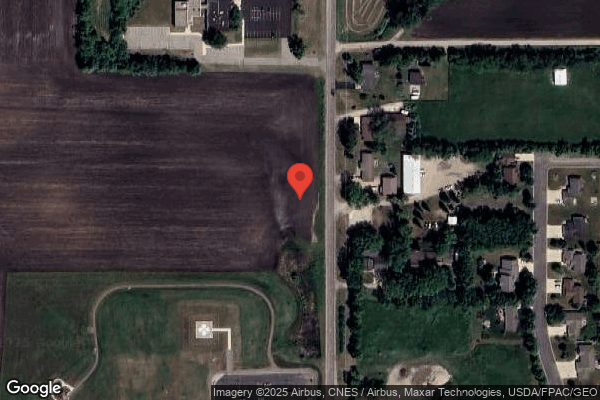
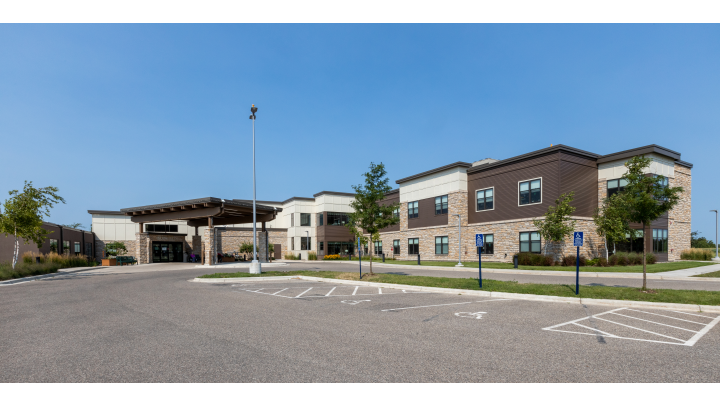
2015 HENNEPIN AVENUE NORTH, GLENCOE, MN 55336 (320) 864-7790
Non profit - Corporation 108 Beds Independent Data: November 2025
Trust Grade
83/100
#113 of 337 in MN
Last Inspection: June 2025

Inspected within the last 6 months. Data reflects current conditions.

Overview

Glenfields Living with Care in Glencoe, Minnesota, has a Trust Grade of B+, indicating it is above average and recommended for families considering options. It ranks #113 out of 337 facilities in Minnesota, placing it in the top half, and #2 out of 3 in McLeod County, meaning only one local facility is rated higher. However, the trend is worsening, with the number of identified issues increasing from 1 in 2024 to 4 in 2025. Staffing is a strong point, with a rating of 5 out of 5 stars and a turnover rate of 27%, significantly lower than the state average, which suggests that staff are experienced and familiar with residents. On the downside, the facility has had concerns regarding infection control; for instance, staff were found not wearing proper protective equipment while handling soiled linens, which could risk spreading infection among residents. Additionally, there were lapses in hand hygiene during wound care and failures to monitor anticoagulant therapy for residents, which could lead to serious health risks. While there are strengths in staffing and no fines recorded, these concerns warrant careful consideration for families looking for the best care for their loved ones.

Trust Score
B+
83/100
In Minnesota
#113/337
Top 33%
Safety Record
Low Risk
No red flags
Inspections
Getting Worse
1 → 4 violations
Staff Stability
✓ Good
27% annual turnover. Excellent stability, 21 points below Minnesota's 48% average. Staff who stay learn residents' needs.
Penalties
✓ Good
No fines on record. Clean compliance history, better than most Minnesota facilities.
Skilled Nurses
✓ Good
Each resident gets 79 minutes of Registered Nurse (RN) attention daily — more than 97% of Minnesota nursing homes. RNs are the most trained staff who catch health problems before they become serious.
Violations
○ Average
8 deficiencies on record. Average for a facility this size. Mostly minor or procedural issues.
★★★★☆
4.0
Overall Rating
★★★★★
5.0
Staff Levels
★☆☆☆☆
1.0
Care Quality
★★★★☆
4.0
Inspection Score
Stable
2024: 1 issues
2025: 4 issues

The Good

  • 5-Star Staffing Rating · Excellent nurse staffing levels
  • Low Staff Turnover (27%) · Staff stability means consistent care
  • Full Sprinkler Coverage · Fire safety systems throughout facility
  • No fines on record
  • Staff turnover is low (27%)

    21 points below Minnesota average of 48%

Facility shows strength in staffing levels, staff retention, fire safety.

The Bad

No Significant Concerns Identified

This facility shows no red flags. Among Minnesota's 100 nursing homes, only 1% achieve this.

The Ugly 8 deficiencies on record

Jun 2025 4 deficiencies
CONCERN (D)

Potential for Harm - no one hurt, but risky conditions existed

Comprehensive Care Plan (Tag F0656)

Could have caused harm · This affected 1 resident

**NOTE- TERMS IN BRACKETS HAVE BEEN EDITED TO PROTECT CONFIDENTIALITY** Based on interview and document review, the facility failed to ensure the care plan included management and monitoring of antico...

Read full inspector narrative →
**NOTE- TERMS IN BRACKETS HAVE BEEN EDITED TO PROTECT CONFIDENTIALITY** Based on interview and document review, the facility failed to ensure the care plan included management and monitoring of anticoagulant (blood thinner) therapy for 2 of 3 residents (R30, R66) reviewed for anticoagulants. Findings include: R30's annual minimum data set (MDS) dated [DATE], indicated cognitively intact. R30 had diagnoses of atrial fibrillation (an irregular heart rate that commonly causes poor blood flow), hypertension (high blood pressure), and history of cerebral infarction (stroke). R30's electronic medical record (EMR) included an order for Eliquis (a blood thinner) 5 milligrams (mg) twice a day, with a start date of 7/4/23. However, failed to include an order to monitor for potential side effects or signs ob bleeding due to Eliquis use. R30's care plan last revised 5/20/25, failed to include anticoagulants or to monitor for side effects of the medication. R66's admission MDS dated [DATE], indicated severe cognitive impairment. R66 had diagnoses of hypertension (high blood pressure), diabetes, Alzheimer's disease (a condition that affects memory, thinking, and behavior), and history of cerebral infarction (stroke). R66's order summary report dated 6/5/25, included an order for warfarin sodium 10 milligrams (mg) ever Wednesday and Saturday and warfarin sodium 7.5 mg every Monday, Tuesday, Thursday, Friday and Sunday. Order Summary Report failed to include an order to monitor for potential side effects or signs of bleeding due to warfarin use. R66's undated care plan failed to include he took anticoagulants or to monitor for side effects of the medication. During interview on 6/4/25 at 9:29 a.m., registered nurse (RN) case manager (CM)-C stated nursing would review a resident's medication list to know if anyone was on an anticoagulant. CM-C stated nursing assistants (NA) do not have access to the medication list but should report any signs of bleeding to a nurse because that would be abnormal. During interview on 6/5/25 at 8:53 a.m., consultant pharmacist (CP) stated he reviewed charts during monthly pharmacy reviews to look for any necessary labs and interactions. The CP stated he expected monitoring for bruising and bleeding. The CP also stated it would be important to be aware when someone was on a blood thinner because they would be more prone to bleeding with routine dental care. During interview on 6/5/25 at 9:42 a.m., the director of nursing (DON) stated nursing assistants should monitor for bruising and update nursing when needed. Nursing should watch for bruising and other side effects of anticoagulants. The DON stated the care plan should include when a resident was on an anticoagulant. Undated facility policy for anticoagulants use failed to address monitoring for anticoagulants.
CONCERN (D)

Potential for Harm - no one hurt, but risky conditions existed

Quality of Care (Tag F0684)

Could have caused harm · This affected 1 resident

**NOTE- TERMS IN BRACKETS HAVE BEEN EDITED TO PROTECT CONFIDENTIALITY** Based on interview and document review, the facility failed to update the primary care physician (PCP) with significant weight g...

Read full inspector narrative →
**NOTE- TERMS IN BRACKETS HAVE BEEN EDITED TO PROTECT CONFIDENTIALITY** Based on interview and document review, the facility failed to update the primary care physician (PCP) with significant weight gain for 1 of 1 residents (R66) reviewed for nutrition. Findings Include: R66's admission Minimum Data Set (MDS) dated [DATE], included R66 had severe cognitive impairment. R66 had diagnoses of hypertension (high blood pressure), diabetes, Alzheimer's disease (a condition that affects memory, thinking, and behavior), and obstructive sleep apnea (a collapse or closure of the airway during sleep). R66's weight was recorded at 252 pounds (lbs). According to R66's electronic medical record (EMR) on 02/12/2025, R66 weighed 252.0 lbs. On 05/28/2025, R66 weighed 292.0 pounds which was a 15.87 % gain. R66's weight change note dated 2/26/25, included a weight warning that was not likely nutrition related and that the nurse manager was notified to follow up. R66's health status note dated 3/8/25, included R66 had audible wheezing and a 13 lb weight increase since 2/2/25. No update to PCP was noted. R66's weight change note dated 5/8/25, included a weight warning of 288 lbs and that note was likely not nutritionally related. RN was updated for fluid status evaluation. R66's weight change note dated 5/21/25, included a weight warning and that note was likely not nutritionally related. RN was updated for fluid status evaluation. R66's care conference note dated 5/23/25, included weight fluctuations likely fluid related and that RN was notified of weight change. R66's health status note dated 5/24/25, included a respiratory and edema assessment. No update to PCP was noted. During interview on 6/4/25 at 9:33 a.m., registered nurse (RN) case manager (CM)-C stated the registered dietitian (RD) monitored weights and updated nursing with an email when there was a weight gain concern. CM-C stated nursing did a cardiac assessment and updated the provider after the RD noted a weight increase concern. CM-C confirmed a cardiac assessment was noted on 5/24/25. CM-C confirmed R66 had a 40 lb weight increase since admission and the provider should have been updated with the increase, but was not. During interview on 6/4/25 at 8:06 a.m., RD stated she monitored weights weekly and checked in with nursing and the homemakers to see if they have noticed any changes. The RD stated she depended on them for updates on changes because they were there daily. RD stated she noticed an increase in R66's weight and, after reviewing intakes and rate of increase, she felt it was possibly related to fluid retention. RD stated her process was to send an email to update nursing, along with putting a progress note into the resident's chart. The RD confirmed she sent two email updates, one on 5/8 and one on 5/23 to update nursing on the weight concern. Email from RD to CM-C dated 5/8/25 included R66 had ongoing significant weight gain, with a gain of 13 lbs in 7 days that was not likely related to nutrition. Email from RD to CM-C dated 5/21/25, included R66 had a 24 lb weight gain in the last 30 days and was not likely due to nutrition. Email included a request to monitor fluid status change. During interview on 6/5/25 at 9:48 a.m., the director of nursing (DON) confirmed weights were obtained weekly on bath day unless otherwise ordered by a provider. Weights were monitored by the RD and updated nursing with any increase thought to be medially related. The DON stated she expected nursing to follow up with a cardiac assessment and review of potential reasons for increase. The DON confirmed a 40 lb weight gain since admission would have been a significant increase and she expected nursing to update the PCP for follow up. The DON stated it was important to update the PCP with weight increase because there may be a medical reason that was not being addressed. Facility policy for weight monitoring dated 2/11/22, included nursing assistants (NA) are to obtain weights on bath days. The NA should review previous weight and if the weight had changed by 3 lbs in a week or 5 lbs in a month, the weight should be rechecked immediately.
CONCERN (D)

Potential for Harm - no one hurt, but risky conditions existed

Deficiency F0688 (Tag F0688)

Could have caused harm · This affected 1 resident

**NOTE- TERMS IN BRACKETS HAVE BEEN EDITED TO PROTECT CONFIDENTIALITY** Based on interview and record review, the facility failed to consistently offer range of motion (ROM) and exercises for 1 of 1 r...

Read full inspector narrative →
**NOTE- TERMS IN BRACKETS HAVE BEEN EDITED TO PROTECT CONFIDENTIALITY** Based on interview and record review, the facility failed to consistently offer range of motion (ROM) and exercises for 1 of 1 residents (R8) reviewed for restorative nursing program. Findings include: R8's admission Minimum Data Set (MDS) dated [DATE], included R8 was cognitively intact, able to make self be understood, and able to understand others. R8 had a diagnoses of stage 4 pressure ulcer on her sacral region (a wound caused by pressure extending to underlaying tissue like muscle, bone or tendon), multiple sclerosis (MS)(a disease that can cause weakness, pain, fatigue and impaired coordination), and malnutrition (a lack of proper nutrition). During interview on 6/2/25 at 1:11 p.m., R8 stated she was supposed to get ROM exercises, but staff do not always offer them to her. R8 wanted to complete ROM exercises because she knew it was important to prevent weakness from MS. R8's task documentation for restorative program - exercise orders for dates 5/15/25 to 6/4/25, included 12 yes responses, 3 no responses, and 26 not applicable responses. R8's task documentation for Restorative Program - other for dates 5/6/25 to 6/4/25, included 19 yes responses, 2 no responses, and 38 not applicable responses. R8's task documentation for Restorative Program - ROM for dates 5/6/25 to 6/3/25, included 9 yes responses, 4 no responses, and 45 not applicable responses. Progress notes dated 6/2/25, 5/28/25, 5/19/25, 5/11/25, 5/5/25, 4/27/25, 4/23/25, and 4/17/25, included a summary of restorative activity for the week. Progress notes included a therapy referral would not be submitted due to there being ample opportunities for staff to offer the program. During interview on 6/4/25 at 10:20 a.m., nursing assistant (NA)-A stated ROM exercise were listed on a restorative list and documented in the electronic charting system. NA-A stated a refusal slip needed to be filled out when a resident refused. NA-A stated she documented not applicable when the task was not offered or completed on that shift because of not having time. During interview on 6/4/25 at 10:28 a.m., NA-B stated restorative and ROM tasks were documented in the electronic charting system and on restorative papers. NA-B stated she marked not applicable when she did not offer the task to the resident. During interview on 6/5/25 at 8:17 a.m., director of therapy (DOT) stated therapy was involved in creating restorative nursing programs. DOT stated she expected an update if the restorative program was not completed as ordered for any reason, including when it was not offered. DOT stated she spoke with R8 recently and R8 stated she wished to continue with the restorative programs as ordered. DOT stated completing the restorative program and ROM exercises was important to prevent decrease in mobility and prevent falls. During interview on 6/5/25 at 9:57 a.m., director of nursing (DON) stated the registered nurse care coordinators monitored the restorative task completion weekly and documented with a progress note. The DON expected follow up with the NA team to find out why the task was not completed. DON stated when not applicable was charted, it meant the task was not completed on that shift. The DON stated the restorative progress notes indicated the program was not offered. The DON stated the resident was at risk for deconditioning and decline in ability if the program was not being offered and completed. Undated facility policy for repositioning included a restorative program would be designed according to the resident's goals, ability and desires.
CONCERN (E)

Potential for Harm - no one hurt, but risky conditions existed

Infection Control (Tag F0880)

Could have caused harm · This affected multiple residents

**NOTE- TERMS IN BRACKETS HAVE BEEN EDITED TO PROTECT CONFIDENTIALITY** Based on observation, interview, and document review, the facility failed to ensure proper hand hygiene was completed for 2 of 2...

Read full inspector narrative →
**NOTE- TERMS IN BRACKETS HAVE BEEN EDITED TO PROTECT CONFIDENTIALITY** Based on observation, interview, and document review, the facility failed to ensure proper hand hygiene was completed for 2 of 2 residents (R8, R63) observed for wound care and failed to properly implemented enhanced barrier precautions (EBP) for 4 of 4 residents (R8, R63, R66, R73)) reviewed for contact precautions. Findings include: R8's admission Minimum Data Set (MDS) dated [DATE], included R8 was cognitively intact, was able to make self be understood and was able to understand others. R8 had a diagnosis of stage 4 pressure ulcer on her sacral region (a wound caused by pressure extending to underlying tissue like muscle, bone or tendon), multiple sclerosis (MS)(a disease that can cause weakness, pain, fatigue and impaired coordination), and malnutrition (a lack of proper nutrition). During observation on 6/4/25 at 10:38 a.m., registered nurse (RN)-A completed wound care on R8. RN-A washed hands with soap and water and applied gown and gloves prior to starting wound care. RN-A removed soiled dressing and cleansed wound as ordered. RN-A changed gloves but did not complete hand hygiene. RN-A cleansed second wound as ordered. RN-A removed gloves, washed hands with soap and water and applied new gloves. RN-A packed first wound as ordered. RN-A changed gloves but did not complete hand hygiene. RN-A packed second wound as ordered. RN-A changed gloves but did not complete hand hygiene. RN-A placed a clean dressing as ordered to both wounds. RN-A changed gloves but did not complete hand hygiene. RN-A started wound care on wound to R8's thigh by removing soiled dressing. RN-A changed gloves but did not complete hand hygiene. RN-A cleansed wound as ordered. RN-A changed gloves but did not complete hand hygiene. RN-A completed wound care to thigh by applying new clean dressing. RN-A completed hand hygiene with soap and water and applied clean gloves prior to completing wound care on ankle wound. RN-A removed soiled dressing and changed gloves without completing hand hygiene. RN-A cleansed wound and completed wound care as ordered. RN-A removed gloves and washed hands with soap and water. During interview on 6/4/25 at 11:23 a.m., RN-A stated hand hygiene should be completed prior to starting wound care, any time you remove a soiled dressing and when wound care is completed. RN-A stated she had been taught to complete hand hygiene every time gloves were changed, but did not feel it was necessary to complete hand hygiene as frequently during wound care and does not complete it every time she changes her gloves. RN-A stated changing gloves was not a substitute for hand hygiene. R63's admission MDS dated [DATE], included R63 had an admission date of 4/14/25. R63 was cognitively intact and had diagnoses of diabetes with skin complications, peripheral vascular disease (a condition that narrows blood vessels and reduces blood flow to limbs), multidrug-resistant organism (MDRO), and a surgical wound without normal wound healing. During observation on 6/4/25 at 10:00 a.m., RN-B completed wound care for R63. RN-B completed hand hygiene, applied gown and gloves prior to starting wound care. RN-B removed soiled dressing and changed gloves. RN-B did not complete hand hygiene. RN-B cleansed wound as ordered. RN-B did not complete hand hygiene or change gloves. RN-B completed wound care and completed hand hygiene upon completion. During interview on 6/4/25 at 12:15 p.m., RN-B stated she completes hand hygiene prior to starting wound care and after completion of wound care. RN-B stated she would not wash her hands at any other time, except if she was moving from one wound to another. During interview on 6/4/25 at 11:29 a.m., charge nurse RN-C stated the expectation was for staff to wash hands with soap and water prior to starting wound care and upon completion. Hand sanitizer could be utilized with glove changes and when going from dirty to clean tasks. During interview on 6/4/25 at 11:38 a.m., director of nursing (DON) stated hand hygiene was expected prior to starting wound care and when hands are visibly soiled. The DON stated she expected hand hygiene to be completed any time gloves were changed even if hands were not visibly soiled. Facility policy for hand hygiene requested and not provided. Facility document for infection prevention included to perform hand hygiene immediately after removal of gloves. EBP: R8's admission Minimum Data Set (MDS) dated [DATE], included R8 was cognitively intact, was able to make self be understood and was able to understand others. R8 had a diagnosis of stage 4 pressure ulcer on her sacral region (a wound caused by pressure extending to underlying tissue like muscle, bone or tendon), multiple sclerosis (MS)(a disease that can cause weakness, pain, fatigue and impaired coordination), and malnutrition (a lack of proper nutrition). During interview and observation on 6/2/25 at 1:14 p.m., R8 stated she had multiple wounds that staff completed daily wound care on. R8's room did not have any signage indicating R8 should be on precautions or storage for personal protective equipment (PPE) visible. Facility document titled Negotiated Risk Agreement and Release signed 4/10/25, included R8 had a Foley catheter, ostomy, and open wounds and EBP was recommended with high-contact resident care per Center for Disease Control (CDC) and Centers for Medicare and Medicaid Services (CMS) guidance. The document described the potential negative outcomes to the resident and alternative plan to reduce the risk the facility would take. During interview on 6/3/25 at 10:55 a.m., R8 stated she did remember the facility discussing the form with her, but felt it was presented as information and not as an option she could choose. R8 confirmed the staff do not wear a gown when working with her catheter, only gloves. R63's admission MDS dated [DATE], included R63 had an admission date of 4/14/25. R63 was cognitively intact and had diagnoses of diabetes with skin complications, peripheral vascular disease (a condition that narrows blood vessels and reduces blood flow to limbs), multidrug-resistant organism (MDRO), and a surgical wound without normal wound healing. During interview and observation on 6/2/25 at 6:37 p.m., R63 stated she had a diabetic ulcer on her foot and had wound care completed by staff. R63's room did not have any signage indicating R63 should be on precautions or storage for PPE. Facility document titled Negotiated Risk Agreement and Release signed 4/14/25, included R63 had a diabetic foot wound and EBP was recommended with high-contact resident care per CDC and CMS guidance. The document described the potential negative outcomes to the resident and alternative plan to reduce the risk the facility would take. During interview on 6/3/25 at 10:28 a.m., R63 stated she did not remember reviewing the form and did not remember signing it. R63 confirmed she was admitted on [DATE] and recalled signing a lot of paperwork that day. R66's admission Minimum Data Set (MDS) dated [DATE], included R66 had severe cognitive impairment. R66 had diagnoses of hypertension (high blood pressure), diabetes, Alzheimer's disease (a condition that affects memory, thinking, and behavior), and benign prostatic hyperplasia (enlargement of the prostate gland which can cause difficulty with urination). During interview and observation on 6/2/25 at 4:21 p.m., FM-B confirmed R66 had a urinary catheter. R66's room did not have any signage indicating R66 should be on precautions or storage for PPE. Facility document titled Negotiated Risk Agreement and Release signed 2/12/25, included R66 had an indwelling Foley catheter and EBP was recommended with high-contact resident care per CDC and CMS guidance. The document described the potential negative outcomes to the resident and alternative plan to reduce the risk the facility would take. During interview on 6/3/25 at 11:48 a.m., FM-B stated she did not remember reviewing the consent. FM-B stated she did not remember the facility discussing care of his catheter or risks. R73's quarterly MDS dated [DATE], included R73 was rarely or never able to make self be understood and sometimes able to understand. R73 had diagnoses of dysphagia (difficulty swallowing) and had a gastronomy tube (g-tube)(a device that delivers nutrition directly to the stomach or small intestine). During interview and observation on 6/2/25 at 2:01 p.m., family member (FM)-A confirmed R73 had a feeding tube. R73's room did not have any signage indicating R73 should be on precautions or storage for PPE. Facility document titled Negotiated Risk Agreement and Release signed 10/1/24, included R73 had a g-tube and EBP was recommended with high-contact resident care per CDC and CMS guidance. The document described the potential negative outcomes to the resident and alternative plan to reduce the risk the facility would take. During interview on 6/3/25 at 11:32 a.m., FM-A stated she did not recall being educated on precautions for R73's g-tube nor signing a consent form to waive EBP. Undated facility provided document titled Enhanced Barrier Precautions (EBP) Lists included 20 residents. All 20 residents had yes under the column indicating they signed a negotiated risk agreement. During interview on 6/4/25 at 1:01 p.m., DON confirmed the facility had identified 20 residents who qualified for EBP and all 20 had signed a negotiated risk agreement to opt-out of EBP. The DON stated it was the goal of the facility to provide a homelike environment and all of the residents who signed the form understood the risks. Conditions were reviewed at admission and periodically to ensure the facility was providing the necessary precautions. The DON confirmed the EBP negotiated risk form was not reviewed with residents who did not qualify for EBP. During interview on 6/5/25 at 10:06 a.m., DON stated she was unsure how the EBP negotiated risk form was presented to residents, but everything on the form should be explained to the resident and their family. The DON stated there was a lot of information presented during admission and it would be hard to remember every piece of information presented. Undated facility policy for enhanced barrier precautions, included an EBP risk assessment would be completed on all new admission and as needed to determine if EBP was recommended. If a resident decline or refuses EBP, a negotiated risk agreement would be signed by the resident or representative.
Jul 2024 1 deficiency
CONCERN (D) 📢 Someone Reported This

A family member, employee, or ombudsman was alarmed enough to file a formal complaint

Potential for Harm - no one hurt, but risky conditions existed

Comprehensive Care Plan (Tag F0656)

Could have caused harm · This affected 1 resident

**NOTE- TERMS IN BRACKETS HAVE BEEN EDITED TO PROTECT CONFIDENTIALITY** Based on document review and interviews, the facility failed to develop a comprehensive care plan to maintain safety for 1 of 4 ...

Read full inspector narrative →
**NOTE- TERMS IN BRACKETS HAVE BEEN EDITED TO PROTECT CONFIDENTIALITY** Based on document review and interviews, the facility failed to develop a comprehensive care plan to maintain safety for 1 of 4 (R1) residents reviewed for choking risks and refusal of care. Findings include: R1's face sheet dated 6/28/24, indicated diagnoses of hemiplegia (one-sided paralysis or weakness) and hemiparesis (one-sided muscle weakness) following stroke affecting left non-dominant side, vascular dementia (lack of blood to carry blood to a part of the brain, results in problems with reasoning, judgement, planning, and memory) with other behavioral disturbance, chronic kidney disease, heart failure, type II diabetes, need for assistance with personal care, reduced mobility, depression, dysphagia pharyngoesophageal phase (when the brain makes the decision to swallow and several reflexes begin) and dysphagia oropharyngeal phase (the first phase of swallowing when food or liquid is contained in the mouth by the tongue and palate). R1's quarterly Minimum Data Set (MDS) assessment dated [DATE] indicated R1 had moderately impaired cognition. R1 rejected care and had physical behaviors towards others one to three days per week. He required set up help for eating, one person assist for toileting and bed mobility and two person assist for transfers. R1's care plan dated 6/28/24, indicated in the nutrition section that R1 must be upright for all meals and for 30 minutes after meals. His diet was regular with nectar thick liquids. The activities of daily living section indicated R1 must be fully upright in wheelchair for all meals. The care plan failed to identify staff interventions when R1 refused to sit upright in his wheelchair for meals or eat in a supervised location such as the dining room. R1's [NAME] dated 6/28/24, included directions to sit fully upright in wheelchair for all meals. Regular diabetic diet with nectar thickened liquids. Upright position for all meals and for 30 minutes after meals. There was no direction related to choking or aspiration risk. R1's diet order started 5/9/24, indicated regular diet, regular texture, nectar consistency. Must be in fully upright position in wheelchair for all meals. R1's Speech Therapy Progress Report and Updated Therapy Plan for 4/2/24-5/1/24 indicated patient continues to be noncompliant with sitting in upright position after meals. Patient will self transfer to bed and lower bed flat. Video swallow study was completed, results showed oropharyngeal dysphagia. A new goal, patient will demonstrate a reduction in the need for supervision at mealtime due to swallow safety to 0-25% of the time. On 4/2/24 R1 required supervision 50-75% of the time. A Clarification Order, dated 6/5/24 indicated speech therapy was discontinued for R1. No reason was indicated. R1's header, dated 7/2/24, in the electronic health record included his diet order but did not include anything related to aspiration or choking risk. R1's long term care Discharge summary dated [DATE], indicated principal diagnosis at discharge: natural causes related to cardiac event. A progress note dated 6/17/24, indicated R1 was asked if he wanted to come out of his room for lunch, he replied leave me alone. A nursing assistant (NA) sat with him while he ate in his room. A progress note dated 6/18/24, indicated R1 refused to leave his room for dinner. His tray was brought to his room and a nurse conversed with him during his meal. A progress note dated 6/20/24, indicated R1 requested to eat lunch in his room and ate while lying in bed at a 30-degree incline. A nurse sat with him during the meal. R1 finished his meal in three minutes and did not have a choking episode. A progress note dated 6/27/24 at 12:15 p.m., indicated NA-A brought R1's lunch tray to his room. R1 refused to get up in his wheelchair to eat but agreed to sit at the edge of the bed with head of bed raised up to support his left side, his lunch tray was placed in front of him. NA-A left R1's room to assist another resident. R1's call light and bed control were attached to the bed rail. A progress note dated 6/27/24 at 12:54 p.m., indicated R1 was found in his bed with his tongue and food sticking out of his mouth, unresponsive and with the head of the bed elevated at 15 degrees. Staff initiated CPR. A progress note dated 6/27/24 at 1:33 p.m., indicated R1 was found unresponsive on his back in his room. Staff initiated CPR, call 911 and the resident was pronounced deceased at 1:33 p.m. by a physician. On 7/2/24 at 8:55 a.m., R1's Speech language therapist (SLT) was interviewed. The SLT stated they started working him during fall 2023 because nurses were noting he was coughing on his secretions. The evaluation was made that he needs to sit fully upright in a wheelchair during meals and 30 minutes following the meal. The SLT stated he ate very quickly and was noncompliant with most cares and recommendations. During December 2023 he started vomiting after eating too quickly. R1 couldn't do an esophageal study because he couldn't stand up. A swallow study was done instead, and it was determined he needed a regular diet, cut up meats and nectar thick liquids. He was then non-compliant with sitting in his wheelchair and would self-transfer back to bed and put the head of his bed down. The SLT recommended he should be eating in the dining room for supervision. A negotiated risk form about eating in his room and in bed was sent to R1's guardian several times but was not signed. R1 was then discharged from therapy in May 2024 because he was non-compliant with recommendations. On 7/2/24 at 10:09 a.m., NA-A who brought the tray to R1 before he passed, was interviewed. NA-A stated R1 was supposed to be in the dining room. NA-A was new to R1's unit and was not aware R1 was at risk for choking, she would have to ask the nurses for that information. R1 did not intentionally use the call light while NA-A was working with him, only accidental bumps and would say he didn't need anything when NA-A responded to the light. NA-A stated during lunchtime on 6/27/24, she was told to bring the meal tray to him but supervision needs were not communicated to her. NA-A stated she would have had time to sit with him if she had known or was directed to. NA-A stated there was a debrief following R1's passing but she was not provided any education. On 7/2/24 at 10:32 a.m., registered nurse (RN)-A, the nurse manager for R1's unit, was interviewed. RN-A stated nursing assistants would be aware of choking risk through daily huddles or reading the [NAME]. When asked how staff can increase safety for residents who are known choking risks who want to eat in their rooms, RN-A stated staff encourage them to get up as much as they can and get them in the best position. RN-A stated R1 would occasionally use the call light but he would usually not use it and wait for staff to notice that he needed help. When asked if R1 was supposed to be supervised while eating, RN-A stated it would be preferable if he ate in the dining room. Staff would stay with him because he ate so fast, they could take the meal tray out right away. RN-A stated risk of aspiration should be in the dietary section of the care plan but R1 never had aspiration pneumonia, he only coughed with liquids. RN-A stated there has not been any formal education completed by staff following R1's death besides a team huddle. On 7/2/24 at 11:25 a.m., RN-B, who sat with R1 for several meals in his room, was interviewed. RN-B stated nursing assistants are made aware of residents who are choking risks through morning huddles and that information should be in the header in the resident's file in the electronic health record (EHR). RN-B stated R1 was an official choking hazard because he was post-stroke and had dysphagia. He was supposed to be eating supervised. RN-B stated she would always try to sit with him during meals. He used to use his call light frequently but in the past 6 months his depression took over and he wouldn't use his call light. Staff checked on him every few hours. RN-B stated R1 would eat quickly and would cough a lot. He had to be watched with beverages because he would chug his drinks. RN-B stated risk of aspiration should be in the care plan. RN-B stated she did not receive any education following R1's death. On 7/2/24 at 11:39 a.m., NA-B was interviewed. NA-B stated nursing assistants know someone is a choking hazard by asking nurses or it should be indicated in the [NAME]. NA-B stated R1 required supervision while he was eating in his room but not physical assistance. NA-B stated she had not received any education following R1's passing. On 7/2/24 at 12:29 p.m., nurse practitioner (NP)-A was interviewed. NP-A stated there was not enough evidence to determine that R1 passed from choking. R1 was always going to be an aspiration risk because he was a fast eater. Swallowing concerns should have been in his care plan unless speech therapy cleared him. On 7/2/24 at 12:42 p.m., R1's guardian was interviewed. She stated she was aware of R1's swallowing issues and was told by RN-A that R1 should be supervised while eating. The guardian stated she had signed a negotiated risk form for concerns about self transfers but was unaware of the facility trying to send her a negotiated risk for for swallowing concerns. On 7/2/24 at 1:16 p.m., R1's primary physician was interviewed. The physician stated R1 had significant reflux, he had problems with chewing and would regurgitate foods at the table. He inhaled his foods. The physician stated she would expect to see documentation about choking risks in R1's care plan. She stated that it should have been documented somewhere that if he doesn't leave his room for meals, he required supervision or staff should do checks on him. On 7/2/24 at 1:59 p.m., the assistant director of nursing (DON), was interviewed. The DON stated what goes in the care plan depends on the written orders from the speech therapist, staff only receive the written order and not her thoughts and feelings. When asked if care plans should include interventions addressing repeated refusal of care, the DON stated they operate under a resident's right to chose and there are negotiated risks that go into place if needed. When asked if supervision or checks should have been included, the DON stated the care plan is not updated day to day. When asked if there should be documentation of choking risk in the [NAME] for nursing assistants to be aware of, the DON stated an individual can have dysphagia without significant risk of choking. Policies related to aspiration risk, choking risks or supervision during mealtimes was requested but not received.
Aug 2023 3 deficiencies
CONCERN (D)

Potential for Harm - no one hurt, but risky conditions existed

ADL Care (Tag F0677)

Could have caused harm · This affected 1 resident

Based on observation and interview, the facility failed to ensure nails were trimmed and clean for 1 of 1 residents (R6) reviewed for dependant cares. Findings include: Quarterly Minimum Data Set (MDS...

Read full inspector narrative →
Based on observation and interview, the facility failed to ensure nails were trimmed and clean for 1 of 1 residents (R6) reviewed for dependant cares. Findings include: Quarterly Minimum Data Set (MDS) identified R6 required extensive to total staff assistance with personal hygiene and grooming. She was moderately cognitively impaired. R6's care plan printed 8/30/23, indicated maximum assist from another person to complete personal hygiene. R6's's face sheet printed 8/30/23, included diagnoses of Alzheimer's and diabetes mellitus (DM). On 8/28/23 at 1:06 p.m., R6 was observed to have ½ inch long painted fingernails, with a dark brown, unknown substance caked under each nail on both hands. On 8/29/22, at 10:39 a.m., R6 was observed with ½ inch long fingernails, and a dark brown, unknown substance caked under each nail on both hands. On 8/29/23 at 11:44 a.m., certified nursing assistant (CNA)-C confirmed R6's fingernails were long, dirty, and needed to be clipped. She stated they usually do nails on bath day or sometimes with 1:1 activity unless the resident refused. CNA-C stated R6 liked to have her nails painted and did not usually refuse. On 8/29/23 at 10:58 a.m., registered nurse (RN)-A confirmed R6's fingernails, on both hands, were approximately ½ inch long with a dark brown, unknown substance under each nail. RN-A took a wet paper towel and gently rubbed and pulled out chunks of an unknown brown substance from under R6's nail's. RN-A expected staff to cut and clean fingernails for residents on their bath day and as needed. RN-A stated the resident needed staff to anticipate her needs. Cut and clean nails prevented infection control issues and promoted dignity. Facility policy: Quality of care instructed, residents shall be clean, neat and well groomed daily. Fingernails and toenails shall be trimmed on bath day unless contraindicated by M.D.
CONCERN (D)

Potential for Harm - no one hurt, but risky conditions existed

Pressure Ulcer Prevention (Tag F0686)

Could have caused harm · This affected 1 resident

**NOTE- TERMS IN BRACKETS HAVE BEEN EDITED TO PROTECT CONFIDENTIALITY** Based on observation, interview, and document review, the facility failed to follow order for treatment and reduction of a press...

Read full inspector narrative →
**NOTE- TERMS IN BRACKETS HAVE BEEN EDITED TO PROTECT CONFIDENTIALITY** Based on observation, interview, and document review, the facility failed to follow order for treatment and reduction of a pressure ulcer for 1 of 2 residents (R40) reviewed for pressure ulcers. Findings include: R40's Minimal Data Set (MDS) dated [DATE], indicated intact cognition (able to fully understand). Diagnoses of medically complex conditions (more than one complicated medical diagnosis), anemia (not enough red blood cells), heart failure, and hypertension (high blood pressure). Further, R40 was at risk for pressure ulcers (bed sores) and had an unstageable pressure ulcer present on admission. R40 received pressure ulcer care. R40's orders dated 8/23/23, indicated apply L'Nard splints (heel protecting shoes) to both feet, to keep heels elevated, and wear at all times. R40's care plan revised on 7/5/23, indicated potential for pressure ulcers to upper and lower extremities. Care plan identified intervention of administer medications and treatments as ordered. On 8/27/23 at 2:30 p.m., R40 was seated in a wheelchair in his room. His feet were down and wore read grippy socks. R40 said he had sores on his feet. On 8/28/23 at 8:57 a.m., R40 was seated in a wheelchair at dining room table, with feet down and red grippy socks on feet. On 8/28/23 at 2:09 p.m., certified nursing assistant (CNA-E) and licensed practical nurse (LPN-A) completed wound cares, and transfered to bathroom. R40 was placed in wheelchair with red socks on. L'Nard splints were on desk space in room. R40 was not offered L'Nard splints and did not wear at any point during cares or transfers. On 8/28/23 at 2:09 p.m., CNA-E stated she needed to check if R40 wore L'Nard splints. On 8/28/23 at 2:16 p.m., LPN-A said she thought the L'Nard splints were to be worn only in bed and would review orders. On 8/28/23 at 2:44 p.m., R40 sitting up in wheelchair with L'Nard splints on both feet. On 8/28/23 at 3:23 p.m., LPN-A stated there had been some confusion with the L'Nard splint orders. She received clarification the splints should be worn at all times, except during transfers. LPN-A stated R40 generally did not wear the splints. On 8/28/23 at 4:28 p.m., Registered Nurse (RN-B) confirmed R40 should wear the splints at all times. RN-B stated the ulcers may not heal correctly if not worn, and she expected staff to follow the orders and the care plan. On 8/30/23 at 10:26 a.m., Director of Nursing said she expected staff to follow orders. She felt R40 refused to wear the splints but acknowledged there was no documentation of R40's refusal. Facility document, titled, GlenFields Living with Care Skin Risk and Reposition in Household Model of Care, under supportive devices, indicated, L'Nard splints, heel cuffs, and heelz up cushions are available and utilized as determined by resident need. Instructions for use will be indicated in the care plan.
CONCERN (F)

Potential for Harm - no one hurt, but risky conditions existed

Infection Control (Tag F0880)

Could have caused harm · This affected most or all residents

Based on observation and interview, the facility failed to ensure staff were following standard precaution guidelines to prevent the spread of infection by wearing personal protective equipment (PPE),...

Read full inspector narrative →
Based on observation and interview, the facility failed to ensure staff were following standard precaution guidelines to prevent the spread of infection by wearing personal protective equipment (PPE), while processing contaminated linens. This had the potential to affect all 80 resident who resided within the facility. Finding include: On 8/29/23 at 1:04 p.m., nursing assistant (NA)-D provided a tour of the soiled utility room and described the process for rinsing out heavily soiled linen in the hopper. It was observed that the hopper did not have a protective splash screen on the hopper, it was on the floor next to the hopper. NA-D stated she would use gloves to rinse and soak the heavily soiled linens in the hopper. NA-D stated she did not typically wear a protective gown or eye wear, only gloves when using the hopper. On 8/29/23 at 1:15 p.m., NA-C provided a tour of the second soiled utility room and described the process for rinsing out heavily soiled linens. NA-C stated she was not aware any protective gown or eye wear to be worn when using the hopper only gloves. An observation of the second hopper room revealed the hopper protective splash screen was not on the hopper but off to the side. On 8/29/23 at 2:58 p.m., NA-B stated she used gloves while rinsing heavily soiled linens in the hopper. NA-B stated she was never instructed to wear a protective gown or eye wear while using the hopper to rinse out heavily soiled linens. The hopper was observed and did not have a protective splash screen on the hopper, it was on the floor next to the hopper. NA-B stated she would have to put a maintenance request in to get the protective splash screen put on the hopper. On 8/30/23 at 10:53 a.m., NA-A stated it could splash quite a bit when using the hopper. NA-A stated she did not wear eye protection or a protective gown when using the hopper. NA-A stated the splash shield never stayed on, so it was on the floor next to the hopper. NA-A stated she was not aware she needed PPE when there was splashing of soiled water. An interview on 8/30/23 at 9:30 a.m., director of nursing (DON) stated staff used the hoppers to rinse off heavily soiled items and if there was splashing, they needed to wear PPE. DON stated staff should wear a PPE gown, eye protection, and gloves when using the hopper. DON stated if staff were not wearing PPE, then there was no protection for the staff or residents. The facility policy Laundry Infection Prevention and Control undated, indicated staff will wear gloves and other appropriate personal protective equipment (PPE) when handling soiled linen.
Understanding Severity Codes (click to expand)
Life-Threatening (Immediate Jeopardy)
J - Isolated K - Pattern L - Widespread
Actual Harm
G - Isolated H - Pattern I - Widespread
Potential for Harm
D - Isolated E - Pattern F - Widespread
No Harm (Minor)
A - Isolated B - Pattern C - Widespread

Questions to Ask on Your Visit

  • "Can I speak with families of current residents?"
  • "What's your RN coverage like on weekends and overnight?"

Our Honest Assessment

Strengths
  • • Grade B+ (83/100). Above average facility, better than most options in Minnesota.
  • • No major safety red flags. No abuse findings, life-threatening violations, or SFF status.
  • • No fines on record. Clean compliance history, better than most Minnesota facilities.
  • • 27% annual turnover. Excellent stability, 21 points below Minnesota's 48% average. Staff who stay learn residents' needs.
Concerns
  • • No significant concerns identified. This facility shows no red flags across CMS ratings, staff turnover, or federal penalties.
Bottom line: Generally positive indicators. Standard due diligence and a personal visit recommended.

About This Facility

What is Glenfields Living With Care's CMS Rating?

CMS assigns GLENFIELDS LIVING WITH CARE an overall rating of 4 out of 5 stars, which is considered above average nationally. Within Minnesota, this rating places the facility higher than 99% of the state's 100 nursing homes. This rating reflects solid performance across the metrics CMS uses to evaluate nursing home quality.
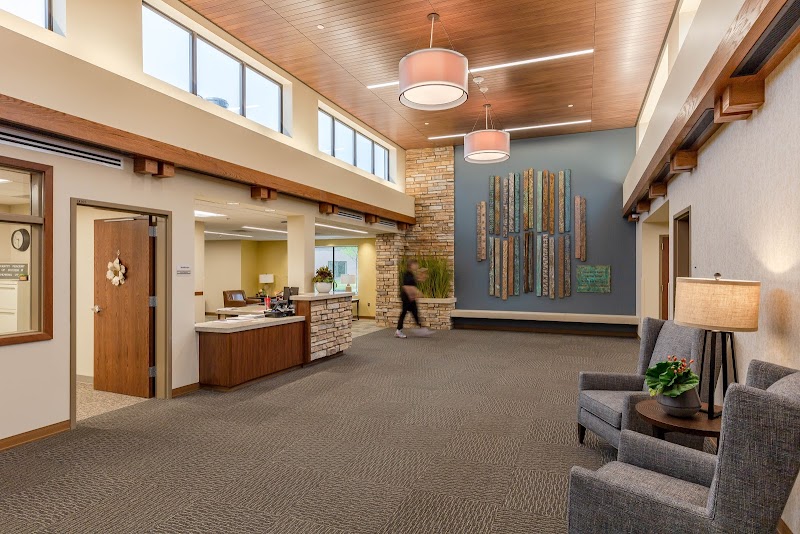
How is Glenfields Living With Care Staffed?

CMS rates GLENFIELDS LIVING WITH CARE's staffing level at 5 out of 5 stars, which is much above average compared to other nursing homes. Staff turnover is 27%, compared to the Minnesota average of 46%. This relatively stable workforce can support continuity of care.

What Have Inspectors Found at Glenfields Living With Care?

State health inspectors documented 8 deficiencies at GLENFIELDS LIVING WITH CARE during 2023 to 2025. These included: 8 with potential for harm.
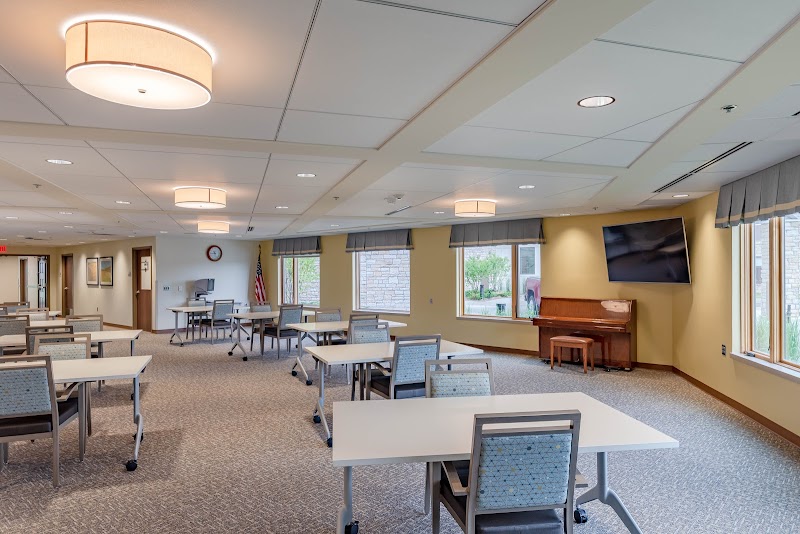
Who Owns and Operates Glenfields Living With Care?

GLENFIELDS LIVING WITH CARE is owned by a non-profit organization. Non-profit facilities reinvest revenue into operations rather than distributing to shareholders. The facility operates independently rather than as part of a larger chain. With 108 certified beds and approximately 86 residents (about 80% occupancy), it is a mid-sized facility located in GLENCOE, Minnesota.
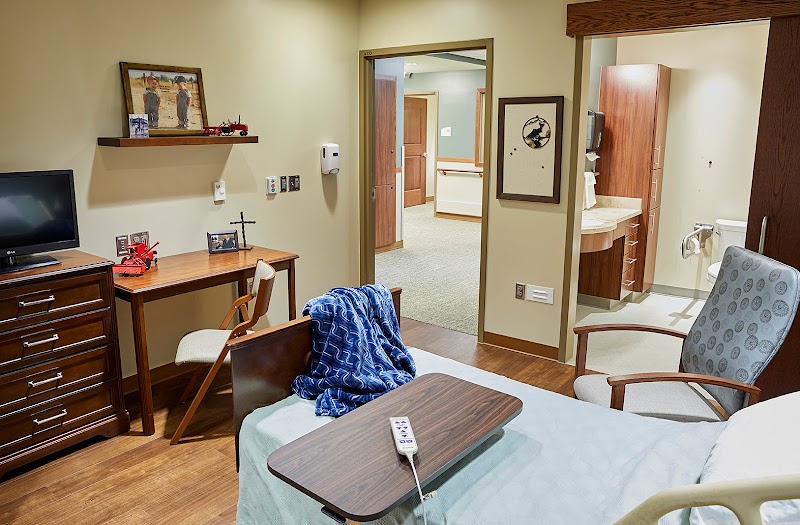
How Does Glenfields Living With Care Compare to Other Minnesota Nursing Homes?

Compared to the 100 nursing homes in Minnesota, GLENFIELDS LIVING WITH CARE's overall rating (4 stars) is above the state average of 3.2, staff turnover (27%) is significantly lower than the state average of 46%, and health inspection rating (4 stars) is above the national benchmark.

What Should Families Ask When Visiting Glenfields Living With Care?

Based on this facility's data, families visiting should ask: "Can I visit during a mealtime to observe dining assistance and food quality?" "How do you handle medical emergencies, and what is your hospital transfer rate?" "Can I speak with family members of current residents about their experience?"

Is Glenfields Living With Care Safe?

Based on CMS inspection data, GLENFIELDS LIVING WITH CARE has a clean safety record: no substantiated abuse findings (meaning no confirmed cases of resident harm), no Immediate Jeopardy citations (the most serious violation level indicating risk of serious injury or death), and is not on the Special Focus Facility watch list (a federal program monitoring the lowest-performing 1% of nursing homes). The facility has a 4-star overall rating and ranks #1 of 100 nursing homes in Minnesota. While no facility is perfect, families should still ask about staff-to-resident ratios and recent inspection results during their visit.

Do Nurses at Glenfields Living With Care Stick Around?

Staff at GLENFIELDS LIVING WITH CARE tend to stick around. With a turnover rate of 27%, the facility is 19 percentage points below the Minnesota average of 46%. Low turnover is a positive sign. It means caregivers have time to learn each resident's needs, medications, and personal preferences. Consistent staff also notice subtle changes in a resident's condition more quickly.

Was Glenfields Living With Care Ever Fined?

GLENFIELDS LIVING WITH CARE has no federal fines on record. CMS issues fines when nursing homes fail to meet care standards or don't correct problems found during inspections. The absence of fines suggests the facility has either maintained compliance or corrected any issues before penalties were assessed. This is a positive indicator, though families should still review recent inspection reports for the full picture.

Is Glenfields Living With Care on Any Federal Watch List?

GLENFIELDS LIVING WITH CARE is not on any federal watch list. The most significant is the Special Focus Facility (SFF) program, which identifies the bottom 1% of nursing homes nationally based on persistent, serious quality problems. Not being on this list means the facility has avoided the pattern of deficiencies that triggers enhanced federal oversight. This is a positive indicator, though families should still review the facility's inspection history directly.