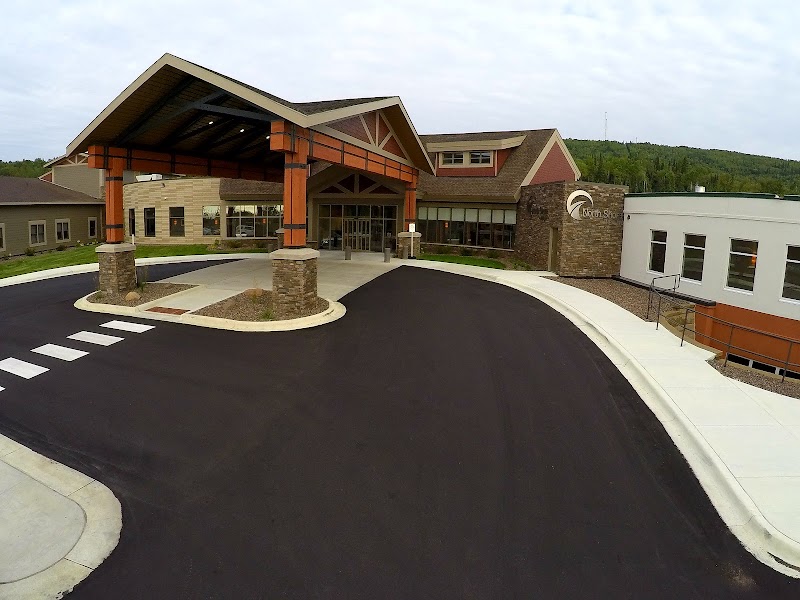
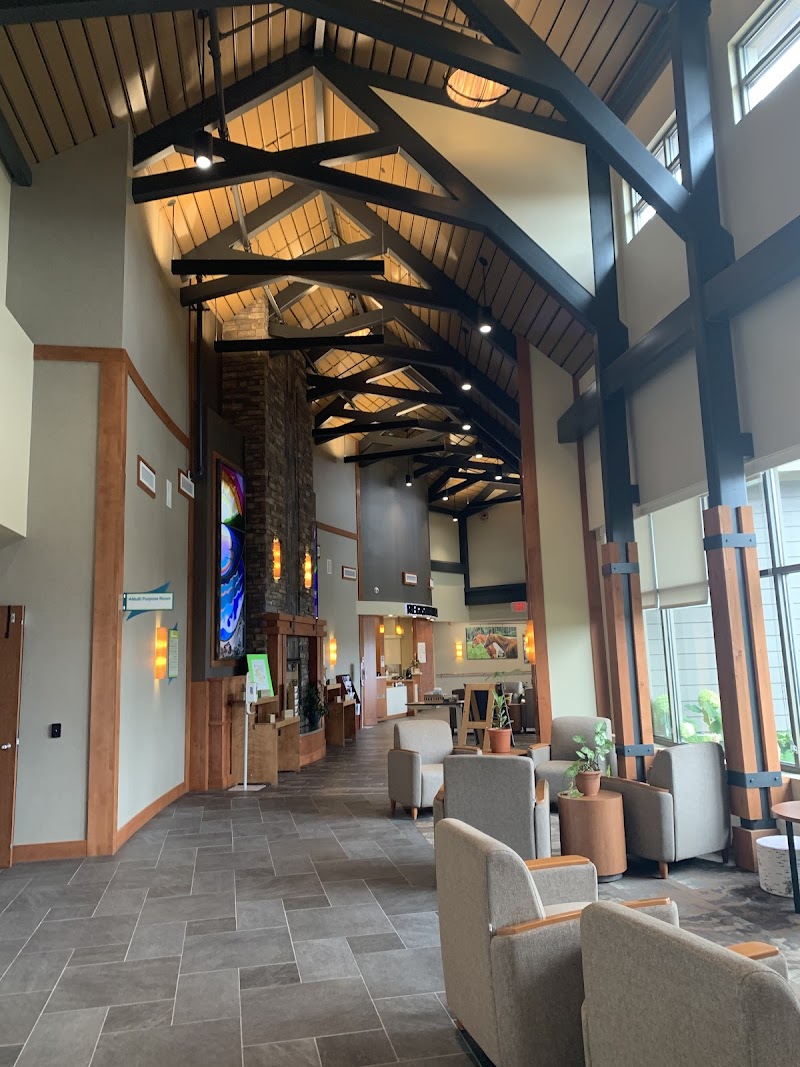
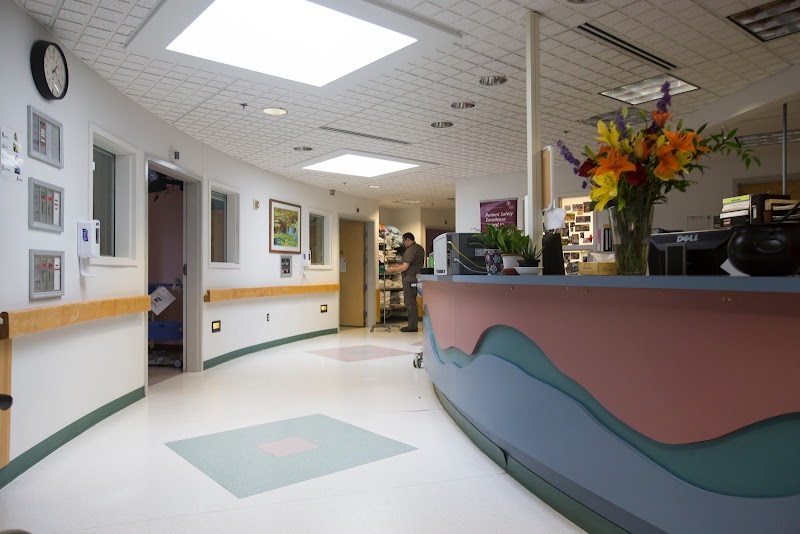

NORTH SHORE HEALTH

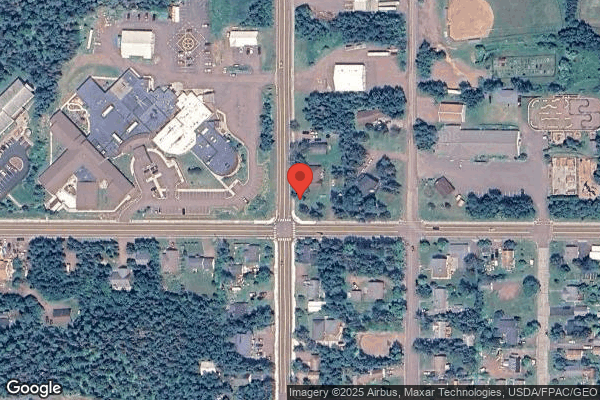
515 - 5TH AVENUE WEST, GRAND MARAIS, MN 55604 (218) 387-3040
Government - Hospital district 37 Beds Independent Data: November 2025
Trust Grade
65/100
#190 of 337 in MN
Last Inspection: July 2025

Inspected within the last 6 months. Data reflects current conditions.

Overview

North Shore Health in Grand Marais, Minnesota, has a Trust Grade of C+, indicating that it is slightly above average but not without concerns. It ranks #190 out of 337 facilities in Minnesota, placing it in the bottom half overall, yet it holds the top position in Cook County with no other local options available. The facility is experiencing a worsening trend, with issues increasing from 2 in 2024 to 4 in 2025. Staffing is a significant weakness, earning only 1 out of 5 stars and having a high turnover rate of 58%, which is above the state average of 42%. However, it has good RN coverage, being better than 79% of Minnesota facilities, which helps catch potential issues. Specific concerns included failures to ensure proper dishwasher temperatures for sanitizing dishes, risking the health of all residents who received meals, and not providing adequate care planning for residents, which may affect their treatment and recovery. Overall, while there are strengths in RN coverage and no fines on record, families should be aware of the staffing challenges and recent compliance issues.

Trust Score
C+
65/100
In Minnesota
#190/337
Bottom 44%
Safety Record
Low Risk
No red flags
Inspections
Getting Worse
2 → 4 violations
Staff Stability
⚠ Watch
58% turnover. Above average. Higher turnover means staff may not know residents' routines.
Penalties
✓ Good
No fines on record. Clean compliance history, better than most Minnesota facilities.
Skilled Nurses
✓ Good
Each resident gets 64 minutes of Registered Nurse (RN) attention daily — more than 97% of Minnesota nursing homes. RNs are the most trained staff who catch health problems before they become serious.
Violations
○ Average
7 deficiencies on record. Average for a facility this size. Mostly minor or procedural issues.
★★★☆☆
3.0
Overall Rating
★☆☆☆☆
1.0
Staff Levels
★★☆☆☆
2.0
Care Quality
★★★★☆
4.0
Inspection Score
Stable
2024: 2 issues
2025: 4 issues

The Good

  • Full Sprinkler Coverage · Fire safety systems throughout facility
  • No fines on record

Facility shows strength in fire safety.

The Bad

3-Star Overall Rating

Near Minnesota average (3.2)

Meets federal standards, typical of most facilities

Staff Turnover: 58%

12pts above Minnesota avg (46%)

Frequent staff changes - ask about care continuity

Staff turnover is elevated (58%)

10 points above Minnesota average of 48%

The Ugly 7 deficiencies on record

Jul 2025 4 deficiencies
CONCERN (D)

Potential for Harm - no one hurt, but risky conditions existed

Comprehensive Care Plan (Tag F0656)

Could have caused harm · This affected 1 resident

**NOTE- TERMS IN BRACKETS HAVE BEEN EDITED TO PROTECT CONFIDENTIALITY** Based on interview and record review, the facility failed to incorporate provider orders as well as indications for use for aqua...

Read full inspector narrative →
**NOTE- TERMS IN BRACKETS HAVE BEEN EDITED TO PROTECT CONFIDENTIALITY** Based on interview and record review, the facility failed to incorporate provider orders as well as indications for use for aquathermia heating therapy pad (aqua-K pad) intervention in care plan for 1 of 3 residents (R19) reviewed for care planning.Findings include:R19's quarterly Minimum Data Set (MDS) dated [DATE], identified the resident was severely cognitively impaired with diagnoses that included Alzheimer's disease, depression, anxiety, varicose veins of lower extremity, hypocholesteremia, osteoarthritis, hypothyroidism, gastroesophageal reflux disease, and peripheral vascular disease.Review of R19's provider orders on 7/30/25, no order for use of aqua-K pad for back pain in resident's electronic medical record (EMR).During interview on 7/30/25 at 2:12 p.m., registered nurse (RN)-B stated R19 did use an aqua-K pad but was not sure how long the resident had been using it. RN-B identified the pump for the aqua-K pad was set to 100 degrees and on continuous mode, with an empty water reservoir. RN-B stated there was not an order for R19 to use the aqua-K pad. During joint interview on 7/30/25 at 3:03 p.m., director of nursing (DON) and assistant director of nursing (ADON) stated expectation that the provider would enter orders for the use of the aqua-k pad. DON and ADON explained the order would have the temperature settings, the frequency of use, and whether continuous use would have been allowed. DON and ADON stated being unsure if there was any danger in using the aqua-K pad without water or in using the pad continuously. DON and ADON confirmed that during the facility's switch from one EMR to another, the provider order for R19 to use the aqua-K pad did not transfer over. DON and ADON verified there was no order in the current EMR and staff did not have necessary directions on use and care of aqua-K pad.During interview on 7/31/25 at 1136, DON stated expectation of having a provider order for R19's use of aqua-K pad, and that information should have been in the resident's care plan.Aquathermia Pad policy, last revised on 1/27/2025, stated the use of an aquathermic pad is initiated by a physician's/advance practice provider's order that specifies duration and frequency. Policy continued on to state in preparation section review physician's/advance practice provider's order to determine treatment area, type of application, and temperature of treatment.
CONCERN (D)

Potential for Harm - no one hurt, but risky conditions existed

Deficiency F0883 (Tag F0883)

Could have caused harm · This affected 1 resident

**NOTE- TERMS IN BRACKETS HAVE BEEN EDITED TO PROTECT CONFIDENTIALITY** Based on interview and document review, the facility failed to ensure 5 of 6 residents (R7, R10, R12, R15, R60) reviewed for imm...

Read full inspector narrative →
**NOTE- TERMS IN BRACKETS HAVE BEEN EDITED TO PROTECT CONFIDENTIALITY** Based on interview and document review, the facility failed to ensure 5 of 6 residents (R7, R10, R12, R15, R60) reviewed for immunizations were offered or received timely administration of pneumococcal vaccinations in accordance with the Center for Disease Control (CDC) recommendations. Findings include: The Centers for Disease (CDC) document Pneumococcal Vaccine Timing for Adults dated March 2025, included the following recommendations for adults 50 years or older: --PCV15 only at any age: administer PPSV23 on or after one year.--PCV15 & PPSV23 or PCV20 or PCV21 at any age: no additional administrations recommended.--PPSV23 only at any age: administer PCV20 or PCV21 at or after 1 year. OR administer PCV15 at or after 1 year.--PCV13 at any age: administer PCV20 or PCV21 at or after 1 year.--PCV13 at any age and PPSV23 at or before age [AGE]: administer PCV20 or PCV21 at or after one year.--Together with the patient providers may choose to administer PCV20 or PCV21 to adults 65 years or older who have already received PCV13 (but not PCV15, PCV20, or PCV21) at any age and PPSV23 at or after the age of [AGE] years old. The facility policy Pneumococcal Vaccination dated 1/16/25, directed vaccinations for the prevention of pneumococcal pneumonia were to be assessed and provide upon admission to those residents who had not previously had the vaccines. In addition, pneumococcal vaccine would be provided throughout the Calander year to residents based on their immunization status. Revaccination with pneumococcal vaccine will occur per CDC guidelines. The policy lacked evidence to support the most current CDC guidelines were being utilized for pneumococcal administration. R7 was admitted to the facility on [DATE]. R7's undated, Minnesota Immunization Information Connection (MIIC) report indicated R7 had received PCV13 on 7/16/15. Per CDC recommendations R10 qualified for shared decision making for an additional pneumococcal administration. R10 was admitted to the facility on [DATE]. The facility document titled Client information indicated R10 had last received the pneumococcal immunization PCV13 on 10/17/17. Per CDC recommendations R10 qualified for shared decision making for an additional pneumococcal administration. R12 was admitted to the facility on [DATE]. R12 received an unspecified pneumococcal immunization on 8/15/17, and a dose of PPSV23 on 11/5/08. CDC recommendations indicated R12 qualified for PCV20 or PCV21 at least one year after PPSV23. R15 was admitted to the facility on [DATE]. The facility provided document Client Information indicated R15 had received PCV13 on 10/2/13. CDC recommendations indicated R12 qualified for PCV20 or PCV21 administration. R60 was admitted to the facility on [DATE]. The facility document Client Information indicated R60 had received PCV13 on 1/30/18. Per CDC recommendations R60 qualified to receive PCV20 0r PCV21. During an interview on 7/30/25 at 2:23 p.m., the assistant director of nursing (ADON) stated the infection preventionist (IP) at the facility calculated when residents needed vaccinations such as pneumococcal and then documents for consent would go out to residents and or family. The ADON indicated a provider had informed them the CDC had decreased the screening age to 50 so they had been working to get the policy changed to 50 instead of 65. The ADON pulled up their policy and stated it currently didn't address screen residents between 50 and 64, but they policy was in process of being updated. During an interview on 7/31/25 at 8:59 a.m., the IP stated the infection prevention policies should reflect the most current and up to date CDC recommendations and confirmed their Pneumococcal Vaccination policy dated 1/16/25, did not reflect CDC recommendation changes made in October of 2024. The IP indicated the facility offered pneumococcal immunizations yearly and they were in the process of getting ready to offer pneumococcal immunizations to residents next month (August 2025). Nine residents had been identified. Once approved for administration, the facility would be sending out consents to residents/family. The IP indicated if there were a lot of residents that needed a pneumococcal vaccination at the end of the year they would not necessarily wait until August to administer the pneumococcal vaccine to those residents. They would try and do it sooner if four or more residents needed the vaccination. The IP provided a list of residents that had been identified for pneumococcal administration. In addition to R7, R10, R12, R15, and R60, R20 admitted on [DATE], R21 admitted on [DATE], and R26 admitted on [DATE], were also identified as needing pneumococcal administration. The facility guidelines for determining when to administer pneumococcal vaccinations to residents was requested but not received.
CONCERN (E)

Potential for Harm - no one hurt, but risky conditions existed

Deficiency F0628 (Tag F0628)

Could have caused harm · This affected multiple residents

**NOTE- TERMS IN BRACKETS HAVE BEEN EDITED TO PROTECT CONFIDENTIALITY** Based on interview and document review, the facility failed to provide a written bed hold for 2 of 2 residents (R5, R30) reviewe...

Read full inspector narrative →
**NOTE- TERMS IN BRACKETS HAVE BEEN EDITED TO PROTECT CONFIDENTIALITY** Based on interview and document review, the facility failed to provide a written bed hold for 2 of 2 residents (R5, R30) reviewed for hospitalization. In addition, the facility failed to notify the Ombudsman of the transfers to the hospital.Findings include: R30 R30's quarterly Minimum Data Set (MDS) identified resident as cognitively intact with diagnoses of hemiplegia (paralysis affecting one side of the body) following cerebral infarction affecting left non-dominant side, chronic obstructive pulmonary disease (progressive lung disease that makes it difficult to breathe), depression, anxiety, anemia, dysuria (pain or discomfort during urination), obstructive and reflux uropathy (condition affecting the urinary tract and the flow of urine), and a personal history of prostate cancer. Progress note, dated 5/24/25, indicated it is evident that resident is not feeling well. T (temperature) 99.2 R (respirations) 40, P (pulse) 81 BP (blood pressure) 97/53. Update left with SMC MD who advised for resident to be seen in the ED. Resident transferred to the ED at approx. 1430. Sister received update on current status and ED visit- reports that she has provided update to son as well. Progress note lacked evidence of a bed hold being discussed with resident or representative at the time of transfer on 5/24/25 or during hospitalization. During review of R30's entire electronic medical record (EMR), the EMR lacked a completed bed hold form relating to resident's transfer to the emergency department on 5/24/25. Email received from administrator on 7/31/25 at 7:33 a.m., stated I wish I could give you the notice but I can't. The notification process to the resident/family got lost in personnel change. R5R5's quarterly MDS dated [DATE] identified resident as cognitively intact with diagnoses that included age related decline, cerebral infarction, repeated falls, anxiety, irritable bowel syndrome, diabetes, gout, and anemia.During interview on 7/28/25 at 3:25 p.m., R5 indicated she went to the emergency room on 7/27/25. R5 stated she is not sure if she had to sign anything but understood why she was going to the emergency room.During interview on 7/30/25 at 9:48 a.m., registered nurse (RN)-A stated when sending a resident to the hospital the nurse would call the primary provider to give an update on the situation. RN-A also stated the resident's family would be called as well. RN-A explained the business office would complete the bed hold when residents stay overnight in the hospital but not if they only go to the emergency room.During interview on 7/30/25 at 12:34 p.m., assistant director of nursing (ADON) stated her understanding was anytime a resident goes to the emergency room they should get a bed hold. ADON confirmed she did not ask R5 about a bed hold.During interview on 7/30/25 at 1:03 p.m., licensed practical nurse (LPN)-A stated when a resident was admitted to the hospital they would get a bed hold. LPN-A verified she did not obtain a bed hold for R5 on 7/27/25.During interview on 7/31/25 at 10:45 a.m., social worker (SW)-A stated it was her understanding that the facility should send the ombudsman a list of residents who were sent to the hospital monthly. SW-A explained she became aware of this requirement three weeks ago, and had sent a notice to the ombudsman on 7/18/25 for the previous 30 days. SW-A stated being unaware of requirement and the notices were not being sent before that time.During interview on 7/31/25 at 11:30 a.m., director of nursing (DON) stated the bed hold should be given when the resident leaves for the emergency room. DON indicated the bed hold was important to make sure the resident had a bed upon their return.Email received from administrator on 7/31/25 at 11:53 a.m., stated attached is the ombudsman notification for the last month [July 2025]. We do not have notification from previous months.Bed Hold Notice Policy last approved 8/20/2024, stated all nursing home residents must receive a bed hold notice and copy of the bed hold policy if they are placed on a bed hold, for either a planned absence or emergency event, a notice regarding that bed hold must be issued to the resident and/or the resident's representative prior to or at the time of departure.
MINOR (C)

Minor Issue - procedural, no safety impact

Infection Control (Tag F0880)

Minor procedural issue · This affected most or all residents

Based on observation, interview, and record review the facility failed to ensure infection prevention measures were in place to ensure linen was properly handled and stored. These deficient practices ...

Read full inspector narrative →
Based on observation, interview, and record review the facility failed to ensure infection prevention measures were in place to ensure linen was properly handled and stored. These deficient practices had the potential to impact all residents who resided at the facility. In addition, the facility failed to ensure proper glucometer sanitization occurred. This deficient practice had the potential to impact all residents who received glucometer testing at the facility. Findings include:During a tour of the laundry area on 7/29/25 at 12:31 p.m., the lead housekeeping staff (HS-A) stated dirty laundry was brought to laundry in clear plastic bags from all areas. Their process was to remove the plastic bags and sort laundry in the dirty linen area of laundry. Staff were to always wear gloves when they sorted linen. Staff would also wear a gown or a jacket when they sorted linen that was obviously soiled. HS-A confirmed staff were not required to wear a gown/jacket over their clothing for routine linen sorting, it was their process to wear gloves for routine linen sorting and then gown up for laundry that was visibly soiled. During a tour of the clean linen storage area on 7/29/25 at 12:35 p.m., wooden shelves and metal carts lined the walls of the linen room. On the right wall, the bottom wooden shelves were less than an inch think and flush to the floor. The bottom shelves contained mattress pads and blankets, some directly touching the floor. During an interview on 7/29/25 at 12:49 p.m., HS-A stated laundry should not be stored so close to the floor because it could become contaminated. HS-A removed the linen from the bottom shelves and stated they would need to re-wash the linen before it could be used. During an interview on 7/30/25 1:50 p.m., the director of nursing (DON) stated they were not sure if it was an infection prevention requirement for staff to wear a gown and gloves or just gloves when sorting linen. They would have to look at the facility policy to know for sure. During an interview on 7/30/25 at 2:02 p.m., environmental services aide EVS-A stated they also got assigned to laundry. On laundry days they were responsible for sorting dirty linen, washing, drying, and folding linen. EVS-A stated they had to always wear gloves to sort dirty laundry. When they had yellow or red bags of linen that needed to be sorted, they also wore a gown or a jacket in addition to their gloves. EVS-A confirmed they were instructed they only needed to wear gloves to handle dirty linen unless it was from a yellow or red linen bag. During an interview on 7/31/25 at 9:51 a.m., the infection preventionist (IP) stated for infection prevention the laundry staff should be wearing gown and gloves at all times when sorting dirty laundry. The laundry policy should include direction to wear gown and glove at all times for laundry sorting. Gowning and gloving when sorting linen should be done to prevent cross contamination of the clean laundry. Laundry should not be stored where it can touch the floor and become contaminated. The facility policy Departmental (Environmental Services) - Laundry and Linen dated 11/2014, section: Sorting Linen, instructed employees sorting or washing linen must wear a gown and gloves. During an interview on 7/30/25 at 1:37 p.m., registered nurse (RN-B) stated blood sugars were normally done by the night staff at 5:30 a.m. so they hadn't had to clean the glucometer. RN-B picked up the oxiver wipes and stated if they had to clean the glucometer, they would wipe it down with oxiver wipes and make sure the glucometer remained wet for the dwell time of 1 minute. The ADON was present and stated they would use the oxiver wipes to sanitize the Accu-Chek inform II between residents. The ADON pulled the infection control manual to see how to clean the glucometer, then left, returned, and shared cleaning instructions for the Accu-check Inform (not the instructions for the current glucometer Accu-Chek Inform II) The instructions instructed not to use bleach.During an interview on 7/31/25 at 9:21 a.m., the IP stated they were not sure what the requirements were for cleaning the facility glucometer, as the nurse managers and the ADON did the glucometer training. The IP indicated the infection prevention program should include oversight of the training of staff to ensure staff were using the right products and processes to clean patient care for equipment for infection prevention and control. During an interview on 7/31/25 at 11:24 a.m. the DON stated the IP was responsible for setting the policies and procedures for equipment cleaning and then nursing was responsible for the training/teaching which took place in orientation. The DON indicated they would expect training to occur when new equipment was put into use, however they were not certain when the newer glucometer model was put into use. The DON stated they were not aware what wipes were being used by staff for the glucometer, but they would expect the IP would do periodic audits on equipment sanitization including the glucometer.The facility policy Cleaning of Non-Critical and Semi-Critical Reusable Resident Care Equipment in North Shore Living Care Center dated 8/23/24, identified the glucometer as equipment staff was to clean. The policy directed it was the responsibility of the person using the equipment to ensure it was properly cleaned before and after use. Alcohol wipes could be used on equipment with smooth, hard surfaces, and thermometers. Equipment should be left to air dry after wiped down. The facility policy Blood Glucose Testing dated 12/30/24, instructed blood glucometer meters should be cleaned and disinfected after every use. Attached manufacturer information recommended the use of Clorox Germicidal wipes. The attached document Maintenance and Care, how to clean and disinfect the ACCU-Check Inform II system, page 129, number 3, directed: use a Clorox Germicidal Wipe or a Super Sani-Cloth Germicidal Disposable Wipe to clean the meter.
Aug 2024 2 deficiencies
CONCERN (D)

Potential for Harm - no one hurt, but risky conditions existed

Deficiency F0582 (Tag F0582)

Could have caused harm · This affected 1 resident

Based on interview and document review, the facility failed to provide the required Skilled Nursing Facility Advanced Beneficiary Notice (SNFABN) to 2 of 2 residents (R8, R26) reviewed who remained in...

Read full inspector narrative →
Based on interview and document review, the facility failed to provide the required Skilled Nursing Facility Advanced Beneficiary Notice (SNFABN) to 2 of 2 residents (R8, R26) reviewed who remained in the facility after their Medicare part A covered services ended. Findings include: R8's Center for Medicare and Medicaid Services (CMS)-10123 signed as received on 2/1/24, identified a last covered day of 2/5/24, when R8's Medicare coverage would end. R8's Census Record dated 8/1/24, identified on 2/5/24, R8's payer source changed. The record further indicated R8 remained in the facility. R26's CMS-10123 signed as received on 2/29/24, identified a last covered day of 3/2/24, when R26's Medicare coverage would end. R26's Census Record dated 8/1/24, identified on 3/2/24, R8's payer source changed. The record further indicated R8 remained in the facility. R8's and R26's medical records were reviewed and lacked any evidence a SNFABN had been provided to explain the estimated cost per day or provide rationale or explanation of the extended care services or items to be furnished, reduced, or terminated. During interview on 7/30/24 at 1:32 p.m., administrator verified a SNFABN was not completed for R8 or R26. Administrator stated SNFABN's were not completed because they were not required. During interview on 7/31/24 at 1:59 p.m., business office accountant verified a SNFABN was not completed for R8 or R26. Explained it has never been the practice of the facility to provide a SNFABN to residents who remain in the facility when their Medicare part A covered services ended. A policy on beneficiary notices was requested and not received.
CONCERN (D)

Potential for Harm - no one hurt, but risky conditions existed

Quality of Care (Tag F0684)

Could have caused harm · This affected 1 resident

**NOTE- TERMS IN BRACKETS HAVE BEEN EDITED TO PROTECT CONFIDENTIALITY** Based on interview and document review the facility failed to perform passive range of motion (PROM) and a walking program as or...

Read full inspector narrative →
**NOTE- TERMS IN BRACKETS HAVE BEEN EDITED TO PROTECT CONFIDENTIALITY** Based on interview and document review the facility failed to perform passive range of motion (PROM) and a walking program as ordered, as well as document correctly for 1 of 1 resident (R27) reviewed for therapy. Findings include: R27's quarterly minimum data set (MDS) dated [DATE], identified R27 had no cognitive impairment. Diagnoses included hypertension and other orthopedic conditions. R27's provider orders date 2/27/24, indicated physical therapy (PT) to evaluate and treat if appropriate. R27's physical therapy orders to nursing undated, indicated PROM rehab program. Orders stated to complete PROM right knee extension 3 repetitions x30-60 second holds to end range and complete daily. R27's physical therapy orders to nursing also identified a walking program, which included the following: stand pivot and short distance ambulating with nursing staff daily. Document refusals for standing and short ambulation. R27's care plan dated 3/6/24, identified a functional mobility care plan with interventions including, PROM rehab program - complete PROM right knee extension. 3 repetitions x30-60 second holds to end range. Complete daily. The care plan lacked information about a walking program. R27's care guide sheet dated 7/27/24, identified R27 was on a PROM program and a walking program that was to be completed daily. R27's Nursing Rehabilitation PROM documentation was reviewed from 7/1/24 to 7/31/24, and lacked documentation PROM was completed on 7/7/24, 7/10/24, 7/16/24, 7/19/24, 7/22/24, 7/25/24, R27's walking program documentation was reviewed from 7/1/24 to 7/31/24, and lacked documentation walking was performed on the following dates: 7/1/24 to 7/3/24, 7/7/24, 7/10/24, 7/16/24, 7/19/24, 7/22/24. During an interview on 7/29/24 at 6:28 p.m., R27 stated she was on walking and a PROM programs that was set up by PT and was to be done by the staff every day. R27 stated the staff on day shift would walk her on some days but not every day and had never done any kind of range of motion on her knee. She could tell when she did not get to do the walking because the next time they walked her after missing a session, her knee was more stiff and sore. During an interview on 7/30/24 at 3:41 p.m., physical therapist (PT)-A stated a PROM and walking program had been set up in 3/24, on R27 and it was nursing's responsibility to make sure it was done every day. It was to ensure R27 would her mobility and her right leg would get stronger, with a goal of her to walk independently with a wheeled walker. During an interview on 7/31/24 at 10:31 a.m., nurse assistant (NA)-A stated R27 was on a walking program and a PROM program that was to be performed daily. NA-A stated They try to perform the walking program and PROM but do not always have time. If the walking program or PROM is not performed we will just leave it blank or document that it was not done. Staff would also pass on to the next shift the walking program and PROM was not completed on the last shift. During and interview on 8/1/24 at 10:01 a.m. the assistant director of nursing (ADON) stated anytime a resident is on a walking or a PROM program then it is up to the entire staff to make sure the actions are performed. If one person cannot get to it then the next shift would help out. The ADON reviewed R27's medical record and confirmed there were several days that had missing documentation, indicating that the walking and PROM programs were not completed. She also acknowledged several days were documented as not done with no explanation as to why. The ADON stated nurse orders that were daily needed to be completed daily, and if missed, documented with an explanation as to why it was missed. Facility Policy Nursing Rehab last revised 4/23/17, identified the nursing rehab program was provided to maximize each patient/resident's functional independence. Nursing would follow the program as built and ordered by therapy services and document daily. If a refusal was made by the resident the reason would be indicated.
Aug 2023 1 deficiency
CONCERN (F)

Potential for Harm - no one hurt, but risky conditions existed

Food Safety (Tag F0812)

Could have caused harm · This affected most or all residents

Based on observation, interview, and document review, the facility failed to ensure the facility's dishwasher temperatures were reaching the minimum temperature for the wash and rinse cycles. This def...

Read full inspector narrative →
Based on observation, interview, and document review, the facility failed to ensure the facility's dishwasher temperatures were reaching the minimum temperature for the wash and rinse cycles. This deficient practice had the potential to affect all 27 residents who received meals from the facility's kitchen. Findings include: During an initial tour of the kitchen with cook (C)-A on 8/14/23 at 6:35 p.m., C-A stated the dishes were all washed for the day. C-A said the dishwasher was hot water sanitization. The dishwasher temperatures were filled in sporadically for August. The dishwasher had a label on the side of the machine Hobart with wash temperature of 160 degrees Fahrenheit (F) and rinse temperature of 180 degrees F. The manufacturers' instructions for use dated 2/16, and the stamped label on the side of the dishwashing machine identified the temperatures needed to reach a wash temperature of 160 degrees F and a final rinse temperature of 180 degrees F, to ensure sanitation. On 8/17/23 at 9:22 a.m., in the main kitchen C-B ran a bin for dish collection through the dishwasher. The wash temperature on the Ecolab display was; wash 111 degrees F and rinse 183 degrees F. C-B ran a rack of cups through the dishwasher, the wash temperature on the Ecolab display was; wash 110 degrees F, rinse 170 degrees F. The Ecolab display with the temperature readings turned red. C-B stated they were not sure what to do about the dishwasher temperatures and the red warning display. C-B determined they should call the dietary manager. At approximately 9:36 a.m., the dietary manager (DM)-A entered and determined the dishwasher should not be used and staff would need to wash dishes in the kitchenettes on the Woods or Waves units. During an interview on 8/17/23 at 9:41 a.m., maintenance (M)-A stated they were having trouble with the dishwasher in the kitchen and parts were on order. During an interview on 8/17/23 at 9:52 a.m., the DM-A verified the dishwasher temperatures for the wash cycle needed to be at least 150 degrees F and the rinse cycle needed to be at least 180 degrees F. Staff were not recording temperatures in August and stated they really did not know if the dishwasher was getting to the proper temperatures. Not reaching the appropriate temperature could result in residents becoming ill. The dishwasher temperature logs were reviewed and identified the following out of range and missing temperatures: August 2023 8/1/23 a.m., rinse 158 F, p.m., wash 134 F, rinse 140 F 8/2/23, a.m., rinse 173 F 8/4/23, no recordings for a.m. 8/5/23, no recordings for a.m. 8/6/23, a.m. rinse 173 F, no recordings for p.m., or (at bedtime) HS 8/7/23, no recording for p.m. or HS 8/8/23, no recording for p.m. or HS 8/10/23, no recordings for a.m. 8/12/23, no recordings for a.m. or HS 8/13/23, no recordings for a.m. or HS 8/14/23, no recordings for a.m. 8/15/23, no recording for p.m. or HS 8/16/23, no recordings for a.m. or HS July 2023 7/1/23, p.m. wash 134 F, rinse 170 7/2/23, a.m. wash 139 F, rinse 171 7/4/23, a.m. wash 156 F 7/7/23, p.m. wash 152 F 7/11/23, p.m. wash 130 F, rinse 173 F 7/14/23, a.m. wash 155 F, rinse 178 7/16/23, p.m. wash 104 F 7/22/23, a.m. wash 153 F rinse 175, p.m. wash 158 F 7/25/23, p.m. wash 129 F During an interview on 8/17/23 at 4:53 p.m., the administrator expected staff to run the dishwasher probe per the policy to ensure the dishwasher was getting to the proper temperatures. The Dishmachine-Procedure for Operation dated 8/18/23, identified the dishwasher wash cycle needed to be at a minimum of 160 degrees F and the rinse cycle at a minimum of 180 degrees F.
Understanding Severity Codes (click to expand)
Life-Threatening (Immediate Jeopardy)
J - Isolated K - Pattern L - Widespread
Actual Harm
G - Isolated H - Pattern I - Widespread
Potential for Harm
D - Isolated E - Pattern F - Widespread
No Harm (Minor)
A - Isolated B - Pattern C - Widespread

Questions to Ask on Your Visit

  • "Why is there high staff turnover? How do you retain staff?"
  • "Can I speak with families of current residents?"
  • "What's your RN coverage like on weekends and overnight?"

Our Honest Assessment

Strengths
  • • No major safety red flags. No abuse findings, life-threatening violations, or SFF status.
  • • No fines on record. Clean compliance history, better than most Minnesota facilities.
Concerns
  • • 58% turnover. Above average. Higher turnover means staff may not know residents' routines.
Bottom line: Mixed indicators with Trust Score of 65/100. Visit in person and ask pointed questions.

About This Facility

What is North Shore Health's CMS Rating?

CMS assigns NORTH SHORE HEALTH an overall rating of 3 out of 5 stars, which is considered average nationally. Within Minnesota, this rating places the facility higher than 0% of the state's 100 nursing homes. This mid-range rating indicates the facility meets federal standards but may have areas for improvement.

How is North Shore Health Staffed?

CMS rates NORTH SHORE HEALTH's staffing level at 1 out of 5 stars, which is much below average compared to other nursing homes. Staff turnover is 58%, which is 12 percentage points above the Minnesota average of 46%. High turnover can affect care consistency as new staff learn residents' individual needs.

What Have Inspectors Found at North Shore Health?

State health inspectors documented 7 deficiencies at NORTH SHORE HEALTH during 2023 to 2025. These included: 6 with potential for harm and 1 minor or isolated issues.

Who Owns and Operates North Shore Health?

NORTH SHORE HEALTH is owned by a government entity. Government-operated facilities are typically run by state, county, or municipal agencies. The facility operates independently rather than as part of a larger chain. With 37 certified beds and approximately 27 residents (about 73% occupancy), it is a smaller facility located in GRAND MARAIS, Minnesota.

How Does North Shore Health Compare to Other Minnesota Nursing Homes?

Compared to the 100 nursing homes in Minnesota, NORTH SHORE HEALTH's overall rating (3 stars) is below the state average of 3.2, staff turnover (58%) is significantly higher than the state average of 46%, and health inspection rating (4 stars) is above the national benchmark.

What Should Families Ask When Visiting North Shore Health?

Based on this facility's data, families visiting should ask: "How do you ensure continuity of care given staff turnover, and what is your staff retention strategy?" "Can you walk me through typical staffing levels on day, evening, and night shifts?" "Can I visit during a mealtime to observe dining assistance and food quality?" "How do you handle medical emergencies, and what is your hospital transfer rate?" These questions are particularly relevant given the facility's high staff turnover rate and the below-average staffing rating.

Is North Shore Health Safe?

Based on CMS inspection data, NORTH SHORE HEALTH has a clean safety record: no substantiated abuse findings (meaning no confirmed cases of resident harm), no Immediate Jeopardy citations (the most serious violation level indicating risk of serious injury or death), and is not on the Special Focus Facility watch list (a federal program monitoring the lowest-performing 1% of nursing homes). The facility has a 3-star overall rating and ranks #100 of 100 nursing homes in Minnesota. While no facility is perfect, families should still ask about staff-to-resident ratios and recent inspection results during their visit.

Do Nurses at North Shore Health Stick Around?

Staff turnover at NORTH SHORE HEALTH is high. At 58%, the facility is 12 percentage points above the Minnesota average of 46%. High turnover means new staff may not know residents' individual needs, medications, or preferences. It can also be disorienting for residents, especially those with dementia who rely on familiar faces. Families should ask: What is causing the turnover? What retention programs are in place? How do you ensure care continuity during staff transitions?

Was North Shore Health Ever Fined?

NORTH SHORE HEALTH has no federal fines on record. CMS issues fines when nursing homes fail to meet care standards or don't correct problems found during inspections. The absence of fines suggests the facility has either maintained compliance or corrected any issues before penalties were assessed. This is a positive indicator, though families should still review recent inspection reports for the full picture.

Is North Shore Health on Any Federal Watch List?

NORTH SHORE HEALTH is not on any federal watch list. The most significant is the Special Focus Facility (SFF) program, which identifies the bottom 1% of nursing homes nationally based on persistent, serious quality problems. Not being on this list means the facility has avoided the pattern of deficiencies that triggers enhanced federal oversight. This is a positive indicator, though families should still review the facility's inspection history directly.