The Emeralds at Grand Rapids LLC
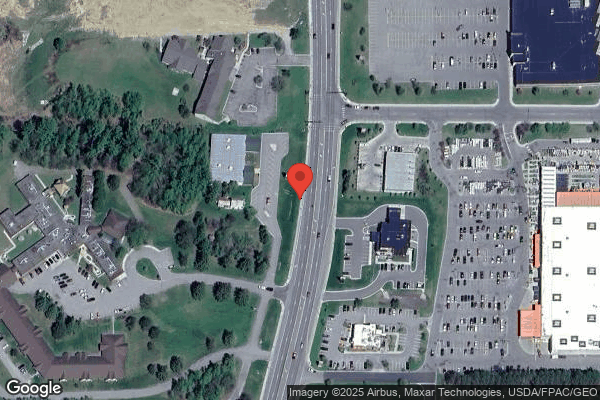
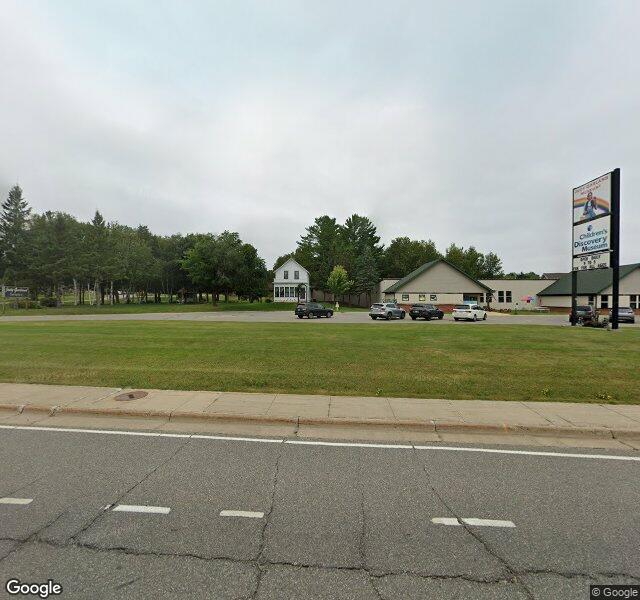
2801 SOUTH HIGHWAY 169, GRAND RAPIDS, MN 55744 (218) 326-3431
For profit - Corporation 93 Beds MONARCH HEALTHCARE MANAGEMENT Data: November 2025 2 Immediate Jeopardy citations
Trust Grade
6/100
#324 of 337 in MN
Last Inspection: March 2025

Within standard 12-15 month inspection cycle. Federal law requires annual inspections.

Overview

The Emeralds at Grand Rapids LLC has received a Trust Grade of F, indicating significant concerns about the facility's quality of care. It ranks #324 out of 337 nursing homes in Minnesota, placing it in the bottom half of facilities statewide and last in Itasca County. Although the facility is showing some improvement in its overall issues, decreasing from 25 in 2024 to 13 in 2025, it still reported a concerning $38,522 in fines, which is higher than 80% of nursing homes in the state. Staffing is rated at 2 out of 5 stars, and with a turnover rate of 46%, it is slightly above the state average but still reflects instability in staff retention. Specific incidents to note include a critical situation where a resident required emergency intervention after choking and another case where a resident left the facility unsupervised, highlighting serious safety concerns despite some positive changes in recent months.

Trust Score
F
6/100
In Minnesota
#324/337
Bottom 4%
Safety Record
High Risk
Review needed
Inspections
Getting Better
25 → 13 violations
Staff Stability
⚠ Watch
46% turnover. Above average. Higher turnover means staff may not know residents' routines.
Penalties
○ Average
$38,522 in fines. Higher than 70% of Minnesota facilities. Some compliance issues.
Skilled Nurses
✓ Good
Each resident gets 45 minutes of Registered Nurse (RN) attention daily — more than average for Minnesota. RNs are trained to catch health problems early.
Violations
⚠ Watch
60 deficiencies on record. Higher than average. Multiple issues found across inspections.
★☆☆☆☆
1.0
Overall Rating
★★☆☆☆
2.0
Staff Levels
★★★☆☆
3.0
Care Quality
★☆☆☆☆
1.0
Inspection Score
Stable
2024: 25 issues
2025: 13 issues

The Good

  • Full Sprinkler Coverage · Fire safety systems throughout facility
  • No fines on record

Facility shows strength in fire safety.

The Bad

1-Star Overall Rating

Below Minnesota average (3.2)

Significant quality concerns identified by CMS

Staff Turnover: 46%

Near Minnesota avg (46%)

Higher turnover may affect care consistency

Federal Fines: $38,522

Above median ($33,413)

Moderate penalties - review what triggered them

Chain: MONARCH HEALTHCARE MANAGEMENT

Part of a multi-facility chain

Ask about local staffing decisions and management

The Ugly 60 deficiencies on record

2 life-threatening 1 actual harm
Mar 2025 13 deficiencies
CONCERN (D)

Potential for Harm - no one hurt, but risky conditions existed

Deficiency F0554 (Tag F0554)

Could have caused harm · This affected 1 resident

**NOTE- TERMS IN BRACKETS HAVE BEEN EDITED TO PROTECT CONFIDENTIALITY** Based on observation, interview, and document review facility failed to perform a self-administration of medication assessment a...

Read full inspector narrative →
**NOTE- TERMS IN BRACKETS HAVE BEEN EDITED TO PROTECT CONFIDENTIALITY** Based on observation, interview, and document review facility failed to perform a self-administration of medication assessment and obtain provider order to have medication left in room for 2 of 2 (R13 and R29) residents reviewed for self-administration of medication. R13's quarterly Minimum Data Set (MDS) assessment dated [DATE], indicated R13 had intact cognition. Diagnoses included heart failure, hypertension and renal insufficiency. During an observation of R13's room on 3/24/25 at 3:17 p.m., a box with a tube of diclofenac cream was noted on the shelf to the right of the bed. During an interview on 3/24/25 at 3:17 p.m., R13 stated the staff utilize the diclofenac cream on her back and just leave it on the shelf so it would be available when they needed it. During a second observation of R13's room on 3/25/25 at 2:06 p.m., a box with a tube of diclofenac cream was again noted on the shelf to the right of the bed. R29's quarterly MDS dated [DATE], indicated R29 was cognitively intact. Diagnoses included anxiety, depression and post traumatic stress disorder. R29's Medication Admin Audit Report dated 3/27/25, indicated R29 had orders for Ipratopium-albuterol inhalation solution 0.5-2.5mg inhaled 4 times a day. On 3/26/25, a dose had been set up at 11:38 a.m. During an observation on 3/24/25 at 6:40 p.m., a nebulizer canister was observed full of a liquid substance, not running, and no medical staff were in the room with the resident. During a second observation on 3/26/25 at 12:53 p.m., again a nebulizer canister was observed full of liquid substance, not running, and no medical staff with him. At that time R29 turned on the nebulizer machine and started administering the liquid in the nebulizer canister. During an interview on 3/25/25 at 2:10 p.m. licensed practical nurse (LPN)-B stated prior to a medication left at bedside there must be a self-administration of medication (SAM) form completed, which showed resident was safe to leave medication at bedside and that resident wanted to have medication left at bedside. After that an order would be obtained from the provider to leave medication at bedside. LPN-B entered R13's room and confirmed a tube of Diclofenac cream had been left at R13's bedside shelf. LPN-B then reviewed R13's medical record and indicated there was no SAM or order to keep any medication at bedside. During a second interview on 3/26/25 at 12:56 p.m., LPN-B entered R29's room and confirmed R29 had a full canister of liquid in the canister he was administering medication with. LPN-B reviewed R29's medication administration record (MAR) and stated the last documented administration of inhaled nebulizer medication was done at 11:38 a.m., and not at the current time. LPN-B stated based on the amount of liquid in the canister R29 had just started the nebulizer at the current time and not at 11:38 a.m., as documented. R29 did not have a SAM or provider order to keep medication of any kind at bedside, so the staff member should have made sure the nebulizer had been utilized at 11:38 a.m., when documented as administered. During an interview on 3/27/25 at 1:54 p.m., the director of nursing (DON) stated if the resident did not have a SAM assessment or provider order to leave medication at bedside. Staff should not leave at bedside and should stay with the resident while they took the medication. The facility Self-Administration of Medications policy last revised 2/24 indicated the facility would deem if a resident was safe to self administer medication through assessment forms and provider orders.
CONCERN (D)

Potential for Harm - no one hurt, but risky conditions existed

Deficiency F0578 (Tag F0578)

Could have caused harm · This affected 1 resident

**NOTE- TERMS IN BRACKETS HAVE BEEN EDITED TO PROTECT CONFIDENTIALITY** Based on interview and document review, the facility failed to ensure advanced directives for emergency care and treatment were ...

Read full inspector narrative →
**NOTE- TERMS IN BRACKETS HAVE BEEN EDITED TO PROTECT CONFIDENTIALITY** Based on interview and document review, the facility failed to ensure advanced directives for emergency care and treatment were accurately reflected in all areas of the medical chart to ensure resident wishes would be implemented correctly in an emergent situation for 1 of 16 residents (R200) reviewed for advanced directives. Findings include: R200's admission Minimum Data Set (MDS) dated [DATE], indicated R200 was cognitively intact with the diagnoses of congestive heart failure, diabetes, and respiratory failure. R200's careplan initiated on [DATE], included the focus area Current Code Status: see current POLST [Physician Orders for Life Sustaining Treatment]. Interventions included review advanced directives per resident and or family request and arrange for MD consult as necessary. During record review on [DATE] at 4:48 p.m., R200's scanned in POLST dated [DATE], signed by the provider on [DATE], directed do not resuscitate (DNR). However, the order entered in the chart on [DATE], was for Cardiopulmonary resuscitation (CPR) and R200's banner also instructed CPR. During an interview on [DATE] at 6:27 p.m., R200 stated they had been asked if they had a living will when they returned to the facility. R200 stated they had told staff they didn't want CPR at the facility, they only wanted to die once. R200 indicated they had family members that had broken ribs and didn't do good after CPR. R200 stated they didn't want brain damage or to be worse off after. They would be a full code if they were having a procedure done at the hospital but otherwise they wanted to be DNR. During an interview on [DATE] at 6:04 p.m., RN-A stated for an un-responsive resident they would go to the electronic medical record and look at the code status there to know what to do. RN-A opened R200's EMR and stated R200's POLST was DNR, but the banner and order were for CPR. RN-A stated they would have done CPR on R200 based on the banner, so in that instance the wrong things would have happened because the order and the banner were entered incorrectly based on the POLST. During an interview on [DATE] at 6:11 p.m., LPN-A stated to determine a resident code status they would look at the facesheet and if it was not there they would look at the banner because it was quickest. LPN-A opened R200's chart and stated based on the banner they would start CPR on R200 if they found R200 unresponsive. LPN-A confirmed R200's banner and chart did not match and stated they would contact the provider or supervisor to determine what action to take when the POLST and banner did not match. During an interview on [DATE] at 6:02 p.m., LPN-C stated they always went to the main EMR screen to determine a resident's code status. LPN-C opened a EMR record and pointed to the banner and code status location. LPN-C stated they only went to the POLST to look at code status if the banner status was empty. During an interview on [DATE] at 6:03 p.m., LPN-B stated on admit the POLST reviewed with the resident and once the resident signed the POLST their status was entered on the EMR banner. It then went to the HUC so it could be signed by the provider and scanned in. The POLST and the order/banner should match. If a resident stopped breathing, staff can go to the banner for the code status. During an interview on [DATE] at 6:56 p.m., the director of nursing (DON) stated as a health care professional it is a number one priority to make sure residents are safe and that their wishes are respected and honored. The DON stated the facility had a process in place to honor resident's wishes and ensure their code status was correctly documented. The banner is a quick place for nurses to identify if CPR should be implemented. In R200's situation because the banner did not match the order, if R200 had coded and received CPR, R200's wishes would not have honored. CPR could have also resulted in negative consequences for R200. With CPR, R200's medical condition could have potentially been worsened after CPR resulting in a lower quality of life for R200 post CPR. During an interview on [DATE] at 7:17 p.m., RN-B stated they corrected R200's order and banner to reflect R200's POLST which showed R200 wanted to be a DNR. RN-B stated they expected staff to look at the EMR banner for a resident's code status. RN-B confirmed R200 would have likely received CPR if they had coded prior to the banner and order being corrected. RN-B explained performing CPR on a resident who did not want it could be bad for the resident depending on the outcome. CPR could result in pain, broken ribs, and possibly medical deficits that were not there prior to CPR. During an interview on [DATE] at 7:27 p.m., the administrator stated respecting the wishes of the resident was very important and indicated the team had corrected R200's code status as soon as they had been made aware of the error. The administrator indicated the facility had a process in place to get the resident's wishes regarding code status at the time of admission and then an order and banner status in place so that resident wishes could be honored as soon as they were known, while waiting for the final POLST to be completed. The administrator indicated that their HUC completed weekly audits on code status for all residents, however they had just completed an audit on all residents in the building due to the error on R200's code status. They had fixed R200's code status as soon as they were made aware of the discrepancy, had audited code status for the whole building, and had began staff education. On [DATE] at 7:38 p.m., R200's banner and orders were reviewed and indicated R200's code status was now listed as DNR. On [DATE] at 9:00 a.m., the HUC stated they were responsible for scanning the POLST into the chart, they did not update the banner, nurses did that. The HUC indicated they had started to do code status audits weekly at the facility on the second week of February 2025. Their process was to go through every resident. They started with review of the code status on the banner and then made sure the POLST was signed, correctly completed and matched the banner and order. The HUC's audit book showed several completed weekly audits. The audit completed on [DATE], listed R200 as being in the hospital. The HUC indicated they had not completed their audit for this week yet, but if there was a discrepancy it would be found during the audit. During a follow-up interview on [DATE] at 8:54 a.m., RN-A stated they had notified the social worker R200's code status and POLST did not match once they had been made aware of it. RN-A stated they had checked R200's chart at shift start this a.m. and R200's code status had been fixed. The facility policy POLST documentation dated 12/2024, indicated the purpose of the POLST was to identify and document the code status consistent with the resident wishes so that staff know immediately what action to take or not take when an emergency arises. The policy identified a process for managing code status orders and the POLST and indicated routine audits of the POLST documentation should be conducted.
CONCERN (D)

Potential for Harm - no one hurt, but risky conditions existed

Deficiency F0582 (Tag F0582)

Could have caused harm · This affected 1 resident

**NOTE- TERMS IN BRACKETS HAVE BEEN EDITED TO PROTECT CONFIDENTIALITY** Based on interview and document review, the facility failed to provide the Skilled Nursing Facility Advanced Beneficiary Notice ...

Read full inspector narrative →
**NOTE- TERMS IN BRACKETS HAVE BEEN EDITED TO PROTECT CONFIDENTIALITY** Based on interview and document review, the facility failed to provide the Skilled Nursing Facility Advanced Beneficiary Notice (SNFABN; CMS-10055) to 1 of 3 residents (R54) reviewed whose Medicare Part A coverage ended while in the facility. Findings included: R54's Notice of Medicare Non-Coverage (CMS-10123) dated 10/15/24, indicated R54's last day of skilled services was on 10/15/24 due to going on hospice services. The form was signed by R54 and dated 10/15/24. In addition, R54's medical record lacked evidence the required CMS-10055 had been reviewed and/or provided to R54 prior to their Medicare Part A coverage ending. R54's Census List indicated a payer change occurred on 10/16/24, to hospice private pay. R54's progress notes from 10/9/24 to 10/17/24, indicated R54 was a resident of the facility until discharge on [DATE]. During an interview on 3/27/25 at 8:01 a.m., the business office manager (BOM) stated she was responsible to give the residents the CMS 10123 and 10055 forms to the residents 3 days prior to discharge from Medicare-A services. The CMS-10055 was also known as the daily rate form so the resident would be aware of the approximate daily rate bill if they had to pay out of pocket. The BOM reviewed R54's record and acknowledged the 10055 had not been issued to R54, but R54 had remained in the facility after the last day of Medicare A coverage stopped. The BOM stated even though R54 was only in the facility for 1 day after the discontinuation of Medicare A coverage, a 10055 form should have been issued so R54 was aware of what each day of stay would cost. During an interview on 3/27/25 at 8:14 a.m., the administrator stated any resident that stayed at the facility after Medicare part A coverage stopped coverage needed to have the 10055 form given to them so they were aware of what a daily rate might be for their stay. The facility's policy titled ABN/NOMNC Policy and Procedure dated 2/20/23, indicated any resident that stayed in the facility after Medicare part A coverage ended would be issued a SNFABN: CMS-10055.
CONCERN (D)

Potential for Harm - no one hurt, but risky conditions existed

Pressure Ulcer Prevention (Tag F0686)

Could have caused harm · This affected 1 resident

**NOTE- TERMS IN BRACKETS HAVE BEEN EDITED TO PROTECT CONFIDENTIALITY** Based on interview and document review the facility failed to perform prescribed dressing changes to a pressure ulcer as ordered...

Read full inspector narrative →
**NOTE- TERMS IN BRACKETS HAVE BEEN EDITED TO PROTECT CONFIDENTIALITY** Based on interview and document review the facility failed to perform prescribed dressing changes to a pressure ulcer as ordered for 1 of 3 residents (R27) reviewed for pressure ulcers. Findings include: R27's annual Minimum Data Set (MDS) assessment dated [DATE], indicated intact cognition. Diagnoses included anemia, coronary artery disease and renal failure. R27 was at risk for pressure ulcers and had an unhealed unstageable pressure ulcer. R27's Medication Administration Record (MAR) dated 3/25, indicated orders were present from 3/7/25 to 3/20/25 to cleanse pressure ulcer with vashe. Loosely fill wound with vashe damped packing strip, ensure filling in tunnel and undermining. Leave out tail for easy removal. Cover with bordered foam dressing. Change twice daily and as needed. R27's MAR dated 3/25 lacked documentation dressing changes were completed on the following days: - Day shift 3/9/25, 3/13/25, 3/14/25, 3/16/25 through 3/18/25, and 3/20/25 - Evening shift 3/8/25 through 3/10/25, 3/14/25 through 3/16/25 R/27's progress notes were reviewed from 3/8/25 through 3/20/25. Progress notes lacked documentation as to why scheduled dressing changes were missed or passed on to the next shift to make sure they were done. During an interview on 3/24/25 at 7:05 p.m., R27 stated there was a pressure ulcer on her coccyx region that nursing was doing dressing changes on. The staff would miss several of the dressing changes since the wound appeared. During an interview on 3/26/25 at 5:08 p.m., trained mediation aide (TMA)-B stated that either the nurse manager or a nurse from 200 hallway would do all of the dressing changes for 100 hallway when a nurse was not assigned. I know everybody is really busy, so I never know when they are done or not done. During an interview on 3/26/25 at 5:19 p.m., licensed practical nurse (LPN)-C stated the nurse on either 200 or 300 hallways would assist 100 hallway with dressing changes when there was not a nurse assigned to 100 hallway. We usually find time to run over to 100 hallway to get the dressing changes done. I can't think of any specific times, but I know there have been times when evening shift has not been able to get 100 hallway dressing changes done. When that would happen, we would report off to the next shift to get the dressing changes done and document in progress report why it was not done. After the next shift completed the dressing change, they would go into the MAR and document the completed dressing change. During an interview on 3/27/25 at 12:48 p.m., registered nurse (RN)-B reviewed R27's MAR and acknowledge several dressing changes were not documented on. Based on the documentation, there is no way to know if the dressing changes were completed. During an interview on 3/27/25 at 1:58 p.m. the director of nursing (DON) stated dressing changes needed to be done as ordered and documented on in the MAR. Facility policy Skin Assessment and Wound Management last revised 2/25 indicated ongoing treatments would be followed as ordered by the provider.
CONCERN (D)

Potential for Harm - no one hurt, but risky conditions existed

Deficiency F0698 (Tag F0698)

Could have caused harm · This affected 1 resident

**NOTE- TERMS IN BRACKETS HAVE BEEN EDITED TO PROTECT CONFIDENTIALITY** Based on interview and record review, the facility failed to consistently monitor dialysis access site for 1 of 1 resident (R27)...

Read full inspector narrative →
**NOTE- TERMS IN BRACKETS HAVE BEEN EDITED TO PROTECT CONFIDENTIALITY** Based on interview and record review, the facility failed to consistently monitor dialysis access site for 1 of 1 resident (R27) reviewed for dialysis care. Findings include: R27's annual Minimum Data Set (MDS) dated [DATE], indicated intact cognition. Diagnoses included anemia, end stage renal disease and diabetes. The MDS indicated R27 was on dialysis. R27's care plan dated 9/25/24, indicated R27 had a dialysis port to the right chest. The care plan lacked information related to R27's arteriovenous dialysis fistula in the right arm. R27's Order Summary report dated 2/6/24, indicated orders which included dialysis-monitor chest port post dialysis, dialysis-no IV. Blood draws, blood pressures on right arm. Fistula incision care and monitor dialysis site for bleeding. The order summary lacked to monitor the fistula bruit and thrill (swish sound coming from fistula indicating normal function) from fistula. Provider progress note dated 2/18/25, indicated R27 had right upper extremity fistula placed for dialysis on 2/13/25. During an interview on 11/16/25 at 1:24 p.m., licensed practical nurse (LPN)-E stated R32's access site got assessed for bruit, bleeding, and infection on the day shift but often not on dialysis days because R32 left the facility during the night shift at 5:30 a.m., and often did not return until later in the evening shift. During an interview on 3/27/25 at 9:41 a.m., the dialysis clinical manager (DCM) confirmed R27 had a AV fistula placed on 2/13/25, and was used by the dialysis team for dialysis treatments. The DCM stated the facility should start monitoring the fistula for the bruit and thrill at least daily right after the fistula is placed. Monitoring was important because there would be early warning signs of a potential bigger issue. During an interview on 3/27/25 at 9:57 a.m. trained medication aide (TMA)-A indicated R27 had a new fistula that the dialysis center just started using. TMA-A did not believe the nurse would evaluate the fistula at all. During an interview on 3/27/25 at 12:48 p.m. registered nurse (RN)-B stated staff had not started monitoring R27's fistula for bruit and thrill since the fistula was placed. RN-B was unsure how often the fistula should be monitored. During an interview on 3/27/25 at 1:58 p.m. the director of nursing indicated the bruit and thrill should be monitored per facility policy. The facility dialysis policy was not received.
CONCERN (D)

Potential for Harm - no one hurt, but risky conditions existed

Deficiency F0726 (Tag F0726)

Could have caused harm · This affected 1 resident

**NOTE- TERMS IN BRACKETS HAVE BEEN EDITED TO PROTECT CONFIDENTIALITY** Based on observation, interview, and record review the facility failed to ensure licensed staff were educated and competent in t...

Read full inspector narrative →
**NOTE- TERMS IN BRACKETS HAVE BEEN EDITED TO PROTECT CONFIDENTIALITY** Based on observation, interview, and record review the facility failed to ensure licensed staff were educated and competent in the administration of intravenous medications (IV) and/or the management and care of peripherally inserted central catheters (PICC) [a long thin tube inserted into a vein on the inside of the upper arm that extends into a larger vein leading to the heart for medication, blood, and nutrition administration] for 1 of 1 residents (R200) reviewed for PICC line care and management. This deficient practice had the potential to impact all residents at the facility who had IV/PICC access and/or received medications through IV/PICC access. Findings include: R200's admission Minimum Data Set (MDS) dated [DATE], indicated R200 was cognitively intact with the diagnoses of congestive heart failure, diabetes, and respiratory failure. R200's careplan initiated on 2/18/25, did not include R200's PICC line nor did it include goals and interventions for care of R200's PICC line. The Order Summary Current Orders as of 3/24/25, included the following orders: -PICC/Midline-Change cap (needless access device) weekly with dressing change q wed in am -Vancomycin HCl Intravenous Solution (Vancomycin HCl) use 1500 mg intravenously every 24 hours related to methicillin resistant staphylococcus aureus infection as the cause of disease classified elsewhere (B95.62) for 20 Days. Inject 1500mg in NS over 90 minutes into the vein every 24 hours for 20 days. -PICC/Midline Change dressing location______(blank) using sterile technique weekly and as needed. Document in progress notes description of care and resident's response to procedure every Wed -PICC/Midline-Measure arm circumference 3 inches above insertion site weekly with dressing change in the morning every Wed -PICC/Midline-Measure total catheter length on dressing change. Location_____(blank) in morning. -PICC Line monitor for complaints of unusual sounds near the neck ear or the affected site every shift -PICC/Midline monitor site location_______(blank) every shift for s/s of infection and infiltration every shift During an observation on 3/26/25 at 11:28 a.m., R200's PICC line was covered with a transparent dressing. The end or R200's PICC line did not have a lumen cap on it. R200 stated they had been told it was okay to not have the cap on the PICC line. R200 thought it had been that way for a couple of days. R200 also stated she had had a blood draw yesterday and the nurse had removed about 6 big syringes of air from their PICC line and they were afraid something bad might happen because of all that air. After an observation on 3/26/25 at 11:46 a.m., registered nurse RN-B confirmed R200's PICC line was missing the lumen cap attachment and indicated the missing cap was a concern for infection. RN-B opened the electronic medical record (EMR), and stated R200's cap was changed before R200's antibiotic was started on 3/25/25 at 1:15 p.m. RN-B indicated the cap would have likely been off sometime between the time the antibiotic was discontinued on 3/25/25, and now. During an interview on 3/26/25 at 11:51 a.m., the director of nursing (DON) stated the PICC line should have the lumen cap on the end of the PICC line as it is an infection prevention issue for it to be capless. The DON confirmed R200 was correct, five 10cc syringes of air had been pulled off of R200 PICC line during R200's blood draw completed on 3/25/25. The PICC line gets clamped so they were not sure how the air got in R200's line. The DON indicated the order instructed to flush, and didn't say anything to pull back before the flush, and indicated air could have entered the PICC line with flushing. The DON stated they thought they may need to do some PICC line education with staff. The DON confirmed the air had not been documented or a note made to indicate the provider had been notified of the air in R200's PICC line on 3/26/25. During an interview on 3/26/25 at 2:51 p.m., the DON stated they had a call out to infectious disease and had notified R200's provider that R200's lumen cap had been off. The DON indicated that it was possible the lumen could have been accidently removed during a flush or something and indicated R200's PICC like should have a lumen cap at the end of it at all times to prevent infection. The DON stated another resident had told the them that R200 was concerned about dying because of the air in their PICC line. They were also concerned about the air as well because of the risk for air embolism. The DON indicated they had updated the provider about the air in R200 line on 3/25/25 and indicated R200 had a follow-up appointment tomorrow, so R200 would see the provider then. During an interview on 3/26/25 at 3:08 p.m., R200 stated when they first got back from the hospital there was a green cap on the end of the PICC line but the facility didn't use that cap any longer. R200 stated they thought the clear cap (lumen cap) had been missing from their PICC line for a couple of days. R200 stated one day they sent a staff in that said they didn't know about PICC lines but they said they were told to do it anyway. R200 stated they were afraid they were going to get killed here with all that air in their line. During an interview on 3/26/25 at 5:12 p.m., RN-A stated when they hooked up R200's antibiotic yesterday, the clear lumen had been attached to R200's PICC. The antibiotic didn't get done until after they had left for the day so another staff would have disconnected the antibiotic when it was done. RN-A stated today when they went to hook up R200's antibiotic, the PICC line would flush, but there was no blood return so R200 was being sent to the emergency room for evaluation of their PICC line. RN-A stated they would definitely contact the provider for any air pulled back from a PICC line that was greater than 4cc because there should not be any air in the PICC line. RN-A stated they had not received any hand off report of R200 having had air in their PICC line on 3/25/25. During an interview on 3/26/25 at 5:37 p.m., RN-B stated RN-A had reported R200's PICC line was not properly functioning. RN-B stated they had talked to R200 to see if they would like to go into to have it assessed or if they would like the nurse at the facility to try Cathflo. R200 had chosen to go to the hospital to have it addressed. During an interview on 3/26/25 at 5:59 p.m., RN consultant (RN-G) stated once they had been made aware R200's PICC line was missing the lumen cap they consulted the nurse practitioner who advised the access area be cleansed and re-capped right away followed by a call to infectious disease. RN-G stated they did as advised and had also successfully pulled back and flushed R200's PICC line after they had attached the new cap. During an interview on 3/27/25 at 9:39 a.m., licensed practical nurse (LPN-D) stated they never received PICC line training or IV medication administration training, or had they ever completed a hands on or any other competency for PICC lines. They did recall watching a PICC line demonstration at one time. LPN-D confirmed as part of their job they administered IV medications and flushes through PICC lines. During an interview on 3/27/25 at 12:07 p.m., the DON stated they had contacted LPN-A who had disconnected R200's antibiotic on 3/26/25. The DON showed a written statement signed by LPN-A which indicated LPN-A could not say for sure if the lumen cap had been removed when they disconnected R200's antibiotic on 3/26/25, or if the cap was in place when they completed the task. The DON stated the LPN would receive follow-up education on PICC lines. The DON stated air pulled from a PICC line was a serious concern because it could mean a resident was at risk for an air embolism. They would expect any nurse that encountered air in a PICC line to notify the provider and document the event in the progress notes. RNC-D and RNC-G were also present. RNC-D stated the facility did not do a competency for intravenous medication administration or IV and PICC line management when RN's or LPN's were hired, nor was there any education specific to PICC lines, however they had done PICC line review at their skills day with a dummy arm. The facility did not have specific education for PICC lines or competencies for blood draws or PICC line dressing changes. The DON confirmed the facility did not have a competency in place to ensure PICC line management competency or IV medication competency for RN's or LPNs. The DON indicated they did not have a process to make sure that LPN's were competent to administer IV medications through an IV or PICC line. The DON indicated when a nurse was hired, they were asked what they knew how to do. The DON felt the facility did on the spot training if a nurse did not know how to do a skill related to IV or PICC lines they would be taught on the spot. A list of licensed staff who had performed PICC line care and medication administration to R200's PICC line and their PICC line competencies for PICC line management, dressing changes, blood draws and IV mediation competencies specific to LPNs was requested. The facility identified three LPNs including LPN-A and LPN-D. Five RNs were identified. Information provided included: - The New hire LPN/RN Competency Check List provided by the facility did not include intravenous medication administration nor did it include PICC lines. -The Temporary Agency Staff Orientation Checklist dated 2/12/24, was provided for RN-A. The checklist did not include PICC lines or -The Nurse Annual Skill Fair Competency Checklist listed several areas including IV/PICC line and medication administration however no additional documents were included to indicate what nurses were competent to do regarding IV/PICCs and medication administration. A completed check list dated 6/5/24, was provided for LPN-A, and one RN. -Education and or competency documentation was not provided for the other staff who worked with R200's PICC line. The facility policy Flushing Midline and Central Line IV Catheters dated May 2022, directed staff to aspirate the CVAD catheter for blood return to confirm patency prior to administration of medication and solutions. The section Complications gave instruction if there is resistance or lack of blood return during flushing stop the flush and consult the IV nurse specialist or provider. The documentation and reporting section both instruct staff to notify the provider if there are any complications. The facility policy Obtaining Blood Specimens From a Venous Catheter dated May 2022, directed staff to notify physician, supervisor, and oncoming shift of any problems or inability to get blood sample. Facility Policies Central Venous Catheter Dressing changes dated May 2022, directed staff to document date and time of dressing change, location and description of site, complications and interventions done, and if flushed: positive blood return and whether needleless connection device or extension tubing was changed. None of the facility policies provided specifically addressed cap changes or how to address air in a PICC line.
CONCERN (D)

Potential for Harm - no one hurt, but risky conditions existed

Drug Regimen Review (Tag F0756)

Could have caused harm · This affected 1 resident

**NOTE- TERMS IN BRACKETS HAVE BEEN EDITED TO PROTECT CONFIDENTIALITY** Based on interview and document review the facility failed to make sure pharmacy recommendations were addressed timely for 2 of ...

Read full inspector narrative →
**NOTE- TERMS IN BRACKETS HAVE BEEN EDITED TO PROTECT CONFIDENTIALITY** Based on interview and document review the facility failed to make sure pharmacy recommendations were addressed timely for 2 of 5 residents (R28, R33) reviewed for unnecessary medications. Findings include R28's quarterly Minimum Data Set (MDS) dated [DATE], identified intact cognition, and diagnoses included heart failure, hypertension, and renal failure. R28's order summary report dated 12/12/24, indicated R28 was started on Quetiapine Fumarate oral tablet 25 milligrams (mg) one time daily by mouth for a diagnosis of other specified anxiety disorders. R28's Consultant Pharmacist Medication Regimen (PMR) Review dated 2/13/25, recommended the facility address the diagnosis for Quetiapine Fumarate. The PMR indicated CMS guidance for antipsychotic utilization in nursing facilities required an FDA approved diagnosis in chart to use the medication which other specified anxiety was not. The form had not been addressed or signed as completed. During interview on 3/27/25 at 10:43 a.m., the consultant pharmacist (CP) explained monthly medication regimen reviews were done monthly on all residents. CP stated medication regimen reviews were tracked over time and provider responses of accepting or rejecting recommendations were noted. CP stated providers had a month to respond and if there was no response from the provider then the recommendation would be sent again. During interview on 3/27/25 at 12:49 p.m., the director of nursing (DON) stated an expectation for provider to respond to pharmacist medication regimen review recommendations with the next visit, but at least within 30 days. R33's quarterly MDS dated [DATE], identified intact cognition, and diagnoses including sequelae of cerebral infarction (aftereffects of a stroke), dyspnea (shortness of breath), post-traumatic stress disorder (PTSD), rib fracture, chronic kidney disease, protein-calorie malnutrition, depression, and psychosis. R33's order summary report dated 3/27/25, included the following order: -polyvinyl alcohol ophthalmic solution 1.4%- instill one drop in both eyes as needed for dry eyes. Order was written 1/15/25. R33's Consultant Pharmacist Medication Regimen Review dated 2/13/25, recommended the provider to please add frequency (e.g 4 times a day prn dry eyes) to complete order for polyvinyl alcohol ophthalmic solution. R33's medical record did not contain a provider response to this recommendation. R33's Consultant Pharmacist Medication Regimen Review dated 3/12/25, recommended the provider to please add frequency (e.g 4 times a day prn dry eyes) to complete order (repeat) for polyvinyl alcohol ophthalmic solution. R33's medical record did not contain a provider response to this recommendation. During interview on 3/27/25 at 10:43 a.m., consultant pharmacist (CP) explained monthly medication regimen reviews were done monthly on all residents. CP stated medication regimen reviews were tracked over time and provider responses of accepting or rejecting recommendations were noted. CP stated providers had a month to respond and if there was no response from the provider then the recommendation would be sent again. During interview on 3/27/25 at 12:49 p.m., director of nursing (DON) stated expectation for provider to respond to pharmacist medication regimen review recommendations. Facility policy Consultant Pharmacist Services Provider Requirements policy was requested but not provided.
CONCERN (D)

Potential for Harm - no one hurt, but risky conditions existed

Deficiency F0757 (Tag F0757)

Could have caused harm · This affected 1 resident

**NOTE- TERMS IN BRACKETS HAVE BEEN EDITED TO PROTECT CONFIDENTIALITY** Based on interview and document review the facility failed to have an appropriate diagnosis for use of medication for 1 of 5 res...

Read full inspector narrative →
**NOTE- TERMS IN BRACKETS HAVE BEEN EDITED TO PROTECT CONFIDENTIALITY** Based on interview and document review the facility failed to have an appropriate diagnosis for use of medication for 1 of 5 residents (R28) reviewed for unnecessary medications. Findings include R28's quarterly Minimum Data Set (MDS) dated [DATE], identified intact cognition, and diagnoses included heart failure, hypertension, renal failure and post kidney transplant. R28's order summary report dated 12/12/24, indicated R28 was on Tacrolimus Oral 1mg capsule, take one by mouth every 12 hours for health maintenance. During interview on 3/27/25 at 10:43 a.m., the consultant pharmacist (CP) stated medications appropriate for a diagnoses of health maintenance included several different vitamins and minerals that a resident took as a preventative or maintenance dosing program. The CP stated Tacrolimus was an antirejection drug for patients who have received a transplant. The CP reviewed R28's chart and indicated R28 had a history of post kidney transplant and post kidney transplant would have been the appropriate diagnoses for that medication. During interview on 3/27/25 at 12:49 p.m., the director of nursing (DON) stated all medications ordered by providers would have appropriate diagnoses assigned to them. Facility medication policy was not provided.
CONCERN (D)

Potential for Harm - no one hurt, but risky conditions existed

Medication Errors (Tag F0758)

Could have caused harm · This affected 1 resident

**NOTE- TERMS IN BRACKETS HAVE BEEN EDITED TO PROTECT CONFIDENTIALITY** Based on interview and document review the facility failed to have an appropriate diagnosis for use of an antipsychotic for 1 of...

Read full inspector narrative →
**NOTE- TERMS IN BRACKETS HAVE BEEN EDITED TO PROTECT CONFIDENTIALITY** Based on interview and document review the facility failed to have an appropriate diagnosis for use of an antipsychotic for 1 of 5 residents (R28) reviewed for unnecessary medications. In addition, the facility failed to complete orthostatic blood pressure (series of blood pressures taken while lying, sitting, and standing) monitoring for an antipsychotic medication for 1 of 1 residents (R33). Findings include R28's quarterly Minimum Data Set (MDS) dated [DATE], identified intact cognition, and diagnoses included heart failure, hypertension, and renal failure. R28's order summary report dated 12/12/24, indicated R28 was started on Quetiapine Fumarate oral tablet 25 milligrams (mg) one time daily by mouth for a diagnosis of other specified anxiety disorders. R28's Consultant Pharmacist Medication Regimen (PMR) Review dated 2/13/25, recommended the facility address the diagnosis for Quetiapine Fumarate. The PMR indicated CMS guidance for antipsychotic utilization in nursing facilities required an FDA approved diagnosis in chart to use the medication which other specified anxiety disorder was not. During interview on 3/27/25 at 10:43 a.m., the consultant pharmacist (CP) stated appropriate Food and Drug Administration approved diagnoses included behaviors and disorders that included specific negative behaviors such as delirium, Schizophrenia or anxiety with psychosis. During interview on 3/27/25 at 12:49 p.m., the director of nursing (DON) stated all medications ordered by providers would have appropriate diagnoses assigned to them. R33's quarterly Minimum Data Set (MDS) dated [DATE], identified intact cognition, and diagnoses including sequelae of cerebral infarction (aftereffects of a stroke), dyspnea (shortness of breath), post-traumatic stress disorder (PTSD), rib fracture, chronic kidney disease, protein-calorie malnutrition, depression, delirium, and psychosis. MDS also indicated R33 received antipsychotic medication on a routine basis. R33's Order Summary Report dated 3/27/25, identified order for haloperidol tablet 5 milligrams (mg) to be given by mouth twice a day for delirium and psychosis. Report also identified order to monitor orthostatic blood pressure monthly on the 4th and 5th of the month while resident is receiving antipsychotic medications. R33's treatment administration records (TAR) reviewed for October 2024 to March 2025, did not have orthostatic blood pressure readings on the 4th or the 5th of any month. During interview on 3/27/25 at 12:49pm, director of nursing (DON) stated expectation for staff to follow provider's orders. DON also stated expectation for orthostatic blood pressures to be completed monthly for residents taking an antipsychotic. Facility policy Consultant Pharmacist Services policy was requested but not provided.
CONCERN (D)

Potential for Harm - no one hurt, but risky conditions existed

Deficiency F0761 (Tag F0761)

Could have caused harm · This affected 1 resident

**NOTE- TERMS IN BRACKETS HAVE BEEN EDITED TO PROTECT CONFIDENTIALITY** Based on observation, interview, and document review the facility failed to ensure medications were properly labeled with direct...

Read full inspector narrative →
**NOTE- TERMS IN BRACKETS HAVE BEEN EDITED TO PROTECT CONFIDENTIALITY** Based on observation, interview, and document review the facility failed to ensure medications were properly labeled with direction for use for 1 of 1 resident (R13). Findings include: R13's quarterly Minimum Data Set (MDS) assessment dated [DATE], indicated R13 had intact cognition. Diagnoses included heart failure, hypertension, and renal insufficiency. R13's Order Summary Report dated 3/29/24, indicated R13 had ordered Diclofenac sodium topical gel, apply 2gms topically to shoulders, upper and mid back 4 times a day. During an observation of R13's room on 3/24/25 at 3:17 p.m., a box with a tube of diclofenac cream was noted on the shelf to the right of the bed. The box and the tube lacked any kind of label with resident name, medication dosage or times to administer. During an interview on 3/24/25 at 3:17 p.m., R13 stated the staff utilize the diclofenac cream on her back and just leave it on the shelf so it would be available when they needed it. During a second observation of R13's room on 3/25/25 at 2:06 p.m., a box with a tube of diclofenac cream was again noted on the shelf to the right of the bed. The box and the tube lacked any kind of label with resident name, medication dosage or times to administer. During an interview on 3/25/25 at 2:10 p.m., licensed practical nurse (LPN)-B stated any medication left at the resident's bedside needed to have a label with the resident's name, dosage of medication to administer, and frequency to administer so everybody was aware of the correct order. LPN-B entered R13's room and observed the box and tube of diclofenac cream in R13's room. She confirmed there was no label on the box or the tube. Since there was no label on the box or the tube, nobody would know the appropriate dosage or if the resident should have the medication. There was an increased risk of a resident getting a medication not ordered or the incorrect dosage. During an interview on 3/27/25 at 1:54 p.m., the director of nursing (DON) stated any medication left at a resident bedside should have at least the name of the resident, the dosage of medication to give and the frequency the medication should be administered. Facility policy Medication and Treatment Orders last revised 2/24, indicated all ordered medications and treatments would include: a. Name and strength of the drug b. Number of doses, start and stop date, and/or specific duration of therapy. c. Dosage and frequency of administration d. Route of administration e. Clinical condition or symptoms for which the medication is prescribed.
CONCERN (E)

Potential for Harm - no one hurt, but risky conditions existed

Quality of Care (Tag F0684)

Could have caused harm · This affected multiple residents

**NOTE- TERMS IN BRACKETS HAVE BEEN EDITED TO PROTECT CONFIDENTIALITY** Based on interview, and document review the facility failed to notify the provider as ordered for a weight increase of 3 pounds ...

Read full inspector narrative →
**NOTE- TERMS IN BRACKETS HAVE BEEN EDITED TO PROTECT CONFIDENTIALITY** Based on interview, and document review the facility failed to notify the provider as ordered for a weight increase of 3 pounds (lb.) or more in 24 hours for 1of 2 residents (R27). The facility also failed to follow fluid restrictions as ordered for 2 of 2 residents (R27, R28). The facility also failed to address elevated blood glucose levels for 1 of 1 resident (R16). The facility also failed to have a resident assessed for usage of a walker for 1 of 1 resident (R12) reviewed for provider orders. Findings include: R27: R27's annual Minimum Data Set (MDS) assessment dated [DATE], indicated intact cognition. Diagnoses included anemia, coronary artery disease and renal failure. R27's care plan dated 9/25/24, indicated a risk for complications related to dialysis. Interventions included fluid restriction per order. R27's Order Summary Report (OSR) dated 2/4/25, indicated R27 was on an IDDSI level 7 regular texture diet with a 1500 milliliter (ml) fluid restriction. R27's OSR as indicated on 12/7/24 R27 was placed on a 2000 ml fluid restriction. Review of R27's MAR from 2/25 and 3/25 indicated the following: - During 2/25 R27 received more than 1500ml of fluid 2 times and lacked documented fluid amounts for at least one shift 10 days. - During 3/25 R27 received more than 1500 ml of fluid 2 times and lacked documented amounts for at least one shift 7 days. R28's quarterly MDS assessment dated [DATE], indicated intact cognition. Diagnoses included heart failure, hypertension and post kidney transplant. R28's care plan dated 3/19/25 indicated a potential for altered nutrition status with interventions of weekly weights and offer adequate fluids at and between meals. The care plan lacked information related to daily weights or fluid restrictions. R28's OSR dated 1/27/25, indicated a heart healthy diet with a 2000 ml fluid restriction. The OSR also indicated on 12/20/24, orders were placed to weigh daily and notify the provider with a weight gain of 3 lbs in 24 hours or 5lbs in 1 week. Review of R28's MAR and Treatment Administration Record (TAR) from 1/25 through 3/25 indicated a lack documentation the fluid restriction was being monitored as ordered. Review of R28's MAR and TAR from 1/25 through 3/25, indicated the following: - A 24 hr 4 lb weight gain on 2/11/25, and a 4.6 lb weight gain on 2/13/25. Daily weights were missed 3 times. - A 24hr 6lb weight gain on 3/10/25. Daily weights were missed 6 times. R28's medical record for 1/25 through 3/25, lacked documentation the weights over 3lbs in 24 hrs or missed recieved a provider notification During an interview on 3/25/25 at 2:48 p.m., nurse assistant (NA)-C stated daily weight would be obtained by the NA's usually on day shift and then given to the nurse to enter into the medical record. For residents on a fluid restriction, the nursing staff would keep track how much fluid the resident took in during meals and throughout the day, minus fluids given with medications, and that would be given to the nurse to enter into the medical record and keep track of. During an interview on 3/27/25 at 12:48 p.m., registered nurse (RN)-B stated she was not sure how documentation would be done to show weights were called to provider or fluid restrictions were followed but did believe there was some documentation that went into the medical record to show it was completed. RN-B reviewed R27's and R28's medical record and indicated there was no documentation related to fluid restriction orders or weight orders being followed or that the provider was notified when needed. During an interview on 3/27/25 at 1:58 p.m., the director of Nursing (DON) stated staff should follow provider orders and follow the policy related to provider notifications. R16: R16's quarterly Minimum Data Set (MDS) dated [DATE], indicated R16 was cognitively intact and received insulin injections daily. R16's Diagnosis Report dated 3/27/25, included diagnoses of multiple myeloma, coronary artery bypass, diabetes type II with chronic kidney disease, diabetic neuropathy, heart failure, and hypertension. R16'a Careplan last reviewed on 3/19/25, included the following: Potential for alteration in blood sugar related to diagnosis of diabetes. Goal: resident will be free from hyper/hypo glycemic episodes with the following interventions: -Encourage diabetic HS snack. -Labs per MD order -Monitor resident for signs/symptoms of hyper and hypoglycemia. -Monitor residents blood sugar as ordered. -Administer scheduled and sliding scale insulin as ordered. -Administer medication as ordered. -Diet as ordered. Encourage resident to follow prescribed diet. R16's Order Summary Report for 2/1/25 to 2/28/25, included an order, dexamethasone oral tablet 4mg give 5 tablets by mouth one time a day every seven days for cancer treatment. Start date 3/2/25. R16's Order Summary Report Active orders as of 3/27/25, included the following orders: -consistent carbohydrate diet -blood sugar monitoring via finger stick 4 times a day -monitor for s/s of hyper/hypoglycemia including but not limited to lethargy, sweating, weakness, confusion, pale, vomiting, and excessive thirst every shift -Lantus subcutaneous solution pen-injector. Inject 12 units subcutaneously at bedtime related to diabetes type 2 -Lantus subcutaneous solution pen-injector. Starting 3/27/25, inject 15 units subcutaneously at bedtime related to type two diabetes. -Novolog flex pen solution pen-injector. Inject 4 units subcutaneously three times a day related to diabetes type 2 R16's careplan and current orders lacked parameters for provider notification and instruction on actions to be taken in the event R16 became hyperglycemic or hypoglycemic. R16's careplan did not identify R16 was receiving steroids, nor did it include a focus area with goals and interventions for steroid use/monitoring. Prior to 3/24/25, R16's most current in-person provider encounter at the facility was documented as 1/23/25. R16's nursing notes included the following: -A note on 3/23/25 indicated the on-call provider had been notified of a blood sugar reading of 485. The provider did not give any orders. -A note on 3/24/25, indicated the on-call provider had been notified of a blood sugar reading of 598. A one-time order for NovoLog 4 units was received and would be administered to R16. R16's medical record lacked evidence of provider notification for blood sugar values greater than 400 on 3/26/25, 3/21/25, 3/20/25, 3/13/25, or 3/6/25, In addition the chart lacked evidence a provider had been notified R16's blood sugars had been trending up. R16's Essentia Health Lab Report result for a hemoglobin A1C drawn on 1/14/25, showed that R16's A1C was 6.4 which meant that R16 had an estimated average blood glucose of 137mg/dl. The blood glucose values listed on the Weights and vitals Summary effective 1/1/25 to 3/31/25, were reviewed. Summarized documented blood glucose values between 3/1/25 and 3/27/25, showed R16 had had 8 blood glucose readings greater than 400 mg/dl, 20 readings greater than 300 mg/dl, 17 blood glucose readings below 200 mg/dl, with all other values falling between 200 and 299 mg/dl during the time period reviewed (R16 blood glucose testing was ordered four times a day). During an interview on 3/24/25 at 3:00 p.m., R16 stated they had had a high blood sugar, and the doctor never treated it with insulin. R16 stated they knew the high sugars were not good for them, but the nurse had said the doctor didn't want to treat it. R16 indicated they had requested to talk to a doctor about their high blood sugars. During an interview on 3/27/25 at 8:16 a.m., R16 stated they continued to worry about their blood sugar values, and explained they could go into a diabetic coma if their blood sugars got to high. R16 also worried about their eye sight getting worse because of their blood sugars. R16 stated they had told staff they were very concerned about their blood sugars and had also asked to be seen by a provider, but nobody had seem them since January. R16 indicated their blood sugars had been better before they started steroids, usually below 200 and rarely over 300, but now they were high all the time and they knew they needed more than a one time dose of insulin to take care of it. During an interview on 3/27/25 at 12:34 p.m., the director of nursing (DON) pulled up and reviewed R16's blood sugar record in the EMR. The DON confirmed R16's blood sugars had been consistently high and stated R16 frequently ate high carb take meals. R16's prescribed steroids would also elevate blood sugars. The DON stated they would expect nurses to notify the provider when blood sugars were in the 400-500s. In addition, they expected the provider would be notified if a resident was trending with high blood sugars. Registered nurse consultant (RNC-D) was present at the interview and stated they did not see a note that indicated R16 had been seen by a provider in February or March. Nor did they see nursing documentation that a provider had been notified of trending blood sugars or greater than 400 values other than on 3/23 and 3/24/25. RNC-D reviewed R16's A1C lab results and stated R16's A1C had been good in January. The DON stated R16 was medically complicated with several chronic diseases including cardiac issues which could be negatively impacted by higher blood sugars. R16's organs would have to work harder and R16 was at risk for hospitalization and DNK [diabetes ketoacidosis, a life threatening condition where the body does not have enough insulin, the body then makes ketones, which leads to the blood becoming too acidic] due to the high sugars. During an interview on 3/27/25 at 12:59 p.m., R16's nurse practitioner (NP-E) stated they had been contacted for a high blood sugar, and had ordered insulin coverage however, they had not been informed R16's blood sugars had been trending high. NP-E stated they would expect a call immediately for a blood sugar over 400 so the blood sugar(s) could be addressed. In addition, they expected it would be communicated to them if a resident's blood sugar started trending up averaging in the 200s to 300s. NP-E explained trending high blood sugars could result in further amputations, kidney issues, changes in vision, organ stress or complications like DNK for R16. If it had been communicated to them that R16's blood sugars were averaging greater than 200 with values around or greater than 400, R16's insulin would have been adjusted to address those values in addition to treatment of the reported high value. All polices and protocols related to blood glucose monitoring and management were requested. RN-D indicated the facility did not have a specific glucose management policy and indicated they would reference the Med and TX order policy for following provider orders. The Medication and Treatment Orders policy dated 2/2024, was reviewed. The policy did not address or instruct staff on diabetes management, nor did it provide actions/intervention to take or instruct when to notify the provider in the event a resident experienced hyper/hypoglycemia. R12: R12's annual minimum data set (MDS) dated [DATE], identified R12 was cognitively intact and diagnosed with arthritis, depression, schizophrenia, spondylosis in lower back (degenerative condition of spinal discs and joints causing pain and stiffness), and sciatica on the right side (pressure in the lumbar spine which causes radiating pain from the buttocks down the leg). MDS further identified R12 uses a wheelchair and requires partial to moderate assistance (worker does less than half of the effort) to transfer from a sitting to standing and standing to sitting position. R12's care plan reviewed on 3/25/25, identified R12 required the assist of 1 with toileting and used a bedpan. R12 had alteration in mobility related to increased weakness and the need for assistance with mobility. R12 will move safely within the environment, used a wheelchair for locomotion, and required moderate assist of 1 for wheelchair to toilet transfers. R12's active orders dated 3/5/25, identified physical therapy (PT) and occupational therapy (OT) to evaluate and treat for mobility. R12's progress note dated 3/16/25, identified R12 had requested to be seen again by PT. No additional progress notes were made from 3/16/25 to 3/25/25. R12's medical recorded lacked a risk versus benefit form related to the use of a walker completed prior to 3/25/25. During interview and observation on 3/24/25 at 3:36 p.m., R12 stated she would like to use a walker to assist with bathroom transfers instead of using a bedpan. R12 identified over the past several weeks she has reported this to nursing staff, requested to be provided with a walker, and to be seen by PT but no action had been taken. Approximately two weeks ago R12's father purchased her a walker and had it delivered to the facility. R12 stated after the walker was delivered, she was assured maintenance would assist with assembly, but no action had been taken. An unopened box identified as containing a 4-wheeled walker was noted in R12's closet. During interview and observation on 3/25/25 at 1:29 p.m., R12 reported a housekeeper put in a maintenance request to have her walker assembled. Maintenance worker was observed removing the box which contained the walker from the R12's room. During interview on 3/25/25 at 1:32 p.m., licensed practical nurse (LPN)-E confirmed R12 had requested to be seen by PT. LPN-E identified R12 made this request approximately 2 weeks ago. LPN-E reported the request to the director of nursing (DON) and documented it in R12's progress notes. During interview on 3/25/25 at 1:49 p.m., occupation therapist (OT)-B explained any resident who was provided with or obtained a walker must be assessed prior to its use to assure the walker was the correct type, height, and safe to use. Assessment prior to the use of a walker was a standard of care. (OT)-B reviewed R12's therapy documents and confirmed R12's did not have a current PT/OT referral and R12's medical record did not contain any therapy related documents (progress notes, screenings, or plan of care) which occurred in the past 30 days. During observation on 3/26/25 at 10:38 a.m., R12 had an assembled 4-wheeled walker at the foot of her bed. During interview on 3/27/25 at 9:45 a.m., R12 explained maintenance had returned the assembled 4-wheeled walker on 3/25/25. R12 reports she has been using the walker for the past 2 days and was not assessed or provided with education from nursing or PT/OT staff prior its use. R12 identified feeling a little scared and shaky while using the walker because it moves faster than she had expected. During interview on 3/27/25 at 10:42 a.m., DON expects nursing leadership be made aware of a resident's request for a walker. Nursing leadership will notify the provider who will, if warranted, order a PT/OT evaluation. PT/OT will be made aware of the order no later than the following day. The timeframe in which a resident will to be evaluated by PT/OT was in the facility policy. If a resident brings a walker into the facility DON identifed immediate action needs to be taken to evaluate the resident for safety. Depending on the resident this may include PT/OT evaluation, resident education, or the completion of a risk verse benefit form. A policy for PT/OT evaluation and treatment was requested but not provided.
CONCERN (E)

Potential for Harm - no one hurt, but risky conditions existed

Food Safety (Tag F0812)

Could have caused harm · This affected multiple residents

Based on observation, interview, and document review, the facility failed to maintain proper food storage temperature in a unit refrigerator containing resident food. Furthermore, the facility failed ...

Read full inspector narrative →
Based on observation, interview, and document review, the facility failed to maintain proper food storage temperature in a unit refrigerator containing resident food. Furthermore, the facility failed to ensure refrigerated food items were properly labeled and dated. This deficient practices had the potential to affect all residents and visitors using unit refigerators to store food. Findings include: During observation on 3/26/25 at 10:41 a.m., unit refrigerator on wing 3 was reviewed. Refrigerator temperature read 50 degrees on both thermometers inside fridge. The following items were found: -french onion dip container with expiration date of November 11, 2024. -package of sliced cheese labeled with resident name without opened on date. -package of sliced deli meat labeled with resident name without opened on date. -large bottle of pedialyte beverage labelled with open date of 11/25/24 and name of resident that discharged in December of 2024. During followup observation on 3/26/25 at 3:32 p.m., unit refrigerator on wing 3 was reviewed. Refrigerator temperature read 50 degrees on both thermometers inside fridge. During interview on 3/26/25 at 3:34 p.m., nursing assistant (NA)-B verified both thermometers inside unit refrigerator on wing 3 read 50 degrees. During interview on 3/26/25 at 3:48 p.m., registered nurse (RN)-B verified contents of unit refrigerator on wing 3. RN-B further verified temperature on both internal thermometers read 50 degrees. RN-B stated 50 degrees was too warm for safe food storage and all perishable foods from the fridge would be thrown out. RN-B stated staff should have made a maintenance request to have the fridge looked at due to high temperaure. During observation on 3/27/25 at 7:23 a.m., unit refrigerator on wing 3 had been removed from the unit. During interview on 3/27/25 at 1:04 p.m., administrator stated unit refrigerator from wing 3 had been removed for resident safety. Administrator confirmed 50 degrees to be an unsafe temperature for food storage as it could increase the chances for food-borne illness and adverse effects. Administrator also stated expectation for staff to label resident food with date and resident name. Undated Refrigerators and Freezers policy identified 'acceptable temperature ranges are 35 degrees to 40 degrees for refrigerators.' Policy stated 'supervisor will take immediate action if temperatures are out of range.' Policy further identified 'all food shall be properly dated.'
CONCERN (E) 📢 Someone Reported This

A family member, employee, or ombudsman was alarmed enough to file a formal complaint

Potential for Harm - no one hurt, but risky conditions existed

Infection Control (Tag F0880)

Could have caused harm · This affected multiple residents

**NOTE- TERMS IN BRACKETS HAVE BEEN EDITED TO PROTECT CONFIDENTIALITY** Based observation, interview and record review the facility failed to ensure nebulizer equipment was properly washed, dried and ...

Read full inspector narrative →
**NOTE- TERMS IN BRACKETS HAVE BEEN EDITED TO PROTECT CONFIDENTIALITY** Based observation, interview and record review the facility failed to ensure nebulizer equipment was properly washed, dried and stored for 2 of 2 residents (R29, R14); that equipment for tube feeding tube flushes was properly dated, rinsed, dried and stored for 1 of 1 residents (R16); and the facility failed to ensure proper PICC line cap placement occured for 1 of 1 resident (R200) who were reviewed for infection prevention and control. Findings include: R29: R29's quarterly MDS dated [DATE] indicate R29 was cognitively intact. Diagnoses included anxiety, depression and post-traumatic stress disorder. R29's Medication Admin Audit Report dated 3/27/25, indicated R29 had orders for Ipratopium-albuterol inhalation solution 0.5-2.5mg inhaled 4 times a day. On 3/26/25, a dose had been set up at 11:38 a.m. During an observation on 3/24/25 at 6:40 p.m., a nebulizer cannister was observed full of a liquid substance. During a second observation on 3/26/25 at 12:53 p.m., again a nebulizer cannister was observed full of liquid substance, not running, and no medical staff with him. At that time R29 turned on the nebulizer machine and started administering the liquid in the nebulizer cannister. During an interview on 3/26/25 at 12:56 p.m., LPN-B entered R29's room and confirmed R29 had a full canister of liquid in the cannister he was administering medication with. LPN-B reviewed R29's medication administration record (MAR) and stated the last documented administration of inhaled nebulizer medication was done at 11:38 a.m. and not at the current time. LPN-B stated based on the amount of liquid in the cannister R29 had just started the nebulizer at the current time and not at the 11:38 a.m, which meant fluid had sat in the nebulizer cannister for over an hour, not moving, which increased the risk of infectious disease. During an interview on 3/27/25 at 1:54 p.m., the director of nursing (DON) stated the facility staff should follow the infection control protocols related to nebulizer treatments and cleaning. The facility Oral Inhalation Administration policy dated 5/22, indicated medication should be given right after setup. After medication is given rinse and disinfect the nebulizer equipment according to manufacturer's recommendations, or wash pieces with warm water, rinse with hot water and allow to air dry. R14: R14's Minimum Data Set (MDS) dated [DATE], indicated R16 was moderately cognitively impaired with the diagnoses of heart failure, end stage renal disease with dialysis, diabetes and respiratory failure. R14's care plan last reviewed 2/19/25, indicated R14 was at risk for alteration in oxygen/gas exchange due to their respiratory status with the goal of adequate gas exchange: no cyanosis, freedom from shortness of breath, oxygen saturations greater than 90%, and normal respiratory pattern. Interventions included administration of Inhaler per MD order and notification of provider with respiratory changes. R14's Order Summary Report Active orders as of 3/27/25, included the following orders: -Ipratropium-albuterol inhalation solution 0.5-2.5 (3) 3mg/3ml, 3 ml inhale orally via nebulizer (neb) every 4 hours as needed for shortness of breath. -Ipratropium-albuterol inhalation solution 0.5-2.5 (3) 3mg/3ml, 3 ml inhale orally via nebulizer every 4 hours as needed for shortness of breath. Give before dialysis on Monday, Wednesday, and Friday. -Change oxygen tubing and mask weekly every Saturday. -Rinse and dry nebulizer cup after each nebulizer treatment During an observation on 3/24/25 at 3:28 p.m., R14's bed was unmade. R16 pointed to the foot of their bed where there was a nebulizer treatment unit sitting directly on the bed sheet and stated they received neb treatments for breathing. The Neb treatment unit and mask were directly on the bed and the neb cup had liquid and moisture droplets on the sides of the cup. The tubing unit was not dated. During an observation on 3/25/25 at 2:11 p.m., R14's nebulizer treatment unit cord could be seen, the rest of the unit was on the bed with bed covers and a pillow over it. During an observation on 3/25/25 at 3:31 p.m., R14's nebulizer treatment unit and tubing was still at the foot of R14's unmade bed. The medication cup had fluid in it. During an observation on 3/26/25 at 8:24 a.m., R14's nebulizer treatment machine power cord was visible at the foot of the bed, the rest of the unit was covered with bedding. During an interview at 3/26/25 on 11:19 a.m., R14 stated they had had a neb treatment early in the morning but not recently. R14 lifted up their bed coverings to show the neb treatment unit at the foot of the bed. The medication cup was dated 3/24, and there was liquid in the nebulizer cup. During an observation on 3/27/25 at 7:23 a.m., R14's nebulizer treatment machine was laying at the foot of R14's bed. The medication cup had been removed. There was a short tube connected to the machine and the other end was open to air and laying on R200's mattress at the foot of the bed. During an interview on 3/26/25 at 2:12 p.m., RN-A pulled up R14's MAR and stated R14 had had a nebulizer treatment last on 3/26/25 at 5:48 a.m. RN-A stated there was also an order on the medication administration record to sign off on for cleaning and letting the nebulizer treatment supplies air dry. RN-A went into R14's room and noted R14's nebulizer treatment had liquid in the administration cup. RN-A stated this should have been removed, cleaned and left to air dry and indicated they were going to take care of it. RN-A stated it was important to clean after each use because leaving moisture in the cup created a risk for respiratory infection. During an interview on 3/27/25 at 10:04 a.m., RN-B stated once a nebulizer treatment is done, staff should disconnect the tubing from the machine, rinse the medication cup, and then let it dry. RN-B stated it was important to do this after each use to prevent potential respiratory infections. In a perfect world the nebulizer unit should not be stored at the foot of a resident's bed. During an interview on 3/27/25 at 12:26 p.m., the DON stated after each nebulizer administration it should be rinsed and left to air dry. This was also one of R14's orders. The DON indicated there are lots of infection risks associated with nebulizer treatments. Lack of cleaning between uses could lead to bacteria growth in the tubing unit which could lead to thrush or growth of other forms of bacteria that could go directly into the lungs when used without cleaning. R14's unit should not be stored on the foot of R14's bed between uses. The facility policy Oral Inhalation Administration dated May 2022, directed staff to rinse and disinfect the nebulizer equipment according to manufacturer recommendation and once equipment was completely dry, store in plastic bag with the resident's name and date on it. R16: R16's quarterly Minimum Data Set (MDS) dated [DATE], indicated R16 was cognitively intact with the following diagnoses: multiple myeloma, diabetes with neuropathy, heart disease and end stage renal disease. R'16 careplan last updated 3/19/25, included the following interventions for R16's PEG tube maintenance: -fluid flushes per order -monitor PEG tube site for signs and symptoms of infection -PEG tube cares per protocol -change tube feeding bag and syringe every 24 hours. R16's Order Summary dated 3/27/25 included: -free water flushes 150 ml [milliliters] for a total of 600 ml of fluid via tube per day -GJ Tube-clean area and cover with split dressing every day. R16' electronic medical record lacked evidence to show the syringe and graduated cylinder used for R16's tube feeding water administration were/had been dated and replaced every 24 hours. During an interview on 3/24/25 at 6:22 p.m., R16 stated the nurses are supposed to change my dressing every day and flush my tube feeding tube a couple times a day. There was an undated graduated cylinder partially filled with water with an undated syringe sitting in it on R16 nightstand. R16 stated they usually had to ask for the dressing to be done unless registered nurse RN-A or licensed practical nurse (LPN-A) were working because they just did it. During an observation on 3/25/25 at 3:31 p.m., R16's graduated cylinder was dated 3/25/25. The cylinder contained water and an undated syringe. During an observation on 3/26/25 at 8:21 a.m., R16's graduated cylinder was dated 3/25/25. The cylinder contained water and an undated syringe. During an observation on 3/26/25 at 2:23 p.m., R16's graduated cylinder was still dated 3/25/25. The cylinder contained water and an undated syringe. During an observation on 3/27/25 at 7:27 a.m., R16's graduated cylinder was dated 3/25/25. The cylinder contained water and an undated syringe. During an interview on 3/27/25 at 8:27 a.m., R16 stated when staff were done putting water in their tube feeding tube staff didn't do anything special with the stuff, they just put the water holder (graduated cylinder) back on the nightstand with the syringe in it. During an interview on 3/27/25 at 10:07 a.m., RN-B stated the graduated cylinder, and syringe should be changed out per policy. RN-B stated they would have to review the policy to know how frequently staff should be exchanging the syringe and graduated cylinder, however, staff should not be leaving the syringe siting in water in the graduated cylinder. For infection prevention reasons, the cylinder and syringe should be left to air dry after use, and the policy should be followed. During an observation on 3/27/25 at 12:51 p.m., R16's graduated cylinder was dated 3/25/25. The cylinder contained water and an undated syringe. During an interview on 3/27/25 12:29 p.m., with the director of nursing (DON) and registered nurse consultants (RN-D) and RN-G. RN-D pulled up the facility policy and stated per policy the graduated cylinder should be left to air dry between uses and changed out daily. The DON stated the syringe should be pulled apart and left to air dry after use. It was an expectation staff would follow the policy for resident safety and infection prevention. During an observation on 3/27/25 at 1:50 p.m., R16's graduated cylinder was dated 3/25/25. The cylinder contained water and an undated syringe. The facility policy Enteral Feeding via Syringe (Bolus) dated 3/2024, instructed staff to make bolus syringe was labeled with the resident's name and marked with date and marked with date and time and if date and time were greater than 24 hours the syringe should be disposed of, and new supplies should be obtained. The syringe should be rinsed with hot water and dried and stored in designated area. R200: R200's admission Minimum Data Set (MDS) dated [DATE], indicated R200 was cognitively intact with the diagnoses of congestive heart failure, diabetes, and respiratory failure. R200's Order Summary Current Orders as of 3/24/25, included the following orders: -PICC/Midline-Change cap (needless access device) weekly with dressing change q wed in am -Vancomycin HCl Intravenous Solution (Vancomycin HCl) use 1500 mg intravenously every 24 hours related to methicillin resistant staphylococcus aureus infection as the cause of disease classified elsewhere (B95.62) for 20 Days. Inject 1500mg in NS over 90 minutes into the vein every 24 hours for 20 days. During an observation on 3/26/25 at 11:28 a.m., R200's PICC line was covered with a transparent dressing. The end or R200's PICC line did not have a lumen cap on it. R200 stated they had been told it was okay to not have the cap on the PICC line. R200 thought it had been that way for a couple of days. After an observation on 3/26/25 at 11:46 a.m., registered nurse RN-B confirmed R200's PICC line was missing the lumen cap attachment and indicated the missing cap was a concern for infection. RN-B opened the electronic medical record (EMR), and stated R200's cap was changed before R200's antibiotic was started on 3/25/25 at 1:15 p.m. RN-B indicated the cap would have likely been off sometime between the time the antibiotic was discontinued on 3/25/25, and now. During an interview on 3/26/25 at 2:51 p.m., the director of nursing (DON) stated they had a call out to infectious disease and had notified R200's provider that R200's lumen cap had been off. The DON indicated that it was possible the lumen could have been accidently removed during a flush or something and indicated R200's PICC like should have a lumen cap at the end of it at all times to prevent infection. During an interview on 3/26/25 at 3:08 p.m., R200 stated when they first got back from the hospital there was a green cap on the end of the PICC line but the facility didn't use that cap any longer. R200 stated they thought the clear cap (lumen cap) had been missing from their PICC line for a couple of days. R200 stated one day they sent a staff in that said they didn't know about PICC lines but they said they were told to do it anyway. R200 stated they had been worried about their PICC line. During an interview on 3/26/25 at 5:12 p.m., RN-A stated when they hooked up R200's antibiotic yesterday, the clear lumen had been attached to R200's PICC. The antibiotic didn't get done until after they had left for the day so another staff would have disconnected the antibiotic when it was done. During an interview on 3/26/25 at 5:59 p.m., RN consultant (RNC-A) stated once they had been made aware R200's PICC line was missing the lumen cap they consulted the nurse practitioner who advised the access area be cleansed and re-capped right away followed by a call to infectious disease. RNC-A stated they did as advised and had also successfully pulled back and flushed R200's PICC line after they had attached the new cap. During an interview on 3/27/25 at 9:39 a.m., licensed practical nurse (LPN-D) stated they never received picc line training or iv medication administration training, or had they ever completed a hands on or any other competency for PICC lines, but they did recall watching a PICC line demonstration. LPN-D confirmed as part of their job they administered iv medications and flushes through PICC lines. During an interview on 3/27/25 at 12:07 p.m., the DON stated they had contacted LPN-A who had disconnected R200's antibiotic on 3/26/25. The DON showed a written statement signed by LPN-A which indicated LPN-A could not say for sure if the lumen cap had been removed when they disconnected R200's antibiotic on 3/26/25, or if the cap was in place when they completed the task. The DON stated the LPN would receive follow-up education on PICC lines.
Dec 2024 1 deficiency
CONCERN (D) 📢 Someone Reported This

A family member, employee, or ombudsman was alarmed enough to file a formal complaint

Potential for Harm - no one hurt, but risky conditions existed

Accident Prevention (Tag F0689)

Could have caused harm · This affected 1 resident

**NOTE- TERMS IN BRACKETS HAVE BEEN EDITED TO PROTECT CONFIDENTIALITY** Based on observation, interviews, and documentation review the facility failed to properly provide maintenance to maintain bed w...

Read full inspector narrative →
**NOTE- TERMS IN BRACKETS HAVE BEEN EDITED TO PROTECT CONFIDENTIALITY** Based on observation, interviews, and documentation review the facility failed to properly provide maintenance to maintain bed wheel locks to prevent bed from moving during transfers for 1 of 3 residents (R2) resident reviewed for falls. Findings include: User-Service Manual for Joern's Bed Frames Easy-Care Bed dated 2020, identified to keep bed from rolling in the lowest position, press down on the locking lever to lock casters. The standard caster set comes with two locking casters placed at opposing corners of bed. Possible injury: before leaving the bed unattended, check that the lock feature was in locked position. Never leave an unlocked bed unattended. The Easy-Care Bed contained various parts that wear from normal use. R2's Fall Review Evaluation dated 10/2/24, identified at risk for falls. R2's displayed agitated behavior (verbally/physically abusive, socially inappropriate such as screams, disrobes, and self-abusive), unable to walk even when assisted by staff, and required hands-on assistance to move from place to place. R2's diagnoses document dated 10/11/24, identified hepatic encephalopathy (a brain disorder caused by severe liver disease and toxin buildup in the blood causing a change in mental status), urea cycle metabolism disorder (a genetic condition that causes ammonia to build up in the body, toxic, and symptoms of this condition target your brain and organ function, and alcohol/psychoactive (mind altering drug that affects the function of the brain) substance abuse, and cirrhosis of the liver (liver is scarred, permanently damaged, and prevents the liver from working normally and can become life threatening). R2's quarterly Minimum Data Set, dated [DATE], identified intact cognition, unclear speech with slurred or mumbled words and no behaviors. R2 had impairment of upper and lower extremity on one side and used a wheelchair for mobility. R2 was dependent upon staff for oral hygiene, toileting hygiene, shower/bath, putting on /taking off lower body clothing and footwear, sit to stand, and all transfers. R2 required substantial to maximal assistance with roll left and right, sit to lying, and lying to sit. R2 had no falls since admission to facility from 9/26/24 to 10/29/24. R2's incident review dated 11/16/24 at 8:04 p.m. identified nature of incident: lowered to the floor. Staff prepared R2 to be transferred from her bed to the toilet. Staff member had R2's legs placed on resident [sic], positioned her to start standing up, and R2's bottom slid off the bed. NA when [sic] to catch resident and both parties fell on the floor. Resident has ataxia (lack of muscle coordination) in her left leg. R2 was downgraded to Hoyer lift times (x) two staff until therapy could assess resident for transfers. VA report filed. R2's progress note on 11/16/24 at 4:21 p.m. nurse notified of a resident fall during the morning. No bruising/injury observed on this shift. Resident stated she had a fall this morning during a transfer, hit head and complained of headache. Head to toe assessment completed, notified family and director of nursing (DON). Resident sent to hospital to be evaluated. R2's progress note on 11/16/24 at 5:02 p.m. correction to type of lift device used during transfer was an easy stand not a Hoyer lift. R1's emergency department (ED) visit dated 11/16/24, from 4:13 p.m. to 7:00 p.m. identified presented via emergency medical services (EMS) from a local nursing home for an evaluation of a posterior headache status post fall. No blood thinners and past medical history significant for remote cerebral vascular accident (stroke) and pontine hemorrhage. Physical assessment identified R2 was alert, oriented to person, place, time, and no pain or distress. According to nursing home R2 fell out of the Hoyer lift. Cross-sectional imaging of R2's head and cervical spine was unremarkable for evidence of emergent etiology or intracranial catastrophe. At this point R2 could be safely discharged to her previous living arrangement with close follow-up. Review of an interview completed on 11/17/24 at 10:20 a.m. by DON and administrator for facility investigation of R2's fall with nursing assistant (NA)-A identified: NA-A brought the EZ stand lift machine into R2's room and placed machine up to next to her bed. NA-A sat R2 up on edge of bed, lowered the bed, placed leg lock (strap around lower legs) and fixed legs in the machine. NA-A placed sling behind her and the bed slide out a few inches. R2 kicked her legs out, her bottom slid off the bed, and was caught by NA-A. NA-A identified brakes on R2's bed wheels did not stay locked. NA-A thought they seemed like they were locked then slide off. NA-A had told many people about bed sliding and was unsure as to how to put into the tele (communication system) and seemed like no one knew how to. R2's progress note on 11/18/24 at 2:28 p.m. physical therapy (PT) confirmed R2 was to use a Hoyer lift and up dated care plan. R2's progress note on 11/18/24 at 12:00 a.m. follow up visit with provider identified R2 endorsed tenderness to the back of her head from her fall. Discussed and verified her fall from over the weekend placed orders for PT/OT to evaluate and treat to ensure the patient is properly able to use the lift. Review of Bed Inspection Excel Spreadsheet dated 11/18/24, identified a total of 89 beds were inspected by the maintenance assistant (MA). There were 86 beds identified passed the inspection and three beds that failed (104-2, 209-1, 210-2). R2's bed was documented as passed the inspection on the excel spreadsheet. R2's care plan dated 11/21/24, identified R2 was at risk for falls due to pontine intracranial hemorrhage (when an artery became blocked by a blood clot and then bursts in the largest component of the brain ([NAME]) causing slurred speech, facial drooping, and weakness on one side of the body). Staff were instructed to have placed R2's bed in low position and fall matt when in bed, follow PT and occupational therapy (OT) instructions for mobility function, and monitor and document on safety. R2 had an alteration in communication and staff were instructed to speak clearly, distinctly, repeat conversation as needed, allow R2 adequate time to communicate her needs, and ask simple questions. R2 had an alteration in mobility and instructed staff to follow PT instructions, transfer via Hoyer lift, and assist with movement in and out of bed. R2's incident review dated 11/22/24 at 9:12 a.m. identified nature of incident: fall from bed on 11/21/24 at 2:15 p.m. R2 was found sitting on the ground next to her bed leaning on the back of her bed. R2 stated she had slipped. Invoice dated 11/25/24, from an industrial products supply company identified an order placed for 11 bed casters and a ship date of 11/25/24. During an Interview/observation on 12/4/24 at 9:55 a.m. NA-A stated R2's bed was located over by the window on 11/16/24, wheels on her bed did not stay locked, and thought the bed was pushed all the way over to the wall prior to the transfer. NA-A stated R2 had random uncontrollable jerking movements and staff needed to stay near her when she sat up on side of her bed to transfer. NA-A stated she had positioned the EZ stand lift in front of R2 while she sat on edge of bed, then placed her left hand on the lift bar but was unable to hang onto it. NA-A stated R2 hung onto EZ stand bar with her right hand. NA-A stated while she placed the lift sling around R1's lower legs, she kicked out her left leg/foot and the entire bed slide out about two or three inches. NA-A stated R2 started to slide down the side of the bed. NA-A stated R2's legs were in a squatting position, grabbed the pants waistband, and pulled her up onto the side of the bed. NA-A stated and demonstrated at the same time how she locked the brakes on R2's bed wheels located at the lower end of the bed on each side. NA-A pushed the bed, and it moved at least two inches away from her. NA-A stated the bed was not safe like this and she had told other staff about the brakes would not hold. During an interview on 12/4/24 at 3:38 p.m. NA-B stated staff are expected to have notified maintenance if the bed wheel brakes do not lock properly to hold the bed. NA-B stated there were two ways to notify maintenance: get on channel 7 on the walkie or send a work order through a tele communication system. NA-B stated there was a period not too long ago some beds in the facility had problems with the wheels locking but thought maintenance had already replaced them. During an Interview on 12/4/24 at 3:45 p.m. with MA stated he had worked at facility for one year now. MA stated staff would be expected to either complete a work order or use a walkie to alert maintenance there was a concern about a resident's bed. MA stated many of the resident beds in the facility were old, unable to get parts for some of them anymore, and functional but insufficient due to being outdated. MA stated maintenance stayed on top of the requirements to assure the beds were safe and functional but because they were so old had more breakdowns. MA stated checks/audits were completed constantly on resident beds and included: wheels, brakes, control hand controllers, handrails, wear and tear, and mattresses to provide upkeep. MA stated the older beds had one wheel at each end of the bed with single casters (a single wheel mounted to the bottom of a larger object with a purpose to make an object move easier). MA stated the most updated bed had two wheel per leg and would have been better because the type of lock on it, the bed should not move side to side after the wheel was locked. MA stated the locks on the newer beds would be flipped in place and hold a more secure and safer position. During an Interview/observation on 12/4/24 at 3:55 p.m. with maintenance director (MD) stated had worked as director for about one year now and there was not a preventative task to periodically complete bed/part inspections. MD stated the self-schedule bed inspections were completed at least quarterly and just started documenting the inspections on an excel spread sheet. MD stated there were multiple styles of beds through the facility. Stated after R2's fall on 11/16/24, the administrator requested a break check on all facility beds. MD stated the inspection was started on 11/17/24 and it was noted three of the older bed required break replacement. MD stated the parts were ordered and came in last week. MD stated MA was installing the new breaks on those beds today. MD stated R2's breaks passed the test, not an issue with her breaks, and therefore were not replaced. At 4:05 p.m. MD and surveyor arrived at R2's room. R2 laid on her back in the bed awake. MD got down on the floor on his knees and verified R2's bed had one wheel on each bed leg located at each end of the bed. MD pushed on the end of the bed, and it moved approximately three to four inches. MD turned the mental [NAME] totter brake to one side to stop wheel from moving on both of the lower bed wheels, and pushed the bed it moved again approximately three to four inches. MD stated R2's bed breaks were not working and doing absolutely nothing to stop the bed from moving. MD stated R2's bed could had slid away during a transfer and caused an accident. At 4:10 p.m. MD reviewed the excel inspection spread sheet dated 11/18/24 and identified R2's bed inspection was checked off as completed and indicated passed inspection. MD stated was very surprised that R2's breaks did not work/pass today, but that style of wheel brake had a history of premature failure. MD stated the older bed life span was less than those of a new bed brake and depended on whether the bed had been moved with brakes on, would most likely wear them down quicker, and destroyed them by eating them up. During a follow up interview/observation on 12/4/24 at 4:20 p.m. R2 laid on her back in bed. MA stated he had completed the inspection on R2's bed, wheels, brakes, signed it off on the excel spread sheet with no replacements needed. MA turned the metal [NAME] totter brake on both bottom wheels, gave the bed a push. R2's bed rolled, and MA stated the brakes on the lower left end did not close tight, was not working properly, would be considered a safety issue, and needed to be replaced. MA stated the left lower wheel rubber was intact but worn down and the use expectancy of that wheel was close to the end. MA stated when the brake failed was based on use, wear and tear but was required to be within the standards. MA stated front left side wheel looked good but did not have a [NAME] totter brake on it at all, front right side wheel brake looked ok, the lower right side of bed wheel brake was on and appeared newly replaced. MA stated all four wheels were required to be locked to make sure bed does not move. MA stated unsure why the front left wheel did not have a brake on it. MA tested and retested the left lower wheel lock and stated it would not lock when he pushed the bed and it moved. MA stated the wheel failed to lock and could increase the risk for falls and was critical to assure the hardware was up to date and functional. MA stated the design on the wheel brake was insufficient, unable to do what it was designed to do over a period and wore out fast. MA stated older beds required more repairs. During an interview on 12/4/24 at 4:40 p.m. administrator stated during the facility investigation of R2's fall on 11/16/24 there could have been a possible issue with her bed wheels/brakes. Administrator stated maintenance was contacted and asked to inspect all resident beds to assure the brakes on the bed wheels were in working order. Administrator stated she understood R2's bed had passed the inspection and was not aware of any other issues.
Jun 2024 2 deficiencies
CONCERN (D) 📢 Someone Reported This

A family member, employee, or ombudsman was alarmed enough to file a formal complaint

Potential for Harm - no one hurt, but risky conditions existed

Quality of Care (Tag F0684)

Could have caused harm · This affected 1 resident

**NOTE- TERMS IN BRACKETS HAVE BEEN EDITED TO PROTECT CONFIDENTIALITY** Based on interview and document review, the facility failed to ensure physician orders to obtain a Basic Metabolic Panel (BMP), ...

Read full inspector narrative →
**NOTE- TERMS IN BRACKETS HAVE BEEN EDITED TO PROTECT CONFIDENTIALITY** Based on interview and document review, the facility failed to ensure physician orders to obtain a Basic Metabolic Panel (BMP), and Urine Analysis (UA)/Urine Culture (UC) with susceptibility and sensitivity, timely for 1 of 3 residents (R1) reviewed, who was diagnosed with a urinary tract infection (UTI) Findings include: R1's significant change Minimal Data Set (MDS) dated [DATE], indicated R1 had diagnoses which included vascular dementia, anxiety and R1 had severely impaired cognition. R1's progress note dated 6/3/24, revealed R1 was evaluated by the physician related to nursing requested resident to be seen regarding her agitation, behaviors, and multiple falls. Resident had fallen 7 times since her admission. Resident is disoriented to place and time. Physician discussed with family who stated resident smelt like urine and her room smelled of strong urine. Further, family reported resident frequently would get a urinary tract infection (UTI) and exhibited behaviors and more confusion when she had a UTI. New orders were as follows, Basic Metabolic Panel (BMP), and Urine Analysis (UA)/Urine Culture (UC) with susceptibility and sensitivity. R1's Active Order from Aeris Medical Group dated 6/3/24, revealed R1's physician ordered a BMP, UA)/UC with susceptibility and sensitivity. The order was signed by the physician on 6/7/24. R1's After Visit Summary dated 6/8/24, revealed R1 was evaluated due to altered mental status and was diagnosed with acute cystitis (infection in the bladder) with hematuria. On 6/18/24 at 12:51 p.m., family member (FM)-B stated R1 had a history of UTIs and would often show signs of confusion, hallucinations, unsteady on feet, and strong-smelling odor. Further, FM-B stated R1 was sent to the emergency room and diagnosed with a UTI recently. On 6/20/24 at 11:35 a.m., registered nurse (RN)-C stated R1's nurse practitioner (NP) spoke to RN-C regarding ordering a UA/UC and BMP labs following the NP's evaluation on 6/3/24. RN-C stated NP communicated the orders verbally, and RN-C confirmed she did not follow-up on them and no evidence of the order in R1's record. Further, RN-C stated NP wrote another order on 6/11/24, wanting the results of the UA/UC and the BMP. RN-C stated staff were expected to contact the NP if the staff do not receive the order. Further, RN-C stated R1 was diagnosed and treated for a UTI following her emergency room visit on 6/8/24, she was noted to have had increased behaviors and the UTI could have contributed to R1's incident of leaving the facility without staff's knowledge as well as the falls R1 was having. On 6/20/24 at 2:00 p.m., director of nursing stated R1 was very incontinent and would often urinate on the floor in her room. DON stated she spoke with R1's NP regarding the need to rule out a UTI due to behaviors and I know NP was going to order a UA/UC. Further, DON confirmed she was not aware the UA/UC was not obtained, and a BMP lab was not completed either. DON stated the NP ordered the UA/UC and BMP on 6/3/24, however the facility did not receive the written order until 6/8/24 and R1 had already been to the emergency room and was diagnosed with a UTI there after completing a UA/UC. In addition, DON stated if staff were aware the NP ordered a UA/UA, they would be expected to follow up on getting the order timelier. Review of facility policy titled Medication and Treatment Orders dated 2/24, indicated verbal orders must be recorded in the resident's chart by the person receiving the order and must include prescriber's last name, credentials, the date and the time of the order.
CONCERN (D) 📢 Someone Reported This

A family member, employee, or ombudsman was alarmed enough to file a formal complaint

Potential for Harm - no one hurt, but risky conditions existed

Accident Prevention (Tag F0689)

Could have caused harm · This affected 1 resident

**NOTE- TERMS IN BRACKETS HAVE BEEN EDITED TO PROTECT CONFIDENTIALITY** Based on observation, interview and document review, the facility failed to provide adequate supervision for 1 of 3 residents (R...

Read full inspector narrative →
**NOTE- TERMS IN BRACKETS HAVE BEEN EDITED TO PROTECT CONFIDENTIALITY** Based on observation, interview and document review, the facility failed to provide adequate supervision for 1 of 3 residents (R1) reviewed, who was cognitively impaired and able to leave the building without staff's knowledge into the courtyard which resulted in a fall and being able to exit the secured area. In addition, the facility failed to implement fall interventions for 1 of 3 residents (R1), who was at high risk for falls. Findings include: R1's significant change Minimal Data Set (MDS) dated [DATE], indicated R1 had diagnoses which included vascular dementia, anxiety and R1 had severely impaired cognition. Further, MDS indicated R1 had two or more falls with no injury and one fall with injury. R1's care plan as of 6/18/24, indicated R1 had an alteration in cognition related to dementia and R1's daughter assists with decision making. R1 had a history of consistent wandering, pacing, agitation, restlessness/anxiousness, hallucinations, and history of eloping the facility. Due to these behaviors, R1 was at high risk for falls. Further, R1's care plan identified R1 was at risk for elopement and directed staff to offer resident chocolate and diet coke when agitated or anxious, monitor and document exit seeking behaviors, WanderGuard was in place and would be monitored for proper functioning, door alarms answered promptly, and R1 would be invited to activities of their choosing. Review of R1's Incident Review and Analysis dated 6/1/24 at 10:44 a.m., indicated R1 was found on the ground next to the gazebo in the locked and gates courtyard. R1 was noted to be confuses and unable to tell staff what she was doing. After review of the fall, the interdisciplinary team implemented staff were to offer and assist resident with walks in the courtyard. Review of R1's Incident Review and Analysis dated 6/8/24 at 4:30 p.m., revealed R1 was observed by nursing assistant (NA) walking outside wing 3 windows. Staff members responded immediately to direct resident back inside. Upon investigation, R1 went into the secured courtyard, and pushed on the gate to the fence and was able to exit through the fence. Following the incident, the following interventions were implemented by the IDT: R1 was sent to the emergency department for clinical evaluation, psychiatric provider to evaluate R1 on 6/12/24, remain on 15- minute checks, new elopement assessment completed, and skin check was completed with no injuries noted. Review of facility's Logbook Documentation, which was to check operation of door monitors and patient wandering system, indicated on 5/14/24 door E9 (the door in the dining room to exit into the courtyard) passed the inspection, on 5/21/24 E9 door failed the inspection, on 5/30/24 and 6/3/24 E9 door was marked as NA (not applicable), on 6/11/24 the inspection was not completed, and on 6/17/24 E9 door was marked as passed the inspection. On 6/18/24 at 12:15 p.m., R1 was observed laying in her bed accompanied by family member (FM)-A. R1 was noted to have one gripper sock on and the other bare foot. Further, there was a WanderGuard observed on her right ankle. On 6/18/24 at 12:15 p.m., FM-A stated R1 had left the facility without staff's knowledge a couple times, but did not get far. FM-A was unsure about the details of the incidents. Further, FM-A stated R1 has had a few falls with no major injuries however, FM-A felt R1 had improved within the last two weeks due to new medication changes. On 6/18/24 at 12:51 p.m., FM-B stated R1's cognitive impairment and behaviors were new as of most recent surgery when she had anesthesia. FM-B stated since admission to the facility R1 had required a WanderGuard due to wandering and exiting the facility. On 6/20/24 at 8:42 a.m., R1 was observed in the commons area by the nursing station, sitting in a stationary chair and appeared to be sleeping. R1 had a 4-wheeled walker next to her. On 6/20/24 at 8:44 a.m., NA-A stated R1 was confused and would often exhibit wandering behaviors and staff were to visually check on R1 every 15 minutes to ensure safety. NA-A stated she was aware R1 exited the facility without staff knowledge but was unsure of details of the incident. On 6/20/24 at 8:58 a.m., NA-B stated R1 required a lot of staff prompting to completed activities of daily living (ADLs) and exhibited wandering behaviors. NA-B stated staff were expected to visually check on R1 every 15 minutes to ensure safety. NA-B stated when R1 exhibits wandering behaviors staff were directed to walk with her and attempt to redirect, offer to call her family, and offer different activities. NA-B stated R1 had wandered outside without staff and had a fall in the courtyard where another resident's family found her. Further, NA-B stated R1 did not obtain any injuries from the fall and had a WanderGuard on at the time of the incident, but NA-B stated she did not recall hearing the WanderGuard system alarming and alerting staff of R1's exit of the building. In addition, NA-B stated she was aware of the incident that occurred on 6/8/24, when R1 was able to exit the building without staff's knowledge and was able to get through the fence in the courtyard. On 6/20/24 at 9:14 a.m., NA-C stated R1 had impaired cognition and would exhibit wandering behaviors. NA-C stated most often when R1 was wandering she was looking for her family, and her family would often come to the facility which was beneficial. Further, NA-C stated R1 required a 1-1 staff often due to wandering behaviors to ensure R1 was safe and not getting out of the facility. NA-C stated she was working on 6/8/24, the day of R1's incident where she exited the building, and NA-C stated at approximately 3:30 p.m., she observed R1 through the window walking outside of another wing on the unit, without her walker. NA-C stated she notified registered nurse (RN)-A, who ran down the hallway to get R1 back into the facility. Further, NA-C stated once R1 was back inside the building, NA-C checked the doors on R1's unit and noted one of the two courtyard doors was alarming and NA-C shut it off. NA-C stated she exited through that door and into the secured courtyard and walked to the fence and shook the fence when NA-C noted the fence was loose and R1 could have got through a gap in the fence. NA-C stated R1 was assessed, and no injuries were noted, and R1 was sent to the emergency room for further evaluation where she was diagnosed with a urinary tract infection. In addition, NA-C stated there were two doors that lead to the secured courtyard, one of the doors WanderGuard system does not work at this time and had recently been blocked off following R1's incident. On 6/20/24 at 9:38 p.m., RN-A stated R1 was confused and would often exit seek and wander the facility asking to leave. RN-A stated R1 had a WanderGuard on due to elopement risk and staff were directed to visually check on R1 every 15 minutes, offer snacks and beverages, listen to music, or have R1 sit close to the nursing medication cart if R1 was exhibiting any wandering or exit seeking behaviors. RN-A stated she was R1's floor nurse on 6/8/24, and R1 was sitting by RN-A medication cart when RN-A went to administer medications to another resident and was then notified by NA-C that R1 was outside of the facility. RN-A ran outside of the facility to retrieve R1 and bring her back inside, R1 was observed wearing socks on her feet and no walker. RN-A assessed R1 for injury and none were noted at that time, and R1 kept stating she wanted to go home. Further, RN-A stated there were two doors that leads to the secured courtyard, the door located in the dining room was known to have a broken or malfunctioning WanderGuard system on it, and RN-A stated that was the door R1 would always use to go out into the courtyard with family and was also the closed door to RN-A's medication cart and the last known location of R1 on the day of the incident. RN-A stated there was no WanderGuard alarm sounding at the time of the event that would have alerted staff of R1's exit of the facility, so RN-A determined R1 had exited through the door in the dining room and out into the courtyard where R1 must have climbed through a gap in the metal fence. RN-A stated since this incident, management had since blocked the exit from the dining room into the courtyard and residents can now only exit through the other door. On 6/20/24 at 10:30 a.m., maintenance director (MD)-A stated the WanderGuard system on the doors were monitored by maintenance and checked for functioning weekly. MD-A stated the door to exit into the courtyard in the dining room had been broken for approximately a month and a half. Further, MD-A stated the front door's WanderGuard alarm had failed, so MD-A swapped the front door with the door in the dining room because the courtyard was secured, and residents were unable to leave. MD-A reviewed WanderGuard functioning logs and confirmed the courtyard door in the dining room was identified as E9 on the logs and stated between 5/14/24 and 5/21/24 the WanderGuard alarm was switched with the front door, 6/3/24 the E9 door had failed functioning and no alternative alarm was placed, on 6/11/24 the log and function check were not completed, and on 6/17/24 the E9 door was marked as pass which would be inaccurate as the alarm system had not been fixed at the time of the survey. MD-A stated he was aware of R1's exit from the building without staff's knowledge and assumed R1 had exited through the E9 door due to the alarm not functioning, and she got through the metal fence which had been addressed and fixed. On 6/20/24 at 10:53 a.m., RN-B stated if a resident was identified as an elopement risk a WanderGuard would be placed on the resident and if the resident were to attempt to leave or exit the facility the WanderGuard system would alert staff by an alarm. RN-B stated the door to the courtyard through the dining room had a WanderGuard system, however the alarm system had not been working for a couple weeks now and that exit was now blocked as of last week. Further, RN-B stated R1 was at risk for eloping and falls due to cognition. RN-B stated she was R1's nurse the day R1 had fallen outside by the Gazebo on 6/1/24, and RN-B stated she was alerted of R1's fall by another family member. RN-B stated she went out into the courtyard and observed R1 on the ground, she had on gripper socks and R1 did not have her walker with her. RN-B stated R1 had not obtained any injuries and R1 must have exited through the courtyard door in the dining room because there was not a WanderGuard alarm going off at the time of the fall. On 6/20/24 at 11:23 a.m., RN-C stated maintenance staff were expected to monitor the exit doors for WanderGuard functioning and confirmed the door to the courtyard from the dining room was not functioning for a couple weeks now and the door was now blocked and not in use. RN-C stated R1 was confused and impulsive and exhibited behaviors of wandering and combativeness. RN-C stated R1 had a fall on 6/1/24, out in the courtyard and RN-C was unsure how R1 got out into the courtyard but believed R1 had exited through the dining room door into the courtyard without staff's knowledge and stated the IDT had not investigated the fall. On 6/20/24 at 1:21 p.m., administrator stated the WanderGuard system on the courtyard door in the dining room was switched with the front door alarm that was broken and the IDT determined the front door was priority because the courtyard was secured by the fence. Administrator stated the facility was working on the repair of the door alarm but did not have any alternative alarm on the door until the alarm was able to get fixed. Administrator confirmed staff did not assess the fence to ensure the fence was secure prior to making the decision to leave the door without a functioning WanderGuard system. Further, administrator stated she completed the investigation for R1's incident that occurred on 6/8/24. Administrator stated there were no witnesses to R1 exiting the facility, so it was inconclusive to which door she exited from but did confirm there were no reports from staff of the WanderGuard system alarming at the time of the event. In addition, administrator stated all falls were reviewed in the IDT meeting but there was not an investigation completed as to how R1 was able to exit the facility on 6/1/24, without staff's knowledge, and resulted in a fall. On 6/20/24 at 2:00 p.m., director of nursing (DON) stated any resident was able to go out into the courtyard since the courtyard was secured. DON stated R1 had severe dementia and would not be appropriate to be out in the courtyard without staff's knowledge as R1 was at risk for falls and elopement. DON confirmed R1's fall on 6/1/24, was not investigated and DON was unsure how R1 was able to get out into the courtyard without staff's knowledge. Further, DON stated the courtyard door through the dining room was not working and maintenance was in the process of fixing and the door was now blocked and residents were unable to use at the time. Review of facility policy titled Elopement Policy dated 6/23, revealed a specific system had been developed to notify staff that an external door had been opened in an area accessible to residents. The facility would identify such environmental hazards such as entrances, stairwells, or exits that pose a foreseeable danger to residents who wander or have an exit seeking behavior. The facility would implement interventions to minimize these risks and hazards as appropriate. AND R1's significant change Minimal Data Set (MDS) dated [DATE], indicated R1 had diagnoses which included vascular dementia, anxiety and R1 had severely impaired cognition. Further, MDS indicated R1 had two or more falls with no injury and one fall with injury. R1's care plan as of 6/18/24, indicated R1 was at risk for falls related to diagnosis of vascular dementia with other behavioral disturbance and heart failure. R1's care plan directed staff to encourage resident to wear skid free footwear, utilize a 2-wheeled walker for ambulation, and non-skid strips to floor in bathroom. On 6/18/24 at 11:45 a.m., R1 was observed sitting at a table in the dining room in a standard chair accompanied by FM-A, who was seated on R1's 4-wheeled walker. R1 was observed to independently stand up from the chair and was wearing one gripper sock and the other was barefoot. Social Services (SS)-A assisted R1 to ensure she was able to ambulate away from the table and chair without losing balance, and R1 walked out of the dining room with FM-A utilizing the 4-wheeled walker and only one gripper sock on. On 6/18/24 at 8:44 a.m., NA-A stated R1 was at risk for falls and had fallen many times since admitting to the facility, and staff were direct to ensure R1 had gripper socks or shoes on since she was unsteady while ambulating, remind R1 to use one of her walkers, either the 2-wheeled or 4-wheeled walker, with assistance while ambulating. On 6/20/24 at 8:58 a.m., NA-B stated R1 required a lot of staff prompting to completed activities of daily living (ADLs) and required a 4-wheeled walker for ambulation. Further, NA-B stated R1 was at risk for falls and staff were directed to ensure R1 always had gripper socks on, which R1 was compliant with and would not remove them, and visually check on R1 every 15 minutes to ensure safety. On 6/20/24 at 9:38 a.m., RN-A stated R1 required the use of a 4-wheeled walker to ambulate and would often forget to grab her walker and forgets to apply the brakes on the walker prior to sitting on the seat. RN-A stated she was a high fall risk and staff were directed to visually check on R1 every 15 minutes, ensure she had on non-slip footwear, cues to utilize her walker, low bed and reminders to use call light for assistance. On 6/20/24 at 11:04 a.m., R1 was observed at the nursing station sitting on the seat of her 4-wheeled walker, brakes locked, and wearing gray slipper socks. Further, there was not non-skid strips on R1's bathroom floor. On 6/20/24 at 11:23 a.m., RN-C stated R1 was at risk for falls and staff were expected to utilize the 2-wheeled walker or the 4-wheeled walker, had a psychiatric referral with some medication changes, ensure the proper footwear, offer walks in the courtyard, and assisting R1 was tasks. RN-C stated following a fall in R1's bathroom, non-skin strips was the intervention determined by the interdisciplinary team (IDT) but did not get implemented. On 6/20/24 at 2:00 p.m., DON stated following a fall, the IDT would meet to discuss the root cause of the fall and determine an appropriate intervention to prevent future falls. Further, the DON stated the intervention would be implemented following the IDT meeting and the managers on the unit would be expected to follow up the next day to determine if the intervention was effective. Review of facility policy titled Fall Prevention and Management dated 2/24, indicated staff would monitor and document the resident's response to and the effectiveness of interventions put in place to prevent further falls for 72 hours post fall. Further, if the resident continued to fall, staff would re-evaluate the situation and whether it was appropriate to continue or change the current interventions.
Apr 2024 2 deficiencies
CONCERN (D) 📢 Someone Reported This

A family member, employee, or ombudsman was alarmed enough to file a formal complaint

Potential for Harm - no one hurt, but risky conditions existed

Deficiency F0661 (Tag F0661)

Could have caused harm · This affected 1 resident

**NOTE- TERMS IN BRACKETS HAVE BEEN EDITED TO PROTECT CONFIDENTIALITY** Based on interview and document review, the facility failed to ensure discharge summary requirements were met, which included a ...

Read full inspector narrative →
**NOTE- TERMS IN BRACKETS HAVE BEEN EDITED TO PROTECT CONFIDENTIALITY** Based on interview and document review, the facility failed to ensure discharge summary requirements were met, which included a recapitulation of resident's stay (a concise summary of the resident's stay and course of treatment in the facility) and a final summary of the resident's status at discharge, as well as communicating resident's condition upon discharge with receiving the facility for 1 of 1 residents (R1) reviewed. Findings include: R1's discharge Minimal Data Set (MDS) dated [DATE], indicated R1 had diagnoses which included encounter for orthopedic aftercare following surgical amputation, and type 2 diabetes. Further MDS identified R1 had two or more falls with no injury and one fall with injury since previous assessment. Review of R1's Progress Notes revealed the following: -On 3/15/24, R1 was in bed and self-transferred to wheelchair. R1 did not press call light for assistance. R1 hit her head on the base of the table stand causing a 2 cm laceration to right forehead. R1 required first aid including laceration cleaned, approximated, and steri strips applied. The area stopped bleeding and ice pack was applied. -On 3/16/24, R1's bilateral eyes were noted to have bruising and slightly swollen, and the left eyebrow had steri strips intact with no bleeding noted. -On 3/21/24, R1 was seen by nurse practitioner (NP) and was noted to have bruising on the face, different shades of color (green to purple), 4 steri strips over left eyebrow, right eyebrow had a goose egg approximately quarter size and raise about ¾ of an inch. R1's Discharge Instructions and Summary dated 3/20/24, revealed R1 was admitted to the facility on [DATE] and was discharging back to her home in an assisted living facility on 3/26/24, due to meeting requirements to return. Further, R1's summary identified skin treatment instructions related to R1's below the knee amputation but lacked evidence of R1's injuries she had sustained from her fall on 3/15/24. In addition, R1's discharge summary lacked a recapitulation of R1's stay and a final summary of R1's status which would include physical functioning and structural problems, skin condition and special treatments and procedures. On 4/4/24 at 11:22 a.m., in a confidential interview, it was stated R1 was observed on 3/26/24, to have racoon eyes, swelling to both eyebrows, and looked like she had been in a war. During the confidential interview, the facility failed to notify receiving provider of R1's condition, by either paperwork or a nurse-to-nurse report, related to R1 having a fall while at the facility as well as R1's current skin condition. On 4/5/24 at 9:55 a.m. registered nurse (RN)-A stated she was a newer employee and was not sure on the facility's policy related to discharging a resident. Further, RN-A stated she was R1's nurse on the day R1 discharged the facility, however she did not complete a nurse-to-nurse report with the receiving provider and did not give R1 any paperwork and someone else had to have. On 4/5/24 at 10:16 a.m. RN-B stated on day of discharge she would coordinate with the receiving facility to ensure the receiving facility had everything needed for the resident's return as well as providing a copy of the discharge paperwork which would include the Discharge Instructions and Summary. However, RN-B stated she was not working at the facility on the day R1 discharged but reported to the floor nurse R1 would be leaving. RN-B stated staff were expected to document in the resident's medical record relate to when the resident left the facility, what items the resident left the facility with, if discharge paperwork was provided to the resident and if a nurse-to-nurse report was completed with the receiving facility. RN-B confirmed R1's medical record lacked this information. In addition, RN-B confirmed R1's medical record lacked evidence of a recapitulation of R1's stay and there was no final summary of R1's status in R1's record. On 4/5/24 at 11:22 a.m., director of nursing (DON) stated staff would be expected to complete a nurse-to-nurse report with the receiving provider on the day of the resident's discharge. Further the resident would sign a copy of the Discharge Instructions and Summary, which would include the resident's recapitulation of stay and the final summary of resident's status, to confirm they understood, and the paperwork would then be sent with to the receiving provider. In addition, DON confirmed R1's Discharge Instructions and Summary did not contain the recapitulation of resident's stay, or the final summary of the resident's status as required, and R1's record lacked evidence R1 signed the paperwork or a nurse-to- nurse report was completed prior to R1 discharging the facility. Review of facility policy titled Discharge Summary and Recapitulation and Plan revised 12/3/18, indicated when a resident's discharge was anticipated, a discharge instructions and summary and post-discharge plan will be developed to assist the resident to adjust to his/her new living environment. The discharge instruction and summary will include a recapitulation of the resident's stay at the facility and a final summary of the resident's status at the time of the discharge. The Social Services Department will review the plan with the resident, family, or guardian twenty four hours before discharge would take place and the resident, family or guardian would sign off on discharge instructions and summary indicating they understood the medication instructions and other instruction given by healthcare professional.
CONCERN (D) 📢 Someone Reported This

A family member, employee, or ombudsman was alarmed enough to file a formal complaint

Potential for Harm - no one hurt, but risky conditions existed

Quality of Care (Tag F0684)

Could have caused harm · This affected 1 resident

**NOTE- TERMS IN BRACKETS HAVE BEEN EDITED TO PROTECT CONFIDENTIALITY** Based on interview and document review, the facility failed to ensure injuries following a fall were monitored for healing for 1...

Read full inspector narrative →
**NOTE- TERMS IN BRACKETS HAVE BEEN EDITED TO PROTECT CONFIDENTIALITY** Based on interview and document review, the facility failed to ensure injuries following a fall were monitored for healing for 1 of 3 residents (R1) reviewed. Findings include: R1's discharge Minimal Data Set (MDS) dated [DATE], indicated R1 had diagnoses which included encounter for orthopedic aftercare following surgical amputation, and type 2 diabetes. Further MDS identified R1 had two or more falls with no injury and one fall with injury since previous assessment. R1's Incident Review and Analysis dated 3/18/24, indicated R1 was found on floor on 3/15/24, after R1 had attempted to stand up from bed and fell forward. R1 had hit left forehead on the metal part of the bedside table causing bleeding and a 2-centimeter (cm) laceration. R1 had a new right below the knee amputation and thought she could stand independently. Review of R1's Progress Notes revealed the following: -On 3/15/24, R1 was in bed and self-transferred to wheelchair. R1 did not press call light for assistance. R1 hit her head on the base of the table stand causing a 2 cm laceration to right forehead. R1 required first aid including laceration cleaned, approximated, and steri strips applied. The area stopped bleeding and ice pack was applied. -On 3/16/24, R1's bilateral eyes were noted to have bruising and slightly swollen, and the left eyebrow had steri strips intact with no bleeding noted. -On 3/21/24, R1 was seen by nurse practitioner (NP) and was noted to have bruising on the face, different shades of color (green to purple), 4 steri strips over left eyebrow, right eyebrow has a goose egg approximately quarter size and raise about ¾ of an inch. R1's Weekly Skin Inspection dated 3/17/24, R1 was noted to have an abrasion to left eyebrow related to prior known fall, area is well approximated without active drainage, proximal redness, or persistent swelling. R1's Weekly Skin Inspection dated 3/23/24, indicated no new skin concerns and R1's surgical site was cleansed and covered as ordered. R1's skin inspection failed to identify R1's injuries from 3/15/24, and the healing progress. R1's medical record lacked evidence of staff monitoring R1's injuries following R1's fall on 3/15/24, to ensure healing. On 4/4/24 at 11:22 a.m., in a confidential interview, R1 was observed on 3/26/24, to have racoon eyes, swelling to both eyebrows, and looked like she had been in a war. On 4/5/24 at 9:55 a.m. registered nurse (RN)-A stated she was the floor nurse on the day of R1's fall when R1 sustained an injury to her eyebrow which was bleeding. RN-A stated another floor nurse completed the assessment. Further, RN-A was unaware of facility protocol for monitoring injuries following a fall. On 4/5/24 at 10:16 a.m. RN-B stated following R1's fall she had a laceration above the eye that required steri strips, however the provider did not give any new orders. Further, RN-B following a fall the licensed nurse responding the resident's fall would be expected to notify the provider of any injuries following the fall and the provider would give an order on how to monitor the wound as well as nursing would initiate monitoring of injuries in the resident's electronic medical record to ensure staff were monitoring for infection and ensuring the injuries were healing appropriately. RN-B confirmed there were no additional monitoring of R1's injuries following R1's fall in R1's medical record. On 4/5/24 at 11:22 a.m. director of nursing (DON) stated following a fall with an injury staff were expected to implement a monitoring treatment in the residents record to ensure the injury was healing and continue to monitor until healed. DON confirmed there was not any monitoring of R1's injuries following the fall on 3/15/24. Review of facility policy titled Fall Prevention and Management revised 2/2024, indicated documentation would include any observed signs or symptoms of pain, swelling, bruising, deformity, and or decreased mobility and any change in level of responsiveness and overall function. Further policy identified the resident's medical record should include assessment data (vital signs and any obvious injuries) as well as interventions, first aid, or treatment administered. The policy lacked evidence of staff direction on follow-up and monitoring of the resident's injury/injuries sustained from the fall.
Mar 2024 2 deficiencies 1 IJ
CRITICAL (J) 📢 Someone Reported This

A family member, employee, or ombudsman was alarmed enough to file a formal complaint

Immediate Jeopardy (IJ) - the most serious Medicare violation

Menu Adequacy (Tag F0803)

Someone could have died · This affected 1 resident

**NOTE- TERMS IN BRACKETS HAVE BEEN EDITED TO PROTECT CONFIDENTIALITY** Based on interview and document review the facility failed to provide the physician ordered textured diet for 1 of 3 residents (...

Read full inspector narrative →
**NOTE- TERMS IN BRACKETS HAVE BEEN EDITED TO PROTECT CONFIDENTIALITY** Based on interview and document review the facility failed to provide the physician ordered textured diet for 1 of 3 residents (R1) who subsequently choked and required the Heimlich Maneuver. This was an Immediate Jeopardy (IJ) for R1 who required hospitalization following the choking incident where she was determined to have aspirated and required mechanically assisted ventilation. The IJ began on 3/9/24, at approximately 6:30 p.m. when R1 was found by nursing assistant (NA)-A in the common area of the unit observed as pale, lips blue and unable to speak. R1 was administered the Heimlich Maneuver, suction and was sent to the hospital where she subsequently required mechanically assisted ventilation. The IJ was identified on 3/22/24, and the administrator was notified of the IJ on 3/22/24, at 1:00 p.m. The immediate jeopardy was removed on 3/13/24, and the deficient practice was corrected prior to the start of the survey and was therefore issued at past noncompliance. R1's admission Record indicated she admitted to the facility on [DATE], with diagnosis that included dysphagia (difficulty swallowing). R1's physician orders dated 12/29/23, identified regular diet, mechanical soft texture, nectar consistency, no straws. R1's quarterly Minimum Data Set (MDS) dated [DATE], identified severe cognitive impairment. The MDS indicated R1 required supervision or touching assistance to eat and identified a mechanically altered diet. R1's care plan dated 1/23/24, indicated Diet: mechanical soft diet, nectar thick liquids. No straws. The care plan was updated to NPO (nothing by mouth) on 3/15/24. Facility Diet Spreadsheet dated 3/9/24, indicated chicken strips were on the menu the evening of 3/9/24. R1's Progress Note dated 3/9/24, indicated as registered nurse (RN) came onto the floor, R1 had just been discovered by NA (nursing assistant) to be very pale with blue lips and unable to speak. LPN (licensed practical nurse) on shift attempted abdominal thrust which was effective to open the airway partially, but wheezing persisted. Additional thrust ineffective. RN directed LPN to initiate oral suction. Emergency services called and R1 left the facility to the hospital. Hospital staff reported R1 required intubation and was air lifted to a Duluth hospital. R1's hospital History and Physical (H and P) dated 3/10/24, indicated she admitted to the hospital on [DATE], with acute respiratory failure and required mechanical ventilation after she aspirated (when food, liquid, or other material enters a person's airway and eventually the lungs by accident) while eating at her nursing home. R1's hospital Discharge Diagnosis included: Aspiration into airway, on mechanical assisted ventilation. Hospital course indicated admission to the hospital due to respiratory failure due to aspiration event requiring intubation. Facility Diet Spreadsheet dated 3/9/24, indicated chicken strips were served for the evening meal. The spreadsheet indicated for a mechanical soft diet, the chicken strips should have been ground. A facility internal plan of correction document, dated 3/11/24, indicated an identified opportunity for improvement: Diet extension accuracy when serving meals to residents with different textured diets. Potential contributing factors: chopped chicken strips given to resident instead of ground. During interview on 3/21/24, NA-A stated on 3/9/24, she had been supervising R1 and another resident while they ate in the common area of the unit. NA-A stated she kept an eye on both of them during the meal. NA-A said after dinner, the other resident wheeled R1 over in front of the television and said she was about to go on her break and heard the other (severely cognitively impaired) resident stating the boy, the boys, the boys over and over. Upon hearing this, NA-A stated she went to remove R1 from the area and saw her gasping for air. During interview on 3/20/24 at 1:08 p.m., the culinary director (CD) described the diet extension as a spread sheet that explained what food was to be prepared for each diet type. The CD stated on the evening of 3/9/24, when R1 choked on her meal, her diet slip had been correct. The CD stated the cook who prepared the meal told her he did not grind the chicken strips as directed on the diet extension but had chopped them with a knife instead. The administrator and director of nursing (DON) were interviewed on 3/20/24, at 2:27 p.m. the administrator stated upon investigation into the incident that led to R1's hospitalization, it was determined staff had served R1 chopped chicken strips instead of ground as directed by her diet order. The administrator stated the culinary staff were educated regarding the diet extensions and following the orders. The DON stated she had educated the nursing staff to ensure the correct diets were being followed prior to delivering a meal to a resident. A facility policy related to preparation of modified diets was requested but not received. Per administrator, refer to diet extensions. The past noncompliance immediate jeopardy began on 3/9/23. The immediate jeopardy was removed, and the deficient practice corrected by 3/13/23 , after the facility implemented a systemic plan that included the following actions: - Training was implemented to all culinary staff to ensure diets were prepared and served according the the diet extensions and physicians orders. - Training was implemented for all nursing staff to ensure the proper diets were sent from the kitchen prior to distributing meals to residents. - Diet extension audits were implemented. The education and audits were verified through interview and document review.
CONCERN (D) 📢 Someone Reported This

A family member, employee, or ombudsman was alarmed enough to file a formal complaint

Potential for Harm - no one hurt, but risky conditions existed

Comprehensive Assessments (Tag F0636)

Could have caused harm · This affected 1 resident

**NOTE- TERMS IN BRACKETS HAVE BEEN EDITED TO PROTECT CONFIDENTIALITY** Based on interview and document review the facility failed to ensure 1 of 1 residents (R1) was re-assessed for supervision with ...

Read full inspector narrative →
**NOTE- TERMS IN BRACKETS HAVE BEEN EDITED TO PROTECT CONFIDENTIALITY** Based on interview and document review the facility failed to ensure 1 of 1 residents (R1) was re-assessed for supervision with eating following a diet change order. Findings include: R1's admission Record indicated she admitted to the facility on [DATE], with diagnosis that included dysphagia (difficulty swallowing). R1's quarterly Minimum Data Set (MDS) dated [DATE], identified severe cognitive impairment. The MDS indicated R1 required supervision or touching assistance to eat and identified a mechanically altered diet. R1's care plan updated 1/17/24, indicated Diet: mechanical soft diet, nectar thick liquids, no straws. Per speech therapy close supervision at meals. Remind R1 to clear between cheek/lip and teeth with tongue. R1 demonstrated good tongue range but low motivation/awareness to clear on her own. R1's care plan was updated to resolved on 3/20/24, following surveyor inquiry. R1's Speech Therapy SLP (Speech and language pathologists) Evaluation and Plan of Treatment dated 12/22/23, identified a diagnosis of dysphasia (difficulty swallowing) and indicated she was evaluated for swallow function. The evaluation indicated R1 previously received therapy in the hospital and indicated unsure of exact dates of therapy, prior living environment indicated she resided in a private residence and indicated prior cognitive assistance as no supervision required, even though R1 had been at the facility since 2021, and previous assessments indicated she required direct supervision. The evaluation identified impaired oral motor structure and function and indicated a diet recommendation of mechanical soft textures and nectar thick liquids. The assessment indicated supervision due to swallow safety 0 - 25% of the time. R1's facility Progress Note date 3/9/24, indicated staff member arrived to unit as NA had discovered R1 was unable to speak. LPN on shift performed an abdominal thrust partially clearing R1's airway. R1 was sent to the hospital. R1's hospital Discharge Diagnosis included: Aspiration into airway, on mechanical assisted ventilation. Hospital course indicated admission to the hospital due to respiratory failure due to aspiration event requiring intubation. Upon extubation, R1 was noted to have a piece of pineapple lodged near her vocal cord. Review of facility Week At A Glance menu from 3/3/24 thought 3/9/24, did not identify pineapple on the menu but did identify mixed fruit was served on 3/5/24. R1's Progress Note dated 3/13/24, indicated family was contacted and had not brought R1 pineapple. R1's Progress Note dated 3/18/24, indicated another resident was attempting to feed R1. The other resident did not have the ability to retain direction. Appeared safest to keep R1 out of the dining area during meals. During interview on 3/20/24 at 12:55 p.m., certified occupational therapy assistant (COTA)-A reviewed R1's care plan and stated close supervision meant staff should have been sitting with R1. COTA -A stated staff were to ensure R1 was clearing her mouth and taking sips of liquids between bites to prevent aspiration. During interview on 3/20/24 at 1:44 a.m., LPN-B state when she arrived in the evenings, R1 was occasionally still eating dinner. LPN-B stated staff was usually seated with R1 and said R1 benefited from staff support. LPN-B stated with a mechanical diet staff needed to feed R1. During interview on 3/20/24 at 2:04 p.m., NA-B stated staff needed to watch R1 when she was eating to make sure she swallowed her food. NA-B said staff usually sat with R1 or pop in and check on her. During interview on 3/20/24 at 2:31 p.m., the director of nursing (DON) stated when R1 was eating in the dining area of the unit she was checked on often and said staff would stop by and give her a bite here and there. The DON described R1's level of supervision as checking frequently, in eyesight and going back to offer bites. During interview on 3/21/24 at 10:17 a.m. SLP-A stated she had not completed the assessment on 12/22/24, but had completed a swallowing assessment for R1 on 3/20/24. SLP-A stated when an assessment was completed related to swallowing ability the assessment did not always assess the need for feeding assistance. SLP-A stated if R1 had a modified diet and was safe to tolerate the diet, she could have had deficits but still safely tolerate the ordered diet. SLP-A said when she assessed R1 the previous day, R1 had done well with the mechanical soft diet and thin liquids but she recommended close supervision due to the recent choking episode and the inconsistencies in the previous assessment. SLP-A further stated the previous SLP may have thought occupation therapy had assessed the need for supervision and had only assessed R1's ability to swallow. SLP-A stated feeding assistance on the evaluation did not address need for feeding assistance or level of supervision. During interview on 3/21/24 at 12:41 p.m. the administrator stated R1's care plan for close supervision while eating should have been discontinued in December of 2023, based on the updated diet orders on 12/22/23. The administrator stated the assessment did not indicate R1 needed assistance. The administrator stated R1's medical record lacked evidence the facility had re-evaluated R1's need for supervision following the SLP evaluation on 12/22/23. During interview on 3/21/24, NA-A stated on 3/9/24, she had been supervising R1 and another resident while they ate in the common area of the unit. NA-A stated she kept an eye on both of them during the meal. NA-A said after dinner, the other resident wheeled R1 over in front of the television and said she was about to go on her break and heard the other (severely cognitively impaired) resident stating the boy, the boys, the boys over and over. Upon hearing this, NA-A stated she went to remove R1 from the area and saw her gasping for air.
Mar 2024 1 deficiency 1 Harm
SERIOUS (G) 📢 Someone Reported This

A family member, employee, or ombudsman was alarmed enough to file a formal complaint

Actual Harm - a resident was hurt due to facility failures

Accident Prevention (Tag F0689)

A resident was harmed · This affected 1 resident

**NOTE- TERMS IN BRACKETS HAVE BEEN EDITED TO PROTECT CONFIDENTIALITY** Based on observation, interview and document review the facility failed to ensure an environment free from hazards. This resulte...

Read full inspector narrative →
**NOTE- TERMS IN BRACKETS HAVE BEEN EDITED TO PROTECT CONFIDENTIALITY** Based on observation, interview and document review the facility failed to ensure an environment free from hazards. This resulted in actual harm to R1 who sustained a second degree burn when his knee rested against the baseboard heater and he was unable to move his knee or call for help. The deficient practice was corrected prior to the start of the survey and was therefore issued at past noncompliance. Findings include: R1's admission Record indicated he admitted to the facility on [DATE], with diagnosis that included encephalopathy (disease in which the functioning of the brain is affected), Diabetes, transient ischemic attack (a short period of symptoms similar to those of a stroke) and a tracheostomy (a direct airway through an incision in the trachea). R1's annual Minimum Data Set, dated [DATE], indicated he was rarely/never understood, had upper and lower extremity impairments and was dependent on staff for all activities of daily living. R1's care plan dated 2/2/24, indicated he was non-verbal and unable to make his needs known. The care plan further identified a self care deficit related to R1 being dependent on nursing staff for all cares. R1's Progress Note dated 2/27/24, indicated at approximately 7:10 p.m. nursing assistant on duty called nurse to R1's room. R1's bed was close to the heater and R1 sustained a burn to his knee. R1's Skin and Wound Evaluation dated 2/28/24, identified a second degree burn 3.9 centimeter (cm) x 3.3 cm described as a ruptured blister. Facility's internal investigation dated 2/29/24 indicated, based on interview with unidentified NA, R1's bed was believed to have been moved closer to the wall unintentionally when the EMT staff transferred R1 to the gurney for his unrelated hospital visit. During observation on 3/7/24 at 10:13 a.m., registered nurse (RN)-A was performing wound care on R1's knee. Each time RN-A applied the prescribed cream to R1's knee, R1 displayed discomfort by flinching. During that same observation at 10:13 a.m., R1's bed was observed to be a 18-24 inches from the baseboard heater (RN-A was standing between baseboard and R1's bed as she performed resident care). The baseboard was not hot to touch by surveyor; surveyor was able to keep hand on baseboard for over a minute comfortably. During interview on 3/7/24 at 11:10 a.m., RN-A stated she had been working the day R1 was burned and said she had assessed R1 around 12:45 p.m. after he returned from an unrelated hospital visit and the burn had not been present. RN-A stated staff came to her around 7:00 p.m. and showed her the burn. During interview on 3/7/24 at approximately 11:00 a.m., the maintenance director (MD) stated the heating system was a hot water baseboard system and said he did not have a manual for the system. The MD stated there was a weekly temperature check on the all the baseboards in the facility but said he did not have records dating prior to the incident because it had just recently been implemented. The MD said weekly temperature checks were not being completed prior to R1 sustaining the burn because they had not been set up in the maintenance system but this was corrected immediately follow R1's incident. On 3/7/24 at 11:16 a.m. the administrator confirmed the weekly temperature checks on the baseboards had been implemented after R1 had been burned. The Regional Maintenance Consultant (RMC) was interview on 3/7/24 at 12:20 p.m., and said according to the policy, surface temperatures of the heaters should not be over 120 degrees to avoid injury. The RMC stated the baseboard heat registers should be checked during weekly room audit inspections and said the facility should have been checking the temperatures during the heating months which were typically September 1st through May 1st. During interview on 3/7/24 at 12:47 p.m., nursing assistant (NA)-A stated she was working the day R1 was burned on the heat register. NA-A said R1 had returned from the hospital and the nurse had been in his room around 3:30 p.m NA-A stated she had left at 6:00 p.m. and had not repositioned R1 on her shift. NA-A said R1 was unable to make even slight adjustments independently and relied on staff for positioning. During interview on 3/7/24 at 2:00 p.m., the director of nursing (DON) stated her understanding was R1 had come back from the hospital the day he was burned and said his bed was up against the heat register. The DON stated the wound care nurse practioner who assessed the knee indicated R1 had sustained a second degree burn. During interview on 3/7/24 at 2:13 p.m., NA-C said R1's bed had been too close to the wall and he ended up with the burn on his knee. Facility policy Baseboard Heat Register Surface Temperature dated 1/9/17, and updated 2/28/24, indicated facility maintenance director will check baseboard heating register surface temperatures and make immediate corrections to the thermostats if any temperatures are above 120 degrees Fahrenheit. Notification of the administrator will occur immediately if any temperatures are above 120 degrees in any resident room. Prior to the start of the survey the facility initiated immediate temperature checks on all baseboard heaters facility wide and bed placement checks. Additionally, the facility maintenance R1's baseboard heater in an attempt to determine reason for overheating and continued daily checks with no temperatures over 120. Lastly the facility developed and implemented a system to perform weekly checks of the heat register temperatures, developed and implemented bed placement audits throughout the facility and educated staff regarding implementation of the procedures. The education and audits were verified through interview and document review.
Jan 2024 17 deficiencies
CONCERN (D)

Potential for Harm - no one hurt, but risky conditions existed

Resident Rights (Tag F0550)

Could have caused harm · This affected 1 resident

**NOTE- TERMS IN BRACKETS HAVE BEEN EDITED TO PROTECT CONFIDENTIALITY** R43: R43's significant change Minimum Data Set (MDS) dated [DATE], indicated R43 was cognitively intact, and diagnoses included ...

Read full inspector narrative →
**NOTE- TERMS IN BRACKETS HAVE BEEN EDITED TO PROTECT CONFIDENTIALITY** R43: R43's significant change Minimum Data Set (MDS) dated [DATE], indicated R43 was cognitively intact, and diagnoses included diabetes, and end stage renal disease. R43's undated, care plan focus areas informed staff, R43 was at risk for alterations in behavior and mood related to the trauma of having a family member steal all their finances. The mood and behavior focus area implemented on 9/20/23, by registered nurse (RN)-A indicated past financial discussions had triggered R43's financial trauma and resulted in tearfulness and behaviors. Care planned interventions directed staff to consider past trauma and use trauma informed care when engaging in work with the resident, and to use a calm/understanding approach when finances were discussed. During an interview on 1/7/24 at 6:56 p.m., R43 stated she was in the large dining area for bingo and a staff came in and told them their therapy was ended. R43 did not feel privacy was provided and indicated they were so upset that they cried right there in the dining room in front of everyone. During a follow-up interview on 1/8/24 at 3:50 p.m., R43 indicated RN-A was the person that had told them their therapy had been canceled because insurance would not pay for it. R43 stated there were lots of people in the dining area for bingo that she did not know so it was very upsetting and embarrassing to have those residents hear their business and see them cry. It should have been done in private. During an interview on 1/9/24 at 2:50 p.m., the activities director stated they were not aware of a resident receiving information during group, and indicated the facility usually delivered things like mail or financial items to the resident in their room. During an interview on 1/9/24 at 2:57 p.m., the office manager stated they would not deliver a financial statement to a resident in a public area. They delivered statements to resident rooms for privacy. When R43 received their last statement in their room they said they were concerned about privacy because they had been given a notice about their therapy ending in the dining room. R43 expressed it was very humiliating and embarrassing to receive the notice in front of everyone in the dining room. During an interview on 1/9/24 at 3:07 p.m., activities aide (AA)-B stated they were in the dining room when R43 received their notice of therapy discontinuation. we were passing out snacks before bingo started in the dining room. RN-A, R43, and another resident were seated at a table. There were other residents around them for bingo. The interaction was about 5 to 7 minutes. R43 started to cry when RN-A gave them a paper notice that their therapy wasn't covered by insurance anymore. R43 had lots of financial things going on so social services was informed. During an interview on 1/09/24 at 3:19 p.m., the director of nursing (DON) stated all Notice of Medicare Non-coverage (NOMNC) should be given in a private location. Based on R43's care plan and trauma related to finances, R43 should have received her NOMNC about therapy discontinuation in privacy. In addition, a second support person and follow-up assessment for trauma would have been appropriate for R43. During an interview on 1/11/24 at 9:51 a.m., RN-A confirmed they had delivered R43's NOMNC to R43 in the dining room. RN-A stated they usually delivered NOMNCs to the resident in their room, but when asked, R43 had said they could sit by the bird area in the dining room to talk. R43 started to cry when she received her notice about therapy no longer being covered. RN-A indicated in retrospect; it would have been better if R43 had received the NOMNC in privacy with a second staff along for resident support. The facility policy Confidentiality of Information and Personal Privacy dated 10/2017, indicated the facility would safeguard and protect resident personal privacy and confidentiality which included privacy related to resident medical treatments, visits, and personal and medical records. The facility policy Resident Rights dated 12/2016, indicated that residents had the right to privacy and confidentiality. Based on observation, interview, and document review, the facility failed to ensure clothing (other than a hospital type gown) was offered or provided for 1 of 3 residents (R205) reviewed for dignity. In addition, the facility failed to ensure bathing was offered or provided for 1 of 3 residents (R5) reviewed for dignity. The facility also failed to ensure a Medicare notification of non-coverage for therapy was delivered in a private and dignified manor for 1 of 3 residents (R42) reviewed for resident rights. Findings include: R205: R205's admission Minimum Data Set (MDS) dated [DATE], identified R205 had moderate cognition, exhibited no rejection of care, and required assistance with ADL's including dressing, bed mobility, wheelchair locomotion and transfers. R205's diagnoses included right femur fracture and left tibia fracture. R205's care plan dated 1/4/24, identified a self-care deficit related to weakness. Interventions included assistance with ADL's including personal hygiene, dressing, and locomotion. R205's Personal Belongings Inventory dated 1/7/24 was blank and unsigned. There was no evidence if R205 had any clothing or had been offered, refused, or was provided any clothing upon admission. On 1/8/24 at 4:28 p.m., R205 was seated in a wheelchair in her room next to her bed. R205 was wearing a hospital type gown. On 1/8/24 at 4:42 p.m., nursing assistant (NA)-C stated R205 was admitted a few days ago and laundry only sent up one set of clothing. NA-C stated this usually happens until family can bring more clothes in, and R205's family had not come to the facility yet. On 1/9/24 at 2:47 p.m., R205 stated she didn't have any clothing and had been in a gown since admission. R205 reported she had talked to staff about it, but no one helped her and her family were unable to visit. R205 stated she was frustrated because she only had a gown to wear and felt as if she unable to leave her room due to not having regular clothing to wear. On 1/9/24 at 3:35 p.m., observed R205 seated in her wheelchair in the therapy room. R205 was wearing a hospital gown and had a blanket covering her lower extremities. On 1/9/24 at 4:08 p.m., registered nurse (RN)-A stated nurses complete the resident's admission assessments including the residents personal belongings list. Residents clothing is marked with their name by their family or staff upon arrival. If a resident does not have any clothing, they would ask the residents family to bring some in, or look in the laundry for donated items. Upon arrival, R205 did not have any clothing. RN-A stated she was uncertain if R205 had any clothing since admission or if staff offered or attempted to find her clothing to wear. On 1/9/24 at 4:29 p.m., social services designee (SSD) stated if a resident was wearing only a gown, she would investigate why. If a new admission didn't have clothing upon arrival, staff should contact family or look in the laundry for donated/left over items. The SSD stated after reviewing R205's inventory list, it did not indicate if resident had any clothing upon arrival or since admission. On 1/9/24 at 4:56 p.m., the director of nursing (DON) stated if a resident didn't have clothing upon admission, staff would look in the laundry for donated items and/or contact the family to bring clothing in. It would also be discussed in the morning meeting and the staff would work as a team to find a solution. Staff would also enter a progress note in the resident's medical record. If there was not a progress note than it probably was not done. It is not dignified for a resident to be out of their room in only a gown unless it was their preference. The DON further stated she was unaware that R205 did not have any clothing and was wearing only a gown in and outside of her room, as well as not having any clothing since. R205's progress notes failed to identify offers or attempts to find clothing from R205's admission on [DATE], through 1/9/24. The facility Personal Property policy, revised 3/21, interpretation and implementation section included residents were encouraged to use personal belongings to maintain a homelike environment, and personal belongings and clothing were inventoried and documented upon admission and updated as necessary. R5: R5's quarterly Minimum Data Set (MDS) dated [DATE], identified R5 was cognitively intact and had not exhibited behaviors including rejection of care. R5's diagnoses included cerebral palsy and diabetes. R5 was dependent on staff assistance for ADL's including showering/bathing, personal hygiene and transfers. R5's care plan dated 12/21/23, identified R5 had a self-care defect related to weakness, and goals included resident would accept assistance with self-cares, and would be bathed and groomed per resident preferences. Interventions included staff to assist R5 with bathing, dressing and grooming. On 1/9/24 at 3:39 p.m., R5 stated she was scheduled for a shower twice weekly on Tuesday and Friday mornings. R5 had inquired about receiving her scheduled shower and reported staff told here there were not enough staff working at the time. R5 stated she had not received a shower in at least 10 days. R5 complained that she felt itchy, gross and her hair felt greasy. R5 stated it bothered her not to have her scheduled showers. R5's hair had been pulled back into a braid and observed to have dried white flakes at the base of the hair follicles. R5's hair looked shiny/wet like it hadn't been washed in several days. On 1/10/24 at 8:39 a.m., R5 was seated in a wheelchair in her room. R5's hair was pulled back into a braid and looked shiny/wet. R5 stated she had not received her scheduled shower yesterday. On 1/10/24 at 9:09 a.m., nursing assistant (NA)-A stated she was working as a float and assisting residents with their daily showers. R5 needed assistance with activities of daily living (ADL's) including showering/bathing. NA-A stated R5 would not be getting a shore because the resident was not scheduled that day, staff had not reported to her that the resident needed a shower, and R5 was not on her shower list. On 1/10/24 at 9:11 a.m., NA-B stated the unit bath book identified the bathing schedule with each resident assigned to a day, or days of the week and corresponding shift (i.e., D for days or E for evening). This identified R5 was scheduled for twice weekly baths on Tuesday and Friday day shift. NA-B stated when the bath is completed, the staff highlight the day and write done in the square. Staff also filled out skin assessment form to provide to the nurse. R5's medical record, including skin assessments, progress notes, were reviewed. There was no evidence that R5 had been offered, refused, or provided any bathing episodes within the past several weeks. On 1/10/24 at 1:12 p.m., the director of nursing (DON) stated if a resident declined a shower the nursing staff would make a notation on the skin inspection form and in the progress notes. Staff also discuss in the mornings who refused a shower and which residents needed a shower that day. The DON stated there were no skin assessments in F5's chart since 1/2/24 which would lead her to believe R5's last shower was on 1/2/24. Policies including resident refusal for bathing, activities of daily living, and documenting refusals were requested but not provided by the facility.
CONCERN (D)

Potential for Harm - no one hurt, but risky conditions existed

Deficiency F0554 (Tag F0554)

Could have caused harm · This affected 1 resident

**NOTE- TERMS IN BRACKETS HAVE BEEN EDITED TO PROTECT CONFIDENTIALITY** Based on observation, interview, and document review, the facility failed to ensure self-administration of medications were asse...

Read full inspector narrative →
**NOTE- TERMS IN BRACKETS HAVE BEEN EDITED TO PROTECT CONFIDENTIALITY** Based on observation, interview, and document review, the facility failed to ensure self-administration of medications were assessed for safety and care planned accordingly to reduce the risk of an adverse event for 1 of 1 residents R31 reviewed for self-administration of medication. Findings include: R31's quarterly Minimum Data Set (MDS) dated [DATE], identified R31 had diagnoses of chronic respiratory failure (an absence of enough oxygen in the tissues to sustain bodily functions), dependence on respirator, right heart failure (chronic condition in which the heart doesn't pump blood as well as it should), morbid obesity, type 2 diabetes mellitus, hypertension and had a tracheostomy (an opening in the trachea [windpipe] from the outside to allow air and oxygen to reach the lungs). In addition, R31's MDS identified R31 was cognitively intact. R31's current physician order report undated, identified an order for miconazole nitrate powder 2% apply to itching or other topically as needed. Self-Administration of Medication Evaluation dated 3/14/23, identified R31 was not assessed for self-administration of topical medication/treatment. During an observation on 1/11/24 at 11:38 a.m., the miconazole powder medication was in R31's room. R31 stated the bottle was kept in his room and he self-administered the powder after taking a shower. During interview on 1/11/24 at 12:12 p.m., licensed practical nurse (LPN)-B stated R31 cannot self-administer any medications except for a nebulizer treatment staff set up for him. LPN-B further stated the director of nursing (DON) does self-administration of medication (SAM) assessments on residents and the results are flagged in the facility's electronic medical record (EMR). LPN-B further stated medications should not be in resident room if resident cannot self-administer medication. LPN-B entered R31's room and confirmed miconazole powder was on R31's room cart. LPN-B removed the miconazole powder from room and placed it in medication cart in hallway. During interview on 1/11/24 at 12:25 p.m., DON stated resident needs to have SAM assessment done in order to be able to self-administer medication. DON further stated she would discuss with medical doctor (MD) to see if it would be appropriate for a resident to self-administer medication. If deemed appropriate by MD, DON would do a SAM assessment. DON stated the SAM assessment was important to ensure proper use of medication and to prevent any adverse events. Self-Administration of Medications policy dated 12/2016, identified Residents have the right to self-administer medications if the interdisciplinary team has determined that it is clinically appropriate and safe for the resident to do so. Policy further identified the staff and practitioner will assess each resident's mental and physical abilities to determine whether self-administrating medications is clinically appropriate. Policy also indicated Staff shall identify and give to the Charge Nurse any medications found at the bedside that are not authorized for self-administration and Nursing staff will review the self-administered medication record on each nursing shift, and they will transfer pertinent information to the medication administration record (MAR).
CONCERN (D)

Potential for Harm - no one hurt, but risky conditions existed

Deficiency F0558 (Tag F0558)

Could have caused harm · This affected 1 resident

**NOTE- TERMS IN BRACKETS HAVE BEEN EDITED TO PROTECT CONFIDENTIALITY** Based on observation, interview, and document review the facility failed to ensure 1 of 1 resident (R23) had access to their cal...

Read full inspector narrative →
**NOTE- TERMS IN BRACKETS HAVE BEEN EDITED TO PROTECT CONFIDENTIALITY** Based on observation, interview, and document review the facility failed to ensure 1 of 1 resident (R23) had access to their call light. Findings include: R23's Minimum Data Set (MDS) dated [DATE], indicated R23 had severe cognitive impairment with the diagnoses of heart failure, end stage renal disease, and dementia. R23's care plan intervention dated 12/6/23, listed under fall risk, instructed staff to place call light within reach when in bed. During an observation on 1/7/24 at 2:51 p.m., R23 was in their room seated in a recliner. R23's call light was out of reach on the floor between the night stand and bed. During an observation on 1/8/24 at 4:09 p.m., R23 was in bed. The call light was on top of R23's bed covers. During an observation on 1/9/24 at 8:06 a.m., R23 was in their room in a recliner. R23's call light was out of reach on the floor between R23's bed and nightstand. Licensed practical nurse (LPN)-A entered R23's room, placed a clothing cover up on R23 for breakfast, and then left the room without placing the call light within R23's reach. During an observation on 1/9/24 at 11:53 a.m., R23 was seated in a tilted wheelchair close to the room door. R23's call light was in the top nightstand drawer beside the head of the bed, several feet behind R23. During an interview on 1/9/24 at 12:05 p.m., LPN-A entered R23's room and confirmed R23's call light was not within reach. LPN-A took R23's call light and moved it to the chair R23 was seated in. LPN-A stated all residents should have their call light within reach when they are in their room. Even residents with significant cognitive impairment should have their call lights within reach, as they have moments where they are able to appropriately use their call light, . A soft touch or bell could be used as an alternative for a resident if that worked better for them. If R23's care plan idenitifies the call light being within reach when in bed, it should to be corrected to state the call light should be within reach at all times. During an interview on 1/9/24 at 4:47 p.m., the director of nursing (DON) stated they expected staff to ensure the resident's call light was within reach of all residents before they left a resident room. The facility Call Light Policy dated 5/16/23, directed call cords, buttons or other communication devices must be placed where they are within reach of the resident.
CONCERN (D)

Potential for Harm - no one hurt, but risky conditions existed

Assessment Accuracy (Tag F0641)

Could have caused harm · This affected 1 resident

**NOTE- TERMS IN BRACKETS HAVE BEEN EDITED TO PROTECT CONFIDENTIALITY** Based on observation, interview and document review, the facility failed to correctly code Minimum Data Set (MDS) Section L. Ora...

Read full inspector narrative →
**NOTE- TERMS IN BRACKETS HAVE BEEN EDITED TO PROTECT CONFIDENTIALITY** Based on observation, interview and document review, the facility failed to correctly code Minimum Data Set (MDS) Section L. Oral/Dental Status to ensure dental issues were addressed in the plan of care for 1 of 1 resident (R12) reviewed for MDS accuracy. Findings include: R12's significant change MDS dated [DATE], identified R12 was cognitively intact with diagnoses of end stage renal disease and diabetes. R12's admission MDS dated [DATE], and significant change MDS dated [DATE], Section L. Oral /Dental Status both indicated R12 did not have any broken, cracked, or chipped teeth, dental pain, or other dental abnormalities. R12's undated, care plan did not include dental concerns or dental interventions related to R12's impaired dental status. The Teeth/Dentures section of R12's admission record dated 9/19/23, indicated R12 had their own teeth with no dentures or partials. The dental section did not identify broken teeth, any dental issues, nor was the unable to assess option selected to indicate R12's teeth were not assessed during admission. During an interview on 1/7/24 at 7:24 p.m., it was noted that R12 was missing several teeth in the front of his mouth. R12 stated they had multiple missing and broken teeth and indicated it hurt when they ate. R12 stated their teeth were like that when they arrived at the facility, and nobody had offered to help them get dental care. During an interview on 1/11/24 at 9:50 a.m., registered nurse (RN)-A stated R12's admission MDS dental section was completed based on data collected from R12's admission assessments. Data gets collected and synthesized into the MDS from multiple areas in the chart, medical history, staff input and at the morning meeting. R12's missing and broken teeth did not get entered into the MDS assessments because they were not identified/documented. During an interview on 1/9/24 at 3:27 p.m., the director of nursing (DON) reviewed R12's dental admission assessment and confirmed the assessment indicated R12 had their own teeth, but didn't indicate how many or what condition R12's teeth were in. The DON explained resident teeth also get assessed with each comprehensive assessment so subsequent assessments should have identified R12's dental status and triggered the need for dental services.
CONCERN (D)

Potential for Harm - no one hurt, but risky conditions existed

Deficiency F0657 (Tag F0657)

Could have caused harm · This affected 1 resident

**NOTE- TERMS IN BRACKETS HAVE BEEN EDITED TO PROTECT CONFIDENTIALITY** Based on observation, interview and document review, the facility failed to provide quarterly care conferences for 1 of 4 reside...

Read full inspector narrative →
**NOTE- TERMS IN BRACKETS HAVE BEEN EDITED TO PROTECT CONFIDENTIALITY** Based on observation, interview and document review, the facility failed to provide quarterly care conferences for 1 of 4 residents (R17) reviewed for care planning. Findings include: R17's quarterly Minimum Data Set (MDS) assessment dated [DATE], indicated R17 was cognitively intact. Diagnoses included depression, psychotic disorder, and schizophrenia. Review of R17's care conference forms and progress notes identified care conferences were held on 11/8/23, and 2/3/23. There was no other documentation of care conferences for R17. On 1/4/24 at 2:46 p.m., R17 stated there had not been a care conference in 2023, other than 11/23, and possibly a second one but she could not recall the date. During an interview on 1/9/24 at 11:26 a.m., licensed practical nurse (LPN)-A stated care conferences were held every quarter while the resident was in the facility. The care conference was needed to discuss the treatment plan for the resident and to ensure the resident's wishes were taken into account when updating the plan of care. During an interview on 1/9/24 at 11:34 a.m., the social services designee (SSD) stated that care conferences were held every 90 days and would be documented on the IDT Care Conference form. A progress note would also be made to show a care conference occurred. The SSD reviewed R17's medical record and stated there would have been two other care conferences between the one on 2/3/23, and the one on 11/3/23 but there was no documentation to indicate they were done, meaning the care conferences must not have occurred. During an interview on 1/11/24 at 11:00 a.m., the administrator stated an expectation that all care conferences would be done every 90 days, when the care plan updates were done. Facility policy Care Planning last revised 11/23, indicated a care plan would be done on admission, quarterly and with any significant change. The care plan would include input and wishes vocalized by the patient. The policy lacked any information related to care conferences.
CONCERN (D)

Potential for Harm - no one hurt, but risky conditions existed

ADL Care (Tag F0677)

Could have caused harm · This affected 1 resident

**NOTE- TERMS IN BRACKETS HAVE BEEN EDITED TO PROTECT CONFIDENTIALITY** Based on observation, interview and document review, the facility failed to ensure routine bathing was offered or provided to pr...

Read full inspector narrative →
**NOTE- TERMS IN BRACKETS HAVE BEEN EDITED TO PROTECT CONFIDENTIALITY** Based on observation, interview and document review, the facility failed to ensure routine bathing was offered or provided to promote good hygiene for 1 of 5 residents (R5) reviewed for activities of daily living (ADLs) and who was dependent on staff for their cares. Findings include: R5's quarterly Minimum Data Set (MDS) dated [DATE], identified R5 was cognitively intact, demonstrated no rejection of care behaviors, and required substantial assistance with ADL's including showering/bathing, and transfers. R5's care plan, revision date 12/21/23, identified R5 would be dressed, groomed, and bathed per facility policy and would accept assistance with self cares. The plan identified R5 required assistance with personal hygiene, showering/bathing and transfers. However, the plan lacked any evidence for when or how (i.e., frequency, type) R5's bathing would be completed; nor did the plan outline any refusal of care behaviors. On 1/7/23 at 2:27 p.m., R5 stated she was scheduled for baths twice weekly on Tuesday and Friday. On 1/9/24 at 3:39 p.m., R5 stated her hair felt greasy, itchy and gross. Was supposed to have a shower twice weekly and it bothered her when she didn't get it. R5 stated she had asked but as of yet, had not received her scheduled morning shower and had not received a shower for at least 10 days. R5's hair had dried white flakes on the hair follicles at the base of the hair. R5's hair was pulled into a single braid, was shiny/wet and looked as if it hadn't been washed in several days. On 1/10/24 at 8:39 a.m., R5 was seated in her wheelchair in her room with her hair pulled back into a braid. R5's hair was shiny/wet looking. R5 stated she hadn't received her scheduled shower yesterday. On 1/10/24 at 9:09 a.m., nursing assistant (NA)-A stated when working as a float she helped transfer and shower the heavy lift residents. There was a binder with a list of names/days for showers for the day and staff would also communicate who needed a shower. NA-A stated R5 needed assistance with ADL's including personal cares and bathing but was uncertain when R5 was scheduled for a shower. NA-A stated R5 was not on her shower list and she was not told that R5 needed a shower that day. On 1/10/24 at 9:11 a.m., NA-B stated the resident bath book identified residents, when and the frequency of showers/baths per week. If the resident needed a bath it would be documented as D for days or E for evenings in their date/name column. When the staff completed the residents bath they would highlight the date and write done in the square. The staff also completed a bath sheet to give to the nurse. NA-B stated the bath sheet was a form to communicate to the nurses when the residents bath was completed. The facility Wing 3 - bath aide baths list, undated, identified a bathing schedule with each resident assigned to days of the week and corresponding shift (i.e. day or evening). The list identified R5 was scheduled for twice weekly baths on Tuesday and Friday day shift. R5's POC (Point of Care) Response History, undated, outlined a series of questions which could be answered via electronic charting to demonstrate bathing completed for R5. The report included a look-back period of 30 days (i.e., 12/12/23 to 1/9/24), however, there was no evidence R5 had bathing offered, or completed, from 1/3/24 through 1/9/24, and all data fields were answered, Not Applicable. R5's medical record, including progress notes, were reviewed. There was no evidence R5 had been offered, refused, or provided any bathing episodes within the past several weeks. On 1/10/24 at 12:45 p.m., licensed practical nurse (LPN)-B stated the nurses are verbally notified after the NA's complete a shower/bath and are also provided the resident bath sheet. The bath sheet is an indicator that the residents needed a skin assessment. The nurse entered the information into the computer and sent the worksheet for scanning into the computer. LPN-B stated R5 is scheduled for baths on Tuesday's and Friday's but unfortunately did not work this past Tuesday and was uncertain if R5 received her shower. On 1/10/24 at 1:12 p.m., the director of nursing (DON) stated staff were to document on the skin inspection assessment and write a progress note if a resident declined their shower/bath. In the mornings, staff also discussed who refused and/or who needed a shower. The DON stated there was no documented skin inspection assessments for R5 since 1/2/24 which would lead her to believe R5 had not had a shower since 1/2/24. The facility policies including bathing/shower ad ADL's were requested and not received.
CONCERN (D)

Potential for Harm - no one hurt, but risky conditions existed

Quality of Care (Tag F0684)

Could have caused harm · This affected 1 resident

**NOTE- TERMS IN BRACKETS HAVE BEEN EDITED TO PROTECT CONFIDENTIALITY** Based on observation, interview and document review, the facility failed to appropriately position 1 of 3 residents (R24) review...

Read full inspector narrative →
**NOTE- TERMS IN BRACKETS HAVE BEEN EDITED TO PROTECT CONFIDENTIALITY** Based on observation, interview and document review, the facility failed to appropriately position 1 of 3 residents (R24) reviewed for pressure ulcers. Findings include: R24's quarterly Minimum Data Set (MDS) dated [DATE], identified R24 had diagnoses that included enterocolitis due to Clostridium difficile (C. diff), quadriplegia (severe form of paralysis that affects all four limbs and the torso), acute respiratory failure with hypoxia (an absence of enough oxygen in the tissues to sustain bodily functions), chronic heart failure (condition in which the heart doesn't pump blood as well as it should), Methicillin resistant Staphylococcus aureus (MRSA) infection, and had a colostomy (opening in the large intestine to facilitate removal of feces from the body). R24's MDS further identified he was cognitively intact, required extensive assistance with activities of daily living (ADLs), and was at risk for pressure ulcers. R24's current physician order report undated, did not include the use of any adaptive equipment to ensure R24's legs remained in his wheelchair. R24's care plan dated 12/6/23, identified staff needed to monitor R24's skin integrity daily during cares and weekly skin inspections done by nurse. R24's care plan further identified the use of a pressure redistribution mattress and a pressure reduction cushion to R24's wheelchair. R24's care plan did not identify the use of gait belt for positioning of lower extremities. During continuous observation on 1/9/24, from 1:14 p.m. to 4:12 p.m., the following was observed: -at 1:14 p.m., R24 was in his room, sitting in wheelchair and watching television (TV). R24 had a gait belt around his legs below his knees. -at 1:34 p.m., R24 was in his room, sitting in wheelchair. R24 continued to watch TV. R24 had a gait belt around his legs below his knees. -at 1:45 p.m., R24 continued to be in his room. R24 was sitting in wheelchair watching TV. R24 had a gait belt around his legs below his knees. -at 1:57 p.m., R24 went to community bathroom to shave with electric razor. R24 was in his wheelchair and had a gait belt around his legs below his knees. -at 2:15 p.m., R24 finished shaving and went back to his room. R24 was sitting in wheelchair and watching TV. R24 had a gait belt around his legs below his knees. -at 2:40 p.m., R24 was in his room, sitting in his wheelchair. R24 had a gait belt around his legs below his knees. -at 2:53 p.m., R24 was in his room sitting in wheelchair. R24 had a gait belt around his legs below his knees. -at 3:07 p.m., R24 was in his room, sitting in wheelchair, and watching TV. R24 had a gait belt around his legs below his knees. -at 3:35 p.m., R24 was in his room sitting in wheelchair. R24 watching TV. R24 had a gait belt around his legs below his knees. -at 3:55 p.m., R24 was in his room, sitting in wheelchair. R24 continued to watch TV. R24 had a gait belt around his legs below his knees. -at 4:12 p.m., licensed practical nurse (LPN)-A was asked to check on R24's skin. LPN-A entered R24's room. R24 stated the gait belt was his idea to keep his legs from falling to the side and off of the wheelchair. R24 further reported the gait belt had been used this way for three days. LPN-A removed the gait belt and examined R24's skin. LPN-A noted there were visible indentations but no redness and no open areas on R24's legs. LPN-A confirmed staff should be checking the area for redness every two hours. LPN-A further explained R24 had fragile skin that just doesn't heal. During an interview on 1/10/24 at 10:21 a.m., occupational therapist (OT)-E stated he was not aware of the gait belt being used for positioning on R24's legs. OT-E confirmed gait belt was appropriate for transfers, but not appropriate to use to keep R24's legs on wheelchair. OT-E confirmed the gait belt should not be used in this way and there were no orders for the gait belt to be used for positioning R24's legs. OT-E further confirmed this was a positioning concern and use of the gait belt on R24's legs could start a new problem with skin breakdown. OT-E would expect nursing staff to tell OT there was a positioning concern for R24 and would expect nursing staff to request a re-evaluation. During an interview on 1/11/24 at 8:24 a.m., director of nursing (DON) confirmed a gait belt should not be used for positioning R24's legs. DON stated R24 should have received education about risks and benefits of using a gait belt for his legs. DON further stated expectation for staff to report R24's request to use gait belt on his legs to the charge nurse and to the DON. DON confirmed the risk of adverse event to R24's use of the gait belt as it could cause circulation problems and/or cause more skin breakdown. Safe Resident Handling Program policy dated 3/2020, indicated All resident care will be provided in a safe, appropriate, and timely manner in accordance with the individual resident's care plan. Skin Assessment & Wound Management policy dated 11/17/2023, indicated Staff will perform routine skin inspections (with daily care). Nurses are to be notified if skin changes are identified. A weekly skin inspection will be completed by licensed staff.
CONCERN (D)

Potential for Harm - no one hurt, but risky conditions existed

Accident Prevention (Tag F0689)

Could have caused harm · This affected 1 resident

**NOTE- TERMS IN BRACKETS HAVE BEEN EDITED TO PROTECT CONFIDENTIALITY** Based on observation, interview and document review, the facility failed to follow care plan interventions for 1 of 2 residents ...

Read full inspector narrative →
**NOTE- TERMS IN BRACKETS HAVE BEEN EDITED TO PROTECT CONFIDENTIALITY** Based on observation, interview and document review, the facility failed to follow care plan interventions for 1 of 2 residents (R33) reviewed for smoking. Findings include: R33's quarterly Minimum Data Set (MDS) dated [DATE], identified R33's diagnoses included spastic quadriplegic cerebral palsy (condition that affects movement and posture), dysphagia (condition with difficulty in swallowing food or liquid), emphysema (lung disease which results in shortness of breath), abnormal involuntary movements, and speech disturbances. In addition, R33's MDS identified him as cognitively intact and required total staff assistance for all activities of daily living (ADLs). R33's care plan dated 10/18/23, identified R33 was at risk for accidents related to safe smoking and required extensive staff assistance to smoke. R33's interventions included: -wearing a smoking apron -staff directed to assist resident by placing cigarette in resident's mouth using an extension holder -staff to light cigarette -staff to supervise resident smoking -staff to safely dispose of cigarette when resident was finished smoking R33's smoking assessment dated [DATE], included directions to staff to assist resident smoking by placing a smoking apron on resident, and to hold cigarette with an extension holder and light cigarette. Staff to remain with resident to supervise smoking. Staff to ash cigarette and dispose of the cigarette safely when resident was finished smoking. On 1/07/24 at 7:15 p.m., an unidentified staff brought R33 outside to smoke. R33 was dressed in regular clothing. R33 had a blanket covering his body but was not covered with a smoking apron. Unidentified staff placed a cigarette in R33's mouth, no smoking extender was used. Unidentified staff lit the cigarette. Unidentified staff remained outside with R33 for the entire time. R33 finished cigarette and unidentified staff disposed of cigarette. On 1/10/24 at 10:01 a.m., R33 was outside smoking with activities aide (AA)-B. AA-B placed smoking apron on R33 over his blanket once outside. R33 dressed in sweatshirt with arms under smoking apron. AA-B put cigarette directly R33's mouth, and lit cigarette for him. AA-B ashed cigarette for resident. AA-B disposed of cigarette when R33 was finished smoking. During interview on 1/10/24 at 10:10 a.m., AA-B stated that smoking apron was kept in R33's wheelchair or in resident's backpack. Smoking apron was tucked under right armrest of chair and was supposed to be worn every time for safety. AA-B explained reason for smoking apron, R33 can't control his arms so if the cigarette fell it would be dangerous. During interview on 1/10/24 at 2:38 p.m., director of nursing (DON) stated that care plan for R33 instructed staff to put smoking apron on resident. DON further stated her expectation was for staff follow care plan, and for R33 to have smoking apron on all the time when smoking as it was a safety hazard. Smoking apron was used to prevent burns on resident. Resident Smoking Policy dated 10/2022, identified the following, All residents who smoke will be evaluated for the need of adaptive equipment. Policy further stated, Residents requiring supervision will receive assistance with smoking, in accordance with facility and resident specific practices as identified on the individual resident care plans. Resident Smoking Agreement undated, identified, Residents must follow the guidelines outlined in smoking assessment to ensure smoking safety. Interventions could include, but are not limited to the following: Smoking Smock, Assistive cigarette holder, Staff Supervision, Cigarettes locked at nurses' station.
CONCERN (D)

Potential for Harm - no one hurt, but risky conditions existed

Respiratory Care (Tag F0695)

Could have caused harm · This affected 1 resident

**NOTE- TERMS IN BRACKETS HAVE BEEN EDITED TO PROTECT CONFIDENTIALITY** Based on observation, interview, and document review, the facility failed to ensure tracheostomy cares were followed for 1 of 1 ...

Read full inspector narrative →
**NOTE- TERMS IN BRACKETS HAVE BEEN EDITED TO PROTECT CONFIDENTIALITY** Based on observation, interview, and document review, the facility failed to ensure tracheostomy cares were followed for 1 of 1 resident (R31) reviewed for tracheostomy (an opening in the trachea [windpipe] from the outside to allow air and oxygen to reach the lungs) care. In addition, the facility failed to ensure oxygen use parameters were followed and oxygen tubing was changed in a timely manner for 1 of 2 residents (R31) reviewed for respiratory care. Findings include: R31's quarterly Minimum Data Set (MDS) dated [DATE], identified R31 had diagnoses which included chronic respiratory failure with hypoxia (an absence of enough oxygen in the tissues to sustain bodily functions), dependence on respirator (ventilator) status, diabetes mellitus, and anxiety. R31's MDS also identified he was cognitively intact and he received oxygen therapy, suctioning, tracheostomy care, and non-invasive mechanical ventilator. R31's care plan dated 12/56/23, identified R31 had a tracheostomy with a goal of having no signs or symptoms of infection. Interventions included: -resident exhibits new behaviors with q-tips and trach cleaning supplies, resident had history of putting trach cleaning supplies in and around trach and stoma -monitor/document level of consciousness, mental status, and lethargy as needed -monitor/document respiratory rate, depth and quality. Check and document every shift as ordered -provide good oral care daily and as needed -suction as needed -ensure that trach ties are secured at all times R31's Order Listing Report identified the following: 3/26/23, change oxygen tubing weekly, mark with the date, wipe down concentrator, wash filter with soap and water, pat dry 3/14/21, change nebulizer kits and wipe off machine weekly 3/15/21, nurse to brush teeth twice daily 3/19/21, oxygen at five liter per minute via tracheostomy dome every shift 4/10/21, suction every morning during trach cares, document any refusals 3/14/21, change blue corrugated tubing trach mask/venturi tubing, and clean humidifier every week 3/9/21, cleanse trach site with normal saline, pat dry; apply split trach gauze twice daily every day and evening shift 3/16/21, Trilogy (non-invasive ventilator) one time daily, document any refusals in progress note. Re-approach if not ready to go to sleep yet. Place earlier if falling asleep. R31's documentation from the electronic medication and treatment record for January 2024: -oxygen tubing change, missing documention on 1/7/24 -suction every morning during trach cares, missing documentation on 1/6/24, 1/7/24, 1/8/24, 1/9/24 -change blue corrugated tubing, trach mask/venturi and tubing, and clean humidifier, missing documentation on 1/7/24 -Trilogy one time daily, document any refusals, missing documentation on 1/1/24, 1/2/24 -oral care nurse to brush teeth twice daily missing missing documention on 1/1/24 evening, 1/8/24 morning and evening -tracheostomy care missing documention on evening 1/1/24, morning and evening on 1/8/24 -oxygen at five liters per minute every shift missing documentation on evenings and nights on 1/1/24, days on 1/3/24, and 1/6/23, days and evenings on 1/8/24, days on 1/8/24 R31's documentation from the electronic medication and treatment record for December 2023: -oxygen tubing change, missing documention on 12/3/23, 12/10/23, 12/17/23, 12/24/23 -change nebulizer kits and wipe off machine weekly, missing documention on 12/3/23, 12/17/23, 12/24/23 -suction every morning during trach cares, missing documentation on 12/2/23, 12/3/23, 12/13/23, 12/15/23, 12/17/23, 12/19/23, 12/24/23 -change blue corrugated tubing, trach mask/venturi and tubing, and clean humidifier, missing documentation on 12/3/23, 12/17/23, 12/31/23 -Trilogy one time daily, document any refusals, missing documentation on 12/1/23, 12/2/23, 12/9/23, 12/17/23, -oral care nurse to brush teeth twice daily missing missing documention on 12/1/23 evening, 12/2/23 morning, 12/3/23 morning and evening, 12/9/23 evening, 12/10/23 evening, 12/11/23 evening, 12/13/23 morning, 12/17/23 morning and evening, 12/28/23 evening, 12/30/23 evening, 12/31/23 evening -tracheostomy care, missing documention on 12/1/23 evening, 12/2/23 morning, 12/3/23 morning and evening, 12/9/23 evening, 12/10/23 evening, 12/11/23 evening, 12/13/23 morning, 12/15/23 morning, 12/16/23 morning, 12/17/23 morning and evening, 12/28/23 evening, 12/29/23 morning, 12/30/23 morning, 12/31/23 morning and evening -oxygen at five liters per minute every shift, missing documentation on 12/1/23 evening and nights, 12/2/23 days, 12/3/23 days and evenings, 12/9/23 evenings, 12/10/23 evenings, 12/11/23 evenings, 12/12/23 days, 12/13/23 days, 12/15/23 days, 12/16/23 days and nights, 12/17/23 days and evenings, 12/19/23 days, 12/24/23 days, 12/30/23 days and evenings, 12/31/23 days, evenings, and nights R31's progress notes were reviewed from 12/1/23-1/10/24, and revealed the following: 1/10/24 at 2:32 p.m., refused multiple attempts for trach care 12/28/23 at 6:24 a.m., refused suctioning 12/14/23 at 8:30 a.m., refused suctioning During an interview on 1/8/23 at 9:37 a.m., R31 stated staff completed trach care maybe weekly, suctioned him rarely, and oxygen tubing had been changed the day before but before that stated it had been weeks. R31's Trilogy machine humidifier was dated 11/5/23, he stated he used it maybe one to two times a week. During an interview on 1/10/24 at 12:44 p.m., R31 stated he had not had any trach cares completed that day and none the day before. R31 stated he had not been asked if/when he wanted his trach cares completed. During an interview on 1/10/24 at 2:15 p.m., the director of nursing (DON) stated she would expect trach cares to be completed as ordered and documented in the medical record. The DON stated she would expect tubing changes, equipment maintenance to be completed as ordered to prevent infection which was a particular concern when a resident had a tracheostomy. The DON verified the Trilogy humidifier was dated 11/5/23. The DON reviewed R31's medication and treatment record and verified there was missing documentation for trach care, suctioning, oral care, and tubing changes. During an interview on 1/10/23 at 2:34 p.m., licsensed practical nurse (LPN)-B stated R31 often refused care and stated he had refused trach cares that day and then documented the refusal in the record. During an interview on 1/10/24 at 2:45 p.m., R31 stated he had not been offered trach cares and LPN-B usually did not do any trach cares or offer to complete them. Oxygen Administration dated 10/2010, did not address the frequency of tubing changes. Tracheostomy Care dated 3/18/21, identified trach care should be performed as ordered by the provider.
CONCERN (D)

Potential for Harm - no one hurt, but risky conditions existed

Deficiency F0698 (Tag F0698)

Could have caused harm · This affected 1 resident

**NOTE- TERMS IN BRACKETS HAVE BEEN EDITED TO PROTECT CONFIDENTIALITY** Based on observation, interview, and document review the facility failed to ensure dialysis assessments and treatments were comp...

Read full inspector narrative →
**NOTE- TERMS IN BRACKETS HAVE BEEN EDITED TO PROTECT CONFIDENTIALITY** Based on observation, interview, and document review the facility failed to ensure dialysis assessments and treatments were completed as ordered and documented per policy for 2 of 2 residents (R43 and R12) reviewed for dialysis care. Findings include: R43: R43's significant change Minimum Data Set (MDS) dated [DATE], indicated R43 was cognitively intact, and diagnoses included diabetes and end stage renal disease. R43 currently received dialysis. R43's care plan dated 1/11/24, informed staff R43 was at risk for complications related to dialysis and the interventions instructed staff to call 911 for uncontrolled bleeding, and provide treatment and dressing per protocol. R43's Order Summary dated 1/11/24, included the following orders: modified renal diet, check blood glucose before meals, complete dialysis communication Tuesday, Wednesday, and Saturday (Tue-Thu-Sat), dialysis Tue-Thu-Sat remember to send a snack, daily weight, dialysis vital signs one time a day after dialysis, and monitor dialysis site for bleeding. R43's Treatment Administration Record (TAR) Summary documents for the following months identified the provider ordered assessments were not completed or documented in the electronic record: October 2023: -2 sets of post dialysis vital signs were not documented. -3 shifts did not document R43's site had been monitored for bleeding. November 2023: -5 daily weights were not documented. -2 sets of post dialysis vital signs were not documented. -16 shifts did not document R43's site had been monitored for bleeding. December 2023: -13 daily weights were not documented. -4 sets of post dialysis vital signs were not documented. -12 shifts did not document R43's site had been monitored for bleeding. January between the dates of 1/1/2024 and 1/10/2024: -5 daily weights were not documented. -1 set of post dialysis vital signs were not documented. -3 shifts did not document R43's site had been monitored for bleeding. During an interview on 1/7/24 at 7:01 p.m., R43 stated they had dialysis on Tuesday, Thursday, and Saturday and nobody at the facility would ever take their blood pressure before or after dialysis, or looked at their access. During an interview on 1/8/24 at 3:54 p.m., R43 stated they left for dialysis at 5:30 a.m. on dialysis days. They had breakfast before they left and when they got back, they would go to their room and have lunch and rest. R43 stated the nurses did not look at their access site when they got back from dialysis. During a follow up interview on 1/10/24 at 8:46 a.m., R43 stated yesterday they got back from dialysis early because their blood pressure went so low the dialysis nurses stopped their run. R43 reported when they got back to the facility yesterday, nobody checked their access dressing or blood pressure, but they thought that was probably because the dialysis facility nurses took care of everything. R43 stated they didn't get a snack sent with them to dialysis, but that was okay because they could get a protein cookie at dialysis. R12: R12's significant change Minimum Data Set (MDS) dated [DATE], identified R12 was cognitively intact with diagnoses of end stage renal disease and diabetes. R12 currently received dialysis. R12's care plan dated 1/10/24, informed staff R12 was at risk for complications related to dialysis and the interventions instructed staff to call 911 for uncontrolled bleeding, follow treatment and dressing protocol, and follow fluid restriction. R12's Order Summary dated 1/11/24, identified the following: blood glucose before meals and at bedtime, complete dialysis communication form and send with resident to dialysis every Tue-Thu-Sat, dialysis Tue-Thu-Sat - remember to send a snack, daily weight, monitor fistula for bruit and thrill every shift, vital signs in the evening after dialysis, monitor dialysis site for bleeding, and fluid restriction. R12's treatment Administration Record Summary documents for the following months identified the following provider ordered assessments were not completed or documented in the electronic record: October 2023: -4 sets of post dialysis vital signs were not documented. -1 daily weight was not documented. -3 shifts did not document R12's site had been monitored for bleeding. -9 shifts did not document an assessment of R12's fistula for bruit and thrill. November 2023: -3 daily weights were not documented. -6 sets of post dialysis vital signs were not documented. -23 shifts did not document an assessment of R12's fistula for bruit and thrill. -16 shifts did not document R12's site had been monitored for bleeding. December 2023: -17 daily weights were not documented. -5 sets of post dialysis vital signs were not documented. -9 shifts did not document R12's site had been monitored for bleeding. -21 shifts did not document an assessment of R12's fistula for bruit and thrill. January, between 1/1/2024, and 1/10/2024: -5 daily weights were not documented. -1 set of post dialysis vital signs were not documented. -1 shift did not document R12's site had been monitored for bleeding. -4 shifts did not document an assessment of R12's fistula for bruit and thrill. R12's Dialysis Communication Tool dated 12/2/23, had documented vital signs in the facility completed portion of the form that were identical to the post dialysis vitals signs documented in R12's TAR in the medical record. The 1/2/24, facility post dialysis vitals signs documented in R12's TAR were identical to the pre-dialysis vital signs documented in the dialysis team section of the Dialysis Communication Tool dated 1/2/24. During an interview on 1/7/24 at 7:25 p.m., R12 stated nobody at the facility looked at their dialysis access site. During a follow-up interview on 1/10/24 at 8:51a.m., R12 stated nobody had checked their dialysis site after they returned from dialysis yesterday. They don't do that here. During an interview on 1/11/24 at 9:15 a.m., licensed practical nurse (LPN)-B stated as part of their routine, they checked R43's site for bleeding and R12's site for bleeding and thrill at the same time they completed pre-lunch blood sugars. LPN-B stated nurses used the vital signs from the dialysis communication tool to document post dialysis vital signs in the TAR, but if a resident was off, then nurses would do a set of vital signs and document them in the TAR. During an interview on 1/11/24 at 10:16 a.m., LPN-A stated when a resident returns from dialysis their access site should be assessed and a set of vital signs including a blood pressure should be done and documented. The assessment needed to be done to make sure the resident was stable post dialysis. During an interview on 1/11/24 at 11:46 a.m., the director of nursing DON stated it was an expectation for residents to be assessed when they returned from dialysis. Both vital signs and an assessment of the access site should be completed to ensure the resident was not having post dialysis complications. Dialysis orders need to be followed. The facility policy Hemodialysis dated 11/22/19, included the following: If run information is not received with the resident upon return, staff will call the dialysis unit and obtain run information. Documentation requirements should include, but is not limited to, pre and post dialysis assessment/observation, daily check of the access site, evaluation for infection, and fluid intake amounts for each shift, fluid restriction in place. Dialysis Communication Tools were requested for both R43 and R12. Only three were received for R43 and four for R12.
CONCERN (D)

Potential for Harm - no one hurt, but risky conditions existed

Drug Regimen Review (Tag F0756)

Could have caused harm · This affected 1 resident

**NOTE- TERMS IN BRACKETS HAVE BEEN EDITED TO PROTECT CONFIDENTIALITY** Based on interview and document review, the facility failed to ensure the consultant pharmacist recommendations were addressed f...

Read full inspector narrative →
**NOTE- TERMS IN BRACKETS HAVE BEEN EDITED TO PROTECT CONFIDENTIALITY** Based on interview and document review, the facility failed to ensure the consultant pharmacist recommendations were addressed for 1 of 5 residents (R31) reviewed for unnecessary medications. Findings include: R31's quarterly Minimum Data Set (MDS) dated [DATE], indicated R31's diagnoses included type 2 diabetes mellitus, anxiety disorder, morbid obesity. R31 had intact cognition, independent with most activities of daily living (ADLs) needed assistance with toileting hygiene. R31's care plan dated 12/7/23, directed staff to monitor for skin breakdown for signs/symptoms of infection. Report signs/symptoms to medical doctor (MD). Care plan further directed staff to document on skin condition and keep MD informed of changes. R31's Order Listing Report identified the following: 10/25/23, miconazole nitrate powder 2% (medication for itching) apply to itching or other topically as needed for stasis dermatitis (condition of skin changes due to insufficient blood return). A Consultant Pharmacist Communication to the provider dated 9/7/23, requested frequency on medication order for miconazole nitrate powder 2%. R31's medical record did not have documentation of a response from provider. On 1/11/24 at 08:20 a.m., the director of nursing (DON) stated 30 days was a reasonable timeframe to receive a response from the provider regarding consultant pharmacist communication. DON stated she would expect staff to follow up with provider regarding on how often a medication should be used. On 1/11/24 at 11:00 a.m., consulting pharmacist (CP)-D stated she would expect a response from provider within 30 days. CP-D would then follow up at 60 days if there was no response from provider. CP-D verified due to lack of provider response the medication order for R31's miconazole nitrate powder 2% was not an acceptable order. CP-D verified the frequency of medication was important to have to prevent misuse of medication and to ensure proper medication administration. Medication Regimen Reviews (MRR) policy dated 5/2019, identified The goal of the MRR is to promote positive outcomes while minimizing adverse consequences and potential risks associated with medication. Policy further identified The MRR involves a thorough review of the resident's medical record to prevent, identify, report and resolve medication related problems, medication errors and other irregularities, for example: . incorrect medications, administration times or dosage forms; or other medication errors, including those related to documentation.
CONCERN (D)

Potential for Harm - no one hurt, but risky conditions existed

Deficiency F0761 (Tag F0761)

Could have caused harm · This affected 1 resident

Based on observation and interview, the facility failed to ensure medications were dated when opened in 3 of 3 med carts reviewed for medication storage. This had the opportunity to affect five reside...

Read full inspector narrative →
Based on observation and interview, the facility failed to ensure medications were dated when opened in 3 of 3 med carts reviewed for medication storage. This had the opportunity to affect five residents (R51, R46, R14, R35, R6). Findings include: During an observation on 1/11/24 at 11:10a.m., of the wing 100 medication cart revealed R51's Timolol eye drops were opened without being labeled with the date opened. During an observation on 1/11/23 at 11:18 a.m., of the wing 300 medication cart revealed R46's Derm Otic Oil (ear drops) were opened without being labeled with the date opened. R14's inhaler was opened without being labeled with the date it was opened. During an observation on 1/11/24 at 11:27a.m., of the wing 200 medication cart revealed R35's Incruse Ellipta inhaler and R6's Refresh eye drops were labeled without being labeled with the date they were opened. During an interview on 1/11/24 at 11:32 a.m., the director of nursing (DON) stated medications should be labeled with the date they were opened to ensure the medication is safe and effective for the residents. A facility document Storage of Medications policy dated 11/2020, directed the facility strores all drugs and biological's in a safe, secure, and orderly manner. Drugs containers that have missing, incomplete, improper, or incorrect labels are returned to the pharmacy for proper labeling before storing.
CONCERN (D)

Potential for Harm - no one hurt, but risky conditions existed

Deficiency F0790 (Tag F0790)

Could have caused harm · This affected 1 resident

**NOTE- TERMS IN BRACKETS HAVE BEEN EDITED TO PROTECT CONFIDENTIALITY** Based on interview, observation, and document review, the facility failed to coordinate necessary dental services for 1 of 1 res...

Read full inspector narrative →
**NOTE- TERMS IN BRACKETS HAVE BEEN EDITED TO PROTECT CONFIDENTIALITY** Based on interview, observation, and document review, the facility failed to coordinate necessary dental services for 1 of 1 resident (R12) reviewed for dental services. Findings include: R12's significant change Minimum Data Set (MDS) dated [DATE], identified R12 was cognitively intact with diagnoses of end stage renal disease and diabetes. Section GG0130. Self-Care letter I. indicated R12 required assistance to perform oral hygiene. R12's admission MDS dated [DATE], and significant change MDS dated [DATE], Section L. Oral /Dental Status both indicated R12 did not have any broken, cracked, or chipped teeth, dental pain, or other dental abnormalities. R12's undated, care plan focus areas identified potential for altered nutrition and self-care deficit related to weakness, but did not include dental concerns or dental interventions related to R12's impaired dental status. During an interview on 1/7/24 at 7:24 p.m., it was noted that R12 was missing several teeth in the front of his mouth. R12 stated they had multiple missing and broken teeth and indicated it hurt when they ate. R12 stated their teeth were like that when they arrived at the facility, and nobody had offered to help them get dental care. During an interview on 1/11/24 at 9:50 a.m., registered nurse (RN)-A stated R12's admission MDS dental section was completed based on data collected from R12's admission assessments. During an interview on 1/9/24 at 3:27p.m., the director of nursing (DON) reviewed R12's dental admission assessment and confirmed the assessment indicated R12 had their own teeth, but didn't indicate how many or what condition R12's teeth were in. The DON confirmed if R12's dental assessment had identified R12's broken teeth, R12 would have been offered dental services at admission. The DON explained resident teeth also get assessed with each comprehensive assessment so subsequent assessments should have identified R12's dental status and triggered the need for dental services. Based on the condition of R12 's teeth, R12 should have been offered dental services. Facility Policy Dental Services dated 12/2016, identified routine and emergency dental services would be available and provided to residents in accordance with resident assessment and plan of care.
CONCERN (D)

Potential for Harm - no one hurt, but risky conditions existed

Infection Control (Tag F0880)

Could have caused harm · This affected 1 resident

**NOTE- TERMS IN BRACKETS HAVE BEEN EDITED TO PROTECT CONFIDENTIALITY** Based on observation, interview, and document review, the facility failed to ensure proper hand hygiene and glove use practices ...

Read full inspector narrative →
**NOTE- TERMS IN BRACKETS HAVE BEEN EDITED TO PROTECT CONFIDENTIALITY** Based on observation, interview, and document review, the facility failed to ensure proper hand hygiene and glove use practices were maintained for 1 of 3 residents (R24) observed during wound care. Findings include: R24's quarterly Minimum Data Set (MDS) dated [DATE], identified R24's diagnoses included enterocolitis due to clostridium difficile (inflammation of the colon caused by bacteria Clostridium difficile, it can cause severe damage to the colon and can even be fatal), depression, colostomy status (an opening from the colon or large intestine through the abdomen), and quadriplegia (paralysis that affects all a person's limbs and body from the neck down). In addition, R24's MDS identified R24 was cognitively intact and required assistance with activities of daily living. R24's MDS further identified he was at risk for pressure ulcers and had one stage two, three stage four, and one unstageable pressure ulcer(s). R24's care plan dated 12/19/23, identified R24 had a current infection extended-spectrum beta-lactamase, an enzyme which is resistant to most beta-lactam antibiotics (ESBL) and pseudomonas (a type of germ that can cause infections in humans) ischial wound. Interventions included wound care as ordered, isolation precautions per protocol. R24's care plan dated 11/30/23, identified R24 had an alteration in skin integrity (right ankle, left ankle, left plantar foot, left great toe, right lateral foot, right ischium, and left Achilles). Interventions included to monitor skin daily during cares, weekly skin inspection by nurse weekly, treatment to open areas per orders, monitor for signs and symptoms of infection and report any infections to provider. R24's Order Summary Report identified the following orders: -1/5/23, Wound care right foot. Remove current dressing, cleanse with saline and gauze, moisten 2 x 2 gauze with Dakin's 0.125 % solution (mildly effective antiseptic) , open up 2 x 2 gauze, using sterile q-tip gently pack into wound making sure whole wound base is covered, secure with Kerlix (bandage roll with fast-wicking action, superior aeration, and excellent absorbency) and tape, change two times daily. Elevate foot a much as possible. -10/9/23, Wear Prevalon boots (a cushioned bottom that floats the heel off the surface of the mattress, helping to reduce pressure) at all times. -11/21/23, Wound care ischial (also known as sit bone) wound. Cleanse with wound cleanser, 25% dakins 1/2-inch gauze packing, secure with ABD and tape, change daily and as needed. -11/21/23, Wound care left lateral foot. Remove old dressing, paint area of eschar (dead tissue that eventually slough off healthy skin after an injury) with betadine (antiseptic used for skin disinfection), cushion with abdominal gauze pad (ABD), secure in place with Kerlix roll gauze, change two times a day. -1/8/24, Wound care right lateral foot. Cleanse with wound cleanser, apply bordered foam dressing. change every three days and as needed. During a continuous observation on 1/9/24 the following was observed: -at 10:35 a.m., licensed practical nurse (LPN)-B gowned and gloved outside of R24's room. LPN-B gathered supplies in R24's room, wearing gloves LPN-B removed the dressings from R24's right lateral foot and ankle by spraying wound cleaner to loosen the dressings. LPN-B wearing the same gloves cleansed R24's right lateral wound and wound on ankle, with same gloves LPN-B painted betadine on both wounds, then placed a betadine soaked 2 x 2 in the right lateral wound. LPN-B then removed the top pair of gloves (she stated she had put on two pairs of gloves prior to starting). LPN-B then removed one of the gloves stating it had a hole in it and put on a new glove. No hand hygiene was performed. LPN-B then placed a 4 x 4 gauze, an ABD, on the wound and wrapped the ankle in gauze. LPN-B initialed, dated, and timed the dressing on the tape. -at 10:42 a.m., LPN-B wearing the same gloves, removed the dressing on the left ankle and left lateral wound using wound cleanser. LPN-B removed her gloves, no hand hygiene was performed and put on a new pair of gloves. LPN-B then cleansed the ankle wound using wound cleanser. LPN-B placed a Mepilex (absorbent foam) dressing to the ankle wound. LPN-B then cleansed the left lateral wound, painted the wound with betadine, placed a 4 x 4 gauze, an ABD, and wrapped the foot in Kerlix and initialed, dated and timed the dressing. -at 10:49 a.m., LPN-B still wearing the same gloves placed her pen on her name badge under her isolation gown, then removed her gloves. No hand hygiene was performed. LPN-B then put R24's heel boots on both feet. -at 10:50 a.m. LPN-B not wearing gloves flattened R24's bed put on gloves, no hand hygiene, and assisted R24 to roll to his side, LPN-B removed the Mepilex from his sacrum, cleaned the wound with wound cleanser, removed her gloves, no hand hygiene and placed a Mepilex dressing. LPN-B put on a pair of gloves. -at 10:54 LPN-B removed the dressing from R24's coccyx, removed her gloves, cleansed the wound, no hand hygiene, put on new gloves, placed a Dakin's soaked 2 x 2 gauze dressing, and placed a Mepilex over it. -at 10:58 a.m. LPN-B wearing the same gloves removed R24's supra pubic (SP [a hollow flexible tube that is used to drain urine from the bladder]) dressing, cleansed area with wound cleanser, dried area with gauze, and placed two split gauze dressings around the SP tube and taped the dressing. -at 11:01 a.m. LPN-B gathered garbage, removed her gloves then her gown and picked up her scissors and exited the room. During an interview on 1/9/23 at 11:05 a.m., LPN-B verified she did not change her gloves each time she moved from a dirty area to a clean area. LPN-B verified she did not perform hand hygiene at any time when removing gloves and before putting on a new pair. LPN-B verified she placed her pen on her name badge while in R24's room. LPN-B stated she cleaned her pen later and cleaned the scissors after exiting R24's room. During an interview on 1/10/24 at 2:36 p.m., the director of nursing (DON) stated it was an expectation staff would wear gloves during wound care and change them each time they moved from a dirty area to a clean area. The DON further stated staff were expected to perform hand hygiene with each glove change. The DON stated it was not an acceptable practice to double glove and consider the pair underneath to be clean. The DON stated equipment, pens, scissors should remain in an isolation room. The DON stated all these steps were important to follow to prevent infection(s) from spreading. The policy Handwashing/Hand Hygiene dated 8/2019, directed staff to follow the handwashing/hand hygiene procedures to help prevent the spread of infection to other personnel, residents, and visitors. The policy directed staff to use an alcohol-based hand rub containing at least 62% alcohol; or, alternatively, soap (antimicrobial or non-antimicrobial) and water for the following situations: -before handling clean or soiled dressings, gauze pads, etc. -before moving from a contaminated body site to a clean body site during resident care -after contact with blood or bodily fluids -after handling used dressings, contaminated equipment -after removing gloves
CONCERN (E)

Potential for Harm - no one hurt, but risky conditions existed

Deficiency F0572 (Tag F0572)

Could have caused harm · This affected multiple residents

**NOTE- TERMS IN BRACKETS HAVE BEEN EDITED TO PROTECT CONFIDENTIALITY** Based on interview and document review, the facility failed to ensure the resident [NAME] of Rights were provided in writing and...

Read full inspector narrative →
**NOTE- TERMS IN BRACKETS HAVE BEEN EDITED TO PROTECT CONFIDENTIALITY** Based on interview and document review, the facility failed to ensure the resident [NAME] of Rights were provided in writing and ongoing for residents of the facility for 5 of 5 residents (R7, R15, R26, R43, R50) interviewed during resident meeting. This deficient practice had the potential to affect all 54 residents residing in the facility. Findings include: R7 quarterly Minimum Data Set (MDS) dated [DATE], identified R7 had no cognitive impairment. R15 admission MDS dated [DATE], identified R15 had no cognitive impairment. R26 admission MDS dated [DATE], identified R26 had no cognitive impairment. R43 significant change MDS dated [DATE], identified R43 had no cognitive impairment. R50 significant change MDS dated [DATE], identified R50 was cognitively intact. On 1/9/24 at 10:02 am, R7, R15, R26, R43, and R50 stated they knew what the Residents' [NAME] of Rights was and on admit was told to read the rights but was not provided a copy. On 01/09/24 04:29 p.m., the social services designee (SDD) stated admission paperwork was completed online by the resident/resident representative and a staff member and included the Resident [NAME] of Rights. The SSD stated she or the resident/resident representative would read the words on the screen and then click through each page. The SSD would offer a printed or emailed and the resident/resident representative would sign indicating they accepted or declined the copy. They signed form was scanned into the residents electronic medical record. The SSD stated she did not enter a notation in the residents electronic medical record indicating the printed copy had been accepted or declined. The facility Resident Rights policy revised 12/16, identified the resident rights were posted throughout the facility and a copy was provided to employees. The policy failed to identify the resident must be informed both orally and in writing in a language that the resident understood, of his/her rights and all rules and regulations governing resident conduct and responsibilities during the stay in the facility.
CONCERN (E)

Potential for Harm - no one hurt, but risky conditions existed

Deficiency F0883 (Tag F0883)

Could have caused harm · This affected multiple residents

**NOTE- TERMS IN BRACKETS HAVE BEEN EDITED TO PROTECT CONFIDENTIALITY** Based on interview and document review, the facility failed to have a process to assess, offer and provide the most recent Cente...

Read full inspector narrative →
**NOTE- TERMS IN BRACKETS HAVE BEEN EDITED TO PROTECT CONFIDENTIALITY** Based on interview and document review, the facility failed to have a process to assess, offer and provide the most recent Centers for Disease Control (CDC) education regarding the potential risks and benefits of the pneumococcal vaccine for 4 of 5 residents (R7, R13, R14, R24) reviewed for immunizations. This had the potential to affect all residents who were eligible for the pneumococcal booster. Findings include: R7's quarterly Minimum Data Set (MDS) dated [DATE], identified R7 was [AGE] years old and had diagnoses of type 2 diabetes mellitus and heart failure. R7's immunization record undated, identified R7 received the pneumococcal polysaccharide vaccine (PPSV23) on 6/10/14, and received the pneumococcal conjugated vaccine (PCV-13) on 11/22/16. R7's medical record did not include evidence R7 or R7's representative received education regarding pneumococcal vaccine booster and there was no indication R7 was offered the pneumococcal vaccine per CDC guidance. R13's admission MDS dated [DATE], identified R13 was [AGE] years old and had diagnoses of dislocated left shoulder, type 2 diabetes mellitus, and thyroid disorder. R13's immunization record undated, identified R13 received the PPSV23 on 11/8/91, 3/26/01, and 6/10/14. R13's medical record did not include evidence R13 or R13's representative received education regarding pneumococcal vaccine booster and there was no indication R13 was offered the pneumococcal vaccine per CDC guidance. R14's quarterly MDS dated [DATE], identified R14 was [AGE] years old and had diagnoses of non-ST elevation (NSTEMI) myocardial infarction (heart attack), end stage renal disease, and type 2 diabetes mellitus. R14's immunization record undated, identified R14 received the PPSV23 on 2/20/12 and 4/12/18. R14's medical record did not include evidence R14 or R14's representative received education regarding pneumococcal vaccine booster and there was no indication R14 was offered the pneumococcal vaccine per CDC guidance. R24's quarterly MDS dated [DATE], identified R24 was [AGE] years old and had diagnoses of enterocolitis due to Clostridium difficile (C. diff), quadriplegia, supraventricular tachycardia, and heart failure. R24's immunization record undated, identified R24 received the PPSV23 on 2/21/18. R24's medical record did not include evidence R24 or R24's representative received education regarding pneumococcal vaccine booster and there was no indication R24 was offered the pneumococcal vaccine per CDC guidance. During an interview on 1/10/24, at 1:47 p.m., director of nursing (DON) stated they were not familiar with updated guidelines regarding pneumococcal vaccinations. DON further stated at this time the facility had not given any education regarding the updated pneumococcal guidelines and had not offered any resident pneumococcal vaccinations. Pneumococcal Policy dated 4/6/22, identified purpose is to follow recommendations of the Advisory Committee on Immunizations Practices (ACIP), Centers for Disease Control (CDC), and/or the state Department of Health for prevention of Pneumococcal disease by identifying those residents at risk for Pneumococcal disease and offering Pneumococcal vaccination.
CONCERN (E)

Potential for Harm - no one hurt, but risky conditions existed

Room Equipment (Tag F0908)

Could have caused harm · This affected multiple residents

**NOTE- TERMS IN BRACKETS HAVE BEEN EDITED TO PROTECT CONFIDENTIALITY** Based on observation, interview, and document review the facility failed to ensure preventative maintenance and weight calibrati...

Read full inspector narrative →
**NOTE- TERMS IN BRACKETS HAVE BEEN EDITED TO PROTECT CONFIDENTIALITY** Based on observation, interview, and document review the facility failed to ensure preventative maintenance and weight calibration was conducted on three scales. This had the opportunity to affect 29 residents at the facility who are routinely weighed with these scales. Findings include: On 1/9/24 at 3:20 p.m., the director of maintenance (DOM) stated there was no scheduled preventative maintenance or scheduled weight calibration for the three wheelchair scales in the facility. The DOM stated there were no records of weight calibration conducted on the scales. The DOM stated the importance of accurate weights was residents' care and well-being. On 1/10/24 at 9:41 a.m., licensed practical nurse (LPN)-A stated the maintenance department conducts preventative maintenance on the wheelchair scales on a regular basis. On 1/10/24 at 11:35 a.m., a Detecto scale technical support representative stated preventative maintenance and weight calibration should be conducted according to the Detecto preventative maintenance list and owner 's manual. Document review of Detecto scale preventative maintenance list directed to maintain scale accuracy for all clinical scales, we recommend a minimum 6-month calibration cycle. On 1/10/24 at 11:58 a.m., a Brecknell scale technical support representative calibration of the scale was recommended annually. On 1/10/24 at 12:02 p.m., a Scale Tronix ([NAME]) technical support representative stated weight calibration was recommended annually. Document review of Scale Tronix scale user manual directed to routinely perform the following preventive maintenance to keep your scale in working order: 1. Check the calibration annually 2. Inspect the scale for cracks or loose mounting hardware. Replace or repair as necessary. 3. Visually inspect the scale enclosure for damage or loose or missing hardware. 4. Replace or repair as necessary. 5. if equipped, inspect the AC line cord for abrasions or other signs of wear. On 1/10/24 at 12:29 p.m., the director of nursing (DON) stated scales should be calibrated to ensure accuracy of residents' weights. The DON stated the frequency of calibration should be determined by the owner's manual of the scale. The DON stated accurate weights were important to evaluate residents' well-being and some residents' medication dosage was determined by their weight. On 1/10/24 at 1/10/24, at 3:32 p.m., the administrator stated she would expect preventative maintenance to be performed on the wheelchair scales. Maintenance Service policy dated 2009, identified maintenance services shall be provided to all areas of the building, grounds, and equipment. The maintenance department is responsible for maintaining the buildings, grounds, and equipment in a safe and operable manner at all times. The maintenance director is responsible for developing and maintaining a schedule of maintenance service to assure that the buildings, grounds, and equipment are maintained in a safe and operable manner. A copy of the maintenance schedule shall be shared be provided to each department director so that appropriate scheduling can be made without interruption of services to residents. Maintenance personnel shall follow the manufacturer's recommended maintenance schedule. Records shall be maintained in the Maintenance Director's office. Maintenance personnel shall follow established safety regulations to ensure the safety and well-being of all concerned. Preventative maintenance logs were requested for wheelchair scales but were not provided.
Dec 2023 2 deficiencies
CONCERN (D) 📢 Someone Reported This

A family member, employee, or ombudsman was alarmed enough to file a formal complaint

Potential for Harm - no one hurt, but risky conditions existed

Report Alleged Abuse (Tag F0609)

Could have caused harm · This affected 1 resident

**NOTE- TERMS IN BRACKETS HAVE BEEN EDITED TO PROTECT CONFIDENTIALITY** Based on interview and document review, the facility failed to report allegations of misappropriation of resident property to th...

Read full inspector narrative →
**NOTE- TERMS IN BRACKETS HAVE BEEN EDITED TO PROTECT CONFIDENTIALITY** Based on interview and document review, the facility failed to report allegations of misappropriation of resident property to the State Agency (SA) within 24 hours of the allegation for 1 of 3 residents (R1) reviewed for drug diversion. Findings include: A facility reported incident (FRI), submitted 11/16/23 at 5:49 p.m., identified an incident occurred on 11/15/23 at 2:00 a.m. R1 reported to staff when licensed practical nurse (LPN)-A administered him his 2:00 a.m. oxycodone (opioid) medication the pill lacked an overall taste (not the normal bitter taste), and he experienced increased pain on those nights. R1 indicated similar incidents were present for awhile, but he was unable to provide a direct timeline; however, reported he noticed increased pain over the last couple days. Further, he explained when he received his 2:00 a.m. medications he would sleep a couple hours and wake up in extreme pain. The FRI identified alleged non-fiduciary financial exploitation related to medication theft. R1's Minimum Data Set (MDS), dated [DATE], indicated R1 was cognitively intact and free of communication impairments. In addition, R1 was administered opioid (narcotic/pain) medication seven days a week. When interviewed on 11/30/23 at 11:08 a.m., R1 identified LPN-A administered him something else other than the oxy (oxycodone). He explained LPN-A provided him with medications consistently approximately three to four days a week since his room change in August, and every time LPN-A provided him with pain pills they were not working. When he questioned LPN-A on the pain medication, LPN-A told him the pill was oxycodone; however, the oxycodone pill administered lacked the normal bitter taste, was slightly larger, did not dissolve as fast, in which his pain response was ineffective, and his sleep cycle was different. He indicated he lacked this concern when other nurses administered the oxycodone. It took him a couple months to figure out why he experienced different medication reactions when LPN-A worked, and after he suspected LPN-A administered him something other than oxycodone, he saved four to five of the administered pills. He explained he did not update staff of his suspicions right away as he worried staff would alert LPN-A of his concerns. When he started to become concerned about the medication(s) LPN-A potentially provided him in place of the oxycodone, with thoughts the replacement medication was a sleeping pill, he updated registered nurse (RN)-A around three in the afternoon, on an unremembered day, and provided RN-A with the saved pills. Almost immediately after, the director of nursing (DON) followed-up with him and encouraged him to save the proceeding night's medication to verify the pill administered. The following morning, he provided the DON with the 2:00 a.m. pill LPN-A administered. Staff indicated the pill was not oxycodone but appeared to be a sleeping pill. R1 identified his pain currently was managed and he lacked any additional medication administration concerns. During an interview on 11/30/23 at 1:06 p.m., RN-A stated R1 asked her, on an unremembered day, if there was a generic form of oxycodone as LPN-A administered him pills that tasted different. R1 provided her with pills he identified LPN-A administered to him. After her assessment of the pills, she felt they were 5 milligrams of melatonin (over the counter sleep aide). RN-A confirmed R1 was not ordered melatonin. RN-A stated R1's hands, when he updated her of his concerns, were killing him. RN-A explained she updated the DON right after she finished with R1. When interviewed on 11/30/23 at 3:21 p.m., the DON stated RN-A updated her on a Wednesday [11/15/23] that R1 noticed a difference in his medications. During her immediate follow-up with R1, R1 reported he felt LPN-A administered him something in place of his oxycodone. He provided pills to her and explained the differences when LPN-A versus other nurses administered the oxycodone. After her review of the medication cart narcotic box oxycodone, R1's other medications, and stock medications, it appeared as if the pill was melatonin. Shortly after, she updated the administrator and the corporate nurse consultant (NC)-A. Despite R1's LPN-A allegations, and the DON's interview explanation that misappropriation of property was abuse and thus required SA reporting within two hours, a decision was made to not report the allegation to the SA right away. The DON explained R1 was unsure as to how long he suspected the incorrect medication administration, or the dates related to the pills he supplied her, and thus they lacked sufficient evidence to support the allegation 100 percent against only LPN-A. An additional decision was made to ask R1 to visualize the pills LPN-A administered him that night to potentially collect this needed sufficient evidence before they identified LPN-A as an AP of medication theft. The DON stated, the next morning, R1 provided her with two pills, one from the 8:00 p.m. medication pass and the other from the 2:00 a.m. pass. These were determined to not be the documented oxycodone. The DON explained after quite a bit of investigation, the allegation was filed Thursday [11/16/23 - approximately 27 hours after the initial allegation]. During an interview on 11/30/23 at 3:52 p.m., the administrator stated, on 11/15/23, she was not in the facility and thus the DON updated her via phone on R1's allegation. She explained she instructed the DON to contact NC-A. After, she was updated that NC-A directed the allegation did not require reporting at that time as more information was required. The administrator stated she expected abuse, which included misappropriation of property, to be reported to the SA within two hours of the allegation. During a follow-up interview on 12/1/23 at 11:13 a.m., the administrator stated, on 11/15/23 around 3:00 p.m. - 3:30 p.m., the DON initially contacted her via phone about R1's allegation. She explained she was not involved with the initial decisions and/or investigation related to the allegation or any directed follow-up as the DON and NC-A worked together being she was not within the facility. When interviewed on 12/1/23 at 11:35 a.m., NC-A stated abuse allegations were required to be reported to the SA within two hours, which included allegations of drug diversion, if the facility could identify by description or name the alleged perpetrator. She explained the DON contacted her the day before they reported it, possible during the afternoon hours, about R1's allegation. She indicated R1 was not 100 percent sure LPN-A switched his medications or specific time frames/dates when R1 kept pills, and the pills R1 provided were degraded. She indicated she was aware LPN-A worked that night; however, she directed staff to report back to her in the morning if they were able to compile additional information such as that nights administered pills. The next morning, it was determined the pills were not oxycodone. She explained had R1 been able to better identify LPN-A [on 11/15/23] as the alleged perpetrator, she would have directed staff differently on reporting. An Abuse Prohibition/Vulnerable Adult Policy, dated August 2023, identified a purpose to protect residents against abuse by anyone and to promptly report all incidents of alleged or suspected abuse. The policy indicated incidents of misappropriation of resident property must be reported to the SA online abuse reporting portal no later than two hours if the incident resulted in serious bodily injury and no later than 24 hours if the incident did not result in serious bodily injury.
CONCERN (E) 📢 Someone Reported This

A family member, employee, or ombudsman was alarmed enough to file a formal complaint

Potential for Harm - no one hurt, but risky conditions existed

Investigate Abuse (Tag F0610)

Could have caused harm · This affected multiple residents

**NOTE- TERMS IN BRACKETS HAVE BEEN EDITED TO PROTECT CONFIDENTIALITY** Based on interview and document review, the facility failed to protect facility residents from potential abuse when they allowed...

Read full inspector narrative →
**NOTE- TERMS IN BRACKETS HAVE BEEN EDITED TO PROTECT CONFIDENTIALITY** Based on interview and document review, the facility failed to protect facility residents from potential abuse when they allowed an alleged perpetrator (AP) (licensed practical nurse (LPN)-A) to work after an allegation of misappropriation of resident property (drug diversion). This had the potential to affect all seven residents who resided on Wing 3, who were ordered opioid (narcotic/pain) medication(s). Findings include: A facility reported incident (FRI), submitted 11/16/23 at 5:49 p.m., identified an incident occurred on 11/15/23 at 2:00 a.m. R1 reported to staff when LPN-A administered him his 2:00 a.m. oxycodone (opioid) medication the pill lacked an overall taste (not the normal bitter taste), and he experienced increased pain on those nights. R1 indicated similar incidents were present for 'awhile,' but he was unable to provide a direct timeline; however, reported he noticed increased pain over the last couple days. Further, he explained when he received his 2:00 a.m. medications he would sleep a couple hours and wake up in extreme pain. The FRI identified alleged non-fiduciary financial exploitation related to medication theft. LPN-A's provided timecard, indicated LPN-A clocked in on 11/15/23 at 6:03 p.m. and clocked out on 11/16/23 at 6:01 a.m. R1's Minimum Data Set (MDS), dated [DATE], indicated R1 was cognitively intact and free of communication impairments. In addition, R1 was administered opioid (narcotic/pain) medication seven days a week. R1's diagnoses included supraventricular tachycardia (too fast heartbeat) and heart failure (decreased heart pumping). When interviewed on 11/30/23 at 11:08 a.m., R1 identified LPN-A administered him something else other than the oxy (oxycodone). He explained LPN-A provided him with medications consistently approximately three to four days a week since his room change in August, and every time LPN-A provided him with pain pills they were not working. When he questioned LPN-A on the pain medication, LPN-A told him the pill was oxycodone; however, the oxycodone pill administered lacked the normal bitter taste, was slightly larger, did not dissolve as fast, in which his pain response was ineffective, and his sleep cycle was different. He indicated he lacked this concern when other nurses administered the oxycodone. It took him a couple months to figure out why he experienced different medication reactions when LPN-A worked, and after he suspected LPN-A administered him something other than oxycodone, he saved four to five of the administered pills. He explained he did not update staff of his suspicions right away as he worried staff would alert LPN-A of his concerns. When he started to become concerned about the medication(s) LPN-A potentially provided him in place of the oxycodone, with thoughts the replacement medication was a sleeping pill, he updated staff and turned over the saved pills. The director of nursing (DON) followed-up with him and encouraged him to save the proceeding night's medication to verify the pill administered. The following morning, he provided the DON with the 2:00 a.m. pill LPN-A administered. Staff indicated the pill was not oxycodone but appeared to be a sleeping pill. R1 identified his pain currently was managed and he lacked any additional medication administration concerns. When interviewed on 11/30/23 at 3:21 p.m. the DON stated during her follow-up with R1, R1 explained he felt LPN-A administered him something in place of his oxycodone. He provided the saved pills to her and explained the differences when LPN-A versus other nurses administered the oxycodone. After her review of the med cart narcotic box oxycodone, R1's other medications, and stock medications, it appeared as if the pill was melatonin. Shortly after, she updated the administrator and the corporate nurse consultant (NC)-A. The DON stated misappropriation of property was abuse; however, as R1 was unsure as to how long he suspected the incorrect medication administration, or the dates related to the pills he supplied her, they lacked sufficient evidence to support the allegation 100 percent against only LPN-A. A decision was made to ask R1 to visualize the pills LPN-A administered him that night to potentially collect sufficient evidence before they identified LPN-A as an AP of medication theft. The DON stated, the next morning, R1 provided her with two pills, one from the 8:00 p.m. medication pass and the other from the 2:00 a.m. pass. These were determined to not be the documented oxycodone. The DON explained after quite a bit of investigation, the allegation was filed Thursday [11/16/23] and LPN-A was suspended. During an interview on 11/30/23 at 3:52 p.m., the administrator stated, on 11/15/23, she was not within the facility and thus the DON updated her via phone on R1's allegations. She explained she instructed the DON to contact NC-A. After, she was updated that NC-A directed the allegation required more investigation before the allegation could be confirmed as staff were unable to figure out if something happened or not. She explained if an allegation was reported by resident, and they were able to provide a name and details, then the AP would be suspended pending investigation. She explained she really did not have a lot of knowledge on 11/15/23 of the situation and was unaware LPN-A was scheduled to work that night. She stated looking back she would not have allowed LPN-A to work that night as there was a risk of LPN-A doing the same actions with R1 or other residents. On 12/1/23 at 10:51 a.m., the DON was interviewed for follow-up. She indicated residents were protected after allegations of abuse typically by suspending the AP; however, this decision depended on the severity of the allegation. She explained after R1's allegation, she, and NC-A wanted to be sure before we started accusing [LPN-A], and that is why she asked R1 to save any medication(s) that concerned him that night when LPN-A worked. R1 was questioned to his comfort level of this plan, to which he indicated he had no concerns with LPN-A providing him medications that night and he would save any medications that he felt were not oxycodone. She denied documentation of this conversation. She and NC-A discussed potential risk(s) of harm associated with any missed pain medication for R1 in which R1 could potentially have increased pain, potential withdrawals, and a decreased pulse in relation to his heart condition if provided an unknown medication; however, due to lack of sufficient initial evidence there was not a high enough risk to suspend LPN-A right away. She did not feel LPN-A would cause intentional harm that night other than the med[ication] itself. When interviewed on 12/1/23 at 11:35 a.m., NA-C stated when abuse allegations were reported and an AP was identified by description or name, the AP was expected to be suspended pending an investigation. She explained the DON contacted her on [11/15/23], in which R1, who she identified was interviewable, alleged LPN-A potentially switched his medications; however, he was not 100 percent confident and was unable to provide specific time frames/dates of the kept pills. In addition, the pills R1 provided were degraded, thus staff were unable to determine if the incident[s] even occurred due to lack of sufficient proof. She indicated she was aware LPN-A worked that night; however, explained without a full investigation, and confirmed medication identification, all nurses who worked that shift would have had to be suspended. Due to this, she directed staff to report back to her in the morning if they were able to compile additional information, such as that nights administered pills, for improved identification. The next morning, it was determined the pills were not oxycodone. When questioned on resident protections implemented on 11/15/23, she indicated had R1 been able to provide specific initial details related to his allegation, the protection would have been to suspend LPN-A right away. Due to this, the plan was for R1 to call another nurse immediately that night if he felt he was provided incorrect medication in which he would then ask to have the DON immediately updated. She indicated R1 waited until the morning to update the DON. During a follow-up interview on 12/1/23 at 11:56 a.m., R1 indicated he was okay with the plan to save any pills LPN-A administered to him that concerned him and then hand those over to the DON the following morning. He was not overly concerned with increased pain as he knew it was coming and he [could] suffer through it, but he was concerned with the medication used to resemble the oxycodone. This concern was elevated by thoughts that he could have been administered heart pills. He explained he had an enlarged aorta and because he was too high of a risk the condition was inoperable. He explained because of this concern, he decided to not take the pills that night and would spit them out after LPN-A left the room. R1 reiterated LPN-A was the only one he suspected switched out his oxycodone for something else and this was the person he reported to staff. An Abuse Prohibition/Vulnerable Adult Policy, dated August 2023, identified a purpose to protect residents against abuse by anyone. The policy directed immediately, upon learning of an incident, staff were to take necessary steps to protect residents from possible subsequent incidents of misconduct or injury while the matter was investigated. If the incident was staff to resident alleged or suspected abuse, the staff was to be immediately suspended until the investigation was completed and human resources (HR) was notified.
Oct 2023 3 deficiencies 1 IJ
CRITICAL (J) 📢 Someone Reported This

A family member, employee, or ombudsman was alarmed enough to file a formal complaint

Immediate Jeopardy (IJ) - the most serious Medicare violation

Accident Prevention (Tag F0689)

Someone could have died · This affected 1 resident

**NOTE- TERMS IN BRACKETS HAVE BEEN EDITED TO PROTECT CONFIDENTIALITY** Based on interview and document review the facility failed to maintain resident safety when a resident (R1) who was assessed to ...

Read full inspector narrative →
**NOTE- TERMS IN BRACKETS HAVE BEEN EDITED TO PROTECT CONFIDENTIALITY** Based on interview and document review the facility failed to maintain resident safety when a resident (R1) who was assessed to be at risk for elopement verbalized his intent to leave the facility, left without staff knowledge and was returned to the facility by two strangers. Further, R1 was allowed to discharge home against medical advice from the facility even though he had been assessed to have cognitive impairment and admitted due to recurrent falls. This resulted in an immediate Jeopardy (IJ) situation for R1. The IJ began on 9/30/23, when R1 left the facility without staff knowledge. R1 was found by two strangers on a highly-trafficked four lane highway with a cut on his nose. Additionally, within two hours of R1' s return to the facility, R1 wanted to return home. The facility did not implement interventions to keep him safe and assisted R1 leave on his own even though the facility assessed him unsafe in the community alone. The administrator and senior nurse consultant (SNC) were notified of the IJ on 10/12/23, at 3:33 p.m The IJ was removed on 10/13/23, at 2:35 p.m., but noncompliance remained at the lower scope and severity level D, with no actual harm with potential for more than minimal harm that was not immediate jeopardy. Findings include: R1's admission Record indicated he admitted to the facility on [DATE]. R1's diagnosis included: Syncope, epilepsy, history of traumatic brain injury (TBI) and repeated falls. R1's hospital History and Physical dated 9/27/23, identified a past medical history of diabetes mellitus type 2, hypertension, chronic kidney disease, memory deficit/dementia, seizure disorder and multiple other medical issues and was was brought to the emergency room after he went to get the mail and passed out. R1's Admission/ Initial Data Collection Form dated 9/28/23, indicated he admitted to the facility on [DATE], at 1:00 p.m. The form indicated R1 used a walker for ambulation and required supervision. R1's fall history, pain, skin and communication were not assessed. R1's Elopement Risk Evaluation dated 9/28/23, identified a habit/history of wandering or attempts to leave the unit or building, pacing or agitated behavior, and indicated he was ambulatory. The evaluation indicated R1 was at risk for elopement and identified the use of a Wanderguard. R1's Brief Interview for Mental Status dated 9/30/23, identified a score of six which indicated severe cognitive impairment. R1's facility Progress Notes identified the following: Note written 9/29/23, at 8:09 a.m. indicated R1 was unaware of his own name and asked writer is that me? Writer told resident yes, that's your name. R1 had been busy in the morning and had been wandering around wing one, entering other resident rooms, trying to go out emergency exit and trying to go to the wing onse courtyard. Resident had required a 1:1 in the morning. Note written 9/29/23, at 8:33 a.m. indicated R1 had been exit seeking in the evening and wanting to walk home. R1 thought his his house is nearby. R1 said he would just walk out the door and a Wanderguard was placed on his left ankle. R1 was restless during the night, going into other resident rooms, opening doors, looking to go home, looking for his boots, digging around in drawers in room and into his roommate's belongings. R1 had been exit seeking into the morning and came out of the of unit looking for a way to get out. When attempting to redirect, R1 began yelling at staff and appeared he was going to push right past staff. R1 started yelling for staff to call the police and let them take him out of here. R1 walked down the hallway toward the staff entrance and oncoming staff was able to redirect him back onto the unit. R1 had been a 1:1 with staff member since. Note written 9/29/23, at 8:55 a.m. indicated R1 was sent to the emergency department (ED) due to hypotension. R1 was offered bed hold and refused and stated he wanted to look elsewhere. A second note written at 9:15 a.m. indicated R1 discharged . At 7:40 p.m. Progress Note indicated R1 returned from the ED in a pleasant mood. 9/30/23, at 2:19 a.m. note indicated from 10:15 p.m. to 11:15 p.m. R1 was pleasant and calm, sitting in a chair and eating snacks in a common area. R1 then began wandering and exit seeking, requesting a bus to come pick him up. R1 was easily redirectable and continued to wander around wing one and wing two common area. At 11:40 p.m. nursing assistant (NA) assisted R1 into bed as he appeared tired and agreed to lying down. At midnight NA and writer happened to be in the wing one hall and heard commotion and yelling coming from R1's room. When staff entered, R1 was on roommate's side of curtain and was pulling on roommate's walker. Roommate was yelling and had his foot hooked on walker handle, in an attempt to prevent R1 from taking it. Writer was able to verbally redirect R1 into letting go of walker and coming back onto door side of room. R1 then began to yell that the walker belonged to him. The NA was standing near the doorway and asked R1 to calm down. R1 then lunged at NA with both fists and struck NA in the upper chest. Writer called 911 and R1 went into the hall where he was provided a wheel chair. R1 was calm at that time and accepted the chair. Police officer arrived first and was familiar with R1. When officer was interviewing R1 he stated that he would beat down that worker again if he had to. R1 was pleasant and calm throughout emergency responders assisting him. R1 was sent back to the ED but was discharged back to the facility as he was calm and pleasant at the ED. 9/30/23, at 1:35 p.m. note indicated R1 was very pleasant with staff all of shift. R1 was exhibiting some confusion of place and time. No other concerns or behaviors at this time. 9/30/23, at 2:01 p.m. note indicated per registered nurse (RN), staff to apply Wanderguard. Wanderguard placed on left ankle. 2:33 p.m. documentation indicated R1 was found on the side of the highway headed south. A younger guy and his female friend brought resident back to the facility. R1 did not have a Wanderguard due to not being able to get an order for one. Hospital stated that he does not pose a risk to self or others. R1 had a cut on the right side of his nose and no other obvious signs of injury. R1 was very adamant that he wanted to leave. 9/30/23, 2:58 p.m. notes indicated Resident signed AMA (against medical advice) discharge paperwork. Administrator and two nurses spoke with resident about risks. 9/30/23, late entry note indicated R1 had expressed the want to leave the facility and return home to his house. Writer was notified of this via phone call by facility staff. Writer spoke to resident via phone call with two nurses present in room. Resident was explained the AMA discharge process - that the facility could not help him if he left and no medication could be sent with. R1 gave a verbal understanding of this and wanted to leave. Resident signed AMA discharge paperwork. Writer notified resident case worker and Grand Rapids Police department of resident leaving AMA. Case worker stated she would be up the next day to check on R1. She did have a chance to talk to R1 via phone call and get information from him. During interview on 10/11/23, at 2:22 p.m. RN-A stated she was on call when R1 eloped and subsequently discharged from the facility. RN-A said R1 got to the facility on 9/28/23, and said they did some assessments but he wanted to leave so he was sent to the ED on Friday. RN-A stated an elopement assessment was done and because he wanted to leave a Wanderguard was placed. RN-A stated the next day she spoke with the hospital nurse and learned R1 had some sundowning and he needed to be watched. RN-A said the Wanderguard was removed when R1 went to the ED because he said he was not coming back. RN-A stated the ED sent R1 back to the facility and was told the hospital said R1 was his own person and was not an elopement risk. RN-A said at the time of the progress note dated 9/30/23, at 2:01 p.m. she had asked why the Wanderguard had not been on when R1 eloped. RN-A said staff told her the administrator and director of nursing (DON) said he was his own person and did not need one. RN-A said the Wanderguard had been replaced following the elopement. RN-A further stated she had no idea how R1 ended up out on the highway and confirmed the Wanderguard was not put back on until he had returned to the facility following the elopement. On 10/11/23, at approximately 3:00 p.m. the administrator stated R1 admitted to the facility on Thursday 9/28/23, and left AMA 3 days later. The administrator said R1 had been sent to the hospital due to behaviors and hospital staff said R1 was his own decision maker and could leave if he wanted to so a Wanderguard had not been replaced after R1 had been sent to the ED. The administrator said R1 ended up leaving on Saturday and was found on the highway by people passing by and was brought back. The administrator stated she had received a call from staff reporting what had happened and staff had told her the DON said R1 did not need a Wanderguard even though the facility had assessed R1 to be at risk for elopement. The administrator said she had spoken to R1 on the phone and he was adamant he wanted to go home and check on his cat and check his mail. The administrator said she had called R1's case worker to let her know and called the police who told her to call 211 (United Way 211 Hotline connects Central Minnesotans to local resources 24/7) to get him a ride home. At 3:16 p.m. the DON stated a Wanderguard was not placed on R1 after he returned from the hospital because he had not signed a bed hold and the hospital said he was his own decision maker. The DON said she understood there had been some confusion about wether or not R1 was appropriate for a Wanderguard. The DON said the corporate nurse was involved and said if R1 began exit seeking and could not be redirected they would look at placing the wanderguard again. The DON said she had not heard anything more and then found out R1 had eloped and was found out on the highway. The administrator who was present during the interview said they did not feel any education or training was necessary because R1 had discharged . On 10/11/23, at 4:11 p.m. the administrator said on 10/30/23, at 2:22 p.m. she had sent a text message to the DON asking her to complete education with staff related to completing an elopement assessment, facility assessment verses hospital assessment and asked her to complete audits but it had not been followed through on. On 10/12/23, at 10:03 a.m. R1's case worker (CW) stated she had spoken to several staff over the course of R1's stay at the facility. The CW stated the last conversation she had with the facility they said R1 was distressed and wanted to go home and they could not keep him there because he was his own decision maker and said they were trying to find resources to get him home. The CW said the facility told her they called the police who said they were not a taxi service so the facility called 211. The CW said she spoke to R1 on the phone about going home and said she would check in with him later in the day. She said she spoke with R1 about his panic button and R1 also said someone who lived with him would be home. The CW said when she called R1 later that evening he told her he had to walk to a church near his home to get an extra set of keys and said he had fallen and someone from the church brought him home. The CW said R1 also said he did not have any food at home and she went and picked him up to go get some food. The CW stated R1 had been a client of their agency for a while and said he also received home health services. The CW said from a safety standpoint she did not think R1 was physically safe to be discharged home. The CW said when she had spoken to the hospital staff while R1 was in the ED she told them her recommendation was he go back to the facility. She said R1 had a history of a TBI and did not have a dementia diagnosis but had memory issues and said she felt he was medically fragile. During interview on 10/12/23, at 11:07 a.m. the administrator said she had not been part of the discussion with hospital staff who reported R1 was able to decide if he wanted to leave the facility. The administrator said the regional director of operations (RDO) and the corporate social service consultant had been in contact with the hospital. The administrator said when R1 left AMA she had not contacted a physician or R1's home health agency, only the case worker and the police who said they were not a taxi. On 10/12/23, at 11:20 a.m. the RDO and administrator were interviewed. The RDO said her understanding was R1 had demonstrated to the facility staff he did not want to be at the facility. The RDO said her conversation with the hospital staff was that R1 did not want to be there and was showing signs of agitation and combativeness. The RDO said hospital staff told her R1 did not need to be in the hospital and the facility needed to take him back. She said the hospital staff said R1 had agreed to come back however, when he was at the facility he was trying to leave. The RDO said hospital staff told her R1 was his own person and the physicians said he was able to make his own decisions. The administrator said the facility referred to the physician to determine if R1 was safe to go home. The SNC, also present said she felt they should be able to trust the physician that R1 was alert and oriented. The SNC said she did not talk to the physician. The SNC said they felt R1 was clinically stable to go home because he had been stable enough to return to the facility. The SNC said they had concerns initially that maybe R1 was not cognitively intact and couldn't sign the admission agreement. She said hospital staff said he was fine and was his own person and that he was just anxious. During interview on 10/13/23, at 1:59 p.m. NA-A stated she had worked with R1 on the day he admitted to the facility and said he seemed fine. NA-A stated she worked with R1 again a day later and said he had been in and out of rooms and said when she opened the linen closet R1 had been in there and had cabinets open and items were rearranged. NA-A said R1 had also rearranged his room. She said R1 had been restless and walking around so she sat with him most the the shift. NA-A stated R1 was unsteady at his baseline when ambulating. NA-A said R1's wanderguard had been cut off when he went to the hospital but she did not know why. At 2:01 p.m. NA-B stated she had worked the weekend R1 was at the facility. NA-B said she was aware he had been combative and had been going in and out of rooms. NA-B said she had assisted the ambulance staff on one of R1's hospital returns and said he had not been combative, angry or aggressive and been joking around. At 2:16 p.m. licensed practical nurse (LPN)-A said when R1 was at the facility he was very confused and followed her around. LPN-A said she had to have R1 sit with her because he was very unsteady. LPN-A said she was there when R1 returned from the ED and said she didn't notice any behaviors and said he was easily re-directed but said he thought she was his ex-girlfriend. Facility Elopement Policy dated 6/2023, indicated Monarch Healthcare Management is committed to provide a safe environment for all residents. Assure that each resident is assessed on an ongoing basis and has appropriate safety precautions in place. Facility Discharge Planning Policy dated 11/2016, indicated the purpose of a discharge plan is to provide the resident with needed care and services, and to work out an acceptable solution for all concerned. Discharge planning is done to assure continuity of care to meet the needs of a resident returning to independent living in the community or discharged to another facility or institution when and if possible. The IJ was removed on 10/13/23, at 2:35 p.m. when it was verified through interview and document review the facility reassessed all residents at risk for elopement and provided education related to elopement to all facility staff including a plan to educate oncoming staff prior to the next shift worked. Elopement education included the facilities responsibility to perform their own assessment of residents and not utilize information passed on by outside agencies. The facility further educated all management staff on procedures to implement prior to allowing a resident to discharge AMA including involvement of outside support services and physician notification.
CONCERN (D) 📢 Someone Reported This

A family member, employee, or ombudsman was alarmed enough to file a formal complaint

Potential for Harm - no one hurt, but risky conditions existed

Report Alleged Abuse (Tag F0609)

Could have caused harm · This affected 1 resident

**NOTE- TERMS IN BRACKETS HAVE BEEN EDITED TO PROTECT CONFIDENTIALITY** Based on interview and document review the facility failed to report an elopement to state agency (SA) for 1 of 1 residents (R1)...

Read full inspector narrative →
**NOTE- TERMS IN BRACKETS HAVE BEEN EDITED TO PROTECT CONFIDENTIALITY** Based on interview and document review the facility failed to report an elopement to state agency (SA) for 1 of 1 residents (R1) who eloped from the facility without staff knowledge. Findings include: R1's admission Record indicated he admitted to the facility on [DATE] with a diagnosis that included: Syncope, epilepsy, history of traumatic brain injury (TBI) and repeated falls. R1's Elopement Risk Evaluation dated 9/28/23, identified a habit/history of wandering or attempts to leave the unit or building, pacing or agitated behavior and indicated he was ambulatory. The evaluation indicated R1 was at risk for elopement and identified the use of a WanderGuard. R1's Brief Interview for Mental Status dated 9/30/23, identified a score of six which indicated severe cognitive impairment. R1's facility Progress Note dated 9/30/23, 2:33 p.m. indicated R1 was found on the side of the highway headed south. A younger guy and his female friend brought resident back to the facility. R1 did not have a WanderGuard due to not being able to get an order for one. During interview on 10/11/23, at approximately 3:00 p.m. the administrator stated R1 had been sent to the emergency department during his stay. The administrator said the hospital told the facility R1 was his own decision maker and could decide if he wanted to leave. On 10/13/23, at 2:38 p.m. the administrator said the elopement was not reported to the SA because the hospital staff said he was his own decision maker even though the facility had assessed R1 as an elopement risk with cognitive impairment.
CONCERN (D) 📢 Someone Reported This

A family member, employee, or ombudsman was alarmed enough to file a formal complaint

Potential for Harm - no one hurt, but risky conditions existed

Investigate Abuse (Tag F0610)

Could have caused harm · This affected 1 resident

**NOTE- TERMS IN BRACKETS HAVE BEEN EDITED TO PROTECT CONFIDENTIALITY** Based on interview and document review the facility failed to thoroughly investigate an elopement for 1 of 1 residents (R1) who ...

Read full inspector narrative →
**NOTE- TERMS IN BRACKETS HAVE BEEN EDITED TO PROTECT CONFIDENTIALITY** Based on interview and document review the facility failed to thoroughly investigate an elopement for 1 of 1 residents (R1) who left the facility without staff knowledge and was found by two strangers on the highway. Findings include: R1's admission Record indicated he admitted to the facility on [DATE], with diagnosis that included: Syncope, epilepsy, history of traumatic brain injury (TBI) and repeated falls. R1's Elopement Risk Evaluation dated 9/28/23, identified a habit/history of wandering or attempts to leave the unit or building, pacing or agitated behavior and indicated he was ambulatory. The evaluation indicated R1 was at risk for elopement and identified the use of a WanderGuard. R1's Brief Interview for Mental Status dated 9/30/23, identified a score of six which indicated severe cognitive impairment. R1's facility Progress Note dated 9/30/23, 2:33 p.m. indicated R1 was found on the side of the highway headed south. A younger guy and his female friend brought resident back to the facility. R1 did not have a WanderGuard due to not being able to get an order for one. Hospital stated that he does not pose a risk to self or others. R1 had small skin gash on the right side of his nose. R1's medical record lacked evidence staff or other residents interviews had been conducted to determine when R1 had last been seen in the facility. The record further lacked information related to how far away R1 was from the facility when he was found by the passers by or how the strangers identified R1 as a resident of a nursing facility. During interview on 10/11/23, at 2:22 p.m. RN-A stated she was on call when R1 eloped from the facility. RN-A said R1 got to the facility on 9/28/23, and said R1 wanted to leave so he was sent to the ED on Friday. RN-A stated an elopement assessment was done and because he wanted to leave a WanderGuard had been placed. RN-A stated the next day she spoke with the hospital nurse and learned R1 had some sundowning and he needed to be watched. RN-A said the WanderGuard had been removed when R1 went to the ED because he said he was not coming back. RN-A stated the ED sent R1 back to the facility and she had been told the hospital said R1 was his own person and was not an elopement risk. RN-A said after R1 eloped from the facility she had asked why the WanderGuard had not been on when R1 eloped. RN-A said staff told her the administrator and director of nursing (DON) said he was his own person and did not need one. RN-A further stated she had no idea how R1 ended up out on the highway and confirmed the WanderGuard was put back on after R1 had returned to the facility following the elopement. During interview on 10/11/23, at approximately 3:00 p.m. the administrator stated the day after R1 admitted to the facility he was sent to the ED due to behaviors. She said when he returned the hospital said he was his own decision maker and could decide if he wanted to leave. The administrator said on Saturday 10/30/23, R1 decided to leave and was found on the highway by two people and they brought him back to the facility. The administrator stated they did not know how long R1 had been gone and R1 was not really able to tell them. On 10/13/23, at 2:39 p.m. the administrator said the incident was not thoroughly investigated due to the information received from the hospital that R1 was his own person and could choose to leave even though the facility had assessed R1 to be at risk. Facility Abuse Prohibition/Vulnerable Adult Policy dated 8/2023, indicated The facility's investigation team will review all incident reports regarding residents including those that indicate an injury of unknown origin, abuse, neglect, misappropriation of resident property, or involuntary seclusion no later than the next working day following the incident. The investigation team will determine if further investigation is needed. The investigation team will continue the investigation. Investigation may include interviewing staff, residents, or other witnesses to the incident. Corrective action based on the investigation will be completed (e.g., change of procedure, training, discipline or discharge of staff, etc.). Facility Abuse Prohibition/Vulnerable Adult Policy dated 8/2023, indicated incidents that must be reported to the SA included elopement. All staff are responsible for reporting any situation that is considered abuse or neglect along with injuries of unknown origin (including suspicious bruises, skin tears, or other injuries), misappropriation of resident property, or involuntary seclusion. A completed incident report will be routed per facility procedure. Suspicion of Neglect, Exploitation, or Misappropriation of resident property must be reported to OHFC online reporting process not later than 2 hours if the incident resulted in serious bodily injury. If the suspected Neglect, Exploitation, or Misappropriation of resident property did not result in serious bodily injury, the reports must be made within 24 hours.
Feb 2023 14 deficiencies
CONCERN (D)

Potential for Harm - no one hurt, but risky conditions existed

Resident Rights (Tag F0550)

Could have caused harm · This affected 1 resident

**NOTE- TERMS IN BRACKETS HAVE BEEN EDITED TO PROTECT CONFIDENTIALITY** Based on observation, interview, and document review, the facility failed to ensure privacy of exposed body areas for 1 of 5 res...

Read full inspector narrative →
**NOTE- TERMS IN BRACKETS HAVE BEEN EDITED TO PROTECT CONFIDENTIALITY** Based on observation, interview, and document review, the facility failed to ensure privacy of exposed body areas for 1 of 5 residents (R5) reviewed for dignity. Findings include: R5's Diagnosis Report dated 2/9/23, indicated R5's diagnoses included muscle weakness, chronic pain, bipolar disorder, depression, and panic disorder. R5's quarterly Minimum Data Set (MDS) dated [DATE], indicated R5 was cognitively intact, and required extensive with bed mobility, dressing, toilet use, and personal hygiene. R5's care plan revised on 12/6/22, indicated R5 had limited physical mobility related to morbid obesity and pain. The care plan directed staff to assist with all cares while resident participated to her maximum capacity. During an observation on 2/7/23, at 3:34 p.m. nursing assistant (NA)-A entered R5's room, performed hand hygiene, applied gloves, opened a brief, and laid the brief on the bed. NA-A removed R5's shirt, then using personal care wipes cleansed under her pannus (excess abdominal skin and fat that hangs over the pubic region), groin folds, and perineum wiping front to back (using a new wipe for each area). R5 rolled onto her side, her back and buttocks were exposed (no privacy curtain between the bed and the resident's door). NA-A noted the bottom sheet was wet and needed to be changed. NA-A told R5 she needed to get a sheet and pad for the bed. NA-A removed her gloves, performed hand hygiene and walked to R5's room door and was ready to open the door. NA-A was stopped prior to exiting the room and was asked if she was going to cover the resident. NA-A went back to the bed and asked R5 if she could cover her with her clean gown. R5 agreed to be covered. During an interview on 2/7/23, at 3:40 p.m. NA-A verified she should have covered R5 before leaving the room for more supplies. During an interview on 2/9/23, at 11:20 a.m. the administrator verified she would expect staff to cover a resident prior to leaving the room for more supplies and not leave them exposed. The facility policy titled Quality of Life - Dignity revised 8/2009, directed staff to treat residents with dignity and respect at all times. Staff shall promote, maintain and protect resident privacy, including bodily privacy during assistance with personal care and during treatment procedures.
CONCERN (D)

Potential for Harm - no one hurt, but risky conditions existed

Notification of Changes (Tag F0580)

Could have caused harm · This affected 1 resident

**NOTE- TERMS IN BRACKETS HAVE BEEN EDITED TO PROTECT CONFIDENTIALITY** R32 R32 quarterly minimum data set (MDS) assessment completed 1/16/23 indicated moderately impaired cognition, dependent on staf...

Read full inspector narrative →
**NOTE- TERMS IN BRACKETS HAVE BEEN EDITED TO PROTECT CONFIDENTIALITY** R32 R32 quarterly minimum data set (MDS) assessment completed 1/16/23 indicated moderately impaired cognition, dependent on staff for activities of daily living. R32's medical diagnosis included type 2 diabetes mellitus. R32's physician orders dated 1/1/23, indicated to check blood sugar two times a day. R32's order dated 6/28/21 indicated to notify MD (medical doctor) ASAP if blood sugar is less than 60 or greater than 400. Document notification and resulting orders every shift. Record review indicated R32 had blood sugars of: 421 on 1/4/23 410 on 1/5/23 505 on 1/14/23 426 on 1/16/23 477 on 1/18/23 431 on 1/20/23 445 on 1/23/23 During an interview on 2/9/23, at 4:16 p.m. LPN-C stated communication with NP (nurse practitioner) or MD regarding elevated blood sugars would be documented in progress notes. R32's record review lacked notification to MD or NP regarding elevated blood sugars from 1/1/23 through 1/23/23. During a phone interview on 2/9/23, at 1:50 p.m. NP confirmed lack of notification of R32's blood sugars over 400. NP stated it would have been appropriate to have been notified. During an interview on 2/9/23, at 3:40 p.m. director of nursing (DON) & (assistant) ADON stated reporting elevated blood sugars to the NP or MD was important to determine if R32 needs a change with insulin or other things happening within R32's body. The facility policy titled Diabetes - Clinical Protocol revised 11/2020, indicated The Physician will order desired parameters for monitoring and reporting information related to blood sugar management. The facility policy titled Heart Failure - Clinical Protocol revised 11/2018, indicated The physician will review and make recommendations for relevant aspects of the nursing care plan; for example, what symptoms to expect, how often and what (weights, renal function, digoxin level, etc.) to monitor, when to report findings to the physician, etc. Based on interview and document review, the facility failed to notify physician per orders of blood sugars and weights 2 of 5 residents (R5, R32) reviewed weights and blood sugars. Findings include: R5's Diagnosis Report dated 2/9/23, indicated R5's diagnoses included hypertension, chronic diastolic (congestive) heart failure, (a chronic condition in which the heart doesn't pump blood as well as it should), type two diabetes mellitus, bipolar disorder, depression, and panic disorder. R5's quarterly Minimum Data Set (MDS) assessment dated [DATE], indicated R5 was cognitively intact and had no rejections of care. In addition, R5's MDS indicated she required insulin four of the seven days. R5's care plan revised on 12/6/22, indicated R5 had limited physical mobility related to morbid obesity and pain. The care plan directed staff to assist with all cares while resident participated to her maximum capacity. R5's Order Summary Report dated 2/9/23, directed staff to notify physician as soon as possible if blood sugar was less than 60 or greater than 450. Document notification and resulting orders. In addition, staff were directed to call her provider for weight gain of more than two pounds per day or five pounds per week. R5's Weight and Vital Summary dated 2/9/23, indicated R5's blood sugars were as follows: 1/25/23, 7:30 a.m. 488 1/29/23, 11:09 a.m. 472 2/8/23, 11:42 a.m. 463 2/7/23, 3:59 p.m. 520 2/6/23, 7:38 a.m. 484 2/6/23, 10:52 a.m. 487 R5's Weight and Vital Summary dated 2/9/23, indicated R5's weights were as follows: 1/2/23, 280 pounds 1/3/23, 283.9 pounds 1/15/23 no weight 1/16/23, 286.1 pounds 1/17/23, no weight 1/18/23, 288.3 pounds 1/20/23, 291 pounds 1/21/23, 293. 6 pounds 1/23/23, 287.9 pounds 1/24/23, 291.8 pounds R5's progress notes were reviewed from 1/1/23-2/9/23, related to the elevated blood sugar on 2/7/23, R5's record lacked documentation of provider notification of either elevated blood sugars or weight gain. During an interview on 2/9/23, at 9:41 a.m. the director of nursing (DON) stated she would expect staff to follow provider orders to as written and to call with elevated blood sugars and weight gains. The DON stated it would be important to follow provider orders as medication may have needed to be adjusted for blood sugar control and for R5's congestive heart failure.
CONCERN (D)

Potential for Harm - no one hurt, but risky conditions existed

Safe Environment (Tag F0584)

Could have caused harm · This affected 1 resident

**NOTE- TERMS IN BRACKETS HAVE BEEN EDITED TO PROTECT CONFIDENTIALITY** R53's diagnosis included: bacteremia, retention of urine, flaccid neuropathic bladder, nodular prostate with lower urinary tract...

Read full inspector narrative →
**NOTE- TERMS IN BRACKETS HAVE BEEN EDITED TO PROTECT CONFIDENTIALITY** R53's diagnosis included: bacteremia, retention of urine, flaccid neuropathic bladder, nodular prostate with lower urinary tract symptoms, urinary tract infection, and chronic cystitis without hematuria. Document review of Significant change Minimum Data Set (MDS) assessment dated [DATE] indicated R53 had intact cognition and required assistance of staff with bowel and bladder needs. Document review of R53's care plan had a focus area of alteration in elimination for resident. Interventions included assist of 1 with toileting, provide assistance with peri-cares morning, bedtime and as needed, provide incontinent products and assist to change as needed, monitor Foley catheter output, change Foley catheter per policy, Foley catheter care per policy. During an observation on 2/6/23, at 7:00 p.m. R53's catheter bedside bag was hanging from the frame of the bed. The catheter bag was not connected to the resident and contained approximately 700 cc gold-colored urine. During an interview on 2/6/23, at 7:02 p.m. R53 stated he asked the staff to empty the urine multiple times since he got up at noon. R53 stated bag had not been emptied since he went to bed the night before. R53 stated he independently empties his leg bag into the urinal throughout the day and the staff empty the urinal. R53 stated that there had been a delay in emptying the bedside bag several times in the previous week. During an interview on 2/6/23, at 7:46 p.m. R53 stated nursing assistant (NA)-C emptied the urine from the bedside bag. During an interview on 2/6/23, at 7:47 p.m. NA-C stated urine was emptied when R53 asked for it to be emptied. NA-C stated the day shift usually empties it. During an interview on 2/6/23, at 7:48 p.m. LPN-C stated staff should be emptying the bedside catheter bag during the day for the purpose of infection control. Document review on 2/6/23, indicated that R53 was currently being treated for a bladder infection with Bactrim DS (antibiotic) twice daily for 7 days, started 2/2/23. R53 also was taking Keflex (antibiotic) twice daily 500 mg indefinitely. During an interview on 2/9/23, at 3:50 p.m. director of nursing (DON) and assistant director of nursing (ADON) DON stated catheter bags should be emptied when residents get up in the morning. ADON stated reason to empty bags was for infection control. R57 During observation on 2/9/23, at 9:53 a.m. certified nursing assistant (CNA)-F was cutting R57's fingernails in the dining room, with fingernails falling to the floor. During an interview on 2/9/23, at 9:54 a.m. licensed practical nurse (LPN)-C stated residents' nail care should not be completed in the dining room. During an interview on 2/9/23, at 10:09 a.m. CNA-F stated fingernails should not be cut in the dining room. During an interview on 2/9/23, at 3:29 p.m. the director of nursing (DON) and assistant director of nursing (ADON) stated residents should receive nail care assistance in their room or in the shower room on their bath day, for dignity reasons. Review of catheter care policy, dated September 2014 indicated in the infection control section, d) empty the collection bag at least every eight hours. Based on observation, interview, and record review, the facility failed to ensure resident floors were clean and rooms were free of odors, ensue bed linens were clean, a wheelchair was safe for use and a catheter bag was emptied. This deficient practice affected 6 of 9 residents (R18, R31, R11, R2, R53, and R57) reviewed for a clean and homelike environment. Findings include: R18's admission Record dated 2/9/23, identified diagnoses which included traumatic brain injury, depression, and anxiety, R18's quarterly Minimum Data Set (MDS) dated [DATE], indicated R18 was cognitively intact and rejected care four to six days in a seven day period. In addition, R18 was independent with eating. During an observation on 2/6/23, at 6:55 p.m. R18's floor was noted to have a residue about two feet in length and 10 inches in width, there were also food crumbs between his bed and his recliner on the floor. During an observation on 2/8/23, at 8:29 a.m. R18 was seated in his recliner he had just finished his breakfast, there was residue on the floor and food between his chair and his bed. During an observation on 2/9/23, at 6:38 a.m. R18 was seated in his recliner leaning to his right. R18's floor between his bed and his chair had a large area of food residue on the floor. In addition, there was a black cushion on the floor between the bed and his recliner. During an interview on 2/8/22, at 9:35 a.m. housekeeping aide (HA)-A stated she cleaned the floor between his recliner and his bed twice a day. During an interview on 2/9/23, at 9:59 a.m. the director of nursing (DON) stated she would expect staff to report a dirty floor to housekeeping to get it cleaned up. During an interview on 2/9/23, at 11:10 a.m. the administrator stated she would expect staff to notice dirty floors and get them cleaned by telling housekeeping or their care coordinator. The facility policy titled Cleaning and Disinfecting Resident Rooms revised 8/2013, directed staff to do the following; Housekeeping surfaces (e.g., floors, tabletops) will be cleaned on a regular basis, when spills occur, and when these surfaces are visibly soiled. R31's quarterly MDS dated [DATE], indicated R31 had diagnoses which included heart failure (a chronic condition in which the blood doesn't pump blood as well as it should), anxiety, diabetes mellitus, and depression. In addition, R31's MDS indicated he was cognitively intact, rejected cares four to six of the seven days. During an observation on 2/7/23, at 8:16 a.m. there was a strong odor of urine, R31's urinal was hanging on the trash can next to his bedside it was empty. During an observation on 2/8/23, at 8:24 a.m. R31's door was closed, after knocking on the door and being given permission to enter a strong odor of urine was noted. R31's urinal was noted hanging on the trash can with about 100 milliliters of urine. During an interview on 2/8/23, at 7:41 a.m. licensed practical nurse (LPN)-D verified there was a strong odor of urine when she went into his room to give him his medications. LPN-D stated she thought he spilled his urinal a lot. During an interview on 2/8/23, at 9:21 a.m. housekeeper (H)-A verified there was a strong odor of urine in R31's room. She stated R31 would sometimes urinate in the trash can. She stated she would mop at least three times in a shift. During an interview on 2/9/23, at 11:10 a.m. the administrator stated odors needed to be addressed and interventions put into place to neutralize the odor. R11's admission Record dated 2/9/23, indicated R11 had diagnoses which included chronic kidney disease stage three (mild to moderate damage to kidneys and they are less able to filter waste), muscle weakness, and legal blindness. R11's quarterly MDS dated [DATE], indicated R11 was cognitively intact, had no rejections of care, required supervision with toilet use, and was occasionally incontinent of urine. During an observation on 2/6/23, at 2:41 p.m. a yellow stain approximately two feet by one foot was noted in the middle near the left edge of the bottom sheet of his unmade bed. During an observation on 2/7/23, at 3:22 p.m. R11's bed was unmade, the yellow stain remained on the bottom sheet. During an interview on 2/8/23, at 7:39 a.m. nursing assistant (NA)-K stated she saw the yellow stain on R11's bottom sheet that morning. NA-K verified R11 did not make his own bed and the staff should have been checking his bed daily, changing the sheets as needed, and making his bed. NA-K stated he was continent of bladder but would sometimes spill his urinal. NA-K stated someone should have made his bed over the last two days and noticed the bottom sheet needed to be changed. During an interview on 2/9/23, at 9:57 a.m. the DON stated bed linens should be changed whenever they were soiled, on bath day, and as needed. The DON stated NAs should be checking resident's beds and making the bed and/or changing the linens as needed. During an interview on 2/9/23, at 11:10 a.m. the administrator verified resident bed linens should be checked and changed when they are soiled. R2's admission Record dated 2/9/23, indicated R2 had diagnoses which included epilepsy, chronic obstructive pulmonary disease (a group of lung diseases that block airflow and make it difficult to breathe), hypotension, age-related osteoporosis, and post-traumatic stress disorder. R2's quarterly MDS dated [DATE], indicated R2 was cognitively intact and had no rejections of care. In addition R2's MDS indicated he was independent with bed mobility and transfers. On 2/6/23, at 3:03 p.m. R2's wheelchair was parked next to his bed, he was seated on his bed. On the right side of R2's wheelchair there were rivets missing (two of the four rivets were torn from the [NAME] and being held by the underside material of the wheelchair and the front and back [NAME] were no longer attached to the chair seat). On 2/8/23, at 9:05 a.m. occupational therapist (OTR)-H verified R2's wheelchair seat was being held in place with two rivets. OTR-H stated he would have expected staff to notice the wheelchair seat needed repair and would have expected them to fill out a repair slip. On 2/8/23, at 9:08 a.m. nursing assistant (NA)-B, verified the wheelchair material was torn away from the rivets and the wheelchair material was no longer being held by the front and back rivets. On 2/8/23, at 9:19 a.m. regional maintenance director (RMD)-A stated he had just received a request to fix R2's wheelchair, he stated he thought it was the first request. On 2/8/23, at 10:00 a.m. maintenance director (MD)-B reviewed his work orders and stated he did not see any work orders for R2's wheelchair. On 2/9/23, at 10:01 a.m. the DON stated she would expect staff to note equipment that was in need of repair and would expect them to fill out a maintenance request for repair or tell the nurse. The DON added all staff know how to fill out repair slips. On 2/9/23, at 11:10 a.m. the administrator stated she would expect staff to note resident equipment that was not safe for their use, remove it and fill out a maintenance request for repair. The facility policy titled Maintenance Service dated 12/2009, did not address how staff made work order requests.
CONCERN (D)

Potential for Harm - no one hurt, but risky conditions existed

Assessment Accuracy (Tag F0641)

Could have caused harm · This affected 1 resident

**NOTE- TERMS IN BRACKETS HAVE BEEN EDITED TO PROTECT CONFIDENTIALITY** Based on interview and document review, the facility failed to complete all sections on the Minimum Data Set (MDS) for 1 of 1 re...

Read full inspector narrative →
**NOTE- TERMS IN BRACKETS HAVE BEEN EDITED TO PROTECT CONFIDENTIALITY** Based on interview and document review, the facility failed to complete all sections on the Minimum Data Set (MDS) for 1 of 1 residents (R26) reviewed for resident assessment. Findings include: The Centers for Medicare and Medicaid (CMS) Long-Term Resident Facility Assessment Instrument (RAI) 3.0 User's Manual dated 10/2019, OBRA-required comprehensive assessments include the completion of both the MDS and the CAA process, as well as care planning. Comprehensive assessments are completed upon admission, annually, and when a significant change in a resident ' s status has occurred or a significant correction to a prior comprehensive assessment is required. Section C: identified cognitive patterns, Determine the resident's attention, orientation, and ability to register and recall information. Section D: identified mood, Identify signs and symptoms of mood distress. R26's admission MDS dated [DATE], indicated R26 had diagnoses which included atrial fibrillation (an irregular often rapid heart rate that commonly causes poor blood flow), heart failure (a chronic condition in which the heart doesn't pump blood as well as it should), hypertension, diabetes mellitus, hyperlipidemia, arthritis, and anxiety. R26's admission MDS dated [DATE], section C-Cognitive patterns revealed the following: C0100 Should Brief Interview for Mental Status be completed? This was documented as yes. section C0200 was not completed section C0300 was not completed section C0400 was not completed section C0500 had a dash section C1310 had dashes R26's admission MDS dated [DATE], section D-Mood. D0100 Should resident mood interview be completed? this was documented as yes. section D0200 had only dashes section D0300 had only dashes section D0500 had only dashes section D0600 had only dashes During an interview on 2/8/23, at 3:53 p.m. the director of nursing reviewed R26's admission MDS dated [DATE], and verified sections C and D were not completed and should have been completed. The DON stated these should have been completed, she stated she is the person responsible for submitting the MDS but does not check to see if all staff involved in the completion of the MDS have completed their portions. During an interview on 2/9/23, at 9:14 a.m. regional social service consultant (RGSC)-A verified the team would be expected to complete sections C and D for the admission MDS and they should have been communicating with each other prior to submitting. RGSC-A stated the assessments were important because they drive care for the residents. The facility policy titled MDS Completion and Submission Timeframe's revised 7/2017, directed staff to do the following: The Assessment Coordinator or designee is responsible for ensuring that resident assessments are submitted to CMS ' QIES Assessment Submission and Processing (ASAP) system in accordance with current federal and state guidelines.
CONCERN (D)

Potential for Harm - no one hurt, but risky conditions existed

ADL Care (Tag F0677)

Could have caused harm · This affected 1 resident

**NOTE- TERMS IN BRACKETS HAVE BEEN EDITED TO PROTECT CONFIDENTIALITY** R60 R60's admission Minimum Data Set (MDS) assessment dated [DATE] indicated R60 had memory problems and severely impaired cogni...

Read full inspector narrative →
**NOTE- TERMS IN BRACKETS HAVE BEEN EDITED TO PROTECT CONFIDENTIALITY** R60 R60's admission Minimum Data Set (MDS) assessment dated [DATE] indicated R60 had memory problems and severely impaired cognitive skills. MDS indicated R60 had preferences with his care and required assistance or supervision of one staff for personal grooming and hygiene needs. Document review indicated R60 had medical diagnosis of Parkinson's disease, metabolic encephalopathy, and dementia. R60's care plan indicated R60 had a self-care deficit. Interventions included assist with bathing, assist with dressing, and assist with personal hygiene. During an observation on 2/6/23, at 7:12 p.m. R60 had white facial hair on cheeks, chin, and above upper lip. During an observation on 2/7/23, at 9:31 a.m. R60 had white facial hair on cheeks, chin, and above upper lip. During an interview on 2/7/23, at 9:29 a.m. R60's wife stated R60 likes to be clean-shaven. R60's wife stated she recently had to buy R60 a new electric razor. During an observation on 2/7/23, at 3:06 p.m. R60 had facial hair on cheeks, chin, and above upper lip. During an observation on 2/8/23, at 10:06 a.m. R60 had facial hair on cheeks, chin, and above upper lip. During an interview on 2/9/23, at 5:18 a.m. licensed practical nurse (LPN)-A stated cares were outlined in the care plans in each resident's chart and in the pocket care plans in the binder for the nursing assistants. During an observation on 2/9/23, at 10:55 a.m. observed R60 to have facial hair on cheeks, chin, and above upper lip. During an interview on 2/9/23, at 10:56 a.m. nursing assistant (NA)-D stated staff were responsible to shave resident or supervise R60 while he shaved himself. NA-D stated she would shave him soon. A policy on activities of daily living policy was requested but not provided. Based on observation, interview, and document review the facility failed to ensure nail care and grooming was completed for 2 of 3 residents (R26 and R60) reviewed for personal cares. Findings include: R26's admission Minimum Data Set (MDS) assessment dated [DATE], indicated R26 had diagnoses of atrial fibrillation (an irregular often rapid heart rate that commonly causes poor blood flow), heart failure (a chronic condition in which the heart doesn't pump blood as well as it should), hypertension, diabetes mellitus, hyperlipidemia, arthritis, and anxiety. R26's admission MDS did not address cognition or personal hygiene. R26's care plan identified a self care deficit, interventions were for staff to assist with personal hygiene. On 2/6/23, at 6:25 p.m. R26's nails were observed to be long with a brown substance under them. On 2/8/23, at 2:22 p.m. R26 was eating his lunch, he looked at his fingernails and said they were getting long (thumb nails were about a quarter of an inch in length with brown substance under them). R26 stated they were too long and were snagging on fabric, he said he wasn't sure who was responsible for cutting his nails. During an interview on 2/8/23, at 7:34 a.m. nursing assistant (NA)-K stated the hospice aides helped R26 with his shower. During an interview on 2/8/23, at 2:24 p.m. NA-B stated the hospice aides were helping R26 with his shower and they were responsible for nail care. During an interview on 2/8/23, at 2:50 p.m. licensed practical nurse (LPN)-D, verified R26's nails were long and had a brown substance under them. During an interview on 2/9/23, at 9:55 a.m. the director of nursing (DON) stated nail care should be done weekly for residents on their bath day. The DON stated she would expect any nursing staff to perform nail care if they noted a resident's nails were long and had a brown substance under them.
CONCERN (D)

Potential for Harm - no one hurt, but risky conditions existed

Deficiency F0688 (Tag F0688)

Could have caused harm · This affected 1 resident

**NOTE- TERMS IN BRACKETS HAVE BEEN EDITED TO PROTECT CONFIDENTIALITY** Based on interview and document review, the facility failed to ensure restorative therapy services were completed for 1 of 3 (R4...

Read full inspector narrative →
**NOTE- TERMS IN BRACKETS HAVE BEEN EDITED TO PROTECT CONFIDENTIALITY** Based on interview and document review, the facility failed to ensure restorative therapy services were completed for 1 of 3 (R42) residents evaluated for limited range of motion. Findings include: R42's annual Minimum Data Set (MDS) dated [DATE], indicated the facility was unable to determine R42's cognitive impairment level. He required total assistance for all activities of daily living (ADL's). Diagnoses included respiratory failure, malnutrition and diabetes. R42's annual care area assessment dated [DATE], indicated cognitive loss, falls and feeding tube were special areas of consideration. The care area assessment is specialized areas of care that were specific to R42 and needed to be addressed to assist in specialized care he needed. Restorative orders dated 2/1/22, indicated R42 had passive range of motion (PROM) to both upper and lower extremities. R42's care plan dated 1/26/23, indicated restorative nursing with interventions included active range of motion to bilateral wrists and hands, PROM to elbows and shoulders. PROM to bilateral upper and lower extremities would be completed twice a week. R42's care sheet undated, indicated restorative nursing would be completed twice a week. R42's Restorative therapy documentation from 1/11/23, to 2/9/23, was reviewed and indicated R42 received five of the eight restorative therapy sessions he was suppose to have. During an interview on 2/7/23, at 9:24 a.m. nurse assistant (NA)-F stated the facility had a restorative aide, however the facility would pull them from their restorative duties and would work the floor all the time. The NAs already assigned to the floor would attempt to perform restorative services when they could, but restorative was not getting done like it would be ordered. As a result of this, NA-F stated many residents did not receive their restorative sessions timely. NA-F stated restorative nursing was identified on the care sheets and on the care plan. NA-F indicated she was aware R42 was to receive restorative services however some sessions were missed. During an interview on 2/8/2023, at 3:24 p.m. occupational therapist registered (OTR)-H stated nursing department had stopped the restorative therapy program due to the restorative aid was always pulled to the floor. Therapy would continue to make referrals for restorative and the NAs working the floor would attempt to perform restorative therapy treatments when there was time. OTR-H stated R42 was on restorative therapy services, but several treatments had been missed. During an interview on 2/9/23, at 10:24 a.m. physical therapist registered (PTR)-G stated she had set up a restorative program for R42 on 7/22. PTR-G indicated she was aware residents were not receiving their restorative sessions as ordered by therapy. PTR-G stated she performed an evaluation of R42 and there had been a decline in his knee movement since discontinued from therapy. During an interview on 2/9/23, at 2:00 p.m. the assistant director of nursing (ADON) stated staff were expected to perform restorative nursing as ordered to prevent decline in range of motion. Review of facility policy titled, Restorative Nursing Services dated 7/17, indicated residents would receive restorative nursing care which promoted optimal safety and independence.
CONCERN (D)

Potential for Harm - no one hurt, but risky conditions existed

Accident Prevention (Tag F0689)

Could have caused harm · This affected 1 resident

**NOTE- TERMS IN BRACKETS HAVE BEEN EDITED TO PROTECT CONFIDENTIALITY** Based on observation, interview and document review, the facility failed to accurately and compressively assess safe smoking pra...

Read full inspector narrative →
**NOTE- TERMS IN BRACKETS HAVE BEEN EDITED TO PROTECT CONFIDENTIALITY** Based on observation, interview and document review, the facility failed to accurately and compressively assess safe smoking practices and implement identified interventions for 1 of 1 residents (R21) reviewed for safe smoking practices. Findings include: R21's admission Minimum Data Set (MDS) dated [DATE], indicated R21 had moderate cognitive impairment. Diagnoses included acute renal failure, urinary tract infection, anxiety disorder and blindness in one eye, unspecified. One person assist was required for activities of daily living (ADL) except eating, which was independent. R21's admission care assessment area (CAA) indicated cognitive loss/dementia, ADL functional and falls were triggered as special care focus areas related to resident care. Review of R21's smoking evaluation form dated 10/24/22, indicated R21 did not have a history of cognitive loss, visual deficit, or dexterity problems. Identified R21 could safely light and hold her cigarette. Indicated R21 did not require any adaptive equipment such as a smoking apron, supervision or individualized care plan. The only intervention identified was R21's cigarettes would be stored in the nursing cart. R21's care plan dated 10/26/22 indicated an alteration in cognition and vision related to acute kidney failure, alcoholic hepatitis and blindness in one eye. The care plan lacked data related to resident safety when smoking. On 2/9/23, at 10:18 R 21 was observed on the outside patio smoking by herself. She did have a noted tremor to her right hand and arm, which was the hand that she held her cigarette in. During an interview on 2/7/23, at 4:26 p.m. R21 stated she was allowed to go out to smoke independently and kept her cigarettes with her at all times. R21 removed her cigarettes from her coat pocket at that time. R21 stated she was completely blind in her left eye and had 50% blindness in her right eye. R21 indicated her best vision was shadows in the left eye and blurred lines in the right eye. R21 stated she did have an occasional tremor in her right hand and arm, which she confirmed was the hand she held her cigarette in. R21 indicated she had burned her clothes recently due to the tremor. She stated the clothing was currently in the laundry. During an interview on 2/9/23, at 11:48 a.m. licensed practical nurse (LPN)-B stated residents who had restrictions such as smoking would be identified in the care plan. She stated there were no current residents who were expected to keep their cigarettes in the nursing cart. LPN-B reviewed R21's smoking assessment and confirmed R21's cigarettes should have been stored in the nursing cart however had not been. On 2/9/23, at 12:11 p.m. R21 was observed in her room holding a wine (red) colored pair of sweat pants which were folded up. R21 unfolded the sweat pants and pointed to the right inner thigh area which had five small holes present and black charring noted between two of the bigger holes. R21 confirmed the holes and charring were from dropping hot cigarette ashes on her while outside smoking in the last month. During an interview on 2/9/23, at 12:47 p.m. LPN-E stated when she completed smoking assessments, she would observe the residents smoke and if they were able to light the cigarette and hold it safely, there would be no restrictions. LPN-E stated she was unaware of R21's documented confusion and diagnosis of blindness, but it would not have made a difference in her assessment. LPN-E reviewed R21's smoking assessment and acknowledge she had marked no on cognitive concerns and and vision deficit. They should have been marked. During an interview on 2/9/23, at 2:00 p.m. the assistant director of nursing (ADON) stated stated staff were expected to review the resident's diagnoses, MDS and observe the resident smoking when they completed the smoking assessment. ADON stated interventions would be determined based on the results of the assessment. Review of facility policy titled, Resident Smoking Policy last revised 10/22, indicated all residents who smoke would be evaluated on admission. The intent of the policy was to outline the procedure for safe resident smoking, which included evaluation to determine those who would be capable to smoke independently or who needed adaptive equipment.
CONCERN (D)

Potential for Harm - no one hurt, but risky conditions existed

Tube Feeding (Tag F0693)

Could have caused harm · This affected 1 resident

**NOTE- TERMS IN BRACKETS HAVE BEEN EDITED TO PROTECT CONFIDENTIALITY** Based on observation, interview and document review, the facility failed to ensure appropriate interventions were taken to reduc...

Read full inspector narrative →
**NOTE- TERMS IN BRACKETS HAVE BEEN EDITED TO PROTECT CONFIDENTIALITY** Based on observation, interview and document review, the facility failed to ensure appropriate interventions were taken to reduce the risk of aspiration and ensure the product and equipment was not expired prior to use for 2 of 2 residents (R42 and R49) reviewed for tube feedings. Findings include: R42's annual Minimum Data Set (MDS) dated [DATE], indicated the facility was unable to determine R42's cognitive impairment level. Identified R42 required total assistance for all activities of daily living (ADL's). Diagnoses included respiratory failure, malnutrition and diabetes. Indicated R42 received 54% or more of his daily nutrition through tube feeding. The annual care area assessment dated [DATE], indicated cognitive loss, falls and feeding tube were special areas of consideration. The care area assessment is specialized areas of care that were specific to R42 and needed to be addressed to assist in specialized care he needed. R42's Order Summary Report dated [DATE], identified R42 was to have nothing by mouth (NPO). Orders dated [DATE], indicated R42 had a tube feeding which consisted of Jevity 1.5 running at 60 milliliters (ML) per hour 24 hours a day. Orders dated [DATE], indicated R42's head needed to always be elevated 45 degrees due to risk of aspiration. R42's progress notes from [DATE], to [DATE], were reviewed and indicated the following: -R42 was hospitalized from [DATE], to [DATE], for aspiration pneumonia. -R42 was hospitalized from [DATE], to [DATE], for aspiration pneumonia and sepsis. -R42 was hospitalized from [DATE], to [DATE], for acute respiratory failure with hypoxia and aspiration pneumonia. -R42 was hospitalized from [DATE], to [DATE], for aspiration pneumonia and sepsis due to pseudomonas of the sputum. During an observation on [DATE], at 9:58 a.m. registered nurse (RN)-C entered R42's room and laid his head of the bed flat. RN-C performed trachea cares which consisted of changing trachea ties and suctioning R42. RN-C rolled R42 side to side to observe his buttocks and lifted both of R42's feet to observe his feet. RN-C proceeded to clean R42's room and removed trash from the room while R42's head remained flat. RN-C re-entered R42's room, elevated his head back to 45 degrees and exited the room at 10:21 a.m. During an interview on [DATE], at 10:35 a.m. RN-C stated R42's head should always be elevated. RN-C confirmed the tube feeding had still been running when R42 was laying flat. RN-C stated she was not aware staff were expected to stop tube feedings when a R42 was laying flat due to increased risk of aspiration. During an interview on [DATE], at 12:10 p.m. the nurse practitioner (NP)-F stated laying a resident flat while a tube feeding was running would increase the resident's risk of aspiration. NP-F confirmed R42 was at a high risk of aspiration. During an interview on [DATE], at 2:00 p.m. the assistant director of nursing (ADON) stated staff were expected to stop the tube feedings when a resident needed to be laid flat for any reason. R49 R49's quarterly Minimum Data Set (MDS) dated [DATE], indicated moderated cognitive deficiency. R49 required extensive assistance with all ADL's. She required mechanical lift for all transfers. Diagnoses included Hemiplegia or Hemiparesis (loss of use of one side of the body), seizure disorder and anxiety disorder. R49's care area assessment (CAA) dated [DATE], indicated cognitive loss/dementia, ADL functional, falls and tube feeding were triggered as special focus areas for cares. R49's Order Summary Report dated [DATE], indicated R49 had tube feeding Jevity 1.5 to run at 50 ml (milliliter) per hour from 7:00 p.m. to 7:00 a.m. During observation on [DATE], at 10:22 a.m. R49's tube feeding was disconnected and the purple catheter tip was pointed upward and uncapped. The date on the bottle indicated last changed [DATE], at 10:00 p.m. During observations on [DATE], at 3:30 p.m. R49's tube feeding was still disconnected and the purple catheter tip was pointed upward and uncapped. The same dated bottle was hanging and 750 ml of tube feeding was left in the bottle. During observations on [DATE], at 7:05 a.m. R49 was laying in bed and the tube feeding catheter was connected to R49's gastric tube and tube feeding ran through the tube at 50 ml per hour. The date on the bottle that was hung at that time was dated [DATE], at 10:00 p.m. registered nurse (RN)-B entered room, placed on gloves, disconnected the tube feeding catheter from R49's gastric tube and hung the tube feeding catheter on the hook on the pole. The purple tip was not capped. During an interview on [DATE], at 7:19 a.m. RN-B stated tube feeding bottles were only good for 24 hours and then would be changed. RN-B looked at the tube feeding bottle that hung at that time and confirmed the date and time on the bottle was [DATE], at 10:00 p.m. She stated she should have changed the bottle before 10:00 p.m. on [DATE] but had not done it. RN-B stated bottles needed to be changed prior to 24 hour mark because the longer they hung after 24 hours the higher the risk of infection the resident would have. During an interview on [DATE], at 3:10 p.m. registered dietician (RD)-E stated tube feeding bottles had to be changed every 24 hours to decrease the risk of infection for the resident. During interview on [DATE], at 2:00 p.m. the assistant director of nursing stated staff should change the Tube feeding per facility protocol to prevent infection. Facility policy Tube Feeding last revised 9/21 indicated all residents on tube feeding would be monitored. It did not discuss information about how long tube feeding was good for.
CONCERN (D)

Potential for Harm - no one hurt, but risky conditions existed

Medication Errors (Tag F0758)

Could have caused harm · This affected 1 resident

**NOTE- TERMS IN BRACKETS HAVE BEEN EDITED TO PROTECT CONFIDENTIALITY** Based on interview and document review, the facility failed to ensure a resident was reassessed for continued use of an as neede...

Read full inspector narrative →
**NOTE- TERMS IN BRACKETS HAVE BEEN EDITED TO PROTECT CONFIDENTIALITY** Based on interview and document review, the facility failed to ensure a resident was reassessed for continued use of an as needed (PRN) antipsychotic medication (medication used for a variety of mental health disorders), beyond the 14 days for 1 of 5 residents (R33) who received an as needed antipsychotic medication reviewed for unnecessary medications. Findings include: R33's admission Minimum Data Set (MDS), dated [DATE], identified R33 was cognitively intact. Diagnoses included Alzheimer's disease, dementia and depression. The MDS indicated R33 received antipsychotics and antidepressants seven days a week. R33's care plan, dated 12/22/22, identified R33 was at risk for adverse reactions due to psychotropic medication use and a goal of R33 would not experience any drug reactions to current psychotropic drug regimen. Indicated R33 had behaviors which included throwing items and calling the emergency room when wanted pain medications. Interventions included redirect resident and document. R33's care plan lacked any specific nonpharmacological (NP) treatments to attempt prior to administering meds. Review of R33's Order Summary Report dated 12/22/22, indicated orders were active for Quetiapine Fumarate (Seroquel) oral tablet 25 milligrams (mg) as needed (PRN) for agitation, confusion 2 times a day. The order did not have a stop date. Review of R33's Medication Administration Records (MAR) dated 1/1/23, to 1/31/23, indicated R33 received 26 doses of the PRN Seroquel that month. R33's progress notes from 1/1/23, to 1/30/23, were randomly compared to the MAR and indicated as follows: -1/28/23, Seroquel was administered at 8:39 a.m. however lacked any documentation of trigger behaviors displayed, NP's attempted or results from medication given. -1/25/23, Seroquel was administered at 8:40 a.m. however lacked any documentation of trigger behaviors displayed, NP's attempted or results from medication given. Progress notes at 6:51 a.m. indicated R33 was pleasant, alert and had no behaviors. -1/17/23, Seroquel was administered at 3:25 p.m. however lacked any documentation of trigger behaviors displayed, NP's attempted or results from medication given. -1/11/23, Seroquel was administered at 6:03 a.m., 3:32 p.m. and 11:03 p.m. There was a note for the 6:03 entry which identified R33 had a complaint of severe pain in his back and pulled his brief off to urinate in the bed. Review of R33's Consultant Pharmacist Medication Regimen Review dated 1/25/23, indicated the pharmacist requested the provider evaluate the appropriateness of the Seroquel and to have placed a new order with a 14 day stop date. The provider responded on the pharmacy request form order still needed for behaviors, continue same.The provider had not performed any face to face visit with R33 prior to this decision. During an interview on 2/9/23, at 10:18 a.m. licensed practical nurse (LPN)-B stated before PRN antipsychotic medications were administered, staff would attempt NP measures to calm the resident down. LPN-B indicated if NP measures were not effective, then medications would be administered. LPN-B confirmed the R33's progress notes lacked identification of trigger behaviors, NP measures taken and results from the medication administered. LPN-B confirmed R33 received too many doses of Seroquel on 1/11/23. LPN-B stated it was important to only use PRN antipsychotics when needed so the resident would stay at baseline as much as possible. During an interview on 2/9/23, at 2:00 p.m. the assistant director of nursing (ADON) stated PRN antipsychotics should only be used when NP measures were attempted and unsuccessful. If antipsychotics were used, staff were expected to document the target behaviors which occurred, the NP measures attempted and the response from the medication. The ADON reviewed the MAR dates and confirmed there was no documentation about why medication was administered. The ADON stated the dose administered on 1/11/23, at 6:03 a.m. was not appropriate based on what was documented. The ADON stated she was not aware PRN antipsychotic medications had to have a 14 day stop date and the provider had to complete a face to face evaluation before another 14-day order was obtained. During an interview on 2/10/23, at 8:09 a.m. consultant pharmacist (CP) acknowledged she had sent a review in January which requested a revaluation of appropriateness of the prn medication and a new order with a 14 day stop date. The CP reviewed the provider response and stated the response was not appropriate for what is required for PRN antipsychotics orders. Review of the facility policy titled Provider policy Psychotropic Medication Use undated, indicated NP interventions must be attempted, unless contraindicated, and documented. The staff would observe, document, and report to the Interdisciplinary team and primary care provider, the response and effectiveness of any interventions attempted.
CONCERN (D)

Potential for Harm - no one hurt, but risky conditions existed

Safe Environment (Tag F0921)

Could have caused harm · This affected 1 resident

Based on observation and interview the facility failed to keep resident equipment clean while in use for 2 of 2 residents (R27 and R47) reviewed. During an observation on 2/8/23, at 3:44 p.m. gray fuz...

Read full inspector narrative →
Based on observation and interview the facility failed to keep resident equipment clean while in use for 2 of 2 residents (R27 and R47) reviewed. During an observation on 2/8/23, at 3:44 p.m. gray fuzz material was on the vents of the oxygen concentrators for R27 and R47. During an interview on 2/8/23, at 3:44 p.m. LPN-C stated the gray fuzz material observed on the oxygen contractor vents was an infection control concern. During an interview on 2/9/23, at 3:25 p.m. director of nursing (DON) and assistant director of nursing (ADON) stated gray fuzz material on the vents of oxygen concentrators was an infection control concern. ADON the filters should be changed by the nurses weekly. Review of infection prevention and control program, indicated important facets of infection control include: c) educating staff and ensuring that they adhere to proper techniques and procedures.
CONCERN (E)

Potential for Harm - no one hurt, but risky conditions existed

Food Safety (Tag F0812)

Could have caused harm · This affected multiple residents

Based on observation, interview, and document review, the facility failed to maintain clean and sanitary equipment in the main kitchen of the facility. This deficient practice had the potential to aff...

Read full inspector narrative →
Based on observation, interview, and document review, the facility failed to maintain clean and sanitary equipment in the main kitchen of the facility. This deficient practice had the potential to affect 61 of 63 residents who were served food from the main kitchen. In addition, the facility failed to ensure refrigerated and dry food items were disposed of after expiration date and were properly labeled and dated when the original packaging was opened in 4 of 4 wings. Findings include: During an observation on 2/6/23, at 1:25 p.m. kitchen hood vent over stove had brownish-gray fuzz-like material moving with air along the black metal frame. During an interview on 2/6/23, at 1:28 p.m. certified dietary manager (CDM) stated it was probably dust. CDM stated hood vent was last cleaned in March 2022 and it was on the schedule to be cleaned March 2023. During an observation on 2/8/23, at 7:03 a.m. eight yogurt cups on three separate meal tray carts. During an interview on 2/8/23, at 7:04 a.m. with dietary aide (DA)-A stated yogurt placed on trays in kitchen at 7:00 am. During an interview on 2/8/23, at 7:04 a.m. CDM stated yogurt would be served at 7:30 a.m. During an observation on 2/8/23, at 7:35 a.m. kitchen thermometer read 80 degrees. During an observation on 2/08/23, at 07:35 a.m. prior to yogurt being served, CDM confirmed temperature of yogurt confirmed to be 50 degrees, by placing thermometer into center of yogurt CDM stated cold foods should be served at 41 degrees or less. During an observation on 2/8/23, at 10:53 a.m. dry food storage area observed to have Thick and Easy Hormel thickened water with expiration date of 11/16/22 and Thick and Easy Hormel honey thickened apple juice with expiration date of 11/11/22. During an observation on 2/6/23, at 1:42 p.m. resident personal item refrigerator on 100 wing had a thermometer that did not display the temperature. Refrigerator contained Yoplait strawberry banana yogurt and Yoplait blueberry yogurt with expiration date of 1/27/23. Plastic bag labeled MD contained pickles and mayonnaise, without a date. Seafood snackers package was not sealed, without name. Freezer contained a box of Eggo waffles that were not sealed. Waffle expiration date of 7/30/22. Resident personal item refrigerator lacked a thermometer in operating condition on 200 wing. Plastic container contained food that was covered with a white fuzz-like matter. Plastic container was not dated. Two strawberry banana Yoplait yogurts had expiration dates of 1/9/23 and 1/27/23. Whipping cream lacking name and date, had expiration date of 1/4/23. Resident personal item fridge on 300 wing contained a Styrofoam container: lacking date. Food was covered in white and green matter. Biohazard Ziploc baggie contained a block of pepper jack cheese with dark green fuzz-like circles that had white perimeters. Cheese lacked name or date label. Soup in a jar was observed to have a name and date of 12/7/22. String cheese with expiration date of 10/29/22 observed. Bottle of Dr Pepper soda, approximately half full had an expiration date of 7/25/22. Pace picante sauce had an expiration date of 9/21/22. Picante sauce lacked name and date. Freezer observed to contain gelato with a use by date of 12/19/21 and Kemp's rainbow sherbet with use by date of 7/27/21. Sherbet lacked name and date opened. Resident personal item refrigerator on wing 3 cul-de-sac observed to have plastic bag containing liverwurst with green matter on it, lacking name and date. Helluva brand dip observed to have expiration date or 11/30/22. Land o' Lakes butter with canola oil had expiration date of 1/10/23. Block of pepper jack cheese in freezer dated 7/21/22, with expiration date of 12/21/22. During an interview on 2/6/23, at 1:57 p.m. CDM stated there was not a process in place to monitor the temperature of the refrigerator/freezers for resident personal item refrigerators. Resident personal item refrigerator/freezers available for residents to access freely. During an observation on 2/8/23, at 11:12 a.m. kitchen floor observed have brownish black buildup on floor under dishwashing counter to left of dishwasher and under cook prep area. During an interview on 2/8/23, at 11:13 a.m. CDM stated the kitchen floor was swept and mopped every evening.
CONCERN (E)

Potential for Harm - no one hurt, but risky conditions existed

Infection Control (Tag F0880)

Could have caused harm · This affected multiple residents

**NOTE- TERMS IN BRACKETS HAVE BEEN EDITED TO PROTECT CONFIDENTIALITY** Based on observation, interview and document review, the facility failed to ensure staff were following infection control practi...

Read full inspector narrative →
**NOTE- TERMS IN BRACKETS HAVE BEEN EDITED TO PROTECT CONFIDENTIALITY** Based on observation, interview and document review, the facility failed to ensure staff were following infection control practices for equipment storage and cleaning for resident ( R16) reviewed for infection control. Findings include: R16's quarterly minimum data set (MDS) dated [DATE] indicated R16 was cognitively intact and with diagnosis of depression, schizophrenia, rhabdomyolysis, restless leg syndrome. R16's chart review showed R16 had impaired mobility related to a 8/2/22 left ankle surgical procedure and changes in her right ankle which she was being seen by a orthopedic surgeon for. R16 was also receiving antibiotics for urinary tract infections. On 2/7/23 at 3:01 p.m. R16 stated staff do not wash my bedpan, they just dump it out and put it on the floor to dry. When they don't get it positioned right, my butt hits the bowl part and I end up sitting in my own dry pee, and other times they put the bed pan under me and it is still wet so gross. R16's bedpan was on the floor in the shared bathroom beside the toilet. On 2/8/23, at 10:00 a.m. R16's bed pan was on partially on floor of shared bathroom leaning against the toilet. During an interview with the Unit manager LPN-C and the ADON on 2/9/23 at 1:28 p.m. both agreed with the following: it was the responsibility of nursing staff to rinse and wipe bedpans dry before storing. Once dry, bedpans should be put in spot next to the toilet, but not on the floor. For infection prevention reasons, after rinsed and dried, individual bedpans should be kept in a bag labeled with resident's name. On 2/10/23 at 9:10 a.m. R16's bed pan was in the shared bathroom partially on the floor and partially sitting on top of another bed pan sitting directly on the floor. The other bed pan had toilet paper in it. R16's bedpan was wet inside. No stool was noted on either bedpan. The facility policy Bedpan/Urinal, Offering/Removing had the outlined the following step by step instructions for staff; Wash hands, put on gloves and place gathered supplies on the bedside stand. Remove the bedpan from the bedside stand, take it to the bathroom, warm it with warm water, and dry before placing under the resident. Either have the resident lift buttocks and place pan under resident or have resident roll away and roll back onto the bedpan. Ensure bedpan is positioned correctly. Remove gloves, wash hands, and give resident privacy. When the resident is done, wash hands and apply gloves, bring a ½ full wash basin of water and place it on the nightstand. Remove the bedpan from under the resident and place it on the floor on top of a paper towel next to the bedside stand. Cover the bed pan immediately. Use toilet paper and then soap and water to clean perineum as necessary and dry with towel. Return clothing and bedding to appropriate position and make resident comfortable. Take bedpan into bathroom. Record intake and output, empty bedpan into commode and flush. Clean the bedpan and wipe dry with a clean paper towel. Store the bedpan per facility policy. Do not leave the bedpan on the bathroom floor. Remove gloves and wash hands. Allow resident to was hands, with clean water in basin. Discard soiled linens, remove gloves, wash hands. Clean wash basin and bedside table. Wash hands thoroughly.
CONCERN (F)

Potential for Harm - no one hurt, but risky conditions existed

Pharmacy Services (Tag F0755)

Could have caused harm · This affected most or all residents

**NOTE- TERMS IN BRACKETS HAVE BEEN EDITED TO PROTECT CONFIDENTIALITY** The facility failed to ensure a system was in place for tracking and monitoring, and managing received prescription medications ...

Read full inspector narrative →
**NOTE- TERMS IN BRACKETS HAVE BEEN EDITED TO PROTECT CONFIDENTIALITY** The facility failed to ensure a system was in place for tracking and monitoring, and managing received prescription medications stored within the facility medication rooms. On 2/8/23, at 11:48 AM licensed practical nurse (LPN)-C gave a tour of Wing four medication room. There were bins with medication cards on the counter. LPN-C stated the medications were not meds for destruction, all those meds go to the director of nurse's (DON's) office and some medications get sent back to the pharmacy for a credit and some get destroyed. 2/8/23, at 12:08 p.m. during a tour of the medication room on wing three registered nurse (RN)-A stated the extra cards of prescription medications were overflow medications for residents. RN-A stated scheduled medications like narcotics would not be kept in there with the surplus medications, but other that, any medication that was not in the narcotic count, could be in surplus storage. On 2/8/23, 3:01 p.m. LPN-D entered the medication room for the 200's hallway. to LPN-D explained the bins of medications stored up to a three-month supply of extra medication cards for each resident so when a card was empty, a new one could be grabbed from the medication room to replace it. LPN-D stated she believe the pharmacy service did two runs a day to the facility with medications. On 2/10/23, at 09:02 a.m. trained medication aid (TMA)-C stated there is no tracking when I take a card out of the surplus supply in the medication room. If you are low on a medication, you can go into the medication administration record and see when it was last ordered. For instance, I can see this was reordered on the 25th, so I know I don't need to order it. It does not say how many cards were ordered on the 25th, just the date last ordered. If I ran out of a medication, I could check the med room for more cards, and if I attempt to order and it's too soon, the pharmacy may not let me send the reorder request in. On 2/10/23, at 9:16 a.m. the DON pulled the ADON, the administrator and the assistant administrator (AA) into an interview regarding medication management in the facility. The administrator stated the facility uses Polaris connect to order medications. The administration team and the nurse leadership team can see what has been delivered. The group shared that anyone working the cart can put a request in for medication refills. The AA stated if staff go to reorder, the pharmacy will decline the refill if something has been ordered too soon. The system tells whoever is ordering when something was last ordered but it does not tell how many cards were ordered. The administrator stated I don't know if there is a particular process to track medication non-narcotic prescription medication in the building. Regarding diversion of the surplus medications, only the ADON, the two LPN care coordinators and each staff person working the cart would have access to the medication room at any given time. The administrator stated our biggest clue would be if we tried to order something and the pharmacy would not refill it then we would maybe know something was taken. All agreed the facility did not have a process in place to account for how many medications were in the facility for each resident, or a process to track when medications go in and out of the surplus medication supply located in the medication rooms. AA stated medications can be tracked at the entrance into the facility but after that, they do not track the prescription medications cards. The administrator stated administration and nursing leadership would all get alerts and reports from the pharmacy when medication reorder requests are made to soon and indicated the team mostly monitors for narcotics, and the facility has not had issues with narcotics refill requests being requested too soon. All agreed, that the pharmacy would give a credit on most medications sent back to the pharmacy. All also believed that the surplus medications were updated with a sticker that stated see orders new order so that staff would look at the order in the EMR and not the order on the card before dispensing medication from the card once it was pulled to the cart. On 2/10/23, at 9:30 a.m. TMA-B stated when a medication order changes, we pass it on at shift change. We also put the change of order sticker on the medication card cards. We should put the sticker on all the medications in surplus too, but it doesn't always happen. Sometimes I put the sticker on the surplus but not always. It has been my experience that when I pull a card it does not always have the order change sticker on it, so I often have to sticker cards when I pull them from surplus. 2/10/23, at 9:56 a.m. the administrator and AA acknowledged the facility did not have a process to track what happens to non-controlled prescription medications once they are in the building. Both indicated they watch the pharmacy notices for refills that occur too soon. The AA stated the old pharmacy system they used only sent a two-week supply of drugs at a time, but since the new pharmacy allows it, the facility has been keeping a one-to-three-month surplus supply of most prescription medications. The other difference is the new pharmacy will only package one pill per bubble tab so sometimes six cards may be needed for a 30-day supply when multiple pills equal one dose. The administrator stated we are calling our pharmacy consultant to see if we can get less medications on hand in the facility. On 2/10/23, at 9:35 a.m. the consult pharmacist stated she was not sure why the facility would have up to a three-month supply of prescription medications on hand in the medication rooms. Having medications on hand that are not tracked creates a risk for diversion. It could also create a lot of waste and expense if the patient gets discharged or dies and the medications can't be taken back for credit. More concerning, this creates a big risk for medication errors. A dose change could get missed when pulling a card from storage that still has the old orders on it. In my experience most facilities get medications in 14-, 21-, or 30-day supply and do not have additional medications on hand stored at the facility. The facility provided an inventory of drugs on hand stored on the counter in locked medication rooms: two, three, and four. The count was made up of individual pill and injectable's. Based on inventory the total approximate medication surplus count for each medication room was Wing two: 4860, wing three: 1721, wing four: 2600 for a total of 9,181 pills and injectable's stored in facility medication rooms. The medication inventory contained medications from the following classes of medications: antipsychotics, antipsychotic-atypical, antidepressant SSRIs, antidepressant [NAME], bi-polar therapy agents, antianxiety, anticonvulsant's, skeletal muscle relaxants, steroids, diuretics, antihyperlipidemics, ace inhibitors, alpha beta blocker, , estrogen hormonal agents, proton pump inhibitors, angiotensin II receptor blockers, platelet aggregation inhibitors, director factor xa inhibitors, thyroid hormones, digitalis glycosides, antiarrhythmics, postherpetic neuralgia agents alzheimer's disease therapy - cholinesterase inhibitors, anticoagulants, allergy, prostatic hypertrophy agent - alpha-1-adreoceptor antagonists, vitamins, cephalosporin antibiotics, hyperuricemia therapy, migraine therapies, bone restoration inhibitors, tetracycline antibiotics, aldosterone receptor agonist, calcium channel blocker, and insulin response enhancers.
CONCERN (F)

Potential for Harm - no one hurt, but risky conditions existed

Deficiency F0886 (Tag F0886)

Could have caused harm · This affected most or all residents

Based on interview and document review, the facility failed to have a procedure in place to address when a staff member or resident would refuse to be tested. This deficient practice had the potential...

Read full inspector narrative →
Based on interview and document review, the facility failed to have a procedure in place to address when a staff member or resident would refuse to be tested. This deficient practice had the potential to affect all 63 residents who resided in the facility as well as staff and visitors in the facility. Findings include: Department of Health & Human Services Centers for Medicare & Medicaid Services (CMS) regulation QSO-20-38-NH (CMS nursing home testing policy) last revised 9/23/22, indicated facilities had to have procedures in place to address when a staff member or resident would refuse testing when symptoms were present or when the facility was in outbreak testing. During an interview on 2/8/23, at 2:10 p.m. the new assistant director of nursing/infection preventionist (ADON), the administrative assistant (AA) and the administrator all stated the only testing policy the facility had was a reference to QSO-20-38-NH. The administrator and the AA confirmed the facility did not have a procedure in place that addressed what the facility would do when staff and residents refused testing. ADON, AA and administrator all stated they were not aware the facility was expected to have that procedure. During a follow-up interview on 2/8/23, at 2:22 p.m. after review of QSO-20-38-NH, ADON, AA and administrator confirmed a procedure to address staff or residents who refused to be tested needed to be in place. The administrator stated an expectation was for all polices to be created per guidelines set forth by CMS to ensure the safety of all residents, staff and visitors who reside or come into the building. Review of the facility policy titled COVID-19 Infection Prevention and Control last updated 10/14/22, indicated a reference to CMS QSO-20-38-NH revised for information regarding testing. The policy lacked information about staff or residents who refused to be tested. The Facility COVID-19 testing policy was requested however was not provided.
Jan 2023 3 deficiencies
CONCERN (D) 📢 Someone Reported This

A family member, employee, or ombudsman was alarmed enough to file a formal complaint

Potential for Harm - no one hurt, but risky conditions existed

Notification of Changes (Tag F0580)

Could have caused harm · This affected 1 resident

**NOTE- TERMS IN BRACKETS HAVE BEEN EDITED TO PROTECT CONFIDENTIALITY** Based on interview and document review, the facility failed to inform the resident when a physician's appointment was changed fo...

Read full inspector narrative →
**NOTE- TERMS IN BRACKETS HAVE BEEN EDITED TO PROTECT CONFIDENTIALITY** Based on interview and document review, the facility failed to inform the resident when a physician's appointment was changed for 1 of 1 residents (R1) reviewed for notification of change. Findings include: R1's admission record printed 1/12/23, indicated R1's diagnoses included paraplegia (paralysis of the legs and lower body), chronic pain, injury of the thoracic spinal cord and bicep muscle, fascia and tendon strain. R1's significant change Minimum Data Set (MDS) dated [DATE], indicated R1 was cognitively intact, was able to understand others and make himself understood. R1's hospital interagency transfer orders dated 11/17/22, indicated R1 had a follow up appointment on 11/29/22, at 10:15 a.m. with the orthopedic surgery nurse practitioner (NP). A Care Conference form dated 11/28/22, indicated R1 was worried about transportation to a doctor appointment the following day. The form indicated nursing would work with the health unit coordinator and the information specialist to make sure a ride was secured, and they would follow up with R1. During an interview on 1/12/23, at 9:30 a.m. R1 stated he had a follow up appointment with the orthopedic surgery nurse practitioner (NP) on 11/29/22. On the morning of 11/28/22, R1 asked a nursing unit staff about a ride to the appointment and was informed the appointment was canceled by the health information assistant (HIA)-A. R1 asked HIA-A why the appointment was canceled. HIA-A told R1 she could not find a ride for R1, so she canceled the appointment. R1 stated he called the orthopedic surgery office and was able to change the in person appointment to a telemedicine (over the telephone) appointment. R1 stated the appointment was time sensitive, and if he had known the facility was unable to get him a ride, he owned a van and could have arranged a ride from family. On 1/12/23, at 2:08 p.m. HIA-A stated she had to reschedule R1's orthopedic surgery follow up appointment because she was unable get ride for R1. HIA-A stated on 11/23/22, the Wednesday before Thanksgiving she canceled the appointment. When asked why she did not inform R1 of not being able to obtain a ride, HIA-A stated the rounding NP was in the facility and she had orders to do. During an interview on 1/12/23, at 2:30 p.m. with the director of nursing (DON), the DON stated R1's orthopedic surgery follow up appointment was canceled due to not being able to get R1 a ride to the appointment. The DON stated R1 should have been notified. A policy was requested and not received.
CONCERN (D) 📢 Someone Reported This

A family member, employee, or ombudsman was alarmed enough to file a formal complaint

Potential for Harm - no one hurt, but risky conditions existed

Incontinence Care (Tag F0690)

Could have caused harm · This affected 1 resident

**NOTE- TERMS IN BRACKETS HAVE BEEN EDITED TO PROTECT CONFIDENTIALITY** Based on observation, interview, and document review, the facility failed to ensure catheter care was provided for 2 of 3 reside...

Read full inspector narrative →
**NOTE- TERMS IN BRACKETS HAVE BEEN EDITED TO PROTECT CONFIDENTIALITY** Based on observation, interview, and document review, the facility failed to ensure catheter care was provided for 2 of 3 residents (R1, R2) reviewed for catheter care. Finding include: R1's admission record printed 1/12/23, indicated R1's diagnoses included paraplegia (paralysis of the legs and lower body), chronic pain, bladder dysfunction, urine retention, injury of the thoracic spinal cord and bicep muscle, fascia and tendon strain. R1's significant change Minimum Data Set (MDS) dated [DATE], indicated R1 was cognitively intact, was able to understand others and make himself understood. The MDS indicated R1 did not have behaviors and did not reject cares. The MDS further indicated R1 needed assistance from staff with dressing, toilet use and personal hygiene. R1 had an indwelling catheter and was continent of bowel. A Foley Catheter (an indwelling urinary catheter) Evaluation dated 11/22/22, indicated R1 had a catheter in place upon admission due to being a paraplegic. Interventions included to empty each shift and as needed. R1's care plan dated 11/28/22, indicated R1 had an alteration in elimination. Interventions included R1 required the assistance of one staff with toileting, provide assistance with peri care in the morning, evening and as needed, monitor Foley catheter output, change Foley catheter per policy and catheter care per policy. R1's pocket care plan (the nursing assistants care guides) undated, directed staff to empty the Foley catheter every shift. The pocket care plan lacked direction to provide catheter care. A Care Conference form dated 11/28/22, indicated R1's significant other inquired about routine peri-care. The form indicated nursing was addressing this. Progress notes from 12/22/22, through 1/9/23, indicated the following: On 12/22/22, at 2:39 a.m. indicated R1 was alert and oriented. R1 had an indwelling catheter of which was changed today per resident request. A 16F (size) Foley catheter with 10 cubic centimeters (cc) balloon successfully inserted via sterile technique. Urine was draining. No behaviors or concerns were noted. On 12/24/22, at 5:40 a.m. indicated R1 had redness noted to the shaft of his penis. Catheter cares were performed. On 12/31/22 at 11:47 p.m. indicated R1 had an indwelling catheter. Purulent drainage was noted at the tip of his penis. A culture was collected and brought to laboratory. R1 complained of not feeling well, he was just feeling off and having hot and cold flashes. Will continue to monitor and wait on culture results. On 1/4/23, at 4:57 p.m. indicated an order for antibiotics was requested from the provider for new methicillin resistant staphylococcus aureus (MRSA, a staph infection that is difficult to treat because of resistance to some antibiotics and can spread in hospitals, other healthcare facilities and in the community). Will be expedited by another provider tomorrow since prescribing provider is out of office tomorrow. On 1/5/2023, at 11:10 p.m. a skin and wound note indicated R1 was presenting with what appears to be a catheter related pressure sore on the end of his penis. The wound is approximately three centimeters (cm) wide, 10 cm long, and two millimeters (mm) deep, with slight frank red drainage. The area was cleansed the area and a petroleum barrier layer was applied, after completing peri care. The area did not appear swollen and there was no purulent drainage visible. Request in place to have R1 added to the list to be seen. On 1/7/23, at 12:55 a.m. indicated R1 had an open area on the top of his penis with scant amounts of bleeding noted. The area was cleansed and Bacitracin was applied to penis and scrotum. Dry wipes were placed to reduce friction. The area measured approximately 1.2 cm by 2.2 cm, and 0.2 cm by 0.4 cm on his penis. R1's scrotum appears to have an abrasion with no dressing noted. On 1/8/23, at 2:19 a.m. indicated peri-cares were performed and Bacitracin was applied to an open on R1's penis and scrotum. Dry wipes were used to reduce friction, and scant amounts of bleeding were noted. On 1/9/23 5:34 p.m. R1 was seen by the rounding nurse practitioner (NP) for wound to penis. Orders included to finish out the antibiotic, ulcer at the penis was mostly healed, and just needs to be protected. The NP recommended placing a bordered foam dressing around the catheter that lays over his skin to prevent further pressure. During an interview on 1/12/23, at 9:30 a.m. with R1 with his family member (FM)-A present, R1 stated he did not normally have an indwelling catheter. R1 stated when he was at home, he would straight catheterize himself. R1 stated he had been at the facility for almost a month, and was recovering from surgery on his arm. R1 stated he was supposed to be receiving catheter care, and getting his groin washed. R1 stated this was not done very often. FM-A stated R1's groin and tip of his penis were red and inflamed, with a white substance coming from his penis. FM-A stated the areas were improving, but then got worse again. FM-A stated on 1/6/23, R1's urinary drainage bag was full of urine and the tubing was full of urine. FM-A stated the urine appeared cloudy with floaters. FM-A and a nursing assistant (NA) helped R1 to bed. R1 stated catheter and peri-care was hit and miss. Some staff would provide it, depending on what they thought was best. FM-A stated on 12/31/22, registered nurse (RN)-A sampled the drainage from R1's penis and the results were MRSA. R1 also had more blisters on his penis. R1 and FM-A both expressed frustration, and stated they had told multiple staff and nothing had been done. On 1/12/23, at 10:40 a.m. R1's morning cares were observed provided by nursing assistant (NA)-A. NA-A emptied R1's urinary drainage bag into a urinal and emptied the urinal into the toilet. NA-A applied R1's socks. NA-A wet a washcloth in the bathroom and handed the washcloth to R1. R1 washed his face. NA-A used wet wipes and wiped the right side and then the left side of R1's groin. NA-A did not wash R1's penis or catheter tubing. The tip of R1's penis was wrapped with a dressing. R1 stated this was more than what usually happened. NA-A applied barrier cream to R1's groin. The tip of R1's penis was observed to be bright red. NA-A ran the catheter tube through the leg of the pants. NA-A used a wet wipe to clean R1's buttocks and applied barrier cream to R1's buttocks. NA-A placed the lift sling under R1 and pulled up R1's pants while R1 rolled from side to side. NA-A then ran out of wet wipes, and wet a washcloth and finished cleaning R1. NA-A removed R1's pants. NA-A entered the closet and picked out a clean pair of pants. NA-A then went into the bathroom and retrieved a washcloth and a towel. At 11:06 a.m. NA-B entered R1's room. NA-A ran the catheter tubing through R1's pants and applied R1's pants. R1 rolled side to side, NA-A and NA-B pulled up R1's pants and adjusted the lift sling. NA-A moved the lift to the bed. NA-B put on R1's shoes. NA-B attached the sling to the lift. NA-A used the hand controls and lifted and moved R1 into the wheelchair. NA-A gave R1 a shirt. On 1/12/23, at 11:20 a.m. NA-A stated he did not have the pocket care plan with him. NA-A stated he did not use the pocket care plan because he knew the residents' cares from working at the facility for the past two weeks. NA-A stated he did not do catheter care because the nurses took care of the residents' catheters. R2's admission record printed 1/12/23, indicated R2's diagnoses included urine retention and neuromuscular dysfunction of the bladder. R2's care plan dated 9/20/22, indicated R2 was alert and orientated. R2 had an alteration in elimination. R2 needed the assistance of one to two staff with toileting. The care plan directed to provide peri-cares in the morning, evening and as needed. Monitor Foley catheter output, change the Foley catheter per policy, and Foley catheter care per policy. R2's pocket care plan undated, indicated R2 had a catheter for bladder, and directed staff to empty every shift. The pocket care plan lacked direction to provide catheter care. On 1/12/23, at 1:38 p.m. R2 stated catheter care was rarely provided, and varied depending on the staff. R2 stated catheter care was completed approximately three to four times a week. During an interview on 1/12/23, at 1:47 p.m. NA-B and NA-C were interviewed. NA-B stated catheter care was done when providing resident cares. If the pocket care plan did not direct to do catheter care, you did it anyway because that was how they were taught. NA-C stated the way they were taught for men, was retract the foreskin of the penis and clean away from the tip of the penis. During an interview with on 1/12/23, at 1:55 p.m. licensed practical nurse (LPN)-A stated the NAs were supposed to be doing peri-care and catheter cleaning care as R1 was unable to provide it himself. LPN-A further stated it was awkward for R1 to ask for peri-care and catheter care because of his younger age. During an interview on 1/12/23, at 2:30 p.m. with the director of nursing (DON), the office assistant (OA)-A, and the registered nurse consultant (RNC)-A, the DON stated catheter care was to be done as all NAs and licensed staff were trained during schooling, it was a standard of care. The DON stated catheter care should be done with cares by the NAs. The DON stated catheter care should be listed on the pocket care plans, and if it was not, it should be done as a standard of care. RNC-A stated the policy was generic, and did not state when to complete catheter care but it was a standard of practice. The DON verified R1 and R2 had catheters since admission to the facility. During an interview 1/12/23, at 2:31 p.m. NA-D stated he used the pocket care plan,. NA-D stated he emptied and, measured the urine in the drainage bag and reported the amount to the nurse. NA-D was asked when and how catheter care was done. NA-D stated catheter care was done with peri-care and taking care not to pull on the catheter. The facility's Catheter Care, Urinary policy dated 9/14, directed the purpose of the procedure was to prevent catheter associated urinary tract infections. For a male resident use a washcloth with warm soap and water to cleanse around the meatus using circular strokes from the meatus outward. Change the position of the washcloth with each cleansing stroke. With a clean washcloth, rinse with warm water using the same technique. Use a clean washcloth with warm water and soap to cleanse the catheter from the insertion site to approximately four inches outward.
CONCERN (E) 📢 Someone Reported This

A family member, employee, or ombudsman was alarmed enough to file a formal complaint

Potential for Harm - no one hurt, but risky conditions existed

Infection Control (Tag F0880)

Could have caused harm · This affected multiple residents

**NOTE- TERMS IN BRACKETS HAVE BEEN EDITED TO PROTECT CONFIDENTIALITY** Based on observation, interview, and document review, the facility failed to ensure proper personal protective equipment (PPE) u...

Read full inspector narrative →
**NOTE- TERMS IN BRACKETS HAVE BEEN EDITED TO PROTECT CONFIDENTIALITY** Based on observation, interview, and document review, the facility failed to ensure proper personal protective equipment (PPE) use and hand hygiene was performed for 1 of 1 residents (R1) observed during resident cares. Finding include: R1's admission record printed 1/12/23, indicated R1's diagnoses included paraplegia (paralysis of the legs and lower body), chronic pain, bladder dysfunction, urine retention, injury of the thoracic spinal cord and bicep muscle, fascia and tendon strain. R1's significant change Minimum Data Set (MDS) dated [DATE], indicated R1 was cognitively intact, was able to understand others and make himself understood. R1 did not have behaviors and did not reject cares. R1 needed assistance from staff with dressing, toilet use and personal hygiene. A progress note dated 12/31/22, at 11:47 p.m. indicated R1 had an indwelling catheter. Purulent drainage was noted at the tip of his penis. A culture was collected and brought to laboratory. R1 complained of not feeling well, he was just feeling off and having hot and cold flashes. The facility would continue to monitor and wait on culture results. A progress note dated 1/4/23, at 4:57 p.m. indicated an order for antibiotics was requested from the provider for new methicillin resistant staphylococcus aureus (MRSA, a staph infection that is difficult to treat because of resistance to some antibiotics and can spread in hospitals, other healthcare facilities and in the community). 1/12/23, 9:30 a.m. a sign on R1's room door indicated R1 was on contact precautions. The sign directed everyone must clean their hands before entering and when leaving the room. Put on gloves before entry, and discard gloves before exiting the room. Put on a gown before entering the room, and discard the gown before exiting the room. Do not wear the same gloves and gown to care for more than one person. On 1/12/23, at 10:40 a.m. R1's morning cares were observed provided by nursing assistant (NA)-A. NA-A was wearing gloves, a mask and eye protection, and brought the mechanical lift into R1's room. NA-A did not donn a gown. NA-A emptied R1's urinary drainage bag into a urinal and emptied the urinal into the toilet. NA-A did not change his gloves or wash or sanitize his hands. NA-A applied R1's socks. NA-A wet a washcloth in the bathroom and handed the washcloth to R1. R1 washed his face. NA-A used wet wipes and wiped the right side and then the left side of R1's groin. NA-A applied barrier cream to R1's groin. NA-A did not change his gloves or wash or sanitize his hands. NA-A ran the catheter tube through the leg of the pants. NA-A used a wet wipe to clean R1's buttocks and applied barrier cream to R1's buttocks. NA-A did not change his gloves or wash or sanitize his hands. NA-A placed the lift sling under R1 and pulled up R1's pants while R1 rolled from side to side. R1 had a bowel movement. NA-A cleaned the bowel movement using wet wipes. NA-A then ran out of wet wipes. NA-A wet a washcloth and finished cleaning R1 and removed R1's pants. NA-A did not change his gloves or wash or sanitize his hands. NA-A entered the closet and picked out a clean pair of pants. NA-A then went into the bathroom and retrieved a washcloth and a towel. At 11:06 a.m. NA-B entered R1's room wearing a gown, gloves, a mask and eye protection. NA-A ran the catheter tubing through R1's pants and applied R1's pants. R1 rolled side to side and NA-A and NA-B pulled up R1's pants and adjusted the lift sling. NA-A did not change his gloves or wash or sanitize his hands. NA-A moved the over bed table, moved R1's wheelchair by the handles, moved the over bed table again and moved lift to the bed. NA-B put on R1's shoes. NA-A opened the room door with the handle, removed his gloves and exited room. NA-A did not wash or sanitize his hands. NA-A quickly went down the hall and returned with a lift battery. NA-A did not wash or sanitize his hands and donned new gloves. NA-B attached the sling to the lift. NA-A used the hand controls and lifted and moved R1 into the wheelchair. NA-A moved the lift, moved the bedding and gave R1 a shirt. NA-A did not change his gloves or wash or sanitize his hands. NA-A opened the room door with the door handle, picked up the bedding and soiled linen and then picked up the trash. NA-A moved the lift out of the room wearing the same gloves. NA-A exited the room, walked down the hall and around a corner to the linen and trash cans. After placing the linen and trash into the cans, NA-A removed his gloves. NA-A did not wash or sanitize his hands and applied new gloves. On 1/12/23, at 11:20 a.m. NA-A verified he did not wear a gown while caring for R1, and did not change his gloves or wash or sanitize hands as noted above. NA-A stated he usually does, but was in a hurry. During an interview on 1/12/23, at 2:30 p.m. with the director of nursing (DON), the office assistant (OA)-A, and the registered nurse consultant (RNC)-A, RNC-A stated it would be expected of staff to wear the proper PPE, change their gloves and wash or sanitize their hands appropriately to prevent the spread of infection. The facility's Handwashing/Hand Hygiene policy dated 8/19, directed the facility considered hand hygiene the primary means to prevent the spread of infections. All personnel would follow the handwashing/hand hygiene procedures to help prevent the spread of infections to residents, visitors and other personnel. Wash hands with soap and water when hands are visibly soiled and after contact with a resident with infectious diarrhea including, but not limited to infections caused by norovirus, salmonella, shigella and C. difficile. The policy included hand sanitizer or soap and water should be used before and after direct contact with residents, before and after handling an invasive device such as urinary catheters, before moving from a contaminated body site to a clean body site during resident care, after contact with a resident ' s intact skin, after contact with blood or bodily fluids, after removing gloves, before and after entering isolation precaution settings, and hand hygiene was the final step after removing and disposing of personal protective equipment.
Understanding Severity Codes (click to expand)
Life-Threatening (Immediate Jeopardy)
J - Isolated K - Pattern L - Widespread
Actual Harm
G - Isolated H - Pattern I - Widespread
Potential for Harm
D - Isolated E - Pattern F - Widespread
No Harm (Minor)
A - Isolated B - Pattern C - Widespread

Questions to Ask on Your Visit

  • "What changes have you made since the serious inspection findings?"
  • "Can I speak with families of current residents?"
  • "What's your RN coverage like on weekends and overnight?"

Our Honest Assessment

Strengths
  • • Licensed and certified facility. Meets minimum state requirements.
Concerns
  • • Multiple safety concerns identified: 2 life-threatening violation(s), 1 harm violation(s), $38,522 in fines. Review inspection reports carefully.
  • • 60 deficiencies on record, including 2 critical (life-threatening) violations. These warrant careful review before choosing this facility.
  • • $38,522 in fines. Higher than 94% of Minnesota facilities, suggesting repeated compliance issues.
  • • Grade F (6/100). Below average facility with significant concerns.
Bottom line: Trust Score of 6/100 indicates significant concerns. Thoroughly evaluate alternatives.

About This Facility

What is The Emeralds At Grand Rapids Llc's CMS Rating?

CMS assigns The Emeralds at Grand Rapids LLC an overall rating of 1 out of 5 stars, which is considered much below average nationally. Within Minnesota, this rating places the facility higher than 0% of the state's 100 nursing homes. A rating at this level reflects concerns identified through health inspections, staffing assessments, or quality measures that families should carefully consider.

How is The Emeralds At Grand Rapids Llc Staffed?

CMS rates The Emeralds at Grand Rapids LLC's staffing level at 2 out of 5 stars, which is below average compared to other nursing homes. Staff turnover is 46%, compared to the Minnesota average of 46%. RN turnover specifically is 73%, which is notably high. RNs provide skilled clinical oversight, so turnover in this role can affect medical care quality.

What Have Inspectors Found at The Emeralds At Grand Rapids Llc?

State health inspectors documented 60 deficiencies at The Emeralds at Grand Rapids LLC during 2023 to 2025. These included: 2 Immediate Jeopardy (the most serious level, indicating potential for serious harm or death), 1 that caused actual resident harm, and 57 with potential for harm. Immediate Jeopardy findings are rare and represent the most serious regulatory concerns. They require immediate corrective action.

Who Owns and Operates The Emeralds At Grand Rapids Llc?

The Emeralds at Grand Rapids LLC is owned by a for-profit company. For-profit facilities operate as businesses with obligations to shareholders or private owners. The facility is operated by MONARCH HEALTHCARE MANAGEMENT, a chain that manages multiple nursing homes. With 93 certified beds and approximately 48 residents (about 52% occupancy), it is a smaller facility located in GRAND RAPIDS, Minnesota.

How Does The Emeralds At Grand Rapids Llc Compare to Other Minnesota Nursing Homes?

Compared to the 100 nursing homes in Minnesota, The Emeralds at Grand Rapids LLC's overall rating (1 stars) is below the state average of 3.2, staff turnover (46%) is near the state average of 46%, and health inspection rating (1 stars) is much below the national benchmark.

What Should Families Ask When Visiting The Emeralds At Grand Rapids Llc?

Based on this facility's data, families visiting should ask: "What changes have been made since the serious inspection findings, and how are you preventing similar issues?" "Can you walk me through typical staffing levels on day, evening, and night shifts?" "Can I visit during a mealtime to observe dining assistance and food quality?" "How do you handle medical emergencies, and what is your hospital transfer rate?" These questions are particularly relevant given the facility's Immediate Jeopardy citations and the below-average staffing rating.

Is The Emeralds At Grand Rapids Llc Safe?

Based on CMS inspection data, The Emeralds at Grand Rapids LLC has documented safety concerns. Inspectors have issued 2 Immediate Jeopardy citations (the most serious violation level indicating risk of serious injury or death). The facility has a 1-star overall rating and ranks #100 of 100 nursing homes in Minnesota. Families considering this facility should ask detailed questions about what corrective actions have been taken since these incidents.

Do Nurses at The Emeralds At Grand Rapids Llc Stick Around?

The Emeralds at Grand Rapids LLC has a staff turnover rate of 46%, which is about average for Minnesota nursing homes (state average: 46%). Moderate turnover is common in nursing homes, but families should still ask about staff tenure and how the facility maintains care continuity when employees leave.

Was The Emeralds At Grand Rapids Llc Ever Fined?

The Emeralds at Grand Rapids LLC has been fined $38,522 across 3 penalty actions. The Minnesota average is $33,464. While any fine indicates a compliance issue, fines under $50,000 are relatively common and typically reflect isolated problems that were subsequently corrected. Families should ask what specific issues led to these fines and confirm they've been resolved.

Is The Emeralds At Grand Rapids Llc on Any Federal Watch List?

The Emeralds at Grand Rapids LLC is not on any federal watch list. The most significant is the Special Focus Facility (SFF) program, which identifies the bottom 1% of nursing homes nationally based on persistent, serious quality problems. Not being on this list means the facility has avoided the pattern of deficiencies that triggers enhanced federal oversight. This is a positive indicator, though families should still review the facility's inspection history directly.