Halstad Living Center
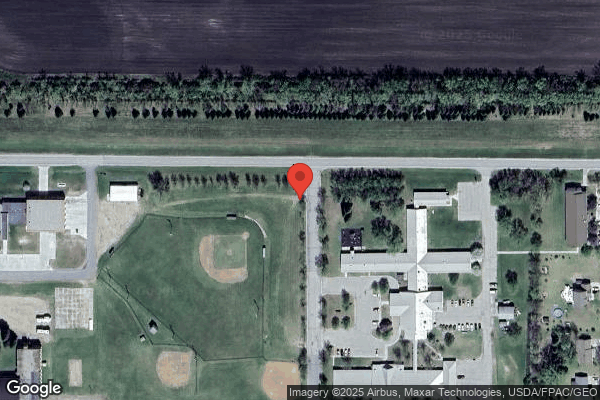
133 FOURTH AVENUE EAST, HALSTAD, MN 56548 (218) 456-2105
Non profit - Church related 44 Beds Independent Data: November 2025
Trust Grade
70/100
#121 of 337 in MN
Last Inspection: June 2025

Inspected within the last 6 months. Data reflects current conditions.

Overview

Halstad Living Center has a Trust Grade of B, indicating it is a good choice but not the top tier among nursing homes. It ranks #121 out of 337 facilities in Minnesota, placing it in the top half, and is the best option in Norman County. The facility is improving over time, with issues decreasing from three in 2024 to two in 2025. While staffing received a solid rating of 4 out of 5 stars, the turnover rate is concerning at 98%, much higher than the state average, which may affect continuity of care. Notably, there have been no fines recorded, and the center has average RN coverage, which is important for catching potential health issues. However, recent inspections noted some weaknesses, including failures in proper hand hygiene and not ensuring residents received recommended vaccinations, which could pose health risks. Overall, while there are strengths in staffing ratings and a good trust grade, families should be aware of the staffing turnover and care compliance issues.

Trust Score
B
70/100
In Minnesota
#121/337
Top 35%
Safety Record
Low Risk
No red flags
Inspections
Getting Better
3 → 2 violations
Staff Stability
⚠ Watch
98% turnover. Very high, 50 points above average. Constant new faces learning your loved one's needs.
Penalties
✓ Good
No fines on record. Clean compliance history, better than most Minnesota facilities.
Skilled Nurses
✓ Good
Each resident gets 59 minutes of Registered Nurse (RN) attention daily — more than average for Minnesota. RNs are trained to catch health problems early.
Violations
○ Average
6 deficiencies on record. Average for a facility this size. Mostly minor or procedural issues.
★★★★☆
4.0
Overall Rating
★★★★☆
4.0
Staff Levels
★★★☆☆
3.0
Care Quality
★★★★☆
4.0
Inspection Score
Stable
2024: 3 issues
2025: 2 issues

The Good

  • 4-Star Staffing Rating · Above-average nurse staffing levels
  • Full Sprinkler Coverage · Fire safety systems throughout facility
  • No fines on record

Facility shows strength in staffing levels, fire safety.

The Bad

Staff Turnover: 98%

51pts above Minnesota avg (47%)

Frequent staff changes - ask about care continuity

Staff turnover is very high (98%)

50 points above Minnesota average of 48%

The Ugly 6 deficiencies on record

Jun 2025 2 deficiencies
CONCERN (F)

Potential for Harm - no one hurt, but risky conditions existed

Staffing Data (Tag F0851)

Could have caused harm · This affected most or all residents

Based on interview and document review, the facility failed to submit complete and accurate direct care staffing information, including information for agency and contracted staff, based on payroll an...

Read full inspector narrative →
Based on interview and document review, the facility failed to submit complete and accurate direct care staffing information, including information for agency and contracted staff, based on payroll and other verifiable and editable data, during 1 of 1 quarters reviewed (Quarter 1), October 1-December 31st 2024, to the Centers for Medicare and Medicaid Services (CMS) according to specifications established by CMS. This deficient practice had the potential to affect all 43 residents residing in the facility. Findings include: Review of the Payroll Based Journal Report (PBJ) [NAME] Report 1705 D for quarter 1 identified excessively low weekend staffing, one star staffing rating, no RN hours for every day in quarter 1 and failed to have licensed nursing coverage 24 Hours/Day for every day in quarter 1. Review of staff timecards from the first quarter verified the facility did not have excessively low weekend staffing. Further identified, the facility had RN coverage for at least 8 hrs per day and the facility had licensed nursing coverage 24 Hours/Day. During an interview on 6/3/25 at 10:33 a.m., administrator verifed she was the one that submitted PBJ reports for the facility and she was unaware the facility was triggering for the areas listed above on the PBJ report. Administrator stated on 12/2/24, the director of nursing (DON) hours were submitted as 26.25 hours and anytime staff hours were submitted for over 24 hours in a day, all the staff hours for that whole quarter were rejected. Administrator further stated it was a clerical error that caused all of the PBJ data to be rejected for the quarter. Administrator stated her expectation was that all PBJ data would have been submitted accurately to reflect the correct amount of staffing for the facility. Review of a facility policy titled Payroll Based Journal revised 10/24, identified it was the policy of this facility to electronically submit timely to CMS complete and accurate direct care staffing information, including information for agency and contract staff, based on payroll and other verifiable and auditable data in a uniform format according to specifications established by CMS. Further identified the administrator was responsible for reviewing validation reports and ensuring that any needed corrections were made before the quarterly deadline.
MINOR (C)

Minor Issue - procedural, no safety impact

Deficiency F0577 (Tag F0577)

Minor procedural issue · This affected most or all residents

Based on observation, interview, and document review, the facility failed to ensure three years of survey results were readily accessible for residents or visitors. This deficient practice had the pot...

Read full inspector narrative →
Based on observation, interview, and document review, the facility failed to ensure three years of survey results were readily accessible for residents or visitors. This deficient practice had the potential to affect all 43 residents currently residing in the facility and any visitors. Findings include: During an observation on 6/2/25 at 12:23 p.m., the facility survey results were located in a binder which was placed in a plastic bin attached to the wall across from the dining room approximately four feet from the ground. The last survey results noted in the folder were from a recertification survey dated 8/23/23. In review of survey results from 11/22 to 6/2/25, the binder lacked the following survey results: -11/15/22, an abbreviated survey was completed. -12/22/22, an abbreviated survey was completed. -9/21/23, an abbreviated survey was completed. -4/17/24, a recertification survey was completed. During an interview on 6/2/25 at 1:40 p.m., administrator confirmed survey results prior to and after 8/23/23, were not included in the binder and were not readily accessible for the residents or visitors to review. Administrator stated her expectation was the folder would have been kept up to date with all surveys. A policy on posting survey results was requested however, one was not provided.
Apr 2024 3 deficiencies
CONCERN (D)

Potential for Harm - no one hurt, but risky conditions existed

Medication Errors (Tag F0758)

Could have caused harm · This affected 1 resident

**NOTE- TERMS IN BRACKETS HAVE BEEN EDITED TO PROTECT CONFIDENTIALITY** Based on interview and document review, the facility failed to obtain informed consent and provide education to the resident rep...

Read full inspector narrative →
**NOTE- TERMS IN BRACKETS HAVE BEEN EDITED TO PROTECT CONFIDENTIALITY** Based on interview and document review, the facility failed to obtain informed consent and provide education to the resident representative on the risks and benefits regarding the use of psychotropic medications for 1 of 5 residents (R33) reviewed for unnecessary medications. Findings include: R33's quarterly Minimum Data Set (MDS) dated [DATE], identified R33 had severe cognitive impairment and diagnoses which included: non traumatic brain dysfunction, dementia with behavior disturbance and paranoid personality disorder. Indicated R33 received antipsychotic medication. R33's care plan dated 7/28/23, identified R33 used antipsychotic medication related to dementia. Care plan directed staff to discuss with R33's family and MD regarding ongoing need for psychotropic medication and to educate family and caregivers regarding risks and benefits of medication. R33's Order Summary Report dated 4/17/24, identified orders for the psychotropic medications Seroquel (an antipsychotic) for dementia with behavioral disturbance and paranoid personality disorder with a start date of 10/16/23, and Paxil (an antidepressant) for anxiety with a start date of 11/16/23. R33's medical record lacked evidence of consent from R33's representative for the psychotropic medication. In addition, the medical record lacked evidence of education to R33's representative regarding the risks and benefits of the psychotropic medication. During an interview on 4/17/24 at 11:27 a.m., registered nurse (RN)-A confirmed R33 was receiving the psychotropic medication and the facility had not received consent from R33's representative for the psychotropic medication. In addition, R33 confirmed the facility had not provided R33's representative education regarding the potential side effects of the psychotropic medication. RN-A stated the usual process was to provide resident or representative with education regarding risks and benefits and obtain consent before the psychotropic medication was started. During an interview on 4/17/24 at 11:33 a.m., director of nursing (DON) stated her expectation was the facility would have provided education on risks and benefits and received consent from R33's representative prior to R33 starting the psychotropic medication. A facility policy titled Use of Psychotropic Medications dated 1/24, indicated Residents and/or representatives would be educated on the risks and benefits of psychotropic drug use, as well as alternative treatments/non-pharmacological interventions. Review psychotropic medication consent form with resident and/or representative. .
CONCERN (E)

Potential for Harm - no one hurt, but risky conditions existed

Infection Control (Tag F0880)

Could have caused harm · This affected multiple residents

**NOTE- TERMS IN BRACKETS HAVE BEEN EDITED TO PROTECT CONFIDENTIALITY** HAND HYGIENE/PPE: R4's quarterly Minimum Data Set (MDS) dated [DATE], indicated R4 was severely cognitively impaired and had di...

Read full inspector narrative →
**NOTE- TERMS IN BRACKETS HAVE BEEN EDITED TO PROTECT CONFIDENTIALITY** HAND HYGIENE/PPE: R4's quarterly Minimum Data Set (MDS) dated [DATE], indicated R4 was severely cognitively impaired and had diagnoses which included dementia, neurogenic bladder and paraplegia. Indicated R4 required total assistance from staff with all activities of daily living (ADLs). Identified R4 was incontinent of bowel and had a suprapubic urinary catheter. R4's care plan dated 11/21/23 indicated possible Methicillin-resistant Staphylococcus aureus (MRSA, an infection caused by a type of staph bacteria) to open areas and blisters on the back and was on contact isolation. During an observation on 4/15/24 at 7:40 p.m., NA-A and NA-B sanitized hands and donned the appropriate PPE for contact isolation precautions. NA-A and NA-B knocked on the door and went into R4's room. NA-A explained to R4 that they were going to change his brief. NA-B placed the head of the bed down and took the wedge out from R4's right side used for positioning. NA-A removed the blanket off of his legs and wedge under the legs used for positioning. NA-A and NA-B unhooked the tabs of R4's brief. NA-A and NA-B rolled R4 on his right side and tucked the brief under R4 partially. NA-B took the urinary catheter and moved it to the left side of the bed. NA-A and NA-B then rolled R4 to his left side. NA-B removed the dirty brief and placed it in a trash can next to the bed. On the left gluteal region, there were three open areas approximately with no drainage noted. NA-B performed peri care to the coccyx region with a wet wipe and placed the used wipe in the trash can. NA-B grabbed a clean brief with the same gloved hands that she used to perform peri-cares. The clean brief was tucked under R4. NA-A and NA-B rolled R4 to his right side to adjust the brief into place. The brief was pulled between legs and NA-A and NA-B hooked the tabs of the brief on the left and right side. NA-A and NA-B then explained to R4 that he needed to be moved up in bed. NA-A and NA-B grabbed the lift sheet and then lifted R4 in bed so that his head was about two inches from the headboard. NA-A repositioned the pillow behind R4's head and replaced the wedge under the legs. NA-A placed the blanket over R4's legs. NA-B took R4's urinary catheter drainage bag and placed it on the right sided bed frame. NA-B placed the side table next to the bed. NA-A and NA-B went into the bathroom to remove PPE and performed hand hygiene. NA-B picked up the trash bag with the dirty brief and exited the room. During an interview on 4/15/24 at 7:52 p.m., NA-B stated soiled gloves should have been removed between touching the soiled brief and clean brief to prevent contamination. During an interview on 4/16/24 at 2:08 p.m., LPN-B stated R4 had a history of MRSA and infections to the blisters on the thigh area. CATHETER CARE: R34 quarterly MDS dated [DATE], indicated R34 was severely cognitively impaired and had a diagnoses which included cerebrovascular accident (CVA), and transient ischemic attack (TIA or stroke). Identified R4 required total assistance from staff with all ADL's. Indicated R34 was always incontinent of bowel and had a urinary catheter. During an observation on 4/15/24 at 2:22 p.m., R34 was lying in bed, which was in the lowest position. A urinary drainage bag was hanging on the right bed frame. The urinary drainage bag lacked a privacy covering. The urinary catheter bag had about 100 milliliters (cc) of cloudy urine. The bottom of the urinary catheter bag was touching the floor. During an observation on 4/15/24 at 3:47 p.m., R34 was lying in bed. The bed was in the lowest position. The urinary drainage bag was on the right side of the bed frame. No privacy bag covering was used on the urinary drainage bag. The urinary drainage bag had approximately 150 cc of yellow urine. The bottom of the urinary bag continued to be touching the floor. During an observation on 4/16/24 at 1:15 p.m., R34 was lying in a low bed. The urinary drainage bag was attached to the right side of the bed frame. No privacy bag covering was over the drainage bag. The urinary drainage bag had approximately had 100 cc of yellow urine and was touching the floor. During an interview on 4/16/24 at 1:35 p.m., LPN-C, entered R34's room and verified the urinary drainage bag was touching the floor. LPN-C confirmed the urinary drainage bag should not have been touching the floor due to the potential for the spread of bacteria. During an interview on 4/16/24 at 2:05 p.m., LPN-A stated catheter bags should not touch the floor due to the potential of cross contamination. Catheter bags should have a privacy bag on them to prevent the catheter drainage bag from touching the floor. During an interview on 4/17/24 at 7:54 a.m., RN-A indicated the facility used privacy bags and a bucket under the catheter bag to keep the catheter drainage bag off the floor. During a joint interview on 4/17/24 at 8:40 a.m., infection preventionist (IP) confirmed R2 and R24 were on Enhanced Barrier Precautions and R4 was on Contact precautions. IP stated her expectations were PPE would have been readily available to care for any residents in EBP and staff would wear PPE when indicated. In addition,IP expected clean laundry would have been covered when delivered and dirty linen would have been transported appropriately. IP further stated her expectation was for staff to perform hand hygiene, change gloves when appropriate and ensure that catheter bags were not touching the floor. DON further stated her expectations were the same as above and that staff would receive training on infection control and prevention. According to the Center for Disease Control and Prevention (CDC) on Catheter-Associated Urinary Tract Infections dated 11/5/2015, section 111.B.2, indicated staff were to keep the collection bag below the level of the bladder at all times. Do not rest the bag on the floor. Review of a facility policy titled Enhanced Barrier Precautions revised 3/24, identified It was the policy of the facility to implement enhanced barrier precautions for the prevention of transmission of multidrug-resistant organisms.(EBP) referred to an infection control intervention designed to reduce transmission of multidrug-resistant organisms that employed targeted gown and glove use during high contact resident care activities. Indicated the facility would make gowns and gloves available immediately near or outside of the resident's room; PPE for enhanced barrier precautions was necessary when performing high-contact care activities. Review of a facility policy titled Hand Hygiene revised 4/24, identified all staff would perform proper hand hygiene procedures to prevent the spread of infection to other personnel, residents, and visitors. Alcohol-based hand rub with 60 to 95% alcohol was the preferred method for cleaning hands in most clinical situations. Indicated the use of gloves did not replace hand hygiene. If your task required gloves, perform hand hygiene prior to donning gloves, and immediately after removing gloves. In addition, directed staff to use hand hygiene during resident care, moving from a contaminated body site to a clean body site. Review of a facility policy titled Handling clean linen revised 4/24, identified it was the policy of this facility to handle, store, process, and transport clean linen in a safe and sanitary method to prevent contamination of the linen, which could lead to infection. Clean linens must be transported by methods that ensured cleanliness and protect from dust and soil during intra or inter-facility loading, transport and unloading, such as placing clean linen in a properly cleaned cart and covering the cart with disposable material or a properly cleaned reusable textile material that could be secured to the cart. Review of a facility policy titled Handling Soiled Linen revised 4/24, identified linen should not be allowed to touch the uniform or floor and should be handled as little as possible, with minimum agitation to avoid contamination of air, surfaces, and persons. Indicated used or soiled linen should be collected at the bedside (or point of use, such as dining room) and placed in a linen bag or designated lined receptacle. When the task was complete, the bag should be closed securely and placed in the soiled utility room. A review of the facility policy titled Personal Protective Equipment dated 4/24, directed staff to change gloves and perform hand hygiene between clean and dirty tasks, when moving from one body part to another, when heavily contaminated, or when torn. A policy titled Catheter Care dated 4/24, indicated privacy bags would be available and catheter drainage bags would be covered at all times while in use. The policy lacked information regarding keeping urinary catheter drainage bags off of the floor. Based on observation, interview and document review, the facility failed to ensure appropriate hand hygiene and donning/doffing of personal protective equipment (PPE) was performed in order to prevent the spread of infection for 3 of 3 residents (R3, R4, R2) observed. In addition, the facility failed to ensure PPE was readily available for use for 1 of 2 residents (R24) observed for enhanced barrier precautions (an infection control intervention designed to reduce transmission of multidrug-resistant organisms that employs targeted gown and glove use during high contact resident care activities). Further, the facility failed to ensure personal laundry was transported and delivered in a manner that prevented risk of contamination for 2 of 4 hallways observed for linen transportation. In addition, the facility failed to ensure catheter drainage bags were properly placed to prevent the risk for cross contamination for 1 of 2 residents (R34) reviewed for catheter care. Findings include: Review of Centers for Disease Control (CDC ) guidance, Appendix D - Linen and Laundry Management updated 5/4/23, identified linens must be sorted, packaged, transported, and stored in a manner that prevented risk of contamination by dust, debris, soiled linens or soiled items. Review of CDC guidance dated 4/1/24, Implementation of Personal Protective Equipment (PPE) Use in Nursing Homes to Prevent Spread of Multidrug-resistant Organisms (MDROs) indicated Examples of high-contact resident care activities requiring gown and glove use for Enhanced Barrier Precautions include: Dressing, Bathing/showering, Transferring, Providing hygiene, Changing linens, Changing briefs or assisting with toileting, device care or use: central line, urinary catheter, feeding tube, tracheostomy/ventilator and wound care: any skin opening requiring a dressing. LAUNDRY/ HAND HYGIENE During an observation on 5/15/24 at 12:47 p.m., housekeeper aide (HA)-A pushed an uncovered laundry cart down the 400 hallway to R11's room, removed clothing from the uncovered laundry cart, placed clothing into R11's closet, removed hangers from R11's closet and returned the hangers to the uncovered laundry cart. HA-A returned to the uncovered laundry cart, removed clothing and delivered the clothing to R 38's room as a visitor walked by the uncovered laundry cart. HA-A returned to the uncovered laundry cart, removed clothing and delivered the clothing to R 29's closet, removed hangers from R29's closet and returned hangers to the uncovered laundry cart. HA-A returned to the uncovered laundry cart, removed clothing and delivered the clothing to R 6's closet as a staff member walked by the uncovered laundry cart. HA-A returned to the laundry cart, placed the cover over the laundry cart and pushed the laundry cart to the 100 wing. HA-A uncovered the laundry cart, removed clothing and placed the clothing in R5's closet. HA-A returned to the uncovered laundry cart, removed clothing and delivered the clothing to R22's room as a resident in a scooter drove past the uncovered laundry cart. At no time during the above observation did HA-A perform hand hygiene. During an interview on 4/15/24 at 12:59 p.m., HA-A confirmed the laundry cart had been uncovered when she distributed laundry and stated she should have covered the laundry cart while delivering the laundry. HA-A indicated she should have sanitized hands before starting to deliver laundry and after she exited each room. During an interview on 4/16/24 at 9:25 a.m., housekeeping director (HD) stated her expectation was staff would have kept the laundry cart covered during transport and HA-A would have performed hand hygiene when entering and exiting residents rooms while delivering the laundry. During an observation on 4/17/24 at 8:03 a.m., nursing assistant (NA)-E came out of R3's room carrying soiled bed linen with her bare hands against her clothing and placed it in a cart in the soiled utility room. NA-E proceeded to remove a clean blanket from the clean utility room and delivered it to R3's room. At no time during the above observation did NA-E perform hand hygiene. During an interview on 4/17/24 at 8:05 a.m., NA-E confirmed she had carried soiled bed linen with her bare hands against her clothing from R3's room,removed a clean blanket from the clean utility room, delivered it to R3's room and had not performed hand hygiene at any time. NA-E stated she should have worn gloves, placed soiled linen in a bag before bringing into the hallway. NA-E indicated she should have performed hand hygiene before touching the clean blanket. ENHANCED BARRIER PRECAUTIONS AND PPE USE R24's quarterly minimum data set (MDS) dated [DATE], identified R24 had moderate cognitive impairment and diagnoses which included stroke, peripheral artery disease (PAD), and depression. Identified R24 required moderate assistance for activities of daily living (ADL's) which included toileting, transfer, and dressing. Indicated R24 had a venous ulcer. R24's care plan revised 7/7/23, indicated R24 had a non- pressure chronic ulcer on his left calf. Care plan directed staff to follow facility policies/protocols for prevention and treatment of skin breakdown and to monitor dressing to ensure it was intact and report loose dressing to the nurse. During an observation on 4/15/24 at 12:25 p.m., there was no PPE located near R24's room for staff to wear while providing care for R24 (who was on enhanced barrier precautions). R2's MDS dated [DATE] identified R2 had intact cognition and diagnoses which included MRDO, hypertension (elevated blood pressure) and obesity. Identified R2 required extensive assistance with activities of daily living (ADL's) which included toileting, transfer, and dressing. R2's care plan revised 4/13/24, identified R2 had a history of open wounds on his legs and directed staff to follow facility protocols regarding wounds. During an observation on 4/15/24 at 12:30 p.m., hanging behind R2's door was an organizer that contained gowns, gloves, masks, and a sign that said Enhanced Barrier Precautions; Everyone Must clean their hands, including before entering and when leaving the room. Wear gloves and gown for the following high contact resident activities: Dressing, Bathing/showering, Transferring, Providing hygiene, Changing linens, Changing briefs or assisting with toileting, device care or use: central line, urinary catheter, feeding tube, tracheostomy/ventilator and wound care: any skin opening requiring a dressing. In addition, the sign contained a picture of hand sanitizer gown, and gloves. During an observation on 4/17/24 at 7:30 a.m., NA-C brought a hoyer lift into R2's room. NA-C and NA-D were wearing no PPE. NA-C and NA-D proceeded to hook R2 up to a hoyer lift sheet which was placed under R2. NA-C and NA-D were standing within an inch of R2 during the hoyer lift transfer. NA-C proceeded to place deodorant under R2's armpits and assisted R2 with putting his shirt on. NA-C then sanitized the lift and his hands while NA-D sanitized her hands and wheeled R2 out of the room to breakfast. During a joint interview on 4/17/24 at 7:39 a.m., NA-C and NA-D verified they had not worn any PPE when transferring R2 into his wheelchair and assisting R2 to put his shirt on. NA-C and NA-D indicated they understood PPE was only required when providing personal cares for R2 and that they had removed the PPE after providing his personal cares and prior to transferring R2 into the wheelchair and assisting R2 with putting his shirt on.
CONCERN (E)

Potential for Harm - no one hurt, but risky conditions existed

Deficiency F0883 (Tag F0883)

Could have caused harm · This affected multiple residents

**NOTE- TERMS IN BRACKETS HAVE BEEN EDITED TO PROTECT CONFIDENTIALITY** Based on interview and document review, the facility failed to ensure 4 of 5 residents (R5, R8, R16 and R32) were offered or rec...

Read full inspector narrative →
**NOTE- TERMS IN BRACKETS HAVE BEEN EDITED TO PROTECT CONFIDENTIALITY** Based on interview and document review, the facility failed to ensure 4 of 5 residents (R5, R8, R16 and R32) were offered or received pneumococcal vaccinations based on shared clinical decision-making in accordance with the Center for Disease Control (CDC) recommendations reviewed for immunizations Findings include: Review of the current CDC recommendations 3/15/2023, revealed The CDC identified Adults [AGE] years of age or older received the ( PPSV23) or ( PCV13) at any age and who have not received the Pneumo 20-valent conjugate Vaccine (PCV20) should receive a dose of the PCV 20 at least one year after the most recent PPSV23 or PCV13 vaccine. In addition, the CDC identified adults 65 and older who had previously received both PCV13 and PPSV23 was received at age [AGE] and older, based on shared clinical decision-making with the patient and the provider one dose of PCV20 at least five years after the last pneumococcal vaccine dose. Review of R5's facesheet identified R5, age [AGE] was admitted to the facility on [DATE]. Review of R5's Minnesota Immunization Information Connection (MIIC) undated, identified R5 received the PPSV23 on 2/2/2005, and the PCV13 on 10/21/20016. R 5's medical record lacked documentation R5 had been offered or received the PCV20 based on shared clinical decision-making. Review of R8's facesheet identified R8, age [AGE] was admitted to the facility on [DATE]. Review of R8's MIIC record undated, identified R8 received the PPSV23 on 9/9/2010, and the PCV13 on 2/29/2016. R8's medical record lacked evidence R8 had been offered the PCV20 based on shared clinical-decision making. Review of R16's facesheet identified R16, age [AGE] was admitted to the facility on [DATE]. Review of R16's MIIC record undated, identified R16 received the PPSV23 on 3/11/2009, and the PCV13 on 8/27/2020. R16's medical record lacked evidence R16 had been offered the PCV20 at least one year after the most current dose of the PPSV23 or the PCV13. Review of R32's facesheet identified R32, age [AGE] was admitted to the facility on [DATE]. Review of R32's MIIC record undated, identified R32 had received the PPSV on 1/2/1997, and the PCV13 on 7/29/2015. R32's medical record lacked evidence R32 had been offered or received the PCV20 based on shared clinical decision- making. During an interview on 4/17/24 at 8:50 a.m., infection preventionist (IP) confirmed R5, R8, R16, and R32 had not been offered or received the pneumococcal vaccines as recommended by the CDC. IP stated her expectation was the facility would offer and administer all vaccine per CDC recommendation. During an interview on 4/17/24 at 8:58 a.m., director of nursing (DON) confirmed R5,R8, R16, and R32 had not been offered or received the pneumococcal vaccinations as recommended by the CDC. DON stated her expectation would have been that all residents were offered and received all pneumococcal vaccines per CDC recommendations. Review of a facility policy titled Pneumococcal Vaccine (Series) revised 4/24, identified the facility was to offer residents immunizations against pneumococcal disease in accordance with current CDC guideline and recommendation. Identified each resident would have been offered a pneumococcal immunization unless it was medically contraindicated or the resident had already been immunized.
Dec 2022 1 deficiency
CONCERN (D) 📢 Someone Reported This

A family member, employee, or ombudsman was alarmed enough to file a formal complaint

Potential for Harm - no one hurt, but risky conditions existed

Free from Abuse/Neglect (Tag F0600)

Could have caused harm · This affected 1 resident

**NOTE- TERMS IN BRACKETS HAVE BEEN EDITED TO PROTECT CONFIDENTIALITY** Based on interview and document review, the facility failed to protect 1 of 3 residents (R1) from mental and emotional abuse by ...

Read full inspector narrative →
**NOTE- TERMS IN BRACKETS HAVE BEEN EDITED TO PROTECT CONFIDENTIALITY** Based on interview and document review, the facility failed to protect 1 of 3 residents (R1) from mental and emotional abuse by staff when two staff were found to be taunting, teasing and tickling a resident regularly despite visual signs and verbal communication the resident was upset/angry with their treatment of him during care. Findings include: R1's quarterly Minimum Data Set (MDS) dated [DATE], identified R1's cognition intact, no behaviors, and had diagnoses which included major depressive disorder, obesity, diabetes mellitus (DM), and moderately impaired vision. The MDS identified R1 required total assistance of one to two for most activities of daily living (ADLs) which included eating, personal hygiene, dressing, toileting, locomotion, transfers, and did not walk. MDS also identified R1 required extensive assistance of two for bed mobility. R1's care plan revised [DATE], identified R1 was at risk for injury related to vulnerable adult (VA) status with a goal R1 will be free from abuse and neglect every day. R1's care plan also identified R1 had a preferred name he wanted to be called. During an interview with the external complainant (EC) on [DATE], at 3:45 p.m. volunteered that she was previously employed by the facility and had shared concerns about abuse pertaining to R1 by staff the end of [DATE]. EC stated the director of nursing (DON) informed her to either quit, or she would be fired, adding that if EC kept reporting like she did the facility would not have any employees left. EC indicated the DON informed her, if there were no marks or signs of abuse, she could not do anything about it. EC stated she indicated to the DON it was a lot of emotional, mental abuse, and that cannot be seen. EC identified R1 was blind but was cognitively able to know what as going on around him and he could recognize voices. EC also indicated she had worked an evening shift with nursing assistant (NA)-A and NA-B and they had certain attitudes towards R1 and told EC there was no management to tell them what to do on the evening shift. EC indicated staff made fun of R1 because he was a bigger sized man and missing all fingers on left hand. EC stated NA-B called R1 names such as Big Daddy and P****. EC stated she requested the name calling be stopped but it continued. EC indicated she informed NA-B it was inappropriate to call him names he did not want to be called. EC stated NA-B informed her that was how they got along with R1, he would not say anything, and does not know who they are. EC stated she informed licensed practical nurse (LPN)-A about the interaction and concern, LPN-A wrote it down, and indicated she would pass it along to the DON in report. EC also stated R1 told the staff to stop calling him names, and R1 informed EC he felt they seemed to like to see him get mad. EC indicated she reported concerns many times during her employment at this facility to the DON. EC stated the DON wrote it down and indicated she would look into it. During an interview on [DATE], at 10:40 a.m. R1 sat in his room by himself in wheelchair with door closed in silence. R1 stated the night shift give him a hard time on his name and do not treat his name right. R 1 stated, They keep saying P****, P****, P**** in a funny voice. R1 indicated it bothered him and there was nothing he could say or do adding, it hurts me, they are having fun, but I don't think it is fun at all. R1 added, When they tickle my feet, it makes me want to hurt them back and if I could just get a hold of them, it would not be nice. R1 stated the staff giggle and make fun of him even when asked to stop. R1 indicated it was hurtful and had been going on for two years now. R1 indicated he told a staff nurse that had seen other staff do this to him, but she did not seem to care, and thought they were having fun. R1 indicated it usually happened when staff placed him back into bed and they laughed and got so much enjoyment out of doing it, that is what was so awful and upset him. R1 stated he told them to stop, he started to swear, and then it got worse, and they tickled him more, then laughed, and laughed more. R1 also stated there were usually two staff in the room together, a male and female when it happened which made him feel frustrated, angry, and alone. R1 indicated every once in while he wished he could just swing out at them, but he knew he would be in big trouble so held back. R1 stated he did not feel comfortable talking to any staff about this because the nurse did not seem to care and did not want to get anyone into trouble, so he kept it to himself. During a telephone interview on [DATE], at 1:24 p.m. with family member (F)-A indicated she had just talked to R1 on the telephone, and he told her staff on the graveyard shift had been tickling his feet and his reaction was so full bodied, tried to get the staff to stop and they won't. FA stated obviously it is entertaining for some people that work there and that is very disturbing. FA also stated she had no leverage with his care and just beside herself with what had happened to R1. FA indicated R1 had gotten such good care at that facility. FA stated R1 did not want to get anyone fired from their job but she also stated it was totally disrespectful. During an interview on [DATE], at 2:37 p.m. social service designee (SSD) approached surveyor and stated she had just received a phone call from R1's family regarding concerns about the night staff tickling his feet for their own entertainment and the family indicated it was torture for him. SSD also stated she notified the ombudsman, DON, and administrator after 1:00 p.m. today. SSD verified she filed a vulnerable adult report and asked a registered nurse to assess resident for any injuries, none noted. SSD indicated she had not heard of any reports prior to this regarding the tickling of R1's feet. SSD stated she initiated the facility emotional distress/discomfort checks every shift for seven days. SSD stated she was on her way to R1's room to interview him and would remind him he had not gotten staff into trouble, the staff had gotten themselves in trouble. During a follow up interview on [DATE], at 10:43 a.m. SSD stated she talked with R1 in his room along with the DON on [DATE], and R1 made reference it had been a guy and a gal that most likely did not realize how ticklish his feet had been. SSD also stated R1 did not know the names of the staff, did not want to get anyone in trouble, and wished he would have never said anything. SSD also stated she had just spoke with R1 briefly again this morning, and R1 denied any issues and mood was fine per him. SSD indicated she had interviewed three NAs and one more left to get a hold of and two staff nurses. SSD indicated no concerns were identified, however, during the interview with NA-B stated she might be the feet tickler when she applied lotion R1 stated he did not want it applied and yelled out when NA-A removed his socks. During an interview on [DATE], at 3:20 p.m. NA-A stated R1 was more confused and forgetful after he wakes up from sleeping. NA-A indicated R1 was able to verbalize if something was bothering him and normally, we have a pretty good time, we joke a lot, it is all good in fun, and give each other shit. During an interview on [DATE], at 4:15 p.m. NA-F stated R1 was able to verbalize if something had bothered him. NA-F also stated earlier this summer, R1 complained some of the staff were not saying his name right and how it bothered him. NA-F indicated she had told only one person and that was RN-A but she was not sure if anything was done about it. RN-A was contacted but never returned phone call and was absent from work during survey. During an interview on [DATE], at 12:39 p.m. NA-G stated R1 was able to tell you if something bothered him, very blunt, and says what was on his mind. NA-G has heard NA-C call R1 Big Daddy and not sure who called him M*** M******** but R1 did say that both those names bothered him. NA-G stated she had told the DON over two days ago and was told she would figure out who said it. NA-G indicated she did not confront NA-C about calling R1 Big Daddy and should have because NA-G knew better and R1 preferred to be called by his chosen name. NA-G stated those other names may be used in a joking manner but R1 had made it clear he does not like it. During an interview on [DATE], at 1:07 p.m. the DON stated staff are expected to listen to a resident's concerns, report it to charge nurse or myself, and just follow the chain of command. DON also stated the importance of addressing a complaint right away was to help protect the resident, and start an investigation. DON indicated on [DATE], an employee who was no longer with the facility reported to her, staff had called R1 P**** instead of what he wanted to be called. DON indicated she met with R1 and he reported that sometimes the staff called him P**** and he did not like to be called that but also did not want to get anyone in trouble because he liked it here. DON stated she placed a note in the staff communication book that indicated do not call residents by anything other than their name. DON identified she had worked a night shift on [DATE], asked R1 how things were going and he repeated the concern but did not identify who the staff was. DON then stated on [DATE], during a positive partners meeting (RNs, LPNs, and NAs) discussed R1 being called P*** and readdressed the concern. DON indicated she knew nothing about the tickling of his feet until she received a phone call from a family member on [DATE]. DON stated she felt it was concerning and if it was true they want to fix it. DON stated staff are expected to treat residents the way they want to be treated, use proper interventions to help prevent staff from treating R1 in a way he does not want to be treated. DON stated staff are expected to communicate with R1 as to what cares they plan on starting in advance due to his poor vision and PVD. During a follow up interview on [DATE], at 12:00 p.m. DON stated the abuse policy regarding reporting was just posted in the communication right now. DON also stated on [DATE], she posted written communication regarding R1's concerns about being called P**** and tickling of his feet. DON verified the communication book is kept at the nurse's station and all nursing staff are expected to read updates daily prior to each shift prior to when they last worked. DON added that this expectation was important so that staff are up to date on new changes on how to care for residents, new happenings within the facility, and education provided. When asked how the facility new the staff were reading the communication book updates, the DON indicated staff do not initial that book daily and upon hire and annually they signed a job description they would keep abreast of happenings within the facility and residents. DON stated on [DATE], NA-D came to see her prior to leaving the facility and informed her R1 did not like being called P****. DON stated she then visited with R1 and he confirmed yes sometimes staff called him [NAME] and he did not like it and wanted to be called by his name. DON indicated R1 stated he did not want to identify staff and did not want anyone to get into trouble. DON stated she asked R1 to let her know if it continued to happen. DON verified she posted a note in the nursing communication book on [DATE], and no investigation was completed. DON indicated a positive partners committee meeting was held, discussed facility issues, and one that came up was a staff member NA-C said to another unidentified staff member regarding R1, do you want to come and help me get Big Daddy ready for bed. DON indicated the RN that worked that shift informed her of this incident and addressed it with NA-C. DON stated NA-C felt bad about it and no further follow up was completed. Facility employee communication book located at the central nursing station included the following documents posted by the DON: -On [DATE], [R1] has complaints that staff are calling him P**** and he does not like it. Residents are to be called ONLY by their preferred name. Please report this if you see it happening. -On [DATE], Notes from the PP (Positive Partners) committee meeting: [R1] does not want to be called P**** or Big Daddy and if you hear anyone doing it SQUASH IT, PLEASE! -On [DATE], Regarding MDH (Minnesota Department of Health) and [R1]: Please call [R1] his preferred name, he does not like to be called P**** or any other name that staff have been calling him. This goes for all residents. We can not call them dear, honey, sweetheart, etc. Do not tickle resident's feet or anything else of that nature. [R1] has complained that staff tickle his feet and they do it as pure entertainment for themselves. RN (registered nurses)/licensed practical nurses (LPN): Please complete the emotional assessment under assessment tab. Monitor emotional status and report abnormalities to RN on call or social worker designee times 7 days. Also, [R1] reports that he doesn't get to choose his bedtime as staff tell him it's now or never. Bedtime choice is his right and there are always three or more staff that can help. During an interview on [DATE], at 11:34 a.m. NA-E stated R1 does not like lotion applied to his legs and feet. NA-E indicated R1 had complained about other staff tickling his feet and how he did not like it but did not mention names. NA-E also stated it was not reported to anyone because it seemed as though his feet were just sensitive and that did not seem reportable. NA-E verified she had heard him yell out when lotion was applied but had not witness staff treat him inappropriately. During an interview on [DATE], at 1:30 p.m. administrator stated R1 was interviewed on [DATE] in the early afternoon. Administrator indicated they had knowledge of a male nursing assistant that worked evening and/or night shift that may have been involved in the incident. Administrator stated she asked R1 if he felt safe at the facility and if he felt abused by staff, he denied both. Administrator then stated NA-A entered the room and came up to R1's bedside and administrator asked R1 what about this guy? Administrator verified R1 stated, Oh that kid I like to give him bull shit! Administrator identified that observation as a positive interaction with good rapport noted between R1 and NA-A. Administrator also stated she had never seen R1 upset with NA-A, made sure the resident was safe, and felt good about allowing all staff to care for R1. Administrator stated she did not stay and witness cares completed by NA-A, nor observed any cares being performed with R1 and staff. Administrator indicated there was only one nursing assistant they had been unable to interview and would not be allowed to care for R1 until that interview was completed. Administrator indicated no additional residents had been interviewed to determine if they felt safe or were experiencing abuse. Facility policy titled Abuse, Neglect, Mistreatment, and Misappropriation of Resident Property, revised 1/2022, identified verbal abuse as the use of oral, written, or gestured language that willfully inflicts disparaging or derogatory terms to residents or their families. The policy also identified mental abuse as humiliation, harassment, threats of punishment or deprivation. The policy indicated each resident would be free from abuse in the facility and indicated abuse included verbal, mental, sexual, or physical abuse. Additionally, immediately upon receiving a report of alleged abuse, the administrator, and or designee will coordinate delivery of appropriate medical and/or psychological care and attention to ensure safety and well-being for the vulnerable individual are utmost priority. Facility policy titled Dignity dated 3/2022, identified each resident shall be cared for in a manner that promoted and enhances quality of life, dignity, respect, and individuality. Staff should always speak respectfully to residents, including addressing the resident by his or her name of choice. Facility policy titled Employee Handbook undated identified staff expected behavior: -Treating employees, residents, and guests, with dignity, courtesy, and respect. -Keep the residents, and staff, and guests safe, and free from harm, abuse, including reporting such incidences. -Refraining from behavior or conduct deemed offensive, undesirable, or which reflects badly on the facility. Facility prohibited conduct would be grounds for immediate termination, but not limited to such as: -Assaulting, threatening, intimidating, harassing or abuse of a resident, guest or and employee. -Making false, hostile, or disloyal statements about other staff, the facility, residents, or guests.
Understanding Severity Codes (click to expand)
Life-Threatening (Immediate Jeopardy)
J - Isolated K - Pattern L - Widespread
Actual Harm
G - Isolated H - Pattern I - Widespread
Potential for Harm
D - Isolated E - Pattern F - Widespread
No Harm (Minor)
A - Isolated B - Pattern C - Widespread

Questions to Ask on Your Visit

  • "Why is there high staff turnover? How do you retain staff?"
  • "Can I speak with families of current residents?"
  • "What's your RN coverage like on weekends and overnight?"

Our Honest Assessment

Strengths
  • • No major safety red flags. No abuse findings, life-threatening violations, or SFF status.
  • • No fines on record. Clean compliance history, better than most Minnesota facilities.
Concerns
  • • 98% turnover. Very high, 50 points above average. Constant new faces learning your loved one's needs.
Bottom line: Mixed indicators with Trust Score of 70/100. Visit in person and ask pointed questions.

About This Facility

What is Halstad Living Center's CMS Rating?

CMS assigns Halstad Living Center an overall rating of 4 out of 5 stars, which is considered above average nationally. Within Minnesota, this rating places the facility higher than 99% of the state's 100 nursing homes. This rating reflects solid performance across the metrics CMS uses to evaluate nursing home quality.

How is Halstad Living Center Staffed?

CMS rates Halstad Living Center's staffing level at 4 out of 5 stars, which is above average compared to other nursing homes. Staff turnover is 98%, which is 51 percentage points above the Minnesota average of 47%. High turnover can affect care consistency as new staff learn residents' individual needs. RN turnover specifically is 88%, which is notably high. RNs provide skilled clinical oversight, so turnover in this role can affect medical care quality.

What Have Inspectors Found at Halstad Living Center?

State health inspectors documented 6 deficiencies at Halstad Living Center during 2022 to 2025. These included: 5 with potential for harm and 1 minor or isolated issues.

Who Owns and Operates Halstad Living Center?

Halstad Living Center is owned by a non-profit organization. Non-profit facilities reinvest revenue into operations rather than distributing to shareholders. The facility operates independently rather than as part of a larger chain. With 44 certified beds and approximately 43 residents (about 98% occupancy), it is a smaller facility located in HALSTAD, Minnesota.

How Does Halstad Living Center Compare to Other Minnesota Nursing Homes?

Compared to the 100 nursing homes in Minnesota, Halstad Living Center's overall rating (4 stars) is above the state average of 3.2, staff turnover (98%) is significantly higher than the state average of 47%, and health inspection rating (4 stars) is above the national benchmark.

What Should Families Ask When Visiting Halstad Living Center?

Based on this facility's data, families visiting should ask: "How do you ensure continuity of care given staff turnover, and what is your staff retention strategy?" "Can I visit during a mealtime to observe dining assistance and food quality?" "How do you handle medical emergencies, and what is your hospital transfer rate?" "Can I speak with family members of current residents about their experience?" These questions are particularly relevant given the facility's high staff turnover rate.

Is Halstad Living Center Safe?

Based on CMS inspection data, Halstad Living Center has a clean safety record: no substantiated abuse findings (meaning no confirmed cases of resident harm), no Immediate Jeopardy citations (the most serious violation level indicating risk of serious injury or death), and is not on the Special Focus Facility watch list (a federal program monitoring the lowest-performing 1% of nursing homes). The facility has a 4-star overall rating and ranks #1 of 100 nursing homes in Minnesota. While no facility is perfect, families should still ask about staff-to-resident ratios and recent inspection results during their visit.

Do Nurses at Halstad Living Center Stick Around?

Staff turnover at Halstad Living Center is high. At 98%, the facility is 51 percentage points above the Minnesota average of 47%. Registered Nurse turnover is particularly concerning at 88%. RNs handle complex medical decisions and coordinate care — frequent RN changes can directly impact care quality. High turnover means new staff may not know residents' individual needs, medications, or preferences. It can also be disorienting for residents, especially those with dementia who rely on familiar faces. Families should ask: What is causing the turnover? What retention programs are in place? How do you ensure care continuity during staff transitions?

Was Halstad Living Center Ever Fined?

Halstad Living Center has no federal fines on record. CMS issues fines when nursing homes fail to meet care standards or don't correct problems found during inspections. The absence of fines suggests the facility has either maintained compliance or corrected any issues before penalties were assessed. This is a positive indicator, though families should still review recent inspection reports for the full picture.

Is Halstad Living Center on Any Federal Watch List?

Halstad Living Center is not on any federal watch list. The most significant is the Special Focus Facility (SFF) program, which identifies the bottom 1% of nursing homes nationally based on persistent, serious quality problems. Not being on this list means the facility has avoided the pattern of deficiencies that triggers enhanced federal oversight. This is a positive indicator, though families should still review the facility's inspection history directly.