Hendricks Community Hospital
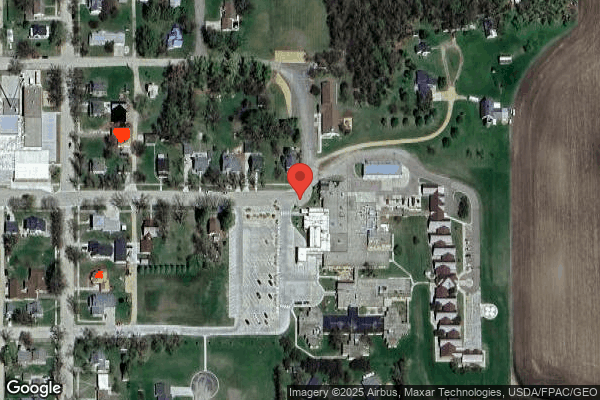
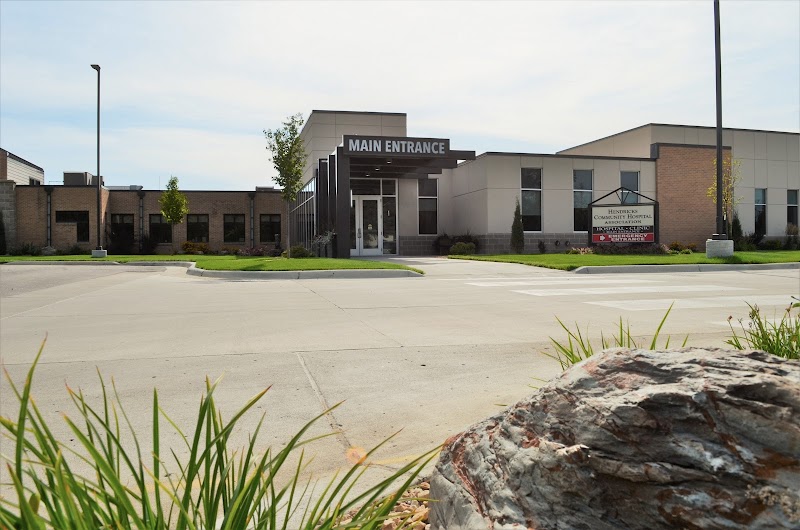
503 E LINCOLN STREET, HENDRICKS, MN 56136 (507) 275-3134
Non profit - Corporation 48 Beds Independent Data: November 2025
Trust Grade
60/100
#179 of 337 in MN
Last Inspection: April 2025

Within standard 12-15 month inspection cycle. Federal law requires annual inspections.

Overview

Hendricks Community Hospital has a Trust Grade of C+, indicating it is decent and slightly above average compared to other facilities. It ranks #179 out of 337 in Minnesota, placing it in the bottom half of the state, and is #2 of 2 in Lincoln County, meaning only one other local option is available. The facility is improving, with issues decreasing from 9 in 2024 to 8 in 2025. Staffing is a strong point, receiving a perfect 5/5 rating, although staff turnover is at 51%, which is average for the state. While there have been no fines, the facility has faced concerns such as inadequate RN coverage on several days and a lack of documented quality improvement initiatives, which could affect the overall care provided to residents.
Trust Score
C+
60/100
In Minnesota
#179/337
Bottom 47%
Safety Record
Low Risk
No red flags
Inspections
Getting Better
9 → 8 violations
Staff Stability
⚠ Watch
51% turnover. Above average. Higher turnover means staff may not know residents' routines.
Penalties
✓ Good
No fines on record. Clean compliance history, better than most Minnesota facilities.
Skilled Nurses
✓ Good
Each resident gets 66 minutes of Registered Nurse (RN) attention daily — more than 97% of Minnesota nursing homes. RNs are the most trained staff who catch health problems before they become serious.
Violations
⚠ Watch
22 deficiencies on record. Higher than average. Multiple issues found across inspections.
★★★☆☆
3.0
Overall Rating
★★★★★
5.0
Staff Levels
★★☆☆☆
2.0
Care Quality
★★☆☆☆
2.0
Inspection Score
Stable
2024: 9 issues
2025: 8 issues

The Good

  • 5-Star Staffing Rating · Excellent nurse staffing levels
  • Full Sprinkler Coverage · Fire safety systems throughout facility
  • No fines on record

Facility shows strength in staffing levels, fire safety.

The Bad

3-Star Overall Rating

Near Minnesota average (3.2)

Meets federal standards, typical of most facilities

Staff Turnover: 51%

Near Minnesota avg (46%)

Higher turnover may affect care consistency

The Ugly 22 deficiencies on record

Apr 2025 8 deficiencies
CONCERN (D)

Potential for Harm - no one hurt, but risky conditions existed

MDS Data Transmission (Tag F0640)

Could have caused harm · This affected 1 resident

Based on interview and document review the facility failed to ensure timely submission of a Death in facility Minimum Data Set (MDS) for 1 of 14 residents (R9) who was reviewed for an MDS record over ...

Read full inspector narrative →
Based on interview and document review the facility failed to ensure timely submission of a Death in facility Minimum Data Set (MDS) for 1 of 14 residents (R9) who was reviewed for an MDS record over 120 days old. Findings include: R9's medical record identified her last scheduled Minimum Data Set (MDS) assessment that had been submitted and validated was 11/26/24. R9's death in facility MDS was signed by the responsible party on 1/7/25 and locked on 1/7/25. The death in facility MDS had not been successfully submitted and/or transmitted; as R9's electronic health record identified it had been completed rather than accepted under the status section, indicating it had not been submitted. Observation, and interview and validation report review on 4/29/25 at 8:49 a.m., with registered nurse (RN)-A identified she had taken over as the MDS coordinator the second or third week of January 2025. Before that, multiple persons had completed MDS assessments. RN-A identified the person who had completed R9's final assessment completed and locked the assessment on 1/7/25, but failed to validate the assessment which would have sent the assessment to the submission file in the Meditech electronic medical record program. She kept a list of MDS due dates, and her process was to submit completed MDS's each week and review the Validation report to ensure all MDS assessments had been submitted successfully. RN-A reported she had not reviewed MDS submissions prior to her taking over the position and had not been aware of the outstanding assessment. RN-A was unsure why R9's death in facility MDS had not been validated and submitted, but she identified she would now validate and submit the assessment. Interview on 4/30/25 at 2:30 p.m. with the director of nursing (DON), identified her expectation for the MDS coordinator to keep track of Assessment Reference Date (ARD), with completion, validation, and submission of MDS assessments within the required time frames. Review of the September 2023, Completion of Assessments policy identified assessments were to be completed according to the MDS ARD with submission according to required time frames. All MDS assessments were to be completed by responsible departments prior to the last identified date of the observation period. The RN MDS coordinator completed and signed the assessment on the Assessment Reference Date.
CONCERN (D)

Potential for Harm - no one hurt, but risky conditions existed

Comprehensive Care Plan (Tag F0656)

Could have caused harm · This affected 1 resident

**NOTE- TERMS IN BRACKETS HAVE BEEN EDITED TO PROTECT CONFIDENTIALITY** Based on interview and document review, the facility failed to ensure the care plan was updated for 1 of 1 resident (R34) review...

Read full inspector narrative →
**NOTE- TERMS IN BRACKETS HAVE BEEN EDITED TO PROTECT CONFIDENTIALITY** Based on interview and document review, the facility failed to ensure the care plan was updated for 1 of 1 resident (R34) reviewed for side effect monitoring of anticoagulant (blood thinner) therapy. Findings include: R34's annual Minimum Data Set (MDS) dated [DATE], indicated R34 had severe cognitive impairment, received antipsychotic, antianxiety, antidepressant, and anticoagulant medication. R34's diagnoses included history of stroke and deep venous thrombosis (DVT), depression, anxiety, dementia and Alzheimer's disease. R34's medication order form printed 4/30/25, indicated R34's active order dated 4/1/25, for Eliquis (anticoagulant) 2.5 mg orally twice a day for DVT of left lower extremity (LLE). The order did not include any label comments or special instructions. R34's care plan printed 4/30/25, identified R34 was at high risk for falls as evidenced by history of multiple falls and vision loss and was at risk for medication side effects related to the use of antipsychotic, antidepressant, and antianxiety medications. R34's care plan lacked evidence of anticoagulant use, increased risk for bleeding, or need for anticoagulant side effect monitoring. During interview on 4/30/25 at 9:21 a.m., licensed practical nurse (LPN)-A confirmed R34's EMAR listed Eliquis but lacked any special instructions for monitoring for potential side effects. LPN-A further stated such instructions could also be found in the resident's care plan and confirmed R34's care plan lacked any reference to anticoagulant use, side effect monitoring or increased risk for bleeding. During interview on 4/30/25 at 10:20 a.m., director of nursing (DON) stated side effect monitoring for medications should be care planned. DON stated R34's care plan should include anticoagulant use and instruct staff to monitor for potential side effects including increased bleeding risk. DON further stated EMAR could also include special instructions for medications. DON confirmed R34's care plan and EMAR lacked any reference to anticoagulant use, risks or side effect monitoring. DON stated the MDS nurse often updated the resident's care plans and may have additional information. During interview on 4/30/25 at 10:35 a.m., MDS nurse stated side effect monitoring should be on a resident's care plan when they were receiving an anticoagulant. MDS nurse stated staff should be instructed to watch for bleeding. During interview on 4/30/25 at 10:54 a.m., consultant pharmacist (CP) stated staff should be aware of potential side effects of medications and should actively monitor for them. CP further stated this facility's population often received additional medications that put them at risk for falls and therefore, side effect monitoring of anticoagulants was particularly important. Facility policy Anticoagulation-Clinical Protocol dated 2018, instructed staff to, Assess for any signs or symptoms related to adverse drug reactions due to the medication alone or in combination with other medications. The policy instructed staff to monitor for possible complications such as excessive bruising, hematuria (blood in urine), hemoptysis (coughing up blood), or other bleeding and to contact provider before administering next dose of anticoagulant. Facility policy Care Plans/Care Conferences dated 12/2022, indicated, An individualized, comprehensive plan of care will be developed, maintained and followed for each resident. The policy further indicated resident care plans should include information regarding how medications were being used and evaluated and should be updated as needed.
CONCERN (D)

Potential for Harm - no one hurt, but risky conditions existed

Deficiency F0757 (Tag F0757)

Could have caused harm · This affected 1 resident

**NOTE- TERMS IN BRACKETS HAVE BEEN EDITED TO PROTECT CONFIDENTIALITY** Based on interview and document review, the facility failed to ensure side effect monitoring for 1 of 1 resident (R34) reviewed ...

Read full inspector narrative →
**NOTE- TERMS IN BRACKETS HAVE BEEN EDITED TO PROTECT CONFIDENTIALITY** Based on interview and document review, the facility failed to ensure side effect monitoring for 1 of 1 resident (R34) reviewed for anticoagulant (blood thinner) therapy. Findings include: R34's annual Minimum Data Set (MDS) dated [DATE], indicated R34 had severe cognitive impairment, received antipsychotic, antianxiety, antidepressant, and anticoagulant medication. R34's diagnoses included history of stroke and deep venous thrombosis (DVT), depression, anxiety, dementia and Alzheimer's disease. R34's medication order form printed 4/30/25, indicated R34's active order dated 4/1/25, for Eliquis (anticoagulant) 2.5 mg orally twice a day for DVT of left lower extremity (LLE). The order did not include any label comments or special instructions. R34's care plan printed 4/30/25, identified R34 was at high risk for falls as evidenced by history of multiple falls and vision loss and was at risk for medication side effects related to the use of antipsychotic, antidepressant, and antianxiety medications. R34's care plan lacked evidence of anticoagulant use, increased risk for bleeding, or need for anticoagulant side effect monitoring. During interview on 4/30/25 at 7:46 a.m., licensed practical nurse (LPN)-A stated instructions such as monitoring for side effects of medications should be listed in the electronic medication administration record (EMAR) under special instructions. LPN-A stated increased bleeding was a potential side effect of anticoagulant use. During follow up interview on 4/30/25 at 9:21 a.m., LPN-A confirmed R34's EMAR listed Eliquis but lacked any special instructions for monitoring for potential side effects. LPN-A further stated such instructions could also be found in the resident's care plan and confirmed R34's care plan lacked any reference to anticoagulant use, side effect monitoring or increased risk for bleeding. LPN-A further confirmed R34's Eliquis pill bubble pack contained a yellow label instructing staff to contact provider if bleeding concerns and stated does not reference that label since those label instructions were supposed to be included in the EMAR under special instructions. During interview on 4/30/25 at 10:20 a.m., director of nursing (DON) stated side effect monitoring for medications should be care planned. DON stated R34's care plan should include anticoagulant use and instruct staff to monitor for potential side effects including increased bleeding risk. DON further stated EMAR could also include special instructions for medications. DON confirmed R34's care plan and EMAR lacked any reference to anticoagulant use, risks or side effect monitoring. DON stated the MDS nurse often updated the resident's care plans and may have additional information. During interview on 4/30/25 at 10:35 a.m., MDS nurse stated side effect monitoring should be on a resident's care plan when they were receiving an anticoagulant. MDA nurse stated staff should be instructed to watch for bleeding. During interview on 4/30/25 at 10:54 a.m., consultant pharmacist (CP) stated staff should be aware of potential side effects of medications and should actively monitor for them. CP further stated this facility's population often received additional medications that put them at risk for falls and therefore, side effect monitoring of anticoagulants was particularly important. Facility policy Anticoagulation-Clinical Protocol dated 2018, instructed staff to, Assess for any signs or symptoms related to adverse drug reactions due to the medication alone or in combination with other medications. The policy instructed staff to monitor for possible complications such as excessive bruising, hematuria (blood in urine), hemoptysis (coughing up blood), or other bleeding and to contact provider before administering next dose of anticoagulant.
CONCERN (D)

Potential for Harm - no one hurt, but risky conditions existed

Infection Control (Tag F0880)

Could have caused harm · This affected 1 resident

**NOTE- TERMS IN BRACKETS HAVE BEEN EDITED TO PROTECT CONFIDENTIALITY** Based interview and document review the facility failed to have a thorough ongoing infection control surveillance program that i...

Read full inspector narrative →
**NOTE- TERMS IN BRACKETS HAVE BEEN EDITED TO PROTECT CONFIDENTIALITY** Based interview and document review the facility failed to have a thorough ongoing infection control surveillance program that included resolution of symptoms and/or if any precautions had been implemented for 3 of 3 residents (R8, R12, R34). The facility also failed to identify when employees would be able to return to work after illness, dependent upon their symptoms of illness for 2 of 3 staff reviewed (nursing assistant (NA)-A, and trained medication aide (TMA)-A). Additionally, the facility failed to complete a tuberculosis screening for 1 of 5 residents (R32) reviewed. Findings include: Resident Surveillance Review of February 2025, LTC Respiratory Surveillance Line List identified the form included areas to document; Name/age/gender, Resident/staff, Hall/room, Symptoms onset date, Fever, Cough, Myalgia (body ache), Additional symptoms, Chest X-ray, Type of specimen collected/date of collection, Type of test ordered, Pathogen and Symptom resolution date. What the form lacked was if any precaution were implemented, what type of precaution, and/or when precautions were ended. Review of the 3 residents listed on the form identified: 1) R8 was identified with symptoms on 2/6/25, of fever, cough, myalgia and shortness of breath and Influenza A was identified. There was no resolution date or identification if any precautions implemented. 2) R12 was identified with symptoms on 2/6/25, of fever, cough, myalgia, and Influenza B was identified. There was no resolution date or identification if any precautions implemented. 3) R34 was identified with symptoms on 2/6/25, of fever and Influenza B was identified. There was no resolution date or identification if any precautions implemented. R8's 2/6/25, progress notes identified an encounter form had been sent to clinic related to R8 complaining of chest pain with coughing. New medication orders were received for as needed DuoNeb's and cough medication. There was no indication of any precautions being implemented. R8's 2/7/25, progress note identified that R8 had worked with therapy and after breakfast had increased respirations, elevated blood pressure and oxygen saturation was at 89% on room air. An as needed nebulizer and Mucinex was given without much improvement. Resident continued with coughing, wheezing and had crackles auscultated throughout bilateral lungs. A Call was placed to the provider and the resident was sent to ER for evaluation. Resident returned with order for Tamiflu and to continue oxygen. There was no indication of any precautions implemented. Review of progress notes for 2/8/25, 2/10/25, 2/11/25 had no mention of any type of precautions that may have been implemented. On 2/12/25, the progress note identified R8 was on quarantine for influenza and continued with a harsh cough. There was no indication when R8 had been placed in quarantine. R12's 2/3/25, progress note identified R12 had been coughing and the daughter had requested cough medication. There was no indication of any precaution being implemented. On 2/5/25, daughter requested a COVID test which was completed and negative. There was no indication of any precautions being implemented. The 2/6/25, progress note identified the son had requested R12 be tested for influenza. Progress notes on 2/7/25, identified a fever of 100.6, on 2/8/25 a fever of 99.4, 2/9/25 coughing, all with no indication of any precautions implemented. On 2/11/25, the progress note identified she remained in her room per protocol. There was no indication when R12 had started to remain in her room. R34's 2/6/25, progress note identified R34 had a cough, vitals taken, COVID test completed and negative. There was no indication if any precautions had been implemented or not. The 2/7/25, progress note identified R34's family was updated on the influenza diagnosis and status. R34 had a temperature of 101.3 at 10:30 p.m., and at 1:20 a.m., was down to 99.9. The was no indication if any precautions had been implemented or not. Review of progress notes on 2/8/25, 2/10/25, 2/11/25 had no mention of any type of precautions that may have been implemented. On 2/12/25, the progress note identified R34 was on quarantine for influenza and continued to cough. There is no indication when R34 had been placed in quarantine. EMPLOYEE SURVEILLANCE Review of staff call in log for January 2025 through April 2025 identified the form included area to document; Date/time, shift to be worked, name of employee, reason for call in (describe symptoms), replacement found, illness form filled out and placed in schedule, doctor note, initials of person taking call. Review of 2 staff listed on the form identified: 1) TMA-A called in on 3/3/25, with symptoms of vomiting, diarrhea, and fever. The form identified that an illness form had been filled out. Review of the Employee Illness Report form identified diagnosis/symptoms as gastroenteritis (vomiting/diarrhea) with a temperature of 100.4, date of absence was 3/3/25 and date returned to work was 3/4/25. 2) NA-A called in on 4/14/25, with symptoms of vomiting and diarrhea. The form identified that an illness form had been filled out. The director of nursing (DON) reported she was unable to find an Employee Illness Report form for NA-A. She confirmed that NA-A had returned to work on 4/15/25. Interview on 4/30/25 at 2:08 p.m., with DON agreed that the resident surveillance had not been filled out completely with no resolution date. She agreed that there was no place to identified if precaution had been implemented or not. If a resident was placed on precaution that would have been identified in the resident's progress note. She agreed it would be difficult to complete a quick audit or oversight to ensure implementation of precautions timely if not identified on the surveillance form. She confirmed that staff should not be returning to work after 24 hours of having vomiting and diarrhea and the facility should have a better follow up prior to returning to work. Review of September 2024, Infection Prevention and Control Program identified surveillance would be maintained for evaluation of effectiveness in reducing the risk of infections. Infection control program was responsible for prevention of infections through precautions, employee health program, and surveillance. The policy identified employee health surveillance for absence, the staff must complete an Employee Illness Form and staff must be cleared by a licensed nurse before returning to work. Review of undated, [NAME] Community Hospital Association Return to Work Guidelines identified staff with diarrhea would be restricted from patient contact, environment, and food handling until symptoms resolve. Tuberculosis (TB) R32's medical record identified R32 did not have a TB baseline symptom screening completed. R32 had been administered a tuberculin skin test upon admission however, the results were never read. A second tuberculin skin test was administered on 12/25/23 and read on 12/27/23 with a negative result. Interview on 4/29/25 at 11:05 a.m., with director of nursing (DON) confirmed the TB skin test had been administered but never read. She further agreed that the TB symptom screening should have been completed prior to administering the TB skin test. She reported she already was working on re-training on TB screening and testing. Review of undated, Tuberculosis, Screening Residents for policy identified upon admission all residents would be screened for tuberculosis infection (TB). If a potential resident has been exposed or is at increased risk of TB according to the screening and TB skin test would be completed.
CONCERN (F)

Potential for Harm - no one hurt, but risky conditions existed

Deficiency F0727 (Tag F0727)

Could have caused harm · This affected most or all residents

The facility's request for a waiver was accepted and approved by the State Agency following the survey dated 7/17/23. The tag was re-issued however, NO plan of correction was required. This will remai...

Read full inspector narrative →
The facility's request for a waiver was accepted and approved by the State Agency following the survey dated 7/17/23. The tag was re-issued however, NO plan of correction was required. This will remain in effect until such time as the registered nurse (RN) coverage can be filled and the facility achieves compliance. F727: CFR 483.35 (b)(1), RN coverage 8 consecutive hours a day, 7 days a week. Findings include: Review of the facility nursing staff schedules for February 2025, March 2025 and April 2025 identified in: 1) March 2025, No 8-hour consecutive RN coverage for 2 of 31 days: 3/8 and 3/9/2025. 2) April 2025, No 8-hour consecutive RN coverage for 1 of 30 days: for 4/12/2025. Interview on 4/30/25, 2:30 p.m. with the director of nursing (DON) reported the scheduler attempted to fill open shifts and notified management of call-ins or unfilled shifts. The DON reported there was a registered nurse on call, and she could be assigned to cover the open shift also if needed, or the nurse managers could pick up and work the open hours. The facility continues to struggle with hiring to ensure there was a registered nurse (RN) 8 hour/24-hour on duty, but the facility was attempting to find more staff. Interview on 4/30/25 at 3;30 p.m., with the administrator reported the facility has reached out to many resources to fill RN positions, in addition to utilizing online web-sites to obtain licensed employees. They struggle with hiring and filling that position all days. Interview and source verification review on 4/30/25 at 3:42 p.m. with human resources officer (HR) identified she had posted staff openings on Indeed, both local and neighboring city newspapers, Facebook, and other county specific web-sites. Review of the July 2023, Scheduling and Absenteeism Policy -HCHA Long Term Care identified the facility policy was to maintain staff staffing levels and provide the necessary care and safety to the residents in the facility, Staffing was identified according to need with the number of residents residing in the facility. The policy identified the goal of RN coverage a minimum of 8 hours/24 hours, 7 days/week.
CONCERN (F)

Potential for Harm - no one hurt, but risky conditions existed

Deficiency F0865 (Tag F0865)

Could have caused harm · This affected most or all residents

**NOTE- TERMS IN BRACKETS HAVE BEEN EDITED TO PROTECT CONFIDENTIALITY** Based on interview and document review, the facility failed to ensure data submitted to 1 of 1 Quality Assurance Performance Imp...

Read full inspector narrative →
**NOTE- TERMS IN BRACKETS HAVE BEEN EDITED TO PROTECT CONFIDENTIALITY** Based on interview and document review, the facility failed to ensure data submitted to 1 of 1 Quality Assurance Performance Improvement (QAPI) committee was analyzed and documented to ensure areas identified had oversight for their perspective outcomes brought forth. This had the potential to affect all 47 residents. Findings include: Review of QAPI meeting minutes provided from 4/16/2024 through March 31, 2025 identified in: 1.) April 16, 2024- agenda items identified problem with falls, but no identified goal, action plan, data collection or analysis of the information identified. 2.) June 25, 2024- agenda items identified some areas of concern, but failed to include goals, action plan, method for data collection or analysis 3.) July 30, 2024- Identified working on family notification for therapy, completion of 72 H forms, resident toileting, or repositioning. No goals, action plan, data or analysis identified. 4.) [DATE]- no review of any projects in place [DATE]. 2025-no review of any projects, or associated data. 5.) January 28. 2025-no review of any projects or associated data. 6.) February 25, 2025-no review of any projects or associated data 7.) March 31, 2025-no review of any projects, however notation of team review of quality indicators and identified two areas, behaviors/antipsychotic medication use and falls. No goals, action plan, data collection or analysis included. Interview on 4/30/25 at 4:01 p.m., with the Director of Aging Services (QAPI director on the phone), and the facility administrator and the director of nursing (DON) in attendance reported the facility had not completed a thorough analysis of data to include measurable goals, plans, or outcomes. Review of the February 2024 Quality Assurance and Performance Improvement (QAPI) policy identified the facility was to have a QAPI plan to address resident's Quality of Life, and resident choices. The plan was to be developed according to details included in the Facility Assessment. The policy identified the QAPI program was to identify areas of high risk, high volume, and/or problem areas for improvement by identifying and correcting the areas of deficiency. The components to be included: 1.) Tracking and measure of performance 2.) Establish goals with thresholds for performance improvement. 3.) Identify and prioritize areas of quality deficiencies. 4.) Analyze causes of deficiencies. 5.) Develop and implement corrective action plans. 6.) Monitor and evaluate the action plan with revisions, as necessary.
CONCERN (F)

Potential for Harm - no one hurt, but risky conditions existed

QAPI Program (Tag F0867)

Could have caused harm · This affected most or all residents

Based on interview and document review, the facility failed to have evidence of a Performance Improvement Project (PIP) which focused on high risk or problem-prone areas were identified with appropria...

Read full inspector narrative →
Based on interview and document review, the facility failed to have evidence of a Performance Improvement Project (PIP) which focused on high risk or problem-prone areas were identified with appropriate data collection, analysis, and evaluation of the identified concern(s) during Quality Assurance Program Improvement (QAPI). This had the potential to affect all 47 residents residing in the facility. Findings include: Review of QAPI meeting minutes provided from 4/16/2024 through 3/31/25, identified no PIP projects identified with Goals, Action Plans, Data collection, and Analysis for identified areas/issues of concern for improvement within the facility. Interview on 4/30/25 at 4:01 p.m., with the Director of Aging Services (QAPI director on the phone), and the facility administrator and the director of nursing (DON) in attendance reported the facility had some previous PIP projects but had not developed formal PIP plans for the past year. Review of the February 2024 Quality Assurance and Performance Improvement (QAPI) policy identified the facility was to have a QAPI plan to address resident's Quality of Life, and resident choices. The plan was to be developed according to details included in the Facility Assessment. The policy identified the QAPI program was to identify areas of high risk, high volume, and/or problem areas for improvement by identifying and correcting the areas of deficiency.
CONCERN (F)

Potential for Harm - no one hurt, but risky conditions existed

Deficiency F0868 (Tag F0868)

Could have caused harm · This affected most or all residents

Based on interview, and document review the Quality Assurance and Performance Improvement (QAPI) committee failed to document attendance, ensure they received regular reports from the infection preven...

Read full inspector narrative →
Based on interview, and document review the Quality Assurance and Performance Improvement (QAPI) committee failed to document attendance, ensure they received regular reports from the infection preventionist (IP) on the infection control program, and review State Agency (SA) and incident reports for 4 of 4 quarters reviewed. Findings include: Review of provided QAPI meeting minutes of March 31, 2024, April 16, 2024, June 25, 2024, July 30, 2024, October 23, 2024, January 28, 2025, February 25, 2025, and March 31, 2025, identified no data was correlated and presented by the IP on facility process, outcome surveillance, outbreaks, and implementation of any control measures, staff illness,and the Antibiotic Stewardship Program (ASP) related to antibiotic use and resistance data. There was no mention of any review of submitted SA or incident reports provided for review by the QAPI committee. The minutes contained a typed list of members of the QAPI committee, but there was no identification of who was absent and/or who was in attendance to confirm required attendance of the committee members at the quarterly meetings. Interview on 4/30/25 at 4:01 p.m. with the QAPI/ Director of Aging Services (via phone) and the administrator and director of nursing (DON) in attendance identified the facility did not have sign in sheets to document attendance at meetings. The QAPI director reported she recalled the IP was not present at the March 2025 meeting, but did not recall other meetings. She reported the IP gave a verbal update on what she is working on, any training provided, any concerns but did not document any areas of discussion, goals, or plan for improvement. The administrator and QAPI director reported a short version of SA and incident reports were discussed at the monthly meeting, but she was uncertain if it was discussed with the medical director quarterly. She confirmed there was no documentation of review of incident or SA reports. Review of the February 2024 Quality Assurance and Performance Improvement (QAPI) policy identified the facility was to maintain documentation to confirm the implementation of QAPI program compliance with Centers for Medicare and Medicaid Services (CMS) requirements. The QAPI committee was to consist of at a minimum, the DON, the medical director or designee, the IP, and at least three other staff, one of whom must be the facility administrator, owner, board member, or other individual with knowledge and ability to make changes in facility systems. The facility was to develop, implement and maintain a QAPI program that was effective, data driven, comprehensive and focused on provision of care regarding resident Quality of Life.
May 2024 9 deficiencies
CONCERN (D) 📢 Someone Reported This

A family member, employee, or ombudsman was alarmed enough to file a formal complaint

Potential for Harm - no one hurt, but risky conditions existed

Notification of Changes (Tag F0580)

Could have caused harm · This affected 1 resident

Based on interview and document review the facility failed to notify the resident representative and/or physician for 1 of 1 resident (R48), who experienced a witnessed fall on 12/10/23. Findings incl...

Read full inspector narrative →
Based on interview and document review the facility failed to notify the resident representative and/or physician for 1 of 1 resident (R48), who experienced a witnessed fall on 12/10/23. Findings include: Review of the 12/10/23 at 10:45 a.m., nursing progress note, and incident report identified R48 was combative toward an unidentified nursing assistant (U-NA) as he was assisting him to toilet and placed his soiled pants into a plastic bag for laundering. R48 had attempted to grab the bag from the NA when he fell to the floor. R48 denied injury and was seated on his bed when licensed practical nurse (LPN)-B was called to the room. He reported he wanted his pants back, when asked what had happened. LPN-B explained his pants needed to be washed and dried because they had BM on them. R48 voiced no further concerns, denied pain, his range of motion was intact, but he refused to allow vital signs to be checked x 3. There was no mention R48's physician or family had been notified of his fall. Review of the 12/10/23, Post Fall Huddle-SBAR identified R48 attempted to grab the U-NA with his soiled hands as he was placing the soiled pants into a clear plastic bag. The U-NA called for assistance due to R48 being combative due to thinking his soiled pants were being discarded when he was being toileted. R48's call light and assistive devices were noted to have been within his reach at the time of the fall. There was no mention R48's physician or family had been notified of his fall. Review of R48's 12/10/23 at 5:49 p.m. incident report failed to identify notification of either the resident's responsible party (power of attorney-POA) nor his physician. The electronic medical record also failed to contain any documentation of notification of the POA or provider for R48's fall. R48's 12/14/23 at 1:06 p.m., physician progress note identified R48 was assessed for hip pain after being notified of new onset pain that day earlier at 11:00 a.m. X-rays were ordered which showed a fracture of his right hip. The facility and family were notified. R48's family agreed with a transfer to the regional hospital for further assessment and potential surgical repair. Interview on 5/30/24 at 10:00 a.m. with family member (FM)-A reported she had not been informed of R48's fall and it was not until 12/14/23 when she had come to visit and R48 reported to her, he was not able to get out of bed or lift his right leg due to lower right calf area pain. FM-A spoke with the director of nursing (DON) regarding her concerns and questioned she had not been notified and why there was a delay in medical assessment. She reported if she had been notified, she would have wanted him to be checked out (examined by a physician) right away at the time of the fall. Interview on 5/30/24 at 10:01 a.m. with the DON reported her expectation for staff to notify both the physician and family of a fall or incident within a reasonable amount of time (i.e., 1 hour or sooner). A policy for incident/accident notification of responsible parties and medical providers was requested but not provided.
CONCERN (D)

Potential for Harm - no one hurt, but risky conditions existed

Deficiency F0604 (Tag F0604)

Could have caused harm · This affected 1 resident

Based on observation, interview, and record review, the facility failed to develop a plan to reduce or discontinue the use of a seatbelt type of restraint for 1 of 1 resident (R17). Findings include:...

Read full inspector narrative →
Based on observation, interview, and record review, the facility failed to develop a plan to reduce or discontinue the use of a seatbelt type of restraint for 1 of 1 resident (R17). Findings include: R17's 4/9/24, significant change Minimum Data Set (MDS) assessment identified R17's cognition was severely impaired, with diagnosis of non-traumatic brain injury, Alzheimer's disease, dementia, anxiety, depression, history of falls, and delusions (misconception of beliefs that are firmly held, contrary to reality). R17 used a wheelchair, was dependent on staff for ADL's (activities of daily living), and had a trunk restraint in place. R17's current care plan identified she was at risk for falls with interventions to keep room clear from clutter, provide adequate lighting, ensure gripper socks are on, provide PT/OT as needed, provide activities such as word find puzzles when attempting to self- transfer. The care plan also had interventions of anti-lock brakes on wheelchair, and a seat belt type restraint that she was not always able to remove independently and a bed alarm at night. Staff were to toilet her every 2 hours while awake, and every 2-3 hours at night. R17's care plan also identified she was vulnerable to injury during use of a restraint related to mobility deficits and falls with injury. The care plan identified a goal to decrease or eliminate restraint usage, however, it did not identify any plan or intervention to achieve that goal. Observation on 5/28/24 at 11:16 a.m., R17 is seated in her wheelchair near the nurse's station with a seatbelt buckled across her abdomen. The buckle is black with an orange button that has to be pushed in to release the belt. Review of 1/4/24 physician order identified facility was to start lorazepam 0.5 mg 3 times daily by mouth and a seat belt type restraint while in wheelchair for anxiety and mobility deficits. Review of behavior monitoring from 4/1/24 through 5/29/24, identified R17 displayed behaviors of not wanting to stay in bed 5 times and attempted elopement 3 times, with interventions of getting R17 out of bed and into her wheelchair, bringing R17 to a safe place, and on one occasion, administering lorazepam. Documentation noted interventions were effective. R17's medical record identified she was seen on routine nursing home rounds 2/13/24. That visit had not taken place until 40 days after her restraint was initially ordered. The physician identified behaviors had significantly improved but that R17 had a gradual decline in general overall health. Nursing was very pleased that her behaviors have decreased substantially since the scheduled lorazepam. The dictation also identified R17 had a seatbelt in place that she could unlock herself and that the therapy department and nursing were monitoring weekly. Observation and interview on 5/29/24 at 9:32 a.m., R17 with registered nurse (RN)-C identified R17 was asked to remove her seatbelt. R17 was unable to remove it and was asked by RN-C a total of 3 times to remove her seat belt. R17 appeared confused and asked RN-C, I have a seat belt?. She felt around her abdomen area, then stated I can't. RN-C agreed R17 was unable to remove the locked seatbelt upon request. Interview on 5/29/24 at 11:00 a.m., with assistant director of nursing (ADON) stated we are not assessing the seat belt enough She identified they had not developed a plan for removal because they do not have enough staff to supervise her on a 1:1 trial basis. Interview on 5/29/24 at 11:40 a.m., with director of nursing (DON) identified they had not tried anything less restrictive and had not developed a plan for removal. She identified that the facility would start working on a plan for removal immediately. Interview on 5/30/24, at 9:48 a.m., with the administrator identified he would expect nursing to follow the facility policy, the facility should only use restraints on a short-term basis if there were no alternative and to start developing a plan for removal immediately after the restraint is in place. Review of the Use of Restraints facility policy last revised April of 2017, identified use of restraints is permitted if their use is immediately necessary to prevent the resident from injuring himself/herself or others. The emergency use of restraints must not extend beyond the immediate episode. The facility must obtain a written order from the physician that includes the specific reason for the restraint, how the restraint will be used to benefit the resident's medical symptom, the type of restraint, and period of time for the use of the restraint. Orders for restraints will not be enforced for longer than twelve hours unless the resident's condition requires continued treatment. Re-orders are issued only after a review of the resident's condition by his or her physician. The care plan shall also include the measures taken to systematically reduce or eliminate the need for restraint use.
CONCERN (D)

Potential for Harm - no one hurt, but risky conditions existed

Respiratory Care (Tag F0695)

Could have caused harm · This affected 1 resident

Based on observation, interview, and document review the facility failed to ensure oxygen flow rate parameters were identified for an oxygen order, failed to deliver the supplemental oxygen according ...

Read full inspector narrative →
Based on observation, interview, and document review the facility failed to ensure oxygen flow rate parameters were identified for an oxygen order, failed to deliver the supplemental oxygen according to the physician order, and revise the care plan for 1 of 1 (R3) resident reviewed. Findings include: R3's 4/13/24, quarterly Minimum Data Set (MDS) assessment identified R3's cognition was moderately impaired, she had no behaviors, she needed supervision for most cares with some assistance. R3 had no pain and was not short of breath. R3 took an antidepressant, diuretic, an antibiotic, and she did not use oxygen during the assessment period. R3's 5/29/24, printed diagnosis list identified diagnoses of dementia, anxiety, sleeping difficulty, depression, anemia, confusion, congestive heart failure, history of stroke, shortness of breath, coronary artery disease, and hypertension. R3's 5/29/24, printed care plan identified R3 had impaired respiratory status due to congestive heart failure. R3 would maintain her respiratory status with the use of oxygen as needed. R3 had current order for as need oxygen at 1 liter per minute (L) to keep her oxygen level above 90%. Staff were to check her oxygen level if she complained of shortness of breath. R3's 9/27/23, current oxygen order identified Oxygen continuous to keep oxygen level above 90%. The order had no flow rate or flow rate range identified. Review of R3's oxygen level monitoring from 4/2/24 through 5/29/24 identified that R3 did not use oxygen during that time frame, starting on 5/17/24 through 5/29/24 R3's documentation identified R3's oxygen level had been checked 20 times and she was provided oxygen at 2L for 10 of the 20 times and 1L for 7 of the 20 times. Review of the facility infection control surveillance identified that R3 had been diagnosed with influenza A on 5/15/24. Observation on 5/28/24 at 9:53 a.m., R3 was laying in bed with her nasal cannula positioned on her forehead, the oxygen concentrator flow rate was set at 1L. Observation on 5/28/24 at 12:37 p.m., R3 was laying in her bed sleeping with no oxygen on, the oxygen tubing was laying on the concentrator about 3 feet from her bed. Observation on 5/28/24 at 5:30 p.m., staff wheeled R3 into the dining room and parked her at the table. R3 had oxygen on at 1.5L via nasal cannula. Observation on 5/28/24 at 6:52 p.m., R3 was laying on her bed with her nasal cannula on, oxygen flow rate at 1.5L still attached to the portable tank on the back of her wheelchair. Observation on 5/29/24 at 9:02 a.m., R3 was seated at the dining room table with no oxygen on. No oxygen tubing connected to the portable tank on the back of her wheelchair and the portable oxygen tank was off. Observation on 5/29/24 at 9:31 a.m., R3 was sitting in the recliner in her room, she had her oxygen on via nasal cannula at 1L from her concentrator. Interview on 5/29/24 at 11:00 a.m. with director of nursing (DON) identified R3's current order was oxygen as needed at 1L to keep oxygen level above 90% and staff were to check her oxygen level if she complained of shortness of breath. The DON then provided a copy of the order upon request which identified the order date of 9/26/22 and a review date of 7/1/23. Interview on 5/29/24 at 1:29 p.m., with assistant director of nursing (ADON) identified R3's oxygen order was for continuous oxygen to keep oxygen level above 90%. The ADON provided a copy of the order upon request which identified order date 9/27/23, oxygen frequency as continuous to keep oxygen level above 90%. There was no flow rate or flow rate range identified on the order. The ADON confirmed that there was no flow rate or range indicated and that staff were able to make their own judgement on the flow rate in order to keep R3's oxygen level above 90%. Interview on 5/29/24 at 2:28 p.m., with DON identified the nurse would receive an order and then would enter the order into the computer system. The provider reviewed medication orders during visits but the order list that the provider reviewed only contained medications and did not contain oxygen orders or treatments. The DON revealed the provider would not know what the resident's oxygen level had been running if monitored or what the current flow rate was unless the case manager documented that information for the provider to review. She agreed if the nurse did not bring that information forward for the provider to review the provider may be unaware that the resident was even on oxygen. She agreed this was concerning. When asked about R3's current order for continuous oxygen to keep oxygen level above 90% with no flow rate or range identified she confirmed that the nurse or trained medication aide would have to make that judgement call on what to set the oxygen rate at and that also was not appropriate. She was unaware that the order did not have a flow rate or range for the nursing staff to use. She confirmed that the order should have been clarified. Interview on 5/29/24 at 3:11 p.m., with trained medication aide (TMA)-A who pulled up R3's oxygen order on the computer at her medication cart and identified that R3 had an order for oxygen as needed at 1L to keep her oxygen level above 90%. She reported that the nursing staff checked R3's oxygen level every shift. She did not bring up the current oxygen order dated 9/27/23. Interview on 5/29/24 at 3:20 p.m., with licensed practical nurse (LPN)-A who pulled up R3's oxygen order on the computer at the medication cart and identified that R3 had an order for oxygen as needed at 1L to keep her oxygen level above 90%. He did not bring up the current oxygen order dated 9/27/23. Interview on 5/29/24 at 4:52 p.m., with ADON who was informed that the staff had pulled up the old order that identified oxygen as needed at 1L verses the current order of continuous oxygen to keep oxygen level above 90% stated that the DON had just obtained a new order for as needed at 1L to keep her oxygen level above 90%. She identified that the medical record was being update. Review of October 2010, Oxygen Administration policy identified staff were to verify the physician's order for oxygen administration and review the resident care plan for any special needs. The policy identified unless otherwise ordered to start the oxygen flow rate at 2 to 3 liters per minute. Review of November 2014, Medication Orders policy identified oxygen orders were to contain specified rate of flow, route, and rationale.
CONCERN (D)

Potential for Harm - no one hurt, but risky conditions existed

Medication Errors (Tag F0758)

Could have caused harm · This affected 1 resident

Based on interview and record review the facility failed to ensure 1 of 5 resident (R33) had a qualifying diagnosis for routine use of an antipsychotic. Findings include: R33's 4/13/24, quarterly Min...

Read full inspector narrative →
Based on interview and record review the facility failed to ensure 1 of 5 resident (R33) had a qualifying diagnosis for routine use of an antipsychotic. Findings include: R33's 4/13/24, quarterly Minimum Data Set (MDS) identified R33 had moderate difficulty hearing, uses a hearing aid, speaks clearly, she can make her needs known, and usually understands others. R33's cognition was moderately impaired, she required extensive assist from staff for transfers, dressing, and hygiene. She had diagnosis of depression and dementia. R33 was being administered an antipsychotic on a routine basis and had other behavior symptoms not directed toward others on 4 to 6 days during the look back period. R33's current physician orders identified she was receiving Lexapro 10 milligrams (mg) (antidepressant) daily for depression and risperidone 0.5 mg (antipsychotic) daily at bedtime for agitation. R33's 4/29/24 through 5/29/24, behavior monitoring identified R33 had behaviors of calling out for help, not using call light for help, requesting to use the bathroom every 15 minutes, yelling into the hallway for help to the bathroom and yelling for help when staff were in the room. Staff provided interventions were to re-educate resident to use call light, offer food, water, and/or toileting. R33's current care plan identified she had behaviors of yelling out for staff and not using call light related to dementia with interventions for staff to ask R33 if she had pain or discomfort and to instruct her to use her call light as she is cognitive and remind her that it is not necessary to yell. Staff were to answer call light promptly as yelling may be from feeling the urge to toilet related to cancer history. R33's medical record lacked any indication that a root cause analysis had been completed to determine the cause of her behaviors of yelling out and frequent urges to urinate. Interview on 5/29/24, at 4:31 p.m., with director of nursing (DON) identified she agreed that R33 did not have an appropriate diagnosis for the use of an antipsychotic medication. She identified the reason for the antipsychotic medication was for her behaviors of yelling out for assistance and toileting or if she is unable to sleep at night. She identified staff are to reminder to use her call light. Interview on 5/30/24 at 9:48 a.m., with the administrator identified he would expect staff to follow the policy for antipsychotic use. Review of the December 2016, facility Antipsychotic Medication Use policy identified antipsychotic medications shall generally be used only for conditions/diagnoses as documented in the record and consistent with the definitions in the Diagnostic and Statistical Manual of Mental Disorders: schizophrenia, schizo-affective disorder, schizophrenia disorder, delusional disorder, mood disorders (e.g. bipolar disorder, depression with psychotic features, and treatment refractory major depression), psychosis in the absence of dementia, medical illnesses with psychotic symptoms and/or treatment-related psychosis or mania, Tourette disorder, Huntington's disease, hiccups, or nausea and vomiting associated with cancer chemotherapy.
CONCERN (D)

Potential for Harm - no one hurt, but risky conditions existed

Deficiency F0761 (Tag F0761)

Could have caused harm · This affected 1 resident

Based on observation, interview and document review, the facility failed to ensure 1 of 2 E-kits (emergency kit) did not have expired medication and maintain their system for disposition of controlled...

Read full inspector narrative →
Based on observation, interview and document review, the facility failed to ensure 1 of 2 E-kits (emergency kit) did not have expired medication and maintain their system for disposition of controlled and/or narcotic substances to immediately detect and reconcile to prevent drug diversion. Findings include: Observation, interview, and document review on 5/28/24 at 10:48 a.m., with registered nurse (RN)-D of the facility's large emergency kit (E-kit) located in medication room had an attached unsigned inventory list that identified for Lorazepam 0.5 mg (milligrams), Hydrocodone/APAP 5/325 mg and Tramadol 100 mg tablets with an expiration date of 5/16/24 on the inventory list. The large e-kit had a plastic lock with the number 12772528 that contained 8 tablets of hydrocodone in a bubble pack with the expiration date of 5/16/24, 11 tablets of tramadol in a bubble pack with the expiration date of 5/16/24, and 2 tablets of Lorazepam in a bubble pack with expiration date of 5/16/24. RN-D stated nurses were to complete e-kit tag verification each shift and the local pharmacy would check the e-kit monthly and was responsible to remove expired medications in the e-kit. She stated the inventory log was provided from the pharmacy and would include a list of controlled medications that are accessible for nurses to use for emergent needs. Observation, interview, and record review on 5/28/24 at 1:34 p.m., with pharmacist (RPh) stated the tramadol, hydrocodone and lorazepam bubble packs were expired and was not replaced. He stated the facility E-kit controlled medications were not checked monthly by pharmacy. The RPh was to receive notification from nursing staff of expired controlled substances for refills, but that had not been completed. He agreed the facility needed to ensure no expired medications remained in the e-kit. Interview on 05/28/24 02:55 PM with director of nursing (DON) identified her expectation would be for the pharmacy to check e-kit medication monthly and to ensure controlled substances are recorded on the log by nursing staff with each shift for verification and were accounted for and accurate as stated in the facility policy. Review of 12/2023 LTC Emergency Medication Kit policy identified medications will be reviewed by pharmacy and they were to complete an audit monthly to verify counts and expiration dates.
CONCERN (D)

Potential for Harm - no one hurt, but risky conditions existed

Deficiency F0944 (Tag F0944)

Could have caused harm · This affected 1 resident

Based on interview and document review, the facility failed to provide mandatory training on 1 of 1 facility specific Quality Assurance Performance Improvement (QAPI) Program to include goals and vari...

Read full inspector narrative →
Based on interview and document review, the facility failed to provide mandatory training on 1 of 1 facility specific Quality Assurance Performance Improvement (QAPI) Program to include goals and various elements of the program, how the facility intends to implement the program, staff's role in the facility's QAPI program, or how to communicate concerns, problems, or opportunities for improvement to the facility's QAPI program. This had the ability to affect all 46 residents. Findings include: Interview on 5/29/24 at 8:28 a.m., with licensed practical nurse (LPN)-D stated she had attended one QAPI meeting in the past and was aware the facility had scheduled meetings monthly. She stated each department head attended the QAPI meetings and would discuss each departments concerns. She stated she along with another employee were working on a performance improvement project for repositioning residents in the facility to prevent pressure ulcers. She was unaware of how long the performance improvement project (PIP) would take and was unaware of long term goals from the PIP. Interview on 5/29/24 at 8:32 a.m., with LPN-C stated she had not attended any QAPI meetings and received training online (generalized online QAPI training). She stated she was unsure of what specific QAPI projects the facility had in place. Interview on 5/29/24 at 8:35 a.m., with LPN-A stated he had not attended the QAPI meeting but read the notes from the meeting that were located near the nursing station. He stated the facility had hired new staff and the facility had informed all staff of standard infection control practices and confidentiality. He stated he was unaware of anything specific the QAPI committee was working on at the facility. Interview on 5/29/24 at 8:36 a.m., with nursing assistant (NA)-C stated she had not attended any QAPI meetings and was not aware of QAPI since she started working here in the facility recently. She stated she was not aware of any specific PIP the facility had in place. Interview on 5/29/24 at 12:08 p.m., with housekeeping aide (HK)-A stated the facility had QAPI meetings and she had not attend a meeting. She stated she received updates from the QAPI meeting from her supervisor. She stated her supervisor would conduct department meetings and would go over information discussed at the monthly QAPI meetings. Interview on 5/29/24 at 4:20 p.m., with trained medication aide (TMA)-A stated she was not aware of the facility QAPI meetings and was unsure of what the facility had discussed at the QAPI meetings. The overall QAPI training was provided on EduCare an on-line course titled QAPI, Compliance and Ethics. There was no evidence to support the training was facility specific on what the QAPI committee had identified as areas for improvement, what action plans were in place or what was being monitored. Interview on 5/29/24 at 3:59 p.m., with director of nursing (DON) stated that staff were newly introduced to the implementation of QAPI meetings and training. She stated the employees were assigned online QAPI training at hire and were given the online training during their orientation. She stated the employees were not educated thoroughly on the requirements of the QAPI program and had not communicated appropriately for staff to understand the reasons for QAPI. She stated the staff needed to be trained on how to communicate their concerns and her expectation would be for staff to attend future QAPI meetings, so staff would understand the QAPI program and goals that would improve residents quality of care.
CONCERN (F)

Potential for Harm - no one hurt, but risky conditions existed

Deficiency F0727 (Tag F0727)

Could have caused harm · This affected most or all residents

**NOTE- TERMS IN BRACKETS HAVE BEEN EDITED TO PROTECT CONFIDENTIALITY** The facility's request for a waiver was accepted and approved by the State Agency following the survey dated 7/17/23. The tag wa...

Read full inspector narrative →
**NOTE- TERMS IN BRACKETS HAVE BEEN EDITED TO PROTECT CONFIDENTIALITY** The facility's request for a waiver was accepted and approved by the State Agency following the survey dated 7/17/23. The tag was re-issued however, NO plan of correction is required. This will remain in effect until such time as the registered nurse (RN) coverage can be filled and the facility achieves compliance. F727: CFR 483.35 (b)(1), RN coverage 8 consecutive hours a day, 7 days a week. Findings include: Review of the facility nursing staff schedules for February 2024, March 2024 and April 2024 identified in: 1) February 2024, there no 8-hour consecutive RN coverage for 6 of 29 days: 2/3; 2/4; 2/10, 2/11; 2/18, and 2/25/24 2) March 2024, there was no 8-hour consecutive RN coverage for 2 of 31 days: 3/3 and 3/17/24. 3) April 2024, there was no 8-hour consecutive RN coverage for 2 of 30 days: 4/14 and 4/28/24. Interview on 5/28/24 at 12:41 p.m. with licensed practical nurse (LPN)- B (staff scheduler), reported she completed assignments and notified management of call-ins. She reported when there was a call-in, she communicated the open shift via text message and updated the administration team. Interview on 5/29/24 at 12:16 p.m. with the administrator reported he had reached out to many resources in addition to utilizing online websites to obtain licensed employees. Interview on 5/29/24 at 12:21 p.m. with human resources (HR) identified she had posted staff openings on Indeed, the facility website, Handshake (for college students), and Lake area tech. She reported she had not had much luck with responses. She reported the facility had attempted one local job fair in [NAME] and had been involved with job fairs held with South Dakota state university. She reported most to the applications had been a result of Indeed or the website and when she received an application, she immediately contacted the applicant to set up an interview with the facility. Interview on 5/30/24 at 10:30 a.m. with the director of nursing (DON) reported the facility continued to struggle with consecutive registered nurse (RN) 8 hour/24-hour coverage, but the facility was attempting to find more staff but at the present time needed to continue with the RN waiver. Review of the July 2023, Scheduling and Absenteeism Policy -HCHA Long Term Care identified the facility policy was to maintain staff staffing levels and provide the necessary care and safety to the residents in the facility, Staffing was identified according to need with the number of residents residing in the facility. The policy identified the goal of RN coverage a minimum of 8 hours/24 hours, 7 days/week.
CONCERN (F)

Potential for Harm - no one hurt, but risky conditions existed

QAPI Program (Tag F0867)

Could have caused harm · This affected most or all residents

Based on interview and document review, the facility's Quality Assurance and Performance Improvement (QAPI) committee failed to identify facility specific concerns, implement an action plan to correct...

Read full inspector narrative →
Based on interview and document review, the facility's Quality Assurance and Performance Improvement (QAPI) committee failed to identify facility specific concerns, implement an action plan to correct the identified concerns or to ensure the committee participated in the development and oversight of implementation of systems, and to ensure quality of life and quality of care were maintained for 46 residents residing in the facility. Findings include: Review of undated, facility performance improvement plan (PIP) identified a goal for the facility to observe medication administrations in the facility's dining room. The action plan was for education to be provided for nurses and train medication aides (TMA's) on medication administration. The improvement plan had no mention of a target date nor observation dates or times of medication administrations observed. The plan lacked interventions that would analyze the underlying cause and opportunities for improvement. Interview on 5/29/24 at 3:52 p.m., with director of nursing (DON) stated the nursing home utilized an online quality scorecard for both the hospital and nursing home that would track PIP's in the facility. She stated the facility would implement quality improvements projects during the fiscal year for month of July 2023 to June 2024. She stated the facility had no PIP's from the month of July 2023 to March 2024. She stated she had encouraged the administration and department heads during the facility monthly meetings to identify areas of improvement that facility could work on and create a PIP on the online quality scorecard. She stated she was aware that a PIP plan had recently been added on the facility scorecard by a department head who identified an improvement for medication administration. She stated the had been posted on SharePoint in the month of April of this year, because the facility had no success in implementing a PIP the last few months. She stated the current PIP needed improvements and stated it lacked audits and consistent data for analyzing performance improvements. Review of the February 2024, QAPI policy identified the QAPI program was to develop and implement performance improvement activities.
CONCERN (F)

Potential for Harm - no one hurt, but risky conditions existed

Deficiency F0895 (Tag F0895)

Could have caused harm · This affected most or all residents

**NOTE- TERMS IN BRACKETS HAVE BEEN EDITED TO PROTECT CONFIDENTIALITY** The facility failed to ensure the development and implementation, and the maintainence of an effective compliance and ethics pro...

Read full inspector narrative →
**NOTE- TERMS IN BRACKETS HAVE BEEN EDITED TO PROTECT CONFIDENTIALITY** The facility failed to ensure the development and implementation, and the maintainence of an effective compliance and ethics program for oversight when 1 of 1 employee registered nurse (RN)-D, advised licensed practical nurse (LPN)-E to sign-off on a narcotic documentation form as having witnessed the count, when in fact, they had not. Findings include: Review of the facility west wing Shift Verification of Controlled Substances Count form identified one entry of a nurse signature missed on 5/16/24 for the 6:00 a.m. shift and a second entry of a nurse signature missed on 5/28/24 for the 10:00 p.m. to 6:00 a.m. shift. The documentation lacked supporting evidence to verify if the narcotic counts were completed appropriately. Observation and interview on 5/28/24 at 6:37 p.m., with LPN-E stated he was unaware of who completed the narcotic count with him and was aware the narcotic count was completed before his shift on 5/16/24 and confirmed the form was not sign by the departing nurse. Observation and interview on 5/28/24 at 6:39 p.m., with RN-D stated she worked the morning of 5/28/24 and stated LPN-C and LPN-F had completed a narcotic count during the previous shift change and stated LPN-C forgot to sign her name on the form. RN-D stated she observed the two nurses count the narcotics that morning and was sure the narcotic count was completed and stated the missing signature needed to be signed. RN-D then directed LPN-E (who did not perform the count) to sign the form for the date of 5/28/24. LPN-E asked RN-D where his signature should be placed. RN-D pointed to the form for the date of 5/28/24 and advised LPN-E to sign his name. LPN-E placed his pen on the narcotic form and was stopped by the surveyor as LPN-E had not witnessed the count. Review of LPN-E timesheet identified he worked on 5/28/24 beginning at 1:52 p.m. Review of RN-D timesheet identified she worked on 5/28/24 beginning at 5:54 am to 12:45 p.m. and then again from 1:41 p.m. to 6:54 p.m Interview on 5/28/24 at 6:52 p.m., with director of nursing (DON) stated her expectations would be for the nurses and trained medication aide (TMA) to count narcotics every shift and sign the narcotic form accurately when the task was completed. Interview on 5/29/24 at 8:58 a.m., with administrator stated it is not an acceptable practice for staff to [NAME] documentation if it was not completed accurately. It was his expectation would be for all staff to complete documentation in a timely manner when the task or work had been completed. In addition, he stated his expectation would be for employees to not alter documentation, but provide a rationale for not completing documentation in a timely manner. Review of 2/16/24 Skilled Nursing Facilities Orientation Checklist for Direct Care Staff-Nursing assistants and Nurses identified QAPI, Compliance and Ethics training deadline was due upon hire. Interview and record review on 5/29/24 at 10:15 a.m., with DON stated RN-D had a hire date of 2/29/20. She stated the information sent by human resources (HR) noted RN-D lacked documentation of ethics training upon hire. Review of RN-D facility education identified a printed Scorecard: All Competencies dated November, 2023 that listed completion of Ethics training. Interview on 5/29/24 at 3:14 p.m., with administrator stated the facility had no active Ethics committee but had assigned people that would meet, if requested. The facility committee had no meetings scheduled and had no reasons or concerns to meet regularly. Interview on 5/29/24 at 3:23 p.m., with DON stated she unaware of a ethics committee at the facility and had no knowledge of an ethics committee meeting regularly. Review of February, 2024 Controlled Substance Storage and Disposal policy identified controlled substance count verification should be done every shift by two (2) nurses or medication aides; one from previous shift and one form oncoming shift. Nurse and/or TMA going off duty and a nurse and/or TMA coming on duty would provide their signature. The signature would indicate the medications had been checked and the count was verified to be correct. If the narcotic count was incorrect, staff would notify the DON. Review of June, 2023 Employee Code of Conduct and Confidentiality policy identified employees will be expected to adhere to the regulations. The policy identified employees would complete medical records accurately and are expected to conduct themselves in a moral, honest and courteous manner. Review of August 2023 Ethics Committee policy identified the committee is a advisory resource for end of life situations and available as an advisory group and did not meet regularly, but would be available upon request.
Apr 2023 5 deficiencies
CONCERN (D)

Potential for Harm - no one hurt, but risky conditions existed

Free from Abuse/Neglect (Tag F0600)

Could have caused harm · This affected 1 resident

**NOTE- TERMS IN BRACKETS HAVE BEEN EDITED TO PROTECT CONFIDENTIALITY** Based on interview, and document review, the facility failed to assess, identify interventions, and intervene for 2 of 2 residen...

Read full inspector narrative →
**NOTE- TERMS IN BRACKETS HAVE BEEN EDITED TO PROTECT CONFIDENTIALITY** Based on interview, and document review, the facility failed to assess, identify interventions, and intervene for 2 of 2 residents (R21 and R28) and ensure they were free of physical abuse by 1 of 1 resident R22 who had a known history of arguing, screaming at other residents, and an increase in physical behaviors. Findings include: Interview on 4/17/23 at 2:55 p.m., with R21 reported an incident occurred late last summer (2022), when R22 had come into her room after she was in bed. R21 reported R22 was angry for some reason. R21 told R22 to leave. R22 began yelling, wheeled herself to the bed, and grabbed onto her right arm, digging her nails in, and causing scratches and bruising. R21 reported she had turned on her call light, and unidentified staff responded and removed R22 from her room. Licensed practical nurse (LPN)-A responded asked what happened then cleaned and dressed the scratches on her arm. R21 reported she was not afraid of R22 and was aware she had dementia and would not be aware of what she was doing. R21 reported R22 wandered in her wheelchair throughout the facility, but this was the first time she had come into her room or bothered her. R21 reported the incident, but she had not been interviewed or questioned by any staff following the incident. Review of the nursing home reportable incidents identified there was no report made for the resident-to-resident altercation between R21 and R22 made to the State Agency (SA). R21's, 3/8/23 quarterly, MDS assessment indicated R21 had intact cognition and required extensive assistance of two staff for bed mobility, locomotion off the unit, dressing and toileting. She required total assistance of 2 staff with a Hoyer sling lift. R21 was incontinent of bowel and bladder and was dependent on staff for any repositioning, and a check and change of incontinence products. R21 used a wheelchair for mobility and had diagnoses of chronic kidney disease, morbid obesity, seizure disorder, history of brain bleed, peripheral neuropathy, and physical deconditioning. Review of R21's current, undated care plan failed to identify any safety measures about her being vulnerable adult at times she was in bed due to requiring the assistance of 2 staff for ADLS and transferring to and from her bed. There was also no mention of interventions specific to R28's physical behaviors toward R21. Observation and interview on 4/17/23 at 2:55 p.m., identified R21 as able to move herself in her wheelchair, but when in bed was dependent on staff for turning and repositioning. R21 reported she was able to lift her arms but required the assistance of 2 staff for all repositioning, transfers, and ADLs. Interview on 4/18/23 at 10:45 a.m., with NA-A reported R21 was alert and oriented and able to direct her cares. R21 was very active in the facility and enjoyed visiting with the other residents and staff. She reported R21's room was located at the end of the East Hall, and she did like to have her door open. Other residents would wander into the area where her room was located. R21 was able to move herself in her wheelchair, but was dependent on staff for her Acivities of Daily Living (ADLs) and movement when in bed. Interview on 4/18/23 at 5:59 p.m., with licensed practical nurse (LPN)-A reported she had been working on 8/26/22 when the incident took place between R21 and R22. LPN-A reported she was not able to recall the incident clearly but reported what she was able to recall. She reported she thought the incident took place at about 8:00 p.m. when R22 had transported herself into R21's room, became agitated, was screaming at R21, went over to R21's bed and grabbed her arm. LPN-A reported she had been called to R21's room by an unidentified NA and R21 reported what had occurred. LPN-A reported she did not feel the incident was intentional due to R22 had severe dementia and was not aware of what she was doing. LPN-A reported she had cleaned and dressed R21's skin tears and had made a note in the progress notes. LPN-A reported she had not reported the incident to the nursing supervisor or administration as she did not believe it was a reportable event. LPN-A reported she was aware the facility had a form that was to be completed to determine if a Vulnerable Adult (VA) report needed to be filed, and an incident report was to be completed. She reported she had not completed the forms because she had thought since R22 had dementia the incident was not reportable. Interview on 4/19/23 at 9:10 a.m., with the facility administrator reported he had been he had been notified on 4/17/23 of the August 2022 incident from the DON, following investigation. His expectation was all allegations of abuse were to be reported to facility administration and to the SA and/or law enforcement. R22's, 10/24/22, MDS assessment identified R22 had severe cognitive impairment, behaviors of hallucinations, verbal behavior directed toward others 1-3 days during the assessment reference period (ARD), wandering 1-3 days during the ARD, and refusal of cares 1-3 days during the ARD. R22 had diagnosis of dementia and anxiety disorder. R22 was incontinent of bowel and bladder and used a wheelchair for mobility, although they would walk at times with limited assistance of staff. R22's undated, current care plan indicated she had chronic confusion because of her dementia and made verbally abusive statements, displayed social inappropriateness, and hallucinated. Staff were to encourage her to go to her room or guide her there when she was upset, provide hourly rounding, and continue routine monitoring. Following a previous resident to resident incident on 7/23/22 where R22 had slapped R28, staff were directed to remove R22 from stressful or agitated situations and provide 1:1 supervision with meals in the dining room. If R22 exhibited increased behaviors, staff were to remove her to the North lounge and provide 1:1 supervision. R22 was also being followed by Western Mental Health for medication management with appointments every 1 to 3 months. R22 was identified as wheeling herself in the halls and staff were to accompany her and facilitate interaction. There was no mention of other residents and the care plan (CP) such as to keep R22 away from R21. The CP also failed to mention R22 entered other resident rooms, and at times was known to be verbally and physically aggressive toward residents and staff. Interview on 4/18/23 at 10:45 a.m., with nursing assistant (NA)-A reported R22 required total assistance with all ADLs. NA-A reported R22 had severe cognitive impairment and was not able to communicate in an understandable manor. R21's room was located at the end of the hall and that she wanted to keep her door open and as a result other residents were known to wander into her room at times. R21 did not usually have an issue with this and would turn on her call light to have staff come and remove the resident from her room. R22 wandered all over the facility in her wheelchair and did enter other resident rooms. R21 had behaviors of agitation and showed resistance to attempts of redirection. Observation on 4/18/23 at 11:46 a.m. of R22 who was in the dining room, seated across the table from R28 assisted to eat by an unidentified staff person. She made vocalizations at times to which the staff member responded and encouraged her to take another bite of her food. Observation on 4/19/23 at 2:30 p.m., of R22 as she transported herself in her wheelchair scooting herself along by using her feet and pulled herself along the handrail coming down the [NAME] Hall. R22 was redirected back toward the [NAME] wing and attempted to enter a resident room as she went down the hall. Staff redirected her out of the room and walked down the hall with her. Interview on 4/18/23 at 12:38 p.m., with the DON reported she was not working at the facility at the time of reported incident but reviewed the records and found no evidence facility policy had been followed for completion of an incident report, or notification of administration or the State Agency (SA). The DON did provide a nursing note dated 8/26/22 at 6:55 a.m., by licensed practical nurse (LPN)-which documented on 8/25/22 she had been called to R21's room by unidentified staff and R21 had reported while she was in bed, R22 had come into her room, reached for the bed and her arm causing a skin tear and had some mild bruising. LPN-A treated the skin tear, and R22 was directed to her room. The DON reported she would begin investigation into the incident and report to the SA. The DON agreed the facility policy had not been followed for completion on an incident report, and notification of administration and the SA within the required 2-hour timeframe. Interview on 4/18/23, at 4:31 p.m., with registered nurse (RN)-A identified she was aware of the policy for reporting a resident-to-resident incident to the DON and administrator, filling out an incident report and the incident would likely be reported to the SA. RN-A was aware of the 2-hour time frame for reporting an incident. RN-A had just received education on abuse and reporting within this last month on abuse, resident rights, and reviewed policies and procedures and completed a quiz. Interview on 4/18/23 at 5:59 p.m., with LPN-A reported she had been the charge nurse working on date 8/25/22 when the incident occurred between R21 and R22. The incident occurred during the evening hours at about 8:00 p.m. An unidentified staff member had called her to R21's room and reported R22 had gone into R21's room and grabbed R21's arm. R21 had then asked R22 to leave and R22 had begun yelling and clawed R21's arm. LPN-A thought R22 was probably trying to stand. LPN-A inferred because she had dementia, she did not know what she was doing. R22 was removed from R21's room. R21 reported the incident to her. LPN-A stated she did not believe there was intent on R22's behalf and was not trying to harm R21 because R22 had severe dementia. LPN-A cleaned R21's arm, applied a dressing, and made a note in the nursing notes. LPN-A thought it was not necessary to fill out an incident report or notify the DON or administrator. LPN-A did not recall if she had notified the family or R21's physician and agreed there was nothing in the documentation to indicate she had done so. Interview on 4/19/23 at 9:10 a.m., with the administrator identified he had been notified on 4/17/23 following the request for documentation on the incident by this surveyor. He was not certain of the time, but the DON had contacted him immediately after the request to determine if there was any record of this incident. The administrator had no prior knowledge or documentation about the August 2022 incident. Review of the 7/23/22 at 8:58 p.m., report to the State Agency identified R22 and R28 were seated across from each other during the supper meal arguing. R22 stood up from her wheelchair and grabbed R28's walker. R28 began yelling. R22 slapped R28 on the right side of her face. Staff immediately intervened and separated the residents. No injuries were noted, and staff continued to monitor. R28's, 6/24/22, quarterly Minimum Data Set (MDS) assessment indicated R28 had severe cognitive impairment and had delusions. His MDS did not identify any behaviors noted during the assessment reference date ([NAME]). R28 required extensive assistance of one staff for bed mobility, transfers locomotion on/off the unit, dressing, toileting, and personal hygiene. She used a walker for ambulation and required limited assistance from staff. R28 had diagnoses of dementia, heart failure, and high blood pressure. R28's undated, current care plan identified behaviors of verbally yelling and threatening staff. Following the incident on 7/23/22, staff were to remove her from stressful or agitated situations and monitoring of the dining room table with meals. There were no safety measures identified to prevent additional altercations with R22. Observation and interview on 4/17/23 at 7:53 a.m., of R28 as she sat at the table in the dining room feeding herself breakfast. R28 did not attempt to converse with other residents, and when asked if she had concerns with any other residents stated, she was fine. R28 did not respond to any additional questions as she continued to eat. Additional observation on 4/18/23 at 11:46 a.m. of R28 as she sat in the dining room identified she had a plate of food in front of her. Her chin was on her chest, and she made no attempt to eat. An unidentified staff person was seated between R22 and R28 attempted to prompt her, but R28 looked up and replied she was not hungry. She then appeared to doze off again. R22 was seated across the table from R28 not within arm's reach, and there was no interaction between the 2 residents. R28's 7/23/223 at 9:33 p.m., progress note identified R28 had been involved in an altercation with R22 during the supper meal when the 2 residents were arguing, and R22 slapped R28 on the right side of her face. There was no evidence of injury and staff noted they would continue to monitor for post-altercation injuries. R28's 7/28/22 at 8:48 a.m., physician progress note identified R28s medications and lab values had been reviewed. The provider was updated on the incident that had occurred between R22 and R28. R28 voiced concerns to the physician did not voice any concerns regarding pain or the reported incident. There were no changes made to R28's plan of care at the routine visit. There was no mention staff had identified any interventions to prevent further abuse from R28 to other residents. Interview on 4/19/23 at 10:57 a.m., with nursing assistant (NA)-B reported R28 had behaviors of yelling and screaming at staff and other residents. R28 had dementia and was forgetful which caused anger and occurred almost daily. R28 became agitated with R22 due to her wandering and at the time of incident. Leading up to the incident, R22 and R28 were seated across the table across from each other. R22 was restless and was known to pick up objects off the table. R28 became upset and yelled at R22. NA-B reported staff immediately separated the two residents following the incident in June. R22 and R28's seating arrangement was not changed. R22 and R28 continued to sit across from each other as both needed assistance with meals and a staff person was to be always present at the table. R28 continued to have behavior directed toward staff, especially during the night shift, but there had not been any further incidents with other residents she was aware of. Interview on 4/19/23 at 11:18 a.m., with NA-C identified R28 often became angry, and her behaviors escalated in the evening. R28 would become angry and would often begin yelling and screaming for her daughter and would verbally threaten and make derogatory comments toward staff that attempted to redirect her. R28's behavior was usually the result of a person not doing something as she thought it should be done. She would then escalate and become physically aggressive with staff. Staff were to separate residents from R28 during her increased behaviors and monitor and avoid potential contact with the resident R28 was upset with. Interview on 4/19/23 at 11:45 a.m., with the director of nursing (DON) reported the facility should have supervised R22 and R28 more closely due to their history of agitation with other residents and possibly avoided the incident. Review of the July 2021, facility policy Vulnerable Adult Abuse Prevention Plan identified the facility was to develop and implement an individualized abuse prevention plan for each resident. The plan was to include measures to minimize the risk of abuse to that resident in addition to other vulnerable residents. Abuse as conduct which was not an accident and had the potential to cause physical pain, injury, or emotional distress, with willful infliction of injury, and could have resulting harm, pain, or mental anguish. A resident with cognitive impairment may still commit a willful act. Response to an incident of abuse and/or neglect included an internal investigation of the incident, reporting the incidents to the SA, taking all necessary corrective actions, with review and analysis of the occurrence to determine if any changes needed in the plan to prevent further instances. Staff were to maintain a log of all abuse and/or neglect incidents. Review of the May 2022, Resident to Resident Altercations policy identified all incidents that were potential resident to resident abuse were to be investigated and reported to the nursing supervisor, the DON and administrator. Staff interventions were to include: 1) Separate the residents and attempt to calm the situation. 2) Identify what happened, and what might have caused the action/reaction of the residents involved. 3) Notify each resident's representative and medical provider of the incident. 4) Review and develop the possible root cause with the supervisor and DON to avoid additional altercations. 5) Discuss with the physician to determine any needed treatment for medical conditions. 6) Update the care plan to include any new interventions, document in the record any new interventions and monitor for effectiveness. 7) Consult with psychiatric services if indicated to assist with assessment identifying potential causes, and development of an individualized care plan if directed by the physician and interdisciplinary team. 8) Complete an incident report and document the incident, investigation, and interventions in the resident's medical record. 9) Report incidents, findings, and interventions to the SA as outlined in the Abuse Prevention plan.
CONCERN (D)

Potential for Harm - no one hurt, but risky conditions existed

Report Alleged Abuse (Tag F0609)

Could have caused harm · This affected 1 resident

Based on interview, and document review, the facility failed to report an allegation of resident-to-resident physical abuse for 1 of 3 residents (R21), to the State Agency (SA) within the required 2-h...

Read full inspector narrative →
Based on interview, and document review, the facility failed to report an allegation of resident-to-resident physical abuse for 1 of 3 residents (R21), to the State Agency (SA) within the required 2-hour time. Findings include: Interview on 4/17/23 at 2:55 p.m., with R21 reported an incident occurred late last summer (2022), when R22 had come into her room after she was in bed. R21 reported R22 was angry for some reason. R21 told R22 to leave. R22 began yelling, wheeled herself to the bed, and grabbed onto her right arm, digging her nails in, and causing scratches and bruising. R21 reported she had turned on her call light, and unidentified staff responded and removed R22 from her room. Licensed practical nurse (LPN)-A responded asked what happened then cleaned and dressed the scratches on her arm. R21 reported she was not afraid of R22 and was aware she had dementia and would not be aware of what she was doing. R21 reported R22 wandered in her wheelchair throughout the facility, but this was the first time she had come into her room or bothered her. R21 reported the incident, but she had not been interviewed or questioned by any staff following the incident. Review of the nursing home reportable incidents identified there was no report made for the resident-to-resident altercation between R21 and R22 made to the State Agency (SA). Interview on 4/18/23 at 5:59 p.m., with licensed practical nurse (LPN)-A reported she had been working on 8/26/22 when the incident took place between R21 and R22. LPN-A reported she was not able to recall the incident clearly but reported what she was able to recall. She reported she thought the incident took place at about 8:00 p.m. when R22 had transported herself into R21's room, became agitated, was screaming at R21, went over to R21's bed and grabbed her arm. LPN-A reported she had been called to R21's room by an unidentified NA and R21 reported what had occurred. LPN-A reported she did not feel the incident was intentional due to R22 had severe dementia and was not aware of what she was doing. LPN-A reported she had cleaned and dressed R21's skin tears and had made a note in the progress notes. LPN-A reported she had not reported the incident to the nursing supervisor or administration as she did not believe it was a reportable event. LPN-A reported she was aware the facility had a form that was to be completed to determine if a Vulnerable Adult (VA) report needed to be filed, and an incident report was to be completed. She reported she had not completed the forms because she had thought since R22 had dementia the incident was not reportable. Interview on 4/19/23 at 9:10 a.m., with the facility administrator reported he had been he had been notified on 4/17/23 of the August 2022 incident from the DON, following investigation. His expectation was all allegations of abuse were to be reported to facility administration and to the SA and/or law enforcement. Review of the July 2021, Vulnerable Adult Abuse Prevention Plan identified facility personnel who had knowledge of an incident must make an immediate report, as soon as possible but no longer than 24 hours from the time of initial knowledge to the administrator, designee, supervisor or directly to the SA. There was no specific mention of allegations of abuse being required to be reported to the administrator, SA and/or law enforcement within 2 hours.
CONCERN (F)

Potential for Harm - no one hurt, but risky conditions existed

Deficiency F0727 (Tag F0727)

Could have caused harm · This affected most or all residents

Based on interview and record review, the facility failed to ensure a registered nurse (RN) was on duty a minimum of 8 consecutive hours per day for 13 of 106 days reviewed. This had the potential to ...

Read full inspector narrative →
Based on interview and record review, the facility failed to ensure a registered nurse (RN) was on duty a minimum of 8 consecutive hours per day for 13 of 106 days reviewed. This had the potential to affect all 45 residents. Findings include: Review of the facility nursing staff schedules between February 2023 and April 2023 identified in: 1) February 2023, there was no RN coverage on 2/11/23 and 2/12/23. 2) March 2023, there was less than 8-hour non-consecutive RN coverage on 3/3/23, 3/23/23, 3/25/23, and 3/26/23. There was no RN coverage identified on 3/4/23 and 3/5/23. 3) April 2023, there was less than 8-hour non-consecutive RN coverage on 4/1/23, 4/2/23, and 4/7/23. There was no RN coverage identified on 4/15/23 and 4/16/23. Interview on 4/19/23 at 3:30 p.m., with the staffing coordinator reported she completed the schedule in 6-week blocks. There was to be an RN on-call that would report to the facility to cover shifts to meet the requirement if there was not an RN scheduled for 8 consecutive hours in a 24-hour timeframe. She was unaware of why the open shifts had not been covered. Interview on 4/19/23 at 4:00 p.m., with the director of nursing (DON) identified her expectation for the on-call RN staff was they were to report to work in the facility when the required 8 consecutive hours/24 hours was not filled. She was aware the facility had had shifts that had not been filled but was unaware of the number of times it had occurred. She confirmed the requirement had not been met on the identified dates for the 3 months reviewed. A policy on staffing requirements was requested but not provided by the end of the survey period.
CONCERN (F)

Potential for Harm - no one hurt, but risky conditions existed

Deficiency F0761 (Tag F0761)

Could have caused harm · This affected most or all residents

Based on observation and interview, the facility failed to ensure medications were stored securely in 2 of 2 medication carts when staff were not present. This had the potential to affect all 45 resid...

Read full inspector narrative →
Based on observation and interview, the facility failed to ensure medications were stored securely in 2 of 2 medication carts when staff were not present. This had the potential to affect all 45 residents. Findings include: Observation and interview on 4/17/23 at 9:20 a.m., of the medication cart outside the dining room identified the top drawer of the medication cart was open with no staff present. Trained medication aide (TMA)-B returned to the cart and when asked about the open and unsecured cart, TMA-B pushed the drawer shut and locked it. TMA-B denied she left the medication cart unlocked and unsecured from unauthorized access and stated Someone else that knew the medication cart code must have gotten something out of the cart and not locked the cart back up. Observation on 4/17/23 at 10:38 a.m., of an unattended medication cart located on the [NAME] hall the medication cart was unlocked and unsecured, allowing staff or residents in the area to potentially access to the medications stored inside. R35 was observed wandering in the hall and came over the medication cart looking at the items on the surface and reaching out toward the cart as if to open the drawer. At that time, the director of nursing (DON) came down the hall and redirected R35. When asked about the medication cart being unlocked, the DON opened the first 2 drawers confirming the cart was not locked and reported the medication cart was supposed to be locked if staff were not in attendance. LPN-C returned to the cart and reported she was not aware her cart had remained unlocked. LPN-C left the area before further interview could be obtained. Interview on 4/19/23 at 11:45 a.m., with director of nursing (DON) confirmed her expectation was for staff to always lock the medication cart when not present. A policy was medication storage was requested but not provided.
CONCERN (F)

Potential for Harm - no one hurt, but risky conditions existed

Infection Control (Tag F0880)

Could have caused harm · This affected most or all residents

**NOTE- TERMS IN BRACKETS HAVE BEEN EDITED TO PROTECT CONFIDENTIALITY** Based on observation, interview and document review the facility failed to ensure appropriate disinfection of 1 of 1 whirlpool t...

Read full inspector narrative →
**NOTE- TERMS IN BRACKETS HAVE BEEN EDITED TO PROTECT CONFIDENTIALITY** Based on observation, interview and document review the facility failed to ensure appropriate disinfection of 1 of 1 whirlpool tubs on the east wing in-between resident's baths. This had the potential to affect 42 of 45 residents (R18, R39, R4, R3, R30, R21, R28, R25, R32, R41, R27, R15, R10, R23, R1, R31, R6, R29, R36, R13, R5, R38, R17, R46, R37, R14, R11, R8, R16, R40, R24, R44, R33, R45, R42, R19, R34, R20, R22, R35, R7, R43) that utilized the east whirlpool tub. Observation on 4/18/23 at 10:45 a.m., with trained medication assistance (TMA)-A as disinfected the Arjo Whirlpool tub identified TMA-A sprayed the tub surface with [NAME] Whirlpool Classic Disinfectant. TMA-A then scrubbed down the sides of the tub, wiped down with chair with a wet rag and then proceeded to immediately rinse off the disinfectant with water. Interview on 4/18/23 at 10:49 a.m., with TMA-A revealed the tub had pre-filled disinfectant and staff just pushed a button to dispense the disinfectant into the tub. Staff would then fill the tub over the intake at the bottom of the tub which will clean out the jet system. Staff would add [NAME] disinfectant and scrub the sides of the tub with a long handled brush, wipe the chair with a wet rag. TMA-A stated, there is no need for a wet time, and it is okay to rinse off right away. TMA-A also said there was procedure on the wall of how to disinfect the whirlpool. Interview on 4/19/23 at 9:10 a.m., with Infection preventionist (IP) identified they had a disinfectant that was approved to clean the whirlpool tub. IP stated It would be my hope that they allow the kill time before they washed off the disinfectant. Interview on 4/19/23 at 9:30 a.m., with director of nursing (DON) revealed she was unsure of the process of the tub cleaning as she had not reviewed the policy yet. The DON confirmed her expectation was staff would follow the instructions on the disinfectant bottle and ensure the wet contact time of 10 minutes to ensure appropriate disinfection. Review of undated, Tub Disinfection Steps policy and procedure posted on the inside of the cabinet by the tub identified staff were to allow for disinfectant to act for instructed time. Review of directions on [NAME] Whirlpool Disinfectant Label identified the wet contact time to be 10 minutes. Review of April, 2023 Disinfection of Residents Use Bath Tubs policy identified it instructed staff to allow the disinfectant to act according to time instructed on disinfectant that was used.
Understanding Severity Codes (click to expand)
Life-Threatening (Immediate Jeopardy)
J - Isolated K - Pattern L - Widespread
Actual Harm
G - Isolated H - Pattern I - Widespread
Potential for Harm
D - Isolated E - Pattern F - Widespread
No Harm (Minor)
A - Isolated B - Pattern C - Widespread

Questions to Ask on Your Visit

  • "Can I speak with families of current residents?"
  • "What's your RN coverage like on weekends and overnight?"

Our Honest Assessment

Strengths
  • • No major safety red flags. No abuse findings, life-threatening violations, or SFF status.
  • • No fines on record. Clean compliance history, better than most Minnesota facilities.
Concerns
  • • 22 deficiencies on record. Higher than average. Multiple issues found across inspections.
Bottom line: Mixed indicators with Trust Score of 60/100. Visit in person and ask pointed questions.

About This Facility

What is Hendricks Community Hospital's CMS Rating?

CMS assigns Hendricks Community Hospital an overall rating of 3 out of 5 stars, which is considered average nationally. Within Minnesota, this rating places the facility higher than 0% of the state's 100 nursing homes. This mid-range rating indicates the facility meets federal standards but may have areas for improvement.
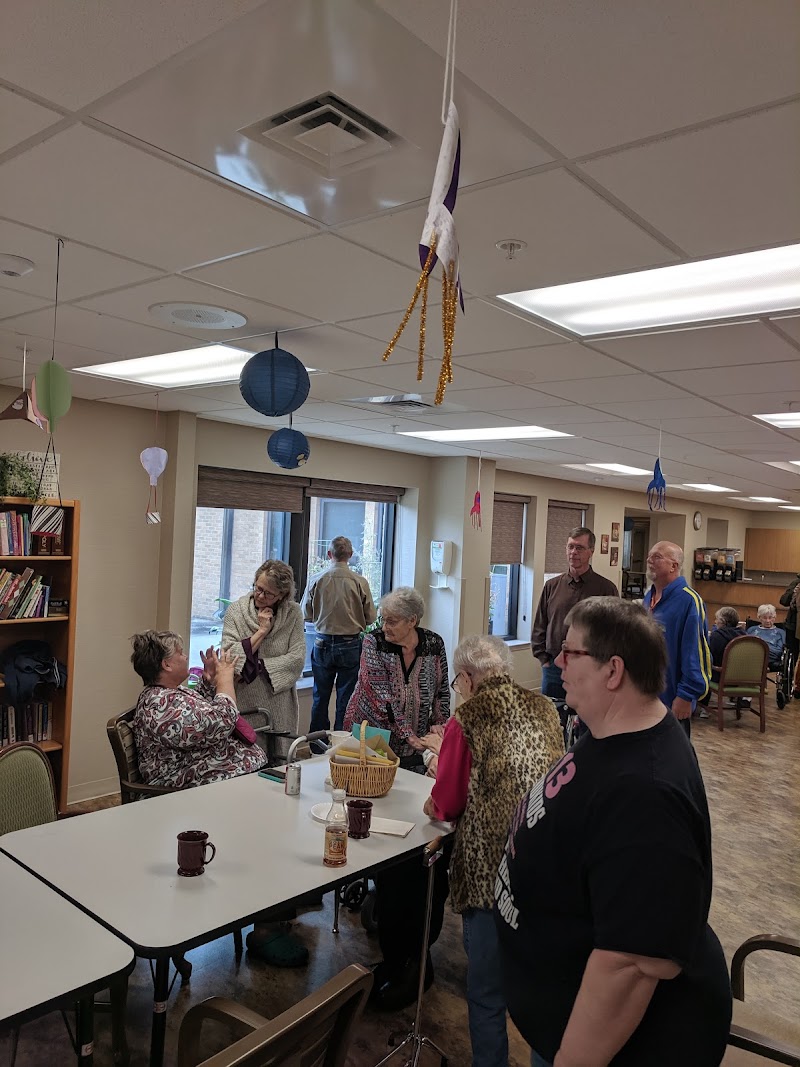
How is Hendricks Community Hospital Staffed?
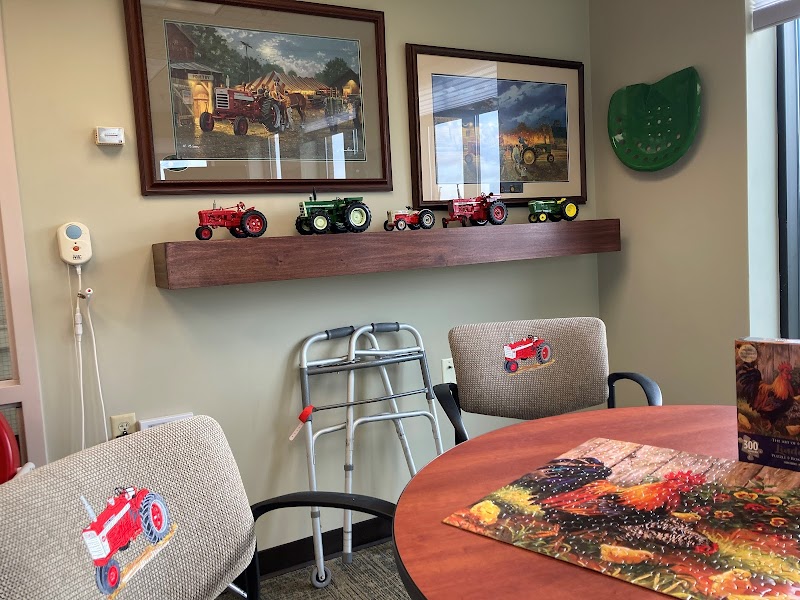
CMS rates Hendricks Community Hospital's staffing level at 5 out of 5 stars, which is much above average compared to other nursing homes. Staff turnover is 51%, compared to the Minnesota average of 46%.

What Have Inspectors Found at Hendricks Community Hospital?

State health inspectors documented 22 deficiencies at Hendricks Community Hospital during 2023 to 2025. These included: 22 with potential for harm.

Who Owns and Operates Hendricks Community Hospital?

Hendricks Community Hospital is owned by a non-profit organization. Non-profit facilities reinvest revenue into operations rather than distributing to shareholders. The facility operates independently rather than as part of a larger chain. With 48 certified beds and approximately 44 residents (about 92% occupancy), it is a smaller facility located in HENDRICKS, Minnesota.

How Does Hendricks Community Hospital Compare to Other Minnesota Nursing Homes?

Compared to the 100 nursing homes in Minnesota, Hendricks Community Hospital's overall rating (3 stars) is below the state average of 3.2, staff turnover (51%) is near the state average of 46%, and health inspection rating (2 stars) is below the national benchmark.

What Should Families Ask When Visiting Hendricks Community Hospital?

Based on this facility's data, families visiting should ask: "Can I visit during a mealtime to observe dining assistance and food quality?" "How do you handle medical emergencies, and what is your hospital transfer rate?" "Can I speak with family members of current residents about their experience?"

Is Hendricks Community Hospital Safe?

Based on CMS inspection data, Hendricks Community Hospital has a clean safety record: no substantiated abuse findings (meaning no confirmed cases of resident harm), no Immediate Jeopardy citations (the most serious violation level indicating risk of serious injury or death), and is not on the Special Focus Facility watch list (a federal program monitoring the lowest-performing 1% of nursing homes). The facility has a 3-star overall rating and ranks #100 of 100 nursing homes in Minnesota. While no facility is perfect, families should still ask about staff-to-resident ratios and recent inspection results during their visit.

Do Nurses at Hendricks Community Hospital Stick Around?

Hendricks Community Hospital has a staff turnover rate of 51%, which is about average for Minnesota nursing homes (state average: 46%). Moderate turnover is common in nursing homes, but families should still ask about staff tenure and how the facility maintains care continuity when employees leave.

Was Hendricks Community Hospital Ever Fined?

Hendricks Community Hospital has no federal fines on record. CMS issues fines when nursing homes fail to meet care standards or don't correct problems found during inspections. The absence of fines suggests the facility has either maintained compliance or corrected any issues before penalties were assessed. This is a positive indicator, though families should still review recent inspection reports for the full picture.

Is Hendricks Community Hospital on Any Federal Watch List?

Hendricks Community Hospital is not on any federal watch list. The most significant is the Special Focus Facility (SFF) program, which identifies the bottom 1% of nursing homes nationally based on persistent, serious quality problems. Not being on this list means the facility has avoided the pattern of deficiencies that triggers enhanced federal oversight. This is a positive indicator, though families should still review the facility's inspection history directly.