VALLEY VIEW HEALTHCARE & REHAB
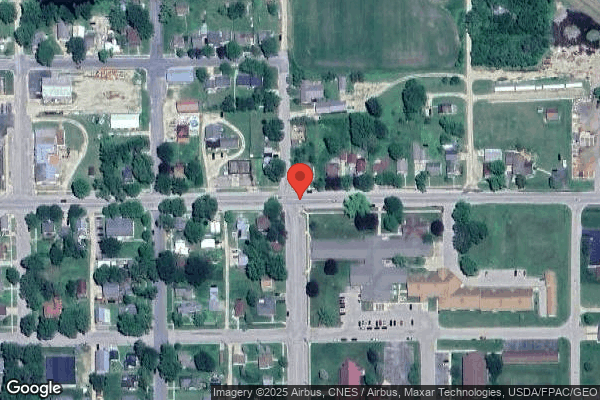

510 EAST CEDAR STREET, HOUSTON, MN 55943 (507) 896-3125
Non profit - Corporation 40 Beds Independent Data: November 2025 1 Immediate Jeopardy citation
Trust Grade
78/100
#85 of 337 in MN
Last Inspection: May 2025

Inspected within the last 6 months. Data reflects current conditions.

Overview

Valley View Healthcare & Rehab has a Trust Grade of B, indicating it is a good choice for care, with solid services. It ranks #85 out of 337 facilities in Minnesota, placing it in the top half of state options, and #1 out of 3 in Houston County, meaning it is the best local option. However, the facility is experiencing a worsening trend, with issues increasing from 2 in 2024 to 3 in 2025. Staffing is a strength, achieving a 5/5 star rating with a low turnover of 21%, well below the state average of 42%. On the downside, the facility has faced $26,685 in fines, which is concerning as it is higher than 87% of Minnesota facilities, suggesting ongoing compliance problems. Specific incidents noted include a critical failure to monitor a resident's sudden change in mental and physical status, which could have serious implications if not addressed. Additionally, there were concerns about the call light system being ineffective, potentially impacting the ability of residents to communicate their needs. Lastly, the facility has not employed a full-time registered dietitian, which raises concerns about the quality of food and nutrition services provided to residents. Overall, while there are strengths in staffing and care quality, these significant weaknesses warrant careful consideration.

Trust Score
B
78/100
In Minnesota
#85/337
Top 25%
Safety Record
High Risk
Review needed
Inspections
Getting Worse
2 → 3 violations
Staff Stability
✓ Good
21% annual turnover. Excellent stability, 27 points below Minnesota's 48% average. Staff who stay learn residents' needs.
Penalties
⚠ Watch
$26,685 in fines. Higher than 83% of Minnesota facilities, suggesting repeated compliance issues.
Skilled Nurses
✓ Good
Each resident gets 79 minutes of Registered Nurse (RN) attention daily — more than 97% of Minnesota nursing homes. RNs are the most trained staff who catch health problems before they become serious.
Violations
○ Average
10 deficiencies on record. Average for a facility this size. Mostly minor or procedural issues.
★★★★★
5.0
Overall Rating
★★★★★
5.0
Staff Levels
★★★★★
5.0
Care Quality
★★★☆☆
3.0
Inspection Score
Stable
2024: 2 issues
2025: 3 issues

The Good

  • 5-Star Staffing Rating · Excellent nurse staffing levels
  • 5-Star Quality Measures · Strong clinical quality outcomes
  • Low Staff Turnover (21%) · Staff stability means consistent care
  • Full Sprinkler Coverage · Fire safety systems throughout facility
  • No fines on record
  • Staff turnover is low (21%)

    27 points below Minnesota average of 48%

Facility shows strength in staffing levels, quality measures, staff retention, fire safety.

The Bad

Federal Fines: $26,685

Below median ($33,413)

Moderate penalties - review what triggered them

The Ugly 10 deficiencies on record

1 life-threatening
Jan 2025 3 deficiencies 1 IJ
CRITICAL (J) 📢 Someone Reported This

A family member, employee, or ombudsman was alarmed enough to file a formal complaint

Immediate Jeopardy (IJ) - the most serious Medicare violation

Quality of Care (Tag F0684)

Someone could have died · This affected 1 resident

**NOTE- TERMS IN BRACKETS HAVE BEEN EDITED TO PROTECT CONFIDENTIALITY** Based on interview and document review the facility failed to complete a comprehensive assessment, monitor, and notify the physi...

Read full inspector narrative →
**NOTE- TERMS IN BRACKETS HAVE BEEN EDITED TO PROTECT CONFIDENTIALITY** Based on interview and document review the facility failed to complete a comprehensive assessment, monitor, and notify the physician for a sudden change in mental and physical status for 1 of 3 residents (R1) who had a change in condition. The deficiency was identified as past non-compliance and issued at Immediate Jeopardy. The Immediate Jeopardy (IJ) began on [DATE], when R1 demonstrated changes to mental status, speech, and mobility in which licensed nursing staff failed to comprehensively assess, monitor, and notify the physician. The Administrator and Director of Nursing (DON) were notified of the IJ on [DATE] at 5:30 p.m. The facility had implemented immediate corrective action on [DATE] to prevent recurrence, the IJ was issued at past non complinace. Findings include: R1's face sheet dated [DATE], identified R1 was admitted to the facility on [DATE], with diagnoses of type 2 diabetes, obstructive sleep apnea, weakness, and falls. R1 had physical and occupational therapy. R1's comprehensive SLUMS (St. Louis University Mental Status) assessment dated [DATE], identified R1 had a score of 24/30, which indicated mild cognitive impairment. R1's temporary care plan dated [DATE], identified R1 was stand by assist (SBA)/contact guard assist with walking with a walker. R1's point of care (POC) documentation dated [DATE], identified at 10:41 a.m., R1's balance was always steady from seated to standing, walking, turning around, moving on and off the toilet, and transferring between surfaces. R1's progress note dated [DATE] at 2:47 p.m., identified R1 was alert and orientated and able to let needs be known to staff. Assist of one with gait belt for transfers, toileting, bathing and activities of daily living. R1 participated with physical and occupational therapies for strengthening, needed staff assistance with meals as she had problems with holding a glass. Planed to return home after rehab. R1's progress note dated [DATE] at 10:00 p.m., was a late progress note entered by registered nurse (RN)-A for 7:04 p.m., included, This nurse was called into residents room as she got weak with transferring in the bathroom and staff lowered her to her knees without incident. Staff attempted several times to assist resident back to her feet and remained on her hands and knees. This nurse asked staff what to do and one staff stated to call 911. This nurse called 911 and told them that staff was having a difficult time assisting resident from the floor. By the time the ambulance arrived staff was able to get her to lay flat so the full body mechanical lift was able to be used. This nurse apologized to ambulance crew. She was put to bed, and she is stable at this time. Review of R1's record dated [DATE] did not include any documentation of comprehensive post fall assessments, physical condition, mental status, and vital signs. Review of R1's record identified no indication that R1 had supper, snacks, or fluids provided on [DATE] from 2:00 p.m.-10:00 p.m. R1's ambulance run report printed [DATE], identified emergency medical services (EMS) arrived on scene at 7:13 p.m. and were informed patient was in bed and did not need medical attention. EMS clarified the statement, and the response remained no, medical attention was not necessary. EMS left scene at 7:15 p.m. R1's call light report dated [DATE], identified on [DATE] at 9:30:24 p.m. R1's call light was activated, the call light was cancelled after 37 seconds. Then at 9:31:17, R1's call light was again activated and cancelled after 37 seconds. At 9:31:17 p.m., R1's call light was turned on, and remained on for 24 minutes and 24 seconds, shut off time was 9:55:41 p.m. R1's progress note dated [DATE] at 10:59 p.m., identified RN-A was called to R1's room for R1's passing. Nursing assistant (NA) had went to the room for rounds and R1 had passed away in her sleep. During an interview on [DATE] at 1:38 p.m., trained medication aide (TMA)-A stated she worked with R1 on [DATE] during the day. R1 was perfectly fine, could independently move and staff would just walk next to her to use the bathroom. During an interview on [DATE] at 2:07 p.m., TMA-D stated on [DATE] around 2:00 p.m., she was able to transfer R1 to the toilet independently with little to no difficulty. Then when R1 was done, TMA-D attempted to stand R1 back up but R1 was not able to at all. TMA-D stated it took three staff members to stand R1 to get her back into her wheelchair. TMA-D stated, she was out of it, R1 could answer questions but could not follow directions. When R1 was directed to let go of the grab bar, she held on tighter but told us she had let go, when she did not. TMA-D stated she reported R1 needing more assistance to the on-coming nurse. R1's progress notes and vital sign record did not identify any documentation of assessment pertaining to R1's episode as reported by TMA-D. During an interview on [DATE] at 3:00 p.m., physical therapist assistant (PTA)-A indicated the first time he had worked with R1 was sometime after lunch on [DATE]. PTA-A reported after a few exercises R1 became tired and wanted to go to bed. Since PTA-A had not worked with R1 before, he was not aware that R1's tiredness was a change from her baseline. During an interview on [DATE] at 9:59 a.m., occupational therapy assistant (OTA)-A stated she had first worked with R1 on [DATE]. On [DATE], OTA-A indicated R1 demonstrated changes since [DATE]'s session. On [DATE], at 3:58 p.m. OTA-A started R1's session in her room. When OTA-A attempted to have R1 work on arm exercises, R1 could not follow direction, R1's eyes started closing, and she was not able to articulate her speech. Around 4:10 p.m., R1 told OTA-A she was okay but stuck out her tongue while trying to talk three different times. After the therapy session, OTA-A left R1's room and notified infection preventionist (IP)-A something was wrong with R1, but IP-A directed OT-A to notify registered nurse (RN)-A. When OTA-A notified RN-A of R1's condition, RN-A told her R1 had influenza, and nothing could be done. OTA-A stated RN-A then put on her coat and went outside and did not go to R1's room to assess her. During an interview on [DATE] at 11:24 a.m., IP-A indicated R1 did not have influenza. OTA-A had came to IP-A's office and reported R1 did not seem like herself. Nothing the therapist told her sounded like it was infectious related, so she directed the therapist to tell RN-A. R1's progress notes and vital sign record did not identify any documentation of assessment pertaining to R1's episode as reported by OTA-A. During an interview on [DATE] at 2:51 p.m., nursing assistant (NA)-B stated on [DATE] around 7:00 p.m., she assisted R1 during a transfer in the bathroom from her wheelchair. During the transfer R1 began shaking and was too scared to sit down on the toilet because she was just too weak. NA-B then proceeded to lower R1 to the floor and requested a nurse over a walkie talkie. When RN-A came into R1's bathroom, she asked R1 if she was in pain, but did not perform any vital signs. RN-A then proceeded to call an ambulance. NA-A, NA-B and NA-D then used a total mechanical lift to assist R1 off the floor and placed R1 back in bed. During an interview on [DATE] at 5:21 p.m., NA-D indicated she had worked the evening shift on [DATE] and had not worked with R1 prior. NA-D had assisted R1 to get off the toilet prior to supper. R1 was strong, but slow and unsure of her steps. R1 ate normal at supper. Then around 7:00 p.m. she had become aware R1 was on the floor by a walkie talkie call by NA-B. When she entered R1's room, R1 was on the floor in the entrance of the bathroom on her hands and knees very anxious and shaking. NA-D then came into R1's room and even though R1 was anxious, shaking, and no assessment completed, the NAs told R1 to crawl out of the bathroom so they could assist her to roll onto the lift sling, and transfer her back to her bed. While R1 was on the floor she was not right, not comprehending well, not cooperating, a lot of anxiety, breathing heavy, and shaking. NA-D stated when R1 was on the floor, RN-A never came into the room, but stood in the doorway watching. RN-A left the room, but NA-D was not sure where she went or what she was doing. NA-D stated RN-A did not seem right that night, she was not fit to work and struggled to breath [because of respiratory virus]. NA-D recalled around 8:00 or 8:30 p.m., she answered R1's call light. R1 wanted to be re-adjusted in bed because she had foot pain and wanted her head of the bed elevated. NA-D thought R1 was ok at that time. During a follow-up interview on [DATE] at 2:49 p.m., NA-D stated she did not remember going into R1's room to answer the call light on [DATE] at 9:30 p.m. NA-D was certain the last time she had interacted with R1 was around 8:30 p.m. when she had boosted her up in bed. During an interview on [DATE] at 10:47 a.m., NA-A indicated prior to [DATE], R1 was alert and orientated, not confused, and walked with a walker with only supervision. On [DATE], NA-A worked the evening shift. At approximately 7:00 p.m. NA-A overheard on his walkie-talkie NA-B requesting RN-A's assistance in R1's room. NA-A went from the hallway he was working on to R1's hallway past the central nurse's station where RN-A was sitting. NA-A told RN-A that NA-B was calling her to R1's room for help. NA-A entered R1's room and found R1 half in and half out of the bathroom doorway propped on her wheelchair, with NA-B on her knees, attempting to help R1. RN-A came to the room and observed the situation. R1 was grunting and groaning but not talking much and told the NA's she felt a bit off. NA-A directed RN-A to call 911 as R1 was not participating much and both NAs were not sure if they could get R1 into a position where they could move her to her bed. RN-A left the room without assessing or assisting R1. NA-A and NA-B were able to get R1 situated into a crawling position and eased her into the room and out of the bathroom where they had her lay down and used a mechanical lift to get her back into bed. RN-A returned to the room as NA-A and NA-B were moving R1 to the bed. R1 was verbally responding at that time. NA-A stated he told RN-A that the paramedics should still check out R1 as she still was not herself because normally R1 was able to walk by herself with just supervision. RN-A did not take the lead in the situation and was asking NA-A what to do. During a phone interview on [DATE] at 10:51 a.m., NA-C stated she worked the evening shift on [DATE], that was the first time NA-C had ever laid eyes on R1 and had no previous encounters. NA-C answered R1's call light on [DATE], at 9:55 p.m. NA-C recalled she had knocked on R1's door that was open, R1 did not respond so she entered the room. NA-C entered the room, knocked on the bedside table, and turned the overhead light on. When she turned on the light, she knew R1 was deceased . R1 had her mouth open and emesis trailing from her mouth and into her hair. NA-C called over the walkie-talkie to have RN-A come to the room. RN-A came into the room, looked at R1, with a blank look on her face turned to NA-C and said, what do I do?. NA-C responded that she did not know as she was not a nurse. NA-C stated she was positive RN-A never touched R1 to assess vital signs to verify death. NA-C and RN-A left the room together. RN-A returned to the desk and called the director of nursing (DON). During a follow-up interview on [DATE] at 9:00 p.m. NA-C stated the only staff that were working after 9:00 p.m. was herself, NA-D, and RN-A. NA-C had not answered any other call lights aside from the one at 9:55 p.m. and did not know how the call light was reset the other two times at 9:30 and 9:31 p.m. During a phone interview on [DATE] at 9:26 a.m., RN-A stated she had worked the evening shift on [DATE]. RN-A could not recall if TMA-A had notified her that R1 required more assistance. RN-A did remember occupational therapist had notified her R1 was not herself around 4:30. RN-A went to R1's room, R1 was in bed, looked tired, but did not appear in any distress. RN-A asked R1 how she was doing. R1 reported to her she was doing ok and was just tired. RN-A took R1's blood sugar and it was a little high, RN-A administered scheduled insulin, did not complete any further assessments, and did not take R1's vital signs. R1 then ate most of her dinner. Around 7:00 p.m. R1 needed to be lowered to the floor in the bathroom. RN-A went to R1's room, she was on the floor with the NAs, RN-A only asked R1 if she was ok, R1 said she was ok and was not injured. RN-A did not perform any other assessment but called the ambulance because NAs could not get R1 off the floor. By the time the ambulance arrived, NAs had been able to get R1 off the floor using a full body mechanical lift. RN-A dismissed the ambulance without evaluating R1. After R1 was transferred back into bed, RN-A took R1's blood sugar, it was in the mid 100's, but did not record it into the medical record and did not complete any further assessments. RN-A stated the next time she went into R1's room was to administer scheduled medications between 8:00 and 8:30 and thought R1 was fine. RN-A indicated after each time she was notified by staff of R1's condition, she went into R1's room, but R1 was not demonstrating any symptoms that any of the staff had reported to her. RN-A did not go beyond asking R1 if she was ok and relied solely on R1's self-reports. RN-A indicated only relying on R1's self-assessment was an error in judgment. During an interview on [DATE] at 1:57 p.m., DON stated that she had worked during the day on [DATE] and also came back and worked the night shift. DON indicated she had received a call from RN-A while driving back to the facility, R1 had passed away. When she got to the facility, she had thought RN-A was scattered and sent her home. When DON was reviewing R1's record she had identified RN-A had prematurely documented the required skilled charting at the beginning of shift around 2:30 p.m. instead of at the end of her shift. Further identified the lack of assessments throughout the shift. DON stated there was nothing going on in the facility on [DATE] that would have taken RN-A's time away from assessing R1. DON was unsure why RN-C thought R1 had influenza. It was DON's expectation that when a resident exhibits a change in condition such as needing a higher level of assistance, cognitive/mental status changes, not feeling well, falling, and death that vital signs and comprehensive assessments be completed and increased monitoring be implemented and documented. Additionally, the physician should be notified with changes for further treatment needs. After the incident, DON terminated RN-A's employment and provided staff education on the aforementioned expectations. During a phone interview on [DATE] at 2:27 p.m., medical doctor (MD)-F stated any change in mental status would be considered emergent as it could be an infection, stroke, or cardiac. The resident should be brought to the emergency department for an evaluation and treatment. MD-F stated that when R1 was not able to respond to questions correctly, needed a higher level of assistance than normal the nurse should have evaluated R1 and notified him to the change of condition. In R1's case her symptoms could have been related to a stroke, hypoglycemia, hypercapnia, or heart issues that need to be taken care of. The outcome may have been different if R1 had been sent to the emergency department. The failure to complete assessment on those type of symptoms assessed could put any resident at risk for serious injury, harm, and death, which occurred with R1. The facility policy Change in a Resident's Condition or Status dated [DATE], identified the nurse will notify the residents attending physician or physician on call when there has been a(an): d. significant change in the resident's physical/emotional/mental condition a significant change of condition is a major decline or improvement in the resident's status that: a.Will not normally resolve itself without intervention by staff or by implementing standard disease-related clinical interventions b.Impacts more than one are of the residents health status c.Ultimately is based on the judgement of the clinical staff and the guidelines outlined in the resident assessment instrument. Prior to notifying the physician or healthcare provider, the nurse will make detailed observations and gather relevant and pertinent information for the provider. The nurse will record in the resident medical record information relative to changes in the residents medical/mental condition or status. If a significant change in the residents physical or mental condition occurs, a comprehensive assessment of the resident's condition will be conducted as required. The past non-compliance IJ that began on [DATE], and was removed on [DATE], when it was verified the facility implemented the following: -Immediately sent RN-C home pending further investigation then was terminated from employment. -Educare on change of condition assessment for all nurses with competency on [DATE] -Change of condition education is assigned for completion -All licensed staff were given written communication on change of condition-notification to the provider. -Education on death policy [DATE] -Interviews conducted with licensed and unlicensed staff conducted confirmed competency of the facility process.
CONCERN (D) 📢 Someone Reported This

A family member, employee, or ombudsman was alarmed enough to file a formal complaint

Potential for Harm - no one hurt, but risky conditions existed

Respiratory Care (Tag F0695)

Could have caused harm · This affected 1 resident

**NOTE- TERMS IN BRACKETS HAVE BEEN EDITED TO PROTECT CONFIDENTIALITY** Based on interview and document review, the facility failed to process and implement bilevel positive airway pressure (BIPAP) or...

Read full inspector narrative →
**NOTE- TERMS IN BRACKETS HAVE BEEN EDITED TO PROTECT CONFIDENTIALITY** Based on interview and document review, the facility failed to process and implement bilevel positive airway pressure (BIPAP) order for 1 of 1 resident (R1) reviewed for respiratory care. Findings include: R1's face sheet dated 1/31/25, identified diagnoses of congestive heart failure (a condition where the heart does not pump blood as well as it should), atherosclerotic heart disease (a condition where fatty deposits build up in the arteries of the heart), obstructive sleep apnea (condition of intermittent airflow blockage during sleep), R1's outside physician orders for admission to the facility dated 1/8/25, included a BIPAP was ordered for a diagnosis of obstructive sleep apnea (condition of intermittent airflow blockage during sleep). R1's electronic health record for physician orders between 1/9/25 through 1/13/25, did not identify the order had for BIPAP had been transcribed into the facility record. Further treatment administration records did not identify R1 received the BIPAP therapy between the dates identified. R1's baseline care plan dated 1/9/25, did not identify R1 required BIPAP therapy and the condition in which is was ordered for. R1's progress notes from 1/9/25 to 1/13/25, did not identify a physician was notified R1 did not BIPAP machine nor evident of communication with R1 or resident representative that the facility did not have a BIPAP available for use. Further the record did not include ongoing assessments and monitoring for signs and symptoms related the diagnosis for which it was prescribed and/or possible symptoms if any related to the omission of BIPAP therapy. During an interview on 1/27/25 at 4:45 pm., licensed practical nurse (LPN)-A stated she did not recall if R1 had a BIPAP while she was here and it and if she had an order, it would have been placed in the treatment administration record (TAR) for the nurses to sign off each night. LPN-A indicated R1's family would have had to have brought the device from home to use at the facility. During an interview on 1/29/25 at 2:12 p.m., the director of nursing (DON) stated she was aware R1 had a physician order for BIPAP on admission on [DATE], however did not have a BIPAP in the facility and family would need to bring one in. DON stated the physician was not notified of R1 not having a BIPAP available and stated family had not been contacted to bring one from home. During an interview on 1/28/25 at 2:27 p.m., R1's physician (MD)-F stated when another provider saw her in November of 2024, he became aware R1 was not tolerating her BIPAP and was unsure of what was in that providers documentation for that visit. MD-F stated if a person needs a BIPAP and did not use it they would have snoring, gasping for air and could be sleepy during the day. An undated policy on BIPAP identified BIPAP use requires physician orders, resident's medical history, diagnosis, and oxygen need must be reviewed before initiation, and resident and/or responsible party must provide informed consent.
CONCERN (F) 📢 Someone Reported This

A family member, employee, or ombudsman was alarmed enough to file a formal complaint

Potential for Harm - no one hurt, but risky conditions existed

Deficiency F0919 (Tag F0919)

Could have caused harm · This affected most or all residents

Based on observation, interview, and record review the facility failed to ensure a complete wireless call light system in which staff were provided with functioning devices in their possession. This h...

Read full inspector narrative →
Based on observation, interview, and record review the facility failed to ensure a complete wireless call light system in which staff were provided with functioning devices in their possession. This had the potential to affect all 33 residents at the facility. Findings include: During a phone interview on 1/29/25 at 9:26 a.m., registered nurse (RN)-A stated the facility's call light system was the worst she had ever seen. The call lights could not be heard and could not tell if they were going off unless she was in the hallway looking at the thin display bar that identified which call lights were going off. During an interview on 1/29/25 at 11:31 a.m., nursing assistant (NA)-E stated the call lights show up on the scroll board that showed the room number and bed 'A' or 'B'. The board makes one high pitched beep when a call light was activated. If there was more than one call light on, the board would scroll through the ones activated in the order that they were activated. The board did not identify how long the call light was activated for. The call system was separated by wings so the board located on each wing only showed the call lights that were activated on each hall. During an observation on 1/29/25 at 11:43 a.m., no scroll board was located in the transitional care unit suites. A scroll board was located outside of the suites at the end of the two other hallways. During an interview on 1/29/25 at 2:12 p.m., director of nursing (DON) stated when residents are admitted to the transitional care suites she alerts them that their call light may take longer to be answered. These residents would be directed to put their light on when they think they may have to use the bathroom instead of when they do have to use the bathroom. At 2:58 p.m., DON went to the infection preventionist (IP) office and pointed to a computer that had call light system software installed on it. DON indicated the computer was showed how long the call lights were going on, did not sound an alert with call light activation, and was unaware if the computer could be moved. The IP's office was locked after business hours and not accessible to floor staff. During an interview on 1/29/25 at 1:09 p.m., Administrator indicated the facility had a wireless call light system that used pagers to alert staff of call light activation, however the facility was not using the pagers. The call light system did not alert to the walkie-talkies that staff used for communication. The staff would know a call light was on by reading the boards in the hallways. During a phone interview on 1/31/25 at 8:39 a.m., call system employee (REP)-A stated the wireless system is complete with pagers/walkie talkies. The facility utilized pagers at one point, but had not ordered any since late 2022. The facility needs to have a functioning device that the employees would carry on them while they were working to alert them of an activated call light. The facility Residents Call System dated 9/22, identified residents are provided with a means to call staff for assistance through a communication system that directly calls a staff member. 1. Each resident is provided with a means to call staff directly for assistance from his/her bed, from toileting/bathing facilities and from the floor. 3. The resident call system remains functional at all times.
Mar 2024 2 deficiencies
CONCERN (D)

Potential for Harm - no one hurt, but risky conditions existed

Quality of Care (Tag F0684)

Could have caused harm · This affected 1 resident

Based on observation, interview, and document review, the facility failed to appropriately assess a change of condition (COC) for 1 of 2 residents (R9) reviewed for hospitalization who had changes fro...

Read full inspector narrative →
Based on observation, interview, and document review, the facility failed to appropriately assess a change of condition (COC) for 1 of 2 residents (R9) reviewed for hospitalization who had changes from his baseline health status when oxygen (O2) levels were assessed to be low. The facility failure in assessment resulted in R9 being transported to the emergency department. Findings include: R9's 12/19/23, quarterly Minimum Data Set (MDS) assessment identified R9 had diagnosis of chronic obstructive pulmonary disease (COPD), epilepsy (seizure disorder), malnutrition, schizophrenia, anxiety, depression, quadriplegia (paralysis of the limbs), atrial fibrillation (abnormal heart rhythm) , and dysphagia (swallowing disorder). R9's cognition was intact, he was able to communicate, and he was totally dependent on staff for activities of daily living. R9's current administration record identified he has a physician order started on 10/24/23, for as needed oxygen at 1 LPM (liter per minute) via NC (nasal cannula) due to decreased O2 saturations to maintain oxygen saturations greater than 90%. Check oxygen saturations every shift and as needed. Monitor every shift for signs and symptoms of respiratory distress as evidenced by shortness of breath. Notify physician if oxygen remain less than 90% (percent). During an observation and interview on 3/12/24 at 1:14 p.m., R9 was laying down and noticed a slight tremor. R9 was awake and alert during our interaction and was able to answer yes or no questions about his family and the photos on his wall but he was not able to recall any details regarding his illness or going to the hospital on 2/10/24. During an observation on 3/13/24 at 9:37 a.m., R9 was sitting up in his wheelchair watching television. R9 was smiling and alert, he would look towards the door when staff would walk by. R9's vital sign record was reviewed from 11/18/23 through 2/8/24. R9 received supplemental oxygen on 12/26//23 with an oxygen saturation of 90%. R9's oxygen saturations were checked every shift and generally ran from 90%-97%. R9's nursing progress notes identified on: -2/10/24, 6:32 a.m. a late entry from, registered nurse (RN)-B Resident was pallor (pale) and slow to respond to staff when he was addressed at 4:45 a.m. Resident was a-febrile (no fever)with his temperature at 98.6 tympanic, pulse 112, respirations 14, breathing shallow. Sa02 79%-83%. Resident was placed on 2L(liters) oxygen via concentrator at 5:00 a.m. Oxygen saturation was 90% on 2 liters at 5:20 a.m., with his pulse rate at 83. Continue to monitor status. -2/10/24, 7:21 a.m., RN-C CNA called this nurse into room this morning. R9 appeared to be flushed in the face and warm. Temp was 101.3, he was on 1 liter of oxygen and his saturation was 82% I did turn him up to 3 liters and his oxygen's sats came up to 87%. his pulse is 113, respirations 32 per minute, blood pressure at 147/92. He has not yet had his morning medications. called on call provider and received verbal order to send to emergency department for evaluation. Lung sounds diminished in left side anterior fields right anterior fields are wheezy. -2/10/24 7:59 a.m., RN-C R-9 transported via ambulance to emergency department at 7:50 a.m., daughter and director of nursing notified. -2/16/24 Hospital discharge summary identified R9's sister reported to the attending physician that R9 had developed a cough a couple days prior, she identified that R9 is normally responses answers questions in short phrases but is typically pretty alert and not lethargic as described today. The summary identified R9 presented in the emergency department febrile at 103.8 and substantially tachycardia (elevated heart rate) with heart rates around 130. R9 was placed on 4 liters of oxygen per nasal cannula bringing his sats up to the mid 90's. Tylenol was given and temperature came down to 100. He was treated with IV antibiotics. Initially requiring 3-4 liters oxygen supplementation, however this increased to 5-6 liters. on 2/12/24 he was transferred to the intensive care unit (ICU) due to hypotension requiring pressors (medication used for severely low blood pressure) and he was started on a BIPAP (non-invasive ventilation for breathing) for further respiratory support. R9 was transferred back to the nursing floor on 2/14/24, when R9's blood pressure improved. R9's respiratory status continued to improve and return to baseline. R9 was deemed medically stable for discharge and returned to the facility on 2/16/24. During an interview on 3/12/24 at 12:35 p.m., nursing assistant (NA)-B identified she went into R9's room on last rounds between 3:30 a.m. and 4:00 a.m., and found R9 to be red faced and shaking really bad NA-A identified R9 was not responding as he normally did and he was staring at me incoherent and shaking NA-A grabbed the thermometer and pulse oximeter but was unable to get a reading, she went and told the nurse. NA-A identified it was difficult to get a reading on the pulse oximeter but eventually it read 79%. It fluttered between 79%-83%. The nurse started R9 on oxygen and left the room. NA-A stated, I don't feel like the nurse took my concerns seriously. During an interview on 3/12/24 at 12:16 p.m., RN-B identified NA-B told her R9s hands were shaking a little, she checked his temperature, and it was 98.6, he was difficult to arouse. RN-B checked R9's oxygen saturation because in the past when he was failing his oxygen would go down. She identified it had been about 3 months since they had to give him oxygen at night. RN-B reported on that night his oxygen saturations were between 79%-83% on room air but after she started him on 2L oxygen, his saturations came up to 90%. RN-B identified she did not complete a lung assessment and that was the end of her interaction with R9, she further revealed she did not return to R9's room to monitor his condition. During an interview on 3/12/24 at 1:00 p.m., RN-C identified RN-B reported off to her at 6:00 a.m., she told RN-B she told RN-C that R9's oxygen was low and that she started him on 2 liters oxygen. RN-C indicated went into R-9's room sometime later and found R9 warm to touch, shivering. RN-C identified she completed an assessment, Temperature, oxygen saturations were 82-84, temperature was high, and lung sounds were diminished. She increased R9's oxygen supplementation to 3 Liters and called for ambulance transfer to the emergency department. During an interview on 3/12/24 at 2:34 p.m., medical director identified she would expect nursing to follow the facility policy and notify the physician if a resident is experiencing a change in condition. She further identified she would expect registered nurses to have the ability to recognize the symptoms of severe infection and/or sepsis and she would have expected RN-B to have completed a comprehensive assessment to include lung sounds. The medical director also indicated it is important not to delay care when dealing with sepsis or any other serious change in condition as it could cause serious health consequences to the resident. During an interview on 3/12/24, at 1:45 p.m., RN nurse consultant stated, as soon as they found R9 with an oxygen saturation of 79%-83% they should have called the on call doctor. During an interview on 3/12/24 at 1:36 p.m., director of nursing (DON) indicated she would have expected RN-B to immediately complete a comprehensive assessment to include lung sounds and update the physician per the facility policy. DON reports she has not done any competencies or face to face training on assessments or change of condition before or after this incident. Review of the February 2021, Change of Condition Policy identified nursing were to notify attending physician or physician on call when there has been a significant change in the resident's physical/emotional/mental condition. A significant change of condition is a major decline or improvement in the resident's status that will not normally resolve itself without intervention by staff or by implementing a standard disease related clinical intervention (is not self-limiting).
CONCERN (E)

Potential for Harm - no one hurt, but risky conditions existed

Deficiency F0883 (Tag F0883)

Could have caused harm · This affected multiple residents

**NOTE- TERMS IN BRACKETS HAVE BEEN EDITED TO PROTECT CONFIDENTIALITY** Based on interview and document review, the facility failed to appropriately vaccinate against pneumonia upon admission for 5 of...

Read full inspector narrative →
**NOTE- TERMS IN BRACKETS HAVE BEEN EDITED TO PROTECT CONFIDENTIALITY** Based on interview and document review, the facility failed to appropriately vaccinate against pneumonia upon admission for 5 of 5 residents (R4, R7, R10, R16, and R20) who were reviewed for immunizations. Findings include: A CDC Pneumococcal Vaccine Timing for Adults feature, dated 3/2023, identified various tables when each (or all) of the pneumococcal vaccinations should be obtained. This identified when an adult over [AGE] years old had received the complete series (i.e., PPSV23 and PCV13; see below) then the patient and provider may choose to administer Pneumococcal Vaccine-20 (PCV20) for patients who had received Pneumococcal Vaccine-13 (PCV13) at any age and Pneumococcal Polysaccharide Vaccine 23 (PPSV23) at or after [AGE] years old. R4's 2/01/24, significant change Minimum Data Set (MDS) assessment identified R4 was [AGE] years old. R4's MDS under Section O- Special Treatments and Programs indicated R4's pneumococcal vaccinations were up to date. R4's vaccination record identified she received PPSV23 on 12/11/03 followed by PCV13 on 3/20/15. However, the record lacked evidence R4 had received the PCV20 despite the consent for it being obtained last month. R7's 1/12/24, quarterly MDS identified R7 was [AGE] years old. R7's MDS under Section O- Special Treatments and Programs indicated R7's pneumococcal vaccinations were up to date. R7's vaccination record identified he received PPSV23 on 11/08/01 followed by the PCV13 on 11/28/18. However, the record lacked evidence R7 had received the PCV20 despite the consent for it being obtained last month. R10's 2/16/24, annual MDS identified R10 was [AGE] years old. R10's MDS under Section O- Special Treatments and Programs indicated R10's pneumococcal vaccinations were up to date. R10's vaccination record identified she received PPSV23 on 7/09/14 followed by the PCV13 on 8/07/17. However, the record lacked evidence R10 had received the PCV20 despite the consent for it being obtained last month. R16's 2/13/24, quarterly MDS identified R16 was [AGE] years old. R16's MDS under Section O- Special Treatments and Programs indicated R16's pneumococcal vaccinations were up to date. R10's vaccination record identified she received PCV13 on 5/31/2016 followed by PPSV23 on 10/24/17. However, the record lacked evidence R16 had received the PCV20 despite the consent for it being obtained last month. R20's 1/26/24, quarterly MDS identified R20 was [AGE] years old. R20's MDS under Section O- Special Treatments and Programs indicated R20's pneumococcal vaccinations were up to date. R20's vaccination record identified he received PCV13 on 3/20/15. However, the record lacked evidence R20 had received the PCV20 despite the consent for it being obtained a last month. Interview on 3/12/24 at 3:55 p.m., with registered nurse (RN)-A who is the facility infection preventionist (IP) stated immunizations were verified upon admission through MIIC (Minnesota Immunization Information Connection). IP stated the PCV were offered to residents and would collaborate with the local clinic for residents to receive the pneumococcal vaccine. Interview on 3/13/24 at 8:52 a.m., with nurse consultant (NC) stated the facility completed a vaccination audit when Center of Disease Control (CDC) announced pneumococcal mandates for health care providers and acknowledged the facility had no process for compliance of the vaccine. NC agreed the facility had not administered the pneumococcal vaccines to residents. Interview on 3/13/24 at 9:47 a.m., with director of nursing (DON) stated her expectation would be for residents to receive the pneumococcal vaccines in a timely manner. Review of 2/19/24, Pneumococcal Vaccine policy identified the facility would conduct pneumococcal assessments within 5 working days of residents' admission to the facility and would provide pneumococcal vaccines, according to the Center of Disease Control (CDC), within thirty days of admission unless medically contraindicated, already immunized, or the resident declines the vaccine.
May 2023 5 deficiencies
CONCERN (D)

Potential for Harm - no one hurt, but risky conditions existed

Deficiency F0561 (Tag F0561)

Could have caused harm · This affected 1 resident

**NOTE- TERMS IN BRACKETS HAVE BEEN EDITED TO PROTECT CONFIDENTIALITY** Based on observation, interview, and document review, the facility failed to ensure a resident's preferences to keep his room do...

Read full inspector narrative →
**NOTE- TERMS IN BRACKETS HAVE BEEN EDITED TO PROTECT CONFIDENTIALITY** Based on observation, interview, and document review, the facility failed to ensure a resident's preferences to keep his room door shut while unoccupied was honored for 1 of 1 resident (R17) reviewed for choices. Findings include: R17's significant change Minimum Data Set (MDS) dated [DATE], identified R17 was alert and oriented and had diagnoses of schizaffective disorder and mild intellectual disabilities. R17's care plan dated dated 4/28/21, identified R17 experienced delusions and hallucinations in the past. Staff were directed to encourage R17 to spend time out of his room for meals, activities; and to spend time with others. The care plan lacked any resident preferences related to R17's room door. During an interview on 5/8/23 at 1:39 p.m., R17 stated when he was not in his room he wanted to keep his door shut. R17 told social services (SS)-A this, but staff continued to leave it open. During an observation on 5/9/23 at 9:40 a.m., R17 was not in his room and his door was open. During an observation on 5/10/23 at 7:33 a.m., housekeeping (HSKG)-A was cleaning R17's room while R17 was in the dining room eating breakfast. HSKG-A did not close R17's door after cleaning R17's room. During an interview on 5/10/23 at 8:08 a.m., HSKG-A stated they did not know R17 liked to have his door shut. There was not any type of reference for resident's preferences and the only way you knew what someone liked was by getting to know the residents. During an interview on 5/10/23 at 9:08 a.m., SS-A stated R17 liked to have his door shut when he left his room and R17 had let her know that was his preference. SS-A had not communicated R17's preference to the staff. SS-A assumed when staff entered his room and the door was shut they would shut the door when they left. Nursing had a communication book for these things, but housekeeping did not have access to the communication book. Preferences were important because they were apart of the residents' rights and preferences should be followed to ensure a resident was satisfied with their stay. An interview with the administrator and director of nursing (DON) on 5/10/23 at 10:09 a.m., was conducted. The administrator stated staff needed a visual cue to remind them to shut R17's door and the preference should be communicated to all staff. The DON and the administrator both stated there was a communications book available for all staff and staff were expected to review entries. The administrator stated all residents had individual rights to privacy and protection of their belongings and it was not for staff to determine if those preferences were valid or invalid. The DON stated this was R17's home and should be treated as such. The facility communication book dated 7/15/21 through 5/10/23, lacked R17's preference to keep his door shut when his room was unoccupied. The facility policy Resident Rights revised 12/2016, identified employees shall treat all residents with kindness, respect and dignity. Federal laws guaranteed certain basic rights to all residents of this facility. These rights included the resident's right to: 1. Be supported by the facility in exercising his or her rights; 2. Privacy and confidentiality; 3. Voice grievances to the facility, or other agency that hears grievances, without discrimination or reprisal and without fear of discrimination or reprisal; 4. Have the facility respond to his or her grievances.
CONCERN (D) 📢 Someone Reported This

A family member, employee, or ombudsman was alarmed enough to file a formal complaint

Potential for Harm - no one hurt, but risky conditions existed

Deficiency F0692 (Tag F0692)

Could have caused harm · This affected 1 resident

Based on observation, interview, and document review, the facility failed to provide soft bite sized food and encourage to alternate consumption of liquids and solids during meals as ordered for 1 of ...

Read full inspector narrative →
Based on observation, interview, and document review, the facility failed to provide soft bite sized food and encourage to alternate consumption of liquids and solids during meals as ordered for 1 of 1 (R2) resident of the sampled residents who had a diagnosis of dysphagia (difficulty with swallowing) and received a mechanically altered diet. Findings include: R2's undated Face Sheet, provided by the facility, revealed an admission date of 11/16/11, with medical diagnoses which included but not limited to hemiplegia and hemiparesis following cerebral infarction affecting the left non-dominate side, dysphagia following an unspecified cerebrovascular disease, and vascular dementia. The Face Sheet specified R2's most recent readmission to the facility was on 02/22/23. R2's facility-provided hospital After Visit Summary, dated 02/22/23, revealed, . on further swallow evaluation he was found to have some dysphagia (was provided SB6 soft and bite-sized diet, which he continued on discharge) so cannot exclude possible mild aspiration pneumonia to explain CXR (chest x-ray) findings. R2's quarterly Minimum Data Set (MDS) with an Assessment Reference Date (ARD) of 02/28/23, revealed R2 had a Brief Interview for Mental Status (BIMS) score of 9 of 15, which indicated moderate cognitive impairment. Per the MDS, R2 experienced coughing or choking during meals or when swallowing medications during the assessment period. R2's facility-provided current Care Plan revealed a Problem area initiated on 05/30/2018, which specified I am at increased nutritional risk related to a history of CVA (cerebrovascular accident) with dysphagia, diabetes with a need for a therapeutic diet. Care plan approaches included Staff will cut up my meats. I am independent with eating. and I should be sitting upright during any meals/liquid consumption. Encourage me to alternate liquids and solids during mealtimes. I should remain sitting up for 30 minutes after meals. R2's Physician's Order Report: 04/18/2023 - 06/18/2023, revealed the following orders, Diet: Dysphagia soft bite sized/general/thin liquids and Resident should be encouraged to alter liquids and then solids during meals. Continuous observation on 05/08/23 from 11:55 a.m. to 12:19 p.m., revealed R2 was seated by himself at a dining room table independently eating his lunch meal. R2 was served a piece of toasted garlic bread and a cookie with his meal. The toasted garlic bread and cookie appeared to be hard and were not cut into small bite sized pieces. R2 took only a very small bite off the end of the cookie and placed it back onto his plate. R2 was not observed to attempt to eat the toasted garlic bread. During the meal R2 took multiple bites of solid food before he took a drink of liquid. R2 was not encouraged to alter solids with liquids during the meal. At 12:19 p.m., staff assisted R2 from the dining room. R2's finished lunch meal revealed he did not eat the toasted garlic bread and ate only a very small bite of the cookie he received at this meal. Observation on 05/09/23 at 12:15 p.m., revealed R2 was seated by himself at a dining room table independently eating his lunch meal. R2 was served a grilled sandwich that was not cut into bite sized pieces. The resident took multiple bites of food without taking a drink of liquid. R2 was not encouraged to alter solids with liquids during this meal observation. At 12:20 p.m., staff assisted R2 from the dining room. R2's finished lunch meal revealed he did not eat the outer portions of the grilled sandwich which appeared to have a hard texture. During an interview on 05/10/23 at 9:05 a.m., the dietary manager (DM) stated R2 had problems with swallowing and chewing and was to receive a mechanical soft diet with soft bite sized foods at meals. The DM confirmed staff should not have served R2 the toasted garlic bread and hard cookie during the 05/08/23 lunch meal or the grilled sandwich during the 05/09/23 lunch meal. The DM explained staff should have served R2 soft bread with butter instead of the toasted garlic bread, and a soft oatmeal cream pie instead of the hard cookie during the 05/08/23 lunch meal. The DM stated staff should have served R2 either a regular sandwich or a lightly grilled sandwich in place of the grilled sandwich with hard outer edges R2 received during the 05/09/23 lunch meal. During an interview on 05/10/23 at 11:10 a.m., the director of nursing (DON) confirmed staff should encourage R2 to alternate liquids with solids during meals as ordered. The DON stated that she thought R2 was being encouraged by staff to alternate solids and liquids at mealtimes. The facility-provided policy titled, Therapeutic Diets, with a revision date of 09/17, revealed, All residents have a diet order, including regular, therapeutic and texture modification, that is prescribed by the attending physician, physician extender of credible practitioner in accordance with applicable regulatory guidelines. 'Mechanically altered diet' means one in which the texture of the diet is altered. When the texture is modified, the type of texture must be specific and part of the physicians' or delegated registered or licensed dietitian's order.
CONCERN (F)

Potential for Harm - no one hurt, but risky conditions existed

Deficiency F0801 (Tag F0801)

Could have caused harm · This affected most or all residents

Based on interview, and document review, the facility failed to employ either a full time registered dietitian (RD) or a qualified dietary manager (DM) to carry out the functions of the food and nutri...

Read full inspector narrative →
Based on interview, and document review, the facility failed to employ either a full time registered dietitian (RD) or a qualified dietary manager (DM) to carry out the functions of the food and nutrition service since December 2022. This failure had the potential to affect all 31 residents who resided in the facility. Findings include: During an interview on 05/08/23 at 9:45 a.m., the DM stated she recently completed the Serv Safe course but was not a certified dietary manager (CDM). The DM stated the facility's registered dietitian (RD) was employed on a consultant basis and usually visited the facility once per week. During an interview on 05/10/23 at 9:05 a.m., the DM stated she worked at the facility since 2011 as a part time and full time cook prior to becoming the DM during the end of 2022. The DM stated she had not previously worked as a DM. The DM explained she was not a CDM or a certified food service manager and was not currently enrolled in a CDM course. The DM explained since December 2022 when she started working as the DM the facility's consultant RD only visited the facility about once per week. During an interview on 05/10/23 at 10:40 a.m., the administrator stated the facility's current DM worked at the facility for many years as a cook prior to becoming the DM in December 2022. The administrator stated the current DM recently completed the Serv Safe course but was not a CDM or certified food service manager and was not currently enrolled in a CDM course. The administrator stated she thought the current DM met the required qualifications for the position based on her work experience and completion of the Serv Safe course. The administrator explained since the current DM began working in the capacity in December 2022 the facility had contracted with RDs who only worked at the facility on a consultant basis approximately one day a week and had not employed a full time RD to work at the facility. Review of the facility's policy titled, Professional Staffing, revised 09/17, specified, The Dining Services department will employ sufficient staff, with appropriate competencies and skills sets to carry out the functions of food and nutrition services, taking into consideration the resident assessments, individual plans of care and the number, acuity and diagnosis of the resident population. This includes a qualified dietitian or other clinically qualified nutrition professional, either full time or part time. If the qualified dietitian or other clinically qualified nutrition professional is not employed full time, a director of food and nutrition services who meets the necessary qualifications will be employed. A 'qualified director of food and nutrition services' is one who: Is a certified dietary manager, or, Is a certified food service manager, or Has similar national certification for food service management and safety from a national certifying body; or Has an associate's or higher degree in food service management or in hospitality, if the course of study includes food service or restaurant management, from an accredited institution of higher learning, and In states that have established standards for food service manage or dietary managers meet state requirements for food service managers or dietary managers.
CONCERN (F)

Potential for Harm - no one hurt, but risky conditions existed

Food Safety (Tag F0812)

Could have caused harm · This affected most or all residents

Based on observation, interview, and document review, the facility failed to label, date, and cover food stored in kitchen refrigerator and freezer storage. The facility also failed to discard hot dog...

Read full inspector narrative →
Based on observation, interview, and document review, the facility failed to label, date, and cover food stored in kitchen refrigerator and freezer storage. The facility also failed to discard hot dogs that had signs of spoilage and left-over food stored in refrigeration for greater than seven days. This had the potential to affect 30 residents who consumed food prepared in the facility's kitchen. Findings include: 1. Observation during the initial kitchen inspection on 05/08/23 from 9:45 a.m. to 10:15 a.m., with the dietary manager (DM) present, revealed the following: a. Observation of food stored in a reach-in refrigerator, near the kitchen's tray line area, revealed one bowl of egg salad dated 04/28, six unlabeled and undated raw ground beef patties, one container of undated and unlabeled mozzarella cheese, five unlabeled and undated hard-boiled eggs, and two opened and undated 16-ounce plastic bags of whipped topping. b. Observation of food stored in a reach-in refrigerator, in the kitchen's food preparation area, revealed one container of left-over turkey slices dated 04/26, one container of left-over fruit salad dated 04/30, one container of left-over three bean salad dated 04/30, and undated cheese slices that were wrapped in plastic wrap. c. Observation of food stored in a reach-in freezer, in the kitchen's food preparation area, revealed two opened packages of hot hogs that were discolored with accumulated ice crystals that appeared freezer burnt, a pan of undated and partially covered left-over hash browns, one box of uncovered sausage links, and two packages of undated raisin bread. During an interview on 05/08/23 at 10:15 a.m., the DM confirmed the two packages of opened hot dogs stored in the kitchen's reach-in freezer were freezer burnt and should have been discarded by staff. The DM stated when staff place food in refrigeration and freezer storage the food should be labeled, dated, and completely closed. The DM explained staff should discard any food with signs of spoilage or has not been used within seven days after being placed in refrigeration storage. Review of the facility's policy titled, Food Storage: Cold Foods, revised on 4/18, specified, All foods will be stored wrapped or in covered containers, labeled and dated, and arranged in a manner to prevent contamination. Review of the facility's policy titled, 'Use By' Dating Guidelines, revised on 12/01/15, specified, Ready-to-eat, Time/Temperature Control for Safety Foods including, but not limited to: Milk, yogurt, cottage cheese, cheese, cooked foods, hard cooked eggs, produce, prepared salads, roasted meats, sliced meats, unused portions Use by date seven days after opening. Meats, eggs and other frozen items that are placed in the refrigeration to thaw: . Ground Meat . Use by date: 1-2 days.
CONCERN (F)

Potential for Harm - no one hurt, but risky conditions existed

Safe Environment (Tag F0921)

Could have caused harm · This affected most or all residents

Based on observation, interview, and document review, the facility failed to keep the kitchen's small mixer, sheet pans, two kitchen drawers, and a shelf where food preparation equipment was stored cl...

Read full inspector narrative →
Based on observation, interview, and document review, the facility failed to keep the kitchen's small mixer, sheet pans, two kitchen drawers, and a shelf where food preparation equipment was stored clean. The facility also failed to maintain the kitchen's walk-in freezer in safe operating condition by failing to prevent ice buildup inside the freezer. This failure had the potential to affect 30 residents who consumed food prepared in the facility's kitchen. Findings include: 1. Observation during the initial inspection of the facility's kitchen on 05/08/23 from 9:45 a.m. to 10:15 a.m., with the dietary manager (DM) present, revealed the following: a. The kitchen's small mixer, covered and ready for use, was unclean with dried food splatters. b. Two kitchen drawers, with food preparation equipment including: scoops, metal and rubber spatulas, serving spoons, tongs and whisks stored in them, were unclean with greasy residues and food debris. c. A kitchen shelf, with food preparation pans stored on it, was unclean with a greasy residue and food debris. d. Five of five food preparation sheet pans, stored as clean and stacked directly on top of each other, were unclean with a heavy grease residue. During an interview on 05/08/23 at 9:55 a.m., the DM confirmed the kitchen's small mixer, five sheet pans, and the interior of two drawers and a shelf where food preparation equipment was stored were unclean. The DM stated staff were expected to make sure kitchen equipment was clean prior to storing it for use. 2. Observation on 05/08/23 at 10:10 a.m., with the DM present, revealed the kitchen's walk-in freezer had accumulated ice buildup on the freezer's door, door frame, floor, ceiling, shelves and on boxes of food stored inside the freezer. Areas of the freezer's floor not covered by a rubber mat were very slick. During an interview on 05/08/23 at 10:10 a.m., the DM stated the accumulated ice buildup in the kitchen's walk-in freezer was an ongoing issue. The DM stated the facility's maintenance staff were aware of the ice build up in the walk-in freezer. Observation on 05/09/23 at 9:05 a.m., revealed the kitchen's walk-in freezer had accumulated ice buildup on the freezer's door, door frame, floor, ceiling, shelves, and on boxes of food stored inside the freezer. Areas of the freezer's floor not covered by a rubber mat were very slick. During an interview on 05/09/23 at 9:05 a.m., the DM stated the dietary staff were previously directed to make sure the freezer's door was completely shut to reduce the ice buildup inside of the freezer. The DM was unaware of any plan for the walk-in freezer to be serviced or repaired. Observation on 05/10/23 at 7:15 a.m., revealed the walk-in freezer's door was not completely closed and would not latch shut. The freezer had ice buildup on the door, door frame, floor, ceiling, shelves, and on boxes of food stored inside of the freezer. Areas of the freezer's floor that were not covered by a rubber mat were very slick. Ice buildup on the freezer's door and door frame prevented the door from closing completely. Also, the door's interior gasket (which creates a tight seal when the door is closed to keep cold air inside the freezer and outside air out) was cracked, worn, and not tightly affixed around the door. During an interview on 05/10/23 at 7:17 a.m., cook (C)-1 stated when she came into work on 05/10/23 at 5:30 a.m. the kitchen's walk-in freezer door was not completely closed and would not latch shut. Observation on 05/10/23 at 8:10 a.m., with the maintenance director (MD) present, revealed the kitchen's walk-in freezer had accumulated ice buildup on the door, door frame, floor, ceiling, shelves, and on boxes of food stored inside of the freezer. The ice buildup on freezer's door and door frame prevented the door from closing completely and the door would not latch shut. Also, the door's interior gasket was cracked, worn, and not tightly affixed around the freezer door. During an interview on 05/10/23 at 8:10 a.m., the MD stated an outside repair company checked the walk-in freezer a couple months ago regarding the ice buildup inside the freezer. The MD explained the outside repair company advised the facility to keep the freezer's door closed as much as possible to prevent ice from forming inside the freezer. The MD stated the current ice buildup inside the walk-in freezer was worse than he had previously observed. The MD agreed the ice around the freezer's door prevented the door from being completely shut and the door's gasket was cracked, poorly affixed to the door, and needed to be replaced. The MD stated he did not have a plan in place to fix the walk-in freezer because he had not received a work order regarding the current ice buildup in the walk-in freezer, so he was unaware of this being an ongoing issue that needed to be addressed. Review of the facility's policy titled, Equipment, revised on 9/17, revealed, Policy Statement All foodservice equipment will be clean, sanitary, and in proper working order. Procedures . 3. All food contact equipment will be cleaned and sanitized after every use. 4. All non-food contact equipment will be clean and free of debris. 5. The Dining Services Director will submit requests for maintenance or repair to the Administrator and/or Maintenance Director as needed.
Understanding Severity Codes (click to expand)
Life-Threatening (Immediate Jeopardy)
J - Isolated K - Pattern L - Widespread
Actual Harm
G - Isolated H - Pattern I - Widespread
Potential for Harm
D - Isolated E - Pattern F - Widespread
No Harm (Minor)
A - Isolated B - Pattern C - Widespread

Questions to Ask on Your Visit

  • "What changes have you made since the serious inspection findings?"
  • "Can I speak with families of current residents?"
  • "What's your RN coverage like on weekends and overnight?"

Our Honest Assessment

Strengths
  • • 21% annual turnover. Excellent stability, 27 points below Minnesota's 48% average. Staff who stay learn residents' needs.
Concerns
  • • Multiple safety concerns identified: 1 life-threatening violation(s), $26,685 in fines. Review inspection reports carefully.
  • • 10 deficiencies on record, including 1 critical (life-threatening) violation. These warrant careful review before choosing this facility.
  • • $26,685 in fines. Higher than 94% of Minnesota facilities, suggesting repeated compliance issues.
Bottom line: Generally positive indicators. Standard due diligence and a personal visit recommended.

About This Facility

What is Valley View Healthcare & Rehab's CMS Rating?

CMS assigns VALLEY VIEW HEALTHCARE & REHAB an overall rating of 5 out of 5 stars, which is considered much above average nationally. Within Minnesota, this rating places the facility higher than 99% of the state's 100 nursing homes. This rating reflects solid performance across the metrics CMS uses to evaluate nursing home quality.

How is Valley View Healthcare & Rehab Staffed?

CMS rates VALLEY VIEW HEALTHCARE & REHAB's staffing level at 5 out of 5 stars, which is much above average compared to other nursing homes. Staff turnover is 21%, compared to the Minnesota average of 46%. This relatively stable workforce can support continuity of care.

What Have Inspectors Found at Valley View Healthcare & Rehab?

State health inspectors documented 10 deficiencies at VALLEY VIEW HEALTHCARE & REHAB during 2023 to 2025. These included: 1 Immediate Jeopardy (the most serious level, indicating potential for serious harm or death) and 9 with potential for harm. Immediate Jeopardy findings are rare and represent the most serious regulatory concerns. They require immediate corrective action.

Who Owns and Operates Valley View Healthcare & Rehab?

VALLEY VIEW HEALTHCARE & REHAB is owned by a non-profit organization. Non-profit facilities reinvest revenue into operations rather than distributing to shareholders. The facility operates independently rather than as part of a larger chain. With 40 certified beds and approximately 31 residents (about 78% occupancy), it is a smaller facility located in HOUSTON, Minnesota.

How Does Valley View Healthcare & Rehab Compare to Other Minnesota Nursing Homes?

Compared to the 100 nursing homes in Minnesota, VALLEY VIEW HEALTHCARE & REHAB's overall rating (5 stars) is above the state average of 3.2, staff turnover (21%) is significantly lower than the state average of 46%, and health inspection rating (3 stars) is at the national benchmark.

What Should Families Ask When Visiting Valley View Healthcare & Rehab?

Based on this facility's data, families visiting should ask: "What changes have been made since the serious inspection findings, and how are you preventing similar issues?" "Can I visit during a mealtime to observe dining assistance and food quality?" "How do you handle medical emergencies, and what is your hospital transfer rate?" "Can I speak with family members of current residents about their experience?" These questions are particularly relevant given the facility's Immediate Jeopardy citations.

Is Valley View Healthcare & Rehab Safe?

Based on CMS inspection data, VALLEY VIEW HEALTHCARE & REHAB has documented safety concerns. Inspectors have issued 1 Immediate Jeopardy citation (the most serious violation level indicating risk of serious injury or death). The facility has a 5-star overall rating and ranks #1 of 100 nursing homes in Minnesota. Families considering this facility should ask detailed questions about what corrective actions have been taken since these incidents.

Do Nurses at Valley View Healthcare & Rehab Stick Around?

Staff at VALLEY VIEW HEALTHCARE & REHAB tend to stick around. With a turnover rate of 21%, the facility is 25 percentage points below the Minnesota average of 46%. Low turnover is a positive sign. It means caregivers have time to learn each resident's needs, medications, and personal preferences. Consistent staff also notice subtle changes in a resident's condition more quickly.

Was Valley View Healthcare & Rehab Ever Fined?

VALLEY VIEW HEALTHCARE & REHAB has been fined $26,685 across 1 penalty action. This is below the Minnesota average of $33,346. While any fine indicates a compliance issue, fines under $50,000 are relatively common and typically reflect isolated problems that were subsequently corrected. Families should ask what specific issues led to these fines and confirm they've been resolved.

Is Valley View Healthcare & Rehab on Any Federal Watch List?

VALLEY VIEW HEALTHCARE & REHAB is not on any federal watch list. The most significant is the Special Focus Facility (SFF) program, which identifies the bottom 1% of nursing homes nationally based on persistent, serious quality problems. Not being on this list means the facility has avoided the pattern of deficiencies that triggers enhanced federal oversight. This is a positive indicator, though families should still review the facility's inspection history directly.