GOOD SAMARITAN SOCIETY - HOWARD LAKE
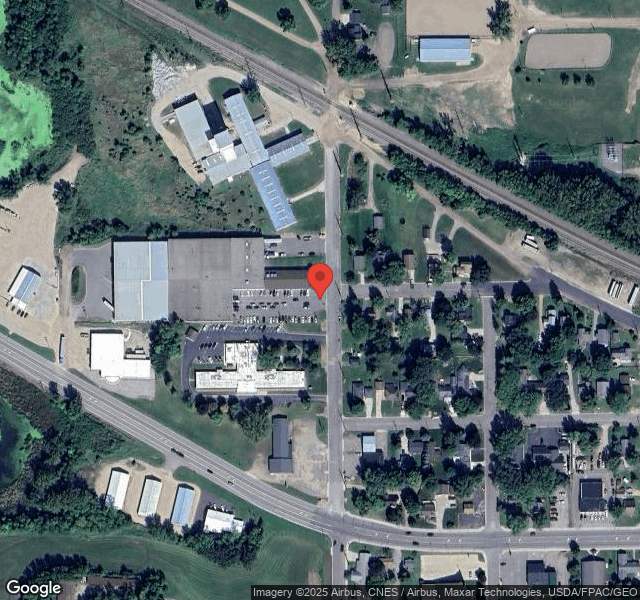
413 13TH AVENUE, HOWARD LAKE, MN 55349 (320) 543-3800
Non profit - Corporation 32 Beds GOOD SAMARITAN SOCIETY Data: November 2025
Trust Grade
95/100
#28 of 337 in MN
Last Inspection: January 2025

Within standard 12-15 month inspection cycle. Federal law requires annual inspections.

Overview

Good Samaritan Society - Howard Lake holds an impressive Trust Grade of A+, indicating it is an elite facility with top-tier care standards. Ranking #28 out of 337 nursing homes in Minnesota places it well within the top half of facilities, while its #2 position out of 7 in Wright County suggests only one other local option is better. However, the facility is experiencing a worsening trend, as the number of reported issues increased from 1 in 2023 to 2 in 2025. Staffing is a clear strength, with a 5/5 star rating and a turnover rate of only 23%, well below the state average, which means that staff are experienced and familiar with resident needs. Notably, there have been zero fines, and the facility also boasts more RN coverage than 98% of Minnesota facilities, ensuring higher quality oversight. On the downside, there have been some concerning incidents. For instance, there was a failure to maintain proper temperature logs for the kitchen dishwasher, which could impact food safety for residents. Additionally, an elopement incident involving a resident with severe cognitive impairment was not reported to the state in a timely manner, and there were inaccuracies in a resident's assessment related to their dental status. While the facility excels in staffing and overall care, these issues highlight areas needing attention to ensure resident safety and compliance.

Trust Score
A+
95/100
In Minnesota
#28/337
Top 8%
Safety Record
Low Risk
No red flags
Inspections
Getting Worse
1 → 2 violations
Staff Stability
✓ Good
23% annual turnover. Excellent stability, 25 points below Minnesota's 48% average. Staff who stay learn residents' needs.
Penalties
✓ Good
No fines on record. Clean compliance history, better than most Minnesota facilities.
Skilled Nurses
✓ Good
Each resident gets 101 minutes of Registered Nurse (RN) attention daily — more than 97% of Minnesota nursing homes. RNs are the most trained staff who catch health problems before they become serious.
Violations
✓ Good
Only 3 deficiencies on record. Cleaner than most facilities. Minor issues only.
★★★★★
5.0
Overall Rating
★★★★★
5.0
Staff Levels
★★☆☆☆
2.0
Care Quality
★★★★★
5.0
Inspection Score
Stable
2023: 1 issues
2025: 2 issues

The Good

  • 5-Star Staffing Rating · Excellent nurse staffing levels
  • Low Staff Turnover (23%) · Staff stability means consistent care
  • Full Sprinkler Coverage · Fire safety systems throughout facility
  • No fines on record
  • Staff turnover is low (23%)

    25 points below Minnesota average of 48%

Facility shows strength in staffing levels, staff retention, fire safety.

The Bad

Chain: GOOD SAMARITAN SOCIETY

Part of a multi-facility chain

Ask about local staffing decisions and management

The Ugly 3 deficiencies on record

Jan 2025 2 deficiencies
CONCERN (D)

Potential for Harm - no one hurt, but risky conditions existed

Report Alleged Abuse (Tag F0609)

Could have caused harm · This affected 1 resident

**NOTE- TERMS IN BRACKETS HAVE BEEN EDITED TO PROTECT CONFIDENTIALITY** Based on interview and document review, the facility failed to ensure an elopement incident was reported to the State Agency (SA...

Read full inspector narrative →
**NOTE- TERMS IN BRACKETS HAVE BEEN EDITED TO PROTECT CONFIDENTIALITY** Based on interview and document review, the facility failed to ensure an elopement incident was reported to the State Agency (SA) not later than 24 hours for 1 of 1 residents (R32) reviewed for elopement. Findings include: R32's admission Minimum Data Set (MDS) dated [DATE], indicated R32 had severe cognitive impairment and required extensive assistance with cares. R32 had diagnoses which included amputated toes of left foot, peripheral vascular disease, diabetes, and muscle weakness. R32's care plan revised 6/1/24, identified R32 had potential for elopement related to elopement 5/31/24 (completed after the reported incident). R32's progress notes were reviewed and identified the following entries: - 5/31/2024, at 8:10 p.m. assisted with toileting about 7:30 p.m. refused medications and blood sugar check. When staff went to check on resident at about 8:00 p.m. room door did not open. - 5/31/2024, at 8:15 p.m. family updated was refusing medications, door to room wouldn't open and was observed from his window to be covering up with covers in bed. - 5/31/2024, at 9:00 p.m. daughter arrived, resident did not answer family through the door. It was found that the window to room was open, the screen had been cut and resident was not in the room. Family left immediately to look for him while staff called 911. While staff on the phone with 911, family returned to report resident was at home with his family, that someone had given him a ride home from the bowling alley. A Facility Reported incident was submitted to the SA on 6/3/24, at 5:00 p.m. (approximately 68 hours after resident eloped out window) which identified R32 a non-elopement risk resident left the building through window in room. Locked door with cell phone cord and placed pillows in the bed to make it appear he was laying in it. Proceeded to walk to the roadway next to the building, flag down a motorist and got ride to his home. When interviewed on 1/09/25, at 3:59 p.m. director of nursing (DON) stated R32 was supposed to discharge to home the week before the incident, facility had discharge orders from the provider at that time. Family had convinced him to stay longer. R32 had gone to an appointment the morning of the incident , believed he was going to go home afterward but the family had brought him back to the facility. The nurse went to attempt medication administration again after he had initially refused, was not able to open the door to the room and R32 was not responding to the nurse so she went outside to look through the window observing R32 laying down in bed and covering up. Nurse had called the family for assistance since he was not responding to her, family arrived about 45 minutes later. R32 did not respond to the family who then went to the window discovering the window open and screen cut, resident was no longer in the room. Facility staff called 911 while the family left and located him at his residence in town. the nurse talked to the good samaritan that R32 flagged down, had not felt comfortable with driving him anywhere but someone from the bowling alley had overheard and gave R32 a ride. Was not reported at the time of the incident as did not feel that this was an elopement, had an order the week prior to discharge, he had a destination and arrived to that destination. Family brought him back later that night. Facility policy titles Abuse and Neglect - Rehab/Skilled, Therapy and Rehab revised 7/22/24, indicated if there is an allegation that does not involve abuse and there is no serious bodily injury, then it will be reported not later than 24 hours after the allegation is made.
CONCERN (D)

Potential for Harm - no one hurt, but risky conditions existed

Comprehensive Assessments (Tag F0636)

Could have caused harm · This affected 1 resident

**NOTE- TERMS IN BRACKETS HAVE BEEN EDITED TO PROTECT CONFIDENTIALITY** Based on observation, interview, and document review the facility failed to accurately complete a comprehensive Minimum Data Set...

Read full inspector narrative →
**NOTE- TERMS IN BRACKETS HAVE BEEN EDITED TO PROTECT CONFIDENTIALITY** Based on observation, interview, and document review the facility failed to accurately complete a comprehensive Minimum Data Set (MDS) assessment for 1 of 1 resident, (R23), who was reviewed for dental status Finding include: R23's admission assessment Minimum Data Set (MDS), dated [DATE], identified R23 had significant cognitive impairment, however, was independent with eating and oral hygiene. The MDS indicated R23 required assistance with dressing, personal grooming (outside of oral hygiene), and required full assistance with mobility. R23's medical diagnoses included a joint replacement, dementia (a group of symptoms that affects memory, thinking and interferes with daily life), multiple sclerosis (MS-a disease process which has been known to cause numbness, weakness, trouble walking, vision changes and other symptoms), anemia (a problem of not having enough healthy red blood cells or hemoglobin to carry oxygen to the body's tissues), atrial fibrillation (an irregular and often very rapid heart rhythm), heart failure (a progressive heart disease that affects pumping action of the heart muscles, which may cause fatigue, shortness of breath.), hypertension (high blood pressure), and end stage renal (kidney) disease. The MDS indicated R23 had no concerns with broken or missing teeth, or abnormal mouth issues and indicated None of the above were present. R23's quarterly MDS assessment of 10/30/24 lacked entry for dental status of R23. A subsequent MDS of 12/18/24 indicated there were no dental concerns identified. R23's care plan, dated 8/8/24, identified R23 experienced a self-care deficit related to hip fracture. The care plan identified R23 had his own teeth, was able to brush his teeth independently once set up, and was able to eat independently. The care plan directed staff to assist in dressing, grooming, mobility, with a goal to improve current level of function. A review of the record lacked indication R23 was missing the upper portion of his teeth on both the upper and lower jaw, with only the lower portion of teeth remained present. On 1/6/25, at 12:59 p.m., R23 was observed in his room following the noon meal. On the tray, it was noted there were two slices of bread with only the outer crusts remaining, with the center absent. R23 was observed to have only partial teeth on the upper and lower jaw. The lower portion of the teeth remained, however, there were no biting surfaces in place, and appeared to be only the pulp and roots remaining. R23 stated he was aware he needed to go to the dentist, although denied pain. On 1/8/25, at 3:59 p.m., a review was completed with registered nurse (RN)-A of the dental assessments on the MDS' of 8/14/24, 10/30/24, and 12/18/24. RN-A verified the documentation reviewed indicated there were no dental concerns identified. A review of the care plan at this time also lacked any indication of dental concerns. RN-A stated this data is automatically entered from the [NAME] (Nursing Admit Re-Admit Data Collection) form completed form the time of admission. RN-A was requested to evaluate the R23's dental status and follow up after investigation completed. At 5:26 p.m., RN-A identified R23 was noted to have broken/missing teeth in the center of the upper and lower jaw. RN-A stated dental assessments were completed initially upon admission, and quarterly thereafter, and the dental assessments should have reflected the status of the resident. RN-A stated she had conferred with the director of nursing (DON), who had attended the resident care conference on 12/12/24, at which time R23's dental status was reviewed. The notes reflected plans were made for dental status review at a follow up medical appointment on 1/7/25. Although identified at the care conference, this was not reflected in the care plan. RN-A stated with the concern identified, she would anticipate it would have been identified within the care plan. On 1/9/25, at 3:30 p.m., the DON stated it was her expectation for the MDS to accurately reflect the status of the resident. Additionally, DON stated it was her expectation the care plan be reflective of resident status, and direct staff as to resident needs for assistance and care. The facility policy, MDS 3.0 (Minimum Data Set) RAI (Resident Assessment Instrument)-Rehab/Skilled & Therapy and Rehab, last reviewed/revised 8/27/24 was reviewed. The policy identified during the observation period, each team member will review the EMR (electronic medical record) to determine if there is accurate documentation to support coding for the MDS. The policy directs that if, while reviewing the medical record, the time finds conflicting information, a clarifying note was to be written as part of a supportive documentation note. The guidelines indicated the staff were to attempt to conduct interviews with all residents. The facility policy, Denture and Oral Care, Dental Health Assessment, Dental Services, last reviewed and revised on 6/3/24, identified multiple purposes, which included to observe the oral cavity for abnormalities, provide comfort and well-being, and to maintain healthy condition of teeth and oral cavity. The policy outlines dental assessments are conducted upon admission, quarterly, and with the annual MDS, or with any other oral changes. The purpose of these assessment was identified as early identification and evaluation of any dental/oral health problems for treatment by a dentist or other health professional.
Nov 2023 1 deficiency
CONCERN (F)

Potential for Harm - no one hurt, but risky conditions existed

Food Safety (Tag F0812)

Could have caused harm · This affected most or all residents

Based on observation, interview and record review the facility failed to maintain proper records of kitchen dishwasher temperature logs. This had the potential to affect all 27 residents. Findings in...

Read full inspector narrative →
Based on observation, interview and record review the facility failed to maintain proper records of kitchen dishwasher temperature logs. This had the potential to affect all 27 residents. Findings include: During observation on 11/6/23 at 11:30 a.m., temperature logs were unable to be located during intital kitchen tour. During observation on 11/7/23 at 2:16 p.m., rinse temp on dishwasher test during kitchen tour with certified dietary manager (CDM-A), reached 175 dgrees on final rinse. When interviewed on 11/7/23 at 2:20 p.m., CDM-A stated she did not know why the temperature was not reaching full temperature and if the gauge was accurate. CDM-A said she could not find previous temp logs but would look. During observation on 11/7/23 at 5:20 p.m., with facility Administrator, the facility dishwasher was able to reach temperature with a temperature test strip. When interviewed on 11/7/23 at 5:30 p.m., facility Administrator stated the dishwasher had just been reviewed by the lease company Eco-labs, and that the temperatures of the dishwasher should be recorded and logged. When interviewed on 11/8/23 at 9:45 a.m., Eco-lab representative, (ELR-C) stated and demonstrated that the facility dishwasher was reaching temperatures of 180 degrees for rinse appropriately and would be reviewing for a newer temperature gauge. ELR-C stated it would be easier to monitor function with up-to-date temperature logs. When interviewed on 11/8/23 at 2:41 p.m., dietary cook (DC-A) stated she usually records the dishwasher temperatures on the log, and that she could see it had not been done for the first 6 days in November. DC-A stated it is important to record the dishwasher temperatures to show proper functioning, otherwise a resident could get sick. When interviewed on 11/8/23 at 2:43 p.m., CDM-A stated that she had located dishwasher temperature logs and showed that multiple days and months had been missing in the last quarter. CDM-A stated she did see this as an issue, and we don't want anyone to get sick from a misfunctioning dishwasher. CDM-A stated that she had reviewed the policy, updated the records, and began staff education on proper recording after the surveyor made her aware of the concern. Facility documents, titled 2023 Dish Machine Temperature Log for the months of November, October, September, and August indicated 6 missing entries to date in November, 9 missing entries for September, and unable to produce records for October or August for the year 2023. Facility document, titled Dishmachine Failure, revised on 2/1/2023 indicated, the senior living director or person in charge monitors the temperature/chemical logs on a periodic basis (a minimum of monthly) to ensure the data is within recommended guidelines.
Understanding Severity Codes (click to expand)
Life-Threatening (Immediate Jeopardy)
J - Isolated K - Pattern L - Widespread
Actual Harm
G - Isolated H - Pattern I - Widespread
Potential for Harm
D - Isolated E - Pattern F - Widespread
No Harm (Minor)
A - Isolated B - Pattern C - Widespread

Questions to Ask on Your Visit

  • "Can I speak with families of current residents?"
  • "What's your RN coverage like on weekends and overnight?"

Our Honest Assessment

Strengths
  • • Grade A+ (95/100). Above average facility, better than most options in Minnesota.
  • • No major safety red flags. No abuse findings, life-threatening violations, or SFF status.
  • • No fines on record. Clean compliance history, better than most Minnesota facilities.
  • • Only 3 deficiencies on record. Cleaner than most facilities. Minor issues only.
Concerns
  • • No significant concerns identified. This facility shows no red flags across CMS ratings, staff turnover, or federal penalties.
Bottom line: Generally positive indicators. Standard due diligence and a personal visit recommended.

About This Facility

What is Good Samaritan Society - Howard Lake's CMS Rating?

CMS assigns GOOD SAMARITAN SOCIETY - HOWARD LAKE an overall rating of 5 out of 5 stars, which is considered much above average nationally. Within Minnesota, this rating places the facility higher than 99% of the state's 100 nursing homes. This rating reflects solid performance across the metrics CMS uses to evaluate nursing home quality.
How is Good Samaritan Society - Howard Lake Staffed?

CMS rates GOOD SAMARITAN SOCIETY - HOWARD LAKE's staffing level at 5 out of 5 stars, which is much above average compared to other nursing homes. Staff turnover is 23%, compared to the Minnesota average of 46%. This relatively stable workforce can support continuity of care.

What Have Inspectors Found at Good Samaritan Society - Howard Lake?

State health inspectors documented 3 deficiencies at GOOD SAMARITAN SOCIETY - HOWARD LAKE during 2023 to 2025. These included: 3 with potential for harm.
Who Owns and Operates Good Samaritan Society - Howard Lake?

GOOD SAMARITAN SOCIETY - HOWARD LAKE is owned by a non-profit organization. Non-profit facilities reinvest revenue into operations rather than distributing to shareholders. The facility is operated by GOOD SAMARITAN SOCIETY, a chain that manages multiple nursing homes. With 32 certified beds and approximately 29 residents (about 91% occupancy), it is a smaller facility located in HOWARD LAKE, Minnesota.
How Does Good Samaritan Society - Howard Lake Compare to Other Minnesota Nursing Homes?

Compared to the 100 nursing homes in Minnesota, GOOD SAMARITAN SOCIETY - HOWARD LAKE's overall rating (5 stars) is above the state average of 3.2, staff turnover (23%) is significantly lower than the state average of 46%, and health inspection rating (5 stars) is much above the national benchmark.

What Should Families Ask When Visiting Good Samaritan Society - Howard Lake?

Based on this facility's data, families visiting should ask: "Can I visit during a mealtime to observe dining assistance and food quality?" "How do you handle medical emergencies, and what is your hospital transfer rate?" "Can I speak with family members of current residents about their experience?"

Is Good Samaritan Society - Howard Lake Safe?

Based on CMS inspection data, GOOD SAMARITAN SOCIETY - HOWARD LAKE has a clean safety record: no substantiated abuse findings (meaning no confirmed cases of resident harm), no Immediate Jeopardy citations (the most serious violation level indicating risk of serious injury or death), and is not on the Special Focus Facility watch list (a federal program monitoring the lowest-performing 1% of nursing homes). The facility has a 5-star overall rating and ranks #1 of 100 nursing homes in Minnesota. While no facility is perfect, families should still ask about staff-to-resident ratios and recent inspection results during their visit.

Do Nurses at Good Samaritan Society - Howard Lake Stick Around?

Staff at GOOD SAMARITAN SOCIETY - HOWARD LAKE tend to stick around. With a turnover rate of 23%, the facility is 23 percentage points below the Minnesota average of 46%. Low turnover is a positive sign. It means caregivers have time to learn each resident's needs, medications, and personal preferences. Consistent staff also notice subtle changes in a resident's condition more quickly.

Was Good Samaritan Society - Howard Lake Ever Fined?

GOOD SAMARITAN SOCIETY - HOWARD LAKE has no federal fines on record. CMS issues fines when nursing homes fail to meet care standards or don't correct problems found during inspections. The absence of fines suggests the facility has either maintained compliance or corrected any issues before penalties were assessed. This is a positive indicator, though families should still review recent inspection reports for the full picture.

Is Good Samaritan Society - Howard Lake on Any Federal Watch List?

GOOD SAMARITAN SOCIETY - HOWARD LAKE is not on any federal watch list. The most significant is the Special Focus Facility (SFF) program, which identifies the bottom 1% of nursing homes nationally based on persistent, serious quality problems. Not being on this list means the facility has avoided the pattern of deficiencies that triggers enhanced federal oversight. This is a positive indicator, though families should still review the facility's inspection history directly.