Central Health Care Center
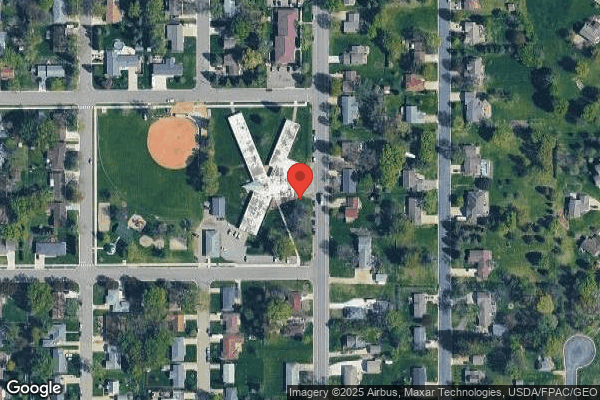
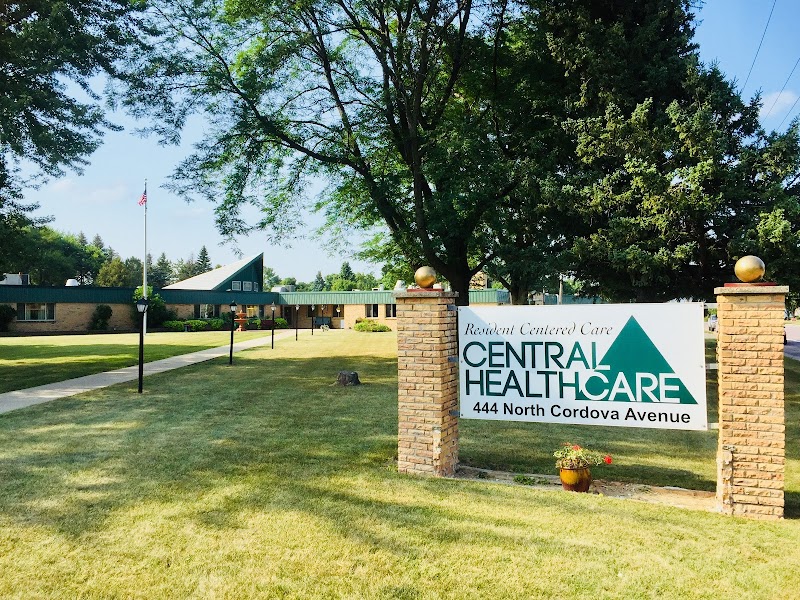
444 NORTH CORDOVA, LE CENTER, MN 56057 (507) 357-2275
For profit - Corporation 40 Beds Independent Data: November 2025 1 Immediate Jeopardy citation
Trust Grade
31/100
#225 of 337 in MN
Last Inspection: March 2025

Within standard 12-15 month inspection cycle. Federal law requires annual inspections.

Overview

Central Health Care Center has received a Trust Grade of F, indicating poor performance with significant concerns about care quality. Ranking #225 out of 337 facilities in Minnesota places them in the bottom half, although they are the only option in Le Sueur County. The facility's issues are worsening, having increased from 3 problems in 2024 to 6 in 2025. Staffing is a strong point here, with a 5/5 rating and turnover below state averages, meaning staff are stable and familiar with residents. However, the facility has incurred fines totaling $21,048, which is higher than 84% of Minnesota facilities, raising concerns about compliance issues. Specific incidents highlight serious problems, such as a resident who left the facility unnoticed, walking half a mile away due to inadequate safety measures. Another resident suffered a significant fall that required emergency treatment due to the facility's failure to assess and address fall risks properly. Additionally, there are concerns about the lack of a water management program to prevent the growth of harmful bacteria, which could affect all residents. Overall, while the staffing situation is strong, the facility faces major challenges in safety and care quality that families should consider carefully.
Trust Score
F
31/100
In Minnesota
#225/337
Bottom 34%
Safety Record
High Risk
Review needed
Inspections
Getting Worse
3 → 6 violations
Staff Stability
○ Average
42% turnover. Near Minnesota's 48% average. Typical for the industry.
Penalties
✓ Good
$21,048 in fines. Lower than most Minnesota facilities. Relatively clean record.
Skilled Nurses
✓ Good
Each resident gets 46 minutes of Registered Nurse (RN) attention daily — more than average for Minnesota. RNs are trained to catch health problems early.
Violations
⚠ Watch
22 deficiencies on record. Higher than average. Multiple issues found across inspections.
★★☆☆☆
2.0
Overall Rating
★★★★★
5.0
Staff Levels
★★☆☆☆
2.0
Care Quality
★☆☆☆☆
1.0
Inspection Score
Stable
2024: 3 issues
2025: 6 issues

The Good

  • 5-Star Staffing Rating · Excellent nurse staffing levels
  • Full Sprinkler Coverage · Fire safety systems throughout facility
  • No fines on record
  • Staff turnover below average (42%)

    6 points below Minnesota average of 48%

Facility shows strength in staffing levels, fire safety.

The Bad

2-Star Overall Rating

Below Minnesota average (3.2)

Below average - review inspection findings carefully

Staff Turnover: 42%

Near Minnesota avg (46%)

Typical for the industry

Federal Fines: $21,048

Below median ($33,413)

Minor penalties assessed

The Ugly 22 deficiencies on record

1 life-threatening 1 actual harm
Aug 2025 2 deficiencies 1 IJ
CRITICAL (J) 📢 Someone Reported This

A family member, employee, or ombudsman was alarmed enough to file a formal complaint

Immediate Jeopardy (IJ) - the most serious Medicare violation

Accident Prevention (Tag F0689)

Someone could have died · This affected 1 resident

**NOTE- TERMS IN BRACKETS HAVE BEEN EDITED TO PROTECT CONFIDENTIALITY** Based on interviews and document review, the facility failed to conduct comprehensive elopement risk assessments for 2 of 3 resi...

Read full inspector narrative →
**NOTE- TERMS IN BRACKETS HAVE BEEN EDITED TO PROTECT CONFIDENTIALITY** Based on interviews and document review, the facility failed to conduct comprehensive elopement risk assessments for 2 of 3 residents (R1, R3) identified as an elopement risk. Additionally, the facility did not promptly respond to a sounding Wanderguard alarm or ensure proper functioning of alarmed exit doors. This resulted in an immediate jeopardy when R1 left the facility and was found half a mile from the facility.The IJ began on [DATE], when it was identified R1 had eloped through the facilities south door, with the alarm sounding and walked 0.5 miles away from the facility. On [DATE] at 1:26 p.m., the director of nursing (DON) and business office manager were notified of the IJ. The IJ was removed on [DATE] at 12:55 p.m., after it could be verified the facility had implemented an acceptable removal plan. However, non-compliance remained at a D for isolated scope and severity which indicated no actual harm, with potential for more than minimal harm.Findings include: R1's face sheet dated [DATE], identified R1 admitted to the facility 4/2025, with diagnoses of dementia (decline in cognitive function), morbid obesity (overweight), aphasia (language disorder that affects communication and comprehension), and signs and symptoms involving cognitive functions and awareness (encompass a range of mental processes including memory, attention, language, and problem-solving abilities).R1's admission Minimum Data Set (MDS) dated [DATE], identified R1 did not talk and was rarely/never understood but sometimes understood others. R1 had severely impaired daily decision-making skills. Wandering occurred 1-3 days but did not trigger a significant risk of getting to a potentially dangerous place or outside of the facility but intruded on privacy/activities of others. R1 was able to walk without assistive devices, dependent on staff for lower body dressing and substantial assistance with upper body dressing. R1's Brief Interview for Mental Status (BIMS) dated [DATE], identified R1 was unable to complete the interview, which indicated staff completed the interview and identified a memory problem with short- and long-term memory, and moderate impairment with decisions.R1 did not have a comprehensive elopement risk assessment completed.R1's care plan dated [DATE], identified behaviors related to dementia and at risk for wandering. Interventions included: address wandering behavior by walking with or attempt to redirect from inappropriate area, engage in divisional activity ([DATE]); intervene wandering as needed to protect rights and safety of others, approach in a calm manner, divert attention, remove from situation/take to another location ([DATE]); Wanderguard placed on ankle, staff to ensure placement each shift ([DATE]).R1's physician orders dated [DATE], identified a Wanderguard was placed on left ankle and make sure Wanderguard was in place and functioning daily. Additional orders dated [DATE], identified to document frequency of R1 wandering into other resident's rooms and if R1 was redirectable.R1's progress notes from [DATE]-[DATE], identified R1 wandered into other resident rooms and walked a significant amount around the building. R1 was not always redirectable for staff.R1's progress note dated [DATE] at 2:49 p.m., identified at approximately 10:46 a.m., R1 eloped from the facility via the south door. The alarm was sounding. NA-A notified by a resident that R1 had walked past her door but did not come back around and pass her door again. NA-A alerted staff of elopement. Staff searched outside, asked community members that were in the area, and were directed on where R1 was seen. R1 was assessed for injuries and offered water upon return to facility, Wanderguard assessed and working properly. South door examined and noted that it would not sound if the door was not fully closed. R1 placed on 15-minute checks. Physician, family member, and DON notified of incident.R1 was found as 0.5 miles from the facility. The Weather Channel identified the temperature on [DATE] to be ranged from 60-79 degrees Fahrenheit with stray thunderstorms.R1's Resident Safety assessment dated [DATE], identified 15-minute checks began on [DATE] at 11:45 a.m., and ended on [DATE] at 10:00 p.m. when the door was fixed. During an observation on [DATE], R1's room was located on the north hall, near the nurses station. At 9:37 a.m., activity staff was observed walking down the hall and met R1, who was walking the north hall independently and began to dance next to him down the hall. At 9:41 a.m., R1 walked to the end of the hall and entered the chapel, with an exit door and keypad next to the door, R1 sat in a recliner. No staff were present in chapel. Another resident was looking out the window, next to the exit door. R1 appeared short of breath and had a white band sticking out of the top of his right sock, consistent with a Wanderguard bracelet. At 9:45 a.m., R1 stood up and went to the exit door and looked out the glass door, turned around and began walking back down the hall. At 9:55 a.m., R1 continued to walk down hallways. During a phone interview on [DATE] at 3:26 p.m., housekeeper (HSK)-A stated she witnessed R1 walking around the facility earlier in the morning on [DATE]. HSK-A heard the noise of the alarm, and saw all the nurses were looking around and checking rooms. HSK-A was alerted a resident was missing. HSK-A left the facility and went toward the park. HSK-A saw people at the park and asked if they had seen a person matching R1's description. HSK-A was directed in the direction R1 was seen. HSK-A caught up to R1 between the library and the post office. HSK-A called the facility informed licensed practical nurse (LPN)- where they were and that she was going to stay with R1. NA-C brought a wheelchair. A nurse and two other nursing assistants also arrived to HSK-A's location.During an interview on [DATE] at 10:13 a.m., NA-B stated the Wanderguard helps to tell staff when a resident goes outside because the door alarm will go off. The door would alarm and lock if a resident with a Wanderguard got too close, and a code was needed to open the door and turn off the alarm. The south hall was a high traffic area with an exit door. NA-B stated there was no way the door would open with a Wanderguard. It was possible a person exited from that door and R1 managed to leave. R1's wife would take him outside, but facility staff does not because they did not know if R1 would come back inside willingly. R1 went room to room in the halls and staff just keep an eye on him. On [DATE], NA-B did not hear the alarm sounding and stated a person needed to be down the south hall or in the lobby to hear the alarm. NA-B was informed the south alarm was sounding, R1 was missing, and no one saw R1 exit the building. The search began room to room looking for R1. One staff member got in a car and drove to R1's location as reported by someone in the community. NA-B was unsure how long R1 was missing but he was several blocks away and was difficult to get him to come back to the facility. After R1 was back in the facility he was on 15-30 minute checks. NA-B did not receive re-education from the facility after the incident.During phone call on [DATE] at 8:27 a.m., NA-A stated R1 would lay on his bed and sometimes walk around the building. On [DATE], NA-A went to answer a call light on the south hall, and heard the south door alarm sounding. The south hall door was closed. NA-A looked down the south hall first and then saw RN-C and asked RN-C to walkie talkie for staff to look for R1 down the other halls. NA-A looked down her assigned halls and another NA and RN-C looked down the other hall. Sometimes, R1 would wander through the employee doors so NA-A went down to the laundry room and R1 was not in there. NA-A went outside and looked around the parking lot and did not see R1. Someone outside the facility told HSK-A R1 was down by the post office and HSK-A found R1. NA-A ran down the road and could see HSK-A with R1 slowly walking back to the facility. R1 was on 10-20 minute checks for at least the day or next couple of days. When registered nurse (RN)-B was interviewing staff after the incident, she had the south door slightly open and in the 45 minutes it was open the alarm did not go off and that was how we thought it was the door. Although the facility knew the door alarmed, they had not checked outside of the building but checked inside the facility first. During a phone call on [DATE] at 9:54 a.m., NA-C stated staff go in and out of the south door a lot. NA-C was working in the laundry department and was in the backroom on [DATE]. R1 was an elopement risk because he constantly walks the facility. NA-A came into the laundry room looking for R1. NA-C did not hear the alarm. NA-C immediately went to the main lobby and heard the south alarm going off. NA-C immediately went outside and started looking around the premises. NA-C heard HSK-A had found R1 and went to meet up with them. R1 looked really tired and exhausted so NA-C ran back to the facility and got a wheelchair and wheeled it back to R1 and HSK-A. R1 walked most of the way back, it was probably the last four blocks that R1 decided to sit in the wheelchair and ride back. NA-C was aware R1 had 15-minute checks the rest of the day and the maintenance director (MND)-A was called to check the south door because of the latch and staff were to make sure the door was latched when coming and going. NA-C was unaware of any education provided after the incident. During a phone interview on [DATE] at 10:07 a.m., NA-D stated [DATE] was her first shift at the facility and she had not had training on alarms or elopement. NA-D arrived at 5:30 a.m., and R1 was awake and walking the halls. NA-D noticed R1 was walking around the facility and checking the doors and staff told her that R1 had been up doing that all night. NA-D was in a room with a resident on the south hall and stated she kept hearing what sounded like an alarm, beep, beep, beep. NA-D was unsure what it was. NA-D was told by another NA, a resident got out of the building. Staff went room to room and when they could not find R1, went outside. A community member took a staff person down to R1. NA-D was unsure if the facility had an elopement plan for R1 but knew he should not exit the facility alone because he had the Wanderguard on. During a phone interview on [DATE] at 8:53 a.m., LPN-A stated the south door alarm is not as loud as the main entrance alarm but it can be heard at the nurses station and down the halls. There was no specific elopement procedure, usually staff are assigned to halls to search bathrooms, closets, everywhere and alert staff if the resident was found. At the time of the incident on [DATE], RN-C and an NA had been in a room with the door closed on the north hall. LPN-A was on the east hall providing a treatment to another resident when RN-C called to her on the walkie-talkie system to come to the front desk right away. LPN-A was unsure of the specific time RN-C called her but thought it was around 10:00 a.m. LPN-A went to the front desk and RN-C stated they were looking for R1. The south door alarm was sounding. LPN-A stated she and RN-C started to think maybe R1 went outside with someone as he had a tendency to go in the activity room, which was located on both sides of the south door and other resident rooms. Dietary, housekeeping, laundry, and nursing departments all looked for R1. LPN-A stayed inside the building by the nurses station and her assigned hall as RN-C went outside the facility. A staff person walkie-talkie they saw R1 and that is how LPN-A knew he was found. R1 was brought back to the facility in a wheelchair, he was exhausted. LPN-A completed a full set of vital signs, gave water, checked R1's feet for blisters, and began 15-minute checks upon return. RN-C notified RN-B of the incident. LPN-A did not notify the police of the incident. During an interview on [DATE] at 9:50 a.m., RN-A stated R1 wandered around the facility and into other resident rooms. RN-A recalled R1 was placed on 15-minute checks after he eloped on [DATE], as the facility determined the south door he exited from did not latch properly. RN-A thought the 15-minute checks continued until the south door was fixed. RN-A was not aware of precautions put in place for the other resident (R2) that resided in the facility on [DATE] and had a Wanderguard. RN-A was unaware of any education or facility drills completed on elopement after the incident.During a phone interview on [DATE] at 10:43 a.m., RN-C stated she was not sure if the facility had an elopement assessment. RN-C had noticed R1 going to doors and pushing on them a couple of times on the morning of [DATE]. When R1 eloped on [DATE], RN-C was assisting with a transfer in another resident's room. When they finished the transfer and left the room, they heard the door alarm sounding. RN-C immediately thought of R1, and her and the aide went to R1's room and he was not in there. RN-C and the aide looked around for R1 and RN-C used the walkie-talkie and notified LPN-A that the door alarm was sounding, and they could not locate R1. Staff were notified via walkie-talkie that R1 was missing. There was not a specific procedure that was followed, everyone just scrambled. LPN-A was more familiar with the facility and directed staff where to look. R1 was found by the post office. A NA met up with the staff that found R1 and once RN-C knew R1 was found and where the location was, RN-C met up with R1 and the staff and walked with them towards the facility. Another staff member brought a wheelchair because R1 appeared very tired and R1 sat in it and was transported back to the facility. R1 had a full body exam for injuries and 15-minute checks were initiated. LPN-A notified the nurse practitioner. RN-C was unaware if the police were notified but knew she had not notified them. A sign was placed on the south door to make sure it shut completely if you go in or out of it until it was fixed. The facility thought the south door was ineffective and that was how R1 was able to get out.During a phone interview on [DATE] at 10:24 a.m., RN-B stated the facility does not have a formal assessment for elopement risk. If a resident attempted to leave the facility, that was when a Wanderguard was put on. The door system will lock and an alarm will sound when a resident attempts to open the doors. R1 wandered the facility daily and frequently pushed on exit doors. On [DATE], LPN-A called RN-B, who was the designated on-call nurse at the time and notified her R1 had eloped and was already back at the facility. RN-B recalled R1 had walked out the south door, staff heard the alarm and started looking for R1. Staff did not see R1 anywhere nearby or on facility grounds. Some staff saw community members in the nearby park and approached them and asked if they had seen R1, and they had and pointed the direction R1 went. HSK-A was able to see R1 in the distance and communicated to LPN-A that R1 was found but was a distance ahead of her. HSK-A caught up to R1 and was able to convince him to turn around and began walking back with him. Another staff came with a wheelchair and R1 sat in it and was wheeled back to the facility. LPN-A checked R1's vital signs and gave water to hydrate. No injury was noted to R1's body during physical exam. RN-B investigated the south door Wanderguard function. There were times where the door would not fully latch so RN-B notified MND-A of her findings. RN-B had staff initiate 15-minute checks for R1 while the door was not functioning. RN-B was not concerned about initiating 15-minute checks for R2 as R2 had a motion sensor alarm placed while he was in his room and staff always escorted him to and from the dining room, where he remained supervised. RN-B was not aware if anyone checked the functionality of the door alarms on a regular basis. During an interview on [DATE] at 10:59 a.m., maintenance director (MND)-A stated he was unaware when the Wanderguard door system was installed but it was prior to him working at the facility and he had been the maintenance director for at least a year. MND-A thought there were five doors with the Wanderguard system on them. The facility had never had a maintenance plan in place for the doors to be checked as far as MND-A was aware and the doors had never been checked and he did not keep a log. MND-A was made aware of the door not properly latching on [DATE]. MND-A adjusted the door and hinges and ordered a new hydraulic closer. MND-A was unsure when the door was fixed but thought it was probably within that week. The facility amazon order dated [DATE], identified an order for a Dynasty Door Closer, commercial grade size 4 spring, hydraulic automatic series 4000 Door Closer Sprayed Aluminum was ordered on [DATE], shipped to the facility on [DATE]. The facility did not identify when the order arrived at the facility.During an interview on [DATE] at 9:33 a.m., DON stated the facility has never done elopement risk assessments. During a subsequent interview at 11:11 a.m., DON stated the facility determined if a resident is at risk for elopement upon admission when they talk with the family, or if they are a known wanderer from information obtained from the hospital or facility resident transferred from. After R1 returned to the facility staff gave him fluids, performed a skin check, completed vital signs, and placed him on 15-minute checks to ensure it would not happen again. To mitigate elopement, interventions in the care plan include distraction, activity, staff interaction, redirection, typical dementia type interventions included to deter them going in that direction. The Wanderguard company was not notified to assess the system as the facility felt it was the hydraulics leaking and the door was not locking, it was slightly ajar, so R1 was able to get out. If the door had been working properly it would have locked and stayed locked so R1 would not have been able to leave the facility. The facility does not test the doors to make sure the Wanderguard system is working properly. The facility had an elopement policy, staff communicated on walkie-talkies, and each nurse should take their assigned NA's, have them do an all-clear check when an alarm went off. R1 was removed from 15-minute checks on [DATE] as maintenance had done repair on the door hinge that allowed the door to shut securely while waiting for the hydraulic part. Since the door was able to close, staff felt R1 was safe, and he was removed from 15-minute checks.The IJ was removed on [DATE], when the facility revised and implemented the following that was verified through staff interview on [DATE].A formal Elopement Policy and Procedure, including: Definitions and identification of elopement and wandering behavior Required interventions for at-risk residents Staff roles and responsibilities in prevention and response Detailed response procedure Monthly audits and staff retraining requirementsDevelopment and implementation of Elopement Risk Assessment Tool which included: Tool considers history of wandering, cognitive status, behavioral indicators, and functional mobility All residents were assessed using this tool by nursing leadership Results of assessments were reviewed with Interdisciplinary Team (IDT) and incorporated into resident care plans Elopement risk assessment to be completed upon admission, quarterly, and PRN upon any changes noted. Information obtained to be used in creating an individualized care planCare plan revisions: For all residents identified at risk for elopement, individualized care plans were updated to include: clear, tailored interventions (room location, increased checks, redirection strategies); use and maintenance of Wanderguard devices, diversional activities and environmental controls, updated completed and singed by IDTWanderguard and Door alarm monitoring procedure: Weekly door and wander guard system inspection protocol has been established and incorporated into the facility maintenance schedule Maintenance will test each wander guard enabled door weekly and document results in a newly implemented door alarm inspection log Nursing staff are required to verify wander guard functionality at the beginning of each shift and document it All staff to be educated on immediate alarm response time to decrease the potential risk to the resident for harm. Staff education and re-training: All staff educated on: revised elopement policy and procedure, use of the elopement risk assessment tool, wander guard system checks and documentation, emergency response protocols for elopement; training included scenarios and drill; attendance logs and training on file, new hires will receive this training during orientationMonitoring and Quality Assurance: The Quality Assurance and Performance Improvement (QAPI) committee will: review all elopement related incidents monthly, audit 10 elopement risk assessments and care plans weekly for 8 weeks, then monthly for four months, audit door alarm logs and shift wander guard checks weekly, results will be reviewed during monthly QAPI meetings, corrective actions will be implemented for any identified deficiencies R3's face sheet dated [DATE], identified R3 admitted 5/2025. Diagnoses included anxiety disorder, and dementia.R3's optional state assessment MDS dated [DATE], identified moderate cognitive impairment. No wandering or behaviors.R3 did not have a comprehensive elopement risk assessment completed.R3's care plan dated [DATE], identified self-care deficit with interventions requiring assistance of one staff with dressing. A care plan focus dated [DATE], identified R3 had diagnoses of dementia, poor memory recall, and anxiety. R3 was new to the facility and needed explanations, reminders, and assistance to attend activities of her choosing. Interventions included offer to sit outside with R3 when the weather is nice. A second focus on [DATE], identified R3 had impaired cognitive function related to dementia. Intervention on [DATE], identified R3 had a history of wandering away from the facility, order to have Wanderguard on and checked each shift to ensure placement.R3's progress note dated [DATE] at 1:00 p.m., identified a nurse-to-nurse report from the hospital. The hospital stated R3 had dementia with sundowning behaviors and does not always know place and time. At 9:12 p.m., R3 became more upset as the night progressed and had no idea why her family dumped her at facility.R3's progress note dated [DATE] at 1:26 p.m., identified R3 exhibited poor memory recall by forgetting her recent hospital stay as well as reason for residing at facility.R3's progress note dated [DATE] at 2:57 p.m., identified R3 was seen pacing back and forth in the hallway, unable to find her room. Walked with R3 towards her room and she was able to remember where it was.R3's progress note dated [DATE] at 9:34 p.m., identified R3 experienced confusion, believed she was at work and that she able to walk herself home.R3's physician dictation note dated [DATE], identified R3 had increased confusion, which contributed to her long-term residency at facility. R3 does have sundowning, easily redirected.R3's progress note dated [DATE] at 8:18 p.m., identified R3 was found outside on the east side of the building. R3 was confused on what door to enter. R3 is able to go outside unsupervised and is alert and orientated times three and understood that she got turned around. DON and on-call doctor notified and a verbal order was obtained to put a Wanderguard on R3. At 8:24 p.m., a dietary note identified R3 was seen walking on the grass by the dietary office window towards the east end of the building. The dietary director went outside and met R3 who stated she must have gotten lost and was trying to find her way back into the building. Dietary director walked with R3 to the main entrance, sat outside for about 10 minutes, and returned inside the building.R3's progress note dated [DATE] at 8:58 p.m., identified R3 was agitated after supper because she could not go outside by herself due to the Wanderguard. Attempted to go outside twice and set the alarm off each time.R3's progress note dated [DATE] at 9:47 a.m., identified R3 was upset she could not go outside due to the Wanderguard and would not leave the front door so other residents and visitors could get in or out. At 10:47 a.m., R3 was placed on 15-minute checks due to refusing to put the Wanderguard back on. R3 continued to sit on the bench outside the front door.R3's Resident Safety Assessment for 15 minute checks began on [DATE] at 6:00 a.m., two pages that included 15-minute increments of time were provided. The second page, undated had done written across it beginning at 10:30 a.m. A handwritten note on the first page dated [DATE], identified R3 did not attempt to leave facility when outside. There was no indication R3 had a Wanderguard on at this time. R3's progress note dated [DATE] at 12:10 p.m., identified a wanderguard was placed on R3's left ankle. At 3:00 p.m., R3 was upset that the wanderguard was on and just wanted to sit outside. Activity staff sat outside with R3.R3's progress note dated [DATE] at 2:43 p.m., identified R3's family member requested the activity department put a schedule together as to when R3 could go outside with them.R3's physician dictation note dated [DATE], identified on [DATE], R3 was found outside the facility, and it was unclear how long she was outside, though it was believed to be under half an hour. R3 initially went outside to sit and then waked to the other side of the building, attempted to enter through a locked door, which led to some confusion. As a result a Wanderguard was applied. R3 stated when she gets near the door the alarm goes off and that is scary for her. R3's family member would like her to have a second chance at not wearing the Wanderguard. Plan included to continue wearing the Wanderguard and look into an assisted living facility that allows safe wandering outside, until that changes R3 will continue to need to wear the Wanderguard. BIMS 9, continues sundowning with wandering behavior, raising safety concerns. An order for dementia-ok for Wanderguard to ensure increased safety.R3's order communication form beginning date of [DATE], identified on [DATE]: see progress note, R3 found on east side of building not able to find entrance door back into facility. Wanderguard placed due to noted incident. Since Wanderguard placed resident cut off once and becomes upset related to having to wear it. R3 had zero knowledge of incident. Please advise if to continue Wanderguard. BIMS on [DATE] moderate impairment with a score of 9. Nurse Practitioner signed the order on [DATE].R3's Treatment Administration record dated 7/2025, identified to begin on [DATE], identified check to ensure Wanderguard is in place on left ankle and not expired every shift and test Wanderguard weekly to ensure working, test with tester.During an observation and interview on [DATE] at 9:50 a.m., RN-A stated last time she heard the door alarm go off was when R3 was trying to get out the door. R3 was observed at the main entrance door. A staff member was inside the nurses station pushed and held a button that appeared like a doorbell. R3 and an activity staff went outside and sat down. R3 just likes to sit outside on the bench.During an interview on [DATE] at 10:13 a.m., NA-B stated R3 feels like she does not need to be at the facility, she wants to be at home. We do not have 15-minute checks on R3 because she knows and follows directions.During a phone interview on [DATE] at 8:27 a.m., NA-A stated since R1 had eloped, NA-A liked to make sure where the residents with Wanderguards are at times and tried to keep them in the lobby so when she completed tasks she can quickly look to make sure the residents were still there.During an interview on [DATE] at 11:11 a.m., DON stated she has heard the alarm sounding on the doors when R3 attempts to exit. The facility did not do an elopement risk assessment on R3 because the facility does not have elopement risk assessments.The facility policy and procedure for missing resident reviewed [DATE], identified: Notify current staff of resident missing All staff to search all rooms, closets, etc. If unable to locate resident notify DON and social services Notify local police department-give police a copy of face sheet and picture of resident. Description of what resident is wearing. Additional information that would be helpful Notify family and/or legal guardian Social service and/or DON to follow up with vulnerable adult policy and procedureThe facility Missing Resident undated, identified Initial Actions printed at the top of the paper. The paper was divided in half with the first side blank and the side next to it identifying actions to be completed: Record the time that the resident was discovered missing and when and where he/she was last seen Verify the resident has not signed out or been discharged Perform census verification and resident roll call to determine if there are any other missing residents Activate facility's EOP (emergency operation plan) and appoint a facility Incident Commander if warranted Search the facility's grounds for the resident. If necessary, distribute copies of the residents photograph to staff searching the grounds. Keep a record of the areas searched. Be sure to check: closets, walk-in refrigerators/freezers, storage units, under beds and behind furniture If the missing resident is not found following an expedient search, call 9-1-1 and provide: name and description of missing resident, description of clothing, ambulation method, cognitive status, photo if available Notify responsible party/next of kin that resident is missing and search is underway Notify MN Department of Health to report an unusual occurrence and activation of facility's EOP Coordinate with public safety agencies in searching for the missing resident Once the resident is found, notify the responsible party/next of kin, facility staff, and public safety agency representativeThe facility Wander Management Transmitters User Guide dated 11/2018, identified it is the responsibility of the facility to establish and facilitate a regular inspection schedule for your system. It is recommended that a yearly inspection of the system by a qualified representative be completed for safety and performance. Failure to provide regular inspection of these products may result in equipment and/or system failure.System maintenance and testing it the responsibility of the facility to establish and facilitate a regular maintenance schedule for the system. This includes regular inspection, testing and cleaning. It is recommended to do monthly maintenance of the system and the facility keep records of maintenance and test completions. Failure to provide regular inspection of these products may result in equipment and/or system failure.Each transmitter is stamped with a warranty expiration date. Using a transmitter beyond the printed expiration date can result in system failure and/or elopement.When the CodeWatch is placed on a residents ankle, be sure to adjust the antennas at each door to a 4-5 foot range to the ankle. Failure to do so may allow a resident to elope because they will be closer to the door when the door detects their transmitter.All transmitters must be tested prior to use to verify proper operation, this includes every time the band is replaced.
CONCERN (D) 📢 Someone Reported This

A family member, employee, or ombudsman was alarmed enough to file a formal complaint

Potential for Harm - no one hurt, but risky conditions existed

Medical Records (Tag F0842)

Could have caused harm · This affected 1 resident

Based on interview and document review the facility failed to maintain a complete and accurate medical record for 1 of 1 residents (R1) reviewed for complete and accurate medical record. Findings incl...

Read full inspector narrative →
Based on interview and document review the facility failed to maintain a complete and accurate medical record for 1 of 1 residents (R1) reviewed for complete and accurate medical record. Findings include:R1's face sheet dated 7/31/25, identified R1 admitted to the facility 4/2025.R1's vital sign record dated 5/2025, did not identify recorded vital signs after he returned from elopement.A facility paper dated 5/3/25, listed a nurse and three nursing assistants (NA)'s names and a list of resident names with boxes to write in. R1's name was handwritten with a first name only and had vital signs listed, without a time, as temperature 97.2, pulse 73, respirations 18, blood pressure 130/68, oxygen 96%, and no pain.During an interview on 8/1/25 at 12:41 p.m., Director of Nursing (DON) stated she was not able to locate the vital signs in R1's electronic medical record. DON looked through old nurse assignment sheets and found the one dated 5/3/25 and will enter them in the electronic health record.The facility Medical Records Policy undated, identified all paper records will be stored securely in a locked medical records room or filing cabinets within the facility.
Mar 2025 4 deficiencies
CONCERN (D) 📢 Someone Reported This

A family member, employee, or ombudsman was alarmed enough to file a formal complaint

Potential for Harm - no one hurt, but risky conditions existed

Grievances (Tag F0585)

Could have caused harm · This affected 1 resident

**NOTE- TERMS IN BRACKETS HAVE BEEN EDITED TO PROTECT CONFIDENTIALITY** Based on interview and document review, the facility failed to follow their grievance process for missing personal property for ...

Read full inspector narrative →
**NOTE- TERMS IN BRACKETS HAVE BEEN EDITED TO PROTECT CONFIDENTIALITY** Based on interview and document review, the facility failed to follow their grievance process for missing personal property for 1 of 1 resident (R1) who reported a missing item. Findings include: R11's admission Minimum Data Set (MDS) assessment dated [DATE], indicated R11 was cognitively intact, no behaviors, very important to choose what clothes to wear, dependent on staff for dressing and diagnoses included after care following joint replacement surgery. On 3/9/25 at 11:22 a.m., R11 stated she had a jean jacket that was missing. R11 stated the jacket was put in the laundry and never returned. R11 stated she informed multiple staff about the missing jean jacket and had not heard back about the missing jacket. R11 stated the missing jacket was at least thirty dollars. On 3/10/25 at 7:26 a.m., social services (SS)-A stated R11 reported a missing jean jacket over two weeks ago and she helped search R11's room and other staff looked throughout the facility for the jacket. SS-A stated she looked in laundry and other resident rooms for the jacket and the jacket was not found. SS-A stated a form was filled out regarding the missing jacket. SS-A was observed to look for the paper form in her office and confirmed she could not find the form. SS-A stated she had seen R11 wear the jean jacket prior to her reporting the jacket missing. SS-A stated the process for missing items was a form was filled out, the missing item was discussed in IDT (interdisciplinary team) meeting, and the administrator was made aware. SS-A confirmed the IDT team and administrator was not made aware as expected, and follow up wit R11 had not occurred. On 3/10/25 at 7:31 a.m., laundry (L)-C stated she had been aware of R11's missing jacket about a month ago but had not been able to locate the jacket. L-C indicated social services follows up with the residents. On 3/10/25 at 10:28 a.m., the administrator stated social services was expected to follow the policy regarding missing clothing and make him aware when a resident reported a missing item. The administrator confirmed he was not made aware of R11's report of the missing jacket. The administrator confirmed the missing item process was not followed through. Facility Missing Item Policy and Procedure dated 3/1/21, indicated Social service department will complete a missing item report Social service department will begin an investigation to locate the missing items and will inform the IDT at the following morning meeting of the missing item report. If the item is unable to be located, social services will discuss with the administrator possible alternatives to replace the missing item. Social services will notify the residents representative of the missing item if its unable to be located immediately with the 5-day investigation person. Social services will office possible alternative to replace the missing item. The facility administrator will sign off of the report once the investigation is finalized, the report will be filed in the residents soft file in the social service office.
CONCERN (D)

Potential for Harm - no one hurt, but risky conditions existed

Food Safety (Tag F0812)

Could have caused harm · This affected 1 resident

Based on observation, interview, and document review the facility failed to discard food that had expired and ensure all foods were labeled and dated with opened and discard dates. This had the potent...

Read full inspector narrative →
Based on observation, interview, and document review the facility failed to discard food that had expired and ensure all foods were labeled and dated with opened and discard dates. This had the potential to affect all residents residing in the facility who were served food from the kitchen. Findings include: During observation on 3/9/25 at 10:30 a.m., 16 single serve red gelatin in small plastic condiment-style containers with lids and hand written dates of 2/27/25, 23 single serve applesauce in small plastic condiment-style containers with lids with handwritten dates of 2/28/25, and one open medium plastic container of turkey with a hand written date of 3/2/25, were in the main kitchen Tonka refrigerator. During observation on 3/9/25 at 4:50 p.m., single serve containers of applesauce dated 2/28/25, were observed on the top of each cart. During interview on 3/9/25 at 4:55 p.m., licensed practical nurse (LPN)-A stated the applesauce was used for residents who had crushed medications and preferred them mixed with something. LPN-A was unsure what the date on the container indicated or how long the applesauce was good for. During interview on 3/10/25 at 10:03 a.m., dietary manager (DM)-D stated the dates on the containers indicated the date they were put in the refrigerator and they should be used within five days. DM-D further stated the gelatin should have been discarded on 3/4/25, the applesauce discarded on 3/5/25, and the turkey discarded on 3/7/25. DM-D stated the applesauce was used multiple times daily for snacks for residents and by the nurses for crushed medications. DM-D was unsure what the gelatin and turkey had been used for or when it was last used. DM-D stated food opened in the refrigerator should be discarded within five days for food safety reasons and to prevent foodborne illnesses. During interview on 3/10/25 at 12:46 p.m., administrator stated he was unaware of foods that should have been discarded from the refrigerator but expected the dietary staff to label and discard foods within their expected timeframe to ensure resident safety. A facility document titled Refrigerator Procedure dated 12/24, indicated perishable open items may not be in fridge longer than three days after placed in the fridge. Items will be tossed if in the fridge after three days. Facility Policy and Procedure on Refrigerator Storage dated 10/15/24, indicated any leftover food would be put in the fridge in clean containers with tight fitting lids. Each container will be labeled and dated and will have the use by date. Any food not used by the use by date will be disposed of immediately. All food and nutritional staff are responsible for this.
CONCERN (E)

Potential for Harm - no one hurt, but risky conditions existed

Accident Prevention (Tag F0689)

Could have caused harm · This affected multiple residents

**NOTE- TERMS IN BRACKETS HAVE BEEN EDITED TO PROTECT CONFIDENTIALITY** Based on observation, interview and record review, the facility failed to ensure safe and appropriate water temperatures were ma...

Read full inspector narrative →
**NOTE- TERMS IN BRACKETS HAVE BEEN EDITED TO PROTECT CONFIDENTIALITY** Based on observation, interview and record review, the facility failed to ensure safe and appropriate water temperatures were maintained below 120 degrees Fahrenheit (F) to prevent potential scalding for 5 of 8 residents (R8, R20, R24, R11, R25) observed for accidents and hazards. Findings include: R8's facesheet printed on 3/11/25, included diagnoses of congestive heart failure (the heart doesn't pump blood as well as it should), dementia and schizophrenia (prevents a person's ability to think, feel and behave clearly). R8's quarterly Minimum Data Set (MDS) assessment dated [DATE], indicated R8 had severe cognitive impairment, he was understood and could usually understand. R8 required supervision with toileting. R8's care plan dated 6/23/23, indicated staff would assist with transfers/ambulation, but R8 would get up on his own with walker. R20's facesheet printed on 3/11/25, included diagnosis of chronic kidney disease. R20's quarterly MDS assessment dated [DATE], indicated R20 was cognitively intact, was understood and could understand. R20 was independent with toileting. R20's care plan dated 8/7/23, indicated R20 could ambulate around his environment independently using assist of wheelchair. R24's facesheet printed on 3/11/25, included diagnosis of congestive heart failure. R24's significant change MDS dated [DATE], indicated R24 was cognitively intact, could understand and be understood and was independent with toileting. R24's care plan dated 10/14/24, indicated transfer independence with 4-wheeled walker. R11's facesheet printed on 3/11/25, included diagnoses of arthritis and aftercare following joint replacement surgery. R11's admission MDS assessment dated [DATE], indicated R11 was cognitively intact, could understand and be understood and was dependent upon staff for assistance to the toilet. R11's care plan dated 12/30/24, indicated R11 had an ADL (activity of daily living) deficient related to recent surgery and required assistance of staff to toilet. R25's facesheet printed on 3/11/25, included diagnoses of spinal stenosis (spaces inside the bones of the spine get too small) and spondylosis with myelopathy (spinal cord become depressed). R25's admission MDS assessment dated [DATE], indicated R25 was cognitively intact, could understand and be understood; and was independently with toileting. R25's care plan dated 2/6/25, indicated toileting independence. During an observation on 3/10/25 at 11:35 a.m., the hot water coming out of the faucet in R2's bathroom sink felt unusually hot. During an observation and interview on 3/10/25 at 11:47 a.m., maintenance director (MD)-A used an instant read thermometer to measure the temperature of the water from R2's bathroom faucet. The temperature measured 120 degrees F. MD-A who was new to the role since August 2024, stated he was unaware of safe, maximum water temperature for resident rooms. During record review, documents provided by MD-A titled Monthly Water Temperature Checks, indicated water temperature was checked monthly in two resident bathrooms faucets on each of the three wings. Results included temperatures over 120 degrees F with no action taken. The form did not identify safe parameters for water temperature. For May and June 2024, all 12 temperatures were recorded as being 109 degrees F, except for one room which was 108 degrees F. Starting in August 2024, the recorded temperatures were significantly higher: --8/20/24, of the six readings, two were > 120 degrees F: 122.3 F and 120.8 F. --9/13/24, of the six readings, two were > 120 degrees F: 120.4 F and 121.9 F. --10/30/24, of the six readings, three were > 120 degrees F: 120.4 F and 121.7 F x 2. --11/26/24, of the six readings, none were > 120 degrees F. --12/5/24, of the six readings, four were >120 degrees F: 120.8 F, 122.5 F, 123.3 F, 121.6 F. --1/7/25, of the six readings, four were >120 degrees F: 120.6 F, 121.4 F, 121.2 F, 121.6 F. --2/7/25, of the six readings, two were > 120 degrees F: 122.3 F, 121.1 F. --Undated (for March 2025), of the six readings, four were > 120 degrees F: 121.6 F, 122.7 F, 120.6 F, 123.6 F. During an interview on 3/10/25 at 1:38 p.m., nursing assistant (NA)-B identified eight residents: R8, R20, R16, R24, R11, R25, R3, R21, who were able to toilet independently and/or who used the sink in their bathrooms. During observation and interview on 3/10/25, from 1:45 p.m. to 2:03 p.m., along with MD-A, went to each of the eight rooms and temped the hot water at the bathroom sink faucet. Results indicated five of eight faucets had water temperatures exceeding 120 degrees F: 1. R8: 122 degrees F 2. R20: 122.3 degrees F 3. R24: 121.8 degrees F 4. R11: 122.5 degrees F 5. R25: 121.6 degrees F; R25 stated the water did not feel too warm to him. During an interview on 3/10/25 at 1:50 p.m., NA-A was not aware of hot water complaints from residents nor was she aware of any resident being scaled from hot water. During an interview on 3/10/25 at 2:06 p.m., the director of nursing (DON) stated no residents had reported nor were observed being scalded by hot water. During an interview on 3/10/25 at 2:45 p.m., the administrator was informed water temperatures in some resident bathrooms exceeded 120 degrees F. The administrator stated he would work with MD-A to correct it. A policy on maintaining and monitoring water temperature from resident bathroom sink faucets was requested and not received.
CONCERN (F)

Potential for Harm - no one hurt, but risky conditions existed

Infection Control (Tag F0880)

Could have caused harm · This affected most or all residents

Based on interview and document review, the facility failed to have a documented water management program including an assessment with a description of the building water system using text and flow di...

Read full inspector narrative →
Based on interview and document review, the facility failed to have a documented water management program including an assessment with a description of the building water system using text and flow diagrams to identify where Legionella and other opportunistic waterborne pathogens could grow and spread. Furthermore, the facility failed to implement measures to prevent the growth of opportunistic waterborne pathogens. This had the potential to affect all residents and staff using water in the facility. Findings include: During interview on 3/10/25 at 11:29 a.m., maintenance director (MD)-A stated he did not know what Legionella was and was not aware of what he was supposed to do for water management. MD-A stated he did not have a water management program and did not have an assessment or text and flow diagram to identify how water traveled throughout the facility. MD-A stated he started his position in August 2024 and had not had any training on water management. During interview on 3/10/24 at 12:45 p.m., registered nurse (RN)-A also known as the infection preventionist, stated she oversaw infection prevention and control at the facility, was aware of what Legionella was, but that the maintenance director was supposed to take care of the water management program at the facility. RN-A stated they had not had any Legionella-related pneumonia infections. During interview on 3/10/24 at 12:32 p.m., administrator stated he was unable to find a water management program or an assessment of the buildings water system. Administrator further stated MD-A was new and may need education on water management. Facility Infection Prevention and Control program policy dated 1/6/25, indicated: 16: Water management a) A water management program has been established as part of the overall infection prevention and control program. b) Control measures and testing protocols are in place to address potential hazards associated with the facility's water systems. c) The Maintenance Director serves as the leader of the water management program. The water management program and policy were requested but not received.
Jan 2024 3 deficiencies
CONCERN (D) 📢 Someone Reported This

A family member, employee, or ombudsman was alarmed enough to file a formal complaint

Potential for Harm - no one hurt, but risky conditions existed

Report Alleged Abuse (Tag F0609)

Could have caused harm · This affected 1 resident

**NOTE- TERMS IN BRACKETS HAVE BEEN EDITED TO PROTECT CONFIDENTIALITY** Based on interview and document review, the facility failed to ensure an allegation of abuse was reported to the state agency (S...

Read full inspector narrative →
**NOTE- TERMS IN BRACKETS HAVE BEEN EDITED TO PROTECT CONFIDENTIALITY** Based on interview and document review, the facility failed to ensure an allegation of abuse was reported to the state agency (SA) within 2 hours, in accordance with established policies and procedures, for 2 of 2 residents (R80 and R14) reviewed for an allegation of resident-to-resident abuse. Findings include: R80's facesheet received on 1/4/24, included diagnosis of sepsis. R80's admission Minimum Data Set (MDS) assessment dated [DATE], did not indicate a cognitive assessment, however a significant change MDS dated [DATE], indicated intact cognition. R80 had clear speech, could understand, and be understood. No behaviors were exhibited. R80 required assistance with activities of daily living (ADL's); was able to self-propel wheelchair independently after set-up help. R80's care plan dated 6/11/23, did not include abuse vulnerability. R14's facesheet received on 1/4/24, included diagnoses of traumatic brain injury and bipolar disorder with psychotic features. R14's quarterly MDS assessment dated [DATE], prior to incident, indicated severe cognitive impairment. R14 had clear speech and was able to understand and be understood. R14 had behaviors directed towards others including threatening, yelling, and hitting. R14 required substantial assistance or was dependent upon staff for ADL's, including self-propelling in a wheelchair. R14's care plan dated 5/29/23, indicated R14 had behavioral symptoms such as calling out, anger and frustration. Interventions included medication, answering call light promptly, praising positive behavior, re-approaching when agitated, distraction, redirection, and rewarding good behavior. In addition, R14's care plan indicated cognitive loss with interventions including to allow R14 to express feelings and calm R14 when showing signs of distress. R14's care plan did not include aggressive behaviors directed toward other residents. A progress note dated 5/24/23 at 4:50 p.m., indicated licensed practical nurse (LPN)-A had been informed by nursing assistant (NA)-A he had observed R14 grab and shake R80's left arm while the two were passing in the hall. NA-A intervened by separating R14 and R80. R80 sustained a 3 cm (centimeter) x 4 cm bruise on his left forearm. LPN-A indicated she notified the director of nursing (DON). Review of vulnerable adult report, submitted to the SA, identified the incident of abuse was reported to the SA the following day, on 5/25/23 at 2:08 p.m., approximately 21 hours after the incident occurred. During an interview on 1/3/24 at 10:54 a.m., the DON stated she had been made aware of the altercation between R14 and R80 after it happened. The DON stated she was not aware the incident of abuse needed to be reported to the SA within two hours of occurring. As a result, the report was submitted to the SA by the former administrator the following day on 5/25/23. Review of training documents provided by the DON, indicated the DON completed Abuse, Neglect, and Exploitation: Mandatory Reporter training on 9/1/22, and 11/9/23. The training included a section on reporting, which included reporting, allegation of abuse, carrying out policies and procedures, requirements, and mandatory reporting. The facility Vulnerable Adult Abuse Prevention and Investigation/Reporting Plan policy dated 8/3/23, indicated staff would report any incident of suspected or confirmed abuse to the DON, social services, or another member of management immediately, regardless of the time lapse since the incident occurred. All incidents of suspected or confirmed abuse must be reported immediately to the SA.
CONCERN (D)

Potential for Harm - no one hurt, but risky conditions existed

Deficiency F0657 (Tag F0657)

Could have caused harm · This affected 1 resident

**NOTE- TERMS IN BRACKETS HAVE BEEN EDITED TO PROTECT CONFIDENTIALITY** Based on interview and document review, the facility failed to invite and/or involve a resident in their quarterly care conferen...

Read full inspector narrative →
**NOTE- TERMS IN BRACKETS HAVE BEEN EDITED TO PROTECT CONFIDENTIALITY** Based on interview and document review, the facility failed to invite and/or involve a resident in their quarterly care conference and the facility failed to ensure a staff member from the nursing department had attended the care conference for 1 of 1 resident (R11) reviewed for care planning. Findings include: R11's quarterly Minimum Data Set (MDS) assessment dated [DATE], indicated R11 was cognitively intact, utilized a wheelchair, was dependent on staff for toileting, shower/bath, dressing, personal hygiene, and transfers, and diagnoses included stroke, heart failure, dementia, and depression. R11's care plan revised 10/30/23, indicated R11 was able to see within his environment and verbalize but it may take some time to verbalize r/t (related/to) past CVA (cerebrovascular accident) (stroke), alert and oriented and interventions included provide care in relaxed, unhurried, nonjudgmental manner, give clear and simple directions and explanations, encourage to talk when possible, allow time for his response; placement at Central Health Care deemed appropriate long-term per family, physicians and supportive persons d/t (due/to) inability to care for self independently after stroke and interventions included allow and encourage resident to ask questions and voice concerns, answer in a manner in which resident can understand, encourage continued visits from family and friends to add social and mental stimulation, encourage resident to express his feelings, provide support and reassurance as needed, resident and family would only like to be asked about returning to the community on comprehensive assessment. R11's document titled Care Plan Conference Summary dated 1/2/24 at 10:00 a.m., indicated the facility staff present included social services (SS)-A, dietary manager, and activities director, and further indicated family member (FM)-C attended via phone. The document did not include attendance of nursing or R11. During an interview on 1/2/24 at 11:39 a.m., R11 stated he had not participated in a care conference or been and invited, and would want to participate in the conference if offered. Observed a sign posted on R11's bathroom door that indicated care planning meeting will be on 1/2/24 at 10:00 a.m., in the social services office. R11 further voiced he had not noticed the sign until now when it was pointed out to him, and stated he was not offered assistance to the meeting today or invited. During a follow up interview on 1/2/24 at 5:24 p.m., R11 stated he asked SS-A about the care conference that was held today, and was told he was not invited because she didn't think he would want to go. During interview on 1/3/24 at 8:47 a.m. SS-A stated she was responsible for arranging resident care conferences and mailed the meeting information to family members, hung a sign with the conference information in resident's rooms, and stated the day of the care conference she would make the resident aware of the meeting and offers the resident to attend the care conference. SS-A stated yesterday she had forgot to invite R11 to his care conference meeting, and stated FM-A attended via phone. SS-A confirmed R11 should have been invited to attend his care conference on 1/2/24. SS-A stated department managers were expected to attend the care conferences, and stated R11's meeting yesterday did not include a member from nursing. During an interview on 1/3/24 at 9:58 a.m., the director of nursing (DON) stated it was the responsibility of SS to include and invite the resident to the care conference, and stated the care conference should include the social worker, resident, and/or resident's family , nursing , activities director , dietary manager, and stated would be responsibility of the social worker to find someone from nursing to attend the meeting. The facility Resident Care Conference Policy dated 2/18/21, indicated: Policy : Central Health Care will meet with resident's and/or resident representatives upon admission, every quarter, annually, or as needed to address the resident's healthcare needs while residing in the facility. This policy will be implemented to meet this regulation to ensure that the resident is receiving quality of care while residing in the facility. Procedure : 1. Upon a resident's admission to the facility, an admission care conference will be scheduled to be held with resident, resident's representative, and IDT within the first 7 days. 2. The care conference notification letter will be sent to the identified resident's representative offering for them to attend the care conference by phone or in person. During the COVID-19 pandemic, all resident representatives are to attend the care conference by phone only, unless noted otherwise by [NAME] and CDC if visitors are permitted into the facility. 3. The resident will be informed of the date and time of the care conference within 24 hours of the care conference scheduled. A notice will be posted in the resident's room. 4. The care conference notification will be mailed to the resident's representative minimum two weeks in advance of the date of the care conference. 5. If the resident or resident representative are unable to attend the meeting at the scheduled date and time, it will be offered to resident and representative to schedule the meeting for a different date and time that works best for the resident and their representative. 6. In the event, that the resident wishes to not attend or is physically unable to attend, the IDT will meet at the scheduled date and time to complete the care conference meeting. The representative will still be given the option to attend the care conference if the resident does not attend for any reason. IDT will document the reason for the resident not attending the care conference in the care conference summary and resident's chart. 7. A progress note will be completed and documented in resident's chart noting what was discussed in the resident's care conference including if any grievances or concerns were discussed. 8. Resident's care plan will be updated as needed based on the care conference discussion and/or at the request of the resident and/or representative. 9. If a grievance is discussed during the care conference and initiated by the resident or their representative, a grievance form will be completed by the social service coordinator and the investigation process will begin within the facility. 10. The resident and/or representative will be informed of the outcome of the grievance investigation process within 5 business days from the date the grievance was made.
CONCERN (F)

Potential for Harm - no one hurt, but risky conditions existed

Deficiency F0838 (Tag F0838)

Could have caused harm · This affected most or all residents

**NOTE- TERMS IN BRACKETS HAVE BEEN EDITED TO PROTECT CONFIDENTIALITY** Based on interview and document review, the facility failed to ensure the facility assessment was reviewed and updated annually....

Read full inspector narrative →
**NOTE- TERMS IN BRACKETS HAVE BEEN EDITED TO PROTECT CONFIDENTIALITY** Based on interview and document review, the facility failed to ensure the facility assessment was reviewed and updated annually. This had the potential to affect all 27 residents who resided in the facility. Findings include: During an interview on 1/4/24 at 10:34 a.m., the director of nursing provided a copy of the facility assessment dated [DATE], and confirmed the assessment had not been reviewed or updated since that date, more than one year ago. During an interview on 1/4/24 at 10:57 a.m., the administrator, who had been employed at the facility less than five months, had not been aware the facility assessment had not been reviewed in 2023. The facility assessment dated [DATE], indicated the facility must review and update the assessment annually or whenever there is/the facility plans for any change that would require a modification to any part of the assessment.
Aug 2023 5 deficiencies 1 Harm
SERIOUS (G) 📢 Someone Reported This

A family member, employee, or ombudsman was alarmed enough to file a formal complaint

Actual Harm - a resident was hurt due to facility failures

Accident Prevention (Tag F0689)

A resident was harmed · This affected 1 resident

**NOTE- TERMS IN BRACKETS HAVE BEEN EDITED TO PROTECT CONFIDENTIALITY** Based on observation, interview, and document review the facility failed to comprehensively assess each fall to identify and ana...

Read full inspector narrative →
**NOTE- TERMS IN BRACKETS HAVE BEEN EDITED TO PROTECT CONFIDENTIALITY** Based on observation, interview, and document review the facility failed to comprehensively assess each fall to identify and analyze causal factors for potential root cause in order to determine individualized interventions to prevent or decrease the risk for future falls for 2 of 3 residents (R3 and R2) reviewed for falls. The facilities failure resulted in actual harm when R3's fall required emergency services with sutures to repair a deep laceration to the face. Findings include: During an observation and interview on 8/2/23 at 3:48 p.m. R3 was seated in his wheelchair to the left of his bed watching television. R3 stated the staff are nice, but it would be nice if they would help me walk. R3's care plan dated revised 2/1/23 indicated urinary incontinence related to advanced dementia. Interventions dated 1/30/23, included that R3 was able to verbalize to staff the need for toileting, and required extensive assist of one to two staff for toileting needs to include transfers on and off the toilet. R3's safety event, dated 5/7/23 indicated at 3:15 p.m. R3 attempted to stand up in the bathroom and R3 slid off the toilet. Staff was in R3's room at the time of the fall but was unable to get to R3 at the time. No injury identified. Root cause indicated toileting, does not identify a prevention intervention, and indicated the care plan was not reviewed or updated. R3's fall risk assessment dated [DATE] identified a score of 17, indicating R3 was at risk for falls. No referrals necessary, continue with current plan of care. R3's safety event, dated 5/25/23 indicated at 3:35 p.m. Social worker (SW)-A found R3 face down on the floor in front of his wheelchair with a puddle of blood next to him on the floor. Nursing came to assess, rolled R3 over and noted a deep laceration on left side under R3's nose with uncontrolled bleeding, a scrape to the middle of his forehead and scrape to R3's left knee. Received provider orders to send R3 to the hospital, ambulance arrived at 3:50 p.m. Root cause was identified as toileting. Does not identify if R3's basic needs were met, such as last time toileted or assisted with a basic care need. Did not identify a prevention intervention. R3's after visit summary (AVS) dated 5/25/23 indicated the reason for visit was a fall with a head laceration and contusion of the left knee. R3's progress note, dated 5/26/23 indicated R3 returned to the facility at 11:30 p.m. R3 had three sutures below left nostril, hematoma on the left side of his forehead with abrasion and a few small red abrasions on his nose. R3's left knee also had two red abrasions. R3's significant change, minimum data set (MDS) dated [DATE], indicated R3's cognition to be severely impaired, and included the following diagnoses of Parkinson's disease, diabetes, mononeuropathy (damage to the nerve) of bilateral lower limbs, history of nasal bone fracture, and right sided multiple rib fractures. R3 required extensive assist of one staff with bed mobility, transfers, walking, toileting, and personal hygiene. Further indicated one fall with injury. R3's fall risk assessment dated [DATE] identified a score of 15, indicating R3 was at risk for falls. No referrals necessary, continue with current plan of care. R3's safety event dated 6/17/23 indicated at 6:45 a.m. an aide helped R3 transfer from his bed to his wheelchair and R3 fell on the floor landing on his buttocks. Will have therapy evaluate resident if he should be an EZ stand in the morning to get up as resident seems to have more difficulty in the morning with transfers. Does not identify if a gait belt was being used or if the care plan was followed. Care Plan was not reviewed. Root cause undetermined, no new prevention intervention put in place. R3's progress note dated 7/14/23 at 9:30 p.m. indicated R3 was assisted to his room from the common area, as transferred to the hallway R3 stopped, grabbed the rail, and told staff he did not want to go to his room, R3 was offered to go back to the common area which R3 refused. R3 indicated he needed to go to the barn and feed the cows, which is why R3 got up from his wheelchair to go. R3 pulled himself up on the rail lost his balance and landed on the floor. R3 was reassured and was assisted with cares and bed. R3 sustained an abrasion to his left knee that measured four centimeters (cm) x 5 cm, treatment applied. No root cause identified, does not identify the last time R3 was assisted with basic care needs, no prevention intervention put in place. R3's care plan dated 7/31/23 indicated R3 had a fall on 7/14/23 with no injury due to poor balance and unsteady gait, interventions included: for no apparent acute injury, determine and address causative factors of the fall. Care plan lacked person-centered interventions and did not identify what R3's fall risk was. R3's care guide dated 7/31/23 indicated R3 had frequent falls prior to admission, frequently confused, sundown's(symptoms or dementia-related behaviors that may include difficulty sleeping, anxiety, agitation, hallucinations, pacing and disorientation) in the evening, attempt to orient to surroundings during moments of confusion, if restless bring to common area, history of self-transfers, wears incontinent brief, offer toileting via commode before and after meals and transitional times, offer urinal when in bed. Bed in low position when in it and unplugged and remind to use call light. During an interview on 8/2/23, at 3:09 p.m. nursing assistant, (NA)-A stated, R3 requires two staff assist with transfers, R3 has dementia and sundowners, if you want R3 to be cooperative you have to get to R3 earlier rather than later. If R3 is up in his wheelchair, staff are to use the EZ-stand to toilet him every two hours, R3 does not ask. NA-A stated when R3 is toileted every two hours he is mostly continent. If R3 is in bed, staff do a check and change because once in bed R3 will refuse. R3 is a high risk for falls and has had falls due to R3's dementia because he forgets and thinks things need to be done on the farm. During an interview on 8/2/23, at 3:36 p.m. trained medication aide (TMA)-A stated, R3 requires total assist with all cares, R3 tries to get up frequently on his own, we need to offer toileting frequently with him due to his history of falls. TMA-A was unable to articulate whether R3 was continent or not. During an interview on 8/2/23, at 5:18 p.m. the director of nursing (DON), stated, when a resident falls, the floor nurse would be responsible to assess the resident for injury. If the resident is unable to say what happened due to dementia or confusion the nurse should be checking to ensure that their basic needs were met to include, checking to see if they are incontinent at the time of the fall, last time they were toileted, last time assisted with a basic care need such as a drink of water or something to eat. The DON further explained a root cause of the fall will be determined and should be documented in the progress note, a prevention intervention should be put in place and updated on the care plan immediately to ensure all staff are aware of new fall prevention interventions. The DON confirmed that R3 has dementia and requires extensive assist with all cares and staff need to anticipate his needs. The DON reviewed R3's facility fall investigations from 5/7/23 to 7/14/23 and confirmed that the basic needs for R3 were not investigated, were not root caused and no prevention interventions have been updated to the current care plan. DON confirmed that R3 did receive injuries from two of his last four falls. The DON stated R3's fall on 5/25/23, the injury was a deep laceration to R3's left upper lip requiring emergency treatment with sutures, a left forehead hematoma and an abrasion to his left knee. The fall on 7/14/23, R3 received a left knee abrasion. The DON stated since they changed electronic health records (EHR) at the beginning of last month, the information from the old EHR was not uploaded to the new EHR record. The DON stated she was in the process of updating everyone's medical records and care plans manually and has not gotten to them all yet. The DON further stated, she updates basic cares and interventions to a word document on all the residents daily and prints them out to give to the caregivers, so they know how to care for the residents. During an observation and interview on 8/2/23, at 2:42 p.m. R2 was seated in his recliner in his room watching television and was unable to recall any falls. R2's Care plan, dated 1/23/23, indicated R2 was at risk for falls related to advancing dementia and the aging process. Interventions dated 1/23/23, included to assure R2 is wearing proper footwear, floor is free of clutter, glare, liquids, and foreign objects, keep personal items and frequently used items within reach, remind R2 of his own limitations, keep call light in place and answer promptly. An additional problem dated 1/23/23, indicated R2 has incontinence of bowel and bladder related to the advancing aging process. Interventions dated 1/23/23 indicated to give bowel medications as needed, wears disposable products, staff assist with good pericare after each incontinence episode and as needed and required limited to extensive assist with toileting needs. R2's progress note dated 6/27/23, indicated R2 answers to his name, unsure if R2 knows where he is or what time it is, R2 does not talk much or say what he needs anymore. Further indicated unclear if R2 understands others or not and R2 speaks short sentences and is very soft spoken. Staff to ensure R2 is toileted and required extensive assist with toileting and was incontinent of bladder this shift. R2's quarterly, minimum data set (MDS), dated [DATE], indicated moderate cognitive impairment, and indicated diagnoses of dementia, post-traumatic stress disorder (PTSD), diabetes and disturbance of emotions and conduct. R2 required supervision with walking and locomotion and extensive assist of one staff for bed mobility, transfers, toileting, dressing and hygiene. R2's fall risk assessment, dated 6/28/23, indicated a score of 11, indicating R2 was at risk for falls. R2's progress note, dated 7/25/23, indicated a physician order was received for a therapy evaluation to be completed due to R2 has been more unsteady while walking and leans forward when walking. R2's unwitnessed Fall Event, dated 7/27/23, at 11:39 a.m. indicated R2 was found lying on his back on the floor with his head facing the foot of the bed. R2 stated, I slipped off the cardboard and was trying to fix the car. No injuries noted. Fall investigation did not include information on when R2 was last assisted or if R2's basic needs were met. No root cause or prevention intervention indicated to prevent future falls. R2's care guide, dated 7/31/23, indicated R2 transfers with stand by assist with mobility, and was incontinent of bowel and bladder, and to toilet every two hours. During an interview on 8/2/23, at 3:05 p.m. NA-A stated R2 was very quiet in nature, can walk on his own and liked to wander when R2 is not in his room. R2 has started to get more confused lately, staff remind R2 to go to the bathroom, R2 will be continent, R2 has to be offered to go to the bathroom every two hours and does not use the call light to ask. NA-A stated to find out if a resident has had a fall staff would get that in shift report, staff use pocket care plan guides that gives us the updates, one of the nurses here is supposed to update it every day. NA-A stated I do not think R2 has had any falls. During an interview on 8/2/23, at 3:34 p.m. TMA-A stated staff give R2 reminders and cues due to his dementia. R2 likes to sit in his room and watch TV. TMA-A was not aware of any falls for R2. TMA-A stated R2 can walk and was not sure about his continence. During an interview on 8/2/23, at 4:47 p.m. the DON indicated the facility investigation from R2's fall on 7/27/23, at 11:39 a.m. does not indicate a root cause for his fall, or if it was determined if R2's basic needs were met. The DON stated, there was no prevention intervention put in place to prevent future falls as we were unsure of the root cause. Facility policy, Central Health Care Fall Protocol, dated 9/13/17, indicated, 1. Immediately after a fall: assess residents physical condition before moving, administer emergency care if determined necessary, fall with injury notify physician, DON, and family, fall without injury: notify DON, family and physician, continue to monitor residents physical and mental status for 72 hours, document findings in the nurses notes. 2. Write a detailed account of any falls using the INCIDENT REPORT form. A witness statement must be completed by the employee who finds the resident on the floor. In the event a family member finds them are to complete the witness report. Outside visitors do not complete them. A detailed description must include, where they were found, what the resident reported they were doing, location of the call light, types of footwear or lack of, location of any assistive device that they were supposed to use. Any information that may be beneficial such as increased anxiety prior to the fall, visitors present, when last attended by staff. 3. Determine immediate safety measures to be taken by staff and add to the resident care plan immediately after the fall. Document safety measures that were implemented and response in the nurses' notes. 4. Communicate measures to staff and add to the resident care plan immediately after the fall, add any new intervention identified on the Incident report form. 5. Identify the cause of the fall (if able) and determine if it was an isolated incident or has the potential to recur.
CONCERN (F) 📢 Someone Reported This

A family member, employee, or ombudsman was alarmed enough to file a formal complaint

Potential for Harm - no one hurt, but risky conditions existed

Administration (Tag F0835)

Could have caused harm · This affected most or all residents

Based on observation, interview and document review, the facility failed to provide administration to oversee that the facility had adequate resources and guidance for appropriate resident care relate...

Read full inspector narrative →
Based on observation, interview and document review, the facility failed to provide administration to oversee that the facility had adequate resources and guidance for appropriate resident care related to falls. This deficient practice had the potential to affect all 27 residents residing in the facility. Findings include: Refer to F689. The facility job description, Administrator undated, indicated, nursing home administrators supervise clinical and administrative affairs of nursing and rehabilitation facilities. Typical duties include overseeing staff and personnel, financial matters, medical care, medical supplies, facilities, and other duties as specific positions demand. Policy indicated that the administrator is supervised by the Board of Directors. Qualifications are a four-year bachelor's degree in public health administration or health Services Administration and a State Nursing Home Administrator License. Responsibilities include: -Working with clinical staff to create a plan of care for each resident and to oversee resident progress and condition. -Leading teams in the nursing home to ensure all staff members meet goals and fulfill resident expectations. -Upgrading equipment and technology in the facility to reflect the changing needs of its residents. -Brainstorming solutions for financial or practical problems that arise during the facility's operation. During an interview on 8/3/23, at 10:54 a.m. the director of nursing (DON) stated the facility did not have administrator in the building since 6/20/23. DON stated she thought the business office manager (BOM)-A and BOM-B were overseeing the administrator's duties. During an interview on 8/3/23, at 11:15 a.m. BOM-A indicated she had been in this role for 40 plus years and indicated the interim administrators last day was 6/20/23 and was unaware of who at this time was fulfilling the administrator's duties. The BOM-A stated the facility owner (FO)-A told her the facility would have a new administrator start 8/1/23, she was waiting to pass her exam for licensure. The BOM-A had not heard anything since then. During a phone interview on 8/3/23, at 3:15 p.m. potential administrator (PA)-A indicated she had conversations with FO-A as potentially being the next administrator but indicated she had not passed her state licensure exam and would have to wait six months to take it again. During a phone interview on 8/3/23, at 3:47 p.m. FO-A indicated the interim administrator was from a staffing agency and his assignment was up and he had another facility to go to. FO-A was unable to articulate when his last day was. FO-A stated he was waiting for PA-A to pass her test and once she was licensed, she would be the new administrator. FO-A was not aware PA-A did not pass her test. FO-A was not aware of the concerns with falls in the facility. FO-A also indicated he was not involved in the quality assurance performance improvement (QAPI). FO-A stated he relied heavily on the medical director for that. Facility policy for administration was requested and not received.
CONCERN (F) 📢 Someone Reported This

A family member, employee, or ombudsman was alarmed enough to file a formal complaint

Potential for Harm - no one hurt, but risky conditions existed

QAPI Program (Tag F0867)

Could have caused harm · This affected most or all residents

Based on interview and document review, the facility failed to maintain a quality assessment and assurance (QAA) committee that was effective in identifying, assessing, performing, developing, and imp...

Read full inspector narrative →
Based on interview and document review, the facility failed to maintain a quality assessment and assurance (QAA) committee that was effective in identifying, assessing, performing, developing, and implementing appropriate plans of action related to falls. This deficient practice had the potential to affect all 27 residents currently residing in the facility. Findings include: Review of the facility's QAPI (quality assurance and performance improvement) meeting minutes, dated 6/21/23, indicated the administrator or owner were not present and included: -April, 2023-9 falls -May, 2023-14 falls -one resident on hospice has had multiple falls, hospice OT (occupational therapy) came to assess, resident resistive to interventions offered, regarding parameter mattress, pillows, etc. as all the falls have been out of his bed. Review of the facility's QAPI (quality assurance and performance improvement) meeting minutes, dated 7/12/23, indicated the administrator or owner was not present and included: -nursing converted EMAR systems from Matrix to Point Click Care, live date was 7/6/23. -five noted falls for the month of June; three falls for one individual who routinely self-transfers and moves/covers his motion alarm. One fall was lowered to the floor by staff and one fall was a fall out of a sling of EZ-stand, PT/OT ordered due to not holding onto the EZ-stand, placed in Hoyer lift until evaluated by therapy. Incident Report Log, dated July 2023, identified nine falls, contributing factors not identified. The meeting minutes from June 2023 and July 2023, quality of care issues listed included CMS (Center for Medicare and Medicaid Services) quality measure for Falls. It lacked trends, root cause analysis, prevention measures, and summary of analysis. During an interview on 8/3/23, at 3:01 p.m. DON stated the facility was cited in QAPI, so part of our plan of correction was to do it monthly for 3 months, the old interim administrator was not coordinating QAPI, and the DON started it up again in June 2023, the April and May 2023 was missed. The DON stated the administrator heads all the QAPI meetings, and all department heads meet quarterly, and discuss quality issues we are currently having and put a plan in place to fix it. The DON stated she was not cueing in on the falls, she made a list of falls that occurred and never got to the point of root causing them. The facility owner (FO)-A has not been involved in the QAPI meetings that would fall on the administrator. The DON stated the facility has not been sharing out QAPI minutes with (FO)-A in the administrator's absence. During a phone interview on 8/3/23, at 3:47 p.m. FO-A stated the interim administrator was from a staffing agency, his assignment was up, he had another facility to go to, and was unable to state when the interim administrators last day was. FO-A stated he was unaware of the concerns with falls in the facility. FO-A stated he was not involved in the facility QAPI program and relied heavily on the medical director for the QAPI program. Facility policy, QAPI Quality Assurance and Performance Improvement, dated 4/27/23, indicated the facility shall develop, implement, and maintain ongoing facility wide QAPI Plan designed to monitor and evaluate the quality and safety of resident care, pursue methods to improve care quality and resolve identified problems. Policy Interpretation and Implementation 1. Provide a means to identify and resolve present and potential negative outcomes related to resident care and services. 2. Reinforce and build upon effective systems and processed related to the delivery of quality care and services. 3. Provide structure and processes to correct identified quality and/or safety deficiencies. 4. Establish and implement plans to correct deficiencies, and to monitor the effects of these action plans on resident outcomes. 5. Help departments, consultants, and ancillary services that provide direct or indirect care to residents to communicate effectively, and to delineate lines of authority, responsibility, and accountability. 6. Provide a means to centralize and coordinate comprehensive QAPI activities to meet the needs of the resident and the facility. 7. Establish systems and processes to maintain documentation relative to the QAPI program, as a basis for demonstrating that there is an effective ongoing program. Implementation: 1. The QAPI Committee shall oversee implementation of our QAPI Plan. A QAPI Coordinator shall coordinate QAPI Committee activities, including documentation. 2. This Committee shall meet quarterly to review reports, evaluate the significance of data, and monitor quality-related activities of all departments, services, or committees. 3. The QAPI Committee shall oversee and authorize QAPI activities, including data-collection tools, monitoring tools, and that basis for and appropriateness and effectiveness of QAPI activities. 4. The committee shall approve any corrective actions, including changes in policies and/or procedures, employment practices, standards of care, etc., and shall also monitor all corrective activities for appropriateness and/or the need for alternative measures. 5. The committee may recommend ways to reinforce and expand identified positive approaches and outcomes to various departments or services. 6. Individual departments or services shall develop quality indicators for programs and services in which they are involved, and which affect their function. 7. Information regarding QAPI activities is confidential and may be disclosed only in accordance with applicable laws and regulations. 8. Departments, services, and committees shall submit their reports to the QAPI committee as directed by the committee. Evaluation: 1. The facility shall evaluate the effectiveness of its QAPI Program at least annually and shall present their conclusions to the owner/governing board for review. 2. The QAPI committee, Administrator, and the governing board shall review and approve a summary of problems and corrective measures. Coordinator: 1. The QAPI coordinator shall attend and/or review minutes of meetings of other committees or departments as needed. 2. The QAPI Coordinator will help other committees, individuals, departments, and/or services develop quality indicators, monitoring tools, criteria, and assessment methodologies, and help them identify and evaluate concerns impacting resident care and safety. 3. The QAPI coordinator will act as a liaison among committees, individuals, services, and/or departments regarding QAPI activities.
CONCERN (F) 📢 Someone Reported This

A family member, employee, or ombudsman was alarmed enough to file a formal complaint

Potential for Harm - no one hurt, but risky conditions existed

Deficiency F0868 (Tag F0868)

Could have caused harm · This affected most or all residents

Based on interview and document review, the facility failed to ensure the required members, the administrator, medical director, and facility owner were in regular attendance of the facilities quality...

Read full inspector narrative →
Based on interview and document review, the facility failed to ensure the required members, the administrator, medical director, and facility owner were in regular attendance of the facilities quality assessment and assurance (QAA) meetings. This had the potential to affect all 27 residents residing in the facility. Findings include: A review of the facility's QAA Meeting attendance sheets indicated the following: -QAA meeting attendance sheet dated 3/8/23, included attendance by the director of nursing (DON), administrator, social worker, director of dietary services (DODS)-A, and the activity director. There was no evidence the facility's medical director or designee was in attendance for the meeting. The meeting form was blank regarding the medical director/designee. -QAA meeting attendance sheet dated 6/21/23, included attendance by the medical director, pharmacy consultant by phone, DON, social worker DODS-A, and the activity director. There was no evidence the administrator or the facility owner (FO)-A attended the meeting. The meeting form was blank regarding the administrator. -QAA meeting attendance sheet dated 7/21/23, included attendance by the DON, medical director, social worker, director of dietary services (DODS)-A, and the activity director. There was no evidence the administrator or the facility owner (FO)-A attended the meeting. The meeting form was blank regarding the administrator. During an interview on 8/3/23, at 3:01 p.m. DON stated the old interim administrator was not coordinating QAA and she started it up again in June 2023, the April and May 2023 were missed. The DON stated the administrator heads all the QAA meetings, and all department heads meet quarterly, and we discuss quality issues we are currently having and put a plan in place to fix it. FO-A has not been involved in our QAA meetings. The DON state the facility had not been sharing out QAA minutes with (FO)-A in the administrator's absence. The quarterly meeting schedule was 3/8/23, 6/21/23 and we are due again 9/8/23. During a phone interview on 8/3/23, at 3:47 p.m. FO-A confirmed the facility did not have an administrator. FO-A indicated he was not involved in the facility QAA program. FO-A stated he relied heavily on the medical director for the QAA program. Facility policy, QAPI Quality Assurance and Performance Improvement, dated 4/27/23, indicated Authority: 1. The owner and/or governing board (body) of our facility shall be responsible for the QAPI Program. 2. The Administrator is responsible for assuring that this facility's QAPI Program complies with federal, state, and local regulatory agency requirements. The facility policy did not include required staff members.
MINOR (C) 📢 Someone Reported This

A family member, employee, or ombudsman was alarmed enough to file a formal complaint

Minor Issue - procedural, no safety impact

Abuse Prevention Policies (Tag F0607)

Minor procedural issue · This affected most or all residents

Based on interview and document review the facility failed to develop written policies and procedures that prohibit and prevent abuse to include a protection plan that all residents are protected from...

Read full inspector narrative →
Based on interview and document review the facility failed to develop written policies and procedures that prohibit and prevent abuse to include a protection plan that all residents are protected from physical and psychosocial harm during and after an investigation. In addition, failed to develop written policies and procedures that establish coordination with the quality assurance and performance improvement (QAPI) program. This had the potential to affect 27 residents residing in the facility. Findings include: During an interview on 8/3/23, at 10:48 a.m. the director of nursing (DON) reviewed the undated facility abuse policy and indicated it does not have a protection plan in it. The DON stated it does not define how staff will communicate and coordinate situations of abuse with QAPI. Facility policy, Vulnerable Adult Reporting and Investigation, undated, lacked a resident protection plan that all residents are protected from physical and psychosocial harm during and after an abuse investigation. It also lacked written policies and procedures that establish coordination with the QAPI program.
Mar 2023 8 deficiencies
CONCERN (D)

Potential for Harm - no one hurt, but risky conditions existed

Incontinence Care (Tag F0690)

Could have caused harm · This affected 1 resident

**NOTE- TERMS IN BRACKETS HAVE BEEN EDITED TO PROTECT CONFIDENTIALITY** Based on observation, interview and document review, the facility failed to update and complete a comprehensive bladder assessme...

Read full inspector narrative →
**NOTE- TERMS IN BRACKETS HAVE BEEN EDITED TO PROTECT CONFIDENTIALITY** Based on observation, interview and document review, the facility failed to update and complete a comprehensive bladder assessment to determine the continued need for an indwelling catheter for 1 of 1 resident (R15) who used an indwelling catheter. Findings include: R15's Face Sheet, printed 3/30/23, included diagnoses of morbid obesity, heart failure, cellulitis of lower limb (infection of the skin often occurring in the legs or arms), non-pressure ulcers (open sore caused by poor blood flow) of other sites and lymphedema (swelling and discomfort due to fluid buildup). There was no medical diagnosis indicating rationale for Foley catheter. R15's quarterly Minimums Data Set (MDS) assessment dated [DATE], included intact cognition, requires extensive assistance of 2 plus persons for bed mobility and toilet use, is frequently incontinent of urine and occasionally incontinent of bowel, and does not have an indwelling catheter. R15's Incontinence/Indwelling catheter observation dated 3/4/23, indicated was frequently incontinent of urine and Foley catheter was removed on 3/3/23. R15's plan of care dated 3/27/23, indicated bladder and bowel incontinence related to decreased mobility and morbid obesity and uses bedpan. Interventions include R15 is able to verbalize to staff need for toileting, assist of 1-2 for all perineal cares after each incontinence episode and with toileting needs, and due to increased urinary urgency, staff to offer bed pan to resident every 2 hours. During observation and interview on 3/27/23, at 2:27 p.m., R15 was lying in bed with Foley catheter bag attached to left lower side of the bed draining clear yellow urine. R15 indicated she has had Foley catheter since her previous hospitalization a few weeks ago (3/15/23 - 3/17/23). R15 added the hospital had used a PureWick (a soft flexible external catheter), during her previous hospitalization in January and February 2023, which removed skin from her labia (fleshy folds that surround the opening of the vagina) area. R15 indicated the area was not healing so she asked her doctor to have the catheter put back in to help the area heal and no one has removed it. During observation and interview on 3/28/23, at 1:38 p.m., nursing assistant (NA)-A indicated R15 has had the Foley catheter since her last hospital stay but was not sure why it was placed. During interview on 3/30/23, at 12:30 p.m., registered nurse (RN)-A indicated R15 came back from the hospital a few weeks ago with the Foley catheter and the facility didn't have an order to discontinue the use. RN-A believed the catheter was placed due to sores on her bottom. RN-A added the nurse practitioner will address the catheter at her next visit. A nurse practitioner progress note dated 3/27/23, did not include a diagnosis, rationale or mention of Foley catheter use for R15. During interview on 3/30/23, at 2:10 p.m., the director of nursing (DON) confirmed there was no diagnosis, order or indication for use of the Foley catheter. The DON indicated she spoke with the nurse practitioner who saw R15 on Monday 3/27/23, who stated she wasn't aware R15 had a Foley catheter. Facility policy titled Catheter Insertion and Removal, Female, dated 2005, included: - The purpose of this procedure is to relieve bladder distention, obtain specimen for diagnostic purposes and determine amount of residual urine in bladder after resident urinates.
CONCERN (D)

Potential for Harm - no one hurt, but risky conditions existed

Deficiency F0919 (Tag F0919)

Could have caused harm · This affected 1 resident

**NOTE- TERMS IN BRACKETS HAVE BEEN EDITED TO PROTECT CONFIDENTIALITY** Based on observation, interview, and document review, the facility failed to ensure resident bathroom call light cords were with...

Read full inspector narrative →
**NOTE- TERMS IN BRACKETS HAVE BEEN EDITED TO PROTECT CONFIDENTIALITY** Based on observation, interview, and document review, the facility failed to ensure resident bathroom call light cords were within reach from the bathroom floor for 3 of 3 residents (R17, R18, R20), reviewed for call lights. Findings include: R17 R17's facesheet printed on 3/30/23, included Parkinson's disease and macular degeneration (causing blurred or reduced central vision). R17's quarterly Minimum Data Set (MDS) assessment dated [DATE], indicated R17 was cognitively intact, walked in his room with supervision of one and was independent with toileting. During an interview and observation on 3/27/23, at 2:51 p.m., R17's bathroom call cord appeared to be at least two feet from the floor. R17 stated he used the bathroom independently. R18 R18's facesheet printed on 3/30/23, included dementia and difficulty walking. R18's admission MDS assessment dated [DATE], indicated R18 was cognitively intact, required supervision of one staff when walking in his room and extensive assistance of one staff for toileting. During an observation on 3/27/23, at 2:31 p.m., R18's bathroom call cord appeared to be at least two feet from the floor. R18 was observed independently walking around the facility on 3/27 through 3/30/23. R20 R20's facesheet printed on 3/30/23, included hemiplegia (paralysis of one side of the body) and dementia. R20's quarterly MDS dated [DATE], indicated moderately impaired cognition. R20 required extensive assistance of one staff for walking in his room and toileting. During an interview and observation on 3/27/23, at 3:04 p.m., R20's bathroom call cord appeared at least two feet from the floor. R20 stated he used the bathroom, and that staff walked him to the bathroom and left him on the toilet until he was done. During an interview on 3/30/23, 8:45 a.m., neither the director of nursing (DON) or environmental services director (EVSD), who were both new to their roles, were aware of the regulation for call light cords to extend to the floor to be accessible to a resident in the event of a fall. During an observation on 3/30/23, at 9:42 a.m., together with EVSD, she measured the distance from end of cord to the floor: R17 (33 inches), R18 (33 inches) and R20 (24 inches). EVSD agreed that in the event R17, R18 or R20 fell on the floor in the bathroom, they would not be able to access the call cord for assistance. A call light policy was requested and the DON stated there was no policy on this topic.
CONCERN (F)

Potential for Harm - no one hurt, but risky conditions existed

Deficiency F0865 (Tag F0865)

Could have caused harm · This affected most or all residents

Based on interview and document review, the facility failed to develop and implement a Quality Assurance and Performance Improvement (QAPI) plan assuring care and services are identified to maintain a...

Read full inspector narrative →
Based on interview and document review, the facility failed to develop and implement a Quality Assurance and Performance Improvement (QAPI) plan assuring care and services are identified to maintain at acceptable levels of performance and continually improved. Further, the facility failed to implement an antibiotic stewardship program which included development of a system to monitor appropriateness of antibiotic use and to minimize unnecessary antibiotic use. This had the potential to affect all 26 residents residing in the facility. Findings include: On 3/29/23 at 9:20 a.m. a request for antibiotic tracking logs was made, and registered nurse (RN)-A indicated she does not have any tracking logs for antibiotic use except reports run from the electronic health record (EHR). Two reports were received which included a 72 hour Antibiotic Time Out report and Antibiotic Medications Report. The 72 hour Antibiotic Time Out report included resident name, description and notifications to physicians, family and care plan review. The Antibiotic Medications Report included resident name, start and end date and order description (name of antibiotic). These reports lacked signs and symptoms and culture results and physician orders did not always include an end date or diagnosis. Review of physician order report for March 2023, indicated a resident was taking penicillin V potassium 250 mg which was started on 3/24/23, with no end date present. This medication was not included on the 72 hour Antibiotic Time Out report for March 2023. Review of February 2023, 72 Hour Antibiotic Time Out report included the use of keflex 250 mg four times a day with no diagnosis present. During interview on 3/30/23, at 10:12 a.m. registered nurse (RN)-A, identified as infection preventionist, indicated the nurses complete monitoring of symptoms if resident has a possible infection and report as they need to the provider. RN-A indicated the facility currently is not using McGeer's or Lobe's criteria. The IP-A indicated she does not review or track culture results to ensure proper antibiotics are prescribed or have a tracking log. The nursing staff complete a 72 hour Antibiotic Time Out and document a note in the electronic medical record (EMR), but the provider is responsible to ensure culture results are reviewed and resident is on the correct antibiotic. RN-A indicated she can run reports from the EMR but has not been tracking infections, antibiotics indications for use, dosage, duration, cultures, signs and symptoms of infection upon onset, or follow-up to ensure symptoms have resolved or antibiotic has been discontinued timely. Upon request of the facilities QAPI (quality assurance and performance improvement) plan and goals, meeting minutes from June, September, December 2022 and March 2023 was received. Review of the facility's QAPI (quality assurance and performance improvement) meeting minutes from 9/14/22 included: -falls -medication errors: -vulnerable adult reports -covid updates -weight loss - food concern reports -activity report, which was blank -social service report -administrators report Review of meeting minutes from 12/2022, included measures listed for quality improvement including CMS (Center for Medicare and Medicaid Services) measures for catheter use, urinary tract infections, depressive signs and symptoms, appropriate influenza and pneumococcal vaccines and antipsychotic use. Other areas identified included: -falls -CMS 5 star rating: -event reporting -pressure ulcers -resident council -weight loss -infection control and prevention -antibiotic stewardship program -pharmacy report -medical director report -staff retention -quality of life -policy and procedure guides Meeting minutes lacked evidence of goals, comparisons of data from quarter to quarter or plans or actions to improve the results of the data. Review of meeting minutes from March 8, 2023 included same measures as previous meeting. Meeting minutes lacked evidence of goals, comparisons of data from quarter to quarter or plans or actions to improve the results of the data. During interview on 3/30/23, at 2:57 p.m., the interim administrator indicated he had been at the facility 9 months and had not been able to locate a QAPI plan during this time. The interim administer indicated since interim he planned to leave the new management staff to take care of completing a risk assessment and action plan to identify areas of concern for monitoring and improvement plans. The interim administrator indicated he used a QAPI template from another facility, which was used for monitoring services in the facility. The interim administrator confirmed there was no current input from facility staff members or leadership regarding the performance improvement indicators. The interim administrator indicated the data reported at the quality committee meetings was received from the director of nursing (DON) who ran reports from the electronic medical records. The interim administrator confirmed that the facility had no goals present, comparisons of data from month to month or plans or actions to improve the results of the data. A policy and procedure was requested and none received.
CONCERN (F)

Potential for Harm - no one hurt, but risky conditions existed

QAPI Program (Tag F0867)

Could have caused harm · This affected most or all residents

Based on interview and document review, the facility failed to maintain a quality assessment and assurance (QAA) committee that was effective in identifying, assessing, performing and develop and impl...

Read full inspector narrative →
Based on interview and document review, the facility failed to maintain a quality assessment and assurance (QAA) committee that was effective in identifying, assessing, performing and develop and implement appropriate plans of actions for quality deficiencies. This deficient practice had the potential to affect all 26 residents currently residing in the facility. Findings include: Review of the facility's QAPI (quality assurance and performance improvement) meeting minutes included: 9/14/22: -falls: 22, 1 witnessed, 5 with one individual with interventions in place. -medication errors: 0 -vulnerable adult reports: 2 -covid updates: 2x weekly reporting -weight loss - 1 pneumonia and edema eating 75-100% - food concern reports - 1 resident getting fast food from husband and has gained 18 pounds. -activity report - blank -social service report 9 total admission 4 discharges and 4 deaths -administrators report - recruitment includes $4000 investment. Housekeeping contract is in place as of now, agency contracts is lined up. Employee concerns included training listed as needed. Review of meeting minutes from 12/2022, identified the action plan from previous meetings was not completed. Quality of care issues listed included CMS (Center for Medicare and Medicaid Services) quality measure for catheter use was 3, urinary tract infections 4, depressive signs and symptoms included 11 on antidepressants, appropriate influenza and pneumococcal vaccines 100% and antipsychotic use 11. Other areas identified included: -falls: 22 total falls 2 with injury from September through December -CMS 5 star rating: 1 star, awaiting survey -event reporting: 1 in October -pressure ulcers: 1 currently -resident council: food, maintenance requests, nothing major -weight loss: 3 losses all explained and addressed -infection control and prevention: 100% facility acquired rate. 4 urinary tract infections, 1 staff, 1 cellulitis (infection of the skin) and 4 respiratory infections. -antibiotic stewardship program: Nothing was listed -pharmacy report: written report provided by pharmacist and included -medical director report: no major concerns. Commended staff on work ethic during staffing crisis. -staff retention <95%. -quality of life surveys completed in December. -no policy and procedure updates The documentation lacked goals, action plans, recommendations, root cause analysis Meeting minutes from March 8, 2023 included CMS measures, catheter use 1, urinary tract infections 5, depressive signs and symptoms was blank, influenza vaccine 100%, pneumococcal vaccine was blank. The action plan from previous meeting was blank. Other areas included: -falls - 17 for 2 residents -CMS 5 star rating 1 overall. -pressure ulcers 1 acquired here and 2 admitted with them -resident council: call lights brought up and water distribution -unexplained weight loss: 1 not eating lunch to lose weight -infection control and prevention 20 of 21 facility acquired, 5 urinary tract infections, 4 upper respiratory and 4 cellulitis. 7 other -antibiotic stewardship 72 hour time outs implemented. All policies followed -event reporting: 0 reports policy updates: waiting on new policy book from new ownership. pharmacy report was attached medical director: blank no report present. The meeting minutes from December 2022 and March 2023 included areas for prevention measures, summary of analysis, and trends and root cause analysis, which under each of the care areas was blank. Trend tracker (quarterly review) was also blank. During interview on 3/30/23, at 2:57 p.m., the interim administrator indicated he had been at the facility 9 months, which is longer than initially thought and had not been able to locate a QAPI plan or policy and procedure during that time. The interim administer indicated since he was interim he planned to leave the new management staff to complete a risk assessment and action plan to identify areas of concern for monitoring and improvement plans. The interim administer indicated he used a QAPI template from another facility and used that for monitoring services in the facility. The data reported on for care areas was received from the director of nursing, who was able to run reports from the electronic medical record. The interim administrator confirmed that the facility had no goals present, comparisons of data from quarter to quarter or plans or actions to improve the results of the data. The interim administrator confirmed there has not been any performance improvement projects completed since June 2022. A policy and procedure was requested and none was received.
CONCERN (F)

Potential for Harm - no one hurt, but risky conditions existed

Infection Control (Tag F0880)

Could have caused harm · This affected most or all residents

**NOTE- TERMS IN BRACKETS HAVE BEEN EDITED TO PROTECT CONFIDENTIALITY** Based on observation, interview and document review, the facility failed to follow a comprehensive infection control program fol...

Read full inspector narrative →
**NOTE- TERMS IN BRACKETS HAVE BEEN EDITED TO PROTECT CONFIDENTIALITY** Based on observation, interview and document review, the facility failed to follow a comprehensive infection control program following current guidelines for Covid-19 per guidance by the Centers for Disease Control (CDC) when during Covid-19 outbreak the facility failed to discontinue communal dining. In addition, the facility failed to ensure hand hygiene was performed when observed going room to room delivering clean laundry. In addition, the facility failed to complete risk factor testing and flushing associated with the facility water management program to prevent waterborne pathogens including Legionella (bacteria that can cause lung infection). In addition, the facility failed to maintain a system to analyze monthly surveillance data for trends and patterns to reduce the spread of illness, infections, control transmission of infections and communicable diseases present in the facility, and failed to annually review the infection prevention and control program (IPCP). This had the potential to effect all 26 residents who resided in the facility. Findings include: DINING: During interview on 3/27/23, at 1:00 p.m. the director of nursing (DON), indicated the facility was currently in an outbreak of Covid-19 with 10 plus residents currently being positive. The DON indicated facility was giving residents the choice to either eat in their rooms or dine in the dining rooms as long as they were not currently positive for Covid-19. On 3/28/23, at 8:34 a.m. R19 and R6 was observed in the East dining room at the same table within 6 feet of each other eating breakfast. Neither resident was wearing a face mask or had one with them. R21 and R24 was eating in the main dining room at separate tables 6 feet apart. On 3/28/23, at 12:33 p.m. R19 and R6 was in the East dining room eating lunch at the same table within 6 feet of each other. Neither resident wore a mask and did not have one with them. At 12:48 p.m., R19 and R6 remained at the same table eating lunch. On 3/28/23, at 12:36 p.m. R24, R21 and R8 was present in the main dining room eating lunch. Each resident was seated at a separate table and 6 feet apart. During an observation and interview on 3/29/23, on 7:38 a.m., licensed practical nurse (LPN)-A asked R20 if he wanted to eat breakfast in the dining room, telling him, you can [eat in the dining room] if you want -- it's up to you. LPN-A was asked what her understanding was of residents eating together in the dining room during a Covid 19 outbreak, and LPN-A stated, residents can eat in the dining room if they want .they have that right, adding, if they don't have Covid. On 3/29/23, at 7:53 a.m., R21 was sitting at a table in the main dining room without a mask on waiting for breakfast. R22 was brought to the dining room by nursing assistant (NA)-D without a mask on. R4 was brought to the dining room by NA-B with no mask on. R6 was brought to the dining room by NA-D with no mask on. All residents were seated at separate tables and were distanced 6 feet apart. During interview at 8:11 a.m., NA-B indicated residents have a right to eat where they choose and decline to wear a mask. When questioned if she had asked residents about masking prior to bringing them to the dining room she indicated she did ask the residents. During interview at 8:34 a.m. NA-D indicated residents have a right to eat in the dining room even during outbreaks of Covid-19. At 8:37 a.m. R19 and R6 were in the East dining room eating at the same table within 6 feet of each other with no masks on. During interview on 3/29/23, at 9:11 a.m., registered nurse (RN)-A, identified as infection preventionist, indicated communal dining should have been put on hold on when multiple residents tested positive for Covid-19. The outbreak began on 3/20/23, when R128 tested positive. Since that time during outbreak testing R16, R13, R2, R23, R129, R1, R11, R14, R10, R24 and R7 had tested positive. During the most recent testing on 3/27/23, 4 residents tested positive. RN-B confirmed during Covid-19 outbreaks, communal dining should be restricted. A policy and procedure on communal dining was requested and none was received. DELIVERING CLEAN LAUNDRY During an observation on 3/28/23, from 1:10 p.m. to 1:17 p.m., observed environmental services director (EVSD) deliver clean clothing to resident rooms in the 200 hallway without cleaning her hands between rooms. Observed EVSD in the following rooms: -- R22, room [ROOM NUMBER] - touched the doorknob to the room and knobs to closet doors as clothing was put away. -- R12, room [ROOM NUMBER] - put clothing away. R12 asked EVSD to go into a drawer in a small dresser by the door to retrieve something. -- R6, room [ROOM NUMBER] - clothing placed in closet. -- R4, room [ROOM NUMBER] - placed clothing in closet and removed old hangers. -- R19, room [ROOM NUMBER] - opened and placed socks in a drawer. -- R5, room [ROOM NUMBER] - placed clothes in closet. -- R9, room [ROOM NUMBER] - opened door to room; placed a blanket or sheet in the open closet. During an interview on 3/28/23, at 3:11 p.m., EVSD admitted she did not clean her hands between rooms as she delivered clean clothing to resident rooms. EVSD stated she had been gone five days and forgot. EVSD acknowledged the facility was in Covid-19 outbreak status and it would be important to clean hands between resident rooms to prevent the spread of Covid-19. During an interview on 3/30/23, at 2:48 p.m., informed RN-A who identified as infection preventionist, of observations of EVSD going from room to room in the 200 hallway, placing clean clothing in resident rooms without cleaning hands between rooms. RN-A stated it was her expectation that all staff use hand sanitizer on the way into a residents room and again on the way out of the room to prevent the spread of infection. Facility policy titled Preventing the Spread of Infection, dated 10/2000, indicated residents could be exposed to potentially pathogenic organisms by improper hand hygiene. WATER MANAGEMENT PROGRAM: Review of the facilities water plan (undated) on 3/30/23, indicated the following building features had been determined to be a primary risk factor that could lead to Legionella growth: Hot water heaters, the facility has 2, water lines, water aerators on faucets, shower heads, whirlpool bath tub, ice machine, medical devices such as nebulizer's, CPAP (continuous positive airway pressure) devices that use water, water stagnation on the end of north and south wings due to being located on the end of a plumbing run and decorative water fountain (outside). Control measures for building risk factors included: 1. Water testing shall be conducted monthly at random locations throughout the building at the faucet of a resident room located at the end of a wing. These tests will measure the chlorine disinfectant level, ph, and hardness. Chlorine levels should be between 0.2 and 0.4 mg/litre. PH should be between 6.5 and 8.5. Hardness should be between 0 and 150 mg/litre. In the event that testing is out of range, the water management team shall be notified and investigation initiated to determine cause and steps necessary to correct the situation. 2. Hot water heaters shall be drained, flushed and inspected annually to prevent the buildup of sediment and biofilm. 3. Ice machines shall be inspected monthly for buildup of biofilm and sediment in supply lines, filters, storage tanks and dispensing system. Monthly cleaning per manufacturers recommendations shall be followed. 4. Drinking fountains shall be run for 2 minutes continuously on a weekly basis to prevent stagnant water from infrequent use. 5. Faucets in resident rooms that are not occupied and that are located at the end of the 3 wings shall be run for 2 minutes on a weekly basis to eliminate stagnant water from infrequent use. Upon request of above control testing and flushing, on 3/30/23, at 8:45 a.m., the DON indicated the maintenance director is currently out on leave, but will speak to the administrator for further follow-up. During interview on 3/30/23, at 11:40 a.m., the interim administrator indicated he had spoken with the maintenance director who indicated after the facility last completed Legionella testing, (the interim administrator was unsure of a date when the last testing occurred but indicated it was years ago), it was decided they would no longer complete testing and the water management program was basically dropped. The interim administrator indicated the last water stagnation flushing control schedule ended in 2018 and confirmed there has been no testing of PH or chlorine levels that he could locate. INFECTION POLICIES AND PROCEDURES: Review of the facility infection prevention and control program (IPCP) policies and procedures for infection, included; surveillance dated 10/14/21, COVID-19 action plan dated 11/29/21, Antibiotic Use dated 10/20/15, Refusal to Test dated 9/30/20, and Testing Management for Residents Admitting, Readmitting or Leave of Absence undated. When asked for further policies and procedures, an electronic link to the CDC 2007 Guidelines for Isolation Precautions: Preventing Transmission of Infectious Agents in Healthcare Settings, last updated May 2022, was received. During interview on 3/30/23, at 8:30 a.m., the DON, indicated a policy and procedure manual, she was unaware of, was found at the nurses station. Upon receiving, the Infection Control policy and procedure was dated 10/16/00. During interview on 3/30/23, at 10:30 a.m., RN-A, also identified as infection preventionist, indicated she was not aware of the infection control manual found at the nurses station and the general infection prevention policy and procedure. RN-A confirmed the policies and procedures was not reviewed or revised annually. INFECTION SURVEILLANCE: During interview on 3/30/23, at 10:12 a.m., RN-B, identified as infection preventionist, indicated the facility is not currently doing surveillance for infection control and prevention. When questioned further, RN-B indicated staff will electronically document when antibiotics are started and again at 72 hour hour time out so she can run reports to see who has had infections. RN-B did have a log of recent COVID-19 infections that included resident, date of positive test, date of signs and symptoms onset, symptoms, date transmission based precautions (TBP) were initiated and date to discontinue TBP. RN-B confirmed other than this recent Covid-19 outbreak, she is not actively identifying, tracking, or monitoring for communicable disease or outbreaks of infections and has no tracking log. . Facility policy and procedure titled Infection Surveillance, dated 10/14/21, included: -It is the policy of the facility maintain an antibiotic stewardship program with the mission of promoting the appropriate use of antibiotics to treat infections and reduce possible adverse events associated with antibiotic use. -Residents with symptoms of infection shall be observed/assessed/monitored by a nurse including, but not limited to vital signs and observations related to potential infection -Update resident and resident representative as appropriate -Update medical provider as appropriate -If antibiotic started, open a 72 hour antibiotic time out tracking event with order to complete on day 3 of the antibiotic -If antibiotic started, open an infection tracker event -Add infection charging nursing order to be done daily at a minimal in the electronic health record (EHR). -Use infection charting template found on computer desktops for daily charting at minimal. -Increase monitoring as infection warrants -Discontinue ordering and monitoring when infection or infection like symptoms have resolved.
CONCERN (F)

Potential for Harm - no one hurt, but risky conditions existed

Antibiotic Stewardship (Tag F0881)

Could have caused harm · This affected most or all residents

Based on interview and document review, the facility failed to implement a process for antibiotic review in order to determine appropriate indications, dosage, duration, trends of antibiotic use and r...

Read full inspector narrative →
Based on interview and document review, the facility failed to implement a process for antibiotic review in order to determine appropriate indications, dosage, duration, trends of antibiotic use and resistance. This had the potential to affect any residents who had infections requiring antibiotic use. Findings include: On 3/29/23 at 9:20 a.m. a request for antibiotic tracking logs was made, and registered nurse (RN)-A indicated she does not have any tracking logs for antibiotic use except reports run from the electronic health record (EHR). Two reports were received which included a 72 hour Antibiotic Time Out report and Antibiotic Medications Report. The 72 hour Antibiotic Time out included resident name, description and notifications to physicians, family and care plan review. The Antibiotic Medications Report included resident name, start and end date and order description (name of antibiotic). Review of March 2023, 72 hour Antibiotic Time Out report included R25 on 3/18/23 was taking a prophylactic antibiotic for possible urinary tract infection. No signs and symptoms, culture results, antibiotic name, dosage, or duration was present. The Antibiotics Medications Report indicated on 3/15/23, ciprofloxacin 500 mg tablet twice daily was ordered for prophylactic urinary tract infection. Review of R15's orders indicated R15 was receiving penicillin V potassium 250 mg 1 tablet orally twice a day. The Antibiotics Medications Report indicated penicillin V potassium 250 mg was started on 3/24/23, with no end date present for cellulitis (bacterial skin infection). R15 was not included on the 72 hour Antibiotic Time Out report. Review of February 2023, 72 hour Antibiotic Time Out report included R14 was taking cefdinir (antibiotic) 300 mg twice a day for pneumonia. R20 was taking keflex (antibiotic) four times a day with no diagnosis present. Review of January 2023, 72 hour Antibiotic Time Out report included R9 follow up on antibiotic use. No diagnosis or antibiotic was listed. During interview on 3/30/23, at 10:12 a.m. registered nurse (RN)-A, identified as infection preventionist, indicated the nurses complete monitoring of symptoms if resident has a possible infection and report as they need to the provider. RN-A indicated the facility currently is not using McGeer's or Lobe's criteria. The IP-A indicated she does not review or track culture results to ensure proper antibiotics are prescribed or have a tracking log. The nursing staff complete a 72 hour Antibiotic Time Out and document a note in the electronic medical record (EMR), but the provider is responsible to ensure culture results are reviewed and resident is on the correct antibiotic. RN-A indicated she can run reports from the EMR but has not been tracking infections, antibiotics indications for use, dosage, duration, cultures, signs and symptoms of infection upon onset, or follow-up to ensure symptoms have resolved or antibiotic has been discontinued timely. Facility policy and procedure titled Antibiotic Use, dated 10/20/15, included: -When a resident is placed on an antibiotic nursing procedure is to monitor the resident for any adverse reactions to the medication. -The following needs to be in place prior to start of the antibiotic: -The diagnosis for its usage -Check for any allergies -Update the family and/or resident. - Inform the director of nursing of the infection. This can be done by photocopying the physicians order form. -Copy of the lab results if it is a urinary infection along with culture and sensitivity results must be given to the director of nursing (DON). -All document must include monitoring for adverse events. Urinary Infections: Give copy of the order and culture results to the DON. Residents temperature must be taken prior to antibiotic being given. Temperature must be taken daily for 3 days after its completion. Document response tin nurses notes. Documentation of urinary status must be done. Respiratory: Take temperature prior to antibiotic being given. Respiratory assessment must be done every shift while on antibiotic. A follow up respiratory assessment must be done after it completion. Document response in progress notes. Other infections: Take temperature prior to antibiotic being given. Chart response in nurses notes. Document on the diagnosis for the antibiotic such as condition of skin if diagnosis is cellulitis. -Don't forget to do the 72 hour antibiotics time out.
CONCERN (F)

Potential for Harm - no one hurt, but risky conditions existed

Deficiency F0888 (Tag F0888)

Could have caused harm · This affected most or all residents

Based on observation, interview, and document review, the facility failed to ensure unvaccinated staff adhered to additional precautions that were intended to mitigate the spread of COVID-19. This def...

Read full inspector narrative →
Based on observation, interview, and document review, the facility failed to ensure unvaccinated staff adhered to additional precautions that were intended to mitigate the spread of COVID-19. This deficient practice had the potential to affect all 26 residents residing within the facility. Findings include: Review of facility staff matrix provided by the facility identified 9 staff were unvaccinated, which included nursing assistants (NA)-B, and registered nurse (RN)-B. During interview on 3/29/23, at 1:51 p.m. RN-B had on KN95 (respirator mask) mask on as did the rest of the facility. Facility was currently in outbreak status and signs were present that all stuff must wear KN95 masks while in the building. RN-B indicated normally she wears a medical grade face mask as does the rest of the staff members when not in outbreak status. RN-B indicated she only tests if she has symptoms but right now everyone is being tested due to outbreak of COVID-19. RN-B indicated she has not done routine weekly COVID-19 testing since she started in August 2022. During interview on 3/30/23, at 9:08 a.m. NA-B was wearing a KN95 mask and indicated she is tested on ly with outbreaks of COVID-19 or if she has symptoms. NA-B indicated she has never done weekly or routine testing since she started at the facility in January 2023. NA-B confirmed she wears the same source control as everyone else when the facility is not in outbreak which includes a surgical mask. During interview on 3/30/23, at 10:08 a.m. registered nurse (RN)-A, also identified as infection preventionist, indicated mandated testing twice a week was dropped in September 2022 when the regulation mandate was dropped for testing. The facility uses social distancing when possible and all staff must wear a surgical mask when the facility is not in outbreak status. RN-B indicated since the facility is currently in outbreak status all staff must wear KN95 masks while in the facility and N95 masks when caring for COVID-19 positive residents. When asked what they are doing to lower the risk factors for unvaccinated staff members, RN-B indicated the same as everyone else is doing with source control. Facility policy and procedure titled Central Health Care COVID-19 Vaccine Immunization Requirements Policy, dated 12/31/21, included unvaccinated staff must physically distance whenever possible and is required in breakrooms and general areas of the facility. Unvaccinated staff are subject to precautions as determined by Central Health Care to mitigate against the spread and or transmission of COVID-19.
MINOR (B) 📢 Someone Reported This

A family member, employee, or ombudsman was alarmed enough to file a formal complaint

Minor Issue - procedural, no safety impact

Transfer Notice (Tag F0623)

Minor procedural issue · This affected multiple residents

**NOTE- TERMS IN BRACKETS HAVE BEEN EDITED TO PROTECT CONFIDENTIALITY** R10 R10's significant change in status Minimum Data Set (MDS) dated [DATE], identified R10 had intact cognition. Progress note...

Read full inspector narrative →
**NOTE- TERMS IN BRACKETS HAVE BEEN EDITED TO PROTECT CONFIDENTIALITY** R10 R10's significant change in status Minimum Data Set (MDS) dated [DATE], identified R10 had intact cognition. Progress notes dated 3/27/23, indicated R10 was unstable and sent to the hospital, and was admitted to the hospital for COVID and hypoxia (below-normal level of oxygen in your blood). R10's medical record was reviewed and lacked evidence a written notice of transfer had been offered or provided to R10 or their representative upon transfer to the acute care hospital on 3/27/23. Further, R10's medical records were reviewed and lacked evidence the LTC Ombudsman had been notified, either in real time or on a monthly basis of hospital transfers. On 3/30/23, at 8:40 a.m. the DON confirmed the facility did not provide a written transfer form for R10's 3/27/23, transfer to the ER to the resident or resident representative. The DON further confirmed the facility's current practice did not include ombudsman notification of residents ER/medical transfer and confirmed the ombudsman was not notified of the hospital transfer for R10 on 3/27/23. Facility policy and procedure titled Transfer and/or Discharge, Emergency Need Policy, dated 12/17/20, indicated: -Should it become necessary to make an emergency transfer or discharge to a hospital or other related institution, the facility will implement the following procedures: -Notify the residents attending physician; -Notify the receiving facility that the transfer is being made -Prepare the resident for transfer -Prepare a transfer form to send with the resident -Notify the representative or other family member; -Assist in obtaining transportation; and -Others as appropriate as necessary. Based on interview and document review, the facility failed to ensure a written notice of transfer was provided for 2 of 2 resident (R10 and R15) reviewed who were hospitalized on an emergent basis. In addition, the facility failed to ensure the long-term care (LTC) Ombudsman was notified of hospitalizations for 2 of 2 residents (R10 and R15) identified to have been hospitalized . Findings include: R15's quarterly Minimums Data Set (MDS) assessment dated [DATE], included intact cognition. A progress note dated 1/9/2023, at 3:48 p.m. indicated R15 was transferred via ambulance to the hospital. The medical record lacked evidence of a written notice of transfer had been offered or provided to the resident and/or the resident representative. The resident returned to the facility on 3/2/23. During interview on 3/30/23, at 8:51 a.m. R15 indicated she had never received anything in writing about the transfer prior to her discharge. Further review of medical record, revealed R15 was transferred to the hospital on 3/14/23, via ambulance transport. The medical record lacked evidence to indicate a written notice of transfer had been given to the resident and/or resident representative. During interview on 3/30/23, at 8:35 a.m. registered nurse (RN)-A indicated the facility verbally tell the resident and the family member regarding physician recommendations for transfer but do not give anything in writing. RN-A indicated the only thing given in writing is a bed hold form. During interview on 3/30/23, at 8:37 a.m. licensed practical nurse (LPN)-A indicated nothing is given in writing to the resident and family regarding transfers. The only thing given to the resident and family is a bed hold form. During interview on 3/30/23, at 8:39 a.m. social services (SS)-A indicated she had not been notifying the Ombudsman regarding transfers from the facility. SS-A indicated wasn't aware she was supposed to notify and hasn't done so since she started at the facility in June. During interview on 3/30/23, at 8:47 a.m. the director of nursing (DON) indicated agreement is made with the resident and family prior to discharge but confirmed there is no transfer notice in writing given to the resident. The DON confirmed notice to the ombudsman was not occurring per her conversation with SS-A.
Understanding Severity Codes (click to expand)
Life-Threatening (Immediate Jeopardy)
J - Isolated K - Pattern L - Widespread
Actual Harm
G - Isolated H - Pattern I - Widespread
Potential for Harm
D - Isolated E - Pattern F - Widespread
No Harm (Minor)
A - Isolated B - Pattern C - Widespread

Questions to Ask on Your Visit

  • "What changes have you made since the serious inspection findings?"
  • "Can I speak with families of current residents?"
  • "What's your RN coverage like on weekends and overnight?"

Our Honest Assessment

Strengths
  • • 42% turnover. Below Minnesota's 48% average. Good staff retention means consistent care.
Concerns
  • • Multiple safety concerns identified: 1 life-threatening violation(s), 1 harm violation(s), Payment denial on record. Review inspection reports carefully.
  • • 22 deficiencies on record, including 1 critical (life-threatening) violation. These warrant careful review before choosing this facility.
  • • $21,048 in fines. Higher than 94% of Minnesota facilities, suggesting repeated compliance issues.
  • • Grade F (31/100). Below average facility with significant concerns.
Bottom line: Trust Score of 31/100 indicates significant concerns. Thoroughly evaluate alternatives.

About This Facility

What is Central Health Care Center's CMS Rating?

CMS assigns Central Health Care Center an overall rating of 2 out of 5 stars, which is considered below average nationally. Within Minnesota, this rating places the facility higher than 0% of the state's 100 nursing homes. A rating at this level reflects concerns identified through health inspections, staffing assessments, or quality measures that families should carefully consider.
How is Central Health Care Center Staffed?
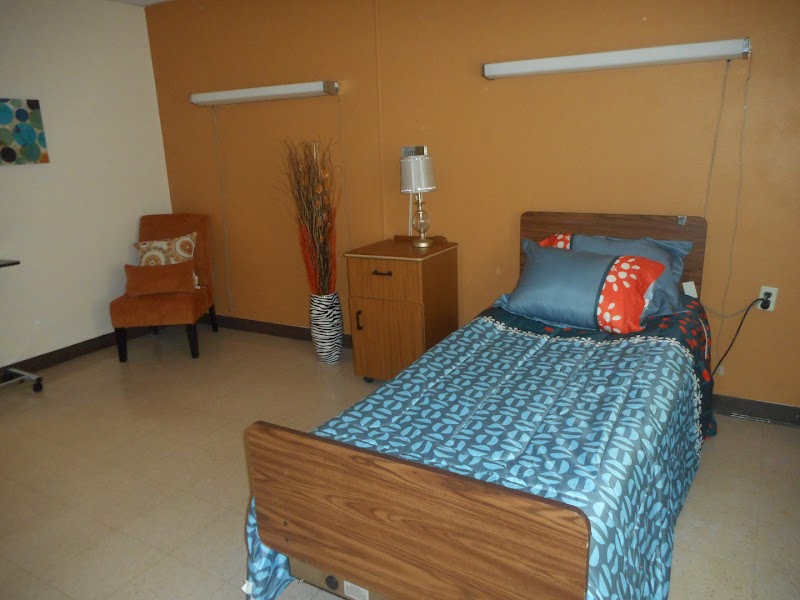
CMS rates Central Health Care Center's staffing level at 5 out of 5 stars, which is much above average compared to other nursing homes. Staff turnover is 42%, compared to the Minnesota average of 46%. This relatively stable workforce can support continuity of care.

What Have Inspectors Found at Central Health Care Center?

State health inspectors documented 22 deficiencies at Central Health Care Center during 2023 to 2025. These included: 1 Immediate Jeopardy (the most serious level, indicating potential for serious harm or death), 1 that caused actual resident harm, 18 with potential for harm, and 2 minor or isolated issues. Immediate Jeopardy findings are rare and represent the most serious regulatory concerns. They require immediate corrective action.

Who Owns and Operates Central Health Care Center?

Central Health Care Center is owned by a for-profit company. For-profit facilities operate as businesses with obligations to shareholders or private owners. The facility operates independently rather than as part of a larger chain. With 40 certified beds and approximately 24 residents (about 60% occupancy), it is a smaller facility located in LE CENTER, Minnesota.

How Does Central Health Care Center Compare to Other Minnesota Nursing Homes?

Compared to the 100 nursing homes in Minnesota, Central Health Care Center's overall rating (2 stars) is below the state average of 3.2, staff turnover (42%) is near the state average of 46%, and health inspection rating (1 stars) is much below the national benchmark.

What Should Families Ask When Visiting Central Health Care Center?

Based on this facility's data, families visiting should ask: "What changes have been made since the serious inspection findings, and how are you preventing similar issues?" "Can I visit during a mealtime to observe dining assistance and food quality?" "How do you handle medical emergencies, and what is your hospital transfer rate?" "Can I speak with family members of current residents about their experience?" These questions are particularly relevant given the facility's Immediate Jeopardy citations.

Is Central Health Care Center Safe?

Based on CMS inspection data, Central Health Care Center has documented safety concerns. Inspectors have issued 1 Immediate Jeopardy citation (the most serious violation level indicating risk of serious injury or death). The facility has a 2-star overall rating and ranks #100 of 100 nursing homes in Minnesota. Families considering this facility should ask detailed questions about what corrective actions have been taken since these incidents.

Do Nurses at Central Health Care Center Stick Around?

Central Health Care Center has a staff turnover rate of 42%, which is about average for Minnesota nursing homes (state average: 46%). Moderate turnover is common in nursing homes, but families should still ask about staff tenure and how the facility maintains care continuity when employees leave.

Was Central Health Care Center Ever Fined?

Central Health Care Center has been fined $21,048 across 1 penalty action. This is below the Minnesota average of $33,289. While any fine indicates a compliance issue, fines under $50,000 are relatively common and typically reflect isolated problems that were subsequently corrected. Families should ask what specific issues led to these fines and confirm they've been resolved.

Is Central Health Care Center on Any Federal Watch List?

Central Health Care Center is not on any federal watch list. The most significant is the Special Focus Facility (SFF) program, which identifies the bottom 1% of nursing homes nationally based on persistent, serious quality problems. Not being on this list means the facility has avoided the pattern of deficiencies that triggers enhanced federal oversight. This is a positive indicator, though families should still review the facility's inspection history directly.