Meeker Manor Rehabilitation Center, LLC
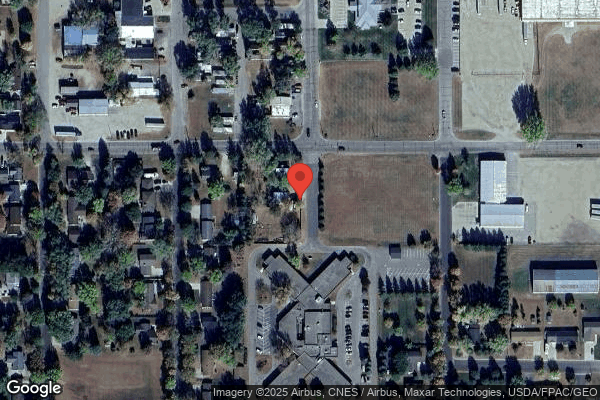

600 SOUTH DAVIS AVENUE, LITCHFIELD, MN 55355 (320) 693-2472
For profit - Corporation 65 Beds MONARCH HEALTHCARE MANAGEMENT Data: November 2025 1 Immediate Jeopardy citation
Trust Grade
41/100
#188 of 337 in MN
Last Inspection: March 2025

Within standard 12-15 month inspection cycle. Federal law requires annual inspections.

Overview

Meeker Manor Rehabilitation Center has a Trust Grade of D, indicating below-average performance with some significant concerns. It ranks #188 out of 337 nursing homes in Minnesota, placing it in the bottom half, and #3 out of 3 in Meeker County, making it the least favorable option locally. The facility's situation is worsening, with issues increasing from 6 in 2024 to 13 in 2025. Staffing is a concern, as it has a rating of 2 out of 5 stars and a high turnover rate of 61%, significantly above the state average. Additionally, there are concerning findings, such as a resident suffering second-degree burns due to an unsafe bed placement near a heat source, along with inconsistencies in food safety practices that could affect all residents. While the facility does provide some RN coverage, it is less than 92% of other Minnesota facilities, which raises further concerns about the quality of care.

Trust Score
D
41/100
In Minnesota
#188/337
Bottom 45%
Safety Record
High Risk
Review needed
Inspections
Getting Worse
6 → 13 violations
Staff Stability
⚠ Watch
61% turnover. Above average. Higher turnover means staff may not know residents' routines.
Penalties
✓ Good
$14,696 in fines. Lower than most Minnesota facilities. Relatively clean record.
Skilled Nurses
○ Average
Each resident gets 33 minutes of Registered Nurse (RN) attention daily — about average for Minnesota. RNs are the most trained staff who monitor for health changes.
Violations
⚠ Watch
24 deficiencies on record. Higher than average. Multiple issues found across inspections.
★★★☆☆
3.0
Overall Rating
★★☆☆☆
2.0
Staff Levels
★★★☆☆
3.0
Care Quality
★★★☆☆
3.0
Inspection Score
Stable
2024: 6 issues
2025: 13 issues

The Good

  • Full Sprinkler Coverage · Fire safety systems throughout facility
  • No fines on record

Facility shows strength in fire safety.

The Bad

3-Star Overall Rating

Near Minnesota average (3.2)

Meets federal standards, typical of most facilities

Staff Turnover: 61%

15pts above Minnesota avg (46%)

Frequent staff changes - ask about care continuity

Federal Fines: $14,696

Below median ($33,413)

Minor penalties assessed

Chain: MONARCH HEALTHCARE MANAGEMENT

Part of a multi-facility chain

Ask about local staffing decisions and management

Staff turnover is elevated (61%)

13 points above Minnesota average of 48%

The Ugly 24 deficiencies on record

1 life-threatening
Aug 2025 1 deficiency
CONCERN (D) 📢 Someone Reported This

A family member, employee, or ombudsman was alarmed enough to file a formal complaint

Potential for Harm - no one hurt, but risky conditions existed

Deficiency F0553 (Tag F0553)

Could have caused harm · This affected 1 resident

**NOTE- TERMS IN BRACKETS HAVE BEEN EDITED TO PROTECT CONFIDENTIALITY** Based on observation, interview and document review, the facility failed to include the resident representative in development a...

Read full inspector narrative →
**NOTE- TERMS IN BRACKETS HAVE BEEN EDITED TO PROTECT CONFIDENTIALITY** Based on observation, interview and document review, the facility failed to include the resident representative in development and implementation of the plan of care for one of one residents (R1) reviewed for residents rights.R1's quarterly minimum data set (MDS) dated [DATE], included R1 had moderate cognitive impairment and diagnoses of traumatic brain injury, stroke, and hemiplegia and hemiparesis (weakness or partial paralysis on one side of the body).R1's face sheet dated 8/28/25, included a contact for family member (FM)-A with the contact type of A/R Responsible Party and POA (power of attorney) Care.On 8/27/25 at 1:10 p.m., R1 was observed sitting in her power wheelchair with feet resting uncovered. Bilateral great toes (both big toes) were noted to have dark red, scab like appearance at base of toenail. No redness or drainage noted.R1's In-House Senior Services Consent form signed 4/16/21, included R1 would consent to podiatry in house.Provider order dated 7/30/25, included an order for a podiatry referral for foot care and bilateral toe sores.R1's progress notes included a late entry created on 8/28/25 and backdated for 7/31/25, included the podiatry order was discussed with R1 and she declined. Progress note failed to include update to resident representative and provider for refusal of service.R1's care conference summary dated 7/18/25, included an appointment should be set up for a nerve block injection.Email from health information manager (HIM) to care coordinator (CC)-A on 7/18/25, included an order was needed from R1's provider for the nerve block injection and requested assistance to obtain the order from the rounding provider.During interview on 8/28/25 at 10:16 a.m., CC-A stated she usually talked with the resident when a referral came in to see if they would like to pursue it. CC-A stated she spoke with R1 about the order for a podiatry referral but did not put a note in her chart at that time. CC-A stated R1's daughter was her decision maker and that she did not contact R1's daughter to inform her of the podiatry referral. CC-A confirmed R1's family requested an appointment for a nerve block inject be set up during the care conference. CC-A stated she informed HIM of the appointment request and was unsure what the status of the appointment was.During interview on 8/28/25 at 10:52 a.m., FM-A confirmed she was the decision maker and POA for R1. FM-A confirmed she had not been updated on the referral for podiatry to address R1's ingrown toenails. FM-A confirmed R1 has had nerve block injections in the past that the facility had coordinated. FM-A confirmed the family requested R1 have another appointment for a nerve block at the last care conference due to an increase in discomfort for R1. FM-A stated she had not had any updates on the nerve block appointment since the care conference.During interview on 8/28/25 at 11:47 a.m., HIM confirmed she set up appointments when a new order or referral came in and at the request of a family member or resident. HIM stated the facility had a podiatrist that came to the facility. Other residents choose to go to an outside clinic for podiatry needs. HIM stated she would not have been updated on a resident refusal after the appointment was set up so she was unsure if R1 refused podiatry. HIM confirmed CC-A informed her of the request for R1 to have an appointment set up for a nerve block. HIM stated she attempted to set up the appointment but was unable to due to needing a new order. HIM stated she sent an email to CC-A to request a new order be obtained for the nerve block injection. HIM confirmed she had not received the new order for the nerve block for R1.During interview on 8/28/25 at 12:30 p.m., regional nurse consultant (RNC) stated if a resident had a resident representative, they should have been updated and involved when a new order was obtained, or a consent was needed. RNC stated the provider should have been updated if the resident or family refused an order or referral. RNC stated a request for an appointment brought up during a care conference should have been addressed by the care team. The HIM and care coordinator should have worked together to get an order and set up the appointment. RNC confirmed an appointment request from 7/18 should have been addressed by 8/28. RNC stated it was important to have the resident and resident representative involved in planning of care for continuity of care and ensuring the resident's needs were met.Facility policy for care conferences requested and not provided.
May 2025 5 deficiencies
CONCERN (D) 📢 Someone Reported This

A family member, employee, or ombudsman was alarmed enough to file a formal complaint

Potential for Harm - no one hurt, but risky conditions existed

Notification of Changes (Tag F0580)

Could have caused harm · This affected 1 resident

**NOTE- TERMS IN BRACKETS HAVE BEEN EDITED TO PROTECT CONFIDENTIALITY** Based on interview and document review, the facility failed to provide timely notification to a provider for a change in conditi...

Read full inspector narrative →
**NOTE- TERMS IN BRACKETS HAVE BEEN EDITED TO PROTECT CONFIDENTIALITY** Based on interview and document review, the facility failed to provide timely notification to a provider for a change in condition related to low blood pressures for 1 of 1 resident (R2) who received dialysis and was already hypotensive. Findings include: R2's admission Minimum Data Set (MDS) dated [DATE], indicated R2 had renal insufficiency, diabetes mellitus, and depression. The MDS further indicated R2 received dialysis. R2's Care Plan dated 4/08/25, indicated R2 was at risk for complications related to dialysis and alteration in oxygen/gas exchange, respiratory status directed staff to keep medical doctor informed of changes. R2's physicians orders dated 3/28/25, indicated to take vital signs after dialysis one time a day every Monday, Wednesday and Friday. Review of R2's blood pressures indicated the following from 4/01/25 to 5/01/25: 5/01/25- 96/56 4/30/25- 76/43 4/29/25- 93/56 4/22/25 -107/67 4/18/25- 111/69 4/17/25- 109/67 4/16/25-112/69 4/15/25-101/60 4/13/25- 111/67 4/11/25-107/96 4/10/25-92/56 4/09/25-92/52 4/08/25-92/58 4/02/25-97/58 4/01/25-100/62 During interview on 5/05/25 at 2:24 p.m., nurse manager (NM) stated she was unaware of the low blood pressure on 4/30/25, of 76/43 and was not sure if R2's physician or nurse practitioner (NP) was notified. NM stated the NP comes out weekly and checks the residents vital signs, so she should know, but probably could have been notified. During interview on 5/07/25 at 9:13 a.m., R2's NP stated she last saw R2 on 4/16/25, and her physcian saw her on 4/24/25. NP stated R2 was hypotensive due to her previous hospitalizations and from looking at the facility's portal, neither the NP or physician had been informed of R2's low reading on 4/30/25 of 76/43. NP added, that was concerning because a reading of 76 was very low for R2 and she would have had the staff retake the blood pressure and if it was still that low, she would probably have sent R2 into the emergency department (ED). The NP further stated it would only be standard nursing practice for the nurses to call and report a blood pressure that low even if there were not specific parameters on her blood pressure medications. In addition, NP stated she was unaware R2 was sent from dialysis on 5/02/25, to the ED with a blood pressure reading at dialysis of 62/45 and was now in the intensive care unit. Facility policy Notification of Changes Policy dated 3/2024, indicated It is the policy of this facility that changes in a resident's condition or treatment be shared with the resident and/or the resident representative, according to their authority, and reported to the attending physician or delegate (hereafter designated as the physician). Nurses and other care staff are educated to identify changes in a resident's status and define changes that require notification of the resident and/or their representative, and the resident's physician, to ensure best outcomes of care for the resident.
CONCERN (D) 📢 Someone Reported This

A family member, employee, or ombudsman was alarmed enough to file a formal complaint

Potential for Harm - no one hurt, but risky conditions existed

Report Alleged Abuse (Tag F0609)

Could have caused harm · This affected 1 resident

Based on interview and document review the facility failed to report to the state agency (SA) for 3 of 3 residents (R3, R5 and R6) reviewed when R3, R5, R6 were named in an external complaint of alleg...

Read full inspector narrative →
Based on interview and document review the facility failed to report to the state agency (SA) for 3 of 3 residents (R3, R5 and R6) reviewed when R3, R5, R6 were named in an external complaint of alleged abuse by facility staff and no report was made within two hours. Findings include R3 face sheet, undated, indicated R3 diagnoses of unspecified dementia with anxiety, hypertension, diabetes, chronic obstructive pulmonary disease. R5 face sheet, undated, indicated R4 diagnoses of unspecified dementia, cognitive communication deficit, post-traumatic stress disorder, anxiety, Parkinson's disease. R6 face sheet, undated, indicated R5 diagnoses of hemiplegia and hemiparesis, epilepsy, adjustment disorder with disturbance of conduct, major depressive disorder, anxiety, traumatic subarachnoid hemorrhage with loss of consciousness. Facility was sent an anonymous email dated 4/28/25 at 9:04 a.m., which indicated .residents are getting neglected and abused daily, wounds are not getting completed. TMAs (trained medication aides) are doing insulin sticks, charting nursing assignments. TMAs are also changing residents catherer [sic] and placing a new catherer [sic] not just the bag on NOC (nocturnal) shift. No showers are getting completed. [Facility administrator] does not care about the residents is all about cash flow for the company. [Administrator]refused to listen to our concerns regarding cares and neglect and abuse. [TMA-A] was doing dressing changes in the morning shift to help nurses out in the morning. [TMA-A] has been giving insulin in the AM shift. [TMA-B] is TMA witness abusing the resident [R5]. [NA-C] we witnessed her slapping [R3]. [TMA-C] verbally abusing the residents. [Licensed Practical Nurse (LPN-B) is a nurse came to work high intoxicated. [Licensed Practical Nurse (LPN)-D] is LPN through ESHIFT Abusing the resident [R4]. We are reporting this to the state. Facility failed to report allegations of abuse to the SA within two hours of receiving alleged allegations. When interviewed on 5/8/25 at 2:13 p.m., administrator in training stated her role was to make the SA reports for the facility. Administrator stated the email was not reported to the SA due to there was no valid information, and I believe it is an incorrect document. Administrator stated the email allegations were investigated within the 2-hour time frame with resident interviews and was able to conclude the allegations were unsubstantiated. Administrated stated she was not aware of the regulations indicating to report first and then start an investigation. Facility policy titled Abuse Prohibition/Vulnerable Adult Policy revision date 4/2025, indicated if were suspicion of neglect, exploitation, or misappropriation of resident property must be reported to OHFC online reporting process not later than 2 hours if the incident resulted in serious bodily injury. If the suspected neglect, exploitation, or misappropriation of resident property did not result in serious bodily injury, the reports must be made within 24 hours. Notify the Minnesota Department of Health (MDH) on the notification website immediately after discovery of the incident.
CONCERN (D) 📢 Someone Reported This

A family member, employee, or ombudsman was alarmed enough to file a formal complaint

Potential for Harm - no one hurt, but risky conditions existed

Investigate Abuse (Tag F0610)

Could have caused harm · This affected 1 resident

**NOTE- TERMS IN BRACKETS HAVE BEEN EDITED TO PROTECT CONFIDENTIALITY** Based on interview and document review the facility failed to thoroughly investigate and protect residents for an allegation of ...

Read full inspector narrative →
**NOTE- TERMS IN BRACKETS HAVE BEEN EDITED TO PROTECT CONFIDENTIALITY** Based on interview and document review the facility failed to thoroughly investigate and protect residents for an allegation of abuse for 3 of 3 residents (R3, R5 and R6) when the facility received an external, anonymous email alleging allegations of abuse by facility staff. Findings include: R3 minimum data set (MDS) dated [DATE], indicated moderately impaired cognition and displayed verbal behavioral symptoms toward others. R5 MDS dated [DATE], indicated moderately impaired cognition and no behavioral symptoms. R6 MDS dated [DATE], indicated cognition intact and was social isolated at times. Facility was sent an anonymous email dated 4/28/25 at 9:04 a.m., which indicated .residents are getting neglected and abused daily, wounds are not getting completed. TMAs (trained medication aides) are doing insulin sticks, charting nursing assignments. TMAs are also changing residents catherer [sic] and placing a new catherer [sic] not just the bag on NOC (nocturnal) shift. No showers are getting completed. [Facility administrator] does not care about the residents is all about cash flow for the company. [Administrator]refused to listen to our concerns regarding cares and neglect and abuse. [TMA-A] was doing dressing changes in the morning shift to help nurses out in the morning. [TMA-A] has been giving insulin in the AM shift. [TMA-B] is TMA witness abusing the resident [R5]. [NA-C] we witnessed her slapping [R3]. [TMA-C] verbally abusing the residents. [Licensed Practical Nurse (LPN-B) is a nurse came to work high intoxicated. [Licensed Practical Nurse (LPN)-D] is LPN through ESHIFT Abusing the resident [R4]. We are reporting this to the state. Facility investigation dated 4/28/25, identified an email from an unknown source. Facility completed an investigation which included a full house of resident interviews, staff interviews, wound audits, shower audits, insulin audits and catheter placement audits. All audits and interviews were completed efficiently within the designated 2-hour timeframe, ensuring all tasks were performed in a timely manner and remained within the scope of practice. Report summary found allegations to be unsubstantiated. Additionally, investigation report revealed residents in question had confirmed that the reported events never occurred. All relevant audits were reviewed and verified, with no issues or discrepancies flagged during the process. Review of facility investigation failed to indicate interviews with all identified employees in the abuse complaint, failed to identify remove of employee during the investigation or protections put in place for residents and failed to identify a partial/non biased party completing the investigation. When interviewed on 5/9/25 at 2:13 p.m., administrator stated she had overseen the investigation but stayed out of the process as she was named in the abuse allegation. Administrator stated the social worker and other management completed interviews with the residents, but staff interviews were completed by herself. Administrator in training stated there was no suspensions of staff during the investigation and she was not interviewed. She additionally added, the data collect for the investigation was reviewed by herself and she concluded there was no abuse. The administrator identified she was not aware of facility policy indicated a separate party was to investigate when administration was an alleged perpetrator. Facility policy titled Abuse Prohibition/Vulnerable Adult Policy, revision date 4/2025, indicated if the alleged perpetrator is a supervisor or department head, the person will notify the alleged perpetrator's supervisor or the [NAME] President of Social Service & Behavioral Health. Staff will take immediate and appropriate actions to prevent further abuse, neglect, exploitation, and mistreatment from occurring while the investigation is in progress.
CONCERN (D) 📢 Someone Reported This

A family member, employee, or ombudsman was alarmed enough to file a formal complaint

Potential for Harm - no one hurt, but risky conditions existed

Quality of Care (Tag F0684)

Could have caused harm · This affected 1 resident

**NOTE- TERMS IN BRACKETS HAVE BEEN EDITED TO PROTECT CONFIDENTIALITY** Based on observation, interview, and document review, the facility failed to provide needed care and services to 3 of 3 resident...

Read full inspector narrative →
**NOTE- TERMS IN BRACKETS HAVE BEEN EDITED TO PROTECT CONFIDENTIALITY** Based on observation, interview, and document review, the facility failed to provide needed care and services to 3 of 3 residents (R2, R4, R5) whose changes in health status were not adequately assessed and physician's orders and treatments were not administered. Findings include: Physician Orders and Lab Draws R2's admission Minimum Data Set (MDS) dated [DATE], indicated R2 had renal insufficiency, diabetes mellitus and depression. The MDS further indicated R2 received dialysis. R2's Care Plan dated 4/08/25, indicated R2 was at risk for complications related to dialysis and alteration in oxygen/gas exchange, respiratory status staff were instructed to keep medical doctor informed of changes. R2's Hospital Discharge Orders dated 3/26/25, indicated diabetic diet, no need to follow a low salt diet, eating salt would be good (no fluid restriction was ordered). R2's physicians orders dated 3/28/25, indicated to take vital signs after dialysis one time a day every Monday, Wednesday, and Friday. A Provider Rounding Note at dialysis dated 3/31/25, from certified nurse practioner (CNP) indicated concern for on-going output from ostomy (a surgically created opening in the body, typically on the abdomen, to allow waste to exit the body), R2 received fluid replacement during dialysis and phosphorus supplements for low phosphorus. Facility called, order to supplement phosphorus from 500 milligrams (mg) twice daily to 1000 mg twice daily, in addition to give patient plenty of fluid high sodium high phosphorous foods. Review of R2's Physician's orders dated 3/31/25, indicated regular diet, fluid restriction with high sodium diet. In addition, to give K-phosphorus oral tablet give 500 mg by mouth twice daily (1000 mg daily). R2's medical record lacked evidence the K-phosphors medication order was increased to 1000 mg twice daily or that R2 was removed from a fluid restricted diet to a fluid pushing diet. A Dialysis Communications Record dated 4/25/25, indicated a blood pressure reading upon arrival to dialysis of 83/49. two liters (L) of normal saline was given pretreatment along with 500 milliliters (ml) of normal saline. The Communication Record provided orders to start twice daily blood pressures. Review of R2's medical record failed to indicate twice daily blood pressures were started. Review of R2's blood pressures indicated the following blood pressures from 4/25/25 to 5/01/25: 5/01/25- 96/56 taken at 5:43 p.m. 4/30/25- 76/43 taken at 3:23 p.m. 4/29/25- 117/62 take at 1:46 p.m. standing (related to resident fall per policy) 4/29/25-116/68 taken at 1:47 p.m. lying (related to resident fall per policy) 4/29/25-110/72 taken at 1:48 p.m. sitting (related to resident fall per policy) 4/29/25- 93/56 taken at 12:07 a.m. During interview on 5/05/25, at 1:35 p.m., clinical manager (CM)-A for R2's outpatient dialysis unit stated for the last week R2 had arrived at their unit with low blood pressures. It had been communicated to the facility on the Communication Record on 4/25/25, to start checking R2's blood pressures twice daily. CM-A stated R2 has had extreme outputs from her ostomy, having to empty it up to twice every two hours which could lead to dehydration and low blood pressures. In addition, the CM stated they had called the facility but difficulty reaching a nurse and left a voice message with the nurse manager on 4/28/25, to give R2's orders for Hydrocortisone and Midodrine hydrocortisone (HCL) (medications to increase blood pressure). CM-A stated R2 would inform them she never received her medications prior to dialysis and blood pressures were not checked prior to dialysis. CM-A stated it was her understanding R2 had only received her morning medications prior to dialysis on the morning of 5/2/25 but that the facility could also not get a blood pressure reading that morning and still sent her. Upon arrival to dialysis they had to take her reading manually and her blood pressure was 62/45, they attempted to give fluids of two liters but were unable to get her blood pressure up high enough to run dialysis and had to send her to the emergency department (ED). During interview on 5/05/25 at 2:24 p.m., nurse manager (NM) stated she was out sick on 4/28/25 through 4/29/25, and when she returned to work on 4/30/25 she received the voice message and transcribed the order but R2 had already left for dialysis that day at 5:00 a.m. The NM stated R2 received her mediations as ordered on 5/2/25, prior to dialysis and was sent to the ED from dialysis due to being hypotensive. R2's orders dated 4/24/25, from medical doctor (MD) indicated an order for basic metabolic panel (BMP) a common blood test that checks the levels of several important substances in your blood, providing information about your body's metabolism, kidney function, and fluid balance in the am (morning). Review of R2's medical record lacked evidence the lab draw was completed by the facility. During interview on 5/07/25 at 10:59 a.m., nurse manager (NM)-A stated their lab company comes out every Monday, Wednesday, and Friday when R2 is at dialysis so the nurses at the facility have to draw R2's blood. NM-A stated the health information (HI) staff who no longer worked at the facility did not acknowledge the order until 4/28/25, and she was out sick on 4/28/25 and 4/29/25. The NM-A stated she did attempt to draw R2's blood on 4/30/25 and 5/01/25 and was unsuccessful and on 5/2/25, R2 was sent to the hospital. NM-A stated she did not inform the physician, nor did she inform the director of nursing (DON). Review of R2's records lacked evidence of attempted blood draws. During interview on 5/07/25 at 11:15 a.m., the facility's nurse practitioner (NP)-A stated the BMP lab was ordered to be taken on the morning of 4/25/25, and was never completed. In addition, there had been no communication the blood draw was unable to be be completed as ordered. On 5/02/25, the resident had to be sent to the hospital due to low blood pressure and what she was informed was low potassium and other electrolytes. NP-A stated if these labs were completed timely, it may have prevented her hospitalization. Facility Hemodialysis Policy dated 11/22/19, indicated The Facility will ensure that residents who require dialysis, receive such services consistent with professional standards of practice, the comprehensive person-centered care plan, and the residents' goal and preferences. The Policy further indicated under Communication and Plan of Care information regarding the resident's dialysis treatment will be gathered from the discharging hospital, referral information, resident interview, and examination. Information will include but is not limited to, the location and frequency of their dialysis treatment, the type and location of their dialysis access site, medications, fluid, and diet restrictions. Ongoing communication and collaboration for the development and implementation of the dialysis plan of care should be maintained by the facility and the dialysis team. Physician Orders and Lab Draws R4's quarterly MDS dated [DATE], indicated R4 had anemia, HTN, diabetes mellitus, Hyponatremia and received daily insulin. In addition, R4's MDS indicated he was medically complex. R4's nurse practitioner orders dated 4/23/25, indicated labs to be completed on Monday 4/28/25, for complete blood count (CBC), BMP, A1C (check for long lasting blood sugar levels), thyroid stimulating hormone (TSH), in addition to compression socks on in a.m., off in p.m. During interview on 5/07/25 at 11:20 a.m., NP-A stated the orders were placed for R4 due to concerns of edema and congestive heart failure (CHF), and she wanted the labs completed prior to her next visit at the facility on 4/30/25. NP-A stated when she arrived for her visit on 4/30/25, she found the labs were not completed and there were no compression socks for R4. At that time R4 presented pale with edematous (full of fluid) and had to be sent to the ED. R4's Physicians Orders indicated Ok to send to ED for evaluation of SOB, weight gain, edema, history of hyponatremia. Review of R4's medical record indicated no labs were completed on 4/30/25. R4's After Visit Summary dated 4/30/25, indicated R4 was seen for extremity swelling, and diagnosed with acute on chronic congestive heart failure. The Summary indicated R4 was given a diuretic Lasix at 1:15 p.m. at the emergency department (ED). During interview on 5/07/25 at 1:48 p.m., clinical coordinator (CC) stated R4 already orders for compression stockings and refused to wear them, so she never re-ordered them. In addition, the CC stated the health information (HI) sets up the labs and was not sure why they were not completed for R4. During observation and interview on 5/07/25 at 2:00 p.m., nursing assistant (NA)-B stated she worked full time with R4 and she was never informed to put compression stockings on him. NA-B stated if she were informed, she would at least attempt to put them on. NA-B then proceeded to enter R4's room to look for the compression stockings when R4 stated the ones he has were too tight but was willing to try a larger size. While NA-B opened his top dresser drawer there was two packages with each containing a single compression stocking, one was opened and the other was not. During interview on 5/08/25 at 11:00 a.m., regional director of nursing services (RD) stated they need to measure R4 for new compression stockings. During interview on 5/08/25 at 3:40 p.m., the director of nursing (DON) stated she found out today from their lab company on 4/28/25, the staff who was supposed to complete the lab draws called in, therefore no lab draws were completed at the facility. The DON further stated they have no system in place to know when labs are completed, and it is something they could look into. Physician Orders R5's admission MDS dated [DATE], indicated R5 was medically complex, had heart failure, seizure disorder and traumatic brain injury. The MDS further indicated R5 was cognitively intact, used a wheelchair, walker and needed supervision with activities of daily living. R5's Hospital Discharge Orders dated 4/25/25, indicated order for lacosamide (anticonvulsant) 150 milligrams (mg) take one tablet by mouth two times daily in addition to Keppra (anticonvulsant) 1500 mg twice daily. The Hospital discharge orders additionally listed lacosamide as an allergy of R5's . R5's [NAME] Manor Rehabilitation Center Allergy Report dated 4/24/25, indicated R5 had allergy to lacosamide. Entered by facility health information (HI). An Aeris portal Communication Note dated 5/07/25 (13 days after admission to facility), indicated a late entry written by the facility's director of nursing (DON), which stated, Writer called Aeris for clarification on lacosamide medication due to allergy to medication. Resident had order on dc (discharge) summary from hospitalization on 4/25/25 of lacosamide 150 mg BID (twice daily). Resident had not received medication since admission, internal process being completed at this time. Resident has received scheduled Keppra 1500 mg BID, no seizure activity noted at this time. Triage provider stated to hold medication 5/07/25 and update neurology 5/08/25. During interview on 5/07/25 at 11:40 a.m., NP stated she followed up with the NM on the floor asking why R5 was still not on lacosamide. The NP stated the NM informed her the neurologist had not returned her call yet. NP stated R5 had not had a seizure luckily but could not believe it had been since admission and there had been no follow through with R5's medication order due to an allergy. NP stated she spoke to R5's family member (FM)-A and it never was a true allergy and R5 had been taking the medication for at least the last month. During interview on 5/08/25 at 2:00 p.m., R5's family member (FM)-B stated there was no true allergy to the medication and at one time R5 experienced bradycardia (low heart rate) but found that was not related to her medication lacosamide. FM-B stated R5 had been on the medication prior to being admitted to the facility. Medication and Treatment Orders policy dated 2/2024, indicated orders for medications will be transcribed accurately and in a timely fashion, only authorized licensed practitioners, or individuals authorized to take verbal orders from practitioners, shall be allowed to write orders in the medical record. Medication Error Procedure policy dated 1/2020, indicated the interdisciplinary team evaluates medication usage to prevent and detect adverse consequences and medication-related problems. Medication errors should be assessed, documented, and reported according to federal and/or state guidelines as appropriate. Medication errors will be rectified according to standard of practice and facilities pharmacy policy for preventing and detecting adverse consequences and medication errors.
CONCERN (D) 📢 Someone Reported This

A family member, employee, or ombudsman was alarmed enough to file a formal complaint

Potential for Harm - no one hurt, but risky conditions existed

Deficiency F0698 (Tag F0698)

Could have caused harm · This affected 1 resident

**NOTE- TERMS IN BRACKETS HAVE BEEN EDITED TO PROTECT CONFIDENTIALITY** Based on interview, and record review, the facility failed ensure ongoing commuication and collaboration with dialysis services ...

Read full inspector narrative →
**NOTE- TERMS IN BRACKETS HAVE BEEN EDITED TO PROTECT CONFIDENTIALITY** Based on interview, and record review, the facility failed ensure ongoing commuication and collaboration with dialysis services for 1 of 1 resident (R2) who had orders not implemented. Findings include: R2's admission Minimum Data Set (MDS) dated [DATE], indicated R2 had renal insufficiency, diabetes mellitus and had depression. The MDS further indicated R2 received dialysis. R2's Care Plan dated 4/08/25, indicated R2 was at risk for complications related to dialysis will attend dialysis and will have no uncontrolled bleeding from fistula, shunt, or central line. The care plan directed staff to ask resident how she feels about doing dialysis, communicate with dialysis social worker as needed, for uncontrolled bleeding call 911, treatment and dressing change per protocol to dialysis site per MD order, send communication sheet folder to dialysis with each run, fluid restriction per order. In addition, the Care Plan indicated and alteration in oxygen/gas exchange, respiratory status staff were instructed to keep medical doctor informed of changes. R2's Care Plan lacked to indicate R2 was hypotensive and to check blood pressures, in addition to resident was not to receive fluid restrictions. Review of care plan dated 4/8/25 lacked detail on how the communication would be utilized between the facility and dialysis, what information was expected to be communicated (blood pressure reading) and who was responsible to ensure follow up on communication from dialysis. Additionally, care plan indicated a fluid restriction and then identified she was not to receive a fluid restriction. R2's Hospital Discharge Orders dated 3/26/25, indicated diabetic diet, no need to follow a low salt diet, eating salt would be good (no fluid restriction was ordered). R2's physicians orders dated 3/28/25, indicated to take vital signs after dialysis one time a day every Monday, Wednesday, and Friday. A Provider Rounding Note at dialysis dated 3/31/25, from certified nurse practitioner (CNP) indicated concern for on-going output from ostomy (a surgically created opening in the body, typically on the abdomen, to allow waste to exit the body), R2 received fluid replacement during dialysis and phosphorus supplements for low phosphorus. Facility called, order to supplement phosphorus from 500 milligrams (mg) twice daily to 1000 mg twice daily, in addition to give patient plenty of fluid high sodium high phosphorous foods. Review of R2's Physician's orders dated 3/31/25, indicated regular diet, fluid restriction with high sodium diet. In addition, to give K-phosphorus oral tablet give 500 mg by mouth twice daily (1000 mg daily). R2's medical record lacked evidence the K-phosphors medication order was increased to 1000 mg twice daily (2000 mg daily) or that R2 was removed from a fluid restricted diet to a fluid pushing diet. A Dialysis Communications Record dated 4/25/25, indicated a blood pressure reading upon arrival to dialysis of 83/49, and two liters (L) of normal saline was given pretreatment along with 500 milliliters (ml) of normal saline. The Communication Record provided written orders to start twice daily blood pressures. Review of R2's medical record failed to indicate twice daily blood pressures were taken after 4/25/25 Review of R2's blood pressures indicated the following blood pressures from 4/25/25 to 5/01/25: 5/01/25- 96/56 taken at 5:43 p.m. 4/30/25- 76/43 taken at 3:23 p.m. 4/29/25- 117/62 take at 1:46 p.m. standing (related to resident fall per policy) 4/29/25-116/68 taken at 1:47 p.m. lying (related to resident fall per policy) 4/29/25-110/72 taken at 1:48 p.m. sitting (related to resident fall per policy) 4/29/25- 93/56 taken at 12:07 a.m. During interview on 5/05/25, at 1:35 p.m., clinical manager (CM)-A for R2's outpatient dialysis unit stated for the last week R2 had arrived at their unit with low blood pressures. It had been communicated to the facility on the Communication Record on 4/25/25, to start checking R2's blood pressures twice daily. CM-A stated R2 has had extreme outputs from her ostomy, having to empty it up to twice every two hours which could lead to dehydration and low blood pressures. In addition, the CM-A stated they had called the facility but had difficulty reaching a nurse and left a voice message with the nurse manager on 4/28/25, to give R2's orders for Hydrocortisone and Midodrine hydrocortisone (HCL) (medications to increase blood pressure). CM-A stated R2 informed them she never received her medications and blood pressures were not checked prior to dialysis. CM-A stated it was her understanding R2 had only received her morning medications prior to dialysis on the morning of 5/2/25, but that the facility could also not get a blood pressure reading that morning and still sent her. Upon arrival to dialysis, they had to take her reading manually and her blood pressure was 62/45, they attempted to give fluids of two liters but were unable to get her blood pressure up high enough and sent her to the emergency department (ED). During interview on 5/05/25 at 2:24 p.m., nurse manager (NM) stated she was out sick on 4/28/25 through 4/29/25, and when she returned to work on 4/30/25 she received the voice message and transcribed the order but R2 had already left for dialysis that day at 5:00 a.m. The NM stated R2 received her mediations as ordered on 5/2/25, prior to dialysis and was sent to the ED from dialysis due to being hypotensive. NM did not know who or if anyone checked the voicemail when she was away from work. Facilities Hemodialysis Policy dated 11/22/19, indicated The Facility will ensure that residents who require dialysis, receive such services consistent with professional standards of practice, the comprehensive person-centered care plan, and the residents' goal and preferences. The Policy further indicated under Communication and Plan of Care information regarding the resident's dialysis treatment will be gathered from the discharging hospital, referral information, resident interview, and examination. Information will include but is not limited to, the location and frequency of their dialysis treatment, the type and location of their dialysis access site, medications, fluid, and diet restrictions. Ongoing communication and collaboration for the development and implementation of the dialysis plan of care should be maintained by the facility and the dialysis team.
Mar 2025 7 deficiencies
CONCERN (D)

Potential for Harm - no one hurt, but risky conditions existed

Deficiency F0554 (Tag F0554)

Could have caused harm · This affected 1 resident

**NOTE- TERMS IN BRACKETS HAVE BEEN EDITED TO PROTECT CONFIDENTIALITY** Based on observation and interview, the facility failed to identify presence of over the counter medications in resident room fo...

Read full inspector narrative →
**NOTE- TERMS IN BRACKETS HAVE BEEN EDITED TO PROTECT CONFIDENTIALITY** Based on observation and interview, the facility failed to identify presence of over the counter medications in resident room for 1 of 1 residents (R30) observed to have medications in their room. The medication lacked orders from the medical provider for use, as well as assessment for proper storage and and self administration of medication. In addition, the facility failed to ensure an assessment was completed to determine safe medication administration for 1 of 1 resident (R15) observed to self administer medication through a nebulizer (breathing treatment). Findings include: R30's quarterly Minimum Data Set (MDS) dated [DATE], indicated R30 was cognitively intact, and required assistance with performance of activities of daily living (ADL's). R30's diagnoses included anemia (a blood disorder in which the blood has a reduced ability to carry oxygen), heart failure (a chronic condition where the blood doesn't pump blood effectively), hypertension (high blood pressure), end stage renal disease (a chronic kidney disease where the kidneys lose their ability to filter waste and excess fluids from the blood), venous insufficiency (a disease of the veins in the legs which causes blood to pool in the legs), diabetes mellitus (a group of diseases that affects how your body uses sugar), and depression. R30's March medication administration record (MAR), printed on 3/4/25 indicated R30 had prescriptions for the following medications: Medication for diabetic management: Insulin Glargine Subcutaneous Solution (Insulin Glargine) Ozempic Subcutaneous Solution Peninjector (Semaglutide), NovoLOG Injection Solution (Insulin Aspart) Inject as per sliding scale: Vitamins and supplements: Multivitamin Oral Tablet (Multiple Vitamin) Cyanocobalamin Tablet 1000 MCG Folic Acid Oral Tablet 1 MG (Folic Acid) Thiamine HCl Oral Tablet 50 MG Vitamin D3 Tablet 5000 UNIT Zinc Sulfate Oral Capsule 50 MG Vitamin D3 Tablet (Cholecalciferol) Medications for heart conditions: Toprol XL Oral Tablet Extended Release 24 Hour Apixaban Oral Tablet During initial screening on 3/3/25, at 3:13 p.m., R30 was sitting in his wheelchair at his bedside. R30 had his bedside table near him. On the top of the table, the following medications were noted in open site, in a plastic, shoe box size container: - Iron tablets: 65 mg tablets. There was one over the counter (OTC) bottle with 100 tablets on the label. R30 also indicated he had some in an unlabelled bottle, inside of another bottle with cash on the outside, so was not visible. R30 stated he took one tablet daily. Iron supplement is used for low blood iron, or anemia. - Berberine 800 mg/Milk [NAME] 105 mg: R30 stated he was not using this supplement. Berberine is identified as being a supplement which may benefit heart conditions, blood sugar regulation, for bacteria, and also reduce swelling. - [NAME] and ACV Gummies 500 mg: R30 stated that he used one gummie every three to four days. This supplement is noted to be used for weight loss. R30 stated he has not used this product from this bottle and bottle was observed to be unopened. - Ashwaghanda 600 mg and Shiajit 300 mg supplement: This supplement was noted to be used to boost energy and decrease stress. R30 stated he has not used this product and product was observed to be unopened. - Sugar Defender 60 ml bottle with approximately 1/6th of the bottle used. This product is advertised as a supplement to balance blood sugar, control cravings, and promote weight loss. A review of medical record was completed and it was noted R30 had recently had lab work done to check his iron levels on 2/28/25, and the results of the iron was noted to be low at 44, with a normal range being 65-175 mcg/dL (metric unit of measurement). The medical record indicated the lab results were sent to the provider to review on 2/28/25. A review of the record lacked indication of physician follow up or subsequent orders for iron. R30's medical lacked indication of any orders for iron supplements. On 3/4/25 at 2:19 p.m., R30 was observed for wound care. Although wound care was provided by wound care nurse practitioner, clinical coordinator (CC)-B assisted with the process. While in room for wound care observation, R30 was noted to have medications as noted above, remained in place on top of bedside stand, readily viewed when in the room. On 3/5/25 at 9:37 a.m., CC-B, confirmed upon record review, lab work had been completed for R30 and had been faxed to the provider for review on 2/28/25. CC-B stated with a low iron level, as observed in lab work, she would anticipate a follow-up fax/order potentially for an iron supplement. CC-B stated resident was not currently on ferrous sulfate (iron) but received a multivitamin. CC-B was unaware of R30 keeping any medications in his room and at his bedside. CC-B was unaware of what the policy was for medications at bedside but would follow up on this. CC-B stated if R30 did not have orders to keep medications in his room then medications cannot be kept in his room. CC-B stated it was her expectation if staff members were to observe medications at bedside, they would report to her what was seen and she would then investigate, and follow up with the provider. CC-B stated medications found at bedside were to be removed until orders were obtained and the resident was assessed to be safe with self administration and storage. Following initial interview, a room visit was made with CC-B. At this time, CC-B observed medications at bedside. At this time, R30 informed CC-B he was taking iron tablets twice daily. CC-B informed resident he was not allowed to keep medications in his room until orders were obtained and assessments were completed. R30 would not allow medications to be removed. CC-B stated she would follow up with director of nursing (DON) and administrator to review situation and remove medications. On 3/6/25, at 11:50 a.m., DON stated it was her expectation residents would not have medications in the room unless they were ordered by the provider and resident had been assessed to safely self administer and store the medications. DON stated when found in the room without orders or assessment, the medications were to be removed until this was completed. DON expected the resident was educated as to why the medication needed to be removed until further assessment was done and orders obtained. The DON stated a self administration assessment for medication was completed with residents upon admission, reviewed annually, and updated as needed to assure the resident was cognitively and physically able to take meds. This assessment included the evaluation of the resident's vision, ability to open bottles, expressed understanding of medication, their use, dosing, and potential application of medications/powders/ointments ordered. R15's quarterly Minimum Data Set (MDS) dated [DATE], indicated R15 was cognitively intact, was independent with activities of daily living (ADL's). R15's diagnoses included chronic obstructive pulmonary disease (COPD), pneumonia, shoulder pain, anxiety, depression, and respiratory failure. R15's order summary report dated 2/1/25, directed staff to administer albuterol sulfate (medication to open airways, and treat air flow blockage) nebulization solution 1.25 milligrams(mg)/3 milliliters (ML) one vial via nebulizer two times daily. However R15's orders failed to include a provider order to self-administer albuterol sulfate. Review of R15's electronic medical record (EMR) failed to include an assessment of R15's ability to safely administer nebulizer solution after facility staff set up medication. R15's care plan failed to identify residents ability to safely administer medications. On 3/5/25 at 7:27 a.m., R15 was sitting in the wheelchair in doorway of room, licensed practical nurse (LPN)-B placed R15's albuterol medication in the reservoir of the mask, set the mask into holder on nebulizer machine and exited the room. LPN-B stated the nurses set up the medication, R15 did the breathing treatment on her own after breakfast. When interviewed on 3/06/25 at 10:59 a.m., clinical manager (CM)-A confirmed R15 did not have an order to self-administer albuterol nor was there a self-administration of medication assessment completed when she had admitted to the facility in 2024, stating It got missed. When interviewed on 3/06/25 at 11:50 a.m., director of nursing (DON) stated there was an assessment to be completed upon admission and as needed to see if they are able to cognitively and physically able to take meds. Open bottles, vision, understanding of meds, use, dosing, potential application, with an order in place for the process. This process is reviewed as needed, and annually. Facility policy Self-Administration of Medications dated 2/2024, indicated the interdisciplinary team (IDT) assessed each residents cognitive and physical abilities to determine whether self-administrating medications was safe and clinically appropriate, which would be documented in the medical record and care plan. The policy further identified self administered medications were stored in a safe and secure place, which was not accessible by other residents. If safe storage was not possible in the resident's room, the medications of resident's room, the medications were stored on a central medication cart or medication. Additionally, the policy stated any medications found at the bedside that are not authorized for self administration are turned over to the nurse in charge for return to the family or responsible party. The facility policy, Medication and Treatment Orders, last revised 2/2024, indicated drugs and biological orders must be recorded on the physician's orders sheet in the resident chart.
CONCERN (D)

Potential for Harm - no one hurt, but risky conditions existed

Deficiency F0561 (Tag F0561)

Could have caused harm · This affected 1 resident

**NOTE- TERMS IN BRACKETS HAVE BEEN EDITED TO PROTECT CONFIDENTIALITY** Based on observation, interview and record review, the facility failed to address resident requests for further therapy evaluati...

Read full inspector narrative →
**NOTE- TERMS IN BRACKETS HAVE BEEN EDITED TO PROTECT CONFIDENTIALITY** Based on observation, interview and record review, the facility failed to address resident requests for further therapy evaluation for 3 of 3 residents (R30, R1, and R212) reviewed for choices. Findings include: R30: R30's Quarterly Minimum Data set (MDS) dated [DATE], indicated R30 was cognitively intact, and required assistance with performance of activities of daily living (ADL's). The MDS indicated there were no concerns regarding mood and behavior. The MDS identified R30 had intact cognition. R30's diagnoses included anemia (a blood disorder in which the blood has a reduced ability to carry oxygen), heart failure (a chronic condition where the blood doesn't pump blood effectively), hypertension (high blood pressure), end stage renal disease (a chronic kidney disease where the kidneys lose their ability to filter waste and excess fluids from the blood), venous insufficiency (a disease of the veins in the legs which causes blood to pool in the legs), diabetes mellitus (a group of diseases that affects how your body uses sugar), and depression. During initial interview on 3/3/25 at 2:42 p.m., R30 stated he was no longer allowed to use his electric wheelchair due to historic problems with use. R30 acknowledged he had hit a resident who was in the middle of the hallway. R30 went on to state the other resident had some cognitive deficits. At that time he was also low on iron and wasn't right. R30 stated he had recently been seen by neurology and had received an order for the evaluation by therapy for use of an electric wheelchair. He had pursued follow up for this. At that time, R30 was provided with the previous notification dated 5/17/23. This document, titled Power Operated Vehicle and Scooter Policy, last revised 2/2012, had written indicators which identified R30 had a medical change, as well as a lack of following therapy recommendations. The document also had a hand written notation which indicated R30 ran into another resident. R30 indicated the use of the electric wheelchair was important to him as he was unable to get into the bathroom with his current manual wheelchair. R30 stated although he was set up to perform oral hygiene, and to shave, it was difficult to do without a mirror and sink. R30 also stated his activity attendance had decreased when he had to propel his manual wheelchair, as it was physically taxing. R30 stated this impacted his participation in non-structured activities, wheeling up and down the halls, and socializing with other residents. Although R30 had received assistance with propelling his wheelchair, this was inconsistent related to staff availability. R30's care plan, revised on 6/19/24, indicated R30 is alert and oriented to person, place, and time. The care plan indicated R30 had experienced episodes of confusion/not making sense. The care plan directed staff to seek out occupational (OT) or speech therapy (SLP) to complete cognitive testing as needed. The care plan also identified R30 had an alteration in mobility related to lymphedema, autonomic neuropathy, lack of sensation to lower extremities, and weakness. The problem statement indicated on 10/6/23, R30 was noted to run lower extremities into nearby objects while in power wheelchair. The entry dated 2/2/24 indicated R30 was noted to run into another resident's wheelchair with power wheelchair and had not stopped. R30 was noted to be going an excessive speed. The problem statement, revised on 6/10/24, indicated Power wheelchair removed indefinitely. The care plan directed staff to follow OT and physical therapy (PT) instructions for mobility function. The care plan identified R30 was transferred with a Hoyer (brand name of mechanical lift) and was non-ambulatory. The care plan indicated the primary locomotion was a manual wheelchair. The care plan lacked any indication to direct staff to assist to propel him extended distances, or to and from activities, or meals. Additionally, the care plan lacked any perimeters to outline the requirements for, a formal re-evaluation for consideration of resumed use of the electric wheelchair. Upon review of medical record, it was noted on 2/26/25 R30 had been seen by neurology. The progress note identified R30 had a history of chronic neuropathic pain related to diabetes mellitus (DM)2 and metabolic syndrome. During R30's consult visit on 2/25/25, the provider indicated Would like to do a power chair eval (evaluation), good cognition and good hand motion. The progress went on to to state the provider believed this would go well with PT training for safety for this, and should improve community access. On 3/4/25 at 2:39 p.m., clinical coordinator (CC)-B and wound care nurse practitioner (WCNP) were exiting R30's room. While in the room with R30, CC-B stated to R30 and surveyor an evaluation was set up for R30. As we continued to the nurse's station, CC-B stated the although order for evaluation had been received and discussed during the interdisciplinary team (IDT) meeting, which included therapy, administration, and clinical coordinators, the IDT does not feel this was a safe option for R30, therefore they would not be proceeding with the evaluation. CC-B stated this was due to his past history with the use of an electric wheelchair. CC-B stated she was unaware if there were any parameters or guiding points as to when this was to be reviewed and reassessed, and was unaware of any guidelines for reassessment. CC-B stated although the IDT had decided for R30 not to be re-assessed, the decision had not been documented, relayed to the ordering provider, or relayed to R30. On 3/6/25, at 11:50 a.m. the director of nursing (DON) stated it was her expectation if an evaluation had been ordered, it would be completed. If the evaluation was determined to be not appropriate, it would be her expectation the staff would follow up in discussion with the provider who ordered the evaluation. R1: R1's quarterly MDS dated [DATE], identified R1 was cognitively intact. The MDS identified R1 was independent with eating, and required no assistance from staff. R1's was on a therapeutic diet, but lacked indication of need for mechanically altered diet. The MDS lacked any areas of dental concerns. R1's medical diagnoses included chronic obstructive pulmonary disease (COPD), anemia, hypertension, diabetes mellitus, and osteoarthritis. R1' care plan identified R1 had an alteration in dental care due to no teeth. The care plan identified R1 has full upper and lower dentures, however, states they are loose but do not interfere with talking or eating. This was last revised on 11/30/24. Additionally, the care plan identified R1 was a potential for altered nutritional status due to need for a therapeutic diet. The care plan directed staff R1 may have bread per speech therapy (ST). The care plan identified R1 was to receive large portions of protein. The care plan lacked any indicators R1 could not have peanut butter. On 3/3/25 at 5:32 p.m., R1 expressed The place is getting stupid. I have eaten peanut butter all my life and now they say I can't have it because of my diet. R1 stated he was told that peanut butter was too sticky. R1 stated he was given no further rationale other than that and was told by dietary staff providing meals. On 3/5/25 at 7:42 a.m., the culinary director (CD) reviewed R1's dietary card. This identified resident on consistent carbs for his diabetes. R1 was to be on a soft food diet, bite size. R1 was assessed by speech therapy and determined that it was authorized for him to have bread. CD stated R1 had a swallowing problem. As noted in the MDS, the resident is edentulous, however did have a set of dentures on his dresser which he preferred not to wear. CD stated she had verified the peanut butter dietary restrictions with the director of therapies (DOT) and was informed R1 was unable to have peanut butter, as this was related to the International Dysphagia Diet Standardization Initiative. CD stated R1 had historically received peanut butter and jelly sandwiches for a snack. CD stated she had been informed peanut butter restriction had been determined by ST. Documents titled Therapy to Nursing Communication Form dated 1/10/25, indicated R1 was on a dysphagia advanced diet, Level 6 diet and bite sized. A subsequent communication form on 1/23/25, indicated it was OK for R1 to have bread. A review of the ST assessment of 1/23/25, identified R1 may have bread. On 3/5/25 at 9:59 a.m., CC-B was interviewed regarding the resident's limitation of peanut butter and stated she was unaware of the dietary restriction for resident regarding peanut butter. On 3/5/25 at 11:08 a.m., ST stated she had been approached regarding R1's ability to have peanut butter. R1 stated when a resident who was on soft and bite sized diet, she would not recommend peanut butter. This was implemented as resident is edentulous and chose not to wear dentures. ST stated her last assessment was related to R1's ability to have bread and did not address R1's desire to have peanut butter. ST stated it was the facility policy to follow the IDDSI diet without exceptions. On 3/6/25 at 10:03 a.m., CC-B stated she had received an order for speech evaluation which would determine if R1 was able to have peanut butter safely. On 3/6/25 at 11:50 a.m., the director of nursing stated if R1 had historically eaten peanut butter without difficulty without dentures, it would be her expectation that an evaluation would be completed to determine if R1 was able to demonstrate the ability to do so safely. DON stated it was her expectation, if R1 was not to have peanut butter due to safety concerns, this would be known by the CC-B, nursing staff, and dietary staff and implemented accordingly. If R1 was deemed safe to have peanut butter, an appropriate dietary order would be sought and put into place, and staff would follow that order. R212: R212's quarterly MDS assessment, dated 1/28/25, indicated R212 was cognitively intact. R212 was identified as requiring use of a wheelchair and receives assist with all aspects of mobility. R212's medical diagnoses included malignant neoplasm (a type of abnormal and excessive growth of tissue) of unspecified part of the right bronchus or lung, cancer, anemia, coronary artery disease (type of heart disease which affects the main blood vessels that supply blood to the heart, called the coronary arteries), hypertension, malnutrition, anxiety disorder, depression, and pain related to neoplasm. On 3/3/25 at 7:05 p.m., R212 stated she had previously been able to use a walker for transfer and now requires the use of an EZ stand (a mechanical lift used to assist resident in an upright standing position, to transfer between bed, wheelchair, and bathroom). R212 stated she actively performed leg exercises three times a day, with twenty repetitions to maintain strength and mobility. R212 demonstrated this by raising leg even to her hip flexure, while sitting in a chair. R212 stated she had expressed this before to staff, however, she had received no further information regarding this. R212's care plan initiated on 8/15/24, indicated R212 had alteration in mobility related to malignant neoplasm of ovary, anxiety, malignant neoplasm of right lung, and weakness. The care plan directed staff to provide assist with bed mobility, to boost up in bed, and to get feet into, and out of the bed. Staff were directed to assist with locomotion of her wheelchair, provide assist of one with movement in bed, and in/out of bed with assist of two with the use of an EZ stand for transfer. A review of narrative notes of 2/6/25, written by previous administrator, indicated resident stated What I really want is to see a physical therapist. In this narrative, the former administrator explained hospice residents typically do not receive therapy services. The narrative note identified R212 replied that she was aware of this. The narrative note went on to indicate the prior administrator would look into this, and would ask CC-B to assist. A review of further documentation reflected no further follow up was completed. On 3/4/25 at 4:09 p.m., CC-B stated she was unaware of this request of R212 for physical therapy evaluation. CC-B stated she would follow up with physical therapy regarding a possible screen or assessment. On 3/5/25 at 8:19 a.m., director of nursing stated R212 had been assessed for mobility upon her admission to the facility. DON stated R212 had a subsequent evaluation 9/26/24 following a fall. R212 had been weak with a bathroom transfer, and the recommendation was for the resident to use EZ stand. The narrative note from physical therapy indicated Resident is on hospice and not appropriate for therapy. DON stated she was unsure as to why the request on 2/6/25 was not acted upon. DON stated she was unaware of the request. Upon subsequent interview on 3/6/25 at 11:50 a.m., DON stated she and the clinical coordinators reviewed the narrative notes on a daily basis. When requests are made, the expectation was when clinical coordinator became aware, they would follow through. Additionally, DON stated if staff were referring a request to another person, this should be done via email for tracking purposes, as well acknowledgement of the concern. The facility policy, Resident Rights Policy, dated 1/2024, identified that is the practice of the facility to uphold the rights of all residents. The policy further states the residents of the facility will access to the information regarding the Combined Federal and State [NAME] of Rights in writing via the electronic admissions process. The residents will acknowledge the receipt of the documents. The policy further states the resident can stated a physical copy upon admission, or at any time by requesting a copy from social services, and identified a copy of the bill of rights was posted in the facility. The policy lacked any information or direction how to assure the actual rights were implemented on behalf of the resident, or of what the actual rights were.
CONCERN (D)

Potential for Harm - no one hurt, but risky conditions existed

Dental Services (Tag F0791)

Could have caused harm · This affected 1 resident

**NOTE- TERMS IN BRACKETS HAVE BEEN EDITED TO PROTECT CONFIDENTIALITY** Based on observation, interview, and document review, the facility failed to meet the oral health needs for 1 of 1 resident (R5)...

Read full inspector narrative →
**NOTE- TERMS IN BRACKETS HAVE BEEN EDITED TO PROTECT CONFIDENTIALITY** Based on observation, interview, and document review, the facility failed to meet the oral health needs for 1 of 1 resident (R5) reviewed for routine dental services. R5's quarterly Minimum Data Set (MDS) dated [DATE], identified an admission date of 10/22/24, R5 had intact cognition, diagnoses of heart failure, chronic kidney disease and limitation of activities of daily living due to disability. R5's oral/dental evaluation dated 1/21/25, identified R5's teeth were observed to have plaque or debris in localized areas between teeth with several teeth missing and staff would assist with setting up dental appointments and transportation. During observation on 3/3/25 at 2:56 p.m., R5's teeth had a significant amount of built up white/grey debris on her front teeth and several missing teeth on her upper left side. R5 denied pain or difficulty with eating. R5 stated she could brush her own teeth with staff assistance for set up of her toothbrush and toothpaste at the sink. R5 stated she didn't remember when she last had a dental check-up but thought she was due for one as it had been years. When interviewed on 3/5/25 at 8:34 a.m., nursing assistant (NA)-E stated staff assist R5 with set-up at her bathroom sink with her toothbrush and toothpaste and could normally brush her own teeth. NA-E stated the facility nurses were responsible for setting up resident dental appointments when needed. When interviewed on 3/5/25 at 8:39 a.m., clinical manager (CM)-A stated the facility procedure for offering resident assistance with routine dental appointments and transportation occured with the completion of the initial admission assessments and MDS. CM-A confirmed this should have been done for R5 with her admission in October of 2024 but was missed. When interviewed on 3/5/25 at 12:04 p.m., the director of nursing (DON) stated the facility procedure and expectation was for residents to be assessed for oral/dental needs and assisted with making needed appoints upon admission. The DON stated staff should confirm the date of the last dental appointment and determine if the resident needed or wanted assistance with setting up an appointment and transportation. The DON confirmed this was missed for R5. The facility policy Dental Services dated December 2013. Identified Routine and emergency dental services are available to meet resident's oral health need in accordance with the resident assessment and plan of care and personnel would be responsible for assisting the resident/family in making dental appointments and transportation arrangements as necessary.
CONCERN (D)

Potential for Harm - no one hurt, but risky conditions existed

Infection Control (Tag F0880)

Could have caused harm · This affected 1 resident

**NOTE- TERMS IN BRACKETS HAVE BEEN EDITED TO PROTECT CONFIDENTIALITY** Based on observation, interview, and document review, the facility failed to maintain sanitary conditions for mechanical lifts f...

Read full inspector narrative →
**NOTE- TERMS IN BRACKETS HAVE BEEN EDITED TO PROTECT CONFIDENTIALITY** Based on observation, interview, and document review, the facility failed to maintain sanitary conditions for mechanical lifts for 6 of 6 residents (R35, R47, R9, R27, R3, R2) who used a mechanical lift for transfers. This had the potential to affect other residents who used a mechanical lift for transfers. In addition, the facility failed to ensure hand hygiene while providing personal cares to prevent the spread of infections for 2 of 2 residents (R3, R9) observed during personal cares. Findings include: Mechanical lifts: During an observation on 3/4/25 at 10:19 a.m., nursing assistant (NA)-D wheeled R35 into his room and brought in the Hoyer lift (a mechanical lift to lift a person who is non-weight bearing for transfers). Clinical coordinator (CC)-A went to R35's room and applied a gown and gloves as R25 was on enhanced barrier precautions (Enhanced Barrier Precautions are an infection control intervention designed to reduce transmission of multidrug-resistant organisms (MDROs). NA-D also applied a gown and gloves. NA-D and CC-A transferred R35 to the bed with use of hoyer lift. Once the transfer was complete CC-A took off the gloves and gown, washed her hands pushed the Hoyer lift into the hallway, and walked away without sanitizing the Hoyer lift. The Hoyer lift was brought into R9's room at 11:44 a.m., RN-A and NA-D assisted R9 from her bed to her wheelchair. RN-A removed the hoyer from the room placed it in the hallway and walked away without sanitizing the machine. During an observation on 3/4/25 at 11:00 a.m., NA-A brought a mechanical standing lift into R3's room. NA-A applied the mechanical sling to R3. NA-A and NA-C assisted R3 to a standing position and transferred R3 to the bathroom. When R3 was finished using the bathroom, NA-C and NA-A assisted R3 to her recliner. NA-A pushed the mechanical standing lift into the hallway and walked away without sanitizing the machine. During an observation on 3/4/25 at 1:23 p.m., NA-C and NA-B brought the Hoyer lift out of R9's room and took the Hoyer down the hallway to R47's room. NA-C and NA-B applied gowns and gloves as R47 was in enhanced barrier precautions, NA-C then pushed the Hoyer to lift into R47's room. During an observation on 3/5/25 at 8:39 a.m., NA-D brought the mechanical standing lift into room R27's room applied gloves, and hooked R27 up to the mechanical standing lift. The activity director (AD) entered the room and assisted with the transfer. Once done with the transfer AD took the mechanical standing lift and placed it in the hallway. AD then walked away without sanitizing the mechanical standing lift. During an observation on 3/5/25 at 8:40 a.m., the Hoyer lift was in R9's doorway, NA-D pushed the lift into the room. NA-D provided morning care and attached R9 to the Hoyer lift. NA-A came into the room and assisted with the transfer. After the transfer was complete NA-A took the Hoyer lift out of the room placed it in the hallway and walked away without sanitizing the Hoyer lift. At 10:19 a.m., NA-D took the Hoyer lift to R2's room. During an observation on 3/4/25 at 10:42 a.m., NA-A retrieved the mechanical standing lift from the hallway brought it into R3's room. NA-A applied a lift sling around R3. NA-C lifted R3 from the recliner transferred R3 into the bathroom and lowered R3 onto the toilet. When R3 said she was finished on the toilet, NA-C lifted R3 from the toilet. NA-A took a wet wipe and provided perineal care. NA-A discarded the wet wipe into the garbage and pulled up R3's brief and pants. NA-A then removed their gloves pushed R3 back to her recliner and lowered her into her recliner. NA-A placed the mechanical standing lift into the hallway and walked away without sanitizing her hands or the mechanical standing lift. During an interview on 3/4/25 at 11:07 a.m., NA-A indicated she believed the night shift cleans the mechanical standing lifts and Hoyer lifts but was unsure and said she would find out. NA-A confirmed she did not sanitize the mechanical standing lift after use in R3's room. During a follow-up interview on 3/5/25 at 10:50 a.m., NA-A indicated mechanical standing lifts and Hoyer lifts were supposed to be washed with soap and water on overnights, but could not verify as NA-A does not work the overnight shift. NA-A verified she did not sanitize the Hoyer lift after use in R9's room. During an interview on 3/5/25 at 10:55 a.m., NA-D indicated mechanical standing lifts and Hoyer lifts should be sanitized when coming out of a resident's room when the resident is on enhanced barrier precautions and once a day. NA-D indicated she typically tries to sanitize the mechanical standing lifts and Hoyer lifts when she has time. NA-D confirmed she did not sanitized Hoyer lift between R9's and R2's rooms. During an interview on 3/5/25 at 2:31 p.m., activities director (AD) indicated mechanical lifts should be sanitized between residents. AD confirmed she did not sanitize the mechanical standing lift after assisting the NA-D with transferring R27. The activities director's expectation would be for nursing assistants to clean the mechanical lifts unless they requested AD to clean the machine. During an interview on 3/5/25 at 11:07 a.m., CC was unable to verify how often the medical standing lifts and Hoyer lifts should be cleaned and or sanitized. CC confirmed she did not sanitize the Hoyer lift after use with R35. During an interview on 3/5/25 at 11:28 a.m., RN-A indicated mechanical standing lifts and Hoyer lifts should be cleaned between residents. RN-A verified she did not clean the mechanical standing lift or Hoyer lift as she was passing medications. Her expectation would be for the nursing assistant to clean the lifts unless the nursing assistant requested help. During an interview on 3/5/25 at 12:14 p.m., director of nursing (DON) indicated the mechanical standing lifts and Hoyer lifts should be sanitized after every resident use to prevent contamination. During the review of the policy titled Mechanical Lifts dated 2/14, indicated mechanical lifts per manufacturer guidelines and Monarch Healthcare Management Policy and Procedure. To transfer a resident from bed to chair: #17 disinfect lift after use. To put the resident back to bed: #15 Disinfect lift after use. Hand hygiene: R3's annual Minimum Data Set (MDS) dated [DATE], identified R3 was cognitively intact with diagnoses that included, schizoaffective disorder (a mental health condition that combines aspects of schizophrenia and mood disorder), diabetes mellitus (impaired ability to produce or respond to insulin) and hypertension (high blood pressure). R3's MDS identified that R3 needed substantial/maximal assistance for toileting hygiene, upper body dressing, and personal hygiene. R3 was dependent on staff for lower body dressing. R3's care plan revised on 1/30/25, identified R3 had an alteration in elimination and increased incontinence due to urgency. R3 required assistance with toileting, and staff assisted with perineal cares in the morning, bedtime, and as needed. Staff needed to check incontinent products and assist in changing incontinent products as needed. During an observation on 3/4/25 at 10:42 a.m., NA-A retrieved the mechanical lift from the hallway brought it into R3's room. NA-A applied a lift sling around R3. NA-C lifted R3 from the recliner transferred R3 into the bathroom and lowered R3 onto the toilet. When R3 said she was finished on the toilet, NA-C lifted R3 from the toilet. NA-A took a wet wipe and provided perineal care. NA-A discarded the wet wipe into the garbage and pulled up R3's brief and pants. NA-A then removed their gloves pushed R3 back to her recliner and lowered her into her recliner. NA-A During an interview on 3/4/25 at 11:07 a.m., NA-A confirmed she did not remove the gloves after doing perineal cares. NA-A indicated she was not trained to take off gloves after performing perineal cares and did not want to touch a resident without gloves. R9 R9's quarterly Minimum Data Set (MDS) dated [DATE], identified R9 as being cognitively intact with diagnoses that included, paraplegia (a type of paralysis that affects the lower half of the body) hypertension (high blood pressure), anxiety, and depression. R9's MDS identified that R9 needed substantial/maximal assistance for personal hygiene and lower body dressing. R9 care plan revised on 2/25/25, identified R9 had alternation in elimination weakness and paraplegia. R9 required assistance with perineal cares in the morning, bedtime, and as needed. R9 required assistance with incontinent products and to change incontinent products as needed. During an observation on 3/5/25 at 8:40 a.m., NA-D went into R9's room and asked R9 if she wanted to get dressed. NA-D got a basin of warm water and wipes. NA-D applied gloves. NA-D warmed the wipes in the warm water and applied soap. NA-D provided perineal care and discarded the wipe in the garbage. NA-D took a second wipe and rinsed off the soap. NA-D rolled R9 to the side right removed the soiled brief and discarded the soiled brief in the garbage. NA-D then provided perineal care to her coccyx and buttock area with a wet wipe with soap, then rinsed off the soap with a clean wipe and discarded the wipe into the garbage. NA-D did not remove gloves and grabbed the clean brief and tucked the brief under R9 then had R9 roll to her left side and adjusted the brief. NA-D assisted R9 roll to her back, then applied a protective ointment to the perineal area. NA-D then rolled R9 to the right side, and NA-D applied the protective ointment to her buttocks and coccyx area. NA-D assisted R9 to roll to her back and NA-D fastened R9 brief. NA-D took the bed controller and put the bed down slightly. NA-D dumped the basin of water then dried the basin and placed the basin in the closet. While in the closet NA-D grabbed two pairs of pants and had R9 pick which pants she wanted to wear. Then went back to the closet and proceeded to touch and separate the clothing looking for a matching top. NA-D took the outfit to the bed and assisted R9 with putting on her pants. NA-D took the bed controller and lifted the head of the bed. NA-D noted there was not a sling for the mechanical lift, and NA-D said she needed to retrieve a sling. NA-D removed gloves and exited the room. During an interview on 3/5/25 at 11:06 a.m., NA-D confirmed she did not change gloves after removing the solid brief and continued to touch clean objects in the room such as clothes and the bed controller. NA-D indicated the normal practice was to change gloves after removing a soiled brief. During an interview on 3/5/25 at 11:07 a.m., CC stated she expected when doing perineal care, staff wipe from front to back and use different wipes on different sides. CC expected staff to remove gloves after perineal care. During an interview on 3/5/25 at 12:14 p.m., DON indicated it is her expectation once staff is done with the dirty cares, gloves should be removed before continuing cares. Review of the policy titled Handwashing Policy dated 2/2024, stated proper hand washing techniques should be used to protect the spread of infection. Hand washing shall be completed: after changing incontinent products or cleaning up after someone who has used the toilet. Hand washing and gloves- When conducting a procedure requiring the use of gloves, proper hand washing shall be completed before donning gloves and after removing gloves.
CONCERN (D)

Potential for Harm - no one hurt, but risky conditions existed

Deficiency F0883 (Tag F0883)

Could have caused harm · This affected 1 resident

**NOTE- TERMS IN BRACKETS HAVE BEEN EDITED TO PROTECT CONFIDENTIALITY** Based on interview and document review, the facility failed to ensure 1 of 5 residents (R5) reviewed for immunizations were offe...

Read full inspector narrative →
**NOTE- TERMS IN BRACKETS HAVE BEEN EDITED TO PROTECT CONFIDENTIALITY** Based on interview and document review, the facility failed to ensure 1 of 5 residents (R5) reviewed for immunizations were offered and/or provided the pneumococcal vaccination series as recommended by the Centers for Disease Control (CDC) to help reduce the risk of associated infection(s). Findings include: A CDC Pneumococcal Vaccine Timing for Adults feature, dated 11/21/24, identified various tables when each (or all) of the pneumococcal vaccinations should be obtained. This identified when an adult who had received the complete series (i.e., PPSV23 and PCV13; see below) then the patient and provider may choose to administer, after 5 years, the Pneumococcal 20-valent Conjugate Vaccine (PCV20) or Pneumococcal 21-valent Conjugate Vaccine (PCV21) for patients who had received Pneumococcal 13-valent Conjugate Vaccine (PCV13) at any age and Pneumococcal Polysaccharide Vaccine 23 (PPSV23) at or after [AGE] years old. This also identified an adult over [AGE] years old, who received one dose of PPSV23 at any age should be offered either option A (PCV20 or PCV21) or option B (PCV15) after one year. R5's face sheet dated 3/5/25, indicated she admitted to the facility 10/22/24 and was [AGE] years old. The immunization record dated 3/6/25, indicated she received a PPSV23 on 12/31/19 and a PCV13 on 11/3/17. The record lacked evidence of shared clinical decision making with her physician for PCV20 at least 5 years after the last pneumococcal dose. The record lacked evidence that R5 was offered or received PCV20. When interviewed on 3/5/25 at 11:35 a.m., the director of nursing (DON) stated she was responsible for the facility infection control program including ensuring resident eligibility for and offering routine vaccinations. The DON stated the facility procedure and expectation was to determine each resident's vaccine history and eligibility for vaccines upon admission. The DON acknowledged R5 had been eligible for the PCV20 however had not been educated on the risk and benefit or offered the PCV20 vaccine per CDC guidelines. The facility Pneumococcal Policy dated February 2024. Identified prior to admission to the facility (within 5 days), all residents will be assessed for current immunization status and eligibility to receive the pneumococcal vaccine. The facility policy also identified within 30 days of admission, the resident will be offered the vaccine, when indicated, unless the resident has already been vaccinated or the vaccine is medically contraindicated and to refer to the current CDC recommended adult immunization schedule.
CONCERN (E)

Potential for Harm - no one hurt, but risky conditions existed

Food Safety (Tag F0812)

Could have caused harm · This affected multiple residents

Based on observation, interview and document review, the facility failed to consistently track and monitor dishwasher temperatures for both the wash and rinse cycles, and take timely action to correct...

Read full inspector narrative →
Based on observation, interview and document review, the facility failed to consistently track and monitor dishwasher temperatures for both the wash and rinse cycles, and take timely action to correct the temperatures for 1 of 1 dishwasher observed. The facility also failed to consistently date fresh and frozen items at the time they are opened, or placed into a container, and failed to remove items which were beyond the acceptable date of use from the refrigerator. The facility failed to consistently verify temperatures were within the desired range in the refrigerators and freezers to assure food integrity. In addition, food temperature monitoring lacked consistency of completion following food preparation and prior to serving. This had the potential to affect all 50 current residents, as well as staff and visitors, who ate food served from the kitchen. Findings include: Dishwashing Temperature Monitoring: On 3/3/25 at 12:08 p.m., dietary aide (DA)-A was observed as she was finishing up in the dish room and was transitioning to meal service. DA-A stated the desired temperature was 150 degrees Fahrenheit for washing dishes. If the temperature was not at 150 degrees, the dishwasher racks needed to be run through again until the temperature was up to 150 degrees Fahrenheit (F). DA-A stated the rinse temperature was to be at 160 degrees F. DA-A stated if the temperature was not at 160, the rinse racks needed to be run through again until the rinse temperature reached the 160 degrees F. On 3/3/25 at 6:27 p.m., DA-B was observed to be washing dishes. When asked what the temperature checks were prior to starting the dishwashing process, DA-B stated she had not yet checked the temperature, as she had been taught to check the temperatures at the end of the dishwashing process. DA-B stated monitoring the dishwasher temperature was important as the temperature needed to be high enough to kill bacteria and germs. DA-B stated this was important because if the temperature was not high enough, and the germs weren't yours, it could make people sick. A review was completed of the March dishwashing temperature logs. Upon review of the dishwashing log, it was noted there was one shift at noon on 3/2/25 when temperatures were not logged, in addition two evenings (3/1/25 and 3/2/25) were not logged. On 3/2/25, it was noted with the morning wash cycle the temperature was only at 147 degrees F, versus the desired 150 F. All other temperatures recorded were within the desired range. The directions on the bottom of the temperature log for March indicated staff were to report if the wash temperature was less than 150 degrees F, and if rinse temperature was less than 160 degrees F. A subsequent copy received of the March Dishwashing Record High Temperature log was amended to reflect the rinse cycle was to be at 180 degrees F. An untitled document dated 3/3/25 at 7:15 p.m., from the administrator indicated she had completed a review of the dishwashing process to assess its temperature performance on this date. The note indicated: During the wash cycle, I observed the temperature ranged from 135 to 145 degrees F. The document additionally indicated In the rinse cycle, the temperature increased to a range of 180 degrees F to 190 degrees F. The administrator was unaware of the desired range for wash temperature. A review for the February temperature log was unable to be completed as the temperature log was not located. A review of the January Dishwashing Record High Temperature log was completed from 1/1/25 through 1/31/25. The log lacked documentation as follows: 1/1/25-1/7/25: Morning, Noon, and Evening meals. 1/8/25: Morning and Noon. 1/9/25 through 1/11/25: Morning, Noon, and Evening meals. 1/12/25 through 1/14/25: Evening meal. 1/15/25 and 1/16/25: Noon meal. 1/17/25: Evening meal. 1/18/25: Morning, Noon, and Evening meals. 1/19/25 through 1/21/25, as well as 1/23/25: Evening meal. 1/24/25: Morning, Noon, and Evening meals. 1/25/25: Morning and Noon meals. 1/26/25 and 1/27/25: Evening meal. 1/28/25: Morning, Noon and Evening meal. 1/29/25 through 1/31/25: Evening meal. Upon review of the temperatures logged for January, the following was noted: During the morning wash cycle, of the 16 entries made, only eight met the temperature requirement of 150 degrees F or greater. A review of the 16 rinse cycles recorded, only four of the 16 met the required temperature level identified on the document as 160 degrees F. During the noon wash cycle, there were 14 entries made. Of the 14 entries made, 11 entries were 150 degrees F or greater. A review of the 14 entries for the rinse cycle, there were four of 14 entries with a rinse temp of 160 degrees F or greater. The remaining 10 entries did not meet the required temperature. A review of the evening wash cycles identified there were four entries completed out of 31 opportunities. Of the four entries completed, there were three entries which met the required wash temperature of 150 degrees F or greater. The evening rinse temperature documentation indicated there were three of four entries which were 160 degrees F or greater. On 3/3/25 at 12:19 p.m., the dishwasher logs were reviewed with culinary director (CD). CD stated if the dishwasher was not up to temperature, the dishes were not properly cleaned. CD went on to say there would be the potential for bacteria presence, which could make people sick. CD stated she was unaware of any outbreaks of Norovirus, or other patterns of illness. At this time, a review was completed with CD regarding the absence of temperature logging in January. CD stated it was important to assure the dishwasher was at the right temperature and this was done with routine monitoring. CD was unable to locate the dishwasher temperature log for February. On 3/5/25 at 7:28 a.m., CD stated upon review of the CMA-180 dishwasher company manual, she became aware the required rinse temperature is to be at 180 degrees F or hotter to meet the manufacturer recommendations. Previously, the staff had been instructed to have the rinse cycle at 160 degrees F. CD stated staff education has been completed for this, and log has been updated to reflect the proper temperature for the rinse cycle. A review of the company manual for the CMA-180 dishwasher was completed. The CMA-180 dishwasher was a high temp dishwasher. The manual outlined the required cycle temperatures as being 155-160 degrees F for the wash cycle, and 180-195 degrees F for the rinse cycle. The manual directed staff to check the machine operating temperatures and adjust as needed. The manual went on to direct staff: After the machine has warmed up for five to ten minutes, observe the wash and rinse cycles. The wash temperature must be at 155 degrees F minimum. The rinse temperature must be at 180 degrees F minimum. The undated facility policy, Dishwashing Machine Use, identified staff required to operate the dishwashing machine were to be trained in all steps of dishwashing machine process by the supervisor or designee proficient in all aspects of proper use and sanitation. The facility policy identified the wash solution temperatures were to be at 150 degrees F. The policy further directed the hot water sanitation rinse may not be more than 194 degree F, and no less than 180 degrees F. The policy directed staff to check temperatures with each dishwashing machine cycle and record the results in a facility approved log. The facility policy directed staff to monitor the gauge frequently during the dishwashing machine cycle and report to supervisor if it was below the desired temperatures. Food Storage: On 3/03/25 at 11:32 a.m., during the initial tour with CD, a tour was completed with the walk-in cooler and freezer. Upon entering the walk-in cooler, there was a tray of 30 containers of covered gelatin, dated 2/21/25. CD stated food was to be used within seven days of preparation, and this should not be used. An undated container, which was larger than a gallon, was noted to contain spinach. CD stated any undated foods would need to be disposed of. Upon entering the walk-in freezer, there was a large 20 bound bag of ice, which had clumped together, placed on the floor of the freezer. CD stated this had been used when the ice machine was not working. On the floor, next to the ice, was a box of blackened bananas. Upon viewing with CD, it was noted there were approximately five to six bunches of bananas, with five to six bananas per bunch. CD stated she had not gotten to making banana bread. While in the freezer, a ten-pound box of stew meat was noted to be opened and undated, with approximately 50% remaining. CD stated that was from the previous Friday when they had beef stew. On an upper freezer shelf, there were three packages of hot dog buns, containing 8 buns each. There were crystals within the bag. Although the bags were unopened, there was no date on the bag from the distributor. CD stated it had been a while since they served hot dogs and removed the bags of buns. Additionally in the freezer, there was an undated three-gallon container with approximately 1/3 of the container left, of sherbet. In addition to the sherbet, there was a second undated three-gallon container of ice cream with approximately 1/2 of the container remaining. There were no crystals noted on either the ice cream or sherbet. On 3/3/25 at 11:40 a.m., the reach in refrigerator was observed and was noted to have one undated salad with approximately four other salads. CD stated these are prepared for daily use. In addition, there was an undated gallon container of shredded cheese, approximately 1/4 to 1/2 full. Upon review of the reach in freezer, there was an undated open sleeve of French toast with six slices present. In addition, there was also an undated sleeve of waffles which had four waffles remaining. An undated facility policy, Food Receiving and Storage, identified food shall be received and stored in a manner that complies with safe food handling processes. The policy identified all foods stored in the refrigerator or freezer were to be covered, labeled and dated (use by date). Although the policy identified food in designated dry storage areas shall be kept at least 18 inches off the floor, it lacked direction for storage of food in the walk-in cooler or freezers. Temperature Logs Freezer/Refrigerators: On 3/03/25 at 11:27 a.m., an initial kitchen tour was completed with the culinary director (CD). With the tour, a review was completed of the walk-in cooler and freezer, as well as the reach in cooler and freezer. A review was completed of the temperature logs for both the freezer and refrigerators for March. The temperatures for the refrigerator ranged between 36-40 degrees F, and the freezer temperatures ranged from -1 to -3 F. Morning [NAME] (MC)-A stated the temperatures were checked daily, prior to food prep. All temperatures recorded for March were within the desired range. A review of the February log was completed for the dates 2/1/25 through 2/28/25. The log lacked documentation on the following dates: 2/1/25, 2/5/25, 2/8/25, 2/14/25, 2/15/25, 2/18/25, 2/19/25, 2/22/25, 2/23/25, and 2/27/25. Of the 28 possible entries, there were 10 entries lacking. It was identified with the temperature checks that were performed that all readings were within the desired ranges. A review of the January log was completed for the dates of 1/1/25 through 1/31/25. The log lacked documentation on the following dates: 1/1/25 (Documentation lacking for the walk-in cooler and freezer), 1/2/25, 1/11/25, 1/12/25, 1/20/25, 1/21/25, 1/22/25, 1/25/25, and 1/26/25. All temperatures except for two were within the desired range. On 1/1/25, the reach in refrigerator was at 41 degrees F, and on 1/28/25, the reach refrigerator was at 42 degrees F. There were no subsequent elevations of temperatures with the walk-in refrigerator. An undated facility policy, titled Refrigerators and Freezers, identified the acceptable temperatures for refrigerators were 35 to 40 degrees F and less than 0 degrees F for freezers. The policy indicated designated employees were to check and record refrigerator temperatures daily with the first opening and at first closing in the evening. Food Temperature Monitoring: On 3/3/25 at 11:31 a.m., meal preparation was observed with MC-A, with appropriate temperature checks performed. A review of temperature log was completed with findings as noted below: A review of the March temperatures were noted to be consistently completed for breakfast and lunch and were noted to be within the desired range. The temperature log for the evening meal was completed on only one occasion out of three opportunities, which was within the desired range. A review of the February food temperature log identified the breakfast log was lacking 10 entries out of 28 days: 2/1/25, 2/5/25, 2/9/25, 2/14/25, 2/15/25, 2/18/25, 2/19/25, 2/22/25, 2/23/25, and 2/27/25. A review of the February food temperature log for the noon meal indicated there were 11 entries missing out of 28 days:2/1/25, 2/5/25, 2/8/25, 2/9/25, 2/14/25, 2/15/25, 2/18/25, 2/19/25, 2/22/25, 2/23/25 and 2/27/25. A review of the February food temperature log for the evening meal indicated there were 22 entries missing out of 28 days: 2/1/25, 2/3/25, 2/4/25, 2/6/25, 2/8/25, 2/9/25, 2/10/25, 2/11/25, 2/12/25, 2/14/25, 2/15/25, 2/16/25, 2/1/9/25, 2/20/25, 2/21/25, 2/22/25, 2/23/25, 2/24/25, 2/25/25, 2/26/25, 2/27/25 and 2/28/25. A review of the February meal temperature log identified it lacked documentation for 43 of 84 meals served. A review of the January food temperature log identified the breakfast log was lacking 10 entries out of 31:1/2/25, 1/4/25, 1/11/25, 1/12/25,1/20/25,1/21/25, 1/22/25, 1/25/25, 1/26/25, and 1/28/25. A review of the January food temperature log for the noon meal indicated there were 12 entries missing out of 31 days: 1/1/25, 1/2/25, 1/4/25, 1/11/25, 1/12/25,1/18/25, 1/20/25, 1/21/25, 1/22/25, 1/25/25, 1/26/25, and 1/28/25. A review of the January food temperature log for the evening meal indicated there were 30 entries missing out 31. The only day there was an entry in the temperature log was on 1/3/25. The meal temperature log lacked documentation for 52 of 93 meals served. The entries present were within the desired temperature range. A review of the Resident Council Meeting Minutes was completed. On 1/10/25, the Resident Council Meeting Minutes, reflected the room trays were cold in the evenings. The follow up on this concern was delegated to CD. On 3/5/25, at 7:28 a.m. a review was completed with CD regarding the temperature monitoring of meals, especially for the evening meals. CD stated upon gathering documents for review, she noted there were gaps in monitoring, especially for the evening meals. CD stated she had been alerted of the concerns with cold food addressed by Resident Council. CD feels this was related to a delay in serving the trays once they go out to the floor. CD stated she had begun to track tray delivery time to help determine the cause of cold room trays but had only one tracking sheet available for 2/17/25 to 2/26/25. CD stated it was important to ensure food was at the proper temperature to prevent food borne illness related to bacteria. If the food is at the correct temperature, it assures it is cooked. In addition to food safety, proper temperature increases the joy of the food, stating Nobody wants cold food. The facility policy, dated April of 2019, identified the danger zone for food temperatures was between 41 degrees F and 135 degrees F. The policies goes on to identify this temperature range promotes the rapid growth of pathogenic microorganisms that cause foodborne illness. The policy outlined the parameters of temperatures to be maintained for food safety and directed staff to maintain proper hot and cold temperatures during food service.
MINOR (C)

Minor Issue - procedural, no safety impact

Staffing Information (Tag F0732)

Minor procedural issue · This affected most or all residents

Based on observation, interview and document review, the facility failed to consistently post the current daily nurse staff posting. This had the potential to affect all 50 current residents, their fa...

Read full inspector narrative →
Based on observation, interview and document review, the facility failed to consistently post the current daily nurse staff posting. This had the potential to affect all 50 current residents, their families and visitors. Findings include: During observation on 3/3/25 at approximately 11:00 a.m., the facility nurse staff posting was posted on the wall next to the office receptionist desk at approximately three feet from the floor. The posting included the date, direct care nursing staff shifts, numbers, total hours worked, and daily census. The nurse staff posting document was dated 2/27/25. The document behind the 2/27/25 document was dated 2/26/25. The staff posting documents for 2/27/25, 2/28/25, 3/1/25, 3/2/25, and 3/3/25 were lacking. On 3/5/25 at 1:03 p.m., staffing coordinator (SC) stated it was her responsibility to post the staff posting on Mondays through Friday. SC stated no one posted the information on the weekends. SC stated she updated the posting on Monday upon her return. SC stated the information posted on the staff posting was important to allow the staff, residents, visitors, and family members to see the hours staffed at the facility. On 3/6/24 at 7:55 a.m., the director of nursing (DON) stated the staff posting contains all the staff working as well as the hours worked. This was important for continuity of care and to inform others of the staffing present and hours worked, and to assure there are enough staff available to provide care for the census of residents in the nursing home. The DON stated this information was important for the residents and visitors. The DON stated it was the responsibility of the scheduler to place the staff posting during the week, and during the weekend hours, it is delegated to the designated charge nurse. A review of the facility policy, titled The Nursing Hours Posting policy, dated 10/22/2022, identified it was the policy of the facility to post nursing staffing data on a daily basis at the beginning of each shift, to include facility name, the current date, the total number and actual hours worked by the following categories of licensed and unlicensed staff directly responsible for resident care (registered nurses, licensed practical nurses, and certified nursing assistants), and resident census.
Mar 2024 1 deficiency 1 IJ
CRITICAL (J) 📢 Someone Reported This

A family member, employee, or ombudsman was alarmed enough to file a formal complaint

Immediate Jeopardy (IJ) - the most serious Medicare violation

Accident Prevention (Tag F0689)

Someone could have died · This affected 1 resident

**NOTE- TERMS IN BRACKETS HAVE BEEN EDITED TO PROTECT CONFIDENTIALITY** Based on observation, interview, and document review the facility failed to identify heat register as safety hazard for 1 of 1 r...

Read full inspector narrative →
**NOTE- TERMS IN BRACKETS HAVE BEEN EDITED TO PROTECT CONFIDENTIALITY** Based on observation, interview, and document review the facility failed to identify heat register as safety hazard for 1 of 1 resident's (R1) bed that was too close to the heat who had a history of sleeping with his legs off the bed. This deficient practice resulted in an immediate jeopardy (IJ) for R1. The IJ began on 3/1/24, when the facility failed to ensure R1's bed was a safe distance from the heat source, R1 was found with is left foot on top of the heater which resulted in multiple second degree burns to the foot and required admission to hospital burn unit for treatment. The administrator and director of nursing (DON) were notified of the IJ on 3/6/24 at 4:51 p.m. The facility implemented corrective action and the deficient practice was corrected on 3/1/24, prior to the survey and was issued at past non-compliance. Findings include: Second degree burn: is also called partial thickness burn. These burns involve the outer layer of skin (epidermis). They can extend to the middle skin layer (dermis). Second degree burns can be very painful and often take several weeks to heal. Facility reported incident (FRI) submitted on 3/1/24 at 1:45 a.m., indicated facility staff noted R1's legs were dangling over the side of the bed and touching the top of the heat register. Also indicated R1's bed was pushed close to the wall that had the heat register mounted. Facility staff initially noted R1 to have new blisters on the bottom of his left toes. R1's diagnoses list last updated 3/5/24, indicated R1's diagnoses included diabetes, muscle weakness, non-pressure chronic ulcer of the right foot, autonomic neuropathy (damage to the nerves that control automatic body functions), meralgia paresthetica (compression of the nerve to the thigh which affects sensation but doesn't impact the ability to move the leg), and second degree burn of left foot. R1's quarterly minimum data set (MDS) dated [DATE], identified R1 to have moderate cognitive impairment and no behaviors. R1's care plan dated 7/10/23, indicated R1 is a fall risk and staff are directed to keep the bed in low position. R1's areas of vulnerability included mobility impairment, hard of hearing, diabetes, and refusal to walk. R1 requires staff assist of two to transfer with mechanical lift and for turning and repositioning. Staff were directed to encourage R1 to assist by using bed rails. Further identifies R1 has extremely fragile skin that is highly susceptible to skin tears. Care plan update on 3/1/24 indicated R1 had a burn to left foot from heat source in room. As a result of R1's burn and complications of diabeties identiifed an increased risk for infections. R1's March 2024 treatment administration record (TAR) informed and directed staff to keep R1's bed a good distance away from the heat register by the window. Tosses and turns at noc (night) especially, laying sideways with LE (lower extremity) on heat register if too close to it. Always have Rooke Boots [offloading boots] in place. Start date was 2/25/24 at 6:30 p.m. R1's progress notes on 3/1/24 at 3:17 a.m., indicated at 12:15 a.m., nursing assistant (NA) noted R1 lying on his bed with feet hanging by the bed, the bed was close to the heater. The right foot had an offloading boot on but the offloading boot for the left foot was off and R1's left foot was laying on the heater. R1 was not in pain and was confused. R1's left forefoot was noted to have blisters with the size of two (2) centimeters (cm) x three (3) cm; big toe had a skin tear of 0.5 cm x 0.5 cm, and every single toe had a blister with the same size. R1's progress notes on 3/1/24 at 5:31 p.m., indicated R1 was being transferred from wound clinic to hospital Burn Unit. R1's progress notes on 3/5/24 at 5:09 a.m., indicated R1 returned from the hospital at 7:30 p.m. on 3/4/24. R1's Wound Progress Note by certified nurse practitioner (CNP)-A on 3/1/24 at 5:04 p.m., indicated R1 had kicked off his offloading boot and foot went off the side of the bed onto the heat register. Uncertain how long the foot was on the register but had developed significant blisters. Identifies extensive blistering on the plantar (sole of the foot) of the left foot covering all metatarsal heads and great toe through the 5th toes. All blisters on toes and metatarsal heads were debrided (remove dead tissue from the skin) using forceps and scissors. Toenails of the 2nd-5th toes are removed. Measurements provided of the left foot burns as follows: (length x width x depth) plantar was 5.5 cm x 6.2 cm x. 0.1 cm; plantar metatarsal head under great toe 1.2cm x 1.4 cm x 0.1cm; 5th toe plantar 2.8 cm x 2.4 cm x 0.1 cm; 4th toe plantar 3.3cm x 3.5 cm x 0.1 cm; great toe plantar 5/2 cm x 5 cm x 0.1 cm; 3rd toe plantar 4.1cm x 3.6 cm x 0.1 cm. Further noted due to the extent of the burns and R1's underlying co morbidities it was advised to transfer to a burn unit. R1's hospital Interagency Transfer Form dated 3/4/24, indicated R1 had presented with 2% TBSA (total body surface area) partial superficial and partial deep 2nd degree burns to left foot and toe. R1 had discharge orders for daily dressing changes to the left foot and appointments to follow up. During an observation and interview on 3/5/24 at 4:45 p.m., R1 was in his bed with family sitting bedside. Bed position was turned perpendicular to the wall with the heating register. Head of bed was approximately 2 feet away from the wall. R1 had protective boots on both feet and lower legs. R1 stated he had just returned from the hospital after burning his foot on the heat register. R1 explained he moved around in bed on his own and favored laying on his right side facing the wall towards the window (the wall also holds the heat register). Family member (FM)-A indicated R1's bed had been up against that wall since he was admitted a couple of years prior, and he liked laying on his side and looking out the window. FM-A indicated that a note was taped to the windowsill for a week or two prior to R1's burn that warned staff to keep the bed away from the wall because the heater was too hot. FM-A did not know why the note had been taped there or where it was at the time of this interview (there was no note taped to the windowsill). FM-A further indicated R1 had poor circulation in his legs and had wounds on his right foot that weren't healing but that prior to the burn, his left foot was without any wounds. FM-A reported that R1 had required surgery on his leg a few weeks prior to increase the blood flow to help heal the wounds on the right leg. FM-A was afraid of R1's ability to heal the left foot burns because of his poor circulation. During observation and interview on 3/6/24 at 10:04 a.m., the maintenance director indicated the surface temperature of baseboard heat registers were not routinely checked. If a resident complains of the temperature in their room, they used a heat gun to check the general room air temperature but clarified, they did not check the surface temp of the heat registers. Observation of heat register temperatures included: room [ROOM NUMBER]'s heat register was 109 degrees Fahrenheit (F) on the side and was 169 degrees(F) over the actual air vent. room [ROOM NUMBER]'s heat register was 73 degrees (F) on the side of and 120 degrees (F) over the air vent. During an interview on 3/6/24 at 9:55 a.m., nursing assistant (NA)-A indicated the heat registers get pretty hot and have heard some staff complaints about how hot it gets on their pant legs when they are by them but was not aware of any resident injuries until R1's. NA-A stated R1 moved in bed a lot, often would find R1's legs hanging over the side of the mattress, and would put them back into bed. R1 usually wore the protective boots on his lower legs but the left one had fallen off. NA-A explained there had been a note dated 2/25/24, hanging on the windowsill telling staff to keep the bed away from the heater but had been taken down after the incident. During an interview on 3/6/24 at 10:45 a.m., NA-B stated. R1 swung his legs off the bed towards the window all the time and R1 constantly kicked off the boot protectors, he hated those. During an interview on 3/7/24 at 8:20 a.m., RN-A indicated R1 was known to be restless at night and a few weeks prior, she observed R1 laying sideways in bed and feet were on the heater. R1 was wearing the protective boots at that time but the boots were warm to touch. RN-A moved the bed away from the heat register and locked the brakes. RN-A stated she could not remember the exact day but did indicate that she made a progress note in his record, put instructions in the TAR, placed a note on R1's windowsill, and told other nurses to pass it on. RN-A was not sure what happened after that. During an interview on 3/6/24 at 12:15 p.m., the director of nursing (DON) indicated she was not aware of any potential safety risks related to R1 and the heat registers until after the incident on 3/1/24. DON expected stafff notify her of any safety concerns and brought forward to the interdisciplinary team for review. During an interview on 3/6/24 at 12:00 p.m., the administrator indicated during their investigation of R1's burns, it was discovered that registered nurse (RN)-A had recognized a potential risk of R1 getting burned by the heat register, put a sign up on the windowsill in his room and put something in the treatment record but did not notify the nurse manager or administration for proper follow through to protect R1. Administrator stated the expectation was to have all potential safety risks addressed immediately for safety and then passed through the proper channels for follow-up. During an interview on 3/11/24 at 4:11 p.m., CNP-A reported being notified of the incident late morning on 3/1/24 and evaluated R1 later that afternoon. R1 was noted to have very significant blisters that had been partially unroofed [blister popped] already so had to debride them. Further indicated, because of the significance of the blisters and the complexity of R1 medical conditions, consulted with the burn unit and they advised to have him transferred for further evaluation. The facility Safety Policy dated 3/09 indicates their objective to develop and implement a system that will address the following components: management commitment and resident/employee involvement; environment and worksite analysis, hazard prevention and control, and safety and health training. The facility implemented the following corrective actions on 3/1/24: R1's bed moved away from wall; perimeter mattress applied to R1's bed, and therapy screen for input regarding room arrangement and bed mobility. Resident skin checks were completed. All high-risk residents were identified, and rooms rearranged for safety. Staff education on how to identify and report potential behaviors or resident' changes to ensure they're evaluated to reduce safety hazards within the environment and associated resident harm Audits of bed placement implemented. On 3/5/24 and 3/6/24 staff were able to articulate appropriate bed placement and the safety risk heaters pose to residents.
Feb 2024 5 deficiencies
CONCERN (D)

Potential for Harm - no one hurt, but risky conditions existed

Deficiency F0561 (Tag F0561)

Could have caused harm · This affected 1 resident

Based on observation, interview and document review, the facility failed to provide access to sweetener for meals in accordance with resident's wishes for 1 of 1 residents (R3) reviewed for choices. ...

Read full inspector narrative →
Based on observation, interview and document review, the facility failed to provide access to sweetener for meals in accordance with resident's wishes for 1 of 1 residents (R3) reviewed for choices. Findings include: R3's admission report printed 1/1/24, included diagnoses of body mass index 70 or greater, type 2 diabetes, difficult in walking, major depressive disorder, and weakness. R3's care plan dated 1/25/24, included resident was obese and required therapeutic diet related to type 2 diabetes. Interventions included provide resident with four packets of sugar instead of 16 packets requested. Facility failed to mention limitations to sugar substitute restrictions. During interview on 1/29/24 at 12:29 p.m., R3 stated she requested 6 yellow sugar substitute packets with each meal and staff would only provide her with 4. R3 voiced feeling upset and bothered by staff denying her additional sugar substitute packets. During interview on 2/1/24 at 12:02 p.m., social services (SS)-A stated attempts were made to honor food related requests. If facility was unable to accommodate request, a grievance could be filed. SS-A stated the facility needed to uphold the resident's diets. During interview on 2/1/24 at 12:02 p.m., licensed nursing home administrator (LNHA) stated the facility provided food based on dietary needs. Providing items outside of the resident's prescribed diet would not be providing for the resident's health and well-being. LNHA stated a resident is free to purchase food not supplied by the facility that is outside of their prescribed diet themselves. LNHA stated guidance on what food products supplied and amount supplied would be dictated by an interdisciplinary team. During interview on 2/1/24 at 2:38 p.m., culinary director (CD) stated she was not aware of any restrictions on condiments. CD stated some residents may be limited on sugar packets due to diet orders, however, would have been able to have sugar alternatives. Progress note dated 1/24/24, noted dietary and LNHA educated resident on providing 4 packets of sugar at a meal. R3 requested 6 sugars at each meal. Dietary explained importance of respecting the parameters that have been put in place as having too much sugar could cause negative effects to health. Dietary informed R3 if she wanted additional sugar packets, R3 would need to purchase them. Progress note dated 1/19/23, included that LNHA informed R3 that it was the obligation of the facility to keep residents healthy. LNHA explained R3 was free to purchase her own supply of sugar packets if she wanted more than facility supplied. Facility document titled Food and Nutrition Services revised October 2017, included reasonable efforts will be made to accommodate resident choices and preferences. Facility admission packet listed basic care services that included meals. admission packet failed to note restrictions or limitations to food provided.
CONCERN (D)

Potential for Harm - no one hurt, but risky conditions existed

Deficiency F0726 (Tag F0726)

Could have caused harm · This affected 1 resident

Based on observation, interview, and document review, the facility failed to provide diabetic wound care as ordered for 1 of 2 residents (R36) reviewed for pressure ulcers. Findings include: R36's a...

Read full inspector narrative →
Based on observation, interview, and document review, the facility failed to provide diabetic wound care as ordered for 1 of 2 residents (R36) reviewed for pressure ulcers. Findings include: R36's admission record printed 1/1/24, included diagnoses of type 2 diabetes with foot ulcer, disorder of vein, methicillin resistant staphylococcus aureus infection (MRSA-an infection resistant to certain antibiotics), and pressure ulcer on left heel. R36's after visit summary from dated 1/29/24, included wound care orders to paint eschar with betadine and let dry, cover with dry gauze, secure with rolled gauze and tape, change daily. For right toes: apply Aquacel AG between toes, change daily. For right great toe and top of first toe: apply Aquacel AG to open wound, cover with dry gauze, secure with rolled gauze and tape, change daily. On 1/31/24 at 10:58 a.m., licensed practical nurse (LPN)-A completed R36's wound care. LPN-A reviewed wound care orders, gathered supplies, applied PPE. LPN-A removed old dressing, placed soiled dressing on the bed, and cleaned wounds as ordered. Soiled gloves were not removed and hand hygiene was not completed. LPN-A moistened Aquacel dress and wove between toes and placed on bottom of foot. LPN-A wrapped foot with gauze wrap and secured with tape. Dirty dressing was removed from bed and placed in garbage can. Soiled gloves removed, alcohol-based hand sanitizer was used, new gloves applied. Wound care to left foot was completed by removing soiled dressing, applying betadine and covering with gauze wrap. Soiled gloves were not changed and hand hygiene was not completed after removal of old dressing before applying new dressing. With soiled glove on hands, LPN-A removed pen from hair to date dressings. After holding pen in soiled glove hand, she removed her glove, held the pen with her now ungloved hand and dated both dressings. LPN-A replaced pen in her hair without cleaning off the pen or completing hand hygiene. LPN-A washed hands with alcohol-based hand sanitizer and removed PPE prior to exiting the room. During interview on 1/31/24 at 11:19 a.m., LPN-A stated if she was unsure of how to do wound care, she would ask for clarification before completing wound care. LPN-A stated she was aware that R36 was diabetic. LPN-A stated standard diabetic foot care was to clean and dry well between toes to reduce moisture. LPN-A stated she normally changed her gloves between dirty and clean tasks with wound care but must have forgot. LPN-A stated it was important to change gloves and perform hand hygiene appropriately to prevent cross contamination and spread of germs. During interview on 2/1/24 at 11:25 a.m., director of nursing (DON) stated diabetics were more prone to skin break down and moisture can cause breakdown. DON stated if a nurse was unsure how to complete wound care, the nurse should have got clarification prior to completing the wound care. DON stated it is important because incorrect wound care could cause more harm. DON stated it was her expectation hand hygiene was completed and new gloves utilized when going between dirty and clean tasks. It was important to prevent cross contamination. It would be important to complete proper cleaning of a pen when working with a MRSA positive wound to prevent the spread to other residents in the facility. Facility policy provided titled Skin Assessment and Wound Management, dated 11/17/23 failed to note specifics on wound care expectations.
CONCERN (D) 📢 Someone Reported This

A family member, employee, or ombudsman was alarmed enough to file a formal complaint

Potential for Harm - no one hurt, but risky conditions existed

Infection Control (Tag F0880)

Could have caused harm · This affected 1 resident

Based on observation, interview, and document review, the facility failed to follow proper infection control practices during diabetic wound care for 1 of 2 residents (R36) reviewed for wound care. F...

Read full inspector narrative →
Based on observation, interview, and document review, the facility failed to follow proper infection control practices during diabetic wound care for 1 of 2 residents (R36) reviewed for wound care. Findings include: R36's admission record printed 1/1/24, included diagnoses of type 2 diabetes with foot ulcer, disorder of vein, methicillin resistant staphylococcus aureus infection (MRSA) (an infection resistant to certain antibiotics), and pressure ulcer on left heel. R36's after visit summary dated 1/29/24, included wound care orders to paint eschar with betadine and let dry, cover with dry gauze, secure with rolled gauze and tape, change daily. For right toes: apply Aquacel AG between toes, change daily. For right great toe and 1st top of first toe: apply Aquacel AG to open wound, cover with dry gauze, secure with rolled gauze and tape, change daily. On 1/31/24 at 10:58 a.m., licensed practical nurse (LPN)-A completed R36's wound care. LPN-A reviewed wound care orders, gathered supplies, and applied personal protective equipment (PPE). LPN-A removed soiled dressing, and placed on the bed. Wounds were cleaned as ordered. Gloves were not removed, nor hand hygiene completed. LPN-A moistened Aquacel dress, wove between toes and placed on bottom of foot. LPN-A wrapped foot with gauze and secured with tape. Soiled dressing was removed from bed and placed in garbage can. Gloves removed. Alcohol-based hand sanitizer used, and new gloves applied. Soiled dressing was removed from left foot, betadine applied and covered with gauze wrap. Gloves were not removed, nor hand hygiene completed after removal of soiled dressing and before clean dressing applied. With soiled gloves, LPN-A removed pen from hair, held pen with soiled gloved hand, removed soiled glove, held the pen with her now ungloved hand and dated both dressings. LPN-A replaced pen in her hair without cleaning off the pen or completing hand hygiene. LPN-A washed hand with alcohol-based hand sanitizer and removed PPE prior to exiting the room. During interview on 1/31/24 at 11:19 a.m., LPN-A stated she normally changed gloves between dirty and clean tasks when performing wound care but must have forgot. LPN-A stated it was important to follow proper gloving and hand hygiene to prevent cross contamination and spread of germs. During interview on 2/1/24 at 11:25 a.m., director of nursing (DON) stated it was her expectation hand hygiene was completed and new gloves donned when going between dirty and clean tasks. It was important to prevent cross contamination. Further, it was important to complete proper cleaning of a pen when working with a MRSA positive wounds to prevent the spread to other residents in the facility.
CONCERN (D)

Potential for Harm - no one hurt, but risky conditions existed

Deficiency F0883 (Tag F0883)

Could have caused harm · This affected 1 resident

**NOTE- TERMS IN BRACKETS HAVE BEEN EDITED TO PROTECT CONFIDENTIALITY** Based on interview and document review, the facility failed to ensure 1 of 5 residents (R3) reviewed for immunizations were offe...

Read full inspector narrative →
**NOTE- TERMS IN BRACKETS HAVE BEEN EDITED TO PROTECT CONFIDENTIALITY** Based on interview and document review, the facility failed to ensure 1 of 5 residents (R3) reviewed for immunizations were offered and/or provided the pneumococcal vaccine series as recommended by the Center for Disease Control (CDC) to help reduce the risk of associated infection(s). Findings include: A CDC Pneumococcal Vaccine Timing for Adults feature, dated 3/15/2023, identified various tables when each (or all) of the pneumococcal vaccinations should be obtained. This identified when an adult over [AGE] years old had received the complete series (i.e., PPSV23 and PCV13; see below) then the patient and provider may choose to administer Pneumococcal 20-valent Conjugate Vaccine (PCV20) for patients who had received Pneumococcal 13-valent Conjugate Vaccine (PCV13) at any age and Pneumococcal Polysaccharide Vaccine 23 (PPSV23) at or after [AGE] years old. R3's admission report printed 1/1/24, indicated an age of 63 and included diagnoses of body mass index 70 or greater, type 2 diabetes, difficult in walking, major depressive disorder, and weakness. During interview on 2/1/24 at 11:22 a.m., infection preventionist (IP) indicated R3's last dose was PCV-13 on 1/18/17. IP stated R3 was eligible for the PCV-20 vaccine and should have been offered but was not. R3's record lacked evidence of shared clinical decision-making with the physician for PCV20 at least 5 years after the last pneumococcal dose.
MINOR (C) 📢 Someone Reported This

A family member, employee, or ombudsman was alarmed enough to file a formal complaint

Minor Issue - procedural, no safety impact

Staffing Information (Tag F0732)

Minor procedural issue · This affected most or all residents

**NOTE- TERMS IN BRACKETS HAVE BEEN EDITED TO PROTECT CONFIDENTIALITY** Based on observation, interview and document review, the facility failed to consistently include the facility census on the dail...

Read full inspector narrative →
**NOTE- TERMS IN BRACKETS HAVE BEEN EDITED TO PROTECT CONFIDENTIALITY** Based on observation, interview and document review, the facility failed to consistently include the facility census on the daily nurse staff posting. This had the potential to affect all 51 current residents, their families, and visitors. Findings include: On 1/29/24 at 11:37 a.m., during the survey entrance conference the administrator stated the current census was 53. The administrator and Director of Nursing (DON) indicated there were two anticipated discharges planned for that day. On 1/29/24 at 7:34 p.m., the staff posting for [NAME] Manor, dated 1/29/24, indicated the facility census was 53. Throughout the course of the survey, 1/29/24 through 2/1/24, the census posting was noted to remain constant, with the census listed at 53. During interview on 2/1/24 at 2:32 p.m., Administrator identified the census posting was to be current and up to date to accurately reflect the current census in the building. The Administrator identified the person reponisble for the staff posting and census was new in their role and was unaware to amend the posting with any changes in either staffing or census. On 2/1/24 at 2:35 p.m., a request was made of the Administrator for copies of the staff posting, which listed the census for the dates of survey. Upon receipt of the postings, it was noted the postings for 1/29/24 had a line through the number 53, and a second entry of 53 was made (no change). The census postings of 1/30/24, 1/31/24, and 2/1/24 had been altered with a single line through the census of 53, with changes made to the census posted. A request was made of the administrator to initial and date when the revisions were made to the census posting. Upon receipt of the amended documents, the census posting of 1/30/24 had the census of 53 amended to 51 on 1/30/24. The census postings of 1/31/23 and 2/1/24 also listed the census of 53, which were amended to a census of 51 on 2/1/24, and a census of 50 for 2/1/24. A review of the facility policy, titled The Nursing Hours Posting policy, dated 10/2/22, identified it was the policy of the facility to post nursing staffing data on a daily basis at the beginning of each shift, to include resident census.
Nov 2023 1 deficiency
CONCERN (D) 📢 Someone Reported This

A family member, employee, or ombudsman was alarmed enough to file a formal complaint

Potential for Harm - no one hurt, but risky conditions existed

Comprehensive Care Plan (Tag F0656)

Could have caused harm · This affected 1 resident

**NOTE- TERMS IN BRACKETS HAVE BEEN EDITED TO PROTECT CONFIDENTIALITY** Based on observation, interview, and document review the facility failed to ensure a comprehensive and individualized care plan ...

Read full inspector narrative →
**NOTE- TERMS IN BRACKETS HAVE BEEN EDITED TO PROTECT CONFIDENTIALITY** Based on observation, interview, and document review the facility failed to ensure a comprehensive and individualized care plan was implemented for 1 of 2 residents (R2) reviewed for falls. Findings include: R2's quarterly MDS dated [DATE], indicated R2 was cognitively impaired and had dementia. The MDS further indicated R2 required assist with transfers and bed mobility and had two or more falls since admission or last assessment with no injury and used wheelchair for mobility. R2's Care Plan revised on 10/03/23, indicated offer to go to bed after supper, offer to lay resident down in recliner after lunch and to place foot pedals on the back of chair in a bag, to be used upon pushing resident in wheelchair and drop back cushion in wheelchair. R2's [NAME] dated 11/02/34, indicated transfer with assist of one with belt and two wheeled walker for transfers and place foot pedals on back of chair in a bag, to be used upon pushing resident in wheelchair. Drop back seat cushion in wheelchair. A Incident Report dated 9/22/23, indicated R2 was being pushed from dining room when foot stuck under chair and fell forward out of chair, being eased to floor with no injuries noted. The Incident Report indicated a new falls intervention added to keep foot pedals in a bag on the back of wheelchair. During observation from 10/31/23 at p.m. through 11/03/23, at 10:00 a.m. R1 was observed to be in his wheelchair in TV room, at meals and wheeling in the hallway. During all observations there were no foot pedals on the back of his wheelchair. During observation and interview on 11/02/23 at 10:45 a.m. trained medical assistant (TMA)-B stated she was not aware R2 used foot pedals or that they were supposed to be on the back of his wheelchair. TMA-B went into R2's room and it was noted R2 had two foot pedals in his closet on the bottom shelf. During interview on 11/02/23 at 10:50 a.m., NA-B stated she was not aware R2 had foot pedals for his wheelchair and had never seen them on the back of his wheelchair. During interview on 11/02/23 at 12:50 p.m., director of nursing (DON) stated staff should be aware of fall interventions on care plan and [NAME]. The DON stated the staff have access to the [NAME] on the computers and the iPad's. The DON stated they need to be doing more re-education with the staff. Care Planning-Interdisciplinary Team Policy review date 7/21/23, indicated the care plan shall be used in developing the resident's daily care routines and will be available to staff personal who have responsibility for providing care or services to the resident.
Mar 2023 2 deficiencies
CONCERN (D) 📢 Someone Reported This

A family member, employee, or ombudsman was alarmed enough to file a formal complaint

Potential for Harm - no one hurt, but risky conditions existed

Notification of Changes (Tag F0580)

Could have caused harm · This affected 1 resident

Based on interview and document review, the facility failed to appropriately notify the physician when 1 of 1 resident fell, sustained injuries to his right leg and hip that caused pain with observed ...

Read full inspector narrative →
Based on interview and document review, the facility failed to appropriately notify the physician when 1 of 1 resident fell, sustained injuries to his right leg and hip that caused pain with observed changes in limb size to the right leg. Findings include: R1's, 3/9/23, discharge with return anticipated, Minimum Data Set (MDS) assessment, identified R1 had moderate cognitive impairment and behaviors of rejection of cares. R1 required extensive assistance of 2 staff for activities of daily living, (ADLs). R1 was always incontinent of bladder and frequently incontinent of bowel and was not identified as being on a toileting program. R1 had diagnosis of non-traumatic brain dysfunction, schizoaffective disorder-bipolar type, cancer, anxiety disorder, dementia, psychotic disorder other than schizophrenia, weakness, and was noted to have repeated falls. R1's 3/5/23 at 11:10 a.m., fall report R1 experience a fall resulting in a bruise on his scalp, 2 scratches on his right forearm, and a painful, swollen right knee and leg. R1 was noted to have had increased bruising on his right side and hip and the underside of his right forearm. Staff noted R1 States his buttocks hurt and also resident denies pain at the time of assessment. R1's progress notes identified on: 1) 3/5/23 at 1:40 p.m., R1 had fallen. Staff noted R1 complained of leg pain and noted his right knee/leg was swollen and much bigger than the left.Staff documented a decision was made to monitor for increased pain and abnormalities. There was no indication how the nurse came to that decision nor if she called R1's physician or called the local hopsital emergency department to identify immediate assessment could be postponed. 2) 3/5/23 at 2:42 p.m., staff noted R1 was found on the floor sitting on his buttocks. Staff stated there was no injuries. 3) 3/5/23 at 6:00 p.m., staff noted they had faxed R1's physician. There was no mention any provider had been notified by phone of the pain and/or abnormality to R1's right leg. 4) 3/6/23 at 3:12 p.m., R1 had a bruise on his right hip the size of staff's hand. R1's physician was notified via fax on 3/5/23, R1 had fallen 2x that day. R1's right leg was larger than the left and his right knee and leg was painful and swollen. There was no indication R1's physician was called, nor the local emergency department notified of R1's significant change in physical condition after a fall requiring emergency medical assessment and treatment. R1's physician nurse practitioner (NP)-A replied back 3 days later on 3/8/23 at 10:00 a.m., through an electronic physician order, advising staff Okay for X-ray Left Pelvis/Femur. There was no indication staff had called the physician to clarify the right leg was the leg to be xrayed. R1's 3/8/23 at 5:02 p.m., portable X-Ray report identified staff had xrayed R1's left leg. Their report identified there was no fracture or dislocation and the joints appeared normal. Further review of R1's progress notes identified on: 1) 3/9/23 at 11:10 a.m., staff documented they learned the wrong hip had been xrayed. R1 was experiencing more pain and his leg was turned outward. Staff had updated NP-A through the electronc portal. The NP replied back if he is having increased pain and swelling, it may be best to send him to the ER for imaging. 2) 3/9/23 at 1:41 p.m., staff noted the ambulance was at the facility to transport R1 to the ER. R1's physcian order dated 3/9/23, identified NP-A ordered staff to send R1 to the emergency department for evaluation related to increased pain. R1's emergency department progress notes dated 3/9/23, identified R1 presented with right leg pain from a fall on 3/5/23. Staff noted adduction [abnormal inward rotation of a limb] the to the right leg. The physician noted R1 had imaging to the left side and not the right. R1 was not an accurate historian and could point to the pain but vocalized pain in his right extremety. R1 was given Fentanyl (strong narcotic pain medication). R1 had imaging on his right leg and was found to have an acute minimally displaced. Orthopedics was consulted with a plan to perform surgery the next day on the fractured site. Interview on 3/16/23 at 2:25 p.m., with registered nurse (RN)-A identified she was not working 3/5/23 or 3/6/23 but had been updated through shift report on her return on 3/8/23 that R1 had pain and bruising relieved with Tylenol and rest following 2 falls on 3/5/23. RN-A had assessed R1 on 3/8/23 and noted he had signs of pain without verbalizing a specific location but would grab his right leg when NAs were attempting to provide cares and refused to get out of bed. RN-A had updated the nurse manager and reported R1 should have x-rays done of his right hip. The nurse manager had contacted the doctor and orders were received for an xray. A portable x-ray provider was called, but had been delayed to provide the xray until about 5:00 p.m. due to weather. RN-A assisted the unidentified x-ray technician to perform the x-ray, which was performed on R1's left side. RN-A had questioned why R1's left side was being xrayed and the xray technician referenced the order identified to xray R1's left hip. At that time, there was no administration in the faciity, and physician clinic staff had left for the day. She left a message for the nurse manager who returned the call about 6:30 p.m. and was updated that x-ray had been completed on the wrong side (left). Since his medical provider was gone for the day and the xray tech had left, she would update the provider the following morning of the incorrect hip being x-rayed. On 3/9/23, R1 was noted to have increased pain in his right leg, and had inward rotation of his right leg. NP-A was updated and a new order was received to transfer R1 to the hospital emergency department (ED) for evaluation. Interview on 3/16/23 at 3:53 p.m., licensed practical nurse (care coordinator)-A reported following R1's falls he had minimal pain and indicated both his range of motion (ROM) and neurological signs were within normal limits. LPN-A stated the provider was updated via fax. LPN-A added R1 had increased pain and refused to allow staff to transfer him from his bed on 3/8/23. Staff obtained orders to x-ray his left hip. LPN-A stated there was an error in transcription with the orders received and the order identified the left hip was to be x-rayed instead of the right. When R1's pain increased and he had inward rotation of his right leg, the MD was notified and an order was obtained to transfer to the ED for further evaluation. Upon arrival at the ED on 3/9/23, R1's right hip was x-rayed, and fracture of his right hip was discovered. Interview on 3/16/23 at 5:06 p.m., with MD-A who was both R1's primary medical provider and the facility medical director identified R1 was a difficult resident to manage, because he frequently self-transferred without help and failed to understand his limited abilities and lack of safety awareness. MD-A expected nursing staff to have called to the on-call provider to obtain a corrected order to complete an x-ray of R1's right hip, rather than wait until the next day. She did not feel the delay caused R1 increased pain. MD-A reported she was not certain if the delay caused a change in R1's treatment or R1 experienced increased discomfort due to the error. Interview on 3/17/23 at 10:23 a.m., with the director of nursing (DON) identified she expected staff to notify the physician for an error in a physician order. If an error was discovered, the provider or on-call provider should be contacted for clarification before continuing. Interview on 3/17/23 at 10:29 a.m., with the facility administrator reported the ADON had sent the fax request for R1's right hip x-ray to the NP via the online portal reporting R1's increased pain with rotation of his right leg. he NP sent the order for x-ray of R1's left hip and pelvis. As a result, the incorrect side (left) had been x-rayed. The administrator reported the error should have been caught and corrected by nursing staff immediately. The administrator reported changes had been made to the facility policy and procedure to have nurse managers receive a verbal report to ensure orders were not missed and errors or issues were caught. Review of the 2/24/23 Trauma Informed Care policy identified the facility supported safety for both staff, residents, and visitors. The IDT team was to monitor approaches to ensure implementation and achievement of the goals of care. Care Plans were to be updated as needed. Review of the 2/2021 Fall Prevention and Management policy identified staff were to monitor and document vital signs every shift for 24 hours following the fall and continue to monitor and document intervention effectiveness for 72 hours after the fall occurred. Nursing staff were to observe a resident for delayed complications following a fall and document findings in the resident's medical record in addition to updating the medical provider.
CONCERN (D) 📢 Someone Reported This

A family member, employee, or ombudsman was alarmed enough to file a formal complaint

Potential for Harm - no one hurt, but risky conditions existed

Grievances (Tag F0585)

Could have caused harm · This affected 1 resident

Based on interview and document review, the facility failed to complete an appropriate root cause analysis and make efforts to resolve identified grievances related to long call light wait times for 1...

Read full inspector narrative →
Based on interview and document review, the facility failed to complete an appropriate root cause analysis and make efforts to resolve identified grievances related to long call light wait times for 1 of 2 residents (R3) reviewed for grievances. R3's 2/17/23, quarterly Minimum Data Set (MDS) identified R3 had diagnoses including: Bipolar disorder, hypertension, seizure disorder, anxiety, depression, post traumatic stress disorder, chronic obstructive pulmonary disease (COPD), personality disorder, obesity, and difficulty walking. The MDS identified R3's cognition was intact, required extensive assist of 1 staff with bed mobility, extensive assist of 2 staff with transfers, and limited assist of one staff with hygiene and dressing. R3's undated, current care plan identified she was at risk for falls with interventions that included to keep the bed in the lowest position, ensure proper footwear on when transferring, to place signs to call for help, use a soft touch call light, and ensure their wheelchair was kept at their bedside with the breaks locked. Review of the undated, current facility grievance log identified R3 had reported a grievance on 1/20/23, the report details identified R3's complaint had been that the call light wait times ranged from a half hour to an hour on a daily basis. The Summary of Findings identified the facility had reviewed the call light log and found that call lights had been on greater than 30 minutes six times from 1/9/23 through 1/20/23, usually in the evenings. The Summary of Action Taken identified that R3 had been told that call lights are answered in the order they are turned on. Interview on 3/16/23 at 11:09 a.m., with R3 identified they take forever to answer call lights around hereand that while she understood that she needed assistance from staff to safely transfer from her wheel chair to bed or to the bathroom, she often transfers herself because her body had becomes sore from sitting in the wheel chair and she had been unable to wait any longer than that to use the bathroom. R3 explained that when she had fallen in the past it had been because she could not wait any longer for staff to answer her call light so she had transferred herself. R3 identified that she had put in grievances and requested to be placed on an every 2 hour toileting schedule but that the facility had not done that. R3 also stated that following the grievances the nurse manager had told her they would speak with the staff about it but that the call light wait time had not improved. Interview on 3/16/23 at 1:44 p.m., with trained medication aid (TMA)-A identified that there had been no place to see how long a call light had been on. TMA-A further identified that staff had carried walkie's and the walkie's alert staff if a call light had been on for an extended wait time, however, TMA-A revealed she had not known how long the call light had been on before the alert would have been sent out. TMA-A revealed she had not received any training on the call light system and she has had residents complain about the wait time for call lights to be answered and that if residents had been really upset she notified the nurse. Interview on 3/16/23 at 2:49 p.m., administrator identified that it is her expectation that grievances be investigated and that the person resolving the grievance should review the resolution with the resident. administrator further identified that she had reviewed the call light log but had not completed any call light audits or training since receiving the complaints regarding the long call light wait times. The adminsitrator agreed that they should have followed up with R3 to ensure the call light wait times had improved. Interview on 3/17/23 at 10:22 a.m., director of nursing identified that it would be her expectation that grievances should have been passed on to the unit nurse managers to complete a root cause analysis to determine an effective resolution, then that resolution should have been reviewed with the resident for satisfaction. Documentation of a root cause analysis was requested, none was provided. Review of the undated facility policy titled Complaint and Grievance Procedure identifies grievances should be given to the direct supervisor, then to the director of nursing, and if unresolved given to the adminsitrator. The administrator or designee will conduct an investigation and resolution within 5 business days and will notify complainant of the proposed action for satisfaction.
Dec 2022 2 deficiencies
MINOR (C)

Minor Issue - procedural, no safety impact

Deficiency F0577 (Tag F0577)

Minor procedural issue · This affected most or all residents

**NOTE- TERMS IN BRACKETS HAVE BEEN EDITED TO PROTECT CONFIDENTIALITY** Based on observation, interview and document review, the facility failed to ensure survey results were placed in a prominent pla...

Read full inspector narrative →
**NOTE- TERMS IN BRACKETS HAVE BEEN EDITED TO PROTECT CONFIDENTIALITY** Based on observation, interview and document review, the facility failed to ensure survey results were placed in a prominent place and contained, or directed where to obtain, the last three years of survey results. This had the potential to effect all 53 residents residing in the facility, along with family, visitors and staff. Findings include: During the recertification visit of 12/5/22 through 12/9/22, the facility survey results were observed to be placed in a file holder, approximately 42 inches from the floor. The results were separated into two binder clipped packets of papers with blank piece of paper in front of the packet which indicated 2021 Results and 2019 Results. To view the results, the packet would have to have been removed from the file holder and unclipped, leaving the loose papers for review. The papers within the packets lacked the fire marshal reports, and additionally, lacked any documentation of focused infection control surveys, or complaint investigations. A review of the survey investigations completed for [NAME] Manor, indicated the facility had the following survey investigations completed after the recertification of 3/25/21: 4/13/21, 11/9/21, 12/1/21, 1/10/22, 5/4/22, 9/28/22, 10/19/22, and 11/1/22. During interview on 12/8/22, at 11:31 a.m. licensed social worker indicated she was not responsible to assure survey results were posted, and identified it was likely the role of the administrator. During interview on 12/8/22, at 3:23 p.m. the administrator stated she was unaware of the requirements for posting survey results requirement to include fire marshal survey results and complaint investigations. Upon viewing the placement and presentation of the paper clipped survey results, the administrator stated the results should have been placed in a three ringed binder to allow for easier viewing. The administrator additionally stated they should have been placed at a height easily accessible for those individuals in wheelchairs or using assistive devices. A review of the facility policy, Examination of Survey Results, revised April 2017, indicated a copy of the most recent survey report and any plans of correction are kept in a binder in the residents' day room. Additionally, the policy identified survey reports, certifications, complaint investigations and plans of the correction for the preceding three years are available for any individual to review upon request.
MINOR (C)

Minor Issue - procedural, no safety impact

Staffing Information (Tag F0732)

Minor procedural issue · This affected most or all residents

Based on observation, interview and document review, the facility failed to consistently include the facility census on the daily nurse staff posting. This had the potential to affect all 53 current r...

Read full inspector narrative →
Based on observation, interview and document review, the facility failed to consistently include the facility census on the daily nurse staff posting. This had the potential to affect all 53 current residents, their families and visitors. Findings include: During observation on 12/5/22, at 1:15 p.m. the facility nurse staff posting was posted on the wall next to the office receptionist desk at approximately three feet from the floor. The posting included the date, direct care nursing staff shifts, numbers and total hours worked. The posting lacked the resident census. During observation on 12/6/22 at 9:00 a.m. the posting was missing the daily census. During observation on 12/7/22, at 11:30 a.m., the posting was missing the daily census. During interview on 12/8/22, at approximately 10:00 a.m. the staffing coordinator (SC) stated she was responsible for updating and posting the nurse staff posting. SC stated the census should be listed on the form, however, upon review identified it had not been placed on the document. During interview on 12/8/22, at approximately 3:00 p.m. the director of nursing (DON) identified census had not been consistently placed on the Report of Nursing Staff Hours Directly Responsible for Resident Care. DON did state there was recently a new person placed as a scheduler in the past week, however, acknowledged upon review of the postings, the census was not consistently placed on previous postings prior to new hire. This was verified with review of postings with lack of postings from 11/15/22 to 11/30/22, which lacked census listing for seven out of sixteen postings reviewed. The DON stated the daily posting was to accurately reflect the facility census, as well as staffing patterns, to demonstrate the current staffing pattern to census. A review of the facility policy, titled The Nursing Hours Posting policy, dated 1/2014, identified it was the policy of the facility to post nursing staffing data on a daily basis at the beginning of each shift, to include resident census.
Understanding Severity Codes (click to expand)
Life-Threatening (Immediate Jeopardy)
J - Isolated K - Pattern L - Widespread
Actual Harm
G - Isolated H - Pattern I - Widespread
Potential for Harm
D - Isolated E - Pattern F - Widespread
No Harm (Minor)
A - Isolated B - Pattern C - Widespread

Questions to Ask on Your Visit

  • "What changes have you made since the serious inspection findings?"
  • "Why is there high staff turnover? How do you retain staff?"
  • "Can I speak with families of current residents?"
  • "What's your RN coverage like on weekends and overnight?"

Our Honest Assessment

Strengths
  • • Licensed and certified facility. Meets minimum state requirements.
Concerns
  • • Multiple safety concerns identified: 1 life-threatening violation(s). Review inspection reports carefully.
  • • 24 deficiencies on record, including 1 critical (life-threatening) violation. These warrant careful review before choosing this facility.
  • • $14,696 in fines. Above average for Minnesota. Some compliance problems on record.
  • • Grade D (41/100). Below average facility with significant concerns.
Bottom line: Trust Score of 41/100 indicates significant concerns. Thoroughly evaluate alternatives.

About This Facility

What is Meeker Manor Rehabilitation Center, Llc's CMS Rating?

CMS assigns Meeker Manor Rehabilitation Center, LLC an overall rating of 3 out of 5 stars, which is considered average nationally. Within Minnesota, this rating places the facility higher than 0% of the state's 100 nursing homes. This mid-range rating indicates the facility meets federal standards but may have areas for improvement.
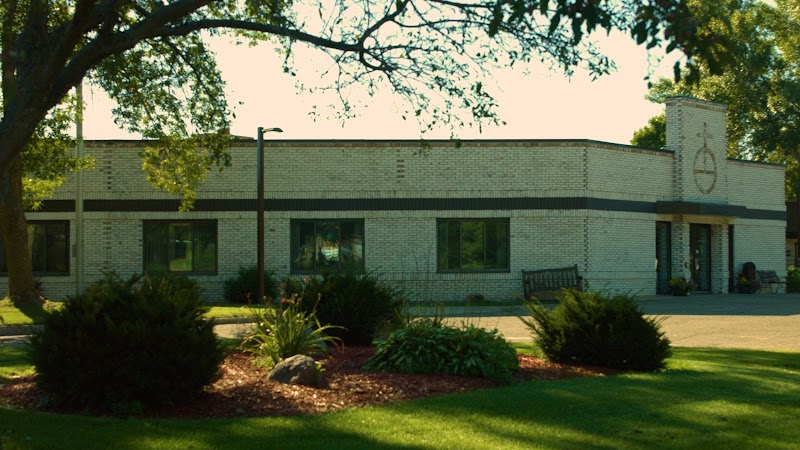
How is Meeker Manor Rehabilitation Center, Llc Staffed?

CMS rates Meeker Manor Rehabilitation Center, LLC's staffing level at 2 out of 5 stars, which is below average compared to other nursing homes. Staff turnover is 61%, which is 15 percentage points above the Minnesota average of 46%. High turnover can affect care consistency as new staff learn residents' individual needs. RN turnover specifically is 83%, which is notably high. RNs provide skilled clinical oversight, so turnover in this role can affect medical care quality.

What Have Inspectors Found at Meeker Manor Rehabilitation Center, Llc?

State health inspectors documented 24 deficiencies at Meeker Manor Rehabilitation Center, LLC during 2022 to 2025. These included: 1 Immediate Jeopardy (the most serious level, indicating potential for serious harm or death), 19 with potential for harm, and 4 minor or isolated issues. Immediate Jeopardy findings are rare and represent the most serious regulatory concerns. They require immediate corrective action.
Who Owns and Operates Meeker Manor Rehabilitation Center, Llc?

Meeker Manor Rehabilitation Center, LLC is owned by a for-profit company. For-profit facilities operate as businesses with obligations to shareholders or private owners. The facility is operated by MONARCH HEALTHCARE MANAGEMENT, a chain that manages multiple nursing homes. With 65 certified beds and approximately 46 residents (about 71% occupancy), it is a smaller facility located in LITCHFIELD, Minnesota.

How Does Meeker Manor Rehabilitation Center, Llc Compare to Other Minnesota Nursing Homes?

Compared to the 100 nursing homes in Minnesota, Meeker Manor Rehabilitation Center, LLC's overall rating (3 stars) is below the state average of 3.2, staff turnover (61%) is significantly higher than the state average of 46%, and health inspection rating (3 stars) is at the national benchmark.

What Should Families Ask When Visiting Meeker Manor Rehabilitation Center, Llc?

Based on this facility's data, families visiting should ask: "What changes have been made since the serious inspection findings, and how are you preventing similar issues?" "How do you ensure continuity of care given staff turnover, and what is your staff retention strategy?" "Can you walk me through typical staffing levels on day, evening, and night shifts?" "Can I visit during a mealtime to observe dining assistance and food quality?" These questions are particularly relevant given the facility's Immediate Jeopardy citations, the facility's high staff turnover rate, and the below-average staffing rating.

Is Meeker Manor Rehabilitation Center, Llc Safe?

Based on CMS inspection data, Meeker Manor Rehabilitation Center, LLC has documented safety concerns. Inspectors have issued 1 Immediate Jeopardy citation (the most serious violation level indicating risk of serious injury or death). The facility has a 3-star overall rating and ranks #100 of 100 nursing homes in Minnesota. Families considering this facility should ask detailed questions about what corrective actions have been taken since these incidents.

Do Nurses at Meeker Manor Rehabilitation Center, Llc Stick Around?

Staff turnover at Meeker Manor Rehabilitation Center, LLC is high. At 61%, the facility is 15 percentage points above the Minnesota average of 46%. Registered Nurse turnover is particularly concerning at 83%. RNs handle complex medical decisions and coordinate care — frequent RN changes can directly impact care quality. High turnover means new staff may not know residents' individual needs, medications, or preferences. It can also be disorienting for residents, especially those with dementia who rely on familiar faces. Families should ask: What is causing the turnover? What retention programs are in place? How do you ensure care continuity during staff transitions?

Was Meeker Manor Rehabilitation Center, Llc Ever Fined?

Meeker Manor Rehabilitation Center, LLC has been fined $14,696 across 1 penalty action. This is below the Minnesota average of $33,226. While any fine indicates a compliance issue, fines under $50,000 are relatively common and typically reflect isolated problems that were subsequently corrected. Families should ask what specific issues led to these fines and confirm they've been resolved.

Is Meeker Manor Rehabilitation Center, Llc on Any Federal Watch List?

Meeker Manor Rehabilitation Center, LLC is not on any federal watch list. The most significant is the Special Focus Facility (SFF) program, which identifies the bottom 1% of nursing homes nationally based on persistent, serious quality problems. Not being on this list means the facility has avoided the pattern of deficiencies that triggers enhanced federal oversight. This is a positive indicator, though families should still review the facility's inspection history directly.