Little Falls Care Center
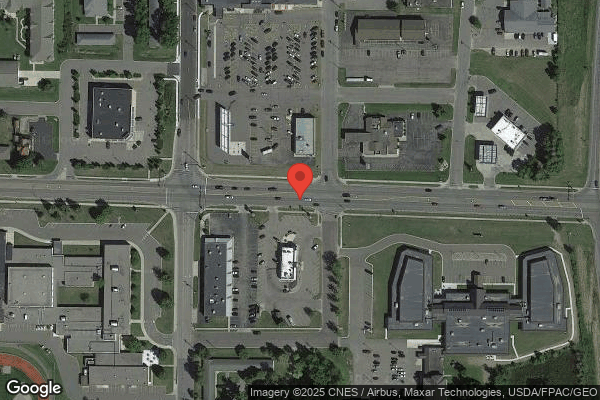

1200 FIRST AVENUE NORTHEAST, LITTLE FALLS, MN 56345 (320) 632-2061
Non profit - Other 64 Beds ST. FRANCIS HEALTH SERVICES Data: November 2025
Trust Grade
50/100
#247 of 337 in MN
Last Inspection: April 2024

Within standard 12-15 month inspection cycle. Federal law requires annual inspections.

Overview

Little Falls Care Center has received a Trust Grade of C, indicating that it is average compared to other facilities. It ranks #247 out of 337 in Minnesota, placing it in the bottom half of state facilities, and #3 out of 3 in Morrison County, meaning there is only one other local option available. The facility is improving, with reported issues reducing from 21 in 2024 to just 5 in 2025. Staffing is a strength, rated 4 out of 5 stars, with turnover at 48%, which aligns with the state average, suggesting a stable workforce. Notably, there have been no fines recorded, which is a positive sign, but there are some concerning incidents, such as failing to properly sanitize dishes, a resident not receiving required transfer training, and not ensuring residents received recommended vaccinations. Overall, while there are some strengths in staffing and a lack of fines, families should be aware of these significant issues.

Trust Score
C
50/100
In Minnesota
#247/337
Bottom 27%
Safety Record
Low Risk
No red flags
Inspections
Getting Better
21 → 5 violations
Staff Stability
⚠ Watch
48% turnover. Above average. Higher turnover means staff may not know residents' routines.
Penalties
✓ Good
No fines on record. Clean compliance history, better than most Minnesota facilities.
Skilled Nurses
✓ Good
Each resident gets 44 minutes of Registered Nurse (RN) attention daily — more than average for Minnesota. RNs are trained to catch health problems early.
Violations
⚠ Watch
44 deficiencies on record. Higher than average. Multiple issues found across inspections.
★★☆☆☆
2.0
Overall Rating
★★★★☆
4.0
Staff Levels
★★★★☆
4.0
Care Quality
★★☆☆☆
2.0
Inspection Score
Stable
2024: 21 issues
2025: 5 issues

The Good

  • 4-Star Staffing Rating · Above-average nurse staffing levels
  • 4-Star Quality Measures · Strong clinical quality outcomes
  • Full Sprinkler Coverage · Fire safety systems throughout facility
  • No fines on record

Facility shows strength in staffing levels, quality measures, fire safety.

The Bad

2-Star Overall Rating

Below Minnesota average (3.2)

Below average - review inspection findings carefully

Staff Turnover: 48%

Near Minnesota avg (46%)

Higher turnover may affect care consistency

Chain: ST. FRANCIS HEALTH SERVICES

Part of a multi-facility chain

Ask about local staffing decisions and management

The Ugly 44 deficiencies on record

Aug 2025 3 deficiencies
CONCERN (D) 📢 Someone Reported This

A family member, employee, or ombudsman was alarmed enough to file a formal complaint

Potential for Harm - no one hurt, but risky conditions existed

Notification of Changes (Tag F0580)

Could have caused harm · This affected 1 resident

**NOTE- TERMS IN BRACKETS HAVE BEEN EDITED TO PROTECT CONFIDENTIALITY** Based on interview and document review, the facility failed to notify physician and resident representative timely of a new inju...

Read full inspector narrative →
**NOTE- TERMS IN BRACKETS HAVE BEEN EDITED TO PROTECT CONFIDENTIALITY** Based on interview and document review, the facility failed to notify physician and resident representative timely of a new injury for 1 of 3 residents (R1) reviewed.Findings include:R1's quarterly Minimal Data Set (MDS) dated [DATE], indicated R1 had diagnoses which included traumatic subdural hemorrhage, cerebral infarction, anxiety disorder, and had severely impaired cognition.R1's skin incident report dated 8/10/25, revealed registered nurse (RN)-D was called into R1's room to assess a skin tear to left front of lower shin. Staff had explained that they were getting R1 up and ready for the day and she pulled her pants down to change them. Upon lowering her pants, staff noticed that there was blood on the sheet and when she looked where it was coming from, staff observed a skin tear. RN-D completed wound care by cleaning and covering with bandage. R1 denied any pain in the area, but upon completing wound care R1 was seen wincing in pain. Both RN-D and staff assisted by applying Tubi grips to both lower extremities and proceeded to continue cares. Injuries observed at the time of the incident was a skin tear to left lower leg, RN-D cleansed wound with wound cleanser, skin flap was approximated with Q-Tip and covered with non-adherent pad, leg was then wrapped with rolled gauze and secured with tape, Tubi-grip placed over leg to hold dressing in place. Further incident report revealed R1's physician was notified on 8/12/25 at 2:05 p.m., and there was no evidence of resident representative being notified.R1's progress note dated 8/10/25 at 9:23 p.m., R1's left leg skin tear dressing was removed by a nursing assistant because R1's daughter wanted to look at the wound. R1's record lacked evidence of R1's representative being notified prior and notification to resident's physician.On 8/20/25 at 12:16 p.m., R1's resident representative (RR) stated she was at the facility on 8/09/25, and when she came to the facility on 8/10/25, RR stated she inquired to staff about a bruise on her arm and that was when the staff notified her of the skin tear on R1's leg. RR stated typically she would receive a phone call from the staff on incidents, but she was not notified of the skin tear until later in the day.On 8/20/25 at 3:52 p.m., RN-A stated staff were expected to notify provider and family as soon as staff were aware of any new skin impairments.On 8/20/25 at 9:25 a.m., licensed practical nurse (LPN)-A stated new injuries or skin impairments were expected to be reported to the charge nurse and they would complete an incident report and inform the unit case managers and director of nursing (DON), and the DON would notify the physician and family as soon as the DON was made aware.On 8/21/25 at 10:08 a.m., RN-B stated new skin impairments were expected to be reported to the physician and family immediately or within your shift depending on severity. The floor nurse would be expected to complete an incident report and part of the incident report would be notifications to appropriate parties such as physician, family and DON.On 8/21/25 at 3:15 p.m., RN-C stated for new skin impairments, the floor nurse was expected to complete a risk management (incident report), provide aid and treatment to the injury, notify DON and nurse on call. Further, RN-C stated the physician, and resident representative would be expected to be notified immediately as well.On 8/21/25 at 4:40 p.m., attempted interview with R1's provider was unsuccessful.On 8/22/25 at 8:56 a.m., DON stated staff were expected to complete an incident report upon discovering a new skin impairment, and part of the document required staff to notify the physician and resident representative. DON stated RN-D discovered the skin tear in the early morning of 8/10/25 and passed on in report to the next shift because RN-D was unable to complete all tasks due to having a busy night. DON stated RR was upset she was not notified.On 8/22/25 at 9:59 a.m., RN-D stated at approximately 5:30 a.m. on 8/10/25, RN-D was paged to go to R1's room and RN-D observed the skin tear. RN-D stated she assessed the wound and passed through report to the next shift of the update. RN-D stated she was not completed with her charting at 6:30 a.m. when her shift was over, so RN-D returned to the facility later that afternoon to complete the incident report. RN-D stated she was aware she did not notify R1's resident representative and I am sure [RR] was not happy, and RN-D confirmed she did not notify R1's physician because, it all happened so fast. Further, RN-D stated notifying the physician and resident representative was part of completing the incident report, and staff were expected to call nurse triage and leave a message for the resident's physician and notify the resident's representative.On 8/26/25 at 11:30 a.m., return call from RN-E, nurse at R1's physician's office, RN-E confirmed the provider was not notified of R1's skin tear until a note was received from the facility a couple days later about a wound dressing.A copy of the facility's notification policy was requested but facility failed to provide.
CONCERN (D) 📢 Someone Reported This

A family member, employee, or ombudsman was alarmed enough to file a formal complaint

Potential for Harm - no one hurt, but risky conditions existed

Comprehensive Care Plan (Tag F0656)

Could have caused harm · This affected 1 resident

**NOTE- TERMS IN BRACKETS HAVE BEEN EDITED TO PROTECT CONFIDENTIALITY** Based on observation, interview, and document review, the facility failed to ensure care plan interventions for transfers were i...

Read full inspector narrative →
**NOTE- TERMS IN BRACKETS HAVE BEEN EDITED TO PROTECT CONFIDENTIALITY** Based on observation, interview, and document review, the facility failed to ensure care plan interventions for transfers were implemented for 1 of 3 residents (R1) reviewed.Findings include:R1's quarterly Minimal Data Set (MDS) dated [DATE], indicated R1 had diagnoses which included traumatic subdural hemorrhage, cerebral infarction, anxiety disorder, and R1 had severely impaired cognition.R1's care plan revised on 8/9/25, identified R1 had an activities of daily living (ADL) self- care deficit related to confusion due to recent stroke and staff were direct to ambulate R1 to meals as able with a single quad cane, gait belt, and contact guard assist, recommend another staff to follow with wheelchair and the nurse would document all attempts that fail. R1's care plan also directed staff to ambulate R1 to and from the bathroom with assist of one and a single quad cane, gait belt, and contact guard assist, recommend another staff to follow with wheelchair and nurse to document all attempts that fail.R1's Progress Note dated 8/20/25, revealed no change in condition noted this shift. R1 required extensive assist of one with the non-mechanical sit to stand lift and R1 did not exhibit any behaviors. R1's record lacked evidence of any failed attempts related to transfers or ambulation.On 8/20/25 at 12:16 p.m., anonymous reporter (AR) stated R1 received outpatient therapy and R1 was provided with orders for facility staff to assist R1 with ambulating to and from the bathroom with a cane, as well as to and from meals as tolerated. AR stated the facility were not following R1's care plan and had been transferring R1 using a non-mechanical stand lift. On 8/20/25 at 3:52 p.m., registered nurse (RN)-A stated R1 required assistance by staff for all activities of daily living (ADL), and R1's care plan at this time identified R1 required assistance by one staff member for stand and pivot transfers and utilizing a cane for ambulation. Further, RN-A stated at times R1 would be weaker and require more staff assistance with transfers and the use of a non-mechanical stand lift. On 8/21/25 at 9:25 a.m. licensed practical nurse (LPN)-A stated R1 required assistance with all ADLs and required a non-mechanical sit to stand lift for transfers and depending on the day was able to stand and pivot but was unable to ambulate. On 8/21/25 at 10:08 a.m., RN-B stated R1 was not resistive to cares and was usually easy to talk through tasks and allow staff to assist with tasks. RN-A stated R1 required a non-mechanical sit to stand lift for transfers assistance by one staff, and RN-A stated she had not witnessed R1 ambulate at the facility but R1 was able to ambulate in therapy. On 8/22/25 at 12:00 p.m., nursing assistant (NA) stated R1 recently received new therapy orders directing staff to assist with ambulating to and from the restroom with a cane and gait belt. NA-A stated R1 often chooses which staff she prefers to ambulate for and if R1 was not compliant staff would often use the non-mechanical sit to stand lift to transfer. On 8/21/25 at 12:15 p.m., NA-A was observed assisting R1 in her wheelchair to R1's room. NA-A asked R1 if she was able to walk to the bathroom and R1 stated yes, so NA-A placed a gait belt around R1's waist and R1 stated she wanted to use her walker instead of the cane. R1 placed hands on the walker and stood from her wheelchair and walked into the bathroom with NA-A holding onto the gait belt. R1 walked back out of the bathroom with the walker and appeared to be steady with NA-A holding the gait belt, R1 pivoted and sat back down in her wheelchair. On 8/21/25 at 1:46 p.m., NA-B was observed to assist R1 in her wheelchair back to her room. R1 appeared to be tearful and upset related to her family leaving her, but NA-B offered reassurance. NA-B exited R1's room and returned with the non-mechanical sit to stand lift. NA-B moved R1's wheelchair pedals off to the sit and positioned the lift in front of R1. R1 placed her feet on the platform, NA-B locks wheelchair brakes as well as the lift brakes and directs R1 to grab onto the bars and stand up. R1 follows all ques and stands up, and NA-B places the two paddles behind R1's bottom, unlocks lift brakes and brings R1 into the bathroom. NA-B then maneuvered R1 out of the bathroom in the lift and opens the lift legs over R1's wheelchair, locks the lift brakes and directs R1 to stand, paddles are removed and R1 sits down in her wheelchair. On 8/21/25 at 2:06 p.m., R1 was sitting in her wheelchair in her room and stated she was able to walk just fine to and from the bathroom with a cane, but R1 was unsure why the staff were using a lift instead. R1 stated I am afraid to ask they would tell me something I don't want to hear. On 8/21/25 at 2:25 p.m. NA-B stated all NA's have access to each resident's care plan which would identify what each resident's transfer status and ADL assistance was. If there were changes to a resident's care plan the changes were communicated through verbal report at change of shift. Further, NA-B stated R1 required a non-mechanical sit to stand lift always and R1 was able to ambulate with a walker and a gait belt. On 8/21/25 at 2:59 p.m., NA-C stated R1 required staff assistance with all ADLs and transferred with a non-mechanical sit to stand lift. NA-C stated R1 was not able to ambulate that she was aware of. On 8/21/25 at 3:15 p.m., RN-C staff were expected to review the communication board in the facility's electronic medical record (EMR) system for changes and updates to a resident's care plan, however RN-C stated she was made aware recently some staff were not aware of how to do it so RN-C changed the process as of 8/21/25, and will now have a binder to communicate updates. Further, RN-C stated R1 was able to stand and pivot with assist of one staff to transfer using a gait belt and was able to ambulate with a cane. RN-C was not aware staff were utilizing a non-mechanical sit to stand lift to transfer R1 and no staff had reported any concerns or changes with R1's transfers. RN-C stated R1's transfer status was revised on 8/9/25. In addition, RN-C stated staff would be expected to report any changes or concerns and if a resident refuses staff should be documenting. On 8/22/25 at 8:56 a.m., director of nursing (DON) stated R1's care plan was recently revised to ambulate R1 to and from the bathroom with assist of one staff and R1 was a stand and pivot transfer. DON stated staff were expected to report changes or concerns with a resident's transfer status to the case managers on the unit so the team was aware and could revise the care plan. Further, DON stated all staff would be expected to carry the electronic tablets and reference each resident's plan of care they are assisting. A copy of the facility's care plan policy was requested but facility failed to provide.
CONCERN (D) 📢 Someone Reported This

A family member, employee, or ombudsman was alarmed enough to file a formal complaint

Potential for Harm - no one hurt, but risky conditions existed

Deficiency F0740 (Tag F0740)

Could have caused harm · This affected 1 resident

**NOTE- TERMS IN BRACKETS HAVE BEEN EDITED TO PROTECT CONFIDENTIALITY** Based on observation, interview and document review, the facility failed to monitor, review, and analyze underlying causes of re...

Read full inspector narrative →
**NOTE- TERMS IN BRACKETS HAVE BEEN EDITED TO PROTECT CONFIDENTIALITY** Based on observation, interview and document review, the facility failed to monitor, review, and analyze underlying causes of resident's anxiety and agitation for 1 of 1 resident (R1) who was reviewed for behaviors.Findings include:R1's quarterly Minimal Data Set (MDS) dated [DATE], indicated R1 had diagnoses which included traumatic subdural hemorrhage, cerebral infarction, anxiety disorder, and R1 had severely impaired cognition and R1 did not exhibit any behaviors.R1's medication administration record (MAR) and treatment administration record (TAR) for the month of August 2025, revealed R1 was prescribed Trazodone 100 mg at bedtime for insomnia. TAR lacked evidence of target behaviors being monitored.R1's Psychoactive Medication Informed Consent Form dated 3/19/25, revealed R1 was prescribed Trazodone, but the document lacked reason for use (target behaviors) of this psychoactive medication, non-pharmacological interventions, or benefits to be obtained in using this medication.R1's care plan as of 8/20/25, indicated R1 had impaired cognitive function and impaired thought processes related to disease process and recent stroke. R1 was also noted to have a communication problem related to expressive aphasia and receptive aphasia. R1 was at risk for falls related to confusion, gait/balance problems, psychoactive drug use, unaware of safety needs and directed staff to check for urinary tract infection with increased restlessness and confusion, and when restless at night offer a snack and something to drink. Further, R1's care plan identified R1 had difficulty with sleep and directed staff to administer any medications per provider order, monitor for side effects and effectiveness, offer a snack of pudding/toast for nighttime restlessness, discourage a pattern of daytime naps, and encourage R1 to follow a consistent routine retiring and arising. R1's Progress Notes revealed the following:-On 8/19/25, moved the trash bin she was running into and tried to move her to a more open area however continued to run into things.-On 8/19/25, minimal sleep this shift from 0100-0300. Restlessness and wandering remain evident throughout the pod, attempted to enter other resident's rooms as well as other rooms on the floor (shower room, clean utility room and dirt utility room).-On 8/18/25, resident has been wheeling self-backwards at an extensive rate of speed. Due to impairments of ability to see when wheeling backwards, resident then runs into items aggressively (walls, lifts, other residents, etc.) Resident was witnessed to have run into another resident his shift while this resident was sitting out on the pod. Resident had run into the back of the wheelchair and no injuries were sustained but when redirected, the behaviors did not change.-On 8/18/25, resident wandered into another resident's room who was sleeping, entered the room and began to attempt to rove their walker, thus resulting in this resident becoming entangled in the walker, nearly causing them to fall. Resident was redirected back to the center of the pod but wandering remains present as well as discussions toward other confused residents, stating you stay over there and stay away from me or else.-On 8/18/25, resident completely unconsolable this shift regardless of attempts from staff or other residents. Yelling out help, get him away from me. Resident crying uncontrollably to the extent that she was unable to catch her breathe. Behaviors only subside when resident was on a one to one with another staff member. There are no PRN (as needed medication) available to assist with increased anxiety and restlessness.-On 8/15/25, resident was wheeling herself backwards and yelling help repeatedly and trying to go into other people's rooms. Staff tried to offer a snack, which she did not want. Tried offering resident to watch a show on the tablet, which was not effective. When asking resident what her need was, she would say I don't need anything. No pharmacological interventions available currently.-On 8/11/25, R1 was yelling at staff to get out of here, you need to die and I'm going to kill you. R1 had been exhibiting behaviors since 2:00 p.m. Distraction, food, drink and toileting were not effective. There were no pharmacological intervention to give her. Daughter came in at about 6:30 p.m. took her outside and when daughter brought her back in the yelling started all over again. -On 8/9/25, resident was heard yelling at another resident on the pod. Staff tried to redirect resident away and continued to yell inappropriate words at another resident. Resident was then [NAME] down to other wing to completely change surroundings and resident continued to yell out obscenities and inappropriate comments to nurse and staff on that side. Non-pharmacological interventions attempted included one to one staff involvement, took for ride in wheelchair around inside of the building, offered snack and drink which were not effective.-On 7/24/25, resident was weeping and crying and stated, I might as well be dead. One to one distraction did not seem to be effective, and resident would continue to have weeping episodes.-On 7/19/25, resident was yelling out for help, thinks resident was trying to kill us thinking she had to clean something up. Distraction, toileting and one to one with the nurse was attempted but was not effective.-On 7/17/25, resident was wheeling into other rooms yelling at others saying, I'm going to kill you, I have the power. Staff separated then resident was calling multiple staff killers and that she had all the power.-On 7/16/25, Resident awoke at 0300 yelling out from her room. Resident yelling get her out of here or I will, then began making threats to nursing assistant of [NAME] staff if she wasn't removed. Resident was unconsolable at that time. Distraction was unsuccessful with the use of TV show, food/beverage, etc.-On 7/11/25, resident was roaming the pod aimlessly searching for random items such as the sewer stating, I'm going to blow it up. I have a finger that will do it. Behavior was unable to be redirected. Resident continued to push herself backwards in her wheelchair throughout the hallway and pods, talking nonsensical statements to self and others as they walked by.On 8/20/25 at 3:52 p.m., registered nurse (RN)-A stated R1 exhibited behaviors of yelling and ramming around in here, and R1 would often resist cares such as toileting especially at night. RN-A stated staff would attempt to offer distraction of coloring, drink, food, bathroom, one to one staffing but there were only so much non-pharmacological interventions that are effective.On 8/21/25 at 12:00 p.m., nursing assistant (NA)-A stated R1 exhibited behaviors such as yelling, swatting at staff, crying, and will self-propel around the unit with no sense of direction and would run into things.On 8/21/25 at 1:46 p.m., R1 was observed to be tearful and stating her daughter did not care about her, and NA-B would offer reassurance and offered toileting. Interventions were only effective a short while, and NA-B was observed to be tearful again.On 8/21/25 at 2:25 p.m., NA-B stated R1's cognition was impaired and R1 had some forgetfulness and confusion. NA-B stated later afternoon/evenings R1 would often get anxious and agitated and would cuss out staff or have some delusions about a shooter and interventions of distraction was often not effective. Further, NA-B stated these behaviors were R1's baseline and the behaviors appeared to be constant.On 8/21/25 at 2:59 p.m., NA-C stated R1 exhibited behaviors through out the night such as hollering, attempting to go into other resident's rooms and staff would offer snack, warm towels, sit with R1, read her a magazine to attempt to calm R1 and these behaviors have been R1's baseline since NA-C started working at the facility.On 8/21/25 at 3:15 p.m., RN-C stated R1 exhibited behaviors of hollering, verbal combativeness with staff and threatening to kill you. RN-C stated these behaviors have been R1's baseline and typically occur in the evenings, but at times do increase in frequency with an infection. RN-C stated staff are expected to chart resident behaviors in the resident treatment record and resident care plan would be expected to reflect target behaviors to monitor as well as person-centered interventions to implement. RN-C confirmed there were no target behaviors listed in R1's care plan and there was no treatment order for staff to monitor or document R1's behaviors to review for psychotropic medication effectiveness, which R1 was prescribed Trazodone.On 8/22/25 at 8:56 a.m., director of nursing (DON) stated R1 had exhibited behaviors since admitting to the facility, but the behaviors appeared to increase when there was an infection. DON stated staff were expected to monitor effectiveness of psychotropic medications and track behaviors. Each resident would be expected to have target behaviors in their treatment record for staff to document as well as in the resident care plan with interventions for staff to implement if a resident was exhibiting behaviors.A copy of the facility's behavior and psychotropic medication policy was requested but facility failed to provide.
Aug 2025 1 deficiency
CONCERN (D) 📢 Someone Reported This

A family member, employee, or ombudsman was alarmed enough to file a formal complaint

Potential for Harm - no one hurt, but risky conditions existed

Abuse Prevention Policies (Tag F0607)

Could have caused harm · This affected 1 resident

**NOTE- TERMS IN BRACKETS HAVE BEEN EDITED TO PROTECT CONFIDENTIALITY** Based on interview and document review the facility failed to implement policies and procedures for an allegation of abuse for 1...

Read full inspector narrative →
**NOTE- TERMS IN BRACKETS HAVE BEEN EDITED TO PROTECT CONFIDENTIALITY** Based on interview and document review the facility failed to implement policies and procedures for an allegation of abuse for 1 of 1 resident (R1) who alleged abuse and the facility failed to have record of the investigation.Findings include: R1's quarterly Minimum Data Set (MDS) dated [DATE], identified intact cognition. He used a wheelchair for mobility. R1's care plan dated 1/31/25, identified at risk for falls related to confusion, gait/balance problems, alert and oriented with short term memory loss, and instructed staff to assist as needed with mobility and transfers, monitor him for any cognitive changes and update physician assistant (PA), nurse practitioner (NP) and medical doctor (MD) as needed. He was at risk for elopement/wandering with a wander guard placed underneath wheelchair. Staff were directed to identify if there were triggers for wandering/elopement money, stay being covered, selling house, and provide reorientation to surroundings and environment. R1's progress note dated 10/6/24 at 4:01 p.m., written by RN-A identified he was seen heading toward front doors in wheelchair pushing walker stacked with items from room. Staff approached to have him come back in from the front entry, but he continued to refuse, three different staff attempted redirection without success. Writer approached him and after a lengthy conversation was able to convince him to stay in the facility. He stated reason for wanting to leave was due to insurance reasons. He remained very upset with the first three staff members when they attempted to redirect him. He displayed paranoia and delusional thoughts the rest of the shift. He would not eat supper stating food was poisoned and felt like people at facility were trying to keep him locked up, and out to get him. Redirection for the thought process was unsuccessful. During an interview with director of nursing (DON) on 8/7/25 at 12:49 p.m., stated R1 had refused dressing changes and medication in the past, seemed well put together on the surface but was not cognitively intact. She indicated his son had informed her if R1 had known he had to pay out of pocket; he would have tried to walk home. DON also stated on 10/6/24, nursing assistant (NA)-A reported R1 stated he was thrown around, but that was not documented, and she was unsure if she had heard it from R1 as he told stories and used grandiose statements frequently. She had talked to him after this report, and he indicated he was trying to leave. This was not investigated or documented. R1 informed NA-A and registered nurse (RN)-A he was leaving the facility, and they brought him back into the building. He had told staff he was tackled to the ground. Both staff denied that had happened. The administrator at that time (currently retired) had many conversations with him but there was no documentation. During an interview on 8/7/25 at 4:11 p.m., NA-A stated R1 was forgetful, confused, and wandered. Over the weekend, October 2024, he noticed R1 was located by the front door of the facility in the wheelchair with a walker full of belongings and possibly tried to leave. He attempted to convince R1 to come back into the facility but refused. NA-A removed himself from the situation and RN-A redirected him back into the building. Staff (unsure of which ones) informed him R1 had made comments he was thrown out of his wheelchair, and he reported this information to the nurse (no idea which one) and the oncoming shift. The DON was aware of R1''s comments, she had talked to him about it. He stated on that day in October, R1 was not thrown out of his wheelchair onto the floor or hurt by staff. During an interview on 8/7/25 at 5:45 p.m., administrator stated there were a few incidents where R1 tried to leave the facility, talked to his sons about it, and claimed he was tackled to the ground by the NA. He interviewed staff and was informed they stood in his way to help prevent him from leaving. He had visited with one of his son's and indicated his father feasted up and said, they really did not take him to the ground but prevented him from leaving and was angry. A vulnerable adult report was not filed or investigated, on this incident. Surveyor was unable to reach RN-A for an interview. Facility policy Maltreatment Reporting Guidelines dated 11/26/24, identified care center will report any allegations of maltreatment of a vulnerable adult (VA) residing in their care center to appropriate authorities, as required by abuse reporting for the Federal Regulations and maltreatment reporting for the Minnesota State Statues. If alleged maltreatment occurs staff shall immediately report to their supervisor any suspected maltreatment. The supervisor shall first ensure the resident is safe and complete an initial assessment to determine if there was potential abuse, neglect or other type of maltreatment and notify the administrator. The staff person(s) should have been immediately suspended in the alleged maltreatment pending the outcome of the investigation. Begin an investigation of the alleged treatment, which may include resident and staff interviews, observations, and medical record review. The investigation shall be completed as much as able within five working days at which time the investigation findings will be updated in the Minnesota Department of Health (MDH)/Office of Health Facility Complaints (OHFC) website. Within five working days prepare a written report of investigation results. Based on the investigational findings, may any internal systemic operational changes needed to minimize any opportunity for reoccurrence.
Feb 2025 1 deficiency
CONCERN (D) 📢 Someone Reported This

A family member, employee, or ombudsman was alarmed enough to file a formal complaint

Potential for Harm - no one hurt, but risky conditions existed

Report Alleged Abuse (Tag F0609)

Could have caused harm · This affected 1 resident

**NOTE- TERMS IN BRACKETS HAVE BEEN EDITED TO PROTECT CONFIDENTIALITY** Based on interview and document review, the facility failed to report an allegation of abuse immediately (within two hours) to t...

Read full inspector narrative →
**NOTE- TERMS IN BRACKETS HAVE BEEN EDITED TO PROTECT CONFIDENTIALITY** Based on interview and document review, the facility failed to report an allegation of abuse immediately (within two hours) to the State Agency (SA) for 1 of 3 (R1) residents reviewed for allegations of abuse. Findings include: R1's quarterly Minimum Data Set (MDS), dated [DATE], indicated R1 was cognitively intact with diagnoses of heart failure and bipolar disorder. The MDS also indicated she used a wheelchair for mobility, and was independent with personal hygiene. R1's care plan dated 12/7/24, indicated R1 required the assistance of one staff to use the toilet and required set up assistance with personal hygiene. R1's care plan also indicated she was vulnerable due to her physical condition. On 1/25/25 a written statement by registered nurse (RN)-A indicated R1 reported nursing assistant (NA)-A made her feel uncomfortable when he was washing her up. R1 stated she could see and feel NA-A's erection. R1 stated she asked NA-A to stop, but he continued washing her. On 1/25/25 at 11:27 p.m., an email from RN-B to the director of nursing (DON) and licensed practical nurse (LPN)-A indicated R1 reported NA-A was washing her up and she asked him to stop. R1 reported she could tell NA-A was getting excited and she was afraid of him. On 1/26/25 at 9:30 p.m., a progress note indicated R1 told RN-C about a situation where a NA assisted her with her toileting and perineal care (peri care). This information was relayed to the DON. On 1/27/25 at 5:44 p.m. (nearly two days later) a report to the SA was filed and indicated R1 felt violated while NA-A was washing her up, causing her to feel anxious, fearful, and sick to her stomach. R1 stated she felt NA-A's erection brush against her. On 2/4/25 at 10:56 a.m., the DON stated she was informed of R1's alleged abuse on 1/25/25 around 9:00 p.m. She was unaware of the details of the incident until she reviewed the written statements provided by RN-A and RN-B on 1/27/25. The incident should have been reported to the SA on 1/25/25. On 2/4/25 at 5:35 p.m., the administrator stated an immediate report to the SA is expected when abuse is reported. The facility Maltreatment Reporting Guidelines dated 11/26/24, directed Care center will report any allegations of maltreatment of a vulnerable adult (VA) residing in our care center to the appropriate authorities, as required by abuse reporting for the Federal Regulations and maltreatment reporting for the Minnesota State Statutes. Care center must report to the State Agency (MDH) any suspected maltreatment (all alleged violations involving abuse, neglect, financial exploitation or maltreatment, including injuries of unknown source and misappropriation of resident property) immediately, but not later than 2 hours after the allegation is made, if the events that cause the allegation involve abuse or result in serious bodily injury, or not later than 24 hours if the events that cause the allegation do not involve abuse and do not result in serious bodily injury.
Aug 2024 1 deficiency
CONCERN (D) 📢 Someone Reported This

A family member, employee, or ombudsman was alarmed enough to file a formal complaint

Potential for Harm - no one hurt, but risky conditions existed

Notification of Changes (Tag F0580)

Could have caused harm · This affected 1 resident

Based on interview and document review the facility failed to ensure the provider and resident representative were notified of a fall for 1 of 3 residents (R2) reviewed. Findings include: R2's admissi...

Read full inspector narrative →
Based on interview and document review the facility failed to ensure the provider and resident representative were notified of a fall for 1 of 3 residents (R2) reviewed. Findings include: R2's admission Minimal Data Set (MDS), undated as it was still in progress, indicated R2 had diagnoses which included type 2 diabetes and hypertension. R2's progress note dated 8/16/24, indicated R2 had rolled out of bed at 11:30 p.m. on 8/15/24, trying to get to the fridge, rolled onto the floor looking for kids. Staff implemented a low bed and fall mat was in place as well as safety checks every 1-2 hours. However, R2's record lacked evidence the provider or resident representative was notified of the fall. On 8/23/24 at 11:26 a.m., registered nurse (RN)-A stated staff would be expected to notify the resident's provider and representative right away following a fall. On 8/23/24 at 11:51 a.m., director of nursing (DON) stated staff were expected to notify the resident's representative and the provider as soon as possible, following a fall. DON stated follow up with staff regarding R2's fall that occurred on 8/15/24, revealed the floor nurse's night was chaotic and she forgot to complete an incident report for the fall and notify the provider and resident representative. Review of facility policy titled Accident/Incident dated 1/18/18, indicated notification of a family member or responsible party when a resident suffers an injury due to an accident/incident, family or the responsible party would be notified immediately. If there was no injury as a result of the accident/incident family or responsible party would be notified within a reasonable time frame. Family or responsible party would be advised of a fall. In addition, the physician would be notified immediately whenever an injury occurs and for all other events within a reasonable timeframe.
Jul 2024 1 deficiency
CONCERN (D) 📢 Someone Reported This

A family member, employee, or ombudsman was alarmed enough to file a formal complaint

Potential for Harm - no one hurt, but risky conditions existed

Pressure Ulcer Prevention (Tag F0686)

Could have caused harm · This affected 1 resident

**NOTE- TERMS IN BRACKETS HAVE BEEN EDITED TO PROTECT CONFIDENTIALITY** Based on observation, interview, and document review, the facility failed to follow physician orders for pressure ulcer care, an...

Read full inspector narrative →
**NOTE- TERMS IN BRACKETS HAVE BEEN EDITED TO PROTECT CONFIDENTIALITY** Based on observation, interview, and document review, the facility failed to follow physician orders for pressure ulcer care, and failed to follow infection control practices during a dressing change for 1 of 3 residents (R1) reviewed for pressure ulcers. Findings include: Definitions of pressure ulcer types according to National Pressure Ulcer Advisory Panel (NPUAP): Stage 3 Pressure Ulcer: Full-thickness loss of skin, in which subcutaneous fat may be visible in the ulcer and granulation tissue and epibole (rolled wound edges) are often present. Slough (non-viable usually moist tissue that can be soft and stringy in texture) and/or eschar (dead or devitalized tissue that is usually black and may appear scab-like) may be visible but does not obscure the depth of the tissue loss. Undermining and tunneling may occur. Fascia (connective tissues), muscle, tendon, ligament, cartilage and/or bone are not exposed. If slough or eschar obscures the wound, it is an unstageable pressure ulcer. Stage 4 Pressure Ulcer: Sores that extend below the subcutaneous fat in deep tissues including muscle, tendons, ligaments, cartilage, or bone. This stage presents a high risk of infection. Unstageable Pressure Ulcer: Full-thickness skin and tissue loss in which the extent of tissue damage within the ulcer cannot be confirmed because the wound bed is obscured by slough or eschar. If the slough or eschar is removed, a Stage 3 or Stage 4 pressure ulcer will be revealed. R1's Face Sheet dated 7/25/24 indicated R1 had diagnoses of peripheral vascular disease, quadriplegia, and spinal stenosis. R1's significant change Minimum Data Set (MDS) dated [DATE], indicated R1 was cognitively intact and fully dependent on staff for activities of daily living (ADLs). R1's quarterly MDS dated [DATE] indicated R1 had one Stage 4 pressure ulcer. R1's Integrated Wound Care document dated 7/23/24, indicated a Stage 4 sacral pressure ulcer measuring 6.5 centimeters (cm) by 12.5cm and 1.8cm in depth, undermining (destruction of tissue extending under the skin edges so that the pressure ulcer is larger at its base than at the skin surface.) from 11 to 3 o'clock was 4.1cm in depth. The Stage 4 sacral pressure ulcer had heavy purulent drainage (product of inflammation that contains pus), mild odor, bone exposed, had 90% granulated (connective tissue) and 10% slough (non-viable yellow, tan, gray, green or brown tissue) on wound base. The document indicated an unstageable left buttock pressure ulcer measuring 9cm by 8cm and 3cm in depth, undermining from 12 to 3 o'clock was 5cm in depth. The unstageable left buttock pressure ulcer had heavy serosanguinous (a mixture of clear serous fluid and blood), tendon and bone exposed, had 10% necrotic (dead tissue) and 50% slough on wound base. The document indicated a Stage 3 right buttock pressure ulcer measuring 6.3cm by 4.5cm and 1.2cm in depth, undermining from 10 to 4 o'clock was 4.5cm in depth. The stage 3 right buttock ulcer had heavy serosanguinous drainage, 50% slough, 10% granulation, and 40% necrotic tissue on wound bed. The document had a note section that indicated a discussion was had with R1 about the continuous wound deterioration, and the likely outcome of continued wound deterioration. R1's Wound Care Order as ordered by the nurse practitioner (NP)-A on 7/23/24 directed for sacral and left buttock pressure ulcer: cleanse wound, apply skin prep to peri wound, cover bone with Adaptic (non-adhering wound dressing), then apply Santyl (ointment that removes dead tissue from wound) to wound bed, then calcium alginate (non-woven, absorbent dressing made from seaweed). May fluff kerlix to fill depth of wound, into fissure, and undermining areas if needed. Cover with abdominal pad dressing (ABD) and tape, change daily and as needed (PRN). Right buttock pressure ulcer: cleanse wound, apply skin prep to peri wound, apply Santyl to wound bed and calcium alginate, cover with silicone boarder dressing, change daily and PRN. R1's electronic health record (EHR) indicated both orders started on 7/25/24. On 7/25/24 at 10:24 a.m., registered nurse (RN)-A was observed providing wound care to R1. RN-A donned proper personal protective equipment (PPE). RN-A cleansed all three pressure ulcer beds with wound cleanser, then removed her soiled gloves. Without performing hand hygiene, RN-A donned clean gloves. RN-A placed Adaptic on the base of the left buttock and sacral pressure area where bone was exposed. RN-A placed calcium alginate on all three wound beds with a cotton swab. RN-A took the cotton swab and packed R1's left buttock ulcer with kerlix. RN-A grabbed new kerlix and packed R1's sacral ulcer. RN-A applied ABD dressings to all three pressure ulcers and secured bandages with tape. RN-A removed her soiled gloves, and without performing hand hygiene, donned clean gloves. RN-A placed another piece of tape on R1's left buttock dressing. RN-A removed her spoiled gloves, and without performing hand hygiene, removed R1's oxygen tubing from his nose. RN-A doffed her PPE and preformed hand hygiene before exiting the room. RN-A did not put Santyl on the wound beds as ordered. On 7/25/24 at 10:51 a.m., RN-A stated it slipped her mind to perform hand hygiene between glove changes, but the expectation was to sanitize hands after removing soiled gloves. On 7/25/24 at 1:13 p.m., RN-A stated she did not follow the physician's orders for R1's dressing changes because she was nervous. On 7/25/24 at 2:57 p.m., nurse practitioner (NP)-A stated R1's ulcers were going to happen due to R1 comorbidities and refusals to offload. If the facility was not following the physician's orders for pressure ulcer care, the integrity of the pressure ulcer is going to be compromised. She would expect the facility to follow orders. Hand hygiene and protecting the wound from unwanted bacteria was also important to healing when completing a dressing change. On 7/26/24 at 11:34 a.m., the administrator stated staff should follow care plans, orders, and to follow the hand hygiene policy. The facility policy Hand Hygiene revised 5/8/17, indicated hand hygiene is to be completed before and after direct contact with a resident, if moving from a contaminated body site to a clean body site during resident care, and between glove changes. A policy on pressure ulcers was requested but not provided.
Apr 2024 10 deficiencies
CONCERN (D)

Potential for Harm - no one hurt, but risky conditions existed

Deficiency F0554 (Tag F0554)

Could have caused harm · This affected 1 resident

**NOTE- TERMS IN BRACKETS HAVE BEEN EDITED TO PROTECT CONFIDENTIALITY** Based on observation, interview and document review, the facility failed to ensure residents were comprehensively assessed for s...

Read full inspector narrative →
**NOTE- TERMS IN BRACKETS HAVE BEEN EDITED TO PROTECT CONFIDENTIALITY** Based on observation, interview and document review, the facility failed to ensure residents were comprehensively assessed for self-administration of medications for 3 of 3 residents (R24, R34, and R46), reviewed and observed for self-administration of medications. Findings include: R24's significant change Minimum Data Set (MDS) dated [DATE], identified R24 was cognitively intact, and required assistance/supervision with activities of daily living (ADL's). During observation and interview on 4/15/24 at 6:12 p.m., a nebulizer machine was sitting on R24's nightstand and had an unknown solution sitting in nebulizer cup. R24 stated she self-administers nebulizer after staff sets it up for her and there are times when she forgets to do nebulizer treatment. R24 stated the solution in nebulizer cup was from this morning as she forgot to do nebulizer treatment. During record review on 4/16/24, the medication self-administration assessment, that was completed on 3/22/24, indicated R24 could not correctly administer nebulizer medications, R24 did not wish to self-administer medications and nursing staff was to store, administer and document all medications per medical doctor (MD) orders. R34's admission MDS dated [DATE], identified R34 was cognitively intact, and required assistance/supervision with ADL's. During observation on 4/15/24 at 2:18 a.m., R34 was sitting on the side of his bed, was holding nebulizer pipe in his mouth, nebulizer treatment running with clear solution noted in the nebulizer cup, no staff present in room. During observation and interview on 4/17/24 at 7:49 a.m., trained medication assistant (TMA)-A entered R34's room with morning medications. Prior to exiting room, TMA-A placed vial of nebulizer solution on R34's nightstand and left room. Once in hallway, TMA-A stated R34 liked to take the nebulizer treatment after breakfast so she would go back to R34's room in approximately one hour to set nebulizer treatment up for R34. During observation and interview on 4/17/24 at 8:29 a.m., TMA-A returned to R34's room to set up nebulizer treatment and stated that R34 already emptied the vial of nebulizer solution in the nebulizer cup and administered the nebulizer treatment. TMA-A stated R34 does that a lot and nursing staff will go in and make sure R34 completed nebulizer treatment. During record review on 4/17/24, the medication self-administration assessment, that was completed on 3/21/24, indicated R34 was not able to self-administer medications, R34 did not wish to self-administer medications and nursing staff was to store, administer and document all medications per MD orders. R46's admission MDS dated [DATE], identified R46 had intact cognition and required assistance with all ADL's. During observation on 4/15/24 at 12:00 p.m., an albuterol inhaler with a spacer attached was sitting on the over-the-bed table located on the side of R46's recliner next to the window. During observation on 4/16/24 at 2:12 p.m., R46 was sitting in his recliner with the albuterol inhaler sitting on over-the-bed table next to R46's recliner. During observation on 4/18/24 at 8:17 a.m., R46 was sitting in recliner with the albuterol inhaler sitting on over-the-bed table next to R46's recliner. During observation on 4/18/24 at 9:02 a.m., R46 was holding the inhaler in his hand, moving it away from his mouth and placed in on over-the-bed table next to recliner. During record review on 4/17/24, the medication self-administration assessment completed on 4/1/24, indicated R46 could not correctly administer inhalant medications, R46 did not wish to self-administer medications and nursing staff was to store, administer and document all medications per MD orders. During interview on 4/18/24 at 1:50 p.m., TMA-B stated nursing staff would set up nebulizer with solution in the nebulizer cup and leave it on the nebulizer for R24 to self-administer at a later time. TMA-B stated nursing staff will have to remind R24 to do nebulizer treatment as R24 tends to forget to perform treatment. TMA-B stated she sets up nebulizer with solution in the nebulizer cup and leaves it on the nebulizer for R34 to self-administer at a later time. TMA-B stated R34 would turn on machine, do treatment and then placed nebulizer pipe on nightstand. TMA-B would go in to ensure that R34 did treatment and would then wash nebulizer equipment. TMA-B confirmed that R46 had an albuterol inhaler sitting on over-the-bed table next to recliner and stated she had seen R46 use inhaler independently. TMA-B confirmed R24, R34 and R46 did not have a self-administration order. During interview on 4/18/24 at 2:15 p.m., licensed practical nurse (LPN)-B stated nursing staff sets up R24 and R34's neb solution for R24 and R34 to self-administer at a later time. LPN-B confirmed R46 had an albuterol inhaler sitting on the over-the-bed table next to recliner and she saw R46 use inhaler independently. LPN-B confirmed R24, R34 and R46 did not have a self-administration order. During interview on 4/18/24 at 2:22 p.m., TMA-A confirmed R46 had an albuterol inhaler sitting on the over-the-bed table next to recliner and stated she has seen R46 use inhaler independently. During interview on 4/18/24 at 2:23 p.m., TMA-A stated nursing staff sets up R24 and neb solution for R24 to self-administer at a later time. During interview on 4/18/24 at 3:07 p.m., assistant director of nursing (ADON) stated in order for a resident to be able to self-administer medications, a self-administration assessment must be completed. If the resident is determined to be able to self-administer medications after completed assessment, the nurse would notify the provider to obtain an order. ADON stated it is important for a resident to be assessed to ensure that resident is able to administer properly, are receiving the correct medication and dose and that there is appropriate storage. ADON confirmed that R24, R34 and R46 did not have an order to self-administer medications. The facility Self-Administration of Medications policy, dated 1/8/18, indicated the facility will ensure any resident that wishes to self-administer medications will be assessed, and the Interdisciplinary Team (IDT) will determine if it is appropriate for that individual resident. A. All residents will be asked if they wish to self-administer their medications upon admission. B. If the resident wishes to self-administer medications, they will be assessed for their ability to safely self-administer their medications. A Self-Administration of Medications (SAM) assessment will be completed and reviewed by the IDT. This assessment will include: a. Cognitive status, b. Physical status, c. Which medications are appropriate to be self-administered. d. Where the medication will be stored safely, e. How the nursing staff will monitor the medication's use, and f. How it will be documented. C. If the resident is clinically appropriate to self-administer medications, interventions will be put into place to accommodate the resident's wishes. D. A periodic re-assessment by the IDT of the continued appropriateness of the self-administration will be completed, and the decision to continue the self-administration of medications will be based on changes in the resident's medical and decision-making status. E. If self-administration is determined not to be sage, the IDT will consider, based on the assessment of the resident's abilities, options that allow the resident to actively participate in the administration of their medications to the extent that is safe. F. Resident will be permitted to retain medications in their rooms if approved by the IDT and ordered by the attending physician. G. Nursing staff will ensure the Electronic Medical Record (EMR) and care plan reflects the resident's self-administration of medications.
CONCERN (D) 📢 Someone Reported This

A family member, employee, or ombudsman was alarmed enough to file a formal complaint

Potential for Harm - no one hurt, but risky conditions existed

Notification of Changes (Tag F0580)

Could have caused harm · This affected 1 resident

**NOTE- TERMS IN BRACKETS HAVE BEEN EDITED TO PROTECT CONFIDENTIALITY** Based on interview and document review, the facility failed to ensure resident's family and/or representative were updated timel...

Read full inspector narrative →
**NOTE- TERMS IN BRACKETS HAVE BEEN EDITED TO PROTECT CONFIDENTIALITY** Based on interview and document review, the facility failed to ensure resident's family and/or representative were updated timely for a change in condition related to resident death for 2 of 2 residents (R203 and R205) reviewed for notification of change. Findings include: Review of R203 electronic health record (EHR) identified a progress note dated [DATE], indicated at 9:45 p.m. R203 was found unresponsive with no vital signs, call was placed to hospice agency at 9:51 p.m. However, R203's EHR failed to indicate family/resident representative was updated regarding R203 passing away. When interviewed on [DATE] at 1:28 p.m., family member (FM)-B stated the facility did not contact the family when he was declining the day he died, family was informed two hours after he had passed away. FM-B stated family was told someone had sat with R203 while he was declining but there was no phone call made. When interviewed on [DATE], at 2:46 p.m. assistant director of nursing (ADON) stated typically hospice would update the family after a visit. ADON would attempt to locate notification to family regarding R203 passing away however, no documentation regarding family notification was provided. When interviewed on [DATE], at 1:06 p.m. FM-C stated facility called on [DATE] at about 2:30 p.m. to report R205 had a fall, received cardio pulmonary resuscitation (CPR) about 1:00 p.m., R205 passed away about 1:40 p.m. FM-C further stated family had not been informed R205 had facial injuries from the fall until the funeral had called them about bruising. FM-C identified in [DATE] R205 was sent to the hospital, family was not informed until the hospital called 13 hours later that R205 was being sent to a different hospital. Progress note dated [DATE], indicated R205 reported weakness earlier throughout the day was not feeling well, had shortness of breath, was unable to bear weight and respirations were increased. Progress note failed to identify notification to family of change in condition. Progress note dated [DATE], indicated R205 was out of the facility, was transported [DATE], to the hospital via ambulance on the PM shift. R205's EHR failed to identify family was notified R205 had been transported to the hospital. Review of R205's EHR identified progress note dated [DATE], R205 was found face down on the floor in a pool of blood with electric recliner tilted up in the air. CPR was started and 911 was called. emergency medical services (EMS) arrived about 1:20 p.m. EMS called the time of death at about 1:50 p.m., provider and coroner were called at 4:45 p.m., funeral home contacted at 3:40 p.m., family updated, however progress note failed to identify when the family was notified. During interview on [DATE], at 1:35 p.m. registered nurse (RN)-A sated R205 did not have a change in condition until found on the floor. R205 had been found face first on the floor with cut on nose bleeding from the cut. Family was updated, could not recall what time but was after CPR was started. RN-A did not recall family being notified of facial injuries due to the fall. During interview on [DATE], at 2:53 p.m. ADON stated family was notified after CPR was stopped. ADON stated she would not have expected someone to notify family during the emergency, a staff member could have stepped away after EMS arrived and took over however this was not done. ADON was not aware of family was not notified of January hospitalization notification. Facility policy Notification of Significant Changes reviewed [DATE], indicated charge nurse would immediately inform the resident representative for significant change situations including any accident involving the resident which resulted in injury, a deterioration in health. decision to transfer to another provider or death of a resident.
CONCERN (D)

Potential for Harm - no one hurt, but risky conditions existed

Deficiency F0625 (Tag F0625)

Could have caused harm · This affected 1 resident

**NOTE- TERMS IN BRACKETS HAVE BEEN EDITED TO PROTECT CONFIDENTIALITY** Based on interview and document review, the facility failed to provide the resident or their representative a written bed hold p...

Read full inspector narrative →
**NOTE- TERMS IN BRACKETS HAVE BEEN EDITED TO PROTECT CONFIDENTIALITY** Based on interview and document review, the facility failed to provide the resident or their representative a written bed hold policy at the time of hospital transfer for 1 of 6 residents (R24) who was reviewed for hospitalization. Findings include: R24's significant change Minimum Data Set (MDS) dated [DATE], identified R24 was cognitively intact, and required assistance/supervision with activities of daily living (ADL's). R24's progress notes indicated R24 was hospitalized on [DATE] and returned to the facility on 2/15/24. R24's medical record lacked evidence of a bed hold was provided at the time of transfer for hospitalization. During an interview on 4/18/24 at 3:07 p.m., assistant director of nursing (DON) expected when a resident was transferred out of the facility a bed hold was initiated by the cart nurse. DON stated she expected the case manager to follow up to determine if the resident wanted to continue holding the bed. DON confirmed that she could not find communication with the resident in regard to a bed hold for R24 hospitalization. DON stated it is important for the resident to be aware of what they may have to pay for and that they have a spot to come back to. The facility Bed Hold Election & Hospital Transfer policy, dated 11/16/23, indicated the facility will assure each resident, responsible person or legal representative is provided the option to hold their bed during a hospitalization or a therapeutic leave. In case of an emergency transfer to the hospital, the facility will send a copy of the notice with the other transfer papers accompanying the resident to the hospital. A phone call will be made to the responsible party, notifying them of the emergency transfer and the bed hold policy. The nurse will document in a progress note that the appropriate party was informed of the bed hold policy and the decision regarding the bed hold. A copy of the bed hold policy indicating the date and to whom the bed hold policy was discussed will be sent in the mail within 24 hours. In the case of a weekend transfer, the copy will be sent the first working day following the weekend. Copies of the transfer notice will be also sent to the ombudsman when practicable, no less than monthly.
CONCERN (D)

Potential for Harm - no one hurt, but risky conditions existed

Quality of Care (Tag F0684)

Could have caused harm · This affected 1 resident

**NOTE- TERMS IN BRACKETS HAVE BEEN EDITED TO PROTECT CONFIDENTIALITY** R29's quarterly Minimum Data Set (MDS) dated [DATE], identified R29 had intact cognition and required assistance with all activi...

Read full inspector narrative →
**NOTE- TERMS IN BRACKETS HAVE BEEN EDITED TO PROTECT CONFIDENTIALITY** R29's quarterly Minimum Data Set (MDS) dated [DATE], identified R29 had intact cognition and required assistance with all activities of daily living (ADL)'s. R29's diagnoses included cerebral palsy and neuromuscular scoliosis (a type of scoliosis caused by neurological conditions that weaken the muscles or nerves around the spine). R29's care plan, dated 8/27/22, identified that R29 preferred to wear a seat belt when in his electric wheelchair. R29's restrictive device assessment, dated 8/21/23, identified that R29 utilized a lap positioning belt and was able to undo belt when he wanted it undone. R29's physician orders, print date of 4/16/24, lacked evidence on order for the lap positioning seatbelt. During interview on 4/18/24 at 5:33 p.m., assistant director of nursing (ADON) confirmed that facility could not locate a physician order for lap positioning seatbelt and that an physician's order was needed for the lap positioning seatbelt. ADON stated facility needed a physician's order to direct care of the resident to the facility. A provider order policy was requested but not received. Based on interview and document review, facility failed to ensure provider orders were followed to monitor vital signs for 1 of 1 residents (R51) reviewed for following physician's orders. In addition, the facility failed to obtain a provider order for a lap positioning belt for 1 of 1 resident (R29) reviewed for use of a positioning belt. Findings include: R51's Resident Face Sheet printed 4/18/24, indicated R51 had several diagnoses which included arteriosclerotic heart disease (narrowing of arteries), hypertension, congestive heart disease, nontraumatic subarachnoid hemorrhage (brain bleed). Review of R51's electronic health record (EHR) identified R51 was seen by nurse practioner (NP) on 2/2/24, NP ordered vital signs three times daily for increased risk of brain bleed. R51's EHR failed to reveal vital signs completed three times daily for 3 days. A review of residents closed hard chart failed to reveal vital signs were completed per order. During interview on 4/17/24, at 11:10 a.m. nurse consultant stated that if there was an order for vital signs they would be in the EHR. When interviewed on 4/18/24, at 2:40 p.m. Assistant director of nursing (ADON) stated vital signs were not recorded on a paper flowsheet. Vital signs would be in the vital sign area of the EHR. ADON reviewed electronic medication administration record (EMAR), pink boxes were located in the boxes for documenting the vital signs in the order. ADON stated pink box indicated missed documentation. At 4:31 p.m. ADON returned stated she was not able to locate vital signs for R51 for the 3 days ordered by provider. A provider order policy was requested but not received.
CONCERN (D)

Potential for Harm - no one hurt, but risky conditions existed

Deficiency F0699 (Tag F0699)

Could have caused harm · This affected 1 resident

**NOTE- TERMS IN BRACKETS HAVE BEEN EDITED TO PROTECT CONFIDENTIALITY** Based on observation, interview, and document review the facility failed to comprehensively assess past trauma and implement car...

Read full inspector narrative →
**NOTE- TERMS IN BRACKETS HAVE BEEN EDITED TO PROTECT CONFIDENTIALITY** Based on observation, interview, and document review the facility failed to comprehensively assess past trauma and implement care plan interventions utilizing a trauma-informed approach for 1 of 1 (R24) residents reviewed who's diagnoses included post-traumatic stress disorder (PTSD). Findings include: R24's significant change Minimum Data Set (MDS) dated [DATE], identified R24 was cognitively intact, and required assistance/supervision with activities of daily living (ADL's). R24's diagnoses included PTSD, anxiety disorder, and depression. R24's care plan dated 2/21/24 lacked individualized trauma-informed approaches or interventions and lacked identification of triggers to avoid potential re-traumatization related to PTSD. R24's electronic health record (EHR) consisted of a trauma assessment that was completed on 2/9/24, which indicated R24 had trauma in her past that affected her daily. Medications and talking to others helped her cope with her trauma. During interview on 4/17/24 at 11:43 a.m., nurse practitioner (NP)-A stated R24 had a significant history of trauma, PTSD and had multiple suicide attempts which affects her daily life. During interview on 4/18/24 at 1:50 p.m., trained medication assistant (TMA)-B stated that she was not aware of any past trauma in R24's life and/or of PTSD diagnoses. During interview on 4/18/24 at 2:15 p.m., licensed practical nurse (LPN)-B stated that she was not aware of any past trauma in R24's life and/or of PTSD diagnoses. During interview on 4/18/24 at 2:23 p.m., TMA-A stated that she was not aware of any past trauma in R24's life and/or of PTSD diagnoses. During an interview on 4/18/23 at 3:07 p.m., assistant director of nursing (ADON) stated that when a resident is admitted , they are asked about past trauma and trauma informed care questionnaire would be completed. ADON stated R24's care plan should have included behavior monitoring, PTSD triggers, how staff would avoid those triggers and interventions to be used if R24 was triggered. ADON confirmed R24 did not have behavior monitoring or a care plan that addressed R24's past trauma. A facility policy trauma informed care dated 9/11/23 indicated the facility would provide guidance to care center staff on the principles and care practices that guide trauma informed care that accounted for residents' experiences and preferences to eliminate or mitigate triggers that may cause re-traumatization of the resident.
CONCERN (D)

Potential for Harm - no one hurt, but risky conditions existed

Drug Regimen Review (Tag F0756)

Could have caused harm · This affected 1 resident

**NOTE- TERMS IN BRACKETS HAVE BEEN EDITED TO PROTECT CONFIDENTIALITY** Based on interview and document review, the facility failed to ensure consulting pharmacist identified irregularities in the mon...

Read full inspector narrative →
**NOTE- TERMS IN BRACKETS HAVE BEEN EDITED TO PROTECT CONFIDENTIALITY** Based on interview and document review, the facility failed to ensure consulting pharmacist identified irregularities in the monthly drug regimen reviews for 3 of 5 residents (R11, R21 and R34) reviewed for unnecessary medications. Findings include: R11's significant change Minimum Data Set (MDS) dated [DATE], identified R11 as medically complex with intact cognition and diagnoses of hypertension, schizotypal disorder, pain in right leg, polymyalgia rheumatica, localized edema, morbid obesity due to excess calories, insomnia due to other mental disorder, depression, and urinary tract infection (last 30 days). R11's provider order dated 8/30/23- included monthly orthostatic blood pressure (BP) monitoring while on trazodone to be obtained on the 14th of every month. R11's order dated 11/27/23- included trazodone HCL 100mg tablet. One tablet by mouth every day at 7pm-10pm. R11's vital sign documentation listed one orthostatic BP obtained 2/14/24. No additional readings were recorded from the 8/30/23 to 4/18/24. R11's medical record lacked evidence of monitoring for hypotension, done by taking orthostatic blood pressures. R11's medical record also lacked evidence this recommendation was made by the pharmacy consultant. R21's quarterly MDS dated [DATE], indicated R21 had severe cognitive impairment and was dependent on staff for cares. R21 diagnoses included cardiovascular disease, autistic disorder, adjustment disorder, hypomagnesemia , diabetes, and depression. R21's physician orders review dated 2/29/24, identified orders for the psychotropic medications lorazepam (antianxiety) for anxiety, and paliperidone ( antipsychotic) for anxiety. R21's medical record was reviewed and lacked evidence orthostatic blood pressures had been obtained for R21. R21's record also lacked evidence of pharmacy review recommendation for orthostatic blood pressure to be completed. R34's admission MDS dated [DATE], identified R34 was cognitively intact, and required assistance/supervision with ADL's. R34's diagnosis included type two diabetes mellitus, chronic obstructive pulmonary disease, other specified symptoms and signs involving the digestive system and abdomen, anxiety disorder, moderate protein-calorie malnutrition, alcohol abuse and long-term use of anticoagulants as well as daily use of antipsychotic and antianxiety medications. R34's Physician Order Review dated 4/17/24, identified orders for the psychotropic medications olanzapine (antipsychotic) for alcohol abuse with a start date 3/20/24 and Hydroxyzine HCL (antianxiety) for anxiety disorder with a start date of 3/18/24. R34's care plan dated 4/3/24, indicated the use of mood-altering medications with a goal to be free of drug related complications. R34's medical record lacked evidence of monitoring for hypotension, which is done by taking orthostatic blood pressures. R34's medical records also lacked evidence of an initial assessment for abnormal involuntary movements (AIMS). During interview on 4/17/24 at 11:10 a.m., nurse consultant (NC) stated that if there was an order for neuros or orthostatic blood pressures, the vitals obtained would be displayed on the vitals screen in resident's electronic health record (EHR). During interview on 4/18/24 at 10:28 a.m., Pharm D stated an AIMS assessment is done as a baseline with the start of an antipsychotic or admission of resident and then every six months. The pharm D stated that an AIMS assessment is important to monitor/assess for side effects of tardive dyskinesia (condition affecting the nervous system, often caused by long-term use of some psychiatric drugs) and it is important to get a baseline AIMS assessment to see what side effects the resident may be experiencing. Then staff monitor to assess if those side effects are worsening from the medications. The Pharm D stated he had missed recommending the facility complete an AIMS when R34 was admitted to the facility with an antipsychotic. The pharm D stated he generally does not recommend orthostatic blood pressures to the facility on his monthly reviews for residents receiving psychotropic medications. PharmD stated he would review resident's blood pressures and would reach out to the facility with any concerns. The pharm D stated the facility should be monitoring orthostatic blood pressures for residents receiving psychotropic medications as hypotension is a side effects for those medications. The Pharm D confirmed that R34 did not have an order for orthostatic blood pressured. The pharm D stated he had missed recommending this monitoring to the facility. During interview on 4/18/24 at 2:26 p.m., licensed practical nurse (LPN)-A stated that if orthostatic blood pressures are ordered, they would be documented in the vitals section in the EHR. During interview on 4/18/24 at 3:07 p.m., assistant director of nursing (DON) stated the facility relies on the Pharm D recommendations for monitoring and assessments of medications. The DON confirmed R34's medical record lacked any orthostatic blood pressure monitoring and AIMS assessments. The DON stated the importance of orthostatic blood pressures and AIMS assessments is to make sure that the resident is not having any adverse effects from the prescribed medications. The DON confirmed R34's medical record lacked any recommendations regarding orthostatic blood pressures and or AIMS assessment from the Pharm D. During interview on 4/18/24 at 5:52 p.m., NC stated the psychotropic medication policy does not address/include monitoring orthostatic blood pressures. The facility Psychotropic Medications policy, dated 9/11/23, indicated the facility would ensure appropriate use, evaluation, and monitoring of medications. Facility would ensure the therapeutic use of and to minimize the risks associated with psychotropic medications.
CONCERN (D)

Potential for Harm - no one hurt, but risky conditions existed

Medication Errors (Tag F0758)

Could have caused harm · This affected 1 resident

**NOTE- TERMS IN BRACKETS HAVE BEEN EDITED TO PROTECT CONFIDENTIALITY** Based on interview and document review, the facility failed to ensure monitoring for potential cardiovascular and neurological a...

Read full inspector narrative →
**NOTE- TERMS IN BRACKETS HAVE BEEN EDITED TO PROTECT CONFIDENTIALITY** Based on interview and document review, the facility failed to ensure monitoring for potential cardiovascular and neurological adverse effects with use of psychotropic medications for 3 of 5 residents (R11, R21 and R34) reviewed for unnecessary medications. Findings include:. R11's significant change Minimum Data Set (MDS) dated [DATE], identified R11 as medically complex with intact cognition and diagnoses of hypertension, schizotypal disorder, pain in right leg, polymyalgia rheumatica, localized edema, morbid obesity due to excess calories, insomnia due to other mental disorder, depression, and urinary tract infection (last 30 days). R11's signed provider order dated 8/30/23- included monthly orthostatic blood pressure (BP) monitoring while on trazodone to be obtained on the 14th of every month. R11's order dated 11/27/23- trazodone HCL 100mg tablet. One tablet by mouth every day at 7pm-10pm. R11's vital sign documentation listed one orthostatic BP obtained 2/14/24. No additional readings were recorded from the 8/30/23 to 4/18/24. R11's medical record lacked evidence of monitoring for hypotension, done by taking orthostatic blood pressures. R11's medical record also lacked evidence of a recommendation by the pharmacy consultant to routinely monitor for hypotension. R21's quarterly MDS dated [DATE], indicated R21 had severe cognitive impairment and was dependent on staff for cares. R21 diagnoses included cardiovascular disease, autistic disorder, adjustment disorder, hypomagnesemia , diabetes, and depression. R21's physician orders review dated 2/29/24, identified orders for the psychotropic medications depakote (antidepressant) for pseudobulbar affect anxiety disorder (uncontrollable and inappropriate laughing or crying), lorazepam (antianxiety) for anxiety, and paliperidone ( antipsychotic) for anxiety. R21's medical record was reviewed and lacked evidence orthostatic blood pressures had been obtained for R21. R21's medical record lacked evidence of pharmacy review recommendation for orthostatic blood pressure to be completed by facility. R34's admission Minimum Data Set (MDS) dated [DATE], identified R34 was cognitively intact, and required assistance/supervision with ADL's. R34's diagnosis included type two diabetes mellitus, chronic obstructive pulmonary disease, other specified symptoms and signs involving the digestive system and abdomen, anxiety disorder, moderate protein-calorie malnutrition, alcohol abuse and long-term use of anticoagulants as well as daily use of antipsychotic and antianxiety medications. R34's Physician Order Review dated 4/17/24, identified orders for the psychotropic medications Olanzapine (antipsychotic) for alcohol abuse with a start date 3/20/24 and Hydroxyzine HCL (antianxiety) for anxiety disorder with a start date of 3/18/24. R34's care plan dated 4/3/24, indicated the use of mood-altering medications with a goal to be free of drug related complications. R34's medical record was reviewed and lacked any evidence orthostatic blood pressures had been obtained for R34. R34's medical record lacked evidence of monitoring for hypotension, which is done by taking orthostatic blood pressures and completing AIMS assessments on a frequency normally recommended by the pharmacy consultant (Pharm D). R34's medical record lacked evidence of assessment for abnormal involuntary movements (AIMS). During interview on 4/18/24 at 10:28 a.m., Pharm D stated an AIMS assessment is done as a baseline with the start of an antipsychotic or admission of resident and then every six months. The pharm D stated that an AIMS assessment is important to monitor/assess for side effects of tardive dyskinesia and that it is important to get a baseline AIMS assessment to see what side effects the resident may be experiencing and then staff came monitor to assess if those side effects are worsening from the medications. The Pharm D stated he had missed recommending the facility complete an AIMS when R34 was admitted to the facility with an antipsychotic. The pharm D stated he generally does not recommend orthostatic blood pressures to the facility on his monthly reviews for residents receiving psychotropic medications. The pharm D stated the facility should be monitoring orthostatic blood pressures for residents receiving psychotropic medications as hypotension is a side effects for those medications. The pharm D confirmed that R34 did not have an order for orthostatic blood pressured. The pharm D stated he had missed recommending this monitoring to the facility. During interview on 4/17/24 at 11:10 a.m., nurse consultant (NC) stated that if there was an order for neuros or orthostatic blood pressures, the vitals obtained would be displayed on the vitals screen in resident's electronic health record (EHR). During interview on 4/18/24 at 2:26 a.m., licensed practical nurse (LPN)-A stated that if orthostatic blood pressures are ordered that they would be documented in the vitals section in the EHR. During interview on 4/18/24 at 3:07 p.m., assistant director of nursing (DON) stated the facility relies on the Pharm D recommendations for monitoring and assessments of medications. The DON confirmed R34's medical record lacked any orthostatic blood pressure monitoring and AIMS assessments. The DON stated the importance of orthostatic blood pressures and AIMS assessments is to make sure that the resident is not having any adverse effects from the prescribed medications. The DON confirmed R34's medical record lacked any recommendations regarding orthostatic blood pressures and or AIMS assessment from the Pharm D. During interview on 4/18/24 at 5:52 p.m., NC stated the psychotropic medication policy does not address/include monitoring orthostatic blood pressures. The facility Psychotropic Medications policy, dated 9/11/23, indicated the facility would ensure appropriate use, evaluation, and monitoring of medications. Facility would ensure the therapeutic use of and to minimize the risks associated with psychotropic medications.
CONCERN (D)

Potential for Harm - no one hurt, but risky conditions existed

Deficiency F0883 (Tag F0883)

Could have caused harm · This affected 1 resident

**NOTE- TERMS IN BRACKETS HAVE BEEN EDITED TO PROTECT CONFIDENTIALITY** Based on interview and document review, the facility failed to ensure 3 of 5 residents (R15, R24 and R34) reviewed for immunizat...

Read full inspector narrative →
**NOTE- TERMS IN BRACKETS HAVE BEEN EDITED TO PROTECT CONFIDENTIALITY** Based on interview and document review, the facility failed to ensure 3 of 5 residents (R15, R24 and R34) reviewed for immunizations were offered and/or provided the Influenza vaccine and/or the pneumococcal vaccine series as recommended by the Centers for Disease Control (CDC) to help reduce the risk of associated infection(s). Findings include: A CDC Pneumococcal Vaccine Timing for Adults feature, dated 3/15/2023, identified various tables when each (or all) of the pneumococcal vaccinations should be obtained. This identified when an adult over [AGE] years old had received the complete series (i.e., PPSV23 and PCV13; see below) then the patient and provider may choose to administer Pneumococcal 20-valent Conjugate Vaccine (PCV20) for patients who had received Pneumococcal 13-valent Conjugate Vaccine (PCV13) at any age and Pneumococcal Polysaccharide Vaccine 23 (PPSV23) at or after [AGE] years old. R15's face sheet, dated 4/18/24, indicated he was [AGE] years old. The immunization record, dated 4/16/24, indicated he received a PCV13 on 10/18/17 followed by the PPSV23 on 5/21/19. During review of the immunization record in the electronic health record (EHR), the record indicated R15 was offered and declined the PCV20 on 3/29/24, was offered and declined the Influenza vaccine on 9/18/23. No declination form, education, or progress note was found in R15's EHR for the PCV20 or Influenza vaccination. R24's face sheet, dated 4/18/24, indicated she was [AGE] years old. The immunization record, dated 4/16/24, indicated she received a PCV13 on 12/28/16. The record lacked evidence of shared clinical decision making with the physician for PCV20 at least 1 year after the last pneumococcal dose. The record lacked evidence that R24 was offered or received PCV20. R34's face sheet, dated 4/18/24, indicated he was [AGE] years old. The immunization record, dated 4/16/24, indicated he received a PPSV23 on 3/7/14 followed by the PPSV23 on 11/11/21. The record lacked evidence of shared clinical decision making with the physician for PCV20 at least 1 year after the last pneumococcal dose. The record lacked evidence that R34 was offered or received PCV20. During interview with infection preventionist (IP), on 4/18/2024 at 1:01 p.m., the IP indicated immunizations are reviewed upon admission. IP stated IP used the Centers of Disease Control and Prevention (CDC) pneumococcal vaccine recommendations, dated 2/16/2022 for eligibility of pneumococcal immunizations. IP verified R24 and R34's pneumococcal immunizations as listed above and they had not been offered or provided education on the PCV20. IP verified there had been no shared clinical decision making with the provider regarding pneumococcal immunizations for R24 or R34. IP stated it was important to ensure residents are offered all available vaccinations to prevent the risk of developing symptoms to lead to acute illness. A facility policy titled Resident Immunizations with a review date of 9/29/23 indicated all resident will be offered vaccinations based on the Centers for Disease Control (CDC) recommendations and physician orders. For adults aged 65 or older that have received PCV13 only, wait one year and administer one dose of pCV20 or complete the recommended PPSV23 series. For adults aged 65 or older who have previously received more than one dose of the PPSV23 vaccine, wait at least a year after previous vaccine, before giving PCV15 or PCV20. Documentation of evidence that the resident or resident's representative was provided education regarding the benefits and side effects of influenza and pneumococcal immunizations will be put on file.
MINOR (C) 📢 Someone Reported This

A family member, employee, or ombudsman was alarmed enough to file a formal complaint

Minor Issue - procedural, no safety impact

Transfer Notice (Tag F0623)

Minor procedural issue · This affected most or all residents

**NOTE- TERMS IN BRACKETS HAVE BEEN EDITED TO PROTECT CONFIDENTIALITY** Based on interview and document review, the facility failed to ensure the long-term care (LTC) Ombudsman was notified of hospita...

Read full inspector narrative →
**NOTE- TERMS IN BRACKETS HAVE BEEN EDITED TO PROTECT CONFIDENTIALITY** Based on interview and document review, the facility failed to ensure the long-term care (LTC) Ombudsman was notified of hospitalizations (i.e., facility-initiated discharges) for 5 of 6 residents (R11, R15, R24, R34, and R51) reviewed for hospitalization. Findings include: R11's significant change Minimum Data Set (MDS) dated [DATE], identified R11 as medically complex with intact cognition and diagnoses of hypertension, schizotypal disorder, pain in right leg, polymyalgia rheumatica, localized edema, morbid obesity due to excess calories, insomnia due to other mental disorder, depression, and urinary tract infection (last 30 days). R11's progress noted dated 3/7/24 indicated resident temperature was elevated and he was experiencing pain. Resident requested to be transported to the emergency room (ER) due to increased pain to right lower extremity (RLE). R11's progress noted dated 3/8/24 indicated resident admitted to the hospital with dehydration, urinary tract infection (UTI), pain, and frequent falls. R11 was admitted to CHI St Gabriel's Hospital 3/7/24-3/11/24. Prior to transfer R11 signed a Bed Hold Election and Hospital Transfer form. R11's progress noted dated 3/11/24 indicated resident returned from the hospital after being treated with intravenous (IV) antibiotics. However, R11's medical record lacked evidence the LTC Ombudsman had been notified of hospitalization. R15's annual Minimum Data Set (MDS) dated [DATE], identified R15 had intact cognition and required assistance with all activities of daily living (ADL)'s. R15's progress note, dated 3/1/24, identified R15 was experiencing increased shortness of breath and low oxygen saturations. R15's progress note, dated 3/1/24, identified R15 was re-admitted to the nursing home with a diagnosis of Influenza A. However, R15's medical record lacked evidence the LTC Ombudsman had been notified of transfer. R24's significant change Minimum Data Set (MDS) dated [DATE], identified R24 was cognitively intact, and required assistance/supervision with activities of daily living (ADL's). R24's progress noted dated 2/12/24, identified R24's blood pressure had gone extremely low while at an appointment outside of facility and was sent to the emergency department (ED) for evaluation. R24's progress note, dated 2/15/24, identified R24 was re-admitted to the nursing home after being hospitalized for UTI and hypotension. However, R24's medical record lacked evidence the LTC Ombudsman had been notified of hospitalization. R34's admission MDS dated [DATE], identified R34 was cognitively intact, and required assistance/supervision with ADL's R34's progress note, dated 4/5/24, identified R34's stoma was edematous (swollen) and protruding and was sent to the ED for evaluation. R34's progress note, dated 4/5/24, identified R34 was re-admitted to the nursing home after being evaluated. However, R15's medical record lacked evidence the LTC Ombudsman had been notified of transfer. R51s admission minimum data set (MDS) dated [DATE], indicated R51 was cognitively intact, and required moderate staff assist with activities of daily living (ADL)'s. Diagnoses included coronary artery disease, heart failure, respiratory failure, hypertension R51's progress noted, dated 2/04/2024, identified R51 complained of a worsening headache, with dizziness, developed confusion and difficulty finding words. R51 ws transferred to the hospital. However, R51's medical record lacked evidence the LTC Ombudsman had been notified of transfer. On 4/15/24 at 4:13 p.m., LTC Ombudsman sent an email to surveyor stating that she had not received any notices of transfers or discharges from the facility for over a year. Ombudsman stated she had spoken to the administrator and activity director about this in the past. During interview on 4/16/24 at 1:42 p.m., nurse consultant (NC) stated the facility could not locate records to indicate the LTC Ombudsman had been notified of transfers and/or discharges. The Transfer and Discharge from Facility policy was requested but was not received.
MINOR (C)

Minor Issue - procedural, no safety impact

Infection Control (Tag F0880)

Minor procedural issue · This affected most or all residents

Based on interview and document review the facility failed to review and/or revise the infection control programs policies and procedures at least annually. This had the potential to affect all 51 res...

Read full inspector narrative →
Based on interview and document review the facility failed to review and/or revise the infection control programs policies and procedures at least annually. This had the potential to affect all 51 residents, all staff, and all visitors at the facility. Findings include; Review of the facility's infection control policies was conducted on 4/17/24. -The facility policy titled Infection Surveillance had an effective date of 3/1/17, with a reviewed/amended date of 5/8/17. -The facility policy titled Infection Prevention and Control Program had an effective date of 3/1/17, with a reviewed/revised date of 12/14/22. -The facility policy titled COVID-19 Vaccination had an effective date of 12/28/20, with a reviewed/amended date of 9/29/22. -The facility policy titled Resident Tuberculosis Prevention and Control had an effective date of 3/24/17, with a reviewed/revised date of 7/1/19. -The facility policy titled Antibiotic Stewardship Program had an effective date of 6/12/17, with a reviewed/revised date of 7/1/19 -The facility policy titled Standard Precautions had an effective date of 3/1/17, with a reviewed/revised date of 5/8/17. -The facility policy titled Transmission Based Precautions had an effective date of 3/1/17, with a r reviewed/revised date of 6/7/17. -The facility policy titled Infection Prevention and Control Staff Training had an effective date of 3/30/17, with a reviewed/revised date of 6/5/17. -The facility policy titled COVID-19 Testing had an effective date of 9/18/20, with a reviewed/amended date of 2/26/21. -The facility policy titled Resident Influenza had an effective date of 3/22/17, with a reviewed/revised date of 6/5/17. -The facility policy titled Employee Infectious Illness Guidelines had an effective date of 3/22/17, with a reviewed/amended date of 6/5/17. During interview on 4/18/24 at 1:01 p.m., the infection preventionist (IP) stated the infection control policies are corporate policies and are reviewed by corporate. IP confirmed these are the policies the facility followed. IP stated that she was not aware of the facility reviewing them individually annually. During interview on 4/18/24 at 3:07 p.m., the assistant director of nursing (ADON) stated the infection control policies are corporate policies and are reviewed by corporate. ADON confirmed these are the policies the facility followed. ADON stated that she was not aware of the facility reviewing them individually annually. During interview on 4/18/24 at 4:37 p.m., nurse consultant (NC) stated policies are reviewed and amended by the quality team as needed when there are changes and then are sent to get approval from corporate leadership. NC stated that when a policy is reviewed/amended/revised, the date at the bottom of the policy would be updated with the reviewed date. NC confirmed the date of the bottom of the above policies were the review date. NC stated another quality nurse recently did a team meeting with all corporate facilities director of nursing and administrators with 14 policies being reviewed with them and confirmed that none of the policies reviewed were infection control related.
Mar 2024 5 deficiencies
CONCERN (D) 📢 Someone Reported This

A family member, employee, or ombudsman was alarmed enough to file a formal complaint

Potential for Harm - no one hurt, but risky conditions existed

Resident Rights (Tag F0550)

Could have caused harm · This affected 1 resident

**NOTE- TERMS IN BRACKETS HAVE BEEN EDITED TO PROTECT CONFIDENTIALITY** Based on observation, interview and record review, the facility failed to ensure call lights were answered in a timely manner th...

Read full inspector narrative →
**NOTE- TERMS IN BRACKETS HAVE BEEN EDITED TO PROTECT CONFIDENTIALITY** Based on observation, interview and record review, the facility failed to ensure call lights were answered in a timely manner that promoted dignity for 2 of 3 residents (R8, R9) reviewed for call lights. Findings include: R8's admission Minimum Data Set (MDS) dated [DATE] identified moderately impaired cognition and no behaviors noted. R8 required substantial to maximal assistance with toileting hygiene, partial to moderate assistance with personal hygiene, and supervision or touch with all transfers. R8 used a manual wheelchair for transportation. R8 was always continent of bowel and bladder. R8's diagnoses included non-traumatic dysfunction, Alzheimer's, dementia, and anxiety. R8 was high risk for pressure ulcers. Nursing assistant (NA) care sheet dated 3/4/24, identified R8 was toileted at 12:00 p.m. and 4:00 p.m. R8's transfers were to be completed with a non-mechanical lift with assistance of one staff. R8's toileting plan required staff to toilet R8 upon rising in the a.m., every three to four hours, at bedtime (HS) (11 a.m . to 12 p.m., 2:00 p.m. to 3:00 p.m., 5:00 p.m. to 6:00 p.m., and as needed (PRN) at night). R8's bowel and bladder risk assessment results dated 1/29/24, identified: R8's cognition was slightly impaired, required extensive assistance with transfers. R8 was frequently incontinent of bladder, had impaired mobility and dependent on staff for transfers. R8 was always continent of bowel. R8 was placed on a scheduled toileting program. R8's call light activity report dated 3/4/24, from 11:54 p.m. through 12:56 p.m. identified: On 3/4/24, the call light was activated at 11:54 a.m. and was responded to 38 minutes 4 seconds after it was activated. On 3/4/24, the call light was activated at 12:39 a.m. and was responded to 16 minutes 39 seconds after it was activated. During an interview/observation on 3/4/24 at 12:15 p.m., R8 pushed herself to her room doorway in a wheelchair and stated she was looking for staff to take her to bathroom. R8 stated she placed her call light on and knew staff were always busy. R8 stated she waited over 20 minutes sometimes and had urine accidents when unable to get to bathroom on time. R8 indicated she could usually wait, but only because she had to and became uncomfortable which happened daily. R8 stated the staff were busy and arrived to help her when they could but sometimes it got to be over 30 minutes. R8 added she was told not to get up by herself, but with the long wait times, sometimes had gotten up but was afraid of falling. R8 stated sometimes it almost felt like they had forgotten about her. During an observation on 3/4/24 at 12:10 p.m., (16 minutes after call light was activated) activities assistant (AA) walked by R8's room and did not answer call light. During an observation on 3/4/24 at 12:32 p.m., (38 minutes after call light was activated) NA-E entered R8's room turned off light and asked what she needed. R8 stated needed to use bathroom. NA-E stated she would have to wait because the lift she needed was being used by another resident. NA-E exited the room and stood in hallway visiting with another unknown staff. During an observation/interview on 3/4/24 at 12:39 p.m., R8 placed her call light on again and wheeled herself in wheelchair to the doorway of her room, looked around, then pushed her self-back into the room. At 12:41 p.m. activities assistant (AA) entered R8's room and said hello stayed in R8's room until 12:55 p.m. then exited the room. AA stated R8 had requested assistance to go to bathroom but she worked with activities and was unable to assist her. AA also stated staff had been so busy and were helping other residents. During an observation on 3/4/24 at 12:50 p.m., (56 minutes after initial call light was activated) NA-F walked down the hallway past R8's open door and looked at R8, then grabbed sit to stand machine located in the hallway. NA-F pushed stand machine past R8's room to the other end of the hallway. During an observation on 3/4/24 at 12:56 p.m. (1 hour and 2 minutes after this resident initially placed call light on to ask for assistance to bathroom) R8 had pushed herself up to the doorway of her room and NA-D walked up to resident and asked what she needed. R8 stated she need to go to the bathroom. NA-D stated the would be right back with the stand lift, turned off call light, and exited room. At 12:58 p.m. NA-D entered R8's room with stand machine and stated she would assist her to the bathroom. R8 stated good, I had been waiting a long time. NA-D started to lower R8 onto toilet and R8 began voiding right away in midair. R8 stated, I really had to go and had to wait so long. During an interview on 3/4/24 1:00 p.m., NA-D stated R8's brief was soiled with urine, which was normal for her lately, usually urinated four to five times a day, had stress incontinence and placed her call light when she needed to go to the bathroom. R9 admission MDS dated [DATE], identified intact cognition and no behaviors noted. R9 had impairment on upper extremity one side and used a cane, walker, and wheelchair for mobility. R9 required partial to moderate assistance with toileting hygiene, personal hygiene, and all transfers. R9 was always continent of urine and had a colostomy (a surgical opening in abdomen, one of colon is diverted through the incision, where a pouch is attached for collecting feces) and a history of urinary tract infection. Diagnoses included hemiplegia (weakness on one side), anxiety, and depression. R9 was at risk for pressure ulcers. Nursing assistant (NA) care sheet dated 3/4/24, identified R9 was assisted with toileting at 12:00 p.m. and 5:00 p.m. R9's transfers were to be completed with assistance of one staff. R9's toileting plan required staff to toilet her every three to four hours and required staff to ambulate R9 to and from bathroom. R9's bowel and bladder risk assessment dated [DATE] identified R9 required limited assistance for transfers due limited mobility and stroke, and always continent of bowel and bladder. R9's toilet program included routine scheduled toileting. During an observation/interview on 3/4/24 at 1:00 p.m., R9 wheeled herself to her room (shared bathroom with R8) and stated stated she needed to go to bathroom but the toilet was being used by her roommate (R8). R9 stated she had her call light on for up to 45 minutes at a time in the past and no one came to help her get to the toilet. R9 stated she needed assistance from staff to go to bathroom. R9 stated she had been incontinent of urine twice and it made her feel ashamed, belittled, and embarrassed At 1:20 p.m. R9 was assisted to bathroom by NA-D. During an interview on 3/4/24 at 1:45 p.m., NA-G stated R8 usually told us when she needed the bathroom and was continent of bladder. NA-G stated staff were expected to answer resident call lights within 15 minutes to meet their needs. During an interview on 3/4/24 at 2:00 p.m. NA-E stated staff were expected to answer call lights within 15 minutes to help prevent falls. R8 was unable to get up by herself. NA-E states went into R8's room between 12:30 p.m. and 12:45 p.m. and asked her was she needed, had call light on. NA-E stated R8 needed to go to the bathroom. NA-E stated she informed R8 both lifts were used and when one was available would take her to the toilet. NA-E stated she had taken another resident after that to the toilet and informed NA-D that R8 had to go to the bathroom, then went on break. NA-E stated R8 was forgetful and got confused at times but was able to hold a conversation and was interviewable. During an interview on 3/5/24 at 11:47 a.m. assistant director of nursing (ADON) stated expected staff to answer all lights within 15 minutes to address needs and assure safety. Staff should follow the toileting program for prevention of skin breakdown, infection, and dignity. During an interview on 3/5/24 at 3:26 p.m. floor manager registered nurse (RN)-A stated call light response time was expected to be three to five minutes and 15 minutes at the most. RN-A stated would most definitely affect dignity when you needed to get to bathroom and can not get there. RN-A stated would not be acceptable when a resident had a urine accident in their pants due to inability to get to the bathroom. Facility policy titled Call Light dated 10/23/17, identified residents who turned on their call light would have them answered promptly and their requested needs met. When responding to call lights, employees shall be prompt, effective, and courteous. Employees should never make the resident feel they are too busy to give assistance. Staff who could not fully address the resident's need shall not turn off the call light and only qualified staff may turn it off once they began to address the resident's care needs. Facility policy titled Dignity dated 4/17/23, identified staff were expected to maintain and enhance resident's dignity and assisted in maintaining and enhancing his or her self-worth. Additionally staff will provide care that can help avoid things that could be demeaning to the residents such as compliance with resident's request for bathroom assistance and provide timely response to call lights to prevent adverse events such as accidents or incontinent episodes.
CONCERN (D) 📢 Someone Reported This

A family member, employee, or ombudsman was alarmed enough to file a formal complaint

Potential for Harm - no one hurt, but risky conditions existed

Deficiency F0558 (Tag F0558)

Could have caused harm · This affected 1 resident

**NOTE- TERMS IN BRACKETS HAVE BEEN EDITED TO PROTECT CONFIDENTIALITY** Based on observations, interview, and record review, the facility failed to respond to call lights timely for 2 of 3 residents (...

Read full inspector narrative →
**NOTE- TERMS IN BRACKETS HAVE BEEN EDITED TO PROTECT CONFIDENTIALITY** Based on observations, interview, and record review, the facility failed to respond to call lights timely for 2 of 3 residents (R8, R9) reviewed for call light responses and accommodation of needs Findings include: R8's admission Minimum Data Set (MDS) dated [DATE] identified moderately impaired cognition and no behaviors noted. R8 required substantial to maximal assistance with toileting hygiene, partial to moderate assistance with personal hygiene, and supervision or touch with all transfers. R8 used a manual wheelchair for transportation. R8 was always continent of bowel and bladder. R8's diagnoses included non-traumatic dysfunction, Alzheimer's, dementia, and anxiety. R8 was high risk for pressure ulcers. Nursing assistant (NA) care sheet dated 3/4/24, identified R8 was toileted at 12:00 p.m. and 4:00 p.m. R8's transfers were to be completed with a non-mechanical lift with assistance of one staff. R8's toileting plan required staff to toilet R8 upon rising in the a.m., every three to four hours, at bedtime (HS) (11 a.m . to 12 p.m., 2:00 p.m. to 3:00 p.m., 5:00 p.m. to 6:00 p.m., and as needed (PRN) at night). R8's bowel and bladder risk assessment results dated 1/29/24, identified: R8's cognition was slightly impaired, required extensive assistance with transfers. R8 was frequently incontinent of bladder, had impaired mobility and dependent on staff for transfers. R8 was always continent of bowel. R8 was placed on a scheduled toileting program. R8's call light activity report dated 2/29/24, through 3/6/24 identified: On 2/29/24, the call light was activated at 6:28 p.m. and was responded to 22 minutes 50 seconds after it was activated. On 3/2/24, the call light was activated at 6:23 p.m. and was responded to 20 minutes 22 seconds after it was activated. On 3/3/24, the call light was activated at 8:04 am. and was responded to 17 minutes 55 seconds after it was activated. On 3/3/24, the call light was activated at 6:19 p.m. and was responded to 30 minutes 16 seconds after it was activated. On 3/4/24, the call light was activated at 10:54 a.m. and was responded to 20 minutes 28 seconds after it was activated. On 3/4/24, the call light was activated at 11:54 a.m. and was responded to 38 minutes 4 seconds after it was activated. On 3/4/24, the call light was activated at 12:39 a.m. and was responded to 16 minutes 39 seconds after it was activated. On 3/6/24, the call light was activated at 6:26 a.m. and was responded to 23 minutes 33 seconds after it was activated. During an interview/observation on 3/4/24 at 12:15 p.m., R8 pushed herself to her room doorway in a wheelchair and stated she was looking for staff to take her to bathroom. R8 stated she placed her call light on and knew staff were always busy. R8 stated she waited over 20 minutes sometimes and had urine accidents when unable to get to bathroom on time. R8 indicated she could usually wait, but only because she had to and became uncomfortable which happened daily. R8 stated the staff were busy and arrived to help her when they could but sometimes it got to be over 30 minutes. R8 added she was told not to get up by herself, but with the long wait times, sometimes had gotten up but was afraid of falling. R8 stated sometimes it almost felt like they had forgotten about her. During an observation on 3/4/24 at 12:10 p.m., (16 minutes after call light was activated) activities assistant (AA) walked by R8's room and did not answer call light. During an observation on 3/4/24 at 12:32 p.m., (38 minutes after call light was activated) NA-E entered R8's room turned off light and asked what she needed. R8 stated needed to use bathroom. NA-E stated she would have to wait because the lift she needed was being used by another resident. NA-E exited the room and stood in hallway visiting with another unknown staff. During an observation/interview on 3/4/24 at 12:39 p.m., R8 placed her call light on again and wheeled herself in wheelchair to the doorway of her room, looked around, then pushed her self-back into the room. At 12:41 p.m. activities assistant (AA) entered R8's room and said hello stayed in R8's room until 12:55 p.m. then exited the room. AA stated R8 had requested assistance to go to bathroom but she worked with activities and was unable to assist her. AA also stated staff had been so busy and were helping other residents. During an observation on 3/4/24 at 12:50 p.m., (56 minutes after initial call light was activated) NA-F walked down the hallway past R8's open door and looked at R8, then grabbed sit to stand machine located in the hallway. NA-F pushed stand machine past R8's room to the other end of the hallway. During an observation on 3/4/24 at 12:56 p.m. (1 hour and 2 minutes after this resident initially placed call light on to ask for assistance to bathroom) R8 had pushed herself up to the doorway of her room and NA-D walked up to resident and asked what she needed. R8 stated she need to go to the bathroom. NA-D stated the would be right back with the stand lift, turned off call light, and exited room. At 12:58 p.m. NA-D entered R8's room with stand machine and stated she would assist her to the bathroom. R8 stated good, I had been waiting a long time. NA-D started to lower R8 onto toilet and R8 began voiding right away in midair. R8 stated, I really had to go and had to wait so long. During an interview on 3/4/24 1:00 p.m., NA-D stated R8's brief was soiled with urine, which was normal for her lately, usually urinated four to five times a day, had stress incontinence and placed her call light when she needed to go to the bathroom. R9 admission MDS dated [DATE], identified intact cognition and no behaviors noted. R9 had impairment on upper extremity one side and used a cane, walker, and wheelchair for mobility. R9 required partial to moderate assistance with toileting hygiene, personal hygiene, and all transfers. R9 was always continent of urine and had a colostomy (a surgical opening in abdomen, one of colon is diverted through the incision, where a pouch is attached for collecting feces) and a history of urinary tract infection. Diagnoses included hemiplegia (weakness on one side), anxiety, and depression. R9 was at risk for pressure ulcers. Nursing assistant (NA) care sheet dated 3/4/24, identified R9 was assisted with toileting at 12:00 p.m. and 5:00 p.m. R9's transfers were to be completed with assistance of one staff. R9's toileting plan required staff to toilet her every three to four hours and required staff to ambulate R9 to and from bathroom. R9's bowel and bladder risk assessment dated [DATE] identified R9 required limited assistance for transfers due limited mobility and stroke, and always continent of bowel and bladder. R9's toilet program included routine scheduled toileting. R9's call light activity report dated 2/28/24, through 3/6/24 identified: On 2/28/24, the call light was activated at 5:01 a.m and was responded to 27 minutes 29 seconds after it was activated. On 2/29/24, the call light was activated at 5:29 a.m. and was responded to 25 minutes 28 seconds after it was activated. On 2/29/24, the call light was activated at 6:09 p.m. and was responded to 37 minutes 35 seconds after it was activated. On 3/1/24, the call light was activated at 2:04 p.m. and was responded to 23 minutes 29 seconds after it was activated. On 3/2/24, the call light was activated at 7:41 a.m. and responded to 24 minutes after it was activated. On 3/2/24, the call light was activated at 6:50 p.m. and responded to 33 minutes 23 seconds after it was activated. On 3/3/24, the call light was activated at 5:06 a.m. and responded to 24 minutes and 58 seconds after it was activated. On 3/3/24, the call light was activated at 10:30 p.m. and responded to 25 minutes 45 seconds after it was activated. On 3/4/24, the call light was activated at 6:52 a.m. and responded to 34 minutes 39 seconds after it was activated. On 3/4/24, the call light was activated at 9:09 a.m. and responded to 25 minutes 59 seconds after it was activated. On 3/5/24, the call light was activated at 6:52 a.m. and responded to 24 minutes 56 seconds after it was activated. On 3/6/24, the call light was activated at 5:27 a.m. and responded to 23 minutes 30 seconds after it was activated. During an observation/interview on 3/4/24 at 1:00 p.m., R9 wheeled herself to her room (shared bathroom with R8) and stated needed to go to bathroom but the toilet was being used by her roommate (R8). R9 stated she had her call light on for up to 45 minutes at a time in the past and no one came to help her get to the toilet. R9 stated she needed assistance from staff to go to bathroom. R9 stated she had been incontinent of urine twice and it made her feel ashamed, belittled, and embarrassed At 1:20 p.m. R9 was assisted to bathroom by NA-D. During an interview on 3/4/24 at 1:05 p.m., NA-D stated staff were expected to answer call light within in 7 to 15 minutes. NA-D stated it was not acceptable for a resident to have call light on to use the bathroom for one hour. NA-D indicated there was not enough staff to answer all the lights in a timely manner and was important to meet the resident's needs as soon as possible. During an interview on 3/4/24 at 1:45 p.m., NA-G stated R8 usually told us when she needed to use the bathroom and was continent of bladder. NA-G stated staff were expected to answer resident call lights within 15 minutes to meet their needs. During an interview on 3/4/24 at 2:00 p.m., NA-E stated staff were expected to answer call lights within 15 minutes to help prevent falls. R8 was unable to get up by herself. NA-E states R8's had call light on, entered her room between 12:30 p.m. and 12:45 p.m. and asked her what she needed. NA-E stated R8 needed to go to the bathroom. NA-E stated she informed R8 both lifts were being used and when one was available they would take her to the toilet. NA-E stated she had taken another resident after that to the toilet, she informed NA-D that R8 had to go to the bathroom, then went on break. NA-E stated R8 was forgetful and got confused at times but was able to hold a conversation and was interviewable. During an interview on 3/5/24 at 11:47 a.m., assistant director of nursing (ADON) stated expected staff to answer all lights within 15 minutes to address needs and assure safety. Staff should follow the toileting program for prevention of skin breakdown, infection, and dignity. During an interview on 3/5/24 at 3:26 p.m. floor manager registered nurse (RN)-A stated call light response time was expected to be three to five minutes and 15 minutes at the most. RN-A stated would not be acceptable when a resident had a urine accident in their pants due to inability to get to the bathroom. Facility policy titled Call Light dated 10/23/17, identified residents who turned on their call light would have them answered promptly and their requested needs met. Staff were expected to assure the residents' quality of life through the care center's effectiveness in answering call lights. The alerted call lights were visually displayed on the consoles and marquees on every unit and all care center personnel must be responsive to call lights at all times. When responding to call lights, employees shall be prompt, effective, and courteous. Employees should never make the resident feel they are too busy to give assistance. Staff who could not fully address the resident's need shall not turn off the call light and only qualified staff may turn it off once they began to address the resident's care needs.
CONCERN (D) 📢 Someone Reported This

A family member, employee, or ombudsman was alarmed enough to file a formal complaint

Potential for Harm - no one hurt, but risky conditions existed

ADL Care (Tag F0677)

Could have caused harm · This affected 1 resident

**NOTE- TERMS IN BRACKETS HAVE BEEN EDITED TO PROTECT CONFIDENTIALITY** Based on observation, interview and document review, the facility failed to provide timely incontinence care for 1 of 3 resident...

Read full inspector narrative →
**NOTE- TERMS IN BRACKETS HAVE BEEN EDITED TO PROTECT CONFIDENTIALITY** Based on observation, interview and document review, the facility failed to provide timely incontinence care for 1 of 3 residents (R3) who was dependent on staff to provide assistance with a check and change program for incontinence. Findings include: R3's quarterly Minimum Data Set (MDS) dated [DATE], identified moderately impaired cognition, disorganized thinking, and no behaviors. R3 was independent with activities of daily living (ADLs), ambulation with a walker, and all transfers. R3 was continent of bowel and bladder. R3's care area assessment (CAA) dated 3/5/24, identified R3 had a recent left hip fracture resulted from a fall. R3 diagnoses included dementia, muscle weakness, abnormalities of gait and mobility, bilateral hearing loss, benign prostatic hyperplasia (BPH) (enlarged prostate causes blockage of urine, frequent urination, and/or incontinence) with lower urinary tract systems and urinary urgency. Since R3 fractured hip he has required assistance with dressing, toileting, hygiene, and bed mobility. R3 was incontinent of bowel 0 to 1 times a day and bladder 1 to 2 times a day. R3 wore a pull up and required assistance to transfer to the toilet with a Hoyer lift. R3's toileting plan included every two to three hours during his healing from the hip fracture to help prevent falls. Urinal at bedside has helped to decrease incontinence. Nursing assistance (NA) care sheet undated identified staff were to toilet and reposition R3 every two to three hours and urinal at bedside at night. R3's care plan dated 2/28/24, identified R3 had a deficit in bladder incontinence urgency related to BPH and was at risk for bowel decline in bowel incontinence related to cognitive deficit. Staff were directed to offer toilet every two to three hours and as needed (PRN) with Hoyer lift, assist of two and urinal placed at bedside at night. R3's bowel and bladder risk assessment dated [DATE], identified frequently incontinent of bowel and bladder. Inability to toilet self-due to physical limitations and required routine scheduled toileting. During an observation on 3/1/24 at 1:59 p.m., nursing assistant (NA)-A and NA-C entered R3's room and pushed the mechanical lift. R3 sat in wheelchair with foot protectors and gripper socks on feet fully dressed. NA-A and NA-C hooked up the sling loops to mechanical lift and lifted R3 off wheel chair and lowered him onto the bed. R3 laid flat on his back. NA-C asked R3 if he needed to be changed and he said no do not think so. NA-C pulled down his pants and lifted the front of his brief up and stated, oh yes you do you are very wet, pulled the sides of the brief loose, and lowered the front of the brief down. R3 had a large amount of stool in the front perineal (peri) area, between his legs and brief saturated with urine. NA-A assisted R3 to his left side while NA-C used 10 peri wipes and cleaned off stool from R3's lower back, buttocks, and rectal area with gloves on. R3's stool was pasty and stuck onto his lower back. NA-A removed soiled gloves and placed a clean brief under R3. NA-A applied a clean pair of gloves and assisted R3 onto his back. NA-A cleaned stool from the font peri area and up along the sides of the groin with visible stool on peri wipes. R3 was turned onto his right side and NA-A cleaned stool from right backside and between R3's legs. An additional 10 peri wipes were saturated with large amounts of stool. The brief was removed and another clean one placed underneath R3. NA-A and NA-C removed soiled gloves, sanitized hands and attached the sides of the brief, covered R3 up with a blanket, and placed call light. During an interview on 3/1/24 at 2:36 p.m., NA-C stated R2 had worked the entire day shift and R2 had been checked and changed last at 7:30 a.m. when gotten up for the day, and should have been every two to three hours. NA-C stated we were short staffed and it had been way too long, almost seven hours, so he should have been changed hours ago. NA-C stated R2's stool was stuck onto his lower back and hard to remove. NA-C also stated R2 recently had hip surgery, was independent prior to that, and now required so much more assistance with everything. During an interview on 3/5/24 at 11:05 a.m., NA-A stated had worked the entire day shift along with two other NA's. NA-A stated one of the NA's was removed from floor and sent to the other side of the building. NA-A stated it was hard when they were left with only two NA's, 11 residents required assistance of two staff. NA-A verified R2 had not been changed since 7:30 a.m. and should have been checked and changed around 10:30 a.m. and again at 1:30 p.m. NA-A confirmed they got behind. During an interview on 3/5/24 at 4:03 p.m., registered nurse (RN)-B stated R2 recently had hip surgery and was no longer independent. RN-B stated staff would be expected to offer toilet and/or check or change R2 every two to three hours to protect skin and off load pressure from sitting/lying. Requested ADL policy and was not received.
CONCERN (D) 📢 Someone Reported This

A family member, employee, or ombudsman was alarmed enough to file a formal complaint

Potential for Harm - no one hurt, but risky conditions existed

Pressure Ulcer Prevention (Tag F0686)

Could have caused harm · This affected 1 resident

**NOTE- TERMS IN BRACKETS HAVE BEEN EDITED TO PROTECT CONFIDENTIALITY** Based on observation, interview and document review, the facility failed to follow physician orders and provide appropriate woun...

Read full inspector narrative →
**NOTE- TERMS IN BRACKETS HAVE BEEN EDITED TO PROTECT CONFIDENTIALITY** Based on observation, interview and document review, the facility failed to follow physician orders and provide appropriate wound care to promote healing and prevent potential worsening of a moisture-associated skin damage (MASD) for 1 of 1 resident (R2) with current MASD. Findings include: R2's annual Minimum Data Set, dated [DATE], identified intact cognition with verbal behavioral symptoms such as screaming, threatening that significantly interfered with resident cares and disrupted care and living environment 1 to 3 times out of 7 days a week. R2 refused cares 1 to 3 days out of 7. R2 had impairment upper and lower body extremities on both sides and required substantial to maximal assistance with eating, toileting, upper and lower body dressing, roll right and left, chair/bed transfers, and does not walk. R2 was dependent on staff for oral hygiene, showers/bathes, personal hygiene, sit to lying, lying to sitting, sit to stand, and toilet transfers. R2 was frequently incontinent of bladder and always incontinent of bowel. R2 had a current MASD and placed on a turning and repositioning schedule. R2's (CAA) dated 3/4/24, identified diagnoses peripheral vascular disease (PVD) (narrowed arteries reduce blood flow to the arms or legs), cerebral vascular accident (CVA) (Stroke) with right hemiparesis (weakness on one side of the body), emphysema/chronic obstructive pulmonary disease (COPD), dorsopathy (group of diseases of the musculoskeletal system and connective tissue associated with degenerative diseases of the spine). R2 had several risk factors for impaired skin integrity. R2 currently has MASD on his lower right buttock and on a scheduled turn and repositioning schedule. R2 refused cares at times and displayed some cognitive deficits. R2 was incontinent of bowel and bladder. R2's Braden assessment score (a tool to assess pressure ulcer risk) dated 1/9/24, was 11 and indicated high risk for skin breakdown. R2's physician order dated 1/10/24, cleanse buttocks with wound daily and apply Med-honey (a brand name honey, Leptospermum, based gel with antibacterial and bacterial resistant properties to help prevent infections, support the removal of necrotic tissue, and encourage the body's natural wound healing process) with adhesive foam dressing and change daily and as needed (PRN). R2's progress notes dated 2/13/24, identified wound is not healing, not blanchable (skin returned back to natural color) area of wound continues to deteriorate. R2 continued to refuse to lay on side and to reposition from side to side. Area frequently had BM (bowel movement) on it and bandage had been changed several times a day. Planned on talking to nurse practitioner (NP) regarding this wound. R2's NP visit dated 2/16/24, identified seen today as requested by R2 and facility administrator for ongoing coccyx wound. Nursing reported recently Medi-honey treatment had been started two to three days ago. Wound margins appeared to be improving per registered nurse today. R2's left buttock just above rectum showed a fifty-cent piece sized macerated area. Same size noted last NP visit on 1/10/24, approximately 3 centimeters (cm) diameter. Appeared to be pressure induced ulcer with less surrounding skin maceration. R2 had chronic moisture associated dermatitis to buttocks which has improved today. Slough remained on wound bed however improvement noted with Medi-honey treatment. R2's order summary report dated 2/29/24, left buttock MASD length 2.75 cm x width 3.5 cm x depth 3.0 cm x 3.0 cm tunneling (a track that occurs from the edge to deep within the subcutaneous tissue and occurs only in one direction) located at the 4 o'clock 3.0 cm, no undermining (dead space in the wound a shelf or lip under edges of wound). Moderate serosanguinous (appears thin, watery, cloudy, and yellow to tan in color and first sign the body is fighting an infection) exudate (wound drainage). Tissue type/color: red 10%, pink/red: healthy granulation (new connective tissue and microscopic blood vessels that form on the surface of a wound during healing process): yellow 90%, adherent fibrinous slough (a by-product of the inflammatory phase of wound healing and can contribute to delayed wound healing, increased risk for infection, and prevent an accurate wound assessment), and loosely adherent clumpy slough. Treatment intervention: Cleanse wound per facility protocol. Lightly pack Sorbact (a hydrophobic microbe binding wound dressing to manage exudate and donates moisture and hydrates the wound bed) 3 inches (in) x 3 in gauze into tunneling area and then up to skin level. Cover with bordered adhesive foam dressing silicone 3 in x 3 in dressing (a high-performance foam adhesive dressing highly absorbent, breathable wound dressing which prevents wound exudate strike-through and acts as a barrier to outside contamination that enhances a moist wound environment which has been shown to enhance wound healing). Change daily. During an observation and interview on 3/1/24 at 2:45 p.m., nursing assistant (NA)-C and licensed practical nurse (LPN)-B entered R2's room, transferred R2 with a mechanical lift from wheelchair to bed, and completed check and change. NA-C pulled down front of brief saturated with urine and cleansed front area with a peri wipe. NA-C and LPN-B turned R2 over onto his side left side and wound dressing located on the right inner buttocks had come loose. LPN-B removed saturated dressing with gloves on and a very strong foul odor was noted. LPN-B removed gloves, sanitized hands and exited room. At 2:50 p.m. LPN-B re-entered room, applied gloves, and sprayed wound cleaner (Sea Cleans) into a kerlix super sponge, dabbed the wound located on the right inner buttock gently, and surrounding skin. LPN-B grabbed a roll of kerlix dressing and cut off a small piece of it, applied normal saline, and attempted to pack the frayed edged piece of Kerlix into the tunneling of the wound with her gloved finger. LPN-B cut another small piece from the roll of Kerlix and placed it on tope of the packing. LPN-B then applied Allevyn Gentle Boarder dressing on top. LPN-B stated measurements were completed by staff nurse daily. LPN-B identified assessment of the wound during dressing change and stated wound had recently gotten worse this past week. R2's had a good amount of slough on top, moderate amount of serosanguinous drainage on the dressing. LPN-B stated R2's tunneling was about three o'clock and was packed with my finger. LPN-B stated a new order was written for a special type of gauze, had been ordered unsure of where from, not here yet, and not sure when it was to be delivered. LPN-B stated R2's surrounding skin was red but blanchable. LPN-B verified no other skin problems were noted on R2 today. LPN-B and NA-C transferred R2 back into wheelchair via mechanical lift. LPN-B and NA-C both grabbed the back of his pants, placed their arms through R2's and lifted him up into the chair. During an observation on 3/4/24 at 4:07 p.m., nursing assistant (NA)-B entered R2's room with gown, gloves, and mask on. NA-B removed a wedge from underneath R2's right side of his back, pulled sides of brief down. NA-B wiped R2's front peri area with a peri wipe (Tena Proskin Classic Wipes Freshly scented used on the delicate perineal area. Gentle cleansing formula contains aloe, vitamin E and chamomile pre-moistened for convenient use. No rinsing required). NA-B turned R2 onto his right side, wipe a very small amount of stool and stated the dressing on his buttock wound was 90% saturated with drainage, brief was dry underneath him. NA-B radioed nurse R2's dressing needed to be changed. At 4:16 p.m. licensed practical nurse (LPN)-A entered R2's room with gloves on, removed the saturated dressing from R2's coccyx area. A very strong odor was noted once the dressing was removed, and LPN-A wiped off R2's wound with the same type of peri wipe NA-B had just used to clean his front peri area (Tena Proskin Classic Wipes). LPN-A confirmed R2 did not have packing in the wound. LPN-A packed the wound on left buttock with hydrophobic microbe binding dressing with hydrogel with her gloved finger. LPN-A covered the wound with Allevyn classic adhesive 7.5 cm x 7.5 cm 3 in x 3 in, removed gloves and sanitized hands. LPN-A exited R2's room. At 4:25 p.m. NA-B covered up R2 and removed gown, gloves, mask, and exited room. NA-B stated to surveyor not sure that peri wipe should have been used on the wound but it looks worse than one week ago. NA-B showed surveyor package of peri wipes used on R2 and ingredients listed were: Water/Eau, glycerin, Phenoxyethanol Sodium Benzoate, Sodium Cocoyl, Apple amino acids, Potassium Sorbate, Fragrance, aloe Barbadensis leaf Extract (house plant), chamomilla recutitia (Matricaria/plant) Flower extract, citric acid, tocopherol acetate. Alcohol free. During an interview on 3/5/24 at 4:03 p.m., RN-B stated RN-A and physicians monitored R2's wound on his buttocks. RN-B stated was the first time in two weeks she had seen R2's wound on his buttock and looked worse due to tunneling, covered in slough, and appeared open more. RN-B stated she was aware R2 refused to offload and most likely affected the healing process of his wound. RN-B stated current orders indicated wound cleaner to be used which would have been more effective than normal saline and then pack with blue packing. RN-B stated unaware of where to find a copy of the facility protocols. RN-B stated a big heck no with using a peri wipe to cleanse [R2's] wound, that was not ok. RN-B stated the peri wipes were not designed to be used on or inside wounds and R2's wound needed to be cleaned out, it was in the butt area with poop in it, wound cleaner should have been used. RN-B stated R2 had not refused dressing changes to his wound located on his buttock that she was aware of. During an interview on 3/6/24 at 8:15 a.m., case manager registered nurse (RN)-A stated facility protocol wound cleaning would have been most likely in the standing orders. RN-A stated the wound wash used at this facility was located in a spray bottle. RN-A verified a peri wipe was not appropriate to cleanse a wound on R2's buttocks. RN-A stated a peri wipe would have most likely spread the germs around instead of cleaning it. RN-A stated a new order was written on 2/29/24, and the supplies were not received until Monday 3/4/24. RN-A stated staff were expected to continue the previous wound treatment orders until they received the proper supplies. RN-A indicated R2's wound should have been packed with a small cotton swab and not with a finger. RN-A stated the physician orders were not followed and staff were expected to verify them if unsure or unable to locate supplies. RN-A stated staff were expected to follow the physician orders, would have promoted healing and help prevent infection. During an interview on 3/6/24 at 11:47 a.m., assistant director of nursing (ADON) stated staff would be expected to verify physician order and follow them. ADON verified R2's right buttock wound had tunneling and had not three weeks ago. ADON indicated R2 was being followed by a wound nurse once a month and the NP. ADON stated when staff received the new order on 2/29/24, and supplies were not available they would be expected to reach out to triage and provided an update supplies were not available in house, ask for clarification on how they should have proceeded to prevent worsening of the wound and potential infection. ADON verified R2's wound order change had occurred through a third party and the wound dressings /supplies would have been delivered by mail. ADON also stated depending how deep R2's tunneling was a small cotton swab would have most likely been the best way to pack it. Facility House Standing Orders dated 5/18/23, identified cleanse all wounds with wound cleaner. Wound nurse will be notified to conduct a root cause analysis (RCA) to determine wound type and emend dressings. Facility policy titled Implementation of Medication Prescriptions and Treatment and Therapy Orders dated 12/7/22, identified prescriptions for medications and orders for treatments must be implemented as quickly as possible and as prescribed by a qualified person. The DON was responsible to assure the prescriptions and orders have been implemented appropriately through client monitoring, supervision of staff, and review of client records. Additionally the DON or designee was to assure that staff was trained on the tasks required by the new order or prescription and staff been determined competent to follow the written instructions for the client.
CONCERN (D) 📢 Someone Reported This

A family member, employee, or ombudsman was alarmed enough to file a formal complaint

Potential for Harm - no one hurt, but risky conditions existed

Infection Control (Tag F0880)

Could have caused harm · This affected 1 resident

Based on observation, interview and document review, the facility failed to implement recommended influenza A infection control procedures for the use of personal protective equipment (PPE), for masks...

Read full inspector narrative →
Based on observation, interview and document review, the facility failed to implement recommended influenza A infection control procedures for the use of personal protective equipment (PPE), for masks, during direct cares with residents to prevent the spread of infection for 2 of 3 residents (R2, R7) observed. This deficient practice had the potential to affect all residents currently residing in the facility. Findings include: R2's influenza nasopharynx/nasal test results dated 3/1/24 at 5:54 p.m. revealed positive for influenza A. During an observation on 3/4/24 at 10:56 a.m., R2 laid in bed with curtain pulled to room. Sign posted before room entrance revealed STOP! Contact precautions, Gloves, Gown, Equipment, Transport (nothing on sign about a mask). Registered nurse (RN)-C entered R2's room with a mask, isolation gown, gloves on and pushed a vitals machine. At 11:00 a.m. RN-C exited R7's room, wiped off vitals machine and cuff, removed gloves, mask, isolation gown, and sanitized hands. R2 was heard coughing frequently, with his couch sound loose and wet. During an observation on 3/4/24 at 3:25 p.m. and 4:30 p.m,. R2 laid in bed with occasional loose cough with door open and contact precautions sign posted (no mention of mask on it) with an isolation storage cart with gowns, masks and gloves, and garbage can located outside R2's room. During an observation on 3/4/24 at 4:16 p.m., licensed practical nurse (LPN)-A entered R2's room with only gloves on, and no mask or gown. LPN-A removed R2's dressing from the coccyx saturated at least 90% with wound drainage, cleaned the skin, radioed RN-C and requested more supplies. R2 talked to staff continuously and had a frequent loose cough during observation. R2 was unable to physically cover his mouth. RN-C dropped off supplies at door and LPN-A applied dressing, visited with R2 then removed gloves, sanitized hands, and exited the room. During an observation on 3/5/24 at 11:54 p.m. R2 laid in bed with occasional loose cough with door open and contact precautions sign posted (no mention of mask on it) with an isolation storage cart with gowns, masks and gloves, and garbage can on floor located outside room. R7's influenza nasopharynx/nasal test results dated 3/2/24 at 2:14 p.m., revealed positive for influenza A. During an observation on 3/4/24 at 3:35 p.m., R7 resident sat in recliner with door open with an occasional loose cough. Contact precaution sign was posted on outside of door (no mention of mask on it). An additional sign posted outside R7's room indicated KEEP DOOR CLOSED. The isolation storage container outside the door had masks and one disposable gown in it and a garbage can located on floor. During an observation on 3/5/24 at 11:55 a.m., R7 sat in recliner with door open with a frequent loose cough. There was a contact precaution sign reminder outside his door (no mention of mask on it). Masks were located on top of isolation cart along with gowns in bottom drawer. Three sizes of gloves in boxes hung out side of door. During an interview on 3/5/24 at 11:05 a.m., nursing assistant (NA)-A stated R2 tested positive for influenza A on Friday 3/1/24, and should have been placed on droplet precautions right away. NA-A stated the sign posted outside of R2's room was for contact precautions only. NA-A stated the sign was unclear, asked case manager (RN)-A, and clarification had not been provided yet. NA-A stated influenza A was spread through the air, staff should have been required to wear a mask to avoid breathing in the flu bug and would have helped prevent the spread of influenza A. NA-A indicated the other two residents tested positive for influenza A should had droplet precaution signs posted on their door. NA-A stated was unaware if any other residents had contracted Influenza A other than those three. During an interview on 3/5/24 at 3:26 p.m., RN-A stated once the resident was confirmed to have influenza A and droplet precaution signs should have been immediately placed outside the resident's door by the floor nurse. RN-A stated a mask would be required to be worn in the room to help prevent the spread of the infection. During an interview on 3/5/24 at 4:03 p.m., RN-B verified three residents on the 100 wing tested positive for influenza A. RN-B stated those three residents should have been placed on Influenza A precautions with a droplet sign posted outside their door. RN-B stated staff were required to wear a mask prior to entering each room to help prevent the spread of infection to themselves and others. During an interview on 3/6/24 at 11:47 a.m., assistant director of nursing (ADON) stated the infection control nurse was currently on vacation. ADON stated once the resident was confirmed positive for influenza A, staff would be expected to immediately place the droplet precaution sign outside the resident's door and resident on droplet precautions to help prevent the spread of infection. Facility policy titled Standard Precautions dated 5/8/17, identified standard precautions are used to prevent spread of infections. A mask, eye protection or face shield maybe worn to protect mucus membranes of the eyes, nose, and mouth at any time during procedures and patient care activities that are likely to generate splashes, or sprays of blood, body fluids, sections, or excretions. Droplet precautions are implemented for an individual documented or suspected to be infected with microorganisms transmitted by droplets (large-particle droplets larger than five microns in size) that can be generated by the individual coughing, sneezing, talking, or by the performance of procedures such as suctioning. Influenza A would be considered an exampled of an infection that required droplet precautions. In addition to standard precautions a mask must be worn when working within three feet of resident. Use color coded signs and/or other measures to alert staff of the implementation of isolation or droplet precautions, while protecting the privacy of the resident. Yellow was the color code for droplet precautions.
Jan 2024 4 deficiencies
CONCERN (D) 📢 Someone Reported This

A family member, employee, or ombudsman was alarmed enough to file a formal complaint

Potential for Harm - no one hurt, but risky conditions existed

Notification of Changes (Tag F0580)

Could have caused harm · This affected 1 resident

**NOTE- TERMS IN BRACKETS HAVE BEEN EDITED TO PROTECT CONFIDENTIALITY** Based on interview and document review, the facility failed to ensure resident representative and physician were notified of fal...

Read full inspector narrative →
**NOTE- TERMS IN BRACKETS HAVE BEEN EDITED TO PROTECT CONFIDENTIALITY** Based on interview and document review, the facility failed to ensure resident representative and physician were notified of falls with and without injuries for 1 of 3 residents (R1) reviewed for accidents. Findings include: R1's significant change Minimal Data Set (MDS) dated [DATE], indicated R1 had diagnoses which included dementia, anxiety disorder, and had severely impaired cognition. R1 was noted to have two or more falls with no injury and one fall with injury. Review of R1's Fall Investigations for falls on 8/8/23, 8/10/23, 8/14/23, 8/20/23, 8/24/23, 9/10/23, 9/23/23, 9/25/24 and 9/27/23 all lacked evidence of resident representative or physician being notified. R1's Progress Notes revealed: -On 9/19/23, R1 was found on the floor next to his bed. Multiple bruising noted from multiple falls in the past. Progress note lacked evidence of resident representative or physician being notified of fall. -On 9/28/23, R1 had unwitnessed fall no injuries noted however progress note lacked evidence resident representative or physician was notified of fall. -On 10/6/23 resident was attempted to transfer self to bed from wheelchair and sat on the floor and no injuries were noted. Progress note lacked evidence of resident representative or physician was notified of fall. -On 10/13/23, R1 was found on floor mat he stated he crawled out of bed and no new injuries were noted. Progress note lacked evidence of resident representative or physician was notified of fall. On 1/24/24 at 4:34 p.m. registered nurse (RN)-A stated nursing staff who completed the incident report would be expected to notify resident's representative and physician following each fall whether there was an injury or not and the notification would be documented in the incident report. RN-A confirmed family was not notified for the following falls R1 had: 8/8/23, 8/10/23, 8/14/23, 8/20/23, 8/24/23, 9/10/23, 9/19/23, 9/28/23, 10/6/23 and 10/13/23. RN-A confirmed R1's physician was not notified for the following falls R1 had: 8/10/23, 8/20/23, 9/10/23, 9/19/23, 9/23/23, 9/25/23, 9/27/23, 9/28/23, 10/6/23 and 10/13/23. On 1/24/24 at 5:47 p.m., director of nursing (DON) indicated licensed nursing staff who completed the incident report for the fall would be expected to notify the resident's representative and the physician immediately following a fall whether there was an injury or not. DON stated notifications should be documented in the incident report on who was notified and the time. In addition, DON stated notifications to both resident representative and physician would be important to ensure they were aware as well as any input or insight on different interventions that could be attempted. Review of facility policy titled Accident/Incident revised 1/8/18, revealed when a resident suffered an injury due to accident/incident family or the responsible party will be notified immediately and if there was no injury, they would be notified within a reasonable time frame. Family or responsible party was to be advised of falls and all skin tears/bruises or other skin concerns. Further policy direct staff of notifying the physician immediately whenever an injury occurs, or medical treatment was required and for all other events physician to be notified within a reasonable time frame.
CONCERN (D) 📢 Someone Reported This

A family member, employee, or ombudsman was alarmed enough to file a formal complaint

Potential for Harm - no one hurt, but risky conditions existed

Quality of Care (Tag F0684)

Could have caused harm · This affected 1 resident

**NOTE- TERMS IN BRACKETS HAVE BEEN EDITED TO PROTECT CONFIDENTIALITY** Based on interview and document review, the facility failed to comprehensively assess and implement continuous monitoring for si...

Read full inspector narrative →
**NOTE- TERMS IN BRACKETS HAVE BEEN EDITED TO PROTECT CONFIDENTIALITY** Based on interview and document review, the facility failed to comprehensively assess and implement continuous monitoring for signs and symptoms of urinary tract infection (UTI) and notify physician timely with change in condition and/or worsening symptoms for 1 of 3 residents (R1), who were reviewed for change in condition. Findings include: R1's significant change Minimal Data Set (MDS) dated [DATE], indicated R1 had diagnoses which included dementia, anxiety disorder, and benign prostatic hyperplasia (BPH). R1 had severely impaired cognition and required intermittent catheterization and was noted to be occasionally incontinent of bladder and bowel. R1's care plan dated 1/23/24, identified R1 had bladder incontinent related to urinary retention and not being able to empty bladder requiring intermittent catheterization and occasional incontinence. R1's toileting schedule consisted of every 3-4 hours and as needed and directed staff to monitor urinary output and voiding pattern every shift, bladder scan if not voiding and intermittent catheterization by staff as needed. R1's care plan lacked evidence of being at risk for UTI's or staff direction on monitoring for UTI signs and symptoms. R1's Progress Notes indicated: -On 10/25/23 at 4:50 p.m., R1 had been experiencing hematuria with each void throughout the shift and had been noted to have increased confusion and tiredness. Temperature has remained afebrile (there was no temperature recorded to reference or establish a baseline). Case manager was updated and would update provider. Staff will continue to monitor. Progress note was revised on 10/26/23 to include: R1's family was contacted regarding R1's symptoms and family would like R1 to be checked and treated for a UTI. Nurse Practitioner would be onsite this afternoon, would update and request orders at that time. -On 10/25/23 at 9:40 p.m., staff reported R1 was voiding in the toilet. -On 10/25/23 at 9:40 p.m., R1 was noted to have increased confusion and was not verbal with staff per his baseline. R1 was also noted to have been experiencing hematuria (blood in urine). -On 10/26/23 at 3:28 p.m. (late entry dated 10/27/23), orders were written for straight catheterization and send for UA/UC (urine culture). -On 10/27/23 at 5:12 a.m., R1 had very foul-smelling urine that was also blood tinged. R1 had been noted to be more confused than normal for at least two days. R1 was also noted to have complaints for back pain and had cloudy urine. R1's All Vitals report, revealed no temperature was recorded in R1's record until 10/27/23 at 1:17 p.m., when R1 was noted to have a temperature of 99.7 degrees Fahrenheit. Document also revealed there were no additional monitoring implemented following R1's change of condition that was noted on 10/25/23, for possible UTI. -On 10/27/23 at 9:55 a.m., R1 was noted to be more anxious than usual. R1's urine was noted to be foul smelling and dark in color. Vital signs were obtained and charted. Staff were unable to arouse R1 and he was noted to be snoring and sleeping soundly as well as incontinent brief being saturated. -On 10/27/23 at 1:19 p.m., no medications given unable to swallow. -On 10/27/23 at 1:42 p.m., a urine analysis (UA) was collected and sent to the hospital by taxicab. Urine was noted to be dark in color, thick residue, and high odor. -On 10/27/23 at 3:31 p.m., ambulance arrived and R1 was taken to the emergency department (ED). R1's Communication to Provider note dated 10/26/23, identified on 10/25/23, R1 was noted to have hematuria with each void, increased tiredness, increased confusion, and was afebrile (no temperature recorded for staff to reference). On 10/26/23, staff spoke with family, and they wanted to have a UA completed and appropriate treatment. Due to increased confusion, staff kept R1 in bed for safety. Further, nurse practitioner (NP)-A wrote an order for straight catheterization and obtain a UA/UC. R1's record lacked evidence of facility implementing their UTI policy which included obtaining vital signs every shift and reassessing for signs and symptoms of a UTI every shift once signs/symptoms have been identified which occurred on 10/25/23. In addition, R1's record lacked evidence R1's physician was notified of change in condition on 10/25/23, or when symptoms increased and/or worsened on the morning of 10/27/23. On 1/24/24 at 1:12 p.m., registered nurse (RN)-B stated if a resident were to have any signs or symptoms of a UTI, the resident would be placed on a 72-hour monitoring which would include symptom monitoring and encouraging fluids. If symptoms continue or worsen upon completion of the 72-hour monitoring, then a UA would be obtained. Further, RN-B stated dehydration, improper catheter care or peri cares, and history of urinary retention would put a resident at greater risk for UTI's and if left untreated or delay in medical treatment/interventions sepsis could occur. On 1/24/24 at 1:51 p.m., nursing assistant (NA)-A stated she recalled staff having concerns related to UTI signs and symptoms and the changes had occurred quickly. NA-A stated R1 had quit talking, remained in bed and a few days later was taken to the hospital where he passed away. On 1/24/24 at 3:07 p.m., NA-C stated she recalled R1 having UTI symptoms and had reported to multiple nurses multiple times but was unsure if nursing had addressed the concerns that had been reported. Further, NA-C stated she had seen an increase in R1's confusion and urine had an odor and was darker in color before R1 had went to the hospital where he was admitted and passed away. On 1/24/24 at 3:53 p.m., licensed practical nurse (LPN)-A stated if signs and symptoms of a UTI were reported she would put a progress note of resident's condition into their record and if there were three or more symptoms of UTI the provider would be notified to obtain a UA. LPN-A stated incontinence and dehydration would put a resident at greater risk for UTI's and if there were a delay in UTI treatment a resident could become septic which could happen within a day or two varying person to person. On 1/24/24 at 4:34 p.m., RN-A stated staff were expected to report any UTI signs or symptoms to the licensed nurse who would assess and write a progress note in the resident's record, the licensed nurse would then report the concerns to the case manager on the unit. Following notification, the facility policy directs staff to implement a 3-day UTI monitoring and document in the resident record the UTI protocol was started and notify infection control as well as dietary. Further, RN-A stated if the resident was exhibiting three or more signs and symptoms of a UTI the provider would be updated to obtain a UA and if two or less symptoms identified then the UTI protocol would be implemented. RN-A stated an UTI left untreated could lead to sepsis or death. In addition, RN-A confirmed R1's record lacked evidence of UTI protocol being implemented and no additional UTI monitoring. On 1/24/24 at 5:33 p.m., RN-C stated if signs and symptoms of UTI were reported, the licensed nurse would be expected to report the concerns to the case manager, and they would update the providers. Following notification to the case manager, nursing would implement monitoring for UTI's. Further, RN-C stated staff had reported R1 had blood in his urine and appeared off, so RN-C went to assess R1's condition at that time. RN-C stated he noted R1 to have increased confusion, not eating or drinking, appeared more tired and lethargic at moments. RN-C stated he notified the case manager at that time on R1's change in condition. In addition, RN-C stated he did not initiate an additional UTI monitoring per facility protocol. On 1/24/24 at 5:47 p.m. director of nursing (DON) stated staff were expected to initiate UTI facility protocol upon identification of signs and symptoms of UTI's which included increasing fluid intake and extra monitoring for three days and if interventions showed no improvement in symptoms staff would notify the provider. DON was unaware where staff were expected to document their additional UTI monitoring, but assume it would be under a nursing order in the electronic record. Further, DON stated if a resident was exhibiting three or more symptoms, then a UA/UC would be collected. DON stated dehydration, dementia, incontinence, and urinary retention would increase a resident's risk for UTI's. DON confirmed the facility UTI protocol with additional UTI monitoring was not implemented following R1's change in condition when UTI signs and symptoms were first noted. On 1/25/24 at 11:38 a.m. DON stated UTI monitoring would be expected to begin at the time the symptoms were first identified, and the monitoring would include signs and symptoms the resident was experiencing as well as vital signs and documenting in the resident record. Further, DON confirmed the provider was not notified of R1's condition until 1:10 p.m. on 10/27/23, even though symptoms were noted to worsen in the early morning of 10/27/23. In addition, DON stated during morning meeting with the team daily, hospitalizations are discussed, but could not recall if R1's hospitalization was discussed and if any concerns were identified or any changes were made. On 1/25/24 at 2:04 p.m., NP-A stated obtaining a UA within 24-hours after she wrote the order on 10/26/23 and staff obtaining the UA on 10/27/23 would be appropriate. NP-A stated she wrote the order for the UA due to family requesting treatment. Further, NP-A stated monitoring UTI's would be tough due to R1's diagnosis of dementia and due to R1's goals of care, which were comfort care, staff would not have went ahead and treated the UTI symptoms and R1 was a pretty sick guy. Review of facility policy titled Urinary Tract Infection Three (3) Day Prevention revised 6/4/18, indicated the purpose of the policy was to provide guidance to staff to enact a three-day prevention protocol for individuals receiving services with signs or symptoms of a UTI. The McGee's Criteria will be used as evidence-based criteria when the individual receiving services was exhibiting signs and symptoms of a UTI to determine if the criteria meet a diagnosis of a UTI. A thorough assessment was necessary and encouraged and the following protocol does not supersede clinical nursing judgement or physician's orders: signs and symptoms of UTI without a urinary catheter include acute dysuria or acute pain and fever or leukocytosis and at least one of the following: acute costovertebral angle pain or tenderness, suprapubic pain, gross hematuria, new or marked increased incontinence, new or marked increased urgency and new or marked increased frequency. Further, if the individual had two or less symptoms without a catheter the following would implement prior to calling physician to obtain an order for a UA/UC: increase and encourage fluids for 72 hours, record fluid intake, assess vital signs on the a.m. and p.m. shift for three days and as needed and document the results in the record, reassess for signs and symptoms of UTI each shift (morning, day, and night) and document findings in the individual's record, notify dietary department to give cranberry juice at all meals for 3 days or get a physician order for cranberry tabs, document when the UTI protocol was initiated and when signs and symptoms presented in the individual's record. Further policy directed staff to notify physician if symptoms worsen or if individual receiving services condition declines.
CONCERN (D) 📢 Someone Reported This

A family member, employee, or ombudsman was alarmed enough to file a formal complaint

Potential for Harm - no one hurt, but risky conditions existed

Accident Prevention (Tag F0689)

Could have caused harm · This affected 1 resident

**NOTE- TERMS IN BRACKETS HAVE BEEN EDITED TO PROTECT CONFIDENTIALITY** Based on interview and document review, the facility failed to comprehensively re-assess and revise resident's care plan for 1 o...

Read full inspector narrative →
**NOTE- TERMS IN BRACKETS HAVE BEEN EDITED TO PROTECT CONFIDENTIALITY** Based on interview and document review, the facility failed to comprehensively re-assess and revise resident's care plan for 1 of 3 residents (R1) reviewed, who was cognitively impaired and had multiple falls resulting in minor injuries. Findings include: R1's significant change Minimal Data Set (MDS) dated [DATE], indicated R1 had diagnoses which included dementia, anxiety disorder, and had severely impaired cognition. R1 was noted to have two or more falls with no injuries and one fall with injury. R1's care plan dated 1/23/24, indicated R1 was identified to have periods of restlessness and would crawl out of bed onto fall mat due to delusions and staff were directed to distract resident and keep resident in the commons area when up in wheelchair. R1 was identified to have decreased ability to communicate and rarely or never understood others. Further, R1 was identified to be at risk for falls or injury due to cognitive deficits and directed staff to assist with proper footwear, encourage call light use for assistance, keep call light within reach, low bed with fall mats, and resident may lower self to fall mats. Review of R1's Fall Investigations included: -On 8/8/23, R1 had an unwitnessed fall with no injuries. Interdisciplinary team (IDT) discussed and determined R1 had a history of dementia and showed signs of confusion. R1 was found lying on the floor and he did not use call light at time of fall. IDT determined intervention was R1 to have bed in lowest position and use fall mats to prevent injury. -On 8/10/23, R1 had an unwitnessed fall with no injuries. IDT discussed and determined R1 had diagnosis of dementia and was unable to describe wants or needs. R1 had diagnosis of benign prostatic hyperplasia (BPH) which made him restless when needing to void. R1 was on a toileting program. R1 was found on the floor in front of his recliner with gripper socks on. IDT determined intervention to be having R1 sleep in his bed at night with bed low and floor mats down. However, R1's care plan lacked evidence intervention was implemented. -On 8/14/23, R1 had an unwitnessed fall with no injuries. Discussed in IDT, R1 had diagnosis of dementia and he was unable to describe wants and needs. R1 had diagnoses of BPH which makes him restless when needing to void. Staff assists with toileting program, and he requires to be bladder scanned and straight catheterized when unable to urinate. Resident was found on fall mat next to bed with no injury staff will monitor hourly during active hours. R1's record lacked evidence of defining when R1's active hours were for staff and care plan lacked evidence intervention was implemented. -On 8/20/23, R1 had a witnessed fall and had reopened a previous skin tear on left elbow. IDT discussed R1 was found after attempting to self-transfer out of wheelchair. R1 was unable to tell staff wants and needs and was on a toileting program. R1 was noted to become weak when standing and fell frequently. R1 was confused and did not understand the call light system. Intervention determined to be staff would lay R1 in bed when he returns from supper meal unless he was restless and then he would sit in the pod (commons area) for supervision. However, R1's care plan lacked evidence intervention was implemented. -On 8/24/23, R1 had unwitnessed fall with no injuries. IDT discussed R1 had a history of multiple falls and had diagnoses which included pain syndrome, BPH, anxiety disorder, and moderate dementia with agitation. R1 was unable to urinate frequently and required catheterization. R1 had been more active and was working with therapy on strength training and was attempting to self-transfer more frequently. Intervention was determined to have staff complete hourly rounds on R1 while in recliner and help him into wheelchair if fidgeting in recliner. However, R1's care plan lacked evidence intervention was implemented. -On 9/10/23, R1 had unwitnessed fall with no injuries. IDT reviewed and determined R1 had a history of frequent falls and R1 would place himself on his floor mats frequently without injury. R1 was found sitting on the side of his bed on the floor mat. IDT determined intervention to have R1 care planned to lower self to floor mat as desired. -On 9/23/23, R1 had unwitnessed fall and was observed to sustain skin tears to left elbow, right lower forearm, and right elbow. IDT discussed and determined R1 had a history of multiple falls and had thin skin. R1 had been wearing tubi-grips on his arms to help protect from injuries. R1 had a history of dementia and was unable to tell staff what his needs were. Staff found resident on floor next to bed on fall mat. IDT determined intervention to be R1 was being care planned to be on his fall mat by bed. -On 9/25/24, R1 had unwitnessed fall with bruising noted to scalp and face and an existing skin tear to right elbow was bleeding. IDT reviewed and determined R1 was found sitting on floor in front of his wheelchair. R1 had diagnosis of dementia with agitation. R1 becomes active in the evening hours. R1 would be in the commons area when he was up and roaming to assist with redirection. R1 had shown increased agitation and anxiety which IDT determined intervention to be to discuss with R1's physician as R1's anxiety medications were being adjusted. However, R1's record lacked evidence physician discussion was completed and/or what the results or recommendations made. -On 9/27/23, R1 had unwitnessed fall with no injuries. IDT discussed and determined R1 was care planned for fall mat without injury. R1's Progress Notes revealed: -On 9/19/23, R1 was found on the floor next to his bed. Multiple bruising noted from multiple falls in the past. Progress note lacked evidence of resident representative or physician being notified of fall. -On 9/28/23, R1 had unwitnessed fall no injuries noted however progress note lacked evidence resident representative or physician was notified of fall. -On 10/6/23 resident was attempted to transfer self to bed from wheelchair and sat on the floor and no injuries were noted. Progress note lacked evidence of resident representative or physician was notified of fall. -On 10/13/23, R1 was found on floor mat he stated he crawled out of bed and no new injuries were noted. Progress note lacked evidence of resident representative or physician was notified of fall. R1's record lacked evidence of R1's falls that occurred on 9/19/23, 9/28/23, 10/6/23 and 10/13/23 had incident reports completed, root cause analysis completed, IDT review, or revision of care plan with new interventions to prevent reoccurrence. On 1/24/24 at 1:12 p.m., registered nurse (RN)-B stated each resident's care plan would identify if the resident were at risk for falls as well as staff direction on interventions to prevent falls. Further, RN-B stated R1 was very at risk for falls and would often fall from his bed and interventions included low bed with floor mat and a repositioning pillow on the outside of the bed, other than that RN-B was not aware of any additional fall interventions. On 1/24/24 at 1:51 p.m. nursing assistant (NA)-A stated resident who are determined to be at risk for falls and if they had any fall interventions in place they would be verbally communicated between shifts as well as in each resident's care plan for staff to review. NA-A stated R1 was at risk for falls and would often be found in the middle of his bedroom floor, and interventions included low bed with floor mats. Further, NA-A stated R1 had poor cognition and was not able to follow direction or use the call light system appropriately, and NA-A was not aware of any safety or hourly checks. On 1/24/24 at 2:21 p.m. NA-B stated fall interventions were available to staff either on the resident's care plan or on the group sheets and staff were expected to check for changes to both every shift. NA-B stated she recalled R1 being at risk for falls and interventions included low bed and fall mat but was not aware of any other interventions for falls. On 1/24/24 at 4:34 p.m. RN-A indicated licensed nursing staff were expected to complete an incident report following a fall and once completed the nurse should enter a progress note into the resident's record which would be reviewed by the case manager of the unit and brought up in the IDT morning meetings the following day. The IDT would then review the fall and the root cause and determine an intervention to implement to attempt to prevent reoccurrence and future falls. The IDT would then update the care plan with the determined intervention and the group sheets would be updated as well with the changes. RN-A stated R1 had multiple falls during his stay at the facility. RN-A stated while R1 was a resident at the facility, he had a different case manager and RN-A confirmed some of the interventions mentioned in R1's incident reports lacked evidence of being implemented as they were not shown on his care plan. RN-B was unsure why the interventions were not on the care plan or why incident reports had not been completed following some of his falls and they were not reviewed by IDT. On 1/24/24 at 5:47 p.m., director of nursing (DON) indicated the licensed nurse who responded to the fall would be expected to complete an incident report and attempt to determine an immediate intervention. The IDT then reviews the intervention and determines if the intervention was appropriate after discussing the root cause of the fall. The resident's care plan would then be expected to be revised with the new intervention and the group sheets would be updated to reflect the care plan which would be completed by the unit case manager. Further, DON stated R1 had a lot of restlessness and would crawl out of bed and interventions included a low bed with floor mats and he was care planned for placing self on floor as a behavior however, DON stated staff would have to witness the incident to determine if he placed self on the floor versus a fall and if the incident was unwitnessed then it would be suspected as a fall. Review of facility policy titled Accident/Incident revised 1/8/18, directed staff to complete an incident report for a fall that was witnessed or un-witnessed and falls included falling to a lower surface unless resident intentionally puts self on floor, or it was the result of an overwhelming external force. The initial accident/incident investigation would include: an incident report in the electronic medical record, complete a fall scene investigation for all fall incidents, root cause for the incident to be determined at the time of the incident and entered on the incident report, and immediate interventions developed to prevent the reoccurrence from happening again. Nursing documentation to include if new permanent interventions were initiated the residents care plan and aide assigned sheet will be updated and the nursing notes will reflect follow-up every shift for 24 hours to include resident condition, interventions that were initiated and the effectiveness of those initiated interventions. Further, interdisciplinary team (IDT) assessment follow-up as soon as possible to review the incident report for further assessment and make any further recommendations. Review of facility policy titled Fall Prevention and Management revised 3/7/22, indicated an immediate intervention will be put into place based on the potential root cause of the fall to prevent further falls. Nursing staff will document the fall by completing an incident report. The IDT will evaluate the fall by reviewing the fall incident report to determine a root cause analysis of the fall and further interventions may be put into place to help prevent further falls. Any further interventions developed will be documented. All interventions that are identified through the assessment/review process will be documented in the resident's care plan.
CONCERN (D) 📢 Someone Reported This

A family member, employee, or ombudsman was alarmed enough to file a formal complaint

Potential for Harm - no one hurt, but risky conditions existed

Medication Errors (Tag F0758)

Could have caused harm · This affected 1 resident

**NOTE- TERMS IN BRACKETS HAVE BEEN EDITED TO PROTECT CONFIDENTIALITY** Based on interview and document review, the facility failed to identify target behaviors, revise care plans to include non-pharm...

Read full inspector narrative →
**NOTE- TERMS IN BRACKETS HAVE BEEN EDITED TO PROTECT CONFIDENTIALITY** Based on interview and document review, the facility failed to identify target behaviors, revise care plans to include non-pharmacological interventions, and monitor effectiveness for 3 of 3 residents (R1, R2, R3) reviewed who were prescribed schedule psychotropic medications. Findings include: R1's significant change Minimal Data Set (MDS) dated [DATE], indicated R1 had a diagnosis of depression and did not exhibit any behaviors. R1's medication administration record (MAR) dated 10/1/23 through 10/31/23, revealed R1 had scheduled sertraline (Zoloft) 100 mg once daily with a start date of 8/7/23. R1's orders lacked evidence of behavior monitoring for any target behaviors. R1's Psychoactive Medication Informed Consent Form dated 8/7/23, identified R1 was prescribed Zoloft, an antidepressant, however document lacked evidence reason for use, target behaviors, and non-pharmacological interventions. R1's care plan lacked evidence of R1 requiring the use of an antidepressant, target behaviors staff would be expected to monitor as well as person-centered non-pharmacological interventions to use to alleviate any identified target behaviors. R2's quarterly MDS dated [DATE], indicated R1 had a diagnosis of depression and reported minor symptoms of depression. R2 was also noted to exhibit verbal behavioral symptoms. R2's physician orders dated 1/23/24, indicated R1 was prescribed Cymbalta 60 milligrams (mg) twice daily. R2's physician orders lacked evidence of behavior monitoring for any target behaviors. R2's Psychoactive Medication Informed Consent Form dated 11/24/18, revealed sadness and feeling down in the dumps as target behaviors or reason for the use of the psychotropic medication Cymbalta. Non-pharmacological interventions to try included activities and visiting with family. R2's care plan dated 1/23/24, indicated R1 received antidepressant medication related to diagnosis of depression and interventions included work with a psychiatric team, make referrals for mood as needed, and meet with resident and/or family as needed to address concerns. R2's care plan lacked evidence of target behaviors staff would be expected to monitor as well as person-centered non-pharmacological interventions to use to alleviate any identified target behaviors. R3's quarterly MDS dated [DATE], indicated R3 had diagnoses of Parkinson's Disease and depression and denied feelings of depression at that time. R3 was also noted to exhibit no behaviors. R3's electronic medication administration record (eMAR) dated 1/1/24 through 1/23/24, indicated R1 was prescribed Venlafaxine 225 mg once daily. R3's eMAR lacked evidence of behavior monitoring for any target behaviors. R3's Psychoactive Medication Informed Consent Form dated 11/29/22, lacked evidence of identifying any target behaviors and reason for use of psychotropic medication as well as non-pharmacological interventions to alleviate any behaviors. R3's care plan dated 1/23/24, indicated R2 was receiving antidepressant medication related to diagnosis of depression and interventions included administering medication as ordered, observe for side effects, make referrals for mood as needed and meet with resident and/or family to address concerns as needed. R3's care plan lacked evidence of target behaviors staff would be expected to monitor as well as person-centered non-pharmacological interventions to use to alleviate any identified target behaviors. On 1/24/24 at 5:47 p.m. director of nursing (DON) indicated residents who are prescribed a psychotropic medication would need a consent formed completed (Psychoactive Medication Informed Consent Form) which would have target behaviors staff and resident would identify for the use of the medication as well as alternative interventions aside from the medication. Further, staff would be expected to update the resident's care plan with the identified target behaviors and the person-centered interventions and implement monitoring for those target behaviors into the resident's record which would be completed by social services. In addition, DON confirmed R1's, R2's and R3's medical record lacked evidence of target behaviors identified in the care plan and lacked monitoring of behaviors to determine unnecessary psychotropic medication use. Review of facility policy titled Psychotropic Mediations dated 9/11/13, revealed primary care physician will identify Target Behavior symptoms for the reason the medication was being utilized. Nursing staff would be expected to monitor psychotropic drug use daily, noting any adverse effects, and monitor for the presence of target behaviors daily and charting by exception. Social Services would be expected to develop a behavioral care plan.
Sept 2023 2 deficiencies
CONCERN (D) 📢 Someone Reported This

A family member, employee, or ombudsman was alarmed enough to file a formal complaint

Potential for Harm - no one hurt, but risky conditions existed

Dental Services (Tag F0791)

Could have caused harm · This affected 1 resident

**NOTE- TERMS IN BRACKETS HAVE BEEN EDITED TO PROTECT CONFIDENTIALITY** Based on observation, interview and document review, the facility failed to ensure an emergency room (ER) dental referral for fo...

Read full inspector narrative →
**NOTE- TERMS IN BRACKETS HAVE BEEN EDITED TO PROTECT CONFIDENTIALITY** Based on observation, interview and document review, the facility failed to ensure an emergency room (ER) dental referral for follow-up dental services was acted upon and provided for 1 of 1 resident (R1) observed to have numerous missing and broken teeth with dental pain and reported difficulty chewing. Findings include: R1's face sheet indicated R1's primary payer source was Medicaid (government funded health insurance). R1's quarterly Minimum Data Set (MDS) dated [DATE], identified R1 was cognitively intact and independent with personal hygiene. R1's Admission/General Observation Assessment Results dated 6/26/23, identified an assessment section labeled Oral which indicated R1's mouth, gums, and teeth were free of problems. R1's ER visit progress note, dated 8/20/23, identified R1 complained of upper and lower plate dental pain for a three day duration in which he was assessed to have dental tenderness, gingival swelling, dental caries (tooth decay), dental abscesses (pockets of pus), and gum lesions (sores) with multiple missing teeth consistent with pulpitis (inflammation of the dental pulp resulted from untreated caries or trauma with a principle symptom of pain). The note identified an order was provided for antibiotic therapy and instructions for R1 to Follow-up with dental surgeon within a week. A progress note, dated 8/21/23, indicated the health unit coordinator (HUC)-A looked into R1's insurance coverage for dental benefits and she was unsure which clinic R1 preferred for dental care. R1's medical provider visit progress note, dated 8/23/23, identified R1 displayed numerous teeth that are broken off and inflamed at the gumline. He is in strong need for multiple teeth extractions. The note indicated R1 currently tried to set up an oral surgeon appointment for teeth removal; however, R1 doubted anyone would remove his teeth due to history of declined dental work related to blood thinner medication and his congestive heart failure. The medical provider informed R1 that because of his improved health it was likely dental providers would work with him again. The note identified a diagnosis of tooth pulpitis and instructions to continue the ordered antibiotic and to continue with dental follow-up for numerous dental extractions. R1's medical record was reviewed and lacked evidence the ER dental instructions were additionally acted upon or scheduled despite the instructions provided approximately three and a half weeks earlier. During interview on 9/13/23 at 1:35 p.m. nurse practitioner (NP)-A stated R1 displayed horrible dentition and had complaints of mouth pain in which R1 required multiple dental extractions. She indicated R1 required and ER trip in August for a dental infection and he was to see an oral surgeon for his concerns. She denied any recent updates related to R1 and any additional dental concerns and was unsure if R1 went to a dental appointment yet or not. When interviewed on 9/13/23 at 1:54 p.m. R1 stated a bunch of his teeth were broken and ripped up with holes in them. He allowed a quick visualization of his mouth in which numerous missing and broken teeth with discoloration were observed. He declined a more in-depth visual assessment and stated what was observed was proof enough he dealt with dental issues. R1 explained his dental issues started in 2011 in which he was unable to do anything about them as he did not have five grand to get it done. He indicated his last dental visit was about three years ago and stated staff have asked him if he would like to see a dentist since his admission; however, he explained he could not see a dentist as he owed the facility over 11 thousand dollars, so you do the math. They are going to get their money first and deal with me later. R1 stated the facility needed a referral for a dental appointment, which they had with his ER visit. He explained the paperwork indicated the dental follow-up was expected to be done within three days and no more than seven. R1 stated the morphine was the only thing which helped the pain. He felt he continued to have a dental infection and stated he often swallowed his food whole as he could not chew on either side. R1 stated he told everybody of his chewing concerns; however, he was informed to gum the stuff and swallow it. R1 declined knowledge of an upcoming dental appointment; however, he stated he had spoken to HUC-A on 9/8/23 about a dental appointment. He denied any follow-up after that conversation. During interview on 9/13/23 at 2:55 p.m. registered nurse (RN)-A stated she was R1's case manager. She explained that residents were questioned if they desired or needed a dental appointment quarterly in which the HUC scheduled the appointments and set up the transportation. It was important to act on these appointments to decrease risks associated with dental concerns such as chewing issues, pain, infection, etc. She stated the only reasons for a dental appointment to have scheduling concerns would be related to decisions made by the dental clinic, not the facility. RN-A denied staff updated her or that R1 reported dental concerns or trouble eating after his ER trip. In addition, R1 was free of weight loss or changes in his status related to his dental status. She expressed she was aware R1 desired an appointment within CentraCare (St. Cloud); however, he would go anywhere. She was under the assumption HUC-A worked on the appointment and was unaware there were scheduling concerns. When interviewed via telephone on 9/13/23 at 3:40 p.m. HUC-A denied knowledge of R1's dental status concerns; however, knew the ER progress notes directed he be seen by oral surgery. She stated she was not very far with [R1's] dental appointment and identified there was nothing she could think of to explain the lack of appointment progress. In follow-up, she explained she was out of the office more than usual due to being pulled to cover staffing call-ins, as she was also a nurse, and was busy with other appointment scheduling and additional assigned tasks. She denied she reached out to other staff to assist with R1's dental appointment scheduling despite the expectation the team would help cover her duties when she was pulled away. She stated she had only spoken to R1 once about the appointment where she questioned him on his preference for dental providers. R1 indicated he preferred a St. Cloud location. She denied she followed up on this information. She stated, in the past, the expectation was that the resident or the resident's family was responsible to check on benefit and insurance coverage in which she attempted to do what she could; however, she did not know what the loopholes were and how to get there despite an additional statement which indicated she had in the past reached out to county coordinators and was provided with dental clinic resources available in the active and surrounding counties. She was unsure what the facility's expectations were for appointment making timeframe's. During a subsequent interview on 9/13/23 at 4:10 p.m. NP-A denied knowledge related to R1's reported chewing concerns or any issues related to making a dental appointment. She explained she expected dental appointments to be set up as directed, or at least there should be a progress note indicating appointment scheduling concerns or conflicts and that she expected staff to update her if there were concerns related to scheduling the dental follow-up for R1 due to his increased risks and recent infection related to his teeth status. During an interview on 9/14/23 at 12:34 p.m. the director of nursing (DON) stated she was unaware of dental appointment concerns for R1. She was aware of R1's emergency room visit related to his teeth; however, not aware of any current issues. She explained she expected appointments to be made as directed for residents, especially for R1 due to his dental concerns and risk for re-infection. In addition, she explained if appointment scheduling conflicts occurred then there should be record in the medical chart of the concerns and action(s) taken to resolve them. A policy was requested for appointment scheduling; however, none was provided.
MINOR (C) 📢 Someone Reported This

A family member, employee, or ombudsman was alarmed enough to file a formal complaint

Minor Issue - procedural, no safety impact

Staffing Information (Tag F0732)

Minor procedural issue · This affected most or all residents

Based on observation, interview, and document review, the facility failed to ensure required nurse staffing information was posted daily. This had potential to affect all 56 residents, staff, and visi...

Read full inspector narrative →
Based on observation, interview, and document review, the facility failed to ensure required nurse staffing information was posted daily. This had potential to affect all 56 residents, staff, and visitors who could wish to review this information. Findings include: On 9/13/23 at 11:10 a.m., after a tour of the facility, the nurse staffing information for that day was unable to be located. On 9/13/23 at 11:11 a.m., the nursing scheduler (NS)-A stated the posting was in a binder at the reception desk area. When asked to assist to locate the binder, she replied she would print one off. On 9/13/23 at 11:15 a.m., the binder was requested from NS-A and provided. The three-ring binder was labeled on the front cover Little Falls Care Center Daily Nursing Staffing Report. Single-day sheets of paper, which ranged from 9/12/23 through 7/3/23, were in the binder; however, the binder lacked postings for the following 20 days: 7/10/23, 7/11/23, 8/7/23, 8/12/23, 8/13/23, 8/19/23, 8/20/23, 8/25/23, 8/26/23, 8/27/23, 9/2/23, 9/3/23, 9/4/23, 9/5/23, 9/6/23, 9/7/23, 9/8/23, 9/9/23, 9/10/23, 9/13/23. When interviewed on 9/13/23 at 11:39 p.m., the director of nursing (DON) stated she lacked knowledge related to the staff posting regulations, or the reason for the postings other than to identify the type and number of nursing staff that worked each day; however, she expected the information to be posted in the binder every day by noon. She identified NS-A, who worked Monday through Friday typically 8:00 a.m. to 2:30 p.m., was responsible for this process. She was unsure who managed it when NS-A was off. She denied she performed audits which ensured the binder was updated daily. The DON verified the binder lacked the 20 missed days. During an interview on 9/13/23 at 11:52 a.m., NS-A stated she lacked knowledge related to the staff posting regulations, or the reason for the postings; however, she indicated she was responsible for the daily nurse staffing posting and was expected to update the binder daily. She typically tried to do this before noon. She indicated she worked Monday through Friday and was unsure who was responsible to update the binder on the weekends or when she was off. On 9/14/23 at 9:00 a.m., the Little Falls Care Center Daily Nursing Staffing Report binder was reviewed which lacked the 9/14/23 nurse staffing information posting. On 9/14/23 at 9:14 a.m., the health unit coordinator (HUC)-A verified the binder lacked the 9/14/23 posting. On 9/14/23 at 2:10 p.m., the administrator stated the daily postings were kept in a binder at the front desk in which he thought the overnight shift was responsible to place the postings in the binder. A Nursing Staff Posting policy, undated, identified the facility was to post daily staffing levels for review of residents and families. The policy directed the night nurse to count daily the number of nursing staff directly responsible for resident care related to that day's census and post the information at the start of the day in a visible area which was able to be reviewed by wheelchair residents. This posting was then to be updated as needed in response to call-ins, absences, etc. The previous days posting was to be placed in the human resources mailbox.
Jun 2023 7 deficiencies
CONCERN (D)

Potential for Harm - no one hurt, but risky conditions existed

Deficiency F0604 (Tag F0604)

Could have caused harm · This affected 1 resident

**NOTE- TERMS IN BRACKETS HAVE BEEN EDITED TO PROTECT CONFIDENTIALITY** Based on observation, interview, and document review, the facility failed to ensure residents were free from physical restraints...

Read full inspector narrative →
**NOTE- TERMS IN BRACKETS HAVE BEEN EDITED TO PROTECT CONFIDENTIALITY** Based on observation, interview, and document review, the facility failed to ensure residents were free from physical restraints for 2 of 2 residents (R22 and R37) reviewed who had a seatbelt in their wheelchairs and/or a device in the bed to prevent them from getting up. Findings include: R22's quarterly Minimum Data Set (MDS) dated [DATE], indicated intact cognition, required extensive assistance with activities of daily living (ADL's) and was diagnosed with Parkinson's disease. The MDS further identified physical restraints were not used. R22's care plan dated 12/13/22, indicated R22 was at risk for falls related to Parkinson's disease and had the following interventions in place: monitor for bleeding/bruising/cognitive changes with any fall or other injury, monitor pain after a fall, anti-tip backs located on chair, anti-tip backs on wheelchair so wheelchair did not tip backwards when resident was transferring. R22's care plan further indicated R22 would safely operate and maneuver a motorized wheelchair. R22's care plan did not indicate use of a seat belt. R22's Restrictive Device assessment dated [DATE], indicated R22 did not use restraints. R22's current physician for June 2023 orders lacked orders for seatbelt restraint. During observation and interview on 6/26/23 at 12:36 p.m., R22 was sitting in his motorized wheelchair wearing a seat belt. R22 stated he was told he had to wear the seat belt when in his wheelchair. R22 stated he could occasionally put on the seatbelt but mostly required assistance with putting on, adjusting, and removing the seat belt due to hand tremors. R37's quarterly MDS dated [DATE], identified moderate cognitive impairment, was dependent on staff for most ADL's. Diagnoses included cerebral palsy, scoliosis, contractures and muscle weakness. The MDS further identified physical restraints were not used. R37's care plan dated 8/27/22, indicated R37 was at risk for falls due to history of falls, fidgeting in bed and placing self on the floor and had the following interventions in place: assist with mobility and transfers, encourage use of call light, low bed, fall mats to bilateral sides of bed, hourly rounding during high fall risk times, keep room free from clutter or obstacles, pool noodle placed to bilateral sides of bed. R37's care plan further indicated R37 would safely operate and maneuver a motorized wheelchair. R37's care plan did not indicate use of seat belt. R37's Restrictive Device assessment dated [DATE], indicated R37 utilized the following restraints: pool noodles to bilateral sides of bed and seatbelt while in motorized wheelchair. R37's current physician orders lacked orders for seat belt and pool noodle restraint. During observation and interview on 6/27/23 at 3:17 p.m., R37 was sitting up in his wheelchair with seat belt on. R37 stated he could not utilize the seat belt on his own. During observation and interview on 6/28/23 at 8:03 a.m., R37 was lying in bed with bilateral pool noodles tucked under the fitted sheet. R37 stated he was unable to remove the pool noodles from under the fitted sheet and was unsure of why they were in place. During an interview on 6/28/23 at 8:15 a.m., nursing assistant (NA)-F stated R37 had a history of climbing and rolling out of bed, the bilateral pool noodles kept him from getting out of bed on his own. NA-F stated R37 would not be able to remove the pool noodles under his fitted sheet. NA-F stated residents had to wear seatbelts if they were in a motorized wheelchair. NA-F stated R22 and R37 required assistance with their seatbelt. During an interview on 6/28/23 at 8:21 a.m., NA-D stated resident's who used a motorized wheelchair should have a seatbelt. NA-D stated R22 and R37 could not put on or remove their seatbelt on their own. NA-D did not recall receiving training on restraints. During an interview on 6/28/23 at 11:18 a.m., registered nurse (RN)-A stated pool noodles under a fitted sheet and seatbelts would be considered a restraint and would need to be addressed in the Restrictive Device assessment. RN-A stated a physician order and staff training were not required for restraint use. RN-A was unsure of why R22 used a seatbelt and was unsure if R22 could put on, adjust, or remove the seatbelt on his own. RN-A stated R37 used the seatbelt because of his scoliosis and the pool noodles under the fitted sheet were used to keep him from getting out of bed because of his fall history. RN-A stated R37 would not be able to put on, adjust or remove the seatbelt or pool noodles on his own. An assessment for least restrictive device had not been completed for either R22 nor R37. During an interview on 6/28/23 at 11:26 a.m., director of nursing (DON) stated the facility did not use restraints, but seatbelts could be considered a restraint depending on how the seatbelt was used and if the resident was able to undo the seat belt or not. DON stated the resident would have to demonstrate that they could put the seat belt on and take it off independently. A resident's ability to use a seatbelt appropriately would be documented in the Restrictive Device assessment. DON stated they did not require a physician order or train staff regarding the use of restraints. DON stated R37 had bilateral pool noodles under his fitted sheet due to his extensive history of rolling out of bed and the pool noodles prevented R37 from rolling out of bed. DON confirmed R22 had not been assessed for the use of a seat belt restraint and further confirmed that R37's restrictive device assessment did not indicate whether R37 was able to demonstrate appropriate use of the seatbelt and pool noodles independently. No assessment for least restrictive device had been conducted. A facility policy use of physical device dated 10/22, indicated physical restraints were defined as any manual method or physical or mechanical device, material, or equipment attached or adjacent to the resident's body that the individual could not remove easily which restricted freedom of movement or normal access to one's body. The policy also indicated a physician's order for physical device was required and must specify the type of device, specific reason (medical symptom) and duration of application. The policy further indicated the physical device would be checked at least every 30 minutes by the nursing staff. Devices would be released and removed at least every two hours for 10-15 minutes and the resident would be reassessed for the need for continued use of the device.
CONCERN (D)

Potential for Harm - no one hurt, but risky conditions existed

ADL Care (Tag F0677)

Could have caused harm · This affected 1 resident

**NOTE- TERMS IN BRACKETS HAVE BEEN EDITED TO PROTECT CONFIDENTIALITY** R21's quarterly MDS dated [DATE], identified moderate cognitive impairment, was dependent on staff for most ADL's. Diagnoses inc...

Read full inspector narrative →
**NOTE- TERMS IN BRACKETS HAVE BEEN EDITED TO PROTECT CONFIDENTIALITY** R21's quarterly MDS dated [DATE], identified moderate cognitive impairment, was dependent on staff for most ADL's. Diagnoses included disease of spinal cord, and upper and lower extremity contractures. R21's care plan dated 12/29/22, indicated R21 was totally dependent on staff for grooming hygiene, dressing, and bathing. During observation and interview on 6/26/23 at 12:20 p.m., R21's face was unshaven, and fingernails were long. R21 stated he had not been shaved in a few days and did not remember the last time he received oral care. R21 stated he was supposed to receive assistance with oral care and shaving every day, but staff did not offer to help him. R21 stated his nails were longer than he preferred and would like them trimmed. During an observation on 6/28/23 at 7:40 a.m., nursing assistant (NA)-C and NA-F assisted R21 morning cares but did not offer to shave his face, or assistance with oral care. R37's quarterly MDS dated [DATE], identified moderate cognitive impairment, was dependent on staff for most ADL's. Diagnoses included cerebral palsy, scoliosis unspecified contractures and muscle weakness. R37's care plan dated 8/27/22, indicated R37 was dependent on staff for grooming hygiene, dressing, and bathing. During an observation on 6/28/23 at 8:03 a.m., R37's face was unshaven, and fingernails were long. NA-F and NA-A assisted R37 with morning cares but did not offer to shave his face or assistance with oral care. During an interview on 6/28/23 at 5:23 p.m., family member (FM)-A stated he had concerns that R37 was not getting his teeth brushed, face shaved, or nails trimmed. FM-A stated R37 was not one to complain or speak up if his cares were not completed. FM-A stated he addressed these concerns at each care conference, but it continued to be a problem. FM-A expected R37 to receive assistance with oral care and shaving at least daily and nail care weekly and as needed. During an interview on 6/29/23 at 9:15 a.m., with NA-B and NA-G, NA-G stated both R21 and R37 required assistance with morning cares which included oral care and shaving. NA-G stated nail care was completed weekly by the NA's if the resident was not diabetic. -NA-B stated R21 sometimes refused cares but could be redirected and R37 never refused cares. During an interview on 6/29/23 at 10:02 a.m., RN-A stated oral care and shaving assistance was included in morning and bedtime cares. RN-A stated nail care for non-diabetic residents was completed weekly by the NA's and for diabetic residents it was completed weekly by a nurse. RN-A confirmed R21 and R37 both should have been shaved and provided oral care. RN-A further confirmed R21 and R37 nails were long and should have been trimmed. During an interview on 6/29/23 at 10:09 a.m., DON stated R21 and R37 were dependent on staff for ADL's and should have received assistance with oral care and shaving daily. DON confirmed R21 and R37 were not diabetic and nail care should have been completed weekly on their bath day and as needed. DON stated nail care was especially important for R21 and R37 so not to cause injury to self-due to hand contractures. A facility policy resident cares dated 10/22, indicated the facility provides cares for each resident in the morning and at bedtime and as needed, to promote cleanliness and comfort. A facility policy bath (shower) dated 9/06, indicated to trim toenails and fingernails (have the nurse trim nails if diabetic). Based on observation, document review, and interview, the facility failed to provide assistance with activities of daily living (ADLs) for 3 of 4 (R42, R21, R37) dependent residents reviewed. Findings include: R42's Minimum Data Set (MDS) dated [DATE], identified he was cognitively intact with a diagnosis of Huntington's Disease. R42's care plan dated 6/26/23 identified he needed assistance with dressing and directed staff to assist him with dressing including buttons and fasteners and to encourage him to select clothing and participate in dressing and that he had a preference for wearing pajamas during the day. R42's nursing assistant (NA) group assignment sheets undated, instructed staff to provide assist of 1 staff for all cares. R42's order dated 5/17/23, directed staff to monitor for refusals of cares and to document in his progress notes. R42's progress notes dated 6/1/23 through 6/29/23, lacked any documentation of refusals of cares. During observation on 6/26/23 at 5:52 p.m., R42 was in his room wearing red and black plaid pajama bottoms with dried streaks of white and pink stains on the left leg and a black thermal type pajama top that was soiled across the entire front with various colored streaks of what appeared to be dried and crusted food stains. During observation on 6/27/23 at 8:45 a.m., R42 was in the unit common area finishing breakfast and was wearing the same pajamas with the same dried stains on the left pant leg and entire front of the shirt. During observation on 6/27/23 at 8:53 a.m., R42 returned to his room and transferred himself to bed to lay down with same soiled clothing on. During observation on 6/28/23 at 8:55 a.m., R42 was in the unit common area at a table awaiting breakfast and wearing the same pajamas with the same dried stains on the left pant leg and entire front of the shirt. During observation and interview on 6/29/23 at 11:40 a.m., R42 was in his room after breakfast with the same pajamas and stains noted the previous 3 days. R42 stated he needed help with changing his clothes but no one offered in awhile. When interviewed on 6/26/23 at 11:41 a.m., (NA)-A stated R42 needed help with dressing and washing up in the morning and normally does not refuse assistance. NA-A stated R42 gets food on his clothing with meals. NA-A had not assisted R42 with changing clothing today When interviewed on 6/29/23 at 11:47 a.m., NA-B stated R42 will sometimes tell us he doesn't need help with dressing and grooming, but we all know he does otherwise he would keep wearing dirty clothes. NA-B stated if R42 was told that his clothes were dirty he would agree to change them. NA-B did not let R42 know his clothes were soiled, nor did they assist R42 change their clothing. When interviewed on 6/29/23 at 11:49 a.m., registered nurse (RN)-A stated R42 required assist of 1 staff for all ADL's. RN-A stated on occasion, R42 might say no when offered assistance with ADLs but in the last month there were no reports or documentation of refusals by the NA's in his electronic medical record (EMR). RN-A verified R42 was wearing soiled clothing items and was not appropriate. RN-A stated R42's medical conditions of tremors related to Huntington's Disease made it more likely he would spill food and drinks on himself making it important to offer him assistance. RN-A verified R42's care plan and the NA group assignment sheets were current and the NA documentation of care completion was inaccurate for R42. On 6/29/23 at 2:29 p.m., the director of nursing (DON) stated R42's care plan indicated he required 1 staff assist with ADLs. The DON stated her expectation were that care plans are followed, all residents requiring assistance for dressing and grooming would receive it, and any refusals of assistance would be communicated and documented so alternative approaches could be tried. The facility policy dated October of 2022, identified personal cares for each resident would be provided in the morning and at bedtime and as needed, to promote cleanliness and comfort.
CONCERN (D)

Potential for Harm - no one hurt, but risky conditions existed

Deficiency F0699 (Tag F0699)

Could have caused harm · This affected 1 resident

**NOTE- TERMS IN BRACKETS HAVE BEEN EDITED TO PROTECT CONFIDENTIALITY** Based on observation, interview, and document review the facility failed to comprehensively assess past trauma and implement car...

Read full inspector narrative →
**NOTE- TERMS IN BRACKETS HAVE BEEN EDITED TO PROTECT CONFIDENTIALITY** Based on observation, interview, and document review the facility failed to comprehensively assess past trauma and implement care plan interventions utilizing a trauma-informed approach for 1 of 1 (R17) resident reviewed who had post-traumatic stress disorder (PTSD). Findings include: R17's quarterly Minimum Data Set (MDS) dated [DATE], identified intact cognition, required supervision with most activities of daily living (ADLs). R17's diagnoses included PTSD, adjustment disorder, and depression. R17's care plan dated 12/28/22 lacked individualized trauma-informed approaches or interventions and lacked identification of triggers to avoid potential re-traumatization related to PTSD. During an interview on 6/26/23 at 12:43 p.m., R17 indicated he had a diagnosis of PTSD however did not like to discuss this with others as he was a private man. During an interview on 6/29/23 at 9:15 a.m., nursing assistant NA-B stated she was not aware of any current residents that had PTSD. During an interview on 6/29/23 at 10:02 am., registered nurse (RN)-A did not think the facility had an assessment that addressed trauma informed care for a resident with PTSD. RN-A stated the social services designee (SSD) would know more about residents that had past trauma. During an interview on 6/29/23 at 10:17 a.m., with SSD, director of nursing (DON) and quality nurse consultant (QNC), SSD stated she would complete an admission interview with each resident that asked about past trauma. SSD stated R17 should have been interviewed by the previous SSD but could not find documentation that R17 had been. -QNC stated the facility had a trauma informed care questionnaire that should be completed upon admission. QNC stated R17's care plan should have included behavior monitoring, PTSD triggers, how staff would avoid those triggers and interventions to be used if R17 was triggered. -DON confirmed R17 was not assessed for trauma informed care, did not have behavior monitoring or a care plan that addressed R17's past trauma. A facility policy trauma informed care dated 1/6/20, indicated the facility would provide guidance to care center staff on the principles and care practices that guide trauma informed care that accounted for residents' experiences and preferences to eliminate or mitigate triggers that may cause re-traumatization of the resident.
CONCERN (D)

Potential for Harm - no one hurt, but risky conditions existed

Pharmacy Services (Tag F0755)

Could have caused harm · This affected 1 resident

**NOTE- TERMS IN BRACKETS HAVE BEEN EDITED TO PROTECT CONFIDENTIALITY** Based on observation, interview, and document review, the facility failed to ensure supply and administration of ordered medicat...

Read full inspector narrative →
**NOTE- TERMS IN BRACKETS HAVE BEEN EDITED TO PROTECT CONFIDENTIALITY** Based on observation, interview, and document review, the facility failed to ensure supply and administration of ordered medication for 1 of 5 resident (R19) reviewed for pharmacy services. Findings include: R19's quarterly Minimum Data Set (MDS) dated [DATE], indicated intact cognition, required extensive assistance with most activities of daily living (ADLs). Diagnoses included epilepsy, heart failure, diabetes, and depression. R19's current physician orders indicated an order for Keppra 500 mg three times daily for diagnosis of epilepsy. During an interview on 6/26/23 at 12:54 p.m., R19 stated she had not received her Keppra for a few days and did not know why. During observation and interview on 6/27/23 at 8:44 a.m., trained medication aide (TMA)-A administered R19's morning medications which included Keppra 500 mg. R19 asked TMA-A why she had not received her Keppra over the weekend. TMA-A explained R19 had not received the noon dose of Keppra for a few days because it had not been delivered from the pharmacy. TMA-A stated on 6/22/23 the medication cycle fill from the pharmacy provided two (morning and bedtime) medication cards of Keppra but should have provided three cards because R19 received Keppra three times a day. TMA-A stated she notified the registered nurse (RN) and the pharmacy of the missing card and requested it be delivered. During an interview on 6/27/23 at 9:20 a.m., licensed practical nurse (LPN)-A and TMA-A reviewed medication administration record (MAR) to determine how many noon doses of Keppra R19 had missed. The MAR indicated R19 had not received the noon dose of Keppra on 6/23/23 and 6/24/23 and had received the noon dose of Keppra on 6/25/23 and 6/26/23 but when LPN-A counted the number of Keppra pills on the medication cards, no additional doses had been punched out for administration on 6/25/23 and 6/26/23. LPN-A stated R19's MAR did not accurately reflect the missed doses of Keppra. During an interview on 6/27/23 at 3:24 p.m., RN-A stated when a medication was not available the nurse on duty would notify the pharmacy and request it be delivered as soon as possible. RN-A stated If a resident had more than one card of the medication the staff should have used those cards to administer the medication to ensure the resident did not miss any doses. RN-A stated R19 did not have any adverse effects related to the missed doses and R19's physician was notified by the director of nursing (DON). During an interview on 6/27/23 at 3:45 p.m., DON confirmed that R19 had one card of Keppra that was not received during the recent pharmacy cycle fill and TMA-A had notified the nurse and ordered it from the pharmacy. DON stated she filled out a communication note for the nurse practitioner (NP) and requested the noon dose of Keppra to be held until the pharmacy delivered the missed card. DON stated she had not thought of having the staff utilize the other two cards of Keppra for the noon dose to ensure R19 did not miss any doses. DON stated the NP did not receive the communication note until today (6/27/23) and at that time the NP was updated on the omission of the noon dose of Keppra 500 mg from 6/23/23 through 6/26/23. DON stated going forward she expected that staff would utilize the additional medication cards of the same medication to ensure no missed doses occurred. - Medication/treatment error physician communication document dated 6/27/23, indicated no new orders resulting from medication error. A facility policy medication errors dated 7/2/14, indicated residents would receive medication in accordance with their physician's order and in compliance with state and federal regulations.
CONCERN (D)

Potential for Harm - no one hurt, but risky conditions existed

Deficiency F0825 (Tag F0825)

Could have caused harm · This affected 1 resident

**NOTE- TERMS IN BRACKETS HAVE BEEN EDITED TO PROTECT CONFIDENTIALITY** Based on observation, interview and document review, the facility failed to provide occupational therapy as ordered for 1 of 2 r...

Read full inspector narrative →
**NOTE- TERMS IN BRACKETS HAVE BEEN EDITED TO PROTECT CONFIDENTIALITY** Based on observation, interview and document review, the facility failed to provide occupational therapy as ordered for 1 of 2 residents (R15) reviewed for therapy services. Findings include: R15's annual Minimum Data Set (MDS) dated [DATE], identified severe cognitive impairment. R15 was dependent on staff for all ADL's. Diagnoses included post-concussional syndrome (persistence of various symptoms such as headache, dizziness, problems with concentration and memory weeks after a mild head injury), dysphagia (difficulty swallowing) and contracture (permanent tightening of the muscles, tendons, skin, and surrounding tissues that causes the joints to shorten and stiffen) of left wrist. R15's care plan dated 8/26/22, indicated R15 had a decline in ROM (range of motion) related to Dementia and accident history as evidenced by non-ambulatory, decreased movement in all extremities. During observation on 6/27/23 at 11:44 a.m., R15 had a rolled washcloth that was placed in left hand, between his thumb and pointer finger with the remaining three fingernails pushing into palm. During observation on 6/27/23 at 2:28 p.m., R15 did not have a rolled washcloth in left hand. Fingernails were pushing up again the inside of resident's palms leaving indentations. During interview on 6/26/23 at 6:26 p.m., R15's wife stated R15 was supposed to be evaluated for a splint that would go in R15's left hand to help with the contracture as the rolled washcloth is not always placed and when it is placed, it is not always in the correct position. During record review, occupational therapy was ordered on 5/18/23 to evaluation and treat. Order identified, OT eval and treat. Needs hand splints due to contractures and ROM. R15 had not yet been seen by OT for evaluation. During interview on 6/29/23, at 1:01 p.m., registered nurse (RN)-C stated when facility thinks that a resident need therapy services, facility reaches out to the provider to receive an order. Once order is received, a therapy form is completed and put in therapy's mailbox. RN-C indicated they have started to email the therapy form to therapy as well so there is a paper trail. RN-C stated that her expectations is for the resident to be seen by OT/PT the week they receive the referral from the provider. RN-C indicated that some referrals to OT/PT have been sitting there for one to two months before seen by therapy. RN-C stated R15's order for OT was received when she out for surgery. When RN-C returned from leave, R15 was on the therapy list to be seen and facility has just been waiting for therapy services. During interview on 6/29/23 at 3:05 p.m., physical therapist assistant (PTA) stated the process for an OT/PT referral is that therapy received a referral from the facility in their mailbox. PTA then runs the insurance and schedules an OT/PT appointment for resident. PTA stated their policy indicates that resident should be seen in three to five days of the referral, but is could be up to 2 weeks or longer due to being short-staffed. PTA stated that she has not received the OT referral for R15. During interview on 6/29/23 at 3:33 p.m., the director of nursing (DON) stated that when an OT/PT referral is received, order is processed, and a copy is put in therapy's mailbox. DON stated they also just started to email a copy to therapy so that there is documentation of referral being sent. DON stated they also started addressing therapy anticipated evals at their daily interdisciplinary meetings (IDT) to remind them of what is still sitting out there for the facility to follow up with therapy on where the process is and the anticipated appointment window. DON indicated that her expectations for therapy to see resident from time of referral would depend on what the order is being requested for, if it were for safety, she would expect in the week that order was received. The facility policy Therapy Screening dated 9/2008 with a revision date of 10/2022, indicated a rehabilitation screen shall be completed on each new resident admitted to the facility, with a readmission, quarterly with the weekly care plan meetings and as needed by the resident's change in functional status or safety. The rehabilitation screen is a brief professional review of the resident by observation, by review of the medical record, or by interview of the patient, facility staff, or family member. It is responsibility of the rehabilitation team to keep updated on required screens, develop effective communication with the facility personnel, educate facility staff as to the role and benefit of rehabilitation services, educate nursing in the need for documentation supporting the noted decline in the patient's function or deficits triggering the referral/needs for rehabilitation services.
CONCERN (E)

Potential for Harm - no one hurt, but risky conditions existed

Deficiency F0688 (Tag F0688)

Could have caused harm · This affected multiple residents

**NOTE- TERMS IN BRACKETS HAVE BEEN EDITED TO PROTECT CONFIDENTIALITY** R21's quarterly MDS dated [DATE], identified moderate cognitive impairment, was dependent on staff for most ADL's. Diagnoses inc...

Read full inspector narrative →
**NOTE- TERMS IN BRACKETS HAVE BEEN EDITED TO PROTECT CONFIDENTIALITY** R21's quarterly MDS dated [DATE], identified moderate cognitive impairment, was dependent on staff for most ADL's. Diagnoses included disease of spinal cord, cerebral vascular accident (damage to the brain from interruption of its blood supply) (CVA) and upper extremity (UE) and lower extremity (LE) contractures. R21's care plan dated 12/29/22, indicated R21 had a deficit in ability to transfer, range of motion (ROM) and passive ROM (PROM) related to CVA with right hemiparesis (muscle weakness or partial paralysis on one side of the body), bilateral UE and LE weakness. R21's therapy communication document dated 12/23/22, indicated to apply splints to R21's wrist/hands and gave directions on how to apply each splint. R21's restorative program note dated indicated R21 would receive transfer training 3-6 times a week, UE PROM 3-6 days a week, LE PROM or active ROM exercises 4-6 times a week. During observation and interview on 6/26/23 at 12:14 p.m., R21 stated he should wear bilateral hand splints due to hand contractures and should complete ROM exercises for his neck, hands, arms, and legs to maintain his strength. Two hand splints were noted on R21's nightstand. Two pictures taped to R21's wall indicated correct placement of bilateral splints for staff to reference. During an observation on 6/28/23 at 7:40 a.m., nursing assistant (NA)-C and NA-F assisted R21 with morning cares and did not offer to apply bilateral hand splints or perform his restorative program. R37's quarterly MDS dated [DATE], identified moderate cognitive impairment, was dependent on staff for most ADL's. Diagnoses included cerebral palsy, scoliosis unspecified contractures and muscle weakness. R37's care plan dated 8/27/22, indicated R37 had a deficit in LE ROM related to spastic diplegic cerebral palsy as evidenced by impaired ROM and contractures. R37's restorative program, not dated, indicated R37 would receive UE PROM and LE PROM 3-6 days a week. During an observation on 6/28/23 at 8:03 a.m., NA-F and NA-A assisted R37 with morning cares but did not offer restorative program. During an interview on 6/28/23 at 7:58 a.m., NA-C confirmed R21 had two hand splints in his room but stated she had not put them on because the NA group sheet did not indicate he used them. NA-C was not aware that R21 or R37 had a restorative program stating it was not indicated on the group sheet and that is what she follows when completing resident tasks. During an interview on 6/28/23 at 11:18 a.m., registered nurse (RN)-A stated adaptive equipment and restorative programs would be listed on the NA group sheets and in the resident's care plan. RN-A confirmed the NA group sheet did not indicate R21 used bilateral hand splints or that R21 and R37 had a restorative program in place. During an interview on 6/28/23 at 11:26 a.m., director of nursing (DON) stated adaptive equipment, ROM, restorative programs should be listed on the NA group sheets and in the resident's care plan. DON stated only trained restorative aids could complete restorative programs and they only had a few on staff. DON stated she expected all restorative programs would be followed when we have a restorative aid available. DON stated it was important to follow all restorative programs to prevent resident decline and to maintain current level of abilities. During an interview on 6/28/23 at 11:48 a.m., RN-B stated she oversaw the restorative programs and training of restorative aids. RN-B stated the facility did not have enough restorative aids to follow through with current restorative programs and the frequency of how often restorative programs were being completed varied from day to day depending on scheduling. -Restorative program audit indicated over a period of three months (3/28/23-6/28/23) R21 received PROM in his arms and hands twelve times and PROM in his legs and feet twelve times. R37 received UE PROM eight times and LE PROM nine times. A facility policy restorative nursing program dated 4/20, indicated the facility will have a restorative nursing program that promotes a residents' ability to achieve and/or maintain their optimal function, in accordance with the resident's comprehensive assessment and person-centered plan of care. A facility policy splints, braces, immobilizer's dated 10/22, indicated all orders for splints, braces and immobilizer's will be scheduled in the resident's electronic record. All care plans and NA care guides will be updated by charge nurse to include directions on any splints, braces, or immobilizer's. Physical or Occupational therapy will provide education to nursing staff on how to apply/remove any of these devices. Based on observation, interview and document review the facility failed to ensure range of motion exercises were completed to prevent further contractures for 4 of 4 residents (R15, R29, R21 and R37) reviewed for range of motion (ROM). In addition, the facility failed to ensure an ordered hand splints was applied consistently to maintain range of motion for 1 of 1 resident (R21) reviewed for position and mobility. Findings include: R15's annual Minimum Data Set (MDS) dated [DATE], identified severe cognitive impairment. R15 was dependent on staff for all ADL's. R15's diagnoses included post-concussional syndrome (persistence of various symptoms such as headache, dizziness, problems with concentration and memory weeks after a mild head injury), dysphagia (difficulty swallowing) and contracture (permanent tightening of the muscles, tendons, skin, and surrounding tissues that causes the joints to shorten and stiffen) of left wrist. R15's care plan dated 8/26/22, indicated R15 had a decline in ROM (range of motion) related to dementia and accident history as evidenced by non-ambulatory and decreased movement in all extremities. R15's restorative program note dated indicated R15 would receive passive ROM to bilateral upper and lower extremities all motions x (times) 10 for 3-6 days a week. During observation and interview on 6/26/23 at 12:51 p.m., R15's wife stated that both R15's hands are contracted, with the left hand being the worst, and that R15 needs ROM done with him, but is not always getting it like he is supposed to. During record review, family had brought concerns regarding ROM that were reviewed at R15's quarterly care conferences scheduled on 2/28/23 and 6/5/23. During care conferences, family had requested ROM to be done. R29's quarterly MDS dated [DATE], identified R29 was cognitively intact and received extensive assist with all ADL's. R29's diagnoses included multiple sclerosis (potentially disabling disease of the brain and spinal cord (central nervous system), neuromuscular dysfunction of bladder (either nerves or the brain cannot communicate effectively with the muscles in the bladder), rhabdomyolysis (breakdown of skeletal muscle due to direct or indirect muscle injury), history of transient ischemic attack (TIA) (a temporary period of symptoms similar to those of a stroke), and weakness. R29's care plan dated 8/27/22, indicated R29 had a deficit in ROM related to multiple sclerosis as evidenced by non-ambulatory, lower extremity spasticity and RLE misalignment. Restorative program not dated indicated R29 would receive UE PROM and LE PROM 3-6 days a week. During interview on 6/28/23 at 1:50 p.m , nursing assistant (NA)-H stated the restorative aides assist with the ROM program. Restorative aides need to be trained to perform ROM exercises. NA-H stated that facility does not have any restorative aides currently and the ROM exercises are not being performed. During interview on 6/28/23 at 2:01 p.m., trained medication aide (TMA)-A stated the facility is supposed to have restorative aides that would perform all ROM exercises for residents. TMA-A stated that because the facility is short-staffed, the restorative aide (if they have one scheduled) will get pulled to work on the floor so ROM exercises are not getting done. During interview on 6/29/23 at 3:05 p.m., physical therapist assistant (PTA) stated R15 was last seen on 9/12/22. PTA stated R15 has significant tone and has ROM ordered to help decrease tone. PTA indicated if ROM exercises are not being done, R15's tone would decrease making if difficult to transfer with a PAL lift and would then have to switch to a Hoyer lift. PTA indicated that R29 was seen on 9/7/22 when ROM exercises were started. PTA stated the ROM exercises ordered are to help decrease muscle spasticity. PTA indicated if ROM exercises are not being done, spasticity would increase causing R29 to not be able to use the Sara Steady (transferring device). During interview on 6/29/23 at 3:33 p.m., director of nursing (DON) stated she expected all restorative programs would be followed, when we have a restorative aid available. DON stated that she was not sure if the program was being followed due to orders/recommendations. DON stated it was important to follow all restorative programs to prevent decline in resident's abilities. During interview on 6/28/23 at 11:48 a.m., RN-B stated she oversaw the restorative programs and training of restorative aids. RN-B stated the facility did not have enough restorative aids to follow through with current restorative programs and the frequency of how often restorative programs were being completed varied from day to day depending on scheduling. -Restorative program audit indicated over a period of three months (3/1/23-6/28/23) R15 received PROM in his arms and hands eleven times and PROM in his legs and feet eleven times. R29 received active ROM is her legs and feet six times and active ROM in her arms and hands four times and active ROM in her neck one time. A facility policy restorative nursing program dated 4/20, indicated the facility will have a restorative nursing program that promotes a residents' ability to achieve and/or maintain their optimal function, in accordance with the resident's comprehensive assessment and person-centered plan of care.
CONCERN (E)

Potential for Harm - no one hurt, but risky conditions existed

Deficiency F0883 (Tag F0883)

Could have caused harm · This affected multiple residents

**NOTE- TERMS IN BRACKETS HAVE BEEN EDITED TO PROTECT CONFIDENTIALITY** Based on interview and document review, the facility failed to ensure 4 of 5 residents (R28, R42,R5, R8) were offered or receive...

Read full inspector narrative →
**NOTE- TERMS IN BRACKETS HAVE BEEN EDITED TO PROTECT CONFIDENTIALITY** Based on interview and document review, the facility failed to ensure 4 of 5 residents (R28, R42,R5, R8) were offered or received the pneumococcal vaccine (PCV20) in accordance with the Centers for Disease Control (CDC) recommendations. Findings include: The CDC's PneumoRecs VaxAdvisor identified: Based on shared clinical decision-making, decide whether to administer one dose of PCV20 at least 5 years after the last pneumococcal vaccine dose and patients age [AGE]-64 with the risk factor of diabetes mellitus are recommended to have one dose of PCV15 or PCV20 at least 1 year after their last dose of PPSV23. The CDC's Pneumococcal Vaccine Timing for Adults identified: Together with the patient, vaccine providers may choose to administer PCV20 to adults 65 years and older who have already received PCV13 (but not PCV15 or PCV20) at any age and PPSV23 at or after the age of [AGE] years old. R28's facesheet dated 6/29/23, identified he was [AGE] years old, had a diagnosis of Type 2 diabetes mellitus and admitted [DATE]. R28 had no allergies to vaccines or contraindications to the PCV20 vaccine listed. R28's immunization report identified he had previously received the PPSV23 on 1/19/17. R28's medical record lacked evidence the recommended PCV20 vaccination was offered or received. R42's face sheet dated 6/29/23, identified he was [AGE] years old and admitted on [DATE]. R42 had no allergies or contraindications to the PCV20 vaccine listed. R42's immunization report identified he had previously received the PCV13 on 1/27/16 and the PPSV23 on 8/26/10 and 1/3/08. R42's medical record lacked evidence the recommended PCV20 vaccine was offered or received. R5's facesheet dated 6/29/23, identified she was [AGE] years old and admitted on [DATE]. R5 had no allergies or contraindications to the PCV20 vaccine listed. R5's immunization report identified she had previously received the PCV13 on 10/9/15 and the PPSV23 on 2/13/08 and 11/30/12. R5's medical record lacked evidence the recommended PCV20 vaccine was offered or received. R8's face sheet dated 6/29/23, identified she was [AGE] years old and admitted on [DATE]. R8 had no allergies or contraindications to the PCV20 Vaccine listed. R8's immunization report identified she had previously received the PPSV23 on 12/6/02 and 12/2/05. R8's medical record lacked evidence the recommended PCV20 vaccine was offered or received. When interviewed on 6/29/23 at 1:07 p.m., the facility's infection preventionist registered nurse (RN)-B stated in order to determine a resident's eligibility for vaccinations the admission coordinator reviews vaccine history upon admit. RN-B stated After admission we send the resident's information to the pharmacy who I assumed was tracking resident vaccine eligibility. When interviewed on 6/29/23 at 1:32 p.m., director of nursing (DON) stated upon admission a resident's record is reviewed for vaccine eligibility. The DON stated after determining if a resident is eligible for a vaccination the facility is supposed to offer it, obtain an order, educate on risk/benefit and obtain consents or declinations. The facility policy Resident Immunizations dated 12/2/22, identified Pneumococcal vaccines will be offered to each resident according to the current recommendations from the CDC.
Apr 2023 2 deficiencies
CONCERN (D) 📢 Someone Reported This

A family member, employee, or ombudsman was alarmed enough to file a formal complaint

Potential for Harm - no one hurt, but risky conditions existed

Report Alleged Abuse (Tag F0609)

Could have caused harm · This affected 1 resident

**NOTE- TERMS IN BRACKETS HAVE BEEN EDITED TO PROTECT CONFIDENTIALITY** Based on interview and document review, the facility failed to ensure allegations of potential abuse and/or neglect were reporte...

Read full inspector narrative →
**NOTE- TERMS IN BRACKETS HAVE BEEN EDITED TO PROTECT CONFIDENTIALITY** Based on interview and document review, the facility failed to ensure allegations of potential abuse and/or neglect were reported timely to the administrator and State Agency (SA) for 2 of 3 residents (R2, R1) whose allegations were reviewed. Findings include: R2's quarterly Minimum Data Set (MDS) dated [DATE], identified R2 had severe cognitive impairment, had no delusions or hallucinations. Further, the MDS identified R2 required extensive assistance with bed mobility, transfers, dressing, and toileting. R2 was independent with eating. R2's progress note dated 11/18/22, at 11:43 a.m. indicated R2 had split her coffee on herself and reported stinging pain to her thighs. R2 noted to have pink areas under left breast, lower abdomen, and bilateral thighs. R2's progress note dated 11/19/22, at 1:11 p.m. indicated R2 had blisters to upper left leg and some areas where open. R2's progress note dated 11/20/22, at 11:18 a.m. indicated R2 had a left upper thigh burn measuring 24 centimeter (cm) x 7.3 cm with 2 open areas, upper open area measuring 6.5 cm x 3 cm and lower open area measuring 6 cm x 3 cm. R2's progress note dated 12/9/22, at 3:40 p.m. indicated resident had burn debrided (removing dead tissue from a wound). R1's annual MDS dated [DATE], identified R1 was cognitively intact had no delusions or hallucinations. Further, the MDS identified R2 required extensive assistance with bed mobility, transfers, dressing, and toileting, and personal hygiene. R1's progress note dated 3/22/23, indicated R1 told staff that she was treated roughly during morning cares. During interview on 4/3/23, at 12:44 p.m. R1 stated she was abused physically by NA-A. She stated she was in bed and NA-A started rolling her in bed very quickly and it hurt. R1 stated she asked NA-A to slow down because it hurt. R1 stated NA-A continue to be rough until she was done washing her up and dressing her. R1 stated she didn't tell anyone but she called the police to report what NA-A had done. On 4/3/23, at 12:50 p.m. R2 stated she was thrown into her bed by a black male 3 months ago. R2 stated she told staff when this happened but could not recall who she told. On 4/3/23, at 1:12 p.m. the administrator stated he didn't find out anything had occurred until the police showed up at the building. He stated R1 was angry. He stated the officer interviewed the resident, NA-A and another staff member then left the facility. The administrator stated it was not reported to SA. On 4/4/23 at 9:39 a.m. social service designee stated she has been in the role for about 2 weeks and was unaware of any abuse allegations. On 4/4/23, at 10:12 a.m. director of nursing (DON) stated she heard a comment in a meeting R2 had stated someone threw her in bed. DON stated she remembered this comment being made a few months ago. DON stated it was not reported to SA. DON stated she and the social services designee work together on any resident reports of possible abuse. DON stated she did not know anything about R1's allegations until the police arrived. She stated the facility had ruled out anything had truly occurred after the interviews by the police with the staff member involved so the facility didn't report it. On 4/4/23, at 11:31 a.m. RN-A stated the facility would only report a burn to SA if it was something that blistered right away. On 4/4/23, at 11:43 a.m. administrator stated the previous social worker had told him that she interviewed R2 and stated she was confused, and the facility didn't need to do anything further. He stated due to the report he was given 3 months ago he didn't feel the allegation should have been reported but R2's coffee burn should have been because it caused harm. He stated he felt that R1's allegation was not reported as R1 was angry but not hurt. He stated R1 reported she was roughed up but she was angry. On 4/4/23, at 1:01 p.m. the DON stated she felt R1's allegation of abuse did not need to be reported. DON stated R2's allegation of abuse was not reported. DON stated she didn't report R2's burn as she reached out to a consultant and was told not to because it didn't blister right away. It did blister later and ended up needing debridement. Facility policy titled, Maltreatment Reporting Guidelines reviewed/Amended on 10/18/21, indicates the facility will report any allegations of maltreatment of a vulnerable adult residing at the facility to appropriate authorities, as required by abuse reporting for the federal regulations and maltreatment reporting for the Minnesota state statuses.
CONCERN (D) 📢 Someone Reported This

A family member, employee, or ombudsman was alarmed enough to file a formal complaint

Potential for Harm - no one hurt, but risky conditions existed

Investigate Abuse (Tag F0610)

Could have caused harm · This affected 1 resident

**NOTE- TERMS IN BRACKETS HAVE BEEN EDITED TO PROTECT CONFIDENTIALITY** Based on interview and document review, the facility failed to ensure an allegation of potential physical abuse was thoroughly i...

Read full inspector narrative →
**NOTE- TERMS IN BRACKETS HAVE BEEN EDITED TO PROTECT CONFIDENTIALITY** Based on interview and document review, the facility failed to ensure an allegation of potential physical abuse was thoroughly investigated and adequate resident protection provided to ensure safety for 2 of 3 residents (R1, R2) whose allegation(s) were reviewed. Findings include: R1's annual MDS dated [DATE], identified R1 was cognitively intact had no delusions or hallucinations. Further, the MDS identified R1 required extensive assistance with bed mobility, transfers, dressing, and toileting, and personal hygiene. R2's quarterly Minimum Data Set (MDS) dated [DATE], identified R2 had severe cognitive impairment, had no delusions or hallucinations. Further, the MDS identified R2 required extensive assistance with bed mobility, transfers, dressing, and toileting. During interview on 4/3/23, at 12:44 p.m. R1 stated she was abused physically by NA-A. She stated she was in bed and NA-A started rolling her in bed very quickly and it hurt. R1 stated she asked NA-A to slow down because it hurt. R1 stated NA-A continue to be rough until she was done washing her up and dressing her. R1 stated she didn't tell anyone, but called the police to report what NA-A had done. On 4/3/23, at 12:50 p.m. R2 stated she was thrown into her bed by a black male 3 months ago. R2 stated she told staff when this happened but could not recall who she told. On 4/3/23, at 1:12 p.m. the administrator stated he didn't find out anything had occurred until the police showed up at the building. He stated R1 was angry. The officer interviewed the resident, NA-A and another staff member then left the facility. The administrator stated there was no further investigation done by the facility because the police had come. On 4/4/23, at 10:12 a.m. director of nursing (DON) stated she heard a comment in meeting that R2 had stated someone threw her in bed. DON stated she remembered this comment being made a few months ago. DON stated the previous social worker was supposed to follow-up, but she was unable to find any documentation regarding the allegation made by R2. DON stated the facility had not investigated anything further regarding R2's statement. DON stated that she and the social services designee worked together on any resident reports of possible abuse. DON stated she was not aware of R1's allegations until the police arrived. She stated the only thing completed was what the administrator and the police officer did. She stated the facility had ruled out anything had truly occurred after the interviews with the staff member involved. We didn't send any staff home during this time. On 4/4/23, at 11:43 a.m. administrator stated the previous social worker had told him she had interviewed R2 and stated R2 was confused. The facility didn't need to do anything further. Nothing more was done to investigate this allegation. Facility policy titled, Maltreatment Prohibition reviewed/ Amended 10/18/21, indicated another policy to follow titled SNF Maltreatment Investigation & Reporting reviewed/Amended on 1/30/16, indicated the facility will investigate all incidents and allegations of maltreatment.
Mar 2023 1 deficiency
CONCERN (D) 📢 Someone Reported This

A family member, employee, or ombudsman was alarmed enough to file a formal complaint

Potential for Harm - no one hurt, but risky conditions existed

Notification of Changes (Tag F0580)

Could have caused harm · This affected 1 resident

**NOTE- TERMS IN BRACKETS HAVE BEEN EDITED TO PROTECT CONFIDENTIALITY** Based on interview and document review, the facility failed to update the physician timely for change in condition following a f...

Read full inspector narrative →
**NOTE- TERMS IN BRACKETS HAVE BEEN EDITED TO PROTECT CONFIDENTIALITY** Based on interview and document review, the facility failed to update the physician timely for change in condition following a fall for 2 of 3 residents (R1, R3) reviewed for falls. Findings include: R1's quarterly Minimum Data Set (MDS) dated [DATE], indicated R3 had diagnoses which included hypertension, chronic obstructive pulmonary disease, and heart failure. Further, R1's Medication Administration Record indicated R1 had an order for Jantoven (a blood thinner) 1 milligram (mg) daily on Sunday, Tuesday, Wednesday, Thursday, and Saturday, and Jantoven 2 mg once daily on Monday and Friday. R1's facility Fall Scene Investigation dated 1/20/23, indicated R1 had an unwitnessed fall in her room. R1 had reported she flipped back in her wheelchair and hit her head on the floor. In addition, the Fall Scene Investigation document lacked evidence of the physician being notified of R1's head strike. R1's facility Fall Scene Investigation dated 3/22/23, indicated R1 had an unwitnessed fall in her room, and was found on the floor. R1 reported she hit her head on the floor, and she sustained a laceration to the right eyebrow. R1's eyebrow required to be cleansed, bacitracin (antibacterial ointment) was applied, and it was covered with a band aid. Further, Fall Scene Investigation document lacked evidence of the physician being notified of R1's head strike. R3's admission MDS dated [DATE], indicated R3 had a diagnosis of heart failure. R3's facility Fall Scene Investigation dated 10/26/22, indicated R3 had an unwitnessed fall in her room. R3 was complaining of all-over body pain. Decreased range of motion was also noted in R3's left leg. Further, the document lacked evidence a physician was updated. During an interview on 3/30/23, at 10:54 a.m. licensed practical nurse (LPN)-A stated following an unwitnessed fall, licensed nursing staff were expected to implement neurological checks as well as checking if a resident receives any blood thinners and update the physician. Further, LPN-A indicated if a resident hits their head and receives blood thinners the physician should be updated immediately due to the risk of internal bleeding. During an interview on 3/30/23, at 11:23 a.m. registered nurse (RN)-A was unsure of facility protocol for updating the physician following a fall with a head strike and if the resident received blood thinners. During an interview on 3/30/23, at 1:16 p.m. LPN-B indicated following a fall, if there was a change in range of motion or increased pain noted, they should update the physician immediately since it would be considered a change in condition. Further, LPN-B stated if a resident were to hit their head during a fall and if the resident received blood thinners, LPN-B would update the physician immediately due to the risk of internal bleeding. During an interview on 3/30/23, at 1:34 p.m. RN-B indicated after a fall and the resident was safe, staff were expected to update the physician immediately if the resident had a change in condition which would include new or worsening pain, change in range of motion, and head strike while receiving blood thinners. RN-B indicated R3's pain and decreased range of motion were both new and a change in R3's condition following her fall which occurred on 10/26/22. RN-B indicated R3's record lacked evidence the physician was notified of R3's change in condition. In addition, RN-B confirmed R1 hit her head during a fall that occurred on 1/20/23, as well as another fall with head strike that occurred on 3/22/23, and R1's record lacked evidence of the physician being notified. During an interview on 3/30/23, at physician (P)-A indicated she would expect staff to contact the triage staff at [NAME] immediately to determine next steps if a resident were to have a change in condition such as new or worsening pain, change in range of motion, or a head strike while receiving blood thinners. During an interview on 3/31/23, at 9:33 a.m. RN-C indicated staff were expected to call the physician. RN-C indicated R1 had a fall on 3/22/23, with a head strike which resulted in a skin tear near R1's eyebrow. RN-C confirmed she did not notify the physician due to being on a time restraint and being the only nurse on the overnight, RN-C stated notifying the physician was difficult. Further, RN-C stated the physician should have been notified immediately due to the risk of internal bleeding following a head strike while receiving blood thinners. During an interview on 3/31/23, at 11:34 a.m. director of nursing (DON) indicated staff were expected to call the physician with a resident's change in condition following a fall which included head strike while receiving blood thinners due to the risk of internal bleeding. DON confirmed R1 had two falls which occurred on 3/22/23, and 1/20/23, resulting in a head strike and R1's record lacked evidence of the physician being notified. In addition, DON confirmed R3 had a fall that occurred on 10/26/22, resulting in new and increased pain but R3's record lacked evidence of the physician being notified. Review of facility policy titled Notification of Signiant Changes revised 1/7/19, indicated staff will immediately consult with the physician when the resident had a significant change which was defined as a change in resident's status, a need to alter treatment, an accident that results in injury, or a decision to transfer or discharge the individual receiving services from the care center.
Feb 2023 1 deficiency
CONCERN (D) 📢 Someone Reported This

A family member, employee, or ombudsman was alarmed enough to file a formal complaint

Potential for Harm - no one hurt, but risky conditions existed

Notification of Changes (Tag F0580)

Could have caused harm · This affected 1 resident

**NOTE- TERMS IN BRACKETS HAVE BEEN EDITED TO PROTECT CONFIDENTIALITY** Based on interview and document review the facility failed to notify the physician and resident representative (RR) of a sudden ...

Read full inspector narrative →
**NOTE- TERMS IN BRACKETS HAVE BEEN EDITED TO PROTECT CONFIDENTIALITY** Based on interview and document review the facility failed to notify the physician and resident representative (RR) of a sudden change in condition for 1 of 1 resident (R1) who developed an acute respiratory that subsequently resulted in hospitalization. Findings include: R1's admission Minimum Data Set (MDS) dated [DATE], identified R1 had diagnoses that included cancer of the nasal pharynx, cancer of left lung, dysphagia (difficulty swallowing), and paraplegia (decreased or no movement in lower extremities). R1 did not have cognitive impairment, did not have problems with swallowing, and did not require oxygen. Further identified R1 was totally dependent on two staff for transfers and extensive assist of two staff for bed mobility. House Standing Orders signed by the physician on 4/6/2022, for Cough/Respiratory Symptoms included: -Oxygen 1-4 liters by nasal cannula or mask as needed for respiratory distress, acute dyspnea (shortness of breath), hypoxia (to bring oxygen levels above 88%) or acute chest pain. No greater than 2 liters for residents with COPD (chronic obstructive pulmonary disease); notify MD/NP. -In case of a code or emergency room situation, oxygen 5-10 liters per mask for acute dyspnea, cyanosis (blue color tinge to skin or lips), or shock; contact emergency medical services. R1's progress note dated 2/7/23, at 10:36 p.m. included resident was very sleepy for most of the shift. His appetite and fluid consumption is very poor. Vital signs within normal limits. Resident was gurgling. He took all his medications. R1's progress note dated 2/8/23, at 12:58 a.m. included, Supplemental oxygen (O2) initiated due to resident O2 saturation at 79% (above 90% is normal) on room air. Staff went to assist resident during rounds and resident unable to use urinal appropriately, difficult to arise, audible wheezing and gurgling present. Vital signs at time of observation blood pressure (BP) 94/64, heart rate (HR) 87, temp 98.2 (respirations were not recorded). O2 sats increased to 90% on 6 Liters (L), as needed albuterol (respiratory medication) administered. Staff will continue to monitor resident for changes. R1's progress note dated 2/8/23, at 7:08 a.m. included, Resident slow to respond to verbal stimuli. Unable to take morning medications, unable to swallow them. Note indicated R1 refused transfer to hospital. Vital signs obtained BP 118/62, HR 98, O2 on 6 L 92%, respirations 36, and temp 98.1. Will update case manager and discuss contacting resident representative. In review of R1's record it was not evident the physician was notified of R1's sudden change in respiratory status that required initiating standing order for oxygen to maintain R1's oxygen saturations above 88% per the standing order directive. Further not evident the resident representative was notified when R1's condition changed. The record identified the physician and resident representative were not notified until approximately 8:46 a.m., almost 8 hours after R1 demonstrated worsening of respiratory function. R1's progress note dated 2/8/23, at 8:46 a.m. included Resident slow to respond to verbal stimuli, weak, and unable to hold phone and stay awake to talk on phone. Resident's representative spoke with resident over speaker. Resident in agreement to go to emergency room. The note further indicated the physician was contacted for order to be sent to the emergency room. During an interview on 2/17/23 at 10:11 a.m. resident representative (RR)-1 indicated he was the person that was supposed to be contacted for changes. RR-1 stated on 2/7/23, he had taken R1 outside the facility; he brought R1 back to the facility between 4:30 p.m. and 5:00 p.m. Upon return, licensed practical nurse (LPN)-A gave R1 his medications, within 30 minutes R1 was drowsy and lethargic. RR-1 explained he had asked LPN-A if they had noticed anything different about R1. LPN-A stated had not noticed anything different. RR-1 then left the facility. He tried to call R1 at 8:30 p.m. but R1 was not able to carry on conversation. RR-1 then tried to call the facility a few times however, was not able to reach anyone. RR-1 indicated the facility called him the next morning (2/8/23) at 8:30 a.m., (NM)-A, informed him R1 had a change of respiratory status that required oxygen, was incoherent, and weak. RR-1 explained he had then talked to R1 about going to the hospital, R1 agreed to go. During an interview on 2/17/23 at 2:25 p.m. LPN-A stated they were the evening shift nurse on 2/7/22. LPN-A explained R1 was having problems breathing, he did not listen to lung sounds, and could not remember if R1 had oxygen on when he took care of him. LPN-A indicated he reported R1's condition to the oncoming nurse however did not notify the physician or the resident representative . During an interview on 2/21/23 at 8:35 a.m. NM-A reviewed R1's record; explained staff should have notified the physician and resident representative should have been informed of R1's change of condition when R1 required oxygen and had mental status changes. During interview on 2/21/23 at 1:17 p.m. director of nursing, explained the physician and resident representative should have been notified when R1 was started on oxygen because of a change in respiratory condition. During an interview on 2/22/23 at 8:44 a.m. MD-A reviewed R1's record. MD-A indicated staff should have contacted the on-call RN per policy and then medical provider when R1 required oxygen administration. The facility revised policy Notification of Significant Changes dated 1/7/19, indicated: -The charge nurse will immediately (as directed by the change of condition) inform the resident, consult with the physician, and notify the resident representative, for the following significant change situations: -A deterioration in health, mental, or psychosocial status in either life-threatening conditions or clinic complications. -In the case of sudden illness or accident, the designated resident representative or family member, as appropriate, will be notified of significant changes in the resident's health status because the resident may not be able to notify them personally. -When the resident is not capable of making decision, care center staff will contact the designated representative to make any required decisions.
Dec 2022 1 deficiency
CONCERN (E) 📢 Someone Reported This

A family member, employee, or ombudsman was alarmed enough to file a formal complaint

Potential for Harm - no one hurt, but risky conditions existed

Infection Control (Tag F0880)

Could have caused harm · This affected multiple residents

**NOTE- TERMS IN BRACKETS HAVE BEEN EDITED TO PROTECT CONFIDENTIALITY** Based on observation, interview, and document review, the facility failed to ensure standards of practice for hand hygiene was c...

Read full inspector narrative →
**NOTE- TERMS IN BRACKETS HAVE BEEN EDITED TO PROTECT CONFIDENTIALITY** Based on observation, interview, and document review, the facility failed to ensure standards of practice for hand hygiene was completed between residents and residents' rooms, to prevent the spread of infection, and to maintain infection control measures for 10 of 10 residents (R6, R7, R8, R9, R11, R12, R13, R14, R15, and R16) observed during the passing of meal trays and the passing of residents' laundry. In addition, the facility failed to ensure appropriate source control was utilized in accordance with national standards during the provision of care for 1 of 1 residents (R10). Findings include: The CDC (Centers for Disease Control and Prevention) website dated 9/23/22, identified When SARS-CoV-2 Community Transmission levels are high, source control [well-fitting face mask] is recommended for everyone in a healthcare setting when they are in areas of the healthcare facility where they could encounter patients. The CDC Covid Data Tracker website reviewed on 12/16/22, identified [NAME] County (county where facility resides) had a high SARS-CoV-2 community transmission level. On 12/16/22, 10:08 a.m. R6 was observed to have two transmission-based precaution (TBP) signs secured to the outside of his door, along with a container unit that housed gloves. Just inside R6's room doorway, to the left side, was a three drawer container with gowns and a lidded garbage container. One precaution sign identified R6 was on contact enteric precautions (in addition to standard precautions) and directed the following: Everyone Must: Clean hands with sanitizer when entering room. Wash with SOAP AND WATER UPON LEAVING ROOM. The second sign identified R6 was on enhanced barrier precautions and directed the following: EVERYONE MUST: Clean their hands, including before entering and when leaving the room. R6's quarterly Minimum Data Set (MDS) dated [DATE], identified R6 was moderately cognitively impaired, required extensive physical assist for his activities of daily living (ADLs), and was diagnosed with bacteremia (bacteria in the blood), urinary tract infection, candidiasis (fungal infection), and zoster (viral infection - shingles). In addition, the MDS identified R6 was administered antibiotic(s), presented with open lesion(s), and application of wound care dressing(s) with ointment(s)/medication(s) was performed. A Discharge summary dated [DATE], identified R6 was admitted to the hospital for a third time due to recurrent sepsis (blood infection) and fevers with an unknown source or etiology. During continued observation on 12/16/22, from 12:00 p.m. to 12:07 p.m. dietary aide (DA)-A pushed a three tiered metal cart which housed resident meal trays toward the [NAME] Park unit. -When adjacent to R6's room, DA-A procured a meal tray and entered R6's room. R6's room door continued to exhibit the two TBP signs. DA-A brought the tray to R6, who laid in bed with his upper body raised with a tray table positioned in front of him. DA-A touched the tray table and items on the tray table in order to make room for the meal tray. She prepared (setup) the tray and food. DA-A exited the room. DA-A failed to perform hand hygiene before she entered and after she exited R6's room. -DA-A pushed the meal cart to R7's room and procured a meal tray. DA-A touched R7's door handle to open the door, entered R7's room and handed the tray to R7. When R7 struggled to place the tray on a table in front of them, DA-A moved R7's call light out of the way and assisted R7 to place the tray on the table. DA-A exited R7's room and closed R7's door. DA-A failed to perform hand hygiene before she entered R7's room and after she exited. -DA-A pushed the meal cart to R8's room and procured a meal tray. DA-A touched R8's door handle to open the door, entered R8's room and placed the tray on the tray table. DA-A exited R8's room and closed R8's door. DA-A failed to perform hand hygiene before she entered R8's room and after she exited. -DA-A pushed the meal cart to R9's room and procured a meal tray. DA-A touched R9's door handle to open the door and placed the tray on a table where R9 sat. DA-A removed the main plate from the insulated meal delivery dome unit and placed it in front of R9. DA-A took R9's silverware and cut up R9's food. DA-A took the remainder of the items off of the tray and sat them in front of R9. DA-A obtained a straw from a container of straws in R9's room, removed the entire protective paper straw covering, and placed the straw in R9's drink. DA-A exited R9's room and closed R9's door. DA-A failed to perform hand hygiene before she entered R9's room, during R9's meal setup, or after she exited R9's room. When interviewed on 12/16/22, at 12:07 p.m. DA-A stated she was not aware R6 was on precautions. DA-A explained she saw the gloves (container) on R6's door; however, not the TBP signs. DA-A stated it was her practice to look at doors for such signs as, depending on what the signs identified, she was expected to perform certain steps. Once R6's precautions were identified for DA-A, she stated she probably should have put gloves on and she should have performed hand hygiene after she exited the room. DA-A confirmed she failed to provide hand hygiene after she exited R6's room once she delivered his meal tray. In addition, she confirmed she failed to provide hand hygiene before she entered and once she exited R7, R8, and R9's rooms. DA-A explained she was educated on hand hygiene and she was expected to perform hand hygiene once she exited a resident's room so as to not enter another resident room with dirty hands. During interview on 12/16/22, at 12:31 p.m. registered nurse (RN)-A stated R6 was on contact precautions due to a diagnosis of shingles in which he continued to have a small opening on his back. She stated R6 touched everything and verbalized she expected all staff, even if they only touched things in R6's room, to perform hand hygiene at least when they exited R6's room in order to prevent the spread of infection. When interviewed on 12/16/22, at 12:38 p.m. the dietary manager (DM) stated she was unaware of any residents with TBP; however, she expected dietary staff to look for precaution signs on resident doors before they entered. She explained, depending on what the reason for the precaution was, dietary staff may or may not enter a resident's room. If they were allowed to enter, as in the case of R6's room, they were expected to follow the sign instructions. In addition, she stated she expected dietary staff to sanitize their hands before they entered and after they exited any resident room in order to protect residents from disease cross contamination. During a medication pass observation on 12/16/22, at 12:58 p.m. nursing assistant (NA)-A assisted R10 out of the bathroom while he stood in a standing lift. NA-A's source control (surgical) mask was positioned under her chin in which her nose and mouth were uncovered. R10 lacked a face mask or any other source control. NA-A and R10's faces were within approximately one to two feet of each other as they conversed when she maneuvered him into the main entry area of his room. Licensed practical nurse (LPN)-A administered R10's medications to him as she, along with NA-A and R10, continued to converse with each other. LPN-A did not instruct NA-A in proper mask use while she administered R10 his medications. After LPN-A exited R10's room she was questioned on concerns related to NA-A's mask use. At 1:06 p.m. LPN-A returned to the room and instructed NA-A to position her mask appropriately. When interviewed on 12/16/22, at 1:06 p.m. LPN-A stated all staff were expected to properly wear their face masks over their mouth and nose related to infection control factors and to prevent the spread of COVID-19. During interview on 12/16/22, at 1:08 p.m. NA-A stated she was expected to have her face mask properly positioned (covered nose and mouth) at all times when around residents. NA-A confirmed she did not wear her face mask as expected while she cared for R10. She explained the purpose of proper face mask use was to not spread germs, especially COVID-19. During continued observation on 12/16/22, from 1:14 p.m. to 1:22 p.m. laundry aide (LA)-A pushed a covered laundry cart adjacent to R11's room. LA-A procured clothing from the cart and entered R11's room where she touched R11's tray table to move in from in front of R11's closet. LA-A opened R11's closet by the closet handle and placed the clothing in the closet. LA-A exited R11's room. -LA-A lifted the cart covering and procured R12's clothing. LA-A also adjusted plastic clothing hangers that hung from the side of the cart. LA-A entered R12's room and opened one of R12's closet doors by the handle. She placed the clothing in the closet and adjusted other clothing that was present. LA-A closed the closet and proceeded to open the second closet door. She adjusted the clothing in the closet and took out one article of clothing. LA-A closed the closet and exited R12's room with the article of clothing which she placed in with the clothing already in the cart. -LA-A pushed the covered cart adjacent to R13's room and procured R13's clothing. She entered R13's room and opened her closet door. She placed the clothing in the closet and adjusted other clothing. She removed plastic hangers from the closet and placed them on the cart edge after she exited R13's room. -LA-A procured a pair of folded pants for R14 from the cart after she adjusted the cart covering. LA-A entered R14's room and opened a drawer where she inserted the pants. While LA-A exited R14's room, she grabbed the privacy curtain within R14's doorway and moved it out of her way. -LA-A procured R15's clothing from the cart and entered R15's room. LA-A grabbed the privacy curtain to move it out of her way as she entered R15's room and then opened R15's closet. She adjusted clothing in the closet and then adjusted the privacy curtain as she exited R15's room. -LA-A pushed the covered cart adjacent to R16's room and procured R16's clothing. She entered R16's room as she grabbed the privacy curtain to adjust it. LA-A opened R16's closet and hung the clothing up. LA-A adjusted the privacy curtain as she exited the room and used hand sanitizer on her hands. LA-A failed to perform hand hygiene before she entered R16's room. In addition, LA-A failed to perform hand hygiene before she entered and after she exited R11, R12, R13, R14, and R15's rooms. When interviewed on 12/16/22, at 1:22 p.m. LA-A stated she was expected to use hand sanitizer every time she went into a residents room and when she exited. She explained she did not always think of using the sanitizer. In addition, she explained she had burnt her ring finger and it really hurt when she used the sanitizer; however, she acknowledged she knew that was not an excuse for not sanitizing her hands. LA-A thought she performed hand hygiene after exited R13's room and confirmed she did not perform hand hygiene before she entered or when she exited R11, R12, and R14's room or before she entered R16's room. LA-A stated hand hygiene was important so that germs were not brought room to room. During interview on 12/16/22, at 1:26 pm. environmental services director (ESD) stated he expected hand hygiene to be performed between each resident room when laundry staff handed out laundry. He explained resident tray tables were totally contaminated and LA-A's action between R11 and R16's room was not a good scenario at all. ESD stated hand hygiene was important to decrease the risk of germs being spread from resident to resident. When interviewed on 12/16/22, at 1:47 p.m. the director of nursing (DON), who at the time was the acting infection preventionist, stated she expected hand hygiene to be performed before any department staff entered a resident room and when they exited, or at a minimum when they exited depending on the actions they performed i.e. passing meal trays. In addition, she expected all staff to wear their face masks properly (covered nose and mouth) with any resident contact. The DON explained hand hygiene was important to prevent and control infection(s) within the resident population and amongst staff. During interview on 12/16/22, at 2:15 p.m. the administrator stated hand hygiene was a given and he expected staff to use hand sanitizer before they entered a resident room and after they exited. He stated all staff were trained in this expectation and verbalized it was unfortunate hand hygiene had become laxed. The administrator identified the facilities county transmission rate was high and thus he stated he expected all staff to wear their face masks appropriately during resident interactions. He explained the facility needed to protect their residents and when staff failed to follow infection control expectations the residents and staff were at risk for infections. A Standard Precaution policy dated 5/8/17, identified all facility staff were to practice standard precautions at all times regardless of resident infection status in order to prevent the spread of infections, in which washing hands was the primary means of preventing infection transmission. The policy directed standard precautions was to be used when cares and services were provided. The policy directed hands were to be washed immediately before the care of a resident, after resident contact, and before environmental surfaces were touched. A Hand Hygiene policy dated 5/8/17, identified alcohol-based hand sanitizer could be used, instead of soap and water, when hands did not appear soiled, before and after staff assisted a resident when not in contact with bodily fluids, before and after contact with environmental surfaces or equipment in the vicinity of residents, and before leaving a residents room if direct physical contact was not made with the resident or the resident's environmental surfaces or equipment. A Transmission Based Precautions policy dated 6/7/17, identified TBP included contact precautions which was designated when a resident was known or suspected to be infected or colonized with microorganisms that could be transmitted by direct resident contact or indirect contact with environmental surfaces or care items in the resident's environment. Zoster was provided as an example for contact precautions. The policy directed staff to wash hands/perform hand hygiene immediately with soap or an antimicrobial agent or waterless antiseptic agent before they exited the resident's room. A Coronavirus Prevention, Screening, and Identification policy dated 10/9/22, directed staff would wear a mask in all resident areas during working hours based on county transmission rates.
Nov 2022 1 deficiency
CONCERN (D) 📢 Someone Reported This

A family member, employee, or ombudsman was alarmed enough to file a formal complaint

Potential for Harm - no one hurt, but risky conditions existed

Quality of Care (Tag F0684)

Could have caused harm · This affected 1 resident

**NOTE- TERMS IN BRACKETS HAVE BEEN EDITED TO PROTECT CONFIDENTIALITY** Based on interview and document review, the facility failed to ensure a physician order to obtain x-rays for 1 of 1 residents (R...

Read full inspector narrative →
**NOTE- TERMS IN BRACKETS HAVE BEEN EDITED TO PROTECT CONFIDENTIALITY** Based on interview and document review, the facility failed to ensure a physician order to obtain x-rays for 1 of 1 residents (R1) who sustained multiple falls and complained of lower leg and hip pain was reviewed and processed timely, in which R1 was subsequently diagnosed with a hip fracture 3 days later when he presented to the emergency room (ER) in response to a change in condition. Findings include: R1's admission Minimum Data Set (MDS) dated [DATE], identified R1 was overall cognitively intact with testing; however, within that testing, short term memory loss was present. R1 required extensive physical assist with his mobility and activities of daily living and was diagnosed with pneumonia and history of fall(s). A progress note, dated 11/3/22, at 4:52 a.m. identified R1 was found lying on the floor next to his bedroom door. No injury was observed at that time. A Fall Scene Investigation Report, dated 11/4/22, identified, at 2:30 p.m. R1 was found lying next to his bed on the floor. The incident report lacked information related to R1's pain status. A Little Falls Health Services fax, dated 11/4/22, identified staff faxed R1's physician (MD)-A and updated the provider on R1's 11/3/22 fall and R1's reports of pain in his left hip and left femur in which R1 demonstrated decreased ability to move in bed and participate with therapy. MD-A's faxed response on 11/4/22, at 4:28 p.m. indicated an order for bilateral hip and femur x-rays. The fax lacked documented evidence the fax was acknowledged and/or processed by nursing staff. A progress note, dated 11/5/22, identified R1 was weaker and yelled out related to left knee pain in which R1 would not put weight on his left lower extremity related to the pain. A progress note, dated 11/7/22, at 7:47 p.m. identified R1 struggled to sit up for medication administration earlier in the shift and moaned out loudly while he displayed facial grimacing. R1 denied pain when questioned; however, his non-verbal reactions displayed otherwise. Around 6:30 p.m. R1 displayed continued declines in his status and was sent to the ER. R1's Inpatient Discharge Summary report, dated 11/12/22, identified R1 presented to the ER after numerous falls in which he was hypoxic (decreased oxygen in blood). Per x-ray, R1 was confirmed to have a displaced and impacted left femoral neck (hip) fracture. Due to R1's numerous diagnosis and medical prognosis, surgery was not completed and he transitioned to hospice (end of life) care. R1's medical record lacked documented evidence R1's 11/4/22 x-ray order was reviewed and processed prior to his 11/7/22 ER transfer. When interviewed on 11/17/22, at 1:01 p.m. MD-A stated he expected orders to be addressed/processed within a day once the order and/or fax was received. In addition, he explained he expected to be updated with order processing concerns in order for him to provide alternative guidance and/or new orders which assisted to decrease the potential for harm or risk of potential deteriorations. He provided an example of issues arising from an inability of portable x-ray to perform an x-ray on the day it was ordered as it was important to ensure the resident was diagnosed and protected from any potential ongoing injury. MD-A stated, once the facility received R1's 11/4/22 x-ray order, the x-rays should have been completed as soon as possible or at least on 11/5/22. MD-A denied the facility updated him to any issues with R1's x-ray order prior to R1's 11/7/22 ER transport. He explained if R1 were diagnosed with the hip fracture on 11/4/22 or 11/5/22, he would have probably adjusted [R1's] pain medication and kept him non-weight bearing; however, he stated R1's outcome would have probably been the same even if R1's x-ray order on 11/4/22 was proceeded timely due to R1's diagnosis and medical status at that time. During an interview on 11/17/22, at 2:00 p.m. licensed practical nurse (LPN)-B stated she did not process orders and confirmed she was unaware of R1's x-ray order on 11/4/22. In addition, she stated the facility had not provided education on order processing and explained designated staff processed orders once they received order faxes to their emails. LPN-B explained if she was provided a new or adjusted resident order she contacted one of these designated staff or the director of nursing (DON). LPN-B stated if she would have been aware of 11/4/22's x-ray order, she would have contacted portable x-ray that evening or she would have sent R1 to the hospital for the x-ray. When interviewed on 11/17/22, at 2:11 p.m. registered nurse (RN)-A stated designated staff which included the health unit coordinator (HUC), the case managers, and other designated RN's processed orders. She explained faxed orders were received via email and she and the other designated staff were expected to check their emails for such orders and on a perfect day orders were to be processed the day they arrived to their emails. She verbalized she was unaware of R1's x-ray order as she left work before the order arrived that day; however, she stated she would have expected R1's x-ray order to be processed on 11/4/22. RN-A explained timely order processing was very important, especially x-ray orders, in order to decrease pain and/or risk of further falls. RN-A stated the facility acquired a new electronic medical record system in August and nursing staff were still learning how to input orders into the system. In addition, she acknowledged many nurses lacked education on the new system's order processing process and she was unaware of any current plans to provide such education. During an interview on 11/17/22, at 2:25 p.m. the DON stated she expected orders were processed as soon as staff could process them. She explained the HUC was primarily responsible for order processing when she worked; however, the HUC did not work on 11/4/22 and other designated order processing staff left earlier that day. The DON stated, when the HUC was not in the facility, she expected designated RNs to pitch in as a team to ensure orders were processed; however, there were times when none of these designated staff were in the facility. She confirmed she was aware not all nurses were trained on the order processing and acknowledged no current plan for such education; however, she explained she expected the RNs who worked the floor to contact one of the designated staff for assistance with order processing when an order was received and one of the designated staff were not present. The DON stated she would have expected R1 to have an x-ray on 11/4/22, or 11/5/22 at the latest, as it would have been absolutely important for R1's order to be processed timely to decrease the risk of detriments to R1's health. During an interview on 11/17/22, at 2:53 p.m. LPN-A stated she did not process orders and confirmed she was unaware of R1's x-ray order on 11/4/22. In addition, she stated she lacked facility provided education on order processing. If an order was received, she explained she was instructed to contact the RN in charge or the on-call nurse. A policy for order processing was requested; however, none was provided.
Jun 2022 3 deficiencies
CONCERN (D)

Potential for Harm - no one hurt, but risky conditions existed

Deficiency F0761 (Tag F0761)

Could have caused harm · This affected 1 resident

Based on observation, interview and document review, the facility failed to ensure narcotic and controlled substance cabinet in the COVID area was properly secured to prevent medication diversion for ...

Read full inspector narrative →
Based on observation, interview and document review, the facility failed to ensure narcotic and controlled substance cabinet in the COVID area was properly secured to prevent medication diversion for 2 of 2 residents (R4 and R205) whose narcotic and/or controlled medications were stored in the cabinet. Findings include: On 6/29/22 at 1:45 a.m. When interviewed trained medication aid (TMA)- A stated narcotic and controlled medications were stored in the steel cabinet bolted to the wall in the clean room for residents residing in the COVID unit. A gray steel cabinet was observed secured to the wall, the cabinet had 2 doors which had separate locks and different keys to open each door. Cabinet was observed to have both doors open with the keys attached to a lanyard hanging in the lock of the second door. TMA was located in the room with the cabinet and was able to view the cabinet while in the room. On 6/30/22 at 10:47 a.m. the narcotic and controlled medication cabinet was observed in the COVID unit to have both doors open, with keys on lanyard hanging from second door lock, there was no staff in the room with the unlocked cabinet. During continuous observation, no staff secured the narcotics until TMA-A returned at 11:04 a.m. On 6/30/22 at 11:04 a.m. TMA-A stated during interview she had left the room when R4 was attempting to enter the clean room so Ativan (medication used to treat anxiety) was removed from the cabinet to administer to R4, TMA-A stated had put on a gloves and a gown to quickly get R4 from the clean room, now that she had returned to the room she could secure the cabinet doors. TMA-A was observed locking the cabinet then placed the keys on top of the cabinet. When interviewed TMA-A stated there was a potential for a person to enter the room and remove the medications when cabinet not was secured. On 6/30/22 at 11:12 a.m. registered nurse (RN)-A stated the expectation was narcotics and controlled medications were to be stored behind a double lock, if left unlocked staff or residents could steal and/or consume the medications. On 6/30/22 at 12:03 p.m. director of nursing (DON) stated narcotics were stored under double lock, when medication were removed were to be secured by double lock immediately, otherwise anyone could remove the medications. Facility Policy dated 7/18/16 identified controlled substances shall be double locked at all times in a separately locked compartment permanently affixed to the physical plant or medication cart. The key shall be the responsibility of the charge nurse or TMA and will be on his/her person at all times.
CONCERN (D)

Potential for Harm - no one hurt, but risky conditions existed

Deficiency F0804 (Tag F0804)

Could have caused harm · This affected 1 resident

Based on observation, interview, and document review, the facility failed to ensure food was served at a palatable and appetizing temperature for 3 of 3 residents (R5, R39, and R52) reviewed for food....

Read full inspector narrative →
Based on observation, interview, and document review, the facility failed to ensure food was served at a palatable and appetizing temperature for 3 of 3 residents (R5, R39, and R52) reviewed for food. Findings include: On 6/27/22, at 2:33 p.m. R5 stated the food was always served cold and tasted horrible. On 6/28/22, at 3:30 p.m. R39 stated, the food had been fairly hot until recently when there had been a few times the food was not always warm when it reached her room. On 6/29/22, at 7:33 a.m. food service for the breakfast meal began on the units. On 6/29/22, at 7:51 a.m. R5 stated his breakfast was cold this morning. R5 was sitting in a chair in his room with a plate of eggs, bacon, and toast sitting on a tray in from of him about 25 percent of the food was eaten. R5 stated it was unappetizing when served cold. On 6/29/22, at 7:55 a.m. R52 stated her food was not very warm. R52 was sitting in her room with eggs and hot cereal on a tray in front of her. Only a few bites of hot cereal were eaten, and stated it was due to the temperature. On 6/29/22, at 8:09 a.m. a tray was requested from the steam table as the last of the trays were being dished up and was tested served to surveyor at 8:23 as the last of the trays were sent out. The meal included oatmeal, eggs, and sausage. The sausage and oatmeal were barely warm and the eggs were neither warm or palatable. The plated eggs temperature was 105 degrees Fahrenheit (F), the sausage was at 105 degrees F and the oatmeal was at 100 degrees F. Dietary aide (DA-A) indicated the oatmeal, eggs, and sausage were not warm enough and that the expectation would have been to reheat any food that is not warm enough, or to get new food. On 6/29/22, at 8:44 a.m. the head cook (HC) indicated it had been difficult to keep eggs warm but that the sausage should always be served at 165 degrees F. HC further indicated his expectation would have been for the sausage to be at least 165 degrees F or it should have been reheated or discarded On 6/29/22, at 8:56 a.m. the administrator stated both dining rooms have been shut down related to COVID-19 outbreak but they were planning on reopening within the next week. Administrator further stated the facility had been without a dietary manager (DM) for about a month but the dietician had been coming to the facility a few days a week and is available by phone or email. Administrator confirmed his expectation would be that hot food was served at least 140 deg F with the exception of meat being 165 deg F. A facility policy titled Food Temperatures dated 4/20/22, indicated all hot food items must be served at a temperature of at least 140 deg F. The policy further indicated temperatures should be taken periodically to ensure hot foods stay above 140 deg F.
CONCERN (F)

Potential for Harm - no one hurt, but risky conditions existed

Food Safety (Tag F0812)

Could have caused harm · This affected most or all residents

Based on observation, interview and document review, the facility failed to ensure dishes were properly sanitized when their hot water temperature dishwasher failed to reach proper temperature and uti...

Read full inspector narrative →
Based on observation, interview and document review, the facility failed to ensure dishes were properly sanitized when their hot water temperature dishwasher failed to reach proper temperature and utilized a sanitizer spray, but instead of air drying the dishes, used the unsanitary practice of drying them with a towel. This had to the potential to affect all 52 current residents who were served food on the dishes. Findings include: On 6/27/22, at 1:23 p.m. during an initial tour of the kitchen dietary aide (DA)-A was observed washing dishes using a CMA brand, high temperature dishwasher. The thermometer on the wash cycle was registered at 110 deg F (degrees Fahrenheit), and the rinse temperature was 130 deg F. DA-A stated any time the rinse was below 180 the dishes should have been sprayed with sanitizer. DA-A proceeded to spray 3 plates and 2 glasses with sanitizer spay and then towel dried the dishes. During an interview on 6/27/22, at 1:32 p.m Cook-A stated she was not sure how long the dishwasher had not been working properly, but they were to spray the dishes with sanitizer spray and leave them out to air dry. Located near the dishwasher on the wall was a sign untitled, undated, which read, If dishwasher is below 180 degrees you must use spray sanitizer on all eating surfaces of dishes, in addition, note on temperature log you sprayed sanitizer. In addition, there was a form used to record dishwasher temperatures. The form had a row for each day of the month and columns which identified the date and places to document wash and rinse temperature for breakfast, lunch, and supper. The form also included an area to document action taken. Review of the form from 6/1/22, - 6/24/22, indicated the form lacked documentation of wash and rinse temperatures at supper on 6/6/22, and 6/7/22. further, the form lacked documentation of wash and rinse temperatures for breakfast, lunch, and supper on 6/22/22. There were a total of 67 rinse temperature entries and 25 of the 67 entries fell below the 180 deg F range. The form further lacked documentation the dishes had been sprayed with sanitizer for 23 of 25 times the rinse fell below 180 deg F. During an interview on 6/27/22, at 1:37 p.m. dietary aide (DA)-A completed a dishwasher run and stated the temperature of the rinse was 130 deg F and the process was to spray the dishes with sanitizer and towel dry. DA-A further indicated staff should have been recording the wash and rinse temperatures of the dishwasher after each meal and did not know why there were so many temperatures missing from the log. On a follow up visit to the kitchen on 6/27/22, at 4:07 p.m. DA-B ran a load of plates and glasses through the dishwasher the rinse cycle temperature read 160 deg F. DA-B sprayed the dishes with sanitizer and allowed the dishes to air dry. During an interview on 6/27/22, at 4:11 p.m. Administrator indicated he had been made aware of the problem on 6/24/22, of the dishwasher rinse temperatures not being hot enough and had been unaware of the dishwasher rinse temps falling below 180 deg F prior to that. Administrator further indicated he had talked to the dishwasher repair company on 6/24/22, and they told him how to fix it over the phone and that the dishwasher had been working last Friday. After reviewing log on the wall Administrator confirmed rinse temperatures had not reached 180 deg F over the past weekend and there was no documentation of dished being sprayed with sanitizer for all three meals on 6/26/22. Administrator stated that if the rinse temperature fell below 180 deg F staff were expected to spray the dishes with sanitizer and allow to air dry. Administrator indicated that supper on 6/27/22, would be served using disposable plates, and dinnerware, and the dishes would be rewashed. Administrator further indicated the repair company would be out on 6/28/22 to repair the dishwasher. During an email correspondence on 6/28/22, registered dietician, (RD) indicated the dishwasher rinse temperature should have always reached 180 deg F and if not the dishes should have been sprayed with sanitizer and air dried. RD further indicated that drying with a towel could have recontaminated the surfaces. Facility infection control logs were reviewed from January 2022 to present and there was no indication of gastro-intestinal outbreaks or food-borne illness related infection. During interview on 6/28/22, at 2:05 p.m. the dishwasher service vendor (DSV) stated he was notified of the problem this morning and came out as soon as he had been able. The DSV stated the high temp rinse was not functioning so the water was only heating up to the in house water temperatures which was below 180 deg F. The DSV stated he replaced the booster and the thermostat and now the dishwasher was functioning properly. The DSV stated wash temps (temperatures) should be 160 deg F and the rinse temperatures should reach and be 180 deg F. The DSV stated it was important for the facility to monitor wash and rinse temperatures, and to make sure dishware was clean and appropriately sanitized. A facility policy titled Cleaning Dishes/ Dish Machine dated 4/20/22, indicated wash temperatures should have reached 150-165 deg F and the final rinse should reach 180 deg F. The policy further indicated dishware should have been air dried and no towels should have been used on dishware.
Understanding Severity Codes (click to expand)
Life-Threatening (Immediate Jeopardy)
J - Isolated K - Pattern L - Widespread
Actual Harm
G - Isolated H - Pattern I - Widespread
Potential for Harm
D - Isolated E - Pattern F - Widespread
No Harm (Minor)
A - Isolated B - Pattern C - Widespread

Questions to Ask on Your Visit

  • "Can I speak with families of current residents?"
  • "What's your RN coverage like on weekends and overnight?"

Our Honest Assessment

Strengths
  • • No major safety red flags. No abuse findings, life-threatening violations, or SFF status.
  • • No fines on record. Clean compliance history, better than most Minnesota facilities.
Concerns
  • • 44 deficiencies on record. Higher than average. Multiple issues found across inspections.
  • • Grade C (50/100). Below average facility with significant concerns.
Bottom line: Mixed indicators with Trust Score of 50/100. Visit in person and ask pointed questions.

About This Facility

What is Little Falls Care Center's CMS Rating?

CMS assigns Little Falls Care Center an overall rating of 2 out of 5 stars, which is considered below average nationally. Within Minnesota, this rating places the facility higher than 0% of the state's 100 nursing homes. A rating at this level reflects concerns identified through health inspections, staffing assessments, or quality measures that families should carefully consider.

How is Little Falls Care Center Staffed?

CMS rates Little Falls Care Center's staffing level at 4 out of 5 stars, which is above average compared to other nursing homes. Staff turnover is 48%, compared to the Minnesota average of 46%.

What Have Inspectors Found at Little Falls Care Center?

State health inspectors documented 44 deficiencies at Little Falls Care Center during 2022 to 2025. These included: 41 with potential for harm and 3 minor or isolated issues.

Who Owns and Operates Little Falls Care Center?

Little Falls Care Center is owned by a non-profit organization. Non-profit facilities reinvest revenue into operations rather than distributing to shareholders. The facility is operated by ST. FRANCIS HEALTH SERVICES, a chain that manages multiple nursing homes. With 64 certified beds and approximately 55 residents (about 86% occupancy), it is a smaller facility located in LITTLE FALLS, Minnesota.

How Does Little Falls Care Center Compare to Other Minnesota Nursing Homes?

Compared to the 100 nursing homes in Minnesota, Little Falls Care Center's overall rating (2 stars) is below the state average of 3.2, staff turnover (48%) is near the state average of 46%, and health inspection rating (2 stars) is below the national benchmark.

What Should Families Ask When Visiting Little Falls Care Center?

Based on this facility's data, families visiting should ask: "Can I visit during a mealtime to observe dining assistance and food quality?" "How do you handle medical emergencies, and what is your hospital transfer rate?" "Can I speak with family members of current residents about their experience?"

Is Little Falls Care Center Safe?

Based on CMS inspection data, Little Falls Care Center has a clean safety record: no substantiated abuse findings (meaning no confirmed cases of resident harm), no Immediate Jeopardy citations (the most serious violation level indicating risk of serious injury or death), and is not on the Special Focus Facility watch list (a federal program monitoring the lowest-performing 1% of nursing homes). The facility has a 2-star overall rating and ranks #100 of 100 nursing homes in Minnesota. While no facility is perfect, families should still ask about staff-to-resident ratios and recent inspection results during their visit.

Do Nurses at Little Falls Care Center Stick Around?

Little Falls Care Center has a staff turnover rate of 48%, which is about average for Minnesota nursing homes (state average: 46%). Moderate turnover is common in nursing homes, but families should still ask about staff tenure and how the facility maintains care continuity when employees leave.

Was Little Falls Care Center Ever Fined?

Little Falls Care Center has no federal fines on record. CMS issues fines when nursing homes fail to meet care standards or don't correct problems found during inspections. The absence of fines suggests the facility has either maintained compliance or corrected any issues before penalties were assessed. This is a positive indicator, though families should still review recent inspection reports for the full picture.

Is Little Falls Care Center on Any Federal Watch List?

Little Falls Care Center is not on any federal watch list. The most significant is the Special Focus Facility (SFF) program, which identifies the bottom 1% of nursing homes nationally based on persistent, serious quality problems. Not being on this list means the facility has avoided the pattern of deficiencies that triggers enhanced federal oversight. This is a positive indicator, though families should still review the facility's inspection history directly.