ST OTTOS CARE CENTER
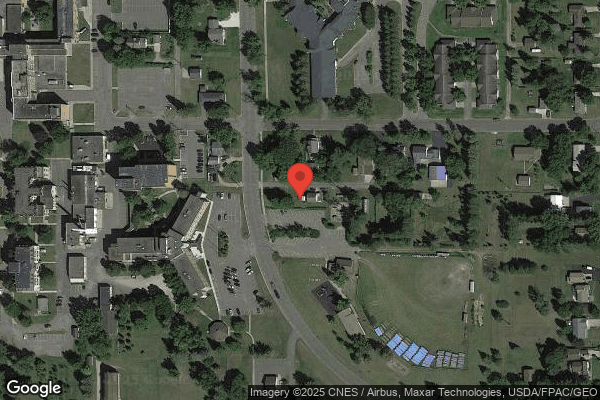
920 SOUTHEAST 4TH STREET, LITTLE FALLS, MN 56345 (320) 632-9281
For profit - Corporation 91 Beds Independent Data: November 2025
Trust Grade
90/100
#76 of 337 in MN
Last Inspection: November 2024

Within standard 12-15 month inspection cycle. Federal law requires annual inspections.

Overview

St. Otto's Care Center in Little Falls, Minnesota, has received a Trust Grade of A, indicating it is an excellent facility that is highly recommended. It ranks #76 out of 337 nursing homes in Minnesota, placing it in the top half, and #2 out of 3 in Morrison County, meaning only one local facility is rated higher. The facility's trend is stable, as it has consistently reported 4 issues in both 2022 and 2024. Staffing is a strong point with a 5-star rating and a turnover rate of 36%, which is lower than the state average, indicating experienced staff who are familiar with residents. Notably, there have been no fines recorded, which is a positive sign. However, there are some concerns to consider. The facility has had 8 identified issues, all categorized as potential harm, including failures to complete required annual performance reviews for staff and a lack of timely notification to mental health authorities regarding a resident's new onset mental illness. Additionally, there was a failure to process provider orders for a resident experiencing changes in mental status, which could impact the quality of care. Overall, while St. Otto's Care Center has many strengths, families should be aware of these identified concerns when considering this facility for their loved ones.

Trust Score
A
90/100
In Minnesota
#76/337
Top 22%
Safety Record
Low Risk
No red flags
Inspections
Holding Steady
4 → 4 violations
Staff Stability
○ Average
36% turnover. Near Minnesota's 48% average. Typical for the industry.
Penalties
✓ Good
No fines on record. Clean compliance history, better than most Minnesota facilities.
Skilled Nurses
✓ Good
Each resident gets 60 minutes of Registered Nurse (RN) attention daily — more than 97% of Minnesota nursing homes. RNs are the most trained staff who catch health problems before they become serious.
Violations
○ Average
8 deficiencies on record. Average for a facility this size. Mostly minor or procedural issues.
★★★★★
5.0
Overall Rating
★★★★★
5.0
Staff Levels
★★☆☆☆
2.0
Care Quality
★★★★☆
4.0
Inspection Score
Stable
2022: 4 issues
2024: 4 issues

The Good

  • 5-Star Staffing Rating · Excellent nurse staffing levels
  • Full Sprinkler Coverage · Fire safety systems throughout facility
  • No fines on record
  • Staff turnover below average (36%)

    12 points below Minnesota average of 48%

Facility shows strength in staffing levels, fire safety.

The Bad

Staff Turnover: 36%

10pts below Minnesota avg (46%)

Typical for the industry

The Ugly 8 deficiencies on record

Nov 2024 4 deficiencies
CONCERN (D)

Potential for Harm - no one hurt, but risky conditions existed

Deficiency F0646 (Tag F0646)

Could have caused harm · This affected 1 resident

**NOTE- TERMS IN BRACKETS HAVE BEEN EDITED TO PROTECT CONFIDENTIALITY** Based on interview and document review, the facility failed to notify the county (designated State Mental Health Authority (SMHA...

Read full inspector narrative →
**NOTE- TERMS IN BRACKETS HAVE BEEN EDITED TO PROTECT CONFIDENTIALITY** Based on interview and document review, the facility failed to notify the county (designated State Mental Health Authority (SMHA)) for 1 of 1 resident (R76) with new onset mental illness. Findings include: R76's Census Record indicated admission on [DATE]. R76's quarterly Minimum Data Set (MDS) dated [DATE], identified R76 had intact cognition and required assistance with all activities of daily living (ADL)'s. R76's diagnoses included hypertension, urinary tract infection, diabetes mellitus, hyperlipidemia, depression, chronic obstructive pulmonary disease (COPD), hypothyroidism, polyarthritis, and major depressive disorder. MDS also indicated R76 hallucinated and had delusions. R76's prior MDS's had no identification of a psychotic disorder. R76's psychiatric provider visit note dated 9/12/24, identified R76 was diagnosed with two new mental health diagnoses: Major neural cognitive deficits secondary to Alzheimer's with behavioral disturbance and Severe episode of recurrent major depressive disorder with psychotic features. R76's care plan printed 11/6/24, identified resident received psychotropic medication related to depression, recent major life events/lifestyle changes. R2 had a history of hallucinations and delusional/paranoid thinking such as; hearing voices of specific staff coming from R76's television, saying bad things about her, thinks two staff are out to get her, worrying excessively at times about what people will think of her. R76's Initial Pre-admission Screening (PAS) Results,dated 4/16/24, did not identify a diagnosis of mental illness, nor the need for a Level II PASARR to be completed. During interview on 11/8/24 at 10:03 a.m., social worker (SW) stated she was not aware of R76's new mental health diagnoses. SW stated, had she been made aware, she would have contacted Senior Linkage Line (SLL) for guidance if a resident review was required. SW confirmed there were no new diagnoses entered into R76's health record. Therefore, she did not complete any follow up with the county. SW stated it was important for reassessment to occur to see what other services may be available for R76 to ensure the best possible care. During interview on 11/8/24 at 10:14 a.m., Senior Linkage Line representative (SLLR) stated R76 would need to have a resident review done due to her new mental health symptoms. SLLR stated facility should contact the county to have a resident review completed. SLLR referred to their policy regarding when a resident review should be completed which indicated if there is a change in the individual's situation that significantly changes the person's mental health symptoms or their need for mental health services. SLLR stated the intent of the resident review was to ensure the resident has been screened, they have access to services and to ensure where the resident was residing was appropriate. The facility Admission policy dated 2/4/21, indicated the social worker is responsible for ensuring proper preadmission screening was completed by the referring agency to the Senior Linkage Line for PASARR Level I and II screenings to provide appropriate services and rule out any mental health/MR/DD diagnosis that may require further follow up. The Social Worker will follow up on any MR/DD or mental health needs identified to ensure proper services remain in place and/or are documented in the chart.
CONCERN (D)

Potential for Harm - no one hurt, but risky conditions existed

Quality of Care (Tag F0684)

Could have caused harm · This affected 1 resident

**NOTE- TERMS IN BRACKETS HAVE BEEN EDITED TO PROTECT CONFIDENTIALITY** Based on interview and document review, the facility failed to ensure provider orders were processed for 1 of 1 resident (R76) r...

Read full inspector narrative →
**NOTE- TERMS IN BRACKETS HAVE BEEN EDITED TO PROTECT CONFIDENTIALITY** Based on interview and document review, the facility failed to ensure provider orders were processed for 1 of 1 resident (R76) reviewed for change in mental status. Findings include: R76's quarterly Minimum Data Set (MDS) dated [DATE], identified R76 had intact cognition and required assistance with all activities of daily living (ADL)'s. R76's diagnoses included hypertension, urinary tract infection, diabetes mellitus, hyperlipidemia, depression, chronic obstructive pulmonary disease (COPD), hypothyroidism, polyarthritis, and major depressive disorder. PHQ9 score was 13. MDS also indicated R76 hallucinated and delusions. R76's psychiatric provider visit note dated 9/12/24, indicated due to the symptoms reviewed in the HPI (history of present illness), current diagnose should include: major neural cognitive deficits secondary to Alzheimer's with behavioral disturbance, and severe episode of recurrent major depressive disorder with psychotic features. R76's psychiatric provider visit note dated 10/15/24, stated brexipiprazole for agitation and restlessness. R76 had hallucinations and delusions impacting her mental and physical well-being. The benefits of the medication far out weight the risks. Brexipiprazole 0.25 milligrams (mg) oral tablet for major neural cognitive deficits secondary to Alzheimer's with behavioral disturbance as well as severe episode of recurrent major depressive disorder with psychotic features. During record review, the following diagnoses were not listed in R76's medical record: major neural cognitive deficits secondary to Alzheimer's with behavioral disturbance as well as severe episode of recurrent major depressive disorder with psychotic features. R76's physician orders included orders for Rexulti (antipsychotic) 0.25 milligram (mg) by mouth at bedtime for major depressive disorder for seven days initiated on 10/15/24 and increased to 0.5 mg at bedtime on 10/22/24. During interview on 11/8/24 at 10:52 a.m., registered nurse (RN)-B stated the health unit coordinator (HUC) printed off new provider visit notes and the RN reviewed them for anything new or anything that might have been missed. RN-B stated whatever nurse that was on duty was the one who was responsible for reviewing orders/visit notes and making any changes needed. During interview on 11/8/24 at 11:57 a.m., director of nursing (DON) and assistant director of nursing (ADON) stated the HUC printed out provider visit notes/dictations when they were available, and the RN reviewed them for anything new or something that stood out. DON and ADON confirmed that neither diagnosis was processed. Neither was listed on R76's current diagnoses. DON and ADON stated it was important to ensure all diagnoses were listed so everyone knows how to care for the resident at the best of their ability for all of the residents conditions. Important to see the big picture. The facility Physician orders and Progress Notes policy, dated 11/15/21, indicated orders written by physician will be transcribed by nurse and inputted into EMAR (electronic medication administration record) by HUC and then verified for completeness by nurse. Completeness to include resident name, physician name, date, time of order, order compete with medication name, dosage/treatment and time, frequency, diagnosis for medication, legible to interpret, stop date if applicable and signature/credential of nurse. Physician progress notes will be printed off and placed in residents' chart when available.
CONCERN (D)

Potential for Harm - no one hurt, but risky conditions existed

Deficiency F0688 (Tag F0688)

Could have caused harm · This affected 1 resident

**NOTE- TERMS IN BRACKETS HAVE BEEN EDITED TO PROTECT CONFIDENTIALITY** Based on interview, and document review, the facility failed to implement interventions to prevent further development of decrea...

Read full inspector narrative →
**NOTE- TERMS IN BRACKETS HAVE BEEN EDITED TO PROTECT CONFIDENTIALITY** Based on interview, and document review, the facility failed to implement interventions to prevent further development of decreased range of motion for 2 of 3 residents (R5 and R10) reviewed for positioning and mobility. Findings include: R5's quarterly Minimum Data Set (MDS) dated [DATE], indicated R5 was admitted to the facility on [DATE] and had a moderate cognitive impairment and diagnoses of diabetes. R5's physical therapy (PT) Discharge summary dated [DATE] through 8/13/21, indicated lower extremity (LE) exercises, LE ROM, and LE bike to maintain current level of performance, and prevent decline were recommended. R5's care plan dated 10/23/24, indicated pulley exercises/or upper extremity (UE) active range of motion program (AROM) to be completed 3-4 times a week and twice a day (BID) and a LE AROM program to be completed 3-4 times a week BID. The facility document titled Point of Care History dated 9/5/24 through 11/5/24, reviewed 60 days of AROM documentation and included staff documentation for the number of minutes, and frequency of completion of AROM programs each day. It indicated R5's AROM programs had only been completed BID on two of the sixty days reviewed, on the other days it was documented as being completed only once, not answered, or not preformed. R5's medical record lacked any documentation as to why the AROM programs were not completed or the rational for them not being performed. R10's quarterly MDS dated [DATE], indicated R10 was admitted on [DATE], cognitively intact, and diagnoses included: coronary artery disease (CAD) (hardening of the arteries of the heart), heart failure (HF) (heart does not pump appropriately), neurogenic bladder (bladder does not contract when stimulated by the brain, loss of control), dementia, cerebral vascular accident (CVA) (stroke), hemiplegia or hemiparesis (inability to move one side of the body), paraplegia (loss of ability to move body), and depression. R10's PT Discharge summary dated [DATE] through 7/25/23, indicated a restorative program of ROM to the right UE, and right LE were recommended to prevent contractures and increase patient comfort. R10's care plan dated 10/2/24, indicated UE AROM to be completed 3-4 times a week BID and a LE PROM program to be completed 3-4 times a week BID. The facility document titled Point of Care History dated 9/5/24 through 11/5/24, reviewed 60 days of AROM and PROM documentation and included staff documentation for the number of minutes, and frequency of completion of these AROM/PROM programs each day. It indicated R10's AROM and PROM program's had been completed BID on two of the sixty days reviewed for PROM, and three of the sixty days reviewed for AROM. On the other days it was documented as being completed once, not answered, not preformed, or refused. R10's medical record lacked any documentation as to why the AROM/PROM programs were not completed other than refused on some occasions. On 11/7/24 at 1:27 p.m., nursing assistant (NA)-A stated the NA's completed the ROM programs or the restorative aide staff if they were available, and would document unknown if they did not get the resident up, or were unsure if it was completed or done by another staff member. If they knew it was not completed, they would chart no information or did not occur. NA-A stated they typically would not report it if not completed, if someone from restorative was working they would assume the other staff had completed it. On 11/7/24 at 3:51 p.m., the lead restorative licensed practical nurse (LPN)-A, stated six rehab team members and NA's were responsible for completing and documenting ROM programs in the point of care section of matrix. LPN-A stated they expected the ROM programs to be offered as ordered 3-4 times a week and BID. LPN-A stated if they documented not preformed, or not offered they simply did not have time to do it or did not complete the ROM programs. LPN-A stated it was important to complete ROM programs to prevent contractures, and not lose their ability to move. On 11/7/24 at 5:20 p.m., the director of nursing (DON) stated they expected ROM programs were completed 3-4 times a week and BID to prevent contractures and decreased abilities. The Restorative Nursing Policy last reviewed 10/24, indicated restorative programs are expected to be completed to maintain the resident at their highest level of functioning.
CONCERN (D)

Potential for Harm - no one hurt, but risky conditions existed

Medication Errors (Tag F0758)

Could have caused harm · This affected 1 resident

**NOTE- TERMS IN BRACKETS HAVE BEEN EDITED TO PROTECT CONFIDENTIALITY** Based on observation, interview, and document review, the facility failed to implement and monitor orthostatic blood pressures a...

Read full inspector narrative →
**NOTE- TERMS IN BRACKETS HAVE BEEN EDITED TO PROTECT CONFIDENTIALITY** Based on observation, interview, and document review, the facility failed to implement and monitor orthostatic blood pressures and obtain a baseline AIMS (abnormal involuntary movement scale) with the initiation of an antipsychotic medication for 1 of 3 residents (R76) reviewed for antipsychotic medications. Findings include: R76's quarterly Minimum Data Set (MDS) dated [DATE], identified R76 had intact cognition and required assistance with all activities of daily living (ADL)'s. R76's diagnoses included hypertension, urinary tract infection, diabetes mellitus, hyperlipidemia, depression, chronic obstructive pulmonary disease (COPD), hypothyroidism, polyarthritis, and major depressive disorder. PHQ9 score was 13. MDS also indicated R76 hallucinated and delusions. MDS indicated R76 needed supervision or touching assistance with transfers and ambulation. R76's physician orders included orders for Rexulti (antipsychotic) 0.25 milligram (mg) by mouth at bedtime for major depressive disorder for seven days that started on 10/15/24 and was then increased to 0.5 mg at bedtime on 10/22/24. R76's medical record was reviewed and lacked any evidence orthostatic blood pressures and AIMS assessment were initiated and/or had been obtained for R76 with the initiation of an antipsychotic medication. During observation on 11/4/24 at 1:14 p.m., R76 was in her room and observed to self transferring to her wheelchair with no staff present. During interview on 11/5/24 at 10:32 a.m., consultant pharmacist (CP) stated any resident on an antipsychotic medication should have orthostatic blood pressures and a baseline AIMS assessment initiated upon start of an antipsychotic medication. Pharmacist stated orthostatic blood pressures and AIMS assessment were important to monitor for side effects as it helped evaluate the risks verses benefits of the medication and helped the facility see the big picture. CP also stated it was important to monitor side effects of antipsychotic medications due to postural hypotension (lowering of the blood pressure that can cause lightheadedness, dizziness, and blurred vision) being one of the major side effects and would put the resident at a higher risk for falls when taking these medications. During interview on 11/7/24 at 12:14 p.m., registered nurse (RN)-A stated orthostatic blood pressures and a baseline AIMS assessment were completed when antipsychotic medications were started and then every 6 months. RN-A stated AIMS assessment were important to complete so you can have early detection of side effects of the antipsychotic medications that may be irreversible. RN-A stated it was important to monitor orthostatic blood pressures for side effects that could affect the resident's mobility. RN-A stated R76's Rexulti was started on 10/15/24 and confirmed neither orthostatic blood pressures or a baseline AIMS assessment had not been initiated and/or completed for R76. RN-A confirmed R76 had a history of orthostatic hypertension so orthostatic blood pressures should have been initiated for R76. During interview on 11/8/24 at 11:57 a.m., director of nursing (DON) and assistant director of nursing (ADON) stated monitoring for antipsychotic medications consisted of orthostatic blood pressures and a baseline AIMS assessment. DON and ADON stated that both orthostatic blood pressures and a baseline AIMS assessment should have been initiated at the start of an antipsychotic medication to monitor for side effects of the antipsychotic medication. DON and ADON confirmed that there were no orders for orthostatic blood pressures in place and a baseline AIMS assessment were not obtained/completed for R76. The facility Orthostatic Hypotension policy, dated 8/15/22, indicated elderly have a natural incidence of postural hypotension and the possibility of post prandial hypotension. Orthostatic hypotension (OH) can be a consequence of normal aging, disease, and/or drug effect. Recommendations: OH blood pressures taken for initiation of antipsychotic medications. The facility Antipsychotic Drug Indication Criteria policy, dated 3/2024, indicated if a resident is admitted already using an antipsychotic or, if facility is considering starting an antipsychotic medication, then side effect monitoring procedure established BEFORE medication initiated. An AIMS should be completed every 6 months on resident's taking an antipsychotic medication. Monitor orthostatic blood pressures at baseline and every six months in conjunction with the AIMS.
Nov 2022 4 deficiencies
CONCERN (D)

Potential for Harm - no one hurt, but risky conditions existed

Deficiency F0604 (Tag F0604)

Could have caused harm · This affected 1 resident

**NOTE- TERMS IN BRACKETS HAVE BEEN EDITED TO PROTECT CONFIDENTIALITY** Based on observation, interview and record review the facility failed to assess for restraints for 1 of 1 residents (R44) review...

Read full inspector narrative →
**NOTE- TERMS IN BRACKETS HAVE BEEN EDITED TO PROTECT CONFIDENTIALITY** Based on observation, interview and record review the facility failed to assess for restraints for 1 of 1 residents (R44) reviewed for use of a seatbelt. Findings include: R44's quarterly Minimum Data Set (MDS) dated [DATE], identified R44 was not able to understand others or communicate his needs. R44's skills for daily decision making were severely impaired. R44's MDS indicated no restraints. R44's face sheet dated 11/9/22, indicated R44's diagnoses include epilepsy (seizure disorder), cerebral atrophy (loss of brain cells) and profound intellectual disabilities. R44's medical record lacked a physical assessment, progress notes indicating use and physician orders for use of a restraint. During an observation on 11/7/22, at 3:45 p.m. R44 was seated in his wheelchair in the facility day room. A seat belt, secured to the back of the wheelchair, was latched closed at R44's waist. R44 was not restless and his eyes were closed. No staff were in the day room. On 11/9/22, at 7:43 a.m. nursing assistant (NA)-D stated she frequently worked with R44 and was familiar with his care needs. NA-D stated she sometimes secured the seatbelt for R44, depending on his mood. NA-D was not aware if there was an order for R44's seatbelt and confirmed it was not on the care plan. NA-D acknowledged use of the seatbelt was considered a restraint, but felt he was grandfathered in because he used it at his previous facility. NA-D stated she used the seatbelt when R44 was upset, after getting direction from the nurse. On 11/9/22, at 7:47 a.m. licensed practical nurse (LPN)-C indicated use of a restraint required an assessment and orders. LPN-C confirmed R44 did not have physician orders or an assessment to use the seatbelt. LPN-C stated she had not given instruction for use of the seatbelt and had not seen it in use. On 11/9/22, at 9:55 a.m. registered nurse (RN)-A confirmed use of restraints required an assessment, care planning, and orders. RN-A stated she was not aware of residents in the facility currently assessed for or approved for use of restraints. On 11/9/22, at 10:07 a.m. director of nursing (DON) stated there were no restraints in use in the facility. DON was aware R44 had a seatbelt on his wheelchair, it was on the wheelchair when R44 admitted . DON indicated she did not feel R44's seatbelt was warranted at this time as his seizures are well controlled. Facility policy Restraint Use reviewed date 5/2019, indicated the need for restraint use is assessed on admission, at regularly scheduled interdisciplinary care plan conference reviews and as needed. A physician order is required prior to applying any type of restraint. Documentation with restraint use include pre-restraining assessment, fall risk assessment, MD order, family consent and quarterly review/reduction and daily documentation of every two hours release.
CONCERN (D)

Potential for Harm - no one hurt, but risky conditions existed

Quality of Care (Tag F0684)

Could have caused harm · This affected 1 resident

**NOTE- TERMS IN BRACKETS HAVE BEEN EDITED TO PROTECT CONFIDENTIALITY** Based on observation, interview and record review the facility failed to properly assess for self-administration of medications....

Read full inspector narrative →
**NOTE- TERMS IN BRACKETS HAVE BEEN EDITED TO PROTECT CONFIDENTIALITY** Based on observation, interview and record review the facility failed to properly assess for self-administration of medications. This had the potential to affect 1 of 1 residents (R47) reviewed for self-administration of medications. Findings include: R47's quarterly Minimum Data Set (MDS) dated [DATE], indicated R47 was sometimes able to understand others and was sometimes able to make himself understood. R47's cognition was severely impaired. R47's cognition was unchanged from his baseline. R47's face sheet dated 11/10/22, indicated R47's diagnoses included chronic obstructive pulmonary disease (COPD- disease causing breathlessness and cough), traumatic brain injury and dementia. R47's signed physician's orders dated 9/1/22-9/30/22, indicated R47 had orders for ipratropium-albuterol 0.5mg-3mg (medication to treat COPD) inhaled by nebulizer every two hours as needed. R47's physician's orders did not include orders to self-administer medications, including nebulizers. R47's care plan lacked instructions for self-administration of medications. R47's medical record failed to include an assessment for self-administration of medications. On 11/8/22, at 12:50 p.m. licensed practical nurse (LPN)-B was observed setting up an unknown medication in R47's nebulizer, placed the face mask on R47, turned on the machine and left the room. On 11/8/22, 12:56 p.m. LPN-B returned to R47's room. LPN-B made no adjustments to the nebulizer machine or mask and left the room and area of R47's room. On 11/8/22, at 1:04 p.m. LPN-B returned to R47's room. LPN-B turned off the nebulizer machine and removed the face mask. On 11/9/22, at 7:16 a.m. LPN-B set up an unknown medication in R47's nebulizer, placed the face mask on R47's face, turned the machine on and left the room. On 11/9/22, at 7:26 a.m. LPN-B returned to R47's room, turned off the nebulizer machine and removed the face mask. On 11/9/22, at 12:14 p.m. LPN-B confirmed the medication administered via nebulizer was ipratropium-albuterol. LPN-B stated for a resident to self-administer medications, including nebulizers, an assessment was completed. LPN-B stated, for R47, she was able to set up the medication, place the mask, turn on the machine and walk away if she continued to check on him. If LPN-B noted R47 having difficulty with the nebulizer, LPN-B would place her medication cart by R47's room while the nebulizer was running to keep a closer eye on him while continuing to pass medications to other residents. LPN-B confirmed R47 was not previously assessed for self-administration of medications and did not have order for self-administration of medications, including nebulizers. On 11/10/22, at 9:33 a.m. director of nursing (DON) confirmed self-administration of a nebulized medication occurred when the medication was set up, the mask placed, the machine turned on and staff left the immediate area of the resident. She expected staff to stay within eyesight of any resident receiving a nebulizer treatment unless they have been assessed and determined safe to self-administer medications. DON stated she expected a signed physician's order for self-administration, specific to the medication, as well as instructions in resident's care plan would be found in the resident's record. DON confirmed R47's medical record did not include an assessment for self-administration of medications and R47's physician's orders did not include orders for self-administration of medications. Facility policy, Self-Administration of Medications by Residents with revision date 7/28/14, directed the interdisciplinary team determines the resident's ability to self-administer medications by means of a skill assessment conducted on a quarterly basis.
CONCERN (D)

Potential for Harm - no one hurt, but risky conditions existed

Deficiency F0688 (Tag F0688)

Could have caused harm · This affected 1 resident

**NOTE- TERMS IN BRACKETS HAVE BEEN EDITED TO PROTECT CONFIDENTIALITY** Based on observations, interviews, and record review, the facility failed to ensure passive range of motion (PROM) was performed...

Read full inspector narrative →
**NOTE- TERMS IN BRACKETS HAVE BEEN EDITED TO PROTECT CONFIDENTIALITY** Based on observations, interviews, and record review, the facility failed to ensure passive range of motion (PROM) was performed for 1 of 4 residents (R30) reviewed for positioning and mobility. This failure had the potential to affect any resident who needed assistance implementing restorative care interventions. Findings include: R30's face sheet indicated the resident was admitted to the facility on [DATE] with a diagnosis of a stroke on the left side. Review of a document provided by the facility titled Restorative Nursing Program Therapy Recommendation, dated 01/25/22, indicated R30 was to receive PROM to the left upper extremity in all three planes. On the resident's right side, R30 was to use three-pound bar bells, upper extremity curls, and diagonal supination/pronation five to seven times per week. R30's quarterly Minimum Data Set (MDS) indicated the resident had intact cognition. The assessment indicated that R30 required extensive assistance of one staff member for bed mobility and transfers and was impaired on one side of his body, both upper and lower extremities. R30's care plan indicated alteration in mobility due to a past stroke with left sided hemiplegia (paralysis). The care plan intervention was to provide left side PROM to upper extremities for all planes of motion. The resident's right side was to use a three-pound bar bell, curls, diagonal, supination, and pronation. The range of motion was to happen 12 to 15 times per month. This care plan intervention contradicted the directions for PROM from skilled therapy. During an interview on 11/09/22, at 10:10 a.m. Certified Nursing Assistant (CNA)-A stated she did not provide restorative services to R30. During an interview on 11/09/22, at 10:15 a.m. CNA-B stated he did not provide restorative services to R30 since the facility utilized a restorative CNA. During an interview on 11/09/22, at 10:17 a.m. CNA-C stated she was the restorative aide but got pulled to the floor frequently. During an interview on 10/09/22, at 11:24 a.m. the Director of Rehabilitation (DOR)-A stated R30 was referred to restorative nursing after he had completed skilled services. DOR-A stated the benefit of a resident placed on restorative nursing services was to maintain mobility and function. During an interview on 11/09/22, at 12:22 p.m. Licensed Practical Nurse (LPN)-A confirmed she supervised the restorative nursing program. LPN-A stated there had been no decline identified with R30. During an interview on 11/09/22, at 1:14 p.m. the Director of Nursing (DON)-B stated goals were set on a care plan in an attempt to achieve them for a resident and the facility does their best to accomplish the goals. During an interview on 11/10/22, at 8:59 a.m. DON-B stated her expectation for the restorative program would be to meet the restorative goals as directed by a resident's care plan. During a subsequent interview on 11/10/22, at 9:13 a.m. DON-B provided several documents which identified R30's sessions for the restorative program. The documents were titled Nursing Rehab (Rehabilitation) Time Log. DON B stated for the month of 08/22 the resident received six restorative sessions. DON-B stated for the month of 09/22 the resident received 15 restorative sessions and for the month of 10/22 the resident received two restorative sessions. DON-B stated it was her expectation if the restorative aide was pulled to the floor, other CNAs were to complete the restorative sessions with the resident. DON-B stated the electronic medical record (EMR) prompted staff to identify the PROM ordered for the resident. During an interview on 11/10/22, at 9:50 a.m. R30 stated he completed his own PROM on his left arm. R30 stated no staff had worked with him with weights or on the left side which was affected by his stroke. Review of a document provided by the facility titled Restorative Nursing Policy, dated 06/15/22, indicated .To incorporate interventions that promote a resident's ability to adapt and adjust to living safely and as independently as possible. It includes rehabilitation, management of behavioral symptoms, cognitive performance, and physical function .
CONCERN (E)

Potential for Harm - no one hurt, but risky conditions existed

Deficiency F0730 (Tag F0730)

Could have caused harm · This affected multiple residents

Based on interview, and record review, the facility failed to complete a performance review every 12 months for 2 of 3 nurse aides (NA-D & NA-E) reviewed for performance reviews. Findings include: N...

Read full inspector narrative →
Based on interview, and record review, the facility failed to complete a performance review every 12 months for 2 of 3 nurse aides (NA-D & NA-E) reviewed for performance reviews. Findings include: NA-D's Employee Evaluation revealed her last performance review was completed on 08/30/19. NA-E's Employee Evaluation revealed his last performance review was completed on 06/01/18. On 11/10/21, at 9:00 a.m. the Director of Nursing (DON) verified last performance review was completed 8/30/19 for NA-D and 6/01/18 for NA-E. DON stated she was aware the performance reviews were late prior to the start of survey. Review of the undated Employee Performance Evaluations policy revealed it is the facility's policy to complete performance evaluations annually.
Understanding Severity Codes (click to expand)
Life-Threatening (Immediate Jeopardy)
J - Isolated K - Pattern L - Widespread
Actual Harm
G - Isolated H - Pattern I - Widespread
Potential for Harm
D - Isolated E - Pattern F - Widespread
No Harm (Minor)
A - Isolated B - Pattern C - Widespread

Questions to Ask on Your Visit

  • "Can I speak with families of current residents?"
  • "What's your RN coverage like on weekends and overnight?"

Our Honest Assessment

Strengths
  • • Grade A (90/100). Above average facility, better than most options in Minnesota.
  • • No major safety red flags. No abuse findings, life-threatening violations, or SFF status.
  • • No fines on record. Clean compliance history, better than most Minnesota facilities.
  • • 36% turnover. Below Minnesota's 48% average. Good staff retention means consistent care.
Concerns
  • • No significant concerns identified. This facility shows no red flags across CMS ratings, staff turnover, or federal penalties.
Bottom line: Generally positive indicators. Standard due diligence and a personal visit recommended.

About This Facility

What is St Ottos's CMS Rating?

CMS assigns ST OTTOS CARE CENTER an overall rating of 5 out of 5 stars, which is considered much above average nationally. Within Minnesota, this rating places the facility higher than 99% of the state's 100 nursing homes. This rating reflects solid performance across the metrics CMS uses to evaluate nursing home quality.

How is St Ottos Staffed?

CMS rates ST OTTOS CARE CENTER's staffing level at 5 out of 5 stars, which is much above average compared to other nursing homes. Staff turnover is 36%, compared to the Minnesota average of 46%. This relatively stable workforce can support continuity of care.

What Have Inspectors Found at St Ottos?

State health inspectors documented 8 deficiencies at ST OTTOS CARE CENTER during 2022 to 2024. These included: 8 with potential for harm.

Who Owns and Operates St Ottos?

ST OTTOS CARE CENTER is owned by a for-profit company. For-profit facilities operate as businesses with obligations to shareholders or private owners. The facility operates independently rather than as part of a larger chain. With 91 certified beds and approximately 78 residents (about 86% occupancy), it is a smaller facility located in LITTLE FALLS, Minnesota.

How Does St Ottos Compare to Other Minnesota Nursing Homes?

Compared to the 100 nursing homes in Minnesota, ST OTTOS CARE CENTER's overall rating (5 stars) is above the state average of 3.2, staff turnover (36%) is significantly lower than the state average of 46%, and health inspection rating (4 stars) is above the national benchmark.

What Should Families Ask When Visiting St Ottos?

Based on this facility's data, families visiting should ask: "Can I visit during a mealtime to observe dining assistance and food quality?" "How do you handle medical emergencies, and what is your hospital transfer rate?" "Can I speak with family members of current residents about their experience?"

Is St Ottos Safe?

Based on CMS inspection data, ST OTTOS CARE CENTER has a clean safety record: no substantiated abuse findings (meaning no confirmed cases of resident harm), no Immediate Jeopardy citations (the most serious violation level indicating risk of serious injury or death), and is not on the Special Focus Facility watch list (a federal program monitoring the lowest-performing 1% of nursing homes). The facility has a 5-star overall rating and ranks #1 of 100 nursing homes in Minnesota. While no facility is perfect, families should still ask about staff-to-resident ratios and recent inspection results during their visit.

Do Nurses at St Ottos Stick Around?

ST OTTOS CARE CENTER has a staff turnover rate of 36%, which is about average for Minnesota nursing homes (state average: 46%). Moderate turnover is common in nursing homes, but families should still ask about staff tenure and how the facility maintains care continuity when employees leave.

Was St Ottos Ever Fined?

ST OTTOS CARE CENTER has no federal fines on record. CMS issues fines when nursing homes fail to meet care standards or don't correct problems found during inspections. The absence of fines suggests the facility has either maintained compliance or corrected any issues before penalties were assessed. This is a positive indicator, though families should still review recent inspection reports for the full picture.

Is St Ottos on Any Federal Watch List?

ST OTTOS CARE CENTER is not on any federal watch list. The most significant is the Special Focus Facility (SFF) program, which identifies the bottom 1% of nursing homes nationally based on persistent, serious quality problems. Not being on this list means the facility has avoided the pattern of deficiencies that triggers enhanced federal oversight. This is a positive indicator, though families should still review the facility's inspection history directly.