Living Meadows At Luther - Madelia
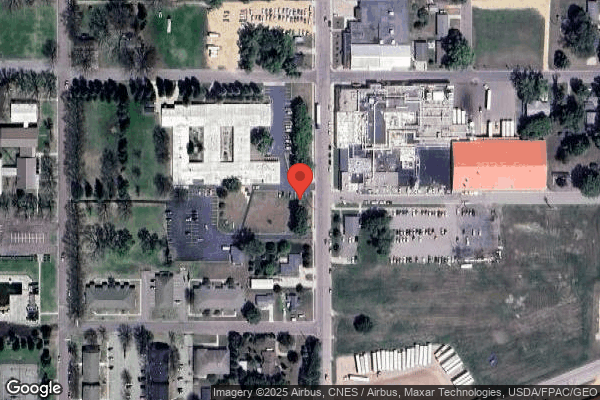

503 BENZEL AVENUE SW, MADELIA, MN 56062 (507) 642-3271
Non profit - Church related 40 Beds Independent Data: November 2025 1 Immediate Jeopardy citation
Trust Grade
59/100
#182 of 337 in MN
Last Inspection: March 2025

Within standard 12-15 month inspection cycle. Federal law requires annual inspections.

Overview

Living Meadows At Luther in Madelia, Minnesota has a Trust Grade of C, which means it is average-neither great nor terrible compared to other facilities. It ranks #182 out of 337 in the state, placing it in the bottom half, but it is the best option among the two facilities in Watonwan County. Unfortunately, the facility's performance is worsening, with reported issues increasing from 1 in 2024 to 3 in 2025. Staffing is a relative strength, with a 4 out of 5 star rating and a turnover rate of 26%, which is much lower than the state average; however, RN coverage is concerning, as it ranks below 89% of state facilities. There have been significant issues, including a critical incident where a resident was given 10 times the prescribed dose of a medication, resulting in a life-threatening situation, and ongoing concerns about proper sanitization in the kitchen that could affect all residents. While the staffing situation is promising, families should weigh these serious health and safety concerns carefully.

Trust Score
C
59/100
In Minnesota
#182/337
Bottom 46%
Safety Record
High Risk
Review needed
Inspections
Getting Worse
1 → 3 violations
Staff Stability
✓ Good
26% annual turnover. Excellent stability, 22 points below Minnesota's 48% average. Staff who stay learn residents' needs.
Penalties
⚠ Watch
$13,627 in fines. Higher than 75% of Minnesota facilities, suggesting repeated compliance issues.
Skilled Nurses
○ Average
Each resident gets 35 minutes of Registered Nurse (RN) attention daily — about average for Minnesota. RNs are the most trained staff who monitor for health changes.
Violations
○ Average
9 deficiencies on record. Average for a facility this size. Mostly minor or procedural issues.
★★★☆☆
3.0
Overall Rating
★★★★☆
4.0
Staff Levels
★☆☆☆☆
1.0
Care Quality
★★★★☆
4.0
Inspection Score
Stable
2024: 1 issues
2025: 3 issues

The Good

  • 4-Star Staffing Rating · Above-average nurse staffing levels
  • Low Staff Turnover (26%) · Staff stability means consistent care
  • Full Sprinkler Coverage · Fire safety systems throughout facility
  • No fines on record
  • Staff turnover is low (26%)

    22 points below Minnesota average of 48%

Facility shows strength in staffing levels, staff retention, fire safety.

The Bad

3-Star Overall Rating

Near Minnesota average (3.2)

Meets federal standards, typical of most facilities

Federal Fines: $13,627

Below median ($33,413)

Minor penalties assessed

The Ugly 9 deficiencies on record

1 life-threatening
Mar 2025 3 deficiencies
CONCERN (D)

Potential for Harm - no one hurt, but risky conditions existed

Pressure Ulcer Prevention (Tag F0686)

Could have caused harm · This affected 1 resident

**NOTE- TERMS IN BRACKETS HAVE BEEN EDITED TO PROTECT CONFIDENTIALITY** Based on observation, interview and document review the facility failed to provide timely repositioning for 1 of 1 resident (R13...

Read full inspector narrative →
**NOTE- TERMS IN BRACKETS HAVE BEEN EDITED TO PROTECT CONFIDENTIALITY** Based on observation, interview and document review the facility failed to provide timely repositioning for 1 of 1 resident (R13) who was dependent upon staff for repositioning and high risk for pressure ulcers. Findings include: R13's facesheet received 3/26/25, included diagnoses of Alzheimer's disease with early onset, osteoarthritis and spasticity (a condition with increased muscle tone, stiffness and involuntary muscle contractions). R13's quarterly (MDS) assessment dated [DATE], indicated R13 had severely impaired cognition, and no behaviors. Activities of daily living (ADL's) included R13 uses a wheelchair and is dependent on staff for transfers, bed mobility, locomotion and for eating. R13 has no current skin issues but is at high risk for development of pressure ulcer. R13 has had no recent weight loss or gain and is incontinent of bowel and bladder. R13's Braden Scale for Predicting Pressure Sore Risk dated 12/24/24, had a score of 12 indicating R13 is at risk for skin breakdown. R13's care plan dated 4/10/24, indicated R13 has a potential for impaired skin integrity and is high risk for skin breakdown with interventions including: apply ointments/medications as ordered, use pressure reducing devices (mattress on her bed and cushion in her chair), assist with hygiene and general skin care. Avoid using hot water for cleaning. Reposition every two hours while in bed and offer fluids with position changes. Monitor skin daily with cares and report changes to charge nurse. Use moisturizer with cares and keep skin clean and dry. Use mechanical lift for transfers. Use incontinence pads and barrier cream to peri area as needed. Keep linen clean, dry and wrinkle free. Reposition every hour when up in chair. Increase protein in diet as appropriate and dietary consult as needed. A provider progress note dated 3/20/24, indicated R13 had a stage 2 pressure injury (open wound that affects both the top and bottom layers of the skin) of sacral region (large triangular bone at the base of the spine). The open area on left sacrum was 1.8 centimeter (cm) x 1 cm x 0.2 cm. Adjacent to this wound is a pinpoint open area. Drainage is minimal and green. Edges are well defined and slightly macerated (skin is soft, wet or soggy to the touch and can delay wound healing). Right sacrum 1.2 cm x 0.2 cm x 0.1 cm think slit. No drainage and no odor. Will change treatment to cleansing with acetic acid 0.25%, skin prep to the intact periwound skin, applying calcium alginate AG (wound dressing that can absorb large amounts of exudate and has antimicrobial properties) to the wound bed and cover with a gentle adhesive foam dressing changing every other day or sooner if needed. Patient does rely on nursing staff for her repositioning and toileting needs. She does not have an air mattress on her bed at this time as she has a lip mattress. Staff are looking at options to apply an air overlay. Review of Skin Problems notes: 3/13/25: Right buttock skin is intact and within normal limits. Left buttock abrasion, scant drainage present, wound bed is 100% red, granulating tissue measuring 1.2 cm x 0.8 cm by 0.2 cm. Macerated tissue measuring 0.2 cm by 0.2 cm. Provider notified. 3/14/25: Abrasion to the left buttock continues to be open with a small 0.3 cm by 0.5 cm abrasion right below the current abrasion. 3/15/25: Abrasions x 2 to left buttock area. Area cleansed and dressing applied as ordered. Right buttock skin starting to slough, at this time is not open and cream was applied. 3/19/25: Dressing change to abraised [sic] tissue to left inner buttock completed. Small abraised [sic] tissue noted on 3/14/25 below current abraised [sic] site remains apparent. Also has abraised [sic] tissue to right inner buttock measuring approximately 0.2 cm x 0.2 cm. Physician notified of changes. 3/20/25: See provider note (above). 3/22/25: Left and right inner buttock/sacrum; previous dressing soiled and removed to be changed. Moderate purulent drainage present on dressing. Wound appears light red, granulating tissue present. On observation 3/24/25 at 12:10 p.m., R13 was seated in her Broda (positioning chair) chair in the dining room. R13 was being assisted by staff with meal. On observation 3/25/25 at 8:44 a.m., R13 was seated in her Broda chair and was assisted from the dining room back to her room after breakfast by nursing assistant (NA)-A. At 8:45 a.m., R13 with assist from NA-A, and NA-B and a mechanical lift, was placed in her bed and positioned on her right side. NA-A and NA-B stated R13 is repositioned every two hours. NA-A and NA-B did not check R13's pad at this time. R13's bed did not have an air mattress or overlay present. Continuous observation including interviews, was started 3/25/25 at 8:45 a.m.: 9:15 a.m. R13 remains on her right side asleep. No staff into room. 9:43 a.m. R13 remains on her right side. No staff into room. 10:20 a.m. R13 remains in the same position with no staff entering the room. 10:46 a.m. R13 continues on her right side. No staff entered the room. 11:09 a.m. no change in position. Laundry staff entered room to put laundry away and activities staff changed the calendar in the room. 11:30 a.m. R13 continues on her right side. No staff into room. At 11:32 a.m. activities assistant (AA)-A looked into R13's room and stated R13 usually comes to sensory class at 11:00 a.m. but didn't come this morning. 11:38 a.m., license practical nurse (LPN)-A stated R13 was given a suppository this morning around 9:45 a.m. so they didn't get her up for sensory class. 11:54 a.m. no change in R13's position and no staff into the room. On observation and interview 3/25/25 at 12:00 p.m., NA-A and LPN-A entered the room. NA-A stated she was unsure if R13 had been repositioned since she assisted with putting her to bed as she isn't working R13's hallway. NA-A and LPN-A checked R13's pad. Stool was present and was smeared onto sacral dressing that was present on left sacral area. LPN-A after cleaning up stool, removed sacral dressing and stool was present under the dressing along with serosanguinous (bodily fluid with mixture of serum and blood) drainage. LPN-A cleansed wound with acetic acid 0.25% (antimicrobial properties) placed on a sterile 4x4 guaze pad, Xerofoam (sterile petrolatum-based gauze dressing used as a non-adherent dressing and promotes a moist wound environment) placed onto wound and covered with adhesive dressing. LPN-A measured wound on left sacral area which was 1.5 cm by 1.0 cm with a white spot present in the middle of the wound. LPN-A stated she was unsure what that was but the wound was improved from the last time she changed dressing. Right sacral area had no open area or abrasions present. LPN-A indicated the redness on both buttocks was from previous pressure sores that come and go. R13 with assist of mechanical lift and LPN-A and NA-A was placed in her chair and taken to dining room for lunch. R13's medication administration record (MAR) indicated (Dulcolax) Bisacodyl 10 mg suppository dose rectal daily as needed for constipation was given 3/25/25 at 7:52 a.m. On interview 3/25/25 at 1:10 p.m., LPN-A indicated the suppository was given earlier than she had initially thought and R13 should been respositioned every 2 hours. On interview 3/25/25 at 1:59 p.m., NA-C stated she had not laid R13 down in her bed so was not sure when she needed to be repositioned. NA-C confirmed she had not repositioned R13 at all this morning and stated she was alerted to R13 not being repositioned and staff are now using a reposition sheet. On interview 3/26/25 at 10:48 a.m., the director of nursing (DON) stated she would expect staff to reposition R13 every 2 hours as indicated by the care plan. The DON indicated she has initiated a paper form for reminders for staff to reposition R13 as she had been made aware of R13 not getting repositioned yesterday. Facility Repositioning policy dated 11/19/24, included: - Repositioning is a common, effective intervention for preventing skin breakdown, promoting circulation and providing pressure relief. -Evaluation of a resident's skin integrity after pressure has been reduced or redistributed should guide the development and implementation of repositioning plans. Such plans should be addressed in the comprehensive plan of care consistent with the resident's needs and goals -Repositioning is critical for a resident who is immobile or dependent upon staff for repositioning. -Positioning the resident on an existing pressure ulcer should be avoided in most situations since it put additional pressure on tissue that is already compromised and may impeded healing. - A turning/repositioning scheduled includes a continuous consistent schedule for changing the residents position and realigning the body. -Residents who are in bed should be on at least an every 2 hour repositioning schedule or as determined by assessment.
CONCERN (D)

Potential for Harm - no one hurt, but risky conditions existed

Deficiency F0688 (Tag F0688)

Could have caused harm · This affected 1 resident

**NOTE- TERMS IN BRACKETS HAVE BEEN EDITED TO PROTECT CONFIDENTIALITY** Based on observation, interview and document review, the facility failed to ensure range of motion (ROM) services were provided ...

Read full inspector narrative →
**NOTE- TERMS IN BRACKETS HAVE BEEN EDITED TO PROTECT CONFIDENTIALITY** Based on observation, interview and document review, the facility failed to ensure range of motion (ROM) services were provided according to the assessed need for 1 of 1 resident (R24) reviewed for positioning and mobility. Findings include: R24's facesheet printed 3/26/26, included diagnoses of heart failure, peripheral neuropathy (nerves located outside the brain and spinal cord are damaged causing weakness, numbness and pain), Parkinson's disease (progressive neurological disorder that affects movement, balance and coordination), and osteoarthritis (degenerative disease with pain and stiffness) of multiple joints. R24's quarterly Minimum Data Set (MDS) assessment dated [DATE], indicated R24 was cognitively intact, had no behaviors including refusal of care and required assist of 1-2 staff for dressing and bed mobility and assist of 2 staff for toileting and transfers. The MDS included R24 has frequent pain which interferes with activities of daily living and rated pain at a level of 3 on scale of 1-10. R24's medications included opioid use, antidepressant, diuretic, hypoglycemic and antiplatet agent. R24's care plan last revised 2/26/25, indicated R24 had a self care deficit related to pain, decreased mobility, muscle weakness, and fatigue. Interventions included assist of 1-2 for dressing, and grooming. Toileting and transfer require assist of 2. Special directions included encourage/assist resident to complete AAROM (active assistive range of motion) with bilateral upper extremities twice a day with morning and evening cares (as tolerated/allowed by resident). May be completed when seated in wheelchair or when lying in bed. Report concerns/refusals to nurse. See therapy communication for additional information. On observation and interview 3/24/25 at 1:19 p.m., R24 stated staff don't do exercises with me at all. On the wall in R24's room, ROM exercises for elbows and shoulders was posted. R24 indicated she was in therapy and they ordered these exercises but no one ever helps her do them. R24 stated she does go to restorative nursing services one to two times per week and they help her do other exercises. R24 added she isn't able to do the exercises by herself as it is too painful to move her arms very far without some assistance from staff. R24's Rehab Communication form dated 1/6/25, by OT-C for nursing staff included Please complete AAROM to bilateral upper extremities with AM and PM cares as patient tolerates either seated in wheelchair or lying in bed. Exercises to complete are attached. R24's Occupational Therapy Discharge Summary for dates of service 12/10/24 - 1/6/25, signed by occupational therapist (OT)-C included discharge to current skilled nurse facility with bilateral upper body AAROM twice a day by nursing to shoulder flexion/extension, shoulder abduction/adduction, shoulder horizontal abduction/adduction for 10 reps per motion. Prognosis is good with consistent staff follow-through. R24's treatment records for 1/8/25 thru 3/26/25, for encourage/assist resident to complete AAROM (active assistive range of motion) with bilateral upper extremities twice a day with morning and evening cares included 3 missed out of 77 opportunities with the initials by the nurse on duty that day completing the documentation. On interview 3/25/25 at 4:47 p.m., OT-C indicated R24 was in therapy until 1/6/25. OT-C stated R24 is compromised in her shoulders and elbows and needs ROM one to two times a day to maintain her motion. OT-C indicated AAROM is short for active assistance range of motion meaning staff should be assisting her. On interview 3/25/25 at 4:52 p.m., R24 indicated no one did ROM with her today but she did attend restorative therapy. On interview 3/26/25 at 9:52 a.m., nursing assistant (NA)-D indicated NA's are responsible for doing ROM and R24 does her ROM exercises on her own. NA-D indicated they do not document if ROM is done or if resident refuses. On interview 3/26/25 at 9:54 a.m., NA-B indicated R24 does her ROM exercises on her own. NA-B added we will assist if she asks for help. NA-B indicated they don't document if ROM is completed or if resident refuses. On interview 3/26/25 at 9:58 a.m., registered nurse (RN)-A stated NA's are responsible to complete ROM but R24 can do her ROM exercises on her own. When asked if staff are completing the AAROM, RN-A indicated I think she is completing them or I assume it is getting done when I document it is completed. On observation and interview 3/26/25 at 10:13 a.m., R24 was dressed and seated in her wheelchair in her room. R24 stated she needs staff to help her with her exercises and she is unable to do them without assistance. R24 demonstrated she could lift her arms approximately 2 inches without assistance and discomfort. R24 added they have done ROM on her once since January when it was ordered. R24 indicates staff never offer, never do the exercises with her when assisting her to get dressed and thinks staff just don't care. On interview 3/26/25 at 10:44 a.m., the director of nursing (DON) stated if it is on the treatment record I would expect the nurse prior to documenting completion to check with the NA's to ensure it was offered and completed or check with the resident to ensure staff are completing it. The DON indicated she would expect the NA's to be completing this with the resident per therapy recommendations. Facility Range of Motion Exercises policy dated 12/10/24, included: -Review the resident's care plan to assess for any special needs of the resident. -Be gentle with the resident and do not rush the procedure. -If the resident becomes weak, or complains of pain, cease the exercise and summon the staff/charge nurse. -Support the extremity at the joint as it is being exercised. -Move each joint through its range of motion three times unless otherwise instructed. -Move each joint gently, smoothly and slowly through it range of motion -Remember to stop an exercise before the point of pain. -Documentation should include the date and time performed, name and title of the individual who performed the procedure, the type of ROM exercise given, whether the exercise was active or passive, how long the exercise was conducted, if and how the resident participated in the procedure or any changes in the resident's ability to participate in the procedure, any problems or complaints made by the resident related to the procedure, if the resident refused the treatment, the reason why and the intervention taken. The signature and title of the person who is record this data.
CONCERN (F)

Potential for Harm - no one hurt, but risky conditions existed

Food Safety (Tag F0812)

Could have caused harm · This affected most or all residents

Based on observation, interview and document review, the facility failed to ensure dish machine chemical sanitization solution was monitored to ensure dishes were properly sanitized. In addition, the ...

Read full inspector narrative →
Based on observation, interview and document review, the facility failed to ensure dish machine chemical sanitization solution was monitored to ensure dishes were properly sanitized. In addition, the facility failed to ensure temperatures were monitored in 1 of 2 kitchen freezers and 1 of 3 refrigerators (coolers). This had the potential to affect all 36 residents who resided in the facility. Findings include: Initial kitchen tour was conducted on 3/24/25 at 10:38 a.m., with cook (C-A) and dietary manager (DM)-A. Informed during the tour that the dish machine used chemicals for disinfection (low temperature dish machine). No chemical monitoring logs were visible in or around the dish machine area. Dietary aide (DA)-A was asked to provide the logs. The logs were in a binder on the other side of the kitchen. The paper logs indicated chemical monitoring was done very infrequently. A document titled Dish Machine Temperature & Sanitization Record indicated water temperature and sanitation solution was to be monitored daily with each of the three meals. Results were as follows: -- March 2025: chemical disinfectant had been tested 6 out of 69 opportunities. -- February 2025: 25 out of 84 opportunities -- January 2025: 26 out of 93 opportunities -- December 2024: 11 out of 93 opportunities -- November 2024: 1 out of 90 opportunities -- October 2024: 7 out of 90 opportunities -- September 2024: no documentation -- August 2024: no documentation -- July 2024: no documentation -- June 2024: 1 out of 90 opportunities -- May 2024: 6 out of 93 opportunities DA-A stated he was aware the disinfectant solution and temperature should be monitored and documented with each meal service, but did not have an explanation for why it had not been done. DM-A, who was new to the role, was unaware it had not been monitored. During an interview on 3/24/25 at 12:55 p.m., C-B was operating the dish machine. Using a chemical test strip, C-B tested the disinfectant solution in the dish machine, which registered at an acceptable level of 50 parts per million (PPM) and the gauge on the dish machine indicated an acceptable temperature of 128 degrees Fahrenheit (F). C-B admitted he knew the temperature and sanitizing solution should be monitored, but did not have a reason why it had not been documented. C-B acknowledged monitoring the chemical solution and temperature was important to kill bacteria on dishware. FREEZER & REFRIGERATOR TEMPERATURES During the initial kitchen tour on 3/24/25 at 10:41 a.m., C-A opened the silver 2-door freezer and couldn't find a thermometer. C-A immediately obtained a thermometer and added it to the freezer. The foods in the freezer were frozen solid to the touch. Temperature logs for the 2-door silver refrigerator and 2-door silver freezer were reviewed. The temperature log was titled [NAME] Temperature Sheet and on the bottom was a section titled Freezer and Cooler Temperatures. The last time any temperature was recorded was on 1/20/25. Temperatures at that time were in acceptable temperature ranges: Silver cooler: 36 degrees F Silver freezer: 2 degrees F During an interview on 3/25/25 at 11:11 a.m., C-A stated the morning and evening cooks were supposed to document temperatures of each refrigerator and freezer and record it. C-A stated, We just weren't doing it. C-A acknowledged food needed to be maintained at correct temperatures to prevent spoiling and foodborne illness. During an interview on 3/25/25 at 11:30 a.m., DM-A acknowledged she had just started her role and had not been aware of the lack of monitoring and would correct it right away. On 3/26/25 at 12:15 p.m., the administrator was informed of kitchen findings. Facility Cleaning Dishes/Dish Machine policy dated 2021, indicated all dishware would be cleaned, rinsed and sanitized after each use. The dish machine would be checked prior to meals to assure proper functioning and appropriate temperatures for cleaning and sanitizing. The policy indicated for low temperature dishwasher, wash temperature should be 120 degrees F., and 50 PPM hypochlorite (bleach). Facility Dish Machine Temperature Log policy dated 2021, indicated dishwashing staff would monitor and record dish machine temperatures to assure proper sanitizing of dishes. The director of food and nutrition services would post a log near the dish machine for the staff to document temperatures. Staff would record dish machine temperatures for the wash and rinse cycles at each meal. The director of food and nutrition would spot check the log to assure temperatures were appropriate and staff were correctly monitoring dish machine temperatures. Facility Food Storage policy dated 2021, indicated food would be stored at appropriate temperatures. Temperatures for refrigerators should be between 35 to 39 degrees F. Thermometers should be checked at least two times a day. Every refrigerator must be equipped with an internal thermometer. Frozen foods must be maintained at a temperature to keep the food frozen solid. Freezer temperatures should be checked at least two times daily.
Apr 2024 1 deficiency 1 IJ
CRITICAL (J) 📢 Someone Reported This

A family member, employee, or ombudsman was alarmed enough to file a formal complaint

Immediate Jeopardy (IJ) - the most serious Medicare violation

Deficiency F0760 (Tag F0760)

Someone could have died · This affected 1 resident

**NOTE- TERMS IN BRACKETS HAVE BEEN EDITED TO PROTECT CONFIDENTIALITY** Based on interview, and document review, the facility failed to ensure hydromorphone (opioid medication used to treat moderate t...

Read full inspector narrative →
**NOTE- TERMS IN BRACKETS HAVE BEEN EDITED TO PROTECT CONFIDENTIALITY** Based on interview, and document review, the facility failed to ensure hydromorphone (opioid medication used to treat moderate to severe pain) was administered as prescribed for 1 of 1 resident (R7) reviewed for medication error. This deficient practice resulted in an immediate jeopardy (IJ) for R7 who received a hydromorphone (narcotic opioid) dose ten times greater than what was prescribed and required Narcan (used for the emergency treatment of known or suspected opioid overdose) administration. The IJ began on 4/16/24, at approximately 9:00 a.m. when R7 was administered hydromorphone which was ten times greater than what was prescribed. R7 had to very little to no responsiveness, eyes glossy, respiratory rate 10 breaths per minute (normal 12-20 per minute), oxygen saturations varied and dropped to 87% (normal 95% or greater) on room air. The administrator, director of nursing (DON), and registered nurse (RN)-A, consultant, were notified of IJ on 4/25/24 at 9:35 a.m. The facility had implemented corrective actions on 4/17/24, therefore the deficient practice was issued as past noncompliance. Findings include: R7's quarterly Minimum Data Set (MDS) dated [DATE], indicated R7 was cognitively intact, required moderate staff assistance for activities of daily living. Diagnoses included heart failure, renal failure (kidney failure), polymyalgia rheumatica (inflammatory disease which results in muscle ache and stiffness in different parts of the body), and palliative care, on a scheduled pain medication regimen, received PRN (as needed) pain medications, frequent pain, moderate pain intensity, had a condition or chronic disease that may result in a life expectancy of less than 6 months, taking an opioid medication, and hospice care. A facility reported incident to the state agency (SA) dated submitted on 4/16/24 at 1:03 p.m., indicated on 4/16/24 at 9:00 a.m., R7 was given PRN Dilaudid (hydromorphone) for pain/discomfort by licensed practical nurse (LPN)-A. Nurse (LPN-A) reported she gave 2.5 ml's (milliliters) instead of the prescribed 0.25 ml's (2.5 mg) (milligrams). R7 was given Narcan to reverse the noted adverse effect. The report further indicated R7's RR (respiratory rate) decreased to 11, became glossy eyed, staring off and unresponsive after receiving incorrect dose of Dilaudid. The report indicated nurse (LPN-A) will have a medication pass audit completed today 4/16/24, to ensure she is competent in med pass including medication rights. R7's medication administration record (MAR) dated 4/1/24-4/30/24, indicated R7 on 4/16/24 had hydromorphone 10 MG/ML liquid dose ordered: (0.25 ml) by mouth every 2 hours as needed for: pain or dyspnea. R7's Individual Narcotic Record dated 4/16/24 at 9:00 a.m., indicated LPN-A documented 0.25 ml of hydromorphone 10 mg/ml was removed. The Individual Narcotic Record dated 4/16/24 at 6:00 a.m., indicated 22.25 ml of hydromorphone remained and the next dose of hydromorphone was removed on 4/16/24 at 9:00 a.m., and 19.75 ml remained. The Individual Narcotic Record indicated 2.5 ml's of the hydromorphone was removed at 9:00 a.m. and had not received the 0.25 ml as the order identified, but instead received 2. 5ml (10 times more than prescribed). Medication Incident Report dated 4/16/24, indicated R7 received 2.5 mg of hydromorphone rather than 0.25 mg. LPN-A written documentation indicated Dilaudid order was 0.25 ml (2.5 mg) by mouth four times a day, drew up in 3 ml syringe, that was in med drawer, went to room administered oral meds first than liquid medications, FM-A and FM-B were in room. Hospice RN-B entered the room as finishing giving medication. RN-A came and wanted to know of any refills for hospice residents, and when checking at about 9:35 a.m. they discovered wrong dose given. RN-B informed both family member (FM)-A, FM-B vitals were obtained eyes fixed, very little to no responsiveness, eyes glossy. RN-B notified NP-C of the incident and NP-C ordered Narcan. The report further indicated Narcan was administered at 10:13 left nostril and 10:16 right nostril. R7 then started responding, talking to staff, eyes no longer glossy, taking sips of water, and talking with family member (FM)-A, FM-B, and RN-B. The incident report further indicated this error could have been prevented for the future: triple check completed and also only 1 ml syringes in cart most of all double check dose/med with another nurse. Adverse outcomes, glossy fixed eyes unresponsive, decreased respirations. N (skilled nursing) daily visit note dated 4/16/24, hospice RN-B indicated findings/plan of care changes R7 was in bed with FM-A at bedside and FM-B joined visit shortly after writer arrived. R7 was very soft spoken and responses delayed. R7 appeared more withdrawn during visit, confusion noted with conversation. R7 had more of a glossy stare today as well, pain 0/10. Med error found at approximately 9:50 a.m., when writer and LPN-A reviewed medication use and needed refills, it was found that 25 mg of hydromorphone was administered instead of the orders dose of 2.5 mg. At 9:53 a.m., telephone call to nurse practitioner (NP)-C to report medication error, and writer spoke to FM-A and FM-B regarding use of Narcan and family agreed with use. NP-C ordered Narcan, and Narcan was used from the facility E-Kit (emergency kit) medication box. Prior to the administration of Narcan, R7 was obtunded, not responding to writer, lips were cyanotic (bluish discoloration of the skin), and respiratory rate was 10/min (breaths per minute), oxygen saturations varied and dropped to 87% on room air, and placed supplemental oxygen at 2L/min. First Narcan administered and 10:13 a.m., and second dose administered into right nostril at 10:16 a.m., R7 remained lethargic and respirations 10/min after the first administration of Narcan. After second dose [Narcan], R7 was alert and very talkative. Writer also called the poison control hotline to report incident and to receive further guidance for symptoms to monitor due to the ingestion of high medication volume, and was indicated to monitor for respiratory depression. 12:50 p.m.-2:22 p.m., RN-B was with R7 to monitor symptoms and towards the end of visit R7's eyes were fluttering and she appeared tired, respirations were regular and even at 18 breaths per minute. NP-C ordered Narcan for use if respiratory repression were to redevelop and increased lorazepam to 0.5 mg every two hours. Writer reviewed with LPN on the evening shift to monitor R7 closely for respiratory depression, educated on use of the PRN Narcan if needed. On 4/23/24 at 8:15 a.m., FM-A stated herself and FM-B were in R7's room when LPN-A was observed to administer R7 her regular pain medications via a syringe in her mouth. FM-A stated R7 became really out of it after the medication administration. FM-A stated the hospice RN-B was at the facility to assess R7. FM-A stated after RN-B assessed R7, LPN-A entered the room and confirmed she gave the wrong dose of R7's pain med and gave 2.5 ml instead of 0.25 ml. FM-A stated RN-B educated family about that administration of Narcan would reverse of the effects of the high dose of the pain mediation R7 was experiencing. FM-A confirmed R7 was less alert and had decreased breathing. FM-A stated two doses of Narcan was administered nasally to R7. FM-A stated after the first dose of Narcan there was no change in R7, and then after the second dose of Narcan R7 was more alert. On 4/23/24 at 3:18 p.m. LPN-A stated prior to 4/16/24, she had not administered R7's 10 mg/1 ml of Dilaudid. LPN-A stated on 4/16/24 at approximately 9:00 a.m., she reviewed R7's Dilaudid order on the computer and label on the bottle. LPN-A stated she used the 3 ml syringe that was in the bag in the medication cart with R7's name. LPN-A confirmed she drew up 2.5 ml of hydromorphone and R7's other oral meds were crushed and mixed with pudding. LPN-B stated she entered R7's room and FM-A and FM-B were present in R7's room, and she administered R7's crushed oral pills in pudding first with water, and then administered the Dilaudid via syringe in R7's mouth. LPN-A stated the hospice RN-B entered the room during the medication administration. LPN-A confirmed she had given R7 one dose hydromorphone of 2.5 ml (25 mg), and she was unaware she made an error until 9:35 a.m., (35 minutes later) when when hospice registered nurse and LPN-A reviewed R7's medication supply and refills. LPN-A stated both her an RN-B assessed R7 and noticed eyes fixed, very little to no responsiveness, eyes glossy, respiratory rate 10 breaths per minute, oxygen saturations varied and dropped to 87% on room air. LPN-A stated RN-B contacted the hospice provider for direction and NP-C ordered Narcan. LPN-A stated she administered Narcan to R7 into each nostril three minutes apart. LPN-A stated R7 remained lethargic with respirations 10/minute after the first dose of Narcan. LPN-A stated after the second dose R7 became more alert and awake. LPN-A confirmed she read the label on the Dilaudid medication bottle incorrectly and mixed, milliliters versus milligrams and confirmed she was to have administered 0.25 ml versus the 2.5 mg. LPN -A stated after the incident the 3 ml syringes were removed from the medication cart and she will double check controlled substance medications with another nurse prior to administration of resident's medications. LPN-A confirmed she received extensive education from the DON about medication administration and the DON observed and audited her during an administration of mediations. On 4/23/24 at 3:45 p.m., the DON stated on 4/16/24 she arrived at the facility at approximately 11:00 a.m., and LPN-A informed her of the medication error with R7. The DON sated LPN-A confirmed she gave R7 2.5 ml of Dilaudid instead 0.25 ml's. The DON stated Narcan had been given to R7 to reverse the medication error and confirmed the medication error was a serious mistake. The DON stated following the medication error an investigation was immediately started, LPN-A was provided education, additional medication training and competency training. The DON stated education was completed for all nurses and trained medication aides (TMA's) on 4/17/24, on the ten rights of medication administration (right medication, dose, time, route, patient, education, documentation, right to refuse, assessment, and evaluation), education of administering mediation, adverse consequences, medication errors, and controlled substances policies. The DON confirmed a significant medication error occurred and she expected nurses and TMA's to follow give medications as ordered and ensure the label was read and the correct dose was administered to prevent any adverse effects. The DON stated the 3 ml syringe was not expected in the medication cart or used for medication administration. The DON stated the 3 ml syringes were removed and replaced with 1 ml syringes. On 4/24/24 at 4:50 p.m., during a telephone interview the facility consultant pharmacist stated R7's dose of 2.5 mg of hydromorphone was ten times the ordered dose, and could cause adverse effects such as, unresponsiveness, slowed breathing and possible death. The consultant pharmacist stated Narcan would reverse the effects of an overdose of the medication, and stated a smaller caliber syringe for medication administration would be expected when administering a concentrated dose of hydromorphone. The facility consultant pharmacist stated the nurse was expected to read the label and prepare the medication correctly. The facility consultant pharmacist stated the facility to follow physician orders and confirmed a significant medication error had occurred when R7 received 10 times the dose of hydromorphone. On 4/24/24 at 5:44 p.m., during a telephone interview NP-C stated on 4/16/24 at approximate 9:50 a.m., hospice RN-B notified her via telephone R7 had received the wrong dose of hydromorphone. RN-B described that R7 was more sleepy, glossy eyes, was still breathing, and due to observations described NP-C stated she ordered Narcan after talking to the family. NP-C stated any dose of the hydromorphone could cause decreased respirations, and stated the 2.5 ml that was administered was not the correct dose ordered. NP-C stated she was told R7 was more alert after the Narcan administration. NP-C. stated she doesn't know what would have happened if Narcan was not given, and can not speculate the outcome. On 4/25/24 at 9:47 a.m., during a telephone interview RN-B stated on 4/16/24 at approximately 9:00 a.m., she entered R7's room and LPN-A was administering R7's medications and FM-A was at bedside and FM-B entered shortly after. RN-B stated LPN-A and herself reviewed the bound narcotic log book and discussed med refills. RN-B stated when the the log book was reviewed LPN-A knew she administered too much hydromorphone. She assessed R7 who was obtunded, not responding, respirations 10/min and oxygen was at 87%. RN-B explained she then spoke to hospice NP-C and reported the med error, possible use of Narcan, and NP-C gave a verbal order to administer the Narcan. At 9:26 am., R7's respirations were 15 breaths per minutes, and between 9:53 a.m.-10:13 a.m., their respirations were 10 breaths per minute, less arousal and less awake. LPN-A administered the first dose of Narcan and R7 had continued decreased respirations and unresponsiveness, then waited 3 minutes and administered second dose of the Narcan and R7 became more alert and talkative. RN-B stated she contacted poison control and was advised to watch for respiratory depression and continue to monitor the resident. RN-B stated the label on the hydromorphone bottle was correct with 10 mg/ml and to give 0.25 ml. R7's initial hydromorphone was supplied from the local pharmacy and the concentration was 1 mg/1 ml. RN-B stated the hydromorphone R7 received after was supplied by hospice and at a higher concentration. RN-B stated she gave education to staff when a higher concentration was supplied, and a sticker was attached to the bottle and indicated higher concentration. RN-B stated at a previous visit to the facility RN-C confirmed R7 was not using 1 mg/1 ml and she educated RN-C on the 10 mg/ml with the 0.25 ml dosing. RN-B stated she would expect staff to use the 1 ml syringe that comes with the medication. RN-B confirmed the facility took action right away and removed the 3 ml syringe from the medication cart and replaced with 1 ml syringe. The facility Administering Medications policy dated 4/19, indicated: Medications are administered in a safe and timely manner, and as prescribed. 4. Medications are administered in accordance with prescriber orders 6. Medication errors are documented, reported, and reviewed by the QAPI committee to inform process changes and or the need for additional staff training 8. If a dosage is believed to be inappropriate or excessive for a resident, or a medication has been identified as having potential adverse consequences for the resident or is suspected of being associated with adverse consequences, the person preparing or administering the medication will contact the prescriber, the resident's attending physician or the facility's medical director to discuss the concerns. 9. The individual administering medications verifies the resident's identity before giving the resident his/her medications. 10. The individual administering the medication checks the label THREE (3) times to verify the right resident, right medication, right dosage, right time and right method (route) of administration before giving the medication. 23. As required or indicated for a medication, the individual administering the medication records in the resident's medical record: a. the date and time the medication was administered; b. the dosage; c. the route of administration; e. any complaints or symptoms for which the drug was administered; 29. New personnel authorized to administer medications are not permitted to prepare or administer medications until they have been oriented to the medication administration system used by the facility. The facility Adverse Consequences and Medication Errors policy dated 2/23, indicated: 1. An adverse consequence refers to an unwanted, uncomfortable or dangerous effect that a drug may have, such as a decline in mental or physical condition, or functional or psychosocial status. An adverse consequence may include: adverse drug/medication reaction; side effect 2. The staff and practitioner strive to minimize adverse consequences by: following relevant clinical guidelines and manufacturer's specifications for use, dose, administration, duration, and monitoring of the medication; 3. Residents receiving medication are monitored for adverse consequences. 4. Adverse consequences are promptly identified and reported. Medication Errors 1. A medication error is defined as the preparation or administration of drugs or biological which is not in accordance with physician's orders, manufacturer specifications, or accepted professional standards and principles of the professional(s) providing services. 2. Examples of medications errors include: wrong dose, requiring treatment with a prescription medication. resulting in cognitive deterioration or impairment, life threatening, resulting in death. 4. Medication errors are managed according to facility policy. Procedures 1. Review the resident's medication regimen for efficacy and actual or potential medication-related problems on an ongoing basis. 2. When a resident receives a new medication order, review the following: The dose, route of administration, duration, and monitoring are in agreement with current clinical practice, clinical guidelines, and/or manufacturer's specifications for use. 3. Evaluate the resident for possible medication-related adverse consequences when the resident has clinically significant change in condition/status, including: 4. Monitor the resident for medication-related adverse consequences w 5. In the event of a significant medication-related error or adverse consequence, take action, as necessary, to protect the resident's safety and welfare. 6. Promptly notify the provider of any significant error or adverse consequence. 7. Implemented the provider orders and monitor the resident for 24 to 72 hours, or as directed. 8. Communicate the event to the oncoming shift as needed to alert staff of the need for continued monitoring. 9. Document the following information in an incident report and in the resident's clinical record: 11. Data regarding medication adverse consequences and errors The past noncompliance IJ which began on 4/16/24, was removed as of 4/17/24, when the facility implemented corrective action which was verified through observation, interview, and document review. The plan included: -All nurses/TMA's on 4/17/24, educated on and given copy of Administering Medication, adverse consequences and medication errors, and controlled substance policies as well as educated and given a copy of the Rights of Medication Administration. -Removal of the 3 ml syringe from all medication carts and replaced with 1 ml syringe, staff education on use of the 1 ml syringe only in the medication carts -LPN-A education and medication pass audit on 4/16/24. During observation on 4/22/24, 4/23/24, and 4/24/24, six licensed nurses were observed to prepare and administer 30 medications to different residents which included narcotic suspensions, topical, eye drops, insulin, and oral medications. No errors were observed. Interviews: On 4/23/24 1:46 p.m., RN-Confirmed he received education on the ten rights of medication administration and education of 1 ml syringe use for medication administration. On 4/23/24 at 2:11 p.m., LPN-B confirmed she received education on the ten rights of medication administration and education of 1 ml syringe use for medication administration. On 4/23/24 at 3:18 p.m., LPN-A stated she received training on the ten rights of medication administration, double check of medication label, education on mg vs ml, and use of 1 ml syringe for mediation administering, and observation of mediation pass. On 4/24/24 at 6:34 p.m., LPN-E confirmed she received education on the ten rights of medication administration and education of 1 ml syringe use for medication administration. On 4/24/24 at 6:37 p.m., RN-D confirmed she received education on the ten rights of medication administration and education of 1 ml syringe use for medication administration. On 4/24/24 at 8:06 a.m., LPN-D confirmed she received education on the ten rights of medication administration and education of 1 ml syringe use for medication administration. On 4/25/ 24 at 8:15 a.m., LPN-C confirmed she received education on the ten rights of medication administration and education of 1 ml syringe use for medication administration.
Sept 2023 2 deficiencies
CONCERN (D) 📢 Someone Reported This

A family member, employee, or ombudsman was alarmed enough to file a formal complaint

Potential for Harm - no one hurt, but risky conditions existed

Report Alleged Abuse (Tag F0609)

Could have caused harm · This affected 1 resident

**NOTE- TERMS IN BRACKETS HAVE BEEN EDITED TO PROTECT CONFIDENTIALITY** Living meadows F609 Based on observation, interview and document review, the facility failed to immediately report allegations ...

Read full inspector narrative →
**NOTE- TERMS IN BRACKETS HAVE BEEN EDITED TO PROTECT CONFIDENTIALITY** Living meadows F609 Based on observation, interview and document review, the facility failed to immediately report allegations of verbal abuse to the State agency (SA) for 1 of 1 resident (R1) who reported allegations of physical abuse while in the facility. Findings include: Facility Reported Incident (FRI), submitted to the stated agency (SA) on 9/7/23 at 5:32 p.m. identified the allegation type as physical abuse. R1 was sent to emergency department (ED) for evaluation of sudden onset of right-sided pain, shortness of breath, and blood in urine. R1 had reported to his family member in ED that he had was thrown on the toilet last night by a black male. R1's quarterly Minimum Data Set (MDS) dated [DATE], identified R1 had severe cognitive impairment. R1 was dependent on staff to assist with bed mobility, transfers, dressing, toilet use and personal hygiene. MDS also indicated R1 was able to make self-understood, was able to understand others, had no behaviors, did not have delusions or hallucinations, and had no rejections of cares. During an interview on 9/25/23, at 1:09 p.m. R1 stated he didn't want to forget what happened to him. R1 did not verbalize what had happened or when it had happened. During an interview on 9/25/23, at 2:35 p.m. NA-B stated she had taken care of R1 on 9/7/23. NA-B stated R1 had told her after breakfast a black man had broken his ribs. NA-B informed licensed practical nurse (LPN)-A and registered nurse (RN)-A of the statement immediately around 9:00 a.m. NA-B stated RN-A had provided pain medicine to R1 after he had been informed of R1's pain and stated he would check on how R1 was doing later. NA-B stated she was concerned with the allegations and between 11:00 and 11:30 a.m. had R1 repeat the allegation with RN-A in the room with her so he could hear it directly from R1. During an interview on 9/25/23, at 12:06 p.m. RN-A stated NA-B had informed him R1 stated the black male nurse on overnight had hit him or broken his ribs. RN-A said he believed NA-B had reported to him around 11:00 a.m. on the day he had sent R1 into the hospital but was unable to recall exact date. RN-A stated he had instructed NA-B to notify CM-A of the allegation. During an interview on 9/25/23, at 11:23 a.m. clinical manager (CM)-A stated RN-A came to her on the morning of 9/7/23 around 11:30 a.m. and reported R1 was in pain, having trouble breathing and was being sent to ED by ambulance. CM-A indicated NA-A had reported R1 made the statement the black nurse broke my ribs around 12:45 p.m. after reporting the allegation to RN-B and licensed practical nurse (LPN)-A. CM-A stated she did not report the allegations to SA until after she had spoken to R1's family member (FM)-A who reported R1 had alleged a male black nurse had thrown R1 on the toilet that resulted in injuries of broken ribs and a pneumothorax (air around or outside the lung from chest trauma, excess pressure on the lungs or a lung disease). CM-A stated she believed she reported the allegations R1 made to SA around 4:15 p.m. on 9/7/23. CM-A stated she was aware of the facility policy that directed to report allegations of abuse immediately (within 2 hours). During an interview on 9/25/23, at 12:43 p.m. RN-B stated CM-A had informed her of R1's allegations. RN-B stated she did not hear anything more until around 4:00 p.m. when R1's family member called and reported the same allegations and R1's injuries. RN-B stated after the phone call she had assisted CM-A with the investigation and the report to SA around 4:15 p.m. RN-B stated her, and CM-A initially didn't think it was abuse because the statement seemed so vague. During an interview on 9/25/23, at 2:01 p.m. FM-A stated when R1 was asked in the ER what had happened he had stated the person taking care of him the night before had thrown him on the toilet. FM-A stated the doctors informed her that the injuries R1 had could not have been from a previous fall and would have had to recently have happened. Facility policy, Abuse, Neglect, Exploitation or Misappropriation-Reporting and Investigating, revised September 2022, indicated, If resident abuse, neglect, exploitation, misappropriation of resident property or injury of unknown source is suspected, the suspicion must be reported immediately to the administrator or DON/supervisor who will then report to administrator and to other officials according to state law. Immediately is defined as: within two hours of an allegation involving abuse or result in serious bodily injury; or within 24 hours of an allegation that does not involve abuse or result in serious bodily injury.
CONCERN (D) 📢 Someone Reported This

A family member, employee, or ombudsman was alarmed enough to file a formal complaint

Potential for Harm - no one hurt, but risky conditions existed

Infection Control (Tag F0880)

Could have caused harm · This affected 1 resident

Based on observation, interview and document review, the facility failed to ensure hand hygiene was maintained during cares for 1 of 1 resident (R1) observed during personal cares. Findings include: ...

Read full inspector narrative →
Based on observation, interview and document review, the facility failed to ensure hand hygiene was maintained during cares for 1 of 1 resident (R1) observed during personal cares. Findings include: During on observation on 9/25/23, at 9:50 a.m. hospice registered nurse (HRN) was in R1's room with R1 and had brought in a full body lift. HRN stated she was waiting for a staff member to assist her. During an observation at 9:54 a.m. HRN and nursing assistant (NA)-A assisted R1 to his bed with a full body sling. HRN and NA-A put on gloves and opened R1's brief. HRN and NA-A while wearing gloves cleaned and removed bowel movement (BM) and the soiled brief from R1's bottom. HRN removed her soiled gloves and sanitized her hands and doned new gloves. NA-A removed the soiled brief from her side of the bed and cleaned R1 from her side putting the soiled brief in the waste basket. Without removing gloves and performing hand hygiene, NA-A then assisted HRN put a clean brief on and pull up R1's pants. NA-A then removed soiled gloves and held them in her hand, while pushing the button on the bottom of R1's bed to lower the bed. NA-A then dropped the dirty gloves in the waste basket. Without providing hand hygiene NA-A grabbed pillows off R1's chair, handing one pillow to the HRN and assisted with positioning R1 by lifting and positioning his legs with his pillows. NA-A then went into the bathroom and put on new gloves without sanitizing or washing hands, pushed the button to turn off call light, grabbed the garbage out of the waste basket, replaced with a new bag, and then picked up the bag of soiled linens. NA-A then left the room with her gloves on while holding the soiled bags. She dropped the bags along with her soiled gloves in a container that in the hallway. NA-A then went around the corner to a sink and washed her hands. During an interview on 9/25/23, at 10:08 a.m. NA-A stated she should have washed her hands after handling the dirty brief and knew that when you remove your gloves you should wash your hands. During an interview on 9/25/23, at 4:45 p.m. DON stated it would be an expectation that all staff are trained on and should follow the hand hygiene policy. Facility policy, Handwashing/ Hand Hygiene, revised 10/2018, identified the facility considers hand hygiene the primary means to prevent the spread of infections. Policy implementation included washing/Alcohol-Based Sanitizer; immediately before and after touching a resident, before performing any non-invasive procedures, before moving from a contaminated site to a clean body site during resident care, after contact with residents' skin, after contact with blood or bodily fluids, after contact with objects (e.g., medical equipment in the immediate vicinity of the resident; after removing gloves. The use of gloves does not replace hand washing/hand hygiene.
Jun 2023 2 deficiencies
CONCERN (D)

Potential for Harm - no one hurt, but risky conditions existed

Quality of Care (Tag F0684)

Could have caused harm · This affected 1 resident

**NOTE- TERMS IN BRACKETS HAVE BEEN EDITED TO PROTECT CONFIDENTIALITY** R23's significant change in status Minimum Data Set (MDS) dated [DATE], indicated no cognitive impairment, required two-person p...

Read full inspector narrative →
**NOTE- TERMS IN BRACKETS HAVE BEEN EDITED TO PROTECT CONFIDENTIALITY** R23's significant change in status Minimum Data Set (MDS) dated [DATE], indicated no cognitive impairment, required two-person physical assist with bed mobility, transfer, dressing, one-person physical assist with toilet use and personal hygiene, utilized a wheelchair, no rejected care behaviors, frequently incontinent of bowel. Diagnoses included: heart failure, hypertension, diabetes, anxiety, and depression. R23's care plan dated 6/27/23, indicated potential for alteration in bowel elimination and constipation; goal indicated: will remain free of discomfort related to constipation; approach indicated: nurse administer medications as ordered and assess for effectiveness and adverse effects per routing, if no bowel movement in 3 days follow facility protocol, nurse aide document bowel movements every shift per facility policy. Report changes in bowel pattern or consistency to nurse. Review of R23's bowel movement report indicated the following dates where more then 3 days occurred without a BM: 4/9/23 at 10:34 p.m., x1 large 4/13/23 at 1:56 p.m. continent x1 small soft (4 days later) 4/20/23 at 10:53 a.m., incontinent x1 medium loose 4/28/23 at 9:09 p.m., continent x1 medium soft (8 days later) 6/7/23 at 3:31 p.m., continent x1 medium hard 6/13/23 at 9:46 p.m., continent x1 large soft (6 days later) Review of R23's medical record did not include evidence of attempted interventions related to R23's bowel movements. On 6/26/23 at 12:57 p.m., R23 was seated in a wheelchair and indicated problems with constipation and will not have a bowel movement for over three days. On 6/28/23 at 9:30 a.m., registered nurse (RN)-A confirmed NA's and nursing charted when a resident had a bowel movement, and it was nursing's responsibility to monitor. Further, when a resident went three days without a bowel movement, staff were expected to follow the bowel protocol and initiate the bowel programs standing orders. On 6/28/23 at 9:32 am., RN-B, the nurse consultant, stated nursing was expected to monitor resident's bowels daily and follow the bowel management standing orders. RN-B confirmed resident's bowels were not monitored as expected. On 6/28/23 at 9:35 a.m., during an interview the director of nursing (DON) stated nursing was expected to monitor resident's bowel movements every shift and access the bowel report on the electronic medication record (EMR). The DON stated the bowel report on the EMR would indicate residents who have not had a bowel movement for three days. The DON stated staff were expected to follow the bowel monitoring management protocol and procedure. The DON confirmed R23 had not had a bowel movement in three days. Based on interview and document review, the facility failed to implement a bowel movement (BM) protocol for 3 of 3 residents (R13, R21, R23) reviewed for constipation. Findings include: R13's facesheet printed 6/28/23 included diagnoses of congestive heart failure, osteoarthritis, and hypertension. R13's quarterly Minimum Data Set (MDS) assessment dated [DATE], indicated R13 had severe cognitive impairment, clear speech, was able to understand and be understood, and required extensive assistance of one staff for toileting. R13's care plan did not include constipation. R13's physician orders included: --4/13/23: Senna-S (a stimulant laxative) one tablet twice a day for constipation. --6/24/23: Docusate sodium (stool softener) one capsule twice a day as needed for constipation R13 had standing orders (written protocols nurses can complete without first obtaining a physician order) for the following medications related to constipation: --Milk of Magnesia (laxative) 30 ml (millimeters) by mouth daily as needed for constipation --Dulcolax 10 mg (milligram) suppository rectally daily as needed for constipation --Fleets enema (laxative) rectally daily as needed for constipation --MiraLAX (laxative) 17 gm daily as needed A nursing order dated 11/22/22 instructed nursing staff to ask R13 and nursing assistants (NA) about BM's, and to assure BM's were charted in the electronic medical record (EMR) every shift. If a resident had gone more than three days without a BM, staff were to follow the facility BM protocol and notify provider of concerns. A document titled Bowel Management Monitoring and Protocol Procedure dated 7/19/22 outlined the process a nurse would utilize to monitor a residents BM's and action to take when a resident had not had a BM for two and/or three days. During record review, it was noted R13 had gone periods of more than three days without documentation of a BM: 4/8/23 to 4/12/23 - four days 4/12/23 to 4/16/23 - four days 5/8/23 to 5/12/23 - four days 5/23/23 to 5/27/23 - four days 6/5/23 to 6/9/23 - four days During an interview on 6/28/23 at 8:58 a.m., licensed practical nurse (LPN)-A confirmed R13 had more than three days between bowel movements. LPN-A could not explain why nurses had not been aware and stated nurses had not been monitoring the frequency of R13's BM's. Together reviewed R13's standing orders which included a variety of medication options for constipation. LPN-A stated awarenss of the facility BM protocol but had not able to locate it. R21's facesheet printed 6/28/23, included a diagnosis of constipation. R21's quarterly Minimum Data Set (MDS) assessment dated [DATE], indicated R21 was cognitively intact and required extensive assistance of one staff for toileting. R21's care plan dated 3/13/23, indicated the potential for constipation due to decreased fluid intake; a goal was for no constipation, and approach was to encourage and assist with fluid intake. R21's physician orders included: --5/16/23: Senna-S one tablet twice a day for constipation. --6/24/23: Docusate sodium one capsule twice a day as needed for constipation R21 had standing orders for the following medications related to constipation: --Milk of Magnesia 30 ml by mouth daily as needed for constipation --Dulcolax 10 mg suppository rectally daily as needed for constipation --Fleets enema rectally daily as needed for constipation --MiraLAX 17 gm daily as needed A nursing order dated 1/1/23 instructed nursing staff to ask R21 and NA's about BM's, and to assure BM's were charted in the EMR every shift. If a resident had gone more than three days without a BM, staff were to follow the facility BM protocol and notify provider of concerns. During record review, it was noted that R21 had gone for periods of more than three days without documentation of a BM: 4/7/23 to 4/14/23 - seven days 4/16/23 to 4/21/23 - five days 5/23/23 to 5/27/23 - four days 5/28/23 to 6/4/23 - seven days 6/4/23 to 6/11/23 - seven days 6/18/23 to 6/24/23 - six days During an interview on 6/27/23 at 8:54 a.m., nursing assistants (NA)-A and (NA)-B both stated NA's were responsible for documenting BM's in the EMR. NA-A looked in the EMR and stated NA's were not able to see a resident's last recorded BM and therefore did not know the length of time between BM's. During an interview on 6/27/23 at 2:55 p.m., R21 stated she had gone long periods without a BM, Oh yes, I'm on chemotherapy and it's one of the side effects. R21 could not say how many days she had gone without at BM, adding, We're working on it today. During an interview on 6/28/23 at 8:58 a.m., LPN-A confirmed R21 had gone long periods of time between some BM's. LPN-A stated R21 had often been out of facility for appointments and with family and may have had a BM off site. LPN-A stated staff were not in the habit of asking R21 when she returned if she had a BM. LPN-A acknowledged that regular BM's were important for resident well-being and comfort. The director of nursing (DON) who joined the conversation, acknowledged the BM protocol should have been readily available to nursing staff for reference and it had not. When eventually the BM protocol had been found, it had been reviewed with LPN-A who acknowledged the protocol gave clear guidance to nursing staff when a resident did not have a BM in two and/or three days. During an interview on 6/28/23 at 9:35 a.m., the DON stated it was her expectation that nurses monitor resident BM's via a BM report in the EMR. The DON stated the report displayed names of residents who had not had a BM for two and/or three days. The DON acknowledged it was possible not all nurses knew how to run the report. The DON stated it was also her expectation that nurses adhere to the BM protocol and standing orders. During an interview in 6/28/23 at 11:03 a.m., R13's and R21's nursing order instructing nurses to ask residents and NA's about BM's, and to assure BM's were charted in the EMR every shift was reviewed with registered nurse (RN)-C. RN-C stated this order was more of an FYI (for your information) and did not require documentation by a nurse, hence could be overlooked. Facility policy titled Bowel Management Monitoring and Protocol Procedure, dated 7/19/22, indicated the following: 1. Evening nurse would review the bowel movement log every evening shift. 2. Any resident who had not had a BM in two days would be placed on a list to receive a laxative, given by evening shift nurse or trained medication aide. 3. Any resident who had not had a BM in three days would be placed on a list and provided to the night shift nurse to administer a rectal suppository. If the resident had not had a BM by the end of the day shift, the day/evening nurse would repeat a rectal suppository. If the resident did not have a BM within four hours of second suppository, nurse would perform assessment of resident and notify the doctor for further intervention.
CONCERN (F)

Potential for Harm - no one hurt, but risky conditions existed

Food Safety (Tag F0812)

Could have caused harm · This affected most or all residents

Based on observation, interview and document review, the facility failed to ensure dishwashing sanitization for 1 of 1 dishwashing machine and 1 of 1 three-compartment sink was appropriately monitored...

Read full inspector narrative →
Based on observation, interview and document review, the facility failed to ensure dishwashing sanitization for 1 of 1 dishwashing machine and 1 of 1 three-compartment sink was appropriately monitored. Findings include: During an interview and observation on 6/26/23 at 11:30 a.m., dietary manager (DM)-A stated the kitchen had been without hot water for two days (since Saturday 6/24/23) and the plumber had been there to fix the problem. DM-A stated in the meantime the kitchen was using disposable dishes, tableware and cups for residents, and staff were cleaning and disinfecting cookware in the three-compartment sink. Dietary supervisor (DS)-B was observed standing at the three-compartment sink washing a large pot in the first sink. DS-B stated they were using Dawn brand dish soap because the automatic detergent dispenser had not been working. DS-B did not know what the temperature of the water in the first sink should be, but DM-A stated they had been boiling water to put in the sink. DM-A did not know the required temperature of the water in the second sink. In addition to not knowing the required temperatures, DM-A stated they did not have a way to measure the temperature of the water in the three-compartment sink. No guidelines were observed near the three-compartment sink for staff to refer to for guidance. Furthermore, DM-A admitted staff had not been testing the concentration of the disinfectant in the third sink. The facility policy on the three-compartment sink was requested. Policy provided by DM-A: --Cleaning Dishes - Manual Dishwashing (three-compartment sink) dated 2013, indicated dishes and cookware were to be washed after each meal to ensure dishes were clean and sanitary. SINK 1: Wash. Wash dishes in detergent and warm water to remove soil. Water should be about 120 to 125 degrees Fahrenheit (F). SINK 2: Rinse. Rinse dishes in clean, warm water. Prepare the sink with hot water 120-140 degrees F. SINK 3: Sanitize: Measure the appropriate amount of sanitizing chemical into the appropriate amount of water (following manufacturers guidelines). Test the sanitizing solution in the sink using the manufacturer's suggested test strips to assure appropriate level. When quaternary ammonium was used, the sanitizing solution when tested was to be 150 to 200 PPM (parts per million). During an interview and observation on 6/28/23 at 11:15 a.m., vendor representative (VR)-C, stated he was present to perform monthly preventative maintenance on the dish washing machine. VR-C stated he also maintained the three-compartment sink and had noticed the foot valve for sink #1's detergent had not been putting out soap and therefore repaired it. During an interview and observation on 6/28/23 at 11:22 a.m., dietary aide (DA)-A stated dishes in the dish washing machine were sanitized with a chemical sanitizer. DA-A stated the hot water problem had been fixed and the dish washing machine had hot water again. DA-A ran a load of dishes through the dish washing machine and tested the sanitizer water solution with a test strip. The strip read at the appropriate concentration according to manufacturer's instruction. DA-A then recorded the concentration on a paper log titled Dish Machine Temperature and Sanitizer Record. Many blank spaces were observed on the log indicating monitoring had not been done consistently. A copy of the June 2023 Dishmachine Temperature and Sanitizer Record was provided by DM-A. The log indicated temperature and sanitizer solution was to be checked at breakfast, dinner, and supper. Documentation of monitoring the water temperature and concentration of sanitizer solution showed lack of monitoring on the following dates and mealtimes: 6/1/23 - supper 6/2/23 - supper 6/3/23 - 6/5/23 - breakfast, dinner, supper 6/6/23 - supper 6/7/23 - supper 6/9/23 - breakfast and dinner 6/10/23 - breakfast, dinner, supper 6/12/23 - supper 6/14/23 - supper 6/16/23 - supper 6/17/23 - supper 6/18/23 - breakfast, dinner, supper 6/19/23 - supper 6/21/23 - supper 6/23/23 - breakfast, dinner, supper 6/24/23 - breakfast, dinner, supper During an interview on 6/28/23 at 11:11 a.m., findings related to the use of the three-compartment sink and the monitoring of the dishmachine had been reviewed with DM-A. DM-A acknowledged the findings were accurate. DM-A stated the three-compartment sink had rarely been used and therefore staff did not know how to use it when they had to switch over to the three-compartment sink. DM-A admitted there were no reference materials readily available to guide staff through the process of using the three-compartment sink. Furthermore, DM-A was aware staff did not consistently monitor the water temperature and the concentration of the sanitizing solution of the dishmachine. DM-A acknowledged she was responsible for ensuring staff were trained and adhered to policy. DM-A stated she would utilize VR-C to provide education and re-training. On 6/28/23 at 12:03 p.m. the administrator was informed of the findings and stated he would ensure DM-A received the assistance and resources necessary to ensure regulatory compliance. Facility policy titled Cleaning Dishes - Manual Dishwashing (three-compartment sink) dated 2013, indicated dishes and cookware were to be washed after each meal to ensure dishes were clean and sanitary. SINK 1: Wash. Wash dishes in detergent and warm water to remove soil. Water should be about 120 to 125 degrees Fahrenheit (F). SINK 2: Rinse. Rinse dishes in clean, warm water. Prepare the sink with hot water 120-140 degrees F. SINK 3: Sanitize: Measure the appropriate amount of sanitizing chemical into the appropriate amount of water (following manufacturers guidelines). Test the sanitizing solution in the sink using the manufacturer's suggested test strips to assure appropriate level. When quaternary ammonium was used, the sanitizing solution when tested was to be 150 to 200 PPM (parts per million) Facility policy titled Sanitization of Dishes/Dish Machine dated 2013 indicated water temperature and chemical parameters. The policy did not indicate the frequency of monitoring temperature and concentration of sanitizing chemical for the dishmachine.
Jun 2023 1 deficiency
CONCERN (D) 📢 Someone Reported This

A family member, employee, or ombudsman was alarmed enough to file a formal complaint

Potential for Harm - no one hurt, but risky conditions existed

Report Alleged Abuse (Tag F0609)

Could have caused harm · This affected 1 resident

Based on interview and document review the facility failed to report an allegation of misappropriation of property timely (narcotic drug diversion) to the State Agency for 2 of 3 resident (R2 and R3) ...

Read full inspector narrative →
Based on interview and document review the facility failed to report an allegation of misappropriation of property timely (narcotic drug diversion) to the State Agency for 2 of 3 resident (R2 and R3) whose medications were diverted. Findings include: A Facility Reported Incident (FRI) submitted to the State Agency (SA) on 6/7/23 at 5:25 p.m., alleged R3's narcotic (medications used for pain control but a high risk for overdose and addiction) medications were tampered with and replaced with non-narcotic medications. Another FRI submitted to the SA on 6/7/23 at 5:40 p.m., alleged R2's narcotic medications were replaced with non-narcotic medications. Staff interviews on 6/21/23, revealed the alleged drug diversion were first identified on 6/6/23 at approximately 10:30 p.m. but not reported to the SA until 6/7/23 at 5:25 p.m. (approximately 19 hours later). During an interview on 6/21/23 at 10:55 a.m, licensed practical nurse (LPN)-A stated she worked the night shift (10:15 pm-6:45 a.m.) on 6/6/23. LPN-A explained during the shift to shift narcotic count with registered nurse (RN)-A, she noted that R2's medication package containing Oxycodone (highly addictive narcotic) had two pills that were different from the rest of the tablets in the package. The backing of the medication card in those spots had been punctured and taped over. The nurses also noted R3's medication package containing Oxycodone 5 mg had one pill that didn't look like the rest of the tablets and the backing had also been punctured and taped. LPN-A stated she reported the discrepancies to RN-B and LPN-B when they arrived for the day shift (6 a.m. to 2:30 p.m.) on 6/7/23. LPN-A indicated she had not director of nursing (DON). During an interview on 6/21/23 at 11:45 a.m., RN-B stated she worked the day shift on 6/7/23 and LPN-A reported the narcotic discrepancy and package tampering during the morning shift to shift narcotic count. RN-B stated she got busy and didn't think about it again until the evening shift to shift count with the oncoming evening nurse at approximately 2:30 p.m RN-B stated she alerted DON to the narcotic discrepancies at approximately 3:00 p.m RN-B further stated LPN-A and RN-A should have notified the DON immediately on 6/6/23, when they noticed the pills were different and the package tampered with. During an interview on 6/21/23 at 1:35 p.m., the DON stated she was notified of the alleged narcotic tampering and replacement of non-narcotic medications on 6/7/23 at 3:00 p.m. DON stated she should have been notified immediately which was 6/6/23 at approximately 10:30 p.m. to assure timely reporting to the SA and to initiate an investigation sooner. The facility policy titled, Abuse, Neglect, Exploitation or Misappropriation - Reporting and Investigating last revised 9/22, indicates . if resident abuse, neglect, exploitation, misappropriation of resident property or injury of unknowns source is suspected, the suspicion must be reported immediately to the administrator and to other officials according to state law. Immediately is defined as within two hours of an allegation involving abuse or resulting in serious bodily injury or within 24 hours of an allegation that does not involve abuse or result in serious bodily injury.
Understanding Severity Codes (click to expand)
Life-Threatening (Immediate Jeopardy)
J - Isolated K - Pattern L - Widespread
Actual Harm
G - Isolated H - Pattern I - Widespread
Potential for Harm
D - Isolated E - Pattern F - Widespread
No Harm (Minor)
A - Isolated B - Pattern C - Widespread

Questions to Ask on Your Visit

  • "What changes have you made since the serious inspection findings?"
  • "Can I speak with families of current residents?"
  • "What's your RN coverage like on weekends and overnight?"

Our Honest Assessment

Strengths
  • • 26% annual turnover. Excellent stability, 22 points below Minnesota's 48% average. Staff who stay learn residents' needs.
Concerns
  • • Multiple safety concerns identified: 1 life-threatening violation(s). Review inspection reports carefully.
  • • 9 deficiencies on record, including 1 critical (life-threatening) violation. These warrant careful review before choosing this facility.
  • • $13,627 in fines. Above average for Minnesota. Some compliance problems on record.
  • • Grade C (59/100). Below average facility with significant concerns.
Bottom line: Mixed indicators with Trust Score of 59/100. Visit in person and ask pointed questions.

About This Facility

What is Living Meadows At Luther - Madelia's CMS Rating?

CMS assigns Living Meadows At Luther - Madelia an overall rating of 3 out of 5 stars, which is considered average nationally. Within Minnesota, this rating places the facility higher than 0% of the state's 100 nursing homes. This mid-range rating indicates the facility meets federal standards but may have areas for improvement.
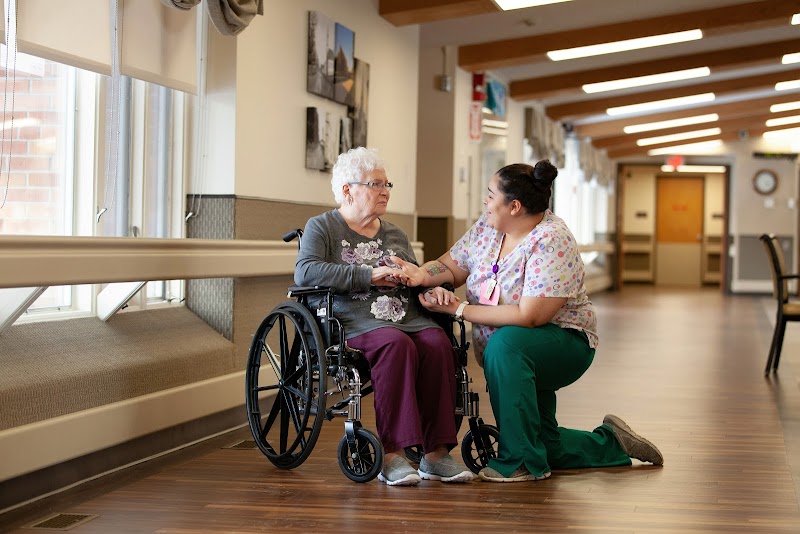
How is Living Meadows At Luther - Madelia Staffed?
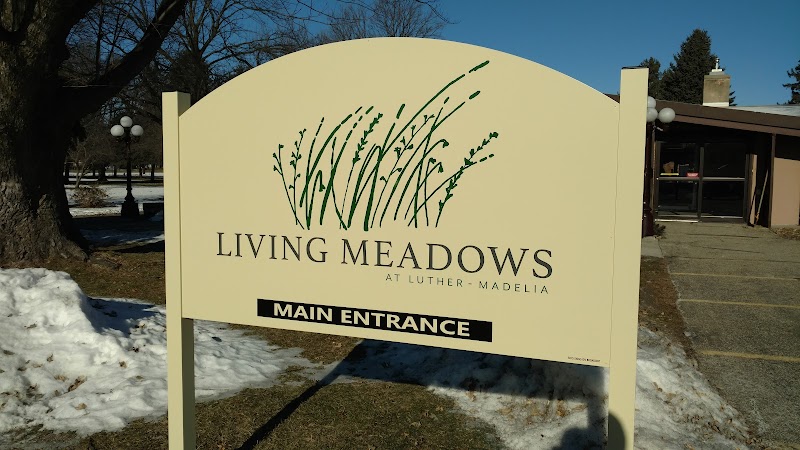
CMS rates Living Meadows At Luther - Madelia's staffing level at 4 out of 5 stars, which is above average compared to other nursing homes. Staff turnover is 26%, compared to the Minnesota average of 46%. This relatively stable workforce can support continuity of care.

What Have Inspectors Found at Living Meadows At Luther - Madelia?

State health inspectors documented 9 deficiencies at Living Meadows At Luther - Madelia during 2023 to 2025. These included: 1 Immediate Jeopardy (the most serious level, indicating potential for serious harm or death) and 8 with potential for harm. Immediate Jeopardy findings are rare and represent the most serious regulatory concerns. They require immediate corrective action.
Who Owns and Operates Living Meadows At Luther - Madelia?

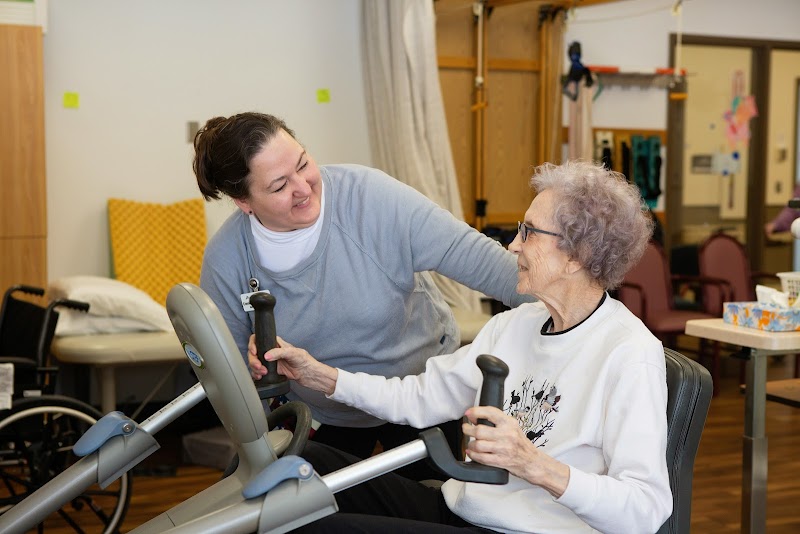
Living Meadows At Luther - Madelia is owned by a non-profit organization. Non-profit facilities reinvest revenue into operations rather than distributing to shareholders. The facility operates independently rather than as part of a larger chain. With 40 certified beds and approximately 32 residents (about 80% occupancy), it is a smaller facility located in MADELIA, Minnesota.

How Does Living Meadows At Luther - Madelia Compare to Other Minnesota Nursing Homes?

Compared to the 100 nursing homes in Minnesota, Living Meadows At Luther - Madelia's overall rating (3 stars) is below the state average of 3.2, staff turnover (26%) is significantly lower than the state average of 46%, and health inspection rating (4 stars) is above the national benchmark.

What Should Families Ask When Visiting Living Meadows At Luther - Madelia?

Based on this facility's data, families visiting should ask: "What changes have been made since the serious inspection findings, and how are you preventing similar issues?" "Can I visit during a mealtime to observe dining assistance and food quality?" "How do you handle medical emergencies, and what is your hospital transfer rate?" "Can I speak with family members of current residents about their experience?" These questions are particularly relevant given the facility's Immediate Jeopardy citations.

Is Living Meadows At Luther - Madelia Safe?

Based on CMS inspection data, Living Meadows At Luther - Madelia has documented safety concerns. Inspectors have issued 1 Immediate Jeopardy citation (the most serious violation level indicating risk of serious injury or death). The facility has a 3-star overall rating and ranks #100 of 100 nursing homes in Minnesota. Families considering this facility should ask detailed questions about what corrective actions have been taken since these incidents.

Do Nurses at Living Meadows At Luther - Madelia Stick Around?

Staff at Living Meadows At Luther - Madelia tend to stick around. With a turnover rate of 26%, the facility is 20 percentage points below the Minnesota average of 46%. Low turnover is a positive sign. It means caregivers have time to learn each resident's needs, medications, and personal preferences. Consistent staff also notice subtle changes in a resident's condition more quickly.

Was Living Meadows At Luther - Madelia Ever Fined?

Living Meadows At Luther - Madelia has been fined $13,627 across 1 penalty action. This is below the Minnesota average of $33,215. While any fine indicates a compliance issue, fines under $50,000 are relatively common and typically reflect isolated problems that were subsequently corrected. Families should ask what specific issues led to these fines and confirm they've been resolved.

Is Living Meadows At Luther - Madelia on Any Federal Watch List?

Living Meadows At Luther - Madelia is not on any federal watch list. The most significant is the Special Focus Facility (SFF) program, which identifies the bottom 1% of nursing homes nationally based on persistent, serious quality problems. Not being on this list means the facility has avoided the pattern of deficiencies that triggers enhanced federal oversight. This is a positive indicator, though families should still review the facility's inspection history directly.