Madison Healthcare Services
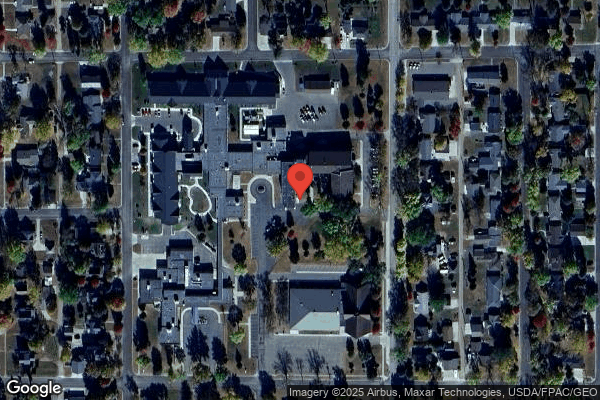
900 SECOND AVENUE, MADISON, MN 56256 (320) 598-7536
Non profit - Church related 51 Beds Independent Data: November 2025 1 Immediate Jeopardy citation
Trust Grade
56/100
#186 of 337 in MN
Last Inspection: November 2024

Within standard 12-15 month inspection cycle. Federal law requires annual inspections.

Overview

Madison Healthcare Services has received a Trust Grade of C, indicating an average performance that places it in the middle of the pack among nursing homes. It ranks #186 out of 337 facilities in Minnesota, which means it is in the bottom half, and #2 out of 2 in Lac Qui Parle County, indicating limited local competition. The facility is showing an improving trend, with issues decreasing from seven in 2024 to three in 2025. Staffing is a key strength, with a top rating of 5 out of 5 stars and a low turnover rate of 24%, compared to the Minnesota average of 42%. However, the facility has concerning fines totaling $19,786, higher than 78% of Minnesota facilities, and less registered nurse coverage than 92% of state facilities, which could impact resident care. Specific incidents of concern include a critical finding where a resident was allowed to smoke unsupervised while on oxygen, posing a severe fire risk. Additionally, there were failures to offer essential vaccinations to residents and to ensure staff received proper training on Alzheimer’s care, which could affect overall resident safety and health. While there are notable strengths in staffing, these weaknesses raise questions about safety and quality of care.

Trust Score
C
56/100
In Minnesota
#186/337
Bottom 45%
Safety Record
High Risk
Review needed
Inspections
Getting Better
7 → 3 violations
Staff Stability
✓ Good
24% annual turnover. Excellent stability, 24 points below Minnesota's 48% average. Staff who stay learn residents' needs.
Penalties
✓ Good
$19,786 in fines. Lower than most Minnesota facilities. Relatively clean record.
Skilled Nurses
○ Average
Each resident gets 38 minutes of Registered Nurse (RN) attention daily — about average for Minnesota. RNs are the most trained staff who monitor for health changes.
Violations
⚠ Watch
16 deficiencies on record. Higher than average. Multiple issues found across inspections.
★★★☆☆
3.0
Overall Rating
★★★★★
5.0
Staff Levels
★☆☆☆☆
1.0
Care Quality
★★★☆☆
3.0
Inspection Score
Stable
2024: 7 issues
2025: 3 issues

The Good

  • 5-Star Staffing Rating · Excellent nurse staffing levels
  • Low Staff Turnover (24%) · Staff stability means consistent care
  • Full Sprinkler Coverage · Fire safety systems throughout facility
  • No fines on record
  • Staff turnover is low (24%)

    24 points below Minnesota average of 48%

Facility shows strength in staffing levels, staff retention, fire safety.

The Bad

3-Star Overall Rating

Near Minnesota average (3.2)

Meets federal standards, typical of most facilities

Federal Fines: $19,786

Below median ($33,413)

Minor penalties assessed

The Ugly 16 deficiencies on record

1 life-threatening
Jun 2025 3 deficiencies
CONCERN (D) 📢 Someone Reported This

A family member, employee, or ombudsman was alarmed enough to file a formal complaint

Potential for Harm - no one hurt, but risky conditions existed

Deficiency F0558 (Tag F0558)

Could have caused harm · This affected 1 resident

**NOTE- TERMS IN BRACKETS HAVE BEEN EDITED TO PROTECT CONFIDENTIALITY** Based on observation, interview and document review, the facility failed to ensure the call light was accessible for 1 of 1 resi...

Read full inspector narrative →
**NOTE- TERMS IN BRACKETS HAVE BEEN EDITED TO PROTECT CONFIDENTIALITY** Based on observation, interview and document review, the facility failed to ensure the call light was accessible for 1 of 1 residents (R1) who was reviewed for call light placement. R1's admission Minimum Data Set (MDS) dated [DATE], indicated R1 was cognitively intact and had diagnoses that included heart failure and a hip fracture. Identified R1 required maximum assistance with bed mobility, transfers and toileting. R1's care plan dated, 3/26/25, directed staff to make sure R1's call light was within reach and to encourage R1 to use the call light. During an continuous observation on 6/4/25 at 7:10 a.m. to 8:21 a.m., R1 was sitting in her wheelchair eating breakfast. R1 received her breakfast tray at 7:20 a.m., nursing assistant (NA)-A cut up R1's french toast and applied syrup. NA-A provided R1 half of a banana on her tray also. R1 began to eat her meal. R1 completed eating her meal at 7:54 a.m. R1 began looking for her call light. R1 stated she was unable to find her call light. R1 further stated staff did not always provide her with her call light when she was sitting in her wheelchair. R1 indicated she would just have to wait for staff to come back in her room to help her. R1's call light was attached to her bedside railing and R1 was unable to reach her call light. R1 continued to wait for staff to come to her room to assist her. During an observation on 6/4/25 at 8:20 a.m., NA-A and NA-B entered R1's room to assist her. NA-A grabbed a washcloth and ran it under warm water and handed the wash cloth to R1. R1 washed her face and hands and gave the washcloth back to NA-A. NA-A and NA-B assisted R1 to the restroom. During an interview on 6/3/25 at 5:20 p.m., R1 stated staff often forgot to give her the call light when she was sitting in her wheelchair. R1 indicated she did not have good eye sight and was not able to find the call light if it was not placed on her wheelchair handle. R1 stated at times she would need to yell out for help because she did not have her call light. During an interview on 6/3/25 at 6:00 p.m., family member (FM)-A and FM-B revealed they have had to provide R1 with her call light on several occasions because staff did not provide the call light to R1. FM-A indicated R1's call light was to be placed across R1's chest when laying in bed and attached to the right handle of R1's wheelchair when R1 was sitting in her wheelchair. FM-A further indicated there were several occasions where R1 did not have her call light for extended periods of time. During a follow-up interview on 6/4/25 at 11:28 a.m., R1 was laying in her bed and her call light was across her chest. FM-A indicated FM-A placed R1's call light on R1's chest after staff assisted R1 to bed. FM-A revealed staff did not provide R1 with her call light after R1 was in bed. During an interview on 6/4/25 at 11:52 a.m., NA-A and NA-B stated they were not aware they did not provide R1 with her call light during breakfast. NA-A and NA-B stated they thought they had provided R1 with her call light after getting her up in her wheelchair for breakfast. During an interview on 6/4/25 at 2:08 p.m., director of nursing (DON) was unaware R1 did not have her call light for one hour and 11 minutes. DON stated it would be her expectation to have a call light within reach for residents. Facility policy titled call light - answering of revised 6/2025, when resident was in bed or confined to a chair call light would be within easy reach of resident.
CONCERN (D) 📢 Someone Reported This

A family member, employee, or ombudsman was alarmed enough to file a formal complaint

Potential for Harm - no one hurt, but risky conditions existed

Deficiency F0658 (Tag F0658)

Could have caused harm · This affected 1 resident

**NOTE- TERMS IN BRACKETS HAVE BEEN EDITED TO PROTECT CONFIDENTIALITY** Based on observation, interview, and document review, the facility failed to have a process in place to ensure resident provider...

Read full inspector narrative →
**NOTE- TERMS IN BRACKETS HAVE BEEN EDITED TO PROTECT CONFIDENTIALITY** Based on observation, interview, and document review, the facility failed to have a process in place to ensure resident provider recommendations were followed up on in a timely manner for 1 of 1 residents (R1). Findings include: R1's admission Minimum Data Set (MDS) dated [DATE], indicated R1 was cognitively intact and had diagnoses that included heart failure and a hip fracture. Identified R1 required maximum assistance with bed mobility, transfers and toileting. R1's Care Area Assessment (CAA) for nutritional status dated 4/8/25, identified contractures, functional limitation in range of motion, partial or total loss of arm movement that could affect her nutritional status. R1's care plan dated 3/26/25, indicated R1 would maintain adequate nutritional status. Review of R1's progress notes dated 4/17/25 to 6/3/25, identified R1's mouth was very dry and that it may contribute to the decay and discomfort. Please help with brushing her teeth two x/day- eliminating the plague in her mouth was very important. Have medical doctor (MD) look into options to help resident within her xerostomia (commonly known as dry mouth, the sensation of not having enough saliva). R1's signed physicians orders dated 5/21/25, lacked documentation R1 received any medication for xerostomia. During an interview on 6/3/25 at 5:20 p.m., R1 stated her mouth was very dry and indicated it was difficult to swallow at times due to her dry mouth. During an interview on 6/3/25 at 6:00 p.m., family member (FM)-A and FM-B revealed R1 had a dry mouth frequently and R1 had not received any medication to help with her dry mouth. FM-A stated R1 had seen the dentist and it was recommended R1 receive something from her primary provider for her dry mouth. During an interview on 6/4/25 at 4:35 p.m., registered nurse (RN)-A stated the facility had not talked to R1's provider about ordering something for R1's dry mouth per the dentist recommendations on 5/24/25 at 10:21 a.m. During an interview on 6/4/25 at 2:08 p.m., director of nursing (DON) was unaware R1 had received recommendations from the dentist. DON stated nursing staff should have contacted R1's provider to get something ordered. DON further stated it was her expectation that staff would be in contact with the provider when recommendations were made. A facility policy notifying the provider was requested but facility stated they did not have a specific policy on notifying the provider.
CONCERN (D) 📢 Someone Reported This

A family member, employee, or ombudsman was alarmed enough to file a formal complaint

Potential for Harm - no one hurt, but risky conditions existed

Quality of Care (Tag F0684)

Could have caused harm · This affected 1 resident

**NOTE- TERMS IN BRACKETS HAVE BEEN EDITED TO PROTECT CONFIDENTIALITY** Based on observation, interview and document review, the facility failed to perform ongoing monitoring and wound care for 1 of 1...

Read full inspector narrative →
**NOTE- TERMS IN BRACKETS HAVE BEEN EDITED TO PROTECT CONFIDENTIALITY** Based on observation, interview and document review, the facility failed to perform ongoing monitoring and wound care for 1 of 1 residents (R1) reviewed for wound care. Findings include: R1's admission Minimum Data Set (MDS) dated [DATE], indicated R1 was cognitively intact and had diagnoses that included heart failure and a hip fracture. Identified R1 required maximum assistance with bed mobility, transfers and toileting. R1's care plan dated 3/26/25, lacked documentation about R1's wound care. R1's signed physicians orders dated 5/21/25, identified Mepilex dressing to left hip change every two to three days, ok to shower with on one time a day. R1's signed physician's note dated 5/21/25, identified R1 had a surgical incision of the left hip that was open and had a small amount of drainage. Further identified nursing staff had been placing a Mepilex dressing over that area. Review of R1's electronic health record (EHR) skin observation tool from 3/26/25 to 6/1/25, revealed the following: 3/26/25, left thigh front surgical incision. 4/16/25, incision to left hip, staples intact. 4/23/25, left trochanter (hip), surgical incision 11 centimeters (cm) X 0.1 cm. 5/1/25, continues with incision to left hip. 5/7/25, continues to have incision on left hip. 5/14/25, nothing about hip. 5/21/25, surgical would to left hip healed at this time. 6/1/25, no skin concerns noted. R1's Electronic Treatment Administration Record (ETAR) dated 4/1/25 to 6/5/25, identified R1 received dressing changes every three days. During an interview on 6/4/25 at 4:35 p.m., registered nurse (RN)-A indicated R1 saw the provider on 5/21/25, and the provider stated the dressing could be left off because the surgical incision only had a small pink mark. RN-A further indicated three days later R1 was sent to the hospital due to an abscess that was actively draining from the left hip and R1 needed antibiotics. RN-A stated RN-B looked at the wound on 5/30/25, when R1 returned from the hospital. R1's EMR lacked documentation the would had been assessed since R1 came back from the hospital. During an observation on 6/4/25 at 8:38 a.m., nursing assistant (NA)-A and NA-B were done giving R1 a bath. Licensed practical nurse (LPN)-A entered R1's bathroom to assess R1's wound. LPN-A put on a pair of gloves and removed the undated Mepilex dressing from R1's left thigh. LPN-A inspected the surgical wound and noted the wound was intact with only a small pin point opening at the top of the wound. LPN-A removed her gloves, left the room and returned with a new Mepilex dressing. LPN-A put on a new pair of gloves and applied the Mepilex dressing over the surgical would. LPN-A removed gloves and stated she was going to chart the wound later. During a follow-up in interview on 6/4/25 at 9:30 a.m., RN-A stated the orders for the Mepilex dressing were received from Prairie Lakes clinic in South Dakota. RN-A stated when R1 had the wound vacuum removed, the facility received orders to apply a Mepilex dressing over the surgical wound from the clinic. During an interview on 6/4/25 10:20 a.m., family member (FM)-A stated the dressing had not been changed since R1 returned from the hospital on 5/30/25. A call was placed to R1's medical provider, however no return call was received. During an interview on 6/4/25 at 2:08 p.m., director of nursing (DON) stated she was unaware staff had not changed the Mepilex dressing since returning from the hospital. DON indicated she would expect nursing staff to properly assess the surgical wound and follow providers orders regarding dressing changes. DON further stated it was important to change the dressing following providers orders to prevent a further infection. The facility policy wound assessment and care revised 12/2023, identified all residents would have a head-to-toe skin assessment completed upon admission and readmission which will be performed by the Clinical Care Coordinator (CCC) or admitting RN. Skin assessments would be at least weekly thereafter. Date and time first assessed. Document if present on admission. Wound classification (ulcer, surgical wound , etc.). Descriptive location. Measurement: measure all wounds in centimeters using a paper ruler and cotton-tipped applicator as needed. Measure in this order: Length x Width x Depth.
Nov 2024 3 deficiencies
CONCERN (D)

Potential for Harm - no one hurt, but risky conditions existed

Comprehensive Assessments (Tag F0636)

Could have caused harm · This affected 1 resident

Based on observation, interview, and document review, the facility failed to follow their policy and complete an Abnormal Involuntary Movement (AIMS) assessment for 1 of 5 residents (R31) who had been...

Read full inspector narrative →
Based on observation, interview, and document review, the facility failed to follow their policy and complete an Abnormal Involuntary Movement (AIMS) assessment for 1 of 5 residents (R31) who had been administered an antipsychotic. Findings include: R31's 8/16/24, quarterly Minimum Data Set (MDS) assessment identified he had diagnosis of non- traumatic brain dysfunction, Alzheimer's disease, and depression. R31's cognition was severely impaired, he required supervision with walking and extensive assistance with toileting and personal hygiene. R31's current diagnosis list identified on 8/6/24, he received a new diagnosis of severe episode of recurrent major depressive disorder, with psychotic features. R31's 8/29/24, physician order form identified R31 started taking olanzapine (anti-psychotic medication) 5 milligrams (mg) by mouth daily at bedtime on 8/29/24. R31's 10/31/24 outpatient detail report identified the physician increased R31's olanzapine to 10 mg every morning. R31's 9/13/24, care plan identified he takes an antipsychotic with interventions to complete an AIMS assessment per facility policy and as needed. R31's September 2024, medication administration record (MAR), identified he was administered olanzapine 10 mg daily. Review of R31's assessments completed since admission identified no AIMS assessment had been completed. Interview on 11/6/24 at 8:22 a.m., with the MDS coordinator identified an AIMS assessment was to be completed upon the start of an antipsychotic medication. The nurse who transcribed the order was to complete the initial AIMS assessment and schedule the next AIMS assessment in 30 days. The assessment should be completed with any changes in dose, and 30 days after the new medication started. She reviewed R31's chart and agreed he had not had an AIMS assessment completed. Interview on 11/6/24, at 8:17 a.m., with the pharmacist consultant identified he would expect the facility to complete an AIMS assessment when starting an antipsychotic. He identified the assessment is used to determine if the resident is having side effects of extrapyramidal movement (involuntary movements), in this case the medication may need to be changed or discontinued before worsening. Review of the July 2024, Psychotropic Drug Monitoring policy identified nursing staff were to complete an assessment for Tardive Dyskinesia which is the AIMS assessment for: 1) Baseline target behavior before an antipsychotic had begun or upon admission. 2) When a new antipsychotic medication was added or the dose had been changed. 3) At 6 months for re-evaluation.
CONCERN (D)

Potential for Harm - no one hurt, but risky conditions existed

Accident Prevention (Tag F0689)

Could have caused harm · This affected 1 resident

Based on observation, interview, and record review, the facility failed to ensure a portable oxygen (O2) tank (E-cylinder) was safely secured for 1 of 4 residents (R21). Findings include: Observation...

Read full inspector narrative →
Based on observation, interview, and record review, the facility failed to ensure a portable oxygen (O2) tank (E-cylinder) was safely secured for 1 of 4 residents (R21). Findings include: Observation and interview on 11/04/24 at 12:52 p.m. with R21 identified he was alert and oriented and was seated on the edge of his bed with oxygen on at 2 liters (L) per minute (M) via a nasal cannula (NC) connected to an oxygen concentrator. Two oxygen tanks were observed, one of which was in a portable stand with a regulator attached and one sitting unsecured on the floor in addition to a small black portable oxygen carrier were noted to be at the end of the dresser visible upon entry to the room. R21 reported he used oxygen when he was in his room, and used the portable tanks if he went to an appointment or left the building. R21 reported the oxygen tanks were left in his room for his use when he needed them and had been left there since he had been admitted . R21 was admitted to the facility in August 2024 with diagnoses of pulmonary fibrosis, cerebral infarction, chronic obstructive pulmonary disease (COPD), congestive heart failure (CHF), PTSD, major depressive disorder, and generalized anxiety disorder. R21's current physician orders identified but the current electronic physician orders identified staff were to check oxygen saturation (O2 sat) every shift, and apply O2 via NC 1-3 LPM as needed (PRN) as needed when O2 sat less than 90%. Observation of R21 on 11/04/24 at 7:03 p.m. noted R21 seated in his recliner watching TV in a darkened room with O2 on via NC. The O2 tanks remained in the same location with the one tank resting on the floor in an upright position unsecured. He reported he was not aware the unsecured tank was a problem and identified his O2 tanks were routinely left sitting in his room in that location since he had been admitted . Interview on 11/04/24 at 7:05 p.m. with licensed practical nurse (LPN)-A identified when O2 tanks were not in use they should be stored in the oxygen supply closet, and if they were in a resident space they needed to be positioned either in an oxygen cart or in a holder located on the resident's wheelchair. She reported oxygen tanks were not supposed to be left unsecured sitting in a resident room and she was not aware of the unsecured tank in R21's room. Interview on 11/4/24 at 7:10 p.m., with the director of nursing (DON) who accompanied this surveyor to R21's room confirmed one of the two O2 cylinders was standing unsecured on the floor of R21's room and it should not have been left there. O2 tanks were to be kept in a stand or wheelchair holder and it was not acceptable to leave a tank unsecured. A policy on O2 use and monitoring was requested, but the DON reported they did not have a current policy for Oxygen use in the long term care (LTC) setting.
CONCERN (E)

Potential for Harm - no one hurt, but risky conditions existed

Deficiency F0949 (Tag F0949)

Could have caused harm · This affected multiple residents

Based on interview and document review the facility failed to ensure 5 of 8 staff (administrator, director of nursing (DON), registered nurse (RN)-A, RN-C, and trained medication aide (TMA)-A ) receiv...

Read full inspector narrative →
Based on interview and document review the facility failed to ensure 5 of 8 staff (administrator, director of nursing (DON), registered nurse (RN)-A, RN-C, and trained medication aide (TMA)-A ) received annual training and 1 of 1 newly hired staff nursing assistant (NA-B) received initial training on Alzheimer's disease or related disorders, assistance with activities of daily living (ADL), problem solving with challenging behaviors, and communication skills. This had the potential to affect all the residents in the facility. Findings include: Review of the administrators personnel file identified a hire date of 9/28/12. Review of his Alzheimer's training records identified he had completed training on ADL care, communication needs, and behaviors and obtained a certificate on 9/30/22. The administrator training record lacked identification that he had completed training on Alzheimer's disease and related disorders annually. Review of the DON's personnel file identified a hire date of 11/01/21. Review of her Alzheimer's training records identified she had completed training on ADL care, communication needs, and behaviors and obtained a certificate on 9/28/22. The DON training record lacked identification that she had completed training on Alzheimer's disease and related disorders annually. Review of the personnel file for RN-A identified a hire date of 8/04/20. Review of her Alzheimer's training records identified she had completed training on ADL care, communication needs, and behaviors and obtained a certificate on 10/25/22. RN-A's training record lacked identification that she had completed training on Alzheimer's disease and related disorders annually. Review of the personnel file for RN-C identified a hire date of 2/16/23. Review of her Alzheimer's training records identified she had completed training on ADL care, communication needs, and behaviors and obtained a certificate on 2/16/23. RN-C's training record lacked identification that she had completed training on Alzheimer's disease and related disorders annually. Review of the personnel file for TMA-A identified a hire date of 8/16/18. Review of her Alzheimer's training records identified she had completed training on ADL care, communication needs, and behaviors and obtained a certificate on 11/28/22. TMA-A's training record lacked identification that she had completed training on Alzheimer's disease and related disorders annually. Review of the personnel file for NA-B identified a hire date of 10/15/24. Review of his training record lacked identification that he had not completed training on Alzheimer's disease and related disorders upon hire. Review of July 2024 Facility Assessment identified the facility would provide staff training, education, and competencies necessary to provide support and care needed for the resident population and to ensure knowledge competency for all staff. The facility would provide education and training in person, online, and other various formats. Lastly, staff competencies would be verified upon orientation, annually, and as needed. Interview on 11/06/24 at 9:57 a.m. with DON identified she was aware that staff had not all completed Alzheimer/Dementia training. She stated the facility was awarded a grant to help facilitate the training for all staff, previously. In addition, the facility had opted not to purchase the course on an annual basis and was in the process of purchasing new education software for 2025 and would plan for staff to complete the training for new hires and on an annual basis. Request a copy of In-service Training policy and none was provided.
Feb 2024 4 deficiencies 1 IJ
CRITICAL (J)

Immediate Jeopardy (IJ) - the most serious Medicare violation

Accident Prevention (Tag F0689)

Someone could have died · This affected 1 resident

**NOTE- TERMS IN BRACKETS HAVE BEEN EDITED TO PROTECT CONFIDENTIALITY** Based on observation, interview, and document review, the facility failed to ensure the resident safety from accident and hazard...

Read full inspector narrative →
**NOTE- TERMS IN BRACKETS HAVE BEEN EDITED TO PROTECT CONFIDENTIALITY** Based on observation, interview, and document review, the facility failed to ensure the resident safety from accident and hazards for 1 of 1 resident (R149) who smoked unsupervised while using oxygen via nasal cannula that was connected to a compressed oxygen (O2) canister. This resulted in an immediate risk of serious harm, injury, or death, from thermal burns to R149. In addition, the facility failed to follow facility policy and secure smoking materials (cigarettes and lighter) away from R149. The IJ began on 2/19/24 when R149 was admitted to the facility (a non-smoking facility) and with facility knowledge, smoked unsupervised while wearing oxygen upon her admission. On 2/26/24 at 3:32 p.m., R149 was observed to be smoking a cigarette unsupervised, while receiving oxygen from a portable oxygen tank. It was determined the facility failed to ensure the safety of R149 from this highly flammable and potentially deadly situation and had her sign a waiver to hold the facility harmless if she were to become injured because of her choice to continue smoking while she required oxygen. The administrator and director of nursing (DON) were informed of the IJ on 2/26/24 at 6:03 p.m. The IJ was removed on 2/27/24 at 12:37 p.m., when the facility took steps to remove the immediate situation, however non-compliance remained at the lower scope and severity level of a D, which indicated no actual harm with potential for more than minimal harm that is not immediate jeopardy: Findings include: Observation on 2/26/24 at 3:32 p.m., of R149 and an unknown person smoking within a couple feet of R149 in front of the HUD apartment entrance connected to the facility. R149 was smoking while wearing an oxygen nasal cannula tubing in her nose that was connected to a portable oxygen tank that was sitting on her electric scooter between her legs unsecured. The oxygen flow rate was on and flowing at 7 liters per nasal cannula. Interview on 2/26/24 at 3:33 p.m., R149 confirmed her oxygen was on and identified that she comes out to smoke several times a day. She identified she often forgets to turn her oxygen off before lighting her cigarette. The administrator was immediately notified by surveyor. Interview on 2/26/24 at 3:36 p.m., with administrator identified they are aware R149 smoked with her oxygen on and noted We had her sign an 'Assumption of Risk' because she sometimes forgets to remove her oxygen. Interview on 2/26/24 at 3:42 p.m., with the DON identified she educated R149 of the risks related to smoking with her oxygen on and they were aware that she sometimes forgot to take it off, but they do not supervise R149 while smoking. Facility staff do not ensure her oxygen is removed before she leaves the building to smoke. The DON stated the facility did not have the staff to go out with R149 to ensure she was not using oxygen while she smoked. R149's 2/26/24, admission Minimum Data Set (MDS) assessment identified a brief interview of mental status (BIMS) score of 12 out of 15 indicating her cognition was moderately impaired, she used a wheelchair for mobility, and she had diagnosis of chronic obstructive pulmonary disease (COPD), and tobacco use. R149's 2/19/24, admission orders identified R149 received continuous oxygen via nasal cannula administered at 6 liters (L) per minute via nasal cannula. R149's progress notes identified on: 1) 2/19/24, the social worker (SW) reviewed the facility's smoking policy with the resident and advised the resident if she was going to smoke while she was a resident at the facility, the nurse had to perform a smoking assessment. R149 was notified she would have to go across the street and asked about [senior living facility where she lived prior to her admission], which was located next door to the facility. The SW advised R149 she did not think she could smoke there unless visiting a friend. 2) 2/20/24, the SW noted they met with R149 about smoking in the parking lot. The SW told R149 she needed to make sure she is across the street before lighting up. R149 apologized and told the SW It wont happen again. She told the SW she was sitting in her brothers truck (an enclosed space) so she did not think it was a big deal. The SW noted she again told R149 smoking was prohobited at the facility. R149 apologized and said it wont happen again. 3) 2/20/24, a note was made that Resident is aware she is to exit from [NAME] door due to allowing herself to self-exit to smoke. R149 had requested a water based lubricant to be applied to both her nostrils. Provider [physician] to be notified that due to nasal dryness and congestion, request for saline sinus spray to reduce difficulty breahing. 4) 4) 4) 2/21/24, a nurse noted that they, along with R149's physician met with R149 and her family present to discuss R149's smoking status. R149 was noted to have verbalized understanding of appropriate, designated smoking areas. R149 was agreeable to have occupational therapy assess her to determine safety of operating scooter [electric wheelchair device used for mobility] off grounds. R149 signed Assumption of Risk for if she forgets/chooses not to remove oxygen while smoking, despite extensive education. Will place sign on scooter to remind resident. Resident also verbalized understanding of signing in/out of the facility so staff are aware of resident's whereabouts. 4) 2/23/24, staff made a late entry noting a sign placed on resident's scooter to remind her to remove oxygen prior to smoking. 6) 2/26/24, staff noted the licensed nurse (LPN) went to a registered nurse (RN) with concerns of R149's hypoximia (low oxygen levels) and non-compliance with oxygen. Both staff met with R149 and discussed the reasoning for her being on hosppice statting to turn O2 [oxygen] down to 3 L/min, not monitoring O2 sats. R149 verbalized understanding. Also educated resident on smoking cessation and encouraged resident to find alternative activities, resident laughed. The RN then reminded R149 to sign out when leaving the facility and remove O2 prior to smoking to which R149 stated well i know all that. R149's 2/20/24, Smoking Assessment identified her cognition was intact. She smoked 2-5 times each day. She could light her own cigarettes, and required no supervision or other safety measures. The assessment identified the facility did not lock up or store R149's smoking materials to secure them. The Smoking assessment identified Her care plan was to be used to assure R149 was safe while smoking. The assessment made no mention of R149's use of oxygen or that staff were aware of the fire or potential explosion hazard that may incur from smoking to R149 or others around her. Review of the 2/21/24, Assumption of Risk Agreement Policy and Procedure signed by R149 identified R149 was at risk for injury because she chose to smoke cigarettes and sometimes forgets to or chooses not to remove oxygen prior to smoking. The facility noted they had offered smoking cessation and identified the Assumption of Risk Agreement was added to R149's care plan. R149's current, undated care plan related to smoking only identified she had signed an Assumption of Risk waiver stating she chose to smoke and had not always removed her oxygen. The goal was for R149 was to remain free from complications or harm. Staff were to monitor her safety and intervene when necessary. Observation and interview on 2/27/24 at 5:00 p.m., R149 was on her scooter, she identified that staff had placed a sign in her basket to remind her to take off her oxygen before she smoked, she looked for the sign but it had been burried in her basket and was no longer visible. R149 moved several items and the sign was laying at the bottom of her basket. Review of the [NAME] R. Hall, Jr., The Smoking Material Fire Problem, NFPA [National Fire Protection Association] Fire Analysis and Research Division, July 2013 article indicated: 7% of fatal victims of smoking-material fires who were themselves the smokers whose smoking materials started the fires were under treatment with medical oxygen. The combination of smoking and use of medical oxygen is so dangerous that it became the subject of one of the seven recommended educational messages from the project. The article states In an NFPA analysis of fires and burns involving home medical oxygen, smoking materials were involved in 73% of 2003-2006 thermal burns reported to hospital emergency rooms and involving home medical oxygen. Interview on 2/28/24 at 2:34 p.m., with the medical director identified he was unaware R149 was smoking with her oxygen on, and unaware the facility had her sign an Assumption of Risk waiver. He confirmed the facility was responsible for her safety. He agreed R149 was not able to sign away her right to be safe. If the facility had knowledge that R149 forgot to remove her oxygen or chose not to remove her oxygen prior to smoking, the facility should be supervising her while she smoked. Review of the facility November 2023, Smoking policy identified the facility would determine resident smoking status upon admission. If a resident smokes, they would educate them on the facility policy of no smoking on the property and they would keep all smoking material locked in the medication room. The effectiveness of the individualized care plan would be reviewed and/or revised quarterly and as needed. The immediate jeopardy that began on 2/26/24 at 3:32 p.m. was removed on 2/27/24, at 12:37 p.m., when the facility took steps to ensure R149's safety including requiring staff to provide 1:1 supervision while smoking to ensure oxygen was removed and placed at least 15 feet away, and the oxygen was allowed to dissipate off clothing for a minimum of 5 minutes before lighting her cigarette. The facility also acquired an physician order to allow R149 to have her oxygen removed while smoking. R149's smoking materials were locked up to ensure she would have to ask staff prior to leaving the facility to smoke. A care conference was scheduled for 2/27/24 to inform family of the changes made to R149's care plan related to smoking and to present smoking cessation options. The smoking policy had been reviewed and revised to include all residents who smoke were to be supervised. Facility staff were educated on the updated smoking policy to include having a safety plan for R149 and all other residents who smoke to ensure safety to R149 and others within her vicinity from fire, injury, or explosion. All staff were educated prior to their next shift.
CONCERN (D)

Potential for Harm - no one hurt, but risky conditions existed

Deficiency F0582 (Tag F0582)

Could have caused harm · This affected 1 resident

Based on interview and document review, the facility failed to provide the required Skilled Nursing Facility Advanced Beneficiary Notice (SNFABN) CMS-10055 for 2 of 3 residents (R11 and R30). Finding...

Read full inspector narrative →
Based on interview and document review, the facility failed to provide the required Skilled Nursing Facility Advanced Beneficiary Notice (SNFABN) CMS-10055 for 2 of 3 residents (R11 and R30). Findings include: Review of R11's medical record identified she had received skilled Medicare covered services from 12/7/23 through 1/31/24. The facility identified they had initiated the discharge from Medicare Part A Services when benefit days were not exhausted and R11 remained at the facility. An Advanced Beneficiary Notice was never issued. Review of R30's medical record identified she had received skilled Medicare covered services from 8/13/23, through 9/19/24. The facility identified they had initiated the discharge from Medicare Part A Services when benefit days were not exhausted and R30 remained at the facility. An Advanced Beneficiary Notice was never issued. Interview on 2/28/24, with director of nursing (DON) identified her social service designee was responsible for the medicare notices. She agreed with the above and identified she was not trained regarding what notice was required to be given when ending Medicare Skilled Services. She called the Social Service director into her office. Interview on 2/28/24, with social servied director (SS) identified she always gives a NOMNC and was not aware when to give an Advanced Beneficiary Notice (ABN) notice vs a Notice of Medicare Non-Coverage (NOMNC) and that she had been giving everyone a NOMNC. Interview on 2/28/24 at 12:50 p.m., administrator identified it was his expectation the correct notices would be given with the correct time frame. He would ensure the DON and social service designee received training to ensure understanding of the process. Review of the facility admission agreement identified the facility would notify residents and/or their representative of changes within the time frame specified by law. A policy was requested but none was provided prior to the end of survey.
CONCERN (D)

Potential for Harm - no one hurt, but risky conditions existed

Comprehensive Assessments (Tag F0636)

Could have caused harm · This affected 1 resident

Based on record review and interview, the facility failed to complete a comprehensive assessment related to post traumatic stress disorder (PTSD) for 1 of 1 (R6) resident. Findings include: R6's 1/0...

Read full inspector narrative →
Based on record review and interview, the facility failed to complete a comprehensive assessment related to post traumatic stress disorder (PTSD) for 1 of 1 (R6) resident. Findings include: R6's 1/03/24, quarterly Minimum Data Set (MDS) identified she had moderate cognitive impairment and had symptoms of feeling down, depressed, or hopeless 2 to 6 days. R6 had a diagnosis of cancer and took antipsychotics and opioids. The MDS did not identify R6 has PTSD. R6's undated, medical diagnosis sheet identified she had anxiety, depression, PTSD, vascular dementia, and Malignant melanoma metastatic to brain. R6's undated, current care plan identified that R6 had potential vulnerability related to her vascular dementia, anxiety disorder and malignant melanoma. The goal for R6 would be to receive needed cares that provide safety and dignity to her needs. Interventions were for staff to see interventions of R6 care plan for noted areas of vulnerability. There was no mention of interventions for R6's PTSD, what caused R6's PTSD, or how to decrease or eliminate stressors related to PTSD. Interview on 2/25/24 at 7:30 p.m., with R6 stated she had a history of trauma and had PTSD but declined to offer more information. Interview on 2/27/24 at 4:18 p.m., with registered nurse (RN-A) confirmed R6 had a diagnosis of PTSD since admission. She stated the facility had implemented behavior monitoring for all residents, but had not care planned or placed interventions for R6's symptoms of PTSD. Interview on 2/27/24 at 4:38 p.m., with RN-B stated she was not aware that R6 had PTSD and would not know what PTSD symptoms to identify for R6. Interview on 2/28/24 at 9:32 a.m., with R6 stated she had visited a mental health provider in Sioux Falls in the past. She stated her PTSD comes and goes and would prefer her husband to be around more to support her during those moments. R6 stated she did not remember the names of the medications she took at the facility but would want to get back to normalcy. Interview on 2/28/24 at 1:02 p.m., with director of nursing (DON) confirmed R6 did not have PTSD care planned and interventions in place. She stated social services (SW) completes the assessments of residents in the facility, including trauma assessment. DON stated R6 had no trauma assessment completed since her admission. Interview on 2/28/24 at 1:13 p.m., with SW stated R6 had a diagnosis of PTSD and no triggers to evaluate her for PTSD when she admitted to the facility. She agreed that R6 had no trauma assessment completed since admission to the facility and did not have PTSD care planned. Review of May 2023 Trauma policy identified the facility would promote development and availability of trauma services for residents. The facility would complete screening for trauma and trauma related exposure as well as trauma assessments for residents in the facility.
CONCERN (E)

Potential for Harm - no one hurt, but risky conditions existed

Deficiency F0883 (Tag F0883)

Could have caused harm · This affected multiple residents

**NOTE- TERMS IN BRACKETS HAVE BEEN EDITED TO PROTECT CONFIDENTIALITY** Based on interview and document review, the facility failed to offer and/or administer the most recent Centers for Disease Contr...

Read full inspector narrative →
**NOTE- TERMS IN BRACKETS HAVE BEEN EDITED TO PROTECT CONFIDENTIALITY** Based on interview and document review, the facility failed to offer and/or administer the most recent Centers for Disease Control (CDC) pneumococcal vaccine for 4 of 5 residents (R21, R28, R29, R40) reviewed for immunizations. Furthermore, the facility failed to have a method or system to ensure the facility offer or provided any initial or updated vaccine to residents per Centers for Disease Control (CDC) vaccination recommendations. Findings include: Review of the current CDC pneumococcal vaccine guidelines located at https://www.cdc.gov/vaccines/vpd/pneumo/hcp/pneumo-vaccine-timing.html, identified for: Adults [AGE] years of age or older, staff were to offer and/or provide based off previous vaccination status as shown below: a) If NO history of vaccination, offer and/or provide: aa) the PCV-20 OR bb) PCV-15 followed by PPSV-23 at least 1 year later. b) For PPSV-23 vaccine ONLY (at any age): aa) PCV-20 at least 1 year after prior PPSV-23 OR bb) PCV-15 at least 1 year after prior PPSV-23 c) For PCV-13 vaccine ONLY (at any age): aa) PCV-20 at least 1 year after prior PCV13 OR bb) PPSV-23 at least 1 year after prior PCV13 d) For PCV-13 vaccine (at any age) AND PPSV-23 BEFORE 65 years: aa) PCV-20 at least 5 years after last pneumococcal vaccine dose OR bb) PPSV-23 at least 5 years after last pneumococcal vaccine dose e) Received PCV-13 at any age AND PPSV-23 AFTER age [AGE] Years: aa) Use shared clinical decision-making to decide whether to administer PCV20. If so, the dose of PCV-20 should be administered at least 5 years after the last pneumococcal vaccine. R21's Medical Diagnosis list printed 2/28/24, identified R21 was [AGE] years old and had diagnoses of arthritis, gout, polyneuropathy, dysthymic disorder, hypokalemia, and atrial fibrillation. R21's Immunization record printed 2/28/24, identified R21 had received the pneumococcal conjugated vaccine (PCV-13) on 3/26/15, the pneumococcal polysaccharide vaccine (PPSV-23) initially on 10/4/10 and again on 11/11/11. R21's medical record did not include evidence R21 or R21's representative received education regarding pneumococcal vaccine booster, the physician had been consulted, or indication R21 was offered the PCV-20 at least 5 years after prior pneumococcal vaccine per CDC guidance. R28's Medical Diagnosis list printed 2/28/24, identified R28 was [AGE] years old and had diagnoses of Alzheimer's disease, Parkinsonism, insomnia, and anxiety disorder. R28's Immunization record printed 2/28/24, identified R28 had received the PPSV-23 on 11/27/98, and the PCV-13 on 2/9/16. R28's medical record did not include evidence R28 or R28's representative received education regarding pneumococcal vaccine booster, the physician had been consulted, or indication R28 was offered the PCV-20 at least 5 years after prior pneumococcal vaccine per CDC guidance. R29's Medical Diagnosis list printed 2/28/24, identified R29 was [AGE] years old and had diagnoses of hypothyroidism, and gastro-esophageal reflux disease (GERD), and vitamin D deficiency. R29's Immunization record printed 2/28/24, identified R29 had received the PVC-13 on 10/6/15, and the PPSV-23 on 11/29/16. R29's medical record did not include evidence R29 or R29's representative received education regarding pneumococcal vaccine booster, the physician had been consulted, or indication R29 was offered the PCV-20 at least 5 years after prior pneumococcal vaccine per CDC guidance. R40's Medical Diagnosis list printed 2/28/24, identified R40 was [AGE] years old and had diagnoses of dementia, insomnia, and anxiety. R40's Immunization record printed 2/28/24, identified R40 had received the PPSV-23 on 1/7/99, and the PCV-13 on 5/4/17. R40's medical record did not include evidence R40 or R40's representative received education regarding pneumococcal vaccine booster, the physician had been consulted, or indication R40 was offered the PCV-20 at least 5 years after prior pneumococcal vaccine per CDC guidance. Interview on 2/28/24 at 10:59 a.m., with registered nurse (RN)-A who revealed she was responsible for resident vaccinations at the facility. The facility had been referencing the Epic Systems Corporation (EPIC) a software system that hospitals use for medical records and the Minnesota Immunization Information Connection (MIIC) a system that stores immunization records to determine if a resident was up to date and current with their vaccinations. She reported neither system showed to offer the PCV-20. She further identified she reached out to the clinic, and they had reported that they had only received the PCV-20 vaccinations within the last 6 months. RN-A confirmed the facility had not been offering the PCV-20 to residents who were eligible as they had not been following the CDC guidance at the facility. She reported she would be creating a spreadsheet to monitor and offer recommended CDC vaccinations going forward. Review of October 2023, Vaccination-Pneumococcal, Influenza, and COVID-19 policy identified the facility would offer the pneumococcal vaccine as available and according to current CDC recommendations. Residents would be assessed for eligibility and offered and/or administered pneumococcal vaccinations according to CDC recommendations.
Nov 2023 1 deficiency
CONCERN (D) 📢 Someone Reported This

A family member, employee, or ombudsman was alarmed enough to file a formal complaint

Potential for Harm - no one hurt, but risky conditions existed

Comprehensive Care Plan (Tag F0656)

Could have caused harm · This affected 1 resident

**NOTE- TERMS IN BRACKETS HAVE BEEN EDITED TO PROTECT CONFIDENTIALITY** Based on observation, interview, and document review interview the facility failed to follow the care plan for a fall interventi...

Read full inspector narrative →
**NOTE- TERMS IN BRACKETS HAVE BEEN EDITED TO PROTECT CONFIDENTIALITY** Based on observation, interview, and document review interview the facility failed to follow the care plan for a fall intervention to mitigate the risk for falls or falls with serious injury for 1 of 6 residents (R1) who had history of falls with injury. Findings include R1's annual Minimal Data Set (MDS) dated [DATE], identified R1 had diagnosis of Alzheimer's disease. R1 required limited assist of one staff with two wheeled walker for ambulation and required supervision with two wheeled walker for transfers. R1 had no falls. R1's Fall Analysis Risk assessment dated [DATE], indicated R1 had an unwitnessed fall when she self-transferred out of bed, got dizzy, and fell to the floor. The fall analysis identified R1 was dizzy, did not always use her walker, and was not wearing shoes or gripper socks. New fall interventions included adding a bed alarm. Review of R1's fall care plan dated 9/22/21, indicated R1 was at risk for falls due to impairment of mobility and poor safety awareness. The care plan included the intervention for bed alarm dated 10/9/23. R1's fall incident report dated 10/11/23, identified R1 had an unwitnessed fall when she self-transferred out of bed. The report indicated the bed alarm had sounded. R1's fall incident report dated 11/9/23, identified R1 had an unwitnessed fall after a self-transfer. The report did not identify if the bed alarm had been functioning or was in place at the time of R1's fall. During an observation on 11/17/23 at 8:25 a.m., R1 was lying in bed with eyes closed when hairdresser entered R1's room and told R1 it was time to get her hair done. R1 stood up from her bed; no alarm sounded and the call light was not activated. R1 exited her room and followed the hairdresser down the hallway, passing licensed practical nurse (LPN-A), who then followed R1 to the beauty shop. During an interview on 10/17/23 at 9:06 a.m., nursing assistant (NA)-M, indicated bed alarms were activated when a resident got off the bed and call light goes off with a special flash and sound at the nurses stations. Staff were to respond to that room right away to prevent the fall. During an interview on 10/17/23 at 9:41 a.m., NA-A stated that the bed alarms were connected to the call light system that would alert staff by a special light. Staff were supposed to respond right away to those lights to prevent falls. During an interview on 11/17/23 at 10:00 a.m., LPN-A reviewed R1's care plan and verified R1 required a bed alarm. LPN-A did not know why the bed alarm had not sounded nor activate the call light at 8:25 a.m. when R1 got out of bed. During an interview on 11/17/23 at 10:08 a.m., registered nurse (RN)-A reviewed R1's care plan and went to R1's room. RN-A was unable to locate the bed alarm device anywhere on or around R1's bed. RN-A stated she was not aware of how long the alarm had not been on the bed. During an interview on 11/17/23 at 10:46 a.m. director of nursing (DON) stated bed alarms alert staff when residents were moving or getting out of bed. DON reviewed R1's care plan and verified R1 was supposed to have an alarm, DON's stated expectation staff were to follow care plans for all residents. DON was not aware if an alarm had been in place on 11/9/23 when R1 last fell. Review of the facility's policy entitled Care Plan-Care Center dated 03/2023, indicated all resident would have an individualized plan of care addressing problems and needs identified in the comprehensive assessment. The plan would include problems, goals and interventions to meet the individualized needs of each resident.
Mar 2023 5 deficiencies
CONCERN (D)

Potential for Harm - no one hurt, but risky conditions existed

PASARR Coordination (Tag F0644)

Could have caused harm · This affected 1 resident

**NOTE- TERMS IN BRACKETS HAVE BEEN EDITED TO PROTECT CONFIDENTIALITY** Based on interview and document review the facility failed to review the Initial Pre-admission Screening (PAS) for accuracy for ...

Read full inspector narrative →
**NOTE- TERMS IN BRACKETS HAVE BEEN EDITED TO PROTECT CONFIDENTIALITY** Based on interview and document review the facility failed to review the Initial Pre-admission Screening (PAS) for accuracy for 1 of 1 residents (R25) to ensure a level II screening was completed to identify if services were needed. Finding include: R25's 3/1/23, printed admission Record identified R25 admitted on [DATE], that included admitting diagnoses of bipolar disorder with secondary diagnoses of depression, alcohol dependence, muscle weakness, and hypotension. R25's 11/22/21, admission Minimum Data Set (MDS) assessment identified in section A 1500 Pre-admission Screening and Resident Review (PASRR) had the resident been evaluated for a level II screening and been determined to have a serious mental illness or related condition with the answer check as no. Section I 5900 of the MDS identified R25 had active diagnoses of Manic Depression (bipolar disease). Additionally, the following MDS's significant change 3/25/223, quarterly 5/18/22, and quarterly 8/17/22 had in section I active diagnoses of Manic Depression (bipolar) and Schizophrenia checked. Then the quarterly MDS's 11/16/22 and 2/15/23 under section I no longer had an active diagnoses of Schizophrenia but continued to have active bipolar disease. Review of the 11/15/21, PAS results identified R25 had no major mental disorder. Based on the information provided for the nursing home stay it appeared that R25 did not meet the criteria for mental illness (MI). Please note the final determination of the need for further evaluation will be made by Senior LinkAge Line. Senior LinkAge Line had forwarded the PAS to the county/managed care organization U-care for processing. Interview on 2/28/23 at 11:00 a.m., with director of nursing (DON) and social services designee (SSD) who both confirmed that the facility had no process for reviewing the PAS for accuracy compared to the residents admitting diagnoses. The DON revealed that the facility needed a process's to review the PAS for accuracy and bring that forward to the QAPI committee. The DON further revealed the facility needed a better process for maintaining PASRR results. The DON agreed by not ensuring the PAS was accurate and a level II screening was completed the facility may have missed pertinent services that the resident may have needed. A PASRR policy was requested, however the DON identified that the facility did not have one.
CONCERN (D)

Potential for Harm - no one hurt, but risky conditions existed

Comprehensive Care Plan (Tag F0656)

Could have caused harm · This affected 1 resident

Based on observation, interview and document review the facility failed to implement care plans for 2 of 2 residents ( R25 and R30). Findings include: R25's 2/15/23, quarterly Minimum Data Set (MDS) a...

Read full inspector narrative →
Based on observation, interview and document review the facility failed to implement care plans for 2 of 2 residents ( R25 and R30). Findings include: R25's 2/15/23, quarterly Minimum Data Set (MDS) assessment identified R25 had moderate cognitive impairment. R25 needed extensive assistance from 2 staff for bed mobility, transfers, and toileting. R25 was unable to balance on his own and needed staff assistance. R25 had no behaviors noted during the assessment period. R25 was identified to take a daily antidepressant. R25 was identified to have Manic Depression (bipolar disease) and depression. The MDS lacked identification of the antipsychotic medication Invega Sustenna Suspension injection that R25 received each month. R25's 3/1/23, printed Order Summary Report identified Invega Sustenna Suspension Prefilled Syringe 39 mg/0.25 milliliters (ml) inject 39 mg intramuscularly the 21st of every month,an antipsychotic for bipolar, and Sertraline HCI 50 mg by mouth at bedtime, an antidepressant for bipolar. The orders lacked target behaviors for the medication or monitoring if the medications were effective. R25's 10/13/22, care plan identified R25 had a grab bar on his bed to aid in mobility. R25 required 1 staff assistance to transfer with an easy (EZ) stand. R25 was at risk for falls related to hypotension and psychoactive medication use. Staff were to ensure R25's call light was within reach and to provide prompt response to all R25's requests. The care plan identified that R25 may need reminding to use the call light. Staff were to assist R25 after eating to the bathroom and into his recliner as he often attempted self transfers. Observation and interview on 2/28/23 at 4:20 p.m., R25 was laying sideways on his bed, hand on his grab bar, feet hanging off the side of bed with call light laying at end of bed across the foot board. R25 was asked if he could reach his call light and he stated no but that would be a good idea at that time one surveyor stayed with R25 for safety and the other surveyor obtained facility staff to assist R25. Licensed practical nurse (LPN)-A entered R25's room to assist R25 and confirmed that the call light was not within reach and should have been. R30 2/7/23, significant change Minimum Data Set (MDS) assessment identified R30 had severe cognitive deficit. R30 required extensive assistance with transfers and toileting. R30 took a daily antipsychotic, antidepressant, and antianxiety medication. R30 had behavior 1-3 days during assessment period that was not directed at other. R30 had 2 falls with no injury, 1 fall with minor injury, and 1 fall with major injury identified on the assessment. R30's 1/24/23, care plan identified R30 was at risk for falls and staff were to complete 30 minute checks, anticipate and meet needs, and staff were not to leave R30 in her room unattended unless she was in her recliner or bed. Observation on 2/27/23 at 12:52 p.m., R30 was sitting in her wheelchair in her room, yelling out help. A facility staff member was obtained to assist R30 in her room. Interview on 2/28/23 at 5:59 p.m., with director of nursing (DON) identified her expectation was that all staff follow the residents care plans as written. The direct care staff were to review the resident care plans for changes at beginning of their shift. The DON revealed she had explained to staff that if the care plan was not followed and something happened to a resident from not following the care plan that there could be ramifications such as being reported to the nurse aide registry or board of nursing. Review of November 2023, Care Plans policy identified residents would have individualized care plans that addressed deficits that had been identified during the comprehensive assessment. Care plans will be reviewed and revised quarterly and as needed. There was no mention of how direct care staff would be informed of the care plan and/or any revisions to the care plan.
CONCERN (D)

Potential for Harm - no one hurt, but risky conditions existed

Deficiency F0757 (Tag F0757)

Could have caused harm · This affected 1 resident

**NOTE- TERMS IN BRACKETS HAVE BEEN EDITED TO PROTECT CONFIDENTIALITY** Based on observation, interview, and document review, the facility failed to identify indications for the continued use of an as...

Read full inspector narrative →
**NOTE- TERMS IN BRACKETS HAVE BEEN EDITED TO PROTECT CONFIDENTIALITY** Based on observation, interview, and document review, the facility failed to identify indications for the continued use of an as needed (PRN) antipsychotic medications, identify target behaviors, monitor for those behaviors, and identify non-pharmacological interventions for 2 of 2 residents (R13 and R25). Findings include: R13's 1/11/23, quarterly Minimum Data Set (MDS) assessment identified a diagnosis of depression and hallucinations. R13's cognition was noted to be severely impaired. R13 had feelings of being down and depressed, felt bad about themselves, felt they were a failure, and was noted by staff they felt they let themselves or their family down. R13 was noted to be also taking an antidepressant. R13's 2/21/23, medication administration record (MAR) identified R13 was to be administered Seroquel (antipsychotic), 25 milligrams (mg) twice daily, beginning 2/28/23 for hallucinations, Sertraline (anti-depressant) 50 mg once daily beginning 12/29/22 for depression, Haloperidol (antipsychotic) (aka Haldol), injection intramuscularly (IM) 5 mg every 8 hours as needed (PRN) and Haloperidol orally, 5 mg as needed every 8 hours PRN for aggressive behavior, both having a start date of 2/21/23. Lorazepam (anti-anxiety) 1 mg IM every 8 hours PRN for aggression or anxiety with a maximum daily dose of 3 mg was ordered, as well as lorazepam oral tablet, 1 mg every 8 hours PRN for aggression or anxiety maximum daily 3 mg, which was also started on 2/21/23. R13's 2/20/23, progress noted indicated R13 had attempted to elope, staff had intervened and assisted R13 away from the door. R13 then retrieved a grabber and was hitting the window. The nursing staff attempted to redirect R13 but was unsuccessful. Nursing staff then called the physician who had offered to give an order for Haldol IM or they could transfer R13 to the emergency department (ED). The facility then transferred to the ED for further evaluation. R13's 2/21/23, pharmacy note identified R13 had a new order for Haldol which he reviewed from his ED visit to help manage acute behavior .aggressive type, not effectively managed with non-pharmacological interventions .infection to be ruled out .discuss with nursing .will monitor. There was no indication what non-pharmacological interventions had been attempted prior to implementing an anti-psychotic. Further review of R13's progress notes identified there was no further mention of any aggressive behaviors to justify the continued emergent use of Haldol for behaviors that could not be managed with re-direction. There was also no mention, his care plan had been revised or updated to include when staff were to use emergent Haldol medication or what interventions for behaviors were to be tried before such use of Haldol would be indicated. R13's current, undated care plan identified R13 had a diagnosis of depression and received antidepressant medication. Staff noted R13 was to continue with 1:1 visits with his pastor as needed. There was no mention of any hallucinations or aggressive behaviors and lacked any indication of revision since R13's had a reported increase in aggressive behaviors. Observation on: 1) 2/27/23 at 12:44 p.m., identified R13 was sitting in dining room at the table sleeping and was disheveled in appearance. R13 had a plate in font of him with approximately 40% of the food eaten. An unknown staff member approached R13 to place his glasses on his face. R13 then ate a few more bites off his plate. When he was finished, he wheeled himself to the end of the hall-way near his room and sat, looking out the window. 2) 2/28/23 at 11:55 a.m., identified R13 was sitting in the dining room at the table alone, drinking juice and eating alone. 3) 3/1/23 at 8:53 a.m., identified R13 was sitting in his wheelchair in the dining room eating breakfast alone, watching staff and other residents as they walked by. At no time during the above observations was R13 conversing in a meaningful manner with other residents or staff, nor was there any outward signs of aggression leading to the need for emergent Haldol administration. Interview on 2/27/23 at 2:31 p.m. with family member (FM)-B identified he was aware R13 had been sent to the hospital and had been acting out with staff but eluded he was not able to come to the facility recently due to his own health problems. R13's 12/6/21, Mental Health Discharge Note identified R13 had completed his mental health treatment by showing increased improvement in his mood scores along with demonstrating the ability to maintain the use of coping skills, lessened behavior changes. Treatment was noted to have been successful and R13 had been discharged from their care. R13's medical record lacked any indication that R13 had any mental health treatment after 12/6/21, nor was there any indication, when R13 had emergent aggressive behaviors that his mental health provider had been notified. R13's 3/1/23, medical record identified no behavioral assessment had been completed followig R13's return from the hospital with emergent anti-psychotic medication from his 2/20/23 ED visit. Interview on 3/1/23 at 9:09 a.m., with nursing assistant (NA-C) identified R13's behaviors had started around the same time when he would have a urinary tract infection. NA-C would look at the care plan or [NAME] to identify what non-pharmacological interventions should be implemented when R13 exhibited any behaviors. Interview on 3/1/23 at 10:00 a.m., with NA-D identified R13 has threatened staff and had yelled at staff but that she had no knowledge of R13 ever being physically aggressive. NA-D would have looked at the [NAME] for non-pharmacological interventions that should be attempted when R13 showed any behaviors. Interview on 3/1/23 at 10:30 a.m., with licensed practical nurse (LPN-A) identified R13 had known behaviors of aggression with staff. Staff share information during shift report. When R13 would have had behaviors she would reference the care plan to identify effective intervention that could be used. She agreed any information identified in stand-up daily shift reports had not been placed into the care plan to educate staff at what to do if R13 showed any kind of behaviors. Interview on 3/1/23 at 1:23 p.m., with director of nursing (DON) identified she was unaware R13 had an order for PRN antipsychotic Haldol. She would have expected staff would complete an appropriate behavioral assessment and revise the care plan identified non-pharmacological interventions to be used prior to using the emergent Haldol medication. The DON's expectation would be for nursing staff to have completed on-going behavioral assessments and document indications for the continued need of emergent medication or call the physician when the medication was not needed due to de-escalation of behavior. R25's 2/15/23, quarterly Minimum Data Set (MDS) assessment identified R25 had moderate cognitive impairment. R25 had no behaviors noted during the assessment period. R25 was identified to take a daily antidepressant and had a diagnosis of Manic Depression (bipolar disease). The MDS lacked identification of the antipsychotic medication Invega Sustenna (antipsychotic) that R25 received each month. R25's 3/1/23, Order Summary Report identified an order for a Invega Sustenna Suspension Prefilled Syringe 39 mg/0.25 milliliters (ml) inject 39 mg intramuscularly the 21st of every month and Sertraline HCI 50 mg by mouth at bedtime, an antidepressant for bipolar. The orders lacked target behaviors for the medication or monitoring if the medications were effective. R25's 10/13/22, care plan identified that R25 received antipsychotic medications for his bipolar disease and to monitor for for adverse reaction. There was no mention of what the target behaviors were for the use of the psychoactive medicaion or monitoring for effectiveness. Interview on 2/28/23 at 5:59 p.m., with director of nursing (DON) identified her expectation was that resident care plans were individualized. She agreed that R25 had no identified target behaviors for the psychoactive medication he took and it would be hard to determine if the medication was working or not. She confirmed the facility did not know what the medication had been ordered for and agreed that the facility should have clarified what the target behaviors were upon admission in order to know if the medication was effective or not. Review of November 2023, Care Plans policy identified residents would have individualized care plans that addressed deficits that had been identified during the comprehensive assessment. Care plans will be reviewed and revised quarterly and as needed. There was no mention of how direct care staff would be informed of the care plan and/or any revisions to the care plan. There was no policy related to emergent anti-psychotic use provided by the end of the survey.
CONCERN (E)

Potential for Harm - no one hurt, but risky conditions existed

Food Safety (Tag F0812)

Could have caused harm · This affected multiple residents

Based on observation and interview the facility failed to ensure hair nets were accessible in 1 of 1 kitchenette located in the Harvest dining area and had the potential to effect 17 of 44 residents w...

Read full inspector narrative →
Based on observation and interview the facility failed to ensure hair nets were accessible in 1 of 1 kitchenette located in the Harvest dining area and had the potential to effect 17 of 44 residents who were served food out of the kitchenette. The facility further failed to ensure 7 of 7 buttermilk containers had been discarded after expiration and failed to ensure 1 of 1 homemaker (HM)-B had appropriately secured her hair into her hairnet while serving food. Finding include: Observation on 2/27/23 at 11:37 a.m., of Homemaker (HM)-B prior and during the noon service identified they were standing behind a counter and would be dishing up and serving food in the Harvest Kitchenette. HM-B's hair net only covered her hair held in palace by a ponytail in the back. HM-B's hairnet did not secure the hair around her face which hung loose and downward over HM-B's cheeks and neck area during the entire meal service which could potentially contaminate resident's food. Further observation and interview on 2/28/23 at 11:00 a.m., in the kitchen with cook-(A), identified the walk-in refrigerator had 7 quart sized cardboard containers of buttermilk that were expired with a date of 2/22/23. Staff were to check expiration dates weekly and must have missed them. Cook-A agreed the buttermilk should have been discarded on the expiration date but it had not been used for meal prep after it had expired. Interview on 2/28/23 at 12:37 p.m., with dietary manager (DM) immediately after the noon meal service identified her expectation was hair nets were to be worn at all times with hair properly secured and not hanging down around the face uncovered. Staff were to discard any perishable items that were expired during their weekly cleaning process. Review of the February, 2023, Daily Cleaning Schedule for Cooks identified on Monday mornings, the cook was to clean the walk-in cooler and throw away any old or items that may have not been labeled appropriately. The cleaning schedule identified staff last cleaned the walk-in cooler on 2/27/23. There was no policy related to hair net use or labeling or discarding food after expiration provided by the end of the survey.
CONCERN (E)

Potential for Harm - no one hurt, but risky conditions existed

Infection Control (Tag F0880)

Could have caused harm · This affected multiple residents

**NOTE- TERMS IN BRACKETS HAVE BEEN EDITED TO PROTECT CONFIDENTIALITY** Based on observation and interview the facility failed to ensure transmission based precautions (TBP) were followed by 1 of 1 di...

Read full inspector narrative →
**NOTE- TERMS IN BRACKETS HAVE BEEN EDITED TO PROTECT CONFIDENTIALITY** Based on observation and interview the facility failed to ensure transmission based precautions (TBP) were followed by 1 of 1 dietary aide (DA)-A prior to entering R34's room. In addition, the facility failed to ensure appropriate whirlpool cleaning and disinfecting of 1 of 2 whirlpool tubs used for bathing which had the potential to affect 5 of 44 residents, R25, R18, R35, R5, R1, R37, and R34 who used the whirlpool tub. Findings include: TBP Observation on 2/27/23 at 6:28 p.m., with R34's room had a white personal protective equipment (PPE) holder on the door. A sign indicated Contact Precautions hung outside the door prior to entrance. PPE required for any persons entering the room included a gown, gloves, and a mask. Observation on 2/27/23 at 6:30 p.m., of dietary aid (DA)-A identified DA-A was passing food trays and stopped at R34's door, looked at the sign, paused, and entered R34's room without donning a gown or gloves. Interview on 2/27/23 at 6:30 p.m., with DA-A indicated she had understood the sign to donn proper PPE, but disregarded the sign because she was only passing food trays. DA-A stated she typically would have nurses give the food to residents on TBP, but failed to do on 2/27/23. DA-A received training on infection control and appropriate TBP with PPE, but had not worn PPE when entering R34's room due to her short height stating the gowns were too big and she would trip and fall, as this had happened in previous months. Interview 2/27/23 at 6:40 p.m., with director of nursing (DON), identified her expectations of residents on transmission-based precautions (TBP) and use of appropriate PPE were to follow the instructions on the sign. DON also relayed that CNAs were to follow the manufacturing directions to disinfect the whirlpool tub. DON informed, if the staff didn't follow the instructions, she would first speak with them, and if it continued, she would reeducate them but said that nursing was the only ones with privileges to enter these rooms. Upon learning it was DA-A regarding proper PPE, DON indicated she would email her supervisor for re-education of DA-A. Review of the July, 2010, Standard and Isolation Transmission Based Precautions policy identified the use of PPE for Contact Precautions included wearing a gown, gloves, and mask protection prior to entering a resident' room. WHIRLPOOL TUB CLEANING Observation and interview on 3/1/23, at 11:02 a.m. with nursing assistant (NA)-A identified she began cleaning and disinfecting the whirlpool tub. NA-A applied gloves and demonstrated the process of how to clean and disinfect the tub following completion of a resident bath. NA-A noted she used [NAME] Classic Whirlpool disinfectant cleanser to disinfect the tub, bath chair, cushion and straps attached to the bath chair and poured in a splash of the solution into the tub. NA-A took a scrub brush and brushed over the interior surfaces of the tub, jets, chair with straps and cushion. NA-A continued the process for cleansing and disinfecting the tub, by scrubbing then pushed the Rinse Jets-button to allow the [NAME] Patient Care whirlpool disinfectant cleanser, to flow from the jets into the tub. NA-A, then left tub room to make R1's bed. All surfaces dried in approximately 1 minute. After 13 minutes NA-A returned, the drain was opened. NA-A then used the hand sprayer to rinse the tub and chair surfaces. NA-A had no instructions for cleaning and disinfecting the tub. NA-A was unaware of the appropriate amount of solution required, or the need to ensure the surfaces of the tub, chair, and straps remained wet with the disinfection solution for 10 minutes as directed to ensure disinfection was completed. Interview on 3/1/23, at 1:23 p.m., with NA-B, identified she also gave residents tub baths and was unaware of how much solution and wet contact time were required to appropriately disinfect the tub. Review of the 9/20/20, Tub Cleaning policy identified staff were to let the disinfectant remain on surface for 10 minutes. There was no mention the solution was to have a wet contact time of 10 minutes, nor did it identify to follow manufacturer's instructions for use of the disinfecting solution.
Understanding Severity Codes (click to expand)
Life-Threatening (Immediate Jeopardy)
J - Isolated K - Pattern L - Widespread
Actual Harm
G - Isolated H - Pattern I - Widespread
Potential for Harm
D - Isolated E - Pattern F - Widespread
No Harm (Minor)
A - Isolated B - Pattern C - Widespread

Questions to Ask on Your Visit

  • "What changes have you made since the serious inspection findings?"
  • "Can I speak with families of current residents?"
  • "What's your RN coverage like on weekends and overnight?"

Our Honest Assessment

Strengths
  • • 24% annual turnover. Excellent stability, 24 points below Minnesota's 48% average. Staff who stay learn residents' needs.
Concerns
  • • Multiple safety concerns identified: 1 life-threatening violation(s). Review inspection reports carefully.
  • • 16 deficiencies on record, including 1 critical (life-threatening) violation. These warrant careful review before choosing this facility.
  • • $19,786 in fines. Above average for Minnesota. Some compliance problems on record.
  • • Grade C (56/100). Below average facility with significant concerns.
Bottom line: Mixed indicators with Trust Score of 56/100. Visit in person and ask pointed questions.

About This Facility

What is Madison Healthcare Services's CMS Rating?

CMS assigns Madison Healthcare Services an overall rating of 3 out of 5 stars, which is considered average nationally. Within Minnesota, this rating places the facility higher than 0% of the state's 100 nursing homes. This mid-range rating indicates the facility meets federal standards but may have areas for improvement.

How is Madison Healthcare Services Staffed?

CMS rates Madison Healthcare Services's staffing level at 5 out of 5 stars, which is much above average compared to other nursing homes. Staff turnover is 24%, compared to the Minnesota average of 46%. This relatively stable workforce can support continuity of care.

What Have Inspectors Found at Madison Healthcare Services?

State health inspectors documented 16 deficiencies at Madison Healthcare Services during 2023 to 2025. These included: 1 Immediate Jeopardy (the most serious level, indicating potential for serious harm or death) and 15 with potential for harm. Immediate Jeopardy findings are rare and represent the most serious regulatory concerns. They require immediate corrective action.

Who Owns and Operates Madison Healthcare Services?

Madison Healthcare Services is owned by a non-profit organization. Non-profit facilities reinvest revenue into operations rather than distributing to shareholders. The facility operates independently rather than as part of a larger chain. With 51 certified beds and approximately 44 residents (about 86% occupancy), it is a smaller facility located in MADISON, Minnesota.

How Does Madison Healthcare Services Compare to Other Minnesota Nursing Homes?

Compared to the 100 nursing homes in Minnesota, Madison Healthcare Services's overall rating (3 stars) is below the state average of 3.2, staff turnover (24%) is significantly lower than the state average of 46%, and health inspection rating (3 stars) is at the national benchmark.

What Should Families Ask When Visiting Madison Healthcare Services?

Based on this facility's data, families visiting should ask: "What changes have been made since the serious inspection findings, and how are you preventing similar issues?" "Can I visit during a mealtime to observe dining assistance and food quality?" "How do you handle medical emergencies, and what is your hospital transfer rate?" "Can I speak with family members of current residents about their experience?" These questions are particularly relevant given the facility's Immediate Jeopardy citations.

Is Madison Healthcare Services Safe?

Based on CMS inspection data, Madison Healthcare Services has documented safety concerns. Inspectors have issued 1 Immediate Jeopardy citation (the most serious violation level indicating risk of serious injury or death). The facility has a 3-star overall rating and ranks #100 of 100 nursing homes in Minnesota. Families considering this facility should ask detailed questions about what corrective actions have been taken since these incidents.

Do Nurses at Madison Healthcare Services Stick Around?

Staff at Madison Healthcare Services tend to stick around. With a turnover rate of 24%, the facility is 22 percentage points below the Minnesota average of 46%. Low turnover is a positive sign. It means caregivers have time to learn each resident's needs, medications, and personal preferences. Consistent staff also notice subtle changes in a resident's condition more quickly. Registered Nurse turnover is also low at 25%, meaning experienced RNs are available to handle complex medical needs.

Was Madison Healthcare Services Ever Fined?

Madison Healthcare Services has been fined $19,786 across 2 penalty actions. This is below the Minnesota average of $33,277. While any fine indicates a compliance issue, fines under $50,000 are relatively common and typically reflect isolated problems that were subsequently corrected. Families should ask what specific issues led to these fines and confirm they've been resolved.

Is Madison Healthcare Services on Any Federal Watch List?

Madison Healthcare Services is not on any federal watch list. The most significant is the Special Focus Facility (SFF) program, which identifies the bottom 1% of nursing homes nationally based on persistent, serious quality problems. Not being on this list means the facility has avoided the pattern of deficiencies that triggers enhanced federal oversight. This is a positive indicator, though families should still review the facility's inspection history directly.