Mahnomen Health Center
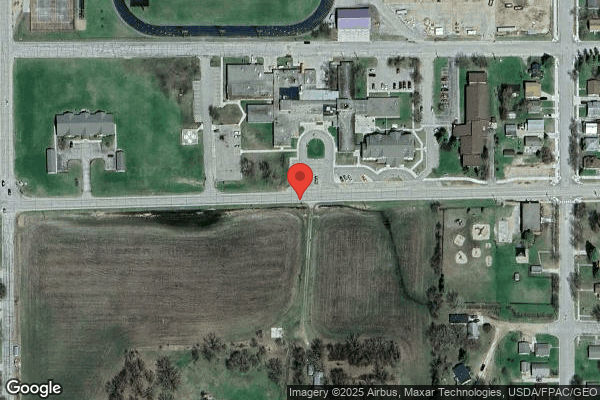
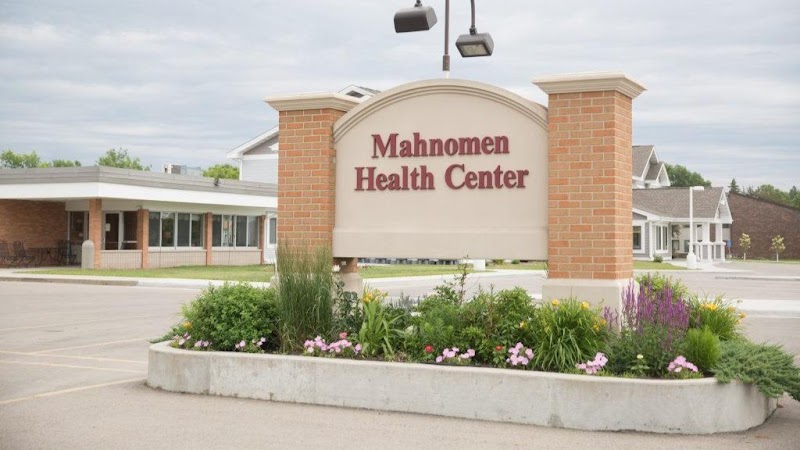
414 WEST JEFFERSON AVENUE, MAHNOMEN, MN 56557 (218) 935-2511
Non profit - Other 32 Beds Independent Data: November 2025
Trust Grade
83/100
#131 of 337 in MN
Last Inspection: June 2025

Inspected within the last 6 months. Data reflects current conditions.

Overview

Mahnomen Health Center has received a Trust Grade of B+, which means it is above average and recommended for families considering nursing home options. It ranks #131 out of 337 facilities in Minnesota, placing it in the top half of the state, and is the only facility in Mahnomen County. The facility is showing improvement, having reduced identified issues from six in 2024 to three in 2025. Staffing is a concern here, with a low rating of 1 out of 5 stars, but a turnover rate of 19% is significantly better than the state average of 42%. However, the facility has incurred fines of $12,534, which is higher than 79% of Minnesota facilities, indicating potential compliance issues. While Mahnomen Health Center has good RN coverage, it still has some weaknesses. For instance, residents were found to be on unnecessary medications without proper evaluations, and there were issues with assessing the use of grab bars for residents who needed them. Additionally, there were lapses in laundry handling that could risk infection spread. Despite these concerns, the facility's overall care and quality measures have received high marks, suggesting a mixed picture of both strengths and areas needing attention.

Trust Score
B+
83/100
In Minnesota
#131/337
Top 38%
Safety Record
Low Risk
No red flags
Inspections
Getting Better
6 → 3 violations
Staff Stability
✓ Good
19% annual turnover. Excellent stability, 29 points below Minnesota's 48% average. Staff who stay learn residents' needs.
Penalties
✓ Good
$12,534 in fines. Lower than most Minnesota facilities. Relatively clean record.
Skilled Nurses
✓ Good
Each resident gets 56 minutes of Registered Nurse (RN) attention daily — more than average for Minnesota. RNs are trained to catch health problems early.
Violations
⚠ Watch
11 deficiencies on record. Higher than average. Multiple issues found across inspections.
★★★★☆
4.0
Overall Rating
★☆☆☆☆
1.0
Staff Levels
★★★★★
5.0
Care Quality
★★★★☆
4.0
Inspection Score
Stable
2024: 6 issues
2025: 3 issues

The Good

  • 5-Star Quality Measures · Strong clinical quality outcomes
  • Low Staff Turnover (19%) · Staff stability means consistent care
  • Full Sprinkler Coverage · Fire safety systems throughout facility
  • No fines on record
  • Staff turnover is low (19%)

    29 points below Minnesota average of 48%

Facility shows strength in quality measures, staff retention, fire safety.

The Bad

Federal Fines: $12,534

Below median ($33,413)

Minor penalties assessed

The Ugly 11 deficiencies on record

Jun 2025 3 deficiencies
CONCERN (D)

Potential for Harm - no one hurt, but risky conditions existed

Deficiency F0604 (Tag F0604)

Could have caused harm · This affected 1 resident

**NOTE- TERMS IN BRACKETS HAVE BEEN EDITED TO PROTECT CONFIDENTIALITY** Based on observation, interview and document review, the facility failed to ensure residents were free from physical restraints ...

Read full inspector narrative →
**NOTE- TERMS IN BRACKETS HAVE BEEN EDITED TO PROTECT CONFIDENTIALITY** Based on observation, interview and document review, the facility failed to ensure residents were free from physical restraints while in bed for 2 of 2 residents (R8, R17) reviewed for restraints. Findings include: R8: R8's quarterly Minimum Data Set (MDS) dated [DATE], identified R8 had a mild cognitive impairment and had diagnoses that included history of a stroke, hallucinations, disorientation, restlessness and agitation, hemiplegia (one sided paralysis) and hemiparesis (one sided weakness). R8 was nonambulatory and required touching/supervision assistance for eating and was dependent on staff for all other care areas. The MDS identified no restraints were used for R8. R8's Activities of Daily Living (ADLs) Functional/Rehabilitation Potential Care Area Assessment (CAA) dated 2/20/25, identified R9 was dependent on staff for most ADLs and R8 had left sided neglect from a stroke. R8's care plan revised 5/22/25, identified R8, on admit, did seem to be a low risk for falls/elopement. R8 was chair fast and could not move herself to transfer and could not walk. R8 required a full body mechanical lift for all transfers, but did move a little in bed at night. Staff were directed to place a pool noodle on the edge of R8's bed to prevent falls. R8's medical record failed to identify a restraint assessment for the use of the pool noodle. During an observation on 6/3/25 at 9:52 a.m., nursing assistant (NA)-A and NA-B assisted R8 to lie down in bed. NA-A and NA-B provided incontinence care for R8 and positioned R8 on her left side to be able to take a nap. At 10:00 a.m., NA-A covered R8 with a blanket then placed a pool noodle (a long foam cylinder approximately 5 feet in length and 3 inches in diameter) behind R8 underneath R8's fitted sheet. NA-A lowered R8's bed to the floor and exited R8's room. During an interview on 6/3/25 at 10:02 a.m., NA-A stated a pool noodle was put under the fitted sheet in case R8 rolled over so R8 couldn't fall on the floor. During an observation on 6/4/25 at 9:10 a.m., NA-D and NA-E assisted R8 to lie down in bed. - At 9:19 a.m., NA-D placed the pool noodle under R8's fitted sheet and lowered R8's bed to the floor. During an interview on 6/4/25 at 9:27 a.m., NA-D stated, when R8 was first admitted , R8 would throw her legs out of bed and try to get up. Staff put the pool noodle under the fitted sheet to prevent R8 from doing that. NA-D stated R8 had never been seen trying to remove the pool noodle but R8 had left sided weakness and probably couldn't remove the pool noodle. During an interview on 6/4/25 at 10:08 a.m., registered nurse (RN)-A stated, when R8 was first admitted , R8 would throw her legs over the side of the bed to get out of bed. The pool noodle prevented R8 from doing that. RN-A stated R8 was unable to remove the pool noodle. RN-A's eyes widened then stated, that's a restraint. R17: R17's quarterly Minimum Data Set (MDS) dated [DATE], identified severe cognitive impairment. R17 was dependent with bed mobility and transfers. The MDS identified restraints were not used with R17. R17's medical record failed to identify a restraint assessment for the use of the pool noodle. During observation on 6/4/25 at 8:40 a.m., trained medication assistant/nursing assistant (TMA)-A and TMA-B put R17 to bed. Once in bed TMA-A placed a pool noodle under the fitted sheet along R17's left side. During an interview on 6/4/25 at 8:49 p.m., TMA-A stated R17 was not mobile but moved her legs around and toward the edge of the bed and was at risk to fall. R17 was a fall risk, and the pool noodle kept R17 in bed and R17 was not able to get over the pool noodle. During an interiew on 6/4/25 at 10:19 a.m., the director of nursing (DON) stated the pool noodle was a fall intervention. The DON stated she nor the staff considered the pool noodle could be a possible restraint and had not completed a restraint assessment. Residents should have been assessed to determine if there was an alternative option and/or how to use the restraint as safely as possible. A restraint policy was requested but not received.
CONCERN (E)

Potential for Harm - no one hurt, but risky conditions existed

Assessment Accuracy (Tag F0641)

Could have caused harm · This affected multiple residents

**NOTE- TERMS IN BRACKETS HAVE BEEN EDITED TO PROTECT CONFIDENTIALITY** Based on interview and document review the facility failed to ensure accurate coding of the Minimum Data Set (MDS) for 2 of 2 re...

Read full inspector narrative →
**NOTE- TERMS IN BRACKETS HAVE BEEN EDITED TO PROTECT CONFIDENTIALITY** Based on interview and document review the facility failed to ensure accurate coding of the Minimum Data Set (MDS) for 2 of 2 residents (R11, R27) reviewed for unnecessary medications; 2 of 2 residents (R8, R17) reviewed for restraints; and 7 of 7 residents (R4, R8, R26, R6, R10, R17, R20, R26) reviewed for grab bars. Findings include: MEDICATIONS: R11 R11's annual Minimum data set (MDS) dated [DATE], identified R11 had a moderate cognitive impairment and had diagnoses that included dementia, major depressive disorder, anxiety, and chronic obstructive pulmonary disease (COPD). R11used antipsychotic, antianxiety, and antidepressant medications. The MDS further identified R11 had not had a gradual dose reduction (GDR) or R11 had documented an indication for use. R11's physician orders identified the following: - buspirone (antianxiety medication) 7.5 milligram (mg) tablet; take 1 tablet by mouth three times a day. - donepezil ((cholinesterase inhibitors) Donepezil is a medication primarily used to treat dementia associated with Alzheimer's disease. It helps improve cognitive functions such as attention, memory, and daily activities in patients with dementia. Donepezil is indicated for mild to severe dementia and may result in a small benefit in mental function.) Take 1 tablet at bedtime. - Lexapro (escitalopram oxalate) (antidepressant) 10 mg tablet; take 1 tablet by mouth daily. - mirtazapine (antidepressant) 15 mg tablet; take ½ tablet (7.5 mg) by mouth daily at bedtime. R11's physician orders failed to identify R11 used an antipsychotropic medication. R11's Pharmacy Monthly Medication Review dated 12/19/24, identified R11's medication regimen review was complete. No pharmacy recommendations at this visit. Dose of Remeron recently reduced due to daytime drowsiness and decreased appetite. R11 appeared to be tolerating dose reduction thus far and continued to be followed closely by psychiatry. R11 Psychiatry Provider Note dated 3/6/25, identified the following: R11's Psychiatric Problem History: Alzheimer's Dementia R11 presented with a history of memory impairment, moderate to severe in intensity, with additional impairments in executive functioning, learning, language, social cognition, as well as having visual perception problems, impacting the patient in all contexts of life and requiring structured living with nursing support. R11 met criteria for a DSM diagnosis of Major Neurocognitive disorder/dementia, most likely of Alzheimer's type. Major Depressive Disorder R11 presented with an endorsement of depression symptoms occurring most days, moderate in intensity, affecting R11 in a number of contexts both at home and at work or when away from home. Symptoms included low mood, sadness, feelings of hopelessness, low energy, problems with concentration, appetite and sleep disturbance, and at times R11 would have feelings of low self-worth. The periods of depression were episodic, lasting two weeks or more, meeting the DSM criteria for Major Depression, recurrent. Generalized Anxiety Disorder (GAD) R11 presented with a recent history of ongoing daily anxiety symptoms with ruminative worry, tight muscles, initial insomnia, and autonomic arousal, occurring in a number of contexts, and meeting DSM criteria for GAD. Continue Buspar (buspirone)7.5 mg three times a day for Anxiety Lexapro 10 mg daily for MOD/anxiety Remeron (mirtazapine)7.5mg daily at bedtime for MDD/GAD - decreased 12/17/2024 Aricept (donepezil) 10mg daily at HS for dementia During an interview on 6/3/25 at 3:55 p.m., the director of nursing (DON) stated R11's MDS was incorrectly coded as R11 taking an antipsychotropic medication, R11 had GDR of Remeron, and her medications were clinically indicated by the psychiatrist. The MDS is important for payment reimbursement and to ensure GDR and documentation was correct. It must have been missed. R27: R27's admission MDS dated [DATE], identified R27 had diabetes mellitus and was receiving and anticoagulant (blood thinner). R27's physician order's dated 3/6/25, did not indicate R27 was on an anticoagulant. During an interview on 6/4/25 at 12/20 p.m., the DON stated when the resident was admitted they were not taking an anticoagulant and the admission MDS was coded in error and should have been reviewed. RESTRAINTS: R8 R8's quarterly MDS dated [DATE], identified R8 had a mild cognitive impairment and had diagnoses that included history of a stroke, hallucinations, disorientation, restlessness and agitation, hemiplegia (one sided paralysis) and hemiparesis (one sided weakness). R8 was nonambulatory and required touching/supervision assistance for eating and was dependent on staff for all other care areas. The MDS further identified no restraints were used for R8. R8's Activities of Daily Living (ADLs) Functional/Rehabilitation Potential Care Area Assessment (CAA) dated 2/20/25, identified R9 was dependent on staff for most ADLs and R8 had left sided neglect from a stroke. The MDS failed to identify R8 used a restraint. R8's care plan revised 5/22/25, identified R8, on admit, did seem to be a low risk for falls/elopement. R8 was chair fast and could not move herself to transfer and could not walk. R8 required a full body mechanical lift for all transfers, but did move a little in bed at night. Staff were directed to place a pool noodle on the edge of R8's bed to prevent falls. During an observation on 6/3/25 at 9:52 a.m., nursing assistant (NA)-A and NA-B assisted R8 to lie down in bed. NA-A and NA-B provided incontinence care for R8 and positioned R8 on her left side to be able to take a nap. At 10:00 a.m., NA-A covered R8 with a blanket then placed a pool noodle (a long foam cylinder approximately 5 feet in length and 3 inches in diameter) behind R8 underneath R8's fitted sheet. NA-A lowered R8's bed to the floor and exited R8's room. During an interview on 6/3/25 at 10:02 a.m., NA-A stated a pool noodle was put under the fitted sheet in case R8 rolled over so R8 couldn't fall on the floor. During an observation on 6/4/25 at 9:10 a.m., NA-D and NA-E assisted R8 to lie down in bed. - At 9:19 a.m., NA-D placed the pool noodle under R8's fitted sheet and lowered R8's bed to the floor. During an interview on 6/4/25 at 9:27 a.m., NA-D stated, when R8 was first admitted , R8 would throw her legs out of bed and try to get up. Staff put the pool noodle under the fitted sheet to prevent R8 from doing that. NA-D stated R8 had never been seen trying to remove the pool noodle but R8 had left sided weakness and probably couldn't remove the pool noodle. During an interview on 6/4/25 at 10:08 a.m., registered nurse (RN)-A stated, when R8 was first admitted , R8 would throw her legs over the side of the bed to get out of bed. The pool noodle prevented R8 from doing that. RN-A stated R8 was unable to remove the pool noodle. RN-A's eyes widened then stated, that's a restraint. R17: R17's quarterly MDS dated [DATE], identified R17 had severe cognitive impairment and was dependent on staff for bed mobility and transfers. The MDS identified R17 was not using restraints. R27's Restraints and Alarms assessment dated [DATE], identified resident R27 did not use restraints or alarms, and did not identfiy the use of a pool noodle R27's care plan dated 5/14/25, did not identify the use of restraints. During observation on 6/4/25 at 8:40 a.m., trained medication assistants (TMA)-A and TMA-B assisted resident to bed following breakfast. When R27 was in bed TMA-A placed a 3 inch high pool noodle under the fitted sheet on the left side of the bed. R27 was seen to have a long, raised area under the fitted sheet on the right side of the bed. R27 had side rails up on each side of the bed. During an interview on 6/4/25 at 8:50 a.m., TMA-A stated the pool noodles were used to keep R27 in her bed, R27 cannot get out of bed when the pool noodles were in place. During an interiew on 6/4/25 at 10:19 a.m., the director of nursing (DON) stated the pool noodles were for a a fall intervention. The DON stated she nor the staff considered the pool noodle could be a possible restraint and was not coded on the MDS as a restraint. GRAB BARS/ BEDRAILS R4 R4's annual MDS dated [DATE], identified R4 had a severe cognitive impairment and had diagnoses that included dementia. R4 was nonambulatory, required substantial assistance for eating and was dependent on staff for all other care areas. The MDS did not identify R4 used grab bars. During an observation on 6/4/25 at 8:51 a.m., R4 did not use his bilateral bedrails to assist with turning nor did NA-C or NA-D encourage him to do so. R8 R8's quarterly MDS dated [DATE], identified R8 had a mild cognitive impairment and had diagnoses that included history of a stroke, hallucinations, disorientation, restlessness and agitation, hemiplegia (one sided paralysis) and hemiparesis (one sided weakness). R8 was nonambulatory and required touching/supervision assistance for eating and was dependent on staff for all other care areas. The MDS further identified no restraints were used for R8. R8's Activities of Daily Living (ADLs) Functional/Rehabilitation Potential CAA dated 2/20/25, identified R9 was dependent on staff for most ADLs and R8 had left sided neglect from a stroke. The MDS failed to identify R8 used grab bars. R8's care plan revised 5/22/25, identified R8, on admit, did seem to be a low risk for falls/elopement. R8 was chair fast and could not move herself to transfer and could not walk. R8 required a full body mechanical lift for all transfers, but did move a little in bed at night. The care plan failed to identify R8 used grab bars. During an observation on 6/3/25 at 9:52 a.m., NA-A and NA-B assisted R8 to lie down in bed. NA-A and NA-B provided incontinence care for R8 and positioned R8 on her left side to be able to take a nap. R8 did not use her grab bars to assist with turning and repositioning nor did NA-D or NA-E encourage her to do so. During an observation on 6/4/25 at 9:10 a.m., NA-D and NA-E assisted R8 to lie down in bed. R8 did not use her grab bars to assist with turning and repositioning nor did NA-D or NA-E encourage her to do so. During an interview on 6/4/25 at 9:27 a.m., NA-D stated R8 was unable to use her grab bars and staff completed turning for R8. R26 R26's quarterly MDS dated [DATE], identified R26 had a severe cognitive impairment and diagnoses that included epilepsy, generalized anxiety disorder, history of craniotomy (A craniotomy is a surgical procedure that involves removing part of the bone from the skull to expose the brain. The section of bone removed is called the bone flap, which is temporarily removed and then replaced after the brain surgery has been done. If the bone flap is not replaced, it is either a craniectomy (bone removed) or cranioplasty (non-osseous surgical repair). R26 required supervision/touching assistance with personal hygiene, and partial/moderate assistance with toileting. The MDS did not identify R26 used grab bars. During an observation on 6/4/25 at 7:16 a.m., R26 was lying in bed, curled up in ball, with her face sticking out of the blankets. R26 was sleeping. A grab bar was connected to R26 bed on each side. During an observation on 6/4/25 at 1:03 p.m., R26's bed had grab bars on each side. R6: R6's quarterly MDS dated [DATE], identified no cognitive impairment and identified R6 had not used bed rails/grab bars or restraints. R6's care plan dated 5/16/25, identified R6 used the grab bars on both sides of the bed to turn and reposition. During observation on 6/4/25 at 9:56 a.m., R6's bed was observed to have grab bars on both sides of the bed. R10: R10's annual MDS dated [DATE], identified moderate cognitive impairment and diagnosis of a stroke. The MDS did not identify the use of bed rails/grab bars. R10's care plan dated 6/2/25, identified R10 used grab bars to reposition in bed. During observation on 6/4/25 at 1:17 p.m., R10's bed was observed to have grab bars on both sides of the bed. R20: R20's quarterly MDS dated [DATE], identified no cognitive impairment and a diagnosis of Parkinson's disease (a progressive neurological disorder which affects movement, causing symptoms like tremors, stiffness, and slow movement). The MDS did not identify use of bed rails/grab bars. During observation on 6/4/25 at 9:56 a.m., R20's bed was observed to have grab rails on both sides of the bed. During an interview on 6/4/25 at 10:19 a.m., the DON stated the grab bars should have been coded on the MDS and were not. A facility policy related to MDS accuracy was requested but not received.
CONCERN (E)

Potential for Harm - no one hurt, but risky conditions existed

Deficiency F0700 (Tag F0700)

Could have caused harm · This affected multiple residents

**NOTE- TERMS IN BRACKETS HAVE BEEN EDITED TO PROTECT CONFIDENTIALITY** Based on observation, interview and document review, the facility failed to ensure residents with attached grab bars were compre...

Read full inspector narrative →
**NOTE- TERMS IN BRACKETS HAVE BEEN EDITED TO PROTECT CONFIDENTIALITY** Based on observation, interview and document review, the facility failed to ensure residents with attached grab bars were comprehensively assessed for use on the bed for 7 of 7 residents (R4, R8, R26, R6, R10, R17, R20) whom had grab bars. Findings include: R4 R4's annual Minimum Data Set (MDS) dated [DATE], identified R4 had a severe cognitive impairment and had diagnoses that included dementia. R4 was nonambulatory, required substantial assistance for eating and was dependent on staff for all other care areas. The MDS did not identify R4 used grab bars. R4's care plan dated 7/7/22, identified R4 was contracted at bilateral knees to 90 degrees flexion (bent). R4 had pain with some stretching into extension more in left knee than in right knee but was able to complete range of motion (ROM) at ankles and hips with no difficulties. Res. also has tightness noted in left ring and pinky finger, no other tightness or difficulties noted with ROM in bilateral upper extremities. The care plan did not identify R4 used grab bars for bed mobility. R4's medical record failed to identify a grab bar assessment to include entrapment risk, risk versus benefits, consent, bed dimentions in relation to the residents height and weight and what alternatives were attempted or containdicated before installation. During an observation on 6/4/25 at 8:51 a.m., nursing assistant (NA)-C and NA-D assisted R4 to lie down in bed and incontinence cares. At 8:55 a.m., R4 was transferred into bed with a full body mechanical lift. R4 sat upright in the sling with his hands and arms resting across his chest and lap. NA-C and NA-D rolled R4 from left to right to pull R4's pants and performed incontinence cares. R4 did not use his bilateral grab bars to assist with turning nor did NA-C or NA-D encourage him to do so. At 8:57 a.m., R4 stated his face was up against the right-side grab bar and NA-C apologized to R4 and assisted him to roll towards the left slightly to allow room for R4's face. During an interview on 6/4/25 at 9:09 a.m., NA-C and NA-D stated R4 was unable to move on his own and staff needed to move R4 for him. R4 never used his grab bars and R4 was unable to help at all with turning; staff had to turn R4. NA-D stated R4 was too stiff and contracted to be able to use his grab bars. During an interview on 6/4/25 at 10:01 a.m., registered nurse (RN)-A was not aware why R4 had grab bars. R4 couldn't roll/turn on his own and staff had to assist him completely. RN-A stated R4's grab bars needed to be assessed to ensure he even needed them. R8 R8's quarterly MDS dated [DATE], identified R8 had a mild cognitive impairment and had diagnoses that included history of a stroke, hallucinations, disorientation, restlessness and agitation, hemiplegia (one sided paralysis) and hemiparesis (one sided weakness). R8 was nonambulatory and required touching/supervision assistance for eating and was dependent on staff for all other care areas. The MDS did not identify R8 used grab bars. R8's Activities of Daily Living (ADLs) Functional/Rehabilitation Potential Care Area Assessment (CAA) dated 2/20/25, identified R9 was dependent on staff for most ADLs and R8 had left sided neglect from a stroke. The CAA did not identify R8 used grab bars. R8's care plan revised 5/22/25, identified R8, on admit, did seem to be a low risk for falls/elopement. R8 was chair fast and could not move herself to transfer and could not walk. R8 required a full body mechanical lift for all transfers, but did move a little in bed at night. Staff were directed to place a pool noodle on the edge of R8's bed to prevent falls. The care plan did not identify R8 used grab bars. R8's medical record failed to identify a grab bar assessment to include entrapment risk, risk versus benefits, consent, bed dimentions in relation to the residents height and weight and what alternatives were attempted or containdicated before installation. During an observation on 6/3/25 at 9:52 a.m., nursing assistant (NA)-A and NA-B assisted R8 to lie down in bed. NA-A and NA-B provided incontinence care for R8 and positioned R8 on her left side to be able to take a nap. R8 did not use her grab bars to assist with turning and repositioning nor did NA-D or NA-E encourage her to do so. During an observation on 6/4/25 at 9:10 a.m., NA-D and NA-E assisted R8 to lie down in bed. R8 did not use her grab bars to assist with turning and repositioning nor did NA-D or NA-E encourage her to do so. During an interview on 6/4/25 at 9:27 a.m., NA-D stated R8 was unable to use her grab bars and staff completed turning for R8. R26 R26's quarterly MDS dated [DATE], identified R26 had a severe cognitive impairment and diagnoses that included epilepsy, generalized anxiety disorder, history of craniotomy (A craniotomy is a surgical procedure that involves removing part of the bone from the skull to expose the brain. The section of bone removed is called the bone flap, which is temporarily removed and then replaced after the brain surgery has been done. If the bone flap is not replaced, it is either a craniectomy (bone removed) or cranioplasty (non-osseous surgical repair). R26 required supervision/touching assistance with personal hygiene, and partial/moderate assistance with toileting. The MDS failed to identify R26 used grab bars. R26's care plan did not identify R26 used grab bars. R26's PT Evaluation & Plan of Treatment dated 8/1/24, did not identify R26's need for grab bars. R26's medical record failed to identify a grab bar assessment to include entrapment risk, risk versus benefits, consent, bed dimentions in relation to the residents height and weight and what alternatives were attempted or containdicated before installation. During an observation on 6/4/25 at 7:16 a.m., R26 was lying in bed, curled up in ball, with her face sticking out of the blankets. R26 was sleeping. A grab bar was connected to R26 bed on each side. During an observation on 6/4/25 at 1:03 p.m., R26's bed had grab bars on each side. A black canvas material cover with pockets was over each grab bar and held R26's personal items. Licensed practical nurse (LPN)-A stated R26 used the grab bars to help roll in bed and transfer herself. When a resident was admitted to the facility, staff put in a request for maintenance to put the grab bars on the bed, if the resident needed them. LPN-A believed physical therapy made that decision. During an interview on 6/4/25 at 1:08 p.m., LPN-A stated she asked and was told grab bars were addressed during an IDT meeting after the resident was admitted but ultimately nursing was responsible for the assessment. During an interview on 6/4/25 at 1:10 p.m., RN-A stated usually when a resident was admitted they just come with siderails. RN-A thought it was part of the physical therapy evaluation, but it was something staff needed to work on. RN-A stated staff didn't realize a grab bar could be a potential problem. R6: R6's quarterly MDS dated [DATE], identified no cognitive impairment and identified R6 had not used bed rails/grab bars or restraints. R6's care plan dated 5/16/25, identified R6 used the grab bars on both sides of the bed to turn and reposition. R6's medical record failed to identify a grab bar assessment to include entrapment risk, risk versus benefits, consent, bed dimentions in relation to the residents height and weight and what alternatives were attempted or containdicated before installation. During observation on 6/4/25 at 9:56 a.m., R6's bed was observed to have grab bars on both sides of the bed. R10: R10's annual MDS dated [DATE], identified moderate cognitive impairment and diagnosis of a stroke. The MDS did not identify the use of bed rails/grab bars. R10 medical record failed to identify a grab bar assessment to include entrapment risk, risk versus benefits, consent, bed dimentions in relation to the residents height and weight and what alternatives were attempted or containdicated before installation. During observation on 6/4/25 at 1:17 p.m., R10's bed was observed to have grab bars on both sides of the bed. R17: R17's quarterly MDS dated [DATE], identified R17 had severe cognitive impairment and was dependent on staff for bed mobility and transfers. The MDS identified resident was not using restraints. R17's Restraints and Alarms assessment dated [DATE], identified resident R27 did not use restraints or alarms. The assessment did not identify the grab bars. R17's medical record failed to identify a grab bar assessment to include entrapment risk, risk versus benefits, consent, bed dimentions in relation to the residents height and weight and what alternatives were attempted or containdicated before installation. R17's care plan dated 5/14/25, did not identify use of bed rails/grab bars. During observation on 6/4/25 at 8:40 a.m., R17 bed was observed to have bed rails/grab bars on both sides of the bed. R20: R20's quarterly MDS dated [DATE], identified no cognitive impairment and a diagnosis of Parkinson's disease (a progressive neurological disorder which affects movement, causing symptoms like tremors, stiffness, and slow movement). The MDS did not identify use of bed rails/grab bars. R20's care plan dated 5/9/25, did not identify use of bed rails/grab bars. R6's medical record failed to identify a grab bar assessment to include entrapment risk, risk versus benefits, consent, bed dimentions in relation to the residents height and weight and what alternatives were attempted or containdicated before installation. During observation on 6/4/25 at 9:56 a.m., R20's bed was observed to have grab rails on both sides of the bed. During an interview on 6/4/25 at 1:18 p.m. director of nursing stated residents should have an assessment completed prior to installing and using grab bars. The facility's Bed Rail Mattress Guidelines revised 9/3/24, identified it was the policy of the facility to provide a safe environment for all patients and residents. It was a policy to adhere to the guidelines set forth by the FDA in regard to safe spacing of bed railings and mattresses. By following the FDA guidelines, we will have a reduced incidence of injury due to a patient/resident potentially becoming confined in a restricted area. However, the policy failed to direct staff to obtain an assessment for use prior to implementation.
May 2024 1 deficiency
CONCERN (D) 📢 Someone Reported This

A family member, employee, or ombudsman was alarmed enough to file a formal complaint

Potential for Harm - no one hurt, but risky conditions existed

Accident Prevention (Tag F0689)

Could have caused harm · This affected 1 resident

**NOTE- TERMS IN BRACKETS HAVE BEEN EDITED TO PROTECT CONFIDENTIALITY** Based on observation, interview and document review, the facility failed to develop and implement interventions to reduce fall r...

Read full inspector narrative →
**NOTE- TERMS IN BRACKETS HAVE BEEN EDITED TO PROTECT CONFIDENTIALITY** Based on observation, interview and document review, the facility failed to develop and implement interventions to reduce fall risks for 1 of 3 residents (R3) reviewed for accidents. Findings include: R3's quarterly Minimum Data Set (MDS) dated [DATE], identified intact cognition, socially isolated self often, and no behaviors identified. R3 had functional impairment upper extremity on one side. R3 required supervision or touching assistance with personal hygiene, sit to stand, ambulation, toilet transfers, toileting hygiene, shower/bath, upper body dressing, and putting on and taking off footwear. R3 required partial to moderate assistance with lower body dressing. R3 was frequently incontinent of bladder and occasionally incontinent of bowel. R3 had diagnoses of anemia (low red blood cell that carry oxygen to the body and can cause fatigue and shortness of breath), CHF (congestive heart failure), diabetes mellitus (DM), depression, and asthma (chronic lung disease affecting of the lungs and can cause shortness of breath). R3 received restorative therapy, 6 out of 7 days, active range of motion and walking. R3 had a chair alarm on her recliner. R3's physician orders identified: -Date 9/12/24: Chair Alarm: Alarm is in her recliner to alert staff she is up and walking or attempting to transfer. Staff are to check functioning and placement every shift. Twice A Day; 07:00 a.m. - 6:00 p.m. and 6:00 p.m. - 06:00 a.m. Date 6/13/24: Behavior monitoring: Please document any behaviors that were noted on your shift. Please ask the staff if the resident had any behaviors. Twice A Day; 6:00 a.m. - 6:00 p.m. and 6:00 p.m. - 06:00 a.m. R3's care plan dated 5/23/26, identified R3 as a fall risk, has had many falls at home prior admission. R3 lost balance and all of a sudden fell. R3's past falls included: 10/29/23, self-transferred with no injuries, 11/20/23, fell in room self-transferred skin tears to both elbows, and 4/1/24, self-transferring to bathroom/witnessed fall. R3 hit head on heater sustained skin tear and large bruise on left hand. On 6/23/23, staff were directed to keep call light within reach, room free from clutter, fall risk assessment, and instruct R3 of safety measures: use call light. On 4/23/24, added to R3's care plan revealed chair alarm box place behind her recliner, moved out of the sight and hopefully will not turn off alarm and staff will know when she was ringing. R3 did not use her call light for assistance, would not wait for assistance, and used chair alarm as a call light. On 4/1/24, green tape was placed around call light. 8/8/23, signed placed in room after fall, Call don't fall. R3's care plan also identified ADL deficit as she remained short of breath with any activities and required more assistance. Staff were instructed to help with toileting due to her fall risk, not safe to walk by herself, and required staff to stabilize her. The facility nursing assistant (NA) activities of daily living (ADL) worksheet last updated 9/26/23, identified R3 required assist of one with gait belt and walker off unit, can be independent in room, assist of one for toilet use, and did not use an alarm. R3's special requests identified R3 got SOB with any ambulation, was deconditioned, and needed to build her strength. R3 was alert and orientated, can use her call light appropriately, and liked to sleep in her recliner. R3's ADL worksheet 9/26/23 was not revised and current with care plan/assist date 5/23/24 and failed to identify and direct Nas on the level of care and assistance R3 required to stay safe and prevent falls. R3's Fall Risk assessment dated [DATE], identified impaired mobility, elimination status/continent and required assist with toileting. R3's medications included anticoagulants (blood thinner), antihypertensives (lowers blood pressure), and diuretics. R3 had one or two falls in the past three months. R3 had orthopedic joint pain: osteoarthritis. R3's fall risk score was 11 (10 or higher represents a high risk for falls) and determined a risk for falls. R3's Bowel and Bladder Retraining Potential dated 5/2/24, identified a urinary toileting program (e.g. scheduled toileting, prompted voiding, or bladder training) been attempted on admission/reentry or since urinary incontinence was noted in this facility. R3 was frequently incontinent (7 or more episodes of urinary incontinence, but at least one episode of continent voiding). R2 was always continent of bowel. R3 wore incontinent pads/briefs and independent cognitive skills for daily decision making consistent/reasonable, and usually aware of mental awareness of toileting needs. R3 was identified as not a good candidate for retaining and summarization/explanation of that determination section was left blank. Plan of care for R3 was to continue current plan of care. R3's care plan lacked evidence of fall interventions related to frequent toileting and increased supervision despite R3 requiring assistance with mobility, toileting and having an order for a diuretic which had a common side effect of frequent urination. R3's physical therapy assessment dated [DATE], identified R3 had impulsive ambulation as a fall predictor. R3's physical therapy Discharge summary dated [DATE], identified highest practical level achieved. R3 required minimum assistance with transfers, set up with restorative nursing program to facilitate functional abilities and increase safety and decrease need for assistance with carryover demonstrated 75% of therapeutic opportunities and required the need for further instruction for implementation of instructions/techniques. R3's physician visit dated 4/9/24, identified R3 was alert with mental status at baseline. R3's care conference notes dated 4/10/24, identified R3 stayed in her room most of the day and came out for bingo and exercises. R3 attended restorative nursing program six times a week for range of motion (ROM) and ambulation. Reviewed concerns of R3 not using her call light for help. She has a chair alarm because she gets up without calling for help. Educated R3 on the importance of using her call light and that she could seriously injure herself without help. R3 verbalized understanding but continued to get up without calling. On 4/1/24, R3 had a fall when she had gotten up to use the bathroom and did not use her call light. Staff was alerted from her chair alarm and once staff were able to assist, she was already on the floor. Facility Event Report dated 4/10/24, identified R3's fall in bathroom self-transferring on 4/1/24. R3 hit back of head complained of pain 3/10, bruising, and skin tears noted. R3 had taken diuretics (increases urination). Immediate interventions taken by facility were chair alarm and placed green take around call light. R3 had witnessed fall in bathroom. R3's chair alarm alarmed, when staff got to her room, R3 was already in bathroom. Staff saw her turn around, lost her footing, and went backwards. R3 hit head on heat register, sustained a small bump, skin tear and bruises on left hand and wrist. R3 stated this is why you guys always want someone with me, this one scared me, and would be calling more often for help. Evaluation: event still open. Review of R3's progress notes regarding self-transfers/behaviors shift (6 a.m. to 2:00 p.m., 2:00 p.m. to 11:00 p.m., and 11:00 p.m. to 7:00 a.m.) documentation from 4/1/24, through 5/1/24, revealed: -4/1/24 at 5:22 a.m. behaviors. At 2:21 p.m. Writer heard R3 call light/ bed alarm going off, writer ran down to R3's room and found R3 already in restroom pulling up her bottoms. Grabbed R3 by the waist band to have a hold on her but fell back against the wall and had a hold of R3's arm, just slowly slid down on wall. R3 did her head and had a little bit of skin tear on top of hand. Help was called for immediately, 4/stayed with R3 until nurse arrive and assisted R3 up to his recliner. -4/2/24, 4/11/24, 4/18/24, and 4/28/24, no documentation on self-transfers or behaviors. -4/3/24, at 9:01 p.m. R3 continued to self-transfer after being continuously reminded to call for assistance to prevent falls. -4/4/24, at 11:53 a.m. no behaviors. At 4:35 p.m. R3's chair alarm going off, R3 on toilet when staff arrived. Reminded R3 of using call light and wait for assist. R3 stated I guess I don't listen well. Assisted R3 back to chair. At 9:44 p.m. no behaviors. 4/5/24 - 4/9/24, no behaviors noted. -4/12/2024At 8:45 p.m. Reminders to call for assistance. R3 has been pleasant this evening, continues to self-transfer. Chair alarm on bedroom recliner. 4/13/24 - 4/16/24, no behaviors noted. -4/17/24, at 3:10 p.m. Staff reported R3 was self-transferring independently to the bathroom in her room; chair alarm noted in place and in working order, alarming staff to assist. 4/18/24 - 4/19/24, no behaviors noted. -4/20/23, at 12:28 p.m. R3 had been self-transferring throughout the shift. R3 does not ring her call light before getting up. The only reason staff knows she was up because her chair alarms was sounding. R3 had been reminded to ring for help prior to getting up but she continued to self-transfer. 4/21/24 - 4/22/24, no behaviors noted. -4/23/24, at 1:53 p.m. R3 continued to self-transfer herself to the bathroom while in her room; chair alarm noted in place and in working order, alarming staff to assist. -4/24/24, at 8:54 p.m. R3 continued to self-transfer self in room to bathroom and will not ring for help or wait for help chair alarm is in place and working. 4/25/24, at 12:34 p.m. R3 does self-transfer to use the bathroom. Chair alarms in place and working properly. 4/26/24 - 4/28/24, no behaviors noted. 4/29/24, at 12:55 a.m. R3 continued to self- transfer after continuously being reminded to call for assistance d/t previous falls. 4/30/24, no behaviors noted. 5/1/24, at 2:44 p.m. Staff reported R3 was self-transferring independently to the bathroom in her room; chair alarm noted in place and in working order, alarming staff to assist. Writer reminds resident to request assistance for transfers. During an interview on 5/23/24, at 2:00 p.m. nursing assistant (NA)-A stated R3 required assist of one to transfer and ambulate in her room and to the bathroom. NA-A indicated R3 had self-transferred herself into the bathroom and fell about a month ago. NA-A stated R3 had an alarm on her chair that sounded but not until she stood up and that type of situation happened many times a day. NA-A stated R3 usually made it to bathroom by herself prior to staff getting there. During an interview/observation on 5/23/24, at 2:35 p.m. R3 sat in recliner in her bedroom alone with feet on the floor, shoes on, with door ½ way closed. R3 stated she tried to take the brakes off the wheelchair (located directly in front of her) and move it to the other side of the room. R3 had pushed herself to the edge of the recliner and started to stand up prior to start of interview, then remained in recliner. On wall behind the recliner was a sign LEAN FORWARD TO STAND UP. R3 stated she could use her call light (located next to her) when help was needed but usually took herself to the bathroom. R3 stated she could make it to the bathroom with her walker alone. R3 stated her chair had an alarm on it that beeped after she stood up, so cannot get away with anything, when staff hear it, they come and by then she is usually in the bathroom. R3 stated she had fallen in her apartment prior to her admission to the facility and that was the reason she lived there now. R3 stated she had gotten short of breath at times when up by herself and did not recall falling at the facility since she moved in. Additionally, signs were posted on R3's wall on each side of the bathroom door, stating Remember to Call Don't Fall. R3 stated she used the walker to go to bathroom and could make it on her own, adding the walker was pretty handy, and felt she could take off when she wanted to and that's what she did. R3 indicated there are times she got short of breath though but had exercises that helped keep her strong. During an interview on 5/23/24, at 2:55 p.m. registered nurse (RN)-A stated R3 required one on one assistance for getting up and going to the bathroom but was notorious for doing it alone. RN-A stated R3 has been given frequent reminders, had a chair alarm, and slept in her recliner. RN-A stated R3's chair alarm went off when she would stand up and by the time staff arrived in her room to assist her, she had already made it to the bathroom by herself. RN-A indicated R3 was short of breath at times when up ambulating and was concerned when R3 would turn alarm off herself. RN-A stated the chair alarm was placed behind her recliner and she was unable to see it. During an interview on 5/23/24, at 4:30 p.m. NA-B stated R3 required assist of at least one to transfer from sit to stand and ambulate to bathroom. NA-B stated R3 had most of her falls when she had to go to the bathroom, tried to turn to shut the bathroom door, then lost her balance and fell. NA-B stated we wait for the chair alarm to go off then head to her room to assist her. NA-B also stated R3 preferred to toilet herself and that was the reason staff did not go in on a regular basis to assist her with toileting. NA-B indicated R3 was a risk for falls. During an interview on 5/24/24, at 9:44 a.m. licensed practical nurse (LPN)-B stated R3 was assist of one for transfers and ambulation, high risk for falls, and required reminders. LPN-B stated R3 had a chair alarm that went off yesterday and when she arrived to R3's room she had already taken herself to the bathroom, off the toilet, and was pulling up her pants. LPN-B verified the ADL care sheet was inaccurate and lacked updating. LPN-B indicated R3 was not on a toileting schedule and brought herself to the toilet. LPN-B stated at least four times a shift R3's alarm goes off, call light goes on, and was also displayed at nurse's station on a screen, and R3 was already up and out of the chair prior to when staff arrived. LPN-B stated staff were expected to check on R3 at least every two hours. (R3's care plan lacked evidence of every two hour checks). During an interview on 5/24/24, at 10:07 a.m. LPN-A stated R3 was a high risk for falls and had a chair alarm that beeped when she stood up, staff were expected to get there as soon as possible due to her history of falls. LPN-A verified this morning (5/24/24) R3's alarm beeped for a while, no staff came and checked on her, when she entered R3's room she was already in the bathroom. LPN-A stated R3 was not independent in her room and the ADL sheet information was incorrect and had not been updated. LPN-A also stated R3 had gotten short of breath and required assistance especially to the bathroom to help prevent falls. LPN-A stated R3 needed more interventions such as a toileting assessment/schedule, reminders, a better approach, and offered the bathroom more frequently. During an interview on 5/24/24, at 10:28 a.m. NA-D stated checked communication book prior to starting shift for any changes and then relied solely on ADL care sheet to guide her on how to care for her assigned residents. NA-D stated R3 was not independent in her room and required assist of one to transfer and ambulate to bathroom. NA-D stated the ADL care sheet was not updated and identified incorrect information on R3. NA-D stated R3 liked to take herself to the bathroom, had an alarm on her chair, but usually on her way to or in the bathroom by the time she arrived in her room. NA-D stated had found R3 in the bathroom at least a couple of times, moved fast, and should have not transferred alone. NA-D indicated R3 usually used the walker when she transferred herself, became short of breath when ambulating, losses her balance turning to come back out of bathroom or when she closed door placed her at risk for another fall. During an interview on 5/24/24, at 11:15 a.m. NA-C stated at start of shift checks the communication book to see if any changes in residents, then solely relied on the ADL care sheet when transferring and caring for each resident. NA-C stated R3 required extensive assistance for cares and minimum assistance and a transfer belt for transfers. NA-C stated R3 was not on a toileting schedule and was not independent in her room. NA-C verified checked on R3 every two hours, had a chair alarm that sounded as soon as she stood up which also triggered the call light to go off. NA-C stated R3 had taken herself to bathroom frequently and witnessed this at least three times a shift. NA-C stated R3 was impulsive, very quick, confused quite a bit, placed her at higher risk for more falls. During a telephone interview on 5/24/24, at 12:16 p.m. licensed practical nurse (LPN)-C stated R3 was high risk for falls and required assistance of one to transfer/ambulate. LPN-C stated R3 had a chair alarm that was set off frequently when R3 stood up and usually guaranteed she had already headed to the bathroom by herself. LPN-C indicated R3 used a walker to ambulate but was unsteady on her feet and short of breath. LPN-C verified R3 had a fall in the middle of her bedroom and another one in the bathroom. LPN-C stated this type of alarm set off when the resident was already standing was not an effective way to prevent falls or keep R3 safe. LPN-C stated R3 was confused, some days were worse than others and lacked short-and long-term memory. LPN-C stated had seen R3 at least three times in an eight-hour shift where her chair alarm went off and she was found already in the bathroom alone. During an interview on 5/24/24, at 2:00 p.m. director of nursing (DON) stated R3's cognition included forgetfulness especially dates and was impulsive in her room. DON stated R3 was struggling to accept and come to terms she lived in the facility. DON stated R3 required assistance of one to be safe, her knees buckled up and became short of breath. DON indicated R3 was able to get up by herself out of the recliner and required assistance of at least one staff to be safe going to the bathroom. DON stated R3 did not have a three-day bowel and bladder assessment completed, more of a dribbler, and most likely would not benefit from that type of assessment. DON stated R3 would say no, she was fine then bolts to the bathroom by herself without assistance and was not placed on a toileting schedule. DON verified R3 was a high risk for falls. DON also verified the R3's ADL care sheet was not updated until today (5/24/24), she removed independent in room and added high risk for falls. DON indicated she expected staff to utilize the ADL sheet when unsure how to care for a resident as a guide. DON stated she checked on R3 this morning when alarm went off and R3 moved fast, was already halfway to the bathroom when arrived in her room. DON stated staff were expected to report to the nurse when R3 transferred on her own and the nurse would be expected to document in the progress notes every shift. DON stated R3 self-transferred so frequently, unsure it had been reported each shift. DON indicated R3 was so impulsive, she would eventually fall again. DON indicated green tape was placed on call light so that R3 would hopefully recognize it was there and maybe use it, but she tends not to use the call light and the chair alarm was used as the call light instead. DON also stated staff were expected to check on R3 at least every two hours, encourage her to use call light so staff arrived before she got off the recliner and moved around by herself to help prevent falls. DON indicated additional interventions would need to be added to R3's care plan such as frequent checks, one on one activities, bowel and bladder audit/assessment, and a physical therapy assessment to possibly deter her from self-transferring. Facility policy titled Bed and Chair Alarms dated 1/30/24, identified alarms would be used on residents with confusion and dementia, demonstrate a potential for falling, history of falling, and have scored moderate to high fall risk should be assessed for the need for alarm. Alarms will be utilized for residents based on their individual care plan. Facility policy titled Care Planning Policy dated 2/1/24, identified care plans provide continuity of care, quality no life, and to meet the quality of life needs for the individual resident. As changes in the resident condition occur, the care plan will be updated in a timely manner to reflect the current plan of care. The care plan will address the resident's needs and include measurable goals and interventions specific to each resident.
Mar 2024 5 deficiencies
CONCERN (D)

Potential for Harm - no one hurt, but risky conditions existed

Free from Abuse/Neglect (Tag F0600)

Could have caused harm · This affected 1 resident

**NOTE- TERMS IN BRACKETS HAVE BEEN EDITED TO PROTECT CONFIDENTIALITY** Based on interview and document review, the facility failed to re-assess and implement interventions to keep residents free from...

Read full inspector narrative →
**NOTE- TERMS IN BRACKETS HAVE BEEN EDITED TO PROTECT CONFIDENTIALITY** Based on interview and document review, the facility failed to re-assess and implement interventions to keep residents free from sexual abuse following resident to resident abuse involving residents (R16 and R21) for 1 of 1 incidents of abuse reviewed. Findings include: R16's annual Minimum Data Set, dated [DATE], identified R16 had severe cognitive impairment. R16 had not displayed physical, verbal, or other behavioral symptoms directed towards other. R21's quarterly MDS dated [DATE], identified R21 had severe cognitive impairment. R16's care plan updated 6/29/21, identified R16 had known physical affection toward others such as holding hands and touching arms/shoulders. Interventions directed staff to stop the behaviors, remind R16 the behaviors were not appropriate and remove R16 or other residents from the situation. R21's progress note dated 1/28/24, identified R21 was in the common area and R16 came up to R21 and placed his hand on R21's shoulder started rubbing, then moved down the arm and across R21's breast, and then R16 tried to placed his hand down R16's shirt. R21 refused and R16 gently lifted R21's chin and kissed her on her mouth. R21 seemed a little startled and asked to to her room. The was no report submitted to the SA regarding the observation of potential sexual abuse. The facilities undated investigation report identified on 1/28/24, an incident was reported that R16 approached R21 and was touching the R21 inappropriately on the chest area and then leaned in and gave R21 a kiss on the mouth. R16's behavior charting dated 2/13/24, identified a comment was documented of resident, but did not identify what the incident was or who the resident was. R16's progress notes identified the following: - On 2/6/24, R16 had behaviors of reaching out and touching other residents. Staff attempted to redirect, and resident ignored them and proceeded to touch other residents. Another staff intervened, redirected resident who then walked to his room. - On 2/8/24, R16 was rubbing another resident's arm. Staff intervened and reminded R16 he could not touch other residents. R16 walked back to his room. - On 2/13/24, R16 had behaviors of touching another resident on the shoulder and arm when talking to them. Staff intervened, resident was difficult to redirect, but eventually R16 walked to his room. - On 2/14/24, MDS charting: staff documented R16 had been respectful and cooperative with no noted behaviors. On 3/12/24 at 2:38 p.m., nursing assistant (NA)-A stated R16 was touchy/feely, and staff needed to be cautions when he was around other residents. Staff were to tell R16 the behavior was inappropriate and needed to stop. R16 would usually stop the behavior. On 3/12/24 at 3:23 p.m., licensed practical nurse (LPN)-A stated R16 likes to be touchy/feely, especially to one female resident. It happens every day and a lot of times in the evening. R16 would walk out of the dining room, pass the female residents seated in a chair in the TV room, walk by and rub his hand down her shoulder and say goodnight to her. R16 was usually easy to redirect by staff and would walk back to his room. LPN-A stated there was one time, couldn't remember the exact date, that R16 rubbed his hand down a females arm [R21] and then kissed her on the cheek. Staff intervened and R16 was redirected back to his room. LPN-A stated she documented a note in R21's chart. The facility investigated the incident, but LPN-A stated she was unaware of what new interventions were put into place. LPN-A stated staff intervene by keeping a close eye on R16 when he is out of his room and try to intervene right away if he was walking towards a female resident. Staff would also tell R16 the behaviors were inappropriate, take him for a walk, move him or the other resident away, bring R16 to his room. After the incident, there was a note in the communication book to keep a close eye on R16 and keep him away from other female residents. R16's medical record lacked reassessment of R16's sexual behaviors towards female residents and interventions to protect R21 and other female residents from sexual abuse. On 3/13/24 at 5:36 a.m., NA-B stated there was one male resident that was a bit touchy/feely but had not witnessed anything occurring on the night shift. If NA-B were to witness an incident, she would separate the residents and make sure the vulnerable adult's were safe. Would also remove the alleged perpetrator from the situation. On 3/14/24 at 11:27 a.m., the director of nursing (DON) stated she saw the note in the VA's medical record regarding an incident where R16 touched the VA's arm, breast and then kissed her on the lips. Follow up from the incident included an investigation lead by the social worker designee (SWD). The SWD was out of the office and unavailable for interview. The DON stated the SWD interviewed both R16 and the R21, and neither of the residents remembered the incident. There was a note placed in the staff communication book instructing staff to monitor, redirect and separate residents; and abuse prevention was discussed it at the last staff meeting. The DON stated the facility should have a plan in place for preventing R16 from inappropriately touching other residents other than keeping a close eye on him. The DON stated R16's care plan directs staff to stop the incident and remind R16 that the actions were inappropriate. The DON further stated staff did not re-assess R16's inappropriate behaviors or put new interventions in place after the incident. The Reporting of Maltreatment of Vulnerable Adult policy dated 3/5/24, identified the purpose of the policy included assuring policies and procedures are in place to protect residents from abuse and to assure the facility is doing all that is within their control to prevent occurrences. The policy further identified all residents had an initial assessment, care plans included measures taken to minimize risk of abuse, staff were trained to identify situations where abuse may occur and when to correctly intervene. A nursing behavior assessment/reassessment policy was requested and not received.
CONCERN (D)

Potential for Harm - no one hurt, but risky conditions existed

Report Alleged Abuse (Tag F0609)

Could have caused harm · This affected 1 resident

**NOTE- TERMS IN BRACKETS HAVE BEEN EDITED TO PROTECT CONFIDENTIALITY** Based on interview and document review, the facility failed to ensure an allegation of sexual abuse was reported to the facility...

Read full inspector narrative →
**NOTE- TERMS IN BRACKETS HAVE BEEN EDITED TO PROTECT CONFIDENTIALITY** Based on interview and document review, the facility failed to ensure an allegation of sexual abuse was reported to the facility administrator and state agency (SA) within 2 hours for resident to resident potential sexual abuse involving (R16 and R21) for 1 of 1 incidents reviewed for abuse. Findings include: R16's quarterly Minimum Data Set (MDS) dated [DATE] identified R16 had severe cognitive impairment. R21's quarterly MDS dated [DATE], identified R21 had severe cognitive impairment. R21's progress note dated 1/28/24, identified R21 was in the common area and R16 came up to R21 and placed his hand on R21's shoulder started rubbing, then moved down the arm and across R21's breast, and then R16 tried to placed his hand down R16's shirt. R21 refused and R16 gently lifted R21's chin and kissed her on her mouth. R21 seemed a little startled and asked to to her room. The was no report submitted to the SA regarding the observation of potential sexual abuse. The facilities undated investigation report identified on 1/28/24, an incident was reported that R16 approached R21 and was touching the R21 inappropriately on the chest area and then leaned in and gave R21 a kiss on the mouth. On 3/12/24 at 3:23 p.m., licensed practical nurse (LPN)-A stated R16 liked to be touchy/feely to a particular female resident [R21] and on 1/28/24, after the evening meal R21 was seated in a recliner in the commons area when R16 stopped at her chair. LPN-A observed R16 rub his hand down the R21's arm, across her breast and then kissed her on the cheek. LPN-A stated she immediately intervened, separated the residents, kept all residents safe from R16 and made sure the VA was taken care of. LPN-A documented a note in the R21's chart but did not report the incident to her director of nursing (DON). LPN-A the incident should have been reported immediately and within 2 hours. On 3/14/24 at 11:27 a.m., the DON stated she was unaware of the alleged sexual abuse until 1/29/24, when she reviewed the VA's progress note. The progress note identified R16 touched the VA's breast and kissed R21 on the lips. The DON stated the incident was investigated but was not reported immediately but no later than 2 hours. The facility Reporting of Maltreatment of Vulnerable Adult policy dated 3/5/24, indicated all facility staff were mandated reporters and maltreatment including sexual contact should be reported immediately, but not later than 2 hours after the allegation was made.
CONCERN (D)

Potential for Harm - no one hurt, but risky conditions existed

Deficiency F0645 (Tag F0645)

Could have caused harm · This affected 1 resident

**NOTE- TERMS IN BRACKETS HAVE BEEN EDITED TO PROTECT CONFIDENTIALITY** Based on interview and document review, the facility failed to ensure a Level I Pre-admission Screening and Resident Review (a r...

Read full inspector narrative →
**NOTE- TERMS IN BRACKETS HAVE BEEN EDITED TO PROTECT CONFIDENTIALITY** Based on interview and document review, the facility failed to ensure a Level I Pre-admission Screening and Resident Review (a requirement to help ensure that individuals are not inappropriately placed in nursing homes for long term care) was completed, retained in the medical record, and readily available to ensure continuity of care with mental health needs for 1 of 1 residents (R6) reviewed for PASARR. Findings include: R6's significant change Minimum Data Set (MDS) dated [DATE] identified R6 had moderate cognitive impairment and a diagnoses of psychotic disorder (other than schizophrenia) and depression. R6's undated face sheet, received on 3/14/24, identified R6 was admitted to the facility on [DATE], and diagnoses included dependent personality disorder and major depressive disorder. During an interview on 3/13/24 at 11:30 a.m., the social services designee (SSD) stated R6 was a direct admit from a nursing home which was closing and called Senior Linkage Line (a help line for PASARR). The Senior Linkage Line stated R6 did not require a new PASARR if they were a direct transfer from another facility, but a copy of the PASARR also needs to be sent to receiving facility. SSD could not locate a copy of the PASARR in R6's chart and could not verify it was completed. During an interview on 3/13/24 at 12:55 p.m., the director of nursing (DON) stated the social service person was responsible for the PASARR and would expect them to complete the task. On 3/14/24, a request was made to the facility to provide a copy R6's PASARR. A PASARR was not provided. A request for the PASARR, and pre-admission screening policy was requested from the facility. The policy was not provided.
CONCERN (E)

Potential for Harm - no one hurt, but risky conditions existed

Infection Control (Tag F0880)

Could have caused harm · This affected multiple residents

Based on observation, interview and document review, the facility failed to ensure soiled and potentially contaminated resident laundry was sorted in a manner to reduce the risk of cross contamination...

Read full inspector narrative →
Based on observation, interview and document review, the facility failed to ensure soiled and potentially contaminated resident laundry was sorted in a manner to reduce the risk of cross contamination and subsequent infection spread. These findings had the potential to affect all 30 residents residing in the nursing home. Findings include: On 3/12/24, at 10:40 a.m. a laundry tour was completed with laundry aide (LA)-A present. LA-A stated the nursing assistants brought the resident's personal laundry down to the laundry room in blue bags and put the bags in large yellow bins. The process was to sort the resident's laundry into three separate bins of colored items, whites and heavy such as blankets. Any laundry that was contaminated would come down in a red bag, and that bag would be opened into the soaker sink and be soaked. LA-A put on gloves and removed one of the blue bags from the bin and tore it open into a laundry cart; however, did not put on a gown to protect LA-A clothes. LA-A always put disposable gloves on but had never been instructed to wear a disposable gown to complete the sorting process. LA-A had never observed anyone to gown while sorting the resident's soiled laundry and did not think gowns were kept in the area for that purpose. There were no gowns observed in the area for staff to use to sort the laundry. When interviewed on 3/12/24, at 1:45 p.m. the director of nursing (DON) stated laundry staff should always wear a disposable gown to sort resident laundry to protect their clothing and prevent spread of infection. The facility policy Laundry Department dated 11/2023, identified laundry staff would wear gowns/aprons when sorting soiled linens and resident clothing.
CONCERN (E)

Potential for Harm - no one hurt, but risky conditions existed

Deficiency F0883 (Tag F0883)

Could have caused harm · This affected multiple residents

**NOTE- TERMS IN BRACKETS HAVE BEEN EDITED TO PROTECT CONFIDENTIALITY** Based on interview and document review, the facility failed to provide pneumococcal conjugate vaccine 20 variant (PVC20) educati...

Read full inspector narrative →
**NOTE- TERMS IN BRACKETS HAVE BEEN EDITED TO PROTECT CONFIDENTIALITY** Based on interview and document review, the facility failed to provide pneumococcal conjugate vaccine 20 variant (PVC20) education as directed by the Centers for Disease Control (CDC) for 4 of 5 residents (R6, R7, R8, R11) reviewed for immunizations. Findings include: R6's significant change Minimum Data Set (MDS) dated [DATE], identified R6 was [AGE] years of age with diagnoses hemiplegia following a cerebral infarction, and diabetes. The facility's Preventive Health Care Report dated 4/1/23 to 3/12/24, identified R6 received the pneumococcal polysaccharide vaccine (PPSV23) on 8/5/15, and the pneumococcal conjugate vaccine (PCV13) on 12/16/16. R6's medical record failed to provide evidence the PCV20 was offered and/or education was provided in conjunction with the provider to R6/R6's representative. R7's quarterly MDS dated [DATE], identified R7 was 78 with diagnoses atrial fibrillation, Raynaud's syndrome, and diabetes. The facility's Preventive Health Care Report dated 9/1/23 to 3/12/24, identified R7 had received the pneumococcal polysaccharide vaccine (PPSV23) on 9/5/19, and the pneumococcal conjugate vaccine (PCV13) on 9/27/11. R7's medical record failed to provide evidence the PCV20 was offered and/or education was provided in conjunction with the provider to R7/R7's representative. R8's significant change MDS dated [DATE], identified R8 was [AGE] years of age with diagnoses heart failure, and diabetes. The facility's Preventive Health Care Report dated 5/4/23 to 3/12/24, identified R8 had received the pneumococcal polysaccharide vaccine (PPSV23) on 10/18/10, and the pneumococcal conjugate vaccine (PCV13) on 4/21/17. R8's medical record failed to provide evidence the PCV20 was offered and/or education was provided in conjunction with the provider to R8/R8's representative. R11's quarterly MDS dated [DATE], identified R11 was [AGE] years of age with diagnoses centrilobular emphysema, and cerebral infarction. The facility's Preventive Health Care Report dated 6/5/20 to 3/12/24, identified R11 had received the pneumococcal polysaccharide vaccine (PPSV23) on 6/10/13. R11's medical record failed to provide evidence the PCV20 was offered and/or education was provided in conjunction with the provider to R11/11's representative. During interview on 3/12/24, at 1:45 p.m. the director of nursing (DON) who also served as the facility's infection preventionist stated they had reviewed the CDC guidance for PCV20 vaccine with the medical director and he had directed to offer the PCV20 vaccine to all residents who were eligible for it. They reviewed their residents and had offered and administered the vaccine as applicable to all eligible residents in January. When she used the CDC application for vaccination review for the new CDC guidance it indicated some residents were eligible to receive the PCV20 vaccine, but their vaccinations were considered complete. DON was not aware the residents should still be offered the PCV20 vaccine if they were eligible. The facility policy Influenza, Pneumonia and COVID Vaccines dated 1/2024, the facility would offer an annual influenza immunization to every resident and pneumococcal and COVID immunization as recommended by regulation and/or CDC.
May 2023 2 deficiencies
CONCERN (D)

Potential for Harm - no one hurt, but risky conditions existed

Unnecessary Medications (Tag F0759)

Could have caused harm · This affected 1 resident

Based on observation, interview and document review, the facility failed to ensure medication error rates were 5 percent or less for 3 of 11 residents (R4, R18, R26) observed during medication adminis...

Read full inspector narrative →
Based on observation, interview and document review, the facility failed to ensure medication error rates were 5 percent or less for 3 of 11 residents (R4, R18, R26) observed during medication administration. Findings include: R4's physician order dated 3/8/23, inlcuded calcium carbonate-vitamin D3 600 mg-200 international units (iu) tablets. Take one tablet by mouth twice a day. During observation on 5/1/23 at 7:02 p.m., registered nurse (RN)-A administered one tablet of calcium-vitamin D3 600 mg - 400 iu to R4. During an interview on 5/3/23 at 9:41 a.m., licensed practical nurse (LPN)-A stated the medication dosage on the bottle and provider prescribed dosage did not match. Because of this, the physician should have been contacted. During an interview on 5/3/23 at 9:42 a.m., LPN-B stated R4's calcium with vitamin D order was the same order since 2019. The order was recently reviewed and signed by primary care provider (PCP)-A on 3/8/23. Anytime a medication dosage and physician's order does not match, staff would need to contact the PCP. During a telephone interview on 5/3/23 at 9:44 a.m., pharmacist (P)-A stated the pharmacy records identified RN-B called in the order for calcium carbonate - vitamin D3 600 mg - 400 iu one tab by mouth twice a day on 7/20/22, . P-A stated the medication dose was not equivalent to the medication ordered. R18's physician order dated 6/30/22, identified to discontinue timolol ophthalmic eye drop (focused to treat open-angle glaucoma and other causes of high pressure inside the eye) in left eye and continue latanoprost eye drop (treat high pressure inside the eye due to glaucoma [open angle type] or other eye diseases such as ocular hypertension, ophthalmic-intraocular pressure reducing agents, prostaglandin analogs) in both eyes at bedtime. During observation on 5/2/23 at 4:04 p.m., LPN-C administered timolol 0.5% one drop to the left eye. During a telephone interview on 5/3/23 at 12:02 p.m., LPN-C stated the process for ordering medications was done electronically. The medication was received from the pharmacy in a locked bag with a packing slip for the nurse to check off medications received. If LPN-C was unsure of a correct medication, she could use her phone or drug book to verify the correct medication. Further, timolol eye drops and latanoprost eye drops were not the same. LPN-C shouldn't have given the timolol eye drop because it was discontinued. The nurse should have double checked the order and called the pharmacy for the correct medication when the medication was received. During interview on 5/3/23 at 1:34 p.m., director of nursing (DON) stated sometimes the physician discontinues a medication at the nursing home and forgets to take it off clinic chart and the pharmacy continues to refill the prescription. R26's physician order dated 4/18/23, included citrus calcium-vitamin D3 200 mg -250 iu tablets. Take one tablet by mouth twice a day. During observation on 5/1/23 at 6:11 p.m., RN-A administered calcium-vitamin D 600 mg-400 iu one tab by mouth to R26. During interview on 5/3/23 at 8:36 a.m., LPN-A stated family brought in an over-the-counter bottle of calcium with vitamin D. The bottle's manufacturer label identified each tablet contained calcium-vitamin D 600 mg -400 iu. Further, the dosage on the manufacturer label did not match the physician's order. During an interview on 5/3/23 at 9:38 a.m., LPN-B stated family brought in the over-the-counter bottle of calcium with vitamin D for R26. The medication should have been verified against the physician's order prior to use. If the medication dosage was not correct, nursing should contact the physician for guidance. During a telephone interview on 5/3/23 at 9:47 a.m., P-A stated the pharmacy had not delivered calcium-vitamin D 600 mg -400 iu for R26. The medication dose given was not equivalent to the medication ordered. During a telephone interview on 5/3/23 at 1:45 p.m., PCP-A stated staff should reach out to him with any medication discrepancies to prevent a medication error. During an interview on 5/3/23 at 2:39 p.m., DON stated staff should perform the five rights of medication administration (the right dose, the right medication, the right resident, the right route and the right time) to reduce medication errors. Staff should utilize resources such as the physician, the pharmacy and/or online drug references if there are discrepancies. The policy Medication and Treatment Administration dated 2023, identified when drugs were administered, staff should verify the correct resident, medication, time, route and dose by referring to the medication administration record (MAR).
CONCERN (D)

Potential for Harm - no one hurt, but risky conditions existed

Deficiency F0761 (Tag F0761)

Could have caused harm · This affected 1 resident

Based on observation, interview and document review, the facility failed to ensure an over the counter (OTC) prescribed medication was labeled with the resident name for 1 of 11 residents (R26) observ...

Read full inspector narrative →
Based on observation, interview and document review, the facility failed to ensure an over the counter (OTC) prescribed medication was labeled with the resident name for 1 of 11 residents (R26) observed during medication pass and who's medication was not labled. Findings include: R26's physician order dated 4/18/23, included an order for citrus calcium-vitamin D3 200-250 milligram (mg) tablets. Take one tablet by mouth twice a day. During an observation on 5/1/23 at 6:11 p.m., registered nurse (RN)-A administered one tablet of calcium with vitamin D to R26. The medication bottle was not labeled with R26's name or directions for use. The manufacturer label on the bottle identified calcium 600 mg along with 400 iu of vitamin D. The physician's order was citrus calcium-vitamin D3 200-250 milligram (mg) tablets. Take one tablet by mouth twice a day. During an interview on 5/3/23 at 8:36 a.m., license practical nurse (LPN)-A stated family brought in R26's bottle of calcium 600 mg along with 400 iu of vitamin D. The bottle lacked identifying markers that the calcium 600 mg along with 400 iu of vitamin D belonged to R26. The bottle should have been labeled directing who's medication it was. During an interview on 5/3/23 at 9:38 a.m., LPN-B stated R26's family brought in all of R26's over the counter medications. When the medication was received, the nurse should have written R26's name on bottle. During a telephone interview on 5/3/23 at 9:47 a.m., the pharmacist stated the pharmacy did not deliver calcium 600 mg along with 400 iu of vitamin D. The pharmacist failed to identify the process for labeling an OTC medication brought in by family. The policy Medication and Treatment Administration dated 2023, lacked labeling directions for medications brought in by family.
Understanding Severity Codes (click to expand)
Life-Threatening (Immediate Jeopardy)
J - Isolated K - Pattern L - Widespread
Actual Harm
G - Isolated H - Pattern I - Widespread
Potential for Harm
D - Isolated E - Pattern F - Widespread
No Harm (Minor)
A - Isolated B - Pattern C - Widespread

Questions to Ask on Your Visit

  • "Can I speak with families of current residents?"
  • "What's your RN coverage like on weekends and overnight?"

Our Honest Assessment

Strengths
  • • Grade B+ (83/100). Above average facility, better than most options in Minnesota.
  • • No major safety red flags. No abuse findings, life-threatening violations, or SFF status.
  • • 19% annual turnover. Excellent stability, 29 points below Minnesota's 48% average. Staff who stay learn residents' needs.
Concerns
  • • 11 deficiencies on record. Higher than average. Multiple issues found across inspections.
  • • $12,534 in fines. Above average for Minnesota. Some compliance problems on record.
Bottom line: Generally positive indicators. Standard due diligence and a personal visit recommended.

About This Facility

What is Mahnomen Health Center's CMS Rating?

CMS assigns Mahnomen Health Center an overall rating of 4 out of 5 stars, which is considered above average nationally. Within Minnesota, this rating places the facility higher than 99% of the state's 100 nursing homes. This rating reflects solid performance across the metrics CMS uses to evaluate nursing home quality.

How is Mahnomen Health Center Staffed?

CMS rates Mahnomen Health Center's staffing level at 1 out of 5 stars, which is much below average compared to other nursing homes. Staff turnover is 19%, compared to the Minnesota average of 46%. This relatively stable workforce can support continuity of care.

What Have Inspectors Found at Mahnomen Health Center?

State health inspectors documented 11 deficiencies at Mahnomen Health Center during 2023 to 2025. These included: 11 with potential for harm.

Who Owns and Operates Mahnomen Health Center?

Mahnomen Health Center is owned by a non-profit organization. Non-profit facilities reinvest revenue into operations rather than distributing to shareholders. The facility operates independently rather than as part of a larger chain. With 32 certified beds and approximately 28 residents (about 88% occupancy), it is a smaller facility located in MAHNOMEN, Minnesota.

How Does Mahnomen Health Center Compare to Other Minnesota Nursing Homes?

Compared to the 100 nursing homes in Minnesota, Mahnomen Health Center's overall rating (4 stars) is above the state average of 3.2, staff turnover (19%) is significantly lower than the state average of 46%, and health inspection rating (4 stars) is above the national benchmark.

What Should Families Ask When Visiting Mahnomen Health Center?

Based on this facility's data, families visiting should ask: "Can you walk me through typical staffing levels on day, evening, and night shifts?" "Can I visit during a mealtime to observe dining assistance and food quality?" "How do you handle medical emergencies, and what is your hospital transfer rate?" "Can I speak with family members of current residents about their experience?" These questions are particularly relevant given the below-average staffing rating.

Is Mahnomen Health Center Safe?

Based on CMS inspection data, Mahnomen Health Center has a clean safety record: no substantiated abuse findings (meaning no confirmed cases of resident harm), no Immediate Jeopardy citations (the most serious violation level indicating risk of serious injury or death), and is not on the Special Focus Facility watch list (a federal program monitoring the lowest-performing 1% of nursing homes). The facility has a 4-star overall rating and ranks #1 of 100 nursing homes in Minnesota. While no facility is perfect, families should still ask about staff-to-resident ratios and recent inspection results during their visit.

Do Nurses at Mahnomen Health Center Stick Around?

Staff at Mahnomen Health Center tend to stick around. With a turnover rate of 19%, the facility is 27 percentage points below the Minnesota average of 46%. Low turnover is a positive sign. It means caregivers have time to learn each resident's needs, medications, and personal preferences. Consistent staff also notice subtle changes in a resident's condition more quickly.

Was Mahnomen Health Center Ever Fined?

Mahnomen Health Center has been fined $12,534 across 1 penalty action. This is below the Minnesota average of $33,204. While any fine indicates a compliance issue, fines under $50,000 are relatively common and typically reflect isolated problems that were subsequently corrected. Families should ask what specific issues led to these fines and confirm they've been resolved.

Is Mahnomen Health Center on Any Federal Watch List?

Mahnomen Health Center is not on any federal watch list. The most significant is the Special Focus Facility (SFF) program, which identifies the bottom 1% of nursing homes nationally based on persistent, serious quality problems. Not being on this list means the facility has avoided the pattern of deficiencies that triggers enhanced federal oversight. This is a positive indicator, though families should still review the facility's inspection history directly.