Mapleton Community Home
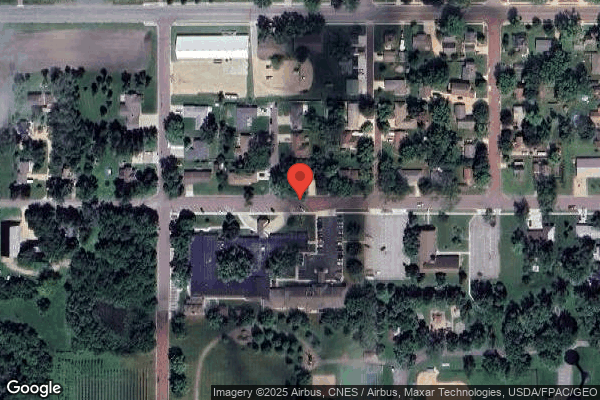

301 TROENDLE STREET SW, MAPLETON, MN 56065 (507) 524-3315
Non profit - Corporation 59 Beds Independent Data: November 2025
Trust Grade
63/100
#250 of 337 in MN
Last Inspection: July 2024

Within standard 12-15 month inspection cycle. Federal law requires annual inspections.

Overview

Mapleton Community Home has a Trust Grade of C+, indicating it is slightly above average but still has room for improvement. In Minnesota, it ranks #250 out of 337 facilities, placing it in the bottom half, while within Blue Earth County, it ranks #3 out of 5, meaning there are only two local options better than this facility. The facility is experiencing a worsening trend, with concerns increasing from 3 issues in 2023 to 6 in 2024. Staffing is a strength, with a turnover rate of 28%, which is well below the state average, though the staffing rating is only 1 out of 5 stars. Notably, there have been no fines reported, which is a positive sign. However, there have been several concerning incidents. For example, dietary staff were observed handling cups with bare hands, which could risk spreading infections among residents. Additionally, there was a failure to follow care plans requiring two staff members to assist residents with transfers, which raises safety concerns. Finally, a resident was not provided with proper Covid-19 precautions, which could pose health risks. While there are strengths in staffing and no fines, the increase in issues and specific incidents highlight areas needing immediate attention.

Trust Score
C+
63/100
In Minnesota
#250/337
Bottom 26%
Safety Record
Low Risk
No red flags
Inspections
Getting Worse
3 → 6 violations
Staff Stability
✓ Good
28% annual turnover. Excellent stability, 20 points below Minnesota's 48% average. Staff who stay learn residents' needs.
Penalties
✓ Good
No fines on record. Clean compliance history, better than most Minnesota facilities.
Skilled Nurses
○ Average
RN staffing data not reported for this facility.
Violations
⚠ Watch
11 deficiencies on record. Higher than average. Multiple issues found across inspections.
★★☆☆☆
2.0
Overall Rating
★☆☆☆☆
1.0
Staff Levels
★★★★☆
4.0
Care Quality
★★★☆☆
3.0
Inspection Score
Stable
2023: 3 issues
2024: 6 issues

The Good

  • 4-Star Quality Measures · Strong clinical quality outcomes
  • Low Staff Turnover (28%) · Staff stability means consistent care
  • Full Sprinkler Coverage · Fire safety systems throughout facility
  • No fines on record
  • Staff turnover is low (28%)

    20 points below Minnesota average of 48%

Facility shows strength in quality measures, staff retention, fire safety.

The Bad

2-Star Overall Rating

Below Minnesota average (3.2)

Below average - review inspection findings carefully

The Ugly 11 deficiencies on record

Jul 2024 6 deficiencies
CONCERN (D)

Potential for Harm - no one hurt, but risky conditions existed

Assessment Accuracy (Tag F0641)

Could have caused harm · This affected 1 resident

Based on observation, interview and document review, the facility failed to ensure resident status was accurately identified in the Minimum Data Set (MDS) assessment for 1 of 1 resident (R40) reviewed...

Read full inspector narrative →
Based on observation, interview and document review, the facility failed to ensure resident status was accurately identified in the Minimum Data Set (MDS) assessment for 1 of 1 resident (R40) reviewed for hospice. Findings include: R40's, undated medical diagnoses face sheet identified she had malignant neoplasm of the colon, malignant neoplasm of the tail of the pancreas, and mild intellectual disability. R40's, 6/11/24, . (name of local hospice agency) Hospice Open Orders identified she was on hospice services. R40's, 6/13/24, significant change Minimum Data Set (MDS) assessment identified R40 was moderately impaired section J, Prognosis: conditions or chronic diseases that may result in a life expectancy of less than 6 months was marked as yes. There was no mention of hospice services under section O. Interview on 7/10/24 at 9:42 a.m., with registered nurse (RN)-B who is the facility MDS coordinator, identified R40 was on hospice. Upon review of the significant change MDS on the PCC (Point Click Care) system online, RN-B confirmed section O was not coded accurately and would ensure to complete a modification of the data assessment. Interview on 7/10/24 at 10:03 a.m., with director of nursing (DON) and administrator both agreed the MDS should have been coded accurately. Review of 3/2019 MDS Accuracy Policy identified the facility would ensure to utilize the RAI Manual for accurate coding. In addition, the facility would investigate and modify coding errors found and submit them to the QIES (Quality Improvement and Evaluation) system.
CONCERN (D)

Potential for Harm - no one hurt, but risky conditions existed

Deficiency F0645 (Tag F0645)

Could have caused harm · This affected 1 resident

Based on interview and document review, the facility failed to ensure a pre-admission screening and resident review (PASARR) II referral was completed upon a significant change in condition for 1 of 1...

Read full inspector narrative →
Based on interview and document review, the facility failed to ensure a pre-admission screening and resident review (PASARR) II referral was completed upon a significant change in condition for 1 of 1 resident (R16) reviewed for PASARR. Findings include: R16's, face sheet identified she had an admission date of 3/03/23, with a diagnosis of Parkinson's, dementia, and depression. R16's, 3/3/23, pre-admission screening and resident review (PASRR) identified R16 had Parkinson's and was not considered by the state to have a serious mental illness or intellectual disability or related condition. R16's, undated, current Diagnosis Report identified R16 received a new diagnosis of anxiety disorder on 6/06/23 and psychotic disorder with hallucinations on 6/06/23. R16's, 4/09/24, quarterly Minimum Data Set (MDS) assessment identified R16 had a severe cognitive impairment and no behaviors. R16 felt down, was depressed or hopeless 2 to 6 days and had taken antidepressants on a routine basis. R16's, 4/26/24, significant change (MDS) identified R16 had hallucinations, felt down, was depressed or hopeless 7 to 11 days, trouble falling or staying asleep or sleeping too much 12 to 14 days, feeling tired or having little energy 7 to 11 days, and trouble concentrating on things 12 to 14 days. Section A 1510 identified R16 had not been evaluated for Level II PASRR and did not have a serious mental illness or intellectual disability or related condition. R16's medical record lacked any indication that the State Mental Health Agency (SMHA) had been notified since the new onset of R23's mental illnesses for further evaluation and determination of need for specialized services. Interview on 7/10/24 at 9:38 a.m., with social services designee (SSD) stated the facility process was to discuss new admissions and verify completion of Level I screen but was unsure of the process for Level II screening. She agreed a Level II should have been completed for R16. Interview on 7/10/24 at 9:51 a.m., with director of nursing (DON) stated the facility had no process in place to ensure residents with a new qualifying mental illness diagnosis would receive a Level II screening. Interview on 7/10/24 at 10:10 a.m., with administrator stated the facility had no knowledge of when to determine a Level II screening would be required and have not had to complete one before. Review of undated, Mapleton Community Home Preadmission Screening policy identified required preadmission screening for all admissions admitted to a Medical-Assistance certified nursing facility. There was no mention of how the policy would refer any resident who exhibits a newly evident or possible serious mental disorder, intellectual disability, or a related condition to the state mental health or intellectual disability authority for a Level II resident review.

CONCERN (D)

Potential for Harm - no one hurt, but risky conditions existed

Deficiency F0655 (Tag F0655)

Could have caused harm · This affected 1 resident

**NOTE- TERMS IN BRACKETS HAVE BEEN EDITED TO PROTECT CONFIDENTIALITY** Based on interview and document review, the facility failed to offer/provide a summary of the baseline care plan to the resident...

Read full inspector narrative →
**NOTE- TERMS IN BRACKETS HAVE BEEN EDITED TO PROTECT CONFIDENTIALITY** Based on interview and document review, the facility failed to offer/provide a summary of the baseline care plan to the resident and/or resident representative for 1 of 1 resident (R26) reviewed who were newly admitted . Findings include: R26's admission Record printed on 7/10/24, identified an admission date of 6/17/24, with diagnoses of sepsis (infection of the blood stream), cerebral infarction (stroke when a cluster of brain cells die when they don't get enough blood), and type 2 diabetes mellitus. R26's admission Minimum Data Set (MDS) assessment dated [DATE], identified R26 as having a brief interview for mental status (BIMS) score of 15 indicating the resident was cognitively intact. R26's required substantial to maximum assistance with activities of daily living, did not walk and used a wheelchair. R26 received insulin, antidepressant, antibiotic and antiplatelet agent 5 days. R26's baseline care plan dated 6/17/24, indicated R26 required staff assist of two and mechanical aid for transfers, and was able to eat independently after set up by staff. When interviewed on 7/8/24 at 2:15 p.m., R26 stated she never received a copy of her baseline plan of care and would like to have one so she could share it with her family. During interview on 7/9/24 at 9:11 a.m., R26 indicated she did have a care conference and some things about her care were discussed but was not offered or received a copy of her plan of care and would like to have a copy of it. When interviewed on 7/9/24 at 10:23 a.m., social worker (SW)-A indicated they did have a care conference where the care plan was discussed, but typically residents aren't given a copy unless they request it. SW-S was unsure who is responsible to ensure a copy of the plan of care is given to the resident. When interviewed 4/10/24 at 10:36 a.m., the director of nursing (DON) confirmed a copy of the baseline care plan was not being offered to the resident or a family member unless it was requested. When interviewed on 7/9/24 at 1:57 p.m., registered nurse (RN)-B, also identified as assistant director of nursing (ADON) and MDS coordinator, indicated she attended R26's care conference and confirmed the baseline care plan was not offered to R26 at that time. Facility Care Planning and Care Conference policy dated 8/28/17, included: -The facility will work with each individual resident and their families/designees to develop a plan of care that all are in agreement with. -An initial care conference, the resident and their party will work with nursing, dietary, social service and therapeutic recreation staff on their individual plan of care. Each of these staff will bring the initial care plan that was developed from interviews conducted to the initial care conference for a final review and acceptance from the resident and/or family/designee. -The resident has the right to review the plan of care and request/participate in changes to the plan of care.
CONCERN (D)

Potential for Harm - no one hurt, but risky conditions existed

Pressure Ulcer Prevention (Tag F0686)

Could have caused harm · This affected 1 resident

**NOTE- TERMS IN BRACKETS HAVE BEEN EDITED TO PROTECT CONFIDENTIALITY** Based on observation, interview, and document review, the facility failed to provide timely repositioning for 1 of 1 resident (R...

Read full inspector narrative →
**NOTE- TERMS IN BRACKETS HAVE BEEN EDITED TO PROTECT CONFIDENTIALITY** Based on observation, interview, and document review, the facility failed to provide timely repositioning for 1 of 1 resident (R28) who was dependent on staff for repositioning and who had a pressure ulcer (PU) on her coccyx. Findings include: R28's facesheet printed on 7/10/24, included diagnoses of pressure ulcer of sacral region and urinary incontinence. R28's annual Minimum Data Set (MDS) assessment dated [DATE], indicated R28 was cognitively intact, was dependent or required substantial assistance with most activities of daily living (ADL), including repositioning and toileting. R28 was unable to walk. R28 was at risk for the development of pressure ulcers and had one or more unhealed pressure ulcers. R28 did not have a turning/repositioning program and had no rejection of cares. R28's Care Area Assessment (CAA) for pressure ulcer dated 4/30/24, indicated R28 was at risk for skin breakdown related to immobility and urinary incontinence. R28 required substantial assistance with repositioning. R28 had a stage four pressure ulcer (Full thickness tissue loss with exposed bone, tendon or muscle. Slough or eschar may be present on some parts of the wound bed. Often includes undermining and tunneling) to coccyx, which was healing at the time of the assessment. R28 was receiving supplements to assist with wound healing/promotion along with utilizing a pressure relieving cushion in the wheelchair and pressure reducing mattress on bed. R28's Mobility CAA dated 4/30/24, indicated R28 required substantial/maximum assistance for all ADLs except eating. R28 was wheelchair bound and required two staff for transfers with use of a mechanical standing lift (also known as an EZ stand - an assist device that moves residents from one surface to another surface). R28 was dependent on staff for toileting, dressing, and managing hygiene. R28's pressure ulcer risk assessment (Braden Score) dated 6/24/24, identified R28 at low risk for the development of a pressure ulcer. R28's care plan with revised date of 8/21/23, indicated a healing stage four pressure ulcer on the coccyx. There were no interventions listed for repositioning or offloading. In addition, the care plan indicated R28 was frequently incontinent of bladder, would be free from skin breakdown, used disposable briefs and was to be checked for incontinence (no time frame was specified). Care plan with revised date of 10/27/23, indicated R28 required total assistance of two staff to use the toilet, using the EZ stand. R28's physician orders dated 5/5/23, indicated R28 was to lie down in bed for two to three hours per day. When R28 is in the wheelchair, reposition every two hours (stand in place for one minute was ok). During a continuous observation on 7/9/24 from 9:40 a.m. to 12:30 p.m., (2 hours 50 minutes) R28 was not repositioned in the wheelchair, offloaded, or toileted. During the observation period from 9:40 a.m. to 11:24 a.m., R28 was seating in her wheelchair in her room, watching TV. At 11:34 a.m., R28 was taken via wheelchair to the dining room for lunch. At 12:30 p.m., R28 remained in her wheelchair at the dining room table. During interview on 7/9/24 at 1:24 p.m., nursing assistant (NA)-B stated she was assigned to care for R28 that day and was aware R28 had a pressure ulcer on the coccyx. NA-B stated R28 should be off her bottom every couple hours and stated she had repositioned R28 that morning, however, was not able to say what time she had repositioned R28. During interview on 7/9/24 at 1:45 p.m., licensed practical nurse (LPN)-A stated she didn't think R28 had been laid down that morning and stated R28 should be repositioned or offloaded every two hours. During an observation on 7/10/23 at 7:20 a.m., observed LPN-A complete a dressing change to the PU on R28's coccyx. The wound was approximately the size of a nickel, pink and no drainage. LPN-A stated it was much improved and healing well. During interview on 7/10/24 at 10:09 a.m., the director of nursing (DON) stated R28 was to be repositioned every two to three hours and offloaded every two hours. The DON stated staff would offer toileting or use the EZ stand to offload pressure. The DON was informed of the continuous observation on 7/9/24, from 9:40 a.m. to 12:30 p.m., (2 hours 50 minutes) where R28 had not been repositioned or offloaded. The DON looked in the EHR (electronic health record) and stated when R28 was in the wheelchair she should be repositioned every two hours or could stand in place for one minute to offload. The DON was not aware R28 had not been repositioned and stated she expected staff to follow the physician orders for repositioning and offloading. Facility Pressure Ulcer Prevention Program policy revised date 5/24/11, indicated residents admitted with pressure ulcers would receive necessary treatment and services to promote healing. Pressure ulcer (stage 2-4 and unstageable): follow wound nurse recommendations.
CONCERN (F)

Potential for Harm - no one hurt, but risky conditions existed

Food Safety (Tag F0812)

Could have caused harm · This affected most or all residents

Based on observation, interview, and document review, the facility failed to ensure dietary staff followed appropriate infection control practices when handling cups during food service in the dining ...

Read full inspector narrative →
Based on observation, interview, and document review, the facility failed to ensure dietary staff followed appropriate infection control practices when handling cups during food service in the dining room. This had potential to affect all 47 residents who resided in the facility. Findings include: During an observation on 7/9/24 at 12:00 p.m., when filling cups with juice for residents seated at tables, dietary aide (DA)-A was observed holding the small, clear plastic tumblers by the rim of the cup with bare hands, and when setting the cup on the table. During an observation on 7/9/24 at 12:05 p.m., when filling beverages for residents, observed DA-B pour milk and orange juice into two small, clear plastic tumblers. With bare hands, DA-B set the cups on the table by holding the rim. During an observation on 7/9/24, at 12:07 p.m., when filling beverages for residents, observed DA-B pour coffee into a navy-blue thermal coffee mug and set it on a residents table by holding the rim of the mug. During an observation on 7/9/24 at 12:11 p.m., observed DA-A pour juice for a resident and set the cup on the table by holding the rim. During an interview on 7/9/24 at 12:26 p.m., dietary manager (DM)-C stated dietary staff received training at orientation on the proper way to hold cups when filling and serving. DM-C was informed of observations and stated staff should not hold cups by the rim due to potential contamination by their hands. During an interview on 7/9/24 at 12:27 p.m., both DA-A and DA-B stated they had training on the proper way to hold a resident's drinking cup when filling and serving. When informed of observations, both acknowledged they held cups by the rim and were aware they should not be due to potential infection control concerns. An orientation packet for DA-A indicated he signed an undated policy titled Dish & Utensil Handling on 10/12/23, which indicated: fingers would not be placed in or at the lip of contact surfaces of cups, glasses, and/or flatware. The same policy was signed by DA-B on 6/19/23.
CONCERN (F)

Potential for Harm - no one hurt, but risky conditions existed

Infection Control (Tag F0880)

Could have caused harm · This affected most or all residents

**NOTE- TERMS IN BRACKETS HAVE BEEN EDITED TO PROTECT CONFIDENTIALITY** Mechanical Lift Disinfecting R7's quarterly Minimum Data Set (MDS) assessment dated [DATE], indicated R7 was cognitively intact,...

Read full inspector narrative →
**NOTE- TERMS IN BRACKETS HAVE BEEN EDITED TO PROTECT CONFIDENTIALITY** Mechanical Lift Disinfecting R7's quarterly Minimum Data Set (MDS) assessment dated [DATE], indicated R7 was cognitively intact, dependent on staff for toileting, required substantial/maximal assistance with transfers, used a wheelchair for mobility, and had diagnoses of hemiplegia (muscle weakness or paralysis on one side of the body) and reduced mobility. R7's care plan updated 4/19/24, indicated R7 was to transfer with a mechanical lift with toileting sling in and out of bed and a mechanical standing lift with two staff members for all other transfers. R14's face sheet printed on 7/10/24, indicated R14 had diagnoses of unspecified dementia (loss of cognitive functioning) and the need for assistance with personal cares. R14's quarterly MDS assessment dated [DATE], indicated R14 had severely impaired cognition, was dependent on staff for all transfers, and had diagnoses of dementia and Parkinson's disease (a disorder that affects movement). R14's care plan updated 4/15/24, indicated R14 required the assist of two staff with a full body mechanical lift for all transfers. On 7/9/24 at 8:58 a.m., nursing assistant (NA)-A removed a mechanical standing lift from R7's room and placed the mechanical lift near a wall in the hallway. NA-A was observed to walk down the hallway and no cleaning of the mechanical lift was observed. NA-A confirmed he should have disinfected the mechanical lift immediately after use and verified he did not disinfect the mechanical lift after use with R7. On 7/9/24 at 9:09 a.m., NA-B removed a mechanical lift from R14's room and placed it in room [ROOM NUMBER]. NA-B was observed to walk to a different hallway and no cleaning of the mechanical lift was observed. NA-B confirmed she did not clean the mechanical lift after use or while it was in room [ROOM NUMBER] for storage. On 7/9/24 at 10:20 a.m., licensed practical nurse (LPN)-A verified mechanical lifts should be cleaned immediately after each use with disinfectant wipes to prevent spread of infection. LPN-A further confirmed education was provided to staff regarding disinfecting mechanical lifts after each use at the time of hire and at staff meetings. On 7/9/24 at 2:07 p.m., with director of nursing (DON), also known as the infection preventionist, the DON stated it was the expectation staff were to clean mechanical lifts immediately after each use and between uses to prevent spread of infection. The DON stated mechanical lifts are shared among multiple residents. Facility policy titled Mechanical Lift Cleaning Procedure dated 7/10/24, indicated after use of a lift with a resident the handles and prongs will be wiped down following a two-minute contact time for disinfection. Laundry During observation and interview on 7/10/24 at 8:15 a.m., housekeeping (H)-A was observed in the laundry room where dirty and soiled laundry requiring laundering and clean laundry were both present. H-A stated soiled laundry comes into the laundry room through a central door and passes directly in front of the washing machines. H-A further stated soiled laundry was sorted in the same room near the washing machines and soaking of soiled laundry was completed in a double sink in the same room. H-A was observed dumping soiled laundry from a clear plastic bag with gloves on but without a gown. H-A stated she does not wear a gown while sorting soiled laundry. H-A verified this could cause contamination to clean laundry when removing from washing machines, dryers, and when folding. H-A stated she was not trained to wear a gown and was not facility practice to wear a gown when sorting dirty linens. On 7/10/24 at 8:22 a.m., environmental services (EVS)-A director confirmed soiled laundry and clean laundry were processed in the same room and verified laundry staff do not wear gowns to sort soiled laundry. EVS-A stated this could cause contamination to clean laundry. On 7/10/24 at 8:45 a.m., the DON, also known as the infection preventionist, confirmed laundry staff should be wearing a gown when sorting dirty laundry and soiled laundry should be sorted in a separate room to prevent the spread of infection. Facility Infection Prevention and Control Manual section titled Handling Soiled Linen dated 2019, directed staff to wear gown/apron if gross soiling of uniform is likely. Based on observation, interview, and record review the facility failed to use appropriate infection prevention and control practices for 1 of 2 residents (R28) who was dependent on staff for pressure ulcer wound care. In addition, the facility to ensure a mechanical transfer lift was cleaned after resident use for 2 of 2 residents (R7 and R14) observed for infection control practices and proper infection prevention practices was observed when sorting soiled laundry. Findings include: R28's facesheet printed on 7/10/24, included diagnoses of pressure ulcer of the sacral region and urinary incontinence. R28's annual Minimum Data Set (MDS) assessment dated [DATE], indicated R28 is cognitively intact, could understand and be understood. R28 required substantial assistance with most activities of daily living (ADL), including wound care. R28 was at risk for developing pressure injuries, had a pressure ulcer over a bony prominence, had one or more unhealed pressure injuries, indicated pressure ulcer care, and had no rejection of care. R28's Pressure Injury Care Area Assessment (CAA) dated 4/30/24, indicated R28 was at risk for skin breakdown related to immobility and urinary incontinence. R28 had a stage four pressure ulcer to coccyx, currently healing. R28 required assistance from staff for managing wound care. R28's Mobility CAA dated 4/30/24, indicated R28 required substantial/maximum assistance for all ADLs except eating. R28 was dependent on staff for toileting, dressing, and managing hygiene. R28's care plan with revised date of 8/21/23, indicated actual impairment to skin integrity related to healing stage four pressure injury on coccyx. R28's physician orders included the following: 1. 7/5/24: Cleanse wound with normal saline or wound cleanser, pat dry. Apply skin prep to peri wound skin and allow to dry. Sprinkle collagen powder (supports granulation tissue formation and debridement of wounds) into open wound or use collagen dressing packed gently into wound bed, apply thin layer of Triad Paste (helps promote skin healing) to help hold in powder and protect peri wound skin from maceration, cover with bordered foam adhesive dressing. Change every other day and as needed for healing stage 4 pressure ulcer. 2. 7/6/24: Triad Hydrophilic Wound Dress External Paste Wound Dressings, (helps maintain optimal wound healing), apply to coccyx/sacrum topically one time a day every other day for wound care and apply to coccyx/sacrum topically every 12 hours as needed for wound care. During observation on 7/10/24 at 7:16 a.m., licensed practical nurse (LPN)-A used R28's overbed table as a work surface as she opened dressing change supplies, setting the supplies on top of the packages they came in. LPN-A did not clean or disinfect, nor use a barrier between the table and the supplies. Further, LPN-A did not remove R28's personal items, including muffins in a Ziploc bag and water bottle off the overbed table before using it at a work surface for dressing change supplies. During observation on 7/10/24 at 7:40 a.m., the overbed table was not cleaned or disinfected prior to setting R28's breakfast tray on it after it being used as a work surface for a dressing change as evidenced by multiple water rings on the surface. During interview on 7/10/24 at 9:51 a.m., LPN-A stated the supplies she set out were placed on top of the opened packages, not directly on the overbed table. After further thought, LPN-A stated the table should have been cleaned before and after wound care. During interview on 7/10/24 at 10:13 a.m., the DON stated she expected staff to move everything off the overbed table prior to starting wound care and expected the overbed bedside table to be cleaned before and after wound care. Facility Dressing Changes policy updated on 6/13/11, indicated, all dressings must be handled in a safe and sanitary manner.
Sept 2023 3 deficiencies
CONCERN (D)

Potential for Harm - no one hurt, but risky conditions existed

ADL Care (Tag F0677)

Could have caused harm · This affected 1 resident

Based on observation, interview, and document review, the facility failed to ensure activities of daily living (ADLs) were provided, including shaving for 1 of 4 residents (R4) reviewed, who needed st...

Read full inspector narrative →
Based on observation, interview, and document review, the facility failed to ensure activities of daily living (ADLs) were provided, including shaving for 1 of 4 residents (R4) reviewed, who needed staff assistance to maintain good personal hygiene. Findings include: R4's quarterly Minimum Data Set (MDS) assessment, dated 7/5/23, indicated R4 had severely impaired cognition and was visually impaired, required extensive assistance from 1 staff for personal hygiene needs. R4's care plan, printed on 9/21/23; indicated R4 had ADL self care performance deficit related to dementia (brain disorder causing impaired memory/thought process) and required 1 staff to assist with personal hygiene needs. During an observation, on 9/18/23 at 1:45 p.m., R4 was observed to have short, white, stiff facial hairs, approximately 0.5 centimeters (cm) in length; present to chin and surrounding sides of upper lip. While interviewed, on 9/18/23 at 1:53 p.m., R4's family member (FM)-C indicated R4 always liked to appear neat and well-groomed, did not like longer facial hairs present. FM-C noticed occasionally when visiting R4 presence of facial hairs to chin and lips, FM-C would assist R4 with shaving cares to remove unwanted facial hairs. During an observation and interview, on 9/19/23 at 11:37 a.m., trained medical assistant (TMA)-B, also known as nursing assistant (NA), noted presence of facial hair to R4's chin and lips. TMA indicated awareness R4 did not like facial hair present and required staff assistance with shaving to maintain good personal hygiene. TMA-B stated R4 had a bath earlier in morning, and indicated staff should have noticed longer facial hair to R4's chin and lips, and removed facial hair. While interviewed, on 9/19/23 at 12:39 p.m., the director of nursing (DON) indicated R4 needed staff assistance for personal hygiene needs, including shaving. The DON stated residents could be provided shaving cares anytime, and indicated it was her expectation for staff to be removing resident's facial hair anytime noted or per resident request when providing daily routine cares. The facility ADL Performance Policy undated, indicated ADLs will be completed by nursing staff as directed by the individual care plan. ADLs will be completed in the AM and PM and as needed throughout the day, dependent on resident needs.
CONCERN (D)

Potential for Harm - no one hurt, but risky conditions existed

Accident Prevention (Tag F0689)

Could have caused harm · This affected 1 resident

**NOTE- TERMS IN BRACKETS HAVE BEEN EDITED TO PROTECT CONFIDENTIALITY** Based on observation, interview, and document review, the facility failed to monitor ongoing safe smoking practices, and failed ...

Read full inspector narrative →
**NOTE- TERMS IN BRACKETS HAVE BEEN EDITED TO PROTECT CONFIDENTIALITY** Based on observation, interview, and document review, the facility failed to monitor ongoing safe smoking practices, and failed to provide an environment and assistive smoking devices to prevent accidents for 1 of 1 resident (R22) reviewed for smoking. Findings include: R22's annual Minimum Data Set (MDS) assessment dated [DATE], indicated R22 had intact cognition, displayed no behaviors, required extensive assist of 2 staff with transfers, extensive assist of 1 staff for locomotion on/off unit, had impairment of both lower extremities and left upper extremity, used a wheelchair for mobility, and was a tobacco user. R22's face sheet printed on 9/19/23, indicated diagnoses including hemiplegia/hemiparesis (paralysis of one side of body), tobacco use, heart failure (HF), nuclear cataracts (cloudy vision), anxiety, oxygen dependence, morbid obesity, reduced mobility, major depressive disorder (mood disorder), cerebral infarction (stroke), and type 2 diabetes mellitus ((DM)- abnormal blood sugars). R22's order summary report printed on 9/19/23, indicated orders for no smoking until off oxygen- if resident refuses, remove oxygen 15 minutes before going outside and document refusal. R22's care plan printed on 9/19/23, indicated R22 was a vulnerable adult, would not be able to remove self from harm, was a current smoker, had impaired vision, used supplemental oxygen, was not able to walk- could move wheelchair independently using right leg. Interventions for R22 included for staff to ensure removal of oxygen 15 minutes prior to R22 smoking for safety, ensure R22 wore a smoking apron when outside smoking, and complete smoking safety evaluation yearly and as needed (PRN). R22's smoking assessment completed on 8/9/23, indicated R22 did not have a visual deficit or dexterity problem, smoked 10+ cigarettes per day during morning/afternoon/evening hours, could light own cigarette, needed adaptive equipment- smoking apron while smoking, and plan of care used to assure resident safe while smoking. During an interview on 9/18/23 at 12:32 p.m., R22 indicated he was a smoker, needed to go to nursing station to get cigarettes and lighter when wanting to smoke as nursing staff kept cigarettes and lighter in a locked area, stated he is independent of smoking, and had not had any smoking accidents since facility admission. R22 indicated for smoking safety, he takes off supplemental oxygen 30 minutes before smoking and wears an apron during smoking activity. While observed and interviewed on 9/19/23 at 9:08 a.m., R22 was sitting in his wheelchair at a table outside near facility's front entrance smoking a cigarette, smoking apron observed to be in place at time. While smoking, R22 was visualized flicking ashes from cigarette onto cement ground, as no ashtray was present at table, smoking receptacle was across from R22, approximately 25 ft away. A piece of Kleenex tissue was lying on cement ground next to right back wheel of R22's wheelchair, small amount of cigarette ashes covering top of Kleenex tissue. When R22 was finished smoking cigarette, he rolled cigarette, just under burning tip of cigarette, with first and second fingers of right hand back and forth until the burned tip of ash dropped onto cement, extinguishing cigarette. R22 then folded cigarette butt with right hand and laid on top of plastic table sitting at. R22 observed to sit in wheelchair at table for a few minutes, picked up cigarette butt lying on top of plastic table, and propelled self in wheelchair using right foot over to smoking receptacle, placed cigarette butt into receptacle container, then propelled self into facility entrance door. Cigarette ashes and Kleenex tissue left remaining on cement ground. During an interview on 9/19/23 at 9:34 a.m., trained medical assistant (TMA)-B, also known as nursing assistant (NA), indicated awareness R22 was independent of smoking, had to take oxygen off prior to smoking, needed to wear a smoking apron during smoking activity. TMA-B indicated awareness of smoking receptacle outside near front of facility entrance, was unaware of any smoking assistive devices at table outside of front facility entrance door. TMA-B stated was unaware of R22 extinguishing burning cigarettes with his fingers due to no ash tray available at table, indicated residents' safety to smoke independently and smoking assistive device needs was managed by social services (SS) or the director of nursing (DON). While interviewed on 9/19/23 at 9:37 a.m., SS-A indicated residents' safety to smoke independently was determined based on smoking safety assessments completed by charge nurse on each unit, any changes in residents' smoking safety assessment should be brought to the DON's attention, as SS-A stated she does not assist in management of smoking safety process. During an interview on 9/19/23 at 9:42 a.m., the DON indicated residents' smoking assessments could be completed by charge nurse on resident unit, activities coordinator, and SS. The DON indicated R22 was safe with smoking independently, just recently had a smoking assessment completed, no changes to his ability to smoke safely and independently. The DON stated unawareness if ash trays were available at table outside of facility's front entrance for residents to smoke at, stated there was a smoking receptacle within area. The DON initially indicated if residents were smoking at table outside of facility's front entrance, it was acceptable for residents to flick cigarette ashes on cement ground if ash tray was not available, later DON confirmed during interview debris lying on cement ground could potentially cause an accidental fire if cigarette ashes encountered, and stated residents should be using an ash tray or smoking receptacle when smoking. The DON indicated unawareness no ash tray available at table outside front building entrance,and R22 was extinguishing burning cigarettes with his fingers. The DON confirmed R22's extinguishing a burning cigarette with his fingers posed a risk for injury. The DON stated a smoking safety reassessment would be completed with R22 to determine his ability to smoke safely unsupervised, and would discuss with administrator implementation of covered ash trays to be placed at table outside front facility entrance to allow residents to smoke at and prevent accidents from occurring. The facility Mapleton Community Home Smoking Policy dated 5/23, indicated designated smoking area is located outside the building by the main entrance, smoking evaluation must be completed by the charge nurse prior to resident smoking, smoking privileges may be revoked for resident safety at the discretion of Mapleton Community Home. Facility policy for accidents/hazards was requested, not received.
CONCERN (F)

Potential for Harm - no one hurt, but risky conditions existed

Infection Control (Tag F0880)

Could have caused harm · This affected most or all residents

**NOTE- TERMS IN BRACKETS HAVE BEEN EDITED TO PROTECT CONFIDENTIALITY** R22's face sheet printed on 9/19/23, included diagnoses of hemiplegia/hemiparesis (paralysis of one side of body), tobacco use, ...

Read full inspector narrative →
**NOTE- TERMS IN BRACKETS HAVE BEEN EDITED TO PROTECT CONFIDENTIALITY** R22's face sheet printed on 9/19/23, included diagnoses of hemiplegia/hemiparesis (paralysis of one side of body), tobacco use, heart failure (HF), oxygen dependence, cerebral infarction (stroke), and type 2 diabetes mellitus (DM)- abnormal blood sugars). R22's annual MDS assessment dated [DATE], indicated R22 had intact cognition, could be understood, and could understand others. R22's current care plan, printed on 9/19/23, did not include precautions for Covid-19, nor if R22 had been assessed for the ability to wear a mask. During an observation and interview on 9/18/23 at 12:32 p.m., R22 indicated he came out of room for meals, occasionally to participate in activities, and to go outside to smoke cigarettes. R22 stated he was not exhibiting any signs or symptoms (s/s) of Covid-19 at time, was aware of other residents on unit positive for Covid-19. R22 indicated had not been offered face mask when out of room in common areas, would wear face mask if had to, but preferred not to, but had not been offered face mask per staff. R25's face sheet, printed on 9/20/23 included diagnoses of heart failure (HF), kidney disease, chronic obstructive pulmonary disease (COPD)-lung disease), and history of Covid-19 10/20. R25's quarterly MDS assessment, dated 8/31/23, indicated R25 was cognitively intact, could be understood and could understand others. R25's current care plan, printed on 9/20/23, did not include precautions for Covid-19, nor if R25 had been assessed for the ability to wear a mask. During observation and interview on 9/18/23 at 1:02 p.m., R25 indicated she came out of room for meals and to participate in activities, stated she was not exhibiting any s/s of Covid-19 at time, was aware of other residents on unit positive for Covid-19, indicated had not been offered face mask when out of room in common areas, would wear face mask if offered. Later in survey, on 9/19/23, R25 tested positive for Covid-19 and was isolated to room. R37's admission MDS assessment, dated 6/27/23, indicated R37 had intact cognition, could be understood and understands others, and required extensive assist of 1 staff for personal hygiene cares. MDS assessment included diagnoses of HF, renal insufficiency, arthritis (joint inflammation), and anxiety. During an observation and interview on 9/20/23 at 7:34 a.m., R37 was observed sitting at a dining table, no hand sanitizer/wipes present to any dining tables in dining room. R37 indicated dining staff do not offer hand sanitizer/wipes before meals, nursing staff occasionally encouraged residents to wash hands prior to meals, typically only after toileting cares would nursing staff encourage/assist with handwashing. R37 stated would hand sanitize if offered per staff. R8's quarterly MDS assessment, dated 8/8/23, indicated R8 had moderately impaired cognition, could be understood and understands others, and was dependent upon staff for personal hygiene cares. MDS assessment included diagnoses of dementia, seizures, anxiety, bipolar disorder (mental disorder), and schizophrenia (mental disorder). While observed and interviewed on 9/20/23 at 11:25 a.m., NA-F was noted to push R8 in wheelchair from 200-unit activity room to dining room. NA-F set R8 at dining table, NA-F placed a clothing protector on R8, NA-F walked away from R8 at table. The table R8 was sitting at had no hand sanitizer/wipes available, R8 stated would hand sanitize if offered per staff. During an interview on 9/20/23 at 11:27 a.m., NA-F indicated had brought R8 directly from 200-unit activity room to dining table. NA-F confirmed did not offer R8 hand hygiene prior to meal, stated typically only offers/assists residents with hand hygiene after toileting cares. NA-F indicated dining tables used to have hand sanitizer/wipes available for resident hand hygiene prior to meals, no longer available and unsure why, stated hand sanitizer/wipes should be reimplemented. While interviewed, on 9/20/23 at 12:01 p.m., the DON indicated it was her expectation for staff to offer/assist residents with hand hygiene needs, especially after toileting and prior to meals. The DON indicated hand hygiene in dining rooms was one of current performance improvement project (PIP) and quality assurance performance improvement (QUAPI) plans, stated trying to find safest product to use for resident hand hygiene prior to implementing, was continuing to work on plan. When interviewed on 9/21/23 at 10:10 a.m., the DON confirmed providing education and masking of residents during an outbreak was expected of staff. The facility Infection Prevention and Control Manual- Interim policy for Suspected or Confirmed Coronavirus (Covid-19) undated, indicated policy of this facility to minimize exposures to respiratory pathogens, promptly identify residents or healthcare personnel with signs or symptoms of Covid-19 and implement interventions based upon Federal/State/Local recommendations to prevent and/or mitigate the spread of Covid-19; consisted of hand hygiene using alcohol based hand sanitizer before and after all patient contact, contact with infectious material and before and after removal of PPE including gloves- ensure ABHR is accessible in all resident-care areas including inside and outside resident rooms. The facility Infection Prevention and Control Manual- Standard Precautions- Hand Hygiene policy dated 2019, indicated appropriate hand hygiene is essential in preventing transmission of infectious agents. Purpose: to cleanse hands to prevent the spread of potentially deadly infections, to provide a clean and healthy environment for residents/staff/visitors, to reduce the risk to the healthcare provider of colonization or infections acquired from a resident. Hand hygiene (HH) (e.g., hand washing and/or alcohol based hand rub (ABHR)) should be completed when hands are visibly soiled, after caring for a resident with known or suspected infections during an outbreak, before eating, and after using the restroom. The facility educational sign per CDC recommendations, Use of Personal Protective Equipment (PPE) when Caring for Patients with Confirmed or Suspected Covid-19 dated 6/3/20, indicated before caring for patients with confirmed or suspected Covid-19, healthcare personnel (HCP) must: receive comprehensive training on when and what PPE is necessary, how to don and doff PPE, limitations of PPE, proper care, maintenance, and disposal of PPE; must demonstrate competency in performing appropriate infection control practices and procedures; doffing method: Remove gloves, remove gown and dispose in trash receptacle; HCP may now exit patient room, perform hand hygiene, remove face shield or goggles, remove and discard respirator- do not touch the front of respirator, perform hand hygiene, put on new mask. R29's quarterly MDS assessment dated [DATE], indicated R29 was severely cognitively impaired, no rejection of care, required one person physical assist with dressing and personal hygiene, diagnoses included heart failure, Non-Alzheimer's Dementia, and localized edema (swelling). R29's progress note dated 9/16/23 at 9:30 a.m., indicated R29 was moved to room [ROOM NUMBER] r/t (related to) cold symptoms and direct exposure to someone that tested positive for COVID 19. On 9/19/23 at 7:47 a.m., NA-B donned a gown, gloves, and N-95 mask and entered R29's room, without eye protection. The wall outside of R29's room two signs were posted one sign indicated contact precautions and the other sign indicated droplet precautions. The signs indicated details for PPE and included eye protection. On 9/19/23 at 8:15 a.m., NA-B stated she assumed R29 was on contact precautions and would not need to wear eye protection. No garbage was observed outside R29's room to discard dirty PPE. On 9/19/23 at 8:22 a.m., the DON confirmed R29 was on droplet precautions and confirmed staff had not worn proper PPE when protective eye wear was not worn. R14's quarterly MDS assessment dated [DATE], indicated no rejection of care, independent with bed mobility, transfer, locomotion and required one person physical assist with dressing and personal hygiene; diagnoses included hypertension (high blood pressure) and Alzheimer's disease. On 9/19/23 at 11:30 a.m., R14 was observed in the hallway and walked to the dining room, R14 stated he had not been asked or educated by staff to wear a mask. R14 stated would wear a mask if offered a mask. R6's quarterly MDS assessment dated [DATE], indicated two person physical assist with bed mobility, toilet use, and one person physical assist with personal hygiene; diagnoses included non-Alzheimer's dementia, and hemiplegia (paralysis of one side of body). On 9/20/23 at 11:34 a.m., R6 was in the dining room and was eating her meal, and stated she was not offered to wash hands and would if offered. On 9/19/23 at at 8:42 a.m., during an interview with the DON and administrator stated the residents in the facility who were in TBP precautions at the facility were in droplet precautions, and expected staff to wear proper PPE that included gown, glove, N95 mask, face shield and/or goggles. The administrator and DON stated staff were expected to discard the N95 mask when the room was exited and change into a new clean mask. The administrator and DON confirmed a garbage was not outside of residents' room who were on droplet precautions to discard the mask. Based on observation and interview, the facility failed to follow Centers for Medicare and Medicaid Services (CMS) and Centers for Disease Control (CDC) guidelines to prevent the spread of Covid-19, when during a Covid-19 outbreak, residents and visitors were observed not wearing appropriate personal protective equipment (PPE), specifically masks, for 9 of 41 resident (R2, R5, R8, R10, R14, R22, R24, R25, R35) not in transmission based precautions (TBP). In addition, the facility failed to offer hand-hygiene prior to meals for 4 of 4 residents (R2, R6, R8, R37). Lastly, the facility failed to ensure staff wore wear proper PPE specifically eye protection, when entering the room for 1 of 6 residents (R29) on TPB. This had the potential to affect all 47 residents who resided in the facility. Findings include: Upon survey entrance, on 9/18/23 at 11:30 a.m., observed signs to front doorway entrance indicating masks recommended due to positive Covid-19 as of 9/15/23. Staff noted wearing face masks at front desk, several unknown residents across from front desk in day room without face masks During an observation and interview on 9/18/23 at 4:02 p.m., noted hand sanitizer had not been immediately available outside resident rooms who were in TBP for Covid-19. The director of nursing (DON) stated the facility had made a conscious decision about that and staff were to use the hand sanitizer dispensers on the walls. The DON stated this was to prevent visitors from taking the bottles of hand sanitizer and was a safety measure for residents with dementia. In a hallway of 13 resident rooms, on OW (Old Wing), only 5 hand sanitizer dispensers were mounted on the wall and available to staff. There were no hand sanitizer dispensers in resident room. During an observation and interview on 9/18/23 at 5:19 p.m., observed a male visitor enter the facility without a mask. Nursing assistant (NA)-E stated visitors did not need to wear a mask. The visitor got further into the building and the DON informed him he needed a mask. The visitor returned to the vestibule of the main entrance and donned a mask. R10's facesheet printed on 9/21/23, included diagnoses of end stage renal disease, diabetes, and dementia. R10's significant change Minimum Data Set (MDS) assessment dated [DATE], indicated R10 was cognitively intact; could be understood and could understand others. R10's current care plan with last care plan review date of 8/16/23, did not include precautions for Covid-19, nor if R10 had been assessed for the ability to wear a mask. During an observation on 9/19/23 at 8:55 a.m., R10 was observed with no mask, waiting in a wheelchair next to the nurses station for transportation to dialysis. During an interview on 9/19/23 at 9:02 a.m., R10 had been outside waiting for transportation. R10 stated he had been aware there were residents in the facility who had Covid-19 but no one had informed him he should wear a mask. R10 stated he would wear a mask if asked to. During an observation and interview on 9/19/23 at 9:35 a.m., (NA)-F stated she had not been cleaning her hands immediately when exiting the rooms of residents in TBP for Covid-19. NA-F admitted there had been no hand sanitizer directly outside the room for staff to utilize. NA-F stated staff had to walk to the hand sanitizer dispensers mounted intermittently on the corridor walls, which were approximately 10-12 feet from resident rooms. R24's facesheet printed on 9/21/23, included diagnoses of dementia, asthma, and chronic kidney disease. R24's significant change MDS assessment dated [DATE], indicated moderately impaired cognition; could be understood and could understand others. R24's current care plan with last care plan review date of 8/16/23, did not include precautions for Covid-19, nor if R24 had been assessed for the ability to wear a mask. During an observation and interview on 9/19/23 at 11:00 a.m., activity aide (AA)-A escorted unmasked R24 from his room on the old wing through the facility to the activity room on the new wing. AA-A was aware the facility was in Covid-19 outbreak, adding I was told it was their decision if they wanted to wear them [mask]. AA-A stated she did not ask or encourage R24 to wear a mask and thought he could make a decision to wear a mask if asked. R2's facesheet printed on 9/21/23, included diagnosis of Parkinson's disease. R2's significant change MDS assessment dated [DATE], indicated R2 had moderately impaired cognition; could be understood and could understand others. R2's current care plan with last care plan review date of 5/17/23, did not include precautions for Covid-19, nor if R2 had been assessed for the ability to wear a mask. During an observation and interview on 9/19/23 at 11:30 a.m., trained medication aide (TMA)-A was observed escorting R2 via wheelchair from his room to the dining room without a mask. TMA-A stated she was aware of the Covid-19 outbreak, and stated residents did not need to wear masks outside of their room; they could if they wanted to. On 9/20/23 at 11:20 a.m., NA-D entered R2's room and assisted R2 from his recliner to stand. R2 used a walker and NA-D walked behind R2 in the hallway to the dining room R2 entered the dining room and was assisted by NA-D and seated in his wheelchair at the dining table. R2 was not offered a mask or offered to wash hands prior to exiting his room. On 9/20/23 at 11:25 a.m., NA-D confirmed the facility was in outbreak status and stated residents were not required to wear masks, but should wear a mask. NA-D confirmed R2 was not offered a mask. On 9/20/23 at 11:33 a.m., R2 was seated in a wheelchair in the dining room. R2 stated he was not offered to wash his hands prior to the meal and stated he would wash his hands when offered. R2 stated was not offered a mask would not wear a mask if not required. On 9/20/23 at 12:57 p.m., NA-D confirmed R2 was not offered to wash hand prior to dining and residents were expected to have hand hygiene prior to meals. R5's facesheet printed on 9/21/23, included diagnosis of cerebral vascular disease (a condition that affects blood flow to the brain). R5's annual MDS assessment dated [DATE], indicated moderately impaired cognition, could be understood, and could understand others. R5's current care plan with last care plan review date of 4/12/23, did not include precautions for Covid-19, nor if R5 had been assessed for the ability to wear a mask. During an observation and interview on 9/19/23 at 12:12 p.m., R5 was observed self-propelling in her wheelchair from the dining room to her room without a mask. In her room, R5 stated she was unaware anyone in the facility had Covid-19, and stated staff had not asked or encouraged her to wear a mask. R5 stated if they would have, she would wear a mask.
Jun 2021 2 deficiencies
CONCERN (D)

Potential for Harm - no one hurt, but risky conditions existed

Deficiency F0688 (Tag F0688)

Could have caused harm · This affected 1 resident

**NOTE- TERMS IN BRACKETS HAVE BEEN EDITED TO PROTECT CONFIDENTIALITY** Based on observation, interview and document review the facility failed to ensure physician ordered hand splints were implemente...

Read full inspector narrative →
**NOTE- TERMS IN BRACKETS HAVE BEEN EDITED TO PROTECT CONFIDENTIALITY** Based on observation, interview and document review the facility failed to ensure physician ordered hand splints were implemented for 1 of 1 resident (R41) reviewed for limited mobility and range of motion (ROM). Findings include: R41's facesheet printed 6/8/21, indicated diagnoses of cervical spine injury resulting in quadriplegia (paralysis of all four limbs). R41's admission Minimum Data Set (MDS) assessment dated [DATE], indicated R41 was cognitively intact with adequate vision and hearing. R41 had clear speech, was understood and could understand. R41 was dependent upon two staff for bed mobility, transfers, dressing, toileting and hygiene, and assistance of one staff for eating. R41's care area assessment dated [DATE], indicated quartiparesis (muscle weakness in all four limbs) and incomplete quadriplegia after falling on ice. R41 had limited use of his upper extremities and suffered from grip weakness and reduced functional mobility of the upper extremities. R41's care plan, initiated 5/4/21, indicated R41 was grieving related to loss of function of body part; independence/change in lifestyle, and loss of physical abilities; was dependent on staff for all cares. The care plan did not indicate hand contractures or the use of hand splints. R41's physician order dated 5/20/21, indicated to apply finger flex brace on both upper extremities three times per day after each meal for 10 minutes for healing. The treatment administration record (TAR) which was completed by nursing staff, indicated the finger flex brace on both upper extremities had been applied three times per day for 10 minutes from 5/21/21, through 6/7/21. During an observation and interview on 6/7/21, at 1:40 p.m. R41 stated he developed hand contractures after spinal surgery and had splints to wear on both hands three times per day, but staff did not remember to put them on him. A splint was observed on the dresser next to his bed. There was a sheet of paper taped to the wall by the dresser with a photo of how the splint looked on the hand when applied correctly. Hand written on the sheet was splint schedule for[ R41]. Please initial when completed. Below that was a sheet of paper with a calendar for May 2021, with initials on some of the dates. R41's hands rested in a slightly flexed position in his lap and he demonstrated his ability to open fingers slightly. During an interview on 6/8/21, at 2:27 p.m. licensed practical nurse (LPN)-A was asked if R41 wore any type of brace. LPN-A looked in the electronic medical record (EMR) and stated he had a finger flex brace, but could not say for which hand without looking in EMR, then stated it was ordered for both hands. LPN-A stated she had applied the braces before and would apply them after supper. During an interview on 6/8/21, at 3:13 p.m. R41 and family member (FM)-C were asked if R41 had his hand splints on today. R41 and FM-C stated no. R41 stated staff were to put the splints on three times a day, but they didn't. R41 stated the splints had not been applied at all today and could not remember the last time the splints were applied. FM-C stated she is the one who put the sheet of paper on the wall with the photo of the splint on R41's hand, and below it taped a calendar hoping staff would see it and remember to apply the splint. The calendar was from the prior month of May. From 5/21/21, through 5/31/21, FM-C typed in morning, afternoon, evening hoping staff would initial when they applied the splint three times a day. Of the 33 opportunities to initial it had been done, the calendar was initialed only nine times. FM-C stated she guessed that idea didn't really work. During an interview on 6/9/21, at 8:53 p.m. nursing assistant (NA)-D stated she was aware of R41's hand splints and stated either a nurse or NA could apply the splints, adding therapy went around and showed everyone how to do it. NA-D stated I admit that sometimes I don't get that done. During an interview on 6/9/21, at 9:40 a.m. registered nurse (RN)-A stated either a nurse or NA can apply R41's hand splint and nurses documented that it was done. When asked how she knew if a NA applied the splints, RN stated sometimes the NA told her and sometimes she just assumed they did it and documented they were applied. RN-A was informed that R41 and FM-C stated the splints had not been applied, yet the TAR reflected they were applied three times a day. RN-A admitted she did not verify that the splints were applied before she documented that they were. During an interview on 6/9/21, at 11:16 a.m. (NA)-E stated she was familiar with R41's hand splints and stated R41 never refused to wear them for her, adding he was sometimes reluctant to put them on, but she encouraged him and then he would agree. If he refused to wear them, NA-E stated she would inform the nurse. During an interview on 6/9/21, at 1:48 p.m. the director of nursing (DON) stated she was not aware that R41 had hand splints. She was informed of the provider order to apply finger flex brace on both upper extremities three times per day after each meal for 10 minutes. Further, the DON was informed that R41 and FM-C stated this was not being done. The DON stated R41 might refuse them, and was informed that refusals were not documented on the TAR or in nurses notes. The DON was asked how the TAR could indicate the splints were applied three times a day, every day, yet R41 and FM-C stated they were not. The DON stated the nurse was probably assuming it was done. The DON stated she would expect the physician order to be followed, and for the nurse to verify the splints were applied before documenting it on the TAR, and if R41 refused it, to document it. No facility policy was provided by facility for applying splints for contractures.
CONCERN (D)

Potential for Harm - no one hurt, but risky conditions existed

Incontinence Care (Tag F0690)

Could have caused harm · This affected 1 resident

**NOTE- TERMS IN BRACKETS HAVE BEEN EDITED TO PROTECT CONFIDENTIALITY** Based on observation, interview and document review, the facility failed to complete a comprehensive bladder assessment to deter...

Read full inspector narrative →
**NOTE- TERMS IN BRACKETS HAVE BEEN EDITED TO PROTECT CONFIDENTIALITY** Based on observation, interview and document review, the facility failed to complete a comprehensive bladder assessment to determine the continued need for an indwelling catheter for 1 of 1 resident (R37) who used an indwelling catheter. Findings include: Centers for Disease Control and Prevention (CDC) guidelines for prevention of catheter-associated urinary tract infections dated 11/5/15 includes: - Appropriate urinary catheter use: Insert catheters only for appropriate indications and leave in place only as long as needed. -Examples of Appropriate indications for indwelling uretheral catheter use (these indications are based primarily on expert consensus) include: 1. Patient has acute urinary retention or bladder outlet obstruction 2. Need for accurate measurements of urinary output in critically ill patients 3. Perioperative use for selected surgical procedures . 4. To assist in healing of open sacral or perineal wounds in incontinent patients 5. Patient requires prolonged immobilization (e.g., potentially unstable spine, multiple traumatic injures) 6. To improve comfort for end of life care if needed. -Examples of inappropriate uses of indwelling catheters include: 1. As a substitute for nursing care of the patient or resident with incontinence. 2. As a means of obtaining urine for culture or other diagnostic tests when the patient can voluntarily void. 3. Prolonged postoperative duration without appropriate indications. R37's Face Sheet, printed 6/10/21, included diagnoses of morbid obesity, chronic respiratory failure, diabetes mellitus, and history of urinary tract infection. There was no medical diagnosis indicating rationale for Foley catheter. R37's quarterly Minimums Data Set (MDS) assessment dated [DATE], included intact cognition, requires extensive assistance of 2 plus persons for bed mobility and has indwelling catheter. A care area assessment (CAA) completed 2/2/21, for urinary incontinence and indwelling catheter indicated R37 has functional bladder and bowel incontinence related to physical limitations and impaired mobility. R37 requires total assistance for toileting. A plan of care dated 12/29/20, indicated R37 has functional bladder and bowel incontinence related to physical limitations, impaired mobility and has indwelling catheter with interventions including catheter ordered for comfort. Change as ordered. During observation and interview on 6/7/21, at 2:19 p.m., R37 was lying in bariatric bed with Foley catheter bag attached to right lower side draining clear yellow urine. R37 indicated she has had the Foley catheter for a long time but is unsure how long or when it was initially inserted. R37 indicated she can empty her bladder on her own, but she wets the bed all the time if she doesn't have the catheter. During interview and observation on 6/8/21, at 12:47 p.m., R37 indicated she is unable to sit in her wheelchair anymore as it doesn't fit her so she doesn't leave her bed. R37 indicated does use a bed pan for bowel movements, but has the Foley catheter so staff don't have to always change her bedding. During interview on 6/9/21, at 8:10 a.m., nursing assistant (NA)-A indicated R37 has had the Foley catheter for awhile but is unsure when or why it was placed. NA-A indicated R37 refuses to use a regular bed pan but does allow them to use a fracture pan (smaller than regular size bed pans) when she has a bowel movement. NA-A further indicated R37 refuses to get out of bed except for when changing the sheets. Staff use a lift and quickly change the sheets and put her back in the bed. During interview on 6/9/21, at 7:24 a.m., registered nurse (RN)-A indicated R37 came back from the hospital awhile ago with the Foley catheter and is unsure why it wasn't removed, if it was R37's preference or if she had a medical condition. Review of physician progress notes present in the medical record on 6/8/21, at 12:30 p.m., included progress notes dated 2/11/21, 3/9/21, 4/1/21, and 5/6/21, which did not include a diagnosis, rationale or mention of Foley catheter use for R37. Request for documentation support for catheter was completed with RN-B. Received a Hospice Discharge instruction sheet dated 7/25/18, including supply needs of 18F (size of Foley catheter) Foley, bariatric Broda chair, oxygen at 4 liter flow and hoyer lift. During interview on 6/9/21, at 2:10 p.m., RN-B indicated hospice had inserted the catheter while R37 was in the hospital over a year ago. RN-B indicated resident not had any urology visits because of transportation issues. RN-B was unsure if a trial of removal of the catheter had been attempted after R37 was discharged from hospice but will review the record. RN-B indicated she received an order from the provider today with diagnosis of neurogenic bladder. A extended care non-visit note dated 6/8/21, at 4:06 p.m. included please add to patient's diagnosis neurogenic bladder and electronically signed by the provider. During interview on 6/10/21, at 11:30 a.m., the director of nursing indicated they have not been able to find further documentation to support use of catheter but will continue to search the medical record for supporting evidence or trial of removal of the catheter. A policy titled Catheter Care, Urinary dated 2001 included: - The purpose of this procedure is to prevent infection of the residents urinary tract. - Report other information in accordance with facility policy and professional standards of practice.
Understanding Severity Codes (click to expand)
Life-Threatening (Immediate Jeopardy)
J - Isolated K - Pattern L - Widespread
Actual Harm
G - Isolated H - Pattern I - Widespread
Potential for Harm
D - Isolated E - Pattern F - Widespread
No Harm (Minor)
A - Isolated B - Pattern C - Widespread

Questions to Ask on Your Visit

  • "Can I speak with families of current residents?"
  • "What's your RN coverage like on weekends and overnight?"

Our Honest Assessment

Strengths
  • • No major safety red flags. No abuse findings, life-threatening violations, or SFF status.
  • • No fines on record. Clean compliance history, better than most Minnesota facilities.
  • • 28% annual turnover. Excellent stability, 20 points below Minnesota's 48% average. Staff who stay learn residents' needs.
Concerns
  • • 11 deficiencies on record. Higher than average. Multiple issues found across inspections.
Bottom line: Mixed indicators with Trust Score of 63/100. Visit in person and ask pointed questions.

About This Facility

What is Mapleton Community Home's CMS Rating?

CMS assigns Mapleton Community Home an overall rating of 2 out of 5 stars, which is considered below average nationally. Within Minnesota, this rating places the facility higher than 0% of the state's 100 nursing homes. A rating at this level reflects concerns identified through health inspections, staffing assessments, or quality measures that families should carefully consider.

How is Mapleton Community Home Staffed?

CMS rates Mapleton Community Home's staffing level at 1 out of 5 stars, which is much below average compared to other nursing homes. Staff turnover is 28%, compared to the Minnesota average of 46%. This relatively stable workforce can support continuity of care.

What Have Inspectors Found at Mapleton Community Home?

State health inspectors documented 11 deficiencies at Mapleton Community Home during 2021 to 2024. These included: 11 with potential for harm.

Who Owns and Operates Mapleton Community Home?

Mapleton Community Home is owned by a non-profit organization. Non-profit facilities reinvest revenue into operations rather than distributing to shareholders. The facility operates independently rather than as part of a larger chain. With 59 certified beds and approximately 49 residents (about 83% occupancy), it is a smaller facility located in MAPLETON, Minnesota.

How Does Mapleton Community Home Compare to Other Minnesota Nursing Homes?

Compared to the 100 nursing homes in Minnesota, Mapleton Community Home's overall rating (2 stars) is below the state average of 3.2, staff turnover (28%) is significantly lower than the state average of 46%, and health inspection rating (3 stars) is at the national benchmark.

What Should Families Ask When Visiting Mapleton Community Home?

Based on this facility's data, families visiting should ask: "Can you walk me through typical staffing levels on day, evening, and night shifts?" "Can I visit during a mealtime to observe dining assistance and food quality?" "How do you handle medical emergencies, and what is your hospital transfer rate?" "Can I speak with family members of current residents about their experience?" These questions are particularly relevant given the below-average staffing rating.

Is Mapleton Community Home Safe?

Based on CMS inspection data, Mapleton Community Home has a clean safety record: no substantiated abuse findings (meaning no confirmed cases of resident harm), no Immediate Jeopardy citations (the most serious violation level indicating risk of serious injury or death), and is not on the Special Focus Facility watch list (a federal program monitoring the lowest-performing 1% of nursing homes). The facility has a 2-star overall rating and ranks #100 of 100 nursing homes in Minnesota. While no facility is perfect, families should still ask about staff-to-resident ratios and recent inspection results during their visit.

Do Nurses at Mapleton Community Home Stick Around?

Staff at Mapleton Community Home tend to stick around. With a turnover rate of 28%, the facility is 18 percentage points below the Minnesota average of 46%. Low turnover is a positive sign. It means caregivers have time to learn each resident's needs, medications, and personal preferences. Consistent staff also notice subtle changes in a resident's condition more quickly.

Was Mapleton Community Home Ever Fined?

Mapleton Community Home has no federal fines on record. CMS issues fines when nursing homes fail to meet care standards or don't correct problems found during inspections. The absence of fines suggests the facility has either maintained compliance or corrected any issues before penalties were assessed. This is a positive indicator, though families should still review recent inspection reports for the full picture.

Is Mapleton Community Home on Any Federal Watch List?

Mapleton Community Home is not on any federal watch list. The most significant is the Special Focus Facility (SFF) program, which identifies the bottom 1% of nursing homes nationally based on persistent, serious quality problems. Not being on this list means the facility has avoided the pattern of deficiencies that triggers enhanced federal oversight. This is a positive indicator, though families should still review the facility's inspection history directly.