Eventide Lutheran Home
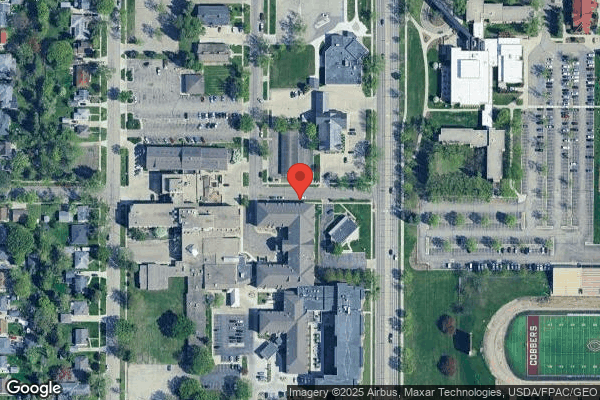
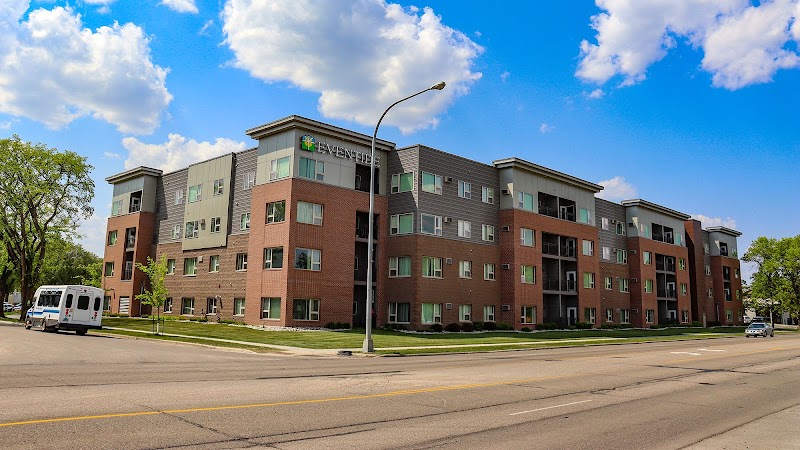
1405 7TH STREET SOUTH, MOORHEAD, MN 56560 (218) 233-7508
Non profit - Corporation 145 Beds Independent Data: November 2025 1 Immediate Jeopardy citation
Trust Grade
13/100
#231 of 337 in MN
Last Inspection: June 2025

Inspected within the last 6 months. Data reflects current conditions.

Overview

Eventide Lutheran Home has received a Trust Grade of F, indicating significant concerns and a poor reputation among nursing facilities. Ranked #231 out of 337 in Minnesota, this places them in the bottom half of the state, and they are last in their county, ranking #3 out of 3. The facility's performance is worsening, with the number of issues increasing from 4 in 2024 to 9 in 2025. While staffing is a relative strength with a turnover rate of 0%, which is well below the state average, they still face concerning RN coverage, being below 89% of state facilities. Additionally, they have been fined $59,005, which is higher than 79% of Minnesota facilities, highlighting ongoing compliance problems. Specific incidents include a critical failure to supervise a resident who eloped from the facility and was found miles away after several hours, and serious issues where residents were harmed due to inadequate safety measures during transfers. Overall, while there are strengths in staff retention, the concerning trends and significant fines raise red flags for families considering this facility for their loved ones.
Trust Score
F
13/100
In Minnesota
#231/337
Bottom 32%
Safety Record
High Risk
Review needed
Inspections
Getting Worse
4 → 9 violations
Staff Stability
○ Average
Turnover data not reported for this facility.
Penalties
○ Average
$59,005 in fines. Higher than 62% of Minnesota facilities. Some compliance issues.
Skilled Nurses
✓ Good
Each resident gets 44 minutes of Registered Nurse (RN) attention daily — more than average for Minnesota. RNs are trained to catch health problems early.
Violations
⚠ Watch
27 deficiencies on record. Higher than average. Multiple issues found across inspections.
★★☆☆☆
2.0
Overall Rating
★★★☆☆
3.0
Staff Levels
★★★☆☆
3.0
Care Quality
★★☆☆☆
2.0
Inspection Score
Stable
2024: 4 issues
2025: 9 issues

The Good

  • Full Sprinkler Coverage · Fire safety systems throughout facility
  • No fines on record

Facility shows strength in fire safety.

The Bad

2-Star Overall Rating

Below Minnesota average (3.2)

Below average - review inspection findings carefully

Federal Fines: $59,005

Above median ($33,413)

Moderate penalties - review what triggered them

The Ugly 27 deficiencies on record

1 life-threatening 3 actual harm
Jun 2025 6 deficiencies
CONCERN (D)

Potential for Harm - no one hurt, but risky conditions existed

Resident Rights (Tag F0550)

Could have caused harm · This affected 1 resident

**NOTE- TERMS IN BRACKETS HAVE BEEN EDITED TO PROTECT CONFIDENTIALITY** Based on observation, interview and document review, the facility failed to provide a dignified dining experience for 1 of 1 res...

Read full inspector narrative →
**NOTE- TERMS IN BRACKETS HAVE BEEN EDITED TO PROTECT CONFIDENTIALITY** Based on observation, interview and document review, the facility failed to provide a dignified dining experience for 1 of 1 residents (R4) who received assistance with eating in the dining room. Findings include: R4's quarterly Minimum Data Set (MDS) dated [DATE], identified R4 had severe cognitive impairment and had diagnoses which included: hypertension (elevated blood pressure), dementia, and anemia. Identified R4 required staff assistance to eat. R4's care plan dated 11/9/22, identified R4 had self-care performance deficit related to weakness and dementia. R4's interventions included assistance with hygiene, bathing and dressing. Identified R4 required total staff assistance with eating. Identified R4 had a terminal prognosis and received hospice care. During an observation on 6/24/25 at 12:35 p.m., R4 sat in a reclining wheelchair in the dining room at a table. Hospice registered nurse (H-RN) stood near R4's right side, and provided R4 with food from a spoon. -at 12:43 H-RN continued to stand near R4's side while assisting R4 to eat from a spoon. During a phone interview on 6/24/25 at 12:50 p.m., family member (FM)-A stated she did not feel it was a dignified practice for staff to stand while feeding R4. FM-A stated she would have expected staff to sit while assisting R4 to eat. During an interview on 6/24/25 at 12:56 p.m., H-RN verified he had stood up while assisting R4 to eat. H-RN stated R4's chair was big and it was not convenient for him to sit so he stood to assist R4 with her meal. RN-A further stated it was not a dignified practice to stand while assisting residents to eat. During an interview on 6/24/25 at 1:08 p.m., RN-A verified H-RN stood while assisting R4 to eat. RN-A stated her expectation was H-RN would have sat down while feeding R4 to maintain dignity. During an interview on 6/25/25 at 9:18 a.m., director of nursing (DON) stated staff were expected to be seated by residents while assisting with eating as it was important to maintain dignity and promote safety. Review of a facility policy titled Standards of Care revised 8/24, identified standards of care were followed when providing care to all residents. Identified all residents would receive safe, dignified care.
CONCERN (D)

Potential for Harm - no one hurt, but risky conditions existed

Deficiency F0554 (Tag F0554)

Could have caused harm · This affected 1 resident

**NOTE- TERMS IN BRACKETS HAVE BEEN EDITED TO PROTECT CONFIDENTIALITY** Based on observation, interview, and document review, the facility failed to ensure nebulizer medications were administered safe...

Read full inspector narrative →
**NOTE- TERMS IN BRACKETS HAVE BEEN EDITED TO PROTECT CONFIDENTIALITY** Based on observation, interview, and document review, the facility failed to ensure nebulizer medications were administered safely for 1 of 1 residents (R5) who were observed to self-administer a nebulizer and had not been assessed as safe to self-administer medications. Findings include: R5's admission Minimum Data Set (MDS) dated [DATE], indicated R5 was cognitively intact and had diagnoses which included pneumonia, hip fracture, and respiratory failure. R5 was dependent on staff for transfers and toileting hygiene. R5's care plan dated 5/30/25, identified R5 as having an activity of daily living (ADL) self-care performance deficit related to a fracture of the right ankle. R5's care plan interventions included assistance with dressing and grooming and being able to feed self after staff assisted with tray set up. Review of the care plan dated 5/30/25, lacked information regarding the self-administration of medications. Review of R5' s electronic health record (EHR) revealed Formoterol Fumarate inhalation nebulization solution ( a medication prescribed for asthma) 20 micrograms (mcg)/2 milliliters (ml) two times a day for asthma, Ipratropium-Albuterol inhale orally every six hours as needed for shortness of breath. EHR lacked information regarding the self-administration of medications. Review of R5's Order summary Report Dated 6/4/24 directed staff to administer Formoterol Fumarate inhalation nebulization solution 20mcg/2ml two times a day for asthma, Ipratropium-Albuterol inhale orally every six hours as needed for shortness of breath. The order summary report lacked an order to self-administer medications. Review of assessments located in the assessment tab of the EHR lacked an assessment of self-medication assessment. During an observation on 6/23/25 at 12:15 p.m., R5 was sitting in a wheelchair next to the bed with a nebulizer mask on her and a nebulizer machine turned on. No staff were present in the room or outside of the room. During an observation on 6/24/25 at 9:41 a.m., R5 was sitting in a wheelchair next to the bed with a nebulizer mask on her face and the nebulizer machine on. No staff were present in the room or outside of the room. During an interview on 6/24/25 at 11:09, licensed practical nurse (LPN) indicated self-administration assessment of medication were charted under the administration tab in the EHR. LPN looked and was unable to find a self-administration of medication assessment. LPN located an assessment for brief interview for mental status (BIMS). LPN indicated if a resident had a high BIMS score that indicated the resident as cognitively intact. LPN indicated the procedure for a resident to self-administer medications was to ensure a resident was cognitively intact and the resident could demonstrate they could self-administrate medication safely. LPN did not believe the facility needed to obtain a physician order for self-administration of medications. LPN verified that R5 administered her nebulizer independently after being set up by staff. During an interview on 6/25/25 at 7:42 a.m., resident care manager (RCM) indicated the nurses would do an assessment for the self-administration of medication, the facility would obtain a physician order, and would place the self-administration of medication in the care plan. RCM verified that R5 did not have a self-administration medication assessment. RCM also verified that R5 did not have self-administration of medications care planned. During an interview on 6/25/25 at 12:00 p.m., director of nursing (DON) indicated the facility had a self medication policy. The nurse would complete a BIMS assessment of the resident throughout the day. The nurse would assess the resident's performance with holding or keeping the mask on during the nebulizer treatment, if the resident could shut off the nebulizer appropriately, and discuss with the provider. The facility would review self-administrations quarterly or as needed. The DON would expect nurses to follow the policy on self-medication administration to ensure a resident could safely administer the medications. Review of a facility policy titled Medications Self-Administration of Medications dated 3/25, identified if deemed appropriate the resident may participate in the self-administration of medication process. A provider's order was required. The standing order may be utilized but the resident's primary provider must be informed. Medication administration will be monitored and the resident's ability to self-administer medications would be reviewed quarterly, prior to discharging home, and with a significant change in condition or as needed. Procedure: 1. The resident will be asked if they would like to self-administer medications. 2. If the resident declined, documentation would be made in the resident's medical record. 3. If the resident wanted to self-administer medications, the nurse would complete the Self-Administration of Medication Assessment to determine appropriateness. Inhalants or inhalers: The resident must demonstrate competency of use(timing of breathing, depressing the atomizer, position of the mouth for medication administration, length of time to wait between doses, etc.)
CONCERN (D)

Potential for Harm - no one hurt, but risky conditions existed

Deficiency F0558 (Tag F0558)

Could have caused harm · This affected 1 resident

**NOTE- TERMS IN BRACKETS HAVE BEEN EDITED TO PROTECT CONFIDENTIALITY** Based on observation, interview, and document review, the facility failed to ensure 1 of 1 resident (R95) had adequate hydration...

Read full inspector narrative →
**NOTE- TERMS IN BRACKETS HAVE BEEN EDITED TO PROTECT CONFIDENTIALITY** Based on observation, interview, and document review, the facility failed to ensure 1 of 1 resident (R95) had adequate hydration within reach. Findings include: R95's quarterly Minimum Data Set (MDS) dated [DATE], indicated R95 had a Brief Interview for Mental Status (BIMS) score of 7, indicating severe cognitive impairment. R95 required partial assistance with eating and extensive assistance with dressing and personal hygiene. R95 had a diagnosis of cerebral infection (stroke), hemiparesis (weakness of one side of the body), anxiety, and depression. R95's care plan was revised on 3/12/25, indicating that R95 could feed herself after staff assisted with tray setup. Staff to encourage R95 to use her right hand to feed herself, and place the tray in the far-right visual felid. Dysphasia mechanically altered with nectar thick liquids, on 4/3/25 per speech therapy changed to pureed with nectar thick liquids with hopes of improving intakes. Dislikes strawberries. The family prefers that R95 be given cranberry juice to drink instead of any other flavored juices or milk. No water mug with thin liquids. R95's physician order dated 6/10/25, indicated R95 had a Dysphasia mechanically altered texture and nectar thick consistency. During an interview on 6/23/25 at 11:56 a.m., a family member indicated that R95's water mug had been across the room multiple times when visiting. The family member indicated that R95 could not move her wheelchair across the room to get her water mug. If the water mug was beside R95, then she would have been able to take a drink independently. During an observation on 6/24/25 at 9:43 a.m., R95 was sitting in a wheelchair looking out the window. The side table with the water mug was behind R95 next to the bed, out of reach. During an observation/interview on 6/25/25 at 7:28 a.m., R95 was in bed wake, and R95's nightstand was across the room next to the wall out of reach. NA-E verified that R95 was unable to reach the water mug. NA-E indicated staff normal practice was to keep the water mug next to her. NA-E indicated R95 was able to drink fluids independently, but at times did need assistance. During an observation/interview on 6/25/25 at 11:11 a.m., R95 was in her wheelchair next to the bed and the side table with the water mug was aginst the wall on the left side about three feet away. NA-C confirmed R95 could not reach her side table and water mug on the left side. NA-C confirmed R95 she had left-sided weakness from a stroke. R95 confirmed she was unable to reach the water mug. The water mug was moved to the right side of the wheelchair and R95 was able to demonstrate she could pick up the water mug and bring it to her mouth. During an interview on 6/25/25 at 10:11 a.m., R95 indicated staff did not always leave the water mug within reach. R95 indicated she would get thirsty and would be unable to reach her water mug. During an interview on 6/254/25 at 6:47 p.m., NA-D indicated R95 was able to drink water independently depending on R95's mood that day. During an interview on 6/24/25 at 7:13 p.m., trained medical assistant (TMA)-A indicated R95 could hold her water mug when in reach. During an interview on 6/25/25 at 7:51 a.m., resident care manager (RCM)-A indicated R95 was able to drink independently if the water mug was placed on her right side. During an interview on 6/25/25 at 12:07 p.m., director of nursing (DON) indicated her expectations would have been for staff to place the water within reach to prevent dehydration. Review of the policy titiled: Stnadards of Care dated 8/2024, directed staff to offer fluids when completing scheduled cares (toileting, turning, etc.) Policy lacked information of having water within reach when apporpirate.
CONCERN (D)

Potential for Harm - no one hurt, but risky conditions existed

Deficiency F0561 (Tag F0561)

Could have caused harm · This affected 1 resident

**NOTE- TERMS IN BRACKETS HAVE BEEN EDITED TO PROTECT CONFIDENTIALITY** Based on interview, record review, and observation, the facility failed to honor a resident's right to make choices about food c...

Read full inspector narrative →
**NOTE- TERMS IN BRACKETS HAVE BEEN EDITED TO PROTECT CONFIDENTIALITY** Based on interview, record review, and observation, the facility failed to honor a resident's right to make choices about food choices at meals for 1 of 1 residents (R95) reviewed for choices. Findings include: R95's quarterly Minimum Data Set (MDS) dated [DATE], indicated R95 had a Brief Interview for Mental Status (BIMS) score of 7, indicating severe cognitive impairment. R95 required partial assistance with eating and extensive assistance with dressing and personal hygiene. R95 had diagnoses of cerebral infection (stroke), hemiparesis (weakness of one side of the body), anxiety, and depression. R95's care plan revised on 3/12/25, indicated R95 could feed herself after staff assisted with tray setup. Staff to encourage R95 to use her right hand to feed herself and place the tray in the far-right visual felid. R95's diet was changed on 4/3/25, per speech therapy to pureed (smooth blended foods) with nectar thick liquids with hopes of improving intakes. The family preferred that R95 be given cranberry juice to drink instead of any other flavored juices or milk. No water mug with thin liquids. R95's physician order dated 6/10/25, indicated R95 had a Dysphagia (difficulty swallowing) mechanically altered texture and nectar thick consistency. During an interview on 5/23/25 at 11:55 a.m., family member (FM)-A indicated staff would ask other residents what they wanted for the meal but would not ask R95 what she wanted for her meal; staff would not give her options. During an interview/observation on 6/23/25 at 3:10 p.m., nursing assistant (NA)-C went to each resident's room and asked residents which meal choice for supper they wanted however, did not provide R95 options for supper. NA-C indicated there was only one choice for mechanical soft diets and pureed diets. During an interview on 6/25/25 at 7:28 a.m., NA-E indicated all the mechanical soft diets and pureed diets get the same meal and because of this staff did not ask R95 what she wanted to eat each meal. NA-E indicated that R95 was able to verbalize what she liked to eat. During an interview on 6/24/25 at 6:47 p.m., NA-D indicated the kitchen chose what meal option R95 would receive. NA-D indicated the kitchen staff would puree the food in the kitchen before it was brought up to the dining room to be served. During an interview on 6/25/25 at 7:51 a.m., resident care manager (RCM)-A stated an expectation would be for staff to give all residents options for meals. During an interview on 6/25/25 at 10:11 a.m., R95 verified staff did not ask her what she wanted for meals. R95 indicated she normally did not like what was for lunch. At times some staff would make her something else to eat, however, not consistently. During an interview on 6/25/25 at 10:15 a.m., NA-F indicated residents on a dysphasia mechanical diet or food that needed to be ground up, were not provided meal options. NA-F indicated staff had not been asking R95 what she wanted to eat for meals as the kitchen would bring the food already ground up. During an interview on 6/25/25 at 10:29 a.m., DA-A indicated the food was blended in the kitchen and then brought up to the kitchenette for the residents who received a pureed diet. Residents who did not have mechanically altered diets would have two meal choices. Which meal choice was blended was predetermined by the cook. During an interview on 6/24/25 at 5:25 p.m., Cook-B indicated residents who received a pureed or mechanical soft diet would receive the first option on the menu. During an interview on 6/25/25 at 10:37 a.m., Cook-A indicated staff would puree the first meal choice, otherwise the facility was wasting a lot of food. A lot of residents who received a pureed diet were incapable of making a meal choice. Cook-A indicated the normal process was to puree the first meal choice. During an interview on 6/25/25 at 10:38 a.m., dietary manager (DM) indicated if a resident was able to express preferences the facility would try to honor their preferences. The kitchen would keep a record of foods a resident did not like if they were able to verbalize that. If a resident could not verbalize what they did not like the staff would watch for symptoms such as turning the head away when being fed. DM verified that residents who received a pureed diet did not receive meal choice options. During an interview on 6/25/25 at 12:07 a.m., director of nursing (DON) indicated her expectation would be for staff to offer an alternative food option if a resident was not eating their meal. Having choices would be important for nutritional intake and the prevention of dehydration. A policy titled Liberal Geriatric Diets, textures and Consistencies dated 8/24, indicated Eventide uses non-therapeutic (regular) diets to enhance the quality of life for our residents. All therapeutic diet orders such as general adult, diabetic, salt restrictions, heart-healthy, renal, etc. will be changed to a regular diet upon admission, Diets may be adjusted by a registered dietician based on the resident's individual needs and preferences. All orders for high-calorie/high-protein nutritional supplements, snacks, and calorie counts will be discontinued upon admission. The registered dietitian would implement high-calorie/high-portion nutritional supplements and snacks based on the resident individual needs and preferences. Eventide follows texture/liquid modifications as ordered. Texture modifications/liquid consistencies may be downgraded by the dietician and/or nursing as needed. The policy lacked information regarding meal choices.
CONCERN (D)

Potential for Harm - no one hurt, but risky conditions existed

Deficiency F0637 (Tag F0637)

Could have caused harm · This affected 1 resident

**NOTE- TERMS IN BRACKETS HAVE BEEN EDITED TO PROTECT CONFIDENTIALITY** Based on interview and document review, the facility failed to complete a Significant Change in Status Assessment (SCSA) using t...

Read full inspector narrative →
**NOTE- TERMS IN BRACKETS HAVE BEEN EDITED TO PROTECT CONFIDENTIALITY** Based on interview and document review, the facility failed to complete a Significant Change in Status Assessment (SCSA) using the Resident Assessment Instrument (RAI) process, following the initiation of hospice services for 1 of 1 resident (R117) reviewed for hospice. Findings include: R117's quarterly Minimum Data Set (MDS) dated [DATE], identified R117 had severe cognitive impairment and diagnoses which included Alzheimer's disease, dementia, and traumatic brain injury. Identified R117 required extensive assistance with activities of daily living (ADL's) which included bed mobility, transfers, and toileting. R117's progress notes dated 3/31/25 to 5/19/25, identified R117 was admitted to Ethos Hospice on 4/28/25. R117's electronic medical record (EMR) identified a quarterly MDS was completed on 2/28/25, and a death MDS was completed on 5/19/25. R117 EMR lacked a significant changed MDS was completed when R117 was admitted to hospice. During an interview on 6/25/25 at 11:11 a.m., MDS coordinator confirmed R117 passed away on 5/19/25. MDS coordinator further indicated the significant MDS was missed because the MDS coordinator counted the days wrong. During an interview on 6/25/25 at 11:54 a.m., director of nursing (DON) confirmed the above findings. DON stated that her expectations were to have MDS's completed timely. Review of facility policy titled Resident Assessment Instrument (RAI) process - MDS 3.0 revised 2/25, The RAI was a method for assessing functional capacity and needs, identify problems, needs, and strengths developing intervention. If the interdisciplinary team determined there was a significant change in condition, the MDS Coordinator would notify all disciplines and initiate the significant change in status.
CONCERN (D)

Potential for Harm - no one hurt, but risky conditions existed

Pressure Ulcer Prevention (Tag F0686)

Could have caused harm · This affected 1 resident

**NOTE- TERMS IN BRACKETS HAVE BEEN EDITED TO PROTECT CONFIDENTIALITY** Based on observation, interview and document review, the facility failed to ensure a pressure relieving device was implemented t...

Read full inspector narrative →
**NOTE- TERMS IN BRACKETS HAVE BEEN EDITED TO PROTECT CONFIDENTIALITY** Based on observation, interview and document review, the facility failed to ensure a pressure relieving device was implemented to prevent skin breakdown for 1 of 3 residents (R22) reviewed for pressure ulcers. Findings include: R22's quarterly Minimum Data Set (MDS) dated [DATE], identified R22 had severe cognitive impairment and diagnoses which included hemiplegia (paralysis on one side of the body), aphasia (disorder that affects the ability to communicate), and Parkinson's Disease. Identified R22 required extensive assistance with activities of daily living (ADL's) which included bed mobility, transfers, and toileting. Identified R22 was at risk for pressure ulcers. R22's annual Care Area Assessment (CAA) dated 10/19/24, identified R22 required total assistance from staff with repositioning and was at risk for skin breakdown. Identified R22 was incontinent of bowel and bladder. R22's care plan dated 10/14/2016, identified R22 had self care deficits and was at risk for skin breakdown related to stroke and right sided hemiparesis and dependence on staff for repositioning in bed and wheelchair. Identified R22 was to wear Prevalon boots when in bed. R22's Braden Scale for Predicting Pressure Ulcer Risk dated 4/12/25, identified R22 was at moderate risk of developing a pressure ulcer. R22's treatment administration record (TAR) for the month of June 2025, identified R22 was to have Prevalon boots when in bed on every shift. Third floor nursing assistant (NA) care sheet undated, identified R22 was to have Prevalon boots on while in bed. During an observation on 6/23/25 at 12:29 p.m., R22 was lying in bed on her back wearing gripper socks on her feet. Blue Prevalon boots were on a bedside table across the room. During an observation on 6/24/25 at 1:22 p.m., nursing assistant (NA)-A and NA-B sanitized hands and applied gloves, hooked R22 up to the hoyer lift and lifted R22 into bed. NA-A and NA-B rolled R22 onto her side and pulled her pants down to check her incontinent product then turned R22 onto her left side. Blue Prevalon boots continued to be on the bedside table across the room. NA-A- and NA-B removed gloves sanitized hands, and exited R22's room. At no time did NA-A or NA-B offer to place the blue Prevalon boots onto R22's feet. During a joint interview on 6/24/25 at 1:34 p.m., NA-A and NA-B stated they had not offered to put the blue Prevalon boots on R22's feet because R22 only required the blue Prevalon boots on her feet when she went to bed at night. During an interview on 6/24/25 at 1:40 p.m., registered nurse (RN)-A verified R22 was at risk for developing pressure ulcers. RN-A stated R22 was to have blue Prevalon boots at all times while she is in bed per the care plan. RN-A placed the blue Prevalon boots on R22's feet and stated her expectation was the staff placed the blue Prevalon boots on any time R22 was in bed to prevent skin breakdown. During an interview on 6/25/25 at 9:16 a.m., director of nursing (DON) verified R22 was at risk for skin breakdown. DON stated her expectation was that staff would have applied the blue Prevalon boots on R22's feet when in bed per the care plan to prevent skin breakdown. Review of a facility policy titled Skin Assessment revised 12/23, identified the purpose of the skin assessment was to identify current and potential problems. Identified a resident admitted to the facility was to receive the necessary treatment and services to promote healing, prevent infection, and prevent new pressure ulcers, Further identified the goal was that residents who entered the facility without pressure ulcers do not develop pressure ulcers unless their clinical condition demonstrates the pressure ulcer was unavoidable.
Apr 2025 1 deficiency 1 IJ
CRITICAL (J) 📢 Someone Reported This

A family member, employee, or ombudsman was alarmed enough to file a formal complaint

Immediate Jeopardy (IJ) - the most serious Medicare violation

Accident Prevention (Tag F0689)

Someone could have died · This affected 1 resident

**NOTE- TERMS IN BRACKETS HAVE BEEN EDITED TO PROTECT CONFIDENTIALITY** Based on observation, interview and document review, the facility failed to ensure adequate supervision for 1 of 3 residents (R1...

Read full inspector narrative →
**NOTE- TERMS IN BRACKETS HAVE BEEN EDITED TO PROTECT CONFIDENTIALITY** Based on observation, interview and document review, the facility failed to ensure adequate supervision for 1 of 3 residents (R1) reviewed for accidents. This failure resulted in an immediate jeopardy (IJ) when R1 eloped from the facility, and was found 5 hours later, approximately 4 miles from the facility, after dark. The IJ began on 4/16/25 at 6:27 p.m., when R1 exited an alarmed door at the facility and staff failed to respond timely and complete a full property search for R1. R1 was located by the police approximately four miles from the facility at 12:00 a.m. Director of quality and infection prevention and director of clinical services were notified of the IJ at 5:15 p.m. on 4/30/25. The facility implemented corrective action by 4/22/25, prior to the start of the survey and therefore is issued as past non-compliance. Findings include: R1's annual Minimum Data Set (MDS) dated [DATE], identified moderately impaired cognition. He required partial to moderate assistance with shower/bathe, set up/cleanup for eating, oral and personal hygiene, upper/lower body dressing, and independent with toileting hygiene, all transfers, ambulation, and bed mobility. He was frequently incontinent of bladder and continent of bowel. R1's diagnoses included epilepsy, dementia, orthro static hypotension (a drop in blood pressure occurred when a person stood up after sitting or lying down), hemiplegia (weakness on one side of the body), anxiety, chronic obstructive pulmonary disease (COPD), and depression. He was administered antidepressants and diuretics (increased urine output). R1's care plan dated 4/18/25, identified a self-care deficit related to subarachnoid hemorrhage (bleeding occurred in the space between the brain and a protective layer surrounding the brain due to a weak blood vessel), poor safety awareness, anxiety, epilepsy, weakness, rhabdomyolysis (a rare muscle injury where muscles break down), abnormalities of gait and mobility, major depressive disorder (MDD), and bell's palsy (temporary facial paralysis usually on one side of the face). Staff were instructed to assist as needed to change an incontinent product pull-up. He had potential for falls, ambulated with a front wheeled walker (FWW), and required supervision and assistance as needed (PRN). He had potential for safety concerns due to risk for elopement, wandered on the unit, asked about exits, and attempted to open stairway door. Staff were directed to check placement of WanderGuard on left ankle and workability, engage him in activities as much as able, wore jacket occasionally, if seen with one on, complete education about alerting staff if he wanted to leave facility, discuss resident's gratitude, if comments were made about wanting to leave, initiate frequent checks and update all staff on unit, monitor for getting onto elevator. If he approached the elevator, offer to go on a walk with him. Remind him he cannot leave facility unit without telling staff. He wandered frequently and discussed how he wanted to leave. Staff were directed to monitor mood and behavior, offer emotional support, provide 1:1 visit for conflict resolution/problem solving, redirection as needed, and report changes in mood. He was considered a vulnerable adult due to placement in a skilled nursing facility as well as physical impairments. R1's elopement risk assessment dated [DATE], identified he was cognitively impaired with poor decision-making skills, dementia, major depressive disorder, and anxiety. He had verbalized the desire to leave facility, wandered near an exit door, and aimlessly (confused, moves without purpose). Interventions include secured unit, wander guard located on left ankle, utilization of check in /check out log, recreational activities. R1 had two wander/elopement alarms (an electronic device that monitors a resident's movement and alerted staff when movement was detected). R1's Progress Notes on 4/17/25 indicated: -at 12:10 a.m. late entry: left voicemail for his brothers to alert of elopement. Spoke with one brother at 7:00 p.m. Stayed in communication with his brothers through the night. Updated brother upon resident's safe return to facility. -at 12:29 a.m. late entry: returned to facility just before 12:00 a.m. Cognition was at baseline, alert, followed commands, and able to answer questions. He was aware he had been out of the facility for an extended amount of time he described that he walked to get things figured out for him to return to his home and live with his daughter. Did not know specifically where he was going, but reported he was familiar with the area. R1 denied being in any danger or talking to anyone during his walk. A full health status assessment was completed upon return to facility. R's shoes were dry and no evidence of walking through mud or water noted. He stated his leg were tired and was noted to be incontinent of bowel and bladder. Mood upon arrival was stable; stated he was glad to be home and sorry for scaring anyone. Note indicated frequent checks were initiated on resident for the night. -at 3:06 p.m. provider was updated with concerns. The Supplementary Police Report dated 4/17/25, identified a missing person: elderly man with brain injury walked away from the medical retirement home. Numerous efforts were made to locate him but were unsuccessful until an alert was issued to the public. Shortly after the alert was made a citizen indicated they had seen him and he was in Fargo. Details: Dispatch stated the missing person had left approximately 40 minutes prior to being dispatched and was walking with a walker. Upon arrival to the facility, he was informed the missing person suffered from a traumatic brain injury, had symptoms like dementia, memory severely impacted, and unable to care for himself. He was provided a name, description, and photo, and searched the area but was unable to locate him. Facility was requested to review their premises cameras. The last time the missing male was seen on their camera system he was located on 7th street and 14th avenue south and walked east towards 8th street south when he went off camera. Time stamp of when he walked out of facility building was 6:27 p.m. His family was contacted and were concerned about his welfare and unsure if he had his cell phone with him. A ping was conducted, may have possibly been his phone number and showed it was in rural Clay County, and unsuccessful in locating it. During the investigation the concern for his welfare was growing. Based on information from family and facility staff it was believed he would not be able to care for himself or able to find his way back. As the time of him being gone and the falling temperature it was believed if he was not located soon, it could have become lift threatening. A press release was sent out at approximately to the [NAME]/Clay County areas at approximately 11:29 p.m. Once the alert was released numerous calls came in indicating they believed they had seen him and one person indicated he was seen around Big Top Bingo near 25th street and 6th avenue two hours prior. Fargo officer responded to that area and located the resident at approximately 12:00 a.m. on 4/17/25, and within a half hour of the alert being broadcaster. He was cold and had soiled himself in the squad car. He was transported back to the facility without issues. During the investigation facility staff canvassing the area and the community by walking around. A drone was requested and used to actively fly around the local college and along the Red River when he was located. R1's records revealed facility implemented 30-minute checks upon R1's return to the facility on 4/17/25. Records reflect checks starting at 12:30 a.m. through 5:00 p.m. 0 4/18/25. The facility 5-day incident report summary dated 4/17/25 at 2:14 p.m., identified R1 was assessed to be a high risk for elopement, had a WanderGuard to his ankle, and alerted staff when he was close to an exit door. At 6:23 p.m. his wander guard triggered a warning at an exit. The receptionist received the warning and immediately called the charge nurse on the unit he resided on and informed the nurse where the alarm was warning. Charge nurse reported she had seen R1 about 10 minutes prior to when the phone call was received. She immediately went to the area and looked for him. At 6:27 p.m. his wander guard was detected at a different exit, which triggered a warning, and his wander guard triggered an alarm. The receptionist called the charge nurse again and told her where his wander guard had alerted. The alarm was triggered on the opposite side of the building. He was active, mobile, walked quickly and was steady on his feet. The staff nurse and another staff member went to that area and began search for him. The receptionist did not see him exit the doors on the camera at that time. It was unknown if he had exited the building. Staff looked inside the building and through the windows and unable to see him in the immediate areas close to the windows or in the parking lot. Charge nurses on the units were contacted and delegated staff to search on each unit. Unit commons, room to room, and outside searches were conducted and he was not found. Charge nurse called DON, she assisted with the search for approximately 10 minutes and camera footage was viewed and R1 was identified exiting the building at 6:26 p.m. based on camera time. He was wearing a red winter jacket, black shirt, long black pants, white tennis shoes with socks and a ball cap. The camera showed R1 exit the building, walked on the sidewalk near the entrance of the assisted living side of the facility. Once he left the facility property the camera did not capture a specific route or direction he went after that. Police, family and executive director were notified and the search parameters widened as time went on. The police officer sent an alert out to the community and he was located by the police offer at 11:57 p.m. approximately 4 miles away from the facility and escorted back. The temperature outside was 62 degrees when he left the building and around 53 degrees when he returned. Upon arrival to facility R1 was immediately assessed from head to toe. No medical treatment was needed and he was unharmed. He stated he planned to go home and wanted to live with his daughter, denied telling anyone about his plan and did not sign out prior to leaving. He stated he was familiar with the area and never felt lost but at some point, was turned around. Frequent checks were completed throughout the night and he slept all night. He was unsure why he took the path he did last night. He was educated about safety, alerting staff if he wanted to leave the unit or go outside, verbalized understanding of this, but education provided to him will be ongoing. His primary care provider was updated and rounded on him this morning. She completed a verbal contract for safety with him stating he will not elope. Staff that had worked at the time of the incident were educated verbally about the incident and steps to prevent a reoccurrence, frequent checks, safety, and his plan of care. The receptionist received immediate verbal education about the importance of a quick response to the alert, stay in the area with the resident. The wander guard system worked as intended, no concerns with the system itself. The staff member had unintended lapsed in response time when the alarm went off. Education on elopement was being discussed at shift changes and a mandatory meeting for all staff has been set up for tomorrow along with additional times to attend next week. All education will be completed by 4/24/25. Resident's care plan will be reviewed and updated to prevent reoccurrence. Resident interviews will be completed and all residents will be assessed for elopement per facility policy. The investigation was ongoing. During an interview/observation on 4/29/25 at 12:44 a.m., R1 laid on bed covered up with a blanket fully dressed in jogging pants and a cap, T-shirt with slip on shoes/slippers without socks with a white wander guard bracelet located on his left ankle. He stated he does not sleep well and walked the floors especially at night. [NAME] was placed next to bed. They did not like when he went outside and placed a wander guard on his ankle. He did not know it picked him up wherever he went. He had left the facility in the evening and did not tell anyone he planned on going out. He was told when he decided to leave the facility he should have told someone and didn't. He left with his walker and found it difficult to walk on the sidewalks and streets. He had been a [NAME] all his life and was doing something he was not supposed to do. It was dark out when he left the facility and had not paid much attention to where he was walking. He crossed intersections and state troopers and cops were out looking for him and he was gone over a couple of hours. All he knew was he wanted to get out of here, tired of being told what to do and staying on this floor. He found it hard to live like that, wanted a break, they were not giving him one, so took it on his own. He really did not know where he was headed. There was a female cop that came down to the river and informed him there was a lot of people looking for him and very happy she found him. He was happy to have been found also, he was freezing. During an interview on 4/30/25 at 9:17 a.m. receptionist (R)-A stated she was the main person who set up the WanderGuard system for resident determined to be at risk and checked the door sensors with a WanderGuard tag weekly. There were five wall sensors to detect a WanderGuard. The wall sensor would detect a resident with a WanderGuard when the resident approached the door, gave a warning beep out loud and then once the resident moved closer and/or opened the exit door the beep changed to a different tone and louder. Her computer would notify her and provided resident tag/wander guard information, their location. There was a map located on the computer that showed where the resident was in the building only on 1st floor after the sensor was set off by a WanderGuard. She had visual access to real time and the ability to see the resident at the door and if within the camera view. She looked to see if the resident was alone or with staff/family and directed her as to if it was an emergency or not. She viewed the monitor and kept an eye on them if was a resident regularly seen. When located by themselves she would go to the door sensor that alarmed and redirect them. Staff are contacted via phone or walkie when assistance was needed due to behaviors and not re-directable. She would stay with the resident until staff arrived. If a resident was seen leaving the building alone, staff would be notified as soon as possible and she would run to the door, stop them from going any further, and stay with them until staff arrived to assist. When she was unable to find the resident after a sensor went off, she would search the area of the sensor, in the hallway, and then go outside to search. Usually takes about 6 minutes of the inside building search by the sensor area. If it was determined an emergency all staff would be alerted, instructed to turn their walkies to channel 10 so that we can all be on the same page and updated. The receptionists were responsible to check the WanderGuards with a tester and confirm a signal was seen and working properly. Review of the testing log identified R1's WanderGuard was tested on [DATE] at 7:48 a.m., and on 4/17/25 at 8:36 a.m. and was identified as working properly. R-A indicated she was not working when R1 exited out of the south entrance doors located over by the assisted living. During an interview on 4/30/25 at 11:40 a.m. R-C stated on 4/16/25 at 6:27 p.m., a sensor alarm went off at the service door located on 2nd floor and notified her it was R1. She called and talked with LPN-A and asked if she had eyes on him. She was on the telephone with another resident's family and when LPN-A called her back, she indicated no. The service elevators sensors were located on all three floors and alarmed when a resident would enter with a WanderGuard on. There was a pin number that had to be entered into the keypad to get onto service elevator. She had gone over to the service elevator on the 1st floor and checked but R1 was not located. LPN-A came down to 1st floor with two NA's and searched the bathrooms next to the chapel area (R1 commonly used those bathrooms) and the link area (hallway entrance that connected the long-term care to the hallway that led to the south entrance door). After she returned to her receptionist desk, she had noticed the wellness exit door alarm had went off and missed it when she was away from her desk looking for R1 by the service area elevators. She was unsure of what time that had occurred due a new sensor alarmed located at the link (front door area) had gone off when she was located at the desk by the computer. LPN-A and her were located at the main reception desk talked briefly and she may have missed seeing R1 exit the building on the camera. LPN-A and NA's walked up the to the south front door entrance/link area and searched for R1 and she stayed at reception desk to monitor the cameras. She stated after LPN-A indicated she was unable to find R1 on 2nd floor she should have been more proactive, went around her desk, checked the hallways better and further down by the wellness center rather than only by the service door. Three separate sensor alarms were activated and identified it was R1 while he moved about on 1st floor and she could have probably prevented him from getting out of the facility or away from the building outside. She was expected to check outside as soon as the alarm went off and unable to locate the resident at the sensor site. She had received education elopement policy and what could have been done differently. Sensor alarms triggered on 4/16/25 1st floor was verified on the receptionist computer during interview with R-C: 1st alarm elevator went off at service door area - 6:23 p.m. 2nd alarm wellness lobby at 6:26 p.m. 3rd alarm on the link area between care center and hallway to front door at 6:27 p.m. During an interview on 4/30/25 at 11:57 a.m. family member (FM)-A stated he was notified of R1's elopement on the evening of 4/16/25, and prior to that he had not left the faciity on his own. He stated R1 stated recently had a hard time dealing with the situation, had a stroke three years ago and short-term memory loss. R1 had told him he did not know what was going on unable to remember, agitated, not one to be tired down/kept inside and was restless. He was good at making up stories so believable he believed what he told people to be the truth and used as a coping mechanism. R1 would have not been safe out in the community that night or any night. FM-A stated he did not feel that R1 was fully safe at the facility and could have easily eloped again. Once he had gotten out on 4/16/25 unknown if he really knew where he was going. FM-A had inquired about a IPOD clip on that would be used to track him outside the building, was informed it was against the facility policy for a tracker to be used. R1 was extremely cold when located hours later at almost 12:00 a.m., we were scared for him. The facility was working hard to keep him safe but may need to be moved if his needs are unable to be met During an interview on 4/30/25 at 12:21 p.m. NA-C stated R1 had dementia and an impaired memory. Staff were expected to have completed safety round every two hours. NA-C worked on 4/16/25 and checked on R1 at 2:30 p.m. and 3:00 p.m. and was laying down on his bed, conversed with him. No mention about leaving the facility that day. At approximately just after 4:00 p.m. he was in the TV room and walked back to his room. We conversed again, asked him if he needed anything, talked about the weather, had a hard time staying in once place for sure. Did not exhibit exit seeking behaviors. NA-C got busy, helped another resident get up for supper and fed a resident. Another NA informed me she was heading to R1's room to get his roommate for supper, since he had forgotten. R1 was still in his room unsure of time. R1 was known to walk the hallways frequently especially at night. R1 had not attempted to leave the floor while he worked. Last time he saw R1 was at 4:00 p.m. After NA-C had finished feeding the resident in the dining room, he was asked by the staff nurse when R1 was seen last time. R1's room, hallway was searched and was told to stop what we were doing and headed downstairs in a panic (was assigned to him) and looked, unable to locate him. NA-C had checked inside the building on 1st floor then went outside for a brief second from the main entrance into the parking lot and searched for him and then was informed to go back upstairs and helped other residents. R1 wound not have been safe out in the community by himself due to his impaired cognition and lack of memory. During an interview on 4/30/25 at 12:49 p.m. licensed practical nurse (LPN)-A stated R1's cognition varies and he was forgetful. He walked the hallways frequently with the walker. Staff were expected to check on him at least every two hours. Last time she saw R1 on 4/16/25 was approximately 15 to 20 minutes prior to when he left the facility walking in the hallway in the west wing . He wore a coat and occasionally wore that because he got cold, fully clothed, not sure about what was on his feet (usually wore slip on loafers with a hard sole) and a baseball cap. At 6:27 p.m. she received a call from R-C and was informed a sensor alarm had gone off by the north corridor elevator. She went over to the north hallway on 2nd floor and to his room and unable to locate him. Approximately 3 minutes had gone by and she received another call from R-C indicating another door sensor alarm had gone off by the link hallway (hallway that links the care center (LTC)) that led to the south entrance door. She went down to the 1st floor immediately and searched in that area, and he was not located She visually looked out from the font door window and windows in the entry way, but did not go outside at this point. She notified all staff in the building and then called the DON at approximately 6:35 p.m. and then assisted with the search outside of the building, in the parking lot and around the front of the building for a couple of minutes. The DON viewed the camera footage and verified he had exited the south front doors. She remained on 1st floor over by the assisted living. A receptionist from the assisted living apartments alerted us that she had seen R1 walking on the sidewalk outside the apartments located on the south end of the building. He passed by the pillar and they lost view of him. Staff continued to check inside and outside the building. At 7:15 p.m. the police department was notified by R-C. She stated the receptionist at the main street desk would have been expected to check the alarming door right away and that was not done. She should have gone outside immediately to stop him from getting too far. LPN-A then indicated, R1 would not have been safe out in the community by himself due to his poor memory and there was a potential he could have been harmed. He was gone from the facility from 6:27 p.m. and was not found and brought back until shortly before midnight. During an interview on 4/30/25 at 3:06 p.m. with nurse practitioner (NP) stated R1 required 24/7 supervision and would have not been safe out in the community by himself. The facility can speak the policy he was determined to leave the building, physically active, and cognitively impaired. The facility policy and procedures are aimed at preventing this from happening. During the survey the administrator and director of nursing (DON) were out of the office and unavailable for interviews. Facility policy Elopement Prevention and Missing Residents dated 4/2024, identified the facility will assure the health, safety and welfare of all residents who are placed in our care. If a resident is missing a search will be conducted. Prevention: each resident is assessed for elopement risk upon admission/hospital return and as needed . if a wander guard is placed the elopement risk assessment will be completed quarterly, with significant changes and as needed to determine continued appropriateness. Missing resident: Immediate response: record time the person is discovered to be missing, when and where they were seen last. Continue to keep a log of events. Verify the resident had been signed out of the facility or on an outing. Immediately report to the nurse manager/on-call. Notify all staff working: attention all staff, missing person alert (location). Please report to the nearest nurse's station for further instruction. Make copies of the missing resident's photograph if available. Conduct a thorough search of the facility and grounds. Assign staff members a specific area to be search. Search room-to-room, under beds and furniture, in walk-in refrigerators/freezers, closets, storage rooms, outside facility grounds, and anywhere a frighten person maybe hiding. Instruct staff members to report back after their assigned areas have been checked and continue to check back every 15 minutes for updates. After initial search or as soon as possible: nurse manager/on-call will notify DON, who will notify the executive director (ED), who will notify law enforcement (call 911). Provide description of the resident and a photograph, including the clothing resident was wearing, mobility and cognitive status. The DON or designee will notify the resident's responsible party. Facility searches unsuccessful: ED or designee will collaborate with law enforcement and assign available staff to start neighborhood search and carry a picture of the missing resident. Upon finding the resident: charge nurse will assess the resident for injuries, complete the elopement risk assessment and document findings. Care plan will be reviewed and updated. ED or designee will notify all staff members, residents, and other responders/searchers that the resident had been found. Complete an incident report and DON or designee will file a vulnerable adult report if indicated. Take immediate action to decrease risk of repeated event with resident involved or others. The past noncompliance immediate jeopardy began on 4/16/25. The immediate jeopardy was removed and the deficient practice corrected by 4/22/25, after the facility implemented a systemic plan that included the following actions: The facility took the following action to correct the immediate jeopardy and is therefore cited at past non-compliance. -facility began immediate investigation. -upon R1's return to facility a complete head to toe assessment was completed and every 30-minute safety checks were implemented due to risk of reoccurrence on 4/17/25 from 12:30 a.m. through 5:00 p.m. -All staff mandatory meetings have been held on 5 different times. Education included: elopement, missing resident, facility policies and procedures, and this specific incident and interventions had been discussed. -Frequent checks will be completed if statements are made about leaving. -Elopement checks will be completed if R1 makes statements about leaving. -Elopement drills will be conducted. -Wander guard system was checked and in working order. -Policies were reviewed, elopement and missing resident. no changes needed. -Other high elopement resident charts and care plans were reviewed, and triggers and interventions were added as needed. -Pictures of high-risk elopement residents had been dispersed to all departments to review routinely. Pictures updated with any changes.
Apr 2025 1 deficiency
CONCERN (D) 📢 Someone Reported This

A family member, employee, or ombudsman was alarmed enough to file a formal complaint

Potential for Harm - no one hurt, but risky conditions existed

Infection Control (Tag F0880)

Could have caused harm · This affected 1 resident

**NOTE- TERMS IN BRACKETS HAVE BEEN EDITED TO PROTECT CONFIDENTIALITY** Based on observation, interview, and document review the facility failed to ensure appropriate hand hygiene and personal protect...

Read full inspector narrative →
**NOTE- TERMS IN BRACKETS HAVE BEEN EDITED TO PROTECT CONFIDENTIALITY** Based on observation, interview, and document review the facility failed to ensure appropriate hand hygiene and personal protective equipment (PPE) practices were performed during a high contact care activity for 2 of 3 residents (R1, R5) in enhanced barrier precautions (EBP) with an indwelling device. Findings include: Primary provider visit dated 2/4/25 at 8:00 p.m. identified assessment/plan: neurogenic bladder - continue with suprapubic catheter (a flexible tube placed through an incision in the abdomen instead of from the urethra to empty urine from the bladder into a collection bag) (SP), Mirabegron 25 milligrams (mg) (medication for bladder spasms). Nursing was responsible for catheter cares. No recent urinary tract infection (UTI) concerns. R1's annual Minimum Data Set (MDS) dated [DATE], identified intact cognition without behaviors. She had upper impairment on one side, lower impairment on both sides and used a wheelchair for mobility. She required partial/moderate assistance with upper body dressing, personal hygiene, roll left and right, substantial/maximum assistance with toileting hygiene, shower/bathe, lower body dressing, and dependent upon staff for putting on and taking off footwear and all transfers. She had an indwelling urinary catheter and always incontinent of bowel. Medical diagnoses included congestive heart failure (CHF), neurogenic bladder, arthritis, osteoporosis, multiple sclerosis, anxiety, and depression. R1's current care plan identified R1 was at risk for infection related to SP catheter placement and chronic/long term use due to a neuromuscular dysfunction of the bladder. Staff were instructed to have provided EBP for all catheter cares and emptying, good hand hygiene, catheter cares per policy, monitor for signs/symptoms (s/sx) of UTI, encourage fluids, and position catheter bag and tubing below the level of the bladder. R5's significant change MDS dated [DATE], identified severely impaired cognition, altered level of consciousness and inattention (easily distractible or had difficulty keeping track of what was said) that fluctuated. She had behaviors symptoms every one to three days that included: physical directed toward others (hitting, kicking, pushing, scratching, grabbing), verbal directed towards others (threatening, screaming, cursing at others), and other symptoms not directed towards others (hitting or scratching self, disrobing in public, throwing or smearing food or body wastes, or verbal/vocal symptoms like screaming, disruptive sounds). She required substantial/maximal assistance with toileting hygiene, shower/bathe, upper and lower body dressing, roll left and right, sit to lying, lying to sitting on side of bed, sit to stand, and all transfers. Used a manual wheelchair for mobility. She had an indwelling urinary catheter and frequently incontinent of bowel. Medical diagnoses included CHF, neurogenic bladder, arthritis, osteoarthritis, and epilepsy (seizure disorder). R5's current care plan identified she was at risk for infection related to indwelling urinary catheter due to neurogenic bladder. She is on EBP. Staff were directed to use good hand hygiene, catheter cares per policy, observe for signs of catheter associated urinary tract infection (CAUTI), and encourage fluids. During an observation on 4/1/25 at 1:15 p.m. nursing assistant (NA)-A pushed R1 in her wheelchair from dining room back to her room. Located on the wall in the hallway on right side of R1's door was a STOP sign titled EBP and instructed providers and staff to perform hand hygiene upon entering and exiting the room, and gown and gloves be placed on for all high-risk activities (dressing, bathing/showering, transferring in room or tub room, providing hygiene, changing briefs, and toileting, changing linens, device care and use of the urinary catheters, central lines, feeding tubes, and tracheostomies, wound care and dressing changes). NA-A walked back out into the hallway and grabbed the total lift machine, sanitized her hands, applied an isolation gown and gloves. She entered R1's bathroom and carried an empty graduate pitcher and alcohol swabs. She placed a paper towel onto the floor and the graduate pitcher on top. She removed the urinary catheter collection bag from the privacy bag and hooked it on the lower bar of the lift machine. She pulled the end of the drainage tube out of the holder, wiped off the end of the tubing with the alcohol swab, unclamped the tubing and drained 400 milliliters (ml) of yellow urine with a strong odor into the collection container, and clamped the tubing. The end of the tubing was wiped with an alcohol swab and placed back into the holder. She emptied the urine into the toilet in the bathroom, rinsed out the container with water and placed it back into a clear bag that hung by the toilet on the wall. She removed her gloves and without sanitizing her hands placed a pair of clean gloves on. NA-A and NA-B connected he loops from the lift sheet onto the lift machine, transferred R1 back to bed, and removed the loops from the machine. Together they turned R1 over onto her side and removed the lift sheet from underneath her. NA-A used her gloved hands and lowered the head of the bed with the remote control, covered R1 with a blanket, and moved the bedside table over R1's abdomen. She removed her gown, placed it in the hamper located in R1's room, removed her gloves, exited the room, and sanitized her hands in the hallway. During an interview on 4/1/25 at 2:45 p.m. NA-B stated staff were expected to follow the facility policy EBP while they provided cares and worked with the urinary catheters to help prevent the spread of infection. Staff were expected to have applied a gown and gloves, removed gloves after completing cares, gloves became soiled, and/or emptying a urinary catheter, wash or sanitize their hands prior to the placement of a clean pair of gloves to help prevent infection. During an interview on 4/1/25 at 3:09 p.m. NA-A stated R1 was placed in EBP because she had a urinary catheter. She had placed a gown and gloves on prior to entering the room and emptied urinary catheter while R1 sat in the wheelchair. There was 400 ml of yellow urine in the graduate pitcher, dumped the urine in the toilet and rinsed the container out. She removed her gloves and without sanitizing her hands placed a clean pair of gloves on. She left the bathroom and continued to work with the resident, then removed her gloves and gown, and sanitized her hands. She stated would have been really important to have washed her hands after she removed the dirty gloves and applied a clean pair to help prevent the spread of germs. She had forgotten to wash her hands. During an interview on 4/1/25 at 4:05 p.m. licensed practical nurse (LPN)-A stated staff were expected to have placed a gown and gloves on prior to entering an EBP room when planned to complete cares and emptying a urinary catheter. Staff would be expected to remove their gloves after working with a resident's catheter and urine, wash their hands, prior to when clean gloves were applied. Those steps were expected, especially when staff went from dirty to clean, would have helped prevent the transfer of bacteria and infection. During an observation on 4/2/25 at 9:57 a.m. NA-C entered R5's room. Located on the wall in the hallway on right side of R5's doorway was a STOP sign titled EBP and instructed providers and staff to perform hand hygiene upon entering and exiting the room and placed gown and gloves on before all high-risk activities were completed. NA-C entered R5's room, gown and gloves were not applied. She explained the indwelling catheter would be emptied and applied a pair of clean gloves. She placed a paper towel on the floor, graduate pitcher retrieved from the bathroom was placed on top of the paper towel and opened an alcohol swab. She removed end of the catheter tube from the holder and wiped off the end port with an alcohol swab. She unclicked the clamp on the tubing and emptied the urine from the collection bag into the graduate pitcher. She clicked the clamp closed, wiped off the end port with an alcohol swab, and placed the end in the holder located on the front of the collection bag. She emptied 400 ml of clear yellow urine into the toilet and without rinsing out the collection container placed it on the back side of the toilet. She removed her gloves and washed her hands with soap and water, flushed the toilet, grabbed a tied bag of garbage, and exited R5's room. During an interview on 4/2/25 at 10:05 a.m. NA-C stated R5 was placed in EBP due to her urinary catheter, infection, and helped prevent the spread of germs. Staff were expected to wear a gown and gloves when they provided any type of care, including emptying the urinary catheter to help prevent the spread of germs. She stated she did not wear an isolation gown while she worked with R5's urinary catheter and it was a mistake; she had forgotten to put on one. The graduate pitcher should have been rinsed out after the urine was dumped in the toilet to keep it clean, disinfected, and for infection control. She had gone back later and rinsed it. During an interview on 4/2/25 at 11:14 a.m. registered nurse (RN)-A director of quality and infection prevention stated residents with indwelling urinary catheters are placed in EBP to help prevent the spread of infection. Hand hygiene should be completed prior and after resident contact, when hands were visibly soiled, before every clean procedure, before and after gloving, take off gloves appropriately without getting the hands solid, to help prevent the spread of infection. Staff would be expected to wear an isolation gown and gloves when entering a resident's room placed in enhanced barrier precautions when cares were to be completed and emptying the indwelling urinary catheter to help prevent the spread of infection. She would have promoted staff to have rinsed out the collection container once the urine was disposed of in the toilet to have helped prevent odor and hopefully inhibit the growth of bacteria. During an interview on 4/2/25 at 1:28 p.m. director of nursing (DON) stated EBP are used with those residents that had indwelling urinary catheters to prevent the spread of germs and multi-drug-resistant organisms (MDRO) (organisms that are resistant to typical antibiotic treatments and can cause infection). Staff would be expected to have completed hand hygiene prior to the application of the gloves and once they completed working with the indwelling urinary catheter gloves should have been removed, hand hygiene completed prior to a new application of clean gloves. This would have helped spread the germs and protected staff and residents. When a resident was placed in enhance barrier precautions staff were expected to wear a gown and gloves during prolonged exposure such as catheter cares and/or transfers of the resident to help prevent the spread of germs and MDROs. Facility policy Hand Hygiene dated 11/2024, identified proper hand hygiene will be followed before and after resident contact (before you leave the room), before every clean procedure, after every dirty procedure, and as needed. Purpose: hand hygiene is a general term that applied to either hand washing or alcohol-based hand rub (ABHR). The purpose was to prevent the spread of infection.
Mar 2025 1 deficiency 1 Harm
SERIOUS (G) 📢 Someone Reported This

A family member, employee, or ombudsman was alarmed enough to file a formal complaint

Actual Harm - a resident was hurt due to facility failures

Accident Prevention (Tag F0689)

A resident was harmed · This affected 1 resident

**NOTE- TERMS IN BRACKETS HAVE BEEN EDITED TO PROTECT CONFIDENTIALITY** Based on observation, interview and document review, the facility failed to follow care planned interventions to ensure resident...

Read full inspector narrative →
**NOTE- TERMS IN BRACKETS HAVE BEEN EDITED TO PROTECT CONFIDENTIALITY** Based on observation, interview and document review, the facility failed to follow care planned interventions to ensure resident's safety for 1 of 3 residents (R1) who had a history of falls. This resulted in actual harm for R1 when he fell from the wheelchair, was sent to the emergency department (ED) and sustained a left humerus fracture. The facility implemented corrective action prior to the survey so the deficient practice was issued at past non-compliance. Findings include: R1's admission Minimum Data Set (MDS) dated [DATE], identified R1 had moderately impaired cognition with diagnoses of type two diabetes, dementia, anxiety and depression. Identified R1 required extensive assistance with activities of daily (ADL's) including transfers, bed mobility and toilet use. R1's care plan undated, identified R1 had a potential for falls related to history of frequent falls, impaired mobility, unsteady gait, diabetes, acute encephalopathy, and dementia. Identified R1 had a closed three-part fracture of left proximal humerus. The staff were directed to remove foot pedals from R1's wheelchair when in room and to not leave R1 alone in wheelchair in room. Review of R1's progress notes on 2/20/25, identified: -At 4:45 p.m., licensed practical nurse (LPN)-A was called to R1's room and found R1 on the floor. The wheelchair was next to the bed facing the television. Catheter bag was in holder below the wheelchair and pedals were still on the wheelchair. R1's head was under roommate's bed. R1's feet were in front of his wheelchair. R1 stated he was trying to get back in the bed. R1 was complaining of pain to the left shoulder with limited range of motion to the shoulder. Call placed to provider and order received to send R1 to the emergency department (ED) for evaluation. -At 7:45 p.m., ED informed facility R1 had a left acute, proximal left humerus fracture with some angulation and impaction (the top part of the upper arm bone, which was shaped like a ball, was broken). Review of R1's progress notes from 2/12/25 to 2/22/25, identified the following: -2/12/25 at 16:30 p.m., R1 was sent to ED for evaluation of stroke like symptoms. The progress noted lacked documentation about R1 having a fall. -2/16/25 at 4:42 p.m., R1 had a fall on 2/12/25, not 2/16/25. The progress note further stated staff found R1 laying on the floor in his room at 3:50 p.m., with the wheelchair next to him. Staff had seen R1 in wheelchair in his room ten minutes before the fall occurred. R1 was unable to provide staff details on the fall and was sent to the ED for evaluation of altered mental status. -2/18/25 at 1:38 p.m., IDT reviewed R1's fall that occurred on 2/12/25 and the root cause was R1 experienced an acute change in health status. The progress note lacked documentation of interventions put in place. -2/21/25 at 12:35 a.m., R1 returned from the ED with orders provided to facility to ice left shoulder three times a day for the next three days and keep R1's left arm in a sling. -2/22/25 at 9:22 a.m., R1's fall on 2/20/25, reviewed during interdisciplinary team (IDT) meeting. Root cause of fall was that the resident stated he was wanting to get back into bed and fell trying to self-transfer. Resident had just gotten out of bed and into wheelchair with staff assist and seen in wheelchair 15 minutes prior to being on the floor. Resident had wheelchair pedals on wheelchair and also his catheter bag in the dignity bag under his wheelchair still at time of fall. Probable that resident could have tripped over one of them when trying to self-transfer. Foot pedals to be removed from wheelchair while resident is sitting in his room. R1's ED visit on 2/20/25, identified a closed fracture of proximal end of left humerus from a fall. R1's x-ray imaging order on 2/20/25 at 5:56 p.m., identified R1 had a fall with shoulder pain. Findings/Impression: Acute, proximal left humerus fracture with some angulation and impaction. During an observation on 3/11/25 at 9:31 a.m., R1 was laying in bed with a sling to the left arm, wheelchair over by dresser with foot pedals off. At 2:09 p.m., R1 was brought to his room after lunch and transferred to bed with a hoyer lift. R1's wheelchair was placed next to the bed, brakes on, his foot pedals were removed. The Facility Risk Predictive Factors assessment dated [DATE], identified R1 had poor recall, judgment and safety awareness. R1 required the use of assistive devices for mobility and three or more falls in the past three months. Fall risk score was 20 and indicated high risk for falls. Another Facility Risk Predictive Factors assessment dated [DATE], identified R1 had diminished safety awareness, required the use of assistive devices for mobility and one-two falls in the past three months. Fall risk score was 11 and indicated at risk for falls. Nursing assistant care plan dated 3/12/25, identified R1 was to have foot pedals removed from the wheelchair while in his room. Do not leave R1 alone in room in wheelchair. During an interview on 3/11/25 at 4:14 p.m., registered nurse (RN)-A stated R1 had a history of falls and a broken arm resulting from a recent fall. RN-A confirmed use of a care plan sheet with individual interventions for each resident for falls prevention and that he carried the care plan sheet with him each day of work. RN-A confirmed the care sheet identified R1 was to have foot pedals removed from the wheelchair when in his room. During an interview on 3/11/25 at 4:45 p.m., executive director confirmed R1 had a fall on 2/20/25. R1 fell from his wheelchair in his room, was taken to the ED, and returned to the facility with a left proximal humerus fracture. Executive director verified R1 had foot pedals on the wheelchair and tripped over the pedals or the catheter and fell. Executive director stated education for staff was provided immediately at shift change and education was sent out via email to staff. Executive director stated safety audits were being performed by the leadership team to ensure care plan interventions were being followed. On 3/12/25 at 9:49 a.m., the director of nursing (DON) returned a call to surveyor and verified R1 fell on 2/12/25, out of his wheelchair and at that time an intervention was put into place to remove pedals from R1's wheelchair while in his room. DON verified the pedals were on the wheelchair on 2/20/25, when R1 had an unwitnessed fall in his room from the wheelchair. DON verified R1 went to the ED on 2/20/25, after the fall and returned to the facility with a left proximal humerus fracture. DON stated care plan interventions included the keeping the pedals off R1's wheelchair while in his room were reviewed with staff at shift change and a mandatory meeting was completed with staff discussing falls and care plans. DON stated her expectations were staff would keep a resident safe if there was a fall, stay with the resident and call for help. DON confirmed the expectation staff would follow the care plan. DON would expect the nurse to assess the resident and surroundings and try to determine the root cause of the fall. The nurse would call the provider and family if a suspected injury resulted from the fall to determine further treatment. DON confirmed this was important to keep the resident safe after a fall and to prevent the fall from happening again. On 3/12/25 at 3:32 p.m., nurse practitioner (NP) returned a call to surveyor and verified R1 fell at the facility on 2/20/25, resulting in a left proximal humerus fracture. All nursing staff were sent out an email on 2/20/25 at 10:05 p.m., regarding R1's fall. All nursing staff were reminded that R1's foot pedals were to be removed from the wheelchair when R1 was sitting in his room. If staff were not transporting R1, foot pedals would be removed. Attached to the email was a copy of R1's ED report. Facility staff education meeting undated, identified education would be provided to employees on state prep, falls, and care plans. A facility policy titled Falls, revised 3/22, identified all residents would be assessed for fall risk and interventions implemented as appropriate. A comprehensive assessment would be completed with every fall to determine the root cause and to develop individualized interventions. A fall was identified as an unplanned descent to the floor with or without injury to the resident. A fall risk predictive factors assessment would be completed after each fall. If the fall score was 10 or greater the resident may be considered at high risk for potential falls and staff were to initiate the care plan for high risk for injury, list specific interventions based on assessment risk, identify interventions on the NA care plan.
Dec 2024 1 deficiency 1 Harm
SERIOUS (G) 📢 Someone Reported This

A family member, employee, or ombudsman was alarmed enough to file a formal complaint

Actual Harm - a resident was hurt due to facility failures

Accident Prevention (Tag F0689)

A resident was harmed · This affected 1 resident

**NOTE- TERMS IN BRACKETS HAVE BEEN EDITED TO PROTECT CONFIDENTIALITY** Based on observation, interview and document review, the facility failed to ensure a safe transfer using a full body mechanical ...

Read full inspector narrative →
**NOTE- TERMS IN BRACKETS HAVE BEEN EDITED TO PROTECT CONFIDENTIALITY** Based on observation, interview and document review, the facility failed to ensure a safe transfer using a full body mechanical lift for 1 of 3 residents (R1) reviewed for accidents. This resulted in harm for R1 when she fell from the lift during a transfer, sustained a laceration to the back of her scalp and contusion (a bruise caused by blood vessels under the skin that break and bleed due to an injury such as a blow or impact) of the sacrum (a bone that connects the lumbar spine and the pelvis). R1 was sent to the emergency department (ED) and required four staples to the scalp. The facility implemented corrective action prior to the survey so the deficient practice was issued at past non-compliance. Findings include: Volaro Series 4 Lift Operators Manual dated 3/2019, identified the Volaro lift was designed for patient transfer only. Make sure all four loops from the sling are properly nested in the bottom of the hooks before lifting or transferring a resident and all four retainer springs are functioning correctly. Lift legs must be fully extended into the wide position when lifting a resident. Instructions provided identified when a resident was transferred from bed to chair: roll the person to their side and lay the folded sling behind them. Align the bottom of the back of the sling by the tailbone. Roll the person to their side and pull the rest of the sling through, straightening any wrinkles. Bring material under the legs the same way as if they were in the chair. Crisscross the inside flaps and thread the straps through the main loops. Bring the lift in, adjust the base to the widest position, and lower hanger near the center of the person being transferred. Keep the lift in the widest position possible at all times, especially when transferring a person who is uncooperative or combative. Bend the knees and hook up the color-coded loops that were previously used to bring them to a sitting position. Press the button to raise the lift just high enough to clear the bed and make sure the material under the leg stays straight toward the knee, keeping out as many wrinkles as possible. Note: Raise until there is tension on the straps and then double-check to make sure the loops are nested in the bottom of the hooks. If the base is in the narrow position, adjust it to the widest position once you are clear from the bed and always before turning the lift. Once the patient is over the chair, lower and guide them by the built-in handles on the sling to bring them back far into the chair. Note: Use only the lift handle bars to move the lift. Pulling or pushing on the person or the beam will cause the lift to be unstable. R1's diagnoses list undated, identified dementia, recurrent dislocation left hip, history of repeated falls, difficulty in walking, osteoporosis, back pain, and personal history of other pathological fractures. R1's fall risk assessment dated [DATE], identified poor recall, judgment, safety awareness. R1 required the use of assistive devices for mobility, no falls in the past three months. Fall risk score was nine and indicated at risk for falls. R1's care plan dated 11/14/24, identified she had a potential for falls related to senile degeneration to the brain, weakness, different environment than home setting, and dementia. Staff were directed to monitor for changes in mobility and provide appropriate follow up, transfer with Volaro, and assist of two with medium Volaro sling. R1 was alert and oriented to self but did not typically talk or respond when asked questions. Staff were directed to have allowed R1 time to communicate, speak clearly and directly when spoken to, and use consistent approach that explained procedures in short, clear, and simple sentences. R1 had a self-care deficit and privacy for all cares was to be provided. Camera was placed in R1's room by family with dignity shield declined during cares. R1's progress notes on 11/27/24, identified: -At 9:23 a.m. writer arrived to R1's room around 8:05 a.m. and noted she was on the floor. Charge nurse was already present and applied pressure to head laceration. Emergency medical service (EMS) had just arrived, and report was given. Writer assisted with transfer to the stretcher. No obvious injuries except for head laceration. R1 was at her baseline cognition when EMS arrived. Vitals not obtained due to care needed for head laceration and assistance with transport to ED as soon as able. Writer spoke with daughter, updated, and had observed the fall. Root cause of fall was related to loop placement on the lift hook. Appropriate actions for follow up being completed. R1 will be monitored for pain, injury, or other concerns post fall. Will await return from ED. -At 7:11 p.m. Fall: time of fall at 7:50 a.m. Description of event: two aids transferred her from bed to the wheelchair and she fell from the mechanical lift. Fall was witnessed and resident hit her head. Action Plan/Intervention: Recertification of mechanical lift usage. Practitioner notified at 7:59 a.m. and family. -At 7:18 p.m. R1 came back from hospital with staples to her head to be removed in 7 to 10 days. Keep pressure on wound for 24 hours. R1's ED visit on 11/27/24 at 9:07 a.m. identified R1 had significant dementia, previous lumbar fractures presented to ED for evaluation of possible injury sustained in a fall. R1 apparently suffered a fall during a transfer with a mechanical lift. R1 struck the back of her head and had a lot of bleeding and no loss of consciousness. Physical assessment confirmed a 1.5-centimeter (cm) laceration cephalohematoma (blood collection underneath the scalp) to right occipital scalp and mental status at baseline. R1's laceration was repaired with four staples. Cat Scan (CT) (an imagining test that used x-rays and a computer to create detailed pictures of organs, bones, and tissues) completed and identified no acute fractures or dislocations, and an area of hematoma with no active bleeding. Clinical impressions included laceration of scalp and contusion of sacrum. R1's pelvic CT scan without contrast completed on 11/27/24 identified indication for scan was blunt polytrauma (injury to multiple body parts), evaluation for fractures. Findings: no pelvic fracture and high attenuation collection, superficial to the lower sacrum measuring 2.3 x 7.1 x 6.6 centimeters (cm), likely representing hematoma. Facility investigation dated 11/27/24 at 10:59 a.m. identified incident description by charge nurse: R1 was being transferred from her bed to her wheelchair in a mechanical lift. Two staff present. R1 was on the floor lying with her feet toward the door and between the legs of the mechanical lift. There was blood on the floor under her head about the size of an 8-inch dinner plate. At 7:55 a.m. the charge nurse called the resident care manager (RCM). Upon entering R1's room she laid on her back with her hips and legs leaning to the left. R1 had been lifted up with assist of two and a mechanical lift. The mechanical lift sling was noted still hooked up to the mechanical lift machine with the right bottom strap dangling down towards the floor. Sling was later assessed, completely intact, no damage prior to being hooked up to mechanical lift. Nursing assistance (NA) knelt next to R1 and told RCM not sure what went wrong but indicated the strap fell off. R1 was non-verbal and did not move extremities well at baseline. Neuro check completed and normal. A puddle of blood was noted surrounding R1's head that came from the lower back side of her head. RCM held a clean towel against R1's and provided pressure to the laceration. R1 unable to provide description of incident. The two NAs involved in incident and all nursing staff in the building were immediately given mechanical lift competencies once resident left with EMS until all nursing had been signed off on their competencies. It appeared that the sling was not appropriately hooked up on the right lower side of the mechanical lift sling which caused R1 to slip out of the right side of the sling to the floor. Did someone say this, where did you get this statement from? All nursing staff were sent out an email on 11/27/24 at 4:25 p.m. regarding R1's fall from the mechanical lift. All nursing staff were informed they were required to have completed a mechanical lift competency prior to their next shift worked. Attached to the email was a copy of the mechanical lift competency for all staff to use along with a picture of the sling positioned correctly and another picture of where the sling was positioned incorrectly. Nursing staff were reminded to check and double check the straps/loops are secure and all on. A little tug on the strap should be completed to help verify it is in place. When a second person came in to assist with the transfer all the straps are to be checked they are on and secure prior to the start of the transfer. Mechanical lift audits had been started on 12/3/24 and continued through 12/6/24, a total of eight completed thus far and identified: Resident/staff, sling hooked up to mechanical lift correctly prior to transfer, staff double checked straps and looks to ensure they were nested into the loop, and signature/comments/education. No concerns were identified during the eight audits. During an interview on 12/9/24 at 12:47 p.m. family member (FM) stated R1 had a camera in her room and recorded the fall on 11/27/24. FM stated she viewed the footage, and it showed NA was in room by herself with R1, placed the mechanical lift sling underneath her then hooked it up to the mechanical lift. FM stated another NA entered R1's room and the straps/loops were not checked. FM stated once the staff moved her off the bed to be transferred to the wheelchair she started to lean/fall on the right side, the lower right strap came off, NA attempted to hold R1's bottom, left leg was hooked, dangled in the air on the strap that remained attached to the lift, slid down out of the sling, was dropped onto the floor, and hit her head. FM stated additional staff entered the room and identified there was blood everywhere. FM stated another staff entered the room, knelt beside R1 and pressure was held to the back of her head. FM stated was very difficult for her to watch the video and was unable to view it again. FM stated the fall happened so fast, R1 was unable to verbalize much, knew what was going on, and was whimpering. FM stated CT was completed on R1's hips and back, had not received results. FM stated R1 was sent to ED, had a laceration to the back of her head and received four staples. FM stated the recorded fall was offered and viewed by the administrator and DON. During an interview/observation 12/9/24 at 1:41 p.m. NA-C demonstrated how the mechanical lift should be attached to the straps/loops. NA-C stated for a safe transfer with the mechanical lift you must have all four straps/loops from the lift sling snapped into the hooks from the outside and around to ensure it stayed hooked on the mechanical lift. NA-C stated we were expected to double check prior to the start of the lift and again once the resident was lifted off the bed /chair, pause to make sure the loops were intact and stayed where they needed to be to prevent falls. During an interview/observation 12/9/24 at 3:10 p.m. NA-A stated R1 had fallen from the mechanical lift on 11/27/24, during a transfer. NA-A demonstrated/reenacted R1's incident with the mechanical lift and lift sheet in an unoccupied bed/room. NA-A placed the lift sling on the bed and stated R1 laid on top of it. NA-A pushed the mechanical lift over to the bed and stated so that the swivel bar was over the resident. NA-A stated she was unaware the mechanical lift legs were to have been in the wide position when under the bed and while she hooked up resident to the mechanical lift. NA-A stated she thought it was only when the resident was moved in the lift then pointed out a sticker that had been placed on the mechanical lift and revealed: lift patient only with floor lift legs in wide position to prevent chance of tipping. NA-A stated she did not open the legs of the mechanical lift while she lifted R1 out of bed that day. NA-A stated would have been important because with the mechanical lift legs positioned wide resident's weight was dispersed more evenly and less risk of the resident being tipped over while in the lift. NA-A stated she hooked up the straps/loops from the lift sling to the two top hooks first on the mechanical lift. NA-A stated she pulled back the clasp and placed top loops into the mechanical lift hook and snapped the clasps in place. NA-A stated criss crossed the lower straps between R1's thighs and hooked straps/loops to the mechanical lift. NA-A stated she thought the clasps snapped closed and the lower loops freely hung in the loop on the mechanical lift but when reviewed what happened during the transfer the only explanation was the loop on the right side was not positioned fully in the mechanical lift hook and instead caught in between the clasp and the hook, which made the mechanical lift transfer unsafe and resulted in R1's fall. NA-A stated she sent a message via walkie for assistance to transfer R1 from the bed to the wheelchair. NA-A stated NA-B entered the room and stood by the bed on R1's right side located up by her head. NA-A stated the straps/loops were not double checked prior to the start of the transfer. NA-A stated R1 was lifted off the bed and mechanical lift legs remained in narrow position until she was high enough to clear the bed (approximately five feet). NA-A stated NA-B positioned the sling with R1 in it so that her legs were off the bed, and she faced the lift and herself. NA-A stated she pulled the mechanical lift backwards away from the bed approximately three feet, opened the legs of the mechanical lift so that the wheelchair could fit between them. NA-A stated she stood on left side of mechanical lift and NA-B stood on right side and with the weight of R1's legs suddenly her right leg dropped, right strap/loop fell from the mechanical lift hook, her upper body and head slipped out from her right side of the sling where it was detached from the mechanical lift. NA-A stated she placed her hand on R1's back, stepped over the mechanical lift leg, and tried to grab her right leg. NA-A stated NA-B tried to brace R1 under the sling with her hands. NA-A stated she grabbed R1's head and that was when R1's body slide out of the sling, center backside of her head hit the ground first from approximately one foot off the ground. NA-A stated R1's feet partially rested on the metal base of the mechanical lift. NA-A stated NA-B sent a message on the walkies to alert staff nurse. NA-A stated R1 laid in a puddle of blood surrounding her head approximately eight inches in diameter and soaked her clothing on her back. NA-A stated R1's eyes started to water and visually looked like she started to cry. NA-A stated R1 was not knocked out when she hit the floor. NA-A stated staff nurse arrived in R1's room and placed a towel with pressure onto the back of her head to help control the bleeding. NA-A stated the fall was caused by her error, the one loop of the sling was not secured in the mechanical lift hook on the swivel bar, slipped out, should have been more careful, and rechecked them. NA-A stated she received education immediately regarding how to safely use a mechanical lift competency and demonstrate it back to show she had an understanding of the education. During an interview on 12/9/24 at 4:20 p.m. licensed practical nurse (LPN)-A stated R1 was a mechanical lift transfer with assist of two staff. LPN-A stated worked on 11/27/24 and received a call on her walkie from NA-A that indicated assistance was needed in R1's room. LPN-A stated entered room and completed a quick assessment along with the floor manager and then called 911. LPN-A stated R1's eyes were wide open and pupils reactive and she laid in a pool of blood approximately eight inches in diameter. LPN-A stated he saw three sling straps/loops that remained hooked on the mechanical lift, and one was not. LPN-A stated he was informed by NAs involved R1 had slipped out from the bottom of the sling, and they were unable to stop the fall. LPN-A stated unable to move or turn R1, waited for ambulance personnel to arrive in case she had more injuries. During an interview on 12/10/24 at 11:15 a.m. NA-B stated on 11/27/25 received a message via walkie assistance was needed with R1. NA-B entered R1's room and noted she laid in bed already hooked up to the mechanical lift. NA-B placed R1's wheelchair closer to the bed, stood towards the end of the bed, and did not check the straps/loops prior to the transfer. NA-B stated she had not checked the straps/loops before when another NA had hooked them up and assumed it had been done properly and safely. NA-B stated unsure if the legs of the mechanical lift were opened when NA-A lifted R1 off the bed, NA-B lifted R1's feet off the bed. NA-B stated R1 was moved away from the bed in the mechanical lift approximately five feet and everything seemed normal. NA-B stated unsure if she continued to hold onto R1's feet when the leg strap (unsure of which one) on one side gave out, fell to the floor, unsure of what hit first but was not her head. NA-B stated R1 laid on the floor with blood around her head. NA-A stated the strap/loop was not hooked up properly and should have been checked again prior to the transfer. NA-A stated felt she was in shock when it happened, hard to remember all the details, and was the worst thing she had seen in her life, when a resident got hurt like that. NA-B stated she had received education right away after the fall on 11/27/24, the proper way to use the mechanical lift , placement of the mechanical lift sling and placement of the loops, when the mechanical lift wheels should be locked, and then demonstrated those steps back to show we knew how to do it. During an interview on 12/10/24 at 1:55 p.m. DON stated on 11/27/24, NA-A lifted R1 up with the mechanical lift, there was tension on the sling and then as soon as R1's body was turned because the sling loop was not positioned on all the way and fell off the hook. DON stated R1's right side went down, and she fell to the floor. DON stated both NAs tried but were unable to stop R1 from falling gradually and it went fast once the loop let go. DON stated R1 fell approximately three feet, hit her upper back then her head. DON stated R1 sustained a laceration to back of her head, sent to ED, and treated. DON stated the fall could have been prevented if staff would have doubled checked the mechanical lift strap. DON stated immediately after the fall staff education and audits were initiated. DON stated all nursing staff were educated except for approximately five to seven staff employed as needed (PRN) and planned on education provided prior to their next shift. During an interview on 12/10/24 at 4:20 p.m. medical doctor (MD)-A stated R1 was brought into ED due to a fall at the facility during a transfer with sustained a laceration to the back of her head, caused harm, and required treatment for it. During an interview on 12/10/24 at 4:25 p.m. medical doctor/radiologist MD-B stated the CT of R1's pelvis completed on 11/27/24, findings identified high attenuation collection, superficial to the lower sacrum measuring 2.3 x 7.1 x 6.6 centimeters (cm), likely representing hematoma. acute or early subacute chronic. MD-B stated this could have resulted from the fall on 11/27/24. Mechanical lift Sling Application and Lift Use Competency Evaluation and Education dated 12/2021, identified procedure/criteria for use of the lift machine: -Select correct sling and size (per care plan and/or sling sizing chart). -Slide sling down to seat of chair to tailbone area; do not place under resident's buttocks. -Slide leg sections of sling along outer thighs, then tuck under thighs. - Bring leg support straps up between legs, and cross to attach at opposite side of mechanical lift swivel bar. -Attach sling straps to swivel bar (same length/loop on each side). -Attach shoulder straps first, then leg straps to swivel bar. -Ensure straps are secured before lifting resident. Lift resident high enough to cause tension on the straps. Then double check strap placement and security before continuing lift. -Do no lock wheels (unless lifting from floor or sloped surface). -Keep base at its widest setting. -Keep resident at lowest height necessary. -Always requires presence of two staff members (over age of 18). -Mechanical lift lifts are for transfers only: never transport a resident in a lift. To prevent tipping. Do not push or pull-on mechanical lift beam or on resident.
Apr 2024 3 deficiencies
CONCERN (D)

Potential for Harm - no one hurt, but risky conditions existed

Safe Environment (Tag F0584)

Could have caused harm · This affected 1 resident

**NOTE- TERMS IN BRACKETS HAVE BEEN EDITED TO PROTECT CONFIDENTIALITY** Based on observation, interview, and document review the facility failed to maintain wheelchairs in a clean and sanitary manner ...

Read full inspector narrative →
**NOTE- TERMS IN BRACKETS HAVE BEEN EDITED TO PROTECT CONFIDENTIALITY** Based on observation, interview, and document review the facility failed to maintain wheelchairs in a clean and sanitary manner for 1 of residents (R68) reviewed who utilized wheelchairs. In addition, the facility failed to maintain a standing lift shared by residents in a clean and sanitary manner. Findings include: R68's annual Minimum Data Set (MDS) dated [DATE], identified R68 had moderate cognitive impairment and had diagnosis which included hypertension (elevated blood pressure), non traumatic brain dysfunction and arthritis. Identified R68 required staff assistance with activities of daily living (ADL's) which included bed mobility, transfers, and toileting. Further identified R68 utilized a manual wheelchair for mobility. During an observation on 4/9/24 at 9:29 a.m., R68 was seated in his wheelchair at the nurses' station and the left foot pedal of his wheelchair contained a large dried brown food like substance of which covered half of the foot pedal. During an observation on 4/10/24 at 7:40 a.m., R68 was seated in his wheelchair at the nurses' station and left foot pedal continued to have a large dried brown food like substance. During an observation on 4/10/24 at 7:41 a.m., a standing lift which was located in the hallway on the second floor of the facility had a large area of dried brown food like substance on the lower end of the standing lift plate of the lift. During an interview on 4/10/24 at 7:50 a.m., nursing assistant (NA)-E confirmed the presence of a dried brown food like substance on R68's left wheelchair pedal and on the foot plate of the standing lift. NA-E stated she was unsure who was responsible for cleaning wheelchairs and lifts. During an interview on 4/10/24 at 7:52 a.m., housekeeper (HK) confirmed the presence of a dried brown food like substance on R68's left wheelchair pedal and the foot plate of the standing lift. HK stated he knew there was a process for cleaning wheelchairs however was unsure what the process was. HK indicated it was the responsibility of housekeeping to completed a deep clean of the lifts at least weekly. During an interview on 4/10/24 at 10:56 a.m., director of nursing (DON) stated the night shift was responsible to clean resident wheelchairs on their bath day and in between as needed. DON indicated it was housekeeping's responsibility to clean the lifts. A facility policy on cleaning wheelchairs and lifts was requested however, one was not received.
CONCERN (D)

Potential for Harm - no one hurt, but risky conditions existed

Infection Control (Tag F0880)

Could have caused harm · This affected 1 resident

**NOTE- TERMS IN BRACKETS HAVE BEEN EDITED TO PROTECT CONFIDENTIALITY** Based on observation, interview and document review, the facility failed to ensure proper use of personal protective equipment (...

Read full inspector narrative →
**NOTE- TERMS IN BRACKETS HAVE BEEN EDITED TO PROTECT CONFIDENTIALITY** Based on observation, interview and document review, the facility failed to ensure proper use of personal protective equipment (PPE) and hand hygiene per Centers for Disease Control and Prevention (CDC) to prevent and/or minimize further spread of COVID-19 for 2 of 3 residents (R45 and R59) reviewed for transmission based precautions. In addition, the facility failed to ensure catheter drainage bags were not placed on the floor for 1 of 1 residents (R62) reviewed for catheters. Findings include: Review of CDC guidance dated 3/18/24, Interim Infection Prevention and Control Recommendations for Healthcare Personnel During the Coronavirus Disease 2019 (COVID-19) Pandemic indicated health care providers who entered the room of a patient with suspected or confirmed SARS-CoV-2 infection should adhere to Standard Precautions and use a NIOSH (National Institute for Occupational Safety & Health) approved particulate respirator with N95 filters or higher (an N95 respirator is a respiratory protective device designed to achieve a very close facial fit and has very efficient filtration of airborne particles), gown, gloves, and eye protection (i.e., goggles or a face shield that covers the front and sides of the face). Additionally, when transporting a resident who had suspected or confirmed SARS-CoV-2 infection, the transporter should continue to wear their respirator. The transporter should also continue to use eye protection if there was potential that the patient might not be able to tolerate their well-fitting source control device for the duration of transport. PPE USE Review of R45's and R59's Rapid Covid -19 lab results revealed the following: R45's Rapid Covid-19 test dated 4/1/24, indicated R45 was positive for Covid-19. R59's Rapid Covid -19 test dated 4/2/24, indicated R59 was positive for Covid-19. During an observation on 4/8/24 at 12:51 p.m., R45's and R59's door contained a sign that said Enhanced Droplet Precautions Everyone Must clean their hands, including before entering and when leaving the room. N95 mask, face shield, gown, and gloves are required when entering this room. Remove PPE and perform hand hygiene when exiting the room. In addition, the sign contained a picture of an N95 mask, face shield, gown, and gloves. During a continuous observation on 4/8/24 at 1:44 p.m., nursing assistant (NA)-A exited R45's room and removed (doffed) her N95 mask, put on a clean surgical mask, touched her hair and entered R45's room and placed a mask on R45. NA-A proceeded to wheel R45 down the length of the hallway to the tub room wearing only a surgical mask and no eye protection. At no time during the above observation did NA-A perform hand hygiene. - At 1:49 p.m., infection preventionist (IP) approached NA-A and informed her she should have worn an N95 and eye protection during transport and once she was in the tub room would need to additionally put on (don) a gown and gloves. During an observation on 4/10/24 at 7:11 a.m., NA-B exited R45's room, doffed her N95 and placed it directly on top of a box of clean gloves. NA-B proceeded to sanitize her eyewear with a disinfectant wipe then placed her eyewear on top of her head. At no time did NA-B sanitize her hands. During an interview on 4/10/24 at 7:13 a.m., NA-B verified she had placed her N95 on top of a clean box of gloves after exiting R45's room and had not sanitized her hands. NA-B stated her usual practice was to place her N95 in the garbage after exiting R45's room and then sanitize her hands. During an observation on 4/10/24 at 9:00 a.m., NA-C donned an N95 and placed the lower strap behind her head and left the lower strap in the front on top of the nose part of the N95. Surveyor intervened as NA-C was ready to enter R59's room and NA-C verified R59 her N95 was not being worn appropriately and placed the lower strap of the N95 behind her head before entering R59's room. CATHETER BAG R62's significant change MDS dated [DATE], identified R62 had severe cognitive impairment and diagnoses which included benign prostatic hyperplasia (enlarged prostate) (BPH), elevated blood pressure (HTN), and dementia. Indicated R62 required extensive assistance for activities of daily living (ADL's) which included toileting, transfers, and dressing. Identified R62 required the use of an indwelling catheter. R62's care plan dated 2/15/23, indicated R62 was at increased risk for infection related to foley catheter use. Directed staff to provide catheter cares per policy, keep drainage bag below the level of the bladder and monitor for signs of infection. During an observation on 4/9/24 at 5:15 p.m., R62 was lying on his back with bed in low position. R62's urinary catheter drainage bag which contained bright yellow urine was observed with the opening spout resting directly on the floor and was not covered. During an interview on 4/9/24 at 5:30 p.m., NA-D verified R62's urinary catheter drainage bag was lying directly on the floor. NA-D stated usual practice was to place R62's urinary catheter drainage bag in a dignity bag or in a basin so that the bag did not touch the floor when the bed was in low position. During an interview on 4/9/24 at 5:33 p.m., licensed practical nurse (LPN)-A verified R62's urinary catheter bag was lying directly on the floor. LPN-A stated her expectation was that R62's urinary drainage bag would have been placed in a dignity bag or in a basin so that the bag would not have touched the floor. During an interview on 4/10/24 at 10:42 a.m., infection preventionist (IP) verified R45 and R59 recently both had tested positive for COVID-19. IP verified NA-A had only worn a surgical mask while transporting R45 down the hallway for her bath. IP stated her expectation was that NA-A would have washed her hands when she exited R45's room and after she had removed her N95. IP stated NA-A should have worn an N95 and a face shield while transporting R45 down the hallway. IP stated urinary catheter drainage bags should have been placed in a dignity bag or a basin so they were not touching the floor. IP stated her expectation was all staff would don and doff PPE appropriately. IP indicated the facility followed CDC guideline for PPE usage regarding COVID -19. During an interview on 4/10/24 at 11:10 a.m., director of nursing (DON) verified R45 and R59 both currently tested positive for COVID-19. DON stated her expectation was all staff would don and doff PPE appropriately at all times. DON further stated hand hygiene should be performed appropriately and urinary catheter drainage bags should have been placed in a dignity bag or a basin off the floor to help prevent contamination of the urine drainage bag which could have caused a urinary tract infection. A facility policy titled Coronavirus (COVID-19) revised 5/23, indicated the facility was to follow recommendations for residents with COVID-19 set by the CDC and Minnesota Department of Health (MDH). Policy stated when working in a room with a resident who was positive for COVID-19, staff were to wear an N95 mask, gown, protective eyewear and gloves and that enhanced droplet precautions were followed. Policy identified hand hygiene was a necessary component of preventing the transmission with alcohol based hand rubs being the preferred method of hand hygiene. A facility policy titled Policy and Procedure: Catheter- Indwelling revised 1/24, indicated residents with indwelling catheters known as foley catheters were cared for by staff according to accepted practice. Identified the drainage bag of the catheter should never be placed on the floor, or the bag may become contaminated. .
CONCERN (F)

Potential for Harm - no one hurt, but risky conditions existed

Food Safety (Tag F0812)

Could have caused harm · This affected most or all residents

Based on observation, interview, and document review, the facility failed to ensure food and beverages stored in the refrigerators and freezers were labeled, dated and discarded properly. This deficie...

Read full inspector narrative →
Based on observation, interview, and document review, the facility failed to ensure food and beverages stored in the refrigerators and freezers were labeled, dated and discarded properly. This deficient practice had the potential to affect all 116 residents who received food and beverages from the refrigerators and freezers. Findings include : On 4/8/24 at 11:30 a.m., during the initial tour of the kitchen area with the culinary coordinator (CC), the following concerns were identified: Walk in produce cooler: -nine hard boiled eggs were in a Ziploc bag without a notation of a date. -1/2 large container of enchilada sauce with crusty black flakes around the lid with an open date of 1/1/24. -1/2 bottle of mustard with yellow crusty flakes around the lid and an open date of 10/3/23. -1/4 bag of whipped topping with no notation of an open date. Walk in egg and dairy cooler: -20 hard boiled eggs were in a Ziploc bag without a notation of a date. -1/4 bottle cherries with an open date of 1/16/24. -one open block of butter with no notation of an open date. -15 pieces of summer sausage in a Ziploc bag without notation of an open date. -20 slices of Swiss cheese in an opened Ziploc bag without notation of an open date. - four hard boiled eggs were in a Ziploc bag without notation of a date. - Fresh tray of twelve eggs in a container which contained spilled egg yolks. - four pieces of gluten free bread in a bag with an expiration date of 4/1/24. - 16 nectar thick ice cubes without notation of a date. Juice Cooler: -½ container thickened cranberry no notation of a date. Main freezer: -Several tator tots in a Ziploc bag with no notation of a date. -Peppers in a Ziploc bag with no notation of a date. -18 Pureed cinnamon rolls with large ice crystals and no notation of a date. - five breaded fish patties in a plastic bag with no notation of a date. Hall freezer: -one cupcake with no notation of a date -container of lefse with a moderate sized rip in the aluminum foil covering. Basement freezer: -28 pieces of breaded fish in a plastic bag without notation of a date. First floor Kitchen refrigerator: -one container of nectar thick water with no notation of a date. -one full container of orange juice without a cover. First floor kitchen freezer: -1/2 large container of vanilla ice cream without notation of an open date with ice crystals present around the cover. During an interview on 4/8/24 at 12:15 p.m., CC confirmed the above findings and indicated the residents had recently been served the above items. CC stated all the above items should have been discarded. CC indicated her expectation was that all items would have been dated when opened and discarded appropriately. During an interview on 4/9/24 at 2:33 p.m., registered dietician (RD) stated her expectation was that all food was dated when opened and discarded per facility policy. Review of a facility policy titled Cold Storage revised 1/18, indicated the facility was to ensure all perishable refrigerated and frozen items were stored according to state and federal regulations. In addition, it identified all food must be labeled, dated and properly sealed.
Sept 2023 1 deficiency 1 Harm
SERIOUS (G) 📢 Someone Reported This

A family member, employee, or ombudsman was alarmed enough to file a formal complaint

Actual Harm - a resident was hurt due to facility failures

Accident Prevention (Tag F0689)

A resident was harmed · This affected 1 resident

**NOTE- TERMS IN BRACKETS HAVE BEEN EDITED TO PROTECT CONFIDENTIALITY** Based on observation, interview and document review, the facility failed to ensure interventions were implemented to reduce the ...

Read full inspector narrative →
**NOTE- TERMS IN BRACKETS HAVE BEEN EDITED TO PROTECT CONFIDENTIALITY** Based on observation, interview and document review, the facility failed to ensure interventions were implemented to reduce the fall risk for 1 of 3 residents (R2) reviewed for accidents. This deficient practice caused actual harm when R2 fell and sustained a left fractured patella (knee cap). Findings include: R2's quarterly Minimum Data Set (MDS) dated [DATE], identified intact cognition with no behaviors, extensive assistance with bed mobility, transfers, locomotion, dressing, toileting, and personal hygiene. R2 was not on a toileting program, had frequent bladder incontinence and continent of bowel. R2 received anticoagulants and antidepressants 7 out of the 7 days during the look back period. R2 had three falls since admission, one without injury and two with minor injuries. R2's diagnoses dated 9/15/23, identified spinal stenosis (narrowing) lumbar region with neurogenic claudication (nerves get pinched within the center of the lumbar spine, causing intermittent leg pain), radiculopathy (injury or damage to nerve roots in the area where they leave the spine) lumbar region, low back pain, retention of urine, lumbago with sciatica left side (pain, usually on one side, felt in the lumbar spine, thighs and buttocks, and may radiate to the ankles or toes), polyarthritis (a term used when at least five joints are affected with arthritis), obesity, left foot drop, and need for assistance with personal care. R2's orders dated 9/13/23 identified: -WBAT (weight bearing as tolerated) only when brace is on. NWB (non-weight bearing) when brace is off every shift. Date order 9/5/23. -Left knee T-scooped hinged brace locked in extension. Remove brace only for hygiene cares every shift. Date order 9/5/23. -Make sure the instep strap is worn properly snug. Please make sure the lining of the shoe is not in the shoe when R1 was wearing her ankle foot orthosis (AFO) (hard brace worn on lower leg/foot that provides gait stability, help compensate for muscle weakness, and improves overall walking safety). Start 1 to 2 hours today-adding 1 hour per day. If the little toe stays irritated, then may need to stretch her shoe overnight. Date order 10/24/22. R2's care plan last updated 9/14/23, identified R2 had the potential for falls related to L3 (lumbar spine level 3) pelvic fusion (procedure performed to encourage bones to grown together to provide more stability to the area) with interbody L4-S1 (area between the lumbar spine and the sacral spine in the lower back) and laminectomy (removal of spinal bone to relieve compression on the spinal cord). Staff were directed to provide assistance of one with toileting, AFO and donning of the AFO. R2 must have AFOs on for all transfers and ambulation (date initiated 5/20/22). Staff were to remind R2 to wear shoe with AFO's at all times when transferring/standing (date initiated 2/20/23 and removed on 9/14/23). Toileting: Independent with a FWW (front wheeled walker), assist PRN (as needed) (date initiated: 05/20/2022 and removed on 9/14/23). Ambulation: Independent in room with FWW, continue with supervision assist of one in hallways/walk to dine. Encourage to wear AFO braces (date Initiated: 05/20/2022 and removed independent ambulation on 9/14/23). Staff were also directed to anticipate and meet R2's needs. R2's care plan nursing assistant (NA) care sheet dated 9/14/23, identified independent with a FWW (front wheeled walker), transfers assist of 1, right and left AFO. R2's fall assessment dated [DATE], identified R2 required use of assistive devices scored 5 on assessment. R2 was at risk for falls. R2's fall assessment dated [DATE], identified R2 had 1 to 2 falls in the past 3 months, required use of assistive devices, and scored 7 on assessment. R2 was at risk for falls. R2's progress notes identified: -7/14/23 at 9:00 p.m. NA checked on R2 to assist with evening cares and found R2 on her knees on floor in her room at bedside and attempted to get back up. R2 had shoes on and no AFOs were on her feet. R2 stated she had picked out clothes in the closet and walked back, left ankle rolled, lost balance, and fell. R2 was asked why the AFOS were not on, and indicated they hurt, and she removed them. Action plan/intervention: education provided to always assure AFO brace to both legs when up ambulating to support ankles, notified therapy to see if adjustments could be made to AFOs. Practitioner notified. -7/15/23 at 11:01 am. fall update: reviewed R2's fall and root cause of fall was resident was not wearing AFO braces to legs, removed them because they hurt her feet. R2 was independent with transfers and ambulation with front wheeled walker in her room. Immediate intervention placed to educate resident on the need to keep AFO braces on when she transferred or ambulated in her room. R2 agreed with intervention and notified therapy AFO braces hurt her feet to see if adjustments could have been made. -8/19/23 at 4:45 p.m. TMA (trained medication aide) heard a noise in R2's room, entered and found her lying on right side on the floor at the foot of her bed. R2's legs were extended outward towards the door, walker tipped over directly in front of her. R2 had tried to transfer out of her electric wheelchair and into her manual wheelchair located directly in front of her. R2 stood up to walk and her shoe caught on the title of the floor, caused her to trip, lost balance, hit right elbow against the foot of bed, and thought she had also hit her head. R2's right elbow had a light purple bruise and a bit of swelling and one hour later a very small raised light purple discoloration area noted on the right anterior parietal lobe (top back of head). Action Plan/Intervention: R2's care plan was followed as written. Root cause of fall seemed to be the tennis shoes R2 had been wearing the time of the fall. R2 indicated she would no longer wear those tennis shoes. Practitioner notified. -8/21/23 at 4:14 p.m. fall update: fall from 8/19/23 was discussed with nurse leadership. Care plan was followed at time of fall. Root cause of fall R2's foot did not raise when ambulating from electric wheelchair to manual wheelchair. R2 interviewed and indicated she had on her purple shoes when she went to therapy and they were not the issue, declined those shoes to be removed from room and stated currently seen by therapy for that. R2 indicated sometimes when she walked her foot did not pick up like it should, when AFOs were worn did not have issues when she walked. Education was provided to resident to not ambulate without her AFOS on and perform stand turn and sit transfers and avoid ambulating or completely turned around to get into the chairs. R2 voiced understanding. -9/1/23 at 9:21 p.m. R2 found on floor parallel to her bed and faced her manual wheelchair located at the head of bed. R2 ambulated from electric scooter to her manual wheelchair, while ambulating tennis shoes got stuck on the floor, R2 lost control of her balance, and came down onto floor with both knees. R2 complained of pain in her leg (left or right was not identified) post fall both knees were noted to be bruised. Practitioner notified. -9/2/23 at 5:12 p.m., Fall update: fall from 9/1/23 reviewed along with care plan interventions. R2 currently independent with transfers and ambulation in room. R2 had AFO braces due to foot drop and was encouraged to wear during transfers and ambulation. R2 had been at therapy earlier in the day and had a new pair of shoes on (ones she had worn during the fall) and cannot wear the AFOs while she completed exercises. R2 forgot to change them after returning to her room. When AFOs were not worn placed R2 at increased risk for falling due to ankle weakness and gait instability from her diagnosis of foot drop. R2 took 4 steps, knew she was going to fall from her ankle not working, caused her to trip, and she went down slowly. R2 felt not wearing the AFO braces had been the cause of her fall. Therapy was updated and AFO braces were to be applied after therapy sessions to prevent reoccurrence. R2 verbalized understanding the importance of wearing the AFOs and agreed to have those placed back on after therapy sessions. R2's primary medical doctor (MD) follow-up rounds dated 9/1/23, identified continued to have issues with foot drop. R2 noted right foot drop had been somewhat worse since surgery. R2 had known left sided foot drop. Neurosurgery recommended AFO for right foot drop. R2's wellness center documentation dated 9/1/23, identified R2 entered facility to complete exercises at 12:50 p.m. R2's toileting record dated 9/1/23, identified R2 required extensive assistance at: 2:14 p.m., 4:05 p.m., 5:06 p.m., 8:37 p.m. R2's toileting record identified extensive assistance was given at 8:37 p.m. prior to fall at 9:10 p.m. R2's medical record did not identify whether the AFO's were applied during toileting. R2's eating record dated 9/1/23, identified R2 ate supper at 6:08 p.m. R2's Nurse practitioner (NP) visit progress notes dated 9/5/23, identified NP visited R2 in nursing home today and R2 reported pain to the left lateral side of her kneed moderate in severity, worsened by movement and palpitation. R2 had a history of left knee replacement. R2's x-ray showed a closed nondisplaced transverse fracture of left patella. Orthopedics were consulted and recommended weight bearing as tolerated in a t-scope hinged knee brace locked in extension times 6 weeks, off for hygiene only. Repeat x-rays in 2 weeks. These are generally not surgical fractures. During an interview/observation on 9/13/23 at 11:30 a.m., R2 sat in her room in wheelchair, with brace on left thigh to her ankle. R2's AFO was not on her right lower leg/foot and noted to be located on the floor next to the bedside stand. R2 stated they will not allow me to be independent anymore and needed to have staff with when going to the bathroom to prevent falls. R2 stated on the day of her fall she had gone from her electric wheelchair to regular wheelchair with only 4 steps to take however had taken 3 steps and her right foot got stuck on the floor and rolled ankle over onto the side. R2 stated she had bilateral foot drop and wore AFOs on both lower legs but had advanced and understood she was allowed to move around in her room without the AFOs. R2 stated she had just returned from therapy, did not have the AFOs on, and should have asked staff for help. R2 indicted the AFOs supported her ankle and foot and prevented foot drop. R2 stated she was lifted off the floor with a total lift machine and x-ray confirmed a fracture of the left knee cap. During observation on 9/13/23 at 2:33 p.m., R2 sat in recliner with both feet elevated. R2's AFOs remained located on the floor next to the bedside stand. During an observation/interview on 9/14/23 at 8:05 a.m., R2 sat in her wheelchair and indicted she just got done with morning cares where staff assisted me. R2 confirmed she was unable to apply her own AFO's and did not use them during the transfer this morning adding, they must have forgotten to apply them. R2 indicated after back surgery it was difficult to bend over and reach down which may it hard to pick up items off the floor, pointing to AFO's located on the floor next to her recliner. R2 stated since the fracture of her kneecap she had a brace on the left leg and only wore one AFO on the right foot. During an observation on 9/14/23 at 9:20 a.m., R2 sat in wheelchair in her room without AFO on right foot. Both AFO's remained on the floor next to the recliner while she ate breakfast. During a follow up interview on 9/15/23 at 11:56 a.m., R2 stated she had always been willing to try and wear the AFOs but required reminders and assistance with putting it on. R2 stated there was no way she was able to have placed the AFO on, her back would not have allowed her to. R2 stated she had eaten supper in her room that evening prior to the fall on 9/1/23. During an interview on 9/14/23 at 12:15 p.m., physical therapist (PT) stated R2 had bilateral foot drop and AFOs to stop the foot from exceeding into an excessive plantar flexion (the movement of the foot in a downward motion away from the body and a movement is crucial in many actions including the everyday action of walking) due to weak or inability to pull the foot/ankle into a dorsiflexion. PT stated R2 could potentially catch her toes on the floor or surface, dragging the toes, and essentially result in foot drop, and therefore potentially cause a fall. PT stated prior to R2's last fall she should have worn AFOs while up walking or transferring. PT verified R2 was evaluated and assessed within the last plan of care and was unable to place the AFOs on by herself. PT indicated nursing were responsible for the application of the AFOs. PT stated communication with nursing would be expected to be in the plan of care. PT also stated nursing staff would be expected to assist R2 with the application of the AFOS prior to transfers and ambulation. During an interview on 9/14/23 at 12:50 p.m., nursing assistant (NA)-A stated had taken R2 to bathroom this morning and twice again after that. NA-A indicted R2 was no longer independent with transfers since her last fall on 9/1/23. NA-A verified R2 was unable to stand on the right leg or move the wheelchair out of the way. NA-A stated R2's care plan sheet indicated she was independent with toileting and AFO right and left, but it had not been updated yet. NA-A stated R2 informed NA-A she only needed to wear AFO on the right foot when ambulating. NA-A indicted the shoes R2 had on did not work with the AFO and she was unable to apply the AFO by herself. NA-A verified she had transferred R2 three times today without the AFO on her right foot and should have applied AFO to help stabilize the ankle and prevent foot drop. NA-A stated R2 usually asked during the day to have the AFO placed on her foot bud did not today. NA-A stated she just figured R2 felt she probably did not need the AFO on. During an interview 9/14/23 at 2:40 p.m., registered nurse (RN)-A stated R2's AFO's were not on her lower legs during the falls on 8/14/23, or 9/1/23. RN-A verified the AFO's were not listed on the treatment documentation. RN-A also stated once the order was received for the AFO's the nurse should have entered AFO's under treatment section on point click care (PCC). RN-A indicated nursing was responsible and held accountable to assure the AFO's were on consistently and properly. RN-A stated R2 had been pretty much consistent and wore ted hose daily and daily weight checks and did not believe R2 refused to wear the AFO's. During an interview on 9/15/23 at 9:30 a.m., NP stated R2 had bilateral foot drop and had been followed by a neurologist. NP stated R2 had spinal stenosis and a fusion of the lower back April 2022. NP verified R2 received AFO's to be applied and worn when ambulating and during transfers. NP stated R2 had the right to refuse orders such as the AFOs however staff would be expected to document refusal. NP also stated R2 had osteoporotic (weakening of the bones) and agreed with neurosurgery R2 needed assistance that kept her toes up and helped the foot drop to avoid further falls R2 would benefit from wearing the AFOS. During an interview on 9/15/23 at 12:15 p.m., licensed practical nurse (LPN)-A stated R2 would head down to therapy and bring a different pair of tennis shoes and when R2 returned to her room she had the other pair of tennis shoes along with the AFOs laid in her lap. LPN-A stated R2 removed her own AFO's but was unable to reapply them. LPN-A verified R2 was cognitively intact and requested assistance when they needed to be applied. LPN-A was unsure whether the NA's placed the AFO's on R2 and had not check on that. LPN-A stated R2 had foot drop, AFO's helped prevent the foot drop, and R2 occasionally refused to wear AFOs but was not well documented. During an interview on 9/15/23 at 1:30 p.m., wellness center coordinator (WCC) stated R2 needed AFOs on when she transferred and ambulated but not at rest. WCC stated she removed R2's AFOS, was difficult for her to bend over. WCC stated on 9/1/23 prior to her fall there were times when she pushed herself down the hallway with her feet and arrived at the wellness center without her AFOs. WCC indicated R2's memory had not been the best at times and had forgot to bring her AFOS with her when she came down to the wellness center. WCC stated R2 made a lot of progress in therapy and needed to wear the AFOs to avoid losing the progress she had already made while she transferred or ambulated. During an interview on 9/15/23 at 3:08 p.m., RN-B stated R2 was cognitively intact and identified what happened on all 3 falls: 7/14/23, ankle rolled, R2 removed the AFO's prior to the fall and was a contributing factor. R2 was provided education to keep AFO's on when up, 8/19/23, fall tried to transfer from electric wheelchair to manual wheelchair without AFO's on, education provided to R2 should ambulate with AFO's on and instructed how to stand pivot without having to ambulate, 9/1/23 fall AFO's were not applied during a self-transfer from electric wheelchair to the manual wheelchair. RN-B stated R2 was unable to place the AFO's on her lower legs/feet, required assistance, and was able to request help. RN-B also stated staff were expected to anticipate and provide cues for R2's needs (food, toileting, bathing, application of devices/AFO's) even though she was cognitively intact. During an interview on 9/15/23 at 4:49 p.m., director of nursing (DON) stated R2 was cognitively intact and unable to apply the AFO's herself. DON stated she expected nursing staff to anticipate R2 needs which included application of the AFO's and check in with R2 in which assistance would be provided to apply the AFO's and transfers to the toilet. DON indicated R2 occasionally forgot to ask for assistance with the application of the AFO's. DON verified R2 had three falls without AFO's applied, AFO's helped with foot drop, was a contributing factor which placed R2 at increased right for falls. DON stated documentation of the application of the AFO's was not a typical process we have done however moving forward it has been added to the nursing tasks. Facility policy titled Falls-Resident dated 3/2022, identified all residents would be assessed for fall risk and interventions implemented as appropriate. A comprehensive assessment will be completed with every fall to determine the root cause and to develop individualized interventions. Resident's care plan interventions will be updated after each fall. Facility policy titled Care Plans dated 11/2021, identified a person-centered care plan in conjunction with the interdisciplinary team and resident will be developed that reflects the actual care, condition, and preferences of each resident, revised at least monthly, and changes will be also made as they occur to ensure the most current plan for the resident.
Aug 2023 7 deficiencies
CONCERN (D)

Potential for Harm - no one hurt, but risky conditions existed

Safe Environment (Tag F0584)

Could have caused harm · This affected 1 resident

R69 Findings include: During observations on 8/15/23, at 9:05 a.m., R69 was seated in his recliner chair listening to music while looking out the window. R69's room had a strong urine/foul odor which...

Read full inspector narrative →
R69 Findings include: During observations on 8/15/23, at 9:05 a.m., R69 was seated in his recliner chair listening to music while looking out the window. R69's room had a strong urine/foul odor which permeated throughout the room and bathroom. - at 10:17 a.m. continued to have the same strong urine/foul odor and resident assumed the same position. - at 3:35 p.m. R69's room had finished being cleaned by housekeeping and R69's room continued to have the same strong urine/foul odor. - at 4:45 p.m. continued to have the same strong urine/foul odor and resident assumed the same position. During an interveiw and observation on 8/16/23, at 1:44 p.m. house keeper (HK)-A stated residents' rooms were cleaned on a daily basis during the week and only when needed on the weekends. HK-A confirmed R69's room had a strong urine/foul odor on 8/14/23 and 8/16/23. HK-A stated R69's room had a strong urine/foul odor in the past and had a couple air fresheners placed under his dresser to help eliminate the strong urine/foul odor. HK-A stated R69 did not leave his room often however when HK-A was working and R69 left his room, she would attempt to deep clean R69's room to help reduce the strong urine/foul odor. HK-A indicated maintenance had not been contacted about R69's strong urine/foul odor. During an interview on 8/16/23, at 1:54 p.m. the administrator and vice president of clinical services indicated her expectations were for house keeping staff to clean each resident's room daily to ensure they were clean and to minimize odors due to dignity issues. The administrator stated she would expect nursing staff to work with house keeping and the house keeping supervisor to locate the source of the odor and to remove it. Review of facility policy titled, Proper Cleaning of a Room revised on 4/2017, indicated the facility would ensure that all rooms were infection free and staff would clean all surfaces and floors in rooms. Based on observation, interview, and document review the facility failed to provide housekeeping services to ensure a clean environment for 2 of 2 residents (R65, R69) who had pervasive urine odors in the room. Findings include: R65 During observations on 8/14/23 at 1:43 p.m., R65 was laying on her back and was covered with a blanket sleeping. R65 had a catheter, which was placed in a privacy bag laying on the floor by the foot of her bed on the left side. R65's room had a strong urine odor which permeated out of her room and into the hallway. - at 1:58 R65 remained in the same position and the strong urine odor continued to permeate out of her room and into the hallway of the south wing on the first floor. During observations on 8/15/23 at 8:45 a.m., R65 was seated in her geri chair, call light in reach, the catheter was present in a privacy bag and hooked to her geri chair. R65 indicated she did not know how long she had her catheter in place and stated she has had infections in the past. R65's room continued to have a strong urine odor which permeated out of her room and into the hallway. - at 3:15 p.m., R65 was lying in bed resting and continued to have strong urine odor which permeated out of her room and into the hallway. - at 3:32 p.m., R65's room remained the same and housekeeping staff were observed to exit another resident's room and wheeled her cleaning cart into the soiled utility room. The staff were not observed to enter R65's room. - at 3:59 p.m., R65's room remained the same. - at 4:35 p.m., R65's was seated in her geri chair watching TV, with catheter in privacy bag hooked to her chair and the urine odor remained the same. During observations on 8/16/23 at 7:22 a.m., R65 was seated in her geri chair resting with her eyes closed, call light in reach, her catheter was placed in a privacy bag and hooked to her geri chair. R65's room continued to have a strong urine smell which permeated out into the hallway. - at 7:39 a.m., R65's and her room remained the same. - at 7:53 a.m. R65's and her room remained the same. During an interview on 8/16/23 at 7:42 a.m., house keeper (HK)-A indicated housekeeping staff cleaned resident rooms on a daily basis during the week and on the weekends the rooms were only cleaned when there was a spill or when something needed to be cleaned. HK-A indicated she only worked on the south wing of the first floor. In a follow up interview at 12:28 p.m., HK-A confirmed R65's room smelled of strong urine odor and indicated R65 had a catheter bag. HK-A stated when nursing staff emptied or changed the bag, it leaked onto the floor. HK-A indicated house keeping staff attempted to remove the urine smell by cleaning and it would go away at times. HK-A stated she had used an air freshener in the past and indicated she had not been directed on what else to do to remove the pervasive odor. During an interview on 8/16/23 at 12:36 p.m., licensed practical nurse (LPN)-A confirmed R65's room did smell of urine at times due to her having a supra-pubic catheter and having a very strong urine smell. LPN-A indicated at times staff would use a spray to assist with the odor removal in R65's room and indicated some days were worse than others. During an interview on 8/16/23 at 12:49 p.m. the administrator indicated her expectation of staff would be to minimize odors due to dignity issues. The administrator stated she would expect staff to try various things to minimize the odors in resident rooms such as air fresheners, cleaning rooms more, changing of linens, clothes, and to find out what the source of odor was and to fix it. Review of facility policy titled, Proper Cleaning of a Room revised on 4/2017, indicated the facility would ensure that all room were infection free and would clean all surfaces and floors in rooms.
CONCERN (D)

Potential for Harm - no one hurt, but risky conditions existed

ADL Care (Tag F0677)

Could have caused harm · This affected 1 resident

**NOTE- TERMS IN BRACKETS HAVE BEEN EDITED TO PROTECT CONFIDENTIALITY** Based on observation, interview and document review the facility failed to provide timely incontinence care for 1 of 3 residents...

Read full inspector narrative →
**NOTE- TERMS IN BRACKETS HAVE BEEN EDITED TO PROTECT CONFIDENTIALITY** Based on observation, interview and document review the facility failed to provide timely incontinence care for 1 of 3 residents (R64) who was dependent upon staff for assistance with activities of daily living. Findings include: R64's quarterly Minimum Data Set (MDS), dated [DATE], identified R64 was cognitively impaired and had diagnoses which included Alzheimer, dementia and anxiety. Indicated R64 required staff assistance for all activities of daily living (ADL)'s, was frequently incontinent of bowel and bladder and and was not on a bowel or bladder toileting program. R64's annual Care Area Assessment (CAA) dated 1/28/23, indicated R64 was cognitively impaired due to dementia, was frequently incontinent and required staff assistance with toileting. R64's Bowel and Bladder assessments dated 7/22/23, indicated R64 was incontinent of bowel and bladder, unaware of the need to toilet, due to impaired mobility and severe cognition. R64 was dependent on staff for to be toileted every two hours and as needed and to check her brief with toileting and change as needed. R64's care plan revised on 8/11/23, identified R64 had potential for changes in bowel and bladder function related to weakness, urge incontinence of bowel and bladder. The care plan listed various interventions which directed staff to assist R64 with toileting every two hours and to check and change brief as needed with toileting. R 64's nursing assistant care plan dated 8/16/23, indicated R 64 was incontinent of bowel and bladder and required staff assistance with toileting and to be checked and changed as needed. The care plan lacked how often staff were to toilet and check and change R64. During observations on 8/16/23 at 7:08 a.m., R64 was lying in bed on her back covered with the head of the bed slightly elevated, call light within reach, and sleeping. - at 7:36 a.m. R64 remained in bed lying on her back sleeping. - at 7:44 a.m. R64 remained in bed lying on her back sleeping. - at 7:57 a.m. R64 remained in bed lying on her back sleeping. - at 8:09 a.m. R64 remained in bed lying on her back and was awake. - at 8:37 a.m. R64 remained in bed lying on her back and was awake watching TV. - at 8:50 a.m. R64 remained in bed lying on her back and was awake watching TV. - at 8:52 a.m. nursing assistant (NA)-B entered R64's room with her breakfast tray, set the tray down on the bedside table and assisted R64 to set up on the edge of her bed. NA-B placed the bed side table in front of R64 and she began to eat her breakfast independently. NA-B indicated the night staff had gotten R64 up this morning and dressed for the day. NA-B sanitized her hands, left R64 room and was not observed to offer or provide toileting. - at 9:03 a.m. R64 continued to eat her breakfast. - at 9:19 a.m. R64 was done eating her breakfast and laid back down on the bed. - at 9:37 a.m. R64 remained lying on her bed. - at 9:39 a.m. NA-B walked by R64's room, while activity staff entered her room and asked if she would like to attend church that morning and left. R64 remained the same. - at 9:40 a.m. NA-B, NA- A and registered nurse (RN)-A walked by R64's room while they passed room trays to other residents. - at 9:42 a.m. NA-B and RN-A walked by R64's room and other staff in the dining room area assisting residents to eat. - at 9:44 a.m. NA-C walked by R64's room and she yelled out to her. NA-C entered R64's asking her what she needed, R64 began talking to NA-C about her shoes and left R64's room. NA-C was not observed to offer or provided toileting. -at 9:47 a.m. RN-A was passing room trays, NA-A and NA-C were assisting resident with eating in the dining room, NA-B was answering call lights and licensed practical nurse (LPN)-A was providing care to other residents. R64 remained the same and staff members were not observed to offer or provided toileting to R64. - at 9:52 a.m. R64 remained lying on her bed, when NA-B entered her room, asked if she needed to use the bathroom and R64 declined. NA-B lowered the head of R64's bed, assisted her to stand with her walker and had her move closer to the head of her bed. NA-B assisted R64 to lay back down in bed, raised the bed to a working level, gloved her hands and gathered an incontinent brief and wipes. - at 9:56 a.m. NA-B removed R64's pants, unhooked her incontinent brief and noted her incontinent brief was moderately saturated with urine. R64's peri area had no open areas, was pink/red in color and slightly wrinkled. NA-B threw the soiled brief in the garbage, cleaned R64's peri area with wipes and removed her gloves. NA-B re-gloved her hands, placed a clean incontinent brief on R64, removed her gloves and pulled R64's pants up. NA-B made R64 comfortable, placed call light within reach, washed her hands and left the room. R64 was not provided or offered incontinent cares from 7:08 a.m. to 9:56 a.m. for a total of two hours and 48 minutes. During an interview on 8/16/23 at 10:02 a.m. NA-B indicated R64 required staff assistance with toileting and indicated R64 had not been toileted or checked and changed since the night shift staff had gotten her up around 6:30 a.m. NA-B confirmed R64 was incontinent of bowel/bladder and was to be checked and changed every two hours. During an interview on 8/16/23 at 10:07 a.m. NA-A indicated R64 was incontinent of bowel/bladder and required staff assistance every two hours to be toileted and check/changed. NA-A indicated she did not know the last time R64 had been toileted and indicated she had not worked with R64 this morning. During an interview on 8/16/23 at 10:09 a.m. NA-C indicated R64 required staff assistance with toileting every two hours and was incontinent of bowel/bladder. NA-C indicated the night shift staff normally got R64 up and was not sure the last time she had been toileted and indicated she had not worked with her that morning. During an interview on 8/16/23 at 12:57 p.m. RN-A confirmed R64's care and indicated R64 required staff assistance with toileting and her ADL's. RN-A indicated R64 was incontinent of bowel/bladder, wore an incontinent brief and was to be checked and changed every two hours. RN-A indicated his expectation of staff was to follow the resident's care plan. During an interview on 8/16/23 at 3:06 p.m., the director of nursing (DON) confirmed R64's care plan and indicated she required staff assistance with toileting and was to be checked and changed every two hours and as needed. The DON indicated her expectation was for staff to be following the resident's care plan as written. Review of facility policy titled, Standards of Care revised on 3/22, indicated the standards would guide the staff at the facility in providing quality, safe care to our residents. The care plan indicated each staff member providing direct nursing care would have in their possession throughout their shift the written plan of care for each resident and to perform specific cares according to the form.
CONCERN (E)

Potential for Harm - no one hurt, but risky conditions existed

Food Safety (Tag F0812)

Could have caused harm · This affected multiple residents

**NOTE- TERMS IN BRACKETS HAVE BEEN EDITED TO PROTECT CONFIDENTIALITY** Based on observation, interview, and document review, the facility failed to ensure foods were properly stored for 1 of 2 dry st...

Read full inspector narrative →
**NOTE- TERMS IN BRACKETS HAVE BEEN EDITED TO PROTECT CONFIDENTIALITY** Based on observation, interview, and document review, the facility failed to ensure foods were properly stored for 1 of 2 dry storage areas and 1 of 3 walk in freezers. This had the potential to affect 121 of the 122 residents that received food from the kitchen. Findings include: On 8/14/23 at 11:31 a.m., during an initial tour of the facility with dietary manager (DM) the following concerns were identified in the dry storage area and the walk in freezers: - four large boxes of ice cream bars had been placed on the middle of the floor of the walk in freezer which was attached to the walk in meat cooler. Basement dry Storage: The following items had been placed on the floor of the dry storage area: - four cases of lemon lime pop. - two cases of diet coke. - five large cans of baked beans. - two cases of oreo cookies. - one case of smucker's jelly jams. - one case of cake mix. - two cases of tomato soup. The culinary coordinator (CC) confirmed the above findings and indicated the facility had received their shipment of supplies last Friday. Basement walk in freezer: The following items had been placed on the floor of the walk in freezer: - had a case of [NAME] dean sausage. - had a case of wild fish. - had a case of biscuits. - had a case of broccoli. - had a case of strawberries. - had a case of carrots. - had a case of tater tots - had a case of scrabbled eggs. - had a case of crab meat, - had several cases of waffles. - had a case of coffee. - had a whole kernel corn. - had cases of shredded hash browns. - had a case of whip topping. The DM confirmed the above findings and indicated the facility had received their shipment of supplies last Friday. During an interview on 8/16/23 at 11:47 a.m., DM confirmed the above findings and indicated the facility received shipments every Tuesday and Friday. The DM indicated food should not be stored on the floor and dietary staff should be putting it away as soon as possible. The DM stated when food was not stored properly, there was a potential for food borne illness related to possible leaks on the floor, not a clean environment, rodents chewing and getting into the food and possible contamination of the food. During an interview on 8/16/23 at 11:55 a.m. the CC indicated the facility received shipments of food on Tuesdays and Fridays and usually dietary staff would put the food items away when they were delivered. The CC stated dietary staff should be putting the food items away as soon as possible due to infection control concerns, water on the floor and rodents. The CC indicated food being left on the floor could become contaminated and could cause a food borne illness. Review of facility policy titled, Cold Storage revised on 1/18, indicated all foods were to be stored at least six inches off the floor.
CONCERN (E)

Potential for Harm - no one hurt, but risky conditions existed

Deficiency F0883 (Tag F0883)

Could have caused harm · This affected multiple residents

**NOTE- TERMS IN BRACKETS HAVE BEEN EDITED TO PROTECT CONFIDENTIALITY** Based on interview and document review, the facility failed to ensure 5 of 5 residents (R49, R1, R9, R10, and R111) were offered...

Read full inspector narrative →
**NOTE- TERMS IN BRACKETS HAVE BEEN EDITED TO PROTECT CONFIDENTIALITY** Based on interview and document review, the facility failed to ensure 5 of 5 residents (R49, R1, R9, R10, and R111) were offered or received pneumococcal vaccinations in accordance with the Center for Disease Control (CDC) recommendations. Findings include: Review of the Pneumococcal Vaccine Timing for Adults, dated 3/15/2023, from the CDC identified adults [AGE] years of age or older who had previously received the Pneumococcal Polysaccharide Vaccine 23 (PPSV23) should receive one dose of 20-valent Pneumococcal Conjugate Vaccine (PCV20) or one dose of 15-valent Pneumococcal Conjugate Vaccine (PCV15). The dose of PCV20 or PCV15 should be administered at least one year after the most recent dose of PPSV23. Adults [AGE] years of age or older who had previously received the Pneumococcal 13-valent Conjugate Vaccine (PCV13) should receive one dose PCV20 or PPSV23. The dose of PCV20 or PPSV23 should be administered at lease one year after the most recent PCV13 dose. Adults [AGE] years of age or older who had previously received the PCV13 and one or more doses of the PPSV23 should receive one dose of PCV20. The dose of PCV20 should be administered at least one year after the most recent dose of PPSV23. Review of R49's Minnesota Immunization Information Connection (MIIC) identified R49 had received the PPSV23 vaccination on 6/11/2018. R49's medical record lacked documentation R49 had been offered or received PCV20 or PCV15 vaccinations. Review of R1's MIIC identified R1 had received the PCV13 vaccination on 9/16/21. R1's medical record lacked documentation R1 had been offered or received the PCV20 or PPSV23 vaccinations. Review of R9's MIIC identified R9 had received the PVC13 on 12/8/15 and the PPSV23 on 10/31/94, 10/9/09, and 12/20/16. R9's medical record lacked documentation R9 had been offered or received the PCV20. Review of R10's MIIC identified R10 had received the PVC13 on 3/3/15, and the PPSV23 on 1/4/02. R10's medical record lacked documentation R10 had been offered or received the PCV20. Review of R111's Certification of Immunization identified R111 had received the PCV13 on 4/15/19, and the PPSV23 on 4/19/22. R111's medical record lacked documentation R111 had been offered or received the PCV20. During an interview on 8/16/23, at 3:59 p.m. the director of nursing (DON), interim infection preventionist (IIP), and vice president of clinical services(VPCS) confirmed the updated pneumococcal guidelines issued by the CDC on 3/15/23. VPCS and DON reviewed residents' immunization records and confirmed the medical records lacked documentation of PVC15, PVC20, and PPSV23 vaccinations. The DON stated her expectation was residents would be offered or receive pneumococcal vaccinations according to CDC guidelines. Review of facility policy titled, Pneumococcal Vaccinations updated 9/22, identified all residents would be offered pneumococcal vaccinations to aid in prevention of pneumococcal infections. Upon admission, residents would be provided information on the pneumococcal vaccinations and would be offered pneumococcal vaccinations after reviewing the residents pneumococcal vaccination history. Administration of pneumococcal vaccinations or revaccination would be made in accordance to CDC recommendations at time of the vaccination.
MINOR (C)

Minor Issue - procedural, no safety impact

Deficiency F0575 (Tag F0575)

Minor procedural issue · This affected most or all residents

**NOTE- TERMS IN BRACKETS HAVE BEEN EDITED TO PROTECT CONFIDENTIALITY** Based on observation, interview and document review, the facility failed to post accessible contact information of all pertinent...

Read full inspector narrative →
**NOTE- TERMS IN BRACKETS HAVE BEEN EDITED TO PROTECT CONFIDENTIALITY** Based on observation, interview and document review, the facility failed to post accessible contact information of all pertinent State agencies or ombudsman information for 4 of 4 residents (R4, R32, R33, R92), who routinely attended resident council. This had the potential to affect all 122 residents who resided in the facility. Findings include: During the resident council meeting held on 8/15/23 at 1:11 p.m., with state surveyors. R4, R32, R33, and R92 were in attendance. Upon asking, R4, R32, R33 and R92 indicated they did not know where the ombudsman information was located or posted within the building. During observations on 8/14/23 and 8/15/23, the [NAME] Of Rights ([NAME]) posting was located outside the nursing home entrance on the first floor to the right of the double doors above a shelf. The posting was located approximately seven feet high off the ground and in black frame hanging on the wall above the shelf. No other postings of contact information for the State agencies or ombudsman information were noted within the facility or on the additional floors of the nursing home and was not accessible to the residents to view or read. During an interview on 8/16/23 at 1:54 p.m., the director of social services (DSS) confirmed the above finding and indicated R4, R32, R33, R92 regularly attend the resident council meetings. The DSS indicated she had not reviewed or identified the location of the ombudsman contact information at the resident council meetings. The DSS further indicated she would expect the ombudsman information to be reviewed at the meetings so the residents would know where the information was located within the nursing home. During an interview on 8/16/23 at 12:21 p.m., the administrator confirmed the above finding and indicated she would expect staff to share the information in the resident council meeting of where the ombudsman information was located within the building. On 8/15/23, a policy regarding ombudsman information was requested and one was not provided.
MINOR (C)

Minor Issue - procedural, no safety impact

Deficiency F0577 (Tag F0577)

Minor procedural issue · This affected most or all residents

Based on observation, interview and document review the facility failed to ensure 4 of 4 residents (R4, R32, R33, R92), who routinely attended resident council, were made aware of the state agency (SA...

Read full inspector narrative →
Based on observation, interview and document review the facility failed to ensure 4 of 4 residents (R4, R32, R33, R92), who routinely attended resident council, were made aware of the state agency (SA) survey results. This had the potential to affect all 122 residents who resided in the facility. Findings include: During the resident council meeting held on 8/15/23 at 1:11 p.m., with state surveyors. R4, R32, R33, and R92 were in attendance. Upon asking, R4, R32, R33 and R92 indicated they did not know where the SA survey results were located within the building. During observations on 8/14/23 and 8/15/23, near the main entrance of the nursing home; a black frame was noted on a shelf in the corner to the right of the nursing home entrance double doors. The frame was located approximately seven feet high off the ground and inside the frame was a posting which identified where the facility's survey results were located: (state survey results can be found in the main atrium lounge across from the Grill near the administration offices.) The posting of the SA survey results was not visible or accessible to a resident seated in a wheel chair or within the resident care areas or additional floors of the nursing home. In addition, the posting and did not indicate exactly where the location of the survey results would be located once you got to the main atrium lounge. During an interview on 8/16/23 at 12:06 p.m., the director of social services (DSS) confirmed the above findings and indicated R4, R32, R33, R92 regularly attended the resident council meetings. Indicated she had not reviewed the SA survey results or identified the location of them at the resident council meetings. Stated she would expect the SA survey results to be reviewed at the meetings so the residents would know where the information was located within the facility. During an interview on 8/16/23 at 12:21 p.m., the administrator confirmed the above finding and indicated she would expect staff to share the information in the resident council meeting of where the SA survey results were located within the building. On 8/15/23, a policy regarding survey results was requested and one was not provided.
MINOR (C)

Minor Issue - procedural, no safety impact

Staffing Information (Tag F0732)

Minor procedural issue · This affected most or all residents

Based on observation, interview and document review, the facility failed to ensure the required nurse staffing information was posted daily. This deficient practice had the potential to affect all 122...

Read full inspector narrative →
Based on observation, interview and document review, the facility failed to ensure the required nurse staffing information was posted daily. This deficient practice had the potential to affect all 122 residents who resided in the facility and/or any visitors who may have wished to view the information. Findings include: Review of the Daily Staffing Report (located in a clear plastic sleeve on the wall of the main nurses' station) on 8/14/23 at 2:31 p.m., revealed the following: The report was dated for 7/18/23, and identified a census of 120 when the current census was 122. -at 6:26 p.m. the staff posting remained the same. During an observation on 8/15/23 at 8:30 a.m. the facility's Daily Staffing Report continued to be dated 7/18/23, and identified a census of 120. During an interview on 8/15/23 at 3:32 p.m., staffing coordinator (SC) confirmed the above findings and stated she was not certain whose responsibility it was to ensure the staff posting was updated on a daily basis. SC stated she would expect the staff posting to be updated daily and as needed to reflect the changes with staffing and census. During an interview on 8/15/23 at 4:59 p.m., director of nursing (DON) confirmed the above findings and stated it was the responsibility of the SC to ensure the staff posting was updated Monday-Friday and nursing staff were responsible to post the report on the weekends. DON indicated her expectation of staff was the staff posting was posted daily to reflect the current staffing and census. On 8/16/23, a policy regarding staff posting was requested however, one was not provided. .
May 2023 2 deficiencies
CONCERN (D) 📢 Someone Reported This

A family member, employee, or ombudsman was alarmed enough to file a formal complaint

Potential for Harm - no one hurt, but risky conditions existed

Report Alleged Abuse (Tag F0609)

Could have caused harm · This affected 1 resident

**NOTE- TERMS IN BRACKETS HAVE BEEN EDITED TO PROTECT CONFIDENTIALITY** Based on interview and document review, the facility failed to ensure incidents of potential abuse were immediately reported to ...

Read full inspector narrative →
**NOTE- TERMS IN BRACKETS HAVE BEEN EDITED TO PROTECT CONFIDENTIALITY** Based on interview and document review, the facility failed to ensure incidents of potential abuse were immediately reported to the Administrator and failed to immediately report to the State Agency (SA), no later than 2 hours after knowledge of the allegation of abuse, for 1 of 3 residents (R1) reviewed for allegations of abuse. Findings Include: R1's significant change in status Minimum Data Set (MDS) dated [DATE], identified R1 was cognitively intact, with diagnoses which included: cancer, kidney failure, anxiety and arthritis. Indicated R1 had no behaviors and R1 required extensive assistance with bed mobility, transfers, dressing, toilet use, and personal hygiene. R1's significant change in status Care Area Assessment (CAA) dated 5/1/23, identified R1's pain placed her at increase risk for decreased mobility, depression, isolation, impaired activities of daily living (ADLs), falls, incontinence and altered nutrition. R1's CAA further identified R1 was alert and usually was able to communicate needs, but would also be observed for nonverbal signs and symptoms of pain. R1's care plan revised 4/20/23, identified R1 had a self care deficit and interventions which included R1 required assist of one to two staff with dressing, grooming, and showers. R1's care plan identified R1 was alert and oriented. R1's care plan indicated R1 was considered a vulnerable adult due to placement in a skilled nursing facility with the following interventions: adhere to resident rights in provision of services and all staff would observe for, intervene if necessary, and report any signs of neglect or abuse to supervisor or Common Entry Point. Review of facility vulnerable adult file for R1 identified the following: -Facility incident report titled Mistreatment form dated 4/25/23, 2:50 p.m.-identified registered nurse (RN)-A charge nurse reported to resident care manager (RCM)-A R1 had just reported to her nursing assistant (NA)-A handled R1 roughly during cares. R1 informed RN-A NA-A had threw her around like a rag doll and R1 felt it was intentional. The incident report indicated R1 was oriented to person, place, time and situation, with no injuries. No witnesses were identified. -The SA report dated 4/25/23, submitted at 4:09 p.m. identified the incident occurred on 4/25/23, at 2:50 p.m. when charge nurse reported incident to RCM-A, after R1 had just reported NA-A handled R1 roughly during cares. Through interview R1 stated NA-A threw her around like a rag doll, and R1 felt it was intentional. R1 felt safe, but did not want NA-A caring for her and did not feel safe under NA-A's care. NA-A was placed on immediate leave, and investigation was started. -The SA investigation dated 4/28/23, at 5:06 p.m. identified R1 identified NA-A by name to the charge nurse, who immediately reported to RCM-A. RCM-A interviewed R1. The investigation identified NA-A confirmed she had assisted R1 on 4/25/23, and there were no concerns with cares or interactions, however when NA-A offered R1 a shower, R1 declined. NA-A stated no complaints were made by R1 until she went to assist her later that morning with toileting when NA-A stated R1 said so now you want to be nice?. At that time two other nursing assistants were called in to assist R1. The other two nursing assistants were interviewed and reported R1 had told them NA-A was moving too fast. None had reported concerns with NA-A's care. Other residents were interviewed and did not report any maltreatment from NA-A or other staff and all felt safe in the facility. Education was provided to all nursing staff. R1 was monitored, and audits would be completed after NA-A returned to work. During a telephone interview on 5/3/23, at 11:23 a.m. NA-A indicated R1 had been upset with her on 4/25/23, when she went to assist with toileting. NA-A stated R1 asked for other staff to assist her the next time she called for assistance. NA-A stated R1 never informed her she had been rough with her and NA-A indicated she had not harmed R1. During a telephone interview on 5/3/23, at 11:48 a.m. RN-A stated she was not aware of the allegation of abuse until around 2:30 p.m. when R1's family member (FM)-B reported the allegation. RN-A stated at that time, R1 reported she had been thrown around like a bag of potatoes that morning. RN-A indicated she reported the allegation to RCM-A at that time. During an interview on 5/3/23, at 1:18 p.m. NA-B stated on 4/25/23, R1 had informed her around 9:00 a.m. or 10:00 a.m. she felt NA-A had thrown her around like a rag doll. NA-B confirmed she had not reported the allegation of abuse at that time and indicated she should have reported it immediately. During an interview on 5/3/23, at 1:56 p.m. RCM-A confirmed RN-A had reported the allegation to him at 2:50 p.m. and the facility had reported the allegation to the SA at that time. RCM-A stated he would expect staff to report any allegations to him immediately. RCM-A indicated rough care and being tossed around like a rag doll would be considered an allegation of abuse. During an interview on 5/3/23, at 3:15 p.m. administrator confirmed she received the report of the alleged abuse on 4/25/23, at 3:15 p.m. Administrator stated she would expect staff to report any allegations immediately. Administrator confirmed if R1 had reported the allegation after breakfast to staff, she would have expected the allegation of abuse to have been reported immediately at that time. Administrator stated immediate reporting was important to assure the facility followed up timely, removed staff from the schedule when needed and to ensure the residents were safe. During a telephone interview on 5/3/23, at 2:36 p.m. family member (FM)-A stated she was aware of an allegation of abuse made by R1 however was not aware of the details. FM-A stated she would ask R1 to call back for an interview. During a follow- up telephone interview completed on 5/5/23, at 1:50 p.m. R1 confirmed on 4/25/23, she had informed a staff member after breakfast NA-A was really rough, and threw her around like a rag doll. R1 was unable to recall which staff member she had reported the allegation of abuse to. During an interview on 5/3/23, at 2:51 p.m. director of nursing (DON) stated she had not been aware R1 had reported the allegation to staff prior to 2:50 p.m. on 4/25/23, and confirmed the facility reported the allegation late. The administrator was not notified until greater than four to five hours after the allegation of abuse was reported to facility staff and the SA report was not submitted until six to seven hours after the allegation of abuse was made. The facility policy titled Vulnerable Adult-Minnesota, revised 9/19, identified all staff were required to report suspected abuse or neglect of vulnerable adults. The policy indicated all alleged violations involving abuse, neglect, exploitation or mistreatment including injuries of unknown source and misappropriation of resident property would be reported to the Minnesota Department of Health (MDH) immediately but not later than two hours after the allegation is made if the events that cause the allegation involve abuse or resulted in serious bodily injury. The reporting procedure included in the policy identified reporting to the immediate supervisor, charge nurse, resident care manager, DON, Executive Director, Social services department, RN director on call. That person would immediately notify the DON/Resident Care Manager or designee on-call, who would notify the Executive Director immediately via phone and an e-mail.
MINOR (C) 📢 Someone Reported This

A family member, employee, or ombudsman was alarmed enough to file a formal complaint

Minor Issue - procedural, no safety impact

Abuse Prevention Policies (Tag F0607)

Minor procedural issue · This affected most or all residents

Based on observation, interview and document review, the facility failed to ensure postage/signage of employee rights related to retaliation prohibition for reporting suspicions of a suspected crime w...

Read full inspector narrative →
Based on observation, interview and document review, the facility failed to ensure postage/signage of employee rights related to retaliation prohibition for reporting suspicions of a suspected crime were posted within the facility and included in the facility policy titled Vulnerable Adult-Minnesota. This deficient practice had the potential to affect all 118 residents currently residing in the facility. Findings include: During a review of the facility policy, employee postings and interview on 5/3/23, at 2:10 p.m. with the administrator, she confirmed the facility policy titled, Vulnerable Adult-Minnesota, last revised 9/19, was the facility's most current policy. The administrator confirmed the policy did not include information regarding posting a conspicuous notice of employee rights prohibiting and preventing retaliation when reporting suspicions of a crime to the state agency (SA). The administrator verified the facility did not have the required postings in the facility and was not aware of the requirements. Review of the facility policy titled, Vulnerable Adult-Minnesota, last revised 9/19, identified the facility would not retaliate against any person who, in good faith, reported suspected abuse or neglect. The policy had not been updated to reflect the current requirement regarding employee rights related to prohibition of retaliation when reporting a reasonable suspicions of a crime to the state agency, and the requirement of posting this information for employees in a conspicuous location.
Mar 2023 1 deficiency
CONCERN (F) 📢 Someone Reported This

A family member, employee, or ombudsman was alarmed enough to file a formal complaint

Potential for Harm - no one hurt, but risky conditions existed

Infection Control (Tag F0880)

Could have caused harm · This affected most or all residents

Based on observation, interview and document review, the facility failed to implement the use of proper personal protective equipment (PPE) for mask use per Centers for Disease Control and Prevention ...

Read full inspector narrative →
Based on observation, interview and document review, the facility failed to implement the use of proper personal protective equipment (PPE) for mask use per Centers for Disease Control and Prevention (CDC) recommendations to prevent and/or minimize further spread of COVID-19 during a COVID-19 outbreak. This deficient practice had the potential to affect all 117 current residents who resided in the facility. Findings include: CDC's Interim Infection Prevention and Control Recommendations for Healthcare Personnel During the Coronavirus Disease 2019 (COVID) Pandemic guidance, updated 9/2022, identified a) recommended to wear an N95 (a respiratory protective device designed to achieve a very close facial fit and very efficient filtration of airborne particles) or higher respirator (face mask) when caring for patients with COVID-19. b) when face masks were worn during care of a patient with COVID-19 infection, or during the care of a patient on droplet precautions, they should be removed and discarded after the patient encounter and a new one should be donned. Droplet precautions: used to prevent the spread of pathogens that are passed through respiratory secretions and do not survive for long in transit, transmitted through coughing, sneezing, and talking. R1's medical record identified on 3/22/23, R1 had tested positive for COVID-19, and was placed on droplet precautions at that time. R2's medical record identified on 3/25/23, and 3/27/23, R2 had been tested for COVID-19, both tests were negative. R3's medical record identified on 3/25/23, and 3/27/23, R3 had been tested for COVID-19, both tests were negative. During an observation on 3/27/23, at 10:29 a.m. R1's room had a sign by the doorway identifying enhanced droplet precautions were in place for R1, which required hand sanitation, N95, face shield, gloves and a gown before entering his room. A five drawer plastic drawer cart was outside of his room which held yellow gowns, a box of gloves and hand sanitizer. At that time, nursing assistant (NA)-A approached R1's room, she wore an N95 mask and a clear, plastic face shield, stopped at his doorway, donned a gown, gloves and entered his room. - at 10:36 a.m. NA-A opened R1's door, walked outside of his room, removed her gloves and gown, placed them in a receptacle, sanitized her hands and walked down the hallway towards other residents room. NA-A was not observed to change her N95 mask. -at 10:38 a.m. R2 was observed seated in a high-back wheelchair in his room, ripped up newspapers were scattered across the floor of his room and his eyes were closed. At that time, NA-A entered R2's room, walked over to him, stood approximately 12 inches from his face, spoke to him, proceeded to then pick up the torn up newspapers from his floor, walked back next to R2, and moved an over the bed table to his right side. NA-A stood next to R2, talked to him briefly and left the room and proceeded down the hallway towards another residents room. NA-A continued to wear the same N95 mask as she had when she provided cares to R1, who was positive for COVID-19 and required isolation. -at 10:40 a.m. R3 was observed seated in a wheelchair in her room, she faced the over the bed table, her call light was on. At that time, NA-A entered her room, approached R3, donned a gait belt around her waist and proceeded to assist R3 transfer from her wheelchair to her bed. Once R3 was seated on the bed, NA-A bent down face to face with R3, removed her gait belt, placed her left arm around R3's shoulder, and her right arm by R3's legs and assisted her to lie down in bed. NA-A covered R3 with a blanket, washed her hands, left R3's room and proceeded to walk towards another residents room. NA-A continued to wear the same N95 mask as she had when she provided cares to R1, who was positive for COVID-19 and required isolation. During an interview on 3/27/23, at 10:45 a.m. NA-A stated R1 was currently positive for COVID-19, was in isolation on droplet precautions which required her to wear an N95, face shield, gown and gloves when providing cares or entering his room. NA-A indicated upon leaving R1's room she had removed her gloves, gown, sanitized her hands with hand sanitizer provided outside of R1's room, and had forgotten to cleanse her face shield with the cleansing wipes. NA-A confirmed she wore the same N95 mask throughout the day and confirmed she did not change her N95 mask when she left R1's room, entered, interacted and provided cares to two other residents R2 and R3. NA-A stated to her understanding, she would only change her N95 mask when it became visibly soiled. During an interview on 3/27/23, at 10:36 housekeeper (HSK)-A indicated she cleaned both COVID positive, which required droplet precautions, and negative resident rooms throughout the day. She indicated she wore the same N95 mask throughout the day, and would not change it when she moved from a COVID positive to a COVID negative room. During an interview on 3/27/23, at 10:41 a.m. registered nurse (RN)-A stood at a medication cart, which held two small white paper bags, which she identified held her N95 masks. She indicated she used two N95's throughout the day, one for COVID positive rooms and one for COVID negative room. RN-A stated she would change out her masks several times throughout her shift, which required her to re-don the N95 which had been used in a COVID positive room. RN-A indicated the facility had ample supply of N95's, however it was to her understanding she would only don a new N95 at the start of a new day or if it became visibly soiled. Review of R5's medical record revealed R5 had tested positive for COVID-19 on 3/18/23, and was placed on droplet precautions. Review of R15's medical record revealed R15 had tested positive for COVID-19 on 3/17/23, and was placed on droplet precautions. Review of R6's medical record revealed R6 had tested positive for COVID-19 on 3/25/23 and was placed on droplet precautions. During observations on third floor on 3/27/23, at 10:34 a.m. a sign was posted on the outside of R5's identifying enhanced droplet precautions were in place for R5, which required hand sanitation, N95, face shield, gloves and a gown before entering her room. NA-B wore an N-95 mask covering her nose and mouth area and a clear face shield covering her entire face. NA-B donned a yellow cloth gown and gloves from the plastic bin located outside of R5's room and entered her room. R5 asked NA-B when she would be able to receive her hearing aids and asked when she would be able to go to the dining room for meals again. NA-B proceeded to straighten and clean up R5's room while she informed R5 she would maybe be able to go to the dining room tomorrow. -at 10:38 a.m. NA-B exited R5's room wearing her N-95 mask and face shield while carrying a bag of garbage and sanitized her hands. NA-B proceeded down the hallway, placed the garbage into the biohazard room and proceeded to donn another yellow gown and gloves from the plastic bin. -at 10:40 a.m. a sign was posted on the outside of R15's room identifying enhanced droplet precautions were in place for R15, which required hand sanitation, N95, face shield, gloves and a gown before entering her room. NA-B entered R15's room to assist her and exited R15's room at 10:43 a.m. wearing the same N-95 mask and her face shield. NA-B sanitized her hands, walked down the hallway, obtained several menu slips from another staff member and entered R19 and R20's room who were both negative for COVID-19. NA-B continued to wear the same N-95 mask and her face shield covering her entire face. NA-B proceeded to ask R19 and R20 what they wanted for food choices on their menu slips. NA-B exited the room, walked down the hallway wearing the same N-95 mask with her face shield covering her entire face and entered R16's room who was negative for COVID-19. NA-B proceeded to ask R16 what he would like for food choices on his menu slip. NA-B was not observed to change her N-95 mask after exiting COVID-19 positive resident rooms or prior to entering COVID-19 negative resident rooms. During observations on third floor on 3/27/23, at 12:23 p.m. NA-C was wearing a N-95 mask covering her nose and mouth area with a clear face shield covering her entire face. NA-C pushed a cart down the hallway containing room trays. NA-C donned a yellow gown and gloves from the plastic bin outside of R15's room. NA-C proceeded to grab a room tray off the cart and entered R15's room, set the tray on the bed side table and assisted R15 to set up her meal. -at 12:25 NA-C exited R15's room while wearing her yellow gown, gloves, N-95 mask, face shield, grabbed another meal tray off the cart, entered R5's room with her meal tray, assisted R5 to set up her meal on her bedside table and exited the room. NA-C grabbed another meal tray off the cart and walked down the entire length of the hallway. A sign was posted on the outside of her room identifying enhanced droplet precautions were in place for R6, which required hand sanitation, N95, face shield, gloves and a gown before entering her room. NA-C entered R6's room and assisted R6 to set up her meal on her bedside table, while NA-D continued down the hallway with meal cart delivering room trays. -at 12:27 NA-C removed her yellow gown, gloves and sanitized her hands while exiting R6's room. NA-C continued to have the same N-95 mask on with her face shield covering her face and she walked down the hallway to the other end of the building where NA-D continued to pass room trays. - at 12:29 p.m. NA-C grabbed a room tray off the cart, entered R8's room who was negative for COVID-19, placed the room tray on her walker, visited with R8 and assisted R8 to set up her meal. NA-C exited R8's room, pushed the meal cart down the hallway to R10's room who was negative for COVID-19 and assisted R10 to set up his meal on his bedside table. - at 12:32 p.m. NA-C exited R10's room, grabbed another meal tray off the cart and entered R12's room who was negative for COVID-19. NA-C assisted R12 to set up her meal on her bedside table. NA-C exited R12's room, grabbed another meal tray off the cart and entered R13's room who was negative for COVID-19. NA-C assisted R13 to set up her meal tray on the bedside table, NA-C exited R13's room and pushed the meal cart down the hallway to the dining room area. NA-C did not remove her N-95 mask after exiting resident rooms who were on droplet precautions or prior to entering negative COVID-19 rooms. During an interview on 3/27/23, at 10:24 a.m. NA-B indicated before she entered a COVID-19 positive room, she would sanitize her hands, donn a gown, gloves and wear a N-95 mask with a face shield covering her face. NA-B indicated when she exited a COVID-19 positive room she would remove her gown and gloves in the room, dispose of the and complete hand hygiene. In addition, NA-B stated she would sanitize her hands while coming out of the room and stated I think that is it. NA-B confirmed she went from COVID-19 positive rooms to negative rooms and had not been changing her N-95 masks. NA-B indicated she wore the same N-95 mask all day and believed the nurses did the same. During an interview on 3/27/23, at 12:46 p.m. NA-C indicated staff were to wear gowns, gloves, N-95 mask and a face shield when caring for positive COVID-19 residents. NA-C stated when she exited the room, she would remove her gown, dispose of it in the bin inside the room, remove her gloves and wash her hands. NA-C verified she had not changed her N-95 mask after passing room trays from COVID-19 positive rooms to COVID-19 negative rooms. NA-C confirmed she wore the same N-95 mask all day long. During an interview on 3/27/23, at 3:02 p.m. licensed practical nurse (LPN)-A indicated when staff arrived to work they were expected to apply a N-95 mask and wear a face shield. LPN-A indicated staff were to wear a gown, gloves, N-95 mask and face shield while providing cares for COVID-19 positive residents. LPN-A stated staff were expected to remove their gowns, sanitize their face shields, remove their gloves and complete hand hygiene when exiting a COVID-19 positive resident room. LPN-A indicated staff would only change their N-95 masks if they were visibly soiled or became contaminated such as (coughing, sneezing). LPN-A confirmed she wore her N-95 mask all day and only changed it when it visibly soiled or contaminated. During an interview on 3/27/23, at 4:45 p.m. LPN-B indicated staff were expected to wear a gown, gloves, N-95 mask and face shield when entering COVID-19 positive rooms. LPN-B stated staff were expected to remove their gown, gloves, wash their hands and sanitize their face shields when exiting the rooms. LPN-B indicated she wore her N-95 mask all day unless it became visibly soiled. LPN-A stated she was not aware staff were expected to change their N-95 masks after caring for residents who were COVID-19 positive. During a dual interview on 3/28/23, at 10:19 a.m. the infection prevention (IP) and corporative vice president of clinical services (VP) both confirmed residents who were positive for COVID required isolation and were placed on droplet precautions, which required hand sanitation, the use of N95, face shield, gown and gloves. Both the IP and VP stated the expectation would be for staff to remove their N95 mask when they leave a COVID positive room and don a new N95 mask, prior to entering a COVID negative room. IP indicated the facility had been conducting PPE audits as they could, though the facility had been in staffing crisis, and had been strained for time. IP confirmed the facility was currently in conventional capacity for their PPE and each floor had an area where the N95's were kept. Review of a undated facility policy and procedure titled, Outbreak Protocols and Reminders, identified when leaving a COVID positive room if going into a COVID negative room, must go to the designated area to discard your N95 and don clean N95 before entering a COVID negative room.
Dec 2022 3 deficiencies
CONCERN (D) 📢 Someone Reported This

A family member, employee, or ombudsman was alarmed enough to file a formal complaint

Potential for Harm - no one hurt, but risky conditions existed

Notification of Changes (Tag F0580)

Could have caused harm · This affected 1 resident

**NOTE- TERMS IN BRACKETS HAVE BEEN EDITED TO PROTECT CONFIDENTIALITY** Based on interview and document review, the resident's designated representative was not notified in change of condition for 1 o...

Read full inspector narrative →
**NOTE- TERMS IN BRACKETS HAVE BEEN EDITED TO PROTECT CONFIDENTIALITY** Based on interview and document review, the resident's designated representative was not notified in change of condition for 1 of 1 resident (R1) reviewed for accidents who during an unwitnessed fall sustained a left hip fracture. Findings include: R1's admission Minimum Data Set, dated [DATE], identified R1's cognition was moderately impaired. R1 required total assistance of two staff to transfer. R1 required extensive assistance of one to two for bed mobility, and dressing. R1 was frequently incontinent of bladder and always incontinent of bowel. R1 had no previous falls. R1's diagnoses included history of Alzheimer's, dementia, and psychotic disorder. R1's medical record revealed family member (FM)-A as family emergency contact number one and guardian. R1's progress notes revealed: -On 9/2/22, at 12:40 p.m. social services (SS) met with FM-A and completed admission paperwork. FM-A indicated she was R1's guardian and the only one who would make decisions for R1. -On 9/26/22, at 6:19 p.m. heard R1 yelling, entered room and found R1 lying on the floor on her back located between the bed and bathroom doorway, legs bent with feet flat on the floor. R1 was unable to tell staff what she needed or why she was out of bed and was incontinent of bowel and bladder. Facility staff used a total lift machine to transfer resident from floor back to bed. Practitioner and FM-B notified. Documentation did not identify R1's designated resident representative FM-A was notified. -On 9/29/22, at 7:55 a.m. R1 moved left leg with guarded movement. Physical therapy updated and certified nurse practitioner (CNP) notified. -On 9/29/22, at 1:08 p.m. CNP ordered x-ray of the left hip due to pain. Responsible party FM-A and FM-B updated. -On 9/29/22, 3:25 p.m. CNP ordered transport to orthopedic clinic via non-emergent ambulance. R1's responsible party FM-A notified. During an interview on 11/30/22, at 1:23 p.m. FM-B stated R1 had a fall about two months ago and staff had found her lying on the floor in her room. FM-B also stated one of the nurses called him instead of FM-A and not sure why. During a telephone interview on 11/30/22, at 2:38 p.m. FM-A stated when R1 was admitted to the facility, met with the social worker, made it very clear she was to be listed as the number one family contact, and FM-B should not be the first contact. FM-A also indicated FM-B asked her to be R1's guardian and then she was appointed by a judge. FM-A also stated FM-B did not inform her about the fall with the fracture and he had asked staff to call her. FM-A indicated she was not contacted regarding the fall until days afterwards and then informed an x-ray of her left hip was needed. FM-A stated she would have requested an x-ray right after fall happened. During an interview on 11/30/22, at 3:30 p.m. licensed practical nurse (LPN)-B verified R1 had fallen in her room and FM-B was notified. LPN-B stated the facility protocol/policy was to contact the person listed as the number one contact in the medical record then update the provider and manager. During an interview on 12/1/22, at 10:30 am LPN-A stated on 9/26/22, worked as charge nurse. LPN-A indicated staff called her to R1's room and found her on the floor incontinent of bowel and bladder. LPN-A verified vital signs were taken, neuro check and range of motion (ROM) were completed. LPN-A indicated staff moved R1 from floor to bed with a mechanical lift. LPN-A also stated she notified R1's primary provider, director, and who she thought was the number one family contact, FM-B, listed in R1's medical record. LPN-A verified she did not contact the number one family contact, FM-A. During an interview on 12/1/22, at 1:20 p.m. LPN-C stated staff were expected to notify the number one emergency contact when R1 fell and fractured her left hip. LPN-C also stated FM-B had been notified in error, not sure why it happened, and would be important to only contact the number one emergency contact for HIPAA (Health Insurance Portability and Accountability Act- a federal law to protect sensitive patient health information from being disclosed without patient's consent or knowledge). LPN-C verified FM-A had been listed on the electronic medical record as the number one emergency contact and an admission representative document should have been signed but was unaware of where it was located. During an interview on 12/1/22, at 2:05 p.m. director of nursing (DON) verified R1 had fallen September 2022, found on the floor in her room, and sustained a fracture to her hip. DON indicated the staff nurse contacted FM-B but should have contacted the number one FM-A listed in her medical record instead. DON stated FM-A had been listed as the one that made the decisions on R1's care and should have been called first. DON also stated FM-A should have been updated prior to 9/29/22, when she was notified three days after the incident about an x-ray needed of R1's hip. DON indicated they were unaware FM-A did not want FM-B contacted about those emergencies, as it upsets him. Review of facility policy titled HIPAA Privacy Rule Policy dated 11/2016, revealed all employees are required to comply with this policy. A person has authority to act on behalf of a resident in making decisions related to healthcare and such person will be treated as a personal representative unset the rule with respect to protected health information (PHI) relevant to such personal representation. Facility policy titled Falls revised last 3/2022, identified any injury that required an update to provider and the responsible party must be notified immediately.
CONCERN (D) 📢 Someone Reported This

A family member, employee, or ombudsman was alarmed enough to file a formal complaint

Potential for Harm - no one hurt, but risky conditions existed

Quality of Care (Tag F0684)

Could have caused harm · This affected 1 resident

**NOTE- TERMS IN BRACKETS HAVE BEEN EDITED TO PROTECT CONFIDENTIALITY** Based on observation, interview, and document review, the facility failed to provide appropriate positioning for 1 of 1 resident...

Read full inspector narrative →
**NOTE- TERMS IN BRACKETS HAVE BEEN EDITED TO PROTECT CONFIDENTIALITY** Based on observation, interview, and document review, the facility failed to provide appropriate positioning for 1 of 1 resident (R1) who had a left hip surgical repair and was experiencing pain when turned in bed and transferred with mechanical lift. Findings include: R1's admission Minimum Data Set, dated [DATE], identified R1's cognition was moderately impaired. R1 required total assistance of two staff to transfer, extensive assistance of one to two for bed mobility, and dressing. R1 was frequently incontinent of bladder and always incontinent of bowel. R1 had no previous falls. R1's diagnoses included history of Alzheimer's, dementia, and psychotic disorder. R1's care plan updated 10/19/22, indicated R1 was at risk for falls and the potential for discomfort related to left femur fracture. The care plan directed staff to transfer R1 with assist of two with medium Hoyer sling and support left leg with transfers. The care plan directed staff to make sure not to cross legs and place a pillow between knees when turning. R1's current nursing assistant (NA) care sheet identified staff were to provide support to left leg with transfers, a pillow to be placed between R1's knees when turning, and make sure legs do not cross. During an observation on 11/30/22, at 11:45 a.m. NA-D and NA-C entered R1's room with a Hoyer lift. NA-C raised entire bed and removed covers from R1. NA-D pulled down the brief from the front and NA-C completed peri cares from front to back. NA-D rolled R1 onto her left side without a pillow between her legs. R1's right leg rested on top of left leg and R1 moaned out loud and clean brief was placed after cleaning rectal area. NA-C rolled R1 onto her right side and left leg rested on top of the right leg and clean brief pulled through. R1 was then placed onto her back. NA-D rolled R1 onto her left side and R1 yelled out no no no don't hurt me and moaned out loud. R1's right leg rested on top of the left leg. R1 was then rolled onto her back and lift sheet was attached to the Hoyer lift. NA-C lifted R1 off the mattress with the mechanical lift and NA-D took a hold of R1's legs/feet together and lifted them off the bed then let go and allowed them to hang down. NA-C lowered R1 into her wheel chair and released the loops to the lift sheet. NA-C covered her up with a blanket, positioned call light, and exited the room. During an interview on 11/30/22, at 1:43 p.m. NA-D stated R1 was total assistance for all cares and meals. NA-D indicated R1 had a fall and fractured her hip and since she returned to the facility from hip surgery she is to be turned and repositioned every hour. NA-D also stated repositioning is to off load weight due to the hip surgery, prevent pain, and skin breakdown. NA-D added,I am not aware of any other interventions we are to do since her fall. NA-D verified they do not place a pillow between legs when turning her, and the lift sheet usually helps support the legs so no need to support the legs during transfers. During an observation on 12/1/22, at 8:51 a.m. NA-C entered R1's room with towels and washcloths. NA-C brought basin of water over to R1's bedside to provide cares. At 9:00 a.m. NA-F entered R1's room, applied gloves and stood next to bed by the wall. NA-C pulled R1's brief down in front. NA-F placed her hands on R1's left hip and left side and rolled her towards the wall without a pillow between her legs. R1's left leg was bent slightly and rested on top of the right leg. R1 moaned out loud and said ouch. NA-C placed a clean brief underneath R1 after providing peri care. NA-C and NA-F together rolled R1 onto her back and then onto her left side and R1 yelled out oh such pain such pain, don't, such pain and started to cry. R1 laid on her left side with her right leg resting on top of the left leg without a pillow in between them. R1 was then placed onto her back and quit crying. NA-C placed a pillow behind her back on the left side and another pillow placed underneath her knees horizontally. NA-C lowered bed, NC-F covered resident up with a blanket and both exited the room. During an observation on 12/1/22, at 12:05 p.m. NA-C entered R1's room and then NA-F entered the room and pushed the Hoyer lift over to R1's bed. NA-F uncovered R1 and pulled resident onto her right side without a pillow between her legs. R1 yelled out don't do that to me it hurts. R1's left leg rested on top of the right leg and R1 moaned out loud during the turn while NA-C placed the lift sheet underneath her. NA-F rolled R1 onto her back then onto her left side without a pillow between her knees. R1 moaned out loud and her right leg rested on top of the left leg so that her knees touched. NA-C rolled R1 onto her back and hooked up the loops to the mechanical lift. NA-C lifted R1 off the bed with the Hoyer and as her left leg came off the mattress and hung down unsupported by the bottom edge of the lift sheet. NA-C then lowered R1 down into wheelchair, unhooked loops from lift, and both NAs exited the room. During an interview on 12/1/22, at 1:20 p.m. licensed practical nurse (LPN)-C stated R1 has dementia and confusion, history of falls, and fractured left hip. LPN-C also stated placing a pillow between legs during turns /repositioning and avoiding the crossing of the legs would be important for someone that just had hip surgery but not sure that would still need to be done, but most likely continued to help with pain control in that left hip. LPN-C indicated staff are expected to support R1's legs/feet during transfers to help reduce left hip pain. During an interview on 12/1/22, at 2:05 p.m. director of nursing (DON) stated R1 had a fall and fractured her hip. DON stated R1's interventions regarding the pillow between legs, avoid crossing of the legs, and support the left leg with transfers were added to the plan of care by LPN-A. DON verified LPN-A felt it was necessary to add the interventions after R1's hip surgery for pain control and comfort. DON indicated she expected staff to follow the care plan and implement interventions for each resident. During an interview on 12/1/22, at 2:15 p.m. NA-F stated R1 fell not too long ago and they are expected to reposition her every hour with assist of two staff. NA-F indicated a pillow should be placed between R1's legs when repositioned and turned but sometimes the pillow is not placed because she is in pain. NA-F verified R1's legs were supported when moved in the Hoyer lift to help prevent bumping her feet on things. NA-F indicated she was not aware she was to prevent R1's legs from crossing.
CONCERN (D) 📢 Someone Reported This

A family member, employee, or ombudsman was alarmed enough to file a formal complaint

Potential for Harm - no one hurt, but risky conditions existed

Accident Prevention (Tag F0689)

Could have caused harm · This affected 1 resident

**NOTE- TERMS IN BRACKETS HAVE BEEN EDITED TO PROTECT CONFIDENTIALITY** Based on observation, interview and document, the facility failed to ensure interventions were implemented to reduce the risk of...

Read full inspector narrative →
**NOTE- TERMS IN BRACKETS HAVE BEEN EDITED TO PROTECT CONFIDENTIALITY** Based on observation, interview and document, the facility failed to ensure interventions were implemented to reduce the risk of falls for 1 of 3 residents (R2) who were investigated for falls. Findings include: R2's annual Minimum Data Set (MDS) dated [DATE], identified R2 had severely impaired cognition and diagnoses of non traumatic brain dysfunction, dementia, arthritis, and macular degeneration (eye disorder causing vision loss). R2 required extensive assistance of one with bed mobility, walking in room, transfers, dressing, toileting, and personal hygiene. Further, R2's MDS identified unsteady balance from surface to surface and only able to stabilize with human assistance and history of one fall. R2's Fall Risk assessment dated [DATE], identified high risk for falls, poor recall judgement and safety awareness, and required assistive devices during ambulation. R2's care plan revised 11/5/22, identified R2 was at risk for falls due to gait disturbance and hallucinations. R2's interventions included assistance of one and walker for ambulation, keep wheelchair next to dresser when in bed, and keep walker at bedside when in bed. R2's current nursing assistant (NA) care sheet identified transferred with assist of one and walker to toilet every two hours and as needed (PRN), keep walker at bedside when in bed and wheelchair next to dresser when not in it. During an observation on 11/30/22, at 11:19 a.m. R2 laid in bed on her back with wheelchair and walker placed across the room along the wall by the dresser, unreachable by resident. During a continuous observation on 11/30/22: -At 1:06 p.m. NA-D pushed resident into her room via wheelchair. NA-D transferred R2 from wheel chair to bed with gait belt, assisted her to lay down on her back. NA-D completed a check and change, covered up R2 with warm blanket, lowered bed, and placed call light. NA-D placed the wheelchair with locked brakes next to the side of the bed, walker placed next to dresser across room, washed hands, and exited the room -At 2:00 p.m., 2:30 p.m., and 3:00 p.m. R2 laid in on her back in same position. R2's wheelchair with brakes on was positioned next to R2's bed and walker located across room by dresser. During an observation on 12/1/22, at 9:13 a.m. NA-B pushed R2 in wheelchair from dining room to her room. NA-B asked R2 if she had to use the bathroom and R2 stated yes. NA-B pushed R2 into the bathroom, applied gloves, removed foot peddles from wheelchair, and placed resident next to toilet. NA-B did not apply a gait belt and instructed R2 to grab hold of bar on bathroom wall and stand up. NA-B grabbed a hold of R2's pants around her waist area and pulled her up to a standing position while R2 held onto bar on the wall. R2 started to lean backwards, bent her knees, and sat back down onto wheelchair. NA-B cued R2 to stand up again and hold onto bar on wall. R2 grabbed bar on wall, stood up again while NA-B pulled R2's pants upward from the waistline. R2 started to lean back again and was about to sit down onto wheelchair until NA-B pulled up on her pants again from the waste line. NA-B was unable to move her feet. R2 stood straight up, NA-B let go of R2's pants, placed a hand on each of R2's hips and pushed her hips around so that she was positioned in front of the toilet. NA-B quickly pulled down R2's pants and incontinence product, and then R2 plopped herself onto the toilet seat. After R2 voided in the toilet NA-B cued R2 to stand up and hold onto bar on bathroom wall. R2 grabbed the bar on the wall and pulled herself up without any assistance. NA-B quickly provided peri care when R2 started to lean backwards to sit down onto toilet seat. NA-B pulled up R2's pants and took hold of the waistband to stabilize her. NA-B let go of R2's pants, placed his hands on each side of her hips, and pushed her hips around so that she was positioned in front of the wheelchair. R2 plopped herself down into the wheelchair. NA-B removed gloves, washed hands, and then pushed R2 in wheelchair over to her bed. NA-B locked wheelchair, took hold of R2's waist band, pulled up as R2 placed her hands on wheel chair armrests, and stood up. NA-B pulled on R2's pants to position her in front of bed, and then let go as R2 plopped herself down on to the bed. NA-B assisted R2 to laying position, raised head of bed, covered her up, and placed call light. NA-B then placed wheeled walker next to her bed with brakes locked only on left side and wheelchair placed on the side of the bed towards the end with locked brakes. A gait belt was not used during this observation. During an interview on 11/30/22, at 1:43 p.m. NA-D stated R2 needs total assistance of one for all cares. NA-D stated R2 does not go on toilet as it scared her, refused it, and pushed back. NA-D indicated R2 had a fall after a meal when she tried to get herself back to bed. NA-D verified R2 was impulsive, needed be checked on frequently, and wheelchair must be placed next to her bed with brakes on in case she self-transferred herself. NA-D indicated if the wheelchair was not placed next to the bed while she's laying in bed she will fall when she tried to get to it. During an interview on 11/30/22, at 2:07 p.m. NA-C stated R2 was total assist of one for all cares. NA-C indicated R2 has a history of falls and prior to that her walker was placed by the bed and she tried to take herself to the toilet and fell. NA-C verified they made sure her wheelchair was placed next to her bed to try and prevent falls now. During an observation on 12/1/22, at 9:33 a.m. LPN-D entered R2's room and administered her medication. LPN-D exited room and left privacy curtain pulled so that R2 was not visible from doorway, and wheelchair and walker located next to bedside. During an observation on 12/1/22, at 12:13 p.m. NA-B entered R2's room woke her up and attempted to assist resident to bathroom. NA-B reached behind NA-B's shoulder and assisted her to side of the bed. R2 stated no no and laid back down. NA-B exited the room and at 12:15 p.m. NA-C entered R2's room and verified R2 was incontinent of urine and needed to be changed. The privacy curtain remained pulled across the room. R2 started hitting NA-C while pulling her pants down while she laid in bed. NA-C reassured R2 and she calmed down. NA-C completed a check and change, assisted R2 to sitting position and R2 laid back down. NA-C stated ok then, covered up R2, lowered the entire bed, placed call light, and exited the room. R2's privacy curtain remained pulled across room so R2 was not visible from doorway, wheelchair remained next to bed with brakes on, and walker located against privacy curtain not within reach without brakes on. During an interview on 12/1/22, at 12:15 p.m. NA-B stated R2 was assist of one with all cares and transfers. NA-B also stated R2 had a history of falls and staff needed to do what they can to help prevent those falls. NA-B verified he did not know R2 very well, was unaware she used the walker much, and did not usually use the walker when transferred in bathroom or to the bed. NA-B indicated R2 should have had a gait belt on for all transfers to help prevent falls. NA-B stated not sure if R2 can ambulate and not the best at pivoting either. NA-B verified he checked the wheelchair for a gait belt and did not see one so decided to use R2's belt loops on her pants to guide and steady her and usually it went well. NA-B also stated he had seen pant loops rip and it was not the safest way to transfer her but also used his body to help her pivot and his strength to lower her down. NA-B indicated R2's legs tend to rock back and forth and a gait belt should have been used to be safe and prevent falls from happening. During an interview on 12/1/22, at 1:20 p.m. floor charge nurse LPN-C stated R2 was high risk for falls and had a history of falls. LPN-C indicated staff are expected to use a gait belt on a resident when ever they transferred them from one place to another. LPN-C stated R2 had a decline in cognition, more stiff all over, and does not initiate much walking anymore. LPN-C verified the use of a gait belt would help prevent falls and prevent injury to the resident such as ribs, shoulders, and for general safety. LPN-C indicated R2's wheelchair should not be left by her bedside because she tried to get to it and fell quite a while ago. R2's walker should be left by the bedside while in bed so that if she happened to get up by her own there would be something to grab onto. LPN-C also stated staff are expected to provide walker to R2 to use during all transfers from bed to wheelchair and back again. During an interview on 12/1/22, at 2:05 p.m. director of nursing (DON) stated R2 required assistance of one with cares and transfers. DON also stated staff are expected to keep R2's walker within reach when in bed in case she tried to get up and needed something to assist her and possibly prevent falls. DON indicated R2's wheelchair should be placed out of reach because of her history of self-transfers and would be best if catch her prior to getting up by herself. DON verified staff were expected to use a gait belt on a resident any time they are transferred from one place to another. DON stated the use of the gait belt was needed to help prevent pulling on arms and if a resident began to fall the staff could hang onto it. Facility policy titled Falls revised last 3/2022, identified all residents will be assessed for fall risk and individual interventions will be developed and implemented as appropriate Facility policy titled Care Plans revised 11/2021, revealed standards to help guide staff in order to provide quality, safe care to the residents included the use of a gait belt for all assisted transfers and ambulation. The gait belt was considered a part of the uniform for nurses and nursing assistants and should be in their possession at times.
Understanding Severity Codes (click to expand)
Life-Threatening (Immediate Jeopardy)
J - Isolated K - Pattern L - Widespread
Actual Harm
G - Isolated H - Pattern I - Widespread
Potential for Harm
D - Isolated E - Pattern F - Widespread
No Harm (Minor)
A - Isolated B - Pattern C - Widespread

Questions to Ask on Your Visit

  • "What changes have you made since the serious inspection findings?"
  • "Can I speak with families of current residents?"
  • "What's your RN coverage like on weekends and overnight?"

Our Honest Assessment

Strengths
  • • Licensed and certified facility. Meets minimum state requirements.
Concerns
  • • Multiple safety concerns identified: 1 life-threatening violation(s), 3 harm violation(s), $59,005 in fines. Review inspection reports carefully.
  • • 27 deficiencies on record, including 1 critical (life-threatening) violation. These warrant careful review before choosing this facility.
  • • $59,005 in fines. Extremely high, among the most fined facilities in Minnesota. Major compliance failures.
  • • Grade F (13/100). Below average facility with significant concerns.
Bottom line: Trust Score of 13/100 indicates significant concerns. Thoroughly evaluate alternatives.

About This Facility

What is Eventide Lutheran Home's CMS Rating?

CMS assigns Eventide Lutheran Home an overall rating of 2 out of 5 stars, which is considered below average nationally. Within Minnesota, this rating places the facility higher than 0% of the state's 100 nursing homes. A rating at this level reflects concerns identified through health inspections, staffing assessments, or quality measures that families should carefully consider.

How is Eventide Lutheran Home Staffed?
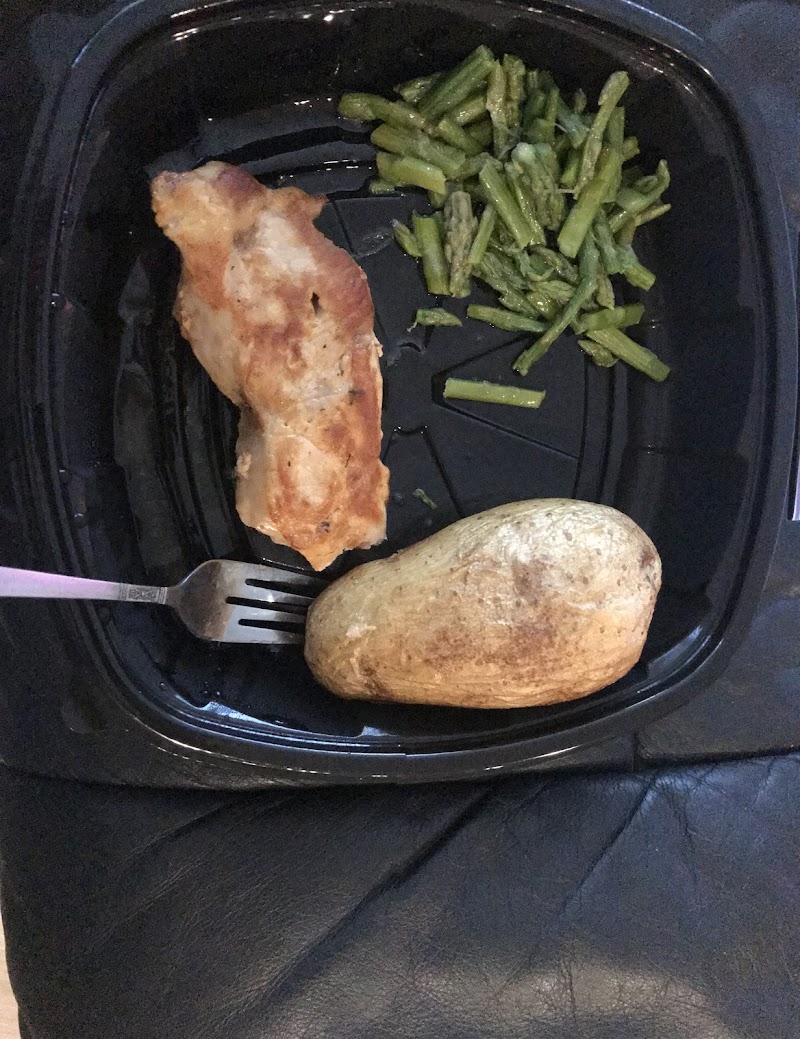
CMS rates Eventide Lutheran Home's staffing level at 3 out of 5 stars, which is average compared to other nursing homes.

What Have Inspectors Found at Eventide Lutheran Home?

State health inspectors documented 27 deficiencies at Eventide Lutheran Home during 2022 to 2025. These included: 1 Immediate Jeopardy (the most serious level, indicating potential for serious harm or death), 3 that caused actual resident harm, 19 with potential for harm, and 4 minor or isolated issues. Immediate Jeopardy findings are rare and represent the most serious regulatory concerns. They require immediate corrective action.

Who Owns and Operates Eventide Lutheran Home?

Eventide Lutheran Home is owned by a non-profit organization. Non-profit facilities reinvest revenue into operations rather than distributing to shareholders. The facility operates independently rather than as part of a larger chain. With 145 certified beds and approximately 115 residents (about 79% occupancy), it is a mid-sized facility located in MOORHEAD, Minnesota.

How Does Eventide Lutheran Home Compare to Other Minnesota Nursing Homes?

Compared to the 100 nursing homes in Minnesota, Eventide Lutheran Home's overall rating (2 stars) is below the state average of 3.2 and health inspection rating (2 stars) is below the national benchmark.

What Should Families Ask When Visiting Eventide Lutheran Home?

Based on this facility's data, families visiting should ask: "What changes have been made since the serious inspection findings, and how are you preventing similar issues?" "Can I visit during a mealtime to observe dining assistance and food quality?" "How do you handle medical emergencies, and what is your hospital transfer rate?" "Can I speak with family members of current residents about their experience?" These questions are particularly relevant given the facility's Immediate Jeopardy citations.

Is Eventide Lutheran Home Safe?

Based on CMS inspection data, Eventide Lutheran Home has documented safety concerns. Inspectors have issued 1 Immediate Jeopardy citation (the most serious violation level indicating risk of serious injury or death). The facility has a 2-star overall rating and ranks #100 of 100 nursing homes in Minnesota. Families considering this facility should ask detailed questions about what corrective actions have been taken since these incidents.

Do Nurses at Eventide Lutheran Home Stick Around?

Eventide Lutheran Home has not reported staff turnover data to CMS. Staff turnover matters because consistent caregivers learn residents' individual needs, medications, and preferences. When staff frequently change, this institutional knowledge is lost. Families should ask the facility directly about their staff retention rates and average employee tenure.

Was Eventide Lutheran Home Ever Fined?

Eventide Lutheran Home has been fined $59,005 across 4 penalty actions. This is above the Minnesota average of $33,669. Fines in this range indicate compliance issues significant enough for CMS to impose meaningful financial consequences. Common causes include delayed correction of deficiencies, repeat violations, or care failures affecting resident safety. Families should ask facility leadership what changes have been made since these penalties.

Is Eventide Lutheran Home on Any Federal Watch List?

Eventide Lutheran Home is not on any federal watch list. The most significant is the Special Focus Facility (SFF) program, which identifies the bottom 1% of nursing homes nationally based on persistent, serious quality problems. Not being on this list means the facility has avoided the pattern of deficiencies that triggers enhanced federal oversight. This is a positive indicator, though families should still review the facility's inspection history directly.