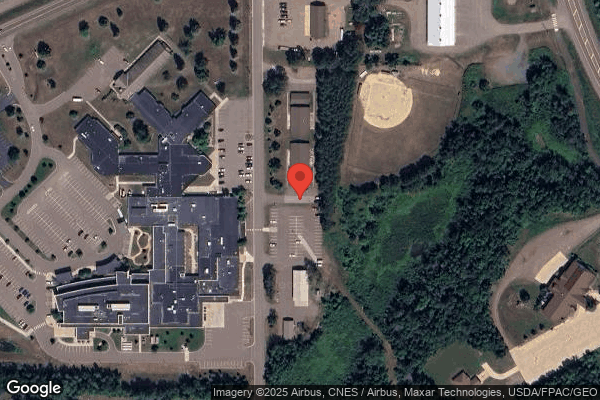
Moose Lake Village

710 SOUTH KENWOOD AVENUE, MOOSE LAKE, MN 55767 (218) 351-9400
Non profit - Corporation 60 Beds Independent Data: November 2025
Trust Grade
75/100
#134 of 337 in MN
Last Inspection: May 2025

Inspected within the last 6 months. Data reflects current conditions.

Overview

Moose Lake Village has received a Trust Grade of B, indicating it is a good choice among nursing homes, but there is room for improvement. It ranks #134 out of 337 facilities in Minnesota, placing it in the top half, and #2 out of 2 in Carlton County, meaning there is only one other local option available. Unfortunately, the facility's performance is worsening, with issues increasing from 2 in 2024 to 6 in 2025. Staffing is rated well at 4 out of 5 stars, but the turnover rate is 46%, which is average for the state. The facility has not incurred any fines, which is a positive sign, but it has less RN coverage than 92% of Minnesota facilities, raising concerns about the quality of care. There were some specific concerns noted during recent inspections. For instance, one resident who needed assistance with transfers was sometimes only helped by one staff member instead of the two required, increasing their fall risk. Additionally, there were instances where medication orders did not include necessary indications for three residents, which could lead to inappropriate medication use. Lastly, one resident did not receive their requested financial statement, which could cause confusion about their personal funds. Overall, while there are strengths in staffing and no fines, these issues highlight areas that need attention.

Trust Score
B
75/100
In Minnesota
#134/337
Top 39%
Safety Record
Low Risk
No red flags
Inspections
Getting Worse
2 → 6 violations
Staff Stability
⚠ Watch
46% turnover. Above average. Higher turnover means staff may not know residents' routines.
Penalties
✓ Good
No fines on record. Clean compliance history, better than most Minnesota facilities.
Skilled Nurses
✓ Good
Each resident gets 43 minutes of Registered Nurse (RN) attention daily — more than average for Minnesota. RNs are trained to catch health problems early.
Violations
⚠ Watch
13 deficiencies on record. Higher than average. Multiple issues found across inspections.
★★★★☆
4.0
Overall Rating
★★★★☆
4.0
Staff Levels
★★★★☆
4.0
Care Quality
★★★★☆
4.0
Inspection Score
Stable
2024: 2 issues
2025: 6 issues

The Good

  • 4-Star Staffing Rating · Above-average nurse staffing levels
  • 4-Star Quality Measures · Strong clinical quality outcomes
  • Full Sprinkler Coverage · Fire safety systems throughout facility
  • No fines on record

Facility shows strength in staffing levels, quality measures, fire safety.

The Bad

Staff Turnover: 46%

Near Minnesota avg (46%)

Higher turnover may affect care consistency

The Ugly 13 deficiencies on record

May 2025 6 deficiencies
CONCERN (D)

Potential for Harm - no one hurt, but risky conditions existed

Deficiency F0568 (Tag F0568)

Could have caused harm · This affected 1 resident

**NOTE- TERMS IN BRACKETS HAVE BEEN EDITED TO PROTECT CONFIDENTIALITY** Based on interview and document review, the facility failed to provide a financial statement to 1 of 2 residents (R4) who had re...

Read full inspector narrative →
**NOTE- TERMS IN BRACKETS HAVE BEEN EDITED TO PROTECT CONFIDENTIALITY** Based on interview and document review, the facility failed to provide a financial statement to 1 of 2 residents (R4) who had requested to receive a quarterly statement of their personal funds account. Findings include: R4's annual Minimum data Set (MDS) dated [DATE], identified R4 was cognitively intact. During an interview on 5/12/25 at 3:27 p.m., R4 stated she had a personal trust account but was not getting any statements. R4 stated she was not sure how much money she had in the account. During an interview on 5/14/25 at 1:46 p.m., business office manager (BOM)-F verified R4 had a personal trust account and identified the statements were going to her old home address. BOM-F verified R4 should have been receiving her statements. During an interview on 5/14/25 at 2:12 p.m., the administrator verified the facility should follow the procedure in their policy. During a phone interview on 5/14/25 at 2:27 p.m., the corporate associate vice president of revenue cycle management verified R4's statement should have been going to R4 and not to her former home address. The Trust fund policy and forms dated 11/15/24, identified the resident or financially responsible person would receive quarterly statements detailing deposits, withdrawals and interest earned.
CONCERN (D)

Potential for Harm - no one hurt, but risky conditions existed

Deficiency F0657 (Tag F0657)

Could have caused harm · This affected 1 resident

**NOTE- TERMS IN BRACKETS HAVE BEEN EDITED TO PROTECT CONFIDENTIALITY** Based on observation, interview, and record review the facility failed to identify and update the care plan with resident specif...

Read full inspector narrative →
**NOTE- TERMS IN BRACKETS HAVE BEEN EDITED TO PROTECT CONFIDENTIALITY** Based on observation, interview, and record review the facility failed to identify and update the care plan with resident specific fall prevention interventions for 1 of 2 residents (R49) reviewed for multiple falls at the facility. Findings include: R49's admission Minimum Data Set (MDS) dated [DATE], indicated R49 was cognitively intact. R49's Resident Profile dated 5/15/25, included diagnoses of osteomyelitis, pain, chronic respiratory failure, congestive heart failure, diabetes type II, repeated falls, muscle weakness, unsteadiness on feet, and unspecified abnormalities of gait and mobility. R49's Care plan dated 3/27/25 to 5/15/25, included the following: Resident needs assistance with ADL's, start date 3/27/25 ---Dressing: staff to provide assist of one for dressing. ---Toileting: staff to provide assist of one with toileting. ---Transfers: -----assist of 1 for transfers using a gait belt and hemi-walker (edited 4/7/25, from mod I) -----provide limited/extensive assist of one with walker for transfers. Cue before and after transfer (initiated 3/27/25) Falls, start date 3/27/25 ---follow toileting and repositioning schedule ---gripper socks or non-skid footwear ---monitor and assess if fall occurs, document circumstances/possible cause and notify MD and family ---monitor for medication side effects ---observe and meet resident needs ---OT and PT to treat Behaviors, start date 3/27/25 ---resident does not exhibit adverse behavior symptoms R49's care plan showed the facility had changed R49's transfer assistance level to assist of one after R49's fall on 4/7/25. The care plan lacked evidence to show the facility had modified or implemented fall prevention interventions after review of 5 other falls that occurred at the facility between 4/2/25 and 5/8/25. Event Reports for falls at the facility included: 4/2/25 unwitnessed fall resident found on floor. Fall occurred in bathroom 4/7/25 unwitnessed fall, resident found on floor in bathroom. Nursing note indicated R49 was sent to the emergency room to rule out shoulder dislocation/fracture. IDT review indicated R49 had fractured their clavicle bone and R49 was down graded from mod I in room per therapies. 4/16/25 unwitnessed fall in resident room, Nurse note indicated R49 was found on floor in front of recliner. R49 indicated they had been attempting to pull pants up and lost their balance. Call light was on, R49 did not have slipper socks on. 4/17/25: witnessed fall resident lowered to the floor Nursing Note: indicated resident was in recliner with feet resting on their wheelchair. Resident had slipped down between recliner and wheelchair and staff were not able to reposition resident back to chair, so resident was lowered to the floor. 4/19/25: witnessed fall in resident room, resident lowered to floor with staff assistance during transfer 5/8/25: unwitnessed fall in resident bathroom. Nurse note indicated R49's call light was ringing and R49 was found sitting on the floor between the toilet and their wheelchair. R49 stated they lost their balance and bumped their head. Small, raised area on crown noted. During an interview on 5/14/25 at 1:46 p.m., R49 stated when they were in their room, they moved themselves between their wheelchair and bed, recliner and wheelchair and their wheel chair and toilet. However, if they had urgency to go, they called staff for help because when they rushed, they sometimes lost their balance. R49 stated they didn't think staff seemed to be concerned if they moved themselves from their chair to the wheelchair or if they went to the bathroom on their own. During an interview on 5/15/25 at 8:30 a.m., R49 stated they had therapy at 9:00 a.m., so they were going to get dressed and ready for therapy. R49 stated staff did not come in each morning and offer to assist her to the bathroom or with dressing, they got themselves to the bathroom and dressed on their own. During an interview on 5/15/25 at 8:33 a.m., nursing assistant (NA-A) stated R49 was independent with dressing and transfers. NA stated they got information on how residents transferred and dressed etc. during shift report from the off going shift. During an interview on 5/15/25 at 10:57 a.m., licensed practical nurse (LPN-A) stated if they noticed a resident was starting to transfer themselves, they would bring that forward to physical therapy (PT) and occupational therapy (OT) so they could re-evaluate the resident's transfer status and either advance them, or confirm they still needed assistance for transfers. R49 did try to transfer themselves on their own, because R49 wanted to be independent, however R49 knew they required assistance for transfers. Due to falls, R49 was moved closer to the nursing station. LPN-A stated when they went into R49's room, they educated R49 on calling for help for transfers and encouraged R49 to leave their door open for safety. During an interview on 5/15/25 at 12:38 p.m., the physical therapist assistant (PTA) stated R49 still required stand by assist for transfers. R49 should not be transferring themselves alone. The PTA indicated they had tried ambulating R49 without their oxygen on, but R49's had not tolerated it well, their oxygen saturation had dropped. The PTA stated R49 had been on oxygen for years, and based on observation, the PTA felt R49 was very aware of the positioning of their oxygen tubing. The occupational therapist (OT) stated agreement with PTA, and said R49 was very aware of their oxygen tubing when they worked on transfers with R49. The OT also confirmed R49 should not transfer alone and explained R49 should also have standby to minimum assist with dressing and toileting. During an interview on 5/15/25 at 3:51 p.m., NA-B stated R49 did everything on their own and indicated if R40 needed help they would put their call light on, but otherwise R49 was doing everything by themselves for transfers and dressing. During an interview on 5/15/25 at 3:04 p.m. registered nurse (RN-A) stated all staff should know how a resident transfers. The transfer status is in the care plan and is also handed off at shift report. For short term rehabilitation residents if OT or PT updated a transfer status the change would get posted for staff to see and then it would also get updated in the care plan. Each resident fall is reviewed by the interdisciplinary team. The team reviews the fall and looks at what interventions can be implemented to prevent falls from happening again. Therapy may be involved too. After, the care plan should be updated, for instances if anti roll backs are added to the wheelchair, that would get updated on the care plan. RN-A indicated interventions didn't necessarily have to go in the care plan. When reviewing R49's care plan, RN-A stated they had reviewed R49's care plan after each of R49's fall, but they hadn't marked it as reviewed. They normally just marked reviewed when changes were made to the care plan that staff needed to know about. For instance, R49 was moved closer to the desk after their fall on 4/16/25, but that was not put in the care plan. RN-A reviewed the EMR documentation for each of R49's six falls and confirmed R49 had had four unwitnessed falls related to self-transferring, three of which occurred in the bathroom, with one resulting in a collar bone fracture. RN-A stated they had changed R49's transfer status in the care plan from modified independence, to assist of one after the fall on 4/7/25. The IDT team had not identified any other fall prevention interventions to add to R49's care plan after they had reviewed each fall. There were other interventions not on the care plan. RN-A stated they could have added interventions to round on R49 more frequently and/or added interventions to address toileting needs to help prevent falls in the bathroom. RN-A indicated the IDT usually did look at bowel and bladder to see how the toileting schedule could be modified to prevent falls. It is possible our short-term staff may not know the transfer status of a resident but they should be checking the care plan. We need to have a process in place to make sure staff know when residents need transfer assistance. During an interview on 5/15/25 at 4:13 p.m., the director of nursing stated staff need to follow the care plan and indicated R49's care identified R49 required assistance for transfers. Each fall gets reviewed by the IDT team. The fall is discussed, possible contributing factors are identified and reviewed, the resident and staff involved may be interviewed for additional information. We would then determine appropriate actions were taken or do further actions to prevent future falls. R49 prefers to be independent and does not accept help very well. As an intervention R49 was moved closer to the desk. R49's transfer status was modified on 4/7/25, after R49's fall that resulted in a broken collar bone. The DON confirmed no other modification or fall prevention interventions had been added to R49's care plan after subsequent falls. The DON reviewed R49's EMR fall documentation and stated the facility had done interventions, but they were not things that the DON would put in the care plan. During a follow-up interview at 5/15/25 at 4:49 p.m., the DON stated they had reviewed R49's care plan and indicated they did not feel any additional fall prevention interventions should have been added to R49's care plan, however R49's self-transfer behaviors should have been added to the care plan under behaviors. The facility policy Fall assessment and managing fall risk dated 11/6/23, included the following: --residents are assessed for fall upon admit, quarterly, with significant changes and as needed --fall risk and appropriate interventions to minimize the risk of falls/injury from falls are included in the care plan --each fall is investigated as soon as possible --based on fall review, interventions in the care plan are updated as indicated --interventions to reduce/prevent falls are reviewed with the resident and representative The facility policy Care plan and baseline care plan dated 10/14/25, included the following: --the interdisciplinary team in conjunction with the resident and their support people will develop a comprehensive person-centered care plan for each resident --the resident care plan is constantly changing. It is to be updated routinely to reflect the resident's current condition.
CONCERN (D)

Potential for Harm - no one hurt, but risky conditions existed

Deficiency F0699 (Tag F0699)

Could have caused harm · This affected 1 resident

**NOTE- TERMS IN BRACKETS HAVE BEEN EDITED TO PROTECT CONFIDENTIALITY** Based on interview and document review, the facility failed to assess post-traumatic stress disorder (PTSD) symptoms and trigger...

Read full inspector narrative →
**NOTE- TERMS IN BRACKETS HAVE BEEN EDITED TO PROTECT CONFIDENTIALITY** Based on interview and document review, the facility failed to assess post-traumatic stress disorder (PTSD) symptoms and triggers and carry them forward to the care plan for 1 of 1 resident (R19) reviewed for trauma informed care. Findings include: R19's admission Minimum Data Set (MDS) dated [DATE], identified intact cognition and diagnoses of anxiety, major depressive disorder, psychotic disorder, PTSD, frontotemporal neurocognitive disorder, severe dementia with agitation, delusional disorder, and paranoid delusions. The MDS also identified R19 had hallucinations, delusions, verbal behavior toward others, and had behavior which significantly disrupted the living environment. R19's care plan dated 2/11/25, identified a problem statement for trauma-informed care related to a history of trauma of physical abuse as a minor from alcoholic parents including being tied up by the arms and legs to a bed, having socks placed in her mouth due to screaming, and was burned with cigarettes. The goal for R19 was for care provided to mitigate the risk of re-traumatization. The intervention on 2/11/25 was that R19 was fine with both male and female caregivers. Other problem statements related to behavior, psychotropic medication use, and mood state did not contain triggers or symptoms for PTSD. R19's electronic medical record (EMR) didn't contain an assessment of PTSD symptoms or triggers. During an interview on 5/15/25 at 9:49 a.m., social services designee (SSD)-A stated the facility didn't have a specific assessment for PTSD, it was screened for when a person was admitted by reading their history and diagnoses. SSD-A added she also would ask the resident on admission if there was anyone they didn't want to contact them, or if they had had any trauma. R19's daughter had talked with SSD-A about R19's history of abuse and learned one thing not to do would be to make her feel confined, so something she wouldn't like would be when you closed a door on her. SSD-A reviewed R19's care plan and confirmed this wasn't an intervention on her care plan, nor did the care plan indicate what may trigger her PTSD, and that would be helpful to put on there. SSD-A stated she had verbally talked with the staff about not closing doors on her. During an interview on 5/15/25 at 10:21 a.m., nursing assistant (NA)-E confirmed she worked in the specialty care unit and was familiar with R19. She stated approach was important for R19, and she would tell you who she liked and didn't like, and that you can't try to correct her. NA-E stated she was aware of R19's PTSD diagnosis, but wasn't aware of triggers, just knew she was abused by her parents. NA-E stated she would look in the care plan or ask social services if she had questions. During an interview on 5/15/25 at 10:25 a.m., trained medication aid (TMA)-A confirmed she worked in the specialty care unit and was familiar with R19. TMA-A stated she was aware of R19's PTSD, and knew R19 can't feel trapped. TMA-A provided an example where R19 wheeled her wheelchair backwards into a corner of the hallway and started to freak out because she thought she was stuck. TMA-A added it was important for staff not to close her bedroom door, R19 herself could close it, but staff could not. TMA-A stated she knew these things about R19 from word of mouth. During an interview on 5/15/25 at 3:57 p.m., the director of nursing (DON) stated they didn't have a PTSD assessment, but they did do a psychosocial history where abuse was asked about. The DON stated R19's PTSD interventions fell under psychotropic medications and/or mood and behavior on the care plan because it got complicated. A policy, Trauma Informed Care dated 11/15/24, identified as part of the admission comprehensive assessment the facility will identify history of trauma or interpersonal violence when possible, using the social history and psycho-social observation tool. If a resident shares a history of trauma, a trauma-informed care plan will be developed with appropriate information to help guide staff in an effort to avoid re-traumatization.
CONCERN (D)

Potential for Harm - no one hurt, but risky conditions existed

Food Safety (Tag F0812)

Could have caused harm · This affected 1 resident

Based on observation and interview the facility failed to utilize beard coverings in the kitchen to ensure sanitary conditions were maintained in food preparation areas. This deficient practice had th...

Read full inspector narrative →
Based on observation and interview the facility failed to utilize beard coverings in the kitchen to ensure sanitary conditions were maintained in food preparation areas. This deficient practice had the potential to impact all residents who received nourishment from the facility dietary services. Findings include: During an observation on 5/12/25 at 1:26 p.m., the food service consultant (FSC-A) was in the main kitchen area without a beard covering. FSC-A provided a tour of the kitchen food prep area, food dry and cold storage areas, the dishwashing area, and dish storage area while not wearing a beard covering. During an observation on 5/14/25 at 8:00 a.m., the culinary director (CD) was located behind the cook's prep table and did not have a beard covering on. During a continuous observation on 5/14/25 at 10:42 a.m. to 11:46 a.m., both the CD and FSC-A did not wear a beard covering during the following observed events: --10:43 a.m. to 1048 a.m., FSC-A stood in front of the cook's prep area without a beard covering as cook (C-A) pulled food from the oven and temped it. --10:51 a.m., dietary aide DA-A entered the kitchen without placing a beard covering over their beard. DA-A remained in the kitchen and wrapped silverware in napkins without a beard covering. --10:57 a.m. to 11:10 a.m., FSC-A remained in front of cook's area without a beard covering. --10:59 a.m., DA-A was still wrapping silverware without beard covering on. --11:17 a.m., CD walked behind the prep area between C-A and the oven without a beard covering and returned with a plastic bin. C-A put chicken in the bin and CD removed the bin from the cook's work area. --11:23 a.m. the CD sanitized hands, applied gloves and removed a utensil from the cook's prep table and brought it over to where C-A was pureeing food. --11:24 a.m., FSC-A was at a workstation without a beard cover on placing dessert bars into lidded serving containers. --11:40 a.m., DA-A, CD, and FSC-A remained in the kitchen area without beard coverings. --11:41 a.m. CD removed chicken from the oven and temped the chicken and returned the chicken to the oven. --11:46 a.m., FSC-A removed chicken from the oven and temped it (no beard covering). During an observation on 5/15/25 at 10:00 a.m., the CD was in the kitchen without a beard covering standing at the cook prep table with C-B. During an interview on 5/14/25 at 12:01 p.m., the CD and FSC-A stated culinary staff get education on safe food preparation and handling, hand washing, infection prevention, and they also complete other required facility and food service topics. In addition, staff get training and coaching on the job. During an observation on 5/15/25 at 9:15 a.m., the CD was in the cook's area of the kitchen without a beard covering. During a follow-up interview on 5/15/25 at 12:14 a.m., the CD confirmed staff had not been wearing required beard coverings in the kitchen areas between 5/12/25 and 5/15/25. The CD explained they had just had mandatory mask wearing lifted and they had not implemented the switch back to wearing beard coverings. The CD stated beard coverings were required in the kitchen for sanitary and infection prevention reasons. The CD indicated beard coverings had been ordered and placed at the entrances to the kitchen and were to be worn by any staff with a beard who entered the kitchen area.
CONCERN (E)

Potential for Harm - no one hurt, but risky conditions existed

Accident Prevention (Tag F0689)

Could have caused harm · This affected multiple residents

**NOTE- TERMS IN BRACKETS HAVE BEEN EDITED TO PROTECT CONFIDENTIALITY** R49: R49's admission Minimum Data Set (MDS) dated [DATE], indicated R49 was cognitively intact. R49's Resident Profile dated 5/...

Read full inspector narrative →
**NOTE- TERMS IN BRACKETS HAVE BEEN EDITED TO PROTECT CONFIDENTIALITY** R49: R49's admission Minimum Data Set (MDS) dated [DATE], indicated R49 was cognitively intact. R49's Resident Profile dated 5/15/25, included diagnoses of osteomyelitis, pain, chronic respiratory failure, congestive heart failure, diabetes type II, repeated falls, muscle weakness, unsteadiness on feet, and unspecified abnormalities of gait and mobility. R49's Care plan dated 3/27/25 to 5/15/25, included the following: Resident needs assistance with ADL's, start date 3/27/25 ---Dressing: staff to provide assist of one for dressing. ---Toileting: staff to provide assist of one with toileting. ---Transfers: -----assist of 1 for transfers using a gait belt and hemi-walker (edited 4/7/25, from mod I) -----provide limited/extensive assist of one with walker for transfers. Cue before and after transfer (initiated 3/27/25) Falls, start date 3/27/25 ---follow toileting and repositioning schedule ---gripper socks or non-skid footwear ---monitor and assess if fall occurs, document circumstances/possible cause and notify MD and family ---monitor for medication side effects ---observe and meet resident needs ---OT and PT to treat Behaviors, start date 3/27/25 ---resident does not exhibit adverse behavior symptoms R49's Event Reports for falls at the facility indicated R49 had sustained 6 falls at the facility between the dates of 4/2/25 and 5/8/25. noted. During an interview on 5/14/25 at 1:46 p.m., R49 stated when they were in their room, they moved themselves between their wheelchair and bed, recliner and wheelchair and their wheelchair and toilet. However, if they had urgency to go, they called staff for help because when they rushed, they sometimes lost their balance. R49 stated they didn't think staff seemed to be concerned if they moved themselves from their chair to the wheelchair or if they went to the bathroom on their own. During an interview on 5/15/25 at 8:30 a.m., R49 stated they had therapy at 9:00 a.m., so they were going to get dressed and ready for therapy. R49 stated staff did not come in each morning and offer to assist her to the bathroom or with dressing, they got themselves to the bathroom and dressed on their own. During an interview on 5/15/25 at 8:33 a.m., nursing assistant (NA-A) stated R49 was independent with dressing and transfers. NA stated they got information on how residents transferred and dressed etc. during shift report from the off going shift. During an interview on 5/15/25 at 10:57 a.m., licensed practical nurse (LPN-A) stated if they noticed a resident was starting to transfer themselves, they would bring that forward to physical therapy (PT) and occupational therapy (OT) so they could re-evaluate the resident's transfer status and either advance them, or confirm they still needed assistance for transfers. R49 did try to transfer themselves on their own, because R49 wanted to be independent, however R49 knew they required assistance for transfers. Due to falls, R49 was moved closer to the nursing station. LPN-A stated when they went into R49's room, they educated R49 on calling for help for transfers and encouraged R49 to leave their door open for safety. During an interview on 5/15/25 at 12:38 p.m., the physical therapist assistant (PTA) stated R49 still require stand by assist for transfers. R49 should not be transferring themselves alone. The occupational therapist (OT) stated R49 should not transfer alone and explained R49 should also have standby to minimum assist with dressing and toileting. During an interview on 5/15/25 at 3:51 p.m., NA-B stated R49 did everything on their own and indicated if R40 needed help they would put their call light on, but otherwise R49 was doing everything by themselves for transfers and dressing. R40: R40's admission MDS dated [DATE], indicated R40 was cognitively intact. R40's Resident Profile dated 5/15/25, included diagnoses of unspecified fracture of upper end of right tibia, anemia, history of falling, repeated falls, weakness, unsteadiness on feet, and abnormalities in gait and mobility. R49's Care plan dated 3/29/25 to 5/15/25, included the following: Resident needs assistance with ADL's, start date 3/29/25 ---Resident to ambulate with therapy only --- Bed mobility: Assist of one ---Eating: Resident does require assist with setup ---Grooming: staff to provide 1 assist with grooming. ---Oral care: staff to provide 1 assist with oral care ---Dressing: staff to provide assist of one for dressing. ---Toileting: staff to provide assist of one with toileting. ---Transfers: Cue resident before/during, assist of 1 stand pivot using gait belt grab bars and w/c arm rest. Falls, start date 3/29/25 ---follow toileting and repositioning schedule ---gripper socks or non-skid footwear ---monitor and assess if fall occurs, document circumstances/possible cause and notify MD and family ---monitor for medication side effects ---observe and meet resident needs ---OT and PT to treat Behaviors, start date 3/29/25 ---resident does not exhibit adverse behavior symptoms During an interview on 5/12/25 at 3:39 p.m., R40 was wheeling self out of bathroom and indicated they had just finished using the restroom. R40 pointed to the transfer belt on the counter and stated therapy staff used the transfer belt but only one out of ten staff used it when they helped with transfers. R40 stated they had not had a fall at the facility and indicated they transferred themselves in the bathroom even though they had been told to call for help. During an interview on 5/15/25 at 8:33 a.m., NA-A stated R40 was independent with dressing and transfers. NA stated they got information on how residents transferred and dressed etc. during shift report from the off going shift. During an interview on 5/15/25 9:24 a.m., R40 stated they had washed and dressed themselves this morning, staff did not come in and help with getting dressed. R40 stated they had transferred themselves this morning. During an interview on 5/15/25 at 10:36 a.m., NA-C confirmed they were working on the transitional care unit (TCU). NA-C explained the residents on the TCU typically needed less assistance. NA-C stated they hadn't had to assist R40 with anything this a.m. They were not sure if R40 needed assistance with transfers/cares, but they could find that information in R40's care plan if they needed it. During an interview on 5/15/25 at 10:57 a.m., licensed practical nurse LPN-A stated R40 was an assist of one for transfers. R40 called when they needed assistance for transfers. During an interview on 5/15/25 at 12:38 p.m., with PTA and OT, PTA stated R40 had not been approved for self-transfers yet. The OT stated R40 required stand by assist with dressing. During an interview on 5/15/25 at 3:51 p.m., NA-B stated R40 needed partial assistance with stand pivot transfers but could dress self. NA-B stated they always used a transfer belt when they transferred residents. During an interview on 5/15/25 at 3:04 p.m., registered nurse (RN-A) stated R49 and R40 were not independent with transfers and could call for assistance. RN-A indicated all staff should know how a resident transferred. The transfer status was in the care plan and also got handed off at shift report. For TCU residents if OT or PT updated a transfer status the change would get posted for staff to see and then it would also get updated in the care plan. It is possible our short-term staff may not know the transfer status of a resident; they should be checking and following the care plan. We need to have a process in place to make sure staff know when residents need transfer assistance. During an interview on 5/15/25 at 4:13 p.m., the director of nursing (DON) stated R49 and R40 were not independent with transfers, and indicated they expected staff to follow the care plan for patient transfer status and activities of daily living. The facility policy Fall assessment and managing fall risk dated 11/6/23, included the following: --residents are assessed for fall upon admit, quarterly, with significant changes and as needed --fall risk and appropriate interventions to minimize the risk of falls/injury from falls are included in the care plan --based on fall review, interventions in the care plan are updated as indicated --interventions to reduce/prevent falls are reviewed with the resident and representative The facility policy Care plan and baseline care plan dated 10/14/25, included the following: --the interdisciplinary team in conjunction with the resident and their support people will develop a comprehensive person-centered care plan for each resident --the resident care plan is constantly changing. It is to be updated routinely to reflect the resident's current condition R44: R44's quarterly Minimum Data Set (MDS) dated [DATE], identified R44 was cognitively intact and had no behaviors or refusals of care. In addition, R44's MDS identified R44 had a diagnosis of paraplegia (a condition characterized by paralysis of the lower body typically the legs), schizophrenia, and neurogenic bladder (condition that causes loss of bladder control due to nerve, spinal cord, or brain issue). R44's Care area assessment (CAA) dated 8/11/24, identified R44 had the following risk factors for falls: psychotropic medication use, cognitive impairment related to schizophrenia, bowel incontinence, and presence of a foley catheter. R44's care plan dated 2/6/23, identified R44 required assistance with transfers and ambulation due to falls risk. Interventions included an assist of one staff for pivot transfers with a gait belt. R44's fall risk assessment dated [DATE], identified R44 was a moderate risk for falls related to toxic encephalopathy, cramp and spasms, pain, use of antipsychotic and antidepressant medications, Foley catheter. Last fall was 11/24/24. During an observation on 5/14/25 at 7:02 a.m., nursing assistant (NA)-D assisted R44 to the side of the bed, brought the wheel chair close to the bed locked the brakes on the wheel chair assisted R44 to stand, pulled up his pants and transferred R44 to the wheel chair. The gait belt was on the bedside table but was not used during the transfer. During an interview on 5/14/25 at 7:23 a.m., NA-D stated interventions for transfer did not include a transfer belt only needed to have him stand and pivot and needed to remind him to stand tall. During an interview on 5/15/25 at 10:30 a.m., licensed practical nurse (LPN)-A verified R44 could be transferred with the assist of one staff and a transfer belt needed to be used. During an interview on 5/15/25 at 11:05 a.m., the director of nursing (DON) verified staff should follow the care plan and use a transfer belt for safety with transfers as identified in care plans. Fall assessment and managing fall risk dated 11/6/23, identified Transfer/gait belt use is required during any transfer or ambulation where the resident needs stand by or higher level of assistance during transfers or ambulation. Based on observation, interview and document review, the facility failed to ensure hot water temperatures were at safe temperatures at point-of-use for 27 of 27 residents who resided on the 200 hallway and the specialty care unit. In addition, the facility failed to ensure staff provided adequate supervision for transfers and activities of daily living for 2 of 2 residents (R49 and R40) and the facility further failed to follow the care plan related to transferring for the prevention of falls for 3 of 5 (R49, R40, R44) residents at risk for falls. Findings include: During a resident screening on 5/13/25 at 10:19 a.m., the hot water in bathroom of R34 felt very hot to touch after running the hot water for a couple of minutes. R34 stated the water takes a while to get hot, but then it gets very hot, and she had to blend it with cold water to use it. R34 stated she and nursing assistants (NA)s had talked about it before. During an observation and interview on 5/14/25 at 2:17 p.m., maintenance worker (MW)-A, who identified as the director of maintenance, ran the hot water in R34's room and used a thermometer to measure the temperature at 134 degrees Fahrenheit (F). MW-A stated that was too hot and he felt 105 to 110 degrees F seemed to be a good spot for the hot water, but MW-A wasn't sure what the upper limit of the hot water should be. During an interview on 5/14/25 at 2:41 p.m., MW-A reported the blender valve that feeds the 200 hallway and specialty care unit was showing the temperature as 110 degrees, so it must not be working. At 2:50 p.m., room [ROOM NUMBER]'s hot water measured 129 degrees F; the dirty utility room across the hall from room [ROOM NUMBER] had hot water temperatures of 131 degrees F; the handwashing sink in the common area of the specialty care unit measured 127 degrees F. MW-A stated he had called a contractor to come take a look at it as soon as possible, and he turned down the blender valve 10 degrees F. At 3:10 p.m., the administrator stated all of the alert residents, and all of the staff had been updated on not using the tubs until they can consistently hold the temperatures below 120 degrees. MW-A stated he would continue to take the water temperature to ensure it got below 120 degrees. During an interview on 5/15/25 at 8:23 a.m., trained medication aid (TMA)-A stated she had started her shift at 3 a.m. this morning and had taken hot water temperatures in all the resident rooms and common areas and reported the temperatures were as low as 110 and up to 120 degrees F. A review of facility-submitted Monthly Water Temperature Chart for 2/7/25 revealed the following temperatures (recorded in degrees F): room [ROOM NUMBER] was 128 room [ROOM NUMBER] was 130 room [ROOM NUMBER] was 126 room [ROOM NUMBER] was 126 room [ROOM NUMBER] was 126 North nursing station sink was 130 West nursing station sink was 130 The kitchen sink in the specialty cares unit was 130 A review of the facility-submitted Event Summary Reports from 5/13/24 to 5/14/25 revealed no burn incidents. During an interview on 5/15/25 at 4:13 p.m., the administrator stated hot water temperature was taken monthly and recorded on the Monthly Water Temperature Chart. This would be done by MW-A or he may have delegated to another maintenance worker, but MW-A should be the one who reviewed the temperatures. The administrator stated she wasn't aware there had been temperatures above 120 degrees F in the past months, and unless there was an issue she wouldn't necessarily look through the temperature logs. She would expect it to be brought to her attention if there were temperatures above 120 degrees F. During an interview on 5/15/25 at 4:33 p.m., MW-A confirmed he was responsible for taking hot water temperatures monthly, if there were an instance where he was gone the other maintenance worker would take them. MW-A stated he noticed the temperatures creeped up a little bit in February, but it wasn't too extreme, and he speculated maybe they had been adjusting things. MW-A stated making sure the water wasn't too hot was important because it could mean hazards and burns. MW-A further stated he had continued to monitor the hot water temperatures, and they were coming in consistently under 120 degrees F and the new mixing valve had been ordered. He stated he would continue to monitor the temperatures until the valve was replaced. A policy, Preventative Maintenance Program SNF and AL dated 2/5/25, identified all Cassia sites shall have a standard preventative maintenance program that includes safety rounds, inspections and audits of all areas to maintain a safe, clean and well-maintained environment. This preventative maintenance program will also include a systematic method for reporting repairs and on-going mitigation of all safety risks. Maintenance tasks will be conducted as part of a systematic program to meet all local, state and federal regulations and additional Cassia standards of practice for building/grounds code compliance and general maintenance. The audit procedures didn't contain a line item for testing hot water.
CONCERN (E)

Potential for Harm - no one hurt, but risky conditions existed

Deficiency F0757 (Tag F0757)

Could have caused harm · This affected multiple residents

**NOTE- TERMS IN BRACKETS HAVE BEEN EDITED TO PROTECT CONFIDENTIALITY** Based on interview and document review, the facility failed to ensure medication orders for residents contained an indication fo...

Read full inspector narrative →
**NOTE- TERMS IN BRACKETS HAVE BEEN EDITED TO PROTECT CONFIDENTIALITY** Based on interview and document review, the facility failed to ensure medication orders for residents contained an indication for the medication for 3 of 5 (R19, R37, R49) residents reviewed for unnecessary medications. Findings include: R19: R19's admission Minimum Data Set (MDS) dated [DATE], identified intact cognition and diagnoses of frontotemporal neurocognitive disorder (a type of dementia), severe dementia with agitation, delusional disorders, paranoid delusions, hypothyroidism, asthma, restless leg syndrome, urinary incontinence, post-traumatic stress disorder (PTSD), major depressive disorder, weakness, and fatigue. R19's MDS also identified hallucinations, delusions, verbal behavior toward others, and behavior significantly disrupts the living environment. R19's care plan last reviewed 5/13/25, didn't identify diagnoses or problem statements for hypertension, constipation, fluid retention, or issues with the skin in the perineal area. R19's provider orders identified the following medications without indications: -2/11/25 Miralax (a powder medication used to treat constipation) 17 grams daily as-needed (PRN) daily -2/11/25 furosemide (a medication that helps rid the body of excess fluid) 40 mg daily -2/11/25 hydrocortisone cream (topical corticosteroid used to treat mild inflammatory skin conditions) 2.5% perineal application with non-pharmacologic interventions to wash and dry affected area thoroughly, warm bath, and lotion area two times a day PRN -2/12/25 Magnesium oxide (a mineral used to treat a variety of conditions from constipation to low blood levels of magnesium) tablet 400 mg give orally before morning meal -4/1/25 docusate (a stool softener) 200 mg daily -4/1/25 Senna S (a stool softener plus a stimulant laxative) daily PRN -4/7/25 lisinopril (a medication used primarily to treat hypertension) 5 mg daily R37: R37's quarterly MDS dated [DATE], identified severely impaired cognition and diagnoses of left-sided hemiplegia and hemiparesis after a cerebral vascular accident (CVA, or stroke), dysphagia (difficulty swallowing), diabetes mellitus, long-term use of insulin, major depressive disorder, hypertension, gastroesophageal reflux disorder (GERD), hyperlipidemia (high cholesterol), low back pain, urinary incontinence, thrombocytopenia (abnormally low number of platelets in the blood), hearing loss, and dementia with psychotic disturbance. R37's care plan dated 4/8/25, didn't identify diagnoses or problem statements for sleep disturbance or nausea. R37's provider orders identified the following medications without indications: -11/7/23, melatonin (a hormone that regulates sleep-wake cycle) 6 mg at bedtime -2/7/25, ondansetron (medication used to treat nausea) 4 mg every six hours PRN During an interview on 5/15/25 at 1:40 p.m., the assistant director of nursing (ADON) stated they had recognized there weren't diagnoses with the medications, and found the issue was that every time an order changed the diagnosis wasn't being carried forward with the medication. The ADON stated they had implemented education with their health unit coordinators (HUC)s, and with the providers so that moving forward the medications would have indications. The ADON stated it was important to have the indication, so they knew they were giving the right medication. A policy, Transcription of Orders dated 2/12/24, identified all resident orders would be transcribed per policy and procedure. Item number six of the policy indicated per regulations and practice standards all medication orders must include the name of medication, dosage, route, and frequency. Each medication must also include a diagnosis for usage. Under item 8b, the policy indicated the nurse who verified the order would review order documentation and ensure the full transcription of orders had been completed and was accurate and updated EHR via acknowledgment order is verified.
Mar 2024 2 deficiencies
CONCERN (D)

Potential for Harm - no one hurt, but risky conditions existed

Deficiency F0578 (Tag F0578)

Could have caused harm · This affected 1 resident

**NOTE- TERMS IN BRACKETS HAVE BEEN EDITED TO PROTECT CONFIDENTIALITY** Based on interview and document review, the facility failed to ensure advanced directives for emergency care and treatment were ...

Read full inspector narrative →
**NOTE- TERMS IN BRACKETS HAVE BEEN EDITED TO PROTECT CONFIDENTIALITY** Based on interview and document review, the facility failed to ensure advanced directives for emergency care and treatment were accurately reflected in all areas of the medical chart to ensure resident wishes would be implemented correctly in an emergent situation for 1 of 24 residents (R106) reviewed for advanced directives. Findings include: R106's admission Minimum Data Set (MDS) dated [DATE], identified R106 had moderate cognitive impairment. Diagnoses included dementia and malnutrition. R106's Provider Orders for Life-Sustaining Treatment (POLST) dated [DATE], included: -Section A for cardiopulmonary resuscitation (CPR) patient has no pulse and is not breathing section, directed staff to Attempt Resuscitation/CPR (Note: selecting this requires selecting Full treatment in Section B). -Section B for Medical Treatments patient has a pulse and/or is breathing directed staff to do comfort-focused treatment (allow natural death)' R106's electronic medical record (EMR) banner undated, identified R106 was do not resuscitate (DNR). R106's Order Summary report dated [DATE], identified orders of DNR. During an interview on [DATE] at 6:43 p.m., licensed practical nurse (LPN)-B stated staff should look at the EMR banner to find if a resident is a full code or a DNR. She was unable to identify other areas she would look to confirm code status of a resident. During interview on [DATE] at 6:57 p.m., registered nurse (RN)-A stated staff should confirm code status by looking at the EMR banner and the POLST to confirm if a resident wanted to have CPR or was DNR. If there was a discrepancy between the two, staff would need to clarify. RN-A reviewed R106's EMR and confirmed the EMR banner and the POLST indicated different statuses. She was not aware if CPR should be started if a resident stopped breathing and there was a discrepancy between code statuses. During an interview on [DATE] at 10:42 a.m., the director of nursing (DON) stated staff should look at the EMR banner, the provider order and the POLST to verify the resident's Code status. If there was a discrepancy, then it would need to be verified with the patient and provider. The policy would have to be reviewed to confirm if CPR would need to be started if there was conflicted information between the POLST, the provider order, and the EMR banner. Facility policy POLST-MOST-IPOST- Advance Directive Form Implementation last reviewed [DATE], indicated in the event of a resident crisis, staff would be instructed to look at the resident's order for code status, the banner flag in EMR, and the electronic version of the POLST/MOST/IPOST. Facility policy Cardiopulmonary Resuscitation (CPR) last reviewed [DATE], indicated if a resident's code status is unclear, CPR would be initiated and continued until a resident regains a pulse or until a physician or paramedic arrived and directed to stop CPR.
CONCERN (D)

Potential for Harm - no one hurt, but risky conditions existed

Deficiency F0761 (Tag F0761)

Could have caused harm · This affected 1 resident

Based on observation and interview, the facility failed to ensure eye drops were disposed of when they were past the 28 day post open date. This had potential to affect 2 of 16 residents who resided o...

Read full inspector narrative →
Based on observation and interview, the facility failed to ensure eye drops were disposed of when they were past the 28 day post open date. This had potential to affect 2 of 16 residents who resided on 300 hallway. Findings include: On 3/14/24 at 11:07 a.m., a review of the 300-hallway medication cart was performed. Observation was made of Olopatadine 0.2% solution eye drops that had an open date of 1/31/24. There were also a bottle of artificial tears eye drops open dated on 1/6/24. During an interview on 3/14/24 at 11:16 a.m., licensed practical nurse (LPN)-A reviewed the medications and confirmed the dates on the medications were the open dated. She was unsure how long the medications were good for but believed they were safe to use for six months after opening. During an interview on 3/14/24 at 12:06 p.m., the pharmacy consultant (PC) stated eye drops such as Olopatadine and artificial tears were only good for 28 days after opened since the preservative in them would only be stable for 28 days. After the 28 days they may not be safe to use. During an interview on 3/14/24 at 12:10 p.m., the director of nursing (DON) stated an expectation that medication would be disposed of per facility policy. A facility policy on dating and disposal of multi-use medication was requested, however, none was provided.
Nov 2023 1 deficiency
CONCERN (D) 📢 Someone Reported This

A family member, employee, or ombudsman was alarmed enough to file a formal complaint

Potential for Harm - no one hurt, but risky conditions existed

Notification of Changes (Tag F0580)

Could have caused harm · This affected 1 resident

**NOTE- TERMS IN BRACKETS HAVE BEEN EDITED TO PROTECT CONFIDENTIALITY** Based on interview and document review, the facility failed to notify the medical provider of high blood sugar levels for 2 of 3...

Read full inspector narrative →
**NOTE- TERMS IN BRACKETS HAVE BEEN EDITED TO PROTECT CONFIDENTIALITY** Based on interview and document review, the facility failed to notify the medical provider of high blood sugar levels for 2 of 3 residents (R2, R3) reviewed for change in condition. Findings include: The facility Standing Orders revised 10/30/21 directed to notify the medical provider if two blood glucose levels were under 70 or over 300 in a 24-hour period and/or change in condition; if no condition change, notify provider the next business day. R2's Face Sheet indicated diagnoses of type 2 diabetes mellitus with diabetic nephropathy (kidney disease). R2's admission Minimum Data Set (MDS) dated [DATE] indicated R2 received insulin daily. R2's Vital Signs flow sheet indicated the following blood glucose (BG) levels: On 10/24/23 at 5:22 p.m., BG level was 301, and at 8:54 p.m., BG level was 371. On 10/26/23 at 11:24 a.m., BG level was 323 and at 5:39 p.m., BG level was 376. On 11/8/23 at 5:18 p.m., BG level was 313 and at 7:58 p.m. BG level was 465. R2's progress notes during this time frame lacked any entry of the medical provider being updated on the elevated blood glucose levels. R3's Face Sheet indicated diagnoses of type 2 diabetes mellitus with hyperglycemia (high blood glucose levels). R3's quarterly MDS dated [DATE], indicated R3 received insulin daily. R3's Vital Signs flow sheet indicated the following BG levels: On 10/24/23 at 5:03 p.m., BG level was 318 and at 8:12 p.m., BG level was 408. On 10/27/23 at 4:38 p.m., BG level was 314 and at 7:54 p.m., BG level was 354. On 10/28/23 at 4:40 p.m., BG level was 348 and at 7:40 p.m., BG level was 343. On 10/29/23 at 5:05 p.m., BG level was 337 and at 7:27 p.m., BG level was 326. On 10/31/23 at 5:10 p.m., BG level was 310 and at 8:44 p.m., BG level was 336. R3's progress notes during this time frame lacked any entry of a medical provider being updated on the elevated blood glucose levels. On 11/9/23 at 3:23 p.m., licensed practical nurse (LPN)-A stated if a blood glucose level was over 400, she would call the medical provider for further instructions. On 11/9/23 at 3:31 p.m., the administrator stated if a resident had a high blood glucose level, she would expect the staff to follow the orders. On 11/9/23 at 3:45 p.m., the director of nursing (DON) stated no medical provider was updated on the elevated blood glucose levels for R2 and R3, and she would expect staff to follow the facility standing orders. On 11/9/23 at 3:51 p.m., R2 and R3's physician (MD)-A stated he would have expected the facility to update him either that day or the next day if blood glucose levels were over 300 twice in one day.
May 2023 4 deficiencies
CONCERN (D)

Potential for Harm - no one hurt, but risky conditions existed

Comprehensive Care Plan (Tag F0656)

Could have caused harm · This affected 1 resident

Based on observation, interview, and document review, the facility failed to ensure a comprehensive care plan was maintained to facilitate person-centered care planning for 1 of 2 residents (R27) revi...

Read full inspector narrative →
Based on observation, interview, and document review, the facility failed to ensure a comprehensive care plan was maintained to facilitate person-centered care planning for 1 of 2 residents (R27) reviewed for care planning. Findings include: R27's significant change Minimum Data Set (MDS) assessment, dated 10/5/22, indicated R27 was non-verbal, cognition was not assessed. R27 had diagnoses of epilepsy, non-traumatic intracerebral hemorrhage, arteriovenous malformation of cerebral vessels, and was dependent in all activities of daily living. Further, R27 received pain management on a regular and as needed basis including pharmacological and non-pharmacological interventions. R27's Care Area Assessment (CAA), dated 10/5/22, indicated R27 had non-verbal indicators of pain with other considerations of contractures, immobility, and insufficient pain relief. The CAA indicated a pain problem would be carried forward to the care plan. R27's care plan lacked pain management. R27's Physician Order Report, dated 5/12/23, contained the following: -acetaminophen suppository 650 mg rectally every six hours as needed for pain or mild fever -acetaminophen 650 mg every six hours as needed for pain rated 1-5 -baclofen (a medication used to treat muscle spasms) 5 mg twice a day -hydromorphone (an opioid used to treat moderate to severe pain) 1 mg scheduled two times per day in the AM and PM -hydromorphone 2 mg every one hour as needed for pain or shortness of breath During an interview on 5/8/23 at 2:38 p.m., family member (FM)-A indicated she was unsure what R27 was getting for pain or if the facility knew R27's non-verbal indicators of pain. During an interview on 5/12/23 at 9:04 a.m., the DON stated the initial care plan templates were put in by nurse managers, and then it was a team effort to keep it updated after that. The MDS nurse also updated nursing care plans with each MDS. Care plans were updated as needed depending on the resident's condition. The DON stated an up-to-date care plan was important so you can give the right care to the resident. During an interview on 5/12/23 at 9:21 a.m., RN-C stated she was responsible for adding the nursing parts of the care plan, including putting in the template on admission and making changes with resident needs. RN-C confirmed pain would be a nursing item included in the care plan. A facility memo, dated 10/14/22, with a subject line of care plan and baseline care plan indicated the resident care plan is constantly changing. It is to be updated routinely in the electronic record to reflect resident's current condition. The resident care plan is reviewed for accuracy, updated with quarterly MDS review and all other scheduled MDS assessments.
CONCERN (D)

Potential for Harm - no one hurt, but risky conditions existed

Quality of Care (Tag F0684)

Could have caused harm · This affected 1 resident

**NOTE- TERMS IN BRACKETS HAVE BEEN EDITED TO PROTECT CONFIDENTIALITY** Based on observation, interview and document review, the facility failed to monitor edema (a medical term for fluid trapped in t...

Read full inspector narrative →
**NOTE- TERMS IN BRACKETS HAVE BEEN EDITED TO PROTECT CONFIDENTIALITY** Based on observation, interview and document review, the facility failed to monitor edema (a medical term for fluid trapped in the body's tissues and is graded by trained healthcare professionals on a scale of plus one to plus four, with one being the least and four being the worst) and the potential complications to the lower extremities for 1 of 1 (R58) resident reviewed. Findings include: R58's admission Minimum Data Set (MDS)assessment dated [DATE], included diagnoses of spastic quadriplegia, chronic obstructive pulmonary disease (COPD), and muscle spasms of the back. R58's MDS indicated he was cognitively intact and required extensive for bed mobility, transfer, locomotion, and toilet use. R58's Care Area Assessment (CAA), dated 3/23/23, for skin conditions reviewed risk factors, but did not include edema as a risk factor. R58's care plan lacked edema monitoring. R58's progress notes included the following: -3/17/23 indicated 2 plus pitting edema to left lower extremity and trace pitting edema to right lower extremity -3/20/23 indicated R58 did not feel well, claimed he was dizzy and had shortness of breath that was getting worse every day. Head of bed moderate high, unable to elevate feet of bed due to increasing shortness of breath. Referred to on-call [name or doctor] and advised to send to the emergency room. Called resident's representative, [name], but was left voicemail. Resident informed. Resident said to wait it out as he thinks he feels better as compared to what he was feeling about an hour ago. Will monitor accordingly. -4/15/23 indicated one plus bilateral lower extremity edema -4/17/23 indicated one plus bipedal edema During an interview on 5/09/23 at 9:22 a.m., R58 confirmed he had edema in both of his feet and lower legs but does not have compression socks. R58 further stated his general doctor had noted the edema, but that nothing had been done. R58 was seated in wheelchair with feet in a dependent position. During an observation on 5/11/23 at 8:23 a.m., R58 was sitting in wheelchair with feet in a dependent position and verified he had edema in both lower legs. R58 elevating his feet would cause him more shortness of breath. During interview and observation on 5/11/23 at 9:10 a.m., registered nurse (RN)-B removed R58's socks. A sock line was visible on both feet. RN-B stated the right lower extremity had three plus pitting edema to the top of the right foot. RN-B stated the lower left extremity had three plus pitting edema to the top of the left foot, and the left calf had edema from the ankle to about halfway up to the knee. R58 stated this had been a concern for him and had mentioned it before but no one else seemed concerned about it. During an interview on 5/11/23 at 9:26 a.m., the director of nursing (DON) verified that an irregularity, such as edema, would be followed up on depending on whether it had been present during the hospital stay. The DON further stated if there were a change or worsening, they would need a plan to follow up on it and that this was important because edema can lead to a lot of different things. During an interview on 5/12/23 at 9:04 a.m., the DON stated the initial care plan templates were put in by nurse managers, and then it was a team effort to keep it updated after that. The MDS nurse also updated nursing care plans with each MDS. Care plans were updated as needed depending on the resident's condition. The DON stated an up-to-date care plan was important so you can give the right care to the resident. During an interview on 5/12/23 at 9:21 a.m., RN-C stated she was responsible for adding the nursing parts of the care plan, including putting in the template on admission and making changes with resident needs. RN-C confirmed edema would be included in the care plan under risks for skin impairment along with approaches to take. A facility memo, dated 10/14/22, with a subject line of care plan and baseline care plan indicated the resident care plan is constantly changing. It is to be updated routinely in the electronic record to reflect resident's current condition. The resident care plan is reviewed for accuracy, updated with quarterly MDS review and all other scheduled MDS assessments
CONCERN (D)

Potential for Harm - no one hurt, but risky conditions existed

Incontinence Care (Tag F0690)

Could have caused harm · This affected 1 resident

**NOTE- TERMS IN BRACKETS HAVE BEEN EDITED TO PROTECT CONFIDENTIALITY** Based on observation, interview, and document review, the facility failed to ensure catheter tubing with drainage bag was proper...

Read full inspector narrative →
**NOTE- TERMS IN BRACKETS HAVE BEEN EDITED TO PROTECT CONFIDENTIALITY** Based on observation, interview, and document review, the facility failed to ensure catheter tubing with drainage bag was properly cleansed and stored to prevent cross contamination and infections for 1 of 2 residents (R42) reviewed for catheters. Findings include: R42's Quarterly Minimum Data Set (MDS) assessment dated [DATE], indicated R42 had moderately impaired cognition. Needed extensive assistance with bed mobility, transfers, dressing, eating, toilet use, and personal hygiene, and had an indwelling catheter. R42's care plan reviewed 4/5/23, indicated R42 had a foley catheter related to having a neurogenic bladder and had previously failed trail removals. R42's face sheet printed 5/11/23, indicated R42's had the following diagnoses Parkinson's Disease, palliative care, dementia, major depressive disorder, anxiety, benign prostatic hyperplasia, obstructive and reflux uropathy, mixed incontinence, and neuromuscular dysfunction of bladder. During observation on 5/10/23 at 8:29 a.m., R42's bathroom had an undated catheter drainage bag hanging on a bar next to the left side of the toilet. The tip of the tubing was resting on the wall uncovered. During an interview on 5/10/23 at 8:34 a.m., nursing assistant (NA)-B stated nursing assistants clean the catheter bags with regular water and then they get store in bins in each resident's bathrooms. On 5/10/23 at 8:38 a.m., NA-C stated if the catheter bags need to be rinsed out with more than water the nurse would do that. If it is just a water rinse a nursing assistant can do that. R42's catheter bags are stored over the bar by the toilet in his bathroom. On 5/10/23 at 8:43 a.m., trained medication assistant (TMA)-A stated the nursing assistants are supposed to rinse the catheter bags with warm water and either place them in the bin or hang them over the bar in the bathroom next to the toilet. During observation on 5/11/23 at 10:02 a.m., R42's storage bin in his bathroom had an undated catheter drainage bag with yellow liquid in it. The catheter bag tubing was touching the outside of the bag uncovered. During an interview on 5/11/23 at 10:04 a.m., NA-A stated they would ran water through the catheter bag and cleansed both sides of the tubing with an alcohol wipe then place the catheter bag in R42's bin today. On 5/11/23 at 10:12 a.m., registered nurse (RN)-A verified R42's catheter bag had yellow liquid in it and that the tubing was uncovered. RN-A stated there should be a cover on the tubing and there should not be urine in the catheter bag. RN-A said they need to use an alcohol wipe to both sides of the tubing, rinse the bag with clear water, and allow to air dry and over the railing in the bathroom. On 5/11/2023 at 10:35 a.m., NA-D stated staff are supposed to rinse the catheter bag with vinegar and then hang it on the bar on the resident's side of the bathroom. On 5/11/2023 at 11:07 a.m., the director of nursing (DON) stated she expects staff to follow what the policy says when it comes to catheter and leg bags. The facility policy titled Urinary Indwelling Catheter Insertion and Management reviewed 4/14/2023, indicated the facility would immediately cover the end of the catheter bag tubing with a sterile cap or alcohol swab and packet. The facility would place collection bag and tubing in towel on bottom shelf of storage location.
CONCERN (D)

Potential for Harm - no one hurt, but risky conditions existed

Infection Control (Tag F0880)

Could have caused harm · This affected 1 resident

Based on observation, interview, and documentation the facility failed to ensure proper hand washing/sanitization occurred for 1 of 1 resident (R)50 observed during cares. Finding include: During an ...

Read full inspector narrative →
Based on observation, interview, and documentation the facility failed to ensure proper hand washing/sanitization occurred for 1 of 1 resident (R)50 observed during cares. Finding include: During an observation on 5/10/23 at 9:40 a.m., nursing assistant (NA)-F entered R50's room and applied gloves. NA-E was already in the room and had R50's full body lift sling hooked up and ready for transfer. R50 was lowered to bed and foley catheter was placed on top of bed by right foot. NA-F removed R50's shoes. NA-E removed brace off R50's upper body. NA-F and NA-E rolled R50 away from NA-E's body towards window and NA-F. NA-F held R50 towards window on left side. Bottoms were lowered and NA-E cleaned peri area of stool, removed soiled brief, and placed new brief behind R50. Resident rolled back towards NA-E. to flat position. NA-F pulled new brief into place and secured tabs. With same gloves on NA-F rearranged R50's shirt for him. NA-E removed gloves, did not hand sanitize, and proceeded to helped NA-F get R50 positioned in bed. While still wearing the same gloves, NA-F handled the foley bag, and then put a new pillowcase on R50's pillow. NA-E did not hand sanitize, placed new gloves on, emptied foley, placed foley in dignity bag, brought graduated cylinder to bathroom, emptied urine in toilet, and then washed hands at sink. NA-F still wearing same gloves, gave call light to R50. NA-F and NA-E reposition R50 on to left side. NA-F went into drawer in room, retrieved a dressing and placed it over small open red area on R50's leg. NA-F then removed gloves and proceeded to wipe down the transfer lift with sanitizing wipes. NA-F then sanitized hands before leaving the room. NA-E sanitized hands prior to leaving the room. On 5/10/23 at 12:49 p.m., NA-F stated the clean field was broken after touching the foley bag and agreed hands should have been sanitized. NA-F touched R46's skin during brief change and said would normally have sanitized hands. Hand sanitize should have been used after helping with a brief change and before helping with repositioning or giving the resident a remote. NA-F stated they received training and education on hand sanitizing/washing, and personal protective equipment (PPE) for infection prevention. During an interview on 5/12/23 at 10:38 a.m., the infection preventionist (IP) and the director of nursing (DON). The IP stated glove removal and hand sanitization would be required after performing peri-care, assisting during peri care (skin touch/holding the resident on side), or after touching a foley bag. IP and DON stated they would expect staff to stop, remove gloves and perform hand sanitization after participating in peri-care, and prior to proceeding with repositioning resident, and handling items in the room. DON and IP indicated hand washing is assigned through Relias (computer-based education), and staff must complete an annual check off and hand washing competency. In addition, the facility conducts on going hand washing audits with immediate on the spot staff education as needed.
Understanding Severity Codes (click to expand)
Life-Threatening (Immediate Jeopardy)
J - Isolated K - Pattern L - Widespread
Actual Harm
G - Isolated H - Pattern I - Widespread
Potential for Harm
D - Isolated E - Pattern F - Widespread
No Harm (Minor)
A - Isolated B - Pattern C - Widespread

Questions to Ask on Your Visit

  • "Can I speak with families of current residents?"
  • "What's your RN coverage like on weekends and overnight?"

Our Honest Assessment

Strengths
  • • No major safety red flags. No abuse findings, life-threatening violations, or SFF status.
  • • No fines on record. Clean compliance history, better than most Minnesota facilities.
Concerns
  • • 13 deficiencies on record. Higher than average. Multiple issues found across inspections.
Bottom line: Generally positive indicators. Standard due diligence and a personal visit recommended.

About This Facility

What is Moose Lake Village's CMS Rating?

CMS assigns Moose Lake Village an overall rating of 4 out of 5 stars, which is considered above average nationally. Within Minnesota, this rating places the facility higher than 99% of the state's 100 nursing homes. This rating reflects solid performance across the metrics CMS uses to evaluate nursing home quality.

How is Moose Lake Village Staffed?

CMS rates Moose Lake Village's staffing level at 4 out of 5 stars, which is above average compared to other nursing homes. Staff turnover is 46%, compared to the Minnesota average of 46%.

What Have Inspectors Found at Moose Lake Village?

State health inspectors documented 13 deficiencies at Moose Lake Village during 2023 to 2025. These included: 13 with potential for harm.

Who Owns and Operates Moose Lake Village?

Moose Lake Village is owned by a non-profit organization. Non-profit facilities reinvest revenue into operations rather than distributing to shareholders. The facility operates independently rather than as part of a larger chain. With 60 certified beds and approximately 49 residents (about 82% occupancy), it is a smaller facility located in MOOSE LAKE, Minnesota.

How Does Moose Lake Village Compare to Other Minnesota Nursing Homes?

Compared to the 100 nursing homes in Minnesota, Moose Lake Village's overall rating (4 stars) is above the state average of 3.2, staff turnover (46%) is near the state average of 46%, and health inspection rating (4 stars) is above the national benchmark.

What Should Families Ask When Visiting Moose Lake Village?

Based on this facility's data, families visiting should ask: "Can I visit during a mealtime to observe dining assistance and food quality?" "How do you handle medical emergencies, and what is your hospital transfer rate?" "Can I speak with family members of current residents about their experience?"

Is Moose Lake Village Safe?

Based on CMS inspection data, Moose Lake Village has a clean safety record: no substantiated abuse findings (meaning no confirmed cases of resident harm), no Immediate Jeopardy citations (the most serious violation level indicating risk of serious injury or death), and is not on the Special Focus Facility watch list (a federal program monitoring the lowest-performing 1% of nursing homes). The facility has a 4-star overall rating and ranks #1 of 100 nursing homes in Minnesota. While no facility is perfect, families should still ask about staff-to-resident ratios and recent inspection results during their visit.

Do Nurses at Moose Lake Village Stick Around?

Moose Lake Village has a staff turnover rate of 46%, which is about average for Minnesota nursing homes (state average: 46%). Moderate turnover is common in nursing homes, but families should still ask about staff tenure and how the facility maintains care continuity when employees leave.

Was Moose Lake Village Ever Fined?

Moose Lake Village has no federal fines on record. CMS issues fines when nursing homes fail to meet care standards or don't correct problems found during inspections. The absence of fines suggests the facility has either maintained compliance or corrected any issues before penalties were assessed. This is a positive indicator, though families should still review recent inspection reports for the full picture.

Is Moose Lake Village on Any Federal Watch List?

Moose Lake Village is not on any federal watch list. The most significant is the Special Focus Facility (SFF) program, which identifies the bottom 1% of nursing homes nationally based on persistent, serious quality problems. Not being on this list means the facility has avoided the pattern of deficiencies that triggers enhanced federal oversight. This is a positive indicator, though families should still review the facility's inspection history directly.