ST CLARE LIVING COMMUNITY OF MORA
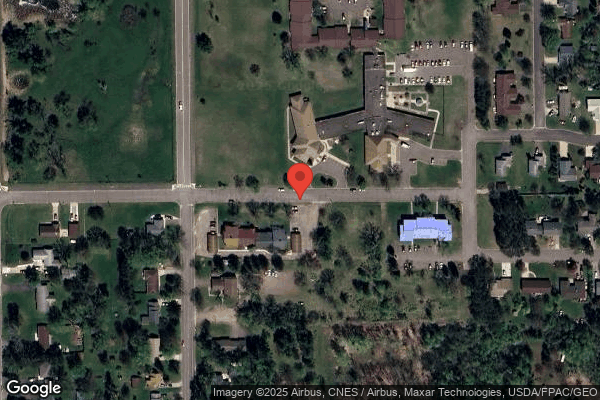
110 NORTH 7TH STREET, MORA, MN 55051 (320) 679-1411
Non profit - Corporation 65 Beds Independent Data: November 2025
Trust Grade
45/100
#197 of 337 in MN
Last Inspection: February 2025

Within standard 12-15 month inspection cycle. Federal law requires annual inspections.

Overview

St. Clare Living Community of Mora has a Trust Grade of D, indicating below-average performance with some significant concerns. They rank #197 out of 337 nursing homes in Minnesota, placing them in the bottom half, but they are the only option in Kanabec County. Unfortunately, the facility is worsening, with problems increasing from 2 issues in 2024 to 10 in 2025. Staffing is a relative strength, with a rating of 4 out of 5 stars and a turnover rate of 39%, which is below the state average. However, they have incurred $51,600 in fines, which is concerning and higher than 89% of Minnesota facilities, suggesting ongoing compliance issues. Specific incidents include a failure to prevent falls, resulting in a resident suffering severe fractures that required surgery, and inadequate monitoring of residents on antipsychotic medications. Additionally, the facility failed to ensure proper use of personal protective equipment to prevent COVID-19 spread, which could affect all residents. Overall, while the staffing situation seems stable, the facility has significant room for improvement in resident safety and compliance.

Trust Score
D
45/100
In Minnesota
#197/337
Bottom 42%
Safety Record
Moderate
Needs review
Inspections
Getting Worse
2 → 10 violations
Staff Stability
○ Average
39% turnover. Near Minnesota's 48% average. Typical for the industry.
Penalties
✓ Good
$51,600 in fines. Lower than most Minnesota facilities. Relatively clean record.
Skilled Nurses
✓ Good
Each resident gets 44 minutes of Registered Nurse (RN) attention daily — more than average for Minnesota. RNs are trained to catch health problems early.
Violations
⚠ Watch
27 deficiencies on record. Higher than average. Multiple issues found across inspections.
★★★☆☆
3.0
Overall Rating
★★★★☆
4.0
Staff Levels
★★★★☆
4.0
Care Quality
★★★☆☆
3.0
Inspection Score
Stable
2024: 2 issues
2025: 10 issues

The Good

  • 4-Star Staffing Rating · Above-average nurse staffing levels
  • 4-Star Quality Measures · Strong clinical quality outcomes
  • Full Sprinkler Coverage · Fire safety systems throughout facility
  • No fines on record
  • Staff turnover below average (39%)

    9 points below Minnesota average of 48%

Facility shows strength in staffing levels, quality measures, fire safety.

The Bad

3-Star Overall Rating

Near Minnesota average (3.2)

Meets federal standards, typical of most facilities

Staff Turnover: 39%

Near Minnesota avg (46%)

Typical for the industry

Federal Fines: $51,600

Above median ($33,413)

Moderate penalties - review what triggered them

The Ugly 27 deficiencies on record

1 actual harm
Feb 2025 10 deficiencies
CONCERN (D)

Potential for Harm - no one hurt, but risky conditions existed

Deficiency F0554 (Tag F0554)

Could have caused harm · This affected 1 resident

**NOTE- TERMS IN BRACKETS HAVE BEEN EDITED TO PROTECT CONFIDENTIALITY** Based on observation, interview and document review, the facility failed to ensure residents were comprehensively assessed for s...

Read full inspector narrative →
**NOTE- TERMS IN BRACKETS HAVE BEEN EDITED TO PROTECT CONFIDENTIALITY** Based on observation, interview and document review, the facility failed to ensure residents were comprehensively assessed for self-administration of medications for 2 of 2 residents (R3, R10) reviewed and observed for self-administration of medications. Findings include: R3 R3's quarterly Minimum Data Set (MDS) dated [DATE], identified R3 had moderate cognitive impairment and required assistance with all activities of daily living (ADL)'s. R3's diagnoses included heart failure, chronic kidney disease, generalized anxiety disorder, chronic obstuctive pulmonary disease, encephalopathy, hypertension and type II diabetes mellitus and unspecified dementia with psychotic disturbance. R3's physician orders included order for Ipratropium bromide inhalation solution 0.02% - 0.5 mg(milligram) - Inhale 0.5 mg via neb twice daily related to chronic obstructive pulmonary disease. During observation on 2/11/25 at 8:29 a.m., R3 was sitting in her recliner holding the nebulizer mask to her face. Nebulizer cup contained a clear solution and nebulizer machine was running with no staff present in room. During observation on 2/12/25 at 8:07 a.m., R3 was sitting in her recliner holding the nebulizer mask to her face. Nebulizer cup contained a clear solution and nebulizer machine was running with no staff present in room. At 8:15 a.m., R3 turned the nebulizer machine off and placed nebulizer mask on nebulizer machine with a very small amount of clear solution remaining in cup. During record review on 2/11/25, the self-administration of medication assessment, completed on 11/30/24, identified R3 did not wish to self-administer any medications, did not indicate any medications R3 would like to self-administer, and indicated there was no MD order to self-administer medications. Assessment indicated R3 was not appropriate to self-administer any medications. During interview on 2/13/25 at 12:05 p.m., registered nurse (RN)-A confirmed the last self-administration assessment, completed on 11/30/24, indicated R3 was not able to self-administer medications. R10 R10's quarterly MDS dated [DATE], identified R10 had moderate cognitive impairment and required assistance with most ADL's. R10's diagnoses included hypertensive chronic kidney disease, chronic pain, cervicalgia (pain in the neck), anxiety disorder, metabolic encephalopathy, chronic combined systolic and diastolic heart failure, chronic obstructive pulmonary disease and dependence on renal dialysis. R10's physician orders included orders for: 1. Ipratropium-Albuterol inhalation solution 0.5 - 3 mg(milligram)/ml(milliliter) - 3 mL inhale orally three times a day related to chronic obstructive pulmonary disease. 2. Muscle rub (menthyl salicylate-menthol) cream - 15-10% - Muscle rub three times daily to right shoulder related to cervicalgia (pain in the neck). R10's physician orders lacked evidence for an order for eye drops. During observation and interview on 2/10/25 at 4:18p.m., R10 had two bottles of muscle rub cream in room and a bottle of artificial tears eye drops. R10 stated he applied the muscle rub up to three to fours times a day and staff also comes in and applies some. R10 stated he applied it just before surveyor entered room. Muscle rub menthol scent was present in room. R10 stated he applied the eye drops when his eyes were dry and itchy. During observation on 2/11/25 at 7:48 a.m., R10 was sitting in his wheelchair in his room. Two tubes of muscle rub and a bottle of eye drops remained in R10's room. Nebulizer cannister contained a clear solution, approximately ¼ full, and was standing in an upright position on nebulizer machine. During observation on 2/12/25 at 10:32 a.m., R10 was not in room. Two tubes of muscle rub and a bottle of eye drops remained in R10's room. Nebulizer cannister contained a clear solution, approximately ¾ full, and was standing in an upright position on nebulizer machine. During observation on 2/12/25 at 6:20 p.m., same amount of clear solution remained in nebulizer cannister from earlier this morning and was standing in an upright position on nebulizer machine. During observation on 2/13/25 at 8:03 a.m., R10 was sitting in his wheelchair in his room. Two tubes of muscle rub and a bottle of eye drops remained in R10's room. Nebulizer cannister contained a clear solution, approximately ¾ full, and was standing in an upright position on nebulizer machine. During interview on 2/13/25 at 11:45 a.m., R10 stated he just returned to the facility from an appointment and stated he had not completed his nebulizer treatment this morning. During record review on 2/13/25, the self-administration of medication assessment, completed on 2/2/25, identified R10 wanted to self-administer medications, however assessment did not indicate any medications R10 would like to self-administer. Assessment indicated R10 was not appropriate to self-administer any medications and agreed to having nursing store and administer all medications. During interview on 2/13/25 at 11:46 a.m., trained medication aide (TMA)-A stated there was one resident on this unit, which was not R3 or R10, that were able to self-administer medications. TMA-A stated if a resident was able to self-administer medications, it would be displayed in the resident's electronic health record (EHR). TMA-A confirmed that R3 and R10 did not have an order to self-administer medications which included nebulizer treatments. TMA-A went to R10's room, confirmed two tubes of muscle rub and one bottle of eye drops were in room and took them out of room. TMA-A confirmed that R10's nebulizer cannister was still full of clear solution and stated she set it up this morning and had reminded him to complete his nebulizer treatment, however confirmed that R10 had not done nebulizer treatment. During interview on 2/13/25 at 11:57 a.m., RN-A confirmed there was no order for self-administration of medication in R10's EHR. RN-A stated the last self-administration assessment, completed on 2/2/25, indicated R10 wanted to self-administer medications but the assessment did not include what medication could be self-administered. RN-A asked TMA-A if R10 was able to administer the eyes drops independently with TMA-A stating that apparently R10 is able to self-administer the eye drops because she had never administered eye drops to R10. RN-A confirmed there was no order for eye drops. During interview on 2/14/25 at 2:02 p.m., director of nursing (DON) stated self-administration of medications assessments are completed by a licensed nurse. DON stated assessments should be completed at time of admission, quarterly, or with a significant change in status. DON confirmed nebulizer treatments set up for a resident to self-administer, when nurse leaves the room, needed to be assessed and a self-administer order would need to be obtained from the provider. It was important for the resident to be assessed for self-administration of medications to ensure the resident understands what the medication is for and is capable to complete the whole process. The facility Self-Administration of Medications policy, dated 3/24, identified residents have the right to self-administer medication if the nursing team has determined that it is clinically appropriate and safe for the resident to do so. 1. As part of the evaluation comprehensive assessment, the nursing team assesses each resident's cognitive and physical abilities to determine whether self-administering medication is safe and clinically appropriate for the resident. 2. The nursing team considers the following factors when determining whether self-administration of medications is safe and appropriate for the resident: a. The medication is appropriate for self-administration. b. The resident is able to read and understand medication labels. c. The resident can follow directions and tell time to know when to take the medication. d. The resident comprehends the medication's purpose, proper dosing, timing, signs of side effects and when to report these to the staff. e. The resident has the physical capacity to open medication bottles, remove medications from a container and to ingest and swallow (or otherwise administer) the medication; and f. The resident is able to safely and securely store the medication. 3. If it is deemed safe and appropriate for a resident to self-administer medications, this is documented in the medical record and the care plan. The decision that a resident can safely self-administer medications is reassessed quarterly and is based on changes in the resident's medical and/or decision-making status.
CONCERN (D)

Potential for Harm - no one hurt, but risky conditions existed

Deficiency F0561 (Tag F0561)

Could have caused harm · This affected 1 resident

**NOTE- TERMS IN BRACKETS HAVE BEEN EDITED TO PROTECT CONFIDENTIALITY** Based on interview and document review, the facility failed to provide smoking opportunities to promote quality of life and resi...

Read full inspector narrative →
**NOTE- TERMS IN BRACKETS HAVE BEEN EDITED TO PROTECT CONFIDENTIALITY** Based on interview and document review, the facility failed to provide smoking opportunities to promote quality of life and resident choice for 1 of 1 resident (R13) reviewed for choices. Findings Include: R13's Continuity of Care document (CCD) printed 2/11/25, included diagnosis of tobacco use, weakness and dementia without behavioral disturbance. R13's quarterly Minimum Data Set (MDS) dated [DATE], identified R13 had intact cognition. R13's diagnoses included type 2 diabetes mellitus with diabetic polyneuropathy, hypertension, non-Alzheimer's dementia, chronic obstructive pulmonary disease, dysphagia, unspecified mood disorder and peripheral vascular disease. R13's electronic health record (EHR) lacked evidence R13 was asked about or assessed for smoking. Progress note dated 6/17/24, indicated R13 expressed concerns and anger towards someone confiscating her cigarettes. Progress note dated 6/29/24, indicated R13 yelled at multiple staff to take her outside and smoke. When staff refused, R13 went outside by herself and attempted to light a match on the building and was unsuccessful. R13 came back into building and yelled at staff to assist her with lighting her cigarette. When staff refused, R13 began yelling and this went on four different times between the times of 6:30 to 9:30 p.m. Note indicated R13 was feeling up staff for cigarettes and lighters. Progress note dated 7/18/24, indicated R13 wheeled herself outside and was asking visitors who were entering building if they had a cigarette she could have. Progress note dated 8/2/24, indicated R13 was outside smoking and that she had a pack of cigarettes in her sweater. Staff approached R13 and asked for her cigarettes with R13 stating it was her last one. During the time R13 was outside, another staff member went into R13's room and found a pack of cigarettes, took them and placed them in the medication room. R13 approached staff later demanding her cigarettes back and stated staff had no right to invade her privacy and taking her pack of cigarettes. R13 was yelling and cursing at staff. Progress note dated 8/3/24, indicated R13 was very upset about not being able to smoke and that resident is in a decent mood other than being very upset about not being able to smoke. Progress note dated 8/7/24, indicated R13 was yelling and calling staff names. R13 stated that someone stole her cigarettes. Progress note dated 9/1/24, indicated staff assisted R13 with going outside. Staff walked back into the building and looked out window to see R13 attempting to light a cigarette with a lighter. Progress note dated 10/6/24, indicated R13 became angry with staff when they told R13 she was not allowed to have a cigarette. R13 began demanding staff to give her a cigarette and stating, someone stole hers. Progress note dated 10/22/24, indicated R13 continually asked staff for cigarettes and when staff refused, R13 yelled and swore at staff. Progress note dated 10/26/24, indicated R13 was seen outside the front entrance smoking. Progress note dated 11/6/24, indicated R13 was outside smoking and when R13 stood us there was a lighter under her leg. Progress note dated 12/19/24, indicated R13 continually asked staff for cigarettes, every 30 minutes, and to take her outside. Progress note dated 12/21/24, indicated R13 continually asked staff for cigarettes and would get angry with staff when they would not give her a cigarette. Progress note dated 12/28/24, indicated R13 had behaviors this evening. R13 was continually asking many staff members for cigarettes and would yell at staff when they would not give her a cigarette. Progress note dated 12/29/24, indicated R13 continually asked staff for cigarettes and to take her outside and sit with her. Note indicated R13 is capable of propelling her wheelchair outside independently and had been asking every 30 minutes. Progress note dated 1/3/25, indicated R13 was alert and oriented and was able to make her own decisions. Note indicated R13 continually will ask staff for cigarettes and for staff to take her outside and can get verbal with staff if she doesn't get the answers she is looking for. Progress note dated 1/28/25, indicated R13 was angry at staff for not allowing her to smoke. Progress note dated 1/28/25, indicated R13 was seen outside smoking a cigarette that she had hidden after continually asking staff for one of her cigarettes. R13 cursed and swore at staff. R13's care plan failed to address wishes to smoke. During interview on 2/11/25 at 12;02 p.m., R13 stated she was a smoker and would smoke if she had the opportunity. R13 stated she had smoked since she was [AGE] years old and was smoking up to the day she was admitted to facility. R13 stated it made her very angry and anxious when she is not able to smoke. During interview on 2/11/25 at 1:47 p.m., nursing assistant (NA)-A stated R13 usually went outside to smoke, however it depends on how often as management has stated she was not allowed to smoke. NA-A stated R13 has asked staff to take her outside and gets upset when staff refuses. NA-A stated a lot of R13's behaviors were from nicotine withdrawal. During interview on 2/12/25 at 1:36 p.m., NA-B stated R13 is a smoker but she was not allowed to smoke on grounds. NA-B stated R13 becomes angry and would yell in the hallway and common areas when staff told her she cannot smoke. NA-B stated she [R13] would not have behaviors if she was allowed to smoke. NA-B stated cigarettes and lighters have been found in R13's room by other staff who removed them and stored them at nursing station. During interview on 2/13/25 at 11:34 a.m., NA-C stated R13 was rude and would yell at staff. R13 has left facility to buy cigarettes and lighters. NA-C stated R13's behaviors stemmed from her not being able to smoke. During interview on 2/13/25 at 12:13 p.m., registered nurse (RN)-A stated R13 liked to go outside frequently but was not able to as we are a non-smoking facility. RN-A stated R13 had a gruff personality and became angry at staff when they would not allow her to go outside to smoke. RN-A stated R13's behaviors were from her not being able to smoke. During interview on 2/14/25 at 1:43 p.m., social worker (SW) stated R13 had aggressive behaviors, all verbal, that started in the past several months. SW stated R13's behaviors were from R13 not being able to smoke. R13 would be able to go outside to the street to smoke if facility completed an assessment to ensure resident was able and safe to. SW stated R13 was able to make daily choices and decisions. During interview on 2/14/25 at 2:02 p.m., director of nursing (DON) stated the facility was a non-smoking facility. R13 had verbal aggression where she would swear and yell at staff. DON stated R13 would state if I could just have a cigarette, I would be happier. DON stated they had another resident in the past that was allowed to smoke outside and stated if R13 was able to go outside and smoke it might de-escalate the behavior she is exhibiting. The Combined Federal and State [NAME] of Rights document, dated 2/1/17, that was in admission packet, indicated the resident has the right to and the facility must promote and facilitate resident self-determination through support of resident choice. The facility Resident Preferences for Customary Routine & Activities policy dated 4/24, indicated the facility recognizes and respects the right of each resident to maintain their customary routines and engage in preferred activities to the greatest extent possible, consistent with their individual care plan, safety, and the rights of other residents. We believe that honoring these preferences contributes to residents' well-being, dignity, and quality of life. This policy aims to ensure that residents' choices regarding their daily schedules, personal habits, and social engagements are acknowledges and supported. The facility Tobacco/Smoke Free policy dated February 2025, indicated resident who do wish to continue to use tobacco, electronic cigarettes, or vape pens will be required to sign out in the Release of Responsibility for Leave of Absence book and go off facility property to use tobacco, electronic cigarettes, or vape pens.
CONCERN (D)

Potential for Harm - no one hurt, but risky conditions existed

Quality of Care (Tag F0684)

Could have caused harm · This affected 1 resident

**NOTE- TERMS IN BRACKETS HAVE BEEN EDITED TO PROTECT CONFIDENTIALITY** Based on interview and document review the facility failed to complete neurological assessments following falls for 2 of 2 resid...

Read full inspector narrative →
**NOTE- TERMS IN BRACKETS HAVE BEEN EDITED TO PROTECT CONFIDENTIALITY** Based on interview and document review the facility failed to complete neurological assessments following falls for 2 of 2 residents (R7 and R25) who had unwitnessed falls. Facility also failed to ensure medications were administered per physician's orders for 1 of 2 residents (R30) reviewed for bowel management and failed to ensure vitals were obtained per physician's order for 1 of 1 resident (R30) reviewed for following physician orders. Findings include: R7 R7's quarterly Minimum Data Set (MDS) dated [DATE], identified R7 had severe cognitive impairment and required assistance with all activities of daily living (ADL)'s. R7's diagnoses included unspecified dementia with other behavioral disturbance, malnutrition, depression, varicose veins on right lower extremity with inflammation, peripheral vascular diseases, hypothyroidism, essential hypertension, osteoarthritis and systemic sclerosis. R7's progress note dated 6/5/24 at 1:51 p.m., identified an unwitnessed fall. R7 was heard screaming and staff found her on her knees next to recliner. R7 had a bump on her upper-mid forehead that was purplish in color. Record indicated neurological assessment was initiated but was not thoroughly completed. R7's progress note dated 12/13/24 at 2:51 a.m., identified an unwitnessed fall. R7 was found sitting on floor with back resting against recliner with sheet and blankets wrapped around her. R7's progress note dated 12/13/24 at 8:30 a.m., identified an unwitnessed fall. R7 was found on floor lying on left side. R7 had small bruise on left side of forehead. R7's record lacked evidence neurological assessment were completed after R7's unwitnessed falls on 12/13/24 and indicated the neurological assessment, dated 6/5/24, had four times blank where no neurological assessment was completed making the assessment incomplete: - On 6/5/24 at 2:15 a.m. line was drawn through assessment and had sleeping written through time slot. - On 6/5/24 at 2:45 a.m. line was drawn through assessment and had sleeping written through time slot. - On 6/5/24 at 2:45 p.m. assessment time was blank - On 6/5/24 at 6:45 p.m. assessment time was blank - On 6/5/24 at 11:45 p.m. line was drawn through assessment time and had sleeping written through time slot. R25 R25's quarterly MDS dated [DATE], identified R25 had severe cognitive impairment and required assistance with all activities of daily living (ADL)'s. R25's diagnoses included progressive neurological conditions, Parkinson's disease with dyskinesia (uncontrolled, involuntary movements of the face, arms or legs), non-Alzheimer's dementia, anxiety disorder, adult failure to thrive, severe protein-calorie malnutrition, hypothyroidism and unilateral primary osteoarthritis of left knee. R25's progress note dated 1/7/25 at 6:30 p.m., identified an unwitnessed fall. R25 was found on floor next to her bed with her face down and her hands under her abdomen and her legs straight. R25 had a large bump above her right outer eye that was purple in color. R25's Record indicated neurological assessment was initiated but was not thoroughly completed. Neurological assessment, dated 1/7/25, had two times blank where no neurological assessment was completed making the assessment incomplete. At 4:45 p.m. and 5:15 p.m. there was a line drawn through each assessment time and had eating written through time slots. During interview on 2/14/25 at 10:00 a.m., licensed practical nurse (LPN)-A stated when a resident falls, licensed nursing staff assess the resident and ensure there are no injuries. LPN-A stated if the fall was unwitnessed or if resident hit their head, neurological assessments would be initiated. LPN-A stated she would not wake a resident or interrupt resident when in dining room to complete neurological assessment unless she knew they had hit their head. During interview on 2/14/25 at 12:51 p.m., clinical manager (CM)-A stated when a resident fell, licensed staff would assess resident by obtaining vital signs, checking range of motion and assessing for injuries. CM-A stated if fall was unwitnessed or if resident hit their head, neurological assessment would be initiated. CM-A stated she would expect staff to wake up resident to complete the neurological assessments as it was important to obtain and monitor for any changes in vital signs of level of consciousness. During interview on 2/14/25 at 2:02 p.m., director of nursing (DON) stated when a resident fell staff alerted the nurse who would obtain vitals and assess for injury. DON stated when a fall was unwitnessed neurological checks are done every 15 minutes for two times, every 30 minutes for two times, every hour for four times and every four hours for seven times. DON stated she would expect staff to wake the resident up to complete neurological assessment at the scheduled time and to complete assessments even when resident was in the dining room. DON confirmed the neurological assessment for R7's and R25's falls were not completed and neurological assessment for R7's falls on 12/13/24 were not initiated. DON stated neurological assessments were important to complete due to residents being fragile and need to be monitored closely to ensure they are not experiencing a change in condition after a potential head strike. The facility Fall Protocol policy dated 3/24, indicated if a resident hit head or if hitting of head is unknown, start neuro checks using Neurological Check Observation. Neurological checks are every 30 min x 2, then every 1-hour x 4 hours, then every 4-hours x 24 hours. Bowel management medication R30 R30's quarterly MDS dated [DATE], identified R30 had intact cognition and required assistance with activities of daily living (ADL)'s such as transferring, toileting. R30's diagnoses included end stage renal disease, anemia, heart failure, hypertension, peripheral vascular disease, diabetes mellitus, malnutrition, anxiety disorder, depression, chronic obstructive pulmonary disease (COPD), polyneuropathy and paroxysmal atrial fibrillation. During review of R30's electronic medication record (EMR), R30 had the following orders: 1. Senna-docusate sodium oral tablet 8.6-50 mg (milligram) two tablets daily to prevent constipation, 2. Dilaudid (hydromorphone) 2 mg one tablet by mouth every Monday, Wednesday and Friday before dialysis, 3. Dilaudid 1 mg one tablet by mouth every four hours as needed for moderate to severe pain, 4. Senna-docusate sodium oral tablet 8.6-50 mg two tablets by mouth as needed at bedtime once daily for constipation, 5. Docusate sodium 100 mg one capsule by mouth as needed once daily for constipation 6. Bisacodyl suppository 10 mg rectally as needed once daily for constipation. R30's bowel record indicated R30's last bowel movement was on 2/8/25, indicating R30 had not had a bowel movement in six days. During review of R30's electronic health record (EHR), EHR lacked evidence of as needed medications ordered for constipation had not been provided for R30. During interview on 2/10/25 at 2:45 p.m., R30 stated she was constipated due to dialysis, fluid restriction and pain medication she had been receiving. R30 stated she received scheduled Senna, but it helps off and on. R30 stated she had not had a bowel movement in several days. During interview on 2/14/25 at 8:58 a.m., R30 stated she still had not had a bowel movement in several days and she was kind of uncomfortable due to this. During interview on 2/14/25 at 10:00 a.m., LPN-A stated the bowel program they followed included if a resident was on day three with no bowel movement prune juice would be given to resident. On day four of no bowel movement as needed Senna would be administered and on day five of no bowel movement an as needed suppository would be administered. During interview on 2/14/25 at 12:51 p.m., CM-A stated a bowel report was printed every day and expected staff to follow standing orders for constipation. During interview on 2/14/25 at 2:02 p.m., DON stated aides chart resident's bowel movement which relays the information to the nurses. DON stated small bowel movements were not counted. DON confirmed R30's last BM was on 2/8/25. DON stated she expected nursing to follow the protocol and offer PRN medications from the standing house orders which consisted of senna, Colace, suppositories and/or enema. DON stated PRN medications should have been offered especially since R30 was on narcotic medications. DON stated it was important so a resident did not get constipated and/or worst-case scenario could lead to hospitalization, and it also affected her quality of life. The facility Bowel Protocol policy dated 4/24, indicated: Do not apply routine bowel protocol if: -There is blood in resident's stool. -There is significant change in resident's mental status. -Bowel sounds are not heard on assessment. -An abdominal mass of unknown origin is palpated. -Dialysis residents cannot have Milk of Magnesia. Check residents MAR for scheduled or PRN stool softeners/laxatives before starting routine bowel program. Night shift nurse to print/review bowel report after 0500 daily. -Day 3 with no BM give 6-8 ounces of prune juice and document amount accepted in MAR. -Day 4 with no BM results give cc of Milk of Magnesia. -Day 5 with no BM results give Bisacodyl suppository -Day 6 with no BM results give Fleets Enema. -If no results on day 6 the day shift nurse will update MD/NP for further orders and request routine (or change in) med if indicated. Vital Signs During review of R30's electronic health record (EHR), provider notes, dated 2/4/25 indicated R30's heart rate was controlled on Coreg (carvedilol) and blood pressures run soft requiring midodrine on dialysis days. Due to hypotension and dizziness complaints will stop Coreg and monitor heart rate closely. R30's vital sign record indicated R30's last pulse was obtained on 2/1/25, indicating R30 had not had her pulse checked since discontinuation of carvedilol on 2/4/25. During interview on 2/14/25 at 2:02 p.m., DON stated any licensed nurse reviews the provider visit notes for orders and confirmed an order for regular pulse checks was completed after discontinuation of medication per provider's order. DON stated R30's last pulse was on 2/1/25. DON stated it was important due to it being a physician's order so it should be followed for resident's health. The facility's Processing of Physician's Orders policy and procedure was requested but was not received.
CONCERN (D)

Potential for Harm - no one hurt, but risky conditions existed

Deficiency F0685 (Tag F0685)

Could have caused harm · This affected 1 resident

**NOTE- TERMS IN BRACKETS HAVE BEEN EDITED TO PROTECT CONFIDENTIALITY** Based on interview and document review, the facility failed to ensure proper treatment was provided to maintain hearing for 1 of...

Read full inspector narrative →
**NOTE- TERMS IN BRACKETS HAVE BEEN EDITED TO PROTECT CONFIDENTIALITY** Based on interview and document review, the facility failed to ensure proper treatment was provided to maintain hearing for 1 of 1 resident (R10) reviewed for hearing. Findings include: R10's quarterly Minimum Data Set (MDS) dated [DATE], identified R10 had moderate cognitive impairment and required assistance with most ADL's. R10's care plan, indicated R10 was hard of hearing and has difficulty with normal conversations. Care plan indicated qualified nursing staff would monitor for changes with my [R10's] abilities with communication and would offer to arrange hearing evaluation as needed. R10's electronic health record (EHR) lacked evidence R10 was offered an audiology appointment. During observation and interview on 2/10/25 at 4:04 p.m., R10 stated he had difficulty with hearing and asked surveyor to speak louder as it was really hard to hear people talking. R10 did not have hearing aides in his ears. R10 stated he had three pairs of hearing aids; one pair won't stay in ears and his daughter took the other two pairs home to see if she could get them fixed. R10 stated the facility had not discussed audiology services with him. During observation on 2/11/25 at 7:48 a.m., R10 did not have hearing aids present in ears. During observation on 2/12/25 at 5:54 p.m., R10 did not have hearing aids present in ears. During interview on 2/13/25 at 11:34 a.m., nursing assistant (NA)-C stated R10 was very hard of hearing and staff needed to speak louder for him to hear. During interview on 2/14/25 at 9:53 a.m., NA-D stated R10 was very hard of hearing, did not wear hearing aids and needed staff to talk loudly for him to hear. NA-D stated it may take R10 a couple of times for him to understand what is being said. During interview on 2/14/25 at 9:57 a.m., NA-E stated R10 was very hard of hearing, did not wear hearing aides and needed staff to speak loud to him to hear. During interview on 2/14/25 at 12:51 p.m., clinical manager (CM)-A stated a consent form was completed on admission for services such as podiatry, audiology and ophthalmology from outside provider who came to facility. CM-A stated if a resident was having general concerns, the services were discussed again. During interview on 2/14/25 at 3:31 p.m., CM-A stated she could not find documentation to indicate audiology services were discussed with resident. During interview on 2/14/25 at 2:02 p.m., director of nursing (DON) stated if staff noticed a progression in hearing loss, facility should offer audiology services. DON stated staff could also check for wax buildup to see if could help with the resident being able to hear. She expected the resident was asked on admission if they would like audiology services and then it should be readdressed at every care conference. DON stated it was important to provide/assist with audiology services for his quality of life especially when R10 goes to dialysis as there was a community of individuals who go on the same schedule as R10 and being able to hear them was important so he can converse with them and be part of that community. The facility Hearing Impaired Resident policy, dated 1/25, indicated staff will assist hearing impaired residents to maintain effective communication with clinicians, caregivers, other residents and visitors. Staff will assist the resident (or representative) with locating available resources, scheduling appointments, and arranging transportation to obtain needed services. Staff will assist residents with the care and maintenance of hearing devices.
CONCERN (D)

Potential for Harm - no one hurt, but risky conditions existed

Pressure Ulcer Prevention (Tag F0686)

Could have caused harm · This affected 1 resident

**NOTE- TERMS IN BRACKETS HAVE BEEN EDITED TO PROTECT CONFIDENTIALITY** R25 R25's quarterly Minimum Data Set (MDS) dated [DATE], identified R25 had severe cognitive impairment and required assistance ...

Read full inspector narrative →
**NOTE- TERMS IN BRACKETS HAVE BEEN EDITED TO PROTECT CONFIDENTIALITY** R25 R25's quarterly Minimum Data Set (MDS) dated [DATE], identified R25 had severe cognitive impairment and required assistance with all activities of daily living (ADL)'s. R25's diagnoses included progressive neurological conditions, Parkinson's disease with dyskinesia (involuntary, erratic movements of the face, arms, legs or trunk), non-Alzheimer's dementia, anxiety disorder, adult failure to thrive and severe protein-calorie malnutrition. MDS indicated R25 was at risk for the development of pressure ulcers and currently had one stage four pressure ulcer (stage 4 ulcers are deep wounds that may impact muscle, tendons, ligaments, and bone). R25's care plan dated 1/8/25, identified R25 had a stage four pressure ulcer to right ischial tuberosity (large posterior bony protuberance on the superior ramus of the ischimum) and was at a high risk for altered skin integrity and pressure injuries and directed staff to reposition R25 every two hours while in bed and/or wheelchair. During continuous observation on 2/13/25 from 9:01 a.m. to 1:03 p.m. R25 was observed to be seated in a Broda (reclining wheelchair with bilateral supportive cushions) chair. At 9:01 a.m., hospice aide brought R25 to the common area to sit with other residents. At 10:03 a.m., R25 remained in common area watching television. At 11:11 a.m., R25 remained in common area watching television. At 12:38 p.m., R25 remained in common area watching television. At 12:49 p.m., R25 remained in common area watching television. At 1:03 p.m., staff assisted R25 to her room to assist R25 with laying down in bed to rest. During interview on 2/14/25 at 9:53 a.m., nursing assistant (NA)-D stated R25 was unable to reposition herself in her wheelchair and needs staff to assist with repositioning. NA-D stated R25 was to receive assistance with repositioning every two hours. During interview on 2/14/25 at 9:57 a.m., NA-E stated R25 needed to be turned and repositioned every two hours. During interview on 2/14/25 at 10:00 a.m., licensed practical nurse (LPN)-A stated R25 should be turned and repositioned every two hours. During interview on 2/14/25 at 12:51 p.m., clinical manager (CM)-A stated R25 had a pressure ulcer and needed to be turned and repositioned every two hours whether she was in bed or Broda chair. During interview on 2/14/25 at 2:02 p.m., director of nursing (DON) stated she expected staff to turn and reposition R25 every two hours. DON stated it was important for R25 to be turned and repositioned every two hours as R25 had current stage four pressure ulcer, had end stage Parkinson's, had no adipose tissue, was contracted and had very fragile skin. DON stated it was not appropriate R25 was not turned and repositioned every two hours per her care plan. The Individualized Care Plan Policy dated 10/26/22, indicated the facility would develop a comprehensive care plan using the comprehensive assessments, will individualize the plan of care to accurately reflect resident's functional capacity and medical, nursing, psychosocial, activity and other identified needs. The facility Position a Resident in Chair/Wheelchair / Position - Side lying / Position - Supine policy, undated, indicated staff to provide proper positioning and good body alignment in order to prevent skin breakdown, relieve pressure and provide for better circulation. Nursing staff will provide resident with good body alignment and will reposition residents every 2 hours or more often as needed. Based on observation, interview and document review, the facility failed to implement care plan interventions to prevent pressure ulcers for 1 of 1 residents (R6), who were at risk to develop pressure ulcers. In addition, the facility failed to provide timely assistance with repositioning to promote healing of pressure ulcer for 1 of 1 resident (R25) in accordance with the individualized care plan. Findings include: R6's annual minimum data set (MDS) indicated R6 was severely cognitively impaired and was dependant on staff for cares. R6's pressure ulcer care assessment area (CAA) dated 11/21/24, indicated R6 was at risk for pressure ulcers due to needing physical assistance with bed mobility, was completely incontinent of bowel and bladder. R6's skin risk assessment with braden scale dated 1/30/25, identified R6 was at high risk to develop pressure ulcers and had interventions which included pressure reducing device on bed and wheelchair and heel protectors. R6's care plan revised 2/4/25, indicated R6 was at risk for impaired skin with interventions which included pressure relieving boots on feet while in bed. During observation on 2/10/25, at 12:23 p.m. R6 was in bed, pressure relieving boots were in chair. On 2/11/25, at 1:13 p.m. R6 was observed in bed sleeping on her right side, pressure relieving boots were in chair across the room On 2/12/25, at 1:39 p.m. R6 was observed in bed sleeping, laying on her right side, pressure relieving boots were nn chair across the room. When interviewed on 2/14/25, at 10:24 a.m. nursing assistant (NA)-E stated pressure relieving boots were on R6's feet during hours of sleep which included anytime R6 was in bed, including naps. When interviewed on 2/14/25, at 12:51 p.m. clinical manager (CM)-A stated pressure relieving boots were to be put on when in bed, come off when out of bed, this included during the day when naps were taken. When interviewed on 2/14/25, at 2:25 p.m. director of nursing (DON) stated the expectation was pressure relieving boots were placed on resident's [R6] feet anytime they were in bed to protect the heels to prevent pressure ulcers.
CONCERN (D)

Potential for Harm - no one hurt, but risky conditions existed

Accident Prevention (Tag F0689)

Could have caused harm · This affected 1 resident

**NOTE- TERMS IN BRACKETS HAVE BEEN EDITED TO PROTECT CONFIDENTIALITY** Based on observation, interview and document review, the facility failed to comprehensively assess to assure safety with smoking...

Read full inspector narrative →
**NOTE- TERMS IN BRACKETS HAVE BEEN EDITED TO PROTECT CONFIDENTIALITY** Based on observation, interview and document review, the facility failed to comprehensively assess to assure safety with smoking for 1 of 1 resident (R13) who was smoking outside the facility. Findings include: R13's Continuity of Care document (CCD) printed 2/11/25, included diagnosis of tobacco use, weakness and dementia without behavioral disturbance. R13's quarterly Minimum Data Set (MDS) dated [DATE], identified R13 had intact cognition. R13's diagnoses included type 2 diabetes mellitus with diabetic polyneuropathy, hypertension, non-Alzheimer's dementia, chronic obstructive pulmonary disease, dysphagia, unspecified mood disorder and peripheral vascular disease. R13's electronic health record (EHR) lacked evidence R13 was asked about or assessed for smoking. During the facility entrance conference on 2/10/25, the administrator and the clinical manager (CM)-A stated the facility did not have any residents who smoke as the facility was a non-smoking facility. R13's care plan printed 2/11/25, did not indicate R13 smoked. Progress note dated 6/29/24, indicated R13 yelled at multiple staff to take her outside and smoke. When staff refused, R13 went outside by herself and attempted to light a match on the building and was unsuccessful. R13 came back into building and yelled at staff to assist her with lighting her cigarette. When staff refused, R13 began yelling and this went on four different times between the times of 6:30 to 9:30 p.m. Note indicated R13 was feeling up staff for cigarettes and lighters. Progress note dated 8/2/24, indicated R13 was outside smoking and that she had a pack of cigarettes in her sweater. Staff approached R13 and asked for her cigarettes with R13 stating it was her last one. During the time R13 was outside, another staff member went into R13's room and found a pack of cigarettes, took them and placed them in the medication room. R13 approached staff later demanding her cigarettes back and stated staff had no right to invade her privacy and taking her pack of cigarettes. R13 was yelling and cursing at staff. Progress note dated 9/1/24, indicated staff assisted R13 with going outside. Staff walked back into the building and looked out window to see R13 attempting to light a cigarette with a lighter. Progress note dated 10/26/24, indicated R13 was seen outside the front entrance smoking. Progress note dated 11/6/24, indicated R13 was outside smoking and when R13 stood up there was a lighter under her leg. Progress note dated 1/28/25, indicated R13 was seen outside smoking a cigarette that she had hidden after continually asking staff for one of her cigarettes. During interview on 2/11/25 at 12:02 p.m., R13 stated she was a smoker and would smoke if she had the opportunity. During interview on 2/11/25 at 1:47 p.m., nursing assistant (NA)-A stated R13 usually went outside to smoke, however it depended on how often as management stated she was not allowed to smoke. During interview on 2/12/25 at 1:36 p.m., NA-B stated R13 is a smoker, has gone outside to smoke several times, but was recently told that she is not allowed to smoke on grounds. During interview on 2/13/25 at 11:34 a.m., NA-C stated R13 will go out of facility and buy cigarettes and lighters. During interview on 2/13/25 at 12:13 p.m., registered nurse (RN)-A stated R13 liked to go outside frequently but is not able to as we are a non-smoking facility. During interview on 2/14/25 at 11:53 a.m., nurse practitioner (NP) stated the facility staff saw R13 smoking outside a lot. During interview on 2/14/25 at 12:51 p.m., clinical manager (CM)-A stated R13's family brought in cigarettes in for R13. CM-A stated she did not think a smoking assessment would be done for R13 as the facility is non-smoking. During interview on 2/14/25 at 2:02 p.m., director of nursing (DON) stated the facility was a non-smoking facility. DON stated a smoking assessment should have been completed when R13 was first seen out smoking. DON confirmed no smoking assessment had been completed for R13. The facility Tobacco/Smoke Free policy dated February 2025, indicated residents and/or their families or designated responsible party are informed during the admission screening process that we are a tobacco/smoke free facility. Resident who has history of smoking will be offered smoking cessation. Residents who do wish to continue to use tobacco, electronic cigarettes, or vape pens will be required to sign out in the Release of Responsibility for Leave of Absence book and go off facility property to use tobacco, electronic cigarettes, or vape pens.
CONCERN (D)

Potential for Harm - no one hurt, but risky conditions existed

Deficiency F0757 (Tag F0757)

Could have caused harm · This affected 1 resident

**NOTE- TERMS IN BRACKETS HAVE BEEN EDITED TO PROTECT CONFIDENTIALITY** Based on interview and document review, the facility failed to ensure the development of parameters for administration of heart ...

Read full inspector narrative →
**NOTE- TERMS IN BRACKETS HAVE BEEN EDITED TO PROTECT CONFIDENTIALITY** Based on interview and document review, the facility failed to ensure the development of parameters for administration of heart rate control medication was assessed and implemented with pulse monitoring to ensure the parameters were met, if needed, to decrease the risk for complications for 2 of 5 residents (R13 and R40) reviewed for unnecessary medication use. Findings include: R13 R13's quarterly Minimum Data Set (MDS) dated [DATE], identified R13 had intact cognition. R13 was independent with bed mobility, sitting to standing and wheeling 50 feet with two turns. R13's diagnoses included type 2 diabetes mellitus with diabetic polyneuropathy, hypertension, non-Alzheimer's dementia, chronic obstructive pulmonary disease (COPD), dysphagia, unspecified mood disorder and peripheral vascular disease. R13's care plan, print date of 2/11/25, indicated R13 was at risk for impaired cardiac function related to congestive heart failure, hypertension, hyperkalemia, atrial flutter, COPD, obesity, and type two diabetes mellitus. The care plan did not include digoxin (heart rate control medication) medication use and required monitoring. Care plan indicated staff would administer medications as ordered and monitor for signs and symptoms of cardiac distress such as altered vital signs, etc. R13's Order Summary Report dated 1/14/25, indicated R13 received 0.125 milligrams (mg) of digoxin once daily for atrial flutter. The order did not include parameters indicating when the medication should be held related to heart rate. R13's Medication Administration Record (MAR) dated 1/1/25 through 2/13/25, indicated R13 had received metoprolol (approximately) once daily during this period but did not include pulse measurements taken before digoxin administration. R13's Pulse Summary, print date of 2/13/25, identified three pulse measurements were obtained since 1/1/25, ranging from 54 to 63 beats per minute and indicated R13's last pulse measurement was dated 2/5/25. R13's history and physical summary dated 7/12/24, indicated R13 had atrial fibrillation and for staff to monitor heart rate. R40 R40's quarterly Minimum Data Set (MDS) dated [DATE], identified R40 had severe cognitive impairment and required assistance with all activities of daily living (ADL)'s. R40's diagnoses included non-traumatic brain dysfunction, Alzheimer's disease with late onset, cancer, coronary artery disease, hypertension, peripheral vascular disease, pneumonia, hyperlipidemia, malnutrition, generalized anxiety disorder, major depressive disorder, COPD, paroxysmal atrial fibrillation, pan lobular emphysema, other obstructive and reflux uropathy, hallucinations, transient cerebral ischemic attack and benign prostatic hyperplasia with lower urinary tract symptoms. R40's care plan, print date 2/12/25, indicated R40 was at risk for impaired cardiac function related to atrial fibrillation, hyperlipidemia, history of NSTEMI and history of angina pectoris. The care plan did not include digoxin (heart rate control medication) medication use and required monitoring. Care plan indicated staff would administer medications as ordered and monitor for signs and symptoms of cardiac distress such as altered vital signs, etc. R40's Order Summary Report dated 1/14/25, indicated R40 received 0.25 milligrams (mg) of digoxin once daily for atrial fibrillation. The order did not include parameters indicating when the medication should be held related to heart rate. R40's Medication Administration Record (MAR) dated 1/1/25 through 2/13/25, indicated R40 had received metoprolol (approximately) once daily during this period but did not include pulse measurements taken before digoxin administration. R40's Pulse Summary, print date of 2/13/25, identified 12 pulse measurements were obtained since 1/1/25, ranging from 61 to 94 beats per minute and indicated R40's last pulse measurement was dated 2/9/25. During observation on 2/11/25 at 9:13 a.m., trained medication aide (TMA)-A went into R40's room and administered medications to R40 on a spoon mixed with pudding. TMA-A did not check pulse prior to administering medications. During interview on 2/11/25 at 9:15 a.m., TMA-A stated the nurses complete all the monitoring of medications and confirmed there were no vitals that she obtains prior to medication administration. TMA-A stated she had administered R40's pulse medication this morning. TMA-A stated she was unsure what his pulse was this morning or if it was safe to administer the medication as she had not measured R40's pulse. TMA-A stated the electronic medical record (EMR) notified her when she needed to take a resident's pulse and it did not for R40, so she had not taken it. During interview on 2/13/25 at 12:10 p.m., registered nurse (RN)-A stated there are no residents that need any vitals taken prior to administration of medications. RN-A stated pulse should be checked prior to administration of digoxin and if the heart rate is less than 60 beats per minute medication should be held. RN-A confirmed there was no order for pulse to be checked prior to administration of digoxin for R13 and R40. During interview on 2/13/25 at 1:12 p.m., TMA-A stated pulse should be taken before administering digoxin. TMA-A confirmed there was no order to check pulse prior to administering digoxin for R13 or R40 and confirmed she had not been obtaining pulse prior to administration. During interview on 2/14/25 at 2:02 p.m., director of nursing (DON) stated she expected nursing staff to measure R13's and R40's pulse before giving the digoxin to ensure R13's and R40's safety as digoxin slows the heart down. DON stated she expected the provider to include parameters with the digoxin order so nursing staff would know when it was unsafe to give the medication and when they needed to notify the provider of pulse readings. DON stated she expected nursing staff to document pulse measurements taken prior to administering digoxin in the MAR. DON confirmed there were no orders in place for R13 or R40 and pulses were not being obtained prior to administration from digoxin. During interview on 2/14/25 at 3:22 p.m., consultant pharmacist (CP) stated it was standard practice to obtain pulse prior to administration of digoxin as medication should be held if pulse is less than 60 bpm. The facility Medication and Treatment policy and procedure, dated 1/24, indicated Digoxin should be administered on the noon medication pass with apical pulse obtained prior to administration.
CONCERN (D)

Potential for Harm - no one hurt, but risky conditions existed

Deficiency F0883 (Tag F0883)

Could have caused harm · This affected 1 resident

**NOTE- TERMS IN BRACKETS HAVE BEEN EDITED TO PROTECT CONFIDENTIALITY** Based on interview and document review, the facility failed to ensure 1 of 5 residents (R30) reviewed for immunizations were off...

Read full inspector narrative →
**NOTE- TERMS IN BRACKETS HAVE BEEN EDITED TO PROTECT CONFIDENTIALITY** Based on interview and document review, the facility failed to ensure 1 of 5 residents (R30) reviewed for immunizations were offered and/or provided the pneumococcal vaccine series as recommended by the Centers for Disease Control (CDC) to help reduce the risk of associated infection(s). Findings include: A CDC Pneumococcal Vaccine Timing for Adults feature, dated 10/24, identified various tables when each (or all) of the pneumococcal vaccinations should be obtained. This identified when an adult over [AGE] years old had received the complete series (i.e., PPSV23 and PCV13; see below) then the patient and provider may choose to administer Pneumococcal 20-valent Conjugate Vaccine (PCV20) for patients who had received Pneumococcal 13-valent Conjugate Vaccine (PCV13) at any age and Pneumococcal Polysaccharide Vaccine 23 (PPSV23) at or after [AGE] years old. R30's face sheet, dated 2/13/25, indicated she was [AGE] years old. The immunization record dated 2/13/25, indicated R30 received the following pneumococcal vaccinations: PPSV23 on 1/1/04 and 12/5/18, she also received a PCV13 on 6/30/15. The record lacked evidence of shared clinical decision making with the physician for PCV20 at least 5 years after the last pneumococcal dose. The record lacked evidence that R30 was offered or received PCV20. During an interview with infection preventionist (IP) on 2/13/25, at 11:40 a.m. IP stated has a worksheet for tracking of pneumococcal vaccines, upon checking spreadsheet IP stated R30 was not listed for PCV20 but should have been as R30's last pneumococcal vaccine was over six years prior. IP stated all infection control related policies were reviewed 1/2025, but has not yet updated policy content or review dates. A facility policy titled Pneumococcal Vaccines for Residents with a review date of 10/22, the policy did not address administer or offer PCV20 with shared decision making with provider.
CONCERN (E)

Potential for Harm - no one hurt, but risky conditions existed

Medication Errors (Tag F0758)

Could have caused harm · This affected multiple residents

**NOTE- TERMS IN BRACKETS HAVE BEEN EDITED TO PROTECT CONFIDENTIALITY** Based on observation, interview, and document review, the facility failed to monitor orthostatic blood pressures with the use of...

Read full inspector narrative →
**NOTE- TERMS IN BRACKETS HAVE BEEN EDITED TO PROTECT CONFIDENTIALITY** Based on observation, interview, and document review, the facility failed to monitor orthostatic blood pressures with the use of an antipsychotic medication for 4 of 5 residents (R1, R19, R7, and R13); failed to obtain signed consent with use of an antidepressant medication for 1 of 5 residents (R38); failed to implement other interventions before initiating antipsychotic medication for 1 of 5 (R38); failed to implement appropriate target behaviors for 1 of 1 resident (R1); and failed to have an appropriate diagnosis for 1 of 1 resident (R19) reviewed for unnecessary medications. Findings include: R1 R1's quarterly minimum data set (MDS) dated [DATE], identified R1 had severe cognitive impairment, required extensive assististance with all activities of daily living (ADL's), and received antipsychotic and antidepressant medications. R1's dianoses included Alzheimers disease, age-related osteoporosis, anxiety, femur fracture, and repeated falls R1's physician orders included order for citalopram (antidepressant) 20 milligram (mg) by mouth daily for major depression; mirtazapine (antidepressant) 7.5mg by mouth daily for major depression and Alzheimers disease; and quetiapine (antipsychotic) 25mg by mouth twice daily for dementia. R1's medical record was reviewed and lacked any evidence orthostatic blood pressures had been obtained for R1. R1's record lacked evidence of blood test monitoring since 2022. R1's target behaviors (behaviors medication is intended to manage) include verbally abusive towards staff and number of times resident resisted cares. On 2/10/25 at 2:52 p.m., R1 was observed in her room looking out the window. During observation on 2/11/25 at 11:51 a.m., R1 was self-propelling wheelhcair in the hallway, R1 was calm with no negative verbalizations. When observed on 2/12/25 at 01:36 p.m. R1 was in the room reading a magazine outloud, no concerns regarding behavior were observed. When interviewed on 2/14/25 at 10:24 am. nursing assistant (NA)-E stated R1 banged on tables, would resist assistance from staff if attempted to remove pants or assisted with bathroom needs. During interview on 2/14/25 at 12:51 p.m. clinical manger (CM)-A stated clinical manager or director of nursing (DON) determined what target behaviors were monitored for psychotropic (drugs that affect a persons mental state) medications. CM-A stated was not aware of residents having orthostatic blood pressures monitored. When interviewed on 2/14/25 at 2:02 p.m., DON stated orthostatic blood pressures should be monitored due to psychotorpic medications can cause orthostatic hypotension (condition when blood pressure significantly drops when a person stands up fro ma sitting or lying position) increasing risk of resident falling. DON stated herslef or clinical managers determined the target behaviors. Name calling, verbal abuse towards staff and resitance of cares were not appropriate target behaviors, residents had the right to refuse cares. DON stated she expected the resident's provider to ensure required blood tests were ordered or recommened by consulting pharmacist if they hadn't been completed. R19 R19s quarterly MDS dated , 1/10/25, identified R19 had severe cognitive impairment, required extensive assistance with all ADLs. R19's diagnoses included Alzheimers disease, psychosis, dementia, osteoarthritis, major depression, falls, coronary artery disease and hypertension. R19's phsyician orders included order for citalopram 20mg by mouth daily for major depression; mirtazapine 7.5mg by mouth daily for alzhemiers disease; quetiapine 25mg by mouth twice daily; amd quetiapine 50mg by mouth once daily for alzheimers disease. R19's target behavior for mirtazapine was sleeps for six to eight hours at night. Progress note dated 1/18/2025, at 2:51p.m. identified new order: Resident has been having increased agitation behaviors. Increase seroquel (quetiapine) to 50 mg for mid day dose. Continue 25 mg for A.M and P.M doses. However, review of R19's progress notes failed to indicate R19 displayed increased agitaion or behaviors. During observation on 2/11/25 at 8:59 a.m., R19 was sitting at a table in common area sleeping. On 2/11/25 at 1:12 p.m., R19 was observed sleeping in recliner in her room. When observed on 2/12/25 at 10:36 a.m., R19 was in the dining room waiting for brunch, with no bserved negative behaviors displayed. During observation on 2/12/25 at 5:55 p.m., R19 was in the dining room observing an activity. R19 was calm and quite. When observed on 2/13/25 at 8:24 a.m., R19 was in the dining room talking with nursing assistant voice was in calm even tones. When interviewed on 2/14/25 at 10:24 a.m., NA-E stated R19 did not have much for behaviors, R19 believed her spouse was in the room with her. NA-E stated she thought R19 was better than she had previously been. When interviewed on 2/14/25 at 1:24 p.m., NA-F stated R19 thought her husband was in the room with her but could not talk, R19 had no behaviors like yelling out or hitting. When interviewed on 2/14/25 at 2:25 p.m., DON stated, sleeps six to eight hours was a goal not a behavior, there would be a sleep log that indicated a concern regarding sleep, R19 liked to be up at night with television on. DON stated she honestly did not feel that R19 required an increase in seroquel, behaviors had improved for the past six to eight months. DON reviewed progress notes, stated she did not see antyhing there that warrented an increase in the seroquel. R7 R7's quarterly Minimum Data Set (MDS) dated [DATE], identified R7 had severe cognitive impairment and required assistance with all activities of daily living (ADL)'s. R7's diagnoses included unspecified dementia with other behavioral disturbance, malnutrition, depression, varicose veins or right lower extremity with inflammation, peripheral vascular diseases, hypothyroidism, essential hypertension, osteoarthritis and systemic sclerosis. R7's medication and treatment record, print date of 2/11/25, indicated R7 had an order to monitor for orthostatic blood pressures (blood pressure drops when you go from lying down to sitting up, or sitting to standing) once monthly. R7's physician orders included orders for Zyprexa (antipsychotic) 2.5 milligram (mg) by mouth once daily for agitation. R7's medical record was reviewed and lacked any evidence orthostatic blood pressures had been obtained for R7 in the past five months. During observation on 2/11/25 at 8:47 a.m., R7 was ambulating independently with walker down hallway with staff walking next to her. R7's gait was steady but needed staff to walk next to her for supervision. R13 R13's quarterly MDS dated [DATE], identified R13 had intact cognition. R13 was independent with bed mobility, sitting to standing and wheeling 50 feet with two turns. R13's diagnoses included type 2 diabetes mellitus with diabetic polyneuropathy, hypertension, non-Alzheimer's dementia, chronic obstructive pulmonary disease (COPD), dysphagia, unspecified mood disorder and peripheral vascular disease. R13's medication and treatment record, print date of 2/11/25, indicated R13 had an order to monitor for orthostatic blood pressures once monthly. R13's physician orders included orders for Seroquel (antipsychotic) 12.5 mg by mouth once daily for aggression and agitation. R13's medical record was reviewed and lacked any evidence orthostatic blood pressures had been obtained for since 12/12/24. Record indicated last orthostatic blood pressure obtained was on 12/12/24. During interview on 2/14/25 at 10:00 a.m., licensed practical nurse (LPN)-A stated orthostatic blood pressures are obtained monthly. If orthostatic blood pressures are not able to be completed, she would reattempt later in shift, if possible, otherwise document resident refused in medication administration record (MAR). During interview on 2/14/25 at 11:53 a.m., nurse practitioner stated she prescribed Seroquel in 10/2024 as R13 was agitated and having angry outbursts with staff. NP stated nicotine withdrawal could be contributing to her behaviors. During interview on 2/14/25 at 12:51 p.m., clinical manager (CM)-A stated R7 had an order for orthostatic blood pressures to be obtained once monthly. During interview on 2/14/25 at 2:02 p.m., director of nursing (DON) stated she expected staff to obtain orthostatic blood pressures as ordered and if staff are unable to obtain blood pressures, they should reattempt again the next shift. DON stated orthostatic blood pressures are important to ensure resident was not having a significant difference in blood pressures that could lead to falls or fainting episodes due to the side effects of prescribed medication. DON stated if R13 was able to go out and smoke, she may not have exhibited behaviors of aggression and agitation and may not have needed to be prescribed Seroquel. During interview on 2/14/24 at 3:22 p.m., consultant pharmacist (CP) stated any resident on an antipsychotic medication should have orthostatic blood pressures obtained monthly. CP stated orthostatic blood pressures consist of obtaining a blood pressure when resident was lying, sitting, and then standing within the same timeframe. Pharmacist stated orthostatic blood pressures were important to monitor due to postural hypotension being one of the major side effects, especially in an older person, and would put the resident at a higher risk for falls when taking these medications. A facility Antipsychotic Medication Use policy, dated 12/24, indicated antipsychotic medications may be considered for residents with dementia but only after medical, physical, functional, psychological, emotional psychiatric, social, and environmental causes of behavioral symptoms have been identified and addressed. Nursing staff shall monitor for and report any of the following side effects and adverse consequences of antipsychotic medications to the attending physician: Cardiovascular: orthostatic hypotension. R38 R38's quarterly MDS dated [DATE], identified R38 had intact cognition and independent with all activities of daily living (ADL)'s. R38's diagnoses included type 2 diabetes mellitus with diabetic polyneuropathy, heart failure, hypertension, anxiety disorder, depression, chronic obstructive pulmonary disease and polyneuropathy. R38's physician orders included orders for Lexapro (antidepressant) 10 mg by mouth once daily for major depressive disorder. R38's medical record was reviewed and lacked any evidence signed consent had been obtained for Lexapro. During interview on 2/14/25 at 2:02 p.m., DON stated consents should be obtained for all mood-altering medications as the resident has the right to know what medication was prescribed and decided if they want to take medication after reviewing potential side effects. During interview on 2/14/15 at 3:31 p.m., CM-A stated she was unable to find signed consent for R38's Lexapro. The facility Psychotropic Medication policy was requested but was not received.
CONCERN (E)

Potential for Harm - no one hurt, but risky conditions existed

Infection Control (Tag F0880)

Could have caused harm · This affected multiple residents

Based on observation and interview, the facility failed to ensure correct use of personal protective equipment (PPE) to prevent the spread of COVID. This had the potential to affect all 4 residents, v...

Read full inspector narrative →
Based on observation and interview, the facility failed to ensure correct use of personal protective equipment (PPE) to prevent the spread of COVID. This had the potential to affect all 4 residents, visitors and staff in short term stay unit. In addition, the facility failed to develop and implement a comprehensive infection control program that incorporated virasurveillance ofl infections and illnesses not treated with antibiotics to reduce the risk of spreading infections to other residents in the facility. This has the potential to affect all 44 residents who resided in the facility. Findings include: Mask and eye protection use During observation and interview on 2/10/25, at 1:58 p.m. registered nurse (RN)-A donned (put on) personal protective equipment (PPE) prior to entering COVID positive room. RN-A removed N95 mask from paper bag, placed on face then removed goggles from same paper bag, placed on face. RN-A stated that the facility had always reused the masks and goggles, placed inside paper bags when not in use. During observation on 2/11/25, at 10:10 a.m. overbed table was outside of COVID positive room containing 3 paper bags with staff names on outside of bags. On 2/12/25, at 10:47 a.m. observed overbed table with 7 paper bags labeled with staff names, one bag opened with edge of N95 mask out of paper bag. On 2/12/25, at 10:57 a.m. observed two unidentified staff members as they prepared to enter COVID positive room, both staff removed surgical mask from face, removed N95 mask and goggles from paper bag labeled with initials before surgical mask was placed into the same paper bag. When staff exited room, surgical mask reapplied from paper bag prior to N95 and goggles being placed back into the paper bags. When interviewed on 2/13/25, at 11:40 a.m. infection preventionist (IP) stated facility had adequate supply of PPE, staff labeled paper bag with their name or initials. N95 masks were reused for a full week as they have done since COVID first started. When IP was asked about surgical masks placed into paper bag and reused, IP stated new surgical masks should have been used to reduce the chance of spreading COVID. When interviewed on 2/14/25, at 2:58 p.m. director of nursing (DON) stated staff had reused N95 masks for the full shift. DON was reminded by IP there was no longer a mask shortage, new ones should be used when entering COVID positive rooms to help prevent the spread of COVID to other residents or staff. Facility policy titled Airborne Precautions dated 6/2019 indicated diseases transmitted through airborne transmission included but not limited to SARS (COVID). Heading of considerations identified resident placement and PPE as isolate resident in a private room, close the doors and alert staff. However, policy did not address the use of PPE. Infection Control Program The facilities infection control logs were reviewed form October 2024 through December 2024. January 2025 infection control log was requested; however, this was not provided. The facility provided documents with the month and year written along the top of the first page. The headings on the document included; unit, name, room number, admit date , existing infection from previous month (yes or no), infection type, body system of infection, surveillance definition (yes or no), symptoms, onset date, diagnostic test performed, test date, type of test, specimen source, test results, antibiotic resistant organism, antibiotic name, class, dose, route, frequency, provider, antimicrobial prescription origin, antibiotic end date, total days of therapy, meets criteria, antibiotic reassessment performed, transition based precautions required if yes specify and date symptoms resolved. There was no indication the facility included other infections not treated with antibiotics such as viral, fungal or yeast infections. Review of the facility infection control logs identified the following: October 2024 Infection Surveillance Log identified 14 residents listed. There were seven-line entries which identified the infection type of prophylaxis (preventative) with two entries contributed to one resident. Three-line entries addressed lower respiratory tract infections which were treated with antibiotic therapy. Three-line entries addressed urinary tract infections (UTI) which were treated with antibiotic therapy. Additionally, one line entry addressed cellulitis/soft tissue/wound infection which was treated with antibiotic therapy. There were no viral, fungal, yeast or viral illnesses identified, only illnesses that were treated with antibiotics. November 2024 Infection Surveillance Log identified 14 residents listed. There were seven-line entries which identified the infection type of prophylaxis (preventative) with two entries contributed to one resident. Six-line entries addressed urinary tract infections (UTI) which were treated with antibiotic therapy with two entries contributed to one resident. Additionally, two-line entries addressed cellulitis/soft tissue/wound infection which were treated with antibiotic therapy. There were no viral, fungal, yeast or viral illnesses identified, only illnesses that were treated with antibiotics. December 2024 Infection Surveillance Log identified 14 residents listed. There were seven-line entries which identified the infection type of prophylaxis (preventative) with two entries contributed to one resident. Three-line entries addressed cellulitis/soft tissue/wound infections which were treated with antibiotic therapy. Four-line entries addressed urinary tract infections (UTI) which were treated with antibiotic therapy. Additionally one line addressed upper respiratory tract infection which was treated with antibiotic therapy. There were no viral, fungal, yeast or viral illnesses identified, only illnesses that were treated with antibiotics. On 2/13/25, at 11:40 a.m. infection preventionist (IP) stated when residents have symptoms of infection it was written on daily report sheets and verbally passed on to the next shift, there was no tracking of infection symptoms or COVID infections on spreadsheets since they were not prescribed antibiotic therapy. IP stated facility had a COVID outbreak in December 2024, IP was nto able to confirm whether or not there were other infections that did not require antibiotics. When interviewed on 2/14/25, at 2:58 p.m. director of nursing (DON) stated tracking on resident infections should include any resident that had symptoms of illness, not just those that were prescribed antibiotics. Tracking should include people on antibiotics to assist with determining what occurred with illness when no antibiotics had been prescribed which included tracking of any incidence of COVID to track location in the building and extent of any outbreak. Facility policy titled Surveillance stated 6/2019 indicated surveillance was used to identify conditions, practices, and processes that increase the risk of infections.
Apr 2024 2 deficiencies
CONCERN (D) 📢 Someone Reported This

A family member, employee, or ombudsman was alarmed enough to file a formal complaint

Potential for Harm - no one hurt, but risky conditions existed

Quality of Care (Tag F0684)

Could have caused harm · This affected 1 resident

**NOTE- TERMS IN BRACKETS HAVE BEEN EDITED TO PROTECT CONFIDENTIALITY** Based on interview and document review, the facility failed to manage bowel and constipation needs for 1 of 3 residents (R2) who...

Read full inspector narrative →
**NOTE- TERMS IN BRACKETS HAVE BEEN EDITED TO PROTECT CONFIDENTIALITY** Based on interview and document review, the facility failed to manage bowel and constipation needs for 1 of 3 residents (R2) who were reviewed. Findings include: R2's significant change Minimal Data Set (MDS) dated [DATE], revealed R2 had diagnoses which included Alzheimer's Disease, constipation and had severely impaired cognition. Further, MDS assessment indicated R2 was incontinent of bowel. R2's care plan revised 12/16/23, indicated R2 was at risk for incontinence due to diagnoses of Alzheimer's disease, dementia, constipation and previous right and left femur fractures with repair. R2's goal was identified as have a large bowel movement (BM) at least every three days and interventions included: qualified nursing staff will monitor BM status daily, administer medications as ordered, and indicated R2 required staff assistance for toileting needs. R2's Bowel assessment dated [DATE], revealed R2 was occasionally incontinent of bowel and did not feel urge sensation for BM. Review of R2's output for BM revealed the following: -From 12/29/23 through 1/4/24, no BM was documented. -From 2/4/24 through 2/9/24, no BM was documented. -From 2/14/24 through 2/17/24, no BM was documented. -From 2/23/24 through 2/28/24, no BM was documented. R2's medical record lacked evidence of facility's Bowel Protocol being implemented during above time frames documented with out a BM. On 4/11/24 at 1:35 p.m., licensed practical nurse (LPN)-A stated R2 was incontinent of bowel and bladder most of the time and had issues with constipation at times and staff administer Milk of Magnesia (MOM) or MiraLAX which was effective. Further, LPN-A stated the facility had a Bowel Movement Protocol staff are expected to follow and then document in the resident's medical record. On 4/11/24 at 2:00 p.m., registered nurse (RN)-A stated she was not aware of any constipation issues for R2. Further, RN-A stated staff were expected to follow the facility's Bowel Movement Protocol and document a progress note in the resident's medical record. On 4/11/24 at 3:51 p.m., RN-B stated R2 had impaired cognition and required staff assistance for toileting due to incontinence, however RN-B stated she was not aware of any constipation concerns for R2. On 4/12/24 at 11:20 a.m., director of nursing (DON) indicated R2 had severe cognitive impairment and required staff assistance with toileting due to incontinent of bowel and bladder. DON stated R2 did have concerns with constipation and required PRN (as needed) medications for relief. Further, DON confirmed R2's medical record lacked evidence of a recorded BM for the following dates: 12/29/23 through 1/4/24; 2/4/24 through 2/10/24; 2/14/24 through 2/17/24; and 2/23/24 through 2/28/24. DON stated R2's medical record also lacked evidence of the facility's Bowel Movement Protocol being implemented for those dates as well. In addition, DON stated staff were expected to follow the facility's BM protocol. Review of facility document titled Bowel Protocol dated 5/17, directed staff to print and review bowel report daily after 4:00 a.m. and the day nurse would review for any urgent bowel concerns and offer prune juice. Further, protocol directed staff on day two with no bowel movement evening shift would administer Milk of Magnesia, day three with no bowel movement results staff would administer a Bisacodyl suppository, day four with no bowel movement results administer a fleet enema. In addition, the protocol directed staff if no bowel movement results on day three the day shift nurse would be expected to call the provider for further orders and request routine or change in medication.
CONCERN (D) 📢 Someone Reported This

A family member, employee, or ombudsman was alarmed enough to file a formal complaint

Potential for Harm - no one hurt, but risky conditions existed

Accident Prevention (Tag F0689)

Could have caused harm · This affected 1 resident

**NOTE- TERMS IN BRACKETS HAVE BEEN EDITED TO PROTECT CONFIDENTIALITY** Based on interview and document review, the facility failed assess and implement new intervention(s) to prevent future falls for...

Read full inspector narrative →
**NOTE- TERMS IN BRACKETS HAVE BEEN EDITED TO PROTECT CONFIDENTIALITY** Based on interview and document review, the facility failed assess and implement new intervention(s) to prevent future falls for 1 of 3 residents (R2) reviewed for accidents. Findings include: R2's significant change Minimal Data Set (MDS) dated [DATE], revealed R2 had diagnoses which included Alzheimer's Disease, constipation and had severely impaired cognition. Further, MDS assessment indicated R2 had two or more falls with no injuries since last assessment. R2's care plan revised 2/28/24, identified R2 was at risk for falls related to diagnoses and medications which may increase the risk for falls. R2's care plan revealed the following interventions to reduce the occurrence and injuries with falls: therapy assessment, encourage resident to wear gripper slippers at night, toileting between 3:30 a.m. and 4:00 a.m., encourage and participate in activities, ambulate with staff daily, bolstered mattress on bed, padded call light within reach and position to help alert staff when attempting to get up from bed. R2's Fall Risk assessment dated [DATE], identified R2 had intermittent confusion, poor recall, judgment, and safety awareness and was determined to be at risk for falls. R2's Safety Events-Fall report dated 2/12/24, revealed R2 had an unwitnessed fall in her room at 8:15 p.m. R2 was noted to be attempting to self-transfer from bed to her wheelchair and did not sustain an injury. Further, report indicated R2 was impulsive with poor safety awareness. Interdisciplinary team (IDT) reviewed and ruled out abuse and neglect, and refer to fall CP [care plan] for interventions. However, R2 medical record lacked evidence a new intervention was implemented to prevent re-occurrence. R2's Safety Events-Fall report dated 2/25/24, revealed R2 had an unwitnessed fall in her room at 8:16 p.m. R2 was self-transferring, without shoes or gripper socks, and fell. R2 did not sustain an injury. Further, report indicated R2 was impulsive with poor safety awareness and does not remember to use call light or that she requires assistance with mobility. IDT was noted to review the fall. However, R2 medical record lacked evidence a new intervention was implemented to prevent re-occurrence. On 4/11/24 at 12:24 p.m., R2 was observed in her room sitting in her wheelchair. R2 appeared to be positioned well in wheelchair, shoes on, bed was appropriate height and had a concave mattress, room was free of clutter, and gray padded call light was within reach. R2 denied having any falls while living in the facility and stated if she needed staff, she would use the call light. On 4/11/24 at 2:00 p.m., registered nurse (RN)-A stated R2 was at risk for falls and staff were directed to visually check on her frequently, bed in lowest position when in bed, walking program, and R2 was enrolled with hospice. Further, RN-A stated R2 had not had a fall for two months. On 4/11/24 at 2:44 p.m., nursing assistant (NA)-A stated R2 was identified as a fall risk due to R2 self-transferring without staff assistance. Further, NA-A stated staff were directed to keep bed in low position when R2 was in bed, padded call light placed next to her to alert staff when R2 was moving, gripper socks when in bed or shoes on when in wheelchair, wheelchair next to bed in case R2 attempts to self transfer out of bed, and visually checking R2 frequently. On 4/11/24 at 3:51 p.m., RN-B stated the IDT will meet and review each fall that occurs and determine a root cause for the fall and any further interventions needed. Further, RN-B stated the root cause analysis and new interventions are documented in the incident report (Safety Event-Fall) and the new interventions would be verbally communicated to staff as well as updating the resident's care plan. RN-B stated R2 was identified to be at risk for falls and interventions include frequent visual checks, toileting plan, gripper socks at bedtime, concave mattress, and a gray padded call light. In addition, RN-B confirmed R2 had fallen on 2/12/24 and 2/25/24, and there were no new interventions implemented following either fall to prevent reoccurrence. RN-B stated these two falls both occurred closer to the time when R2 likes to go to bed, and the IDT will try to identify a trend or pattern with falls and implement an intervention to hopefully decrease the fall but we did not do that here it appears. On 4/12/24 at 11:20 a.m., director of nursing (DON) indicated each morning the IDT would review any incidents that occurred. DON stated the nurse manager would be expected to gather more information related to the fall and the IDT would discuss the fall and determine a root cause for each fall and develop an intervention. Review of facility policy titled Falls and Fall Risk Managing revised 9/23, revealed if falling reoccurs despite initial interventions, staff would implement additional or different interventions, or if underlying causes cannot be identified still would try various interventions based on the assessment of the nature or category of falling was reduced or stopped. Further, policy indicated if the resident continues to fall, staff would re-evaluate the situation and whether it was appropriate to continue or change current interventions.
Dec 2023 9 deficiencies
CONCERN (D)

Potential for Harm - no one hurt, but risky conditions existed

Deficiency F0583 (Tag F0583)

Could have caused harm · This affected 1 resident

Based on observation, interview, and document review, the facility failed to ensure confidential information was not readily available for all residents, staff, and visitors to view for 20 of 20 resid...

Read full inspector narrative →
Based on observation, interview, and document review, the facility failed to ensure confidential information was not readily available for all residents, staff, and visitors to view for 20 of 20 residents whose confidential information was observed to be visible on an open computer screen in a common area. Findings include: On 12/27/23, at 4:39 p.m., trained medication aide (TMA)-B was observed to walk away from the bluish gray medication cart with electronic medical record (eMAR) documentation system open on computer screen. Resident information including names, room numbers and diagnosis from residents in north and east wings was observable on the computer screen. Medication cart was in front of the wellness room door. Several unidentified staff, residents and visitors were observed passing front of the medication cart. At 4:41 p.m. TMA-B returned to medication cart and stated the computer screen should be locked and closed when unattended. TMA-B acknowledged that they did not close out or lock the eMAR when they left the cart to administer medications. TMA-B went on to state this was important so others could not see residents' personal information. On 12/28/23, at 2:19 p.m. clinical manager (CM)-A stated they expected all computer screens and medical records should be shut and locked when not in use. CM-A went on to say this was to protect resident's privacy and HIPAA. On 12/28/23, at 2:40 p.m., director of nursing (DON) stated she expected staff closed out eMARs when away from the treatment or medication carts, so no protected information was visible. DON stated this was because of HIPAA and privacy rights. Facility Nondisclosure Confidentiality Privacy Security Agreement with a last review date of 4/2019: Staff will be knowledgeable regarding all new and/or revised policies and procedures concerning confidentiality, privacy and HIPAA regulations. Staff will log off any computer or terminal prior to leaving it unattended. Staff will agree to abide by the HIPAA policies and procedures set for the by the facility as well as current regulations governing privacy issues.
CONCERN (D)

Potential for Harm - no one hurt, but risky conditions existed

Deficiency F0625 (Tag F0625)

Could have caused harm · This affected 1 resident

**NOTE- TERMS IN BRACKETS HAVE BEEN EDITED TO PROTECT CONFIDENTIALITY** Based on interview and document review, the facility failed to provide written notice of a bed hold after transportation to the ...

Read full inspector narrative →
**NOTE- TERMS IN BRACKETS HAVE BEEN EDITED TO PROTECT CONFIDENTIALITY** Based on interview and document review, the facility failed to provide written notice of a bed hold after transportation to the hospital for 1 of 1 residents (R43) reviewed for hospitalization. Findings include: R43's minimum data set (MDS) dated [DATE], indicated R43 has moderate cognitive impairment. Medical record failed to note bed hold discussion. During interview on 12/26/23 at 5:29 p.m., R43 stated she did not remember being requested to fill out a bed hold prior to hospitalization. During interview with nurse manager (NM)-A on 12/28/23 at 10:07 a.m., NM-A stated the facility typically did not have residents sign a bed hold when transferred to the hospital. During interview on 12/28/23 at 10:17 a.m., business manager (BM-A) stated the bed hold policy was in the admission packet. The bed hold was not typically filled out when residents were transferred to the hospital because they have not billed for the bed hold due to facility census. Undated facility document titled Bed Hold Policy, indicated that staff will provide the current resident/responsible party with a copy of the bed hold policy notification at time of transfer or therapeutic leave. In the case of emergency transfer, staff will attempt to provide resident with a copy of the bed hold policy notification and notify the responsible party of the transfer and policy within 24 hours. Staff will follow up with a phone call to clarify any questions concerning the policy on the next working business day.
CONCERN (D)

Potential for Harm - no one hurt, but risky conditions existed

Deficiency F0676 (Tag F0676)

Could have caused harm · This affected 1 resident

**NOTE- TERMS IN BRACKETS HAVE BEEN EDITED TO PROTECT CONFIDENTIALITY** Based on observation, record review and interview, the facility failed to reassess need for rehabilitation services for 1 of 1 r...

Read full inspector narrative →
**NOTE- TERMS IN BRACKETS HAVE BEEN EDITED TO PROTECT CONFIDENTIALITY** Based on observation, record review and interview, the facility failed to reassess need for rehabilitation services for 1 of 1 residents (R44) reviewed for rehab. Findings include: R44's quarterly Minimum Data Set (MDS) dated [DATE], indicated R44 was cognitively intact. Diagnoses included lymphedema (swelling of lymph nodes), intervertebral disc disorders with myelopathy (nervous system disorder that affects the spinal cord), thoracic (chest) region disc displacement, spinal stenosis in the lumbar region with neurogenic claudications (nerve disorder that causes pressure to nerve roots, leads to numbness and weakness), muscle weakness, osteoarthritis (OA), morbid obesity, and hypertrophic osteoarthropathy (syndrome that causes joint pain, swelling, and pain). Also indicated R44 required a full body mechanical lift with physical assistance from two staff for transfers and physical assistance from one staff for activities of daily living (ADL's). On 12/26/23 at 12:07 p.m., observed R44 laying on back in bed during interview. R44 stated after admission to facility received physical therapy (PT) and occupational therapy (OT) for approximately two weeks. R44 had not received PT or OT for mobility since discharge from therapies shortly after admitting to facility. R44 stated before fall at home and prior to admission she was able to use a walker independently. At time of interview R44 required a full body mechanical lift for transfers. R44 voiced frustrated about not being able to improve their mobility and be able to go home. The care plan dated 12/21/23, identified R44 had a fall at home and laid in bed for approximately three weeks before being hospitalized . R44 arrived to the facility deconditioned (loss of muscle tone) and weak. Noted in care plan therapy was attempted but R44 did not progress with transfers, chose to stay in bed all day and not attend activities. R44 required heavy physical assistance from staff for transfers. Discharge note from OT dated 3/30/23, indicated R44 received OT 3/16/23-3/30/23, upon discharge (D/C) R44 was unsafe to transfer without the mechanical standing lift due to knees giving out. Physical Therapy (PT) D/C note dated 3/31/23, identified R44 required max assistance of one to two staff with mechanical standing lift. PT D/C note dated 8/3/23, indicated therapy would address R44's Lymphedema. Discharge note did not include mobility. R44's progress notes reviewed 4/2023-12/28/23. Progress note dated 12/17/23, indicated R44 has transitioned to long term care side of the building due to not able to return home after therapies completed. R44 required full body lift and assistance from staff for transfers. R44 voiced frustration because she was unable to advance her transfers. Other progress notes failed to address R44's desire to continue with therapies and decrease dependence on staff for transfers so she could return home. Range of motion (ROM) and Balance assessments dated 6/30/23, 9/21/23, and 12/14/23 indicated R44 was unsteady and unable to stabilize without human assistance. On 12/27/23 at 4:17 p.m., nursing assistant (NA)-A stated R44 was difficult to move in bed, she was unable to stand or walk and required a full body mechanical lift and assistance from two staff for transfers. NA-A was familiar with R44's need for assistance with transfers when she used the standing mechanical lift. NA-A stated R44 no longer able to use mechanical standing lift. On 12/28/23 at 7:43 a.m., occupational therapy assistant (OTA)-C stated residents were assessed or reassessed for PT or OT with change in physical ability or cognitive change. Nursing reassessed for physical ability quarterly. PT or OT were notified by nursing if resident would benefit from PT or OT. PT or OT would also reassess if resident requested. On 12/28/23 at 9:54 a.m., registered nurse (RN)-A stated reassessment of residents for PT and OT occurred after a fall, change in condition, hospitalization, and family or resident request. If a R44 voiced frustration about their mobility a request for PT and OT evaluation should have been submitted. RN-A confirmed R44's mobility frustrations on 12/17/23 were not followed up on. On 12/28/23 at 10:54 a.m., director of nursing (DON) confirmed a resident should be reassessed for therapies following a change in function, abilities, transfers, or request. Residents were also assessed quarterly by nursing with MDS. After DON reviewed progress note 12/17/23. DON expected R44 should have been reassessed for PT and OT after voiced frustration with continued decline in mobility. DON stated this was important because it was R44's choice, it was better for R44 and for staff. Requested PT/OT evaluation policy however did not receive.
CONCERN (D)

Potential for Harm - no one hurt, but risky conditions existed

Deficiency F0685 (Tag F0685)

Could have caused harm · This affected 1 resident

Based on observation, interview and record review, the facility failed to provide audiology services to 1 of 1 (R29) resident reviewed for hearing. Findings include: R29's face sheet printed 12/28/2...

Read full inspector narrative →
Based on observation, interview and record review, the facility failed to provide audiology services to 1 of 1 (R29) resident reviewed for hearing. Findings include: R29's face sheet printed 12/28/23, included diagnoses of hearing loss in both ears and mild cognitive impairment. R29's care plan revised 12/16/23, indicated resident had moderate difficulty with hearing others. Intervention included to offer assistance to arrange hearing evaluation as needed. Medical record failed to note if a conversation with R29 happened. During interview on 12/26/23 at 12:42 p.m., R29 stated he would like hearing aides, but he has not been able to see a doctor regarding this concern. Resident was observed struggling to hear at conversation level, needed things to be repeated multiple times. During interview on 12/28/23 at 12:28 p.m., nurse manager (NM)-A stated she was aware resident wanted hearing aids. NM-A reported R29's daughter asked for assistance in setting up an appointment for R29 to be seen by audiology. She thought this occurred in July or August of this year (2023). During interview on 12/28/23 at 12:28 p.m., director of nursing (DON) reported the facility had an in-house visiting audiologist. If a resident wanted to be seen, the DON would have expected the health unit coordinator (HUC) had obtained a signed consent and had an appointment set up. DON stated she would expect this process to start as soon as 24 hours after a resident or family requested to be seen by audiology. She confirmed R29 had been seen by in house visiting audiology as of this date. DON stated was important for the resident's quality of life. Policy regarding audiology services was requested and not provided.
CONCERN (D)

Potential for Harm - no one hurt, but risky conditions existed

Deficiency F0757 (Tag F0757)

Could have caused harm · This affected 1 resident

R31 R31's face sheet with admission date 02/15/2022 identified diagnoses included Alzheimer's, dementia, other behavioral disturbances. Review of the physician order report dated 12/28/23, identified ...

Read full inspector narrative →
R31 R31's face sheet with admission date 02/15/2022 identified diagnoses included Alzheimer's, dementia, other behavioral disturbances. Review of the physician order report dated 12/28/23, identified that R31 received Lantaprost (eye drop) 0.005% one drop in each eye everyday, Milk of Magnesia 400mg/5ml as needed (PRN), and ondansetron 4mg oral (PO) every 8 hours PRN. Orders for these medications failed to indicate reason for use. On 12/28/23, at 2:20 p.m., Clinical manager (CM)-A expected the indication for medication use should be listed on the physician orders and electronic medication administration record (eMAR), it was the responsibily of the staff who enter the order to ensure a indication for use was included. CM-A stated it was important to include the indication for medication on the eMAR so staff could educated the resdient recieving the medication. Facility policy Nursing Services Medication & Treatment Polices dated 6/2023 indicated all prescriptions and non-prescription mediations must list dosage, route, frequency, and reason for the medication. Based on interview and document review, the facility failed to identify indications (reason) for medications for 3 of 5 residents (R17, R43, and R31) reviewed for unnecessary medications. Findings include: R17's face sheet printed 12/28/23 included diagnoses of Alzheimer's disease, blindness of one eye, age-related osteoporosis, delusional disorder, chronic kidney disease, peripheral vascular disease (which reduces flow of blood to the limbs), and major depressive disorder. R17's Physician Order Report printed 12/28/23, included Milk of Magnesia 400 milligrams(mg) /5 milliliters (mL) as needed, acetaminophen 1000 mg by mouth twice a day as needed, nystatin 100,000 unit/gram apply small amount under breasts twice a day and as needed. Orders for these medications failed to indicate reason for use. R43's face sheet printed 12/28/23 included diagnoses of cerebral infarction (also known as a stroke), peripheral vascular disease, chronic kidney disease, type 2 diabetes, adjustment disorder with depressed mood, anxiety, and gastroesophageal reflux disease. R43's Physician Order Report printed 12/28/23, included Jardiance (which helps to control blood sugar in people with diabetes) 25 mg by mouth daily, senna-s 8.6-50 mg 1 tab by mouth daily, melatonin 5 mg once daily at bedtime, metformin (helps to control blood sugar in people with diabetes) 1000 mg by mouth in the evening with a meal, metformin 500 mg daily by mouth with morning meal, alpha lipoic acid (a supplement used to control blood sugar) 200 mg three times a day by mouth, echinacea 760 mg by mouth daily, nystatin powder 1 gram twice a day as needed, milk of magnesia 400mg/5mL by mouth as needed, probiotic once a day by mouth, vitamin B complex 1 tab by mouth daily, and ondansetron (used to prevent nausea and vomitting) 4 mg three times a day as needed. Orders for these medications failed to indicate reason for use.
CONCERN (D)

Potential for Harm - no one hurt, but risky conditions existed

Medication Errors (Tag F0758)

Could have caused harm · This affected 1 resident

**NOTE- TERMS IN BRACKETS HAVE BEEN EDITED TO PROTECT CONFIDENTIALITY** Based on record review and interview, the facility failed to ensure an as needed (PRN) psychotropic (mood altering) medication o...

Read full inspector narrative →
**NOTE- TERMS IN BRACKETS HAVE BEEN EDITED TO PROTECT CONFIDENTIALITY** Based on record review and interview, the facility failed to ensure an as needed (PRN) psychotropic (mood altering) medication order was renewed beyond 14 days without an end date. In addition, the facility failed to obtain consent for Ativan (anti-anxiety) for 1 of 5 residents (R31) reviewed for unnecessary medications. Findings include: R31's annual Minimum Data Set (MDS) dated [DATE], indicated R31 was severely cognitively impaired, had diagnoses that included Alzheimer's disease, unspecified dementia, and other behavioral disturbance. The MDS identified R31 required extensive assistance with activities of daily living (ADL's) and R31 was taking antipsychotic and antidepressant medications related to diagnoses of Alzheimer's and dementia. R31's physician order report dated [DATE], listed Ativan intensol (concentrated oral solution) 2mg (milligram) per ml (milliliter) give 1 mg every four hours (q4hr) PRN for anxiety. The order started on [DATE], however, no stop date was indicated and no consent signed. R31's care plan revised [DATE], contained interventions which directed nursing staff to administer medications as ordered, monitor for side effects, gradual dose reductions (GDR), and update the nurse practitioner(NP) or doctor(MD) as needed. Upon review of R31's medical record no documentation of consent, GDR, or re-evaluation by the NP or MD was found in regard to the Ativan. On [DATE], at 3:23 p.m., director of nursing (DON) confirmed she could not find consent for Ativan or a stop date for the PRN order. DON stated when a PRN order for a psychotropic was written they expected a stop date. Additionally, they expected an order for nurses to reassess the resident before the 14 days time frame expired. DON also stated it was important to have a stop date and consents because of the type of mediation, a psychotropic, it was important to ensure it was still appropriate. Facility Policy Psychotropic Mediation Use last revised [DATE], indicated PRN orders for psychotropic drugs should be limited to 14 days and should not be renewed unless the attending physician or prescribing practitioner evaluates the resident for the appropriateness of that medication.
CONCERN (D)

Potential for Harm - no one hurt, but risky conditions existed

Deficiency F0808 (Tag F0808)

Could have caused harm · This affected 1 resident

**NOTE- TERMS IN BRACKETS HAVE BEEN EDITED TO PROTECT CONFIDENTIALITY** Based on observation, interview and record review the facility failed to provide diet as ordered for 1 of 1 residents (R34) revi...

Read full inspector narrative →
**NOTE- TERMS IN BRACKETS HAVE BEEN EDITED TO PROTECT CONFIDENTIALITY** Based on observation, interview and record review the facility failed to provide diet as ordered for 1 of 1 residents (R34) reviewed for therapeutic diet. Findings include: R34's Care Area Assessment (CAA) dated 7/6/23, indicated resident received pureed diet to ease chewing, okay to increase textures as tolerated. R34's diagnoses included unspecified dementia (impaired ability to remember, think, or make decisions), unspecified severity, with other behavioral disturbance. R34's physician order signed and dated 12/11/23, indicated pureed diet. Okay to increase textures as tolerated. During observation on 12/26/23, at 5:33 p.m., R34 was observed to have a solid, grayish, white substance in her mouth. Resident was not wearing dentures. Resident had no natural teeth on top and five broken teeth on bottom in the front of her mouth, all other lower teeth missing. Resident was moving substance around in mouth with her tongue, appeared to be attempting to chew. During observation on 12/27/23, at 10:33 a.m., R34 was observed in main dining room. Resident was served a formed hamburger patty on a white bun with both bun and hamburger patty cut in half. Additionally, one tomato slice was noted on R34's plate. Staff was not observed to assist R34. R34 ate 0% of the meal. During observation on 12/28/23, at 7:08 a.m., R34 was seated in main dining room, a bowl with broken up pastry item (donut) observed in front of her. Small plastic cup with white liquid was observed next to bowl. No staff observed at table with R34. R34 put fingertips in bowl and made a stirring motion but did not attempt to pick up the pastry item. R34 ate 0% of the meal. R34's Mini-Nutritional assessment dated [DATE], lists current diet order as pureed diet (foods that have a soft, pudding-like consistency), okay to increase textures as tolerated. No additional information noted on assessment. Review of R34's meal tickets for breakfast, lunch and supper, dated 12/28/23, indicated R34's diet was pureed and she required partial assist as needed. R34's Care plan with last review date of 12/24/23, indicated need for mechanically altered diet (a diet in which the texture or consistency of food is changed to make it easier to chew or swallow). Facility document, nursing assistant (NA) care sheet dated 12/20/23, indicated R34 as mechanical soft diet with thin liquids. R34's progress note dated 12/24/23, quarterly nutritional assessment indicated: continue pureed diet, okay to increase textures as tolerated. R34's medical record lacked a risk versus benefits form indicating R34 or her representative had been educated on the risks of not following a prescribed diet. During interview on 12/27/23, at 10:30 a.m., the culinary director (CD) and administrator who was also the certified dietary director (Administrator) indicated the diet determination was made by the registered dietician (RD), physician, therapy and observations from nursing staff. Furthermore, the Administrator stated the dietician and hospice believed R34 responded to regular textures. Administrator acknowledged that a whole hamburger patty on a bun, and a whole tomato slice, was not a pureed or mechanical soft diet. Administrator stated it was her expectation dietary and nursing staff follow the diet indicated on the meal tickets. During interview on 12/27/23, at 1:30 p.m., registered dietician (RD) stated a therapeutic diet was ordered by the physician. RD stated R34's diet should be pureed. RD went on to state, the only way a diet would be upgraded is under close, immediate supervision and in that case, they would start with ground meat first and advance the texture as tolerated. RD stated that it would be necessary to follow an ordered pureed diet to minimize the risk of choking. RD acknowledged that a whole hamburger patty on a bun with a whole slice of tomato is not a pureed diet. During interview on 12/28/23, at 10:17 a.m., hospice registered nurse (HRN) indicated R34's diet was a straight pureed diet, and the order came from the hospice dietician. HRN went on to say it would be important to follow the ordered therapeutic diet because R34 was at high risk for choking. Copy of an order from hospice regarding R34's therapeutic diet was requested but not received. Document titled Optima Solutions Diet Master dated 12/28/23, indicated R34's diet as puree, partial assist as needed/diet as tolerated. Facility policy Therapeutic Diets undated with no review date noted diets will be offered as ordered by the physician or designee.
CONCERN (E)

Potential for Harm - no one hurt, but risky conditions existed

Deficiency F0761 (Tag F0761)

Could have caused harm · This affected multiple residents

**NOTE- TERMS IN BRACKETS HAVE BEEN EDITED TO PROTECT CONFIDENTIALITY** Based on observation, interview and document review the facility failed to ensure 2 of 3 medication carts and 1 of 2 treatment c...

Read full inspector narrative →
**NOTE- TERMS IN BRACKETS HAVE BEEN EDITED TO PROTECT CONFIDENTIALITY** Based on observation, interview and document review the facility failed to ensure 2 of 3 medication carts and 1 of 2 treatment carts were kept locked or under direct observation of authorized staff in areas where residents, staff and guests could access medications. This deficient practice had the potential to affect 46 of 46 residents who resided in the facility. Findings include: On 12/26/23 at 12:40 p.m., a grayish tan cart identified by licensed practical nurse (LPN)-A as a treatment cart, and a blueish gray cart with a light tan top and small computer screen sitting on top identified by LPN-A as a medication cart, were observed by the nursing station in the central area of the day room. The carts were unlocked and unattended by staff. Several unidentified staff, visitors, and residents observed walking past the carts. On 12/27/23, at 11:21 a.m., grayish tan treatment cart was observed unlocked and unattended in east wing hallway. Observed both unidentified residents and staff in hallway where cart was located. On 12/27/23, from 4:11p.m. to 4:40 p.m., bluish gray medication cart was observed sitting in front of nursing desk near wellness room, unlocked and unattended. The following observations were made: - 4:21 p.m. unidentified staff and residents were observed walking in front of medication cart. - 4:23 p.m. unidentified staff member walked in front of unlocked and unattended medication cart. - 4:23 p.m., medication cart remained; in front of nursing desk near wellness room, unlocked and unattended. Unidentified staff member walked by backside of cart, where drawers are located, and got hand sanitizer from top of Left cart without locking it. - 4:25 p.m., bluish gray medication cart remained in front of nursing desk near wellness room unlocked and unattended. - 4:28 p.m., trained medication aide (TMA)-B approached medication cart, got water from top of cart for personal consumption. Left cart without locking it. - 4:29 p.m., TMA-B opened unlocked medication cart drawer and began setting up medications. - 4:31 p.m., TMA-B walked away from cart that was located by nursing desk in central day room without locking the cart. TMA-B then walked through central day room to dining room by main entrance and lobby to administer medications. Unlocked medication cart was out of sight of TMA-B. - 4:31 p.m., TMA-B returned to cart, completed hand hygiene, immediately opened unlocked drawer and set up next resident's medication. - 4:33 p.m., TMA-B walked away from the medication (can't abbreviate without explaining what abbreviation means) cart without locking it, returned to dining room by main entrance and lobby. Unlocked medication cart was out of sight of TMA-B. - 4:34 p.m., TMA-B returned to unlocked medication, hand hygiene completed, began setting up meds. - 4:35 p.m., TMA-B left medication cart unlocked and unattended. - 4:36 p.m., TMA-B returned to cart. Hand hygiene completed. - 4:37 p.m., TMA-B left medication cart unlocked and unattended. - 4:40 p.m., TMA-B began setting up medications while surveyor observed. TMA-B set up medications and then walked away from medication cart leaving it unlocked and unattended. During interview on 12/27/23, at 4:41 p.m., TMA-B stated they always locked the medication cart when they walked away. TMA-B stated it was important to lock the medication cart because other staff, residents or visitors could remove medication. TMA-B acknowledged they left the medication cart unlocked while they administered medications in the dining room near the main entrance. On 12/28/23, at 7:30 a.m., grayish tan treatment cart was in the common area, left of the nursing station in front of the bulletin board unlocked and unattended. On 12/28/23, from 12:51 p.m. to 1:00 p.m., grayish tan treatment cart was in the common area, right of the nursing station unlocked and unattended. On 12/28/23, at 2:12 p.m., LPN-A stated medication and treatment carts should be locked when not in use so that residents did not get into them, and nothing was stolen. LPN-A also stated insulin and medicated creams are kept in treatment carts. A resident could have an allergic reaction from something they removed from the cart. On 12/28/23, at 2:19 p.m., Case manager (CM)-A stated they expected medication and treatment carts to be locked when not in use. This is important to prevent residents, visitors and unauthorized staff from removing items from the cart. A resident could get hurt or sick if they removed medication and consumed it. On 12/28/23, at 4:46 p.m., grayish tan treatment cart observed unlocked and unattended in the hallway near room [ROOM NUMBER]. LPN-C came out of a resident's room and was met by surveyor 49035. LPN-C stated medication cart was within their site while they administered medications in room [ROOM NUMBER]. LPN-C then confirmed they could not see the medication cart when they administered insulin. On 12/28/23, at 4:57 p.m., bluish gray medication cart in front of the fireplace in the central day room observed unlocked and unattended. On 12/28/23, at 4:57 p.m., grayish tan treatment cart in front of bulletin board located left of the nurse's station in the central day room area observed unlocked and unattended. Another bluish tan medication cart in front of the door to the wellness room and to the right of the nurse's station in the central day room area observed unlocked and unattended. Director of nursing (DON) immediately notified. During interview with DON on 12/28/23, at 5:01 p.m., DON stated she did not have knowledge of residents going through the medication carts, and no medications have been reported missing. DON stated she expected staff to lock medication and treatment carts when left unattended. This was important because there were medications, medicated creams and insulin in the medication and treatment carts. DON also stated she was unaware of medications missing from the treatment carts. DON indicated insulin would be a high-risk medication and possible drug seeking behavior could be a reason why someone would try to gain access to a medication or treatment cart. Facility policy titled 5.3 Storage and Expiration of Medications, Biologicals, Syringes and Needles with last revision date of 10/31/16: The facility should ensure that all medications, and biologicals, including treatment items, are securely stored in a locked cabinet/cart or locked medication room that is inaccessible by residents and visitors.
MINOR (C)

Minor Issue - procedural, no safety impact

Staffing Information (Tag F0732)

Minor procedural issue · This affected most or all residents

Based on observation, interview and document review, the facility failed to ensure the required nursing information was posted and updated daily. This had to potential to affect all 45 residents livin...

Read full inspector narrative →
Based on observation, interview and document review, the facility failed to ensure the required nursing information was posted and updated daily. This had to potential to affect all 45 residents living in the facility, visitors, and family members who may want to review the information. Findings include: On 12/27/23 at 4:54 p.m., the staff posting hung in the central sitting area of the facility was dated 12/26/23. On 12/28/23 at 7:34 a.m., the staff posting is unchanged and dated 12/26/23 with the same information as noted on 12/27/23 at 4:54 p.m. On 12/28/23 at 9:19 a.m. observed the staff posting dated 12/26/23 had the date crossed out with black ink and replaced with 12/28/23. The information for hours worked by each discipline, register nurse (RN) and licensed practical nurse (LPN) as well as daily hour total were crossed out with black ink with new totals written in. On 12/28/23 at 11:56 a.m., director of nursing (DON) stated the staffing coordinator (SC) was responsible for posting the staff posting. [NAME] expected the SC to complete the staff posting daily based on information gathered from the nursing group sheets, the daily sheet and hours posting. The DON stated that she expected it to be updated, printed and posted daily. Stated they are required to post the posting daily and to show they have enough staff to care for residents. On 12/28/23 at 12:06 p.m., SC confirmed the expectation was to put out the posting the night before and change it as needed if there was changes to staffing. SC stated their process was to prep staffing sheets for the entire week on Monday, then make changes as they occur during the week. SC forgot to change the date on the top. Facility policy Direct Care Daily Staff Posting dated 6/2014 indicated the facility would post, on a daily basis for each shift, the number of nursing personal responsible for providing direct care to residents.
Sept 2023 1 deficiency
CONCERN (D) 📢 Someone Reported This

A family member, employee, or ombudsman was alarmed enough to file a formal complaint

Potential for Harm - no one hurt, but risky conditions existed

Accident Prevention (Tag F0689)

Could have caused harm · This affected 1 resident

**NOTE- TERMS IN BRACKETS HAVE BEEN EDITED TO PROTECT CONFIDENTIALITY** Based on observation, interview and document review the facility failed to follow fall interventions for 1 of 3 residents (R1) r...

Read full inspector narrative →
**NOTE- TERMS IN BRACKETS HAVE BEEN EDITED TO PROTECT CONFIDENTIALITY** Based on observation, interview and document review the facility failed to follow fall interventions for 1 of 3 residents (R1) reviewed for falls. Findings include: R1's quarterly Minimum Data Set (MDS) assessment dated [DATE], identified R1 had moderately impaired cognition. R1 needed extensive assist of one for bed mobility, transfers, toileting, and walking in room and corridor. R17's balance required corrective assistance from staff with transfers and ambulation. R1 had no history falls since admission and diagnoses included hypoxemia and heart failure. The group sheet dated 8/23/23, utilized by nursing assistants, identified R1 was a high risk for falls does not identify use of transfer belt use. R1's care plan dated 8/25/23, identified a diagnosis of a T8 fracture following a recent fall and was a high risk for falls. On 8/18/23, following a 8/17/23, fall the care plan was updated to include staff to place gripper socks on at night; however, the care plan lacked direction for staff to utilize a transfer belt with all transfers and ambulation. On 8/31/23 at 1:00 p.m., R1 stated she had a recent fall in her room and was transferred by ambulance. Staff used the belt and it helped her transfers. R1 was still having a lot of pain when she moved, but when she was laying in bed the pain was best. On 8/31/23 at 2:25 p.m., trained medication aide (TMA)-A stated the group sheets told staff how to transfer residents and what care they needed. TMA-A explained when a resident was an assist of one, that meant staff needed to use a transfer belt and stand by the resident when the resident transferred or walked somewhere. On 8/31/23 at 2:30 p.m., licensed practical nurse (LPN)-B stated group sheets were used so that everyone knew what cares to do and how to transfer each resident. An assist of one meant staff would use a transfer belt to physically assist the resident as needed along with whatever other devices the resident needed. Staff would also use a transfer belt for residents that required stand by assist. On 8/31/23 at 2:38 p.m., nursing assistant (NA)-A stated staff worked off the group sheets. When a resident needed stand by assistance, the resident did most of the work, but staff still needed to put a transfer belt on the resident in case the resident needed help. When a resident required an assist of one, staff should hold onto to the transfer belt because staff may need to help a resident regain or maintain their balance during a transfer. On 8/31/23 at 2:52 p.m., LPN-A stated we put transfer belts on residents that are stand by assist, so staff have something to grab to help the resident regain their balance. If a resident is an assist of one, staff should put a transfer belt on the resident and hold onto it. Staff hold on because an assist of one may need staff to use their own strength to help the resident maintain stability and posture or to correct a loss of balance. On 8/31/23 at 3:17 p.m., registered nurse (RN)-A stated the group sheets are designed to communicate what cares are needed and how to transfer each resident. R1 was an assist of one to transfer, so R1 should be transferred with a transfer belt, proper footwear and with her wheeled walker when ambulating. During an observation on 9/1/23 at 9:32 a.m., NA-B responded to R1's call light. R1 was sitting on the toilet in the bathroom with gripper socks on there feet and no transfer belt. NA-B had R1 stand using the grab bar, cares were completed and NA-B assisted with transferring to the wheelchair with out a transfer belt in place. While R1 was transferring she was shaky and rapidly sat down in the wheelchair. There was a transfer belt hanging on the outside of R1's room wardrobe. During an interview on 9/1/23 at 9:51 a.m., NA-B stated she normally used a transfer belt when she transferred R1 to and from the toilet. NA-B did not use a transfer belt when she assisted R1 from the toilet to her wheelchair. NA-B forgot to get the transfer belt before NA-B assisted R1 with a transfer to her wheelchair. NA-B identified she was educated and taught how to use a transfer belt. NA-B used the transfer belt with R1 because NA-B didn't want R1 to have another fall. On 9/1/23 at 10:02 a.m., physical therapist (PT)-A identified R1 should be an assist of one for transfers and nursing staff should use a transfer belt to transfer R1 to and from the toilet and when they assisted R1 to ambulate with her wheeled walker. On 9/1/23 at 11:25 a.m., TMA-B stated R1 was an assist of one for transfers and that meant staff needed to use a transfer belt when they assisted R1. On 9/1/23 at 1:10 p.m., director of nursing (DON) stated the facility standard practice required transfer belts for all resident transfers/ambulation unless a resident refused and had a risk vs. benefit in place, or the resident had an independent status. The transfer belt would be used for guiding a standby assist resident whereas an assist of one resident may require staff to use muscle effort to correct or help a resident maintain posture and or balance. A transfer belt should be utilized when transferring R1 to and from the toilet and with ambulation. The facility Transfer/Lifting Policy and Procedure dated 3/23, identified transfer belts were required for all assisted non-mechanical transfers and ambulation. Apply around resident, over outer clothing and fasten snugly. The policy instruction steps for one person pivot transfers and two-person pivot transfers both instructed staff to apply a transfer belt to the resident.
Jul 2023 1 deficiency 1 Harm
SERIOUS (G) 📢 Someone Reported This

A family member, employee, or ombudsman was alarmed enough to file a formal complaint

Actual Harm - a resident was hurt due to facility failures

Accident Prevention (Tag F0689)

A resident was harmed · This affected 1 resident

**NOTE- TERMS IN BRACKETS HAVE BEEN EDITED TO PROTECT CONFIDENTIALITY** Based on observation, interview and document review, the facility failed to appropriately assess and implement appropriate inter...

Read full inspector narrative →
**NOTE- TERMS IN BRACKETS HAVE BEEN EDITED TO PROTECT CONFIDENTIALITY** Based on observation, interview and document review, the facility failed to appropriately assess and implement appropriate interventions to prevent repeated falls for 2 of 2 residents (R1 and R3), who were at high risk for falls. This failure resulted in actual harm for R1 who sustained a mildly displaced right femoral neck fracture, right hip fracture, which required surgical repair and sustained a right periprosthetic femur fracture. Findings include: R1's face sheet undated, identified R1 had the following diagnoses: Alzheimer's disease, dementia, adult failure to thrive, ataxic gait, muscle weakness, syncope with collapse, repeated falls and unsteadiness on feet. R1's significant change Minimum Data Set (MDS) dated [DATE], identified R1 had significantly impaired cognition, required one person assist with transfers, toileting, dressing and locomotion on the unit. R1 was not steady and only able to stabilize with human assistance for balance during transitions and walking. MDS identified R1 used a wheelchair for mobility. R1 was occasionally incontinent of bowel and bladder with no bowel or bladder toileting program. R1's bladder assessment, dated 7/12/23, identified R1 was frequently incontinent with risk factors of impaired mobility and dependent transfer. R1 has urine leakage on the way to bathroom and has wet close or wet incontinent pads. Environment limitations included impaired mobility and decreased manual dexterity with contributing diagnosis of Alzheimer's, diabetes, falls and pain with movements. Medications may be contributing to bladder dysfunction includes antidepressants, diuretics, and narcotics. Stress incontinence includes incontinence without sensation of loss of urine as well as urge urinary incontinence with strong uncontrolled urgency prior to incontinence and urine loss on the way to toilet. Scheduled toileting/habit training schedule includes every two hours with no further information. Fall care plan dated 3/28/23 identified R1 to be at risk for falls and interventions in place included soft touch call light, assist of one using EZ-Stand (mechanical lift) for transfers, wheelchair for mobility, nonskid footwear, nursing staff to encourage out of room activities, room close to nursing station and nursing staff to toilet ever two hours and as need to reduce risk of falls. Mobility care plan dated 5/25/23 identified R1 to have impaired mobility and history of repeated falls and unsteadiness on feet, R1 required assist of one person using front wheeled walker for transfers, ambulation, and toileting. R1 used wheelchair for mobility and can propel independently or with assist of one person as needed. R1 requires gripper socks at all times. The following Fall Risk Assessments were completed with a score of over ten indicating a high risk of falls. 12/21/23 with a score of 17, 3/22/23 with a score of 17, 3/28/23 with a score of 20, 5/1/23 with a score of 21, 7/12/23 with a score of 23, and 7/25/23 with a score of 19. Fall Risk Observations Reviewed: Dated 3/28/23 - Fall risk assessment summary: recent falls in the past three months and a score of 20 indicating high risk. Dated 5/1/23 - Fall risk assessment summery: Resident had unwitnessed fall on 3/23 resulting in a femur fracture. Requires the EZ-stand lift to assist with transfers with a diagnosis of Alzheimer's disease, dementia, ataxic gait, generalized muscle weakness and a history of falls. Dated 7/12/23- Fall risk assessment summary: At risk of falls with a score of 23 (high fall risk), Resident was alert but had confusion. Pivot transfers- do not walk with history of falls. Had multiple medications and diagnoses with potential to contribute to a fall. The following Fall Events and internal investigations were reviewed: Fall event 2/5/23 at 8:05 p.m., unwitnessed fall in room with walker and R1 sustained scratch and bump on head and small abrasion on left knee. Fall event 2/9/23 at 7:15 p.m., unwitnessed fall in bathroom attempting to self-transfer onto toilet without injuries. Fall event 3/23/23 at 4:45 a.m., unwitnessed fall in resident room self-transferring, wheelchair found outside the bathroom. Resident reported to the charge nurse he was attempting to get to the bathroom. Fall required hospitalization and found to sustain a right femur fracture requiring surgical repair. Internal investigation requested, however not received. Fall event 3/30/23 at 11:15 a.m., , unwitnessed fall in bathroom attempting to self-transfer from wheelchair onto toilet without injuries. Fall event 4/15/23 at 7:45 p.m., unwitnessed fall in bathroom attempting to self-transfer from wheelchair onto toilet. Fall event 5/6/23 at 7:50 p.m., unwitnessed fall in bathroom attempting to self-transfer from wheelchair onto toilet without injuries. Fall event 5/25/23 at 12:30 p.m, unwitnessed fall in bathroom attempting to self-transfer with skin tear an inch long on wrist. Internal investigation identified gripper socks on but was not able to safely transfer without the use of an EZ stand lift and nursing staff to assist. R1 was last toileted at 10:30 and fall happened at 12:30. Fall event 7/6/23 6:27 p.m., unwitnessed fall in R1's room, resident on floor, w/c tipped over and walker next to wheelchair. Fall required hospitalization and identification of periprosthetic femur fracture. Review of facility's internal investigation notes indicated a patterned statement of root cause was due to resident's impaired level of mobility, cognitive status and generalized weakness. The internal investigation lacked evidence of a general assessment for pattern of falls, reason for falling (time, toileting needs, supervision) and lacked fall interventions to prevent future falls. R1's group assignment sheet information noted to be on two separate group sheets as indicated below. -R1's float group assignment sheet undated, identified R1 to require assist of one person with the use of EZ-Stand and toilet every two hours. Safety considerations include history of self-transfers, poor safety awareness/impulsive. Comments include bed in low position, lotion to feet/legs at night. -R1's west group assignment sheet dated 7/25/23 consistently notes assist of one person with use of EZ-Stand and toilet every two hours. Safety consideration includes history of self-transfers with bathroom, and comments include bed in low position, lotion to feet/legs every two hours, hip precautions, no bending past 90 degrees, no crossing legs. Incontinent of bowel and bladder, alert to self, forgetful needs cues. After visit hospital summery printed 3/27/23, indicated that R1 was hospitalized on [DATE] and admitted for evaluation and management of mildly displaced right femoral neck fracture due to R1 falling under unclear circumstances at skilled nursing home facility. Note further identifies that resident required surgical repair on 3/24/23 for a right hip fracture due to an unwitnessed fall. After visit hospital summery signed on 7/11/23, indicates R1 was hospitalized on [DATE] and discharged on 7/11/23 for a right periprosthetic femur fracture. It was determined to be treated non operatively. Group assignment sheets directing nursing aids provided inconsistent information, lacked information from the care plan and safety consideration for R1, including resident FALL RISK and care following femur fracture. During interview on 7/25/23 at 3:29 p.m., R1 indicated the staff are too busy so he uses the bathroom independently. R1 indicated to know how to use the call light, but he likes to take himself to the bathroom. During interview on 7/25/23 at 3:40 p.m., nurse aid (NA)-E indicated they used the the group sheets to know what care the residents need and if residents were a high fall risk, by the group sheet indicating *High Fall Risk.* During interview on 7/25/23 at 4:16 p.m., license practical nurse (LPN)-A indicated care group sheets should never have discrepancies from either the care plan or if a resident were to be on different groups. During interview on 7/25/23 at 4:59 p.m., LPN-B indicated R1 was a high fall risk only when in bed and interventions include floor mat, bed to the lowest position, and call light within reach to prevent falls. LPN-B declined R1 to be a fall risk from wheelchair and had never been notified R1 tries to self-transfer onto the toilet, just from the bed. During interview on 7/27/23 at 2:11 p.m., NA-C indicated R1 had a walker in his room however shouldn't be in his room because he doesn't use it and either should the nursing staff. NA-C indicated R1 did not use call light and would attempt to transfer from the wheelchair to the toilet on his own. NA-C indicated to be aware of R1's behaviors as R1 tends to wheel his wheelchair close to the bathroom door when he needs to go to the bathroom and R1 was not always incontinent and will request to use the toilet when needed. During interview on 7/27/23 at 9:00 a.m., physical therapist (PT)-A indicated R1 was a high fall risk and it was therapy's recommendation for nursing staff to use EZ-Stand for transfers for safety. PT-A indicated R1 was unsafe to transfer independently and unable to correctly position wheelchair or lock brakes to transfer to the toilet and does not follow the steps required to complete a safe and independent transfer, further R1 was impulsive with cognitive deficits. PT-A confirmed fall mat, high low bed and soft touch bedroom call light would not prevent or address a safety concern from R1 attempting to transfer to toilet. During interview on 7/27/23 at 9:04 a.m., RN-B indicated R1 had a room closer to the nurses station, high low bed, soft touch call light and slipper socks as interventions implemented prior to February of 2023 frequent monitoring is encouraged, however no formal protocol or time frame of the expectation. RN-B indicated there should never be discrepancies on care cards or group guides and it was identified the care guides directed nursing assistance to use EZ-Stand, however the care plan reflected assist of one person with walker and it was identified on 7/25/23 as a discrepancy. Upon reviewing interventions for falls for R1, RN-B indicated the current interventions do not prevent or address R1 from self-transferring in the bathroom and an intervention should have been in place. RN-B furthermore reflected there was not enough causal analysis of stopping and preventing falls in the bathroom and if frequent checks are encouraged it should be care planned and on the group guides. Fall risk assessment scores reviewed and noted an upward trend from 12/21/23 to 7/25/23 with no preventative action. During interview on 7/27/23 at 2:27 p.m., (PT)-B indicated it was not therapies recommendation for nursing staff to use the walker with R1, however sees no issue with it being accessible in his room. PT-B indicated the first functional bathroom transfer assessment was completed on 7/25/23 and not addressed prior. PT-B declined occupational therapy to be involved or evaluate or provide recommendations for functional transfer training in bathroom or cognitive based interventions. During interview on 7/27/23 at 10:10 a.m., fall review completed with director of nursing (DON) and noted 3/23/23 root cause of fall to be R1's cognition and fall happened due to self-transferring and R1 not consistently use call light. Following the fall on 3/23/23, the wheelchair was implemented for mobility, mat and high low bed were also implemented (changes were not reflected on care plan dated 3/28/23). DON indicated for the 3/30/23, 4/15/23, 5/6/23 falls without interventions in place she would expect something more have been in place and frequent checks should have been put in both the care plans and group sheets. R1 was screened by physical therapy after 5/6/23 fall, however it was not indicated for therapy to see him on caseload and R1 was transferring with the EZ-Stand per therapy recommendation at that time with nursing. After the 5/25/23 fall also did not have interventions placed and the DON indicated the facility should have done something more including identified, trend tracking of self-transferring, placed interventions to protect R1 and recognition current toileting schedule was not preventing falls. DON added, the 7/6/23 fall was reviewed and the intervention that was placed was anti-lock brakes on to the wheelchair to prevent it from sliding as well as initiating therapy (changes were not reflected on care plan dated 3/28/23). Reviewed group sheets with DON which identified the Float and [NAME] group sheet were not consistent, DON indicated care plans and care guides should not have conflicting transfer status as it could pose a safety risk to the resident. DON indicated R1 should not have a walker in his room and could lead to additional falls and could encourage him to self-initiate ambulation or self-transfer. R3's face sheet undated, identified R3 had the following diagnoses: Osteoarthritis of right knee, pain in right knee, right patella fracture, diabetes, chronic congestive heart failure, history of diseases of the digestive system, GI bleed, chronic kidney disease, and constipation. R3's quarterly Minimum Data Set (MDS) dated [DATE], identified R3 was cognitive and required one person assist with toileting and transfers, also identified R3 to be occasionally incontinent, however did not require a toileting program. Fall care plan dated 5/11/21, identified R3 to be at risk for falls and interventions in place included having call light within reach, non-skid footwear with all transfers/ambulation and assist of 1 with transfers and ambulation using four-wheel walker. Additionally, intervention dated 3/16/23 directed staff to follow wheelchair behind when ambulating and remove the footrests for safety. Mobility care plan dated 5/11/21 identified R3 to require assist of one person and four wheeled walker to assist for both transfers and ambulation and assist of one person to propel wheelchair on and off unit. R3's group sheet indicated R3 required assist of one person with walker for transfers, ambulation and toileting/peri care. R3's group sheet lacks information regarding high fall risk, requiring wheelchair follow when ambulating nor need for slipper socks. R3's bladder assessments dated 6/17/23 indicate R3 was occasionally incontinent, impaired mobility and ambulation with contributing diagnosis and medications related to bladder dysfunction and both stress and urge incontinence. Based off assessment a scheduled toileting program was indicated, however lacks details on program type and frequency. The following Fall Events and internal investigation was reviewed: 5/15/23 witnessed fall in bathroom lowered to floor due to bucking knees and sustained a 4 cm scratch on back. Fall event identified R3's knees are buckling. 5/28/23 unwitnessed fall in bathroom- attempting to self-transfer and legs gave out and was wearing non-skid footwear. 6/21/23 unwitnessed fall in bathroom- attempting to self-transfer and legs gave out. Was wearing non-skid footwear. Root cause of falls were due to residents increased weakness and impaired level of mobility, balance with transfers and ambulation. During interview on 7/27/23 at 2:20 p.m., NA-E indicated working with R3 and she had intervened and needed to stop R3 from self-transferring and it was common behavior. R3 tends to self-transfer after meals and mainly in the afternoon. During interview on 7/25/23 at 1:44 p.m., trained medication aid (TMA)-A identified to have worked with R3 and observes her as cognitively intact, pleasant and not impulsive. TMA-A indicated to be aware of R3's falls as R3 attempts to self transfer onto the toilet. TMA-A was unaware of any interventions in place to prevent falls as R3 uses the call light appropriately, R3 was just impatient. During interview on 7/27/23 at 1:53 p.m., NA-C was aware of R3's falls and indicated its due to R3 self-transferring. NA-C reported R3's knees are bouncy and give out during transferring, R3 will use the call light in the mornings, but doesn't typically use to call for help in the afternoons and would self-transfer from the wheelchair to the toilet. NA-C had not observed her self-transfer elsewhere. NA-C indicated R3 was at high risk of falls after lunch or following mealtimes as it was when she was in the wheelchair and her wheelchair was a surface she could physically self-transfer from. During interview on 7/27/23 at 2:28 p.m., PT-B indicated therapy had been involved to assessed R3 on both 5/25/23 and 6/26/23 and was aware of R3's bouncy knees, however when therapy assessed R3 did not exhibit bouncy knees and there was no clinical diagnosis. Additionally, no recommendations were made to the floor staff from therapy as they did not identify any concerns. PT-B indicated R3 did well with therapy involvement and makes progress and R3 knee concerns started when she was taken off caseload from therapy. PT-B declined therapy involvement with causal analysis when it comes to falls and typically done within the management meetings with nurse managers and DON. During interview on 7/27/23 at 3:30 p.m., DON indicated she was unaware R3 was known to be self-transferring from wheelchair to toilet. DON indicated the bowel and bladder assessments should identify individual needs and identifies risk factors related to self-transferring in relation to toileting. Reviewed bowel and bladder assessments completed on 3/30/23 and 6/17/23, however there was not a bladder assessment on or near 5/28/23 despite R3 falling next to the toilet. R3's bladder assessment on 6/17/23 lacked any individualized recommendation. Facility policy titled Accident Prevention- Fall Risk Observation dated 2/2023 indicates the purpose of the policy was for residents to be assessed for his/her risk for falls and or accidents. Residents identified to be at risk for falls have interventions implemented through the care plan and the licensed nurse was responsible. -It was to be used as a consistent method to determine residents at risk for falls in addition to the MDS, Corresponding Care Area assessment (CAA) for falls, cognitive loss/dementia, physical restraints, and psychotropic drug use are completed to identify additional risk factors and interventions. -Residents at risk for falls/accidents have an individualized care plan developed. Care plan interventions are based on the findings of fall risk observation. -Additional professionals may be contracted to provide assessment regarding fall risk and prevention including but not limited to attending physician, pharmacist, physical therapist and occupational therapist. Facility policy titled transfer/lifting policy and Procedure dated 3/2023 indicates the purpose of the policy was to provide safe transfer techniques to reduce incidents or injuries to all residents and staff, as well as to establish and communicate transfer and lifting policies for facility. The expected transfer plan for each resident was to be found on the care plan and the nursing assistant group sheet and it's the responsibility of all employees to follow the care plan and designated lifting policy for each resident for their personal safety as well as responsibility to report problems that would make compliance difficult.
Mar 2023 4 deficiencies
CONCERN (D)

Potential for Harm - no one hurt, but risky conditions existed

Report Alleged Abuse (Tag F0609)

Could have caused harm · This affected 1 resident

**NOTE- TERMS IN BRACKETS HAVE BEEN EDITED TO PROTECT CONFIDENTIALITY** Based on interview and document review, the facility failed to ensure an allegation of potential abuse was reported to the State...

Read full inspector narrative →
**NOTE- TERMS IN BRACKETS HAVE BEEN EDITED TO PROTECT CONFIDENTIALITY** Based on interview and document review, the facility failed to ensure an allegation of potential abuse was reported to the State agency (SA) in a timely manner for 1 of 1 residents (R15) reviewed who reported an allegation during the survey. Findings include: R15's Annual Minimum Data Set (MDS) dated [DATE], identified R32 had no delusional or hallucination-related behaviors during the review period, and R15 usually understand others. R15's MDS also noted need for extensive physical assistance from one staff for transfers, bed mobility, and toileting. Diagnosis identified dementia, (a brain disease affecting memory and function). R15's care plan last reviewed 1/5/23, identified impaired communication related to dementia, with interventions including qualified nursing staff to monitor me for changes, and to speak directly to R15. Care plan also identified problems with mobility and required assistance to reposition and transfer. During an interview on 3/13/23 at 5:39 p.m. R15 stated she felt that she had been abused. She alleged a man nurse aide came in at night and yelled in her ear. Further, there were two bigger girls that had been rough with her. R15 could not recall if she had told anyone, or date and time the events had occurred. On 3/13/23 at 6:14 p.m. the surveyor immediately reported the allegation of potential abuse to the facility administrator. On 3/14/23 at 1:24 p.m. Director of Nursing (DON), said she went in to visit R15 last night after she was made aware of the potential abuse concern. The DON said her findings from speaking with R15, was that a couple of girl staff had been rough with her, and that a man had spoken loudly in her ear, but that R15 wasn't sure if the individuals were from the facility and could not identify any staff. R15 said she felt safe in the facility. The DON said she was still in the investigation process. On 3/15/23 at 11:02 a.m. DON said she had visited with resident and family again yesterday [3/14/23] and had revised R15's care plan to included only certain female caregivers. Further, DON stated they had potently narrowed down the male staff and would speak with him. The DON acknowledged R15 had used the words being handled roughly in her original interview on 3/13/23. DON stated the facility had not reported the abuse allegation at the time, because the interview lacked time frames, included random descriptions, and unrelated events. Further, it was facility policy to investigate and report within 24 hours when abuse had occurred. On 3/15/23 at 12:56 p.m. DON stated she reviewed the State Operations Manual (SOM), reported the allegation to the state agency and acknowledged it was reported late. A provided Abuse Prevention Policy, dated 2/2023, identified a standard to prohibit mistreatment, neglect, and abuse of all residents, exploitation, and misappropriation of property. The policy continued, abuse means the willful infliction of injury, unreadable confinement, intimidation, or punishment with resulting harm, pain, or mental anguish. The policy stated The administrator, director of nursing, or designee will contact the Minnesota Department of Health incident reporting or the Minnesota Adult Abuse Reporting Center (MAARC) no less than immediately and no greater than two hours.
CONCERN (D)

Potential for Harm - no one hurt, but risky conditions existed

Accident Prevention (Tag F0689)

Could have caused harm · This affected 1 resident

**NOTE- TERMS IN BRACKETS HAVE BEEN EDITED TO PROTECT CONFIDENTIALITY** Based on observation, interview, and document review, the facility failed to ensure nursing assistant (NA) staff correctly secur...

Read full inspector narrative →
**NOTE- TERMS IN BRACKETS HAVE BEEN EDITED TO PROTECT CONFIDENTIALITY** Based on observation, interview, and document review, the facility failed to ensure nursing assistant (NA) staff correctly secured the lift buckle behind the legs to the mechanical sit to stand lift to ensure safe transfers for 1 of 5 residents. Findings included: R15's face sheet included diagnosis of dementia, (a brain disease affecting memory and function) generalized muscle weakness, hemiplegia and hemiparesis of a cerebral infarction related to right side dominant side (brain attack with functional reduction to the right side of the body), and a history of falls. R15's annual Minimum Data Set (MDS) dated [DATE], indicated R15 required extensive physical assistance from one staff for transfers, bed mobility, and toileting. R15's care plan related to mobility and last reviewed on 1/5/23 stated a goal to continue transferring using the EZ stand lift (mechanical sit to stand lift) with an assist of 1 for transfer. Staff transfer and activity sheet received 3/16/23 for residents on west hall identified R15 transfers and toilets with 1 assist mechanical sit to stand lift. During observation on 3/15/23, at 7:40 a.m. nursing assistant (NA-B) transferred R15 from toilet to recliner in room with a mechanical sit to stand lift after completing toileting and morning cares, without securing the belt behind the lower legs of R15. On 3/15/23 at 7:45 a.m. NA-B stated the belted needed to be placed behind R15's legs when using the EZ stand lift and it was not. On 3/16/23 at 11:42 a.m. Registered Nurse (RN-C) stated her expectation was staff properly secured the straps around the waist and behind the back of the lower legs when transferring a resident with a mechanical sit to stand lift. On 3/16/23 at 11:55 a.m. Director of Nursing (DON) said the policy was that staff used the leg strap for added support when transferring. The DON continued that if staff did not properly secure the strap behind the legs, R15's foot could slip off the base of the lift stand resulting in a potential fall. Facility Transfer/Lifting Policy & Procedure dated 12/22, identified the purpose was to provide transfer techniques to reduce incidents of injuries to all residents and staff. Under section 5 of policy reviewing sit to stand lifts, step F said, for added stability, fasten strap around calves.
CONCERN (D)

Potential for Harm - no one hurt, but risky conditions existed

Infection Control (Tag F0880)

Could have caused harm · This affected 1 resident

Based on observation, interview, and document review the facility failed to ensure infection control practices were being followed for handwashing after providing care and cleansing equipment after us...

Read full inspector narrative →
Based on observation, interview, and document review the facility failed to ensure infection control practices were being followed for handwashing after providing care and cleansing equipment after use for 1 of 1 residents (R23) reviewed for infection control. Findings include: R23's face sheet undated, indicated R23 had diagnosis of Parkinson disease. R23's lab work dated 2/27/23, indicated positive enterocolitis due to clostridium difficile (bacterium that causes diarrhea and colitis (an inflammation of the colon)). R23's physician orders dated 2/16/23, indicated R23 was prescribed and administered Vancomycin (to treat and prevent various bacterial infections) 125 milligram (mg) orally four times a day for 17 days, and Cephalexin (used to treat infections) 500 mg three times a day. The east group sheet dated 3/16/23, indicated there were three residents that required a mechanical standing lift for assistance. During an interview on 3/14/23, at 8:20 a.m. trained medical assistant (TMA)-A stated we use the purple top wipes to clean the lift that went in and out of R23's room. TMA-A state we keep them in the isolation cart outside R23's room and in the drawer so other residents do not use them. During an observation on 3/14/23, at 12:53 p.m. dietary aid (DA)-A went into R23's room with no personal protective equipment (PPE) on and took off the lid, poured R23 water out of a pitcher, sat the pitcher of water down on the table, replaced the water cup lid and left R23's room. DA-A stated the licensed staff told her when she did not come in contact with R23 then she did not need to put on PPE when entering the room. DA-A pushed the food cart down the hall to pass beverages and snacks to other residents. DA-A did not perform hand hygiene with soap and water or hand sanitizer. During an observation on 3/14/23 at 1:00 p.m. licensed practical nurse (LPN)-A brought a mechanical stand lift into R23's room. A sign on R23's door indicated contact precautions (everyone coming into a resident's room was asked to wear a gown, gloves, and mask) and to see the nurse before entering room. Another sign on the door indicated staff should wear a gown, gloves, and face mask when entering R23's room. LPN-A and LPN-B put on gown, mask, and gloves before entering R23's room. LPN-A brought the mechanical stand lift number three into R23's room. They performed peri cares for R23. LPN-A wiped the mechanical stand lift with a super sani wipe germicidal disposable wipe, a purple top container. The super sani wipe germicidal disposable wipe was in a holder on the mechanical stand lift. The super sani wipe germicidal disposable wipe was effective for bacteria, multi-drug resistant bacteria (term to refer to an isolate that is resistant to at least one antibiotic in three or more drug classes), viruses, bloodborne pathogens, tuberculosis (a disease caused by germs that are spread from person to person through the air), and pathogenic fungi (fungi that cause disease in humans). LPN-A removed PPE and used hand sanitizer. LPN-A brought the mechanical stand lift number three out of R23's room and placed the mechanical standing lift in an alcove in the hallway with other lifts. During constant observation of the mechanical lift from 1:00 p.m. to 3:08 p.m. -At 2:05 p.m. nursing assistant (NA)-C moved mechanical standing lift out of the alcove to obtain a full body lift and put the mechanical standing lift number three back in the hallway alcove. -At 2:38 p.m. NA-D took the full body mechanical lift and mechanical standing lift out of the alcove to get another lift and placed the full body mechanical lift and mechanical standing lift back in the alcove. NA-D went to another resident's room. -At 2:57 p.m. NA-E took the mechanical standing lift number three into R135's room. NA-E used the mechanical standing lift number three to get R135 out of the wheelchair and into the bathroom. NA-E needed to replace the battery and at 3:00 p.m. left the room to get another battery. NA-E washed hands with soap and water and NA-E completed cares. NA-E brought R135 back to the wheelchair and sat R135 down. NA-E did not wipe the mechanical standing lift number three down with any disinfectant wipe and brought the mechanical standing lift number three to R23's room for staff to use. -At 3:08 p.m. NA-E stated lifts did not need to be wiped down unless they were on precautions. Staff wipe the lifts down with the purple top wipes. An interview on 3/15/23, at 7:10 a.m. LPN-A stated staff used the purple wipes on lifts. An interview on 3/15/23, at 7:35 a.m. NA-D stated mechanical standing lifts were wiped down after every use. NA-D stated the total body mechanical lift was wiped down only when the resident was on precautions. NA-D stated they used the purple top wipes for all the lifts and did not use the orange top wipe at all. On 3/15/23, at 12:59 p.m. registered nurse (RN)-A stated with clostridium difficile (c-diff) staff needed to use the orange top sani wipes (disposable bleach wipes used for c difficile spores), they were bleach wipes. RN-A stated the purple top sani wipes did not cover the c-diff spores. RN-A stated she checked the isolation cart and made sure the signage was correct for the resident. RN-A stated staff were educated on using the orange top wipes for c-diff spores and to wash their hands with soap and water when finished in rooms with c-diff spores. RN-A stated c-diff spores live quit a while and staff could spread c-diff to others if they only used hand sanitizer. RN-A stated staff could spread c-diff if the lifts were not cleaned with the right product, the bleach wipes. RN-A stated all staff need to don PPE when entering a resident's room with c-diff. The facility policy Guidelines for Clostridium difficile with review date 2/2023, indicated all residents suspected of having c-diff, or another diarrheal illness, will be placed on contact precautions. -Gloves and gowns will be worn prior to entering the room and removed prior to exiting the room. -Perform hand hygiene before putting on gloves, after removing gloves, and anytime hands are visibly soiled. Soap and water are preferred, as alcohol-based hand sanitizers do not have an effect on c-diff. -Single-use, dedicated, or disposable equipment-such as blood pressure cuffs, stethoscopes, and thermometers will be used. If single-use, dedicated, or disposable equipment is not available, shared equipment must be cleaned and disinfected immediately after use and between residents. The facility policy Contract Precautions dated 2/2023, indicated for cleaning a room with c-diff present, using a disinfectant with a 1:10 dilution of bleach solution is recommended, unless the facility has a specific disinfectant that will kill c-diff.
CONCERN (D)

Potential for Harm - no one hurt, but risky conditions existed

Deficiency F0887 (Tag F0887)

Could have caused harm · This affected 1 resident

**NOTE- TERMS IN BRACKETS HAVE BEEN EDITED TO PROTECT CONFIDENTIALITY** Based on interview and document review, the facility failed to develop policies and procedures to ensure each resident or reside...

Read full inspector narrative →
**NOTE- TERMS IN BRACKETS HAVE BEEN EDITED TO PROTECT CONFIDENTIALITY** Based on interview and document review, the facility failed to develop policies and procedures to ensure each resident or resident's representative received education regarding the benefits and potential side effects of the COVID-19 vaccination. In addition, the facility failed to ensure COVID-19 vaccinations were offered to 2 of 5 residents (R31, R201) reviewed for COVID-19 vaccination status. Findings include: R31's face sheet indicated admission on [DATE]. R31's electronic medical record (EMR) lacked documentation of COVID-19 vaccination. R1's EMR also lacked evidence education regarding the benefits and potential side effects of COVID-19 vaccination was provided to R31 and/or R31's representative upon and/or after admission. R31's EMR lacked documentation of COVID-19 vaccine contraindications. R201's face sheet indicated R201 had admitted to the facility on [DATE]. R201's electronic medical record (EMR) lacked documentation of COVID-19 vaccination. R201's EMR also lacked evidence education regarding the benefits and potential side effects of COVID-19 vaccination was provided to R201 and/or R201's representative upon and/or after admission. R201's EMR lacked documentation of COVID-19 vaccine contraindications. During interview on 3/15/23, at 12:59 p.m. Registered Nurse (RN)-A stated COVID-19 vaccinations were offered to residents shortly after admission. RN-A stated when a resident requested the COVID-19 vaccination, she helped set it up through county public health services. RN-A stated the facility did not have a policy or specific consent form with education on risks and benefits of COVID-19 vaccination. RN-A stated normally she documented the conversation regarding the COVID-19 vaccinations in a resident progress note in their EMR. RN-A stated education and offer of the COVID-19 vaccination had not been done with R1 or R201 and/or their representatives upon or after admission to the facility. When interviewed on 3/16/23 at 9:34 a.m. the director of nursing (DON) stated the facility had no facility policy regarding COVID-19 vaccination for residents.
Understanding Severity Codes (click to expand)
Life-Threatening (Immediate Jeopardy)
J - Isolated K - Pattern L - Widespread
Actual Harm
G - Isolated H - Pattern I - Widespread
Potential for Harm
D - Isolated E - Pattern F - Widespread
No Harm (Minor)
A - Isolated B - Pattern C - Widespread

Questions to Ask on Your Visit

  • "Can I speak with families of current residents?"
  • "What's your RN coverage like on weekends and overnight?"

Our Honest Assessment

Strengths
  • • 39% turnover. Below Minnesota's 48% average. Good staff retention means consistent care.
Concerns
  • • 27 deficiencies on record, including 1 serious (caused harm) violation. Ask about corrective actions taken.
  • • $51,600 in fines. Extremely high, among the most fined facilities in Minnesota. Major compliance failures.
  • • Grade D (45/100). Below average facility with significant concerns.
Bottom line: Trust Score of 45/100 indicates significant concerns. Thoroughly evaluate alternatives.

About This Facility

What is St Clare Living Community Of Mora's CMS Rating?

CMS assigns ST CLARE LIVING COMMUNITY OF MORA an overall rating of 3 out of 5 stars, which is considered average nationally. Within Minnesota, this rating places the facility higher than 0% of the state's 100 nursing homes. This mid-range rating indicates the facility meets federal standards but may have areas for improvement.

How is St Clare Living Community Of Mora Staffed?

CMS rates ST CLARE LIVING COMMUNITY OF MORA's staffing level at 4 out of 5 stars, which is above average compared to other nursing homes. Staff turnover is 39%, compared to the Minnesota average of 46%. This relatively stable workforce can support continuity of care.

What Have Inspectors Found at St Clare Living Community Of Mora?

State health inspectors documented 27 deficiencies at ST CLARE LIVING COMMUNITY OF MORA during 2023 to 2025. These included: 1 that caused actual resident harm, 25 with potential for harm, and 1 minor or isolated issues. Deficiencies causing actual harm indicate documented cases where residents experienced negative health consequences.

Who Owns and Operates St Clare Living Community Of Mora?

ST CLARE LIVING COMMUNITY OF MORA is owned by a non-profit organization. Non-profit facilities reinvest revenue into operations rather than distributing to shareholders. The facility operates independently rather than as part of a larger chain. With 65 certified beds and approximately 48 residents (about 74% occupancy), it is a smaller facility located in MORA, Minnesota.

How Does St Clare Living Community Of Mora Compare to Other Minnesota Nursing Homes?

Compared to the 100 nursing homes in Minnesota, ST CLARE LIVING COMMUNITY OF MORA's overall rating (3 stars) is below the state average of 3.2, staff turnover (39%) is near the state average of 46%, and health inspection rating (3 stars) is at the national benchmark.

What Should Families Ask When Visiting St Clare Living Community Of Mora?

Based on this facility's data, families visiting should ask: "Can I visit during a mealtime to observe dining assistance and food quality?" "How do you handle medical emergencies, and what is your hospital transfer rate?" "Can I speak with family members of current residents about their experience?"

Is St Clare Living Community Of Mora Safe?

Based on CMS inspection data, ST CLARE LIVING COMMUNITY OF MORA has a clean safety record: no substantiated abuse findings (meaning no confirmed cases of resident harm), no Immediate Jeopardy citations (the most serious violation level indicating risk of serious injury or death), and is not on the Special Focus Facility watch list (a federal program monitoring the lowest-performing 1% of nursing homes). The facility has a 3-star overall rating and ranks #100 of 100 nursing homes in Minnesota. While no facility is perfect, families should still ask about staff-to-resident ratios and recent inspection results during their visit.

Do Nurses at St Clare Living Community Of Mora Stick Around?

ST CLARE LIVING COMMUNITY OF MORA has a staff turnover rate of 39%, which is about average for Minnesota nursing homes (state average: 46%). Moderate turnover is common in nursing homes, but families should still ask about staff tenure and how the facility maintains care continuity when employees leave.

Was St Clare Living Community Of Mora Ever Fined?

ST CLARE LIVING COMMUNITY OF MORA has been fined $51,600 across 14 penalty actions. This is above the Minnesota average of $33,595. Fines in this range indicate compliance issues significant enough for CMS to impose meaningful financial consequences. Common causes include delayed correction of deficiencies, repeat violations, or care failures affecting resident safety. Families should ask facility leadership what changes have been made since these penalties.

Is St Clare Living Community Of Mora on Any Federal Watch List?

ST CLARE LIVING COMMUNITY OF MORA is not on any federal watch list. The most significant is the Special Focus Facility (SFF) program, which identifies the bottom 1% of nursing homes nationally based on persistent, serious quality problems. Not being on this list means the facility has avoided the pattern of deficiencies that triggers enhanced federal oversight. This is a positive indicator, though families should still review the facility's inspection history directly.