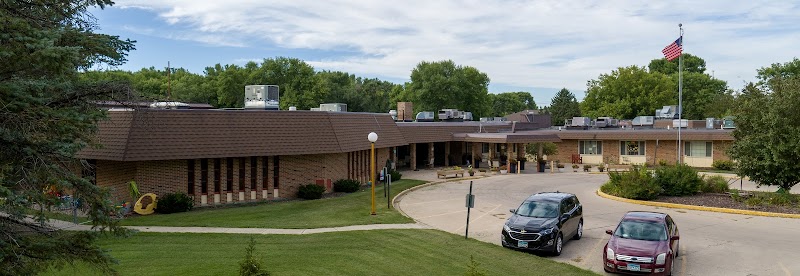
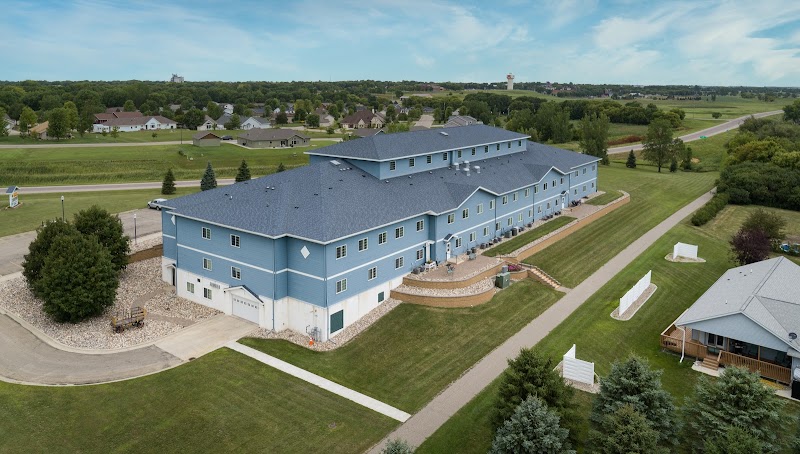
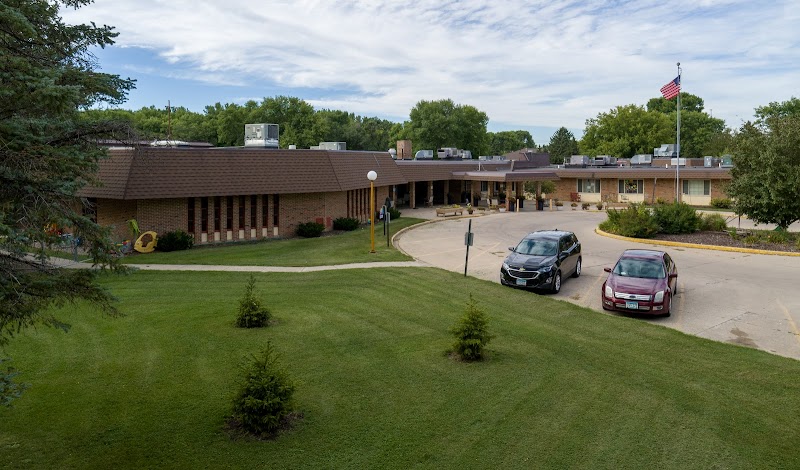
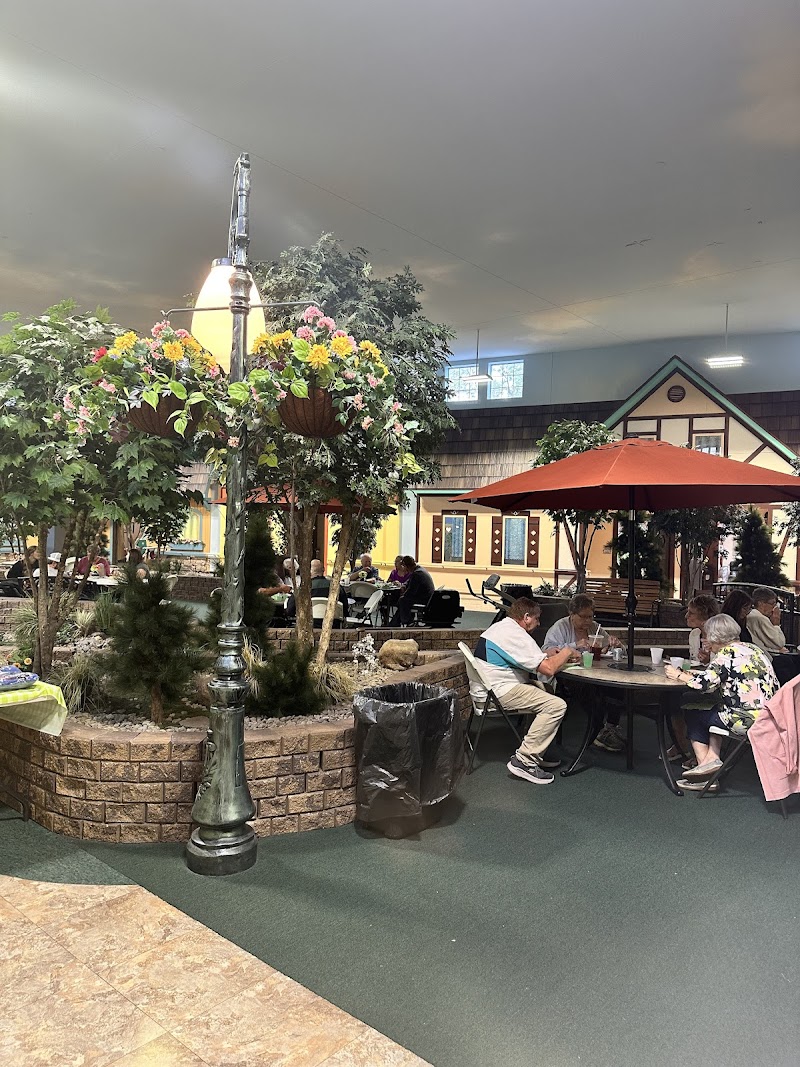
West Wind Village

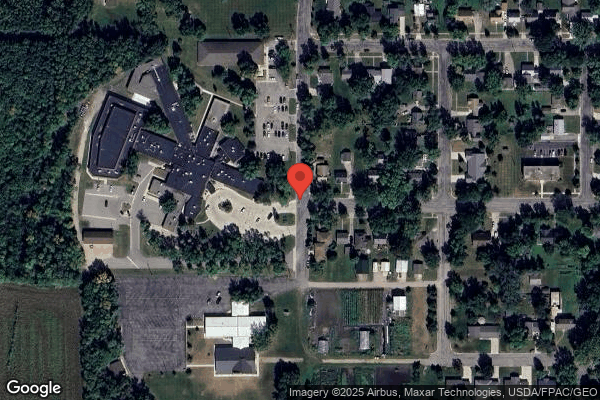
1001 SCOTTS AVENUE, MORRIS, MN 56267 (320) 589-7900
Non profit - Corporation 45 Beds ST. FRANCIS HEALTH SERVICES Data: November 2025
Trust Grade
80/100
#154 of 337 in MN
Last Inspection: May 2024

Within standard 12-15 month inspection cycle. Federal law requires annual inspections.

Overview

West Wind Village has a Trust Grade of B+, which means it is recommended and performs above average compared to other facilities. It ranks #154 out of 337 in Minnesota, placing it in the top half of nursing homes in the state, and is the only option in Stevens County. However, the facility is experiencing a worsening trend, with issues increasing from 3 in 2023 to 4 in 2024. Staffing is a strong point, earning a 5/5 star rating with a turnover of 40%, which is lower than the state average, indicating that staff remain familiar with the residents. On the downside, the facility has less registered nurse coverage than 81% of Minnesota facilities and has received concerns related to hand hygiene practices and maintaining resident dignity, as seen in incidents involving uncovered catheter drainage bags.

Trust Score
B+
80/100
In Minnesota
#154/337
Top 45%
Safety Record
Low Risk
No red flags
Inspections
Getting Worse
3 → 4 violations
Staff Stability
○ Average
40% turnover. Near Minnesota's 48% average. Typical for the industry.
Penalties
✓ Good
No fines on record. Clean compliance history, better than most Minnesota facilities.
Skilled Nurses
✓ Good
Each resident gets 43 minutes of Registered Nurse (RN) attention daily — more than average for Minnesota. RNs are trained to catch health problems early.
Violations
○ Average
9 deficiencies on record. Average for a facility this size. Mostly minor or procedural issues.
★★★★☆
4.0
Overall Rating
★★★★★
5.0
Staff Levels
★★★☆☆
3.0
Care Quality
★★★☆☆
3.0
Inspection Score
Stable
2023: 3 issues
2024: 4 issues

The Good

  • 5-Star Staffing Rating · Excellent nurse staffing levels
  • Full Sprinkler Coverage · Fire safety systems throughout facility
  • No fines on record
  • Staff turnover below average (40%)

    8 points below Minnesota average of 48%

Facility shows strength in staffing levels, fire safety.

The Bad

Staff Turnover: 40%

Near Minnesota avg (46%)

Typical for the industry

Chain: ST. FRANCIS HEALTH SERVICES

Part of a multi-facility chain

Ask about local staffing decisions and management

The Ugly 9 deficiencies on record

May 2024 4 deficiencies
CONCERN (D)

Potential for Harm - no one hurt, but risky conditions existed

Resident Rights (Tag F0550)

Could have caused harm · This affected 1 resident

**NOTE- TERMS IN BRACKETS HAVE BEEN EDITED TO PROTECT CONFIDENTIALITY** Based on observation, interview and document review, the facility failed to ensure urinary catheter drainage bags were covered t...

Read full inspector narrative →
**NOTE- TERMS IN BRACKETS HAVE BEEN EDITED TO PROTECT CONFIDENTIALITY** Based on observation, interview and document review, the facility failed to ensure urinary catheter drainage bags were covered to maintain dignity for 1 of 1 resident (R25) observed with uncovered urinary catheter drainage bag in view of residents, staff and visitors. Findings include: R25's quarterly Minimum Data Set (MDS) dated [DATE], indicated R25 had diagnoses of multidrug-resistant organism (bacteria that have become resistant to certain antibiotics, and these antibiotics can no longer be used to control or kill the bacteria), dementia (impaired ability to remember, think, or make decisions that interferes with doing everyday activities), and renal failure (kidneys are no longer able to filter and clean blood). Identified R25 was severely cognitively impaired and required extensive assistance for bed mobility, transfers, dressing, and personal hygiene. Indicated R25 had an indwelling catheter. R25's care plan last dated 6/13/22, indicated R25 had an indwelling foley catheter due to an open sacral wound that was affected by incontinence and prevented ulcer healing. Identified various interventions which included change catheter per facility policy, position the catheter bag and tubing below the level of the bladder and away from entrance room door, monitor, and keep the catheter bag in a privacy bag when up in wheelchair or in bed. During an observation on 4/29/24 at 3:16 p.m., R25 was laying in bed on her back covered with a blanket and R25's urinary catheter drainage bag was hanging down down on the right side of the bed towards the foot end of the bed. R25's urinary catheter drainage bag was not covered with a privacy bag. During an observation on 4/29/24 at 5:05 p.m., R25 was seated in her wheelchair in the dining room with two other residents. R25's urinary catheter drainage bag was hanging underneath her wheelchair and was not covered with a privacy bag. Urine was observed in the bottom of the catheter bag. During an observation on 4/30/24 at 8:21 a.m., R25 was laying in bed and R25's urinary catheter drainage bag was touching the floor. R25's urinary catheter drainage bag was not covered with a privacy bag, room door was open, and urinary catheter drainage bag was visible from the hallway. During an observation at 4/30/24 at 11:09 a.m., R25 was seated in her wheelchair in the dining room with the back of her wheelchair facing the doorway to enter the dining room. R25's urinary catheter drainage bag was attached underneath her wheelchair and was not covered with a privacy bag. R25's urinary catheter drainage bag had visible urine in the bottom of the bag. During an interview on 4/30/24 at 3:45 p.m., family member (FM) indicated R25 had an indwelling foley catheter and it would bother R25 to have the urinary catheter drainage bag exposed so other people could see it. FM stated R25 would be embarrassed without the privacy bag covering the urinary catheter drainage bag . During an interview on 5/01/24 at 12:53 p.m., nursing assistant (NA)-C indicated R25 had a foley catheter and required assistance with personal hygiene. NA-C stated a privacy bag should have been placed over the urinary catheter drainage bag when attached under her wheelchair and when R25 was laying in bed. During an interview on 5/01/24 at 1:45 p.m., licensed practical nurse (LPN)-A revealed R25 had a foley catheter placed to help reduce the amount of moisture around the sacral area to help heal the ulcer. LPN-A stated R25 should have had a privacy bag covering her urinary catheter drainage bag when up in her wheelchair or laying in bed. LPN-A's expectations were all urinary catheter drainage bag were covered with a privacy bag. During an interview on 5/01/24 at 3:24 p.m., director of nursing (DON) confirmed the above findings and indicated all urinary catheter drainage bag needed to be covered and staff were expected to place the privacy bag over a urinary catheter drainage bag at all times. Review of the facility policy titled Catheter Care issued 9/11/23, catheter care would be completed to maintain catheter patency, prevent infection, and ensure dignity. Cover drainage bag with a cloth/vinyl bag to protect the dignity of the resident.
CONCERN (D) 📢 Someone Reported This

A family member, employee, or ombudsman was alarmed enough to file a formal complaint

Potential for Harm - no one hurt, but risky conditions existed

Pharmacy Services (Tag F0755)

Could have caused harm · This affected 1 resident

**NOTE- TERMS IN BRACKETS HAVE BEEN EDITED TO PROTECT CONFIDENTIALITY** Based on interview and document review, the facility failed to ensure procedures were implemented and followed to ensure suffici...

Read full inspector narrative →
**NOTE- TERMS IN BRACKETS HAVE BEEN EDITED TO PROTECT CONFIDENTIALITY** Based on interview and document review, the facility failed to ensure procedures were implemented and followed to ensure sufficient medication supplies, timely medication re-ordering, after hours on-call pharmacy use, and appropriate action(s) taken when a medication was not available for administration for 1 of 3 residents (R147) reviewed for medication administration. Findings include: A Vulnerable adult maltreatment report was submitted to the State Agency (SA) on 9/18/23 at 12:55 p.m., and identified R147's ordered Oxycodone (pain medication) was out of supply; thus, R147's Oxycodone was omitted on the morning of 9/18/23 and R147 was sent to the emergency room for out of control cancer pain In addition, the report indicated his medical record lacked evidence staff followed-up with the pharmacy or that his provider was notified timely. R147's significant change Minimum Data Set (MDS), dated [DATE], identified R147 was severely cognitively impaired with diagnoses of cancer, diabetes, arthritis and anxiety. Indicated R147 received scheduled pain medication daily. R147's care plan/service plan identified R147 experienced an alteration in pain related to prostate cancer, osteoarthritis. The care plan directed medication was to be administered as ordered. A nurses note on point click care (PCC) from the facility on 9/18/23, from LPN-B indicated R147's Oxycodone was ordered from pharmacy on 9/15/23, however was not delivered; thus R147 did not receive his Oxycodone the morning of 9/18/23. R147 was hollering out in pain. Every touch and movement R147 was screaming out in pain. R147's September 2023 medication administration record (MAR) directed staff to administer R147 Oxycodone 10mg (milligrams) in the morning related to pain. The MAR identified on 9/18/23, a recorded entry of DNA (drug not available). R147's medical record lacked evidence staff followed-up with pharmacy on the lack of Oxycodone supply, or contacted/updated R147's provider. During an interview on 5/1/24 at 9:01 a.m., licensed practical nurse (LPN-B) confirmed R147 went to the emergency room on 9/18/23 related to uncontrolled pain. LPN-B stated she did not recall why his pain medication was not refilled as it was ordered the Friday before. LPN-B verified she was unaware of medications available in the emergency kit or the policy on how and when to use the emergency kit. During an interview on 5/1/24 at 9:22 a.m., registered nurse (RN)-A stated she did not recall why R147 went to the emergency room on 9/18/23. RN-A stated she recalled R147 was admitted to the facility with cancer diagnosis, was to receive therapy and was hopeful to return home. RN-A was unable to provide a process for when the emergency kit would be utilized or a process to update the doctor when a resident's medications were unavailable. During an interview on 5/1/24 at 9:32 a.m., LPN-A verified medications were reordered from the pharmacy when there were eight to nine pills left for a resident. LPN-A stated she would alert the charge nurse and the pharmacy if a medication was not delivered to the facility when needed for a resident. LPN-A stated the facility had a standing order for Tylenol otherwise there were no other pain medications available for a resident if needed. LPN-A confirmed she was unaware of what medications were in the emergency kit or the policy on how and when to use the emergency kit. During an interview on 5/1/24 at 9:40 a.m., RN-B stated the facility would call the pharmacy first if unable to manage a resident's pain and then would sent to the emergency room. RN-B did not indicate the doctor would be updated if a resident was out of pain medications and had pain and verified the facility had an emergency medication kit however was unaware of what medications were in the kit. During an interview on 5/1/24 at 12:12 p.m., emergency room doctor verified the expectation that the facility would contact the on call provider to obtain a refill of a pain medication prior to sending a resident to the emergency room. On 5/1/24 at 10:05 a.m., a message was left for the facility's medical director with no return call received. During an interview on 5/1/24 at 9:46 a.m., the director of nursing (DON) stated her expectation was nurses would update the doctor if a resident was having pain and request pain medications. DON stated the facility had a standing order for Tylenol however no other pain medications were available in the facility for emergency use. DON confirmed the facility has an emergency medication kit however was unaware of what medications were in the emergency kit or when the kit would be utilized. DON stated she was unaware of the process and training for the nurses on the use of the emergency kit and that the facility rarely used the emergency kit as the pharmacy was available seven days a week and the facility was able to obtain medications when needed. During an interview on 4/30/24 at 3:13 p.m., the consulting pharmacist stated the expectation was that the facility would alert the provider if they were out of a medication and that the facility would have a policy on how to use the emergency kit. During an interview on 4/30/24 at 3:26 p.m., the pharmacist from Thrifty [NAME] stated the expectation was the facility would alert the provider when they were out of a medication. The pharmacist stated the pharmacy delivered medications to the facility seven days a week when necessary. When a medication was needed after those hours, she expected the facility staff to utilize their emergency kit and contact the on call doctor. During an interview on 4/30/24 at 2:45 p.m., R147's family member denied concerns with R147's stay; however she was concerned that family was not contacted about R147 having uncontrolled pain and that R147 was sent to the emergency room. During an interview on 4/30/24 at 11:17 a.m., the complainant verified the vulnerable adult report information when reviewed and that R147 came to the emergency room related to uncontrolled pain. He stated the notes sent from the facility stated that R147 was out of pain medication and he did not understand why R147 was sent to the emergency room instead of the facility contacting the doctor for pain medications. A nine month review of pharmacy reorder forms were requested and not provided. Two pharmacy binders were received for review; Thrifty [NAME] pharmacy dated from 2/15/24 through 4/28/24 and the other pharmacy binder from [NAME] Drug lacked any documentation from 9/18/23. A Medication Administration policy, dated 8/7/23, lacked documentation on a procedure if a resident did not have a medication available as ordered. The policy lacked direction(s) related to the pharmacy reordering and/or adequate med supply processes, processes for staff to follow when a med was unfound, and/or the processes for on-call pharmacy utilization. An Emergency Kit policy, undated, stated if the facility had an order for a medication but were out of the resident's medication to follow steps three through five on the emergency kit policy: Write the order in the charge book, write the medication taken in black e-kit binder and take the medication from the e-kit for the resident use. Review of all nurse staff education lacked specific training on use of the emergency kit process and procedures.
CONCERN (F)

Potential for Harm - no one hurt, but risky conditions existed

Staffing Data (Tag F0851)

Could have caused harm · This affected most or all residents

**NOTE- TERMS IN BRACKETS HAVE BEEN EDITED TO PROTECT CONFIDENTIALITY** Based on interview and document review, the facility failed to submit complete and accurate direct care staffing information bas...

Read full inspector narrative →
**NOTE- TERMS IN BRACKETS HAVE BEEN EDITED TO PROTECT CONFIDENTIALITY** Based on interview and document review, the facility failed to submit complete and accurate direct care staffing information based on payroll and other verifiable and auditable data, during 1 of 1 quarters reviewed (Quarter 1), to the Centers for Medicare and Medicaid Services (CMS) according to specifications established by CMS. This deficient practice had the potential to affect all 47 residents residing in the facility. Findings include: Review of the Payroll Based Journal Report (PBJ) [NAME] Report 1705D identified the following dates triggered for review: 10/21/23, 11/11/23, 11/19/23, 11/25/23, 12/2/23, 12/10/23, 12/30/23, and 12/31/23 for failure to have licensed nurse coverage 24 hours per day. Review of staffing schedules from 10/15/23 thorough 12/31/23, identified the facility had 14 staff identified to have worked: registered nurse (RN)-C, RN-D, RN-E, RN-F, RN-G, licensed practical nurse (LPN)-A, LPN-B, LPN-C, LPN-D, LPN-E, LPN-F, LPN-G, LPN-H, and LPN-I on each of the above dates listed. In addition, review of staff's time cards on the above-mentioned dates identified licensed nursing staff had worked. Review of the facility's staffing schedules and time cards identified a discrepancy with the PBJ report. During an interview on 5/01/24 at 3:20 p.m. director of nursing (DON) and registered nurse quality consultant (RNQC) verified the above findings and indicated St. [NAME] Health Services, Inc. (SFHS) entered the PBJ reports and they had not been entered correctly. Review of facility policy titled Payroll Based Journal reviewed/amended 4/1/19, SFHS would gather, submit and utilize Payroll Based Journal information as required by regulation. SFHS's Employment System Department (ESD) will review all PBJ data for accuracy and submit prior to the CMS mandated deadline (45 days after quarter end).
CONCERN (F)

Potential for Harm - no one hurt, but risky conditions existed

Infection Control (Tag F0880)

Could have caused harm · This affected most or all residents

**NOTE- TERMS IN BRACKETS HAVE BEEN EDITED TO PROTECT CONFIDENTIALITY** HAND HYGIENE DURING WATER PITCHER PASS During an observation on [DATE] at 11:01 a.m., dietary aide (DA)-A with developmental ach...

Read full inspector narrative →
**NOTE- TERMS IN BRACKETS HAVE BEEN EDITED TO PROTECT CONFIDENTIALITY** HAND HYGIENE DURING WATER PITCHER PASS During an observation on [DATE] at 11:01 a.m., dietary aide (DA)-A with developmental achievement center (DAC) job coach pushed a cart down hall with approximately 30 water jugs all with straws uncovered on top shelf of cart going past visitors. DA-A knocked on R24's door, delivered new water jug to R24's room, DA-A exited room with used water jug and placed on bottom shelf of cart. Job coach knocked on R12's door, delivered new water jug to R12's room, job coach exited room with used water jug and placed on bottom shelf of cart. DA-A delivered new water jug to R21 room, DA-A exited room with used water jug and placed on bottom shelf of cart. DA-A knocked on R28's door, delivered new water jug to R28's room, DA-A exited room with used water jug and placed on bottom shelf of cart. Job coach knocked on R200's door, delivered new water jug to R200's room, job coach exited room with used water jug and placed on bottom shelf of cart. DA-A delivered new water jug to R41's room, DA-A exited room with used water jug and placed on bottom shelf of cart. DA-A knocked on R38's door, delivered new water jug to R38's room, DA-A exited room with used water jug and placed on bottom shelf of cart. Job coach knocked on R202's door, delivered new water jug to R202 room, job coach exited room with used water jug and placed on bottom shelf of cart. DA-A knocked on R15's door, delivered new water jug to R15's room, DA-A exited room with used water jug and placed on bottom shelf of cart. DA-A knocked on R23's door, delivered new water jug to R23's room, DA-A exited room with used water jug and placed on bottom shelf of cart. Job coach delivered new water jug to R9's room, job coach exited room with used water jug and placed on bottom shelf of cart. Job coach knocked on R14's door, delivered new water jug to R14's room, job coach exited room with used water jug and placed on bottom shelf of cart. Job coach removed straw from R14's used water jug and threw straw into garbage on dirty dish cart by dining room. DA-A pushed the cart down the hall past visitors and delivered new water jug to R40's room, DA-A exited room with used water jug and placed on bottom shelf of cart. Job coach knocked on R11's door, delivered new water jug to R11's room, job coach exited room with used water jug and placed on bottom shelf of cart. DA-A did not sanitize hands during the entire water pass observation. Job coach did not sanitize hands during the entire water pass observation. During an interview on [DATE] at 12:01 p.m., job coach stated there had not been paper covers on the straws for sometime and was unsure how long. Job coach verified both the DA-A and herself did not sanitize hands between touching clean and dirty water jugs between resident rooms. Job coach stated she had not received any training on infection control practices from the facility and did not see a concern with not sanitizing hands between touching clean and dirty water jugs between resident rooms. During an interview on [DATE] at 2:46 p.m., dietary manager verified the facility trained a job coach from DAC years ago with the expectation that person would train other job coaches. Dietary manager stated she was unaware the straws did not have paper covers on them. Dietary manager indicated the expectation was staff would sanitize hands in between resident rooms when removing dirty water jugs prior to delivering new water jugs to prevent illness from one resident to another. During an interview on [DATE] at 9:18 a.m., infection preventionist (IP) confirmed R7 and R29 were on enhanced barrier precautions for colonization of MRSA. IP stated her expectation was staff would have worn PPE and performed hand hygiene when indicated when caring for residents on EBP. IP indicated staff had been educated on EBP and that she would provide further education to the staff. During an interview on [DATE] at 11:59 a.m., director of nursing (DON) verified R7 and R29 were on enhanced barrier precautions for colonization of MRSA. DON stated her expectation was for staff to perform hand hygiene and wear the correct PPE when caring for residents on enhanced barrier precautions. During an interview on [DATE] at 2:49 p.m., infection preventionist (IP) confirmed the above findings and stated the river has spores or something. The river has been an issue and we have been trying to get it taken out but it has been elevated to a corporate level. I do see a concern with it but I can't do anything with it. At a corporate level it has stalled at this point. During an interview on [DATE] at 2:05 p.m., with director of nursing (DON), a policy on pets was requested. DON stated there was not any fish in the river. Explained MD indicated there were two fish, bottom feeders, that were still living in the river. DON was unaware there were fish still living in the river. During a follow-up interview on [DATE] at 3:29 p.m., DON confirmed the above findings and revealed the river was not running and water remained in the river. DON indicated maintenance was responsible for taking care of the river. DON stated she was aware water was added however was not aware anything else was being done as part of the water management plan for the river. DON said corporate was aware of the river issue and they were working on it. During an interview on [DATE] at 3:24 p.m., director of nursing (DON) and registered nurse quality consultant (RNQC) confirmed the above findings and indicated all urinary catheter drainage bag needed to be off the floor at all times. RNQC indicated if bed was in a low position, urinary catheter drainage bags should have been placed in a wash basin to prevent them from laying directly on the floor to prevent cross contamination. During an interview on [DATE] at 3:25 p.m., IP stated she was unaware straws did not have paper covers on them. IP confirmed straws should have covers and verified her expectation was staff would sanitize hands in between touching dirty and clean water jugs to prevent the spread of infection. IP was unaware of any training that DAC staff had received. During an interview on [DATE] at 3:36 p.m., director of nursing (DON) confirmed the DAC staff had not received any training for infection prevention. A facility policy titled Enhanced Barrier Precaution dated [DATE], identified the facility would apply Enhanced Barrier Precautions to prevent the spread of Multi- Drug Resistant Organisms (MDRO's). identified EBP should have been used when providing high contact care to residents who were colonized or infected with an MDRO when contact or other precautions did not apply. Identified EBP which included wearing a gown and gloves were employed when performing the following high contact resident care activities: Dressing, Bathing, Changing Linen, Transferring, Hygiene care, Toileting, Peri care, Emptying Catheter bags, Wound Care, Indwelling medical devise care, Therapy treatments. A facility policy titles Hand Hygiene revised [DATE], identified staff were to routinely perform hand hygiene to prevent and control the spread of infection. Identified staff were to perform hand hygiene before and after direct contact with a resident. Review of Water Management Program (WMP) Reduce Growth and Spread of Legionella Checklist dated [DATE] to [DATE], revealed the chapel sink was flushed weekly. Review of the river (wells river) indicated reverse osmosis system adds water daily however lacked documentation water was being added. Review of Water Management Program Legionella Prevention reviewed/amended [DATE], indicated the WMP would identify specific potential hazard areas where Legionella could grow and spread. Water features: Fountains, ponds, and [NAME] within the care center would be inspected for biofilm (green slime) buildup on the rocks and the bottom of the water features. This would indicate cleaning of the water feature was needed. Requested a policy on pet fish, however one was not received. Review of the facility policy titled Catheter Care issued [DATE], make sure catheter tubing and drainage bags were kept off the floor. Place in a basin if it could not hang from the bed. Review of the facility policy titled Wound Vac Dressing change undated, did not indicate any information about where the wound vac should be placed at all times. A facility policy titled Fresh Water Pass revised 12/23, stated the top of a straw would be covered with a wrap. Hands would be cleansed with hand sanitizer before next clean mug/glass was delivered into the next residents room. WATER MANAGEMENT PROGRAM During an observation on [DATE] at 3:26 p.m., standing water was present in the indoor river located in the middle of the sitting area. The standing water was approximately two to three feet deep nearest rooms 206/207. The water in the river continued to become more shallow moving down the river towards rooms 220/221. The approximate length of the river was 38 feet long from end to end. [NAME] residue in a line pattern was noted on the inside of the downward flowing rock bed into river. [NAME] residue approximately one inch wide circled the entire perimeter of the rock bed into the river and was present on all edges. Nearest rooms 206/207, white residue was approximately three to four inches above the water level and approximately one inch wide. Reflective shiny blue/green/purple film swirled throughout the entire standing water in the river from end to end. During an observation on [DATE] at 7:45 p.m., a two feet by one and a half foot section of the river contained a translucent film noted on the top of the water near the end river by the bridge. One fish noted to be moving in the deepest part of the creek nearest rooms 206/207. [NAME] slimy substance was noted on the bottom of the river covering the entire bed of the river where the water was standing. A hose was attached to a water spigot on the wall near the top of the river. The hose was coiled up and the end was placed down into a wire grate. No water was running at the time. During an observation on [DATE] at 10:20 a.m., the river continued to be the same as above. During an observation on [DATE] at 11:36 a.m., the river continued to be the same as above. During an interview on [DATE] at 10:20 a.m., during resident council, residents indicated the river had not been running for more than a year. Residents stated there used to be fish in the river however they had all died. During an interview on [DATE] at 9:12 a.m., maintenance director (MD) confirmed the above findings and indicated the river was shut down due to a leak and water was added to the river every week and flushed down the drain. MD stated all that was done as part of the water management plan was to add water to the river. MD stated I flush all the slime and stuff out and let it run down the drain until the river is clear again. MD indicated that water was added weekly not daily as written on the Legionella checklist. MD confirmed there was green slim covering the entire rock bed and revealed the river bed had not been cleaned since it stopped working. MD was unsure what the film on the top of the water was. MD indicated, It grows so quickly. I can already see it coming back from yesterday's flush. I am not sure why it continues to grow or how to get rid of it. MD verified there were two sucker fish (bottom feeders) in the river and they fed off of the bottom of the river and stated they feed off the bottom of the river. MD stated he was aware corporate was working on the river issue however was unsure what corporate's plan was to resolve the water management issue. During a follow- interview on [DATE] at 9:51 a.m., MD indicated the river stopped working in the first part of [DATE] and had not ran since then. CATHETER DRAINAGE BAG/ WOUND VAC During an observation on [DATE] at 3:16 p.m., R25 was laying in bed on her back covered with a blanket and R25's urinary catheter drainage bag was hanging down on the right side of the bed towards the foot end of the bed touching the floor. R25's wound vac was located on the floor near the head of the bed. During an observation on [DATE] at 8:21 a.m., R25 was laying in bed and R25's urinary catheter drainage bag was touching the floor. R25's wound vac was located on the floor near the head of the bed. During an interview on [DATE] at 12:53 p.m., nursing assistant (NA)-C indicated R25 had a foley catheter and required assistance with personal hygiene. NA-C stated the foley catheter bag should not have been touching the floor. NA-C indicated R25's wound vac should have been stationed on her wheelchair or bedside table and off the floor. During an interview on [DATE] at 1:45 p.m., licensed practical nurse (LPN)-A revealed R25 had a foley catheter placed to help reduce the amount of moisture around the sacral area to help heal the ulcer. LPN-A stated R25's urinary catheter drainage should not have been touching the floor. Based on observation, interview and document review, the facility failed to ensure appropriate hand hygiene and donning/doffing of personal protective equipment (PPE) was performed in order to prevent the spread of infection for 2 of 3 residents (R7, R29) observed for enhanced barrier precautions (an infection control intervention designed to reduce transmission of multidrug-resistant organisms that employs targeted gown and glove use during high contact resident care activities). In addition, the facility failed to implement the water management plan for the prevention of Legionella (a bacterium) in the facility water system. This deficient practice had the potential to affect all 47 residents who resided in the facility. Further, the facility failed to ensure water pitchers were delivered in a manner that prevented risk of contamination for 2 of 3 hallways observed for water pitcher pass. In addition, the facility failed to ensure catheter drainage bags and wound vacs were properly placed to prevent the risk for cross contamination for 1 of 1 residents (R25) reviewed for catheter care. Findings include: ENHANCED BARRIER PRECAUTIONS, PPE USE AND HAND HYGIENE Review of CDC guidance dated [DATE], Implementation of Personal Protective Equipment (PPE) Use in Nursing Homes to Prevent Spread of Multidrug-resistant Organisms (MDROs) indicated Examples of high-contact resident care activities requiring gown and glove use for Enhanced Barrier Precautions include: Dressing, Bathing/showering, Transferring, Providing hygiene, Changing linens, Changing briefs or assisting with toileting, device care or use: central line, urinary catheter, feeding tube, tracheostomy/ventilator and wound care: any skin opening requiring a dressing. R29 R29's quarterly Minimum Data Set (MDS) dated [DATE], identified R29 had moderate cognitive impairment and diagnoses which included dementia, depression, and diabetes mellitus (DM). Identified R29 required moderate assistance for activities of daily living (ADL's) which included toileting, transfers, and dressing. R29's care plan dated [DATE], indicated R29 indicated R29 required staff assistance to toilet. Care plan indicated R29 was occasionally incontinent of bladder. R29's electronic health record (EMR) banner identified R29 was colonized (being a carrier but not actively infected) with Methicillin - resistant Staphylococcus aureus (MRSA) ( an infection caused by a type of staph bacteria that's become resistant to many antibiotics). During an observation on [DATE] at 12:06 p.m., a plastic storage bin was present on the floor outside of R29's room which contained gowns, gloves and masks. A sign was on R29's door sign that identified Enhanced Barrier Precautions; Everyone Must clean their hands, including before entering and when leaving the room. Wear gloves and gown for the following high contact resident activities: Dressing, Bathing/showering, Transferring, Providing hygiene, Changing linens, Changing briefs or assisting with toileting, device care or use: central line, urinary catheter, feeding tube, tracheostomy/ventilator and wound care: any skin opening requiring a dressing. In addition, the sign contained a picture of hand sanitizer a gown and gloves. During an observation on [DATE] at 1:23 p.m., nursing assistant (NA)-A entered R29's room with a standing lift. NA-A had no PPE on, including gloves and gown. NA-A stood within an inch of R29 and proceeded to place a sling around R29, used the standing lift to lift R29 into the air, pulled down R29's pants and placed R29 on the toilet. After toileting, NA-A operated the standing lift to lift R29 into the air, pulled up R29's pants, placed R29 into her wheelchair and brought the standing lift into the hallway. NA-A did not perform hand hygiene at any time during the observation. During an interview on [DATE] at 1:32., NA-A verified he had not worn any PPE while transferring R29 to the bathroom or performed hand hygiene. NA-A stated he should have worn a gown and gloves while assisting R29 to use the bathroom. NA-A indicated he should have performed hand hygiene before and after providing direct care to R29. R7 R7's quarterly MDS dated [DATE], identified R7 had intact cognition and diagnoses which included renal insufficiency (poor function of the kidneys that may be due to a reduction in blood-flow to the kidneys caused by renal artery disease), traumatic brain injury and diabetes mellitus (DM). Identified R7 required limited assistance for (ADL's) which included toileting, transfers, and dressing. R7's care plan dated [DATE], indicated R9 indicated R7 required staff assistance to toilet. Care plan indicated R7 was occasionally incontinent of bowel and bladder. R7's EMR banner identified R7 was colonized with MRSA. During an observation on [DATE] at 1:26 p.m., a plastic storage bin was located outside of R7's room which contained gowns, gloves and masks. A sign was noted on R7's door sign that identified Enhanced Barrier Precautions; Everyone Must clean their hands, including before entering and when leaving the room. Wear gloves and gown for the following high contact resident activities: Dressing, Bathing/showering, Transferring, Providing hygiene, Changing linens, Changing briefs or assisting with toileting, device care or use: central line, urinary catheter, feeding tube, tracheostomy/ventilator and wound care: any skin opening requiring a dressing. In addition, the sign contained a picture of hand sanitizer, gown and gloves. During an interview on [DATE] at 1:28 p.m., R7 stated he was unsure why there was a sign on his door and PPE out in the hall because staff did not use any PPE when they provided care for him. During an observation on [DATE] at 2:00 p.m., NA-B entered R7's room and informed R7 she was going to change R7's incontinent product for him. NA-B sanitized hands, applied gloves and did not apply any other PPE. NA-B stood within one inch of R7, asked R7 to stand up and NA-B proceeded to remove R7's soiled brief. NA-B placed the soiled brief into a bag, wiped R7's bottom with a wipe, removed her gloves and placed a clean brief on R7. NA-B walked out of the room, placed the soiled brief in the utility room and sanitized her hands. During an interview on [DATE] at 2:07 p.m., NA-B verified she had not worn a gown while providing incontinent cares for R7. NA-B stated she should have been wearing a gown and gloves while providing incontinent cares for R7. During an interview on [DATE] at 9:18 a.m., infection preventionist (IP) confirmed R7 and R29 were on enhanced barrier precautions for colonization of MRSA. IP stated her expectation was staff would have worn PPE and performed hand hygiene when indicated when caring for residents on EBP. IP indicated staff had been educated on EBP and that she would provide further education to the staff. During an interview on [DATE] at 11:59 a.m., director of nursing (DON) verified R7 and R29 were on enhanced barrier precautions for colonization of MRSA. DON stated her expectation was for staff to perform hand hygiene and wear the correct PPE when caring for residents on enhanced barrier precautions.
Jul 2023 3 deficiencies
CONCERN (D)

Potential for Harm - no one hurt, but risky conditions existed

Deficiency F0757 (Tag F0757)

Could have caused harm · This affected 1 resident

Based on interview and document review, the facility failed to follow up on pharmacy recommendations for a dose reduction related to an acid reduction medication for 1 of 5 residents (R12) reviewed fo...

Read full inspector narrative →
Based on interview and document review, the facility failed to follow up on pharmacy recommendations for a dose reduction related to an acid reduction medication for 1 of 5 residents (R12) reviewed for unnecessary medications. Findings include: R12's Resident Face Sheet dated 7/12/23, indicated R12 had diagnosis which included gastro-esophageal reflux disease, anxiety, and depression. R12's Physician Order Review signed and dated 6/23/23, indicated R12 currently had an order for Famotidine (acid reducing medication) 40 milligram (mg) daily at breakfast. Review of R12's progress notes from 5/1/23 to 7/12/23, revealed the following: - On 5/19/23 at 11:21 a.m., the pharmacist recommended to decrease R12's Famotidine from 40 mg to 20 mg daily based on her current renal function and an accumulation of Famotidine in the body could cause an increase in anticholinergic effects in the central nervous system (CNS) placing R12 at an increased risk of confusion. Review of R12's Consultant Pharmacist Drug Regimen Review Summary dated 5/19/23, a recommendation had been made to decrease R12's Famotidine due to her creatinine level. R12's medical record lacked documentation R12's primary physician had reviewed, made recommendations or provided rationale for continued use of R12's current order of Famotidine 40 mg daily. During an interview on 7/12/23 at 1:07 p.m., registered nurse (RN)-A confirmed the above findings and indicated she could not recall if she had communicated the recommendations to R12's primary physician. RN-A stated the facility's usual practice was to print out the pharmacy drug recommendations, communicate the results to the primary physician during rounds and to ask the primary physician to address the recommendations in a timely fashion. During an interview on 7/12/23 at 1:22 p.m., the director of nursing (DON) confirmed the above findings and indicated she would expect nursing staff to follow pharmacy recommendations and the facility policy. The DON indicated the facility's usual practice for pharmacy recommendations included the nursing staff would print the recommendations out, communicate the recommendations to the primary physician and to document the results of the physician's review. Review of facility policy titled, Drug Regimen Review dated 10/8/18, indicated the pharmacy consultant would conduct a drug regimen review (DDR) at least once a month to help manage drug regimens and identify and address suspected or confirmed medication issues. The DDR would include review of each resident's drug regimen to identify and discontinue potentially unnecessary drugs. After the DDR was complete any irregularities noted by the pharmacist would be documented on a separate written report and sent to the DON .
CONCERN (D)

Potential for Harm - no one hurt, but risky conditions existed

Medication Errors (Tag F0758)

Could have caused harm · This affected 1 resident

**NOTE- TERMS IN BRACKETS HAVE BEEN EDITED TO PROTECT CONFIDENTIALITY** Based on interview and document review, the facility failed to ensure a resident was reassessed for continued use of an as neede...

Read full inspector narrative →
**NOTE- TERMS IN BRACKETS HAVE BEEN EDITED TO PROTECT CONFIDENTIALITY** Based on interview and document review, the facility failed to ensure a resident was reassessed for continued use of an as needed (PRN) psychotropic medication, Xanax (anti-anxiety), beyond the 14 days for 1 of 5 residents (R202) who was reviewed for unnecessary medications. Findings include: R202's admission Minimum Data Set (MDS) dated [DATE], identified R202 was cognitively intact and had diagnoses which included: cancer, diabetes mellitus and depression. Identified R202 required extensive assistance of one staff with bed mobility, transfers, dressing, personal hygiene and toileting. Indicated R202 had no behaviors and received anti-depressant and anti-anxiety medication. R202's service plan dated 6/11/23, identified R202 had a potential problem related to use of Xanax for anxiety related to her current health condition. R202's service plan identified R202 was very anxious and had interventions which included the following: - Observe for side effects of medications, - Observe for changes in behaviors, make referrals, and update primary provider, - Observe for changes in behavior, - Explain all cares being provided, and - Utilize current support system. Review of R202's progress notes from 6/9/23 to 7/12/23, revealed the following: - On 6/12/23, at 12:04 p.m., the pharmacist recommended a review of R202's Xanax per long term care (LTC) regulations. Review of R202's Consultant Pharmacist Drug Regimen Review Summary (DRR) dated 6/16/23, identified the facility needed to address R202's Xanax as previously noted on 6/12/23, initial pharmacy review. R202 had PRN Xanax 0.25mg to be reviewed by the provider per long term care (LTC) regulations for continued use past 14 days. Review of R202's Physician Progress notes from 6/9/23 to 7/12/23, revealed the following: - On 6/16/23, R202 was seen by her primary provider, and he indicated R202 had squamous cell carcinoma of the right lung with brain metastases and identified R202 had anxiety about her health. R202's daughter had concerns regarding R202's panic attacks and anxiety. R202 previously had an order for Xanax PRN, order changed to scheduled Xanax 0.25 mg twice daily. The plan was to follow-up and adjust dose as needed. -On 6/29/23, R202 was seen by her primary provider and the provider indicated R202's scheduled dose of Xanax twice daily had been helpful for managing her anxiety. Review of R202's Physicians Orders signed and dated on 6/16/23, indicated R202 had received an order from her primary physician for Xanax 0.25 milligrams (mg) two times daily. Review of R202's medication administration record (MAR) summary from 6/1/23 to 7/12/23, identified the following: - on 6/22/23, R202 had received a PRN dose of Xanax 0.25 mg at 8:08 p.m. - on 6/30/23, R202 had received a PRN dose of Xanax 0.25 mg at 4:15 p.m. - on 7/3/23, R202 had received a PRN dose of Xanax 0.25 mg at 11:58 a.m. Review of R202's medical record indicated R202 continued to receive PRN Xanax 0.25 mg along with Xanax 0.25 mg scheduled two times daily following her primary physician discontinued the PRN dose on 6/16/23. During a telephone interview on 7/12/23 at 12:09 p.m., the consulting pharmacist (CP) confirmed he had reviewed R202's admission orders and had made recommendations for the provider to address continued use of PRN Xanax after 14 days. The CP indicated a medication error had occurred when staff continued to administer the PRN Xanax in addition to the regular scheduled doses. The CP indicated he reviewed the residents' medications upon admission and monthly thereafter. He stated he needed to complete a medication safety in-service to ensure errors like this did not re-occur. During a telephone interview on 7/12/23 at 8:50 a.m., the primary physician's nurse (PPN) indicated after confirming with R202's primary physician, R202's primary physician wanted R202's PRN Xanax 0.25 mg discontinued on 6/16/23, and had ordered it to be scheduled two times daily instead. During an interview on 7/11/23 at 3:00 p.m., registered nurse (RN)-A confirmed the above findings and indicated she had not discontinued R202's PRN Xanax 0.25 mg on 6/16/23 as ordered, due to the order being unclear to her. RN-A verified she had not reached out to R202's primary physician for clarification regarding R202's PRN Xanax 0.25 mg. RN-A confirmed R202 continued to receive her PRN Xanax on 6/22/23, 6/30/23, and 7/3/23. In a follow-up interview on 7/12/23 at 12:21 p.m., RN-A indicated she had clarified with R202's PPN R202's PRN Xanax had been ordered to be discontinued back on 6/16/23. During an interview on 7/12/23 at 12:27 p.m., the director of nursing (DON) confirmed the above findings and indicated she would expect nursing staff to call the primary physician for clarification if an order was unclear to them. The DON stated the facility's process was for nursing staff to do rounds with the primary physician and to address any pharmacy recommendations during that time. The DON indicated she would expect nursing staff to process orders as they received them, update the MAR to reflect the updated orders, and to follow the facility policy. Review of the facility policy titled, Physician's Orders undated, indicated nursing staff were expected to obtain an order from the physician, transcribe the order, complete a progress note describing the reason the order was made and notify family. If a medication was discontinued, staff were to remove the medication cassette from the medication cart and the MAR should reflect the changes. Review of the facility policy titled, Psychotropic Medications dated 10/1/15, indicated: -The primary physician would document a rationale and diagnosis for the use of the psychotropic medication. The primary physician would evaluate the effects of the psychotropic within one month and during routine visits thereafter. -Nursing staff would monitor the resident for side effects of the psychotropic medication and review continued use with the primary physician. -The Pharmacist would monitor the resident on psychotropic medications to ensure they were not being used excessively and notify the primary physician or nursing staff if the psychotropic medication was due for review.
CONCERN (D)

Potential for Harm - no one hurt, but risky conditions existed

Deficiency F0883 (Tag F0883)

Could have caused harm · This affected 1 resident

**NOTE- TERMS IN BRACKETS HAVE BEEN EDITED TO PROTECT CONFIDENTIALITY** Based on interview and document review, the facility failed to ensure 2 of 5 residents (R46, and R47) were offered or received p...

Read full inspector narrative →
**NOTE- TERMS IN BRACKETS HAVE BEEN EDITED TO PROTECT CONFIDENTIALITY** Based on interview and document review, the facility failed to ensure 2 of 5 residents (R46, and R47) were offered or received pneumococcal vaccinations in accordance with the Center for Disease Control (CDC) recommendations. Findings include: Review of the current CDC recommendations 3/15/2023, revealed The Center for Disease Control and Prevention (CDC) identified Adults [AGE] years of age or older who had not previously received Pneumococcal 13-valent Conjugate Vaccine (PCV13) and who had previously received one or more doses of Pneumococcal Polysaccharide Vaccine 23 (PPSV23) should receive a dose of Pneumococcal 15-valent Conjugate Vaccine (PCV15) or one dose of Pneumococcal 20-valent Conjugate Vaccine (PVC20). The dose of PCV15 or PCV20 should be administered at least one year after the most recent PPSV23 dose. In addition, the CDC identified adults 65 and older who had previously received both PCV13 and PPSV23 was received at age [AGE] and older, based on shared clinical decision-making, one dose of PCV20 at least five years after the last pneumococcal vaccine dose. Review of R47's facesheet, R47, age [AGE], was admitted to the facility on [DATE]. Review of R47's Minnesota Immunization Information Connection (MIIC) undated, identified R47 had received the Pneumo-PPSV23 on 11/04/2009, and the Pneumo-PPSV23 on 10/01/2018. R47's medical record lacked documentation R47 had received or been offered the PCV15 or PCV20 vaccines. Review of R46's facesheet, R46, age [AGE], was admitted to the facility on [DATE]. Review of R46's Minnesota Immunization Information Connection (MIIC) undated, identified R46 had received the Pneumo-PCV13 on 11/04/2015, and received Pneumo-PPSV23 on 1/20/2017. R46's medication record lacked documentation R46 had received or been offered the PVC20 vaccine. During an interview on 7/12/23 at 9:30 a.m., registered nurse (RN)-A stated the facility's usual process was to review the resident's MIIC report upon admission to determine if there was a need for a pneumococcal vaccine. RN-A verified the facility referred to the CDC Pneumococcal Vaccine Timing for Adults dated 4/01/2022, to assist in determining if more vaccines should be offered and was not aware the guidelines had recently been updated. RN-A confirmed R47 and R46 had not been offered or received the pneumococcal vaccinations as recommended by the CDC. During an interview on 7/12/23 at 9:25 a.m., infection preventionist (IP)-A stated the facility's policy was to offer and administer the pneumococcal vaccine according to the CDC recommendations. IP-A indicated her usual practice was to review the resident's MIIC report upon admission and provide the MIIC report information along with the CDC recommendations to the RN unit manager. IP-A indicated she was not aware the CDC recommendations had recently been updated. IP-A confirmed R47 and R46 had not been offered or received the pneumococcal vaccinations as recommended by the CDC. During an interview on 7/12/23 at 1:13 p.m., with director of nursing (DON) confirmed the facility process was for staff to review the MIIC report and to administer pneumococcal vaccinations according to the CDC recommendations. DON stated she was not aware the CDC recommendations had recently been updated. DON confirmed R47 and R46 had not been offered or received the pneumococcal vaccinations as recommended by the CDC. The facility policy titled Resident Immunization dated 12/2/22, identified pneumococcal vaccines would be offered to each resident according to the current recommendations from the CDC on admission to the facility.
Oct 2021 2 deficiencies
CONCERN (D)

Potential for Harm - no one hurt, but risky conditions existed

ADL Care (Tag F0677)

Could have caused harm · This affected 1 resident

**NOTE- TERMS IN BRACKETS HAVE BEEN EDITED TO PROTECT CONFIDENTIALITY** Based on observation, interview and document review the facility failed to provide assistance with routine grooming which includ...

Read full inspector narrative →
**NOTE- TERMS IN BRACKETS HAVE BEEN EDITED TO PROTECT CONFIDENTIALITY** Based on observation, interview and document review the facility failed to provide assistance with routine grooming which included facial removal for 1 of 1 resident (R7) who required assistance with grooming and personal hygiene. Findings include: R7's quarterly Minimum Data Set (MDS) dated [DATE], identified R7 had diagnoses which included: Parkinson's disease, intervertebral disc displacement, lumbosacral region, and macular degeneration. The MDS identified R7 had moderate cognitive impairment and required extensive assistance with activities of daily living (ADL's) of dressing and personal hygiene. R7's care plan updated 8/26/21, revealed R7 had an ADL self-performance deficit related to Parkinson's disease and required assistance with grooming and personal hygiene. R7's care plan lacked identification of R7's preference to be shaved. R7's nursing assistant care guide printed 09/30/21, lacked R7's preference to be shaved. On 10/17/21, at 5:52 p.m. R7 was observed seated in his wheelchair in his room with white and black facial hair two (2) millimeters (mm) length throughout the beard area, and a dozen of white four (4) mm length hair noted under his nose. On 10/18/21, at 9:21 a.m. R7 was observed seated in his wheelchair in his room, he continued to have white and black facial hair 2mm length throughout beard area and with a dozen of white 4mm length hair noted under his nose. On 10/19/21, at 8:40 a.m. R7 was observed seated in his wheelchair in his room, he continued to have white and black facial hair 2-4mm length throughout beard area with a dozen of white 4mm length hair noted under his nose. On 10/20/21, at 9:10 a.m. R7 was observed seated in his wheelchair in his room, he continued to have white and black facial hair 2-4mm length throughout beard area with a dozen of white 4mm length hair noted under his nose. On 10/19/21, at 1:05 p.m. during an interview, nursing assistant (NA)-A identified R7 required extensive assistance with grooming and hygiene and was unable to complete ADLs on his own. NA-A indicated the usual practice would be to assist R7 with shaving daily, however NA-A confirmed R7 had not been shaven that day and likely had a few days of facial hair growth. On 10/20/21, at 9:07 a.m. during an interview, family member (FM)-A identified it would be important to R7 to be clean shaven and not have facial hair growth or stubble. On 10/20/21, at 9:50 a.m. during an interview, licensed practical nurse (LPN)-A identified R7 required extensive assistance with ADLs and that male residents would be checked to be shaved daily. LPN-A confirmed R7 had not been shaven that day and likely had a few days of facial hair growth. On 10/20/21, at 10:45 a.m. during an interview, clinical manager (CM)-A identified R7 required extensive assistance with ADLs and would need to be cued to assist with facial hair removal. CM-A confirmed R7 had not been shaven that day and likely had a few days of growth. On 10/20/21, at 11:27 a.m. during an interview, director of nursing (DON) confirmed it would be her expectation that male residents would be checked and shaved daily if the resident agreed. Reviewed policy titled AM (morning) cares and HS (bedtime) cares last revised in February 2020, which identified the resident was to be shaved with AM cares.
CONCERN (D)

Potential for Harm - no one hurt, but risky conditions existed

Infection Control (Tag F0880)

Could have caused harm · This affected 1 resident

**NOTE- TERMS IN BRACKETS HAVE BEEN EDITED TO PROTECT CONFIDENTIALITY** Based on observation, interview, and document review, the facility failed to ensure proper hand hygiene was maintained during pe...

Read full inspector narrative →
**NOTE- TERMS IN BRACKETS HAVE BEEN EDITED TO PROTECT CONFIDENTIALITY** Based on observation, interview, and document review, the facility failed to ensure proper hand hygiene was maintained during personal cares for 1 or 3 residents (R4) observed during the provision of personal cares. This deficient practice had the potential to affect all 62 residents. Findings Include: R4's annual Minimum Data Set (MDS) dated [DATE], identified R4 had moderately impaired cognition and had diagnoses which included: stroke and Hemiplegia/hemiparesis (weakness on one side). The MDS indicated R4 required total dependence for personal hygiene, toileting, locomotion, and transfers, and was always incontinent of bowel and bladder. R4's current care plan dated 2/11/19, identified R4 was dependent on two staff to reposition in bed, required repositioning every two hours, was incontinent of bladder, and was totally dependent upon staff for toileting. During an observation on 10/19/21, at 1:35 p.m. nursing assistant (NA)-B and NA-C entered R4's room without sanitizing their hands, and NA-C applied gloves. NA-B and NA-C rolled R4 onto her left side in bed. NA-C removed the soiled (urine and stool) brief from underneath R4. NA-C completed peri-cares and wiped from front to back with visible stool noted on the wipes. NA-C removed her soiled gloves and without washing her hands applied a clean pair of gloves, placed a new brief underneath R4. NA-B and NA-C pulled up R4's pants and repositioned her. NA-C removed gloves, did not sanitize her hands, covered R4 up with a blanket, and placed the soft touch call light next to R4's pillow. Together NA-B and NA-C exited R4's room without completing hand hygiene, and walked down the hallway. NA-B carried a tied plastic bag of garbage to the dirty utility room and NA-C re-entered R4's room without sanitizing her hands. NA-C picked up R4's water mug and a few personal items on the bedside table and moved them around. NA-C informed R4 she would assist R4 to get up. During an interveiw on 10/19/21, at 1:40 p.m. NA-B confirmed she and NA-C had not sanitized their hands prior to exiting R4's room after personal cares were completed. NA-B indicated she completed hand hygiene after disposing the plastic bag of garbage. During an interview on 10/20/21, at 11:32 a.m. registered nurse (RN)-A stated staff were expected to wash their hands before cares, after peri cares were completed, after removal of gloves, when hands were visibly soiled, and prior to the exit of a resident's room. RN-A indicated staff were expected to sanitize their hands prior to exiting a resident room. RN-A stated hand hygiene prevented the transfer of germs from one resident to another and was an important task to complete to prevent infection. During an interveiw on 10/20/21, at 2:28 p.m. clinical manager (CM)-B stated staff were expected to use hand hygiene prior to entering and exiting resident rooms, anytime staff went from clean to dirty, and after removal of gloves. CM-B indicated hand hygiene was used to eliminate and reduce the chance of infection and to helped prevent cross contamination. During an interview on 10/20/21, at 2:44 p.m. director of nursing (DON) stated staff were expected to complete hand hygiene prior to cares, after cares, and prior to contact with a resident. DON indicated hands were expected to be washed with hand sanitizer after removal of gloves and prior to the exit of a resident's room. DON indicated hand hygiene was important in reducing the risk of infections. Review of facility policy titled Hand Hygiene reviewed 5/8/17, identified staff would routinely perform hand hygiene to prevent and control the spread of infection. Hand washing was the single most effective way of preventing and controlling the spread of infection, and would be preformed by staff routinely and thoroughly to protect residents from the spread of infection. Hands were to be washed before and after direct contact with a resident, before and after contact with environment surfaces or equipment in the immediate vicinity of the resident, and between glove changes, and after gloves were removed.
Understanding Severity Codes (click to expand)
Life-Threatening (Immediate Jeopardy)
J - Isolated K - Pattern L - Widespread
Actual Harm
G - Isolated H - Pattern I - Widespread
Potential for Harm
D - Isolated E - Pattern F - Widespread
No Harm (Minor)
A - Isolated B - Pattern C - Widespread

Questions to Ask on Your Visit

  • "Can I speak with families of current residents?"
  • "What's your RN coverage like on weekends and overnight?"

Our Honest Assessment

Strengths
  • • Grade B+ (80/100). Above average facility, better than most options in Minnesota.
  • • No major safety red flags. No abuse findings, life-threatening violations, or SFF status.
  • • No fines on record. Clean compliance history, better than most Minnesota facilities.
  • • 40% turnover. Below Minnesota's 48% average. Good staff retention means consistent care.
Concerns
  • • No significant concerns identified. This facility shows no red flags across CMS ratings, staff turnover, or federal penalties.
Bottom line: Generally positive indicators. Standard due diligence and a personal visit recommended.

About This Facility

What is West Wind Village's CMS Rating?

CMS assigns West Wind Village an overall rating of 4 out of 5 stars, which is considered above average nationally. Within Minnesota, this rating places the facility higher than 99% of the state's 100 nursing homes. This rating reflects solid performance across the metrics CMS uses to evaluate nursing home quality.

How is West Wind Village Staffed?

CMS rates West Wind Village's staffing level at 5 out of 5 stars, which is much above average compared to other nursing homes. Staff turnover is 40%, compared to the Minnesota average of 46%. This relatively stable workforce can support continuity of care.

What Have Inspectors Found at West Wind Village?

State health inspectors documented 9 deficiencies at West Wind Village during 2021 to 2024. These included: 9 with potential for harm.

Who Owns and Operates West Wind Village?

West Wind Village is owned by a non-profit organization. Non-profit facilities reinvest revenue into operations rather than distributing to shareholders. The facility is operated by ST. FRANCIS HEALTH SERVICES, a chain that manages multiple nursing homes. With 45 certified beds and approximately 41 residents (about 91% occupancy), it is a smaller facility located in MORRIS, Minnesota.

How Does West Wind Village Compare to Other Minnesota Nursing Homes?

Compared to the 100 nursing homes in Minnesota, West Wind Village's overall rating (4 stars) is above the state average of 3.2, staff turnover (40%) is near the state average of 46%, and health inspection rating (3 stars) is at the national benchmark.

What Should Families Ask When Visiting West Wind Village?

Based on this facility's data, families visiting should ask: "Can I visit during a mealtime to observe dining assistance and food quality?" "How do you handle medical emergencies, and what is your hospital transfer rate?" "Can I speak with family members of current residents about their experience?"

Is West Wind Village Safe?

Based on CMS inspection data, West Wind Village has a clean safety record: no substantiated abuse findings (meaning no confirmed cases of resident harm), no Immediate Jeopardy citations (the most serious violation level indicating risk of serious injury or death), and is not on the Special Focus Facility watch list (a federal program monitoring the lowest-performing 1% of nursing homes). The facility has a 4-star overall rating and ranks #1 of 100 nursing homes in Minnesota. While no facility is perfect, families should still ask about staff-to-resident ratios and recent inspection results during their visit.

Do Nurses at West Wind Village Stick Around?

West Wind Village has a staff turnover rate of 40%, which is about average for Minnesota nursing homes (state average: 46%). Moderate turnover is common in nursing homes, but families should still ask about staff tenure and how the facility maintains care continuity when employees leave.

Was West Wind Village Ever Fined?

West Wind Village has no federal fines on record. CMS issues fines when nursing homes fail to meet care standards or don't correct problems found during inspections. The absence of fines suggests the facility has either maintained compliance or corrected any issues before penalties were assessed. This is a positive indicator, though families should still review recent inspection reports for the full picture.

Is West Wind Village on Any Federal Watch List?

West Wind Village is not on any federal watch list. The most significant is the Special Focus Facility (SFF) program, which identifies the bottom 1% of nursing homes nationally based on persistent, serious quality problems. Not being on this list means the facility has avoided the pattern of deficiencies that triggers enhanced federal oversight. This is a positive indicator, though families should still review the facility's inspection history directly.