Mala Strana Care & Rehabilitation Center
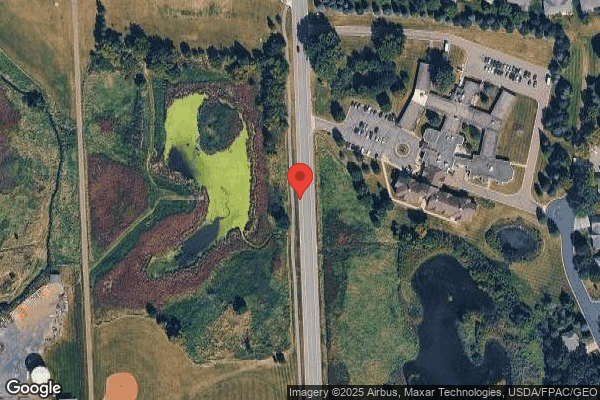
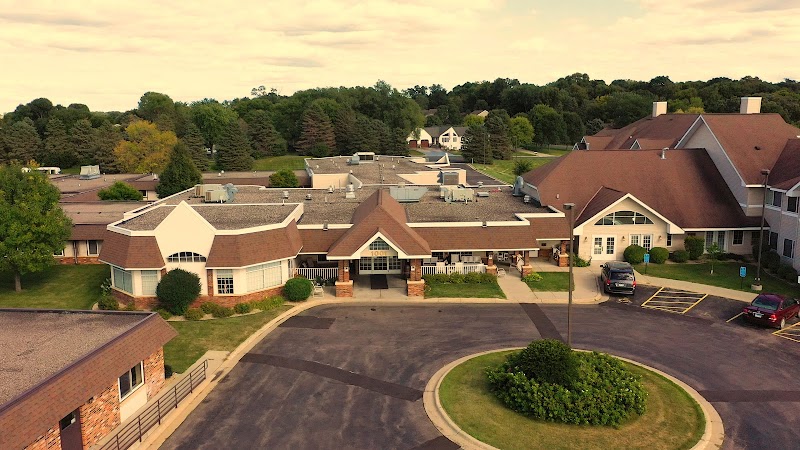
1001 COLUMBUS AVENUE NORTH, NEW PRAGUE, MN 56071 (952) 758-2511
For profit - Corporation 69 Beds MONARCH HEALTHCARE MANAGEMENT Data: November 2025
Trust Grade
65/100
#132 of 337 in MN
Last Inspection: May 2025

Inspected within the last 6 months. Data reflects current conditions.

Overview

Mala Strana Care & Rehabilitation Center has a Trust Grade of C+, indicating it is slightly above average, but not among the best facilities. It ranks #132 out of 337 in Minnesota, placing it in the top half, and #1 out of 4 in Scott County, which is the best option locally. However, the facility's trend is worsening, with reported issues increasing from 3 in 2024 to 5 in 2025. Staffing is rated 4 out of 5 stars, but the turnover rate of 68% is concerning, as it is higher than the state average of 42%. Notably, there have been some serious incidents, including a resident who fell and suffered a pelvic fracture because a transfer belt was not used during a transfer, and another resident reported being treated roughly during morning care, resulting in a bruise and potential emotional distress. On a positive note, the facility has not incurred any fines, indicating compliance with regulations, and boasts more RN coverage than 87% of Minnesota facilities, which can help catch issues that other staff may miss.
Trust Score
C+
65/100
In Minnesota
#132/337
Top 39%
Safety Record
Moderate
Needs review
Inspections
Getting Worse
3 → 5 violations
Staff Stability
⚠ Watch
68% turnover. Above average. Higher turnover means staff may not know residents' routines.
Penalties
✓ Good
No fines on record. Clean compliance history, better than most Minnesota facilities.
Skilled Nurses
✓ Good
Each resident gets 78 minutes of Registered Nurse (RN) attention daily — more than 97% of Minnesota nursing homes. RNs are the most trained staff who catch health problems before they become serious.
Violations
⚠ Watch
14 deficiencies on record. Higher than average. Multiple issues found across inspections.
★★★★☆
4.0
Overall Rating
★★★★☆
4.0
Staff Levels
★★★☆☆
3.0
Care Quality
★★★★☆
4.0
Inspection Score
Stable
2024: 3 issues
2025: 5 issues

The Good

  • 4-Star Staffing Rating · Above-average nurse staffing levels
  • Full Sprinkler Coverage · Fire safety systems throughout facility
  • No fines on record

Facility shows strength in staffing levels, fire safety.

The Bad

Staff Turnover: 68%

21pts above Minnesota avg (46%)

Frequent staff changes - ask about care continuity

Chain: MONARCH HEALTHCARE MANAGEMENT

Part of a multi-facility chain

Ask about local staffing decisions and management

Staff turnover is elevated (68%)

20 points above Minnesota average of 48%

The Ugly 14 deficiencies on record

1 actual harm
Aug 2025 2 deficiencies
CONCERN (D) 📢 Someone Reported This

A family member, employee, or ombudsman was alarmed enough to file a formal complaint

Potential for Harm - no one hurt, but risky conditions existed

Resident Rights (Tag F0550)

Could have caused harm · This affected 1 resident

**NOTE- TERMS IN BRACKETS HAVE BEEN EDITED TO PROTECT CONFIDENTIALITY** Based on observation, interview, and document review, the facility failed to ensure morning cares were provided in a dignified, ...

Read full inspector narrative →
**NOTE- TERMS IN BRACKETS HAVE BEEN EDITED TO PROTECT CONFIDENTIALITY** Based on observation, interview, and document review, the facility failed to ensure morning cares were provided in a dignified, courteous manner to prevent complication (i.e., frustration, misunderstanding) for 1 of 1 residents (R1) reviewed who expressed staff had been rough with her during provision of care. Findings include: R1's admission Minimum Data Set (MDS), dated [DATE], identified R1 had severe cognitive impairment but demonstrated no delusional thinking during the review period. A submitted Incident Report Summary (i.e., FRI), dated 8/4/25, identified an incident had happened on 8/3/25 where R1 had expressed nursing assistant (NA)-A and NA-B were rough when getting her out of bed in the morning. R1 was found to have a bruise on her left leg after this incident and the FRI outlined R1 had sustained potential mental anguish from it with dictation reading, Cried during interview. On 8/6/25 at 9:06 a.m., R1 was observed lying in bed while in her room. An interview was attempted with R1 at this time, and R1 nodded responses to verbal questions from the surveyor, however, responded aloud only in Spanish. Following, registered nurse manager (RN)-C was approached and expressed R1 knew only a few English words so staff often used a bedside AI [artificial intelligence] device or had facility' staff translate. RN-C recommended having the facility' staff translate as R1 could speak fast at times which made it hard for the device to translate. At 9:09 a.m., licensed practical nurse (LPN)-A joined R1 and the surveyor and acted as interpreter for the conversation in Spanish. R1 was unable to recall how long she had lived at the care center but expressed a desire to return home. R1 denied being abused while at the care center, but stated the staff who had helped her on Sunday [8/3] had been rough and fast-moving with morning cares adding, per LPN-A, the cares provided, They didn't get her up good. This was explained further as, She was laying down and they grabbed her. R1 expressed she didn't like talking about the incident and appeared to become more subdued while speaking to LPN-A at this point. LPN-A stated R1 had expressed, She wants to just forget about it, adding further that R1 was unsure if the staff who had helped her during this incident understood her (R1) or not due to a potential language barrier. Following, on 8/6/25 at 9:27 a.m., LPN-A was interviewed. LPN-A explained they had heard about the incident R1 had just described but expressed she (LPN-A) returned to work on Monday (8/4) afterward and R1 seemed really upset about it. LPN-A stated that is when they had found the bruising on R1's left leg and talked with trained medication aide (TMA)-B about the situation. TMA-B had told LPN-A they had overheard some of the interaction between R1 and NA-A, NA-B on 8/3/25 from outside the room as R1 had been cursing them [NA-A, NA-B] out in Spanish. LPN-A stated the director of nursing (DON) was informed about the incident on Monday (8/4), and added they were not sure what, if any, education for staff had been attempted or started yet as they hadn't seen any be assigned for themselves. When interviewed on 8/6/25 at 9:44 a.m., TMA-B verified they spoke Spanish, and explained staff whom were not able to speak Spanish were supposed to be using the AI device to communicate and explain cares to R1. However, TMA-B added they hadn't seen staff using it much at all. TMA-B recalled the incident with R1 on 8/3/25 and verified they were on shift working that day when it happened. TMA-B explained they were in the hallway outside R1's room at the medication cart and overheard R1 yelling to the aides to, Stop, slow down! TMA-B stated NA-A then was clearly heard saying, No commprendo, back to R1 in what TMA-B described as a kind of sarcastic manner while giggling aloud. TMA-B stated they then entered R1's room and saw R1 semi-sitting on the bedside and R1 expressed to her, They're not giving me time. TMA-B verified they never saw NA-A or NA-B be physically rough with R1. TMA-B stated she didn't approach NA-A about the comment made, however, reiterated they (TMA-B) had clearly heard it adding, Loud and clear. Further, TMA-B stated since the incident happened on 8/3/25 that management had told staff to give R1 more time to do cares, however, had nothing had been educated or sent to them about potentially inappropriate language (i.e., sarcastic comments to residents) use that they had seen yet adding aloud, No, not yet. R1's care plan, printed 8/6/25, identified R1's current or potential problems along with various goals and interventions to address them. The care plan identified a Focus, dated 6/16/25, which read, Alteration in communication speaks Spanish, along with interventions including, Speak clearly and distinctly to resident or use resident preferred communication method - use AI translator, and, Alternate communication method (AI translator and or picture binder in room). On 8/6/25 at 10:01 a.m., RN-C was interviewed, and verified they were the nurse manager for R1. RN-C explained they were also working on 8/3/25 and TMA-B approached them towards the end of the day to explain some staff had been moving too fast with [R1]. RN-C stated TMA-B had never mentioned NA-A making potentially sarcastic comments back to R1, and expressed if staff overheard that then it should have been reported immediately. RN-C stated there were multiple staff members working on 8/3/25 who could have communicated with R1 in Spanish if the staff were having issues explaining cares or communicating with her. Following this, on 8/6/25 at 10:20 a.m., TMA-B approached the surveyor and expressed they had forgot to say they had reported the sarcastic comment NA-A made to RN-C on 8/3/25 adding, I told [RN-C]. When interviewed on 8/6/25 at 11:28 a.m., via telephone, NA-A verified they had helped R1 with morning cares on 8/3/25. NA-A explained they entered R1's room and tapped R1's arm saying aloud in English it was time to get up for the day to which R1 nodded her head in response. NA-A stated though, I could tell she was tired. NA-A stated she started to get R1 up and R1 seemed very difficult to move on her own so, as a result, NA-A left to get more help. NA-A and NA-B then both physically attempted to get R1 up from the bed using a gait belt when R1 expressed aloud words in Spanish. NA-A stated both of them (NA-A, NA-B) couldn't understand R1 so then, at that time, they attempted to use the AI device to help translate her words, however, the device didn't work. NA-A stated they then did a 1-2-3 signal to R1 and attempted to sit her up again which is when TMA-B entered the room. NA-A stated she didn't feel R1 ever told her to stop cares or slow down, however, then added R1 spoke Spanish only so they (NA-A) weren't sure what had all been said. NA-A verified they made a comment aloud at one point of, No commprendo, however, denied making this in a sarcastic manner. NA-A stated they were trying to tell R1 they didn't understand her but then added, Maybe she [R1] took that tone as demeaning, I'm not sure. NA-A verified nobody had asked them or talked to them about the comment that day. NA-A expressed some frustration with the AI device and stated they'd never had training on it. NA-A stated the biggest thing about the incident on 8/3/25 was the language barrier adding if the device had worked like intended then maybe it would have gone differently. NA-A added, in hindsight, they knew TMA-B was working that day and they maybe should have gotten her earlier [to help translate or explain cares].On 8/6/25 at 12:43 p.m., a group interview was completed with the DON, administrator, regional director of operations (RDO)-A, and assistant director of nursing (ADON). DON verified they were first told of the incident which happened on 8/3/25 the following day, on 8/4/25, and explained R1 alleged two female staff members had pulled me out of bed. DON stated they visited with TMA-B who had explained to them they overheard R1 yelling at the two aides to slow down in Spanish which caused TMA-B to enter the room and tell the two aides to take your time with her. DON stated nobody had reported NA-A as potentially saying comments to R1 in a sarcastic manner, but acknowledged she didn't clarify that with anyone, either. DON stated if staff overhear that happening, they should immediately report it to, at minimum, their nurse manager so it can be reviewed or addressed. DON added such behavior was not acceptable here at [NAME] Strana. DON stated they had been investigating this incident since they were notified of it and expressed from their data collection thus far, the AI device had not been used or attempted until nearly after the cares were completed. DON verified staff should be knocking on the door and explaining what they're going to do to a resident prior to starting the care; and she reiterated there were staff members working in the building on the day of the incident whom could have helped interpret and provide communication between the NA(s) and R1 if there had been any confusion. The RDO stated they had started some education already about this incident, and the group all acknowledged the importance of maintaining the resident rights with the DON expressing aloud, That appears to be what was missed here. Further, the DON stated some education had been started and the administrator was going to send out an email with some resident' rights material to the staff that day. A facility policy on dignified care or treatment was requested, however, none was received.
CONCERN (D) 📢 Someone Reported This

A family member, employee, or ombudsman was alarmed enough to file a formal complaint

Potential for Harm - no one hurt, but risky conditions existed

Report Alleged Abuse (Tag F0609)

Could have caused harm · This affected 1 resident

**NOTE- TERMS IN BRACKETS HAVE BEEN EDITED TO PROTECT CONFIDENTIALITY** Based on interview and document review, the facility failed to ensure an allegation of potential verbal abuse (i.e., mocking, de...

Read full inspector narrative →
**NOTE- TERMS IN BRACKETS HAVE BEEN EDITED TO PROTECT CONFIDENTIALITY** Based on interview and document review, the facility failed to ensure an allegation of potential verbal abuse (i.e., mocking, demeaning) was reported to the administrator and, if needed, the state agency (SA) in a timely manner for 1 of 3 residents (R1) reviewed during the abbreviated survey. Findings include: R1's admission Minimum Data Set (MDS), dated [DATE], identified R1 had severe cognitive impairment but demonstrated no delusional thinking during the review period. A submitted Incident Report Summary (i.e., FRI), dated 8/4/25, identified an incident had happened on 8/3/25 where R1 had expressed nursing assistant (NA)-A and NA-B were rough when getting her out of bed in the morning. R1 was found to have a bruise on her left leg after this incident and the FRI outlined R1 had sustained potential mental anguish from it with dictation reading, Cried during interview. On 8/6/25 at 9:06 a.m., R1 was observed lying in bed while in her room. An interview was attempted with R1 at this time, and R1 nodded responses to verbal questions from the surveyor, however, responded aloud only in Spanish. Following, registered nurse manager (RN)-C was approached and expressed R1 knew only a few English words so staff often used a bedside AI [artificial intelligence] device or had facility' staff translate. RN-C recommended having the facility' staff translate as R1 could speak fast at times which made it hard for the device to translate. At 9:09 a.m., licensed practical nurse (LPN)-A joined R1 and the surveyor and acted as interpreter for the conversation in Spanish. R1 was unable to recall how long she had lived at the care center but expressed a desire to return home. R1 denied being abused while at the care center but stated the staff who had helped her on Sunday [8/3] had been rough and fast-moving with morning cares adding, per LPN-A, the cares provided, They didn't get her up good. This was explained further as, She was laying down and they grabbed her. R1 expressed she didn't like talking about the incident and appeared to become more subdued while speaking to LPN-A at this point. LPN-A stated R1 had expressed, She wants to just forget about it. Following, on 8/6/25 at 9:27 a.m., LPN-A was interviewed. LPN-A explained they had heard about the incident R1 had just described but expressed she (LPN-A) returned to work on Monday (8/4) afterward and R1 seemed really upset about it. LPN-A stated that is when they had found the bruising on R1's left leg and talked with trained medication aide (TMA)-B about the situation. TMA-B had told LPN-A they had overheard some of the interaction between R1 and NA-A and NA-B on 8/3/25 from outside the room as R1 had been cursing them [NA-A, NA-B] out in Spanish. When interviewed on 8/6/25 at 9:44 a.m., TMA-B verified they spoke Spanish and recalled the incident with R1 on 8/3/25, and verified they were on shift working that day when it happened. TMA-B explained they were in the hallway outside R1's room at the medication cart and overheard R1 yelling to the aides to, Stop, slow down! TMA-B stated NA-A then was clearly heard saying, No commprendo, back to R1 in what TMA-B described as a kind of sarcastic manner while giggling aloud. TMA-B stated they then entered R1's room and saw R1 semi-sitting on the bedside and R1 expressed to her, They're not giving me time. TMA-B verified they never saw NA-A or NA-B be physically rough with R1. TMA-B stated they had never seen NA-A or NA-B be rough or demeaning with someone prior, however, reiterated they heard NA-A make that comment to R1 adding, Loud and clear. TMA-B explained the comment was made with sarcasm and like [in a] giggly way, which TMA-B stated made them upset also. TMA-B stated they felt the manner in which they heard NA-A make the comment to R1 was said in a demeaning way. On 8/6/25 at 10:01 a.m., RN-C was interviewed, and verified they were the nurse manager for R1. RN-C explained they were also working on 8/3/25 and TMA-B approached them towards the end of the day to explain some staff had been moving too fast with [R1]. RN-C stated TMA-B had never mentioned NA-A making potentially sarcastic or demeaning comments back to R1, and expressed if staff overheard that then it should have been reported immediately. RN-C stated there were multiple staff members working on 8/3/25 who could have communicated with R1 in Spanish if the staff were having issues explaining cares or communicating with her. Following this, on 8/6/25 at 10:20 a.m., TMA-B approached the surveyor and expressed they had forgot to say they had reported the comment NA-A made to R1 to RN-C on 8/3/25 adding, I told [RN-C].The Centers for Medicare and Medicaid (CMS) iQEIS system was reviewed. This verified the allegation of R1 with rough care was not reported to the state agency (SA) until over 24 hours later on 8/4/25, despite TMA-B hearing staff make comments to R1 which were, in their view, potentially demeaning (i.e., verbally abusive) at the same time of the alleged rough care. When interviewed on 8/6/25 at 11:28 a.m., via telephone, NA-A verified they had helped R1 with morning cares on 8/3/25. NA-A explained they entered R1's room and tapped R1's arm saying aloud in English it was time to get up for the day to which R1 nodded her head in response. NA-A stated though, I could tell she was tired. NA-A stated she started to get R1 up and R1 seemed very difficult to move on her own so, as a result, NA-A left to get more help. NA-A and NA-B then both physically attempted to get R1 up from the bed using a gait belt when R1 expressed aloud words in Spanish. NA-A stated both of them (NA-A, NA-B) couldn't understand R1 so then, at that time, they attempted to use the AI device to help translate her words, however, the device didn't work. NA-A stated they then did a 1-2-3 signal to R1 and attempted to sit her up again which is when TMA-B entered the room. NA-A stated she didn't feel R1 ever told her to stop cares or slow down, however, then added R1 spoke Spanish only so they (NA-A) weren't sure what had all been said. NA-A verified they made a comment aloud at one point of, No commprendo, however, denied making this in a sarcastic manner. NA-A stated they were trying to tell R1 they didn't understand her but then added, Maybe she [R1] took that tone as demeaning, I'm not sure. NA-A verified nobody had asked them or talked to them about the comment that day, and they finished working their shift on that day. On 8/6/25 at 12:43 p.m., a group interview was completed with the DON, administrator, regional director of operations (RDO)-A, and assistant director of nursing (ADON). DON verified they were first told of the incident which happened on 8/3/25 the following day, on 8/4/25, and explained R1 alleged two female staff members had pulled me out of bed. DON stated they visited with TMA-B who had explained to them they overheard R1 yelling at the two aides to slow down in Spanish which caused TMA-B to enter the room and tell the two aides to take your time with her. DON stated nobody had reported NA-A as potentially saying comments to R1 in a sarcastic manner, but acknowledged she didn't clarify that with anyone, either. DON stated if staff overhear that happening, they should immediately report it to, at minimum, their nurse manager so it can be reviewed or addressed. DON added such behavior was not acceptable here at [NAME] Strana. The DON and administrator both acknowledged that demeaning comments could potentially be verbal abuse; but the RDO expressed people could perceive things differently and it was hard to immediately link an overheard comment to a willful intent of harm. The RDO stated the context of the situation along with how the comment was said mattered to help determine if it was reportable as an allegation of potential verbal abuse or more a customer service concern. However, all of the group acknowledged the staff who heard that comment, including with their concerns about it, should have reported it to them right away so it could be acted upon. The facility Abuse Prohibition/Vulnerable Adult Policy, dated 4/2025, identified all staff were responsible for reporting, . any situation that is considered abuse or neglect . The policy directed a supervisor would be notified whom would then assess the situation to determine if any emergency treatment of action was required. The policy outlined, Notification to the facility Administrator will occur immediately for any incidents of resident abuse, alleged or suspected abuse, injury of unknown origin, neglect, financial exploitation, or involuntary seclusion. The policy listed a definition of abuse which included, . It includes verbal abuse, sexual abuse, physical abuse, and mental abuse . Willful, as used in this definition of abuse, means the individual must have acted deliberately, not that the individual must have intended to inflict injury or harm. However, the policy lacked a specific definition of what did or could constitute 'verbal abuse' under their review. The policy directed any suspected abuse would be reported to the SA via the online reporting system not later than 2 hours after the forming of suspicion of potential abuse.
May 2025 3 deficiencies 1 Harm
SERIOUS (G) 📢 Someone Reported This

A family member, employee, or ombudsman was alarmed enough to file a formal complaint

Actual Harm - a resident was hurt due to facility failures

Accident Prevention (Tag F0689)

A resident was harmed · This affected 1 resident

**NOTE- TERMS IN BRACKETS HAVE BEEN EDITED TO PROTECT CONFIDENTIALITY** Based on observation, interview and document review, the facility failed to ensure a transfer belt was used to assist with a saf...

Read full inspector narrative →
**NOTE- TERMS IN BRACKETS HAVE BEEN EDITED TO PROTECT CONFIDENTIALITY** Based on observation, interview and document review, the facility failed to ensure a transfer belt was used to assist with a safe transfer for 1 of 2 residents (R30) reviewed for falls. This resulted in actual harm for R1 who fell when being transferred without a transfer belt, which resulted in a fall with a pelvic fracture. This deficient practice is being cited at past non-compliance related to corrective action taken prior to survey to ensure proper use of transfer belt prior to the survey. Findings include: R30's quarterly Minimum Data Set (MDS) dated [DATE], identified R1 had intact cognition, no rejection of care, dependent on staff with toileting hygiene, toilet transfer, sit to stand, chair/bed-to-chair transfer, required substantial/maximal assistance with shower/bath and lower body dressing, required partial/maximal assistance with personal hygiene, utilized a wheelchair, with diagnoses including fracture of superior rim of right pubis (break in the pelvis), displaced intertrochanteric fracture of left femur (hip fracture), and one fall with major injury since admission. R30's care plan dated 2/21/25, indicated alteration in mobility d/t (due to) bilateral leg pain and interventions included follow PT (physical therapy) instructions, assist with transfers A1 (assist of one). R30's care plan dated 5/21/25, indicated alteration in mobility d/t bilateral leg pain and dementia,3/12/25: acute nondisplaced fracture of the right pubic rami that is nonoperative, weight bearing as tolerated and pain control as needed per ED physician and interventions included PT per MD order, follow PT instructions, assist with movement in bed and in/out of bed, assist with transfers, A1 EZ stand (mechanical transfer equipment); fall risk related to diagnosis of cognitive impairment, heart failure, alcoholism, assistance with transfers toileting needs, assistance with ADL's (activity of daily living), gets tired and weak during ambulation r/t to heart failure, 3/12/25: fall from chair, interventions included PT to eval, resident given reacher devices, in PT for ambulation program. R30's fall review evaluation dated 8/3/24, indicated history of one-two falls within last six months, unable to independently come to a standing position, risk factors include impaired mobility r/t weakness and recent fall with hip fracture, fall history, forgetfulness, and daily use of medications that may contribute to fall risk, alert, able to make needs known, 1A (one assist), EZ transfer, staff will follow therapy recommendations and update as needed, current fall interventions: appropriate footwear with transfers, room to be kept clear of clutter and debris, personal items and call light within reach. Facility document title Incident Review and Analysis dated 3/13/25, indicated on 3/12/25 at 2:10 p.m., R30 was ambulating in the hallway, felt weak tired, and was trying to sit down, NA (nursing assistant) was following behind with wheelchair, R30 missed the wheelchair when she was trying to sit down. IDT (interdisciplinary team) met to review current plan of care and fall care plan and further indicated staff was assisting R30 with walking program, R30 was to complete walking program per PT -BID (two times daily walk 15-20 feet (from room to nursing station) with right platform FWW (front wheel walker, A1, follow with w/c (wheelchair). Staff and R30 reported R30 had walked about 20 feet when R30 because tired and asked to sit down, R30 stated that as she was sitting down, she lost her balance and tipped over to her right side and feel, root cause: R30 appeared to be tired and weak during ambulation and after review walking program discontinue, PT to reassess and treat, son aware, and prefers R30 not to ambulate anymore. R30's document ED (emergency department) encounter summary dated 3/12/25, indicated R30 fell as she was leaning backwards to sit in her wheelchair and lost her balance resulting in a fall, resulting in right hemipelvis pain. R30 ED visit confirmed an acute nondisplaced fracture of the right pubic rami (pelvis fracture), and orthopedics was consulted and confirmed this was a nonoperative weight bearing as tolerated and pain control as needed, will require ongoing pain management and additional assistance at her care facility, and increased support and nonemergent outpatient physical therapy that maybe benefit to help her with the discomfort and pain. R30's progress note dated 3/12/25 at 3:49 p.m., licensed practical nurse (LPN)-A indicated R30 had a witnessed fall in the hallway on [NAME] Wing at 3:30 p.m. R30 was walking in the hallway with staff and fell, new injuries to left temp, skin tear, hematoma, left shoulder shin tear, lower back of head-lump-hematoma, nursing checked R30 for bleeding and applied pressure to her left temp and her left shoulder, bandages applied vital signs taken Neuro ok, range of motion per normal with pain 3/10 in right hip that was new, assisted off the floor with a mechanical lift and two staff to her wheelchair then to bed, provider and family notified by RN (registered nurse) manager, sent to hospital due to being on blood thinners and a head strike. R30's progress note dated 3/12/25 at 11:28 p.m., registered nurse (RN)-A indicated phone call from ED nurse identified R30 would be returning to the facility via family, and R30 had a pubic rami fracture that was inoperable. Facility document titled Internal 4 Point Plan of Correction dated 3/19/25, indicated the NA (nursing assistant) was not following the residents (R30) plan of care/not using a transfer belt during ambulation, R30 was sent to ER for evaluation on 3/12/25, complete room audit for transfer belt availability, education was initiated for appropriate staff for the use of the transfer belts for ambulation, spoke with NA who was ambulating R30 and the incident, statement was given, resident interviews initiated for transfer belt use and safe ambulation, observation audits initiated related to staff following the residents plan of care r/t ambulation and use of gait (provide support and stability during transfers and ambulation), provider update, like residents interviewed and audited for the use of transfer belts for safe ambulation, interviews initiated with staff on resident gait belt use an safe ambulation process, care plans updated and reviewed for ambulation safety, continued audits related to staff following the residents plan of care r/t use of gait belts and ambulation, education on use of transfer belts with ambulation, the incident review further indicated on 3/19/25, NA-A indicated in an email to the director of nursing, NA-A indicated R30 told me that she was trying to sit down and lost her balance, went into room [ROOM NUMBER] to asked if she (R30) wanted to walk she said yes I made sure she had good shoes on and forgot a gait belt, had the wheelchair behind her the whole time and we took a little break to rest, she started moving her feet and I thought she was going to start walking again but she lost her balance and fell. On 5/19/25 at 12:56 p.m., R30 was observed seated in a wheelchair in her room. R30 stated about a month ago while staff were helping her walk in the hallway she fell and broke her pelvis. R30 stated she lost her balance and fell, R30 confirmed staff were not using the gait belt when she fell. R30 stated since the fall staff used a mechanical lift for toilet transfers, and stated when staff transferred her now staff always use the gait belt. On 5/20/25 at 10:00 a.m., the director of nursing (DON) stated on 3/12/25 R30 experienced a fall on resulting in a fractured pelvis. The DON reported that during the initial fall review, the facility was unaware that a gait belt had not been used. However, upon completion of a comprehensive fall investigation, it was concluded that nursing assistant (NA)-A did not use the gait belt during the transfer and while assisting R30 to ambulate in the hallway with her walker. The DON confirmed that NA-A acknowledged the gait belt was not applied as expected during the ambulation on 3/12/25. The DON stated that the facility's policy and expectation was that a gait belt be used when transferring and walking residents. The DON further confirmed that following the incident, the facility initiated education for staff regarding the importance of transfer belt use, and ensured all staff received training on proper use of gait belts and safe transfer techniques On 5/20/25 at 10:16 a.m., NA-C stated a transfer belt should always be used for any resident who required assist with transfers or ambulation, and confirmed the facility provided recent education on resident transfers. On 5/20/25 at 10:21 a.m., RN-C stated that all facility nursing staff had received training and education on the use of gait belts. RN-C confirmed that it was the facility's policy and expectation that staff use a gait belt during all resident transfers and ambulation to ensure resident safety. On 5/20/25 at 1:01 p.m., NA-B stated a gait belt was expected for any resident transfer and confirmed the facility provided training on resident transfers and use of gait belt when transfer or ambulating residents. On 05/20/25 at 2:43 p.m., RN-B stated when someone required assistance with transfers staff were expected to always use a transfer belt. A transfer belt was used for stability and safety in case the resident got weak. On 5/20/25 at 2:46 p.m., NA-D stated a transfer belt should always be used when a resident required assistance with transfers. NA-D stated the facility provided recent education on the use of transfer belts with all residents to help prevent falls. On 5/21/25 at 7:36 a.m., during a telephone interview nursing assistant NA-A stated that on 3/12/25, she assisted R30 to ambulate out of her room. R30 used a walker, and NA-A followed behind the resident with a wheelchair while holding the back of R30's pants. NA-A confirmed that a gait belt was not applied to R30's waist during ambulation as required. She stated she completely forgot to use the gait belt and stated a gait belt was expected when walking with residents. NA-A stated that while assisting R30 in the hallway, approximately 100 feet from her room, R30 attempted to sit in the wheelchair without verbalizing the intent to do so. As a result, R30 lost her balance and fell. NA-A stated that following the fall, R30 immediately complained of pain to her leg and head, and she observed visible skin tears. NA-A stated she had been trained by the facility to use a gait belt when transferring or ambulating residents. She acknowledged this was the first time she failed to use the gait belt, stating it was an oversight. NA-A confirmed that gait belts are designated and readily available in all resident rooms, including R30's. NA-A stated that a nurse, whose name she could not recall, responded to the incident, assessed the R30, obtained vital signs, and staff used a mechanical lift to transfer R30 to a wheelchair. NA-A stated R30 was transferred to the hospital. NA-A stated that after the fall, she experienced a panic attack and left the scene. NA-A stated she accepted full accountability for the incident and, following R30's fall she provided a statement to the facility, received re-education on gait belt use, transfer safety, corrective action, and completed a competency evaluation, including a return demonstration on proper ambulation techniques. On 5/21/25 at 8:28 a.m., NA-E stated that in March 2025, the facility provided staff education on the proper use of gait belts. NA-E reported that gait belts were available in each resident room and confirmed that, per the facility, two staff members were required to assist when ambulating a resident. She further stated that the use of a gait belt during ambulation was expected On 5/21/25 at 8:29 a.m., during an interview NA-F stated that when ambulating a resident, two staff members are expected to assist. One staff member was to walk alongside the resident, holding the gait belt, while the second staff member walks behind the resident pushing a wheelchair for safety. NA-F stated the facility had provided education and training to staff regarding the use of gait belts at all times during transfers and ambulation to ensure resident safety. During the survey resident observations, resident and staff interviews, and review of staff education records identified the facility was using transfer belts during all non-mechanical transfers that required staff assistance, and the facility had corrected the non-compliance of not transferring residents without a transfer belt who required the use of a transfer belt prior to entrance on 5/19/25, prior to survey entrance. Facility Fall Prevention and Management policy dated 2/24, indicated: The purpose of this protocol is to identify residents at risk for fall implement fall prevention interventions, provide guidelines for assessing a resident after a fall and to assist staff in identifying causes off the fall. Avoidable Accident- means that an accident occurred because the facility failed to : -Identify environmental hazards and/or assess individual resident risk of an accident, including the the need for supervision and/or assitive devices and/or -Implement interventions including adequate supervision and assistive devices consistent with a resident's needs, goals, care plan and current professional standard of practice in order to eliminate the risk, if possible, and, if not, reduce the risk of an accident.
CONCERN (D) 📢 Someone Reported This

A family member, employee, or ombudsman was alarmed enough to file a formal complaint

Potential for Harm - no one hurt, but risky conditions existed

Notification of Changes (Tag F0580)

Could have caused harm · This affected 1 resident

**NOTE- TERMS IN BRACKETS HAVE BEEN EDITED TO PROTECT CONFIDENTIALITY** Based on observation, interview, and document review the facility failed to notify the provider, family/resident representative,...

Read full inspector narrative →
**NOTE- TERMS IN BRACKETS HAVE BEEN EDITED TO PROTECT CONFIDENTIALITY** Based on observation, interview, and document review the facility failed to notify the provider, family/resident representative, and hospice of bruising for 1 of 1 resident (R2) reviewed for skin. Findings include: R2's significant change in status Minimum Data Set (MDS) assessment dated [DATE], indicated R2 had severe cognitive impairment, dependent on staff for toileting, dressing, personal hygiene, and transfers, utilized a wheelchair, and diagnoses included arthritis, abnormalities of gait and mobility, and hospice care. R2's care plan dated 3/21/25, indicated risk for alteration in skin integrity r/t (related to) impaired mobility and interventions included monitor skin integrity daily during cares, weekly skin inspection by nurse, monitor for skin breakdown for signs/symptoms of infection, report signs/symptoms to provider, and document on skin condition and keep provider informed of changes. R2's progress note dated 5/12/25 at 11:49 p.m., registered nurse (RN)-B indicated new bruises: writer informed by nursing staff of client's skin bruise, two thin fading bruises were noted on clients midback section, writer unable to ascertain the clear cause but suspects could be a result of lift sling straps, on call nurse and DON (director of nursing) notified, monitoring orders placed to monitor bruises. R2's record review lacked documentation the provider, family or hospice had been notified of R2's bruising. On 5/19/25 at 2:57 p.m., during a phone interview family member (FM)-D stated she would expect notification from the facility if R2 was found with new skin concerns including bruising. On 5/20/25 at 10:22 a.m., during observation with RN-C and NA-B, R2's back was examined, revealing a faint discoloration (greenish/darker brown) approximately 2 centimeter by 1 centimeter below the right scapula. RN-C stated she had become aware of R2's bruising the day before (5/19/25) upon reviewing progress notes. On 5/20/25 at 10:29 a.m., RN-C, known as the nurse manger, stated she was not aware of R2's bruising until yesterday (5/19/25), when she reviewed R2's progress notes. RN-C stated she did not recall receiving notification from RN-B or discussion from the DON. RN-C stated the family and provider were expected notification of R2's bruise. On 5/20/25 at 10:36 a.m., the DON stated she was notified on 5/12/25, by phone from RN-B of new back bruising. The DON stated the bruising was assessed and consistent with the transfer sling straps. The DON stated education to staff regarding proper use was provided. The DON confirmed that notification of the family and provider was expected. On 5/20/25 at 1:37 p.m., RN-D, known R2's hospice case manager, stated the facility was expected to notify hospice of new skin conditions including bruising and confirmed the facility had not made hospice aware of R2's bruising. On 5/20/25 at 2:43 p.m., RN-B stated he was informed on 5/12/25, by NA-D of bruising on R2's back. RN-B stated R2's skin was assessed and the bruises were consistent with the transfer sling straps. RN-B stated he contacted by phone the DON and RN-C. RN-B stated did not notify the family or provider, due to the time of day and expected the next shift nurse to follow up with family and the provider. On 5/20/25 at 2:46 p.m., NA-D stated on 5/12/25, when repositioning R2 she observed bruising on R2's back and notified RN-B. NA-D stated the bruising was consistent with the straps of the sling used for transfers. On 5/21/25 at 12:09 p.m., during a telephone interview nurse practitioner (NP)-E stated any new skin condition, including bruising, should be reported to the provider. Facility Skin Assessment and Wound Management policy dated 2/25, indicated When a significant alteration in skin integrity is noted, the following actions will be taken Notify provider/treatment ordered Notify resident representative Review and update care plan
MINOR (C) 📢 Someone Reported This

A family member, employee, or ombudsman was alarmed enough to file a formal complaint

Minor Issue - procedural, no safety impact

Deficiency F0801 (Tag F0801)

Minor procedural issue · This affected most or all residents

Based on observation, interview and document review, the facility failed to ensure the acting culinary services director (CS)-D was certified and credentialed to oversee food preparation and service(s...

Read full inspector narrative →
Based on observation, interview and document review, the facility failed to ensure the acting culinary services director (CS)-D was certified and credentialed to oversee food preparation and service(s) in 1 of 1 main production kitchen. This had potential to affect all residents who consumed food from the kitchen. Findings include: During interview on 5/19/25 at 11:40 a.m., CS-D stated she had worked at the facility for 30 years and was had not completed a qualifying course for her position. CS-D further stated she was not interested in further schooling. CS-D stated cook (C)-A was enrolled in a certified dietary manager (CDM) course through North Dakota University but had not completed the course yet. CS-D was not aware of the facility ever having a qualified by certification dietary manager and further stated she was unsure when C-A wound complete the course. CS-D stated she consulted with the registered dietician (RD), but the registered dietician was not at the facility full time. During interview on 5/21/25 at 10:36 a.m., RD stated CS-D had worked at the facility for many years and based on experience was qualified for the position, but did not want to complete classes to become certified in dietary management. RD further stated C-A was enrolled in the CDM class in February 2023, and had one year to complete the course through University of North Dakota. RD stated C-A did not complete the course on time and was reenrolled for an additional year in March of 2025. RD stated C-A has submitted two modules and is making progress. RD stated it would be beneficial for residents to have a CDM at the facility. During interview on 5/20/25 at 2:41 p.m., administrator stated CS-D had worked at the facility for 30 years but was not interested in CDM classes. Administrator further stated C-A was taking classes through University of North Dakota but had not completed them in the allowed year. Administrator stated C-A was enrolled in the class again on 3/2025, and her preceptor was RD. Administrator stated she was aware the facility did not have a qualified certified dietary manager according to current regulation. Review of facility provided email titled Welcome to the Nutrition and Foodservice Professional Training from UND Courses addressed to RD dated 1/19/23, indicated C-A had been enrolled in a Nutrition and Foodservice Professional training course and RD would be her preceptor. Review of facility provided email titled Welcome to the Nutrition and Foodservice Professional Training from UND Courses addressed to RD dated 2/10/24, indicated a different cook (C)-B had been enrolled in a Nutrition and Foodservice Profession training course and RD would be her preceptor. Review of a facility provided email dated 3/18/25, indicated C-A had again been enrolled in a course titled Nutrition and Foodservice Professional Training Program through University of North Dakota. In addition, the email stated the following regarding C-B: We regret to inform you that your enrollment in the Nutrition and Foodservice Professional Training Program has been canceled due to not completing your course in the timeframe that was provided to you. Your course end date was: 2/23/25. During review of email provided by administrator on 5/21/25, administrator indicated C-A had started CDM classes on 1/2023, and did not complete the classes in the required year. Administrator further indicated C-B had started courses in 2/2024, after C-A failed to complete her classes. C-B also did not complete her classes in the required year and her enrollment was canceled by the university. Administrator indicated C-A was then reenrolled in the class again in 3/2025. Administrator confirmed the facility did not have a qualified CDM on staff. A facility policy on requiring a CDM was requested but not received.
Mar 2024 3 deficiencies
CONCERN (D)

Potential for Harm - no one hurt, but risky conditions existed

Resident Rights (Tag F0550)

Could have caused harm · This affected 1 resident

**NOTE- TERMS IN BRACKETS HAVE BEEN EDITED TO PROTECT CONFIDENTIALITY** Based on observation, interview, and record review, the facility failed to ensure dignity was maintained for 1 of 1 residents (R...

Read full inspector narrative →
**NOTE- TERMS IN BRACKETS HAVE BEEN EDITED TO PROTECT CONFIDENTIALITY** Based on observation, interview, and record review, the facility failed to ensure dignity was maintained for 1 of 1 residents (R44) who was transported through the hallway to the tub room. Findings include: R44's quarterly Minimum Data Set, dated [DATE], indicated R44 was severely cognitively impaired, had a diagnosis of dementia, and was dependent for bathing, tub transfers, and lower body dressing. R44's care plan reviewed 1/31/24, included R44 received hospice services due to end stage dementia, and directed staff to provide assist on one staff for bathing. During observation on 3/13/24 at 7:18 a.m., R44 was seated sideways on the shower chair as they were being pushed through the hallway from their room to the tub room by nursing assistant (NA)-A. R44 wore a shirt, nothing below the waist, and had a hospital gown over their arms and covering the front side of their body and top of their legs. The sides of their hips and back of their buttocks were visible, as well as approximately four inches of buttocks which were protruding from the hole on the bottom of the shower chair. R44 passed by 10 resident rooms, included two containing residents who were facing the hallway with their doors open. One nurse and one other NA were also present in the hallway. When asked about R44's state of undress, NA-A confirmed R44 was exposed, apologized, and stated usually the gown covered any exposed parts. During observation on 3/13/24 at 7:35 a.m., NA-A transported R44 from the tub room down the hallways past the 10 rooms, including the two residents facing their doors, covered in blankets and towels. A small portion of R44's buttocks were exposed through the bottom of the shower chair during transport. During interview on 3/13/24 at 1:15 p.m., NA-B stated staff made sure resident were covered when going to the tub or shower and would often use a hospital gown. During interview on 3/13/24 at 1:24 p.m., 03/13/24 NA-C stated there was usually one NA who completed residents' showers during the morning and another in the evening, and NA-A was doing them that day. During interview on 3/13/24 at 1:28 p.m., NA-A stated they usually brought residents to the shower room clothed, however it was sometimes easier to prepare R44 for a bath in their room due to behavioral concerns. They stated they usually had a towel underneath residents' covering the hole while being transported in the shower chair, however R44 had a bowel movement so NA_A removed the towel. The stated R44 started to become combative so they wanted to get them to the tub since it helps calm them down. NA-A apologized and confirmed they should have looked more closely at R44's state of undress before transporting through the hallway to avoid exposure. During interview on 3/13/24 at 3:10 p.m., registered nurse (RN)-C stated resident should always be covered for their own privacy, and they wouldn't want their family member or themselves to have body part exposed in the hallways. During interview 3/14/24 at 8:50 a.m., RN-D stated the facility used a tub transport chair to take residents to the shower or tub room, and they had bath blankets with holes in them for their heads like a poncho and they covered everything to protect residents' dignity. They stated residents loved them because they were warm, and the facility had plenty of them. If they were out on the unit, they could ask laundry to bring more. During interview on 3/14/24 at 10:57 a.m., director of nursing stated they expected all residents to be adequately covered in public areas and to be treated with dignity and respect. The Resident choices/Dignity Procedure dated 3/24, included resident dignity will be respected during cares and treatments including bathing.
CONCERN (D) 📢 Someone Reported This

A family member, employee, or ombudsman was alarmed enough to file a formal complaint

Potential for Harm - no one hurt, but risky conditions existed

Deficiency F0558 (Tag F0558)

Could have caused harm · This affected 1 resident

**NOTE- TERMS IN BRACKETS HAVE BEEN EDITED TO PROTECT CONFIDENTIALITY** R36's admission Minimum Data Set (MDS) dated [DATE], indicated R36 was cognitively intact and required substantial/maximal to de...

Read full inspector narrative →
**NOTE- TERMS IN BRACKETS HAVE BEEN EDITED TO PROTECT CONFIDENTIALITY** R36's admission Minimum Data Set (MDS) dated [DATE], indicated R36 was cognitively intact and required substantial/maximal to dependent assistance with bed mobility and transfers. R36 had diagnoses of heart failure, cancer, renal insufficiency, renal failure, or end-stage renal disease. The MDS indicated R36 had hospice services. R36's Function Abilities Care Area Assessment Worksheet undated, indicated R36 needed assistance with most activities of daily living tasks, such as hygiene, dressing, and eating. R36's mood and behavior care plan dated 3/14/24, directed staff to keep R36's call light within reach and answer promptly to help reassure resident. During interview and observation on 3/11/24 at 2:04 p.m., R36's call light was on the floor. R36 stated he pressed the round button when he needed help from staff and normally the call light was on the bed or the bedside table. During interview on 3/11/24 at 2:17 p.m., nursing assistant (NA)-E stated call lights were placed where residents could reach them. NA-E confirmed R36's call light was on the floor and clipped the call light to R36's blanket where he could reach it. NA-E stated R36 cannot do much for himself so needed the call light within reach to call for assistance. The Call Light Policy dated 4/24/23, indicated call cords, buttons, or other communication devices must be placed where they are within reach of each resident. Based on observation, interview, and document review, the facility failed to ensure a resident had an appropriately sized wheelchair for 1 of 1 residents (R23) reviewed for wheelchair fit, and failed to ensure call lights were accessible for two of three residents (R37, R36) reviewed for call light accessibility. Findings include: Wheelchair R23's significant change Minimum Data Set (MDS) dated [DATE], indicated they were cognitively intact, had diagnoses of cancer, fracture, and arthritis, impairment of one lower extremity, used a wheelchair for mobility, could independently use a manual wheelchair to move 150 feet with two turns, and was receiving hospice services. R23's care plan dated 3/2/24, indicated R24 had history of falls, was able to self-propel in a wheelchair, and frequently self-transferred. A hospice progress note dated 2/20/24, indicated R23 was able to self-propel very short distances/in room in a standard wheelchair but pedal [hospice] chair was ordered within the last few weeks. Due to patient's height, they are unable to self-propel and R23 was switched back to a standard wheelchair. A hospice progress note dated 2/27/24, indicated the facility was still trying to find R23 a standard wheelchair as R23 did not like their pedal [hospice] chair. R23's MHM Incident Review and Analysis dated 3/6/24, included R23 was found on the floor after falling from their wheelchair, had two wheelchairs in their room, and indicated hospice nurse would continue to monitor the need for both wheelchairs. During observation and interview on 3/11/24 at 1:59 p.m., R23 stated their wheelchair clocks, and they could only go around in two-foot circles, and when they stood up from the chair it got caught on their hips and lifted six inches off the ground when they rose. The arm rest were too short, they couldn't rest their wrists, and it wasn't deep enough. R23 stated they were going to land on [their] nose again, and darn tootin', it's too small!. R23's lower body filled the wheelchair seat and the seat depth stopped mid-thigh. The end of the arms of the wheelchair stopped in the middle of R23's forearms. During interview on 3/14/24 at 8:22 a.m., nursing assistant (NA)-C stated R23 had a different chair but did not like it as it restricted movement, so hospice obtained a different one for R23. NA-C stated R23's current chair did not roll well on one side when R23 was seated in it, and it appeared to be too small. They stated R23 completely fills it out and would probably be more comfortable in a larger chair. During interview on 3/14/24 at 8:28 a.m., registered nurse (RN)-D stated R23 was switched back from a hospice-provided wheelchair to a regular wheelchair at R23's request as R23 had a hard time moving around their room in the hospice chair. They stated R23 had fell out of their wheelchair in the past, and hospice managed R23's wheelchair needs, measured for fit, and provide a new one if needed. RN-D stated the placed a maintenance request for any chairs needed to be fixed and was unaware of R23's difficulty moving in their chair or the small size. During interview on 3/14/24 at 8:56 a.m., physical therapist (PT) stated the facility therapy department did not follow residents, including R23, if they were on hospice, and hospice had their own therapists. During interview on 3/14/24 at 9:29 a.m., hospice nurse (HRN) stated R23 tried a different chair but did not like it, so they sent an email to the director of nursing (DON) to see if they could find a regular standard wheelchair for R23. HRN was not sure, but thought it was the same one as before as it looked similar. They stated the facility assessed residents for wheelchair size, and hospice only assessed if it was a specialty chair for hospice purposes. During interview on 3/14/24 at 10:13 a.m., maintenance director (M) stated R23 receive the current wheelchair a month or two prior, and it was 20 inches wide with a standard depth. During interview on 3/14/24 at 10:15 a.m., RN-D stated therapy or the hospice nurse made the wheelchair size determination, but the therapy department was good about completing a quick assessment. They stated if the hospice nurse had noticed R23's wheelchair was too small they would have let the staff know. During interview on 3/14/24 at 10:57 a.m., DON stated R23 had a history of falls and was on hospice. He was switched to a hospice chair but did not like it and requested to move back to a regular wheelchair so he could move independently more easily. DON stated they were not sure how R23 ended up with the small wheelchair, but they needed one that fit, and someone must have grabbed the wrong one. Call lights R37's quarterly Minimum Data Set (MDS) dated [DATE], included R37 was moderately cognitively impaired, had diagnoses of heart failure, respiratory failure, dementia, seizure disorder, depression, and manic depression. R37 was dependent for toileting and transfers and required assistance with bed mobility. R37's care plan dated 8/9/23, included keep call light within reach of resident at all times. During observation and interview on 3/11/24 at 3:45 p.m., R7 was lying in bed with their call light hanging on the bed frame down to the floor out of reach on the right side of the bed. R37 stated it was lost, and staff told her to use the call light when she needed something, but sometimes she had to holler to get the attention of staff. During observation and interview on 3/11/24 at 6:47 p.m., R37's call light was wrapped around the right side of the bed frame behind R37 and hanging down to the floor out of reach. R37 called out for staff assistance and registered nurse (RN)-D entered R37 room and left without providing them with the call light. R37 stated they were very uncomfortable and waiting for some pain cream. During observation on 3/11/24 at 6:47 p.m., RN-C entered R37's room with a topical cream and left the room at 6:55 p.m. The call light was still in the same position out of reach. During observation on 3/11/24 at 7:04 p.m., R37 called out hello from her room. Nursing assistant (NA)-F peeked into the room from the doorway, stated they were checking on R37, and left while the call light was still on the floor attached to the bed frame behind R37. During interview on 3/11/24 at 7:05 p.m., NA-F stated staff made sure residents had call lights before leaving the room. NA-F looked around R37's room and was unable to locate the call light, and once they found it, stated, oh, there it is, picked it up off the floor and gave it to R37 who asked NA-F to turn off the room lights. During interview on 3/11/24 at 7:07 p.m., RN-C stated R37 was capable of using the call light, and they did not look at the call light to see where it was when they entered R37's room earlier to apply R37's cream. During interview on 3/11/24 at 7:19 p.m., RN-D stated all call lights should be reachable by the resident to ensure staff responds to resident needs and did not notice the call light location when in R37's room earlier. During interview on 3/14/24 at 10:57 a.m., director of nursing stated they expected call lights to be placed within reach of residents so they could call if they needed assistance with something.
CONCERN (D)

Potential for Harm - no one hurt, but risky conditions existed

Quality of Care (Tag F0684)

Could have caused harm · This affected 1 resident

**NOTE- TERMS IN BRACKETS HAVE BEEN EDITED TO PROTECT CONFIDENTIALITY** Based on observation, interview, and document review, the facility failed to develop and implement medical device interventions ...

Read full inspector narrative →
**NOTE- TERMS IN BRACKETS HAVE BEEN EDITED TO PROTECT CONFIDENTIALITY** Based on observation, interview, and document review, the facility failed to develop and implement medical device interventions for a ventriculoperitoneal (VP) shunt (implanted tube that drains excess cerebrospinal fluid from ventricles within the brain to the abdomen) in accordance with professional standards of practice for 1 of 1 resident (R21) reviewed for medical devices. Findings include: St. [NAME] Hospital VP Shunt information page dated 9/2022, identified a VP shunt traveled inside the body from the ventricles in the brain down the neck and chest and into the abdominal cavity. Some shunts were programmable and some were not, and warning signs should be monitored that may identify the shunt was not working or infected such as swollen skin along the path of the VP shunt. The name and contact information of the neurosurgeon responsible for shunt malfunctions or infections, the name and kind of shunt, and computed tomography (CT) or magnetic resonance imaging (MRI) images of brain ventricles when the shunt was working, should be available at all times. R21's Pre-admission Medical Screening dated 1/22/24, identified diagnosis of hydrocephalus (buildup of fluid in cavities called ventricles deep within the brain) and VP shunt placed in 2018. R21's associated Temporary Care Plan lacked interventions related to the VP shunt. R21's admission Minimum Data Set (MDS) dated [DATE], identified severe cognitive impairment according to staff assessment. Extensive assistance from two staff was required for bed mobility, transfers, and toileting. R21 had a diagnosis of Parkinson's disease and encephalopathy (a group of conditions that cause brain dysfunction, such as confusion, memory loss or coma). R21's diagnosis information dated 3/14/24, also identified diagnoses of encephalopathy and Parkinson's disease but lacked mention of his VP shunt. R21's active orders dated 1/23/24 through 3/12/24, lacked nursing interventions for his VP shunt. R21's care plan dated 3/12/24, lacked nursing interventions for his VP shunt. During an observation and interview on 3/13/24 at 8:46 a.m., registered nurse (RN)-A assessed R21's skin and stated there was linear swelling above the right collarbone area about three inches in length and about one inch out from the chest wall. RN-A pressed on the area and asked if the area hurt, R21 did not show signs of symptoms of pain and said no. Licensed practical nurse (LPN)-A was also in the room, observed the area and agreed with the abnormal swelling finding. LPN-A stated she worked with R21 routinely and had not noticed this before. LPN-A stated they would update the nurse manager later. During a follow up interview together on 3/13/24 at 9:24 a.m., RN-A and LPN-A stated they were not aware R21 had a VP shunt. They reviewed the St. [NAME] VP Shunt information page and R21's medical record together, and stated the VP shunt was not on R21's diagnosis list, orders or care plan interventions. RN-A and LPN-A stated they were not familiar with VP shunts and would not know what interventions were pertinent, but stated it would be important to know in a nurse-to-nurse report if R21 needed to get transported to the emergency room. RN-A left to notify the director of nursing (DON) on these findings. During an observation and interview on 3/13/24 at 9:28 a.m., the DON assessed R21 and stated he was sweaty. RN-B entered the room and assessed R21's vital signs: temperature was 97.1, pulse was 81, and blood pressure was 165/98 (normal blood pressure should be around 130/80 in the elderly). RN-A stated he would look in the orders to see what medical devices a resident had or the care plan for monitoring of a shunt. RN-A stated he could not find any nursing interventions related to the VP shunt in R21's orders or care plan. During a follow up interview on 3/13/24 at 9:45 a.m., the DON stated she expected VP shunt interventions would include monitoring for changes in cognition from baseline and to assess the site for swelling. During an interview on 3/13/24 at 12:10 p.m., NP-A stated R21 had the VP shunt placed in 2018. NP-A stated nurses should be made aware R21 had a VP shunt and follow appropriate facility policies and procedures related to shunts. NP-A stated, like a pacemaker, nurses caring for patients with medical devices should be aware of the devices and relevant interventions, especially in the case of a change in condition. During an interview on 3/13/24 at 1:06 p.m., the neurosurgical clinical registered nurse specialist (CRNS) stated R21's symptoms sounded like localized inflammation from the VP shunt and nursing could apply heat, but not to worry unless it swelled like a water balloon. If swelling was similar to a water balloon, fluid may have disconnected from the shunt. R21 had normal pressure hydrocephalus (excess fluid in the brain ventricles which can lead to brain damage and symptoms such as walking difficulties, memory loss, and bladder problems) and if the shunt became disconnected he may not become acutely ill, but if issues occurred, nursing could call for advice. Neurological assessments were important also, however, changes in cognition would be difficult to assess in R21 because of his dementia diagnosis. The CRNS stated while there was no specific protocol in place for VP shunts, it was important for nursing staff to be aware if a patient had a VP shunt. For example, since the tubing was superficial and ran over the collarbone (where R21's swelling was noticed), positioning may need to be modified. Additionally, anything that could interfere with programmable devices such as very strong magnets (MRI's, recording studios, some areas of the Minnesota Science Museum) should be avoided. During an interview on 3/13/24 at 1:40 p.m., the facility's regional nurse consultant (RNC), stated R21's care plan was now updated with nursing interventions for the shunt. A policy for medical devices was requested, however the RNC stated a policy was not established.
Oct 2023 1 deficiency
CONCERN (D) 📢 Someone Reported This

A family member, employee, or ombudsman was alarmed enough to file a formal complaint

Potential for Harm - no one hurt, but risky conditions existed

Report Alleged Abuse (Tag F0609)

Could have caused harm · This affected 1 resident

**NOTE- TERMS IN BRACKETS HAVE BEEN EDITED TO PROTECT CONFIDENTIALITY** Based on interview and record review the facility failed to ensure incidents of potential abuse were immediately reported to the...

Read full inspector narrative →
**NOTE- TERMS IN BRACKETS HAVE BEEN EDITED TO PROTECT CONFIDENTIALITY** Based on interview and record review the facility failed to ensure incidents of potential abuse were immediately reported to the State Agency (SA) no later than 2 hours after the knowledge of the allegation of abuse, for 1 of 2 residents (R1) reviewed for allegations of abuse. Findings include: Facility reported incident (FRI) submitted on 9/18/23, at 11:44 a.m. identified that on 9/17/23, at 9:00 p.m. nursing assistant (NA)-A first became aware of an allegation of abuse that occurred when R1 reported a black male aide who wore a hat and no name tag later identified as nursing assistant (NA)-C on 9/14/23, at 10:00 p.m. had assisted R1 with evening cares. R1 indicated NA-C did not wash her up, would not let R1 wear her own gown and made her wear a hospital gown, R1 also stated, was thrown onto the toilet, and that R1 is too picky. R1's quarterly, Minimum Data Set (MDS) dated [DATE], indicated R1's cognition was intact, was independent with eating, unable to walk, required extensive assist of 2 with bed mobility and extensive assist of 1 with all other activities of daily living (ADL)'s. Further indicated diagnoses of schizophrenia, anxiety disorder, dementia, and depression. During a phone interview on 10/3/23, at 12:18 p.m. NA-A indicated on 9/17/23, R1 was assisted to bed and reported that a male dark aide wearing a hat and no name tag had helped her with evening cares. R1 indicated this staff member did not wash her up, would not let R1 wear her own gown, was made to wear a facility gown, the staff member threw her onto the toilet and told R1 she was too picky. NA-B called the DON and directed us to write down on a piece of paper what happened and put it under her door. NA-A was unable to articulate when or who allegations of abuse should be reported to. NA-B indicated on 9/17/23, at 8:45 p.m. R1 told her three nights ago when a male dark aide wearing a hat and no name tag helped her with evening cares. The staff member did not wash her up, would not let R1 wear her own gown, and the staff member threw her onto to the toilet. The staff member also told R1 she was too picky. NA-B immediately called the DON and reported the allegation of abuse. The DON directed us to write down the concerns and put it under her door. Three attempts to contact NA-C via phone were unsuccessful with no call backs. During an interview on 10/3/23, at 2:48 p.m. DON indicated NA-A and NA-B called her at home and reported the above allegations of abuse. NA-B indicated that R1 was in bed and felt safe. DON stated, I reported it late, it should have been no later than two hours. I didn't get to it until the next morning on 9/18/23. Abuse Prohibition/Vulnerable adult policy, revised 8/2023, indicated a Purpose: 1. To protect residents against abuse by anyone, including, but not limited to, facility staff, other residents, consultants or volunteers, staff of other agencies serving the individual, family members or legal guardians, friends or other individuals, or self-abuse. 2. To promptly report, document and investigate all incidents of alleged or suspected abuse/neglect. 3. To promptly investigate, report and determine probable cause of unknown origin injuries. 4. To identify and remedy any potentially abusive situations. 1. Suspected Abuse shall be reported to OHFC online reporting process not later than 2 hours after forming the suspicion of abuse. Notify the Minnesota Department of Health (MDH) on the notification website immediately after discovery of incident.
Jul 2023 1 deficiency
CONCERN (D) 📢 Someone Reported This

A family member, employee, or ombudsman was alarmed enough to file a formal complaint

Potential for Harm - no one hurt, but risky conditions existed

Quality of Care (Tag F0684)

Could have caused harm · This affected 1 resident

**NOTE- TERMS IN BRACKETS HAVE BEEN EDITED TO PROTECT CONFIDENTIALITY** Based on observations, interviews, and records review, the facility failed to assess and monitor the skin condition for timely i...

Read full inspector narrative →
**NOTE- TERMS IN BRACKETS HAVE BEEN EDITED TO PROTECT CONFIDENTIALITY** Based on observations, interviews, and records review, the facility failed to assess and monitor the skin condition for timely implementation of appropriate wound treatment for 1 of 1 resident (R2) who incurred a skin injury after a fall. Findings include: R2's admission minimum data set (MDS) dated [DATE], indicated an entry date of 6/1/23, and on hospice care. The MDS listed R2's active diagnoses including debility, respiratory condition, and depression. The MDS also indicated R2 did not have a skin tear, wound, or any skin problems. R2's care plan identified potential for alteration in skin integrity related to age, decreased mobility, and adult failure to thrive. The care plan also indicated that on 6/17/23, R2 had abrasion to the right lateral lower extremity. The care plan's goal noted R2 will remain free from skin breakdown, and the planned interventions directed staff to monitor skin integrity daily during cares, and nurse to do weekly skin inspections. The care plan also indicated R2 is at risk for falls related to age, decreased mobility, chronic pain, weakness, and self-transferring. The document titled, MHM Incident Review and Analysis, dated 6/17/23, showed report regarding R2's fall in the bathroom while self-transferring. The report did not indicate any skin tear or wound sustained from the fall. The progress notes showed that R2's wound was not identified during fall on 6/17/23, until 2 days later or on 6/19/23, as follows: -On 6/17/23 at 4:20 a.m., R2 had a fall in the bathroom. R2 did not incur any injury such as skin tear. -On 6/19/23 at 9:00 a.m. (late entry note dated 6/21/23), licensed practical nurse (LPN)-B's documentation indicated notifying the nurse practitioner about the skin tear on R2's right lower leg on this date and time. The progress notes also showed the subsequent actions (in chronological order) for R2's right lower leg wound, as follows: -On 6/19/23 at 12:09 p.m., registered nurse (RN)-A documented that R2 had a wound on right lower leg, described as weeping old bloody drainage from previous skin tear and the leg had 2+ (bad) pitting edema. RN-A cleansed the wound with wound cleaner, applied Bacitracin, and covered with Tegaderm. -On 6/19/23 at 3:44 p.m., RN-A obtained and documented Hospice wound treatment orders for the right lower leg wound as follows: 1) Cleanse with wound cleanser, pat dry, apply alginate to wound bed and cover with foam dressing in the morning every other day and as needed, and 2) Apply tubi grips, on in the morning, and off at night. -On 6/20/23 at 9:25 p.m., RN-A documented new treatment orders from the wound nurse practitioner to clean the wound, pat dry, apply Xerofoam 2 layers to wound bed, cover with foam dressing, change every 3rd day. R2's treatment administration record (TAR) for the month of 6/23, showed Hospice's wound treatment order to right lower leg started and then discontinued on 6/20/23, noted in part as Cleanse with wound cleanser, pat dry, apply alginate to wound bed and cover with foam dressing. The TAR also showed the wound nurse's treatment order that also started on 6/20/23, noted partly as, clean the wound, pat dry, apply Xerofoam 2 layers to wound bed, cover with foam dressing and indicated to be changed every 3rd day. During interview on 7/20/23 at 10:57 a.m., LPN-B stated she worked on 6/17/23, following the night shift when R2 fell. LPN-B said, I saw [R2's] leg wrapped in kerlix, and I asked her what happened, she said she fell on the night and was why her leg was wrapped. LPN-B added, I didn't do anything after that because I was not her [R2's] nurse. At 11:46 a.m., LPN-B verified she made a late entry note dated 6/21/23 about notifying the nurse practitioner on . LPN-B stated that on 6/19/23 or 2 days after she first saw R2's right lower leg wrapped with kerlix, she followed up with the other nurse to make sure the the nurse practitioner was notified about the wound. On 7/20/23 at 11:41 a.m., surveyor attempted to contact registered nurse (RN)-C, who was the nurse when R2 fell on 6/17/23 at about 4:02 a.m., but she did not call as instructed. During interview on 7/20/23 at 12:45 p.m., LPN-A stated she worked the 2nd shift (from 2:00 p.m. to 10:00 p.m.) on 6/17/23 and remembered R2 as one of the residents under her care that time. LPN-A also stated she received report from agency nurse that R2 had a fall but nothing was said about a wound. LPN-A further stated, If there was wound and treatment, it should have been in the TAR but there was none that I recall. During interview on 7/20/23 at 4:15 p.m., RN-A stated she is an agency nurse and had worked the morning shift on 6/17/23, and received a report from the night shift nurse that R2 had a fall. RN-A said, There was a lot going on that day and I don't remember report of a skin tear when [R2] had the fall. RN-A also stated she remembers time when she was called into R2's room where R2's daughter showed the soaked dressing on R2's right lower leg, and that when she removed the dressing, the wound was macerated. RN-A stated she was unsure if R2 came from assisted living with the wound. RN-A stated she checked the TAR and there was nothing about a wound. RN-A added, [R2] had edema in the leg and weeping in that wound. RN-A stated she decided to do something before calling the doctor and so she cleansed the weeping wound with wound cleanser, applied Bacitracin, and put a transparent dressing (Tegaderm) over the wound. RN-A stated after her assessment and intervention, she notified the doctor and Hospice and asked for a wound treatment order. RN-A verified her documentation that these actions happened on 6/19/23 or 2 days after R2 fell. On 7/20/23 at 1:28 p.m., the director of nursing (DON) verified there was lack of evidence to show assessment and monitoring of R2's skin tear/wound that was incurred from the fall on 6/17/23. The DON also verified documentation that indicated the wound (weeping) was only identified, assessed, and treated starting on 6/19/23 (2 days after the fall). The policy titled, Skin Assessment and Wound Management dated 2/23, provides the guidelines include implementation of appropriate preventative skin measures, staff to perform routine skin inspections (with daily care), and nurses are to be notified if skin changes are identified. The policy indicates if a new non-pressure wound is noted, notify the doctor and obtain treatment orders.
May 2023 2 deficiencies
CONCERN (D) 📢 Someone Reported This

A family member, employee, or ombudsman was alarmed enough to file a formal complaint

Potential for Harm - no one hurt, but risky conditions existed

Respiratory Care (Tag F0695)

Could have caused harm · This affected 1 resident

**NOTE- TERMS IN BRACKETS HAVE BEEN EDITED TO PROTECT CONFIDENTIALITY** Based on observation, interview, and document review, the facility failed to ensure oxygen tubing was changed according to phys...

Read full inspector narrative →
**NOTE- TERMS IN BRACKETS HAVE BEEN EDITED TO PROTECT CONFIDENTIALITY** Based on observation, interview, and document review, the facility failed to ensure oxygen tubing was changed according to physician orders and professional standards for 2 of 2 residents (R33, R41) reviewed for oxygen therapy. In addition, the facility failed to ensure oxygen was provided for 1 of 2 residents (R33) whose portable oxygen tank was empty. Findings include: R33's quarterly Minimum Data Set (MDS) dated [DATE], indicated R33 had intact cognition, was independent with eating and required extensive assistance with all other activities of daily living (ADLs). R33's diagnoses included congestive heart failure (CHF), chronic obstructive pulmonary disease (COPD resulting in difficulty breathing), and obstructive sleep apnea (periods of not breathing during sleep). R33's care plan dated 2/6/23, indicated R33 had an alteration in respiratory status related to COPD. Interventions included R33 preferring to sleep in a recliner and requesting his bed be removed from his room, monitoring R33's oxygen level as ordered and as needed, monitoring for shortness of breath with a goal to keep oxygen levels above 90%. R33's physician orders dated 5/22/23, indicated R33 was on oxygen at 1-3 liters per minute (lpm) to keep oxygen levels above 90%. During an observation on 5/21/23 at 12:03 p.m., R33 was sitting in his room with a nasal cannula (tubing that delivers oxygen through two prongs inserted into the nostrils) that was delivering humidified oxygen. The nasal cannula tubing had a piece of tape labeled 5/8 and the humidified water bottle (bubbler) was dated 3/27/23. During an observation and interview on 5/22/23 at 5:33 p.m., R33 was sitting in his wheelchair in his room. R33's nasal cannula tubing was dated 5/22 but the bubbler remained dated 3/27/23. R33's nasal cannula was attached to a portable oxygen tank that was hanging from the back of his wheelchair. The portable oxygen tank was set to deliver oxygen at 1.5 lpm however, the oxygen tank gage needle was in the red, indicating it was empty. Upon notifying R33, he removed the cannula from his nostrils and verified he could not feel any oxygen coming out. R33 then checked his oxygen saturation level with a personal pulse oximeter which read 90% and denied increased shortness of breath but.stated he was on oxygen continuously and requested staff assistance to switch his oxygen tubing to the large main tank in his room as they should have when he returned from activities over an hour prior. At 5:41 p.m. licensed practical nurse (LPN)-A entered R33's room, verified his portable oxygen tank was empty, and attached R33's nasal cannula to the large tank. LPN-A stated R33 needed to be on oxygen continuously and should have been switched to the main tank by staff when he was brought back to his room after his activities. LPN-A also verified R33's bubbler was dated 3/27/23, but stated she did not know how often the bubbler or tubing were supposed to be changed because it was done on the night shift. During an observation on 5/23/23 at 7:27 a.m. R33's bubbler was dated 3/27/23. During an interview on 5/23/23 at 7:47 a.m. LPN-B verified the date on R33's bubbler was 3/27/23. LPN-B further stated the date on the oxygen tubing indicated the last time it was changed. LPN-B also stated she was unsure how often the bubbler was to be changed but thought it was every 30 days. R41's quarterly MDS dated [DATE], indicated R41 had moderate to severe cognitive deficits, required supervision with eating and bed mobility, limited assistance with transfers, personal hygiene and dressing, and extensive assistance with toileting. R41's diagnoses included dementia, anxiety, diabetes, chronic respiratory failure with low oxygen, a pacemaker,and heart failure. R41's care plan dated 5/23/23, lacked indication R41 was on oxygen or interventions regarding R41's oxygen use. R41's physician orders dated 5/22/23, indicated the following: -Change oxygen tubing weekly every night shift on Sunday. -Oxygen at 1-2 lpm by nasal cannula to keep oxygen level above 90%. During an observation and interview on 5/21/23 at 10:14 a.m., R41 was in her wheelchair getting ready to leave with her family for the day. R41 had a nasal cannula on that was dated 4/3 and a bubbler attached to her large main oxygen tank dated 1/30/23. R41 stated she had her oxygen with her all the time just in case. Trained medical aid (TMA)-A entered R41's room to assist her to get ready and stated oxygen tubing was changed on Sundays but was unsure if it was done every Sunday. TMA-A also stated she thought the tubing and bubbler would be changed at the same time. During an observation on 5/22/23 at 5:11 p.m., R41's nasal cannula tubing was dated 5/22 and her bubbler was dated 1/30/23. During an observation on 5/23/23 at 7:30 a.m., R41 was sitting in her room in a recliner with a nasal cannula delivering humidified oxygen from the main tank. The bubbler was dated 1/30/23. During an interview on 5/23/23 at 7:34 a.m., in R41's room, registered nurse (RN)-A stated she believed the oxygen tubing was changed every Sunday and verified the tubing dated 4/3 indicated that was the last time the tubing had been changed. During an interview on 5/23/23 at 12:58 p.m., the director of nursing (DON) stated nasal cannula oxygen tubing was to be changed weekly and the bubblers were to be changed at least monthly and both should be dated each time they were changed. The DON stated a resident on continuous oxygen should be switched from their portable tank to the main tank whenever they were in their room to avoid the portable tank from running out of oxygen and the resident becoming hypoxic (low oxygen). The DON also stated any staff could switch the resident from their portable tank to the main tank if the settings remained the same. The facility uses the Northwest Respiratory Services (NRS) customer handbook as their policy and procedure for oxygen use. The NRS handbook dated 3/2007, indicated to replace nasal cannulas each week and the humidifier bottle (bubbler) once every month. No other policy or procedure regarding oxygen use or delivery was provided.
CONCERN (D)

Potential for Harm - no one hurt, but risky conditions existed

Deficiency F0804 (Tag F0804)

Could have caused harm · This affected 1 resident

**NOTE- TERMS IN BRACKETS HAVE BEEN EDITED TO PROTECT CONFIDENTIALITY** Based on observation, interview, and document review, the facility failed to ensure food was served at a palatable temperature f...

Read full inspector narrative →
**NOTE- TERMS IN BRACKETS HAVE BEEN EDITED TO PROTECT CONFIDENTIALITY** Based on observation, interview, and document review, the facility failed to ensure food was served at a palatable temperature for 3 of 3 residents (R11, R19, R31) reviewed for dining services. Findings include: R11's annual Minimum Data Set (MDS) dated [DATE], indicated R11 had intact cognition, was independent with eating. R19's quarterly MDS dated [DATE], indicated R19 had severe cognitive deficits, was independent with eating. R31's quarterly MDS dated [DATE], indicated R31 had intact cognition, was independent with eating. Review of Resident Council Meeting notes from January 2023 to May 2023 indicated the following: -1/18/23, Cold meals-especially B-fast [breakfast] -Response from the culinary director (CD): Residents can eat in the main dining room where food would be served a lot warmer. Food is already covered to help it stay warm and microwaves are available. -5/18/23, Meal trays sitting in hallway too long. Some still getting cold food; mainly breakfast. -Response from CD: If come down to main dining room for meals-we can fix issues more quickly. Are using covered tops and bottoms. During an interview on 5/22/23 at 5:16 p.m., R11 stated she ate in her room and breakfast was often cold. R11 stated she had complained about it before, and it would get better for a day or two, but then go back to being cold. During an observation and interview on 5/23/23 at 8:00 a.m., the last resident meal tray was delivered to a resident's room on the northeast wing of the facility. During observation on 5/23/23 at 8:01 a.m., the CD removed the insulated cover from the test tray and recorded the scrambled eggs to be 122 degrees Fahrenheit. During an observation on 5/23/23 at 8:03 a.m., consumption of the test tray indicated the scrambled eggs were room temperature and not warm, decreasing their palatability. During an interview on 5/23/23 at 8:13 a.m., R19 was in his room and had finished eating breakfast. R19 stated the breakfast was good but his scrambled eggs were cold and would have liked them better if they were warmer. During an interview on 5/23/23 at 8:15 a.m., R11 stated the eggs could have been warmer because they tasted better when they were really warm. Interview on 5/23/23 at 2:59 p.m., R31 indicated he eats all his meals in his room. He indicated he really prefers to have eggs for breakfast when they are on the menu, but they always come cold, so he eats hot cereal. During an interview on 5/23/23 at 8:23 a.m., the registered dietician (RD) stated scrambled eggs should have been served at a minimum holding temperature of 135 degrees Fahrenheit. The RD further stated eggs served below 135 degrees Fahrenheit could be less appealing to the residents. No further policies regarding food service or food palatability were provided.
Feb 2023 2 deficiencies
CONCERN (D) 📢 Someone Reported This

A family member, employee, or ombudsman was alarmed enough to file a formal complaint

Potential for Harm - no one hurt, but risky conditions existed

Report Alleged Abuse (Tag F0609)

Could have caused harm · This affected 1 resident

**NOTE- TERMS IN BRACKETS HAVE BEEN EDITED TO PROTECT CONFIDENTIALITY** Based on interview and document review, the facility failed to ensure an allegation of misappropriation of property was reported...

Read full inspector narrative →
**NOTE- TERMS IN BRACKETS HAVE BEEN EDITED TO PROTECT CONFIDENTIALITY** Based on interview and document review, the facility failed to ensure an allegation of misappropriation of property was reported to the state agency (SA) within 24 hours, in accordance with established policies and procedures, for 1 of 1 residents (R1) reviewed for potential diversion of a narcotic medication. Findings include: R1's facesheet printed on 2/24/23, included diagnoses of chronic pain syndrome, osteoporosis and dorsalgia (back pain). R1's quarterly Minimum Data Set (MDS) assessment dated [DATE], indicated R1 was cognitively intact and required extensive assistance of one or two staff for most activities of daily living (ADL's). R1 received scheduled pain medications for infrequent pain. R1's care plan initiated on 7/29/21, indicated R1 was at risk for discomfort due to advanced age, decreased mobility, arthritis, back pain and chronic pain syndrome. R1 would have adequate relief from pain as evidenced by freedom from verbal and non-verbal symptoms of pain. R1's physician order dated 2/8/23, included fentanyl (a controlled substance used to treat severe pain) transdermally (application of medicine through the skin) patch 72 hour 12 mcg/hr (microgram per hour). Apply one patch transdermally one time a day every three days for pain and remove per schedule. An order dated 9/17/20, indicated staff were to check the fentanyl patch placement every shift. Progress notes in R1's electronic medical record (EMR) indicated missing fentanyl patches on the following dates: --1/5/23, at 9:18 a.m., registered nurse (RN)-A documented staff were unable to locate R1's fentanyl patch this morning. A new patch [was] to be applied 1/6/23. Family member (FM)-D was contacted who stated she preferred to have the fentanyl patch replaced today. Orders were updated and a new patch was applied to R1's LUB (left upper back). --1/27/23, at 3:45 p.m., licensed practical nurse (LPN)-A documented the TMA had been unable to locate R1's fentanyl patch; the provider was notified and orders were updated to restart the patch; a new patch was applied. --1/31/23, at 2:44 p.m., RN-B documented TMA reported she had not been able to find R1's fentanyl patch that was supposed to be on R1's RUB (right upper back). R1 had a bath that morning and the bath aide did not recall seeing the patch. RN-B looked through R1's pajama's and bedding and was not able to find the patch. The DON had been informed of the situation. Nurse practitioner (NP) visit note dated 2/7/23, indicated there had been a meeting between social services, nursing, family. R1 had three incidences this month of fentanyl patch holding [sic]. During an interview and observation on 2/24/23, at 9:46 a.m., R1 was in her room in a wheelchair watching TV and reading a newspaper. R1 stated her pain was controlled pretty good. When asked where her medication patch was located, R1 used her right hand to indicate her upper back, behind her left shoulder. With permission, viewed patch which was very small, approximately 1.5 inches x 1.5 inches, thin and clear. Printing on the patch indicated Fentanyl 12.5 mcg per/hr. The patch was covered with a clear, occlusive dressing with white tab with handwritten date of 2/23/23. During an interview on 2/24/23, at 9:54 a.m., LPN-A stated only licensed nurses could apply fentanyl patches to residents. Location of fentanyl patches were to be rotated, and tegaderm (a clear occlusive dressing) was to be applied over the top of the patch to secure it. LPN-A stated it was not policy to apply the tegaderm, but was what nurses liked to do. LPN-A stated once applied, either the fentanyl patch or the occlusive dressing was dated and initialed by the nurse. When the fentanyl patch was removed by a nurse, it was folded in half and disposed of in the sewer. The nurse who removed the patch along with another nurse, witnessed and signed off on the process on a paper fentanyl destruction log. During an interview and observation on 2/24/23, at 9:58 a.m., together with LPN-A, went to R1's room and looked at the fentanyl patch. LPN-A confirmed it was dated 2/23/23, and was without nurse initials. LPN-A stated the patch was replaced every three days. Further, LPN-A stated in the past, nurses rotated the patch between the front and back of R1's chest, but then noticed it stuck to her clothing sometimes, so now the patch was applied only to her upper back. During an interview on 2/24/23, at 10:10 a.m., trained medication aide (TMA)-A stated she had observed nurses dispose of R1's fentanyl patch about a month ago when they flushed it down the toilet in the bathroom at the nurses station. TMA-A was not aware of R1's patch ever coming off or getting stuck on her clothing or bedding. During an interview on 2/24/23, at 10:20 a.m., LPN-B stated when a fentanyl patch was removed from R1, the patch along with the tegaderm was removed, folded over and the whole thing flushed down the sewer, adding that another nurse witnessed the disposal and both nurses signed off on the process. The presence of R1's fentanyl patch was assessed every shift to make sure it was still in place and documented on the treatment administration record (TAR). LPN-B had been aware of times when R1's patch was not in place during one of the checks. After this occurred, there had been re-education of staff regarding the process of applying and removing medicated patches. During an interview on 2/24/23, at 10:26 a.m. the director of nursing (DON) stated that on 2/3/23, FM-D talked to her about R1's missing fentanyl patches. During the conversation, FM-D told the DON she had been informed of the missing patches by RN-B on 1/31/23. After speaking to FM-D, the DON informed the nurse practitioner (NP) of the missing patches, and scheduled a care conference with R1's family for 2/7/23. A progress note dated 2/7/23, written by the social worker (SW) indicated a family meeting had been held for 30 minutes with FM-D and FM-E in attendance, along with the NP, LPN-A, and the DON. The progress note further indicated R1's pain medications, pain management and options for change to help R1 be more comfortable were discussed. The DON stated it was the expectation that nurses always placed a tegaderm dressing over the fentanyl patch. Following the incidents, a nursing order to apply a tegaderm over the patch had been added to R1's TAR to ensure nursing staff applied it. The DON stated it did not cross her mind that a visitor could have removed the patch. The DON stated, I thought about reporting, but my gut told me it wasn't a diversion incident. The DON admitted she did not consider this to be misappropriation of resident property for possible narcotic diversion which was reportable to the SA. During a telephone interview on 2/24/23, at 12:23 p.m., FM-D stated the following: -- On 1/5/23, FM-D stated RN-A told her they couldn't find the fentanyl patch on R1's back. FM-D stated about five years ago, when R1 lived in another facility, a patch went missing and was found on R1's sweater, adding, That's why we asked them to put tegaderm over the patch. --On 1/31/23, when at the facility visiting R1, RN-B asked FM-D for permission to apply another fentanyl patch on R1, as R1's patch was missing. That was the first FM-D had heard about it, and told RN-B that the facility was to notify R1's family when this occurred because it had happened before. FM-D stated she assumed RN-B was referring to the incident that occurred on 1/5/23, to which RN-B replied she was not aware of an incident on 1/5, and had been referring to an incident on 1/27. FM-D stated she was not aware of an incident on 1/27. FM-D stated she had looked for the DON that day to discuss the missing patches with her, but the DON was not there, so she briefly talked to the SW about it. FM-D stated she also left a voicemail message for the DON on 1/31/23, and the DON returned her call on 2/4/23. FM-D stated when she talked to the DON about the three incidents where R1's fentanyl patch was missing, instead of listening, the DON said the patch probably fell off in the laundry, then in the bathtub, then when sleeping . FM-D stated she felt the DON was dismissive of her concerns. At the end of that conversation, FM-D told the DON she wanted to see documentation in R1's chart going back three months, and that she wanted to meet with the DON by the end of the week. FM-D stated that's when the SW called and set up a meeting. On 2/7/23, FM-D, FM-E, LPN-A, the SW, DON and NP met. The NP did most of the talking, mainly about pain control for R1. The DON informed FM-D and FM-E she had made a report of her investigation and could not determine what happened to the patches. During a telephone interview on 2/24/23, at 1:25 p.m., RN-B stated she wasn't surprised the patch was missing on 1/31/23, as there was no tegaderm over the top of it; the nurse who had applied it told her she couldn't find any tegaderm. When the patch went missing, RN-B stated they looked everywhere - all clothing, bedding and drawers. R1 had a bath that day and the patch could have come off .it's so small and clear. RN-B stated she had no problem finding tegaderm .she went and found it the same day. RN-B informed the DON of the missing patch. During a telephone interview on 2/24/23, at 1:39 p.m., RN-A stated on 1/5/23, she recalled looking for R1's fentanyl patch to document it was present, but couldn't find it. RN-A stated she informed LPN-A and the NP about the missing patch. RN-A stated staff checked for the patch three times a day; every shift. RN-A stated tegaderm was usually placed over the top, but stated there had been a period of time this year when they were waiting to get tegaderm restocked. During an interview on 2/24/23, at 3:07 p.m., the DON and administrator were informed of findings of failure to report misappropriation of resident property for possible diversion of a narcotic. The DON again stated she did not think it was diversion and therefore had not reported it. Facility policy titled Fentanyl Removal, Application, and Destruction dated 10/13, indicated the purpose was to address safe and secure medication handling of controlled substances, delivery and disposal of fentanyl patches. Remove the fentanyl patch and fold the adhesive sides together so there is no exposed medication. Take the used patch to the locked medication room, complete fentanyl destruction log with two licensed nurses wrapping the used fentanyl patch in toilet paper and flushing down the sewer. Two licensed nurses must verify destruction and sign the paper form for proof of destruction. The policy indicated placing tegaderm over the fentanyl patch was optional. Facility policy titled Discrepancies, Loss and/or Diversion of Medications, dated April 2018, indicated all discrepancies, suspected loss and/or diversion of medications, irrespective of drug type or class, are immediately investigated and a report filed. Facility policy titled Abuse Prohibition/Vulnerable Adult Plan, dated 2/2/23, indicated all staff were responsible for reporting misappropriation of resident property. Suspicion of misappropriation of resident property must be reported to OHFC (Office of Health Facility Complaints) online reporting process not later than two hours if the incident resulted in serious bodily injury. If the suspected misappropriation of resident property did not result in serious bodily injury, the reports must be made within 24 hours. The investigative team including the administrator, DON, nurse manager and social worker would review all incident reports regarding residents including those that indicate misappropriation of resident property no later than the next working day following the incident.
CONCERN (D) 📢 Someone Reported This

A family member, employee, or ombudsman was alarmed enough to file a formal complaint

Potential for Harm - no one hurt, but risky conditions existed

Investigate Abuse (Tag F0610)

Could have caused harm · This affected 1 resident

**NOTE- TERMS IN BRACKETS HAVE BEEN EDITED TO PROTECT CONFIDENTIALITY** Based on interview and document review, the facility failed to conducted a thorough investigation for possible drug diversion af...

Read full inspector narrative →
**NOTE- TERMS IN BRACKETS HAVE BEEN EDITED TO PROTECT CONFIDENTIALITY** Based on interview and document review, the facility failed to conducted a thorough investigation for possible drug diversion after becoming aware of missing narcotic patches for 1 of 1 residents (R1) reviewed for misappropriation of property. Findings include: R1's facesheet printed on 2/24/23, included diagnoses of chronic pain syndrome, osteoporosis and dorsalgia (back pain). R1's quarterly Minimum Data Set (MDS) assessment dated [DATE], indicated R1 was cognitively intact and required extensive assistance of one or two staff for most activities of daily living (ADL's). R1 received scheduled pain medications for infrequent pain. R1's care plan initiated on 7/29/21, indicated R1 was at risk for discomfort due to advanced age, decreased mobility, arthritis, back pain and chronic pain syndrome. R1 would have adequate relief from pain as evidenced by freedom from verbal and non-verbal symptoms of pain. R1's physician order dated 2/8/23, included fentanyl (a controlled substance used to treat severe pain) transdermally (application of medicine through the skin) patch 72 hour 12 mcg/hr (microgram per hour). Apply one patch transdermally one time a day every three days for pain and remove per schedule. An order dated 9/17/20, indicated staff were to check the fentanyl patch placement every shift. Progress notes in R1's electronic medical record (EMR) indicated missing fentanyl patches on the following dates: --1/5/23, at 9:18 a.m., registered nurse (RN)-A documented staff were unable to locate R1's fentanyl patch this morning. A new patch [was] to be applied 1/6/23. Family member (FM)-D was contacted who stated she preferred to have the fentanyl patch replaced today. Orders were updated and a new patch was applied to R1's LUB (left upper back). --1/27/23, at 3:45 p.m., licensed practical nurse (LPN)-A documented the TMA had been unable to locate R1's fentanyl patch; the provider was notified and orders were updated to restart the patch; a new patch was applied. --1/31/23, at 2:44 p.m., (RN)-B documented TMA reported she had not been able to find R1's fentanyl patch that was supposed to be on R1's RUB (right upper back). R1 had a bath that morning and the bath aide did not recall seeing the patch. RN-B looked through R1's pajama's and bedding and was not able to find the patch. The DON had been informed of the situation. Nurse practitioner (NP) visit note dated 2/7/23, indicated there had been a meeting between social services, nursing, family. R1 had three incidences this month of fentanyl patch holding [sic]. During an interview and observation on 2/24/23, at 9:46 a.m., R1 was in her room in a wheelchair watching TV and reading a newspaper. R1 stated her pain was controlled pretty good. When asked where her medication patch was located, R1 used her right hand to indicate her upper back, behind her left shoulder. With permission, viewed patch which was very small, approximately 1.5 inches x 1.5 inches, thin and clear. Printing on the patch indicated Fentanyl 12.5 mcg per/hr. The patch was covered with a clear, occlusive dressing with white tab with handwritten date of 2/23/23. During an interview on 2/24/23, at 10:26 a.m. the director of nursing (DON) stated it wasn't until after the third incident of R1's missing fentanyl patch on 1/31/23, that it had been brought to her attention by RN-B. Once informed, the DON stated she launched an investigation. During the investigation, the DON stated staff had reported there had been no tegaderm to cover the fentanyl patch which the DON stated could have allowed the fentanyl patch to rub off. However, the DON admitted she did not confirm for herself if the facility was in fact out of tegaderm patches. The DON stated after being notified of the incidents, she audited nursing staff schedules, medication administration records (MARs), TARs, and the narcotic book and found no inconsistencies or patterns indicative of narcotic diversion. The DON stated she talked to some nursing staff but did not conduct formal interviews of staff who were involved in applying the fentanyl patches, staff who identified the patches as missing and staff who subsequently replaced the patches. The DON stated she spoke to FM-D but did not conduct a formal interview. The DON admitted she did not take notes of conversations with staff or R1's family members during her investigation or ask for written statements. The DON had not considered the possibility of visitors removing the patch and did not check the visitor log for patterns. The only notes documented for the investigation of R1's missing fentanyl patches where documented on a paper form titled Investigation Documentation and included: --Under a heading titled investigation dated 2/3/23, the DON wrote: DON investigated situation. Audited electronic MAR and TAR, audited schedules from days [patch] reported missing for any discrepancies. Audited narcotic book. --Under a heading titled plan of correction/resolution dated 2/9/23, the DON wrote: completed education during all staff meetings on 2/9/23 on medicated patches. --Under a heading titled follow up comments, reviewed with concerned party undated, the DON wrote that she spoke with FM-D via phone on 2/3/23, and informed her the facility was investigating. Held family meeting with SW, LPN-A, NP, DON, FM-D and FM-E. During an interview on 2/24/23, at 3:07 p.m., the DON and administrator were informed of the findings of failure to conduct a thorough investigation following the identification of R1's missing fentanyl patches. A thorough investigation would include interviews with all staff who had involvement in applying, removing, and observing R1's fentanyl patches, and family members who expressed concerns, and then thoroughly documenting the interviews. The DON acknowledged this had not been done. Facility policy titled Discrepancies, Loss and/or Diversion of Medications, dated April 2018, indicated immediately upon the discovery or suspicion of a discrepancy, suspected loss or diversion, the administrator, DON and consultant pharmacist were to be notified and an investigation conducted. The DON lead the investigation. Facility policy titled Abuse Prohibition/Vulnerable Adult Plan, dated 2/2/23, indicated the investigation team including the administrator, DON, nurse manager and social worker would review all incident reports regarding misappropriation of resident property. The investigation may include interviewing staff, residents or other witnesses to the incident. Corrective action would be based on the investigation would be completed.
Understanding Severity Codes (click to expand)
Life-Threatening (Immediate Jeopardy)
J - Isolated K - Pattern L - Widespread
Actual Harm
G - Isolated H - Pattern I - Widespread
Potential for Harm
D - Isolated E - Pattern F - Widespread
No Harm (Minor)
A - Isolated B - Pattern C - Widespread

Questions to Ask on Your Visit

  • "Why is there high staff turnover? How do you retain staff?"
  • "Can I speak with families of current residents?"
  • "What's your RN coverage like on weekends and overnight?"

Our Honest Assessment

Strengths
  • • No fines on record. Clean compliance history, better than most Minnesota facilities.
Concerns
  • • 14 deficiencies on record, including 1 serious (caused harm) violation. Ask about corrective actions taken.
  • • 68% turnover. Above average. Higher turnover means staff may not know residents' routines.
Bottom line: Mixed indicators with Trust Score of 65/100. Visit in person and ask pointed questions.

About This Facility

What is Mala Strana Care & Rehabilitation Center's CMS Rating?

CMS assigns Mala Strana Care & Rehabilitation Center an overall rating of 4 out of 5 stars, which is considered above average nationally. Within Minnesota, this rating places the facility higher than 99% of the state's 100 nursing homes. This rating reflects solid performance across the metrics CMS uses to evaluate nursing home quality.
How is Mala Strana Care & Rehabilitation Center Staffed?
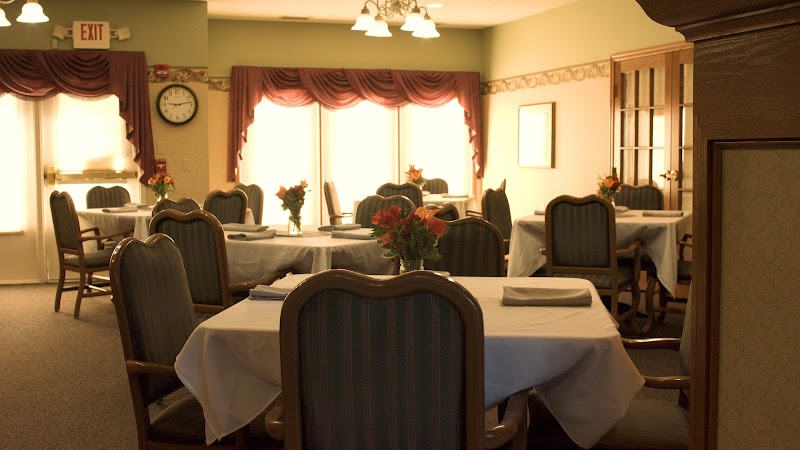
CMS rates Mala Strana Care & Rehabilitation Center's staffing level at 4 out of 5 stars, which is above average compared to other nursing homes. Staff turnover is 68%, which is 21 percentage points above the Minnesota average of 46%. High turnover can affect care consistency as new staff learn residents' individual needs. RN turnover specifically is 56%, which is notably high. RNs provide skilled clinical oversight, so turnover in this role can affect medical care quality.

What Have Inspectors Found at Mala Strana Care & Rehabilitation Center?

State health inspectors documented 14 deficiencies at Mala Strana Care & Rehabilitation Center during 2023 to 2025. These included: 1 that caused actual resident harm, 12 with potential for harm, and 1 minor or isolated issues. Deficiencies causing actual harm indicate documented cases where residents experienced negative health consequences.

Who Owns and Operates Mala Strana Care & Rehabilitation Center?

Mala Strana Care & Rehabilitation Center is owned by a for-profit company. For-profit facilities operate as businesses with obligations to shareholders or private owners. The facility is operated by MONARCH HEALTHCARE MANAGEMENT, a chain that manages multiple nursing homes. With 69 certified beds and approximately 64 residents (about 93% occupancy), it is a smaller facility located in NEW PRAGUE, Minnesota.

How Does Mala Strana Care & Rehabilitation Center Compare to Other Minnesota Nursing Homes?

Compared to the 100 nursing homes in Minnesota, Mala Strana Care & Rehabilitation Center's overall rating (4 stars) is above the state average of 3.2, staff turnover (68%) is significantly higher than the state average of 46%, and health inspection rating (4 stars) is above the national benchmark.

What Should Families Ask When Visiting Mala Strana Care & Rehabilitation Center?

Based on this facility's data, families visiting should ask: "How do you ensure continuity of care given staff turnover, and what is your staff retention strategy?" "Can I visit during a mealtime to observe dining assistance and food quality?" "How do you handle medical emergencies, and what is your hospital transfer rate?" "Can I speak with family members of current residents about their experience?" These questions are particularly relevant given the facility's high staff turnover rate.

Is Mala Strana Care & Rehabilitation Center Safe?

Based on CMS inspection data, Mala Strana Care & Rehabilitation Center has a clean safety record: no substantiated abuse findings (meaning no confirmed cases of resident harm), no Immediate Jeopardy citations (the most serious violation level indicating risk of serious injury or death), and is not on the Special Focus Facility watch list (a federal program monitoring the lowest-performing 1% of nursing homes). The facility has a 4-star overall rating and ranks #1 of 100 nursing homes in Minnesota. While no facility is perfect, families should still ask about staff-to-resident ratios and recent inspection results during their visit.

Do Nurses at Mala Strana Care & Rehabilitation Center Stick Around?

Staff turnover at Mala Strana Care & Rehabilitation Center is high. At 68%, the facility is 21 percentage points above the Minnesota average of 46%. Registered Nurse turnover is particularly concerning at 56%. RNs handle complex medical decisions and coordinate care — frequent RN changes can directly impact care quality. High turnover means new staff may not know residents' individual needs, medications, or preferences. It can also be disorienting for residents, especially those with dementia who rely on familiar faces. Families should ask: What is causing the turnover? What retention programs are in place? How do you ensure care continuity during staff transitions?

Was Mala Strana Care & Rehabilitation Center Ever Fined?

Mala Strana Care & Rehabilitation Center has no federal fines on record. CMS issues fines when nursing homes fail to meet care standards or don't correct problems found during inspections. The absence of fines suggests the facility has either maintained compliance or corrected any issues before penalties were assessed. This is a positive indicator, though families should still review recent inspection reports for the full picture.

Is Mala Strana Care & Rehabilitation Center on Any Federal Watch List?

Mala Strana Care & Rehabilitation Center is not on any federal watch list. The most significant is the Special Focus Facility (SFF) program, which identifies the bottom 1% of nursing homes nationally based on persistent, serious quality problems. Not being on this list means the facility has avoided the pattern of deficiencies that triggers enhanced federal oversight. This is a positive indicator, though families should still review the facility's inspection history directly.