New Richland Care Center
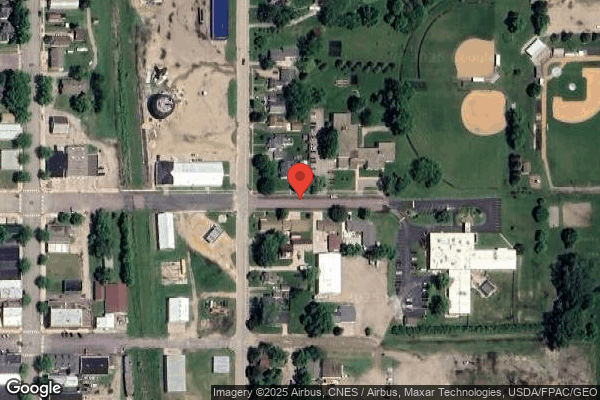
312 NORTHEAST 1ST STREET, NEW RICHLAND, MN 56072 (507) 465-3292
Government - City 45 Beds Independent Data: November 2025 1 Immediate Jeopardy citation
Trust Grade
3/100
#309 of 337 in MN
Last Inspection: February 2025

Within standard 12-15 month inspection cycle. Federal law requires annual inspections.

Overview

New Richland Care Center has received a Trust Grade of F, indicating significant concerns about the quality of care provided. It ranks #309 out of 337 facilities in Minnesota, placing it in the bottom half, and #3 out of 3 in Waseca County, meaning it has no better local options. While the facility shows some improvement in its trend, reducing issues from 10 in 2024 to 6 in 2025, it still faces serious challenges. Staffing is average with a rating of 3 out of 5 stars, but a high turnover rate of 73% raises concerns about continuity of care. The facility has incurred $122,605 in fines, which is alarming as this is higher than 98% of other Minnesota facilities, suggesting ongoing compliance problems. There are critical incidents documented, including a failure to manage pressure ulcers, leading to a resident's death from complications. Additionally, the facility lacks a Quality Assurance and Performance Improvement plan, which is necessary for maintaining care standards. Compliance with CDC guidelines for N95 mask use has also been questioned, indicating potential gaps in infection control practices. While there are some staffing strengths, the overall poor ratings and serious incidents should be carefully considered by families researching this nursing home.

Trust Score
F
3/100
In Minnesota
#309/337
Bottom 9%
Safety Record
High Risk
Review needed
Inspections
Getting Better
10 → 6 violations
Staff Stability
⚠ Watch
73% turnover. Very high, 25 points above average. Constant new faces learning your loved one's needs.
Penalties
✓ Good
$122,605 in fines. Lower than most Minnesota facilities. Relatively clean record.
Skilled Nurses
○ Average
Each resident gets 38 minutes of Registered Nurse (RN) attention daily — about average for Minnesota. RNs are the most trained staff who monitor for health changes.
Violations
⚠ Watch
26 deficiencies on record. Higher than average. Multiple issues found across inspections.
★☆☆☆☆
1.0
Overall Rating
★★★☆☆
3.0
Staff Levels
★★☆☆☆
2.0
Care Quality
★☆☆☆☆
1.0
Inspection Score
Stable
2024: 10 issues
2025: 6 issues

The Good

  • Full Sprinkler Coverage · Fire safety systems throughout facility
  • No fines on record

Facility shows strength in fire safety.

The Bad

1-Star Overall Rating

Below Minnesota average (3.2)

Significant quality concerns identified by CMS

Staff Turnover: 73%

26pts above Minnesota avg (46%)

Frequent staff changes - ask about care continuity

Federal Fines: $122,605

Well above median ($33,413)

Significant penalties indicating serious issues

Staff turnover is very high (73%)

25 points above Minnesota average of 48%

The Ugly 26 deficiencies on record

1 life-threatening
Jun 2025 1 deficiency
CONCERN (D) 📢 Someone Reported This

A family member, employee, or ombudsman was alarmed enough to file a formal complaint

Potential for Harm - no one hurt, but risky conditions existed

Quality of Care (Tag F0684)

Could have caused harm · This affected 1 resident

**NOTE- TERMS IN BRACKETS HAVE BEEN EDITED TO PROTECT CONFIDENTIALITY** Based on observation, interview, and document review, the facility failed to provide physician ordered dressing changes and asse...

Read full inspector narrative →
**NOTE- TERMS IN BRACKETS HAVE BEEN EDITED TO PROTECT CONFIDENTIALITY** Based on observation, interview, and document review, the facility failed to provide physician ordered dressing changes and assess wounds during those dressing changes, monitor for signs and symptoms of a worsening known infection, notify the physician of a change of condition and the need to acquire antibiotics from the E-Kit, acquire needed dressing change supplies, follow professional standards of practice by dating wound dressings and educate staff on identifying early signs and symptoms of sepsis (life-threatening infection) for 3 of 3 resident (R1, R2, and R3) reviewed. Findings include: Review of the current, National Library of Medicine, Sepsis: Early recognition and Optimized Treatment article, located at https://pmc.ncbi.nlm.nih.gov/articles/PMC6304323/, identified sepsis is a life-threatening condition caused by infection and represents a substantial global health burden. Systemic inflammatory response syndrome (SIRS) criteria is defined as having a patient with a suspicious or known infection with additional 2 criteria, such as a temperature above 100.4 or below 96.8 degrees Fahrenheit (F), a heart rate over 90 beats per minute (bpm) or a respiratory rate over 20 breaths per minute (bpm). A systolic blood pressure equal to or under 100 millimeters of mercury (mm/hg), respirations equal to or over 22 bpm, and altered mental status are indications of being likely to be septic. Clinical evidence indicates that patients with acute deterioration or sepsis manifest clinical signs or symptoms several hours before the condition worsens. Review of the current, National Library of Medicine, Understanding Post-Sepsis Syndrome: How Can Clinicians Help article, located at https://pmc.ncbi.nlm.nih.gov/articles/PMC10546999, identified sepsis is a global health challenge, with over 49 million cases annually. Recent medical advancements have increased in-hospital survival rates to approximately 80%, but the escalating incidence of sepsis, owing to an ageing population, rise in chronic diseases, and antibiotic resistance, have also increased the number of sepsis survivors. Subsequently, there is a growing prevalence of post-sepsis syndrome (PSS). This syndrome includes long-term physical, medical, cognitive, and psychological issues after recovering from sepsis. Around 75% of sepsis survivors develop at least one new medical, psychological, or cognitive diagnosis after hospital discharge. Only half of the sepsis survivors (both ICU and non-ICU) achieve complete or near-complete recovery within two years after hospital discharge. On the other hand, one in six patients experiences persistent impairments. As such, sepsis survivors are at risk for re-hospitalization, recurrent infections and chronic illness and have a shorter life expectancy, and lower quality of life. sepsis survivors have a significantly increased risk of cardiac events up to 5 years after the sepsis episode. Early administration of appropriate antibiotics remains the cornerstone of bacterial sepsis treatment and is essential for infection control, particularly if administered in the critical early hours. R1 Review of 5/21/25 at 10:19 a.m., report to the State Agency (SA) identified LPN-A neglected to complete wound care per orders. Review of the 5/23/25 at 2:31 p.m. 5-day investigation report identified R1 was interviewed. R1 stated she had not refused wound care. The nurse had told her that she did not have enough supplies. The investigation found Facility nursing staff counted dressing supplies and there were enough supplies to complete the dressing change until follow-up appointment the following day. R1's dressing was changed on 5/19/2025, she did not have the dressing changed on 5/20/2025, went to the wound clinic on 5/21/2025, when she returned, wound clinic had outlined the redness on her leg. During the night, the redness grew outside of the lines and pain increased, went into the ER for further evaluation. The facility found evidence of neglect when R1 verified that she did not refuse the treatment, and there were adequate supplies. LPN-A was immediately put on the do not return list, and supervisor was notified. There was no documentation to show the facility had notified the Minnesota Board of Nursing of their findings. R1's 5/01/25, admission assessment Minimum Data Set (MDS) identified R1 was cognitively intact. R1 had a history of chronic venous hypertension [CVH] (damaged valves in legs causing high blood pressure in the veins) of her bilateral lower extremities, severe sepsis with septic shock (life-threatening infection that leads to low blood pressure and organ failure that requires immediate medical intervention) and a non-pressure chronic ulcer of her right foot. R1 was dependent on staff for toileting, dressing, and transfers. R1 had 7 venous and arterial ulcers upon admission. R1 was not noted to have any behaviors. R1's undated, current care plan identified R1 was at risk for pressure injury related to chronic venous ulcerations, inflammation, history of cellulitis, soft tissue infection and chronic lower extremity edema. Interventions was for facility staff to identify/document potential factors related to skin breakdown, monitor/documents location, size and treatment of wound, report abnormal failure to heal, signs and symptoms of infection to physician and wound nurse, inform charge nurse of skin impairments when providing R1's care, wound treatments to be completed as prescribed by the physician, and apply [NAME] cream to good skin, Aquacel AG to wounds, and change the dressing daily. R1's 5/1/25 at 8:44 a.m., admission progress note related to the wound clinic's assessment and orders identified: 1) The 1st wound had an irregular shape and was located at the pretibial (inner lower leg next to the tibial bone) area. The wound measured 7.0 centimeters (cm) in length, 6 cm in width, and 0.2 cm in depth. Clinic staff noted there was no tunneling, no undermining, the wound bed had granulation (new tissue) with no odor, but had large serosanguinous (bloody clear) drainage and had redness. 2) The 2nd wound was a venous (originating from vein) ulcer non-staged wound. The wound measured 3 cm length, 8.5 cm in width, and 0.1 cm in depth, with no tunneling or undermining. Clinic staff noted there was granulation and exposed tissue, but no odor, and there was a large amount of serosanguinous drainage. 3) The 3rd wound was a left lateral venous non-staged venous ulcer. The wound measured 4 cm in length, 6 cm in width, and 0.1 cm in depth. Clinic staff noted there was no tunneling, no undermining, had granulation with tissue exposed, no odor, a moderate amount of serosanguinous drainage, redness, maceration (when skin is in contact with moisture for too long) and was denuded (loss of epidermis caused by prolonged moisture and friction). Facility staff were ordered to use acetic acid (vinegar), Aquacel AG (anti-microbial silver impregnated dressing) as the primary dressing with an ABD pad (large gauze pad), Artiflex (soft foam dressing used as a wrap), a Rosidal dressing (soft compression bandage). In addition as a secondary dressing, staff were to use Lopress (elastic compression dressing) and ensure dressings were changed daily and as needed (PRN) for all wounds. R1's, May 2025 Treatment Administration Record (TAR) identified facility nurses was to complete skin/wound note on dressing changes daily. R1's medical record identified R1 had lacked skin/wound assessments and treatments on the following dates: 5/5/25, 5/12/25, 5/15/25, 5/16/25, 5/20/25 and 5/21/25. R1's wound assessments identified they were only done weekly on 5/8/25 and 5/14/25. Assessments were as follows: 1) 5/8/25: R1's right pretibial right leg venous ulcer was measured and assessed. It was noted to be 7.0 centimeters (cm) in length, 7.0 cm in width, and 0.2 cm in depth. Wound description included: wound had full thickness, copious serous drainage, maceration (wrinkled skin) and no odor. 2) 5/14/25, R1's right pretibial lateral venous ulcer was measured and assessed. Wound measurement was 7.0 cm X 9.0 cm X 0.2 cm depth (increase in size). Wound description included: wound bed had full thickness, granulation, copious serosanguineous drainage, maceration and no odor. There was no indication R1's physician was notified of the increase in size. There were no assessments conducted daily with dressing changes to identify if the wound had improved, worsened or stayed the same. Additionally, neither of R1's 2 other wounds were assessed during these weekly assessments. Further review of R1's progress notes identified on: 1) 5/18/25 at 4:43 p.m., R1 voiced concerns with staff of a shortage of absorbent pads for R1's dressing changes. The facility staff was to leave a message for supplies to be ordered with management and R1 was informed that the absorbent pads were on backorder. 2) 5/19/25 at 3:59 p.m., skin/wound note identified R1 had purulent (pus-like) drainage and a slight odor to R1's bilateral lower extremity (BLE). R1's right lower extremity appeared macerated (moisture related skin damage) and had 25% slough (layer of dead tissue) present. There was no indication staff had notified R1's physician of the changes in wound characteristics. 3) Later that day on 5/19/25 at 4:32 p.m., physical therapy (PT)-A noted R1 had increased drainage from her wound and bandage of the right lower leg. R1 had left PT prior to end of therapy in order for nursing staff to change R1's dressing. There was no indication staff had notified R1's physician of these additional changes in wound characteristics. 4) 5/20/25 at 1:57 p.m., PT noted R1 had refused wound care related to supplies. Staff also noted the facility lacked supplies to be able to change R1's wound dressings. R1 also had severe pain that morning and was found yelling for help. There was no indication R1's physician or the wound clinic had been notified of the increased pain or lack of being able to perform the dressing change. 5) 5/20/25 at 22:43 p.m., R1's had no pain and BLE wounds was not assessed. 6) 5/21/25 at 11:19 a.m., R1 had left for her wound care appointment. Facility nurse was made aware that R1's right knee, above the dressing was warm to touch and pink. R1's knee was not assessed by nursing staff before R1 had left the facility. 7) 5/21/25 at 4:44 p.m., PT note R1 had significant drainage from right lower extremity and had refused for facility staff to complete dressing change prior to scheduled wound clinic visit. 8) 5/21/25 at 10:01 p.m., R1 arrived back to the facility at 5:30 p.m. R1's legs were wrapped, and the redness was outline with a sharpie. R1 had concerns with the infection of her legs. The medical record lacked evidence that a physical baseline assessment had been completed 4 hours after R1 had arrived back to the facility from the wound clinic. 9) 5/21/25 at 9:57 p.m., vitals were 124/60 millimeters of mercury (mm/hg) blood pressure, a temperature of 99.1 degrees Fahrenheit (F), and respirations at 20 breaths per minute (bpm). 10) 5/22/25 at 2:44 a.m., progress note identified R1 complained of pain, had received oxycodone, reported chills, had a declining temperature of 98.6 degrees F, felt ill and had requested to be send to the ED. No other vital signs were assessed to identify sepsis criteria by assessing R1's oxygen saturation, respiratory rate, heart rate, blood pressure, or assessment of her mental status were obtained. R1's 5/22/25, local hospital admission summary identified R1 had a history of chronic lower extremity edema (swelling) with chronic ulcerations since July of 2024 receiving long-term chronic wound care. She recently was admitted to a regional hospital from 04/17 /25 to 04/24/25 for care after fall and found to be in septic shock suspected from soft skin and tissue infection with acute kidney injury (AKI), severe metabolic acidosis (serious condition when pH level in blood is at life-threatening levels), elevated potassium levels in her blood, atrial fibrillation with rapid ventricular response (AFib with RVR) (potentially life-threatening heartbeat irregularity). R1 was note to be treated with vancomycin and cefepime and then transitioned to Zosyn (antibiotics). R1required a Foley catheter for urinary retention during her stay. She was discharged at that time to the facility for admission of short-term rehabilitation on Levaquin 750 mg every 48 hours and Flagyl 500 mg t.i.d. (antibiotics) for an additional 3 days. R1 presented to the local emergency department (ED) from the facility on 5/22/25 with worsening cellulitis (skin infection) to the right leg. She had just been seen in wound clinic 5/21/25. It was noted she had new cellulitis forming at that time. Overnight she developed increasing right leg pain and nursing noticed increasing redness that extended past the marked borders. R1 complained of cold chills without fevers recorded. In the ED, R1 had shaking chills with tachycardia (fast abnormal heart rate) and atrial fib in the low 100's. Laboratory results showed abnormal levels of hemoglobin (iron level) at 8.6 (normal 12.5 to 17), high white blood cell count of 25.4 (normal 0 to11,000), therapeutic INR, bicarbonate 19 (normal 22 to 32), BUN (waste product in blood) 32 (normal 7 to 20), creatinine 1.7 (measures kidney function) (normal 0.59 to 1.04) with GFR (kidney filtration rate) of 31 (normal 100), glucose 143 (normal 72-99), albumin (measures protein in blood plasma that keeps fluid from leaking into bloodstream) 3.2 (normal 3.4 to 5.4), CRP (measures inflammation) 281.3 (normal is less than 10), lactate (measures acidity in blood) 2.3 (normal 0.5 to 2.2). Blood cultures were pending. R1 received Tylenol, meclizine (anti-nausea medication), oxycodone (pain medication) 500 ml IV , Vancomycin IV and Zosyn (antibiotics) R1 was then transferred to the regional hospital for a higher level of care required. Interview on 6/03/25 at 11:28 a.m., with agency licensed practical nurse (LPN)-A had worked the morning of 5/20/25. R1 had orders for dressing change to be completed in the morning. LPN-A had identified R1complained of leg pain was administered pain medication and stated R1 did not want LPN-A to assess her wound. LPN-A noted she could not complete R1's dressing change due to the facility not having adequate supplies for R1's dressing and had communicated the lack of supplies to the facility's administration. LPN-A had not communicated to the director of nursing (DON) nor the provider that R1's dressing changed was missed and that R1 had severe pain. Interview on 6/03/25 at 12:12 p.m., with staffing coordinator (SC) identified resident supply list was created by the infection preventionist (IP) and sent to SC on a weekly basis to order supplies from the Medline manufacturer. SC was not aware R1 had shortage of dressing supplies but was aware facility staff was to communicate to SC if nursing items were low in stock. SC had received notifications from the supply company that supplies were delayed for delivery to the facility on several occasions. The SC stated they did not have a process in place to communicate to floor staff of delayed supplies to the facility. Interview on 6/03/25 at 12:18 p.m., with LPN-B identified residents with dressing orders was not communicated to LPN-B upon admission. The facility storage room on the 200 hall was used for nursing supplies and was accessible to facility staff when needed. LPN-B had kept a treatment cart of supplies for resident dressing changes in LPN-B office that was not accessible for staff on the weekends. LPN-B stated residents had designated supplies for dressing changes in their rooms that were to be refilled weekly. Interview on 6/03/25 at 1:31 p.m., with LPN-C identified newly admitted resident orders was placed on point click care (PCC), and online software for medical record and was to be viewed on the TAR. LPN-C had identified on two occasions that R1 lacked supplies for R1's dressing change and had to use alternative supplies to complete the dressing change. LPN-C had informed LPN-B and SC supplies were needed for R1's wound care. Interview on 6/03/25 at 3:03 p.m., with agency registered nurse (RN)-A had received report from LPN-A on 5/20/25 that R1's dressing change had not been completed. RN-A had identified R1 had no change in her condition that required a call to the physician during RN-A's shift. RN-A had assessed R1's pain, however, R1's dressing change was not completed nor was R1's wound assessed to identify any signs or symptoms of potential infection. Interview on 6/04/25 at 8:30am, with RN-B identified R1 was seen at the local wound clinic December 2024. R1 had scheduled visits twice a week and she noticed a decline in wound healing. R1 had voiced concerns to RN-B that the facility was not completing R1's dressing changes as ordered. On 5/21/25, the clinic had completed cultures of R1's wound and RN-B stated R1 appeared to have an infection. Antibiotic orders were written, and dressing change orders were noted. RN-B identified the nursing home was to provide supplies and follow the providers wound orders to ensure appropriate wound healing. Interview on 6/04/25 at 8:52 a.m., with RN-C had assisted with R1's wound dressing change on 5/21/25. RN-C identified R1's leg had severe redness and was outline with a blue surgical marker before R1 had left the wound clinic. Interview on 6/04/25 at 9:12 a.m., family member (FM)-A identified R1 had chronic issues with R1's leg wounds. FM-A would pick up R1 from the nursing home and transport her to the wound clinic, weekly. R1 was concern with R1's wound healing but did not share personal information with FM-A on R1's treatment plan. On 5/21/25, R1 was dropped off at the facility between 5:30 p.m. and 6:00 p.m. from the wound clinic. FM-A was not aware of the severity of R1's wound until the following day, when the nursing home and informed FM-A that R1's was sent to the ER for evaluation. Interview on 6/04/25 at 10:15 a.m., with licensed pharmacist identified the facility had faxed the pharmacy on 5/21/25 at approximately 6:07 p.m., of R1's antibiotic order from the wound clinic. The antibiotic was delivered to the facility on the evening of 5/22/25. The pharmacist identified the facility had a supply in the emergency (E-kit). For situations that warranted more immediate intervention, staff could call the provider and request to use medication from the E-Kit until such time as the medication would be available during routine business hours. Observation on 6/04/25 at 10:25 a.m., identified the facility had one uncontrolled and one controlled Ekit boxes. The box contained six tablets labeled doxycycline 100 mg and was available for use. Interview on 6/04/25 at 10:30 a.m., with LPN-C had worked the morning of 5/21/25 and identified R1 was in a wheelchair had worn basketball shorts and noted R1 had redness of her left lower leg. LPN-C notified LPN-D, who was R1's nurse of the redness. LPN-C had not communicated to R1's physician of the wound findings. Interview on 6/04/25 at 10:53 a.m., with LPN-D had worked the morning of 5/21/25 and identified R1 had scheduled dressing changes in the morning. LPN-D did not complete a dressing change on R1, because R1 had an appointment at the wound clinic. LPN-D had administered a pain pill prior to R1leaving the facility and did not have time to assess R1's leg when LPN-C had notified LPN-D of the change. LPN-D did not notify R1's physician during LPN-D shift of the findings. Interview on 6/04/25 at 1:41 p.m., with RN-D had worked the evening shift on 5/21/25. R1 arrived to the facility approximately at 5:30 p.m. and had not completed a baseline assessment. RN-D had received R1's wound and antibiotic orders and staff faxed them to the pharmacy. R1 had informed RN-D of the wound clinics findings for staff to monitor R1's leg for increase in her wound's redness and noted at the time of her visit, wound clinic staff had outlined the area with a marker. RN-D identified R1's leg was easy to observe and identified leg wraps were in place. RN-B stated indication of sepsis was a resident has a fever, an elevated blood pressure or confusion. The primary physician was to be notified of the change in condition. RN-D did not identify complications that would warrant a call to R1's physician, however she did state she failed to perform a baseline assessment for R1's wound after it had been deemed infected and had redness. Staff were to measure and monitor that redness. RN-D thought she had monitored R1 every 2 hours but indicated she failed to document any information of monitoring in R1's medical record. Interview on 6/04/25 at 2:48 p.m., with agency RN-E stated RN-D during handover communication reported R1 had visited the wound clinic that afternoon and had new orders. RN-E was not informed that R1's leg was to be monitored, nor had she viewed the orders. R1 had complained of severe pain. RN-E took her temperature had administered an oxycodone. R1 had complained of increase leg pain after the administration of the oxycodone. RN-E identified R1's leg was warm to the touch and had prominent redness passed the marked line on R1's leg indicated an infection. R1 appeared uncomfortable and had complained of increased pain in both legs. Only at that time had RN-E reviewed R1's wound orders and called for a non-emergent transport to the local hospital. The ambulance had arrived at the facility within approximately 45 minutes to transport R1 to the local hospital. RN-E had completed a physical assessment of R1's skin before R1 was discharged from the facility but agreed that was not documented in R1's medical record. Interview on 6/04/25 at 4:32 p.m., with licensed physical therapist (LPT) had seen R1 on 5/19/25 for a therapy session and identified R1's dressing was weeping. R1 was sent to her room and had informed R1's nurse that R1's dressing was to be changed. R1 was seen again on 5/21/25 and identified R1 had increase weeping of her dressing. R1 had refused for facility nurses to change the dressing and LPT had placed towels on the floor, during R1's therapy session, to prevent R1's drainage from leaking on the floor. Interview on 6/04/25 at 4:31 p.m., with agency LPN-E had worked the morning of 5/19/25. LPN-E was notified by the PT that R1 dressing was soiled. LPN-E had administered a pain medication to R1 before R1's dressing change that afternoon and did not place a date or initials R1's dressing once completed. LPN-E was aware R1's wound had a smell and odor during the dressing change. LPN-E and the DON had assisted R1 with her initial skin assessment and dressing change upon admit to the facility and identified R1's wound appeared to have no change in healing. LPN-E thought sepsis occurred when a resident had a fever and was unaware of specific criteria staff should monitor for to prevent sepsis from occurring and identify the need for immediate intervention. LPN-E identified R1 had no changes in behavior and appeared normal. LPN-E identified R1's physician had not been notified of the increase drainage or odor that was present. Interview on 6/05/25 at 10:48 a.m., with medical director (MD) expectation was for nurses to follow physician's orders, provide care, and document dressing changes. Nurses were to monitor for changes in condition and contact the resident's physician to determine the next steps and document the communication and interventions discussed. Staff should assess wounds at a minimum weekly, or with each dressing change to identify any changes. If, a resident was routinely seen at the wound clinic, the facility was to rely on the wound clinic orders and would be expected staff to update and follow the plan of care. If, there was an emergent need, leading to a potential problem that was to cause a resident to have a change in condition or altered level of consciousness staff were to call 911 for immediate assessment and exam by a provider in the ED. Interview on 6/05/25 at 1:46 p.m., with R1's primary physician (MD)-B identified they expected facility nurses to contact them or the wound clinic of the suspected findings of R1's increased wound drainage for recommendations and/or re-evaluation of R1's wound. In addition, facility nurses should have contacted the physician or the on-call provider for clearance to use the antibiotic medication that was ordered and use the supply in the E-Kit and not delay medication until the next day during routine pharmacy drop-off for a resident with a known infection and history of previous sepsis. MD-B stated a baseline assessment should have been completed for R1 when R1 had returned from the wound clinic on 5/21/25. Staff should have documented R1's physical assessment and monitor R1 to identify signs and symptoms of sepsis. Interview on 6/05/25 at 2:30 p.m., with director of nursing (DON) identified nurses was to complete scheduled dressing changes for residents on the day shift. If, dressing changes was not done during the document the details from that dressing change. R1's wound measurement and skin assessments were completed once a week on Mondays, with the DON and the nurse consultant on the unit. The DON did not document on R1's TAR when dressing changes were completed. Facility staff had received training related to infection control, but did not have training specific to signs and symptoms of sepsis development. Nurses were expected to complete a baseline assessment for R1 when R1 had returned from the wound clinic and was at risk for complications due to R1's infection of the wound. The DON identified the facility nurse on the evening shift of 5/21/25, should have called R1's provider and ask for an order to remove and administer the initial dose of antibiotic from the E-kit. The DON agreed nurses should have provided documentation to corroborate when nurses had assessed R1's wound to identify a potential spread of infection and to notify R1's physician if there was a potential decline in R1's condition. The DON stated it was a standard expectation for nurses to date and initial on all dressing changes, however, she was aware they found it difficult to write on the dressings with a pen. DON was not aware if the facility wound policy identified for dressings to be labeled once changed. R2 R2 undated, current face sheet identified R2 had a diagnosis of osteomyelitis (infection in the bone) of left tibia and fibula, anxiety, chronic pain syndrome, pressure ulcer of left ankle, cellulitis, dementia, and traumatic brain injury (TBI). R2 was on enhanced barrier (use of gown and gloves for healthcare workers to be used during high contact resident care) precautions. R2's 4/21/25, Significant Change Minimum Data Set (MDS) identified R2 had severe cognitive impairment and had little interest or pleasure in doing things, felt down, depressed or hopeless never to 1 day. R2 was 6 ft and 2 inches, weighed 180 lbs. in and was on hospice services. R2 was at risk for developing pressure ulcers and had a stage 1 or greater over bony prominence, or a non-removable dressing/device. R2 had two stage 4 pressure ulcers that was present on admission, one unstageable pressure ulcer due to coverage of wound bed by slough and/or eschar and one venous and arterial ulcer present. R2's undated, current care plan identified R2 was at risk for pressure injury related to current pressure and skin injuries ot the left lateral food, left posterior leg and ankle. Interventions was for facility nurses to apply lamb's wool in between toes PRN, barrier cream to buttocks after incontence episodes, blue boots to both feet for protection and comfort, use of air mattress, monitor/document location, size and treatment of wound, report abnormalities, failure to heal, signs and symptoms of infection, maceration to physician and wound nurse, reposition every 2 hours related to immobility and incontinence, administer scheduled pain medication before dressing changes, use of braden assessment, treatments to be completed as order by physician. R2's undated, current Order Summary Report of R2's wound treatment orders identified: 1) Left distal lateral foot deep tissue injury (DTI) pressure was to cleanse with wound cleanser, pat dry, apply calcium alginate, cover with foam border dressing every Monday, Wednesday, Friday, and PRN with a start date of 1/29/25. 2) Left lateral ankle- unstageable pressure ulcer and left lateral foot pressure DTI was to cleanse with wound cleanser, pat dry, apply calcium alginate, cover with foam border dressing every Monday, Wednesday, Friday, and PRN with a start date of 2/12/25. 3) Left posterior lower leg was to apply calcium alginate to open area with foam composite dressing every Monday, Wednesday, and Friday with a start date of 4/25/25. 4) Complete skin/wound note on wound dressing change days. R2's 4/21/25, braden scale identified R2 was high risk for pressure injuries. R2's 6/02/25, Wound Assessment identified R2's left lateral ankle was 3.0 cm in length, 2.0 cm in width, and 0.1 cm in depth. Wound description identified: had purulent, moderate amount of thick green drainage, no odor, 50% granulated tissues and 50% beefy pink tissue. Wound treatment identified: cleanse with wound cleanser, pat dry, apply calcium alginate, cover with foam border dressing every Monday, Wednesday and Friday. R2's left lateral distal foot was 3.5 cm in length, 0.6cm in width, and 0.1 cm depth. Wound description identified: was scant amount of thick green drainage, no odor and peri wound was dry with 100% granulation of tissue. Wound treatment identified: cleanse with wound cleanser, pat dry, apply calcium alginate, cover with foam border dressing every Monday, Wednesday and Friday. R2's left posterior calf was 2.0 cm in length, 1.0 cm in width, and 0 in depth. Wound description identified: was a superficial open area with no drainage or odor. Wound treatments identified: apply calcium alginate to open area with foam composite dressing and change every Monday, Wednesday, and Friday and PRN. R2's June 2025, Treatment Administration Record (TAR) identified R2 refused a dressing change on 6/04/24. R2's, progress noted identified on: 1) 6/4/25 at 10:38 a.m., R2 was due to have a wound dressing change. R2's wife stated R1 was to leave for the local emergency department (ED). Facility nurse had asked if R2 wanted the dressing change before R2 was transported out of the facility. R2 had refused the facility nurse to complete the dressing change. 2) 6/4/25 at 5:18 p.m., R2 was not transferred to the local ED, due to R2'S transportation service had not picked up R2 who was scheduled to leave at 1:00 p.m. R2 was notified by the facility nurse of R2's scheduled wound treatment was to be completed. There was no mention on R2's medical record that R2's dressing change was done. Observation and interview on 6/05/25 at 7:44 a.m., with LPN-D had applied hand sanitizer to her hands and rubbed them together. LPN-D grabbed a yellow isolation gown and applied it to LPN-D body and tied the personal protection equipment (PPE) behind LPN-D neck and waist. LPN-D applied gloves and had knocked on R2's door. LPN-D opened R2's door and informed R2 and R2's wife that LPN-D wanted to see the dressing on R2's legs. R2's wife and LPN-D grabbed R2's cover and LPN-D identified R2's dressing was changed the night prior on the evening shift and was not due for a dressing change today. LPN-D pulled back R2's covers R2's left lower leg had 3 areas that was covered with a brown foam dressing and R2' skin around the dressing appeared clean and intact. R2's left ankle, left lower leg and the lateral side of R2's leg did not have dates or initials when it was last changed. R2's wife identified R2's nurse on the evening shift on 5/04/25 had completed the dressing change and appeared surprised that R2's dressing was not dated. R2's wife stated, the nurses dated them when changed. R3 R3's undated, current face sheet identified R3 had a diagnoses of myasthenia gravis (autoimmune neuromuscular disorder that causes weakness in the skeletal muscles weakness), obesity, heart failure, and hypothyroidism (low production of thyroid hormone that leads to a slowdown in metabolism). R3 was on enhanced barrier precautions. R3's 4/
Feb 2025 4 deficiencies
CONCERN (D) 📢 Someone Reported This

A family member, employee, or ombudsman was alarmed enough to file a formal complaint

Potential for Harm - no one hurt, but risky conditions existed

Accident Prevention (Tag F0689)

Could have caused harm · This affected 1 resident

**NOTE- TERMS IN BRACKETS HAVE BEEN EDITED TO PROTECT CONFIDENTIALITY** Based on observation, interview, and record review the facility failed to assess the ability to safely operate power lift reclin...

Read full inspector narrative →
**NOTE- TERMS IN BRACKETS HAVE BEEN EDITED TO PROTECT CONFIDENTIALITY** Based on observation, interview, and record review the facility failed to assess the ability to safely operate power lift reclining chair and develop and implement policies and procedures related to the operation/use of power lift chairs for 1 of 1 (R137) resident reviewed for accidents. R137's admission Minimum Data Set (MDS) dated [DATE], indicated R137 was admitted to the facility on [DATE], no cognitive impairment, utilized a wheelchair, dependent on staff for toileting, lower body dressing, toilet transfer, sit to stand, chair transfer; required substantial/maximal assistance with personal hygiene, roll left to right, sit to lying and diagnoses included need for assistance with personal care, obesity, and surgery on the digestive system. R137's care plan dated 2/5/25, indicated history of falling, unsteady on feet, difficulty walking and interventions dated 2/19/25, indicated lift chair assessment completed; care plan revision on 1/31/25, bed in lowest position, call light within reach at all times, fall 2/14/25, R137 was reeducated on the importance of using call light for assistance; fall risk assessment completed 1/27/25, moderate risk for falls. R137's document titled Fall dated 2/14/25, indicated R137 was found on the floor in her room at 2:45 a.m., lying on her right side when found near her recliner .call light was attached to recliner and was not on, footrest in the up position, R137 stated she slid to the floor as she was trying to reposition herself in recliner. IDT (interdisciplinary team) met and R137 was reeducated on the importance of using call light for assistance. R137's document review failed to indicate R137 was assessed for the ability to safely operate the power lift reclining chair. On 2/18/25 at 3:25 p.m., R137 was seated in a power lift recliner in her room, the recliner was observed with a remote connected. R137 stated she used the remote to put the feet of the recliner up and down. On 2/19/25 at 9:05 a.m., physical therapy assistant (PTA)-C stated nursing was responsible to complete a resident's electric lift chair initial assessment. PTA-A stated R137 had communicated she had slid from the lift chair and was not injured. PTA-A stated physical therapy was currently working with R137 for strengthening. On 2/19/25 at 9:08 a.m., registered nurse (RN)-A, also known as the nurse manager, stated a resident's electric lift chair and recliners were expected assessed by a RN at the facility. RN-A stated herself or the director of nursing (DON) were responsible for the residents lift chair assessments. RN-A confirmed R137 did not have a lift chair assessment completed. RN-A stated the lift chair was not expected in R137's room or used by R137 until an assessment was completed. RN-A stated R137 had slid out of her electric recliner and was not injured. On 2/19/25 at 9:10 a.m., the DON stated any RN was responsible to ensure a resident had a lift chair assessment completed prior to the resident using the electric lift chair. The DON stated the assessment was expected completed in the electronic medical record (EMR). The DON confirmed R137 had slid out of the recliner when she was trying to reposition, and an assessment was not done at that time either to ensure R137 was safe to use the electric lift chair. The DON stated the intervention implemented after R137's fall included reeducation on the importance of using the call light. On 2/19/25 at 9:14 a.m., RN-A observed R137's chair and confirmed the chair was an electric lift chair. R137 was seated in the recliner and stated she was not educated on the use of the recliner, further stated she slid out of the recliner and was not hurt, and R137 stated after she slid from the chair nursing educated her to use her call light to reposition. On 2/19/25 at 11:12 a.m., the DON stated the facility did not have a policy on lift chairs. Facility admission packet included, Recliners and lift chairs may need to be looked at on an individual basis due to room lay out equipment needed for your loved one. Lift chairs-residents using these need to be assessed by nursing/therapy to determine if you are to use this.
CONCERN (F) 📢 Someone Reported This

A family member, employee, or ombudsman was alarmed enough to file a formal complaint

Potential for Harm - no one hurt, but risky conditions existed

QAPI Program (Tag F0867)

Could have caused harm · This affected most or all residents

**NOTE- TERMS IN BRACKETS HAVE BEEN EDITED TO PROTECT CONFIDENTIALITY** Based on interview and record review, the facility failed to develop a Quality Assurance and Performance Improvement (QAPI) plan...

Read full inspector narrative →
**NOTE- TERMS IN BRACKETS HAVE BEEN EDITED TO PROTECT CONFIDENTIALITY** Based on interview and record review, the facility failed to develop a Quality Assurance and Performance Improvement (QAPI) plan to guide facility efforts in assuring care and services were maintained at acceptable levels of performance and continually improved. This had the potential to affect all 38 residents residing in the facility. Findings include: During entrance conference on 2/18/25 at 11:25 a.m., with the administrator and director of nursing (DON), the facility QAPI plan was requested. During an interview on 2/19/25 at 3:00 p.m., the QAPI plan was requested again. The administrator stated the facility did not have a written QAPI plan. The administrator presented a template from TMF Quality Innovation Network, titled Quality Improvement Initiative Plan, which he intended to use to develop the facility QAPI plan but had not done so yet. During an interview on 2/19/25 at 3:20 p.m., the administrator and director of nursing (DON) stated they were both responsible for QAPI program at the facility. The DON stated following recent citations, the QAPI committee was meeting monthly, setting goals, and coming up with measurable outcomes, with falls and pressure wound management being their current performance improvement projects (PIP). The DON and administrator were able to describe work being done for falls, and the DON was able to describe work being done for pressure wounds. The administrator stated he was planning to take an executive management class through a state organization of aging services providers serving older adults to learn more about QAPI. A QAPI plan was requested and a QAPI Program policy was received, updated 10/2024. The policy indicated the administrator was responsible for assuring the facility QAPI program complied with federal, state, and local regulatory requirements. The policy did not include how the facility obtained and used feedback from residents, resident representatives, and staff to identify high-risk, high-volume, or problem prone issues as well as opportunities for improvement. The policy did not indicate how the facility would maintain effective systems to identify, collect, use and monitor data for all departments, and based on the facility assessment. The policy did not identify how the facility would identify, report, track, investigate and analyze adverse events, and high risk, high volume, and/or problem-prone concerns. The policy did not indicate how the facility would develop, monitor and evaluate performance indicators including the frequency of which that would be conducted. The policy did not indicate how the facility developed, monitored, and evaluated its performance indicators. The policy did not describe how the facility would use systematic approaches (such as root cause analysis, reverse tracker methodology, or health-care failure and effects analysis) to assist in determining underlying causes of problems impacting larger systems. The policy did not describe how the facility developed corrective action designed to effect change at the systems level to prevent quality of care, quality of life, or safety problems. The policy did not describe how the facility monitored the effectiveness of its performance improvement activities to ensure improvements are sustained. Facility assessment dated [DATE], did not indicate how the QAPI program integrated with the facility assessment.
CONCERN (F) 📢 Someone Reported This

A family member, employee, or ombudsman was alarmed enough to file a formal complaint

Potential for Harm - no one hurt, but risky conditions existed

Infection Control (Tag F0880)

Could have caused harm · This affected most or all residents

Based on observation, interview, and record review the facility failed to ensure Centers for Disease Control (CDC) guidance was followed for fit testing for N95 filtering facepiece respirators prior t...

Read full inspector narrative →
Based on observation, interview, and record review the facility failed to ensure Centers for Disease Control (CDC) guidance was followed for fit testing for N95 filtering facepiece respirators prior to use and annually. Findings include: During observation on 2/18/25 at 11:49 a.m., the facility had signs posted on the front entrance door indicating mask use required due to respiratory outbreak. During observation and interview on 2/18/25 at 12:35 p.m., housekeeping assistant (H-A) was observed putting an N95 mask over a regular surgical mask prior to entering a resident room requiring N95 use due to Covid isolation. H-A stated he was not aware of having fit testing for the N95 mask. During observation and interview on 2/18/24 at 5:40 p.m., nursing assistant (NA)-A was observed putting on an N95 mask to enter a resident room requiring N95 use due to Covid isolation. NA-A stated she could not recall if she had completed fit testing for the N95 respirator. During interview on 2/19/25 at 1:12 p.m., licensed practical nurse (LPN)-A stated she had been fit tested in the past, but did not recall if it was at this facility or with her previous employer. During interview on 2/19/25 at 1:37 p.m., licensed practical nurse (LPN)-B also known as infection preventionist stated the facility had two Power Air-Purifying Respirators (PAPRs), one for each hallway, and those were expected to be worn in the rooms requiring precautions due to Covid. LPN-B stated she does not have staff complete fit testing at the time of hire or annually, and only completes on-the-spot testing when requested by staff. LPN-B further stated staff wearing N95 respirators should be fit tested for them prior to use to ensure a tight seal and staff safety. During interview on 2/19/25 at 2:16 p.m., director of nursing (DON) stated she would have expected staff entering Covid isolation rooms to have been fit tested for N95 mask use prior to using the N95 mask. DON further stated she was aware of the PAPRs but was not sure what the plan was for them or how the infection preventionist intended them to be used. During observation on 2/18/25 and 2/19/25, no PAPR use was observed in the facility. During observation and interview on 2/19/25 at 2:12 p.m., NA-B and NA-C were observed putting on N95 masks to enter a resident room requiring N95 masks due to Covid isolation. NA-B and NA-C both stated they had not ever been fit tested for an N95 mask. Further, NA-B and NA-C stated they were not aware of a PAPR in the facility and had not had training on PAPR use. An untitled facility document provided 2/21/25, included a section for staff to decline fit testing and choose the risk of exposure, but did not identify those risks. The facility policy titled Coronavirus Disease (Covid-19)-Occupational Health dated 10/2024, stated the following: Facility practices are in place to protect Healthcare personnel from exposure to Covid-19 to the extent possible, in accordance with Occupational Health and Safety Administration (OSHA) and Center for Disease Control and Prevention (CDC) recommendations. Employee safety and health standards related to Covid-19 are based on the following guidance: https://www.osha.gov/SLTC/covid-19/healthcare-workers.html. Review of the above referenced link from the facility policy directed use of respiratory protection as part of a comprehensive respiratory protection program that meets the requirements of OSHA's Respiratory Protection standard (29CFR 1910.134) and included medical exams, fit testing, and training. The CDC National Institute for Occupational Safety and Health guidance sheet publication number 2018-129, indicated fit testing must be completed upon initially selecting a model of respirator, annually, and repeated whenever an employee has a change in physical condition that could affect respirator fit.
MINOR (C) 📢 Someone Reported This

A family member, employee, or ombudsman was alarmed enough to file a formal complaint

Minor Issue - procedural, no safety impact

Deficiency F0577 (Tag F0577)

Minor procedural issue · This affected most or all residents

Based on observation, interview and document review, the facility failed to ensure most recent survey results were readily accessible for residents or visitors to view. This had the potential to affec...

Read full inspector narrative →
Based on observation, interview and document review, the facility failed to ensure most recent survey results were readily accessible for residents or visitors to view. This had the potential to affect all residents who resided in the facility and visitors. Findings include: During observation on 2/18/25 at 1:42 p.m., a black three-ring binder labeled Survey Results was observed in a hanging bin on a wall near the front entrance of the facility. The survey results in the binder were dated 9/14/2022. The results of the most recent federal recertification survey were not included. There was no posted information indicating any other results were available. During interview on 2/18/25 at 2:24 p.m., social services director (SS-A) verified the most current survey results were not in the binder and stated she would have to find them and put them in the binder. SS-A further stated she was unsure why the results were not in the binder and they were not posted anywhere else in the facility for residents or visitors to access. During interview on 2/19/25 at 1:40 p.m., administrator stated he was unaware the most recent survey results were not in the binder for residents and visitors to view and they should have been available. No policy regarding posting of survey results was provided.
Jan 2025 1 deficiency
CONCERN (D) 📢 Someone Reported This

A family member, employee, or ombudsman was alarmed enough to file a formal complaint

Potential for Harm - no one hurt, but risky conditions existed

Quality of Care (Tag F0684)

Could have caused harm · This affected 1 resident

**NOTE- TERMS IN BRACKETS HAVE BEEN EDITED TO PROTECT CONFIDENTIALITY** Based on interview and document review the facility failed to comprehensively assess and monitor for signs/ symptoms of fluid ov...

Read full inspector narrative →
**NOTE- TERMS IN BRACKETS HAVE BEEN EDITED TO PROTECT CONFIDENTIALITY** Based on interview and document review the facility failed to comprehensively assess and monitor for signs/ symptoms of fluid overload and evaluate the effectiveness of physician prescribed treatments for 1 of 3 residents (R1) who had diagnosis of congestive heart failure. Findings include R1's face sheet dated 1/8/25, identified R1 had diagnosis that included chronic right heart failure. R1's comprehensive minimum data set (MDS) dated [DATE], identified R1 was cognitively intact. R1 had no rejection of cares, and had no shortness of breath. R1's care plan focus created 11/6/23, identified R1 had atrial fibrillation (a-fib), chronic right heart failure, and tachycardia. Interventions included providing a-fib medication as ordered, educate R1 on the importance of taking medications, and monitor/document/report to provider signs and symptoms of a-fib. The care plan did not address individualized interventions or goals for the management of fluid overload. R1's physician order dated 11/21/24, included daily weights to be checked in the morning, weight to be checked prior to meal intake. R1's weight monitoring record identified on 11/21/24, R1 weighed 187.5 pounds (lbs) R1's December 2024 treatment administration record (TAR) identified the aforementioned order to obtain weights. The TAR identified weights were not obtained according to physician order. Between 12/1/24 through 12/18/24 the TAR identified the following: -No weights documented between 12/1/24 through 12/11/24 with charting codes of either '2'-indicating refusal or '8' indicating see nurses note. On 12/2/24 and 12/10/24 the boxes were left blank. -On 12/12/24: weight was 189.4 -On 12/13/24: weight was 189.4 -On 12/14/24: no weight was documented and indicated refused. -On 12/15/24: weigh was 189.4 -No weights were documented between 12/16/24 through 12/18/24 and indicated refused. In review of R1's record between 12/1/24 through 12/17/24 there was no indication the physician had been notified the ordered weights were not obtained. Additionally not evident R1 was monitored for signs/symptoms of fluid overload which would include edema monitoring. R1's physician visit note dated 12/18/24, identified an assessment of chronic right heart failure with an order for furosemide (diuretic medication) 10 milligrams (mg) three times a week. Weight most recently was 189.4 and stable. R1's December 2024 TAR identified daily weights were not obtained between 12/18/24 through 12/26/24; on 4 entries directed to see progress notes, 3 entries identified refused, one box was blank, and one box was marked not applicable. There was no indication the physician was notified R1 was refusing weights nor evident R1 was monitored for signs/symptoms of fluid overload. R1's December 2024 TAR identified on 12/27/24, R1 weighed 205 lbs. R1's progress notes dated 12/27/24, identified a significant weight gain noted of 17# in 2 weeks. R1 was weighed on both the wheelchair scale and mechanical lift scale for accuracy. Slight edema was noted to right outer shin but no edema on left shin. The progress note did not identify the extent of the edema. R1's physician order dated 12/27/24, included the order that directed nursing to monitor every shift for shortness of breath, edema, and blood pressure. Recheck weight on Monday 12/30/24 and update the physician. R1's progress notes dated 12/28/24, identified no edema, no SOB, lung sounds had left clear, right lower lobe crackles. R1's progress notes dated 12/29/24, identified no edema, no SOB, lung sounds left clear, right lower lobe crackles. Remained in bed all shift. R1's progress notes on 12/30/24, identified R1 denied SOB, slept with head of bed flat, lung sounds clear. R1's progress note did not include edema assessment per physician orders. R1's progress note dated 12/31/24 at 2:40 p.m., identified R1 was sent to the emergency department due to having SOB. During an interview on 1/8/24 at 7:34 a.m., nursing assistant (NA)-A stated R1 always refused to get out of bed. R1 would be adamant about not getting up so it was hard to get the weight on the scale. NA-A could not recall swelling on R1 but R1's feet were always sore. During an interview on 1/8/25 at 9:46 a.m., NA-B stated R1 would refuse weights. NA-B stated R1 would occasionally allow staff to weigh her on the mechanical lift. During an interview on 1/8/24 at 7:45 a.m., licensed practical nurse (LPN)-A stated R1 refused a lot of cares. There was quite a gap of weights documented for R1. The weight should be obtained prior to eating and if staff could not get it, it would not be accurate after eating. LPN-A did not notify R1's physician of her refusals to obtain weights. During an interview on 1/8/25 at 9:53 a.m., LPN-B stated R1 refused weights a lot and residents have the right to refuse. LPN-B did not notify MD-A of weight refusals. During an interview on 1/8/25 at 12:46 p.m., registered nurse (RN)-A stated R1 had diagnoses of congestive heart failure and the care plan did not include goals/interventions for that diagnosis. During an interview on 1/8/25 at 11:55 a.m., nurse manager (NM)-A and Director of Nursing (DON) stated R1 had a lack of weights because she refused. NM-A stated the physician was not notified of R1's weight refusals from December 17-26, 2024. DON stated she would expect the notification, explanation of weight refusal in the resident progress notes, and dictation from provider. The facility did not have a protocol for when to notify the physician when prescribed weights were refused. DON stated edema would be monitored weekly with the skin checks unless ordered by a prescriber. NM-A explained if new edema was identified, she would review weights, SOB, any other symptoms and notify the provider of the change of condition. DON would expect the care plan to direct monitoring for signs/symptoms of congestive heartfailure. During an interview on 1/8/25 at 9:07 a.m., MD-A was not aware of the weight refusals. MD-A would expect some sort of notification on refusal of prescribed orders. MD-A indicated nurses were responsible to assess and monitor for signs and symptoms of fluid overload and notify the physician of changes. Further felt the frequency of edema monitoring along with other symptoms would be determined by nursing assessment and judgement. No policy was provided.
Nov 2024 5 deficiencies 1 IJ (1 affecting multiple)
CRITICAL (K) 📢 Someone Reported This

A family member, employee, or ombudsman was alarmed enough to file a formal complaint

Immediate Jeopardy (IJ) - the most serious Medicare violation

Pressure Ulcer Prevention (Tag F0686)

Someone could have died · This affected multiple residents

**NOTE- TERMS IN BRACKETS HAVE BEEN EDITED TO PROTECT CONFIDENTIALITY** Based on observation, interview and document review, the facility failed to have a system in place for pressure ulcer prevention...

Read full inspector narrative →
**NOTE- TERMS IN BRACKETS HAVE BEEN EDITED TO PROTECT CONFIDENTIALITY** Based on observation, interview and document review, the facility failed to have a system in place for pressure ulcer prevention and management that included comprehensive assessments, monitoring, physician involvement, and individualized wound treatments and interventions for 4 of 4 residents (R1, R2, R3, R4) who had ongoing, recurrent, and deteriorating pressure wounds. As a result of the facility's systemic failure, R1 developed a stage 4 pressure ulcer that resulted in sepsis, osteomyelitis, and death resulting in immediate jeopardy. The IJ began on [DATE], when the facility failed to monitor, assess, and immediately notify the physician when R1's wound had increased drainage and pain which resulted in delay of care for four days followed by hospitalization and death. The Director of Nursing (DON) was notified of the IJ on [DATE] at 5:30 p.m. The IJ was removed on [DATE] at 4:39 p.m., but noncompliance remained at the lower scope and severity level E, which indicated no actual harm with potential for more than minimal harm that is not IJ. Findings include Pressure Ulcer/Injury (PU/PI) is localized damage to the skin and/or underlying soft tissue usually over a bony prominence or related to a medical or other device. The injury occurs because of intense and/or prolonged pressure or pressure in combination with shear. Stage 1 Pressure Injury: Non-blanchable erythema of intact skin. Intact skin with a localized area of non-blanchable erythema (redness). Stage 2 Pressure Ulcer: Partial thickness skin loss of skin with exposed dermis, presenting as a shallow open ulcer. The wound bed is viable, pink, or red, moist, and may also present as an intact or open/ruptured blister. Adipose (fat) is not visible and deeper tissues are not visible. Granulation tissue, slough and eschar are not present. This stage should not be used to describe moisture associated skin damage (MASD) including incontinence associated dermatitis, intertriginous dermatitis (inflammation of skin folds), medical adhesive related skin injury, or traumatic wounds (skin tears, burns, abrasions). Stage 3 Pressure Ulcer: Full-thickness loss of skin, in which subcutaneous fat may be visible in the ulcer and granulation tissue and epibole (rolled wound edges) are often present. Slough and/or eschar may be visible but does not obscure the depth of tissue loss. Stage 4 pressure ulcer: Full thickness skin and tissue loss with exposed or directly palpable fascia, muscle tendon, ligament, cartilage, or bone in the ulcer. Slough and /or eschar may be visible on some parts of the wound bed. Unstageable pressure ulcer: Full thickness skin and tissue loss in which the extent of tissue damage within the ulcer cannot be confirmed because the wound bed is obscured by slough or eschar. If the slough or eschar is removed, a stage 3 or 4 pressure ulcer will be revealed. Eschar: dead or devitalized tissue that is hard or soft in texture; usually black, brown, or tan in color, and may appear scab-like. Necrotic tissue and eschar are usually firmly adherent to the base of the wound and often the sides/ edges of the wound. Slough: non-viable yellow, tan, gray, green or brown tissue; usually moist, can be soft, stringy, and mucinous in texture. Slough may be adherent to the base of the wound or present in clumps throughout the wound bed. Serosanguinous drainage: is a thin, watery fluid that's often slightly yellow and has a light pink tinge that can ooze from a wound as a part of the wound healing process. Moisture Associated Skin Damage: inflammation or skin erosion caused by prolonged exposure to a source of moisture such as urine, sweat, wound drainage, saliva or mucus. R1's face sheet dated [DATE], identified R1 had diagnoses that included of methicillin resistant staphylococcus aureus (MRSA) infection (type of bacteria that has developed defense mechanisms to antibiotics), osteomyelitis(infection of the bone) of sacral and sacrococcygeal region, Parkinson's disease (brain disorder that causes unintended or uncontrollable movements, such as shaking, stiffness, and difficulty with balance and coordination), heart failure, dementia, and morbid obesity (overweight). R1's quarterly Minimum Data Set (MDS) dated [DATE], identified R1 was cognitively intact. R1 was dependent on staff for lower body dressing, transferring, toileting, and toilet hygiene. R1 weighed 310 pounds (lb) and was 5 feet (ft) 7.5 inches (in) tall. R1 was at risk of developing pressure ulcers/injuries and had moisture associated skin damage (MASD). R1's care plan focus dated [DATE], identified R1 was at risk for potential impairment to skin integrity related to history of pressure injury. Interventions included barrier cream to buttocks after incontinent episodes, monitor skin integrity with showers and cares. Report any signs of skin breakdown to charge nurse. Pressure reduction mattress on bed and cushion in wheelchair. R1's Braden scale for predicting pressure sore risk dated [DATE], identified R1 was at a moderate risk for pressure injuries. R1's Weekly Skin assessment dated [DATE], indicated R1 did not have skin issues. R1's record which included wound treatment records, progress notes, and wound assessments with corresponding pictures between [DATE] and [DATE] identified the wound description(s) of the wound(s) and the recorded wound assessments for these dates were not accurate compared to the pictures taken by the facility. In addition, the wound assessments did not consistently include start dates of the wounds, progress toward healing and/or deterioration, and evaluation of the effectiveness of treatments and/or interventions. The assessments identified the following: R1's Wound assessment dated [DATE], identified the wound(s) were not new and it was a follow-up assessment. The date of original assessment was left blank. The assessment identified R1 had skin issues on his right and left buttocks; marked as moisture associated skin damage (MASD). No measurements were included. The assessment indicated wounds to both buttocks had resolved and indicated barrier cream was used for protection. Registered Nurse (RN) was notified. R1's corresponding photo of buttocks on [DATE], was not consistent with the assessment documentation. The photo identified peeling, flaky skin from the lower inner buttock to the upper with yellow/brown discolored areas along the left buttock on the lower inner buttock cheek. The discolored yellow/brown area also had a small area of redness consistent with a stage 1 pressure ulcer per definition. The right buttock had dry/peeling skin along the upper and lower buttock crease, additionally upper right buttock had an open area with pink wound bed consistent with a stage II pressure ulcer. R1's record had no evidence the physician was notified of the wound nor was R1's care plan revised to identify the wound. Also there was no indication the wound had deteriorated or healed since there were no wound assessment until [DATE], 33 days later. The physician had a medical noted dated [DATE], that identified no issues with R1's skin. R1's Wound assessment dated [DATE], nine days after [DATE] physician noticed of not skin issues. R1 had a sacral wound that was identified as chronic tissue injury. The date of original wound assessment and measurements of the wound were left blank. Wound description was moist, erythema (redness), ecchymosis present (bruising), wound edges were well defined, with no odor present. Current treatment(s) set up for wound(s) identified above: coccyx-clean per facility protocol, apply foam dressing. Change Monday, Friday, and as needed. Prevention measures identified as: pressure relieving chair, pressure relieving bed, turning/repositioning, nutrition/dehydration. RN notified areas were not open at this time, dressing applied for comfort and prevention. There were no notification to the medical provider about the chronic tissue injury. R1's corresponding wound photograph of buttocks dated [DATE], was not consistent as described in the assessment. The image of the wound was not on the sacrum, it was on left and right buttocks. On the right buttocks were seven open areas of undefined edge, reddened wound beds, peeling around periarea, macerated. The left buttock could not be fully visualized because of a white substance that covered the skin, however at the perimeter the skin was consistent with macerated skin per definition. R1's care plan was not updated to reflect interventions for turning/repositioning. R1's August treatment administration record (TAR) included wound treatment instructions however, there was no indication the physician had prescribed the treatments on the dates the treatments were transcribed/entered into the electronic health record (EHR). August TAR included the following wound treatments: -Treatment dated [DATE] directed to apply barrier cream with dimethicione, NA's may apply for every shift for three days, stop date [DATE]. -Treatment dated [DATE], directed staff for the coccyx wound-clean per facility protocol (protocol not defined), apply foam dressing. Change Monday, Friday, and as needed daily. R1's weekly skin assessment, completed by the floor nurse, dated [DATE], identified shower completed with blisters noted to bilateral buttocks. Blisters were covered with a mepilex (name brand of a bordered foam dressing). No measurements or comprehensive assessment were completed. R1's Wound Assessment, completed by the licensed practical nurse (LPN) Infection Preventionist/Wound nurse (IPWN)-A dated [DATE], identified the wound(s) were not new. The assessment did not address R1's sacral wound identified on [DATE] nor addressed the blisters identified on [DATE]. The assessment identified R1's wound type as chronic tissue injury also noted to be reoccurring, MASD to left and right buttocks. Wound measurements were left buttock 3.5 centimeters (cm) x 2.0 cm. Measurements for the right buttock were left blank. Description included, wound edges well defined, epithelial tissue present; new (pink) skin growing, moist, and dry/scaly tissue. Scant amount of serous drainage with no odor. Treatment was same as per the [DATE] assessment. Prevention measures same as per [DATE] assessment with the addition of ulcer care. The assessment did not identify progress of wound nor evaluation of treatments/interventions for appropriateness. R1's corresponding wound photo of buttocks dated [DATE], was not consistent as described in the assessment. The image of the wound was not on the sacrum, it was on left and right buttocks. On the right buttocks were seven open areas of undefined edge, reddened wound beds, peeling around periarea, macerated. Unable to identify if the seven open areas were MASD or pressure injuries secondary to the MASD. The left buttock could not be visualized because it was covered with a thick, white substance however the periphery of the wound was consistent with macerated skin. R1's care plan continued to not identify a turning and repositioning program nor any other interventions added. Further there was no indication the physician was notified of the wound. R1's August treatment administration record (TAR) included wound treatment instructions however, there was no indication the physician had prescribed the treatments on the dates the treatments were transcribed/entered into the electronic health record (EHR). August TAR included the following wound treatments: -Treatment dated start [DATE], buttocks clean per facility protocol (protocol not defined), apply foam dressing to open areas, change Monday, Wednesday, Friday, and as needed in the morning, stop date [DATE]. R1's Wound Assessment, completed by IPWN-A, dated [DATE], identified R1 had chronic tissue injury (type of injury was not defined) to right and left buttock. Wound measurements were left buttock 2.0 cm x 2.0 cm and right buttock 1.5 cm x 2.0 cm. Wound description: well defined wound edges, epithelial, moist, erythema, dry/scaly skin with scant amount of serous drainage and no odor. Treatments and interventions were unchanged from previous. The assessment did not identify progress of wound nor evaluation of the current treatments/interventions to identify if the interventions were appropriate for the current wound . R1's photo of buttocks dated [DATE], could not differentiate between left and right buttock and could not be determined based on the description in the assessment. One buttock had an open oval area unable to determine size. This area had a white area in the center and was full of a viscous red drainage. Surrounding tissue appears white in color, rolled edges, and disproportion. This buttock also had small yellow flaky pieces of skin peeling off. The other buttock has a large area of flaky skin, open reddened area, and another area with viscous red drainage. R1's August TAR did not include or indicate a treatment had been implemented or completed on [DATE] and [DATE]. However, on [DATE] R1's TAR included wound treatment instructions however, there was no indication the physician had prescribed the treatments on the dates the treatments were transcribed/entered into the electronic health record (EHR). August TAR included the following wound treatments: buttocks-clean per facility protocol (protocol not defined), cut hydrogel dressing to fit wound, cover with foam dressing to open areas, change Monday, Wednesday, Friday, and as needed stop date [DATE]. R1's progress note dated [DATE] at 3:03 p.m., identified LPN-B had to change the sacral dressing twice during the shift due to it being soiled/saturated. LPN-B and IPWN-A looked at the wound and decided a higher absorbency patch should be placed. IPWN-A also brought puracol ([NAME] dressing). In review of R1's record there was no indication the physician was notified of the increase in drainage. R1's TAR included a wound treatment dated [DATE] that directed nursing to apply puracol dressing (collagen dressing, dissolve in wound bed and change up to 7 days later) cover with absorbent dressing on open areas, change every shift and as needed with stop date of [DATE]. There was no indication the physician had prescribed the treatment on the date the treatment was transcribed/entered into the electronic health record (EHR). During an interview on [DATE] at 11:42 a.m., LPN-B stated R1 had reddish/brown increased drainage without odor to the wound on [DATE]. LPN-B notified IPWN-A to further assess the wound. LPN-B stated she did not notify the medical provider because she was directed not to as IPWN-A would do that. During an interview on [DATE] at 2:28 p.m., IPWN-A stated she began puracol dressing on [DATE] for more absorbency. IPWN-A indicated she was not aware increased drainage was a sign/symptoms of infection and R1's vital signs had not been collected. IPWN-A confirmed R1's physician had not been notified of the increase in drainage. R1's weekly skin assessment, completed by the floor nurse, dated [DATE], identified shower was not completed I had it yesterday and R1 complained of pain in the buttocks area. Wound identified as coccyx with description being buttocks wound, covered, repo (reposition) onto sides. Offload buttocks. Skin is intact. Treatment to buttocks wound. No measurements or comprehensive skin assessment completed. R1's progress note dated [DATE] at 9:08 p.m., identified R1 declined shower/bath. Complained of buttocks hurting. Vital signs (VS) obtained. Bed bath received. Buttocks patch intact. R1 laying on his left side. Blood pressure 100/65, oxygen 98% room air, pain 4/10 at 5:05 p.m., pulse 74, respirations 16, temperature 96.6 Fahrenheit R1's record had no indication R1's physician was notified of R1's new onset of pain to buttock. R1's Wound assessment dated [DATE], identified R1 had MASD to left and right buttock. Wound measurements were left buttock 1.0 cm x 1.0 cm and right buttock 2.5 cm x 2.5 cm with a depth of 0.2 cm. Wound description included: well defined edges, scabbing to wound bed, epithelial and granulation tissue present; beefy red tissue with shiny, moist, granular appearance, slough present, moist, erythema, dry/scaly tissue, swelling/edema. Minimal amount of serosanguinous drainage and no odor. Current treatment(s): buttocks-clean per facility protocol, apply Puracol dressing (does not need to be removed for up to 7 days) cover with absorbent dressing on open areas, change every shift and as needed. Prevention measures that were no already identified previously were application of dressings and ointments/medications. The assessment did not identify progress of wound nor evaluation of treatments/interventions for appropriateness. R1's photo of buttocks dated [DATE], could not differentiate between left from right buttock and it could not be determined based on the description in the assessment. The photo identified an open area on one buttock, the upper portion of the wound was covered by black eschar (unstageable) the base of the lower portion of the wound was yellowish grey matter. Surrounding the wound the skin was peeling white flakes. The full buttock area was pink/red color. The other buttock had a circular area with a white center and some pink on the top half. The surrounding skin was peeling and pink. There was an area near the crease of the buttock that had a section of three areas of impaired skin integrity. During a phone interview on [DATE] at 1:22 p.m., LPN-A stated she remembered that R1 had a sore on his bottom but did not remember observing it on [DATE] during the evening shift. R1's progress note dated [DATE] at 2:17 p.m., identified LPN-C went to check on R1 after nursing assistants (NA) had said R1 was not feeling well. Vital signs were taken at 10:00 a.m. Blood pressure and oxygen were slightly low. R1 drenched head to toe in sweat. R1 had not urinated since 9:00 p.m. on [DATE] 16 hours earlier (normal 30 ml per hour of urine). Family and provider requested R1 be sent to the emergency department for evaluation. Ambulance arrived at 11:15 a.m. and R1 left with ambulance at 11:30 a.m. Oxygen was 88% on room air (normal is 95-100%), and blood pressure was 95/56 (normal is 120/80). During a phone interview on [DATE] at 9:37 a.m., registered nurse (RN)-B stated she was unaware R1 not urinated during the shift on [DATE] into [DATE], however stated, I think he was incontinent right before we left [morning of [DATE]] and he had a sore on his bottom. RN-B did not recall changing his dressing on his buttocks during the night on [DATE]. During a phone interview on [DATE] at 1:01 p.m., LPN-C stated there had not been anything brought up in the nurse's report about R1 the morning of [DATE]. It had been the NA's who reported to LPN-C that R1 had not urinated during the night. LPN-C did not verify that information with the RN-B during morning report. LPN-C stated R1 was not assessed until the morning medication pass around 9:30 a.m. That was when LPN-C called IPWN-A to assess R1 and then R1 was sent to the ED. R1's emergency department (ED) notes dated [DATE], had new diagnoses of severe sepsis, sacral osteomyelitis. R1 had a large 4.0 cm dark area on upper right buttock that is draining purulent maroon material, also has a small erosion on left upper buttock. R1 also has new onset heel ulcer to right heel without skin breakdown currently. Computed tomography (CT) scan showed abscess formation with suspected sacral osteomyelitis. R1 was given intravenous (IV) antibiotics and recommended surgical debridement (removal of tissue). Recommended that R1 be transferred to a higher-level facility for care and treatment. The ED included wound assessments of R1's right and left buttocks: -Wound assessment time stamped at 12:45 p.m. of the right buttock R1 had an oval shaped deep tissue injury with pain rating 5 (1-10 pain scale, 10 being the worst pain experienced) that measured 3.0 cm x 4.0 cm, wound surface 12 cm^2, wound bed was black, red and purple, appeared boggy underneath wound, drainage-erythema; odor foul, Exudate=small with brown drainage. Peri wound: blanchable erythema, fragile, friable. -Wound assessment time stamped 12:55 p.m. of left buttock R1 had a stage 3 pressure injury with pain rating a 5. ED wound assessment of left buttock first assessment on [DATE] at 12:55 p.m. labeled as stage 3 pressure injury. Pain-5. The wound was round/oval and measured 1.0 cm x 1.0 cm x 0.4 cm depth, wound surface area 1.0 cm^2. Undermining from 9 o'clock to 12 o'clock, Wound bed-open; full thickness; pink; red, Tissue exposed-fat, Exudate-moderate with sanguineous drainage, Peri wound-blanchable; erythema; fragile, Drainage and odor. R1's hospital discharge paperwork dated [DATE], which encompassed a stay from [DATE]-[DATE], included diagnoses of sacral osteomyelitis, hospice, severe sepsis, gram-positive bacteremia, presacral abscess. Review of R1's care plan identified no changes were made to the skin integumentary interventions and goals after return from hospital on [DATE]. R1's death certificate indicated R1 died on [DATE]; listed cause of death was complications of sepsis, osteomyelitis, and sacral decubitus ulcer that began approximately 6 weeks prior to onset of death. During an interview on [DATE] at 12:18 p.m., NA-D stated the only residents on turning and repositioning logs were the residents on hospice. During an interview on [DATE] at 2:30 p.m., NA-A stated no residents were turned and repositioned unless they were on hospice. During an interview on [DATE] at 2:48 p.m., IPWN-A indicated she was the wound nurse for the facility however, did not have any formalized training for wound management. The facility had a contract with a company that supplied a certified wound nurse however, the nurse did not manage all the wounds in the facility and would call the nurse if she needed. IPWN-A explained she would complete the weekly wound assessments and then a registered nurse or director or nursing (DON) would review and sign the assessments she had completed. However, could not articulate if the assessments were reviewed by a trained registered nurse. IPWN-A stated she would use reference materials with pictures to determine classification of wounds and chose a treatment for the wound based on my best judgement. IPWN-A further explained she would label a wound a chronic tissue injury if the wound was in the same that spot that kept opening or did not heal. IPWN-A indicated residents at risk for pressure injuries were not on a turning and repositioning program and was not aware how to determine a turning and repositioning program and/or comprehensively assess resident's for tissue load or tolerance to pressure over time. During an interview on [DATE] at 4:58 p.m., Administrator and DON stated a Braden pressure ulcer risk assessment was completed to determine appropriative interventions. DON and Administrator stated IPWN-A had wound training and completed all the wound care herself. IPWN-A writes the orders she thinks is best and the provider goes through and signs them. Administrator indicated the physician should be notified of wounds within a couple days, right away for increased drainage, pain, and measured once a week. DON expected the staff to have notified the physician on [DATE] of R1's change of condition. DON verified R2 had a pressure injury on his toe on [DATE], and expected it to be assessed and evaluated weekly, I don't understand how you can have a blister for two days and then nothing. Our turning and repositioning program is every two hours and and we go by what the hospital tells us, and then you have the residents that would refuse and you document that. DON stated a sheet is kept at the nurses station for anyone who is on the two hour turn and reposition schedule. DON stated she does not do anything with wounds, IPWN-A consults with wound consultant and will communicate if something different is going on with wounds. During an interview on [DATE] at 1:48 p.m., nurse practitioner (NP)-A stated she was present in the facility on [DATE] and was not notified of any change in the wound to R1 on [DATE], furthermore, NP-A was unaware that R1 had wounds to his buttocks. NP-A stated the wound change on [DATE] for R1 could have been treated more aggressively by the facility for his wound. NP-A indicated when there were new wounds or changes to wounds the resident would be added to the physician rounding sheet, if the wounds were not on the rounding sheet or brought up to her, then she would not address them. NP-A expected to be notified right away if there was a change in condition. NP-A does not believe the facility has standing orders for wounds and would all wound care would need to be followed up with the provider in a timely manner. During an interview on [DATE] at 11:56 a.m., medical doctor (MD)-A stated she did not always look at the wounds on rounding. MD-A relied on the nurse to tell her about the wound. For R1 she would expect a change in a wound to trigger the facility to evaluate the wound, do vital signs and notify the provider. MD-A confirmed that a serious infection of osteomyelitis could lead to death. MD-A stated R1's cause of death was due to the pressure ulcer causing osteomyelitis and death. For wound standing orders MD-A expected the provider would be notified of initiation and sign them the next time they were at the facility. R2 R2's admission MDS dated [DATE], identified R2 was at risk for pressure ulcers but did not currently have any. R2's care plan dated [DATE], identified risk for skin impairment with pressure injury to left foot second toe. Braden dated [DATE], identified low risk for developing pressure injury. Interventions included to monitor for location, size, and treatment of skin injury and report abnormalities, failure to heal, signs/symptoms of infection, maceration, etc to physician. R2's weekly skin assessment dated [DATE], identified no areas of concern. R2's record reviewed between [DATE] through [DATE], indicated R2 had ongoing pressure injury from shoes that deteriorated to a stage III pressure ulcer. R2's record identified weekly wound assessments were not completed. The assessments that were completed did not consistently identify type or stage of wound, progress toward healing, did not address causal factors of skin breakdown or impaired healing, lacked evaluation of treatments/interventions, and was not evident new interventions were developed and implemented that would improve wound healing, prevent deterioration, and/or prevent new ulcer development. R2's progress note dated [DATE] at 8:18 p.m., identified NA reported during cares that R2 had a white area on top of his left second toe. LPN observed and noted it to be swollen, warm, red to the touch and a small 0.8 cm x 0.8 cm area on the top of his second toe knuckle area. Surrounding skin was intact and pink in color. Slough is present and no bleeding. Nurse cleansed wound, covered with dressing, and left a note for IPWN-A. R2's progress note dated [DATE] at 1:54 a.m., identified left foot second toe was pressure sore from shoes. R2's Wound assessment dated [DATE], identified R2 had a blister on his left toe that measured 2.0 cm by 1.5 cm with epithelial tissue, moist and macerated. Minimal amount of serous drainage. Treatment: left 2nd toe-remove old dressing, clean per facility protocol, apply triple antibiotic ointment, cover with dry dressing, change Monday, Wednesday, Friday, and as needed. Interventions included pressure relieving chair, turning/repositioning, nutrition/dehydration, and ulcer care. R2's record did not include comprehensive wound assessments between [DATE] through [DATE]. R2's progress note dated [DATE] at 1:54 p.m., identified social worker was working with R2's friend to get new shoes as his newer shoes he has rubbed on the top of his foot so he does not wear them. R2's weekly skin dated [DATE], identified left toes scab on left second toe 0.5 cm x 0.5 cm and scab on right great toe 0.7 cm x 0.5 cm. Comments included that R2 stated his scab was from a recent podiatry visit and the scab on the left great toe is not new, no change in size noted, left open to air. R2's progress note dated [DATE] at 9:27 a.m., identified R2's friend brought a different pair of shoes, and R2 was wearing the other pair that are newer and they were fine on his feet. R2's Wound assessment dated [DATE], identified the wound(s) to left second toe started on [DATE]. R2 had a scab on left toe, it is now an open sore that measured 1.0 cm x 1.0 cm. The wound type was identified as open. Wound edges are fragile, slightly macerated, pale. Moderate amount sanguineous drainage this shift. Entire toe is very reddened and very swollen. Treatment included wound cleansed and dried, band aid applied and directed R2 to not wear shoes again until situation can be assessed. Plan to wear grippy socks. Offload any pressure to area. IPWN-A to assess due to concerns of toe infection. R2's progress note dated [DATE] at 11:58 a.m., identified new orders from the physician for Epsom soaks to left foot, apply betadine to top of second toe (left foot), apply foam pad. Change daily and as needed. IPWN-A to also assess. R2's physician order dated [DATE], identified left second toe, continue Epsom soaks daily. Dry completely, cut Puracol dressing to fit wound bed, cover with foam dressing, lightly wrap with lambs wool. Grippy socks until healed. Avoid shoe for prolonged time. This order was discontinued [DATE]. R2's Wound assessment dated [DATE], the left toe wound had progressed to stage III pressure ulcer that measured 1.0 cm x 1.0 cm x 0.2 cm depth, well defined wound edges with scant serious drainage. Epithelial and granulation tissue, erythema, swelling/edema. The assessment indicated treatment from [DATE] continued with no new interventions, however noted No shoes at this time!. R2's physician order dated [DATE], identified toe looks good this morning, continue with wound care and avoid shoes rubbing on second toe left foot. R2's Wound assessment dated [DATE] identified left second toe stage III toe wound and ingrown toenail. Wound measured 0.5 cm x 0.5 cm and 0.5 cm., had well defined edges, epithelial and granulation tissue, and swelling/edema. Noted as improved. Treatment included right great toe-clean per facility protocol, apply Keralite cool border. Left second toe-apply padded dressing (band aid) NO SHOE. During an interview on [DATE] at 12:18 p.m., NA-D stated R2 had an infection on his toe that bothers him. During an interview on [DATE] at 12:58 p.m., R2 stated he had a sore foot. R2 stated he had it for at least a couple of weeks. On [DATE] at 8:01 a.m., R2 stated the toe dressing gets done whenever they do it. During an observation on [DATE] at 9:34 a.m., IPWN-A entered R2's room. Removed bordered dressing and lamb's wool from left great toe and second toe. Cut kerlix (type of gauze) and sprayed it with wound cleanser. Measured second toe pressure injury 0.5 cm x 0.5 cm and applied band aid to site. Left great toe had an ingrown toenail that measured 1.0 cm x 0.2 cm. Cut carelite cool border moisture balance hydrogel dressing and put the unused half of the cut dressing back into R2's wound bucket for next dressing change. Took lamb's wool, that was open and not in a package, from the wound bucket and weaved it between left toes. She applied yellow gripper sock back to foot and had R2's feet pressed against the foot board in his bed. During an interview on [DATE] at 2:28 p.m., IPWN-A was unsure why she did not measure the wound from July to October. It is not open now, dressing change is for protection. Currently the orders are different than what the provider ordered on [DATE]. During an interview on 11/8[TRUNCATED]
CONCERN (E) 📢 Someone Reported This

A family member, employee, or ombudsman was alarmed enough to file a formal complaint

Potential for Harm - no one hurt, but risky conditions existed

Notification of Changes (Tag F0580)

Could have caused harm · This affected multiple residents

**NOTE- TERMS IN BRACKETS HAVE BEEN EDITED TO PROTECT CONFIDENTIALITY** Based on observation, interview, and record review the facility failed to notify the physician and family/resident representativ...

Read full inspector narrative →
**NOTE- TERMS IN BRACKETS HAVE BEEN EDITED TO PROTECT CONFIDENTIALITY** Based on observation, interview, and record review the facility failed to notify the physician and family/resident representative of new/existing wounds for 4 of 4 residents (R1, R2, R3, R4) reviewed for pressure injuries. Findings include: R1's quarterly Minimum Data Set (MDS) dated [DATE], identified R1 was cognitively intact. R1 was dependent on staff for lower body dressing, transferring, toileting, and toilet hygiene. R1's assessment identified R1 was at risk of developing pressure ulcers/injuries and had moisture associated skin damage (MASD). R1's medical provider note dated 7/29/24, identified no issues with R1's skin. R1's record reviewed between 8/7/24 through 8/26/24 included wound assessments and wound treatment orders however, there was no indication the physician was notified and nor evident the physician prescribed treatment orders at the time R1's impaired skin integrity was identified by facility nursing. The record identified the following: R1's Wound Assessment and corresponding wound picture dated 8/7/24, identified R1 had a wound on sacrum, no open areas, skin was moist, erythema (redness), and ecchymosis (bruising) was present. Treatment included to clean wound and apply foam dressing. Corresponding wound picture was not consistent with the assessment; The image of the wound was not on the sacrum, it was on left and right buttocks. On the right buttocks were seven open areas of undefined edge, reddened wound beds, peeling around periarea, macerated. The left buttock had a white colored substance attached to it. Perimeter of area appeared macerated. R1's weekly skin assessment, completed by the floor nurse, dated 8/13/24, identified shower completed with blisters noted to bilateral buttocks. Blisters were covered with a mepilex (name brand of a bordered foam dressing). No measurements or comprehensive assessment completed. R1's Wound assessment dated [DATE], identified R1 had left and right buttock MASD. Wound measurements were left buttock 3.5 centimeters (cm) x 2.0 cm. right buttock was left blank. Current treatment(s) set up for wound(s) identified above: buttocks-clean per facility protocol, apply foam dressing to open areas, change Monday, Wednesday, Friday and as needed. R1's Wound assessment dated [DATE], identified type of wound is chronic tissue injury. Wound measurements were left buttock 2.0 cm x 2.0 cm and right buttock 1.5 cm x 2.0 cm. Current treatment(s) set up for wound(s) identified above: buttocks-clean per facility protocol, apply foam dressing to open areas, change Monday, Wednesday, Friday and as needed. Notification was not made to the medical provider. R1's progress note dated 8/26/24 at 3:03 p.m., identified nurse had to change the sacral patch twice during the shift for R1 due to it being soiled/saturated. licensed practical nurse (LPN)-B and infection preventionist wound nurse (IPWN)-A looked at the wound and decided a higher absorbency patch should be placed. IPWN-A also brought puracol (wound dressing with silver). R1's progress note dated 8/27/24 at 9:08 p.m., identified R1 declined shower/bath. Complained of buttocks hurting. Vital signs (VS) obtained. Bed bath received. Buttocks patch intact. R1 laying on his left side. R1's Wound assessment dated [DATE], identified R1 had MASD on left and right buttocks. Wound measurements were left buttock 1.0 cm x 1.0 cm and right buttock 2.5 cm x 2.5 cm with a depth of 0.2 cm. Overall impression of visible tissue: epithelial tissue present, granulation tissue present; beefy red tissue with shiny, moist, granular appearance, slough present; yellow, white, or tan tissue that adheres to the ulcer bed in strings or thick clumps or is mucinous, moist, erythema, dry/scaly tissue, swelling/edema, and scabbing to wound bed noted. In review of R1's record between 8/26/24 through 8/30/24, although documentation identified R1's wound was deteriorating, showed signs and symptoms of infection, and associated pain R1's physician was not notified until 8/30/24 when R1 reported not feeling well and was subsequently sent to the emergency room and found to have severe sepsis, sacral osteomyelitis. R1's progress note dated 8/30/24 at 2:17 p.m., identified LPN-C went to check on R1 after nursing assistants (NA) had said R1 was not feeling well. VS were taken at 10:00 a.m. Blood pressure and oxygen were slightly low. R1 drenched head to toe in sweat. R1 had not urinated since 9:00 p.m. on 8/29/24. R1 left with ambulance at 11:30 a.m. R1's emergency department (ED) notes dated 8/30/24, had new diagnoses of severe sepsis, sacral osteomyelitis. R1 had a large 4.0 cm dark area on upper right buttock that is draining purulent maroon material, also has a small erosion on left upper buttock. Computed tomography (CT) scan showed abscess formation with suspected sacral osteomyelitis. During a phone interview on 11/14/2024 at 3:44 p.m., family member (FM)-A stated when R1 got to the hospital they were not aware of a bedsore. The emergency department (ED) medical doctor told her that R1 had a really bad bedsore. FM-A was not aware of the pressure injury until the ED told her. During an interview on 11/18/24 at 11:42 a.m., LPN-B stated R1 had reddish/brown increased drainage without odor to the wound on 8/26/24. LPN-B notified IPWN-A to assess. LPN-B stated she did not notify the medical provider because she was directed not to as IPWN-A would do that. During an interview on 11/8/24 at 2:28 p.m., IPWN-A stated she began puracol dressing on 8/26/24 for more absorbency. IPWN-A was unsure why the medical provider was not notified of the increased drainage to the wound. IPWN-A verified the provider was not notified, and VS were not obtained. During an interview on 11/12/24 at 1:48 p.m., nurse practitioner (NP)-A was present in the facility on 8/27/24 and was not notified of any change in the wound to R1 on 8/26/24, furthermore, NP-A was unaware that R1 had wounds to his buttocks. NP-A stated the wound change on 8/26/24 for R1 could have been treated more aggressively by the facility for his wound. NP-A does not believe the facility has standing orders for wounds and would need to be followed up with the provider in a timely manner. R2's admission MDS dated [DATE], identified R2 was at risk for pressure ulcers but did not currently have any. R2's progress note dated 7/24/24 at 8:18 p.m., identified NA reported during cares that R2 had a white area on top of his left second toe. LPN observed and noted it to be swollen, warm, red to the touch and a small 0.8 cm x 0.8 cm area on the top of his second toe knuckle area. Surrounding skin was intact and pink in color. Slough is present and no bleeding. Nurse cleansed wound, covered with dressing, and left a note for IPWN-A. R2's progress note dated 7/25/24 at 1:54 a.m., identified left foot second toe was pressure sore from shoes. R2's July treatment administration record (TAR) included a wound treatment dated 7/26/24 that directed staff for R2's left toe remove old dressing, clean per facility protocol, apply triple antibiotic ointment, cover with dry dressing, change Monday, Wednesday, Friday, and as needed with a discontinue date of 9/4/24. R2's progress note dated 9/27/24 at 1:54 p.m., identified social worker was working with R2's friend to get new shoes as his newer shoes he has rubbed on the top of his foot so he does not wear them. R2's progress note dated 10/8/24 at 9:27 a.m., identified R2's friend brought a different pair of shoes, and R2 was wearing the other pair that are newer and they were fine on his feet. Review of R2's documentation does not identify notification to the physician of R2's pressure injury to the left second toe from 7/24/24-10/15/24. R2's progress note dated 10/15/24 at 11:58 a.m., identified new orders from the physician for Epsom soaks to left foot, apply betadine to top of second toe (left foot), apply foam pad. Change daily and as needed. IPWN-A to also assess. R2's Wound assessment dated [DATE], identified R1 had a stage 3 pressure ulcer on left toes and ingrown toenail. Meaurements were 0.5cm x 0.5 cm and 0.5 cm. Record review does not identify provider notified of left great ingrown toenail identified on 11/6/24. During an observation on 11/8/24 at 9:34 a.m., IPWN-A entered R2's room and removed bordered dressing and lambs wool from left great toe and second toe. IPWN-A measured second toe pressure injury 0.5 cm x 0.5 cm and applied bandaid to site. Left great toe had an ingrown toenail that measured 1.0 cm x 0.2 cm. R3's quarterly MDS dated [DATE], indicated R3 was cognitively intact. The MDS indicated R3 was dependent for all transfers and bed mobility. The MDS also indicated R3 was at risk for development of pressure ulcers and had two stage 2 pressure ulcers and was receiving pressure ulcer care. R3's record reviewed between 4/23/24 through 11/6/24 included wound assessments and wound treatment orders however, there was no indication the physician was notified and nor evident the physician prescribed treatment orders at the time R1's impaired skin integrity was identified by facility nursing. The record identified the following: R3's Wound assessment dated [DATE], identified a new wound on left buttocks measuring 0.5 cm x 1.5 cm identified, as moisture/chronic, and right gluteal fold measuring 4.5 cm x 3.0 cm, identified as moisture/chronic. Wound base identified as epithelial (thin layer of tissue) tissue, moist, dry, and scaly tissue with well-defined edges and no drainage. R3's April TAR included a wound treatment order dated 4/23/24 that directed staff to clean left buttock per facility protocol and apply foam dressing to change twice per week; order was discontinued on 5/22/24. In review of R3's record there was no indication R3's physician and family had been notified of the new skin issue identified on 4/23/24. R3's Wound assessment dated [DATE], identified as a new wound on left iliac crest (rear) as a blister measuring 1.5 cm x 7.5 cm, and left gluteal fold identified as moisture measuring 1.0 cm x 1.5 cm, marked as epithelial tissue present, granulation tissue, moist, erythema, blistering, well defined edges, serosanguinous drainage. R3's May 2024 TAR included a wound treatment dated 5/22/25 that directed staff to clean left lower flank per facility protocol, apply border dressing and change every Tuesday and Friday. May discontinue when healed; order was discontinued on 5/29/24. In review of R3's record there was no indication R3's physician and family had been notified of the new skin issue on left iliac crest identified on 5/15/24. R3's Wound assessment dated [DATE], identified blister on left iliac crest without measurement, blister on front of right thigh measuring 3.0 cm x 3.0 cm, and pressure ulcer on left lower leg (rear) without measurements. Note added that both areas have resolved and blister on right inner thigh. R3's May and June 2024 TAR included a wound treatment dated 5/29/24 that directed staff to clean the left thigh wound per facility protocol and apply foam dressing every Tuesday, Friday and as needed; discontinue date of 6/5/24. In review of R3's record there was no indication R3's physician and family had been notified of the new skin issue on left iliac crest identified on 5/29/24. R3's Wound assessment dated [DATE], identified pressure ulcer on right buttocks measuring 1.0 cm x 8.0 cm, and pressure ulcer on left buttocks measuring 6.5 cm x 3.0 cm and marked a stage 1. Wound assessments completed between 7/26/24 through 11/8/24 continued to identified impaired skin integrity to R3's buttocks. The record also identified wound treatments were implemented. In review of R3's record it was not evident the physician was notified of the impaired skin integrity and not evident the physician prescribed treatments orders at the time of identification. During an observation on 11/7/24 at 2:22 p.m., registered nurse (RN)-A entered room, removed dressings off coccyx and right inner thigh. RN-A measured wound on buttocks and stated upper right side has skin off, reddened, and measured 3.0 cm x 2.5, stated area is blanchable. Fluid filled blister on coccyx measured 1.0 cm x 1.0 cm; left buttock open area measured 2.0 cm x 3.0 cm, skin off and reddened. Right inner thigh wound measured 6.0 cm x 9.0 cm and macerated. RN-A cleansed wound with wound cleanser and applied new sacral foam dressing. R4's face sheet dated 11/18/24, identified diagnoses of bilateral hearing loss. R4's Wound assessment dated [DATE], identified R4 had a new coccyx wound identified as a chronic tissue injury. Wound measurements were 3.0 cm x 2.0 cm x 0.2 cm depth. Current treatment(s) set up for wound(s) identified above: clean per facility protocol, apply foam dressing to area, change daily and as needed. R4's provider visit note dated 7/22/24, identified no open skin issues. R4's Wound assessment dated [DATE], identified the coccyx wound as MASD with measurements of 2.5 cm x 1.5 cm. R4's Wound assessment dated [DATE], identified coccyx wound as chronic tissue injury that measured 1.0 cm x 0.5 cm. R4's picture assessment of left inner ear on 8/29/24, identified a reddened area with a yellow color that appears to fall right on hearing aid placement area. In review of R4's record it was not evident the physician was notified of the impaired skin integrity to R4's coccyx or ear. During an observation on 11/15/24 at 10:22 a.m., R4 was in her recliner. R4 had a Band-Aid on her left inner ear. I think she put that on a long time ago. It was hurting and rubbing against it. I've got something on my butt, a little something so it doesn't hurt so much, when I am sitting, like now, for too long, it hurts. At 10:49 a.m., clinical manager (CM)-A was in bathroom with R4. R4 yelled out careful, don't press too hard. CM-A stated right side buttock was scarring and left side is probably 0.5 cm x 0.5 cm and a stage II. CM-A removed Band-Aid from left inner ear and R4 yelled in pain that ear hurts. CM-A stated blanching on bony prominence, that the wound was from her hearing aide, and had a scab on it. CM-A applied a new Band-Aid to site. During an interview on 11/8/24 at 2:28 p.m., IPWN-A stated she goes through two medical wound product folders or binders and go with my best judgement to choose what to use for treatments. Facility protocol for how to treat a wound is in the computer in one of the folders, felt it was in a public drive for nurses but was unsure. During an interview on 11/8/24 at 4:58 p.m., Administrator and DON, Administrator verified provider should be notified within a couple days, right away for increased drainage, pain, and measured once a week. During an interview on 11/12/24 at 1:48 p.m., nurse practitioner (NP)-A stated the facility fills out rounding sheet, the wounds should be added to the sheet with measurements. If the wounds are not on the rounding sheet or brought up to her, then she would not address the wounds. With a change of condition of a wound she would expect to be notified. NP-A does not believe the facility has standing orders for wounds and would need to be followed up with the provider in a timely manner. During an interview on 11/13/24 at 11:56 a.m., medical doctor (MD)-A stated she does not always look at the wound on rounding. MD-A relies on the nurse to tell her about the wound. If they have concerns, they would tell me about it and then would go with them to see it. For wound standing orders MD-A expected the provider would be notified of initiation and sign them the next time they were at the facility. During a phone interview on 11/13/24 at 2:10 p.m., MD-B stated providers rely on the nurses to give the appropriate characteristics of the wounds and this is relayed to the doctor seeing the resident. He stated he was unaware that the nurse did not receive any education on wounds. MD-B would expect staff writing any standing order for wounds to notify the provider of the new wound and obtain orders from them. The facilities Notification of Change in Resident's Condition dated 3/21, identified the charge nurse will promptly notify the resident, the attending physician, and resident representative of changes in residents medical/mental condition. The DON should also be notified of significant changes.
CONCERN (E) 📢 Someone Reported This

A family member, employee, or ombudsman was alarmed enough to file a formal complaint

Potential for Harm - no one hurt, but risky conditions existed

Deficiency F0726 (Tag F0726)

Could have caused harm · This affected multiple residents

**NOTE- TERMS IN BRACKETS HAVE BEEN EDITED TO PROTECT CONFIDENTIALITY** Based on interview, and record review, the facility failed to ensure 1 of 1 licensed nursing staff were trained and competent in...

Read full inspector narrative →
**NOTE- TERMS IN BRACKETS HAVE BEEN EDITED TO PROTECT CONFIDENTIALITY** Based on interview, and record review, the facility failed to ensure 1 of 1 licensed nursing staff were trained and competent in pressure ulcer assessment and management. This had the potential to affect all residents who were at risk for pressure ulcers and/or residents with existing pressure ulcers. Findings include The Facility Wide assessment dated [DATE], included a section Staff competency and care area requirements as identified in the Resident Population Assessment to include The section included Pressure ulcer prevention and treatment. During an interview on 11/8/24, infection preventionist/wound nurse (IPWN)-A, identifed herself as a licensed practical nurse (LPN). IPWN-A stated she had never been trained on wound care. During an interview on 11/13/24 at 3:28 p.m., licensed practical nurse (LPN)-D stated she had not had wound training at the facility. During an interview on 11/15/24 at 2:05 p.m., LPN-B stated she received training on wounds from IPWN-A when she started. LPN-B stated a pressure injury can be staged backwards while healing. During an interview on 11/8/24 at 4:58 p.m., Director of Nursing (DON) and Administrator stated a wound consultant comes monthly to review wounds with IPWN-A. IPWN-A took training for wounds and DON does not assist with wound management. DON and Administrator believed IPWN-A had training in wounds last year. DON would expect IPWN-A to see changes in the wounds and review with medical provider. Review of the facility Relias education transcripts from 2021-2024 for IPWN-A, identified on 11/13/24, IPWN-A completed a training 'Identification and Assessment of Wounds'. No other wound training was provided. Training did not include wound care from 2021-10/31/24. During a phone interview on 11/13/24 at 2:10 p.m., medical doctor (MD)-B stated he would expect the facility nurse to have expertise with background and provide additional training for staff dealing with wound issues on a daily basis. During an interview on 11/18/24 at 3:55 p.m., Administrator stated it was out of my wheelhouse on what the staff get for education but felt it was standard education from annual reviews and monitoring from the registered nurses (RN). It would be all written competencies and tracking, it should be in each employees file, we could get that for you from Human Resources. Requested competencies and education from facility and did not receive.
CONCERN (E) 📢 Someone Reported This

A family member, employee, or ombudsman was alarmed enough to file a formal complaint

Potential for Harm - no one hurt, but risky conditions existed

Infection Control (Tag F0880)

Could have caused harm · This affected multiple residents

Based on observations, interview, and document review the facility failed to ensure enhanced barrier precautions (EBP) was used for 3 of 3 (R2, R3, R5) residents. In addition, the facility failed to e...

Read full inspector narrative →
Based on observations, interview, and document review the facility failed to ensure enhanced barrier precautions (EBP) was used for 3 of 3 (R2, R3, R5) residents. In addition, the facility failed to ensure proper cleaning of vital sign equipment for 2 of 2 (R5, R6) residents and failed to ensure handwashing/hand hygiene was implemented for 5 of 7 (R2, R3, R5, R7, R8) residents observed for handwashing/hand hygiene. Findings include: R5's face sheet dated 11/19/24, identified diagnoses of osteomyelitis (infection of the bone), pressure ulcer of left buttocks and left ankle (bedsores). During an observation and interview on 11/7/24 at 12:52 p.m., R5 was put on EBP for pressure ulcer care. R5's door to room had signage to use EBP-gown, gloves for close contact cares . Licensed practical nurse (LPN-A) entered room for R5 with vital sign equipment. Hand hygiene was not performed prior to entering room nor did LPN-A put on the required EBP. LPN-A obtained R5's vital signs, touched R5's skin and adjusted R5's clothing. LPN-A did not perform hand hygiene prior to leaving R5's room. Vital sign equipment was placed back at the nursing station and equipment was not disinfected after use. LPN-A stated EBP would not be needed when taking vital signs and only needed for wound care or foley care. LPN-A stated the equipment was disinfected each shift or immediately after use if the resident was on isolation. R6's face sheet dated 11/19/24, identified diagnoses of non-traumatic subarachnoid hemorrhage (stroke); essential hypertension (high blood pressure); chronic obstructive pulmonary disease (respiratory disease). During a continuous observation from 12:52 p.m. to 1:00 p.m., nursing assistant (NA-A) took the vital sign equipment from the nursing station used on R5 that had not been disinfected to R6's room and took R6's vital signs. During an interview on 11/7/24 at 1:05 p.m., NA-A stated the equipment was to be disinfected after each use and unsure if equipment was disinfected prior to use on R6. R3's face sheet dated 11/15/24, identified R3 had diagnoses that included chronic kidney disease (condition where kidneys have been damaged), and benign prostatic hyperplasia (condition where prostate enlarges and causes urination difficulty). During an observation on 11/7/24 at 1:42 p.m., R3 had an indwelling urinary catheter in place. R3's door to room had signage for EBP-gown, gloves for close contact cares. NA-A entered R3's room without putting on EBP. NA-A assisted R3 to sitting position in bed. LPN-A entered R3's room and did not apply EBP's. LPN-A and NA-A assisted R3 to the toilet, then at 2:19 p.m. NA-A transferred R3 off toilet and no EBP was applied. During an interview on 11/7/24 at 2:30 p.m., NA-A stated that EBP was needed for any wound care or catheter care, and EBP would not need to be used during a transfer. During an interview on 11/7/24 at 2:34 p.m., NA-B stated EBP would be needed for wound or catheter care, and EBP would not need to be used during a transfer. During an interview on 11/7/24 at 3:08 p.m., registered nurse (RN-A) stated EBP would only need to be used for wound care or catheter care, and EBP would not need to be used during a transfer. During an observation on 11/8/24 at 8:43 a.m., dietary aide (DA-A) entered R3's room with breakfast tray; R3's door had EBP signage on the door with breakfast tray. DA-A did not perform hand hygiene nor apply EBP. DA-A moved bedside table and adjusted R3's bed. Without first performing hand hygiene, DA-A removed lids off food and took silverware out of the napkin. DA-A then applied a clothing protector to R3. DA-A's uniform was touching R3's bed/body while putting on protector. DA-A did not perform hand hygiene prior to leaving R3's room. During an observation on 11/08/24 at 11:01 a.m., R3 was in tub room and just received a bath. NA-C applied clothing and did not apply EBP prior to dressing. R2's face sheet dated 11/13/24, identified diagnoses of heart failure (condition where heart doesn't pump as well as it should), hypertension (high blood pressure), dementia (decline in mental ability). During an observation on 11/8/24 at 9:30 a.m., DA-A entered R2's room. No hand hygiene was performed prior to entering R2's room. DA-A removed breakfast tray from bedside table and adjusted table to the side of bed. DA-A did not perform hand hygiene after leaving R3's room. During an observation on 11/8/24 at 9:34 a.m., infection preventionist wound nurse (IPWN)-A entered R2's wound to complete wound care on left foot. IPWN-A did not apply EBP when she entered room. IPWN-A had gloves on, removed old dressing and gloves. Applied new gloves without hand hygiene. Put bandaid on left second toe. Cut carelite cool border moisture balanced hydrogel dressing, put unused portion of dressing back into R2's wound supply bucket. Took unpackaged lambs wool from bucket and wove in-between toes on foot. removed gloves and sanitized hands while leaving room. During an interview on 11/13/24 at 3:28 p.m., LPN-D stated it was her understanding that EBP should be used on anyone with wounds, catheters, or touching body fluids. Verified R2 was not on EBP and was unsure why he was not. R7's face sheet dated 11/19/24, identified diagnoses of diabetes mellitus type 2 (A condition that affects how the body uses sugar as fuel), fibromyalgia (condition that involves widespread pain and tiredness). During an observation on 11/8/24 at 9:06 a.m., DA-A entered R7's room. DA-A did not perform hand hygiene prior to entering R7's room. DA-A removed breakfast tray from bedside table and adjusted table to the side of the bed. DA-A did not perform hand hygiene after leaving R7's room. R8's face sheet dated 11/19/24, identified diagnoses of heart failure (condition where heart doesn't pump as well as it should), dementia (decline in mental ability). During an observation on 11/8/24 at 9:11 a.m., DA-A entered R8's room. DA-A did not perform hand hygiene prior to entering R8's room. DA-A removed breakfast tray from bedside table and adjusted table to the side of the bed. DA-A did not perform hand hygiene after leaving R8's room. During an interview on 11/8/24 at 9:15 a.m., DA-A stated she is not aware what EBP was or what needed to be done for a person on this precaution. DA-A stated that hand hygiene should be done upon entering and leaving a room. DA-A confirmed that she did not perform the proper hand hygiene when entering R2. R3. R7 and R8's room. DA-A stated. I know better and should have done it. During an interview on 11/18/24, at 10:31 a.m., nurse consultant (NC)-A stated all residents that have wounds with dressing changes should have had EBP in place. During an interview on 11/8/24 at 2:28 p.m., IPWN-A stated EBP would be needed for high contact activities if the resident has open wounds or a catheter but would not need to use EBP when transferring residents. IPWN-A stated that she has no documentation of any competency of staff with EBP, and that dietary staff were not trained on EBP. IPWN-A stated handwashing/hand hygiene should be done before/leaving a room and in between residents. The facility Hand Hygiene policy dated 10/2024, identified hand hygiene to be performed before and after direct contact with residents, after contact with objects in the immediate vicinity of the resident. The facility policy on Enhanced Barrier Precautions dated 10/2024, identified enhanced barrier precautions will be used for any wound or skin openings that require dressings or indwelling medical device. Personal protective equipment is required for all staff providing high contact care activities. The facility policy for Cleaning and Disinfecting of Semi-critical Equipment and Devices dated 10/2024 identified that resident care devices and equipment will be disinfected between each resident.
CONCERN (F) 📢 Someone Reported This

A family member, employee, or ombudsman was alarmed enough to file a formal complaint

Potential for Harm - no one hurt, but risky conditions existed

Deficiency F0865 (Tag F0865)

Could have caused harm · This affected most or all residents

Based on observation, interview, and document review, the facility failed to maintain a Quality Assurance Performance Improvement/Quality Assurance Activity (QAPI/QAA) that was effective in identifyin...

Read full inspector narrative →
Based on observation, interview, and document review, the facility failed to maintain a Quality Assurance Performance Improvement/Quality Assurance Activity (QAPI/QAA) that was effective in identifying, assessing, performing, developing, and implementing appropriate plans of action related to impaired skin integrity and/or pressure injuries. This deficient practice had the potential to affect all 34 residents currently residing in the facility. Findings include On 11/15/24, the director of nursing (DON) provided the facility's Quality Assurance Performance Improvement/Quality Assurance Activity (QAPI/QAA) project documents and plans. Documents were reviewed from January through October 2024 which indicated QA meetings were held in January, June, and October which identified the following: January 2024: QA files did not include meeting agenda and minutes. Further did not include documentation that demonstrated identification and development of corrective actions for opportunities for performance improvement nor was there documentation that identified a comprehensive evaluation of previous project performance activities. June 2024: QA files did not include meeting agenda and minutes. The file did include document titled Action Plan which included the only area of concern for nursing was Grievances with a goal of ASAP. The document did not include a compressive action plan but rather a Desired outcome. Although data was provided for falls and infection control, no comprehensive actions plans were evaluated, completed and/or revised. Further not evident any new quality improvement projects with action plan based on problem prone issues pertaining to quality of care of residents were developed even though review of four resident records identified ongoing impaired skin integrity issues such as moisture associated skin damage and various stages of pressure ulcers at least from April 2024 through June 2024. SEE F580 and F686. October 2024: QA filed included a document titled QAPI Meeting Agenda dated 10/24/2024, the form included the names of the attendees who were present, otherwise the form was left blank with no areas of focus identified. The Consultant Dietician Report dated 10/2/24 indicated three residents had skin issues. No other data nursing department data was provided. It was not evident problem prone focus areas pertaining to quality of care were identified, not evident action plans were developed and implemented even though through review of four resident records identified ongoing impaired skin integrity issues, one in which resulted in death between June 2024 and October 2024. SEE F580 and F686. During an interview on 11/8/24 at 2:28 p.m., infection preventionist/wound nurse (IPWN)-A stated she had not had wound care training. During an interview on 11/18/24 at 3:55 p.m., Administrator stated QAPI is quarterly and QAA is monthly. Administrator stated the facility's current performance improvement project (PIP) was on falls and the quality improvement project (QIP) was focused on quality of life. Administrator did not believe that pressure ulcers or skin issues had been identified as a problem area. During a phone interview on 11/13/24 at 2:10 p.m., medical doctor (MD)-B indicated an unawareness of the facility's issues with pressure ulcer management, there was improvement needed, and the facility would work on a system to correct areas of concern to protect the residents. The facility QAPI program reviewed 10/24, identified the facility shall develop, implement, and maintain an ongoing, facility-wide, data-driven QAPI program that is focused on indicators of the outcomes of care and quality of life for the residents. Implementation will include: A. Tracking and measuring performance B. Establishing goals and thresholds for performance measurement C. Identifying and prioritizing quality deficiencies D. Systematically analyzing underlying causes of systemic quality deficiencies, E. Developing an implementing corrective action or PIP F. Monitoring or evaluating the effectiveness of corrective action/PIP activities and revising as needed
Sept 2024 2 deficiencies
CONCERN (D) 📢 Someone Reported This

A family member, employee, or ombudsman was alarmed enough to file a formal complaint

Potential for Harm - no one hurt, but risky conditions existed

Report Alleged Abuse (Tag F0609)

Could have caused harm · This affected 1 resident

**NOTE- TERMS IN BRACKETS HAVE BEEN EDITED TO PROTECT CONFIDENTIALITY** Based on interview and document review, the facility failed to ensure allegations of abuse/neglect were reported to the State Ag...

Read full inspector narrative →
**NOTE- TERMS IN BRACKETS HAVE BEEN EDITED TO PROTECT CONFIDENTIALITY** Based on interview and document review, the facility failed to ensure allegations of abuse/neglect were reported to the State Agency (SA), in accordance with established policies and procedures, for 2 of 3 residents (R2 and R5) reviewed for allegations of abuse. Findings include: R2's face sheet printed 9/16/24, indicated diagnoses of mild cognitive impairment, unspecified intracranial injury (brain injury), unspecified intellectual disabilities, and need for assistance with personal care. R2's quarterly Minimum Data Set (MDS) dated [DATE], indicated Brief Interview for Mental Status (BIMS) score of 15, which indicated intact cognition. R2's care plan focus area for ADLs dated 6/16/23, included the need for staff assistance related to traumatic brain injury (TBI) and muscle weakness. R2 care plan for focus area elimination dated 11/14/19, included need for staff assistance due to incontinence of bladder and bowel. Review of a vulnerable adult (VA) report submitted to the SA on 4/5/24 at 8:18 p.m., indicated a nursing assistant (NA)-A had slapped R2 on the foot and R2 was crying about the incident. Review of a document titled MAARC (Minnesota Adult Abuse Reporting Center Report) Notification dated 4/8/24, indicated facility was informed via email of an allegation of abuse for R2 by local police chief on 4/8/24 at 9:46 a.m. The email stated the police chief had received a MAARC report indicating alleged abuse to R2 and was inquiring if the facility was aware and had investigated. During interview on 9/16/24 at 12:52 p.m., family member (FM)-A indicated R2 had called her and told her NA-A had lifted R2's foot up and then slapped it and dropped it on the bed. FM-A was not able to identify date. R5's face sheet printed 9/16/24, indicated diagnoses of end stage renal disease, post-traumatic stress disorder, panic disorder, and generalized anxiety disorder. R5's quarterly MDS dated [DATE], indicated BIMS score of 15, which indicated intact cognition. R5's care plan focus area for elimination dated 5/24/23, indicated R5 was incontinent of bowel and bladder and required assistance of one staff for toileting hygiene and R5 was not aware of when he was incontinent. Review of a document titled Grievance Response Form dated 4/4/24, and filled out by social services director (SSD), indicated R5 reported the night shift staff, NA-A, yelled at him due to having loose stools and that made him mad. During interview on 9/16/24 at 11:46 a.m., with SSD she confirmed R2's allegation of abuse, was reported to the facility on 4/8/24 at 9:46 a.m., by local police chief and further confirmed the facility did not report the alleged abuse to the SA. SSD stated she couldn't confirm whether the facility considered reporting the alleged abuse. SSD further confirmed she had not reported alleged abuse related to R5 and was unsure why that was not reported. During interview on 9/16/24 at 3:01 p.m., with director of nursing (DON) confirmed the facility should have reported the alleged abuse for R2 and R5 and was unsure why it was not reported due to SSD usually handling that. During interview on 9/16/24 at 3:35 p.m., with administrator confirmed the facility did not report the alleged abuse for R2 and R5 and was unsure why it was not reported. The facility Reporting Abuse to State Agencies and Other Entities/Individuals policy revised 1/25/24, indicated all suspected violations and substantiated incidents of abuse occurring at New Richland Care Center will be immediately reported to appropriate state agencies and other entities or individuals as required by law. The policy further indicated the following: Should a suspected violation or substantiated incident of mistreatment, neglect, injuries of unknown source, or abuse be reported, the facility administrator, or designee, will promptly notify the following persons or agencies of such incident: The State licensing/certification agency responsible for surveying/licensing the facility. The facility Recognizing Signs and Symptoms of Abuse/Neglect policy revised 1/25/24, indicated abuse was defined as willful infliction of injury, unreasonable confinement, intimidation, or punishment with resulting physical harm, pain, on mental anguish.
CONCERN (D) 📢 Someone Reported This

A family member, employee, or ombudsman was alarmed enough to file a formal complaint

Potential for Harm - no one hurt, but risky conditions existed

Investigate Abuse (Tag F0610)

Could have caused harm · This affected 1 resident

**NOTE- TERMS IN BRACKETS HAVE BEEN EDITED TO PROTECT CONFIDENTIALITY** Based on interview and document review, the facility failed to thoroughly investigate following an allegation of staff to reside...

Read full inspector narrative →
**NOTE- TERMS IN BRACKETS HAVE BEEN EDITED TO PROTECT CONFIDENTIALITY** Based on interview and document review, the facility failed to thoroughly investigate following an allegation of staff to resident abuse for 1 of 3 residents (R5) reviewed for allegation of abuse. Findings include: R5's face sheet printed 9/16/24, indicated diagnoses of end stage renal disease, post-traumatic stress disorder, panic disorder, depression, and generalized anxiety disorder. R5's quarterly Minimum Data Set (MDS) dated [DATE], indicated the resident's Brief Interview for Mental Status (BIMS) score of 15, which indicated intact cognition. R5's care plan focus area for elimination dated 5/24/23, indicated R5 was incontinent of bowel and bladder and required assistance of one staff for toileting hygiene and R5 was not aware of when he was incontinent. Review of a document titled Grievance Response Form dated 4/4/24, and filled out by social services director (SSD), indicated R5 reported the night shift staff, nursing assistant (NA)-A, yelled at him due to having loose stools and that made him upset and mad. An untitled attachment to the document dated 4/5/24, indicated a phone conversation with NA-A regarding attitude with R5, abrasive and inappropriate tone. NA-A had been working 100 hours each pay period. NA-A's hours were decreased as a result. NA-A was instructed to work a different hallway and avoid R5. During interview on 9/16/24 at 11:46 a.m., SSD confirmed there was no thorough investigation completed regarding the report of alleged abuse. SSD confirmed according to policy this should have been investigated as potential abuse and was unsure why an investigation was not completed. During interview on 9/16/24 at 3:01 p.m., director of nursing (DON) stated she was unsure if a thorough investigation was completed for the alleged verbal abuse of R5 because SSD did those investigations. During interview on 9/16/24 at 3:35 p.m., administrator, DON, and SSD confirmed a thorough investigation should have been completed. The facility Preventing Resident Abuse policy revised 1/25/24, includes definitions of signs/symptoms of psychological abuse/neglect as resident reacting negatively to a specific caregiver, paranoia, depression, and anger. The facility Abuse Investigations policy revised 1/25/24, indicated all reports of resident abuse shall be promptly and thoroughly investigated by management. The policy further stated that individuals conducting the investigation will, at a minimum, interview staff members, other residents provided care by the accused, roommates, family members. In addition, the policy states employees who have been accused of resident abuse will be suspended immediately pending the outcome of the investigation.
Jan 2024 3 deficiencies
CONCERN (D) 📢 Someone Reported This

A family member, employee, or ombudsman was alarmed enough to file a formal complaint

Potential for Harm - no one hurt, but risky conditions existed

Resident Rights (Tag F0550)

Could have caused harm · This affected 1 resident

**NOTE- TERMS IN BRACKETS HAVE BEEN EDITED TO PROTECT CONFIDENTIALITY** Based on interview and document review the facility failed to ensure 1 of 3 residents (R1) was treated with respect, dignity, an...

Read full inspector narrative →
**NOTE- TERMS IN BRACKETS HAVE BEEN EDITED TO PROTECT CONFIDENTIALITY** Based on interview and document review the facility failed to ensure 1 of 3 residents (R1) was treated with respect, dignity, and provided with self-determination in choosing bedtime. Findings include: R1's significant change Minimum Data Set (MDS) dated [DATE], indicated R1 was cognitively intact and had diagnoses that included Parkinson's disease, anxiety disorder and depression. R1 was substantial to max assist with chair to bed transfers, and was partial to moderate assist with sit to stand from chair, wheelchair and/or bed. Facility provided a written and signed statement by registered nurse (RN)-A that was not dated. The statement indicated during the evening shift of 1/14/24 at approximately 6:20 p.m., nursing assistant (NA)-A and NA-B reported a complaint involving licensed practical nurse (LPN)-A. The NA's report to RN-A included: R1 had requested to go to bed at approximately 6:00 p.m. and LPN-A told her she was not allowed to go to bed yet. The two argued back and forth and eventually R1 called LPN-A a derogatory name. LPN-A responded by giving R1 two middle fingers and walking out of R1's room. Earlier in the shift NA-B was in the dining room feeding another resident when LPN-A came in and told her Do not let R1 go to bed, I have had it with her! During an interview on 1/23/24 at 1:05 p.m., R1 stated a nurse had given her the double middle finger but she could not remember her name. R1 had asked the nurse to go to bed after supper but the nurse told R1 she did not need to go to bed yet. R1 thought the nurse just did not want to put me to bed at the time. R1 explained the nurse put up her two middle fingers at me. R1 reported the nurse made her feel angry; the nurse should not act like that, and it was not right. R1 reported her that night to several staff members. During an interview on 1/24/24 at 11:09 a.m., NA-A reported she had not worked with LPN-A before the shift on 1/14/24. LPN-A seemed to be in a bad mood, she made negative comments during shift report. Later when NA-A was in the breakroom, LPN-A came in appearing agitated and was complaining how she hated always being assigned to same hallway with the same residents. NA-A reported LPN-A's face was red, body was tense, and her voice was raised. NA-A stated after she returned from her break around 6:00 p.m. when she helped R1 to bed, NA-A noticed R1 appeared to be upset. R1 reported to NA-A that LPN-A had refused to put her to bed and they had argued. R1 reported LPN-A had yelled at her, stuck up both her middle fingers, and then left her room. NA-A indicated she then reported the incident to RN-A and assisted R1 to bed. NA-A stated she felt R1's rights were being violated and LPN-A was being slightly abusive to R1. During an interview on 1/24/24, at 12:35 p.m. NA-B stated on 1/14/24 around 5:30 p.m., she had been in the dinning room when LPN-A came storming in; LPN-A told her not to put R1 in bed, that she was sick of her, and it was too early for her to go to bed. At around 6:00 p.m. after supper LPN-A had gone to break. That's when NA-A told NA-B about R1's report of LPN-A arguing, yelling at R1, refusing to put R1 to bed when she asked, and giving R1 the double middle fingers. NA-B stated she felt like LPN-A was disrespectful to residents and co-workers. During an interview on 1/24/24 at 1:30 p.m., RN-A stated she was not really involved in the incident between R1 and LPN-A other than filing the report. RN-A stated when she had gotten the report, LPN-A had already left the building after her shift. RN-A reported NA-A and NA-B had told her LPN-A had refused to allow R1 to go to bed, yelled at her, and gave her the two middle fingers. NA-A and NA-B assisted RN-A in writing the report. She stated she checked on R1 and she was calm in bed and since LPN-A had left R1 felt comfortable. RN-A stated staff should never treat residents like that. During an interview on 1/24/24 at 9:34 a.m., social worker (SW) stated she came to work on 1/15/24 in the morning and found a written statement that was put under her office door that pertained to the incident between LPN-A and R1 . SW stated she took the letter to the business office, found the management team already had their own copies, and were already discussing it. SW stated she filed the report and began the investigation at that time. SW indicated the verbal altercation and LPN-A giving R1 obscene gestures was not witnessed. LPN-A did not return to the building after her shift on 1/14/24. During an interview on 1/24/24, at 12:51 p.m. director of nursing (DON) stated she knew that the allegation of abuse for this incident was substantiated because of all the evidence. R1 should not have been treated like that. DON stated the LPN-A would not be allowed to come back into the building.
CONCERN (D) 📢 Someone Reported This

A family member, employee, or ombudsman was alarmed enough to file a formal complaint

Potential for Harm - no one hurt, but risky conditions existed

Report Alleged Abuse (Tag F0609)

Could have caused harm · This affected 1 resident

**NOTE- TERMS IN BRACKETS HAVE BEEN EDITED TO PROTECT CONFIDENTIALITY** Based on interview and document review, the facility failed to ensure allegations of abuse were reported immediately, within two...

Read full inspector narrative →
**NOTE- TERMS IN BRACKETS HAVE BEEN EDITED TO PROTECT CONFIDENTIALITY** Based on interview and document review, the facility failed to ensure allegations of abuse were reported immediately, within two hours, to the State Agency (SA) for 1 of 3 residents (R1) reviewed for allegations of abuse. Findings include R1's significant change Minimum Data Set (MDS) dated [DATE] indicated R1 was cognitively intact, and exhibited verbal behavioral symptoms directed towards others on 1 to 3 days reviewed that did not significantly interfered with R1's care. On 1/15/24 at 9:05 a.m. a Facility Reported Incident (FRI) submitted to the stated agency (SA) indicated at approximately 6:00 p.m. on 1/14/24, R1's licensed practical nurse (LPN) refused to allow R1 to go to bed and argued with her, resulting in R1 swearing at LPN and LPN giving R1 the middle finger on both hands. LPN was heard saying, R1 was not allowed to go to bed, and had had it with her. During an interview on 1/23/24, at 1:05 p.m., R1 stated she remembered an incident recently when she had requested to go to bed and her nurse told her she did not need to go to bed yet. R1 stated her and LPN argued and LPN gave her two middle fingers and refused to allow her to go to bed. R1 stated that it wasn't the first time LPN had refused to allow her to go to bed but was the first time R1 told someone. During an interview on 1/24/24, at 11:09 a.m. nursing assistant (NA)-A stated she worked with LPN on 1/14/24. NA stated after supper she had gone to assist R1 to bed as she had her light on and knew R1 liked to go to bed right after supper. NA-A noted R1 was upset so NA inquired about why. R1 informed her that LPN refused to allow her to go to bed after supper and argued with her, resulting in LPN yelling, giving R1 the double birds, and leaving her in her wheelchair in her room. NA-A stated she asked R1 if it was ok for her to go and tell someone and R1 stated it was so she left and went and told registered nurse (RN)-A around 6:00 p.m. During an interview on 1/24/24, at 1:30 p.m. RN-A reported she remembered an incident between R1 and LPN that had been reported to her by NA-A and NA-B. RN-A stated she wrote up the report and made multiple copies giving one to each of the NA's and sliding one under the door of the director of nursing's (DON) office door and one under the door of the administrator's office door. RN-A stated she felt like what LPN did was abuse and felt she had reported it right away. R1 stated LPN had left the building and R1 was content so she felt she had done the right thing. RN-A stated she called the facility the next day to follow-up and was educated that she should have called the DON and or administrator right away with any reports of abuse. During and interview on 1/24/24, at 9:34 a.m. social worker (SW)-A stated she arrived to work on 1/15/24 around 8:20 a.m. and had found the report had been slid under her office door. SW-A stated she immediately brought the report to the management and they filed the report at 8:58 a.m. on 1/15/24. SW stated she did her investigation and provided education to staff that abuse needs to be reported immediately. SW-A stated the nurse that took the report was agency staff and had not received the facility abuse education. During on interview on 1/24/24, at 12:51 p.m. DON stated she couldn't remember the day but could recall finding a report under her door and bringing it to the administrator and SW. DON stated when she brought it to them she found they already had a copy of the report and the SW was working on the investigation and filing the report. DON stated with all the evidence the report was substantiated and the facility was not allowing the LPN to come back into the building. The facility's policy, Reporting Abuse to State Agencies and Other Entities/Individuals, revised 11/3/23, directed the facility will ensure all suspected violations or substantiated incident of mistreatment, neglect, injuries of unknown source, or abuse (including resident to resident abuse) and misappropriation of resident property, that may constitute reasonable suspicion of a crime are reported immediately, but not later than 2 hours if there was serious bodily injury. Policy lacked direction to report all allegations of abuse to state agencies immediately but no later than 2 hours.
MINOR (C) 📢 Someone Reported This

A family member, employee, or ombudsman was alarmed enough to file a formal complaint

Minor Issue - procedural, no safety impact

Abuse Prevention Policies (Tag F0607)

Minor procedural issue · This affected most or all residents

Based on interview and document review, the facility failed to develop written policy and procedure for the time frame in which allegations of abuse and neglect must be reported to the State Agency (S...

Read full inspector narrative →
Based on interview and document review, the facility failed to develop written policy and procedure for the time frame in which allegations of abuse and neglect must be reported to the State Agency (SA). Finding include: Review of the facility's Reporting Abuse to State Agencies and Other Entities/Individuals: revised 11/3/2023, was not consistent with the federal regulation. The facility policy included, 2. Verbal/written notices to agencies will be made immediately or within 2 hours if there is serious bodily injury and within twenty-four (24) hours of the occurrence of such incident if there is not serious bodily injury. Such notice may be submitted via special carrier, fax, e-mail, or by telephone. During interview 1/25/23, at 11:44 a.m. administrator stated, he was not aware that the policy was not up to date and would expect that the facility policy would be within regulation. Administrator indicated he would need to review the facility policy to insure it was accurate and update accordingly. State Operations Manual Appendix PP - (Rev. 211, 02-03-23) included §483.12(c)(1) Ensure that all alleged violations involving abuse, neglect, exploitation or mistreatment, including injuries of unknown source and misappropriation of resident property, are reported immediately, but not later than 2 hours after the allegation is made, if the events that cause the allegation involve abuse or result in serious bodily injury, or not later than 24 hours if the events that cause the allegation do not involve abuse and do not result in serious bodily injury, to the administrator of the facility and to other officials (including to the State Survey Agency and adult protective services where state law provides for jurisdiction in long-term care facilities) in accordance with State law through established procedures.
Nov 2023 5 deficiencies
CONCERN (D)

Potential for Harm - no one hurt, but risky conditions existed

Deficiency F0688 (Tag F0688)

Could have caused harm · This affected 1 resident

**NOTE- TERMS IN BRACKETS HAVE BEEN EDITED TO PROTECT CONFIDENTIALITY** Based on observation, interview and document review, the facility failed to ensure restorative services to maintain and/or impro...

Read full inspector narrative →
**NOTE- TERMS IN BRACKETS HAVE BEEN EDITED TO PROTECT CONFIDENTIALITY** Based on observation, interview and document review, the facility failed to ensure restorative services to maintain and/or improve mobility was received for 1 of 2 residents (R27) reviewed for mobility. Findings include: R27's quarterly Minimum Data Set (MDS) assessment dated [DATE], indicated R27 had intact cognition, no rejection of care, required one person physical assist with bed mobility, transfer, walking in room and corridor, locomotion on and off unit, dressing, toilet use, and personal hygiene, utilized a walker and wheelchair, diagnoses included fractured femur, dementia, and edema. R27's care plan dated 6/30/23, indicated R27 required staff assistance with some ADL's (activities of daily living) d/t (due/to) compression fx (fracture) L (lumbar) 1, L2, L4, and weakness; interventions included: ambulation assist, extensive staff assistance: of one, wbat (weight bearing as tolerated) device used: fww and gait belt, notes: another staff to follow behind with wheelchair, walk 75-100 ft, on the daily CNA (certified nursing assistant) restorative walking program to maintain current level of mobility, often refuse to walk, encourage to attend fitness fun and complete exercise handout in my room, walking program, walk with FWW (front wheeled walker) and one assist with another staff to follow behind with wheelchair, walk 75-100 ft twice daily. R27's record review identified document titled Documentation Survey Report dated 11/23, indicated a staff task every day and p.m. shift: walking program: cna/restorative staff to assist resident with walking twice daily, use fww and one assist with another staff to follow behind with wheelchair, walk 75-100 ft. R27's EMR (electronic medical record) documentation with staff initials and time indicated R27 refused on 11/8/23 evening shift, and 11/11/23 evening . the other 25 opportunities for documentation were charted as R27 not available or not applicable. R27's document PT/OT/ST recommendations to nursing dated 4/21/23, indicated R27 was recommended ambulate with FWW and assist x 1 (75-100 ft) and another to follow behind with wheelchair, 2x daily. Document titled walking list 200 hall indicated R27 two assist with walker. Nursing meeting minutes dated 11/9/23, indicated walking lists: need to continue walking resident even with COVID if they are not positive, they may walk in hall with mask, if positive may walk in room, also can guide agency staff in completing this while they are working in our facility, staff signatures indicated education was received on 11/9/23. On 11/13/23 at 2:52 p.m., R27 was observed seated in a wheelchair in his room and stated he was supposed to walk the hallway daily and hadn't walked for about three or four days, and stated staff were not walking him because there was a sickness in the facility. R27 walker was against the wall in his room and R27 stated he had not used the walker for a few days. On 11/14/23 at 12:44 p.m., R27 was seated a wheelchair in his room and stated staff had not offered to walk him or do exercise, and R27 stated my legs need the excise to stay strong. On 11/14/23 at 12:45 p.m., trained medication aide (TMA)-A stated residents have not walked much with COVID at the facility and was not aware when R27 last walked as she had not worked for a week. TMA-A stated prior to the facility in a COVID outbreak R27 was expected to walk with staff. On 11/14/23 at 12:52 p.m., nursing assistant (NA)-A stated the facility was currently not walking residents on the walking program because of the facility COVID outbreak, and confirmed R27 was on the walking program. On 11/14/23 at 12:52 p.m., registered nurse (RN)-A stated she was a RN however worked at the facility as a NA. RN-A stated R27 was on the walking program and prior to the facility in a COVID outbreak staff were expected to walk R27. RN-A further stated residents are not walked currently due to COVID in the building, and stated R27's room did not enough room to walk him and he utilized the wheelchair to get around in his room. On 11/14/23 at 1:00 p.m., during an interview with the director of nursing (DON) and RN-B who was the case manager at the facility, stated residents on walking program were expected to walk in either the hallway with mask or in their room. The DON and RN-B confirmed R27 was on walking program and was expected to walk with staff twice a day. The DON further stated she held a nursing meeting last week and staff were educated residents were expected to walk with a mask on in the hallways. R27's walking program EMR documentation was reviewed with the DON and RN-B and confirmed R27 was not walked as expected. On 11/15/23 at 2:50 p.m., during an interview the administrator stated he was aware of concerns with the walking program and staff not walking residents as expected. The administrator stated during the summer staff seemed to be doing a better job at ensuring the residents were walked and stated he was aware that it was a concern and fell of his radar. The facility Walking Program policy dated 10/23, indicated: Policy: Ambulate with a resident utilizing 1-2 assist with/without a device to facilitate the resident reaching and maintaining his/her highest level of physical and mental ability. Refer to plan of care for individualized treatment plan. Objective: 1. To promote each resident's physical and mental well-being. 2. To provide a walking program in addition to that established in the formal PT program. 3. Do you have an ongoing device to measure resident status and reaching goals set in the plan of care? 4. To minimize the negative effects of immobility Procedure: 1. The interdisciplinary team will set goals for each resident to achieve the highest level of mobility. 2. The PTA, under the direction. Of the care plan team will begin a walking program. 3. The CNAS on the assigned hall will be responsible for providing the assist to the identified resident. 4. After walking is completed, CNA will mark in the appropriate dated square the distance walked in their initials. 5. At the end of the month, the PTA will summarize the month's progress and carry this information onto the next month.
CONCERN (F)

Potential for Harm - no one hurt, but risky conditions existed

Deficiency F0801 (Tag F0801)

Could have caused harm · This affected most or all residents

Based on interview and document review, the facility failed to ensure that in the absence of a full-time registered dietician (RD), the dietary manager (DM) was certified to oversee nutrition and food...

Read full inspector narrative →
Based on interview and document review, the facility failed to ensure that in the absence of a full-time registered dietician (RD), the dietary manager (DM) was certified to oversee nutrition and food services. This had potential to affect all 36 residents who resided in the facility. Findings include: During an interview on 11/13/23 at 1:32 p.m., (DM)-C, who had worked in the dietary manager position for six years, stated he was not a certified dietary manager (CDM) but had planned on taking the course. DM-C stated the facility contracted with a RD who came to the facility once per month. During document review, the title of DM-C's job description was Certified Dietary Manager, and the educational requirement for the position indicated an individual must possess certification through the Association of Nutrition and Foodservice Professionals and be a Certified Dietary Manager. During a telephone interview on 11/15/23 at 8:56 a.m., (RD)-D stated she went to the facility once a month and had been aware DM-C had not been a CDM. RD-D stated she had encouraged DM-C to take the course and had offered to be a preceptor. RD-D stated her last conversation about DM-C not being a CDM had been with the previous administrator. RD-D stated she solely conducted clinical visits at the facility per her contract. During an interview on 11/15/23 at 2:28 p.m., when informed DM-C had not been a qualified dietary manager per regulatory requirements and per the facility dietary manager job description, the administrator stated he thought that was acceptable since the facility contracted with a dietician. The administrator was informed the dietician would need to be employed full-time at the facility in that instance. The administrator stated he had not been aware of that. The facility Job Description for Culinary Director/Certified Dietary Manager (CDM) indicated the culinary director must possess certification through the Association of Nutrition and Foodservice Professionals and be a certified dietary manager, have a minimum of two years in a supervisor capacity in a hospital, skilled nursing care facility or other related medical facility, have training in cost control, food management and diet therapy. Knowledgeable of dietary practices and procedures as well as laws, regulations and guidelines governing dietary functions in the long-term care facility. The job description was signed by DM-C and dated 10/6/17.
CONCERN (F)

Potential for Harm - no one hurt, but risky conditions existed

Food Safety (Tag F0812)

Could have caused harm · This affected most or all residents

Based on observation, interview and document review, the facility failed to ensure condiments were used or discarded in a timely manager to maintain freshness and quality. In addition, the facility fa...

Read full inspector narrative →
Based on observation, interview and document review, the facility failed to ensure condiments were used or discarded in a timely manager to maintain freshness and quality. In addition, the facility failed to monitor and ensure water temperature in the 3-compartment sink met regulatory requirements. This had the potential to affect all 36 residents who were served food from the kitchen. Findings include: During an observation and interview on 11/13/23 at 1:32 p.m., with dietary manager (DM)-C in the walk-in refrigerator, observed a one gallon jar of sliced green olives with approximately half remaining in the jar. The upper portion of the jar had a cloudy film on the inside. On the lid in black marker had been written 4/6 (the year was not indicated). DM-C stated that was the date opened - April 6, this year. Also in the walk-in refrigerator had been a one gallon jar of pickle relish with approximately half left, with 2/22 written in black marker on the lid. DM-C stated that date was February 22, this year, not February 2022. DM-C stated he did not know how long condiments could be stored after opening, but would find out. DM-C removed both jars stating he would discard them. During an interview on 11/13/23 at 5:12 p.m., DM-C stated he looked up how long olives and pickle relish could be stored in the refrigerator after opening and stated it was three months per the USDA (United States Department of Agriculture). DM-C acknowledged the pickle relish had been opened nine months ago and the olives had been opened seven months ago. During an observation and interview on 11/14/23 at 11:15 a.m., with DM-C, observed the 3-compartment sink. There had been water in all three sinks and large sheet pans standing on the end countertop drying. DM-C stated the 3-compartment sink was used daily for large pans. DM-C stated the temperature in sink 1 and sink 3 were not monitored; adding he did not know they needed to be. During a telephone interview on 11/15/23 at 8:56 a.m., registered dietician (RD)-D stated she came to the facility once a month. RD-D did not conduct regulatory compliance audits in the kitchen, stating her contract had not included scheduled audits. RD-D stated she would have done them upon request but had not been asked. RD-D stated she solely conducted clinical visits at the facility. During an interview and observation on 11/15/23 at 9:28 a.m., in the kitchen with DM-C, he stated he was now aware water temperature in the 3-compartment sink needed to be monitored. DM-C pointed to a reference sheet posted above the sink he had received from the distributor regarding use of the 3-compartment sink including water temperature monitoring. During the interview, cook (C)-A joined the conversation and stated she had worked in the kitchen for six years and no one had told her the water needed to be at a certain temperature. During an interview on 11/15/23 at 2:28 p.m., the administrator had been informed water temperature in the 3-compartment sink had not been monitored per regulation and facility policy; that DM-C had been unaware it needed to be monitored. In addition, the administrator was informed of condiments in the refrigerator that had been opened seven and nine months ago when the USDA recommendations were no longer than three months. The administrator stated he thought DM-C would have been aware of both of these findings. The facility Cleaning Dishes - Manual Dishwashing policy dated 2017, indicated the following: --Sink 1: Wash. Water temperature should be at 110 degrees Fahrenheit (F). Change water frequently to assure effective cleaning of dishes. --Sink 3: Sanitize. Water should be 75 to 100 degrees F. The facility Food Storage policy dated 2017, did not address the length of time condiments could remain open in the refrigerator.
CONCERN (F)

Potential for Harm - no one hurt, but risky conditions existed

QAPI Program (Tag F0867)

Could have caused harm · This affected most or all residents

Based on observation, interview and document review, the facility failed to have evidence of a Performance Improvement Project (PIP) which focused on high risk or problem-prone areas, identified thoro...

Read full inspector narrative →
Based on observation, interview and document review, the facility failed to have evidence of a Performance Improvement Project (PIP) which focused on high risk or problem-prone areas, identified thorough and appropriate data collection, analysis and evaluation of the identified concern(s) during Quality Assurance and Performance Improvement (QAPI). This had the potential to affect all 36 residents. Findings include: On 11/15/23 at 2:50 p.m., during an interview the facility administrator stated the facility QAA (Quality Assessment and Assurance) and QAPI group met on a regular basis with the Medical Director to review areas identified as needing improvement within the facility. The administrator stated he could not recall the facility PIP project. During a follow up interview at 3:35 p.m., the administrator stated he reviewed the facility QAA and QAPI minutes for the last year and verified there was no documentation to support a PIP was identified or performed. On 11/15/23 at 3:00 p.m., an observation of the facility identified there was no information posted about any PIP project the facility was actively working on. On 11/15/23 at 3:13 p.m., during an interview with the director of nursing (DON) and registered nurse (RN)-B, who was known as the facility case manager, they stated they were unaware of any PIP project the facilities QAPI committee had in place. The facility policy titled Quality Assurance and Performance Improvement (QAPI) Program dated 10/21/21, indicated: 2. Provide a means to establish and implement performance improvement projects to correct identified negative or problematic indicators
CONCERN (F)

Potential for Harm - no one hurt, but risky conditions existed

Infection Control (Tag F0880)

Could have caused harm · This affected most or all residents

**NOTE- TERMS IN BRACKETS HAVE BEEN EDITED TO PROTECT CONFIDENTIALITY** Based on observation, interview and document review, the facility failed to follow Centers for Medicare and Medicaid Services (C...

Read full inspector narrative →
**NOTE- TERMS IN BRACKETS HAVE BEEN EDITED TO PROTECT CONFIDENTIALITY** Based on observation, interview and document review, the facility failed to follow Centers for Medicare and Medicaid Services (CMS) and Centers for Disease Control (CDC) guidelines to prevent the spread of Covid-19 when during a Covid-19 outbreak, failed to ensure appropriate use of personal protective equipment (PPE) when staff were observed not wearing PPE or not wearing appropriate PPE, in rooms of 8 of 8 residents (R1, R6, R9, R21, R25, R27, R28, R87) in transmission based precautions (TBP) for Covid-19; failed to remove masks after caring for residents in TBP for 5 of 5 residents (R6, R21, R27, R28, R87) on TBP; failed to ensure residents on TBP had a PPE cart outside of their room for 2 of 2 residents (R8, R25); failed to ensure PPE carts had antimicrobial's such as hand sanitizer and disinfectant wipes readily available outside the rooms of residents for 7 of 7 residents (R6, R9, R10, R11, R21, R26, R28); failed to ensure residents in TBP for Covid-19 remained in TBP for the required duration for 1 of 1 residents (R87) on TBP; and failed to maintain closed doors of residents in TBP for 4 of 4 residents (R6, R8, R25, R28) on TBP. This had the potential to affect all 36 residents who resided in the facility. In addition, failed to ensure residents' urinary catheter bag remained off the floor during random observations for 1 of 1 resident, (R9) reviewed for urinary catheters. Finding include: During an observation on 11/13/23 at 10:45 a.m., when entering the facility, there had been a sign on the door indicating masks were required. During the entrance conference, the director of nursing (DON) stated there were 10 of 36 residents in TBP for Covid-19 and they would be identified on the census sheet. Midnight Census Report dated 11/13/23, indicated the following 10 residents were in TBP for Covid-19: R6, R8, R9, R10, R11, R21, R25, R26, R28, and R87. During an observation and interview on 11/13/23 at 2:51 p.m., on the 100 wing, observed rooms where some residents appeared to be in TBP based upon droplet/contact precautions signs on doors and/or PPE carts outside of room. However these two findings were not consistent - not all rooms that had signs on the door, had a PPE cart outside the room. Further, these rooms did not have hand sanitizer or disinfectant wipes immediately available for staff. Observed multiple small paper bags lining the railing in the corridor near rooms of residents in TBP; the bags contained N95 masks and eye protection. The top of the small plastic PPE cart was the only surface available to staff to set things down and glove boxes had been on top of it. There had been no other surface on which to put hand sanitizer, disinfectant wipes, or for staff to set things (e.g., medications or meal tray) as they donned PPE before entering the room, and no place for staff to set eye protection in order to obtain a disinfectant wipe to clean them after exiting a room. R10 in room [ROOM NUMBER], R28 in room [ROOM NUMBER], and R8 in 108 were all observed to be in TBP with signs on the door indicating droplet/contact precautions. The signs directed staff to keep the door closed. The doors were wide open. In addition, there had been no PPE cart outside R8's room. During an interview on 11/13/23 at 3:08 p.m., nursing assistant (NA)-D stated when a resident was in TBP, their door needed to be closed to prevent the spread of Covid-19. NA-D stated some residents did not like their door closed so if they asked her to keep it open, she complied. NA-D acknowledged the door should be closed but felt she should do what the resident asked. NA-D had been unaware if anyone had educated residents on the reason their door should be kept closed. During an observation on 11/13/23 at 3:13 p.m., R26's door was closed and a sign posted on the door indicated special droplet /contact precautions with instructions to wear face mask, eye protection, face shield or goggles, gown and gloves. There were no disinfectant wipes, hand sanitizer, or trash receptacle located outside of the room. During an observation on 11/13/23 at 3:15 p.m., R25's door was open and a sign was posted on the door indicating special droplet /contact precautions with instructions to wear face mask, eye protection, face shield or goggles, gown and gloves. NA-E stated there were two resident's in room [ROOM NUMBER]: R25 and R2. NA-E stated R25 was on isolation but off precautions, and R2 was not on either. NA-E further stated the residents in room [ROOM NUMBER] could not leave their rooms due to isolation. NA-E stated a sign at the nurses station indicated the residents were off precautions, and still on isolation. NA-E stated staff were not required to wear PPE when they entered R25's room and only required to wear a regular face mask. NA-E and registered nurse (RN)-A entered room R25's with only a regular face mask and no other PPE. No PPE cart with supplies was observed outside of R25's room. NA-E and RN-A stated they were not sure why the signs were still posted on R25's door with droplet precautions and required PPE. During an interview and observation on 11/13/23 at 3:19 p.m., licensed practical nurse (LPN)-A who was also the infection preventionist, stated it was her first day back to work after seven days, after having tested positive for Covid-19. Together with LPN-A, walked the 100 wing with to observe the rooms of residents in TBP. --R10 in room [ROOM NUMBER]. R10 had tested positive for Covid-19 the morning of 11/13/23. His door had been wide open. LPN-A stated he was a fall risk and that was why the door was open. --R87 in room [ROOM NUMBER]. LPN-A stated R87 had tested positive for Covid-19 on 11/5/23, and should have remained in TBP until 11/15/23. There has been no PPE cart outside the room and no droplet/contact precautions signs on the door. LPN-A stated R87 had been removed from TBP too early, but did not know who removed her or why. --R28 and R6 in room [ROOM NUMBER]. Both had tested positive for Covid-19 on 11/10/23 and 11/6/23, respectively, and both were to be in TBP until 11/20/23. The door had been wide open. --R8 in room [ROOM NUMBER]. LPN-A stated R8 had tested positive for Covid-19 on 11/5/23 and had was to remain in TBP until 11/15/23. The door had been wide open. In addition to making observations of her own regarding residents in TBP, LPN-A was informed of concerns regarding the lack of hand sanitizer, disinfectant wipes and work surface for staff outside resident rooms who were in TBP. LPN-A stated the findings had taken her by surprise and she had not yet had time to make corrections or provide staff re-training. LPN-A stated she had expected the DON and registered nurse (RN)-B to have taken over her duties in her absence and monitor staff compliance for adherence to CDC guidelines for Covid-19. During an interview on 11/13/23 at 3:23 p.m., LPN-A stated the facility practice was the residents remained in isolation with droplet precautions for ten days after a Covid-19 positive test and stated staff were expected to wear required PPE when they entered a resident's room on TBP. LPN-A stated the required PPE included N95 mask, faceshield or eye protection, gloves, and a gown. LPN-A stated staff were expected to remove the N95 mask when they exited the room, and not wear it throughout the facility. During an interview on 11/13/23 at 3:31 p.m., RN-A stated R25 was in TBP and further explained R25 was past the ten days after she tested positive for COVID, so therefore was off precautions. RN-A stated on sign in the nursing station indicated R25 was off precautions but still on isolation. RN-A stated staff were allowed to enter R25's room with only a regular mask, and staff were not required to wear a N95, gown, gloves or eye protection. RN-A stated she wore a N95 mask and did not remove it from room to room and confirmed she wore the same N95 mask in an isolation room, and did not remove the N95 mask and would enter another resident room with the same N95 mask. RN-A stated she was not aware or provided education the N95 mask had to be changed when she exited a resident room who was in isolation. During an interview on 11/13/23 at 3:34 p.m., LPN-A confirmed R25 was on TBP and expected a PPE cart to be located outside of R25's room that included gown, gloves, eye protection and N95 masks. During an interview on 11/13/23 at 3:49 p.m., LPN-A provided a list of 10 residents who had tested positive for Covid-19 starting on 11/4/23. The list included dates tested positive, and start and end dates for TBP. Three additional residents had tested positive on 11/13/23. During an interview on 11/13/23 at 4:42 p.m., the DON and LPN-A were together informed of Covid-19 findings. The DON admitted she and RN-B had been responsible for monitoring staff compliance for adherence to the CDC guidelines for Covid-19. The DON stated they had made sure residents had been tested for Covid-19 and monitored employee activity related to Covid PPE precautions, but admitted they did not notice the observations made by the surveyors. Further, the DON did not know how or why R87 and R8 had been removed from TBP two days early. When asked why some residents in TBP did not have a PPE cart and why their had been no hand sanitizer or disinfect wipes immediately available to staff as they entered and exited rooms of residents in TBP, the DON stated staff could walk down the hall or across the hall to access a PPE cart, hand sanitizer, and disinfect wipes. The DON acknowledged that to ensure compliance with Covid-19 precautions, supplies needed to be immediately available for staff. During an observation on 11/13/23 from 5:14 p.m. to 5:18 p.m., observed (NA)-C who was donned in a yellow PPE gown, N95 mask over a regular mask, eye protection and gloves, take a meal tray into multiple resident rooms who were in TBP without changing PPE. At 5:14 p.m., NA-C took a tray into the room of R27 who was in TBP. When NA-C exited the room, she changed her gloves without performing hand hygiene, then went into R21's room who was in TBP. When NA-C exited the room, she changed her gloves without performing hand hygiene, then took a tray into R87's room who was in TBP. When NA-C exited the room, she changed her gloves without performing hand hygiene, then moved the tray cart down the hall to R6/R28's room who were both in TBP. When NA-C exited the room, she removed her gown and gloves and performed hand hygiene. NA-C did not remove or change the N95 mask. During an interview on 11/13/23 at 5:25 p.m., the DON who was in the 100 wing was asked her expectations of staff delivering meal trays to residents in TBP and if it was acceptable to wear the same PPE from room to room. The DON stated she expected staff to doff PPE and don new PPE between rooms and to adhere to the precautions as noted on the precaution signs on residents doors. The DON was then informed of observations of NA-C. During an interview on 11/13/23 at 5:27 p.m., NA-C was asked what she recalled from training about donning and doffing to go into rooms of residents in TBP. NA-C was able to articulate the steps properly, including performing hand hygiene when she removed her gloves, and admitted she did not do that when delivering meal trays to residents in TBP. NA-C stated she had always done it that way and it was they way other staff did it too. NA-C acknowledged it was important to change PPE and clean hands when exiting a room in order to prevent the spread of Covid-19 to other residents. During an interview on 11/13/23 at 5:35 p.m., the DON stated staff were required to wash their face shield or eye protection with disinfectant wipes after exiting a resident room who was on TBP. The DON confirmed disinfectant wipes, hand sanitizer and trash receptacle had not been readily available outside residents rooms, and stated the staff would have to walk down the hallway to obtain disinfectant wipes and a trash receptacle if needed. During an observation on 11/13/23 at 7:47 p.m., together with the DON and LPN-A, a white board at the 200 wing nurses station was observed. It had a hand-written note that indicated rooms 201, 205, 212 were off precautions but sill on isolation. The DON and LPN-A stated they did not know what that meant, or who wrote the note, but that information was incorrect. LPN-A confirmed R26, R25, R9 were still in TBP. During an observation on 11/14/23 at 11:22 a.m., NA-A entered R9's room, who was on TBP for Covid-19. NA-A had donned gloves, gown, eye protection, a regular mask rather than a required N-95 mask. NA-A confirmed a N95 mask was required when going into R9's room but she forgot. NA-A further stated her routine practice was to put the N95 over her regular mask and remove the N95 mask when she exited the room. NA-A stated she did not remove the regular mask and continued to wear that mask into other resident rooms. During an interview on 11/14/23 at 11:24 a.m., LPN-A stated stated both the regular mask and N95 mask should be removed when staff exited a residents room who was in TBP, and neither mask should not be worn into another residents room. During an observation and interview on 11/14/23 at 1:40 p.m., observed housekeeper (H)-A come out of R87's room who was in TBP. H-A was observed with a plain mask on, not an N95. H-A stated she removed the PPE gown and gloves inside the room. H-A admitted she did not wear an N95 masks when she cleaned the rooms of residents in TBP; adding she changed the plain mask between rooms. H-A stated she knew staff should wear an N95 when in rooms of residents in TBP, but the masks were uncomfortable for her. At 1:51 p.m., observed H-A enter R21's room with PPE gown and gloves on and a plain mask. During an interview on 11/15/23 at 8:48 a.m., the administrator was informed of findings related to breaches in TBP precautions. The administrator stated LPN-A had stated that guidelines had been removed for Covid19. The administrator was informed that basic infection control practices would always be in place, regardless of Covid-19 status. The administrator stated he had expected that in the absence of LPN-A, the DON and RN-B would have ensured the facility adhered to Covid-19 precautions and TBP requirements. The facility Infection Prevention and Control Program policy dated 8/2023, indicated the facility would establish and maintain an Infection Prevention and Control Program (IPCP) to prevent, identify, investigate, report and control the onset and spread of communicable disease, whenever possible, among residents, staff and visitors. These tasks are based on national standards and guidelines of the CDC. The facility Isolation- Initiating Transmission-Based Precautions policy dated 9/2023, indicated when TBP were implemented, the DON or Infection Preventionist would ensure PPE (i.e. gloves, gowns, masks) were maintained near the residents room so that everyone entering the room can access what they need. Place necessary equipment and supplies in the room that will be needed during the period of TBP; ensure an adequate supply of antiseptic soap and paper towels is maintained in the room during the isolation period; and explain to the resident (or representative) the reason for the precautions. The facility Discontinuing Isolation policy dated 8/2023, indicated residents would remain on appropriate precautions until the attending physician or the DON or infection preventionist orders them discontinued The DON or infection preventionist had the authority to order and discontinue Isolation precautions when necessary. The facility PPE - Gowns policy dated 8/2023, indicated use gowns only once and then discard into an appropriate receptacle directly before leaving the room. Catheter or UTI R9's admission Minimum Data Set (MDS) assessment dated [DATE], indicated R9 had intact cognition, no rejection of care, required one person physical assist with bed mobility, transfer, walk in room and corridor, locomotion on and off unit, dressing, toilet use, and personal hygiene, utilized a walker and wheelchair, diagnoses chronic respiratory failure, muscle weakness, and heart failure. R9's care plan dated 9/11/23, indicated continent of bladder/bowel and require some assistance from staff for toileting or peri cares, Foley catheter, chronic kidney disease stage 3, hypertensive heart and chronic kidney disease and interventions included any changed observed in urine output amount, frequency, color or odor are to be reported to nurse, continence: 16 F Foley catheter. On 11/13/23 at 5:58 p.m., R9 was lying in her bed and a urinary catheter tubing was on her bed and the tubing and the urinary catheter bag laid on the floor next to R9's bed. R9 stated staff emptied the urine from the catheter bags at least twice during the day. On 11/14/23 at 11:18 a.m., R9 was observed seated in her recliner with a urinary catheter bag on the floor next to her recliner. On 11/14/23 at 11:19 a.m., nursing assistant (NA)-A stated R9 was transferred to the recliner by herself and the assist of registered nurse (RN)-A. R9 was observed with NA-A and confirmed the urinary catheter bag was on the floor. NA-A was observed to go into R9's room and remove the catheter bag from the floor and hooked onto the side of R9's recliner chair. On 11/14/23 at 11:26 a.m. RN-A (who works as a NA at the facility) stated R9's catheter bag should not have contact with the floor, and RN-A stated when she transfers R9 she hooked the catheter bag to the side of the recliner chair or to R9's bed. On 11/15/23 at 9:29 a.m., R9 was observed sleeping in bed and her urinary catheter bag was on the floor next to her bed. On 11/15/23 at 9:30 a.m., during an interview licensed practical nurse (LPN)-A who was the infection preventionist at the facility stated catheter bags should be positioned in a way to avoid contacting the floor for infection prevention measures. On 11/15/23 at 9:33 a.m., NA-B stated she offered R9 morning cares, and R9 refused. NA-B stated the catheter was expected off the floor and was not aware the catheter bag was on the floor. NA-B stated the overnight NA would have been the last staff to have emptied the catheter. On 11/15/23 at 9:57 a.m., during an interview the director of nursing (DON) stated stated urinary catheter bags should be off floor due to the risk for infection. The facility Urinary Catheter Care policy dated 11/3/23, indicated: Catheter Tubing and Bag; check frequently to be sure there are no kinks or loops in the tubing and that the resident is not lying on the tubing. Keep bag off floor, hang on bed or wheelchair.
May 2023 3 deficiencies
CONCERN (D) 📢 Someone Reported This

A family member, employee, or ombudsman was alarmed enough to file a formal complaint

Potential for Harm - no one hurt, but risky conditions existed

Accident Prevention (Tag F0689)

Could have caused harm · This affected 1 resident

**NOTE- TERMS IN BRACKETS HAVE BEEN EDITED TO PROTECT CONFIDENTIALITY** Based on observation, interview, and document review the facility failed to complete comprehensive fall analysis to determine ac...

Read full inspector narrative →
**NOTE- TERMS IN BRACKETS HAVE BEEN EDITED TO PROTECT CONFIDENTIALITY** Based on observation, interview, and document review the facility failed to complete comprehensive fall analysis to determine accurate causal factors and implement care plan interventions to prevent or mitigate the risk of falls for 2 of 3 residents (R4, R5) reviewed for falls. Findings include: R4's quarterly Minimum Data Set (MDS) dated [DATE] identified R4 did not have cognitive impairment.R4's diagnoses included dementia, epilepsy, hypertension, and overactive bladder. R4 was frequently incontinent of bladder and always continent of bowel. R4 had one fall with no injury and one fall with injury since the last assessment. R4's care plan, dated 12/7/21, identified R4 was incontinent of bladder at times due to overactive bladder with interventions that included limited assist of one staff with toileting with morning cares, before and after meals, at night, and as needed. R4's activities of daily living care plan identified R4 had decreased mobility and required extensive assist of one staff with lower body dressing and R4 required a four wheeled walker with limited assist from one staff for ambulation and transfers. R4's progress note dated 4/2/2023, indicated R4 had an unwitnessed fall around 9:50 a.m. R4 was found on floor at the foot of her bed, laying on her right side. R4 was unable to recall what happened or provide a description of what happened prior to fall. In review of R4's progress notes, assessments, and incident reports, it was not evident a comprehensive assessment and analysis had been completed that included root cause analysis of causal factors in order to remove modifiable risk factors that would prevent and/or reduce the risk of falls. Further not evident R4's fall care plan had been reviewed or revised for appropriateness or new fall interventions after the 4/2/23 fall. R4's progress note dated 4/19/23 at 9:31 p.m., indicated R4 was calling out for help and was found on floor.R4's walker was not within her reach at time of fall. R4 stated that she had just used the bathroom and was not incontinent. R4's fall incident report dated 4/19/23, at 9:15 p.m. identified R4 had an unwitnessed fall. Causal factors included clutter, furniture, impaired memory, and not using a walker. Immediate intervention was R4 transferred back to bed. Despite the root cause that identified as R4 was working more with therapy, questioning if walking down long hallway is making her more tired and weaker it was not evident a comprehensive mobility assessment was completed and care plan reviewed for appropriateness. Further not evident interventions were developed and implemented to prevent or negate R4's risk for recurrent falls. R4's fall incident report dated 5/16/23 at 4:35 p.m. indicated R4 had an unwitnessed fall and hit her head. She was found on floor with only compression socks on and incontinent brief. The report indicated R4 was independent (conflicted with care plan dated 12/7/21) R4's call light pendent and gripper socks were on the tray table. Root cause indicated was R4 had taken her shoes off in the bathroom when she was transferring from the toilet seat to the wheelchair. R4's care plan revisions included, encourage R4 to keep her shoes on, encourage to use call light for assistance, and silent alarm for bed and wheelchair. During an interview on 5/17/23 2:01 p.m. with family member (FM)-B and family member (FM)-C both indicated concerns for safety and responsiveness to R4's needs. FM-C reported another family member was in R4's room on the evening of 5/16/23 at around 8:00 p.m. R4 had to wait for 20 minutes for staff to come in. When staff did respond, they shut off the call light without attending to R4's needs and reported they would come back to assist R4. After staff let the room, R4 tried to take herself, family had to stop her, and encourage her to wait for assistance. The staff eventually came back into the room to take R4 to the bathroom. FM-B reported staff did not anticipate R4's needs, staff did not check on her frequently enough, staff were not aware of how often she was incontinent bowel or bladder, and when R4 tried to change her own clothes. FM-C indicated that R4 needed more help and should not be doing these things on her own because of her risk for falling. In review of R4's call light logs on 5/16/23, at 7:24 p.m. R4's call light was on for 20 minutes and 57 seconds, and at 8:08 p.m. R4's call light was on for 9 minutes, During Interview on 5/18/23 at 10:17 a.m., RN-A indicated it was the facilities standard of care to implement something right away to mitigate risk for falls with serious injury. RN-A reviewed R4's 4/2/23 fall record, stated the cause of the fall was unknown. The facility and family believed R4 may have been furniture surfing (using environmental/furniture surfaces for balance). RN-A could not locate any interventions in her care plan following the 4/2/23 fall. During interview on 5/18/23 at 12:02 p.m., DON acknowledged R4 had a fall on 4/2/23, and stated the causal analysis was not completed and should have been. DON explained the facility should have identified concerns with R4's falls, there should have been interventions to prevent falls from reoccurring. If there had been appropriate interventions in place it could have prevented a secondary fall. At the time of the fall on 5/16/23, R4 was independent with transfers, however, if staff would have been with R4, the fall could have been prevented. During interview on 5/17/23 at 2:55 p.m., administrator indicated therapy reassessed R4's mobility and functional ability the morning of 5/17/23. Therapy made the determination and recommendation R4 was to be transferred with one staff assist. Therapy found R4 was unable to put on her slipper socks or TED hose (compression stockings) independently even with adaptive equipment and requires help to do so. R5's Minimum Data Set quarterly, (MDS) dated [DATE] indicated R5 did not have cognitive impairment. R5's diagnoses included Parkinson's Disease and overactive bladder. In addition, R5 had one fall with injury and required assist of one staff for transfers, toileting and dressing. R5 was frequently incontinent of bladder and always continent of bowels. R5's care plan dated 11/28/22, identified R5 required extensive assist of one staff for toileting, limited one staff assist for ambulation with four wheeled walker, and extensive assist of one staff for lower body dressing. R5's progress note dated 5/8/23, indicated R5's roommate came to the nurse's station to inform staff R5 had fallen. R5 was located with her back to the wall facing the toilet. R5 stated she had stood up, turned, and lost her balance. She was found to have on TED hose (compression socks) and no shoes. Incident report dated 5/8/23 at 8:30 indicated that the immediate action taken was a full body assessment, and the resident was transferred with assist of two via mechanical lift into her wheelchair. There were no injuries observed at the time of the incident. Predisposing physiological factors included gait imbalance. Predisposing situational factors included improper footwear. In review of R5's progress notes, assessments, and incident reports, it was not evident a comprehensive assessment and analysis had been completed that included root causes analysis of causal factors in order to remove modifiable risk factors that would prevent and/or reduce the risk of falls. Further not evident R5's fall care plan had been reviewed or revised for appropriateness or new fall interventions. During an interview on 5/18/23 at 11:53 a.m., License practical nurse (LPN)-A, indicated R5 required assist of one for transfers, but sometimes would take herself to the bathroom. R5 should not be taking herself to the bathroom and staff would assist her if they saw her self-transferring. LPN-A indicated R5 was impulsive and if left alone would attempt to get up by herself. During interview on 5/18/23 at 10:17 a.m., RN-A indicated awareness of R5's fall on 5/8/23. According to the risk management report dated 5/9/23, staff encouraged R5 to have shoes on. There were no changes in R5's care plan following the fall and no new interventions were put in place for recurrent falls. Risk management note was requested from the facility, however not received. During an interview on 5/17/23 at 1:09 p.m., RN-B indicated R5 required reminders to use the call light, frequent checks to see if she needed to use the bathroom, and staff were to anticipate her needs. R5 required extensive assist for transfers and staff needed to stay with R5 while she was in the bathroom. RN-B stated R5 should not have been left alone in the bathroom on 5/8/23. R5's fall could have been prevented had staff stayed with her. RN-B reviewed R5's care plan and reported the care plan did not direct staff to not leave R5 alone in the bathroom. During interview on 5/17/23 at 1:50 p.m., DON indicated R5's fall was still being reviewed by the facility. The interdisciplinary team (IDT) reviewed usually reviewed falls on Tuesdays and new interventions would be put into place after the IDT review. R5's fall should have been reviewed by IDT on 5/16/23. During a subsequent interview on 5/18/23 at 12:02 p.m., DON acknowledged a lack of causal analysis of why R5 fell on 5/8/23, and no immediate interventions put into place. Upon reviewing R5's care plan, DON stated there was only the transfer status in the care plan for R5. The care plan did not direct staff to not leave R5 alone in the bathroom. Fall policy entitled, Incident Reports-Completion and Initial Investigation, revised 6/12/18, did not include directives to complete a root cause analysis and lacked guidance on developing/implementing interventions to prevent or mitigate fall risks. The policy included 1. The nurse manager will promptly initiate an investigation and document information about the incident in the Risk Management tab. The following will be included: a. the date and time of the accident or incident took place, b. the nature of the injury; c. the circumstances surrounding the accident or incident; d. where the incident took place, e. the name and witnesses and their accounts of the accident or the incident; f. the residents account of accident or incident; g. the time the attending physician was notified, as well as the time the physician responded and his or her instructions, h. the time the administrator was notified; i. the date/time the resident's family was notified and by whom; j. the condition of the injured person, including vital signs, k. the disposition of the resident, l. results of the investigation, m. follow up information, including any corrective action, n. other pertinent data as necessary or required, and o. the signature and title of the person completing the report.
CONCERN (F) 📢 Someone Reported This

A family member, employee, or ombudsman was alarmed enough to file a formal complaint

Potential for Harm - no one hurt, but risky conditions existed

Deficiency F0725 (Tag F0725)

Could have caused harm · This affected most or all residents

**NOTE- TERMS IN BRACKETS HAVE BEEN EDITED TO PROTECT CONFIDENTIALITY** Based on observation, interview, and document review the facility failed to ensure adequate staffing levels to ensure residents ...

Read full inspector narrative →
**NOTE- TERMS IN BRACKETS HAVE BEEN EDITED TO PROTECT CONFIDENTIALITY** Based on observation, interview, and document review the facility failed to ensure adequate staffing levels to ensure residents needs were met timely to receive care and assistance as needed for 9 of 9 residents (R1, R2, R3, R6, R7, R8, R9, R10, and R11). This had the potential to affect all 35 residents who resided in the facility. Findings Include: R1's admission record dated 5/18/23, identified R1 had diagnoses of inflammatory polyarthropathy (inflammation of the joints), osteoarthritis, pain in left ankle and joints of left foot, and difficulty walking. R1's quarterly Minimum Data Set (MDS) dated [DATE] indicated R1 did not have cognitive impairment. R1 required supervision with toileting, transfers, and all dressing needs. R1 was continent of bowel and bladder. R1's admission baseline care plan dated 12/16/22, identified he required assist of one for bed mobility, R1 was a fall risk. Transfer and locomotion assistance were not completed on this assessment. The pain care plan directed to administer scheduled and as needed (PRN) medications. R1's nursing progress notes dated 12/18/22, indicated R1 had expressed frustrations about call light times prior to needing to call the police for assistance. R1's call light records identified the following call light response times: On 12/17/22, at 10:30 a.m. 17 minutes (min) and 26 seconds (sec), and again at 11:12 a.m. for 19 min. and 46 sec. On 12/18/23, at 9:15 p.m. 30 min. and 48 sec. During interview on 5/16/23 at 2:38 p.m., R1 stated he was admitted to the facility on [DATE], and discharged on 12/18/23 because it would take staff up to an hour or more to provide care to meet his needs. R1 stated because of the delays it would cause increased pain and discomfort. R1 explained he waited 30 minutes on 12/18/23, for his call light to be answered. R1 called the police to be removed from the facility because he was frustrated, in pain, and did not feel safe because staff were not responsive. On 5/16/23, the following was observed: room [ROOM NUMBER]'s call light was on from 12:51 p.m. and turned off at 1:09 p.m. for a total of 18 minutes. room [ROOM NUMBER]'s call light was on from 12:54 p.m. and turned off at 1:11 p.m. for a total of 17 minutes. room [ROOM NUMBER]'s call light was on from 12:49 p.m. and turned off at 1:12 p.m. for a total of 23 minutes. R2's admission record dated 05/4/23, identified R2 had diagnoses of fracture of left pubis, fracture of left femur and chronic kidney disease. R2's quarterly Minimum Data Set (MDS) dated [DATE], indicated R2 had moderate cognitive impairment. R2's care plan dated 5/5/23, indicated R2 required extensive assist of one with a walker for ambulation, extensive assist for lower body dressing, and used a walker for transfers. During interview on 5/16/23, at 1:41 p.m. R2 stated the timeliness of care was terrible. This morning he had both his bedroom and bathroom call lights on, he knew both were on because the red light was on. R2 saw two staff members walk past his room. R2 stated he just got himself up and got dressed but was not supposed to do that because therapy has told him he required help. R2 explained he liked to get up early but has had to wait to get up until after 8:00 a.m. because there was not enough staff to help him. During a subsequent interview on 5/17/23, at 10:51 a.m. R2 stated there were issues with long call lights every morning and everynight, he would get cold waiting for staff to help him to go to the bathroom and get dressed. R2 felt bad because he needed help putting on his shoes to be safe. Per call light log on 5/16/23 at 7:02 a.m. R2's call light was on for 41 min. and 59 sec. R3's quarterly Minimum Data Set (MDS) dated [DATE], indicated R3 did not have cognitive impairment. R3's was dependent on two staff for bed mobility and dependent on two or more staff for all transfers. R3's care plan dated 06/09/2020, identified R3 was a fall risk related to impulsive behaviors. The care plan directed staff to keep the call light within reach and encourage resident to use the call light for assistance as needed. Care plan also indicated R3 required assist of two staff for toileting on commode every 2-3 hours and assist of 1-2 staff for bed pan use. During an interview on 5/16/23 at 4:14 p.m., R3 indicated that it took a long time to get help. R3 was left on the commode for 40 minutes with her call light on; she needed to call her sisters to get the attention of the staff to transfer her off the commode. R3 stated it was very uncomfortable waiting on the commode for that long. During an interview on 5/16/23 at 3:55 p.m., family member (FM)-A stated there were long wait times to get the help R3 required. Call light times were excessive because R3 required two staff to transfer her. FM-A reported that R3 sometimes waited thirty minutes to just get on the commode, then would have to wait again to get off the commode. R3 would get uncomfortable waiting on the commode. FM-A explained on several occasions she has received calls from R3 when staff would not not answer her call light; FM-A would have to call the facility to inform them R3 needed assistance. FM-A expressed concerns regarding limited cares due to lack of staffing such as oral hygiene, toileting, and cleanliness. R6 quarterly Minimum Data Set (MDS) dated [DATE] indicated R6 did not have cognitive impairment. R6 required assist of one staff for toileting, transfers, and all dressing needs. R6 was occasionally incontinent of urine and always continent of bowel. During an interview on 5/16/23 at 1:23 p.m., R6 stated staff were slow to respond to her needs and the response times have been inconsistent. R6 explained she has been incontinent because she has had to wait for 20 minutes before someone would come into help her. R6 could hear staff at the nursing station discussing personal situations when her call light was on; it was frustrating to know staff were talking about personal situations instead of helping residents with call lights on. R7 quarterly Minimum Data Set (MDS) dated [DATE] indicated R7 did not have cognitive impairment. R7 required assist of one person for toileting, transfers, and all dressing needs. R7 was frequently incontinent of bowl and bladder. During an interview on 5/16/23 at 2:19 p.m., R7 indicated it took quite awhile for staff to answer call lights, it all depended on the day, which staff were working, and how many staff were working. Sometimes R7 would choose not to use her call light so she did not have to wait for staff to help her. R8's quarterly Minimum Data Set (MDS) dated [DATE] indicated R8 had severely impaired cognition. R8 required assist of two person for toileting, transfers, and all dressing needs. R8 was always incontinent of bowel and bladder. During interview on 5/16/23 at 3:35 p.m., R8 stated when she put her call light on it took awhile, but staff would eventually come in. R8 stated when she used to put her call light on it would take staff 10-15 minutes to answer, but now it was taking longer. On 5/17/23, the following was observed: room [ROOM NUMBER]'s call light was on at 8:30 a.m. At 8:56 a.m. there was noted to be yelling coming from that room using the words help. At 9:10 a.m. an unidentified nursing assistant (NA) entered the room and turned off the call light that had been on for a total of 40 minutes. room [ROOM NUMBER]'s call light was on from 8:41 a.m. and turned off at 9:02 a.m. for a total of 21 minutes. room [ROOM NUMBER]'s call light was on at 8:49 a.m. and off at 9:00 a.m. for a total of 11 minutes. room [ROOM NUMBER]'s call light was on at 8:51 a.m. and off at 9:03 a.m. for a total of 12 minutes. During this time, R3 had her call light in her hand while seated in the hallway in her wheelchair waiting and looking for help. R9's quarterly Minimum Data Set (MDS) dated [DATE] indicated R9 did not have cognitive impairment. R9 required assist of one person for toileting, transfers, and all dressing needs. R9 was frequently incontinent of bowel and bladder. During and interview on 5/17/23 at 11:00 a.m., R9 stated there was a wait for call lights in the facility, he had to wait awhile this morning. R9 explained call light response times were dependent on how many staff were there to help. The longest he has had to wait was 45 minutes. R9 indicated he has been incontinent waiting for staff. R9's call light record identified on 5/17/23, at 8:56 a.m. the call light was on for 16 min. and 45 sec. R10's quarterly Minimum Data Set (MDS) dated [DATE] indicated R10 did not have cognitive impairment. R10 required assist of one person for toileting, transfers, and all dressing needs. R10 was always incontinent of bowel and bladder. During an interview on 5/17/23 at 11:45 a.m., R10 explained she needed staff to help her because she could not do basic tasks such as toiling herself or getting up for meals. R10 stated she has waited up to two hours before receiving assistance from staff. R10 was frustrated because the long response times have caused her to her to be incontinent several times and has had to wait 20 minutes or longer to get changed out of a wet incontinent pad. R10 felt that her needs were not important to the staff because she has seen staff walk right past her call light. R11's quarterly Minimum Data Set (MDS) dated [DATE] indicated R11 did not have cognitive impairment. R11 required assist of two people for toileting, transfers, and one person assist for all dressing needs. R11 was frequently incontinent of bowel and bladder. During an interview on 5/18/23 at 9:55 a.m.,R11 indicated that call light response varied on whether or not staff were timely. R11 stated 20 minutes was the average, however when there was not enough staff it was an hour. R11 explained he was unable to get up on his own and required a standing mechanical lift to get up. He had no other choice but to wait for staff. Facility call light records reviewed between 5/10/23 to 5/17/23, identified excessive call light times with the longest response time of 84 min and 14 sec. The review identified the following: -9 call light times that exceeded 1 hour -70 call lights that exceeded 30 minutes -414 call lights that exceeded 10 minutes A review of call light records for the last month between 4/18/23 and 5/18/23, identified long call light response times had been ongoing with the longest recorded on 4/23/23, when it took staff over two hours to respond. The record also identified the following excessive response times: -On 4/22/23, 85 minutes 57 seconds -On 4/25/23, 89 minutes 19 seconds -On 4/30/23, 72 minutes 12 seconds -On 5/3/23, 82 minutes 49 seconds -On 5/5/23, 88 minutes 41 seconds, -On 5/15/23, 85 minutes 14 seconds -On 5/17/23 69 minutes and 11 seconds During interview on 5/18/23 at 9:32 a.m., nursing assistant (NA)-A indicated that she has had residents complain about call light response times. NA-A explained response times over 10 minutes would be considered long wait times and was a safety concerns. Response times over 40 minutes was extremely long. NA-A indicated long call light response times put residents at risk for falls. During interview on 5/18/23 at 9:37 a.m., NA-B indicated that she has had residents complain about call light response times. NA-B has had resident call lights on for more then 10 minutes. Call lights on for 30 or 40 minutes was excessive and a safety concern because residents could get inpatient, try to self-transfer and fall. NA-B stated nobody should have to wait that long. During an interview on 5/18/23 10:06 a.m., NA-C stated residents complain about call light times when the facility was short staffed. NA-C felt the facility was short staffed at times. NA-C considered call light response times over 10 minutes would be long because it put residents at risk to self-transfer that should not. NA-C indicated that anything over 30 minutes would cause resident frustration, agitation, and high potential for self-transferring/self-toileting. During an interview on 5/18/23 at 10:17 a.m., registered nurse (RN)-A indicated that an acceptable call light time for the facility would be 5 minutes and 30 minutes would be considered an excessive time to wait. A response time over 30 minutes would pose risk for self-transfer and higher potential for falls. RN-A indicated she did not have concerns with staffing levels but was not aware of the resident's call light response time concerns. RN-A reviewed the last week of call light response times that identified call lights were on for over 60 minutes. RN-A stated that was absolutely not an acceptable standard of care. RN-A indicated she expected staff to answer call lights within 10 minutes and changes needed to be made. During interview on 5/18/23 at 12:02 p.m., the director of nursing (DON) indicated anything over 30 minutes for a call light would be excessive for the facility because it could lead to safety concerns and a high risk for falls and patient safety issues. Anything over 60 minutes was a significant safety concern and would be considered an unacceptable standard. DON was she was unaware any resident concerns with call light response times. DON reviewed the last week of call light times and indicated that the frequency of the excessive wait times was not expectable. The Facility Assessment that identified the facility's resident population and acuity levels in conjunction with staffing levels had not been reviewed or updated since 8/5/21. At the time of the survey, it could not be determined if the data was accurate to determine necessary staffing levels. Call light and staffing policy was requested and not received.
CONCERN (F) 📢 Someone Reported This

A family member, employee, or ombudsman was alarmed enough to file a formal complaint

Potential for Harm - no one hurt, but risky conditions existed

Deficiency F0838 (Tag F0838)

Could have caused harm · This affected most or all residents

**NOTE- TERMS IN BRACKETS HAVE BEEN EDITED TO PROTECT CONFIDENTIALITY** Based on document review, the facility failed to ensure that the facility assessment was reviewed and updated annually that incl...

Read full inspector narrative →
**NOTE- TERMS IN BRACKETS HAVE BEEN EDITED TO PROTECT CONFIDENTIALITY** Based on document review, the facility failed to ensure that the facility assessment was reviewed and updated annually that included and identified the facility's staffing needs based on the care needs of the resident population. This had the potential to affect all 35 residents who resided in the facility. Findings include: SEE F725 Based on observation, interview, and document review the facility failed to ensure adequate staffing levels to ensure residents needs were met timely to receive care and assistance as needed for 8/8 residents R1,R2,R3,R6,R8,R9,R10 and R11.These deficient practices had the potential to affect all 35 residents who resided in the facility. Review of the facility assessment dated [DATE] identified there was no indication that the facility assessment was revised and updated annually or as necessary to determine what resources were required to care for its residents competently and with appropriate staffing during both day-to-day operation and emergencies. There is no evidence it had been reviewed in the last 21 months. In addition, the facility assessment did not differentiate direct care resident population staffing requirements for shifts nor assigned wings. Facility call light records reviewed for the last week 5/10/23 to 5/17/23, identified excessive call light times with the longest response time of 84 min and 14 sec. The review identified the following: -9 call light times that exceeded 1 hour -70 call lights that exceeded 30 minutes -414 call lights that exceeded 10 minutes A review of call light records for the last month between 4/18/23 and 5/18/23, identified long call light response times had been ongoing with the longest recorded on 4/23/23, when it took staff over two hours to respond. The record also identified the following excessive response times: -On 4/22/23, 85 minutes 57 seconds -On 4/25/23, 89 minutes 19 seconds -On 4/30/23, 72 minutes 12 seconds -On 5/3/23, 82 minutes 49 seconds -On 5/5/23, 88 minutes 41 seconds, -On 5/15/23, 85 minutes 14 seconds -On 5/17/23 69 minutes and 11 seconds During interview on 5/16/23 at 2:38 p.m., R1 stated he was admitted to the facility on [DATE], and discharged on 12/18/23, because it would take staff up to an hour or more to provide care to meet his needs. R1 stated because of the delays he would have increased pain and discomfort. R1 explained he waited 30 minutes on 12/18/23, for his call light to be answered. R1 called the police to be removed from the facility because he was frustrated, in pain, and did not feel safe because staff were not responsive During interview on 5/16/23, at 1:41 p.m. R2 indicated the timeliness of care was terrible. This morning he had both his bedroom and bathroom call lights on, he knew both were on because the red light was on. R2 saw two staff members walk past his room. R2 stated he just got himself up and got dressed but was not supposed to do that because therapy had told him he required help. R2 explained he liked to get up early but has had to wait to get up until after 8:00 a.m. because there was not enough staff. During a subsequent interview on 5/17/23, at 10:51 a.m. R2 stated there were issues with long call lights every morning and every night, he would get cold while waiting for staff to help him go to the bathroom and get dressed. R2 felt bad because he needed help putting on his shoes to be safe. During an interview on 5/16/23 at 4:14 p.m., R3 indicated that it took a long time to get help. She was left on the commode for 40 minutes with her call light on and needed to call her sister to get the attention of the staff to transfer her off the commode. R3 stated it was very uncomfortable waiting on the commode for that long. During an interview on 5/16/23 at 1:23 p.m., R6 stated staff were slow to respond to her needs. R6 explained she has been incontinent because she has had to wait for 20 minutes before someone would come into help her. R6 could hear staff at the nursing station discussing personal situations when her call light was on which frustrating to know staff were talking about personal situations instead of helping residents with call lights on. During interview on 5/16/23 at 3:35 p.m., R8 stated when she put her call light on it took awhile, but staff would eventually come in. R8 stated when she used to put her call light on it would take staff 10-15 minutes, but now it was taking longer. During and interview on 5/17/23 at 11:00 a.m., R9 stated there was a wait for call lights in the facility, he had to wait awhile this morning. R9 explained call light response times were dependent on how many staff were there to help. The longest he has had to wait was 45 minutes. R9 indicated he has been incontinent waiting for staff. During an interview on 5/17/23 at 11:45 a.m., R10 explained she needed staff to help her because she could not do basic tasks such as toileting herself or getting up for meals. R10 stated she has waited up to two hours before receiving assistance from staff. R10 was frustrated because the long response times have caused her to be incontinent several times. She has had to wait 20 minutes or longer to get changed out of a wet incontinent pad. R10 felt that her needs were not important to the staff because she has seen staff walk right past her call light. During an interview on 5/18/23 at 9:55 a.m.,R11 indicated call light response varies on weather or not staff were timely. R11 stated 20 minutes was the average, however when there was not enough staff the average was an hour. R11 explained he was unable to get up on his own and required a standing mechanical lift to get up. He had no other choice than to wait for staff to get his needs met. During interview on 5/18/23 at 9:32 a.m., nursing assistant (NA)-A indicated that she has had residents complain about call light response times. NA-A indicated long call light response times put residents at risk for falls. During interview on 5/18/23 at 9:37 a.m., NA-B indicated that she has had residents complain about call light response times. Call lights on for 30 or 40 minutes was excessive and a safety concern because residents could get inpatient, try to self-transfer and fall. NA-B stated nobody should have to wait that long. During interview on 5/18/23 at 12:02 p.m., director of nursing (DON) indicated anything over 30 minutes for a call light would be excessive for the facility because it could lead to safety concerns and a high risk for falls and patient safety issues. Anything over 60 minutes was a significant safety concern and would be considered an unacceptable standard. DON was unaware any resident concerns with call light response times. DON reviewed the last week of call light times and indicated that the frequency of the excessive wait times was not expectable. During interview on 5/18/23 at 1:00 p.m.,upon request of the facility assessment administrator was unsure of what the facility assessment was or where it was located in the facility. Administrator was able to locate a facility assessment, however with assessment dated [DATE].
Sept 2022 2 deficiencies
CONCERN (D)

Potential for Harm - no one hurt, but risky conditions existed

Deficiency F0688 (Tag F0688)

Could have caused harm · This affected 1 resident

**NOTE- TERMS IN BRACKETS HAVE BEEN EDITED TO PROTECT CONFIDENTIALITY** R10 R10's annual Minimum Data Set (MDS) assessment, dated 6/21/22, indicated R10 had mild cognitive impairment and required exte...

Read full inspector narrative →
**NOTE- TERMS IN BRACKETS HAVE BEEN EDITED TO PROTECT CONFIDENTIALITY** R10 R10's annual Minimum Data Set (MDS) assessment, dated 6/21/22, indicated R10 had mild cognitive impairment and required extensive assistance from 2 staff with bed mobility, transfers, toileting, and dressing; extensive assistance from 1 staff with personal hygiene. R10 used a wheelchair for mobility, as non-ambulatory. R10's face sheet, printed on 9/14/22, indicated diagnosis included chronic kidney disease (CKD), transient ischemic attack (TIA/stroke), encephalopathy (a brain disorder), and osteoarthritis (degenerative joint disease). R10's order summary, printed on 9/14/22, indicated physician orders on 4/12/22 for occupational therapy (OT) and physical therapy (PT) to evaluate and treat mobility. R10's care plan, printed on 9/14/22, indicated PT recommendations to sit to stand at wall railing 2 times daily for 1:30-2 minutes tolerance with assist of 1 staff, cues needed for upright posture and to straighten knees, encourage to participate in Fitness Fun when offered. R10's PT/OT/ST Recommendations to Nursing form, dated 5/18/22, included instructions for staff to assist R10 with sit to stand at wall railing 2x daily for 1:30-2min tolerance. Assist of 1 staff. Cues needed for upright posture and to straighten knees. Recommended R10 to have assist of 1 staff for all transfers using E-Z stand, cues to participate in standing upright, and encourage R10 to participate in Fitness Fun when offered. During an observation and interview, on 9/12/22 at 1:21 p.m., R10 was observed sitting in wheelchair in room, she indicated ability to walk approximately 1 year ago, unable to walk now. R10 stated she would like to be able to walk again. R10 indicated she didn't receive any therapy services to assist with mobility needs. While interviewed, on 9/13/22 at 12:48 p.m., nursing assistant (NA)-A indicated R10 had received restorative nursing services awhile back, and was on a walking program. NA-A was unable to provide exact time frame, stated several months ago. NA-A indicated R10 and R10's family decided walking program had become too difficult for R10 to continue, and walking program was discontinued. NA-A stated R10 was not receiving any restorative nursing services at time of interview, nor had R10 received any restorative nursing services since walking program discontinued. During an interview, on 9/13/22 at 3:18 p.m., physical therapy assistant (PTA)-A indicated R10 had received PT services for strengthening. PTA-A stated at time of PT discharge on [DATE], R10 was not safe to ambulate, recommendations had been provided to nursing staff to work with R10 on continued strengthening exercises, including standing and with E-Z stand transfers. During observation and interview on 9/13/22 3:24 p.m., NA-C indicated she was unaware of R10 having any restorative nursing services in place. NA-C was observed to look in binder on unit at nurse's station, stated if R10 had any therapy orders, it would be in binder. NA-C indicated she was unable to locate any therapy orders for R10. NA-C stated if nursing put therapy orders in electronic medical record (EMR) system, the resident orders would trigger on NA care assignment on task/[NAME]. NA-C was observed to look at R10's care assignment on NA task/[NAME], NA-C indicated R10's care assignment did not consist of any restorative nursing services. During an interview, on 9/14/22 at 8:32 a.m., director of nursing (DON) indicated R10 had been walking with staff, but discontinued a while ago due to safety concerns. DON indicates she was unaware of any restorative nursing services provided since that time. DON was unable to recall exact time frame R10 last received therapy services, stated was a few months. DON was observed to pull up R10's care plan and order summary in EMR system, indicated R10 had PT recommendations for restorative nursing services placed on 5/18/22 in order summary, as well as in care plan. DON stated upon further investigation , licensed nursing staff did not place and implement the order received from PT, which did not trigger therapy services to be completed on NA task/[NAME]. DON indicated it was her expectation for licensed nursing staff to implement orders immediately once received from providers. DON confirmed R10 should have received restorative nursing services as recommended by PT. R15 R15's quarterly Minimum Data Set (MDS) assessment, dated 7/12/22, indicated R15 had intact cognition, required extensive assistance from 2 staff with bed mobility, transfers, toileting, dressing, and personal hygiene. R15 had impairment to left lower extremity (LLE), was non-ambulatory, used a wheelchair for mobility. R15's face sheet, printed on 9/14/22, included diagnosis; severe morbid obesity, dependence on wheelchair, soft tissue disorder, myoneural (muscle weakness), contracture of left ankle, osteoporosis, polyneuropathy (nerve damage), edema, traumatic brain injury (TBI, brain disorder), and intellectual disabilities. R15's care plan, printed on 9/14/22, indicated soft heel protecting boot with positioning wedge to left foot, as needed for pain for contracture with stiffness; was receiving restorative exercise therapy to maintain strength to left knee/leg only. Facility [NAME] Report, printed on 9/14/22, indicated R15's care assignment to be completed by nursing assistants (NAs), indicated restorative services, active range of motion (AROM) exercises only for left knee/leg. Review of 5/13/22 provider visit indicated R15 would not benefit from brace to left foot to prevent further contractions, and did not address restorative nursing services to prevent further contracture of left foot. During an observation on 9/12/22 at 4:32 p.m., R15 was sitting in wheelchair in room, had slippers on feet, feet resting on flooring. R15's left ankle and top of foot swollen, left foot slightly inverted (positioned inward). When interviewed via telephone conversation, on 9/12/22 at 4:53 p.m., family member (FM)-A indicated awareness of contracture to R15's left foot. FM-A stated R15 was recently seen for an orthopedic consult for left foot, and suggestion made orthopedist to have botox injection to increase chance of ambulation ability. FM-A indicated R15 had not been receiving any therapy services, although had requested facility staff to complete exercise therapy to left foot on multiple occasions. During an interview, on 9/13/22 at 1:34 p.m., licensed practical nurse (LPN)-A indicated R15's family member had taken R15 to 3 different providers to evaluate left foot, family member and R15 were advised R15 would never be able to ambulate again. LPN-A stated R15 was receiving restorative nursing services and nursing aides (NAs) had been completing range of motion (ROM) exercises to left foot daily. When interviewed, on 9/13/22 at 2:36 p.m., director of nursing (DON) and LPN-B indicated awareness of R15's left foot contracture. LPN-B stated R15 has had 3 different provider evaluations for left foot contracture, R15 and R15's family member had been advised R15 would probably never ambulate again but were hoping she would with alternative treatment measures. LPN-B indicated R15 and R15's family member had been looking into botox injections to see if injections would improve alignment of left foot. LPN-B stated R15 had contracture of the left foot at time of facility admission on 10/2019, had seen PT for evaluation last on 7/2/21, unsure if R15 was receiving any restorative nursing services. DON and LPN-B both agreed R15 should have restorative nursing services in place to prevent further contracture of left foot. During an interview, on 9/13/22 at 3:00 p.m., physical therapy aide (PTA)-A indicated R15's last evaluation with integrated therapy services was in 2019 for strengthening of bilateral hips and knees, and unsure if R15 had been seen by any other therapy agencies since that time. PTA-A was asked about residents with severe contractures and if appropriate to have restorative nursing services. PTA-A stated residents with contractures, even severe, could benefit from restorative nursing services, may prevent from further contracture. When interviewed, on 9/13/22 at 3:45 p.m., physician (P)-A indicated awareness of R15 having an inversion to bilateral foot, contracture of left foot. P-A stated contracture to left foot is severe that bracing or splinting foot, or having surgery, would not correct contracture. P-A indicated residents with contractures, even severe, could benefit from restorative nursing services. P-A indicated restorative exercises were good to keep joints and muscles loosened, reduced risk for further contracture. P-A stated with R15's left foot contracture, R15 should have been receiving restorative nursing services, consisted of passive range of motion (PROM) exercises to left foot. A policy for rehab or restorative services, including PROM, was requested and not received. Based on observation, interview and document review, the facility failed to provide services to maintain or prevent loss of Range of Motion (ROM) for 3 of 4 residents (R4, R10, R15) reviewed with decreased mobility and the potential for development of contractures. Findings include: R4's quarterly Minimum Data Set (MDS) dated [DATE], indicated R4 was cognitively intact, no rejection of care, required extensive assistance with bed mobility, transfers, eating, toilet use, and was dependent on dressing, locomotion, personal hygiene, and bathing, one side upper extremity functional limitation impairment in range of motion (ROM), utilized wheelchair, and the MDS further indicated R4 received no range of motion in the last 7 calendar days. R4's Medical Diagnoses document printed 9/13/22, indicated multiple sclerosis (chronic disease affecting the central nervous system, the brain and spinal cord), muscle weakness, spastic hemiplegia (paralysis of one side of the body) affecting left nondominant side. R4's care plan printed 9/13/22, indicated R4 received restorative exercise therapy to maintain strength and interventions included active leg ROM, toe flexion/extension 2 times, hip and knee flexion extension 20 times, foot eversion/inversion 20 times, hamstring stretching 45 degrees 3 times, hip abduction/adduction 2 x 10 times, stretching of the tendon-achilles 3 times, hip internal/external rotation 20 times, per OT (occupational therapy) complete bilateral upper extremity (UE) PROM (passive range of motion) all planes as tolerated x 10 reps of each, gentle ROM. PROM of left UE with end range hold per therapy recommendations. Restorative nursing recommendations provided by therapy department. See Restorative section for current restorative nursing task to be completed and chart on. ROM/AARom with upper and lower right extremity, left side stretching of upper extremity prn (as needed), trunk strengthening and right UE strengthening 3x/week. Document of PT/OT/ST recommendations to nursing, restorative nursing, dated 4/27/22, indicated R4 instructions: recommend daily gentle PROM to B (bilateral) LE's lower extremities in supine an/or seated positions for ankles, knees and hips, 2 x 10 reps each. Be gentle with L (left) knee bending at end range d/t (due to) recent fracture. Document of PT/OT/ST recommendations to nursing, restorative nursing, dated 5/10/22, indicated R4 instructions: please complete BUE PROM all planes as tolerated x 10 reps of each, gentle ROM. Facility [NAME] printed 9/13/22, indicated restorative; active leg ROM: toe flexion/extension 2 times, hip and knee flexion/extension 20 times, foot eversion/inversion 20 times, hamstring stretching 45 degrees 3 times, hip abduction/adduction 2 x 10 times, stretching of the tendon-achilles 3 times, hip internal/external rotation 20 times, per OT complete bilateral upper extremity PROM all planes as tolerated x 10 reps of each, gentle ROM. PROM of left UE with end range hold per therapy recommendations. Restorative nursing recommendations provided by therapy department. See Restorative section for current restorative nursing task to be completed and chart on. ROM/AARom with upper and lower right extremity, left side stretching of upper extremity prn (as needed), trunk strengthening and right UE strengthening 3x/week. Review of the documentation survey reports dated 6/22, 7/22, 8/22, and 9/22, identified task nursing rehab: passive ROM and the documentation failed to indicate the task was completed. Observation and interview on 9/12/22, at 1:05 p.m. R4 was observed seated in a wheelchair and left hand and arm resting limp across her lap. R4 identified she was not able to move her left arm and hand, R4 further indicated ROM was ordered by therapy to help with contractures. R4's left and right hand fingers were curled inward. R4 indicated the idea of the ROM exercise was to prevent contractures, and R4 indicated therapy prescribed and ordered ROM about three months ago. R4 indicated ROM was completed once in the last three months on her upper and lower body. R4 indicated staff were expected to complete the range of motion daily. R4 identified staff provided personal cares for her, but did not offer to provide ROM or stretching exercises. When asked, R4 was observed to be able to open and close right hand and fingers remained curved inwards. On 9/13/22, at 8:31 a.m. licensed practical nurse (LPN)-A indicated staff who provided morning cares were expected to complete R4's ROM daily, however, was not sure the ROM was completed by staff. On 9/13/22, at 11:15 a.m. R4 was observed lying bed and next to R4's bed a sign was hung and posted on the wall and indicated pictures and directions for lower extremity exercises, R4 indicated the sign was on the wall for about three months, however staff had not completed the exercises. On 9/13/22, at 12:01 p.m. nursing assistant (NA)-A indicated R4's ROM was expected to be completed daily by the staff who completed R4's morning cares, and further indicated staff were expected to follow the sign posted in her room. NA-A further indicated she completed the ROM for R4 a couple times. On 9/13/22, at 12:02 p.m. NA-B indicated she completed R4's morning cares and was not aware R4 had ROM exercises, and further indicated she had provided cares for the R4 in the past and had not completed ROM for R4. NA-B indicated the EMR (electronic medical record) would indicate if the resident needed ROM, and further indicated she was not aware of a sign posted in R4's room related to ROM. On 9/13/22, at 12:33 p.m. during an interview the director of nursing (DON) indicated a sheet with instructions was posted on R4's wall next to her bed and staff were expected to complete ROM with R4 daily, and follow the instructions posted on the sheet next to R4's bed. DON sated the order was not entered in the EMR correctly, and confirmed staff had not completed the ROM daily as ordered. The DON stated the order would be updated and reflect R4's therapy ROM orders. On 9/13/22, at 2:54 p.m during an interview the administrator stated the facility does not have a policy and procedure related to range motion.
MINOR (C)

Minor Issue - procedural, no safety impact

Infection Control (Tag F0880)

Minor procedural issue · This affected most or all residents

Based on interview and document review, the facility failed to ensure policies and procedures for the infection control and prevention program (ICPP) were reviewed and revised as necessary and yearly ...

Read full inspector narrative →
Based on interview and document review, the facility failed to ensure policies and procedures for the infection control and prevention program (ICPP) were reviewed and revised as necessary and yearly per national standard guidelines . This had the potential to affect all 36 residents residing within the facility. Findings include: Review of facility ICP program policies and procedures indicated outdated material over one year. Facility policy/procedures outdated included Infection Prevention and Control Program dated 2019, Infection Control Guidelines for all Nursing Procedures dated 3/29/18, Infection Surveillance dated 12/19, Antibiotic Stewardship policy dated 3/28/18, Antibiotic Stewardship procedure dated 6/19, Influenza Vaccine dated 3/29/18, and Pneumococcal Vaccine 3/30/18. During an interview, on 9/14/22 at 10:04 a.m., director of nursing (DON) indicated she had been working at facility since 11/21, and recently took over position of DON and infection control preventionist (ICP) 2 weeks ago. DON stated she was unaware policies and procedures for ICPP needed to be reviewed and revised as necessary, at least yearly. DON confirmed facility policies/procedures for ICPP were very outdated. DON indicated ensuring all policies/procedures for ICPP would be reviewed and revised as necessary immediately.
Understanding Severity Codes (click to expand)
Life-Threatening (Immediate Jeopardy)
J - Isolated K - Pattern L - Widespread
Actual Harm
G - Isolated H - Pattern I - Widespread
Potential for Harm
D - Isolated E - Pattern F - Widespread
No Harm (Minor)
A - Isolated B - Pattern C - Widespread

Questions to Ask on Your Visit

  • "What changes have you made since the serious inspection findings?"
  • "Why is there high staff turnover? How do you retain staff?"
  • "Can I speak with families of current residents?"
  • "What's your RN coverage like on weekends and overnight?"

Our Honest Assessment

Strengths
  • • Licensed and certified facility. Meets minimum state requirements.
Concerns
  • • Multiple safety concerns identified: 1 life-threatening violation(s), $122,605 in fines, Payment denial on record. Review inspection reports carefully.
  • • 26 deficiencies on record, including 1 critical (life-threatening) violation. These warrant careful review before choosing this facility.
  • • $122,605 in fines. Extremely high, among the most fined facilities in Minnesota. Major compliance failures.
  • • Grade F (3/100). Below average facility with significant concerns.
Bottom line: Trust Score of 3/100 indicates significant concerns. Thoroughly evaluate alternatives.

About This Facility

What is New Richland Care Center's CMS Rating?

CMS assigns New Richland Care Center an overall rating of 1 out of 5 stars, which is considered much below average nationally. Within Minnesota, this rating places the facility higher than 0% of the state's 100 nursing homes. A rating at this level reflects concerns identified through health inspections, staffing assessments, or quality measures that families should carefully consider.

How is New Richland Care Center Staffed?

CMS rates New Richland Care Center's staffing level at 3 out of 5 stars, which is average compared to other nursing homes. Staff turnover is 73%, which is 26 percentage points above the Minnesota average of 46%. High turnover can affect care consistency as new staff learn residents' individual needs. RN turnover specifically is 75%, which is notably high. RNs provide skilled clinical oversight, so turnover in this role can affect medical care quality.

What Have Inspectors Found at New Richland Care Center?

State health inspectors documented 26 deficiencies at New Richland Care Center during 2022 to 2025. These included: 1 Immediate Jeopardy (the most serious level, indicating potential for serious harm or death), 22 with potential for harm, and 3 minor or isolated issues. Immediate Jeopardy findings are rare and represent the most serious regulatory concerns. They require immediate corrective action.

Who Owns and Operates New Richland Care Center?

New Richland Care Center is owned by a government entity. Government-operated facilities are typically run by state, county, or municipal agencies. The facility operates independently rather than as part of a larger chain. With 45 certified beds and approximately 36 residents (about 80% occupancy), it is a smaller facility located in NEW RICHLAND, Minnesota.

How Does New Richland Care Center Compare to Other Minnesota Nursing Homes?

Compared to the 100 nursing homes in Minnesota, New Richland Care Center's overall rating (1 stars) is below the state average of 3.2, staff turnover (73%) is significantly higher than the state average of 46%, and health inspection rating (1 stars) is much below the national benchmark.

What Should Families Ask When Visiting New Richland Care Center?

Based on this facility's data, families visiting should ask: "What changes have been made since the serious inspection findings, and how are you preventing similar issues?" "How do you ensure continuity of care given staff turnover, and what is your staff retention strategy?" "Can I visit during a mealtime to observe dining assistance and food quality?" "How do you handle medical emergencies, and what is your hospital transfer rate?" These questions are particularly relevant given the facility's Immediate Jeopardy citations and the facility's high staff turnover rate.

Is New Richland Care Center Safe?

Based on CMS inspection data, New Richland Care Center has documented safety concerns. Inspectors have issued 1 Immediate Jeopardy citation (the most serious violation level indicating risk of serious injury or death). The facility has a 1-star overall rating and ranks #100 of 100 nursing homes in Minnesota. Families considering this facility should ask detailed questions about what corrective actions have been taken since these incidents.

Do Nurses at New Richland Care Center Stick Around?

Staff turnover at New Richland Care Center is high. At 73%, the facility is 26 percentage points above the Minnesota average of 46%. Registered Nurse turnover is particularly concerning at 75%. RNs handle complex medical decisions and coordinate care — frequent RN changes can directly impact care quality. High turnover means new staff may not know residents' individual needs, medications, or preferences. It can also be disorienting for residents, especially those with dementia who rely on familiar faces. Families should ask: What is causing the turnover? What retention programs are in place? How do you ensure care continuity during staff transitions?

Was New Richland Care Center Ever Fined?

New Richland Care Center has been fined $122,605 across 1 penalty action. This is 3.6x the Minnesota average of $34,305. Fines at this level are uncommon and typically indicate a pattern of serious deficiencies, repeated violations, or failure to correct problems promptly. CMS reserves penalties of this magnitude for facilities that pose significant, documented risk to resident health or safety. Families should request specific documentation of what issues led to these fines and what systemic changes have been implemented.

Is New Richland Care Center on Any Federal Watch List?

New Richland Care Center is not on any federal watch list. The most significant is the Special Focus Facility (SFF) program, which identifies the bottom 1% of nursing homes nationally based on persistent, serious quality problems. Not being on this list means the facility has avoided the pattern of deficiencies that triggers enhanced federal oversight. This is a positive indicator, though families should still review the facility's inspection history directly.