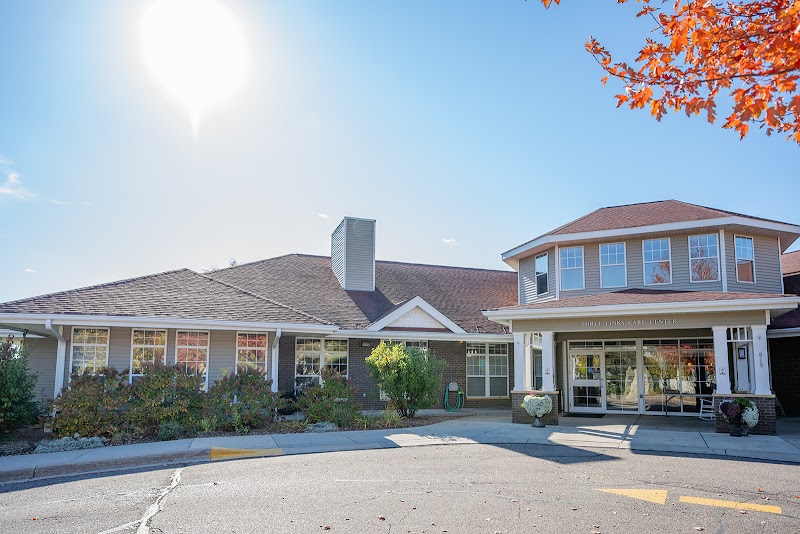
Three Links Care Center
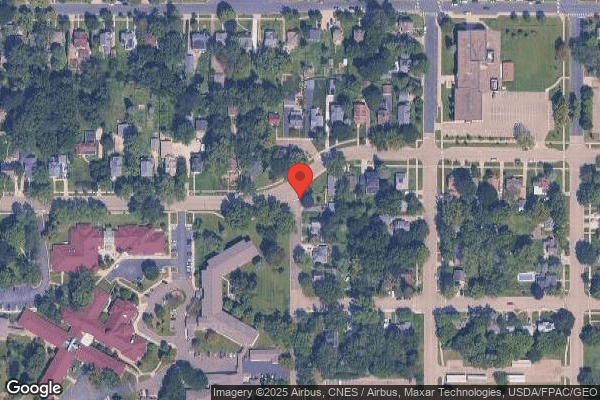
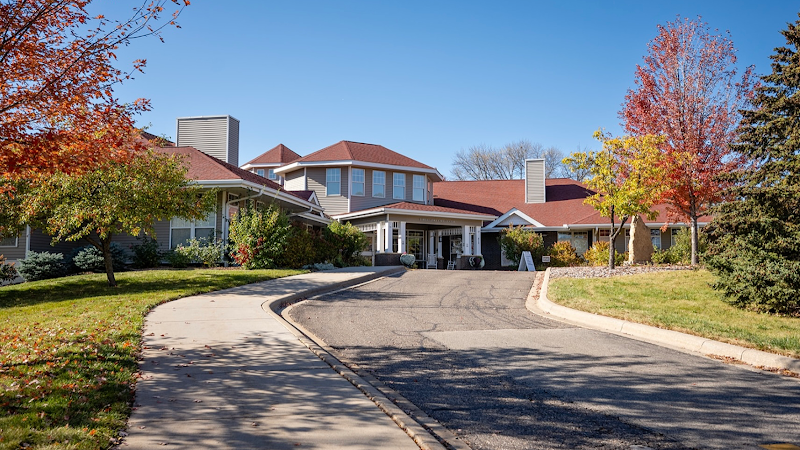
815 FOREST AVENUE, NORTHFIELD, MN 55057 (507) 664-8800
Non profit - Corporation 92 Beds ST. FRANCIS HEALTH SERVICES Data: November 2025 1 Immediate Jeopardy citation
Trust Grade
71/100
#82 of 337 in MN
Last Inspection: July 2025

Inspected within the last 6 months. Data reflects current conditions.

Overview

Three Links Care Center has received a Trust Grade of B, which indicates it is a good choice for families seeking care. It ranks #82 out of 337 nursing homes in Minnesota, placing it in the top half of facilities statewide, and is the best option among the two homes in Rice County. The facility is showing improvement, having reduced its issues from 8 in 2024 to 4 in 2025. Staffing is strong, with a 5-star rating and a turnover rate of 41%, which is slightly below the state average. However, it has faced some concerning incidents, including a critical failure to provide adequate assistance during resident transfers, which resulted in a serious injury requiring hospitalization. Additionally, there were issues with food storage that could lead to cross-contamination, and the facility did not consistently honor residents' bathing preferences. Overall, while there are strengths in staffing and care quality, families should be aware of these past incidents when considering this facility.
Trust Score
B
71/100
In Minnesota
#82/337
Top 24%
Safety Record
High Risk
Review needed
Inspections
Getting Better
8 → 4 violations
Staff Stability
○ Average
41% turnover. Near Minnesota's 48% average. Typical for the industry.
Penalties
○ Average
$12,649 in fines. Higher than 59% of Minnesota facilities. Some compliance issues.
Skilled Nurses
✓ Good
Each resident gets 69 minutes of Registered Nurse (RN) attention daily — more than 97% of Minnesota nursing homes. RNs are the most trained staff who catch health problems before they become serious.
Violations
⚠ Watch
15 deficiencies on record. Higher than average. Multiple issues found across inspections.
★★★★★
5.0
Overall Rating
★★★★★
5.0
Staff Levels
★★★★☆
4.0
Care Quality
★★★★☆
4.0
Inspection Score
Stable
2024: 8 issues
2025: 4 issues

The Good

  • 5-Star Staffing Rating · Excellent nurse staffing levels
  • 4-Star Quality Measures · Strong clinical quality outcomes
  • Full Sprinkler Coverage · Fire safety systems throughout facility
  • No fines on record
  • Staff turnover below average (41%)

    7 points below Minnesota average of 48%

Facility shows strength in staffing levels, quality measures, fire safety.

The Bad

Staff Turnover: 41%

Near Minnesota avg (46%)

Typical for the industry

Federal Fines: $12,649

Below median ($33,413)

Minor penalties assessed

Chain: ST. FRANCIS HEALTH SERVICES

Part of a multi-facility chain

Ask about local staffing decisions and management

The Ugly 15 deficiencies on record

1 life-threatening
Jul 2025 4 deficiencies
CONCERN (D)

Potential for Harm - no one hurt, but risky conditions existed

Deficiency F0561 (Tag F0561)

Could have caused harm · This affected 1 resident

**NOTE- TERMS IN BRACKETS HAVE BEEN EDITED TO PROTECT CONFIDENTIALITY** Based on interview and document review, the facility failed to ensure resident choices for bathing preferences were assessed and...

Read full inspector narrative →
**NOTE- TERMS IN BRACKETS HAVE BEEN EDITED TO PROTECT CONFIDENTIALITY** Based on interview and document review, the facility failed to ensure resident choices for bathing preferences were assessed and honored for 1 of 1 residents (R1) reviewed for choices. Findings Include: R1's admission Minimum Data Set (MDS), dated [DATE], indicated R1 had intact cognition with no hallucinations or delusions. The assessment indicated R1 needed moderate staff assistance with dressing, toileting hygiene, personal hygiene and footwear. On 7/28/25 at 6:33 p.m., R1 stated that she preferred to have a shower in the evening. R1 stated the facility had always given her showers during the day except for one time when they did not have time to complete it during the day and gave her a shower in the evening. R1 stated how much she enjoyed the shower in the evening and I have told everybody how much I liked the shower in the evening. R1's care plan, printed 7/29/25, identified the following: -Resident preferences will be considered when providing care with the following preferences: bedtime preference of 10 p.m., music preference of inspirational/religious the importance of being around animal such a s pets was very important. - BATHING/SHOWERING: I am able to: Limited A-1 with 2WW and gait belt- HS ROUTINE: I am a night owl. I prefer to call for assistance when I am ready for bed. On 7/29/25 at 11:34 a.m., licensed practical nurse (LPN)-C provided a copy of the shower/bath schedule and stated this was the schedule the facility used for resident showers/baths. Facility shower schedule, printed 7/29/25, identified R1 prefers shower only and R1's showers were offered weekly on Mondays. The facility shower schedule lacked identification of R1's preference for an evening shower. Furthermore, the shower schedule indicated, Day bath aide 6-2pm and any leftover baths would be coordinated with evening staff to complete, and the nurse would continue to do weekly bath audits day/eves. R1's July 2025 medication and treatment administration record (MAR), printed 7/29/25, identified the following order:-Total body skin assessment every Monday AM (day) shift starting 5/26/25. Per record, was completed 7/7/25, 7/21/25, and 7/28/25. On 7/14/25, it was documented with a 9 which indicated other/see progress notes. R1's Resident Preferences Evaluation, dated 5/29/25, identified R1 had a sponge bath bathing preference. Furthermore, the assessment indicated R1 preferred an afternoon or evening time of day for bathing. R1's progress notes, dated 5/22/25 to 7/29/25, were reviewed. R1's progress notes, dated 5/29/25, indicated a resident preference evaluation had been completed which identified R1 preferred to bathe in the afternoon or evening and preferred a sponge bath. The progress notes lacked evidence of any additional conversations of R1's preferences or how the facility was going to help meet resident's preferences. During an interview on 7/30/25 at 8:55 a.m., nursing assistant (NA)-D stated that she did majority of the showers for residents in the facility. NA-D stated the shower schedule was determined by the care coordinators and the days were set, typically, by room numbers. NA-D stated when residents moved into the facility they were assessed to determine if they preferred day or evening showers or if they preferred baths or showers. NA-D stated there were no residents who had a preference for evening showers. NA-D stated she did as many showers as she could during the day but occasionally, she was unable to complete a shower and then it got done in the evening, but the showers were not scheduled in the evenings. NA-D reviewed the shower schedule and verified there was not an identified preference for R1 to have an evening or afternoon shower. NA-D stated R1 got one shower a week on Mondays and preferred to have a shower, not a bath. NA-D stated she had always given R1 her showers in the mornings and verified she has given R1 almost 75% of her showers. During an interview on 7/30/25 at 11:45 a.m., registered nurse coordinator (RN)-B stated an assessment was completed on admission to identify resident preferences. RN-B stated if a preference for bathing times was identified, the information would be passed along to the rest of the team and the bath schedule would be updated. RN-B stated she was aware of one resident that preferred an evening bath and verified it was not R1. RN-B reviewed Resident Preferences Evaluation, dated 5/29/25 and verified R1 had identified a preference for an afternoon/evening sponge bath. RN-B stated some of the assessment forms had changed since May, the life enrichment department had completed this assessment, and she was not aware of this. RN-B stated since the preference had been identified during an assessment, the expectation would be R1 would be offered her bathing preference in the afternoon or evening. During an interview on 7/31/25 at 8:59 a.m., life enrichment director (LED) verified she completed the Resident Preference Evaluation for R1 on 5/29/25. LED stated this was a newer form for the facility. LED reviewed the form and verified R1 had identified a bathing preference. LED stated she had not passed this information along as this was information nursing had always evaluated, and she thought nursing had this information. LED stated the facility had newer forms and it has been a learning process, and the facility was working on new processes to increase communication with the team to ensure preferences were met. During an interview on 7/31/25 at 10:35 a.m., director of nursing (DON) stated the expectation would be for the facility to do everything they could to honor a resident's identified preference. DON stated they had recently switched some assessments, and some of the preferences (bathing preferences) were previously assessed by nursing and were switched to the activity assessment and they were working through this. A facility policy titled Dignity, revised 4/17/23, was provided. Policy indicated reasonable accommodation of the resident's needs, preferences (including sexual), and physical limitations will be directed towards assisting the resident in maintaining independent function, dignity and well-being. A policy on resident preferences/choices was requested and not received.
CONCERN (D)

Potential for Harm - no one hurt, but risky conditions existed

Assessment Accuracy (Tag F0641)

Could have caused harm · This affected 1 resident

**NOTE- TERMS IN BRACKETS HAVE BEEN EDITED TO PROTECT CONFIDENTIALITY** Based on interview and document review, the facility failed to ensure the Minimum Data Set (MDS) was accurately coded, with the ...

Read full inspector narrative →
**NOTE- TERMS IN BRACKETS HAVE BEEN EDITED TO PROTECT CONFIDENTIALITY** Based on interview and document review, the facility failed to ensure the Minimum Data Set (MDS) was accurately coded, with the potential for inaccurate federal reimbursement and resident care planning for 1 of 5 residents (R48) reviewed for MDS accuracy. Findings include:The Centers for Medicare & Medicaid Services (CMS) Long-Term Care Facility Resident Assessment Instrument 3.0 User's Manual, dated 10/2024, indicates clinical standards do not support reverse staging or back-staging as a way to document healing as it does not accurately characterize what is occurring physiologically as the ulcer heals, as the tissues lost will never be replaced with the same type of tissue (page M-7). The manual instructs that once a pressure ulcer is healed, it should be documented as a healed pressure ulcer at its highest numerical stage, as it would remain at an increased risk for future breakdown and require continued monitoring and preventative care (page M-8). The manual indicates that a previously closed pressure ulcer that reopens should be reported at its worst stage, unless currently presenting at a higher stage or unstageable (page M-7). The manual indicates that healed versus unhealed ulcers in the section refer to whether or not an ulcer is closed versus open (page M-2). The manual further defined a healed pressure ulcer as completely closed, fully epithelialized [to be covered by the tissue type typically making up the outer layer of healthy skin], covered completely with epithelial tissue or resurfaced new skin (page M-2).R48's quarterly Minimum Data Set (MDS) dated [DATE], indicated R48 had one stage two pressure ulcer that was not present on admission and no stage three pressure ulcers. R48's provider note dated 3/11/25, indicated the provider was able to visualize the depth of the wound, and R48 had a stage 3 pressure ulcer on her right foot between her toes. R48's wound note dated 6/19/25, indicated R48 had a recurrent stage two pressure ulcer on her right foot between her great and second toe that was currently unhealed with the presence of slough and increased drainage. R48's progress note dated 6/24/25, indicated the wound between the toes on the right foot remained open. R24's Comprehensive Skin Risk assessment dated [DATE], indicated R48 had a healed stage two pressure ulcer on her right foot between her right and second toe as the area was scabbed. During an interview on 7/29/25 at 1:27 p.m., registered nurse (RN)-C stated R48 had a recurrent skin injury that was between the great and next toe on her right foot. RN-C reviewed his notes and stated that the last time he saw that the wound was open was on 7/11/25.During an interview on 7/30/25 at 8:12 a.m., RN-D, an MDS coordinator, confirmed she had completed R48's latest quarterly MDS. RN-D confirmed R48's wound had not been healed at the time of assessment. RN-D stated she had coded the wound as a stage two but had not realized at the time that R48 previously had a stage three pressure ulcer in that spot. RN-D stated that usually, when someone has a pressure ulcer, they will add a diagnosis indicating this to the diagnosis list. RN-D stated that this was not completed, so she had not realized R48 previously had a stage three pressure ulcer in that same spot. RN-D stated that if she had known, she would have coded the wound as a stage three. During an interview on 7/30/25 at 12:46 p.m., nurse practitioner (NP)-A stated she had assessed R48's right foot pressure ulcer when it had first been found multiple months ago and had staged it as a stage three related to the wound's depth. NP-A stated the wound was between R48's in the crease between her first and second toe, was caused by pressure from her contracture, and had since recurred in the same spot. During an interview on 7/31/25 at 10:29 a.m., the director of nursing (DON) stated she would defer questions regarding the MDS to the MDS coordinator.The Facility's MDS 3.0 Assessment policy dated 8/20/24, indicated all interdisciplinary team members involved in completing portions of the MDS record must review and under the current version of the RAI user's manual. The policy indicated the MDS coordinator was responsible for conducting audits to identify errors and make appropriate corrections during the encoding period to ensure accurate information was submitted.
CONCERN (D)

Potential for Harm - no one hurt, but risky conditions existed

ADL Care (Tag F0677)

Could have caused harm · This affected 1 resident

**NOTE- TERMS IN BRACKETS HAVE BEEN EDITED TO PROTECT CONFIDENTIALITY** Based on observation, interview, and record review, the facility failed to maintain the dignity of 1 of 2 residents (R31) review...

Read full inspector narrative →
**NOTE- TERMS IN BRACKETS HAVE BEEN EDITED TO PROTECT CONFIDENTIALITY** Based on observation, interview, and record review, the facility failed to maintain the dignity of 1 of 2 residents (R31) reviewed who were cognitively impaired and had facial hair. Findings include:R31's admission Minimum Data Set (MDS) assessment dated [DATE], identified admission to the facility on 7/10/25, with diagnoses of non-Alzheimer's dementia, arthritis, depression, and cataracts. R31 had moderate cognitive impairment, used a wheelchair for mobility, required substantial assistance from staff for hygiene to include combing hair, shaving, washing/drying face and hands, baths, showers, and oral hygiene.R31's care plan dated 7/10/25, identified activity of daily living (ADL) interventions for bed mobility, oral cares, toilet use, transfers, bathing and showering, dressing and eating. Bathing and showers required a mechanical lift with assist of two staff for transfers. The plan lacked interventions to address shaving or grooming facial hair. A care sheet for July 2025 lacked documentation R31 received any type of grooming or shaving facial hair.R31's behavior assessment report dated 7/17/25, identified no physical or verbal behaviors were directed towards staff.R31's N-Adv ADL Only report (a report in the electronic medical record used by nursing staff to review or audit documentation related to ADL's which are key for MDS assessments) dated 7/17/25, identified extensive assistance for personal cares.R31's N-Adv Resident Preferences Evaluation report, dated 7/17/25, indicated an interview for daily and activity preferences was not conducted. The first question on the evaluation was, should interview for daily and activity preferences be conducted and a box was checked NO. The questions on the evaluation were used to identify resident preferences, for example, time of day for bathing, dressing, or bedtime.R31's weekly bath log dated 7/15/25 and 7/29/25, indicated R31 received a bath and included a field to document the cleaning of a shaver. The report lacked documentation a shaver was cleaned.R31's admission care conference report dated 7/22/25, identified total assist with all ADLs.R31's Kardex dated 7/29/25, identified cares but lacked information that addressed grooming or shaving facial hair.During an observation on 7/28/25 at 5:01 p.m., R31 had several white chin hairs, approximately 1/4 inch long and a full white mustache. During an observation on 7/29/25 at 11:50 p.m., R31's chin hairs were still present after a bath.During an interview on 7/29/25 at 12:33 p.m., licensed practical nurse (LPN)-A stated R31 had a bath this morning and it was always on Tuesday mornings. During an interview on 7/29/25 at 12:37 p.m., nursing assistant (NA)-B stated R31's bath was given that morning and they would shave her chin hair, if asked. NA-B stated they believed residents had to bring in their own shaver and R31 did not have her own, so they wouldn't do it. NA-B confirmed R31 had chin hair and a mustache but did not have a shaver. During an interview on 7/29/25 at 12:40 p.m., nursing assistant (NA)-A stated residents needed to supply their own razors, and NA-A was aware of one female resident with a razor and wanted to be shaved. NA-A indicated most residents who refused to be shaved had documentation on the care plan. NAs document baths in the tub book binder located in each tub room and if residents were shaved, NAs document the shaver was cleaned.During an interview on 7/29/25 at 12:44 p.m., NA-B reviewed the tub book and verified R31 received a bath on 7/15/25. The column with clean shaver was marked with a straight line indicating the task was not completed. NA-B verified a bath was completed today, 7/29/25, but not charted in the tub book, but would be before the end of the shift. NA-B verified that R31 was not shaved during their baths. During an interview on 7/29/25 at 12:45 p.m., R31 was unable to state if facial hair bothered her.During an interview on 7/29/25 at 1:25 p.m., family member (FM)-A stated R31 would be bothered by having facial hair and used to tweeze chin hairs. R31 has been confused but they would expect the facility to take care of facial hair during baths.During an interview on 7/30/25 at 7:27 a.m., registered nurse (RN)-A stated the expectation was female facial hairs were plucked or shaved during their bath. Usually the assessment identified resident preferences, but if it was not documented that a resident refused it was expected to be done during their bath. The resident must supply a razor. During an interview on 7/30/25 at 9:01 a.m., nursing assistant (NA)-C verified R31 had hair above her lip (mustache) and several white chin hairs approximately 1/4 inch long. NA-C verified there was not a razor in R31's room but stated R31 would not refuse shaving if it was offered. During an interview on 7/31/25 at 10:42 a.m., the ADON stated the facility had personal care items available upon admission, but the family would need to supply specialty items. Bath aides should be offering shaving for female residents, and if a resident wanted to be shaved, the family was asked to bring in an electric razor. If a resident did not have family, they could work with the clinical coordinators for donations but wouldn't leave a resident unshaved unless it was their preference. The ADON stated she was unaware the aids were not shaving females if there wasn't a razor in the room.A policy for ADL's was requested but not received.
CONCERN (D)

Potential for Harm - no one hurt, but risky conditions existed

Infection Control (Tag F0880)

Could have caused harm · This affected 1 resident

**NOTE- TERMS IN BRACKETS HAVE BEEN EDITED TO PROTECT CONFIDENTIALITY** Based on observation, interview, and document review, the facility failed to ensure enhanced barrier precautions (EBP) were foll...

Read full inspector narrative →
**NOTE- TERMS IN BRACKETS HAVE BEEN EDITED TO PROTECT CONFIDENTIALITY** Based on observation, interview, and document review, the facility failed to ensure enhanced barrier precautions (EBP) were followed for 1 of 2 residents (R3) reviewed for infection control related to the management of a tube feeding.Findings include:R53's quarterly Minimum Data Set (MDS) dated [DATE], indicated R53 was cognitively intact, and had no behaviors or hallucinations. MDS also indicated R53 had difficulty swallowing and received enteral feeding via a tube.R53's Clinical Diagnosis Report dated 7/31/25, indicated dysphagia following cerebral infarction, pharyngeal dysphagia, diverticulum of esophagus, gastrostomy, anxiety and gastro esophageal reflux.R53's Clinical Orders Report indicated R53 had orders for enteral feeding, medications via tube feeding, and nothing per mouth. Orders Report also indicated special instructions for EBP.R53's care plan printed on 7/31/25, titled feeding tube, directed staff to use infection control precautions and related techniques following the manufacture recommendations when stopping, starting, flushing, and giving medications through the feeding tube.During observation on 7/28/25 at 3:28 p.m., a sign posted on R53's door indicated R53 was under EBP and identified staff must wear gloves and a gown for high contact resident care activities including cares or use of the feeding tube. During observation on 7/28/25 at 3:33 p.m., registered nurse (RN)-E entered R53's room, washed her hands, put on gloves, but did not put on a gown. RN-E explained to R53 she was scheduled to received Tylenol, a water flush, and it was time to start her tube feeding. RN-E did not wear a gown throughout these procedures.During interview on 7/28/25 at 4:11 p.m., RN-E stated I was supposed to wear a gown, and I did not. I just forgot. RN-E stated R53 was on EBP precaution because she had a tube feeding and was at risk for infections.During interview on 7/31/25 at 9:40 a.m., nursing assistant (NA)-E stated staff did yearly training online, and throughout the year they did specific training for different infections. NA-E added, we just had additional training last week about standard precautions. There are signs posted in the residents' doors instructing staff to wear protective equipment like gowns, gloves, and sometimes masks. We need to read the signs before we enter the rooms to make sure we don't spread infections. We must wear the equipment to prevent giving something to the patients that are already compromised and to protect ourselves.During interview on 7/31/25 at 9:47 a.m., licensed practical nurse (LPN)-E, stated when a resident received medications through a tube feeding, he or she would be on enhanced barrier precautions. We will need to wash our hands, wear gloves and gown to prevent the spread of infections. We receive infection control education at least a couple times a year and at every nurses monthly meeting we talk about it.During interview on 7/31/25 at 9:54 a.m., assistant director of nursing/infection control nurse (ADON) stated, RN-E was supposed to wear a gown while caring for R53 because R53 had a tube feeding and the nurse administered a medication, flushed the tube with water and started R53's tube feeding. ADON stated the EBP was in place to protect R53 from infection or bacteria, and to protect the staff, as it was an infection control concern for the resident.Facility policy titled Enhanced Barrier Precautions dated 8/20/2024 indicated facility will apply EBP to prevent the spread of multidrug-resistant organisms (MDROs). Policy indicated EBPs shall be used when providing high contact care to residents who are colonized or are infected with an MDRO when contact or other precautions do not apply. EBP should also be used for residents with chronic wound and/or indwelling medical devices (e.g., urinary catheters, feedings tubes, central lines, tracheostomy).
May 2024 8 deficiencies
CONCERN (D)

Potential for Harm - no one hurt, but risky conditions existed

Deficiency F0554 (Tag F0554)

Could have caused harm · This affected 1 resident

**NOTE- TERMS IN BRACKETS HAVE BEEN EDITED TO PROTECT CONFIDENTIALITY** Based on observation, interview, and document review, the facility failed to comprehensively re-assess for safe self-administrat...

Read full inspector narrative →
**NOTE- TERMS IN BRACKETS HAVE BEEN EDITED TO PROTECT CONFIDENTIALITY** Based on observation, interview, and document review, the facility failed to comprehensively re-assess for safe self-administration of medication given via a nebulizer for 1 of 1 residents (R37) reviewed for self-adminstration of medications. Findings include: R37's quarterly Minimum Data Set (MDS) dated [DATE], indicated R37 had intact cognition and was diagnosed with respiratory failure and Chronic Obstructive Pulmonary Disease (COPD- incurable lung disease causing breathlessness, frequent coughing, and chest tightness). The MDS indicated that R37 was receiving hospice services. R37's Self Administration of Inhaled Medications assessment dated [DATE] and 5/14/24, indicated R37 was able to demonstrate correct administration of medication via a nebulizer after staff set-up. R37's Self Administration of Inhaled Medications assessment dated [DATE], indicated R37 was able to correctly demonstrate how to use a nebulizer but due to staff reports of R37 falling asleep while completing the medication administration, he is not administering medication safely. The assessment indicated the nurse would now need to observe R37's nebulizer treatments. R37's order summary indicated R37 dated 5/22/24, included the following orders: -Dated 6/28/23, one vial of ipratropium-albuterol inhalation solution (medication used to relax and open the airways) via a nebulizer six times a day for shortness of breath. -Dated 7/5/23, 2.5 milligrams of albuterol sulfate inhalation solution (medication used to relax and open the airways) via a nebulizer for shortness of breath 12 times a day. -Dated 8/13/23, R37 would like to self-administer nebulizer treatment so staff should set up the treatment and staff were to update hospice or the care coordinator with concerns. -Dated 5/22/24, indicated R37 was not consistent while self-administering his medication via a nebulizer and was occasionally falling asleep during treatment. The order indicated the nurse/trained medication aide was to observe R37's nebulizer treatments. During an observation on 5/20/24 at 6:42 p.m., R37 was observed sitting in his recliner appearing to be asleep. R37 had an audibly running handheld nebulizer that was upside down, as his hand with his nebulizer had fallen to his lap. The nebulizer medication cup appeared half full of a solution. During an interview on 5/20/24 at 6:44 p.m., licensed practical nurse (LPN)-A stated she had set up R37's nebulizer with the ipratropium-albuterol inhalation solution but R37 was able to complete the treatment by himself after set-up. LPN-A stated she had observed R37 fall asleep while completing the nebulizer treatment in the past, but she was unsure who completed the assessment to determine if R37 was safe to self-administer the medication. During an interview on 5/22/24 at 10:24 a.m., registered nurse (RN)-C, the hospice nurse, stated it was very common for R37 to fall asleep during his nebulizer treatments and it had been occurring since he was admitted to this facility in 2023. RN-C stated R37 would take his oxygen cannula off while completing the nebulizer treatments and then R37 would fall asleep, the nebulizer would fall out of his mouth, and his oxygen saturation would lower quickly but RN-C did not normally stay with R37 while he completed his treatments. RN-C stated he had thought R37 falling asleep during nebulizer treatments was a known occurrence but it was hard for nursing staff to stay with R37 during these treatments as he had 18 of them a day and took a significant amount of time to complete. During an interview on 5/22/24 at 2:09 p.m., RN-A, the nurse manager, stated she was in charge of assessing if residents could safely self-administer medications. RN-A stated floor staff had not informed her of R37 falling asleep while completing nebulizer treatments. RN-A stated R37 completed nebulizer treatments during the day and night and she had previously completed the assessment during the day so she was unsure if he was falling asleep while administering the medication at night. During an interview on 5/23/24 at 9:53 a.m., the director of nursing (DON) stated she would have expected the nursing staff to alert the nurse manager if R37 was falling asleep during treatment so methods for safe administration could have been developed after re-assessment. The DON stated it was important for nursing staff to ensure R37 was receiving these medications properly so R37 could receive the full benefits of the medication. The facility's Self-Administration of Medications by Residents policy dated 5/1/24, indicated if a resident wished to self-administer medications, facility staff would assess their ability to do so and document the findings. The policy indicated that a periodic re-assessment of the resident's continued appropriateness for self-administration would be completed. If it was determined to be unsafe for the resident to self-administer the medication, options for safe administration of the medication would be assessed.
CONCERN (D)

Potential for Harm - no one hurt, but risky conditions existed

Deficiency F0561 (Tag F0561)

Could have caused harm · This affected 1 resident

**NOTE- TERMS IN BRACKETS HAVE BEEN EDITED TO PROTECT CONFIDENTIALITY** Based on interview and document review, the facility failed to ensure identified preferences for bathing routines (i.e., twice w...

Read full inspector narrative →
**NOTE- TERMS IN BRACKETS HAVE BEEN EDITED TO PROTECT CONFIDENTIALITY** Based on interview and document review, the facility failed to ensure identified preferences for bathing routines (i.e., twice weekly) were honored to promote quality of life and resident' choice for 1 of 2 residents (R7) reviewed for choices during the survey. Findings include: R7's quarterly Minimum Data Set (MDS), dated [DATE], identified R7 had intact cognition. On 5/20/24 at 2:09 p.m., R7 was interviewed, and she expressed frustration with her bathing routine adding, I was getting two baths a week but now they [staff] told me I'd only be getting one. R7 stated staff told her this a few weeks prior and she was not given a reason for the reduced bathing schedule, at least to her recall. R7 reiterated she wanted her second (in a week) bath re-scheduled adding, That would be nice. R7 stated she assumed they reduced it due to a lack of staff adding, They got so many people [other residents] here. R7's care plan, dated 4/10/24, identified R7 needed assistance with activities of daily living (ADLs) due to weakness and difficulty with mobility. The care plan outlined R7 needed extensive assistance to complete bathing which had a recorded frequency, Weekly. The intervention was initiated 4/12/24. R7's most recent Resident Care Conference Summary - V7, dated 4/27/24, identified R7 had a care conference on 4/17/24, along with multiple sections provided and completed by various medical disciplines (i.e., social services, nursing). This summary outlined R7 and registered nurse manager (RN)-A both attended the care conference along with a section labeled, Care Plan, which had several responses listed and corresponding checkmarks placed next to the staff' recorded response. This included a checkmark placed next to, Personal preferences reviewed/updated. However, the summary lacked any more specific information on what preferences were reviewed, explained or what, if any, updates to them were made with corresponding rationale. When interviewed on 5/21/24 at 1:17 p.m., nursing assistant (NA)-A stated the facility used a bath aide who completed most baths for R7. On 5/21/24 at 2:42 p.m., RN-A and RN-B were interviewed. RN-A verified they had reviewed the facility' current bath schedule and R7 was scheduled for only a weekly bath. RN-A stated R7 had been scheduled for a twice weekly bath and, to their knowledge, should still be adding they guessed staff may have brought it upon themselves to remove the second one. RN-A stated they were unsure exactly when or why the second scheduled bath had been removed adding, I thought she was still getting it. RN-A explained bathing schedules were reviewed with each resident upon admission and reiterated R7 was supposed to be getting two baths a week adding such was also an intervention for R7's skin issues. RN-A stated they would follow-up with R7's normal bath aide when they returned to work about why the second bath had been removed. RN-A and RN-B verified bath schedule changes, such as going from two a week to once weekly, were typically for the most part done by them and reiterated they would investigate the concern with R7's bath schedule. A provided bath schedule, untitled or dated, listed multiple residents names, including R7, along with a header reading, Wednesday. This verified R7 was only getting a weekly bath. Further, the listing identified bolded wording at the bottom, Do not change bath schedule. Update CC [mangers] with concerns. A provided listing, untitled, outlined R7's completed baths with spaces to record the date, weight, and corresponding staff initials. This identified R7 received a bath on 4/3/24, 4/6/24, and 4/10/24. Then, after 4/10/24, the written dates were listed as 4/17/24, 4/24/24, 5/1/24, 5/8/24, and 5/15/24 (i.e., once weekly). The form lacked any written evidence demonstrating rationale for the removal of the second bath nor evidence R7 had consented to such. Further, R7's medical record was reviewed and lacked evidence or justification for the removal of the second bath as had been in place and verified by nursing leadership (i.e., RN-A) as being an intervention for R7. A provided Person Centered Care Planning policy, dated 4/2023, identified the care center would develop a care plan consistent with resident's rights and needs. A facility' policy on choices and bathing preferences was requested, however, none was received.
CONCERN (D)

Potential for Harm - no one hurt, but risky conditions existed

Deficiency F0569 (Tag F0569)

Could have caused harm · This affected 1 resident

Based on interview and document review, the facility failed to ensure resident' trust account balances above the state-required supplemental security income (SSI) threshold (i.e., $3,000) were identif...

Read full inspector narrative →
Based on interview and document review, the facility failed to ensure resident' trust account balances above the state-required supplemental security income (SSI) threshold (i.e., $3,000) were identified and acted upon to ensure ongoing coverage and reduce the risk of complication for 2 of 2 residents (R13, R42) reviewed who had balances exceeding the threshold. Findings include: A Minnesota Medical Assistance Treatment of Assets and Income, dated 9/2023, identified a person with medical assistance (i.e., Medicaid) living in a nursing home must contribute most of their income towards the cost of such care. The article outlined, The MA [medical assistance] asset limit is $3,000 for an individual and $6,000 for a couple, plus $200 for each dependent. A provided Trial Balance list, dated 5/22/24, identified all resident' trust accounts and their subsequent balances for the care center. This list identified R13 had an active balance recorded, [$]14,648.82, and R42 had an active balance recorded, [$]12,740.57. R13's Clinical Census, printed 5/23/24, identified R13 had a current payer source recorded, Medicaid, with an effective date listed, 6/10/2024. However, R13's medical record was reviewed and lacked evidence any attempt to reduce the assets (i.e., spend down) had been discussed or attempted to ensure the Medicaid coverage was not terminated due to being over the SSI threshold. R42's Clinical Census, printed 5/23/24, identified R42 had a current payer source recorded, Medicaid, with an effective date listed, 10/1/2023. However, R42's medical record was reviewed and lacked evidence any attempt to reduce the assets had been discussed or attempted to ensure the Medicaid coverage was not terminated due to being over the SSI threshold. On 5/22/24 at 12:11 p.m., accountant (A)-A was interviewed and verified they were responsible for the resident' accounts. A-A explained the role and management of them had been handed off to them at the end of 2023, and the care center was actively working to change banking institutions. A-A acknowledged R13 and R42 had balances in excess of ten-thousand dollars, and stated R42's family had recently contacted them about the excessive amount and possibly needing to spend down. However, A-A stated this had not, to their knowledge, been acted upon yet to actually facilitate a spend down as they were unaware exactly what had to be done adding, Nobody filled me in. A-A stated they were unsure exactly what, if any, limits on personal asset or cash were allowable under Minnesota Medicaid law adding, [Someone] mentioned they [residents] needed to be at a certain limit but I never really knew what that limit was. A-A stated they were unsure if anyone had approached or discussed the need of a spend-down with either R13 or R42. On 5/22/24 at 12:45 p.m., a telephone call was attempted with each R13 and R42's family. However, neither of them were able to be reached and a return call was never received. On 5/23/24 at 8:37 a.m., R13 was interviewed, and stated he resided at the care center for going on three years now and handled his own statements and, if needed, signed his own documents still but with some input and oversight by his family member. R13 verified he was on Medicaid and stated nobody, to his recall, had ever discussed the current balance, or a subsequent spend-down of it, with him. R13 stated he was surprised to learn the account had so much in it and expressed aloud, What am I supposed to do? R13 stated he wasn't sure what, if any, items he could purchase to spend-down the funds but added, I'm sure I could find something. On 5/23/24 at 9:56 a.m., the administrator was interviewed and stated they had a telephone call placed to the social worker about R13 and R42's balances, but had not followed up on it thus far. At 10:06 a.m., A-A joined the interview and stated the care center being transitioned to a new management company combined with them seeking a new banking institution for the trust funds may have contributed to the confusion on the spend-down not happening. A-A stated they reviewed the funding sources and expressed R13 and R42's funds had likely been building awhile prior to it being identified by the survey team. A-A stated they had not typically been reviewing the balances for amounts (i.e., over $3,000) but would moving forward. The administrator stated the social services department would reach out to R13 and R42's families and ensure the funds were spent down timely. A provided Resident Trust Accounts/Funds policy, dated 4/2020, identified
CONCERN (D)

Potential for Harm - no one hurt, but risky conditions existed

Comprehensive Care Plan (Tag F0656)

Could have caused harm · This affected 1 resident

**NOTE- TERMS IN BRACKETS HAVE BEEN EDITED TO PROTECT CONFIDENTIALITY** Based on interview and document review, the facility failed to ensure a comprehensive care plan was developed to reflect assesse...

Read full inspector narrative →
**NOTE- TERMS IN BRACKETS HAVE BEEN EDITED TO PROTECT CONFIDENTIALITY** Based on interview and document review, the facility failed to ensure a comprehensive care plan was developed to reflect assessed needs and interventions with pain relief for 1 of 2 residents (R7) reviewed for pain management. Findings include: R7's quarterly Minimum Data Set (MDS), dated [DATE], identified R7 had intact cognition and demonstrated no delusional behaviors. Further, the MDS outlined R7 consumed a schedule pain medication, received non-pharmacological interventions for pain, and occasionally complained of pain (including with affect on activities and sleep) during the review period. On 5/20/24 at 2:17 p.m., R7 was interviewed and expressed they had pain in their left leg from a fall weeks prior. R7 stated, It aches in this leg. R7 stated they were unsure if the physician was aware of it or not, and expressed the pain was worse with movement. R7 stated they were unsure if staff were aware of her pain or not adding, I don't know. R7's most recent Pain Data Collection - V9, dated 3/22/24, identified R7 had osteoarthritis and an active pressure injury which could cause pain. A pain assessment interview was completed, where R7 identified having pain in her buttocks, lower back and right foot. R7 rated this as happening, Occasionally, with some effect on sleep and activities. R7 was recorded as consuming scheduled pain medications, including a narcotic (i.e., Tramadol), and listed some non-medication interventions to be done including repositioning, offloading, and heel boot use. However, R7's electronic care plan, last reviewed 4/10/24, lacked any developed problem statements, goals, or what, if any, interventions were being done for R7's assessed pain. When interviewed on 5/21/24 at 1:17 p.m., nursing assistant (NA)-A stated they had worked with R7 multiple times and verified R7 did, at times, complain of pain to them adding, She does. NA-A explained the staff use a mechanical lift to transfer R7 and, usually mid-transfer, R7 would state, OK, that's enough. NA-A stated R7 was good at letting me know about pain. NA-A stated the care center used to have more consistent staffing but lately it had been a lot of different people [i.e., agency] throughout the week. Further, NA-A stated nurses would typically communicate interventions to them using a verbal report and through the electronic [NAME] on the computers. On 5/21/24 at 2:42 p.m., registered nurse managers (RN)-A and RN-B were interviewed. RN-A verified they had reviewed R7's care plan and it lacked a pain statement or subsequent interventions adding, You busted me. RN-A stated R7's assessed pain, and subsequent interventions, should have been care-planned adding they were not sure how it had been missed. RN-A stated R7 was very arthritic and anytime she moves or stands up, her bones crack. RN-A verified the care plan, including the interventions, pulled to the NA [NAME] and expressed they use the care plan like a tool to help ensure some interventions get signed off, too. RN-A and RN-B both verified a care plan was important to have developed and updated as it was like the bible and a guide to taking care of the patient. A provided Person Centered Care Planning policy, dated 4/2023, identified the care center would develop a comprehensive person-centered care plan which included measurable objectives and timeframes to meet specific goals and needs. The comprehensive care plan was to be developed within seven days of completion of the MDS and should describe the services to be furnished to the resident adding, Care plans are avalable to staff using the electronic medical record (EMR) system.
CONCERN (D)

Potential for Harm - no one hurt, but risky conditions existed

Deficiency F0688 (Tag F0688)

Could have caused harm · This affected 1 resident

**NOTE- TERMS IN BRACKETS HAVE BEEN EDITED TO PROTECT CONFIDENTIALITY** Based on observation, interview, and document review, the facility failed to comprehensively assess for range of motion (ROM) af...

Read full inspector narrative →
**NOTE- TERMS IN BRACKETS HAVE BEEN EDITED TO PROTECT CONFIDENTIALITY** Based on observation, interview, and document review, the facility failed to comprehensively assess for range of motion (ROM) after a significant change for 1 of 1 residents (R31) evaluated for limited mobility. Findings include: R31's significant change Minimum Data Set (MDS) dated [DATE], indicated R31 had severe cognitive impairment with no history of behaviors or rejection of cares. R31 had ROM impairment to one upper extremity, no ROM impairment to lower extremities, and was dependent on staff for all activities of daily living (ADLs). R31's diagnoses included unspecified dementia, traumatic brain injury and contracture of left hand. R31's care plan printed 5/22/2024, indicated R31 required total assist with ADL's. During an interview on 5/20/2024 at 6:03 p.m., family member (FM-A) stated they wanted R31 to participate in ROM/therapy exercises. FM-A stated she was informed by therapy R31 sleeps all the time and would not be appropriate for exercises. FM-A stated R31 is awake and participates in ball toss during visits. During observation on 5/21/24 at 1:13 p.m., R31 was observed sitting in a Broda chair ( specialized wheelchair for positioning) in the common area awake and tracking conversations around her. During observation on 5/22/24 at 9:18 a.m., R31 was observed sitting in a Broda chair in the common area with eyes closed however did open eyes with conversation. During observation on 5/22/24 at 12:28 p.m., R31 was seated in a Broda chair in common area awake. R31 made eye contact during conversation however was not verbal. R31's functional ability screen dated 4/29/2024., indicated R31 had upper extremity ROM impairment to one side and no impairment to lower extremities. R31 was dependent on staff for all ADL's. A hospice communication note dated 4/22/24, indicated R31 discharged from hospice due to a prognosis of greater than 6 months. R31's progress note dated 4/22/24, indicated R31 discharged from hospice services. R31's Care Conference Summary dated 4/9/24, indicated [family] has been playing catch with her [R31] which she seems to enjoy. A review of the staff task list and nursing assistant [NAME] (care sheet) lacked ROM exercises. During interview on 5/22/24 at 9:58 a.m., nursing assistant (NA-C) stated therapy does exercises with R31. During interview on 5/22/24 at 1228, therapy director (TD) indicated R31 was last seen in December 2023. TD stated the facility has a functional maintenance program (as opposed to a restorative program) that requires a provider order to establish. TD stated therapy staff then evaluate a resident and design a functional maintenance program for nursing staff to perform. During interview on 5/23/2024 at 8:44 a.m., nurse manager (NM-A) stated therapy screens all resident's quarterly, with changes in condition and as needed. R31 was previously evaluated by occupational therapy due to contracture to left hand. A copy of ROM exercises dated 11/29/2023, signed by occupational therapy, was provided. NM-A stated R31 enrolled in hospice in December of 2023 due to a decline in health. R31's health then stabilized. During a care conference on 4/5/2024, family was updated R31 was likely no longer going to meet qualifications for hospice and would be discharged from hospice. NM-A stated she has not spoken to FM-A since R31 was discharged from hospice because R31's next care conference is scheduled for 6/2024. A copy of a quarterly therapy communication/screen form dated 3/7/2024, indicated R31 was not a candidate due to hospice enrollment. NM-A stated she should have put a request in for a therapy screen when R31 was discharged from hospice but just missed it. During interview on 5/23/24 at 10:24 a.m., the director of nursing (DON) stated functional management plans are developed by the therapy department. DON confirmed therapy screens all resident's quarterly and makes recommendations accordingly. Therapy requests are also made with change in conditions. DON stated the facility has standing orders for therapy screens and will reach out to MD/NP for continuing orders after therapy screen. DON stated it sometimes takes a few weeks after a change in condition is noted to get things in place. A St. [NAME] Health Services of [NAME] Inc. Restorative Nursing Program policy reviewed and amended 4/6/20 indicates (Care center) will have a Restorative Nursing Program that promotes a residents' ability to achieve and/or maintain their optimal function, in accordance with the resident's comprehensive assessment and person-centered plan of care. Paragraph A under Procedure indicates: Residents will be evaluated on admission, ongoing and at least quarterly to determine the need for restorative nursing services by the Restorative Coordinator or nursing designee and/or Contracted Therapy. Paragraph C indicates: The restorative Nursing Coordinator or nursing designee will develop the program(s), in collaboration with Therapy if the program is recommended by Therapy, for residents who are identified as having the potential to benefit from the program(s). Paragraph D indicates: A Restorative Assessment will be completed by the RN Restorative Coordinator or by nursing staff under the supervision of the RNC. This will include identifying and care planning the resident's need for restorative nursing services, goal(s), and interventions to meet the goal(s). Paragraph f indicates in part: Restorative Coordinator or designee will monitor on an ongoing basis all aspects of the individualized restorative programs being offered.
CONCERN (D)

Potential for Harm - no one hurt, but risky conditions existed

Deficiency F0790 (Tag F0790)

Could have caused harm · This affected 1 resident

**NOTE- TERMS IN BRACKETS HAVE BEEN EDITED TO PROTECT CONFIDENTIALITY** Based on interview and document review, the facility failed to ensure dental services were offered or provided in a timely manne...

Read full inspector narrative →
**NOTE- TERMS IN BRACKETS HAVE BEEN EDITED TO PROTECT CONFIDENTIALITY** Based on interview and document review, the facility failed to ensure dental services were offered or provided in a timely manner to prevent complication (i.e., trouble eating, pain) for 1 of 1 resident (R39) after it was determined their dentures were loose and not fitting correctly. Findings include: R39's admission Minimum Data Set (MDS), dated [DATE], identified R39 admitted to the care center on 4/11/24 from the acute care hospital. The MDS recorded R39 as having intact cognition and demonstrating no delusional thinking. Further, a section labeled, Section L - Oral/Dental Status, identified R39 as having broken or loose fitting denture(s) and no natural teeth (i.e., edentulous). R39's Census listing, printed 5/22/24, identified R39's current payer source as, Private Pay. On 5/20/24 at 1:34 p.m., R39 was interviewed and expressed, I don't have teeth. R39 explained she had several dental implants but still had dentures, however, was not wearing them due to them being loose-fitting. R39 stated she thought, to her recall, she told staff they were loose but could not recall what, if any, options for dental care and addressing the loose dentures had been offered. R39 stated she would like to get a dental appointment arranged, if able, to address them adding, It really bothers me. R39's Ancillary Services Consent, dated 4/11/24, identified a section labeled, Apple Tree Dental, with a written X marking placed next to, No. The form was signed by R39 on 4/11/24; however, the form lacked what, if any, other dental options were offered or discussed with R39 (i.e., community services). R39's subsequent Quick Guide (i.e., initial care plan), dated 4/11/24, outlined basic care-related information including a section labeled, Dentures:[,] which had black-colored markings recorded to demonstrate upper and lower sets were used with added written dictation, at home. However, R39's initial Oral Dental Review 12-22-17 - V2, dated 4/17/24, identified R39 was edentulous. The subsection labeled, Dentures, had options to select which set was used (i.e., upper, lower) and what, if any, problems with them were identified. However, these spaces were left blank and not completed. The conclusion of the evaluation labeled, Summary, identified dictation which read, . has no natural teeth, upper and lower dentures . does not like to wear them [dentures] as not fitting properly with recent weight loss . denies oral pain, able to brush mouth herself after staff set up . Dietitian is following with resident. The form lacked what, if any, options were discussed or offered to R39 when the loose-fitting dentures were identified. R39's Resident Care Conference Summary - V7, dated 4/18/24, identified each respective discipline who participated in the conference and form. This included a section labeled, Section SS. Social Service, which outlined R39's admission conference was held and dictation, Med changes, appointments, weight, intake BMs, and activity preferences reviewed. However, the form lacked evidence if a dental examination, including from outside the facility-sourced service, had been discussed or offered despite R39 being identified with a loose-fitting denture set the day prior on evaluation. In addition, R39's subsequent Oral Dental Review 12-22-17 - V2, dated 5/15/24, identified R39 had a significant change in status and remained edentulous. The subsection labeled, Dentures, now had markings placed to demonstrate R39 used an upper and lower denture, however, the spacing to record what, if any, issues with them was left blank. Further, the evaluation again concluded with a section labeled, Summary, and dictation which read, . has no natural teeth, upper and lower dentures . does not like to wear them [dentures] as not fitting properly with recent weight loss . denies oral pain, able to brush mouth herself after staff set up . Dietitian is following with resident. The form, again, lacked what, if any, options were discussed or offered to R39 despite the loose-fitting dentures still being identified. R39's medical record was reviewed and lacked specific evidence R39 had been offered or provided with a dental examination service after 4/17/24, when it was identified on evaluation that she had loose-fitting dentures; nor after 5/15/24 when the loose-fitting appliances were again identified. When interviewed on 5/21/24 at 1:08 p.m., nursing assistant (NA)-A explained R39 needed quite a bit of help to complete most cares and described her cognition as forgetful. NA-A stated R39 would, at times, do her own oral care after set-up assistance was provided and added R39 was missing most of her teeth adding further R39 doesn't put dentures in. NA-A stated they thought there was a set of dentures for R39 but reiterated, She said she never puts them in. NA-A stated R39 had never reported dental concerns to their knowledge and explained if a dental appointment was needed, then the clinical coordinator would likely set one up. On 5/21/24 at 2:42 p.m., registered nurse managers (RN)-A and RN-B were interviewed. RN-A explained R39 had been offered the Apple Tree Dental service upon admission [DATE]) and, at the time, declined it adding R39's payer systems were, in general, was pretty complicated due to being admitted on Medicare A then, afterwards, finding out she was also a Veteran. RN-A stated R39 originally had planned to discharge back home and, on her own, pursue dental services but now was looking at more long-term placement. RN-A stated dental services had been discussed with R39 to her recall and, at one point, information had been given to R39's family member but no follow-up had been done since adding, Nothing was pursued. RN-A acknowledged the medical record lacked evidence of a dental appointment being discussed or offered after the loose dentures were identified and expressed, We talked about it but [it's] not documented. RN-A stated R39's dentures, to their knowledge, remained at home but expressed the recently completed significant change evaluation should have taken care of all this and the dental needs, if wanted or needed, re-visited adding, We missed that dental piece. RN-A stated it was important to ensure dental visits were offered and, if needed, provided timely as loose-fitting dentures could cause mouth sores or increase a residents risk of choking while eating. Further, RN-B explained they were going to review their (RN-A and RN-B) hand-off process to ensure transitions from short-term to long-term care didn't miss items like dental appointments. A provided Dental Services policy, dated 1/2017, identified the care center would provide or obtain dental services, including both routine and emergency services, from an outside source to meet resident' needs. A procedure was listed which included, Assistance with making dental appointments, if necessary or if requested.
CONCERN (D)

Potential for Harm - no one hurt, but risky conditions existed

Infection Control (Tag F0880)

Could have caused harm · This affected 1 resident

**NOTE- TERMS IN BRACKETS HAVE BEEN EDITED TO PROTECT CONFIDENTIALITY** Based on observation, interview, and document review, the facility failed to ensure proper infection control practices were util...

Read full inspector narrative →
**NOTE- TERMS IN BRACKETS HAVE BEEN EDITED TO PROTECT CONFIDENTIALITY** Based on observation, interview, and document review, the facility failed to ensure proper infection control practices were utilized while completing personal hygiene and urinary catheter care for 1 of 1 residents (R25) reviewed for urinary tract infections (UTI). Findings include: R25's significant change Minimum Data Set (MDS) dated [DATE], indicated R25 had intact cognition and was diagnosed with heart failure, kidney disease, and respiratory failure. The MDS indicated R25 was dependent on staff for toileting hygiene, bed mobility, and transfers. R25's care plan dated 2/22/24, indicated R25 had a history of a UTI related to an obstruction of the urinary tract and also utilized a urinary catheter. The care plan indicated that R25 required assistance with catheter care every morning and night. The care plan indicated R25 required the assistance of two staff members with bathing and dressing. R25's order summary dated 2/22/24, indicated R25 had an indwelling urinary catheter in place and output was to be assessed every shift. R25 had an order dated 3/15/24, for 500 milligrams (mg) of ciprofloxacin to be given two times a day for severe sepsis, UTI for seven days. During an observation on 5/22/24 at 7:15 a.m., nursing assistant (NA)-B was observed in R25's room with gloves on preparing a basin with soap and water while R25 lay in bed. NA-B was observed to set the basin down on the bedside table and assist R25 with removing her pajamas. NA-B then soaked the washcloth in the soapy water and cleansed under the residents' arms and breasts. The washcloth now had a pinkish/brown coloring and was dunked into the soapy water in the basin, wrung out, and then used to clean under R25's abdominal fold. NA-B then dunked the same washcloth in the soapy water, wrung it out, and cleansed the area around R25's catheter. NA-B was then observed to drop the washcloth in the basin and without changing her gloves, opened R25's closet door and grabbed a clean incontinence brief from the closet. NA-B then assisted R25 to lay on her side. NA-B took the same washcloth from the basin and in multiple strokes up towards the resident's head and back down towards the resident's catheter, washed the anal area. NA-B removed the old incontinence brief, put the new incontinence brief below the resident, and applied a skin-protecting cream to R25's anal area, without completing hand hygiene and changing gloves. During an interview on 5/22/24 at 7:37 a.m., NA-B stated she normally used one washcloth for all of the resident care including catheter care. NA-B stated she had completed hand hygiene and put on/took off gloves when entering and exiting R25's room but had not in between those times. NA-B stated she should have completed hand hygiene and changed her gloves before gathering supplies from R25's closet and applying the cream. During an interview on 5/22/24 at 2:17 p.m., the director of nursing (DON) stated she would have expected the NA to change her gloves and complete hand hygiene before and after completing catheter and perineal care. During an interview on 5/23/24 at 9:58 a.m., the DON stated that a clean washcloth or a clean side of the washcloth should have been used when completing resident personal cares, especially catheter care. The DON stated that if a clean washcloth was not used for catheter care, should worry about R25 developing an infection. The undated facility Urinary Catheter Care and Management policy indicated the purpose of the policy was to maintain resident safety by following infection control practices while inserting and handling catheters. The policy indicated standard precautions should have been utilized while completing daily maintenance of urinary catheters. The policy indicated staff should have demonstrated competency in catheter care before performing the task unsupervised.
MINOR (B)

Minor Issue - procedural, no safety impact

Deficiency F0568 (Tag F0568)

Minor procedural issue · This affected multiple residents

**NOTE- TERMS IN BRACKETS HAVE BEEN EDITED TO PROTECT CONFIDENTIALITY** Based on interview and document review, the facility failed to ensure resident' trust account statements were provided on, at le...

Read full inspector narrative →
**NOTE- TERMS IN BRACKETS HAVE BEEN EDITED TO PROTECT CONFIDENTIALITY** Based on interview and document review, the facility failed to ensure resident' trust account statements were provided on, at least, a quarterly basis for 1 of 1 resident (R29) reviewed who expressed never receiving such statement. The lack of provided statements had the potential to affect an additional 26 of 26 residents identified to have trust accounts at the care center. Findings include: R29's significant change Minimum Data Set (MDS), dated [DATE], identified R29 had intact cognition. On 5/20/24 at 3:08 p.m., R29 was interviewed and verified he had a trust account which was managed by the care center adding, It's got only like 100 bucks or so. R29 stated he opened the account many months prior, however, had never received a statement from the care center with any balance outlined adding, No, not seen that. A provided Trial Balance list, dated 5/22/24, identified 27 residents, including R29, had active accounts as of the listed date. R29 was identified as having an account with a balance recorded, [$]150.02. A grand total of $32,727.87 was listed for the 27 residents to have active accounts at the care center. During the recertification survey, from 5/20/24 to 5/23/24, evidence of a statement being provided to the residents, or their respective representatives, was requested. However, none was provided. On 5/22/24 at 12:11 p.m., accountant (A)-A was interviewed and verified they were responsible for the resident' accounts. A-A explained the role and management of them had been handed off to them at the end of 2023, and they verified R29 had an active account with a positive balance. A-A stated they, thus far in 2024, they had not mailed out any statements to the residents or their representatives but expressed their new management company had just updated them recently to do so. A-A stated the care center was in process of changing banking institutions, and voiced they would not be aware when a statement had been sent to each respective resident' with their current balance. A-A reiterated, I was just made aware recently that we would be sending out statements [by the management company]. When interviewed on 5/23/24 at 9:56 a.m., the administrator stated A-A would be the person responsible to ensure statement were mailed or provided since the previous person had resigned in 2023, but she added, I don't know if he has or hasn't. The administrator stated they were unsure exactly when the last statements had been sent due to just recently starting employment at the campus themselves; however, they voiced the care center was actively working on getting them sent now. A provided Resident Trust Accounts/Fund policy, dated 4/2020, identified the care center would administer resident' funds in accordance with Minnesota statutes. The policy outlined each resident with funds deposited would have separate, interest-bearing accounts maintained and the accountant would manage the day to day operations of the accounts. The policy included, RTA [accounts] Statements should be sent to the resident or authorized individual, including but not limited to, Quarterly to all residents and the Social Worker regardless of their account balance.
Oct 2023 1 deficiency 1 IJ
CRITICAL (J) 📢 Someone Reported This

A family member, employee, or ombudsman was alarmed enough to file a formal complaint

Immediate Jeopardy (IJ) - the most serious Medicare violation

Accident Prevention (Tag F0689)

Someone could have died · This affected 1 resident

**NOTE- TERMS IN BRACKETS HAVE BEEN EDITED TO PROTECT CONFIDENTIALITY** Based on interview and document review, the facility failed to provide adequate assistance as identified by the care plan to pre...

Read full inspector narrative →
**NOTE- TERMS IN BRACKETS HAVE BEEN EDITED TO PROTECT CONFIDENTIALITY** Based on interview and document review, the facility failed to provide adequate assistance as identified by the care plan to prevent accidents when transferring 1 of 3 residents (R1) reviewed for accidents. This failure resulted in R1 sustaining serious injuries requiring hospitalization and surgery. The immediate jeopardy began on 10/2/23 at approximately 1:05 p.m. when while R1 was transferred by nursing assistant (NA)-A with one assist instead of two as directed by the care plan, became weak and fell to the floor. R1 sustained an open fracture of her left ankle which required surgical intervention and an extended stay at a hospital. The administrator and director of nursing (DON) were notified of the IJ on 10/13/23 at 3:15 p.m. The facility had implemented corrective action to prevent reoccurrence by 10/3/23, therefore, F689 is being issued at past non-compliance. Findings include: R1's care plan dated 10/9/23 indicated R1 transferred with assist of two staff members with a transfer belt. A Falls Note dated 10/2/23 indicated R1 was being transferred from the tub chair to her recliner by nursing assistant (NA)-A. R1's left knee buckled, and she was lowered to the floor. R1 complained of pain and was transferred to the emergency department (ED). On 10/10/23 nurse practitioner (NP)-A's note indicated R1's left tibia/fibula X-ray noted a displaced fracture of the distal fibula with tibiotalar subluxation (the ankle bones were out of joint) and open fracture (a bone fracture that has an open wound or break in the skin near the site of the broken bone, most often caused by a fragment of the bone breaking through the skin) of the medial malleolus (the largest bone segment in the ankle). Resident had open reduction internal fixation (ORIF, surgical repair) of the fracture and was discharged back to the facility on [DATE]. On 10/12/23 at 12:23 p.m. R1 was interviewed. R1 stated one of the staff was transferring her when she fell. R1 stated her leg became weak. R1 stated when she went down to the floor, she heard her ankle crack, and it hurt so bad. R1 stated she knew she was supposed to have two staff transfer her, but she didn't say anything. On 10/13/23 at 11:56 a.m. R1 was interviewed again, and stated her ankle had twisted sideways during the transfer. R1 stated she had been living independently, and the plan had been for her to return home. R1 stated she didn't know if she would be able to return home after the fracture. On 10/12/23 at 1:38 p.m. NA-A stated she had not transferred R1 alone until 10/2/23 when she fell. NA-A stated she did not have time to look at R1's care plan to check on her transfer status. NA-A stated R1's leg gave out, and NA-A helped ease R1 to the floor with the transfer belt. On 10/12/23 at 2:34 p.m. registered nurse (RN)-A stated she went to assess R1 after the fall. RN-A stated she visualized blood coming out of R1's TED stockings, and when she rolled up the toe of the TED stocking, she noted bone coming out of R1's skin. On 10/12/23 at 2:55 p.m. the physical therapist (PT)-A stated prior to the fall, R1 was to be transferred with assist of two staff and a transfer belt. On 10/12/23 at 3:39 p.m. the director of nursing (DON) stated residents current transfer status is listed in the [NAME] (care plan) and staff were to look at the [NAME] at the beginning of their shift. On 10/13/23 at 12:45 p.m. PT-B stated R1 had left sided weakness and was progressing in her transfer status prior to the fall. The Care planning policy dated 5/11 directed care plans were to be updated as appropriate to reflect residents' current status. The past non-compliance immediate jeopardy began on 10/2/23. The immediate jeopardy was removed and the deficient practice was corrected by 10/3/23 after the facility implemented a systemic plan that included the following actions: NA-A was removed from working pending investigation of the incident. All nursing staff were re-educated on following the care plan for resident transfer status, all residents transfer status were reviewed to ensure the status matched the care plan, and audits were conducted on transfers. This was verified through interview and document review.
Aug 2023 2 deficiencies
CONCERN (D)

Potential for Harm - no one hurt, but risky conditions existed

Deficiency F0692 (Tag F0692)

Could have caused harm · This affected 1 resident

**NOTE- TERMS IN BRACKETS HAVE BEEN EDITED TO PROTECT CONFIDENTIALITY** Based on interview and document review the facility failed to comprehensively assess, develop and implement interventions to add...

Read full inspector narrative →
**NOTE- TERMS IN BRACKETS HAVE BEEN EDITED TO PROTECT CONFIDENTIALITY** Based on interview and document review the facility failed to comprehensively assess, develop and implement interventions to address unplanned weight gain for 1 of 1 resident's (R13) who sustained an undesired weight gain of 41 pounds over the last 15 months. Findings include: The Centers for Disease Control and Prevention (CDC) About Adult BMI article dated 6/3/22, indicated a body mass index (BMI) for adults (over the age of 20 years) of 30.0 and above was obese. The article also indicated people who were obese were at an increased risk for many disease and health conditions including but not limited to: death, high blood pressure, diabetes, heart disease, stroke, osteoarthritis (a degenerative joint disease), mental illnesses (depression, anxiety) and a low quality of life. R13's significant change Minimum Data Set (MDS) dated [DATE], indicated R13 had intact cognition, was independent for eating, required limited assistance for transferring and extensive assistance for all other activities of daily living (ADLs). R13's diagnoses included coronary artery disease (CAD, excessive plaque in the heart), diabetes, morbid obesity, deep vein thrombosis (DVT-a blood clot in the lower extremities that can travel to the lungs or heart and be fatal), high blood pressure, chronic kidney disease, atrial fibrillation (irregular heartbeat resulting in increased clot formation in the heart), Alzheimer's disease, congestive heart failure (CHF), obstructive sleep apnea, abnormal weight gain, kidney stones, heart attack, and stroke. R13's Care Area Assessment (CAA) dated 5/17/23, indicated R13 triggered for ADL function, psychosocial wellbeing, mood state, falls, nutrition, dental care, pressure ulcers, and psychotropic drug use. R13's care plan dated 7/20/23, indicated R13 enjoyed activities including playing cards, following sports, church, socializing, and music. R13 used to do woodworking, went to parties, coached kids sports and gardened. Interventions included family visits for socialization and treats and inviting R13 to group activities. The care plan also indicated R13 was at risk for falls due to weakness and had an ADL deficit related to frailty, CHF, and CAD. R13 also had an alteration in cardiac and respiratory status and preferred to sleep in his recliner due to shortness of breath. Interventions included encouraging adequate nutrition. The care plan also indicated R13 had diabetes. Interventions included monitoring R13 for hyperglycemia including increased appetite, offering diet condiments, smaller desserts, lower sugar drinks, and reviewing choices as needed. R13's Weights and Vitals Summary indicated R13's admission weight dated 9/27/21, was 236 pounds and remained consistent until the following weights were recorded in pounds: -5/11/22, 239 -5/18/22, 243.5 -5/25/22, 246 -6/1/22, 250 -6/8/22, 251.5 (a 5.23% increase in one month) R13's Weights and Vitals Summary indicated R13's weight remained consistent from 6/8/22 to 8/21/22, when R13's weight began to steadily increase as follows: -8/16/22, 249 -8/21/22, 254.2 -8/30/22, 256 -9/9/22, 258 -10/12/22, 258 -11/16/22, 260 -12/14/22, 262 -1/4/23, 261 -2/8/23, 262 -2/21/23, 264 -3/15/23, 266 -3/22/23, 269.5 -4/12/23, 270 -5/3/23, 262 (a 2.96% decrease in two weeks) -5/17/23, 273 (a 4.20% increase in two weeks) -6/21/23, 275 -7/26/23, 278.5 -8/16/23, 280 (a BMI of 42.6) R13's orders dated 7/11/22, indicated to encourage R13 to walk to meals per R13's family request. R13's Nutritional Assessments indicated the following: -1/30/23, R13's weight had gradually increased over the previous quarter. R13 had been drinking more regular soda and extra fluids. Interventions included offering diet condiments and smaller portions of some foods with a goal for R13's weight to be stable. -current weight: 260 pounds -goal weight: 220-225 pounds -5/3/23, R13's weight had gradually increased over the previous quarter. R13 had been drinking more regular soda and extra fluids such as lemonade and chocolate milk. Interventions included offering diet condiments and smaller portions of some foods with a goal for R13's weight to be stable. -current weight: 262 pounds -goal weight: 220-225 pounds The assessment lacked documentation addressing R13's significant weight loss (2.96%) over the two weeks before the assessment, or the significant weight gain (4.20%) during the two weeks after the assessment. R13's nutrition note dated 11/29/22, indicated R13's weight had increased the previous month from the mid 250's to low 260's. Since mid-summer months has increased 10# [pounds]. The note indicated, although for a short time, R13 had increased his water consumption, R13 had been asking for more chocolate milk and drank occasional soda and had increased behaviors in the dining room. The note further indicated the RD spoke to the provider regarding R13's weight gain. The provider was going to prescribe sertraline for R13's behaviors and advised R13 may have some weight change in relation to the medication. No further interventions were indicated to manage R13's weight changes. R13's hospital Discharge summary dated [DATE], indicated R13 was treated for shortness of breath. Recommendations included to lose weight, as extra weight made it harder to breathe. R13's mini-nutrition note dated 5/3/23, indicated R13 had no decrease in food intake or weight loss over the previous three months and had a BMI of 23 or greater but a Mini-Nutrition Score indicating R13 was at risk for malnutrition. No further interventions or assessments were indicated. R13's care conference note dated 6/8/23, indicated R13 had gradual weight gain due to the consumption of high caloric, sugary drink and the lack of water. The note stated diet powdered drinks were discussed. No further information regarding outcome, education or interventions were documented. R13's provider note dated 7/11/23, indicated R13's weight had continued to increase. The provider indicated he believed it was secondary to excess caloric intake and minimal mobility with no evidence of fluid overload. During an observation and interview on 8/14/23 at 7:19 p.m., R13 was sitting in his room in a recliner. R13's breathing was over 20 breaths per minute, shallow with a long expiratory phase, and could be heard across the room. R13 spoke two to three words at a time and stated he became out of breath whenever he got up. R13 stated although he had had difficulty breathing for about a year, it had gotten worse over the last couple of weeks. R13 further stated the doctor or nurses had never talked to him about it, although the doctor told his family he needed to lose weight. During an observation and interview on 8/15/23 at 1:07 p.m., R13 was sitting in his recliner speaking three to four words at a time. R13 stated his breathing was a little heavier that day. R13 stated at breakfast, his friends had even asked him what was wrong, stating he seemed out of breath. During an interview on 8/16/23 at 10:03 a.m., nursing assistant (NA)-D stated she had noticed R13 having more difficulty breathing the last two weeks and had requested assistance wheeling to the dining room, when previously R13 had been able to wheel himself. During an interview on 8/16/23 at 10:28 a.m., licensed practical nurse (LPN)-B stated although she was aware R13 had increased shortness of breath for past last week and had gained weight, his oxygen saturation was 96% and he appeared stable, therefore, he was not given oxygen. During an interview on 8/16/23 at 12:27 p.m., registered nurse (RN)-H who was the nurse manager for R13's unit, stated R13 had not been walking much during the last two months, possibly due to a DVT he had in his leg. RN-H stated she was aware R13 had gained weight and thought he had been working with the registered dietician (RD). During an interview on 8/16/23 at 12:51 p.m., the nurse practitioner (NP) stated although R13 had a history of CHF, she and the physician believed R13's weight gain was due to excessive caloric intake rather than an exacerbation of his CHF or fluid retention. During an interview on 8/16/23 at 1:36 p.m., the RD stated R13 was independent with eating and often asked for four cartons of chocolate milk or lemonade at meals. The RD stated she had spoken to R13 about his food choices and weight gain, although she was unable to provide documentation regarding those conversations. The RD further stated she did not know why R13 had gained so much weight over the previous year and it was probably due to a variety of reasons. The RD also stated she had not completed a risk vs. benefit form with R13 regarding his food preferences and/or excessive caloric intake and the effect it could have on his health and breathing. During an interview on 8/17/23 at 8:47 a.m., R13 stated the RD had talked to him that morning regarding his weight. R13 stated he did not realize he had gained as much weight as he had, or that it could be contributing to his difficulty breathing. R13 stated he was going to drink water instead of chocolate milk and the RD was going to assist him to fill out his menu preferences with healthier choices. R13 further stated he was very happy because he could start going to activities again and he had a family wedding to attend the following month that he wanted to be healthier for. R13 stated he would have liked to have known about his weight gain earlier and did not have a goal to gain weight after his admission to the facility on 1/5/22. During an interview on 8/17/23 at 10:17 a.m., the director of nursing (DON) stated NAs took resident weights according to their orders and relayed result to the nurse. The nurse should assess the resident's weight and notify the nurse manager and RD if a change was identified. The RD should then assess the resident, asking about their food preferences, educate them on healthy alternatives, and complete a risk vs. benefit form if the resident preferred to continue engaging in unhealthy food choices. The DON further stated the facility did not have a procedure for the management of excessive weight gain for residents as the concern was more for residents who lost weight. A facility policy regarding significant weight change was requested but not received.
CONCERN (E)

Potential for Harm - no one hurt, but risky conditions existed

Food Safety (Tag F0812)

Could have caused harm · This affected multiple residents

Based on observation, interview, and document review, the facility failed to ensure frozen food items were stored in a manner to reduce the risk of cross contamination and potential foodborne illness ...

Read full inspector narrative →
Based on observation, interview, and document review, the facility failed to ensure frozen food items were stored in a manner to reduce the risk of cross contamination and potential foodborne illness in 1 of 1 walk-in freezers using the main production kitchen. This had potential to affect all residents who could potentially consume the items. Findings include: On 8/14/23 at 1:42 p.m., an initial kitchen tour was completed with the director of culinary service (DCS) present. A single CrownTonka walk-in commercial freezer was in use, opened, and inspected. The outside of the freezer door had a white sign posted which read, Be very careful in freezer! Floor is very [underlined] slippery!! Walk like a penguin!! Inside, the unit had a cooling fan mounted to the top of the unit which had various black-colored, foam-wrapped piping entering the fan unit on the right side. The wrapped piping exited the back of the unit, ran along the back wall of the freezer to the opposite side, then entered the wall. However, the piping had visible ice built up in numerous places including along the unit. On the left side, where the piping entered/exited the freezer into the wall, the ice build up was thick and reached down the wall past the shelving which had various food items stored; and the entire piping track had ice build-up present which, in areas, was thick enough to have ice build-up hanging down from the piping towards the food product. The floor of the freezer and the metallic shelving used also had ice build-up present on them. Immediately below the cooling unit and ice-covered piping, there were several food items stored including opened boxes of 16 frozen pizzas, one opened box of 4 ounce (oz) individual ice cream cups, and several more unopened boxes of various ice cream products. The frozen pizzas were contained in a cardboard box which was soft and somewhat mushy-feeling to touch, and were wrapped in a commercial plastic wrap which had visible ice shards laying on top of it (from the ice above); and the opened box of ice cream cups also had ice shards sitting directly on the product (i.e., lids of the ice cream cups) along with the unopened boxes. A gauge present inside the unit measured -2 degrees Fahrenheit (F). DCS acknowledged the ice build-up and explained the freezer was old and needed to likely be replaced. DCS stated the ice build-up, to their understanding, was caused when the defrost cycles activated and caused the water to come over the drip pan and cause the build-up. DCS stated the facility' maintenance team was aware of it and had worked on it before. DCS explained the ice build-up issue had been happening for a couple years now with warmer months (i.e., Summer) being worse for it. On 8/15/23 at 8:45 a.m., a return visit to the kitchen was completed. The same CrownTonka walk-in freezer was observed and inspected, and the ice build-up remained as prior along with the same food items stored below; however, now an additional foil-wrapped pan which had hand-written, Lasagna 6/15, was present next to the ice cream cups which had visible ice shards present on it along with ice stuck to the foil. At 8:59 a.m., cook (CK)-A observed and verified the various food items had ice build-up present on them. CK-A explained the ice build-up had been happening for couple weeks to their recall but added the issue comes and goes. Further, CK-A stated they had never been directed or asked to not store food items below the ongoing ice build-up, and subsequent dripping and potential cross-contamination of the water or chemicals inside the piping, but added moving the food was likely a good idea. When interviewed on 8/15/23 at 9:10 a.m., DCS stated the ice build-up issues in the walk-in freezer had been happening for probably about two years. DCS explained an outside refrigeration company had been in to inspect the equipment and they expressed a new walk-in freezer was needed to ultimately correct the ice build-up issues but cost was a consideration. DCS stated the freezer was still holding proper temperature but explained the equipment had several defrost cycles it went through which were normal, per the manufacturer, and was where the ice build-up issue was coming from when the drip pan, used to collect the condensation, overfilled or allowed it to run over. DCS acknowledged the food items continued to be stored under the ice build-up in the freezer and expressed they felt it was just the boxes being affected and not the food items. DCS stated if ice build-up was physically present or touching the food items, such as the ice cream cups, then they would pitch and discard those items as the ice thawing (i.e., defrost cycle) could potentially cross contaminate the food. Further, DCS stated the environmental service director (ESD) could explain more about the freezer and it's repair needs. When interviewed on 8/15/23 at 9:22 a.m., the ESD stated an outside refrigeration company had been in and replace it was the recommendation. ESD explained the freezer was old and the walls were starting to concave which allowed air to enter and cause the ice build-up which had been ongoing and happening for a long, many, many years. As a result, the maintenance team was going into the freezer a couple times each month and breaking down the ice. Further, ESD stated they had expressed to the dietary department to not store food products under the ice build-up as it could lead to freezer burned items. On 8/15/23 at 2:55 p.m., DCS was interviewed, and they explained the defrost cycles were normal for the freezer and nothing should thaw during them. However, DCS acknowledged the boxes felt moist or condensed as a result which could, potentially, be a sign the ice was going through the start of a thaw cycle before re-freezing. DCS stated they just moved all of the food items from under the ice build-up and expressed they told staff nothing on those back racks until the issue was fixed. Further, DCS stated they were unable to locate a manufacturer book due to the freezer's age but expressed the cooling unit was probably original still. When interviewed on 8/17/23 at 9:55 a.m., the registered dietician (RD)-A stated they were aware the freezer had been having an ice build-up issue which had even been raised at the safety meetings. RD-A stated the ice build-up could cause unwanted wetness on the food products and any contaminated or damaged items should be discarded. RD-A stated a 'mushy' box would indicate moisture, however, expressed there wasn't much other space in the freezer to store items. RD-A reiterated if food products were smashed or appeared unfrozen, then they would be discarded and not used. However, RD-A acknowledged the ice build-up and having items stored below it did present a potential cross contamination issue. A provided Food Storage-Perishable policy, undated, identified all perishable food would be stored at proper temperature . and is suitably protected to guard against contamination and growth of disease causing bacteria. The policy outlined several steps to ensure refrigeration was maintained, however, lacked any guidance or direction on what, if any, steps were taken to ensure proper freezer storage given the repeated ice-build up from the dated equipment.
Understanding Severity Codes (click to expand)
Life-Threatening (Immediate Jeopardy)
J - Isolated K - Pattern L - Widespread
Actual Harm
G - Isolated H - Pattern I - Widespread
Potential for Harm
D - Isolated E - Pattern F - Widespread
No Harm (Minor)
A - Isolated B - Pattern C - Widespread

Questions to Ask on Your Visit

  • "What changes have you made since the serious inspection findings?"
  • "Can I speak with families of current residents?"
  • "What's your RN coverage like on weekends and overnight?"

Our Honest Assessment

Strengths
  • • 41% turnover. Below Minnesota's 48% average. Good staff retention means consistent care.
Concerns
  • • Multiple safety concerns identified: 1 life-threatening violation(s). Review inspection reports carefully.
  • • 15 deficiencies on record, including 1 critical (life-threatening) violation. These warrant careful review before choosing this facility.
  • • $12,649 in fines. Above average for Minnesota. Some compliance problems on record.
Bottom line: Mixed indicators with Trust Score of 71/100. Visit in person and ask pointed questions.

About This Facility

What is Three Links Care Center's CMS Rating?

CMS assigns Three Links Care Center an overall rating of 5 out of 5 stars, which is considered much above average nationally. Within Minnesota, this rating places the facility higher than 99% of the state's 100 nursing homes. This rating reflects solid performance across the metrics CMS uses to evaluate nursing home quality.
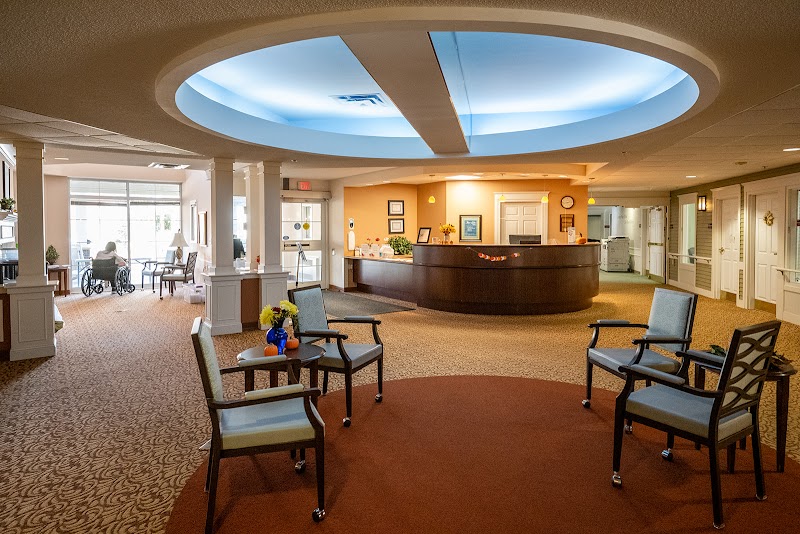
How is Three Links Care Center Staffed?
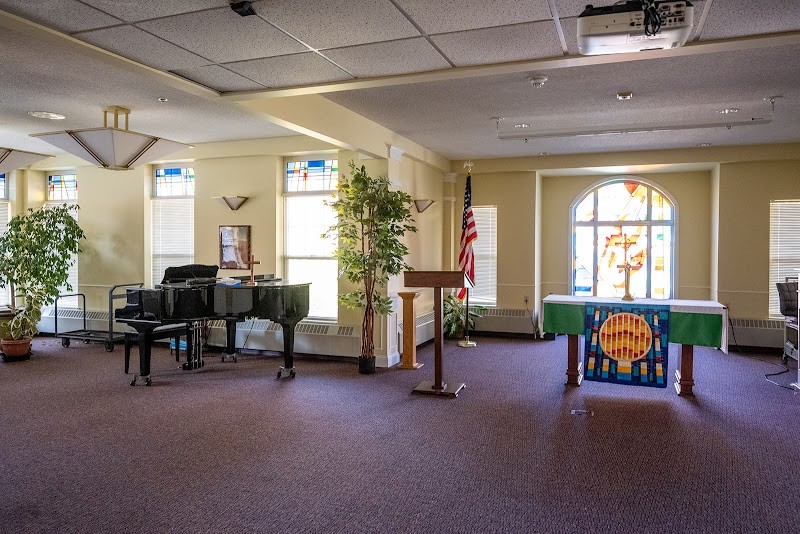
CMS rates Three Links Care Center's staffing level at 5 out of 5 stars, which is much above average compared to other nursing homes. Staff turnover is 41%, compared to the Minnesota average of 46%. This relatively stable workforce can support continuity of care.

What Have Inspectors Found at Three Links Care Center?

State health inspectors documented 15 deficiencies at Three Links Care Center during 2023 to 2025. These included: 1 Immediate Jeopardy (the most serious level, indicating potential for serious harm or death), 13 with potential for harm, and 1 minor or isolated issues. Immediate Jeopardy findings are rare and represent the most serious regulatory concerns. They require immediate corrective action.

Who Owns and Operates Three Links Care Center?

Three Links Care Center is owned by a non-profit organization. Non-profit facilities reinvest revenue into operations rather than distributing to shareholders. The facility is operated by ST. FRANCIS HEALTH SERVICES, a chain that manages multiple nursing homes. With 92 certified beds and approximately 72 residents (about 78% occupancy), it is a smaller facility located in NORTHFIELD, Minnesota.

How Does Three Links Care Center Compare to Other Minnesota Nursing Homes?

Compared to the 100 nursing homes in Minnesota, Three Links Care Center's overall rating (5 stars) is above the state average of 3.2, staff turnover (41%) is near the state average of 46%, and health inspection rating (4 stars) is above the national benchmark.

What Should Families Ask When Visiting Three Links Care Center?

Based on this facility's data, families visiting should ask: "What changes have been made since the serious inspection findings, and how are you preventing similar issues?" "Can I visit during a mealtime to observe dining assistance and food quality?" "How do you handle medical emergencies, and what is your hospital transfer rate?" "Can I speak with family members of current residents about their experience?" These questions are particularly relevant given the facility's Immediate Jeopardy citations.

Is Three Links Care Center Safe?

Based on CMS inspection data, Three Links Care Center has documented safety concerns. Inspectors have issued 1 Immediate Jeopardy citation (the most serious violation level indicating risk of serious injury or death). The facility has a 5-star overall rating and ranks #1 of 100 nursing homes in Minnesota. Families considering this facility should ask detailed questions about what corrective actions have been taken since these incidents.

Do Nurses at Three Links Care Center Stick Around?

Three Links Care Center has a staff turnover rate of 41%, which is about average for Minnesota nursing homes (state average: 46%). Moderate turnover is common in nursing homes, but families should still ask about staff tenure and how the facility maintains care continuity when employees leave.

Was Three Links Care Center Ever Fined?

Three Links Care Center has been fined $12,649 across 1 penalty action. This is below the Minnesota average of $33,205. While any fine indicates a compliance issue, fines under $50,000 are relatively common and typically reflect isolated problems that were subsequently corrected. Families should ask what specific issues led to these fines and confirm they've been resolved.

Is Three Links Care Center on Any Federal Watch List?

Three Links Care Center is not on any federal watch list. The most significant is the Special Focus Facility (SFF) program, which identifies the bottom 1% of nursing homes nationally based on persistent, serious quality problems. Not being on this list means the facility has avoided the pattern of deficiencies that triggers enhanced federal oversight. This is a positive indicator, though families should still review the facility's inspection history directly.