THE GABLES OF BOUTWELLS LANDING
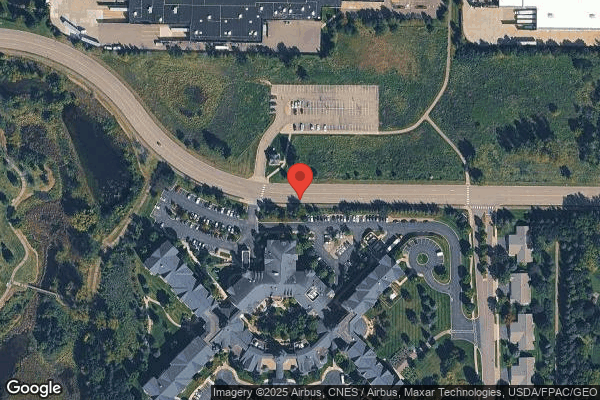
13575 58TH STREET NORTH, OAK PARK HEIGHTS, MN 55082 (651) 430-7200
Non profit - Corporation 108 Beds PRESBYTERIAN HOMES & SERVICES Data: November 2025
Trust Grade
85/100
#78 of 337 in MN
Last Inspection: April 2025

Within standard 12-15 month inspection cycle. Federal law requires annual inspections.

Overview

The Gables of Boutwells Landing has a Trust Grade of B+, which indicates it is above average and recommended for families considering care options. It ranks #78 out of 337 facilities in Minnesota, placing it in the top half, and #2 out of 8 in Washington County, suggesting it is one of the best local choices. The facility's trend is improving, having reduced its issues from four in 2024 to just one in 2025. Staffing is a strong point, with a 5/5 star rating and a turnover rate of 37%, lower than the state average, which indicates that the staff are experienced and familiar with the residents. On the downside, there were specific incidents noted, such as a resident suffering a fracture due to improper transfer assistance, and concerns about dignity during meal assistance for residents requiring help. Overall, while the facility excels in staffing and has no fines, attention to care plans and dining experiences could be improved.

Trust Score
B+
85/100
In Minnesota
#78/337
Top 23%
Safety Record
Moderate
Needs review
Inspections
Getting Better
4 → 1 violations
Staff Stability
○ Average
37% turnover. Near Minnesota's 48% average. Typical for the industry.
Penalties
✓ Good
No fines on record. Clean compliance history, better than most Minnesota facilities.
Skilled Nurses
✓ Good
Each resident gets 95 minutes of Registered Nurse (RN) attention daily — more than 97% of Minnesota nursing homes. RNs are the most trained staff who catch health problems before they become serious.
Violations
○ Average
9 deficiencies on record. Average for a facility this size. Mostly minor or procedural issues.
★★★★★
5.0
Overall Rating
★★★★★
5.0
Staff Levels
★★★☆☆
3.0
Care Quality
★★★★☆
4.0
Inspection Score
Stable
2024: 4 issues
2025: 1 issues

The Good

  • 5-Star Staffing Rating · Excellent nurse staffing levels
  • Full Sprinkler Coverage · Fire safety systems throughout facility
  • No fines on record
  • Staff turnover below average (37%)

    11 points below Minnesota average of 48%

Facility shows strength in staffing levels, fire safety.

The Bad

Staff Turnover: 37%

Near Minnesota avg (46%)

Typical for the industry

Chain: PRESBYTERIAN HOMES & SERVICES

Part of a multi-facility chain

Ask about local staffing decisions and management

The Ugly 9 deficiencies on record

1 actual harm
Apr 2025 1 deficiency
CONCERN (D)

Potential for Harm - no one hurt, but risky conditions existed

Deficiency F0688 (Tag F0688)

Could have caused harm · This affected 1 resident

**NOTE- TERMS IN BRACKETS HAVE BEEN EDITED TO PROTECT CONFIDENTIALITY** Based on observation, interview, and document review, the facility failed to ensure range of motion (ROM) was provided for 1 of ...

Read full inspector narrative →
**NOTE- TERMS IN BRACKETS HAVE BEEN EDITED TO PROTECT CONFIDENTIALITY** Based on observation, interview, and document review, the facility failed to ensure range of motion (ROM) was provided for 1 of 2 resident (R19) reviewed for mobility. Findings include: R19's quarterly Minimum Data Set (MDS) dated [DATE], indicated intact cognition, did not have hallucinations or delusions, and did not reject cares. Further, R19 had upper and lower extremity limitations in range of motion on both sides. R19's Optional State assessment dated [DATE], indicated R19 was totally dependent with bed mobility, transfers, and toileting. R19's Care Area Assessment (CAA) dated 8/7/24, indicated R19 could not ambulate, and had complications from immobility that included contractures. R19's Medical Diagnosis form indicated R19 had the following diagnoses: multiple sclerosis (a disease affecting the central nervous system), other specified polyneuropathies (nerve damage), muscle weakness, other reduced mobility. R19's physician's orders identified the following orders: • 8/1/24, Occupational therapy and physical therapy to evaluate and treat. • 2/13/25, Occupational therapy to evaluate and treat. • 2/26/25, apply teal palm protector to the left hand in the morning and remove at night. • The orders were reviewed and lacked information R19 was on a range of motion program. R19's medication administration record (MAR) and treatment administration record (TAR) dated March 2025, was reviewed and lacked information R19 received range of motion. R19's care plan dated 8/13/24, indicated R19 had an activity of daily living (ADL) self-care deficit related to multiple sclerosis, muscle spasticity, depression, dementia, neuropathic pain, decreased mobility,, and weakness. Interventions included assist of one for dressing, grooming and hygiene. R19's care plan dated 8/13/24, indicated R19 had limited physical mobility, was not able to ambulate, required two staff to reposition and turn in bed. Additionally, R19 wore a teal palm protector to the left hand and transferred with a full lift. R19 required passive range of motion (PROM) to bilateral lower and upper extremities daily and the care plan directed staff to see the handout for the ROM program. R19's NAR 1 Communication Sheet dated 3/21/25, indicated R19 required a teal palm protector to the left hand that was applied in the a.m., and taken off at bedtime. Further, was on a passive and active range of motion (PROM/AROM) program that directed staff to see POC. R19's nurse practitioner (NP) progress note dated 2/5/25 at 3:59 p.m., indicated R19 had lower extremity and left hand contractures, multiple sclerosis and was dependent in activities of daily living and major mobility. R19's nursing progress notes were reviewed on 4/1/25 at 6:45 a.m., from 2/26/25, to 4/1/25, and lacked information R19 refused range of motion. R19's progress notes in the electronic medical record from 8/1/24, through 3/30/25, were reviewed and lacked documentation R19 refused range of motion. A form, Supine Lower Extremity Caregiver Assisted Range of Motion, dated 8/8/24, with R19's name hand written on the top, indicated R19 required hip and knee flexion and extension 10 times daily to both legs, had straight leg raises 10 times daily to both legs either AROM, or caregiver holds the leg at the ankle and over the knee for PROM, hip abduction and adduction 10 times daily to both legs, and ankle flexion extension exercises to both legs 10 times daily. R19's Daily PROM form, Supine Upper Extremity Caregiver Assisted Range of Motion, undated, indicated PROM exercises for shoulder flexion and extension, shoulder abduction and adduction, and elbow flexion and extension without documented repetitions. R19's Occupational Therapy Toolkit form undated, indicated R19 required AAROM (active assisted range of motion) of 1 set of 10 for each exercise to the right side and PROM on the left side for the following exercises: bending and straightening the elbow, turning the palm up and down, bending the wrist up and down, moving the hand side to side, moving the hand in a circle, opening and closing the hand, bending the thumb over toward the base of the pinkie finger, and squeezing a soft ball or sponge. R19's Maintenance Program form dated 8/8/24, indicated R19 required PROM to bilateral lower extremities. The form directed staff to see the attached handout for the program. The attached form was the Supine Lower Extremity Caregiver Assisted Range of Motion form with R19's name at the top and was dated 8/8/24. R19's Maintenance Program form dated 8/29/24, indicated R19 required 10 repetitions daily of PROM to the upper extremity, but did not identify which upper extremity. Further, the form indicated, Carrot for L hand Ok to use rolled up wash cloth. R19's Maintenance Program form dated 9/12/24, indicated R19 required 10 repetitions daily of bilateral upper extremity PROM. R19's Maintenance Program form dated 11/18/24, indicated R19 required 10 repetitions daily of PROM to the left upper extremity and AAROM to the right upper extremity. R19's Maintenance Program form dated 3/18/25, indicated R19 required PROM to the right and left upper extremities including the left hand. R19's 90 day look back Task form reviewed on 4/1/25, PROM program: BUE {bilateral upper extremity} 10 reps daily. See handout for program from 1/2/25, through 3/31/25, indicated R19 received range of motion 17 times. R19 received range of motion on the following dates: 1/2/25, 1/5/25, 1/12/25, 1/16/25, 1/26/25, 1/30/25, 2/2/25, 2/13/25, 2/27/25, 3/7/25, 3/8/25, 3/9/25, 3/13/25, 3/16/25, 3/23/25, 3/27/25, and 3/30/25. Further, the form indicated R19 refused range of motion two times on 2/9/25, and 2/16/25, and was documented Not Applicable 66 times. R19's 90 day look back Task form reviewed on 4/1/25, PROM program: BLE {bilateral lower extremity} 10 reps daily. See handout for program from 1/2/25, through 3/31/25, indicated R19 received range of motion 17 times. R19 received range of motion on the following dates: 1/2/25, 1/5/25, 1/12/25, 1/16/25, 1/26/25, 1/30/25, 2/2/25, 2/13/25, 2/27/25, 3/7/25, 3/8/25, 3/9/25, 3/13/25, 3/16/25, 3/23/25, 3/27/25, and 3/30/25. Further, the form indicated R19 refused range of motion two times, on 2/9/25, and 2/16/25, and was documented Not Applicable 66 times. R19's OT (occupational therapy) Evaluation and Plan of treatment dated 2/20/25, through 3/21/25, indicated R19 had minimal movement to the upper extremity hand and elbow and R19 was at risk for further decline. Further, R19 was seen twice weekly. R19's OT Recert, Progress Report and Updated Therapy Plan form dated 3/20/25, through 4/18/25, indicated R19 would demonstrate compliance with the appropriate contracture management plan for the left hand to decrease the risk of further skin issues and further contractures. Further, R19 was seen twice weekly. R19's OT Treatment Encounter Notes were reviewed and R19 received OT on 2/20/25, 2/24/25, 2/27/25, 3/4/25, 3/6/25, 3/11/25, 3/13/25, 3/18/25, 3/20/25, 3/25/25, and 3/27/25. R19's OT note dated 3/20/25, indicated the OT checked on Tasks in the electronic medical record to ensure the maintenance program was followed and identified the PROM program was completed twice by the nursing assistants. R19's OT note dated 3/25/25, indicated R19 reported PROM was not completed daily. During interview and observation on 3/31/25 at 12:41 p.m., R19 stated she was not receiving range of motion every day. R19 had a hand protector on the left hand with nothing on the right hand. R19 stated she was supposed to have exercises with her arms. R19 had signage in her room that indicated PROM for shoulder flexion, R19 was to lie on her back with arms at the sides and raise arm up and over the head with the elbow straight slowly lower back to the bed. The form did not identify which arm to complete. Additionally, the form indicated R19 had shoulder abduction and adduction and directed to have R19 lie on her back with arms at the sides and lift the arm out to the side as far as possible keeping the elbow straight along with elbow flexion and extension. R19 had a form that indicated 1 set of 10 of each exercise and additionally, a form dated 8/8/24, indicated R19 required supine lower extremity caregiver assisted range of motion. During interview on 4/1/25 at 8:45 a.m., R19 stated she did not receive range of motion on 3/31/25, and stated nursing assistant (NA)-A worked evenings on 3/31/25, and had to take care of people and stated it didn't matter what time of day R19 received range of motion, and added they were supposed to do it. During interview on 4/1/25 at 1:22 p.m., NA-B stated she normally worked on the day shift and had been at the facility 6 to 7 months. NA-B stated she was familiar with all the residents on R19's floor and if she wasn't sure about something would look at the care plan sheet. NA-B stated if a resident refused cares, they asked three times and if a resident still refused, would document the refusal. NA-B stated R19 was on her group and usually did not get up out of bed unless she had an appointment. NA-B further stated R19 knew what she was talking about, was dependent on movement, and did not decline care. NA-B further stated her main priority was toileting, cleaning, and taking residents to activities and stated residents have range of motion on their sheets, but most of the time have OT or physical therapy (PT), but if on the sheet, tries to make sure it is completed and then documents how many repetitions of range of motion was completed. NA-B stated she didn't typically do R19's range of motion and stated R19 did not refuse care. NA-B stated she documented not applicable for range of motion today because R19 had an appointment. During interview on 4/1/25 at 2:02 p.m., NA-A stated he worked at the facility for three years and normally worked evenings on R19's floor. NA-A stated he looked at the care plan and stated the nursing assistants have assigned residents and further stated he was assigned to R19. NA-A stated he documents if a resident refuses cares and would talk to the nurse. NA-A stated R19 transferred with a lift and required full cares and stated R19 was an accurate historian. NA-A further stated for range of motion, everything clearly stated what he was supposed to do and there were diagrams in the room. NA-A further stated the aides had to document if range of motion was completed, if a resident refused, or if it was not applicable. NA-A stated he did not know what shift was responsible for R19's range of motion. NA-A stated he did not complete range of motion on 3/31/25, and further stated he did not recall if R19 refused, or if he did not get around to it, or non applicable. During interview with occupation therapist assistant (OTA)-A and physical therapist (PT)-B on 4/1/25 at 2:27 p.m., OTA-A stated there was a functional maintenance program sheet that described each exercise a resident required and get the sheets to the nursing assistants so they are aware of exercises needed. OTA-A stated R19 was on the OT program for lymphedema pumps and for range of motion to the upper extremities. OTA-A stated R19 had OT on 3/27/25, and declined today due to having an appointment and did not have OT on 3/31/25, because R19 was only seen twice a week. OTA-A stated R19 was on a functional maintenance program and expected nursing assistants complete the range of motion daily even while R19 received OT. PT-B stated R19 had a BIMS (brief interview for mental status) of 15, which was the best for cognition. During interview on 4/1/25 at 2:51 p.m., registered nurse (RN)-A stated she had worked at the facility over a year and stated they had stand up meetings and communication sheets to know the cares a resident required and verified the sheets were the NAR Communication Sheets. RN-A stated aides were supervised by providing the NAR worksheets. RN-A stated if a resident refused, the aide was supposed to let the nurse know and the nurse documents in a progress note. RN-A stated R19 did not refuse cares and was an accurate historian and required range of motion because she had pain in her hands, had muscle weakness, and reduced mobility with contractures to the left hand. RN-A stated therapy printed the exercises R19 needed and placed them in R19's room and the aides documented in their Ipad under Tasks. RN-A further stated she expected aides to report refusals or deviations in cares not being completed. RN-A viewed R19's Tasks form and stated staff documented not applicable and stated R19 should have been receiving range of motion daily and only had range of motion three times from 3/19/25, to 3/31/25, to the bilateral lower extremities. RN-A verified R19 lacked range of motion daily to upper extremities as well and stated it was important because of muscle atrophy and helped prevent future complications. During interview on 4/1/25 at 3:04 p.m., RN-B stated sometimes R19 refused depending on the aide and R19 worked with therapy who completed range of motion with R19 and stated there were days when range of motion did not get completed. RN-B stated staff should document refusals and they had to provide education because there should not be any not applicable documentation, but there was a spot for refusals. RN-B further stated if a resident refused, the aides were supposed to report to the nurse to make sure the endorsement was completed and stated it was important to complete range of motion due to lack of mobility. During interview on 4/2/25 at 9:55 a.m., with the director of nursing (DON) and assistant director of nursing (ADON), the DON stated anytime something was on the care plan, she expected the task be completed and if the task was not completed to notify the nurse regarding the circumstances why the task was not completed, or if a resident refused because if a resident continued to refuse, they may need to readjust the program to maintain a resident's quality of life. The DON stated they followed the interdisciplinary team (IDT) communication guidelines. A policy, Restorative Nursing and Functional Maintenance, dated December 2014, indicated the restorative program was to assist with various forms of activity, ambulation, PROM, feeding, ROM etc. in order for residents to maintain their maximum potential for as long as possible.
Jul 2024 3 deficiencies
CONCERN (D)

Potential for Harm - no one hurt, but risky conditions existed

Drug Regimen Review (Tag F0756)

Could have caused harm · This affected 1 resident

**NOTE- TERMS IN BRACKETS HAVE BEEN EDITED TO PROTECT CONFIDENTIALITY** Based on observation, interview, and document review, the facility failed to ensure the provider documented a clear clinical rat...

Read full inspector narrative →
**NOTE- TERMS IN BRACKETS HAVE BEEN EDITED TO PROTECT CONFIDENTIALITY** Based on observation, interview, and document review, the facility failed to ensure the provider documented a clear clinical rationale for actions taken or not taken; including risks and benefits to justify the continued use of medications identified to put the resident at risk for falls and adverse effects for 1 of 1 resident (R83) reviewed for requests for clinical rationale. Findings include: R83's admission Minimum Data Set (MDS) dated [DATE], identified a fall occurred in the past two to six months prior to admission. No behaviors or rejection of care occurred, and the mood interview indicated no depression. R83's corresponding Care Area Assessments (CAA), undated, identified falls was triggered related to history of falls, impaired mobility, cognition, hearing, pain, incontinence, anticipated decline, and medication side effects and care planning was in place to minimize risks and provide symptom relief or palliative measures. Additionally, psychotropic medication use was triggered related to high risk drugs taken (antipsychotic and antidepressant). Care planning was in place to minimize risks and provide symptom relief or palliative measures. R83's quarterly MDS dated [DATE], identified intact cognition, and no behaviors or rejection of care. The mood interview identified minimal depression. Diagnoses included metabolic encephalopathy (brain dysfunction), Alzheimer's disease, depression, and anxiety. No falls had occurred since the prior admission assessment. Impairments to upper or lower extremities were present, and a wheelchair was used for mobility. Hospice services were in place. High risk drugs used included antipsychotic, antianxiety, antidepressant, and opioid; and a gradual dosage reduction had not been attempted nor documented by a physician as clinically contraindicated. R83's anticonvulsant care plan dated 2/7/24, identified brain activity could be affected. Interventions to administer medications as ordered, monitor for side effects, inform the resident, family or caregivers about risks, benefits, side effects of medications, consult with pharmacy and physician to consider dosage reduction when clinically appropriate. R83's pain care plan dated 2/7/24, identified a risk for pain related to impaired mobility and cognition, history of falls, skin impairments and anticipated decline. Interventions included pain would be assessed, medications would be administered as ordered, non-pharmacological interventions as needed, and hospice consulted as needed. R83's antipsychotic care plan dated 2/8/24, identified diagnoses of delirium, agitation, anxiety and hospice care. Interventions to administer medications as ordered, monitor for side effects, inform the resident, family or caregivers about risks, benefits, side effects of medications, consult with pharmacy and physician to consider dosage reduction when clinically appropriate. R83's mood and behavioral care plan dated 5/21/24, identified diagnosis of depression and anxiety. Interventions included provide encouragement to participate in activities and demonstrate effective coping skills. Non-pharmacological interventions included: tell resident to take a breath, ask resident if she was in pain, talk to me about the North Shore, turn on TV (likes Greys Anatomy, music channel), encourage resident to be out of her room (tends to self-isolate). Target behaviors included: sadness or crying, anxiety related to where family members were, decreased appetite, self-isolation and paranoia. R83's pain ratings dated 2/7/24 through 6/27/24, identified consistent pain ratings of zero. R83's behavior tracking dated 5/11/24 through 7/10/24, identified no behaviors or mood concerns occurred. R83's Order Summary Report dated 7/10/24, identified the following active medications: 1. Start date 2/7/24, methocarbamol (central muscle relaxant) give 500 milligrams (mg) by mouth two times a day for muscle spasms. 2. Start date 2/7/24, tramadol (opioid agonist produces similar pain relief effects as morphine and other opioids) give 100 mg by mouth three times a day for pain. 3. Start date 2/7/24, C-morphine (opioid) give 5 mg sublingually every one hour as needed (PRN) for pain or dyspnea (difficulty breathing). 4. Start date 2/7/24 gabapentin (anticonvulsant) give 300 mg by mouth three times a day for nerve pain. 5. Start date 2/13/24, Seroquel (an antipsychotic) give 12.5 mg by mouth at bedtime for delirium, agitation, anxiety. 6. Start date 2/16/24, venlafaxine (Effexor, an antidepressant) give 37.5 mg by mouth one time a day for depression take in addition to the 150 mg tablet for a total daily dose of 187.5 mg. 7. Start date 2/16/24, Effexor give 150 mg by mouth one time a day for depression take in addition with 37.5 tablet for a total dose of 187.5 mg. 8. Start date 7/2/24, lorazepam (benzodiazepine) give 0.5 mg by mouth every 2 hours as needed for Anxiety for 14 days (renewed). R83's Medication Administration Records (MAR) dated 5/1/24 through 7/10/24, identified PRN morphine was never given. PRN lorazepam was given once, on 5/12/24 and marked as effective. All other medications listed above were taken routinely since their start date. R83's Consultant Pharmacist (CP) Communication to Physician dated 3/30/24, identified since a recent fall occurred, the resident was at risk for falls, and the above medications (1 through 7, specifically) might increase the risk of falls; an assessment for ongoing use was requested. Additionally, methocarbamol was strongly urged to avoid use in the elderly - strong correlation with falls. Also, the new guidelines from American Geriatric Society (AGS) Beers list (criteria for potentially inappropriate medications) strongly recommended avoiding three or more central nervous system (CNS)-active drugs as they can increase the risk of falls. CNS-active drugs included antidepressants, antipsychotics, benzodiazepines, and opioids. Lastly, a combination of some CNS medications could cause serotonin syndrome and the risk of QT prolongation (heart rhythm disorder which can be life threatening), as well as additional sedative, CNS and/or respiratory-depressant effects. The CP requested an assessment by the provider of the above medications to determine appropriateness of reducing the dose or frequency. Options provided were: - Discontinue (DC). - Reduce. - No changes because the medications are necessary, benefits outweigh the potential risks, and are required to maintain functional status. - Other. The box for other was checked and hospice was written next to it. The form was signed by nurse practitioner (NP)-A on 4/2/24. The form lacked documentation from the provider of clear clinical rationales including risks and benefits; to justify the continued use of medications identified to put the resident at risk for falls and adverse effects. R83's provider progress notes dated 3/20/24 and 6/17/24, lacked documentation of clear clinical rationales including risks and benefits; to justify the continued use of medications identified to put the resident at risk for falls and adverse effects. During an observation and interview on 7/8/24 at 5:13 p.m., R83 was in her wheelchair, self-propelling around her room, well-groomed and conversational. She stated she had no pain at the time, had good support and was happy with her hospice services. R83 stated her doctor and hospice managed her medications and she would go along with what they decided to do. During an interview on 7/10/24 at 9:55 a.m., nursing assistant (NA)-A stated she worked at the facility for over one year and R83 was alert with intermittent confusion, and she had not noticed any recent behaviors. During an interview on 7/10/24 at 9:57 a.m., NA-B stated she had worked routinely with R83 for about one month and mood was very stable, no delusions, agitation. R83 attended activities and could self-propel after being set up. During an interview on 7/10/24 at 10:07 a.m., registered nurse (RN)-C stated she had observed R83 transfer this morning with the NA and her transfer was steady. RN-C stated R83's mood and behavior and health were stable for the past couple of months. During an interview on 7/10/24 at 12:17 p.m., hospice RN-D stated they had not received a request to review R83's CNS-active medications for ongoing use, and that would typically be reviewed by the facility primary care providers. RN-D reviewed R83's hospice chart and stated it appeared she had been stable. Interviews with NP-A were attempted on 7/10/24 at 11:43 a.m., and 1:02 p.m. NP-A was out of the office and unable to provide information on the response to the CP communication form. During an interview on 7/10/24 at 12:45 p.m., the CP stated unless otherwise identified on the form, a response was expected by the next primary care provider visit, or about two months. The CP stated he would expect if the provider wanted no changes then to document the benefits outweighed the risk, and the medications were the least restrictive measures. The CP stated the 4/2/24, response of hospice on R83's communication form was not a clear rationale nor assessment of risks and benefits of ongoing use. During an interview on 7/10/24 at 1:49 p.m., the director of nursing (DON) stated if the CP requested an assessment on an identified medication irregularity for R83, it would be deferred to the facility primary care providers. The DON stated she thought hospice was an adequate rationale. The DON stated unless they saw a negative impact she would not expect further documentation from the provider. The facility's undated policy titled CP Reports identified recommendations would be acted upon and documented by the facility staff and/or the prescriber. If the prescriber had not responded the medical director would be contacted.
CONCERN (D)

Potential for Harm - no one hurt, but risky conditions existed

Unnecessary Medications (Tag F0759)

Could have caused harm · This affected 1 resident

**NOTE- TERMS IN BRACKETS HAVE BEEN EDITED TO PROTECT CONFIDENTIALITY** Based on observation, interview, and document review, the facility failed to ensure they were free of a medication error rate of...

Read full inspector narrative →
**NOTE- TERMS IN BRACKETS HAVE BEEN EDITED TO PROTECT CONFIDENTIALITY** Based on observation, interview, and document review, the facility failed to ensure they were free of a medication error rate of five percent or greater. The facility had a medication error rate of 7.41% with 2 errors out of 27 opportunities for errors involving 2 of 7 residents (R25 and R34) who were observed during the medication pass. Findings Include: R25 R25's quarterly minimum data set (MDS) dated [DATE], identified R25 was cognitively intact and required staff assistance with most activities of daily living. The MDS indicated R25 had diabetes mellitus (DM) and received insulin daily in the 7-day lookback period. R25's care plan revised 5/14/24, identified a risk for alteration in blood glucose levels related to the diagnosis of diabetes and tasked staff with providing medications per orders. R25's provider order dated 6/28/24 indicated, HumaLOG Injection Solution 100 UNIT/ML (Insulin Lispro). Inject as per sliding scale: if 141-180 = 2 units give before meals, anything above 400 gives 14 units. May sub Admelog, or Novolog based on insurance.; 181 - 220 = 4 units, 221 - 260 = 6 units; 261 - 300 = 8 units; 301 - 340 = 10 units; 341 - 400 = 12 units; 401 - 999 = 14 units, subcutaneously before meals for T2 DM give before meals, anything above 400 give 14 units. R25's July 2024 Medication Administration Record (MAR), indicated R25 received Humalog three times a day. During observation on 7/9/24 at 11:58 a.m., registered nurse (RN)-A obtained R25's Humalog KwikPen. RN-A cleansed the tip of the pen with an alcohol wipe and applied a sterile needle. The pen was dialed to the ordered dose, 4 units. RN-A had not primed the needle prior to administering the medication to R25. R34 R34 admission MDS dated [DATE], identified R34 with moderate cognitive impairment and required staff assistance with most activities of daily living. The MDS indicated R34 had DM and received insulin daily in the 7-day lookback period. R34 care plan dated 6/3/24, indicated R34 at risk for alteration in blood glucose levels related to their diagnosis of diabetes and tasked staff with providing medications per orders. R34 provider order dated 7/8/24 indicated, HumaLOG Injection Solution 100 UNIT/ML (Insulin Lispro). Inject 5 unit subcutaneously with meals for Type 2 Diabetes. R34's Medication Administration Record printed 7/10/24, indicated R34 received Humalog three times a day. During an observation and interview on 7/9/24 at 12:19 p.m., RN-A obtained R34's Humalog KwikPen. RN-A cleansed the tip of the pen with an alcohol wipe prior to attaching a sterile needle. The pen was dialed to the ordered dose, 5 units. RN-A had not primed the needle prior to administrating the medication to R34. RN-A stated the needle did not need to be primed unless it was a new pen. During a follow up interview on 7/9/24 at 1:27 p.m., RN-A stated, I made a mistake, it should be primed. During an interview on 7/10/24 at 10:26 a.m., RN-B stated that insulin pens should be primed prior to administration because it could give a lesser dose of insulin. During an interview on 7/10/24 at 11:00 a.m., the director of nursing (DON) stated that insulin KwikPens should be primed prior to administration to ensure the correct dose was given to not cause an error. Manufacturers instructions regarding Humalog Kwikpen dated 8/23, indicated to first dial up to two units to prime the needle, turn pen with needle pointing up, tap pen gently to move air bubbles to the top, push the dose knob until it stops, and ensure insulin is visible at the tip of the needle.
CONCERN (D)

Potential for Harm - no one hurt, but risky conditions existed

Infection Control (Tag F0880)

Could have caused harm · This affected 1 resident

**NOTE- TERMS IN BRACKETS HAVE BEEN EDITED TO PROTECT CONFIDENTIALITY** Based on observation, interview, and document review, the facility failed to ensure proper infection control practices were foll...

Read full inspector narrative →
**NOTE- TERMS IN BRACKETS HAVE BEEN EDITED TO PROTECT CONFIDENTIALITY** Based on observation, interview, and document review, the facility failed to ensure proper infection control practices were followed when staff failed to utilize enhanced barrier precautions (EBP) and proper hand hygiene for 1 of 1 resident (R20) observed during wound care. Findings include: R20's admission minimum data set (MDS) dated [DATE], identified R20 was cognitively intact, required partial to substantial staff assistance in most activities of daily living, and at risk for developing pressure ulcers. Diagnoses included debility (general weakness), chronic obstructive pulmonary disease (COPD), and oxygen therapy. R20's care plan (CP) dated 6/18/24, identified EBP was placed due to a wound. The CP directed staff to follow EBP, in addition to standard precautions, by wearing gown and gloves during high-contact care activities. R20's physician orders dated 6/18/24 indicated wound care to coccyx every shift and as needed for wound integrity. During an observation on 7/8/24 at 1:55 p.m., R20's door had an EBP sign posted and next to the door was an isolation cart inside it contained personal protective equipment (PPE). During an observation on 7/10/24 at 9:49 a.m., registered nurse (RN)-C entered R20's room, completed hand hygiene, donned gloves but not a gown. R20 was sitting on the toilet with the front of the wheelchair facing them. RN-C asked R20 to lean forward, the dressing was removed, gloves were doffed, new gloves donned, but no hand hygiene completed. The area was cleansed and patted dry twice followed by a skin prep solution spray. Gloves were doffed, and a clean set of gloves donned, but no hand hygiene between. A sealed alginate dressing opened, border foam dressing opened and dated, and two were applied to the wound, alginate followed by the foam dressing. Gloves were doffed, and a clean set of gloves donned, but no hand hygiene between. During an interview on 7/10/24 at 10:03 a.m., RN-C identified the EBP sign on R20's door and stated the precautions were in place due to R20's wound. RN-C stated, that's my fault for not following the precautions and that hand hygiene should have been completed when changing gloves. During an interview on 7/10/24 at 10:14 a.m., RN-B who stated staff should follow EBP by wearing the gown and gloves, and that hand hygiene was to be completed when changing gloves. During an interview on 7/10/24 at 10:31 a.m., the infection preventionist (IP) stated that EBP were placed for anyone with wounds, including pressure injuries. IP expected staff to gown and glove outside the room and hand hygiene to be performed when changing gloves. During an interview on 7/10/24 at 11:00 a.m., the director of nursing (DON) stated that staff should wear gown and gloves in accordance with EBP for high contact care and that it was expected for hand hygiene to be completed between glove changes. A facility policy titled EBP Policy and Procedure dated 4/24, identified the use of gowns and gloves were required for high contact cares for residents at increased risk of multidrug resistant organism (MDRO) acquisition. Therefore, EBP would be implemented for all residents with wounds, even if the resident was not known to be colonized or infected with a MDRO. A facility policy titled Infection Control Standard Precautions Hand Hygiene undated, identified that hand hygiene should be performed before donning and after doffing personal protective equipment.
May 2024 1 deficiency 1 Harm
SERIOUS (G) 📢 Someone Reported This

A family member, employee, or ombudsman was alarmed enough to file a formal complaint

Actual Harm - a resident was hurt due to facility failures

Accident Prevention (Tag F0689)

A resident was harmed · This affected 1 resident

**NOTE- TERMS IN BRACKETS HAVE BEEN EDITED TO PROTECT CONFIDENTIALITY** Based on observation, interview and document review, the facility failed to implement assessed and directed fall prevention tech...

Read full inspector narrative →
**NOTE- TERMS IN BRACKETS HAVE BEEN EDITED TO PROTECT CONFIDENTIALITY** Based on observation, interview and document review, the facility failed to implement assessed and directed fall prevention techniques for 2 of 3 residents (R1,R2) reviewed for falls. This resulted in actual harm for R1 who had an assisted fall to the floor when staff were not utilizing a gait belt during a transfer as assessed and R1 sustained a right ankle fracture. Findings include: R1's annual Minimal Data Set (MDS) dated [DATE], indicated R1 had diagnoses which included osteoporosis, Alzheimer's disease, and R1 had moderately impaired cognition. R1's care plan revised on 5/26/24, identified R1 had limited physical mobility related to muscle weakness and impaired gait/balance, chronic shoulder pain, dementia with memory loss and required a front wheeled walker and assistance by staff when transferring and ambulating. Further, R1's care plan identified R1 was at risk for falls. Review of facility's Summit 3 Communication Sheet dated 5/16/24, identified R1 was a fall risk and directed staff to assist R1 with transfers utilizing a front wheeled walker and a gait belt. Further, facility document revealed standard safety measures and directed staff to assure call light was within reach and gait belt was to be used when assisting with all transfers and ambulating. Review of facility report to the State Agency (SA) dated 5/20/24, indicated staff was assisting R1 to get ready for the day and ambulating R1 to the toilet. R1 was about to pass out while ambulating and assisted R1 to the floor. R1 complained of pain on her left side of the body and her right ankle, but was able to move all extremities. Review of facility's 5-day investigation to the SA revealed R1 was confirmed to have sustained a right bimalleolar fracture with mortise displacement. In addition, the staff did not follow the company's standard safety practice of utilizing a gait belt when transferring or ambulating a resident and facility wide education to ensure staff would follow plan of care and compliance with the company's standard safety practices was the action taken to prevent reoccurrence. R1's Final Report dated 5/19/24, completed by Dispatch Health Imagining, revelaed the findings of R1's x-rays was a fracture of the distal fibula and a chip fracture of the medial malleolus. R2's entry MDS dated [DATE], indicated R2 had diagnoses which included Alzheimer's disease, anxiety disorder and urgency of urination. R2's care plan as of 5/29/24, identified R2 as at risk for falls related to cognitive impairment, gait/balance problems, history of falls, poor communication/comprehension, and unaware of safety needs. R2's fall interventions included a toileting plan in place and directed staff to reference the communication sheet for details. Review of facility's Trolley 3 Communication Sheet dated 5/24/24, identified R2 was a fall risk and directed staff to keep bedroom door open for safety due to frequent self-transfers and toilet upon rising, before meals, at hour of sleep and every 3 hours during the night. R2's Resident Occurrence Report dated 5/26/24, indicated R2 had an unwitnessed fall in room at 3:50 a.m. and R2 did not sustain any injuries. R2 reported she was attempting to get out of bed to use the bathroom. R2 was last observed by nursing assistant (NA)-B at 3:30 a.m. and R2 was noted to be in her room laying in bed. R2 was last assisted to the bathroom at approximately 12:00 a.m. However, document lacked evidence of interdisciplinary team (IDT) addressing R2's toileting care plan was not followed at the time of the fall and what had been done to correct. Review of facility document titled Falls Tracking as of 5/29/24, revealed R2 had a fall on 5/26/24 and IDT intervention implemented based on root cause was identified as staff coaching. Review of facility document titled [NAME] Care Center dated 5/21/24, and name of education was identified as Communication Protocol and Gait Belts for Transfers and Ambulation directing staff to sign the document to verify staff were present and understood to follow policies and practices outlined within the presentation. Further, education provided included when providing cares to residents or responding to resident requests, all staff need to be aware of the individualized interventions for each resident and resident care specific information could be found on the Communication Sheet. Staff were directed to review the Communication Sheet each time they work with residents due to constant changes and adjustments made to the resident's cares. Also, education included Communication Sheet Guideline which included toileting schedule and transfer for staff to review. In addition, document revealed NA-B had not reviewed the document as evidenced by NA-B's signature was not on the document. On 5/29/24 at 2:49 p.m., R2 was observed in her room sitting in a standard wheelchair, slippers on and call light was within reach. R2 appeared comfortable and was drinking a cup of coffee. At 3:14 p.m., R2 was assisted to a table in the commons area with other female residents and an unidentified female staff remained in the area. On 5/30/24 at 8:51 a.m., registered nurse (RN)-A indicated R2 was at risk for falls and interventions included keeping R2's door open for staff to monitor her closely as well as toileting program every 2-3 hours and as needed. Further, RN-A stated fall interventions were located on the Communication Sheets which are available to staff and updated daily and with any changes. On 5/30/24 at 10:24 a.m., NA-C stated R2 requires staff assistance with transfers using a gait belt and she was at risk for falls due to self-transferring, adding R2's fall interventions included frequent glances into R2's room, keep door open, and toileting every 2-3 hours as well as upon rising, and before meals. Further, NA-C stated fall interventions were listed on each resident's care plan as well as the Communication Sheets. On 5/30/24 at 10:59 a.m., NA-A stated she was assisting R1 to get up in the morning on 5/19/24. NA-A stated R1 stood up from her bed and NA-A was supporting her but did not use a gait belt as required because NA-A stated she did not know she required one at that time. NA-A stated R1 expressed feeling lightheaded and NA-A offered her the wheelchair to which R1 declined. R1 then began falling forward and NA-A gently assisted her to the ground. Following the incident, NA-A stated management had called her and informed her she did not follow R1's care plan and NA-A should have used a gait belt. NA-A stated she resigned from the position and was no longer employed with the facility. On 5/30/24 at 1:31 p.m., RN-B stated following each fall she would review the form that was completed by the floor nurse at the time of the fall and bring it to the IDT meeting every weekday at 9:00 a.m. RN-B stated the IDT then goes through the fall and interventions and ideas are discussed as a team, and if the fall required follow up with the floor staff RN-B would do that within the same day or the next day depending on significance. RN-A stated interventions are determined based on the root cause analysis of the fall and what could staff do differently to prevent another fall, and the new intervention would then be communicated to the staff verbally on shift and updated the resident's care plan and staff Communication sheets that they are expected to review before every shift. RN-B stated R1 required assist of one staff with a gait belt and front wheeled walker for transfers and had been identified as a fall risk. RN-B indicated on 5/19/24, when R1 had a fall resulting in an ankle fracture, through the facility's investigation it was determined R1's care plan was not followed at the time of the fall due to NA-A not utilizing a gait belt while transferring R1 and the facility immediately implemented education to all staff on utilizing the Communication Sheet and all resident's require a gait belt to transfer. Further, RN-B stated R2 was a new admission and had only been at the facility approximately a week but was identified as a high fall risk with intervention that included wheelchair for mobility, toileting plan every three hours, upon rising, before meals and bed as well. RN-B stated on 5/26/24 R2 had an unwitnessed fall in her room and IDT determined the root cause of the fall to be R2's toileting program had not been followed on the overnight as R2 would have been due for toileting at time of the fall. R2 did not sustain any injuries from the fall and RN-B stated coaching to NA-B had not occurred yet but planned on completing today (5/30/24). RN-B confirmed NA-B had worked since the fall occurred and education could have been done prior to 5/30/24. On 5/30/24 at 1:55 p.m., director of nursing (DON) stated staff were expected to implement immediate interventions following a fall on the weekend and the IDT would review the next business day to provide an intervention. At 3:16 p.m., DON stated she was aware R2's care plan related to toileting was not followed at the time of R2's fall on 5/26/24 and confirmed NA-B had not been educated or re-trained but messages had been left for NA-B since the incident with no call back. DON stated NA-B worked at the facility on 5/27/24, 5/28/24 and 5/29/24 but no attempts were made to connect with NA-B while at work. At 4:10 p.m., DON stated the all-staff education for R1's fall should be completed by all staff within two weeks and for those who have not completed the education would be contacted by leadership. DON confirmed neither NA-B nor all facility staff had been re-educated at time of survey entrance for the R1's incident. On 5/30/24 at 2:36 p.m., family member (FM)-A stated she had received a call from the facility staff following R1's fall on 5/19/24, and staff informed FM-A they had called the physician to get orders to obtain an x-ray. FM-A stated she was agreeable to have R1 remain in the facility following the confirmation of R1's fracture, declining hospitalization, and FM-A stated she was concerned about R1's pain management, which the physician was involved and ordering medication. FM-A stated the facility scheduled an orthopedic appointment related to R1's fracture for the following week. On 5/30/24 at 3:46 p.m., an attempt to interview NA-B was made by phone but unsuccessful. Review of facility policy titled Fall Prevention and Management Program Policy modified 4/2021, indicated the clinical coordinator was responsible for implementation and oversight of individualized residents fall prevention care and supervising personnel in delivering safe and personalized care. Further, policy indicated members of the IDT are responsible for assessing, treating, and implementing strategies for the prevention of resident falls.
Aug 2023 4 deficiencies
CONCERN (D)

Potential for Harm - no one hurt, but risky conditions existed

Pressure Ulcer Prevention (Tag F0686)

Could have caused harm · This affected 1 resident

**NOTE- TERMS IN BRACKETS HAVE BEEN EDITED TO PROTECT CONFIDENTIALITY** Based observation, interview, and document review, the facility failed to provide repositioning in a timely manner to prevent re...

Read full inspector narrative →
**NOTE- TERMS IN BRACKETS HAVE BEEN EDITED TO PROTECT CONFIDENTIALITY** Based observation, interview, and document review, the facility failed to provide repositioning in a timely manner to prevent reoccurrence of pressure injury for 1 of 2 residents (R29) reviewed who were at risk for pressure ulcer. Findings include: R29's significant change Minimum Data Set (MDS) dated [DATE], indicated R29 had severe cognitive impairment and diagnoses of dementia and depression. R29's MDS further indicated R29 was at risk for pressure ulcer/injury. R29's pressure ulcer/injury care area assessment (CAA) dated 5/31/23, indicated R29 was at risk for pressure ulcer/injury related to dementia and impaired mobility. R29 required use of a stand lift for transfers and staff assistance with activities of daily living (ADL)s. R29's care plan revised 6/6/23, indicated R29 had limited physical mobility related to physical weakness, dementia, and impaired cognition. R29 required a broada wheelchair, assist of one staff for bed mobility and a stand liftwith one staff assistance for transfers. Furthermore, R29's care plan indicated R29 had a risk for pressure injury/impaired skin integrity related to incontinence and impaired mobility. R29 required repositioning every three hours. A review of R29's nursing progress notes revealed: -on 7/6/23 at 10:06 pm., R29 had new open areas on the sacrum that measured 3centimiters (cm) by 1 cm and 2 cm by 1 cm. -on 7/10/23 at 10:09 a.m., interdisciplinary team (IDT) follow up for R29's skin alteration. Interventions were to transfer resident to bed for naps rather than sleeping in wheelchair, repositioning every three hours, and weekly measurements with ongoing evaluation. -on 7/20/23 at 9:31 a.m., R29's wound had resolved/healed. R29's body audit assessment dated [DATE], indicated R29 had redness on her coccyx and no open areas were identified. A continuous observation on 8/16/23 at 10:30 a.m., R29 was in a group activity and was sitting upright in her broada wheelchair. At 10:38 a.m., R29 was still in group activity with several other residents. Activity staff was engaging residents in discussion about neighbors growing up as well as neighbors at facility. At 11:08 a.m., R29 was still sitting upright in her broada chair and group activity changed to volleyball with a large balloon and pool noodles. At 11:17 a.m., R29 was engaged in group and hit the balloon. At 11:45 a.m. activity staff announced it was time to transition to the dining area to lunch and turned-on music while staff started bringing residents to the dining room. At 11:59 a.m., R29 was pushed down to the dining room and placed at a table. R29 was still seated upright in her broada wheelchair. At 12:45 p.m., R29 was still seated in the dining area with residents and staff. At 1:12 p.m., the infection preventionist (IP) helped R29 clean up and brought R29 down to a table located in a common area near R29's room. R29 remained seated upright in her broada wheelchair. At 1:25 p.m., dominos was going to be played at the table with activity staff and other residents. R29 was now sleeping sitting upright in her broada wheelchair. At 1:34 p.m., registered nurse (RN)-B brought R29 into her room. RN-B placed R29 in front of her television and tilted the broada chair into a slightly reclining position. RN-B did not adjust or ensure R29's buttocks had been adjusted when reclining R29's chair. RN-B then took pillows to place under R29's arms and provided R29 a blanket. At 1:37 p.m., nursing assistant (NA)-C entered room to help. RN-B asked NA-C to find the music channel and then exited R29's room without any repositioning to ensure R29's buttocks had been adjusted to relieve pressure . NA-C found the music channel, provided R29 with the call light and exited R29's room at 1:44 p.m., without any further repositioning. At 1:57 p.m., a visitor entered R29's room. At 1:57 p.m., NA-C was approached to inquire about R29's need for repositioning. At 2:06 p.m., NA-C entered R29's room to provide cares and reposition R29 off her buttocks. The observation showed R29 had not been offered effective repositioning or toileting for 3 hours and 36 minutes. When interviewed on 8/16/23 at 1:40 p.m., RN-B stated R29 was returned to her room for dignity reasons as she was sleeping at the table when a game was going to be started. RN-B stated R29 was dependent and would not be able to request to be repositioned. RN-B further stated in a perfect world, R29 would have been transferred back to bed to have a full reposition to relieve any pressure off her buttocks. When interviewed on 8/16/23 at 1:57 p.m., NA-C stated R29 required repositioning every 3 hours. NA-C acknowledged they had not repositioned R29 after lunch and further stated the written log identified the last time R29 had been repositioned was with morning cares around 9:00 a.m. NA-C stated staff try to reposition right before or after lunch, but it doesn't always happen. NA-C stated he will go and reposition R29 now. A follow up interview on 8/17/23 at 8:36 a.m., RN-B stated R29 was at risk for pressure injury and had recently healed some skin openings on her sacrum. R29 could help some and had more mobility in her upper body but was totally dependent to mover her lower body. RN-B further stated repositioning residents in a broada wheelchair required more than just reclining, but a weight shift as well. RN-B acknowledged repositioning R29's arms did not provide any weight shift on R29's bottom and that is where R29 was most at risk of skin breakdown. RN-B further stated R29 required repositioning every three hours. When interviewed on 8/17/23 at 11:30 a.m., the Director of Nursing (DON) expected staff to follow the care plan to reposition residents. Furthermore, DON stated this was important to minimize any skin breakdown or pressure injury. A facility policy for pressure injury prevention was requested however, not provided.
CONCERN (D)

Potential for Harm - no one hurt, but risky conditions existed

Incontinence Care (Tag F0690)

Could have caused harm · This affected 1 resident

**NOTE- TERMS IN BRACKETS HAVE BEEN EDITED TO PROTECT CONFIDENTIALITY** Based on observation, interview, and document review, the facility failed to ensure timely incontinence cares were provided for ...

Read full inspector narrative →
**NOTE- TERMS IN BRACKETS HAVE BEEN EDITED TO PROTECT CONFIDENTIALITY** Based on observation, interview, and document review, the facility failed to ensure timely incontinence cares were provided for 1 of 2 residents (R29) reviewed for bladder incontinence. Findings include: R29's significant change Minimum Data Set (MDS) dated [DATE], indicated R29 had severe cognitive impairment and diagnoses of dementia and depression. R29's MDS further indicated R29 was frequently incontinent of bowel and bladder. R29's urinary incontinence care area assessment (CAA) dated 5/31/23, indicated R29 was frequently incontinent and required extensive assist of one staff and a stand lift for transfers. R29's care plan revised 6/6/23, indicated R29 had limited physical mobility related to physical weakness, dementia, and impaired cognition. R29 required a broada wheelchair, assist of one staff for bed mobility and a stand lift with one staff assist for transfers. Furthermore, R29's care plan indicated R29 was frequently incontinent due to impaired cognition. R29 required repositioning and toileting every three hours. A continuous observation on 8/16/23 at 10:30 a.m., R29 was in a group activity and was sitting upright in her broada wheelchair. At 10:38 a.m., R29 was still in group activity with several other residents. Activity staff was engaging residents in discussion about neighbors growing up as well as neighbors at facility. At 11:08 a.m., R29 was still sitting upright in her broada chair and group activity changed to volleyball with a large balloon and pool noodles. At 11:17 a.m., R29 was engaged in group and hit the balloon. At 11:45 a.m. activity staff announced it was time to transition to the dining area to lunch and turned-on music while staff started bringing residents to the dining room. At 11:59 a.m., R29 was pushed down to the dining room and placed at a table. R29 was still seated upright in her broada wheelchair. At 12:45 p.m., R29 was still seated in the dining area with residents and staff. At 1:12 p.m., the infection preventionist (IP) helped R29 clean up and brought R29 down to a table located in a common area near R29's room. R29 remained seated upright in her broada wheelchair. At 1:25 p.m., dominos was going to be played at the table with activity staff and other residents. R29 was now sleeping sitting upright in her broada wheelchair. At 1:34 p.m., registered nurse (RN)-B brought R29 into her room. RN-B placed R29 in front of her television and tilted the broada chair into a slightly reclining position. At 1:37 p.m., nursing assistant (NA)-C entered room to help. RN-B asked NA-C to find the music channel and then exited R29's room without offering toileting or checking for incontinence. NA-C found the music channel, provided R29 with the call light and exited R29's room at 1:44 p.m., without offering toileting or checking for incontinence. At 1:57 p.m., a visitor entered R29's room. At 1:57 p.m., NA-C was approached to inquire about R29's need for toileting or incontinent care. At 2:06 p.m., NA-C entered R29's room to toilet and provide cares and the continuous observation ended. The observation showed R29 had not been offered incontinence care or toileting for 3 hours and 36 minutes. When interviewed on 8/16/23 at 1:40 p.m., RN-B stated R29 was returned to her room for dignity reasons as she was sleeping at the table when a game was going to be started. RN-B stated R29 was dependent and would not be able to request to be cleaned up and staff needed to check for incontinence. RN-B verified she had not checked to see if R29 required a new brief and stated in a perfect world, R29 would have transferred back to bed for staff to check and determine if incontinent care was needed. When interviewed on 8/16/23 at 1:57 p.m., NA-C stated R29 required repositioning and toileting every 3 hours. NA-C acknowledged they had not checked R29 for incontinence after lunch and further stated the written log identified the last time R29 had been toileted was with morning cares around 9:00 a.m. NA-C stated staff try to reposition and toilet right before or after lunch, but it doesn't always happen. NA-C stated he will go and toilet R29 now. A follow up interview on 8/17/23 at 8:36 a.m., RN-B stated R29 required repositioning and toileting every three hours with a stand lift. RN-B verified this information on R29's care plan and NA task sheet. RN-B further stated staff should be checking R29 for incontinence or toileting every 3 hours as indicated. When interviewed on 8/17/23 at 11:30 a.m., the director of nursing (DON) expected staff to follow the care plan toileting schedules for residents. Furthermore, DON stated this was important to minimize risk of skin breakdown or risks of urinary tract infection. A facility policy titled Incontinence Care dated 12/2014, directed staff to provide incontinence care to prevent skin breakdown and prevent infections.
CONCERN (E)

Potential for Harm - no one hurt, but risky conditions existed

Resident Rights (Tag F0550)

Could have caused harm · This affected multiple residents

**NOTE- TERMS IN BRACKETS HAVE BEEN EDITED TO PROTECT CONFIDENTIALITY** Based on observation, interview, and document review, the facility failed to provide a dignified dining experience for 6 of 6 re...

Read full inspector narrative →
**NOTE- TERMS IN BRACKETS HAVE BEEN EDITED TO PROTECT CONFIDENTIALITY** Based on observation, interview, and document review, the facility failed to provide a dignified dining experience for 6 of 6 residents (R6, R10, R36, R45, R50, R82) who required assistance with eating. This has the potential to impact all residents residing on memory care who require assistance with eating. Findings include: R6's significant change MDS dated [DATE], indicated R6 had severe cognitive impairment and diagnoses of Parkinson's disease and dementia. Furthermore, R6's MDS indicated R6 required extensive assist of one person for eating. R10's quarterly MDS dated [DATE], indicated R10 had mild cognitive impairment and had diagnoses of Parkinson's disease and dementia. Furthermore, R10's MDS indicated R10 required extensive assistance with one person for eating. R36's annual MDS dated [DATE], indicated R36 had severe cognitive impairment and diagnoses of Parkinson's disease and dementia. Furthermore R36's MDS indicated R36 required extensive assistance with one person for eating. R45's quarterly MDS indicated R45 had severe cognitive impairment and diagnoses of Alzheimer's disease and dementia. Furthermore, R45's MDS indicated R45 required supervision after set up for eating. R50's significant change Minimum Data Set (MDS) dated [DATE], indicated R50 had severe cognitive impairment and diagnoses of Alzheimer's disease and dementia. Furthermore, R50's MDS indicated R50 required extensive assist of one person for eating. R82's significant change MDS dated [DATE], indicated R82 had severe cognitive impairment and diagnoses of dementia and depression. Furthermore, R82 required supervision after set up for eating. An observation on 8/14/23 at 9:31 a.m., R6, R50, and R82 were the seated in the dining room. Nursing assistant (NA)-B greeted R50 and R82 who were seated at a table. NA-B stood between R50 and R82 and first took a spoonful of breakfast and fed to R50. Still standing, NA-B turned and took R82's spoon and took a spoonful of breakfast and fed R82. NA-B then moved to R6 who was seated at a table by herself. NA-B stood and fed R6 a spoonful of breakfast. NA-B went back over to R50 and 82's table. Still standing, NA-B spooned up some breakfast and handed the spoon to R50 to eat. NA-B stood over R82 and assisted R82 with a bite of breakfast before turning again to R50. NA-B still standing, assisted R50 with a bite of breakfast. NA-B returned to R6's table and stood over R6 and continued to assist with breakfast. When interviewed on 8/14/23 at 9:45 a.m., NA-B stated R6, R50, and R82 all required assistance and encouragement to eat. NA-B stated they needed to move around a lot to get to everyone that needs help. NA-B further stated usually were supposed to sit with residents, but other staff were assisting with cares on the unit, so NA-B had to be able to move and was unable to sit next to the residents. When interviewed on 8/15/23 at 1:25 p.m., registered nurse (RN)-E assisted with lunch. With residents still in the dining area, RN-E stated staff try to keep the feeders at a table together. RN-E verified the term feeders shouldn't be used to describe residents who need assistance with eating and shouldn't have been used. When observed on 8/16/23 at 1:25 p.m., R10 and R45 were seated next to each other in the dining room for lunch. NA-C walked over and stood in-between R10 and R45. NA-C took a spoonful of food and assisted R10 with eating. Next, NA-C turned to R45 and while still standing and without hand hygiene, picked up R45's spoon and assisted with eating. NA-C went back and forth between R10 and R45 and assisted them with eating and wiped their faces with napkins. When interviewed on 8/16/23 at 1:54 p.m., NA-C verified standing when assisting R10 and R45 with eating. NA-C stated sitting while assisting them was needed, but residents don't always get placed at the correct seating when coming to lunch right from activities. NA-C stated staff try to keep the feeders at the same table or in a location that allows staff to sit and assist them and when it doesn't happen, staff stand. NA-C acknowledged the word feeders shouldn't be used and it could make residents feel bad. NA-C explained but it wasn't to label the residents who need assistance, it was a way to differentiate those who need assistance from those who don't. When interviewed on 8/17/23 at 8:52 a.m., RN-B expected staff to assist no more than two residents with eating and to be seated next to them. RN-B stated standing over residents can be alarming or frightening. RN-B further stated using the word feeder to talk about residents who need assistance with eating should not be used with residents or in general when talking with each other. When interviewed on 8/17/23 at 11:30 a.m., the director of nursing (DON) expected staff to sit with residents when helping them eat and by standing may make the residents feel uncomfortable. DON further stated staff should not be using the term feeders when talking about residents as it can make residents feel bad about their assistant needs. A facility policy titled Dining Room Protocol Policy revised 2/2016, directed staff to provide a dignified and prompt meal service.
CONCERN (E)

Potential for Harm - no one hurt, but risky conditions existed

Infection Control (Tag F0880)

Could have caused harm · This affected multiple residents

**NOTE- TERMS IN BRACKETS HAVE BEEN EDITED TO PROTECT CONFIDENTIALITY** R9's quarterly Minimum Data Set, dated [DATE], indicated R9 had diabetes mellitus and took insulin. R9's physician orders indica...

Read full inspector narrative →
**NOTE- TERMS IN BRACKETS HAVE BEEN EDITED TO PROTECT CONFIDENTIALITY** R9's quarterly Minimum Data Set, dated [DATE], indicated R9 had diabetes mellitus and took insulin. R9's physician orders indicated R9's blood sugars were checked in the a.m., and before supper. During observation on 8/17/23, at 8:06 a.m., trained medication aide (TMA)-A took a glucometer out of the medication cart, brought R9 to her room and checked R9's blood sugar and put the glucometer in a basket and brought it back to the medication cart and set the glucometer on top of the medication cart. At 8:09 a.m., TMA-A brought R9 back to the dining room and sanitized her hands. At 8:10 a.m., TMA-A opened the medication cart and put the glucometer back in the cart without sanitizing the glucometer. During interview on 8/17/23, at 8:18 a.m., TMA-A verified she had not wiped down the glucometer and stated she would grab a Super Sani Cloth. TMA-A had to find a Super Sani Cloth because they were not located on the medication cart and added they had hand sanitizer, but not Super Sani Cloths on the medication cart and further stated they should be wiped down after each use. During interview on 8/17/23, at 8:22 a.m., IP stated glucometers should be cleaned between use and before putting back in the medication cart. During interview on 8/17/23, at 10:51 a.m., TMA-A stated the glucometer used was an Assure Platinum Arkray meter and stated the glucometer was not R9's personal glucometer. During interview on 8/17/23, 11:32 a.m., the director of nursing (DON) stated ideally dressing changes were not performed on the floor and stated there should be a barrier for infection reasons and stated dressings should be placed in the trash not on the floor and every time you doff gloves, hands were sanitized and new gloves were donned and scissors should have been cleaned with bleach and allowed to dry on a clean surface and expected glucometers be cleaned with bleach scrubs on the medication carts and disinfected between resident use. A policy, Infection Control Standard Precautions, dated 2020, indicated hand hygiene procedures were adhered to in order to prevent the transmission of pathogens. Hand hygiene was performed before and after contact with the resident, after contact with blood or body fluids, after contact with visibly contaminated surfaces, after contact with objects in the resident's room, before donning personal protective equipment and after removing personal protective equipment. A policy, Blood Glucose Monitor Disinfection dated 2/2010, indicated for use of the glucometer for a single resident the glucometer was cleaned with an alcohol wipe if there was any visible soiling of the glucometer and if the glucometer was to be used with another resident, for example after the resident discharges then follow the steps for glucometer use between multiple residents: apply a clean pair of gloves, if any visible soiling of the glucometer, first clean the glucometer with an alcohol wipe and disinfect the glucometer using a bleach based disinfectant wipe. Disinfectant sani-Cloth Bleach wipe meets the requirement and the glucose monitor must be disinfected for four minutes using the wipes and then thoroughly dried prior to use between clients. Manufacturer cleaning and disinfecting guide for Assure Platinum blood glucose monitoring system dated September 2019, indicated only the following wipes were validated for use in cleaning and disinfecting the meter: Clorox Germicidal Wipes with an EPA number 67619-12, Dispatch Hospital Cleaner Disinfectant Towels with Bleach with an EPA number 56392-8, Super Sani-Cloth Germicidal Disposable Wipe with an EPA number 9480-4, and CaviWipes with an EPA number 46781-8. Based on observation, interview, and document review, the facility failed to ensure hand hygiene was completed during wound cares and wound cares were provided to minimize risk of cross contamination for 1 of 2 residents (R17) observed for pressure injuries. Furthermore, the facility failed to ensure hand hygiene was completed for 2 of 2 residents (R15, R29) observed for incontinent cares and 7 residents (R6, R10, R36, R45, R50, R54, R82) who required assistance with eating. The facility also failed to ensure disinfection of a glucometer was performed for 1 of 1 resident (R9) observed for medication administration. Findings include: Wound care R17's Medical Diagnosis form in the electronic medical record (EMR) indicated the following diagnoses: peripheral vascular disease, MRSA, cellulitis of right lower limb, polyneuropathy, and unstageable pressure ulcer of left heel. R17's physician's orders dated 6/18/23, indicated R17 was on contact precautions (measures intended to prevent transmission of infectious agents which are spread by direct or indirect contact with the resident or the resident's environment) with cares. R17's physician's orders dated 7/6/23, indicate the following order: left heel wound care cleanse with normal saline, apply xeroform gauze cover with telfa, wrap with gauze and ace wrap. Change daily. R17's physician's orders dated 7/29/23, indicated the following order: right ankle wound care: cleanse with normal saline, or wound cleanser, apply betadine. Cover with telfa and roll gauze. Apply sock for protection of toes. Change dressing every other day. R17's physician's orders dated 8/1/23, indicated the following order: wound care to buttocks: [NAME] Goo: nystatin powder four million, hydrocortisone powder 1.2 grams, zinc oxide paste four ounces. Apply to buttocks twice a day with cares until cleared. R17's physician's orders dated 8/3/23, indicated the following order: skin prep to right heel every other day use heel cushion boot on right heel in bed. R17's right ankle wound culture obtained on 6/14/23, indicated the following bacteria: Escherichia coli, methicillin resistant staphylococcus aureus (MRSA-a type of infection resistant to many antibiotics making it difficult to treat), Enterococcus faecalis. R17's left buttock wound culture obtained on 7/25/23, indicated the following bacteria: Escherichia coli, Pseudomonas aeruginosa, Enterococcus faecalis, MRSA, Enterococcus faecalis. During interview and observation on 8/16/23 from 1:44 p.m. to 2:02 p.m., registered nurse (RN)-C took off R17's boot on the left foot and cut off the dressing with scissors and placed the soiled dressing on the floor. At 1:47 p.m., RN-C was kneeling on the floor without a barrier on the floor and took off the dressing on R17's right foot. RN-C donned another pair of gloves on top of the gloves RN-C already had on. RN-C cleaned the area on the inside of the left ankle with saline at 1:49 p.m., then cleaned the back of the left heel and applied new gauze dressings. Without changing gloves, RN-C took a roll of tape out of the basin where the clean dressing supplies were located, and secured the dressings with the tape. At 1:53 p.m., RN-C donned another pair of gloves on top of the two pair RN-C was already wearing without sanitizing hands and grabbed an additional gauze roll from the clean supply basin and set the scissors used to cut the soiled dressings back in the clean dressing supply basin without first sanitizing the scissors. At 1:57 p.m., RN-C placed the soiled dressings that were on the floor in the garbage bag. At 2:02 p.m., RN-C verified wearing three pairs of gloves and stated R17 had MRSA and thought donning new gloves over the old gloves was better while R17 was on contact precautions and added the dressings should have gone in the garbage can. During interview on 8/16/23 at 2:12 p.m., the infection preventionist (IP) stated gloves should be changed in between each wound dressing change, hand hygiene should be performed between each glove change, and the scissors should be cleaned after use. IP stated the MRSA was located on R17's coccyx and added the MRSA was also in R17's right ankle wound. IP further stated, she expected use of a chuck pad if the dressing changed was performed by staff kneeling on the floor and expected soiled dressings be placed in the trash versus on the floor. Further stated breaks in infection prevention practices could result in bacteria in wounds being transmitted to a different wound site. A policy, Infection Control Standard Precautions, dated 2020, indicated hand hygiene procedures were adhered to in order to prevent the transmission of pathogens. Hand hygiene was performed before and after contact with the resident, after contact with blood or body fluids, after contact with visibly contaminated surfaces, after contact with objects in the resident's room, before donning personal protective equipment and after removing personal protective equipment. A policy, Dressing Change-Sterile, dated 12/2014, indicated a plastic bag was placed near the foot of the bed to receive soiled dressing, donn the first pair of sterile gloves, remove soiled dressing and discard in the plastic bag. Remove gloves and discard in plastic bag and wash hands. [NAME] a second pair of sterile gloves and cleanse wound with the prescribed solution and sterile gauze, apply the prescribed medication if ordered, apply sterile dressings, secure with tape, and remove sterile gloves and discard. A policy for non-sterile dressing changes was not provided. A Nurse Skill Competency: Wound Dressing Change form was provided (undated), indicated the following steps: wash hands and don gloves, loosen tape and remove dressing, pull gloves over dressing and discard, wash hands and don gloves, cleanse wound, remove gloves and wash hands, don gloves and dress the wound, then remove gloves and wash hands, and disinfect the scissors. Incontinent Cares R15's significant change Minimum Data Set (MDS) dated [DATE], indicated R15 had severe cognitive impairment and diagnoses of dementia and heart failure. Furthermore, R15's MDS indicated R15 was frequently incontinent. R29's signifigant change MDS dated indicated R29 had severe cognitive impairment and had diagnoses of dementia and depression . Furthermore, R29's MDS indicated R29 was frequently incontinent. An observation on 8/16/23 at 9:08 a.m., nursing assistant (NA)-D entered to assist R15. NA-D gathered supplies at the bedside, performed hand hygiene, and donned gloves. NA-D assisted R15 to pull down pants and opened R15's brief. R15's brief was wet and NA-D pushed the wet brief down in between R15's legs. NA-D had wanted to move to the other side of the bed so, without removing gloves or performing hand hygiene, NA-D pulled up R15's pants slighlty, and then moved the trash and supplies over to the other side of R15's bed. Once on the other side of the bed, NA-D adjusted R15's pants back down and obtained a wipe and cleansed the front of R15's perineal area. NA-D then assisted R15 to turn to her right side. With a new wipe, NA-D cleansed R15's backside, removed the wet brief from underneath R15, and placed it in the garbage. Without performing hand hygiene and glove exchange, NA-D placed barrier cream on the reddened area on R15's buttoks. R15's clean brief was then placed under R15 without performing hand hygiene and glove exchange, and NA-D called for assistance to help with positioning. Registered nurse (RN)-D entered to assist, and performed hand hygiene and donned gloves. NA-D and RN-D assisted R15 back on her back before turning to R15's right side so the clean brief could be adjusted. Without hand hygiene, NA-D then pulled R15's brief up and fastened it. Without hand hygiene, NA-D then assisted R15 with pulling up pants and to get adjusted in the bed. RN-D and NA-D gave R15 a boost up in bed. RN-D removed gloves and performed hand hygiene before exiting R15's room. NA-D removed gloves but did not perform hand hygiene before continuing to place R15's blanket on her, using the bed control to lower the bed down, putting supplies away and adjusting the bedside table. NA-D then placed R15's wheelchair breaks on and ensured R15's call light was in place before exiting the room and then performed hand hygiene. When interviewed on 8/16/23 at 9:22 a.m., NA-D acknowledged they had not exchanged gloves or performed hand hygiene in between handling R15's soiled brief and clean areas. NA-D further stated gloves were supposed to be changed, hand hygiene performed when gloves are removed, and when moving from dirty areas to clean areas. When observed on 8/16/23 at 2:06 p.m., NA-C entered R29's room to assist with toileting. NA-C performed hand hygiene and donned gloves. NA-C assisted R29 out of her chair with the ez-stand (lift machine that helps stand and transfer the resident). R29 was transferred to the bathroom. NA-C assisted to lower R29's pants and removed a wet brief. Without hand hygiene and glove exchange, NA-C then took the control for the EZ stand and lowered R29 to sit on the toilet. Without removing gloves or performing hand hygiene, NA-C then went to R29's cabinet and removed wipes and a clean brief. After R29 had sat for several minutes without voiding, R29 stated they were done. Without hand hygiene or glove exchange, NA-C took the EZ stand controller and lifted R29 off the toilet before obtaining wipes and performed perineal care. Without hand hygiene or glove exchange, NA-C placed barrier cream on R29's bottom, placed a clean brief, and pulled R29's pants up. NA-C then removed gloves but had not performed hand hygiene before transferring R29 back to the wheelchair. Once R29 was in the wheelchair, R29 had reached for the EZ stand controller and NA-C removed it from her hands and directed her hands back to the bar before lowering R29 back to the wheelchair. NA-C then removed sling off resident and hung it on the EZ stand. NA-C exited R29's room, then performed hand hygiene. When interviewed on 8/16/23 at 2:24 p.m., NA-C acknowledged gloves should have been removed, hand hygiene completed, and new gloves placed after removal of R29's brief and after cleaning R29's perineal area. NA-C further stated, they just wanted to get cares completed as R29 was going to music. When interviewed on 8/16/23 at 9:48 p.m., the infection preventionist stated staff were expected to perform hand hygiene during cares when touching soiled items to clean items. IP further expected staff to sanitize hands after each glove removal. When interviewed on 8/17/23 at 11:30 a.m., the director of nursing expected staff to perform hand hygiene to be completed when moving from a dirty area to a clean area and anytime gloves were removed. DON further stated, this was important to minimize risk of bacteria spread and infections. Dining R6's significant change MDS dated [DATE], indicated R6 had severe cognitive impairment and diagnoses of Parkinson's disease and dementia. Furthermore, R6's MDS indicated R6 required extensive assist of one person for eating. R10's quarterly MDS dated [DATE], indicated R10 had mild cognitive impairment and had diagnoses of Parkinson's disease and dementia. Furthermore, R10's MDS indicated R10 required extensive assistance with one person for eating. R36's annual MDS dated [DATE], indicated R36 had severe cognitive impairment and diagnoses of Parkinson's disease and dementia. Furthermore, R36's MDS indicated R36 required extensive assistance with one person for eating. R45's quarterly MDS indicated R45 had severe cognitive impairment and diagnoses of Alzheimer's disease and dementia. Furthermore, R45's MDS indicated R45 required supervision after set up for eating. R50's significant change Minimum Data Set (MDS) dated [DATE], indicated R50 had severe cognitive impairment and diagnoses of Alzheimer's disease and dementia. Furthermore, R50's MDS indicated R50 required extensive assist of one person for eating. R54's annual MDS dated [DATE], indicated R54 had mild cognitive impairment and had diagnoses of Alzheimer's disease and dementia. Furthermore, R54's MDS indicated R54 was independent with eating after set up. R82's significant change MDS dated [DATE], indicated R82 had severe cognitive impairment and diagnoses of dementia and depression. Furthermore, R82 required supervision after set up for eating. An observation on 8/14/23 at 9:31 a.m., R6, R50, R54, and R82 were the only residents seated in the dining room. Nursing assistant (NA)-B greeted R50 and R82 who were seated at a table. NA-B stood between R50 and R82 and first took a spoonful of breakfast and fed to R50, placed spoon back on R50's plate. Without performing hand hygiene, NA-B turned and with the same hand took R82's spoon and took a spoonful of breakfast and fed R82. NA-B then moved to R6 who was seated at a table by herself. Without hand hygiene and using the same hand, NA-B stood and fed R6 a spoonful of breakfast. NA-B then obtained a dirty clothing protector laying on R6's table, folded it and placed it on a dirty plate. NA-B noticed R50 was picking up her plate and placing in her lap. Without hand hygiene, NA-B went over to R50 to assist her with placing the plate back on the table. NA-B spooned up some breakfast and handed the spoon to R50 to eat. R50 took the spoon and started to eat. NA-B then performed hand hygiene before walking back to R82. NA-B stood and assisted R82 with a bite of breakfast before turning to R50. Without hand hygiene and use of the same hand, NA-B still standing, assisted R50 with a bite of breakfast. NA-B returned to R6's table and without hand hygiene stood over R6 and assisted with breakfast. NA-B then walked over to the other side of the table and picked up used silverware from the floor and placed next to dirty dishes on the table. Without hand hygiene, NA-B walked over and opened a jelly packet for R54. When interviewed on 8/14/23 at 9:45 a.m., NA-B verified hand hygiene was not performed in between assisting resident with eating. NA-B stated she usually had hand sanitizing wipes in her pockets to use in between residents but didn't have them today. NA-B further acknowledged hand hygiene should have been completed in between assisting residents, after handling dirty napkins and dirty clothing protectors, and after picking up items from the floor. An observation on 8/15/23 at 1:18 p.m., residents were being escorted out of the dining room as lunch was ending. A few residents remained and R45 was in her wheelchair sitting at a table. R45 appeared to be done with her meal and was self-propelling around the dinning room in her chair. R45 had went to a table where residents had finished eating however dirty dishes, napkins and clothing protectors remained. R45 moved some dirty napkins around and folded a dirty clothing protector. Registered Nurse (RN)-A was in the dining room but was unaware of R45's actions. R45 then wheeled over to another table and again was moving dirty napkins and dirty plates around. One of the plates contained a half-eaten piece of pie with whipped cream. R45 took her finger and stuck it in the pie and licked her finger clean. R45 then wheeled away from the table and closer to RN-B who then helped R45 remove the clothing protector and sanitize her hands. When interviewed on 8/15/23 at 1:25 p.m., RN-B stated staff had to be in the dining room to supervise or assist residents. RN-B stated some residents will eat whatever is on the table even if it was a different consistency than was ordered for them. RN-B verified R45 often wandered around the dining room, had taken food off other residents' plates, and had not noticed R45 do that today as she was at another table. RN-B verified eating off dirty plates could place residents at risk of infection or sickness. When observed on 8/16/23 at 1:25 p.m., R10 and R45 were seated next to each other in the dining room for lunch. NA-C stood in-between R10 and R45 and took a spoonful of food and assisted R10 with eating. Next, NA-C turned to R45 and without hand hygiene picked up R45's spoon and assisted with eating. NA-C went back and forth between R10 and R45 assisting with their napkins to wipe face and with eating. Hand hygiene was not performed during the observation. When interviewed on 8/16/23 at 1:54 p.m., NA-C stated there was not a need to perform hand hygiene in between residents when assisting with eating. NA-C further stated hand hygiene was required if hands had gotten some food on them. When interviewed on 8/17/23 at 8:52 a.m., RN-B stated staff tried to position residents so one staff member would be helping no more than 2 residents. The staff who was assisting with eating should be seated in between the residents they were assisting. RN-B stated hand hygiene needed to be completed in between residents when assisting more than one resident with eating. RN-B further stated hand sanitizing wipes should be available at the table to ensure hand hygiene was completed in between residents. When interviewed on 8/17/23 at 11:30 a.m., the director of nursing (DON) expected staff to complete hand hygiene when assisting multiple residents with eating. Furthermore, the DON stated this was important to minimize any contamination or infection. A facility policy titled Infection Control Standard Precautions-Hand Hygiene revised 2020, directed staff to perform hand hygiene after contact with blood or body fluids and after removing personal protective equipment. The policy further directed staff to follow hand hygiene policy and procedures to prevent the spread of pathogens.
Understanding Severity Codes (click to expand)
Life-Threatening (Immediate Jeopardy)
J - Isolated K - Pattern L - Widespread
Actual Harm
G - Isolated H - Pattern I - Widespread
Potential for Harm
D - Isolated E - Pattern F - Widespread
No Harm (Minor)
A - Isolated B - Pattern C - Widespread

Questions to Ask on Your Visit

  • "Can I speak with families of current residents?"
  • "What's your RN coverage like on weekends and overnight?"

Our Honest Assessment

Strengths
  • • Grade B+ (85/100). Above average facility, better than most options in Minnesota.
  • • No fines on record. Clean compliance history, better than most Minnesota facilities.
  • • 37% turnover. Below Minnesota's 48% average. Good staff retention means consistent care.
Concerns
  • • 9 deficiencies on record, including 1 serious (caused harm) violation. Ask about corrective actions taken.
Bottom line: Generally positive indicators. Standard due diligence and a personal visit recommended.

About This Facility

What is The Gables Of Boutwells Landing's CMS Rating?

CMS assigns THE GABLES OF BOUTWELLS LANDING an overall rating of 5 out of 5 stars, which is considered much above average nationally. Within Minnesota, this rating places the facility higher than 99% of the state's 100 nursing homes. This rating reflects solid performance across the metrics CMS uses to evaluate nursing home quality.

How is The Gables Of Boutwells Landing Staffed?

CMS rates THE GABLES OF BOUTWELLS LANDING's staffing level at 5 out of 5 stars, which is much above average compared to other nursing homes. Staff turnover is 37%, compared to the Minnesota average of 46%. This relatively stable workforce can support continuity of care.

What Have Inspectors Found at The Gables Of Boutwells Landing?

State health inspectors documented 9 deficiencies at THE GABLES OF BOUTWELLS LANDING during 2023 to 2025. These included: 1 that caused actual resident harm and 8 with potential for harm. Deficiencies causing actual harm indicate documented cases where residents experienced negative health consequences.

Who Owns and Operates The Gables Of Boutwells Landing?

THE GABLES OF BOUTWELLS LANDING is owned by a non-profit organization. Non-profit facilities reinvest revenue into operations rather than distributing to shareholders. The facility is operated by PRESBYTERIAN HOMES & SERVICES, a chain that manages multiple nursing homes. With 108 certified beds and approximately 90 residents (about 83% occupancy), it is a mid-sized facility located in OAK PARK HEIGHTS, Minnesota.

How Does The Gables Of Boutwells Landing Compare to Other Minnesota Nursing Homes?

Compared to the 100 nursing homes in Minnesota, THE GABLES OF BOUTWELLS LANDING's overall rating (5 stars) is above the state average of 3.2, staff turnover (37%) is near the state average of 46%, and health inspection rating (4 stars) is above the national benchmark.

What Should Families Ask When Visiting The Gables Of Boutwells Landing?

Based on this facility's data, families visiting should ask: "Can I visit during a mealtime to observe dining assistance and food quality?" "How do you handle medical emergencies, and what is your hospital transfer rate?" "Can I speak with family members of current residents about their experience?"

Is The Gables Of Boutwells Landing Safe?

Based on CMS inspection data, THE GABLES OF BOUTWELLS LANDING has a clean safety record: no substantiated abuse findings (meaning no confirmed cases of resident harm), no Immediate Jeopardy citations (the most serious violation level indicating risk of serious injury or death), and is not on the Special Focus Facility watch list (a federal program monitoring the lowest-performing 1% of nursing homes). The facility has a 5-star overall rating and ranks #1 of 100 nursing homes in Minnesota. While no facility is perfect, families should still ask about staff-to-resident ratios and recent inspection results during their visit.

Do Nurses at The Gables Of Boutwells Landing Stick Around?

THE GABLES OF BOUTWELLS LANDING has a staff turnover rate of 37%, which is about average for Minnesota nursing homes (state average: 46%). Moderate turnover is common in nursing homes, but families should still ask about staff tenure and how the facility maintains care continuity when employees leave.

Was The Gables Of Boutwells Landing Ever Fined?

THE GABLES OF BOUTWELLS LANDING has no federal fines on record. CMS issues fines when nursing homes fail to meet care standards or don't correct problems found during inspections. The absence of fines suggests the facility has either maintained compliance or corrected any issues before penalties were assessed. This is a positive indicator, though families should still review recent inspection reports for the full picture.

Is The Gables Of Boutwells Landing on Any Federal Watch List?

THE GABLES OF BOUTWELLS LANDING is not on any federal watch list. The most significant is the Special Focus Facility (SFF) program, which identifies the bottom 1% of nursing homes nationally based on persistent, serious quality problems. Not being on this list means the facility has avoided the pattern of deficiencies that triggers enhanced federal oversight. This is a positive indicator, though families should still review the facility's inspection history directly.