Heritage Living Center
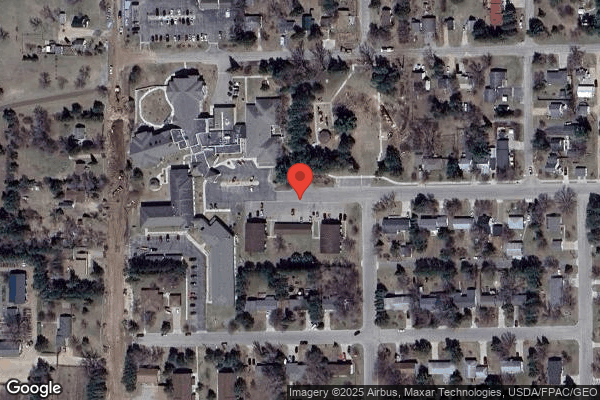
619 WEST SIXTH STREET, PARK RAPIDS, MN 56470 (218) 237-8312
Government - County 48 Beds Independent Data: November 2025
Trust Grade
90/100
#40 of 337 in MN
Last Inspection: August 2025

Inspected within the last 6 months. Data reflects current conditions.

Overview

Heritage Living Center in Park Rapids, Minnesota, holds an excellent Trust Grade of A, indicating a high level of care and service. With a state rank of #40 out of 337 facilities, they are well positioned in the top half of Minnesota nursing homes, and they are the only option in Hubbard County. The facility's overall performance has been stable, with eight issues identified, but none deemed life-threatening or seriously harmful. Staffing is a relative strength, boasting a 4 out of 5-star rating, although they do have less RN coverage than 97% of state facilities. Specific concerns include improper food labeling and expired items in refrigerators, and a lack of consent documentation for administering a mood stabilizer to a resident, highlighting areas needing improvement despite an absence of fines and a lower staff turnover rate.

Trust Score
A
90/100
In Minnesota
#40/337
Top 11%
Safety Record
Low Risk
No red flags
Inspections
Holding Steady
1 → 1 violations
Staff Stability
○ Average
40% turnover. Near Minnesota's 48% average. Typical for the industry.
Penalties
✓ Good
No fines on record. Clean compliance history, better than most Minnesota facilities.
Skilled Nurses
⚠ Watch
Each resident gets only 29 minutes of Registered Nurse (RN) attention daily — below average for Minnesota. Fewer RN minutes means fewer trained eyes watching for problems.
Violations
○ Average
8 deficiencies on record. Average for a facility this size. Mostly minor or procedural issues.
★★★★★
5.0
Overall Rating
★★★★☆
4.0
Staff Levels
★★★☆☆
3.0
Care Quality
★★★★★
5.0
Inspection Score
Stable
2024: 1 issues
2025: 1 issues

The Good

  • 4-Star Staffing Rating · Above-average nurse staffing levels
  • Full Sprinkler Coverage · Fire safety systems throughout facility
  • No fines on record
  • Staff turnover below average (40%)

    8 points below Minnesota average of 48%

Facility shows strength in staffing levels, fire safety.

The Bad

Staff Turnover: 40%

Near Minnesota avg (46%)

Typical for the industry

The Ugly 8 deficiencies on record

Aug 2025 1 deficiency
CONCERN (D)

Potential for Harm - no one hurt, but risky conditions existed

Deficiency F0605 (Tag F0605)

Could have caused harm · This affected 1 resident

**NOTE- TERMS IN BRACKETS HAVE BEEN EDITED TO PROTECT CONFIDENTIALITY** Based on interview and document review, the facility failed to have a consent prior to administering a mood stabilizer ( mental ...

Read full inspector narrative →
**NOTE- TERMS IN BRACKETS HAVE BEEN EDITED TO PROTECT CONFIDENTIALITY** Based on interview and document review, the facility failed to have a consent prior to administering a mood stabilizer ( mental health medication used to alter a person's mood) medication. This affect 1 of 5 (R36) residents reviewed for unnessary medications.Findings included, R36's quarterly Minimum Data Set (MDS) dated [DATE], indicated R36 had significant mental impairment. Diagnoses included depression and coronary artery disease. R36's Medication Review Report dated 2/13/25, identified Depakote oral tablet delayed release (anti-seizure medication that is also used as a mood stabilizer in mental health) 125 milligrams two times a day by mouth was ordered. Diagnosis attached to the order was major depressive order, recurrent, severe with psychotic symptoms. R36's medical record lacked documentation consent was given prior to administration of the medication. During an interview on 8/27/25 at 8:23 a.m., licensed practical nurse (LPN)-A stated when a psychotropic medication is ordered the registered nurse would educate the family about the medication and then obtain either a signed or verbal consent to administer the medication prior to the first dose. During an interview on 8/27/25 at 8:43 a.m., the assistant director of nursing (ADON) stated either she or one of the other registered nurses would talk with the resident and/or the patient representative about the new psychotropic medication ordered. Education would be given and then either a verbal or signed consent would be obtained. Nobody at the facility obtained consent to administer the Depakote prior to first dose because the staff thought of the medication as an anti-seizure medication and not also a mood stabilizer. During an interview on 8/27/2025 9:24 a.m. The consultant pharmacist (CP) confirmed Depakote could be used as an anti-seizure medication and a mood stabilizer which would be considered a psychotropic medication when given as a mood stabilizer. When used as a mood stabilizer then there would need to be a consent obtained prior to first dose given. Facility policy Psychotropic Medication Policy, last amended 1/25, indicated informed consent discussion would be held with the resident and/or resident representative when or prior to starting a psychotropic medication or a dose change. The informed consent form would also be completed at that time.
Sept 2024 1 deficiency
CONCERN (E)

Potential for Harm - no one hurt, but risky conditions existed

Food Safety (Tag F0812)

Could have caused harm · This affected multiple residents

**NOTE- TERMS IN BRACKETS HAVE BEEN EDITED TO PROTECT CONFIDENTIALITY** Based on observation, interview, and document review, the facility failed to ensure refrigerated food items were properly labele...

Read full inspector narrative →
**NOTE- TERMS IN BRACKETS HAVE BEEN EDITED TO PROTECT CONFIDENTIALITY** Based on observation, interview, and document review, the facility failed to ensure refrigerated food items were properly labeled and dated. Furthermore, the facility failed to ensure refrigerated food items were disposed of after expiration date. This deficient practice had the potential to harm any resident or visitor using facility refrigerators to store food. Findings include: During observation on 9/10/24 at 1:47 p.m., north unit fridge was reviewed. In the freezer the following items were found: -small, white, square [NAME] brand cold pack, no name or label attached. -large rectangular blue cold pack, resident label attached. -plastic grocery bag with two bags of frozen vegetables, no label attached. -one open box of frozen fruit bars, no label attached. During observation on 9/10/24 at 1:53 p.m., west unit fridge was reviewed. In the freezer was a [NAME] brand vegan pizza, expiration date of August 2022. In the fridge was a clear tupperware container with leftover corn, resident name on post-it note, no date. During observation on 9/10/24 at 1:58 p.m., second floor unit fridge was reviewed. In the door of the fridge was a small take out box with resident name and no date. During observation on 9/11/24 at 1:31 p.m., fridge in first floor serving kitchen was reviewed. In the freezer was a box of fried rice without name or date. During interview on 9/11/24 at 1:22 p.m., certified nursing assistant (CNA)-A stated resident leftovers or food brought in for residents should be tabled with the resident name and the date. CNA-A further stated there was no official process for staff to label food. During interview on 9/12/24 at 8:14 a.m., licensed practical nurse (LPN)-A stated resident food should be labeled with their name and date. LPN-A further stated they would dispose of old food whenever working. LPN-A stated there was no task to check the fridges. On 9/11/24 at 2:05 p.m., dietary manager (DM) and executive director (ED) stated expectation for staff to label resident food with initials and date. DM and ED confirmed presence of multiple cold packs in north unit fridge. DM and ED also confirmed plastic grocery bag of frozen vegetables, and box of frozen fruit bars. DM and ED reviewed fridge on west unit and confirmed presence of frozen vegan pizza and expiration date of August 2022. DM and ED confirmed presence of unlabeled box of frozen fried rice in first floor serving kitchen. ED stated, staff probably brought that in, maybe for a resident, and forgot about it. DM and ED confirmed presence of take out box with resident name and no date in second floor fridge. DM and ED discarded all expired or unlabeled foods. On 9/11/24 at 2:10 p.m., DM and ED stated there was not a process to ensure food was being check in unit fridges. DM and ED stated it was important to clean out unit fridges to prevent any possible harm to residents and families. DM and ED further stated expectation for staff to check unit fridges for expired food and to discard it if found. Facility policy, Food Brought In By Visitors last amended 1/24, stated any food not labeled or dated is discarded. Policy did not identify any time limit as to when food should be disposed.
Aug 2023 6 deficiencies
CONCERN (D) 📢 Someone Reported This

A family member, employee, or ombudsman was alarmed enough to file a formal complaint

Potential for Harm - no one hurt, but risky conditions existed

Resident Rights (Tag F0550)

Could have caused harm · This affected 1 resident

**NOTE- TERMS IN BRACKETS HAVE BEEN EDITED TO PROTECT CONFIDENTIALITY** Based on observation, interview and document review, the facility failed to ensure a dignified dining experience for 1 of 1 (R13...

Read full inspector narrative →
**NOTE- TERMS IN BRACKETS HAVE BEEN EDITED TO PROTECT CONFIDENTIALITY** Based on observation, interview and document review, the facility failed to ensure a dignified dining experience for 1 of 1 (R13) residents observed to struggle during meals. Findings include: R13's quarterly Minimum Data Set (MDS) dated [DATE], identified R13 had a severe cognitive impairment and had diagnoses that included dementia. R32 required assistance with eating. R13's care plan revised 4/16/23, identified interventions of : R13 needed a calm, quiet setting at meal times with adequate eating time. R13 preferred to sit (1st North dining room). Encourage R13's socialization and interaction with table mates during meals. Provide and serve diet as ordered. Regular diet, please assist R13 as needed with small bites and sips and cue R13 to continue eating. During a continuous observation on 8/21/23 at 5:42 p.m., R13 was sitting in the dining room at a table with R85 and R27. - At 5:46 p.m., R13 was served her meal of buttered bread, meatballs, mashed potatoes with gravy and steamed vegetables. Nursing assistant (NA)-A told R13 she would be back to help R13 and R13 picked up her buttered bread taking a bite. - At 5:49 p.m., R13 continued to not have assistance and picked up a meatball with her fingers and ate it. - At 5:53 p.m., R13 continued to eat her buttered bread without staff assistance. - At 5:55 p.m., R13 finished her bread and began eating all her meatballs with her fingers. Staff have not offered assistance nor given encouragement to use her utensils. - At 5:58 p.m., R13 finished her meatballs. R13 picked up a few vegetables with her fingers and attempted to eat them, but they fell onto her apron before reaching her mouth. - At 5:59 p.m., staff had continued to not offered assistance to R13 or given cues to use utensils. R13's tablemate encouraged R13 to use her utensils. - At 6:00 p.m., NA-A passed out ice cream dixie cups around the room, including R13. R13 grasped her dixie cup and attempted to open it herself; however, R13's face showed confusion and turned the dixie cup different ways in an attempt to open. Staff did not offer to help R13 and another resident at the table asked R13 if she could open the dixie cup for R13. The other resident opened the dixie cup for R13 and pointed to R13's spoon and stated use this. R13 did not pick up her spoon and began scooping out ice cream with her right index finger. Staff assistance was not provided. - At 6:03 p.m. R13 continued to eat her ice cream with her fingers, licking her fingers and hand after each bite. R13 did not attempt to use her spoon and staff have not offered assistance to R13. R13's tablemates finished their meals, but continue to sit with R133 with concern on their faces. - At 6:06 p.m., R13 continued to eat her ice cream with her fingers. One of the tablemates laughed and shook her head at R13. One of the tablemates stood up and used R13's spoon to scoop a large bite of ice cream and placed the spoon in R13's right hand. R13 proceeded to put the bite of ice cream in her mouth, picked up her napkin and wiped her mouth, then licked fingers. Once the ice cream was gone from her spoon, R13 looked at her spoon blankly then placed the spoon on table. R13 proceeded to eat her ice cream with her fingers. Staff did not provide any assistance or cues to R13. R13 had melted ice cream running down her right hand, arm and onto her clothing protector. - At 6:08 p.m., NA-A approached R13 and stated you ate all your meatballs. Then asked R13 is she liked her ice cream. NA-A did not offer to assist R13. - At 6:10 p.m., R13 continued to eat ice cream with her fingers. NA-A giggled and stated maybe you want to use your spoon. It would help you eat your ice faster. NA-A did not place the spoon in R13's hand, show the spoon to R13 nor offered to assist R13. - At 6:17 p.m., R13 was holding her dixie cup upside down. R13 continued to lick her fingers and her right hand with ice cream running down her hand, arm and onto her clothing protector. - At 6:18 p.m., NA-A approached R13 and removed R13's plate, then took R13's dixie cup from R13's hand. NA-A wiped R13's hands with her clothing protector. NA-A did not offer to re-heat the rest of R13's meal nor offered assistance to R13. During an interview on 8/22/23 at 4:35 p.m., NA-A stated R13's dining experience was not very dignified and NA-A would not like to eat that way. During an interview on 8/23/23 at 12:15 p.m., registered nurse (RN)-A then stated maybe finger foods would be more appropriate for R13 and RN-A would not want to eat thay way because it was not dignified During an interview on 8/23/23 at 1:52 p.m., assistant director of nursing (ADON) it was not a dignified way to eat and ADON would not want to eat that way. During an interview on 8/23/23 at 2:07 p.m., the director of nursing (DON) stated R13's dinig experience was not dignified. The facility policy Dignity revised February 2021, identified each resident shall be cared for in a manner that promoted and enhanced his or her sense of well-being, level of satisfaction with life, and feelings of self-worth and self-esteem.
CONCERN (D)

Potential for Harm - no one hurt, but risky conditions existed

Assessment Accuracy (Tag F0641)

Could have caused harm · This affected 1 resident

**NOTE- TERMS IN BRACKETS HAVE BEEN EDITED TO PROTECT CONFIDENTIALITY** Based on interview and document review the facility failed to ensure the accuracy of a significant change Minimum Data Set (MDS)...

Read full inspector narrative →
**NOTE- TERMS IN BRACKETS HAVE BEEN EDITED TO PROTECT CONFIDENTIALITY** Based on interview and document review the facility failed to ensure the accuracy of a significant change Minimum Data Set (MDS). Findings included: R25's significant change MDS dated [DATE], identified severe cognitive impairment. Diagnoses included palliative care and medically complex condition. It did not identify resident was receiving hospice services in section O. R25's provider's order dated 5/30/23, identified R25 was to be admitted to hospice care. R25's progress note dated 5/30/23, identified R5 was admitted to hospice services. During an interview on 8/23/23 at 1:50 p.m., the director of nursing (DON) stated the reason the significant change MDS dated [DATE], was done was due to R25 being admitted to hospice care. The significant change MDS was reviewed by her, and care plans were updated. The area to mark for hospice was not marked and should have been. It was missed during review and was not accurate. The facility's Comprehensive Assessment policy dated March 2022, did not address ensuring accuracy of comprehensive assessments used to complete a significant change MDS.
CONCERN (D)

Potential for Harm - no one hurt, but risky conditions existed

ADL Care (Tag F0677)

Could have caused harm · This affected 1 resident

**NOTE- TERMS IN BRACKETS HAVE BEEN EDITED TO PROTECT CONFIDENTIALITY** Based on observation, interview and document review, the facility failed to ensure eating assistance was provided for 1 of 1 res...

Read full inspector narrative →
**NOTE- TERMS IN BRACKETS HAVE BEEN EDITED TO PROTECT CONFIDENTIALITY** Based on observation, interview and document review, the facility failed to ensure eating assistance was provided for 1 of 1 residents (R13) observed to struggle during meals. Findings include: R13's quarterly Minimum Data Set (MDS) dated [DATE], identified R13 had a severe cognitive impairment and required assistance with eating. Diagosis included dementia. R13's ADL Functional/Rehabilitation Potential Care Area Assessment (CAA) summary dated 12/15/22, identified, during R13's look back period, R13 required up to supervision with eating. R13 needed extensive to dependent assistance with most of her activities of daily living (ADLs). R13's care plan revised 4/16/23, identified R13 had an ADL self-care performance deficit. R13 required up to extensive assistance by (1) staff to eat. R13 left 25% or more of food uneaten at most meals and needed staff assistance and cueing for oral intake. Interventions included: R13 needed a calm, quiet setting at meal times with adequate eating time. R13 preferred to sit (1st North dining room). Encourage R13's socialization and interaction with table mates during meals. Provide and serve diet as ordered. Regular diet, please assist R13 as needed with small bites and sips and cue R13 to continue eating. During a continuous observation on 8/21/23 at 5:42 p.m., R13 was sitting in the dining room at a table with R85 and R27. - At 5:46 p.m., R13 was served her meal of buttered bread, meatballs, mashed potatoes with gravy and steamed vegetables. Nursing assistant (NA)-A told R13 she would be back to help R13 and R13 picked up her buttered bread taking a bite. - At 5:49 p.m., R13 continued to not have assistance and picked up a meatball with her fingers and ate it. - At 5:53 p.m., R13 continued to eat her buttered bread without staff assistance. - At 5:55 p.m., R13 finished her bread and began eating all her meatballs with her fingers. Staff have not offered assistance nor given encouragement to use her utensils. - At 5:58 p.m., R13 finished her meatballs. R13 picked up a few vegetables with her fingers and attempted to eat them, but they fell onto her apron before reaching her mouth. - At 5:59 p.m., staff had continued to not offered assistance to R13 or given cues to use utensils. R13's tablemate encouraged R13 to use her utensils. - At 6:00 p.m., NA-A passed out ice cream dixie cups around the room, including R13. R13 grasped her dixie cup and attempted to open it herself; however, R13's face showed confusion and turned the dixie cup different ways in an attempt to open. Staff did not offer to help R13 and another resident at the table asked R13 if she could open the dixie cup for R13. The other resident opened the dixie cup for R13 and pointed to R13's spoon and stated use this. R13 did not pick up her spoon and began scooping out ice cream with her right index finger. Staff assistance was not provided. - At 6:03 p.m. R13 continued to eat her ice cream with her fingers, licking her fingers and hand after each bite. R13 did not attempt to use her spoon and staff have not offered assistance to R13. R13's tablemates finished their meals, but continue to sit with R133 with concern on their faces. - At 6:06 p.m., R13 continued to eat her ice cream with her fingers. One of the tablemates laughed and shook her head at R13. One of the tablemates stood up and used R13's spoon to scoop a large bite of ice cream and placed the spoon in R13's right hand. R13 proceeded to put the bite of ice cream in her mouth, picked up her napkin and wiped her mouth, then licked fingers. Once the ice cream was gone from her spoon, R13 looked at her spoon blankly then placed the spoon on table. R13 proceeded to eat her ice cream with her fingers. Staff did not provide any assistance or cues to R13. R13 had melted ice cream running down her right hand, arm and onto her clothing protector. - At 6:08 p.m., NA-A approached R13 and stated you ate all your meatballs. Then asked R13 is she liked her ice cream. NA-A did not offer to assist R13. - At 6:10 p.m., R13 continued to eat ice cream with her fingers. NA-A giggled and stated maybe you want to use your spoon. It would help you eat your ice faster. NA-A did not place the spoon in R13's hand, show the spoon to R13 nor offered to assist R13. - At 6:17 p.m., R13 was holding her dixie cup upside down. R13 continued to lick her fingers and her right hand with ice cream running down her hand, arm and onto her clothing protector. - At 6:18 p.m., NA-A approached R13 and removed R13's plate, then took R13's dixie cup from R13's hand. NA-A wiped R13's hands with her clothing protector. NA-A did not offer to re-heat the rest of R13's meal nor offered assistance to R13. During an interview on 8/22/23 at 4:35 p.m., NA-A stated sometimes R13 did really well with eating and she could eat on her own. Sometimes, R13 was just out of it and needed help. The previous evening, R13 did really well. She had finger food and was able to eat on her own. R13 had meatballs and ice cream. NA-A stated she did not offer the spoon because she had done that before but R13 just looked at it like it was a foreign object. That's why R13 did better with finger foods. However, NA-A stated mashed potatoes, steam vegetables nor ice cream were finger foods. NA-A should have been assisted with her meal. During an interview on 8/23/23 at 12:15 p.m., registered nurse (RN)-A stated R13 did really well with meals. R13 used her utensils, did not need reminders, and R13 was able to drink all of her drinks. Staff should always assist a resident who was struggling with a meal. Also other resident should never be allowed to assist another resident due to safety concerns. R13 should have been assisted with her meal. During an interview on 8/23/23 at 1:52 p.m., assistant director of nursing (ADON) stated R13's ability varied by the day. Some days, R13 needed no assistance and other days R13 just did not eat. Staff were expected to monitor/watch R13 and to help her eat when she was struggling. Staff were expected to intervene when a resident attempted to assist another resident with eating. During an interview on 8/23/23 at 2:07 p.m., the director of nursing (DON) stated, for the most part, R13 ate on her own but did prefer finger foods. The DON updated R13's care plan that morning on 8/23/23, to inlcude finger foods because of that. Other residents were never expected to assist R13 because that was staff responsibility. The facility policy Assistance with Meals revised March 2022, identified residents shall receive assistance wtih meals in a manner that met the individual needs of each resident.
CONCERN (D)

Potential for Harm - no one hurt, but risky conditions existed

Quality of Care (Tag F0684)

Could have caused harm · This affected 1 resident

**NOTE- TERMS IN BRACKETS HAVE BEEN EDITED TO PROTECT CONFIDENTIALITY** Based on observation, interview and document review, the facility failed to ensure proper wound care practices were completed to...

Read full inspector narrative →
**NOTE- TERMS IN BRACKETS HAVE BEEN EDITED TO PROTECT CONFIDENTIALITY** Based on observation, interview and document review, the facility failed to ensure proper wound care practices were completed to promote healing and prevent infection for 1 of 1 residents (R32) reviewed for non pressure related skin concern. Findings include: R32's significant change Minimum Data Set (MDS) dated [DATE], identified R32 had a moderate cognitive impairment and had a surgical wound. Diagnoses included Alzheimer's disease and dementia. R32's care plan revised 8/3/23, identified R32 had a potential/actual impairment to skin integrity related to breast cancer, left mastectomy and an abdominal hysterectomy that dehisced (burst or gape open) with open wound. Interventions included: - Observe for signs / symptoms infection and report to physician. - Weekly treatment documentation to include measurement of each area of skin breakdown. - Wound / Skin treatments as ordered. R32's Order Summary Report dated 6/26/23, identified the following: - Abdominal binder at all times. - Dry packing 1 inch deep hole on top of incision. Be sure to push 4x4 gauze in there, then ABD pad and abdominal binder over top. Lightly pack all of open incision twice a day. It would be good to unpack wound then shower. Okay to have soap and water run over open incision. On 8/23/23 10:13 a.m., registered nurse (RN)-A was observed to assist R32 to lie down in bed to complete R32's dressing change. RN-A gathered dressing supplies from R32's cupboard and placed them unopened onto R32's overbed table. RN-A removed the abdominal binder and ABD pad covering R32's wound to expose iodoform gauze (a narrow strip of sterile gauze used to pack wounds to prevent closure on the outside when drainage from the inside is needed). While looking at the gauze, RN-A stated they must have changed orders on me. RN-A turned on R32's call light. RN-A removed the soiled iodoform gauze and stated the wound had no foul smell, no tunneling that she could determine and that the wound was measured the day prior. The wound was a large, gaping wound that started at approximately R32's naval and traveled to approximately 2 inches above R32's pubic area. The wound was approximately 3.5 inches long, 2 inches wide and 1 inches deep. The area was beefy red in color, smooth texture with no bloody drainage. RN-A removed her gloves, used hand sanitizer and stepped to door where she asked a staff person to have a nurse look at R32's wound dressing order. RN-A stated she did review the order prior to starting the dressing change, but not in it's entirety. - At 10:28 a.m., RN-A covered R32 up to the bottom of R32's wound for privacy and stepped out of R32's room. However, RN-A left R32's wound exposed. R32 began scratching her skin and wound until the wound began to bleed. R32 then attempted to pick up the unopened dressing packages on the overbed table but could not reach. - At 10:31 a.m., RN-A returned to the room telling R32 good job. RN-A stated R32's order was for dry packing and did not change. RN-A completed R32's wound dressing as ordered. Upon interview, RN-A stated she should not have left R32 unattended. RN-A should have covered R32's wound so she could not touch it. During an interview on 8/23/23 at 1:50 p.m., the assistant director of nursing (ADON) stated RN-A should have covered R32's wound prior to leaving her bedside because R32's scratching could lead to infection. During an interview on 8/23/23 at 2:13 p.m., the director of nursing stated staff were expected to review wound dressing orders prior to begining a dressing change. Staff were expected to not leave wounds exposed in order to promote healing and prevent infection. The facility policy Dressings, Dry/Clean revised September 2013, identified the purpose of the procedure was to provide guidelines for the application of dry, clean dressings. Staff were directed to the following: - Verify that there was a physician's order for the procedure. - Review the resident's care plan, current orders, and diagnoses to determine if there were special resident needs. - Assemble the equipment and supplies as needed. Date and initial all bottles and jars upon opening (unless product is single use). Wipe nozzles of wound with alcohol pledget or facility disinfectant wipe. - Explain procedure to the resident and provide privacy.
CONCERN (D)

Potential for Harm - no one hurt, but risky conditions existed

Infection Control (Tag F0880)

Could have caused harm · This affected 1 resident

**NOTE- TERMS IN BRACKETS HAVE BEEN EDITED TO PROTECT CONFIDENTIALITY** Based on observation, interview and document review, the facility failed to properly disinfect a glucometer (a device to check b...

Read full inspector narrative →
**NOTE- TERMS IN BRACKETS HAVE BEEN EDITED TO PROTECT CONFIDENTIALITY** Based on observation, interview and document review, the facility failed to properly disinfect a glucometer (a device to check blood sugar) after resident use for 1 of 1 residents (R24) observed having blood sugar checked. This had the potential to affect 3 residents (R24, R15, R21) on the unit who required blood sugar checks and shared the same glucometer. Findings included: R24's quarterly Minimum Data Set (MDS) dated [DATE], identified a diagnosis of diabetes mellitus (DM) (a condition where the body cannot regulate its own blood sugar effectively). R24 did not have any identified blood born illnesses. R24's provider order dated 2/5/23, identified blood sugar checks four times a day for DM. R15's quarterly MDS dated [DATE], identified a diagnosis of DM. R15 did not have any identified blood born illnesses. R15's provider order dated 10/12/22, identified blood sugar checks two times a day for DM. R21's quarterly MDS dated [DATE], identified a diagnosis of DM. R21 did not have any identified blood born illnesses. R21's provider order dated 10/12/22, identified blood sugar checks four times a day for DM. On 8/22/23 at 4:37 p.m., trained medication assistant (TMA)-A reviewed orders for blood sugar check and retrieved the community glucometer from the medication cart. TMA-A stated the glucometer was disinfected after every use with Sani-Cloth Germicidal Disposable Wipe (purple top Sani-wipes). TMA-A gathered the supplies needed and washed her hands. TMA-A went to R24's room and blood sugar check was completed. TMA-A returned to the med cart and went to disinfect the glucometer. TMA-A opened the bottom drawer of the medication cart and opened the purple top Sani-wipe container, and it was empty. TMA-A would have to replace it but did not have time to do it now. TMA-A then proceeded to take alcohol pads and wiped down the glucometer and placed it in a paper towel and back into the medication cart. TMA-A stated I think it was ok to use alcohol pads to disinfect the glucometer if she did not have any purple top Sani-wipes available. During an interview on 8/23/23 at 1:15 p.m., the assistant director of nursing (ADON) stated glucometers were to be disinfected between every resident with purple top Sani wipes. They are supposed to use the wipes and then wrap it to ensure it remains wet for three minutes. Alcohol wipes would not be sufficient. During an interview on 8/23/23 at 2:50 p.m., the director of nursing (DON) stated staff were expected to use the purple top Sani wipes to clean the glucometer between each use. The DON thought the glucometers could be cleaned with alcohol wipes; it may damage the glucometer. She would expect the facility policy to be followed. The undated page of the manufacturer's instructions on for TRUEresult glucometer identified the glucometer was to be cleaned by Occupation Safety and Health Administration (OSHA) approved disinfectant. Do not use alcohol to clean meter. Cleaning the meter with alcohol will cause damage. The facility's Blood Sampling-Capillary (Finger Sticks) policy dated [DATE], identified to use approved Environmental Protection Agency (EPA) registered disinfectants for cleaning of glucometer. Follow the manufacturer's instructions for cleaning and disinfection of reusable equipment. The undated manufacturer's guidelines for use for purple top Sani-wipe identified you were to unfold a clean wipe and thoroughly wet surface of area or item to be cleaned and allow area or item to remain wet for 2 minutes. Let air dry. The Centers for Disease Control (CDC) Guidelines for Disinfection and Sterilization in Healthcare Facilities dated 2008 identified In the healthcare setting, alcohol refers to two water-soluble chemical compounds-ethyl alcohol and isopropyl alcohol-that have generally underrated germicidal characteristics 482. Food and Drug Administration (FDA) has not cleared any liquid chemical sterilant or high-level disinfectant with alcohol as the main active ingredient.
CONCERN (E)

Potential for Harm - no one hurt, but risky conditions existed

Deficiency F0883 (Tag F0883)

Could have caused harm · This affected multiple residents

**NOTE- TERMS IN BRACKETS HAVE BEEN EDITED TO PROTECT CONFIDENTIALITY** Based on interview and document review the facility failed to provide the most recent Centers for Disease Control (CDC) educatio...

Read full inspector narrative →
**NOTE- TERMS IN BRACKETS HAVE BEEN EDITED TO PROTECT CONFIDENTIALITY** Based on interview and document review the facility failed to provide the most recent Centers for Disease Control (CDC) education regarding the potential risks and benefits of the pneumococcal vaccine for 5 of 5 residents (R4, R13, R17, R23, R25) reviewed for immunizations. Findings include: R4's admission Record dated 8/23/23, identified R4 was admitted on [DATE], and was [AGE] years old. R4's diagnoses included chronic obstructive pulmonary disease (COPD), and diabetes. R4's Minnesota Immunization Information Connection (MIIC) dated 11/3/21, identified R4 received the pneumococcal polysaccharide vaccine (PPSV23) on 10/20/03. R4's electronic health record (EHR) did not include evidence R4 or R4's representative received education regarding pneumococcal vaccine booster and there was no indication R4 was offered the pneumococcal vaccine per CDC guidance. R13's admission Record dated 8/23/23, identified R13 was admitted on [DATE], and was [AGE] years old. R13's diagnoses included dementia and chronic kidney disease. R13's undated MIIC identified R13 received the pneumococcal conjugate vaccine (Prevnar 13) on 11/30/16, and pneumococcal polysaccharide vaccine (PPSV23) on 12/30/02. R13's EHR did not include evidence R13 or R13's representative received education regarding pneumococcal vaccine booster and there was no indication R13 was offered the pneumococcal vaccine per CDC guidance. R17's admission Record dated 8/23/23, identified R17 was admitted on [DATE], and was [AGE] years old. R17 had diagnoses including toxic encephalopathy and chronic obstructive pulmonary disease (COPD). R17's MIIC dated 11/3/21, identified R17 had not received or declined pneumococcal vaccinations. R23's admission Record dated 8/23/23, identified an admission date of 4/19/23, and was [AGE] years old. R23 had diagnoses that included dementia, heart failure, and acute kidney failure. R23's MIIC dated 4/19/23, identified R23 received the pneumococcal polysaccharide vaccine (PPSV23) on 2/1/208, and pneumococcal conjugate vaccine (Prevnar 13) on 1/20/15. R23's EHR did not include evidence R23 or R23's representative received education regarding pneumococcal vaccine booster and there was no indication R23 was offered the pneumococcal vaccine per CDC guidance. R25's admission Record dated 8/23/23, identified an admission date of 5/27/21, and was [AGE] years old. R25 had diagnoses that included atherosclerotic heart disease, and cerebral infarct (stroke). R25's MIIC dated 11/2/22, identified R25 received the pneumococcal polysaccharide vaccine (PPSV23) on 5/15/12, and pneumococcal conjugate vaccine (Prevnar 13) on 10/7/15. R25's EHR did not include evidence R25 or R25's representative received education regarding pneumococcal vaccine booster and there was no indication R25 was offered the pneumococcal vaccine per CDC guidance. During interview on 8/23/23 at 11:36 a.m., registered nurse (RN)-B stated she was aware of the new guidance for pneumococcal vaccinations. RN-B stated thought about how the facility was going to proceed with the vaccinations although had not started implementing a plan yet. The facility Vaccination of Residents policy revised 10/19, identified all residents were to be offered vaccines unless the vaccine was contraindicated or the resident had already been vaccinated. Prior to vaccination, the resident or legal representative would be provided information and education regarding the benefits and potential side effects of the vaccination. The staff would enter a note in the residents EHR indicating the education provided, administration information or declination. The facility Pneumococcal Vaccine policy revised 3/22 identified all residents were to be offered the pneumococcal vaccine to aid in preventing pneumonia/pneumococcal infections and were administered in accordance with current CDC recommendations at the time of the vaccination.
Understanding Severity Codes (click to expand)
Life-Threatening (Immediate Jeopardy)
J - Isolated K - Pattern L - Widespread
Actual Harm
G - Isolated H - Pattern I - Widespread
Potential for Harm
D - Isolated E - Pattern F - Widespread
No Harm (Minor)
A - Isolated B - Pattern C - Widespread

Questions to Ask on Your Visit

  • "Can I speak with families of current residents?"
  • "What's your RN coverage like on weekends and overnight?"

Our Honest Assessment

Strengths
  • • Grade A (90/100). Above average facility, better than most options in Minnesota.
  • • No major safety red flags. No abuse findings, life-threatening violations, or SFF status.
  • • No fines on record. Clean compliance history, better than most Minnesota facilities.
  • • 40% turnover. Below Minnesota's 48% average. Good staff retention means consistent care.
Concerns
  • • No significant concerns identified. This facility shows no red flags across CMS ratings, staff turnover, or federal penalties.
Bottom line: Generally positive indicators. Standard due diligence and a personal visit recommended.

About This Facility

What is Heritage Living Center's CMS Rating?

CMS assigns Heritage Living Center an overall rating of 5 out of 5 stars, which is considered much above average nationally. Within Minnesota, this rating places the facility higher than 99% of the state's 100 nursing homes. This rating reflects solid performance across the metrics CMS uses to evaluate nursing home quality.

How is Heritage Living Center Staffed?

CMS rates Heritage Living Center's staffing level at 4 out of 5 stars, which is above average compared to other nursing homes. Staff turnover is 40%, compared to the Minnesota average of 46%. This relatively stable workforce can support continuity of care. RN turnover specifically is 62%, which is notably high. RNs provide skilled clinical oversight, so turnover in this role can affect medical care quality.

What Have Inspectors Found at Heritage Living Center?

State health inspectors documented 8 deficiencies at Heritage Living Center during 2023 to 2025. These included: 8 with potential for harm.

Who Owns and Operates Heritage Living Center?

Heritage Living Center is owned by a government entity. Government-operated facilities are typically run by state, county, or municipal agencies. The facility operates independently rather than as part of a larger chain. With 48 certified beds and approximately 41 residents (about 85% occupancy), it is a smaller facility located in PARK RAPIDS, Minnesota.

How Does Heritage Living Center Compare to Other Minnesota Nursing Homes?

Compared to the 100 nursing homes in Minnesota, Heritage Living Center's overall rating (5 stars) is above the state average of 3.2, staff turnover (40%) is near the state average of 46%, and health inspection rating (5 stars) is much above the national benchmark.

What Should Families Ask When Visiting Heritage Living Center?

Based on this facility's data, families visiting should ask: "Can I visit during a mealtime to observe dining assistance and food quality?" "How do you handle medical emergencies, and what is your hospital transfer rate?" "Can I speak with family members of current residents about their experience?"

Is Heritage Living Center Safe?

Based on CMS inspection data, Heritage Living Center has a clean safety record: no substantiated abuse findings (meaning no confirmed cases of resident harm), no Immediate Jeopardy citations (the most serious violation level indicating risk of serious injury or death), and is not on the Special Focus Facility watch list (a federal program monitoring the lowest-performing 1% of nursing homes). The facility has a 5-star overall rating and ranks #1 of 100 nursing homes in Minnesota. While no facility is perfect, families should still ask about staff-to-resident ratios and recent inspection results during their visit.

Do Nurses at Heritage Living Center Stick Around?

Heritage Living Center has a staff turnover rate of 40%, which is about average for Minnesota nursing homes (state average: 46%). Moderate turnover is common in nursing homes, but families should still ask about staff tenure and how the facility maintains care continuity when employees leave.

Was Heritage Living Center Ever Fined?

Heritage Living Center has no federal fines on record. CMS issues fines when nursing homes fail to meet care standards or don't correct problems found during inspections. The absence of fines suggests the facility has either maintained compliance or corrected any issues before penalties were assessed. This is a positive indicator, though families should still review recent inspection reports for the full picture.

Is Heritage Living Center on Any Federal Watch List?

Heritage Living Center is not on any federal watch list. The most significant is the Special Focus Facility (SFF) program, which identifies the bottom 1% of nursing homes nationally based on persistent, serious quality problems. Not being on this list means the facility has avoided the pattern of deficiencies that triggers enhanced federal oversight. This is a positive indicator, though families should still review the facility's inspection history directly.