Good Samaritan Society - Pine River
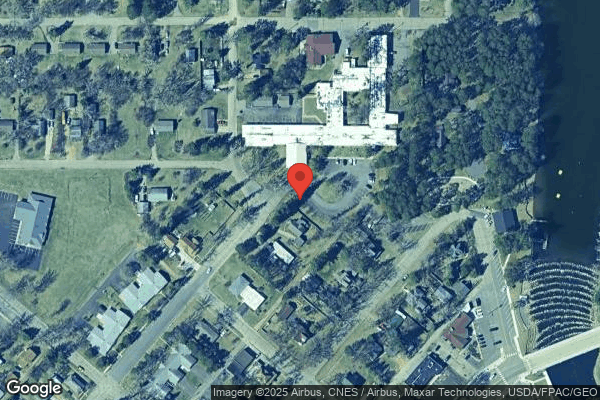
518 JEFFERSON AVENUE, PINE RIVER, MN 56474 (218) 587-4423
Non profit - Corporation 33 Beds GOOD SAMARITAN SOCIETY Data: November 2025
Trust Grade
80/100
#117 of 337 in MN
Last Inspection: February 2025

Within standard 12-15 month inspection cycle. Federal law requires annual inspections.

Overview

The Good Samaritan Society - Pine River has a Trust Grade of B+, which indicates that it is above average and recommended for potential residents. It ranks #117 out of 337 facilities in Minnesota, placing it in the top half, and is the only nursing home in Cass County. The facility is improving, as it has reduced its issues from four in 2024 to three in 2025. Staffing is a strength, with a rating of 4 out of 5 stars and RN coverage better than 88% of state facilities, though the staff turnover at 52% is average. While there have been no fines, there are some concerns, including issues with staff not ensuring proper dishwasher temperatures for sanitizing dishes, which could affect resident safety, and a cook not wearing a beard net while preparing food, risking foodborne illness.

Trust Score
B+
80/100
In Minnesota
#117/337
Top 34%
Safety Record
Low Risk
No red flags
Inspections
Getting Better
4 → 3 violations
Staff Stability
⚠ Watch
52% turnover. Above average. Higher turnover means staff may not know residents' routines.
Penalties
✓ Good
No fines on record. Clean compliance history, better than most Minnesota facilities.
Skilled Nurses
✓ Good
Each resident gets 76 minutes of Registered Nurse (RN) attention daily — more than 97% of Minnesota nursing homes. RNs are the most trained staff who catch health problems before they become serious.
Violations
○ Average
8 deficiencies on record. Average for a facility this size. Mostly minor or procedural issues.
★★★★☆
4.0
Overall Rating
★★★★☆
4.0
Staff Levels
★★★☆☆
3.0
Care Quality
★★★★☆
4.0
Inspection Score
Stable
2024: 4 issues
2025: 3 issues

The Good

  • 4-Star Staffing Rating · Above-average nurse staffing levels
  • Full Sprinkler Coverage · Fire safety systems throughout facility
  • No fines on record

Facility shows strength in staffing levels, fire safety.

The Bad

Staff Turnover: 52%

Near Minnesota avg (46%)

Higher turnover may affect care consistency

Chain: GOOD SAMARITAN SOCIETY

Part of a multi-facility chain

Ask about local staffing decisions and management

The Ugly 8 deficiencies on record

Feb 2025 3 deficiencies
CONCERN (F)

Potential for Harm - no one hurt, but risky conditions existed

Deficiency F0801 (Tag F0801)

Could have caused harm · This affected most or all residents

Based on observation, interview, and document review the facility failed to ensure dietary staff were educated on the required dishwasher tempuratures for 4 of 5 staff (cook (CK)-A, dietary aide (DA)-...

Read full inspector narrative →
Based on observation, interview, and document review the facility failed to ensure dietary staff were educated on the required dishwasher tempuratures for 4 of 5 staff (cook (CK)-A, dietary aide (DA)-A, DA-B, DA-C, dietary manager (DM) who used the dishwasher. This had the potential to affect all 26 residents who consumed foods from the kitchen. Findings include: On 2/2/25 at 11:31 a.m., an initial kitchen tour was completed with dietary aide (DA)-A. A single commercial dishwasher was observed along the wall. Two gauges were located on the top front of the dishwasher. One gauge was labeled wash, and the other was labeled rinse. DA-A stated she would run dishes through a cycle, then monitor and document the highest temperatures of the wash and rinse cycles. Staff documented the temperatures three times daily on the temperature log. DA-A stated the wash temperature was okay and reached a minimum of 160 degrees, but the minimum rinse temperature was supposed to be 180 degrees and the tempurare had been running low, ranging 173-178, since January 2025. DA-A stated she was unaware what the numbers meant and had not been given direction on what to do other than to document the numbers. The Dish Machine Temperature Log(s) were reviewed and identified the following: - January 1, 2025, through February 2, 2025, the dishwasher rinse temperature was recorded between 164 degrees and 176 degrees and reached the minimum of 180 degrees 4 times during the date range. - December 2024, identified 72 of 93 recorded dishwasher rinse temperatures were below 180 degrees when monitored for the three meals. - November 2024, identified 66 of 90 recorded dishwasher rinse temperatures were recorded below 180 degrees when monitored for the three meals. On 2/2/25 at 12:20 p.m., the dietary manager, (DM) stated during January 2025, the dishwasher had not been reaching the minimum rinse temperature and on 1/19/25, the repair man was contacted, and the thermostat was replaced. The dish machine was a hot water single machine and had a rinse brick for the sanitizer. Hot water flushed through a rinse brick and dissolved the appropriate amount of rinse needed to sanitize the dishes. DM stated the dishes were getting sanitized because the brick was getting smaller, and the dishes were hot when they came out. DM stated she had not rechecked the rinse temperature or the log after the repair man left, and thought the machine was functioning properly. DM stated she checked the rinse temperature on 1/31/25, and the temperature was above 180 degrees. DM informed the staff to continue checking the temperatures and if the rinse cycle went below 177 degrees to use the three-compartment sink process. DA stated she had not documented the observations or the discussions she had with the dietary staff. The DM was unable to identify the rinse cycle was supposed to reach a tempurature of 180 degrees F on the rinse cycle. The DM stated she was unaware how low the temperatures had gotten when she reviewed the tempurature logs. DM reviewed the February temperature log which indicated the final rinse temperatures of 172 through 174. DM stated she informed her staff to monitor the rinse temperatures and if the temps were below 177 degrees, then use the three compartment sinks. On 2/4/25 at 12:16 p.m., DA-C stated her primary job was washing dishes. The final rinse temperature was checked three times daily, once at each meal. DA-C stated she ran dishes through the wash machine, monitored the gauges and documented the highest temperature reached during the wash and rinse cycles. DA-C stated she was uncertain if they used the three compartment sinks during the month of January because the tile was ripped up over by the sink and could not remember if they used the sinks during that time. - DA-B approached the conversation and stated she washed the dishes one evening shift per week and documented the highest wash and rinse temperature during the cycle. DA-B stated she had not been given direction of what to do if the rinse temperatures were below 180 degrees and had not known when they would use the three sinks unless the dishwasher was broken. On 2/4/25 at 1:34 p.m., the administrator stated she took the Basics of Food Safety in Long Term Care Facilities online training that the staff were required to take. The administrator stated the training did not specifically identify what temperature's the dishwasher needs to reach; however, the log does identify the minimum temperatures for rinsing. On 2/5/25 at 8:54 a.m., DM stated she was not aware of the facility Warewashing-Mechanical and Manual- Food and Nutrition policy or the Mechanical Ware Washing Food and Nutritional Competency Checklist included in the policy. DM stated the staff completed the Basics of Food Safety in Long Term Care Facilities online coarse although the course did not include information regarding the importance of appropriate wash and rinse temperatures for the dishwasher. DM stated competency checklists for all dietary staff were not completed. The undated ECOLab Dishmachine ES-2000HT manufacturer's instructions identified the sanitizing rinse water minimum temperature of 180 degrees. The facility Warewashing-Mechanical and Manual - Food and Nutrition policy reviewed 3/25/24, identified warewashing as the means to clean and sanitize utensils and food-contact surfaces of equipment. The policy identified food and nutrition employees were to ensure food preparation equipment, dishes and utensils were effectively cleaned, sanitized to destroy potential disease carrying organisms, and stored in a protective manner. The policy identified staff were to follow manufacturers instructions for the specific dishwasher model for minimum temperatures for safe sanitization of dishes as well as complete the Food and Nutrition Competency Checklist for mechanical warewashing.
CONCERN (F)

Potential for Harm - no one hurt, but risky conditions existed

Food Safety (Tag F0812)

Could have caused harm · This affected most or all residents

Based on observation, interview, and document review the facility failed to ensure the dishwasher rinse cycle reached or exceeded a tempurature to effectively sanitize dishes.This had the potential to...

Read full inspector narrative →
Based on observation, interview, and document review the facility failed to ensure the dishwasher rinse cycle reached or exceeded a tempurature to effectively sanitize dishes.This had the potential to affect 26 residents that consumed food from the kitchen. Findings include: On 2/2/25 at 11:31 a.m., an initial kitchen tour was completed with dietary aide (DA)-A. A single commercial dishwasher was observed along the wall. Two gauges were located on the top front of the dishwasher. One gauge was labeled wash, and the other was labeled rinse. DA-A stated she would run dishes through a cycle, then monitor and document the highest temperatures of the wash and rinse cycles. Staff documented the temperatures three times daily on the temperature log. DA-A stated the wash temperature was okay and reached a minimum of 160 degrees, but the minimum rinse temperature was supposed to be 180 degrees and the tempurare had been running low, ranging 173-178, since January 2025. DA-A stated she was unaware what the numbers meant and had not been given direction on what to do other than to document the numbers. The Dish Machine Temperature Log(s) were reviewed and identified the following: - January 1, 2025, through February 2, 2025, the dishwasher rinse temperature was recorded between 164 degrees and 176 degrees and reached the minimum of 180 degrees 4 times during the date range. - December 2024, identified 72 of 93 recorded dishwasher rinse temperatures were below 180 degrees when monitored for the three meals. - November 2024, identified 66 of 90 recorded dishwasher rinse temperatures were recorded below 180 degrees when monitored for the three meals. On 2/2/25 at 12:20 p.m., the dietary manager, (DM) stated during January 2025, the dishwasher had not been reaching the minimum rinse temperature and on 1/19/25, the repair man was contacted, and the thermostat was replaced. The dish machine was a hot water single machine and had a rinse brick for the sanitizer. Hot water flushed through a rinse brick and dissolved the appropriate amount of rinse needed to sanitize the dishes. DM stated the dishes were getting sanitized because the brick was getting smaller, and the dishes were hot when they came out. DM stated she had not rechecked the rinse temperature or the log after the repair man left, and thought the machine was functioning properly. DM stated she checked the rinse temperature on 1/31/25, and the temperature was above 180 degrees. DM informed the staff to continue checking the temperatures and if the rinse cycle went below 177 degrees to use the three-compartment sink process. DA stated she had not documented the observations or the discussions she had with the dietary staff. The DM was unable to identify the rinse cycle was supposed to reach a tempurature of 180 degrees F on the rinse cycle. The DM stated she was unaware how low the temperatures had gotten when she reviewed the tempurature logs. DM reviewed the February temperature log which indicated the final rinse temperatures of 172 through 174. DM stated she informed her staff to monitor the rinse temperatures and if the temps were below 177 degrees, then use the three compartment sinks. The infection control logs were reviewed from November through February and did not identfiy and gastrointestinal illness' and or outbreaks. Review of the service call summary forms identified the following: - 12/12/24: Regular Service Call - Rinse temperature of 178 degrees. - 1/13/25: Regular Service Call - Replaced temperature gauges that were not functioning properly. Rinse temperature before and after replacement at 180 degrees. - 2/3/25 Extra Service Request - Machine not hitting rinse temperature. Comments: Fixed stuck thermostat. A joint interview was completed with cook (CK)-A, DA-C and DA-B on 2/4/25 at 12:16 p.m CK-A stated she did not wash the dishes and prior to today was uncertain what the minimum rinse temperature should be. DA-C stated her primary role was washing dishes. DA-C stated she checked and documented the wash and rinse temperatures once per meal. DA-C stated she thought they had used the three compartment sink previously when the dish machine wasn't reaching minimum temperature. DA-C unable to remember the last time they used the three compartment sinks but thought it may have been in January 2025. DA-B stated she washed dishes one evening per week and checked the wash and rinse temperatures once during that meal. DA-B stated she wouldn't know what to do other than use the dishwasher, had not been directed to do anything differently and didn't know when they would use the three-compartment sinks. On 2/5/25 at 9:02 a.m., the maintenance/ ancillary services supervisor (MAINT) stated on 1/13/25, the dishwasher was not getting up to temperature. The repair mas was contacted and replaced the gauges. After that the dish machine was reaching temperature. Then on 2/2/25, DM reported the dish machine was not reaching temperature and contacted the repair man again. They came out on 2/3/25 and said the thermostat was stuck, they fixed it, and the dishwash machine had been reaching temperature since. The facility Warewashing-Mechanical and Manual - Food and Nutrition policy reviewed 3/25/24, identified warewashing as the means to clean and sanitize utensils and food-contact surfaces of equipment. The policy identified food and nutrition employees were to ensure food preparation equipment, dishes and utensils were effectively cleaned, sanitized to destroy potential disease carrying organisms, and stored in a protective manner. The policy identified staff were to follow manufacturers instructions for the specific dishwasher model for minimum temperatures for safe sanitization of dishes as well as complete the Food and Nutrition Competency Checklist for mechanical warewashing.
MINOR (C)

Minor Issue - procedural, no safety impact

Staffing Information (Tag F0732)

Minor procedural issue · This affected most or all residents

Based on observation, interview, and document review, the facility failed to ensure the required nurse staffing information was consistently posted on a daily basis and failed to identify when the pos...

Read full inspector narrative →
Based on observation, interview, and document review, the facility failed to ensure the required nurse staffing information was consistently posted on a daily basis and failed to identify when the posting changed due to call ins. This had potential to affect all 26 residents along with staff and visitors who could wish to review this information. Findings include: During observation on 2/2/25 at 12:20 p.m., the staff in a clear hard plastic sleeve on the nurses' desk upon entrance to the facility. The staff posting form identified the facility name, date, census, shift and total hours for licensed practical nurse (LPN). nursing assistant (NA), registered nurse (RN) case manager, and RN. The posting for 2/2/25, identified a census of 26 (that was corrected from 27). The 6:00 am to 6:00 pm shift identified one NA but did not identify the total hours (hr) worked, one RN case manager for 11.5 hrs which is less than the 12-hour shift identified on the posting. The 6:00 a.m. to 2:30 p.m. shift identified one LPN for 8 hrs, one NA but did not identify the total hours worked. The 2:15 p.m. to 10 45 p.m. shift identified two NA's for a total of 4.25 hours which was not reflected of the shift, two RN's with no total hours identified. The 6:00 p.m. to 6:00 a.m. shift identified one NA for 11.5 hrs and one RN for 11.5 hours both of which were not the full 12 hours identified for the shift. Further, the posting failed to identify the staff hours worked due to call-ins, vacations and/or staff shortages. The working schedule for 2/2/25, identified from 6:00 a.m. to 2:30 p.m. there was one LPN and one NA, from 6:00 a.m. to 6:00 p.m. there was one RN and one NA, from 2:15 p.m. to 10:45 p.m. there was one RN, one LPN, and one NA, from 6:00 p.m. to 6:00 a.m. there was one RN and one NA. During observation on 2/3/25 at 4:11 p.m., the staff posting for 2/3/25, identified the facility name, date, census, shift and total hours for director of nursing (DON), health information management technician (HIM), LPN. NA, RN case manager, and supervisor ancillary services. The posting identified a census of 25 (corrected from 26.) The 6:00 am to 2:30 p.m. shift identified one LPN for a for 8 hrs, one NA without identifying the total hours worked. The 2:15 p.m. to 10:45 p.m. identified two NA's with a total of 4.25 hrs and two RN's without identifying the total hours worked. The 6:00p.m. to 6:00a.m. identified one NA for 11.5 hrs and one RN for 11.5 hours, the total hours worked did not match the shift. Further, the posting failed to identify the staff hours worked due to call-ins, vacations and/or staff shortages. The working schedule for 2/3/25, identified from 6:00 a.m. to 2:30 p.m. there was one LPN, one RN and two NAs, from 2:15 p.m. to 10:45 p.m. there were two LPNs and two NAs, from 10:30 p.m. to 7:00 a.m. there was one LPN and one NA. During observation on 2/4/25 at 11:13 a.m., the staff posting for 2/4/25, identified the facility name, date, census, shift and total hours for DON, HIM, LPN. NA, RN case manager, and supervisor ancillary services. The posting identified a census of 25 (corrected from 27). The 6:00 am to 2:30 p.m. shift identified one LPN for a for 8 hrs, two NA for a total of 16 hrs and one RN without identifying the total hours worked. The 8:00 a.m. to 4:30 p.m. shift identified the DON worked for 8hrs along with ) RN case managers for a total of 8 hrs. The 2:15 p.m. to 10:45 p.m. shift Identified one LPN for 8 hrs with a handwritten notation in the box 1 RN + without further information and two NA's for a total of 8 hrs. The 10:30 p.m. to 7:00 a.m. shift identified in the LPN box a zero with a line crossed through with a hand notations 1 RN without further information and one NA for a total of 4 hrs but did not identify what the shift worked for those 4 hrs. Further, the posting failed to identify the staff hours worked due to call-ins, vacations and/or staff shortages. The working schedule for 2/4/25, identified from 6:00 a.m. to 2:30 p.m. there was one LPN, one RN and two NA's from 2:15 p.m. to 10:45 p.m. there were two LPNs and two NAs, from 10:30 p.m. to 7:00 a.m. there was one LPN [10:30 p.m. to 3:00 a.m.] and one RN [from 3:00 a.m. to 7:30 a.m.] and one NA. During an interview on 2/4/25 at 12:07 p.m., the DON stated it was the staffing coordinator's responsibility to ensure the posting was available and updated as needed. DON stated when the staff coordinator was out it was her responsibility to ensure it was printed out of OnShift (a staff program for computer) and posted Once the posting was posted it should be updated as changes occur. On 2/2/25, the DON was working and stated she was responsible for the posting and did not update it with changes or call-ins, as she just did not have time. During an interview on 2/4/25 at 1:18 p.m., the staffing coordinator stated it was her responsibility to ensure the daily staff posting was done. If she was going to be gone or for the weekends, she made sure all the current information is in OnShift and print them off to be posted on the correct days. Some of the postings looked different as when they were printed from OnShift, sometimes the RN column was missing. The staffing coordinator did not know how to get it to show up. When the staffing daily posted, she always checks to ensure the census is updated on the form; however, if there were call ins or schedule changes, she did not update the staff posting during the day. The staffing coordinator was not aware the staff posting would need to be update and reflect the correct shift and hours The facility was always filling empty shift through the day. During an interview on 2/5/25, at 11:04 a.m., the administrator stated it was the expectation the daily staff posting would be accurate. The facility's Nurse Staff Daily Posting Requirements dated 12/2/24, identified it is important to keep the report updated by making staffing changes as they occur.
Apr 2024 1 deficiency
CONCERN (D) 📢 Someone Reported This

A family member, employee, or ombudsman was alarmed enough to file a formal complaint

Potential for Harm - no one hurt, but risky conditions existed

Report Alleged Abuse (Tag F0609)

Could have caused harm · This affected 1 resident

**NOTE- TERMS IN BRACKETS HAVE BEEN EDITED TO PROTECT CONFIDENTIALITY** Based on interview and document review the facility filed to ensure timely reporting of allegations of abuse to the state agency...

Read full inspector narrative →
**NOTE- TERMS IN BRACKETS HAVE BEEN EDITED TO PROTECT CONFIDENTIALITY** Based on interview and document review the facility filed to ensure timely reporting of allegations of abuse to the state agency (SA) for 2 of 3 residents (R2, R3) reviewed who alleged abuse at the facility. Findings include: R2's admission Record indicated she admitted to the facility on [DATE], with diagnosis that included dementia and insomnia. R2's care plan 2/19/24, identified impaired cognitive function and a self care deficit. The care plan directed staff to assist R2 with toileting and transfers. Facility internal e-mail dated 3/30/24 at 12:56 a.m. from licensed practical nurse (LPN)-A sent an e-mail to the director of nursing (DON) that indicted R2 was yelling for help during the shift and stated she needed to use the bathroom. Nursing assistant (NA)-A offered to assist R2 and she refused to allow NA-A to help her pull her pants down. R2 came out of her room and reported NA-A was trying to take all her clothes off and would not let her out of the bathroom. NA-A attempted to assist R2 2-3 more times during the shift and she refused to let him help her. Sometime after the last time, NA-A tried to assist R2 she report to LPN-A that NA-A had groped her. R3's admission Record indicated he admitted to the facility on [DATE], with diagnosis that included depression, stroke and anxiety. R3's care plan dated 3/4/24, identified impaired cognitive function and a self care deficit. The care plan directed staff to assist R3 with bed mobility, transfers and toileting. A report to the SA dated 4/2/24, indicated hospice social worker (SW)-A stopped by to check-in with R3's family member (FM). R3's FM told SW-A she believed R3 got molested or raped by staff. When asked why, FM gave the following report: I woke up to a lot of noise, it was about 1:00 a.m. He (R3) was all alone in his room when I checked on him. I woke him up to ask him are you okay? He replied yeah. I asked him what is wrong? He replied nothing. FM stated she looked under his covers and he was totally naked. During interview on 4/5/24 at 12:47 p.m., SW-A stated on 3/27/24, R3's family member (FM) reported to her she thought R3 had been assaulted the previous night. SW-A stated FM said she had gone to R3's room and he was naked so she thought he had been assaulted. SW-A stated she had reported the allegation to the facility on 3/27/24. During interview on 4/5/24 at 1:13 p.m., the DON stated she tried to made a report to the SA after learning about the allegation but had trouble with the system. The DON stated she had not been told about the allegation until several hours after the allegation was made. The DON stated she had not reported the allegation regarding R3 to the SA because she knew the hospice SW was going to report so she did not think she had to make a report. Facility policy Abuse and Neglect- Rehab/Skilled, Therapy and Rehab dated 7/6/23, indicated if there is an allegation of abuse, it will be reported to the SA immediately but no more than two hours after the allegation is made.
Jan 2024 3 deficiencies
CONCERN (D)

Potential for Harm - no one hurt, but risky conditions existed

Respiratory Care (Tag F0695)

Could have caused harm · This affected 1 resident

**NOTE- TERMS IN BRACKETS HAVE BEEN EDITED TO PROTECT CONFIDENTIALITY** Based on observation, interview and document review, the facility failed to assess, care plan, and obtain orders for 1 of 1 resi...

Read full inspector narrative →
**NOTE- TERMS IN BRACKETS HAVE BEEN EDITED TO PROTECT CONFIDENTIALITY** Based on observation, interview and document review, the facility failed to assess, care plan, and obtain orders for 1 of 1 resident (R8) using a continuous positive airway pressure (CPAP) device. Findings include: R8's annual Minimum Data Set (MDS) dated [DATE], identified intact cognition and diagnoses of chronic obstructive pulmonary disease (COPD), acute and chronic respiratory failure. R8 needed assistance with bed mobility, transferring, eating and toilet use. R8's provider orders dated 4/20/22, did not identify orders for the use of a CPAP (a device that uses mild air pressure to keep breathing airways open while sleeping) machine. R8's care plan dated 4/21/22, did not indicate CPAP use. On 1/7/24 at 1:32 p.m., R8 stated the CPAP observed on R8's bed-side table was R8's and used it at night. During an interview on 1/8/24 at 4:04 p.m., licensed practical nurse (LPN)-A confirmed R8 wore a CPAP at night. During an interview on 1/9/24 at 7:49 a.m., LPN-B stated when R8 was ready for bed she would call the nurse and ask for the CPAP to be put on her. LPN-B confirmed there was not an order in the electronic health record to put the CPAP on R8. During an interview on 1/9/24 at 11:37 a.m., the director of nursing (DON) stated CPAP use would be in the resident's provider orders. The DON confirmed the order for putting on and taking off the CPAP was not currently on the MAR for R8. Their expectation would be that there was an order for when to put on and take off a CPAP and they needed to have orders for treatments being done so they made sure they were taking proper care of the resident. A facility policy, Physician/Practitioner Orders - Rehab/Skilled dated 3/29/23, identified the purpose was to provide individualized care to each resident by obtaining appropriate, accurate and timely physician/practitioner orders. A physician, physician's assistant, nurse practitioner or clinical nurse specialist must provide orders for the resident's immediate care consistent with the resident's present physical and mental status and needs. Required orders include treatments: a treatment will include the supporting reason (diagnosis/problem).
CONCERN (E)

Potential for Harm - no one hurt, but risky conditions existed

Assessment Accuracy (Tag F0641)

Could have caused harm · This affected multiple residents

**NOTE- TERMS IN BRACKETS HAVE BEEN EDITED TO PROTECT CONFIDENTIALITY** R19's quarterly MDS dated [DATE], identified moderately impaired cognition and diagnoses of neurocognitive disorder with Lewy bo...

Read full inspector narrative →
**NOTE- TERMS IN BRACKETS HAVE BEEN EDITED TO PROTECT CONFIDENTIALITY** R19's quarterly MDS dated [DATE], identified moderately impaired cognition and diagnoses of neurocognitive disorder with Lewy bodies (a progressive type of dementia affecting movement, thinking skills, mood, memory, and behavior), psychotic disorder with hallucinations due to known physiological disorder, major depressive disorder, and anxiety disorder. Section N of the MDS did not indicate antianxiety medication use during the assessment period. R19's physician order dated 9/12/23, identified Ativan (an antianxiety medication) 0.5 mg every evening for anxiety disorder. R19's December 2023 MAR identified Ativan was given to R19 every day of December including the MDS assessment period. R8's annual MDS dated [DATE], identified intact cognition and diagnoses of chronic obstructive pulmonary disease (COPD), acute and chronic respiratory failure. Section O identified no oxygen use during the assessment period. R8's physician orders dated 4/20/22, identified continuous oxygen at two liters per minute (LPM) via nasal cannula. R8's December 2023 MAR identified an order for oxygen at two LPM via nasal cannula continuously and was marked as given three times per day every day of December including the assessment period. During an interview on 1/7/24 at 1:32 p.m., R8 stated she wore oxygen at all times. During an interview on 1/09/24 at 12:07 p.m., registered nurse (RN)-A confirmed she completed the MDS' for R5 ,R8, R19, and R21. RN-A stated her process was to go through all the assessments, progress notes, nurse aid charting, and the MAR for what medications they had been taking during the assessment period. RN-A stated she had made an error on the residents MDS' and would be amending those. During an interview on 1/9/23 at 12:48 p.m., the administrator stated the expectation were the MDS were completed accurately. The Centers for Medicare and Medicaid Services (CMS) Resident Assessment Instrument (RAI) 3.0 User's Manual, dated October 2023, identified the intent of section N was to record the number of days, during the last seven days that any type of injection, insulin, and/or select medications were received by the resident. In addition, an Antipsychotic Medication Review has been included. Including this information will assist facilities to evaluate the use and management of these medications. Each aspect of antipsychotic medication use and management has important associations with the quality of life and quality of care of residents receiving these medications. The RAI manual identified the intent of the items in section O was to identify any special treatments, procedures, and programs that the resident received during the assessment reference period. Based on interview and document review, the facility failed to accurately code the Minimum Data Set (MDS) for 3 of 4 residents (R5, R21, R19) related to medications and 1 of 1 resident (R8) related to treatment who were reviewed for MDS accuracy. Findings include: R5's quarterly MDS dated [DATE], identified a diagnosis of Takotsubo syndrome (your heart's main blood-plumping chamber (the left ventricle) to change shape and get larger) and identified R5 was taking an anticoagulant (blood thinner which slows down body process of making a clot) medication. R5's November 2023 Medication Administration Record (MAR), identified R5 had not received an anticoagulant medication during the look back period of the MDS. R21's quarterly MDS dated [DATE], identified a diagnosis of atherosclerotic heart disease (buildup of fats, cholesterol, and other substances in and on the artery walls) and identified R21 was taking an anticoagulant medication. R21's December 2023 MAR, identified R21 had not received an anticoagulant medication during the lookback period of the MDS.
CONCERN (E)

Potential for Harm - no one hurt, but risky conditions existed

Deficiency F0883 (Tag F0883)

Could have caused harm · This affected multiple residents

**NOTE- TERMS IN BRACKETS HAVE BEEN EDITED TO PROTECT CONFIDENTIALITY** Based on interview and document review, the facility failed to offer and provide the most recent Centers for Disease Control (CD...

Read full inspector narrative →
**NOTE- TERMS IN BRACKETS HAVE BEEN EDITED TO PROTECT CONFIDENTIALITY** Based on interview and document review, the facility failed to offer and provide the most recent Centers for Disease Control (CDC) education in conjunction with their provider regarding the potential risks and benefits of the pneumococcal vaccine for 4 of 5 residents (R1, R7, R16, R22) reviewed for immunizations. This had the potential to affect all residents who were eligible for the pneumococcal booster. Findings include: R1's quarterly Minimum Data Set (MDS) dated [DATE], identified R1 was [AGE] years old and had diagnoses of malnutrition and chronic kidney disease. R1's immunization record dated 1/9/24, identified R1 received the pneumococcal polysaccharide vaccine (PPSV23) on 6/25/12, and received the pneumococcal conjugated vaccine (PCV13) on 10/13/15. R1's medical record did not include evidence R1 or R1's representative received education regarding pneumococcal vaccine booster and there was no indication R1 was offered the pneumococcal vaccine in conjunction with their provider per CDC guidance. R7's quarterly MDS dated [DATE], identified R7 was [AGE] years old and had a diagnosis of Alzheimer's dementia. R7's immunization record dated 1/9/24, identified R7 received the PPSV23 on 11/11/00, and received the PCV13 on 2/23/17. R7's medical record did not include evidence R7 or R7's representative received education regarding pneumococcal vaccine booster and there was no indication R7 was offered the pneumococcal vaccine per in conjunction with their provider per CDC guidance. R16's annual MDS dated [DATE], identified R16 was [AGE] years old and had a diagnosis of Alzheimer's disease and weakness. R16's immunization record dated 1/9/24, identified R16 received the PPSV23 on 6/28/17, and received the PCV13 on 5/4/15. R16's medical record did not include evidence R16 or R16's representative received education regarding pneumococcal vaccine booster and there was no indication R16 was offered the pneumococcal vaccine in conjunction with their provider per CDC guidance. R22's admission MDS dated [DATE], identified R22 was [AGE] years old and had a diagnosis of chronic obstructive pulmonary disorder. R22's immunization record dated 1/9/24, identified R22 received the PPSV23 on 11/8/07, and received the PCV13 on 4/29/15. R22's medical record did not include evidence R22 or R22's representative received education regarding pneumococcal vaccine booster and there was no indication R22 was offered the pneumococcal vaccine conjunction with their provider per CDC guidance. During an interview on 1/9/24 at 1:36 p.m., the director of nursing (DON) stated the facility would review the residents' immunizations upon admit and once a year. She was aware of the PCV20 but was unaware of guidelines for offering the vaccination. DON would only offer the PCV20 if the resident did not have either the PPSV23 or the PCV13. The DON had not offered the PCV20 vaccination in the facility. It is important the residents remain current with their immunizations to protect their health. The facility's Immunizations/Vaccinations for Pneumococcal, Influenza, and COVID-19 policy dated 3/8/22, lacked guidance on administration of the PCV20 when the PPSV23 and PCV13 had been received.
Apr 2023 1 deficiency
CONCERN (F)

Potential for Harm - no one hurt, but risky conditions existed

Food Safety (Tag F0812)

Could have caused harm · This affected most or all residents

Based on observation, interview and document review, the facility failed ensure beard nets were worn when preparing resident meals, to prevent the spread of food born illness. This had the potential t...

Read full inspector narrative →
Based on observation, interview and document review, the facility failed ensure beard nets were worn when preparing resident meals, to prevent the spread of food born illness. This had the potential to affect all 27 residents who resided in the facility. Finding include: During observation on 4/17/23 at 11:19 a.m., cook (C)-A was assembling and temping food for lunch. C-A was wearing a surgical face mask and his beard protruded about 1.5 inches from the bottom of the face mask and the beard was hovering over the food. On 4/17/23 at 5:42 p.m., C-A was observed assembling food for the evening meal. C-A was wearing a surgical face mask and his beard protruded about 1.5 inches from the bottom of the face mask. During an interview on 4/17/23 at 6:16 p.m., C-A stated when preparing and assembling food it was important to have a beard net so hair did not end up the food. C-A worked for the facility for over two months never wore a beard net. To CA-A's knowledge there was no beard nets for use. During an interview on 4/19/23 at 12:27 p.m., the dietary manager (DM) stated it was her expectation for staff preparing and assembling food would wear the proper hair nets and beard nets. The DM was not aware of any beard nets in the facility since C-A was hired. During an interview on 4/19/23 at 12:58 p.m. the administrator stated staff preparing and assembling food should follow policy regarding employee hygiene with food services. Staff were expected to wear the proper hair restraints to ensure sanitary conditions. The facility policy for Employee Hygiene and Dress Code-Food and Nutrition Services dated 8/10/22, identified hair nets and beard nets are used when cooking, preparing, assembling food or ingredients. Hair was to be covered completely. The State Food Safety dated January 2023, identified facial hair could be a biological hazard. It could have several types of pathogens on it, including staphylococcus (bacteria that can cause infection) bacteria.
Understanding Severity Codes (click to expand)
Life-Threatening (Immediate Jeopardy)
J - Isolated K - Pattern L - Widespread
Actual Harm
G - Isolated H - Pattern I - Widespread
Potential for Harm
D - Isolated E - Pattern F - Widespread
No Harm (Minor)
A - Isolated B - Pattern C - Widespread

Questions to Ask on Your Visit

  • "Can I speak with families of current residents?"
  • "What's your RN coverage like on weekends and overnight?"

Our Honest Assessment

Strengths
  • • Grade B+ (80/100). Above average facility, better than most options in Minnesota.
  • • No major safety red flags. No abuse findings, life-threatening violations, or SFF status.
  • • No fines on record. Clean compliance history, better than most Minnesota facilities.
Concerns
  • • No significant concerns identified. This facility shows no red flags across CMS ratings, staff turnover, or federal penalties.
Bottom line: Generally positive indicators. Standard due diligence and a personal visit recommended.

About This Facility

What is Good Samaritan Society - Pine River's CMS Rating?

CMS assigns Good Samaritan Society - Pine River an overall rating of 4 out of 5 stars, which is considered above average nationally. Within Minnesota, this rating places the facility higher than 99% of the state's 100 nursing homes. This rating reflects solid performance across the metrics CMS uses to evaluate nursing home quality.

How is Good Samaritan Society - Pine River Staffed?

CMS rates Good Samaritan Society - Pine River's staffing level at 4 out of 5 stars, which is above average compared to other nursing homes. Staff turnover is 52%, compared to the Minnesota average of 46%.

What Have Inspectors Found at Good Samaritan Society - Pine River?

State health inspectors documented 8 deficiencies at Good Samaritan Society - Pine River during 2023 to 2025. These included: 7 with potential for harm and 1 minor or isolated issues.

Who Owns and Operates Good Samaritan Society - Pine River?

Good Samaritan Society - Pine River is owned by a non-profit organization. Non-profit facilities reinvest revenue into operations rather than distributing to shareholders. The facility is operated by GOOD SAMARITAN SOCIETY, a chain that manages multiple nursing homes. With 33 certified beds and approximately 27 residents (about 82% occupancy), it is a smaller facility located in PINE RIVER, Minnesota.

How Does Good Samaritan Society - Pine River Compare to Other Minnesota Nursing Homes?

Compared to the 100 nursing homes in Minnesota, Good Samaritan Society - Pine River's overall rating (4 stars) is above the state average of 3.2, staff turnover (52%) is near the state average of 46%, and health inspection rating (4 stars) is above the national benchmark.

What Should Families Ask When Visiting Good Samaritan Society - Pine River?

Based on this facility's data, families visiting should ask: "Can I visit during a mealtime to observe dining assistance and food quality?" "How do you handle medical emergencies, and what is your hospital transfer rate?" "Can I speak with family members of current residents about their experience?"

Is Good Samaritan Society - Pine River Safe?

Based on CMS inspection data, Good Samaritan Society - Pine River has a clean safety record: no substantiated abuse findings (meaning no confirmed cases of resident harm), no Immediate Jeopardy citations (the most serious violation level indicating risk of serious injury or death), and is not on the Special Focus Facility watch list (a federal program monitoring the lowest-performing 1% of nursing homes). The facility has a 4-star overall rating and ranks #1 of 100 nursing homes in Minnesota. While no facility is perfect, families should still ask about staff-to-resident ratios and recent inspection results during their visit.

Do Nurses at Good Samaritan Society - Pine River Stick Around?

Good Samaritan Society - Pine River has a staff turnover rate of 52%, which is 6 percentage points above the Minnesota average of 46%. Moderate turnover is common in nursing homes, but families should still ask about staff tenure and how the facility maintains care continuity when employees leave.

Was Good Samaritan Society - Pine River Ever Fined?

Good Samaritan Society - Pine River has no federal fines on record. CMS issues fines when nursing homes fail to meet care standards or don't correct problems found during inspections. The absence of fines suggests the facility has either maintained compliance or corrected any issues before penalties were assessed. This is a positive indicator, though families should still review recent inspection reports for the full picture.

Is Good Samaritan Society - Pine River on Any Federal Watch List?

Good Samaritan Society - Pine River is not on any federal watch list. The most significant is the Special Focus Facility (SFF) program, which identifies the bottom 1% of nursing homes nationally based on persistent, serious quality problems. Not being on this list means the facility has avoided the pattern of deficiencies that triggers enhanced federal oversight. This is a positive indicator, though families should still review the facility's inspection history directly.