Good Samaritan Society - Pipestone
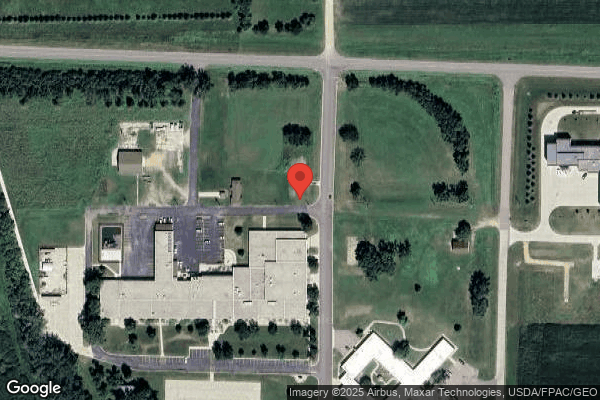

1311 NORTH HIAWATHA, PIPESTONE, MN 56164 (507) 825-5428
Non profit - Corporation 82 Beds GOOD SAMARITAN SOCIETY Data: November 2025
Trust Grade
85/100
#35 of 337 in MN
Last Inspection: May 2025

Inspected within the last 6 months. Data reflects current conditions.

Overview

Good Samaritan Society - Pipestone has received a Trust Grade of B+, indicating it is above average and recommended for care. It ranks #35 out of 337 facilities in Minnesota, placing it in the top half of the state, and is the best option in Pipestone County. However, the facility's trend is worsening, with issues increasing from 4 in 2024 to 6 in 2025. Staffing is a strong point, with a 5/5 star rating and a turnover rate of 31%, which is lower than the state average, showing that staff are experienced and familiar with residents. Notably, there have been no fines, which is a positive sign. On the downside, recent inspections revealed concerning incidents, including failures to track employee illnesses and ensure a resident received oxygen as prescribed, which could affect resident care. Overall, while there are strengths in staffing and no fines, families should be aware of the recent increase in issues that need addressing.
Trust Score
B+
85/100
In Minnesota
#35/337
Top 10%
Safety Record
Low Risk
No red flags
Inspections
Getting Worse
4 → 6 violations
Staff Stability
○ Average
31% turnover. Near Minnesota's 48% average. Typical for the industry.
Penalties
✓ Good
No fines on record. Clean compliance history, better than most Minnesota facilities.
Skilled Nurses
✓ Good
Each resident gets 50 minutes of Registered Nurse (RN) attention daily — more than average for Minnesota. RNs are trained to catch health problems early.
Violations
⚠ Watch
13 deficiencies on record. Higher than average. Multiple issues found across inspections.
★★★★★
5.0
Overall Rating
★★★★★
5.0
Staff Levels
★★★☆☆
3.0
Care Quality
★★★★☆
4.0
Inspection Score
Stable
2024: 4 issues
2025: 6 issues

The Good

  • 5-Star Staffing Rating · Excellent nurse staffing levels
  • Full Sprinkler Coverage · Fire safety systems throughout facility
  • No fines on record
  • Staff turnover below average (31%)

    17 points below Minnesota average of 48%

Facility shows strength in staffing levels, fire safety.

The Bad

Staff Turnover: 31%

15pts below Minnesota avg (46%)

Typical for the industry

Chain: GOOD SAMARITAN SOCIETY

Part of a multi-facility chain

Ask about local staffing decisions and management

The Ugly 13 deficiencies on record

May 2025 6 deficiencies
CONCERN (D)

Potential for Harm - no one hurt, but risky conditions existed

Deficiency F0657 (Tag F0657)

Could have caused harm · This affected 1 resident

Based on observation, interview, and document review, the facility failed revise the care plan when new physician orders were received for 1 of 3 sampled residents (R55) receiving oxygen therapy upon ...

Read full inspector narrative →
Based on observation, interview, and document review, the facility failed revise the care plan when new physician orders were received for 1 of 3 sampled residents (R55) receiving oxygen therapy upon return from the hospital. Findings include: R55's 3/24/25, admission Minimum Data Set (MDS) assessment identified R55 cognition was intact, R55 had no behaviors. On 5/5/25, the MDS noted she and was receiving oxygen therapy. Observations on 5/19/25 identified at: 1) 8:25 a.m., R55 was noted to be awake lying in her bed. Her oxygen tubing was not applied to her person but was observed lying on the bed next to her. The oxygen concentrator was noted to be on and set to deliver oxygen at 3 liters/minute (L/min). 2) 8:35 a.m., nursing assistant (NA)-B was assisting R55 with morning cares. NA-B ensured R55 had her oxygen on via nasal cannula (NC). NA-B then transferred R55. Following R55's transfer, NA-B switched R55 from her oxygen concentrator set at 3 L/min over to her portable oxygen tank and turned it on. The flow rate was pre-set at 2.5 L/min. 3) 11:06 a.m., of R55 while registered nurse (RN)-B performed a dressing change, identified R55's oxygen flow rate was set at 3 L/min. R55's 3/31/25, hospital discharge summary identified an order for oxygen at 2 L/min. per NC for 1 month. R55's current care plan identified a focus area of oxygen therapy initiated revised on 3/31/25 related to acute respiratory failure with hypoxia (lack of oxygen). R55 was to have no signs or symptoms of poor oxygen absorption through the review date. Staff were to monitor for signs and symptoms of respiratory distress and report to the provider. R55's head of her bed was to be elevated as she tolerated. R55 was to have oxygen at 2 L/min. per NC at rest and overnight to maintain her oxygen saturation above 92%. R55's 4/29/25, hospital discharge summary identified a new physician order was placed for R55 to receive oxygen at 1-2 L/min. per NC during the day, with titrating up to 2 L/min. per NC overnight. Further review of the above-mentioned care plan identified no changes were made when a new order was received to change the oxygen flow rate on 4/29/25. R55's 5/21/25, Order Summary Report (OSR) identified R55 had an order for oxygen to be administered at 2 liters (L) per nasal cannula (NC) at rest and overnight to maintain an oxygen saturation over 92 %, The order summary report identified diagnoses of a history of acute respiratory failure with hypoxia. There was no indication the OSR had been updated to the newer 4/29/25 physician order from the original order placed on 3/31/25, to show the change in flow rate to 1-2 L per min. during the day and 2 L/min at night. R55's May 2025, medication administration record (MAR) identified an order was documented for oxygen to be administered at 2 L/min. via NC at rest and overnight to maintain oxygen saturation above 92%. Staff were to check twice a day at 8:00 a.m. and again at 8:00 p.m Staff documented R55's oxygen saturations levels were identified to be 91% to 96%, however, there was no indication staff were checking the actual flow rate, nor had they verified the MAR with the correct physician order which was changed to 1-2 L during the day and 2 L/min. at night. Further observations on 5/20/25 identified at: 4) 5/20/25 at 8:43 a.m., R55 was noted to be seated at the breakfast table. Her portable oxygen tank was set at flow rate of 3 L/min. 5) 5/20/25 at 9:04 a.m., R55 noted to be in her room. Her oxygen was connected to the oxygen concentrator with the flow rate set at 3 L/min. Observation and interview on 5/20/25 at 10:11 a.m., of R55's oxygen flow rate with RN-C identified R55's oxygen was set at 3 L/min RN-C reviewed the MAR and noted R55's oxygen flow rate was supposed to be at 2 L/min. per NC at rest and during the night. Direct care staff were not allowed to change the flow rate and only switch the oxygen tubing from the concentrator to the portable oxygen tank as needed for transfers. RN-C thought R55's family member messed with the oxygen at times. RN-C made no mention if in knowing R55's family member was known to adjust R55's physician ordered oxygen rate, the family member had been educated by staff not to adjust it, or to alert staff if they noticed R55 had any breathing difficulty requiring oxygen adjustment. RN-C also failed to verify the accuracy of the MAR with the updated physician order for 1-2 L per min during the day and 2 L/min at night that was changed on 4/29/25. Interview and document review on 5/21/25 at 10:31 a.m., with administrator identified her expectation was a resident's oxygen administration orders were to be followed, be consistent in the medical record, and appropriately documented and administered. The administrator reviewed the OSR. She confirmed that OSR (entered by staff) noted R55 was to receive oxygen at 2 L/min. There was no indication the administrator was aware R55's oxygen administration order had been changed on 4/29/25 for 1-2 L/min. via NC during the day and 2 L/min. at night. Review of the 7/8/24, Oxygen Administration policy identified oxygen was to be administered with a physician order. A licensed nurse was to be on duty and responsible for the proper administration of the oxygen for the resident. There was no mention of how staff were to appropriately document the amount of oxygen that was being administered. There was no policy related to care plans provided by the end of survey.
CONCERN (D)

Potential for Harm - no one hurt, but risky conditions existed

Respiratory Care (Tag F0695)

Could have caused harm · This affected 1 resident

Based on observation, interview, and document review, the facility failed to ensure the correct physician order was followed and appropriately monitored for 1 of 3 sampled residents (R55) recieving ox...

Read full inspector narrative →
Based on observation, interview, and document review, the facility failed to ensure the correct physician order was followed and appropriately monitored for 1 of 3 sampled residents (R55) recieving oxygen therapy. Findings include: R55's 3/24/25, admission Minimum Data Set (MDS) assessment identified R55 cognition was intact, R55 had no behaviors. On 5/5/25, the MDS noted she and was receiving oxygen therapy. Observations on 5/19/25 identified at: 1) 8:25 a.m., R55 was noted to be awake lying in her bed. Her oxygen tubing was not applied to her person but was observed lying on the bed next to her. The oxygen concentrator was noted to be on and set to deliver oxygen at 3 liters/minute (L/min). 2) 8:35 a.m., nursing assistant (NA)-B was assisting R55 with morning cares. NA-B ensured R55 had her oxygen on via nasal cannula (NC). NA-B then transferred R55. Following R55's transfer, NA-B switched R55 from her oxygen concentrator set at 3 L/min over to her portable oxygen tank and turned it on. The flow rate was pre-set at 2.5 L/min. 3) 11:06 a.m., of R55 while registered nurse (RN)-B performed a dressing change, identified R55's oxygen flow rate was set at 3 L/min. R55's 3/31/25, hospital discharge summary identified an order for oxygen at 2 L/min. per NC for 1 month. R55's current care plan identified a focus area of oxygen therapy initiated revised on 3/31/25 related to acute respiratory failure with hypoxia (lack of oxygen). R55 was to have no signs or symptoms of poor oxygen absorption through the review date. Staff were to monitor for signs and symptoms of respiratory distress and report to the provider. R55's head of her bed was to be elevated as she tolerated. R55 was to have oxygen at 2 L/min. per NC at rest and overnight to maintain her oxygen saturation above 92%. R55's 4/29/25, hospital discharge summary identified a new physician order was placed for R55 to receive oxygen at 1-2 L/min. per NC during the day, with titrating up to 2 L/min. per NC overnight. Further review of the above-mentioned care plan identified no changes were made when a new order was received to change the oxygen flow rate on 4/29/25. R55's 5/21/25, Order Summary Report (OSR) identified R55 had an order for oxygen to be administered at 2 liters (L) per nasal cannula (NC) at rest and overnight to maintain an oxygen saturation over 92 %. , The order summary report identified diagnoses of a history of acute respiratory failure with hypoxia. There was no indication the OSR had been updated to the newer 4/29/25 physician order from the original order placed on 3/31/25, to show the change in flow rate to 1-2 L per min. during the day and 2 L/min at night. R55's May 2025, medication administration record (MAR) identified an order was documented for oxygen to be administered at 2 L/min. via NC at rest and overnight to maintain oxygen saturation above 92%. Staff were to check twice a day at 8:00 a.m. and again at 8:00 p.m Staff documented R55's oxygen saturations levels were identified to be 91% to 96%, however, there was no indication staff were checking the actual flow rate, nor had they verified the MAR with the correct physician order which was changed to 1-2 L during the day and 2 L/min. at night. Further observations on 5/20/25 identified at: 4) 5/20/25 at 8:43 a.m., R55 was noted to be seated at the breakfast table. Her portable oxygen tank was set at flow rate of 3 L/min. 5) 5/20/25 at 9:04 a.m., R55 noted to be in her room. Her oxygen was connected to the oxygen concentrator with the flow rate set at 3 L/min. Observation and interview on 5/20/25 at 10:11 a.m., of R55's oxygen flow rate with RN-C identified R55's oxygen was set at 3 L/min RN-C reviewed the MAR and noted R55's oxygen flow rate was supposed to be at 2 L/min. per NC at rest and during the night. Direct care staff were not allowed to change the flow rate and only switch the oxygen tubing from the concentrator to the portable oxygen tank as needed for transfers. RN-C thought R55's family member messed with the oxygen at times. RN-C made no mention if in knowing R55's family member was known to adjust R55's physician ordered oxygen rate, the family member had been educated by staff not to adjust it, or to alert staff if they noticed R55 had any breathing difficulty requiring oxygen adjustment. RN-C also failed to verify the accuracy of the MAR with the updated physician order for 1-2 L per min during the day and 2 L/min at night that was changed on 4/29/25. Interview and document review on 5/21/25 at 10:31 a.m., with administrator identified her expectation was a resident's oxygen administration orders were to be followed, be consistent in the medical record, and appropriately documented and administered. The administrator reviewed the OSR. She confirmed that OSR (entered by staff) noted R55 was to receive oxygen at 2 L/min. There was no indication the administrator was aware R55's oxygen administration order had been changed on 4/29/25 for 1-2 L/min. via NC during the day and 2 L/min. at night. Review of the 7/8/24, Oxygen Administration policy identified oxygen was to be administered with a physician order. A licensed nurse was to be on duty and responsible for the proper administration of the oxygen for the resident. There was no mention of how staff were to appropriately document the amount of oxygen that was being administered.
CONCERN (D)

Potential for Harm - no one hurt, but risky conditions existed

Medical Records (Tag F0842)

Could have caused harm · This affected 1 resident

Based on observation, interview, and document review, the facility failed accurately reconcile physician orders upon return from the hospital and update the electronic medical record for 1 of 3 sample...

Read full inspector narrative →
Based on observation, interview, and document review, the facility failed accurately reconcile physician orders upon return from the hospital and update the electronic medical record for 1 of 3 sampled residents (R55) receiving oxygen therapy. Findings include: R55's 3/24/25, admission Minimum Data Set (MDS) assessment identified R55 cognition was intact, R55 had no behaviors. On 5/5/25, the MDS noted she and was receiving oxygen therapy. Observations on 5/19/25 identified at: 1) 8:25 a.m., R55 was noted to be awake lying in her bed. Her oxygen tubing was not applied to her person but was observed lying on the bed next to her. The oxygen concentrator was noted to be on and set to deliver oxygen at 3 liters/minute (L/min). 2) 8:35 a.m., nursing assistant (NA)-B was assisting R55 with morning cares. NA-B ensured R55 had her oxygen on via nasal cannula (NC). NA-B then transferred R55. Following R55's transfer, NA-B switched R55 from her oxygen concentrator set at 3 L/min over to her portable oxygen tank and turned it on. The flow rate was pre-set at 2.5 L/min. 3) 11:06 a.m., of R55 while registered nurse (RN)-B performed a dressing change, identified R55's oxygen flow rate was set at 3 L/min. R55's 3/31/25, hospital discharge summary identified an order for oxygen at 2 L/min. per NC for 1 month. R55's current care plan identified a focus area of oxygen therapy initiated revised on 3/31/25 related to acute respiratory failure with hypoxia (lack of oxygen). R55 was to have no signs or symptoms of poor oxygen absorption through the review date. Staff were to monitor for signs and symptoms of respiratory distress and report to the provider. R55's head of her bed was to be elevated as she tolerated. R55 was to have oxygen at 2 L/min. per NC at rest and overnight to maintain her oxygen saturation above 92%. R55's 4/29/25, hospital discharge summary identified a new physician order was placed for R55 to receive oxygen at 1-2 L/min. per NC during the day, with titrating up to 2 L/min. per NC overnight. Further review of the above-mentioned care plan identified no changes were made when a new order was received to change the oxygen flow rate on 4/29/25. R55's 5/21/25, Order Summary Report (OSR) identified R55 had an order for oxygen to be administered at 2 liters (L) per nasal cannula (NC) at rest and overnight to maintain an oxygen saturation over 92 %, The order summary report identified diagnoses of a history of acute respiratory failure with hypoxia. There was no indication the OSR had been updated to the newer 4/29/25 physician order from the original order placed on 3/31/25, to show the change in flow rate to 1-2 L per min. during the day and 2 L/min at night. R55's May 2025, medication administration record (MAR) identified an order was documented for oxygen to be administered at 2 L/min. via NC at rest and overnight to maintain oxygen saturation above 92%. Staff were to check twice a day at 8:00 a.m. and again at 8:00 p.m Staff documented R55's oxygen saturations levels were identified to be 91% to 96%, however, there was no indication staff were checking the actual flow rate, nor had they verified the MAR with the correct physician order which was changed to 1-2 L during the day and 2 L/min. at night. Further observations on 5/20/25 identified at: 4) 5/20/25 at 8:43 a.m., R55 was noted to be seated at the breakfast table. Her portable oxygen tank was set at flow rate of 3 L/min. 5) 5/20/25 at 9:04 a.m., R55 noted to be in her room. Her oxygen was connected to the oxygen concentrator with the flow rate set at 3 L/min. Observation and interview on 5/20/25 at 10:11 a.m., of R55's oxygen flow rate with RN-C identified R55's oxygen was set at 3 L/min RN-C reviewed the MAR and noted R55's oxygen flow rate was supposed to be at 2 L/min. per NC at rest and during the night. Direct care staff were not allowed to change the flow rate and only switch the oxygen tubing from the concentrator to the portable oxygen tank as needed for transfers. RN-C thought R55's family member messed with the oxygen at times. RN-C made no mention if in knowing R55's family member was known to adjust R55's physician ordered oxygen rate, the family member had been educated by staff not to adjust it, or to alert staff if they noticed R55 had any breathing difficulty requiring oxygen adjustment. RN-C also failed to verify the accuracy of the MAR with the updated physician order for 1-2 L per min during the day and 2 L/min at night that was changed on 4/29/25. Interview and document review on 5/21/25 at 10:31 a.m., with administrator identified her expectation was a resident's oxygen administration orders were to be followed, be consistent in the medical record, and appropriately documented and administered. The administrator reviewed the OSR. She confirmed that OSR (entered by staff) noted R55 was to receive oxygen at 2 L/min. There was no indication the administrator was aware R55's oxygen administration order had been changed on 4/29/25 for 1-2 L/min. via NC during the day and 2 L/min. at night. Review of the 7/8/24, Oxygen Administration policy identified oxygen was to be administered with a physician order. A licensed nurse was to be on duty and responsible for the proper administration of the oxygen for the resident. There was no mention of how staff were to appropriately document the amount of oxygen that was being administered. There was no policy related to reconciling physician orders provided by the end of survey.
CONCERN (D)

Potential for Harm - no one hurt, but risky conditions existed

Antibiotic Stewardship (Tag F0881)

Could have caused harm · This affected 1 resident

Based on interview and document review the facility failed to complete a comprehensive assessment for continued use of antibiotics for 1 of 3 sampled residents (R16) reviewed for antibiotic stewardshi...

Read full inspector narrative →
Based on interview and document review the facility failed to complete a comprehensive assessment for continued use of antibiotics for 1 of 3 sampled residents (R16) reviewed for antibiotic stewardship. Findings include: Review of the current, undated, Centers for Disease Control (CDC): The Core Elements of Antibiotic Stewardship for Nursing Homes, Appendix A: Policy and Practice Actions to Improve Antibiotic Use, located at https://www.cdc.gov/antibiotic-use/core-elements/pdfs/core-elements-antibiotic-stewardship-appendix-a-508.pdf, identified facilities should evaluate the clinical signs and symptoms when a resident is first suspected of having an infection. Once the resident is placed on an antibiotic, they should be comprehensively reviewed within 48-72 hours after starting the medication to ensure they have been prescribed an effective medication. This is accomplished by reviewing the resident current symptoms and any laboratory results to identify medication effectiveness. The CDC identifies this process as an antibiotic time-out [ATO]. Review of Monthly Infection Summary reports from December 2024 through March 2025 identified the columns for resident's name, infection date, date symptoms resolved, infection, medication, source of the infection and if the criteria was met. May 2025 infection control log identified R16 had been prescribed Bactrim sulfamethoxazole-trimethoprim (antibiotic medication) 800-160 milligrams (mg) for 7 days for a urinary tract infection (UTI). The onset of the infection occurred on 5/1/25 and had met criteria for the continuation of use. R16's current, undated diagnosis sheet identified R16 had a diagnoses of urinary tract infection (UTI) and sepsis (infection of tissues and organs). R16's, May 2025 Medication Record identified R16 had taken the Bactrim 800-160mg, one tablet twice a day from 5/02/25 to 5/09/25. R16's, progress note identified, on: 1)4/30/25 at 11:06 a.m., identified R16 arrived at the facility from an appointment with orders to start Bactrim medication therapy for UTI. 2)5/02/25 at 19:14 p.m., identified Bactrim was prescribed by R16's physician. 3)5/9/25 at 14:50 p.m., identified R16 had completed the antibiotic therapy with no adverse effects. R16's medical record lacked evidence of an ATO after the initiation of the Bactrim therapy between 48-72 hours after initiation. Interview on 5/19/25 at 3:50 p.m., with director of nursing (DON) identified R16 did not exhibit any signs or symptoms according to McGreer's (infection surveillance tool criteria) the facility normally would use to begin an evaluation for potential infection. Since R16 had shown no signs or symptoms while living at the facility and had only received the medication as a result of a physician outpatient visit at the clinic, the facility had not performed an ATO as would be the normal process. The DON agreed the facility was responsible for ensuring antibiotic stewardship, even if a medication was not initiated or ordered by the facility staff or attending physicians. Review of January 2025 Identification and Reporting of Suspected Infection AL, R/S, LTC, Home Health, Hospice policy identified the nurse manager, or infection preventionist (IP) was to identify infections, collect data related to the infection, record indication of use of antibiotic therapy, and maintain infection surveillance on a continued basis.
CONCERN (D)

Potential for Harm - no one hurt, but risky conditions existed

Deficiency F0883 (Tag F0883)

Could have caused harm · This affected 1 resident

**NOTE- TERMS IN BRACKETS HAVE BEEN EDITED TO PROTECT CONFIDENTIALITY** Based on interview and document review, the facility failed to ensure 1 of 5 sampled residents (R7) was offered and/or provided ...

Read full inspector narrative →
**NOTE- TERMS IN BRACKETS HAVE BEEN EDITED TO PROTECT CONFIDENTIALITY** Based on interview and document review, the facility failed to ensure 1 of 5 sampled residents (R7) was offered and/or provided updated vaccinations for pneumococcal disease, in accordance with Centers for Disease Control (CDC). Findings include: Review of the current, 10/26/24, Centers for Disease Control (CDC): Pneumococcal Vaccine Recommendations, located at https://www.cdc.gov/pneumococcal/hcp/vaccine-recommendations/index.html, identified based on shared clinical decision-making, adults 65 years or older have the option to get PCV20 or PCV 21, or to not get additional pneumococcal vaccines. They can get PCV20 or PCV 21 if they have received both the PCV13 (but not PCV15, PCV20, or PCV 21) at any age and a PPSV23 at or after the age of [AGE] years old. R7's 5/05/25, 5-day Minimum Data Set (MDS) identified R7 was [AGE] years old and had a diagnoses of diabetes, heart failure and pneumonia. Section O-Special Treatments and Programs identified R7 was reported to be up to date with the pneumococcal vaccine (PCV). R7's current, undated immunization report indicated R7 had received PCV 13 on 3/17/15 and PPSV-23 on 3/17/09. R7's 4/15/25, Vaccine Consent form identified R7 consented for an updated PCV dose. Interview on 5/19/25 at 4:08 p.m., with registered nurse (NA)-A and director of nursing (DON) voiced in agreement that R7 had not received the PCV vaccine after the consent was obtained. Review of November 2024 Immunizations/Vaccinations for Residents, Pneumococcal influenza, COVID-19, Other AL, R/S, LTC, HBS-Enterprise policy identified the facility was to provide residents with the PCV, per Centers for Disease Control and Prevention guidelines.
CONCERN (F)

Potential for Harm - no one hurt, but risky conditions existed

Infection Control (Tag F0880)

Could have caused harm · This affected most or all residents

**NOTE- TERMS IN BRACKETS HAVE BEEN EDITED TO PROTECT CONFIDENTIALITY** Based on interview and document review, the facility failed to ensure employee illnesses were tracked to identify when employee ...

Read full inspector narrative →
**NOTE- TERMS IN BRACKETS HAVE BEEN EDITED TO PROTECT CONFIDENTIALITY** Based on interview and document review, the facility failed to ensure employee illnesses were tracked to identify when employee would be able to return to work after an illness, dependent upon their symptoms for 3 of 5 sampled staff (trained medication aide (TMA)-A, nursing assistant (NA)-A, and dietary aide (DA)-B). In addition, the facility failed to ensure 1 of 5 sampled staff (dietary aide) had completed tuberculosis testing (TST) upon hire. This had the potential to affect all 62 residents in the facility. Findings include: Employee Surveillance Review of the December 2024 through April 2025 Monthly Report of Infections in Location- Employees, Children, Family and Visitors logs identified the following columns: 1) Name 2) ID Code 3) Assigned Unit 4) Date of onset 5) Type of Infection 6) Antibiotic Treatment 7) Cautionary Measures 8) Culture Results (if taken). The following randomly selected staff were identified to have absences from work: NA-A, TMA-A, and DA-B. Review of Absence/[NAME] Report sheets and matching timecards from February 2025 to April 2025 identified the following corresponding information: Name, date, time, called in, scheduled shift, reason for absence, illness and symptoms, and return to work date. On: 1) 2/21/25, nursing assistant (NA)-A was noted to have called in sick from work with symptoms of diarrhea (loose watery stool) and vomiting. NA-A returned to work on 2/23/25. There was no mention when or if NA-A symptoms resolved prior to returning to work. 2) 3/14/25, trained medication aide (TMA)-A was noted to have called in sick from work with symptoms of diarrhea and had left early from her shift. TMA-A timecard identified on 3/14/25, TMA-A had worked from 6:30 a.m. to 4:13 p.m. On 3/16/25, she had worked 1 hour and returned to work for a full day (8 hours) on 3/18/25. There was no mention when or if TMA-A symptoms resolved prior to returning to work. 3) 4/29/25, dietary aide (DA)-B was noted to have called in sick from work with symptoms of vomiting and fever. DA-B returned to work on 5/02/25. There was no mention when or if DA-B symptoms resolved prior to returning to work. Interview on 5/19/25 at 3:58 p.m., with director of nursing (DON) and registered nurse (RN)-A identified TMA-A had reported her illness on 3/14/25 had not felt well and left work early on 3/14/25 and again on 3/16/25. The DON identified the Absence/[NAME] report sheets was to track employee illnesses, by the infection preventionist (IP) to identify when employees was eligible to return to work and was not updated, accurately. RN-A identified processes to monitor staff illnesses was not consistent and would need to be evaluated for improvement. Review of May 2024 Employee Health Conditions Reporting and Managing-Infection Control policy identified employees was to communicate with department supervisors, such as the IP, nurse, or DON before returning to work. TB Review of employee health file of DA-A identified DA-A was hired on 3/17/25. DA-A had a baseline TB symptom screening on 3/24/25 and received the first step TST series on 3/14/25. The form lacked evidence of a second TST. Interview on 5/19/25 at 4:11 p.m. with director of nursing (DON) and registered nurse (RN)-A had voiced in agreement that new hires should have TB screening and testing completed upon hire and noted there was no documentation to support DA-A had received a 2nd TB test as required. Review of January 2025 Tuberculosis Control Plan and Screening for Employees, Senior Living, Rehab/Skilled, Home Health, Child Day-Enterprise policy identified new employees was to have a baseline TB screening and testing, prior or upon hire. If, the facility was to provide a two-step Mantoux TST, the first step was to be read within 48 to 72 hours and the second step should be given in 1 to 3 weeks.
Mar 2024 4 deficiencies
CONCERN (D)

Potential for Harm - no one hurt, but risky conditions existed

Comprehensive Care Plan (Tag F0656)

Could have caused harm · This affected 1 resident

Based on interview and record review the facility failed to devlop and implement a comprehensive person-centered care plan that addressed resident smoking with safety precautions for 1 of 1 (R29) resi...

Read full inspector narrative →
Based on interview and record review the facility failed to devlop and implement a comprehensive person-centered care plan that addressed resident smoking with safety precautions for 1 of 1 (R29) resident reveiwed for care plan. Findings include: R29's printed face sheet identified an admission date to the facility on 2/12/24. R29's 2/16/24, admission Minimum Data Assessment (MDS) , section J identified R29 used tobacco. R29's 2/16/24, progress note identified R6 had been smoking with a family member outside. R29's 2/24/24, Tobacco Assessment identified R29 smoked cigarettes, was not on oxygen, and would smoke 10+ times per day. The Assessment lacked evidence of R29 had been educated on smoking and to safely keep cigarettes or lighter in his possession. Interview on 3/18/24 at 12:49 p.m., with R29 stated he had been a smoker and would smoke outside the facility. R29 stated he would inform the nurse of the location of his lighter and cigarettes stored in his room or at the nursing station. Observation and interview on 3/19/24 at 11:51 a.m., with licensed practical nurse (LPN)-B at the 500 unit medication cart observed R29's 2 packs of cigarettes and a lighter. LPN-B stated R29 would occasionally smoke outside the facility and R29 would let her know if he had cigarettes or a lighter in his room. Interview on 3/19/24 at 11:53 a.m., with LPN-C stated she found R29's lighter in his jacket pocket and had stored it in the medication cart on the 500 unit. Interview on 3/19/24 at 1:29 p.m., with registered nurse (RN)-A addressed R29's missing care plan for smoking on the electronic medical record's (EMR) point click care (PCC) and stated it would need to be completed for him. Interview on 3/19/24 at 1:59 p.m., with RN-B stated R29 had been provided education on smoking prior to his admission. RN-B R29 did not smoke at the facility and R29 would go offsite with family to go smoking. Interview on 3/20/24 at 8:48 a.m., with director of nursing (DON) stated her expectation would be for the facility to have had an individualized care plan tailored for R29's smoking needs prior to R29's admission to the facility. Review of 11/01/23 Care Plan-R/S, LTC, Therapy & Rehab policy identified the facility would modify the care plan to address the needs of the residents and develop the whole person ensuring appropriate services would be provided to the resident under the direction of the interdisciplinary team.
CONCERN (D)

Potential for Harm - no one hurt, but risky conditions existed

Quality of Care (Tag F0684)

Could have caused harm · This affected 1 resident

Based on interview and document review, the facility failed to notify primary care provider of a change in condition and obtain treatment orders for 1 of 1 resident (R15) who developed a new pressure ...

Read full inspector narrative →
Based on interview and document review, the facility failed to notify primary care provider of a change in condition and obtain treatment orders for 1 of 1 resident (R15) who developed a new pressure injury. Findings include: R15's 2/27/24, annual Minimum Data Set (MDS) identified R15's cognition was impaired, R15 was dependent on staff for transfers and required substantial assistance with repositioning. R15 had pain and took a pain medication. R15 had 1 unstageable pressure ulcer upon re-entry to the facility and had finished working with occupational and physical therapy at end of January. R15's previous 11/30/23, quarterly MDS identified R15 was at risk of developing pressure ulcers, and he had no unhealed pressure ulcers identified during the assessment period. R15's 3/19/24, printed Diagnosis Report identified chronic kidney disease stage 4, type 2 diabetes mellitus, vascular dementia, pressure ulcer of right heel, unspecified stage, history of stroke, atrial fibrillation, and iron deficiency anemia. R15's 2/27/24, care area assessment (CAA) pressure ulcer/injury worksheet identified as an actual problem. R15 had 1 unstageable pressure ulcer to right heel that was treated with betadine and pressure alleviation. R15 was repositioned every 2 hours and wore a pressure alleviating boot on each foot. R15 would have pressure ulcer status addressed on his care plan to promote healing. R15's 3/18/24, printed care plan identified R15 required 2 staff using a sit to stand lift for transfers once out of bed and a total lift to get into and out of bed. R15 had potential for pressure injury related to limited mobility and staff were to notify the nurse immediately of any new areas of skin breakdown. Staff were to apply lotion to dry skin including feet. R15 was identified on 1/9/24, to have actual impairment to skin integrity related to unstageable ulcer to right heel, staff were to reduce risk of skin impairment by avoiding friction and shear. Staff would monitor skin and reposition R15 every 2 hours. R15's 3/19/24, printed Order Summary Report identified an order on 1/9/24, for a low air loss pressure redistribution mattress and staff were to offload R15's heels with pillows or heel protectors' boots. Interview on 3/19/24 at 9:45 a.m., with licensed practical nurse (LPN)-B who identified she was the facility wound nurse. LPN-B revealed that R15 had developed an area of concern on his right heel at the beginning of December however, the provider along with herself had not been notified of the area until a month later. Once she was notified of R15's heel on 1/2/24, she had sent a facsimile (fax) to the clinic notifying the provider and requested treatment orders. Unfortunately, that same day R15 was sent to the hospital for an unrelated concern and returned to the facility on 1/9/24. Interview on 3/19/24 at 10:52 a.m., with nursing assistant (NA)-E identified if staff noted any new skin concerns that they were to report that to the nurse immediately. She was unsure exactly when R15's heel became sore, but he had been wearing the foam boots for quite a while now. Review of the facility Skin Observation form used on the resident bath day each week included an area to document skin condition, medications and/or conditions, treatments, follow up comments, care plan, and/or education provided. Reviewed from 11/25/23 through 1/13/24 which identified the following: 1) The 11/25/23, form identified no skin conditions observed 2) The 12/2/23, form identified posterior right heel, dark brown scabbed area from new slippers, there were no measurements identified. All other sections of the form left blank. 3) The 12/9/23, form identified right heel small purple spot on back of heel, that lined up with back of new slippers. There were no measurements identified. All other sections of the form left blank. 4) The 12/16/23, form identified right heel purple spot that is open to air. There were no measurements identified. All other sections of form left blank. 5) The 12/23/23, form identified right heel small purple area. There were no measurements identified. All other sections of form left blank. 6) The 12/30/23, form identified right heel purple spot and dry skin sloughing off around it, slippers rub on this spot. The area was open to air and resident was wearing gripper socks verses slippers today. There were no measurements identified. All other sections of form left blank. 7) The 1/13/24, form identified right heel purple spot and dry skin sloughing off. There were no measurements identified. All other sections of form left blank. Review of R15's progress notes from 11/30/23 through 1/9/24 lacked identification that the primary provider or the family had been updated on R15's wound that developed on his right heel for a month. On 1/2/24 there was a progress note that the provider had called the facility and requested R15 to be sent to ER for an evaluation following the results of some labs that had been drawn earlier. Progress note on 1/3/24, identified R15's care plan had been updated to reflect the area on his right heel. On 1/9/24 R15 returned to the facility with identified pressure ulcer to right heel with treatment orders and new interventions to wear heel protectors and be repositioned every 2 hours. Interview on 3/19/24 at 1:33 p.m., with nursing assistant (NA)-D identified R15 has had the right heel wound for a couple months now. She reported she believed the area on his heel started as a blister from his new slippers. He now needed to wear the foam boots on both of his feet. She reported that the nurse checks his feet every day. Interview on 3/19/24 at 2:16 p.m., with registered nurse (RN)-A who confirmed R15 had a wound to his right heel that had been identified during a skin audit on 12/2/23 however the wound RN assessment had not been completed until 1/2/24 a month later. She revealed that the nurse should have completed a wound assessment, made a nurses note, and updated the provider. Interview on 3/19/24 at 3:24 p.m., with LPN-B identified weekly she completed a wound data collection and measured wounds in the facility. She identified an RN completed the wound RN assessment portion weekly. LPN-B stated R15 was first noted to have something on his right heel on 12/2/23, and she had not been notified until a month later. The charge nurse was to complete a skin audit on bath day weekly and if any new skin concerns were identified the nurse would notify her and if she was not available, they were to notify the provider. She revealed if she was working, she took care of communicating with the provider and obtaining treatment orders, updating the family, and she also took care of reviewing the care plan for any needed updates. She revealed that initially the area on R15's right heel was identified as a scab and typically the facility would not notify the provider for a scab but rather monitor that. She confirmed that by the next week that the area on R15's right heel had been identified as a dark spot and that should have been communicated with the provider and she should have been notified. She confirmed that there should have been an assessment completed on 12/2/23, when the area presented as a dark brown scabbed area with notification to the provider and treatment orders requested, the nurse also should have notified the family and herself but that had not occurred. Interview on 3/19/24 at 3:33 p.m., with the director of nursing (DON) identified any time a new skin concern was identified the nurse should assess the area and notify the provider and obtain treatment orders. The nurse assessing the new skin concern should act and not wait for the wound nurse. She revealed that the facility had a nursing meeting on 1/9/24 and discussed R15 and his wounds. Review of the facility Wound Data Collection and Wound RN Assessment forms identified the following: 1) On 1/2/24, identified it was an initial data collection of the wound. The wound was not present upon admission or re-admission. The wound on right heel was from friction and measured 2.5 cm length X 4.0 cm width. There was no dressing present, noted eschar with dry thick skin lifting at edges. There was no redness or drainage noted. The wound bed had 100% eschar (necrotic tissue that appears black, brown, or tan). A fax was sent to primary care provider to inform and request treatment. Applied gripper socks instead of slippers to prevent further friction to area. Type of wound, identified as non-pressure (venous, arterial, diabetic, non-traumatic), initial evaluation of wound, eschar dry and appears stable at this time with no sign or symptoms of infection. Wound was debrided. Care plan updated. 2) On 1/9/24, right heel wound measured 4.2 cm length X 3.0 cm width, wound bed 100% eschar. Type of wound, identified as pressure ulcer, unstageable. 3) On 2/6/24, right heel wound measured 3.0 cm X 2.5 cm, wound bed 100% eschar. Type of wound, identified as pressure ulcer, unstageable. 4) On 3/19/24, right heel wound measured 2.5 cm length X 2.0 cm width, wound bed 100% eschar. Type of wound, identified as pressure ulcer, unstageable. Interview on 3/20/24 at 7:35 a.m., with registered nurse (RN)-C identified if a staff reported a new skin concern, she would assess the area, notify the provider, and request treatment. She would notify the family of the finding and the facility wound nurse. Interview on 3/20/24 at 8:35 a.m., with licensed practical nurse (LPN)-A who had completed the skin observation on 12/9/23 and 12/30/23. LPN-A identified if a new skin concern was brought to her attention or she identified a new skin concern the protocol was to assess the area, contact the provider and obtain treatment orders, contact the facility wound nurse and family. LPN-A was unable to recall why she had not followed the facility protocol for new skin concerns or what the circumstance was that R15's provider had not been notified of the new purple area on R15's right heel on 12/9/23. Review 4/26/23, Skin Assessment Pressure Ulcer Prevention and documentation policy identified all residents would be assessed by a registered nurse for their risk of developing pressure ulcers. A skin inspection would be made daily by the direct care staff caring for the resident and report any findings or signs of skin concerns to the licensed nurse. If identified pressure ulcer concern the nurse would assess and document the type of wound or skin damage including measurements and characteristics using the facility wound data collection electronic form. The licensed nurse would notify the provider and obtain treatment orders. The licensed nurse would notify the family of the pressure ulcer, the treatment, and the planned interventions. The dietary department would be notified. The interdisciplinary team would determine any necessary changes needed to the resident's care plan.
CONCERN (D)

Potential for Harm - no one hurt, but risky conditions existed

Accident Prevention (Tag F0689)

Could have caused harm · This affected 1 resident

Based on observation, interview and document review, the facility failed to properly assess disposing of cigarettes for 1 of 1 resident (R29) reviewed for accidents. Findings include: R29's 2/16/24, ...

Read full inspector narrative →
Based on observation, interview and document review, the facility failed to properly assess disposing of cigarettes for 1 of 1 resident (R29) reviewed for accidents. Findings include: R29's 2/16/24, admission Minimum Data Assessment (MDS) identified R29 was cognitively intact (able to fully understand) and had a diagnosis of diabetes, end stage renal disease (ESRD), diabetes and anxiety. R55 had supervision related to his activities of daily living and used a wheelchair. R55's Section O of the MDS identified R29 was on dialysis and had oxygen. Observation on 3/19/24 at 2:44 p.m., with R29 in his room in his wheelchair had removed his nasal cannula and turned off his oxygen concentrator. R29 propelled himself in his wheelchair to the nursing station. R29 asked for his cigarettes and lighter and licensed practical nurse (LPN)-C assessed his lungs and checked R29's oxygen saturation. LPN-C gave R29 a lighter and a carton of cigarettes. R29 removed 2 cigarettes and placed the cigarette carton in the trash. R29 held his lighter and cigarettes in his right hand and R29 wheeled himself towards the front entrance of the building. Observation on 3/19/24 at 2:51 p.m., with R29 pressed the handicap button for the front door to open and wheeled himself to the sidewalk near the front entrance. R29 lit a cigarette and the director of nursing (DON) walked to R29 and stated R29 could not light a cigarette in front of the entrance but would need to go towards the end of the sidewalk away from the front door, approximate 15 feet away from the facility. R29 stated he knew the rules, held the ciagrette in his mouth and wheeled himself towards the end of the sidewalk away from the front door. Observation and interview on 3/19/24 at 3:08 p.m., with R29 outside flicked his cigarette ash and observed the cigarette ash on his pants and thighs. R29 stated he does not wear a smoking apron and would not need one. R29 finished both cigarettes and held the buds in his right hand. R29 wheeled himself back towards the entrance of the facility and stopped his wheelchair and stated he could not find the cigarette ash tray. R29 stated he would see the cigarette ash tray near the area he smokes or near the front entrance of the facility. R29 entered the facility and wheeled himself to his room. Observation on 3/19/24 at 03:18 p.m., with R29 in his room had placed his cigarette buds in the trash can. R29 stated when he could not find an ash tray he would throw the cigarette buds in the garbage in his room or in the trash bin near the nursing station. R29 pulled a third cigarette bud out of his shirt pocket and placed it in the trash bin in his room along with the 2 cigarettes buds in his trash can. R29 placed a nebulizer (a device for producing a fine spray of liquid, used for example for inhaling a medicinal drug) mask on his face and turned on the Innispire portable machine located next to his bed. An employee came into R29's room and placed ice water on R29's bedside table. Observation and interview on 3/19/24 at 3:26 p.m., with R29 in his room removed his nebulizer mask and turned off the portable machine. R29 placed his nasal cannula in his nose and turned on his oxygen concentrator which was set at 2 liters. R29 stated when he had finished smoking outside, the nurses do not immediately come to his room and he would place the lighter in his pocket or in the drawer in his room. Interview on 3/19/24 at 3:34 p.m., with LPN-C stated R29 would call her when he comes back from smoking outside and would confiscate the lighter. Observation on 3/19/24 at 3:37 p.m., outside the facility entrance doors confirmed no cigarette ash tray located near R29's smoking area or near the entrance of the facility. Observation and interview on 3/19/24 at 3:43 p.m., with LPN-C stated she removed the cigarette buds and cigarette lighter from R29's room. LPN-C stated she wet the cigarette buds with water and disposed them in the trash at the nursing station. LPN-C showed 3 cigarettes buds in the trash at the nursing station. LPN-C stated it would be a fire safety concern for R29 disposing cigarette buds in the trash at the facility and not in the designated cigarette ash tray. Interview on 3/20/24 at 7:26 a.m., with MD-B stated the facility informed him R29 would go outside to smoke with family and would provide nicotine cessation products for R29 to use while residing in a non-smoking facility. Review of 10/11/2023, Smoking and Tobacco Use-Rehab/Skilled, Outpatient Therapy, Adult Day Services and Assisted living policy identified the facility would notify residents on admission of the facilities smoking location and tobacco use policy. The facility would update care plans as indicated and would ensure smoking precautions would be taken for residents safety at the outdoor designated smoking area.
CONCERN (D)

Potential for Harm - no one hurt, but risky conditions existed

Medication Errors (Tag F0758)

Could have caused harm · This affected 1 resident

Based on interview and record review, the facility failed to ensure resident was reassessed for continued as needed (PRN) antipsychotic medication (xanax and buspirone (buspar)) had been re-evaluated ...

Read full inspector narrative →
Based on interview and record review, the facility failed to ensure resident was reassessed for continued as needed (PRN) antipsychotic medication (xanax and buspirone (buspar)) had been re-evaluated every 14 days to ensure the appropriateness of continued use for 1 of 2 residents (R55) reviewed for unnecessary medications. Findings include: R55's, face sheet identified a diagnosis of acute respiratory failure with hypercapnia (too much carbon dioxide in the body), chronic obstructive pulomanry disease (COPD), anxiety, and chronic kidney disease. R55's 2/23/24, admission Minimum Data Assessment (MDS) identified she had moderately impaired cognition and had no behaviors. R55 had took antidepressants and had oxygen. R55's 3/11/24, Order Summary Report identified the following medications, buspar (buspirone used to treat anxiety disorders) 5 milligram (mg) by mouth every 8 hours as needed (PRN) with a start date of 2/27/24 with an end date of 3/18/24, past 14 day period. R55 had PRN xanax (alprazolam treats anxiety and panic disorders) 0.25mg by mouth every 24 hours with start date of 2/19/24 with no end date. R55's February 2024, Medication Administration Record (MAR) identified R55 received 2 doses of PRN buspar and 3 doses of PRN xanax that month. R55's March 2024, MAR identified R55 received 20 doses of PRN buspar and 5 doses of PRN xanax that month. Interview on 3/19/24 at 11:29 a.m., with R55 stated she did not need her PRN medications every day. R55 stated her PRN medications helped her when she had difficulty breathing. R55 stated she did not take her PRN medication at home prior to her hospitalization and had taken the (prn) medication since her admission to the nursing home. Interview on 3/19/24 at 11:43 a.m., with medical doctor (MD)-A stated R55 had been issued xanax prescriptions over a period of time, before her admission to the facility, but had not taken them consistently. MD-A stated R55's anxiety medications had been modified and she had no plan to remove the PRN medication and directed nursing staff to continue the administration of R55's PRN medications as indicated. Interview on 3/19/24 at 1:36 p.m., with registered nurse (RN)-A stated R55 had active orders for buspar and xanax to be used PRN related to her anxiety. RN-A agreed R55's xanax and buspar PRN orders should have been addressed and had a stop date on R55's PRN medications prior to the end of the 14 day period. Interview on 3/20/24 at 7:26 a.m., with medical doctor (MD)-B stated the process of PRN medications written for residents should be addressed by the provider of how they would want to issue the continuation of PRN medication usage at the facility. MD-B stated the medical providers should have a clinical rationale to extend psychotropic medications over a 14 day period, in addition, documentation to include weaning of psychotropic medications. Interview on 3/20/24 at 8:44 a.m., with director of nursing (DON) stated her expectation would be for the facility to address the need for gradual dose reduction (GDR) for residents on psychotropic medications to the medical providers and had been difficult to implement. Review of December 2023 Psychotropic medications Rehab/Skilled identified the facility would be free from unnecessary drugs including duplicate drug therapy, and excessive duration of the medication. A registered nurse would complete the initial antipsychotic medication assessment and the abnormal involuntary movement scale assessment and would implement mood and behavior documentation to monitor the effects of the medicaiton. The provider would document a rationale in the residents' medical record and indicate the duration for the PRN order if the PRN order should be extended beyond 14 days. The document further identified all PRN anti-psychotic medications were to be limited to 14 days.
Apr 2023 3 deficiencies
CONCERN (D)

Potential for Harm - no one hurt, but risky conditions existed

PASARR Coordination (Tag F0644)

Could have caused harm · This affected 1 resident

Based on interview and document review, the facility failed to notify the county (designated state mental health authority) when 2 of 2 residents (R2 and R23) when the preadmission screen had not iden...

Read full inspector narrative →
Based on interview and document review, the facility failed to notify the county (designated state mental health authority) when 2 of 2 residents (R2 and R23) when the preadmission screen had not identified a current mental health diagnosis upon admission or had new on-set of mental illness. Finding include: R2's 4/12/22, admission Minimum Data Set (MDS) assessment identified a current diagnosis of schizophrenia. R2's undated care plan identified a a communication problem and the use of an antipsychotic medication related to schizophrenia, disorganized thinking and flight of ideas with an intervention to monitor and document changes. R2's 3/12/22, Pre-admission screening (PAS), did not identify a diagnosis of schizophrenia and did not indicate the need for a level II PASARR to be completed. Interview on 4/12/23 at 11:00 a.m., Senior Linkage Pre-admission Screening Specialist confirmed R2's diagnosis of schizophrenia was not identified on the initial PAS. He agreed that if the diagnosis had been included, a level II PASARR would have been required prior to admission to determine need for services. R23's 1/23/23, annual MDS assessment identified a diagnosis of depression and schizoaffective disorder. R23's electronic health record identified a diagnosis of schizoaffective disorder with an effective date of 1/25/2018. R23's 10/19/16 PAS did not identify a diagnosis of schizoaffective disorder and did not indicate the need for a level II PASARR to be completed. Interview on 4/11/23, at 5:32 p.m., RN-B identified the facility relied on the hospital to initiate the PAS prior to admission. She revealed the facility does not have a process or policy in place to review the PAS for accuracy when the facility receives them or a process for communication with the county authority when a new diagnosis has been identified.
CONCERN (D)

Potential for Harm - no one hurt, but risky conditions existed

Medication Errors (Tag F0758)

Could have caused harm · This affected 1 resident

Based on interview and document review the facility failed to comprehensively assess and identify target behaviors and non-pharmacological interventions for scheduled anti-anxiety medication for 1 of ...

Read full inspector narrative →
Based on interview and document review the facility failed to comprehensively assess and identify target behaviors and non-pharmacological interventions for scheduled anti-anxiety medication for 1 of 5 residents (R23) reviewed for unnecessary medication usage. Findings include: R23's admission record identified an admission date of 6/3/19, with diagnoses of fracture of left fibula, fracture left tibula, chronic kidney disease, generalized anxiety disorder, major depressive disorder, iron deficiency anemia, atrial fibrillation, gout, hypothyroidism, muscle spasm, and type 2 diabetes mellitus. R23's 3/13/23, significant change Minimum Data Set (MDS) assessment identified R23 had moderately impaired cognition, felt tired or had little energy 2-6 days during the 7 day assessment period, required extensive assistance of 2 staff for cares, and had an indwelling catheter. R32 was on continuous oxygen. R32 took a daily diuretic, antibiotic, anti-depressant, and an anti-anxiety medication. R23's 3/23/23, Care Area Assessment identified psychotropic drug use as an actual problem and R23 received anti-depressant and anti-anxiety medication daily per physician orders. R32 had diagnoses of depression per physician and the care plan would address psychotropic drug use to avoid complications and for symptom relief. There was no mention of target behaviors for either the anti-depressant nor the anti-anxiety medication as to why they were prescribed or what the medication would be relieving. R23's care plan identified on 8/9/21, R23 was on an anti-anxiety medication related to anxiety disorder. R23 would be free from discomfort or adverse reactions related to anti-anxiety medication use. Staff were to monitor and document side effects and effectiveness however, the care plan lacked any identified target behaviors to monitor for effectiveness. The care plan further lacked any identified non-pharmalogical interventions that could be tried if R23 was anxious. R23's 4/13/23, printed Order Summary Report identified R23 was prescribed Paxil 20 milligrams (mg) every day for general anxiety disorder and Ativan 1 mg three times a day for general anxiety disorder neither medication identified a target behavior it was prescribed to treat. Interview on 4/12/23 at 11:38 a.m., with licensed social worker (LSW) identified if a resident had behaviors she would be responsible for that section on the MDS assessment and would be the one responsible for putting that information on the care plan. She confirmed there were no identified target behaviors for R23's anti-anxiety medication on the care plan or the medication administration record and it would be hard to determine if the medication was effective or not if the reason for the medication was unknown. She further confirmed there were no identified non-pharmacological intervention on the care plan for staff to implement if R23 was displaying anxiety. Interview on 4/13/23 at 11:00 a.m., with interim director of nursing (IDON) agreed without documented target behaviors it would be hard to determine if the psychoactive medication was effective or not. Review of 12/9/22, Psychotropic Medications policy identified when a medication is warranted the nurse will contact the physician and describe the behavior and attempted interventions. The staff should monitor for effectiveness and potential adverse consequences of prescribed psychotropic medications. The reduction committee will review the need for the psychotropic medications by evaluating the resident's target symptoms and the effect of the medication.
CONCERN (D)

Potential for Harm - no one hurt, but risky conditions existed

Infection Control (Tag F0880)

Could have caused harm · This affected 1 resident

Based on observation, interview, and document review, the facility failed to ensure a glucometer was appropriately disinfected between use during 1 of 3 observations of blood glucose testing. Finding...

Read full inspector narrative →
Based on observation, interview, and document review, the facility failed to ensure a glucometer was appropriately disinfected between use during 1 of 3 observations of blood glucose testing. Findings include: Observation and interview on 4/11/23 at 11:36 a.m., with registered nurse (RN)-A during a blood glucose (aka blood sugar(BS)) check for resident R14. RN-A took the glucose meter from the drawer of the medication cart, and explained to R14 she wanted to check her blood glucose (aka blood sugar (BS). RN-A inserted the test strip into the meter. She then cleansed R14's finger and lanced her finger and applied the blood sample to the strip. Following obtaining R14's BS, RN-A took a purple packaged Sani-cloth from the drawer of the medication cart and preceded to wipe the surface of the meter several times. She reported she needed to wipe the surface for 30 seconds to allow for disinfection. This was the usual procedure she used to disinfect the glucometer. RN-A reported she had been instructed by staff to wipe the glucometer with the Sani-cloth and place on a paper towel and allow to dry for 2-3 minutes. She was not aware of the manufacture's instructions for the glucometer to remain wet for 2 minutes with the disinfectant, to ensure disinfection was achieved. Interview on 4/12/23 at 5:30 p.m., with the director of nursing (DON) reported her expectation for staff to follow the facility policy and the manufacture's recommendations for disinfection of the glucometer following completion of a blood glucose test. The DON provided documentation of Blood Glucose Monitoring education provided to nursing staff on 3/24/23. RN-A's signature was present on the document as having been in attendance. Review of the Super Sani-cloth instructions for use, located at https://pdihc.com/wp-content/uploads/2018/08/Super-Sani-Cloth-IFU-0821-UPDATE_05168539.pdf, identified staff were to allow the surface to allow the treated surface to remain wet for 2 minutes and then allow to air dry. Review of the 9/22/22, facility policy Blood Glucose Monitoring, Disinfecting and Cleaning identified meters were to be cleaned and disinfected after each use whether it was facility use glucometer or assigned to a specific resident. The policy directed staff to follow the specific instructions for each meter. For cleaning and disinfecting staff were to use a wipe from the container and follow the instructions on the label for cleaning and disinfecting.
Understanding Severity Codes (click to expand)
Life-Threatening (Immediate Jeopardy)
J - Isolated K - Pattern L - Widespread
Actual Harm
G - Isolated H - Pattern I - Widespread
Potential for Harm
D - Isolated E - Pattern F - Widespread
No Harm (Minor)
A - Isolated B - Pattern C - Widespread

Questions to Ask on Your Visit

  • "Can I speak with families of current residents?"
  • "What's your RN coverage like on weekends and overnight?"

Our Honest Assessment

Strengths
  • • Grade B+ (85/100). Above average facility, better than most options in Minnesota.
  • • No major safety red flags. No abuse findings, life-threatening violations, or SFF status.
  • • No fines on record. Clean compliance history, better than most Minnesota facilities.
  • • 31% turnover. Below Minnesota's 48% average. Good staff retention means consistent care.
Concerns
  • • 13 deficiencies on record. Higher than average. Multiple issues found across inspections.
Bottom line: Generally positive indicators. Standard due diligence and a personal visit recommended.

About This Facility

What is Good Samaritan Society - Pipestone's CMS Rating?

CMS assigns Good Samaritan Society - Pipestone an overall rating of 5 out of 5 stars, which is considered much above average nationally. Within Minnesota, this rating places the facility higher than 99% of the state's 100 nursing homes. This rating reflects solid performance across the metrics CMS uses to evaluate nursing home quality.

How is Good Samaritan Society - Pipestone Staffed?
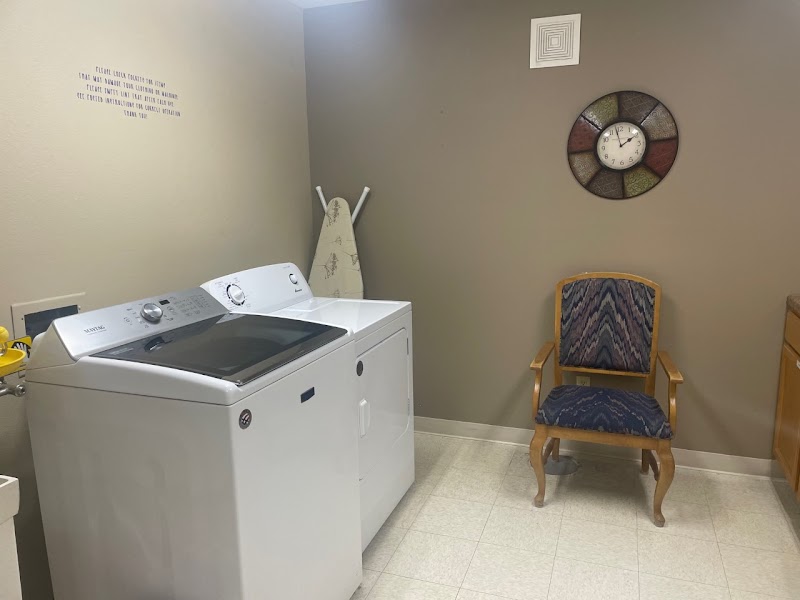
CMS rates Good Samaritan Society - Pipestone's staffing level at 5 out of 5 stars, which is much above average compared to other nursing homes. Staff turnover is 31%, compared to the Minnesota average of 46%. This relatively stable workforce can support continuity of care.

What Have Inspectors Found at Good Samaritan Society - Pipestone?

State health inspectors documented 13 deficiencies at Good Samaritan Society - Pipestone during 2023 to 2025. These included: 13 with potential for harm.

Who Owns and Operates Good Samaritan Society - Pipestone?

Good Samaritan Society - Pipestone is owned by a non-profit organization. Non-profit facilities reinvest revenue into operations rather than distributing to shareholders. The facility is operated by GOOD SAMARITAN SOCIETY, a chain that manages multiple nursing homes. With 82 certified beds and approximately 58 residents (about 71% occupancy), it is a smaller facility located in PIPESTONE, Minnesota.

How Does Good Samaritan Society - Pipestone Compare to Other Minnesota Nursing Homes?

Compared to the 100 nursing homes in Minnesota, Good Samaritan Society - Pipestone's overall rating (5 stars) is above the state average of 3.2, staff turnover (31%) is significantly lower than the state average of 46%, and health inspection rating (4 stars) is above the national benchmark.

What Should Families Ask When Visiting Good Samaritan Society - Pipestone?

Based on this facility's data, families visiting should ask: "Can I visit during a mealtime to observe dining assistance and food quality?" "How do you handle medical emergencies, and what is your hospital transfer rate?" "Can I speak with family members of current residents about their experience?"

Is Good Samaritan Society - Pipestone Safe?

Based on CMS inspection data, Good Samaritan Society - Pipestone has a clean safety record: no substantiated abuse findings (meaning no confirmed cases of resident harm), no Immediate Jeopardy citations (the most serious violation level indicating risk of serious injury or death), and is not on the Special Focus Facility watch list (a federal program monitoring the lowest-performing 1% of nursing homes). The facility has a 5-star overall rating and ranks #1 of 100 nursing homes in Minnesota. While no facility is perfect, families should still ask about staff-to-resident ratios and recent inspection results during their visit.

Do Nurses at Good Samaritan Society - Pipestone Stick Around?

Good Samaritan Society - Pipestone has a staff turnover rate of 31%, which is about average for Minnesota nursing homes (state average: 46%). Moderate turnover is common in nursing homes, but families should still ask about staff tenure and how the facility maintains care continuity when employees leave.

Was Good Samaritan Society - Pipestone Ever Fined?

Good Samaritan Society - Pipestone has no federal fines on record. CMS issues fines when nursing homes fail to meet care standards or don't correct problems found during inspections. The absence of fines suggests the facility has either maintained compliance or corrected any issues before penalties were assessed. This is a positive indicator, though families should still review recent inspection reports for the full picture.

Is Good Samaritan Society - Pipestone on Any Federal Watch List?

Good Samaritan Society - Pipestone is not on any federal watch list. The most significant is the Special Focus Facility (SFF) program, which identifies the bottom 1% of nursing homes nationally based on persistent, serious quality problems. Not being on this list means the facility has avoided the pattern of deficiencies that triggers enhanced federal oversight. This is a positive indicator, though families should still review the facility's inspection history directly.