The Green Prairie Rehabilitation Center
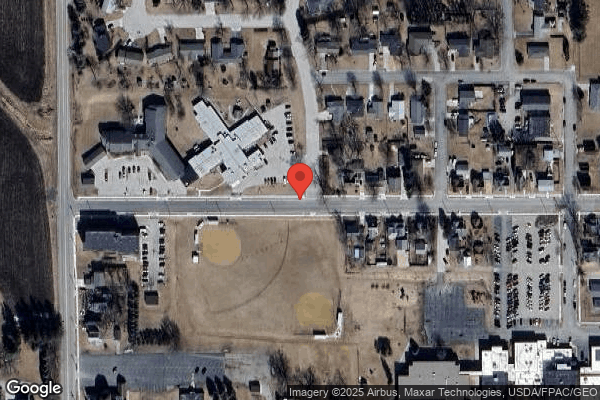
800 SECOND AVENUE NORTHWEST, PLAINVIEW, MN 55964 (507) 534-3191
For profit - Corporation 42 Beds MONARCH HEALTHCARE MANAGEMENT Data: November 2025
Trust Grade
90/100
#81 of 337 in MN
Last Inspection: October 2024

Within standard 12-15 month inspection cycle. Federal law requires annual inspections.

Overview

The Green Prairie Rehabilitation Center has received an excellent Trust Grade of A, indicating it is highly recommended and performs well overall. It ranks #81 out of 337 facilities in Minnesota, placing it in the top half, and #2 out of 2 in Wabasha County, meaning there is only one local option that is better. However, the facility is experiencing a worsening trend, with issues increasing from 1 in 2022 to 3 in 2024. Staffing is a strong point, boasting a 5/5 star rating and a turnover rate of 40%, which is below the Minnesota average. Notably, there have been no fines recorded, and the facility has more RN coverage than 91% of other Minnesota facilities, suggesting a robust level of nursing oversight. On the downside, recent inspections revealed some concerns. For instance, the facility failed to offer suitable snacks after dinner, which could impact residents' nutrition. Additionally, during a gastro-intestinal illness outbreak, three staff members did not complete necessary hand hygiene before providing care, which poses a risk for spreading infections. Another resident reported not receiving the promised daily assistance with ambulation, highlighting potential gaps in care delivery. Overall, while Green Prairie has strong staffing and oversight, there are areas that need improvement to ensure the best care for residents.

Trust Score
A
90/100
In Minnesota
#81/337
Top 24%
Safety Record
Low Risk
No red flags
Inspections
Getting Worse
1 → 3 violations
Staff Stability
○ Average
40% turnover. Near Minnesota's 48% average. Typical for the industry.
Penalties
✓ Good
No fines on record. Clean compliance history, better than most Minnesota facilities.
Skilled Nurses
✓ Good
Each resident gets 80 minutes of Registered Nurse (RN) attention daily — more than 97% of Minnesota nursing homes. RNs are the most trained staff who catch health problems before they become serious.
Violations
✓ Good
Only 4 deficiencies on record. Cleaner than most facilities. Minor issues only.
★★★★★
5.0
Overall Rating
★★★★★
5.0
Staff Levels
★★★★☆
4.0
Care Quality
★★★★☆
4.0
Inspection Score
Stable
2022: 1 issues
2024: 3 issues

The Good

  • 5-Star Staffing Rating · Excellent nurse staffing levels
  • 4-Star Quality Measures · Strong clinical quality outcomes
  • Full Sprinkler Coverage · Fire safety systems throughout facility
  • No fines on record
  • Staff turnover below average (40%)

    8 points below Minnesota average of 48%

Facility shows strength in staffing levels, quality measures, fire safety.

The Bad

Staff Turnover: 40%

Near Minnesota avg (46%)

Typical for the industry

Chain: MONARCH HEALTHCARE MANAGEMENT

Part of a multi-facility chain

Ask about local staffing decisions and management

The Ugly 4 deficiencies on record

Oct 2024 3 deficiencies
CONCERN (D)

Potential for Harm - no one hurt, but risky conditions existed

Deficiency F0688 (Tag F0688)

Could have caused harm · This affected 1 resident

**NOTE- TERMS IN BRACKETS HAVE BEEN EDITED TO PROTECT CONFIDENTIALITY** R6 R6's quarterly MDS dated [DATE], indicated R6 was cognitively intact, had impaired range of motion to both arms and no impair...

Read full inspector narrative →
**NOTE- TERMS IN BRACKETS HAVE BEEN EDITED TO PROTECT CONFIDENTIALITY** R6 R6's quarterly MDS dated [DATE], indicated R6 was cognitively intact, had impaired range of motion to both arms and no impairment to either leg. R6 required substantial assist for toileting, showering, and activities of daily living (ADLs), partial/moderate assist sitting to standing and supervision/touch assist for ambulation/walking. R6's diagnosis list included rheumatoid arthritis (disorder of the joints causing deformity and decreased function), difficulty walking, muscle weakness, and chronic pain syndrome. R6's care plan indicated impaired mobility related to weakness due to rheumatoid arthritis. Interventions included walk to and from the bathroom with 1 assist and gait belt and walk from room to activities department with walker, gait belt and wheelchair to follow. During an interview on 10/28/24 at 2:05 p.m., R6 stated they are supposed to ambulate daily however lucky to ambulate once a week. During interview on 10/29/24 at 1:20 p.m., R6 stated they were not offered to walk on 10/28/24. R6 reported occasional refusals due to discomfort but would walk at least 5 times a week if offered. R6 stated they must use their legs to get around in their wheelchair because of the arthritis in their hands. R6 indicated they had the opportunity to use a motorized wheelchair and declined for fear of losing use of their legs. During observation and interview on 10/29/24 at 1:46 p.m., R6 was observed walking in the hall with the assistance. Nursing assistant (NA)-A stated R6 is on a daily walking program to and from the activity department. NA-A stated R6 goes through phases of refusing to ambulate. NA-A stated if R6 refuses staff document refused in the electronic medical record. NA-A stated not applicable would be documented if there was no time to assist R6 to walk. The only time documentation would be left blank is if staff forgot to document. During interview on 10/30/24 at 8:26 a.m., registered nurse (RN)-A stated therapy sets up ambulation programs. The nursing assistants document completion of walking programs in electronic medical record. RN-A stated R6's acceptance of walking is mood dependent. During interview on 10/20/24 at 8:39 a.m., physical therapist (PT)-A reported seeing R6 multiple times since admission for leg strengthening, walking program, and transfers/home exercise program. PT-A reported walking programs are communicated to nursing staff via therapy communication form. There is a binder containing all walking programs on the unit. PT-A stated they informally check in with residents on occasion however the therapy director does formalized check-ins at IDT (interdisciplinary team) meetings weekly. During interview on 10/30/24 at 8:58 a.m., the therapy director (TD) stated a Therapy to Nursing Communication form is filled out when restorative/walking programs are developed. Completion of program is documented in electronic medical record by the nursing assistants. TD confirmed R6's walking program included walking to and from the activity room daily. TD spoke to R6 on 10/2/24 and confirmed R6 reported walking program has been inconsistent. After speaking to R6, the TD compiled all walking programs onto one form and placed it in the linen rooms down each hall as a reminder for nursing staff to complete each program. Walking programs are also on nursing assistant care sheets. The therapy director stated R6 could experience increased weakness if walking program isn't completed consistently. The TD provided a document titled walking programs that listed all residents in the facility on walking programs with detailed instructions of the program. The form indicated R6 was to use platform walker to walk to bathroom for toileting needs and walk to activity room and back. During interview with NA-B and NA-C on 10/30/24 at 10:07 a.m., NA-B stated they would document not applicable if the resident was unable to transfer safely when attempting a walk. NA-B indicated performing R6's walking program was hit and miss and dependent on who was on duty for that day. NA-C stated R6 does not usually refuse to walk. Review of R6's walking program from 7/1/24 - 10/28/24 indicated the following: Out of 31 opportunities from 7/1/24-7/31/24, R8 walked twice and refused 10 times. Not applicable was documented 9 times and 10 opportunities lacked documentation. Out of 31 opportunities from 8/1/24-8/31/24, R8 walked 4 times and refused 9 times. Five opportunities were documented not applicable and 13 opportunities lacked documentation. Out of 30 opportunities from 9/1/24-9/30/24, R8 walked once and refused 7 times. Eight opportunities were documented not applicable and 14 opportunities lacked documentation. Out of 28 opportunities from 10/1/24-10/28/24, R8 walked 7 times and refused 4 times. Not applicable was documented for 5 opportunities and 14 opportunities lacked documentation. During interview on 10/30/24 at 10:41 a.m., the director of nursing (DON) stated therapy communicates walking programs by filling out therapy to nursing communication form. The form is given to the unit coordinator to enter into the electronic medical record. Nursing assistants document completion of walking program in the electronic medical record. Nursing assistants fill out communication form if residents have difficulty performing tasks. The DON stated they do not check completion of documentation unless a concern is reported. The DON stated they would expect nursing staff to complete assigned walking programs and report if unable to complete. Facility restorative/maintenance therapy program policy was requested but not provided. Based on interview, observation and record review the facility failed to perform range of motion or ambulation (walking) as ordered for 2 of 2 residents (R14, R6) reviewed for restorative therapy programs. Findings include: R14's quarterly MDS dated [DATE], indicated R14 was cognitively intact, and diagnoses included stroke and hemiplegia or hemiparesis (loss of some or all ability to use one side of the body). R14 had functional limitation in range of motion to one side of the upper and lower extremities. R14 needed maximal assistance and dependent on staff for all mobility. R14's care plan dated 4/23/20, indicated impaired mobility related to stroke and resulted left side paresis. Interventions included two times a day when laying down range of motion (ROM) movements with left lower extremity (LLE), hip flexion/abduction and knee flexion for 20 repetitions. R14's Occupational Therapy (OT) Discharge summary dated [DATE], indicated a ROM program had been made and given to nursing to follow. R14's passive range of motion (PROM) program from 10/1/24 - 10/28/24, indicated ten times documented not applicable (NA) and thirty-one times no charting was entered. During an interview on 10/28/24 at 3:48 p.m., R14 stated the staff did ROM on her LLE sometimes, but wished they did it more often because the LLE starts to hurt. During interview on 10/30/24 at 7:36 a.m., nurse assistant (NA)-B stated R14 was on a ROM program performed twice a day, with morning cares and then when R14 went to bed at night. After the ROM program was complete it would be documented in R14's record. NA-B reviewed R14's documentation and acknowledged areas with an NA as well as missing documentation. NA-B stated an unawareness of why somebody would mark NA on this resident's charting. NA-B was unaware of staff ability to not be able to complete the ROM program for R14. During an interview on 10/30/24 at 8:10 a.m., the therapy director (TD) stated a ROM program would be set up by the therapy department if therapy felt it would help keep the resident at a certain level and not get worse. Therapy set up the program and then nursing made sure it was completed. The TD reviewed R14's OT notes and verified on 6/5/20 R14 had been discharged from therapy with a ROM program in place. During an interview on 10/30/24 at 1:34 p.m., the director of nursing (DON) stated therapy communicates ROM programs with a therapy to nursing communication form. The form is given to the unit coordinator to enter into the electronic medical record. Nursing assistants document completion of the ROM program in the electronic medical record. The DON stated they do not check completion of documentation unless a concern is reported. The DON reviewed R14's record acknowledged there were several times since 10/1/24, no documentation was completed. The DON stated they would expect nursing staff to complete assigned ROM programs and report if unable to complete.
CONCERN (D)

Potential for Harm - no one hurt, but risky conditions existed

Deficiency F0825 (Tag F0825)

Could have caused harm · This affected 1 resident

**NOTE- TERMS IN BRACKETS HAVE BEEN EDITED TO PROTECT CONFIDENTIALITY** Based on observation, interview and record review, the facility failed to provide physical therapy and occupational therapy as o...

Read full inspector narrative →
**NOTE- TERMS IN BRACKETS HAVE BEEN EDITED TO PROTECT CONFIDENTIALITY** Based on observation, interview and record review, the facility failed to provide physical therapy and occupational therapy as ordered for 1 of 1 resident (R5) reviewed for therapy services. Findings include: R5's admission Record undated, identified R5 was admitted to the facility on [DATE]. Diagnoses included Epilepsy (A neurological disorder that causes seizures) and quadriplegia ( is the paralysis of both arms and legs due). R5's quarterly Minimum Data Set (MDS) dated [DATE], identified R5 was nonverbal and unable to determine cognitive status. The MDS identified R5 had impairments to both upper and lower extremities, could not ambulate, and was dependent on staff for all cares. R5's discharge instructions and active order summary from R5's former LTC facility, dated and signed 7/7/22, identified R5 was discharged to [NAME] Prairie Rehab Center. The order summary report indicated occupational therapy (OT) and physical therapy (PT) were to evaluate and treat as indicated after admitted to the facility. The order summary also indicated nursing to ensure passive range of motion (PROM) was completed to left ankle, left knee, and left hip daily with AM cares. R5's active Order Summary Reported dated 7/13/22 (from current facility) lacked orders for therapy or a PROM program. During an interview on 10/30/24 at 8:10 a.m., the occupational therapist (OT) stated new admissions with orders for therapy services would be evaluated by therapy staff within 48 hours of admission. OT was aware R5 had orders at the time of admission for OT and PT, but the decision was made not to perform the evaluations and treat as ordered because of a payor source concern. There also were no orders received to discontinue the therapy orders after the decision was made not to offer therapy to R5. During an interview on 10/30/24 at 1:34 p.m., the director of nursing (DON) confirmed the discharge orders from R5's prior LTC facility were also the admission orders for [NAME] Prairie Rehab Center. She also confirmed R5 had therapy orders and PROM orders at time of admission, but the orders were never started. The DON also confirmed the therapy orders and PROM orders were never entered into R5's EMR because there was a payor source issue and therapy was not going to perform the evaluation, so the orders were not needed. The provider should have been contacted and orders obtained to discontinue the therapy orders if they were not needed. During an interview on 10/31/24 at 8:54 a.m., the administrator stated she expected all new admission orders would be entered into the EMR by staff, and followed until new orders were obtained that overrode the prior orders. The facility therapy policy was requested but not provided.
CONCERN (E)

Potential for Harm - no one hurt, but risky conditions existed

Deficiency F0809 (Tag F0809)

Could have caused harm · This affected multiple residents

Based on interview and document review, the facility failed to offer and/or provide a suitable and nourishing snack after dinner and before bedtime when there were more than 14 hours between the eveni...

Read full inspector narrative →
Based on interview and document review, the facility failed to offer and/or provide a suitable and nourishing snack after dinner and before bedtime when there were more than 14 hours between the evening and morning meals. This had the potential to affect all residents in the facility who would require a snack. Findings include: The facility provided a survey preparation binder which included an undated flyer titled Mealtimes: Breakfast - 8:00 a.m. Lunch - 12:00 p.m. Dinner - 5:00 p.m. During an observation on 10/29/24 at 2:08 p.m., a wicker basket was on the counter in the resident dining room. The basket contained applesauce, granola bars, pudding, animal crackers and rice krispie bars. In the refrigerator on a tray were half sandwiches in plastic bags, pieces of fruit, and a squeeze container of jelly. During an interview on 10/30/24, at 6:55 a.m., dietary aide (DA)-A stated dietary staff made peanut butter sandwiches for residents who didn't eat much for meals and were hungry later. DA-A stated the sandwiches were for any resident. During an interview on 10/30/24 at 12:35 p.m., dietary manager (DM) was aware there should not be more than 14 hours between the evening and morning meals but was not aware the facility exceeded those hours. DM was aware a substantial snack was required for residents when there were more than 14 hours between the evening and morning meals but could not state what would be considered a substantial snack. During a telephone interview on 10/30/24 at 1:55 p.m., registered dietician (RD) stated she was not aware of the length of time between the evening and morning meals. When informed it was 15 hours, RD stated, residents should receive a substantial snack which would include a protein and a carbohydrate. RD was aware dietary staff made some peanut butter sandwiches and kept them in a refrigerator for staff to access but did know it they were offered to each resident, adding she had not reviewed the facility snack process recently. During an interview on 10/31/2024 at 10:43 a.m., the director of nursing (DON) and administrator were both aware there were 15 hours between the evening and morning meals. Neither were aware residents should receive a substantial snack consisting of a carbohydrate and a protein. The administrator stated peanut butter sandwiches were always available to residents, and indicated a substantial snack was not offered to or provided to residents. The DON added the residents were not offered nor did they receive a substantial snack after the dinner meal and before bedtime. The facility Meal Times policy dated 9/2012, indicated it was policy to serve meals to meet the standards of the surveying agencies specifying no more than 14 hours between the evening meal of one day and the breakfast meal of the next day. Meal times would be: a. Breakfast (the space was blank) b. Noon (the space was blank) c. Evening (the space was blank) The hospitality services manager was responsible to monitor the system to assure adherence to this schedule. All staff were responsible for following this schedule.
Mar 2022 1 deficiency
CONCERN (E)

Potential for Harm - no one hurt, but risky conditions existed

Infection Control (Tag F0880)

Could have caused harm · This affected multiple residents

Based on observation, interview, and document review, the facility failed to ensure hand hygiene was completed by 3 of 12 staff (NA-A, RN-A, and NA-B) observed prior to providing cares for 6 residents...

Read full inspector narrative →
Based on observation, interview, and document review, the facility failed to ensure hand hygiene was completed by 3 of 12 staff (NA-A, RN-A, and NA-B) observed prior to providing cares for 6 residents (R14, R4, R30, R37, R36 and R26). The facility was having a gastro-intestinal illness outbreak at the time. Findings: On 3/28/22, 1:45 p.m. two carts with personal protective equipment (PPE) were observed on the 200 hallway with signage posted on the doors to R22's and R10's room and R32's room, indicating persons entering the room should use, contact precautions (use PPE of gown, gloves and mask). Shortly after this, an additional cart with supplies was brought to a nearby room and a sign posted on R238's door also indicating staff were to use, contact precautions. On 3/28/22, 2:33 p.m. a nursing assistant (NA)-A stated the facility had, stomach flu going around and the residents had symptoms of vomiting and diarrhea. NA-A was already wearing eye protection and a mask, but was observed to put on a gown and gloves, enter R22's room with incontinence products, put them away, touching furniture in the room. Then NA-A removed gown and gloves, placed them in the refuse container inside R22's room, touching the lid which was contaminated, and then sanitized hands with alcohol sanitizer. NA-A stated facility had provided infection control education about two months prior, and said hand sanitizer does not always work well with gastro-intestinal illnesses and staff should wash hands with soap and warm water for at least 20 seconds when someone has a GI illness, but admitted she had not done so after removing PPE, or leaving R22's room. During an interview 3/29/22, 9:43 a.m. the director of nursing (DON) stated the first incident of GI illness had started on 3/26/22 when R22 developed loose stools and was placed on contact precautions. When the next resident became ill with nausea and loose stools on 3/27/22 they suspected possible Norovirus (a GI illness that is contagious and easily spread in a community living setting such as a nursing home). DON stated the medical director and all primary physicians were notified, and they initiated their Norovirus protocol. DON stated hand washing instead of the use of alcohol sanitizer had to be initiated as alcohol was not effective against GI illnesses such as Norovirus. DON said she and a nurse manager had been meeting with staff as they came to work to review the proper precautions. DON defined these precautions as being contact precautions with the use of soap and water handwashing for any person suspected of GI illness. On 3/29/22, 10:12 a.m. a registered nurse (RN)-A was observed without gloves, carrying a bag of soiled incontinent products and other trash from R238's room. R238's room still had a sign indicating staff should use contact precautions. RN-A was observed to carry the trash out a nearby building exit and go to the trash container to dispose of the bag. RN-A then returned to the building, used alcohol based hand sanitizer and walked to a medication cart, signed into the computer, opened the cart, removed a wound dressing, opened the dressing, wrote the date on the dressing with a marker sitting on the cart, and then went to the room of R14. RN-A knocked and entered R14's room and proceeded to apply the dressing to R14's ankle stating it was for protection. RN-A then left R14's room and returned to the medication cart and used alcohol based hand sanitizer, but did not clean the marker, the computer or the cart. On 3/29/22, 10:20 a.m. RN-A stated she had used alcohol based hand sanitizer after disposing of the contaminated trash from R238's room, and said she had not been told to use a soap and water wash when residents showed symptoms of GI illness. RN-A stated they should clean with a bleach solution if a person had a C-diff infection, but we think this is a virus, not C-diff. (C. difficile is a GI infection usually associated with antibiotic use.) At 3/29/22, 12:52 p.m. NA-B was observed while doing the task of picking up lunch trays after residents had finished eating. NA-B entered several rooms, picking up soiled trays and placing them on the cart for dirty trays. NA-B brought a soiled tray from R36 and placed it on the cart, then, without practicing hand hygiene picked up a clean drinking mug, went to the dining area and filled it, then returned with the cup and brought it to R4 in another room. NA-B was then observed to enter R7's room to retrieve a used lunch tray, placed it on the cart, entered R19's room and retrieved a used lunch tray and placed it on the cart. Then, NA-B was asked to assist with the care of R30. NA-B grabbed a transfer lift sitting in the hall and without practicing hand hygiene, entered R30's room. On 3/30/22, 8:30 a.m. NA-B was observed providing cares to R23, and when NA-B left R23, no hand hygiene was observed. NA-B was observed to get R37 to do a weight. NA-B did physically touch R37 during this process. Afterwards, NA-B was not observed to practice hand hygiene. NA-B then went get R36 for a morning weight, without doing hand hygiene before the task and even though R36 was touched during the process, NA-B did not practice hand hygiene after the task was complete. NA-B then proceeded to pass morning breakfast trays to R26 and R36 without performing hand hygiene first. During an interview 3/30/22, 8:42 a.m. NA-B stated the facility had provided infection control training within the past few months, and said the previous month the training had been on hand hygiene and the use of PPE. NA-B stated one way to prevent the spread of infection within the facility was by using hand sanitizer and by washing one's hands. NA-B stated it was expected use hand sanitizer before entering a resident's room, and upon exit. NA-B stated she did not recall any lapse in hand hygiene on her part. A facility document titled Resident GI Illness log indicated the first case of GI illness started on 3/28/22, R22 on the 200 wing, then R32, across the hall on 3/29/22 and R238, next door on 3/28/22. The next case was R17 on the 100 wing on 3/29/22, as well as R3 on the same date. R9 on the 300 hall and R10 on the 200 hall were also stricken on 3/29/22. On 3/30/22, R7 and R21 on the 100 wing became ill with GI illness, and on 3/31/22, R16 and R35 on the 100 unit became ill; R25 and R18 on the 200 unit became ill, and R23, R34 and R36 on the 300 unit became ill with GI illness. A facility policy titled MHM-Norovirus Prevention and Control marked as updated 3/4/22 indicated during outbreaks, residents with norovirus gastroenteritis will be placed on Contact Precautions for a minimum of 72 hours after the resolution of symptoms. Also, the policy indicated, during outbreaks, use soap and water for hand hygiene after providing care of having contact with residents suspected or confirmed with norovirus gastroenteritis. To prevent food-related outbreaks of norovirus gastroenteritis in healthcare settings, food handlers must perform hand hygiene prior to contact with or the preparation of food items and beverages. A facility policy and procedure titled Monarch Healthcare Management Handwashing policy dated 11/2019 indicated proper hand washing techniques should be used to protect [from] the spread of infection. [NAME] washing shall be completed before, during and after preparing food, before eating, before and after caring for someone who is sick, before and after treating a cut or wound, after using the toilet, after changing incontinent products or cleaning up after someone who has used the toilet, after blowing nose, coughing or sneezing, touching an animal or animal waste, after handling pet food or pet treats, after touching garbage. The implementation portion indicated, hand washing shall be performed by all employees, as necessary, between tasks and procedures, and after bathroom use to prevent cross contamination. According to the CDC, healthcare workers should use hand sanitizer immediately before touching a patient, before performing an aseptic task or handling invasive medical devices, before moving from work on a soiled body site to a clean body site on the same patient, after touching a patient or the patient's immediate environment, after contact with blood, body fluids or contaminated surfaces and immediately after glove removal. The CDC recommends washing with soap and water when hands are visibly soiled, and after caring for a person with known or suspected infectious diarrhea, after known or suspected exposure to spores (e.g. B.antracis, C difficile outbreaks).
Understanding Severity Codes (click to expand)
Life-Threatening (Immediate Jeopardy)
J - Isolated K - Pattern L - Widespread
Actual Harm
G - Isolated H - Pattern I - Widespread
Potential for Harm
D - Isolated E - Pattern F - Widespread
No Harm (Minor)
A - Isolated B - Pattern C - Widespread

Questions to Ask on Your Visit

  • "Can I speak with families of current residents?"
  • "What's your RN coverage like on weekends and overnight?"

Our Honest Assessment

Strengths
  • • Grade A (90/100). Above average facility, better than most options in Minnesota.
  • • No major safety red flags. No abuse findings, life-threatening violations, or SFF status.
  • • No fines on record. Clean compliance history, better than most Minnesota facilities.
  • • Only 4 deficiencies on record. Cleaner than most facilities. Minor issues only.
Concerns
  • • No significant concerns identified. This facility shows no red flags across CMS ratings, staff turnover, or federal penalties.
Bottom line: Generally positive indicators. Standard due diligence and a personal visit recommended.

About This Facility

What is The Green Prairie Rehabilitation Center's CMS Rating?

CMS assigns The Green Prairie Rehabilitation Center an overall rating of 5 out of 5 stars, which is considered much above average nationally. Within Minnesota, this rating places the facility higher than 99% of the state's 100 nursing homes. This rating reflects solid performance across the metrics CMS uses to evaluate nursing home quality.

How is The Green Prairie Rehabilitation Center Staffed?

CMS rates The Green Prairie Rehabilitation Center's staffing level at 5 out of 5 stars, which is much above average compared to other nursing homes. Staff turnover is 40%, compared to the Minnesota average of 46%. This relatively stable workforce can support continuity of care.

What Have Inspectors Found at The Green Prairie Rehabilitation Center?

State health inspectors documented 4 deficiencies at The Green Prairie Rehabilitation Center during 2022 to 2024. These included: 4 with potential for harm.

Who Owns and Operates The Green Prairie Rehabilitation Center?

The Green Prairie Rehabilitation Center is owned by a for-profit company. For-profit facilities operate as businesses with obligations to shareholders or private owners. The facility is operated by MONARCH HEALTHCARE MANAGEMENT, a chain that manages multiple nursing homes. With 42 certified beds and approximately 31 residents (about 74% occupancy), it is a smaller facility located in PLAINVIEW, Minnesota.

How Does The Green Prairie Rehabilitation Center Compare to Other Minnesota Nursing Homes?

Compared to the 100 nursing homes in Minnesota, The Green Prairie Rehabilitation Center's overall rating (5 stars) is above the state average of 3.2, staff turnover (40%) is near the state average of 46%, and health inspection rating (4 stars) is above the national benchmark.

What Should Families Ask When Visiting The Green Prairie Rehabilitation Center?

Based on this facility's data, families visiting should ask: "Can I visit during a mealtime to observe dining assistance and food quality?" "How do you handle medical emergencies, and what is your hospital transfer rate?" "Can I speak with family members of current residents about their experience?"

Is The Green Prairie Rehabilitation Center Safe?

Based on CMS inspection data, The Green Prairie Rehabilitation Center has a clean safety record: no substantiated abuse findings (meaning no confirmed cases of resident harm), no Immediate Jeopardy citations (the most serious violation level indicating risk of serious injury or death), and is not on the Special Focus Facility watch list (a federal program monitoring the lowest-performing 1% of nursing homes). The facility has a 5-star overall rating and ranks #1 of 100 nursing homes in Minnesota. While no facility is perfect, families should still ask about staff-to-resident ratios and recent inspection results during their visit.

Do Nurses at The Green Prairie Rehabilitation Center Stick Around?

The Green Prairie Rehabilitation Center has a staff turnover rate of 40%, which is about average for Minnesota nursing homes (state average: 46%). Moderate turnover is common in nursing homes, but families should still ask about staff tenure and how the facility maintains care continuity when employees leave.

Was The Green Prairie Rehabilitation Center Ever Fined?

The Green Prairie Rehabilitation Center has no federal fines on record. CMS issues fines when nursing homes fail to meet care standards or don't correct problems found during inspections. The absence of fines suggests the facility has either maintained compliance or corrected any issues before penalties were assessed. This is a positive indicator, though families should still review recent inspection reports for the full picture.

Is The Green Prairie Rehabilitation Center on Any Federal Watch List?

The Green Prairie Rehabilitation Center is not on any federal watch list. The most significant is the Special Focus Facility (SFF) program, which identifies the bottom 1% of nursing homes nationally based on persistent, serious quality problems. Not being on this list means the facility has avoided the pattern of deficiencies that triggers enhanced federal oversight. This is a positive indicator, though families should still review the facility's inspection history directly.