ELIM WELLSPRING

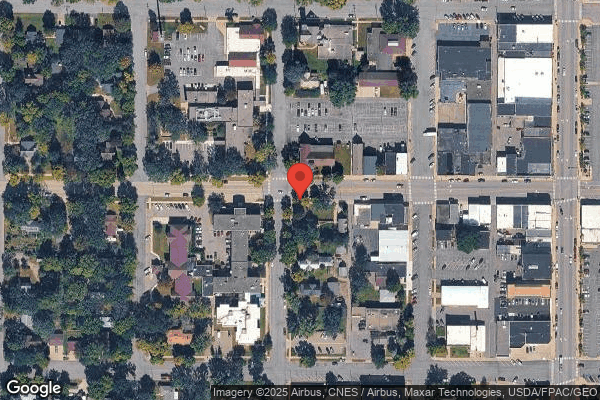
701 FIRST STREET, PRINCETON, MN 55371 (763) 389-0410
Non profit - Corporation 86 Beds CASSIA Data: November 2025
Trust Grade
90/100
#19 of 337 in MN
Last Inspection: December 2024

Within standard 12-15 month inspection cycle. Federal law requires annual inspections.

Overview

Elim Wellspring has received an excellent Trust Grade of A, indicating it is highly recommended and performs well compared to other nursing homes. It ranks #19 out of 337 facilities in Minnesota, placing it in the top half, and is the best option among three facilities in Mille Lacs County. The facility’s trend is stable, with only two minor issues reported over the past two years, and it has an impressive staffing rating of 5 out of 5 stars, although there is less RN coverage than 77% of Minnesota facilities. While there have been no fines, which is a positive sign, there are concerns about specific incidents, such as failing to properly account for a resident's pain medication and not promptly notifying a family member about a fall involving another resident. Overall, while the home has notable strengths, including excellent staffing and no fines, families should be aware of these weaknesses when considering care options.

Trust Score
A
90/100
In Minnesota
#19/337
Top 5%
Safety Record
Low Risk
No red flags
Inspections
Holding Steady
1 → 1 violations
Staff Stability
○ Average
36% turnover. Near Minnesota's 48% average. Typical for the industry.
Penalties
✓ Good
No fines on record. Clean compliance history, better than most Minnesota facilities.
Skilled Nurses
✓ Good
Each resident gets 54 minutes of Registered Nurse (RN) attention daily — more than average for Minnesota. RNs are trained to catch health problems early.
Violations
✓ Good
Only 2 deficiencies on record. Cleaner than most facilities. Minor issues only.
★★★★★
5.0
Overall Rating
★★★★★
5.0
Staff Levels
★★★★★
5.0
Care Quality
★★★★★
5.0
Inspection Score
Stable
2022: 1 issues
2024: 1 issues

The Good

  • 5-Star Staffing Rating · Excellent nurse staffing levels
  • 5-Star Quality Measures · Strong clinical quality outcomes
  • Full Sprinkler Coverage · Fire safety systems throughout facility
  • No fines on record
  • Staff turnover below average (36%)

    12 points below Minnesota average of 48%

Facility shows strength in staffing levels, quality measures, fire safety.

The Bad

Staff Turnover: 36%

Near Minnesota avg (46%)

Typical for the industry

Chain: CASSIA

Part of a multi-facility chain

Ask about local staffing decisions and management

The Ugly 2 deficiencies on record

Nov 2024 1 deficiency
CONCERN (D) 📢 Someone Reported This

A family member, employee, or ombudsman was alarmed enough to file a formal complaint

Potential for Harm - no one hurt, but risky conditions existed

Pharmacy Services (Tag F0755)

Could have caused harm · This affected 1 resident

**NOTE- TERMS IN BRACKETS HAVE BEEN EDITED TO PROTECT CONFIDENTIALITY** Based on interview and document review, the facility failed to properly account for 34 tablets of hydromorphone (a controlled na...

Read full inspector narrative →
**NOTE- TERMS IN BRACKETS HAVE BEEN EDITED TO PROTECT CONFIDENTIALITY** Based on interview and document review, the facility failed to properly account for 34 tablets of hydromorphone (a controlled narcotic pain medication) for 1 of 3 residents (R1) reviewed for controlled medications. Findings include: R1's admission Minimum Data Set (MDS) dated [DATE] indicated diagnoses of infection of multiple sites of the spine, septicemia (infection in the blood) and low back pain. The MDS also indicated R 1 had recent spinal surgery and she had received scheduled and as needed pain medication. R1's care plan dated 9/17/24 indicated she had pain related to diagnosis of lumbar fusion (spinal surgical procedure) and complaints of back pain. R1's hospital discharge orders included an order for hydromorphone (a narcotic pain medication) 2 milligrams (mg) every 3 hours as needed for severe pain. R1 was discharged from the hospital on 9/17/24. R1's September 2024 medication administration record (MAR) indicated she received hydromorphone 2 mg on 9/17/24 and 9/19/24. On 10/15/24, nurse practitioner (NP)-A wrote an order to discontinue hydromorphone 2 mg. On 10/16/24 at 9:36 a.m. a progress note indicated R1 discharged to home at 9:00 a.m. On 11/5/24 at 9:45 a.m., the director of nursing (DON) stated R1 was discharged home from the facility on 10/16/24, and the hydromorphone was not sent home with R1. On 11/5/24 at 10:47 a.m., R1 stated she did not take the hydromorphone often while at the facility, as she did not have the need for it. She also stated she did not take the hydromorphone home with her when she discharged on 10/16/24. On 11/5/24 at 11:27 a.m., licensed practical nurse (LPN)-A stated she and LPN-B discovered R1's hydromorphone was missing on 10/21/24 around 7:00 p.m., when they conducted their narcotic count at the change of shift. When the medication was discovered to be missing, she sent an email to the DON to notify her of the discrepancy. On 11/5/24 at 1:19 p.m., LPN-B stated she remembered seeing R1's hydromorphone the morning of 10/18/24. She stated when she came to work on 10/21/24 at 7:00 p.m. she completed her narcotic count with LPN-A, and they discovered R1's hydromorphone was missing. LPN-A sent an email to the DON. On 11/5/24 at 2:34 p.m., the DON stated she would have expected the nurses to have called her immediately upon discovering any discrepancies with narcotic counts. She did receive an email regarding R1's missing hydromorphone. On 11/5/24 at 3:44 p.m., LPN-C stated he recalled seeing R1's hydromorphone on 10/18/24. He did not follow policy and did not verify the narcotics were physically present in the medication cart. It was, Kind of a trusting situation. He knew the process of viewing each actual medication and looking at the count sheet to verify the actual number of medications, and this was an essential step to the process of narcotic counting. On 11/5/24 at 4:31 p.m., the assistant director of nursing (ADON) stated narcotic counts should be completed anytime a new staff person worked on a medication cart. The oncoming nurse should be counting the bin/locked box of medication. The nurse who was leaving should be reviewing the book to verify the quantity. If there was any discrepancy, they were to notify the DON immediately. The ADON also stated discontinued medications should be destroyed timely with two nurses. On 11/6/24 at 9:22 a.m., the pharmacist stated all medications were destroyed on site. The pharmacy no longer accepted returned medications. Best practice was to destroy a medication as soon as it was discontinued. R1's Narcotic Record indicated 36 tablets were received on 9/17/24. 1 tablet was removed from the card on 9/17/24, and another tablet was removed on 9/19/24, leaving 34 tablets. The facility policy Narcotic Count dated 7/19 directed the count is done by having one nurse look at the index and corresponding sign out page. A second nurse confirms the quantity remaining in the medication card, box, or bottle. Both staff sign the count notebook to indicate the count was current. a) if the count is not correct, notify the nursing supervisor promptly and search for the missing medication(s). b) if missing medication(s) cannot be accounted for, notify DON (or designee) who will determine the appropriate course of action The facility policy Medication Disposition dated 2/23 directed controlled medications: 1. When a scheduled II-V medication is discontinued, upon resident death, or upon discharge of a resident when a schedule II-V medications are not sent with resident upon discharge these medication must be destroyed by DON (or designee) and a second nurse. 2. Medications are to remain locked in the locked narcotic box on the medication cart and will be counted per the narcotic count policy until they are removed for destruction. 3. As soon as practical after discontinuance, death or discharge the following should occur: Narcotic medications are destroyed via state and federally acceptable practices.
Nov 2022 1 deficiency
CONCERN (D)

Potential for Harm - no one hurt, but risky conditions existed

Notification of Changes (Tag F0580)

Could have caused harm · This affected 1 resident

**NOTE- TERMS IN BRACKETS HAVE BEEN EDITED TO PROTECT CONFIDENTIALITY** Based on Interview and document review, the facility failed to ensure resident families and/or representatives were updated time...

Read full inspector narrative →
**NOTE- TERMS IN BRACKETS HAVE BEEN EDITED TO PROTECT CONFIDENTIALITY** Based on Interview and document review, the facility failed to ensure resident families and/or representatives were updated timely for a change in condition related to a fall for 1 of 2 residents (R34) reviewed for falls. Findings include R34's quarterly Minimum Data Set (MDS) dated [DATE], included severed cognitive deficit with diagnosis of Alzheimer's disease. R34's care plan listed problem of cognition/mood dated 10/10/22, indicated R34, Relies on family to assist with major decision making prn [as needed], and directed staff to, Encourage family support and involvement. When interviewed on 10/31/22, at 12:14 p.m. R34's responsible family member (FM)-A stated, R34 had a fall on 9/30/22, at around 1:00 a.m. The facility did not notify him until 9/30/22 around 3:30 p.m. He was traveling for work that day. He would have chosen not to travel if he had know R34 required family assistance. It should have been more timely, if not at the time of occurrence, at least way before 3:30 p.m. R34's fall event report indicated a fall on 9/30/22, at 12:56 a.m. and FM-A was notified at 3:51 p.m. R34's progress note dated 9/30/22, at 12:56 a.m. identified, Resident found on the floor, lying on right side facing the bed. He was screaming for help. Wheelchair within reach. Denies pain, denies hitting his head. ROM [range of motion] intact. Wearing white whites. He reports he was trying to get up to go to the bathroom and slipped out of bed. Assisted off the floor with assist of Nurse and aide. Aide assisted to the bathroom. Skin check completed, no discoloration noted. R34's progress note dated 9/30/22, at 3:31 p.m. identified, Updated [FM-A] this afternoon regarding fall that happened during previous shift. Was upset that he wasn't updated sooner than later. Said he was on the road and was 10 hours away and wouldn't have been able to get here had anything serious transpired. Was reassured that resident was stable and sustained no injuries from fall. [FM-A] said he would be contacting management regarding timely communication. When interviewed on 11/3/22, at 1:20 PM registered nurse (RN)-C stated, with any resident fall or incident, facility protocol is to notify resident's primary care provider, family or representative and nurse managers. RN-C stated if a resident had a fall that did not result in an injury on an overnight shift facility protocol was for the incoming day shift nurse to make those notifications. When interviewed on 11/3/22, at 2:36 p.m. RN-A stated, [FM-A] had not made a complaint to any management staff that she was aware of therefore no grievance had been initiated. RN-A stated nurse managers normally reviewed all facility progress notes and any noted concerns should have been brought forward to the interdisciplinary team. RN-B stated she had spoken to FM-A on 9/30/22, regarding another matter and he had expressed no concern regarding lack of notification. RN-B stated normally if there is no resident injury or transfer to the emergency room, the day shift staff would make notifications of any incidents on overnights. RN-B stated she did follow-up with FM-A today (11/3/22) to discuss his concern. RN-B stated FM-B had agreed to a care plan change for R34 instructing staff to notify family no matter what the time of day. The facility policy titled, Notification of Physician and Resident Representative, dated 5/4/22, included, Primary physicians, residents, and the resident representative, consistent with their authority, will be updated with all resident condition changes as soon as possible. The names of those contacted will be documented in the progress note.
Understanding Severity Codes (click to expand)
Life-Threatening (Immediate Jeopardy)
J - Isolated K - Pattern L - Widespread
Actual Harm
G - Isolated H - Pattern I - Widespread
Potential for Harm
D - Isolated E - Pattern F - Widespread
No Harm (Minor)
A - Isolated B - Pattern C - Widespread

Questions to Ask on Your Visit

  • "Can I speak with families of current residents?"
  • "What's your RN coverage like on weekends and overnight?"

Our Honest Assessment

Strengths
  • • Grade A (90/100). Above average facility, better than most options in Minnesota.
  • • No major safety red flags. No abuse findings, life-threatening violations, or SFF status.
  • • No fines on record. Clean compliance history, better than most Minnesota facilities.
  • • Only 2 deficiencies on record. Cleaner than most facilities. Minor issues only.
Concerns
  • • No significant concerns identified. This facility shows no red flags across CMS ratings, staff turnover, or federal penalties.
Bottom line: Generally positive indicators. Standard due diligence and a personal visit recommended.

About This Facility

What is Elim Wellspring's CMS Rating?

CMS assigns ELIM WELLSPRING an overall rating of 5 out of 5 stars, which is considered much above average nationally. Within Minnesota, this rating places the facility higher than 99% of the state's 100 nursing homes. This rating reflects solid performance across the metrics CMS uses to evaluate nursing home quality.

How is Elim Wellspring Staffed?

CMS rates ELIM WELLSPRING's staffing level at 5 out of 5 stars, which is much above average compared to other nursing homes. Staff turnover is 36%, compared to the Minnesota average of 46%. This relatively stable workforce can support continuity of care.

What Have Inspectors Found at Elim Wellspring?

State health inspectors documented 2 deficiencies at ELIM WELLSPRING during 2022 to 2024. These included: 2 with potential for harm.

Who Owns and Operates Elim Wellspring?

ELIM WELLSPRING is owned by a non-profit organization. Non-profit facilities reinvest revenue into operations rather than distributing to shareholders. The facility is operated by CASSIA, a chain that manages multiple nursing homes. With 86 certified beds and approximately 73 residents (about 85% occupancy), it is a smaller facility located in PRINCETON, Minnesota.

How Does Elim Wellspring Compare to Other Minnesota Nursing Homes?

Compared to the 100 nursing homes in Minnesota, ELIM WELLSPRING's overall rating (5 stars) is above the state average of 3.2, staff turnover (36%) is near the state average of 46%, and health inspection rating (5 stars) is much above the national benchmark.

What Should Families Ask When Visiting Elim Wellspring?

Based on this facility's data, families visiting should ask: "Can I visit during a mealtime to observe dining assistance and food quality?" "How do you handle medical emergencies, and what is your hospital transfer rate?" "Can I speak with family members of current residents about their experience?"

Is Elim Wellspring Safe?

Based on CMS inspection data, ELIM WELLSPRING has a clean safety record: no substantiated abuse findings (meaning no confirmed cases of resident harm), no Immediate Jeopardy citations (the most serious violation level indicating risk of serious injury or death), and is not on the Special Focus Facility watch list (a federal program monitoring the lowest-performing 1% of nursing homes). The facility has a 5-star overall rating and ranks #1 of 100 nursing homes in Minnesota. While no facility is perfect, families should still ask about staff-to-resident ratios and recent inspection results during their visit.

Do Nurses at Elim Wellspring Stick Around?

ELIM WELLSPRING has a staff turnover rate of 36%, which is about average for Minnesota nursing homes (state average: 46%). Moderate turnover is common in nursing homes, but families should still ask about staff tenure and how the facility maintains care continuity when employees leave.

Was Elim Wellspring Ever Fined?

ELIM WELLSPRING has no federal fines on record. CMS issues fines when nursing homes fail to meet care standards or don't correct problems found during inspections. The absence of fines suggests the facility has either maintained compliance or corrected any issues before penalties were assessed. This is a positive indicator, though families should still review recent inspection reports for the full picture.

Is Elim Wellspring on Any Federal Watch List?

ELIM WELLSPRING is not on any federal watch list. The most significant is the Special Focus Facility (SFF) program, which identifies the bottom 1% of nursing homes nationally based on persistent, serious quality problems. Not being on this list means the facility has avoided the pattern of deficiencies that triggers enhanced federal oversight. This is a positive indicator, though families should still review the facility's inspection history directly.