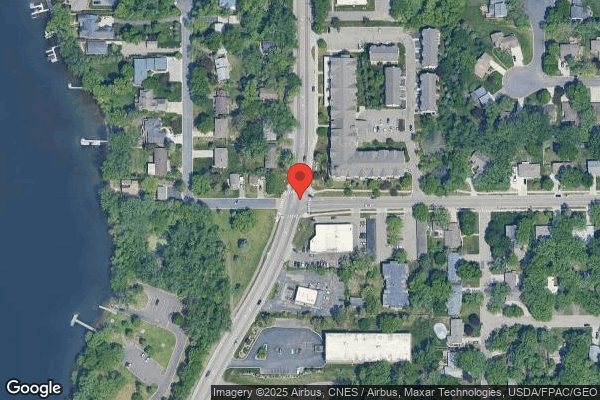
Langton Shores

1900 WEST COUNTY ROAD D, ROSEVILLE, MN 55112 (651) 631-6200
Non profit - Corporation 50 Beds PRESBYTERIAN HOMES & SERVICES Data: November 2025
Trust Grade
90/100
#51 of 337 in MN
Last Inspection: November 2024

Within standard 12-15 month inspection cycle. Federal law requires annual inspections.

Overview

Langton Shores in Roseville, Minnesota has received a Trust Grade of A, indicating it is an excellent facility that comes highly recommended. It ranks #51 out of 337 nursing homes in Minnesota, placing it in the top half, and is #2 out of 27 in Ramsey County, meaning only one other local option is better. The facility is new and has only had its first inspection, with no significant issues found, although two concerns were noted regarding vaccination protocols and infection control measures for wound care. Staffing is a strength, with a 5/5 star rating, a turnover rate of 38% that is lower than the state average, and more RN coverage than 87% of Minnesota facilities, ensuring that residents receive attentive care. On a positive note, Langton Shores has no fines on record, which suggests a good compliance history, but families should be aware of the identified areas for improvement to ensure their loved ones receive the best care possible.

Trust Score
A
90/100
In Minnesota
#51/337
Top 15%
Safety Record
Low Risk
No red flags
Inspections
Too New
0 → 2 violations
Staff Stability
○ Average
38% turnover. Near Minnesota's 48% average. Typical for the industry.
Penalties
✓ Good
No fines on record. Clean compliance history, better than most Minnesota facilities.
Skilled Nurses
✓ Good
Each resident gets 96 minutes of Registered Nurse (RN) attention daily — more than 97% of Minnesota nursing homes. RNs are the most trained staff who catch health problems before they become serious.
Violations
✓ Good
Only 2 deficiencies on record. Cleaner than most facilities. Minor issues only.
★★★★★
5.0
Overall Rating
★★★★★
5.0
Staff Levels
★★★☆☆
3.0
Care Quality
★★★★★
5.0
Inspection Score
Stable
: 0 issues
2024: 2 issues

The Good

  • 5-Star Staffing Rating · Excellent nurse staffing levels
  • Full Sprinkler Coverage · Fire safety systems throughout facility
  • No fines on record
  • Staff turnover below average (38%)

    10 points below Minnesota average of 48%

Facility shows strength in staffing levels, fire safety.

The Bad

Staff Turnover: 38%

Near Minnesota avg (46%)

Typical for the industry

Chain: PRESBYTERIAN HOMES & SERVICES

Part of a multi-facility chain

Ask about local staffing decisions and management

The Ugly 2 deficiencies on record

Nov 2024 1 deficiency
CONCERN (D)

Potential for Harm - no one hurt, but risky conditions existed

Deficiency F0883 (Tag F0883)

Could have caused harm · This affected 1 resident

**NOTE- TERMS IN BRACKETS HAVE BEEN EDITED TO PROTECT CONFIDENTIALITY** Based on interview and document review the facility failed to ensure 1 of 5 residents (R1) was offered, educated and/or provided...

Read full inspector narrative →
**NOTE- TERMS IN BRACKETS HAVE BEEN EDITED TO PROTECT CONFIDENTIALITY** Based on interview and document review the facility failed to ensure 1 of 5 residents (R1) was offered, educated and/or provided the pneumococcal vaccination series as recommended by the Centers for Disease Control (CDC), who were reviewed for immunizations. Findings include: A CDC Adult Immunization Schedule by age topic, dated 11/21/2024, identified various tables when each (or all) of the pneumococcal vaccinations should be obtained. This identified when an adult over [AGE] years old had received the complete series (i.e., PPSV23 and PCV13; see below) then the patient and provider may choose to administer Pneumococcal 20-valent Conjugate Vaccine (PCV20) for patients who had received Pneumococcal 13-valent Conjugate Vaccine (PCV13) at any age and Pneumococcal Polysaccharide Vaccine 23 (PPSV23) at or after [AGE] years old. R1's quarterly Minimum Data Set (MDS) dated [DATE], indicated R1 was [AGE] years old, admitted on [DATE], moderately cognitively impaired and has the following diagnoses: anemia (low red blood cells and hemoglobin levels in the blood), hypertension (high blood pressure), hyperlipidemia (high levels of fat in the blood), Alzheimer's disease, dementia, and anxiety. R1's Order summary report dated 11/21/24, indicated on 2/13/24 the provider gave the following two orders: 1) May receive pneumococcal vaccinations if not already received. 2) May receive pneumovax if not already received. R1's Minnesota Immunization Information Connection (MIIC) vaccination record dated 11/19/24, indicated R1 received the pneumococcal polysaccharide PPSV23 on 11/1/1994. In accordance with the CDC recommendations R1 was eligible for a dose any of the following pneumococcal conjugate vaccines: PCV15, PCV20, or PCV21. R1's Point Click Care Immunizations form dated 11/21/24, indicated R1's had refused the vaccination, however there was no evidence of this refusal in R1's medical record. R1's Pneumococcal vaccinations consent form dated 2/14/24, indicated R1's daughter had asked the facility to check R1's records to verify if R1 had received the vaccination or not and did not refuse it. R1's medical record lacked any evidence of follow up regarding the consent form, communication with the family, verification of that data, or any documentation it was administered. On 11/21/24 at 08:59 a.m., the Infection preventionist/registered nurse (RN)-A, stated upon admission the facility would offer influenza, COVID-19, and pneumococcal vaccinations to eligible residents. The vaccination consent order would be sent to the provider to be signed, and then administered after receiving order and vaccination, then documented in the chart. RN-A confirmed R1's consent stated the family member wanted R1's record reviewed, and RN-A confirmed R1's record was never verified, nor the family followed up with. On 11/21/24 at 11:09 a.m., the director of nursing (DON) expected if a resident was eligible for any of the offered vaccinations, those would be provided as soon as the facility was able to. The DON confirmed no follow up was conducted regarding R1. The DON stated there had been a different DON and infection preventionist at the time, and the vaccination had been missed. The DON stated the importance of providing vaccinations to the residents to keep infection rates down, and to prevent the spread of infection within the resident population. On 11/21/24 at 1:11 p.m., R1's family member confirmed the facility had not followed-up regarding vaccinations until today (11/21/24), when they had called to offer it. R1's family member stated they would normally prefer to keep R1's vaccinations up to date. On 11/21/24 at 1:17 p.m., RN-A stated if a resident were to refuse a vaccination at the time of admission, they would go back and offer them again upon discharge, however, RN-A had not been offering them again for long term residents, such as R1. The Pneumococcal Vaccination Policy last modified July of 2023, indicated all residents who have never received a pneumococcal conjugate vaccine will be offered the vaccine upon admission and as needed in accordance with current CDC recommendations.
May 2024 1 deficiency
CONCERN (D) 📢 Someone Reported This

A family member, employee, or ombudsman was alarmed enough to file a formal complaint

Potential for Harm - no one hurt, but risky conditions existed

Infection Control (Tag F0880)

Could have caused harm · This affected 1 resident

Based on observation, interview, and document review the facility failed to ensure enhanced barrier precautions (EBP)-(an infection control intervention designed to reduce transmission of multidrug-re...

Read full inspector narrative →
Based on observation, interview, and document review the facility failed to ensure enhanced barrier precautions (EBP)-(an infection control intervention designed to reduce transmission of multidrug-resistant organisms that employs targeted gown and glove use during high contact resident care activities.) were implemented for management of a surgical wound to reduce the risk of infection to others for 1 of 1 resident (R2) reviewed for transfers. Findings include: R2's face sheet identified diagnoses of age-related osteoporosis with current pathological fracture of left lower leg and need of assistance with personal cares. R2's order summary dated 5/14/24, identified R2's incision was located on the left tibia was covered with dry dressings including xeroform/Adaptec, gauze fluffs, ABD, and ACE wrap. Keep dressing in place, clean and dry for two weeks. Change dressing only PRN (as needed) saturation greater than 60% every day shift. Incisions evaluated in clinic in 2-3 weeks and remove any staples or sutures as indicated. R2's Nurse Practioner (NP) visit note dated 5/15/24, identified R2 was hospitalized for Trauma Surgery with a closed fracture of left tibia and fibula due to a fall, R2 proceeded with an insertion of intramedullary rod left tibia and removal of hardware left tibia on 5/11/2024 and admitted to the facility for a short term stay on 5/14/24. R2's care plan dated 5/15/24, identified a focus, I require enhanced barrier precautions due to a surgical incision. Intervention indicated to follow enhanced barrier precautions in addition to standard precautions: wear gown and gloves during high-contact resident care activities. An additional focus dated 5/14/24 identified, I have limited physical mobility. Intervention included transfers, I require assist of two with a full lift and medium universal sling. During an observation on 5/22/24 at 5:08 p.m., upon entrance to R2's room an orange paper sign was hung on the wall to the right side of R2's door. Two red colored, STOP signs noted at the top on either side. Signage read: ENHANCED BARRIER PRECAUTIONS EVERYONE MUST: clean their hands, including before entering and when leaving the room. PROVIDERS AND STAFF MUST ALSO: Wear gloves and a gown for the following activities. Dressing, Bathing/Showering, Transferring, changing linens, Providing Hygiene, Changing briefs or assisting with toileting. Device care or use: central line, urinary catheter, feeding tube, tracheostomy. Wound care: any skin opening requiring a dressing. Do not wear the same gown and gloves for the care of more than one person. The sign also had color pictures of hand cleanser, gloves, and gown. Nursing assistant (NA)-A and NA-B walked into R2's room without doing hand hygiene, did not utilize gloves or a gown. NA-A and NA-B transferred R2 from the bed to the recliner using a Hoyer lift. NA-A and NA-B did not perform hand hygiene after the transfer. During an interview on 5/22/24 at 5:16 p.m., NA-A and NA-B indicated an unawareness that EBP was to be used for high contact resident activities including transfers with R2. NA-B stated, I will go ask the nurse if we need to use EBP with R2. NA-B came back and stated, yes, we were supposed to use gown and gloves with the transfer for R2 due to R2 having a surgical wound to her left leg and indicated they should be using hand hygiene before and after cares with each resident and utilize gown and gloves with residents who are on EBP precautions to help prevent the spread of infection. During an interview on 5/22/24 at 5:23 p.m., interim clinical administrator stated, staff should be using EBP's with transfers for R2 due to a surgical wound on her left leg to help prevent the spread of infection. All residents with EBP have a sign clearly posted outside their room and staff should be looking for that and following our policy for EBP to help prevent the spread of infection. Facility policy, enhance Barrier Precautions Policy and Procedure, modified April 2024, identified a Purpose: PHS recognizes that our care center residents are at a higher risk of becoming colonized and infected with multidrug-resistant organisms (MDROs) as the prevalence of MDROs is higher in this care setting. As such, enhanced barrier precautions (EBP) which are a preventative approach to the use of personal protective equipment (PPE) to reduce opportunities of MDRO transmission during high-contact resident care activities will be implemented. Policy: 1. EBP (targeted gowns and gloves) are used in conjunction with standard precautions and will be implemented during high contact resident care activities for residents who: a. are known to be colonized or infected with CDC-targeted MDROs when Contact Precautions do not otherwise apply; and b. when caring for residents with wounds or indwelling medical devices even if the resident is not known to be colonized or infected with a MDRO. 2. EBP will be in place for the duration of a residents stay in the site or until resolution of the wound or discontinuation of the indwelling medical device for residents who are not colonized. 3. EBP is not intended to be a form of isolation and residents are not restricted to their rooms or limited from participation in group activities. 4. EBP should be followed when transferring residents in shared/common shower rooms and when working with residents in the therapy gym, specifically when anticipating close physical contact while assisting with transfers and mobility. 5. EBP does not need to be followed when transferring residents in the dining or activity rooms where contact is anticipated to be shorter in duration. Definitions: Wounds generally include chronic wounds and longer lasting wounds. This includes pressure injuries, venous stasis and diabetic ulcers, and unhealed surgical wounds, including new ostomies. This does not include short lasting wounds (e.g., skin tears). High-contact resident care activities include dressing, bathing/showering, transferring, providing hygiene, changing briefs, or assisting with toileting, changing linens, and indwelling medical device care or use (e.g., central line, dialysis port, urinary catheter, feeding tube, tracheostomy). Procedure: 1. Identify residents requiring EBP during the admission screening process and as needed. Specifically, review available key documents (e.g., H&P, discharge summary, physician progress notes, laboratory testing results) for documentation of known colonization of CDC-targeted MDROs, wounds or indwelling medical devices. 2. Review new notation of resident colonization of CDC-targeted MDROs, wounds or indwelling medical devices during the IDT process. 3. Upon identification of a resident with a known colonization of a CDC-targeted MDRO, wounds or indwelling medical devices: a. Notify and educate the resident or resident representative, IDT and QST, direct care staff. Provide re-education as needed. i. Resident and resident representative notification and education should be documented in the resident's record. The Enhanced Barrier Precautions Notification Letter may be used, however, should still be documented as given. b. Place an EBP sign on the resident's door. c. Ensure adequate supply of gowns and gloves are available in the resident's room. Note: This does not require an isolation cart to be placed outside the resident's room as this is a preventative measure that should have as little impact as possible on the resident's homelike environment. d. Ensure there is a trash can and hand hygiene supplies placed near the exit of the resident's room to discard the gloves and gowns prior to exiting the room. If the resident has a roommate, ensure staff are discarding the gloves and gowns, and performing hand hygiene before providing care to the second resident. e. Update the resident's care plan and care/team sheets. f. Update the infection control log and document the type of CDC-targeted MDRO the resident is known to be colonized with. 4. When performing high-contact resident care activities staff should: a. Perform hand hygiene. b. [NAME] gloves and a gown c. Complete the high contact activity d. Remove gloves and gown and dispose of in a trash can in the resident's room or if outside of the resident's room (e.g., shower/tub room or therapy gym) in a trash can contained within the area. e. Perform hand hygiene 5. If at any time a resident is requiring EBP they require additional precautions or isolation protocol, the more stringent precautions/protocol will apply.6. The Clinical Administrator, IP, or designee should audit staff adherence to this policy at random intervals using the Enhanced Barrier Precautions Observation Form.
Understanding Severity Codes (click to expand)
Life-Threatening (Immediate Jeopardy)
J - Isolated K - Pattern L - Widespread
Actual Harm
G - Isolated H - Pattern I - Widespread
Potential for Harm
D - Isolated E - Pattern F - Widespread
No Harm (Minor)
A - Isolated B - Pattern C - Widespread

Questions to Ask on Your Visit

  • "Can I speak with families of current residents?"
  • "What's your RN coverage like on weekends and overnight?"

Our Honest Assessment

Strengths
  • • Grade A (90/100). Above average facility, better than most options in Minnesota.
  • • No major safety red flags. No abuse findings, life-threatening violations, or SFF status.
  • • No fines on record. Clean compliance history, better than most Minnesota facilities.
  • • Only 2 deficiencies on record. Cleaner than most facilities. Minor issues only.
Concerns
  • • No significant concerns identified. This facility shows no red flags across CMS ratings, staff turnover, or federal penalties.
Bottom line: Generally positive indicators. Standard due diligence and a personal visit recommended.

About This Facility

What is Langton Shores's CMS Rating?

CMS assigns Langton Shores an overall rating of 5 out of 5 stars, which is considered much above average nationally. Within Minnesota, this rating places the facility higher than 99% of the state's 100 nursing homes. This rating reflects solid performance across the metrics CMS uses to evaluate nursing home quality.

How is Langton Shores Staffed?

CMS rates Langton Shores's staffing level at 5 out of 5 stars, which is much above average compared to other nursing homes. Staff turnover is 38%, compared to the Minnesota average of 46%. This relatively stable workforce can support continuity of care.

What Have Inspectors Found at Langton Shores?

State health inspectors documented 2 deficiencies at Langton Shores during 2024. These included: 2 with potential for harm.

Who Owns and Operates Langton Shores?

Langton Shores is owned by a non-profit organization. Non-profit facilities reinvest revenue into operations rather than distributing to shareholders. The facility is operated by PRESBYTERIAN HOMES & SERVICES, a chain that manages multiple nursing homes. With 50 certified beds and approximately 43 residents (about 86% occupancy), it is a smaller facility located in ROSEVILLE, Minnesota.

How Does Langton Shores Compare to Other Minnesota Nursing Homes?

Compared to the 100 nursing homes in Minnesota, Langton Shores's overall rating (5 stars) is above the state average of 3.2, staff turnover (38%) is near the state average of 46%, and health inspection rating (5 stars) is much above the national benchmark.

What Should Families Ask When Visiting Langton Shores?

Based on this facility's data, families visiting should ask: "Can I visit during a mealtime to observe dining assistance and food quality?" "How do you handle medical emergencies, and what is your hospital transfer rate?" "Can I speak with family members of current residents about their experience?"

Is Langton Shores Safe?

Based on CMS inspection data, Langton Shores has a clean safety record: no substantiated abuse findings (meaning no confirmed cases of resident harm), no Immediate Jeopardy citations (the most serious violation level indicating risk of serious injury or death), and is not on the Special Focus Facility watch list (a federal program monitoring the lowest-performing 1% of nursing homes). The facility has a 5-star overall rating and ranks #1 of 100 nursing homes in Minnesota. While no facility is perfect, families should still ask about staff-to-resident ratios and recent inspection results during their visit.

Do Nurses at Langton Shores Stick Around?

Langton Shores has a staff turnover rate of 38%, which is about average for Minnesota nursing homes (state average: 46%). Moderate turnover is common in nursing homes, but families should still ask about staff tenure and how the facility maintains care continuity when employees leave.

Was Langton Shores Ever Fined?

Langton Shores has no federal fines on record. CMS issues fines when nursing homes fail to meet care standards or don't correct problems found during inspections. The absence of fines suggests the facility has either maintained compliance or corrected any issues before penalties were assessed. This is a positive indicator, though families should still review recent inspection reports for the full picture.

Is Langton Shores on Any Federal Watch List?

Langton Shores is not on any federal watch list. The most significant is the Special Focus Facility (SFF) program, which identifies the bottom 1% of nursing homes nationally based on persistent, serious quality problems. Not being on this list means the facility has avoided the pattern of deficiencies that triggers enhanced federal oversight. This is a positive indicator, though families should still review the facility's inspection history directly.