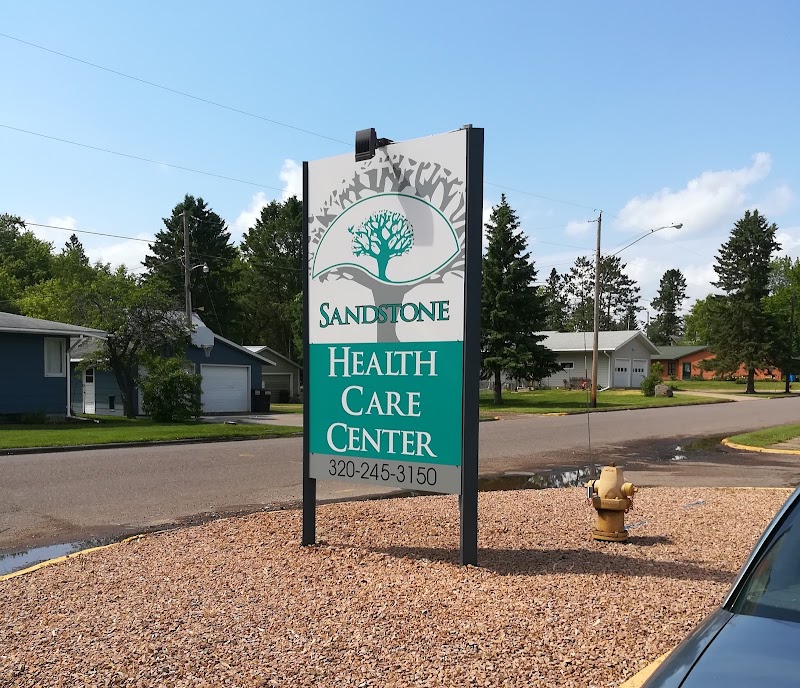
SANDSTONE HEALTH CARE CENTER
109 COURT AVENUE SOUTH, SANDSTONE, MN 55072 (320) 245-3150
For profit - Corporation 50 Beds Independent Data: November 2025
Trust Grade
50/100
#259 of 337 in MN
Last Inspection: February 2025

Within standard 12-15 month inspection cycle. Federal law requires annual inspections.

Overview

Sandstone Health Care Center has a Trust Grade of C, which means it is average and sits in the middle of the pack among nursing homes. It ranks #259 out of 337 facilities in Minnesota, placing it in the bottom half, but it is the only option in Pine County. The facility's situation is worsening, with issues increasing from 1 in 2024 to 9 in 2025. While staffing is a strength here with a rating of 5 out of 5 stars and a turnover rate of 33%, which is below the state average, there is concerning RN coverage with less than 76% of other Minnesota facilities. Notably, the home has reported no fines, which is a positive sign, but there have been issues such as failing to provide timely hand hygiene and not ensuring oxygen tubing was changed when needed, which raises concerns about resident care.

Trust Score
C
50/100
In Minnesota
#259/337
Bottom 24%
Safety Record
Low Risk
No red flags
Inspections
Getting Worse
1 → 9 violations
Staff Stability
○ Average
33% turnover. Near Minnesota's 48% average. Typical for the industry.
Penalties
✓ Good
No fines on record. Clean compliance history, better than most Minnesota facilities.
Skilled Nurses
✓ Good
Each resident gets 60 minutes of Registered Nurse (RN) attention daily — more than 97% of Minnesota nursing homes. RNs are the most trained staff who catch health problems before they become serious.
Violations
⚠ Watch
23 deficiencies on record. Higher than average. Multiple issues found across inspections.
★★☆☆☆
2.0
Overall Rating
★★★★★
5.0
Staff Levels
★☆☆☆☆
1.0
Care Quality
★★☆☆☆
2.0
Inspection Score
Stable
2024: 1 issues
2025: 9 issues

The Good

  • 5-Star Staffing Rating · Excellent nurse staffing levels
  • Full Sprinkler Coverage · Fire safety systems throughout facility
  • No fines on record
  • Staff turnover below average (33%)

    15 points below Minnesota average of 48%

Facility shows strength in staffing levels, fire safety.

The Bad

2-Star Overall Rating

Below Minnesota average (3.2)

Below average - review inspection findings carefully

Staff Turnover: 33%

13pts below Minnesota avg (46%)

Typical for the industry

The Ugly 23 deficiencies on record

Feb 2025 9 deficiencies
CONCERN (D)

Potential for Harm - no one hurt, but risky conditions existed

Quality of Care (Tag F0684)

Could have caused harm · This affected 1 resident

**NOTE- TERMS IN BRACKETS HAVE BEEN EDITED TO PROTECT CONFIDENTIALITY** Based on observation, interview, and record review, the facility failed to ensure provider orders for medication parameters were...

Read full inspector narrative →
**NOTE- TERMS IN BRACKETS HAVE BEEN EDITED TO PROTECT CONFIDENTIALITY** Based on observation, interview, and record review, the facility failed to ensure provider orders for medication parameters were followed for 1 of 5 residents (R18) reviewed for unnecessary medications. In addition, the facility failed to ensure provider orders for a fluid restriction and daily weights were followed for 1 of 2 (R142) residents reviewed for hydration. Findings include: R18's admission Minimum Data Set (MDS) dated [DATE], identified moderately impaired cognition and diagnoses of hypertension (high blood pressure) and repeated falls. R18's care plan dated 2/3/25, identified potential for drug interactions and adverse effects related to the use of multiple medications, and listed interventions to administer medications as ordered and observe for effectiveness and adverse side effects. R18's provider orders contained an order for furosemide (a medication used to help rid the body of water) 20 mg to be given one time per day for hypertension and to hold the medication if R18's systolic blood pressure (SBP, the top number of a blood pressure which represents the pressure in the arteries when the heart beats) was below 110. Review of R18's medication administration record (MAR) revealed furosemide was administered to R18 on 2/5/25 when her SBP was 94, and on 2/7/25 when her SBP was 90. During an interview on 2/13/25 at 7:55 a.m., assistant director of nursing, registered nurse (RN)-A stated she would expect the provider order was followed and if it wasn't it needed to be followed up with the provider. RN-A stated the risk for R18 receiving this medication when the SBP was below 110 could be even lower blood pressure and more electrolyte imbalance. During an interview on 2/13/25 at 11:43 a.m., the director of nursing (DON) stated she would expect the order would be followed, and not following the order could put R18 at risk for even lower blood pressure and possibly becoming dehydrated. R142's admission record identified an admission date of 2/3/25 and diagnoses of heart failure, stomach cancer, anemia, and hypertension. R142's care plan dated 2/3/25, didn't contain information regarding a fluid restriction. R142's provider orders dated 2/4/25, identified orders for: -furosemide (a medication used to help rid the body of water) 20 milligrams (mg) daily -spironolactone (a medication used to help rid the body of water) 50 mg daily -fluid restriction of 64 ounces (oz) daily, with 46 oz from dietary and 18 oz from nursing with medications. Document the amount of fluids given from nursing every shift. -on 2/6/25 a nursing order for daily weight monitoring related to a diagnosis of ascites (the accumulation of extra fluid around the abdomen). During a review on 2/10/25, it was noted R142's medication administration record (MAR) for February 2025 didn't reflect R142's weight was taken and recorded in the record for 2/9, 2/10, 2/11 or 2/12. Review of R142's progress notes identified a note from 2/7/25 indicating a nurse's order was placed to weigh R142 daily due to a diagnosis of ascites. The notes didn't reflect any refusals from R142 to have his weight taken. During an interview on 2/10/25 at 5:45 p.m., R142 was complaining to an unknown nursing assistant (NA) that he had asked for water this morning but hadn't gotten any. The NA explained to R142 he was on a fluid restriction and only got two eight ounces (oz) glasses of water from nursing staff, which was on his over-the-bed table. During an interview on 2/11/25 at 10:59 a.m., R142 was looking at a large pitcher of water that was brought to him this morning, he didn't know who brought it. R142 picked up the pitcher and said it was full, and then said, isn't that stupid, yesterday I could only get a little glass of water and now I get this, R142 shook his head and stated he didn't understand. R142 also had a 20 oz bottle of orange soda which he said he had brought here himself; the bottle was about half gone. During an observation on 2/11/25 at 1:57 p.m., R142 was sleeping in his room. The bottle of orange soda was two-thirds empty. During an interview on 2/11/25 at 3:30 p.m., nursing assistant (NA)-A stated staff looked at the [NAME] (a care plan summary) or care plan to know how to care for residents, and if it weren't clear she would ask the supervisor. NA-A stated she knew R142 had a fluid restriction because she heard about it, but it wasn't on his [NAME]. During an interview on 2/11/25 at 3:42 p.m., an assistant director of nursing, RN-A confirmed the [NAME] for R142 didn't contain a fluid restriction. RN-A explained any RN in management could update the care plan, which would flow to the [NAME], but she wasn't sure if it was a nursing or dietary responsibility. RN-A stated it would be important to follow fluid restrictions because R142 could get fluid overload. During an interview on 2/12/25 at 11:20 a.m., NA-B stated they could look at the [NAME] to know how to care for the residents. NA-B wasn't aware of any residents with a fluid restriction. NA-B stated dietary had slips that came out with the trays and indicated if there was a special diet, allergies, or special equipment needed. NA-B stated the NAs were responsible for getting the weekly and daily weights done in the morning before breakfast. During an interview on 2/12/25 at 11:30 a.m., NA-C stated they could look at the care plan to know how to care for the residents. NA-C wasn't aware of any resident with a fluid restriction. NA-C looked at R142's [NAME] and confirmed there was a 64 oz fluid restriction. NA-C stated they hadn't weighed R142 today, LPN-B had weighed him. During an interview on 2/12/25 at 12:34 p.m., LPN-B stated the NAs were responsible for getting resident's weight, but she had weighed him today. LPN-B confirmed R142 had an order for daily weights, and she had weighed him yesterday and today, but hadn't documented it yet. LPN-B stated it would be important to take his daily weight because he had ascites and was at risk for retaining fluid. During an interview on 2/13/25 at 11:32 a.m., the DON stated daily weights needed to be completed, and it would be important for R142 because he had ascites and too much fluid could lead to complications. The DON would also expect fluid restrictions be on the [NAME]. A policy, Medication Guidelines - Long Term Care dated 2/2025, identified its purpose was to ensure the accurate storage and safe and effective administration of medications by qualified personnel. The medication administration guidelines indicated provider orders would be followed, and medications would be given following the six rights of medication administration, including the right resident, drug, dose, route, time and documentation.
CONCERN (D)

Potential for Harm - no one hurt, but risky conditions existed

Accident Prevention (Tag F0689)

Could have caused harm · This affected 1 resident

**NOTE- TERMS IN BRACKETS HAVE BEEN EDITED TO PROTECT CONFIDENTIALITY** Based on observation, interview and document review the facility failed to ensure aspiration precautions were followed for 1 of ...

Read full inspector narrative →
**NOTE- TERMS IN BRACKETS HAVE BEEN EDITED TO PROTECT CONFIDENTIALITY** Based on observation, interview and document review the facility failed to ensure aspiration precautions were followed for 1 of 2 residents (R24) reviewed for accidents. Findings include: R24's quarterly Minimum Data Set (MDS) dated [DATE], identified R24 had diagnoses which included cerebral infarction (stroke), dysphagia (difficulty swallowing foods or fluids, arising from the throat or esophagus, ranging from mild difficulty to complete and painful blockage). R24's MDS identified R24 had no rejections of care and was cognitively intact. R24's [NAME] as of 2/11/25, identified Special Instructions : No straws (per speech therapy). R24's order review report identified tube feeding diet, no straws per speech therapy dated 3/26/24. On 2/11/25 at 2:49 p.m., R24 was seated in the recliner and on a bedside table next to the chair was a large plastic cup with a straw in the cup. On 2/11/25 at 2:55 p.m., R24 stated they always had a straw in the water cup. On 2/11/25 at 2:57 p.m., registered nurse (RN)- A reviewed R24's orders and verified R24 was not supposed to have straws per speech therapy and per her current orders. RN-A stated the nursing assistants would know not to give R24 a straw with her water based on the [NAME]. RN-A verified the use of a straw would increase the risk for aspiration. A policy on aspiration precautions was requested but not provided.
CONCERN (D)

Potential for Harm - no one hurt, but risky conditions existed

Respiratory Care (Tag F0695)

Could have caused harm · This affected 1 resident

**NOTE- TERMS IN BRACKETS HAVE BEEN EDITED TO PROTECT CONFIDENTIALITY** Based on observation, interview, and document review, the facility failed to ensure oxygen was administered as ordered for 1 of ...

Read full inspector narrative →
**NOTE- TERMS IN BRACKETS HAVE BEEN EDITED TO PROTECT CONFIDENTIALITY** Based on observation, interview, and document review, the facility failed to ensure oxygen was administered as ordered for 1 of 1 residents (R11) reviewed for oxygen therapy. Findings include: R11's quarterly Minimum Data Set (MDS) dated [DATE], identified R11 had diagnoses which included treatment for palliative care, anxiety disorder, chronic obstructive pulmonary disease (COPD[a group of lung disease that block airflow and make it difficult to breathe]), macular degeneration (an eye disorder that causes vision loss), and paroxysmal atrial fibrillation (a type of irregular heartbeat where the heart's upper chambers [atria] beat rapidly and irregularly for a short period of time). R11's MDS identified R11 was moderately cognitively intact and used oxygen. R11's care plan initiated on 11/4/24, identified R11 had an alteration in respiratory status related to a diagnosis of COPD with use of oxygen. Interventions included to administer oxygen as order by medical provider (MD). R11's active orders current as of 2/13/25, identified R11 had an order for oxygen at two liters per nasal cannula at bedtime related to COPD. R11's treatment record for the past three months identified R11 had oxygen flowing at 3 liters per minute on the following dates: 1/1/25 1/2/25 12/17/24 12/20/24 12/21/24 12/22/24 12/23/24 12/24/24 12/25/24 12/26/24 12/27/24 12/28/24 12/29/24 12/30/24 12/31/24 A review of the past three months of progress notes did not include any notes on increased oxygen needs or communication to the MD about an increased need for oxygen. On 2/10/25 at 5:20 p.m., R11's oxygen flow meter was at 2.5 liters per min (LPM). On 2/11/25 at 3:16 p.m., licensed practical nurse (LPN)-A verified R11's oxygen was at 2.5 LPM and said it should have been at 2 LPM. LPN-A stated it works opposite if the LPM are set too high and the resident might start retaining carbon dioxide which could lead to respiratory failure. LPN-A stated R11 had recently been using her oxygen during the day and not just at night. During an interview on 2/13/25 at 7:54 a.m., the director of nursing (DON) stated she would expect staff to check a resident's oxygen flow meter daily to ensure it was at the correct LPM and to document oxygen saturations daily. The DON verified it was important to follow the MD's orders especially with residents with COPD because a higher flow rate could contribute to breathing difficulties. The Oxygen Administration - Long Term Care policy dated 2/2024, identified a provider order was needed for oxygen administration. The policy identified the order should be verified to ensure the amount of liter flow, method of administration and duration of therapy.
CONCERN (D)

Potential for Harm - no one hurt, but risky conditions existed

Medication Errors (Tag F0758)

Could have caused harm · This affected 1 resident

**NOTE- TERMS IN BRACKETS HAVE BEEN EDITED TO PROTECT CONFIDENTIALITY** Based on observation, interview, and document review, the facility failed to ensure use of an as-needed (i.e., PRN) psychotropic...

Read full inspector narrative →
**NOTE- TERMS IN BRACKETS HAVE BEEN EDITED TO PROTECT CONFIDENTIALITY** Based on observation, interview, and document review, the facility failed to ensure use of an as-needed (i.e., PRN) psychotropic medication was limited to a 14-day period and/or re-evaluated by the provider to ensure ongoing need and efficacy of the medication for 1 of 5 residents (R11) reviewed for unnecessary medication use. Findings include: R11's quarterly Minimum Data Set (MDS) dated [DATE], identified R11 had diagnoses which included treatment for palliative care, anxiety disorder, chronic obstructive pulmonary disease (COPD [a group of lung diseases that block airflow and make it difficult to breathe]), macular degeneration (an eye disorder that causes vision loss), and paroxysmal atrial fibrillation (a type of irregular heartbeat where the heart's upper chambers [atria] beat rapidly and irregularly for a short period of time). R11's MDS identified R11 was moderately cognitively intact and had no behaviors or rejections of care. R11's MDS identified R11 used scheduled and PRN pain medications, used anti-anxiety, anti-depressant, and opioid medications during the review period. On 2/11/25 at 10:33 a.m., R11 was seated on her bed wearing oxygen at two liters per minute, the television was on she was finishing her breakfast and said she would like something other than boiled eggs all the time. No other concerns. R11's active orders as of 2/13/25, identified the following order: lorazepam oral tablet 0.5 milligrams (mg) give 0.5 mg by mouth every two hours as needed for anxiety/dyspnea orders valid through end of life. A review of the monthly pharmacy reviews identified the following: 11/12/24, Pharmacist Recommendations to Providers: Order - lorazepam 0.5 mg every two hours PRN. PRN orders for psychotropic drugs anti-psychotic, anti-depressant, anti-anxiety, and hypnotics are limited to 14 days. If believe that it is appropriate for the PRN order to be extended beyond 14 days, should document the rationale in the resident's medical record and indicate the duration for the PRN order. No response from the physician was received. 12/10/24, Medical Director summary from the pharmacist. PRN psychoactive (non-anti-psychotics) without end date. Lorazepam 0.5 mg every two hours PRN. Rationale/indication for requiring PRN order past 14 days. No response was received. 2/7/25, Pharmacist Recommendations to Providers: Order - lorazepam 0.5 mg every two hours PRN. PRN orders for psychotropic drugs anti-psychotic, anti-depressant, anti-anxiety, and hypnotics are limited to 14 days. If believe that it is appropriate for the PRN order to be extended beyond 14 days, should document the rationale in the resident's medical record and indicate the duration for the PRN order. No response from the physician was received. Hospice Order date 2/5/25, start lorazepam 0.5 mg one tab oral every two hours PRN for anxiety/dyspnea. Order valid through end of life. During an interview on 2/11/25 at 11:27 a.m., hospice registered nurse (RN)-C stated they were told it was okay to write orders for lorazepam until end of life, then stated there was current discussion about the need for a stop date. During an interview on 2/13/25 at 7:54 a.m., the director of nursing (DON) stated PRN lorazepam should only be ordered for 14 days, the DON added for hospice residents the order could be ordered for up to six months. The DON was not sure if the medical director had talked with the hospice physician about a stop date for R11's PRN lorazepam. During an interview on 2/13/25 at 9:35 a.m., consultant pharmacist (CP)-C stated he requested a stop date in November for R11 and received no response. The request was re-issued in December and now again in February. CP-C stated this was discussed at the quality meeting on 1/7/25 and believed the medical director had reached out to the hospice medical doctor regarding this concern. Psychotropic Medication Management - Long Term Care dated 10/2023, identified the following; As needed orders for psychotropic drugs (with the exception of anti-psychotics, see below) are limited to 14 days. Unless, the attending physician or prescribing practitioner believes that it is appropriate for the as needed order to be extended beyond 14 days in which case he/she should document their rationale in the resident's medical record and indicate the duration of the as needed order.
CONCERN (D)

Potential for Harm - no one hurt, but risky conditions existed

Deficiency F0919 (Tag F0919)

Could have caused harm · This affected 1 resident

Based on observation, interview, and document review the facility failed to ensure resident call lights were within reach from the bathroom floor in multi-resident bathrooms for 3 of 3 residents (R24,...

Read full inspector narrative →
Based on observation, interview, and document review the facility failed to ensure resident call lights were within reach from the bathroom floor in multi-resident bathrooms for 3 of 3 residents (R24, R11, R30) reviewed for call light accessibility. Findings include: On 2/10/25 at 1:58 p.m., R24's shared bathroom call light was checked to see if it worked and if it was accessible from the floor. The call light was a white cord that was looped and attached to a hook approximately four feet from the floor. On 2/10/25 at 5:24 p.m., R11's shared bathroom call light was checked to see if it was in working order and if it was accessible from the floor. The call light cord was approximately 10 inches from the floor. On 2/10/25 at 6:42 p.m., R30's bathroom call light was checked to see if it was in working order and for accessibility from the floor. The call light was approximately 14 inches from the floor. On 2/12/25 at 9:10 a.m., maintenance (M)-A checked R11's bathroom call light and removed it from the hook in the wall and measured. When the call light was freed from the hook in the wall the bottom of the cord was 18 inches from the floor. M-A stated it makes sense that the call lights should be able to be reached from the floor. On 2/12/25 at 9:11 a.m., R11 stated the call light had always been hooked to the wall, she stated she did not ask for it to be looped and hooked to the wall. On 2/12/25 at 9:17 a.m., R11's bathroom call light was measured by M-A and found to be 18 inches from the floor. On 2/12/25 at 9:19 a.m., R30's bathroom call light was measured by M-A and found to be 17 inches from the floor. During an interview on 2/13/25 at 10:56 a.m., the administrator stated if a resident fell in the bathroom and the call light cord reached almost to the floor they would have a better chance to reach the call light. A policy on call lights was requested but not provided.
CONCERN (E)

Potential for Harm - no one hurt, but risky conditions existed

Deficiency F0570 (Tag F0570)

Could have caused harm · This affected multiple residents

Based on interview and document review, the facility failed to maintain a surety bond (a written agreement to guarantee payment of another company's obligation under a separate contract) to protect th...

Read full inspector narrative →
Based on interview and document review, the facility failed to maintain a surety bond (a written agreement to guarantee payment of another company's obligation under a separate contract) to protect the account balance of the resident trust fund. This had the potential to affect 23 of 41 residents at the facility who had a trust account managed by the facility. Findings include: During an interview on 2/12/25 at 9:35 a.m., the office manager (who was responsible for the resident trust funds) pulled up the total balance for the resident trust which was 9,254.77 dollars. The office manager was unable to locate a copy of the surety bond and indicated they would need to follow-up with the corporate office. On 2/13/25 at 10:52 a.m. the administrator stated the corporate office was going to send a copy of the surety bond. On 2/14 /25 at 1:58 p.m., the administrator e-mailed a copy of a document entitled Erisa Dishonesty Bond Edition of 10/1/17, Spring Valley Mutual Insurance Company. The bond indicated it covered employees insured by the employee benefit plans. The document did not include coverage for residents with trust accounts. An additional request for a copy of the surety bond specific to the resident trust accounts was made and additional documents were not received. The facility policy Handling of Resident Finances and Property dated 8/2021, identified the facility must ensure any party responsible for holding or managing residents' personal funds is bonded or obtained insurance in sufficient amounts to specially cover losses of resident funds and provides proof of the bond or insurance.
CONCERN (E)

Potential for Harm - no one hurt, but risky conditions existed

Deficiency F0761 (Tag F0761)

Could have caused harm · This affected multiple residents

**NOTE- TERMS IN BRACKETS HAVE BEEN EDITED TO PROTECT CONFIDENTIALITY** Based on observation, interview and document review, the facility failed to ensure that temperature-controlled medications were ...

Read full inspector narrative →
**NOTE- TERMS IN BRACKETS HAVE BEEN EDITED TO PROTECT CONFIDENTIALITY** Based on observation, interview and document review, the facility failed to ensure that temperature-controlled medications were properly stored for 6 of 6 residents (R10, R14, R17, R1, R19, R6) and any resident needing medications from the pharmacy-provided emergency kit, stock vaccine, and tuberculin testing medication. Findings include: R10's quarterly Minimum Data Set (MDS) dated [DATE], identified R10 had diagnoses which included multiple sclerosis (a disease in which the immune system eats away at the protective covering of nerves), diabetes mellitus, and hyperlipidemia. R14's quarterly MDS dated [DATE], identified R14 had diagnoses which included, chronic obstructive pulmonary disease (a group of lung diseases that block airflow and make it difficult to breathe), hypertension, diabetes mellitus, hyperlipidemia, arthritis, and dementia. R17's admission MDS dated [DATE], identified R17 had diagnoses which included hemiplegia (muscle weakness or partial paralysis on one side of the body that can affect the arms, legs, and facial muscles) affecting left non-dominant side, hypertension, gastric esophageal reflux disease (GERD), diabetes mellitus, and arthritis. R1's annual MDS dated [DATE], identified R1 had diagnoses which included seizures, GERD, thyroid disease, arthritis, aphasia (a language disorder that affects a person's ability to understand, produce, or use language due to damage to the brain areas responsible for language processing), anxiety, and depression. R19's quarterly MDS dated [DATE], identified R19 had diagnoses which included hemiplegia affecting left non-dominant side, nicotine dependence, hypertension, diabetes mellitus, and depression. R6's quarterly MDS dated [DATE], identified R6 had diagnoses which included, heart failure (a chronic condition in which the heart doesn't pump blood as well as it should), anemia, hypertension, and seizures. On 2/12/25 at 2:27 p.m., during a tour of station three's medication room with registered nurse (RN)-B the medication refrigerator temperature log was noted to have temperatures recorded that were out of range. RN-D entered the room and verified the morning temperature at 6:30 a.m., was 48 degrees Fahrenheit (F) and at 1:40 p.m., the temperature was 53 degrees F. RN-D stated the refrigerator contained insulins, neurontin, vaccines, and other medications. RN-D stated she had adjusted the temperatures but did not notify anyone. RN-B stated they would obtain a list of medications in the refrigerator. On 2/12/25 at 2:41 a.m., maintenance (M)-A arrived and stated the dial must have been turned the wrong direction, the inside back wall of the refrigerator was wet with water droplets. A review of station three's medication refrigerator temperature record identified the refrigerator was supposed to be checked twice a day. The readings should be reviewed weekly for out-of-range temperatures or temperature trends. The safe range was identified as 36 degrees F to 46 degrees F. October 2024 revealed the following dates out of the safe range: 10/3/24 6:46 a.m., 47 F 10/8/24 6:45 a.m., 35 F and 2:00 p.m., 35 F 10/9/24 6:45 a.m., 47 F and 3:05 p.m., 47 F 10/10/24 6:00 p.m., 35 F 10/14/24 2:20 p.m., 47 F 10/16/24 2:22 p.m., 47 F 10/18/24 6:30 a.m., 35 F 10/20/24 3:00 p.m., 28 F 10/21/24 1:00 a.m., 47 F 10/26/24 2:15 p.m. 35 F 10/27/24 6:30 a.m., 47 F and 3:40 p.m., 47 F 10/28/24 6:30 a.m., 47 F 10/30/24 6:30 a.m., 35 F November 2024 revealed the temperature was out of the safe range five times. December 2024 revealed the temperature was out of the safe range twice. January 2025 revealed the temperature was out of the safe range ten times. February 2025 revealed the following dates out of the safe range: 2/8/25 8:00 p.m., 48 F 2/10/25 8:30 p.m., 48 F 2/11/25 6:30 a.m., 48 F and 1:40 p.m., 53 F. An inventory revealed the following medications were stored in station three's medication refrigerator: liquid gabapentin 90 milliliter and 20 milliliter bottles (used to treat seizures and pain caused by shingles) for R1 Trulicity six pens (a once weekly injectable medication that treats type 2 diabetes) for R14, R10, R19 Semglee (long acting man-made insulin used to control high blood sugars) for R10 Copaxone 17 syringes (a medication used to treat relapsing remitting multiple sclerosis) for R10 Novolog one pen (type of insulin used to treat diabetes) for R17 Lantus seven pens (a type of insulin used to treat diabetes) for R14 Arexvy kit one dose (active immunization for the prevention of lower respiratory tract disease caused by the respiratory syncytial virus (RSV) for R6 Arexvy kit 20 doses stock Aplisol one bottle stock (used for intradermal administration as an aid in the diagnosis of tuberculosis) refrigerated emergency kit: promethazine suppositories four (used to treat nausea) Lantus one pen Novolog one pen Manufacturer's information for the following medications was as follows: liquid gabapentin dated 4/2012, identified the medication should be stored between 36 degrees and 46 degrees F. Trulicity dated 11/2024, identified the medication should be stored between 36 degrees and 46 degrees F. Semglee dated 11/2023, identified the medication should be stored between 36 degrees and 46 degrees F. Copaxone dated 1/2025, identified the medication should be stored between 36 degrees and 46 degrees F. promethazine suppositories no date, identified the medication should be stored between 36 degrees and 46 degrees F. Novolog dated 3/2023, identified the medication should be stored between 36 degrees and 46 degrees F. Lantus dated 11/2018, identified the medication should be stored between 36 degrees and 46 degrees F. Arexvy dated 2025, identified the medication should be stored between 36 degrees and 46 degrees F. Aplisol dated 11/2013, identified the medication should be stored between 36 degrees and 46 degrees F. During an interview on 2/13/25 at 7:56 a.m., the director of nursing (DON) stated she would expect staff to notify maintenance if the medication refrigerator was out of the temperature range. The DON stated it was important to keep the refrigerator in range so the medications stored in the refrigerator did not lose their effectiveness. During an interview on 2/13/25 at 9:53 a.m., the consultant pharmacist (CP)-C stated staff were supposed to check the medication refrigerators twice a day if they were storing vaccines and stated 50 degrees F was too warm. CP-C stated he would expect the facility to call the pharmacy the medications came from and to adjust the temperature and check every one to two hours to see if the temperature returned to a safe range. CP-C stated it was a concern for the viability of medications if the refrigerator had been out of the safe range for months. CP-C stated the medications should have been treated like they had been at room temperature and dated as opened for the date the refrigerator was out of the safe temperature range. On 2/13/25 at 10:33 a.m., during an interview, M-A stated he could not recall being notified that the medication refrigerators were out of the safe range. M-A stated he checked the medication refrigerators monthly. On 2/13/25 at 10:40 a.m., with RN-B during a tour of station two the medication room temperature log did not show any temperatures out of the safe range, the temperature in the refrigerator was 39 degrees F. On 2/13/25 at 10:48 a.m., RN-B stated she would expect staff to alert someone in upper management or maintenance if the temperatures in the medication refrigerators were out of range. On 2/13/25 at 11:02 a.m., the administrator stated she would expect staff to correct temperatures in the medication refrigerator that were out of range, then re-check the temperature and involve maintenance if needed. The administrator stated medications needed to be kept in a specific range to make sure they remained usable. Medication Guidelines - Long Term Care dated 2/2025, identified Medication requiring refrigeration must be stored in the refrigerator located in the medication room and kept within standard temperature parameters based on Centers for Disease Control (CDC) recommendations.
CONCERN (F)

Potential for Harm - no one hurt, but risky conditions existed

Deficiency F0576 (Tag F0576)

Could have caused harm · This affected most or all residents

**NOTE- TERMS IN BRACKETS HAVE BEEN EDITED TO PROTECT CONFIDENTIALITY** Based on interview and document review the facility failed to ensure the right to weekend mail delivery occurred for 5 of 5 resi...

Read full inspector narrative →
**NOTE- TERMS IN BRACKETS HAVE BEEN EDITED TO PROTECT CONFIDENTIALITY** Based on interview and document review the facility failed to ensure the right to weekend mail delivery occurred for 5 of 5 residents (R2, R3, R19, R28, R36) who were reviewed for weekend mail delivery. This deficient practice had the potential to impact all 41 residents who resided at the facility. Findings include: R2's quarterly Minimum Data Set (MDS) assessment dated [DATE], indicated R2 was cognitively intact. R3's quarterly MDS assessment dated [DATE], indicated R3 was moderately cognitively impaired. R19's quarterly MDS assessment dated [DATE], indicated R3 was moderately cognitively impaired. R28's quarterly MDS assessment dated [DATE], indicated R28 was moderately cognitively impaired. R36's quarterly MDS assessment dated [DATE], indicated R2 was cognitively intact. During a group interview on 2/11/25 at 10:11 a.m., the following was said: --- R2 confirmed mail was delivered to the facility on the weekend and indicated packages from delivery places like UPS were also delivered to the facility on weekends. R2 went on to say mail and packages did not get delivered to them on the weekends. ---R28 stated it depended on who was working if they got their mail. It seemed like some staff didn't know they were supposed to deliver resident mail. ---R2 stated they ordered things on-line, and they did not get their packages or personal mail on the weekend. Instead of being delivered the packages just sat on the chairs by the door all weekend long. ---R28, R3, R19, and R36, confirmed residents did not always get their packages and/or mail delivered to them on the weekend. During an interview on 2/13/25 at 8:27 a.m., the social worker stated the facility did get mail delivery on Saturdays and they believed it was the activities staff that were responsible for mail delivery on the weekends. During an interview on 2/13/25 at 11:31 a.m., activities aid (AA-B) stated resident mail got delivered to the main office. AA-B indicated one of their responsibilities was to deliver resident mail. They checked for and delivered resident mail that was located on the activity director's desk in their department only. AA-B confirmed they did not go and get newly delivered resident mail on the weekends from the office, they only delivered resident mail that was already on the director's desk when they worked on the weekend. During an interview on 2/13/25 at 11:33 a.m., Activities Aid (AA-A) stated during the week mail was delivered to the office where it was sorted and then delivered to the activities department for delivery to residents. AA-A stated on weekends, they only delivered mail that was already in the activities department. When mail and packages were delivered to the facility on the weekends, they got put in the office. AA-A confirmed they did not go into the office and get resident mail or packages on Saturdays or Sundays, instead they left the mail for the office manager to sort on Monday. During an interview on 2/13/25 at 11:48 a.m., the activities director (AD) on Saturdays, staff should go through the mail and make sure magazines, packages, cards and personal stuff got passed out to residents. AD confirmed residents were not consistently getting their mail delivered to them on the weekend as they should, and indicated they planned to rework things to ensure this happened consistently going forward. The facility policy Resident Mail dated 12/2023, directed mail will be delivered to residents within 24 hours unopened, and unread including magazines and newspapers, unless assistance is requested by the resident or resident representative.
CONCERN (F)

Potential for Harm - no one hurt, but risky conditions existed

Infection Control (Tag F0880)

Could have caused harm · This affected most or all residents

**NOTE- TERMS IN BRACKETS HAVE BEEN EDITED TO PROTECT CONFIDENTIALITY** Based on observation, interview and document review the facility failed to ensure alcohol based hand sanitizer was in use in the...

Read full inspector narrative →
**NOTE- TERMS IN BRACKETS HAVE BEEN EDITED TO PROTECT CONFIDENTIALITY** Based on observation, interview and document review the facility failed to ensure alcohol based hand sanitizer was in use in the hand hygiene dispensers throughout the facility. In addition, the facility failed to ensure oxygen tubing was changed timely for 1 of 1 resident (R11) reviewed for oxygen therapy. Findings include: On 2/10/25 at approximately 2:15 p.m., during resident screenings the hand sanitizer dispensed from the hallway wall dispenser and the dispensers in resident rooms felt watery and was odorless. On 2/11/25 at 2:03 p.m., housekeeper (H)-A stated housekeeping was in charge of refilling the hand hygiene dispensers. When the hand sanitizer fluid was no longer visible in the side window of the dispenser, they would open the dispenser, remove the container and take it to a locked room where the container would be refilled. H-A opened the dispenser and showed the refillable bottle in the dispenser, the bottle was undated. On 2/12/25 at 9:26 a.m., H-B stated Ecolab had stopped making the product they were using foam in cans so Ecolab provided a new product. H-B stated it felt watery and the nursing assistants (NAs) didn't like it so the facility also had Purell hand sanitizer in pump bottles and [NAME] hand sanitizer in pocket size bottles. The Ecolab product was in all resident rooms and in the hallway dispensers. The product was benzalkonium chloride 0.89 % and water. H-B stated the bottles in the dispenser should have been dated when they were first filled. H-B stated the dispensers were re-filled when the product was no longer visible in the side window. The product was in a locked room, staff would attach the refillable bottle and press a button, the machine would automatically dispense the product and water in a pre-programmed ratio. During an interview on 2/12/25 at 3:26 p.m., registered nurse (RN)-A reviewed the information on benzalkonium chloride 0.89% and verified this was the product the facility was using and that the product was a non-alcohol based hand sanitizer. RN-A thought it had been in use about one and one half years. RN-A could not verify if nursing had been involved in the change in the hand sanitizer product. During an interview on 2/12/25 at 3:43 p.m., the administrator stated she learned today that the hand sanitizer product was not alcohol based. During an interview on 2/13/25 at 7:53 a.m., the director of nursing (DON) stated hand sanitizer products needed to be alcohol based and until yesterday she was not aware that the product in the hand sanitizer dispensers was not alcohol based. During an interview on 2/13/25 at 9:25 a.m., Ecolab representative stated the hand sanitizer was not alcohol based and said it was quaternary based product. Ecolab product specification document for concentrated foam hand sanitizer dated 2015, identified the product was benzalkonium chloride. The product was concentrated and was to be diluted in a 10 to 1 ratio. Page two of the document dated 6/5/20, identified the following: To help reduce the risk of infection, the US Centers for Disease Control (CDC) and the World Health Organization (WHO) are recommending that standard practices to reduce exposure to and transmission of a range of illnesses be followed. These practices include reinforcing good personal hygiene by performing proper handwashing with soap and water or using an alcohol-based hand sanitizer if soap and water are not available. The Centers for Disease Control (CDC) Handsanitizer guidelines and recommendations dated 3/12/24, identified the following: Hand Sanitizer Guidelines and Recommendations Key points Washing hands with soap and water is the best way to get rid of germs in most situations. If soap and water are unavailable, use a hand sanitizer with at least 60% alcohol to clean your hands. You can tell if the sanitizer contains at least 60% alcohol by checking the product label. Handwashing/Hand Hygiene policy dated 1/2023, identified the facility would use an alcohol-based hand rub containing at least 62 % alcohol. R11 R11's quarterly Minimum Data Set (MDS) dated [DATE], identified R11 had diagnoses which included treatment for palliative care, anxiety disorder, chronic obstructive pulmonary disease (COPD[a group of lung disease that block airflow and make it difficult to breathe]), macular degeneration (an eye disorder that causes vision loss), and paroxysmal atrial fibrillation (a type of irregular heartbeat where the heart's upper chambers [atria] beat rapidly and irregularly for a short period of time). R11's MDS identified R11 was moderately cognitively intact and used oxygen. R11's care plan initiated on 11/4/24, identified R11 had an alteration in respiratory status related to a diagnosis of COPD with use of oxygen. Interventions included to administer oxygen as order by medical provider (MD). R11's care plan did not include directing staff to change oxygen tubing. R11's active orders current as of 2/13/25, identified R11 had an order for oxygen at two liters per nasal cannula at bedtime related to COPD. A review of R11's treatment record for December 2024, January 2025, and February 2025, did not identify oxygen tubing changes. On 2/10/25 at 5:20 p.m., R11's oxygen tubing that she was using and was connected to the oxygen concentrator and the oxygen tubing connected to the oxygen tank on her wheelchair were both dated 2/2. On 2/11/25 at 3:16 p.m., licensed practical nurse (LPN)-A checked R11's oxygen tubing and verified it was dated 2/2, and stated the tubing should be changed weekly. On 2/13/25 at 7:54 a.m., the director of nursing (DON) stated oxygen tubing is expected to be changed weekly to minimize the risk for infection. Oxygen Administration - Long Term Care dated 2/2024, identified under infection control Nasal cannulas, mask , or mouth pieces are to be replaced weekly and as needed.
Jan 2024 1 deficiency
CONCERN (E) 📢 Someone Reported This

A family member, employee, or ombudsman was alarmed enough to file a formal complaint

Potential for Harm - no one hurt, but risky conditions existed

Report Alleged Abuse (Tag F0609)

Could have caused harm · This affected multiple residents

**NOTE- TERMS IN BRACKETS HAVE BEEN EDITED TO PROTECT CONFIDENTIALITY** Based interview and record review the facility failed to report misappropriation of resident's property to the state agency imme...

Read full inspector narrative →
**NOTE- TERMS IN BRACKETS HAVE BEEN EDITED TO PROTECT CONFIDENTIALITY** Based interview and record review the facility failed to report misappropriation of resident's property to the state agency immediately, not later than 24 hours if the events that cause the allegation do not involve abuse and do not result in serious bodily injury, for 3 of 3 residents (R1, R2, and R3) when narcotic medications were missing and not accounted for out of resident's medications cards. Findings include: R1's physician medication order dated 12/13/23 indicated R1 was to be administered morphine ER 30 milligram (mg) by mouth twice a day. R1 received a signed medication order on 12/13/23 for oxycodone-Acetaminophen 10-325mg tablet my mouth twice a day as needed. Morphine and oxycodone-Acetaminophen are both narcotic medications. During an interview with R1 on 1/5/24 at 9:22 a.m., R1 stated that the administrator had told her that three of her narcotic medications were missing a couple of days ago. R1 stated that the administrator told her that they know who took the medications, but they still have to do their investigation. R2's physician medication order dated 4/10/23 indicated R2 was to be administered morphine solutab 5mg sublingual (SL) every one hour as needed for pain. During an interview with R2's power of attorney (POA) on 1/5/23 at 10:39 a.m., the POA stated that the facility did not contact her that R1's medications were missing. R1's POA stated St. Croix Hospice staff called her a couple of days ago and told her that some of R1's medications were missing. R3's physician medication order dated 10/2/23 for oxycodone 5mg by mouth three times a day as needed for pain. Oxycodone is a narcotic medication. During an interview with R3 on 1/5/23 at 9:46 a.m., R3 stated he was told by the administrator the day before yesterday that one of the nurses stole some of his medications. R3 stated that the administrator told him it was his oxycodone, and they took nine doses. R3 stated that the administrator told him they do not know how long it was going on for, but that they were going to investigate. During an interview with licensed practical nurse (LPN)-A on 1/5/23 at 9:55 a.m., LPN-A stated she had education on general awareness of narcotics and the importance of narcotic counts at shift changes. During an interview with the officer on 1/5/23 at 11:46 a.m., the officer stated that he received a report on 12/23/23 at 8:26 a.m. from registered nurse (RN)-B stating that when she was doing a medication count there were missing medications in the facility and that she could not get a hold of the facility administrator or the director of nursing (DON). The officer stated that when he interviewed RN-A she stated that she was giving the resident's two pills instead of the one pill per the medication order. Officer stated that RN-A could not give him an answer for the missing medications. During an interview with RN-A on 1/5/23 at 2:07 p.m., RN-A stated that she did take the medications. RN-A stated that she thinks she was taking the medications since September or October of 2023. RN-A stated that she signed them out more than one on multiple pages. RN-A stated that the residents got the medications per the medication orders and then she took the rest. During an interview with the DON on 1/5/23 at 2:28 p.m., the DON stated that RN-B notified her on 12/20/23 that there were medication discrepancies from 12/14/23 and 12/28/23 on R1's oxycodone-acetaminophen order. DON stated that she investigated those medication discrepancies that same day and it looked to be two medication errors. DON stated that she talked to RN-A on her next scheduled shift on 12/21/23 and RN-A stated that there were medication cards with the same medication names with different directions on them and she was distracted and gave both tablets that were documented to the resident. DON gave RN-A verbal education about the six medication rights. On 12/23/23, RN-B called the DON stating that there were more medication discrepancies but did not note they were the same narcotics and printed the medication administrator record (MAR) and put it in the DON's box at the facility. DON stated she came into the facility on [DATE] and began investigating with the regional nurse and there was found to be a pattern. The DON called law enforcement and Minnesota Department of Health (MDH) on 12/26/23. After DON contacted law enforcement and MDH, she continued to investigate all resident's narcotics and found that there were medication discrepancies for R2 and R3. Before RN-A's next scheduled shift, the DON and the administrator terminated RN-A from the facility. DON stated that she will continue performing medication narcotic audits until she can review with the Quality Assurance and Performance Improvement (QAPI) team. During an interview with the regional nurse on 1/5/23 at 2:55 p.m., regional nurse stated that she is not sure what information was provided to the facility DON or the administrator on 12/20/23 or 12/23/23. The regional nurse states that she was notified of the medication discrepancies on 12/26/23. The regional nurse states that if there was a concern for a medication discrepancy, then it should be reported by staff immediately. Controlled Substances Policy and Procedure received from the facility with unknown date states when there is a suspicion of medication diversion, additional appropriate reporting will occur and may include but may not be limited to the office of health facility complaints and local law enforcement but does not give a timeframe on when the reporting needs to occur. Vulnerable Adult Policy received from the facility with unknown date states that all suspected or known misappropriation of resident property are reported immediately but not later than 24 hours if the events that cause the allegations do not involve abuse and do not result in serious bodily injury, to the administrator of the facility and to other officials in accordance with State Law.
Nov 2023 6 deficiencies
CONCERN (D)

Potential for Harm - no one hurt, but risky conditions existed

Deficiency F0583 (Tag F0583)

Could have caused harm · This affected 1 resident

**NOTE- TERMS IN BRACKETS HAVE BEEN EDITED TO PROTECT CONFIDENTIALITY** Based on observation, interview and document review the facility failed to provide privacy during personal cares for 1 of 5 resi...

Read full inspector narrative →
**NOTE- TERMS IN BRACKETS HAVE BEEN EDITED TO PROTECT CONFIDENTIALITY** Based on observation, interview and document review the facility failed to provide privacy during personal cares for 1 of 5 residents (R143) observed during personal cares. Findings include: R143's quarterly Minimum Data Set, dated [DATE], indicated R143 was cognitively intact and had diagnoses of paraplegia, diabetes, seizure disorder, and depression. During an observation on 11/1/23 at 8:34 a.m., R143's large picture window was covered with vertical slat blinds. There were three vertical slats missing from the window blinds, not allowing for full privacy. The parking spaces along the building outside of R143's window were visible through the missing slats. A car license plate could be read from the door side of R143's room when looking out through the spaces created by the missing blind slats. During an observation on 11/1/23 at 8:48 a.m., the assistant director of nursing (ADON) entered R143's room and positioned R143 so that R143's back side faced the window with the missing vertical blinds. ADON-B lowered R143's blanket to the knees and tucked R143's brief between the mattress and R143's side to expose coccyx area for dressing change. ADON completed the dressing change, provided pericare, and changed R143's brief in front of the window with missing blind slats. During an interview on 11/1/23 at 9:15 a.m., R143 stated it bothered them that their window was not completely covered because they thought people could see them from outside when they got cares. On 11/1/23 at 9:16 a.m., ADON looked at the blinds in R143's room and stated they would not feel comfortable getting cares done with the open spaces in the window blinds. On 11/01/23 at 9:49 a.m., the administrator looked at R143's window and confirmed three blinds were missing and estimated each blind left a 3 inch open vertical space on the window in three places. The missing gaps in the window blinds did not provide adequate privacy and it was the facility's responsibility to ensure each resident had adequate privacy. On 11/1/23 at 10:00 a.m., the maintenance manager confirmed the measured width of the blind slat was 3.5 inches wide and was not aware R143 was missing slats. They would be replacing missing blind slats through out the facility on any window that had missing slats. The Combined Federal and State [NAME] of Rights for Residents in Medicare/Medicaid Certified Skilled Nursing Facilities or Nursing Facilities dated 11/28/17, and identified residents had the right to personal privacy which included room accommodations and personal care. The facility policy Confidentiality of Information and Personal Privacy dated 11/23, included direction to strive to protect resident privacy regarding their accommodations, medical treatment and personal care.
CONCERN (D)

Potential for Harm - no one hurt, but risky conditions existed

Comprehensive Care Plan (Tag F0656)

Could have caused harm · This affected 1 resident

**NOTE- TERMS IN BRACKETS HAVE BEEN EDITED TO PROTECT CONFIDENTIALITY** Based on observation, interview and document review, the facility failed to develop a comprehensive care plan to identify and di...

Read full inspector narrative →
**NOTE- TERMS IN BRACKETS HAVE BEEN EDITED TO PROTECT CONFIDENTIALITY** Based on observation, interview and document review, the facility failed to develop a comprehensive care plan to identify and direct staff to care for 1 of 1 resident (R11) reviewed for diabetic care. Findings include: R11's admission Minimum Data Set (MDS) dated [DATE], indicated R11 was cognitively intact and received insulin injections during the last seven days of the assessment period. Diagnosis of diabetes mellitus. R11's Order Summary Report as of 11/3/23, directed staff to do the following: - 9/7/23, check blood sugars four times a day before meals and at bedtime related to type 2 diabetes mellitus - 9/7/23, glucagon emergency injection solution 1 milligram (mg) per milliter (ml) 1 mg subcutaneously every 15 minutes as needed for type 2 diabetes mellitus - 9/7/23 glucose oral chew tablets 4 grams (gm) every 15 minutes as needed for type 2 diabetes mellitus - 9/7/23 glucose 15 oral gel 40% give 30 gm by mouth every 15 minutes as needed for type 2 diabetes mellitus 9/21/23, provide a liberal diabetic diet R11's undated care plan failed to identify interventions for monitoring hyperglycemia, hypoglycemia, and monitoring for infections. The care plan was requested and was not received. During an interview on 11/2/23 at 3:43 p.m., licensed practical nurse (LPN)-A reviewed R11's care plan and verified there was nothing in the care plan to direct staff on how to care for R11 related to diabetes. LPN-A stated the comprehensive care plan was important to direct staff on how to care for residents with diabetes for example watching for hyperglycemia, hypoglycemia, and monitoring for infections. During an interview on 11/3/23 at 9:22 a.m., the assistant director of nursing (ADON) verified R11 should have had a care plan to direct staff on how to care for and monitor his diabetes, stating it was important for staff to watch for hyperglycemia, hypoglycemia, and monitoring for infections. The facility Care Plans, Comprehensive Person Centered policy dated 8/2017, identified the care plan would include measurable timetables, to meet the residents physical, psychosocial and functional needs. In addition, the care plan would be developed from a thorough analysis of the information gathered during the comprehensive assessment.
CONCERN (D) 📢 Someone Reported This

A family member, employee, or ombudsman was alarmed enough to file a formal complaint

Potential for Harm - no one hurt, but risky conditions existed

ADL Care (Tag F0677)

Could have caused harm · This affected 1 resident

**NOTE- TERMS IN BRACKETS HAVE BEEN EDITED TO PROTECT CONFIDENTIALITY** Based observation, interview and document review the facility failed to provide timely assistance with toileting for 1 of 1 resi...

Read full inspector narrative →
**NOTE- TERMS IN BRACKETS HAVE BEEN EDITED TO PROTECT CONFIDENTIALITY** Based observation, interview and document review the facility failed to provide timely assistance with toileting for 1 of 1 resident (R13) reviewed for activities of daily living and were dependent on staff assistance. Findings include: R13's annual Minimum Data Set (MDS) dated [DATE], identified R13 was cognitively intact, had no rejection of cares, was frequently incontinent of urine, and was dependent on staff for activities of daily living. R13's MDS included diagnoses of diabetes mellitus with complications, morbid obesity, depression, chronic pain syndrome, and functional quadriplegia. R13's undated, care plan included an intervention of staff to offer assistance with the bed pan every two to three hours and as needed. On 11/1/23, R13 was observed continuously from 7:17 a.m. to 9:20 a.m. and identified the following: -at 7:17 a.m., R13's door was open R13 was observed lying in bed on her back, the lights were on she was wearing oxygen per nasal cannula. -at 8:20 a.m., nursing assistant (NA)-A brought R13 her breakfast and R13 ate breakfast in bed. -at 9:16 a.m. nurse checked to see if R13 was done eating breakfast, she removed the tray and radioed for assistance. -at 9:20 a.m., licensed practical nurses (LPN)-B and LPN-C entered the room to perform cares. R13 said she was only checked twice overnight for incontinence. LPN-B and LPN-C removed R13's brief, LPN-B stated it was soaked. Peri-cares were completed and R13 was rolled to her side, skin on buttocks was red with some open areas on the coccyx and some scratches on the right side. LPN-B washed R13 and stated she would ask the assistant director of nursing to measure the open areas later. LPN-B applied zinc ointment and a new brief was placed. During an interview on 11/1/23 at 9:40 a.m., NA-A verified R13's last check and change for incontinence was at 4:25 a.m. NA-A stated she asked R13 if she wanted to wait until after breakfast to be changed. During an interview on 11/1/23 at 9:56 a.m., R13 stated she was asked if it was okay to wait to check and change her after breakfast. R13 stated, I just go with the flow. R13 thought the last check and change was midnight. During an interview on 11/1/23 at 10:54 a.m. NA-A verified she was told by nights R13 was last checked and changed at 4:30 a.m. and she should have been checked and changed between 6:30 a.m. and 7:30 a.m. NA-A verified she was not able to check and change R13 timely. During an interview on 11/3/23 at 9:48 a.m., assistant director of nursing (ADON) verified it would be her expectation that staff would check and change dependent residents every two to three hours and as needed to prevent skin breakdown. The facility Urinary Continence and Incontinence - Assessment and Management policy dated 11/2021, identified check and change strategy was to check residents at regular intervals with the primary goals to maintain dignity, comfort and to protect the skin.
CONCERN (D)

Potential for Harm - no one hurt, but risky conditions existed

Pressure Ulcer Prevention (Tag F0686)

Could have caused harm · This affected 1 resident

**NOTE- TERMS IN BRACKETS HAVE BEEN EDITED TO PROTECT CONFIDENTIALITY** Based on observation, interview and document review the facility failed to ensure residents were repositioned timely who were at...

Read full inspector narrative →
**NOTE- TERMS IN BRACKETS HAVE BEEN EDITED TO PROTECT CONFIDENTIALITY** Based on observation, interview and document review the facility failed to ensure residents were repositioned timely who were at risk for pressure ulcers for 2 of 2 residents (R13, R35) reviewed for pressure ulcers. Findings include: R13: R13's annual Minimum Data Set (MDS) dated [DATE], identified R13 was cognitively intact, had no rejection of cares, was frequently incontinent of urine, and was dependent on staff for activities of daily living. R13 was at risk for developing pressure ulcers. R13's MDS included diagnoses of diabetes mellitus with complications, morbid obesity, depression, chronic respiratory failure with hypoxia (deficiency in the amount of oxygen reaching the tissues), chronic obstructive pulmonary disease (a group of lung diseases that block airflow and make it difficult to breathe), and functional quadriplegia. R13's undated care plan, included an interventions of turning and repositioning every two to three hours as tolerated and as needed. R13's undated, nursing assistant (NA) care sheet/[NAME] mobility section, directed NAs to turn and reposition every two to three hours as tolerated and as needed. On 11/1/23, R13 was observed continuously from 7:17 a.m. to 9:20 a.m. and identified the following: -at 7:17 a.m., R13's door was open R13 was observed lying in bed on her back, the lights were on she was wearing oxygen per nasal cannula. -at 8:20 a.m., nursing assistant (NA)-A brought R13 her breakfast and R13 ate breakfast in bed. -at 9:16 a.m. nurse checked to see if R13 was done eating breakfast, she removed the tray and radioed for assistance. -at 9:20 a.m., licensed practical nurse (LPN)-B and LPN-C entered the room to perform cares. R13 said she was only checked twice overnight for incontinence. LPN-B and LPN-C removed R13's brief, LPN-B stated it was soaked. Peri-cares were completed from the front and R13 was rolled to her side, skin on buttocks was red with some open areas on the coccyx and some scratches on the right side. LPN-B washed R13 and said she would ask the assistant director of nursing to measure the open areas later. LPN-B applied zinc ointment and a new brief was placed. During an interview on 11/1/23 at 9:40 a.m., NA-A verified R13 was last checked at 4:25 a.m. NA-A stated she asked R13 if she wanted to wait until after breakfast to be changed/repositioned. During an interview on 11/1/23 at 9:56 a.m., R13 stated she was asked if it was okay to wait to check her after breakfast. R13 stated, I just go with the flow. R13 thought the last times she was checked on was at midnight. During an interview on 11/1/23 at 10:54 a.m. NA-A verified she was told by nights R13 was last checked and repositioned at 4:30 a.m. and she should have been checked and repositioned between 6:30 a.m. and 7:30 a.m NA-A was not able to check and reposition R13 timely. During an interview on 11/3/23 at 9:48 a.m., the assistant director of nursing (ADON) verified it would be her expectation that staff would check and reposition dependent residents every two to three hours and as needed to prevent skin breakdown. R35: R35's annual MDS dated [DATE], identified R35 was cognitively intact, had no rejections of care, and was frequently incontinent of bladder and always incontinent of bowel. R35 was identified as at risk for pressure ulcers. R35's undated, care plan included interventions of turning and repositioning every one to two hours and as tolerated and as needed. R35's undated, nursing assistant (NA) care sheet/[NAME] mobility section, directed NAs to turn and reposition every one to two hours and as tolerated and as needed. On 11/2/23, R35 was observed continuously from 9:34 a.m. to 11:30 a.m. and identified the following: -at 9:34 a.m. R35 was lying in bed on her back watching television. -at 9:51 a.m. LPN-D entered R35's room and asked her about her pain, adjusted R35's fan and left the room. R35 remained on her back. -at 10:48 a.m. activities director (AD) went into R35's room and talked with her about the activity that was going on. -at 10:55 a.m. AD brought magazines to R35 who remained in bed on her back. -at 11:27 a.m. surveyor intervened and requested staff to check on R35's skin. -at 11:29 a.m. nursing assistant (NA)-B and NA-C entered to check R35 and reposition. Pillow was removed from R35 right and left side, pillows from under both arms. R35's brief was wet. -at 11:33 a.m. assistant director of nursing (ADON) and registered nurse (RN)-A entered to complete a dressing change, R35's buttocks were red, blanchable with open area on coccyx. The ADON cleaned the wound, measured 2.5 centimeters (cm) by 1 cm and placed a new dressing. During this time NA-B talked to R35 about the importance of getting off of her back. -at 11:36 a.m. R35 was boosted up in bed with no further suggestion to be positioned off her back. Pillows were placed on the right side and the left side; arms were propped on pillows. During an interview on 11/2/23 at 8:06 a.m., R35 stated she didn't understand why her wound wasn't healed. R35 couldn't sit for two hours because it would start to hurt too much. During an interview on 11/2/23 at 11:58 a.m., R35 said she no longer wanted to be up in her chair because it hurt too much and could no longer sit for even an hour. R35 expressed frustration about her wound and the lack of progress with healing. R35 stated she no longer went to the cafeteria because she could not sit too long. During an interview on 11/2/23 at 11:59 a.m., NA-B stated she thought R35 was last repositioned at 9:15 a.m. and thought R35 was on a two to three hour turning schedule. During an interview on 11/2/23 at 12:17 p.m. R35 said she was slanted but not really on her side. During an interview on 11/2/23 at 2:37 p.m., NA-D said the purpose of repositioning was to take pressure off the resident's back and bottom. They use a sequence of right side, left side, back. During an interview on 11/2/23 at 4:01 p.m., LPN-A and LPN-E verified R35 should have been repositioned every one to two hours because R35 had an open area on her coccyx. They stated repositioning is a sequence of right side, back, left side. During an interview on 11/3/23 at 9:43 a.m., ADON stated any residents with a pressure injury should have been repositioned every one to two hours to prevent further injury and promote healing. The Pressure Injury Prevention policy dated 12/21, identified older adults were at particularly high risk for pressure injuries because of their fragile skin, reduced sensitivity to pressure, poor nutrition, and high prevalence of conditions that cause immobility and edema. The policy identified assessing the risk factors, pressure injury treatment, and prevention measures. Some preventative tools listed were offloading pressure, adequate nutrition, and performing a risk assessment using a scale.
CONCERN (D)

Potential for Harm - no one hurt, but risky conditions existed

Dental Services (Tag F0791)

Could have caused harm · This affected 1 resident

**NOTE- TERMS IN BRACKETS HAVE BEEN EDITED TO PROTECT CONFIDENTIALITY** Based on observation, interview and document review, the facility failed to ensure routine dental services were provided for 1 o...

Read full inspector narrative →
**NOTE- TERMS IN BRACKETS HAVE BEEN EDITED TO PROTECT CONFIDENTIALITY** Based on observation, interview and document review, the facility failed to ensure routine dental services were provided for 1 of 1 resident (R1) reviewed for dental services. Findings include: R1's quarterly Minimum Data Set (MDS) dated [DATE], indicated R1 was sometimes understood, had memory and comprehension problems, and had physical and verbal behaviors. R1's MDS identified diagnoses which included dysphagia (difficulty swallowing), intracranial injury sequela, aphasia (disorder caused by damage in a specific area of the brain that controls language and expression) and anxiety. R1's undated care plan identified R1 had an alteration in oral hygiene related to natural teeth and often refused cares. R1 was identified as at risk for infection. Interventions included to observe for signs and symptoms of infection to oral cavity. Referral to dentist as needed per family's request. R1's Health Drive Dental Group dated 7/17/23, identified heavy generalized plaque buildup and severe gingival inflammation. The provider identified R1 was not a candidate for onsite dental care and would need comprehensive care under intravenous sedation. R1's Care Conference Summary dated 7/27/23, identified family member (FM)-C was present via phone and requested the facility pursue sedation for further dental care. During an interview on 10/30/23 at 3:48 p.m., FM-C stated they were concerned about R1's teeth bleeding, they were worried she might get an infection or start losing her teeth. They wanted her to have dental care even if it meant it would have to be done using sedation. During an observation on 10/31/23 at 9:57 a.m., R1 was in her room sitting up in bed coloring. R1 smiled showing her teeth and gums, which were red and swollen. During an interview on 11/2/23 at 4:08 p.m., licensed practical nurses (LPN)- A and LPN-E stated the onsite dental visit didn't go well in July and they will no longer see her related to her behaviors. During an interview on 11/3/23 at 9:51 a.m., assistant director of nursing (ADON) thought dental care was discussed at each care conference. ADON stated R1 did not allow staff to brush her teeth and stated the next step would be to talk to her guardian to discuss next steps. After ADON reviewed the dental note from July, she stated she would have expected staff to have contacted her guardian at that time. During an interview on 11/3/23 at 12:43 p.m., registered nurse (RN)-A stated R1's family attended care conferences and they would be offered an opportunity to bring up concerns. RN-A stated dental care was part of the care conference discussions. During an interview on 11/3/23 at 12:56 p.m., the administrator verified the facility should assist with finding dental care when requested to do this by the family. Poor/no dental care had the potential for infection or losing teeth. R1's care conference note dated 10/19/23, was requested but not provided. A policy on dental care was requested but not provided.
CONCERN (D)

Potential for Harm - no one hurt, but risky conditions existed

Infection Control (Tag F0880)

Could have caused harm · This affected 1 resident

**NOTE- TERMS IN BRACKETS HAVE BEEN EDITED TO PROTECT CONFIDENTIALITY** Based on observation, interview and document review, the facility failed to ensure proper hand hygiene was utilized during wound...

Read full inspector narrative →
**NOTE- TERMS IN BRACKETS HAVE BEEN EDITED TO PROTECT CONFIDENTIALITY** Based on observation, interview and document review, the facility failed to ensure proper hand hygiene was utilized during wound care for 2 of 6 residents (R143, R10) observed during wound care. In addition, the facility failed to ensure proper hand hygiene was completed during cares for 1 of 1 resident (R13) observed for cares. Findings include: R10: R10's Minimum Data Set (MDS) dated [DATE], indicated R10 was cognitively intact and had been admitted to hospice services. During an observation on 11/1/23 at 3:07 p.m., the assistant director of nursing (ADON) sanitized their hands and applied gloves, removed R10's right heel dressing, cleansed wound with normal saline, measured the wound, placed the heel on a 4x4 on the bed, removed gloves, sanitized hands, put new gloves on, and then dated the dressing and applied it to the right heel wound. ADON returned to the room with more gauze, sanitized hands, applied gloves, and set a new dated dressing on R10's bed. ADON then removed the old drainage saturated dressing from R10's left heel. ADON did not stop and sanitize hands/change gloves before they cleansed, measured, and placed the new dressing on R10's left heel wound. After completion of wound care ADON removed gloves, sanitized hands, and exited the room. ADON stated normally they always sanitized their hands and applied new gloves after they removed a dirty dressing and before they applied a new wound dressing and indicated they should have removed soiled gloves, sanitized their hands, and put on new gloves after they removed R10's left heel dressing. R143: R143's quarterly Minimum Data Set (MDS) dated [DATE] indicated R143 was cognitively intact and had diagnoses of paraplegia, diabetes, seizure disorder and depression. R143 had four pressure ulcers. During an observation on 11/1/23 at 8:48 a.m., ADON entered R143's room, sanitized hands, applied gown and gloves, and undid R143's brief. ADON moved a garbage can to the bed side, took off gloves, applied new gloves without sanitizing hands and placed a second pair of gloves and a new brief with R143's dressing supplies at the bedside. ADON removed R143's coccyx wound dressing, and then removed blood and yellow tinged wound packing from R143's wound. ADON removed gloves, did not hand sanitize, and then applied the gloves that had been set with the wound care supplies. ADON cleansed, measured, and redressed R143's wound. When done with the dressing change, ADON removed R143's brief, cleansed skin, and applied a new brief. ADON then removed their gown and gloves, sanitized their hands, gloved from outside room, and then took the garbage from inside the door and disposed of it in the dirty utility room. During an interview on 11/1/23 at 9:18 a.m., ADON stated they should have sanitized their hands after touching the garbage and before they put on new gloves. They should have also sanitized their hands and put on new gloves after they unpacked the wound and before moving to the dressing change. For infection prevention measures, it was important to remove old gloves and sanitize hands before putting on new gloves to prevent the transfer of contaminates to the new gloves and then to the resident. During an interview on 11/3/23 11:39 a.m., ADON stated they used the (date unknown) AMT American Medical Technologies Wound Resource Quick Reference Guide as protocol for wound care at the facility and confirmed they followed the dressing change checklist outlined in the guide. It was the expectation that staff would stop after performing a task associated with dirty like removing an old dressing and sanitize their hands and apply new gloves before performing a task associated with clean, like the application of a new dressing. The AMT American Medical Technologies Wound Resource Quick Reference Guide included a Dressing Change Checklist that started on the page 68. The checklist instructed staff to sanitize hands and apply gloves at the following points in wound care: prior to starting wound care, after removing old dressings and before cleansing the wound, after completing wound cleaning and measuring and before the application of medication and dressing, when dressing change was done and/or before they started the resident's next dressing change. R13: R13's annual Minimum Data Set (MDS) dated [DATE], identified R13 was cognitively intact, had no rejection of cares, was frequently incontinent of urine, and was dependent on staff for activities of daily living. R13's undated, admission Record included diagnoses which included diabetes mellitus with complications, morbid obesity, depression, chronic pain syndrome, and functional quadriplegia. During observation on 11/1/23, at 9:20 a.m., licensed practical nurse (LPN)-B and LPN-C entered the room to perform cares. R13 said she was only checked twice overnight for incontinence. LPN-B and LPN-C removed R13's brief, LPN-B stated it was soaked. Peri-cares were completed and R13 was rolled to her side, skin on buttocks was red with some open areas on the coccyx and some scratches on the right side. LPN-B washed R13 and said she would ask the assistant director of nursing to measure the open areas later. LPN-B applied zinc ointment and a new brief was placed. LPN-B removed her gloves, washed her hands, put on new gloves, then bent down and picked up some trash off the floor and threw it in the garbage. LPN-B then opened lidocaine patches and put them on R13's upper legs removed her gloves . During an interview on 11/1/23 at 9:36 a.m., LPN-B stated hand hygiene needed to be performed prior to putting gloves on with each glove change. LPN-B picked some trash off the floor and proceeded to apply lidocaine patches wearing the same gloves. During an interview on 11/2/23 at 4:05 p.m., LPN-A and LPN-E verified hand hygiene should be performed when before putting on gloves, when changing gloves, and whenever moving from a dirty area to a clean area. During an interview on 11/3/23 at 9:48 a.m., the ADON verified hand hygiene should be performed with each glove change and whenever going from a dirty to a clean area. The ADON verified gloves should have been changed after picking up anything off the floor to prevent infection. The Handwashing/Hand Hygiene dated 1/2023, identified hand hygiene as the primary means to prevent infection. The policy identified several times when hand hygiene should be performed, some listed were as follows: -before and after resident care -after handling used dressings, contaminated equipment -before handling clean or soiled dressings gauze pads, etc. -after removing gloves
Nov 2022 7 deficiencies
CONCERN (D)

Potential for Harm - no one hurt, but risky conditions existed

Deficiency F0578 (Tag F0578)

Could have caused harm · This affected 1 resident

**NOTE- TERMS IN BRACKETS HAVE BEEN EDITED TO PROTECT CONFIDENTIALITY** Based on interview and document review, the facility failed to ensure 2 of 2 residents (R1, R14) reviewed for advance directives...

Read full inspector narrative →
**NOTE- TERMS IN BRACKETS HAVE BEEN EDITED TO PROTECT CONFIDENTIALITY** Based on interview and document review, the facility failed to ensure 2 of 2 residents (R1, R14) reviewed for advance directives had an accurate Provider Orders for Life-Sustaining Treatment (POLST). Findings include: R1 R1's significant change Minimum Data Set (MDS) dated [DATE], indicated R1 was cognitively intact and had diagnoses of a tibial (leg) fracture and multiple sclerosis. R1's Provider Order Summary dated [DATE], indicated R1 was full code (attempt cardiopulmonary resuscitation or CPR). R1's care plan dated [DATE], indicated R1 had an advanced directive in place by a POLST. R1's POLST dated [DATE], indicated the POLST was prepared by licensed practical nurse (LPN)-A on [DATE], and was signed by R1's provider on [DATE]. Section A was marked attempt resuscitation/CPR. Directions stated for this selection indicated selecting this requires selecting full treatment in section B. However, section B had selective treatment marked which indicated R1 requested no intubation, transfer to hospital if indicated. and to generally avoid the intensive care unit (ICU). When interviewed on [DATE], at 6:23 p.m. R1 stated he wanted the facility to attempt resuscitation and to be intubated if his heart or breathing stopped. R14 R14's admission Minimum Data Set (MDS) dated [DATE], indicated R14 was cognitively intact and had diagnoses of congestive heart failure and chronic obstructive pulmonary disease. R14's Provider Order Summary dated [DATE], indicated R14 was full code. R14's care plan dated [DATE], indicated R14 had an advanced directive in place by a POLST. R14's POLST dated [DATE], was prepared by assistant Director of Nursing (ADON) on [DATE], and signed by R14's provider on [DATE]. Section A was marked attempt resuscitation/CPR. Directions stated for this selection indicated selecting this requires selecting full treatment in section B. However, section B had comfort focused treatment (allow natural death) marked which indicated treatment for comfort and no transfer to hospital for life-sustaining treatment. When interviewed on [DATE], at 7:44 p.m. R14 stated the ADON assisted with the POLST and felt it represented her wishes. R14 initially stated she had not wanted the facility to start CPR, and then indicated she had not wanted intubation. R14 further stated she was confused by the form but signed it she felt the ADON understood her wishes. When interviewed on [DATE], at 7:11 p.m. LPN-D verified R1 and R14 POLSTs indicated CPR would be started according to section A of their POLSTs. LPN-D further verified the remainder of the POLST was for the emergency team or hospital to help determine further cares. When interviewed on [DATE], at 7:22 p.m. LPN-B verified R1 and R14 were full code meaning to start CPR. LPN-B further stated she was unsure about section B and comfort measures, but the ambulance team would direct next treatment steps. When interviewed on [DATE], at 2:16 p.m. registered nurse (RN)-A indicated a resident's code status was reviewed during care conferences. RN-A further explained the resident record was reviewed to determine if full code or DNR (do not resuscitate) was ordered. The order was then confirmed with the resident. RN-A recalled reviewing the code status with R14 last week in a care conference and stated R14 seemed to understand. RN-A acknowledged R14's POLST information was conflicting and stated R14's actual POLST was not reviewed, just the order in R14's medical record. When interviewed on [DATE], at 2:25 p.m. the ADON stated when completing a POLST with a resident each section of the POLST was reviewed. Each option within the section was then explained to the resident. ADON then marks the section the resident's chooses. The ADON stated she had not noticed the form indicated full treatment in section B had to be selected if the resident selected attempt resuscitation/CPR in section A. When interviewed on [DATE], at 2:30 p.m. the Director of Nursing (DON) stated most residents in the facility requested to have compressions but requested not to be intubated. DON further stated it was confusing when residents choose attempt resuscitation/CPR in section A and then choose selective treatment or allow natural death in section B as it is conflicting. DON acknowledged she had not known the POLST form instructed indicated full treatment in section B had to be selected if the resident selected attempt resuscitation/CPR in section A and was not sure how to indicate when residents requested compressions only. A follow up interview on [DATE], at 10:45 a.m. DON stated only four staff currently help residents complete the POLST form and acknowledged education was needed to ensure POLST were filled out correctly and accurately. A facility policy titled Advanced Directives revised 8/2017, directed staff would assist residents establishing advanced directives. Furthermore, the plan of care would be consistent with the resident's documented preferences.
CONCERN (D)

Potential for Harm - no one hurt, but risky conditions existed

Grievances (Tag F0585)

Could have caused harm · This affected 1 resident

**NOTE- TERMS IN BRACKETS HAVE BEEN EDITED TO PROTECT CONFIDENTIALITY** Based on interview and document review, the facility failed to ensure repeated concerns and complaints about the kitchen food se...

Read full inspector narrative →
**NOTE- TERMS IN BRACKETS HAVE BEEN EDITED TO PROTECT CONFIDENTIALITY** Based on interview and document review, the facility failed to ensure repeated concerns and complaints about the kitchen food service were acted upon and addressed to resolution for 1 of 1 resident (R16) reviewed for grievances. Findings include: R16's quarterly Minimum Data Set (MDS), dated [DATE], identified R16 had intact cognition and demonstrated no delusional behaviors (i.e., misconceptions or beliefs contrary to reality). On 10/30/22, at 3:05 p.m., R16 was interviewed about her quality of life in the nursing home and expressed, The food sucks. R16 elaborated and stated the meal service caused her frustration as she was often served foods and items she doesn't like or want despite the kitchen knowing she doesn't like them. R16 explained she filled out the menu(s) daily but then wrong items show up as the kitchen staff doesn't watch them [menus]. R16 stated she had repeatedly voiced concerns about this to the nursing aides and kitchen staff, however, there had been no follow-up on her concerns. When interviewed on 10/31/22 at 1:22 p.m., nursing assistant (NA)-B stated R16 was served wrong food items from kitchen all the time which then caused R16 to become super mad and, at times, swear at the staff as a result. NA-B explained R16 was served items which were not ordered, or wrong items, nearly every time I work with it happening more often on the supper meal. NA-B stated this had been an issue for several months. On 10/31/22 at 1:24 p.m., NA-A joined the interview and verified wrong items were often served to residents, including R16, adding it does happen. NA-A stated there was possibly a communication issue in the kitchen as they had several new staff members working and some coaching was likely needed. When questioned on if these complaints had been reported to kitchen management, NA-A stated she would assume the dietary manager was aware of the issues. However, NA-A stated she was not sure what, if any, actions were being taken to address the them. On 10/31/22 at 1:54 p.m., the kitchen manager (KM) was interviewed. KM stated they were unaware R16 was repeatedly being served the wrong or not-ordered menu items during meals. KM explained the activities staff complete the menu slips with each resident, collect them, and then the kitchen staff review them to make any special items needed. KM reiterated she was unaware of residents, including R16, being served the wrong items and stated the issue had not been raised in resident council, either, to her knowledge. KM stated if the nursing assistants were hearing these complaints and seeing these issues repeatedly happening, they should be reporting them but they don't. Further, KM stated if she had been aware of the issues then she would have discussed it with her kitchen staff and implemented some audits to ensure it got corrected. A provided Grievance Log, dated 5/13/22 to 10/31/22, identified all filed grievances at the nursing home within the past five month period. R16 was listed as filing grievances for not being changed (i.e., incontinence care) and for loud hallways; however, the concerns about the food and meal service was not listed. Further, R16's medical record was reviewed and lacked evidence the repeated complaints of meal delivery and food service were acted upon or addressed despite multiple direct care staff having knowledge of the issue. On 11/1/22 at 12:44 p.m., the social services designee (SSD) was interviewed and verified she was the grievance officer for the nursing home. SSD stated she was unaware of R16's voiced complaints about the food service and R16 should have been offered or provided a grievance form so those concerns could go through our process and get resolved. SSD stated R16's complaints were something that would be worthy of a grievance, and if direct care staff are witnessing or repeatedly hearing complaints about the food service, they should be acting on them to ensure they are addressed. SSD stated it was important to ensure voiced complaints, such as R16's issues with the food service, were acted upon and resolved timely as it's a part of resident's rights but also to ensure her needs are being met. A provided Grievance Procedure policy, dated 03/2019, indicated a grievance was a formal written of verbal issue filed by the resident when the issue cannot be immediately resolved by present staff. The policy established the administrator, or designee, as the person accountable for the grievance procedure and listed steps on how to report a grievance which included contacting any staff member or filing a written form. Further, the policy outlined the nursing home would provide written notice of resolution to the complaint and within .overall time limit is 10 days but could be more or less depending on the nature of the grievance.
CONCERN (D)

Potential for Harm - no one hurt, but risky conditions existed

Quality of Care (Tag F0684)

Could have caused harm · This affected 1 resident

**NOTE- TERMS IN BRACKETS HAVE BEEN EDITED TO PROTECT CONFIDENTIALITY** Based on observation, interview, and document review, the facility failed to ensure reported symptoms of a potential urinary tra...

Read full inspector narrative →
**NOTE- TERMS IN BRACKETS HAVE BEEN EDITED TO PROTECT CONFIDENTIALITY** Based on observation, interview, and document review, the facility failed to ensure reported symptoms of a potential urinary tract infection (UTI) were acted upon and assessed to reduce the risk of severe infection or complication for 1 of 1 resident (R16) who reported burning with urination. Findings include: R16's quarterly Minimum Data Set (MDS), dated [DATE], identified R16 had intact cognition and demonstrated no delusional behaviors (i.e., misconceptions or beliefs contrary to reality). Further, the MDS outlined R16 required extensive assistance with toileting, was always incontinent of bladder, and did not have a UTI during the review period (past 30 days). R16's care plan, dated 7/14/22, indicated R16 was totally incontinent of bladder and bowel which placed her at risk for skin breakdown and UTI(s). A series of goals were listed for R16 which included, I will show no signs of UTI through review date, along with several interventions to help R16 meet this goal including, Monitor for UTI's: Elevated temp[erature], cloudy, foul smelling urine, abdominal distension, pain with voiding. On 10/30/22 at 3:13 p.m., R16 was observed laying in bed in her room. R16 was interviewed and stated she was pretty sure I have a UTI, explaining she had severe burning with urination and her brief would gush full of urine. R16 stated she contacted her physician up in Duluth about getting tested for a UTI, however, was still awaiting a return call back. R16 denied being febrile and stated she had reported her concern and symptoms to the nursing staff for the last couple of months. During a subsequent observation, on 11/1/22 at 8:31 a.m., nursing assistant (NA)-C entered R16's room to provide incontinence cares and repositioning. R16 was assisted to turn onto her right side while in bed and a soiled incontinence brief was removed which had an evident urine odor present; however, the brief was not overly saturated with urine. NA-C then provided perineal care and placed a new incontinence brief under R16 before completing her cares. When interviewed immediately following, on 11/1/22 at 8:47 a.m., NA-C stated she had heard R16 make comments about burning with urination multiple times in the past several months adding R16 seemed to make the comment once every two weeks or so. NA-C stated R16 had never developed a temperature and expressed the urine odor and amount present with the observed incontinence care (just prior to interview) was fairly normal. NA-C stated R16's reported comments of a 'burning sensation' with urination had been reported to the nurses; however, she was told there had to be so many symptoms before it could be acted upon and tested for a UTI, adding R16 was always a symptom or two short of the threshold. R16's medical record, including progress notes and physician visit notes, was reviewed and lacked evidence these reported symptoms of a 'burning sensation' had been acted upon or assessed to determine if a potential infection existed despite R16 being afebrile. Further, there was no indication the facility had implemented any closer monitoring or observation of R16 to help determine if an infection was present or happening based on the reported, subjective symptom indicative of a potential UTI. When interviewed on 11/1/22 at 9:35 a.m., licensed practical nurse (LPN)-C stated she was assigned to care for R16 and worked with her routinely. LPN-C stated she was unaware nor had ever been told R16 was having a burning sensation with urination. LPN-C stated if a resident reported such a symptom, the nurses have a strict protocol to follow which included providing UTI Heal for several days, pushing fluids, and updating the physician of the symptoms. It was then up to the physician to decide whether or not to test a resident for a UTI based on their reporting of the symptoms. LPN-C stated R16 was cognitively able and credible to report symptoms of a UTI and, since burning sensations would be subjective, those needed to be reported and acted upon. On 11/1/22 at 10:10 a.m., the director of nursing (DON) was interviewed and stated they just added some more focused, routine monitoring of R16 due to the reported burning sensation. The DON stated if the nursing assistants were hearing such reports, then they should have reported it to the nurses so it could be acted on and addressed adding such was the expectation. Further, the DON stated it was important to ensure reported symptoms of a UTI were acted upon and addressed timely to prevent additional complications (i.e., sepsis). A provided Urinary Tract Infections (Catheter-Associated), Guidelines for Preventing policy, dated 12/2021, identified a purpose of providing guidelines for catheter-associated urinary tract infections and listed several clinical signs and symptoms of a UTI (with or without a catheter) which included, Acute dysuria [pain or discomfort when urinating]. A section labeled, General Guidelines, directed the interdisciplinary team (IDT) was responsible to maintain vigilant practice to prevent UTIs and . to recognize and report early indications that a UTI may be developing. No non-catheter associated UTI policies were provided.
CONCERN (D)

Potential for Harm - no one hurt, but risky conditions existed

Pressure Ulcer Prevention (Tag F0686)

Could have caused harm · This affected 1 resident

**NOTE- TERMS IN BRACKETS HAVE BEEN EDITED TO PROTECT CONFIDENTIALITY** Based on observation, interview, and record review, the facility failed to implement pressure ulcer interventions for 2 of 2 res...

Read full inspector narrative →
**NOTE- TERMS IN BRACKETS HAVE BEEN EDITED TO PROTECT CONFIDENTIALITY** Based on observation, interview, and record review, the facility failed to implement pressure ulcer interventions for 2 of 2 residents (R1, R36) who were at risk for pressure injury. Findings include: R1 R1's significant change Minimum Data Set (MDS) dated [DATE], indicated R1 was cognitively intact and had diagnoses of a tibial (leg) fracture and multiple sclerosis. R1's MDS further indicated R1 required a pressure reducing cushion for the wheelchair, a pressure relieving bed device and was at risk for pressure injury. R1's skin care area assessment (CAA) dated 10/25/22, indicated R1 was at risk for pressure injury due to immobility. R1's care plan dated 10/16/22, indicated R1 was at risk for skin breakdown due to decreased mobility, incontinence, and moisture associated skin disorder present on admission. R1's care plan further indicated R1 required skin observations with cares and repositioning every two to three hours. R1's provider order dated 10/13/22, indicated R1 required an air mattress related to skin breakdown per resident request. R1's medical record lacked evidence of treatment/monitoring orders for R1's wound prior to state authority (SA) entrance. R1's skin/wound note dated 10/21/22, indicated R1 had one open area measuring 2.3 cm x .9 centimeters (cm) and had scant serosanguineous (clear drainiage with some blood present) drainage noted. Mepilix (non adheasive foam dressing) was replaced. R1's skin/wound note dated 10/28/22, indicated R1 had one open area on the coccyx with one layer of skin missing. The area measured 2.3 cm x.9 cm. There was no drainage or signs of infection. R1's skin/wound note dated 10/31/22, indicated wound cares were completed. R1's wound was cleansed, antibiotic ointment applied and mepilix dressing was replaced. During an observation and interview on 10/30/22, at 2:26 p.m. R1's bed had no air mattress in place. R1 stated he had a wound on his bottom probably from sitting. R1 further explained he had an air mattress at home and had requested one here a while ago but had not received one. During an observation on 10/31/22, at 11:40 a.m. R1 was being assisted back to bed by nursing assistant (NA)-A and NA-B for cares. When R1 was turned a mepilex dressing was observed on R1's coccyx area. During an observation on 10/31/22, at 12:06 p.m. licensed practical nurse (LPN)-B entered and provided cares to R1's wound. R1's wound was superficial and pink in color with no signs of infection noted. LPN-B cleansed the wound and applied bacitracin and then applied a new mepelix dressing. When interviewed on 10/31/22, at 12:11 p.m. LPN-A stated wound care was completed either once or twice daily, depending on what the resident orders were. LPN-A verified there were no wound orders for R1's wound. LPN-A further stated the assistant director of nursing (ADON) had completed wound rounds on 10/28/22. At that time, ADON had cleansed and applied bacitracin to R1's wound before covering with a mepelix. LPN-A further stated this was how she completed daily wound cares for R1's wound over the weekend and today. LPN-A verified R1 was not on an air mattress but stated if one was needed it was obtained through the maintenance department as the facility had them in house. When interviewed on 10/31/22, at 12:31 p.m. the ADON stated she completed weekly wound rounds for residents. ADON stated rounds were usually completed with the treatment nurse if there was one scheduled. After wound rounds the ADON stated she collaborated with the providers for orders or treatment needs. ADON understood R1's wound required be cleaned and mepelix applied every 3-5 days. ADON was not sure if bacitracin ointment needed to be applied. ADON verified R1 had no treatment orders for his wound and was not sure how treatment was provided for R1's wound as there was no documentation. ADON also verified an order for R1's air mattress had been in place for a few weeks and was not sure why the mattress was not in place and was not sure if maintenance had been notified. When interviewed on 10/31/22, at 12:45 p.m. assistant maintenance director (AMD) stated staff usually called via the walkie-talkie to communicate when an air mattress was needed. AMD stated the logbook was used for more building maintenance requests and not for resident equipment requests. Furthermore, AMD did not recall any mattress requests for R1. When interviewed on 11/2/22, the Director of Nursing (DON) stated any resident with a wound required wound care orders. DON expected staff to monitor wounds weekly and document any treatment provided. DON further stated staff were expected to work with maintenance to obtain an air mattress when ordered. DON acknowledged there was not a good line of communication or process on how to communicate with the maintenance department and was not sure if R1's air mattress had been requested. DON stated implementing wound treatment and interventions were important to support wound healing and to help minimize any further complications or infection. A facility policy titled Wound Care revised 10/2018, directed staff to ensure there was a physician order for the treatment provided and documentation of the type of wound care given and all assessment data. A facility policy titled Prevention of Pressure Injuries Long Term Care, revised 11/2021, directed staff to implement resident specific interventions for prevention that may include repositioning and use of pressure redistributing devices. R36's admission Record printed on 11/2/22, indicated diagnoses which included diabetes mellitus, chronic pain syndrome, and mixed incontinence (both urge and stress incontinence). R36's quarterly Minimum Data Set (MDS) dated [DATE], indicated R36 had moderately intact cognition and had no behaviors or rejections of care. In addition, R36 required extensive assistance with activities of daily living (ADLs) and was frequently incontinent of bowel and bladder. R36's Care Area Assessment (CAA) with an assessment review date of 10/15/22, indicated pressure ulcers were an area of actual problem/need for R36. The CAA indicated R36 had the potential for skin impairment due to assistance for bed mobility, frequent urinary incontinence, and weight loss. R36's care plan revised on 9/14/22, indicated R36 was at risk for skin breakdown related to incontinence. Interventions included offering assistance to the toilet every two to three hours and as needed. R36's care plan also indicated she was at risk for skin breakdown related to diabetes, decreased mobility, and incontinence. Interventions included assistance with offloading every two to three hours and as needed. On 11/1/22, R36 was continuously observed from 7:00 a.m. to 10:35 a.m. At 7:00 a.m. R36 was seated in her wheelchair in her room, she was dressed for the day including wearing shoes and socks. R36 had her oxygen on at two liters per nasal cannula and stated she had been up since 3:00 a.m. On 11/1/22, at 7:19 a.m. a staff member entered the room, informed R36 it was her bath day, helped her put on a sweater and asked R36 if she wanted to go down to breakfast. The staff member wheeled R36 to the dining room and placed R36 at a table by herself. On 11/1/22, at 7:31 a.m. R36 remained at the table alone eating her breakfast. R36 remained at the dining room table alone facing the television 8:25 a.m. when an activities staff brought R36 to the medication cart outside of the dining room. On 11/1/22, at 8:31 a.m. R36 wheeled herself back to her room. On 11/1/22, at 8:43 a.m. R36 was back in her room, she stated her breakfast was good and she had no special plans for the day and was just waiting until staff were ready to help her with her bath. On 11/1/22, at 8:58 a.m. R36 wheeled herself out of her room; she sat and looked out the back door at the yard and the street for a short time and then wheeled herself back into her room. On 11/1/22, at 9:09 a.m. a staff member walked down the hall, looked into R36's room but did not enter. On 11/1/22, at 9:39 a.m. a staff member entered R36's room and checked her oxygen saturation, told R36 what the reading was, commented it was good and left. On 11/1/22, at 9:42 a.m. nursing assistant (NA)-E entered the room and told R36 she would make her bed. NA-E did not ask R36 if she needed to use the bathroom nor did she offer R36 an opportunity to change position. On 11/1/22, at 9:57 a.m. a staff member entered R36's room and asked her if she wanted to go to her care conference. The staff member then wheeled R36 out of her room and to the care conference. On 11/1/22, at 10:21 a.m. R36 was brought to the dining room. On 11/1/22, at 10:35 a.m. R36 was brought to her room and brought into the bathroom, by licensed practical nurse (LPN)-E and NA-F. R36's buttocks were observed, there were no open areas, nor redness. R36's brief was dry. On 11/1/22, at 10:38 a.m. LPN-E stated residents should be offered the bathroom every one to two hours. During an interview on 11/1/22, at 11:14 a.m. NA-E stated she received report from the night shift and said R36 had last been toileted between 4:30 a.m. and 4:45 a.m NA-E stated R36 should have been offered the bathroom or repositioned/offloaded every two hours. NA-E stated she missed an opportunity when she made R36's bed. During an interview on 11/2/22, at 11:31 a.m. the director of nursing (DON) stated she would expect staff to follow the care plan for repositioning residents. The DON checked R36's care plan and verified R36 was to be repositioned every two to three hours and as needed to prevent skin alteration or pressure ulcers. The DON stated she would have expected staff to have her stand and stated sitting for three hours and 25 minutes was too long. The facility policy titled Prevention of Pressure Ulcers/Injuries dated 11/21, indicated residents should be repositioned at least every two hours, reposition residents who are reclining and dependent on staff for repositioning.
CONCERN (D)

Potential for Harm - no one hurt, but risky conditions existed

Infection Control (Tag F0880)

Could have caused harm · This affected 1 resident

Based on observation, interview, and record review, the facility failed to ensure contracted staff wore appropriate personal protective equipment (PPE) prior to entering 1 of 1 resident's (R340) room ...

Read full inspector narrative →
Based on observation, interview, and record review, the facility failed to ensure contracted staff wore appropriate personal protective equipment (PPE) prior to entering 1 of 1 resident's (R340) room whom was COVID-19 positive. Findings include: R340's admission Record printed 11/2/22, indicated diagnoses which included COVID-19. R340's Progress Note dated 10/28/22, 4:40 p.m. indicated she was admitted from the hospital at 1:45 p.m. and was positive for COVID-19. R340's hospital admission History and Physical dated 10/20/22, indicated R340 had a SARS-COV-2 RNA positive result. On 10/30/22, at 2:33 p.m. R340's room had an Enhanced Barrier precaution sign posted on her door. There was a three drawer bin to the right of the closed door with isolation supplies (N-95 masks, surgical masks, gloves, isolation gowns, and cleaning supplies). On 11/1/22, at 8:21 a.m. an outside lab tech (LT)-A knocked on R340's room wearing a surgical mask and entered without putting on any other PPE; she greeted R340 and stated she was there to draw labs. LT-A was immediately asked to step out of the room. When asked if she read the signs on the door, LT-A stated she had not. The assistant administrator stopped and asked LT-A to gown up and follow all of the signs for PPE. LT-A then performed hand hygiene using hand sanitizer, donned an isolation gown, changed her mask to an N-95, and put on gloves. LT-A left her lab basket outside of the room and took in only the supplies she needed. On 11/1/22, at 8:26 a.m. LT-A exited the room, doffed her gloves, gown, and mask. LT-A used hand sanitizer. During an interview on 11/1/22, at 8:27 a.m. LT-A stated she'd had PPE training through her clinic. She stated she did not notice the signs for enhanced barrier precautions posted on R340's door. LT-A verified she did not wear protective eye wear stating she did not know where anything was and did not ask. During an interview on 11/1/22, at 2:03 p.m. the director of nursing (DON) stated she would expect all contracted staff to read and follow the directions for PPE posted on resident room doors prior to entering an isolation room. During a follow-up interview on 11/2/22, at 8:54 a.m. the DON stated if there were significant changes in PPE she would contact the companies otherwise she would expect contract staff to wear what facility staff were required to wear for PPE not what visitors were expected to wear. The facility policy titled Coronavirus Disease 2019 Preventing Controlling the Transmission and Care of Resident with COVID-19 Long Term Care dated 5/2022, directed staff to do the following: -place the resident in a private room if possible. -droplet precautions and contact precautions with eye protection would be continued. -appropriate PPE would include gown, gloves, N95 or PAPR (air purifying respirator that uses a blower to force air through filter cartridges or canisters and into the breathing zone of the wearer), and eye protection.
MINOR (C)

Minor Issue - procedural, no safety impact

Staffing Information (Tag F0732)

Minor procedural issue · This affected most or all residents

Based on observation, interview, and document review, the facility failed to ensure required and complete nurse staffing information was posted in a readily available, visible location with the nursin...

Read full inspector narrative →
Based on observation, interview, and document review, the facility failed to ensure required and complete nurse staffing information was posted in a readily available, visible location with the nursing home. This had potential to affect all 37 residents and visitors who wanted to review this information. Findings include: On 10/30/22, at 1:54 p.m. a tour was completed of the nursing home including the main desk, nursing station, and public hallways of the building. However, there was no posted nurse staffing information located. During interview on 10/30/22, at 2:07 p.m. licensed practical nurse (LPN)-A stated she was not aware of a staff posting placed in the public areas of the facility. LPN-A stated the only staffing list was the schedule in the schedule book. On 10/30/22, at 4:06 p.m. The nurse staffing information was observed in the hallway across from the dinning hall. On it was listed the facility name, address, date, census and total 24hrs totals for registered nurse (RN), LPN, and nurse assistant (NA). The nurse staffing information lacked the actual hours for RN, LPN, and NA for each shift that day. On review of 10/1/22, to 10/31/22, nursing staffing postings indicated all days lacked the actual hours for RN, LPN, and NA for each shift each day. During interview on 11/1/22, at 2:02 p.m. the assistant administrator (AA) stated she fills out the nurse staff information daily and hangs it in the hallway across from the dining hall for a residents and visitors to see. AA stated on weekends, it was printed out on Friday and each day was hung behind the other in the hallway. If updates were needed, she would make them at home and email to the charge nurse. AA stated when she arrived at the facility on 10/30/22, she saw the nurse staffing information was not posted, assumed it had been taken, and placed the information on the hallway and under the glassed bulletin board next to entrance. AA stated she had never put the actual shift totals for each nursing staff. During interview on 11/1/22, at 2:20 p.m. the administrator stated the nurse staffing information posted in the facility only had the name, date, census and 24-hour staffing totals for RN, LPN, NA. The administrator stated he had never seen the actual hours for each shift for all nursing staff broken down on the nurse staffing posting. The administrator stated he could understand why residents and family would want to know actual hours for each shift. Facility policy Posting of Nursing Hours-Long Term Care last approved 11/21, indicated staffing personnel and/or the designee would post the facility name, current date and total number and actual hours worked for all licensed and unlicensed nursing staff directly responsible for resident care per shift.
MINOR (C)

Minor Issue - procedural, no safety impact

Safe Environment (Tag F0921)

Minor procedural issue · This affected most or all residents

Based on observation, interview, and document review, the facility failed to ensure a wall-mounted fan used to air dry dishware was kept in a clean, sanitary manner to reduce the risk of cross contami...

Read full inspector narrative →
Based on observation, interview, and document review, the facility failed to ensure a wall-mounted fan used to air dry dishware was kept in a clean, sanitary manner to reduce the risk of cross contamination in 1 of 1 main production kitchens. This had potential to affect all 37 residents, staff, and visitors who consumed food prepared in and/or served from the kitchen. Findings include: On 10/30/22 at 1:13 p.m., an initial kitchen tour was completed. The kitchen had a single commercial dishwasher in use and, on the clean side of the machine, a series of metal racks were present which had several items drying after being washed and sanitized including a white-colored cutting board, metal cooking pans, and several hard-plastic trays. However, immediately above the metal racks and drying dishware was a white-colored desk fan which had been mounted on the wall. The fan was blowing air down onto the drying dishware; however, the metallic shroud surrounding the fan blades had visible, clumping gray and black colored dust and debris present. During a subsequent observation of the kitchen, on 11/1/22 at 11:13 a.m., the fan continued to be attached to the wall, was on and oscillating while blowing air on the metal racks. The air from the fan was reaching the dishware on the racks which included several hard-plastic coffee cups. On 11/1/22 at 12:39 p.m., the kitchen manager (KM) and kitchen supervisor (KS) observed the fan and verified the presence of dust and debris on the fan shroud and turned off the fan. The blades of the fan had visible black-colored debris and dust on the perimeter of each blade. KM stated the condition of the fan was unacceptable and looked terrible. KS stated the fan was kept on a monthly cleaning rotation and tracked using a paper form. A PM Aide Cleaning Schedule, dated October 2022, listed several tasks to be completed along with corresponding columns to place initials or a checkmark for each date (i.e., 1-31) to demonstrate the task had been completed. The tasks listed included, Wall Fan, however, there were no markings, initials or evidence written on the form demonstrating the fan had been cleaned within the past month as was required per discussion with the KS. The interview continued, and KM acknowledged the form lacked evidence the fans had been cleaned for the past month. Further, KM verified the fan was blowing on clean, sanitized dishware and expressed the dishes observed underneath the fan should be re-washed due to the condition of the fan. A facility' policy on fan cleaning or kitchen cleanliness was requested but not provided. However, an Action Plan was provided, dated 11/1/22, which identified, On 11/1/2022 it was identified that the PM Kitchen Aide Cleaning Schedule was not being completed on a consistent basis by staff. As a result, several actions were being taken including updating the form with clear parameters and directions and re-orienting kitchen aide staff to these directions within seven days.
Understanding Severity Codes (click to expand)
Life-Threatening (Immediate Jeopardy)
J - Isolated K - Pattern L - Widespread
Actual Harm
G - Isolated H - Pattern I - Widespread
Potential for Harm
D - Isolated E - Pattern F - Widespread
No Harm (Minor)
A - Isolated B - Pattern C - Widespread

Questions to Ask on Your Visit

  • "Can I speak with families of current residents?"
  • "What's your RN coverage like on weekends and overnight?"

Our Honest Assessment

Strengths
  • • No major safety red flags. No abuse findings, life-threatening violations, or SFF status.
  • • No fines on record. Clean compliance history, better than most Minnesota facilities.
  • • 33% turnover. Below Minnesota's 48% average. Good staff retention means consistent care.
Concerns
  • • 23 deficiencies on record. Higher than average. Multiple issues found across inspections.
  • • Grade C (50/100). Below average facility with significant concerns.
Bottom line: Mixed indicators with Trust Score of 50/100. Visit in person and ask pointed questions.

About This Facility

What is Sandstone Health's CMS Rating?

CMS assigns SANDSTONE HEALTH CARE CENTER an overall rating of 2 out of 5 stars, which is considered below average nationally. Within Minnesota, this rating places the facility higher than 0% of the state's 100 nursing homes. A rating at this level reflects concerns identified through health inspections, staffing assessments, or quality measures that families should carefully consider.

How is Sandstone Health Staffed?

CMS rates SANDSTONE HEALTH CARE CENTER's staffing level at 5 out of 5 stars, which is much above average compared to other nursing homes. Staff turnover is 33%, compared to the Minnesota average of 46%. This relatively stable workforce can support continuity of care.

What Have Inspectors Found at Sandstone Health?

State health inspectors documented 23 deficiencies at SANDSTONE HEALTH CARE CENTER during 2022 to 2025. These included: 21 with potential for harm and 2 minor or isolated issues.

Who Owns and Operates Sandstone Health?

SANDSTONE HEALTH CARE CENTER is owned by a for-profit company. For-profit facilities operate as businesses with obligations to shareholders or private owners. The facility operates independently rather than as part of a larger chain. With 50 certified beds and approximately 37 residents (about 74% occupancy), it is a smaller facility located in SANDSTONE, Minnesota.

How Does Sandstone Health Compare to Other Minnesota Nursing Homes?

Compared to the 100 nursing homes in Minnesota, SANDSTONE HEALTH CARE CENTER's overall rating (2 stars) is below the state average of 3.2, staff turnover (33%) is significantly lower than the state average of 46%, and health inspection rating (2 stars) is below the national benchmark.

What Should Families Ask When Visiting Sandstone Health?

Based on this facility's data, families visiting should ask: "Can I visit during a mealtime to observe dining assistance and food quality?" "How do you handle medical emergencies, and what is your hospital transfer rate?" "Can I speak with family members of current residents about their experience?"

Is Sandstone Health Safe?

Based on CMS inspection data, SANDSTONE HEALTH CARE CENTER has a clean safety record: no substantiated abuse findings (meaning no confirmed cases of resident harm), no Immediate Jeopardy citations (the most serious violation level indicating risk of serious injury or death), and is not on the Special Focus Facility watch list (a federal program monitoring the lowest-performing 1% of nursing homes). The facility has a 2-star overall rating and ranks #100 of 100 nursing homes in Minnesota. While no facility is perfect, families should still ask about staff-to-resident ratios and recent inspection results during their visit.

Do Nurses at Sandstone Health Stick Around?

SANDSTONE HEALTH CARE CENTER has a staff turnover rate of 33%, which is about average for Minnesota nursing homes (state average: 46%). Moderate turnover is common in nursing homes, but families should still ask about staff tenure and how the facility maintains care continuity when employees leave.

Was Sandstone Health Ever Fined?

SANDSTONE HEALTH CARE CENTER has no federal fines on record. CMS issues fines when nursing homes fail to meet care standards or don't correct problems found during inspections. The absence of fines suggests the facility has either maintained compliance or corrected any issues before penalties were assessed. This is a positive indicator, though families should still review recent inspection reports for the full picture.

Is Sandstone Health on Any Federal Watch List?

SANDSTONE HEALTH CARE CENTER is not on any federal watch list. The most significant is the Special Focus Facility (SFF) program, which identifies the bottom 1% of nursing homes nationally based on persistent, serious quality problems. Not being on this list means the facility has avoided the pattern of deficiencies that triggers enhanced federal oversight. This is a positive indicator, though families should still review the facility's inspection history directly.