St Gertrudes Health & Rehabilitation Center
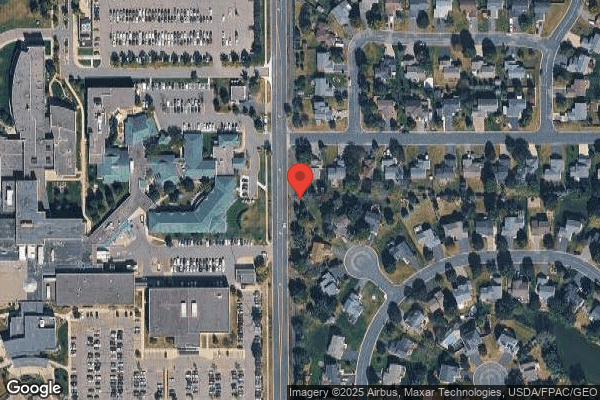
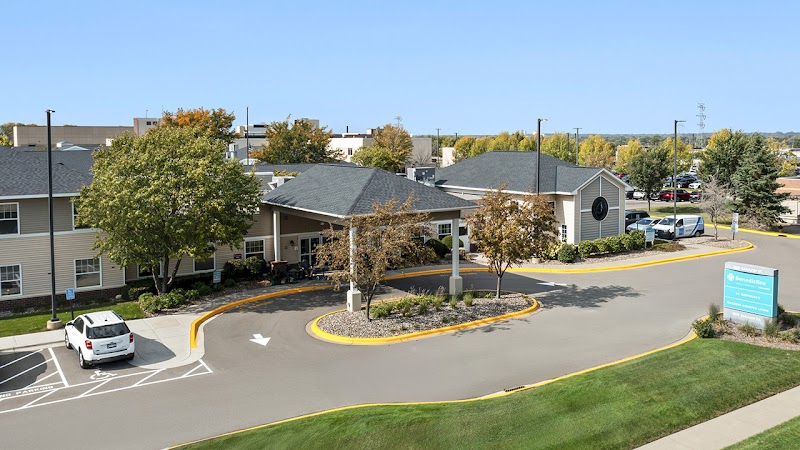
1850 SARAZIN STREET, SHAKOPEE, MN 55379 (952) 233-4411
Non profit - Corporation 105 Beds BENEDICTINE HEALTH SYSTEM Data: November 2025 1 Immediate Jeopardy citation
Trust Grade
38/100
#201 of 337 in MN
Last Inspection: October 2024

Within standard 12-15 month inspection cycle. Federal law requires annual inspections.

Overview

St. Gertrudes Health & Rehabilitation Center has a Trust Grade of F, indicating poor performance with significant concerns about care quality. They rank #201 out of 337 facilities in Minnesota, placing them in the bottom half, and they are the lowest-ranked facility in Scott County. While the facility is improving, with issues decreasing from 10 in 2024 to 2 in 2025, they still have serious deficiencies, including a critical incident where a resident suffered severe burns due to unsafe bed placement near a heating element. Staffing is a strong point, with a 5-star rating and a turnover rate of 36%, which is better than the state average, and they offer more RN coverage than 80% of facilities, ensuring better oversight. However, the facility has faced $29,260 in fines, which is concerning and suggests ongoing compliance issues.

Trust Score
F
38/100
In Minnesota
#201/337
Bottom 41%
Safety Record
High Risk
Review needed
Inspections
Getting Better
10 → 2 violations
Staff Stability
○ Average
36% turnover. Near Minnesota's 48% average. Typical for the industry.
Penalties
⚠ Watch
$29,260 in fines. Higher than 91% of Minnesota facilities. Major compliance failures.
Skilled Nurses
✓ Good
Each resident gets 75 minutes of Registered Nurse (RN) attention daily — more than 97% of Minnesota nursing homes. RNs are the most trained staff who catch health problems before they become serious.
Violations
⚠ Watch
36 deficiencies on record. Higher than average. Multiple issues found across inspections.
★★★☆☆
3.0
Overall Rating
★★★★★
5.0
Staff Levels
★★★☆☆
3.0
Care Quality
★★☆☆☆
2.0
Inspection Score
Stable
2024: 10 issues
2025: 2 issues

The Good

  • 5-Star Staffing Rating · Excellent nurse staffing levels
  • Full Sprinkler Coverage · Fire safety systems throughout facility
  • No fines on record
  • Staff turnover below average (36%)

    12 points below Minnesota average of 48%

Facility shows strength in staffing levels, fire safety.

The Bad

3-Star Overall Rating

Near Minnesota average (3.2)

Meets federal standards, typical of most facilities

Staff Turnover: 36%

Near Minnesota avg (46%)

Typical for the industry

Federal Fines: $29,260

Below median ($33,413)

Moderate penalties - review what triggered them

Chain: BENEDICTINE HEALTH SYSTEM

Part of a multi-facility chain

Ask about local staffing decisions and management

The Ugly 36 deficiencies on record

1 life-threatening 1 actual harm
Aug 2025 2 deficiencies
CONCERN (D) 📢 Someone Reported This

A family member, employee, or ombudsman was alarmed enough to file a formal complaint

Potential for Harm - no one hurt, but risky conditions existed

Notification of Changes (Tag F0580)

Could have caused harm · This affected 1 resident

**NOTE- TERMS IN BRACKETS HAVE BEEN EDITED TO PROTECT CONFIDENTIALITY** Based on interview and document review, the facility failed to ensure the resident representative was notified in a timely manne...

Read full inspector narrative →
**NOTE- TERMS IN BRACKETS HAVE BEEN EDITED TO PROTECT CONFIDENTIALITY** Based on interview and document review, the facility failed to ensure the resident representative was notified in a timely manner of a deterioration in wound status for 1 of 3 residents (R1) reviewed for non-pressure skin impairments.Findings include: R1's admission Minimum Data Set (MDS), dated [DATE], identified R1 admitted to the care center on 6/23/25 from the acute care hospital. The MDS outlined R1 as having significant cognitive impairment, needing substantial assistance with most activities of daily living (ADLs), and having several medical conditions including a history of stroke, high blood pressure, thyroid disorder, and hemiparesis (i.e., muscle weakness or partial paralysis on one side of the body). The MDS identified R1 as having one un-healed stage II pressure injury present on admission, along with a subsequent section reading, M1040. Other Ulcers, Wounds and Skin Problems, which indicated R1 as having moisture-associated skin damage (i.e., MASD; a type of skin damage that occurs when skin is exposed to prolonged moisture, leading to inflammation and erosion).On 8/1/25 at 9:53 a.m., R1's family member (FM)-A was interviewed via telephone. FM-A explained R1 had admitted to the care center in June 2025 from the hospital after having a stroke and needing therapy services. FM-A stated R1 had a small sore on her coccyx when she admitted to the care center which the nurse identified on their initial skin check adding they had assumed the care center would address and prevent it from worsening. FM-A expressed several concerns about R1's care while at the facility and added aloud, The attention to her really lacked. FM-A explained R1 then contracted COVID-19 and suddenly, on 7/21/25, they were notified the wound had significantly changed and R1 needed to be hospitalized for it. FM-A stated nobody had ever mentioned or updated them on the wound since R1 admitted adding aloud, We were not updated at all on that wound. FM-A stated they were shocked to learn about how bad the wound had become when they learned of it from the hospital adding, It just floored me. FM-A added, We had no idea that is was that bad. R1's Weekly Skin Check, dated 6/23/25, identified a section to record current skin alterations upon R1's admission. This indicated R1 had a fluid-filled blister present along with another checkmark placed next to the option reading, Moisture Associated Skin Damage. The evaluation included a place to record the location of these which was answered with a radio-button next to the option, Other. The corresponding section to record dictation on, Other, had text which read, See note. R23's corresponding progress note, dated 6/23/25, identified R1 admitted to the care center on that same date. The note listed a section labeled, Skin:, which outlined R1 as having a blister on her right heel which the hospital reported as a stage II pressure injury along with an additional skin impairment recorded as, . 0.1 cm [centimeters] X [by] 0.1 cm X 0.1 cm and 0.2 cm X 0.3cm [sic] X 0.1 cm wounds noted on sacral region [which] hospital reported as moisture-associated [MASD]. R1's Wound Management Detail Report, printed 8/1/25, identified all the facility' wound tracking within the medical record and dated back to her admission on [DATE]. The report outlined R1's coccyx/sacral wound as, Other - moisture associated, and recorded it as being present upon admission with dictation on 6/23/25 reading, two small wounds . [measurements; see progress note] . both blanchable. However, the next recorded entry was dated 7/10/25 and outlined the wound as now being 10 cm X 5.5 cm with a healing status recorded, Declining, adding further, See the progress notes. R1's corresponding progress note, dated 7/10/25, identified R1 was evaluated by the registered nurse manager (RN)-B with dictation reading, . was assessed today following a reported change in condition related to a wound that was present upon admission . a boil-like lesion was observed near the anus in the coccyx/perianal region. Additionally, a coccyx wound was noted, measuring 10 cm (L) x 5.5 cm (W). The wound appears purple/red in color, with irregular edges, central necrosis, and blanchable red tissue surrounded by areas of white discoloration . odor was noted during the inspection . A dressing was applied to protect the compromised skin. However, R1's medical record was reviewed and lacked evidence R1's family member (FM) or responsible party had been notified of the change in condition and declining wound status despite R1 having severe cognitive impairment and the wound increasing in size with signs of necrosis, having an odor, and showing significant discoloration. When interviewed on 8/1/25 at 10:32 a.m., RN-A stated they recalled working with R1 and described her as being totally dependent for most ADLs. RN-A explained they had noticed the wound worsening towards the end of her stay at the care center and believed the nurse manager (RN-B) was aware and addressing it. However, RN-A stated they did not recall ever updating R1's family member about the wound adding, [Not] specifically. RN-A stated any conversations with family, including updates on wound conditions, should be recorded in the medical record. On 8/1/25 at 1:03 p.m., RN-B and the director of nursing (DON) were interviewed, and both verified they had a chance to review R1's medical record. RN-B explained the floor nurse had asked them to observe R1's coccyx wound on 7/10/25, which was the first time they had seen it. RN-B stated the area was purple and red in color and appeared more like a deep-tissue injury at that time so the DON was notified about it. DON verified the documented characteristics from admission to 7/10/25 and expressed, I would consider that a change. DON stated there was some conflicting charting from the hospital on the potential origin of the wound but reiterated there was care being done for it throughout her stay such as repositioning, nutritional supplements, and a dressing being applied. RN-B stated FM-A was R1's acting responsible party, and explained FM-A had been present in the room on 7/14/25 while R1's wound care was completed; however, RN-B verified they did not specifically mention or review the coccyx wound with them but rather discussed the heel ulcer which was healing. RN-B and DON both acknowledged the lack of documentation within the medical record to demonstrate R1's FM-A had been updated timely about the coccyx wound condition on 7/10/25 and RN-B expressed aloud, I feel like any change of condition should be notified to the family.A facility-provided Change In Condition policy, dated 10/2023, identified when a significant change is the resident's physical or mental status is identified, the provider and resident representative would be consulted. The policy listed a step-by-step procedure which included, 6. Notify the resident/resident representative.
CONCERN (D) 📢 Someone Reported This

A family member, employee, or ombudsman was alarmed enough to file a formal complaint

Potential for Harm - no one hurt, but risky conditions existed

Quality of Care (Tag F0684)

Could have caused harm · This affected 1 resident

**NOTE- TERMS IN BRACKETS HAVE BEEN EDITED TO PROTECT CONFIDENTIALITY** Based on interview and document review, the facility failed to comprehensively assess the bowel and bladder status to determine ...

Read full inspector narrative →
**NOTE- TERMS IN BRACKETS HAVE BEEN EDITED TO PROTECT CONFIDENTIALITY** Based on interview and document review, the facility failed to comprehensively assess the bowel and bladder status to determine what, if any, proactive interventions were needed to help promote healing of developed moisture-associated skin damage (MASD; a type of skin damage that occurs when skin is exposed to prolonged moisture, leading to inflammation and erosion) for 1 of 3 residents (R1) reviewed for non-pressure skin impairments. Findings include: R1's admission Minimum Data Set (MDS), dated [DATE], identified R1 admitted to the care center on 6/23/25 from the acute care hospital. The MDS outlined R1 as having significant cognitive impairment, needing substantial assistance with most activities of daily living (ADLs), and having several medical conditions including a history of stroke, high blood pressure, thyroid disorder, and hemiparesis (i.e., muscle weakness or partial paralysis on one side of the body). The MDS identified R1 as using no appliances for bowel and bladder (i.e., ostomy, catheter) and being frequently incontinent of both bowel and bladder. Further, the MDS identified R1 as having moisture-associated skin damage (i.e., MASD; a type of skin damage that occurs when skin is exposed to prolonged moisture, leading to inflammation and erosion).On 8/1/25 at 9:53 a.m., R1's family member (FM)-A was interviewed via telephone. FM-A explained R1 had admitted to the care center in June 2025 from the hospital after having a stroke and needing therapy services. FM-A stated R1 had a small sore on her coccyx when she admitted to the care center which the nurse identified on their initial skin check adding they had assumed the care center would address and prevent it from worsening. FM-A expressed several concerns about R1's care while at the facility and added aloud, The attention to her really lacked. FM-A explained they were unsure what all treatment(s) had been done for the coccyx wound as they hadn't been told about it again until 7/21/25, when R1 was re-hospitalized for it. FM-A stated R1 would often complain about soreness on her backside though adding they'd seen a small container of silly putty [looking] cream on her bedside table only a few times. FM-A stated they were unsure what it was. R1's corresponding Urinary Incontinence and Indwelling Catheter Care Area Assessment (CAA), dated 7/4/25, identified R1 had several factors which triggered the CAA to be completed including being frequently incontinent, dependent for mobility, and having MASD. The CAA outlined R1 had restricted mobility, a psychological or psychiatric problem, and urinary urgency. The CAA identified R1 consumed multiple psychotropic medications and listed a section labeled, Analysis of Findings, which identified, . is frequently incontinent of bladder [related to] impaired mobility and communication . Requires assist with toileting hygiene and transfer . I/O [intake/output] monitored per policy . All medications administered per orders and monitored for side effects and effectiveness . PRODUCT used to promote skin integrity and dignity. Resident does have MASD. This places resident at risk for falls and pressure injury. Goal is for resident to maintain current level of continence through review date. The CAA concluded with dictation directing to care plan and no referrals were needed. The CAA lacked information on what type of incontinence R1 demonstrated during the review period (i.e., functional, urge) or what other interventions were considered to promote continence despite R1 having MASD.R1's Skin Risk Observation with Braden Scale, dated 6/23/25, identified R1 had chronic incontinence, cardiovascular disease, and repeated hospitalizations. The evaluation outlined R1 required substantial assistance with most ADL(s) and had active skin problems including a stage II pressure injury and MASD. The corresponding Braden scale scored R1 as a 12.0 which had dictation, HIGH RISK. A section labeled, Interventions, was provided which identified staff would elevate R1's affected extremities and reposition her every 2 to 3 hours. The completed evaluation lacked what, if any, interventions would be done for R1's continence despite R1 having MASD and being recorded with, Chronic Incontinence. R23's progress note, dated 6/23/25, identified R1 admitted to the care center on that same date. The note listed a section labeled, Skin:, which outlined R1 as having a blister on her right heel which the hospital reported as a stage II pressure injury along with an additional skin impairment recorded as, . 0.1 cm [centimeters] X [by] 0.1 cm X 0.1 cm and 0.2 cm X 0.3cm [sic] X 0.1 cm wounds noted on sacral region [which] hospital reported as moisture-associated [MASD]. R1's Clinical Documentation (Admission) evaluation, dated 6/23/25, identified R1 demonstrated no behaviors and included a section labeled, BOWEL and BLADDER. This section had several questions to be answered by the staff member completing the evaluation, and it outlined R1 used no appliances for voiding, was frequently incontinent of bowel and bladder, and had no constipation present. The section continued and identified R1's last bowel movement as 6/23/25, and R1 as having active bowel sounds. The section concluded with a subsection reading, Comments .[;] however, this was left blank.R1's corresponding Bladder evaluation, dated 6/27/25, identified R1 used no appliances for voiding and was rated as, Always incontinent (no episodes of continent voiding). The evaluation outlined R1 did not recognize the appropriate time or place to void, did not feel the urge to urinate, and demonstrated one risk factor for incontinence which was recorded as, Impaired Mobility. The options to select other risk factors, including severe cognitive impairment, were left blank despite R1 being recorded as having such on the MDS. The evaluation listed several other sections to be completed with data including what, if any, potentially reversible causes of incontinence were present, contributing medical diagnoses which could be affecting continence, medications which could affect continence, an incontinence symptoms profile (i.e., type of incontinence), and a summary of the evaluation and decision-making for program placement. However, these sections were each left blank and not completed. The evaluation concluded with a section labeled, Section 9 - Bladder Assessment Summary, however, this also was left blank and not completed. R1's corresponding Bowel evaluation, dated 6/27/25, identified R1 did not use an appliance for defecation. The section labeled, Bowel Continence, was answered with a radio-button response, Not assessed. The entire remainder of the evaluation, including sections to review symptoms, medication use, risk factors, and treatment decisions, were left blank and not completed. The evaluation concluded with a section labeled, Section 7 - Bowel Summary, however, this was left blank and not completed. R1's Bowel & Bladder Function care plan, dated 7/11/25, identified R1 experiences bowel and bladder incontinence due to impaired mobility, hemiplegia, and impaired communication. A goal was listed which read, I will maintain current level of continence, along with interventions to help R1 meet this goal including assisting with toileting, initiating barrier cream in accordance with standing orders, reporting signs of a potential infection and, Provide individualized toileting interventions based on needs/patterns. These interventions were all initiated on, 07/11/2025.However, R1's medical record was reviewed and lacked evidence R1's bowel and bladder status had been comprehensively evaluated or assessed to determine what type(s) of incontinence R1 demonstrated; nor what, if any, interventions for voiding had been considered (i.e., fluid management, timed toileting program, potential appliance use) despite R1 being recorded as having active MASD on her coccyx upon admission [DATE]) which could worsen with ongoing exposure to incontinent urine or feces. When interviewed on 8/1/25 at 10:23 a.m., nursing assistant (NA)-A stated they recalled working with R1 while she was at the care center, and described her as total help for cares. NA-A stated R1 had a wound which just smelled so gross on the day R1 was sent back to the hospital for it adding, it wasn't always like that. NA-A stated R1 had been incontinent of bowel and bladder throughout her admission but verified R1 could use the toilet if helped. NA-A stated R1 had difficulty holding herself up though and used a mechanical lift for transfers so, as a result, she (R1) often just went [voided] in the bed. NA-A stated they did not recall ever using a barrier cream for R1 either, as most of the time her coccyx was covered with a dressing due to the wound. On 8/1/25 at 1:03 p.m., registered nurse manager (RN)-B and the director of nursing (DON) were interviewed, and both verified they had a chance to reviewed R1's medical record. RN-B stated the floor nurse had asked them to observe R1's coccyx wound on 7/10/25, which was the first time they had seen it. RN-B stated they then alerted the DON to the wound. DON stated there was some conflicting charting from the hospital on the potential origin of the wound but expressed cares had been done for it such as repositioning and nutritional supplements. RN-B verified R1 was able to use the toilet for voiding with assistance, and the DON explained a comprehensive review of R1's voiding and elimination would be done using the bowel and bladder observations in the medical record. DON reviewed R1's completed Bowel and Bladder evaluations, respectively, and verified they were not completed in their entirety adding, My expectation would be it's filled out. DON verified those evaluations would be the tools used to demonstrate what, if any, interventions for R1 had been considered for her voiding and elimination. DON stated continence and voiding were important to assess as incontinence does directly affect your skin adding further, We want to make sure we're toileting appropriately. A facility-provided Resident Examination and Assessment policy, dated 10/2023, identified each resident would have a thorough examination and assessment completed upon admission with three (3) parts being completed including a physical exam, reporting a refusal, and documenting a refusal in the medical record. However, the policy lacked information on how a comprehensive bowel and/or bladder evaluation would be completed.
Nov 2024 1 deficiency
CONCERN (D) 📢 Someone Reported This

A family member, employee, or ombudsman was alarmed enough to file a formal complaint

Potential for Harm - no one hurt, but risky conditions existed

Report Alleged Abuse (Tag F0609)

Could have caused harm · This affected 1 resident

**NOTE- TERMS IN BRACKETS HAVE BEEN EDITED TO PROTECT CONFIDENTIALITY** Based on observation, interview, and record review the facility failed to report an injury of unknown origin to the State Agency...

Read full inspector narrative →
**NOTE- TERMS IN BRACKETS HAVE BEEN EDITED TO PROTECT CONFIDENTIALITY** Based on observation, interview, and record review the facility failed to report an injury of unknown origin to the State Agency (SA) immediately, but not later than two hours after the allegation is made for 1 of 3 residents assessed. Staff assisted R1 with a transfer using a sit-to-stand lift (a device that assists people with limited mobility to move from a seated position to a standing position) for toileting. R1's legs became weak, she needed to be sat down, and was lowered to the toilet. Approximately six hours later R1 woke-up in extreme pain, was sent to the emergency department (ED) and an x-ray revealed a fractured clavicle (one of the bones at the base of the neck, collar bone). Findings include: R1's admission Minimum Data Set (MDS) dated [DATE] indicated R1's Brief Inventory of Mental Status (BIMs) score was a 15 indicating R1 was cognitively intact. R1 was dependent on staff for all transferring. R1's pertinent diagnoses were congestive heart failure, end stage renal disease, malnutrition, respiratory failure, and morbid obesity. R1's facility observation detail list report dated 11/6/24 at 12:45 a.m. indicated R1 had voluntarily transferred from the facility to the emergency department. The document indicated R1's transfer was necessary for R1's welfare and needs could not be met at the facility. R1 was transferred immediately for urgent medical needs. The document did not indicate R1's allegations of sliding in the mechanical lift, R1's pain level or location of pain. The document was unsigned. R1's nursing progress note dated 11/6/24 at 1:16 a.m. indicated R1 reported pain in her left shoulder. She reported her legs gave out early and she slide off the EZ sit-to-stand device and was seated on the toilet. Staff then used the ceiling lift to transfer R1 back from the toilet to the bed. R1's on-call provider was called, and an order was given for oxycodone (a narcotic medication for pain) and an x-ray of the shoulder/upper arm. No prior nursing notes were documented regarding any incident of R1 sliding in the in the lift or the use of a ceiling lift. R1's ED after visit summary dated 11/6/24 at 2:40 a.m. indicated R1 was seen for an arm injury and diagnosed with a displaced fracture of acromial end of left clavicle. R1 was given an arm sling to use and referred to Orthopedics. She was discharge back to the facility. Upon interview on 11/13/24 at 12:01 p.m. registered nurse (RN)-C stated she was on-call and received a call at approximately 2:00 a.m. from RN-B, the night nurse reporting R1 had been transferred to the emergency department due to excruciating pain. RN-B told her R1 had slid in the sit-to-stand lift earlier in the evening because her knees buckled. She stated RN-A the evening nurse told her R1 was having pain, weakness, and nausea all evening, and refused her p.m. mediations. RN-C stated she assumed something happened with the sling during the transfer, however, was not certain of a root cause. Upon observation and interview on 11/13/24 at 12:18 p.m. R1 was in the upright position in her bed, attempting to eat lunch. She had a sling on her left arm. She took many breaks while speaking due to pain. She stated on 11/5/24 in the early evening she was taken to the bathroom by NA-A and NA-B using the sit-to-stand lift. She stated when she got to the bathroom, she started screaming that her legs were weak, she was going to fall, they needed to sit her down. She stated she felt like she slipped in the lift. When she was seated on the toilet NA-A left to get the nurse because R1 requested the use of the ceiling lift to get her back to bed due to weakness, nausea, and fear of falling. R1 was transferred back to bed without difficulty. About an hour later around 7:30 p.m. RN-A came into give R1 her bedtime medications and R1 refused due to nausea. R1 could not recall her pain level at that time. She stated in the middle of the night, uncertain of time she woke-up in severe pain and called for a nurse stating she needed to go the hospital. R1 stated she did not recall bumping her arm in either of the transfers earlier in the evening nor did she recall any incidents in bed such as rolling over on her arm. Upon interview on 11/13/24 at 1:29 p.m. registered nurse (RN)-A stated on the evening on 11/5/24 (NA)-A asked RN-A if the staff could use the ceiling lift on R1 instead of the sit-to-stand because R1 was weak and not feeling well. RN-A stated she assessed R1 and allowed the use of the ceiling lift due to R1's fear of falling. A bit later checked on R1 and R1 denied any pain and refused her p.m. medications due to nausea. She stated she was still at work after 1:00 a.m. and was told by RN-B, the night nurse that R1 was having severe shoulder pain and wanted to go to the hospital. RN-A told RN-B that during the evening shift R1 was weak and requested the ceiling lift, however her vital signs were stable, and she was not complaining of any pain. Upon interview on 11/13/24 at 1:48 p.m. NA-B stated she was assisting NA-A on the evening of 11/5/24 at around 6 p.m. R1 was transferred to the toilet. She stated R1 looked weak, so the aides set her on the toilet. NA-B did not recall if R1 said anything during the transfer. She stated R1 was holding the sit-to-stand appropriately on the bar the entire time of the transfer and did not slide or bump her body during the transfer. She stated when R1 was seated on the toilet she told NA-A and NA-B she was too weak and nauseated to use the stand again and requested the ceiling lift be used. NA-B stayed with R1 until NA-A got permission from RN-B to use the ceiling lift. Another unidentified NA came to assist when the ceiling lift was used and R1 was safely transferred back to her bed. Upon interview on 11/13/24 at 2:27 p.m. RN-B stated she was the night nurse on 11/06/24 and around 1:30 a.m. R1 called her to her room crying saying she needed to go to the hospital because she was in excruciating pain. RN-B stated she attempted to assess R1 and all R1 could say was the pain was in her left shoulder and earlier that evening she slipped in the lift. RN-B called the on-call provider and sent R1 to the emergency department. Upon interview on 11/13/24 at 2:48 p.m. the assistant director nursing (ADON) stated she was aware of R1's incident. She heard during a transfer with the sit-to-stand lift R1's knee's buckled and she slid to the toilet. She stated the facility did not fill out a fall report upon interviews with the NA's R1 did not slide. She stated she assumed R1 had her arms up when she was being lowered and that jolted her arms and that is when the fracture occurred. She then stated the lift goes very slowly so there should not be any sort of force when the residents are seated. Upon interview on 11/13/24 at 3:09 p.m. NA-A stated on the evening of 11/5/24 at around 6:30 p.m. Her and NA-B transferred R1 from her bed to the bathroom using the sit-to-stand lift. She stated when they got to the bathroom R1 started screaming that her legs were giving out on her, and she needed to sit. The NA's lowered R1 to the toilet. R1 was breathing heavily, sat on the toilet a few minutes and told the NA's that she did not feel well and that she wanted to use the ceiling lift to go back to bed. NA-A left to get the nurse. When she came back R1 appeared to be fine, just continuing to refuse the sit-to-stand lift. NA-A stated with the assistance of another aid they transferred R1 back to bed without difficulty. She stated the rest of the shift R1 was on her telephone and then went to sleep. She stated R1 did not complain of pain the rest of the p.m. shift. Upon interview on 11/13/24 at 4:08 p.m. the facility's Medical Director stated due to R1's end stage renal disease she had severe osteoporosis leaving her vulnerable to fractures with even a slight movement of the arm. He stated she could have hit her arm on the sit-to-stand lift. Just lifting her arm over her head or a side-to-side motion could have enough pressure to cause a fracture in someone of her stature. In addition, due to her weight an attempt to move her body in bed or roll could have caused the fracture. He stated the cause of the injury was unknown. Upon interview on 11/13/24 at 4:15 p.m. the Administrator stated that to her knowledge R1 fractured her clavicle when she was lowered to the seat of the toilet because it took the aids about 15-30 seconds, and R1 could have had her arms up and caused the fracture. She stated upon her interviews with staff R1 was having minimal pain when the transfer began and was when she was lowered to the toilet with a complete proper transfer. R1 needed to catch her breath and was requesting the ceiling lift. R1 was not complaining of pain at that time. She stated it could reasonably be explained that R1 did fracture her clavicle during the transfer, however R1 always had pain so it was difficult to say exactly where the pain was coming from. The Administrator was not certain why R1 did not complain of pain from approximately 7 p.m. after she got back into bed following the transfers until about 2:00 a.m. when she woke-up in excruciating pain. The Administrator was aware that injury of unknown origin is to be reported to the SA within 24 hours, but she felt it was reasonable that R1 obtained the fracture during the lift. A facility policy titled Abuse Prevention Policy dated 2017 indicated the community is responsible for reporting serious bodily injury the individual is to report the event immediately, but no later than 2 hours. If the event does not involve abuse and does not result in bodily injury the individual is required to report no later than 24 hours. In addition, an injury should be classified as an injury of unknown source when both of the following conditions are met: The source of the injury was not observed by any person or the source of the injury could not be explained; and the injury is suspicious because the extent of the injury or the location of the injury or the number of injuries observed at one particular point in time or the incident of injuries over time.
Oct 2024 7 deficiencies
CONCERN (D)

Potential for Harm - no one hurt, but risky conditions existed

Deficiency F0561 (Tag F0561)

Could have caused harm · This affected 1 resident

**NOTE- TERMS IN BRACKETS HAVE BEEN EDITED TO PROTECT CONFIDENTIALITY** Based on observation, interview and document review the facility failed to assess and determine what, if any, options were avail...

Read full inspector narrative →
**NOTE- TERMS IN BRACKETS HAVE BEEN EDITED TO PROTECT CONFIDENTIALITY** Based on observation, interview and document review the facility failed to assess and determine what, if any, options were available to help facilitate bathing method preference (i.e., showers) for 1 of 1 resident (R33) who voiced feeling unsafe being transported for distance while seated in the shower chair. Findings include: R33's quarterly Minimum Data Set (MDS), dated [DATE], indicated R33 was admitted to the care facility on 11/23/22, had moderate cognitive impairment and required substantial to maximum assistance with most activities of daily living (ADLs) including bathing. R33's care plan, edited 4/8/24, indicated R33 had a self-care and mobility deficit with the following activities of daily living; bathing, grooming, oral cares, ambulation, transferring, mobility, vision, bowel and bladder. The care plan further indicated R33 required a mechanical lift for all transfers but did not indicate how or how often R33 preferred to bathe. R33's Preferences for Customary Routine and Activities, dated 1/23/23, indicated it was very important for R33 to choose between a tub bath, shower, or bed bath. R33's Preferences for Customary Routine and Activities, dated 1/10/24, lacked an assessment of how important it would be for R33 to choose his method for bathing. R33's Hospital Discharge summary, dated [DATE], indicated R33 underwent a right below knee amputation on 3/2/23 and a left below knee amputation on 4/20/23. R33's electronic medical record (EMR) lacked evidence that post double amputation R33 was reassessed to determine what, if any, options were available to help facilitate R33 with continuing to get showers in the care facility. During an interview on 10/28/24 at 2:21 p.m., R33 stated he was receiving a bed bath weekly but would prefer a shower, however felt uncomfortable and unsafe in the shower chair the facility provided. R33 stated there was a communal shower room and in order to use the shower staff would transfer him to a shower chair in his room and transport him to the shower room through the public space of the unit in the shower chair. R33 stated he felt uncomfortable being wheeled unclothed through the public space despite being covered up and further felt unsafe being transported in the shower chair due to his bilateral amputee status. R33 further stated when he was first admitted to the care facility he would get showers and stated the transitional care unit, where he was first admitted to, had a shower in his room that he was able to use without having to transfer via a shower chair in a public space. During an interview on 10/30/24 at 10:36 a.m., nursing assistant (NA)-B stated he had offered R33 a shower a few times but R33 refused, stating he had never asked, and R33 had never shared, why he didn't want a shower. NA-B stated they usually transferred R33 via a ceiling lift in his room but the facility also had a stand-alone mechanical lift that could be used in the bathroom. During an interview on 10/30/24 at 12:13 p.m., unit manager and licensed practical nurse (LPN)-B stated when R33 was first admitted to the facility he was able to pivot transfer prior to his amputations, however since his second amputation R33 had stated he did not feel comfortable in the shower chair. LPN-B stated she did not assess why R33 felt uncomfortable in the shower chair to determine if there were any options for showering that would make R33 feel safe and stated, I didn't think it was my place to ask for more information. LPN-B stated there were a couple flooring changes from R33's room to the bathroom that could cause bumps and potentially make the shower chair feel unstable. LPN-B stated the facility did have mechanical lifts that could be used in the bathroom with a sling designed for residents with amputations. During an interview on 10/31/24 at 11:43 a.m., the director of nursing stated she would expect R33 be assessed on why he did not feel safe with showers in order to offer choices to help facilitate R33's bathing preference.
CONCERN (D)

Potential for Harm - no one hurt, but risky conditions existed

ADL Care (Tag F0677)

Could have caused harm · This affected 1 resident

**NOTE- TERMS IN BRACKETS HAVE BEEN EDITED TO PROTECT CONFIDENTIALITY** Based on interview and document review, the facility failed to ensure routine grooming was offered or provided to promote good h...

Read full inspector narrative →
**NOTE- TERMS IN BRACKETS HAVE BEEN EDITED TO PROTECT CONFIDENTIALITY** Based on interview and document review, the facility failed to ensure routine grooming was offered or provided to promote good hygiene for 2 of 2 residents (R1, R25) reviewed for activities of daily living (ADLs) and who were dependent on staff for their cares. Findings include: R1 R1's quarterly Minimum Data Set (MDS) dated [DATE], identified R1 with impaired cognition, and diagnoses of heart disease, diabetes, anxiety, depression, and psychotic disorder. Also, the MDS documented R1 on hospice cares and dependent on staff for personal hygiene, bathing, dressing, and transfers from bed to chair. R1's care plan identified, Problem: I have a self deficit with the following activities of daily living; grooming, oral cares, ambulation, transferring, and mobility dated 12/13/21. During observation of R1 and interview with R1's emergency contact/son/family member (FM)-B on 10/28/24 at 2:01 p.m., R1 was observed with multiple white colored hairs on her lower chin. R1 was unable to answer questions. FM-B stated, she [R1] generally isn't OK with them [chin hairs]. FM-B stated the facility, should have them [razors]. During interview with nursing assistant (NA)-A on 10/30/24 at 10:07 a.m., NA-A stated, personal cares involve offering to shave, assisting as needed with dressing, oral care, and personal cares are offered twice per day and as needed. NA-A stated, I would feel like as a woman it should be addressed. During observation on 10/30/24 at 11:13 a.m., R1 was observed self-propelling wheelchair down hallway in front of nursing station. R1 was dressed and had multiple half inch white hairs visible on her chin. During interview with NA-C on 10/30/24 at 11:15 a.m., NA-C stated, no I haven't asked her [R1] to shave her. Every morning, we should be at least asking her when she is getting up and dressed. It takes no time to trim those chin hairs. Looks like those chin hairs [on R1] have not been trimmed for at least a couple weeks. We are all are responsible from trimming or shaving the residents. Also, Women don't like having chin or neck hairs. During interview with NA-B on 10/30/24 at 11:22 a.m., NA-B stated personal cares include, help with hygiene and shaving should be done or offered daily at least. NA-B stated, long chin hairs on a woman like two inches [sic] would be concerning to me [due to] a dignity concern. And I would hate it if my mom had hairs on her face. That is not something most women would like. NA-B stated, [R1's] chin hairs look like they have not been shaved or trimmed for at least a couple weeks. R25 R25's admission MDS dated [DATE], identified R25 with admission to facility on 7/23/24, had intact cognition and required partial to moderate assistance with personal hygiene. In addition, R25 was documented with diagnoses of diabetes, end stage renal disease requiring hemodialysis (procedure where a device filters wastes, salts and fluid from blood when kidneys are no longer healthy enough to do this work adequately), anemia (low red blood cell level), and a stroke resulting in partial paralysis of her upper body. R25's care plan dated 7/24/24 identified, Problem: ADLs Functional Status/Rehabilitation Potential. I have a self deficit with the following activities of daily living; bathing, grooming, transferring, mobility. Bowel and bladder. During observation and interview with R25 on 10/29/24 at 8:18 a.m., R25 was observed with multiple two-inch white hairs extending from throat. R25 stated, I want to shave it off. I want them gone. Last time I shaved it was when I was home before I was admitted here [7/23/24]. R25 stated no one from facility ever asked her about the hairs and offered to trim or shave them even on weekly shower days. I have never been asked about it. During observation and interview on 10/30/24 at 10:59 a.m., R25 was observed with multiple two-inch-long white hairs extending from throat. R25 stated facility had never offered to shave or trim her throat hairs and that, they bother me. During interview with FM-C on 10/31/24 at 7:40 a.m., FM-C stated, R25 always trimmed or shave the little hairs that grow out of her neck. In the past, it did bother her when she could notice the hairs. It is frustrating for a woman to have those pesky hairs. I don't know if the nursing home trims or shave her chin or neck hairs, but I totally expect them to offer to do it and to at least trim it. No woman that I know wants one-to-two-inch hairs growing from their face. During observation and interview with licensed practical nurse (LPN)-A on 10/30/24 at 12:54 p.m., LPN-A stated she was very familiar with residents on R25's unit. LPN-A stated, no one on this floor requires shaving. Then LPN-A walked with surveyor to R25's room and observed the throat hairs. LPN-A stated, I do see them. They should be shaved. They are really long. [sic] that looks like it has been missed. We should offer to take care of that for her. During interview with director of nursing (DON) on 10/30/24 at 1:05 p.m., DON stated personal hygiene care should be done at least twice per day and as needed. Shaving would done with personal cares. DON stated, women should be shaved or offered at least. Undated facility policy titled Activities of Daily Living (ADL) identify, Residents unable to carry out ADLs independently will receive the services necessary to maintain good nutrition, grooming, personal hygiene, elimination, communication and mobility.
CONCERN (D)

Potential for Harm - no one hurt, but risky conditions existed

Quality of Care (Tag F0684)

Could have caused harm · This affected 1 resident

**NOTE- TERMS IN BRACKETS HAVE BEEN EDITED TO PROTECT CONFIDENTIALITY** Based on interview and document review, the facility failed to ensure complaints of potential constipation were acted upon and a...

Read full inspector narrative →
**NOTE- TERMS IN BRACKETS HAVE BEEN EDITED TO PROTECT CONFIDENTIALITY** Based on interview and document review, the facility failed to ensure complaints of potential constipation were acted upon and assessed to determine what, if any, interventions were needed to promote appropriate bowel management and reduce the risk of complication (i.e., fecal impaction) for 1 of 2 residents (R59) reviewed for bowel management. Findings include: R59's Clinical Documentation (Admission), dated 4/19/24, identified R59 had a section to record R59's mental status with both long and short-term memory being marked, Memory OK. Further, the evaluation listed a section labeled, Bowel and Bladder, which outlined R59 as occasionally incontinent of bowel with a question reading, Constipation present? This was answered, Yes. In addition, R59's most recent quarterly Minimum Data Set (MDS), dated [DATE], identified R59 had moderate cognitive impairment but demonstrated no delusional thinking. Further, the MDS marked R59 as being frequently incontinent of bowel and not being on a bowel-related toileting program, but the question to answer if constipation present (i.e., H0600) was not answered. On 10/28/24 at 4:15 p.m., R59 was interviewed while in his room. R59 stated he had ongoing issues with constipation despite taking medications for it adding most of the time he ended up going three or four days between bowel movements. R59 stated he used to go more regularly and expressed staff had never asked him about what, if any, options were available for a more proactive bowel management program (i.e., increased fiber, medications) adding, Not really, I don't think so. R59 stated he had a history of colon polyps and expressed staff were aware of his concerns with constipation as he had reported it multiple times while staff provide medications adding, They know about it. R59's most recent Elimination - Bowel (evaluation), dated 6/21/24, identified R59 used no bowel-related appliances (i.e., ostomy) and was always continent of bowel. However, the remainder of the evaluation, which included sections to review R59's medication use, pertinent medical conditions and treatment options for bowel status, was left blank and not completed. R59's Medication Administration Record (MAR), dated 10/2024, identified R59's current physician-ordered medications and treatments with spaces for staff to record their administration or refusals, if needed. This identified R59 consumed multiple medications, including multiple bowel-related medications, such as Miralax (a laxative) 17 grams (gm) by mouth every day and Senna-S (a laxative) 8.6-50 milligrams (mg) two tablets by mouth daily. These each had a listed start date, 9/11/24 - Open Ended. The Miralax had four total listed refusals or non-administrations recorded on 10/5/24, 10/6/24, 10/8/24 and 10/20/24. The Senna had five total listed refusals or non-administrations recorded on 10/8/24, 10/12/24, 10/19/24, 10/22/24, and 10/26/24. In addition, an order was listed which read, Bowel Assessment (Review), which listed a one time frequency scheduled for 10/11/24. This was recorded as completed on 10/12/24 with dictation reading, Late Administration: Charted late. The note or order lacked further information on what, if any, actions were taken when it was completed despite the evaluation being left nearly blank; nor did the MAR outline any additional interventions or actions (i.e., as-needed medication) for bowel management during the month period. When interviewed on 10/29/24 at 12:59 p.m., nursing assistant (NA)-B stated they had worked with R59 multiple times and described him as needing staff help with toileting. NA-B stated they had heard R59 complain about constipation, including as recently as like last week, which NA-B reported to the nurse. NA-B added, I told the nurse about it. NA-B stated the nurses were responsible to then address it adding R59's stools were hard, like really hard and even, at times, needed to be broken up before they'd flush down the toilet. NA-B stated they chart residents' bowel movements in the computer and it should be done every shift. R59's medical record was reviewed and lacked evidence R59 had been comprehensively assessed for what, if any, proactive bowel management interventions were needed to promote more regular bowel movements despite R59 having a history of constipation as marked on the admission evaluation and having ongoing complaints to staff about the issue. On 10/29/24 at 1:44 p.m., registered nurse (RN)-B was interviewed and asked about the facility bowel assessment process. RN-A turned to the surveyor and made a slight sweeping motion away from their body with their hands adding aloud, This place needs to get their [explicative whispered] together [with them]. RN-A stated they were unable to answer those questions and directed the surveyor to licensed practical nurse unit manager (LPN)-B adding, I can't safely answer that question. LPN-B was present and interviewed. They explained each resident had standing orders which could be followed if the resident went so many days without a bowel movement. R59's were provided and listed multiple options which performing a rectal check to determine if impaction was present, encouraging fluid intake, consulting the dietician for recommendations and medications like a suppository or enema. LPN-B verified if a nurse did any of these actions, then they should be charted in the MAR. LPN-B stated residents' bowel movements were charted in the computer system and tracked with the night nurse printing a report for the oncoming shift to review and, if needed, act upon. The unit Resident Bowel Management Report, dated 10/23/24 to 10/29/24, identified R59's name along with corresponding bowel movements. This outlined R59 had a large bowel movement on 10/23/24, a small bowel movement on 10/25/24, and none recorded since then (four days prior). LPN-B verified R59 being on fourth day without a bowel movement and RN-B stated nobody had alerted them to R59 being on the fourth day, either. LPN-B stated the nurses were responsible to assess and, if needed, act on bowel status or potential constipation adding repeated episodes of going multiple days without stool could be a problem as well. LPN-B verified the Elimination-Bowel tool was used to demonstrate the assessment of a residents' bowel status and the MAR order, dated 10/11/24, was used to prompt the nurse working to review it and ensure it was accurate and updated. LPN-B reviewed R59's completed evaluation, dated 6/21/24, and verified it was nearly blank adding aloud, That's not good. LPN-B stated nobody had reported R59 as having ongoing issues with his bowel or potential constipation to them otherwise they would have visited with him and completed an evaluation. LPN-B added, Nobody's told me that though. LPN-B verified it should have been reported adding it was important to ensure residents' were not constipated saying aloud, Constipation is horrible, it's painful. On 10/30/24 at 2:22 p.m., the director of nursing (DON) was interviewed. DON verified they had reviewed R59's medical record and expressed R59 did end up having a large stool the day prior (10/29/24) after the surveyor interviewed staff. DON stated bowel status was evaluated upon admission and with the MDS cycle (i.e., quarterly) and verified the Elimination-Bowel tool was used to demonstrate this process in the medical record. DON verified the last completed evaluation, dated 6/21/24, was left nearly blank and stated they expected it to be completed accurately and fully. DON stated if staff were hearing concerns from R59 about his bowels, then a discussion and evaluation of his bowel sounds should have been done and recorded in the progress notes. DON verified the record lacked evidence this happened along with evidence the standing orders had been enacted or charted. DON verified it was important to ensure bowel complications were assessed and acted upon to reduce the risk of impaction. A facility policy on bowel management was requested, however, none was received.
CONCERN (D)

Potential for Harm - no one hurt, but risky conditions existed

Incontinence Care (Tag F0690)

Could have caused harm · This affected 1 resident

**NOTE- TERMS IN BRACKETS HAVE BEEN EDITED TO PROTECT CONFIDENTIALITY** Based on observation, interview and document review the facility failed to assess for removal of an indwelling urinary catheter ...

Read full inspector narrative →
**NOTE- TERMS IN BRACKETS HAVE BEEN EDITED TO PROTECT CONFIDENTIALITY** Based on observation, interview and document review the facility failed to assess for removal of an indwelling urinary catheter as soon as possible to restore urinary continence for 1 of 1 residents (R27), reviewed for catheter care. Findings include: R27's quarterly Minimum Data Set (MDS) dated [DATE], identified R27 was admitted to the facility on [DATE], had intact cognition, had an indwelling catheter and required substantial assistance with toileting and lower body dressing. The MDS documented R27 with diagnoses of polyneuropathy (nerve disease), enlarged prostate, obstructive (swelling) and reflux uropathy (urine flows back up into the kidneys), and urinary retention (incomplete emptying of the bladder). In addition, the facility did not attempt to implement a toileting program (e.g., schedule toileting, prompted voiding, or bladder training). R27's facility nurse practitioner admissions progress note (PN) dated 4/19/24, documented R27 had a fall at home resulting in an ankle fracture on 4/13/24, surgery on 4/14/24, and was hospitalized until 4/18/24. PN stated Foley catheter present since approximately last fall. PN plan stated, Foley catheter cares, follow-up with urology as directed. R27's physician orders (PO), care plan (CP), and progress notes (PN) lacked evidence of a urology consult and discussion with R27 and his spouse regarding a toileting program to determine appropriateness of continued catheter use or justification of continued use. During interview with R27 on 10/29/24 at 1:09 p.m., R27 stated his catheter was in place, off and on since last fall [2023] because I couldn't urinate properly. R27 stated he was admitted to facility in April [2024] and no one from the facility assessed him for removal of the catheter or tried alternatives to having the catheter in place. R27 stated the facility never offered to schedule a urology appointment during his stay. R27 stated, my long-term goal is to have it removed so I can go home. During interview with health unit coordinator (HUC)-A on 10/30/24 at 10:23 a.m., the HUC-A stated her role was to ensure all forms of provider orders including facsimile, voicemails, email, physical written forms, and electronic forms are placed in the resident electronic medical record (EMR) and consults are scheduled. HUC-A reviewed R27's electronic medical record (EMR) and hard chart and stated, I can't find the order for a urology consult. During interview with R27's legal representative/spouse/family member (FM)-A on 10/20/24 at 10:40 a.m., FM-A stated R27 has had a catheter since last fall [2023] due to retention of urine. FM-A stated, facility has not talked to us about setting up a urology consult or follow up and there was no discussion on how long it was to be in. FM-A stated, we do not think the catheter should be in forever and would appreciate a discussion or at least an appointment to get [to the urologist]. FM-A stated, nothing has been brought up by staff here at all and no one has discussed with us any other options or alternatives to having the catheter. During interview with director of nursing (DON) on 10/30/24 at 1:11 p.m., DON stated the facility failed to pursue a urology consult for R27 since his admission to the facility on 4/18/24. In addition, DON stated the facility did not assess or evaluate R27 for a bladder rehabilitation program with R27's goal of removing the catheter as soon as possible. DON also stated R27's EMR failed to document a discussion and review with R27 and FM-A about how long the catheter was expected to be in place. An undated facility policy titled Prevention of Catheter-Associated Urinary Tract Infections (CAUTI) stated, indwelling urinary catheters are eliminated whenever possible. In addition, An indwelling catheter is used only after alternative methods have failed.
CONCERN (D)

Potential for Harm - no one hurt, but risky conditions existed

Drug Regimen Review (Tag F0756)

Could have caused harm · This affected 1 resident

**NOTE- TERMS IN BRACKETS HAVE BEEN EDITED TO PROTECT CONFIDENTIALITY** Based on the interview and document review, the facility failed to ensure the consulting pharmacist's recommendations were fully...

Read full inspector narrative →
**NOTE- TERMS IN BRACKETS HAVE BEEN EDITED TO PROTECT CONFIDENTIALITY** Based on the interview and document review, the facility failed to ensure the consulting pharmacist's recommendations were fully addressed or acted upon for 1 of 5 residents (R66) who were reviewed for unnecessary medication use. Findings include: R66's quarterly Minimum Data Set (MDS) assessment dated [DATE], identified R66 had no cognitive impairment, hallucinations, delusions, or behaviors noted during the seven-day look-back period. Further, the MDS indicated R66 was diagnosed with dementia, general anxiety disorder (GAD), and depression. R66's Consultant Pharmacist Recommendation to Physician dated 7/23/24, identified R66's medication regimen had been reviewed by the consulting pharmacist (CP)-A, and listed, Staff are reporting the resident has been crabby and very behavioral since the discontinuation of the Zoloft in June (was started on mirtazapine at the same time). Further stated, I'm not sure why the Zoloft was discontinued but consider restarting it. If she was having side effects to it consider a different SSRI such as Lexapro. The nurse practitioner (NP)-A acknowledged and signed the recommendation on 7/26/24 and documented Zoloft was stopped due to hyponatremia, recently hospitalized for psychic behaviors, meds were adjusted. No changes at this time. R66's Consultant Pharmacist Recommendation to Physician dated 8/18/24, identified R66's medication regimen had been reviewed by the consulting pharmacist (CP)-A, and listed, Staff are reporting the resident has been crabby and very behavioral since the discontinuation of the Zoloft in June (was started on mirtazapine at the same time). Further stated, I'm not sure why the Zoloft was discontinued but consider restarting it. If she was having side effects to it consider a different SSRI such as Lexapro. The report did not include a provider response. R66's Consultant Pharmacist Recommendation to Physician dated 9/26/24, identified R66's medication regimen had been reviewed by the consulting pharmacist (CP)-A, and listed, Staff are reporting the resident has been crabby and very behavioral since the discontinuation of the Zoloft in June (was started on mirtazapine at the same time). Further stated, I'm not sure why the Zoloft was discontinued but consider restarting it. If she was having side effects to it consider a different SSRI such as Lexapro. The nurse practitioner (NP)-A acknowledged and signed the recommendation on 9/30/24 and documented Zoloft was stopped due to hyponatremia, will review at next visit. R66's care plan dated 9/26/24, indicated R66 received psychotropic medication and directed staff to monitor for target behaviors daily. Further, the staff was directed to observe and report the efficacy of interventions along with a monthly medication record review by the pharmacist. R66's provider visit note, dated 10/3/24, included a list of R66's current medications and indicated continue current medications and treatments. R66's medical record was reviewed and did not include the documented rationale for not acting upon the pharmacist's recommendation to begin Lexapro if a different SSRI could not be used. R66's Consultant Pharmacist Recommendation to Physician dated 10/23/24, identified R66's medication regimen had been reviewed by the consulting pharmacist (CP)-A, and listed, Staff are reporting the resident has been crabby and very behavioral since the discontinuation of the Zoloft in June (was started on mirtazapine at the same time). Further stated, I'm not sure why the Zoloft was discontinued but consider restarting it. If she was having side effects to it consider a different SSRI such as Lexapro. The report did not include a provider response. R66's Physician Order Sheet dated 10/30/24, identified R66's current medication regimen and included an order for Lexapro (a treatment for depression and GAD) five milligrams (mg) by mouth once a day. This medication was started on 10/30/24, with no evidence of revision or adjustment since then. An order for Remeron (a medication for the treatment of depression) 15 mg at bedtime daily was started on 7/15/24 with no evidence of revision or adjustment since then. When interviewed on 10/31/24 at 10:59 a.m., RN-D stated R66 was having target behaviors of refusing care and medication and could be more withdrawn at times. When interviewed on 10/31/24 at 11:07 a.m., licensed practical nurse (LPN)-B stated R66 was still experiencing behaviors after stopping Zoloft (a treatment for depression and GAD). These behaviors included yelling at staff and refusing care; R66 had experienced these behaviors in the past. Further stating, the Lexapro was started as R66 was experiencing behaviors. When interviewed on 10/31/2024 at 11:22 a.m., the director of nursing (DON) stated R66 was evaluated by a provider on 10/3/24 and the provider recommended R66 to continue current medication and treatments but did not include further rationale regarding not acting upon the pharmacist's recommendation for Lexapro. The DON stated she was unable to locate evidence in the medical record that the provider had reviewed the August pharmacy recommendation and acted upon it. When interviewed on 10/31/24 at 11:34 a.m., nurse practitioner (NP)-A stated he could not recall R66's mental health history and target behaviors as he did not have a computer available. NP-A stated he last evaluated R66 on 10/3/24 but did not recall the recommendations he made or if recommendations were made regarding possible Lexapro use. NP-A stated he started the Lexapro on 10/30/24 as he had received more communications than usual from the facility care team that indicated R66 was having symptoms of anxiety and depression. When interviewed on 10/31/24 at 12:39 p.m., consultant pharmacist (CP)-A stated the process for completing medication reviews for every resident was done monthly. CP-A stated when pharmacy recommendations were made, he expected a response with a rationale from the provider by the next month's pharmacy review. Further, if he received no response or communication within 60 days, CP-A would increase the priority level. CP-A stated he had not reviewed or noted in the medical record a documented rationale from the provider for disregarding the August and September pharmacy recommendations. When interviewed on 10/31/24 at 12:44 p.m., the DON stated she expected the pharmacy recommendations to be followed up on the next month during pharmacy review by the care team. The DON verified this process was not followed for R66. The DON stated nursing staff should have reviewed the pharmacy recommendations and ensured NP-A had reviewed the need for Lexapro on the next visit, but it looked like that had not occurred. A facility policy titled Consultant Pharmacist Services Provider Requirements dated 12/17, indicated Communicating to the responsible prescriber and the facility leadership potential or actual problems detected and other findings relating to medication therapy orders including recommendations for changes in medication therapy and monitoring of medication therapy as well as regulatory compliance issues.
CONCERN (D)

Potential for Harm - no one hurt, but risky conditions existed

Unnecessary Medications (Tag F0759)

Could have caused harm · This affected 1 resident

**NOTE- TERMS IN BRACKETS HAVE BEEN EDITED TO PROTECT CONFIDENTIALITY** Based on observation, interview and document review, the facility failed to ensure medications were available in a timely manner...

Read full inspector narrative →
**NOTE- TERMS IN BRACKETS HAVE BEEN EDITED TO PROTECT CONFIDENTIALITY** Based on observation, interview and document review, the facility failed to ensure medications were available in a timely manner to be provided in accordance with physician orders for 1 of 6 residents (R302) reviewed for medication administration. This resulted in multiple omitted doses and constituted two (2) errors from 27 opportunities for a facility' error rate of 7.14% (percent). Findings include: R302's Hospitalist Discharge summary, dated [DATE], identified R302 was discharged from the acute care hospital to the care center on 10/28/24, with a principal diagnosis listed, Orthostatic hypotension [condition of low blood pressure which happens when standing up from sitting/lying]. R302's corresponding After Discharge Orders, signed 10/28/24, outlined a section labeled, Discharge Medications, which listed the medications for R302 at the care center. These included droxidopa (used to treat low blood pressure) 100 milligrams (mg) orally three times a day, and metronidazole (an antibiotic) 500 mg orally three times a day for seven (7) days. On 10/30/24 at 8:59 a.m., medication administration with licensed practical nurse (LPN)-C was observed and R302's medications were prepared at a mobile cart. LPN-C removed multiple medications and compared them to the Medication Administration Record (MAR). The MAR included the orders for droxidopa and metronidazole, however, there was no supply of the medications in the cart. LPN-C stated they were unable to locate the medications and pointed to the MAR dictation which included a section, Last Given: NA 10/29/24 . Reason: Drug/Item Unavailable. LPN-C reviewed the MAR and stated it seemed as multiple doses have not been given despite R302 admitting two days prior (10/28/24) adding, I don't have it today [either]. LPN-C stated medications could be re-ordered using the MAR and clicking on the Resupply button adding most medications are delivered the same day ordered or, at worst, the following day. LPN-C stated they had worked with R302 the day prior, on 10/29/24, and the medications were not available then, either, from their recall. LPN-C stated they did not update the unit manager (i.e., RN-A) about the lack of medications for R302 but added, I think somebody did. LPN-C stated they would contact the pharmacy and follow-up on it. LPN-C then entered R302's room to provide the rest of the prepared medications. Following the administration, R302 was interviewed and stated they came to the care center a few days ago from the hospital. R302 stated they vaguely recalled being on the two medications but were unsure if they had been getting them or updated about not getting them since admitting to the care center adding aloud, I don't recall. Following, on 10/30/24 at 12:09 p.m., registered nurse unit manager (RN)-A was interviewed and verified R302 admitted to the care center on 10/28/24 from the hospital. RN-A explained physician orders are typically entered into the medical record and then sent to pharmacy for filling adding most medications generally come that night or are available within the Alixa machine (medication dispensing system). RN-A provided R302's MAR for review which outlined some missed and administered doses. RN-A stated they followed up with the nurse who had been working and verified the pharmacy was not contacted about the lack of medications adding they were unsure to the exact reason the medications were not provided (i.e., Alixa error, machine error). RN-A verified the nurse working should have called the pharmacy to ensure the medications were delivered adding the nurse was a brand-new nurse and likely had not been a part of the last completed education on it back in the summer months. RN-A stated they had just updated the medical provider about the situation and obtained new orders adding there seemed to be no negative outcome to R302 due to the missed doses. RN-A stated if there had been a negative outcome, then they would consider the multiple omitted doses an error but added they typically pulled a report each weekday on 'missed doses' and felt they'd have soon caught the issue. However, RN-A acknowledged medications should be provided, as ordered, adding it was important so residents don't miss doses of anything and have a negative outcome. R302's MAR, dated 10/2024, identified R302's administered medication record while at the care center. This outlined the order for droxidopa with only one of the five dose opportunities being recorded as administered. The remaining four doses, all recorded as not given, had corresponding dictation which included, Not Administered: Drug-Item unavailable . The order for metronidazole was also outlined, however, again, only one of the five dose opportunities was recorded as administered. The remaining four doses, all recorded as not given, had corresponding dictation which included, Not Administered: Drug-Item unavailable . On 10/30/24 at 1:32 p.m., the consulting pharmacist (CP)-A was interviewed, and explained they were not affiliated with the dispensing pharmacy. CP-A reviewed R302's medication, and he stated droxidopa was a rare med and used to treat low blood pressure while metronidazole was extremely common and readily available so it should be on-hand adding, There's some mix up going on. CP-A stated the dispensing pharmacy would likely have more input but expressed multiple omitted doses would absolutely be considered an error. Following, on 10/30/24 at 2:09 p.m., the dispensing pharmacy technician (DPT) was interviewed via telephone. DPT reviewed the dispensing pharmacy' record and verified the patient listed as R302. DPT stated the pharmacy had no record of those two orders adding, We did not receive those two orders. DPT stated the last order for metronidazole they had on file was from 10/22 and discontinued on 10/28, with only a single dose being dispensed. DPT reiterated they had no record of a droxidopa order and verified they had never dispensed any according to their record adding, No, we have not. DPT verified both medications, if ordered, would likely be deliverable to the nursing home campus the same day or following. On 10/30/24 at 2:29 p.m., the director of nursing (DON) was interviewed. DON explained when a patient admits to the center that the health unit coordinator (HUC) was responsible to fax the orders (i.e. After Discharge Orders) to the pharmacy whom then sends the medication supply to the campus. DON reviewed R302's orders and verified both medications omitted were listed with the rest of the orders, so they were unsure how it got missed. DON stated they expected the floor nurses to call pharmacy right away if missed doses are happening along with updating the medical provider. Further, DON stated a medication error would be considered if the medication was available (i.e., onsite) and not given but added the situation with R302's omitted doses potentially could be an error, too. DON added, It's important to follow those provider orders. A facility provided Administering Medications policy, dated 8/2023, identified a process to administer medications to a resident which included the right resident, right dose and right time. The policy added, Medications are administered in accordance with the orders, and, The person preparing or administered the medication will contact the provider if there are questions or concerns regarding the medication. However, the policy lacked any definitions on what constituted an error (i.e., omitted dose) or actions to take with a lack of medication supply.
MINOR (C)

Minor Issue - procedural, no safety impact

Deficiency F0577 (Tag F0577)

Minor procedural issue · This affected most or all residents

Based on observation and interview, the facility failed to ensure residents had access to all the survey results for the past 3 years along with the plan of correction (POC), without having to ask, fo...

Read full inspector narrative →
Based on observation and interview, the facility failed to ensure residents had access to all the survey results for the past 3 years along with the plan of correction (POC), without having to ask, for the most recent survey of the facility. This had the potential to affect all 88 residents, families, and visitors who may wish to view these. Findings include: On 10/28/24 at 1:05 p.m., the main entrance area of the care center was observed. The entrance had a reception desk present and on the right side of the desk sat a white-colored binder labeled, St Gertrude's State Survey Results. Upon review of the binder, the binder lacked survey results and the POC from the recertification survey exited on 12/14/23. On 10/28/24 at 4:25 p.m., receptionist (RE)-A, stated that the administrator kept the survey results up to date in the survey results binder that was located at the reception desk. RE-A declined to answer any additional questions and stated they were going to get the administrator. On 10/28/24 at 4:28 p.m., administrator verified that she was responsible for keeping survey results in binder up to date. Administrator verified the survey results for the annual survey from December 2023 were not located in the survey binder that contains the survey results for the past 3 years that was located at the front reception desk. Administrator indicated there was another survey results binder around the corner that contains survey results from the past year. Upon reviewing the binder, administrator verified this binder did not contain the survey results from December 2023. Administrator verified, I must have missed that and acknowledged 3 years of survey results must be available for residents, families and visitors to review. A facility policy on posting survey results was not received.
Feb 2024 2 deficiencies 1 Harm
SERIOUS (G) 📢 Someone Reported This

A family member, employee, or ombudsman was alarmed enough to file a formal complaint

Actual Harm - a resident was hurt due to facility failures

Pressure Ulcer Prevention (Tag F0686)

A resident was harmed · This affected 1 resident

**NOTE- TERMS IN BRACKETS HAVE BEEN EDITED TO PROTECT CONFIDENTIALITY** Based on interview and document review, the facility failed to perform timely comprehensive skin assessments, follow physician o...

Read full inspector narrative →
**NOTE- TERMS IN BRACKETS HAVE BEEN EDITED TO PROTECT CONFIDENTIALITY** Based on interview and document review, the facility failed to perform timely comprehensive skin assessments, follow physician orders to provide treatment and services to heal and prevent pressure ulcer infection for 1 of 3 residents (R1) reviewed for pressure ulcers. The facility's failure resulted in harm to R1 who developed a stage 4 pressure ulcer with osteomyelitis and associated cellulitis requiring hospitalization. Findings include: Stage 2 Pressure Ulcer: Partial-thickness loss of skin with exposed dermis, presenting as a shallow open ulcer. The wound bed is viable, pink, or red, moist, and may also present as an intact or open/ruptured blister. Stage 3 Pressure Ulcer: Full-thickness loss of skin, in which subcutaneous fat may be visible in the ulcer and granulation tissue and epibole (rolled wound edges) are often present. Slough and/or eschar may be visible but does not obscure the depth of tissue loss. Fascia, muscle, tendon, ligament, cartilage and/or bone are not exposed. Stage 4 pressure ulcer: Full thickness skin and tissue loss with exposed or directly palpable fascia, muscle tendon, ligament, cartilage, or bone in the ulcer. Slough and /or eschar may be visible on some parts of the wound bed. Unstageable pressure ulcer: Full thickness skin and tissue loss in which the extent of tissue damage within the ulcer cannot be confirmed because the wound bed is obscured by slough or eschar. If the slough or eschar is removed, a stage 3 or 4 pressure ulcer will be revealed. Osteomyelitis: an infection in a bone reached by traveling through the bloodstream or spreading from nearby tissue, treatment is usually surgery to remove portions of bone that have died, followed by strong antibiotics. R1's hospital Discharge summary dated [DATE], identified R1 was hospitalized from [DATE] to [DATE] for right leg cellulitis (a serious bacterial infection of the skin) with discharge orders for treatment of cellulitis with antibiotics and has four wounds: right knee, right lower leg, left knee and left heel. Orders to clean each wound with wound cleanser, pat dry with sterile 4 x 4 gauze, apply a 4 x 4 border dressing to each wound and change every three days and as needed if dressing becomes soiled. Heel offloading boots to bilateral legs when in bed and wheelchair do not walk in boots. R1's Skin assessment dated [DATE], identified R1 was at risk for pressure ulcers. The assessment did not identify any current pressure ulcers. R1's nurse practioner (NP) progress note, dated [DATE], does not identify any pressure ulcer to R1's left heel. R1's progress note dated [DATE], identified a skin assessment identified wound on heels had small serosanguinous drainage (mix of red and yellow drainage) not open. Area surrounding very tender, wound cleansed and Mepilex dressing (foam dressing) applied. The assessment did not identify the wound type, a description of wound characteristics, measurements, signs and symptoms of healing, infection or if they had any pain. R1's admission Minimum Data Set (MDS) dated [DATE], indicated R1's cognition was intact. R1 had diagnoses of cellulitis of lower right limb, hemiplegia (weakness on one side) and hemiparesis (paralysis on one side) following cerebral infarction (stroke) affecting left non-dominant side, dementia, bilateral hearing loss, and wound infection other than foot. R1 had impairment in range of motion (ROM) in all extremities, was dependent with lower body dressing, required maximal assist with transfers and used a manual wheelchair for mobility. R1 was at risk for pressure ulcers, had a stage 1 pressure ulcer, a pressure reducing device for bed and wheelchair, pressure ulcer care, and applications of dressings to feet. R1's Care Area Assessment (CAA) dated [DATE], indicated R1 was at risk for new or worsening pressure injury related to impaired mobility requiring assist with bed mobility, incontinence, and the use of psychotropic and diuretic medications. R1 had a stage 1 pressure injury, a pressure reducing mattress and wheelchair cushion, bilateral grab bars to assist with bed mobility, pillows utilized for positioning, heels floated in bed, staff to assess skin when providing cares and registered nurse (RN) to perform weekly body audit. R1's care plan dated [DATE], identified R1 was at risk for new or worsening skin impairments related to diagnosis of cellulitis in right leg. Prevention interventions dated [DATE], directed staff to observe pressure areas daily with cares and report any concerns to the nurse, wound nurse consultant as needed, wound care as ordered, offer turning and repositioning every two hours as needed. Care plan did not address R1's pressure ulcer to the left heel. R1's Skin assessment dated [DATE], identified R1 was at risk for pressure ulcers. The assessment did not identify any current pressure ulcers. R1's NP progress note dated [DATE], identified an unstageable pressure ulcer to R1's left heel, no complaints of pain, pressure relief measures in place. Plan-in-house wound MD (medical doctor) consult, heel protectors while in bed, and offload pressure. There was no description of the unstageable pressure ulcer including characteristics, measurements, infection, or drainage. R1's wound physician progress note dated [DATE], identified R1 to have a stage 3 pressure ulcer to the left heel, 2.9 centimeters (cm) x 4.7 cm x 0.1 cm, wound bed had 75% granulation tissue and 25% slough with light serous exudate. Treatment order use hydrocolloid sheet (provides a protective, translucent barrier that facilitates granulation and epithelialization. Smooth, satin backing is low friction for longer wear) apply every 3 days, recommend floating heels in bed. No debridement completed due to insignificant amount of necrotic tissue and no signs of infection, monitor closely. The best medical estimate of the wound to heal with continued physician evaluation and intervention is 56 days with 80 % certainty. R1's wound physician progress note dated [DATE], identified R1's stage 3 pressure ulcer to the left heel, 0.9 cm x 4.7 cm x 0.1 cm, wound bed had 60% granulation tissue and 40% slough with moderate serous exudate. Treatment order changed to apply foam border dressing (designed to absorb fluid (exudate), and to maintain a moist environment) apply every 3 days, recommend floating heels in bed. No debridement completed due to insignificant amount of necrotic tissue and no signs of infection, monitor closely. Follow up within 7 days. R1's wound physician progress note dated [DATE], identified R1's stage 3 pressure ulcer to the left heel, 2.5 cm x 3.0 cm x 0.2 cm, wound bed had 50% granulation tissue and 50% slough with moderate serous exudate. Treatment order changed to apply Medi honey (antimicrobial dressing used to draw fluid from deeper tissues to the wound surface to promote removal of devitalized tissue) with a foam border dressing apply every 3 days, also add skin prep daily, recommend floating heels in bed. No debridement completed due to non-infected heel necrosis, monitor closely. Follow up within 7 days. R1's nutritional progress note dated [DATE], identified skin with unspecified left heel ulcer being monitored by wound clinic and nursing, receiving a multivitamin which should help meet micronutrients needs for healing. R1's NP progress note dated [DATE], identified R1's left heel wound was covered with a dressing. R1 had unstageable pressure injury to left heel, followed by in house wound MD. Plan- Medi honey covered with Mepilex (absorbent foam dressing), change daily. There was no description of the unstageable pressure ulcer including characteristics, measurements, infection, or drainage. R1's wound physician progress note dated [DATE], identified R1's appointment was rescheduled due to being at an outside appointment. Review of record identified R1's left heel wound was not comprehensively assessed from [DATE] to [DATE] a total of 14 days. R1's NP progress note, dated [DATE], identified R1's left heel wound was covered with a dressing. R1 had no complaints of pain, pressure relief measures in place, facility wound MD following R1. Plan- weekly wound rounds, Medi-honey to left heel cover with Mepilex, daily dressing change, heel protectors while in bed, and offload pressure. There was no description of the pressure ulcer including characteristics, measurements, infection, or drainage. R1's [DATE] treatment administration record (TAR) identified on [DATE], R1's left heel dressing was not completed due to dressing was not saturated, even though the physician's order identified Medi-honey to left heel with Mepilex dressing daily. R1's wound physician progress note dated [DATE], identified R1's pressure ulcer to the left heel advanced to stage 4, measured 2.8 cm x 3.6 cm x 0.3 cm, wound bed had 50% granulation tissue and 30% slough and 20% thick adherent devitalized necrotic tissue, exacerbated due to infection, with a moderate amount of serous exudate. Concerned with worsening heel wound and superficial infection labs ordered. Treatment order changed to apply foam border with silver dressing (used to treat infected wounds due to antimicrobial properties) apply every 3 days, also add skin prep daily, recommend floating heels in bed. Debridement completed due to increased necrosis with removal of 4.26 cm of devitalized and necrotic muscle level tissues as a result the nonviable wound bed tissue decreased from 50% to 10%. Monitor closely. Follow up within 7 days. R1's physician orders [DATE], and [DATE] Treatment Assessment Record (TAR) did not identify the new treatment order to apply foam dressing with silver. The record identified R1's wound was treated with Medi honey dressing until [DATE], causing R1 to miss 10 days of physician ordered treatment of silver dressing. R1's progress note dated [DATE], identified R1's left heel pressure ulcer was not improving; wound care provider recommends - Ankle Brachial Index (ABI) test (a simple test that compares the blood pressure in the upper and lower limbs used to determine reduced blood flow) to test blood flow to the area. R1's TAR [DATE], included R1's left heel wound was not healing. The TAR on [DATE], included odor to wound noted. R1's NP progress note dated [DATE], identified left heel unstageable pressure ulcer being followed by facility wound MD, per report not healing, faint odor. Plan- ABI appointment pending, Registered Dietician (RD) consult, add Juven (a collagen supplement used to promote wound healing) twice a day, offload pressure and heel protectors. R1's nutritional progress note dated [DATE], identified stage 2 pressure ulcer to the left heel being monitored by wound specialist and nursing, recently noted to be declining, had been receiving a multivitamin but no additional nutritional support related to good intake and appetite. After discussion with NP and reported decline in wound will begin Juven 1 packet twice a day. R1's wound physician progress note dated [DATE], identified R1's stage 4 pressure ulcer to the left heel, 5 cm x 4 cm x 0.3 cm, wound bed had 70% granulation tissue and 30% slough with moderate serous exudate. Treatment order foam border dressing with silver dressing apply every 3 days, add skin prep daily, and recommend float heels in bed. No debridement completed due to non-infected heel necrosis, monitor closely. Follow up within 7 days. R1's progress note dated [DATE], identified R1 was seen by wound provider left heel odor has decreased, doppler showed blood flow to the area, has been using Prevalon heel boots, will attempt to float heels using two pillows when in bed and chair instead of heel boots. R1's progress note dated [DATE], identified meeting with R1 and family to discuss left heel healing status, family wondered if a culture of the wound could be completed to see if R1 would need an antibiotic. R1's TAR dated [DATE], included wound culture to left heel performed. Per interview on [DATE] at 4:16 p.m. the wound doctor reported the wound culture showed proteus mirabilis. R1's NP progress note dated [DATE], identified R1's left heel wound edges to be macerated (skin softening and breaking down due to prolonged contact with moisture), center of wound slough, moderate drainage. Followed by in house wound MD, wound culture obtained, white blood count (WBC) 11.2 (anything above 11 can be related to infection). Plan-vascular appointment [DATE], RD following, Juven twice a day, weights two times weekly, offload pressure and heel protectors. R1's wound physician progress note dated [DATE], identified R1's stage 4 pressure ulcer to the left heel, 5.6 cm x 7.3 cm x 0.4 cm, wound bed had 50% granulation tissue and 50% slough with heavy serous exudate. Wound was exacerbated and treatment order changed to apply Medi honey with foam border dressing with apply daily with skin prep, recommend float heels in bed. Debridement completed due to the need to remove necrotic tissue and establish viable margins of viable tissue, 16.35 cm of devitalized tissue including slough, biofilm and non-viable tissue in the wound bed decreased from 50% to 10 %. Monitor closely and follow up within 7 days. R1's progress notes dated [DATE], wound provider rounds family present and educated on wound status and recommendations, stated R1's heel was making slight improvement. X-ray ordered to rule out osteomyelitis. R1's progress note dated [DATE], identified left heel X-ray results impression was a large posterior heel ulcer and underlying posterior calcaneal osteomyelitis (inflammatory condition of the bone secondary to infection). Nurse practitioner (NP) was paged with results and gave orders to send to the hospital with the new diagnosis of osteomyelitis. R1's emergency department (ED) to hospitalization progress notes dated [DATE] to [DATE], identified R1 was admitted for treatment of left heel osteomyelitis with associated cellulitis. As of [DATE], R1 was still hospitalized . During an interview on [DATE] at 1:07 p.m., family member (FM)-B stated R1 admitted to facility with a left heel blister and was planning to move to an Assisted Living facility (ALF) and ALF staff came to evaluate R1. R1 was admitted to hospital on [DATE] with an unstageable pressure ulcer with osteomyelitis and was on three different antibiotics and would not return to the facility after hospitalization. FM-B stated It took our family being aggressive for the facility to do anything about R1's infected left heel. During an interview on [DATE], at 3:06 p.m., DON indicated the admission floor nurse was responsible to remove dressings, assess and measure wounds during an admission. DON identified R1's pressure ulcer to left heel was not comprehensively assessed from admit date of [DATE], until the wound doctor came onboard on [DATE]. Additionally missed a comprehensive assessment on [DATE] and verified the pressure ulcer went from a stage 3 to a stage 4. The assessment should include wound bed and peri wound description, measurements, signs and symptoms of infection, and drainage and to document this weekly. DON identified being wound certified and would expect a wound to be larger when Medi-honey was used. Skin assessments should be done on admission, weekly for the first four weeks, quarterly and with all significant changes. R1 had weekly wound rounds by the wound physician, if the wound physician was not available it would be the responsibility of the floor nurse to assess the wound and document it. During a phone interview on [DATE] at 4:16 p.m., wound doctor (WD)-A indicated a comprehensive wound assessment should be completed weekly to identify changes to help with the treatment plan for healing. WD-A stated that an addendum was made to R1's chart after a phone conversation with the DON. WD-A stated that an odor was present in the wound on [DATE] and discussed the need for topical antibiotics and the next week on [DATE] the odor was less prominent, acknowledged that R1 was hospitalized with osteomyelitis to the left heel on [DATE]. WD-A indicated he was under the impression that nursing assistants or licensed nursing staff were completing dressing changes. WD-A did feel that the wound was getting worse on the last visit ([DATE]) but that wound measurements were not always completed and WD-A admitted to sometimes eyeballing the wounds instead of measuring. WD-A stated that the only reason he ordered the x-ray was because the family was insistent on further testing. During an interview on [DATE] at 12:39 p.m., medical director (MD)-A stated, I expect wound assessments to be done on a weekly basis to determine an appropriate treatment for healing or maintaining a pressure ulcer. MD-A indicated the facility had completed some weekly assessments and missed some others. MD-A stated the facility began working with a contracted wound care company in [DATE] as facility wounds had not been properly managed and had thought things were getting better. Facility policy, Prevention and Treatment of Skin Breakdown/Pressure Injury, dated 2018 identified a Purpose: Maintaining intact skin is integral to resident health and wellness. Care and service are delivered to maintain skin integrity and promote skin healing if skin breakdown should occur. Policy: Resident skin integrity is assessed upon admission and weekly thereafter. A skin risk assessment is completed upon admission, weekly for 4 weeks, upon significant change and quarterly thereafter. Those residents at an increased risk for impaired skin integrity are provided preventative measures to reducing the potential for skin breakdown. Those residents' who experience a break in skin integrity or wounds are provided care and service to heal the skin according to professional standards of care. 3. Skin integrity is monitored, and abnormal findings are documented: o Skin is observed daily with cares. If any skin concerns are noted, they are reported to the licensed nurse. o Weekly skin audits are performed by a licensed nurse. 4. A therapy evaluation is requested as appropriate. 5. Education is provided to the resident/resident representative as indicated. II. Treatment of impaired pressure injury and lower extremity ulcers (arterial, venous, neuropathy/diabetic, or mixed). If a resident is admitted with impaired skin integrity or new pressure injury or a lower extremity ulcer develops, the licensed nurse implements the follow items: 1. Documentation of the skin impairment is completed in the medical record. Staging is completed as necessary by trained licensed nursing associates. 2. Standing orders/protocol for skin impairment are initiated. 3. Notify attending provider, resident, and resident representative. Attending provider determines wound type and may provide additional orders. 4. Notify Supervisor/designee. 5. Evaluate current pressure reduction interventions and revise resident centered care plan. 6. Notify dietitian for nutritional interventions. 7. Notify therapy associates and other members of the care team as appropriate for possible additional treatment interventions. 8. Educate resident/resident representative on skin impairment and care plan interventions. 9. When pressure injury is present, the dressing and/or wound as appropriate are monitored daily. 10. Weekly the licensed nurse will stage, measure, and examine the wound bed and surrounding skin. If wound bed has deteriorated; notify attending provider. 11. Notify the attending provider, resident/resident representative, and supervisor if the skin injury has not shown progress in 2 weeks and/or is deteriorating unexpectedly. Re-evaluate plan of care as appropriate.
CONCERN (D) 📢 Someone Reported This

A family member, employee, or ombudsman was alarmed enough to file a formal complaint

Potential for Harm - no one hurt, but risky conditions existed

Pharmacy Services (Tag F0755)

Could have caused harm · This affected 1 resident

**NOTE- TERMS IN BRACKETS HAVE BEEN EDITED TO PROTECT CONFIDENTIALITY** Based on interview and record review the facility failed to ensure medications were available for administration per physician o...

Read full inspector narrative →
**NOTE- TERMS IN BRACKETS HAVE BEEN EDITED TO PROTECT CONFIDENTIALITY** Based on interview and record review the facility failed to ensure medications were available for administration per physician order for 2 of 3 residents (R2 and R8) reviewed for resident safety. Findings include: R2's admission Minimum Data Set (MDS) dated [DATE] identified R2 to have intact cognition and and did not identify if tobacco was used. R2's provider note dated 1/19/24, identified R2 was a pack a day current smoker, will add Nicotrol inhaler for tobacco abuse. R2's provider note dated 1/23/24, identified R2 was a pack a day current smoker, Nicotrol inhaler for tobacco abuse was ordered supply has not arrived from the pharmacy. R2's January 2024 medication administration record (MAR), identified Nicotrol (nicotine) cartridge; 10 milligrams (mg) give every two hours as needed; puff for 20 minutes per cartridge. The MAR identified Nicotrol inhaler was not administered between 1/19/23 to 1/23/24. Corresponding nursing notes identified the medication was not given because the medication was not available. On 1/24/24 and 1/25/24 Nicotrol nasal spray non-aerosol; 10 mg/milliliter (ml) give a spray to nostril every hour as needed may repeat one spray if not effective. The MAR identified Nicotrol spray was not administered between 1/24/23 to 1/25/24. Corresponding nursing notes identified the medication was not given because the medication was not available. During an interview on 2/7/24 at 4:07 p.m. director of nursing (DON) reviewed R2's record and confirmed R2's Nicotrol inhaler or spray was not made available while at the facility due to problems with getting the medication from the pharmacy. R8's significant change (MDS) dated [DATE] identified R8 to have intact cognition and diagnoses of prostate cancer and a urinary tract infection (UTI) in the last 30 days, had an indwelling catheter and was currently receiving antibiotics. R8's December 2023 MAR, identified Bactrim (antibiotic medication) with a start date of 12/15/23 to 1/10/24. The MAR further identified Bactrim was not administered on 12/30/23 due to medication not available. R8's provider note dated 1/9/24 identified R8 was having hematuria (blood in urine), generalized weakness and positive urine culture to treat UTI with Cipro (antibiotic medication) 250 mg twice a day for seven days. R8's provider note dated 1/15/24 identified R8's Cipro course for UTI will be completed tomorrow on 1/16/24 and to resume Bactrim per urology orders after Cipro was completed. R8's physician orders included give Bactrim 400-80 milligrams (mg) every day for UTI prophylaxis per urologist (start date 1/22/24 with no stop date). R8's January 2024 MAR, identified the aforementioned physician orders with a start date of 1/22/24 to 2/8/24. The MAR further identified Bactrim was not administered on 1/23/23 due to medication not available, unable to find. R8 missed seven doses of Bactrim between 1/17/24 to 1/23/24 there was an 'X' (indicating not given) placed in dates from 1/17/24 to 1/22/24. Cipro was not documented as given from 1/9/24 to 1/16/24 with 14 missed doses. During an interview on 2/12/24 at 2:04 p.m. director of nursing (DON) indicated doses of R8 antibiotics were not documented as given as ordered. DON's stated medications should be available to be given as ordered by the prescriber. During a phone interview on 2/13/24 at 12:43 p.m. medical director (MD)-A stated any prescribed medication to a resident should be available to the resident within 24 hours, if it's an antibiotic we would want it sooner than that. Facility policy Pharmacy Services dated 12/17, identified . 7) Providing routine and timely pharmacy service as contracted and emergency pharmacy service 24 hours per day, seven days per week. b. All other new medication orders are received and available for administration on the next routine delivery, unless indicated otherwise by facility staff. Medications will be delivered by the primary pharmacy or back-up pharmacy or are available from the electronic medication cabinet (EMC) or emergency medication kit . 13) Implementing procedures when medication delivery was delayed, or medications are not available. Facility policy unavailable medications dated 12/17, policy identified medications used by residents in the nursing facility may be unavailable for dispensing from the pharmacy on occasion. This situation may be due to the pharmacy being temporarily out of stock of a particular product, a drug recall, manufacturer's shortage of an ingredient, or the situation may be permanent because the drug is no longer being made. The facility must make every effort to ensure that medications are available to meet the needs of each resident. Procedures: A. The pharmacy staff shall: 1) Call or notify nursing staff that the ordered product(s) is/are unavailable. 2) Notify nursing when it is anticipated that the drug(s) will become available. 3) Suggest alternative, comparable drug(s) and dosage of drug(s) that is/are available, which is covered by the resident's insurance. B. Nursing staff shall: 1) Notify the attending physician of the situation and explain the circumstances, expected availability and optional therapy(ies) that are available. a. If the facility nurse is unable to obtain a response from the attending physician, the nurse should notify the nursing supervisor and contact the Facility Medical Director for orders and/or direction. 2) Obtain a new order and cancel/discontinue the order for the non-available medication. 3) Notify the pharmacy of the replacement order.
Dec 2023 8 deficiencies 1 IJ
CRITICAL (J) 📢 Someone Reported This

A family member, employee, or ombudsman was alarmed enough to file a formal complaint

Immediate Jeopardy (IJ) - the most serious Medicare violation

Accident Prevention (Tag F0689)

Someone could have died · This affected 1 resident

**NOTE- TERMS IN BRACKETS HAVE BEEN EDITED TO PROTECT CONFIDENTIALITY** Based on observation, interview and document review, the facility failed to comprehensively assess and develop interventions wit...

Read full inspector narrative →
**NOTE- TERMS IN BRACKETS HAVE BEEN EDITED TO PROTECT CONFIDENTIALITY** Based on observation, interview and document review, the facility failed to comprehensively assess and develop interventions within the resident' environment to ensure safety and reduce the risk of avoidable injuries for 1 of 1 resident (R11) reviewed who demonstrated repeated behavior of placing their legs off the bedside and whose bed was placed next to an active heating element. These findings constituted an immediate jeopardy (IJ) situation, and substandard quality of care, for R11 when their feet were found directly on the heating element after an extended period of time resulting in multiple, full thickness burns and subsequent hospitalization. The IJ began on 12/13/23, when it was identified R11 had sustained multiple burns to their feet because their bed had been placed adjacent to an active, wall-mounted heating element. R11 had a known behavior of placing their feet off the bedside (i.e., in attempt to get up or reposition) which had not been reported by direct care staff to the nursing leadership team and, subsequently, was not acted upon or assessed to ensure safety within the environment given R11's bed placement near an active heating element. R11's feet were subsequently found directly touching the heating element which resulted in multiple, full thickness burns and subsequent hospitalization. The campus administrator and director of nursing (DON) were notified of the IJ for R11 on 12/14/23 at 2:38 p.m. The IJ was removed on 12/14/23, when an accepted removal plan was successfully implemented; however, non-compliance remained at an isolated scope with potential for more than minimal harm that is not immediate jeopardy (Level D). Findings include: A National Library of Medicine, National Institute of Health (NIH) Burn Classification article, dated 9/2023, identified burns can occur when skin is exposed to heat sources such as flames, hot objects, and electricity, with a patient's clinical comorbidities being able to influence the clinical outcome of such sustained burn(s). The article provided several classifications, and subsequent treatment options, for various burns which could be sustained. This included a section labeled, Full-Thickness Burns, which outlined, A third-degree burn, also known as a full-thickness burn, is more severe and affects the epidermis and dermis skin layers . These burns result in a leathery, stiff, and dry appearance . the affected area does not blanch under pressure due to compromised blood supply . nerves at this depth are also damaged, resulting in the patient experiencing no sensation or pain . burns [like these] take more than 8 weeks to heal . Further, a Antiscald Burn Exposure Chart, dated 2016, identified a chart with various temperature' skin exposure time to receive a severe burn. This outlined a 120 degree (F) temperature could cause a 2nd degree burn at eight (8) minutes and a 3rd degree burn at 10 minutes time. A facility' submitted incident report (FRI), dated 12/13/23, identified an allegation of neglect for R11. The FRI identified R11 had been transported to the hospital (i.e., Hennepin County Medical Center [HCMC]) and outlined, On the last rounds of night shift . [R11] was noted to have feet off the edge of her bed and on the heater in her room . toe and foot noted to have a burn. First aid was applied . order given to send resident to HCMC ER [emergency room] for further evaluation. R11's quarterly Minimum Data Set (MDS), dated [DATE], identified R11 had severe cognitive impairment, required extensive assistance with transfers and bed mobility, and had several medical conditions including diabetes mellitus and Alzheimer's Disease. Further, the MDS outlined R11 had no current wounds or burns present on their skin. R11's most recent Fall Risk (Acuity) and Functional Limitation ROM (range of motion) evaluation, dated 10/3/23, identified R11 demonstrated intermittent confusion and safety awareness; and was listed as having impaired hearing or vision, neuromuscular limitations (i.e., loss of limb movement, decline in functional status), and cognitive conditions (i.e., Alzheimer's). These factors considered, R11 was determined to be at high risk for falls with an assigned score of, 16.0000. The evaluation continued and outlined R11 had no ROM limitations on their lower extremities which placed them at risk of injury. The evaluation concluded with a radio-button answered, Continue Current Plan of Care. However, the completed evaluation lacked any evidence R11's immediate environment (i.e., bedroom), or subsequent hazards within, had been evaluated to determine what, if any, risks were present which could place R11 at risk of injury (i.e., falls, burns). On 12/13/23 at 1:22 p.m., R11's room was observed. The room was a double-bed room (i.e., shared room) and was located at the end of a hallway in the long-term care unit. The room opened from a single door into a space which was separated down the middle using a privacy curtain, and R11's bed was positioned against the wall adjacent to the window. The wall adjacent had a large picture window with an off-white-colored heater vent below near the floor which extended across the room. The cover was on with a visible dent in the register at this time, and the unit was not hot to touch. Further, the room had several signs posted which read, CALL Don't Fall, but no other visible safety instructions posted (i.e., keep bed away from heater). R11 was not present at this time (i.e., hospitalized ). R11's progress note, dated 12/10/23, identified R11 had a shower completed and nursing identified, . scabs on 2 toes on the right foot and some red areas on top of both feet. Appears to be from her shoes. The note lacked any evidence R11 had multiple burns or areas of black, discolored skin present on her feet. However, R11's electronic medical record (EMR) Wound Management section, printed 12/14/23, outlined R11 had no active or healed wounds or skin issues on their body with dictation, There were no wounds that match your search criteria. Further, the entire medical record was reviewed and lacked evidence R11 had any burn or burn-type injuries present prior to 12/13/23. When interviewed on 12/13/23 at 1:46 p.m., nursing assistant (NA)-E stated they had worked with R11 multiple times prior and described R11 as needing pretty much total assist with most cares adding R11 was not with it cognitively. NA-E stated they were aware of the incident with R11 on 12/13/23, as they had just arrived to work the day shift after it happened when the nurse voiced something happened. NA-E stated they walked into R11's room and saw staff members present taking photographs of R11's feet who voiced they found her feet on the heater pipe along the bottom of the wall. NA-E stated R11 used a high-low bed for safety as she often tried to get up from bed on her own and staff would find her with her legs outside of the bed on a daily basis almost. At 1:50 p.m., NA-E observed R11's room with the surveyor present. NA-E verified the bed was now moved to the opposite wall from where it had been when the incident happened adding R11's bed used to be kept parallel with the wall which had the window and heating element present. When the incident happened on 12/13/23, NA-E verified R11's leg had been found touching the heating element while the bed was in low position. NA-E stated the bed was, typically, only kept like a foot away from the wall and heating element in the past from their observations. NA-E stated they had never been told or directed to monitor R11's bed placement or ensure it was kept a certain distance from the wall prior to the incident on 12/13/23, and added such action was not the responsibility of the nursing staff but rather this was maintenance' responsibility. NA-E reiterated R11 did, at times, place her legs over the bedside in attempt to get up and, as a result, the staff try to get her up quickly in the mornings to prevent falls. However, NA-E added they don't know if the nurses' were aware of it or not adding they had never reported it to anyone as they were typically doing TMA (trained medication aide) work instead. NA-E explained some other rooms had wooden brackets or markings installed on the beds to prevent them from contacting the wall but R11's bed did not have anything like such installed to their recall. NA-E then walked the surveyor to the room located across the hallway from R11's room and showed the bed which had a visible wooden bracket installed along the bottom which prevented the bed frame from touching the wall. NA-E stated R11's bed now moved to the opposite wall, and away from the heating element, was the best idea to help prevent more burns on the heating element; however, reiterated there had been no direction or instructions to check R11's bed placement for safety despite being placed next to a heating element prior to the incident on 12/13/23. When interviewed on 12/14/23 at 6:03 a.m., NA-F stated they typically worked on the night shift and verified they were the NA assigned to care for R11 on 12/13/23, when the incident happened resulting in R11 being burned. NA-F explained they had worked with R11 multiple times in the past and described her as pretty much a check and change during the overnight hours adding R11's bed was usually kept in the down (i.e., low) position due to her risk for falls. NA-F stated R11 was physically capable of rolling side to side while in bed and, at times, would swing her legs off the bedside while repositioning herself or if attempting to get up for some reason adding they had observed a couple of times when R11 would be found with her legs off the bed on the window side (i.e., next to the heating element). NA-F stated R11 was not on any formal safety checks (i.e., her position in bed or bed position in room) while in bed during the overnight hours but rather just on the routine rounds (i.e., every 2-3 hours) all patients were on. NA-F stated they believed the nurses were aware of R11's behavior of placing her legs and feet off the bedside as that's why the bed have [has] to be lower all the time, and expressed staff just put her feet back into bed when found in such manner. At 6:07 a.m., NA-F observed R11's room with the surveyor present and verified the bed had been moved to the adjacent wall since the incident happened. NA-F explained R11's bed had been positioned parallel with the wall which had the window and, directly below that, the heating element which ran the length of the room. NA-F stated R11's bed, while in the low position, was usually only kept about 10 inches or so from the wall and heating element while using their hands to show the physical space. NA-F recalled the incident on 12/13/23 and explained they had been doing last rounds for the shift and were behind schedule due to being the only NA working. NA-F entered the room and found R11 lying in bed on her left side facing the window and covered with blankets. NA-F stated R11 had not been crying or making any noise when they entered the room, however, upon removing R11's blankets then saw the blood[like] substance dried to her feet which were directly touching the heating element. NA-F stated they could see areas on the skin (i.e., burns) which had not been there on the prior rounds and, as a result, called for the nurse to come down and check on R11. NA-F stated the skin impairments were cause of the heat from the heating element and described them as smooth, discolored, and shiny areas. NA-F stated they had never been told or directed to check the bed position, in proximity to the heating element, prior to the incident on 12/13/23. However, R11's medical record was reviewed and lacked evidence this behavior had been comprehensively assessed to determine what, if any, safety interventions needed to be placed to promote a safe environment with R11's bed kept near an active heating element. In addition, R11's care plan, last revised 10/9/23, identified R11 had a communication deficit and directed staff to, Anticipate my needs. The care plan outlined R11 had a self-care deficit, required assist of one with bed mobility, and had socially inappropriate or disruptive behavioral symptoms due to hearing loss evidenced by, at times, yelling out for her family member. The care plan identified R11 was at risk for falls due to impaired mobility and Alzheimer's Disease and directed to ensure R11's bed was kept in a low position when in use. However, the care plan lacked evidence R11 had any behaviors or patterns of placing her feet or legs off the bedside, nor any subsequent interventions to address such including interventions to ensure safety within her environment, despite direct care staff members witnessing this behavior multiple times prior to 12/13/23. On 12/14/23 at 6:15 a.m., licensed practical nurse (LPN)-A was interviewed and verified they were the nurse who had been working when R11 had sustained the burns on 12/13/23. LPN-A explained R11's room was the last one down the hallway and, to their knowledge, she had typically slept well during the overnight hours. LPN-A stated R11 was a fall risk and, at times, would try to get up from bed so, as a result, they tried to keep her bed in the low-position when occupied. LPN-A recalled the incident from 12/13/23 and explained they had been in R11's room between 4:45 a.m. and 5:00 a.m. to give R11's roommate some medication. At that time, R11 appeared to be sleeping in bed on her left side facing the window. LPN-A stated R11 seemed comfortable, however, verified they did not physically move any of the bedding to check her adding they didn't see or smell anything of concern. LPN-A then left the room and finished the early morning medication pass until later when the NA came down and reported R11 had something on her leg and needed to be seen. LPN-A stated they entered the room and there was a little blood on R11's feet and the wall adding, upon inspection, her feet had black spots on the skin and toes which had not been there prior. The charge nurse was notified and responded who then measured the areas and took photographs of them. LPN-A verified R11's bed was in the low position and parallel with the heating element when they responded to the NA' request adding R11 had not ever been on any formal safety checks while in bed (i.e., placement away from heater) to their knowledge. LPN-A stated now, since the incident, staff were going around to all the rooms and checking bed placement to ensure none are kept too close to the heating elements adding burns from them had never happened before to their knowledge. LPN-A explained they were aware R11 was able to turn herself back-and-forth (i.e., side to side) in bed, however, they were unsure what, if any, interventions were done for that or to ensure safety within R11's environment as a result adding any evaluations of such would be the care managers' responsibility to do. LPN-A added, Check with the manager. R11's progress note, dated 12/13/23 at 7:10 a.m. (recorded as late entry), identified LPN-A was notified by the nursing assistant (NA) to come and check R11. The note outlined, Burn wounds were noted on the L [left] leg/foot and some burns also on R [right] foot. The charge nurse was notified . took some measurement. On call provider [named] was called and updated . gave orders to send patient to ER . paramedics were called and they came and transported resident to HCMC . R11's subsequent progress note, dated 12/13/23 at 7:19 a.m., identified registered nurse unit manager (RN)-A recorded, Resident was observed having burn wounds on bilateral feet. Left outer great toe, 2.5 cm [centimeters] X 1.5 cm undetermined depth wound bed black not bleeding. Left outer foot outer aspect just below 5th digit, 4 cm X 4 cm undetermined depth wound bed black not bleeding . Right foot inner aspect 2.5 cm X 2 cm undetermined depth wound bed black not bleeding . did not have any S&S [signs and symptoms] of discomfort at the time . has Alzheimer's/dementia and DM2 [diabetes] . Unable to verbalize how the burns happened . has decreased safety and space awareness . left around 6:50 [a.m.] on a stretcher accompanied with paramedics. A corresponding Skin Integrity Events -- Burn Event, dated 12/13/23, identified R11 had sustained burns of feet and listed the same measurements as the recorded progress note. A section labeled, Etiology of Burn, identified these as, Contact Burn: Hot surface ., and listed a classification of them as, Full Thickness . The event report outlined R11 was sent to the ED and R11's physician was notified of the incident. R11's Hennepin Healthcare ED Triage Note, dated 12/13/23 at 7:29 a.m., identified R11 was brought in via ambulance from the care center. The note outlined, Staff found her this morning with her feet over the edge of the bed between bed/wall and feet resting on the baseboard heater. Sustaining Full thickness burn to bilateral feet - worse on left. R11's corresponding ED Provider Note, dated 12/13/23, identified R11 presented to the ED with . severe burns to the bilateral feet. R11 was recorded as having Alzheimer's Disease and was unable to provide any history when asked. The note outlined, Apparently she was attempting to move out of her bed and her feet were placed on a heater. They were placed there for multiple hours. She does not have apparent pain, however likely due to her diabetes. The burn team was consulted and recommended outpatient follow-up, however, due to family concerns for safety, R11 was admitted to the hospital adding, There were concerns for elder abuse as the burns did not match the history given from the nursing home. R11's subsequent Hospitalist admission - Staff note, dated 12/14/23, identified a section labeled, Assessment, which outlined, 3rd Degree Burns to Right and Left Feet ., with no surgical intervention being required. The note outlined the burns were being treated with proper hygiene, dressing changes, and silver sulfadiazine (a topical antibiotic used with burns to prevent infection) and included several photographs of the resulted burns. When interviewed on 12/13/23 at 8:07 a.m., the environmental services director (ESD) explained they had been notified via telephone of the incident with R11 on 12/13/23. ESD explained the heating element inside R11's room, positioned underneath the window, was a glycol and water mixture which passed through a tube and radiated heat from the wall-mounted unit. ESD stated when the zone valve calls for heat (i.e., activated) then the unit can get warm, adding the maintenance staff did check surface temperatures of these heating elements; however, they were not routinely documented. ESD stated the water inside the heating element was approximately 168 degrees (F) when it left the boiler and, by the time it reached the room or element, was likely in the 138-141F range with a unit' surface temperature of about 120 [F]. ESD explained R11's bed had been the only one which, to their knowledge, had been positioned near a heater like that due to family preference. ESD stated none of the staff had ever reported any potential safety concerns to him with the bed' position, however, explained just two weeks prior the maintenance department had been called to replace the heating element cover which had been displaced due to the high-low bed tearing it from the wall (i.e., due to being placed so close) when it was being either raised or lowered. When asked if that had been reported as a possible safety issue, ESD stated resident' bed placement within the room was not maintenance' responsibility but rather they just checked to ensure the bed worked correctly adding, [We're] not one to tell how they [nursing or resident] orient the room. ESD verified they had never been asked to mark R11's room, bed or floor with any safety markings or instructions (i.e., keep bed away from heater) prior to the incident on 12/13/23, and reiterated nobody had presented any potential safety concerns to their department with the bed being placed close to the heater despite R11 having a known behavior of placing her legs over the side. A corresponding Work Order #9715, undated, outlined a header which read, Heater Cover, and listed R11's room number. The work order had been requested by the nursing department with notes which read, Heat cover to base board heater has been damaged and needs to be repaired. A due date was listed which read, Dec. 13, 2023. A subsequent section labeled, Comments, outlined, Straighten out the cover and reattached cover to base boards. The completed work order lacked evidence the room or immediate placement of R11's bed had been evaluated for safety given the proximity to the heating element and the bed physically damaging the cover. On 12/14/23 at 9:58 a.m., the director of nursing (DON) and RN-A were interviewed. DON explained they had just returned from a leave of absence the week prior, and RN-A stated they had just started working at the nursing home about three weeks prior. DON verified they had reviewed R11's medical record and described R11 as having severe cognitive impairment and diabetes mellitus and who required extensive assist with most cares. However, DON and RN-A both expressed they were unaware the direct care staff had observed, multiple times, R11 to place her legs off the bedside in attempts to either reposition or get up adding, Not that I am [was] aware of. DON stated they believed R11 needed assistance with bed mobility as had been reflected in the NA charting on a consistent basis, and RN-A expressed if staff had witnessed behaviors such as those they should have been reported to the nurses or directly to me so it could be reviewed and addressed by the interdisciplinary team (IDT) for intervention. RN-A verified they had seen R11's injuries on the morning of the incident and stated the heating element caused three sites of burn with two of them being black and discolored adding R11 did not, to their knowledge, have any skin issues on their feet prior to these burns. DON reviewed R11's medical record and care plan, and they verified it lacked evidence the identified behavior had been evaluated or acted upon to review what, if any, safety interventions were needed to keep R11 safe while in bed with the bed positioned next to an active heating element and her displaying repeated behaviors of placing her feet outside of the bed and over the edge. RN-A stated if they had been told of such behavior, they would have evaluated R11 for potential risks and included therapy (i.e., PT, OT) to screen her for bed mobility and any needed safety interventions, then care planned those for staff awareness and guidance. DON stated R11's bed was kept parallel to the window at family request due to television placement and viewing in the room, however, expressed such knowledge was just hearsay after the incident with nothing about room layout being care planned. DON verified R11 was not on any specialized safety rounding or formal safety checks (i.e., safe in environment) while in bed prior to the incident and expressed the facility had just audited the other resident rooms with R11's bed being the only one found to be placed in close proximity to the wall-mounted heating elements. DON explained, since the incident on 12/13/23, they were working to verbally educate staff on bed placement but verified a resident' bed should not be kept near an active heating source to help reduce the risk of burns or fire. When interviewed on 12/14/23 at 1:24 p.m., the campus administrator explained they had started to begin education with all staff on resident' safety with the heating elements. The administrator stated they expected resident' beds to be kept an appropriate distance from the wall-mounted elements and nothing should be placed next to or on the heaters. However, not all staff had been educated yet. The administrator stated they were also going to develop and review a four-point quality project to help them better identify the root cause of the incident and what, if any, actions needed to be done. The written education with staff, thus far, was provided and reviewed. This included a single page titled, Resident Bed Proximity to Room Heater, and included a photograph of the type of heating element which had caused the burns to R11 on 12/13/23. The education included several statements which directed, Staff to ensure resident beds are an appropriate distance (at least 3 feet) aware from heaters in resident room during all rounding and resident interactions, and, No items can be on a heater. If personal items or items of any kind are on heater, please educate the resident on the need to remove them due to a safety risk. There were several attached signature pages which had various staff' signatures, however, the provided education lacked evidence the facility had identified or started education on ensuring resident' behaviors, such as placing feet off the bedside, are promptly reported and acted upon to ensure safety within the environment. A provided Change in Condition policy, undated, outlined a procedure which included, Assess significant change in the resident's condition noted through direct observation, interview or report from other staff. The policy directed to notify the resident' physician and . appropriate members of the IDT team, and, Update the care plan as appropriate. A facility' policy on resident safety within the environment was requested, however, none was received. The IJ which began on 12/13/23 was removed on 12/14/23, when the facility successfully implemented a removal plan which included evaluating all resident' rooms with heating elements to ensure appropriate bed placement away from the devices, completing a root-cause analysis of the incident to help better determine what, if any, interventions or education was needed to prevent recurrence, and educating staff members on how to identify and report potential behaviors or resident' changes to ensure their evaluated to reduce safety hazards within the environment and associated resident harm. These interventions were verified as having been implemented on 12/15/23 evidenced by a review of available documentation and multiple interviews with various staff members who verified education had been completed as outlined.
CONCERN (D)

Potential for Harm - no one hurt, but risky conditions existed

Deficiency F0552 (Tag F0552)

Could have caused harm · This affected 1 resident

**NOTE- TERMS IN BRACKETS HAVE BEEN EDITED TO PROTECT CONFIDENTIALITY** Based on observation, interview, and document review, the facility failed to ensure implemented care interventions (i.e., transm...

Read full inspector narrative →
**NOTE- TERMS IN BRACKETS HAVE BEEN EDITED TO PROTECT CONFIDENTIALITY** Based on observation, interview, and document review, the facility failed to ensure implemented care interventions (i.e., transmission-based precautions; TBP) were adequately explained or communicated to promote knowledge and understanding for 1 of 2 residents (R149) reviewed for participation in care planning. Findings include: R149's Brief Interview & Staff Assessment for Mental Status (BIMS), dated 12/05/23, identified R149 had intact cognition. R149's Hospitalist Discharge summary, dated [DATE], identified R149 was being discharged to the care center from the hospital after having been treated for a closed fracture in their right ankle. The summary included R149's medical diagnoses, including active and non-active, which outlined R149 had a history of obstructive sleep apnea and asthma. The summary included a series of dictation and orders including if R149 was free of communicable disease. This was answered, Yes. There were no listed orders or recommendations for any TBP on the completed summary. On 12/11/23 at approximately 3:48 p.m., R149's room was observed on the transitional-care unit (TCU) of the care center. The room door was closed and a hard-plastic container was placed outside the door with various personal protective equipment (PPE) inside. The room had posted signage present which read, Quarantine [underlined] Droplet/Contact Precautions, along with various instructions for staff and visitors to follow inside R149's room. When interviewed on 12/11/23 at 4:01 p.m., R149 stated she had recently admitted to the nursing home from the hospital where she had surgery for a broken ankle. R149 was questioned on the staff use of the TBP, such as were posted outside her room, and R149 stated she still [didn't] know why they were placed or being used. R149 stated the care center had tested her for COVID-19 multiple times and, to her knowledge, each time was negative. R149 expressed she had a ongoing, mild cough due to her COPD (chronic obstructive pulmonary disease; a non-communicable progressive lung disease) and associated bronchitis, however, nobody from the care center had explained the use of the transmission-based precautions to her which left her somewhat concerned as staff members are gowning up to care for her without me really knowing why. R149's care center progress notes, dated 12/4/23 to 12/12/23, identified the following: On 12/4/23, R149 admitted to the nursing home and was recorded as alert and oriented to person, place and time. On 12/6/23, a skilled note was completed. This outlined R149 as having COPD and asthma, however, with no cough or isolation precautions (i.e., TBP) being used. On 12/8/23, a skilled note was completed. This note, however, outlined R149 as having a cough without fever. The questioned reading, Isolation Precautions in Place?, was answered, Not Applicable. In addition, subsequent skilled notes, dated 12/9/23 to 12/10/23, listed the same question of isolation precautions being answered, Not Applicable. There were no recorded progress note(s) identified which outlined the exact rationale for the TBP, what the charted Not Applicable meant, nor if R149 had been updated or educated on them prior to them being placed. On 12/12/23 at 12:58 p.m., nursing assistant (NA)-C was interviewed. NA-C explained R149 needed extensive assistance with cares, however, was with it cognitively. NA-C verified R149 used droplet TBP but was unsure why. At 1:01 p.m., NA-D joined the interview and expressed R149 had developed a cough which is why they had been placed, to their recall, after admission to the care center. NA-D stated they had never heard R149 ask any questions about the TBP but added the nurses' should have explained them to R149 so she wasn't left wondering what weird disease do I have? R149's medical record was reviewed and lacked evidence R149 had been updated or had the need for TBP explained to them since they were placed at the care center. When interviewed on 12/12/23 at 1:29 p.m., registered nurse (RN)-D stated R149 admitted to the care center for after-care following a fracture and was cognitively intact. RN-D explained the TBP were placed as R149 had a cough which had been really bad prior but was now lessening. RN-D stated R149 did not have any infectious disease to their knowledge but added, I don't know. RN-D reviewed R149's progress notes and explained the charted, Not Applicable, meant just that but added, I understand what you're [surveyor] trying to get at here. RN-D stated they were not sure who was responsible to explain the use of TBP to the resident but added such education should be documented in the progress notes adding, There should be something documented somewhere. RN-D stated they were not sure who directed the TBP to be placed or the exact rationale for their use. On 12/12/23 at 2:54 p.m., registered nurse unit manager (RN)-C was interviewed, and verified they had reviewed R149's medical record. RN-C explained R149 was placed on TBP due to a cough and had, so far, been tested for COVID-19 which were all negative. RN-C explained the orders for TBP had been placed by the director of nursing (DON) the week prior and our expectation was the floor nurses should educate the resident on them and record it within the progress notes. RN-C verified there was no documentation to support this had happened adding, I did not see that anyone explained it. RN-C stated it was important to ensure education on care interventions, such as TBP, was completed to promote patient centered care, and because it was their body, their right to know. When interviewed on 12/13/23 at 9:10 a.m., the DON verified they had placed the orders for the TBP on R149, however, did not complete any education with R149 on them as it had been directed to the floor nurse. DON stated education provided to the residents' on their care interventions should be recorded in the progress notes. DON stated they were unable to recall which floor nurse they had directed to complete the education, however, acknowledged it was important to ensure education was done with residents so they can be updated and ask questions, if needed, about the provided care. A provided Resident/Family Participation in Care Planning policy, dated 2017, identified the resident has the right to participate in planning care and treatment or changes in care and treatment. The policy included, The resident has the right to be informed, in advance, of the care to be furnished, the type of care giver or professional that will furnish care, and of changes to the plan of care.
CONCERN (D)

Potential for Harm - no one hurt, but risky conditions existed

Deficiency F0685 (Tag F0685)

Could have caused harm · This affected 1 resident

**NOTE- TERMS IN BRACKETS HAVE BEEN EDITED TO PROTECT CONFIDENTIALITY** Based on observation, interview, and document review the facility failed to ensure appropriate treatment and services were provi...

Read full inspector narrative →
**NOTE- TERMS IN BRACKETS HAVE BEEN EDITED TO PROTECT CONFIDENTIALITY** Based on observation, interview, and document review the facility failed to ensure appropriate treatment and services were provided to maintain and/or improve hearing and communication for 2 of 2 (R26, R63) residents reviewed for hearing. Findings include: R26's quarterly Minimum Data Set (MDS) dated [DATE] indicated R26 with moderate cognitive impairment, diagnoses of myasthenia gravis (disease that impacts the neuromuscular system), ileostomy, [NAME] ' s disease (joint pain and swelling triggered by an infection in another part of the body), blindness of left eye, and hearing loss. R26's care area assessment (CAA) with start date of 5/17/23, indicated R26 had the potential for communication deficits related to her hearing impairment. The CAA indicated R26's, hearing aides to be managed by staff/resident. R26's care plan (CP) with revision date of 11/14/23 stated, Problem: Resident is HOH and wears hearing aids. CP Approach(s) for interventions with start date of 5/23/23 state, Check that hearing aids are clean, functioning, and properly placed into both ears. Store hearing aid(s) in nursing cart which was assigned to nursing Assistants and Nursing departments. Document titled, LTC NAR #1 Care Guide updated 12/7/2023, with column labeled, Hearing is empty for R26. During observation on 12/11/23 at 1:51 p.m., R26 was observed with no hearing aides in ears and no container observed in her room including her nightstand, bedside table, window ledge, and bathroom. During interview with trained medication aide (TMA)-A on 12/13/23 at 10:39 a.m., TMA-A stated R26 was hard of hearing and unaware of hearing aides for R26. During interview with nursing assistant (NA)-A on 12/13/23 at 11:46 a.m., NA-A stated R26 had, no hearing aides that I know of. NA-A pointed to her care sheet for R26 and there was no mention of hearing aides. During interview with registered nurse (RN)-A on 12/13/23 at 11:54 a.m., stated his responsibility as nurse manager for the unit was he was responsible for updating the care sheets for the nursing assistants. RN-A stated he updates them with changes. RN-A verified NAR #1 Care Guide with R26 listed on it did not have hearing section marked. RN-A stated, he did not know if R26 had a hearing aide. R63's quarterly MDS dated [DATE] identified R63 with dementia, encephalopathy, anxiety and cognitive communication deficit. R26 identified as having significant impaired cognition. The section of MDS to address hearing and hearing aid, B0200, and B0300 was marked, Not assessed. R63's CP with revision date of 11/9/23 stated R26, Problem: Potential for impaired communication r/t hearing impairment and impaired cognition. Intervention with start date of 6/16/23 stated, Approach: Ensure resident has hearing aides in ears. During interview with R26 guardian (GA) on 12/11/23 at 3:50 p.m., GA stated R26 has, very bad hearing [sic] she had a hearing aide and lost one of them. During interview with NA-A on 12/13/23 at 11:44 a.m., NA-A stated she was not aware of hearing aides for R63. NA-A walked to R63 bedroom and looked in the drawers of her nightstand and found one. She brought it out to nursing cart and informed the nurse that the hearing needed to be charged. During interview with NA-B on 12/14/23 at 9:04 a.m., NA-B stated the care sheet should always have the hearing aide and denture information on it so I know what I need to look for and help the patient. Document titled, LTC NAR #2 Care Guide updated 12/7/23, with column labeled, Hearing is marked, yes-left for R63. Facility policy on hearing assessment and care was requested and not received.
CONCERN (D)

Potential for Harm - no one hurt, but risky conditions existed

Deficiency F0700 (Tag F0700)

Could have caused harm · This affected 1 resident

**NOTE- TERMS IN BRACKETS HAVE BEEN EDITED TO PROTECT CONFIDENTIALITY** Based on observation, interview, and document review, the facility failed to attempt alternatives before installing half-side ra...

Read full inspector narrative →
**NOTE- TERMS IN BRACKETS HAVE BEEN EDITED TO PROTECT CONFIDENTIALITY** Based on observation, interview, and document review, the facility failed to attempt alternatives before installing half-side rails on a bed, failed to assess the resident for risk of entrapment, and failed to review the risks and benefits of bed rails and obtain informed consent with the resident or their representative for 1 of 1 residents (R71) reviewed who had rails on their beds. Findings include: R71's quarterly Minimum Data Set (MDS) dated [DATE], indicated R71 had severely impaired cognition and was diagnosed with spinal cord dysfunction and dementia. The MDS indicated R71 was receiving hospice services and required dependent assistance for personal care activities, rolling in bed, and transferring. R71's care plan dated 8/11/23, indicated staff were to anticipate R71's needs. R71's care plan dated 10/11/23, indicated R71 had a perimeter mattress added to her bed related to her fall risk. The care plan dated 10/27/23, indicated R71 was at risk for falls related to impaired cognition and mobility as well as a history of falls. The care plan indicated R71 had behaviors such as anxiety and attempting to self-transfer and staff were to assess whether behaviors were endangering the resident. The care plan did not address bed rail use. R71's progress note dated 10/11/23 at 2:31 a.m., indicated R71 was found by staff on the floor next to her bed and was noted to have fallen out of bed. R71's progress note dated 10/11/23 at 5:32 p.m., indicated a perimeter mattress (mattress with raised sides which surround the resident, to keep them from exiting the bed without required assistance) had been ordered for R71. R71's progress note dated 10/13/23 at 7:02 a.m., indicated R71 was found on the floor on the right side of her bed and was noted to have fallen out of bed. The entire electronic medical record was reviewed and lacked a signed bed rail consent and risk/benefit education form as well as a safety assessment form prior to entrance. R71's Restraint/Adaptive Equipment Use Observation form dated 12/13/23, indicated R71 utilized a top half side rail but no entrapment risk assessment was noted. R71's order history report dated 12/14/23, indicated R71 did not have a provider order for bed rails. During an observation on 12/11/23 at 2:48 p.m., R71 was observed in her room, lying on a perimeter mattress with two half-side rails in the upright position. During an interview on 12/13/23 at 10:24 a.m., nurse manager (RN)-F stated she was in charge of completing the bed rail assessments but was unable to locate it for R71. RN-F stated bed rails were added to R71's bed and all resident beds on admission and a bed rail assessment should have been completed and documented by nursing staff at that time, but she did not think it had been. During an interview on 12/14/23 at 10:17 a.m., RN-F stated that R71 had a perimeter mattress placed on 10/11/23 after R71 had fallen out of bed. RN-F stated she was unsure what safety assessments were completed related to the risk of entrapment when the bed rails were first installed on 7/23 and when the new mattress was added on 10/23. RN-F was also unsure if consent had been obtained before the installation of the bed rails, but she would have been in charge of completing this and did not see that it had been in the medical record. During an interview on 12/14/23 at 2:02 p.m., RN-F stated she had completed the consent and risk/benefit education with family as well as the facility bed rail assessment for the first time yesterday and this had not been completed. RN-F stated the mattress had not previously been assessed for risk of entrapment because that was not asked for on the facility bed rail assessment form. RN-F stated today was the first-day facility staff had measured the mattress to ensure entrapment was not a risk. RN-F stated that alternative interventions had not been attempted before installing the bed rails because they come with the beds on admission. RN-F stated because the bed rails came with the bed on admission, they had not attempted any other interventions prior to applying the bed rails. During an interview on 12/14/23 at 1:12 p.m., the director of nursing (DON) stated that R71's bed rails should have been assessed for the zones of entrapment and consent should have been obtained before bed rail usage by nursing staff. The DON stated that the bed should have been reassessed for risk of entrapment when the perimeter mattress had been added on 7/23. The facility Side Rail Safety- Environmental policy dated 9/20/22, indicated when any new mattress, bed frame, or side rail was placed, it should have been assessed for safety before resident usage. The policy indicated that nursing staff should have completed the observation for indications for use and reviewed the risks and benefits and the necessity of continued use. The policy indicated consent should have been obtained for bed rail use.
CONCERN (E)

Potential for Harm - no one hurt, but risky conditions existed

Deficiency F0761 (Tag F0761)

Could have caused harm · This affected multiple residents

Based on observation and interview and policy review, the facility failed to ensure medications were securely stored safely in 2 of 6 mediation carts observed. Findings include: During obervation and...

Read full inspector narrative →
Based on observation and interview and policy review, the facility failed to ensure medications were securely stored safely in 2 of 6 mediation carts observed. Findings include: During obervation and interview on 12/13/23 at 12:44 p.m., lunch was being served in the dining room of the 200 wing of the facility. The dining room had 6 tables with 2-4 residents per table. Trained medication aide (TMA)-A was observed to remove the medication cart key from the cart and walked away leaving the medication cart unlocked. TMA-A confirmed that she walked away from the unlocked medication cart and stated the medication cart should never be left unlocked when when walking away from it because, so somenone doesn't come in and take the meds. During interview with registered nurse (RN)-A on 12/13/23 at 12:50 p.m., RN-A stated the expectation of medication carts was, to be always locked when the nurse or TMA walk away form the cart. During obervation and interview on 12/14/23 at 8:53 a.m., medication cart on 400 wing of facility was unlocked as RN-B left the cart to enter a resident room to administer medications. RN-B stated regarding leaving cart, should have locked it when I left it. During interview with director of nursing (DON) on 12/14/23 at 10:27 a.m., the DON stated, the expectation is the medication cart is to be locked anytime you step away and are not in front of it. Facility policy titled Administering Medications with effective date of 02/2019 indicated, Medication cart is to be locked at all times when unattended.
CONCERN (E)

Potential for Harm - no one hurt, but risky conditions existed

Infection Control (Tag F0880)

Could have caused harm · This affected multiple residents

**NOTE- TERMS IN BRACKETS HAVE BEEN EDITED TO PROTECT CONFIDENTIALITY** Based on observation and interview, the facility failed to ensure contracted staff followed standard infection control practices...

Read full inspector narrative →
**NOTE- TERMS IN BRACKETS HAVE BEEN EDITED TO PROTECT CONFIDENTIALITY** Based on observation and interview, the facility failed to ensure contracted staff followed standard infection control practices when preforming blood draws for 1 of 1 residents (R297) with the potential to affect 8 residents (R81, R294, R295, R296, R297, R341, R342, R343) residing on the sub-acute 300 unit with access to the dining/common area unit tables, observed for blood draws. Findings include: A World Health Organization Guideline on Drawing Blood: Practices in Phlebotomy article dated 2010, outlined the standard procedure that should be followed when drawing blood. The article indicated blood draws should contain the following steps: 1. A clean, private area should be found, and a clean barrier placed under the resident's arm. 2. Assess for a viable blood draw site. 3. Apply the tourniquet, followed by hand hygiene and glove application. 4. Disinfect the viable site and obtain the blood sample. 5. Fill the laboratory sample tubes. 6. Discard used items, clean surfaces, and perform hand hygiene. R81's significant change Minimum Data Set (MDS) dated [DATE], indicated R81 had moderately impaired cognition and was diagnosed with diabetes and anemia. R290's did not have current MDS data. R290's face sheet dated 12/11/23, indicated R290 was diagnosed with prostate cancer, decreased cognitive function, and kidney disease. R294 did not have a current MDS. R294's Face Sheet dated 12/8/23, indicated R294 was diagnosed with an infection of the bladder, kidney failure, dementia, and heart failure. R295 did not have a current MDS. R295's Face Sheet dated 11/30/23, indicated R295 was diagnosed with a femur fracture, dementia, and nicotine dependence. R296 did not have a current MDS. R296's Face Sheet dated 12/13/23, indicated R296 was diagnosed with osteoporosis and dementia. R297 did not have a current MDS. R297's face sheet dated 12/8/23, indicated R297 was diagnosed with hypertension, heart disease, diabetes, and anemia. R341 did not have a current MDS. R341's Face sheet dated 12/7/23, indicated R341 was diagnosed with kidney disease and ulcerative colitis (inflammatory bowel disease causing sores in the digestive tract). R342 did not have a current MDS. R342's Face Sheet dated 12/1/23, indicated R342 was diagnosed with dementia and a stroke. R343 did not have current MDS data. R343's face sheet dated 12/7/23, indicated that R343 was diagnosed with a heart dysrhythmia, dementia, and a spinal cord fracture. R297's Order History report dated 12/13/23, indicated a one-time laboratory blood draw was ordered to test for tuberculosis. The report indicated R297 had an order for 12/14/23 for an additional blood test related to her diagnosis of anemia and hypertension. During an observation on 12/13/23 at 9:19 a.m., R297 and R342 were observed sitting next to each other in their wheelchairs at the same four-seat dining table in the common area. Contracted phlebotomist (CP)-A sat down next to R297 and removed supplies such as a syringe, needle, empty vials, and alcohol swabs from her supply bucket. CP-A then opened the supplies and partially placed them on their wrappers and the dining table. CP-A then applied gloves and applied the tourniquet to R297's arm. No hand hygiene, sanitizing of the table, or placing a clean barrier under R297's arm was noted before starting the procedure. CP-A examined R297's right arm and hand by pressing on various areas with her gloved fingers. CP-A then used an alcohol swab to sanitize R297's hand which was resting on the arm of her wheelchair. CP-A then inserted the needle into R297's right hand and was observed collecting the blood draw . CP-A was then observed to remove the tourniquet from R297's arm and set the needle and syringe filled with blood directly onto the dining table. CP-A then began to fill the empty vials with blood from the syringe and set them back down on the table. CP-A then labeled the vials and disposed of the used supplies. CP-A was observed removing her gloves, completing hand hygiene, and immediately leaving the unit. During an interview on 12/14/23 at 11:29 a.m., nursing assistant (NA)-G stated that the sub-acute 300 unit did not assign seats for mealtimes, so the same residents did not always sit at the table where the blood draw occurred. NA-G stated that in addition to residents using those tables for all meals served, they were also used for activities throughout the day. During an interview on 12/14/23 at 11:35 a.m., LPN-B stated R81, R294, R295, R296, R297, R341, R342, and R343 all came out to the common area to eat their meals and could have sat at the table that was used for a blood draw on 12/13/23. During an interview and observation on 12/13/23 at 9:29 a.m., CP-A stated she had worked for the contracted laboratory company for 15 years. CP-A stated she was supposed to ask if R297 wanted privacy for her blood draw, but she did not remember to do that. CP-A stated she should have sanitized the table before setting items used for the blood draw on its surface. CP-A stated she also should have sanitized the table after she had set a used needle and a syringe filled with blood on its surface, but she had forgotten. CP-A stated this should have been completed to ensure blood-borne pathogens were not transmitted from resident to resident. CP-A was not observed to re-enter unit and sanitize table. During an interview and observation on 12/13/23 at 9:34 a.m., licensed practical nurse (LPN)-B stated she frequently observed phlebotomists drawing resident's blood at the dining tables and not sanitizing them after. LPN-B confirmed the dining table had not been sanitized by the nursing staff or CP-A after R297's blood draw. LPN-B was not observed to sanitize the table that R297 and R342 continued to sit at. During an interview on 12/14/23 at 11:04 a.m., the director of nursing (DON) stated they contracted a local company to complete blood draws at the facility, but they did not have a process to ensure these contracted staff members were utilizing correct infection control practices. The DON stated she expected the phlebotomist to use an impermeable barrier or sanitize the dining table before and after placing products containing blood on its surface. The DON stated there was a concern regarding the spread of blood-borne pathogens when the correct practice was not followed. The DON stated audits would have helped prevent infection control lapses with their contracted staff. A policy regarding infection control practices during blood draws was not received from the facility.
MINOR (C)

Minor Issue - procedural, no safety impact

Deficiency F0577 (Tag F0577)

Minor procedural issue · This affected most or all residents

Based on observation, interview and document review, the facility failed to ensure the facility' state survey results were kept in a location which was readily-accessible to all residents (i.e., in a ...

Read full inspector narrative →
Based on observation, interview and document review, the facility failed to ensure the facility' state survey results were kept in a location which was readily-accessible to all residents (i.e., in a wheelchair). This had potential to affect all 86 residents and/or visitors who could wish to review the information. Findings include: On 12/11/23 at 5:52 p.m. the main entrance area of the care center was observed. The entrance had a reception desk present and on the right side of the desk, mounted on the wall above the desk counter was a holder with a white-colored binder present labeled, St Gertrude's State Survey Results. The binder, when placed in the holder, was approximately at chest level with the surveyor and placed on the wall above the mid-center aspect of the desk and a white-colored sign was placed above them reading, SURVEY RESULTS ARE AVAILABLE UPON REQUEST. Further, immediately below the holder and positioned at the front of the desk was a counter-sitting Christmas tree which was approximately 24 inches () in height. These factors made the survey results unlikely to reached by someone seated in a wheelchair without having to ask for assistance. The following day, on 12/12/23 at 3:03 p.m., the entrance was again observed and remained as it had prior. The survey results remained in the same holder on the wall with the same signage posted. On 12/14/23 at 7:31 a.m. the wellness director (WD) was interviewed, and they explained the annual survey results were explained to the resident council group after survey and the right to access them did come about during rotation of the resident rights' reviewed at each meeting. Then, at the request of the surveyor, WD observed the survey results posted above the reception desk in the main entrance. WD explained the results used to be kept on or near a bulletin board located after the main entrance but had been moved to their current location sometime prior adding they were not sure of the date when they had been moved. WD stated the ability to reach the results in their current position would depend on the resident and their limitations (i.e., wheelchair use, ability to stand) but added, I understand what you're [surveyor] saying. WD stated the results should be available so residents can look at them on their own adding it was their resident rights. WD added, They have a right to know what's going on within their facility. When interviewed on 12/14/23 at 8:58 a.m., the campus administrator stated they had just moved the survey results back to the bulletin board as they need to be resident accessible. The administrator stated nobody, including staff or residents, had ever raised concerns about their placement prior to survey, however, acknowledged the results were important to have readily accessible. The administrator added, [The] residents have the right to know our previous survey results. A facility' policy on survey results location and posting was requested. However, an electronic e-mail correspondence from the administrator, dated 12/14/23, identified there was no corporate or facility' policy on such adding, It's been immediately corrected.
MINOR (C)

Minor Issue - procedural, no safety impact

Deficiency F0730 (Tag F0730)

Minor procedural issue · This affected most or all residents

Based on interview and document review, the facility failed to complete an annual performance review for 1 of 3 nursing assistants whose employee files were reviewed. This had the potential to affect ...

Read full inspector narrative →
Based on interview and document review, the facility failed to complete an annual performance review for 1 of 3 nursing assistants whose employee files were reviewed. This had the potential to affect all 86 residents who resided at the facility. Findings include: During document review of nursing assistant (NA)-A's personnel file, the file lacked an annual performance review for NA-A since the hire date of 6/18/21. During interview with NA-A on 12/15/23 at 11:08 a.m., NA-A stated she had worked at facility for, two and half years. NA-A stated she worked on other units of the facility but primarily on the long term care units of the facility. NA-A stated she could not recall every having a annual performance evalution since hire. During interview with director of nursing (DON) on 12/15/23 at 12:48 p.m., DON stated staff performance reviews, inservices, and education are the responsiblity of the DON and human resources (HR). DON stated NA-A's annual performance review was not done since hire date of 6/28/21. Facility policy titled Performance Appraisals with copyright (2020) state facility, will provide all associates the opportunity to have their performance evaluated annually.
Aug 2023 1 deficiency
CONCERN (D) 📢 Someone Reported This

A family member, employee, or ombudsman was alarmed enough to file a formal complaint

Potential for Harm - no one hurt, but risky conditions existed

Medication Errors (Tag F0758)

Could have caused harm · This affected 1 resident

**NOTE- TERMS IN BRACKETS HAVE BEEN EDITED TO PROTECT CONFIDENTIALITY** Based on interview and document review the facility failed to obtain informed consent for a psychotropic medication (medication ...

Read full inspector narrative →
**NOTE- TERMS IN BRACKETS HAVE BEEN EDITED TO PROTECT CONFIDENTIALITY** Based on interview and document review the facility failed to obtain informed consent for a psychotropic medication (medication that affects behavior, mood thought or perception) for 1 of 3 residents (R3) reviewed for unnecessary medications. Findings include: R3's scheduled 5-day, minimum data set (MDS), dated [DATE] indicated R3's cognition was intact. R3's diagnosis included, urinary tract infection, severe sepsis with septic shock (occurs when chemicals released in the bloodstream to fight an infection trigger inflammation throughout the body that can lead to system failure and death), diabetes and post-traumatic stress disorder (PTSD). No delusions indicated. R3's associated clinic of psychology (ACP) provider note dated 12/9/23 indicated R3 was delusional, presenting with that is beyond strong beliefs. The acute behavior was most likely delirium. A psychotropic medication like Haldol (antipsychotic medication) appeared warranted and was deferred to nurse practitioner (NP). R3 would benefit from validation, problem solving and reassurance. R3's ACP provider note dated 12/23/23 indicated R3 had a diagnosis of generalized anxiety disorder, was referred for psychological evaluation and treatment by their primary care provider. R3 presented with obsessive thinking and behaviors that may be reflective of a complex challenging life along with some memory deficits that appear to position R3 to be anxious and delusional. R3 would benefit from ongoing psychological services to tease out psychological mental health issues and possible medications that could be a benefit. R3's ACP note dated 12/30/22 indicated R3 had no evidence of specific delusions, continued to present with odd, judgmental, spacious thinking. R3 continues to present with stories and odd ridge beliefs that may border on delusion but far less distressful compared to last week. The note indicated it may be R3's baseline thinking and behavior secondary to her personality. Staff are to be mindful that she may repeat stories or be odd in R3s thinking. Staff could respond therapeutically (neutral response, just listen, validate, and distract). R3 was anxious in R3's thinking and behavior and does appear to benefit from a psychotropic medication. R3's medical record lacked informed consent for the use of psychotropic medications. R3's medication administration record (MAR), dated December of 2022, indicated R3 received Seroquel 12.5 milligrams (mg) twice a day on the following dates: 12/23/22 to 12/31/22. R3's MAR, dated January of 2023, indicated R3 received Seroquel 12.5 milligrams (mg) twice a day on the following dates: 1/1/23 to 1/2/23. Then received 12.5 mg once daily from 1/3/23 to 1/7/23. During an interview on 8/14/23, at 4:40 p.m. clinical manager (CM)-A stated R3 was anxious, and CM-A had to meet with her daily. CM-A stated R3 was seeing ACP but quit going as R3 was not happy with the medication that ACP had recommended. During an interview on 8/15/23, at 11:40 a.m. director of nursing (DON) stated R3 was seeing ACP and was prescribed Seroquel an antipsychotic for delusional behavior on 12/23/22. The DON stated she could not find an informed consent for psychotropic medication use. The DON stated the doctor on 1/3/23, tapered R3 off the medication because R3 and R3's family member did not want R3 taking it. The DON state her expectation would be an informed consent must be obtained prior administering any antipsychotic. Facility policy, Psychotropic Medication use, reviewed 9/9/22, indicated psychotropic medications are used when ordered by medical providers after medical, physical, functional, emotional psychiatric, social, and environmental causes of behavior expressions have been identified and addressed. Psychotropic medications are given upon a medical provider order. The nursing associate collaborate with the medical provider to ensure the lowest possible dosage is given for the shortest period of time and are subject to gradual dose reductions and re-review. Procedure: Licensed nurse obtains informed consent for the use of psychotropic medications.
Jun 2023 1 deficiency
CONCERN (D) 📢 Someone Reported This

A family member, employee, or ombudsman was alarmed enough to file a formal complaint

Potential for Harm - no one hurt, but risky conditions existed

Investigate Abuse (Tag F0610)

Could have caused harm · This affected 1 resident

Based on interview and document review, the facility failed to complete a thorough investigation for 1 of 1 residents (R1) reviewed for alleged neglect. Findings include: Review of facility report to ...

Read full inspector narrative →
Based on interview and document review, the facility failed to complete a thorough investigation for 1 of 1 residents (R1) reviewed for alleged neglect. Findings include: Review of facility report to the State Agency (SA) dated 5/25/23, indicated on 5/25/23 a nurse reported R1 was found in her bathroom and was noted to be in the ceiling lift. R1 complained of pain all over. Pain and skin assessments were completed immediately which identified that R1 had been in ceiling lift for a period of time which was unknown. Review of facility's 5-day investigation to the SA dated 5/31/23, indicated many inconsistencies in NA-A (alleged perpetrator) statements provided throughout the course of the investigation period. This included inconsistency with other staff statements, inconsistencies in chronological timeframe and skin assessment. Camera footage aligns with these inconsistencies as witnessed by the director of nursing (DON) and administrator. NA-B that worked with R1 provided consistent statements regarding time the R1 was put to bed and that the family member was present. Primary care staff confirmed through statements that this is a reliable indicator of R1's normal routine. This aligns with camera footage as witnessed by the DON and administrator. On 6/1/23 surveyor reviewed camera footage and noted discrepancies of NA-B statements. When interviewed via phone call on 6/2/23, at 10:51 a.m. NA-B indicated R1 was put to bed when family was present and then later checked on by another aide. Camera footage did not support NA-B statements. Observed footage showed NA-B was the only staff present and working with R1 on the evening in question, no other aids were present and family was not present at the time NA-B claimed to put R1 to bed. NA-B entered the room at 6:39 p.m., exited at 6:43 p.m. and never entered the room again that evening. During interview on 6/2/23, at 4:35 p.m. DON read NA-B's interview statement and agreed there were discrepancies with camera footage and NA-B's statement. DON stated NA-B was interviewed once and NA-B was not interviewed further however should have been to address discrepancies. DON was not able to explain how the facility came to 5 day conclusion based on surveyor's review of camera footage, which showed evidence NA-B was not being truthful. Additional review of facility's 5-day investigation to the SA dated 5/31/23, in the facility's interview with NA-B, they stated R1 asked for additional help later in the evening but they did not provide assistance, with no follow up question from the facility on why assistance was not provided. The facility also failed to review use of call light records to see if R1 requested the help from staff as normal and as stated by NA-B as part of their investigation. This would have assisted in determining the length of time R1 was left in the ceiling lift. Reviewed of facility policy titled Abuse Prevention Plan, undated, indicated the focus of the investigation is to determine the extent, cause and future prevention with thorough documentation of the investigation process completed.
Nov 2022 1 deficiency
CONCERN (D) 📢 Someone Reported This

A family member, employee, or ombudsman was alarmed enough to file a formal complaint

Potential for Harm - no one hurt, but risky conditions existed

Report Alleged Abuse (Tag F0609)

Could have caused harm · This affected 1 resident

**NOTE- TERMS IN BRACKETS HAVE BEEN EDITED TO PROTECT CONFIDENTIALITY** Based on interview and document review, the facility failed to ensure allegations of abuse were immediately reported (no later t...

Read full inspector narrative →
**NOTE- TERMS IN BRACKETS HAVE BEEN EDITED TO PROTECT CONFIDENTIALITY** Based on interview and document review, the facility failed to ensure allegations of abuse were immediately reported (no later than 2 hours) to the State Agency (SA) for 1 of 2 residents (R2) reviewed for allegations of potential abuse. Findings include: R2's quarterly Minimum Data Set (MDS) dated [DATE], identified R2 was cognitively intact, required extensive assist of one staff for bed mobility, transfers, and toilet use, and included diagnoses of heart failure and depression. R2's care plan dated 8/4/22, indicated R2 was susceptible to abuse from others with a goal of report and investigate suspected abuse cases in accordance with the facility policies and procedures. The facility's Nursing Home Incident Report (NHIR) dated 8/2/22, indicated R2's allegation of abuse was reported to the state agency (SA) on 8/2/22, at 9:08 a.m. However, the report indicated the alleged abuse took place at 10:00 p.m. on 8/1/22. The incident was not reported to the SA immediately (within 2 hours) of receiving the allegation of abuse. During interview on 11/2/22, at 10:52 a.m. registered nurse (RN)-A stated if a resident reported an allegation of abuse during non-business hours, she would bring it to the attention of the manager the next time the manager came in, unless it was something absolutely horrible or obvious abuse, in which case she would call the director of nursing (DON). She stated reporting depended on the resident, and she would take an allegation more seriously if it came from a resident who was cognitively intact vs. one who was impaired, and reporting depended on the situation. During interview on 11/2/22, at 10:58 a.m. RN-B stated she did not think an allegation of abuse needed to be reported immediately unless the resident stated they were physically hurt. She stated she reported incidents of potential abuse without injury to the DON using email. During interview on 11/2/22, at 3:01 p.m. DON stated she was informed of the incident the morning following the alleged abuse, interviewed R2, and reported the incident to the SA after the interview. She stated her expectation was any allegation of abuse should be reported to leadership immediately so they could report to the SA. DON confirmed the report was not filed timely and was not sure why she was not informed at the time of the allegation. During interview on 11/2/22, at 3:12 p.m. administrator stated any allegation of abuse or suspected abuse must be reported immediately to the DON, administrator, or executive director. The facility policy Abuse Prevention Plan reviewed 7/21/22, indicated staff will notify the facility Charge of Building (COB) immediately of any reports of possible abuse, and the COB will immediately notify the Executive Director or designee. If the event involves abuse the individual is required to report the suspicion to the SA immediately but not later than two hours after forming the suspicion.
Sept 2022 13 deficiencies
CONCERN (D)

Potential for Harm - no one hurt, but risky conditions existed

Resident Rights (Tag F0550)

Could have caused harm · This affected 1 resident

**NOTE- TERMS IN BRACKETS HAVE BEEN EDITED TO PROTECT CONFIDENTIALITY** Based on observation, interview and document review, the facility failed to ensure dignity was maintained for 1 of 1 residents (...

Read full inspector narrative →
**NOTE- TERMS IN BRACKETS HAVE BEEN EDITED TO PROTECT CONFIDENTIALITY** Based on observation, interview and document review, the facility failed to ensure dignity was maintained for 1 of 1 residents (R63) who utilized a urinary catheter. Findings include: R63's admission Minimum Data Set (MDS) dated [DATE] identified R63 had severe cognition and required extensive assistance with toileting and personal hygiene, and a urinary catheter. R63's Face Sheet dated 9/15/22, indicated R63 had diagnoses of dementia, obstructive and reflux uropathy (condition in which the flow of urine is blocked), and retention of urine (inability to voluntarily empty the bladder completely or partially). During observation on 9/12/22, at 3:38 p.m., and 9/13/22, at 9:15 a.m., R63's uncovered foley catheter drainage bag was seen connected to bed rail facing the hallway and partially laying on the floor while R63 was in bed napping. This was visible from the unit dining room. During observation on 9/13/22, at 1:29 p.m., R63 ' s uncovered foley catheter drainage bag was seen connected to wheelchair under the seat during lunch. R63 was sitting in dining room with several residents. The catheter tubing was laying on the floor and clearly visible. Interview with nursing assistant (NA)-A on 9/13/22, at 1:41 p.m., stated that there was no cover for R63 ' s foley drainage bag. Interview with licensed practical nurse (LPN)-A on 9/13/22, at 1:48 p.m., stated the foley drainage bag, should be hiding for privacy. Interview with registered nurse (RN)-A on 9/13/22, at 2:07 p.m., stated the foley catheter drainage bag should be placed in a covering for dignity. Interview with director of nursing (DON) on 9/15/22, at 9:15 a.m., stated expectation that foley catheter bags are to be covered due to dignity.
CONCERN (D)

Potential for Harm - no one hurt, but risky conditions existed

Deficiency F0676 (Tag F0676)

Could have caused harm · This affected 1 resident

**NOTE- TERMS IN BRACKETS HAVE BEEN EDITED TO PROTECT CONFIDENTIALITY** Based on observation, interview and record review, the facility failed to implement interventions to maintain and/or prevent pot...

Read full inspector narrative →
**NOTE- TERMS IN BRACKETS HAVE BEEN EDITED TO PROTECT CONFIDENTIALITY** Based on observation, interview and record review, the facility failed to implement interventions to maintain and/or prevent potential decline in ambulation for 1 of 2 residents (R25) reviewed for activities of daily living (ADLs). Findings include: R25's quarterly Minimum Data Set (MDS) dated [DATE], identified intact cognition. R25 had no documentation of rejecting care. R25's ability to walk in room or corridor had not been assessed. R25's prior functioning/admission indicated she required supervision or touching assistance to walk at least 150 feet. R25 had diagnoses of low back pain and non-alzheimers dementia. R25 had zero minutes listed for restorative nursing programs. R25's annual MDS dated [DATE], identified intact cognition, no rejection of care and R25's ability to walk in corridor had occurred once or twice with set up assistance. R25 had zero minutes listed for restorative nursing programs. R25's ADL Care Area assessment (CAA) dated 7/20/22, was triggered and indicated R25 had an ADL and mobility impairment related to dementia, weakness, diabetes, anemia, and high blood pressure. Staff were directed to assist with ADLs and mobility. R25 used a wheelchair and walker for mobility. R25's care plan dated 8/3/22, indicated R25 needed assist with transfers, ambulation and locomotion. Additionally, R25 was to progress with ADLs per therapy recommendations. The care plan lacked specific guidance for walking. R25's physical therapy (PT) summary of daily skilled services dated 7/14/22, indicated she was seen for gait training and was able to use a front wheeled walker to walk 125 feet, 100 feet and 120 feet with contact guard assistance (one or two hands on the resident's body but no other assistance provided to perform the functional mobility task) and wheelchair in tow. R25's gait was steady with flexed posture and she actively participated. R25's PT Discharge summary dated [DATE], identified neither restorative program nor functional maintenance program was indicated at the date of discharge. R25's nursing assistant (NA) care guide dated 9/2/22, lacked guidance for walking. R25's progress notes indicated the following: -2/1/22, at 1:38 p.m. R25 walked 600 ft with wellness five days per week -4/19/22, at 7:35 a.m. R25 participated in therapy for walking and she loved walking. -R25's progress notes lacked documentation of walking after 4/19/22. During interview on 9/12/22, at 4:01 p.m. R25 stated she used to walk with assistance routinely and was not being walked anymore. R25 said she walked last on 7/14/22, with therapy in the COVID-19 unit. R25 stated she mentioned she would like therapy again at her care conference in July but no one had followed up with her yet. During interview 9/13/22, at 2:13 p.m. NA-C stated the facility used to have staff designated for restorative walking programs but the program was canceled. NA-C reviewed the NA care card and stated R25 was not listed on an ambulation program. NA-C stated she had not seen R25 walking. During an observation and interview on 9/14/22, at 7:44 a.m. R25 was observed up in her wheelchair. R25 independently stood up, took a few steady steps and opened her curtains. She sat back down and self propelled in her wheelchair into the bathroom. Trained medication aide (TMA)-A was also in the room and stated R25 walked with therapy. TMA-A reviewed the computer and stated there were no walking programs in place for R25 to walk with nursing staff. During an interview on 9/14/22, at 2:55 p.m. the director of rehabilitation (DOR) stated he had worked with R25 in the spring and summer of this year for physical therapy and R25 had the ability to walk with staff assistance at least 200 feet. The DOR stated R25 should still have walked with nursing staff assistance to prevent a decline. The DOR stated a walking program was not set up upon her discharge from physical therapy and should have been. The DOR stated he was unsure why this happened. During an interview on 9/15/22, at 1:06 p.m. the director of nursing (DON) stated therapy should have filled out a recommendation form to nursing for ambulation upon R25's discharge from PT. Facility policy titled Ambulation dated 8/08, indicated ambulation objectives were to assist the resident to achieve their maximum function. The procedure included to check the medical records for ambulation order and to note equipment and staff needed.
CONCERN (D)

Potential for Harm - no one hurt, but risky conditions existed

Quality of Care (Tag F0684)

Could have caused harm · This affected 1 resident

**NOTE- TERMS IN BRACKETS HAVE BEEN EDITED TO PROTECT CONFIDENTIALITY** R18's quarterly MDS dated [DATE], indicated R18 had no cognitive deficits and required a wheelchair for mobility. R18's diagnose...

Read full inspector narrative →
**NOTE- TERMS IN BRACKETS HAVE BEEN EDITED TO PROTECT CONFIDENTIALITY** R18's quarterly MDS dated [DATE], indicated R18 had no cognitive deficits and required a wheelchair for mobility. R18's diagnoses included diabetes, chronic ulcer of the right foot with necrosis (tissue death) of bone, end stage kidney disease, dependence on kidney dialysis, chronic heart failure (CHF), high cholesterol, high blood pressure, quadruple coronary bypass, constipation, amputation of the right toe, below the knee left leg amputation, gastric ulcer with bleeding, stroke without residual deficits, myocardial infarction (heart attack), and cancer of the thyroid gland. R18's care plan dated 7/15/22, indicated R18 had a potential for alteration in vital signs due to a history of high blood pressure. Interventions included taking R18's weights as ordered and monitoring for increased edema and significant weight changes and reporting to the provider if occurs. R18's care plan also indicated R18 was at risk for edema due to dialysis. Interventions included obtaining R18's weight per dialysis [order] and notifying the provider of weight gain and/or fluid volume excess (sudden weight gain). R18 also had a nutrition risk with a goal to maintain a weight between 105-115 pounds (lbs). Interventions included monitoring R18's weight. R18's Care Area Assessment (CAA) dated 4/1/22, indicated R18 triggered for nutritional status due to increased protein needs, dialysis, and diabetes. Staff were to monitor R18's weight. R18's physician orders dated 8/30/22, indicated R18 had a daily fluid restriction of 1500 fluid ounces (cc) and daily weights (due to diagnosis of CHF). Call for weight gain greater than 2.5 lbs in 24 hours or greater than 5 lbs above admission weight. R18's weights were documented as: -8/30/22, admission, 100.1 lbs -9/1/22, 103.8 lbs -9/3/22, 101.8 lbs -9/4/22, 100.2 lbs -9/6/22, 101 lbs -9/7/22, at 5:36 a.m. 134.6 lbs -9/7/22, at 6:28 a.m. 134.6 lbs -9/9/22, 128.2 lbs -9/11/22, 123 lbs -9/12/22, 130.9 lbs -9/13/22, 103.3 lbs -9/14/22, 144.5 lbs The Resident Weights binder indicated R18's weights were as follows: -9/7/22, 105.0 -9/12/22, 102.2 -9/13/22, 103.3 No other weights were documented for R18 in the Resident Weights binder from 9/5/22, to 9/15/22. R18 had no history of refusing weights and despite a physician order for daily weights, no weights were completed for R18 on: -8/31/22, -9/2/22, -9/5/22, -9/8/22, -9/10/22, During an interview on 9/15/22, at 9:09 a.m. R18 stated she had not yet been weighed that day. During an interview on 9/15/22, at 9:53 a.m. nursing assistant (NA)-B stated she documented a resident's weight in the Resident Weights binder, then a nurse would enter the weight into the electronic medical record (EMR). NA-B stated if a resident had a weight that was four or more pounds different from their previous weight, she would re-weigh the resident. If the weight remained significantly different NA-B would notify the nurse. NA-B stated although she hadn't worked with R18 for a few months, a 30-40 weight difference was significant and R18 should have been re-weighed. During an interview on 9/15/22, at 9:17 a.m. registered nurse (RN)-E stated NAs would weigh a resident then enter the weight into the computer or write it in the Resident Weight binder. The nurse would then review the weight and enter it into the residents EMR. RN-E stated a 30-40 lb difference would require the resident to be reweighed. During an interview on 9/15/22, at 11:03 a.m. RN-B stated staff should ensure a resident's weight is accurate and re-weigh them if there was a significant difference from their previous weight. RN-B further stated it was important for R18 to have accurate weights because she was on dialysis. During an interview on 9/15/22, the DON stated she expected staff to re-weigh a resident who had a significant weight change to ensure the accuracy of the weight. NAs weighed the residents, and the nursing staff entered the weights into the resident's electronic medical record. Nursing staff should have compared R18's current weight to her previous weights and completed an assessment to ensure R18's weight was accurate. The DON further stated it was essential for R18 to have accurate weights in order to monitor R18 for fluid retention. Weights R378's entry tracking Minimum Data Set (MDS) dated [DATE], lacked documentation of cognition, functional status, and diagnoses. R378's Resident Face Sheet dated 9/15/22, indicated R378 was admitted on [DATE], with diagnoses of liver failure with abdominal fluid build-up, malnutrition, diabetes, and right hip fracture. R378's care plan dated 9/9/22, indicated R378 was cognitively intact. R378's orders dated 9/15/22, included furosemide (a diuretic), and lactulose (a laxative used in liver failure to reduce the amount of ammonia in the blood for people with liver disease). The orders also included daily weight for liver failure and ascites, and to document weight gain or weight lost. R378's record lacked documentation of weights since admission on [DATE]. During interview on 9/12/22, at 4:19 p.m. R378 stated he took medications which often caused diarrhea. During interview on 9/14/22, ay 9:31 a.m. nursing assistant (NA)-F stated nurses gave the NAs a list of residents who needed weights for the day, and NA-F confirmed R378 was on the list. She stated some of the rooms had a ceiling lift which could weigh residents, but others did not. The unit shared a standing scale with two other units, and if the scale was not on the floor staff had to go find it and bring it up to the unit. She stated if a resident could not stand, staff took them down to the long-term care unit, weighed the resident in their wheelchair, brought the resident back into bed, and then weighed the chair on its own to determine weight. She stated that process was probably why R378's weights were not completed. During interview on 9/14/22, at 9:48 a.m. NA-G stated nurses provided NAs with a list of residents who needed weights, and both the NA and the nurse recorded the results. She stated usually the scale was located at the nurse's desk. She stated the facility had a lift with a weight function on it for use with residents who could not stand. She stated she had not taken a weight for R378 since his admission but would get one that day. During interview on 9/14/22, at 9:54 a.m. registered nurse (RN)-D stated she checked the residents' electronic health record daily to determine who needed a weight and provided a list to the NAs who took the weights and reported them back to the nurses. She stated the only time it could be missed was if a resident refused or was out for the day. RN-D confirmed R378 needed a daily weight and he had not had one taken since his admission on [DATE]. She was unsure why. During interview on 9/14/22, at 11:12 a.m. RN-C stated if a resident had an order for daily weights, she expected staff to obtain the weight prior to breakfast. She stated staff tried to weigh R378 by using a lift first, however he did not like to use the lift and refused. She stated she expected staff to reapproach him later and document any refusal in the record. She stated R378 got regular paracentesis (removal of abdominal fluid) done and needed to be monitored for potential fluid overload. During interview on 9/14/22, at 11:26 a.m. family member (FM)-A stated she and R378 did not know what R378 weighed but knew he had been losing weight because of liver disease. She stated staff tried to weigh him once but could not because he could not put his foot down and the scale did not register unless he was fully standing. She stated he was about 156 pounds the last time he was weighed, but staff had not obtained a weight for R378 since his admission to the facility. During interview on 9/14/22, at 9:12 a.m. nurse practitioner (NP)-A stated R378 required daily weights due to liver failure, and NP-A needed to know whether his weight was going up or down. He stated if he was gaining weight, it could be due to fluid overload, and if it increased too much it could cause abdominal pain, nausea, vomiting, and shortness of breath. He stated R378 was non-weight bearing on one leg due to a fracture, but he expected staff to figure out a way to weigh him. He stated R378 had fluid removed from his abdomen weekly and needed the weights to identify trends. The facility policy Weight Monitoring and Documentation (undated) indicated all residents are weighed upon admission and at least monthly, and a log of the resident's weight will be maintained within the medical record. Further, the licensed nurse is to verify the accuracy of weight changes. Based on observation, interview and document review the facility failed to implement an occupational therapy (OT) ordered splint program to prevent potential worsening of contracture for 1 of 1 residents reviewed (R7) reviewed for splints and failed to implement ordered lymphedma wraps for 1 of 2 residents (R73) reviewed for edema. Additionally, the facility failed to ensure daily weights were completed and accurate for 2 of 2 residents (R378, R18) reviewed for daily weights. Findings include: R7's quarterly Minimum Data Set (MDS) dated [DATE], indicated severely impaired cognition. R7 required extensive assist with bed mobility, dressing and hygiene. R7 had diagnoses of Alzheimers dementia and contracture of the right hand. R25 had zero minutes for splint/brace assistance listed under restorative nursing programs. R7's activities of daily living (ADLs) care plan dated 1/3/22, identified R25 required assistance with ADLs and mobility due to post polio syndrome resulting in right hand contracture. The care plan directed staff to follow physical therapy/occupational therapy (PT/OT) and restorative nursing programs as ordered. R7's orders dated 2/22/22, identified: OT evaluation and treat for diagnosis of finger contractures. R7's OT Discharge summary dated [DATE], lacked indication for restorative or functional maintenace programs. R7 met all goals and tolerated the Rolyan WHFO (Wrist Hand Finger Orthosis) for three hours. R7's NA (nursing assistant) care sheet dated 9/2/22 lacked restorative nursing interventions or orders for splint program. During interview on 9/12/22, at 6:07 p.m. family member (FM)-B stated R7's hand had always been contracted due to polio. FM-B stated he was unaware of any type of splint that was in place. FM-B stated R7's hand contracture had not seemed worse. During an interview and observation on 9/13/22, at 2:13 p.m. NA-B stated R7 might have a splint on overnight but she never saw it on when she came in for the day shift. NA-B reviewed R7's nursing assistant orders and care plan and stated there was no splint program listed. NA-B entered R7's room and located a WHFO in the bedside table. R7 stated she had not worn it and was not aware why not. During an interview on 9/13/22, at 2:26 p.m. OT-A stated she had evaluated R7 for the splint and R7 should have a splint program in place. OT-A stated she provided the instructions to nursing. OT-A stated the purpose of the splint program was to prevent further hand contractures. During an interview on 9/15/22, at 1:06 p.m. the director of nursing (DON) stated therapy should have filled out a recommendation form to nursing and nursing should have implemented the program. A policy for splints and contractures was requested on survey and not provided. R73's quarterly Minimum Data Set (MDS) dated [DATE], staff assessment of cognition indicated he had modified independence in daily decision making. R73 had not rejected care and required extensive assist of one staff for dressing and hygiene. R73 had a diagnosis of heart disease. R73's active orders effective 6/27/22, indicated to apply compression garments Solaris Readywrap for 23/24 hours per day and to remove one time daily for skin inspection. R73's care plan dated 9/9/22, lacked a problem area for edema, goal or approach. R73's occupational therapy (OT) notes with a target date of 6/29/22, indicated a diagnosis of lymphedema and a goal to reduce the volume to BLE in order to improve the overall health of skin tissue and increase independence with functional tramsfers, ambulation and ADL (activity of daily living). R73's progress note dated 8/29/22, at 15:22 (3:22 p.m.), indicated no new skin issues were noted and R73 had BLE (bilateral lower extremity) edema. During an observation on 9/12/22 at 2:17 p.m. R73's leg wraps were on his bed. During an observation on 9/12/22, at 6:42 p.m. R73 stated he was not sure why he did not have his leg wraps on. R73 had edema noted in his ankles. During an interview on 9/12/22, at 7:16 p.m. trained medication aide (TMA)-A stated the nurse would apply any leg wraps as ordered. TMA-A was not aware of anyone that had refused to have them applied today. During an observation on 9/13/22, at 9:10 a.m. and again on 9/14/22, at 7:58 a.m., R73 was in his wheelchair in the dining room and no wraps were on his legs and edema was observed in his ankles through his socks. During an interview on 9/14/22, at 1:14 p.m. licensed practical nurse (LPN)-B stated R73 she had not reviewed the treatments that needed to be done today and after reviewing the orders stated R73 should have had the leg wraps on today and he did not. LPN-B brought R73 to his room, put the wraps on and stated he had edema in BLE. During an interview on 9/15/22, at 1:11 p.m. the DON stated the wraps should have been applied as ordered. A policy for edema was requested on survey and not provided.
CONCERN (D)

Potential for Harm - no one hurt, but risky conditions existed

Accident Prevention (Tag F0689)

Could have caused harm · This affected 1 resident

**NOTE- TERMS IN BRACKETS HAVE BEEN EDITED TO PROTECT CONFIDENTIALITY** Based on interview and record review, the facility failed to remove from service an assistive device identified not to be workin...

Read full inspector narrative →
**NOTE- TERMS IN BRACKETS HAVE BEEN EDITED TO PROTECT CONFIDENTIALITY** Based on interview and record review, the facility failed to remove from service an assistive device identified not to be working properly to ensure resident safety during transfers for 1 of 2 residents (R58) reviewed for accidents and hazards. Findings include: R58's quarterly Minimum Data Set (MDS) dated [DATE], indicated R58 had severe cognitive deficits and required extensive assistance for all activities of daily living (ADLs) and required oxygen (O2) therapy. R58's diagnoses included Alzheimer's disease, dementia without behavioral disturbance, chronic obstructive pulmonary disease (COPD, inflammation of the lung tissue causing difficulty breathing), vasovagal syncope (loss of consciousness due to a sudden drop in blood pressure), traumatic fracture of the lower extremity, glaucoma (degenerative eye disease), osteoporosis (low bone density), and non-traumatic bleeding in the brain. R58's Care Area Assessment (CAA) dated 3/3/22, indicated R58 triggered for cognitive loss/dementia due to Alzheimer's disease or dementia and had a decreased ability to make herself understood or to understand others and had a hearing or vision impairment that could have impacted R58's ability to process information. R58 also triggered for visual function which increased R58's risk for falls and a communication deficit related to hearing loss. R58 had difficulty speaking and making needs known, therefore, staff were to anticipate R58's needs. R58 also triggered for falls related to incontinence, visual and hearing impairment, pain, a history of falls, mobility and level of assistance required with transfers. R58's care plan dated 8/31/22, indicated R58 had a self-care deficit and required assistance with bed mobility, transfers, ambulation, and locomotion related to cognitive and mobility impairments. Interventions included two staff assist with all transfers using a ceiling lift (a powered hydraulic lift system that runs along a track on the ceiling, used for lifting and transferring residents), and staff to assist with transfers using a mechanical lift for support. R58 had cognitive and communication deficits related to Alzheimer's disease and was not able to understand or verbally communicate her needs. Goals included R58 remaining safe in her environment through her next review. An email correspondence dated 9/10/22, from R58's family member (FM)-D to registered nurse (RN)-B indicated the family did not want to move R58 to another room and preferred, if there was a concern regarding the operational status of R58's ceiling lift, that R58 be transferred using a Hoyer lift (a manual hydraulic lift) until the ceiling lift can be serviced/fixed. During an observation on 9/14/22, at 8:45 a.m. R58's ceiling lift in room [ROOM NUMBER] was docked in the charging station in the resident's bathroom. The wall mounted power box had a green light on, and the ceiling lift had a yellow light on, indicating it was charging. The ceiling lift had a next service date of 3/25/22. During an interview on 9/14/22, at 8:54 a.m. nursing assistant (NA)-B stated she did not transfer R58 out of bed the previous day because R58's ceiling lift had not been docked properly and therefore, was not charged. NA-B stated she did not like using the Hoyer lift because it was difficult to maneuver R58 onto the toilet and it required two staff to operate, unlike the ceiling lift which required only one staff to operate. NA-B also stated R58's ceiling lift was old, and parts were no longer available for the unit. During an interview on 9/14/22, at 10:46 a.m. maintenance (MT) stated R58's ceiling lift was an older unit that was being phased out because it was one of the first units installed in the facility and parts were no longer available for it. During an interview on 9/14/22, at 11:56 a.m. NA-I stated R58's ceiling lift comes and goes. Sometimes it works, and sometimes not. NA-I stated when the ceiling lift didn't work, staff used the Hoyer lift, but that required two staff members to operate it. NA-I stated she thought R58's ceiling didn't charge properly. NA-I stated when she started her afternoon shift a few weeks ago, the morning shift nurse told NA-I they had had difficulties with R58's ceiling lift and if she didn't feel safe using it, to use the Hoyer lift to transfer R58 instead. NA-I stated she was unable to get the ceiling lift unit to move along the track from the docking station, so she used the Hoyer lift to transfer R58 during the shift. However, since then, NA-I stated she had used the ceiling lift to transfer R58 because she had not been told she shouldn't. During an interview on 9/15/22, at 10:53 a.m. registered nurse (RN)-B stated R58's ceiling lift was reported to not be working last month because it wasn't holding a charge. RN-B stated because R58's ceiling lift unit did not charge properly, as a safety precaution, R58 should have been transferred using only the Hoyer lift and not the ceiling lift, even if it indicated it was charged. During an interview on 9/14/22, at 11:06 a.m. the director of maintenance (DM) stated R58's ceiling lift in room [ROOM NUMBER] was no longer able to be serviced and parts were no longer available to fix the unit and therefore, the DM advised staff not to use it. DM stated the staff should have been using a Hoyer lift to transfer R58 and not the ceiling lift. During an interview on 9/15/22, at 12:42 p.m. the director of nursing (DON) stated she was advised that week that R58's ceiling lift was no longer serviceable. The DON also stated if there were concerns with the operation of the ceiling lift, staff should have been using the Hoyer lift for all of R58's transfers to ensure R58's safety during transfers . A facility policy on the proper use and/or maintenance of facility equipment or improperly functioning equipment was not received.
CONCERN (D)

Potential for Harm - no one hurt, but risky conditions existed

Respiratory Care (Tag F0695)

Could have caused harm · This affected 1 resident

**NOTE- TERMS IN BRACKETS HAVE BEEN EDITED TO PROTECT CONFIDENTIALITY** Based on observation, interview, and record review the facility failed to ensure respiratory equipment was maintained according ...

Read full inspector narrative →
**NOTE- TERMS IN BRACKETS HAVE BEEN EDITED TO PROTECT CONFIDENTIALITY** Based on observation, interview, and record review the facility failed to ensure respiratory equipment was maintained according to physician orders and professional standards of practice for 1 of 1 residents (R58) reviewed for respiratory care. Findings include: R58's quarterly Minimum Data Set (MDS) dated [DATE], indicated R58 had severe cognitive deficits and required extensive assistance for all activities of daily living (ADLs) and required oxygen (O2) therapy. R58's diagnoses included Alzheimer's disease, dementia without behavioral disturbance, chronic obstructive pulmonary disease (COPD, inflammation of the lung tissue causing difficulty breathing), vitamin B12 deficiency anemia, vitamin D deficiency, deficiency of other vitamins, unspecified asthma, and allergic rhinitis. R58's care plan dated 6/7/22, indicated R58 required continuous oxygen therapy due to end-stage COPD. Interventions included administering O2 per physician orders. R58's Physician Orders dated 8/21/22, indicated to change O2 tubing-date, time and initial new tubing once a day on Mondays between 6:30 a.m. and 2:30 p.m. During an observation on 9/12/22, at 2:26 p.m. R58 was asleep in bed with a nasal canula in place. R58's O2 tank was set to 2 liters per minute. O2 tubing connected to the tank was dated 8/29/22, and the humidifier container was dated 8/22/22. During an interview on 9/15/22, at 8:52 a.m. registered nurse (RN)-F stated R58's oxygen tubing and humidifier container were to be changed and dated every Monday during the day shift. RN-F had not worked the previous Monday on 9/7/22, because it was a holiday and therefore, could not verify if they had been changed since the oxygen tubing was dated 8/29/22, and the humidifier container was dated 8/22/22, when she changed them on 9/12/22. During an interview on 9/15/22, RN-B stated although R58's order was to change her O2 tubing, which included the humidifier container, every Monday, all staff were expected to verify the tubing and container had been changed and dated according to the order. If the date was incorrect, staff were expected to change the tubing and/or container to avoid any possible infection control concerns. A facility policy on the maintenance of respiratory equipment was not received. During an interview on 9/15/22, at 12:42 p.m. the director of nursing (DON) stated the oxygen tubing and humidifier container should have been changed every Monday according to the physician orders to avoid the development of infections.
CONCERN (D)

Potential for Harm - no one hurt, but risky conditions existed

Drug Regimen Review (Tag F0756)

Could have caused harm · This affected 1 resident

**NOTE- TERMS IN BRACKETS HAVE BEEN EDITED TO PROTECT CONFIDENTIALITY** Based on interview and document review, the facility failed to ensure consulting pharmacist recommendations were addressed or ac...

Read full inspector narrative →
**NOTE- TERMS IN BRACKETS HAVE BEEN EDITED TO PROTECT CONFIDENTIALITY** Based on interview and document review, the facility failed to ensure consulting pharmacist recommendations were addressed or acted upon for 2 of 5 residents (R62 and R8) reviewed for unnecessary medications. Findings include: R62's significant change Minimum Data Set (MDS) dated [DATE], indicated R62 had severe cognitive deficits and required extensive assistance of one staff for bed mobility, transfers, dressing, toileting, and personal hygiene and was independent with eating. R62 had diagnoses that included Alzheimer's disease, dementia, and dysphagia (difficulty swallowing). R62's physician orders dated 6/2/22, indicated R62 had an order for Seroquel (an antipsychotic medication) 12.5 milligrams (mg) PRN (as needed) qd (daily) for agitation with a diagnosis of disorientation. The end date for the PRN antipsychotic was indicated as open ended. R62's electronic Medication Administration Record (eMAR) dated 8/31/22, to 9/13/22, indicated R62 had not received any PRN Seroquel. R62's pharmacy Medication Regimen Review (MRR) progress note dated 6/26/22, indicated PRN clarification. R62's provider progress note dated 7/1/22, indicated R62 was ordered Seroquel 12.5 PRN beginning 6/2/22, with no end dated indicated. No changes to R62's medications were noted. R62's nurse practitioner (NP) progress note dated 7/7/22, indicated to continue with current medications and treatments. R62's pharmacy MRR progress note dated 7/27/22, indicated PRN clarification. R62's Consultant Pharmacist Recommendation to Physician form dated 7/27/22, indicated R62 was prescribed the antipsychotic Seroquel to be taken PRN. Per regulatory guidelines, orders for antipsychotic medications on a PRN basis must be limited to 14 days with no exceptions. If a new order for the antipsychotic was to be written, a direct examination of the resident by the attending physician or prescribing practitioner was required to determine if the medication was still needed. R62's provider note dated 8/1/22, indicated R62 was ordered Seroquel 12.5 PRN beginning 6/2/22, with no end dated indicated. No changes to R62's medications were noted. R62's pharmacy MRR progress note dated 8/26/22, indicated PRN clarification. R62's Consultant Pharmacist Recommendation to Physician form dated 8/28/22, indicated R62 was prescribed the antipsychotic Seroquel to be taken PRN. Per regulatory guidelines, orders for antipsychotic medications on a PRN basis must be limited to 14 days with no exceptions. If a new order for the antipsychotic was to be written, a direct examination of the resident by the attending physician or prescribing practitioner was required to determine if the medication was still needed. During an interview on 9/15/22, at 10:44 a.m. registered nurse (RN)-B stated R62's PRN Seroquel medication order should have been reviewed every 14 days and should not have been entered without an end date. During an interview on 9/15/22, at 12:01 p.m. the consulting pharmacist (CP) stated he had recommended a review of R62's PRN Seroquel in June, July, and August, but had not received a response. The CP stated if he did not receive a response to his next recommendation in September, he would escalate the concern to the medical director. The CP also stated PRN antipsychotics were to have a face-to-face reassessment every 14 days to determine the need to continue the medication. The CP further stated since R62 had not used the medication it should have been discontinued. During an interview on 9/15/22, at 12:31 p.m. the director of nursing (DON) stated PRN antipsychotics such as Seroquel should have an end date 14 days after their start date so a face-to-face assessment could be done to determine if the resident still requires the medication. The DON confirmed R62 had not taken the PRN Seroquel for at least the last 14 days. The DON stated pharmacy recommendations were printed out and put on the NP's desk for them to review, then the recommendation was scanned into the resident's electronic medical record. R8's Resident Face Sheet printed 9/14/22, indicated R8 was allergic to gabapentin. R8's quarterly Minimum Data Set (MDS) dated [DATE], indicated R8 had severe cognitive deficits and required an extensive assist of one staff for all activities of daily living (ADLs) but was independent for eating. R8's diagnoses included diabetes, asthma, chronic obstructive pulmonary disease (COPD, inflammation of the lung tissue resulting in difficulty breathing, and microcystic adnexal carcinoma (MAC) of the skin (cancer of the sweat glands). R8's Hospitalist admission History and Physical (H&P) dated 12/7/21, indicated R8 had an allergy to gabapentin. Severity: unknown, Reaction: nausea only. R8's H&P also indicated R8 took 300 milligrams of gabapentin twice a day. R8's physician orders dated 3/8/22, indicated R8's gabapentin was increased to 300 mg at morning (AM) and afternoon (PM) and 400mg at bedtime (HS). R8's orders also indicated R8 was allergic to gabapentin. R8's 14-day Medication Administration Record (MAR) dated 9/2/22, to 9/15/22, indicated R8 received all doses of her scheduled gabapentin with no indication of an allergic reaction. During an interview on 9/14/22, at 7:32 a.m. licensed practical nurse (LPN)-B stated R8's gabapentin was administered however, LPN-B did not notice that gabapentin was listed as an allergy for R8 also. LPN-B stated she would need to check with the provider because, although R8 has been taking gabapentin and the provider would know what R8 was allergic to, her medical record should be accurate. During an interview on 9/15/22, at 12:23 p.m. the director of nursing (DON) stated upon admission, when the order for gabapentin was entered, the staff entering the order should have clarified the discrepancy with the provider. The DON stated there also should have been a progress note and/or a note in R8's order comments explaining the discrepancy, however, no explanation was indicated in R8's progress notes or orders. The DON further stated the discrepancy should have been corrected during R8's quarterly reviews, during medication administration by the nursing staff and/or on 3/8/22, when R8's gabapentin was increased. During interview on 9/15/22, at 2:15 p.m. consulting pharmacist (CP) stated since R8 had been on gabapentin for many years and R8's listed reaction to it was only nausea, R8 was not allergic to gabapentin and the medication should have been removed from R8's allergy list. CP stated the discrepancy should have been reconciled during her monthly medication regimen reviews (MRRs). The facility Medication Monitoring: Medication Regimen Review policy dated August 2017, indicated as needed (PRN) orders needed to include stop dates and/or review and renewal by the provider (i.e., every 14 days for PRN antipsychotic orders). Resident specific irregularities and/or clinically significant risks resulting from or associated with medications are documented in the resident's active record and reported to the DON, attending physician, and the Medical Director. In addition, recommendations are acted upon and documented by the facility staff and/or the prescriber. The prescriber will act upon recommendations by the pharmacist or reject and provide and explanation for disagreeing. If an irregularity does not require urgent action but should be addressed before the next monthly MRR, facility staff and the CP will confer on the timeliness of attending physician responses to identified irregularities based on the clinical condition of the specific resident. Timeframes for Monthly MRR: The CP provides recommendations to the facility by the next business day after completing the MRR or as agreed upon by the facility. Recommendations and/or MRR reports are provided to the attending physicians and medical director (MD) within 72 hours or receipt or within three business days (unless the facility states otherwise). Responses to monthly MRR by attending physicians may be completed upon the next physician visit to the facility.
CONCERN (D)

Potential for Harm - no one hurt, but risky conditions existed

Medication Errors (Tag F0758)

Could have caused harm · This affected 1 resident

**NOTE- TERMS IN BRACKETS HAVE BEEN EDITED TO PROTECT CONFIDENTIALITY** Based on interview and document review, the facility failed to ensure a gradual dose reduction (GDR) was attempted, or a provide...

Read full inspector narrative →
**NOTE- TERMS IN BRACKETS HAVE BEEN EDITED TO PROTECT CONFIDENTIALITY** Based on interview and document review, the facility failed to ensure a gradual dose reduction (GDR) was attempted, or a provider rationale which clinically contraindicated a GDR, for an antipsychotic medication was completed for 1 of 5 residents (R46). Findings include: R46 had a quarterly Minimum Data Set (MDS) dated [DATE], which identified R46 was rarely/never understood, had no behaviors and no rejection of care. R46 required extensive assist of two staff for bed mobility and was totally dependent on two staff for transfers. R46 received an antipsychotic seven days in the seven day look back period and there was no gradual dosage reduction (GDR) attempt nor physician documentation that a GDR was clinically contraindicated. R46 had diagnoses of unspecified psychosis, Parkinson's disease and dementia. R46 had active orders printed 9/15/22, for the medication Seroquel 6.25 milligrams (mg) twice daily by mouth and an order for the medication carbidopa-levadopa (Sinemet) 25-100 mg tablet take one tablet twice daily by mouth. R46 had a consultant pharmacist (CP) recommendation to the physician form dated 6/27/22, which indicated R46 took two medications (Sinemet and Seroquel) which counteracted each other. The Sinemet was for the Parkinson's diagnosis and the Seroquel was for psychosis. The two medications together could greatly increase the risk of adverse outcomes such as falls. The CP form indicated R46 had no documented psychosis, depression or anxiety. The CP form presented the option for a trial discontinuation of Seroquel or at least decrease it to 6.125 mg Q HS (at bedtime). Under the physician/prescriber response it was indicated they physician would review next follow up visit with her with an illegible signature dated 7/28/22. R46 had a physician progress note dated 8/29/22, which lacked documentation the Seroquel was reviewed for a potential discontinuation or GDR. During an interview on 9/15/22, at 11:58 a.m. the CP stated the recommendation to discontinue or start a GDR of R46's Seroquel was not followed up on and he would have expected it to be. The CP stated R46 was still on antipsychotics, however, R46 was not behavioral and since the physician/prescriber had not addressed the recommendation he would re-issue it on his next visit. During an interview on 9/15/22, at 1:15 p.m. the director of nursing (DON) stated their process to review antipsychotics was for the pharmacist to review monthly and the nurse manager would watch for recommendations. The DON stated the physician/prescriber was here every week to follow up on recommendations. The DON stated they were going to start doing psychotropic meetings with the pharmacist to work on a new process.
CONCERN (D)

Potential for Harm - no one hurt, but risky conditions existed

Menu Adequacy (Tag F0803)

Could have caused harm · This affected 1 resident

**NOTE- TERMS IN BRACKETS HAVE BEEN EDITED TO PROTECT CONFIDENTIALITY** Based on interview, observation and document review, the facility failed to accommodate dietary preferences for 2 of 2 residents...

Read full inspector narrative →
**NOTE- TERMS IN BRACKETS HAVE BEEN EDITED TO PROTECT CONFIDENTIALITY** Based on interview, observation and document review, the facility failed to accommodate dietary preferences for 2 of 2 residents (R51 and R17) reviewed for food. Findings include: R51's admission MDS dated [DATE] identified intact cognition. R51 was independent with eating after set up. R51 had diagnoses of anemia, and hip/knee replacement. During an interview on 9/12/22, at 2:12 p.m. R51 stated the food was cold and he was not able to choose what he wanted for breakfast or lunch because he had not received his meal tickets to fill out. R17 had a quarterly Minimum Data Set (MDS) dated [DATE], which indicated he had intact cognition, was independent after set-up for eating. R17 had diagnoses of end stage renal disease and diabetes and was on dialysis. R17's nutritional care plan dated 7/19/22, indicated R17 had increased protein needs due to protein depletion at dialysis and R17 had instances of hypoglycemia. Staff were directed to provide supplements, encourage compliance with diet and provide education as needed. R17 had a fluid restriction and was on a CSC diet (controlled carbohydrates). During an interview on 9/12/22, at 2:00 p.m. R17 stated he was not provided with his choice at meals. R17 stated this morning for breakfast he ordered four french toast, four sausage links per the menu, and he only received one french toast and one sausage patty instead of link. During observation and interview on 9/12/22, at 6:38 p.m. R17 had his meal tray delivered to his room. R17 picked up his meal ticket and indicated where he circled kielbasa on the ticket and wrote down 2 however, R17 had only received one kielbasa. R17 showed where he also indicated sauerkraut 4 for a total of one cup and only got 1/4 cup. R17 showed where he indicated brussel sprouts count 2 for a total of one cup and only got 1/2 cup. R17 also ordered 2 magic bars and got none but got one chocolate ice cream and one strawberry ice cream which he had not ordered. During an interview on 9/12/22, at 6:42 p.m. dietary aide (DA)-A confirmed what R17 had on the tray did not match his selections on the meal ticket. DA-A stated she had not prepared that tray. During an interview on 9/12/22, at 7:12 p.m. dietary director (DD) reviewed R17's meal ticket and the numbers next to the order. The DD stated R17 was not on a calorie restriction and if a resident indicated they wanted multiple food portions, then the dietary department would provide it. The DD stated R17's meal ticket selections must not have been read properly by dietary staff. The DD stated resident food items should be provided in accordance with resident choices and the meal tickets. Facility policy titled Resident Menus dated 9/21, identified that resident preferred changes would be made to the menus throughout the year but lacked specification for day to day individual menu food choices.
CONCERN (D)

Potential for Harm - no one hurt, but risky conditions existed

Deficiency F0804 (Tag F0804)

Could have caused harm · This affected 1 resident

**NOTE- TERMS IN BRACKETS HAVE BEEN EDITED TO PROTECT CONFIDENTIALITY** Based on observation, interview, and document review, the facility failed to ensure food was served at hot, palatable temperatur...

Read full inspector narrative →
**NOTE- TERMS IN BRACKETS HAVE BEEN EDITED TO PROTECT CONFIDENTIALITY** Based on observation, interview, and document review, the facility failed to ensure food was served at hot, palatable temperatures for 2 of 2 residents (R51 and R31) who were observed to be served and/or complained about inappropriate food temperature. R51's admission MDS dated [DATE] identified intact cognition. R51 was independent with eating after set up. R51 had diagnoses of anemia, and hip/knee replacement. During an interview on 9/12/22, at 2:12 p.m. R51 stated the hot food was served cold. R31 had a quarterly Minimum Data Set (MDS) dated [DATE], which indicated he was cognitively intact and independent with eating after set-up. During an interview 9/13/22, at 8:50 a.m. R31 also stated the hot meals was served cold. During an observation and interview on 9/13/22, at 9:01 a.m. R31 was observed to have scrambled eggs, bacon, toast and oatmeal on his room tray. R31 stated his food was lukewarm and he would have wanted it hotter. However, he was diabetic and needed to eat now. On 9/14/22, the following observations were made: - 12:03 p.m. dietary aides (DA)-D and DA-E were observed to begin to prepare meals for room trays. Meals were placed on heated plates with insulated covers room trays. The trays were then placed in an uninsulated metal cart. - 12:13 p.m. temperatures were reviewed for the food items on the steam table. The Salisbury steak was 169 degrees Fahrenheit (F), mashed potatoes were 166 F, vegetables were 176 F, and gravy was 166 F. - 12:17 p.m. the dietary director (DD) was asked to make an extra meal and put it in the metal cart and that meal temperature would be checked once all the meal trays had been served - 12:18 p.m. DA-B left the kitchen with the meal trays - 12:20 p.m. the meal cart arrived on the resident dining room. Several unidentified nursing staff members delivered trays to residents in the dining room and to their rooms - 12:33 p.m. the last resident tray was delivered, and the extra meal tray was delivered back to the kitchen for a temperature check - 12:34 p.m. DA-E uncovered the test tray and took the food temperatures: the Salisbury steak was 132.7 F, mashed potatoes with gravy were 139.8 F, vegetables were 128.6 F. During an interview on 9/14/22, at 12:36 p.m. the DD stated hot food should initially have a temperature of 165 F and would expect 140 F and higher for when the food was delivered to the residents for palatability. The DD stated he expected the serving temperatures to be hotter than the test tray temperatures for palatability. Facility policy titled Monitoring and Recording Food, undated, indicated the standard food temperature at plate should be 130 F or greater for the hot entrée and vegetables.
CONCERN (E)

Potential for Harm - no one hurt, but risky conditions existed

Safe Environment (Tag F0584)

Could have caused harm · This affected multiple residents

**NOTE- TERMS IN BRACKETS HAVE BEEN EDITED TO PROTECT CONFIDENTIALITY** R43's quarterly Minimum Data Set (MDS) dated [DATE], indicated R43 had moderate cognitive deficits and required extensive assist...

Read full inspector narrative →
**NOTE- TERMS IN BRACKETS HAVE BEEN EDITED TO PROTECT CONFIDENTIALITY** R43's quarterly Minimum Data Set (MDS) dated [DATE], indicated R43 had moderate cognitive deficits and required extensive assistance for all activities of daily living (ADLs). R43 had diagnoses that included dementia, major depressive disorder, vitamin deficiency, anemia (low red blood cells), and fibromyalgia (chronic pain, fatigue and sleep disturbances). R58's quarterly MDS dated [DATE], indicated R58 had severe cognitive deficits and required extensive assistance for all ADLs and required oxygen (O2) therapy. R58's diagnoses included Alzheimer's disease, dementia without behavioral disturbance, chronic obstructive pulmonary disease (COPD, inflammation of the lung tissue causing difficulty breathing), vitamin B12 deficiency anemia, vitamin D deficiency, deficiency of other vitamins, unspecified asthma, and allergic rhinitis. R68's quarterly MDS dated [DATE], indicated R68 had intact cognition with diagnoses that included anemia, diabetes, depression, spinal fusion, and insomnia. During an observation on 9/12/22, at 2:26 p.m. in room [ROOM NUMBER], R58 was asleep in bed with blankets up to her chin. Room felt uncomfortably cold and cold air was blowing out of a vent near the ceiling, directly above R58. During an observation and interview on 9/12/22, at 3:14 p.m. in room [ROOM NUMBER], R43 was laying on top of her made bed, fully clothed. R43 had the right side of her top blanket pulled to cover as much of her body as she could. Upon entry R43 stated It's freezing in here. R43's stated she had her call light activated because she was cold. R43 stated her mood had been good until now because she was frozen. During an observation and interview on 9/12/22, at 5:28 p.m. the director of maintenance (DM) recorded the following resident room temperatures: -room [ROOM NUMBER], 69 degrees Fahrenheit -room [ROOM NUMBER], 68 degrees Fahrenheit -room [ROOM NUMBER], 70 degrees Fahrenheit -room [ROOM NUMBER], 70 degrees Fahrenheit Upon entry to room [ROOM NUMBER], R68 stated she was cold and shivered at night. The DM acknowledged R68's complaint, however, was unable to offer a solution. The DM stated 72 degrees Fahrenheit was a safe number and they needed to winterize the system. The DM stated the heating and cooling of the resident rooms were separate systems. All resident rooms had a thermostat to control their heat, however, the DM was unsure which rooms had thermostats to control the cool air and was only able to locate one in room [ROOM NUMBER] which was set below 70 degrees Fahrenheit. The DM further stated the heat had not yet been turned on in the resident rooms as it was a lengthy process but that it was on the docket to get done. During an observation on 9/13/22, at 1:41 p.m. room [ROOM NUMBER] felt uncomfortably cool, cool air was blowing out of the vent near the ceiling over the R58's bed and the cold air thermostat was set below 70 degrees. During an interview on 9/14/22, at 10:46 a.m. maintenance (MT) stated although he recently transferred to another location, he had done maintenance at the facility for 13 years. MT stated the boiler that provided heat was on all the time, however, the valves on the heat registers in each resident room may have needed to be opened allowing each resident to control their own heat. MT further stated the thermostat in room [ROOM NUMBER] which was below 70 degrees, should have been set at a higher temperature and the vent adjusted to prevent it from blowing cold air directly onto R58 while she was in bed. During an interview on 9/14/22, at 11:06 a.m. the DM stated he was new to the facility and was unaware that the heat could be controlled by opening the heat register valves in each resident's room, allowing them to control their heat individually. During an observation and interview on 9/15/22, at 10:29 a.m. upon entry to room [ROOM NUMBER], R58's family member (FM)-C was lying in a recliner with multiple blankets pulled up to her chin. FM-C stated she had spent the night and that the room was cold. A facility policy for resident room temperatures was requested but not provided. However, the facility provided a copy of the Minnesota Administrative Rules from the Office of the Revisor Statutes dated 10/2/13, indicating the facility followed the following guidelines: A. For construction of a new physical plant, a nursing home must maintain a minimum temperature of 71 degrees Fahrenheit to 81 degrees Fahrenheit at all times. B. For existing facilities, a nursing home must maintain a minimum temperature of 71 degrees Fahrenheit during the heating season. Based on observation and interview the facility failed to ensure the tub and shower room was kept clean and sanitary which had the potential to affect all 13 residents identified by the facility who utilized that tub and shower room. In addition, the facility failed to maintain a comfortable room temperature for 3 of 3 residents reviewed for environment. Findings include: During an interview on 9/13/22, at 8:27 a.m. R31 stated the tub room was often unclean when he was brought in there by staff. R31 stated staff had not cleaned the tub room before bringing him in and he had noticed hair and feces in the shower. R31 stated he was horrified by the feces in the shower and brought this concern up at multiple care conferences with only slight improvement to the occurances. During an observation on 9/13/22, at 8:58 a.m. the location 250 tub room had no cleaning or disinfectant products visible. There were two empty cardboard boxes and a paper clip on the floor. During an observation on 9/15/22, at 2:51 p.m. the location 250 tub room had a used sanitary pad facing up in the open garbage can by the shower, two wet hand towels; one on the grab bar and one on the floor. The shower chair had two pencil easer sized areas of brown debris on the seat. There were wet rolled up towels and bath sheet on the foot stool. During an observation and interview on 9/15/22, at 2:51 p.m. nursing assistant (NA)-D was observed reporting off to the oncoming nursing assistants. NA-D stated she was the last day shift NA to give a resident a shower today in the location 250 tub room and she was leaving now. NA-D was brought to the tub room and confirmed the above findings. NA-D stated she had not cleaned up the towels, sanitary pad or brown debris on the shower chair but it was time for her to leave. NA-D stated she normally would clean and disinfectant the tub room but could not find any disinfectants so she thought housekeeping would come do it. Another staff, NA-B then came over to help look for a disinfectant. NA-B stated stated the disinfectant is normally locked up in the tub room but was not able to describe the process or what the disinfectant looked like. NA-B stated it was the NA's responsibility to clean and disinfect the tub room after use, additionally, she thought housekeeping was gone for the day. During an interview on 9/15/22, at 2:54 p.m. registered nurse (RN)-B was brought to the tub room and verified the above concerns. RN-B stated she expected the tub room to be cleaned and disinfected between uses. RN-B also looked for cleaning and disinfectant supplies for the tub room and could not find any. During an interview on 9/15/22, at 2:55 p.m. housekeeper (HK)-A stated housekeeping was not responsible for cleaning up after a resident shower. During an interview on 9/15/22, at 2:57 p.m. the director of nursing (DON) stated she expected the nursing assistants to clean and disinfect the tub room between uses. Facility policy Cleaning, Disinfection and Sterilization dated 6/17, indicated that cleaning, disinfection, and/or sterilization of equipment was done as necessary to decrease the risk of transmission of infectious organisms and maintain a clean and sanitary environment for the residents to reside. The policy lacked a process for cleaning and disinfection of the shared tub and shower rooms.
CONCERN (F)

Potential for Harm - no one hurt, but risky conditions existed

Deficiency F0886 (Tag F0886)

Could have caused harm · This affected most or all residents

**NOTE- TERMS IN BRACKETS HAVE BEEN EDITED TO PROTECT CONFIDENTIALITY** Based on interview and document review, the facility failed to test staff for COVID-19 according to Centers for Medicare and Med...

Read full inspector narrative →
**NOTE- TERMS IN BRACKETS HAVE BEEN EDITED TO PROTECT CONFIDENTIALITY** Based on interview and document review, the facility failed to test staff for COVID-19 according to Centers for Medicare and Medicaid (CMS) guidance for routine testing requirements for 2 of 3 staff (NA-H, LPN-E) reviewed for COVID-19 testing. This deficient practice had the potential to affect all 82 residents in the facility, all staff, and any visitors to the facility. Findings include: The CMS QSO-20-38-Nursing Home memo revised 3/10/22, directed all facilities located within a high or substantial county community transmission level to conduct twice weekly routine COVID-19 testing for all staff who were not up to date with the required COVID-19 vaccinations . Up-to-Date means a person has received all recommended COVID-19 vaccines, including any booster dose(s) when eligible. The facility should test all staff, who are not up-to-date, at the frequency prescribed in the Routine Testing table based on the level of community transmission reported in the past week and facilities should use their community transmission level as the trigger for staff testing frequency. The Center for Disease Control and Prevention (CDC) identified the [NAME] County community transmission rate was at the level of high for 9/1/22, through 9/11/22, and was at the level of substantial for 9/12/22 through 9/15/22, which indicated any staff who were not up to date with the COVID-19 vaccine were expected to be tested twice weekly. Review of the facility Healthcare Personnel COVID-19 Vaccination Summary Tracking Worksheet undated identified nursing assistant (NA)-H and licensed practical nurse (LPN)-E were not up to date with COVID-19 vaccinations. An email from registered nurse (RN)-A dated 9/15/22, indicated NA-H was on leave from 7/5/22, through 9/1/22. Review of NA-H's schedule from 9/1/22 through 9/14/22, identified NA-H provided direct care services to residents of the facility on the following dates: -9/2/22 -9/3/22 -9/4/22 -9/5/22 -9/7/22 -9/8/22 -9/12/22 Evidence of testing for NA-H was requested but not provided. During interview on 9/15/22, at 11:55 a.m. NA-H stated he received covid vaccine education upon hire in 4/22, was not fully vaccinated, and had been working four days per week. He stated he had not completed any covid testing because he submitted a paper to human resources and testing was not required. An email from RN-A dated 9/15/22, indicated LPN-E was on leave from 7/19/22, through 9/4/22. Review of LPN-E's schedule from 9/1/22 through 9/14/22, identified LPN-E provided direct care services to residents of the facility on the following dates: -9/5/22 -9/6/22 -9/7/22 -9/9/22 -9/10/22 -9/11/22 -9/13/22 -9/14/22 The facility produced evidence of testing dated 9/7/22, 9/9/22, and 9/14/22, however could not produce evidence of testing prior to returning to work on 9/5/22. During interview on 9/15/22, at 1:40 p.m. infection preventionist (IP) stated staff who were not up to date were verbally told they needed to self-test twice per week when first hired, and she reminded them periodically. She stated she audited the testing weekly, and if any staff member was not compliant, she removed them from the schedule. IP confirmed NA-H had not tested since his return from leave on 9/2/22. She stated when she audited last week she asked NA-H about the vaccine and explained to him he needed the vaccine or an exemption and asked him to bring in the documentation. She stated he turned documentation into human resources, but it was not approved. She stated she did not know where the communication was missed, and did not have an answer as to why he did not test and was still working. During interview on 9/15/22, at 1:46 p.m. director of nursing (DON) stated her expectation was any staff who had an exemption or were not up to date needed to test per CDC guidelines, currently twice per week, to prevent the spread of infection and protect the residents and staff. The facility policy Benedictine COVID-19 Testing Procedure dated 3/17/22, indicated screening testing would be conducted twice per week when the county COVID-19 transmission level is substantial or high, and only up-to-date staff do not need to routinely test.
CONCERN (F)

Potential for Harm - no one hurt, but risky conditions existed

Deficiency F0887 (Tag F0887)

Could have caused harm · This affected most or all residents

**NOTE- TERMS IN BRACKETS HAVE BEEN EDITED TO PROTECT CONFIDENTIALITY** Based on interview and document review, the facility failed to ensure 4 of 5 residents (R21, R45, R48, R70) reviewed for COVID-1...

Read full inspector narrative →
**NOTE- TERMS IN BRACKETS HAVE BEEN EDITED TO PROTECT CONFIDENTIALITY** Based on interview and document review, the facility failed to ensure 4 of 5 residents (R21, R45, R48, R70) reviewed for COVID-19 vaccination status were offered the COVID-19 vaccine, and/or provided education regarding the risks, benefits, and potential side effects of COVID-19 vaccinations in accordance the Centers for Disease Control and Prevention (CDC) recommendations. Further, the facility failed to ensure 2 of 3 staff (NA-H and LPN-E) reviewed for COVID-19 vaccination status or exemption were fully vaccinated or had a valid exemption. Findings include: Residents: R21's significant change Minimum Data Set (MDS) Resident Face Sheet dated 7/12/22, indicated R21 was admitted on [DATE]. R45's significant change MDS Resident Face Sheet dated 9/12/22, indicated R45 was admitted on [DATE]. R48's admission MDS dated [DATE], indicated R48 was admitted on [DATE]. R70's admission MDS dated [DATE], indicated 748 was admitted on [DATE]. The facility Resident COVID-19 Vaccine Tracker indicated R21, R45, R48, and R70 had not received any COVID-19 vaccinations. The medical records of R21, R45, R48, and R70 lacked documentation they (and/or their representative) were offered the COVID-19 vaccine upon or after admission, or that they were provided education related to the risk and/or benefits of the vaccine. In addition, the medical records lacked documentation that COVID-19 vaccines were administered or contraindicated. During interview on 9/15/22, at 12:27 p.m. licensed practical nurse (LPN)-C stated nurses asked new residents if they were vaccinated for COVID-19, but they did not offer it. During interview on 9/15/22, at 12:33 p.m. LPN-D stated she reviewed vaccination status for newly admitted residents, but admissions staff screened for this before they arrived. She stated she did not ask the residents directly about vaccination status, but it was a question for the nurse practitioner or physician to address. During interview on 9/15/22, at 9:32 a.m. infection preventionist (IP) stated each new admission was pre-screened for vaccinations and previous admissions were reviewed through the Minnesota Immunization Information Connection (MIIC). She stated the information was documented on the tracking log, and once admitted she reviewed the resident to determine whether additional doses were recommended. She stated the admitting nurse asked new residents if they wanted information regarding the vaccine but could not offer the COVID-19 vaccine on site as they did not have the ability to store the vaccine. She stated if a resident refused, either the admitting nurse or the IP followed up later to obtain documentation of refusal. She was unsure why there was no follow through with these residents. During interview on 9/15/22, at 1:46 a.m. DON stated her expectation was for residents to be offered the COVID-19 vaccine upon admission if they were not up to date. She stated they do not administer vaccinations at the facility, but could arrange for them with their primary provider, or take them to the clinic next door. She stated it was important to offer the COVID-19 vaccines to protect the other residents, staff, and visitors in the facility from getting the virus and spreading it. Staff: The facility Healthcare Personnel COVID-19 Vaccination Cumulative Summary Tracking Worksheet provided 9/13/22, indicated nursing assistant (NA)-H was hired on 4/11/22, and licensed practical nurse (LPN)-E was hired on 8/7/2013. The worksheet indicated both NA-H and LPN-E were not fully vaccinated. During interview on 9/15/22, at 11:55 a.m. NA-H stated he was hired 4/22, was not fully vaccinated, and sent a paper to human resources. Evidence of COVID-19 vaccination or valid exemption was requested for NA-H and LPN-E but not provided. During interview on 9/15/22, at 9:32 a.m. (IP) stated staff were required to have a full series of COVID-19 vaccinations, and if not, they had to apply for an exemption with the human resources (HR) office. She stated if the exemption was approved, she was notified by HR. She stated she audited vaccine compliance the previous week, asked NA-H about the missing administration(s), and informed him he needed to complete the vaccinations or get a valid exemption. She stated he turned in something, but it was not approved. She stated she was not sure where the communication was lost. During interview on 9/15/22, at 1:46 p.m. director of nursing (DON) stated her expectation was staff should be up to date with the COVID-19 vaccine recommendations or have an exemption to protect other residents and staff from the virus. The facility policy COVID-19 Vaccine and Booster for Residents dated 10/21, indicated the resident's medical record will include documentation that indicates, at a minimum; that the resident or the resident representative was provided education regarding the benefits and potential risks associated with COVID-19 vaccine/booster; and each dose of COVID-19 vaccine/booster administered to the resident, or; if the resident did not receive the COVID-19 vaccine/booster due to medical contraindications or refusal. The facility COVID Vaccine Policy date 2/18/22, indicated by 2/2/2022, SNF staff must either (a) complete the primary vaccination series; (b) be granted an exemption to the vaccine requirement; or (c) be identified as needing a temporary delay in vaccination as recommended by the CDC due to clinical precautions and considerations.
MINOR (C)

Minor Issue - procedural, no safety impact

Deficiency F0883 (Tag F0883)

Minor procedural issue · This affected most or all residents

**NOTE- TERMS IN BRACKETS HAVE BEEN EDITED TO PROTECT CONFIDENTIALITY** Based on interview and document review, the facility failed to ensure 1 of 5 residents (R45) were offered or received the pneumo...

Read full inspector narrative →
**NOTE- TERMS IN BRACKETS HAVE BEEN EDITED TO PROTECT CONFIDENTIALITY** Based on interview and document review, the facility failed to ensure 1 of 5 residents (R45) were offered or received the pneumococcal pneumonia vaccine in accordance with the Center for Disease Control (CDC) recommendations. Findings include: R45's significant change Minimum Data Set (MDS) dated [DATE], indicated she was cognitively impaired and had diagnoses of heart disease, high blood pressure, and Alzheimer's disease. The Pneumococcal Vaccine section of the MDS lacked responses to the questions of Is the resident's Pneumococcal vaccination up to date? and If Pneumococcal vaccine not received, state reason. R45's Resident Face Sheet dated 9/15/22, indicated she was admitted to the facility on [DATE]. R45's orders included an order for Agency Standing Orders. The facility Standing Orders for Skilled Nursing Facilities dated 7/2019, included per CDC guidelines, administer pneumococcal vaccinations (PPSV23 or PCV13) to patients who have not already received it unless contraindicated. An email dated 9/14/22, at 3:58 p.m. from registered nurse (RN)-A indicated R45 did not receive the pneumococcal vaccine. R45's medical record lacked evidence of pneumococcal immunizations, education, contraindication, and/or documentation of refusal by resident or resident representative. During interview on 9/15/22, at 9:32 a.m. infection preventionist (IP) stated staff screened new residents before admission and she reviewed the resident's Minnesota Immunization Information Connection (MIIC) report to determine which, if any, vaccines were due. She stated residents were educated and offered and given the appropriate pneumococcal vaccine at the facility per resident (or resident representative) request. She stated all documentation of vaccine education, administration, and any refusal was recorded in the medical record. She was unsure why R45 did not have documentation. During interview on 9/15/22, at 12:27 p.m. licensed practical nurse (LPN)-C stated staff asked residents if they had the pneumococcal pneumonia immunization upon admission but did not offer it. During interview on 9/15/22, at 12:33 p.m. LPN-D stated there was a section to complete on the admission form for immunizations which she filled out when she had the information from hospital records or other documentation, but she did not ask the residents about them. She stated resident immunizations were up to the provider. During interview on 9/15/22, at 1:46 p.m. director of nursing (DON) stated her expectation is residents are offered and provided the pneumococcal pneumonia vaccine as appropriate upon admission based upon CDC guidance to protect staff, residents, and visitors. The facility policy Pneumococcal Vaccines for Residents updated 2/7/22, indicated it is the policy of the facility to provide education and administration of the pneumococcal vaccine to the residents of the facility according to the CDC recommendations.
Understanding Severity Codes (click to expand)
Life-Threatening (Immediate Jeopardy)
J - Isolated K - Pattern L - Widespread
Actual Harm
G - Isolated H - Pattern I - Widespread
Potential for Harm
D - Isolated E - Pattern F - Widespread
No Harm (Minor)
A - Isolated B - Pattern C - Widespread

Questions to Ask on Your Visit

  • "What changes have you made since the serious inspection findings?"
  • "Can I speak with families of current residents?"
  • "What's your RN coverage like on weekends and overnight?"

Our Honest Assessment

Strengths
  • • 36% turnover. Below Minnesota's 48% average. Good staff retention means consistent care.
Concerns
  • • Multiple safety concerns identified: 1 life-threatening violation(s), 1 harm violation(s), $29,260 in fines, Payment denial on record. Review inspection reports carefully.
  • • 36 deficiencies on record, including 1 critical (life-threatening) violation. These warrant careful review before choosing this facility.
  • • $29,260 in fines. Higher than 94% of Minnesota facilities, suggesting repeated compliance issues.
  • • Grade F (38/100). Below average facility with significant concerns.
Bottom line: Trust Score of 38/100 indicates significant concerns. Thoroughly evaluate alternatives.

About This Facility

What is St Gertrudes Health & Rehabilitation Center's CMS Rating?

CMS assigns St Gertrudes Health & Rehabilitation Center an overall rating of 3 out of 5 stars, which is considered average nationally. Within Minnesota, this rating places the facility higher than 0% of the state's 100 nursing homes. This mid-range rating indicates the facility meets federal standards but may have areas for improvement.
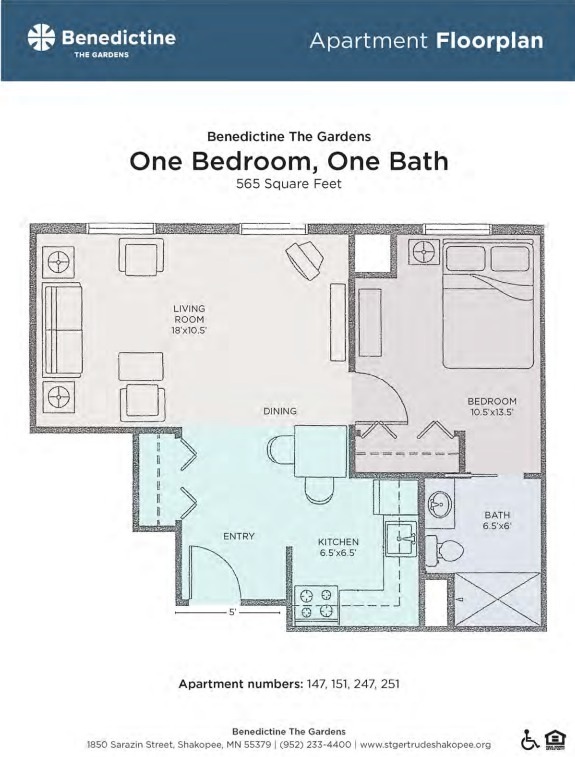
How is St Gertrudes Health & Rehabilitation Center Staffed?
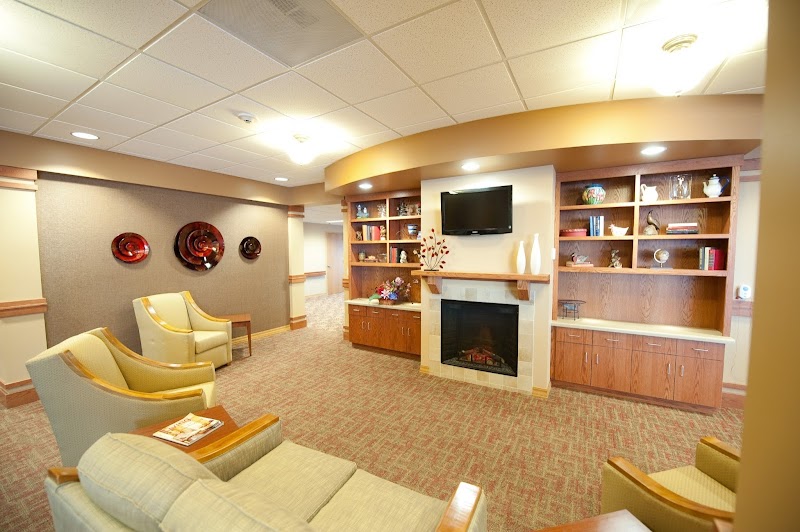
CMS rates St Gertrudes Health & Rehabilitation Center's staffing level at 5 out of 5 stars, which is much above average compared to other nursing homes. Staff turnover is 36%, compared to the Minnesota average of 46%. This relatively stable workforce can support continuity of care.

What Have Inspectors Found at St Gertrudes Health & Rehabilitation Center?

State health inspectors documented 36 deficiencies at St Gertrudes Health & Rehabilitation Center during 2022 to 2025. These included: 1 Immediate Jeopardy (the most serious level, indicating potential for serious harm or death), 1 that caused actual resident harm, 30 with potential for harm, and 4 minor or isolated issues. Immediate Jeopardy findings are rare and represent the most serious regulatory concerns. They require immediate corrective action.
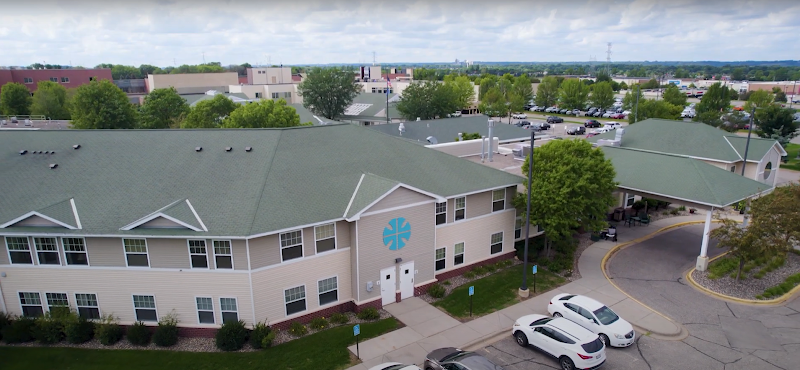
Who Owns and Operates St Gertrudes Health & Rehabilitation Center?

St Gertrudes Health & Rehabilitation Center is owned by a non-profit organization. Non-profit facilities reinvest revenue into operations rather than distributing to shareholders. The facility is operated by BENEDICTINE HEALTH SYSTEM, a chain that manages multiple nursing homes. With 105 certified beds and approximately 88 residents (about 84% occupancy), it is a mid-sized facility located in SHAKOPEE, Minnesota.

How Does St Gertrudes Health & Rehabilitation Center Compare to Other Minnesota Nursing Homes?

Compared to the 100 nursing homes in Minnesota, St Gertrudes Health & Rehabilitation Center's overall rating (3 stars) is below the state average of 3.2, staff turnover (36%) is near the state average of 46%, and health inspection rating (2 stars) is below the national benchmark.

What Should Families Ask When Visiting St Gertrudes Health & Rehabilitation Center?

Based on this facility's data, families visiting should ask: "What changes have been made since the serious inspection findings, and how are you preventing similar issues?" "Can I visit during a mealtime to observe dining assistance and food quality?" "How do you handle medical emergencies, and what is your hospital transfer rate?" "Can I speak with family members of current residents about their experience?" These questions are particularly relevant given the facility's Immediate Jeopardy citations.

Is St Gertrudes Health & Rehabilitation Center Safe?

Based on CMS inspection data, St Gertrudes Health & Rehabilitation Center has documented safety concerns. Inspectors have issued 1 Immediate Jeopardy citation (the most serious violation level indicating risk of serious injury or death). The facility has a 3-star overall rating and ranks #100 of 100 nursing homes in Minnesota. Families considering this facility should ask detailed questions about what corrective actions have been taken since these incidents.

Do Nurses at St Gertrudes Health & Rehabilitation Center Stick Around?

St Gertrudes Health & Rehabilitation Center has a staff turnover rate of 36%, which is about average for Minnesota nursing homes (state average: 46%). Moderate turnover is common in nursing homes, but families should still ask about staff tenure and how the facility maintains care continuity when employees leave.

Was St Gertrudes Health & Rehabilitation Center Ever Fined?

St Gertrudes Health & Rehabilitation Center has been fined $29,260 across 2 penalty actions. This is below the Minnesota average of $33,371. While any fine indicates a compliance issue, fines under $50,000 are relatively common and typically reflect isolated problems that were subsequently corrected. Families should ask what specific issues led to these fines and confirm they've been resolved.

Is St Gertrudes Health & Rehabilitation Center on Any Federal Watch List?

St Gertrudes Health & Rehabilitation Center is not on any federal watch list. The most significant is the Special Focus Facility (SFF) program, which identifies the bottom 1% of nursing homes nationally based on persistent, serious quality problems. Not being on this list means the facility has avoided the pattern of deficiencies that triggers enhanced federal oversight. This is a positive indicator, though families should still review the facility's inspection history directly.