St Anthony Health & Rehabilitation
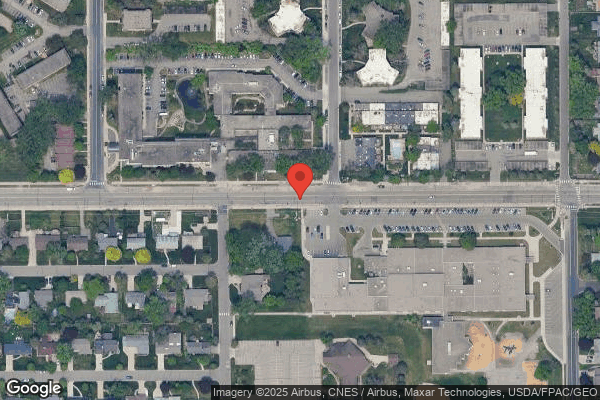
3700 FOSS ROAD NORTHEAST, ST ANTHONY, MN 55421 (612) 788-9673
For profit - Partnership 110 Beds THE GOODMAN GROUP Data: November 2025
Trust Grade
38/100
#317 of 337 in MN
Last Inspection: April 2025

Within standard 12-15 month inspection cycle. Federal law requires annual inspections.

Overview

St. Anthony Health & Rehabilitation has received a Trust Grade of F, indicating significant concerns about the quality of care provided. Ranking #317 out of 337 facilities in Minnesota places it in the bottom half, and #5 out of 6 in Anoka County means only one local option is better. While the facility is improving overall, with issues decreasing from 16 in 2024 to 10 in 2025, there are still serious concerns, including the failure to properly manage care plans and medication for residents. Staffing is a relative strength with a rating of 4 out of 5 stars, but the turnover rate of 44% is average. The facility faced $10,203 in fines, which is a concerning amount that reflects compliance issues. Specific incidents noted include the failure to properly store and label food items, risking residents' health, and not following physician orders for medications, which could lead to serious complications.

Trust Score
F
38/100
In Minnesota
#317/337
Bottom 6%
Safety Record
Low Risk
No red flags
Inspections
Getting Better
16 → 10 violations
Staff Stability
○ Average
44% turnover. Near Minnesota's 48% average. Typical for the industry.
Penalties
✓ Good
$10,203 in fines. Lower than most Minnesota facilities. Relatively clean record.
Skilled Nurses
✓ Good
Each resident gets 68 minutes of Registered Nurse (RN) attention daily — more than 97% of Minnesota nursing homes. RNs are the most trained staff who catch health problems before they become serious.
Violations
⚠ Watch
29 deficiencies on record. Higher than average. Multiple issues found across inspections.
★☆☆☆☆
1.0
Overall Rating
★★★★☆
4.0
Staff Levels
★☆☆☆☆
1.0
Care Quality
★★☆☆☆
2.0
Inspection Score
Stable
2024: 16 issues
2025: 10 issues

The Good

  • 4-Star Staffing Rating · Above-average nurse staffing levels
  • Full Sprinkler Coverage · Fire safety systems throughout facility
  • No fines on record
  • Staff turnover below average (44%)

    4 points below Minnesota average of 48%

Facility shows strength in staffing levels, fire safety.

The Bad

1-Star Overall Rating

Below Minnesota average (3.2)

Significant quality concerns identified by CMS

Staff Turnover: 44%

Near Minnesota avg (46%)

Typical for the industry

Federal Fines: $10,203

Below median ($33,413)

Minor penalties assessed

Chain: THE GOODMAN GROUP

Part of a multi-facility chain

Ask about local staffing decisions and management

The Ugly 29 deficiencies on record

Jul 2025 1 deficiency
CONCERN (D) 📢 Someone Reported This

A family member, employee, or ombudsman was alarmed enough to file a formal complaint

Potential for Harm - no one hurt, but risky conditions existed

Deficiency F0657 (Tag F0657)

Could have caused harm · This affected 1 resident

**NOTE- TERMS IN BRACKETS HAVE BEEN EDITED TO PROTECT CONFIDENTIALITY** Based on interview, observation and document review, the facility failed to update the care plan with specific interventions for...

Read full inspector narrative →
**NOTE- TERMS IN BRACKETS HAVE BEEN EDITED TO PROTECT CONFIDENTIALITY** Based on interview, observation and document review, the facility failed to update the care plan with specific interventions for 1 of 1 resident (R3) reviewed for falls.Findings include: R3's significant change Minimum Data Set (MDS) dated [DATE], identified R3 had severe cognitive impairment, disorganized thinking, and needed extensive assistance with toileting, bed mobility and transfers. The MDS lacked identification of falls for R3. R3's document titled with R3's name undated, indicated after a fall on 6/8/25, an intervention for PRN medications was put in place. Furthermore, the document indicated after a fall on 6/9/25, interventions for frequent rounding and hospice to review side effect monitoring for medications was put in place. R3's care plan revised 6/20/25, lacked interventions for PRN medications after a fall on 6/8/25 and frequent rounding and hospice to review side effect monitoring for medications after a fall on 6/9/25. During an interview on 7/22/25 at 12:03 p.m., nursing assistant (NA)-A stated she would look in the care plan for any fall interventions in place. During an interview on 7/22/25 at 2:18 p.m., licensed practical nurse (LPN)-A stated he would look in the care plan for any current fall interventions. LPN-A stated the management team was responsible for revising and or adding new interventions to the care plan. During an interview on 7/22/25 at 2:58 p.m., registered nurse (RN)-A stated revised or new interventions for R3's falls on 6/8/25, and 6/9/25, should have been added to the care plan by him and he confirmed he did not add any to the care plan. During an interview on 7/22/25 at 3:30 p.m., the administrator stated staff were to refer to the care plan for fall interventions. The management team was responsible for placing fall interventions into care plans as soon as possible. The facility Post Fall Assessment policy reviewed 10/14/24, indicated changes as appropriate would be made on the resident's care plan and communicated to the nursing staff.
Apr 2025 7 deficiencies
CONCERN (D)

Potential for Harm - no one hurt, but risky conditions existed

Deficiency F0554 (Tag F0554)

Could have caused harm · This affected 1 resident

**NOTE- TERMS IN BRACKETS HAVE BEEN EDITED TO PROTECT CONFIDENTIALITY** Based on observation, interview and document review, the facility failed to ensure a self-administration of medications assessme...

Read full inspector narrative →
**NOTE- TERMS IN BRACKETS HAVE BEEN EDITED TO PROTECT CONFIDENTIALITY** Based on observation, interview and document review, the facility failed to ensure a self-administration of medications assessment was completed to allow residents to safely administer their own medications for 1 of 1 residents (R66) observed with medications at bedside. Findings include: R66's admission minimum data set (MDS) dated [DATE], indicated she had intact cognition, did not refuse care or medications and had the following diagnoses: cancer, malnutrition, asthma, chronic obstructive pulmonary disease and/or chronic lung disease. The MDS further indicated R66 took antipsychotic, antianxiety, antidepressant, opioids and required oxygen therapy. R66's order summary report printed on 4/10/25, included antianxiety medications, antidepressant medications, antipsychotic medications and narcotic pain medications which can cause blurriness, dizziness and sedation. Additionally, R66 required nebulizer breathing treatments 4 times throughout the day and the use of supplemental oxygen. The order summary lacked documentation of an order for self-administration of medications (SAM). R66's medication administration record (MAR) dated 4/1/2025-4/30/2025, indicated R66 had been administered all scheduled doses for the month of April. However, the MAR lacked documentation of an order for self-administration of medications. R66's care plan lacked information regarding self-administration of medications. During observation on 4/8/25 at 8:49 a.m., R66 was in bed resting quietly with eyes closed with her bedside table over the right side of the bed. To her immediate left was another facility bed not in use. At the end of her bed was a walker and a wheelchair. Just inside the door to the immediate right, approximately 8 feet from R66, was shower chair covered with a black and white rug. On top of the rug was a white nebulizer machine. Connected to the machine was green tubing connected to a nebulizer cup. The nebulizer cup was approximately two thirds full of clear liquid. A nebulizer solution cap and empty vial was next to the neb machine. During interview on 4/8/25 at 9:17 a.m., registered nurse (RN)-C stated she had not yet given R66 her morning medications. RN-C picked up the nebulizer cup and confirmed the nebulizer cup was two thirds full and stated it was probably the neb treatment from the night before. RN-C stated R66 wouldn't even be able to reach it where it was located so far from her bed. RN-C went on to say she was unclear if R66 could administer her own medications. During interview on 4/8/25 at 3:46 p.m., registered nurse manager (RNM) stated if a resident wished to administer their own meds they would need to be assessed upon admission and with any significant change of condition. RNM stated the assessment for a nebulizer would include the resident demonstrating they could hold the neb cup during administration and were able to remove it when it was completed. RNM stated without a SAM in place she expected the nursing staff to prepare the medication and stay with the resident during administration. RNM stated if a resident had a SAM order a nebulizer could be left with the resident to self-administer, however, the nurse would be required to come back and complete a respiratory assessment when the nebulizer was completed. RNM reviewed R66's electronic medical record and stated R66 did not have a SAM assessment or an order to self-administer medications and a full neb cup should not have been left in her room to self-administer. Facility policy titled Self Administration of Medications with a last review date of 10/14/24 indicated the following: A resident may only self-administer medications after the facility's interdisciplinary team (IDT) has determined which medications may be self-administered safely. When determining if self-administration is clinically appropriate for a resident the IDT consider the residents physical capacity appropriately administer; the resident's capability to follow directions; the resident's comprehension of instructions for the medications they are taking; and the resident's ability to ensure medication is stored safely and securely. The policy went on to indicate all nurses and aides are required to report to the charge nurse any medication found at the bedside not authorized for bedside storage and the care plan must reflect resident self-administration and storage arrangements for such medications.
CONCERN (D)

Potential for Harm - no one hurt, but risky conditions existed

Comprehensive Care Plan (Tag F0656)

Could have caused harm · This affected 1 resident

**NOTE- TERMS IN BRACKETS HAVE BEEN EDITED TO PROTECT CONFIDENTIALITY** Based on observation, interview and record review, the facility failed to update a care plan 1 of 1 residents (R66) reviewed for...

Read full inspector narrative →
**NOTE- TERMS IN BRACKETS HAVE BEEN EDITED TO PROTECT CONFIDENTIALITY** Based on observation, interview and record review, the facility failed to update a care plan 1 of 1 residents (R66) reviewed for a declining resident. Findings include: R66's minimum data set (MDS) dated [DATE], indicated she had intact cognition, did not refuse care or medications and had the following diagnoses: cancer, malnutrition, asthma, chronic obstructive pulmonary disease and/or chronic lung disease. The MDS further indicated R66 was independent with eating, personal hygiene, toileting, dressing, mobility, transfers and received hospice services. R66's face sheet indicated R66 was contracted Hospice of the Midwest to receive hospice cares and services. R66's care plan indicated R66 had a self-care deficit and required assistance with activities of daily living (ADL's) due to terminal lung cancer/respiratory failure. The care plan also indicated R66 received hospice services, and the nurse manager was the designated facility interdisciplinary team (IDT) member to collaborate with hospice to ensure the needs of R66 were being met. R66's order summary report printed 4/10/25 indicated R66 took antidepressant medication with potential side effects of dizziness, fatigue, and anxiety; antipsychotic mediations with potential side effects of blurred vision, postural hypotension(a sudden drop in blood pressure that occurs when a person changes from a lying or sitting position to standing), sedation, confusion, and restlessness; Gabapentin with potential side effects of drowsiness, dizziness, sedation and blurred vision; an opioid medication with potential side effects of dizziness, delirium, over sedation and changes in mental status. R66's medication administration record (MAR) for April 2025 indicated R66 took the following scheduled medications: 100mg quetiapine at bedtime for anxiety, 0.5mg lorazepam twice a day for shortness of breath, 400mg gabapentin three times a day for pain, 30mg morphine three times a day for pain; and the following as needed medications: 15mg morphine tablet every two hours as needed for pain, and 0.75 ml (20mg/ml) every two hours as needed for shortness of breath. The MAR also indicated R66 had not missed any scheduled medications in April 2025 and had been administered as needed morphine three times between April 1st and April 10th, 2025. R66's bedside [NAME] dated 4/9/2025 indicated R66 was able to take showers/baths independently with no staff oversight, was able to toilet independently, and was able to transfer independently with no staff oversight. During observation on 04/08/25 at 3:28 p.m. R66 was lying in bed, eyes closed, deep even breathing noted; dressed in light colored top and dark bottoms and did not respond to knocking on door from staff. During observation on 04/09/25 7:28 a.m. R66 was lying in bed on her left side with eyes closed. R66 was wearing same light-colored top and dark bottoms as previous day. R66's hair pulled up into bun on top of head and had a greasy appearance. During interview on 04/09/25 at 10:54 a.m. registered nurse (RN)-C stated R66 was very weak, and the aides had been providing toileting cares to include changing soiled incontinent briefs, assisting with bathing or showering and could no longer dress herself or change her clothes. RN-C could not locate any documentation on R66's bathing record and stated she had been previously independent but was now dependent on staff for assistance with 'basically everything'. RN-C stated R66 did not have a hospice aide to assist with personal cares and she had been updated by the nurse manager that R66 was declining, and staff would have to start doing more cares for her. During interview on 04/09/25 at 10:57 a.m. certified nursing assistant (CNA)-C stated R66 received assistance with toileting, bathing and sometimes repositioning in bed. CNA-C stated R66 had been able to do her own shower previously but had been steadily declining and now needed assistance for all her personal cares. CNA-C stated staff would look to the [NAME] for instructions on how to care for residents. CNA-C opened R66's [NAME], stated it was incorrect and did not reflect the cares R66 was currently needing. During observation on 04/10/25 at 11:07 a.m. R66 was observed lying in bed with her eyes closed, wearing what appeared to be the same light-colored top and dark bottoms she had been wearing the previous two days. R66's hair was unkept and had stringy strands hanging loose from a ponytail on the top of her head. R66 did not respond to verbal stimulation. During interview on 04/10/25 at 11:51 a.m. registered nurse case manager (NM)-C stated care plans and [NAME]'s were updated with changes after a fall, beginning or ending therapy, hospitalizations or any significant change of condition. NM-C stated she was ultimately responsible for updating resident care plans and the [NAME]. NM-C reviewed R66's care plan and stated it had not been updated. R66 was not independent with bathing or toileting, she required oversight. NM-C stated R66 had been steadily declining and agreed the care plan should have been updated to reflect her increased need of assistance with all personal cares. During interview on 04/10/25 at 12:35 p.m. director of nursing (DON) stated care plans were reviewed by using an IDT approach and depending on the topic it could be updated by the MDS nurse or the NM. DON stated care plans were updated with new therapies, after a fall, hospitalization, or a change of condition. DON stated the process would be the same for all residents regardless of their hospice designation. DON acknowledged R66 had been declining and stated she was aware she required more assistance. DON went on to say it was her expectation care plans were updated as soon as a change was identified. This was important to ensure all resident care needs were met. Facility document titled Care Plan Revisions Upon Status Change with a created date of 9/26/2023 indicated the purpose of the procedure is to provide a consistent process for reviewing and revising the care plan for those residents experiencing a status change. The policy indicated the following: 1. The comprehensive care plan will be reviewed, and revised as necessary, when a resident experiences a status change. 2. Procedure for reviewing and revising the care plan when a resident experiences a status change: a. upon identification of a change in status, the nurse will notify the MDS coordinator, the physician and the resident representative b. the MDS coordinator and the IDT will discuss the resident condition and collaborate on intervention options c. the care plan will be updated with the new or modified interventions d. staff involved in the care of the resident will report resident response to new or modified interventions e. care plans will be modified as needed by designated staff f. the unit manager or other designated staff will communicate care plan interventions to all staff involved in the resident's care g. the designated staff member will conduct an audit on all residents experiencing a change in status at the time of the change in status is identified to ensure care plans have been updated to reflect current resident needs
CONCERN (D)

Potential for Harm - no one hurt, but risky conditions existed

ADL Care (Tag F0677)

Could have caused harm · This affected 1 resident

**NOTE- TERMS IN BRACKETS HAVE BEEN EDITED TO PROTECT CONFIDENTIALITY** Based on observation, interview and document review, the facility failed to provided nail care for 1 of 4 residents (R15) review...

Read full inspector narrative →
**NOTE- TERMS IN BRACKETS HAVE BEEN EDITED TO PROTECT CONFIDENTIALITY** Based on observation, interview and document review, the facility failed to provided nail care for 1 of 4 residents (R15) reviewed for dependent activities of daily living (ADLs). Findings include: R15's PPS 5 day scheduled Minimum Data Set (MDS) assessment dated [DATE], included R15 was admitted [DATE] and had moderate cognitive impairment. R15 had impairment on one side and was dependent with bathing. Personal hygiene assessment was not recorded on the MDS submission. R15's undated care plan included a focus of being at risk for excessive bruising and bleeding due to use of coumadin (a blood thinner) with an intervention to remind R15 to use extra caution when shaving. The care plan included R15 had a self care deficit and required assistance with ADLs due to weakness, impaired mobility and having multiple disease processes and had an intervention of needing assistance with all ALDs. On 4/7/25 at 2:52 p.m., R15 was observed to have fingernails that extended past the tips of his fingers on both hands. Fingernails on his dominant left hand were irregular. During interview on 2:52 p.m., R15 stated he does not like his fingernails being as long as they are and that they sometimes get caught on his sheets when he is in bed. R15 stated he preferred to be clean shaven, but is unable to shave at this time due to not having a razor he can use. During observation and interview on 4/8/25 at 11:07 a.m., R15's fingernails remained long and irregular and face unshaven. Facial hair was approximately ½ to 1 inch in length. R15 stated he typically would shave his head in addition to his face. R15 stated he spoke with someone at the facility 2 to 3 weeks ago and they said they would get him an electric razor to use. He did not ever receive the electric razor. During interview on 4/8/25 at 11:14 a.m., nursing assistant (NA)-A stated grooming assistance should be completed every morning. A nurse should be updated if a resident refused. During interview on 4/8/25 at 11:35 a.m., registered nurse (RN)-A stated nail care should be completed on bath days or as needed and diabetic residents needed to have nail care completed by a nurse. During interview on 4/8/25 at 4:42 p.m., nurse manager (NM)-D stated fingernail care should have been completed on a resident's bath day but could have been completed another time if the resident refused on bath day. NM-D stated assistance with shaving was available and an electric razor was available if the resident did not have access to one. NM-D confirmed R15 did have long nails that extended about 0.3 centimeters (cm) past his fingertip. NM-D confirmed there was occasionally dark matter visible under the fingernails and the staff should have been assisting R15 with cleaning his nails daily and after meals. NM-D confirmed R15 was on blood thinners and recently had high lab values which put him at a greater risk for bleeding. NM-D stated R15 was at increased risk for bleeding and infection due to his longer fingernails. During interview on 4/9/25 at 2:31 p.m., the director of nursing (DON) stated nail care should have been completed on bath day. A resident should have been reapproached if they refused and a progress note should have been completed. The DON confirmed she was informed R15's fingernails were long and in need of nail care. The DON state routine nail care was important to prevent the nails from getting long and possibly getting caught on something, torn or infected. Facility policy titled Activities of Daily Living dated 10/7/24, included ADLs included bathing, grooming and dressing. The facility would provide necessary services for residents who were unable to complete these tasks. X
CONCERN (D)

Potential for Harm - no one hurt, but risky conditions existed

Quality of Care (Tag F0684)

Could have caused harm · This affected 1 resident

**NOTE- TERMS IN BRACKETS HAVE BEEN EDITED TO PROTECT CONFIDENTIALITY** Based on interview and document review, the facility failed to follow current physician orders and parameters for 2 of 5 residen...

Read full inspector narrative →
**NOTE- TERMS IN BRACKETS HAVE BEEN EDITED TO PROTECT CONFIDENTIALITY** Based on interview and document review, the facility failed to follow current physician orders and parameters for 2 of 5 residents (R28, R61) reviewed for medications. Findings include: R28's quarterly Minimum Data Set (MDS) dated [DATE], included R28 had moderate cognitive impairment. R28 had diagnoses of gastroparesis (a disease of the digestive system), malnutrition, fecal impaction (a blockage of stool in the intestine). R28's last signed physician orders dated 3/4/25, included an order for prochiorperazine maleate (a medication to treat nausea and vomiting) 10 mg by mouth every 5 hours as needed for nausea and vomiting, polyethylene glycol (a medication to treat constipation) 17 grams by mouth one time a day, and metoprolol tartrate 25 mg by mouth twice a day with instructions to hold the medication if systolic blood pressure was less than 100. R28's medication administration record (MAR) for April included record of medication being given different than the most recent provider orders. Administration included prochiorperazine maleate 10 mg by mouth every 8 hours for gastroparesis, polyethylene glycol (a medication to treat constipation) 17 grams by mouth two times a day, and metoprolol tartrate 25 mg by mouth twice a day without instructions to hold the medication. R28's hospital discharge orders with admission date 11/21/24, included order changes for polyethylene glycol 17 grams two times a day, prochlorpherazine 10 mg every 8 hours for gastroparesis, and metoprolol tartrate 25 mg twice a day without instructions to hold the medication. R28's MAR for February, March and April reviewed and failed to include documentation of blood pressure readings. During interview on 4/10/25 at 9:56 a.m., nurse manager (NM)-C confirmed the last signed physician orders do not match the MAR and what was currently being given. NM-C stated the facility takes all written orders, which include hospital discharge orders and process them as current orders. NM-C stated clarification would be requested from the hospital or nurse practitioner if there were questions or discrepancies. NM-C stated it was not practice to compare the most recent signed orders from the regulatory visits with the current MAR. The facility would review the plan section to look for new orders. R61's significant change MDS dated [DATE], included R61 was cognitively intact. R61's diagnoses included neuromyelitis optica (a disorder of the nervous system which can lead to weakness) and diabetes. R61's last signed physician orders dated 2/3/25, included an order for tacrolimus (a medication to prevent rejection of an organ after transplant) 1.5 mg by mouth two times a day and 2 mg at bedtime for kidney transplant, hydralazine (a medication to treat high blood pressure) 100 mg three times a day with instructions to hold for mean arterial pressure (MAP) <65, and carvedilol 12.5 mg by mouth twice a day with instruction to hold if MAP was <65. R61's MAR for April included record of medication being given different than the most recent provider orders. Administration record included tacrolimus 2.5 mg twice a day. Hydralazine was administered 100 mg three times a day with instructions to hold for MAP <65, however blood pressure was recorded instead of MAP. Carvedilol was administered 12.5 mg by mouth twice a day with instruction to hold if MAP is <65, however no vitals (blood pressures) were recorded. R61's hospital discharge orders with encounter date 11/21/24, included an order change for tacrolimus 2.5 mg twice a day. R61's MAR for February, March and April reviewed and failed to include documentation of MAP and pulse prior to administration of medication. During interview on 4/9/25 at 10:01 a.m., licensed practical nurse (LPN)-A stated parameters and instructions for giving mediation was listed on the MAR. After reading R61's orders for carvedilol and hydralazine with parameters, LPN-A stated she would check the pulse if the instructions stated to hold if <65 and would not give the medication if the pulse was below 65. During interview on 4/9/25 at 10:25 a.m., nurse manager (NM)-C stated she had never seen MAP as a parameter in a nursing home before and she was unsure if the staff would know how to calculate MAP. NM-C stated an order with instructions to check MAP should have been followed up on because it is not something that should have been used in a nursing home. During interview on 4/9/25 at 10:23 a.m., registered nurse (RN)-B stated she would check a heart rate for an order that instructed to check MAP and hold if <65 and not give the medication if it was below 65. During interview on 4/10/25 at 11:18 a.m., medical director (MD) stated a typical parameter for carvedilol and hydralazine would be to measure the heart rate and blood pressure. MD stated the facility did not calculate MAP. He stated a resident could be at increased risk for falls if a blood pressure medication was given outside of parameters. During interview on 4/10/25 at 12:33 p.m., CP confirmed she reviewed ordered parameters to ensure they are standard parameters during her monthly med reviews. CP acknowledged she failed to identify the discrepancies during the monthly reviews. CP stated blood pressure and heart rate are often monitored when a resident is on carvedilol. During interview on 4/9/25 at 2:41 p.m., director of nursing (DON) confirmed the last signed physician orders for R21 did not match what was being given by the facility. DON confirmed R61 tacrolimus order was different on the last signed physician orders and what was being given by the facility. DON confirmed medication parameters should have always been followed and if there was a question, a provider should have been contacted for clarification. DON confirmed checking and documenting a blood pressure would not be the same as checking and documenting a MAP. The DON confirmed the facility was not following their policy and procedure for reviewing signed physician orders to recognize discrepancies. Facility policy for medication orders dated 10/14/24, included to enter new orders onto the MAR. The nurse should verify new orders with the current attending physician before the medication is administered if it was unclear.
CONCERN (D)

Potential for Harm - no one hurt, but risky conditions existed

Deficiency F0688 (Tag F0688)

Could have caused harm · This affected 1 resident

**NOTE- TERMS IN BRACKETS HAVE BEEN EDITED TO PROTECT CONFIDENTIALITY** Based on observation, interview and document review, the facility failed to provide range of motion (ROM) exercises for 1 of 1 r...

Read full inspector narrative →
**NOTE- TERMS IN BRACKETS HAVE BEEN EDITED TO PROTECT CONFIDENTIALITY** Based on observation, interview and document review, the facility failed to provide range of motion (ROM) exercises for 1 of 1 residents (R61) reviewed for mobility. Findings include: R61's significant change Minimum Data Set (MDS) dated [DATE], included diagnoses of neuromyelitis optica (inflammation of the nerves of the eye and spinal cord which may cause vision loss and muscle weakness), diabetes, encephalopathy (a disorder of the brain which may cause confusion, memory loss and personality changes). R61's MDS included she was dependent for dressing, eating and oral hygiene. R61's undated care plan, included R61 required assistance with activities of daily living (ADLs) due to impaired or decreased mobility, weakness and multiple disease processes. Interventions included to assist with positioning and mobility as needed. R61's care plan failed to include specific ROM exercises. R61's care conference note dated 3/19/25, included R61's family requested therapy for ROM due to stiffness. R61's medical record indicated she was discharged from physical therapy on 11/18/24 and occupational therapy on 12/19/24. No other referral order was provided. During interview on 4/8/25 at 11:14 a.m., nursing assistant (NA)-A stated ROM instructions would be included on a resident's care sheet if they were ordered. During interview on 4/9/25 at 7:53 a.m., NA-B stated ROM exercises would be documented in a resident's chart if they were completed. During interview on 4/9/25 at 7:56 a.m., nurse manager (NM)-C stated a therapy referral would usually be made if a resident had a change in condition, a decrease in ADL ability, or after a hospitalization. NM-C stated a referral for therapy would be made if a family requested it. NM-C confirmed there had not been a referral for therapy since the last care conference. NM-C confirmed the family did request a referral for therapy for ROM exercises. NM-C stated it would typically be nursing who followed up on a requested from family for therapy. During interview on 4/9/25 at 2:34 p.m., director of nursing (DON) stated a referral for therapy should have been completed after the family requested an evaluation. The DON stated the referral should have been made within 2-3 business days of the care conference and family request. The DON confirmed ROM exercises should have been on the care plan or [NAME]. The DON stated ROM was important to prevent pain, pressure ulcers and contractures. Facility policy titled Prevention of Decline in Range of Motion dated 10/14/24, included a licensed nurse will assess a resident's range of motion on admission, quarterly and upon significant change. Residents would be referred to therapy for a focused range of motion as appropriate.
CONCERN (D)

Potential for Harm - no one hurt, but risky conditions existed

Drug Regimen Review (Tag F0756)

Could have caused harm · This affected 1 resident

**NOTE- TERMS IN BRACKETS HAVE BEEN EDITED TO PROTECT CONFIDENTIALITY** Based on interview and document review, the consulting pharmacist (CP) failed to identify and report irregularities related to r...

Read full inspector narrative →
**NOTE- TERMS IN BRACKETS HAVE BEEN EDITED TO PROTECT CONFIDENTIALITY** Based on interview and document review, the consulting pharmacist (CP) failed to identify and report irregularities related to resident parameters for 2 of 2 residents (R28, R61) reviewed for physician ordered parameters. Findings Include: R28's quarterly Minimum Data Set (MDS) dated [DATE], included R28 had moderate cognitive impairment. R28 had diagnoses of gastroparesis (a disease of the digestive system), malnutrition, fecal impaction (a blockage of stool in the intestine). R28's last signed physician orders dated 3/4/25, included an order for metoprolol tartrate 25 milligrams (mg) by mouth twice a day with instructions to hold the medication if systolic blood pressure was less than 100. R28's medication administration record (MAR) for April included record of medication being given without documentation of blood pressure having been checked prior to administration. The order on the MAR included metoprolol tartrate 25 mg by mouth twice a day without instructions to hold the medication. R28's previous six months of pharmacy reviews failed to identify blood pressure parameter was not being followed. R61's significant change MDS dated [DATE], included R61 was cognitively intact. R61's diagnoses included neuromyelitis optica (a disorder of the nervous system which can lead to weakness) and diabetes. R61's last signed physician orders dated 2/3/25, included an order hydralazine (a medication to treat high blood pressure) 100 mg three times a day with instructions to hold for mean arterial pressure (MAP) < 65, and carvedilol 12.5 mg by mouth twice a day with instruction to hold if MAP was < 65. R61's MAR for April included record of medication being given without documentation of provider ordered parameters. Administration record included hydralazine 100 mg three times a day with instructions to hold for MAP < 65, however blood pressure was recorded instead of MAP. Carvedilol was administered 12.5 mg by mouth twice a day with instruction to hold if MAP is < 65, however no vitals (blood pressures) were recorded. R61's previous six months of pharmacy reviews failed to identify MAP parameter was not being followed nor did they recommend reviewing the parameter for a standard nursing home parameter. During interview on 4/9/25 at 10:25 a.m., nurse manager (NM)-C stated she had never seen MAP as a parameter in a nursing home before and she was unsure if the staff would know how to calculate MAP. NM-C stated an order with instructions to check MAP should have been followed up on because it is not something that should have been used as a parameter in a nursing home. During interview on 4/9/25 at 2:41 p.m., director of nursing (DON) confirmed medication parameters should have always been followed and if there was a question, a provider should have been contacted for clarification. DON confirmed checking and documenting a blood pressure would not be the same as checking and documenting a MAP. During interview on 4/10/25 at 11:18 a.m., medical director (MD) stated a typical parameter for carvedilol and hydralazine would be heart rate and blood pressure. MD stated the facility would not typically calculate MAP. He stated a resident could be at increased risk for falls if a blood pressure medication was given outside of parameters. During interview on 4/10/25 at 12:33 p.m., CP confirmed she reviewed ordered parameters to ensure they are standard parameters during her monthly medication reviews. CP acknowledged she failed to identify the discrepancy in parameters order and what was being documented by the facility. CP stated MAP was not a standard parameter for a nursing home and a more common parameter would be to check blood pressure and heart rate for a resident on carvedilol prior to administration.
CONCERN (F)

Potential for Harm - no one hurt, but risky conditions existed

QAPI Program (Tag F0867)

Could have caused harm · This affected most or all residents

Based on interview and document review, the facility failed to ensure the Quality Assurance Assessment and Performance Improvement Plan (QAPI) committee effectively sustained ongoing compliance relate...

Read full inspector narrative →
Based on interview and document review, the facility failed to ensure the Quality Assurance Assessment and Performance Improvement Plan (QAPI) committee effectively sustained ongoing compliance related to repeat citations from past surveys in regards to quality of care, care plans and self-administration of medications (SAM) which were also identified during this survey. This had the potential to effect all 74 residents residing in the facility. Findings include: Review of the facility CASPER Report dated 3/17/2025, identified the facility was cited F684 for quality of care, F656 development/implementation of comprehensive care plans, and F554 SAM during the survey exited 3/7/2024. See F684: Based on interview and document review, the facility failed to follow current physician orders and parameters for 2 of 5 residents (R28, R61) reviewed for medications. See F656: Based on observation, interview and record review, the facility failed to ensure a care plan was developed and maintained to ensure appropriate care was provided for 1 of 1 residents (R66) reviewed for increased care needs for a declining resident. See F554: Based on observation, interview and document review, the facility failed to ensure a self-administration of medications assessment was completed to allow residents to safely administer their own medications for 1 of 1 residents (R66) observed with medications at bedside. The facility's QAPI meeting minutes dated 1/27/25, 2/24/25, and 3/24/25, lacked ongoing data related to the above repeat citations. On 4/10/25 at 1:45 p.m., the administrator confirmed the facility had not been tracking previous compliance with surveys, and have recently became aware and began to form a plan to monitor and maintain compliance in the future. The QAPI policy last reviewed 1/11/25, identified the facility will demonstrate the development, implementation, and evaluation of corrective actions or performance improvement activities.
Feb 2025 2 deficiencies
CONCERN (D) 📢 Someone Reported This

A family member, employee, or ombudsman was alarmed enough to file a formal complaint

Potential for Harm - no one hurt, but risky conditions existed

Investigate Abuse (Tag F0610)

Could have caused harm · This affected 1 resident

**NOTE- TERMS IN BRACKETS HAVE BEEN EDITED TO PROTECT CONFIDENTIALITY** Based on interview and document review the facility failed to thoroughly investigate an allegation of sexual abuse for 2 of 2 re...

Read full inspector narrative →
**NOTE- TERMS IN BRACKETS HAVE BEEN EDITED TO PROTECT CONFIDENTIALITY** Based on interview and document review the facility failed to thoroughly investigate an allegation of sexual abuse for 2 of 2 residents (R1 and R2) when they failed recognize the need to assess R1 for the ability to consent prior to the incident. Findings include: Review of the report to the State Agency (SA) indicated on 2/05/25, at 5:55 p.m. R1 and R2 were being sexually intimate in R1's room. Staff attempted to separate the two and have R2 go to his room. The report indicated the residents were closely monitored throughout the night to prevent further incident, investigation was initiated, and physician was updated. Review of the 5-day investigation report to the SA indicated on 2/12/25, R1 had BIM's of 4 which was severely cognitively impaired and R2 of 10 mild cognitive impairment both residents have not been deemed needing legal guardian and both make their own decisions with family input. In addition the investigation indicated both residents were seen by Associated Clinic of Psychology (ACP) who noted they were alert and oriented to family and friends, getting to know more peers an staff, orientated to place and time, expresses a preference for his/her peer, can avoid exploitation by being able to say no and he/she has a right to make a decision about physical/sexual contact. R1's quarterly Minimum Data Set (MDS) dated [DATE], indicated R1 had dementia, arthritis, severe cognitive impairment, and no behaviors. The MDS further indicted R1 used a walker or wheelchair, supervision with dressing and transfers and was independent with mobility. R1's Care Plan dated 2/07/25, indicated R1 is a vulnerable adult and staff to assist in removing from dangerous/abusive situations, and assist in reporting of abuse/neglect as appropriate and investigate/report all signs and symptoms or accusations of abuse/neglect as appropriate. R1's Care Plan also indicated the resident has impaired cognitive function/dementia or impaired thought process related to dementia, and directed staff to ask yes/no questions, communicate with resident/family/care givers regarding residents capabilities and needs and keep the residents routine consistent and try to provide consistent care givers consistent in order to decrease confusion. Provide just one thought, idea, question, or command at a time, use task segmentation to support short term memory deficits and break tasks into one step at a time. The Care Plan indicated she had a friendship/relationship with a resident where they eat meals together, watch TV and occasionally can engage in sexual intimacy both residents' consent to this. The Care Plan directed staff to check in with residents quarterly and annually on relationship status, provide resident privacy when resident chooses alone time, residents son is aware and supports relationship, update son if issues arise/changes, update physician with any changes. R1's 2/11/25 psychiatry assessment identified R1's behavior prior to having sex was not indicative of her engaging in sexual intercourse .When considering [R1's] knowledge, voluntariness and historical and current factors, she lacks the capacity to consent to sexual expression. Staff and involved parties may need to make a decision for involved parties based on benefit vs. risk factors. Review of R1's medical record identified it lacked evidence to show R1 was appropriately assessed prior to the incident for her capacity to consent. R2's significant change MDS dated [DATE], indicated R2 had anxiety, depression and had moderately impaired cognition. The MDS indicated R2 used a wheelchair and walker, and was independent with mobility, dressing, and transfers. R2's Care Plan dated 2/07/25, indicated R2 had impaired cognition related to mild cognitive impairment of uncertain or unknown etiology/acute on chronic encephalopathy (brain disease that alters brain function or structure), and benign neoplasm of cerebral meninges (non-cancerous a tumor that grows from the membranes that surround the brain and spinal cord). R2's Care Plan indicated he had a friendship/relationship with a resident where they eat meals together, watch TV and occasionally can engage in sexual intimacy both residents' consent to this. The Care Plan directed staff to check in with residents quarterly and annually on relationship status, provide resident privacy when resident chooses alone time, residents power of attorney (POA) is aware and supports relationship, update POA if issues arise/changes, update physician with any changes. During interview on 2/11/25, at 3:20 p.m. R2 stated he had known [R1] for three to four months and they are not boyfriend and girlfriend. They had sex last week for the first time. R2 stated he blames himself and felt he should not have had sex. R2 said he told R1 when he was younger, he used his wife to rub his back and while we were lying in bed together. R1 started to rub his chest and then down his legs and one thing led to another and then staff walked in. R2 stated he does lay in bed and think about doing it again but has not and asked. If he did it again if he would have to inform the facility nurse manager. R2 stated he thought he did not have inform anyone as long as it is consensual for both of them. During interview on 2/11/25, at 3:53 p.m. R1 stated she is friends with R2, and they make each other laugh, R1 stated R2 is hard of hearing so you must repeat yourself when talking to him. R1 stated she cannot remember when she moved to the facility and time has passed. Her parents took care of her and then her brother. She was married and had a son cannot remember his age and stated she is a bad mom for that. R1 stated she does not have a boyfriend and at this point does not want one. R1 has not had sex or kissed or anyone here and is too old for that. R1 stated she had not been naked with R2 and said, I can't even imagine that oh lord!. During interview on 2/11/25, at 4:15 p.m. administrator stated she received the nurse managers interview on what occurred on 2/05/25, received consent from R1's son, and R2's POA and needed to make sure everyone was safe, had a care conference with the interdisciplinary team. And it was decided by the team R1 and R2 would be able to have relationship and for staff to provide them privacy. During interview 2/12/25, at 10:25 a.m. director of social services (DSS) stated she interviewed R1 the morning following the incident on 2/5/25, and R1 informed her she didn't understand why the staff made such a fuss and told her she was not raped and that she consented. She thanked the DSS for talking with her and wished the staff would have talked with her last evening before things gotten out of control. The DSS stated R1's family member (FM)-A came into the facility the next day after the incident and felt R1 showed no signs of distress, and he felt he did not need to have a conversation with R1 about the incident. The DSS spoke to R2, and his interview was the same. He said they (R1 and R2) were laughing, and it just happened. R2 told me no one was coerced. A follow up interview at 1:25 p.m. with the DSS stated she was not part of the decision of R1's capacity to consent. During interview on 2/12/25, at 11:47 a.m. nurse practitioner (NP)-A stated she was informed by the facilities administrator about the incident between R1 and R2. NP-A stated the administrator informed her R2 stated they had sex. R1 could not recall the incident. NP-A stated she felt R1 with a Brief Interview for Mental Status (BIMS) score of 4 indicated she would not have the capacity to consent for a sexual relationship. NP-A felt additional testing should be completed by therapy or social services to evaluate R1's capacity to consent. NP-A planned to meet with the facility. During interview on 2/12/25, at 12:43 p.m. family member (FM)-A stated he was informed of the incident that occurred between R1 and R2 and knows she had not remembered what occurred and would not be surprised if she said she would never do that. FM-A stated he visits every day and noticed R1 repeats herself three to four times over and over during conversations. FM-A felt she does not have the capacity to be on her own, and even forgets when she eats. FM-A stated he does not blame the facility for the incident and R2 is a nice person. If the situation were to happen repeatedly then I would have concerns. During interview on 2/12/25, at 12:57 p.m. licensed independent clinical social worker (LICSW)-A stated she seen R1 and R2 and found both did not have the capacity to consent due to their BIMS and the St. Louis University Mental Status (SLUMS) test (comprehensive mental capacity test) for identifying cognition indicated both R1 and R2 had Dementia. Although the LICSW-A stated she did feel both did show mutual preferences to one another with no mental or behavioral changes after their sexual contact, she felt the facility should have an interdisciplinary meeting with a psychology approach. She had spoken to the facilities DSS who informed her they had already had a meeting and made a decision they could have a relationship. LICSW-A stated she did send an email to the administrator on 2/11/25, with her suggestion for a meeting after her visit with both R1 and R2. During interview on 2/12/25, at 1:31 p.m. administrator stated the decision was made for R1 to have the capacity to consent to have intimate a relationship with R2 was decided from R1's responses from her interview when she stated she consented to sex, and that she was not raped. In addition, the administrator stated R1's FM-A also had no concerns and felt R1 showed no signs of distress. FM-A knew R2 and was okay with what was going on and both residents are their own legal representatives. There was no legal guardianship. During observation on 2/12/25, at 1:45 p.m. R1 and R2 were observed in the dining room sitting next to each other talking and laughing. During interview on 2/12/25, at 2:00 p.m. registered nurse (RN)-A stated R1 gets confused and cannot remember what she ate an hour after she eats in addition to if she knew which meal she ate, breakfast or lunch. Staff constantly remind her she had already had her meal. RN-A further stated it does not surprise me that R1 does not remember having an intimate relationship with R2. During interview on 2/12/25 at 2:07 p.m. licensed practical nurse (LPN)-A identified R1 was confused and sometimes will ask for meals when she just ate. R1 can appear as if she is okay, but she is not. LPN-A stated he does not think R1 remembers anything about the incident that occurred with R2 and does not believe she had the ability to consent. During interview on 2/12/25, at 2:33 p.m. LPN-B stated she was working the evening of 2/05/25, when the incident occurred with R1 and R2. Nursing assistant (NA)-A was looking for R2 twice, and then went into R1's room and found them both in bed together. LPN-B stated they had a blanket covering each other. R1 asked NA-A to please excuse them per NA-A's report. According to NA-A's report, after she walked in and informed her R2 was lying in bed with the covers on himself, R2 got dressed and left R1's room. During interview on 2/12/25, at 3:20 p.m., the administrator stated she felt the consent between R1 and R2 is a very delicate matter. Where do you draw the line where they can make the decision or not. R1 says she gave consent and can make decisions about daily living .it makes it hard. Protocol for capacity to consent is to have a risk call with-in the company, review each client individually, and connect with family, residents and their physician. The administrator stated they do not have a specific policy on capacity to consent for residents at the facility. No policies related to investigating abuse allegations was received.
CONCERN (D) 📢 Someone Reported This

A family member, employee, or ombudsman was alarmed enough to file a formal complaint

Potential for Harm - no one hurt, but risky conditions existed

Deficiency F0744 (Tag F0744)

Could have caused harm · This affected 1 resident

**NOTE- TERMS IN BRACKETS HAVE BEEN EDITED TO PROTECT CONFIDENTIALITY** Based on observation, interview and document review, the facility failed to ensure 1 of 2 resident (R1) was comprehensively asse...

Read full inspector narrative →
**NOTE- TERMS IN BRACKETS HAVE BEEN EDITED TO PROTECT CONFIDENTIALITY** Based on observation, interview and document review, the facility failed to ensure 1 of 2 resident (R1) was comprehensively assessed for their capacity to consent prior to engaging in sexual activity with R2. Findings include: Review of the report to the State Agency (SA) indicated on 2/05/25, at 5:55 p.m. R1 and R2 were being sexually intimate in R1's room. Staff attempted to separate the two and have R2 go to his room. The report indicated the residents were closely monitored throughout the night to prevent further incident, investigation was initiated, and physician was updated. Review of the 5-day investigation report to the SA indicated on 2/12/25, R1 had BIMMS of 4 which was severely cognitively impaired and R2 of 10 mild cognitive impairment both residents have not been deemed needing legal guardian and both make their own decisions with family input. In addition the investigation indicated both residents were seen by Associated Clinic of Psychology (ACP) who noted they were alert and oriented to family and friends, getting to know more peers an staff, orientated to place and time, expresses a preference for his/her peer, can avoid exploitation by being able to say no and he/she has a right to make a decision about physical/sexual contact. R1's quarterly Minimum Data Set (MDS) dated [DATE], indicated R1 had dementia, arthritis, severe cognitive impairment, and no behaviors. The MDS further indicted R1 used a walker or wheelchair, supervision with dressing and transfers and was independent with mobility. R1's Care Plan dated 2/07/25, indicated R1 is a vulnerable adult and staff to assist in removing from dangerous/abusive situations, and assist in reporting of abuse/neglect as appropriate and investigate/report all signs and symptoms or accusations of abuse/neglect as appropriate. R1's Care Plan also indicated the resident has impaired cognitive function/dementia or impaired thought process related to dementia, and directed staff to ask yes/no questions, communicate with resident/family/care givers regarding residents capabilities and needs and keep the residents routine consistent and try to provide consistent care givers consistent in order to decrease confusion. Provide just one thought, idea, question, or command at a time, use task segmentation to support short term memory deficits and break tasks into one step at a time. The Care Plan indicated she had a friendship/relationship with a resident where they eat meals together, watch TV and occasionally can engage in sexual intimacy both residents' consent to this. The Care Plan directed staff to check in with residents quarterly and annually on relationship status, provide resident privacy when resident chooses alone time, residents son is aware and supports relationship, update son if issues arise/changes, update physician with any changes. R1's 2/11/25 psychiatry assessment identified R1's behavior prior to having sex was not indicative of her engaging in sexual intercourse .When considering [R1's] knowledge, voluntariness and historical and current factors, she lacks the capacity to consent to sexual expression. Staff and involved parties may need to make a decision for involved parties based on benefit vs. risk factors. Review of R1's medical record identified it lacked evidence to show R1 was appropriately assessed prior to the incident for her capacity to consent. During interview on 2/11/25, at 3:20 p.m. R2 stated he had known [R1] for three to four months and they are not boyfriend and girlfriend. They had sex last week for the first time. R2 stated he blames himself and felt he should not have had sex. R2 said he told R1 when he was younger, he used his wife to rub his back and while we were lying in bed together. R1 started to rub his chest and then down his legs and one thing led to another and then staff walked in. R2 stated he does lay in bed and think about doing it again but has not and asked. If he did it again if he would have to inform the facility nurse manager. R2 stated he thought he did not have inform anyone as long as it is consensual for both of them. During interview on 2/11/25, at 3:53 p.m. R1 stated she is friends with R2, and they make each other laugh, R1 stated R2 is hard of hearing so you must repeat yourself when talking to him. R1 stated she cannot remember when she moved to the facility and time has passed. Her parents took care of her and then her brother. She was married and had a son cannot remember his age and stated she is a bad mom for that. R1 stated she does not have a boyfriend and at this point does not want one. R1 has not had sex or kissed or anyone here and is too old for that. R1 stated she had not been naked with R2 and said, I can't even imagine that oh lord!. During interview on 2/11/25, at 4:15 p.m. administrator stated she received the nurse managers interview on what occurred on 2/05/25, received consent from R1's son, and R2's POA and needed to make sure everyone was safe, had a care conference with the interdisciplinary team. And it was decided by the team R1 and R2 would be able to have relationship and for staff to provide them privacy. During interview 2/12/25, at 10:25 a.m. director of social services (DSS) stated she interviewed R1 the morning following the incident on 2/5/25, and R1 informed her she didn't understand why the staff made such a fuss, and told her she was not raped and that she consented. She thanked the DSS for talking with her and wished the staff would have talked with her last evening before things gotten out of control. The DSS stated R1's family member (FM)-A came into the facility the next day after the incident and felt R1 showed no signs of distress and he felt he did not need to have a conversation with R1 about the incident. The DSS spoke to R2, and his interview was the same. He said they (R1 and R2) were laughing, and it just happened. R2 told me no one was coerced. A follow up interview at 1:25 p.m. with the DSS stated she was not part of the decision of R1's capacity to consent. During interview on 2/12/25, at 11:47 a.m. nurse practitioner (NP)-A stated she was informed by the facilities administrator about the incident between R1 and R2. NP-A stated the administrator informed her R2 stated they had sex. R1 could not recall the incident. NP-A stated she felt R1 with a Brief Interview for Mental Status (BIMS) score of 4 indicated she would not have the capacity to consent for a sexual relationship. NP-A felt additional testing should be completed by therapy or social services to evaluate R1's capacity to consent. NP-A planned to meet with the facility. During interview on 2/12/25, at 12:43 p.m. family member (FM)-A stated he was informed of the incident that occurred between R1 and R2 and knows she had not remembered what occurred and would not be surprised if she said she would never do that. FM-A stated he visits every day and noticed R1 repeats herself three to four times over and over during conversations. FM-A felt she does not have the capacity to be on her own, and even forgets when she eats. FM-A stated he does not blame the facility for the incident and R2 is a nice person. If the situation were to happen repeatedly then I would have concerns. During interview on 2/12/25, at 12:57 p.m. licensed independent clinical social worker (LICSW)-A stated she seen R1 and R2 and found both of them did not have the capacity to consent due to their brief interview for mental status( BIMS) and there St. Louis University Mental Status (SLUMS) test (comprehensive mental capacity test) for identifying cognition indicated both R1 and R2 had Dementia. Although the LICSW-A stated she did feel both of them did show mutual preferences to one another with no mental or behavioral changes after their sexual contact, she felt the facility should have an interdisciplinary meeting with a psychology approach. She had spoken to the facilities DSS who informed her they had already had a meeting and made a decision they could have a relationship. LICSW-A stated she did send an email to the administrator on 2/11/25, with her suggestion for a meeting after her visit with both R1 and R2. During interview on 2/12/25, at 1:31 p.m. administrator stated the decision was made for R1 to have the capacity to consent to have intimate a relationship with R2 was decided from R1's responses from her interview when she stated she consented to sex, and that she was not raped. In addition, the administrator stated R1's FM-A also had no concerns and felt R1 showed no signs of distress. FM-A knew R2 and was okay with what was going on and both residents are their own legal representatives. There was no legal guardianship. During observation on 2/12/25, at 1:45 p.m. R1 and R2 were observed in the dinning room sitting next to each other talking and laughing. During interview on 2/12/25, at 2:00 p.m. registered nurse (RN)-A stated R1 gets confused and cannot remember what she ate an hour after she eats in addition to if she knew which meal she ate, breakfast or lunch. Staff constantly remind her she had already had her meal. RN-A further stated it does not surprise me that R1 does not remember having an intimate relationship with R2. During interview on 2/12/25 at 2:07 p.m. licensed practical nurse (LPN)-A identified R1 was confused and sometimes will ask for meals when she just ate. R1 can appear as if she is okay, but she is not. LPN-A stated he does not think R1 remembers anything about the incident that occurred with R2 and does not believe she has the ability to consent. During interview on 2/12/25, at 2:33 p.m. LPN-B stated she was working the evening of 2/05/25, when the incident occurred with R1 and R2. Nursing assistant (NA)-A was looking for R2 twice, and then went into R1's room and found them both in bed together. LPN-B stated they had a blanket covering each other. R1 asked NA-A to please excuse them per NA-A's report. According to NA-A's report, after she walked in and informed her R2 was lying in bed with the covers on himself, R2 got dressed and left R1's room. During interview on 2/12/25, at 3:20 p.m., the administrator stated she felt the consent between R1 and R2 is a very delicate matter. Where do you draw the line where they can make the decision or not. R1 says she gave consent and can make decisions about daily living .it makes it hard. Protocol for capacity to consent is to have a risk call with-in the company, review each client individually, and connect with family, residents and their physician. The administrator stated they do not have a specific policy on capacity to consent for residents at the facility. A policy was not received on dementia care.
Oct 2024 4 deficiencies
CONCERN (D) 📢 Someone Reported This

A family member, employee, or ombudsman was alarmed enough to file a formal complaint

Potential for Harm - no one hurt, but risky conditions existed

Transfer Notice (Tag F0623)

Could have caused harm · This affected 1 resident

**NOTE- TERMS IN BRACKETS HAVE BEEN EDITED TO PROTECT CONFIDENTIALITY** Based on interview and document review, the facility failed to notify the Ombudsman for Long Term Care (LTC) of resident transfe...

Read full inspector narrative →
**NOTE- TERMS IN BRACKETS HAVE BEEN EDITED TO PROTECT CONFIDENTIALITY** Based on interview and document review, the facility failed to notify the Ombudsman for Long Term Care (LTC) of resident transfers to the hospital for 3 of 3 residents (R3, R4 and R5) reviewed for hospitalization. This had the potential to affect all residents transferred to hospital. Findings include: R3's significant change Minimum Data Set (MDS) dated [DATE], indicated diagnoses included cerebrovascular accident (stroke), diabetes, anemia, malnutrition, and epilepsy. R3's progress notes indicated R3 was hospitalized from [DATE] to 5/17/24. R3's record lacked evidence the Ombudsman for LTC was notified of R3's transfer to the hospital. R4's discharge Minimum Data Set (MDS) dated [DATE]/24, indicated diagnoses which included peripheral vascular disease or peripheral arterial disease (impaired circulation to the peripheral (distant arteries) of the hands and feet), methicillin resistant staphylococcus aureus (MRSA) (an antibiotic resistant organism) infection, pressure ulcer of unspecified joint, and local infection of the skin and subcutaneous tissue (the tissue which lies beneath the skin and above the muscle). R4's progress notes indicated R4 was hospitalized from [DATE] to 4/2/24. R4's record lacked evidence the Ombudsman for LTC was notified of R4's transfer to the hospital. Additionally, the document faxed to the Ombudsman for LTC titled Admit/Discharge To/From Report for March 2024, faxed by the social services director (SSD)-A lacked indication of the transfer to the hospital. R5's discharge assessment Minimum Data Set (MDS) dated [DATE], indicated diagnoses which included debility related to cardiorespiratory conditions, atrial fibrillation or other dysrhythmia, cirrhosis, diabetes mellitus, aphasia, malnutrition or at risk for malnutrition, anxiety disorder, respiratory failure, cataracts/glaucoma, or macular degeneration, and tricuspid valve insufficiency. R5's progress notes indicated R5 was hospitalized [DATE]. The progress notes lacked indication the Ombudsman for LTC was notified of hospitalization. Additionally, the document faxed to the Ombudsman for LTC, titled Admit/Discharge To/From Report for April 2024, faxed by the social services director (SSD)-A lacked this information as well. R5's progress notes indicated R5 was discharged from the facility on 5/8/24. Although the record identified R5 was discharged from the facility on that date, the progress notes lacked indication the Ombudsman for LTC was notified of the discharge. Additionally, the document faxed to the Ombudsman for LTC, titled Admit/Discharge To/From Report for May 2024, faxed by the social services director (SSD)-A also lacked indication of facility discharge. During interview on 10/3/24 at 11:33 a.m., the social services director (SSD-A) indicated although she was aware of the need to the notify the Ombudsman for LTC of discharges from the facility, she was unaware of the need to notify the Ombudsman of any transfers to the hospital. The facility policy, Transfer and discharged , last reviewed on 10/24/23, identified the Ombudsman would be notified of discharges from the facility. The policy lacked indication for notification of the Ombudsman of resident transfers to the hospital.
CONCERN (D) 📢 Someone Reported This

A family member, employee, or ombudsman was alarmed enough to file a formal complaint

Potential for Harm - no one hurt, but risky conditions existed

Deficiency F0625 (Tag F0625)

Could have caused harm · This affected 1 resident

**NOTE- TERMS IN BRACKETS HAVE BEEN EDITED TO PROTECT CONFIDENTIALITY** Based on interview and document review, the facility failed to provide a written notice of a bed hold upon transfer for hospital...

Read full inspector narrative →
**NOTE- TERMS IN BRACKETS HAVE BEEN EDITED TO PROTECT CONFIDENTIALITY** Based on interview and document review, the facility failed to provide a written notice of a bed hold upon transfer for hospitalization for 3 of 4 residents (R3, R4, and R5 ) reviewed for hospitalization. Findings include: R3's significant change Minimum Data Set (MDS) dated [DATE], indicated diagnoses included cerebrovascular accident (stroke), diabetes, anemia, malnutrition, and epilepsy. R3's progress note dated 4/28/24 at 6:27 p.m., indicated licensed practical nurse (LPN)-A found R3's gastrostomy tube (G-tube) had been pulled out, the on-call nurse practitioner (NP) was contacted and ordered R3 to be transported to emergency department (ED) for G-tube replacement. LPN-A notified family member (FM)-B of the situation via phone. R3's progress note dated 4/28/24 at 9:42 p.m., indicated R3 was admitted to Hennepin County Medical Center hospital (HCMC) due to a fever and the need for further testing. R3's progress note dated 5/17/24 at 9:46 p.m., indicated R3 returned to the facility from HCMC on 5/17/24 at 5:28 p.m. Review of R3's records lacked evidence of a written notice of bed hold for R3's 4/28/24 to 5/17/24 hospitalization. R4's discharge Minimum Data Set (MDS) dated [DATE]/24, indicated diagnoses which included peripheral vascular disease or peripheral arterial disease (impaired circulation to the peripheral (distant arteries) of the hands and feet), methicillin resistant staphylococcus aureus (MRSA) (an antibiotic resistant organism) infection , pressure ulcer of unspecified joint, and local infection of the skin and subcutaneous tissue (the tissue which lies beneath the skin and above the muscle). R4's progress notes indicated R4 was hospitalized from [DATE] to 4/2/24. R4's record lacked evidence a written notice of bed hold for R4's 3/28/24 to 4/2/24 hospitalizations. R5's discharge assessment Minimum Data Set (MDS) dated [DATE], indicated diagnoses which included debility related to cardiorespiratory conditions, atrial fibrillation or other dysrhythmia, cirrhosis, diabetes mellitus, aphasia, malnutrition or at risk for malnutrition, anxiety disorder, respiratory failure, cataracts/glaucoma, or macular degeneration, and tricuspid valve insufficiency. R5's progress notes indicated R5 was hospitalized [DATE]. The progress notes lacked documentation of notification of the bed hold policy of the facility to either the resident, or the responsible party. On 10/3/24, at 4:25 p.m., the executive director (ED) stated she had reviewed the medical record and verified there were no documents to reflect a bedhold notifications were provided. On 10/3/24, at 4:36 p.m., the social services director (SSD)-A stated bedhold notifications were to be given when someone goes to the hospital. SSD-A went on to state that once the notification was provided, they should be uploaded to the electronic medical record. On 10/7/24, at 9:34 a.m. the director of nursing (DON) stated bedhold notifications were given to either the resident of the responsible party at the time of transfer/hospitalization. The bedhold notification was part of the medical record and was uploaded to the EMR. Further, the director of nursing (DON) and infection preventionist (IP) confirmed R3's record lacked evidence a written notice of bed hold had been provided for the 4/28/24 to 5/17/24 hospitalization. The facility policy, Transfer and Discharge, last reviewed 10/24/23, identified the notice of bed hold policy and readmission policy was to be provided before the facility transfers a resident to a hospital, or go on therapeutic leave. The policy identified if the transfer was an emergency, this notification, and subsequent documentation was to be provided within 24 hours of the transfer.
CONCERN (D) 📢 Someone Reported This

A family member, employee, or ombudsman was alarmed enough to file a formal complaint

Potential for Harm - no one hurt, but risky conditions existed

Deficiency F0712 (Tag F0712)

Could have caused harm · This affected 1 resident

**NOTE- TERMS IN BRACKETS HAVE BEEN EDITED TO PROTECT CONFIDENTIALITY** Based on interview and document review, the facility failed to ensure long term residents received routine physician visits (eve...

Read full inspector narrative →
**NOTE- TERMS IN BRACKETS HAVE BEEN EDITED TO PROTECT CONFIDENTIALITY** Based on interview and document review, the facility failed to ensure long term residents received routine physician visits (every 60 days) for 1 of 3 residents (R3) reviewed for routine physician care. Findings include: R3's significant change Minimum Data Set (MDS) dated [DATE], indicated diagnoses included cerebrovascular accident (stroke), diabetes, anemia, malnutrition, and epilepsy. R3's clinical record indicated R3's physician completed routine physician visits on 2/5/24 and 5/22/24, greater than 60 days between visits. However, R3's clinical record lacked evidence a physician visit had been provided between 2/5/24 and 5/22/24. On 10/4/24 at 1:28 p.m., the administrator provided an email which contained the entire chart from the provider for R3. The provided chart indicated physician visits had been completed on 2/5/24 and 5/22/24, with no evidence of a physician visit within 60 days of 2/5/24. On 10/7/24 at 12:19 p.m., director of nursing (DON) and infection preventionist (IP) stated the medical records department only found physician visits for 2/5/24 and 5/22/24. The DON and IP confirmed R3's clinical record lacked evidence routine physician visits had been completed every 60 days between 2/5/24 and 5/22/24. The DON stated routine physician visits were important to ensure residents were taken care of properly. The facility's Physician Visitation and Monitoring and Notification policy, reviewed 2/5/24, indicated the attending physician, at a minimum, would visit residents every 30 days for the first 90 days after admission and every 60 days thereafter. A physician visit would be considered timely if performed no later than 10 days after the required visit date. At no time may the visitation period extend beyond 60 days.
CONCERN (D) 📢 Someone Reported This

A family member, employee, or ombudsman was alarmed enough to file a formal complaint

Potential for Harm - no one hurt, but risky conditions existed

Deficiency F0883 (Tag F0883)

Could have caused harm · This affected 1 resident

**NOTE- TERMS IN BRACKETS HAVE BEEN EDITED TO PROTECT CONFIDENTIALITY** Based on interview and document review, the facility failed to ensure 2 of 4 residents (R3, R9) reviewed for immunizations were ...

Read full inspector narrative →
**NOTE- TERMS IN BRACKETS HAVE BEEN EDITED TO PROTECT CONFIDENTIALITY** Based on interview and document review, the facility failed to ensure 2 of 4 residents (R3, R9) reviewed for immunizations were offered and/or provided the pneumococcal vaccine series as recommended by the Centers for Disease Control (CDC) to help reduce the risk of associated infection(s). Findings include: A CDC Pneumococcal Vaccine Timing for Adults feature dated 3/15/2023, identified various tables when each (or all) of the pneumococcal vaccinations should be obtained. This identified when an adult over [AGE] years old had received the complete series (i.e., PPSV23 and PCV13; see below) then the patient and provider may choose to administer Pneumococcal 20-valent Conjugate Vaccine (PCV20) for patients who had received Pneumococcal 13-valent Conjugate Vaccine (PCV13) at any age and Pneumococcal Polysaccharide Vaccine 23 (PPSV23) at or after [AGE] years old. R3's significant change Minimum Data Set (MDS) dated [DATE], indicated R3's date of birth was 2/10/1948 ([AGE] years old), and diagnoses included cerebrovascular accident (stroke), diabetes, anemia, malnutrition, and epilepsy. R3's immunization report dated 10/3/24, indicated R3 received PPSV23 on 1/16/2014. The record lacked evidence of shared clinical decision-making with the physician for PCV20 at least 5 years after the last pneumococcal dose. The record lacked evidence R3 was offered or received PCV20. R9's quarterly MDS dated [DATE], indicated R9's date of birth was 6/28/1951 ([AGE] years old), and diagnoses included acute and chronic respiratory failure and chronic kidney disease. R9's immunization report dated 10/3/24, indicated R9 received PCV13 on 8/15/2016 and PPSV23 on 2/12/2018. The record lacked evidence of shared clinical decision-making with the physician for PCV20 at least 5 years after the last pneumococcal dose. The record lacked evidence R9 was offered or received PCV20. On 10/7/24 at 12:19 p.m., director of nursing (DON) and infection preventionist (IP) confirmed R3's record lacked evidence R3 was offered, declined, and/or received PCV20. Additionally, DON and IP confirmed R9's record lacked evidence R9 was offered, declined, and/or received PCV20. The IP stated immunizations should have been reviewed during care conferences to determine if a resident was eligible and offered PCV20, and PCV20 was important to fight against pneumonia and/or lessen the effects of infection. The facility's Pneumococcal Vaccine (Series) policy, reviewed 10/16/2023, indicated the facility would provide immunization against pneumococcal disease in accordance with current CDC guidelines and recommendations.
Mar 2024 12 deficiencies
CONCERN (D)

Potential for Harm - no one hurt, but risky conditions existed

Deficiency F0554 (Tag F0554)

Could have caused harm · This affected 1 resident

**NOTE- TERMS IN BRACKETS HAVE BEEN EDITED TO PROTECT CONFIDENTIALITY** Based on observation, interview, and document review, the facility failed to ensure a self administration of medication assessme...

Read full inspector narrative →
**NOTE- TERMS IN BRACKETS HAVE BEEN EDITED TO PROTECT CONFIDENTIALITY** Based on observation, interview, and document review, the facility failed to ensure a self administration of medication assessment (SAM) and physician's order to self administer medications was completed to allow residents to safely administer their own medications for 3 of 3 residents (R331, R45, R1) observed with medications at the bedside. In addition, the facility also failed to prevent 1 of 1 resident (R1) from self-administering water flushes via gastrostomy tube without a SAM assessment. Findings include: R331's admission Minimum Data Set (MDS) dated [DATE], indicated moderately impaired cognition, did not have behaviors, did not reject cares, had complaints of difficulty or pain when swallowing, had coughing or choking during meals. R331's State Optional Assessment (SOA) dated 2/27/24, indicated R331 required extensive assist with bed mobility, transfers, and toileting, and limited assistance with eating. R331's Medical Diagnosis form indicated the following diagnoses: dysphagia following cerebral infarction (difficulty swallowing after a stroke), and hemiplegia (paralysis) unspecified affecting the left nondominant side. R331's physician orders were reviewed and lacked an order to self administer medications and lacked an order for Mylanta liquid (an antacid medication). R331's medical record was reviewed and lacked a SAM assessment. A social services system note dated 3/4/24, indicated R331 and R331's son had a care conference on 3/4/24 at 1:03 p.m., and items reviewed included nursing would be adding Mylanta to the medication regimen. R331's care plan was reviewed and lacked information R331 could self administer medications. During observation on 3/4/24 at 6:34 p.m., R331 was in her room and a bottle of liquid Mylanta was located on the bedside table. Registered nurse (RN)-B was in R331's room and stated she thought R331's son removed her ace wrap. At 6:38 p.m., RN-B left R331's room. During observation on 3/5/24 at 7:58 a.m., the bottle of liquid Mylanta was still located on the bedside table. At 8:05 a.m., RN-B brought R331 into her room to administer her medications and saw the bottle of Mylanta and moved the Mylanta and stated she thought her son brought the bottle in and she was going to remove it from the room. During interview on 3/5/24 at 8:09 a.m., the director of nursing (DON) stated R331 did not have an order to self administer medications and stated the nurse thought R331's son brought the medication in and would have expected the nurse to see the medication the day prior. During interview on 3/5/24 at 12:41 p.m., family member (FM)-C stated he brought the Mylanta in on 3/4/24, and left the facility between 2:30 p.m. and 3:00 p.m. on 3/4/24. During interview on 3/7/24 at 12:17 p.m., the DON stated RN-B saw FM-C with the Mylanta who wanted to ensure the facility received an order for the medication the next day and stated RN-B should have taken the Mylanta out of the room. DON further stated there should always be an assessment to ensure the resident is able to self administer medications, and there should be a physician's order and there should be a subsequent evaluation if anything changes with the resident. R45's Mimimum Data Set (MDS) dated [DATE], indicated R45 had intact cognition and diagnoses of end stage renal disease, dependence on renal dialysis, and drug induced constipation. R45 required assistance from staff for activities of daily living and mobility. R45's physician's orders dated 7/8/22, indicated Lactulose Solution 20 grams/30 milliliters (ml). Give 30 ml by mouth two times a day for constipation. It lacked an order to self administer medication. During observation and interview on 3/04/24 at 7:13 p.m., R45 was laying in bed and there was a medication cup with a clear colored liquid in it sitting on her bedside table. R45 stated it was lactulose. There were no staff present. During observation and interview on 3/4/24 at 7:20 p.m., licensed practical nurse (LPN)-D verified R45 had lactulose in the medication cup sitting on the bedside table and stated the resident should be assessed and have a doctors order to administer their own medications. If they don't then the nurses were expected to stay with the resident until they've taken their medications and cannot leave them at bedside. LPN-D also stated there are times R45 forgets to take her medication when it is left at bedside. During interview on 3/5/24 at 3:30 p.m., registered nurse (RN)-H stated in order for a resident to administer their own medications there would need to be a doctor's order and an assessment. If they don't, the nurse was expected to stay with them until they take their medications. RN-H also stated the lactulose the surveyor observed in R45's room was from the morning and she hadn't had a chance to follow up on it because she was assisting another resident. RN-H stated there have been several times when coming onto her shift and R45 had lactulose at bedside and verified R45 did not have a doctor's order to self administer her medications. During interview on 3/7/24 at 8:57 a.m., the nurse manager registered nurse RN-E stated in order for residents to administer their own medications they need a doctor's order and an assessment. If not, the nurses cannot leave their medications at bedside. RN-E also verified R45 did not have a doctor's order to self administer her medications. During an interview on 3/7/24 at 11:44 a.m., the director of nursing (DON) stated residents need to have an assessment and a doctor's order to SAM, if they don't have those things the nurse would need to stay with the resident until they had taken their medications. Findings Include: R1's significant change Minimum Data Set (MDS) dated [DATE], indicated R1 had moderate cognitive impairment, was independent with wheelchair (W/C) mobility. R1's diagnosis included hyponatremia, and traumatic brain injury. R1's face sheet printed 3/7/24, indicated diagnosis included gastrostomy status, dysphagia (difficulty swallowing), hypo-osmolarity (a condition where the levels of electrolytes, proteins, and nutrients in the blood are lower than normal), and dysphonia (difficulty in speaking due to a physical disorder of the mouth, tongue, throat, or vocal cords) R1's self administration assessment dated [DATE], indicated R1 did not wish to self-administer medications. R1's care plan lacked SAM indication and lacked documentation for R1 to independently flush gastrostomy tube. R1's physician orders dated 6/16/22, indicated flush gastrostomy tube with water before medication administration; flush tube with 30 cubic centimeters (cc) between each medication and 30 cc after completion of the medication administration, three times a day for medication administration. R1's physician orders dated 10/19/23, indicated enteral feeding as needed, okay to use nutren 1.5 250 milliliters (ml) every 4 hours for five times a day, if osmolite 1.5 is not available. During observation on 3/5/24 at 10:32 a.m., R1 was in room with a 60 cc syringe with approximately 50 cc's of water and with gastrostomy tube cover opened. R1 had attached syringe to gastrostomy tube and attempting to administer water flush, pushing on syringe into gastrostomy tube. Surveyor immediately left room to inform licensed practical nurse (LPN)-B who hurried into room and redirected R1. Water flush container with water and syringe was left on R1's bedside table and not taken from out of R1's reach. During observation on 3/5/24 at 11:19 a.m., a 60 cc syringe and water flush container with around 350 cc of water was noted on R1's bedside table and within reach of R1. During observations on 3/6/24 at 7:19 a.m., R1 was in bathroom alone with a 60 ml syringe and water flush container with around 300 ml of water noted on R1's bedside table. During interview on 3/6/24 at 12:11 p.m., registered nurse (RN)-F stated R1 often got impatient waiting for staff to disconnect his feeding when feeding was completed, and he would quickly disconnect himself then flush gastrostomy tube with water. RN-F stated staff had redirected R1 several times but continued to flush gastrostomy tube independently. During interview on 3/6/24 at 12:32 p.m., licensed practical nurse (LPN)-B stated R1 was not allowed to flush gastrostomy tube independently however R1 would disconnect the feeding when it was completed if staff was not around and flushed the gastrostomy tube with water independently. LPN-B also clarified staff kept the water flush on R1's bedside table with the syringe, however before administering water flushes to R1 they would get fresh water before administration. During interview on 3/7/24 at 11:02 a.m., nurse manager, RN-E stated R1 was not assessed to self-administering water flushes to gastrostomy tube since R1 did not have a SAM order or assessment that indicated he was safe to administer water flushes independently, although felt R1 was capable. NEBULIZER TREATMENT R1's significant change Minimum Data Set (MDS), dated [DATE], indicated R1 diagnosis included cardiorespiratory condition (relating to the heart and the respiratory systems), chronic obstructive pulmonary disease (COPD-a condition involving constriction of the airways and difficulty or discomfort in breathing). R1's physician orders dated 2/22/22, indicated albuterol sulfate nebulization solution 2.5 milligram (mg)/0.5 ml, 3 cc inhale via nebulizer as needed for shortness of breath, four times a day. R1's physician order dated 9/3/22, indicated albuterol sulfate nebulization solution 2.5 mg/ml, inhale orally via nebulizer three times a day for bronchitis chronic. R1's face sheet printed 3/7/24, indicated diagnosis included gastrostomy status, dysphagia, hypo-osmolarity, and dysphonia. R1's self administration assessment dated [DATE], indicated R1 did not wish to self-administer medications. R1's care plan lacked SAM indication and lacked documentation for R1 to independently flush gastrostomy tube. During observation on 3/6/24 at 8:32 a.m., R1 was in room alone with door shut and nebulizer treatment via face mask was being administered. During interview on 3/6/24 at 12:11 p.m., (RN)-F stated nebulizer treatment for R1 was set-up and left running while RN-F left room to get other medications. RN-F stated R1 should be monitored while receiving nebulizer treatment since does not have a SAM. Verified left nebulizer treatment running with R1's door shut. During interview on 3/6/24 at 12:32 p.m., LPN-B stated staff set-up R1 nebulizer treatment and R1 was able to take off the neb mask and turn off the nebulizer machine himself therefore staff did not stay with R1, however staff intermittently went into R1's room while nebulizer was being administered to check on R1, since he did not have a SAM order in place. During interview on 3/7/24 at 11:02 a.m., nurse manager, RN-E stated staff were to keep R1 within view while nebulizer treatment was being administered as R1 did not have a SAM that allowed R1 to self-administer nebulizer treatment. During interview on 3/7/24 at 12:48 p.m., director of nursing (DON) clarified residents without a SAM that allowed them to self-administer medications were not to be left alone without staff supervision during nebulizer treatment and should not have water flushes within reach without a SAM in order to ensure resident safety. A policy, Self Administration of Medications, dated 10/22/23, indicated a resident may only self-administer medications after the facility's interdisciplinary team (IDT) has determined which medications may be self-administered safely. Each resident is offered the opportunity to self-administer medications during the routine assessment by the facility's IDT. Resident's preference will be documented on the appropriate form and placed in the medical record. When determining if self-administration is clinically appropriate for a resident, the IDT should at a minimum consider the following: the medications appropriate and safe for self-administration, the resident's physical capacity to swallow without difficulty, open medication bottles, administer injections; the resident's cognitive status, including their ability to correctly name their medications and know what conditions they are taken for; the resident's ability to ensure that medication is stored safely and securely. The results of the IDT assessment are recorded on the Medication Self-Administration Assessment form, found in the resident's medical record. Bedside medication storage is permitted only when it does not present a risk to confused residents who wander into the other resident's rooms or to confused roommates of the resident who self-administers medication. All nurses and aides are required to report to the charge nurse on duty any medication found at the bedside not authorized for bedside storage. Unauthorized medications are given to the charge nurse for return to the family or responsible party. Families or responsible parties are reminded of policy and procedures regarding resident self-administration when necessary.
CONCERN (D) 📢 Someone Reported This

A family member, employee, or ombudsman was alarmed enough to file a formal complaint

Potential for Harm - no one hurt, but risky conditions existed

Report Alleged Abuse (Tag F0609)

Could have caused harm · This affected 1 resident

**NOTE- TERMS IN BRACKETS HAVE BEEN EDITED TO PROTECT CONFIDENTIALITY** Based on interview and document review, the facility failed to immediately report an injury of unknown cause to the administrato...

Read full inspector narrative →
**NOTE- TERMS IN BRACKETS HAVE BEEN EDITED TO PROTECT CONFIDENTIALITY** Based on interview and document review, the facility failed to immediately report an injury of unknown cause to the administrator or State agency for 1 of 1 resident (R27) who was assessed to have a purple bruise to right side of back measured at 14 centimeters (cm) by 21 cm, reviewed for abuse. Findings Include: R27's significant change Minimum Data Set, dated [DATE], indicated R27 was cognitively impaired with limited range of motion to one upper extremity, impairment to both lower extremity and was dependent on staff for toileting. R27's vulnerable adult care plan updated 2/14/24, indicated staff were to assist R27 in removing self from dangerous, abusive situations. Assist R27 in reporting of abuse and neglect as appropriate. Staff were to investigate all signs, symptoms, or accusations as appropriate and provide a safe environment for R27. R27's face sheet printed 3/7/24, indicated diagnosis included alcoholic cirrhosis of liver with ascites (the increased pressure in the portal vein can cause fluid to accumulate in the legs, called edema, and in the abdomen, called ascites) depression, post-traumatic stress disorder (makes you feel stressed and afraid after the danger is over) and dementia without behavioral disturbance (agitation, including verbal and physical aggression, wandering, and hoarding). R27's situation, background, assessment, recommendation (SBAR) incident report dated 1/21/24 at 10:29 a.m., indicated R27 was noted with a bruise to right side of back during morning cares with purple bruise measuring 14 cm by 21 cm without noted swelling. Nursing supervisor, family, and nurse practitioner (NP) were updated. NP recommended R27 be sent to the emergency room for further evaluation due to usage of aspirin. R27's facility incident report dated 1/21/24 at 9:59 a.m., indicated facility administrator was notified of R27's injury of unknown cause on 1/22/24 at 9:00 a.m., by registered nurse (RN)-E, almost 24 hours after the purple bruise measuring 14 cm by 21 cm bruise was identified. R27's Nursing Home Incident Reporting incident report summary indicated R27's incident occurred on 1/21/24 at 10:30 a.m., however the facility submitted R27's incident of unknown cause report on 1/22/24 at 1033 a.m. During interview on 3/7/24 at 1:10 p.m., the administrator stated the injury of unknown cause was not considered abuse but was instead considered neglect and therefore the facility could report within 24 hours but not immediately within two hours. Administrator further clarified the facility staff did not notify administrator since the injury of unknown cause (purple bruise to R27's right back measuring 14 cm by 21 cm on 1/21/24) was only seen as neglect since R27 previously had a fall on 1/7/24. Facility policy titled Abuse, Neglect and Exploitation policy updated 1/11/23, indicated anyone with knowledge or concerns about the care of a resident in the facility must report suspected abuse to the Facility administrator, abuse agency hotline or file a complaint with the state survey agency and adult protective services (if applicable under state law) immediately (but no later than 2 hours after an allegation of abuse is made if the events that lead to the allegation involved abuse or serious bodily injury). Reporting and investigation should be in accordance with state law/regulation.
CONCERN (D)

Potential for Harm - no one hurt, but risky conditions existed

Comprehensive Care Plan (Tag F0656)

Could have caused harm · This affected 1 resident

**NOTE- TERMS IN BRACKETS HAVE BEEN EDITED TO PROTECT CONFIDENTIALITY** Based on interview and document review the facility failed to develop a comprehensive care plan and develop and implement new in...

Read full inspector narrative →
**NOTE- TERMS IN BRACKETS HAVE BEEN EDITED TO PROTECT CONFIDENTIALITY** Based on interview and document review the facility failed to develop a comprehensive care plan and develop and implement new interventions following a resident (R38) with a history of suicidal ideation and multiple suicide attempts reviewed for comprehensive care plan. Findings include: R38's significant change Minimum Data Set (MDS) dated [DATE], indicated R38 had moderately impaired cognition and diagnoses of post traumatic stress disorder (PTSD), bipolar disorder, major depressive disorder, acute stress reaction, and suicidal ideation. It further indicated R38 required substantial/maximal assistance with all activities of daily living (ADL) and mobility. R38's after visit summary dated 12/4/23, indicated R38 was seen on an emergency basis for depression and diagnosed with suicidal ideation. It also included a crisis stabalization plan (safety plan) to be used once R38 left the hospital and included the following: -warning signs of: feeling sad and arguing with her sister - coping strategies of: listening to music and crimping and releasing -people and social settings that provide distractions: [NAME] (husband), [NAME], watching the birds in the bird room, going to the reading room - people she can call for help: [NAME], [NAME], facility staff -phone numbers for the suicide prevention, crisis text and county crisis hotlines. R38's care plan dated 10/25/23 indicated R38 was at risk for suicide attempt as evidenced by talk of death, suicidal threat, and/or suicide attempt history. It futher indicated inteventions of: -1 to1 visits by staff as needed -allow resident to vent needs and feelings and give realistic, positive feedback. -continue to see ACP Psychology as needed. -invite frequent visits and phone calls with family and friends if appropriate -monitor residents whereabouts and activities every 15 minutes -monitor/record all suicidal ideations -remove all harmful objects from room and residents possession The care plan lacked any interventions indicated in the crisis stabalization plan following her hospitalization on 12/4/24 and no new interventions were added or implemented. During interview on 3/7/24 at 11:22 a.m., registered nurse RN-I stated the nurse manager was responsible for initiating the residents care plans and adding new interventions. During interview on 3/7/24 at 11:26 a.m., the nurse manger registered nurse (RN)-E stated the baseline care plan was initiated when the admitting nurse fills out the nursing admission assessment form. Certain things are triggered from the admission assessment and the nurse should also initiate certain areas such as falls if a resident is a fall risk. RN-E further indicated it was then her responsiblity to go through them and then the MDS nurse creates the baseline care plan. Once the baseline care plan has been created, all the departments add their part (ex: dietary adds nutrition, etc.). I would like the nurses to get more involved in developing the care plans but they don't, so I do it. I review my care plans per event for example if a fall happens. RN-E verified R38's care plan did not have any new interventions since she started having suicidal ideations and attempts on 12/4/23 and stated she should've had new interventions following each event. During an interview on 3/7/24 at 11:44 a.m., the director of nursing (DON), stated the baseline care plan should be generated off the admission assessment. Then the MDS will go to the comprehensive assessment from the MDS care plan. Interventions following an event depends on the situation. If the event happens and it's not during business hours, then an immediate intervention can be added by the nurse. If the event happens during business hours then the nurse manager would be responsible to put it in. The DON further stated they take an interdisciplinary approach and the different departments take the lead when implementing new interventions (regarding their department) but the nurse manager oversees it. It would be an expectation to put in new interventions. I would expect them (staff) to assess her triggers for PTSD, and to reassess R38 following each event. During interview on 3/7/24 at 12:07 p.m., the director of social services (SSD) stated the social services department was responsible for adding interventions to the care plan related to certain target areas such as cognition, psychology, behavioral, and discharge planning. The SSD verified no new interventions had been added to R38's care plan since her hospitalization and suicidal ideation and stated there should have been. The facility's policy on care plan revisions upon status change dated 10/1/23, indicated the comprehensive care plan will be reviewed and revised as necessary when a resident experiences a status change. This procedure includes: -upon identification of a change in status, the nurse will ntify the MDS coordinator, the physician, and the resident representative, if applicable. -The MDS Coordinator and the Interdisciplinary Team will discuss the resident condition and collaborate on intervention option. -the team meeting discussion will be documented int he nursing progress notes. -the care plan will be updated with the nrew or modified interventions. -staff involved in the care of the resident will report resident response to new or modified intervetnions. -care plans ill be modified as needed by the MDS Coordinator or other designated staff member. -the unit manager or other designated staff memeber will communicate care plan interventions to all staff involved in the resident's care. -the unit mananger or other designated staff member will conduct an audit on all residents experiencing a change in status, at the time the change in status is identified, to ensure care plans have been updated to reflect current resident needs.
CONCERN (D)

Potential for Harm - no one hurt, but risky conditions existed

Deficiency F0676 (Tag F0676)

Could have caused harm · This affected 1 resident

**NOTE- TERMS IN BRACKETS HAVE BEEN EDITED TO PROTECT CONFIDENTIALITY** Based on observation, interview and document review, the facility failed to ensure residents were assisted with personal hygiene...

Read full inspector narrative →
**NOTE- TERMS IN BRACKETS HAVE BEEN EDITED TO PROTECT CONFIDENTIALITY** Based on observation, interview and document review, the facility failed to ensure residents were assisted with personal hygiene for 1 of 3 residents (R54) reviewed for activities of daily living who needed assistance from staff. Findings Include: R54's quarterly Minimum Data Set (MDS), dated [DATE], indicated R54 was cognitively intact, did not exhibit rejection of cares, and required supervision with toileting and dressing, R54's self care deficit care plan, revised 2/1/24, indicated status post right hip replacement impaired mobility and multiple disease process. Interventions included assist with activity of daily living (ADL), positioning and mobility as needed; provide guided maneuvering of extremities, verbal cueing and sufficient time for resident to perform and or assist during dressing and other ADL's as needed; extensive assist of 1 after incontinent episodes. R54's behavior careplan dated 11/24/23, indicated R54 was resistive to care often and interventions included allow R54 to make decisions, encourage participation, give clear explanation of all care activities, provide consistency in care to promote comfort with ADLs and maintain consistency in timing of ADL's, caregivers and routine as much as possible. R54's face sheet dated 2/18/24, indicated diagnosis included personal history of transient ischemic attack, cerebral infarction without residual deficits, and peripheral vascular disease. R54's electronic health record (EHR) lacked documentation staff offered ADL assist to R54 and he refused. EHR also lacked interventions that were provided to redirect R54 refusal of ADL care to assist with nail care and change of clothing which were stained and worn for several days. During observations on 3/5/24 at 11:59 a.m., R54 had long (approximately 2 centimeters (cm) in length) finger nails, noted brownish stain to front of blue jean shorts with briefs partially showing as he propelled himself in his wheelchair down the hall way. During observations on 3/6/24 at 7:58 a.m., R54 opened room door and wheeled himself out of room. R54 had on the same blue jean shorts he wore on 3/5/24, with brownish stain near zipper area on shorts. Finger nails remained uncut and long at least 2 cm with dark debris under fingernails. R54 had a black jacket on which also had noted dark stains. During interview on 3/6/24 at 11:54 a.m., nursing assistant (NA)-E stated R54 refused cares and could dress himself independently but also did not like staff in his room. NA-E also stated when a resident refused cares the nurse should be notified. During interview on 3/7/24 at 11:02 a.m., nurse manager, register nurse (RN)-E stated R54 refused cares and dressed himself and often refused to be changed. R54 had some confusion but liked to do things independently. RN-E also stated when a resident refused cares the nursing assistants should notify the nurse who should then reapproach the resident and if the resident continues to refuse cares, this should be documented the resident's electronic health record. RN-E reviewed R54's health record and clarified they could not find documentation of R54's refusals and staff reapproach interventions with his refusal of cares. During interview on 3/7/24 12:48 p.m. director of nursing (DON) stated when a resident refused cares it was the facility expectation that staff reapproached the resident and document any refusal of cares in the resident's EHR. The facility Activity of Daily Living policy updated 10/25/23, indicated the facility ensures that the resident's abilities in ADL's do not deteriorate unless deterioration is unavoidable. Activity of daily living include the resident's ability to bathe, dress and groom; transfer and ambulate, toilet, eat and use speech language or other functional communication systems. Provide necessary services for residents who are unable to carry out activities of daily living to maintain goo nutrition, grooming and personal and oral hygiene.
CONCERN (D)

Potential for Harm - no one hurt, but risky conditions existed

Quality of Care (Tag F0684)

Could have caused harm · This affected 1 resident

**NOTE- TERMS IN BRACKETS HAVE BEEN EDITED TO PROTECT CONFIDENTIALITY** R47's quarterly Minimum Data Set (MDS) dated [DATE], indicated intact cognition, did not have behaviors, did not reject cares, r...

Read full inspector narrative →
**NOTE- TERMS IN BRACKETS HAVE BEEN EDITED TO PROTECT CONFIDENTIALITY** R47's quarterly Minimum Data Set (MDS) dated [DATE], indicated intact cognition, did not have behaviors, did not reject cares, required partial to moderate assistance with personal hygiene, upper body dressing, lower body dressing, and refused a shower or bath, and was on hospice. R47's Medical Diagnosis form indicated the following diagnoses: chronic respiratory failure with hypoxia (low levels of oxygen in the blood), pulmonary fibrosis, neurocognitive disorder with lewy bodies, dementia in other diseases classified elsewhere, anxiety disorder, age related physical debility, and unspecified symptoms and signs involving cognitive functions and awareness. R47's care plan dated 9/13/23, indicated R47 required assist with activities of daily living (ADLs). R47's care plan revised on 3/4/24, indicated R47 preferred to stay in bed due to shortness of breath with activity and to honor his preferences regarding activity. Additionally, interventions included a weekly skin check on shower and bath days, Wednesday a.m. R47's hospice care plan revised on 10/5/23, indicated R47 had a terminal prognosis related to advanced lung disease and had a hospice nurse visit one to three times a week, spiritual care 1 to 3 visits a month, social worker 1 to 3 visits a month, and a home health aide who visited weekly. The care plan lacked information what day or time the hospice staff visited. R47's hospice plan of care (POC) dated 12/14/23, to 3/12/24, indicated a terminal diagnosis of pulmonary fibrosis and the POC orders indicated R47 had a home health aide (HHA) who visited twice a week from 12/17/23, and ending 3/9/24. The HHA assignment included ambulating, assist with transfers, assist with meal set up, assist with dressing, assist in getting into and out of the shower, provide nail and oral care, shaving, and hygiene including skin care. R47's physician orders indicated on 9/20/23 skin check on Wednesday a.m., with a bath. Additionally, R47 had a revised order dated 10/20/23, to admit to hospice on 9/15/23. R47's Bathing task form during a 30 day look back reviewed on 3/6/24, indicated R47 refused a bath on 2/14/24, and on 2/28/24, and was documented as Not Applicable on 2/7/24, and on 2/21/24. R47 had a hospice binder located at the nurse's station with a calendar for March 2024, with R47's name listed on the top of the form. The form indicated on Mondays, a registered nurse would visit and on Thursdays, a licensed practical nurse (LPN) would visit. The calendar lacked information when a HHA, chaplain, or social worker would visit. Additionally, R47 had a calendar for February 2024, located in the hospice binder that lacked information when the HHA visited. Further, the binder included a form, Hospice Care Team that included the names and titles of the hospice care team, the HHA was not identified on the calendars. The Hospice Services Agreement contract dated 10/22/19, indicated hospice would provide the facility with the names and contact information for hospice personnel involved in the delivery of hospice services for each patient. Additionally, under the heading, Communication indicated hospice would develop a system for communicating with facility and other health care providers simultaneously furnishing services to the patient about the patient's needs. This system shall ensure that all healthcare providers furnishing services to the patient are coordinated to facilitate the sharing of information and to ensure that hospice services are provided in accordance with the plan of care and the needs of the hospice patient are addressed and met 24 hours per day. Further, under the heading, Hospice Plan of Care hospice will develop a written plan of care in consultation with facility for each hospice patient. All services furnished to the patient will be in accordance with the plan of care. During interview on 3/5/24 at 9:41 a.m., R47 stated the hospice schedule changed so often he did not know when hospice staff were coming to visit. During interview and observation on 3/6/24 at 8:44 a.m., nursing assistant (NA)-C asked R47 if he wanted to shower and he declined, however accepted an offer for a bed bath. During interview on 3/6/24 at 8:51 a.m., NA-C stated R47 had massage therapy and music therapy from hospice and stated a HHA comes to provide a shower weekly, and was here the day prior but stated she had no idea when the HHA's next visit was and stated ask the nurse. During interview on 3/6/24 at 8:55 a.m., LPN-B stated hospice came every week to complete a bath and the facility also provided R47 a bath. LPN-B stated a HHA, nurse, and music came from hospice and stated the HHA was here yesterday, but they don't provide them with the exact days when they come next. LPN-B further stated they had a hospice binder for the HHA schedule and viewed the calendar and verified the calendar lacked information when the HHA visited or planned to visit next. LPN-B stated the hospice usually documented a visit but stated she did not see a HHA visit documented anywhere in the hospice binder and further stated they usually just leave a calendar in the hospice folder. LPN-B looked in R47's room and could also not locate a calendar and stated she would call hospice and check with the nurse managers. During interview on 3/6/24 at 9:41 a.m., LPN-B stated it was difficult to know when hospice came and it would make it easier for staff if they knew their schedule. During interview on 3/6/24 at 9:58 a.m., the hospice director of quality and compliance (HDQC) stated nursing facilities knew when a resident was going to be seen because each patient had a binder with a calendar with each month and expected hospice staff indicated their visits on the calendar. HDQC verified the HHA would also be included on the calendar and stated if the aide calendar was missing, some patients had a sign by the bed that indicated a resident was on hospice and their bath day and added the hospice calendar was their standardized way of communicating visits. During interview and observation on 3/6/24 at 10:02 a.m., NA-C verified there was a sign on the bulletin board by R47's bed in his room that indicated R47 was on hospice, but lacked information on when a HHA visited. During interview between 3/6/24 at 10:32 a.m., and 10:40 a.m., registered nurse (RN)-E stated the facility had hospice binders with calendars that let them know when hospice was coming. RN-E stated the HHA visits were supposed to be on the calendar and verified there was no HHA on the schedule for March and further stated there was no coordination of care if hospice doesn't mark on the calendar when they are coming and stated if the facility gave R47 a bath on Wednesday, she would rather hospice came on Monday or Friday for better care. At 10:40 a.m., NA-C stated the hospice HHA was at the facility on Tuesday. RN-E stated she planned to call the hospice to obtain a schedule. During interview on 3/6/24 at 11:50 a.m., LPN-B stated she spoke with hospice and asked them to bring a calendar for the HHA and further stated the facility changed their shower to Friday p.m., and hospice would come on Tuesdays. LPN-B further stated the HHA would start documenting when she come and if the resident refused or accepted a bath. During interview on 3/7/24 at 12:07 p.m., the director of nursing (DON) stated hospice was supposed to bring in a binder and set the calendar so the facility is able to correlate showers and they know when hospice is coming because it was collaborative coordination. DON further stated hospice needs to have a binder. A policy, Guidelines for Hospice Care, dated 10/21/23, indicated hospice maintains a chart for each hospice patient at the office. Members of the hospice interdisciplinary group (HIG) document their visit to nursing facility residents and that documentation is placed in the nursing facility chart. The policy lacked information regarding the hospice communicating next visits to the resident and the facility. Based on observation, interview and record review, the facility failed to ensure a PICC (peripherally inserted central catheter) line dressing change was completed per standard practice for 1 of 1 resident (R181) reviewed for PICC lines. In addition, the facility failed to ensure an order was completed for a weight re-check on 1 of 1 resident (R57) reviewed for nutrition who had a 14.2 percent weight loss in one month. Further, the facility failed to ensure effective collaboration between the facility and a contracted hospice organization that affected 1 of 1 resident (R47) reviewed for hospice services. Findings included: R181 R181's admission record printed 3/6/24, indicated R181 admitted to facility on 2/29/24 with diagnoses including bacterial infections, acute cystitis (bladder infection), acute embolism and thrombosis of left calf muscular vein (blood clot), type 2 diabetes mellitus, and morbid obesity. R181's admission evaluation (AE) dated 2/29/24, indicated R181 had mild cognitive impairment. The AE indicated R181 was admitted with a midline catheter (PICC line) with entrance site in her left upper arm. R181's admission assessment (AA) dated 3/6/24, indicated R181 required minimal to moderate assistance with eating, toileting, personal hygiene, and was dependent on staff for mobility. R181's AA indicated R181 was frequently incontinent of bowel and bladder, was at risk for skin breakdown. R181's care plan dated 3/1/24, indicated R181 had a PICC line and was receiving intravenous (IV) therapy. The care plan instructed staff to Change dressing to PICC line per protocol and PRN [as needed] using sterile technique. R181's order dated 3/1/24, indicated, Routine midline cares & dressing changes. During observation and interview on 3/4/24 at 7:17 p.m., R181's PICC line dressing curled up on one edge and indicated last changed 2/26/24. R181 stated the dressing was last changed in the hospital prior to admission to the facility. During interview on 3/5/24 at 9:27 a.m., registered nurse (RN)-G stated normally PICC line dressing changes were usually scheduled and displayed on the treatment administration record (TAR) when due. RN-G reviewed R181's orders and verified there was not a specific date indicating when the dressing change was due, but stated protocol was to change the dressing every seven days or as needed. RN-G stated R181's PICC line dressing should have been changed on 3/4/24. During interview on 3/5/24 at 9:54 a.m., RN-A stated PICC line dressing change should be scheduled on the TAR every seven days per protocol every 7 days. RN-A stated on admission when the PICC line order was placed, a scheduled dressing change should have been triggered as well. RN-A stated even without the specific schedule in the TAR, the protocol for PICC line dressing change was every seven days. R181's dressing should have been changed on 3/4/24. During interview on 3/6/24 at 10:51 a.m., director of nursing (DON) stated PICC line dressing changes were completed per protocol every seven days. DON stated expectation was that the order would be entered for dressing change schedule. DON expectation in absence of the specific schedule protocol would still be followed. Facility policy PICC line or Midline Catheter dressing Change and Flushes dated 10/24/23, indicated, dressing changes should be completed every seven days or as needed. R57 R57's quarterly Minimum Data Set (MDS) dated [DATE], indicated R57 had severe cognitive impairment and diagnoses included Alzheimer's disease, dementia, and abnormal weight loss. R57's care plan dated 8/30/23, indicated at risk for decline in nutritional status and instructed staff to weigh as order or per protocol. The care plan further indicated R57 had total dependance on staff for all activities of daily living (ADL)s to include eating. R57's monthly weights indicated a significant weight loss in February 2024 of 14.2 percent with the following documented weights: 12/8/23-163.5 1/9/24-160.6 2/7/24-137.8 R57's order dated 2/12/24, indicated, reweight d/t [due to] recent fluctuations in weight. R57's February 2024 treatment administration record (TAR) indicated the re-weigh order was signed off, but lacked evidence that a new weight was obtained. R57's nutrition assessment (NA) dated 2/28/24, indicated, R57's most recent weight taken on 2/7/24 was 137.8. The NA further indicated, Significant wt [weight] loss in the past month. Weight loss d/t overall decline in health. Resident is totally dependent on staff for all cares d/t late loss ADLs. Staff to encourage intake and provide assistance. The NA further indicated, Recommend monthly weights. The NA lacked evidence of follow up on recent fluctuation on weight or the order for a re-weight. R57's NA dated 3/6/24, indicated, R57's most recent weight taken on 2/7/24 was 137.8. The NA further indicated, Significant wt [weight] loss in the past month. Weight loss d/t overall decline in health. Resident is totally dependent on staff for all cares d/t late loss ADLs. Staff to encourage intake and provide assistance. The NA further indicated, Recommend monthly weights. The NA lacked evidence of follow up on recent fluctuation on weight or the order for a re-weight. During interview on 3/6/24 at 7:40 a.m., licensed practical nurse (LPN)-A stated the nursing assistants (NAs) typically weighed the residents on their bath day. LPN-A stated if a big discrepancy was indicated, they would re-weigh the resident to ensure accuracy. LPN-A verified the discrepancy with R57's February weight, and stated she should have been re-weighed due to the discrepancy. LPN-A further verified there was an order for R57 to be re-weighed but could not determine if it had been done since there was no new weight documented. During interview on 3/7/24 at 8:11 a.m., NA-F stated she did not remember re-weighing R57 in February and could not explain why she had signed it off on the TAR without actually completing the task. NA-F stated she would have documented the weight in point click care (PCC) had she completed the re-weight. During interview on 3/7/24 at 8:45 a.m., director of nursing (DON) stated they run a weekly weight report and the registered dietician (RD) would provide a list of all residents who required a weight during the upcoming week. DON stated could not explain why they were not made aware of the need for R57 to be re-weighed. DON stated expectation was for weights to be taken as ordered and if unable to do so, staff should report to the nurse or ordering provider. DON further stated expectation for a significant weight discrepancy would be further investigated to determine accuracy of the documented weight. During interview on 3/7/24 at 10:45 a.m., RD stated concerns regarding resident's weights were discussed during morning meetings. RD stated remembering ordering a re-weight for R57, but could not remember noticing that it had not been completed. RD stated expectation for staff to notify her if an order for a weight could not be completed. Facility policy on obtaining weights and staff communication requested but not provided.
CONCERN (D)

Potential for Harm - no one hurt, but risky conditions existed

Deficiency F0699 (Tag F0699)

Could have caused harm · This affected 1 resident

**NOTE- TERMS IN BRACKETS HAVE BEEN EDITED TO PROTECT CONFIDENTIALITY** Based on interview and document review the facility failed to assess for and identify potential triggers for 1 of 1 resident (R3...

Read full inspector narrative →
**NOTE- TERMS IN BRACKETS HAVE BEEN EDITED TO PROTECT CONFIDENTIALITY** Based on interview and document review the facility failed to assess for and identify potential triggers for 1 of 1 resident (R38) who had a history of trauma. Findings include: R38's quarterly Minimum Data Set (MDS) dated [DATE], indicated R38 had moderately impaired cognition and diagnoses of post traumatic stress disorder (PTSD), bipolar disorder, major depressive disorder, acute stress reaction, and suicidal ideation. It further indicated R38 had little interest or pleasure in doing things and feeling down, depressed or hopeless nearly every day in the look back period. Trouble falling/staying asleep or sleeping too much and trouble concentrating several days and thoughts of being better off dead or hurting herself, half or more of the days. R38's admission trauma screening dated 4/3/23, lacked notation of trauma history or potential triggers. R38's medical record lacked any additional trauma screenings. R38's mood and behavior care plan dated 10/25/23, indicated R38 sees on site psychology for behaviors related to a dignosis of depression and suicidal ideation, along with adjusting to a long term care facility while awaiting a move to an assisted living facility. Interventions included: consider offering opportunities to talk with peers, continue to listen to and validate R38's thoughts and feelings, encourage her to wear her makeup if she is feeling down, keep tasks as short as possible and focus on just one task at a time, talk about things in her life that have brought her joy, and talk with R38 during cares to build rapport. The care plan lacked identificiation of triggers [NAME] had the potential to re-traumatize her. During interview on 3/6/24 at 2:55 p.m., R38 stated she had a diagnoses of PTSD and was feeling anxious and depressed in regards to having to wait to be discharged so she can move into an apartment with her husband. R38 stated she had spoken to the social worker about it and she said she would get back to her on Monday (3/4/24) but she hadn't yet. R38 also stated no one had talked to her about potential triggers for his PTSD. She stated she didn't feel like she had any triggers but then stated she often feels stressed regarding financial issues, when insurance sends her requests for information, and when her roommate yells out during cares. When her stress level had gone farther then it should go was when she started thinking about committing suicide. During an interview on 3/6/24 at 3:33 p.m., the nurse manager registered nurse (RN)-C verified R38 had not been evaluated for triggers related to her past trauma stating We rely on Accociated Clinic Psychology (ACP) to evaluate triggers, I mean that's what they do. During an interview on 3/7/24 at 11:44 a.m., the director of nursing (DON) stated R38 should have been assessed for potential triggers related to her diagnosis of PTSD and it was important in order to keep her safe. During an interview on 3/7/24 at 12:07 p.m., the social services director (SSD) stated she couldn't remember if R38 had been assessed for potential triggers of PTSD but verified she was unable to find any documentation of it in her medical record and stated it should have been done. The facility's policy on trauma informed care dated 4/2/23, indicated the facility will provide care and services which, in addition to meeting professional standards, are delivered using approaches which are cultrually-competent, account for expereinces and preferences, and address the needs of trauma survivors by minimizing triggers and/or re-traumatization.
CONCERN (D)

Potential for Harm - no one hurt, but risky conditions existed

Deficiency F0757 (Tag F0757)

Could have caused harm · This affected 1 resident

**NOTE- TERMS IN BRACKETS HAVE BEEN EDITED TO PROTECT CONFIDENTIALITY** Based on interview and document review, the facility failed to monitor side effects for 2 of 2 residents (R32, R181) reviewed fo...

Read full inspector narrative →
**NOTE- TERMS IN BRACKETS HAVE BEEN EDITED TO PROTECT CONFIDENTIALITY** Based on interview and document review, the facility failed to monitor side effects for 2 of 2 residents (R32, R181) reviewed for anticoagulation (blood thinner) therapy. Findings include: R32's quarterly Minimum Data Set (MDS) dated [DATE], indicated intact cognition, had a diagnosis of longstanding persistent atrial fibrillation (an irregular heart rhythm that can lead to blood clots in the heart), and received anticoagulant therapy. R32's physician orders indicated R32 had an order on 3/1/22, for Eliquis (blood thinner) 5 milligrams take one tablet twice daily for atrial fibrillation. The orders lacked interventions for monitoring for side effects of taking the blood thinner. R32's care plan lacked interventions for monitoring for side effects of taking the blood thinner. R32's medical record lacked evidence R32 required monitoring for side effects of anticoagulation therapy. During interview on 3/7/24 at 8:31 a.m., trained medication aide (TMA) stated Eliquis was taken for pain and staff should watch for dizziness or drowsiness. During interview on 3/7/24 at 8:36 a.m., licensed practical nurse (LPN)-B stated there should be monitoring for anticoagulants and it was located on the treatment administration record (TAR) and verified R32 was on Eliquis and did not have any monitoring in place for the anticoagulant and added it was important because Eliquis was a blood thinner and you had to monitor for bleeding. During interview on 3/7/24 at 8:45 a.m., registered nurse (RN)-E stated patients on anticoagulants should be monitored and the monitoring should be placed on the TAR. RN-E further stated they utilized TMA's and had a new group of TMAs they were training and added TMAs were not nurses and stated she was not sure a TMA would be able to put it together if someone had a coffee ground emesis and was on a blood thinner and it was important to have monitoring for anticoagulants in place on the TAR in order to catch signs of over anticoagulation. RN-E stated she would add the monitoring to the TAR right away and would also add a care plan. RN-E further stated on admit if they identified a resident on a blood thinner, it should trigger the nurse to add the monitoring. During interview on 3/7/24 at 11:33 a.m., pharmacist (P)-D stated if a resident was on an anticoagulant, they needed to have monitoring in place and further stated it was important because some staff who administer medications were not nurses. During interview on 3/7/24 at 12:12 p.m., the director of nursing (DON) stated anticoagulants were monitored on the TAR and you would monitor for bruising and residents should also have a care plan and monitoring was important because a resident could easily bleed, bruise, or if they cut themselves bleed profusely and staff needed to monitor and follow the protocol for any anticoagulant and monitor for side effects. R181's admission record printed 3/6/24, indicated R181 admitted to facility on 2/29/24 with diagnoses including bacterial infections, acute cystitis (bladder infection), acute embolism and thrombosis of left calf muscular vein (blood clot), type 2 diabetes mellitus, and morbid obesity. R181's admission evaluation dated 2/29/24, indicated R181 had mild cognitive impairment. R181's care plan dated 3/1/24, lacked evidence of reference to anticoagulant use. R181's undated nursing care sheet indicated admitting diagnoses of bacterial infection and acute embolism left calf. R181's order dated 2/29/24, indicated Eliquis 5 mg orally two times a day for blood clot in a deep vein of the extremities. R181's orders lacked side effect monitoring. R181's February and March 2024 medication administration records indicated R181 received Eliquis two times a day since admission. R181's electronic medical record lacked any evidence of anticoagulation side effect monitoring. A policy, High Risk Medications, dated 10/10/23, indicated the policy recognizes that some medications are associated with greater risks of adverse consequences than other medications. These high risk medications can include antidiabetics, psychotropics, cardiac medications, and any other medication that can bear a heightened risk. The facility will obtain and document specific parameters for administration or withholding certain high risk medications such as anticoagulants as per the physician's or practitioner's orders. In the event of a resident experiencing adverse consequences due to a high risk medication, the physician or practitioner will be notified of the event and orders obtained for treatment and or changes in the medication order. The resident's plan of care shall include interventions to minimize risk of adverse consequences.
CONCERN (D)

Potential for Harm - no one hurt, but risky conditions existed

Deficiency F0805 (Tag F0805)

Could have caused harm · This affected 1 resident

**NOTE- TERMS IN BRACKETS HAVE BEEN EDITED TO PROTECT CONFIDENTIALITY** Based on observation, interview and document review, the facility failed to ensure beverages were served in the appropriate cons...

Read full inspector narrative →
**NOTE- TERMS IN BRACKETS HAVE BEEN EDITED TO PROTECT CONFIDENTIALITY** Based on observation, interview and document review, the facility failed to ensure beverages were served in the appropriate consistency for 1 of 1 resident (R48) reviewed for therapeutic diets. Findings include: R48's admission Minimum Data Set (MDS) dated [DATE], indicated R48 had severe cognitive impairment, required assistance with eating, required a therapeutic and regular textured diet. R48's had diagnoses of vascular dementia, chronic kidney disease, degenerative disease of nervous system, and cognitive deficit. R48's nutrition care area assessment (CAA) dated 1/14/24, identified a functional problem that affected R48's ability to eat to include, Need for special diet or altered consistency which might not appeal to resident. R48's care plan dated 1/17/24, indicated R48 was at risk for altered nutrition and instructed staff to Provide, serve diet as ordered. R48's physician order dated 1/24/24, indicated per speech language pathology (SLP) recommendation, R48's diet changed to regular diet texture with nectar thick liquids. R48's undated nursing care sheet indicated under diet, Regular w/nectar thick. R48's meal ticket indicated nectar-thick liquids. During observation on 3/6/24 at 8:25 a.m., R48 was in the dining room at a table with a breakfast tray in front of him. His breakfast included thin milk and thin orange juice. R48 independently picked up the orange juice and started drinking. Licensed practical nurse LPN-A walked by and noticed this and immediately grabbed the beverage from R48 and stated, He cannot have that. LPN-A replaced the thin milk and thin orange juice with nectar thickened milk and nectar thickened cranberry juice. During interview on 3/6/24 at 8:40 a.m., LPN-A stated beverages were poured on the unit by staff and did not come from the kitchen. LPN-A could not say who served R48 with his beverages today (3/6/24). LPN-A further stated R48's diet order included nectar thickened liquids and he should not have been served thin liquids. During interview on 3/6/24 at 8:44 a.m., nursing assistant (NA)-B stated being the one who served R48 his thin liquids this morning (3/6/24) and that she does not usually work on this unit. NA-B further stated the resident's meal ticket should include the ordered liquid consistency. NA-B stated she did not refer to R48's meal ticket prior to serving his beverages and she should have done so. During follow up interview on 3/6/24 at 8:49 a.m., LPN-A verified and stated R48's meal ticket indicated nectar thickened liquids. During interview on 3/6/24 at 12:56 p.m., speech therapist (ST) stated she ordered R48's diet for nectar thickened liquid after completing an assessment in which she determined R48 had a higher cough response when drinking thin liquids. ST further stated she re-evaluated R48 this morning (3/6/24) and determined R48 was still at risk and that the nectar thickened diet continued to be the most appropriate. ST stated expectation that R48 would receive the thickened liquid as ordered. During interview on 3/6/24 at 2:17 p.m., registered nurse (RN)-A stated expectation was that staff providing the resident with their tray and beverages would look at the meal ticket to ensure they were providing the appropriate texture of food and consistency of liquid. During interview on 3/6/24 at 2:50 p.m., director of nursing (DON) stated expectation was that residents receive the correct diet as ordered and staff should be matching the meal ticket with provided food and beverage. Facility policy Food Preparation dated 8/15/23, indicated food would be provided in a form appropriate for the resident in accordance with the individual needs and assessment.
CONCERN (E)

Potential for Harm - no one hurt, but risky conditions existed

Deficiency F0883 (Tag F0883)

Could have caused harm · This affected multiple residents

**NOTE- TERMS IN BRACKETS HAVE BEEN EDITED TO PROTECT CONFIDENTIALITY** Based on interview and record review, the facility failed to accurately assess residents' eligibility to receive the pneumococca...

Read full inspector narrative →
**NOTE- TERMS IN BRACKETS HAVE BEEN EDITED TO PROTECT CONFIDENTIALITY** Based on interview and record review, the facility failed to accurately assess residents' eligibility to receive the pneumococcal vaccination according to The Centers of Disease and Control and Prevention (CDC) for 3 of 5 (R48, R66, R72) reviewed for vaccinations. Furthermore, the facility failed to ensure education and declination was obtained for declining the pneumococcal vaccination for 2 of 5 (R66, R72) residents reviewed for vaccinations. Findings include: The CDC identified on the Pneumococcal Vaccine Timing for Adults Chart, dated 3/15/23, Adult 65 years of age or older who had received the PPSV23 (pneumococcal polysaccharide vaccine 23) only at any age should receive one dose of either pneumococcal 20-valent Conjugate Vaccine (PCV20) or pneumococcal 15-valent Conjugate Vaccine (PCV15). The dose of PCV20 or PCV15 should be administered at least one year after the most recent PPSV23 dose. R48's admission Minimum Data Set (MDS) dated [DATE], indicated R48 was [AGE] years old, had sever cognitive impairments and diagnoses of dementia and kidney disease. Furthermore, R48's MDS indicated R48 was not assessed for the pneumococcal vaccination. R48's nursing admission assessment dated [DATE], indicated R48 would like to receive a pneumococcal vaccination during the stay if appropriate. R48's Minnesota Immunization Information Connection (MIIC) report dated 1/31/24, indicated R48 had received the PPSV23 on 8/18/2020. Review of the current CDC pneumococcal vaccine recommendations 03/15/23, indicated R48 required one dose PCV 15 or 20, at least 1 year after PPSV23. Then the pneumococcal vaccination was complete. R66's admission MDS dated [DATE], indicated R66 was cognitively intact, was [AGE] years old, and had diagnoses of Parkinson's disease and lung disease. Furthermore, R66's MDS indicated R66 was up to date on the pneumococcal vaccination. R66's nursing admission assessment dated [DATE], indicated R66 had offered and declined the pneumococcal vaccination. R66's MIIC report dated 1/31/24, indicated R66 had received the PCV13 on 12/1/2015 and the PPSV23 on 7/1/2014. Review of the current CDC pneumococcal vaccine recommendations 03/15/23, indicated shared clinical decision making was needed to determine if a dose of the PCV20 should be given. R66's immunization informed consent form dated 1/30/24, lacked indication R66 was educated on or had declined the pneumococcal vaccine. R72's admission MDS dated [DATE], indicated R72 had mild cognitive impairment, was [AGE] years old, and had diagnoses of respiratory failure and lung disease. Furthermore, R78's MDS indicated R78 was up to date on the pneumococcal vaccination. R72's nursing admission assessment dated [DATE], indicated R72 refused all pneumococcal vaccinations. R72's MIIC report dated 2/14/24, indicated R72 received the PPSV23 on 8/29/12 and the PCV 13 on 7/26/16. Review of the current CDC pneumococcal vaccine recommendations 03/15/23, indicated shared clinical decision making was needed to determine if a dose of the PCV20 should be given. R72's immunization informed consent dated 2/7/24, lacked indication R72 was educated on or had declined the pneumococcal vaccination. When interviewed on 3/5/24 at 8:47 a.m. licensed practical nurse (LPN)-C stated resident vaccinations were assessed upon admission. The vaccination information was either told to them by the resident or family or found in the admission paperwork. The nurse manager or infection preventionist (IP) pulls up the MIIC report as well. LPN-C further stated the vaccination was completed on the admission assessment and then the IP took care of the vaccinations from there. When interviewed on 3/6/24 at 1:01 p.m. the Director of Nursing (DON) was filling in for the IP while on vacation. DON stated nursing staff assess residents to determine their pneumococcal vaccination status. Based on that, a vaccination was offered. If accepted, the IP would follow up to obtain and administer the vaccination. DON expected staff to have accurate assessments of resident pneumococcal vaccinations. Furthermore, if declined, education and the consent needed to be completed. A facility policy titled Pneumococcal Vaccine revised 10/2020, directed staff to offer residents the pneumococcal vaccination unless already immunized or clinically contraindicated. Furthermore, the policy directed the type of vaccine offered (PCV 13, PPSV23) will be offered in accordance with CDC guidelines. The policy lacked direction of assessment or offering of the PCV15 or PCV20.
CONCERN (F)

Potential for Harm - no one hurt, but risky conditions existed

Food Safety (Tag F0812)

Could have caused harm · This affected most or all residents

**NOTE- TERMS IN BRACKETS HAVE BEEN EDITED TO PROTECT CONFIDENTIALITY** Based on observation, interview, and document review, the facility failed to ensure refrigerated food items were disposed of aft...

Read full inspector narrative →
**NOTE- TERMS IN BRACKETS HAVE BEEN EDITED TO PROTECT CONFIDENTIALITY** Based on observation, interview, and document review, the facility failed to ensure refrigerated food items were disposed of after expiration date and were properly stored, labeled, and dated. Furthermore, the facility failed to ensure refrigerated foods were disposed of after expiration on 1 of 4 resident fridges. This deficient practice had the potential to affect all 72 residents who recieve food from the kitchen. Findings include: During an observation on 3/4/24 at 6:21 p.m., the kitchen walk in refrigerator was reviewed. The following items were found to be expired and not to contain labels. -egg salad in a plastic container with plastic wrap covering had no date of when it was made. -a container of macaroni noodle salad with a mayonnaise dressing was made on 2/25/24 and was to be used by 3/1/24. -a container of cranberries was prepared on 2/25/24 and was to be used by 3/1/24. -a opened container of [NAME] heavy whipping cream had no open date however had a use by date of 3/3/24. During an observation on 3/4/24 at 7:21 p.m. the refrigerator on the secured resident unit was reviewed. A turkey and cheese sandwich were wrapped in plastic wrap on the shelf. The use by date was 3/1/24. When interviewed on 3/4/24 at 6:50 p.m., the culinary director (CD) verified the egg salad was not dated. CD further stated the egg salad was made this day in the morning as the CD was present in the kitchen. CD expected staff to label and date items both when they are prepared and when the item needed to be used. CD further verified the macaroni noodle salad and cranberries should have been removed on 3/1/24 and the heavy whipping cream removed on 3/3/24. CD stated prep cooks were responsible for reviewing the refrigerators for outdated food items and worked about every other day. CD further stated a prep cook worked last on yesterday 3/3/24 and expected these items would not still be in place. When interviewed on 3/4/24 at 7:23 p.m. nursing assistant (NA)- C verified the turkey and cheese sandwich was past the use by date. NA-C further stated in the mornings, kitchen staff delivered snacks and reviewed items in the refrigerators for outdated items and must have missed it. NA-C left the sandwich in the refrigerator and further stated they will grab it in the morning. When interviewed on 3/6/24 at 2:19 p.m., the Administrator expected kitchen staff to ensure all outdated food items were removed from kitchen refrigerators and unit refrigerators. This was important to minimize risks of cross contamination or food illness. A facility policy titled Food Storage revised 8/10/23, directed staff to store food in a safe manner. Furthermore, the policy directed staff to date and indicate a time food should be consumed or discarded by.
CONCERN (F)

Potential for Harm - no one hurt, but risky conditions existed

QAPI Program (Tag F0867)

Could have caused harm · This affected most or all residents

Based on interview and document review the facility Quality Assurance and Performance Improvement (QAPI) committee failed to develop and implement a corrective action plan related to repeat deficienci...

Read full inspector narrative →
Based on interview and document review the facility Quality Assurance and Performance Improvement (QAPI) committee failed to develop and implement a corrective action plan related to repeat deficiencies regarding food storage, labeling and food safety. This had the potential to affect all 80 residents who resided at the facility. Findings Include: Review of the QAPI monthly and quarterly meeting minutes included the following data: The dietary director (DD) and registered dietician (RD) did not attend the following QAPI meetings, and the committee did not discuss issues regarding quality improvement plans regarding food storage, labeling and food safety in the kitchen: 4/18/23-DD and RD not in attendance; food storage, labeling and safety not discussed. 5/16/23- DD and RD not in attendance; food storage, labeling and safety not discussed. 6/20/23- DD and RD not in attendance; food storage, labeling and safety not discussed. 7/18/23- DD and RD not in attendance; food storage, labeling and safety not discussed. 8/15/23- DD and RD not in attendance; food storage, labeling and safety not discussed. 9/19/23- DD and RD not in attendance; food storage, labeling and safety not discussed. 10/17/23- DD and RD not in attendance; food storage, labeling and safety not discussed. 11/20/23-DD not in attendance; RD in attendance; food storage, labeling and safety not discussed. 12/18/23- DD not in attendance; RD in attendance; food storage, labeling and safety not discussed. During interview on 3/7/24 at 3:31 p.m., administrator indicated the facility had not discussed food storage, labeling and food safety with repeat deficiencies in QAPI as the facility had been more focused on the clinical quality concerns; however the committee should have addressed ongoing concerns with the kitchen. The facility Quality Assurance and Performance Improvement (QAPI) policy updated 1/11/24, indicated the facility would develop and implement appropriate plans of action to correct identified quality deficiencies, regularly review and analyze data, including data collected under the QAPI program and data resulting from drug regimen reviews, and act on available data to make improvements. Data was collected from all departments and used to develop and monitor performance indicators.
CONCERN (F)

Potential for Harm - no one hurt, but risky conditions existed

Infection Control (Tag F0880)

Could have caused harm · This affected most or all residents

**NOTE- TERMS IN BRACKETS HAVE BEEN EDITED TO PROTECT CONFIDENTIALITY** Based on observation, interview, and record review the facility failed to ensure personal protection equipment (PPE) was used wh...

Read full inspector narrative →
**NOTE- TERMS IN BRACKETS HAVE BEEN EDITED TO PROTECT CONFIDENTIALITY** Based on observation, interview, and record review the facility failed to ensure personal protection equipment (PPE) was used when sorting laundry. This had the potential to impact all 77 residents who reside in the facility. Furthermore, the facility failed to ensure resident ice packs were stored separately from resident food in 2 of 4 unit resident refrigerators. This had the potential to impact all 30 residents who reside on those units. The facility further failed to ensure proper glove usage and handwashing was implemented for 1 of 1 resident (R22) reviewed for personal cares. Laundry During an observation on 3/6/24 at 7:45 a.m., housekeeping assistant (HA)-B was observed in the laundry room. HA-B had gloves in place. HSK-A took a clear bag of dirty laundry from a laundry cart that was filled with several clear tied bags. Without donning an isolation gown, HA-B had opened the bag and sorted it into appropriate laundry carts. HA-B then obtained another clear bag from the same cart and without donning a gown, opened and sorted the contents of the second bag. Both bags opened and sorted contained hospital gowns and other bed linens. HA-B then moved through a closed door to the wash area. A tan isolation gown was noted to be hanging on the other side of the door. When interviewed on 3/6/24 at 8:00 a.m., HA-B stated towels and gowns were bagged separately from resident clothing and any items with blood were bagged in a red bag. Otherwise, all items were bagged in clear bags. HSK-A further stated if any items were soiled with urine, bowl movement or other secretions, should be rinsed out on the unit before being tied and bagged. HA-B verified the tan gown should have been worn when sorting the laundry. HA-B further stated an isolation gown was worn when sorting and loading the washers to protect from anything getting on their clothing. When observed on 3/6/24 at 12:02 p.m., nursing assistant (NA)-C brought a bag of dirty linen into the soiled utility room on the second floor. A review of the room showed a hopper sink that had a plastic guard in the front, but not the sides. NA-C stated if dirty laundry had bowl movement or vomit on them, they were washed in the hopper. NA-C stated gloves were worn, but an isolation gown was not required when rinsing but staff could use one if they wanted. NA-C verified gowns were not stored or available in the soiled utility room and staff would need to get one from the nursing station. When interviewed on 3/6/24 at 1:01 p.m., the Director of Nursing (DON) expected staff to use PPE when rinsing off items in the hopper sinks on the units. Furthermore, DON stated splashing may occur and it was important to prevent any cross contamination of bacteria onto clothing. When interviewed on 03/07/24 10:14 a.m., the Director of Housekeeping stated laundry staff should have both gown and gloves on when sorting laundry and placing into the machine. Laundry staff should have yellow gown on and use gloves when sorting and when putting laundry into the washing machine. A facility policy titled Laundry Services revised 3/31/23, directed staff to handle soiled laundry as little as possible and in a way to prevent contamination of air, surfaces, and persons. Ice Packs During an observation on 3/4/24 at 7:21 p.m., the secured unit's patient refrigerator was reviewed. The freezer contained two blue cooler bags that contained ice packs inside the freezer. There were also two cups of ice cream located on the shelf next to the blue cooler bags. When interviewed on 3/4/24 at 7:23 p.m., NA-C stated they were not sure what the cooler bags located in the freezer were for. NA-C further stated the refrigerator was used for resident snacks. When interviewed on 3/4/24 at 7:27 p.m., registered nurse (RN)- C was not sure what the ice packs and cooler bags were for and would need to find out. A follow up interview on interviewed on 3/5/24 at 3:37 p.m., RN-C was still not sure what they were from and verified not supposed to be in the refrigerator. RN-C stated they had been removed. During an observation on 3/4/24 at 7:31 p.m., the sub-acute care unit's patient refrigerator was reviewed. The freezer contained three ice cream cups on the bottom shelf. On the top shelf was a blue gel reusable ice pack and several disposable white cloth fillable ice packs stacked next to each other. The freezer door also had 4 white cloth fillable ice packs stacked on top of each other. The blue reusable ice pack was not labeled. The disposable white cloth ice packs had room numbers written on the ice pack label. When interviewed on 3/4/24 at 7:43 p.m., RN- D verified the ice packs in the fridge. RN-D stated there used to be a smaller fridge where the ice packs were stored but wasn't sure if it was working. RN-D stated staff use the white fillable ice packs. They are filled and labeled with the room number. The ice packs are used and then returned to the freezer until needed again. RN-D verified the white disposable ice packs were cloth and could not be wiped down in-between use. RN-D further stated ice packs should be stored separately from food as it was an infection control concern. When interviewed on 3/5/24 at 8:55 a.m., RN-A verified ice packs should not be placed in the freezer with food items and stated the medication fridge in the medication room was to be used. RN-A further verified the white cloth ice packs were supposed to be for one time use and would expect staff to dispose of them after one use and obtain another one if needed again. When interviewed on 3/6/24 at 1:01 p.m., the DON expected staff to store ice packs in the medication room refrigerator and separate from any food items. Furthermore, staff were expected to use the disposable ice packs one time. This was important to minimize risk of infection for the residents. A facility policy titled Infection Control Program revised 2020, directed staff to provide a sanitary environment to help prevent infections. A facility policy titled Food Storage revised on 8/10/23, directed staff to store foods to prevent contamination or cross contamination. R22's significant change Minimum Data Set (MDS) dated [DATE], indicated R22 was cognitively impaired, was dependent on staff for toilet hygiene and bed mobility and had an indwelling catheter. R22's face sheet printed 3/5/24, indicated diagnosis included multiple sclerosis (a long-lasting (chronic) disease of the central nervous system.), dysphagia (difficulty swallowing) and other opening of the gastrointestinal tract. During observations on 3/6/24 at 9:12 a.m., nursing assistants (NA)-D and NA-E assisted R22 with activity of daily living while in bed. NA-E cleaned R2's supra-pubic (S/P) catheter tubing with washcloth folded washcloth during S/P catheter cleaning then cleaned anterior peri area with same towel to wash frontal area then placed in plastic bag. NA-E then touched the bedding with same gloved hands. R22 was turned to right side with assistance of NA-D while NA-E provided peri care to buttock areas. NA-E did not change gloves then applied lotion to R22's back also touching beddings. NA-E then changed gloves and sanitized hands. During interview on 3/6/24 at 11:54 a.m., NA-E stated gloves should have been changed after providing peri anal cares for R22 before touching items near bed and before applying lotion to R22's back. NA-E stated they usually changed gloves after peri anal cares but unsure why forgot to do so when providing cares to R22 that morning. During interview on 3/7/24 at 12:48 p.m., director of nursing (DON) stated staff were expected to follow infection control practices and change gloves after providing peri anal cares for residents. The facility Infection Control Program Overview updated 10/22/23, indicated the facility to establish and maintain an infection prevention and control program designed to provide a safe, sanitary and comfortable environment and to help prevent the development of transmission of communicable diseases and infections. All staff shall follow hand hygiene practices consistent with accepted standards of practice. Staff shall use personal protective equipment (PPE) according to established facility governing the use of PPE. Glove use policy was requested and was not received.
Jan 2023 2 deficiencies
CONCERN (D)

Potential for Harm - no one hurt, but risky conditions existed

Medication Errors (Tag F0758)

Could have caused harm · This affected 1 resident

**NOTE- TERMS IN BRACKETS HAVE BEEN EDITED TO PROTECT CONFIDENTIALITY** Based on interview and document review, the facility failed to ensure gradual dose reductions (GDR) were attempted, or an adequa...

Read full inspector narrative →
**NOTE- TERMS IN BRACKETS HAVE BEEN EDITED TO PROTECT CONFIDENTIALITY** Based on interview and document review, the facility failed to ensure gradual dose reductions (GDR) were attempted, or an adequate medical justification for the use of psychotropic medications for 1 of 5 residents (R16) reviewed for unnecessary medications. Findings include: R16's quarterly Minimum Data Set (MDS) dated [DATE], indicated R16 had moderate cognitive impairment with no hallucinations or delusions, and exhibited no behaviors of physical, verbal, or other behavioral symptoms during the review period. Further, R16's medical diagnosis included bipolar disorder, alcohol dependence with alcohol induced persisting dementia. Additionally, the MDS indicated R16 received daily antipsychotic and antidepressant medications and a gradual dose reduction had not been attempted, nor documented by a physician. R16's care plan dated 4/13/22, with a revision of the goal dated 1/20/23, indicated R16 was at risk for adverse drug effects due to use of psychotropic medications. Interventions included the consultant pharmacist and medical provider were to evaluate psychotropic medications and make any appropriate reductions. R16's behavior monitoring form from 12/22/22, through 1/19/23, indicated R16 had no behaviors observed. R16 had the following physician orders: aripiprazole 10 milligrams (mg) one time daily for bipolar diagnosis with a start date of 3/1/22, buspirone hcl 10 mg tablet give one tablet two times daily for bipolar diagnosis with a start date of 3/1/22, quetiapine fumarate 100 mg tablet give one tablet at bedtime for bipolar disorder with a start date of 3/1/22, and venlafaxine hcl ER 37.5 mg capsule give one capsule daily for bipolar disorder with a start date of 3/1/22. A pharmacy consultation report dated 5/1/22, through 5/4/22, indicated R16 was taking Abilify (brand name for aripiprazole) 10 mg daily since 3/13/20, and Seroquel (brand name for quetiapine fumarate) 100 mg at bedtime since at least 4/8/20, and requested considering a dose reduction with a note that indicated the Associated Clinic of Psychology (ACP) was to address and was sent to ACP to address on 9/13/22. The report lacked any review of the buspirone hcl, and venlafaxine. During interview on 1/19/23, at 2:19 p.m. registered nurse (RN)-A stated he could not find documentation of a gradual dose reduction (GDR) attempt for aripiprazole, buspirone, Seroquel, or venlafaxine. During interview on 1/20/23, at 9:43 a.m. RN-B stated she did not see any GDR recommendations for R16 in her chart and stated there should have been a review. RN-B stated no GDR's were documented on the buspirone, quetiapine, venlafaxine, or aripiprazole since 3/1/22. RN-B stated the pharmacy writes a review and sends the review to the director of nursing (DON) and the DON disperses the reviews to the managers who provide the reviews to the provider. During interview on 1/20/23, at 10:55 a.m. the DON stated the pharmacy consultant completes the reviews and the managers receive the recommendations and send them to the provider and the returned recommendation is filed. During interview on 1/20/23, at 2:29 p.m. the DON stated the physician wanted ACP to address the GDR's and ACP should have made a note in the medical record whether the psychotropics would be reduced or not. After review of the record, the DON could not locate any documentation of a physician's response. On 1/20/23, at 2:37 p.m. a call was placed to the pharmacy, but the pharmacy consultant was unavailable. During interview on 1/20/23, at 3:45 p.m. the DON verified no physician addressed the recommendation. A policy, Use of Psychotropic Drugs reviewed 10/24/22, indicated residents who use psychotropic drugs receive gradual dose reductions and behavioral interventions, unless clinically contraindicated, in an effort to discontinue these drugs.
CONCERN (E)

Potential for Harm - no one hurt, but risky conditions existed

Food Safety (Tag F0812)

Could have caused harm · This affected multiple residents

Based on observation, interview, and document review, the facility failed to ensure refrigerated and freezer foods were disposed of after expiration date and properly labeled and dated when the origin...

Read full inspector narrative →
Based on observation, interview, and document review, the facility failed to ensure refrigerated and freezer foods were disposed of after expiration date and properly labeled and dated when the original packaging was opened in the main kitchen. This deficient practice had the potential to affect 77 of 79 residents who received food from the kitchen or kitchen units. Findings include: During the initial tour of the main kitchen on 1/17/23, at 11:52 a.m. with the director of food services, the following areas of concern were identified: The refrigerator contained the following: -two packages of turkey breasts that lacked a use by date. One package was one pound and the other was a half pound bag and were discarded by the director of food services during the initial tour. -two opened one pound bags of cheeses that were undated. One bag was parmesan and the other bag of cheese was cheddar. Both packages were disposed by the director of food services during the initial tour. The freezer contained the following items: -one pound bags of opened and undated peas, broccoli, and beans. -one opened bag of waffles that were disposed immediately during the initial tour. -one opened bag of egg omelets that were undated. The director of food services stated they were going to be discarded. -four packages of undated and unopened waffles that contained 9 waffles per bag. -one bag of undated cheese ravioli -one bag of egg frittata that was disposed of immediately during the initial tour. -four pieces of chicken fried steak in an opened undated bag that were disposed of during the initial tour. The dry storage contained: One container of Cheerios with a use by date of 1/8/22, the director of food services stated would be taken out and disgarded. During interview on 1/19/23, at 11:29 a.m. the director of food services stated when the delivery truck comes in everything is dated and labeled. Further, stated foods don't always get dated when they are removed from the refrigerator or freezer and put back. The director of food services verified food should be dated when they are taken out and when put back in. During interview and observation on 1/19/23, at 11:54 a.m. the north unit refrigerator contained the following: -46 ounces of cranberry thickened juice that was opened on 12/16/22, with a sticker on the carton that indicated the juice was to be discarded seven days after opening with a use by date of 12/31/22. -46 ounces of nectar thick apple juice opened 12/16/22, with a sticker on the carton to discard seven days after opening with a use by date of 5/25/23. -One container of thickened lemon water that was opened 1/12/23, with a sticker to discard seven days after opening and a use by date of 5/24/23. The director of food services stated the items should be thrown away. During observation on 1/19/23, at 12:08 p.m. the refrigerator and freezer contained the following: -One vanilla ice cream cup with a best if used by 11/19, with no year indicated -One unlabeled package in the freezer that contained three unidentified items -One 15.2 ounce unlabeled bottle of protein plus whey soy with a best by date of 8/5/22 -One bottle of liquid protein citrus flavored with a best by 12/22/22, date -One 15 ounce bottle of naked juice with an enjoy by date of 11/6/22 -One unlabeled bottle of Hershey syrup which the director of food services threw away at the time. A policy, Date Marking for Food Safety reviewed 8/21/22, indicated food was clearly marked to indicate the date or day by which the food was to be consumed or discarded. The individual opening or preparing a food was responsible for date marking the food at the time the food is opened or prepared. The cook or designee was responsible for checking the refrigerator daily for food items that were expiring and discard accordingly.
Jan 2023 1 deficiency
CONCERN (D) 📢 Someone Reported This

A family member, employee, or ombudsman was alarmed enough to file a formal complaint

Potential for Harm - no one hurt, but risky conditions existed

Deficiency F0604 (Tag F0604)

Could have caused harm · This affected 1 resident

**NOTE- TERMS IN BRACKETS HAVE BEEN EDITED TO PROTECT CONFIDENTIALITY** Based on interview, and document review, the facility failed to ensure residents were free from physical restraints for 1 of 1 r...

Read full inspector narrative →
**NOTE- TERMS IN BRACKETS HAVE BEEN EDITED TO PROTECT CONFIDENTIALITY** Based on interview, and document review, the facility failed to ensure residents were free from physical restraints for 1 of 1 resident (R1) who utilized a manual reclining chair, with the footrest propped up on a trashcan as a restraint. Findings include: R1's 5-day Minimum Data Set (MDS) dated [DATE], noted R1's cognition could not be assessed, as he was rarely or never understood. R1 required extensive assistance of 2 people and mechanical lift for transfers. A progress note dated 12/8/22, noted R1 was transferred into a recliner after toileting and was noted to be dozing off. Registered Nurse (RN)-A left R1 to answer a call light and provide wound care when she heard a trashcan move/fall. When RN-A went to R1, he was kneeling on the floor leaning on the edge of the recliner in a prayer position. R1 had redness to both knees and no other injuries. A post-fall progress note dated 12/8/22, noted the root cause of the fall to include resident being placed in recliner with footrest help up by a trashcan which made it hard for R1 to sit up in recliner. A facility occurrence report dated 12/8/22, noted R1 was transferred into a recliner and was seen dozing off, RN-A went to answer a call light and provide wound care to another resident when she heard a trashcan move/fall and returned to R1. R1 was on the floor on his knees in a prayer position and R1 needed one on one supervision at all times. The note identified that R1 was unable to state what happened as he was alert to himself only. The occurrence note conclusion dated 12/28/22, noted a thorough investigation was completed and the root cause of the fall was due to R1 attempting to self-transfer from the reclining chair and that discussion with staff would include not propping up the recliner when in use by residents. A physician call note dated 12/8/22, noted R1 fell out of a recliner without injury due to being restless, the physician advised staff to continue behavioral redirection. During an interview on 1/13/23, at 1:14 p.m. nursing assistant (NA)-A stated putting a trashcan under the foot rest of a recliner would be considered a restraint and is not safe to do. NA-A stated R1 required close supervision, he was ordered a mechanical lift for transfers but would get up and try to walk on his own. During an interview on 1/13/23, at 1:27 p.m. NA-B stated putting a trashcan under the footrest of a recliner was not safe and considered a restraint, NA-B stated R1 get up and try to walk if he wasn't closely monitored, he was unsteady on his feet. During an interview on 1/13/23, at 2:08 p.m. NA-C stated putting a trashcan under the footrest of a recliner would be considered a restraint, the resident cannot get out of the chair safely. During an interview on 1/13/23, at 2:53 p.m. registered nurse (RN)-A stated R1 was confused and not able to communicate his needs, did not understand cues and was seated in a recliner nearby so that RN-A could keep an eye on him as he would stand up and walk a few steps, he was very unsteady. RN-A stated when R1 fell from the recliner, she was in another resident room answering a call light when she heard a trashcan fall. RN-A stated she and the nursing assistant working that night had decided to put a trashcan under the footrest of the recliner that R1 was sitting in. RN-A stated putting the trashcan under the footrest of the recliner was a mistake because the resident cannot get up properly from the chair, she stated she did think it was a restraint. A facility policy titled Physical Restraint last reviewed on 10/24/22, noted a physical restraint is defined by any manual method that immobilizes or reduced the ability of the patient to move their arms, legs, body, etc.
Understanding Severity Codes (click to expand)
Life-Threatening (Immediate Jeopardy)
J - Isolated K - Pattern L - Widespread
Actual Harm
G - Isolated H - Pattern I - Widespread
Potential for Harm
D - Isolated E - Pattern F - Widespread
No Harm (Minor)
A - Isolated B - Pattern C - Widespread

Questions to Ask on Your Visit

  • "Can I speak with families of current residents?"
  • "What's your RN coverage like on weekends and overnight?"

Our Honest Assessment

Strengths
  • • No major safety red flags. No abuse findings, life-threatening violations, or SFF status.
  • • 44% turnover. Below Minnesota's 48% average. Good staff retention means consistent care.
Concerns
  • • 29 deficiencies on record. Higher than average. Multiple issues found across inspections.
  • • $10,203 in fines. Above average for Minnesota. Some compliance problems on record.
  • • Grade F (38/100). Below average facility with significant concerns.
Bottom line: Trust Score of 38/100 indicates significant concerns. Thoroughly evaluate alternatives.

About This Facility

What is St Anthony Health & Rehabilitation's CMS Rating?

CMS assigns St Anthony Health & Rehabilitation an overall rating of 1 out of 5 stars, which is considered much below average nationally. Within Minnesota, this rating places the facility higher than 0% of the state's 100 nursing homes. A rating at this level reflects concerns identified through health inspections, staffing assessments, or quality measures that families should carefully consider.

How is St Anthony Health & Rehabilitation Staffed?

CMS rates St Anthony Health & Rehabilitation's staffing level at 4 out of 5 stars, which is above average compared to other nursing homes. Staff turnover is 44%, compared to the Minnesota average of 46%. This relatively stable workforce can support continuity of care. RN turnover specifically is 55%, which is notably high. RNs provide skilled clinical oversight, so turnover in this role can affect medical care quality.

What Have Inspectors Found at St Anthony Health & Rehabilitation?

State health inspectors documented 29 deficiencies at St Anthony Health & Rehabilitation during 2023 to 2025. These included: 29 with potential for harm.

Who Owns and Operates St Anthony Health & Rehabilitation?

St Anthony Health & Rehabilitation is owned by a for-profit company. For-profit facilities operate as businesses with obligations to shareholders or private owners. The facility is operated by THE GOODMAN GROUP, a chain that manages multiple nursing homes. With 110 certified beds and approximately 77 residents (about 70% occupancy), it is a mid-sized facility located in ST ANTHONY, Minnesota.

How Does St Anthony Health & Rehabilitation Compare to Other Minnesota Nursing Homes?

Compared to the 100 nursing homes in Minnesota, St Anthony Health & Rehabilitation's overall rating (1 stars) is below the state average of 3.2, staff turnover (44%) is near the state average of 46%, and health inspection rating (2 stars) is below the national benchmark.

What Should Families Ask When Visiting St Anthony Health & Rehabilitation?

Based on this facility's data, families visiting should ask: "Can I visit during a mealtime to observe dining assistance and food quality?" "How do you handle medical emergencies, and what is your hospital transfer rate?" "Can I speak with family members of current residents about their experience?"

Is St Anthony Health & Rehabilitation Safe?

Based on CMS inspection data, St Anthony Health & Rehabilitation has a clean safety record: no substantiated abuse findings (meaning no confirmed cases of resident harm), no Immediate Jeopardy citations (the most serious violation level indicating risk of serious injury or death), and is not on the Special Focus Facility watch list (a federal program monitoring the lowest-performing 1% of nursing homes). The facility has a 1-star overall rating and ranks #100 of 100 nursing homes in Minnesota. While no facility is perfect, families should still ask about staff-to-resident ratios and recent inspection results during their visit.

Do Nurses at St Anthony Health & Rehabilitation Stick Around?

St Anthony Health & Rehabilitation has a staff turnover rate of 44%, which is about average for Minnesota nursing homes (state average: 46%). Moderate turnover is common in nursing homes, but families should still ask about staff tenure and how the facility maintains care continuity when employees leave.

Was St Anthony Health & Rehabilitation Ever Fined?

St Anthony Health & Rehabilitation has been fined $10,203 across 1 penalty action. This is below the Minnesota average of $33,181. While any fine indicates a compliance issue, fines under $50,000 are relatively common and typically reflect isolated problems that were subsequently corrected. Families should ask what specific issues led to these fines and confirm they've been resolved.

Is St Anthony Health & Rehabilitation on Any Federal Watch List?

St Anthony Health & Rehabilitation is not on any federal watch list. The most significant is the Special Focus Facility (SFF) program, which identifies the bottom 1% of nursing homes nationally based on persistent, serious quality problems. Not being on this list means the facility has avoided the pattern of deficiencies that triggers enhanced federal oversight. This is a positive indicator, though families should still review the facility's inspection history directly.