GOOD SAMARITAN SOCIETY - ST JAMES
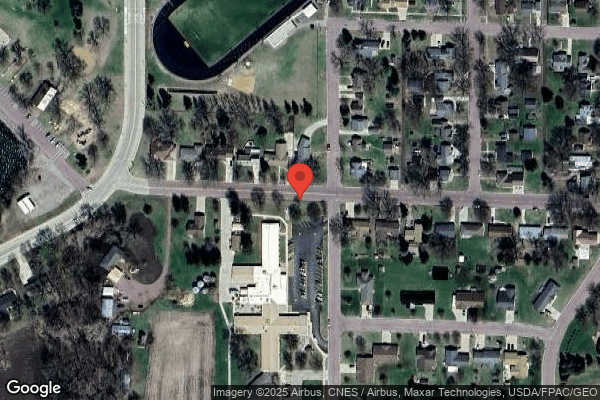
1000 SOUTH SECOND STREET, ST JAMES, MN 56081 (507) 375-3286
Non profit - Corporation 42 Beds GOOD SAMARITAN SOCIETY Data: November 2025 2 Immediate Jeopardy citations
Trust Grade
1/100
#293 of 337 in MN
Last Inspection: May 2025

Inspected within the last 6 months. Data reflects current conditions.

Overview

Good Samaritan Society - St. James has received a Trust Grade of F, indicating significant concerns about the facility's care and management. Ranking #293 out of 337 facilities in Minnesota places it in the bottom half, and #2 out of 2 in Watonwan County means there is only one local option that is better. The facility is worsening, with issues increasing from 3 in 2024 to 7 in 2025. Staffing is a relative strength, earning a rating of 4 out of 5 stars, with a turnover of 39%, which is below the state average. However, the facility has incurred $119,486 in fines, which is concerning and higher than 98% of Minnesota facilities, suggesting serious compliance problems. There have been critical incidents, including a resident being verbally abused by a nursing assistant and another resident being choked by a fellow resident, both of which created immediate jeopardy for those involved. Additionally, a resident with exit-seeking behavior was able to leave the facility through an unsecured door without staff knowledge, exposing them to dangerous conditions. While there is good staffing in terms of turnover, the high number of issues and serious incidents raise significant red flags for families considering this nursing home.

Trust Score
F
1/100
In Minnesota
#293/337
Bottom 14%
Safety Record
High Risk
Review needed
Inspections
Getting Worse
3 → 7 violations
Staff Stability
○ Average
39% turnover. Near Minnesota's 48% average. Typical for the industry.
Penalties
⚠ Watch
$119,486 in fines. Higher than 88% of Minnesota facilities, suggesting repeated compliance issues.
Skilled Nurses
✓ Good
Each resident gets 51 minutes of Registered Nurse (RN) attention daily — more than average for Minnesota. RNs are trained to catch health problems early.
Violations
⚠ Watch
25 deficiencies on record. Higher than average. Multiple issues found across inspections.
★☆☆☆☆
1.0
Overall Rating
★★★★☆
4.0
Staff Levels
★☆☆☆☆
1.0
Care Quality
★★☆☆☆
2.0
Inspection Score
Stable
2024: 3 issues
2025: 7 issues

The Good

  • 4-Star Staffing Rating · Above-average nurse staffing levels
  • Full Sprinkler Coverage · Fire safety systems throughout facility
  • No fines on record
  • Staff turnover below average (39%)

    9 points below Minnesota average of 48%

Facility shows strength in staffing levels, fire safety.

The Bad

1-Star Overall Rating

Below Minnesota average (3.2)

Significant quality concerns identified by CMS

Staff Turnover: 39%

Near Minnesota avg (46%)

Typical for the industry

Federal Fines: $119,486

Well above median ($33,413)

Significant penalties indicating serious issues

Chain: GOOD SAMARITAN SOCIETY

Part of a multi-facility chain

Ask about local staffing decisions and management

The Ugly 25 deficiencies on record

2 life-threatening
May 2025 7 deficiencies
CONCERN (D) 📢 Someone Reported This

A family member, employee, or ombudsman was alarmed enough to file a formal complaint

Potential for Harm - no one hurt, but risky conditions existed

Notification of Changes (Tag F0580)

Could have caused harm · This affected 1 resident

**NOTE- TERMS IN BRACKETS HAVE BEEN EDITED TO PROTECT CONFIDENTIALITY** Based on interview and document review, the facility failed to notify the resident representative and the medical provider follo...

Read full inspector narrative →
**NOTE- TERMS IN BRACKETS HAVE BEEN EDITED TO PROTECT CONFIDENTIALITY** Based on interview and document review, the facility failed to notify the resident representative and the medical provider following a fall with potential injury for 1 of 1 resident (R132) reviewed for notification of change. Findings include: R132's face sheet printed on 6/10/25, included diagnoses of dementia with agitation, psychosis and anxiety, and delusional disorder. R132's significant change Minimum Data Set (MDS) assessment dated [DATE], indicated R132 had severe cognitive impairment, unclear speech, was sometimes understood and could sometimes understand. R132 had frequent behaviors such as pacing and rummaging. R132 required supervision, partial assistance or was dependent on staff for activities of daily living. R132 could walk independently. R132's physician orders dated 2/27/25, indicated hospice order for evaluation and treat. R132's nursing order dated 2/6/25, indicated have staff walk R132 at least twice a shift every 4 hours related to dementia. R132's care plan included focus areas of: risk for falls related to incontinence, psychoactive drug use and wandering dated 12/3/23; terminal prognosis due to dementia and on hospice care dated 1/19/24, and impaired cognition related to dementia, revised date 11/6/24. During a telephone interview on 5/22/25 at 2:52 p.m. family member (FM)-C stated R132 fell the evening of 3/5/25, and FM-C was not notified. R132 fell again the morning of 3/6/25, and FM-C was notified. The nurse who called to inform FM-C told her this had been R132's second fall in two days. That was how FM-C learned of the first fall on 3/5/25. FM-C stated R132 had been in a lot of pain in his left leg after the falls. R132 subsequently passed away on 3/9/25, four days after the first fall. During a telephone interview on 5/28/25 at 6:51 p.m., FM-C stated no one had asked her, with R132's increasing leg pain, if she would want R132 to have an x-ray to determine if there had been a fracture. FM-C added, they said they contacted hospice and would monitor him because he couldn't walk and would give him morphine (a narcotic pain medication). Progress note dated 3/5/25 at 2:03 a.m., indicated R132 was found on floor shortly after power went out (due to city power outage). Possibility of resident falling due to having no light. Tried assessing vitals and neuros (neurological status) while resident was on ground, but resident kept trying to get up. Resident was moved from floor to bed via Hoyer (mechanical lift) with help of nursing assistant (NA). Resident did wince when left leg was touched. Progress note dated 3/5/25 at 2:09 a.m., indicated the administrator and DON (director of nursing) notified through text message. Information sheet filled out for certified nurse practitioner (CNP)-D. Resident's family will be notified during business hours. (There was no follow up documentation indicating FM-C was notified). Progress note dated 3/5/25 at 9:05 p.m., indicated hospice was called and updated on fall from late last night. Updated on use of morphine for pain/discomfort. Unable to bear weight on LLE (left lower extremity), required assist of two to transfer into bed. Hospice progress note dated 3/5/25 (no time noted), by hospice triage registered nurse (RN) indicated: Patient fell. Having some hip pain. Advised hospice recommends least invasive treatment and to defer to patients POA (power of attorney) for course of treatment. Progress note dated 3/6/25 at 9:10 a.m., indicated R132 was found on floor sitting beside bed, moaning of pain in left hip area; resident grabbed hip. Progress note dated 3/6/25 at 5:09 p.m., indicated hospice was notified to update them that resident is still not putting any weight on LLE. Resident says he's in pain, but that's the only information you can get out of resident. Hospice said to keep up with morphine PRN (as needed) and they will be sending out a nurse to come see resident. Hospice progress note dated 3/6/2025 (no time noted), indicated (RN)-D who was a hospice nurse, was at facility for a post-fall visit. Facility nurse reports R132 had a fall last night at 9:00 p.m., that was unwitnessed. After fall, according to [hospice] triage, it was reported R132 was having trouble bearing weight and having right lower extremity pain and was given prn morphine. R132 was not transported to the hospital according to facility nurse. Facility nurse reports R132 was requiring a two-person transfer after fall. Facility nurse reports R132 had another fall this morning after breakfast that was a non-witnessed fall. R132 was helped back to bed, given morphine, which was effective and prn O2 (oxygen) was applied due to saturations in the 60's. R132 was observed resting in bed with O2 on via nasal cannula at 2 liters per minute. R132 was keeping the O2 on which was out of the ordinary. R132 was not responsive to voice or touch which was his baseline when sleeping. R132 continued to have full body involuntary movements where his whole body would twitch. R132 appeared very comfortable. Spoke to FM-C who reports she was not aware of the fall last night until just now; she would like to schedule morphine at this time to try to keep him comfortable and perhaps dissuade R132 from trying to get up again today. Progress note dated 3/6/25 11:51 a.m., indicated IDT (interdisciplinary team) met to review incident of R132 trying to ambulate in the dark and fell. Will get R132 a night light that has battery powered back up for if the lights go out. Progress note dated 3/6/25 at 9:01 p.m., indicated staff not able to carry out nursing order to walk R132 at least twice a shift due to recent fall as R132 not unable to bear weight on left leg. Progress note dated 3/7/25 dated 12:32 a.m., indicated staff not able to carry out nursing order to walk R132 at least twice a shift due to no weight bearing on left hip. Progress note dated 3/8/25 at 8:20 p.m., indicated R132 had remained in bed throughout the shift. Knees were bent, opening slowly, and then quickly closed continuously. Has received scheduled and prn MS (morphine) and prn Ativan (anti-anxiety medication). Receiving O2 via a mask due to mouth breathing. Has not exited his bed. Progress note dated 3/9/25 at 5:00 a.m., indicated R132's condition was poor. In the dying process. MS (morphine) and lorazepam (anti-anxiety medication) given as ordered but has difficulty swallowing. Comfort measures done. Mouth care. Has been incontinent of urine several times. Turned and repositioned for comfort. Progress note dated 3/9/25 at 8:02 a.m., and identified as a late entry indicated spoke to FM-C about R132's condition and if they would want to come sit with him as his condition was deteriorating more quickly. Hospice progress note dated 3/9/25, (no time noted), family present at bedside. Facility reports pt has not eaten since fall on Tuesday (3/6/25) and has only tried to get out of bed once. Observed nonresponsive in bed with oxygen on. Mouth breathing. No periods of apnea (temporary cessation of breathing) noted. Respirations are somewhat agonal (last gasps). Discussed with family signs and symptoms of end of life. They appear to be coping well and prepared for this. Pt appears comfortable and not in distress. Discussed protocol with facility for when pt passes. Progress note dated 3/9/25 at 8:05 a.m., and identified as a late entry indicated hospice was notified of residents failing state of health and will come to assess resident condition. Resident passed after hospice nurse left, and she was to be notified of his passing to call the funeral home and details. Progress note dated 3/9/25 at 13:51 p.m., indicated on-call nurse practitioner was updated on death and received order to release residents body. During an interview on 5/29/25 at 7:39 a.m., registered nurse (RN)-A stated R132 had pain after his falls and thought he had an x-ray. While looking for documentation in the EMR (electronic medical record) for an x-ray, RN-A found a fax communication dated 3/6/25 at 10:30 a.m., from the facility to certified nurse practitioner (CNP)-D which indicated R132 was found on the floor at 9:10 a.m. Left hip pain and moaning. Vital signs within normal limits. Skin assessment done. Oxygen applied. CNP-D informed the facility to follow up if problems weight bearing and increased pain. RN-A did not know if or how that order would have been shared with all nurses if they had not seen the fax. No order had been entered into the EMR to prompt nurses to monitor R132's weight bearing and pain, and to notify CNP-D. During an interview on 5/29/25 at 9:14 a.m., CNP-D reviewed the fax communication dated 3/6/25 at 10:30 a.m. CNP-D states she did not recall being informed R132 was having increased pain and problems with weight bearing as she had ordered staff to do. CNP-D stated had staff informed her R132 had not been bearing weight and had increased pain, she would have ordered an x-ray, then talked to the family to ask if they agreed. If they agreed, the x-ray was ordered, if they did not want an x-ray, the order would be canceled. CNP-D stated it would have at least initiated a conversation. CNP-D acknowledge the fall, and potentially undetected fracture could have hastened his death, stated, Yes, it could have contributed to it. R132 was very thin and had no cushion, so there was a high chance he had a fracture. During an interview on 5/29/25 at 9:53 a.m., the director of nursing (DON) and the administrator were asked about the following events: 1. Was 132's family notified of the fall on 3/5/25, at approximately 2:00 a.m.? Progress notes dated Monday 3/5/25, at 2:09 a.m., indicated, residents family will be notified during business hours. There was no documentation in the EMR to indicate family was notified. The DON stated staff usually notified family no matter what time of day an event occurred. The administrator stated FM-C had been informed after the second fall. 2. Did the nursing staff follow CNP-D order to follow up with her if R132 had problems weight bearing and increased pain? The DON stated the staff would have notified hospice. The DON was asked if staff would call hospice even though the order came from CNP-D. The DON stated she found it hard to believe staff did not follow up with CNP-D and stated she would look for that documentation. The DON and administrator stated they were unaware R132 had been having increasing difficulty bearing weight and having increased pain. 3. FM-C was not given opportunity to decide if R132 should have an x-ray to determine if a fracture occurred after the falls. The DON stated FM-C had been given that opportunity. The DON was asked for that documentation. The DON provided a document titled Nursing Home Scheduling, which was a form prepped by the facility to indicate names of residents who should be seen during a provider visit. This document was dated 3/6/25, and did not include R132. The DON acknowledged this would have been an opportunity to request CNP-D to see R132. The DON did not know why R132 had not been added to this schedule. An email received from the DON dated 5/30/25 at 2:56 p.m., indicated no documentation had been found indicating FM-C has been notified of R132's fall on 3/5/25. No documentation was found indicating CNP-D had been notified of R132's problems bearing weight and his increasing pain. Facility Notification Of Change policy dated 12/23/24, indicated a facility must immediately inform the resident, consult with the resident ' s physician and notify, consistent with his or her authority, the resident representative(s) when there is: 1) An accident involving the resident which results in injury and has the potential for requiring physician intervention. 2) A significant change in the resident ' s physical, mental or psychosocial status. 3) A need to alter treatment significantly - a need to discontinue or change an existing form of treatment or to commence a new form of treatment.
CONCERN (D) 📢 Someone Reported This

A family member, employee, or ombudsman was alarmed enough to file a formal complaint

Potential for Harm - no one hurt, but risky conditions existed

Comprehensive Care Plan (Tag F0656)

Could have caused harm · This affected 1 resident

**NOTE- TERMS IN BRACKETS HAVE BEEN EDITED TO PROTECT CONFIDENTIALITY** Based on observation, interview and document review the facility failed to ensure a comprehensive care plan was developed and ma...

Read full inspector narrative →
**NOTE- TERMS IN BRACKETS HAVE BEEN EDITED TO PROTECT CONFIDENTIALITY** Based on observation, interview and document review the facility failed to ensure a comprehensive care plan was developed and maintained for 1 of 1 resident (R2) reviewed reviewed for constipation. Findings include: R2's diagnosis report printed on 5/29/25, included dementia, and encounter for palliative (comfort) care. R2's quarterly Minimum Data Set (MDS) assessment dated [DATE], indicated severely impaired cognition, unclear speech, rarely understands or is understood and has severely impaired cognitive skills for daily decision making. R2 was dependent on staff for all activities of daily living (ADL's). R2 was receiving hospice services. R2's physician orders included Senna-S (laxative) tablet 8.6-50 mg (milligrams) dated 7/17/24; Give 1 tablet by mouth one time a day; may give two tablets every 24 hours as needed for constipation. May give up to twice daily as needed. Contact provider/practitioner if there are 3 days without a significant BM. Additional physician orders dated 9/10/24, included dulcolax suppository 10 mg every 6 hours as needed for constipation. Contact provider/practitioner if there are three days without a significant BM. An order from Hospice dated 5/11/25, included give dulcolax suppository every other day. R2's Care Area assessment dated [DATE], included urinary incontinence but did not include bowel issues. R2's care plan with revised date of 1/1/25, did not include care plan for incontinence of bowel or bladder or constipation or bowel issues. The care plan did include multiple other care areas including hospice, opioid use and pain management. On interview 5/27/25 at 2:00 p.m., family member (FM)-B stated R2 ended up in the emergency room (ER) because she hadn't pooped in days. FM-B stated on her daily visit, she knew her mom was uncomfortable by her facial grimacing and staff told her she hadn't had a BM in multiple days. Record review identified R2 had no documented BM for 4/1/25 to 4/5/25; 4/8/25 to 4/18/25; 4/19/25 to 4/29/25; 4/30/25 to 5/5/25, 5/8/25 to 5/13/25; 5/19/25 to 5/22/25; 5/23/25 to 6/1/25. During an observation 5/28/25 at 9:39 a.m., R2 was transferred from her Broda (positioning) chair to her bed with use of lift and nursing assistant (NA)-A and NA-E. R2's incontinence pad was wet with no BM. Staff changed the pad, performed perineal care, placed a new pad and positioned R2 in the bed. R2 was non verbal. NA-A and NA-E indicated R2 can not verbalize pain but you can tell by her facial expressions and change in behavior when she is in pain and they report that to the nurse. On interview 5/28/25 at 1:35 p.m., registered nurse (RN)-A stated each resident is different on the amount of days they can go without a BM. RN-A stated R2 should have a plan of care to address her constipation issues especially since being on opioids which can cause constipation. On interview 5/29/25 at 11:45 a.m., the director of nursing (DON) confirmed the care plan lacked a plan to address R2's constipation issues and she should have one. Facility Bowel and Bladder: Evaluation, Assessment, Toileting Programs policy dated 5/7/25, included: - Care plan interventions should be individualized based on the CAA assessment and modified as appropriate based on an assessment/evaluation of the resident ' s response to the interventions and success with attaining/maintaining bowel continence. Any alteration of elements of the program should be made one at a time. Examples that may be tried for a week include: · Suppository frequency · Number of suppositories · Diet · Fluid volume · Activity · Medication -Modify one element of the program as suggested and add to care plan. -Use focuses/goals/interventions from the the EMR library to care plan bowel function/status interventions. Facility Comprehensive Care Plan and Care Conferences policy dated 1/31/25, included: Formulating the Care Plan - The care plan is driven by identified resident issues/conditions and their unique characteristics, strengths and needs. When implemented in accordance with standards of good clinical practice, the care plan becomes a powerful, practical tool representing the best approach to providing quality of care and quality of life. -The focus includes: The identified problem or strength. What the problem is related to (r/t) (what you feel is contributing to the problem). This usually is a diagnosis, event or occurrence. What the problem is evidenced by (e/b) (what you see or hear the resident doing that tells you there is a problem, need or concern). Use language easily understood by all employees. Note: If the focus is a potential for, the care plan may not need an evidenced by statement. -Problems/needs/concerns/strengths may be combined on the care plan as long as individual needs are addressed.
CONCERN (D)

Potential for Harm - no one hurt, but risky conditions existed

Deficiency F0657 (Tag F0657)

Could have caused harm · This affected 1 resident

**NOTE- TERMS IN BRACKETS HAVE BEEN EDITED TO PROTECT CONFIDENTIALITY** Based on interview and document review, the facility failed to have an admission or quarterly care conference or invite and/or i...

Read full inspector narrative →
**NOTE- TERMS IN BRACKETS HAVE BEEN EDITED TO PROTECT CONFIDENTIALITY** Based on interview and document review, the facility failed to have an admission or quarterly care conference or invite and/or involve the resident and/or family representative to participate in their quarterly care conference for 3 of 3 residents (R26, R3, and R4) reviewed for care planning. Findings include: R26's admission Record indicated admission to the facility on 1/9/25. R26's significant change Minimum Data Set (MDS) assessment dated [DATE], indicated R26 was cognitively intact, required substantial/maximal assistance with walking, toileting, and transfers. Diagnosis included osteomyelitis (bone infection), ileostomy status (surgical procedure that creates an opening in the abdomen for the ileum (the last part of the small intestine) to exit, allowing waste to be collected in an external pouch), sepsis (blood infection), and cystitis (inflammation of the bladder caused by urinary tract infection). R26's care plan dated 2/25/25 and last revised 5/20/25, included multiple care areas related to activities of daily living (ADLs), pain management and disease processes. R26's electronic medical record (EMR) did not include a care conference meeting note or that R26 was included in development and revisions of the plan of care. On interview 5/27/25 at 11:28 a.m., R26 stated she has not had any care conference meetings since being at the facility nor have they asked about her input for her care plan. R26 stated she is going home at the end of the week. On interview 5/28/25 at 1:53 P.M., R26 confirmed she has not had any care conference meetings since being at facility and was not involved in her care plan development. R26 stated she was surprised she hasn't had one as she was always involved with her mother's care conferences when she was a resident. On interview 5/28/25 at 2:16 p.m., social service director (SSD)-A confirmed R26 has not had a care conference since she has been at the facility. SSD-A stated R26 should have had at least one care conference but added she had met with the resident and a family member but that did not include other team members. R3's admission Record indicated admission to the facility on 7/2/24, with diagnoses including heart failure, dementia and major depressive disorder. R3's quarterly MDS dated [DATE], indicated moderate cognitive impairment, but usually understands and is understood. R26 had no behaviors, is on scheduled pain medications rating pain at 7 on scale of 1-10, and is on medications including opioid, antidepressant, anticonvulsant, antiplatelet and diuretic. R3 also has had one fall and requires partial to moderate assist with activities of daily living. On interview 5/27/25 at 1:38 p.m., R3, using interpreter service, stated they have never invited him to a care conference and he has not had any input into his plan of care at the facility since he has been here. Review of the electronic medical record (EMR) included a Care Conference on 4/16/25, which indicated 2 staff attended and R3 was invited but chose not to attend. The EMR lacked evidence of other care conferences. On interview 5/28/25 at 2:16 p.m., SSD-A stated R3 had a care conference initially but none since that time. SSD-A stated the facility had multiple people missing that generally attend care conferences so were not able to get the care conferences completed and were aware they were not in compliance. On interview 5/29/25 at 11:29 a.m., the director of nursing (DON) stated care conferences should happen within the first 21 days the resident is at the facility and then quarterly after that. R4's face sheet received on 5/29/25, included diagnoses of heart failure, high blood pressure, and chronic kidney disease. R4's quarterly MDS assessment dated [DATE], indicated intact cognition, clear speech, could understand and be understood. R4 was independent or required supervision with ADLs. R4's care plan initiated 1/27/25, included multiple focus areas, goals and interventions. The care plan did not include care conferences. R4's care conference progress note dated 5/14/25 at 10:43 a.m., indicated staff and family member (FM)-A were present. Nursing reported on health and went over the medication. Increase weight was discussed. Family wants her treated only at the nursing home and not the hospital. Dietary reported on intake and weight. Code statue was reviewed, and remains a DNR (do not resuscitate). Family was given a copy of the care plan. Social worker reported on assessments and participation [in activities]. During an interview on 5/27/25 at 3:19 p.m., R4 and FM-A stated since R4's admission in January (1/21/25), R4 had only one care conference and that was a couple of weeks ago. FM-A stated she was aware the social worker had been out of work for a while. During an interview on 5/28/25 at 3:27 p.m., SSD-A stated she was responsible for arranging and facilitating care conferences. SSD-A stated on 1/29/25, she had been getting ready to conduct multiple resident care conferences, including R4's when she became incapacitated and the care conferences that were scheduled that day where not done nor rescheduled. During an interview on 5/29/25 at 10:39 a.m., the DON and administrator were informed R4 had not had an initial care conference after admission in January due to SSD-A not being able to conduct them on 1/29/25. Informed R4's first and only care conference was on 5/14/25. The administrator thought the 1/29/25, care conferences had been rescheduled and would look for documentation. An email from the administrator dated 5/29/25 at 11:23 a.m., indicated unable to find documentation of an initial care conference, or talking with R4's family in the beginning of her stay. Facility Comprehensive Care Plan and Care Conferences policy dated 1/31/25, indicated the purpose was to provide an ongoing method of assessing, implementing, evaluating and updating the resident's care plan to help maintain the resident's highest practicable level of function. The social worker would establish the time and place to hold the care conference. Residents and their representative would be invited at least two weeks in advance of the care conference. If resident and/or representative were not invited to the care conference, an explanation would be included in the medical record. Residents and representatives would be informed of the right to request meetings, request revisions to the care plan and to be informed in advance of changes to the care plan. Residents had the right to see the care plan and to sign the care plan after significant changes were made. If the resident requested to sign the care plan, print a signature page and the care plan from PCC (Point Click Care, electronic medical record). The social worker would function as the facilitator during the care conference, keeping the meeting on task and making certain that residents and/or their representatives had an opportunity to voice any concerns. The social worker would facilitate the discussion of the resident's care plan and summarize the changes since the last interdisciplinary team review.
CONCERN (D)

Potential for Harm - no one hurt, but risky conditions existed

Deficiency F0676 (Tag F0676)

Could have caused harm · This affected 1 resident

**NOTE- TERMS IN BRACKETS HAVE BEEN EDITED TO PROTECT CONFIDENTIALITY** Based of observation, interview, and record review, the facility failed to assist with personal hygiene (oral care, shaving) as ...

Read full inspector narrative →
**NOTE- TERMS IN BRACKETS HAVE BEEN EDITED TO PROTECT CONFIDENTIALITY** Based of observation, interview, and record review, the facility failed to assist with personal hygiene (oral care, shaving) as directed by the plan of care for 2 of 2 resident (R12, R25) reviewed for activities of daily living (ADLs). Findings include: R12's face sheet provided on 5/29/25, included diagnoses of chronic kidney disease and high blood pressure. R12's significant change Minimum Data Set (MDS) assessment dated [DATE], indicated R12 had intact cognition, clear speech, could understand and be understood. R12 required assistance with most ADLs. For oral care, the MDS indicated: set up, clean-up assistance; helper sets up and cleans up; resident completes activity. R12's care plan dated 4/11/25, indicated R12 had an ADL self-care performance deficient related to recent hospitalization as evidenced by weakness and needing rehabilitation. R12's care plan did not include assisting R12 with oral care on a routine and regular basis. R12's Kardex (a reference point in the electronic medical record for nursing staff that provides a summary of a residents care and serves as a documentation tool) printed on 5/29/25, indicated in a section titled AM/PM Care: adjust provision of ADLs to compensate for R12's changing abilities. Encourage participation to the extent R12 wishes to participate. Oral care was not specifically addressed in the Kardex. R12's electronic medical record (EMR), under the TASK tab, was an assignment titled Oral Care. The question staff were to document was, was oral care provided. Out of 60 opportunities in the past 30 days for R12 to be assisted with oral care (morning and evening), there was only one entry dated 5/18/25, at 8:55 p.m., documented as refused. During an interview on 5/27/25 at 1:32 p.m., R12 stated, I never brush my teeth, adding he never asked staff to help him brush his teeth and they didn't ask him. R12 stated everyone was in a hurry to get residents to breakfast in the morning. R12 stated no one offered to help brush his teeth before going to bed either. During an observation on 5/28/25 from 9:08 a.m., to 9:30 a.m., observed nursing assistant (NA)-A provide morning cares, including assisting R12 out of bed and into the bathroom using walker, assisting R12 to sit on the toilet, switched R12's urinary drainage bag to a leg bag, changed his shirt, gave him a warm wash cloth to wash hands and face, wiped buttocks and apply a new brief, combed R12's hair and gave him his eye glasses. At 9:30 a.m., NA-A escorted R12 to the dining room via wheelchair. Oral care was not offered. During an observation and interview on 5/28/25 at 2:10 p.m., R12 was resting in his recliner. Stated no one had helped brush his teeth, and stated he supposed he should brush his teeth. Observed tooth brush in a plastic disposable emesis basis in the cupboard in R12's bathroom. Toothbrush appeared dry; no residual water in basin. During an observation on 5/29/25 at 8:44 a.m., in his bathroom, observed R12's toothbrush appeared to be dry; no residual water in emesis basin. During an interview on 5/29/25 at 9:01 a.m., NA-B verbalized the care she provided to R12 that morning but did not verbalize oral care or brushing teeth. When asked if she assisted R12 to brush his teeth, she stated, yes. NA-B stated she dried the toothbrush with a towel so it wouldn't stain the plastic disposable emesis basin. During an interview on 5/29/25 at 9:05 a.m., R12 stated no one had helped him brush his teeth yet and stated he would like his teeth brushed, adding, I probably have bad breath. During an interview on 5/29/25 at 10:31 a.m., the director of nursing (DON) and administrator were informed of findings, including interviews, observations and document review. The administrator stated NA's had talked to her about this and told her they definitely did R12's oral care today. The DON and administrator were informed R12 was admitted on [DATE], and in the past 30 days, there had been only time where oral hygiene was documented and that was a refusal on 5/18/25. The administrator stated, that is why we tell staff they need to document. R25's face sheet printed 5/29/25, indicated diagnoses of chronic kidney disease, depression, morbid obesity, and diabetes mellitus type II. R25's quarterly MDS assessment dated [DATE], indicated intact cognition, no rejection of care, use of wheelchair, and partial/moderate assistance with personal hygiene which included shaving. R25's care plan dated 10/7/24, indicated ADL self-care performance deficit related to impaired mobility, pain, incontinence, and fatigue. Care plan further indicated R25 required setup assistance for personal hygiene. During interview and observation on 5/27/25 at 1:22 p.m., R25 had visible chin hair. R25 state she would prefer chin hair shaved and didn't like how long it was. R25 stated she could not always stand up to look in the mirror. During interview and observation on 5/28/25 at 3:42 p.m., R25 still had long chin hair. R25 stated she was unsure if she had a razor, and no one had offered to assist her with shaving this morning with morning cares. R25 further stated she sometimes asked staff to help her shave her chin, but they would say they were too busy. R25 stated the chin hair really bothered her. During interview on 5/29/25 at 9:22 a.m., NA-B stated R25 had never had a razor and she had not told a nurse because she would get busy and forget, so she had not been able to shave her. NA-B further stated she knew R25 wanted to be shaved. During interview on 5/29/25 at 9:26 a.m., registered nurse (RN)-A stated she noticed a few days ago R25 needed her chin shaved and was going to trim it but it had slipped her mind. RN-A stated she did not know R25 did not have a razor and would have to work on getting her one. During interview on 5/29/25 at 10:19 a.m., DON stated she was unaware R25 had long chin hair or that she did not have a razor in her room. DON stated she would expect R25 to be shaved if that was her preference. Facility Activities of Daily Living policy dated 12/23/24, indicated the purpose was to provide residents with appropriate treatment and services to maintain or improve abilities in ADLs for the well-being of mind, body, and soul. Any resident who was unable to carry out ADLs would receive necessary services to maintain good nutrition, grooming and personal and oral hygiene. ADLs were those necessary tasks conducted in the normal course of a resident's daily life. Included in these are the following: 1. General Personal, Daily Hygiene/Grooming: Care of hair, hands, face, shaving, applying makeup, skin, nails, and oral care
CONCERN (D)

Potential for Harm - no one hurt, but risky conditions existed

Deficiency F0688 (Tag F0688)

Could have caused harm · This affected 1 resident

**NOTE- TERMS IN BRACKETS HAVE BEEN EDITED TO PROTECT CONFIDENTIALITY** Based on observation, interview and document review, the facility failed to provide services to maintain and/or prevent loss of ...

Read full inspector narrative →
**NOTE- TERMS IN BRACKETS HAVE BEEN EDITED TO PROTECT CONFIDENTIALITY** Based on observation, interview and document review, the facility failed to provide services to maintain and/or prevent loss of range of motion (ROM) for 1 of 2 residents (R7) reviewed for limited range of motion. Findings include: R7's face sheet received on 5/29/25, included diagnoses of chronic kidney disease, diabetes, dementia, Alzheimer's disease, muscle weakness and difficulty walking. R7's significant change Minimum Data Set (MDS) assessment dated [DATE], indicated R7 had moderately impaired cognition; clear speech, could understand and be understood. R7 was independent or required partial assistance or supervision with activities of daily living (ADLs). R7 used a walker or wheelchair for mobility. R7 was able to walk 10 feet with supervision, but 50-100 feet was not attempted. R7's current physician orders printed on 5/29/25, did not include an order for physical therapy evaluation and treat. R7's care plan with revision date of 1/13/25, indicated R7 had a need for restorative intervention related to activity intolerance, limited ROM, limited mobility. Goal was for R7 to maintain current level of function. Interventions included nursing rehabilitation: active range of motion per OT (occupational) and PT (physical therapy) notes. In addition, the care plan dated 3/8/25, indicated R7 had osteoarthritis and would be/remain free of complications related to arthritis pain including pain, swelling and difficult mobility. R7's Kardex printed on 5/29/25, indicated staff should encourage routine physical activities and encourage walking on a daily basis. Restorative nursing recommendations by physical therapy assistant (PTA)-C dated 11/5/24, and titled: RNP (restorative nursing program) and Walking Program, indicated the following recommendations: -- Upper extremity 1 # dowel 2 X 10 all planes. -- LE (left extremity) AROM (assisted range of motion) in seated, all motions with 2 # GTB (unknown abbreviation), 2 X 15 -- NuStep (recumbent exercise machine) L (level) 2-3 X 10 minutes -- Walk using FWW (front wheel walker), CGA (contact guard assist), gait belt and WC (wheelchair) to following averaging 50 feet per bout. -- Complete 5 X / week. During an interview on 5/27/25 at 2:36 p.m., R7 stated they used to walk me in the hallway, but not anymore, I don't know why. would like to walk in the hallway to stay limber. During an observation on 5/29/25 at 8:47 a.m., R7 was sitting in her recliner. R7 spent most of the day observed in recliner unless she was at meals. During an interview on 5/29/25 at 8:49 a.m., nursing assistant (NA)-D stated the facility used to have a restorative aide, then due to low census the position was eliminated. NA-D stated NA's were never instructed they were supposed to start doing restorative nursing cares with residents. NA-D stated R7 usually stayed in her room except for church and some music programs. During an interview on 5/29/25 at 9:06 a.m., NA-B stated R7 was on a restorative nursing program and that NA-B did ROM exercises to R7's arms. When asked how NA-B knew what kinds of restorative exercises to do with R7, NA-B stated it was listed in POC (Point of Care) in the EMR. (POC was where NA's looked for individualized tasks/care for residents and documented when completed). During review of R7's POC on 5/29/25, at 9:08 a.m., did not list any restorative nursing functions, including ROM or ambulation. During an interview on 5/29/25 at 10:09 a.m., with the director of nursing (DON) and administrator, the administrator stated the facility used to have a restorative aide - nursing assistant (NA)-C, who went on a leave of absence and didn't return. Her employment ended on 1/14/25. The administrator stated now restorative nursing was done by all NA's, and therapy staff helped, however the DON admitted they had not communicated that to NA's nor trained them how to perform the restorative nursing recommendations from PT. Both the DON and administrator indicated their restorative nursing program stopped when NA-C left. Facility Restorative, Nursing Care Implementation and Screening policy dated 11/27/24, indicated the purpose was to provide appropriate restorative nursing care to each resident, to identify residents appropriate for restorative nursing program. Each resident would receive restorative nursing care to the extent possible based on individual needs. Restorative aide would be trained in rehabilitation/restorative techniques per job description. The goal of restorative nursing care was to attain and maintain the maximum possible independence and/or prevent rapid declines though their interventions for each resident. Residents were provided appropriate treatment and services to attain/maintain functional abilities of ADLs. The restorative nurse had the overall responsibility and accountability for the restorative program. In the event the location did not have a designated restorative nurse, the responsible and accountability remained with the DON or designee.
CONCERN (D)

Potential for Harm - no one hurt, but risky conditions existed

Infection Control (Tag F0880)

Could have caused harm · This affected 1 resident

**NOTE- TERMS IN BRACKETS HAVE BEEN EDITED TO PROTECT CONFIDENTIALITY** Based on observation, interview and document review, the facility failed to ensure proper infection control practices were follo...

Read full inspector narrative →
**NOTE- TERMS IN BRACKETS HAVE BEEN EDITED TO PROTECT CONFIDENTIALITY** Based on observation, interview and document review, the facility failed to ensure proper infection control practices were followed for 1 of 1 resident (R12) reviewed for infection control when the tip of urinary drainage tubing was observed laying on the bathroom floor. In addition, the facility failed to clean and maintain reusable urinary drainage bags to minimize the potential for infection for R12. Findings include: R12 face sheet provided on 5/29/25, included diagnoses of urinary retention, hydronephrosis (excess fluid in kidney), flaccid neuropathic bladder (underactive bladder). R12's significant change Minimum Data Set ( MDS) assessment dated [DATE], indicated R12 had intact cognition, clear speech, could understand and be understood. R12 had an indwelling urinary drainage catheter and required supervision with most ADLs, including walking. R12's physician orders included: Insert 16 F (French) catheter with 10 ml (milliliter) balloon every 30 days for urinary retention. (There was no order for a leg bag. Facility policy indicated: leg bags may be used with a physician's order). R12's care plan dated 4/28/25, indicated enhanced barrier precautions related to indwelling catheter. The care plan did not identify leg bag or cleaning the overnight urinary drainage bag using vinegar/tap water solution, and the technique to prevent risk of infection. Care plan dated 4/13/25, indicated R12 had an infection of the urinary system and would be free from complications. R12's Kardex printed on 5/29/25, indicated R12 had an indwelling foley catheter. The Kardex did not identify a leg bag or cleaning the overnight urinary drainage bag using vinegar/tap water solution, and the technique to prevent risk of infection. During an observation on 5/27/25 at 11:43 a.m., in R12's bathroom, a gray plastic basin was sitting on the floor next to the toilet/under the sink. In the basin was a large jug of vinegar, a urinal without a cover, and urinary drainage bag. The distal end of the tubing of the urinary drainage bag was setting on the floor, no cap on the end. Two clear plastic graduates were sitting on the handicapped bar next to the sink/toilet. One was dated 1/18/25, and had a catheter tip syringe in it and the other graduate was not dated. During an observation and interview on 5/27/25 at 11:48 a.m., nursing assistant (NA)-A who was preparing to empty R12's leg bag was asked to look at the urinary drainage bag in the bathroom. NA-A stated the tubing shouldn't be on the floor because it could cause R12 a bladder infection. NA-A stated the urinary drainage bag was R12's overnight urinary drainage bag. NA-A stated when staff removed it in the morning to attach R12's leg bag, they put half tap water and half vinegar in a graduate, then using the cath-tip syringe put the solution into the distal end of the tubing which then flowed into the bag. During an observation on 5/27/25 at 1:24 p.m., observed the urinary drainage bag tubing still on the bathroom floor. During an observation and interview on 5/27/25 at 1:54 p.m., together with the director of nursing (DON), went to R12's bathroom. The tubing was still on the floor. The DON stated there should be a cap on the end of the tubing; that staff should keep the cap available to reuse it. The DON stated the jug of vinegar, and the urinal shouldn't be in the basin - just the drainage bag with tubing coiled up in it. The DON set the jug of vinegar on the floor and threw away the urinary drainage bag as well as the urinal. The DON stated the urinary drainage bag was changed weekly along with the graduate and syringe. The DON acknowledged according to the date; the graduate had been in use longer than a week. The DON also acknowledged the potential for R12 to obtain a urinary tract infection (UTI) had the contaminated tubing been reattached to his urinary catheter after having laid on the floor. During an observation and interview on 5/28/25 at 9:20 a.m., observed NA-A empty the urine from R12's overnight urinary drainage bag into the toilet. Next, using water from the faucet, NA-A put water in the graduate, then added an approximately equal amount of vinegar for a total of about 200 ml (milliliters). Using a cath tip syringe, NA-A drew up the solution and injected it into the distal tip of tubing of the urinary drainage bag. The solution went into bag. NA-A then capped the distal tip and set the urinary drainage bag in the basin and coiled the tubing on top of the bag. NA-A stated the solution was kept in bag until the bag was used again at night. During an observation and interview on 5/28/25 at 3:30 p.m., together with registered nurse (RN)-B who was also the infection preventionist, went to R12's bathroom. After observing the urinary drainage bag in the basin on the floor, the jug of vinegar, graduate and syringe, RN-B stated she was unaware of the practice of NA's using tap water and vinegar to flush the overnight urinary drainage bags. RN-B stated the organization was looking at ways to reduce urinary tract infections by maintaining a closed catheter system. During an observation on 5/29/25 at 8:44 a.m., observed the overnight urinary drainage bag in the basin on the floor in R12's bathroom. The distal tip of tubing was uncapped and on top of bag and the cap was sitting on another part of the bag. During an interview on 5/29/25 at 10:31 a.m., with the DON and administrator, informed them of findings, including the observation of the uncapped tip of the urinary drainage bag from that morning. The DON stated one of their performance improvement projects was on UTI's. Was aware R12 had a recent UTI. Facility Catheter: Care, Insertion & Removal, Drainage Bags, Irrigation, Specimen policy dated 4/6/25, indicated: --All closed collection systems that become contaminated by inappropriate technique, leaks or other means are immediately replaced. --Leg bags may be used with a physician's order. --Catheter tubing should never be allowed to touch the floor. --To clean the bag not in use: Be sure to close the bottom port of the bag that was emptied and not in use. Rinse the bag with warm (not hot) soapy water or bacteriostatic solution such as one-part white vinegar and three parts water solution or an appropriate commercial solution. Pour solution into the bag. Swish the solution around being sure to get the corners of the bag. Hint: A 60 ml syringe may be used to get solution into bag, be sure to clean the tip of the syringe with alcohol wipe before use and store in clean dry place. Soak the bag for 30 minutes. Open the bottom drainage port and drain the solution from the bag. Rinse the bag with warm water and hang to dry in the residents restroom covered with a clean towel. g. Cover/cap the tubing once the bag is dry.
CONCERN (E) 📢 Someone Reported This

A family member, employee, or ombudsman was alarmed enough to file a formal complaint

Potential for Harm - no one hurt, but risky conditions existed

Quality of Care (Tag F0684)

Could have caused harm · This affected multiple residents

**NOTE- TERMS IN BRACKETS HAVE BEEN EDITED TO PROTECT CONFIDENTIALITY** Based on observation, interview and document review, the facility failed to implement bowel movement (BM) orders or notify the p...

Read full inspector narrative →
**NOTE- TERMS IN BRACKETS HAVE BEEN EDITED TO PROTECT CONFIDENTIALITY** Based on observation, interview and document review, the facility failed to implement bowel movement (BM) orders or notify the provider for 1 of 1 resident (R2) reviewed for constipation. In addition the facility failed to to administer eye drops according to professional standards of practice for 2 of 3 residents (R7, R133) reviewed for medication administration. In addition, the facility failed to comprehensively assess and monitor significant bruising and a contusion for 1 of 1 resident (R4) reviewed for non-pressure skin conditions. Further, the facility failed to perform quality controls on glucometers used to assess resident blood glucose for 1 of 3 residents (R7) reviewed for insulin. Findings include: Constipation R2's diagnosis report printed on 5/29/25, included dementia, and encounter for palliative (comfort) care. R2's quarterly Minimum Data Set (MDS) assessment dated [DATE], indicated severely impaired cognition, unclear speech, rarely understands or is understood and has severely impaired cognitive skills for daily decision making. R2 was dependent on staff for all activities of daily living (ADL's). R2 was receiving hospice services. R2's physician orders included Senna-S (laxative) tablet 8.6-50 mg (milligrams) dated 7/17/24; Give 1 tablet by mouth one time a day; may give two tablets every 24 hours as needed for constipation. May give up to twice daily as needed. Contact provider/practitioner if there are 3 days without a significant BM. Additional physician orders dated 9/10/24, included dulcolax (laxative) suppository 10 mg every 6 hours as needed for constipation. Contact provider/practitioner if there are three days without a significant BM. An order from Hospice dated 5/11/25, included give dulcolax suppository every other day. R2's Care Area assessment dated [DATE], did include urinary incontinence but did not include bowel issues. R2's care plan with revised date of 1/1/25, did not include care plan for constipation or bowel issues. On interview 5/27/25 at 2:00 p.m., family member (FM)-B stated R2 ended up in the emergency room (ER) because she hadn't pooped in days. FM-B stated the ER didn't do anything because R2 is on hospice services. FM-B stated on her daily visit, she knew her mom was uncomfortable by her facial grimacing and staff told her she hadn't had a BM in multiple days. Record review identified R2 had no documented BM for: 4/1/25 to 4/5/25; 4/8/25 to 4/18/25; 4/19/25 to 4/29/25; 4/30/25 to 5/5/25, 5/8/25 to 5/13/25; 5/19/25 to 5/22/25; 5/23/25 to 6/1/25. A physician visit dated 5/2/25 at 10:30 a.m., included no acute concerns or complaints. Bowel status good. R2's medication administration record (MAR) indicated Senna-S tablet 8.6-50 mg was given 1 tablet by mouth one time a day April 1-30/2025 and May 1-31/25. A dulcolax suppository 10 mg was not given in April 2025. May 2025 a dulcolax suppository was given on 5/5, 5/10, 5/19 and 5/27. Senna-S tablet 8.6-50 mg give 2 tablets by mouth every 24 hours as needed up to twice daily was not administered for April or May 2025. During an observation 5/28/25 at 9:39 a.m., R2 was transferred from her Broda (positioning) chair to her bed with use of lift and nursing assistant (NA)-A and NA-E. R2's incontinence pad was wet with no BM. Staff changed the pad, performed perineal care, placed a new pad and positioned R2 in the bed. R2 was non verbal. NA-A and NA-E indicated R2 has had issues with having BM's and can not verbalize pain but you can tell by her facial expressions and change in behavior when she is in pain and they report that to the nurse. On interview 5/28/25 at 1:13 p.m., registered nurse (RN)-C, hospice nurse, stated she was not aware R2 had not a BM for 5-6 days prior to R2's ER visit. RN-C stated R2 should have a BM every other day and recently wrote an order for a duclolax suppository order for every other day. RN-C would expect if that doesn't work hospice would be notified. On interview 5/28/25 at 1:35 p.m., registered nurse (RN)-A stated each resident is different on the amount of days they can go without a BM. RN-A stated R2 should have a BM every other day and added R2 got stopped up on us and didn't have a BM for 3-4 days. RN-A stated night shift prints out a daily BM sheet for those who haven't had a BM in over a day. RN-A stated it is their (day shift) responsibility to check orders and give what is ordered for the resident. On interview 5/28/25 at 1:46 p.m., NA-E stated NA's will document in the EMR if the resident had a BM on their shift. On interview 5/29/25 at 11:45 a.m., the director of nursing (DON) stated after 2 days the resident should be offered milk of magnesia or whatever the orders state. For R2, the DON stated hospice added a suppository order after the ER visit to give on day 2 if no BM. The DON stated a BM report is printed out daily and residents who have not had a BM the day prior will end up on the list. Day staff are then to check orders and give whatever is ordered. The DON confirmed R2 was having difficulty with BM's and was sent to the ER as her abdomen was hard and staff could not remove any stool digitally (manually remove stool using a gloved finger). The DON reviewed the bowel movement report for R2 and confirmed R2 should not go as long as she did multiple days throughout the last 2 months without a BM and without further intervention or notification to the provider. A Bowel and Bladder: Evaluation, Assessment, Toileting Programs policy dated 5/7/25 included: Bowel Assessment - During a 72-hour period, document bowel function in EMR. - Establish the resident ' s own familiar terms and cues used for indication of a toileting need. - The Bowel Evaluation UDA should be completed for residents who are incontinent or who have problems with elimination, such as constipation or a history of impaction or a change in condition that affects elimination patterns. EYE DROP ADMINISTRATION R7's face sheet received on 5/29/25, included diagnosis of dry eye syndrome. R7's significant change MDS assessment dated [DATE], indicated R7 had moderately impaired cognition; clear speech, could understand and be understood. R7 was independent or required partial assistance or supervision with activities of daily living (ADLs). R7's physician order dated 3/6/23, included Refresh Optive Mega-3 Solution. Instill 1 drop in both eyes three times a day for dry eye relief. R7's care plan did not include a focus for dry eye syndrome. During an observation on 5/28/25 at 11:19 a.m., trained medication aide (TMA)-A, instilled eye drops into R7's eyes. R7 was seated in her recliner. TMA-A asked R7 to tilt her head back. TMA-A placed the tip of a single use-plastic ampule up to R7's right eye, placing the tip between the upper and lower lids and squeezed the ampule. The tip of the ampule touched R7's eye lids. TMA-A did not pull the lower lid down to place the eye drop in that pocket, nor did she attempt to assist R7 opening her eyes to ensure the drops washed over the eyeball. R133's face sheet received on 5/29/25, included a diagnosis of glaucoma (an eye condition that damages the optic nerve). R133's admission MDS assessment dated [DATE], indicated intact cognition, moderate difficulty hearing, clear speech, could understand and be understood. R133 was independent or required supervision for ADLs. R133's physician order dated 5/13/25, indicated pilocarpine HCL Ophthalmic Solution 2%. Instill 1 drop, right eye, three times a day for glaucoma. During an observation on 5/28/25 at 11:32 a.m., TMA-A instilled eye drops into R133's right eye. R133 was seated in her wheelchair. TMA-A asked R133 to tilt her head back. TMA-A placed the tip of the multi-use bottle up to R133's right eye, placing the tip between the upper and lower lids and squeezed the bottle. The tip of the bottle touched R133's eye. TMA-A did not pull down the lower lid to place the eye drop in that pocket, nor did she attempt to assist R133 opening her eyes to ensure the drops washed over the eyeball. Further, the physician order indicated one drop in the right eye and TMA-A administered two drops. During an interview on 5/28/25, at 11:34 a.m., while at the medication cart in the hallway, TMA was asked to verbalize the proper technique for instilling eye drops. TMA-A stated she placed the drop in the lower lid and tried not to touch tip of bottle to the eye. TMA-A stated she put the bottle of eye drops in the middle of the eye and let it drop; Sometimes it doesn't go because eye closes, so I have to give a second drop. TMA-A was informed of observations of not pulling down the lower lid and of touching the tip of the bottle to the eye. TMA-A stated where she used to work, a resident got a bruise on her eye from pulling down the lower lid, so she doesn't do that anymore. TMA-A didn't know if the facility had a policy on administering eye drops. During an interview on 5/29/25 at 2:30 p.m., the director of nursing (DON) was asked to verbalize the proper way to instill eye drops. The DON described the process which included ensuring the eye lids were open and drops were placed in the lower lid. The DON was informed of findings during two observations. DON was not aware of any specific training on instilling eye drops; would expect TMA-A's and nurses to know how to do that properly. The DON stated the facility medication administration policy did not include administration of eye drops and there were no separate policies for administration of eye drops. SKIN ASSESSMENT R4's face sheet received on 5/29/25, included diagnoses of heart failure, atrial fibrillation (irregular heart rate causing poor blood flow) and long-term use of anticoagulation (blood thinner). R4's quarterly MDS assessment dated [DATE], indicated intact cognition, clear speech, could understand and be understood. R4's was independent or required supervision with ADLs. R4's physician orders dated 1/21/25, included Apixaban (blood thinner) oral tablet 2.5 mg (milligrams), give 2.5 mg by mouth two times a day for atrial fibrillation. A common side effect of a blood thinner is increased bleeding and bruising. Orders did not include monitoring of current bruises. R4's care plan dated 1/27/25, indicated R4 was on anticoagulant therapy related to atrial fibrillation. The nurse was to report observations of various symptoms or changes, including bruising. In addition, the care plan with revision date of 4/23/25, indicated R4 had potential impairment to skin integrity related to anticoagulation and anti-platelet treatment evidenced by easy bruising. R4's progress note dated 3/8/25 at 21:19 p.m., indicated she returned from the hospital via family vehicle. Electronic documents titled Skin Observation - V 3, were reviewed which indicated weekly skin assessments (minus two weeks) since R4's return from the hospital on 3/8/25, and her initial admission skin check. Assessments were as follows: --1/21/25 - admission skin check indicated no skin conditions. --3/8/25 and 3/9/25, were identical and indicated fading bruise to back of left hand. No measurements or characteristics were documented. Nothing documented regarding left forearm bruise. --3/13/25 - no documentation of bruising --3/20/25 - no documentation of bruising --3/27/25 - no documentation of bruising --4/3/25 - no documentation of bruising --4/10/25 - no documentation of bruising --4/17/25 - no documentation of bruising --4/24/25 - no documentation of bruising --Missed a week --5/8/25 - no documentation of bruising --Missed a week --5/22/25 - left hand/arm area still bruised because of old IV (intravenous infusion). No documentation of measurements or characteristics. --5/28/25 - no documentation of bruising During an interview and observation on 5/27/25 at 3:06 p.m., with R4 and family member (FM)-A, both acknowledged the significant bruise covering the entire lower left forearm and a bruise on the posterior left hand. Both stated the arm bruise was from the hospital IV but weren't sure if the hand bruise occurred in the hospital too. R4 pointed out what appeared to be a reddish contusion to the mid-lateral aspect of her left lower leg. R4 stated she hit her leg on her walker. R4 stated staff were not monitoring it and did not know if staff were aware of it. R4 wasn't sure how long it had been there - but not long. During an interview on 5/28/25 at 1:15 p.m., RN-A stated nursing did not monitor or measure bruising on R4's left arm and left posterior hand. RN-A stated R4 got the bruises from IV's during a hospitalization in March 2025. RN-A stated when a resident had a bruise there was no expectation for nursing to monitor them, nor a nursing order entered into the electronic medical record (EMR) to prompt nurses to monitor them. R4 did not know if a provider had been informed of R4's arm and hand bruising, nor did she think it was unusual for R4 to have the bruises two months later. Regarding new contusion to R4's mid-lateral aspect of R4's lower left leg, RN-A stated the staff just noticed it, and the nurse practitioner (NP) would look at it when she came to the facility on 5/29/25, to conduct rounds. RN-A stated the new contusion (bruise) had not been documented because she forgot. RN-A acknowledged the importance of identifying and monitoring bruising on a resident who was on an anticoagulant. Only after the new contusion was brought to RN-A's attention, was it documented on 5/28/25, at 2:10 p.m., as follows: left lower leg, 8 cm (centimeters) X 3-centimeter bruise on outside of leg. No characteristics documented, such as color, warmth, drainage, or how contusion occurred. During an interview on 5/29/25 at 10:39 a.m., the DON and administrator were informed of R4's bruises to arm and hand and the lack of monitoring and documentation of the bruises. The DON stated, You expect us to monitor every bruise? We would have to have a picture map of their body. The DON and administrator were also informed of the contusion to R4's leg. The DON stated she was unaware of it until RN-A informed her of it and measured it yesterday (5/28/25). The DON stated staff did skin assessments every week and would document a bruise initially, but no on-going monitoring and documentation occurred after that. On 5/30/25, at 3:30 p.m., the DON emailed the measurements of the arm and hand bruises: --Posterior left hand: 9.5 cm x 6.5 cm. R4 informed the DON she accidentally keeps hitting it on her walker. --Left forearm bruise: 22 cm x 14 cm. The DON indicated that bruise was from an IV during hospitalization. A policy on monitoring non-pressure wounds was requested and not received. GLUCOMETER QUALITY CONTROL R7's face sheet received on 5/29/25, included type 2 diabetes with hyperglycemia (high blood glucose). R7's significant change MDS assessment dated [DATE], indicated R7 had moderately impaired cognition; clear speech, could understand and be understood. R7 was independent or required partial assistance or supervision with activities of daily living (ADLs) R7's physician orders dated 4/7/25, included insulin Lantus SoloStar Solution Pen-injector 100 UNIT/ML at bedtime. Inject 17 unit subcutaneously one time a day related to type 2 diabetes with hyperglycemia. In addition, dated 7/27/25: Blood sugar checks: notify provider if glucometer reads too low or too high. (Parameters were not defined). R7's care plan dated 1/27/21, indicated R7 had diabetes mellitus and would have no complications through review period. Care plan dated 3/8/25, indicated R7 had diabetic therapy and insulin resistance. R7's condition would be monitored based on clinic practice guidelines or clinical standards of practice relate to Lantus (insulin). R7's finger-stick blood glucose measurements were obtained twice daily before meals at 5:00 a.m., and 5:00 p.m. For the month of May (5/1/25, through 5/27/25), R 7's blood glucose was obtained 54 times and indicated the following: < 100 mg/dl (milligram per deciliter) = 1 100 to 150 mg/dl = 16 151 to 200 mg/dl = 19 201 to 250 mg/dl = 7 251 to 300 mg/dl = 8 301 to 350 mg/dl = 2 **According to the Centers for Disease Control (CDC), for people with diabetes, recommend keeping blood sugar levels between 80 and 130 mg/dl before meals. During an interview on 5/27/25 at 2:32 p.m., R7 stated sometimes her blood sugar was high early in the morning, adding she was really concerned it was so high because early in the morning, it should be lower. During an interview on 5/29/25 at 7:30 a.m., RN-A stated each diabetic resident had their own glucometer and stated glucometer's were no longer calibrated, adding that wasn't done anymore. RN-A stated if there was a questionable finger-stick glucose, nurses would use another residents glucometer and check the blood sugar again. R7's brand of glucometer was Assure Platinum. RN-A was not aware of any unusual finger-stick glucose readings for R7. During an interview on 5/29/25 at 10:09 a.m., the DON stated the instructions for the glucometer's did not indicate they needed to be calibrated. During an interview on 5/29/25 at 11:45 a.m., the DON provided a binder with paper logs titled: Assure Platinum Blood Glucose Monitoring System: Quality Control Record. The DON stated she contacted a night shift nurse and learned they did perform glucometer calibration (also known as quality controls) once per month. The DON stated the night shift nurse was also responsible for restocking each residents glucometer container too (small plastic containers with lids kept in the medication cart) and which stored the residents glucometer, test strips, needles, and cotton balls. In the binder were seven paper logs dated 10/19/24, 11/5/24, 11/22/24, 12/23/24, 2/11/25, 3/11/25, 4/1/25, but none for May 2025. Review of the log sheets indicated the last quality control check for any resident was on 4/1/25. Since R7's blood sugar was checked twice daily and 4/1/25, was 58 days ago, 116 glucometer test strips would have been used, meaning one or two new containers of 50 test strips had to have been opened. There was no documentation of quality control checks being done. During an interview on 5/29/25 at 1:37 p.m., the DON was informed of the preceding findings and agreed that was accurate. The DON stated three or four residents had recently had unusually high blood sugars, but nothing had been done about it. The DON stated she thought the unusually high blood sugars were related to food, not glucometers. The DON stated they had not done any quality checks of the glucometers when they noticed resident blood sugars were unusually high. The DON stated their policy on calibration was whatever the manufacturer of the glucometer indicated. The manufacturer instructions indicated to recalibrate the glucometer when a battery is changed and/or with each new bottle of test strips or whenever there was suspicion the meter or test strips may not be functioning properly. The DON stated with unusually high finger stick glucose readings, she wouldn't think to check the glucometers. The DON stated she did not know why quality controls had not been performed in April or May. Inside the binder indicated the following undated instructions for when to perform a control solution test: 1. Before testing with the Assure Platinum System for the first time. 2. When you open a new bottle of test strips. 3. Whenever you suspect the meter or test strips may not be functioning properly. 4. If test results appear to be abnormally high or low or are not consistent with clinical symptoms. 5. The test strip bottle had been left open, or had been exposed to light, temperatures below 39 degrees Fahrenheit or above 80 degrees F, or humidity over 80%. 6. To check your technique. 7. When the Assure Platinum Meter had been dropped or stored below 32 degrees F or above 122 degrees F. 8. Each time the batteries are changed. Facility Blood Glucose Monitoring, Disinfecting and Cleaning policy dated 9/25/24, indicated one of the purposes of the policy was to perform quality control testing on the testing instrument. All locations would have a current Clinical Laboratory Improvement Amendments (CLIA) waiver. Quality control tests to ensure calibration and techniques will be performed and documented on each glucose-testing instrument once a day or as directed by the manufacturer. These quality control tests will be conducted by running samples with known glucose readings to see if the readings obtained during the quality control tests are the same as the known readings. These identified control or standard samples are obtained from the manufacturer of the instrument. Each nurse who conducts glucose testing will have on file documentation that they have had annual in-service training on the technique and precautions required to perform the test. General procedures included: Perform quality control tests once a day or as directed by the manufacturer. Document results in appropriate log. Follow the manufacturer ' s instructions for the specific device for performing the test, doing instrument calibration and the type of preventive maintenance and frequency. Log this preventive maintenance regarding each glucose meter. Glucose testing, if required by state regulations, should be included in the QAPI Program through correlation studies (having the laboratory draw a sample at the same time a finger stick is done and comparing the results). If the results are not consistently accurate, enrollment in proficiency testing may be required. If the blood sugars have been stable, other alternate sites that may be used include the thumb, palm, forearm, and thigh. Note that it is often difficult to get blood from these areas and the lancing device may need to be adjusted.
Jul 2024 3 deficiencies
CONCERN (D)

Potential for Harm - no one hurt, but risky conditions existed

Deficiency F0572 (Tag F0572)

Could have caused harm · This affected 1 resident

**NOTE- TERMS IN BRACKETS HAVE BEEN EDITED TO PROTECT CONFIDENTIALITY** Based on interview and document review, the facility failed to provide ongoing communication to residents about their rights (e....

Read full inspector narrative →
**NOTE- TERMS IN BRACKETS HAVE BEEN EDITED TO PROTECT CONFIDENTIALITY** Based on interview and document review, the facility failed to provide ongoing communication to residents about their rights (e.g., through resident groups) for 4 of 4 residents (R18, R25, R9, R22) who attended the council meetings. Findings include: Resident council meeting minutes were reviewed for the months of January through July 2024. Meeting minutes did not reflect resident rights having been included in meeting discussions. During the resident council meeting on 7/23/24, from 12:49 p.m. to 1:22 p.m., the following residents were in attendance: R18, R25, R9 and R22. All four residents stated they regularly attended resident council meetings and did not recall a time when resident rights had been discussed. All four residents stated they did not know where resident rights were posted in the facility, which were located in a hallway near the nurses station, across from the beauty salon. When informed of the location, R25 stated, Oh, I think I know what you're talking about. I didn't know that was for us. According to Minimum Data Set (MDS) assessments: R18 - quarterly MDS dated [DATE], indicated R18 was cognitively intact. R25 - quarterly MDS dated [DATE], indicated R25 was cognitively intact. R9 - quarterly MDS dated [DATE], indicated R9 was cognitively intact. R22 - significant change MDS dated [DATE], indicated R22 had moderately impaired cognition. During an interview on 7/23/24 at 2:07 p.m., licensed social worker (LSW)-A stated she facilitated monthly resident council meetings. LSW-A stated when residents were admitted , they received a booklet on resident rights. LSW-A stated she didn't think residents looked at them because they were found in drawers when residents were discharged or passed away. While looking at older minutes, LSW-A stated she had not reviewed resident rights at a resident council meeting since 2022, and didn't know how that topic fell off the agenda. During an interview on 7/23/24 at 2:20 p.m., the director of nursing (DON) stated the facility did not have a policy on resident council meetings and instead provided an undated page from the resident handbook. The page indicated the resident council group was one way for residents to communicate with the facility. It was an organization formed by the residents. The purpose was to provide a means for residents to share concerns, suggestions and ideas with other residents and staff. It also allowed the opportunity to participate in affairs and decisions that influence life each day.
CONCERN (D)

Potential for Harm - no one hurt, but risky conditions existed

Infection Control (Tag F0880)

Could have caused harm · This affected 1 resident

**NOTE- TERMS IN BRACKETS HAVE BEEN EDITED TO PROTECT CONFIDENTIALITY** Based on observation, interview, and document review, the facility failed to ensure enhanced barrier precautions (EBP) were foll...

Read full inspector narrative →
**NOTE- TERMS IN BRACKETS HAVE BEEN EDITED TO PROTECT CONFIDENTIALITY** Based on observation, interview, and document review, the facility failed to ensure enhanced barrier precautions (EBP) were followed for 1 of 1 resident (R28) who had an indwelling catheter. Findings include: R28's significant change in status Minimum Data Set (MDS) assessment dated [DATE], identified moderately impaired cognition, dependent on staff for transfers, utilized a wheelchair, indwelling catheter, diagnoses of hip fracture, muscle weakness, and retention of urine. On 7/23/24 at 9:22 a.m., nursing assistant (NA)-A and NA-B entered R28's room without donning a gown or gloves. A magnet was observed on the outside of the room indicating enhanced barrier precautions were in place for R28 with personal protective equipment (PPE) supplies outside of R28's room. NA-A and NA-B were observed inside R28's room and donned gloves and completed a brief change for R28 with no gown observed. At approximately 9:30 a.m., NA-A confirmed a gown was not worn as expected when they assisted R28. NA-A stated R28 had a catheter and a gown and gloves was expected worn when providing cares and stated she made a mistake. NA-A stated the facility had provided training on wearing PPE in EBP resident rooms On 7/24/24 at 10:05 a.m., the director of nursing (DON) stated staff were expected to wear PPE for residents on EBP when completing cares. Facility Standard and Transmission Based Precautions policy dated 4/2/24, indicated: Enhanced barrier Precautions are needed for residents with indwelling urinary catheters. High Contact resident care activities include transfers, dressing, providing hygiene, changing briefs, or assisting with toileting.
MINOR (C)

Minor Issue - procedural, no safety impact

Deficiency F0577 (Tag F0577)

Minor procedural issue · This affected most or all residents

**NOTE- TERMS IN BRACKETS HAVE BEEN EDITED TO PROTECT CONFIDENTIALITY** Based on observation and interview, the facility failed to ensure state agency (SA) survey results were available for 4 of 31 re...

Read full inspector narrative →
**NOTE- TERMS IN BRACKETS HAVE BEEN EDITED TO PROTECT CONFIDENTIALITY** Based on observation and interview, the facility failed to ensure state agency (SA) survey results were available for 4 of 31 residents (R18, R25, R9, R22) who attended resident council meetings. This had the potential to affect all 31 residents and families that may wish to review the results. Findings include: During an observation on 7/23/24 at 11:30 a.m., observed the SA survey results binder at the east (main) entrance of the facility on the counter of an unmanned reception desk that was in a hallway of offices that is not a common area for residents. While the survey results binder may have been readily accessible to family members and legal representatives, results would generally only be accessible to residents if they were exiting or entering the building, or meeting with staff in one of the offices. During the resident council meeting on 7/23/24, from 12:49 p.m. to 1:22 p.m., the following residents were in attendance: R18, R25, R9 and R22. All four residents stated they regularly attended resident council meetings. None of the four residents were familiar with SA survey results nor did they know they had access to them. All four residents stated they did not know where SA survey results were located. According to Minimum Data Set (MDS) assessments: R18 - quarterly MDS dated [DATE], indicated R18 was cognitively intact. R25 - quarterly MDS dated [DATE], indicated R25 was cognitively intact. R9 - quarterly MDS dated [DATE], indicated R9 was cognitively intact. R22 - significant change MDS dated [DATE], indicated R22 had moderately impaired cognition. Resident council minutes since the last SA survey were reviewed and included minutes from January through July 2024. Minutes were not available for September through November 2023, (unable to locate). No meeting was held in December 2023, due to a Covid-19 outbreak. Meeting minutes did not reflect discussion of SA survey results or the location of survey results. During an interview on 7/23/24 at 2:07 p.m., licensed social worker (LSW)-A stated she facilitated monthly resident council meetings and did not recall informing residents of their right to review SA survey results or informing them of the location of the survey binder. During an interview on 7/23/24 at 2:20 p.m., the director of nursing (DON) stated the facility did not have a policy on resident council meetings, and instead provided an undated page from the resident handbook. The page indicated the resident council group was one way for residents to communicate with the facility. It was an organization formed by the residents. The purpose was to provide a means for residents to share concerns, suggestions and ideas with other residents and staff. It also allowed the opportunity to participate in affairs and decisions that influence life each day. During an interview on 7/23/24 at 2:25 p.m., the administrator was informed of findings and immediately relocated the binder to a countertop in the dining room. The administrator stated they would look for a permanent location that was easily accessible to residents.
Aug 2023 8 deficiencies
CONCERN (D)

Potential for Harm - no one hurt, but risky conditions existed

Assessment Accuracy (Tag F0641)

Could have caused harm · This affected 1 resident

**NOTE- TERMS IN BRACKETS HAVE BEEN EDITED TO PROTECT CONFIDENTIALITY** Based on interview and document review, the facility failed to ensure the Minimum Data Set (MDS) assessment accurately reflected...

Read full inspector narrative →
**NOTE- TERMS IN BRACKETS HAVE BEEN EDITED TO PROTECT CONFIDENTIALITY** Based on interview and document review, the facility failed to ensure the Minimum Data Set (MDS) assessment accurately reflected the current status and needs for 1 of 1 resident (R21) reviewed for accuracy of the MDS assessment. Findings include: R21's quarterly Minimum Data Set (MDS) assessment dated [DATE], indicated R21 was admitted on [DATE], had intact cognition, no behaviors, required two-person physical assist with bed mobility, transfers; two-person physical assist with dressing, toilet use and personal hygiene; utilized a wheelchair, diagnoses included: bipolar disorder, psychotic disorder, PTSD, chronic pain syndrome, musical weakness, difficulty in walking. R21's admission MDS dated [DATE], lacked indication R21 and a serious mental illness and/or intellectual disability or a related condition. On 8/30/23 at 1:17 p.m., registered nurse (RN)-B and interim director of nursing (DON), stated section A of the MDS was completed by offsite staff. RN-A stated she recently been hired at the facility as the MDS nurse, and another unknown nurse had completed the admission MDS prior to her start date at the facility. The interim DON confirmed R21's admission MDS assessment had not been accurately coded and lacked documentation of serious mental illness. On 8//30/23 at 3:30 p.m., the interim administrator verified R21's admission MDS had been coded inaccurately, and should had indicated R21's preadmission screening and resident review to have a serious mental illness. The interim administrator stated the facility had recently hired a new MDS nurse and R21's MDS was not completed by on site facility staff. The facility MDS 3.0 (Minimum Data Set) RAI (Resident Assessment Instrument) policy dated 6/13/23, indicated: 2. During the observation period each team member will review the EMR to determine if there is accurate documentation to support coding for the MDS. Each location will need to review state-specific documentation requirements and Medicare requirements to determine the MDS payment items. If supportive documentation does not exist, then prior to the assessment reference date the team member responsible for coding that item will write a supportive documentation note in the PN - MDS. If while reviewing the medical record the team member finds conflicting information, then a clarifying note will be written in the PN - MDS as part of the supportive documentation note. 10.Validation verification must be completed after each discipline has coded and signed their section. Any errors or warnings must be reviewed and acknowledged. 11.The MDS coordinator will complete a validation verification of the entire MDS. Any errors or warnings must be reviewed and acknowledged. 12.The RN MDS coordinator/ RN Designee will sign and date the MDS signifying it as complete at Z0500. This date cannot be prior to the assessment reference date. 13.For comprehensive MDSs: a. After the MDS is completed by each discipline, each discipline will electronically complete the appropriate CAA documentation and CAA Summary. b. The RN MDS coordinator/ RN Designee will electronically sign V0200B1 and date V0200B2 signifying completion of the RAI process. c. Care Plan Review - PN must be completed by each discipline after each MDS is signed as completed. The care plan is reviewed with each MDS completion, with the exception of the 5-day and 14-day if the initial care plan has not been completed yet. d. The care plan coordinator will electronically sign V0200C1 and date V0200C2 signifying completion of the care plan process. The facility Pre-admission Screening and Resident Review (PASARR) policy dated 12/21/22, indicated: Purpose To determine admission criteria for residents with mental illness and/or mental retardation To ensure that individuals retardation serious mental disorder or intellectual disability receive the care and services they need and the most appropriate setting. Before admission: 5. The level II PASARR screening is conducted by the agency designated by the state. The screening will determine whether the prospective resident requires the level of services provided by the location weather the individual requires specialized services
CONCERN (D)

Potential for Harm - no one hurt, but risky conditions existed

PASARR Coordination (Tag F0644)

Could have caused harm · This affected 1 resident

**NOTE- TERMS IN BRACKETS HAVE BEEN EDITED TO PROTECT CONFIDENTIALITY** Based on observation, interview and document review the facility failed to incorporate the recommendations from the PASARR level...

Read full inspector narrative →
**NOTE- TERMS IN BRACKETS HAVE BEEN EDITED TO PROTECT CONFIDENTIALITY** Based on observation, interview and document review the facility failed to incorporate the recommendations from the PASARR level II determination and the PASARR evaluation report into a resident's assessment, care planning, and comprehensive care for 1 of 3 residents (R21) reviewed. Findings Include: R21's quarterly Minimum Data Set (MDS) assessment dated [DATE], indicated R21 was admitted on [DATE], had intact cognition, no behaviors, required two-person physical assist with bed mobility, transfers; two-person physical assist with dressing, toilet use and personal hygiene; utilized a wheelchair, diagnoses included: bipolar disorder, psychotic disorder, post traumatic stress disorder (PTSD), chronic pain syndrome, musical weakness, difficulty in walking. R21's admission MDS dated [DATE], indicated R21 was not currently considered by the state level II PASRR process to have serious mental illness and/or intellectual disability or a related condition. However, a Level II Preadmission Screening (PAS) for persons with mental illness initial assessment dated [DATE], was completed for R21 and indicated R21 continued psychiatric medication management and should receive mental health services while at the nursing facility and facility documentation revealed resident had refusal of cares and delusions. R21's care plan dated 8/31/23, indicated R21 used psychopharmacological medications r/t (related to) delusional disorder and PTSD and interventions included: consult with pharmacy, health care provider, etc. to consider dosage reduction when clinically appropriate, discuss with health care provider, family regarding ongoing need for use of medication, educate resident/family about risks, benefits and the side effects and/or toxic symptoms of medication, monitor resident condition based on clinical practice guidelines or clinical standards of practice r/t use of olanzapine. Review of R21's record indicated no psychiatry appointments, mental health treatments, support services, or individualized nursing interventions related to PTSD. R21's physician visit notes were reviewed and the visit notes did not specifically identify, address and/or mention R21's PTSD, effectiveness of any treatments, or ongoing plan for treatment. On 8/30/23 at 11:43 a.m., R21 was observed in bed, the doors to room closed, and the lights off. R21 was wearing a hospital gown, appearance was of being sad, with flat affect. R21 stated she stayed in her room usually, and had not been offered any mental health services. R21 said she did not have anyone in the facility to talk with on a consistent basis, and was not aware she had a medical provider or doctor who took care of her medical concerns. R21 stated she infrequently attended activities due to not liking to leave her room due to pain and her low immune system. R21 stated she was unaware of any interventions to address her mental health. On 8/30/23 at 1:17 p.m.,social services (SS)-A stated the MDS assessments were completed by staff off site and was not aware the PASARR level II had not identified R21 to have a serious mental illness. SS-A stated the PASARR level II was not incorporated into R21's assessment, care plan, or comprehensive assessments. On 8/31/23 at 8:07 a.m.,during a telephone interview R21's guardian stated R21 had a mental illness and PTSD, and expected R21's care would include psychiatry. R21's guardian stated she was not aware if R21 had seen psychiatry since admission to the facility. On 8/31/23 at 10:12 a.m., nurse practitioner (NP)-D confirmed R21 had not seen psychiatry since she had admitted to the facility, and stated currently there was not a psychiatrist that came to the facility. NP-D confirmed she saw R21 on rounds and addressed R21's medications and determined necessary care and services. NP-D stated she would expect the facility to follow the hospital discharge orders as indicated. On 8/31/23 at 2:42 p.m., SS-A and the interim director of nursing (DON) stated they were unaware R21 had a PASARR level II completed. SS-A and the interim DON verified PASARR level II was not utilized during the MDS assessment. The interim DON agreed mental health services should have been provided for oversight of R21's mental health diagnoses. The interim DON and SS-A confirmed R21, had no other notes or documentation to ensure mental health services had been provided timely and with the recommendations of the PASARR level II. The facility Pre-admission Screening and Resident Review (PASARR) policy dated 12/21/22, indicated: Purpose To determine admission criteria for residents with mental illness and/or mental retardation To ensure that individuals retardation serious mental disorder or intellectual disability receive the care and services they need and the most appropriate setting. Before admission: 5. The level II PASARR screening is conducted by the agency designated by the state. The screening will determine whether the prospective resident requires the level of services provided by the location weather the individual requires specialized services.
CONCERN (D)

Potential for Harm - no one hurt, but risky conditions existed

Deficiency F0740 (Tag F0740)

Could have caused harm · This affected 1 resident

**NOTE- TERMS IN BRACKETS HAVE BEEN EDITED TO PROTECT CONFIDENTIALITY** Based on interview, observation, and document review, the facility failed to offer mental health services to increase and/or sup...

Read full inspector narrative →
**NOTE- TERMS IN BRACKETS HAVE BEEN EDITED TO PROTECT CONFIDENTIALITY** Based on interview, observation, and document review, the facility failed to offer mental health services to increase and/or support the mental well-being of 1 of 1 resident (R21) diagnosed with post-traumatic stress disorder (PTSD). Findings include: R21's quarterly Minimum Data Set (MDS) assessment dated [DATE], indicated R21 was admitted on [DATE], had intact cognition, no behaviors, required two-person physical assist with bed mobility, transfers; two-person physical assist with dressing, toilet use and personal hygiene; utilized a wheelchair, diagnoses included: bipolar disorder, psychotic disorder, PTSD, chronic pain syndrome, musical weakness, difficulty in walking. R21's care plan dated 8/31/23, indicated R21 used psychopharmacological medications r/t (related to) delusional disorder and PTSD and interventions included: consult with pharmacy, health care provider, etc. to consider dosage reduction when clinically appropriate, discuss with health care provider, family regarding ongoing need for use of medication, educate resident/family about risks, benefits and the side effects and/or toxic symptoms of medication, monitor resident condition based on clinical practice guidelines or clinical standards of practice r/t use of olanzapine (antipyschoitc medication). Trauma assessment dated [DATE], indicated R21 had indicated no experienced trauma. Level II Preadmission Screening (PAS) for persons with mental illness initial assessment dated [DATE], indicated R21 continued psychiatric medication management and should receive mental health services while at the nursing facility. Hospital provider notes dated 9/13/22, indicated R21's guardian was in agreement with psychiatry to meet with patient for medication assessment and for outpatient psychiatry follow up, social work will coordinate with the health unit coordinator and place an order for follow up psychiatry to be scheduled prior to patients discharge. R21's after visit summary dated 2/20/23, indicated consult and follow up appointment to be scheduled included psychiatry and psychology general consult, indication: medication assessment and clinical question: delusional disorder, schedulers have made the appointment for you (R21) to follow up at Psychiatry Clinic, March 17th. R21's provider orders dated 8/31/23, indicated olanzapine for management of mental health. Progress note on 3/8/2023, social services (SS)-A indicated a care conference included R21's guardian, staff, and R21 did not wish to come and had no concerns, nursing reported R21 was taking her meds without issues, SS-A went over the assessments, team and guardians talked about her delusions and stories she would tell, it is hard to know what is true or delusion, team was informed that R21 liked to refuse bathing, guardians will look into an appointment with the psychiatric doctor. Review of R21's record, indicated no psychiatry appointments, mental health treatments, support services, or individualized nursing interventions related to PTSD was completed. R21's physician visit notes were reviewed, the visit notes did not specifically identify, address and/or mention R21's PTSD, effectiveness of any treatments, or ongoing plan for treatment. On 8/30/23 at 11:43 a.m., R21 was observed in bed, the doors to room closed, and the lights off. R21 was wearing a hospital gown, appearance was of being sad, with flat affect. R21 stated she stayed in her room usually, and had not been offered any mental health services. R21 said she did not have anyone in the facility to talk with on a consistent basis, and was not aware she had a medical provider or doctor who took care of her medical concerns. R21 stated she infrequently attended activities due to not liking to leave her room due to pain and her low immune system. R21 stated she was unaware of any interventions to address her mental health. On 8/30/23 at 11:32 a.m., trained medication aide (TMA)-A stated R21 did not get out of bed or leave room because R21 was embarrassed about her past trauma. On 8/30/23 at 1:17 p.m., SS-A stated R21 had a trauma assessment completed on admission and R21 indicated at that time she had no previous trauma. SS-A verified R21's diagnosis included PTSD however this had not been discussed with R21, due to her stating on admission she had no previous trauma. SS-A stated R21 frequently stayed in her room and in bed because R21 feared germs, does not like crowds, and stated she does not like to around be people. SS-A further indicated R21 had an opioid addiction, and an appointed guardian. On 8/31/23 at 8:07 a.m., during a telephone interview R21's guardian stated R21 had a mental illness and PTSD. R21's guardian stated she expected R21's care would include psychiatry and was not aware if R21 was seeing psychiatry. On 8/31/23 at 10:12 a.m., nurse practitioner (NP)-D confirmed R21 had not seen psychiatry since R21 had admitted to the facility, and stated currently there was not a psychiatrist that came to the facility. NP-D confirmed she saw R21 on rounds and addressed R21's medications and determined necessary care and services. NP-D stated she would expect the facility to follow the hospital discharge ordered as indicated. On 8/31/23 at 12:44 p.m., R21 was observed in bed, the doors to the room closed, and the lights off. R21 was wearing a hospital gown and watching television and stated she did not have a history of trauma. On 8/31/23 at 2:42 p.m., SS-A and interim DON stated R21 had a scheduled psychiatry appointment on 3/17/23, and the appointment was canceled on due to scheduling error. SS-A and the interim DON confirmed the psychiatry appointment had not been rescheduled. The interim DON and SS-A stated the facility was responsible to reschedule R21's psychiatric appointment. The interim DON and SS-A confirmed R21 had no other behavioral health services at this time and expected the hospital discharge orders followed. The interim DON agreed mental health services should have been provided for oversight of R21's mental health diagnoses. The interim DON and SS-A confirmed R21, had no other notes or documentation to ensure mental health services had been provided timely. The facility Trauma Informed Care policy dated 10/26/22, indicated. Purpose: To provide trauma informed care and avoid re traumatizing residents. Policy: staff will ensure that residents would experience trauma received culturally competent trauma informed care accordance with professional standards of practice and accounting for resident's experiences and preferences in order to eliminate or mitigate triggers that may cause re-traumatization. each employee will have training and caring for residents with mental and psychosocial disorders as well as residents with the history of trauma in their post-traumatic stress disorder. Procedure: 2. the drama assessments completed by social services while interviewing the resident/representative 3. while conducting the focus on understanding the residents experience rather than trying to correct the behavior 4. document how trauma is currently affecting rest determine appropriate progress note 5. individualized care plan interventions to avoid re traumatization; focus number 2 psychosocial well-being deficit for actual or potential to relieve trauma. 6. when indicated refer to a clinical/mental health professional.
CONCERN (E)

Potential for Harm - no one hurt, but risky conditions existed

Drug Regimen Review (Tag F0756)

Could have caused harm · This affected multiple residents

**NOTE- TERMS IN BRACKETS HAVE BEEN EDITED TO PROTECT CONFIDENTIALITY** Based on interview and document review, the facility failed to ensure consulting pharmacist recommendations were addressed or ac...

Read full inspector narrative →
**NOTE- TERMS IN BRACKETS HAVE BEEN EDITED TO PROTECT CONFIDENTIALITY** Based on interview and document review, the facility failed to ensure consulting pharmacist recommendations were addressed or acted upon for 4 of 5 residents (R10, R13, R15, and R18) reviewed for unnecessary medications. Findings include: R13's quarterly MDS assessment dated [DATE], indicated R13 was cognitively intact, required, one-person physical assistance with bed mobility, transfers, dressing, toilet use, and personal hygiene, utilized a wheelchair, diagnoses included malnutrition and depression, and medications indicated scheduled pain medication, insulin injections, antianxiety, antidepressant, diuretic, and opioid. R13's physician orders dated 8/31/23, included multiple scheduled medications which included an antidepressant, diabetic medications, and opioid pain medication. R13's care plan dated 8/31/23, indicated R13 was on medications with FDA boxed warning or warnings of adverse consequences r/t (related to): pain management, diuretic use, antidepressant therapy and HTN (hypertension) treatment; interventions included: consult with pharmacy, healthcare provider, etc. to consider dosage reduction with clinically appropriate. R13's review of consultant pharmacist progress notes in the EMR indicated the following repeat requests to provider: --8/29/23, No response to previous recommendations yet, will resend again. --7/25/23, resending clarification of orders. --6/20/23, resending last month's note to new DON. --4/14/23, no response to duplicate antidepressant note from last month yet. R15's quarterly MDS assessment dated [DATE], indicated R15 had a severe cognitive impairment, required, one-person physical assistance with bed mobility, transfers, dressing, toilet use, and personal hygiene, utilized a wheelchair, diagnoses included non-traumatic brain dysfunction, non-Alzheimer's dementia, depression, and psychotic disorder, and medications indicated R15 received antipsychotic, antidepressant medications. R15's physician orders dated 8/31/23, included multiple scheduled medications which included an antidepressant, pain medications, and an antipsychotic medication. R15's care plan dated 8/31/23, indicated R15 used antidepressant medication r/t depression and interventions included: consult with pharmacy, healthcare provider, etc. to consider dosage reduction with clinically appropriate; psychopharmacological medications r/t psychotic disorder e/b (evidenced by) taking an antipsychotic medication and interventions included discuss with health care provider, re ongoing for use of medication, monitor resident condition based on clinical practice guidelines clinical standards of use r/t of anti-psychotic. R15's review of consultant pharmacist progress notes in the EMR indicated the following repeat requests to provider: --6/20/23, No response to GDR yet, there has been a change in DON's, will send last months to her resending last month's note to new DON. --5/18/23, resending GDR --4/14/23, no response to last month's GDR yet. --2/17/23, resending prn (as needed) lorazepam note. R10's facesheet printed on 8/31/23, included diagnoses of depression, dementia, and anxiety. R10's quarterly Minimum Data Set (MDS) assessment dated [DATE], indicated R10 had moderately impaired cognition and required extensive assistance of one staff for most activities of daily living (ADL's). R10's physician orders included multiple scheduled medications including an antidepressant, antipsychotic and a medication for anxiety. R10's care plan with revised date of 7/7/22, indicated R10 was on an antidepressant medication and to discuss with health care provider and family, ongoing need for use of medication; to consult with pharmacy and/or health care provider to consider dosage reduction when clinically appropriate. Review of consultant pharmacist progress notes in the electronic medical record (EMR), indicated the following repeat requests to provider: --5/18/23: Recommendation: antidepressant gradual dose reduction (GDR) --6/20/23: GDR not responded to yet; will send to new DON. --7/25/23: Fluoxetine (antidepressant) GDR resent. --8/29/23: No response to previous antidepressant GDR yet - will resend. R18's facesheet printed on 8/31/23, included diagnoses of depression and paranoid personality disorder. R18's quarterly MDS assessment dated [DATE], indicated R18 had moderately impaired cognition and required limited assistance of staff when moving about the facility in a wheelchair. R18's physician orders included multiple scheduled medications including an antipsychotic and antidepressant. R18's care plan with revised date of 7/25/23, indicated R18 was on antipsychotic and antidepressant medications and to consult with pharmacy and health care provider to consider dosage reduction when clinically appropriate. Review of consultant pharmacist progress notes in the EMR, indicated the following repeat requests to provider: --5/18/23: Resending psych GDR from March. --6/20/23: No response to last months notes yet. --7/25/23: No response to May's notes yet - will resend. --8/29/23: Antipsychotic GDR. During an interview on 8/30/23 at 11:09 a.m., the interim director of nursing (DON) stated written pharmacy consultant recommendations had not been routed to a provider for response since she started in June 2023. The DON who started an interim position in June, stated she recently realized there had been no discussions about resident GDR's, and subsequently contacted the consultant pharmacist (CP)-C for an update. According to the interim DON, the CP-C had informed her she had been emailing pharmacy consultant recommendations to her but they had not been acted upon. During an interview on 8/30/23 at 7:17 p.m., together with the interim DON, reviewed R10 and R18's pharmacy consultant recommendations in the progress notes in the EMR; noting the repeated pharmacist requests for GDR's. The interim DON agreed they should have been followed up on, but there had been no process in place to do so. During an interview on 8/31/23 at 10:29 a.m., nurse practitioner (NP)-D stated staff were supposed to give her pharmacy recommendation sheets for her to review and provide a response, but this had not occurred for several months. During a phone interview on 8/31/23 at 12:20 p.m., CP-C stated she had been emailing the DON (current and former) each month with pharmacy consult reports but had not seen provider follow up in the EMR for several months. CP-C stated when the DON started in June, CP-C spoke to her in person about the process for pharmacy consult reports and informed her she would email the DON the reports each month in order for the DON to obtain provider response. According to CP-C, the first email with pharmacy reports had been sent to the DON on 6/20/23. During an interview on 8/31/23 at 2:48 p.m., the DON admitted when she had started the interim role, there were many competing priorities. The interim DON stated she had received many emails which may have included pharmacy consultant recommendations that she did not recognize. The facility policy Medication Drug Regimen Review dated 2/10/23, indicated: Purpose: -To prevent medication errors that could cause harm to a resident or result in resident hospitalization. - To identify the potential for adverse events. Monthly Drug Regimen Review: 3. The pharmacist will complete a written report noting any drug irregularities or issues of concern for each resident reviewed the pharmacist will also complete the medication regimen review summary QAPI committee document. Both reports will be given to the director of nursing services upon completion of each monthly DRR (drug regimen review). The reports must be shared with the attending physician and the locations medical director and these reports must be acted upon. 6. Drug irregularities will be reported to the medical director and attending physician by the director of nursing services or designee. all location must designate someone to ensure that these reports have been acted upon within 30 calendar days of the review and have been documented. 7. The consultant pharmacy report will be scanned into OnBase/EMR upon receipt, under document type pharmacy consultant report. 8. Regarding psychopharmacological medication the location will ensure that residents who have not used psychopharmacological medications and sedative hypnotics are not given these unless that therapy is necessary to treat a specific condition, as diagnosed and documented in the medical record. In addition, those residents who do not use these types of medications will receive gradual dose reductions or behavioral interventions unless clinically contraindicated, in an effort to discontinue the drugs.
CONCERN (F) 📢 Someone Reported This

A family member, employee, or ombudsman was alarmed enough to file a formal complaint

Potential for Harm - no one hurt, but risky conditions existed

Deficiency F0726 (Tag F0726)

Could have caused harm · This affected most or all residents

**NOTE- TERMS IN BRACKETS HAVE BEEN EDITED TO PROTECT CONFIDENTIALITY** Based on interview and document review, the facility failed to ensure agency nursing assistants (NA's) received appropriate orie...

Read full inspector narrative →
**NOTE- TERMS IN BRACKETS HAVE BEEN EDITED TO PROTECT CONFIDENTIALITY** Based on interview and document review, the facility failed to ensure agency nursing assistants (NA's) received appropriate orientation and training prior to starting their first shift caring for residents. This had the potential to affect all 25 residents residing in the facility. Findings include: On 8/29/23 at 2:36 p.m., agency nursing assistant (NA)-A stated the facility used a lot of agency nursing staff including NA's. NA-A stated agency staff came one hour prior to their scheduled shift and received an hour of orientation before caring for residents on their own. NA-A stated one hour was not enough time to show and explain everything. NA-A stated when she arrived one hour prior to her first shift, she was provided sheet of paper that included resident's names and room numbers. NA-A stated the facility did not provide a tour of the facility, resident specific information, transfer status of the resident's, or training on facility equipment, and was unable to log into the electronic medical record (EMR) equipment. Further, NA-A stated the staff who trained her was another agency staff who was not familiar with the facility and stated, I have just been winging it. NA-A stated the facility did not use an orientation check sheet. NA-A stated she asked facility staff how residents transferred and wrote the ambulation status on the resident sheet. NA-A stated each resident room had a white board on the wall with information written on it such as ambulation status. NA-A stated she referred to the white board as well to determine cares for residents. On 8/30/23 at 1:55 p.m., NA-B stated she was facility staff and had worked at the facility for six months. NA-B stated agency staff did not receive facility specific training and were not familiar with the facility mechanical lifts, and stated she had observed agency NA's not sure how to use the shower chair lifts or the slings for the mechanical lifts, and would intervene when observed to assist agency staff. On 8/31/23 at 8:39 a.m., the interim director of nursing (DON) stated the staff scheduler was responsible for orientation for agency NA's. The interim DON stated agency NA's came one hour before the start of their shift, and were given a facility tour and shadowed another NA during that hour. The interim DON stated the one-hour orientation was expected from facility staff and not another agency staff member. The interim DON stated skilled nursing staff came in two hours prior to their shift for orientation. The interim DON stated agency staff were expected to be trained on facility specific information that included equipment, and would use the EMR to know a resident's ambulation status and resident specific information. The interim DON stated the facility used an orientation checklist for agency staff and new facility staff. On 8/31/23 at 8:55 a.m., trained medication aide (TMA)-A stated the EMR was used by staff and indicated a resident's ambulation status and resident specific information. TMA-A stated agency staff were not always provided EMR access or their EMR log in information did not work. On 8/31/23 10:59 a.m., the scheduling coordinator, stated she started her position in July and was responsible for agency staffing, and stated agency NA orientation time was scheduled for one hour prior to the NA's shift. The scheduling coordinator stated she was not aware of a checklist for agency staff orientation, and stated the orientation was a tour of the building, a cheat sheet for resident transfers, and safety risks for the residents. The scheduling coordinator confirmed occasions when agency staff were not able to access the EMR during their shift. On 8/31/23 at 11:20 a.m., during a follow up interview the interim DON confirmed the facility had not provided agency NA's or nursing staff the orientation checklist for agency staff as expected. The interim DON stated it was her expectation that agency NA's were competent in NA duties, had a certain skill set and were familiar with transfer equipment. The interim DON confirmed the facility utilized a significant number of agency staff. The interim DON stated sometimes agency staff were the only staff who were assigned to the facility to provide resident care. The interim DON stated that was not preferred, but sometimes they were the only nurses and NA's available. On 8/31/23 at 11:29 a.m., the interim administrator stated agency staff were expected to utilize the orientation check list. However, the interim administrator confirmed the facility current practice did not include the agency check list at this time, and stated going forward would re-implement the orientation check list. The facility assessment dated [DATE], indicated contacted workers will not use facility equipment or provide certain services unless competencies are completed, ex (example) using lift equipment and whirlpool spa. Checklist will be utilized per policy/procedure. The staffing agreement with staffing agency-F signed 10/12/18, indicated one hour of orientation time prior to all first shift. Assignments and Orientation will include, but will not be limited to: state and federal regulations, including HIPAA training Employee Right to Know, OSHA resident rights, a written test which qualifies workers for the duties they will perform, legal liabilities of charting, vulnerable adult laws, basic disaster policies, safety in resident care, infection control, the agency will provide the Society with orientation materials upon request. Document title GSS Contingent Labor CNA & other contingent staff orientation check list dated 9/21, indicated: -Please return the attached orientation check list within 48 hours of your traveler starting their assignment with Good Samaritan Society. It is very important this document is complete, as this is required compliance item. Purpose: the intent of this orientation is to provide an accelerated experience for contingent labor Audience: Good Samaritan Society long term care contingent labor CNA and other contingent staff Scope: the contingent labor can perform tasks unsupervised only after competency validation is completed. Agency training (completed prior to start): intro to organization, identification, incident/accident reporting, basic safety and OSHA standards, corporate compliance, documentation, abuse, neglect and exploitation elder Justice Act reporting, HIPPA, hazard communication, resident rights, infection control, BBP, TB, dementia management, advanced directives, preventing unnecessary hospitalization. Roles and responsibilities: review how to log on using Quick Badge shift routines, assignments, responsibility and resident care plans breaks/phone policies real times, feeding, nourishment, hydration reporting to nurse and/or supervisor oxygen safety restraints with return demonstration of quick release snap if applicable to location call light, incontinence products supplies nursing assistant documentation PPE donning and doffing complete hand hygiene and hand washing checklist complete safe and building equipment competency validation checklist facility/unit tour I'm in unit with preceptor
CONCERN (F)

Potential for Harm - no one hurt, but risky conditions existed

Infection Control (Tag F0880)

Could have caused harm · This affected most or all residents

Based on interview and document review, the facility failed to ensure consistent and comprehensive monthly surveillance data was tracked to identify trends and patterns to reduce the spread of illness...

Read full inspector narrative →
Based on interview and document review, the facility failed to ensure consistent and comprehensive monthly surveillance data was tracked to identify trends and patterns to reduce the spread of illness and infection. This had the potential to affect all 25 residents residing in the facility. Findings include: During an interview on 8/31/23 at 11:07 a.m., with the interim director of nursing (DON), registered nurse (RN)-A who was also the current infection preventionist (IP) and (RN)-B who was the former IP. Each had recently started employment at the facility: --DON in June 2023 --RN-B in July 2023 --RN-A in August 2023 According to the interim DON and RN-B, the previous IP had left the facility in April 2023 and left no documentation of infection surveillance. The interim DON and RN-B verified no infection surveillance had been conducted since they started employment. RN-B stated she had recently received an online tracking tool from the facility corporation. RN-B displayed the tracking tool, titled Infection Log, on a computer monitor. RN-B stated the log pulled data from the facility electronic medical record (EMR), but neither she nor RN-A had time yet to work with it. RN-B stated the facility corporation was involved remotely but no one had been monitoring surveillance data. The facility Infection Prevention and Control Program policy dated 10/21/2022, indicated its purpose was to establish and maintain an infection prevention and control program designed to provide a safe, sanitary, and comfortable environment and to help prevent the development and transmission of communicable diseases and infections. Each facility would maintain an infection prevention and control program. The program would attempt to meet federal and state regulations for infection control where applicable.
CONCERN (F)

Potential for Harm - no one hurt, but risky conditions existed

Deficiency F0882 (Tag F0882)

Could have caused harm · This affected most or all residents

Based on interview and document review the facility failed to ensure the acting infection preventionist (IP) had completed specialized training in infection prevention and control. This had the potent...

Read full inspector narrative →
Based on interview and document review the facility failed to ensure the acting infection preventionist (IP) had completed specialized training in infection prevention and control. This had the potential to affect all 25 residents residing in the facility. Findings include: An interview was conducted on 8/31/23 at 11:07 a.m., with the interim director of nursing (DON), registered nurse (RN)-A who was also the current IP and (RN)-B who was the former IP. Each had recently started employment at the facility over the past three months. RN-A and RN-B stated neither had specialized training in infection prevention and control. Both had been taking courses but neither had completed them. The interim DON confirmed there were no other individuals specialized in infection prevention and control employed at the facility. The facility Infection Preventionist policy dated 10/2/22, indicated the facility must designate one or more individuals as the Infection Preventionist (IP). --The IP must have primary professional training in nursing, medical technology, microbiology, epidemiology, or other related field and be qualified by education, training, experience, or certification. --The IP must be qualified by education, training, experience, or certification. --The IP must complete specialized training in infection prevention and control. --Specialized Training qualification may be obtained by completing the CDC course for LTC Infection Preventionist. --Other training courses at an equivalent or higher level are also allowed.
MINOR (C)

Minor Issue - procedural, no safety impact

Deficiency F0727 (Tag F0727)

Minor procedural issue · This affected most or all residents

The facility's request for a waiver was accepted and and approved by the State Agency following following the survey exited 2/27/23. The tag was re-issued at PAST NON-COMPLIANCE; therefore NO plan of ...

Read full inspector narrative →
The facility's request for a waiver was accepted and and approved by the State Agency following following the survey exited 2/27/23. The tag was re-issued at PAST NON-COMPLIANCE; therefore NO plan of correction is required. This will remain in effect until such time as the registered nurse (RN) coverage can be filled and the facility achieves compliance. F727: CFR 483.35 (b)(1), RN coverage 8 consecutive hours a day, 7 days a week. Findings include: Review of nursing schedule in the last 30 days identified no registered nurse (RN) had been scheduled on 8/9/23, 8/8/23, 8/7/23, 8/3/23, 8/1/23. On 8/31/23 at 11:26 a.m., the interim administrator stated the facility had obtained a waiver for RN coverage and the facility was currently working on filling the positions. The interim administrator stated the facility had hired an additional RN to fill the eight hour weekend shifts and was currently working on a plan to stagger the RN care coordinators hours with another RN and will have RN's rotate weekend shifts to provide better RN coverage on the weekends. During the interview the interim administrator stated the facility had recently hired more RN's and were in the process of orientation. Review of the upcoming schedule identified RN's were in training and orientation and identified the facility was actively attempting RN coverage to meet the requirement.
May 2023 2 deficiencies 1 IJ
CRITICAL (J) 📢 Someone Reported This

A family member, employee, or ombudsman was alarmed enough to file a formal complaint

Immediate Jeopardy (IJ) - the most serious Medicare violation

Free from Abuse/Neglect (Tag F0600)

Someone could have died · This affected 1 resident

**NOTE- TERMS IN BRACKETS HAVE BEEN EDITED TO PROTECT CONFIDENTIALITY** Based on observation, interview, and document review the facility failed to ensure resident protection when NA-A verbally abused...

Read full inspector narrative →
**NOTE- TERMS IN BRACKETS HAVE BEEN EDITED TO PROTECT CONFIDENTIALITY** Based on observation, interview, and document review the facility failed to ensure resident protection when NA-A verbally abused 1 of 2 residents (R1) who complained of abuse. Additionally, the facility failed to protect residents when R4 physically assaulted 1 of 1 resident (R5) who expressed ongoing fear of R4. The facility's failure resulted in an immediate jeopardy for (R1 and R5). The IJ began on 4/19/23, when nursing assistant (NA)-A returned to work without training after calling R1 bitch causing R1 to express ongoing fear of verbal abuse. Additionally, on 4/29/23, R4 wandered into R5's room and choked R5. The DON and Administrator-B were notified of the immediate jeopardy at 5:46 p.m. on 5/9/23. The immediate jeopardy was removed on 5/11/23, but noncompliance remained at the lower scope and severity level 2 D - isolated scope and severity level, which indicated no actual harm with potential for more than minimal harm that is not immediate jeopardy. Findings include: Employee to Resident Review of the 4/25/23, anonymous Vulnerable Adult Maltreatment Report to the State Agency (SA) indicated an employee (later identified as NA-A) called a resident (later identified as R1) a bitch and was told not to report it. R1's quarterly Minimum Data Set (MDS) dated [DATE], indicated R1 was cognitively intact. The MDS further indicated R1 required assistance of one staff with eating, toileting, personal hygiene, transfers, and mobility. R1's diagnoses included Parkinson's disease and anxiety disorder. R1's Minnesota Vulnerable Adult assessment dated [DATE], indicated R1 can make her needs and concerns known. During observation and interview on 5/8/23, at 1:45 p.m. R1 was in bed resting. R1 indicated NA-A entered her room one morning and shut her call light off and left the room twice. The third time R1 told NA-A not to shut her call light off again. NA-A responded she was shutting the call light off because they (staff) were getting into trouble for long call light wait times. R1 indicated she told NA-A she needed to use the bathroom, was still continent, and wanted to stay that way. R1 indicated NA-A called her a bitch as she left the room. R1 further indicated she was upset and crying, another staff person told her to report it to the administrator. R1 further reported she had Parkinson's medications, and it was important to get them on time. Because of Parkinson's she could only take one pill at a time with a sip of water in between. R1 also indicated she was afraid to put her call light on because NA-A might get mad at her, or they might not answer her call light at all. During the interview R1 was crying and visibly shaking. A review of the facility investigative file related to NA-A included a typed statement from R1 dated 3/28/23 that indicated R1 had requested assistance from NA-A and NA-A called her a bitch. The file also included NA-A's undated hand written statement. NA-A's statement included I have someone else to tend to, I turned walked in the hall, I thought what a bitch and I whispered it, and well she heard me. The director of nursing's (DON) typed stated dated 3/28/23, indicated there was a discussion with NA-A with the conclusion NA-A would complete additional Vulnerable Adult training prior to returning to the floor and would not work on the same hallway as R1. The file also included a disciplinary action form dated 3/29/23 that included section labeled Summarize issues or reference any policies that have been violated based on concerns with performance documentation. The section included bullets of Abuse and Neglect. Also included, The above behavior goes against the Code of Conduct. The behavior is not appropriate and will not be tolerated. You will be required to complete Vulnerable adult training as assigned by the DNS prior to returning to work on the floor. NA-A training record between 3/28/23 to 5/8/23, it was evident NA-A had not completed the assigned Vulnerable Adult training prior to returning to work on the floor as identified in the facility investigation file. NA-A's Time Card Report identified NA-A worked the following days: March 28, 29, 30, 31; April 1, 2, 3, 4, 5, 19, 20, 21, 22, 24, 26, 28, 28, 30; May 1, 3, 4, 8. During an interview on 5/8/23, at 3:45 p.m. NA-A indicated she should have stayed home on 3/28/23, the day of the incident that happened with R1. NA-A had been irritated because of a staff meeting held the day before that related to unacceptable long call light times. NA-A stated she did call R1 a bitch and left her room. NA-A further stated the DON and HR-A talked to her, but didn't suspend or fire me. NA-A stated she had to write a statement of what happened and was supposed to watch some videos but has not had the time to watch them yet. NA-A stated since the incident with R1 she has been providing care to residents. NA-A indicated the DON did not want her working down R1's wing but she received pressure from other staff. NA-A explained she was directed by the charge nurse to work R1's hallway but could not always avoid working with R1 because of staffing. NA-A indicated administrator-A had received further complaints from R1 about her. Administrator-A sent her home for about a week and a half from approximately 4/5/23 to 4/18/23, but then she was able to return to work. NA-A stated she was not aware what happened with her employment during the time she was taken off the schedule and why she was asked to return to work. During an interview on 5/8/23, at 3:00 p.m. the director of nursing (DON) indicated she was aware of the incident between NA-A and R1 that occurred on 3/28/23. Verified NA-A did call R1 a bitch, she was supposed to suspend her, but NA-A had already left for the day. DON further indicated she talked to human resource representative (HR-A) and decided to have NA-A write a statement of what happened and do some vulnerable adult education. The investigation was completed between NA-A's scheduled shifts. The investigation included talking to the resident and NA-A. The DON indicated she was aware of the incident R1 and NA-A but was out of the facility on vacation so did not do that investigation. During a follow-up interview on 5/9/23, at 12:00 p.m. the DON indicated she was not aware that NA-A had not completed the required education prior to returning to the floor the next day (3/29/23) and stated, if she (NA-A) knew she was supposed to do the training then it was her responsibility. During a phone interview on 5/9/23, at 12:30 p.m. HR-A indicated technically NA-A was only suspended overnight between her two shifts on 3/28/23 and 3/29/23. Administrator-A did the investigation, HR-A talked to NA-A via phone on 3/28/23, about R1's complaint. Further indicated she had not met with NA-A and NA-A had not acknowledged the Disciplinary Action form. NA-A was not supposed to work with R1 but was put back on R1's wing by charge nurse orders. R1 had more complaints on 4/5/23, but was not aware of what those complaints were. NA-A was removed from the schedule at that time and returned to work on 4/19/23. HR-A stated NA-A was not physically presented disciplinary action in person and had not acknowledged it through their online system for the 3/28/23 incident. During an interview on 5/9/23 at approximately 12:45 p.m., Administrator-B indicated he had started his duties at the facility on 4/25/23 and was not involved in any of the investigations but would expect the investigation and assigned education to be completed prior NA-A returning to work with the residents. Resident to Resident R4 and R5 Review of the 4/29/23, FRI to the SA identified R4 entered R5's room on 4/29/23, at 2:21 p.m. and choked R5. The five-day investigation summary received on 5/2/23, indicated R4 became agitated after R5 asked him to leave his room and then began hitting and choking R5. R4's admission MDS dated [DATE], indicated R2 had impaired cognition. The MDS further indicated R4 was independent with ambulation but required staff assistance with dressing, bed mobility, toileting, and personal hygiene. R4's diagnoses included dementia, anxiety disorder, delusional disorders, diabetes, and cancer. R4's care plan last revised on 5/1/23, indicated R4 had a behaviors of wandering, rummaging behaviors, threatening, hitting, grabbing, or choking. Corresponding interventions indicated staff to intervene as necessary, approach in a calm manner, divert attention, and remove from situation. Additional interventions updated on 5/1/23 was to offer snacks or beverage, provide one to one activity, and monitor every 10-15 minutes. Also identified R4 at risk for elopement and intervention was to monitor R4 every two hours but also included for a nurse to do a visual check on R4 every 5-10 minutes. Review of Point of Care (POC-NA documentation platform) identified every two hour checks were completed, however April treatment administration record (TAR) identified every 10-15 minute checks were not completed in accordance to the care plan. R4's progress notes were reviewed in conjunction with R4's Behavior Log from 4/9/23 to 5/8/23. The records identified R4 had escalating wandering/physical/verbal behaviors. Further it was not evident behaviors and interventions were assessed or evaluated for effectiveness and not evident the care plan was revised. Additionally, not evident the physician was notified of the increase in abusive behaviors. R4's Progress notes included the following: 4/18/23 at 10:04 p.m. R4 entering resident rooms and upsetting them, yelled at staff, clenched, and unclenched hands at nurse when being redirected. 4/20/23 at 2:06 p.m. R4 rummaging in resident rooms, staff areas, garbage, laundry, kitchen, and dining areas. Does not respond to re-direction. 4/22/23 at 8:56 a.m. R4 requires frequent staff re-direction related to wandering into other resident's rooms and inappropriate areas. 4/22/23 at 7:34 p.m. R4 entered a female resident's room. Female resident yelling at him to get out. R4 then shook his hands in her face. 4/23/23 at 3:40 p.m. R4 wandered into a female resident's bathroom to wash his hands. Female resident yelling for someone to get him out. 4/25/23 at 12:01 p.m. R4 wandering into other resident's rooms. 4/25/23 at 10:08 p.m. R4 exit seeking and going into other resident's rooms. Resident entered a resident room with nurse attending to resident, R4 grabbed nurse and would not let go, another nurse intervened. 4/27/23 at 10:58 p.m. R4 wandering into other resident's rooms and upsetting them. 4/28/23 at 9:37 a.m. R4 wandered into a female resident's room and told her to kiss my ass and then walked out. Female resident visibly upset. 4/29/23 at 2:34 p.m. R4 was brought to the nurse's station for distance. Continues to attempt to wander. R5 in his room calming. Progress notes did not address and/or mention the incident of R4 choking R5 4/29/23 at 3:45 p.m. R4 no injury noted and will be within eyesight of at least one staff through out shift. 5/1/23, at 12:09 a.m. R4 has wondered all shift, redirected numerous times from other resident room in a gentle manner. 5/1/23, at 5:00 a.m. R4 came out and started talking to female resident that when she found her boyfriend she better watch out. He raised a folded magazine in her face. When staff intervened he raised his fists. 5/1/23, at 12:25 p.m. R4 was seen by nurse practitioner who wrote a new order to increase Seroquel (antipsychotic medications) to 50 milligrams at noon. 5/2/23, at 10:47 p.m. R4 was talking nonsense. He reached out and hit her in her left chest. A subsequent note at 10:51 p.m. indicated R4 was verbally abusive toward staff and threatened the nurse he would send her To the f**** moon. R5's admission MDS dated [DATE], indicates R5 is cognitively intact. R5 requires extensive assist with bed mobility, transferring, walking, mobility, dressing, and toileting. R5's Diagnoses list includes spinal stenosis (narrowing of the spinal cord), cervical disc displacement, cervicalgia (neck pain), and left shoulder pain. R5's Progress Notes indicate the following: 4/29/23, at 3:18 p.m. R5' upper torso and head were checked for injury with no injuries noted. R5 up and about as usual. R5's record did not identify why R5 was checked for injury. 4/29/23, at 8:57 p.m. one to one conversation with R5 reassured him with monitoring of R4. 5/4/23, at 11:50 a.m. R5 requests staff ensure R4 remains away from him. 5/1/23, at 12:16 p.m. certified nurse practitioner (CNP) visited R5. Reported R5 had a headache right after the event but is resolved now. CNP ordered Tramadol 50 mg one tablet every night and twice a day as needed for breakthrough pain. During an observation and interview on 5/8/23, at 10 a.m. R5's room door was open with a mesh stop sign wrapped around the handrail next to the door. R5 wheeled himself to his room at the far end of the hallway. R5 indicated about a week prior R4 entered his private room and tried to beat him up. R5 further explained R4 wanders into his room and other resident's rooms frequently. R5 came out of his bathroom to find R4 standing in his room. When he told R4 to leave his room, R4 said it was his room and hit and grabbed at him. R5 put the call light on for staff to come in as staff had instructed him to do but, when he turned his back, R4 started choking him and trying to throw him down on the ground. R4 stated staff were not responding to the call light so he began to scream, and a neighboring resident finally heard him and went to find a staff person for him. Staff then removed R4 from his room. R5 indicated he had a sore neck for a few days and didn't sleep that night in fear that R4 would come back to his room and smother or hurt him in his sleep. R5 further indicated staff tried to keep R4 from coming down the hallway that his room is on but also indicated the facility was short on staff and he would feel safer after R4 leaves the facility. During an observation on 5/8/23, at 11:27 a.m. R4 walked into the dining room and attempted to grab utensils sitting on tables. Dietary staff intervened and told R4 to sit down and not to touch anything but his own place setting. During an observation on 5/8/23, at 10:34 a.m., R4 was independently wandering the hallways and entering rooms with no staff observation. During an observation and interview on 5/9/23, at 10:26 a.m. R2 indicated she liked her door shut because there was a man would come into her room and sit in her chair. The man would leave when she told him to. R2 indicated she was not scared of the man. During an interview on 5/9/23, at 10:45 a.m. NA-C indicated R4 was a handful, he has sworn at and threatened other residents and visitors. Further indicated staff tried to keep an eye on him and keep him from going to R5's hallway. The stop banners across resident doorways did not always work. The female residents feared R4 and the male residents will get gruff with him. They [residents] have all seen his feistiness. After the altercation between R4 and R5 staff needed to check on him every hour, but it was hard to do when he moved so fast and there was only one nursing assistant in the facility at times. NA-C indicated weekend staffing was pretty rough. During an interview on 5/8/23, at 11:15 a.m. NA-B indicated R4 was in and out of resident rooms all the time. He would upset residents when he took things from their rooms or off their plates in the dining room. Further indicated the residents yell at him which aggravates R4. R4 would then yell but they were short staffed and could not always get to him in time. The stop signs did not help because R4 would take them down or go under them. NA-B indicated staff instructed the residents not to yell at R4, so he would not get angry. Staff tried to keep a closer eye on R4 but there was not enough staff to do that; sometimes there was only one certified nursing assistant, one medication aid, and one nurse for 31 people. NA-B was unaware of any further direction or interventions made after the incident between R4 and R5. During an interview on 5/8/23, at 2:30 p.m. LPN-A indicated R4 had been more aggressive, wandered into other resident's rooms and took their things. Residents would yell at which further aggravated him. LPN-A was aware of the incident between R4 and R5. The intervention was to try and monitor him 24/7 and redirect him if he went into resident's room. LPN-A indicated there was not enough staff in the building to monitor him as closely as they should. Some of the residents have boxed up their stuff until R4 moved out. During an interview on 5/8/23, at 3:00 p.m., DON indicated R4 and R5 saw their doctors'. Interventions were put in place like one to one supervision, snack, 15 minute checks, TV, R4's antipsychotic medication was increased, and worked on finding other placement for R4. During an interview on 5/8/23 at 3:45 p.m. NA-A indicated an awareness of R4's abusive behaviors. NA-A was unaware of any changes or protections put into place after the altercation between R4 and R5. NA-A explained staff used the portable radios to ask if anyone has seen him but staff could not drop what they are doing to go look for him. Many residents had complained to her about R4 and wanted him to leave because he took their personal possessions such as hearing aides and eyeglasses. During an interview on 5/9/23, at 11:00 a.m., RN-A indicated she was aware of the altercation between R4 and R5 and they try to keep R4 from going down R5's hallway. R4 wandered into other resident's rooms and would take their stuff. When someone yelled at him to get out of their room, he would swear at them and sometimes throw things before he left the room. R5 did tell her that he feared R4 and did not want him anywhere near him. After the altercation between R4 and R5, 15-minute checks were implemented however, there were times when there had been only one nurse and one aide to care for 33-34 residents which made the every 15-minute checks difficult. The facility policy Abuse and Neglect dated 10/13/22, directed a resident has a right to be free of abuse. The location will have evidence that all alleged or suspected violations are thoroughly investigated and will prevent further potential abuse while the investigation is in progress. The immediate jeopardy that began on 4/19/23, was removed on 5/11/23, when the facility took the following actions: Completed thorough investigations of the abuse allegations which included interviewing other residents and staff to identify if other residents had been affected by abuse or have been abused by anyone. NA-A were suspended pending corrective action, investigation, and training. R4 was discharged from the facility on 5/10/23 All staff were educated on the facility's abuse policy, including how to recognize alleged abuse, resident protection, and when to report abuse.
CONCERN (D) 📢 Someone Reported This

A family member, employee, or ombudsman was alarmed enough to file a formal complaint

Potential for Harm - no one hurt, but risky conditions existed

Report Alleged Abuse (Tag F0609)

Could have caused harm · This affected 1 resident

**NOTE- TERMS IN BRACKETS HAVE BEEN EDITED TO PROTECT CONFIDENTIALITY** Based on interview and document review the facility failed to report allegations of abuse timely to the State Agency (SA) for 1 ...

Read full inspector narrative →
**NOTE- TERMS IN BRACKETS HAVE BEEN EDITED TO PROTECT CONFIDENTIALITY** Based on interview and document review the facility failed to report allegations of abuse timely to the State Agency (SA) for 1 of 3 residents (R1) reviewed for allegations of abuse. Findings include An anonymous Vulnerable Adult Maltreatment report submitted to the State Agency on 4/25/23, at 1:02 p.m., alleged caregiver abuse when nursing assistant (NA)-A called R1 a bitch. R1's quarterly Minimum Data Set (MDS) dated [DATE], indicated R1 was cognitively intact. The MDS further indicated R1 required assistance of one staff with eating, toileting, personal hygiene, transfers, and mobility. R1's diagnoses included Parkinson's disease and anxiety disorder. During an interview on 5/8/23, at 1:45 p.m. R1 indicated NA-A entered her room one morning and shut her call light off twice and left the room. The third time R1 told NA-A not to shut her call light off again. NA-A responded she was shutting the call light off because they (staff) were getting into trouble for long call light wait times. R1 stated she needed to use the bathroom, was still continent, and wanted to stay that way. R1 indicated NA-A called her a bitch as she left the room. R1 further indicated she was upset and crying, and another staff person told her to report it to the administrator. R1 was crying and visibly shaking during the interview. During an interview on 5/8/23, at 3:45 p.m. NA-A stated she did call R1 a bitch as she was leaving the room. NA-A indicated the DON and human resource representative (HR)-A talked with her, but she was not suspended or fired. Further indicated she was given some education to do but had not had time to do it yet. A Facility Reported Incident was not located in the SA system and the facility was unable to provide evidence of submission to the state agency. An anonymous Vulnerable Adult Maltreatment report submitted to the State Agency on 5/2/23, at 8:34 a.m. alleged caregiver abuse when registered nurse (RN)-A shoved a straw so hard into R1's mouth, multiple times that R1's mouth was bleeding and had sores in it following the incident. During an interview on 5/8/23, at 1:45 p.m. R1 indicated RN-A was having a bad day and shoved a straw to the back of her throat multiple times. Further indicated, it was horrible, the straw was so far back she could suck on the straw to take her pills. During an interview on 5/8/23, at 3:01 p.m. the director of nursing (DON) indicated she was aware of the incident but unaware if a report was filed with the SA. Follow up interview on 5/11/23, at 11:50 a.m. the DON indicated R2 also had an abuse complaint that same day that was reported to the SA and thought R1's allegation were included but that Administrator-A must have omitted it. A review of the facility investigation related to R1 and RN-A indicated on 4/21/23, at 9:42 a.m. Administrator-A emailed HR-A and the DON. The email indicated staff members reported RN-A was mean and degrading to both residents and staff because she was mandated to stay. Further indicated a resident reported while passing pills, RN-A pushed the straw so forcefully in the resident mouth it caused her to bleed. Administrator-A was going to investigate and report to OHFC (Office of Health Facility Complaints) based on findings. A Facility Reported Incident was not located in the SA system and the facility was unable to provide evidence of submission to the state agency. The Abuse and Neglect Policy last reviewed on 10/13/22, indicated if there is an allegation of abuse, neglect, exploitation, or mistreatment, including injuries of unknown source and misappropriation of resident property, and/or there is serious bodily injury, then it will be reported immediately, but not later than two hours after the allegation is made.
Mar 2023 2 deficiencies 1 IJ
CRITICAL (J) 📢 Someone Reported This

A family member, employee, or ombudsman was alarmed enough to file a formal complaint

Immediate Jeopardy (IJ) - the most serious Medicare violation

Accident Prevention (Tag F0689)

Someone could have died · This affected 1 resident

**NOTE- TERMS IN BRACKETS HAVE BEEN EDITED TO PROTECT CONFIDENTIALITY** Based on observation, interview and document review, the facility failed to provide adequate supervision for 1 of 4 residents (R...

Read full inspector narrative →
**NOTE- TERMS IN BRACKETS HAVE BEEN EDITED TO PROTECT CONFIDENTIALITY** Based on observation, interview and document review, the facility failed to provide adequate supervision for 1 of 4 residents (R2) with exit seeking behaviors and appropriately secure an unlocked patio door when not in direct supervision of staff. This resulted in an immediate jeopardy (IJ) when R2 eloped from the facility without staff knowledge into the parking lot during freezing weather on 2/23/23. R2 was heard ringing the doorbell to be let back into the facility at 5:41 a.m. Staff were unaware R2 had gone outside. The IJ began on 2/23/23 at 5:36 a.m., when R2 left the facility without staff knowledge through an unsecured door. The facility administrator and interim director of nursing (IDON) were notified of the IJ on 3/7/23 at 5:49 p.m. The IJ was removed on 3/8/23 at 4:46 p.m., but non-compliance remained at the lower scope and severity of D - isolated no actual harm but the potential for more than minimal harm that is not immediate jeopardy. Findings include: Review of the 2/26/23, State Agency (SA) anonymous complaint identified on 2/23/23, R2 had left the facility through one door and walked across the parking lot then went to another door of the facility. The doors were supposed to be locked at night, however, the report identified staff failed to alarm the door. The incident had not been reported by the facility to the SA. Review of the weather report for 2/23/23 from Weather Underground, at https://www.wunderground.com/history/daily/KMCW/date/2023-2-23 identified the weather that day had a high of 22 degrees Fahrenheit and low of - 6 degrees F (below freezing). R2's elopement risk assessment dated [DATE], identified R2 had a history of wandering and had been wandering in the past 2 months. R2 wandered with no rational purpose and attempted to open doors. R2 was identified as at risk for elopement and was to have care planning for potential elopement related to wandering with a goal of R2 not leaving facility unattended would be implemented. R2's quarterly Minimum Data Set (MDS) assessment dated [DATE], identified R2 had severe cognitive impairment and had inattention continuously present. R2 required extensive assistance with all cares and was unsteady with transfers and ambulation requiring staff assistance. R2 had 2 or more falls since the last assessment. The MDS lacked identification of wandering or elopement risk. R2's care plan identified on 7/8/22, staff were to ensure R2's safety with a goal R2 would be safe in their own environment as evidenced by not eloping, not wandering into other resident rooms, etc. On 12/22/22 and 12/23/22, staff were to implement WanderGuard (device used as additional safety measure that locks doors when aresident comes close) be used to alert staff to R2's movements. Staff were to also check R2's WanderGuard functionality every shift to ensure the WanderGuard was in working order. Staff were also to ensure exit door alarms were in working order. A monitoring camera had also been placed for observation and safety in R2's room. R2's current Medication Administration Record identified a nursing order was placed on 3/7/23 at 8:00 p.m., of a WanderGuard to monitor R2 for attempts to exit the facility related to declining cognitive awareness and poor safety awareness. Staff were to monitor functioning and the battery daily. It was located on his right ankle. R2's medical record lacked any prior identification of monitoring of a WanderGuard device to ensure it was in working order. R2's progress note created on 2/26/23 (late entry for 2/22/23), identified R2's care plan was updated related to R2's recent attempts to exit facility. WanderGuard bracelet placed. R2's 3/1/23, progress note identified interdisciplinary team (IDT) meeting concerning WanderGuard placement. R2 continued to seek exit. WanderGuard device was checked to ensure working properly. Staff continue to visualize R2's movements. Measures are in place to keep R2 safe and to decrease the occurrences of elopement. Interview on 3/6/23 at 3:38 p.m., with family member (FM)-A identified the facility had notified the family that R2 had exited the facility unattended. FM-A revealed that R2 now had a WanderGuard device on his ankle after that. FM-A stated nothing bad happened to him so they must have seen him right away. Interview on 3/7/23 at 9:05 a.m., with registered nurse (RN)-A identified R2 had a WanderGuard on in the past but he had not been making any attempts to go out, so the WanderGuard had been removed prior to the incident, although she could not recall a specific date. She revealed R2 had been becoming more independent and he thought he was ready to go home. He and his wife just lived down the street. R2 had made statements of going home so they put the WanderGuard back on. RN-A denied R2 had ever left the building unattended. Interview on 3/7/23 at 9:17 a.m., with nursing assistant (NA)-A revealed she was unaware if R2 had ever left the building, but he did talk about leaving and had been told by other staff he had gone to the door that morning and had only attempted to open it. Interview and observation on 3/7/23 at 10:16 a.m., with the maintenance director of the exit doors within the facility identified all door alarms and WanderGuard alarms were tested and working. Maintenance revealed there had been no concerns with the alarm system. He indicated it was known staff would shut the alarms off so it did not alarm when going in and out. Staff would forget to turn the alarms back on. He stated it had been a continuous problem, so they had to place signs on the alarm panels which was observed to note a message of Do Not Shut Off. Interview on 3/7/23 at 10:58 a.m., with licensed practical nurse (LPN)-A identified on 2/23/23, upon arrival for work, the night nurse reported R2 had left the building without staff knowledge around 5:00 a.m The night nurse reported R2 had gotten outside and had rung the doorbell to get back in. LPN-A revealed it had been reported to her, R2 did not have a WanderGuard on at the time and had gone out the door by the nurse's station without staff knowledge. The door by the nurse's station has a sign that says push to open in emergency, so the night nurse thought R2 had pushed the door open and exited, then walked out alongside the building all the way over to the old main entrance, which was located by the dining room area, and rang the doorbell to get back in. LPN-A observed the night nurse place a WanderGuard on R2 and call his wife. Interview on 3/7/23 at 11:11 a.m., with the IDON identified she was unaware that R2 had ever left the building, nor had he ever been out in the facility parking lot without staff assistance. She agreed if R2 had left the building without assistance that would be considered an elopement. The IDON confirmed she had documented in R2's progress note on 3/1/23, that the WanderGuard was appropriate for R2 as he continued to exit seek and that the device was to be checked daily to ensure it was working properly. The note identified safety measures were currently in place to decrease the occurrences of elopement. When asked about the progress note and occurrences, she denied R2 had ever eloped from the facility. He had only talked about leaving and had gone to the door, but never left the building on the day the incident occurred. The reason the WanderGuard had been placed was that he had been going to the door and talked about leaving. She confirmed there were no progress notes identifying incidents that R2 had been talking about leaving or going to the door. Interview on 3/7/23 at 12:41 p.m., with administrator identified R2 had in fact eloped from the building on 2/23/23, and he had been notified that same morning. He was told by the nurse that R2 had only gotten between the 2 doors and not outside of the building, so when he arrived at work that morning, he struck out the incident report as having occurred as staff told him R2 had not left the building and that was why it did not show up in the electronic medical record. He then provided a printed copy of the incident report that identified a WanderGuard had been placed after the event. The event was discussed during the morning IDT meeting and after he had reviewed the facility video footage with the licensed social worker. He reported R2 had in fact left the building without staff knowledge through the unlocked door next to the nurse's station, and walked over to the door by the dining room, and rang the doorbell to get back in. He instructed the IDON and case manager to complete a new risk management incident report and report the event. The Administrator reported the IDON was aware of the elopment and was not reporting the actual events accurately to survey staff. He confirmed there was potential for R2 to be harmed related to the inclement weather and the current conditions at the time. He was aware staff would commonly shut the alarms off at times and maintenance had talked to them about that. The door alarm had sounded but staff did not hear the alarms and the door was not immediately supervised, as they were in another resident's room. When staff exited the other resident's room, they heard the doorbell and assisted R2 back into the building. He confirmed staff would not have known R2 was outside if R2 had not rang the doorbell. He stated no training to staff occurred following the incident and confirmed that the elopement had not been reported to the State Agency and should have been. R2's full facility risk management incident report reviwed with the administrator dated 2/23/23, and documented at 7:12 a.m., identified the incident location outside of the building (on premises). The report identified at 5:45 a.m., R2 was found at the entry door close to the dining room when the doorbell alarm went off. R2 had walked outside from the side door close to the nursing station down to the second main door. R2 reported he was going to visit someone at the hospital and meet some friends for coffee afterwards. R2 had been dressed in a track suite by a nursing assistant before incident. R2 had behaviors prior to incident and was caught on camera several times trying to self-transfer, walk and get up to get dressed. The morning of the incident, R2 had been dressed and put in the bathroom to shave as a redirection as R2 was ambulatory. That intervention was noted as having failed. R2 was assisted into the building, redirected, and made aware he lived in the building. Vital signs were taken and the WanderGuard was applied on his leg. The wife was notified at 7:37 a.m., the administrator at 7:39 a.m., and the IDON notified at 7:40 a.m. Interview and observation on 3/7/23 at 4:20 p.m., with the IDON at the elopement door by the nurses station identified the sliding door was unable to be locked per the Fire Marshall. She confirmed the facility had disabled the automatic operation of the door, but stated the door had to be able to be opened in case of a fire. She then revealed she was not sure if the door alarm had activated when R2 exited, but the door did have an alarm on it. She did not know R2 had exited the building and had been made aware of the incident 3/7/23. She reported she had reviewed the facility video surveillance footage for the first time today. The alarm was loud for that door, and she noted she could hear it from her office so questioned if staff had shut the alarm off. She was able to easily slide the door open and the alarm sounded which was very loud. The incident was not investigated as it had not been reported. Observation on 3/7/23 at 1:02 p.m., of the facility video from 2/23/23 at 5:34 a.m., identified R2 was seen exiting his room and walking down the hall towards the nurse's station. At 5:36 a.m., R2 was observed to exit the building out into the snow-covered patio area, wearing a coat, shuffling his feet, walking unsteadily, out into the snow-covered parking lot where he stopped and just stood for a minute. R2 then walked back towards the building and stood next to the building looking out into the parking lot. At 5:38 a.m., R2 started to walk along side of the building and around the extended dining area to the old main entrance. At 5:41 a.m., staff were seen going to the door and assisting R2 back into the building. The Elopement policy dated 8/12/21, identified definition of elopement was a resident who required supervision left the premises or a safe area without authorization or supervision to do so. All residents were to be assessed for elopement and measures were to be put into place to minimize the risk of elopement that are individualized for that resident. If an elopement occurred, the staff were to complete an incident report including information related to weather conditions at the time. There was no indication the policy had been reviewed and updated if needed yearly per emergency preparedness regulations. The Incident Report policy dated 4/5/22, identified an incident was an event with or without injury such as an elopement or fall, that would be a deviation from the standard of care that was not limited to a physical injury, mental or sexual abuse, failure to provide treatment, misappropriation of property or a crime against a resident. An incident report should be completed following any incident. The investigation team consisting of the administrator, DON and social services. They were to review each incident no later than the next day. Results of the investigation should be documented with new interventions identified. The IJ that began on 2/23/23 at 5:36 a.m., was removed on 3/8/23 at 4:46 p.m., when it could be verified the facility had re-assessed R2 for elopement risk and implemented the identified intervention of the WanderGuard. The device was to be checked twice daily to ensure in was in working order. Staff would document the location of R2 in a progress note. R2 was to have additional monitoring during the night-time hours. Staff were educated on facility policies and procedures for elopement and safety measures. Additionally, staff were educated on when to engage and disengage doors including checking the alarm box each shift to ensure doors were secure.
CONCERN (D) 📢 Someone Reported This

A family member, employee, or ombudsman was alarmed enough to file a formal complaint

Potential for Harm - no one hurt, but risky conditions existed

Report Alleged Abuse (Tag F0609)

Could have caused harm · This affected 1 resident

Based on interview and document review, the facility failed to report to the state agency (SA) an incident of elopement when 1 of 1 resident (R2), who was at risk for elopement and required supervisio...

Read full inspector narrative →
Based on interview and document review, the facility failed to report to the state agency (SA) an incident of elopement when 1 of 1 resident (R2), who was at risk for elopement and required supervision, eloped from the facility without staff knowledge. Findings include: Review of the 2/26/23, State Agency (SA) anonymous report identified on 2/23/23, R2 had left the facility through one door and walked across the parking lot then went to another door of the facility. The doors were supposed to be locked both ways at night, however, the anonymous reported identified staff failed to lock the door. The incident had not been reported by the facility. Review of the weather report for 2/23/23 from Weather Underground, at https://www.wunderground.com/history/daily/KMCW/date/2023-2-23 identified the weather that day had a high of 22 degrees Fahrenheit and low of - 6 degrees F (below freezing). R2's 12/23/22, elopement risk assessment identified R2 had a history of wandering and had been wandering in the past 2 months. R2 wandered with no rational purpose and attempted to open doors. R2 was identified as at risk for elopement and was to have care planning for potential elopement related to wandering with a goal of R2 not leaving facility unattended would be implemented. R2's 1/12/23, quarterly Minimum Data Set (MDS) assessment identified R2 had severe cognitive impairment and had inattention continuously present. R2 required extensive assistance with all cares and was unsteady with transfers and ambulation requiring staff assistance. R2 was frequently incontinent of bowel and bladder and had 2 or more falls since the last assessment. The MDS lacked identification of wandering or elopement risk. R2's care plan identified on 7/8/22, staff were to ensure R2's safety with a goal R2 would be safe in their own environment as evidenced by not eloping, not wandering into other resident rooms, etc. On 12/22/22 and 12/23/22, staff were to implement WanderGuard be used to alert staff to R2's movements. Staff were to also check R2's wander guard functionality every shift to ensure the wander guard was in working order. Staff were also to ensure exit door alarms were in working order. A monitoring camera had also been placed for observation and safety in R2's room. R2's current medication administration record identified an nursing order was placed on 3/7/23 at 8:00 p.m., of a Wander guard to monitor R2 for attempts to exit the facility related to declining cognitive awareness and poor safety awareness. Staff were to monitor functioning and the battery daily. It was located on his right ankle. R2's medical record lacked any prior identification of monitoring of a wander guard device to ensure it was in working order. R2's progress note created on 2/26/23 (late entry for 2/22/23) identified R2's care plan was updated related to R2's recent attempts to exit facility. Wander guard bracelet placed. R2's 3/1/23, progress note identified IDT meeting concerning wander guard placement. R2 continued to seek exit. Wander guard device was checked to ensure working properly. Staff continue to visualize R2 movements. Measures are in place to keep R2 safe and to decrease the occurrences of elopement. Interview on 3/6/23 at 3:38 p.m., with family member (FM)-A identified the facility had notified the family that R2 had exited the facility unattended. FM-A revealed that R2 now had a wander guard device on his ankle after that. FM-A stated nothing bad happened to him so they must have seen him right away. Interview on 3/7/23 at 9:05 a.m., with registered nurse (RN)-A identified R2 had a wander guard on in the past but he had not been making any attempts to go out, so the wander guard had been removed prior to the incident, although she could not recall a specific date. She revealed R2 had been becoming more independent and he thought he was ready to go home. He and his wife just lived down the street. R2 had made statements of going home so we put the wander guard back on. RN-A denied R2 had ever left the building unattended. Interview on 3/7/23 at 9:17 a.m., with nursing assistant (NA)-A revealed she was unaware if R2 had ever left the building, but he did talk about leaving and had been told by other staff he had gone to the door that morning and had only attempted to open it. Interview and observation on 3/7/23 at 10:16 a.m., with the maintenance director of the exit doors within the facility identified all door alarms and wander guard alarms were tested and working. Maintenance revealed there had been no concerns with the alarm system. He indicated it was known staff would shut the alarms off so it did not alarm when going in and out. Staff would forget to turn the alarms back on. He stated it had been a continuous problem, so they had to placed signs on the alarm panels which was observed to note a message of Do Not Shut Off. Interview on 3/7/23 at 10:58 a.m., with licensed practical nurse (LPN)-A identified on 2/23/23, upon arrival for work, the night nurse reported R2 had left the building without staff knowledge around 5:00 a.m The night nurse reported R2 had gotten outside and had rung the doorbell to get back in. LPN-A revealed it had been reported to her, R2 did not have a wander guard on at the time and had gone out the door by the nurse's station. The door by the nurse's station has a sign that says push to open in emergency, so the night nurse thought R2 had pushed the door open and exited, then walked out alongside the building all the way over to the old main entrance, which was located by the dining room area, and rang the doorbell to get back in. She observed the night nurse place a wander guard on R2 and call his wife. Interview on 3/7/23 at 11:11 a.m., with the IDON identified she was not aware that R2 had ever left the building, nor had he ever been out in the facility parking lot without staff assistance. She agreed if R2 had left the building without assistance that would be considered an elopement. The IDON confirmed she had documented in R2's progress note on 3/1/23, that the wander guard was appropriate for R2 as he continued to exit seek and that the device was to be checked daily to ensure it was working properly. The note identified safety measures were currently in place to decrease the occurrences of elopement. When asked about the progress note and occurrences, she denied R2 had ever eloped from the facility. He had only talked about leaving and had gone to the door, but never left the building. The reason the wander guard had been placed was that he had been going to the door and talked about leaving. She confirmed there were no progress notes identifying incidents that R2 had been talking about leaving or going to the door. Interview on 3/7/23 at 12:41 p.m., with administrator identified R2 had in fact eloped from the building on 2/23/23 and he had been notified that same morning. He was told by the nurse that R2 had only gotten between the 2 doors and not outside of the building, so when he arrived at work that morning, he struck out the incident report and that was why it did not show up in the electronic medical record. He then provided a printed copy of the incident report that identified a wander guard had been placed after the event. The event was discussed during the morning IDT meeting and after he had reviewed the facility video footage with the licensed social worker. He reported R2 had in fact left the building without staff knowledge through the unlocked door next to the nurse's station, and walked over to the door by the dining room, and rang the doorbell to get back in. He instructed the IDON and case manager to compete a new risk management incident report and report the event. He confirmed there was potential for R2 to be harmed related to the inclement weather and the current conditions at the time. He was aware staff would commonly shut the alarms off at times and maintenance had talked to them about that. The door alarm had sounded but staff did not hear the alarms and the door was not immediately supervised, as they were in another residents room. When staff exited the other resident's room, they heard the doorbell and assisted R2 back into the building. He confirmed staff would not have known R2 was outside if R2 had not rang the doorbell. He state no training to staff occurred following the incident and confirmed that the elopement had not been reported and should have been. R2's 2/23/23, facility risk management incident report documented at 7:12 a.m., identified the incident location outside of the building (on premises). The report had been struck out at 8:59 a.m. by the administrator. The report identified at 5:45 a.m., R2 was found at the entry door close to the dining room when the door alarm went off. R2 had walked outside from the side door close to the nursing station down to the second main door. R2 reported he was going to visit someone at the hospital and meet some friends for coffee afterwards. R2 had been dressed in a track suite by a nursing assistant before incident. R2 had behaviors prior to incident and was caught on camera several times trying to self-transfer, walk and get up to get dressed. The morning of the incident, R2 had been dressed and put in the bathroom to shave as a redirection that was noted as having failed. R2 was assisted into the building, redirected, and made aware he lived in the building. Vital signs were taken and the WanderGuard was applied on his leg. The wife was notified at 7:37 a.m., the administrator at 7:39 a.m., and the IDON notified at 7:40 a.m. Interview and observation on 3/7/23 at 4:20 p.m., with the IDON at the elopement door by the nurses station identified the sliding door was unable to be locked per the Fire Marshall. She confirmed the facility had disabled the automatic operation of the door, but stated the door had to be able to be opened in case of a fire. She then revealed she was not sure if the door alarm had activated when R2 exited, but the door did have an alarm on it. She did not know R2 had exited the building and had been made aware of the incident 3/7/23. She reported she had reviewed the facility video surveillance footage for the first time today. The alarm was loud for that door, and she can hear it from her office so questioned if staff had shut the alarm off. She was able to easily slide the door open and the alarm sounded which was very loud. Observation on 3/7/23 at 1:02 p.m., of the facility video from 2/23/23 at 5:34 a.m., identified R2 was seen exiting his room and walking down the hall towards the nurse's station. At 5:36 a.m., R2 was observed to exit the building out into the snow-covered patio area shuffling his feet, walking unsteadily, out into the snow-covered parking lot where he stopped and just stood for a minute. R2 then walked back towards the building and stood next to the building looking out into the parking lot. At 5:38 a.m., R2 started to walk along side of the building and around the extended dining area to the old main entrance. At 5:41 a.m., staff were seen going to the door and assisting R2 back into the building. Review of 8/12/21, Elopement policy identified definition of elopement was a resident who required supervision left the premises or a safe area without authorization or supervision to do so. All residents were to be assessed for elopement and measures were to be put into place to minimize the risk of elopement that are individualized for that resident. If an elopement occurred, the staff were to complete an incident report including information related to weather conditions at the time. There was no indication the policy had been reviewed and updated if needed yearly per emergency preparedness regulations. Review of 4/5/22, Incident Report policy identified an incident was an event with or without injury such as an elopement or fall, that would be a deviation from the standard of care that was not limited to a physical injury, mental or sexual abuse, failure to provide treatment, misappropriation of property or a crime against a resident. An incident report should be completed following any incident. The investigation team consisting of the administrator, DON and social services. They were to review each incident no later than the next day. Results of the investigation should be documented with new interventions identified. Review of 10/12/22, Abuse and Neglect policy identified during an allegation of abuse, neglect, exploitation or misappropriation of property, staff were to take measure to protect the resident and provide safety. The staff were then to report to the supervisor. Alleged or suspected violations involving any mistreatment, neglect, exploitation, or abuse was to be reported immediately and documented in risk management. The designated agencies would be notified in accordance with state law. including the state survey and certification agency. For instances of allegations of abuse, neglect, exploitation, or misappropriation of a resident property, then that would be reported immediately, but not later than two hours after the allegation is made. Notification to the physician and family should be made of the situation. An investigation should be completed.
Feb 2023 2 deficiencies
CONCERN (D) 📢 Someone Reported This

A family member, employee, or ombudsman was alarmed enough to file a formal complaint

Potential for Harm - no one hurt, but risky conditions existed

Quality of Care (Tag F0684)

Could have caused harm · This affected 1 resident

**NOTE- TERMS IN BRACKETS HAVE BEEN EDITED TO PROTECT CONFIDENTIALITY** Based on observation, interview and document review, the facility failed to comprehensively assess, develop appropriate interven...

Read full inspector narrative →
**NOTE- TERMS IN BRACKETS HAVE BEEN EDITED TO PROTECT CONFIDENTIALITY** Based on observation, interview and document review, the facility failed to comprehensively assess, develop appropriate interventions, and adequately monitor efficacy of interventions of bruises for 1 of 3 residents (R)1 reviewed for non-pressure related skin conditions. Findings include: R1's hospital admission summary dated [DATE], included diagnosis of rhabdomyolosis (damaged muscle cells that release harmful substances into the blood, causing kidney failure and other medical complications) R1 was admitted to the intensive care unit after sustaining a fall at home and lied on the floor for approximately 16-20 hours. R1's hospital Discharge summary dated [DATE] included R1's diagnosis of rhabdomyolysis. R1's face sheet dated 1/25/23, indicated R1 was admitted to the facility on [DATE], however, the diagnosis of rhabdomyolysis was not included. R1's admitting Minimum Data Set (MDS) dated [DATE], identified R1 had moderate cognitive impairment. R1 required extensive assistance with dressing and toileting. R1's Nursing Admit Re-Admit Data Collection ([NAME]) skin assessment dated [DATE], at 3:58 p.m. did not identify the presence of bruising. R1's skin care plan dated 1/28/23, identified R1 had actual impairment to skin integrity related to left arm skin tear and an abrasion on his right foot. The care plan directed to monitor location, size and treatment of skin injury and report abnormalities or failure to heal. R1's care plan did not include or identify R1's diagnosis of rhabdomyolysis and/or presence of bruising. R1's Daily Skilled Note dated 1/26/23, indicated there was a skin tear [with bruising] to the left elbow. R1's Daily Skilled Notes dated 1/27/23 and 1/28/23 indicated R1 did not have skin issues or concerns. No Daily Skilled Note was found for 1/29/23. R1's Daily Skilled notes between 1/30/23 to 2/2/23, indicated R1 did not have skin issues or concerns. R1's progress note dated 2/3/23 at 7:31 a.m., included R1 had purple bruising to his whole chest area and his belly button. Progress note dated 1:11 p.m. indicated the physician was notified of the bruising who indicated the bruising was not from medication. R1's Daily Skilled Note dated 2/4/23, indicated R1 was being observed for skin issues or concerns and documentation indicated bruising to whole chest, abdomen, right elbow, and back of right arm. The facility, Change in Condition Evaluation, dated 2/5/23, at 2:11 p.m. indicated R1 was experiencing functional decline, shortness of breath, weakness/steadiness, increased confusion, and nurse practitioner (NP)-A was notified. NP-A ordered a portable x-ray (PPX) and laboratory test. However, NP-A was notified that a PPX was not available until 2/6/23. NP-A directed R1 to be transferred to the emergency department. Pictures provided to the state agency on 2/27/23. The pictures of R1's chest and abdomen identified extensive bruising in various stages of healing. The pictures showed healing bruises that was yellow/brown, greenish bruising indicative of lessor healing than yellow/brown, and dark blue/purple indicative of newly formed bruising. The bruising was observed at nipple line, across the entire chest, and extended up the chest towards the clavicle (collar bone), into the right axilla (arm pit), and midline to the navel. R1 had bruising to his left elbow area which extended towards the right axilla. During an interview on 2/27/23, at 7:22 a.m. family member (FM)-A indicated when R1 fell at home he landed face down on his chest and laid on the floor for approximately 16-20 hours. FM-A indicated upon admission to the facility R1 had areas of redness to his upper chest. She had not been notified of the bruising until 2/5/23. . During an interview on 2/24/23, at 12:45 p.m. LPN-A stated when she pulled up R1's shirt on 2/3/23, at 7:31 a.m. to administer insulin, she observed a bruise around R1's navel. Upon pulling up the shirt, LPN-A observed large, dark purple bruising on R1's upper chest. The bruising had not been identified before that time. During an interview on 2/27/23, at 12:42 p.m. NP-A stated since there was yellow bruising on R1's chest and abdomen, the bruises would have been present upon R1's admission. Further, NP-A was not informed R1 had chest/abdominal bruising on admission. NP-A stated if she would have known of bruising, she would have ordered the bruises be assessed everyday and to be notified of any changes. During an interview on 2/27/23, at 1:23 p.m. RN-A stated she was part of the team that performed R1's admission to the facility. RN-A stated she did not complete the physical exam, nor did she know R1 had chest bruising. During an interview on 2/27/23, at 2:10 p.m. director of nursing (DON) stated she was not informed of R1's chest bruising until the interdisciplinary team (IDT) met during the morning on 2/5/23. IDT discussed what/how it happened that R1's bruising was not identified on admission. A determination was not identified. The facility policy, admission Documentation - Rehab/Skilled, dated 04/25/2022, directed staff to verify initial identifying data previously obtained which included physical examination and discharge summary from other institutions. R1's medical record indicated the hospital admission and discharge summary was not included in the facility's admission documentation. The facility policy, Skin Assessment Pressure Ulcer Prevention and Documentation Requirements - Rehab/Skilled, dated 04/26/2022, educated a bruise or contusion is an injury when the skin is not broken, and discoloration was characteristic of the injury. The bruise should be monitored weekly and any changes and/or progress toward healing should be documented on the Skin Observation, and R1's care plan. No documentation of R1's chest bruising was found in R1's admission assessment, Daily Skilled Note, or Care Plan until 2/4/23. The facility policy, Pressure Ulcer/Wound Care Resource Packet - Rehab/Skilled, dated 05/26/2022, directed Section M of the Minimum Data Set (MDS) was to be used to document wounds related to skin injury. No initial assessment of R1's chest or abdominal bruising was found. The facility policy, Skin Tear Treatment And Prevention - Rehab/Skilled, dated 04/26/2022, directed staff to document size of skin tear and shape, and document treatment. Documentation to be captured in PCC, under Skin Observation. Documentation to include issues such as ecchymosis (bruised skin). No documentation of R1's chest or abdominal bruising was found until 2/4/23.
CONCERN (F) 📢 Someone Reported This

A family member, employee, or ombudsman was alarmed enough to file a formal complaint

Potential for Harm - no one hurt, but risky conditions existed

Deficiency F0727 (Tag F0727)

Could have caused harm · This affected most or all residents

Based on interview and document review, the facility failed to ensure registered nurse (RN) coverage for eight consecutive hours per day, seven days per week. This had the potential to affect all 35 r...

Read full inspector narrative →
Based on interview and document review, the facility failed to ensure registered nurse (RN) coverage for eight consecutive hours per day, seven days per week. This had the potential to affect all 35 residents in the facility. Findings include: During an interview on 2/27/23, at 10:35 a.m. interim director of nursing (IDON) registered nurse (RN) stated her working schedule was Monday through Friday from 8:00 a.m. to 4:00 p.m. and was not required to work on weekends. IDON explained RN-A was scheduled to work Monday through Friday from 8-4:30 p.m. but also worked some weekends. The facility was not currently utilizing a staffing agency for RN coverage. The only RN's currently working at the facility was herself and RN-A. IDON stated there was RN coverage eight hours per day on Monday through Friday but not on all weekends. Staffing schedules dated 1/1/23 through 2/26/23, were reviewed with the IDON, she reported the following weekends did not have RN coverage: 1/01/23 no RN scheduled 1/07/23 - 1/08/23 no RN scheduled 1/14/23 - 1/15/23 no RN scheduled 1/21/23 - 1/22/23 no RN scheduled 2/04/23 - 2/05/23 no RN scheduled 2/18/23 - 2/19/23 no RN scheduled During an interview on 2/27/23, at 11:00 a.m. facility administrator (ADM) stated the facility was not in compliance with RN coverage on all weekends. ADM scheduled RN-A to work some weekends but some weekends there was no RN coverage. Licensed practical nurses were scheduled on the weekends when there was no RN scheduled. ADM explained the facility has been attempting to recruit RN's and was in constant contact with staffing agencies however all efforts have not been successful for RN coverage. The facility policy, Nursing Services Staff - Rehabilitation/Skilled Care & Long Term Care, dated 10/21/2022, directed RN services will be used for at least eight consecutive hours a day, seven days a week (except when waived by state regulations).
Nov 2022 1 deficiency
CONCERN (D) 📢 Someone Reported This

A family member, employee, or ombudsman was alarmed enough to file a formal complaint

Potential for Harm - no one hurt, but risky conditions existed

Pressure Ulcer Prevention (Tag F0686)

Could have caused harm · This affected 1 resident

**NOTE- TERMS IN BRACKETS HAVE BEEN EDITED TO PROTECT CONFIDENTIALITY** Based on interview and document review, the facility failed to ensure adequate treatment of pressure ulcers was completed and re...

Read full inspector narrative →
**NOTE- TERMS IN BRACKETS HAVE BEEN EDITED TO PROTECT CONFIDENTIALITY** Based on interview and document review, the facility failed to ensure adequate treatment of pressure ulcers was completed and recorded for 1 of 1 resident (R1) reviewed for pressure ulcer care and services. Findings include: Pressure Ulcer stages defined by the Minimum Data Set (MDS) per Center Medicare/Medicaid Services: Stage I pressure ulcer (An observable, pressure-related alteration of intact skin, whose indicators as compared to adjacent or opposite area on the body may include changes in one or more of the following parameters: skin temperature (warmth or coolness); tissue consistency (firm or boggy); sensation (pain, itching); and/or a defined area of persistent redness in lightly pigmented skin, whereas in darker skin tones, the ulcer may appear with persistent red, blue, or purple hues.) Stage II pressure ulcers (Partial thickness loss of dermis presenting as a shallow open ulcer with a red-pink wound bed, without slough. May also present as an intact or open/ ruptured blister.) Stage III pressure ulcers (Full thickness tissue loss. Subcutaneous fat may be visible but bone, tendon or muscle is not exposed. Slough may be present but does not obscure the depth of tissue loss. May include undermining or tunneling.) Stage IV pressure ulcer (Full thickness tissue loss with exposed bone, tendon or muscle. Slough or eschar may be present on some parts of the wound bed. Often includes undermining and tunneling.) Unstageable pressure ulcer: (Full-thickness skin and tissue loss in which the extent of tissue damage within the ulcer cannot be confirmed because it is obscured by slough or eschar) R1's face sheet printed on 11/9/22, included diagnoses of cerebral infarction (stroke) with hemiplegia (paralysis on one side of the body), dementia, diabetes, chronic kidney disease, protein-calorie malnutrition, anemia, contracture of multiple muscles, pressure ulcer of sacral region (located below the lumbar spine and above the tailbone, which is known as the coccyx) - stage 4, pressure ulcer of right heel - unstageable, pressure ulcer of left hip - unstageable. R1's admission Minimum Data Set (MDS) assessment dated [DATE], indicated R1 had severely impaired cognition. R1 did not speak, hearing was highly impaired, vision was severely impaired and he was rarely/never understood nor did he understand. R1 did not walk and required extensive assistance of two staff for bed mobility and toileting. R1 was totally dependent upon two staff and a mechanical lift for transfers. R1's care plan revised on 11/9/22, indicated R1 had impairment to skin integrity related to malnourishment brought on by CVA (cardiovascular accident, or stroke) and would have no complications related to skin integrity concerns identified upon admission. R1's pressure ulcers would show signs of healing and remain free from infection. Interventions included monitor location, size and treatment of skin injury, report abnormalities, failure to heal, s/s of infection, maceration, etc. to health care provider; high risk for skin injury: use extra caution during transfers and bed mobility to prevent striking arms, legs, and hands against any sharp or hard surface; avoid scratching and keep hands and body parts from excessive moisture: keep fingernails short, keep skin clean and dry, use lotion on dry skin, do not apply on site of injury, weekly skin observation by licensed nurse, provide pressure relieving/reducing mattress and heel protectors on feet to protect heels, heel protectors to be on at all times. Braden scale for predicting pressure sore risk indicated R1 had been a high risk and a very high risk for PU development when assessed on 8/31/22, and 10/18/22, respectively. R1's record review revealed multiple wound care treatment orders and the treatment administration record (TAR) indicated an order dated 10/18/22, sacral dressing acetic acid 0.25% put 30 ml (milliliters) in blunted syringe to flush wound, pat dry then apply iodoform ribbon 1/2 or 1/4 inch ribbon loosely into wound bed, skin prep to wound edges and cover with foam, change BID (two times a day), related to pressure ulcer of sacral region, stage 4, and an enteral feed order dated 10/20/22, indicated 500mL flush of free water every 6 hours. R1's TAR dated 10/1/22, through 10/31/22, indicated: - 10/28/22, and 10/31/22, documentation failed to indicate the 8:00 a.m. sacral dressing - 10/28/22, 10/29/22, 10/30/22, documentation failed to indicate one out of the four orders for the 500 ml flush of free water daily. Facility investigation notes dated 10/31/22, were reviewed and licensed practical nurse (LPN)-A written statement indicated LPN-A started shift on 10/31/22, at 6:00 a.m. and checked on R1, and R1's sheets were observed with bowel movement, the bowel movement covered right heel, right legs, and coming out the side of the front of R1's brief. LPN-A written statement further indicated, R1's right gluteal fold sacral wound had dressing LPN-A applied on 10/28/22. Social service (SS)-A was asked to check the facility cameras for R1's room and was reported to LPN-A nobody had entered R1's room since 10/30/22, at 8:37 p.m. The statement further indicated, LPN-A completed a documentation audit for the evening and overnight shift for R1, and the evening wound care had been signed off, but not physically completed, and found the overnight shift for 500ml water was signed off, and due to the camera observance was clear the nurse who was responsible for R1's cares signed the orders, but never completed. SS-A written statement dated 10/31/22, indicated SS-A reviewed the cameras for cares of R1 and the footage of cameras indicated: 10/30/22: o 6:26 p.m. registered nurse (RN)-A entered R1's room o 6:27 p.m. RN-A exited R1's room o 8:20 p.m. former director of nursing (DON) entered R1's room. o 8:23 p.m. former DON exited R1's room o 8:37 p.m. former DON entered and exited R1's room 10/31/22: o 3:21 a.m. unidentified nursing assistant (NA) entered R1's room o 3:23 a.m. unidentified NA exited R1's room o 3:29 a.m. unidentified NA entered and exited R1's room On 11/9/22, at 8:45 a.m. during an interview the administrator indicated on 10/30/22, the former DON worked on 10/30/22, from 6:00 p.m. until 6:00 a.m. and was responsible for R1's care and included wound care and enteral orders. The administrator indicated on 10/31/222, LPN-A brought concerns related to R1's wound care not completed on 10/30/22, the administrator further indicated the facility started an investigation into the concern R1's wound care. The administrator indicated the former DON documented on 10/30/22, completion of R1's wound care and cameras and facility investigation determined she falsely documented the treatment orders for wound care and enteral orders. The administrator indicated when the former DON was questioned about R1's wound care initially denied the accusations, and then later the former DON indicated she forgot to complete R1's wound care on 10/30/22. The administrator further indicated R1's wounds treatments were not completed by RN-A and RN-B on different occasions. The administrator indicated the interim DON is working on the plan of correction, and the facility initiated an audit on R1's wound care and enteral orders to back up the MAR. The administrator stated staff missed R1's wound care treatment and the former DON documented she completed the treatments she had not done. The administrator indicated the facility interventions were to terminate the DON, provided education to all nurse staff on wound treatments, data collection, and dressing changes, and initiation of an audit on R1's treatments. The administrator further indicated R1's wounds have not worsened. On 11/9/22, at 10:15 a.m. during an interview RN-A indicated she worked on 10/30/22, from 6:00 a.m. to 6:00 p.m. and completed R1's wound care, however failed to complete the sacral wound care and sacral dressing change. RN-A further indicated two staff members were needed for positioning during R1's sacral dressing change and RN-A indicated facility staff were not available to assist during R1's dressing change. RN-A further indicated on 10/30/22 documentation of R1's sacral dressing change, however confirmed she had not completed the treatment of R1's sacral dressing or wound care. RN-A indicated on 10/30/22, during shift change report communication to DON that R1 did not have sacral wound care or dressing change. RN-A indicated she did not document a progress note to indicate she charted incorrectly, and/or change or edit the documentation. RN-A further indicated she should not have documented the wound care until she complete R1's wound treatments as that was general nursing knowledge . RN-A indicated she was hired as the MDS nurse, and last week became responsible for facility wound assessments and tracking. RN-A indicated the facility did not a have a defined wound care nurse. On 11/9/22, at 10:46 a.m. during a follow up interview the administrator indicated he was not aware RN-A documented R1's wound care treatments, without actual completion of the treatment. The administrator further indicated if he was aware of RN-A documenting on a treatment which was not completed education would have been provided, along with corrective action. The administrator further indicated the facility had not investigated R1's wound care not completed on 10/29/22, as the former DON was responsible for corrective action of the nursing staff. On 11/9/22, at 11:00 a.m. during a phone interview LPN-A indicated on 10/31/22, shift started at 6:00 a.m. and rounded on residents, and R1 had an odor coming from his room of bowel movement and LPN-A indicated discovered R1's wound care had not been done since 10/28/22. LPN-A and further indicated the date on R1's sacral dressing was dated 10/28/22. LPN-A further indicated the former DON was working the night shift and provided him report, and LPN-A indicated he did not receive report about R1's wound care treatments not completed. LPN-A indicated he made the administrator aware R1's wound care dressing still intact from 10/28/22, and concerns with R1 failed wound care treatments on 10/29/22, and 10/30/22. LPN-A indicated SS-A was asked to review camera footage about the concerns with R1's wound care. LPN-A indicated SS-A reviewed the camera footage for 10/30/22, and indicated the last time was observed nursing staff entered R1's room was on 10/30/22, at 8:37 p.m. LPN-A indicated was the facility's infection prevention nurse. LPN-A indicated risk R1's wound treatments not changed or completed placed R1 at risk for multiple organism infection. LPN-A indicated the facility provided education to nursing staff and audits were initiated on R1's treatments and wound orders. During an interview and observation on 11/9/22, at 11:51 a.m., with licensed practical nurse RN-B and NA-A observed dressing changes to R1. RN-B indicated other than the sacrum, R1 had no other open wounds. R1 was on a pressure relieving mattress. RN-B indicated worked at the facility for one week and R1's wounds had not worsened On 11/9/22, at 12:45 p.m. during a phone interview RN-C indicated she worked on 10/29/22, and completed R1's wound care. When asked about R1's dressing dated 10/28/22, when found on 10/30/22, RN-B indicated she had completed R1's dressing change on 10/29/22, and may have wrote the wrong date on the dressing. RN-B indicated the facility had not provided education regarding dressing changes and wound care, and further indicated she worked on 11/8/22. On 11/9/22, at 4:39 p.m. during a phone interview the former DON indicated she worked on 10/30/22, from 6:00 p.m. until 6:00 a.m. and verified documentation of R1's wound care and treatments. The former DON indicated R1's wound care treatments were inadvertently documented as it was a busy night with lots of orders and treatments throughout the facility. The former DON indicated documentation without completion of the treatment was not something done before. The former DON indicated R1's 500 ml water flush was administered at 8:00 p.m., which was earlier then ordered, and gave the flush when administered R1's Tylenol. The DON validated R1 was not receiving wound care and treatment as ordered by facility nursing staff, and the former DON stated in the past she had provided general statements to nursing staff on the importance of completion of wound treatments. The former DON indicated staff had not received any formal education or corrective action from her. The former DON confirmed she was no longer employed at the facility as of 11/1/22 Facility policy titled Skin Assessment Pressure Ulcer Prevention and Documentation dated 4/26/22, indicated the purpose was to accurately document observations and assessments of residents. If a pressure ulcer was identified the registered nurse should record the type of wound and the degree of tissue damage on the Wound RN Assessment UDA (i.e., for a PU, record the stage). The licensed nurse recorded the location of the area, the measurements and the ulcer/wound characteristics. Document the information on the Wound Data Collection UDA. Skin tears, abrasions and bruises were not intended to be recorded on this form. Interdisciplinary team should determine any modifications that were necessary to the residents plan of care. When a PU was present, daily monitoring should occur. The PU should be assessed/evaluated at least weekly and documented on the Wound RN Assessment UDA. Observations should include: measurements - length, width, depth, characteristics - including wound bed, undermining, tunneling, exudate, surrounding skin, presence of pain, current treatments. Progress toward healing and modifications to the plan of care/treatments should be assessed and evaluated by the RN. In-services for nursing and other disciplines would be held as necessary and would include: pressure ulcer protocols and guidelines, skin observation and assessments, instruction of accurate documentation.
Understanding Severity Codes (click to expand)
Life-Threatening (Immediate Jeopardy)
J - Isolated K - Pattern L - Widespread
Actual Harm
G - Isolated H - Pattern I - Widespread
Potential for Harm
D - Isolated E - Pattern F - Widespread
No Harm (Minor)
A - Isolated B - Pattern C - Widespread

Questions to Ask on Your Visit

  • "What changes have you made since the serious inspection findings?"
  • "Can I speak with families of current residents?"
  • "What's your RN coverage like on weekends and overnight?"

Our Honest Assessment

Strengths
  • • 39% turnover. Below Minnesota's 48% average. Good staff retention means consistent care.
Concerns
  • • Multiple safety concerns identified: 2 life-threatening violation(s), $119,486 in fines, Payment denial on record. Review inspection reports carefully.
  • • 25 deficiencies on record, including 2 critical (life-threatening) violations. These warrant careful review before choosing this facility.
  • • $119,486 in fines. Extremely high, among the most fined facilities in Minnesota. Major compliance failures.
  • • Grade F (1/100). Below average facility with significant concerns.
Bottom line: Trust Score of 1/100 indicates significant concerns. Thoroughly evaluate alternatives.

About This Facility

What is Good Samaritan Society - St James's CMS Rating?

CMS assigns GOOD SAMARITAN SOCIETY - ST JAMES an overall rating of 1 out of 5 stars, which is considered much below average nationally. Within Minnesota, this rating places the facility higher than 0% of the state's 100 nursing homes. A rating at this level reflects concerns identified through health inspections, staffing assessments, or quality measures that families should carefully consider.

How is Good Samaritan Society - St James Staffed?

CMS rates GOOD SAMARITAN SOCIETY - ST JAMES's staffing level at 4 out of 5 stars, which is above average compared to other nursing homes. Staff turnover is 39%, compared to the Minnesota average of 46%. This relatively stable workforce can support continuity of care.

What Have Inspectors Found at Good Samaritan Society - St James?

State health inspectors documented 25 deficiencies at GOOD SAMARITAN SOCIETY - ST JAMES during 2022 to 2025. These included: 2 Immediate Jeopardy (the most serious level, indicating potential for serious harm or death), 21 with potential for harm, and 2 minor or isolated issues. Immediate Jeopardy findings are rare and represent the most serious regulatory concerns. They require immediate corrective action.

Who Owns and Operates Good Samaritan Society - St James?

GOOD SAMARITAN SOCIETY - ST JAMES is owned by a non-profit organization. Non-profit facilities reinvest revenue into operations rather than distributing to shareholders. The facility is operated by GOOD SAMARITAN SOCIETY, a chain that manages multiple nursing homes. With 42 certified beds and approximately 29 residents (about 69% occupancy), it is a smaller facility located in ST JAMES, Minnesota.

How Does Good Samaritan Society - St James Compare to Other Minnesota Nursing Homes?

Compared to the 100 nursing homes in Minnesota, GOOD SAMARITAN SOCIETY - ST JAMES's overall rating (1 stars) is below the state average of 3.2, staff turnover (39%) is near the state average of 46%, and health inspection rating (2 stars) is below the national benchmark.

What Should Families Ask When Visiting Good Samaritan Society - St James?

Based on this facility's data, families visiting should ask: "What changes have been made since the serious inspection findings, and how are you preventing similar issues?" "Can I visit during a mealtime to observe dining assistance and food quality?" "How do you handle medical emergencies, and what is your hospital transfer rate?" "Can I speak with family members of current residents about their experience?" These questions are particularly relevant given the facility's Immediate Jeopardy citations.

Is Good Samaritan Society - St James Safe?

Based on CMS inspection data, GOOD SAMARITAN SOCIETY - ST JAMES has documented safety concerns. Inspectors have issued 2 Immediate Jeopardy citations (the most serious violation level indicating risk of serious injury or death). The facility has a 1-star overall rating and ranks #100 of 100 nursing homes in Minnesota. Families considering this facility should ask detailed questions about what corrective actions have been taken since these incidents.

Do Nurses at Good Samaritan Society - St James Stick Around?

GOOD SAMARITAN SOCIETY - ST JAMES has a staff turnover rate of 39%, which is about average for Minnesota nursing homes (state average: 46%). Moderate turnover is common in nursing homes, but families should still ask about staff tenure and how the facility maintains care continuity when employees leave.

Was Good Samaritan Society - St James Ever Fined?

GOOD SAMARITAN SOCIETY - ST JAMES has been fined $119,486 across 2 penalty actions. This is 3.5x the Minnesota average of $34,274. Fines at this level are uncommon and typically indicate a pattern of serious deficiencies, repeated violations, or failure to correct problems promptly. CMS reserves penalties of this magnitude for facilities that pose significant, documented risk to resident health or safety. Families should request specific documentation of what issues led to these fines and what systemic changes have been implemented.

Is Good Samaritan Society - St James on Any Federal Watch List?

GOOD SAMARITAN SOCIETY - ST JAMES is not on any federal watch list. The most significant is the Special Focus Facility (SFF) program, which identifies the bottom 1% of nursing homes nationally based on persistent, serious quality problems. Not being on this list means the facility has avoided the pattern of deficiencies that triggers enhanced federal oversight. This is a positive indicator, though families should still review the facility's inspection history directly.