BENEDICTINE LIVING COMMUNITY OF ST. PETER
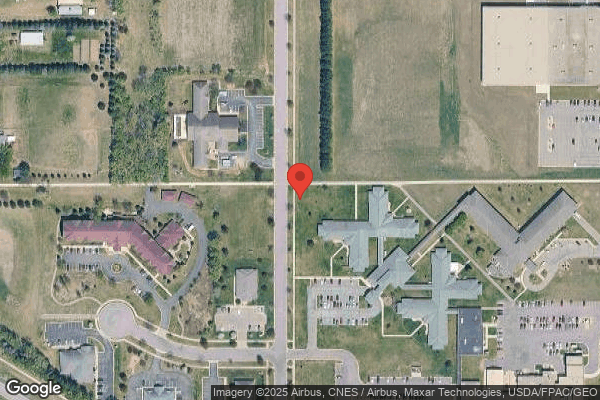
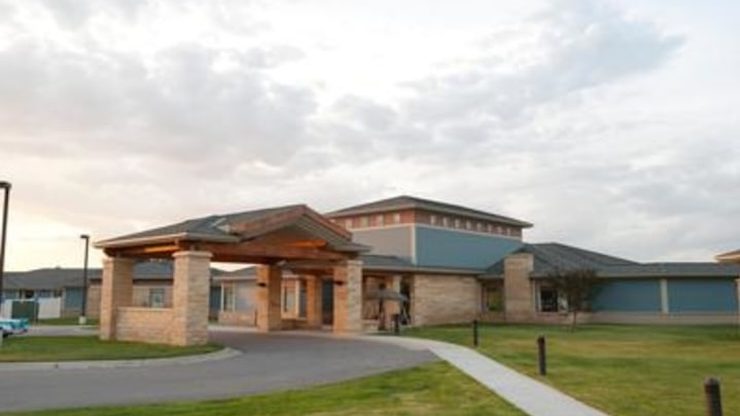
1907 KLEIN STREET, ST PETER, MN 56082 (507) 934-2203
Non profit - Corporation 79 Beds BENEDICTINE HEALTH SYSTEM Data: November 2025
Trust Grade
55/100
#160 of 337 in MN
Last Inspection: October 2024

Within standard 12-15 month inspection cycle. Federal law requires annual inspections.

Overview

The Benedictine Living Community of St. Peter has a Trust Grade of C, which means it is average and in the middle of the pack among nursing homes. It ranks #160 out of 337 facilities in Minnesota, placing it in the top half, and is the only option in Nicollet County. The facility is improving, with issues decreasing from 14 in 2023 to 8 in 2024. Staffing is a relative strength, holding a 4 out of 5 stars rating, though the 56% turnover rate is concerning as it exceeds the state average. There have been no fines reported, which is a positive sign. However, there are notable weaknesses. For instance, the facility failed to provide evening snacks for residents, and there were issues with cleaning resident water mugs, which could pose health risks. Additionally, there were reports of insufficient staffing leading to delayed assistance for residents needing help with daily activities, which could affect their quality of care. Overall, while there are strengths in staffing and a positive trend, families should be aware of these significant concerns.

Trust Score
C
55/100
In Minnesota
#160/337
Top 47%
Safety Record
Low Risk
No red flags
Inspections
Getting Better
14 → 8 violations
Staff Stability
⚠ Watch
56% turnover. Above average. Higher turnover means staff may not know residents' routines.
Penalties
✓ Good
No fines on record. Clean compliance history, better than most Minnesota facilities.
Skilled Nurses
✓ Good
Each resident gets 54 minutes of Registered Nurse (RN) attention daily — more than average for Minnesota. RNs are trained to catch health problems early.
Violations
⚠ Watch
22 deficiencies on record. Higher than average. Multiple issues found across inspections.
★★★☆☆
3.0
Overall Rating
★★★★☆
4.0
Staff Levels
★★☆☆☆
2.0
Care Quality
★★★☆☆
3.0
Inspection Score
Stable
2023: 14 issues
2024: 8 issues

The Good

  • 4-Star Staffing Rating · Above-average nurse staffing levels
  • Full Sprinkler Coverage · Fire safety systems throughout facility
  • No fines on record

Facility shows strength in staffing levels, fire safety.

The Bad

3-Star Overall Rating

Near Minnesota average (3.2)

Meets federal standards, typical of most facilities

Staff Turnover: 56%

Near Minnesota avg (46%)

Frequent staff changes - ask about care continuity

Chain: BENEDICTINE HEALTH SYSTEM

Part of a multi-facility chain

Ask about local staffing decisions and management

Staff turnover is elevated (56%)

8 points above Minnesota average of 48%

The Ugly 22 deficiencies on record

Oct 2024 6 deficiencies
CONCERN (D)

Potential for Harm - no one hurt, but risky conditions existed

Deficiency F0554 (Tag F0554)

Could have caused harm · This affected 1 resident

**NOTE- TERMS IN BRACKETS HAVE BEEN EDITED TO PROTECT CONFIDENTIALITY** Based on observation, interview and document review, the facility failed to ensure 1 of 2 residents (R65) reviewed who was obser...

Read full inspector narrative →
**NOTE- TERMS IN BRACKETS HAVE BEEN EDITED TO PROTECT CONFIDENTIALITY** Based on observation, interview and document review, the facility failed to ensure 1 of 2 residents (R65) reviewed who was observed to have medications at the bedside, had been appropriately assessed and deemed appropriate to self-administer medications. Findings include: R65's admission Record printed 10/30/24, identified diagnoses including cerebral infarction (stroke), muscle weakness, chronic kidney disease, and vascular dementia. R65's admission Minimum Data Set (MDS) assessment dated [DATE], identified admission date of 8/22/24, moderately impaired cognition, impairment to both upper and lower extremities, dependent on staff for personal hygiene and transfers. R65's care plan dated 9/22/24, included goals of maintaining general orientation to person, place, and time, receiving appropriate assistance with business matters and decisions, and no adverse reactions to medications. R65's Physician's Order Report printed 10/30/24, identified an order for Artificial Tears 0.1%-0.3% (eye lubricant), one drop to both eyes twice per day. During observations on 10/28/24 at 2:33 p.m., and 7:09 p.m., 10/29/24 at 9:10 a.m., 1:05 p.m., and 3:43 p.m., an individual bottle of Systane eye drops (eye lubricant) was on top of R65's bedside table and within reach of R65, who was present in his bed. During interview on 10/29/24 at 3:45 p.m., registered nurse (RN)-D stated R65 did not have an order for self-administration of medications listed in his chart and should not have had Systane eye drops in his room without a physician's order for self-administration. During interview on 10/29/24 at 4:02 p.m., registered nurse (RN)-A, also known as nurse manager, stated she expected Systane eye drops to be in the medication cart, and they should not have been in R65's room without an assessment and order for self-administration of medications. RN-A further stated R65 did not have an assessment completed or a physician's order for self-administration of medications and the Systane eye drop should have been removed from the room. During interview on 10/30/24 at 12:24 p.m., director of nursing (DON) stated she would expect an assessment completed for self-administration of medication and a physician's order for self-administration prior to medications being left in R65's room. DON further stated an assessment should have been completed to ensure R65 was safe to have medications at bedside. Facility Self-Administration of Medications policy and procedure undated, included: Residents have the right to self-administer medications if the interdisciplinary team has determined it is clinically appropriate and safe. The nurses will assess each resident's mental and physical abilities to determine whether self-administering medications is clinically appropriate for the resident. Assessment is documented in the electronic medical record (EMR).
CONCERN (D)

Potential for Harm - no one hurt, but risky conditions existed

Deficiency F0685 (Tag F0685)

Could have caused harm · This affected 1 resident

**NOTE- TERMS IN BRACKETS HAVE BEEN EDITED TO PROTECT CONFIDENTIALITY** Based on observation, interview, and document review the facility failed to provide treatment/services to maintain optimal visua...

Read full inspector narrative →
**NOTE- TERMS IN BRACKETS HAVE BEEN EDITED TO PROTECT CONFIDENTIALITY** Based on observation, interview, and document review the facility failed to provide treatment/services to maintain optimal visual abilities for 1 of 1 resident (R2) reviewed for vision. Findings include: R2's diagnoses included dizziness and giddiness, anemia, and type 2 diabetes. R2's admission minimum data set (MDS) dated [DATE], indicated adequate vision with glasses or other visual appliances and R2 has corrective lenses (contacts, glasses, or magnifying glass). R2's care plan dated 9/12/24, indicated R2 will be provided adaptive equipment/materials as needed for effective communication. On 10/28/24 at 11:31 a.m., during observation R2 was not wearing eyeglasses. On 10/29/24 at 9:14 a.m., during observation R2 was not wearing eyeglasses. On 10/28/24 at 11:32 a.m., during interview R2 stated eyeglasses need to be adjusted since they keep sliding down R2's nose. R2 stated staff were notified at the end of September and the eyeglasses have not been adjusted. On 10/29/24 at 9:15 a.m., during interview NA-A stated R2 does wear glasses and R2 asked for them to be adjusted. NA-A stated R2's concern was discussed with the unit manager a while ago and unsure if R2's glasses were ever adjusted. On 10/29/24 at 9:24 a.m., during interview licensed practical nurse (LPN)-B stated she is not sure if R2 wears glasses but did mention last week that R2 would like the eyeglasses fixed. R2 mentioned to LPN-B that R2 wanted to have eyeglasses adjusted and LPN-B told R2 she would inquire how to get the glasses adjusted. LPN-B stated eyeglasses need to be adjusted outside the facility. LPN-B stated she informed R2 that he needs an outside appointment, and the RN case managers helps with coordinating appointments. On 10/29/24 11:01 a.m., during interview registered nurse (RN)-A stated she was made aware that R2's eyeglasses need to be adjusted and stated, I might have just forgot about it. RN-A stated she will help coordinate an appointment and transportation to have R2's eyeglasses adjusted. A facility policy addressing vision/eye glasses needs was requested but not received.
CONCERN (D) 📢 Someone Reported This

A family member, employee, or ombudsman was alarmed enough to file a formal complaint

Potential for Harm - no one hurt, but risky conditions existed

Medication Errors (Tag F0758)

Could have caused harm · This affected 1 resident

**NOTE- TERMS IN BRACKETS HAVE BEEN EDITED TO PROTECT CONFIDENTIALITY** R59's quarterly MDS assessment dated [DATE], indicated no cognitive impairment, impairment of upper and lower extremities, use o...

Read full inspector narrative →
**NOTE- TERMS IN BRACKETS HAVE BEEN EDITED TO PROTECT CONFIDENTIALITY** R59's quarterly MDS assessment dated [DATE], indicated no cognitive impairment, impairment of upper and lower extremities, use of wheelchair, substantial/maximal assistance with toileting, bathing, dressing, transfers, and diagnoses of dementia and Parkinson's disease. R59's care plan printed 10/30/24, indicated high risk medications placing R59 at risk for adverse reactions. Interventions included administering medications per physician order, observing for side effects of medications, and reporting indications of intolerance. R59's Physician Order Report printed 10/30/24, included the following medications that lacked indication for use or diagnosis: -sertraline tablet, 125 mg daily at bedtime R59's Medication Administration Record (MAR) also lacked indications for use and diagnoses for above medications. R67's quarterly Minimum Data Set (MDS) assessment dated [DATE], indicated moderately impaired cognition, use of wheelchair, partial/moderate assistance with bathing, toileting, dressing, and diagnoses of hypertension (high blood pressure), renal failure, and dementia. R67's care plan printed 10/30/24, indicated psychotropic medications which placed R67 at risk for adverse reactions. Interventions included administering medication per physician's orders, monitoring for antipsychotic side effects, attempting gradual dose reductions, and attempting non-pharmacological interventions. R67's Physician's Order Report printed 10/30/24, included the following medications that lacked indication for use or diagnosis: -buspirone tablet, 5 mg twice per day -Lexapro tablet, 20 mg daily R67's Medication Administration Record (MAR) also lacked indications for use and diagnoses for above medications. On 10/30/24 at 10:05 a.m., director of nursing (DON) stated resident's medications were expected to have a indication or diagnosis on the MAR and provider orders to ensure staff knew the indication for the medication. On 10/30/24 at 11:04 a.m., the consulting pharmacist (CP)-C stated the provider was responsible to attach a diagnosis to the medication order, and stated if a medication order did not have a diagnosis the facility should contact the provider. CP-C stated an indication for each medication was expected in the electronic medical record (EMR) for each medication order. The facility Administering Medications policy dated 8/31/23, indicated To ensure safe administration of resident's medication as indicated and ordered by the provider. Policy: To administer resident medications in a safe and accurate manner that will ensure the 6 rights of patient indication for administration. Based on document review and interview, the facility failed to identify diagnoses/indication for use of medications for 2 of 5 residents (R37, R59, R67) reviewed for unnecessary medications. Findings include: R37's admission MDS dated [DATE], indicated moderately impaired cognition, required substantial/maximal assistance with personal hygiene, and had behaviors including significantly disrupting the environment, wandering, verbal and physical behaviors. R37's care plan dated 9/26/24, indicated a potential to experience pain/discomfort but currently denies pain. An alteration in mood/behavior/symptoms related to new admission, dementia, anxiety, depression psychotic disturbance, aphasia, delirium, accusatory statements, pushing/pulling;throwing environmental objects at peers and staff, refusal of care. An additional plan of care indicated R37 receives psychotropic medications, antixolytic, antidepressant and antipsychotic medication. R37's Physician Order Report dated 9/25/24 - 11/25/24, included the following psychotropic medications but lacked indication for use or diagnosis except quetiapine: - buspirone 5 mg tablet twice a day - quetiapine 50 mg once a morning for delusional disorder R37's Medication Administration Record (MAR) also lacked indication for use and administration of above medications
CONCERN (D)

Potential for Harm - no one hurt, but risky conditions existed

Deficiency F0760 (Tag F0760)

Could have caused harm · This affected 1 resident

**NOTE- TERMS IN BRACKETS HAVE BEEN EDITED TO PROTECT CONFIDENTIALITY** Based on observation, interview, and document review, the facility failed to ensure residents were free of significant medicatio...

Read full inspector narrative →
**NOTE- TERMS IN BRACKETS HAVE BEEN EDITED TO PROTECT CONFIDENTIALITY** Based on observation, interview, and document review, the facility failed to ensure residents were free of significant medication errors for 1 of 8 residents (R15) reviewed for medication administration. Finding include: R15's Face Sheet printed 10/30/24, indicated diagnoses of unspecified dementia, muscle weakness, anxiety disorder, and essential primary hypertension (high blood pressure). R15's quarterly Minimum Data Set (MDS) dated [DATE], indicated severely impaired cognition, use of a wheelchair, and substantial assistance required for dressing, bathing, and hygiene. R15's care plan printed 10/30/24, indicated self-care deficit related to dementia with goal of maintaining current abilities and safety. R15's physician's orders dated 10/29/24, indicated an order for metoprolol succinate tablet extended release 25 mg tablet (blood pressure medication) daily for high blood pressure. During observation on 10/29/24 at 8:02 a.m., trained medication aide (TMA)-A prepared medications for administration to R15. TMA-A crushed acetaminophen 500 mg tablets, escitalopram 15 mg tablet, magnesium 400 mg tablet, senna-docusate 50-8.6 mg tablet, and metoprolol succinate extended release 325mg tablet for ease of swallowing for R15. During interview on 10/29/24 at 8:05 a.m., prior to administration of medication to R15, TMA-A verified she had been crushing R15's metoprolol succinate extended release tablet for quite some time due to R15's difficulty swallowing multiple pills and intended to administer metoprolol succinate tablet crushed. TMA-A further verified there was no order to crush metoprolol succinate extended release tablet. TMA-A verified with registered nurse (RN)-A that metoprolol succinate extended release tablet could not be crushed and disposed of crushed medication mixture. During interview on 10/29/24 at 8:54 a.m., RN-A stated there should be an order for crushing medications. RN-A stated sometimes staff will start crushing medications without an order due to residents not being able to take them whole. RN-A further stated R15 did not have an order to crush medications and metoprolol succinate extended release tablets should not have been crushed due to medication being extended release. During interview on 10/30/24 at 10:34 a.m., director of nursing (DON) stated metoprolol succinate extended release tablet should not have been crushed and would expect an order to crush medications for R15 if her medications were being crushed. During interview on 10/30/24 at 11:04 a.m., consulting pharmacist (CP)-A stated metoprolol succinate extended release was not expected crushed, and stated crushing of the extended release tablet interferes with the disbursement of the medication and disrupts the medication's intended use. The facility Administering Medications policy reviewed 8/31/23, included the following: Medications are administered in accordance with the orders. .
CONCERN (D)

Potential for Harm - no one hurt, but risky conditions existed

Infection Control (Tag F0880)

Could have caused harm · This affected 1 resident

**NOTE- TERMS IN BRACKETS HAVE BEEN EDITED TO PROTECT CONFIDENTIALITY** Based on observation, interview and document review, the facility failed to ensure appropriate hand hygiene was completed for 2 ...

Read full inspector narrative →
**NOTE- TERMS IN BRACKETS HAVE BEEN EDITED TO PROTECT CONFIDENTIALITY** Based on observation, interview and document review, the facility failed to ensure appropriate hand hygiene was completed for 2 of 8 residents (R23 and R127) observed for medication administration. Finding include: R23's admission Minimum Data Set (MDS) dated [DATE], indicated moderately impaired cognition, required supervision with personal hygiene. R23's care plan dated 9/4/24, indicated staff to apply gloves and gowns prior to facility-identified high-contact care activities, discard PPE in designated location following activities, and sanitize hands after PPE removal. R127's face sheet dated 10/30/24, indicated R127 was admitted [DATE], with diagnoses including left femur (hip) fracture and fracture of shoulder. On 10/28/24 at 7:03 p.m., licensed practical nurse (LPN)-D entered R23's room with eye drops, lidocaine (prevent and to treat pain) bottle, medication cup with apple sauce, and medication cup with a pill. LPN-D placed gloves on both hands and administered R23's eye drops to both eyes, used the lidocaine bottle and rolled on the lidocaine on R23's right shoulder, then placed a pill on the spoon and used apple sauce and administered R23's pill. LPN-D exited the room and walked to the medication storage area, removed gloves, used keys to unlock the medication storage drawers, and returned the eye drops and lidocaine to the medication drawer. LPN-D was further observed to place the medication cup with applesauce and spoon uncovered in the medication drawer. LPN-D stated the applesauce was placed in the drawer to use later for R23's administration of Tylenol. LPN-D was not observed to complete hand hygiene or disinfect hands during or after R23's medication administration. At 7:12 p.m., LPN-D entered the other side of Eagle wing medication area and was observed to prepare R127's medications, and then entered R127's room and failed to complete hand hygiene prior to entering R127's room. LPN-D was observed to hand R127 a medication cup with pills. R127 asked for more water in her water insulated uncovered mug and LPN-D with bare hands grabbed the mug and exited R127's room, entered the dining area and used the water dispenser to place water in the insulated mug, LPN-D reentered R127's room used bare hands and touched the top of the lid to push down the lid and attached the lid to the mug. LPN-D exited the room and walked to the medication storage cabinets and used a sink and washed her hands. LPN-D did not sanitize her hands during the entire medication pass. On 10/28/2424 at 7:27 p.m., LPN-D confirmed hand hygiene was not completed during the medication pass with R23 and R127. LPN-C stated it was not her normal process to perform hand hygiene when gloves were used. LPN-A confirmed hand hygiene was expected prior to R127's lid placed on the water mug. On 10/29/24 at 11:58 a.m., registered nurse (RN)-B, known as the nurse manger, stated staff were expected to complete hand hygiene after glove removed and prior to entering or exiting resident's room, and prior to the next medication administration. On 10/29/24 at 2:39 p.m., RN-A, known as infection preventionist nurse, and director of nursing (DON) stated staff were expected to perform hand hygiene before and after medication pass, between resident contact, and entering in and out of resident rooms. The facility Hand Hygiene policy dated 9/23, indicated: Infection Prevention begins with the basic hand hygiene. By following proper hand hygiene practices, associates will reduce the spread of potentially deadly germs, as well as reduce the risk of healthcare provider colonization caused by germs acquired from the residents. Times to Perform Hand Hygiene are, but not limited to: Before and after direct resident contact. The facility Administering Medications dated 8/31/23, indicated: Staff follows established infection control procedures for the administration or medications.
CONCERN (E)

Potential for Harm - no one hurt, but risky conditions existed

Deficiency F0757 (Tag F0757)

Could have caused harm · This affected multiple residents

**NOTE- TERMS IN BRACKETS HAVE BEEN EDITED TO PROTECT CONFIDENTIALITY** R48's admission MDS assessment dated [DATE], indicated severe cognitive impairment, required substantial/maximal assistance with...

Read full inspector narrative →
**NOTE- TERMS IN BRACKETS HAVE BEEN EDITED TO PROTECT CONFIDENTIALITY** R48's admission MDS assessment dated [DATE], indicated severe cognitive impairment, required substantial/maximal assistance with dressing and toileting, partial/moderate assistance with bathing and personal hygiene, and diagnoses of renal failure, diabetes, arthritis, and dementia. R48's care plan dated 10/29/24, indicated psychotropic medications which placed R42 at risk for adverse reactions with interventions of attempting gradual dose reductions, non-pharmacological interventions, and monitoring for side effects. R48's Physician Order Report printed 10/30/24, included the following medications that lacked indication for use or diagnosis: -acetaminophen tablet, 500 mg four times per day -aspirin tablet, 81 mg daily -atorvastatin tablet, 20 mg daily -dapagliflozin propanediol tablet, 5 mg daily -donepezil tablet, 5 mg daily at bedtime -famotidine tablet, 40 mg daily at bedtime -ferrous sulfate tablet, 65 mg daily -finasteride tablet, 5 mg daily -Humalog KwikPen, 8 units three times per day -Lantus Insulin, 50 units at bedtime -meclizine tablet, 25 mg as needed -metformin tablet, 1000 mg twice per day -metoprolol tartrate tablet, 12.5 mg twice per day -Miralax, 17 gram daily -multivitamin tablet, daily R48's Medication Administration Record (MAR) also lacked indications for use and diagnoses for above medications. R59's quarterly MDS assessment dated [DATE], indicated no cognitive impairment, impairment of upper and lower extremities, use of wheelchair, substantial/maximal assistance with toileting, bathing, dressing, transfers, and diagnoses of dementia and Parkinson's disease. R59's care plan printed 10/30/24, indicated high risk medications placing R59 at risk for adverse reactions. Interventions included administering medications per physician order, observing for side effects of medications, and reporting indications of intolerance. R59's Physician Order Report printed 10/30/24, included the following medications that lacked indication for use or diagnosis: -acetaminophen tablet, 1000 mg three times per day -bisacodyl suppository, 10 mg as needed -carbidopa-levodopa tablet, 25-100 mg three times per day -ketoconazole 2% shampoo, one time per week -Miralax, 17 gram daily -morphine solution, 5 mg every four hours as needed -Senna Plus tablet, 8.6-50 mg daily at bedtime R59's Medication Administration Record (MAR) also lacked indications for use and diagnoses for above medications. R67's quarterly Minimum Data Set (MDS) assessment dated [DATE], indicated moderately impaired cognition, use of wheelchair, partial/moderate assistance with bathing, toileting, dressing, and diagnoses of hypertension (high blood pressure), renal failure, and dementia. R67's care plan printed 10/30/24, indicated psychotropic medications which placed R67 at risk for adverse reactions. Interventions included administering medication per physician's orders, monitoring for antipsychotic side effects, attempting gradual dose reductions, and attempting non-pharmacological interventions. R67's Physician's Order Report printed 10/30/24, included the following medications that lacked indication for use or diagnosis: -acetaminophen tablet, 500 mg three times per day and 1000 mg at bedtime -amlodipine tablet, 2.5 mg daily -aspirin tablet, 81 mg daily -carvedilol tablet, 3.125 mg twice per day -Senna-S tablet, 8.6-50 mg daily R67's Medication Administration Record (MAR) also lacked indications for use and diagnoses for above medications.R42's quarterly Minimum Data Set (MDS) dated [DATE], indicated severe cognitive impairment, required substantial/maximal assistance with personal hygiene, and diagnoses of Alzheimer's disease and atrial fibrillation (heart arrhythmia). R42's care plan dated 10/29/24, indicated high risk medications which place R42 at a high risk for adverse reactions: anticoagulant (blood thinner); administer anticoagulant as ordered by MD/NP (medical doctor/nurse practitioner) R42's Physician Order Report dated 9/30/24-10/30/24, indicated warfarin (blood thinning medication) tablet; 2.5 mg (milligram), once an evening and lacked diagnosis or indication for use. R42's Medication Administration Record (MAR) dated 10/1/24-10/30/24, indicated warfarin tablet 2.5 mg once an evening, and lacked diagnosis or indication for use. On 10/30/24 at 10:05 a.m., director of nursing (DON) stated resident's medications were expected to have a indication or diagnosis on the MAR and provider orders to ensure staff knew the indication for the medication. The DON confirmed R42's MAR and physician orders lacked diagnosis or indication for the warfarin. On 10/30/24 at 11:04 a.m., the consulting pharmacist (CP)-C stated the provider was responsible to attach a diagnosis to the medication order, and stated if a medication order did not have a diagnosis the facility should contact the provider. CP-C stated an indication for each medication was expected in the electronic medical record (EMR) for each medication order. The facility Administering Medications policy dated 8/31/23, indicated To ensure safe administration of resident's medication as indicated and ordered by the provider. Policy: To administer resident medications in a safe and accurate manner that will ensure the 6 rights of patient indication for administration. Based on document review and interview, the facility failed to identify diagnoses/indication for use of medications for 5 of 5 residents (R37, R48, R59, R67, R42) reviewed for unnecessary medications. Findings include: R37's admission MDS dated [DATE], indicated moderately impaired cognition, required substantial/maximal assistance with personal hygiene, and had behaviors including significantly disrupting the environment, wandering, verbal and physical behaviors. R37's care plan dated 9/26/24, indicated a potential to experience pain/discomfort but currently denies pain. An alteration in mood/behavior/symptoms related to new admission, dementia, anxiety, depression psychotic disturbance, aphasia, delirium, accusatory statements, pushing/pulling;throwing environmental objects at peers and staff, refusal of care. An additional plan of care indicated R37 receives psychotropic medications, antixolytic, antidepressant and antipsychotic medication. R37's Physician Order Report dated 9/25/24 - 11/25/24, included the following medications but lacked indication for use or diagnosis: - acetaminophen [OTC] tablet, 500 mg twice a day - aspirin tablet delayed release 81 mg oral once a morning - atorvastatin 40 mg at bedtime - magnesium oxide 250 mg at bedtime - metoprolol tartrate 25 mg twice a day R37's Medication Administration Record (MAR) also lacked indication for use and administration of above medications.
Feb 2024 2 deficiencies
CONCERN (D) 📢 Someone Reported This

A family member, employee, or ombudsman was alarmed enough to file a formal complaint

Potential for Harm - no one hurt, but risky conditions existed

Respiratory Care (Tag F0695)

Could have caused harm · This affected 1 resident

**NOTE- TERMS IN BRACKETS HAVE BEEN EDITED TO PROTECT CONFIDENTIALITY** Based on interview and document review the facility failed to provide and evaluate the effectiveness of physician ordered respir...

Read full inspector narrative →
**NOTE- TERMS IN BRACKETS HAVE BEEN EDITED TO PROTECT CONFIDENTIALITY** Based on interview and document review the facility failed to provide and evaluate the effectiveness of physician ordered respiratory cough stimulator treatment (machine used to simulate a cough to help person clear mucus from lungs) for 1 out of 1 resident (R1) reviewed who required respiratory care. Findings include: R1's admission Record identified R1 had diagnoses of amyotrophic lateral sclerosis (ALS)-(a disease that affects nerve cells in the brain and spinal cord. Symptoms can begin in the muscles that control speech & swallowing or in the extremities) and dyspnea (difficulty breathing). R1's department of Neurology order dated 8/16/22, identified R1 had an order for durable medical equipment (DME) cough stimulating device, alternating positive and negative pressure. Order included: Synclara Device to be set for effectiveness and comfort with suggested pressure setting of 35 inspiratory and 2 inspiratory time with same setting and time for expiratory pressures and time delivered by mask. If well, perform treatment two times a day 10 cycles and if ill, perform treatment four times a day and as needed for as many cycles as needed to clear mucus. Other forms of airway clearance are not an option because of the decreased expiratory flow and patient intolerance. R1's significant change Minimum Data Set (MDS) dated [DATE], indicated R1 was cognitively intact, was dependent on staff for all ADL's but was independent with wheeling self once seated in wheelchair/scooter. MDS indicated R1 had 1 to 3 days of verbal behaviors directed towards others during the assessment period. R1's care plan dated 12/29/23, indicated R1 was at risk for ineffective airway clearance and significant respiratory distress related to ALS and overall functional decline need of cough assist machine, Bipap, oxygen, oral cares to remove excess secretion from mouth. Resident has specific preferences with positioning during use of cough assist, and bed mobility. Resident has a history of refusing interventions to promote good respiratory health. Approach dated 12/29/23 monitor for signs of hypoxia. 12/29/23 monitor for signs of respiratory distress. 12/29/23 use cough assist as per provider order. R1's physician orders dated 11/10/23 and 12/6/24, included: cough assist machine, special instructions: Please watch video prior to first administration. Https://youtu.be/-zls-Y9ParY. Hold mask to face and hold back of head firmly. After 8 cycles the machine will stop, then clean my mouth out with the toothettes and a cloth/tissue. (Diagnosis: amyotrophic lateral sclerosis) Twice a day Mornings 5:00 a.m. -7:00 a.m. Bedtime 9:00 p.m.-11:30 p.m. R1's care plan nor physician orders identified the settings for the cough assist machine. R1's medication administration record (MAR) dated 11/15/23-11/30/23, included the aforementioned order. The documentation indicated R1 was not administered the treatment on the morning of 11/22/23; R1's record did not include why the treatment was not administered. R1's December 2023 indicated R1 was not administered the breathing treatment seven (7) times during the month; the missed treatments did not include the occurrences that R1 refused. -On 12/1/23, a.m.) not administered as R1 was away getting a bath. Documentation did not identify if the treatment was later offered. -On 12/6/23, p.m. documented resident refused, however did not identify why R1 refused or if a subsequent attempt was made. -On 12/7/23, a.m. no documentation of administration or reason for omission. -On 12/10/23, a.m. no documentation of administration or reason for omission. -On 12/12/23, a.m. documentation of refusal, however, did not identify why R1 refused or if a subsequent attempt was made. -On 12/13/23, a.m. no documentation of administration or reason for omission. -On 12/14 /24 a.m., no documentation of administration or reason for omission. -On 12/18/23, the a.m. treatment indicated R1 declined. Evening (p.m.) documentation indicated R1 attempted to do cough assist machine but when machine was started, he became upset. The record did not identify how much of the treatment was completed. -On 12/19/23, a.m. not administered reproached before lunch and apologized for not getting back to him earlier to complete and he refused. -On 12/22/23, a.m. no documentation of administration or reason for omission. -On 12/27/23, a.m. no documentation of administration or reason for omission. -On 12/28/23, a.m. no documentation of administration or reason for omission. -On 12/29/23, a.m. not administered R1 refused offered times 4 and refused times 3. R1's January 2024 MAR R1 was not administered the breathing treatment seven (7) times during the month, not including the occurrences when R1 refused. -On 1/8/24, a.m. documented resident refused. Corresponding progress note dated 1/18/24 at 6:48 a.m. included, cough assist stopped mid cycle, resident wanted a different position. Second attempt also stopped by resident verbalizing it was the same and resident refused to try again. -On 1/11/24, a.m. no documentation of administration or reason for omission. -On 1/12, /24 a.m. R1 refused. -On 1/15/24, a.m. no documentation of administration or reason for omission -On 1/18/24, p.m. documented as not needed. -On 1/18/24, a.m. documented as not needed. -On 1/23/24, a.m. documented as completed by other staff not writer. -On 1/24/24, a.m. no documentation of administration or reason for omission. -On 1/25/24, a.m. no documentation of administration or reason for omission. R1's nursing notes reviewed in conjunction with the MAR between 1/6/24 and 2/3/24, identified inconsistent documentation of assessment/evaluation of the effectiveness and tolerance of the cough assist treatment for both scheduled administrations. Examples included but were not limited to: -On 1/5/24, 1/6/24, and 1/7/24 no indication of a completed evaluation for effectiveness and tolerance. -On 1/8/24, at 5:31 p.m. progress note indicated cough assist was not done in the morning because R1 did not need it or request throughout the shift, even though the physician order directed twice a day treatment. -On 1/9/24 and 1/10/24, there was no indication of completed evaluation for effectiveness or treatment. -On 1/11/24 at 6:38 p.m. the progress note indicated cough assist was not done in the morning because the nurse not asking if R1 needed it and R1 did not request the treatment. -On 1/12/24, progress notes indicated R1 refused the morning treatment; notes did not identify if the treatment was later offered. There was no documentation for the evening administration. -On 1/13/24, 1/14/24, and 1/15/24, no indication of completed evaluation for effectiveness and tolerance. -On 1/16/24 at 1:42 a.m. note indicated cough assist done, has clear-whitish secretions, note at 7:37 p.m. indicated R1 was short of breath today and reported he was short of breath all the time. No indication cough assist was attempted, or respiratory assessment completed. -On 1/18/24, at 6:48 a.m. indicated the cough assist stopped in mid cycle, R1 wanted it in a different position. Second attempt was also stopped by R1 verbalizing it was still the same. R1 refused to try again. -On 1/19/24 at 3:33 p.m. Covid test was positive. Progress notes did not identify the use of cough assist. -On 1/20/24, no indication of a completed evaluation for effectiveness and tolerance. -On 1/23/24 at 8:18 a.m. resident became irritated while nurse was placing mask for cough assist. The treatment was not administered. -On 1/24/24 and evening shift 1/25/24, no indication of a completed evaluation for effectiveness and tolerance. -On 1/26/24, progress notes indicated R1 had rubs in his right middle lob and crackles in bilateral bases. He doesn't feel like he has any more sputum production. Difficult to clear secretions. Color is white/yellow. R1 has occasional shortness of breath. Notes did not indicate cough was used. -On 1/27/24 and 1/28/24, there was no indication of completed evaluation for effectiveness or treatment. During an interview on 2/6/24, at 10:40 a.m., R1 stated staff who would get him ready in the morning often forgot to do the cough assist unless he reminds them. During on interview on 2/7/24, at 11:56 a.m. family member (FM)-A stated she had concerned that cough assist was not being completed at the facility. FM-A stated R1 had covid positive test and she had asked to facility to provide extra cough assist during that time and was informed by R1 that it had not been getting done as well as she had a c.m. in the room and was observing that it had not been done. FM-A stated on 1/28/24 they had called the facility around 7:00 p.m. and asked for a nurse to go and help provide R1 with cough assist and to bed. FM-A stated no one went and assisted him until around 11:00 p.m. During an interview on 2/6/24 at 12:27 p.m. NA-A stated she has administered R1's cough assist and has been asked by nurses to complete it because the nurse didn't know how. NA-A stated about a week ago she provided cough assist to R1 because he was up and needed it, so she just did it. NA-A explained she could tell if the treatment was effective if there was secretions in the mask and R1 would tell her it was effective. During an interview on 2/8/24, at 9:33 a.m. nursing assist (NA)-C stated he was the one who has provided R1 with cough assist when he was working. He stated if he was not at the facility, he knew that it usually was not getting done. NA-C stated R1 informed him that only 4 people knew how to do the cough assist correctly and he was one of the few. During an interview on 2/8/24 at 9:33 a.m. NA-C stated he has worked with R1 for a little over two months and was trained to use the cough assist by a previous NA who had worked with R1. NA-C stated he has provided the cough assist to R1 at least 20 times since he has started working with him and knows of only one nurse who has provided R1 with the cough assist while he was working. NA-C stated he would not know how to complete a respiratory assessment and did not know what all was involved as he was not a nurse and did not go to school for that. He stated he would inform the nurses he had completed the cough assist and figured the nurses knew what to do. NA-C did not know what settings the machine should be on, or if the settings were correct as he would just turn the machine on and R1 would let him know if it was working correctly or not. During an interview on 2/6/24 at 2:29 p.m. registered (RN)-A stated R1 was particular on who he lets do his cares. RN-A stated NA-C did the cough assist this morning. RN-A indicated she did not go in and evaluate the effectiveness of the breathing treatment. RN-A indicated when she has been assigned to R1, she has never completed the breathing treatment even thought she had experience working with the device in another care setting. RN-A also reported had never completed a respiratory assessment on R1. During an interview on 2/6/24 at 11:29 a.m. with hospice registered nurse (HRN) stated R1's disease was progressing, and he needed cough assist. R1 could aspirate on his own secretions so a nurse should be present when cough assist was being completed. HRA stated she sent forms how to use cough assist in email to the facility along with a link with a video describing how to use the cough assist machine. She stated she was not sure how the staff are being educated at the facility because they didn't have access to email. HRN stated R1 complains at 90% of her visits that the staff do not know how to use cough assist. HRN stated she did feel that all nurses who work with R1 should be trained on how to use the cough assist machine. During an interview on 2/6/24, at 2:46 p.m. director of nursing (DON) stated she was not aware R1 was not getting his cough assist and also was not aware NA's were the ones providing it. DON stated she was working on the investigation and had informed all nurses that only they were supposed to be providing the cough assist. DON stated the nurses should be following the providers orders as written in the MAR. During an interview on 2/8/24, at 9:06 a.m. representative of the manufacturer and licensed respiratory therapist stated R1's cough machine has been FDA approved for 3 years to help clear the lungs of secretions and maintain the airways of people who are too weak to produce a natural productive cough. If a person was to retain secretions in the lungs these secretions could serve as a source of infection and or aspiration. The representative also stated they train all durable medical equipment suppliers of their machine, and this training is to be passed down to the front-line person to make sure the front line clinical staff are trained on how to use the cough assist machine properly. A specific cough assistant policy or protocol and or a treatment policy was requested however none received. BiWaze cough user manual Issue date: February 2023, indicated, The BiWaze® Cough device helps to clear bronchopulmonary secretions from the respiratory system by providing a therapy which mimics a cough. The therapy consists of three phases which mimic a cough; inhale, exhale, and pause phase. The inhale phase is positive airway pressure to expand the lungs. Then exhale phase is a sudden shift to negative pressure to pull the air out of lungs. Finally, the pause phase provides a rest before the next inhale phase. BiWaze allows for positive pressure to be delivered during the pause phase to keep the airways open in between the inhale and exhale phases. Use BiWaze Cough only as directed by a physician or healthcare provider. Use BiWaze Cough only for the intended use as described in this manual. Advice contained in this manual does not supersede instructions given by the prescribing physician. Read the entire manual before using BiWaze Cough. The operator should read and understand this entire manual before using the device. BiWaze Cough is a restricted medical device intended for use by qualified, trained personnel under the direction of a physician. BiWaze Cough is not intended to be operated by persons (including children) with reduced physical, sensory or mental capabilities without adequate supervision by a person responsible for the patient's safety. Therapy shall not be performed on a patient without a Bacterial/Viral (B/V) filter along the Breathing Circuit. Always use a new bacterial filter when using the device on a new patient. Confirm all settings before each treatment. Soreness and/or pain in the chest from a pulled muscle may occur in patients using BiWaze Cough for the first time if the positive pressure used exceeds pressures which the patient normally receives during Positive Pressure Therapy. Such patients should start at a lower positive pressure during treatment, and gradually increase the positive pressure used based on patient tolerance and comfort. Facility Policy titled, Oxygen Therapy, stated residents are assessed to ensure their respiratory needs are being met. Residents identified in need of oxygen therapy have interventions/equipment implemented in accordance with the resident-centered care plan
CONCERN (D) 📢 Someone Reported This

A family member, employee, or ombudsman was alarmed enough to file a formal complaint

Potential for Harm - no one hurt, but risky conditions existed

Deficiency F0726 (Tag F0726)

Could have caused harm · This affected 1 resident

**NOTE- TERMS IN BRACKETS HAVE BEEN EDITED TO PROTECT CONFIDENTIALITY** Based on interview, and document review, the facility failed to ensure licensed nursing staff demonstrated competency skills rel...

Read full inspector narrative →
**NOTE- TERMS IN BRACKETS HAVE BEEN EDITED TO PROTECT CONFIDENTIALITY** Based on interview, and document review, the facility failed to ensure licensed nursing staff demonstrated competency skills related to use of BiWaze cough system (machine used to simulate a cough to help person clear mucus from lungs) for 1 of 1 resident (R1), reviewed for respiratory care. Findings include: SEE F695: Based on interview and document review the facility failed to provide and evaluate the effectiveness of physician ordered respiratory cough stimulator treatment (machine used to simulate a cough to help person clear mucus from lungs) for 1 out of 1 resident (R1) reviewed who required respiratory care. R1's admission Record identified R1 had diagnoses of amyotrophic lateral sclerosis (ALS)-(a disease that affects nerve cells in the brain and spinal cord. Symptoms can begin in the muscles that control speech & swallowing or in the extremities) and dyspnea (difficulty breathing). R1's department of Neurology order dated 8/16/22 indicated R1 had an order for durable medical equipment (DME) cough stimulating device, alternating positive and negative pressure. Order indicated Synclara Device to be set for effectiveness and comfort with suggest pressure of 35 inspiratory pressure and 2 inspiratory pressures delivered by mask. If well to be done, two times a day 10 cycles and if ill to be done four times a day and as needed as many cycles to clear mucus. Other forms of airway clearance are not an option because of the decreased expiratory flow and patient intolerance. R1's physician order dated 11/10/23 and 12/6/23, included cough assist machine, special instructions: Please watch video prior to first administration. Https://youtu.be/-zls-Y9ParY Hold mask to face and hold back of head firmly. After 8 cycles the machine will stop, then clean my mouth out with the toothettes and a cloth/tissue. (Diagnosis: Amyotrophic lateral sclerosis- (a disease that affects nerve cells in the brain and spinal cord. Symptoms can begin in the muscles that control speech & swallowing or in the extremities.)) Twice a day Mornings 5:00 a.m. -7:00 a.m. Bedtime 9:00 p.m.-11:30 p.m. R1's significant change Minimum Data Set (MDS) dated [DATE], indicated R1 was cognitively intact, was dependent on staff for most ADL's. R1's care plan dated 12/29/23 indicated at risk for ineffective airway clearance and significant respiratory distress related to ALS and overall functional decline need of cough assist machine, Bipap, oxygen, oral cares to remove excess secretion from mouth. The facility did not have evidence staff were trained and competent to use the cough assist machine. Further when asked for the manual for the cough assist machine, one was not located and provided during the survey. The video identified in the physician orders was reviewed in conjunction with the manufacturer's instruction manual; the video was approximately 2 minutes and demonstrated how to apply the machine, however, did not address all of the safety information and care of the machine outlined in the manual. During an interview on 2/6/24 at 9:39 a.m., R1 stated the facility has a lot of newer staff and did not feel they had been trained very well. R1 indicated that he was worried about his safety and injury from incompetent staff. R1 stated he has been educating staff since his arrival. During an interview on 2/6/24 at 12:27 p.m. NA-A stated R1 was particular on who he allowed to complete his cares. NA-A stated she has administered R1's cough assist and has been asked by nurses to complete it because the nurse did not know how. NA-A stated about a week ago she provided cough assist to R1 because he was up and needed it, so she just did it. NA-A stated she did not know if the new nurses got any training on R1's treatments. R1 has told her only some staff knew how to use it correctly and others did not know how to hold the mask so that it did not leak. NA-A stated she felt all nurses should get trained by somebody not just watch the video. NA-A indicated the hospice nurse showed her how to do use the equipment, however, could not remember the training date, and the training was not documented. Additionally, R1 would also instruct how to use the device. NA-A explained she could tell if the treatment was effective if there were secretions in the mask and R1 would tell her it was effective. During an interview on 2/8/24 at 9:33 a.m. NA-C stated he has worked with R1 for a little over two months and was trained to use the cough assist by a previous NA who had worked with R1. NA-C stated he has provided the cough assist to R1 at least 20 times since he has started working with him and knows of only one nurse who has provided R1 with the cough assist while he was working. NA-C stated he would not know how to complete a respiratory assessment and did not know what all was involved as he was not a nurse and did not go to school for that. He stated he would inform the nurses he had completed the cough assist and figured the nurses knew what to do. NA-C did not know what settings the machine should be on, or if the settings were correct as he would just turn the machine on and R1 would let him know if it was working correctly or not. During an interview on 2/6/24 at 2:29 p.m. registered nurse (RN)-A stated R1 was particular on who provided his cares. RN-A stated NA-C did the cough assist this morning. RN-A indicated she did not go in and evaluate the effectiveness of the breathing treatment. RN-A indicated when she has been assigned to R1, she has never completed the breathing treatment even thought she had experience working with the device in another care setting. RN-A also reported had never completed a respiratory assessment on R1. During an interview on 2/6/24 at 11:29 a.m. with hospice registered nurse (HRN) stated R1's disease was progressing, and he needed cough assist. R1 could aspirate on his own secretions so a nurse should be present when cough assist was being completed. HRN stated she sent forms how to use cough assist in email to the facility along with a link with a video describing how to use the cough assist machine. She stated she was not sure how the staff were being educated at the facility because they didn't have access to email. HRN stated R1 complains at 90% of her visits that the staff do not know how to use cough assist. HRN stated she did feel that all nurses who work with R1 should be trained on how to use the cough assist machine. During an interview on 2/8/24 at 9:06 a.m. representative BiWaze and licensed respiratory therapist stated R1's cough machine has been FDA approved for 3 years to help clear the lungs of secretions and maintain the airways of people who were too weak to produce a natural productive cough. If a person was to retain secretions in the lungs these secretions could serve as a source of infection and or aspiration. The representative also stated they train all durable medical equipment suppliers of their machine, and this training was to be passed down to the front-line person to make sure the front line clinical staff are trained on how to use the cough assist machine properly. During an interview on 2/6/24 at 2:46 p.m. director of nursing (DON) stated nurses should be the only staff providing cough assist to R1. She confirmed the risk associated to using the cough assist machine and stated this treatment should not be delegated and only completed by a nurse. DON stated she was aware that some nurses were uncomfortable with administering the cough assist. DON admitted she had limited experience with it. DON stated staff had been asked to copy and paste the link out of the MAR and watch the video before administering the cough assist for the first time. DON denied any other training offered or auditing to make sure this had been completed. BiWaze cough user manual Issue date: February 2023, indicated, The BiWaze® Cough device helps to clear bronchopulmonary secretions from the respiratory system by providing a therapy which mimics a cough. The therapy consists of three phases which mimic a cough; inhale, exhale, and pause phase. The inhale phase is positive airway pressure to expand the lungs. Then exhale phase is a sudden shift to negative pressure to pull the air out of lungs. Finally, the pause phase provides a rest before the next inhale phase. BiWaze allows for positive pressure to be delivered during the pause phase to keep the airways open in between the inhale and exhale phases. Use BiWaze Cough only as directed by a physician or healthcare provider. Use BiWaze Cough only for the intended use as described in this manual. Advice contained in this manual does not supersede instructions given by the prescribing physician. Read the entire manual before using BiWaze Cough. The operator should read and understand this entire manual before using the device. BiWaze Cough is a restricted medical device intended for use by qualified, trained personnel under the direction of a physician. BiWaze Cough is not intended to be operated by persons (including children) with reduced physical, sensory or mental capabilities without adequate supervision by a person responsible for the patient's safety. Therapy shall not be performed on a patient without a Bacterial/Viral (B/V) filter along the Breathing Circuit. Always use a new bacterial filter when using the device on a new patient. Confirm all settings before each treatment. Soreness and/or pain in the chest from a pulled muscle may occur in patients using BiWaze Cough for the first time if the positive pressure used exceeds pressures which the patient normally receives during Positive Pressure Therapy. Such patients should start at a lower positive pressure during treatment, and gradually increase the positive pressure used based on patient tolerance and comfort. Facility Policy titled, Oxygen Therapy, stated residents are assessed to ensure their respiratory needs are being met. Residents identified in need of oxygen therapy have interventions/equipment implemented in accordance with the resident-centered care plan.
Dec 2023 4 deficiencies
CONCERN (D)

Potential for Harm - no one hurt, but risky conditions existed

ADL Care (Tag F0677)

Could have caused harm · This affected 1 resident

**NOTE- TERMS IN BRACKETS HAVE BEEN EDITED TO PROTECT CONFIDENTIALITY** Based on observation, interview, and document review, the facility failed to ensure grooming cares were provided for 2 of 2 resi...

Read full inspector narrative →
**NOTE- TERMS IN BRACKETS HAVE BEEN EDITED TO PROTECT CONFIDENTIALITY** Based on observation, interview, and document review, the facility failed to ensure grooming cares were provided for 2 of 2 residents (R37, R55) reviewed for activities of daily living (ADLs), who were dependent upon staff for care. Findings include: R37's diagnoses located on the diagnosis sheet dated 5/10/23, included; muscle weakness, polyneuropathy (malfunction of peripheral nerves), quadriplegia (paralysis of all four limbs) and dysphasia (difficulty swallowing foods or liquids). R37's quarterly minimum data set (MDS) dated [DATE], identified R37 as having no impairment in cognition. R37 was dependent on staff with oral cares. R37's current care plan dated 12/6/23, identified R37 as being alert and oriented with adequate memory recall. The care plan identified R37 as having a self care deficit with ADL's that included oral cares. Interventions included: assist with oral cares twice daily and as needed. R37's current physicians orders dated 12/23, included an order to provide oral cares after each meal and at bedtime with toothettes. Interview on 12/18/23 at 1:30 p.m., R37 indicated staff had not been providing his oral cares after meals. R37 stated he has been reporting this concern to management staff for the past month, but it still is not getting done. R37 further stated oral cares after each meal with the use of toothettes, was included in his plan of care. During observation on 12/19/23, after breakfast and dinner and again on 12/20/23 after breakfast, staff did not implement oral cares after each meal, according to the plan of care. Interview on 12/19/23 at 2:15 p.m., registered nurse (RN)-B indicated she had been aware of R37's concerns related to oral cares not being done, for the past couple of months. RN-B indicated she had posted notes at the nurses station to remind staff to provide oral cares as well as re-educating staff. RN-B confirmed the care plan had not been updated to reflect the current physician orders, to provide oral cares with toothettes after every meal and at bedtime. Interview on 12/20/23 at 1:15 p.m., R37 confirmed staff had not provided oral cares on 12/19/23 for breakfast, dinner, supper or bedtime and again on 12/20/23 after breakfast and dinner. Interview on 12/20/23 at 1:30 p.m., nursing assistant (NA)-I confirmed she had not provided oral cares to R37 on 12/29/23 after breakfast or dinner. NA-I indicted she was unaware R37 needed assist with oral cares. R55's diagnoses located on the face sheet dated 8/11/23, included; Parkinson disease (a disorder of the central nervous system affecting movement), muscle weakness, diabetes mellitus ( a condition that happens when your blood sugar is too high) and osteoporosis (a condition in which bones become weak and brittle). R55's quarterly MDS dated [DATE], identified R55 as having minimal impairment in cognition. R55 requires substantial assistance with bathing, and hands on assist with personal hygiene. R55's current care plan dated 8/11/23, included a self care deficit of ADL's that included bathing and grooming. Interventions included: staff to assist with bathing,dressing and grooming. During observation and interview on 12/19/23 at 10:00 a.m., R55 was noted to have long, rigged and dirty fingernails on the right hand. When asked R55 if he liked nails long, he stated No. R55 further stated staff had not trimmed or cleaned his fingernails for a long time, but unable to recall exactly how long. Interview on 12/19/23 at 10:30 a.m., trained medication assistant (TMA)-B confirmed R55's nails were long and dirty. TMA-B further indicated the licensed nurse was responsible to trim R55's nails, because he was diabetic. TMA-B was unsure when R55's fingernails were last trimmed or cleaned. Observation on 12/20/23 at 11:30 a.m., R55's fingernails remained long, rigged and dirty on the right hand. R55 again, stated he did not like like his fingernails long, and indicated he was unable to trim per self. R55 indicated staff have trimmed his nails weekly on bath day in the past, but had not with the last 2 baths. Interview on 12/20/23 at 12:00 p.m., NA-J stated she had given R55 a bath that morning, but had forgotten to clean R55's fingernails or report to the charge nurse for trimming. A policy was requested, but not provided. .
CONCERN (D)

Potential for Harm - no one hurt, but risky conditions existed

Quality of Care (Tag F0684)

Could have caused harm · This affected 1 resident

**NOTE- TERMS IN BRACKETS HAVE BEEN EDITED TO PROTECT CONFIDENTIALITY** Based on observation, interview and document review, the facility failed to comprehensively assess and provide ongoing treatment...

Read full inspector narrative →
**NOTE- TERMS IN BRACKETS HAVE BEEN EDITED TO PROTECT CONFIDENTIALITY** Based on observation, interview and document review, the facility failed to comprehensively assess and provide ongoing treatment for edema for 1 of 1 resident (R48), who required leg wraps to prevent and treat edema. Findings include: R48's face sheet printed 12/20/23, included diagnoses of Parkinson's disease (degenerative disorder of nervous system that affects motor and non-motor systems), neurocognitive disorder with Lewy bodies (progressive dementia that results from protein deposit in in nerve cells of the brain), and type two diabetes mellitus. R48's significant change Minimum Data Set (MDS) assessment dated [DATE], indicated R48 understands and is understood, and had a BIMS (Brief Interview for Mental Status) score of 14, indicating R48 is cognitively intact. In addition, R48 requires substantial to maximal assist with activities of daily living R48's provider orders dated 9/25/23, included apply ACE wraps to bilateral lower extremities for edema from foot to below knee. On in morning, off at bedtime. R48's plan of care dated 1/25/23, did not include edema (swelling) or use of ace wraps. A nursing assistant care sheet included R48 but did not include application or removal of ace wraps. During observation and interview on 12/18/23 at 1:02 p.m., R48 was sitting in wheelchair with legs dependent, and dressed with ace wraps on both lower legs. Left leg with swelling present. R48 indicated the wraps do help the swelling in his lower legs but sometimes they forget to wrap them. During observation on 12/19/23 at 8:05 a.m., R48 was in his wheelchair in the dining room. Feet dependent on foot rests of wheelchair with no ace wraps on lower legs. Two ace wraps were present in R48's room on his dresser/TV stand. During observation on 12/19/23 at 2:33 p.m., R48 was in the dining room having coffee. R48 was in his wheelchair, with feet dependent and no ace wraps on lower legs. Left lower leg with swelling present. During interview on 12/19/23 at 2:48 p.m., nursing assistants (NA)-A and B indicated they aren't allowed to put wraps on lower legs. NA-A and NA-B were not sure if R48 had ace wraps to be applied or not. NA-A and NA-B both indicated it is the responsibility of the nurse to put ace wraps on and monitor them. During observation on 12/19/23 at 3:46 p.m., R48 remained in his wheelchair with no ace wraps on lower legs. During observation and interview 12/20/23 at 7:32 a.m., R48 was dressed for the day. No ace wraps present on lower legs with ace wraps on his dresser/TV stand. R48 indicated he didn't refuse to wear them today or yesterday. R48 stated they just forgot to put them on. Denied any discomfort with swelling in his lower legs. During interview on 12/20/23 at 7:45 a.m., licensed practical nurse (LPN)-A indicated R48 has ace wraps ordered daily and to be removed at night. LPN-A indicated they were applied this morning with left leg having a trace of edema present. LPN-A indicated the ace wraps should be applied before R48 gets out of bed in the morning. During interview on 12/20/23 at 9:46 a.m., NA-C indicated nursing assistants are allowed to put ace wraps on lower legs and then the nurse will document it as done. NA-C indicated there are a few on the unit that require them on in the morning and R48 is one of them. During observation at 10:58 a.m., R38 was sitting in his room in his wheelchair with no ace wraps present on his lower legs. Edema is present in his left lower leg. The ace wraps remain on his dresser/TV stand. During interview on 12/20/23 at 11:08 a.m., registered nurse (RN)-A, identified as clinical manager, indicated ace wraps are generally placed on in the morning, ideally before the resident gets out of bed and off in the evening. RN-A indicated R48 is cognitively intact and would remember if he refused them or not. RN-A indicated NA's are allowed to put on ace wraps but ultimately it is the responsibility of the nurse to ensure they are put on. RN-A indicated she would expect them to be on by this time in the morning and applied daily per order. During interview on 12/20/23 at 12:54 p.m., the director of nursing (DON) indicated she was unsure if the staffing agency NA's were allowed to place ace wraps on lower legs, but stated it is ultimately the nurse who is responsible to ensure the ace wraps are on. The DON confirmed if ace wraps are ordered, they should be applied as ordered. During interview on 12/20/23 at 1:20 p.m., LPN-A indicated she reassessed R48's lower legs for edema with 1+ edema present in left lower leg and minimal to the right lower leg. During observation on 12/20/23 at 1:38 p.m., ace wraps present on R48's lower legs. The facility policy and procedure for edema, ace wraps was requested and none received. A policy for Activities of Daily Living, dated 6/21, included: - If a resident refuses care, associates will approach at a different time, or having another associate speak with the resident as needed. -Interventions to improve and/or minimize resident's functional abilities will be in accordance with the resident's assessed needs, preferences, stated goals and recognized standards of practice. -The resident's response to interventions will be documented, monitored, evaluated and revised as appropriate.
CONCERN (E)

Potential for Harm - no one hurt, but risky conditions existed

Food Safety (Tag F0812)

Could have caused harm · This affected multiple residents

Based on observation and interview, the facility failed to ensure staff followed appropriate infection control practices, including proper handling of drinking cups and performing hand hygiene during ...

Read full inspector narrative →
Based on observation and interview, the facility failed to ensure staff followed appropriate infection control practices, including proper handling of drinking cups and performing hand hygiene during meal service. This had potential to affect all 20 residents who resided on the Angel Unit. Findings include: During an observation and interview on 12/18/23 from 4:47 p.m. to 4:53 p.m., observed culinary aide (CA)-A wearing gloves to fill and deliver beverages to dining tables on the Angel Wing. CA-A held two cups in one hand, palm side down over the tops/rims of the two cups, one containing water and one containing juice. When approached to introduce self and ask his name, CA-A rubbed his gloved hands on his clothing. Without changing gloves, CA-A continued to fill cups of juice from the beverage dispenser in the kitchenette and while doing so, handled a laminated sheet with resident beverage preferences printed on it. CA-A dispensed more juice, holding the cups by rim, and took them to dining tables. CA-A was observed touching and rubbing a lower cabinet door below the beverage dispenser while talking to a co-worker. CA-A continued to work around the kitchenette with the same pair of gloves on, opening the refrigerator and removing items, pouring and delivering beverages. At 4:58 p.m., CA-A again held two cups in one hand, palm side down over the tops/rims of the two cups, one containing milk and one containing juice and set them on a table. At 5:01 p.m., CA-A started temping food, wearing the same pair of gloves. At 5:10 p.m., when informed of observations, CA-A stated he did not recall what he had learned about glove use and hand hygiene. At that point, CA-A removed his gloves, washed his hands, re-gloved and started plating food. CA-A stated he had been working fast and trying to remember to do everything as he did not normally work on this unit. At 5:41 p.m., CA-A was informed of observations of him handling cups by the rims where residents would put their mouth. CA-A stated no one had taught him how to properly handle drinking cups. During an interview on 12/19/23 at 11:29 a.m., culinary services director (CSD)-B stated she had been made aware of concerns from the previous evening meal regarding CA-A's improper handling of drinking cups and lack of hand hygiene. CSD-B stated she expected culinary staff to follow policy on hand hygiene and handling resident drinking cups. CSD-B stated CA-A would have had culinary aide training when he started which would have been done by another culinary aide. CSD-B admitted she had performance concerns about CA-A, and admitted the younger dietary aides on the evening shift should have supervision, but did not; adding, They're kids. During an interview on 12/19/23 at 12:57 p.m., the administrator was informed of observations of CA-A. The administrator stated CA-A had talked to her that night, 12/18/23, and told her what had happened and could verbalize to her what he should have done in terms of handling drinking cups and hand hygiene. The administrator acknowledged CA-A had performance issues and stated he generally did not work serving food on the unit kitchenettes; he usually dished up food for the attached assisted living facility. Review of CA-A's culinary aide training included a hand-hygiene competency dated 7/5/22, which included a section on glove use which indicated: contaminated gloved hands do no touch inanimate objects, and fresh gloves were utilized between soiled care delivery and clean care procedures. In addition, CA-A completed an online learning module on Infection Prevention and Control on 11/7/23. The facility Handwashing Procedure with review date of 8/2019, indicated the hands of those who prepare and serve food must be clean at all times to safeguard the health of those who were dependent on this service. Hands must be washed frequently, thoroughly and according to proper procedures. The facility Standard Precautions policy undated, indicated during delivery of healthcare, to avoid unnecessary touching of surfaces to prevent both contamination of cleans hands from surfaces and transmission of pathogens from contaminated hands to surfaces. Remove gloves after contact with the surrounding environment using proper technique to prevent hand contamination.
CONCERN (F)

Potential for Harm - no one hurt, but risky conditions existed

Deficiency F0809 (Tag F0809)

Could have caused harm · This affected most or all residents

**NOTE- TERMS IN BRACKETS HAVE BEEN EDITED TO PROTECT CONFIDENTIALITY** Based on observation, interview and document review, the facility failed to ensure all residents were consistently offered and p...

Read full inspector narrative →
**NOTE- TERMS IN BRACKETS HAVE BEEN EDITED TO PROTECT CONFIDENTIALITY** Based on observation, interview and document review, the facility failed to ensure all residents were consistently offered and provided a nutrient and/or calorie substantive snack after the dinner meal and before bedtime for 4 of 4 residents (R29, R43, R45, R51) who voiced a concern. Findings include: During an interview on 12/18/23 at 6:49 p.m., culinary aide (CA)-A who was working on the Angel Unit stated the evening dietary staff did not prepare snacks for residents and stated he had never seen snacks offered to residents in the evening. During observation on 12/18/23 from 6:30 p.m. to 7:25 p.m., no snacks were offered to residents on the Angel Unit. During interview on 12/18/23 at 7:25 p.m., nursing assistant (NA)-D stated no snacks were offered to residents after the evening meal and before bedtime and pointed to small bags of snacks on a tray in the kitchenette in the Angel Unit. NA-D stated if a resident asked for something, they could have those snacks or if they wanted something more substantial like a sandwich, staff could make a peanut butter sandwich. During an observation on 12/19/23 at 9:31 a.m., on the Angel Unit, snacks available for residents were located on a tray on a counter in the kitchenette and included: Goldfish crackers, [NAME] Krisipies treats, club crackers with cheese, strawberry Chex mix, fudge round cookies and ice cream in the freezer. During an interview on 12/19/23 at 11:29 a.m., culinary services director (CSD)-B stated dietary was not involved with delivering snacks to residents, but provided snacks that were always available in the kitchenettes. CSD-B described the prepackaged snacks noted on the tray in the Angel Unit. During an interview on 12/19/23 at 1:08 p.m., the director of nursing (DON) acknowledged staff did not offer snacks to residents after the dinner meal and before bedtime, but snacks were available to residents who asked. During an interview on 12/19/23 at 1:14 p.m., the administrator was informed residents were not offered a nutrient and/or calorie substantive snack after the dinner meal and before bedtime. The administrator stated she knew some residents received snacks and there was peanut butter and bread on the units for staff to make residents a sandwich. During an interview on 12/20/23 at 10:32 a.m., during a resident council meeting, the following residents stated they were not offered a nutrient and/or calorie substantive snack after the dinner meal and before bedtime. --R29, who resided on the Dove Unit and who's quarterly Minimum Data Set (MDS) assessment dated [DATE], indicated intact cognition, stated she was not offered a snack after the dinner meal and before bedtime. R29 stated she would like to be offered something to eat but kept snacks in her room in case she was hungry. --R43, who resided on the Butterfly Unit and who's quarterly MDS assessment dated [DATE], indicated intact cognition, stated he was not offered a snack after the dinner meal and before bedtime. R43 acknowledged he would probably take a snack if it were offered. --R45, who resided on the Butterfly Unit and who's quarterly MDS assessment dated [DATE], indicated intact cognition, stated he was not offered a snack after the dinner meal and before bedtime. R45 stated when staff came around with his evening pills, they asked if there was anything else he wanted and believed if he asked, could get a snack. R45 stated he would take a snack if it were offered. --R51, who resided on the Dove Unit and who's quarterly MDS assessment dated [DATE], indicated intact cognition, stated he was not offered a snack after the dinner meal and before bedtime. R52 stated he had not been asked if he wanted a snack but would take something if it were offered. The facility Between Meal Nourishment/Bedtime Snacks policy dated 7/2019, indicated a nourishing snack was defined as an item from the basic food groups, either singly or in combination with each other. The bedtime snack would normally consist of juice or milk with crackers or cookies, sandwich, fruit, pudding or ice cream. Bulk between meal and bedtime snacks would be prepared by culinary for distribution to all residents not receiving individualized nourishments/snacks. Nursing staff would offer and provide a nourishing snack at bedtime.
Jan 2023 6 deficiencies
CONCERN (D)

Potential for Harm - no one hurt, but risky conditions existed

Deficiency F0554 (Tag F0554)

Could have caused harm · This affected 1 resident

**NOTE- TERMS IN BRACKETS HAVE BEEN EDITED TO PROTECT CONFIDENTIALITY** Based on observation, interview, and document review, the facility failed to ensure an interdisciplinary team assessment for saf...

Read full inspector narrative →
**NOTE- TERMS IN BRACKETS HAVE BEEN EDITED TO PROTECT CONFIDENTIALITY** Based on observation, interview, and document review, the facility failed to ensure an interdisciplinary team assessment for safety was completed prior to self administration of medication for 1 of 1 resident (R37) reviewed for medication administration. Findings include: R37's Face Sheet printed 1/26/23, indicated diagnosis including heart failure, chronic kidney disease, polyneuropathy (damage to multiple nerves), anxiety, glaucoma, pain and atrial flutter (type of heart rhythm disorder caused by problems in heart's electrical system). R37's quarterly Minimum Data Set (MDS) assessment dated [DATE], indicated R37 was cognitively intact, had moderate hearing impairment and wears hearing aide and adequate vision and was independent with eating, walking and toileting, and one person assist with personal hygiene. R37 received 7 days of anticoagulant, diuretic and opioid. R37's physician orders included: -morphine concentrate 100mg/5 milliliters, give 5 mg (0.25 ml) as needed for shortness of breath or pain 7-10 every 4 hours -Voltaren Arthritis pain gel 1%; amount 2 gms apply topically. Special instructions included ok to leave at bedside and resident to apply per self for pain in left knee three times a day. -dorzolamide-timolol drops; 22.3-6.8mg/ml; amt: one drop twice daily to left eye with am med pass and evening med pass. -latanoprost drops; 0.005%; amt: 1 drop to both eyes at bedtime -Systane Complete one drop to each eye four times a day. Ok to leave at bedside and self administer -furosemide 80 mg twice a day at 8 a.m., and 12 p.m. -gabapentin 100 mg three times a day Review of R37's plan of care dated 12/27/22, did not include self-administration of medications. Review of R37's electronic medical record revealed no assessment for self-administration of medication was completed and no interdisciplinary team evaluation. During interview and observation on 1/24/23, at 12:10 p.m., licensed practical nurse (LPN)-A set up R37's medications into a medication cup, which included Lasix 80 mg, gabapentine 100 mg, then prepared morphine 100 mg/5ml, 0.25 ml drew up in a syringe. LPN-A also had indicated Systane eye drops and Volatren Arthritis pain rub were scheduled but R37 can do those herself and are kept at the bedside. LPN-A administered the morphine via syringe and set R37's pills next to her plate on the dining room table and returned to the work station. LPN-A indicated R37 can self-administer all her own medications. During interview and observation on 1/26/23, at 12:05 p.m., registered nurse (RN)-B placed gabapentin 100 mg tablet, and Lasix 80 mg tablet into a medication cup. RN-B drew up morphine 100mg/5ml 0.25 ml into a syringe. RN-B indicated R37 keeps all her eye drops and Voltaren gel at bedside and does them by herself. RN-B set pill cup down on dining room table next to R37's plate. RN-A administered the morphine to R37 and then returned to her work station. RN-B indicated R37 can self administer her own medication after staff set them up for her. During interview on 1/25/23, at 3:20 p.m., RN-C indicated no self-administration assessment was completed for R37. RN-C indicated R37 does have an order from the ophthalmologist to self-administer her own eye drops. During interview on 1/26/23, at 12:48 p.m., the director of nursing (DON) indicated an observation or some type of an assessment is required to self-administer medications. The DON confirmed leaving medications with the resident and not observing them taking medication is considered self-administration and requires an assessment to do so. Facility policy and procedure titled Self-Administration of Medications, dated 2/2019, included: - Residents have the right to self-administer medications if the interdisciplinary team has determined it is clinically appropriate and safe. - The nursing associates will assess each resident's mental and physical abilities to determine whether self-administering medications is clinically appropriate for the resident. Assessment is documented in the electronic medical record (EMR). -The resident has the right to self-administer medications if the interdisciplinary team has determined that this practice is clinically appropriate: -The medications appropriate and safe for administration -The resident's physical capacity to swallow without difficulty and to open the medication bottles -The resident's cognitive status, including their ability to correctly name their medications and know what conditions they are taken for -The resident's capability to follow directions and tell time to know when medications are needed. -The resident's ability to understand what refusal of medication is, and appropriate steps taken to associate to educate when this occurs. -The resident ability to ensure medication is stored safely and securely. -Reevaluation of the ability to self-administer will be done according to the interdisciplinary observation guide. Any changes noted in ability will be made known to the resident and the provider for further review.
CONCERN (D)

Potential for Harm - no one hurt, but risky conditions existed

ADL Care (Tag F0677)

Could have caused harm · This affected 1 resident

**NOTE- TERMS IN BRACKETS HAVE BEEN EDITED TO PROTECT CONFIDENTIALITY** Based on observation, interview and document review, the facility failed to provide routine personal hygiene assistance (e.g., n...

Read full inspector narrative →
**NOTE- TERMS IN BRACKETS HAVE BEEN EDITED TO PROTECT CONFIDENTIALITY** Based on observation, interview and document review, the facility failed to provide routine personal hygiene assistance (e.g., nail care) for 1 of 2 residents (R45) who was dependent upon staff for grooming and reviewed for activities of daily living (ADLs). Findings include: R45's facesheet printed on 1/24/23, included diagnoses of stroke. R45's annual Minimum Data Set (MDS) assessment dated [DATE], indicated R45 had severe cognitive impairment, minimal difficulty hearing, adequate vision, clear speech, could understand and be understood. R45 did not walk and required extensive assistance of one staff for most ADLs, including personal hygiene. R45's care plan with revised date of 11/2/22, indicated R45 had a self-care deficit with bathing and grooming; R45 would be clean and well-groomed daily. During an interview and observation on 1/23/23, at 9:42 a.m., R45's fingernails were noted to be long and had dark material underneath the nails of both hands. R45 stated, They are getting long, that her nails were rough and she could file them down herself. R45 didn't know what the dark material was under the nails. R45 stated she got a shower on Mondays. During an interview on 1/23/23, 10:23 a.m., family member (FM)-D acknowledged R45's nails were long and dirty and stated R45 had to have someone care for her nails, that she couldn't do it on her own. During an observation on 1/24/23, at 1:05 p.m., R45 was sitting in a wheelchair in the dining room. Fingernails were still long with dark material underneath. Yesterday, 1/23/23, was her scheduled bath day. During an interview and observation on 1/25/23, at 10:31 a.m. with R45 and FM-D, FM-D stated R45 still had not had a shower. Fingernails were still long with dark material underneath. R45 stated they [nails] were too long and she wanted them to be cleaned and would like a shower. During an observation and interview on 1/25/23, at 2:30 p.m., with registered nurse (RN)-A, looked at R45's fingernails. RN-A stated R45 liked her nails long, but admitted they were not clean. With RN-A present, R45 was asked the last time she had a shower and replied she couldn't remember and denied having had a bed bath. Together with RN-A tried to interpret the bath sheet reports from the electronic medical record (EMR) to determine the last time R45 had a shower or bed bath. RN-A admitted she wasn't able to interpret the report but would figure it out and report back. During an interview on 1/25/23, at 3:48 p.m., nursing assistant (NA)-C stated she had never been assigned to bathe R45 but knew R45 did not always want to be bathed .adding, Like today .R45 didn't want to take a shower but wanted her hair washed so (NA)-D is doing a dry shampoo now. During an interview on 1/26/23, at 12:47 p.m., RN-A stated R45's bath record indicated R45 had a shower or bed bath weekly, but admitted to the lack of attention to nail care. R45's last shower was 1/2/23 with bed baths after that. RN-A stated R45 made the decision to have either a shower or a bed bath. During an interview on 1/26/23, at 2:16 p.m. with the administrator and the director of nursing (DON), when informed of the condition of R45's fingernails, acknowledged it was not acceptable for a resident to have dark debris under their nails and it was their expectation staff provided nail care to residents with bathing .whether the resident received a shower or a bed bath. Facility policy titled Activities of Daily Living (ADLs), dated 2021, indicated residents who were unable to carry out ADLs independently would receive services necessary to maintain good grooming and personal hygiene.
CONCERN (D)

Potential for Harm - no one hurt, but risky conditions existed

Deficiency F0698 (Tag F0698)

Could have caused harm · This affected 1 resident

**NOTE- TERMS IN BRACKETS HAVE BEEN EDITED TO PROTECT CONFIDENTIALITY** Based on interview, observation and document review, the facility failed to have ongoing communication and collaboration with d...

Read full inspector narrative →
**NOTE- TERMS IN BRACKETS HAVE BEEN EDITED TO PROTECT CONFIDENTIALITY** Based on interview, observation and document review, the facility failed to have ongoing communication and collaboration with dialysis facility for 1 of 1 resident (R8) reviewed for dialysis care. Finding include: R8's face sheet printed 1/26/23, indicated R8 was admitted to the facility on [DATE] and had diagnosis including fracture of vertebra thoracic region, end stage renal disease, weakness, diabetes mellitus, and heart failure. R8's significant change Minimum Data Set (MDS) dated [DATE], indicated R8 was cognitively intact, had behaviors that included rejection of care and required extensive assistance of 2 staff for transfers, toileting, dressing and personal hygiene. R8 had pain which was frequent and limited day to day activities and was on scheduled and as needed pain medications. Medications included insulin, antidepressant, opioid and anticoagulant. R8's plan of care dated 12/28/22, included R8 is currently on hemodialysis and is at risk for shortness of breath, chest pain, edema, elevated blood pressure, infected or occluded access area, nausea and vomiting. R8 is scheduled for Dialysis Tuesday, Thursday, and Saturday every week. Location of shunt (a connection that shifts blood from an artery to a vein, bypassing the microscopic network in the tissues that normally connect them) access was identified as left wrist. Interventions included obtain dialysis care plan and coordination of care communication sheet, and check for orders or changes from dialysis unit. R8's physician orders dated 12/26/22 included: -Novolog FlexPen U-100 Insulin (insulin aspart u-100) insulin pen; 100 unit/mL (3 mL); give subcutaneously; administer per Sliding Scale before meals at 7:30 a.m., 11:30 a.m. and 4:30 p.m; if Blood Sugar is 150 to 199, give 2 Units. if Blood Sugar is 200 to 249, give 4 Units. if Blood Sugar is 250 to 299, give 6 Units. if Blood Sugar is 300 to 349, give 8 Units. if Blood Sugar is 350 to 399, give 10 Units. if Blood Sugar is 400 to 449, give 12 Units. if Blood Sugar is greater than 450, call MD. -tramadol 50 mg tablet every 4 hours, 12:00 a.m., 4:00 a.m., 8:00 a.m., 12:00 p.m., 4:00 p.m., 8:00 p.m. A progress note dated 12/17/2022, at 3:32 p.m. included R8 was transported back from dialysis and driver reported resident went unresponsive as he wheeled him through the doors of facility. After that driver came running and asking for help as resident was sitting in the wheelchair breathing, lethargic, pale, and unresponsive to voice or touch. Vital signs taken and blood pressure 55/36. Dialysis access intact, no bleeding or infection at site and dressing in place. Blood glucose 159 mg/dl. Emergency services was called and R8 was transferred to the hospital. A progress note dated 12/18/22, at 4:14 a.m., included R8 returned from the emergency department (ED) at 7:40 p.m. The report given by the ER was extra fluid pulled out at dialysis. Resident was given 500 milliliters of fluid at the ER, influenza and Covid tests were done, negative results obtained. Head and neck were scanned, there was no issue. Vital signs were stable at the hospital. An incident report dated 1/16/23, indicated R8 was found on floor by foot of bed on his back. He did have some bleeding noted on head and small goose egg as well. Blood pressure was 186/78. Resident stated the bed had moved, however the bed was locked. R8 did not put call light on. R8 had recently been checked on within past 10-15 minutes. A progress note dated 1/16/2023, at 10:42 p.m. indicated resident had a fall at approximately 4:00 p.m. today. R8 stated he fell from the ambulance today. R8 sustained an abrasion to left side of forehead and small bump. Vital signs and neurological checks were all within normal limits for the resident. A progress note dated 1/17/2023, at 3:25 p.m., indicated the registered nurse received a call from the emergency department (ED) to inquire about more information from the fall at the facility on 1/16/23. Dialysis nurse had sent R8 to be seen for imaging after dialysis run was completed due to fall and resident being on blood thinners. A progress notes dated 1/17/23, at 10:38 p.m., indicated R8 returned to the facility at approximately 7:30 p.m. with paperwork from the ED present in his wheelchair. During observation and interview on 1/23/23, at 8:48 a.m., R8 indicated he has been getting dialysis for years. Fistula (an abnormal or surgically made passage between a hollow or tubular organ and the body surface). present on left forearm with no bandage present with some light purple bruising present but no redness or swelling present. R8 denied taking any medications or papers with him to dialysis but indicated they do send a meal with him. During interview on 1/24/23, at 1:40 p.m., licensed practical nurse (LPN)-A indicated R8 left at 9:00 a.m. this morning for multiple appointments outside of the building today. LPN-A indicated R8's dialysis is three days a week and leaves in the morning by 9:00 a.m. and doesn't return until around 4:00 p.m. each day. LPN-A indicated the facility does not send any current communication such as assessments, medications or updates with R8 to dialysis. LPN-A indicated no medications are sent with R8 to dialysis and when questioned about insulin sliding scale order, she indicated have not worked that out with the dialysis facility yet. LPN-A indicated they don't get any communication back when R8 returns from dialysis but she knows the unit manager does communicate with the dialysis facility if they have questions or need anything. LPN-A added several times R8 was sent directly to the emergency department from dialysis and one time R8 arrived at the facility unresponsive due to low blood pressure. During observation and interview on 1/26/23, at 8:50 a.m., R8 was in his wheelchair sitting in the transport van. R8 indicated he was going to dialysis and denied any communication or paperwork information was sent with him to dialysis. R8 did indicate he had a bag with some lunch in it. The van driver indicated he was not given any information to give to dialysis facility. During interview on 1/26/23, at 9:15 a.m., registered nurse (RN)-C indicated no communication is sent with R8 to dialysis and the facility does not receive any communication when R8 returns from dialysis. RN-C indicated she did send a pain medication with him today but otherwise nothing else was sent. During interview on 1/26/23, at 10:10 a.m., RN-B indicated the facility receives random faxed information from dialysis. RN-B indicated no pre-dialysis assessment or communication is sent with R8 and the facility does not receive any communication back from dialysis. RN-B indicated she does communicate with the social worker at dialysis with any changes in R8's status but indicated she had not communicated the fall on 1/16/23. RN-B confirmed the communication needs to be better between the two facilities. During interview on 1/26/23, at 10:48 a.m., dialysis registered nurse (RN)-E indicated R8 generally comes with a bag that has his lunch, but no information from the facility on R8's current status. RN-E indicated typically residents arrive with a folder that includes an appointment sheet, residents current status or assessment and the most recent medication administration record so they know what medications were most recently given. RN-E indicated R8 was sent to the emergency department after he reported he had fallen the night before dialysis due to being on blood thinners. RN-E indicated they do not send run sheets to the facility on a routine basis unless the facility requests them. RN-E described the normal process with other facilities includes a communication form that arrives from the facility with his current status, medications and information and at the end of dialysis they will document how the dialysis run went, how resident tolerated, and if extra fluid was removed. RN-E added if the facility doesn't send any communication, generally there isn't any communication back as the dialysis unit doesn't have time to call the facility for normal treatments. During interview on 1/26/23, at 12:46 p.m., the director of nursing indicated the unit manager does e-mail with the facility or calls them but was not sure how often that occurs. The facility policy and procedure dated 2017, titled Dialysis Services via a Contracted Vendor included: -The licensed nurses and other professionals provide ongoing assessment of the residents' condition from a multidisciplinary standpoint and monitoring for complications before and after dialysis treatments received at a certified dialysis facility -The license nurses have ongoing communication and collaboration with the dialysis facility regarding dialysis care and services A Nursing Home Dialysis Transfer Agreement, electronically signed 5/31/19 included: -The facility shall ensure that all appropriate medical, social, administrative and other information accompany all designated resists at the time of transfer to the Center. This information shall include, but is not limited to: -Designated Resident's name, address, date of birth and Social Security Number -Name, address and telephone number of the designated resident's next of kin -Designated resident's third party payer data and copies of cards or certificates evidencing same -Appropriate medical records, including history of the designated resident's illness, including laboratory and x-ray findings. -Treatment presently being provided to the designated resident, including medications and any changes in a patient's condition (physical or mental), change of medication, diet or fluid intake -Any other information that will facilitate the adequate coordination of care, as reasonably determined by the center.
CONCERN (D)

Potential for Harm - no one hurt, but risky conditions existed

Deficiency F0744 (Tag F0744)

Could have caused harm · This affected 1 resident

**NOTE- TERMS IN BRACKETS HAVE BEEN EDITED TO PROTECT CONFIDENTIALITY** Based on observation, interview and document review, the facility failed to provide appropriate dementia care services to attain...

Read full inspector narrative →
**NOTE- TERMS IN BRACKETS HAVE BEEN EDITED TO PROTECT CONFIDENTIALITY** Based on observation, interview and document review, the facility failed to provide appropriate dementia care services to attain or maintain mental and psychosocial well-being for 1 of 2 residents (R47) reviewed for dementia care. Findings include: R47's facesheet printed on 1/24/23, indicated R47 had lived at the facility for six months. Diagnoses included Alzheimer's disease and dementia. R47's quarterly Minimum Data Set (MDS) assessment dated [DATE], indicated intact cognition, adequate hearing and vision, clear speech, was understood and was able to understand. R47 required limited assistance of one staff for walking and extensive assistance of one staff for bed mobility, transfers, toileting and dressing. R47's care plan related to therapeutic recreation/spiritual/wellness (also known as activities) with revision date of 11/15/22, indicated R47 was in a new environment and her preference for her daily routine would be honored. Additions to the care plan by wellness director (WD)-A on 8/9/22, indicated R47 enjoyed TV with volume down and closed caption on, and liked to listen to music. R47 liked to look nice, wear lipstick and visit with others, and staff were to help her to groups and situations where she could visit; she likes to have someone to visit with. In addition, the care plan indicated R47 wanted to spend time with family, wanted to be invited to group activities, exercise, social groups, music groups and to have supplies provided for independent pursuits. During a telephone interview on 1/23/23, at 1:18 p.m., family member (FM)-F stated he had not seen any activities like bingo on the Angel wing (a memory care unit) and there was no one for R47 to interact with and no activities for R47 to participate in. FM-F stated there was church and music playing but that was all he was aware of. During intermittent observations on 1/23/23, between 9:00 a.m. and 2:58 p.m., no group activities were observed on Angel wing where R47 resided. Observed multiple residents placed in wheelchairs in front of the TV in common areas after breakfast and lunch. During an interview on 1/24/23, at 12:57 p.m., social services (SS)-A stated all staff were responsible for providing activities for residents on Angel unit, adding that in the common area near the entrance to Angel wing were a variety of activities .puzzles, crayons and magazines residents could choose from. During an interview on 1/24/23, at 2:24 p.m., WD-A stated she was the sole activities employee for 55 residents. WD-A stated she created an individualized plan of care for each resident and this was located within the residents care plan. WD-A stated she had been trying to focus on 1:1 activities on the Angel wing due to the loss of an activities volunteer. WD-A stated there were activities such as puzzles, magazines and crayons residents could use located on a table inside the entrance of the Angel wing, but indicated residents would not be able to get to that location by themselves and initiate an activity on their own. A resident activities schedule for January 2023, a 11 x 14 inch sheet of paper in calendar format was reviewed. WD-A pointed out the letter key: A = Angel wing, B = Butterfly wing, D = Dove wing and E = Eagle wing. For January there was only one day, 1/24/23, where there was an activity listed for Angel wing. On Saturdays, the calendar indicated independent pursuits however, WD-A acknowledged residents on the Angel wing could not independently pursue activities. On Sundays the calendar listed several church services of different nominations available on TV. The December activity calendar indicated an activity for Angel wing residents on seven out of 31 days. The November 2022, activity calendar indicated an activity for Angel wing residents on six out of 30 days. R47's paper handwritten log for activities from 1/1/23, through 1/25/23, indicated letters which corresponded to an activity. R47's activities indicated TV each day, some computer time and independent reading. The log indicated 1:1 and socializing but did not identify who/what/or for how long. A group activity observed on 1/24/23, was not listed on the log. Activities were listed on weekends despite the facility having no organized activities on weekends. The log did not identify R47 as having attended group activities and group socialization as identified on R47's care plan. During an observation on 1/24/23, at 3:25 p.m., nursing assistant (NA)-Z assisting R47 to ambulate to the opposite side of Angel wing for a group activity. Approximately eight of 18 residents on Angel wing were assembled. Two unidentified volunteers conducted what a volunteer called a visiting session, asking residents questions. R47 was observed sitting next to one of the volunteers and interacting verbally. During an interview on 1/25/23, at 11:58 a.m., registered nurse (RN)-A stated residents on Angel wing did not get a lot of activities; that activities were lacking lately because WD-A was only one person. RN-A stated there were independent things residents could do at the busy table, a table inside the entrance to the Angel wing that had puzzles, magazines and crayons but admitted someone would need to take a resident there and stay and assist them. RN-A stated residents enjoyed group activities, adding that when Covid happened, the facility did not resume activities to the extent it had been before. RN-A stated two activities employees had quit and the facility was trying to recruit replacements .people who had been hired didn't stick around. RN-A stated, It's important for that group with dementia they need simulation otherwise are 'stuck in their own mind' - I can't imagine what they're feeling. During an interview on 1/25/23, at 12:35 p.m., R47 was resting in bed after lunch. R47 stated they don't do much for activities. At previous places she had lived, R47 stated she used to be a part of activities and missed that, adding residents here didn't visit much with other people and she would like to do that. During an interview on 1/25/23, at 3:12 p.m., when asked what kinds of activities there were for residents on Angel wing, NA-C replied, exercise, church .I'm not going to lie, there isn't much of anything. NA-C stated last summer from May to August, there were activities every day and residents really liked that, but it wasn't happening anymore. During an interview on 1/26/23, at 9:49 a.m., WD-A admitted the activity table inside the entrance to the Angel unit would require NA's to take a resident to the table and stay with them to perform an activity and that was not realistic given the amount of staff on duty. WD-A admitted she had not seen any residents at the activity table this week. WD-A stated she had tried to recruit volunteers to assist in the activities department but with limited success. WD-A admitted the activities department needed more staff; her role as the only paid employee was expansive .she met with with each new admission, completed activities care plans, guided volunteers, provided spiritual care, counseled families and residents, set up TV's for residents in addition to facilitating activities for 55 residents. WD-A stated there would be more activities in February as a result of her efforts in recruiting volunteers, but was never sure if the volunteer would actually show up. During an interview on 1/26/23, at 11:10 a.m., family member (FM)-G stated she assisted with activities one or two times a week, adding, They don't have anyone .WD-A is alone. FM-G stated, I get they don't have enough help, but I see these other residents and they don't get any stimulation. FM-G stated she was at the facility frequently with R33, but not all residents had that .These people need more in their lives. During an interview on 1/26/23, at 11:24 a.m., FM-H stated he had noticed a lack of activities on the Angel wing, adding staff put residents in front of the TV for an activity. FM-H stated R38 was non-verbal but if you watched her and she was sitting up, FM-H noticed that R38 very much enjoyed listening and watching. FM-H stated him being with R38 each day was her only activity. R38 stated the facility was short staffed and the staff did not have time to talk to residents other than when providing cares. FM-H who came to the facility every day to feed R38 lunch did not know who the activity director was and did not know if she spent time with R47. During an interview on 1/26/23, at 2:16 p.m. with the administrator and director of nursing (DON), when asked their philosophy on providing mental and physical stimulation for residents with dementia on the Angel wing, the DON stated staff on the units could do activities with the residents. The DON stated she visited with residents, but didn't document it. The administrator stated she was aware of the lack of organized activities on the Angel wing and that there was a paid position for a wellness coordinator posted. This was verified on the facility website; two Wellness Coordinator positions had been posted a month ago. Facility policy titled Wellness, dated 2017, indicated each resident would be involved in an ongoing program of activities designed to appeal to his or her interests and needs and to enhance the resident's highest practicable level of physical, mental, ad psychosocial well-being. Each residents interests would be individualized to meet their interests and needs. The Wellness calendar would encompass activities that were meaningful and pleasurable for each individual resident.
CONCERN (D)

Potential for Harm - no one hurt, but risky conditions existed

Deficiency F0919 (Tag F0919)

Could have caused harm · This affected 1 resident

**NOTE- TERMS IN BRACKETS HAVE BEEN EDITED TO PROTECT CONFIDENTIALITY** Based on observation and interview, the facility failed to ensure resident bathroom call light cords were within reach from the ...

Read full inspector narrative →
**NOTE- TERMS IN BRACKETS HAVE BEEN EDITED TO PROTECT CONFIDENTIALITY** Based on observation and interview, the facility failed to ensure resident bathroom call light cords were within reach from the bathroom floor for 3 of 3 residents (R33, R42, R47), reviewed for call lights. Findings include: R33 R33's facesheet printed on 1/26/23, included diagnoses of Alzheimer's disease, muscle weakness and unsteadiness on feet. R33's quarterly Minimum Data Set (MDS) assessment dated [DATE], indicated severe cognitive impairment, adequate vision and hearing, clear speech, was usually able to understand and be understood. R33 could walk in his room with supervision and required extensive assistance of one staff when toileting. During an observation on 1/23/23, at 12:19 p.m., R33 was observed self-propelling via wheelchair out of his bathroom. R42 R42's facesheet printed on 1/25/23, included diagnoses of cancer, dementia, restlessness and agitation. R42's quarterly Minimum Data Set (MDS) assessment dated [DATE], indicated moderate cognitive impairment, adequate vision and hearing, clear speech, able to understand and be understood. R42 could walk with supervision and used the toilet with limited assistance of one staff. During an observation on 1/23/23, at 1:20 p.m., observed R42 in her bathroom, in her wheelchair by herself, directly in front of and facing the toilet with her hands on the armrests of her wheelchair attempting to stand. A nursing assistant (NA) was informed. R47 R47's facesheet printed on 1/25/23, included diagnoses of Alzheimer's disease, dementia and repeated falls. R47's quarterly Minimum Data Set (MDS) assessment dated [DATE], indicated she was cognitively intact, had adequate vision and hearing, clear speech, was able to understand and be understood. R47 could walk in her room with limited assistance of one staff and required extensive assistance of one staff for toileting. During an interview on 1/25/23, at 3:10 p.m., RN-A stated staff were not always aware when R47 toileted herself so could be in the bathroom without staff knowledge. During observations on 1/23/23, observed no call light cords extending to the floor in resident bathrooms on the Angel wing. During an interview on 1/26/23, at 9:46 a.m., registered nurse (RN)-A acknowledged call cords in resident bathrooms did not extend to the floor. During an interview on 1/26/23, at 9:48 a.m., the administrator was unaware of regulation which required call light cords in resident bathrooms to extend to the floor and be accessible to a resident lying on the floor. During an interview on 1/26/23, at 10:25 a.m., together with maintenance technician (MT)-B looked at R33's bathroom call light cord. Cord was approximately eight inches below the call light box attached to the wall. MT-B was unaware call light cords in resident bathrooms were to extend to the floor for a resident lying on the floor. MT-B removed the call light box from the wall to inspect it, stating it would be easy enough to add a longer cord.
CONCERN (F)

Potential for Harm - no one hurt, but risky conditions existed

Food Safety (Tag F0812)

Could have caused harm · This affected most or all residents

Based on observation and interview, the facility failed to sanitize and/or replace resident water mugs on a daily basis to ensure a safe and sanitary vessel from which residents consumed water. This h...

Read full inspector narrative →
Based on observation and interview, the facility failed to sanitize and/or replace resident water mugs on a daily basis to ensure a safe and sanitary vessel from which residents consumed water. This had the potential to affect all 55 residents residing in the facility. Findings include: During observations on 1/23, 1/24, 1/25, and 1/26/23, on the Angel wing, staff were not observed replacing resident thermal water mugs with clean mugs. During an interview on 1/26/23, 9:13 a.m., culinary services director (CSD) stated resident water mugs were not washed in the kitchen, adding they might be washed in dishmachines on unit kitchenettes. During an interview on 1/26/23, at 10:12 a.m., nursing assistant (NA)-A stated resident water mugs were supposed to be washed once a day in the dishmachine on the units but admitted it was not being done, adding the facility was planning to order more mugs to be able to change out mugs daily. During an interview on 1/26/23, at 10:40 a.m., culinary services aide (CSA)-B in Angel wing kitchenette stated resident water mugs were not washed in the dishmachine on a regular basis, only if there was one left in the sink would she put it in the dishmachine. During an interview on 1/26/23, at 2:16 p.m., the administrator and director of nursing (DON) acknowledged resident water mugs should be replaced daily with a clean mug to ensure residents received sanitized water mugs. During an interview on 1/26/23, at 2:46 p.m., registered nurse (RN)-D, stated a clean water mug should be provided to residents each day in order to prevent bacterial build up/contamination of the mugs, and had not been aware residents did not receive a clean water mug daily. Facility policy titled Resident Bedside Water Containers, dated 8/2019, indicated resident in-room water containers and cups would be washed and sanitized, or replaced with clean containers daily. Culinary department personnel would wash and sanitize or replace resident bedside water containers and cups at least once in a 24-hour period. Plastic bedside water containers would be collected by nursing personnel and delivered to culinary for washing and sanitizing in the dishmachine. It was recommended two sets of plastic water containers be available so that the washing of containers did not conflict with water container availability.
Jan 2023 2 deficiencies
CONCERN (D) 📢 Someone Reported This

A family member, employee, or ombudsman was alarmed enough to file a formal complaint

Potential for Harm - no one hurt, but risky conditions existed

Deficiency F0888 (Tag F0888)

Could have caused harm · This affected 1 resident

Based on interview and document review, the facility failed to ensure 1 of 71 staff members, including both direct and non-direct care staff, were vaccinated with a complete primary series of COVID-19...

Read full inspector narrative →
Based on interview and document review, the facility failed to ensure 1 of 71 staff members, including both direct and non-direct care staff, were vaccinated with a complete primary series of COVID-19 vaccine and/or had an approved or pending exemption on record. This resulted in a vaccination rate of 98.6% and had potential to affect all 53 residents in the facility. Findings include: The Centers for Medicare and Medicaid (CMS) QSO-23-02-ALL, dated 10/26/22, identified the revised guidance for staff vaccination requirements. The QSO outlined the requirement for full staff vaccination had been enforced since February 2022, and listed a section labeled, Vaccination Enforcement, which outlined, CMS expects all providers' and suppliers' staff to have received the appropriate number of doses of the primary vaccine series unless exempted as required by law, or delayed as recommended by the CDC [Centers for Disease Control]. Facility staff vaccination rates under 100% constitute noncompliance under the rule. On 1/18/23, evidence of staff vaccinations was requested. A COVID-19 Staff Vaccination Status dated 1/18/23, provided by the administrator indicated, dietary aide (DA)-A was partially vaccinated. DA-A's document titled COVID-19 associate tracking dated 9/24/22, indicated DA-A declined the COVID-19 vaccination. DA-A's document titled Minnesota Immunization Information Connection printed 1/18/23, identified DA-A's name, date of birth , and administered vaccine doses, and identified only a single dose of the Pfizer vaccine was given on 10/6/22. No additional doses were recorded. There was no additional information presented on DA-A primary vaccination series despite the first dose being administered 10/6/22. On 1/18/23, at 12:45 p.m. during an interview registered nurse (RN)-B indicated she was the infection prevention (IP) nurse at the facility. RN-A indicated DA-A was a minor and the facility required parental consent for vaccinations at the facility, and stated DA-A had received the first COVID vaccination and was aware DA-A had not completed the second shot of the series. RN-B indicated she would expect the employee to have been removed from the schedule if not vaccinated . During an interview on 1/18/23, at 2:08 p.m. the administrator indicated the facility had one staff member, DA-A, who had not completed the second COVID-19 vaccine yet. The administrator indicated DA-A was a minor and required parental consent, and further indicated reminders had been sent to DA-A to fill out exemption or obtain the second COVID vaccination. When asked about DA-A's declination of the COVID-19 vaccination on 9/24/22, the administrator indicated DA-A was given paperwork to fill out an exemption and then on 10/6/22, DA-A received the first shot of the series. The administrator further indicated staff were expected to be removed from the schedule and not work, if the COVID vaccine series was not complete, however the facility had been short staffed in the culinary department and needed DA-A assistance with culinary. On 1/18/23, at 3:25 p.m. a phone call was made to DA-A with no answer. Review of DA-A's work schedule dated 12/22/22-1/18/23, indicated DA-A worked: 1/17/23, 1/15/23, 1/14/23, 1/10/23, 1/6/23, 1/5/23, 1/3/23, 1/1/23, 12/29/22, 1/27/22, 1/25/22, 12/23/22, and 12/22/22. Document titled CMS Vaccine Mandate Manual dated 1/6/22, indicated: -The CMS vaccine mandate requires that SNF staff must either (a) complete the primary vaccination series; (b) be granted an exemption to the vaccine requirement; or (c)be identified as needing a temporary delay in vaccination as recommend by the CDC due to clinical precautions and considerations. -All associates providing services for the SNF are subject to the CMS vaccine mandate expect those who work remotely 100% of the time. -Associates may seek a religious or medical exemption to the vaccine requirement via the exemption process. -The CMS vaccine mandate applies to minors. The minor may either receive the vaccine or seek and exemption. Parental consent is generally required for a provider to administer the vaccine, but that is only the community's concern if the community is administering the vaccine; parental consent is not required for an exemption request. -30 day new hire exception: an new SNF hire who receives one dose of a two dose vaccine series has a 30 day grace period to become fully vaccine. -Associates who fail to comply with the vaccine mandate may be subject to involuntary termination
CONCERN (E) 📢 Someone Reported This

A family member, employee, or ombudsman was alarmed enough to file a formal complaint

Potential for Harm - no one hurt, but risky conditions existed

Infection Control (Tag F0880)

Could have caused harm · This affected multiple residents

Based on observation, and interview the facility failed implement measures to prevent the spread of infection when the facility failed to ensure personal protective equipment (PPE) was discarded prior...

Read full inspector narrative →
Based on observation, and interview the facility failed implement measures to prevent the spread of infection when the facility failed to ensure personal protective equipment (PPE) was discarded prior to leaving resident rooms. This had the potential to affect all 53 residents who resided in the facility. Finding include: R1's COVID test results dated 1/11/23, indicated R1 had a positive COVID-19 test. R2's progress notes dated 1/16/22, indicated R2 had positive rapid Covid test. R3's record review dated 1/14/23, indicated R3 had an active COVID infection. On 1/18/23, at 9:20 a.m. outside of R3's room on top of a bedside table was N95 masks, disinfectant wipes, face shields, hand sanitizer, gowns and gloves. A sign on R3's door with pictures indicated eye protection, gown, N95 masks, gloves, and isolation until 1/25/23. On 1/18/23 at 9:31 a.m. outside of R2's room observed a beside table was N95 masks, disinfectant wipes, face shields, hand sanitizer, gowns and gloves. A sign on R2's door with pictures indicated eye protection, gown, N95 masks, gloves, and isolation until 1/26/23. On 1/18/23 at 9:32 a.m. outside of R1's room observed a cart with PPE and contained N95 masks, disinfectant wipes, face shields, hand sanitizer, gowns and gloves. A sign on R1's door with pictures indicated eye protection, gown, N95 masks, gloves, and observed an uncovered garbage next to the PPE isolation cart. On 1/18/23, at 9:51 a.m. during an interview and observation nursing assistant (NA)-A donned a gown, N-95 mask, gloves, and eye protection and entered R3's room. At 10:02 a.m. observed NA-A exit R3's room walk across the hall and removed PPE that included gown, gloves, N-95 mask, and eye protection and discarded contaminated gown into a covered receptacle across the hall from R3's room. NA-A indicated R3 was COVID positive, and further confirmed PPE was removed outside of the R3's room because a garbage was not located inside of R3's room to place the contaminated PPE. NA-A confirmed the PPE was expected to be removed and discarded prior to exit of a resident's room who was on isolation. On 1/18/23, at 10:07 a.m. during an interview NA-B indicated R1, R2, and R3 were COVID-19 positive and staff were required to wear PPE prior to entrance of the rooms. NA-B confirmed a garbage was not available inside R1, R2 or R3's rooms to place the contaminated PPE prior to the exit of the rooms. During observation and interview on 1/18/23, at 10:12 a.m. observed registered nurse (RN)-A exit R1's room and removed contaminated gown and placed the gown in an uncovered garbage outside of R1's room next to a cart with unused PPE (gowns, gloves, N95 masks). Located directly to the left side of the clean PPE supply cart a receptacle for contaminated PPE was observed. R1's room failed to have a garbage for staff to remove contaminated PPE prior to exiting the room. RN-B indicated R1 and R2 shared a garbage for contaminated PPE that was located outside of R1's room and staff had to walk across the hall to place R2's contaminated PPE in the garbage. RN-A confirmed contaminated PPE was expected to be removed prior to the exit of a residents room and the garbage was expected to be covered. RN-A indicated the facility did not provide a garbage in the resident's rooms to discard PPE. On 1/18/23, at 10:14 during an interview the infection prevention registered nurse, (RN)-B and the nurse manager, RN-C verified R1, R2, and R3 were in isolation due to COVID-19. RN-B and R-C further confirmed staff should not exit resident's rooms to discard the gowns. RN-B indicated staff received training on donning and doffing PPE. RN-B stated staff were taught to take all PPE off inside the room and stated staff were expected to take off PPE prior to exiting the resident's room. RN-B and RN-C stated the garbage's to dispose of PPE were expected in the residents room not outside the resident's room. RN-B and RN-C confirmed garbage receptacles were not located inside of resident's room to allow staff to discard of PPE prior to the exit. Facility policy titled COVID-19 Policy Manual dated 2/7/20, indicated: Symptomatic and Positive Residents IP Practices - Stand, contact, and droplet precautions - Restrict resident with respiratory symptoms to his or her room - PPE HCP caring for residents with suspected or confirmed COVID-10 should use full PPE (gowns, gloves, eye protection and a NIOSH-approved N95 or equivalent or higher level respirator) The policy failed to indicate removal of PPE.
Jan 2023 2 deficiencies
CONCERN (D) 📢 Someone Reported This

A family member, employee, or ombudsman was alarmed enough to file a formal complaint

Potential for Harm - no one hurt, but risky conditions existed

Deficiency F0676 (Tag F0676)

Could have caused harm · This affected 1 resident

**NOTE- TERMS IN BRACKETS HAVE BEEN EDITED TO PROTECT CONFIDENTIALITY** Based on interview, observation, and document review the facility failed to ensure activities of daily living (ADLs) including w...

Read full inspector narrative →
**NOTE- TERMS IN BRACKETS HAVE BEEN EDITED TO PROTECT CONFIDENTIALITY** Based on interview, observation, and document review the facility failed to ensure activities of daily living (ADLs) including weekly baths were provided for 2 of 3 residents (R4 and R5 ) who needed assistance with bathing. Findings include: On 1/5/23, at 9:55 a.m. during a phone interview nursing assistant (NA)-A indicated she was employed as an agency NA from 12/21/22, through 12/26/22. NA-A indicated she was scheduled 16 hour shifts and was routinely responsible for 20 residents during her shift. NA-A indicated as the only NA on her unit during the shifts residents were required to wait for another NA to help assist with activities of daily living, including showers and baths. NA-A indicated during one of her scheduled shifts R5 voiced concerns about missed showers. NA-A further discussed the shortage of staff caused missed showers. On 1/5/23, at 10:51 a.m. NA-B indicated baths would not get done today for residents, due to short staffed, and further indicated two residents who had morning baths, and two evening baths scheduled. NA-B further indicated the facility was short staffed and residents were not able to get baths 50% of the time due to the shortage of staff. On 1/5/23, at 11:24 during an interview licensed practical nurse (LPN)-A indicated bath and shower were not completed at times due to shortage of staff. LPN-A indicated observations of resident's in the same clothes as the day before. On 1/5/23, at 12:01 p.m. during an interview the interim director of nursing (DON) and administrator confirmed residents voiced concerns regarding missed baths and the DON indicated an audit on the missed baths was completed. The DON further indicated there was not documentation on the audit or the concerns from the residents regarding missed baths, and no formal follow up or procedure in place for the missed baths. On 1/5/23, at 12:49 p.m. registered nurse (RN)-A indicated she was temporary at the facility, and further indicated the facility was extremely short staffed, and indicated NA's are not able complete resident's scheduled baths and showers. On 1/5/23, at 12:53 p.m. NA-C indicated the facility shortage of staff caused resident's missed scheduled baths. On 1/5/23, at 1:03 p.m. during an interview and observation R7 was seated in a wheelchair in her room well groomed, and indicated on Tuesday (1/4/23), her scheduled bath was missed due to shortage of staff. R7 further discussed she would hopefully get her bath on Friday, as she had two baths scheduled per week. R7 indicated routinely only received one of her two baths per week. On 1/5/23, at 1:05 p.m. during an interview and observation R5 was seated in a recliner in his room, hair was matted and uncombed. R5 indicated staff would wash his body, however he did not get a shower or a bath. R5 indicated staff shortage does not allow for him to have a full bath and R5 indicated preference of a bath or a shower, and further indicated he was not sure when his hair was washed last time. R5 indicated staff used a wash cloth to wash his body only once a week. On 1/5/23, at 1:10 p.m. during an interview and observation R4 was in bed with uncombed and matted hair, and R4 indicated 12/25/22, was the last time facility staff washed her with a wash cloth. R4 further indicated she only received bed baths, due to the shortage of staff. R4' s family member (FM)-A indicated she was started on hospice this week, and hopeful hospice will assist with bathing. On 1/5/23, at 3:30 p.m. during an interview the staffing coordinator indicated the facility did not have a formal policy or procedure in place for staff call in's or gaps in the schedule, and further indicated majority of the staff work 12 hour shifts, and then do not want to come in early or stay late. The staffing coordinator indicated the facility relied on agency staff to fill the schedule and had very few facility staff at the current time. The staffing coordinator indicated staff feedback concerns with residents not receiving scheduled baths, and the staff would try and rearrange the bath schedule if necessary. On 1/5/23, at 3:53 p.m. during a follow up interview the DON indicated started 4/2021 as the interim DON at the facility. The DON confirmed awareness of R4's complaints with missed baths, and further investigated the situation, and followed up with bath audits. The DON indicated the audits were informal and there was no documentation of audits or R4's concerns. The DON indicated some residents were difficult to bathe with one staff member and would receive bed bath if two staff were not available. The DON indicated would expect a full bath on baths days and expected the nurse managers to know the policies and procedures and expectations for the residents and the nurse managers were responsible for follow up with NA's on resident's missed baths. The DON stated she expected resident care plans followed for baths, treatments. The DON confirmed awareness of resident missed baths and no plan or procedure in place to correct the concerns. The DON confirmed staff documented baths in the electronic medical record through point click care. The DON indicated the facility staffing was completed by the staffing coordinator and she was not involved in staffing issues or staffing concerns. The DON confirmed the facility was currently accepting admissions. The DON stated the residents tasks and treatments were expected to be completed daily, and further indicated was a team concept for completion. Facility grievance report indicated: 12/17/22, family member (FM)-A indicated resident's on Dove wing expressed being upset with the long wait times, and being put into their beds late. 12/9/22, FM-B indicated R4 had not had a shower in 3 weeks. R4's face sheet printed 1/5/23, and indicated diagnoses muscle weakness, pain, dysphasia, and respiratory failure. R4's quarterly Minimum Data Set (MDS), dated [DATE], indicated cognitively intact, no behaviors present, no rejection of care, two person physical assist for bed mobility, transfers, dressing, toilet use, and one person physical assist with bathing. R4's care plan dated 11/21/22, indicated R4 had a self-care deficit with the following activities of daily living: bathing, grooming, orals cares, ambulation, mobility, bowel and bladder. I may decline showers if I feel they are too late in the day and interventions included assist of 1 with bathing, Document any participation, whirlpool bath on Mondays before supper, shower on Fridays before supper, bedside bath every AM/PM. R4's record review of baths document titled Point of Care ADL Category Report dated 12/6/22-1/5/23, indicated R4 received a shower on 12/12/22, and documentation indicated R4 was dependent on one person physical assist. R4's record review failed to indicate any other baths in the last 30 days. R5'S face sheet printed 1/5/23,admitted [DATE], and diagnoses included muscle weakness and repeated falls. R5's care plan dated 12/27/22, indicated R5 had a self-care deficit with the following activities of daily living; bathing, grooming, oral cares, ambulation, transferring, mobility, bowel and bladder r/t schizoaffective disorder, bipolar disorder ADLs: Assist of 1 with bathing, dressing, and grooming. Document any participation. Whirlpool bath/shower weekly and PRN. Bedside bath every AM/PM. R5's admission MDS dated [DATE], indicated cognitively intact, no behaviors present, no rejection of care, one person physical assist for bed mobility, transfers, dressing, toilet use, personal hygiene, and one person physical assist with bathing. R5's record review of baths document titled Point of Care ADL Category Report dated 12/6/22-1/5/23, indicated R5 received a shower or bath on 12/3/22, 12/7/22, 12/16 and documentation indicated R5 was dependent on one person physical assist, and 12/29/22 record review indicated R5 received a partial bath. R5's record review failed to indicate any other baths in the last 30 days. Facility policy titled Activities of Daily Living dated 2021, indicated: Purpose: To provide residents with care, treatment and services appropriate to maintain or improve their ability to carry out activities of daily living (ADLs). Policy: Residents unable to carry out ADLs independently will receive the services necessary to maintain good nutrition, grooming, personal hygiene, elimination, communication and mobility. Implementation: 1. Care and services will be provided for residents who are unable to carry out ADLs independently, with the consent of the resident and in accordance with the plan of care, including appropriate support and assistance with: a. Hygiene (bathing, dressing, grooming, and oral care) b. Mobility (transfer and ambulation, including walking) c. Elimination (toileting) d. Dining (meals and snacks) e. Communication (speech, language, and any functional communication systems) 2. If residents with cognitive impairment or dementia exhibit behavioral expressions of resistance to cares, associates will attempt to identify the underlying cause of the problem and not assume the resident is declining or refusing care. Approaching the resident in a different way, or at a different time, or having another associate speak with the resident may be appropriate. 3. If a resident refuses care, associates will approach at a different time, or having another associate speak with the resident as needed. 4. Interventions to improve and/or minimize a resident's functional abilities will be in accordance with the resident's assessed needs, preferences, stated goals and recognized standards of practice. 5. The resident's response to interventions will be documented, monitored, evaluated and revised as appropriate.
CONCERN (F) 📢 Someone Reported This

A family member, employee, or ombudsman was alarmed enough to file a formal complaint

Potential for Harm - no one hurt, but risky conditions existed

Deficiency F0725 (Tag F0725)

Could have caused harm · This affected most or all residents

**NOTE- TERMS IN BRACKETS HAVE BEEN EDITED TO PROTECT CONFIDENTIALITY** Based on observation, interview, and document review the facility failed to provide sufficient staffing to ensure residents rece...

Read full inspector narrative →
**NOTE- TERMS IN BRACKETS HAVE BEEN EDITED TO PROTECT CONFIDENTIALITY** Based on observation, interview, and document review the facility failed to provide sufficient staffing to ensure residents received care and assistance as needed. These deficient practices had the potential to affect all 56 residents who resided in the facility. Findings include: Refer to F676: Based on interview and record review the facility failed to ensure activities of daily living (ADLs) including weekly baths were provided for 2 of 3 residents (R4 and R5 ) who needed assistance with bathing. On 1/5/23, at 9:55 a.m. during a phone interview nursing assistant (NA)-A indicated she was employed as an agency NA from 12/21/22, through 12/26/22. NA-A indicated she was scheduled 16 hour shifts and was routinely responsible for 20 residents during her shift. NA-A indicated on the butterfly unit the majority of the residents were Hoyer lifts (mechanical device used for transferring), or required 2 person assist with transfers and further indicated it was not uncommon for residents to wait an hour for staff assistance for transfers, toileting, and call lights answered. NA-A indicated as the only NA on her unit during the shifts residents were required to wait for another NA to help assist with transfers and activities of daily living. NA-A indicated during one of her scheduled shifts R5 voiced concerns about missed showers. NA-A further discussed the shortage of staff caused extended call light times, missed showers, incontinence of residents. NA-A indicated the concerns of shortage of staff and resident care was brought forward to the staffing coordinator. NA-A indicated the facility abruptly ended her contract ended on 12/26/22, and she would not return to the facility due to the shortage of staff. On 1/5/23, at 10:51 a.m. nursing assistant (NA)-B indicated responsibility today for 18 residents on the butterfly unit from 6:00 a.m.-6:00 p.m. NA-B indicated the unit was short staffed and fully staffed was two NA's. NA-B indicated stated the facility was routinely short, staffed NA's. NA-B indicated residents that required assist of two, would need to wait and the nurse assisted with transfers. NA-B indicated baths would not get done today for residents, due to short staffed, and further indicated two residents who had morning baths, and two evening baths scheduled. NA-B further indicated the facility was short staffed and residents were not able to get baths 50% of the time due to the shortage of staff, and call lights answered were delayed. On 1/5/23, at 11:10 occupational therapy assistant (OTA)-A indicated she assisted the facility staff with residents cares, transfers, and assistant with meals. OTA-A indicted the facility relied upon her to assist in the units and resident care. On 1/5/23, at 11:24 during an interview licensed practical nurse (LPN)-A stated he was the nurse responsible for 18 residents on the butterfly wing today from 6:00 a.m. to 6:00 p.m., and further indicated NA-B was the NA responsible for the residents on the butterfly wing. LPN-A indicated the butterfly wing was short staffed today, and was expected to have two NA's. LPN-A indicated when the facility was short NA's the staff were left scrambling, and call lights were answered as quickly as staff were able, LPN-A indicated residents who required two person transfer were required to wait until two staff were available, and confirmed transfers were delayed. LPN-A indicated baths, showers, fresh water pass was not completed at times due to shortage of staff. LPN-A indicated a member from corporate was at the facility a few weeks ago to discuss retention of current employees, discuss staffing concerns and issues. LPN-A indicated observations of resident's in the same clothes as the day before. LPN-A indicated the facility relied upon agency . LPN-A discussed the facility majority of residents required two assist with machines for transfers and caused extended wait times for resident's due to the staff shortage. On 1/5/23, at 12:01 p.m. during an interview the interim director of nursing (DON) and administrator indicated the facility had three wings Butterfly, Dove, and Angel and on the day and evening shifts would expect two NA's on each wing, 1 nurse on each wing, and overnights would expect one NA on each wing, and one nurse on butterfly and Dove, and one nurse on Angel wing until 10:30 p.m. and then the nurse from butterfly would assist Angel residents. The DON confirmed residents voiced concerns regarding missed baths and the DON indicated an audit on the missed baths was completed. The DON further indicated there was not documentation on the audit or the concerns from the residents regarding missed baths, and no formal follow up or procedure in place for the missed baths. When asked what the DON and administrator had in place to cover staff shortages or call ins, indicated the staffing coordinator addressed the staff schedule, and the facility had no formal process in place to cover the shortage of staff. The DON and administrator indicated they had not monitored or tracked the last month's staffing schedule. On 1/5/23, at 12:26, the staffing coordinator indicated the staffing schedule dated 12/21/22, through 12/26/22, did not have open shifts. Review of the staffing schedule dated 12/21/22, through 12/26/22, however, indicated open shifts. On 1/5/23, at 12:48 p.m. health information coordinator was observed in the dining room and kitchen and further indicated she was asked to assist as a culinary aide in the angel wing today as the facility was short staffed. On 1/5/23, at 12:49 p.m. registered nurse (RN)-A indicated she was temporary at the facility, and further indicated the facility was extremely short staffed. RN-A stated on 1/3/23, she worked the angel wing with one other NA and RN-A indicated due to the shortage of staff she was not able to complete a dressing change, and further stated NA's are not able to reposition timely, answer call lights timely, or complete baths and showers. On 1/5/23, at 12:53 p.m. NA-C indicated the facility was short staff and the wings were expected to have two NA's on the day shift and indicated 50% of her shifts the wings have 1 NA. NA-C indicated the shortage of staff caused extended call light times, missed baths, and untimely repositioning of residents. On 1/5/23, at 1:03 p.m. during an interview R7 was seated in a wheelchair in her room well groomed, and indicated on Tuesday (1/4/23), her scheduled bath was missed due to shortage of staff. R7 further indicated she would hopefully get her bath on Friday, as she had two baths scheduler per week. R7 indicated routinely only received one of her two baths per week. On 1/5/23, at 1:05 p.m. during an interview R5 was seated in a recliner in his room, hair was matted and uncombed. R5 indicated staff would wash his body, however he did not get a shower or a bath. R5 indicated staff shortage does not allow for him to have a full bath and R5 indicated preference of a bath or a shower, and further indicated he was not sure when his hair was washed last time. R5 indicated staff used a wash cloth to wash his body only once a week. On 1/5/23, at 1:10 p.m. during an interview R4 indicated 12/25/22, was the last time facility staff washed her with a wash cloth, and further indicated she only received bed baths. R4 further indicated her bath or a full bed bath was routinely not provided due to the shortage of staff. R4' s family member (FM)-A indicated she was started on hospice this week, and hopeful hospice will assist with bathing. R4 was observed in bed, hair matted and not brushed. On 1/5/23, at 2:43 p.m. during a follow up interview the administrator indicated the staffing plan was between contingency and exhaust. When asked if the facility staff was able to meet the needs of the residents the administrator stated some days are better than others. The administrator confirmed awareness of the long call light times and delay in answering call lights, and stated residents that require assist of two had longer call light times, as staff were not available if the facility was short staffed, and further indicated the long call light times were discussed in the monthly quality meeting. The administrator indicated the facility had been trying to recruit staff and have had difficulty in hiring staff. The administrator stated the facility was currently accepting admissions. The administrator further indicated the facility continued to work on achieving and maintaining staffing levels administrator indicated the facility had been trying to recruit staff and have had difficulty in hiring staff. On 1/5/23, at 3:30 p.m. during an interview the staffing coordinator indicated the facility did not have a formal policy or procedure in place for staff call in's or gaps in the schedule, and further indicated majority of the staff work 12 hour shifts, and then do not want to come in early or stay late. The staffing coordinator indicated the facility relied on agency staff to fill the schedule and had very few facility staff at the current time. The staffing coordinator indicated staff feedback concerns with residents not receiving scheduled baths, and the staff would try and rearrange the bath schedule if necessary. On 1/5/23, at 3:42 p.m. during an interview with human resources (HR)-A indicated the facility currently had 24 open NA positions, and the facility used incentive bonuses, recruitment, referral bonuses, pick up pay for staff recruitment. HR-A further discussed the facility had been trying to recruit staff, had difficulty in hiring staff, and relies on agency staff at the time to fill open positions. On 1/5/23, at 3:53 p.m. during a follow up interview the DON indicated started 4/2021 as the interim DON at the facility. The DON confirmed awareness of R4's complaints with missed baths, and further investigated the situation, and followed up with bath audits. The DON indicated the audits were informal and there was no documentation of audits or R4's concerns. The DON indicated some residents were difficult to bathe with one staff member and would receive bed bath if two staff were not available. The DON indicated would expect a full bath on baths days and expected the nurse managers to know the policies and procedures and expectations for the residents and the nurse managers were responsible for follow up with NA's on resident's missed baths. The DON stated she expected resident care plans followed for baths, treatments. The DON confirmed awareness of resident missed baths and no plan or procedure in place to correct the concerns. The DON confirmed staff documented baths in the electronic medical record through point click care. The DON indicated the facility staffing was completed by the staffing coordinator and she was not involved in staffing issues or staffing concerns. The DON confirmed the facility was currently accepting admissions. The DON stated the residents tasks and treatments were expected to be completed daily, and further indicated was a team concept for completion. Examples of the facility's shortage of nurse staffing for the month of 12/22-1/5/22, for an average census of 56 residents. These included but were not limited to the following: Angel: 1/3/23, 1/1/23, 12/27/22, 12/24/22, 12/15/22, 12/7/22, short NA 12 hours for day shift 1/4/23, 12/25/22, 12/10/22, 12/9/22, 12/5/22, short NA 8 hours for day shift 12/28/22, short NA 7 hours for day shift 12/5/22, short NA 4 hours for day shift 1/1/23, short NA 12 hours for evening shift 12/19/22, 12/12/22, 12/8/22, short NA 8 hours evening shift 12/3/22, short NA 6 hours for evening shift 12/27/22, 12/13/22, 12/7/22, short NA 4 hours for evening shift 1/3/23, short NA 8 hours for night shift Butterfly 1/1/23, 12/9/22, short NA 12 hours for day shift 12/25/22 short NA 10.5 hours for day shift 1/5/23, 1/3/23, 12/11/22, 12/6/22, 12/4/22, 12/3/22 short NA 8 hours for day shift 12/23/22, 12/7/22 short NA 5 hours for day shift 12/27/22, 12/10/22, 12/6/22, short NA 4 hours day shift 1/1/23, short NA 12 hours for evening shift 1/4/23, 1/3/23, 12/27/22, 12/19/22, 12/17/22, 12/11/22, 12/13/22, 12/4/22, short NA 8 hours for evening shift 12/31/22,12/26/22, 12/12/22, short NA 4 hours evening shift 1/1/23, 12/11/22, short NA 5 hours night shift 12/9/22, short NA 12 hours night shift Dove: 1/1/23, 12/25/22 short nurse 8 hours for day shift 12/25/22, short nurse 6 hours for day shift 12/28/22,12/17/22, short nurse 4 hours for day shift 1/2/23, 12/24/22. 12/9/22, 12/6/22, short NA 12 hours for day shift 12/26/22, 12/8/22, short 8 NA hours day shift 12/27/22, 12/26/22, 12/25/22 short NA 6 hours for day shift 12/3/22, short NA 4 hours for day shift 12/10/22, 12/4/22, 12/3/22 short NA 4 hours for evening 1/1/23, short nurse 8 hours for evening shift 1/2/23, 1/3/23, 12/26/22, 12/12/22, short NA 4 hours for evening 12/27/22, 12/26/22. 12/14/22, 12/8/22, 12/7/22, short 8 NA hours evening shift 1/1/23, short nurse 8 hours for night shift 12/28/22, short NA 7 hours for day shift 12/3/22, short 6 hours NA night shift 12/30/22, short nurse 4 hours for night shift Review of the call light response logs, provided by the facility revealed numerous occasions of longer than 15 minutes wait times. The following were examples of the long wait times. These included but were not limited to the following: 1/1/23-12/1/22, indicated room [ROOM NUMBER] longest wait times were 147 minutes, 142 minutes, 112 minutes, 109 minutes, 108 minutes, 96 minutes, 90 minutes, 89 minutes, 81 minutes, 75 minutes, 74 minutes, 72 minutes, 69 minutes, 50 minutes, 47 minutes, 44 minutes 42 minutes, 40 minutes ,39 minutes, 38 minutes, 37 minutes, 36 minutes, 33 minutes. 1/1/23-12/1/22, indicated room [ROOM NUMBER] longest wait times were longest wait times were 168 minutes, 149 minutes, 141 min, 101 minutes, 110 minutes, 93 minutes, 84 minutes, 80 minutes 75 minutes, 71 minutes, 69 minutes, 63 minutes, 62 minutes, 55 minutes, 52 minutes, 50 minutes, 49 ,minutes, 46 minutes, 44 minutes, 42 minutes, 41 minutes, 37 minutes 31 minutes, 32 minutes, 29 minutes, 28 minutes. 1/1/23-12/1/22, indicated room [ROOM NUMBER] longest wait times were longest wait times were 94 minutes, 76 minutes, 60 minutes, 57 minutes, 49 minutes, 48 minutes, 47 minutes, 44 minutes, 42 minutes, 38 minutes 35 minutes 34 minutes, 33 minutes, 32 minutes, 31 minutes, 30 minutes, 28 minutes. Facility grievance report indicated: 12/17/22, residents were upset with the long wait times, and being put into their beds late on Dove wing on Saturday evening. 12/9/22, resident shared had not had a shower in 3 weeks. R3: R3's face sheet printed 1/5/23, and indicated diagnoses hemiplegia and hemiparesis following cerebral infarction affecting left non-dominant side, cognitive communication deficit, and muscle weakness. R3's annual Minimum Data Set (MDS), dated [DATE], indicated cognitively intact, two person physical assist for bed mobility, transfers, dressing, toilet use, and one person physical assist with bathing. R3's care plan dated 10/4/22, indicated R3 had had a self-care deficit with the following activities of daily living; bathing, grooming, oral cares, ambulation, transferring, mobility, bowel and bladder and interventions included: 2 with Hoyer Lift in and out of bed with XL sling. Assist x2 for bed mobility. Body pillow on side for pressure management. Assist of 2 to boost up in bed. Turn and reposition with AM/PM cares, before/after meals. I would like to be turned once during the night. I will call in early AM [NAME] I wake up need to use the toilet. After I am done voiding, I would like to get dressed and sit in recliner. R4's face sheet printed 1/5/23, and indicated diagnoses muscle weakness, pain, dysphasia, and respiratory failure. R4's quarterly Minimum Data Set (MDS), dated [DATE], indicated cognitively intact, no behaviors present, no rejection of care, two person physical assist for bed mobility, transfers, dressing, toilet use, and one person physical assist with bathing. R4's care plan dated 11/21/22, indicated R4 had a self-care deficit with the following activities of daily living: bathing, grooming, orals cares, ambulation, mobility, bowel and bladder. I may decline showers if I feel they are too late in the day and interventions included assist of 1 with bathing, Document any participation, whirlpool bath on Mondays before supper, shower on Fridays before supper, bedside bath every AM/PM. R4's record review of baths document titled Point of Care ADL Category Report dated 12/6/22-1/5/23, indicated R4 received a shower on 12/12/22, and documentation indicated R4 was dependent on one person physical assist. R4's record review failed to indicate any other baths in the last 30 days. R5'S face sheet printed 1/5/23, admitted [DATE], and diagnoses included muscle weakness and repeated falls. R5's care plan dated 12/27/22, indicated R5 had a self-care deficit with the following activities of daily living; bathing, grooming, oral cares, ambulation, transferring, mobility, bowel and bladder r/t schizoaffective disorder, bipolar disorder ADLs: Assist of 1 with bathing, dressing, and grooming. Document any participation. Whirlpool bath/shower weekly and PRN. Bedside bath every AM/PM. R5's admission MDS dated [DATE], indicated cognitively intact, no behaviors present, no rejection of care, extensive assist for bed mobility, transfers, dressing, toilet use, personal hygiene, and one person physical assist with bathing. R5's record review of baths document titled Point of Care ADL Category Report dated 12/6/22-1/5/23, indicated R5 received a shower or bath on 12/3/22, 12/7/22, 12/16 and documentation indicated R5 was dependent on one person physical assist, and 12/29/22 record review indicated R5 received a partial bath. R5's record review failed to indicate any other baths in the last 30 days. R7's face sheet printed 1/5/23, indicated current location Butterfly 215, and indicated diagnoses muscle weakness, pain, anxiety disorder, depressive disorder, history of falling. R7's annual MDS, dated [DATE], indicated cognitively intact, extensive assist with bed mobility, transfers, dressing, toilet use, and one person physical assist with bathing. R7's care plan dated 10/18//22, indicated R3 had had a self-care deficit with the following activities of daily living; bathing, grooming, oral cares, ambulation, transferring, mobility, bowel and bladder and interventions included: ADLs: Assist of 1 with bathing and grooming. Assist of 1 with lower body dressing; set up assistance with upper body dressing. Document any participation. Whirlpool bath/shower weekly and PRN. Bedside bath every AM/P : A1 with bed mobility. Assist of 2 to boost up in bed. Remind me to urn and reposition with AM/PM cares, before/after meals, with rounds at night, and PRN or as I request. Assist bars on bed to aid with bed mobility. Review of the Annual Facility assessment dated [DATE], provided by the facility revealed the following: staffing is planned in advance and altered upon census in all departments. In addition, staffing in nursing and therapy are altered based upon resident need ant he number of admission and discharges. See grid for average FTE in each area of work with full census. Additionally, there is an emergency staffing plan that includes a conventional phase, contingency phase, and crisis phases. Average FTE at full census/pay period DON, Clinical Mangers, MDS Nurse, Licensed nurse, IP=13.5; and Nursing Assistants, TMA, Restorative Aides 18. Contingency Capacity Strategies dated 1/26/22, indicated: - When staffing shortages occur, healthcare facility and employers may need to implement crisis capacity strategies to continue to provide resident care. - Assigned designee to be responsible for daily assessment of staffing status and needs - initiate enhanced recruitment strategies to increase total headcount - Review essential functions in create prioritize list postpone or staff all nonessential functions and reassign those associates to critical functions if staffing continues to be a challenge other lower priority functions will be deferred - identify communication for associate notification - minimize meetings and relieve administration responsibilities not related to care - he was equally trained associates from an administrative positions example nurse managers - adjust personnel work schedules - consider offering bonuses or overtime pay for critical shortages while mindful of associate health and burnout contact other Benedictine facilities other community long term care facilities and staffing agencies. Facility policy titled Activities of Daily Living dated 2021, indicated: Purpose: To provide residents with care, treatment and services appropriate to maintain or improve their ability to carry out activities of daily living (ADLs). Policy: Residents unable to carry out ADLs independently will receive the services necessary to maintain good nutrition, grooming, personal hygiene, elimination, communication and mobility. Implementation: 1. Care and services will be provided for residents who are unable to carry out ADLs independently, with the consent of the resident and in accordance with the plan of care, including appropriate support and assistance with: a. Hygiene (bathing, dressing, grooming, and oral care) b. Mobility (transfer and ambulation, including walking) c. Elimination (toileting) d. Dining (meals and snacks) e. Communication (speech, language, and any functional communication systems) 2. If residents with cognitive impairment or dementia exhibit behavioral expressions of resistance to cares, associates will attempt to identify the underlying cause of the problem and not assume the resident is declining or refusing care. Approaching the resident in a different way, or at a different time, or having another associate speak with the resident may be appropriate. 3. If a resident refuses care, associates will approach at a different time, or having another associate speak with the resident as needed. 4. Interventions to improve and/or minimize a resident's functional abilities will be in accordance with the resident's assessed needs, preferences, stated goals and recognized standards of practice. 5. The resident's response to interventions will be documented, monitored, evaluated and revised as appropriate.
Understanding Severity Codes (click to expand)
Life-Threatening (Immediate Jeopardy)
J - Isolated K - Pattern L - Widespread
Actual Harm
G - Isolated H - Pattern I - Widespread
Potential for Harm
D - Isolated E - Pattern F - Widespread
No Harm (Minor)
A - Isolated B - Pattern C - Widespread

Questions to Ask on Your Visit

  • "Why is there high staff turnover? How do you retain staff?"
  • "Can I speak with families of current residents?"
  • "What's your RN coverage like on weekends and overnight?"

Our Honest Assessment

Strengths
  • • No major safety red flags. No abuse findings, life-threatening violations, or SFF status.
  • • No fines on record. Clean compliance history, better than most Minnesota facilities.
Concerns
  • • 22 deficiencies on record. Higher than average. Multiple issues found across inspections.
  • • Grade C (55/100). Below average facility with significant concerns.
  • • 56% turnover. Above average. Higher turnover means staff may not know residents' routines.
Bottom line: Mixed indicators with Trust Score of 55/100. Visit in person and ask pointed questions.

About This Facility

What is Benedictine Living Community Of St. Peter's CMS Rating?

CMS assigns BENEDICTINE LIVING COMMUNITY OF ST. PETER an overall rating of 3 out of 5 stars, which is considered average nationally. Within Minnesota, this rating places the facility higher than 0% of the state's 100 nursing homes. This mid-range rating indicates the facility meets federal standards but may have areas for improvement.
How is Benedictine Living Community Of St. Peter Staffed?

CMS rates BENEDICTINE LIVING COMMUNITY OF ST. PETER's staffing level at 4 out of 5 stars, which is above average compared to other nursing homes. Staff turnover is 56%, which is 10 percentage points above the Minnesota average of 46%. High turnover can affect care consistency as new staff learn residents' individual needs.

What Have Inspectors Found at Benedictine Living Community Of St. Peter?

State health inspectors documented 22 deficiencies at BENEDICTINE LIVING COMMUNITY OF ST. PETER during 2023 to 2024. These included: 22 with potential for harm.
Who Owns and Operates Benedictine Living Community Of St. Peter?

BENEDICTINE LIVING COMMUNITY OF ST. PETER is owned by a non-profit organization. Non-profit facilities reinvest revenue into operations rather than distributing to shareholders. The facility is operated by BENEDICTINE HEALTH SYSTEM, a chain that manages multiple nursing homes. With 79 certified beds and approximately 70 residents (about 89% occupancy), it is a smaller facility located in ST PETER, Minnesota.
How Does Benedictine Living Community Of St. Peter Compare to Other Minnesota Nursing Homes?

Compared to the 100 nursing homes in Minnesota, BENEDICTINE LIVING COMMUNITY OF ST. PETER's overall rating (3 stars) is below the state average of 3.2, staff turnover (56%) is near the state average of 46%, and health inspection rating (3 stars) is at the national benchmark.

What Should Families Ask When Visiting Benedictine Living Community Of St. Peter?

Based on this facility's data, families visiting should ask: "How do you ensure continuity of care given staff turnover, and what is your staff retention strategy?" "Can I visit during a mealtime to observe dining assistance and food quality?" "How do you handle medical emergencies, and what is your hospital transfer rate?" "Can I speak with family members of current residents about their experience?" These questions are particularly relevant given the facility's high staff turnover rate.

Is Benedictine Living Community Of St. Peter Safe?

Based on CMS inspection data, BENEDICTINE LIVING COMMUNITY OF ST. PETER has a clean safety record: no substantiated abuse findings (meaning no confirmed cases of resident harm), no Immediate Jeopardy citations (the most serious violation level indicating risk of serious injury or death), and is not on the Special Focus Facility watch list (a federal program monitoring the lowest-performing 1% of nursing homes). The facility has a 3-star overall rating and ranks #100 of 100 nursing homes in Minnesota. While no facility is perfect, families should still ask about staff-to-resident ratios and recent inspection results during their visit.

Do Nurses at Benedictine Living Community Of St. Peter Stick Around?

Staff turnover at BENEDICTINE LIVING COMMUNITY OF ST. PETER is high. At 56%, the facility is 10 percentage points above the Minnesota average of 46%. High turnover means new staff may not know residents' individual needs, medications, or preferences. It can also be disorienting for residents, especially those with dementia who rely on familiar faces. Families should ask: What is causing the turnover? What retention programs are in place? How do you ensure care continuity during staff transitions?

Was Benedictine Living Community Of St. Peter Ever Fined?

BENEDICTINE LIVING COMMUNITY OF ST. PETER has no federal fines on record. CMS issues fines when nursing homes fail to meet care standards or don't correct problems found during inspections. The absence of fines suggests the facility has either maintained compliance or corrected any issues before penalties were assessed. This is a positive indicator, though families should still review recent inspection reports for the full picture.

Is Benedictine Living Community Of St. Peter on Any Federal Watch List?

BENEDICTINE LIVING COMMUNITY OF ST. PETER is not on any federal watch list. The most significant is the Special Focus Facility (SFF) program, which identifies the bottom 1% of nursing homes nationally based on persistent, serious quality problems. Not being on this list means the facility has avoided the pattern of deficiencies that triggers enhanced federal oversight. This is a positive indicator, though families should still review the facility's inspection history directly.