Lakewood Health System
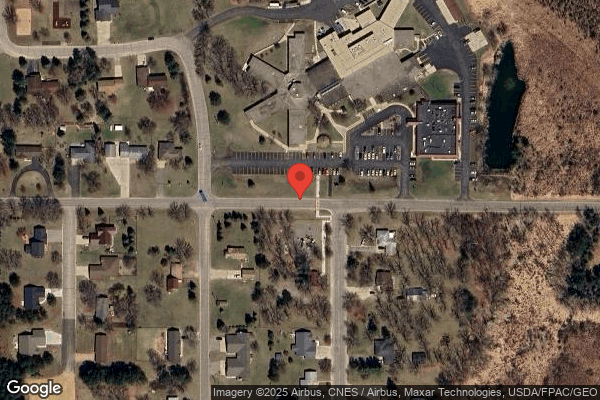
401 PRAIRIE AVENUE NORTHEAST, STAPLES, MN 56479 (218) 894-1515
For profit - Corporation 87 Beds Independent Data: November 2025
Trust Grade
85/100
#50 of 337 in MN
Last Inspection: December 2024

Within standard 12-15 month inspection cycle. Federal law requires annual inspections.

Overview

Lakewood Health System has a Trust Grade of B+, which means it is above average and generally recommended for families considering a nursing home. It ranks #50 out of 337 facilities in Minnesota, placing it in the top half, and #2 out of 3 in Todd County, indicating that only one local option is better. The facility is improving, having reduced reported issues from 5 in 2023 to just 1 in 2024. Staffing is a strength, with a 5/5 rating and a turnover rate of 36%, which is lower than the state average, suggesting that staff are experienced and familiar with residents' needs. While there are some positives, there are also concerns; for example, a serious incident occurred where a resident fell and fractured her leg due to inadequate supervision, which is alarming. Additionally, the facility has been cited for not properly storing food, leading to potential food safety risks, and for leaving garbage dumpsters open, which could attract pests. Overall, while Lakewood Health System has strengths in staffing and a positive overall rating, families should be aware of these specific incidents and the need for continued oversight.

Trust Score
B+
85/100
In Minnesota
#50/337
Top 14%
Safety Record
Moderate
Needs review
Inspections
Getting Better
5 → 1 violations
Staff Stability
○ Average
36% turnover. Near Minnesota's 48% average. Typical for the industry.
Penalties
✓ Good
No fines on record. Clean compliance history, better than most Minnesota facilities.
Skilled Nurses
✓ Good
Each resident gets 57 minutes of Registered Nurse (RN) attention daily — more than average for Minnesota. RNs are trained to catch health problems early.
Violations
○ Average
8 deficiencies on record. Average for a facility this size. Mostly minor or procedural issues.
★★★★★
5.0
Overall Rating
★★★★★
5.0
Staff Levels
★★★☆☆
3.0
Care Quality
★★★★☆
4.0
Inspection Score
Stable
2023: 5 issues
2024: 1 issues

The Good

  • 5-Star Staffing Rating · Excellent nurse staffing levels
  • Full Sprinkler Coverage · Fire safety systems throughout facility
  • No fines on record
  • Staff turnover below average (36%)

    12 points below Minnesota average of 48%

Facility shows strength in staffing levels, fire safety.

The Bad

Staff Turnover: 36%

Near Minnesota avg (46%)

Typical for the industry

The Ugly 8 deficiencies on record

1 actual harm
Jul 2024 1 deficiency 1 Harm
SERIOUS (G) 📢 Someone Reported This

A family member, employee, or ombudsman was alarmed enough to file a formal complaint

Actual Harm - a resident was hurt due to facility failures

Quality of Care (Tag F0684)

A resident was harmed · This affected 1 resident

**NOTE- TERMS IN BRACKETS HAVE BEEN EDITED TO PROTECT CONFIDENTIALITY** Based on interview and document review, the facility failed to ensure adequate supervision to prevent wandering to unsafe places...

Read full inspector narrative →
**NOTE- TERMS IN BRACKETS HAVE BEEN EDITED TO PROTECT CONFIDENTIALITY** Based on interview and document review, the facility failed to ensure adequate supervision to prevent wandering to unsafe places and falls for 1 of 3 residents (R1) reviewed for accidents. This resulted in actual harm to R1 when she fell and sustained a fracture to the right leg. The facility implemented corrective action so the deficient practice was issued at past non-compliance. Findings include: R1's annual Minimum Data Set (MDS), dated [DATE], identified R1 required supervision with eating, oral hygiene, toileting, and shower/bathing, partial to moderate assistance personal hygiene, roll left to right, sit to lying, lying to sitting, and toilet transfers. Substantial to maximum assistance to transfer from chair to bed and sit to stand machine. R1 was frequently incontinent of bladder and always continent of bowel. R1's diagnoses included non-traumatic brain dysfunction, arthritis, osteoporosis, Alzheimer's, and dementia. R1's medications include diuretics (increased urine output). R1's Fall risk assessment dated [DATE], identified intermittent confusion, incontinent, balance problem with standing and walking and required the use of assistive devices (i.e. cane wheelchair, walker, furniture). R1 was at risk for falls. R1's elopement evaluation dated 6/24/24, identified R1 wandered and identified at risk for elopement. R1's bowel and bladder assessment dated [DATE], no falls in past three months, intermittent confusion, ambulatory and incontinent. R1 had balance problems while standing and while walking and required use of assistive devices (i.e. cane, wheelchair, walker, furniture). R1's care plan dated 6/24/24, directed staff to anticipate unmet needs, cue, reorient, and supervise as needed. R1 was at high risk for falls, unaware of safety needs, gait/balance problems, incontinence, and the potential to fall down and hurt herself. Staff were directed to follow urinary toileting schedule every two hours and monitor/provide reminders/assistance to turn/reposition at least every two hours, or more often as needed or requested due to potential for pressure ulcer development. R1's care plan lacked evidence of a revision following implementation of hourly safety checks on 7/4/24, though hourly checks were added to the NA tasks sheet at that time. A facility reported incident (FRI) report submitted to the State Agency (SA) on 7/4/24, at 10:40 p.m The report identified R1 fell at 9:35 p.m., R1 was found on the floor beside the bed lying on right side. R1 was unable to state what happened. R1 had a small amount of emesis. R1's electronic medical record identified the following: - Task of: MONITOR - Complete Hourly Safety Check every shift related to fall risk. Staff to ensure R1 had gripper always socks on. R1's hourly safety checks documentation for 7/4/24, revealed staff signed off the safety checks were completed at 2:41 p.m., 3:53 p.m., 4:41 p.m., 5:00 p.m., 6:00 p.m. 7:00 p.m. Staff did not document the safety check was completed at 8:00 p.m. or 9:00 p.m. and then at 10:47 p.m. documented R1 not available. R1's safety checks were documented to acknowledge R1 was located on 7/4/24, at 2:41 p.m., 3:53 p.m., 4:41 p.m., 5:00 p.m., 6:00 p.m. 7:00 p.m. and documented R1 was not available at 10:47 p.m. Staff did not document R1 was located after 7:00 p.m. until 10:47 p.m. (3 hours and 47 minutes). Task of: B & B (bowel and bladder): Bladder elimination - Toilet every two hours, while awake, during AM (morning) and PM (evening). First, third, and last rounds during the night. Toilet after dinner each day. R1's bladder elimination documentation on 7/4/24, revealed staff signed off at 1:00 p.m. continent, 3:41 p.m. continent, 5:00 p.m. incontinent, 9:35 p.m. incontinent. Staff did not document bladder elimination after 5:00 p.m. until 9:35 p.m. (4 hours and 35 minutes). At 10:47 p.m. staff documented R1 was not available. R1's progress notes dated from 6/25/24, to 7/5/24 were reviewed and identified the following: -6/25/24, at 6:54 a.m. staff were unable to complete brief interview for mental status (BIMS), memory problem identified and severely impaired decision making. -6/30/24, at 11:08 p.m. R1 self-transferred in room, attempted to put herself to bed, and had an unwitnessed fall. No injuries identified. -7/1/24, at 2:45 a.m. R1 was found sitting on floor next to bed at 1:10 a.m. R1 stated she was getting in her chair. Second fall within 12 hours. R1 was assessed, assisted into her chair, and brought to nurse's desk. -7/1/24, at 7:01 a.m. post fall evaluation indicated fall was not witnessed, occurred in R1's room, and reason for fall was not evident. Contributing factors note: R1's bedtime routine was disrupted as R1 had company. -7/4/24, at 9:40 p.m. orders obtained to send R1 to emergency room (ER) for evaluation and treatment following fall. -7/4/24, at 9:48 p.m. Post fall evaluation: R1's fall on 7/4/24, at 9:11 p.m. was found on the floor was not facility sleep study room at 9:10 p.m., complained of right leg pain, and had an emesis. R1's fall was unwitnessed and appeared she attempted to get into a bed that was very elevated and resulted in a fall. R1 sustained an injury of the right medial leg with pain. Physical findings noted R1 had a sensory impairment of her sight and displayed right leg pain. R1 was sent to ER and evaluated. -7/4/24, at 10:56 p.m. communication with provider: staff completed the 9:00 p.m. safety check and located R1 on the floor beside the bed in sleep study room. R1 laid on her right side and complained of right leg pain. -7/5/24, at 1:26 p.m. updated R1's daughter, vulnerable adult was filed with the state agency. R1 was transferred to another local hospital for surgery then would return to facility. -7/8/24, at 2:28 p.m. R1 returned to facility via wheelchair. R1 experienced signs of short-term memory loss, was disoriented, confused, and required cues. R1 had dressing on right hip, poor balance, impairment of lower extremity on one side, and an indwelling catheter. R1's Emergency Department (ED) triage notes dated 7/4/24, at 10:41 p.m. identified brought to ED after R1 encountered an unwitnessed fall and was found in sleep study on the ground on her right side. R1 had a lot of pain will wince and say ouch with range of motion (ROM) to her lower right extremity. R1's hospital history and physical dated 7/4/24, at 10:53 p.m. was found wandering into the sleep lab in another part of the care center and found down on the ground. R1 refused to move right leg at all. R1 had swelling/deformity noted in right femur which was location of prior fracture in the past. R1 had dementia at baseline but seemed to be more confused than usual. R1's physical examination showed deformity/edema noted in lateral upper leg. R1's x-ray showed distal femur fracture that was displaced just past rod from prior surgery. R1's discharge summary from hospital dated 7/8/24, at 11:05 a.m. identified R1 had a comminuted periprosthetic supracondylar femur fracture right leg and received surgical repair ORIF (open reduction and internal fixation) of right femur fracture with bone grafting. R1 was discharged back to skilled nursing facility at 1:18 p.m. on 7/8/24, and all transfers non-weight bearing on the right leg/foot. Right knee immobilizer was expected to be worn full-time until follow up in two weeks with orthopedics for x-rays and staple removal. A facility five-day report submitted to the SA on 7/8/24, at 1:12 p.m., identified R1's care plan was not followed regarding toileting and rounding. R1 was care planned to have been toileted every two hours, last toileted at 4:00 p.m. due again at 6:00 p.m. and not completed. R1 was brought to the dining room at 5:30 p.m. where R1 was last seen finishing her dinner at 6:15 p.m. At 8:30 p.m. staff were unable to locate R1, initiated a missing person alert and found R1 at 9:10 p.m. R1 was unable to explain what happened due to dementia/memory problems. R1's x-rays showed a right femur distal femur fracture and was surgically repaired. Both staff involved were immediately removed from the schedule and disciplinary actions were completed for R1's care not followed. Staff were new, acknowledged, and understood expectations moving forward. Audits were put into place for close monitoring of care and care plans. R1 would be assessed upon return from hospital for a wander guard or memory care placement due to new recent wandering behavior. R1's primary physician visit dated 7/11/24, identified R1 had a history of recurrent falls, cognitive impairment, remote right superior and inferior pubic ramus fractures, intertrochanteric fracture of the right hip post-surgical repair on 1/9/23, via right hip internal fixation of intertrochanteric fracture using cephalomedullary nail. R1 was admitted to facility on 1/25/23, unable to care for herself at home and had falls due to confusion and attempts to transfer without assistance. R1's cognitive decline continued at a slow pace. R1 was admitted to hospital on [DATE], after she sustained a fall and suffered a comminuted right femur fracture. R1's surgical procedure included an open reduction internal fixation of the right periprosthetic femur fracture with bone grafting. R1's significant change MDS dated [DATE], identified R1 was dependent on staff for bed to chair transfers and had an indwelling catheter. R1's elopement evaluation dated 7/12/24, identified R1 wandered, wandering behavior was a pattern, goal directed (i.e. specific destination in mind, going home etc.) and likely to have affected the safety or well-being of self/others. R1 was identified at risk for elopement. R1's physician orders dated 7/14/24, identified a wander guard every shift for elopement risk and ensure the device was working. R1's [NAME] dated 7/16/24, identified Fall Prevention: after meals, ask resident if she wants to sit on the couch and watch TV (television) or place her near the TV in her wheelchair so she was able to see people as they came in and out of the facility. R1 required monitoring/reminders/assistance to turn/reposition at least every two hours, more often as needed or requested. R1 was non-weight bearing to right leg. R1 used wander guard for elopement prevention. R1 was dependent of two staff and the total mechanical lift. HS (evening) routine: go to bed between 8:00 p.m. and 9:00 p.m. R1 had wander guard for elopement precaution. During continuous observations on 7/17/24, from 9:00 a.m. through 10:00 a.m.: -9:00 a.m. R1 sat was observed sitting in her wheelchair in the dining room at a table by herself. R1 drank coffee and looked around. R1 appeared to have eaten approximately 50 percent of her breakfast, had gripper socks on both feet, feet were placed on footrests, and right leg elevated. R1's wander guard was observed to be hung on lower back side of wheelchair and lift sheet remained underneath R1. -9:03 a.m. an unidentified staff asked R1 if she was done eating, pushed her down to hallway one where R1 lived, and left her in the wheelchair where staffed continuous walked by to check on R1. -9:09 a.m. physical therapy assistant (PTA) approached R1 and asked if she was ready for physical therapy this morning. R1 stated yes. PTA pushed R1 in wheelchair down the hallway and into her room. PTA completed R1's physical therapy at 9:25 a.m. then asked if R1 wanted to stay in her room or go out and watch the birds. Registered nurse (RN)-B located outside R1's room in hallway stated out loud that R1 needed to be outside her room in either hallway or out by the birds, and not left in her room. PTA stated, well that answers my question and pushed R1 down the hallway to the central lounge area by the birds. -9:35 a.m. R1 sat in wheelchair in commons/lounge area in front of the birds. -9:50 a.m. R1 sat in wheelchair awake in commons/lounge area in front of the birds. Numerous staff walked by. R1's feet both remained on the footrests and no attempt to get up out of wheelchair. -9:59 a.m. R1 remained in wheelchair in commons/lounge area in front of the birds. NA-D walked up to R1 and sat down next to her in a chair. NA-D asked R1 if she wanted to remain sitting up or lay down, R1 stated lay down. NA-D pushed R1 down hallway to outside of her room, while NA-D located a lift machine. NA-D pushed lift machine into R1's room then R1 in wheelchair. NA-D placed call light on to signal staff for assistance with transfer from wheelchair to bed. NA-E entered R1's room and together they transferred R1 from wheelchair to bed with total lift machine. NA-D and NA-E checked R1's incontinent product, positioned her onto her back with pillow under both legs from knees to ankles so that heels were off bed mattress, then placed bed in lowest position. R1 had on right leg immobilizer during entire observation. NA-E placed call light within reach, moved bedside table next to the bed, and wheel chair on other side of room unreachable by R1. During a telephone interview on 7/17/24, at 1:30 a.m. licensed practical nurse (LPN)-A stated on 7/4/24, the last time she saw R1 was in the dining room at 6:15 p.m. LPN-A stated according to R1's care plan R1 was to be taken to the commons area after meals to be distracted by TV and other people but that night the intervention never happened. LPN-A stated R1 spent a lot of time in her wheelchair, attempted to self-transfer, and forgot she was unable to walk by herself. On 7/4/24, at 8:30 p.m. LPN-A noticed R1's roommate was in bed but R1 was not in her room. R1 was usually in bed by that time and a search was initiated. At 9:10 p.m. LPN-A noticed the sleep study room light was on and entered that room. R1 was sitting on the floor next to the bed with her right leg placed under the left leg. LPN-A placed a pillow behind R1, touched the right leg, tried to move R1's right leg but felt it was not in the correct position. LPN-A indicated registered nurse (RN)-A assisted with lifting R1 off the floor with a full mechanical lift and into her wheelchair. LPN-A stated the assessment of the right leg identified the leg was swollen, very painful, as R1 moaned, and when moved R1 yelled out ohhhhh, winced, and grimaced. R1's provider was notified and R1 was sent to ER via ambulance. R1 was diagnosed with a fracture of the right femur and had surgery to repair it. R1 was on a toileting plan, but was not sure when the last time she was taken to the bathroom. R1 was incontinent of urine and had a small emesis at the time of the fall. R1 told LPN-A she had been hollering out for a long time and knew someone would eventually come. R1 was supposed to have been on hourly safety checks, and the care plan was not followed; otherwise R1 would have not of been found half-way across the building. LPN-A stated had received education on monitoring, repositioning, hourly rounding, toileting and following the care plan on 7/8/24, right after incident. During a telephone interview on 7/17/24, at 10:16 a.m. registered nurse (RN)-A stated R1 was at high risk for falls and was to be toileted every two hours and have hourly safety checks. Staff were expected to document the hourly checks and when R1 was toileted accurately. R1's cognition and memory were poor, R1 had fallen two weeks prior and was then placed on hourly checks. R1 frequently tooled herself around the facility and often tried to stand up by herself. It was after 9:30 p.m. when RN-A was made aware R1 fell. Staff placed R1 in a full total lift and lifted her off the floor of the sleep study room. RN-A stated it was obvious R1 favored her right leg and once her pants were removed they observed two swollen areas on the right thigh. RN-A stated both NA's involved were educated the evening incident happened and audits were started right after incident. RN-A stated all nurses were expected to have completed audits every shift on NA's to assure the care plans were being followed and education provided. RN-A stated those audits continued to be completed on every shift. RN-A also stated at any given time would check the NA's documentation in the resident's electronic medical record and at a glance would have known if cares and checks been completed and/or if they were behind in their cares and checks. RN-A stated she had sent out an email to all nursing staff regarding R1's fall regarding fall interventions and following the care plan right after R1 had fallen. During a telephone interview on 7/17/24, at 1:19 p.m. patient care attendant (PCA) verified she worked on wing one with a nursing assistant (NA)-A on 7/4/24. R1 was on hourly checks and both staff (PCA and NA-A) checked on her and worked as a team. Last time PCA toileted R1 on 7/4/24, was at 4:00 p.m. and after that the NA-A told her she had placed R1 in bed. PCA stated looked at the documentation on R1 and it looked like NA-A signed off she had checked on her every hour so figured R1 was taken care of. PCA was in the dining room assisting another resident when she saw R1 leave the room at about 6:00 p.m., and figured she headed down to her room. PCA found out later R1 was missing and had fallen and possibly injured herself. PCA stated they received education the following day after incident on 7/9/24, prior to start of next shift regarding falls, hourly, checks, transfers, and toileting. During an interview on 7/17/24, at 2:00 p.m. NA-A stated R1 was on hourly safety checks and was to be toileted every two hours on 7/4/24. R1 was toileted was at 4:00 p.m. that day. NA-A stated from 2:00 p.m. to 4:00 p.m. R1 visited in café with her family. NA-A informed PCA she planned her break from 5:00 p.m. to 5:30 p.m. NA-A stated once she returned from her break at 5:30 p.m., she checked with PCA in the dining room, and saw R1 sat at a table in dining room. PCA stayed in dining room and assisted residents, and NA-A returned back to wing one, and answered call lights. NA-A was really busy answering resident call lights and then ended up in resident's rooms. NA-A verified hourly checks and every two-hour toileting on R1 were not completed as they were too busy. Call lights were crazy busy and NA-A asked PCA to complete the checks on R1. At 9:00 p.m. NA-A looked for R1 to get her ready for bed but was unable to find her. NA-A and PCA were expected to have completed the hourly checks on R1 and document in the electronic medical record. The building was searched and R1 was found by a staff nurse in the sleep study room. R1 had fallen and was sent over to ER. NA-A felt she may have been able to prevent that fall if the hourly checks would have been completed as care planned. NA-A stated she had received education the night R1 had fallen on 7/8/24, on documentation, falls, toileting, and hourly rounding. During an interview on 7/17/24, at 4:00 p.m. social worker designee (SWD) completed R1's elopement assessment on 6/24/24. SWD documented R1 did wander and scored one point on the assessment. SWD also verified a score of one or higher the resident would have been considered a risk. SWD stated her thought process was when R1 was taken out of her room and wandered back into her room she considered that would be wandering. SWD stated mostly likely was an error and that question should have been answered no instead on 6/24/24. SWD stated R1 was re-assessed on 7/12/24, for her risk of elopement and identified at risk and a wander guard was placed. During an interview on 7/17/24, at 4:30 p.m. director of nursing (DON) stated on 6/13/24, at 7:35 a.m. R1 had a drop in blood pressure and fell and that's they initiated hourly safety checks as an intervention. Nursing staff were expected to follow the care plan in entirety for each resident and there were no exceptions. If it was not charted then the task was not completed. DON stated falsification of documentation was not allowed and would not be tolerated. DON indicated education was provided to the staff directly involved in incident; NA-A the evening of the incident, PCA the next day prior to shift worked, and additional education was provided to NA's while audits were completed by the staff nurse every shift initiated approximately one week ago. DON stated audits continued so that all staff were monitored for frequent checks and residents toileted according to their care plan. DON stated her expectation for staff would be the care plan followed in it's entirety and was made very clear in during audits. DON stated rounded with NA's and they were very clear on scope of practice and expectations. DON hourly rounding was not included on the care plan but was on the tasks list to be completed by NA's to help keep R1 safe and staff were aware of that. During interview, the DON identified the following was observed on video: R1 ventured down a total of three hallways to get to the education room (previously known as the sleep study room), two and ½ hallways (a total of up to approximately 400 feet total). At 6:45 p.m. R1 ventured up the hallway and wheeled herself out of the main area where she sat by the bird cage. At 6:49 p.m. R1 was down just past her office (almost 2 hallways from main area) and that was the last R1 was seen on the video. DON stated R1 was in the education room approximately two hours before she was found and unsure when she fell. Staff headed down the hallway past her office at 9:04 p.m. and found R1 on the floor with right leg bent and tucked underneath the left thigh. DON indicated when the staff nurse moved R1's leg to straighten them out she said ouch ouch, noted swelling on the right upper leg, and then held her legs straight during the transfer with a total mechanical lift. R1 was then transferred to ED via ambulance and had surgery on her right hip. Review of staff education documents and shift audits identified the facility implemented corrective action and was determined to be in compliance before survey entrance. The facility policy Resident Assessment for Bowel and Bladder Retraining or Management dated 9/6/23, identified purpose was to ensure residents were maintaining the highest level of continence. The facility policy Fall/Injury Risk dated 1/17/24, revealed purpose of policy was to identify resident's risk for falling and risk from a fall, and develop an individualized plan of care to reduce falls and injury. Staff were responsible to initiate the appropriate interventions related to safety and fall prevention. Residents who have fallen will be appropriately managed. All staff member were responsible for implementing the intent and directives contained within this policy and for creating a safe environment of care. Resident maybe placed on fall precautions. The facility policy Nursing Documentation dated 3/20/24, identified all nursing documentation must be completed both accurately and timely in order to enhance patient care. All nursing documentation was expected to be completed within the shift care was completed unless otherwise designated. Documentation should have displayed handling of the data and should influence the plan of care. The facility policy Hourly Rounding dated 5/15/24, identified it was the responsibility of each department director/manager to establish a method of hourly rounding practice within their department to reduce resident safety/risk issues, enable nursing staff to be proactive in their resident care, and evaluate resident for a change in condition. Staff would be expected to meet the resident personal needs such as bathroom assistance, personal hygiene, reposition to provide comfort, and respond to any resident concerns.
Nov 2023 4 deficiencies
CONCERN (D)

Potential for Harm - no one hurt, but risky conditions existed

Transfer Notice (Tag F0623)

Could have caused harm · This affected 1 resident

**NOTE- TERMS IN BRACKETS HAVE BEEN EDITED TO PROTECT CONFIDENTIALITY** Based on interview and document review the facility failed to notify the ombudsman of a facility initiated transfer for 1 of 1 r...

Read full inspector narrative →
**NOTE- TERMS IN BRACKETS HAVE BEEN EDITED TO PROTECT CONFIDENTIALITY** Based on interview and document review the facility failed to notify the ombudsman of a facility initiated transfer for 1 of 1 residents (R9) reviewed for hospitalization. Findings include: R9's quarterly Minimum Data Set (MDS) dated [DATE], identified R9 was cognitively intact, and had diagnoses which included: stroke, hemiplegia (one sided paralysis or weakness) and peripheral vascular disease (blood circulation disorder). Indicated R9 required assistance with self care and mobility. Review of R9's progress notes from 8/28/23 to 8/30/23, identified the following: - on 8/28/23 at 1:17 p.m., nurse was notified from nurse at vascular appointment, that the procedure went well, but R9's blood pressure dropped significantly. R9 was being admitted for observation, with plan to return to facility the next day. Family notified and verbal bed hold completed. - on 8/30/23 at 12:20 p.m., R9 returned to the facility. During an interview on 11/7/23 at 10:49 a.m., social service designee (SSD)-A indicated her usual process was to send the transfer notification to the Ombudsman* When did she do this and how?* and place the form into the resident's medical record. During a follow-up interview on 11/7/23 at 1:02 p.m., SSD-A confirmed the Ombudsman had not been notified of R9's hospital transfer. SSD-A indicated it was important to notify the Ombudsman of hospital transfers, so if concerns existed regarding returning to the facility, the Ombudsman would be aware of the transfer. During an interview on 11/8/23 at 2:00 p.m., director of programs and operations (DPO)-A confirmed she oversaw the social service department. DPO-A indicated the usual facility process for hospital transfers included the nurses would complete a transfer form, which was then provided to social service, which would trigger them to notify the Ombudsman. DPO-A stated it was her expectation social services notified the Ombudsman by fax of all transfers. DPO-A indicated it was important for resident advocacy and to protect the residents right to come back to the facility. DPO-A confirmed the above findings. A policy was requested however was not provided.
CONCERN (E)

Potential for Harm - no one hurt, but risky conditions existed

Deficiency F0576 (Tag F0576)

Could have caused harm · This affected multiple residents

Based on interview and document review, the facility failed to ensure resident mail was delivered on Saturdays for 5 of 5 residents (R2, R40, R46,R49, R27) who voiced concerns with mail delivery. This...

Read full inspector narrative →
Based on interview and document review, the facility failed to ensure resident mail was delivered on Saturdays for 5 of 5 residents (R2, R40, R46,R49, R27) who voiced concerns with mail delivery. This deficient practice had the potential to affect all 74 residents residing in the facility. Findings include: During a resident council meeting on 11/7/23 at 2:02 p.m., five residents attended. All five residents, R2, R40, R46, R49, R27, confirmed mail was not delivered on Saturdays at the facility, and they had to wait until Monday to receive their mail. During an interview on 11/7/23 at 3:09 p.m., activity assistant (AA)-A indicated activity staff delivered mail to residents. AA-A stated they did not deliver mail to residents on Saturday and indicated mail had not been delivered to the facility on Saturdays. During an interview on 11/7/23 at 3:15 p.m., business office assistant (BOA)-A indicated she sorted the mail the residents received on Monday through Fridays and placed the mail activity mail box for resident delivery. BOA-A indicated she was unsure if mail was delivered on Saturdays. During an interview on 11/8/23 at 11:50 a.m., administrator confirmed mail was not delivered to residents on Saturdays and indicated it did not get delivered to the facility on Saturdays. The facility policy titled Resident Mail, dated 4/17/22, identified residents had the right to send and promptly receive mail. The policy identified facility staff would deliver resident's personal mail to their room, unopened.
CONCERN (E)

Potential for Harm - no one hurt, but risky conditions existed

Grievances (Tag F0585)

Could have caused harm · This affected multiple residents

Based on observation, interview and document review, the facility failed to ensure grievance procedures were posted in prominent locations throughout the facility for residents and resident representa...

Read full inspector narrative →
Based on observation, interview and document review, the facility failed to ensure grievance procedures were posted in prominent locations throughout the facility for residents and resident representatives to file grievances, and anonymously if desired, for 5 of 5 residents (R2, R40, R46, R49, R27) reviewed for grievances. This deficient practice had the potential to affect all 74 residents residing in the facility. Findings include: During a resident council meeting on 11/7/23 at 2:02 p.m., five residents attended. All five residents, R2, R40, R46, R49, R27, confirmed they were not aware of how to file a grievance at the facility. During an interview on 11/7/23 at 4:00 p.m., social service assistant (SSA)-A indicated the grievance procedure was reviewed upon admission with the residents and a copy of the procedure was included in the admission packet. SSA-A stated three facility staff members were listed on the grievance procedure form for residents or representatives to contact if they had a concern, or they could contact the ombudsman. SSA-A indicated if residents wished to file a grievance, they could talk to social services or the charge nurse who could provide them information on who they could contact. During an interview on 11/7/23 at 4:07 p.m., director of nursing (DON) stated residents in the facility could report grievances to any staff member or charge nurse. DON indicated she understood residents who attended resident council meetings were informed they could contact social services if they had concerns and they would assist them with the grievance process either by addressing their concerns internally or assisting with filing a grievance. DON and surveyor observed the eight by eleven inch framed grievance procedure located on the wall across from the chapel office, approximately five feet off the ground. DON indicated the facility had recently reviewed the grievance process and posting and had discussed whether the height of the posting and location were adequate. DON confirmed the grievance procedure was not posted in any other prominent locations in the facility. DON verified the facility had not identified how residents could file a grievance anonymously. DON stated the facility did not have any forms for residents to file anonymous grievances. During an interview on 11/8/23 at 11:50 a.m., administrator indicated the facility used a formal grievance process that was used for all campuses. Administrator confirmed the only location of the grievance procedure was in the facility's main corridor across from the chapel/activity room. Administrator confirmed the facility's procedure for grievances, including how to file anonymously, was to contact one of the three staff members listed on the procedure. The facility posting titled Grievance Procedure, undated, identified if concern or suggestions, the facility encouraged them to notify the nurse in charge. If the matter could not be resolved by the charge nurse, they could contact the director of nursing, director of programs and operations, or the grievance officer, whose names, phone numbers and e-mails were listed. The procedure identified grievances may be filed orally or in written format, and may be done so anonymously. The facility policy titled Lakewood Health System (LHS) System Grievance Policy revised 3/20/23, identified its purpose was to provide all customers of LHS a procedure to follow for reporting concerns and grievances with services, care, or other elements of their experience within LHS, and whom to contact to file a grievance. The policy indicated concerns excluded from being defined as grievances included; billing concerns, patient satisfaction survey comments unless a written and signed complaint was included with the survey requesting resolution, and post-care verbal communication that would routinely have been handled by staff present if the communication had occurred during the stay, and anonymous concerns. The policy identified all customers were encouraged to notify any front line staff or charge nurse of their concern. If the concern was unable to be resolved promptly, the concern would be documented within the department as a point-of-care concern. Concerns that were unable to be resolved would be forwarded to director of nursing, director of social services, vice president of senior services, or customer experience, and would be logged as a grievance. The policy identified grievances may be received in person, phone, voicemail, e-mail or in writing, or attached to patient satisfaction survey as a signed document requesting resolution.
MINOR (C) 📢 Someone Reported This

A family member, employee, or ombudsman was alarmed enough to file a formal complaint

Minor Issue - procedural, no safety impact

Abuse Prevention Policies (Tag F0607)

Minor procedural issue · This affected most or all residents

Based on observation and interview, the facility failed to ensure the posting of conspicuous signage of employee rights related to retaliation against the employee for reporting a suspected crime. Thi...

Read full inspector narrative →
Based on observation and interview, the facility failed to ensure the posting of conspicuous signage of employee rights related to retaliation against the employee for reporting a suspected crime. This deficiency has the potential to affect all 74 residents currently residing in the facility. Findings include: During an observation on 11/8/23, a tour of the facility revealed the facility lacked signage of employee rights related to retaliation prohibition for reporting suspicions of a suspected crime posted within the facility. During an interview on 11/8/23 at 1:25 p.m., licensed practical nurse (LPN)-A reported that no retaliation was not addressed in the abuse policy online and staff reviewed it annually. Could not identify where employee rights related to retaliation were posted. During an interview on 11/8/23 at 1:30 p.m., director of program and operations verified employee rights related to retaliation prohibition for reporting suspicions of a suspected crime were not posted. During an interview on 11/8/23 at 2:00 p.m., administrator verified employee rights related to retaliation were not posted. Review of the facility policy titled Vulnerable Adult Policy dated 9/28/23, identified the facility was prohibited from retaliating against a person who reported suspected maltreatment in good faith.
Aug 2023 1 deficiency
CONCERN (D) 📢 Someone Reported This

A family member, employee, or ombudsman was alarmed enough to file a formal complaint

Potential for Harm - no one hurt, but risky conditions existed

Respiratory Care (Tag F0695)

Could have caused harm · This affected 1 resident

**NOTE- TERMS IN BRACKETS HAVE BEEN EDITED TO PROTECT CONFIDENTIALITY** Based on interview, observation and document review, the facility failed to implement assessed intervention to prevent reoccurre...

Read full inspector narrative →
**NOTE- TERMS IN BRACKETS HAVE BEEN EDITED TO PROTECT CONFIDENTIALITY** Based on interview, observation and document review, the facility failed to implement assessed intervention to prevent reoccurrence following a respiratory care incident and facility failed to develop a respiratory care plan for 1 of 4 residents (R2) reviewed for respiratory care. Findings include: R2's admission Minimal Data Set (MDS) dated [DATE], identified R2 had diagnoses which included paraplegia, chronic obstructive pulmonary disease (COPD), and respiratory failure. Further MDS identified required the use of oxygen (O2) therapy. R2's Order Summary dated 8/14/23, indicated R2 required O2 between 0-2 liters as needed to keep 02 saturation about 90% and nurse to check O2 tank prior to meals and change promptly if needed. R2's care plan dated 8/10/23, lacked evidence of a respiratory plan of care or any respiratory interventions which included: type of O2 delivery system, when to administer O2, equipment settings for prescribed flow rates, monitoring O2 levels and resident risks and monitoring for complications. Review of facility report to the state agency (SA) dated 7/27/23, included nursing assistant (NA) reported to the licensed practical nurse (LPN)-A prior to breakfast R2 need more oxygen in her portable tank. R2 was brought into the dining room and tablemate asked a trained medication assistant (TMA) to get R2 oxygen. R2 was upset she did not get her oxygen right away. R2 reported LPN-A was not friendly and was crying and visibly upset. Review of facility's 5-day investigation submitted to the SA on 7/28/23, identified investigation verified R2 was out of oxygen however R2's saturations were at an acceptable level per physician orders and R2 appeared clinically stable. Further, investigation identified there were interventions put into place to prevent further issues. Review of an email sent by director of nursing (DON) sent to all nursing staff dated 7/31/23, directed staff to do the following: - only a nurse or a TMA can change O2 tanks over and do anything with them. A NA cannot move oxygen from tanks, adjust tanks, ect. - Nurses and TMAs need to check the O2 fill level to ensure it has O2 in it prior to changing the resident over to the tank. Staff can't put someone on O2 when there isn't any oxygen in it. - The order is for continuous O2 for a reason, so the resident cannot have a gap in O2 - If staff note the resident is running low, please bring them to a nurse and have them sit with the nurse to avoid them running out or the nurse forgetting to fill their tank. - If they are in their room and need to be changed over, use the nurse light system so the nurse is reminded that they need to change the resident over. On 8/10/23 at 3:27 p.m., R2 was observed in her room in wheelchair and was hooked to the portable O2 tank on the back of her wheelchair by nasal cannula. R2 stated on 7/27/23, the NA that assisted with morning cares hooked her up to the portable O2 tank and brought her to the nurses cart and reported to the nurse she needed more O2 and then the NA took her to the dining room. R2 stated she ate breakfast and waited a while when another nurse noticed she did not have her O2 on and got her a new tank. R2 stated she felt the nurse has it in for me. On 8/10/23 at 3:58 p.m., registered nurse (RN)-D stated only licensed nurses or TMAs can switch and/or touch O2, the NAs were expected to notify the nurse to switch a resident's O2 source. On 8/10/23 at 5:57 p.m., NA-A indicated on the day of 7/27/23, NA-A confirmed she had switched R2 from the room concentrator to the portable tank and brought R2 out of her room with the empty tank, notified LPN-A R2's tank was empty, and then brought R2 into the dining room, however R2's tank was never changed by LPN-A. Further, NA-A stated if a resident required O2 it would be identified in their care plan along with if the resident required O2 continuously or as needed. In addition, NA-A stated NAs were allowed to change O2 source, turn on/off O2, and set the concentrator or portable tank to flow rate, which NA-A would compare what it was previously set at, but NAs were not allowed to increase the flow rate. On 8/10/23 at 6:16 p.m., RN-A indicated R2 was admitted to the facility on hospice care with orders for O2 as needed related to diagnosis of respiratory failure with hypoxia. RN-A indicated R2 did wear her O2 almost continuously for comfort. Further, RN-A stated on 7/27/23, R2 was brought into RN-A's office by TMA-A and R2 appeared to be upset she didn't have oxygen and crying and R2 reported the nurse has it out for me. RN-A reported R2 was not in respiratory distress and upon assessment revealed R2's O2 saturation was 96% and lung sounds were clear. In addition, RN-A stated only licensed nurses or TMAs were allowed to do anything with O2 since O2 was considered a medication/treatment and NAs should not do anything with O2. On 8/11/23 at 8:35 a.m., RN-C stated only licensed nurses or TMAs were able to touch O2, switch O2 sources, or adjust O2 flow rate but sometimes the NAs forget and would bring residents out of their rooms and notify the nurse the resident needed oxygen and continue to bring them to the dining room. Further, RN-C indicated a big education was sent to all nursing staff directing staff to leave the residents in their rooms and notify the nurse when they were ready to leave their room and they need their oxygen. On 8/11/23 at 8:56 a.m., LPN-A residents who required O2 had orders and were monitored as well as ensuring their portable tank were full before switching O2 sources and would be completed by either the licensed nurse on duty or TMA the NAs were not allowed to touch the O2. LPN-A indicated on 7/27/23, in the morning it was busy, and NA-A notified LPN-A R2 needed a new O2 tank as hers was empty while passing by and NA-A brought R2 into the dining room. LPN-A indicated R2 became upset she did not have oxygen on and the NA-A had left her with no oxygen. Further, LPN-A indicated there was a failure that occurred, and this incident could have been prevented had the NA alerted LPN-A while R2 was still in room hooked up to room concentrator. LPN-A indicated education was sent out to all nursing staff related to NAs not touching O2 and to alert licensed nurse or TMA prior to moving the resident out of the room as well as checking R2's tanks more frequently to ensure it is full. On 8/11/23 at 11:26 a.m., TMA-A stated on 7/27/23, R2 was in the dining room at a table with another resident who got TMA-A's attention and reported R2 needed her oxygen. TMA-A went and got a new portable O2 tank and brought R2 into RN-A's office. TMA-A reported R2 was upset but did not appear to be in repertory distress. Further, TMA-A indicated since this incident the DON had sent an email to all nursing staff related to only licensed nurses or TMAs were allowed to change O2 sources or adjust O2 and NAs were not allowed to touch the O2. On 8/11/23 at 11:44 a.m. NA-B indicated she was allowed to switch O2 sources for residents as well as turn on/off oxygen. Further, NA-B will ask a verbal resident if they require oxygen and if they are unable to tell staff NA-B would ask a nurse. On 8/11/23 at 12:19 p.m., NA-C indicated NAs were allowed to turn on/off O2 and change O2 sources for example if a resident was on the room concentrator NA-C would assist with transferring to the wheelchair and turn on the O2 portable tank which was typically already set to 2 liters. On 8/11/23 at 12:23 p.m., TMA-B indicated if a resident required O2 it would be listed on their care plan and the care plans are posted in each resident's closet. Further, TMA-B stated only licensed nurse and TMAs were allowed to touch O2 and the NAs were not supposed to be changing O2 sources. On 8/11/23 at 2:52 p.m., RN-B indicated due to the incident with R2, DON sent out education to all nursing staff on the recent changes which were only licensed nurses and TMAs would be able to do anything with O2. On 8/11/23 at 2:41 p.m., RN-A stated on 7/27/23, R2 was brought into her office and appeared to be upset with tears coming down her face and appeared to be gasping from crying (not in respiratory distress). Through the investigation, RN-A stated it was determined R2 had been without O2 for approximately 20 minutes. Further, RN-A stated anxiety with or without respiratory distress could cause someone to hyperventilate or have air hunger. In addition, RN-A stated each resident who required O2 should have a care plan within 30 days of admission with respiratory inventions for staff direction that are placed on the [NAME] as well, but confirmed R2 did not have a respiratory care plan due to miscommunication of staff when R2 switched care coordinators. On 8/15/23 at 10:40 a.m., DON indicated the NA-B reported to LPN-A R2's tank was almost empty and brought R2 into the dining room and left R2 at the table where the tank eventually went empty. DON stated NA-B should have alerted another nurse regarding R2's tank being close to empty if LPN-A was busy. Further, DON stated following the incident the interdisciplinary team met and implemented the licensed nurse would check the tank before each meal. DON stated there was a miscommunication regarding the email that was sent to all staff on 7/31/23 and stated the facility did not change their process and NA's were able to switch O2 sources but were not trained to adjust the O2 flow rate. In addition, DON stated RN care coordinators and MDS nurse would be expected to collaborate and complete a comprehensive assessment for each resident which would include a respiratory care plan. Review of facility policy titled Oxygen administration, long term revised 11/28/22, lacked direction on which staff were allowed to assist with O2 as well as implementing a respiratory care plan and interventions required.
Jun 2022 2 deficiencies
CONCERN (F)

Potential for Harm - no one hurt, but risky conditions existed

Food Safety (Tag F0812)

Could have caused harm · This affected most or all residents

Based on observation, interview, and document review, the facility failed to ensure food items were properly stored and dated in 1 of 1 kitchens and 2 of 2 kitchenettes in the facility to prevent food...

Read full inspector narrative →
Based on observation, interview, and document review, the facility failed to ensure food items were properly stored and dated in 1 of 1 kitchens and 2 of 2 kitchenettes in the facility to prevent food borne illness. This deficient practice had the potential to affect 73 of 74 residents who were served food from the main kitchen and kitchenettes. Findings include: During the initial kitchen tour with the baker-cook (BC) on 6/26/22, at 1:40 p.m. the following observations were made: The walk-in refrigerator storing milk and dairy products was noted to have: A crate containing approximately five half pint non-fat milk cartons with a use-by-date of 6/18/22, and approximately 15 cartons with a use-by-date of 6/20/22. A crate containing approximately eight pint-sized heavy whipping cream bottles with a use-by-date of 6/25/22. During an interview on 6/26/22, at 1:50 p.m. the BC stated she was not certain why the outdated items listed above were still in the refrigerator. BC immediately disposed of the outdated items from the walk-in refrigerator. During the second kitchen tour with the dietary manager (DM) on 6/28/22, at 10:00 a.m. the following observations were made: The freezer compartment of the refrigerator located in the kitchenette on the memory unit was noted to have three bags of food products without labels or dates and inside the bags the food items were covered in a heavy layer of ice. The food items included a bag containing three waffles, a bag of French toast sticks, and a bag with a single egg omelet. The DM stated the items should have had labels. DM commented the items were freezer burnt and immediately disposed of them. The multi-door refrigerator located in the main dining room kitchenette was noted to have food products that were beyond the use-by-date. Those products included: One single size yogurt container had a use-by-date of 6/20/22. The DM immediately threw the container away in the trash receptacle. One half pint size non-fat milk carton had a use-by-date of 6/16/22, and five more half pint sized non-fat milk cartons with use-by-dates noted to be 6/22/22. The DM immediately threw the cartons away in the trash receptacle. During an interview on 6/28/22, at 10:00 a.m. the DM stated she had been informed outdated food products were also found during the initial kitchen tour completed on 6/26/22. During a follow-up interview on 6/29/22, at 11:35 a.m. DM stated her expectation for her staff would be to check the use by dates of the food upon food deliveries. Additionally, DM indicated she expected staff to properly seal and date food products once they had been opened. Review of the facility kitchen's policy titled Food Storage revised 3/17/19, revealed foods with expiration dates were to be used prior to the date on the package. The policy indicated all foods would be covered, labeled, and dated. The policy identified refrigerated foods would be checked to assure that foods (including leftovers) would be consumed by their safe use by dates, or frozen (where applicable) or discarded. The policy indicated frozen foods would be covered, labeled, dated and all foods would be checked to assure that foods would be consumed by their safe use by dates or discarded.
CONCERN (F)

Potential for Harm - no one hurt, but risky conditions existed

Garbage Disposal (Tag F0814)

Could have caused harm · This affected most or all residents

Based on observation and interview, the facility failed to ensure proper containment of garbage in the outside dumpsters to prevent harboring pests and rodents. This had the potential to affect all 74...

Read full inspector narrative →
Based on observation and interview, the facility failed to ensure proper containment of garbage in the outside dumpsters to prevent harboring pests and rodents. This had the potential to affect all 74 residents residing in the facility. Findings include: On 6/28/22, at 10:20 a.m. during the kitchen sanitation tour, the facility's two outside dumpsters were observed located at the end of the back parking lot next to an area of vegetation and wildlife. The dumpster on the left had one lid open, exposing the interior of the dumpster. The Dietary Manager (DM) stated at the time the dumpsters were used for recycling. DM stated housekeeping staff disposed of dietary's refuse, such as cardboard boxes from food deliveries, into the dumpsters. On 6/29/22, at 9:50 a.m. the two dumpsters were observed and both dumpster lids were open. During an interview on 6/29/22, at 10:00 a.m. the Maintenance Supervisor (MS) confirmed the dumpster lids were open and stated housekeeping or any staff using the dumpsters should have ensured the lids were closed. During a telephone interview on 6/29/22, at 1:00 p.m. Housekeeping Director (HKD) stated the facility did not have a policy for proper containment of refuse in the dumpsters. HKD stated housekeeping staff disposed of the refuse once daily and were expected to ensure the lids were closed after the task was completed. HKD indicated the dumpsters were located next to an area where active wildlife had been observed.
Understanding Severity Codes (click to expand)
Life-Threatening (Immediate Jeopardy)
J - Isolated K - Pattern L - Widespread
Actual Harm
G - Isolated H - Pattern I - Widespread
Potential for Harm
D - Isolated E - Pattern F - Widespread
No Harm (Minor)
A - Isolated B - Pattern C - Widespread

Questions to Ask on Your Visit

  • "Can I speak with families of current residents?"
  • "What's your RN coverage like on weekends and overnight?"

Our Honest Assessment

Strengths
  • • Grade B+ (85/100). Above average facility, better than most options in Minnesota.
  • • No fines on record. Clean compliance history, better than most Minnesota facilities.
  • • 36% turnover. Below Minnesota's 48% average. Good staff retention means consistent care.
Concerns
  • • 8 deficiencies on record, including 1 serious (caused harm) violation. Ask about corrective actions taken.
Bottom line: Generally positive indicators. Standard due diligence and a personal visit recommended.

About This Facility

What is Lakewood Health System's CMS Rating?

CMS assigns Lakewood Health System an overall rating of 5 out of 5 stars, which is considered much above average nationally. Within Minnesota, this rating places the facility higher than 99% of the state's 100 nursing homes. This rating reflects solid performance across the metrics CMS uses to evaluate nursing home quality.

How is Lakewood Health System Staffed?

CMS rates Lakewood Health System's staffing level at 5 out of 5 stars, which is much above average compared to other nursing homes. Staff turnover is 36%, compared to the Minnesota average of 46%. This relatively stable workforce can support continuity of care.

What Have Inspectors Found at Lakewood Health System?

State health inspectors documented 8 deficiencies at Lakewood Health System during 2022 to 2024. These included: 1 that caused actual resident harm, 6 with potential for harm, and 1 minor or isolated issues. Deficiencies causing actual harm indicate documented cases where residents experienced negative health consequences.

Who Owns and Operates Lakewood Health System?

Lakewood Health System is owned by a for-profit company. For-profit facilities operate as businesses with obligations to shareholders or private owners. The facility operates independently rather than as part of a larger chain. With 87 certified beds and approximately 81 residents (about 93% occupancy), it is a smaller facility located in STAPLES, Minnesota.

How Does Lakewood Health System Compare to Other Minnesota Nursing Homes?

Compared to the 100 nursing homes in Minnesota, Lakewood Health System's overall rating (5 stars) is above the state average of 3.2, staff turnover (36%) is near the state average of 46%, and health inspection rating (4 stars) is above the national benchmark.

What Should Families Ask When Visiting Lakewood Health System?

Based on this facility's data, families visiting should ask: "Can I visit during a mealtime to observe dining assistance and food quality?" "How do you handle medical emergencies, and what is your hospital transfer rate?" "Can I speak with family members of current residents about their experience?"

Is Lakewood Health System Safe?

Based on CMS inspection data, Lakewood Health System has a clean safety record: no substantiated abuse findings (meaning no confirmed cases of resident harm), no Immediate Jeopardy citations (the most serious violation level indicating risk of serious injury or death), and is not on the Special Focus Facility watch list (a federal program monitoring the lowest-performing 1% of nursing homes). The facility has a 5-star overall rating and ranks #1 of 100 nursing homes in Minnesota. While no facility is perfect, families should still ask about staff-to-resident ratios and recent inspection results during their visit.

Do Nurses at Lakewood Health System Stick Around?

Lakewood Health System has a staff turnover rate of 36%, which is about average for Minnesota nursing homes (state average: 46%). Moderate turnover is common in nursing homes, but families should still ask about staff tenure and how the facility maintains care continuity when employees leave.

Was Lakewood Health System Ever Fined?

Lakewood Health System has no federal fines on record. CMS issues fines when nursing homes fail to meet care standards or don't correct problems found during inspections. The absence of fines suggests the facility has either maintained compliance or corrected any issues before penalties were assessed. This is a positive indicator, though families should still review recent inspection reports for the full picture.

Is Lakewood Health System on Any Federal Watch List?

Lakewood Health System is not on any federal watch list. The most significant is the Special Focus Facility (SFF) program, which identifies the bottom 1% of nursing homes nationally based on persistent, serious quality problems. Not being on this list means the facility has avoided the pattern of deficiencies that triggers enhanced federal oversight. This is a positive indicator, though families should still review the facility's inspection history directly.