Prairie View Senior Living
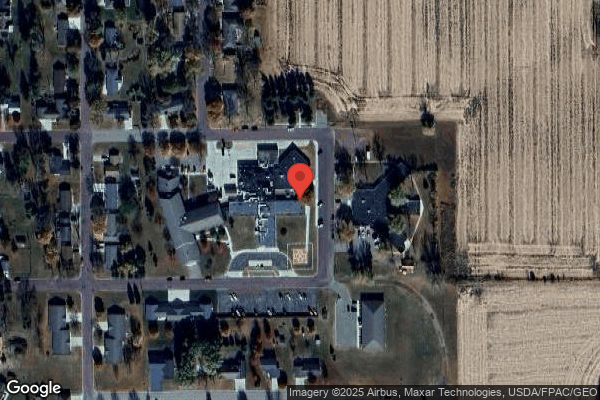
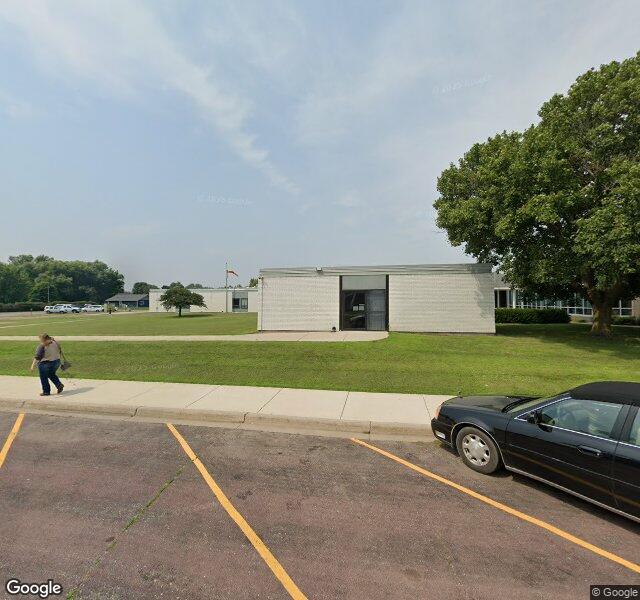
250 FIFTH STREET EAST, TRACY, MN 56175 (507) 629-3331
For profit - Corporation 45 Beds ACCURA HEALTHCARE Data: November 2025 1 Immediate Jeopardy citation
Trust Grade
26/100
#314 of 337 in MN
Last Inspection: April 2025

Within standard 12-15 month inspection cycle. Federal law requires annual inspections.

Overview

Prairie View Senior Living has received a Trust Grade of F, indicating significant concerns and poor performance. Ranking #314 out of 337 facilities in Minnesota places them in the bottom half, and they are #2 out of 2 in Lyon County, meaning there is only one facility nearby that is performing better. The facility's trend is worsening, with the number of issues increasing from 6 in 2024 to 9 in 2025. Staffing is a concern, with a rating of 2 out of 5 stars and a turnover rate of 54%, which is higher than the state average of 42%. They have accumulated $15,265 in fines, higher than 77% of other Minnesota facilities, and have less RN coverage than 87% of state facilities, which is troubling as RNs are crucial for catching potential issues. Specific incidents of concern include a critical failure to act on a resident's severe health decline that led to a life-threatening infection and ultimately the resident's death. Additionally, the facility did not ensure that nurses administering insulin had the necessary training, which could impact diabetic residents. Lastly, they lacked a performance improvement plan to address high-risk areas, suggesting a lack of proactive measures to enhance care. While the facility does have some staff members, the overall issues raise serious red flags for families considering this nursing home for their loved ones.

Trust Score
F
26/100
In Minnesota
#314/337
Bottom 7%
Safety Record
High Risk
Review needed
Inspections
Getting Worse
6 → 9 violations
Staff Stability
⚠ Watch
54% turnover. Above average. Higher turnover means staff may not know residents' routines.
Penalties
✓ Good
$15,265 in fines. Lower than most Minnesota facilities. Relatively clean record.
Skilled Nurses
○ Average
Each resident gets 31 minutes of Registered Nurse (RN) attention daily — about average for Minnesota. RNs are the most trained staff who monitor for health changes.
Violations
⚠ Watch
30 deficiencies on record. Higher than average. Multiple issues found across inspections.
★☆☆☆☆
1.0
Overall Rating
★★☆☆☆
2.0
Staff Levels
★☆☆☆☆
1.0
Care Quality
★★☆☆☆
2.0
Inspection Score
Stable
2024: 6 issues
2025: 9 issues

The Good

  • Full Sprinkler Coverage · Fire safety systems throughout facility
  • No fines on record

Facility shows strength in fire safety.

The Bad

1-Star Overall Rating

Below Minnesota average (3.2)

Significant quality concerns identified by CMS

Staff Turnover: 54%

Near Minnesota avg (46%)

Higher turnover may affect care consistency

Federal Fines: $15,265

Below median ($33,413)

Minor penalties assessed

Chain: ACCURA HEALTHCARE

Part of a multi-facility chain

Ask about local staffing decisions and management

The Ugly 30 deficiencies on record

1 life-threatening
Jul 2025 1 deficiency
CONCERN (D) 📢 Someone Reported This

A family member, employee, or ombudsman was alarmed enough to file a formal complaint

Potential for Harm - no one hurt, but risky conditions existed

Notification of Changes (Tag F0580)

Could have caused harm · This affected 1 resident

**NOTE- TERMS IN BRACKETS HAVE BEEN EDITED TO PROTECT CONFIDENTIALITY** Based on interview and record review the facility failed to notify physician of skin alteration for 1 of 3 (R1) residents review...

Read full inspector narrative →
**NOTE- TERMS IN BRACKETS HAVE BEEN EDITED TO PROTECT CONFIDENTIALITY** Based on interview and record review the facility failed to notify physician of skin alteration for 1 of 3 (R1) residents reviewed for change of condition. Findings include R1's admission Minimum Data Set (MDS) dated [DATE], indicated R1 had intact cognition. R1 had infection to the foot and was receiving application of nonsurgical dressing with ointment/medication to her feet.R1's progress note dated 6/4/25 at 1:30 p.m., indicated R1 was admitted via electric scooter from local hospital with many bruises on arms and an open area left great toe. R1's progress notes dated 6/5/25 at 4:08 a.m., indicated admission skin assessment completed and there were multiple bruises noted on bilateral arms and legs and dressing remained intact to left great toe.R1's record reviewed between 6/5/25 through 6/11/25 revealed although the progress notes identified R1 had developed skin changes to her right foot that included discoloration, a large bump, and a large fluid filled blister, it was not evident the physician was notified of the change until 6/12/25. R1's progress notes included the following: R1's progress notes dated 6/8/25 at 3:32 a.m., indicated on 6/7/25, staff alerted writer the R1 had a large bump on the top of her right foot. The site looked inflamed and black/blue in color. A border was drawn around the edges to monitor for changes in size. R1's progress note dated 6/9/25 at 9:13 a.m., R1's top of right foot was noted to be dark in color with a fluid filled intact blister. R1 reported she had bumped it the other day when she lost her balance but did not fall. Area left open to air and continue to observe. R1's progress notes dated 6/10/25 at 12:11 a.m., indicated the fluid filled blister was extending the border that was drawn on 6/7/25 and measured over the raised area 9.2 centimeters (cm) high x 11.4 cm wide. Remained open to the air. R1's progress notes dated 6/10/25 at 7:24 a.m., indicated R1 had a blister like area on her right foot and cellulitis in left great toe. R1's progress notes dated 6/10/25 at 11:15 a.m., indicated a very large intact blister to top of right foot. Skin very thin and transparent with fluid pool present. Remains open to air at time. Will continue to observe. R1's progress notes dated 6/11/25 at 1:22 p.m., indicated left great toe cellulitis with slow improvement noted. Scant bleeding with dressing removal. Skin remains open. Antibiotics complete. Continue current treatment, see wound flow sheet for further information. Continue to observe.R1's progress notes dated 6/12/25 at 2:54 p.m., indicated R1 was seen by physician on rounds for blister on top of right foot. physician completed sharp debridement to area. Dressed with Adaptec (moist dressing), gauze pad and kerlix. R1 to start doxycycline (an antibiotic) and compression provided with ace wraps.During an interview on 7/18/25 at 10:56 a.m., director of nursing (DON) stated it was her expectation that any skin concerns were brought the physician's attention as soon as possible. The nurse should do an assessment, with measurements, start a treatment and make a progress note.During an interview on 7/18/25 1:30 p.m. MD-A indicated the wound was brought to his attention during rounds on 6/12/25. MD-A further stated the wound could have extended R1's stay at the facility, as there was no evidence of physician notification until 6/12/25. Review of facility policy entitled Weekly Skin Assessment and Documentation Process, dated 1/20/23, identified the following:c.) Notification to Physician1- The nurse who initially identifies the skin alteration, they should utilize the fax forms to notify the physician/nurse practitioner or call and put the new order into the electronic health record.
Apr 2025 8 deficiencies
CONCERN (D)

Potential for Harm - no one hurt, but risky conditions existed

Transfer Notice (Tag F0623)

Could have caused harm · This affected 1 resident

Based on interview and document review, the facility failed to notify the Office of the Ombudsman of transfers and discharge for 2 of 5 residents (R29 and R39) reviewed for hospitalizations and/or dis...

Read full inspector narrative →
Based on interview and document review, the facility failed to notify the Office of the Ombudsman of transfers and discharge for 2 of 5 residents (R29 and R39) reviewed for hospitalizations and/or discharges. Findings include: R29's 3/16/25, discharge return anticipated Minimum Data Set (MDS) assessment identified an unplanned discharge to general hospital. 3/19/25 an entry tracking record was completed. R39's 2/3/25, discharge return not anticipated MDS identified he returned to home/community. Review of the February and March 2025 Monthly Notice to Office of Ombudsman for Long-Term Care of Emergency Acute Care Transfer and Discharges form identified that neither R29 nor R39 were on the list of resident who had been discharged . Interview on 4/16/25 at 9:20 a.m., with social service designee (SSD) identified she notified the ombudsman monthly of any hospital discharges. She did not notify the ombudsman of any other types of discharges. She reported that the nurse took care of ombudsman notification if a resident discharged to home or anther facility. She confirmed that R29's hospital discharge did not get reported to the ombudsman. She identified that there had been a agency staff working that shift and did not fill out the Emergency Notice of Transfer/Discharge, Notice of Bed Hold Policy and Return form so she was unaware of the hospital discharge and the need to notify the Ombudsman. Interview on 4/16/25 at 11:43 a.m., with assistant director of nursing (ADON) identified that as far as she was aware the SSD notified the ombudsman of all discharges. Interview on 4/16/25 at 2:30 p.m., with director of nursing (DON) identified that the prior Minimum Data Set (MDS) nurse who was no longer employed at the facility, had been completing some discharge notices to the Ombudsman while the SSD notified the ombudsman of hospital discharges. She confirmed since the MDS nurse left, some discharge notices had not been made. The MDS nurse that left completed a lot of tasks and the facility was still figuring out what she had been taking care of and what needed to be re-assigned. The SSD worked on discharge planning and already completed the hospital discharge notices to the Ombudsman and could probably take over ensuring the Ombudsman was notified of all discharges. Review of the 10/22/21, Notice of Transfer or Discharge Process policy identified the Office of the State Long-Term Care Ombudsman would be notified of discharges monthly.
CONCERN (D)

Potential for Harm - no one hurt, but risky conditions existed

Assessment Accuracy (Tag F0641)

Could have caused harm · This affected 1 resident

**NOTE- TERMS IN BRACKETS HAVE BEEN EDITED TO PROTECT CONFIDENTIALITY** R14's 3/31/25, significant change Minimum Data Set (MDS) assessment identified R14 had severe cognitive impairments, and he was ...

Read full inspector narrative →
**NOTE- TERMS IN BRACKETS HAVE BEEN EDITED TO PROTECT CONFIDENTIALITY** R14's 3/31/25, significant change Minimum Data Set (MDS) assessment identified R14 had severe cognitive impairments, and he was dependent on staff for cares. The assessment identified he did not have a prognosis that may result in a life expectancy of less than 6 months, and he was not on hospice. R14's prior significant change MDS dated [DATE] and his quarterly MDS dated [DATE] both identified he was on hospice. R14's medical record identified an order on 11/29/24 for hospice services. Medical record further identified R14 had been admitted to [NAME] at Home Hospice on 12/3/24. R14's 12/4/24, care plan identified terminal prognosis requiring hospice services. R14's comfort would be maintained. Staff were to adjust provisions of cares to compensate changing abilities. Assess coping strategies and respect wishes. Staff were to contact [NAME] Hospice with concerns or question. Encourage support systems of friends and family. There were multiple other interventions identified for comfort and coordination of care with hospice. On 4/16/25 at 12:51 p.m., an attempt was made to contact the regional clinical reimbursement specialist that was identified as the staff completing R14's MDS assessments. A voice mail was left to return call with no response. Interview on 4/16/25 at 2:30 p.m., with director of nursing (DON) identified she would expect that the MDS assessment accurately reflected the resident status. She confirmed that R14's significant change MDS lacked identification of hospice. Based on observation, interview and document review, the facility failed to ensure resident status was accurately identified in the Minimum Data Set (MDS) assessment for 2 of 12 sampled residents (R13 and R14). Findings include: R13 was admitted [DATE]. R13's undated, current diagnosis list identified R13 received a diagnosis of bipolar disorder 11/05/24. R13's 3/03/25, Level II PASARR had indicated R13 had meet criteria for severe mental illness. R13's 3/28/25, Significant change Minimum Data Set (MDS) identified R13 was moderately, cognitively impaired and had a diagnoses of anxiety, bipolar disease and dementia. R13 had little interest or pleasure in doing things, never to 1 day and felt down, depressed or hopeless 2 to 6 days. R13 was dependent with ADLS and required substantial maximal assist with transfers. R13 had taken antipsychotics, antianxiety and antidepressant on a routine basis. Section A 1500 PASARR: resident been evaluated by [NAME] II PASARR and determined to have a serious mental illness and/or mental retardation, or a related condition was marked no. Interview on 4/15/25 at 12:56 p.m., with Registered nurse (RN)-A identified the Level II (PASARR) was missed and would have to modify the entry error and update the correct data on R13's MDS. Interview on 4/16/25 at 8:49 a.m., with the director of nursing and assistant director of nursing voiced in agreement they would expect the MDS entry to be coded accurately. Interview on 4/16/25 at 9:12 a.m., with the administrator would expect residents MDS submission to be accurate. He identified the facility did not have a policy for MDS but used the RAI manual for guidance. Review of the Resident Assessment Instrument (RAI) manual identify residents MDS submissions must be accurate during the look back period, in accordance with standards of clinical practice and documentation.
CONCERN (D)

Potential for Harm - no one hurt, but risky conditions existed

Pharmacy Services (Tag F0755)

Could have caused harm · This affected 1 resident

**NOTE- TERMS IN BRACKETS HAVE BEEN EDITED TO PROTECT CONFIDENTIALITY** Based on interview and document review the facility failed to ensure 1 of 1 resident (R15) rapid acting insulin injection was ad...

Read full inspector narrative →
**NOTE- TERMS IN BRACKETS HAVE BEEN EDITED TO PROTECT CONFIDENTIALITY** Based on interview and document review the facility failed to ensure 1 of 1 resident (R15) rapid acting insulin injection was administered according to the manufactures instructions. Finding include: R15's 1/21/25, Significant Change Minimum Data Set (MDS) assessment identified R15 cognition was intact, he had no pain, no behaviors, was on a therapeutic diet, received insulin, anticoagulant, diuretic, hypoglycemic medication daily and was on isolation. R15's diagnosis list identified he had diabetes mellitus type 2, long term use of insulin, heart failure, chronic kidney disease, edema, atrial fibrillation, and hypertension. R15's January 2025, Medication Administration Record identified R15 received insulin Glargine Solution 48 units every morning and evening and Fiasp insulin aspart injection solution 32 units three times a day at 8:00 a.m., noon, and 5:00 p.m R15's medication administration audit report identified documentation on 1/26/25 at: 1) 9:17 a.m., Fiasp insulin 32 units had been administered. 2) 9:18 a.m. insulin Glargine 48 units had been administered. 3) 12:17 p.m. Fiasp insulin 32 units had been administered. R15's 1/26/25 at 1:46 p.m., progress note identified LPN-A documented R15 was given his dinner medication and insulin around 11:45 a.m. Staff brought R15 his dinner at 12:30 p.m. (forty-five minutes later) and found R15 to be sweating and drooling from his mouth. R15 was unable to answer appropriately, blood pressure was 135/86 millimeters/mercury (mm/hg) (normal 120/80 mm/hg), temperature 97.5 Fahrenheit (F) (within normal limits), pulse 80 beats per minute (bpm) (normal), respirations 20 per minute (normal), and oxygen saturation 95% (normal) on room air. The ambulance was called at 1:20 p.m., and R15 left the facility at 1:30 p.m. The progress note lacked identification of what R15's BS was at 12:30 when staff identified his level of conscious changes, or what, if any, interventions had been implemented at the facility. R15's vital signs documentation identified on 1/26/25 at 9:18 a.m., R15's BS was 103 milligrams/deciliter (mm/dL). At 12:22 p.m., R15's BS was 99 mg/dL, and at 1:44 p.m. (after R15 had left the facility), staff recorded R15's BS was 68 mg/dL. It is unknown if this was a late entry. Interview on 4/15/25 at 7:55 a.m., with registered nurse (RN)-B identified she would check the resident blood sugar, if it was low at all she would wait to see what the resident ate before giving fast acting insulin. She was unsure if there was any protocol on what to do or what other nurses did for insulin. Interview on 4/15/25 at 8:31 a.m., with LPN-A identified on 1/26/25, from what she could recall, R15 never usually had a low blood sugar, but it was low that day. R15 ate his meal, but occasionally he would get bucky and not want to come out for his meal right away. She thought perhaps staff likely went to get him, but he would not come out, so they brought him his meal and that was when they found him unable to answer appropriately. Staff then came and got her to go and assess him. R15's blood sugar level and blood pressure had gone down so she sent him to the ED for evaluation. Further interview on 4/16/25 at 7:33 a.m., with LPN-A identified on 1/26/25, the day she sent R15 to the emergency department (ED) she had assessed him, attempted to give him orange juice with sugar in it. She reported she did not use the glucagon gel because she was unsure if he would have been able to swallow that as it was thicker. From what she could recall, she wasn't aware if the facility had glucagon injectable medication and did not report what she had not used that if she had concerns about R15's ability to swallow medication. Review of the June 2023, Fiasp insulin aspart injection 100 units/ml manufacturer instructions identified Fiasp was a rapid-acting human insulin analog indication to improve glycemic control for patients with diabetes mellitus (1). Fiasp insulin was to be given at the start of a meal or within 20 minutes after starting a meal. R15's 1/26/25, emergency department record identified R15 with a history of diabetes, the facility reported that R15 had a BS of 68 and was given 4 packets of sugar while at nursing home. Upon arrival R15 had a BS of 33. R15 had tested positive for influenza on 1/20/25 and had not been eating or drinking well however, and the facility had continued to give him his usual insulin doses. He had been receiving Lantus 48 units twice a day along with NovoLOG 32 units three times a day with meals. R15's 1/30/25, hospital discharge summary identified R15 had been admitted on [DATE] for hypoglycemia, influenza A, and acute renal disease and hypotension secondary to dehydration. Review of the current, undated, American Diabetes Association (ADA) , Severe Hypoglycemia (Severe Low Blood Glucose) article, located at https://diabetes.org/living-with-diabetes/hypoglycemia-low-blood-glucose/severe, identified severe hypoglycemia, which may also be referred to as an insulin reaction or insulin shock, is when your blood glucose (blood sugar) drops dangerously low. If you have severe hypoglycemia, you may become confused, pass out (lose consciousness), or treatments for a low blood glucose aren ' t working. People on blood glucose-reducing medications (insulin) were at risk. Signs and symptoms of severe hypoglycemia were listed as: 1) An altered mental state 2) Fainting or losing consciousness 3) Incredibly weak and unable to help yourself 4) Seizure 5) Coma If left untreated for too long, severe hypoglycemia can lead to brain or organ damage or even death. Glucagon, preferably ready-to-use, should be used to treat severe hypoglycemia. It quickly raises blood glucose levels by causing the liver to release the glucose it stores into your bloodstream. Review of the 12/10/2016, ADA and EASD Joint Statement on Hypoglycemia (low BS) article, located at https://www.diabetesincontrol.com/ada-easd-joint-statement-on-hypoglycemia/, identified 3 stages of low blood sugar: 1) Level 1: A glucose alert value of 70mg/dL. 2) Level 2: A glucose level of 54 mg/dL is sufficiently low to indicate serious, clinically important hypoglycemia. 3) Level 3: Severe hypoglycemia, as defined by the ADA, denotes severe cognitive impairment requiring external assistance for recovery. R15's 5/7/24, signed Prairie View Senior Living Physician Standing Orders identified diabetics: administer glucose gel 15 gram by mouth if resident with hypoglycemia is alert enough to swallow get. Administer the glucagon injection, 1 milligram via intramuscular or subcutaneously for hypoglycemia if resident was unresponsive and has a low blood glucose (BS) level. Call the physician to update and implement further orders as soon as possible. Interview on 4/15/25 at 2:10 p.m., with consulting pharmacist identified no one should be taking insulin more than 30 minutes prior to eating in general. Diabetics even if sick still need to take their insulin however, if the resident was not eating the facility should have reached out to the provider to make sure the insulin dose did not need to be adjusted. Fiasp insulin was a rapid acting insulin and should be given just before eating and staff should follow the manufacturer's instruction for any insulin they are administering. The dispensing pharmacy confirmed that the facility emergency kit (E-kit) contained both glucagon gel and glucagon injections 2 doses of each at the time of the incident. Once the facility used an item out of the E-kit the facility would send a fax and they would replace the item the next delivery day. Interview on 4/15/25 at 2:43 p.m., with director of nursing (DON) identified that fast acting insulin should never be given more than 15 minutes prior to eating. On 1/26/25, LPN-A had attempted to give R15 sugar packets with orange juice prior to breaking into the emergency kit (E-kit). She agreed that R15 should have been given his insulin with his meal and the nurse should have made sure he started to eat. She revealed that insulin was an issue with R15 because if he did not like his insulin order he would seek out another provider and make an appointment and set up a ride independently to have his insulin order changed. Further interview on 4/16/25 at 2:30 p.m., director of nursing (DON) revealed that R15's progress note on 1/26/25, indicated that R15 had been given his insulin 45 minutes prior to being served his meal, resulting in a low blood sugar. R15 took Fiasp insulin which was a rapid acting insulin and should have been given with food confirming that LPN-A did not follow the manufacture instruction and gave R15 the insulin before he ate his meal. She further confirmed that LPN-A did not follow the facility standing order protocol for low blood sugar to administer either glucagon gel or glucagon injection according to standing orders. She reported at the time of the incident, LPN-A stated she had given juice or sugar to R15 related to his low blood sugar instead of the correct procedure outlined in the standing orders. She had re-educated LPN-A at that time and had planned to re-educate all the licensed nurses on using the facility standing order protocol for low blood sugars. She had performed a new competency for LPN-A on 1/27/25, however she could not recall if all nursing staff had received competencies yearly. Review of LPN-A's employee file identified education on insulin administration occurred on 3/10/23, 3/13/23, and 3/20/23. On 4/1/23, LPN-A met the requirements for competency of medication pass. There were no competencies listed for 2024 related to insulin adminisistration or identifying potential complications. On 1/27/25, LPN-A had re-education and met the requirements for competency of insulin administration including checking times insulin should be administered. Interview on 4/16/25 at 3:52 p.m., with the emergency department provider who had who treated R15 on 1/26/25 and treated him previously in the past also identified R15 had received his mealtime insulin before he was given his meal. R15 had not been eating well and when she spoke to the facility nurse, she reported that she re-educated the nurse for R15 who had previous concerns with low blood sugars, that the facility should have used critical thinking and brought him out to dining area to ensure he ate his meal after administering his insulin. She confirmed R15 should not be administered his rapid acting Fiasp insulin without eating his meal, his order was insulin at mealtime which means he gets it with a meal and the facility needs to watch that better. She reported the facility was doing the best they can, but they needed to work on critical thinking skills as some nurses just follow orders and do not question anything. If R15 had not been feeling well and had been eating poorly, the nurse should R15 ate within the required timeframe. Review of the 2/17/25, Blood Glucose Monitoring policy identified the policy notes after checking a resident's blood sugar level, staff were to report critical results and test results outside parameters timely. There was no mention on what staff should look for with diabetic complications, if they should follow insulin manufacturer's guidelines, or what to do if those complications should arise. Review of 8/1/24, Facility Assessment identified 9 licensed nurses were employed at the facility. The facility was to ensure nursing staff were to maintain competencies required to meet the residents needs including pharmacological. Staff were to be trained on procedures and policies consistent with their roles. There was no mention staff should be deemed competent at least yearly, or more often as necessary, according to the roles and duties they provide in order to ensure those competencies were maintained. There was no policy related to following manufacture instruction provided by end of survey.
CONCERN (D)

Potential for Harm - no one hurt, but risky conditions existed

Deficiency F0761 (Tag F0761)

Could have caused harm · This affected 1 resident

Based on observation and interview the facility failed to ensure only authorized personnel entered 1 of 1 medication storage room. Findings include: Observation and interview on 4/16/25 at 8:24 a.m. ...

Read full inspector narrative →
Based on observation and interview the facility failed to ensure only authorized personnel entered 1 of 1 medication storage room. Findings include: Observation and interview on 4/16/25 at 8:24 a.m. of licensed practical nurse (LPN)-A wheeled R8 into the medication storage room adjacent to the dining room. LPN-A donned gloves and primed Humulin Kwik pen with 2 units. LPN-A identified R8's blood sugar was 171 and then dialed up 20 units of insulin for administration. LPN-A administered the insulin in R8's left abdomen and discarded the insulin needle in the sharp's container and removed her gloves. LPN-A then wheeled R8 back out to the dining room table. LPN-A reported that typically she did not give insulin in the medication room however R8 had gotten out the dining room before she caught her to give her insulin. She also revealed that there were typically 2 licensed nurses on duty during the daytime hours and today she was the only licensed nurse on duty with a trained medication aide (TMA) so she had to give all the insulins in the facility so that was why she gave the insulin in the medication room. Interview on 4/16/25 at 8:30 a.m., with the assistant director of nursing (ADON)/infection control nurse identified that if a resident needed insulin that she had taken them into the medication room to provide privacy before. Interview on 4/16/25 at 2:30 p.m., with the director of nursing (DON) identified that she was unaware nurses had been taking residents into the medication room to administer insulin. She agreed that would be an infection control concern and a medication storage concern if the nurse had to run out for some reason like an emergency, the resident could potentially get left unattended. The DON was surprised to hear more than one nurse had brought a resident into the medication room to administer insulin. Review of the undated, Medication Storage in the Facility policy identified the medication supply was only accessible to licensed nursing personnel, staff members lawfully authorized to administer medications, or the pharmacy personnel.
CONCERN (D)

Potential for Harm - no one hurt, but risky conditions existed

Food Safety (Tag F0812)

Could have caused harm · This affected 1 resident

Based on observation and interview the facility failed to ensure 1 of 1 nursing assistant (NA-A) entering the food preparation area in the kitchen wore a hair net. Findings include: Observation and in...

Read full inspector narrative →
Based on observation and interview the facility failed to ensure 1 of 1 nursing assistant (NA-A) entering the food preparation area in the kitchen wore a hair net. Findings include: Observation and interview on 4/14/25 at 12:25 p.m., of NA-A standing in the kitchen food preparation area where the cook was dishing up the meal onto plates. NA-A was standing within 2 feet of the cook dishing up the food onto the plate with no hair net on. NA-A obtained a meal tray and exited the kitchen. When asked about hair nets when in the kitchen NA-A stated, I do not think the nurse aides have to wear one. She denied that she typically goes into the kitchen to retrieve a meal, then reported, the resident was out in the dining room, but then changed their mind and wanted to eat in their room. Interview on 4/14/25 at 12:32 p.m., with dietary manager identified staff were able to enter the kitchen as far as the hand washing sink which was just inside the kitchen door. Any distance after that they need to have the hair net on. She confirmed there should be no staff without hair nets in the kitchen serving area. Interview on 4/16/25 at 2:30 p.m., with director of nursing (DON) identified she would expect that any staff entering the kitchen would be donning a hair net prior to entering the kitchen for any reason. She reported the rule has always been you either put on a hair net or you wait at the door. The facility had no policy related to wearing hair nets in the kitchen however, they provided The Safe Food Handler protocol they followed that identified that hair restraints or hats were required when in the food-prep area. Hair nets or hats kept hair from falling into food and onto food-contact surfaces.
CONCERN (D)

Potential for Harm - no one hurt, but risky conditions existed

Infection Control (Tag F0880)

Could have caused harm · This affected 1 resident

Based on observation, interview, and document review, the facility failed to ensure 1 of 1 medication room was not used for resident insulin administration and/or blood glucose checks, in order to pre...

Read full inspector narrative →
Based on observation, interview, and document review, the facility failed to ensure 1 of 1 medication room was not used for resident insulin administration and/or blood glucose checks, in order to prevent potential cross-contamination. Observation and interview on 4/16/25 at 8:24 a.m. of licensed practical nurse (LPN)-A wheeled R8 into the medication storage room adjacent to the dining room. LPN-A donned gloves and primed Humulin Kwik pen with 2 units. LPN-A identified R8's blood sugar was 171 and then dialed up 20 units of insulin for administration. LPN-A administered the insulin in R8's left abdomen and discarded the insulin needle in the sharp's container and removed her gloves. LPN-A then wheeled R8 back out to the dining room table. LPN-A reported that typically she did not give insulin in the medication room however R8 had gotten out the dining room before she caught her to give her insulin. She also revealed that there were typically 2 licensed nurses on duty during the daytime hours and today she was the only licensed nurse on duty with a trained medication aide (TMA) so she had to give all the insulins in the facility so that was why she gave the insulin in the medication room. Interview on 4/16/25 at 8:30 a.m., with the assistant director of nursing (ADON)/infection control nurse identified that if a resident needed insulin that she had taken them into the medication room to provide privacy before. Interview on 4/16/25 at 2:30 p.m., with the director of nursing (DON) identified that she was unaware nurses had been taking residents into the medication room to administer insulin. She agreed that would be an infection control concern and posed a likelihood of cross-contamination. The DON was surprised to hear more than one nurse had brought a resident into the medication room to administer insulin. Review of 6/21/21, General guild lines for infection control identified facility would maintain a sanitary environment by adhering to infection control practices. The infection preventionist and/or the director of nurses would be responsible for the facility infection control procedures. The charge nurse would be responsible to carry out functions of infection control. Infection control practices are necessary to prevent or control the spread of infections. Review of 2/1/25, Medication Storage in the Facility policy identified the medication storage areas are to be kept clean and only authorized personnel should be in the medication storage area.
CONCERN (F)

Potential for Harm - no one hurt, but risky conditions existed

Deficiency F0838 (Tag F0838)

Could have caused harm · This affected most or all residents

**NOTE- TERMS IN BRACKETS HAVE BEEN EDITED TO PROTECT CONFIDENTIALITY** Based on interview and document review, the facility failed to implement thier facility assessment to ensure 1 of 1 licensed pra...

Read full inspector narrative →
**NOTE- TERMS IN BRACKETS HAVE BEEN EDITED TO PROTECT CONFIDENTIALITY** Based on interview and document review, the facility failed to implement thier facility assessment to ensure 1 of 1 licensed practical nurse (LPN)-A and potentially 8 other licensed nurses (registered nurses (RN's) and LPN's) who administered insulin had yearly competencies for safe administration of insulin, and identifcation of complications of low or high blood sugar levels and any actions needed. This had the potential to affect all residents who were diabetic. Finding include: R15's 1/21/25, Significant Change Minimum Data Set (MDS) assessment identified R15 cognition was intact, he had no pain, no behaviors, was on a therapeutic diet, received insulin, anticoagulant, diuretic, hypoglycemic medication daily and was on isolation. R15's diagnosis list identified he had diabetes mellitus type 2, long term use of insulin, heart failure, chronic kidney disease, edema, atrial fibrillation, and hypertension. R15's January 2025, Medication Administration Record identified R15 received insulin Glargine Solution 48 units every morning and evening and Fiasp insulin aspart injection solution 32 units three times a day at 8:00 a.m., noon, and 5:00 p.m R15's medication administration audit report identified documentation on 1/26/25 at: 1) 9:17 a.m., Fiasp insulin 32 units had been administered. 2) 9:18 a.m. insulin Glargine 48 units had been administered. 3) 12:17 p.m. Fiasp insulin 32 units had been administered. R15's 1/26/25 at 1:46 p.m., progress note identified LPN-A documented R15 was given his dinner medication and insulin around 11:45 a.m. Staff brought R15 his dinner at 12:30 p.m. (forty-five minutes later) and found R15 to be sweating and drooling from his mouth. R15 was unable to answer appropriately, blood pressure was 135/86 millimeters/mercury (mm/hg) (normal 120/80 mm/hg), temperature 97.5 Fahrenheit (F) (within normal limits), pulse 80 beats per minute (bpm) (normal), respirations 20 per minute (normal), and oxygen saturation 95% (normal) on room air. The ambulance was called at 1:20 p.m., and R15 left the facility at 1:30 p.m. The progress note lacked identification of what R15's BS was at 12:30 when staff identified his level of conscious changes, or what, if any, interventions had been implemented at the facility. R15's vital signs documentation identified on 1/26/25 at 9:18 a.m., R15's BS was 103 milligrams/deciliter (mm/dL). At 12:22 p.m., R15's BS was 99 mg/dL, and at 1:44 p.m. (after R15 had left the facility), staff recorded R15's BS was 68 mg/dL. It is unknown if this was a late entry. Interview on 4/15/25 at 7:55 a.m., with registered nurse (RN)-B identified she would check the resident blood sugar, if it was low at all she would wait to see what the resident ate before giving fast acting insulin. She was unsure if there was any protocol on what to do or what other nurses did for insulin. Interview on 4/15/25 at 8:31 a.m., with LPN-A identified on 1/26/25, from what she could recall, R15 never usually had a low blood sugar, but it was low that day. R15 ate his meal, but occasionally he would get bucky and not want to come out for his meal right away. She thought perhaps staff likely went to get him, but he would not come out, so they brought him his meal and that was when they found him unable to answer appropriately. Staff then came and got her to go and assess him. R15's blood sugar level and blood pressure had gone down so she sent him to the ED for evaluation. Further interview on 4/16/25 at 7:33 a.m., with LPN-A identified on 1/26/25, the day she sent R15 to the emergency department (ED) she had assessed him, attempted to give him orange juice with sugar in it. She reported she did not use the glucagon gel because she was unsure if he would have been able to swallow that as it was thicker. From what she could recall, she wasn't aware if the facility had glucagon injectable medication and did not report what she had not used that if she had concerns about R15's ability to swallow medication. Review of the June 2023, Fiasp insulin aspart injection 100 units/ml manufacturer instructions identified Fiasp was a rapid-acting human insulin analog indication to improve glycemic control for patients with diabetes mellitus (1). Fiasp insulin was to be given at the start of a meal or within 20 minutes after starting a meal. R15's 1/26/25, emergency department record identified R15 with a history of diabetes, the facility reported that R15 had a BS of 68 and was given 4 packets of sugar while at nursing home. Upon arrival R15 had a BS of 33. R15 had tested positive for influenza on 1/20/25 and had not been eating or drinking well however, and the facility had continued to give him his usual insulin doses. He had been receiving Lantus 48 units twice a day along with NovoLOG 32 units three times a day with meals. R15's 1/30/25, hospital discharge summary identified R15 had been admitted on [DATE] for hypoglycemia, influenza A, and acute renal disease and hypotension secondary to dehydration. Review of the current, undated, American Diabetes Association (ADA) , Severe Hypoglycemia (Severe Low Blood Glucose) article, located at https://diabetes.org/living-with-diabetes/hypoglycemia-low-blood-glucose/severe, identified severe hypoglycemia, which may also be referred to as an insulin reaction or insulin shock, is when your blood glucose (blood sugar) drops dangerously low. If you have severe hypoglycemia, you may become confused, pass out (lose consciousness), or treatments for a low blood glucose aren ' t working. People on blood glucose-reducing medications (insulin) were at risk. Signs and symptoms of severe hypoglycemia were listed as: 1) An altered mental state 2) Fainting or losing consciousness 3) Incredibly weak and unable to help yourself 4) Seizure 5) Coma If left untreated for too long, severe hypoglycemia can lead to brain or organ damage or even death. Glucagon, preferably ready-to-use, should be used to treat severe hypoglycemia. It quickly raises blood glucose levels by causing the liver to release the glucose it stores into your bloodstream. Review of the 12/10/2016, ADA and EASD Joint Statement on Hypoglycemia (low BS) article, located at https://www.diabetesincontrol.com/ada-easd-joint-statement-on-hypoglycemia/, identified 3 stages of low blood sugar: 1) Level 1: A glucose alert value of 70mg/dL. 2) Level 2: A glucose level of 54 mg/dL is sufficiently low to indicate serious, clinically important hypoglycemia. 3) Level 3: Severe hypoglycemia, as defined by the ADA, denotes severe cognitive impairment requiring external assistance for recovery. R15's 5/7/24, signed Prairie View Senior Living Physician Standing Orders identified diabetics: administer glucose gel 15 gram by mouth if resident with hypoglycemia is alert enough to swallow get. Administer the glucagon injection, 1 milligram via intramuscular or subcutaneously for hypoglycemia if resident was unresponsive and has a low blood glucose (BS) level. Call the physician to update and implement further orders as soon as possible. Interview on 4/15/25 at 2:10 p.m., with consulting pharmacist identified no one should be taking insulin more than 30 minutes prior to eating in general. Diabetics even if sick still need to take their insulin however, if the resident was not eating the facility should have reached out to the provider to make sure the insulin dose did not need to be adjusted. Fiasp insulin was a rapid acting insulin and should be given just before eating and staff should follow the manufacturer's instruction for any insulin they are administering. The dispensing pharmacy confirmed that the facility emergency kit (E-kit) contained both glucagon gel and glucagon injections 2 doses of each at the time of the incident. Once the facility used an item out of the E-kit the facility would send a fax and they would replace the item the next delivery day. Interview on 4/15/25 at 2:43 p.m., with director of nursing (DON) identified that fast acting insulin should never be given more than 15 minutes prior to eating. On 1/26/25, LPN-A had attempted to give R15 sugar packets with orange juice prior to breaking into the emergency kit (E-kit). She agreed that R15 should have been given his insulin with his meal and the nurse should have made sure he started to eat. She revealed that insulin was an issue with R15 because if he did not like his insulin order he would seek out another provider and make an appointment and set up a ride independently to have his insulin order changed. Further interview on 4/16/25 at 2:30 p.m., director of nursing (DON) revealed that R15's progress note on 1/26/25, indicated that R15 had been given his insulin 45 minutes prior to being served his meal, resulting in a low blood sugar. R15 took Fiasp insulin which was a rapid acting insulin and should have been given with food confirming that LPN-A did not follow the manufacture instruction and gave R15 the insulin before he ate his meal. She further confirmed that LPN-A did not follow the facility standing order protocol for low blood sugar to administer either glucagon gel or glucagon injection according to standing orders. She reported at the time of the incident, LPN-A stated she had given juice or sugar to R15 related to his low blood sugar instead of the correct procedure outlined in the standing orders. She had re-educated LPN-A at that time and had planned to re-educate all the licensed nurses on using the facility standing order protocol for low blood sugars. She had performed a new competency for LPN-A on 1/27/25, however she could not recall if all nursing staff had received competencies yearly. Review of LPN-A's employee file identified education on insulin administration occurred on 3/10/23, 3/13/23, and 3/20/23. On 4/1/23, LPN-A met the requirements for competency of medication pass. There were no competencies listed for 2024 related to insulin adminisistration or identifying potential complications. On 1/27/25, LPN-A had re-education and met the requirements for competency of insulin administration including checking times insulin should be administered. Interview on 4/16/25 at 3:52 p.m., with the emergency department provider who had who treated R15 on 1/26/25 and treated him previously in the past also identified R15 had received his mealtime insulin before he was given his meal. R15 had not been eating well and when she spoke to the facility nurse, she reported that she re-educated the nurse for R15 who had previous concerns with low blood sugars, that the facility should have used critical thinking and brought him out to dining area to ensure he ate his meal after administering his insulin. She confirmed R15 should not be administered his rapid acting Fiasp insulin without eating his meal, his order was insulin at mealtime which means he gets it with a meal and the facility needs to watch that better. She reported the facility was doing the best they can, but they needed to work on critical thinking skills as some nurses just follow orders and do not question anything. If R15 had not been feeling well and had been eating poorly, the nurse should R15 ate within the required timeframe. Review of the 2/17/25, Blood Glucose Monitoring policy identified the policy notes after checking a resident's blood sugar level, staff were to report critical results and test results outside parameters timely. There was no mention on what staff should look for with diabetic complications, if they should follow insulin manufacturer's guidelines, or what to do if those complications should arise. Review of 8/1/24, Facility Assessment identified 9 licensed nurses were employed at the facility. The facility was to ensure nursing staff were to maintain competencies required to meet the residents needs including pharmacological. Staff were to be trained on procedures and policies consistent with their roles. There was no mention staff should be deemed competent at least yearly, or more often as necessary, according to the roles and duties they provide in order to ensure those competencies were maintained.
CONCERN (F)

Potential for Harm - no one hurt, but risky conditions existed

QAPI Program (Tag F0867)

Could have caused harm · This affected most or all residents

Based on interview and document review, the facility failed to have evidence of a Performance Improvement Project (PIP) which focused on high risk or problem-prone areas identified thorough and approp...

Read full inspector narrative →
Based on interview and document review, the facility failed to have evidence of a Performance Improvement Project (PIP) which focused on high risk or problem-prone areas identified thorough and appropriate data collection and analysis and evaluation of the identified concern(s) during QAPI. This had the potential to affect all 43 residents. Review of the facilities QAPI minutes from June of 2024 through March of 2025 identified the following: 1. June 2024 minutes identified the facility chose a PIP of pain. The minutes did not include any data collection, analysis, evaluation of the identified concern, or an action plan. 2. July, August, September, October, November, December of 2024 and January, February, March of 2025 QAPI minutes identified the facility chose a PIP of pain but lacked any data collection, analysis or evaluation of the identified concern or an action plan. Interview on 4/15/25 at 4:30 p.m., with the administrator identified the QAPI committee had chosen pain from the facilities CMS Quality measures as their PIP project back in June. He reported they had not developed an action plan. He would expect the committee to follow the PIP process to bring the data to QAPI, discuss the problem, set a measurable goal, developed an action plan, and revisit and adjust the plan as needed until completion. Review of the facility provided October 2024, QAPI Plan identified at least annually, a project that focuses on high risk or problem-prone areas will be addressed thought he QAPI program including PIP development. A minimum of one PIP and a maximum of four PIP's will occur simultaneously. A PIP worksheet which establishes the goals, scope, timing, milestones, and team's roles and responsibilities will be developed for each PIP. The PIP team will be assembled by the QAPI committee. The team will be interdisciplinary with employees representing each job role affected by the project and may include resident and/or family representation, when appropriate. A project lead will be selected and will be responsible for coordinating, organizing and directing the activities of that specific PIP team. The PIP team will identify the information needed to evaluate the problem at hand, supplies required, staff participation, and any equipment needs. The project lead will communicate any identified resources needed. The team will utilize root cause analysis to identify the cause of the problem and any contributing factors. The PIP team will develop an action plan with identified problem statement, causes, goals, interventions, employees responsible, and due dates.
Sept 2024 1 deficiency
CONCERN (D) 📢 Someone Reported This

A family member, employee, or ombudsman was alarmed enough to file a formal complaint

Potential for Harm - no one hurt, but risky conditions existed

Deficiency F0727 (Tag F0727)

Could have caused harm · This affected 1 resident

Based on interview and record review, the facility failed to ensure a registered nurse (RN) was on duty a minimum of 8 consecutive hours per day for 3 of 12 days reviewed. This had the potential to af...

Read full inspector narrative →
Based on interview and record review, the facility failed to ensure a registered nurse (RN) was on duty a minimum of 8 consecutive hours per day for 3 of 12 days reviewed. This had the potential to affect all 44 residents. Findings include: Review of random nursing staff schedules and time punches for 7/24/24, /25/24, 8/11/24, 8/12/24, 8/16/24, 8/17/24, 8/18/24, 9/7/24, 9/8/24, 9/14/24, 9/15/24, and 9/16/24 identified: 1) On 8/16/24, registered nurse (RN)-A had punched in for work for 3.2 hours. The facility lacked evidence that any other RN had worked that day. 2) On 8/17/24, RN-B had punched in for work for 3.9 hours. The facility lacked evidence that any other RN had worked that day. 3) On 8/18/24, the facility lacked evidence that an RN had worked that day. Interview on 9/18/24 at 12:38 p.m., with business office manager identified she review RN coverage each payroll. She confirmed that RN-A had only worked 3.2 hours on 8/16/24 and revealed that no other RN had worked that she could tell. A follow up interview at 1:16 p.m., with business office manager revealed that RN-C had also worked on 8/16/24 for 2.7 hours but there still had not been 8 consecutive hours worked. On 8/17/24, RN-B had only worked a couple hours and had called in for work on 8/18/24. She confirmed there had been no RN replacement for RN-B. She further identified that the administrator had reached out to the corporate office and was told that the facility was to get 4 free days of no RN coverage per quarter in order for the Provider Based Jornal (PBJ) to trigger RN coverage as a concern. Per phone call during exit on 9/18/24 at approximately 1:35 p.m., with administrator identified per his understanding according to their corporate office, the facility had 4 days each a quarter that they did not have to meet the RN hourly coverage according to the PBJ regulation. No policy related to RN coverage or staffing was provided by the end of the survey. Review of the Sufficient and Competent Nurse Staffing Review pathway, located in the Surveyor Resources Folder at https://www.cms.gov/medicare/provider-enrollment-and-certification/guidanceforlawsandregulations/nursing-homes, identified Note: The rule of 4 or more days is used for the purposes of the PBJ Staffing Data Report. The expectation of CMS is that the survey team would consider issuing a citation when a minimum of one day is identified to not meet the nurse staffing requirement for both a Registered Nurse and Licensed nursing staff.
Jul 2024 1 deficiency
CONCERN (D) 📢 Someone Reported This

A family member, employee, or ombudsman was alarmed enough to file a formal complaint

Potential for Harm - no one hurt, but risky conditions existed

Accident Prevention (Tag F0689)

Could have caused harm · This affected 1 resident

**NOTE- TERMS IN BRACKETS HAVE BEEN EDITED TO PROTECT CONFIDENTIALITY** Based on observation, interview and document review, the facility failed follow manufacturer's safety instructions for safe tran...

Read full inspector narrative →
**NOTE- TERMS IN BRACKETS HAVE BEEN EDITED TO PROTECT CONFIDENTIALITY** Based on observation, interview and document review, the facility failed follow manufacturer's safety instructions for safe transfers for 1 of 2 residents (R4) who was not transferred with the appropriate mechanical lift sling. Findings include: R1's quarterly minimum data set (MDS) dated [DATE], indicated severe cognitive impairment with the diagnoses of aphasia, dementia, anxiety, and depression. R4 had physical and verbal behaviors toward others, and rejection of cares one to three days during the look back period. R4 had impairment to one side of upper extremity and used a wheelchair. R4 was dependent for all his activities of daily living (ADLs) except for dressing of upper body, which required partial assist. R4 did not walk. R4's ADL care related to transfers dated 12/7/23, directed staff to use two staff assistance to transfer with mechanical lift. R4's care plan did not identify the size and type of sling R4 required. During an observation on 7/30/24 at 12:17 p.m., R4 had returned from hospital and was sitting in wheelchair on Guldmann ceiling lift sling that the hospital had used to transfer R4 to his chair to return to the facility. R4's room was not observed to have a ceiling lift. Nursing assistants (NA's) brought a Volaro total body lift into R4's room. NA-T and NA-K hooked the Guldmann sling to the Volaro lift. NA's lifted R4 into the air, they did not stop the lift to check the tension of the sling straps and transferred R4 from wheelchair to the bed. NA-T and NA-K stated they were not aware the Guldmann sling was not approved by Valaro manufacturer to use with Valaro lifts. Interview on 7/30/24 at 3:31 p.m., Administrator stated that NA-T and NA-K informed him that I watched the transfer of R4 with the wrong sling and Administrator stated he re-educated the staff they should have changed the sling out to the Volaro sling as the Guldmann sling was not compatible to use with the Volaro lift. During an interview on 7/30/24 at 4:07 p.m., Valaro lift representative (LR)-A stated the manufacturer would not recommend the use of any other sling with the Volaro total body lift. LR-A stated he would have advised the staff to change out the sling with a Volaro sling prior to the transfer to ensure safety. During a clarification interview on 8/7/24 at 2:24 p.m., administrator stated they did not have a policy regarding transferring resident but use the competencies to verify correct usage of mechanical lifts. Valaro Operator's manual included Use only Volaro slings and accessories designed for use with the Volaro lift models
Jan 2024 4 deficiencies
CONCERN (D)

Potential for Harm - no one hurt, but risky conditions existed

Report Alleged Abuse (Tag F0609)

Could have caused harm · This affected 1 resident

Based on interview and document review, the facility failed to ensure an allegation of misappropriation of a resident's money was reported to the State Agency (SA) in a timely manner for 1 of 2 reside...

Read full inspector narrative →
Based on interview and document review, the facility failed to ensure an allegation of misappropriation of a resident's money was reported to the State Agency (SA) in a timely manner for 1 of 2 residents (R11) reviewed. Findings include: R11's 11/14/23, quarterly Minimum Data Set (MDS) assessment identified his cognition was intact and he required some assistance from staff with toileting, dressing, and personal hygiene. R11 had diagnosis of dementia, and non-compliance and used a wheelchair or walker for mobility. Interview on 1/29/23 at 10:21 a.m., R11 identified he was missing $330.00. He identified that he had reported the missing money and stated, they said they would investigate but it never happened He was not certain of the dates that the money had went missing, but it had been during the last few months. Interview on 1/30/24 at 1:36 p.m., with the administrator identified when money or something of value is reported missing and they are unable to locate the missing item, they file a report to the SA and complete an internal investigation. The administrator identified he did not report R11's allegation of missing money because R11 would not answer his questions. He also identified the facility did not complete a grievance because R11 would not cooperate with an investigation. Additional interview on 1/31/24 at 10:00 a.m., administrator identified he did not believe this allegation of missing money should be reported because suspicion of a crime is defined by a 'fact and he had no facts, only mere suspicion which is not reportable. He stated, I have a police officer here and I have talked to him about this and he agrees with me he is willing to come down and explain the definition of suspicion vs mere suspicion to you. Review of a facility provided summary of their investigation identified that on 12/29/23 at 3:00 p.m., R11 had given nursing assistant (NA-A) $130.00 in the form of a tip, when the social service designee (SSD) attempted to return the money R11 reported to her that he had been missing about $330.00 over the last 6 months. R11 wanted to know what the facility was going to do about it. The summary identified that the SSD attempted to ask R11 some questions about the allegation of missing money but R11 would not speak to her. The SSD reported the allegation of missing money to the administrator at 10:00 a.m., both the administrator and SSD went back to R11's room to speak with him about the missing money but R11 was angry, and he told the administrator to get out of his room. The administrator identified in the summary that he had called R11's brother and asked if he had given R11 any money, the brother said no. R11 had not mentioned any missing money to him. He identified that he was not certain if R11 had any money. The summary identified that staff working on 12/29/23, did not know of R11 having money. The facility reported R11 did not mention to any other staff that he was missing money and identified that they are not reporting the allegation of missing money because they are not able to determine if R11 had any money, because R11 became angry, refused to be interviewed, and had not reported the missing money to the facility. Interview on 1/30/24 at 2:28 p.m., with NA-A identified R11 had given her a tip in the amount of $130.00 and she turned it in to the nurse. She stated He had been to the casino and won a lot of money, I heard that from other staff NA-A identified that she and other staff were aware that R11 frequently went on outings with his brother to the casino and he had just been there the previous weekend. Later interview on 1/31/24 at 8:08 a.m., with R11 reported he gave NA-(A) the $130.00 tip because she needed a winter coat. He did not want that money back, but he did want the money that was stolen from him. He stated, I had about $300.00 stolen from me over 2 different times He identified that the first time was from his billfold that was in the top drawer of his dresser. The second time was again from his billfold but this time it had been in the top drawer of his nightstand. R11 identified that he goes to the casino with his brother, sometimes he wins and that is where the money came from. Review of the 10/19/2022, Vulnerable Adult policy identified the facility would report allegations of misappropriation of resident property that is not reasonably explained, immediately (as soon as possible) after discovery of the incident.
CONCERN (D) 📢 Someone Reported This

A family member, employee, or ombudsman was alarmed enough to file a formal complaint

Potential for Harm - no one hurt, but risky conditions existed

Investigate Abuse (Tag F0610)

Could have caused harm · This affected 1 resident

**NOTE- TERMS IN BRACKETS HAVE BEEN EDITED TO PROTECT CONFIDENTIALITY** R17's admission Minimum Data Set (MDS) dated [DATE], identified her cognition was moderately impaired and had a diagnosis of dem...

Read full inspector narrative →
**NOTE- TERMS IN BRACKETS HAVE BEEN EDITED TO PROTECT CONFIDENTIALITY** R17's admission Minimum Data Set (MDS) dated [DATE], identified her cognition was moderately impaired and had a diagnosis of dementia, anxiety, and depression. Review of 12/19/23, report to the State Agency (SA) identified R17 stated she was missing $100.00 that her son left her in her top drawer. The facility spoke to family members (FM)-E and FM-D, who identified FM-E had brought $100.00 in twenty-dollar bills to the facility. When he had returned a week later, the money was gone. FM-E reported he assumed staff had placed it in the facility safe and did not report it missing. The administrator searched the facility safe and the money was not there. With permission from R17 the administrator searched her room. While searching the room, R17 reported she thought her husband had taken the money home with him. The facility was unable to reach the husband for interview. The facility had interviewed 12 staff who denied knowing the money was in R17's room or taking any money from R17's room and had notified local law enforcement. Review of the undated, facility investigation notes identified the facility had spoken to several staff, however, there was no indication the facility had conducted a thorough investigation and interviewed other residents and/or families about potential missing money. 12/19/23 progress note entered at 10:27 a.m., the social service designee (SSD) identified R17 reported to facility staff she was missing $100.00. SSD identified she was unable to verify how R17 obtained the money. Interview on 1/30/24 at 9:59 a.m., with law enforcement (PD) stated he was in contact with the facility administrator and their investigation was ongoing. Interview on 1/30/23 at 10:03 a.m., with FM-E and FM-D identified FM-D had brought in $100.00 to the facility for R17. FM-D left the money on R17's dresser so she could get her hair done. FM-D was not certain what happened to the money and had made the decision that going forward neither FM-E and FM-D would not leave any cash with R17 at the facility. Interview on 1/30/24 at 12:29 p.m., with the administrator identified could not provide copies of staff investigations from the incident, because they were not completed as part of a thorough investigation. Interview on 1/30/24 at 4:06 p.m., with director of nursing (DON) identified no other residents in the facility had related reports of missing money since 2021. The DON was not routinely involved with investigations at the facility as they were conducted by the administrator. Interview on 1/30/24 at 4:25 p.m., with administrator identified he had completed a staff group interview he asked them if they took the money out of R17's room. The administrator identified that he later confirmed a family member had in-fact brought in 5 twenty-dollar bills but had not reported it right away when he discovered it was missing. He identified 2 weeks had passed by the time the facility was made aware, therefore the facility was unable to identify a perpetrator. There was no indication the administrator met with staff individually or residents and/or their families to identify the pervasiveness of the issue, nor if staff had knowledge or suspicions of other staff they may not have wanted to state publicly in a group setting. Review of 10/19/22, Vulnerable Adult policy identified the facility was to identify, intervene, and correct situations in which abuse, neglect, mistreatment and/or misappropriation of resident property may occur. The Internal Reporting Procedure identified the Supervisor, DON, or administrator would immediately conduct an internal investigation of the reported incident and may include interviews from staff, residents and witnesses. There was no indication the facility had specific steps on how to conduct a thorough investigation, who was to be responsible for those steps, or how they would determine they had interviewed other residents and their families, checked with other residents and their lock boxes to ensure their monies were still accounted for, or interviewed staff privately to identify their knowledge of the situation etc Based on interview and document review the facility failed to perform a thorough investigation in a timely manner following allegations of potential misappropriation of residents' property for 2 of 2 residents (R11 and R17). Findings include: R11's 11/14/23, quarterly Minimum Data Set (MDS) assessment identified his cognition was intact and he required some assistance from staff with toileting, dressing, and personal hygiene. R11 had diagnosis of dementia, and non-compliance and used a wheelchair or walker for mobility. Interview on 1/29/23 at 10:21 a.m., R11 identified he was missing $330.00. He identified that he had reported the missing money and stated, they said they would investigate but it never happened He was not certain of the dates that the money had went missing, but it had been during the last few months. Interview on 1/30/24 at 1:36 p.m., with the administrator identified when money or something of value is reported missing and they are unable to locate the missing item, they file a report to the SA and complete an internal investigation. The administrator identified he did not report R11's allegation of missing money because R11 would not answer his questions. He also identified the facility did not complete a grievance because R11 would not cooperate with an investigation. Additional interview on 1/31/24 at 10:00 a.m., administrator identified he did not believe this allegation of missing money should be reported because suspicion of a crime is defined by a 'fact and he had no facts, only mere suspicion which is not reportable. He stated, I have a police officer here and I have talked to him about this and he agrees with me he is willing to come down and explain the definition of suspicion vs mere suspicion to you. Review of a facility provided summary of their investigation identified that on 12/29/23 at 3:00 p.m., R11 had given nursing assistant (NA-A) $130.00 in the form of a tip, when the social service designee (SSD) attempted to return the money R11 reported to her that he had been missing about $330.00 over the last 6 months. R11 wanted to know what the facility was going to do about it. The summary identified that the SSD attempted to ask R11 some questions about the allegation of missing money but R11 would not speak to her. The SSD reported the allegation of missing money to the administrator at 10:00 a.m., both the administrator and SSD went back to R11's room to speak with him about the missing money but R11 was angry, and he told the administrator to get out of his room. The administrator identified in the summary that he had called R11's brother and asked if he had given R11 any money, the brother said no. R11 had not mentioned any missing money to him. He identified that he was not certain if R11 had any money. The summary identified that staff working on 12/29/23, did not know of R11 having money. The facility reported R11 did not mention to any other staff that he was missing money and identified that they are not reporting the allegation of missing money because they are not able to determine if R11 had any money, because R11 became angry, refused to be interviewed, and had not reported the missing money to the facility. Interview on 1/30/24 at 2:28 p.m., with NA-A identified R11 had given her a tip in the amount of $130.00 and she turned it in to the nurse. She stated He had been to the casino and won a lot of money, I heard that from other staff NA-A identified that she and other staff were aware that R11 frequently went on outings with his brother to the casino and he had just been there the previous weekend. Later interview on 1/31/24 at 8:08 a.m., with R11 reported he gave NA-(A) the $130.00 tip because she needed a winter coat. He did not want that money back, but he did want the money that was stolen from him. He stated, I had about $300.00 stolen from me over 2 different times He identified that the first time was from his billfold that was in the top drawer of his dresser. The second time was again from his billfold but this time it had been in the top drawer of his nightstand. R11 identified that he goes to the casino with his brother, sometimes he wins and that is where the money came from.
CONCERN (D)

Potential for Harm - no one hurt, but risky conditions existed

Deficiency F0868 (Tag F0868)

Could have caused harm · This affected 1 resident

Based on document review and interview, the facility failed to ensure 1 of 1 required member (infection preventionist) and/or their designee attended the quarterly Quality Assurance Performance Improv...

Read full inspector narrative →
Based on document review and interview, the facility failed to ensure 1 of 1 required member (infection preventionist) and/or their designee attended the quarterly Quality Assurance Performance Improvement (QAPI) meetings. Findings include: Review of the quarterly QAPI meeting attendance forms for February 2023, May 2023, August 2023, and November 2023, identified the facility infection preventionist was not present at the meetings however, her name and title of ADON/Infection preventionist was listed as a member of the committee. Interview on 1/31/24 at 1:18 p.m., with registered nurse (RN)-C who was also the infection preventionist identified the reason she did not attend the QAPI meetings was that they were held on Wednesdays, and she was scheduled to work as the charge nurse and complete wound rounds. Interview on 1/31/24 at 3:45 p.m., with administrator identified he was unaware the infection preventionist was required to attend the QAPI meetings. He revealed he knew the director of nursing (DON) was required and thought the DON could relay the infection control information at the meetings. He revealed he had already started to adjust the infection preventionist schedule for her to attend the meetings. Review of the October 2018, Quality Assurance and Process Improvement Plan identified the executive director and executive leadership team appointed the QAPI committee member which included 2 non-licensed employees. The QAPI committee would consist of the director of nursing, the medical director, the executive director, the infection control, and prevention officer, and 2 additional employees.
CONCERN (E)

Potential for Harm - no one hurt, but risky conditions existed

Deficiency F0883 (Tag F0883)

Could have caused harm · This affected multiple residents

**NOTE- TERMS IN BRACKETS HAVE BEEN EDITED TO PROTECT CONFIDENTIALITY** Based on interview and document review, the facility failed to ensure 3 of 5 residents (R6, R10, and R11) were appropriately vac...

Read full inspector narrative →
**NOTE- TERMS IN BRACKETS HAVE BEEN EDITED TO PROTECT CONFIDENTIALITY** Based on interview and document review, the facility failed to ensure 3 of 5 residents (R6, R10, and R11) were appropriately vaccinated against pneumonia and offered updated vaccinations and/or additional vaccinations when identified or upon admission. Furthermore, the facility failed to have a method or system to ensure the facility offered or provided any initial or updated vaccines to residents per Centers for Disease Control (CDC) vaccination recommendations. Findings include: Review of the current CDC pneumococcal vaccine guidelines located at https://www.cdc.gov/vaccines/vpd/pneumo/hcp/pneumo-vaccine-timing.html, identified for: 1) Adults 19-[AGE] years old with specified immunocompromising conditions, staff were to offer and/or provide: a) the PCV-20 at least 1 year after prior PCV-13, b) the PPSV-23 (dose 1) at least 8 weeks after prior PCV-13 and PPSV-23 (dose 2) at least 5 years after first dose of PPSV-23. Staff were to review the pneumococcal vaccine recommendations again when the resident turns [AGE] years old. 2) Adults [AGE] years of age or older, staff were to offer and/or provide based off previous vaccination status as shown below: a) If NO history of vaccination, offer and/or provide: aa) the PCV-20 OR bb) PCV-15 followed by PPSV-23 at least 1 year later. b) For PPSV-23 vaccine ONLY (at any age): aa) PCV-20 at least 1 year after prior PPSV-23 OR bb) PCV-15 at least 1 year after prior PPSV-23 c) For PCV-13 vaccine ONLY (at any age): aa) PCV-20 at least 1 year after prior PCV13 OR bb) PPSV-23 at least 1 year after prior PCV13 d) For PCV-13 vaccine (at any age) AND PPSV-23 BEFORE 65 years: aa) PCV-20 at least 5 years after last pneumococcal vaccine dose OR bb) PPSV-23 at least 5 years after last pneumococcal vaccine dose e) Received PCV-13 at Any Age AND PPSV-23 AFTER age [AGE] Years: aa) Use shared clinical decision-making to decide whether to administer PCV20. If so, the dose of PCV-20 should be administered at least 5 years after the last pneumococcal vaccine. R6 was under age [AGE] and was admitted to the facility in July of 2023. R6 had received a PCV 13 on 4/21/17, prior to her admission. R6 should have been offered and/or provided the PCV-20 at least 1 year after prior PCV13, OR the PPSV-23 (dose 1) at least 8 weeks after prior PCV-13 upon admission. R11 was age [AGE] and admitted to the facility in January 2018. R11 received the PCV-13 on 8/2/18. R11 should have been offered and/or provided the PCV-20 at least 1 year after prior PCV-13. R10 was age [AGE] and admitted to the facility in November 2021, R10 received the PCV-13 on 9/30/15. R10 received the PPSV-23 on 12/28/11. R10 should have been offered and/or provided the PCV-20 at least 1 year after prior vaccination. Interview on 1/30/24 at 2:33 p.m., with infection preventionist identified she uses a CDC online tool to determine if a resident is due for a vaccination. She identified that for the above-mentioned residents the tool indicated their vaccinations were complete. In the recommendation box on the tool it also identified staff were to use shared clinical decision-making to decide whether to administer one dose of the PCV-20 at least 5 years after the last pneumococcal vaccine. There was no indication staff had contacted the providers to see if the PCV-20 should be offered. Review of the 10/5/23 LTC pneumococcal vaccination policy identified: 1) All residents will be provided with the opportunity and encouraged to receive pneumococcal vaccinations. 2) On admission each resident will be questioned regarding history of receiving the pneumococcal vaccinations and staff were to offer vaccinations each year if a resident was eligible. 3) The director of nursing/designee was to be responsible for following up with the physician's office when questions arose.
Aug 2023 4 deficiencies
CONCERN (D) 📢 Someone Reported This

A family member, employee, or ombudsman was alarmed enough to file a formal complaint

Potential for Harm - no one hurt, but risky conditions existed

Pharmacy Services (Tag F0755)

Could have caused harm · This affected 1 resident

**NOTE- TERMS IN BRACKETS HAVE BEEN EDITED TO PROTECT CONFIDENTIALITY** Based on observation, interview and record review the facility failed to administer physician's order as written for 1 of 1 (R5)...

Read full inspector narrative →
**NOTE- TERMS IN BRACKETS HAVE BEEN EDITED TO PROTECT CONFIDENTIALITY** Based on observation, interview and record review the facility failed to administer physician's order as written for 1 of 1 (R5) residents reviewed for steroid inhalation. Findings include: R5's quarterly Minimum data set (MDS) dated [DATE], identified R5 had intact cognition and no behaviors. R5 required limited assistance with transfers, locomotion, bed mobility, dressing, toilet use, and personal hygiene. R5's diagnoses included respiratory failure, asthma, chronic obstructive pulmonary disease (COPD), obesity, and congestive heart failure (CHF). R5's care plan dated 8/8/23, identified R5 had an altered respiratory status, difficulty breathing, decreased oxygen saturation levels. The staff were directed to observe, document, and report to nurse/medical practitioner any signs and symptoms of respiratory distress such as increased respirations or heart rate, oxygen levels 90% or below, restlessness, headaches, lethargy, confusion, use of accessory muscle (muscles, usually abdominal, used to provide assistance to the main breathing muscles, when additional power was needed), pursed lip breathing or nasal flaring, and skin color change. R5's physician order dated 1/5/23, identified Pulmicort (steroid) suspension 0.5 milligrams (mg)/2 milliliters (ml) 0.5 mg inhale orally in the evening for asthma. Rinse mouth with water after use. R5's electronic medication administration record (EMAR) dated August 2023, identified Pulmicort suspension 0.5 mg/2 ml (Budesonide) 0.5 mg inhale orally in the evening for asthma. Rinse mouth with water after use. During an observation/interview on 8/16/23 at 3:52 p.m. licensed practical nurse (LPN)A stood at medication cart and completed all checks with medications and EMAR. LPN-A locked medication cart and computer screen, walked into R5's room, administered R5's oral medications then prepared the Pulmicort nebulizer inhalant treatment, handed the reservoir with mouthpiece and tubing to R5. R5 placed the mouthpiece into her mouth, LPN-A turned nebulizer machine on at 4:00 p.m., instructed R5 to take deep breaths, and she would return to check on her in about five minutes. At 4:05 p.m. LPN-A walked into R5's room and nebulizer machine on and treatment had not been completed yet. LPN-A quickly exited R5's room to assist with another resident across the hallway. At 4:09 p.m. R5 turned off nebulizer machine, removed the resistor from the tubing, opened it up, rinsed it with water from the sink, and dried it of with a towel. R5 stated she usually cleaned out the parts with water so would have been clean for the next use. R5 also stated the breathing medication treatment she had just received was one she was not familiar with and had two different ones she had received. R5 stated had not rinsed her mouth out with water and asked if that was something she should have been doing, not something she had done in the past with any of her breathing treatments. At 4:17 p.m. LPN-A returned to R5's room checked oxygen level with pulse oximeter 90%, applied 2 liters of oxygen, informed R5 would be back to recheck her. LPN-A completed a medication administration pass with another resident and re-entered R5's room at 4:30 p.m., checked oxygen level 92%, and administered Tylenol per R5's request, washed hands, and exited the room. LPN-A did not instruct or ask R5 about rinsing her mouth during these observations. During an interview on 8/16/23 at 4:45 p.m. LPN-A verified unaware R5 needed to rinse her mouth after the Pulmicort nebulizer treatment. LPN-A stated she knew when a steroid inhalant was given staff were expected to encourage/instruct the resident to wash mouth out afterwards to prevent yeast infection such as thrush. LPN-A also verified she was unaware if R5 had the knowledge regarding this medication. LPN-A verified NA-5 had not rinsed her mouth out after the Pulmicort inhalation treatment nor did she encourage her. During an interview on 8/17/23 at 11:19 a.m. director of nursing (DON) stated nursing staff were expected to follow the standard of practice for nebulizer treatments and encourage the resident to rinse their mouth out after a steroid treatment. DON stated the instructions should have been on the EMAR that would have helped remind and/or cue the nurse. DON verified the resident should have rinsed her mouth out with water after the steroid nebulizer treatment to rinse out any residue and help prevent a yeast infection such as thrush. DON indicated R5 was teachable and how receptive she would have been depended on the staff that worked with her. DON also stated she expected staff to encourage R5 to rinse her mouth out with water after the nebulizer treatment and if she had refused to document it. DON indicated there may have been lack of education with the nursing staff regarding the need to rinse after the nebulizer treatment. During an interview on 8/17/23 at 1:48 p.m. pharmacist (P)-A stated expected nursing staff to instruct resident to rinse mouth after the completion of Pulmicort/steroid nebulizer treatment. P-A also stated steroids in the mouth too long can cause thrush and this would have helped prevent it. Facility policy regarding medication administration of inhalant was requested and not received.
CONCERN (D) 📢 Someone Reported This

A family member, employee, or ombudsman was alarmed enough to file a formal complaint

Potential for Harm - no one hurt, but risky conditions existed

Infection Control (Tag F0880)

Could have caused harm · This affected 1 resident

**NOTE- TERMS IN BRACKETS HAVE BEEN EDITED TO PROTECT CONFIDENTIALITY** Based on observation, interview and document review the facility failed to follow professional standards of practice during medi...

Read full inspector narrative →
**NOTE- TERMS IN BRACKETS HAVE BEEN EDITED TO PROTECT CONFIDENTIALITY** Based on observation, interview and document review the facility failed to follow professional standards of practice during medication administration for 1 of 5 (R6) residents reviewed for medication administration. Findings include: R6's quarterly Minimum data set (MDS) dated [DATE], identified severely impaired cognition and no behaviors. R6 required extensive assistance for all activities of daily living and with transfers. R6's diagnosis was cerebral palsy (affects movement and muscle tone). R6's physician order dated 11/22/21, indicated Memantine HCL (hydrochloric acid) tablet five 10 milligrams (mg) by mouth in the evening for memory. During an observation on 8/16/23 at 4:22 p.m. license practical nurse (LPN)-A prepared R6's medications while she stood in the hallway in front of the medication cart. LPN-A punched the Memantine 10 mg tab out of the medication card and aimed for the medication cup but landed on the top of the medication cart. LPN-A picked up the pill with her bare hand and placed it into the medication cup along with two other medications Ascorbic Acid (supplement) and propranolol (decreases high blood pressure). LPN-A locked medication cart and computer screen, did not sanitize her hands, picked up the medication cup and walked into R6's room. LPN-A administered three pills with water to R6, washed hands at sink and exited room. During an interview on 8/16/23 at 4:45 p.m. LPN-A verified she had dropped R6's pill onto the top of the medication cart when she tried to punch it out of the medication card and picked it up with her bare hand. LPN-A stated she placed the pill in the cup with the rest of the medications and administered all three pills to R6. LPN-A indicated the pilled she had dropped should have been discarded and a new one removed from the medication card. LPN-A also stated she should not have used her bare hand to pick up the pill due to contamination and possibly getting the medication on her hand/skin. During an interview on 8/17/23 at 11:19 a.m. director of nursing (DON) stated she expected nursing staff to destroy any medication/pill dropped on the top of the medication cart and remove another one from the medication card. DON also stated she expected nursing staff to have placed gloves on to pick up the pill, placed in a medication cup, and place in the liquid medication destroyer located in the medication room. DON indicated the top of the medication cart was not sanitized every time resident medications were prepared and therefore would have been an infection control issue. During an interview on 8/17/23 at 1:48 p.m. pharmacist (P)-A stated staff should have worn gloves when a pill was handled or picked up. P-A also stated the pill dropped would have been considered dirty, should have been destroyed, and not administered to the resident. Facility policy titled Medication Administration dated 2006 indicated properly handing of medications should be completed in accordance with good nursing principles and practices. Prior to handling a tablet examination gloves must be worn to prevent touching the tablet.
CONCERN (E) 📢 Someone Reported This

A family member, employee, or ombudsman was alarmed enough to file a formal complaint

Potential for Harm - no one hurt, but risky conditions existed

Administration (Tag F0835)

Could have caused harm · This affected multiple residents

**NOTE- TERMS IN BRACKETS HAVE BEEN EDITED TO PROTECT CONFIDENTIALITY** Based on interview and document review, the facility's current administration failed to ensure proper oversight nursing staff li...

Read full inspector narrative →
**NOTE- TERMS IN BRACKETS HAVE BEEN EDITED TO PROTECT CONFIDENTIALITY** Based on interview and document review, the facility's current administration failed to ensure proper oversight nursing staff licensure. This deficient practice resulted in a licensed practical nurse (LPN) working scheduled shifts with administrations knowledge under an expired licensed. Findings include: Review of license practical nurse (LPN)-A employee file revealed an expired licensed as of [DATE]. Review of facility schedule revealed LPN-A was currently scheduled to be working and had been scheduled since [DATE]. During an interview on [DATE] at 5:05 p.m. LPN-A stated nursing license had expired on [DATE], and forgot to renew them. LPN-A confirmed she had worked from [DATE], until [DATE], as a licensed nurse without a current license. LPN-A also stated the director of nursing (DON) called her on [DATE], and informed her to renew her nursing license. LPN-A verified on [DATE], she had paid the $106 fee to renew nursing license, and on [DATE], the DON called and asked why her nursing license was still expired. LPN-A stated called the Minnesota Board of Nursing (MNBON) on [DATE], and was informed she was required to provide proof of continuing education units (CEU's), verify employment and hours worked, and pay a fine of $170 for working as a LPN without a current license. LPN-A stated she had understood once the renewal fee of $106 had been paid on [DATE], her nursing license would have been reinstated, but had not received confirmation from the MNBON or checked for verification on the website. LPN-A stated she was allowed to work at the facility as a licensed practical nurse and charge nurse, completed nursing duties such as medication administration, insulin injections, nursing assessment and all other nursing duties from [DATE], through [DATE]. LPN-A stated she had received a phone call from the administrator on [DATE], discussed the situation, and agreed should have been off work until my nursing license were reinstated. During an interview on [DATE] at 11:19 a.m. DON stated the facility was expected to have provided nursing coverage 24 hours a day with a nurse that had current licensure to ensure proper care of the residents. DON stated nursing staff would not be allowed to work when they had an expired nursing license. DON verified had been her responsibility to assure all nursing staff had current nursing license and was aware on date of hire LPN-A's nursing license expiration date was [DATE]. DON indicted they later realized, not sure of date, LPN-A nurse's licensed had expired on [DATE]. DON stated on [DATE], they called LPN-A and informed her she needed to renew her nursing license, and assisted her with the cost. DON received verification through her credit card it was paid and assumed LPN-A nursing license was renewed, however did not check the MNBON website. DON stated she returned to work the following Monday on [DATE], checked the MNBON website, and LPN-A's nursing license was listed as inactive so they assisted LPN-A to submit the required documents. DON verified LPN-A worked at the facility as a LPN from [DATE], through [DATE], without current nursing license. DON stated LPN-A was allowed to work as a TMA on [DATE], approximately 3 ½ hours then taken off the schedule until [DATE]. During an interview on [DATE] at 12:33 p.m. administrator stated had been on vacation [DATE], through [DATE], but was made aware of LPN-A's expired nursing license on [DATE]. Administrator verified the DON was made aware of LPN-A's expired nursing license on either [DATE], or [DATE]. Administrator indicated he had worked on licensure tracking on [DATE], and a TMA had reported to him that day also LPN-A had been working with an expired nursing license. Administrator stated licensed nurses are not allowed to work until nursing license were renewed. Administrator indicated LPN-A was allowed to work on [DATE], [DATE], [DATE], and [DATE], after DON indicated she had received confirmation the license renewal was received. Administrator verified he had not received confirmation of the renewal prior to going on vacation on [DATE]. Administrator indicated facility was required by Centers for Medicare and Medicaid Services (CMS) to have provided a licensed nurse with a current nursing license on every shift. Administrator stated the DON was responsible to have kept track of the licensed staff and expiration dates of each licensure. Administrator also stated would have expected DON to have notified him right away of this incident rather than wait. MNBON statues dated 2022, revealed every licensed practical nurse must maintain with the board a current registration for practice and renewed at regular intervals established by the board by rule. Any licensed person who failed to register within the period shall not be entitled to practice nursing in the state as a licensed practical nurse. A person whose registration had lapsed desiring to resume practice shall make application for registration , submit satisfactory evidence of compliance with the procedures and requirements established by the board, and pay the registration fee for the current period to the board. A penalty fee shall be required from a person who practiced nursing without current registration. Facility document titled Director of Nursing Services-Skilled Nursing Facility Essential Job Functions dated 2018, identified assist with hiring nursing staff and retain quality staff to carry out nursing care and services. Facility document titled Executive Director/Administration Essential Job Functions dated 2019, identified the administrator was expected to oversee and conduct regular rounds to monitor deliver of nursing care, monitor Human Resources to ensure compliance with employment laws, company policies, and to ensure practices maintain high morale, staff retention, including effective communication, prompt problem resolution, and a proactive work environment.
CONCERN (E) 📢 Someone Reported This

A family member, employee, or ombudsman was alarmed enough to file a formal complaint

Potential for Harm - no one hurt, but risky conditions existed

Deficiency F0839 (Tag F0839)

Could have caused harm · This affected multiple residents

**NOTE- TERMS IN BRACKETS HAVE BEEN EDITED TO PROTECT CONFIDENTIALITY** Based on interview and document review, the facility failed to ensure 1 of 4 facility employed nursing staff (LPN)-A reviewed we...

Read full inspector narrative →
**NOTE- TERMS IN BRACKETS HAVE BEEN EDITED TO PROTECT CONFIDENTIALITY** Based on interview and document review, the facility failed to ensure 1 of 4 facility employed nursing staff (LPN)-A reviewed were currently licensed to practice nursing within the State. This had potential to affect all 42 residents living in the facility. Findings include: Review of license practical nurse (LPN)-A employee file revealed an expired licensed as of [DATE]. On [DATE], facility provided evidence of licensure for LPN-A during time of hire on [DATE]. LPN-A was listed as LPN on the Minnesota Board of Nursing (MNBON) with expiration date of license as [DATE]. On [DATE], facility provided evidence of licensure for LPN-A upon application process form dated [DATE]. LPN-A identified expiration date of Minnesota licensed practical nurse as [DATE]. On [DATE], facility provided a copy of a letter from MNBON dated [DATE], identified LPN-A nursing license expiration date as [DATE]. To practice nursing in Minnesota an individual must be licensed and currently registered. Your registration application has been processed and your registration has been renewed. Daily hours LPN-A worked were provided and reviewed [DATE], through [DATE]. LPN-A was identified as working within the facility: -[DATE], 2:06 p.m. to 10:18 p.m. worked 8 hours 20 minutes -[DATE], 1:59 p.m. to 10:44 p.m. worked 8 hours 70 minutes -[DATE], 1:43 p.m. to 11:30 p.m. worked 9 hours 80 minutes -[DATE], 1:53 p.m to 10?28 p.m. worked 8 hours 60 minutes -[DATE], 1:37 p.m. to 10:57 p.m. worked 9 hours 40 minutes -[DATE], 1:44 p.m. to 5:00 p.m. worked 3 hours 30 minutes and 5:30 p.m. to 11:42 p.m. 5 hours 20 minutes -[DATE], 7:58 a.m. to 2:31 p.m. worked 6 hours 50 minutes -[DATE] ,1:49 p.m. to 11:27 p.m. worked 9 hours 70 minutes -[DATE], 1:38 p.m. to 10:29 p.m. worked 5 hours 90 minutes -[DATE], 1:40 p.m. to 10:40 p.m. worked 9 hours -[DATE], 1:40 p.m. to 10:44 p.m. worked 9 hours -[DATE], 1:37 p.m. to 11:38 p.m. worked 10 hours -[DATE], 1:34 p.m. to 11:45 p.m. worked 10 hours 30 minutes -[DATE], 1:44 a.m. to 6:34 a.m. worked 4 hours 90 minutes -[DATE], 1:54 p.m. to 10:49 p.m. worked 8 hours 90 minutes -[DATE], 1:52 p.m. to 5:30 p.m. worked 3 hours 60 minutes and 6:00 p.m. to 10:25 p.m. 4 hours 4 minutes -[DATE], 1:57 p.m. to 11:50 p.m. worked 9 ours 80 minutes -[DATE], 1:55 p.m. to 11:18 p.m. worked 9 hours 40 minutes -[DATE], 1:56 p.m. to 10:35 p.m. worked 3 hours 90 minutes -[DATE], 1:45 p.m. to 10:56 p.m. worked 9 hours 10 minutes -[DATE], 2:58 p.m. to 6:00 p.m. worked 3 hours LPN-A removed from work schedule from [DATE] through [DATE] and then returned to work on [DATE], 1:38 pm. to 10:41 p.m. worked hours 10 minutes. Review of nursing staff scheduled from [DATE] through [DATE], identified LPN-A scheduled as charge nurse 15 times on the following dates: [DATE], [DATE], [DATE], [DATE], [DATE], [DATE], [DATE], [DATE], [DATE], [DATE], [DATE], [DATE], [DATE], [DATE], and [DATE]. During an interview on [DATE] at 1:44 p.m., RN-B stated the DON would be responsible to assure all nursing staff had an up to date and current licensure and should had not worked without it. During an interview on [DATE] at 5:05 p.m. LPN-A stated nursing license had expired on [DATE], and forgot to renew them. LPN-A confirmed she had worked from [DATE], until [DATE], as a licensed nurse without a current license. LPN-A also stated the director of nursing (DON) called her on [DATE], and informed her to renew her nursing license. LPN-A verified on [DATE], she had paid the $106 fee to renew nursing license, and on [DATE], the DON called and asked why her nursing license was still expired. LPN-A stated called the Minnesota Board of Nursing (MNBON) on [DATE], and was informed she was required to provide proof of continuing education units (CEU's), verify employment and hours worked, and pay a fine of $170 for working as a LPN without a current license. LPN-A stated she had understood once the renewal fee of $106 had been paid on [DATE], her nursing license would have been reinstated, but had not received confirmation from the MNBON or checked for verification on the website. LPN-A stated she was allowed to work at the facility as a licensed practical nurse and charge nurse, completed nursing duties such as medication administration, insulin injections, nursing assessment and all other nursing duties from [DATE], through [DATE]. LPN-A stated she had received a phone call from the administrator on [DATE], discussed the situation, and agreed should have been off work until my nursing license were reinstated. During an interview on [DATE] at 11:19 a.m. DON stated the facility was expected to have provided nursing coverage 24 hours a day with a nurse that had current licensure to ensure proper care of the residents. DON stated nursing staff would not be allowed to work when they had an expired nursing license. DON verified had been her responsibility to assure all nursing staff had current nursing license and was aware on date of hire LPN-A's nursing license expiration date was [DATE]. DON indicted they later realized, not sure of date, LPN-A nurse's licensed had expired on [DATE]. DON stated on [DATE], they called LPN-A and informed her she needed to renew her nursing license, and assisted her with the cost. DON received verification through her credit card it was paid and assumed LPN-A nursing license was renewed, however did not check the MNBON website. DON stated she returned to work the following Monday on [DATE], checked the MNBON website, and LPN-A's nursing license was listed as inactive so they assisted LPN-A to submit the required documents. DON verified LPN-A worked at the facility as a LPN from [DATE], through [DATE], without current nursing license. DON stated LPN-A was allowed to work as a TMA on [DATE], approximately 3 ½ hours then taken off the schedule until [DATE]. During an interview on [DATE] at 12:33 p.m. administrator stated had been on vacation [DATE], through [DATE], but was made aware of LPN-A's expired nursing license on [DATE]. Administrator verified the DON was made aware of LPN-A's expired nursing license on either [DATE], or [DATE]. Administrator indicated he had worked on licensure tracking on [DATE], and a TMA had reported to him that day also LPN-A had been working with an expired nursing license. Administrator stated licensed nurses are not allowed to work until nursing license were renewed. Administrator indicated LPN-A was allowed to work on [DATE], [DATE], [DATE], and [DATE], after DON indicated she had received confirmation the license renewal was received. Administrator verified he had not received confirmation of the renewal prior to going on vacation on [DATE]. Administrator indicated facility was required by Centers for Medicare and Medicaid Services (CMS) to have provided a licensed nurse with a current nursing license on every shift. Administrator stated the DON was responsible to have kept track of the licensed staff and expiration dates of each licensure. Administrator also stated would have expected DON to have notified him right away of this incident rather than wait. MNBON statues dated 2022, revealed every licensed practical nurse must maintain with the board a current registration for practice and renewed at regular intervals established by the board by rule. Any licensed person who failed to register within the period shall not be entitled to practice nursing in the state as a licensed practical nurse. A person whose registration had lapsed desiring to resume practice shall make application for registration , submit satisfactory evidence of compliance with the procedures and requirements established by the board, and pay the registration fee for the current period to the board. A penalty fee shall be required from a person who practiced nursing without current registration. Facility document titled LPN Essential Job Functions dated 3/2019, identified LPN was responsible for the overall direction, coordination, and evaluation of nursing care and services provided to residents under the direction of the DON while maintaining quality care that is consistent with company and regulatory standards in accordance with individual care plans. Abide by the facility's policies, procedures, and practices. Qualifications included valid state licensure as an LPN. Facility document titled Director of Nursing Services-Skilled Nursing Facility Essential Job Functions dated 2018, identified assist with hiring nursing staff and retain quality staff to carry out nursing care and services. Facility document titled Executive Director/Administration Essential Job Functions dated 2019, identified the administrator was expected to oversee and conduct regular rounds to monitor deliver of nursing care, monitor Human Resources to ensure compliance with employment laws, company policies, and to ensure practices maintain high morale, staff retention, including effective communication, prompt problem resolution, and a proactive work environment.
Mar 2023 2 deficiencies
CONCERN (E) 📢 Someone Reported This

A family member, employee, or ombudsman was alarmed enough to file a formal complaint

Potential for Harm - no one hurt, but risky conditions existed

Investigate Abuse (Tag F0610)

Could have caused harm · This affected multiple residents

Based on observation, interview, and document review the facility failed to thoroughly investigate potential drug diversion and misappropriation of property for 4 of 7 residents (R1, R4, R6, and R7) w...

Read full inspector narrative →
Based on observation, interview, and document review the facility failed to thoroughly investigate potential drug diversion and misappropriation of property for 4 of 7 residents (R1, R4, R6, and R7) with verified narcotic count discrepancies. Findings include: Review of the report to the State agency (SA) on 3/3/23, indicated a bottle of liquid morphine sulfate (a narcotic medication used for pain control at end of life) belonging to R1 was missing and not found. A follow-up facility investigation report made to the SA on 3/7/23, indicated the facility had no further findings related to the incident, did not suspect diversion by the alleged perpetrator mentioned in the initial report and had educated nursing on properly storing narcotic medications. On 3/8/23, the Individual Narcotic Record book was reviewed, and found four (4) additional narcotic discrepancies. R1's Individual Narcotic Record page 106, noted on 2/28/23, at 7:35 p.m. licensed practical nurse (LPN)-A administered 0.25 mL (milliliters) of Roxanol (brand name for liquid morphine sulfate) with 4.00 ml remaining in the bottle. The next documentation noted at 2/28/23, at 9:17 p.m.), LPN-A administered 0.25 L's of Roxanol to R1 with zero (0) ml's remaining in the bottle. LPN-A noted discrepancy due to use of syringe dated 2/28/23. A discrepancy of 3.75 mL was noted which is equal to 15 doses not accounted for. R4's Individual Narcotic Record page 9, noted on 2/26/23, at 1:11 p.m., registered nurse (RN)-A administered 0.25 ml of Roxanol to R4 with 6.5 ml's remaining in the bottle. The next documentation noted on 2/26/23, at 2:30 p.m., LPN-A administered 0.25 ml of Roxanal to R4 with zero (0) ml's remaining in the bottle. LPN-A noted discrepancy due to use of syringe. A discrepancy of 6.25 mL of Roxanol was noted which is equal to 25 doses not accounted for. R6's Individual Narcotic Record page 42 noted on 1/28/23, at 2:30 a.m., LPN-B administered a 0.25 mg (milligram) tablet of Alprazolam (a controlled medication used for anxiety) to R6 with 24 tablets remaining. A note by an unidentified author indicated DC'd [discharged ] home, meds still here. No other documentation of tablets given were noted. The section of the page titled, Disposition of Unused Drug indicates that 22 tablets were destroyed by RN-A and LPN-C. A discrepancy of two (2) tablets were not accounted for. R7's Individual Narcotic Record page 86 noted on 12/26/22, at 5:40 p.m., RN-B administered 0.25 ml of Roxanol to R7 with 7.5 ml's remaining in the bottle. On 12/26/22, at 2020 (8:20 p.m.) RN-B administered 0.25 ml of Roxanol to R7 with 7.25 mL's remaining in the bottle. Immediately following that entry is a note, bottle empty signed by RN-B. No other doses or explanation for the 7.25 ml discrepancy was noted. A discrepancy of 7.25 mL is equal to 29 doses not accounted for. During an observation on 3/8/23, at 1:45 p.m. LPN-C and RN-B were doing a shift-to-shift narcotic reconciliation count. LPN-C indicated there was 12 ml's of Roxanol in a bottle but there was only 9.5 ml's in the bottle. When asked about the discrepancy of the amounts, LPN-C stated, it shows up that way but will work itself out by the bottom of the bottle. During an interview on 3/8/23, at 12:50 p.m. the director of nursing (DON) reported being a part of the facility's internal investigation regarding the potential diversion of R1's Roxanol but stated that she did not look at the Individual Narcotic Record book as a part of the investigation and was not aware of the discrepancies until this interview. Further, stated she does not routinely look at or audit the Individual Narcotic Record book. During an interview on 3/8/23, at 1:27 p.m. the administrator reported being a part of the facility's internal investigation regarding the potential diversion of R1's Roxanol. He had not looked at the Individual Narcotic Record book as a part of the investigation and wasn't sure if the DON had or not. He was not informed that the narcotic books were off and was not aware of the discrepancies until this interview. During an interview on 3/8/23, at 2:32 p.m. the pharmacy consultant (RPh)-A indicated liquid morphine is a highly diverted drug and was not aware of the facility's potential diversion investigation. RPh indicated liquid morphine sulfate has a little overfill but not as much as the narcotic record discrepancies indicate. The Facility's Controlled Substances policy updated 10/19/22, indicated (controlled substance medications) discrepancies found at any time, change of shift or other, are to be immediately reported to the director of nursing. The director will initiate an investigation to determine the cause of the inaccuracy and call the pharmacist for assistance.
CONCERN (E) 📢 Someone Reported This

A family member, employee, or ombudsman was alarmed enough to file a formal complaint

Potential for Harm - no one hurt, but risky conditions existed

Pharmacy Services (Tag F0755)

Could have caused harm · This affected multiple residents

Based on interview, and document review, the facility failed to develop and implement a system of to account for controlled medications disposition in sufficient detail to enable an accurate reconcili...

Read full inspector narrative →
Based on interview, and document review, the facility failed to develop and implement a system of to account for controlled medications disposition in sufficient detail to enable an accurate reconciliation for the use of controlled medications and had the potential to include all residents on controlled medications. The facility also failed to develop and implement a system of identifying and reporting control medication discrepancies for 4 of 4 residents (R1, R4, R6, and R7). A facility reported incident (FRI) made to the State agency (SA) on 3/3/23, indicated a bottle of liquid morphine sulfate (a narcotic medication used for pain control at end of life) belonging to R1 was missing and not found. During an observation on 3/8/23, at 1:45 p.m. LPN-C and RN-B were doing a shift-to-shift narcotic reconciliation count. LPN-C indicated there was 12 ml (milliliters)'s of Roxanol in a bottle but there was only 9.5 ml's according to the Individual Narcotic Record. When asked about the discrepancy of the amounts, LPN-C stated, it shows up that way but will work itself out by the bottom of the bottle. RN-B indicated the count on the liquid morphine was usually off. R1's Individual Narcotic Record page 106, noted on 2/28/23, at 7:35 p.m. licensed practical nurse (LPN)-A administered 0.25 mL (milliliters) of Roxanol (brand name for liquid morphine sulfate) with 4.00 ml remaining in the bottle. The next documentation noted at 2/28/23, at 9:17 p.m.), LPN-A administered 0.25 L's of Roxanol to R1 with zero (0) ml's remaining in the bottle. LPN-A noted discrepancy due to use of syringe dated 2/28/23. A discrepancy of 3.75 mL was noted which is equal to 15 doses not accounted for. R4's Individual Narcotic Record page 9, noted on 2/26/23, at 1:11 p.m., registered nurse (RN)-A administered 0.25 ml of Roxanol to R4 with 6.5 ml's remaining in the bottle. The next documentation noted on 2/26/23, at 2:30 p.m., LPN-A administered 0.25 ml of Roxanal to R4 with zero (0) ml's remaining in the bottle. LPN-A noted discrepancy due to use of syringe. A discrepancy of 6.25 mL of Roxanol was noted which is equal to 25 doses not accounted for. R6's Individual Narcotic Record page 42 noted on 1/28/23, at 2:30 a.m., LPN-B administered a 0.25 mg (milligram) tablet of Alprazolam (a controlled medication used for anxiety) to R6 with 24 tablets remaining. A note by an unidentified author indicated DC' d [discharged ] home, meds still here. No other documentation of tablets given were noted. The section of the page titled, Disposition of Unused Drug indicates that 22 tablets were destroyed by RN-A and LPN-C. A discrepancy of two (2) tablets were not accounted for. R7's Individual Narcotic Record page 86 noted on 12/26/22, at 5:40 p.m., RN-B administered 0.25 ml of Roxanol to R7 with 7.5 ml's remaining in the bottle. On 12/26/22, at 2020 (8:20 p.m.) RN-B administered 0.25 ml of Roxanol to R7 with 7.25 mL's remaining in the bottle. Immediately following that entry is a note, bottle empty signed by RN-B. No other doses or explanation for the 7.25 ml discrepancy was noted. A discrepancy of 7.25 mL is equal to 29 doses not accounted for. A review of the Individual Narcotic Records for R1, R2, R3, R4, R5, R6, and R7 do not include the RX (prescription) numbers necessary to be able to track the disposition of the medication. A review of the Medication Disposition Sheet further labeled Omnicare Narcotics includes entries for four (4) controlled substance that were destroyed by RN-RN-B and LPN an RX number but does not include a resident name to be able to adequately reconcile and prevent diversion of the controlled medications. During an interview on 3/8/23, at 11:30 a.m. the director of nursing (DON) indicated if a discrepancy (in controlled substance count) is noted, the nurses are to notify her immediately. Stated she received a report only one other time in the past year. A follow-up interview at 12:50 p.m. the DON reported being a part of the facility's internal investigation regarding the potential diversion of R1's Roxanol but stated that she did not look at the Individual Narcotic Record book as a part of the investigation and was not aware of the discrepancies until this interview. Further stated she does not routinely look at or audit the Individual Narcotic Record book or Medication Disposition. Verified the Individual Narcotic Record lacked the identifying information to adequately. During an interview on 3/8/23, at 1:27 p.m. the administrator reported being a part of the facility's internal investigation regarding the potential diversion of R1's Roxanol. Indicated he was not informed that the narc books were off and was not aware of the discrepancies until this interview. Further indicated the facility had recently changed pharmacies. During an interview LPN-A had been employed at the facility less than three months. Further indicated she was not aware of a facility policy or received any direction during her training on what to do if the controlled substance counts were off so continued to follow the guidance she received at a previous employer. Stated frequently, when doing the controlled substance counts, the nurses would announce that the morphine sulfate wasn't used so the count hadn't changed and it wasn't counted. During an interview on 3/8/23, at 2:32 p.m. the pharmacy consultant (O)-A indicated consulted with the facility until March. Indicated she looked at the Individual Narcotic Record Book as part of her monthly pharmacy review and had reviewed them last in January. O-A recognized the need for improvement regarding tracking the chain of custody of the controlled substances and mentioned to the DON the need to complete the Individual Narcotic Record completely and have a better system of reconciling and tracking the destruction of controlled substances. Indicated she thought it had improved a little. The Facility's Controlled Substances policy updated 10/19/22, indicated (controlled substance medications) discrepancies found at any time, change of shift or other, are to be immediately reported to the director of nursing. The director will initiate an investigation to determine the cause of the inaccuracy and call the pharmacist for assistance. Further indicates when the nurse received the controlled medication, the nurse will need to fill out the top portion of the controlled drug administration record (information about the medication), the bottom part where the resident name goes, and the first line on the section that counts the medication down.
Feb 2023 9 deficiencies 1 IJ
CRITICAL (J)

Immediate Jeopardy (IJ) - the most serious Medicare violation

Quality of Care (Tag F0684)

Someone could have died · This affected 1 resident

**NOTE- TERMS IN BRACKETS HAVE BEEN EDITED TO PROTECT CONFIDENTIALITY** Based on interview and document review, the facility failed to identify and act upon an emergent change of condition (COC) for 1...

Read full inspector narrative →
**NOTE- TERMS IN BRACKETS HAVE BEEN EDITED TO PROTECT CONFIDENTIALITY** Based on interview and document review, the facility failed to identify and act upon an emergent change of condition (COC) for 1 of 1 resident (R36) who had significant changes in her health. The facilities failure to get immediate emergent medical evaluation resulted in delayed treatment for severe sepsis (life threatening infection) resulting in serious harm. R36 died that afternoon in the hospital as a result of her infection. The IJ began on [DATE], when the facility failed to appropriately identify and intervene when an emergent COC occurred for R36 whose health had dramatically declined. The facility administrator and director of nursing (DON) were notified of the IJ on [DATE] at 2:26 p.m The IJ was removed on [DATE] at 11:29 a.m., but non-compliance remained at the lower scope and severity of D: ISOLATED, the potential for more than minimal harm that is not immediate jeopardy. Findings include: R36 was admitted to the facility on [DATE], from a regional hospital after having had a fall with fracture with diagnoses of congestive heart failure with a recent history of acute respiratory failure (life threatening emergency requiring medication and potential breathing treatment), and recent pelvic fracture. R36's admission note dated [DATE], identified R36's vital signs were all within normal limits upon admission. They were as follows: blood pressure (BP) 123/80 millimeters of mercury (mm/hg) pulse (P) 71 beats per minute (bpm), temperature (T) 97.7 degrees Fahrenheit and her respiratory rate (RR) was 20 breaths per min (bpm). R36's progress notes and accompanying vital signs identified from [DATE] to [DATE], R36 had no signs of declining health until a progress note was made on [DATE] at 2:08 a.m., when licensed practical nurse (LPN)-B identified R36 was noted to have been uncomfortable all night. This writer noted mottling [web-like pattern on the skin appearing red, bluish, or purple, signaling poor circulation] and nail beds bluish [also a sign of low oxygen. R36 had been on the bed pan once, was continent of urine, but staff noted she had scant amounts. Staff noted they had checked her RR at 1:15 a.m. and noticed the beginning of a decline. R36 had a RR of 36 with audible wheezing. Staff then administered an Albuterol inhaler. LPN-B then noted R36's respirations had increased over the last two hours. Her RR was 44 and her SpO2 had dropped to 77% (dangerously low oxygen saturation (SpO2) normal is 95 to 100%)on room air. LPN-B administered oxygen at 2 liters (L) per minute. Will continue to monitor . LPN-B lacked noting at [DATE] at 2:08 a.m. progress note that R36 also had a slight fever of 99.3 °F, and her blood pressure had decreased from her normal to 112 /56 mmHg. There was no indication LPN-B identified the emergent decline in R36's overall health status or called emergency medical services (EMS or 911) or called the hospital's on-call physician who was located across the street in the local hospital emergency room (ER). R36's progress note dated [DATE], identified staff had reportedly re-checked R36's SpO2 at 3:15 a.m., while she was on 2 L of oxygen. R36's SpO2 was 97% at that time. There is no documentation to support this was an accurate reading as it was not included in the vital sign charting, or if a physical assessment had been performed by the nurse to check for RR, skin changes to show continued lack of oxygen, or if her RR had decreased from 44. Review of R36 progress notes lacked any other updated information until 8:04 a.m., 5 hours later when LPN-B noted Resident very hypoxic this morning. O2 81% at 4 liters. Nail beds dark blue .ambulance called to send her to [regional hospital] per [R36's] request. Staff noted the ambulance arrived at 7:00 a.m., and it was discovered by EMS, R36's BP had dropped to 80's over 40's (seriously low BP. Normal is 120's over 80's). At that time, the determination was made to take R36 to the local ER across the street for emergency treatment. The last note made on [DATE] at 1:15 p.m. identified the local hospital called the facility to inform them R36 had been admitted with a diagnosis of sepsis (serious and often life threatening whole body infection). Interview on [DATE] at 1:48 p.m. with the director of nursing (DON) and the regional nurse consultant (RNC) identified both were unaware of the COC that occurred with R36 prior to her emergency transfer and subsequent hospitalization. The RNC stated would do random audits on medical records to identify problems or concerns with care if she had been made aware. The DON was unaware of the situation as she had been on vacation at the time the incident occurred. Both noted the facility had no policy or procedure or had professional references for nursing to follow with regards to identifying a COC or an emergent situation. Both agreed the incident was an emergency and at minimum, LPN-B should have called the on-call MD across the street at the local hospital if she was unsure how to proceed, but because R36 showed such a drastic decline in her health, EMS should have been called right away at 2:08 a.m Both agreed LPN-B failed to perform appropriate assessments, identify and emergent situation, and timely intervene on R36's behalf. Interview on [DATE] at 4:46 p.m., with physician's assistant (PA)-B identified he was the on-call provider on [DATE] when R36 was brought to the ER at the local hospital. When R36 arrived, he had very limited information on her condition as the facility failed to call the ER and give any status update. R36 had low oxygen levels, was hypotensive (low blood pressure) and she looked like she was crumping (slang for a major decline). The ER did a complete examination , oxygenated her and identified R36 had sepsis due to a previously unidentified urinary tract infection . R36 was a do not resuscitate (DNR) so they tried giving her fluids to increase her BP. R36's family member came and it was decided to approach palliative care. R36 was given a broadband antibiotic. R36 did recover slightly, however, her condition continued to worsen and R36 passed away later that day. PA-B expected LPN-B or any other nursing staff at the facility should have called the ER on -call service at minimum to ask questions on a non-emergent basis. However, had he received a call, he would have instructed them to immediately call 911. The IJ was removed on [DATE] at 11:29 a.m., when it could be verified through staff interviews and document review, the facility had created a policy and procedure specific to a resident' COC, had purchased nursing reference book, and had educated all nurses, including LPN-B prior to their next shift, and had a process for all staff to be re-educated for those not currently working.
CONCERN (D)

Potential for Harm - no one hurt, but risky conditions existed

Deficiency F0554 (Tag F0554)

Could have caused harm · This affected 1 resident

Based on observation, interview, and document review, the facility failed to ensure 1 of 1 resident (R188) was assessed to safely self-administer medication. Findings include: Observation and interv...

Read full inspector narrative →
Based on observation, interview, and document review, the facility failed to ensure 1 of 1 resident (R188) was assessed to safely self-administer medication. Findings include: Observation and interview on 2/6/23 at 11:11 a.m., with R188 in their room identified a vial of medication was left on bedside table. R188 stated that was medication for their nebulizer from previous night. LPN-A identified the medication that was left out was budesonide (inhaled medication) that had been left unattended in the room from last the last night. MAR indicates the physicians order of budesonide to be given every evening. Interview on 2/7/23 at 3:06 p.m., DON relays this was not acceptable standard practice. Nurses were to secure medication in the cart, or kept with the nurse at all times. Interview on 2/7/23 at 3/:56 p.m., with the consultant pharmacist (RPh) indicated medications were to be stored securely and not left unattended if a resident was not assessed to self administer medication. There was no policy related to self-administration of medication provided by the end of survey.
CONCERN (D)

Potential for Harm - no one hurt, but risky conditions existed

Notification of Changes (Tag F0580)

Could have caused harm · This affected 1 resident

**NOTE- TERMS IN BRACKETS HAVE BEEN EDITED TO PROTECT CONFIDENTIALITY** Based on interview and document review, the facility failed to notify the physician of a change of condition (COC) for 1 of 1 re...

Read full inspector narrative →
**NOTE- TERMS IN BRACKETS HAVE BEEN EDITED TO PROTECT CONFIDENTIALITY** Based on interview and document review, the facility failed to notify the physician of a change of condition (COC) for 1 of 1 resident (R36) who had a serious decline in health and 1 of 1 resident (R37) who discharged from the facility against medical advice (AMA). Findings include: R36 was admitted to the facility on [DATE], from a regional hospital after having had a fall with fracture with diagnoses of congestive heart failure with a recent history of acute respiratory failure (life threatening emergency requiring medication and potential breathing treatment), and recent pelvic fracture. R36's admission note dated 1/12/23, identified R36's vital signs were all within normal limits upon admission. They were as follows: blood pressure (BP) 123/80 millimeters of mercury (mm/hg) pulse (P) 71 beats per minute (bpm), temperature (T) 97.7 degrees Fahrenheit and her respiratory rate (RR) was 20 breaths per min (bpm). R36's progress notes and accompanying vital signs identified from 1/12/22 to 1/13/22, R36 had no signs of declining health until a progress note was made on 1/14/23 at 2:08 a.m., when licensed practical nurse (LPN)-B identified R36 was noted to have been uncomfortable all night. This writer noted mottling [web-like pattern on the skin appearing red, bluish, or purple, signaling poor circulation] and nail beds bluish [also a sign of low oxygen. R36 had been on the bed pan once, was continent of urine, but staff noted she had scant amounts. Staff noted they had checked her RR at 1:15 a.m. and noticed the beginning of a decline. R36 had a RR of 36 with audible wheezing. Staff then administered an Albuterol inhaler. LPN-B then noted R36's respirations had increased over the last two hours. Her RR was 44 and her SpO2 had dropped to 77% (dangerously low oxygen saturation (SpO2) normal is 95 to 100%)on room air. LPN-B administered oxygen at 2 liters (L) per minute. Will continue to monitor . LPN-B lacked noting at 1/14/22 at 2:08 a.m. progress note that R36 also had a slight fever of 99.3 °F, and her blood pressure had decreased from her normal to 112 /56 mmHg. There was no indication LPN-B identified the emergent decline in R36's overall health status or called emergency medical services (EMS or 911) or called the hospital's on-call physician who was located across the street in the local hospital emergency room (ER). R36's progress note dated 1/14/23, identified staff had reportedly re-checked R36's SpO2 at 3:15 a.m., while she was on 2 L of oxygen. R36's SpO2 was 97% at that time. There is no documentation to support this was an accurate reading as it was not included in the vital sign charting, or if a physical assessment had been performed by the nurse to check for RR, skin changes to show continued lack of oxygen, or if her RR had decreased from 44. Review of R36 progress notes lacked any other updated information until 8:04 a.m., 5 hours later when LPN-B noted Resident very hypoxic this morning. O2 81% at 4 liters. Nail beds dark blue .ambulance called to send her to [regional hospital] per [R36's] request. Staff noted the ambulance arrived at 7:00 a.m., and it was discovered by EMS, R36's BP had dropped to 80's over 40's (seriously low BP. Normal is 120's over 80's). At that time, the determination was made to take R36 to the local ER across the street for emergency treatment. The last note made on 1/14/23 at 1:15 p.m. identified the local hospital called the facility to inform them R36 had been admitted with a diagnosis of sepsis (serious and often life threatening whole body infection). Interview on 2/08/23 at 1:48 p.m. with the director of nursing (DON) and the regional nurse consultant (RNC) identified both were unaware of the COC that occurred with R36 prior to her emergency transfer and subsequent hospitalization. The RNC stated would do random audits on medical records to identify problems or concerns with care if she had been made aware. The DON was unaware of the situation as she had been on vacation at the time the incident occurred. Both noted the facility had no policy or procedure or had professional references for nursing to follow with regards to identifying a COC or an emergent situation. Both agreed the incident was an emergency and at minimum, LPN-B should have called the on-call MD across the street at the local hospital if she was unsure how to proceed, but because R36 showed such a drastic decline in her health, EMS should have been called right away at 2:08 a.m Both agreed LPN-B failed to perform appropriate assessments, identify and emergent situation, and timely intervene on R36's behalf. Interview on 2/08/23 at 4:46 p.m., with physician's assistant (PA)-B identified he was the on-call provider on 1/14/23 when R36 was brought to the ER at the local hospital. When R36 arrived, he had very limited information on her condition as the facility failed to call the ER and give any status update. R36 had low oxygen levels, was hypotensive (low blood pressure) and she looked like she was crumping (slang for a major decline). The ER did a complete examination , oxygenated her and identified R36 had sepsis due to a previously unidentified urinary tract infection . R36 was a do not resuscitate (DNR) so they tried giving her fluids to increase her BP. R36's family member came and it was decided to approach palliative care. R36 was given a broadband antibiotic. R36 did recover slightly, however, her condition continued to worsen and R36 passed away later that day. PA-B expected LPN-B or any other nursing staff at the facility should have called the ER on -call service at minimum to ask questions on a non-emergent basis. However, had he received a call, he would have instructed them to immediately call 911. R37's progress notes identified on: 1) 12/15/22, R37 was admitted to the facility from a regional hospital with diagnoses of recurrent gastrointestinal bleeding (GI), atrial fibrillation (abnormal heart beat), high blood pressure, bladder cancer, and Stage 4 chronic kidney disease (CKD). R37 used a wheelchair but was able to ambulate with a walker. R37 was receiving physical and occupational therapy and required assist of 1 staff with cares and was admitted for strengthening. 2) 12/22/22, R37 was now independent with toileting in her room and was continent of bowel and bladder, but was reminded to still call staff for assistance for safety. 3) 12/31/22 at 11:34 a.m.,, staff noted R37 was discharged against medical advice (AMA) from the facility with her family member (FM)-A. AMA papers were signed, a medication list given, and belongings sent with R37. There was no indication staff had attempted to call R37's physician, nor was there evidence R37's needs were able to be met in the community and no outreach services were needed to be acquired to ensure a safe transition back to the community. R37's 12/31/22, AMA form identified she signed the form stating she was being discharged from the facility AMA and acknowledged she accepted responsibility for any and all ill effects which the discharge might have had on herself or her family. The document was signed as witnessed by R37's FM-A and registered nurse (RN)-A. Interview on 2/08/23 at 4:27 p.m., with the social services designee (SSD) identified she was aware of R37's AMA. The SSD was unable to find any documentation in the paper chart or electronic record, R37's physician was ever notified. There was no policy related to notification to the physician
CONCERN (D)

Potential for Harm - no one hurt, but risky conditions existed

Deficiency F0582 (Tag F0582)

Could have caused harm · This affected 1 resident

Based on interview and document review, the facility failed to provide the required Skilled Nursing Facility Advanced Beneficiary Notice (SNFABN) CMS-10055 for 1 of 3 residents (R34). Finding include:...

Read full inspector narrative →
Based on interview and document review, the facility failed to provide the required Skilled Nursing Facility Advanced Beneficiary Notice (SNFABN) CMS-10055 for 1 of 3 residents (R34). Finding include: R34's medical record identified R34 received a Notice of Medicare Non-Coverage 11/23/22, related to her Medicare Part A benefits ending 11/25/22. Interview on 2/06/23 at 5:30 p.m. with the business office manager (BOM) identified at the time of the notice, a new staff member, the Minimum Data Set (MDS) Coordinator, hired in January 2022, was assisting in the process beginning in October 2022. The BOM stated no SNFABN was provided to R34 on 11/23/22, which would have identified if she had elected to receive benefits not covered under Medicare Part A, she may have had to pay out of pocket for services received. Review of the April 2018, Beneficiary Notice Guidelines identified an SNFABN should have been provided.
CONCERN (D)

Potential for Harm - no one hurt, but risky conditions existed

PASARR Coordination (Tag F0644)

Could have caused harm · This affected 1 resident

**NOTE- TERMS IN BRACKETS HAVE BEEN EDITED TO PROTECT CONFIDENTIALITY** Based on interview and document review, the facility failed to notify the county (designated state mental health authority) when...

Read full inspector narrative →
**NOTE- TERMS IN BRACKETS HAVE BEEN EDITED TO PROTECT CONFIDENTIALITY** Based on interview and document review, the facility failed to notify the county (designated state mental health authority) when 3 of 5 residents (R3, R4, and R10). had new on-set of mental illness or when the preadmission screen had not identified a current mental health diagnosis upon admission. Finding include: R10's 2/8/23, diagnosis list, identified diagnoses of post traumatic stress disorder (PTSD), anxiety disorder, major depressive disorder, and schizophrenia. R10's 11/10/22, Significant Change Minimum Data Set (MDS) assessment identified R10 had a diagnosis of anxiety, depression, and post traumatic stress disorder. R10's 2/3/23, significant change assessment MDS identified R10 had a diagnosis of anxiety, depression, post traumatic stress disorder, and schizophrenia. R10's 6/9/22, initial Pre-admission Screening (PAS), identified that R10 had required a PASARR level II be completed prior to admission. R4's face sheet indicated R4 had admitted to the facility on [DATE], with a primary diagnosis of heart failure. R4's face sheet further identified a diagnosis of bipolar disorder and major depressive disorder. R4's 1/4/23, PAS did not identify a diagnosis of bipolar disorder and did not indicate the need for a level II PASARR to be completed. Interview on 2/7/23 at 10:30 a.m., with social service designee (SSD)-A indicated that when she receives a PAS she forwards it to RN-B for review. Interview on 2/7/23 at 11:00 a.m., with the Minimum Data Set (MDS) coordinator MDS-D revealed that she does not review the resident's PAS for completion or accuracy at any time. Interview on 2/7/23 at 11:30 a.m., with the director of nursing (DON), and nurse consultant (NC) indicated the facility ensures they have received a preadmission screen prior to coming but that they do not review them for accuracy, they only upload them to the residents chart. Policy was requested, none was provided. R3's 10/4/22, quarterly MDS identified R3 had a new diagnosis of schizophrenia, major depressive, depression, and anxiety disorder. R3's 6/28/21, PASARR identified recurrent depressive disorder, and anxiety. The PASARR had no mention of schizoaffective disorder. Interview on 2/7/23 at 12:15 p.m., MDS coordinator (RN-B) identified, she was aware that R3 had a history of anxiety, depression, and auditory hallucinations, but was unaware of a new diagnosis of schizoaffective disorder. RN-B recalls R3 had hallucinations, and recalled R3 sat on the edge of the bed and hallucinated that there was a fire. RN-B clarified it was her responsibility to review medical records and contact county when a new diagnosis which would require mental health services for a level 2 PASARR with a new diagnosis of mental health services, she further revealed she had not contacted the county to make them aware of R3's new diagnosis. R3's progress notes 4/14/22 through 7/7/22 has no mention of contacting the county regarding mental health status change.
CONCERN (D)

Potential for Harm - no one hurt, but risky conditions existed

Comprehensive Care Plan (Tag F0656)

Could have caused harm · This affected 1 resident

Based on observation, interview, and document review the facility failed to develop a comprehensive care plan for 1 of 1 resident (R14) reviewed for communication. Finding include: R14's Significant C...

Read full inspector narrative →
Based on observation, interview, and document review the facility failed to develop a comprehensive care plan for 1 of 1 resident (R14) reviewed for communication. Finding include: R14's Significant Change Minimum Data Set (MDS) assessment identified R14 had a Brief Interview for Mental Status (BIMS) score of 9 indicating moderately impaired cognition, R14 required extensive assistance of one staff for all cares. R14 had diagnoses that included: diabetes, other symptoms and signs involving cognitive functions and awareness, hypertension, and osteoarthritis. R14's 9/16/22, revised care plan identified area's of concern that included risk for alteration in psychosocial well being related to restrictions on visitation due to COVID-19, self care deficit requiring 1 staff assistance, code status, little or no interest in activities, elimination deficit, oral deficit, physical behaviors, elopement and wandering risk, potential for altered nutrition, and potential for impaired skin integrity related to incontinence and diabetes. There was no mention of potential communication barrier related R14 speaking Spanish more frequently verses English or intervention to ensure R14 and staff understood each other. Interview on 2/6/23 at 4:51 p.m., nursing assistant (NA)-A identified R14 talked in Spanish when he was confused and staff just needed to ask him to speak in English and he usually would do that in short answers. She revealed that R14 was speaking in Spanish more frequently. She was not aware of any special instruction for when R14 was speaking Spanish other than staff just asking him to speak English. Interview on 2/7/23 on 9:30 a.m., with registered nurse (RN)-A identified R14 had lived in the United States for 30 years. She reported that R14 normally spoke English but with R14's dementia he was reverting back and speaking more and more Spanish now. She reported that if staff waited a few minutes and then asked R14 to speak English he would usually do that. If staff were unable to understand him when he was speaking Spanish they could ask another staff to approach him to see if he would speak English to them. She was unaware of any special interventions on R14's care plan that staff were to do if he was speaking Spanish and they could not understand him. Interview on 2/7/23 at 11:35 a.m., with the community life director identified they were unaware who was responsible for the communication needs and addressing those needs on the residents care plan but felt it would be between activities and social services. She revealed that there were Spanish speaking staff and if staff did not speak Spanish they could watch for body language cues. The community life director further identified if R14 was speaking Spanish to staff they were to remind him to speak English. She identified if he continued to speak more Spanish the facility would need to install a translator to their Ipad. Interview on 2/7/23 at 11:44 a.m., with social service designee (SSD) identified upon admission she got as much information about the resident as she could. She reported when R14 first was admitted he spoke English and but confirmed R14 had been speaking more Spanish lately. She reported the facility had signs or pictures in his room for staff to use if they needed. SSD revealed that the family spoke Spanish and could translate and there were also a few staff that spoke Spanish that could translate, but confirmed those individuals were not always available. She confirmed there were no interventions on R14 care plan to direct staff what to do if they could not understand him when he spoke Spanish. Observation and Interview on 2/7/23 at 12:28 p.m., with the SSD who was looking around R14's room for a paper with some basic pictures on it that was a communication tool for when R14 spoke Spanish so staff could understand what he wanted. SSD was unable to find any type of communication tool and reported R14 must have thrown his papers away. She reported she spoke to the administrator would be re-activating the translator app that the facility had on their Ipad. SSD reported I guess we had this app before at one point and it just needed to be re-activated. She reported she would re-print pictures and get them laminated. She agreed the care plan lacked any information on what to do if R14 spoke Spanish and/or what types of devices were available to assist in identifying any needs in the event he was only speaking his native language of Spanish. Observation and interview on 2/7/23 at 2:52 p.m., of the SSD showing R14 some laminated pictures, a type of communication tool with basic pictures of toilet, food, pain etc . SSD revealed since she could not find the picture tool in his room earlier she had to print a new set out. SSD also showed a small device that she stated was a translator that had been kept at the nurses station. She was unable to confirm if staff were aware of the translator or how to use the device. Interview on 2/7/23 at 5:07 p.m., with NA-B reported she knew a little Spanish and was able to ask simple question. She also would ask him to speak English if he was speaking Spanish to her. She then reported the facility had a translator box thing that staff could use. Interview on 2/8/23 at 7:32 a.m., with NA-C who identified R14 does speak Spanish and English. She had never seen any type of translator device to use in case he was speaking Spanish and staff were unable to understand him. She reported she had not had any trouble being able to figure out what he needed. Review of the October 2017, Person Centered Care Plan policy identified that the care plan was an on-going process and addressed goals to support the residents choices and the residents care needs. The care plan should be directed to prevent declines, manage risk factors, build on the resident strength's, and respect choices. The policy identified several area's that should be included on the resident care plan which included communication. For the communication area how the resident understands or is understood along with potential functional communication systems or special instructions could be include for communication. There was no indication the policy had been reviewed annually per regulation.
CONCERN (D)

Potential for Harm - no one hurt, but risky conditions existed

Pharmacy Services (Tag F0755)

Could have caused harm · This affected 1 resident

Based on interview and document review the facility failed to ensure as-needed (PRN) narcotic pain medication had parameters for the 2 different doses ordered, and when to use which dose 1 of 5 reside...

Read full inspector narrative →
Based on interview and document review the facility failed to ensure as-needed (PRN) narcotic pain medication had parameters for the 2 different doses ordered, and when to use which dose 1 of 5 resident (R10). Findings include: R10's 2/3/23, Significant Change Minimum Data Set (MDS) Assessment identified that R10 had received opioid medication three of seven days. R10's 11/10/22 Significant Change MDS identified that R10 received opioid medication seven of seven days. R10's 10/28/22, electronically signed admission orders indicated an order to administer hydromorphone 2 mg tablet, 2 to 4 mg oral every 4 hours as needed for pain, max of 6 per day. R10's Medication Administration Record identified an as-needed (PRN) order for hydromorphone HCI tablet 2 milligrams (mg) by mouth every four hours as needed for pain, give 1 to 2 tabs, max of 6 tabs. The MAR indicated the hydromorphone order started on 1/5/23, and had lacked any indication of how to determine which dose should have been administered. Interview on 2/1/22 at 2:57 p.m., with LPN-C indicated that when assessing for the need of a prn pain mediation she would ask resident to rate pain on a scale from 0-10, she further revealed that if the MAR did not have parameters she would only give the higher dose of 2 tabs if R10 is wincing or grimacing. LPN-C agreed the MAR lacked an area to document what dose was given. Interview on 2/7/23 at 3:13 p.m., with LPN-D indicated if a resident had a medication order without parameters she would contact the physician for clarification, if someone needs PRN pain medication prior to receiving clarification she would administer the lowest dose indicated. LPN-D revealed she does not always have time to call physician for clarification and indicated this is likely the reason R10's order had not yet been clarified with the physician. Interview on 2/7/23 at 4:02 p.m., with director of nursing (DON) indicated her expectation is that the facility staff would call physician for clarification upon receipt of the order. Interview on 2/7/23 at 4:17 p.m., with medical director indicated it was his expectation that facility nursing staff would request clarification from the prescribing physician or the physician on call when a medication order is received that does not have parameters. Based on observation and interview, the facility failed to ensure 1 of 1 resident (R21) was free from a medication error. Findings include: R21's significant Minimum Data Set (MDS) assessment identified Brief Interview for Mental Status (BIMS) score of 6 severe cognitive impairment. R21 required extensive assist of 1 to 2 staff for cares. R21 took a daily anticoagulant and had a daily insulin injection. R21 had the following diagnoses: hypertension, diabetes mellitus, high cholesterol, dementia, history of stroke. R21's February 2023, Treatment Administration Record identified order for NovoLog Solution (Insulin Aspart) injection as per sliding scale: 0-69=treat per hypoglycemia protocol; 70-179=none, 180-250=2 units, 251-300=4 units, 301-350=6 units, 351-400=8 units, 401-450=10 units, over 451 call provider, subcutaneously three times a day for diabetes. Observation and interview on 2/7/23 at 11:21 a.m., with registered nurse (RN)- A who completed a blood sugar check on R21 with blood sugar registering at 239. RN-A revealed that R21 would need 2 units of NovoLog sliding scale. RN-A was observed to obtain the Novolog FlexPen, RN-A removed the device cap, wiped the rubber stopper with an alcohol wipe, attached the disposable needle, pulled off the inner needle cap and dialed up 2 units. RN-A administered the injection into R21's abdomen. RN-A did not prime the Novolog FlexPen with 2 units prior to dialing up ordered dose of insulin. RN-A revealed she had never primed an insulin pen before, she stated she was unaware that the insulin pen needed to be primed. Interview on 2/7/23 at 11:31 a.m., with director of nursing (DON) confirmed staff should be priming insulin pens with 2 units prior to dialing up ordered dose of insulin. Interview on 2/7/23 at 3:56 p.m., with consultant pharmacist identified she would recommend staff follow the manufactures instruction and insulin pens should be primed. Review of the March 2021, revised NovoLog FlexPen manufacture instructions identified to avoid injecting air and ensure proper dosing, the NovoLog FlexPen should be held with the needle pointing up and tap the syringe with your finger so any air bubbles collect in the top of the reservoir. Then prime the pen by dialing up 2 units and press the button as far as it will go in order to ensure insulin appears at the needle tip. Check that the dose selector is set at 0, then dial up the number of units you need to inject.
CONCERN (D)

Potential for Harm - no one hurt, but risky conditions existed

Medication Errors (Tag F0758)

Could have caused harm · This affected 1 resident

Based on observation, interview and record review, the facility failed to ensure as-needed (PRN) antipsychotic medication (Seroquel) had been re-evaluated every 14 days to ensure the appropriateness o...

Read full inspector narrative →
Based on observation, interview and record review, the facility failed to ensure as-needed (PRN) antipsychotic medication (Seroquel) had been re-evaluated every 14 days to ensure the appropriateness of continued use for 1 of 5 residents (R4) reviewed for unnecessary medications. Findings include: R4's face sheet identified diagnoses of dementia without behavioral disturbance, bipolar disorder, major depressive disorder without psychotic features, anxiety, and Parkinson's disease. R4's Medication Administration Record (MAR) identified an order to administer Seroquel tablet 12.5 milligrams (mg) by mouth in the evening for anxiety, and may increase Seroquel to 25 m.g if needed (PRN). The administration order identified a start date of 1/5/23, but did not indicate a stop date or identify the order as a PRN medication. The MAR lacked parameters for when to use the additional PRN dose of Seroquel. R4's 1/9/23, 1/18/23, and 2/1/23, physician visits lacked any mention of rationale for continued use of a PRN antipsychotic. Interview on 2/8/23 at 9:45 a.m., with licensed practical nurse (LPN)-A agreed there was no place in the administration record to record the use of the PRN Seroquel, and that it would be difficult to identify when R4 had received an increased dose of the medication. Interview on 2/8/23 at 9:53 a.m., with director of nursing (DON) indicated the order was incorrectly transcribed as a regularly scheduled medication. She further indicated it was her expectation an order indicating a PRN dose would be entered as a separate PRN medication order. Residents receiving a PRN antipsychotic medication were to have a face to face doctor visit every 14 days to address continued use. Review of 1/7/22, PRN Psychotropic Medication Process identified all PRN orders for psychotropic medications should be limited to 14 days unless the physician identified the required clinical rational and documented in the resident's medical record to extend the medication beyond 14 days. The nurse taking the order for any psychotropic medication was to request from the prescriber a specific duration for the order for all PRN psychotropic medication orders. The document further identified all PRN anti-psychotic medications were to be limited to 14 days.
CONCERN (D)

Potential for Harm - no one hurt, but risky conditions existed

Deficiency F0761 (Tag F0761)

Could have caused harm · This affected 1 resident

Based on observation, interview, and record review, the facility failed to ensure 2 of 2 insulin pens belonging to R2 and R34 were securely stored and inaccessible from resident access. Findings incl...

Read full inspector narrative →
Based on observation, interview, and record review, the facility failed to ensure 2 of 2 insulin pens belonging to R2 and R34 were securely stored and inaccessible from resident access. Findings include: Observation on 2/6/23 at 9:45 a.m.,of the medication carts identified one Novolog Flexpen and one Novolog Flexpen were unattended and not within reach of a licensed nurse and belonged to R2 and R34. R2's current, undated, medication administration record (MAR) identified a Novolog flex pen was ordered. R34's current, undated MAR identified a Novolog flex pen was ordered. Interview on 2/7/2023 at 3:06 p.m., with the director of nursing, (DON) identified leaving medication unattended had the potential for residents passing by to access medication and potentially cause harm. Nurses were to secure all medication away from unauthorized use. Interview on 2/7/2023 at 3:56 p.m., with the consultant pharmacist (RPh)-A identified it was their expectation medication was to be secured in the medication cart or with the nurse at all times. Review of the 1/1/22, LTC Facility's Pharmacy Services and Procedures Manual policy identified staff were not leave medications unattended. There was no policy provided regarding self administration.
Understanding Severity Codes (click to expand)
Life-Threatening (Immediate Jeopardy)
J - Isolated K - Pattern L - Widespread
Actual Harm
G - Isolated H - Pattern I - Widespread
Potential for Harm
D - Isolated E - Pattern F - Widespread
No Harm (Minor)
A - Isolated B - Pattern C - Widespread

Questions to Ask on Your Visit

  • "What changes have you made since the serious inspection findings?"
  • "Can I speak with families of current residents?"
  • "What's your RN coverage like on weekends and overnight?"

Our Honest Assessment

Strengths
  • • Licensed and certified facility. Meets minimum state requirements.
Concerns
  • • Multiple safety concerns identified: 1 life-threatening violation(s). Review inspection reports carefully.
  • • 30 deficiencies on record, including 1 critical (life-threatening) violation. These warrant careful review before choosing this facility.
  • • $15,265 in fines. Above average for Minnesota. Some compliance problems on record.
  • • Grade F (26/100). Below average facility with significant concerns.
Bottom line: Trust Score of 26/100 indicates significant concerns. Thoroughly evaluate alternatives.

About This Facility

What is Prairie View Senior Living's CMS Rating?

CMS assigns Prairie View Senior Living an overall rating of 1 out of 5 stars, which is considered much below average nationally. Within Minnesota, this rating places the facility higher than 0% of the state's 100 nursing homes. A rating at this level reflects concerns identified through health inspections, staffing assessments, or quality measures that families should carefully consider.

How is Prairie View Senior Living Staffed?

CMS rates Prairie View Senior Living's staffing level at 2 out of 5 stars, which is below average compared to other nursing homes. Staff turnover is 54%, compared to the Minnesota average of 46%. RN turnover specifically is 57%, which is notably high. RNs provide skilled clinical oversight, so turnover in this role can affect medical care quality.

What Have Inspectors Found at Prairie View Senior Living?

State health inspectors documented 30 deficiencies at Prairie View Senior Living during 2023 to 2025. These included: 1 Immediate Jeopardy (the most serious level, indicating potential for serious harm or death) and 29 with potential for harm. Immediate Jeopardy findings are rare and represent the most serious regulatory concerns. They require immediate corrective action.

Who Owns and Operates Prairie View Senior Living?

Prairie View Senior Living is owned by a for-profit company. For-profit facilities operate as businesses with obligations to shareholders or private owners. The facility is operated by ACCURA HEALTHCARE, a chain that manages multiple nursing homes. With 45 certified beds and approximately 42 residents (about 93% occupancy), it is a smaller facility located in TRACY, Minnesota.

How Does Prairie View Senior Living Compare to Other Minnesota Nursing Homes?

Compared to the 100 nursing homes in Minnesota, Prairie View Senior Living's overall rating (1 stars) is below the state average of 3.2, staff turnover (54%) is near the state average of 46%, and health inspection rating (2 stars) is below the national benchmark.

What Should Families Ask When Visiting Prairie View Senior Living?

Based on this facility's data, families visiting should ask: "What changes have been made since the serious inspection findings, and how are you preventing similar issues?" "Can you walk me through typical staffing levels on day, evening, and night shifts?" "Can I visit during a mealtime to observe dining assistance and food quality?" "How do you handle medical emergencies, and what is your hospital transfer rate?" These questions are particularly relevant given the facility's Immediate Jeopardy citations and the below-average staffing rating.

Is Prairie View Senior Living Safe?

Based on CMS inspection data, Prairie View Senior Living has documented safety concerns. Inspectors have issued 1 Immediate Jeopardy citation (the most serious violation level indicating risk of serious injury or death). The facility has a 1-star overall rating and ranks #100 of 100 nursing homes in Minnesota. Families considering this facility should ask detailed questions about what corrective actions have been taken since these incidents.

Do Nurses at Prairie View Senior Living Stick Around?

Prairie View Senior Living has a staff turnover rate of 54%, which is 8 percentage points above the Minnesota average of 46%. Moderate turnover is common in nursing homes, but families should still ask about staff tenure and how the facility maintains care continuity when employees leave.

Was Prairie View Senior Living Ever Fined?

Prairie View Senior Living has been fined $15,265 across 1 penalty action. This is below the Minnesota average of $33,232. While any fine indicates a compliance issue, fines under $50,000 are relatively common and typically reflect isolated problems that were subsequently corrected. Families should ask what specific issues led to these fines and confirm they've been resolved.

Is Prairie View Senior Living on Any Federal Watch List?

Prairie View Senior Living is not on any federal watch list. The most significant is the Special Focus Facility (SFF) program, which identifies the bottom 1% of nursing homes nationally based on persistent, serious quality problems. Not being on this list means the facility has avoided the pattern of deficiencies that triggers enhanced federal oversight. This is a positive indicator, though families should still review the facility's inspection history directly.