TRUMAN SENIOR LIVING
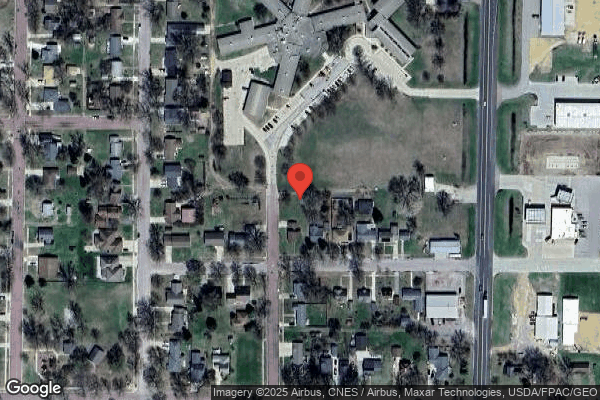
400 NORTH 4TH AVENUE EAST, TRUMAN, MN 56088 (507) 776-2031
Non profit - Corporation 30 Beds Independent Data: November 2025
Trust Grade
85/100
#79 of 337 in MN
Last Inspection: November 2024

Within standard 12-15 month inspection cycle. Federal law requires annual inspections.

Overview

Truman Senior Living has received a Trust Grade of B+, which means it is above average and recommended for families considering care options. It ranks #79 out of 337 facilities in Minnesota, placing it in the top half, and holds the #1 position out of 3 in Martin County, indicating it is the best local choice. The facility is showing an improving trend, with the number of issues decreasing from 10 in 2022 to 8 in 2024, and it has a strong staffing rating of 5 out of 5 stars, with a turnover rate of 38%, which is below the state average. While there are no fines recorded, which is positive, there were some concerning incidents noted, such as a failure to maintain a sanitary kitchen and not properly using personal protective equipment during Covid-19 testing, which puts residents at risk. Overall, Truman Senior Living has solid strengths in staffing and quality ratings, but families should be aware of the identified concerns to ensure comprehensive care for their loved ones.

Trust Score
B+
85/100
In Minnesota
#79/337
Top 23%
Safety Record
Low Risk
No red flags
Inspections
Getting Better
10 → 8 violations
Staff Stability
○ Average
38% turnover. Near Minnesota's 48% average. Typical for the industry.
Penalties
✓ Good
No fines on record. Clean compliance history, better than most Minnesota facilities.
Skilled Nurses
✓ Good
Each resident gets 82 minutes of Registered Nurse (RN) attention daily — more than 97% of Minnesota nursing homes. RNs are the most trained staff who catch health problems before they become serious.
Violations
⚠ Watch
18 deficiencies on record. Higher than average. Multiple issues found across inspections.
★★★★★
5.0
Overall Rating
★★★★★
5.0
Staff Levels
★★★☆☆
3.0
Care Quality
★★★★☆
4.0
Inspection Score
Stable
2022: 10 issues
2024: 8 issues

The Good

  • 5-Star Staffing Rating · Excellent nurse staffing levels
  • Full Sprinkler Coverage · Fire safety systems throughout facility
  • No fines on record
  • Staff turnover below average (38%)

    10 points below Minnesota average of 48%

Facility shows strength in staffing levels, fire safety.

The Bad

Staff Turnover: 38%

Near Minnesota avg (46%)

Typical for the industry

The Ugly 18 deficiencies on record

Nov 2024 1 deficiency
CONCERN (D)

Potential for Harm - no one hurt, but risky conditions existed

Assessment Accuracy (Tag F0641)

Could have caused harm · This affected 1 resident

**NOTE- TERMS IN BRACKETS HAVE BEEN EDITED TO PROTECT CONFIDENTIALITY** Based on interview and document review, the facility failed to ensure resident medication status was accurately coded in the Min...

Read full inspector narrative →
**NOTE- TERMS IN BRACKETS HAVE BEEN EDITED TO PROTECT CONFIDENTIALITY** Based on interview and document review, the facility failed to ensure resident medication status was accurately coded in the Minimum Data Set (MDS) assessment for 1 of 2 residents (R17) reviewed for medications. Findings include: R17's facesheet printed on 11/14/24, included diagnosis of type 2 diabetes mellitus (a condition in which the body has trouble controlling blood sugar). R17's current quarterly MDS assessment dated [DATE], indicated the number of days that insulin injections were received during the last seven days, as seven. R17's admission MDS dated [DATE], indicated the same, as did R17's significant change MDS dated [DATE]. R17's physician orders included: --glimepiride 1 mg (milligram), give 0.5 mg by mouth in the morning related to type 2 diabetes mellitus --Jardiance 25 mg by mouth in the morning related to type 2 diabetes mellitus --Orders did not include insulin injections R17's care plan dated 4/30/24, indicated he was on an oral diabetic medication for management. During an interview on 11/13/24 at 11:15 a.m., the director of nursing (DON) stated the MDS coordinator was not available. The DON states R17 was not on insulin and had never been on insulin; that R17 took oral medications for diabetes. The DON reviewed R17's orders in the EMR (electronic medical record) and confirmed R17 did not have orders for insulin, adding the MDS should not have been coded for insulin. During an interview on 11/14/24 at 8:36 a.m., registered nurse (RN)-A who was also the MDS coordinator stated she thought the medication - Jardiance - was an insulin injection and not a pill, and that was why she coded the MDS as R17 being on insulin. Facility Maintaining MDS Assessments policy dated 9/2024, addressed storage of the MDS, but not accuracy of the MDS.
Aug 2024 3 deficiencies
CONCERN (D) 📢 Someone Reported This

A family member, employee, or ombudsman was alarmed enough to file a formal complaint

Potential for Harm - no one hurt, but risky conditions existed

Comprehensive Care Plan (Tag F0656)

Could have caused harm · This affected 1 resident

Based on interview and record review the facility failed to develop and implement a comprehensive person-centered care plan that identified R1 had failed to use call light appropriately and/or refusal...

Read full inspector narrative →
Based on interview and record review the facility failed to develop and implement a comprehensive person-centered care plan that identified R1 had failed to use call light appropriately and/or refusals to use the call light for 1 of 1 (R1) resident reviewed for care plan. Findings include: R1's, 7/07/24 quarterly Minimum Data Set (MDS) identified R1 had severely cognitive impairment, little interest, or pleasure in doing things, and feeling down, depressed, or hopeless for never to 1 day. R1 was dependent on staff with cares and was incontinent with bowel and bladder. R1 had a diagnosis of anxiety and manic depression. R1 had taken antipsychotic and antidepressant on a routine basis. R1's, undated care plan identified R1 had verbal aggression related to her bipolar disorder and the goal was for R1 to have 1 or fewer episodes per week. Staff interventions were to administer medication, analyze places, times, circumstances, triggers and what de-escalate the behaviors. Staff were to understand R1's situation and allow time to express her feelings, provide choices for care and activities and talk to her with care and inform her of what staff were doing. R1's, undated care plan identified there was no mention for R1 to use a call light for assistance. Interview on 8/21/24 at 3:29 p.m. with director of nursing (DON) stated changes to R1's care plan was modified recently and was unsure if the care plan had been implemented in a timely manner. Interview on 8/21/24 at 3:31 p.m., with administrator stated R1's interventions should have been reflected in a timely manner on her care plan. Review of January 2024 Comprehensive Care Plans policy identified the facility would assess residents' goals, preferences, outcomes during admission and before discharge from the facility. The facility would include interdisciplinary team to prepare residents individual care plan that was to reflect resident's needs, interventions, measurable objectives and timeframes identified on the residents comprehensive assessments.
CONCERN (D) 📢 Someone Reported This

A family member, employee, or ombudsman was alarmed enough to file a formal complaint

Potential for Harm - no one hurt, but risky conditions existed

Quality of Care (Tag F0684)

Could have caused harm · This affected 1 resident

Based on interview and document review, the facility failed to complete appropriate assessments and failed to reposition and document that repositioning for 1 of 1 resident (R1). Review of the report...

Read full inspector narrative →
Based on interview and document review, the facility failed to complete appropriate assessments and failed to reposition and document that repositioning for 1 of 1 resident (R1). Review of the report filed to the State Agency identified on 8/13/24 at 2:30 p.m., two nursing assistants placed R1 on a bedpan at approximately 12:30 p.m., and was found by staff remaining on the bed pan at approximately 4:15 p.m., when R1 call out to staff notifying them staff had forgotten to return and remove R1 off the bed pan. R1's, 7/07/24 quarterly Minimum Data Set (MDS) identified R1 had severely cognitive impairment, little interest, or pleasure in doing things, and feeling down, depressed, or hopeless for never to 1 day. R1 was dependent on staff with cares and was incontinent with bowel and bladder. R1 had a diagnosis of anxiety and manic depression. R1 had taken antipsychotic and antidepressant on a routine basis. Interview on 8/20/24 at 9:07 a.m., with family member (FM)-A stated she received a phone call from the facility's registered nurse (RN)-A of R1 had been found with a bedpan under her buttocks for hours and was forgotten by the staff and appeared to be upset. She stated RN-A had informed her that there was no excuse for R1 to be left on a bed pan and stated R1 did have her call light within reach. She had her call light next to her. R1 has had good care at the facility and added RN-A had informed her they would implement an action plan to prevent R1 from developing pressure ulcers on her bottom. Interview on 8/20/24 at 10:23 a.m. with R1 stated she did not remember the incident of her being left on a bedpan. When asked if she could press her call light, R1 stated she did not want to, but then stated staff had treated her well here. Asked if resident had any concerns, she stated no. Asked if she had issues with her bottom since the incident, she stated no. Asked her if she had continued to use the bedpan since the incident a week ago, she stated, yes. R1 did not say anything else after being questioned and proceeded to watch television. Interview on 8/20/24 at 10:25 a.m., with social services explained that R1 had no impaired cognition and would verbally communicate her need to the staff. She stated R1 had difficulty forming a relationship with staff when she was admitted to the facility last year and took time to acclimate to staff in the facility. R1's Brief Interview for Mental Status (BIMS) assessment were assigned to a previous employee, who no longer works at the facility and confirmed R1 would need an updated BIMS assessment to be completed. Interview on 8/20/24 at 10:33 a.m., with nursing assistant (NA)-B stated R1 would sometime use her call light and sometimes she would not use her call light. She stated R1 required frequent checks throughout the day even when she used the bedpan and would assist her with personal cares as needed. She stated she was unaware if R1 had displayed behaviors of not using the call light when she needed assistance. She stated handover communication and rounding in the facility had been difficult to implement. She stated she on a few occasions she would punch in for work and was obligated to find nursing staff for handover communication of resident updates. She had clocked out of the facility and went home and had not given report to her colleagues at the end of her shift. Interview on 8/20/24 at 10:45 a.m., with registered nurse (RN)-A stated she received a call from the administrator Tuesday afternoon that R1 had been on her bedpan for hours and had not been checked. She stated she had called LPN-B approximately at 5:30 p.m. and informed her to reposition R1 every hour. She stated she informed LPN-B to update the oncoming night nurse of the incident and document R1's condition throughout the night. She stated she had completed education on the phone with NA-A, NA-B and NA-F and sent the information to the director of nursing (DON). She stated there was a breakdown in communication between the oncoming and off going staff and confirmed the facility had reported the incident. She had modified R1's care plan to include a timer be placed outside her door to alert staff to check on R1 and stated the intervention was to remind staff to check on R1 when she was on the bedpan. Interview on 8/20/24 at 11:45 a.m., licensed nurse (LPN)-A stated she had not seen handover communication implemented for oncoming and off going staff and found it to be challenging for agency staff. She stated facility staff were adamant to give report to agency staff and were left to search for the charge nurse on shift to receive resident updates. Interview on 8/20/24 at 1:45 p.m., with NA-A stated she had started her first day at the facility and was to work independently with residents on the unit. She stated R1 had requested to use a bedpan and she along with NA-D had repositioned and placed R1 on the bedpan. She stated she had checked on R1 minutes later and R1 needed more time on the bedpan. She stated she informed NA-D she would check on R1 before completing her shift and stated she forgot to check on R1. She stated RN-A had called her and informed her that R1 was left on the bedpan and apologized to RN-A and noted she had received training on the phone from RN-A. Interview on 8/20/24 at 1:58 p.m., with LPN-B stated she was informed by NA-E and NA-F that R1 was found on the bedpan and went to R1's room to assess her skin and had found R1's buttock had bruising and an outline of the shape of her bedpan. She stated she had placed a call to RN-A, the administrator, and the director of nursing (DON). She stated RN-A had informed her to reposition R1 every hour and to report the incident to the oncoming nurse to monitor R1's buttocks during the overnight shift. Interview on 8/20/24 at 4:27 p.m., with family member (FM)-A stated the facility did not inform her of a timer placed outside of R1's door and stated if staff was to know the timer had been implemented to notify staff to check on R1 when on the bedpan, there was no problem with the intervention. Interview on 8/20/24 at 4:58 p.m., with NA-C stated R1 required extensive assist with 2 staff for activities of daily living and transfers and had observed R1 used the call light on occasionally. She stated R1's care plan had interventions for to reposition R1 every and could not document it on the Point Click Care (PCC) online medical record, system. She stated the facility would have to modify the entry on PCC for it to show the frequency of when R1 was to be repositioned and had no way to document when R1 was repositioned. She stated on several occasions she had punched in for her shift and had to assist resident with cares when she had not received report from the off going shift. She stated she had no knowledge of those resident care needs during her shift and would expect the facility to have a system in place for handover communication amongst staff. Interview on 5:12 p.m., with LPN-B stated nursing assistants was to reposition R1 every 2 hours and were expected to document on PCC when they had completed the task. LPN-B reviewed and attempted to access the documentation on PCC and confirmed she noted repositioning was scheduled every shift and not every 2 hours and confirmed nursing assistants were not able to document the frequency of the task. She stated she was not aware it had been an issue for the staff and was not aware of how to correct it. Interview on 5:18 p.m., with NA-D stated R1 required 2 people to assist her with cares and stated when she utilized PCC, R1's care plan required R1 to be repositioned every 2 hours and confirmed her task were scheduled to complete once a shift on PCC. She stated she would expect communication amongst the nursing team to improve and found it difficult to take care of residents and their needs appropriately when she was not well-informed during handover communication. Interview on 5:28 p.m., with NA-E stated R1 was on a check and change scheduled as stated on PCC. She stated she had assisted R1 along with NA-F approximately at 4:30 p.m., on 8/13/24 and had removed the bedpan from R1 buttocks. She stated R1 appeared upset and had informed the charge nurse to assess R1's skin. She stated she was aware that R1 can use the call light but has not seen R1 use it frequently. NA-E stated she completes handover communication with the oncoming shift staff and would check on residents after her shift report. She confirmed she was not able to chart on residents who had to be repositioned every 2 hours on PCC. She stated the task would only show up to be documented once a shift. Interview on 8/21/24 at 8:09 a.m., with physical therapist stated he had assisted residents at the facility for a period of 11 months. He stated R1 had the capability to use her call light and had seen her use her call light on a few occasions and had informed staff to position the call light next to R1's fingers. He stated he was not aware that R1 had not used her call light and was not aware she had been found on her bedpan for an extended period. He stated given the situation of R1's incident, he stated R1's muscle decline would progress over time and the facility would need to implement additional interventions that would assist R1's communication and mobility needs long term. Interview on 8/21/24 at 9:34 a.m., with NA-F stated she did not receive handover communication that R1 was placed on a bedpan. She stated she had entered R1's room to get her up for supper and stated R1 appeared upset and said she was left on the bedpan. She stated NA-E had assisted R1 off her bedpan and had informed the nurse. She stated she was informed by LPN-B to reposition R1 hourly and document when she had completed the task. She stated the PCC system did not allow her to chart every hour only once per shift. She stated the facility had no process in place for nursing assistants to document on paper when she had repositioned R1 during her shift. She stated the facility had lacked report sheets to chart residents last bowel movements or toileting schedules. Interview on 8/21/24 at 10:12 a.m., with NA-G stated she was informed of R1's incident on her shift. She stated handover communication at the facility was a challenge when the oncoming shift did not show up to work on time. She stated since R1's incident, the facility had not implemented appropriated handover communication amongst the staff. She stated R1's care plan identified she was to be repositioned every 2 hours and could not document every 2 hours on PCC, when she had repositioned R1. She stated PCC system had been set up for her to document on R1 every shift, instead of every 2 hours. Interview on 8/21/24 at 10:16 a.m., with LPN-A and LPN-B confirmed the facility had no process in place for nursing assistants to complete handover communication, appropriately. LPN-B stated nursing assistants were expected to access PCC to verify resident updates or talk to the charge nurse on shift. Interview on 8/21/24 at 10:21 a.m., RN-B stated staff were expected to assess and document task interventions that were assigned on PCC for residents and was linked to each resident care plan which collected data from resident assessments. She stated, R1's care plan had interventions for staff to reposition R1 every 2-hours and confirmed PCC was not set up for staff to chart their interventions as reflected on R1's care plan and could not prove staff had completed the task as reflected on R1's care plan. Interview on 8/21/24 at 1:22 p.m., with medical director confirmed the facility had informed her of R1's incident and was aware the facility had implemented interventions for R1. She stated every 2-hour repositioning was appropriate for R1 and would expect the facility to complete accurate documentation of resident interventions when changes are made to reflect improvement of resident care. She agreed therapy services would be appropriate to determine R1's needs that would manage R1's physical mobility impairment. Interview on 8/21/24 at 3:29 p.m., with DON stated her expectations was for R1's assessments and interventions to be reflected accurately on R1's medical record. Review of December 2023 Rounds Shift Report identified the facility would use round shift report during a 24-hour period to ensure continuity of care. The facility staff would complete shift to shift report, that contained confidential information, used for ongoing and on-coming staff to include toileting, repositioning, and observations of resident's condition. Review of 7/2024 Facility Assessment identified the facility would embrace a person-centered care culture, and provide services based on resident's needs, such as, mobility assistance, rehabilitation, incontinence prevention and care, and assistance with activities of daily living. The facility would encourage residents to include their own daily routines and schedules and would be added on residents individualized care plans. Lastly, the facility would communicate to providers and staff expectations of care delivery and clinical reasoning to promote high-quality care for residents.
CONCERN (D) 📢 Someone Reported This

A family member, employee, or ombudsman was alarmed enough to file a formal complaint

Potential for Harm - no one hurt, but risky conditions existed

Deficiency F0726 (Tag F0726)

Could have caused harm · This affected 1 resident

Based on interview and record review, facility failed to ensure 1 of 1 nursing assistant (NA)-C was deemed competent upon hire or yearly thereafter to provide care to residents. Findings include: Rev...

Read full inspector narrative →
Based on interview and record review, facility failed to ensure 1 of 1 nursing assistant (NA)-C was deemed competent upon hire or yearly thereafter to provide care to residents. Findings include: Review of NA-C's employee file identified a hire date of 6/03/24. Review of NA-C timesheets identified she had worked at the facility on 6/16, 6/17, 6/19, 6/20, 6/21, 6/24, 6/25, 6/27, 6/28, 6/29, 6/30, 7/01, 7/02, 7/03, 7/05, 7/06, 7/07, 7/08, 7/09, 7/11, 7/12, 7/13, 8/05, 8/06, 8/07, 8/08, 8/09, 8/10, 8/11, 8/12, 8/14, 8/15 and 8/16/24. Review of NA-C, 5/08/24 Relias (online training program) identified she had completed a clinical asssessment training. The facility did not provide facility specific competencies for NA-C upon hire. Interview on 8/21/24 at 3:31 p.m., with administrator and director of nursing agreed competency training should be given to all employees to reflect current knowledge of the facilitys resident specific needs and services. Review of January 2024 Orientation policy identified the facility would provide department orientation plan that would reflect the skills and competencies of each employee before contact with residents. Secondly, the facility department checklist would be used to document training and competency evaulations during the employee's orientation until the employee had demonstrated competency and skills to meet residents needs. Review of July 2024 Facility Assessment identfied the facility would utilize an action plan to complete assesments of residents needs to determine staffing services. In addition, the facility would provide, contract staff and training for those staff according to the specific care area needs of the residents.
Mar 2024 1 deficiency
CONCERN (D) 📢 Someone Reported This

A family member, employee, or ombudsman was alarmed enough to file a formal complaint

Potential for Harm - no one hurt, but risky conditions existed

Respiratory Care (Tag F0695)

Could have caused harm · This affected 1 resident

**NOTE- TERMS IN BRACKETS HAVE BEEN EDITED TO PROTECT CONFIDENTIALITY** Based on observation, interview, and record review the facility failed to ensure appropriate supplemental oxygen was delivered a...

Read full inspector narrative →
**NOTE- TERMS IN BRACKETS HAVE BEEN EDITED TO PROTECT CONFIDENTIALITY** Based on observation, interview, and record review the facility failed to ensure appropriate supplemental oxygen was delivered according to physician orders and failed to revise or develop a respiratory care plan for 2 of 2 residents (R1 and R2) reviewed for respiratory care. Findings include: R1's annual Minimal Data Set (MDS) dated [DATE], identified R1 had moderately impaired cognition and diagnoses which included chronic obstructive pulmonary disease (disease of the lungs). R1 required staff assist with dressing, toileting, transferring, and personal hygiene. The MDS also identified use of oxygen therapy. R1's hospital Physician's Plan of Care dated 3/13/24, indicated R1 had been hospitalized for aspiration pneumonia, COVID-19, and urinary tract infections (UTI). Further ordered R1 to receive continuous supplemental oxygen (O2) therapy at 1-3 liters per minute (LPM) by nasal cannula to keep 02 saturation greater than 90%. R1's hospital Physician's Plan of Care dated 3/15/24, indicated R1 had been observed at the hospital on 3/14/24 and 3/15/24 for Hypoxia (low oxygen level) with no change to original O2 orders but to maintain O2 sats at 90-98% with use of nasal cannula or a simple mask, to ensure O2 is connected and if R1 becomes hypoxic, and check oxygen is working every shift. R1's clinic physician order updated on 3/17/24, indicated may increase O2 to 5L per simple mask as needed to maintain O2 saturation greater than 90%. R1's care plan last updated 4/13/23, identified R1 was at high risk for respiratory infections related to COPD and because of the COPD placed her at increased risk for breathing problems. Further identified R1 used oxygen at night. R1's goal was for O2 sats will remain 89% or greater on room air during the day when assessed. Associated interventions directed staff to monitor for difficulty breathing, remind R1 not to push beyond her endurance level, monitor for signs/symptoms of acute respiratory insufficiency, monitor/document/report as needed any signs/symptoms of respiratory infection. The care plan was not revised after R2's hospital visits and therefor inconsistent with physician orders. R1's visual [NAME] (abbreviated care plan) report dated 3/19/24, did not address R1's oxygen dependence. During observation and interview on 3/19/24 at 11:27 a.m., R1 was sitting in her wheelchair in the doorway of her room with head hanging down, eyes closed, and not responding to voice. R1 had O2 nasal cannula tubing on and hooked up to a portable liquid oxygen tank on the back of her wheelchair with the control knob was set at 2.5 LPM. The portable oxygen tank content gauge on the regulator was observed to be in the red zone which indicated the tank was empty and there was no oxygen flow. This surveyor immediately requested assistance of staff. Nursing assistant (NA)-A responded at 11:32 a.m. and verified the O2 tank was empty. Further stated, she had last checked the tank at 9:00 a.m. (approximately 2 hours prior) and it was not empty at that time. NA-A stated they do not have any set time to check the tanks [for working order], just every couple of hours. NA-A indicated she would get a good tank. This surveyor then requested a nurse to assess R1 due to non-responsiveness. Licensed practical nurse (LPN)-A responded with NA-A at 11:38 a.m. to check R1's O2 level. R1's O2 level at that time was 86% and was slow to respond with physical touch. O2 tank was replaced and at 11:42 a.m., R1's O2 levels were improving at 91-92%. LPN-A stated, the tank must have run out, [R1] will usually tell us if she is short of breath. NA-A and LPN-A used a mechanical lift to lay R1 in bed and at 11:47 a.m., O2 level was 98-100%. R2's admission MDS dated [DATE], indicated R1 had mild cognitive impairment and diagnoses of respiratory failure and diabetes. R2 was dependent on staff for all cares and received oxygen therapy. R2's physician Order Summary Report dated 3/19/24, included the order for O2 at 0.5 to 4 LPN via nasal cannula for sats less than 90% related to chronic respiratory failure. R2's care plan dated 10/30/23, identified R2 was considered high risk for respiratory infections related to co-morbidities and part of the high risk population and communal living environment. The care plan did not specifically address R2's dependence on oxygen therapy that included goals of treatment and associated interventions. R2's visual [NAME] report dated 3/19/24, did not address R2's oxygen dependence. During an observation on 3/19/24 at 12:40 p.m., R2 was observed sitting in her wheelchair at the dining room table with nasal cannula oxygen tubing in her nose that was connected to a portable liquid oxygen tank on the back of the wheelchair. The tank control knob on the regulator was set to 2 LPM, but the tank was in the red zone, indicating no oxygen was being delivered to R2. NA-A was assisting R2 with eating and observed that the portable oxygen tank was turned off and not delivering any oxygen to R2. NA-A turned valve on the regulator counterclockwise which allowed for oxygen delivery. NA-A told NA-B that she had not turned R2's [oxygen] tank on when she got her up [out of bed]. NA-B replied she had turned it on but must have bumped it and shut it off at some time. R2's O2 levels were unknown at that time but R2 did not demonstrate any symptoms of respiratory distress. During an interview on 3/19/24 at 1:25 p.m., NA-B indicated she had helped NA-A assist R2 out of bed just prior to lunch but could not remember what time. NA-B stated she had turned R2's O2 tank on but may have bumped it and turned it off accidentally when moving her. Further stated she was unsure how long portable O2 tanks last but guessed about 5 hours. During an interview on 3/19/24 at 2:01 p.m., NA-A verified R2's O2 tank was not turned on at 12:40 p.m. and she had turned it on at that time. Further stated she did not know how long the portable tanks last but was dependent on what the liter flow rate was set to. During an interview on 3/19/24 at 5:00 p.m., NA-C indicated she did not recall getting any training on the use of O2 at this facility. Further indicated portable oxygen tanks were checked when putting them on a resident and then at least once a shift. During an interview on 3/19/24 at 5:07 p.m., LPN-A indicated the portable O2 tanks last depending on the amount of oxygen being delivered and guessed about 4-5 hours but was not sure. During an interview on 3/19/24 at 2:05 p.m., the Northwest Respiratory Senior Representative (NRSR) indicated if a portable O2 tank was in the red zone, it was not delivering any O2 to the resident and the tank needed to be changed immediately. NRSR explained the duration of the portable O2 tank was dependent on the size of the tank and the amount of O2 [LPM] flow that was given. Further indicated there was no recent record of any training provided to the facility's staff. During an interview on 3/19/24 at 3:10 p.m., the director of nursing (DON) indicated awareness of the two incidents of O2 portable tanks not delivering oxygen and further explained the expectation of staff was to check the O2 tanks at every contact with the resident to assure they were working (delivering O2). The staff were to refer to the physician's orders or the [NAME] for direction. Then verified that oxygen use was not addressed on the [NAME]. On the spot training was in process and a more formal training was being scheduled. Review of facility policy titled Oxygen administration, revised October 2010, directed staff to review the care plan and check the mask, tank, etc. to be sure they are in good working order and securely fastened. The policy lacked direction on which staff were allowed to assist with O2, how often to check for proper working order, how to determine when to replace a tank, and implementing a respiratory care plan and interventions required.
Feb 2024 3 deficiencies
CONCERN (D)

Potential for Harm - no one hurt, but risky conditions existed

Deficiency F0572 (Tag F0572)

Could have caused harm · This affected 1 resident

**NOTE- TERMS IN BRACKETS HAVE BEEN EDITED TO PROTECT CONFIDENTIALITY** Based on interview and document review, the facility failed to provide ongoing communication to residents about their rights (e....

Read full inspector narrative →
**NOTE- TERMS IN BRACKETS HAVE BEEN EDITED TO PROTECT CONFIDENTIALITY** Based on interview and document review, the facility failed to provide ongoing communication to residents about their rights (e.g., through resident groups). This had the potential to affect all 22 residents residing in the facility. Findings include: During an interview on 2/27/24 at 12:41 p.m., with R8 who was the resident council president, and who according to a quarterly Minimum Data Set (MDS) assessment dated [DATE], was cognitively intact. The interview took place in R8's room due to the facility being in Covid-19 outbreak status. R8 stated the resident council met monthly and meetings were facilitated by the activities director who also took minutes for the meetings. R8 stated she did not recall resident rights ever being talked about or reviewed at resident council meetings. Review of resident council meeting minutes from January 2023 through February 2024, (minus two months: February and September 2023), indicated nothing regarding resident rights. The minutes indicated R8 had been present at each of the 12 meetings. During an interview on 2/27/24 at 1:53 p.m., the administrator stated the activities director who facilitated resident council meetings was not available for interview. During an interview on 2/27/24 at 5:25 p.m., the administrator indicated was aware resident rights were not reviewed at resident council meetings as she had attended some meetings and could verify that. The facility Resident Council Meetings policy with revised date of 12/2023, indicated examples of meeting topics including resident rights.
CONCERN (D)

Potential for Harm - no one hurt, but risky conditions existed

Deficiency F0849 (Tag F0849)

Could have caused harm · This affected 1 resident

**NOTE- TERMS IN BRACKETS HAVE BEEN EDITED TO PROTECT CONFIDENTIALITY** Based on observation, interview and document review, the facility failed to have an integrated care plan to coordinate services ...

Read full inspector narrative →
**NOTE- TERMS IN BRACKETS HAVE BEEN EDITED TO PROTECT CONFIDENTIALITY** Based on observation, interview and document review, the facility failed to have an integrated care plan to coordinate services between the facility and the hospice agency to ensure those services were being provided for 1 of 1 resident (R6) reviewed for hospice care. Findings include: R6's quarterly Minimum Data Set (MDS) assessment dated [DATE], indicated R6 was rarely/never understood, dependent on staff for dressing, hygiene, transfers, utilized a wheelchair, received hospice care, and diagnoses indicated non-traumatic brain dysfunction, and non-Alzheimer's dementia. R6's care plan dated 12/13/23, indicated R6 was receiving hospice services and interventions included: consult with physician and social services to have hospice care for resident in the facility, encourage support system of family and friends, hospice provider: . (name of agency) Hospice, keep the environment quiet and calm, observe closely for signs of pain, administer pain medications as ordered. On 2/26/24, at 2:17 p.m., licensed practice nurse (LPN)-A stated R6's care plan indicated she was on hospice, and the hospice binder at the nursing station would have R6's hospice plan of care and specific hospice information. While in the nurse's station, observed LPN-A look through R6's hospice binder and stated there was not a hospice plan of care in the binder for R6. LPN-A further stated R6's EMR did not have an order for hospice or a scanned hospice care plan for staff to know the specifics or details of R6's hospice plan of care. On 2/26/24 at 2:31 p.m., the director of nursing (DON) was asked for R6's hospice plan of care and the DON was observed to look through R6's hospice binder located at the nurse's station. The DON stated there was a calendar in the binder, and stated she was not sure if the calendar was up to date. The DON confirmed the binder did not include the hospice plan of care and observed the binder section and tab labeled hospice care plan did not include any information. The DON stated the plan of care from hospice was expected in the hospice binder for staff to find specifics regarding R6 hospice care. The DON stated she was not sure of the facility process when residents were admitted to hospice and how the plan of care was received from hospice. On 2/26/24 at 2:53 p.m., observed and heard DON on a telephone call and requested R6's hospice plan of care as the facility did not have one for R6. After the telephone call, the DON confirmed R6's calendar located in the binder was not accurate and stated the hospice agency would fax the facility R6's hospice plan of care. On 2/27/24 at 11:00 a.m., LPN-B stated R6's hospice plan of care was expected in the binder and observed LPN-B to look through R6's hospice binder and turned to the tab labeled plan of care and LPN-B confirmed the plan of care was not in the binder as expected. LPN-B stated the DON was responsible to ensure the hospice plan of care was in the binder. On 2/27/24 at 11:05 a.m., registered nurse (RN)-A, also known as the MDS coordinator, stated she was not sure who was responsible to ensure the hospice plan of care was available. RN-A stated the hospice plan of care was expected uploaded into the EMR or a hard copy placed in the resident's hospice binder, and confirmed a copy was not scanned in the EMR. RN-A further stated the facility practice was not to enter an order into the EMR for residents when they were admitted to hospice and stated staff would know a resident was on hospice by the facility care plan. On 2/27/24 at 11:17 a.m., the administrator and DON stated they expected an order on R6's EMR to admit to hospice and the hospice plan of care in the binder or scanned in the EMR. The administrator and DON stated the facility did not have a process currently to ensure the hospice plan of care was received from hospice and available to the facility staff. On 2/27/24 2:17 p.m., during a telephone interview R6's hospice intake coordinator, stated the hospice process was to fax the facility a resident's plan of care at time of admission to hospice. The hospice intake coordinator stated R6 was admitted to hospice on 11/22/23, and expected the facility to call if the plan of care was not received and the facility was expected to have a copy of R6's plan of care . The facility Hospice Program policy dated 7/17, indicated: 12d. Obtaining the following information from the hospice: 1. The most recent hospice plan of care specific to each resident. 2. Hospice election form 13. Coordinated care plans for residents receiving hospice services will include the most recent hospice plan of care as well as the care and services provided by our facility (including the responsible provider and discipline assigned to specific tasks) in order to maintain the resident's highest practical physical, mental and psychosocial well-being. 14. The coordinated care plan will reflect the resident goals and wishes, as stated in his or her advance directives and during ongoing communication with the resident or representative,
CONCERN (E)

Potential for Harm - no one hurt, but risky conditions existed

Deficiency F0576 (Tag F0576)

Could have caused harm · This affected multiple residents

**NOTE- TERMS IN BRACKETS HAVE BEEN EDITED TO PROTECT CONFIDENTIALITY** Based on interview and document review, the facility failed to ensure resident mail was delivered on Saturdays for 1 of 1 reside...

Read full inspector narrative →
**NOTE- TERMS IN BRACKETS HAVE BEEN EDITED TO PROTECT CONFIDENTIALITY** Based on interview and document review, the facility failed to ensure resident mail was delivered on Saturdays for 1 of 1 residents (R8) who voiced concerns with mail delivery. This deficient practice had the potential to affect all 22 residents residing in the facility. Findings include: During an interview on 2/27/24 at 12:41 p.m., with R8 who was the resident council president, and who according to a quarterly Minimum Data Set (MDS) assessment dated [DATE], was cognitively intact. The interview took place in R8's room due to the facility being in Covid-19 outbreak status. R8 stated mail was delivered to the facility on Saturdays, described as a small stack of mail wrapped up, and the nursing staff locked it away until Monday when the activities director delivered it. Review of resident council meeting minutes from January 2023 through February 2024, (minus two months: February and September 2023), indicated R8 had been present at each of the 12 meetings. During an interview on 2/27/24 at 11:28 a.m., nursing assistant (NA)-A, stated the facility received mail on Saturdays and a nurse took the mail and kept it locked in the medication room until Monday. NA-A stated on Monday, the business office staff went through the mail first, then the activities director delivered it to residents. During an interview on 2/27/24 at 1:53 p.m., the administrator stated the activities director who facilitated resident council meetings was not available for interview. During a telephone interview on 2/27/24 at 3:13 p.m., NA-B who had filled in for the activities director during a leave of absence in 2023, confirmed mail was delivered to the facility by the post office on Saturdays and locked in the medication room until the business office staff looked through it on Mondays. NA-B stated mail was not delivered to residents on Saturdays because the facility didn't want residents to receive mail they should not have, such as bills, in order to prevent misplacement of them. NA-B stated as a result, mail was not delivered to residents until it was sorted by the business office staff on Mondays. During an interview on 2/27/24 at 5:25 p.m., the administrator was informed of findings. The administrator acknowledged mail was not delivered to residents on Saturdays due to not wanting residents to receive mail they should not have -- such as bills. As a result business office staff previewed the mail first before delivering it to residents on Mondays. The facility Resident Right to Privacy in Communication policy with revised date of 12/2023, indicated the social service designee, or other designated staff member, would ensure each resident received any mail addressed to that particular resident promptly.
Dec 2022 10 deficiencies
CONCERN (D)

Potential for Harm - no one hurt, but risky conditions existed

Deficiency F0554 (Tag F0554)

Could have caused harm · This affected 1 resident

**NOTE- TERMS IN BRACKETS HAVE BEEN EDITED TO PROTECT CONFIDENTIALITY** Based on observation, interview, and document review, the facility failed to ensure 2 of 3 residents (R8 and R10) observed to ha...

Read full inspector narrative →
**NOTE- TERMS IN BRACKETS HAVE BEEN EDITED TO PROTECT CONFIDENTIALITY** Based on observation, interview, and document review, the facility failed to ensure 2 of 3 residents (R8 and R10) observed to have medications left at their dining tables were assessed and approved to be able to safely self-administer medications. Findings include: R8's admission Record printed 12/30/22, included diagnosis of mild cognitive impairment, depression, chronic kidney disease stage III, heart failure, osteoarthritis, and acquired absence of right leg below knee. R8's quarterly Minimum Data Set (MDS) assessment dated [DATE], indicated mild cognitive impairment, adequate hearing and vision and extensive assistance of 1-2 staff with activities of daily living. Review of R8's care plan dated 11/30/21, indicated self-administration of medications was not addressed on care plan. No record of an assessment for competence in self-administration of medications was found in R8's electronic medical record (EMR). R10 R10's admission Record printed 12/29/22, included diagnosis of multiple sclerosis (immune system attacks the protective layer around nerve making it difficult for the brain to send signals to the rest of the body), depression, and inflammatory polyarthropathy (affects 5 or more joints simultaneously and is associated with autoimmune conditions). R10's quarterly MDS assessment dated [DATE], included intact cognition and requires staff assist of 1-2 with activities of daily living. R10's care plan dated 9/27/22, indicated R10 is capable of self-administration of nebulizer and Pataday (antihistamine used to treat itching and redness of eyes) eye drops medication after setup by nursing per Medication Self-administration Safety screen. R10's care plan dated 1/7/20, included R10 prefers medication be co-administered as per Election of Co-Administration form. Interventions included crushed medication will be administered one agent at a time and not mixed for co-administration unless requested by resident or resident representative. Crushed medications will be co-administered as per R10's preference. Non-crushed medications will be co-administered as per R10's preference. R10's medical record included Medication self-administration Safety screen completed 6/21/22, included medication #1 as Pataday solution 0.2% and medication #2 as fluticasone propionate both included storage at the bedside with resident and R10 may self administer the medications. During observation and interview on 12/27/22, at 5:19 p.m. trained medication aide (TMA)-A placed the below medications in 2 separate medication cups: -baclofen 20 mg tablet -Tylenol 325 mg tablet, 2 tablets -apixiban 5 mg tablet -calcium citrate + vitamin D 315 - 250 mg unit 1 tablet -cranberry tablet 450 mg tablet -Hiprex 1 gram tablet -hydroxchoriquine Sulfate tablet 200 mg tablet -sulfasalazine tablet 500 mg, 2 tablets -potassium chloride Extended Release tablet 20 MEQ, 6 tablets. TMA-A was observed to place the 2 full pill containers on the dining room table next to R10's plate and stated here are your medications and returned to the medication cart. TMA-A indicated R10 can co-administer her medications. TMA-A then pulled R8's medication card for Mirtazapine 7.5 mg and placed one tablet in a medication cup. TMA-A proceeded to set cup next to R8's plate while she was eating and returned to the cart. TMA-A upon questioning indicated R8 can co-administer medications once medications are placed in the medication cup and demonstrated on the electronic medical record (EMR) where it indicates if they can co-administer the medications. The EMR indicated co-administer medications on both R10, and R8's medical record on the top banner. During interview on 12/29/22, at 7:56 a.m., TMA-A indicated she wasn't sure what co-administration means but thought it meant they can take the medications themselves once placed in the medication cup. TMA-A added she is near by and makes sure they take their medications but indicated she does not stand next to them and observe them taking the medications. During interview on 12/29/22, at 8:10 a.m., licensed practical nurse (LPN)-A indicated the EMR indicates if a resident can co-administer medications. Upon review, LPN-A indicated R10 and R8 can both co-administer medications. When questioned what co-administration means, LPN-A indicated staff can put the pills in front of resident and know they will take them. LPN-A added she makes sure they take their medications but does not stand next to them and watch them swallow them. During interview on 12/29/22, at 10:11 a.m., the director of nursing (DON) indicated co-administer means staff can give all the medications at the same time but does not mean the resident can self-administer the medications by staff setting them next to them and walking away. The DON indicated she would expect all staff to watch the resident until all medications are taken if no self-administration assessment has been completed. During interview on 12/29/22, at 1:07 p.m., registered nurse (RN)-A indicated R8 to her knowledge has not been assessed to complete self-administration of medications. RN-A indicated R10 has been assessed to safely administer eye drops but not any of her other medications. RN-A confirmed there was no self-administration of medication assessments in the EMR for R8. R10 was only assessed for her eye drops and fluticasone nasal spray. RN-A added the self-administration assessments are completed annually. A form titled Election of Co-Administration of Medications form included: -Per pharmaceutical regulations, all medications that are crushed due to swallowing concerns or other issues will be administered one agent at a time and not mixed for co-administration unless requested by the resident and/or the resident representative. The residents' and/or the resident representatives preference for medication administration will be care planned and followed accordingly. A policy on self-administration of medications and medication administration was requested and none received.
CONCERN (D)

Potential for Harm - no one hurt, but risky conditions existed

ADL Care (Tag F0677)

Could have caused harm · This affected 1 resident

Based on observation, interview, and document review, the facility failed to ensure shaving was completed for 1 of 1 resident (R7) reviewed for activities of daily living (ADLs) and was dependent upon...

Read full inspector narrative →
Based on observation, interview, and document review, the facility failed to ensure shaving was completed for 1 of 1 resident (R7) reviewed for activities of daily living (ADLs) and was dependent upon staff assistance for provision of cares. Finding include: R7's quarterly Minimum Data Set (MDS) assessment, dated 11/9/22, indicated R7 had severely impaired cognition and required extensive assistance from staff to maintain personal hygiene. R7's care plan, last reviewed on 11/16/22; indicated R7 required extensive to total assistance with all ADL's, unable to care for self, related to severe cognitive impairment. ADL function had deteriorated due to dementia (memory loss), decrease in physical function, and end of life (hospice). Care plan directed staff to ensure appearance was neat and clean daily, staff to perform all facial shaving for R40, offer cues as needed so R40 aware of cares provided. Facility skin observation tool, indicated R7 was bathed, had facial hair removed on 12/25/22. On 12/18/22, R7 was bathed, facial hair not removed, staff documented not needed. On 12/11/22, R7 was bathed, facial hair not removed, staff documented not needed. During an observation, on 12/27/22 at 4:58 p.m., R7 was observed to have had long facial hair present under chin and above lips. During observation and interview, on 12/28/22 at 9:56 a.m., R7 was observed to continue to have long facial hair present under chin and above lips. Nursing assistant (NA)-B indicated R7 required total assistance from staff with all cares, unable to verbally communicate needs,and was not resistive to or refused cares provided by staff. NA-B indicated awareness that it was R7's preference to be free of any facial hair, was shaven per staff once weekly on bath days and as needed (PRN). NA-B observed R7's facial hair under chin and above lips, and confirmed hair was long and should have been removed on R7's last scheduled bath day, on 12/25/22. NA-B stated she would shave R7's long facial hair present under chin and above lips. During an interview, on 12/28/22 at 1:36 p.m., licensed practical nurse (LPN)-A indicated R7 was totally dependent on staff for all ADL needs, including hygiene. LPN-A indicated awareness of R7's preference to be free of long facial hair, would expect staff to remove facial hair at time when noted when cares provided, especially on scheduled bath days. While observed and interviewed, on 12/28/22 at 1:40 p.m., the director of nursing (DON) indicated it was her expectation staff shaved residents on bath days and as needed when noticing longer facial hair, including female residents. The DON indicated awareness R7 was totally dependent upon staff for all care needs, including hygiene. The DON stated awareness of R7's preference to be free of any facial hair. The DON observed R7's facial hair at time, confirmed length of hair under chin and above lips was very long. DON stated staff documented R7 was shaved last on 12/25/22, but must have missed areas by not pulling skin under chin and above lips taut (pulled tight). The DON indicated she would shave R7's longer facial hair under chin and above lips immediately. Facility policy titled, Activities of Daily Living (ADLs), revised 7/15/22, indicated a resident who is unable to carry out activities of daily living will receive the necessary services to maintain good nutrition, grooming, and personal and oral hygiene.
CONCERN (D)

Potential for Harm - no one hurt, but risky conditions existed

Deficiency F0685 (Tag F0685)

Could have caused harm · This affected 1 resident

**NOTE- TERMS IN BRACKETS HAVE BEEN EDITED TO PROTECT CONFIDENTIALITY** Based on observation, interview and document review, the facility failed to further evaluate hearing loss, assist to ensure resi...

Read full inspector narrative →
**NOTE- TERMS IN BRACKETS HAVE BEEN EDITED TO PROTECT CONFIDENTIALITY** Based on observation, interview and document review, the facility failed to further evaluate hearing loss, assist to ensure resident received proper services and treatment to maintain/improve hearing and communication for 1 of 1 resident (R6) reviewed for hearing. Findings include: R6's annual Minimum Data Set (MDS) assessment dated [DATE], indicated R6 had severely impaired cognition, had clear speech, made self- understood, sometimes understood others, had moderate difficulty hearing, had hearing aids. Diagnosis included dementia (memory loss). R6's face sheet, printed 12/30/22, indicated care providers and included audiologist. R6's physician order summary report, printed on 12/30/22, included provider orders for hearing aid batteries, staff to instill 2 units in both ears every 24 hours as needed for hearing aid function- size P312, start date 2/8/21. R6's care plan indicated to ensure hearing aids are in place and functioning, try using Sonic Ears if having trouble with hearing aids in, communicate with resident/family/caregivers regarding resident capabilities and needs. A copy of R6's care plan was requested, and not received. Care plan conference summary, dated 12/19/22, indicated staff interview had to be completed for R6 due to hearing difficulties and vision impairment. Care plan conference summary, dated 9/2/22, indicated staff interview had to be completed for R6 due to hearing difficulties and vision impairment. Care plan conference summary, dated 6/6/22, indicated R6 was having difficulty comprehending what interviewer was asking or saying therefore staff interview had to be completed. During an interview, on 12/27/22 at 5:22 p.m., family member (FM)-C indicated awareness of R6's difficulty hearing, hearing loss worsened over past year, had hearing aid bilaterally, staff had been replacing hearing aid batteries frequently to maintain/improve hearing, but not effective. FM-C indicated staff had not discussed with FM-C of having hearing or hearing aids evaluated, stated staff informed FM-C hearing changes due to R6's progressive decline in cognition. During observation and interview on 12/29/22 at 7:20 a.m., R6 was observed sitting in her room in her wheelchair watching TV, bilateral hearing aid present to ears. Surveyor attempted to converse with R6, R6 looked at surveyor, did not respond to questions asked. During an interview, on 12/29/22 at 8:27 a.m., nursing assistant (NA)-C indicated awareness of R6 being hard of hearing, had bilateral hearing aid to assist with hearing, always wanted hearing aids left in place to ears. NA-C stated communication with R6 was difficult, could communicate more effective with R6 when speaking slowly, clearly at face level, using hand gestures. While interviewed, on 12/29/22 at 9:11 a.m., NA-D indicated awareness of R6 being hard of hearing, had bilateral hearing aid to assist with hearing, and difficult to communicate with. NA-D stated could communicate with R6 more effectively when up close to R6 and directly at face level, speaking clearly and slowly. NA-D indicated unawareness if staff had bilateral hearing aid evaluated for malfunction, stated she thought bilateral hearing aid had been repaired a long time ago, date unknown. NA-D indicated awareness of orders to replace bilateral hearing aid battery twice weekly and as needed (PRN). NA-D stated R6's hearing remained unchanged with replacement of bilateral hearing aid battery. During an interview, on 12/29/22 at 12:19 p.m., licensed practical nurse (LPN)-A indicated awareness of R6 being hard of hearing, had bilateral hearing aid to assist with hearing, bilateral hearing aid battery had been changed on multiple occasions, bilateral hearing aid filters cleaned in past by staff which helped some, unsure when last time bilateral hearing aid checked or cleaned. LPN-A stated nursing staff checked and cleaned R6's bilateral ear approximately 1 month ago, somewhat effective in improving R6's hearing. LPN-A indicated she thought R6's daughter was informed by staff to have bilateral hearing aid checked for malfunction several months ago, R6's daughter did not pick-up bilateral hearing aid from facility. LPN-A unable to produce documentation of staff discussion with R6's family member to have bilateral hearing aid further evaluated for malfunction/replacement, stated unawareness if R6's changes in hearing had been followed-up on by staff. While interviewed, on 12/30/22 at 7:56 a.m., the director of nursing (DON) indicated awareness of R6 being very hard of hearing, had bilateral hearing aid to assist with hearing, stated R6 spent most of her time in her room due to impaired hearing and cognition. The DON indicated she, along with other nursing staff, recently checked R6's ears, and changed bilateral hearing aid battery approximately 2 weeks ago. The DON stated she was able to remove cerumen to one ear canal, other ear canal impacted with cerumen, and needed cerumen softener to loosen, removed cerumen to other ear next day, and noted improved hearing for R6. The DON indicated unawareness if staff had ever contacted R6's family members to discuss having bilateral hearing aid checked for malfunction/replacement, and unaware if R6's hearing had been further evaluated per physician. The DON stated if staff aware of continued or worsening changes in hearing after implementation of physician orders and facility standard procedures for impaired hearing, it was her expectation for staff to notify the DON and resident's family to discuss further follow-up and evaluation. The DON indicated registered nurse (RN)-C manages a lot of R6's care needs and to follow-up with her, as RN-C may have more information regarding R6's hearing changes than DON aware of. During an interview, on 12/30/22 at 8:24 a.m., RN-C indicated awareness of R6 being very hard of hearing with bilateral hearing aid to assist with hearing in place, unaware of when R6's bilateral hearing aid was last checked or when R6's hearing was last evaluated, stated had not been checked in past year, had not contacted R6's family recently to discuss any needs for follow-up of R6's hearing or bilateral hearing aid. RN-C stated due to worsening of R6's hearing, it would be appropriate for R6's hearing to be further evaluated and bilateral hearing aid checked/replaced if needed. Facility policy titled, Care and Use of Hearing Aids, revised date 8/31/22, consisted of; it is the practice of this facility to assist residents in using their hearing aids, batteries normally last 1 week with daily wearing of 10 to 12 hours, ear molds should be replaced every 2-3 years or as determined by resident/family (POA)/audiologist, routinely check battery compartment to ensure it is clean, batteries are inserted correctly, and compartment is shut completely, routine follow-up with an audiologist is recommended to evaluate effectiveness of current hearing aids according to resident or family (POA) wishes.
CONCERN (D)

Potential for Harm - no one hurt, but risky conditions existed

Deficiency F0688 (Tag F0688)

Could have caused harm · This affected 1 resident

**NOTE- TERMS IN BRACKETS HAVE BEEN EDITED TO PROTECT CONFIDENTIALITY** Based on observation, interview and document review, the facility failed to ensure staff provided restorative services to meet t...

Read full inspector narrative →
**NOTE- TERMS IN BRACKETS HAVE BEEN EDITED TO PROTECT CONFIDENTIALITY** Based on observation, interview and document review, the facility failed to ensure staff provided restorative services to meet the assessed needs for 1 of 1 resident (R10) reviewed for restorative services. Findings include: R10's Face Sheet printed on 12/29/22, indicated an admission date of 6/2019 with diagnoses of multiple sclerosis (MS) (disabling disease of the brain and spinal cord with communication problems between the brain and the rest of the body), inflammatory polyarthropathy (arthritis that affects more than four joints), lymphedema (swelling in the arms and legs), peripheral vascular disease (a slow and progressive circulation disorder) and history of pulmonary embolism (pulmonary arteries in the lungs get blocked by a blood clot). R10's quarterly Minimum Data Set (MDS) assessment dated [DATE], included R10 is understood and understands, has intact cognition, no behaviors including refusal of care and required extensive assistance of 2 staff with bed mobility, transfers, dressing and toileting. R10 used an electric wheelchair and does not walk. R10 has no functional limitation with range of motion. R10's care plan dated 7/9/2020, indicated R10 has impaired mobility and the potential for an increase in contractures related to MS and rheumatoid arthritis requiring extensive assistance with transfers and bed mobility. Goal included R10 wil continue to passively participate in left extremity stretching 2 days per week or more as documented by restorative nurse aide (RNA). Interventions included standing in parallel bars 2-6 times. If bars are not accessible use EZ stand with cues for gluteal (3 muscles that make up area commonly known as the buttocks) activation 3-5 days/week. Supine stretches in wheelchair or bed 2 times for 10 or 15 reps, 3 to 5 days per week. Passive range of motion (PROM) to left upper extremity for 3-5 days/week, arm bike and pulleys 3-5 days per week. During interview on 12/27/22, at 2:58 p.m., R10 was sitting in her room in her electric wheelchair. R10 was able to move right arm and hand. Left fingers were curled in towards her palm and R10 was only able to move minimally. Fingers were not digging into her palm. R10 indicated she wears a wrist brace for about 3 hours per day to prevent further contractures. R10 was not able to move either of her legs. R10 indicated she is supposed to have PROM exercises but it doesn't happen very often because of staffing or call ins and the restorative aide has to go work on the floor instead. During observation and interview on 12/28/22, at 8:37 a.m., R10 indicated she did not receive PROM exercises yesterday and so far not today either. R10 doesn't expect she will as the restorative aide is working and providing direct cares again today. During observation and interview on 12/29/22, at 7:23 a.m., R10 indicated she has not had any PROM so far this week. R10 indicated it gets done when they have enough people to provide direct care. R10 added it is hit and miss with getting PROM as sometimes done it 4 days in a row and then can go up to a week without any at all. R10 indicated she has gotten weaker and believes her left arm has gotten weaker. R10 attempted to move her arm which moved minimally but was not able to move it off the arm rest of the wheelchair. R10 indicated she can barely move her legs which she demonstrated with only slight movement. R10 added she believes the worsening of movement is all related to her MS progressing. During interview on 12/29/22, at 8:19 a.m., nursing assistant (NA)-E indicated she is considered the restorative aide but with staffing challenges and staff call ins, she provides direct patient care a lot of the time. NA-E indicated she was on the schedule 12/27/22 this week but due to a call in was not able to complete restorative care. NA-E indicated generally she gets scheduled 3-4 times per week when they have adequate staff. NA-E added I get pulled to work on the floor a lot. NA-E indicated R10 is weak and her left arm is getting worse and has had a lot of fluid issues recently. NA-E estimated 50% of her time is spent in direct care giving and the other 50% in restorative care. Review of restorative documention included: September 2022 restorative therapy was completed 6 times for the month. October 2022 restorative therapy was completed 7 times for the month. November 2022 restorative therapy was completed 6 times for the month. During interview on 12/29/22, at 9:58 a.m., nursing assistant (NA)-C indicated nursing assistants do not do restorative care. NA-C added only one NA-E completed that. NA-C indicated NA-E does get pulled to provide direct patient care a lot. During interview on 12/29/22, at 10:01 a.m., NA-D indicated they do not complete any restorative care and have never been instructed to complete it. During interview on 12/29/22 , at 9:02 a.m., physical therapy aide (PTA) indicated therapy has not seen R10 for awhile and has a restorative program to assist with maintaining muscle strength in her lower extremities. PTA added with MS, restorative therapy will help maintain her range of motion and strength and even with a decline related to MS, it wil help slow the process down. During interview on 12/29/22, at 9:42 a.m., occupational therapy aide (OTA) indicated she has worked with R10 frequently throughout her stay and most recently last month with the EZ stand as her legs were not staying within the foot pedals and she was losing her grip on the hand holders. OTA indicated minimally staff should perform PROM and exercises three times a week but every day is ideal. OTA added restorative is very beneficial to long term care residents for quality of life. OTA evaluated R10's left arm and indicated it was more swollen than when she had seen it the last time and may be stiffer but her ability to move her hand and arm had not changed. OTA added R10's MS has progressed since R10 arrived at the facility. During interview on 12/30/22, at 8:15 a.m., the director of nursing (DON) indicated the facility has had some staffing issues and the restorative aide has had to provide direct patient care instead of her restorative duties. The DON indicated ideally the restorative aide should be scheduled 3-4 days per week, but for awhile that hasn't been possible. The DON indicated the nurses and NA's are not responsible for completing ROM exercises. The DON added R10 has been declining related to her MS and it would be beneficial to have restorative therapy 2-3 times per week. Review of physical therapy notes indicated R10 was last evaluated and treated by physical therapy 2/18/22 through 4/22/22 related to muscle weakness generalized and MS. A discharge noted indicated R10 was able to return to baseline status after therapies were completed and R10 continued to require an EZ stand for all transfers. R10 was discharged to the same skilled nursing facility. Requested occupational therapy notes but none were received. A policy and procedure titled Prevention of Decline in Range of Motion dated 7/25/22 included: -Based on the comprehensive assessment, the facility will provide interventions, exercises and/or therapy to maintain or improve range of motion. - The facility will provide treatment and care in accordance with professional standards of practice which includes but is not limited to appropriate services (specialized rehabilitation, restorative, maintenance), appropriate equipment (braces or splints) and assistance as needed (active assisted, passive, supervision). -Care plan interventions will be developed and delivered through the facility's restorative program, or through specialized rehabilitative services as ordered by the attending practioner. -Interventions will be documented on the residents person centered care plan. Documentation should include, but not limited to type of treatments, frequency and duration of treatments, measurable objectives and resident goals. -A nurse with responsibility for the resident will monitor for consistent implementation of the care plan interventions. Refusals of care or problems associated with range of motion exercises will be documented in the medical record.
CONCERN (D)

Potential for Harm - no one hurt, but risky conditions existed

Deficiency F0692 (Tag F0692)

Could have caused harm · This affected 1 resident

**NOTE- TERMS IN BRACKETS HAVE BEEN EDITED TO PROTECT CONFIDENTIALITY** Based on observation, interview and document review, the facility failed to document and monitor weight loss for 1 of 1 resident...

Read full inspector narrative →
**NOTE- TERMS IN BRACKETS HAVE BEEN EDITED TO PROTECT CONFIDENTIALITY** Based on observation, interview and document review, the facility failed to document and monitor weight loss for 1 of 1 resident (R20) who had weight loss following major surgery. Findings include: R20's face sheet printed on 12/30/22, included diagnoses of aftercare following surgery on the digestive system, malignancy (cancer) of the anus, and Crohn's disease (chronic inflammatory bowel disease). R20's 5-day Minimum Data Set (MDS) assessment dated [DATE], indicated R20 was cognitively intact, independent with eating and required limited assistance of one staff when walking. R20's care plan dated 11/15/22, indicated R20 had a nutritional problem following perineal (space between genitals and anus) reconstruction surgery and colostomy (surgical operation where piece of colon is diverted to an opening in the abdominal wall) due to malignant neoplasm (cancerous growth) of anus, followed by an abdominal perineal resection (surgery to remove the anus, rectum and part of the sigmoid colon). The care plan indicated R20 would maintain adequate nutritional status by maintaining weight at or above 170 pounds through the next review date of 2/15/23. R20's physician orders dated 11/20/22, indicated R20's weight was to be obtained weekly on Tuesday bath day and entered into POC (Point of Care, a section in the EMR (electronic medical record) where nursing assistants (NA's) documented. During an interview on 12/27/22, at 5:57 p.m., R20 stated he didn't know if he had lost weight since admission about a month ago, adding he recently had major surgery. During observations on 12/28/22, through 12/30/22, R20 was observed eating breakfast and noon meal in the independent dining room, unassisted. During record review, upon admission on [DATE], R20 weighed 179 pounds and on 12/20/22, R20 weighed 168 pounds; a 6.15% weight loss. There was no weight recorded for Tuesday bath day, 12/27/22. During record review, dietician review notes dated 12/8/2022, indicated R20's last weight was 171.4 pounds (a weight loss of -4.24% since admission). The dietician note indicated R20 was on a daily supplement and had been consuming 76-100% of meals. No nutrition changes were recommended. During an interview on 12/28/22, at 11:26 AM, together with nursing assistant (NA)-A, looked at R20's paper bath sheet dated Tuesday 12/27/22. The space for the weight to be recorded was blank. NA-A stated R20 had been weighed that morning (12/28), by coworker (NA)-B at about 8:30 a.m. and had weighed 166 pounds. (A 7.26% weight loss since admission). The weight of 166 pounds had not been documented in the EMR. R20's weights since admission: 11/17/2022, 179 pounds 11/18/2022, 173.4 pounds 12/6/2022, 171.4 pounds 12/13/2022, 171 pounds 12/20/2022, 168 pounds 12/28/22, 166 pounds During an interview on 12/28/22, at 10:20 a.m., trained medication aide (TMA)-A stated NA's weighed residents and were to document the weight in POC. NA's could only see the current weight, no previous weights, and stated nurses would review the weights to see if there was a weight loss. During record review on 12/29/22, 8:02 a.m. R20's measured weight of 166 pounds from 12/28, had still not been documented in the EMR. During a telephone interview on 12/29/22, at 8:57 a.m., the dietician was unaware of R20's further weight loss since her evaluation on 12/8/22, and would check into this and make any necessary changes. During an interview on 12/29/22, at 10:41 a.m., licensed practical nurse (LPN)-A stated NA's obtained resident weights and would tell her right away what the weight was and she would enter it into the EMR and compare it to previous weights. LPN-A looked in the EMR and verified R20's last documented weight was 168 pounds on 12/20/22. LPN-A was not aware of an additional weight being obtained on R20 on 12/28/22. During an interview on 12/29/22, at 12:28 p.m., NA-A, NA-B and NA-C all had knowledge of R20 being weighed on 12/28. NA-B obtained the weight (166 pounds) but could not recall if she documented it in the EMR. NA-A overhead NA-B radio R20's weight to LPN-A over the walkie talkie on 12/28. NA-C thought she saw a note on LPN-A's medication cart with R20's weight of 166 pounds on it. The NA's acknowledged that documenting and reporting resident weights was important. NA-A stated they were not able to see in the EMR if a resident had a weight loss, they could only see the weight they entered, and stated the nurses monitored residents for weight loss. Despite several NA's becoming aware a weight had been obtained and not documented on R20, this information was not relayed to nursing staff. During record review on 12/30/22, at 7:58 a.m., R20's weight of 166 pounds from 12/28, had still not been documented in the EMR. During an interview on 12/30/22, at 12:35 p.m., the director of nursing (DON) stated the NA who obtained a residents weight was supposed to document it in the EMR. The DON reviewed R20's weights in the EMR and verified the weight of 166 pounds obtained on 12/28, had not been documented, and verified the 13 pound weight loss (7.26%) since admission. The DON stated she expected NA's to document resident weights timely, and for nurses to monitor resident weights and inform the provider of a significant weight loss. The DON stated it appeared there was a process problem related to staff accountability for documenting and monitoring resident weights. Facility policy titled Weight Monitoring, dated 2022, indicated a significant unintended change in weight (loss or gain), or insidious weight loss (gradual unintended loss over a period of time), may indicate a nutrition problem. Newly admitted residents would be weighed weekly for four weeks; residents with weight loss would be weighed weekly, and if clinically indicated, weight would be monitored daily. A significant change in weight was defined as: 5% change in weight in one month, 7.5% in three months and 10% in six months. The physician would be informed of a significant change in weight. The policy did not indicate staff responsibility in measuring and recording resident weights.
CONCERN (D)

Potential for Harm - no one hurt, but risky conditions existed

Tube Feeding (Tag F0693)

Could have caused harm · This affected 1 resident

**NOTE- TERMS IN BRACKETS HAVE BEEN EDITED TO PROTECT CONFIDENTIALITY** Based on observation, interview, and document review, the facility failed to ensure staff provided cares according to standards ...

Read full inspector narrative →
**NOTE- TERMS IN BRACKETS HAVE BEEN EDITED TO PROTECT CONFIDENTIALITY** Based on observation, interview, and document review, the facility failed to ensure staff provided cares according to standards of practice and per physician orders for gastrostomy tube for 1 of 1 resident (R21) reviewed for tube feedings. Findings include: R21's quarterly Minimum Data Set (MDS) assessment dated [DATE], indicated diagnosis including dysphagia (difficulty swallowing), malnutrition, tremor, gastrostomy (surgical opening made to stomach for introduction of food), rhabdomyolysis (a condition causing muscle tissue breakdown). In addition, the MDS identified R21 received tube feeding. R21's Order Summary Report, printed 12/30/22, indicated R21 had orders to change graduates every Sunday, change water and medication syringes every day shift every 5 days, gastrostomy tube (G-tube) site care- tube placed at 3cm-visualize daily for changes. Cover with dry gauze- do not apply under plastic has sutures in place- every day shift. R21's care plan, last reviewed on 12/13/22, indicated R21 was totally dependent on nursing for management of tube feeding and water flushes. See MD orders for current feeding orders, staff to provide local care to G-tube site as ordered. During an observation and interview, on 12/29/22 at 11:56 a.m., licensed practical nurse (LPN)-A was observed to start R21's tube feeding per scheduled orders, was asked about ensuring tube placement. LPN-A indicated R21's G-tube had not moved since placed and R21 was admitted to facility, approximately this past summer. LPN-A stated she had provided G-tube feeding and site care on multiple occasions for R21, indicated unawareness when checking R21's G-tube placement how many centimeters (cm) tube length should be, and would need to check provider orders. LPN-A stated after checking physician orders, R21's G-tube orders indicated staff to visualize daily for changes, ensuring G-tube placement at 3cm. LPN-A was observed to take R21's graduated cylinder containing warm tap water for flushes into bathroom to discard in sink. Surveyor observed date on graduated cylinder of 12/18/22, LPN-A was asked how often R21's graduated cylinder was to be replaced. LPN-A indicated R21's orders for graduated cylinder replacement was done weekly, on Sundays. LPN-A verified replacement of graduated cylinder should have occurred on 12/25/22, stated she worked that day on 12/25/22 and was going to replace graduated cylinder, and forgot. While observing LPN-A perform site care to R21's G-tube, LPN-A slightly lifted G-tube plastic, attempted to place 4x4 split sponge gauze underneath G-tube plastic, was stopped by surveyor and asked if gauze was to be placed underneath or over G-tube plastic. LPN-A indicated she needed to check physician orders, and confirmed gauze to be placed over G-tube plastic due to sutures placed holding G-tube plastic securely under skin. LPN-A confirmed errors made during observation of R21's feeding tube and site cares, stated she should have checked provider orders prior to any cares completed to reduce error and prevent complications occurring. While interviewed, on 12/30/22 at 7:50 a.m., the director of nursing (DON) indicated it was her expectation for staff to review resident care orders for tube feeding and site care prior to initiating cares, which included reviewing physician orders, medication administration record (MAR), treatment administration record (TAR), and care plan; in order to familiarize staff with resident care changes or for staff who are unfamiliar with resident cares needed, to ensure competency of cares completed. Facility policy, Peg Tube Instructions, revised on 11/19, consisted of; graduates should be changed at least every week, please date the graduate; check the insertion site daily, check the line marker.
CONCERN (D)

Potential for Harm - no one hurt, but risky conditions existed

Safe Environment (Tag F0921)

Could have caused harm · This affected 1 resident

Based on observation and interview, the facility failed to ensure resident bathrooms that had louver-type exhaust ceiling vents were maintained in a clean and sanitary manner; free of dust and debris ...

Read full inspector narrative →
Based on observation and interview, the facility failed to ensure resident bathrooms that had louver-type exhaust ceiling vents were maintained in a clean and sanitary manner; free of dust and debris for 4 of 4 residents (R7, R9, R15 and R20). In addition, the facility failed to ensure resident toilets were free of black stains for 1 of 1 resident (R14), all reviewed for environment. Findings include: During an observation on 12/27/22, at 3:10 p.m., R9's louver-type exhaust ceiling vent in bathroom was noted to have a build up of fuzzy, light gray material. During an observation and interview on 12/27/22, at 3:19 p.m., noted R14's entire toilet bowl up to the water line to be a dark color, almost black. Toilet was flushed and stain remained visible. R14 stated she didn't use the toilet often and had not noticed the discoloration. During an observation on 12/27/22, at 4:20 p.m., R15's louver-type exhaust ceiling vent in bathroom was noted to have a significant build up of fuzzy, light gray material. During an observation on 12/27/22, at 5:00 p.m., R7's louver-type exhaust ceiling vent in bathroom was noted to have build up of fuzzy, light gray material. During an observation on 12/27/22, at 5:52 p.m., R20's louver-type exhaust ceiling vent in bathroom was noted to have build up of fuzzy, light gray material. During an observation and interview on 12/28/22, at 2:50 p.m., along with with housekeepers (H)-A and (H)-B, looked at the ceiling vent in R15's bathroom. H-A stated, Oh dear, maintenance is supposed to clean those, adding housekeeping, or any staff who noticed it was supposed to let maintenance know. H-A stated, Sometimes we forget to look up. H-B stated, That's really bad. Neither knew if maintenance had ceiling vents on a routine cleaning schedule. Both H-A and H-B stated the fuzzy gray material was dust. During an observation and interview on 12/28/22, 12:51 p.m., with H-A and H-B, looked at R14's near-black stained toilet bowl. H-B stated they had tried to clean it in the past and the stain came back, adding that environmental services director (ESD)-A knew about it. During an observation and interview on 12/28/22, at 1:33 p.m., together with the director of nursing and registered nurse (RN)-B, viewed bathroom ceiling vents with build up of dust and debris in R7, R9, and R20's rooms. The DON stated R7 didn't use her bathroom, but both acknowledged resident bathrooms still needed to be maintained in a clean and sanitary manner. During an observation and interview on 12/29/22, at 10:03 a.m., together with environmental services director (ESD)-A looked at R14's toilet. ESD-A stated he was unaware of the dark stain in the toilet bowl and that the toilet was old and probably needed to be to replaced. Together looked at the bathroom ceiling vent in R15's room. ESD-A stated bathroom ceiling vents should be checked bi-annually, adding it was more of a visual .if someone noticed dust, they should tell him or fill out a work order. ESD-A confirmed dust accumulation on bathroom ceiling vents was not something looked at on a scheduled basis. ESD-A stated the build-up of dust and debris was a problem for the exhaust fan too if covered with dust .it would not work as effectively. Facility policy titled Cycle Cleaning dated 2022, indicated the facility would identify areas that required cleaning and maintain regularly scheduled environmental service tasks. Routine cleaning of environmental surfaces would be performed sufficient enough to keep surfaces clean and dust free. Specific areas included bathrooms. Facility policy titled Safe and Homelike Environment dated 2022, indicated the facility would provide residents with a clean and homelike environment. Housekeeping and maintenance would maintain a sanitary environment.
CONCERN (F)

Potential for Harm - no one hurt, but risky conditions existed

Food Safety (Tag F0812)

Could have caused harm · This affected most or all residents

Based on observation and interview, the facility failed to provide a sanitary environment in the kitchen and failed to ensure dishwashing sanitization was appropriately monitored. This had the potenti...

Read full inspector narrative →
Based on observation and interview, the facility failed to provide a sanitary environment in the kitchen and failed to ensure dishwashing sanitization was appropriately monitored. This had the potential to affect all 25 residents currently residing in the facility. Findings include: On 12/27/22, at 1:06 p.m., the following was observed in the kitchen: (ceiling tiles were 2 feet by 4 feet). 1) A pipe that ran the length of the rear of the kitchen above 2 food prep counters and hand washing station identified as clean by C-A was covered with dirt, dust and debris. 2) Three ceiling tiles in the same area over the mixer and clean food prep area at the rear of the kitchen had 3 tiles missing. 3) Two tiles over clean uncovered water glasses, cups, and tin food storage bins was missing. 4) Two tiles and surrounding structure over large food prep area was covered in dark furry dirt and debris. During interview on initial tour on 12/27/22, at 1:09 p.m., cook (C)-A indicated the ceiling tiles had been missing for awhile but was not sure how long. During interview and observation on 12/27/22 at 1:15 p.m., dietary aide (DA)-A was prepping and washing dirty dishes. DA-A indicated they monitor temperatures of the wash cycle and make sure the temperature is 120 degrees Fahrenheit (F). DA-A showed clip board where documentation of the temperature was completed at all 3 meals. All temperatures for December was documented at 120 degrees F. C-A indicated the dishwashing is both chemical and temperature sanitizer. C-A indicated they do have test strips but do not test the dishwasher as the maintenance company comes and does the actual testing. Observed DA-A run 3 loads of dirty dishes through washer. Temperature was 120 degrees F. DA-A did not run a test strip to test the sanitization level. During observation and interview on 12/28/22, at 1:05 p.m., maintenance (M)-B was in the dishwashing area with C-B. M-B indicated he was called to come and examine the machine as they have had some problems with it. M-B indicated the machine is a chemical sanitizer and not temperature. The particle count needs to be between 50-100 parts per million (PPM) so they set the machine at 75 PPM. M-B tested the machine at the end of a test wash using test strips which indicated 75 PPM. M-B indicated he tests the machine monthly on his routine checks for the machine. During interview on 12/28/22, ay 1:18 p.m., C-B indicated something got lost along the way as they previously had a high heat dish washer before switching to the low temperature dishwasher. C-B confirmed staff are not monitoring the chemical levels and only M-B has been completing monthly. C-B added staff have been monitoring the wash temperature. During interview on 12/28/22 at 1:49 p.m., C-B indicated facility maintenance is responsible for ceiling tiles and housekeeping is responsible for cleaning the vents, pipe and ceilings in the kitchen area. C-B confirmed the tiles were missing and the tiles and had been missing for awhile and estimated for at least over a month. During interview and tour of the kitchen on 12/29/22, at 8:51 a.m., M-A confirmed the dirt and debris on the 2 ceiling tiles and surrounding support was present above the food prep area and needed to be cleaned. C-A was prepping food on this counter at this time with an open bowl of cheese sauce and cabbage present. M-A confirmed the tiles were missing above the clean dish storage area and above clean prep area at the rear of the kitchen where a jelled cranberry/raspberry desert and bananas were sitting over the open tiles. M-A indicated the replacement of the tiles had been pushed down the list of things to do and with the roof issues the ceiling tiles may need to changed multiple times per week. M-A confirmed the pipe at the rear of the kitchen was covered in dust and debris and required cleaning. A policy and procedure titled Dishwasher dated 7/2/20 included: - Upon arrival, fill dishwasher with hot water using the fill button -Run an empty cycle while observing the temperature is within the appropriate range. -Spray and clear excess debris from any dishes that will be placed in the dishwasher -During each meal service, record the temperature of the water in the machine and record on the appropriate chart. -After each meal service, refer to the appropriate cleaning list for the machine.
CONCERN (F)

Potential for Harm - no one hurt, but risky conditions existed

Infection Control (Tag F0880)

Could have caused harm · This affected most or all residents

**NOTE- TERMS IN BRACKETS HAVE BEEN EDITED TO PROTECT CONFIDENTIALITY** Based on observation, interview and document review, the facility failed to ensure personal protective equipment (PPE) was imple...

Read full inspector narrative →
**NOTE- TERMS IN BRACKETS HAVE BEEN EDITED TO PROTECT CONFIDENTIALITY** Based on observation, interview and document review, the facility failed to ensure personal protective equipment (PPE) was implemented to prevent the spread of Covid-19 per guidance by the Centers for Disease Control (CDC) when testing residents for Covid-19. During an observation, staff failed to wear eye protection and to change gloves and perform hand hygiene for 4 of 4 residents (R8, R4, R18, R12) tested for Covid-19, potentially affecting all 25 residents. Further, the facility failed to have a water management program consistent with nationally accepted standards (e.g., ASHRAE [American Society of Heating, Refrigerating and Air-Conditioning Engineers] or CDC). This had the potential to effect all 25 resident who resided in the facility. Findings include: PPE During an observation on 12/27/22, from 4:07 p.m. to 4:12 p.m., nursing assistant (NA)-C was observed going room to room, consecutively swabbing the nares of R8, R4, R18 and R12 in that order, without wearing eye protection and without removing gloves and performing hand hygiene between residents. During an interview on 12/27/22, at 4:14 p.m., when NA-C was asked, NA-C acknowledged she should have changed gloves and performed hand hygiene between residents, stating, Yeah, I probably should be, adding she didn't usually do Covid-19 testing of residents and had not remembered to perform hand hygiene, nor wear eye protection. During an interview on 12/30/22, at 9:55 a.m., registered nurse (RN)-B stated NA-C had informed her she had not performed hand hygiene between residents when swabbing for Covid-19. RN-B stated when she had asked NA-C to test residents for Covid-19, she had not reminded NA-C to wear eye protection and to change gloves and perform hand hygiene between residents. Facility policy titled [NAME] BinaxNOW Covid-19 Antigen Testing, dated 11/4/20, indicated eye protection would be worn during the specimen collection and processing, and gloves would be changed and hand hygiene performed between each person being swabbed. Water Management Program During an interview on 12/29/22, at 9:37 a.m. the environmental services director (ESD)-A provided the facility Water Management Plan with implementation date of 3/1/18, and revised date of 8/5/22, for review. The plan was a four page document with the word DRAFT across the first page. ESD-A stated he had minimal knowledge of Legionella, just experience from working in the facility for 14 years. Other than the four page Water Management Plan, ESD-A stated there were no other policies or references he used. The plan indicated a water management program was essential in some facilities to reduce the growth and spread of Legionella in buildings. The plan identified the team responsible for the program which included ESD-A, the administrator, the infection preventionist, a [NAME] representative and an individual from the City utilities department. ESD-A stated the team had never met to discuss the water management plan or Legionella prevention. ESD-A was not aware if there had ever been a facility risk assessment done to determine if a water management program was needed to reduce the risk of Legionella growth and spread. The plan included colored water flow diagrams; ESD-A stated he didn't know where the diagrams came from. The diagrams were similar in design and color as examples found in the CDC Legionella Control Toolkit dated 6/24/21, and had been customized to the facility. The plan indicated maintenance staff would perform weekly water temperature checks and keep a log of the temperatures. Temperature checks would occur in a sampling of resident rooms, at the water heater, the recirculating hot water return, and eye wash stations. According to ESD-A during an interview on 12/29/22, at 12:16 p.m., water temperatures were measured with an infrared laser gun pointed at the pipe or the water coming out of the faucet. Logs from November and December 2022, were reviewed. --Water heater: Temperatures ranged from 71 degrees F (Fahrenheit) to 84 degrees F. --Recirculating hot water return: Temperatures ranged from 73 degrees F to 80 degrees F. --Eye wash stations: Temperatures ranged from 63 degrees F to 96 degrees F. --Resident rooms: The logs indicated four rooms were selected each week to have the water temperature checked. Temperatures ranged from 94 degrees F to 104 degrees F. These water temperatures were in the range most favorable to the growth of Legionella (77-113°F). During the same interview, ESD-A stated his assistant went into empty wings and checked toilets monthly. If there was no water in the toilet, his assistant would flush the toilet and run water in faucet to reload the trap with water in order to prevent smell. ESD-A stated faucets were changed if they had calcium build up. Shower heads were changed if a nursing assistant informed him of flow problems, and stated there were no filters in the shower heads. The plan indicated cold water was heated by a water heater set at 140 degrees F. During an observation and interview on 12/29/22, at 12:16 p.m., ESD-A removed the cover off a metal box attached to the water heater and stated the water heater was set at 135 degrees F. In addition, ESD-A stated the water going to various parts of the facility, including resident rooms went through a mixing valve at 112 degrees F. This temperature was measured by pointing an infrared laser thermometer at the pipe. The water temperature of 112 degrees F was in the range most favorable to the growth of Legionella (77-113°F). From the CDC Legionella Control Toolkit dated 6/24/21, temperature control limits indicated: --Store hot water above 140°F and maintain circulating hot water above 120° F. --Store and maintain circulating cold water below the growth range most favorable to Legionella (77-113°F). ESD-A did not know the temperature of the cold water going into the mixing valve. The plan indicated water quality was measured by the City on a bi-monthly basis. ESD-A provided a drinking water report dated 2017, in which included copper, lead, nitrate, chloride and fluoride levels. During an interview on 12/30/22, at 9:00 a.m., ESD-A stated he didn't know if the facility water was disinfected and called the city utility department to learn the city water was disinfected with chlorine. Reviewed paper documents titled Preventative Maintenance, provided by ESD-A to verify flushing toilets and running water in vacant resident rooms. There was an entry on each document titled Empty Stools/Sinks for this task, indicating it was to be completed monthly, but it had not been done for the months of July, August, September or December (though 12/29/22). The form did not indicate which rooms had been flushed. The facility had multiple empty resident rooms -- the C wing had been closed for years and the D wing had been vacated on 12/14/22. ESD-A stated water was shut off to the vacated wings. When informed there was still water present when faucets were turned on in bathrooms on the D wing on 12/29/22, at 10:30 a.m., ESD-A stated there might still be water leftover in the lines. During an interview on 12/30/22,at 9:55 a.m., RN-B stated she had not been involved with the facility water management plan as it related to Legionella. RN-B stated the facility had had no cases of Legionella.
MINOR (C)

Minor Issue - procedural, no safety impact

Transfer Notice (Tag F0623)

Minor procedural issue · This affected most or all residents

**NOTE- TERMS IN BRACKETS HAVE BEEN EDITED TO PROTECT CONFIDENTIALITY** Based on interview and document review, the facility failed to ensure written notification of transfer for a facility-initiated ...

Read full inspector narrative →
**NOTE- TERMS IN BRACKETS HAVE BEEN EDITED TO PROTECT CONFIDENTIALITY** Based on interview and document review, the facility failed to ensure written notification of transfer for a facility-initiated transfer was provided to the resident or resident representative, and failed to send a copy of the notification to the Office of the State Long-Term Care (LTC) Ombudsman, for 2 of 2 residents (R14 and R11) reviewed for hospitalization. Findings include: R14 R14's face sheet printed on 12/29/22, included diagnosis of stroke. R14's quarterly Minimum Data Set (MDS) assessment dated [DATE], indicated R14 had moderately impaired cognition, clear speech, could understand and be understood. R14 required extensive assistance or was dependent upon one or two staff for activities of daily living. During an interview on 12/27/22, at 3:11 p.m., R14 stated she had been hospitalized a month ago for pneumonia, and didn't know anything about a written notice of transfer. R14's progress note dated 10/29/22, at 7:07 p.m., indicated R14 was unresponsive and transferred to a nearby hospital emergency department where she was admitted . R11 R11's face sheet printed on 12/30/22, included diagnosis of diabetes. R11's significant change Minimum Data Set (MDS) assessment dated [DATE], indicated R11 was cognitively intact and required assistance from staff for most activities of daily living. During an interview on 12/27/22, at 3:51 p.m., R11 stated she had been in the hospital recently for a bladder infection. R11 did not recall receiving a written notice of transfer. R11's progress note dated 9/1/2022, at 2:35 p.m., indicated R11 was transferred to a nearby hospital emergency department due to abnormal laboratory results where she was admitted . During an interview on 12/28/22, at 2:06 p.m., registered nurse (RN)-A stated the facility only completed bed holds; a written notice of transfer was not completed for any resident transferred to the hospital. RN-A stated she sent copies of bed holds to the ombudsman at the end of each month. During an interview on 12/30/22, 12:21 p.m., the director in nursing (DON) stated she was not aware they were required to obtain a written notification of transfer and provide a copy to the resident or resident representative when a resident was transferred to the hospital, and therefore were not doing it. Facility policy was requested for written notification of transfer, but not provided.
Understanding Severity Codes (click to expand)
Life-Threatening (Immediate Jeopardy)
J - Isolated K - Pattern L - Widespread
Actual Harm
G - Isolated H - Pattern I - Widespread
Potential for Harm
D - Isolated E - Pattern F - Widespread
No Harm (Minor)
A - Isolated B - Pattern C - Widespread

Questions to Ask on Your Visit

  • "Can I speak with families of current residents?"
  • "What's your RN coverage like on weekends and overnight?"

Our Honest Assessment

Strengths
  • • Grade B+ (85/100). Above average facility, better than most options in Minnesota.
  • • No major safety red flags. No abuse findings, life-threatening violations, or SFF status.
  • • No fines on record. Clean compliance history, better than most Minnesota facilities.
  • • 38% turnover. Below Minnesota's 48% average. Good staff retention means consistent care.
Concerns
  • • 18 deficiencies on record. Higher than average. Multiple issues found across inspections.
Bottom line: Generally positive indicators. Standard due diligence and a personal visit recommended.

About This Facility

What is Truman Senior Living's CMS Rating?

CMS assigns TRUMAN SENIOR LIVING an overall rating of 5 out of 5 stars, which is considered much above average nationally. Within Minnesota, this rating places the facility higher than 99% of the state's 100 nursing homes. This rating reflects solid performance across the metrics CMS uses to evaluate nursing home quality.
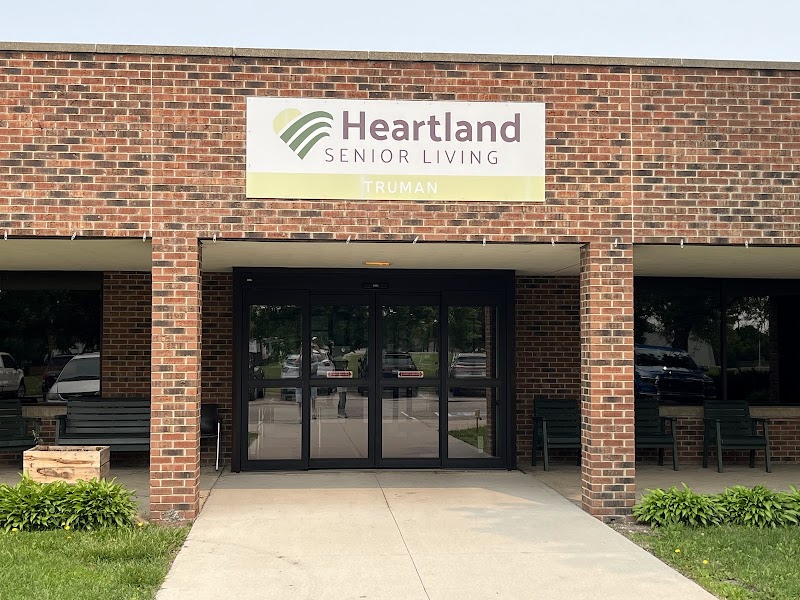
How is Truman Senior Living Staffed?

CMS rates TRUMAN SENIOR LIVING's staffing level at 5 out of 5 stars, which is much above average compared to other nursing homes. Staff turnover is 38%, compared to the Minnesota average of 46%. This relatively stable workforce can support continuity of care.

What Have Inspectors Found at Truman Senior Living?

State health inspectors documented 18 deficiencies at TRUMAN SENIOR LIVING during 2022 to 2024. These included: 17 with potential for harm and 1 minor or isolated issues.
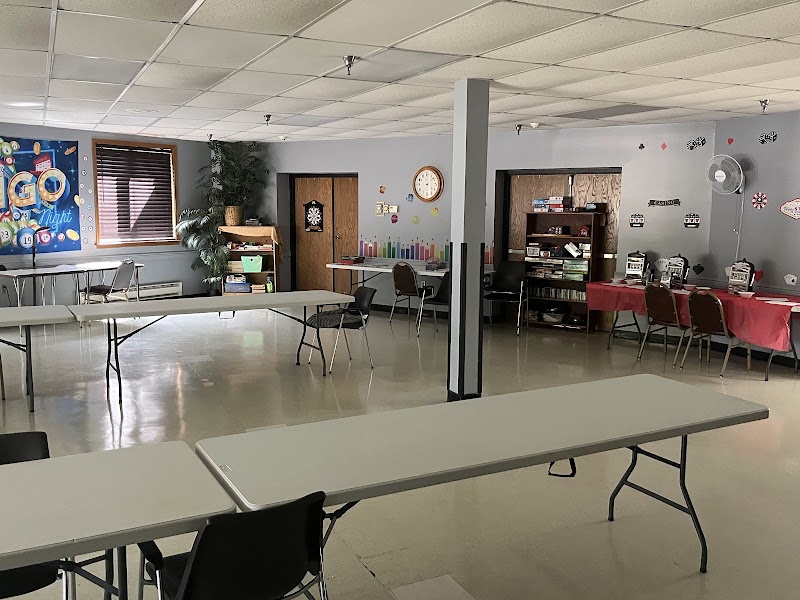
Who Owns and Operates Truman Senior Living?

TRUMAN SENIOR LIVING is owned by a non-profit organization. Non-profit facilities reinvest revenue into operations rather than distributing to shareholders. The facility operates independently rather than as part of a larger chain. With 30 certified beds and approximately 21 residents (about 70% occupancy), it is a smaller facility located in TRUMAN, Minnesota.
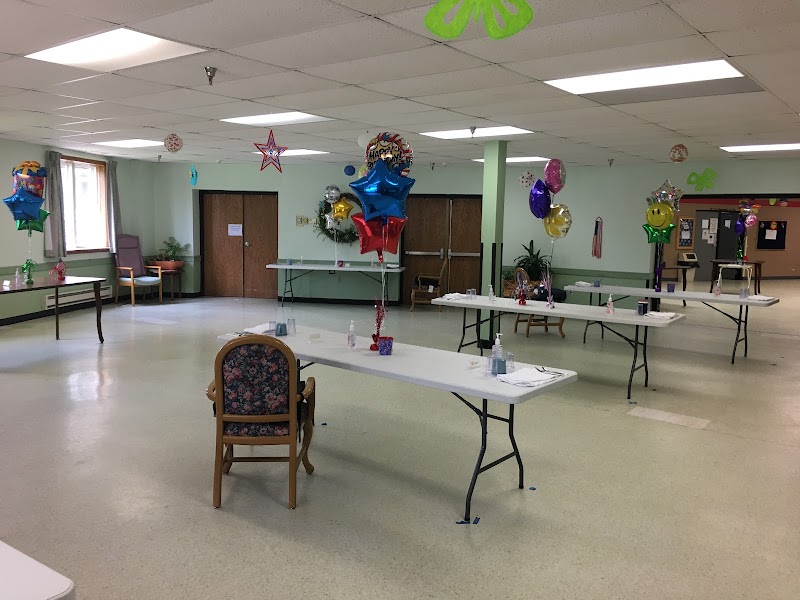
How Does Truman Senior Living Compare to Other Minnesota Nursing Homes?

Compared to the 100 nursing homes in Minnesota, TRUMAN SENIOR LIVING's overall rating (5 stars) is above the state average of 3.2, staff turnover (38%) is near the state average of 46%, and health inspection rating (4 stars) is above the national benchmark.

What Should Families Ask When Visiting Truman Senior Living?

Based on this facility's data, families visiting should ask: "Can I visit during a mealtime to observe dining assistance and food quality?" "How do you handle medical emergencies, and what is your hospital transfer rate?" "Can I speak with family members of current residents about their experience?"

Is Truman Senior Living Safe?

Based on CMS inspection data, TRUMAN SENIOR LIVING has a clean safety record: no substantiated abuse findings (meaning no confirmed cases of resident harm), no Immediate Jeopardy citations (the most serious violation level indicating risk of serious injury or death), and is not on the Special Focus Facility watch list (a federal program monitoring the lowest-performing 1% of nursing homes). The facility has a 5-star overall rating and ranks #1 of 100 nursing homes in Minnesota. While no facility is perfect, families should still ask about staff-to-resident ratios and recent inspection results during their visit.

Do Nurses at Truman Senior Living Stick Around?

TRUMAN SENIOR LIVING has a staff turnover rate of 38%, which is about average for Minnesota nursing homes (state average: 46%). Moderate turnover is common in nursing homes, but families should still ask about staff tenure and how the facility maintains care continuity when employees leave.

Was Truman Senior Living Ever Fined?

TRUMAN SENIOR LIVING has no federal fines on record. CMS issues fines when nursing homes fail to meet care standards or don't correct problems found during inspections. The absence of fines suggests the facility has either maintained compliance or corrected any issues before penalties were assessed. This is a positive indicator, though families should still review recent inspection reports for the full picture.

Is Truman Senior Living on Any Federal Watch List?

TRUMAN SENIOR LIVING is not on any federal watch list. The most significant is the Special Focus Facility (SFF) program, which identifies the bottom 1% of nursing homes nationally based on persistent, serious quality problems. Not being on this list means the facility has avoided the pattern of deficiencies that triggers enhanced federal oversight. This is a positive indicator, though families should still review the facility's inspection history directly.